EP0870825B1 - Humane Protein-Kinase hYAK3 - Google Patents
Humane Protein-Kinase hYAK3 Download PDFInfo
- Publication number
- EP0870825B1 EP0870825B1 EP98301641A EP98301641A EP0870825B1 EP 0870825 B1 EP0870825 B1 EP 0870825B1 EP 98301641 A EP98301641 A EP 98301641A EP 98301641 A EP98301641 A EP 98301641A EP 0870825 B1 EP0870825 B1 EP 0870825B1
- Authority
- EP
- European Patent Office
- Prior art keywords
- hyak3
- polypeptide
- seq
- polynucleotide
- sequence
- Prior art date
- Legal status (The legal status is an assumption and is not a legal conclusion. Google has not performed a legal analysis and makes no representation as to the accuracy of the status listed.)
- Expired - Lifetime
Links
Images


Classifications
-
- C—CHEMISTRY; METALLURGY
- C12—BIOCHEMISTRY; BEER; SPIRITS; WINE; VINEGAR; MICROBIOLOGY; ENZYMOLOGY; MUTATION OR GENETIC ENGINEERING
- C12N—MICROORGANISMS OR ENZYMES; COMPOSITIONS THEREOF; PROPAGATING, PRESERVING, OR MAINTAINING MICROORGANISMS; MUTATION OR GENETIC ENGINEERING; CULTURE MEDIA
- C12N9/00—Enzymes; Proenzymes; Compositions thereof; Processes for preparing, activating, inhibiting, separating or purifying enzymes
- C12N9/10—Transferases (2.)
- C12N9/12—Transferases (2.) transferring phosphorus containing groups, e.g. kinases (2.7)
- C12N9/1205—Phosphotransferases with an alcohol group as acceptor (2.7.1), e.g. protein kinases
-
- A—HUMAN NECESSITIES
- A61—MEDICAL OR VETERINARY SCIENCE; HYGIENE
- A61P—SPECIFIC THERAPEUTIC ACTIVITY OF CHEMICAL COMPOUNDS OR MEDICINAL PREPARATIONS
- A61P19/00—Drugs for skeletal disorders
- A61P19/08—Drugs for skeletal disorders for bone diseases, e.g. rachitism, Paget's disease
- A61P19/10—Drugs for skeletal disorders for bone diseases, e.g. rachitism, Paget's disease for osteoporosis
-
- A—HUMAN NECESSITIES
- A61—MEDICAL OR VETERINARY SCIENCE; HYGIENE
- A61P—SPECIFIC THERAPEUTIC ACTIVITY OF CHEMICAL COMPOUNDS OR MEDICINAL PREPARATIONS
- A61P25/00—Drugs for disorders of the nervous system
-
- A—HUMAN NECESSITIES
- A61—MEDICAL OR VETERINARY SCIENCE; HYGIENE
- A61P—SPECIFIC THERAPEUTIC ACTIVITY OF CHEMICAL COMPOUNDS OR MEDICINAL PREPARATIONS
- A61P29/00—Non-central analgesic, antipyretic or antiinflammatory agents, e.g. antirheumatic agents; Non-steroidal antiinflammatory drugs [NSAID]
-
- A—HUMAN NECESSITIES
- A61—MEDICAL OR VETERINARY SCIENCE; HYGIENE
- A61P—SPECIFIC THERAPEUTIC ACTIVITY OF CHEMICAL COMPOUNDS OR MEDICINAL PREPARATIONS
- A61P31/00—Antiinfectives, i.e. antibiotics, antiseptics, chemotherapeutics
-
- A—HUMAN NECESSITIES
- A61—MEDICAL OR VETERINARY SCIENCE; HYGIENE
- A61P—SPECIFIC THERAPEUTIC ACTIVITY OF CHEMICAL COMPOUNDS OR MEDICINAL PREPARATIONS
- A61P31/00—Antiinfectives, i.e. antibiotics, antiseptics, chemotherapeutics
- A61P31/04—Antibacterial agents
-
- A—HUMAN NECESSITIES
- A61—MEDICAL OR VETERINARY SCIENCE; HYGIENE
- A61P—SPECIFIC THERAPEUTIC ACTIVITY OF CHEMICAL COMPOUNDS OR MEDICINAL PREPARATIONS
- A61P37/00—Drugs for immunological or allergic disorders
-
- A—HUMAN NECESSITIES
- A61—MEDICAL OR VETERINARY SCIENCE; HYGIENE
- A61P—SPECIFIC THERAPEUTIC ACTIVITY OF CHEMICAL COMPOUNDS OR MEDICINAL PREPARATIONS
- A61P9/00—Drugs for disorders of the cardiovascular system
-
- A—HUMAN NECESSITIES
- A61—MEDICAL OR VETERINARY SCIENCE; HYGIENE
- A61P—SPECIFIC THERAPEUTIC ACTIVITY OF CHEMICAL COMPOUNDS OR MEDICINAL PREPARATIONS
- A61P9/00—Drugs for disorders of the cardiovascular system
- A61P9/10—Drugs for disorders of the cardiovascular system for treating ischaemic or atherosclerotic diseases, e.g. antianginal drugs, coronary vasodilators, drugs for myocardial infarction, retinopathy, cerebrovascula insufficiency, renal arteriosclerosis
-
- A—HUMAN NECESSITIES
- A61—MEDICAL OR VETERINARY SCIENCE; HYGIENE
- A61K—PREPARATIONS FOR MEDICAL, DENTAL OR TOILETRY PURPOSES
- A61K38/00—Medicinal preparations containing peptides
Definitions
- This invention relates to newly identified hYAK3 polynucleotides, hYAK3 polypeptides encoded by such polynucleotides and to their production.
- PSTK regulatory protein serine/threonine kinases
- phosphatases regulatory protein serine/threonine kinases
- serine/threonine kinase activity has been implicated or is suspected in a number of pathologies such as rheumatoid arthritis, psoriasis, septic shock, bone loss, many cancers and other proliferative diseases. Accordingly, serine/threonine kinases and the signal transduction pathways which they are part of are potential targets for drug design.
- CDKs cyclin-dependent kinases
- cyclins cyclin-dependent kinases
- cyclins are activated by binding to regulatory proteins called cyclins and control passage of the cell through specific cell cycle checkpoints.
- CDK2 complexed with cyclin E allows cells to progress through the G 1 to S phase transition.
- the complexes of CDKs and cyclins are subject to inhibition by low molecular weight proteins such as p16 (Serrano et al, Nature 1993: 366,704), which binds to and inhibits CDK4.
- YAK1 a PSTK with sequence homology to CDKs, was originally identified in yeast as a mediator of cell cycle arrest caused by inactivation of the cAMP-dependent protein kinase PKA (Garrett et al, Mol Cell Biol. 1991: 11, 4045-4052).
- YAK1 kinase activity is low in cycling yeast but increases dramatically when the cells are arrested prior to the S-G2 transition. Increased expression of YAK1 causes growth arrest in yeast cells deficient in PKA. Therefore, YAK1 can act as a cell cycle suppressor in yeast.
- hYAK3 novel human homolog of yeast YAK1 termed hYAK3, which is expressed predominantly in testis and skeletal muscle.
- hYAK3 The sequence of hYAK3 shares homology with predicted PSTK's from C. elegans, S. pombe and S. cerevisiae and has motifs associated with known protein kinases. Inhibitors of hYAK3 are expected to stimulate proliferation of cells in which it is expressed.
- an isolated hYAK3 polynucleotide comprising a nucleotide sequence that has at least 80% identity to a nucleotide sequence encoding the hYAK3 polypeptide of SEQ ID NO: 2 or 4 over its entire length; or a nucleotide sequence complimentary to said nucleotide sequence.
- an hYAK3 polypeptide comprising an amino acid sequence which is at least 80% identical to the amino acid sequence of SEQ ID NO:2 or 4 over its entire length.
- the hYAK polynucleotides and polypeptides of the invention may be used for treatment of bone loss including osteoporosis; inflammatory diseases such as Adult Respiratory Disease Syndrome (ARDS), Rheumatoid arthritis, Osteoarthritis, Inflammatory Bowel Disease (IBD), psoriasis, dermatitis, asthma, allergies; infections such as bacterial, fungal, protozoan and viral infections, particularly infections caused by HIV-1 or HIV-2; HIV-associated-cachexia and other immunodeficiency disorders; septic shock; pain; injury; cancers including testicular cancer; anorexia; bulimia; Parkinson's disease; cardiovascular disease including restenosis, atherosclerosis, acute heart failure, myocardial infarction; hypotension; hypertension; urinary retention; angina pectoris; ulcers; benign prostatic hypertrophy; and psychotic and neurological disorders, including anxiety, schizophrenia, manic depression, delirium, dementia, severe mental retardation and dyskinesias, such as
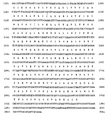
- Figure 1 shows the nucleotide and deduced amino acid sequence from human hYAK3 ⁇ . SEQ ID NOS: 1 and 2.
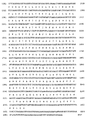
- Figure 2 shows the nucleotide and deduced amino acid sequence from human hYAK3 ⁇ . SEQ ID NOS: 3 and 4.
- an hYAK3 polypeptide comprising an amino acid sequence which is at least 80% identical to the amino acid sequence of SEQ ID NO:2 or 4 over its entire length.
- hYAK3 refers, among others, generally to a polypeptide having the amino acid sequence set forth in SEQ ID NO:2 or 4 or an allelic variant thereof.
- hYAK3 activity or hYAK3 polypeptide activity or “biological activity of the hYAK3 or hYAK3 polypeptide” refers to the metabolic or physiologic function of said hYAK3 including similar activities or improved activities or these activities with decreased undesirable side-effects. Also included are antigenic and immunogenic activities of said hYAK3.
- hYAK3 gene refers to a polynucleotide having the nucleotide sequence set forth in SEQ ID NO:1 or 3 or allelic variants thereof and/or their complements.
- Antibodies as used herein includes polyclonal and monoclonal antibodies, chimeric, single chain, and humanized antibodies, as well as Fab fragments, including the products of an Fab or other immunoglobulin expression library.
- Isolated means altered “by the hand of man” from the natural state. If an "isolated” composition or substance occurs in nature, it has been changed or removed from its original environment, or both.
- a polynucleotide or a polypeptide naturally present in a living animal is not “isolated,” but the same polynucleotide or polypeptide separated from the coexisting materials of its natural state is “isolated”, as the term is employed herein.
- Polynucleotide generally refers to any polyribonucleotide or polydeoxribonucleotide, which may be unmodified RNA or DNA or modified RNA or DNA.
- Polynucleotides include, without limitation single- and double-stranded DNA, DNA that is a mixture of single- and double-stranded regions, single- and double-stranded RNA, and RNA that is mixture of single- and double-stranded regions, hybrid molecules comprising DNA and RNA that may be single-stranded or, more typically, double-stranded or a mixture of single- and double-stranded regions.
- polynucleotide refers to triple-stranded regions comprising RNA or DNA or both RNA and DNA.
- the term polynucleotide also includes DNAs or RNAs containing one or more modified bases and DNAs or RNAs with backbones modified for stability or for other reasons.
- Modified bases include, for example, tritylated bases and unusual bases such as inosine.
- polynucleotide embraces chemically, enzymatically or metabolically modified forms of polynucleotides as typically found in nature, as well as the chemical forms of DNA and RNA characteristic of viruses and cells.
- Polynucleotide also embraces relatively short polynucleotides, often referred to as oligonucleotides.
- Polypeptide refers to any peptide or protein comprising two or more amino acids joined to each other by peptide bonds or modified peptide bonds, i.e., peptide isosteres.
- Polypeptide refers to both short chains, commonly referred to as peptides, oligopeptides or oligomers, and to longer chains, generally referred to as proteins. Polypeptides may contain amino acids other than the 20 gene-encoded amino acids.
- Polypeptides include amino acid sequences modified either by natural processes, such as posttranslational processing, or by chemical modification techniques which are well known in the art. Such modifications are well described in basic texts and in more detailed monographs, as well as in a voluminous research literature.
- Modifications can occur anywhere in a polypeptide, including the peptide backbone, the amino acid side-chains and the amino or carboxyl termini. It will be appreciated that the same type of modification may be present in the same or varying degrees at several sites in a given polypeptide. Also, a given polypeptide may contain many types of modifications. Polypeptides may be branched as a result of ubiquitination, and they may be cyclic, with or without branching. Cyclic, branched and branched cyclic polypeptides may result from posttranslation natural processes or may be made by synthetic methods.
- Modifications include acetylation, acylation, ADP-ribosylation, amidation, covalent attachment of flavin, covalent attachment of a heme moiety, covalent attachment of a nucleotide or nucleotide derivative, covalent attachment of a lipid or lipid derivative, covalent attachment of phosphotidylinositol, cross-linking, cyclization, disulfide bond formation, demethylation, formation of covalent cross-links, formation of cystine, formation of pyroglutamate, formylation, gamma-carboxylation, glycosylation, GPI anchor formation, hydroxylation, iodination, methylation, myristoylation, oxidation, proteolytic processing, phosphorylation, prenylation, racemization, selenoylation, sulfation, transfer-RNA mediated addition of amino acids to proteins such as arginylation, and ubiquitination.
- Variant is a polynucleotide or polypeptide that differs from a reference polynucleotide or polypeptide respectively, but retains essential properties.
- a typical variant of a polynucleotide differs in nucleotide sequence from another, reference polynucleotide. Changes in the nucleotide sequence of the variant may or may not alter the amino acid sequence of a polypeptide encoded by the reference polynucleotide. Nucleotide changes may result in amino acid substitutions, additions, deletions, fusions and truncations in the polypeptide encoded by the reference sequence, as discussed below.
- a typical variant of a polypeptide differs in amino acid sequence from another, reference polypeptide. Generally, differences are limited so that the sequences of the reference polypeptide and the variant are closely similar overall and, in many regions, identical.
- a variant and reference polypeptide may differ in amino acid sequence by one or more substitutions, additions, deletions in any combination.
- a substituted or inserted amino acid residue may or may not be one encoded by the genetic code.
- a variant of a polynucleotide or polypeptide may be a naturally occurring such as an allelic variant, or it may be a variant that is not known to occur naturally. Non-naturally occurring variants of polynucleotides and polypeptides may be made by mutagenesis techniques or by direct synthesis.
- Identity is a measure of the identity of nucleotide sequences or amino acid sequences. In general, the sequences are aligned so that the highest order match is obtained. “Identity” per se has an art-recognized meaning and can be calculated using published techniques.
- identity is well known to skilled artisans (Carillo, H., and Lipton, D., SIAM J Applied Math (1988) 48:1073). Methods commonly employed to determine identity or similarity between two sequences include, but are not limited to, those disclosed in Guide to Huge Computers, Martin J. Bishop, ed., Academic Press, San Diego, 1994, and Carillo, H., and Lipton, D., SIAM J Applied Math (1988) 48:1073. Methods to determine identify and similarity are codified in computer programs.
- Preferred computer program methods to determine identity and similarity between two sequences include, but are not limited to, GCS program package (Devereux, J., et al ., Nucleic Acids Research (1984) 12(1):387), BLASTP, BLASTN, FASTA (Atschul, S.F. et al ., J Molec Biol (1990) 215:403).
- the hYAK3 polypeptides of the present invention include the polypeptide of SEQ ID NO:2 or 4; as well as polypeptides comprising the amino acid sequence of SEQ ID NO: 2 or 4; and polypeptides comprising an amino acid sequence which has at least 80% identity to that of SEQ ID NO:2 or 4 over its entire length, and still more preferably at least 90% identity, and even still more preferably at least 95% identity to SEQ ID NO: 2 or 4.
- polypeptides having an ammo acid sequence which has at least 80% identity to the polypeptide having the amino acid sequence of SEQ ID NO:2 or 4 over its entire length, and still more preferably at least 90% identity, and still more preferably at least 95% identity to SEQ ID NO:2 or 4.
- the hYAK3 polypeptides of the invention may be in the form of the "mature" protein or may be a part of a larger protein such as a fusion protein. It is often advantageous to include an additional amino acid sequence which contains secretory or leader sequences, pro-sequences, sequences which aid in purification such as multiple histidine residues, or an additional sequence for stability during recombinant production.
- Preferred variants are those that vary from the referents by conservative amino acid substitutions - i.e., those that substitute a residue with another of like characteristics. Typical such substitutions are among Ala, Val, Leu and Ile; among Ser and Thr; among the acidic residues Asp and Glu; among Asn and Gln; and among the basic residues Lys and Arg; or aromatic residues Phe and Tyr. Particularly preferred are variants in which several, 5-10, 1-5, or 1-2 amino acids are substituted, deleted, or added in any combination.
- the hYAK3 polypeptides of the invention can be prepared in any suitable manner.
- Such polypeptides include isolated naturally occurring polypeptides, recombinantly produced polypeptides, synthetically produced polypeptides, or polypeptides produced by a combination of these methods. Means for preparing such polypeptides are well understood in the art.
- hYAK3 polynucleotides of the present invention include isolated polynucleotides which encode the hYAK3 polypeptides of the present invention. More specifically, hYAK3 polynuclcotides of the invention include a polynucleotide comprising the nucleotide sequence set forth in SEQ ID NO:1 or 3 encoding a hYAK3 polypeptide of SEQ ID NO: 2 or 4, and polynucleotide having the particular sequence of SEQ ID NO: 1 or 3.
- hYAK3 polynucleotides further include a polynucleotide comprising a nucleotide sequence that has at least 80% identity to a nucleotide sequence encoding the hYAK3 polypeptide of SEQ ID NO:2 or 4 over its entire length, and a polynucleotide that is at least 80% identical to that having SEQ ID NO: 1 or 3 over its entire length.
- polynucleotides at least 90% identical are particularly preferred, and those with at least 95% are especially preferred.
- those with at least 97% are highly preferred and those with at least 98-99% are most highly preferred, with at least 99% being the most preferred.
- the invention also provides polynucleotides which are complementary to the hYAK3 polynucleotides of the invention.
- hYAK3 of the invention is structurally related to other proteins of the serine/threonine protein kinase family, as shown by the results of sequencing the cDNA encoding human hYAK3.
- the cDNA sequence contains an open reading frame encoding a polypeptide of 588/568 ( ⁇ and ⁇ forms, respectively) amino acids.
- Amino acid of sequence of Figures 1 and 2 (SEQ ID NOS:2 and 4, respectively) has about 65% identity (using FASTA) in 402 amino acid residues with C. elegans protein kinase F49E11.1.
- hYAK3 is 49% identical to S.
- pombe protein kinase SPAC2F7.03c over 315 amino acids (Barrell et al., Schizosaccahromyces pombe chromosome I sequencing project, 1995) and 46% identical to S . cerevisiae protein kinase YAK1 over 286 amino acids (Garrett and Broach, Genes & Develop. 3:1336-1348, 1989).
- Nucleotide sequence of Figures 1 and 2 (SEQ ID NOS:1 and 4, respectively) has about 64% identity (using FASTA) in 672 nucleotide residues with C. elegans protein kinase F49E11.1.
- One polynucleotide of the present invention encoding hYAK3 may be obtained using standard cloning and screening, from a cDNA library derived from mRNA in cells of human testis and skeletal muscle using the expressed sequence tag (EST) analysis (Adams, M.D., et al. Science (1991) 252:1651-1656; Adams, M.D. et al ., Nature , (1992) 355 :632-634; Adams, M.D., et al., Nature (1995) 377 Supp:3-174).
- Polynucleotides of the invention can also be obtained from natural sources such as genomic DNA libraries or can be synthesized using well known and commercially available techniques.
- nucleotide sequence encoding hYAK3 polypeptide of SEQ ID NO:2 or 4 may be identical over its entire length to the coding sequence set forth in Figure 1 or 2 (SEQ ID NO:1 or 3), or may be a degenerate form of this nucleotide sequence encoding the polypeptide of SEQ ID NO:2 or 4, or may be highly identical to a nucleotide sequence that encodes the polypeptide of SEQ ID NO:2 or 4.
- the polynucleotides of the invention comprise a nucleotide sequence that is highly identical, at least 80% identical, with a nucleotide sequence encoding a hYAK3 polypeptide, or at least 80% identical with the sequence contained in Figure 1 or 2 (SEQ ID NO: 1 or 3) encoding hYAK3 polypeptide, or at least 80% identical to a nucleotide sequence encoding the polypeptide of SEQ ID NO:2 or 4.
- the polynucleotide may include the coding sequence for the mature polypeptide by itself, the coding sequence for the mature polypeptide in reading frame with other coding sequences, such as those encoding a leader or secretory sequence, a pre-, or pro- or prepro-protein sequence, or other fusion peptide portions.
- a marker sequence which facilitates purification of the fused polypeptide can be encoded.
- the marker sequence is a hexa-histidine peptide.
- polynucleotide may also contain non-coding 5' and 3' sequences, such as transcribed, non-translated sequences, splicing and polyadenylation signals, ribosome binding sites and sequences that stabilize mRNA.
- hYAK3 variants comprising the amino acid sequence hYAK3 polypeptide of Figure 1 or 2 (SEQ ID NO:2 or 4) in which several, 5-10, 1-5, 1-3, 1-2 or 1 amino acid residues are substituted, deleted or added, in any combination.
- the present invention further relates to polynucleotides that hybridize to the hYAK3 polynucleotides of the present invention.
- the present invention especially relates to polynucleotides which hybridize under stringent conditions to the hYAK3 polynucleotides of the invention.
- stringent conditions means hybridization will occur only if there is at least 95% and preferably at least 97% identity between the sequences.
- an appropriate library may be screened under stingent hybridization conditions with a labeled probe having the SEQ ID NO: 1 or 3 or a fragment thereof, and fall-length cDNA and genomic clones containing said polynuclcotide sequence may be isolated.
- Such hybridization techniques are well known to those of skill in the art.
- Stringent hybridization conditions are as defined above or alternatively conditions under overnight incubation at 42°C in a solution comprising: 50% formamide, 5xSSC (150mM NaCl, 15mM trisodium citrate), 50 mM sodium phosphate (pH7.6), 5x Denhardt's solution, 10 % dextran sulfate, and 20 microgram/ml denatured, shared salmon sperm DNA, followed by washing the filters in 0.1x SSC at about 65°C.
- 5xSSC 150mM NaCl, 15mM trisodium citrate
- 50 mM sodium phosphate pH7.6
- 5x Denhardt's solution 10 % dextran sulfate
- 20 microgram/ml denatured, shared salmon sperm DNA followed by washing the filters in 0.1x SSC at about 65°C.
- hYAK3 polynucleotides and polypeptides of the present invention may be employed as research reagents and materials for discovery of treatments and diagnostics to animal and human disease.
- the present invention also relates to vectors which comprise an hYAK3 polynucleotide or hYAK3 polynucleotides of the present invention, and host cells which are genetically engineered with vectors of the invention and to the production of polypeptides of the invention by recombinant techniques.
- Cell-free translation systems can also be employed to produce such proteins using RNAs derived from the DNA constructs of the present invention.
- host cells can be genetically engineered to incorporate expression systems or portions thereof for polynucleotides of the present invention.
- Introduction of polynucleotides into host cells can be effected by methods described in many standard laboratory manuals, such as Davis et al., BASIC METHODS IN MOLECULAR BIOLOGY (1986) and Sambrook et al., MOLECULAR CLONING: A LABORATORY MANUAL, 2nd Ed., Cold Spring Harbor Laboratory Press, Cold Spring Harbor, N.Y. (1989) such as calcium phosphate transfection, DEAE-dextran mediated transfection, transvection, microinjection, cationic lipid-mediated transfection, electroporation, transduction, scrape loading, ballistic introduction or infection.
- bacterial cells such as streptococci, staphylococci, E . coli, Streptomyces and Bacillus subtilis cells
- fungal cells such as yeast cells and Aspergillus cells
- insect cells such as Drosophila S2 and Spodoptera Sf9 cells
- animal cells such as CHO, COS, HeLa, C127, 3T3, BHK, 293 and Bowes melanoma cells
- plant cells include bacterial cells, such as streptococci, staphylococci, E . coli, Streptomyces and Bacillus subtilis cells
- fungal cells such as yeast cells and Aspergillus cells
- insect cells such as Drosophila S2 and Spodoptera Sf9 cells
- animal cells such as CHO, COS, HeLa, C127, 3T3, BHK, 293 and Bowes melanoma cells
- plant cells such as CHO, COS, HeLa, C127, 3T3, BHK, 293 and Bowes mel
- Such systems include, among others, chromosomal, episomal and virus-derived systems, e.g., vectors derived from bacterial plasmids, from bacteriophage, from transposons, from yeast episomes, from insertion elements, from yeast chromosomal elements, from viruses such as baculoviruses, papova viruses, such as SV40, vaccinia viruses, adenoviruses, fowl pox viruses, pseudorabies viruses and retroviruses, and vectors derived from combinations thereof, such as those derived from plasmid and bacteriophage genetic elements, such as cosmids and phagemids.
- viruses such as baculoviruses, papova viruses, such as SV40, vaccinia viruses, adenoviruses, fowl pox viruses, pseudorabies viruses and retroviruses
- vectors derived from combinations thereof such as those derived from plasmid and bacteriophage genetic elements, such as cosmid
- the expression systems may contain control regions that regulate as well as engender expression.
- any system or vector suitable to maintain, propagate or express polynucleotides to produce a polypeptide in a host may be used.
- the appropriate nucleotide sequence may be inserted into an expression system by any of a variety of well-known and routine techniques, such as, for example, those set forth in Sambrook et al., MOLECULAR CLONING, A LABORATORY MANUAL (supra).
- secretion signals may be incorporated into the desired polypeptide. These signals may be endogenous to the polypeptide or they may be heterologous signals.
- the polypeptide be produced at the surface of the cell.
- the cells may be harvested prior to use in the screening assay. If hYAK3 polypeptide is secreted into the medium, the medium can be recovered in order to recover and purify the polypeptide; if produced intracellularly, the cells must first be lysed before the polypeptide is recovered.
- hYAK3 polypeptides can be recovered and purified from recombinant cell cultures by well-known methods including ammonium sulfate or ethanol precipitation, acid extraction, anion or cation exchange chromatography, phosphocellulose chromatography, hydrophobic interaction chromatography, affinity chromatography, hydroxylapatite chromatography and lectin chromatography. Most preferably, high performance liquid chromatography is employed for purification. Well known techniques for refolding proteins may be employed to regenerate active conformation when the polypeptide is denatured during isolation and or purification.
- the hYAK3 polynucleotides of the present invention can be used as diagnostic reagents. Detection of a mutated form of hYAK3 gene associated with a dysfunction will provide a diagnostic tool that can add to or define a diagnosis of a disease or susceptibility to a disease which results from under-expression, over-expression or altered expression of hYAK3. Individuals carrying mutations in the hYAK3 gene may be detected at the DNA level by a variety of techniques.
- Nucleic acids for diagnosis may be obtained from a subject's cells, such as from blood, urine, saliva, tissue biopsy or autopsy material.
- the genomic DNA may be used directly for detection or may be amplified enzymatically by using PCR or other amplification techniques prior to analysis.
- RNA or cDNA may also be used in similar fashion. Deletions and insertions can be detected by a change in size of the amplified product in comparison to the normal genotype. Point mutations can be identified by hybridizing amplified DNA to labeled hYAK3 nucleotide sequences. Perfectly matched sequences can be distinguished from mismatched duplexes by RNase digestion or by differences in melting temperatures.
- DNA sequence differences may also be detected by alterations in electrophoretic mobility of DNA fragments in gels, with or without denaturing agents, or by direct DNA sequencing. See, e.g., Myers et al., Science (1985) 230:1242. Sequence changes at specific locations may also be revealed by nuclease protection assays, such as RNase and S1 protection or the chemical cleavage method. See Cotton et al ., Proc Natl Acad Sci USA (1985) 85: 4397-4401. An array of oligonucleotides probes comprising hYAK3 nucleotide sequence or fragments thereof can be constructed to conduct efficient screening of e.g., genetic mutations.
- the diagnostic assays offer a process for diagnosing or determining a susceptibility to bone loss including osteoporosis; inflammatory diseases such as Adult Respiratory Disease Syndrome (ARDS), Rheumatoid arthritis, Osteoarthritis, Inflammatory Bowel Disease (IBD), psoriasis, dermatitis, asthma, allergies; infections such as bacterial, fungal, protozoan and viral infections, particularly infections caused by HIV-1 or HIV-2; HIV-associated cachexia and other immunodeficiency disorders; septic shock; pain; injury; cancers including testicular cancer, anorexia; bulimia; Parkinson's disease; cardiovascular disease including restenosis, atherosclerosis, acute heart failure, myocardial infarction; hypotension, hypertension; urinary retention; angina pectoris; ulcers; benign prostatic hypertrophy; and psychotic and neurological disorders, including anxiety, schizophrenia, manic depression, delirium, dementia, severe mental retardation and dyskinesias, such as Huntington's disease or G
- bone loss including osteoporosis; inflammatory diseases such as Adult Respiratory Disease Syndrome (ARDS), Rheumatoid arthritis, Osteoarthritis, Inflammatory Bowel Disease (IBD), psoriasis, dermatitis, asthma, allergies; infections such as bacterial, fungal, protozoan and viral infections, particularly infections caused by HIV-1 or HIV-2; HIV-associated cachexia and other immunodeficiency disorders; septic shock; pain; injury; cancers including testicular cancer; anorexia; bulimia; Parkinson's disease; cardiovascular disease including restenosis, atherosclerosis, acute heart failure, myocardial infarction; hypotension; hypertension; urinary retention; angina pectoris; ulcers; benign prostatic hypertrophy; and psychotic and neurological disorders, including anxiety, schizophrenia, manic depression, delirium, dementia, severe mental retardation and dyskinesias, such as Huntington's disease or Gilles dela Tourett's syndrome., can be diagnosed by methods comprising
- Decreased or increased expression can be measured at the RNA level using any of the methods well known in the art for the quantitation of polynucleotides, such as, for example, PCR, RT-PCR, RNase protection, Northern blotting and other hybridization methods.
- Assay techniques that can be used to determine levels of a protein, such as an hYAK3 polypeptide, in a sample derived from a host are well-known to those of skill in the art.
- Such assay methods include radioimmunoassays, competitive-binding assays, Western Blot analysis and ELISA assays.
- the hYAK3 nucleotide sequences of the present invention are also valuable for chromosome identification.
- the sequence is specifically targeted to and can hybridize with a particular location on an individual human chromosome.
- the mapping of relevant sequences to chromosomes according to the present invention is an important first step in correlating those sequences with gene associated disease. Once a sequence has been mapped to a precise chromosomal location, the physical position of the sequence on the chromosome can be correlated with genetic map data. Such data are found, for example, in V. McKusick, Mendelian Inheritance in Man (available on line through Johns Hopkins University Welch Medical Library). The relationship between genes and diseases that have been mapped to the same chromosomal region are then identified through linkage analysis (coinheritance of physically adjacent genes).
- the differences in the cDNA or genomic sequence between affected and unaffected individuals can also be determined. If a mutation is observed in some or all of the affected individuals but not in any normal individuals, then the mutation is likely to be the causative agent of the disease.
- hYAK3 polypeptides of the invention or their fragments or analogs thereof, or cells expressing them can also be used as immunogens to produce antibodies immunospecific for the hYAK3 polypeptides.
- immunospecific means that the antibodies have substantially greater affinity for the hYAK3 polypeptides of the invention than their affinity for other related polypeptides in the prior art.
- Antibodies generated against the hYAK3 polypeptides can be obtained by administering the polypeptides or epitope-bearing fragments, analogs or cells to an animal, preferably a nonhuman, using routine protocols.
- an animal preferably a nonhuman
- any technique which provides antibodies produced by continuous cell line cultures can be used. Examples include the hybridoma technique (Kohler, G.
- the above-described antibodies may be employed to isolate or to identify clones expressing the polypeptide or to purify the polypeptides by affinity chromatography.
- Antibodies against hYAK3 polypeptides may also be employed to treat bone loss including osteoporosis; inflammatory diseases such as Adult Respiratory Disease Syndrome (ARDS), Rheumatoid arthritis, Osteoarthritis, Inflammatory Bowel Disease (IBD), psoriasis, dermatitis, asthma, allergies; infections such as bacterial, fungal, protozoan and viral infections, particularly infections caused by HIV-1 or HIV-2; HIV-associated cachexia and other immunodeficiency disorders; septic shock; pain; injury; cancers including testicular cancer; anorexia; bulimia; Parkinson's disease; cardiovascular disease including restenosis, atherosclerosis, acute heart failure, myocardial infarction; hypotension; hypertension; urinary retention; angina pectoris; ulcers; benign prostatic hypertrophy; and psychotic and neurological disorders, including anxiety, schizophrenia, manic depression, delirium, dementia, severe mental retardation and dyskinesias, such as Huntington's disease or Gilles de
- a method for inducing an immunological response in a mammal may comprise inoculating the mammal with hYAK3 polypeptide, or a fragment thereof, adequate to produce antibody and/or T cell immune response to protect said animal from bone loss including osteoporosis; inflammatory diseases such as Adult Respiratory Disease Syndrome (ARDS), Rheumatoid arthritis, Osteoarthritis, Inflammatory Bowel Disease (IBD), psoriasis, dermatitis, asthma, allergies; infections such as bacterial, fungal, protozoan and viral infections, particularly infections caused by HIV-1 or HIV-2; HIV-associated cachexia and other immunodeficiency disorders; septic shock; pain; injury; cancers including testicular cancer; anorexia; bulimia; Parkinson's disease; cardiovascular disease including restenosis, atherosclerosis, acute heart failure, myocardial infarction; hypotension; hypertension; urinary retention; angina pectoris; ulcers; benign prostatic hypertrophy; and psychotic and neurological disorders
- An immunological response may be induced in a mammal by delivering hYAK3 polypeptide via a vector directing expression of hYAK3 polynucleotide in vivo in order to induce such an immunological response to produce antibody to protect said animal from diseases.
- An immunological/vaccine formulation comprising an hYAK3 polypeptide or an hYAK3 gene may induce an immunological response to an hYAK3 polypeptide in a mammalian host when said composition is introduced into that mammal.
- the vaccine formulation may further comprise a suitable carrier. Since hYAK3 polypeptide may be broken down in the stomach, it is preferably administered parenterally (including subcutaneous, intramuscular, intravenous, intradermal etc. injection).
- Formulations suitable for parenteral administration include aqueous and non-aqueous sterile injection solutions which may contain anti-oxidants, buffers, bacteriostats and solutes which render the formulation instonic with the blood of the recipient; and aqueous and non-aqueous sterile suspensions which may include suspending agents or thickening agents.
- the formulations may be presented in unit-dose or multi-dose containers, for example, sealed ampoules and vials and may be stored in a freeze-dried condition requiring only the addition of the sterile liquid carrier immediately prior to use.
- the vaccine formulation may also include adjuvant systems for enhancing the immunogenicity of the formulation, such as oil-in water systems and other systems known in the art. The dosage will depend on the specific activity of the vaccine and can be readily determined by routine experimentation.
- hYAK3 polypeptide of the present invention may be employed in a screening process for compounds which activate (agonists) or inhibit activation of (antagonists, or otherwise called inhibitors) the hYAK3 polypeptide of the present invention.
- hYAK3 polypeptides of the invention may also be used to assess identify agonist or antagonists from, for example, cells, cell-free preparations, chemical libraries, and natural product mixtures.
- These agonists or antagonists may be natural substrates, ligands, receptors, etc., as the case may be, of the hYAK3 polypeptide of the present invention; or may be structural or functional mimetics of the polypeptide of the present invention. See Coligan et al ., Current Protocols in Immunology 1(2):Chapter 5 (1991).
- hYAK3 polypeptides are ubiquitous in the mammalian host and are responsible for many biological functions, including many pathologies. Accordingly, it is desirous to find compounds and drugs which stimulate hYAK3 polypeptide on the one hand and which can inhibit the function of hYAK3 polypeptide on the other hand.
- agonists are employed for therapeutic and prophylactic purposes for such conditions as bone loss including osteoporosis; inflammatory diseases such as Adult Respiratory Disease Syndrome (ARDS), Rheumatoid arthritis, Osteoarthritis, Inflammatory Bowel Disease (IBD), psoriasis, dermatitis, asthma, allergies; infections such as bacterial, fungal, protozoan and viral infections, particularly infections caused by HIV-1 or HIV-2; HIV-associated cachexia and other immunodeficiency disorders; septic shock; pain; injury; cancers including testicular cancer, anorexia; bulimia; Parkinson's disease; cardiovascular disease including restenosis, atherosclerosis, acute heart failure, myocardial infarction; hypotension; hypertension; urinary retention; angina pectoris; ulcers; benign prostatic hypertrophy; and psychotic and neurological disorders, including anxiety, schizophrenia, manic depression, delirium, dementia, severe mental retardation and dyskinesias, such as Huntington's disease or Gilles dela
- Antagonists may be employed for a variety of therapeutic and prophylactic purposes for such conditions as bone loss including osteoporosis; inflammatory diseases such as Adult Respiratory Disease Syndrome (ARDS), Rheumatoid arthritis, Osteoarthritis, Inflammatory Bowel Disease (IBD), psoriasis, dermatitis, asthma, allergies; infections such as bacterial, fungal, protozoan and viral infections, particularly infections caused by HIV-1 or HIV-2; HIV-associated cachexia and other immunodeficiency disorders; septic shock; pain; injury; cancers including testicular cancer, anorexia; bulimia; Parkinson's disease; cardiovascular disease including restenosis, atherosclerosis, acute heart failure, myocardial infarction; hypotension; hypertension; urinary retention; angina pectoris; ulcers; benign prostatic hypertrophy; and psychotic and neurological disorders, including anxiety, schizophrenia, manic depression, delirium, dementia, severe mental retardation and dyskinesias, such as Huntington's disease or G
- such screening procedures may involve using appropriate cells which express the hYAK3 polypeptide or respond to hYAK3 polypeptide of the present invention.
- Such cells include cells from mammals, yeast, Drosophila or E. coli .
- Cells which express the hYAK3 polypeptide (or cell membrane containing the expressed polypeptide) or respond to hYAK3 polypeptide are then contacted with a test compound to observe binding, or stimulation or inhibition of a functional response.
- the ability of the cells which were contacted with the candidate compounds is compared with the same cells which were not contacted for hYAK3 activity.
- hYAK3 encodes a protein kinase
- recombinant forms can be used to establish a protein kinase activity.
- this would involve the direct incubation of hYAK3 with a protein or peptide substrate in the presence of -32P- ATP, followed by the measurement of radioactivity incorporated into the substrate by separation and counting.
- Separation methods include immunoprecipitation, conjugation of substrate to a bead allowing separation by centrifugation or determination of incorporation by scintillation proximity assay, SDS-PAGE followed by autoradiography or biosensor analysis.
- hYAK3 itself (autophosphorylation), myelin basic protein, casein, histone and HSP27.
- Other substances might be discovered by incubating hYAK3 with random peptides conjugated to solid supports or displayed on the surface of phage or by incubation of hYAK3 with mammalian cell lysates and -32P- ATP, followed by separation of the labelled target proteins, and sequencing.
- the protein kinase activity of hYAK3 may require incubation with a specific upstream effector. This may be achieved by preincubating HYAK3 with lysates from a variety of stimulated eukaryotic cells and ATP.
- Such diseases may be treated and/or ameliorated by administering an hYAK3 inhibiting amount of a compound.
- an hYAK3 inhibiting amount of a compound is believed that among the useful inhibitors of hYAK3 function are those compounds which inhibit the kinase activity of the hYAK3.
- Other sites of inhibition are, of course, possible owing to its position in a signal transduction cascade. Therefore, inhibiting the interaction of hYAK3 with one or more of its upstream or downstream modulators/substrates is also contemplated by this invention. Inhibitors of protein-protein interactions between hYAK3 and other factors could lead to the development of pharmaceutical agents for the modulation of hYAK3 activity.
- the assays may simply test binding of a candidate compound wherein adherence to the cells bearing the hYAK3 polypeptide is detected by means of a label directly or indirectly associated with the candidate compound or in an assay involving competition with a labeled competitor. Further, these assays may test whether the candidate compound results in a signal generated by activation of the hYAK3 polypeptide, using detection systems appropriate to the cells bearing the hYAK3 polypeptide. Inhibitors of activation are generally assayed in the presence of a known agonist and the effect on activation by the agonist by the presence of the candidate compound is observed. Standard methods for conducting such screening assays are well understood in the art.
- hYAK3 polypeptide antagonists include antibodies or, in some cases, oligonucleotides or proteins which are closely related to the ligands, substrates, receptors, etc., as the case may be, of the hYAK3 polypeptide, e.g., a fragment of the ligands, substrates, receptors, or small molecules which bind to the hYAK3 polypetide of the present invention but do not elicit a response, so that the activity of the polypeptide is prevented.
- hYAK3 polynucleotides and polypeptides of the present invention may ultimately lead to the identification of medicaments for treating abnormal conditions related to both an excess of and insufficient amounts of hYAK3 polypeptide activity.
- One approach comprises administering to a subject an inhibitor compound (antagonist) as hereinabove described along with a pharmacentically acceptable carrier in an amount effective to inhibit activation by blocking binding of ligands to the hYAK3 polypeptide, or by inhibiting a second signal, and thereby alleviating the abnormal condition.
- soluble forms of hYAK3 polypeptides still capable of binding the ligand in competition with endogenous hYAK3 polypeptide may be administered.
- Typical embodiments of such competitors comprise fragments of the hYAK3 polypeptide.
- expression of the gene encoding endogenous hYAK3 polypeptide can be inhibited using expression blocking techniques.
- Known such techniques involve the use of antisense sequences, either internally generated or separately administered. See, for example, O'Connor, J Neurochem (1991) 56:560 in Oligodeoxynucleotides as Antisense Inhibitors of Gene Expression, CRC Press, Boca Raton, FL (1988).
- oligonucleotides which form triple helices with the gene can be supplied.
- oligomers can be administered per se or the relevant oligomers can be expressed in vivo.
- hYAK3 For treating abnormal conditions related to an under-erpression of hYAK3 and its activity, several approaches are also available.
- One approach comprises administering to a subject a therapeutically effective amount of a compound which activates hYAK3 polypeptide, i.e., an agonist as described above, in combination with a pharmaceutically acceptable carrier, to thereby alleviate the abnormal condition.
- gene therapy may be employed to effect the endogenous production of hYAK3 by the relevant cells in the subject.
- a polynucleotide of the invention may be engineered for expression in a replication defective retroviral vector, as discussed above.
- the retroviral expression construct may then be isolated and introduced into a packaging cell transduced with a retroviral plasmid vector containing RNA encoding an hYAK3 polypeptide of the present invention such that the packaging cell now produces infectious viral particles containing the gene of interest.
- These producer cells may be administered to a subject for engineering cells in vivo and expression of the polypeptide in vivo.
- gene therapy see Chapter 20, Gene Therapy and other Molecular Genetic-based Therapeutic Approaches, (and references cited therein) in Human Molecular Genetics, T Strachan and A P Read, BIOS Scientific Publishers Ltd (1996).
- Peptides such as the soluble form of hYAK3 polypeptides, and agonists and antagonist peptides or small molecules, may be formulated in combination with a suitable pharmaceutical carrier.
- suitable pharmaceutical carrier include but are not limited to, saline, buffered saline, dextrose, water, glycerol, ethanol, and combinations thereof. Formulation should suit the mode of administration, and is well within the skill of the art.
- Pharmaceutical packs and kits comprising one or more containers filled with one or more of the ingredients of the aforementioned compositions may be provided.
- hYAK polypeptides of the present invention may be employed alone or in conjunction with other compounds, such as therapeutic compounds.
- systemic administration of the pharmaceutical compositions include injection, typically by intravenous injection Other injection routes, such as subcutaneous, intramuscular, or intraperitoneal, can be used. Alternative means for systemic administration include transmucosal and transdermal administration using penetrants such as bile salts or fusidic acids or other detergents. In addition, if properly formulated in enteric or encapsulated formulations, oral administration may also be possible. Administration of these compounds may also be topical and/or localized, in the form of salves, pastes, gels and the like.
- the dosage range required depends on the choice of peptide, the route of administration, the nature of the formulation, the nature of the subject's condition, and the judgment of the attending practitioner. Suitable dosages, however, are in the range of 0.1-100 ⁇ g/kg of subject. Wide variations in the needed dosage, however, are to be expected in view of the variety of compounds available and the differing efficiencies of various routes of administration. For example, oral administration would be expected to require higher dosages than administration by intravenous injection. Variations in these dosage levels can be adjusted using standard empirical routines for optimization, as is well understood in the art.
- Polypeptides used in treatment can also be generated endogenously in the subject, in treatment modalities often referred to as "somatic gene therapy" as described above.
- cells from a subject may be engineered with a polynucleotide, such as a DNA or RNA, to encode a polypeptide ex vivo, and for example, by the use of a retroviral plasmid vector. The cells are then introduced into the subject
- a partial clone was initially identified through random searches of the Human Genome Sciences database. This partial clone ( ⁇ lkb) showed significant homology to YAK1 from S . cerevisiae .
- To obtain the full length cDNA Using the insert of the above partial clone as a probe, 1M plaques were screened from both a human testis and skeletal muscle cDNA library (Stratagene, LaJolla CA). Library screening procedure is described by (Elgin, et al. Stratagies 4: 8-9, 1991). The probes were ⁇ -32P labeled, using a Random Primed Labeling Kit (Boheringer Manheim, Germany, Cat.
- Northern analysis was carried out to determine the distribution of hYAK3 mRNA in human tissues.
- the original partial clone was radiolabelled with [32P]-dATP using a randomly primed labelling kit.
- Membranes containing mRNA from multiple human tissues (Clontech #7760-1 and #7759-1)) were hybridized with the probe and washed under high stringency conditions as directed. Hybridized mRNA was visualized by exposing the membranes to X-ray film.
- One major transcript at ⁇ 2.3 kb was present in testis. The transcript was not visible in any other tissues; however, dot blot analysis using a Human Master blot (Clontech #7770-1) indicated that hYAK3 is expressed in other tissues including skeletal muscle.
Landscapes
- Health & Medical Sciences (AREA)
- Life Sciences & Earth Sciences (AREA)
- Chemical & Material Sciences (AREA)
- Organic Chemistry (AREA)
- Medicinal Chemistry (AREA)
- Engineering & Computer Science (AREA)
- Bioinformatics & Cheminformatics (AREA)
- General Health & Medical Sciences (AREA)
- General Chemical & Material Sciences (AREA)
- Nuclear Medicine, Radiotherapy & Molecular Imaging (AREA)
- Chemical Kinetics & Catalysis (AREA)
- Pharmacology & Pharmacy (AREA)
- Animal Behavior & Ethology (AREA)
- Public Health (AREA)
- Veterinary Medicine (AREA)
- Wood Science & Technology (AREA)
- Molecular Biology (AREA)
- Genetics & Genomics (AREA)
- Zoology (AREA)
- Biomedical Technology (AREA)
- Physical Education & Sports Medicine (AREA)
- Rheumatology (AREA)
- General Engineering & Computer Science (AREA)
- Oncology (AREA)
- Communicable Diseases (AREA)
- Microbiology (AREA)
- Biochemistry (AREA)
- Orthopedic Medicine & Surgery (AREA)
- Heart & Thoracic Surgery (AREA)
- Cardiology (AREA)
- Biotechnology (AREA)
- Neurology (AREA)
- Pain & Pain Management (AREA)
- Neurosurgery (AREA)
- Immunology (AREA)
- Vascular Medicine (AREA)
- Urology & Nephrology (AREA)
- Medicines That Contain Protein Lipid Enzymes And Other Medicines (AREA)
- Pharmaceuticals Containing Other Organic And Inorganic Compounds (AREA)
- Micro-Organisms Or Cultivation Processes Thereof (AREA)
Claims (17)
- Isoliertes hYAK3-Polynucleotid, umfassend eine Nucleotidsequenz, die über ihre gesamte Länge eine mindestens 80%ige Identität mit einer Nucleotidsequenz aufweist, die das hYAK3-Polypeptid der SEQ ID Nr. 2 oder 4 codiert, oder eine Nucleotidsequenz, die komplementär zu der Nucleotidsequenz ist.
- Polynucleotid nach Anspruch 1, das DNA oder RNA ist.
- Polynucleotid nach Anspruch 1, wobei die Nucleotidsequenz zu mindestens 80% identisch mit der in SEQ ID Nr. 1 oder 3 enthaltenen ist.
- Polynucleotid nach Anspruch 3, wobei die Nucleotidsequenz die das hYAK3-Polypeptid codierende Sequenz umfasst, die in SEQ ID Nr. 1 oder 3 enthalten ist.
- Polynucleotid mit der SEQ ID Nr. 1 oder 3.
- DNA- oder RNA-Molekül, umfassend ein Expressionssystem, wobei das Expressionssystem fähig ist zur Produktion eines hYAK3-Polypeptids, umfassend eine Aminosäuresequenz, die eine mindestens 80%ige Identität mit dem Polypeptid der SEQ ID Nr. 2 oder 4 aufweist, wenn das Expressionssystem in einer kompatiblen Wirtszelle vorliegt.
- Wirtszelle, umfassend das Expressionssystem nach Anspruch 6.
- Verfahren zur Produktion eines hYAK3-Polypeptids, umfassend die Züchtung eines Wirts nach Anspruch 7 unter Bedingungen, die für die Produktion des Polypeptids ausreichend sind.
- Verfahren nach Anspruch 8, das ferner die Gewinnung des Polypeptids aus der Kultur umfasst.
- Verfahren zur Produktion einer Zelle, die ein hYAK3-Polypeptid produziert, umfassend die Transformation oder Transfektion einer Wirtszelle mit dem Expressionssystem nach Anspruch 6, so dass die Wirtszelle unter geeigneten Kulturbedingungen ein hYAK3-Polypeptid produziert.
- Zellen, die gemäß dem Verfahren nach Anspruch 10 produziert werden.
- hYAK3-Polypeptid, umfassend eine Aminosäuresequenz, die über ihre gesamte Länge zu mindestens 80% mit der Aminosäuresequenz von SEQ ID Nr. 2 oder 4 identisch ist.
- Polypeptid nach Anspruch 12, das die Aminosäuresequenz von SEQ ID Nr. 2 oder 4 umfasst.
- Polypeptid mit der SEQ ID Nr. 2 oder 4.
- hYAK3-Polypeptid, hergestellt gemäß dem Verfahren nach Anspruch 9.
- Antikörper, der immunspezifisch für das hYAK3-Polypeptid nach einem der Ansprüche 12 bis 15 ist.
- hYAK-Polypeptid, erhältlich durch Expression einer Nucleotidsequenz, die die von SEQ ID Nr. 1 oder 3 umfasst.
Applications Claiming Priority (4)
| Application Number | Priority Date | Filing Date | Title |
|---|---|---|---|
| US835170 | 1986-03-03 | ||
| US4061897P | 1997-03-05 | 1997-03-05 | |
| US40618P | 1997-03-05 | ||
| US08/835,170 US5965420A (en) | 1997-03-05 | 1997-04-07 | Human protein kinases hYAK3 |
Publications (2)
| Publication Number | Publication Date |
|---|---|
| EP0870825A1 EP0870825A1 (de) | 1998-10-14 |
| EP0870825B1 true EP0870825B1 (de) | 2001-10-24 |
Family
ID=26717237
Family Applications (1)
| Application Number | Title | Priority Date | Filing Date |
|---|---|---|---|
| EP98301641A Expired - Lifetime EP0870825B1 (de) | 1997-03-05 | 1998-03-05 | Humane Protein-Kinase hYAK3 |
Country Status (5)
| Country | Link |
|---|---|
| US (2) | US5965420A (de) |
| EP (1) | EP0870825B1 (de) |
| JP (1) | JPH11179A (de) |
| CA (1) | CA2231046C (de) |
| DE (1) | DE69802131D1 (de) |
Families Citing this family (6)
| Publication number | Priority date | Publication date | Assignee | Title |
|---|---|---|---|---|
| WO2000044941A1 (en) * | 1999-02-01 | 2000-08-03 | Smithkline Beecham Corporation | A method of treating anemia |
| US6323318B1 (en) * | 1999-02-01 | 2001-11-27 | Smithkline Beecham Corporation | Human protein kinases hYAK3-2 |
| FR2790955B1 (fr) * | 1999-03-19 | 2003-01-17 | Assist Publ Hopitaux De Paris | Utilisation d'oligonucleotides stabilises comme principe actif antitumoral |
| CA2383244A1 (en) * | 1999-05-28 | 2000-12-07 | Sugen, Inc. | Protein kinases |
| WO2001032918A1 (en) * | 1999-11-05 | 2001-05-10 | Smithkline Beecham Corporation | Specific peptide substrate for human yak1, yak3a, and yak3b and yeast yak1 protein kinases |
| US20030077679A1 (en) * | 2001-10-04 | 2003-04-24 | Annan Roland S. | Methods for finding modulators of DYRK3 and DYRK2 |
Family Cites Families (1)
| Publication number | Priority date | Publication date | Assignee | Title |
|---|---|---|---|---|
| WO1996027015A2 (en) * | 1995-02-28 | 1996-09-06 | Pharmacia & Upjohn Company | A novel gene for a protein kinase associated with drug resistance |
-
1997
- 1997-04-07 US US08/835,170 patent/US5965420A/en not_active Expired - Fee Related
-
1998
- 1998-03-04 CA CA002231046A patent/CA2231046C/en not_active Expired - Fee Related
- 1998-03-05 JP JP10053407A patent/JPH11179A/ja not_active Withdrawn
- 1998-03-05 DE DE69802131T patent/DE69802131D1/de not_active Expired - Lifetime
- 1998-03-05 EP EP98301641A patent/EP0870825B1/de not_active Expired - Lifetime
-
1999
- 1999-07-22 US US09/359,257 patent/US6165766A/en not_active Expired - Fee Related
Also Published As
| Publication number | Publication date |
|---|---|
| EP0870825A1 (de) | 1998-10-14 |
| CA2231046A1 (en) | 1998-09-05 |
| DE69802131D1 (de) | 2001-11-29 |
| JPH11179A (ja) | 1999-01-06 |
| US5965420A (en) | 1999-10-12 |
| US6165766A (en) | 2000-12-26 |
| CA2231046C (en) | 2002-10-08 |
Similar Documents
| Publication | Publication Date | Title |
|---|---|---|
| US20040241805A1 (en) | Sialoadhesin family member-2 (SAF-2) | |
| EP0854191A2 (de) | Human cardiac/gehirn tolloid-ähnliches Protein | |
| US6159716A (en) | Human protein kinase HOACF72 | |
| CA2231046C (en) | Human protein kinases hyak3 | |
| US5952483A (en) | Human IκB-β | |
| US5837508A (en) | Membrane-type matrix metalloproteinase-5 gene | |
| US6365389B1 (en) | Human protein kinase H2LAU20 | |
| EP0910641A1 (de) | Spleissvarianten des neuronalen zelladhäsionsmoleküls | |
| US20020183269A1 (en) | Novel compounds | |
| US6323318B1 (en) | Human protein kinases hYAK3-2 | |
| US6297036B1 (en) | YAK-1 related serine/threonine protein kinase-HTLAR33 | |
| CA2231723A1 (en) | Novel has2 splicing variant hoefc11: a target in chronic renal failure, inflammatory diseases and myocardial schemia | |
| US5925539A (en) | Human pelota homolog | |
| WO1999046295A1 (en) | A gene homologous to the drosophila b(2)gen gene and putative yeast 26.5kd protein ypr015c | |
| EP0894856A1 (de) | Humane sMAD3 Spleissvariante | |
| US20030176375A1 (en) | Method of treating anemia | |
| US6316219B1 (en) | Compounds | |
| EP0879886A2 (de) | Signalübertragungs Protein HLDAT86, das menschliche Wnt-4 Homolog | |
| EP0897009A2 (de) | HKABY60 Polypeptide | |
| US6316239B1 (en) | HKABY60 kinase family polypeptides | |
| WO1999021982A1 (en) | Human m6b1 gene | |
| JP2000083678A (ja) | ヒトプロテインキナ―ゼhoacf72 | |
| CA2249662A1 (en) | Novel compounds | |
| WO1999021884A1 (en) | Cblaeh07: a g protein gamma-5 subunit | |
| WO2000047616A1 (en) | Tpaace06: human ptd016 gene |
Legal Events
| Date | Code | Title | Description |
|---|---|---|---|
| PUAI | Public reference made under article 153(3) epc to a published international application that has entered the european phase |
Free format text: ORIGINAL CODE: 0009012 |
|
| 17P | Request for examination filed |
Effective date: 19980619 |
|
| AK | Designated contracting states |
Kind code of ref document: A1 Designated state(s): BE CH DE DK FR GB IT LI NL |
|
| AX | Request for extension of the european patent |
Free format text: AL;LT;LV;MK;RO;SI |
|
| 17Q | First examination report despatched |
Effective date: 19981229 |
|
| AKX | Designation fees paid |
Free format text: BE CH DE DK FR GB IT LI NL |
|
| GRAG | Despatch of communication of intention to grant |
Free format text: ORIGINAL CODE: EPIDOS AGRA |
|
| GRAG | Despatch of communication of intention to grant |
Free format text: ORIGINAL CODE: EPIDOS AGRA |
|
| GRAH | Despatch of communication of intention to grant a patent |
Free format text: ORIGINAL CODE: EPIDOS IGRA |
|
| GRAH | Despatch of communication of intention to grant a patent |
Free format text: ORIGINAL CODE: EPIDOS IGRA |
|
| GRAA | (expected) grant |
Free format text: ORIGINAL CODE: 0009210 |
|
| AK | Designated contracting states |
Kind code of ref document: B1 Designated state(s): BE CH DE DK FR GB IT LI NL |
|
| PG25 | Lapsed in a contracting state [announced via postgrant information from national office to epo] |
Ref country code: NL Free format text: LAPSE BECAUSE OF FAILURE TO SUBMIT A TRANSLATION OF THE DESCRIPTION OR TO PAY THE FEE WITHIN THE PRESCRIBED TIME-LIMIT Effective date: 20011024 Ref country code: LI Free format text: LAPSE BECAUSE OF FAILURE TO SUBMIT A TRANSLATION OF THE DESCRIPTION OR TO PAY THE FEE WITHIN THE PRESCRIBED TIME-LIMIT Effective date: 20011024 Ref country code: IT Free format text: LAPSE BECAUSE OF FAILURE TO SUBMIT A TRANSLATION OF THE DESCRIPTION OR TO PAY THE FEE WITHIN THE PRESCRIBED TIME-LIMIT;WARNING: LAPSES OF ITALIAN PATENTS WITH EFFECTIVE DATE BEFORE 2007 MAY HAVE OCCURRED AT ANY TIME BEFORE 2007. THE CORRECT EFFECTIVE DATE MAY BE DIFFERENT FROM THE ONE RECORDED. Effective date: 20011024 Ref country code: FR Free format text: LAPSE BECAUSE OF FAILURE TO SUBMIT A TRANSLATION OF THE DESCRIPTION OR TO PAY THE FEE WITHIN THE PRESCRIBED TIME-LIMIT Effective date: 20011024 Ref country code: CH Free format text: LAPSE BECAUSE OF FAILURE TO SUBMIT A TRANSLATION OF THE DESCRIPTION OR TO PAY THE FEE WITHIN THE PRESCRIBED TIME-LIMIT Effective date: 20011024 Ref country code: BE Free format text: LAPSE BECAUSE OF FAILURE TO SUBMIT A TRANSLATION OF THE DESCRIPTION OR TO PAY THE FEE WITHIN THE PRESCRIBED TIME-LIMIT Effective date: 20011024 |
|
| REG | Reference to a national code |
Ref country code: CH Ref legal event code: EP |
|
| REF | Corresponds to: |
Ref document number: 69802131 Country of ref document: DE Date of ref document: 20011129 |
|
| REG | Reference to a national code |
Ref country code: GB Ref legal event code: IF02 |
|
| PG25 | Lapsed in a contracting state [announced via postgrant information from national office to epo] |
Ref country code: DK Free format text: LAPSE BECAUSE OF FAILURE TO SUBMIT A TRANSLATION OF THE DESCRIPTION OR TO PAY THE FEE WITHIN THE PRESCRIBED TIME-LIMIT Effective date: 20020124 |
|
| PG25 | Lapsed in a contracting state [announced via postgrant information from national office to epo] |
Ref country code: DE Free format text: LAPSE BECAUSE OF FAILURE TO SUBMIT A TRANSLATION OF THE DESCRIPTION OR TO PAY THE FEE WITHIN THE PRESCRIBED TIME-LIMIT Effective date: 20020125 |
|
| NLV1 | Nl: lapsed or annulled due to failure to fulfill the requirements of art. 29p and 29m of the patents act | ||
| REG | Reference to a national code |
Ref country code: CH Ref legal event code: PL |
|
| EN | Fr: translation not filed | ||
| PLBE | No opposition filed within time limit |
Free format text: ORIGINAL CODE: 0009261 |
|
| STAA | Information on the status of an ep patent application or granted ep patent |
Free format text: STATUS: NO OPPOSITION FILED WITHIN TIME LIMIT |
|
| 26N | No opposition filed | ||
| PGFP | Annual fee paid to national office [announced via postgrant information from national office to epo] |
Ref country code: GB Payment date: 20090206 Year of fee payment: 12 |
|
| GBPC | Gb: european patent ceased through non-payment of renewal fee |
Effective date: 20100305 |
|
| PG25 | Lapsed in a contracting state [announced via postgrant information from national office to epo] |
Ref country code: GB Free format text: LAPSE BECAUSE OF NON-PAYMENT OF DUE FEES Effective date: 20100305 |