EP0858504B1 - Diagnostika und behandlungen von peridontalen erkrankungen - Google Patents
Diagnostika und behandlungen von peridontalen erkrankungen Download PDFInfo
- Publication number
- EP0858504B1 EP0858504B1 EP96934198A EP96934198A EP0858504B1 EP 0858504 B1 EP0858504 B1 EP 0858504B1 EP 96934198 A EP96934198 A EP 96934198A EP 96934198 A EP96934198 A EP 96934198A EP 0858504 B1 EP0858504 B1 EP 0858504B1
- Authority
- EP
- European Patent Office
- Prior art keywords
- complex
- prtr
- prtk
- gingivalis
- kda
- Prior art date
- Legal status (The legal status is an assumption and is not a legal conclusion. Google has not performed a legal analysis and makes no representation as to the accuracy of the status listed.)
- Expired - Lifetime
Links
Images







Classifications
-
- C—CHEMISTRY; METALLURGY
- C12—BIOCHEMISTRY; BEER; SPIRITS; WINE; VINEGAR; MICROBIOLOGY; ENZYMOLOGY; MUTATION OR GENETIC ENGINEERING
- C12N—MICROORGANISMS OR ENZYMES; COMPOSITIONS THEREOF; PROPAGATING, PRESERVING, OR MAINTAINING MICROORGANISMS; MUTATION OR GENETIC ENGINEERING; CULTURE MEDIA
- C12N9/00—Enzymes; Proenzymes; Compositions thereof; Processes for preparing, activating, inhibiting, separating or purifying enzymes
- C12N9/14—Hydrolases (3)
- C12N9/48—Hydrolases (3) acting on peptide bonds (3.4)
- C12N9/50—Proteinases, e.g. Endopeptidases (3.4.21-3.4.25)
- C12N9/52—Proteinases, e.g. Endopeptidases (3.4.21-3.4.25) derived from bacteria or Archaea
-
- C—CHEMISTRY; METALLURGY
- C12—BIOCHEMISTRY; BEER; SPIRITS; WINE; VINEGAR; MICROBIOLOGY; ENZYMOLOGY; MUTATION OR GENETIC ENGINEERING
- C12N—MICROORGANISMS OR ENZYMES; COMPOSITIONS THEREOF; PROPAGATING, PRESERVING, OR MAINTAINING MICROORGANISMS; MUTATION OR GENETIC ENGINEERING; CULTURE MEDIA
- C12N9/00—Enzymes; Proenzymes; Compositions thereof; Processes for preparing, activating, inhibiting, separating or purifying enzymes
- C12N9/14—Hydrolases (3)
- C12N9/48—Hydrolases (3) acting on peptide bonds (3.4)
- C12N9/50—Proteinases, e.g. Endopeptidases (3.4.21-3.4.25)
- C12N9/64—Proteinases, e.g. Endopeptidases (3.4.21-3.4.25) derived from animal tissue
- C12N9/6421—Proteinases, e.g. Endopeptidases (3.4.21-3.4.25) derived from animal tissue from mammals
- C12N9/6424—Serine endopeptidases (3.4.21)
- C12N9/6427—Chymotrypsins (3.4.21.1; 3.4.21.2); Trypsin (3.4.21.4)
-
- A—HUMAN NECESSITIES
- A61—MEDICAL OR VETERINARY SCIENCE; HYGIENE
- A61K—PREPARATIONS FOR MEDICAL, DENTAL OR TOILETRY PURPOSES
- A61K8/00—Cosmetics or similar toiletry preparations
- A61K8/18—Cosmetics or similar toiletry preparations characterised by the composition
- A61K8/30—Cosmetics or similar toiletry preparations characterised by the composition containing organic compounds
- A61K8/64—Proteins; Peptides; Derivatives or degradation products thereof
-
- A—HUMAN NECESSITIES
- A61—MEDICAL OR VETERINARY SCIENCE; HYGIENE
- A61P—SPECIFIC THERAPEUTIC ACTIVITY OF CHEMICAL COMPOUNDS OR MEDICINAL PREPARATIONS
- A61P1/00—Drugs for disorders of the alimentary tract or the digestive system
-
- A—HUMAN NECESSITIES
- A61—MEDICAL OR VETERINARY SCIENCE; HYGIENE
- A61P—SPECIFIC THERAPEUTIC ACTIVITY OF CHEMICAL COMPOUNDS OR MEDICINAL PREPARATIONS
- A61P1/00—Drugs for disorders of the alimentary tract or the digestive system
- A61P1/02—Stomatological preparations, e.g. drugs for caries, aphtae, periodontitis
-
- A—HUMAN NECESSITIES
- A61—MEDICAL OR VETERINARY SCIENCE; HYGIENE
- A61P—SPECIFIC THERAPEUTIC ACTIVITY OF CHEMICAL COMPOUNDS OR MEDICINAL PREPARATIONS
- A61P37/00—Drugs for immunological or allergic disorders
-
- A—HUMAN NECESSITIES
- A61—MEDICAL OR VETERINARY SCIENCE; HYGIENE
- A61P—SPECIFIC THERAPEUTIC ACTIVITY OF CHEMICAL COMPOUNDS OR MEDICINAL PREPARATIONS
- A61P37/00—Drugs for immunological or allergic disorders
- A61P37/02—Immunomodulators
- A61P37/04—Immunostimulants
-
- A—HUMAN NECESSITIES
- A61—MEDICAL OR VETERINARY SCIENCE; HYGIENE
- A61Q—SPECIFIC USE OF COSMETICS OR SIMILAR TOILETRY PREPARATIONS
- A61Q11/00—Preparations for care of the teeth, of the oral cavity or of dentures; Dentifrices, e.g. toothpastes; Mouth rinses
-
- C—CHEMISTRY; METALLURGY
- C07—ORGANIC CHEMISTRY
- C07K—PEPTIDES
- C07K16/00—Immunoglobulins [IG], e.g. monoclonal or polyclonal antibodies
- C07K16/12—Immunoglobulins [IG], e.g. monoclonal or polyclonal antibodies against material from bacteria
-
- C—CHEMISTRY; METALLURGY
- C07—ORGANIC CHEMISTRY
- C07K—PEPTIDES
- C07K16/00—Immunoglobulins [IG], e.g. monoclonal or polyclonal antibodies
- C07K16/12—Immunoglobulins [IG], e.g. monoclonal or polyclonal antibodies against material from bacteria
- C07K16/1203—Gram-negative bacteria
-
- G—PHYSICS
- G01—MEASURING; TESTING
- G01N—INVESTIGATING OR ANALYSING MATERIALS BY DETERMINING THEIR CHEMICAL OR PHYSICAL PROPERTIES
- G01N33/00—Investigating or analysing materials by specific methods not covered by groups G01N1/00 - G01N31/00
- G01N33/48—Biological material, e.g. blood, urine; Haemocytometers
- G01N33/50—Chemical analysis of biological material, e.g. blood, urine; Testing involving biospecific ligand binding methods; Immunological testing
- G01N33/53—Immunoassay; Biospecific binding assay; Materials therefor
- G01N33/569—Immunoassay; Biospecific binding assay; Materials therefor for microorganisms, e.g. protozoa, bacteria, viruses
- G01N33/56911—Bacteria
- G01N33/56955—Bacteria involved in periodontal diseases
-
- A—HUMAN NECESSITIES
- A61—MEDICAL OR VETERINARY SCIENCE; HYGIENE
- A61K—PREPARATIONS FOR MEDICAL, DENTAL OR TOILETRY PURPOSES
- A61K38/00—Medicinal preparations containing peptides
-
- A—HUMAN NECESSITIES
- A61—MEDICAL OR VETERINARY SCIENCE; HYGIENE
- A61K—PREPARATIONS FOR MEDICAL, DENTAL OR TOILETRY PURPOSES
- A61K39/00—Medicinal preparations containing antigens or antibodies
Definitions
- This invention relates to the PrtR-PrtK cell surface protein of Porphyromonas gingivalis and in particular a multimeric cell associated protein complex comprising the PrtR and PrtK proteins.
- the invention also relates to pharmaceutical compositions and associated agents based on said complex for the detection, prevention and treatment of Periodontal disease associated with P. gingivalis.
- Periodontal diseases are bacterial-associated inflammatory diseases of the supporting tissues of the teeth and range from the relatively mild form of gingivitis, the non-specific, reversible inflammation of gingival tissue to the more aggressive forms of periodontitis which are characterised by the destruction of the tooth's supporting structures.
- Periodontitis is associated with a subgingival infection of a consortium of specific Gram-negative bacteria that leads to the destruction of the periodontium and is a major public health problem.
- P. gingivalis As the recovery of this microorganism from adult periodontitis lesions can be up to 50% of the subgingival anaerobically cultivable flora, whereas P.
- gingivalis is rarely recovered, and then in low numbers, from healthy sites.
- a proportional increase in the level of P . gingivalis in subgingival plaque has been associated with an increased severity of periodontitis and eradication of the microorganism from the cultivable subgingival microbial population is accompanied by resolution of the disease.
- the progression of periodontitis lesions in non-human primates has been demonstrated with the subgingival implantation of P . gingivalis.
- P. gingivalis is a black-pigmented, anaerobic, asaccharolytic, proteolytic Gram-negative rod that obtains energy from the metabolism of specific amino acids.
- the microorganism has an absolute growth requirement for iron, preferentially in the form of haeme or its Fe(III) oxidation product haemin and when grown under conditions of excess haemin is highly virulent in experimental animals.
- a number of virulence factors have been implicated in the pathogenicity of P . gingivalis including the capsule, adhesins, cytotoxins and extracellular hydrolytic enzymes.
- proteases have received a great deal of attention for their ability to degrade a broad range of host proteins including structural proteins and others involved in defence.
- the proteins that have been shown to be substrates for P. gingivalis proteolytic activity include collagen types I and IV, fibronectin, fibrinogen, laminin, complement and plasma clotting cascade proteins, ⁇ 1 -antitrypsin, ⁇ 2 -macroglobulin, antichymotrypsin, antithrombin III, antiplasmin, cystatin C, IgG and IgA.
- the major proteolytic activities associated with this organism have been defined by substrate specificity and are "trypsin-like", that is cleavage on the carboxyl side of arginyl and lysyl residues and collagenolytic although other minor activities have been reported.
- P. gingivalis trypsin-like proteolytic activity has been shown to degrade complement, generating biologically active C5a, impair the phagocytic and other functions of neutrophils by modifying surface receptors, and abrogate the clotting potential of fibrinogen prolonging plasma clotting time.
- the trypsin-like proteolytic activity of P . gingivalis also generates Fc fragments from human IgG1 stimulating the release of pro-inflammatory cytokines from mononuclear cells and is associated with vascular disruption and enhanced vascular permeation through the activation of the kallikrein-kinin cascade.
- gingivalis spontaneous mutants with reduced trypsin-like activity as well as wild-type cells treated with the trypsin-like protease inhibitor N- p -tosyl-L-lysine chloromethyl ketone are avirulent in animal models. Further, it has been shown that P. gingivalis grown under controlled, haemin-excess conditions expressed more trypsin-like and less collagenolytic activity and were more virulent in mice relative to cells grown under haemin-limited but otherwise identical conditions. The increased expression of the trypsin-like activity by the more virulent P. gingivalis has led to the speculation that the trypsin-like proteolytic activity may be the major determinant for infection or disease. However, the cell-associated trypsin-like proteolytic activities of P. gingivalis have not been characterised to date.
- PrtR-PrtK cell surface complex exhibiting both arginine- and lysine-specific proteolytic activity together with adhesin activity was previously unknown. Furthermore, the new PrtR-PrtK complex of the present invention is expressed on the cell surface, is a major virulence-associated factor and contains unique epitopes not displayed on the individual domains.
- PrtR-PrtK cell surface complex is accordingly of particular interest for diagnostics and neutralisation by passive immunity through oral compositions containing neutralising antibodies and by vaccine development.
- the recombinant bacterium expressing an inactivated PrtR-PrtK is a genetically engineered commensal inhabitant of the oral cavity.
- the present invention consists in a substantially purified antigenic complex for use in raising an antibody response directed against Porphyromonas gingivalis, the complex comprising at least one multimeric protein complex of arginine-specific and lysine-specific thiol endopeptidases each containing at least one adhesin domain, the complex having a molecular weight of greater than about 200 kDa.
- hesin and “hemagglutinin” may be considered to be synonymous.
- the multimeric protein complex is associated with virulent strains of Porphyromonas gingivalis, preferably has a molecular weight of about 294 to about 323 kDa and is preferably derived from P. gingivalis W50.
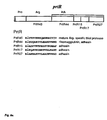
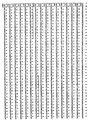
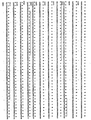
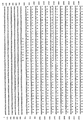
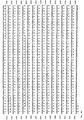
- the multimeric protein complex is composed of 9 proteins. These 9 proteins have the following N-terminal sequences:
- the 9 proteins are PrtK48, PrtR45, PrtR44, PrtK39, PrtK44, PrtR27, PrtR17, PrtK15 and PrtR15 as described herein.
- the purified antigenic complex normally has enzymatic activity it is preferred in a number of uses the thiol endopeptidases are rendered inactive. This may be achieved in a number of ways, for example by oxidation or by mutation. It is presently preferred that the inactivation is by oxidation.
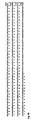
- the multimeric protein complex is encoded by the DNA sequence shown in Figures 8B and 9B.
- the present invention consists in a composition for use in eliciting an immune response directed against Porphyromomas gingivalis, the composition comprising an effective amount of the complex of the first aspect of the present invention and a suitable adjuvant and/or acceptable carrier.
- the present invention consists in a method of reducing the prospect of P. gingivalis infection in an individual and/or severity of disease, the method comprising administering to the individual an amount of the composition of the second aspect of the present invention effective to induce an immune response in the individual directed against P. gingivalis.
- the invention provides a method of diagnosis for the presence of P. gingivalis characterised by the use of an antigen as hereinbefore defined comprising the application of known techniques including for example, enzyme linked immunosorbent assay.
- the invention also provides diagnostic kits comprising antibodies, antigens and/or nucleic acid probes as hereinbefore defined.
- the intra-oral bacterium Porphyromonas gingivalis possesses on its cell surface major trypsin-like proteinases as a 294-323 kDa heterodimeric protein complex of Arg-specific and Lys-specific thiol endopeptidases with hemagglutinins (adhesins) herein designated the PrtR-PrtK complex.
- the PrtR-PrtK complex can be purified from P . gingivalis cells by ultrasonication or chloroform extraction followed by diafiltration or anion exchange and Lys-sepharose or Arg-sepharose chromatography. The purified PrtR-PrtK complex is then used to generate antibodies using standard techniques.
- the animals used for antibody generation can be rabbits, goats, chickens, sheep, horses, cows etc.
- a high antibody titre against the PrtR-PrtK complex is detected by immunoassay the animals are bled or eggs or milk are collected and the serum prepared and/or antibody purified using standard techniques or monoclonal antibodies produced by fusing spleen cells with myeloma cells using standard techniques.
- the antibody immunoglobulin fraction
- the antiserum or the milk is saturated with ammonium sulphate to produce a precipitate, followed by dialyzing the precipitate against physiological saline to obtain the purified immunoglobulin fraction with the specific anti-(PrtR-PrtK).
- the preferred antibody is obtained from the equine antiserum and the bovine antiserum and milk.
- the antibody contained in the antiserum and milk obtained by immunising the animal with the inactivated PrtR-PrtK may be blended into the oral composition.
- the antiserum and milk as well as the antibody separated and purified from the antiserum and milk may be used. Each of these materials may be used alone or in combination of two or more.
- Antibodies against the PrtR-PrtK can be used in oral compositions such as toothpaste and mouthwash to neutralise the PrtR-PrtK and thus prevent disease.
- the anti-(PrtR PrtK) antibodies can also be used for the early detection of P . gingivalis in subgingival plaque samples by a chairside Enzyme Linked Immunosorbent Assay (ELISA).
- the amount of the above antibodies administered is 0.0001 -50 g/kg/day and that the content of the above antibodies is 0.0002 - 10% by weight preferably 0.002 -5% by weight of the composition.
- the oral composition of this invention which contains the above-mentioned serum or milk antibody may be prepared and used in various forms applicable to the mouth such as dentifrice including toothpastes, toothpowders and liquid dentifrices, mouthwashes, troches, periodontal pocket irrigating devices, chewing gums, dental pastes, gingival massage creams, gargle tablets, dairy products and other foodstuffs.
- the oral composition according to this invention may further include additional well known ingredients depending on the type and form of a particular oral composition.
- the oral composition may be substantially liquid in character, such as a mouthwash or rinse.
- the vehicle is typically a water-alcohol mixture desirably including a humectant as described below.
- the weight ratio of water to alcohol is in the range of from about 1:1 to about 20:1.
- the total amount of water-alcohol mixture in this type of preparation is typically in the range of from about 70 to about 99.9% by weight of the preparation.
- the alcohol is typically ethanol or isopropanol. Ethanol is preferred.
- the pH of such liquid and other preparations of the invention is generally in the range of from about 4.5 to about 9 and typically from about 5.5 to 8.
- the pH is preferably in the range of from about 6 to about 8.0, preferably 7.4.
- the pH can be controlled with acid (e.g. citric acid or benzoic acid) or base (e.g. sodium hydroxide) or buffered (as with sodium citrate, benzoate, carbonate, or bicarbonate, disodium hydrogen phosphate, sodium dihydrogen phosphate, etc).
- the oral composition may be substantially solid or pasty in character, such as toothpowder, a dental tablet or a dentifrice, that is a toothpaste (dental cream) or gel dentifrice.
- the vehicle of such solid or pasty oral preparations generally contains dentally acceptable polishing material.
- polishing materials are water-insoluble sodium metaphosphate, potassium metaphosphate, tricalcium phosphate, dihydrated calcium phosphate, anhydrous dicalcium phosphate, calcium pyrophosphate, magnesium orthophosphate, trimagnesium phosphate, calcium carbonate, hydrated alumina, calcined alumina, aluminium silicate, zirconium silicate, silica, bentonite, and mixtures thereof
- suitable polishing material include the particulate thermosetting resins such as melamine-, phenolic, and urea-formaldehydes, and cross-linked polyepoxides and polyesters.
- Preferred polishing materials include crystalline silica having particle sized of up to about 5 microns, a mean particle size of up to about 1.1 microns, and a surface area of up to about 50,000 cm 2 /gm., silica gel or colloidal silica, and complex amorphous alkali metal aluminosilicate.
- a polishing agent of colloidal silica such as those sold under the trademark SYLOID as Syloid 72 and Syloid 74 or under the trademark SANTOCEL as Santocel 100
- alkali metal alumino-silicate complexes are particularly useful since they have refractive indices close to the refractive indices of gelling agent-liquid (including water and/or humectant) systems commonly used in dentifrices.
- insoluble sodium metaphosphate may be formed in any suitable manner as illustrated by Thorpe's Dictionary of Applied Chemistry, Volume 9, 4th Edition, pp. 510-511.
- Madrell's salt and Kurrol's salt are further examples of suitable materials.
- These metaphosphate salts exhibit only a minute solubility in water, and therefore are commonly referred to as insoluble metaphosphates (IMP).
- IMP insoluble metaphosphates
- impurities usually a few percent such as up to 4% by weight.
- the amount of soluble phosphate material which is believed to include a soluble sodium trimetaphosphate in the case of insoluble metaphosphate, may be reduced or eliminated by washing with water if desired.
- the insoluble alkali metal metaphosphate is typically employed in powder form of a particle size such that no more than 1% of the material is larger than 37 microns.
- the polishing material is generally present in the solid or pasty compositions in weight concentrations of about 10% to about 99%. Preferably, it is present in amounts from about 10% to about 75% in toothpaste, and from about 70% to about 99% in toothpowder. In toothpastes, when the polishing material is silicious in nature, it is generally present in amount of about 10-30% by weight. Other polishing materials are typically present in amount of about 30-75% by weight.
- the liquid vehicle may comprise water and humectant typically in an amount ranging from about 10% to about 80% by weight of the preparation.
- humectant typically in an amount ranging from about 10% to about 80% by weight of the preparation.
- Glycerine, propylene glycol, sorbitol and polypropylene glycol exemplify suitable humectants/carriers.
- liquid mixtures of water, glycerine and sorbitol are particularly advantageous. In clear gels where the refractive index is an important consideration, about 2.5 - 30% w/w of water, 0 to about 70% w/w of glycerine and about 20-80% w/w of sorbitol are preferably employed.
- Toothpaste, creams and gels typically contain a natural or synthetic thickener or gelling agent in proportions of about 0.1 to about 10, preferably about 0.5 to about 5% w/w.
- a suitable thickener is synthetic hectorite, a synthetic colloidal magnesium alkali metal silicate complex clay available for example as Laponite (e.g. CP, SP 2002, D) marketed by Laporte Industries Limited.
- Laponite D is, approximately by weight 58.00% SiO 2 , 25.40% MgO, 3.05% Na 2 O, 0.98% Li 2 O, and some water and trace metals. Its true specific gravity is 2.53 and it has an apparent bulk density of 1.0 g/ml at 8% moisture.
- thickeners include Irish moss, iota carrageenan, gum tragacanth, starch, polyvinylpyrrolidone, hydroxyethylpropylcellulose, hydroxybutyl methyl cellulose, hydroxypropyl methyl cellulose, hydroxyethyl cellulose (e.g. available as Natrosol), sodium carboxymethyl cellulose, and colloidal silica such as finely ground Syloid (e.g. 244).
- Irish moss iota carrageenan
- gum tragacanth starch
- polyvinylpyrrolidone hydroxyethylpropylcellulose
- hydroxybutyl methyl cellulose hydroxypropyl methyl cellulose
- sodium carboxymethyl cellulose hydroxyethyl cellulose
- colloidal silica such as finely ground Syloid (e.g. 244).
- Solubilizing agents may also be included such as humectant polyols such propylene glycol, dipropylene glycol and hexylene glycol, cellosolves such as methyl cellosolve and ethyl cellosolve, vegetable oils and waxes containing at least about 12 carbons in a straight chain such as olive oil, castor oil and petrolatum and esters such as amyl acetate, ethyl acetate and benzyl benzoate.
- humectant polyols such propylene glycol, dipropylene glycol and hexylene glycol
- cellosolves such as methyl cellosolve and ethyl cellosolve
- vegetable oils and waxes containing at least about 12 carbons in a straight chain such as olive oil, castor oil and petrolatum and esters such as amyl acetate, ethyl acetate and benzyl benzoate.
- a jar of mouthrinse will have a label describing it, in substance, as a mouthrinse or mouthwash and having directions for its use; and a toothpaste, cream or gel will usually be in a collapsible tube, typically aluminium, lined lead or plastic, or other squeeze, pump or pressurised dispenser for metering out the contents, having a label describing it, in substance, as a toothpaste, gel or dental cream.
- Organic surface-active agents are used in the compositions of the present invention to achieve increased prophylactic action, assist in achieving thorough and complete dispersion of the active agent throughout the oral cavity, and render the instant compositions more cosmetically acceptable.
- the organic surface-active material is preferably anionic, nonionic or ampholytic in nature which does not denature the antibody of the invention, and it is preferred to employ as the surface-active agent a detersive material which imparts to the composition detersive and foaming properties while not denaturing the antibody.
- anionic surfactants are water-soluble salts of higher fatty acid monoglyceride monosulfates, such as the sodium salt of the monosulfated monoglyceride of hydrogenated coconut oil fatty acids, higher alkyl sulfates such as sodium lauryl sulfate, alkyl aryl sulfonates such as sodium dodecyl benzene sulfonate, higher alkylsulfo-acetates, higher fatty acid esters of 1,2-dihydroxy propane sulfonate, and the substantially saturated higher aliphatic acyl amides of lower aliphatic amino carboxylic acid compounds, such as those having 12 to 16 carbons in the fatty acid, alkyl or acyl radicals, and the like.
- Examples of the last mentioned amides are N-lauroyl sarcosine, and the sodium, potassium, and ethanolamine salts of N-lauroyl, N-myristoyL or N-palmitoyl sarcosine which should be substantially free from soap or similar higher fatty acid material.
- the use of these sarconite compounds in the oral compositions of the present invention is particularly advantageous since these materials exhibit a prolonged marked effect in the inhibition of acid formation in the oral cavity due to carbohydrates breakdown in addition to exerting some reduction in the solubility of tooth enamel in acid solutions.
- Examples of water-soluble nonionic surfactants suitable for use with antibodies are condensation products of ethylene oxide with various reactive hydrogencontaining compounds reactive therewith having long hydrophobic chains (e.g.
- condensation products contain hydrophilic polyoxyethylene moieties, such as condensation products of poly (ethylene oxide) with fatty acids, fatty alcohols, fatty amides, polyhydric alcohols (e.g. sorbitan monostearate) and polypropyleneoxide (e.g. Pluronic materials).
- Surface active agent is typically present in amount of about 0.1-5% by weight. It is noteworthy, that the surface active agent may assist in the dissolving of the antibody of the invention and thereby diminish the amount of solubilizing humectant needed.
- Various other materials may be incorporated in the oral preparations of this invention such as whitening agents, preservatives, silicones, chlorophyll compounds and/or ammoniated material such as urea, diammonium phosphate, and mixtures thereof
- whitening agents such as whitening agents, preservatives, silicones, chlorophyll compounds and/or ammoniated material such as urea, diammonium phosphate, and mixtures thereof
- flavouring or sweetening material may also be employed.
- suitable flavouring constituents are flavouring oils, e.g. oil of spearmint, peppermint, wintergreen, sassafras, clove, sage, eucalyptus, marjoram, cinnamon, lemon, and orange, and methyl salicylate.
- suitable sweetening agents include sucrose, lactose, maltose, sorbitol, xylitol, sodium cyclamate, perillartine, AMP (aspartyl phenyl alanine, methyl ester), saccharine, and the like.
- flavour and sweetening agents may each or together comprise from about 0.1% to 5% more of the preparation.
- an oral composition according to this invention such as mouthwash or dentifrice containing the composition of the present invention is preferably applied regularly to the gums and teeth, such as every day or every second or third day or preferably from 1 to 3 times daily, at a pH of about 4.5 to about 9, generally about 5.5 to about 8, preferably about 6 to 8, for at least 2 weeks up to 8 weeks or more up to a lifetime.
- compositions of this invention can be incorporated in lozenges, or in chewing gum or other products, e.g. by stirring into a warm gum base or coating the outer surface of a gum base, illustrative of which may be mentioned jelutong, rubber latex, vinylite resins, etc., desirably with conventional plasticisers or softeners, sugar or other sweeteners or such as glucose, sorbitol and the like.
- composition of this invention also includes targeted delivery vehicles such as periodontal pocket irrigation devices, collagen, elastin, or synthetic sponges, membranes or fibres placed in the periodontal pocket or used as a barrier membrane or applied directly to the tooth root.
- targeted delivery vehicles such as periodontal pocket irrigation devices, collagen, elastin, or synthetic sponges, membranes or fibres placed in the periodontal pocket or used as a barrier membrane or applied directly to the tooth root.
- Another important form of the invention is a composition for use in eliciting an immune response directed against Porphyromonas gingivalis based on the PrtR-PrtK complex and suitable adjuvant delivered by nasal spray, orally or by injection to produce a specific immune response against the PrtR-PrtK complex thereby reducing colonisation of P. gingivalis and neutralising the PrtR-PrtK thereby preventing disease. Due to the potent enzymatic activity of the complex typically the complex will be inactivated.
- a vaccine can also be based upon a recombinant component of the PrtR-PrtK incorporated into an appropriate vector and expressed in a suitable transformed host (eg.
- the PrtR-PrtK complex is a safe and effective antigens for the preparation of a composition for use in the prevention of P . gingivalis -associated periodontal disease.
- the PrtR-PrtK complex can be produced using recombinant DNA methods as illustrated herein, or can be synthesized chemically from the amino acid sequence disclosed in the present invention. Additionally, according to the present invention, the PrtR-PrtK complex may be used to generate antisera useful for passive immunization against periodontal disease and infections caused by P. gingivalis.
- adjuvants are used in conjunction with vaccine formulations.
- the adjuvants aid by modulating the immune response and in attaining a more durable and higher level of immunity using smaller amounts of vaccine antigen or fewer doses than if the vaccine antigen were administered alone.
- adjuvants include incomplete Freund's adjuvant (IFA), Adjuvant 65 (containing peanut oil, mannide monooleate and aluminium monostrearate), oil emulsions, Ribi adjuvant, the pluronic polyols, polyamines, Avridine, Quil A, saponin, MPL, QS-21, and mineral gels such as aluminium salts.
- the vaccine may include conventional pharmaceutically acceptable carriers, excipients, fillers, buffers or diluents as appropriate.
- One or more doses of the vaccine containing adjuvant may be administered prophylactically to prevent periodontitis or therapeutically to treat already present periodontitis.
- the preparation is combined with a mucosal adjuvant and administered via the oral route.
- mucosal adjuvants are cholera toxin and heat labile E . coli toxin, the non-toxic B subunits of these toxins, genetic mutants of these toxins which have a reduced toxicity.
- Other methods which may be utilised to deliver the PrtR-PrtK complex orally include incorporation of the protease into particles of biodegradable polymers (such as acrylates or polyesters) by microencapsulation to aid uptake of the microspheres from the gastrointestinal tract and to protect degradation of the proteins.
- Liposomes, ISCOMs, hydrogels are examples of other potential methods which may be further enhanced by the incorporation of targeting molecules such as LTB, CTB or lectins for delivery of the PrtR-PrtK complex to the mucosal immune system.
- targeting molecules such as LTB, CTB or lectins for delivery of the PrtR-PrtK complex to the mucosal immune system.
- the vaccine may include conventional pharmaceutically acceptable carriers, excipients, fillers, coatings, dispersion media, antibacterial and antifungal agents, buffers or diluents as appropriate.
- Another mode of this embodiment provides for either a live recombinant viral vaccine, recombinant bacterial vaccine, recombinant attenuated bacterial vaccine, or an inactivated recombinant viral vaccine which is used to protect against infections caused by P. gingivalis.
- Vaccinia virus is the best known example, in the art, of an infectious virus that is engineered to express vaccine antigens derived from other organisms.
- the recombinant live vaccinia virus which is attenuated or otherwise treated so that it does not cause disease by itself, is used to immunize the host. Subsequent replication of the recombinant virus within the host provides a continual stimulation of the immune system with the vaccine antigens such as PrtR-PrtK complex, thereby providing long lasting immunity.
- live vaccine vectors include: adenovirus, cytomegalovirus, and preferably the poxviruses such as vaccinia (Paoletti and Panicali, U.S. Patent No. 4,603,112) and attenuated Salmonella strains (Stocker et al ., U.S. Patent Nos. 5,210,035; 4,837,151; and 4,735,801; and Curtiss et al ., 1988, Vaccine 6:155-160). Live vaccines are particularly advantageous because they continually stimulate the immune system which can confer substantially long-lasting immunity. When the immune response is protective against subsequent P . gingivalis infection, the live vaccine itself may be used in a preventive vaccine against P . gingivalis.
- poxviruses such as vaccinia (Paoletti and Panicali, U.S. Patent No. 4,603,112) and attenuated Salmonella strains (Stocker et al ., U.S. Patent Nos. 5,210
- the live vaccine can be based on a bacterium that is a commensal inhabitant of the oral cavity.
- This bacterium can be transformed with a vector carrying a recombinant inactivated PrtR-PrtK and then used to colonise the oral cavity, in particular the oral mucosa. Once colonised the oral mucosa, the expression of the recombinant protein will stimulate the mucosal associated lymphoid tissue to produce neutralising antibodies.
- the genes encoding the PrtR-PrtK may be inserted into the vaccinia virus genomic DNA at a site which allows for expression of epitopes but does not negatively affect the growth or replication of the vaccinia virus vector.
- the resultant recombinant virus can be used as the immunogen in a vaccine formulation.
- the same methods can be used to construct an inactivated recombinant viral vaccine formulation except that the recombinant virus is inactivated, such as by chemical means known in the art, prior to use as an immunogen and without substantially affecting the immunogenicity of the expressed immunogen.
- genetic material is used directly as the vaccine formulation.
- Nucleic acid DNA or RNA
- sequences encoding the PrtR-PrtK protein complex operatively linked to one or more regulatory elements can be introduced directly to vaccinate the individual ("direct gene transfer") against pathogenic strains of P . gingivalis.
- recombinant plasmid DNA containing viral genes has been used to inoculate (whether parentally, mucosally, or via gene-gun immunization) vaccines to induce a protective immune response (Fynan et al. 1993, Proc. Natl. Acad. Sci. USA 90:11478-11482).
- cells removed from an individual can be transfected or electroporated by standard procedures known in the art, resulting in the introduction of the recombinant vector DNA into the target cell.
- Cells containing the recombinant vector DNA may then be selected for using methods known in the art such as via a selection marker expressed in the vector, and the selected cells may then be re-introduced into the individual to express the PrtR-PrtK complex.
- immunization may be passive, i.e. immunization comprising administration of purified immunoglobulin containing antibody against PrtR-PrtK.
- the present invention further provides the nucleotide sequence of the genes encoding the PrtR-PrtK complex, as well as the amino acid sequence deduced from the isolated genes.
- the genes encoding the PrtR-PrtK complex are incorporated into an expression vector, and the recombinant vector is introduced into an appropriate host cell thereby directing the expression of these sequences in that particular host cell.
- the expression system comprising the recombinant vector introduced into the host cell, can be used (a) to produce PrtR-PrtK complex which can be purified for use as an immunogen in vaccine formulations; (b) tc produce PrtR-PrtK complex to be used as an antigen for diagnostic immunoassays or for generating P .
- the recombinant expression vector is a live virus such as vaccinia virus, the vector itself may be used as a live or inactivated vaccine preparation to be introduced into the host's cells for expression of PrtR-PrtK complex; (d) for introduction into live attenuated bacterial cells or genetically engineered commensal intra-oral bacteria which are used to express PrtR-PrtK complex to vaccinate individuals; (e) or for introduction directly into an individual to immunize against the encoded and expressed PrtR-PrtK complex.
- the recombinant bacterial vaccine can be based on a commensal inhabitant of the human oral cavity or animal if the vaccine is to prevent periodontal disease in animals.
- the recombinant bacterial vaccine expressing inactivated PrtR-PrtK can be used to colonise the oral cavity, supragingival or subgingival plaque.
- the intra-oral bacterium can be isolated from the patient with periodontitis and genetically engineered to express inactivated PrtR-PrtK complex. The production of the inactivated PrtR-PrtK within the oral cavity will not be toxic to the oral mucosal tissues. However, the inactivated PrtR-PrtK will stimulate the mucosal-associated lymphoid tissues (MALT) to produce specific antibody to neutralise the PrtR-PrtK of P. gingivalis.
- MALT mucosal-associated lymphoid tissues
- PrtR-PrtK a variety of host systems may be utilized to express the PrtR-PrtK, which include, but are not limited to bacteria transformed with a bacteriophage vector, plasmid vector, or cosmid DNA; yeast containing yeast vectors; fungi containing fungal vectors; insect cell lines infected with virus (e.g. baculovirus); and mammalian cell lines transfected with plasmid or viral expression vectors, or infected with recombinant virus (e.g. vaccinia virus, adenovirus, adeno-associated virus, retrovirus, etc.).
- promoters and enhancers can be incorporated into the vector or the DNA sequence encoding PrtR-PrtK to increase the expression of the PrtR-PrtK amino acid sequences, provided that the increased expression of the amino acid sequences is compatible with (for example, non-toxic to) the particular host cell system used.
- the DNA can be fused to DNA encoding other antigens, such as other bacterial outer membrane proteins, or other bacterial, fungal, parasitic, or viral antigens to create a genetically fused (sharing a common peptide backbone) multivalent antigen for use as an improved vaccine composition.
- promoter will depend on the expression system used. Promoters vary in strength, i.e. ability to facilitate transcription. Generally, for the purpose of expressing a cloned gene, it is desirable to use a strong promoter in order to obtain a high level of transcription of the gene and expression into gene product. For example, bacterial, phage, or plasmid promoters known in the art from which a high level of transcription have been observed in a host cell system comprising E.
- coli include the lac promoter, trp promoter, recA promoter, ribosomal RNA promoter, the P R and P L promoters, lacUV5, ompF, bla, lpp, and the like, may be used to provide transcription of the inserted DNA sequence encoding PrtR-PrtK
- PrtR-PrtK protein may be lethal or detrimental to the host cells
- the host cell strain/line and expression vectors may be chosen such that the action of the promoter is inhibited until specifically induced.
- the addition of specific inducers is necessary for efficient transcription of the inserted DNA (e.g., the lac operon is induced by the addition of lactose or isopropylthio-beta-D-galactoside).
- a variety of operons such as the trp operon, are under different control mechanisms. The trp operon is induced when tryptophan is absent in the growth media.
- the p L promoter can be induced by an increase in temperature of host cells containing a temperature sensitive lambda repressor. In this way, greater than 95% of the promoter-directed transcription may be inhibited in uninduced cells.
- expression of recombinant PrtR-PrtK protein may be controlled by culturing transformed or transfected cells under conditions such that the promoter controlling the expression from the inserted DNA encoding PrtR-PrtK amino acid sequences is not induced, and when the cells reach a suitable density in the growth medium, the promoter can be induced for expression from the inserted DNA.
- Enhancer sequences are DNA elements that appear to increase transcriptional efficiency in a manner relatively independent of their position and orientation with respect to a nearby gene. Thus, depending on the host cell expression vector system used, an enhancer may be placed either upstream or downstream from the inserted DNA sequences encoding PrtR-PrtK amino acid sequences to increase transcriptional efficiency. These or other regulatory sites, such as transcription or translation initiation signals, can be used to regulate the expression of the gene encoding PrtR-PrtK. Such regulatory elements may be inserted into DNA sequences encoding PrtR-PrtK amino acid sequences or nearby vector DNA sequences using recombinant DNA methods described herein for insertion of DNA sequences.
- P . gingivalis nucleotide sequences containing regions encoding for PrtR-PrtK can be ligated into an expression vector at a specific site in relation to the vector's promoter, control, and regulatory elements so that when the recombinant vector is introduced into the host cell the P . gingivalis -specific DNA sequences can be expressed in the host cell.
- the PrtR-PrtK specific DNA sequences containing their own regulatory elements can be ligated into an expression vector in a relation or orientation to the vector promoter and control elements which will allow for co-expression of the PrtR and PrtK.
- the recombinant vector is then introduced into the appropriate host cells, and the host cells are selected, and screened for those cells containing the recombinant vector. Selection and screening may be accomplished by methods known in the art including detecting the expression of a marker gene (e.g., drug resistance marker) present in the plasmid, immunoscreening for production of PrtR-PrtK specific epitopes using antisera generated to PrtR-PrtK specific epitopes, and probing the DNA of the host's cells for PrtR-PrtK specific nucleotide sequence using one or more oligonucleotides and methods described herein.
- a marker gene e.g., drug resistance marker
- Genetic engineering techniques may also be used to characterize, modify and/or adapt the encoded PrtR-PrtK protein. For example, site-directed mutagenesis to inactivate the protease domains of the PrtR-PrtK and to modify the protein in regions outside the protective domains, may be desirable to increase the safety and solubility.
- the host organism for the vector containing the PrtR-PrtK genes and constructs can be a commensal inhabitant of the oral cavity; for example an inhabitant of subgingival plaque, supragingival plaque or a bacterium associated with the oral mucosa.
- commensal intra-oral bacteria would be Streptococcus species and Actinomyces species, eg. Streptococcus salivarius, Streptococcus sanguis, Actinomyces naeshindii. These organisms can be isolated from the periodontitis patient and then genetically engineered to express the inactivated PrtR-PrtK.
- the DNA encoding the PrtR-PrtK could be linked with DNA encoding leader sequences of extracellular proteins of these commensal intra-oral bacteria.
- the DNA encoding the PrtR-PrtK could also be linked with, or inserted into, the DNA encoding extracellular proteins to produce secreted fusion proteins.
- extracellular proteins that could be used to produce fusion proteins with the inactivated PrtR-PrtK could be the glucosyltranferases (GTF) or fructosyltransferases (FTF).
- the recombinant organism would be then re-introduced into the patients oral cavity and once colonised the oral mucosa or teeth would express the inactivated PrtR-PrtK to simulate the mucosal associated lymphoid tissue to produce neutralising antibodies.
- the nucleic acid sequences of the present invention can be used in molecular diagnostic assays for detecting P . gingivalis genetic material.
- PrtR-PrtK sequence-specific oligonucleotides can be synthesized for use as primers and/or probes in amplifying, and detecting amplified, nucleic acids from P . gingivalis.
- Recent advances in molecular biology have provided several means for enzymatically amplifying nucleic acid sequences.
- PCRTM polymerase chain reaction Cetus Corporation
- DNA deoxyribonucleic acid
- LCRTM ligase chain reaction, BioTechnica International
- QB replicase Gene-Trak Systems
- RNA ribonucleic acid sequence template attached to a probe complementary to the DNA to be copied which is used to make a DNA template for exponential production of complementary RNA
- NASBATM nucleic acid sequence-based amplification, Cangene Corporation
- Nucleic acid probes that are capable of hybridization with specific gene sequences have been used successfully to detect specific pathogens in biological specimens at levels of sensitivity approaching 10 3 - 10 4 organisms per specimen (1990, Gene Probes for Bacteria, eds. Macario and deMacario, Academic Press). Coupled with a method that allows for amplification of specific target DNA sequences, species-specific nucleic acid probes can greatly increase the level of sensitivity in detecting organisms in a clinical specimen. Use of these probes may allow direct detection without relying on prior culture and/or conventional biochemical identification techniques. This embodiment of the present invention is directed to primers which amplify species-specific sequences of the genes encoding PrtR-PrtK of P .
- DNA may be extracted from clinical specimens which may contain P . gingivalis using methods known in the art. For example, cells contained in the specimen may be washed in TE buffer and pelleted by centrifugation. The cells then may be resuspended in 100 ul of amplification reaction buffer containing detergents and proteinase K. Using the polymerase chain reaction, the resultant sample may be composed of the cells in 10mM Tris pH 8.3, 50mM KCl, 1.5mM MgCl 2 , 0.01% gelatin, 0.45% NP40TM, 0.045% Tween 20TM, and 60 ug/ml proteinase K. The sample is incubated in a 55°C water bath for 1 hour. Following the incubation, the sample is incubated at 95°C for 10 minutes to heat-inactivate the proteinase K. The sample may then be amplified in accordance with standard PCR protocols.
- P. gingivalis W50 was grown anaerobically at 37°C on lysed horse blood agar and in modified BM media containing 1 ⁇ g/ml hemin. Bacteria were maintained on lysed horse blood plates by routine passage ( ⁇ 10 passages) and used to inoculate batch cultures. Batch culture growth in Brain Heart Infusion medium was monitored at 650 nm using a spectrophotometer (295E, Perkin-Elmer). Culture purity was checked routinely by Gram stain, microscopic examination and by using a variety of biochemical tests. Stocks were maintained as lyophilised cultures. A culture of P .
- gingivalis was grown to late logarithmic phase and the cells harvested by centrifugation (5,000 x g , 20 min, 4°C) and then resuspended in 160 ml TC buffer (20 mM Tris-HCl pH 7.4 and 5 mM CaCl 2 ) containing 50 mM NaCl and subjected to mild sonication using a Branson Sonifier 250 with an output control of 3 and a 50% duty cycle for 15 min at 4°C. The sonicate was centrifuged (100,000 x g , 30 min, 4°C) and the supernatant filtered (0.22 ⁇ m) prior to anion-exchange FPLC.
- the sonicate was applied to an anion-exchange column (Hiload XK 16/10 Q Sepharose, Pharmacia-LKB) cooled to 4 °C, in multiple injections using a 50 ml superloop (Pharmacia-LKB).
- the sample was eluted using a linear gradient from 0 - 100% buffer B over 90 min at a flow rate of 2.0 ml min -1 .
- the eluant was monitored at 280 nm and collected in 6 ml fractions using a Frac 100 fraction collector (Pharmacia-LKB).
- Buffer A was TC buffer containing 50 mM NaCl and buffer B was TC buffer containing 500 mM NaCl.
- the sample was then divided into four aliquots and each was independently applied to a gel filtration column (Superose 12, HR 10/30, Pharmacia-LKB) using TC buffer containing 150 mM NaCl at a flow rate of 0.3 ml min -1 .
- the eluant was monitored at 280 nm and peaks collected using a Frac 100 fraction collector.
- the M r values of eluant peaks were determined using molecular mass gel filtration standards (Pharmacia-LKB).
- the peak containing the majority of the proteolytic/amidolytic activity was concentrated using a centricon 10 micro-concentrator and then applied at a flow rate of 0.1 ml min -1 to an Arg-sepharose column (5 ml arginine-Sepharose 4B beads, HR 5/5 column, Pharmacia-LKB) and the unbound material collected.
- the column was washed with 500 mM NaCl and re-equilibrated with TC buffer containing 50 mM NaCl.
- the column was first eluted with 200 mM lysine-HCl pH 7.4 in TC buffer containing 50 mM NaCl at a flow rate of 0.1 ml min -1 .
- peaks eluted from the Arg-sepharose by 200 mM lysine and 200 mM arginine were equilibrated with TC buffer containing 50 mM NaCl and 1.0% octyl- ⁇ -D-glucopyranoside and then applied to a Mono Q (HR 5/5) anion-exchange column and eluted using a linear gradient of 0 - 100 % buffer B at a flow rate of 1.0 ml min -1 .
- Buffer A was TC buffer containing 50 mM NaCl and 0.1% octyl- ⁇ -D-glucopyranoside and buffer B was TC buffer containing 500 mM NaCl and 0.1% octyl- ⁇ -D-glucopyranoside.
- the eluant was monitored at 280 nm and eluant peaks collected using a Frac 100 fraction collector.
- Azocasein, Bz-L-Arg- p Na and z-L-lys- p Na were used to routinely assay FPLC fractions for proteolytic and amidolytic activity.
- a sample of each fraction (20 - 200 :1) was incubated at 37 °C with azocasein (5 mg/ml final concentration) in TC buffer pH 8.0 containing 150 mM NaCl and 10 mM cysteine.
- azocasein the reaction was stopped by the addition of 30% trichloroacetic acid at 4°C. Samples were centrifuged and the A 440 of the supernatant measured using a spectrophotometer (Perkin Elmer, model 552).
- Brownlee Aquapore RP 300 Brownlee Aquapore RP 300 and peptides eluted using a linear gradient from 0 - 100% buffer B over 40 min at a flow rate of 1 ml min -1 (140A solvent delivery system).
- Buffer B was 80% acetonitrile (v/v) in 0.1% (v/v) TFA in Milli Q water.
- the eluant was monitored at 214 nm using a 1000S diode array detector (Applied Biosystems). Peaks were collected manually and peptides identified using a combination of amino acid composition and sequence analyses as described previously.
- SDS-PAGE was performed using a Mini protean II electrophoresis system (Biorad) with 12% (w/v), 1 mm separating gels, overlaid with 5% stacking gels (Laemmli, 1970) [Nature 277:680-685]. Two volumes of each sample were mixed with one volume of buffer [0.5 M Tris-HCl, pH 6.8, 5% v/v 2-mercaptoethanol, 10.0% w/v SDS, 0.05% w/v bromophenol blue (75% v/v) and glycerol (25% v/v)] and heated to 100 °C for 4 min unless otherwise stated.
- buffer 0.5 M Tris-HCl, pH 6.8, 5% v/v 2-mercaptoethanol, 10.0% w/v SDS, 0.05% w/v bromophenol blue (75% v/v) and glycerol (25% v/v)
- SDS-PAGE was performed at room temperature using a current of 30 - 50 mA and a potential difference of ⁇ 200 V.
- gels were fixed in methanol/water/acetic acid (45/45/10, v/v/v), washed in Milli Q water, reduced with 5 ⁇ g/ml dithiothreitol and then washed in Milli Q water, all for 30 min periods. Gels were then stained for 20 min with 0.1% w/v AgNO 3 and developed with 3% w/v sodium carbonate containing 0.1% v/v formaldehyde and development stopped with glacial acetic acid.
- the ultrasonication procedure was effective at releasing the cell-associated Arg- and Lys-specific proteolytic activity of P . gingivalis W50 and 15 min was required for maximal release of activity.
- the sonicate of P . gingivalis W50 cells contained 0.30 mg ml -1 protein and 2.6 and 2.3 ⁇ mol min -1 mg protein -1 activity with 1.0 mM Bz-L-Arg-pNA and z-L-Lys-pNA as substrate respectively at 37°C.
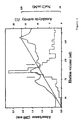
- the crude sonicate was subjected to Q-sepharose anion exchange FPLC and a representative chromatogram is presented in Fig. 1.
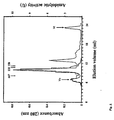
- Proteolytic/amidolytic activity eluted as one major peak between 246 - 320 mM NaCl (Fig. 1) which was collected, concentrated using a centricon-10 (Amicon) and then applied to the Superose 12 gel filtration column (Fig. 2).
- Molecular mass gel filtration standards were used to determine the M r of the peaks obtained and the major peak, which also exhibited the major proteolytic/amidolytic activity, corresponded to 300 kDa (Fig. 2).
- Proteolytic/amidolytic activity was also associated with the high molecular mass material (0.6 - > 2.0 x 10 6 Da) eluted from the gel filtration column.
- the 300 kDa gel filtration peak contained seven bands at 48, 45, 44, 39, 27, 17 and 15 kDa on SDS-PAGE analysis (Fig. 3).
- the seven bands were transblotted and subjected to N-terminal sequence analysis (Table 1).
- This analysis revealed that the 44 kDa band contained two proteins and the N-terminal sequences of these two 44 kDa proteins were assigned after further purification.
- the N-terminal sequence of one of the 44 kDa proteins was identical to that of the 17 kDa protein and the 39 kDa and 27 kDa proteins also had identical N-termini (Table 1).
- the 300 kDa gel filtration protein complex was incubated with ⁇ s1 -casein.
- the ⁇ s1 -casein peptides released by the action of the proteolytic activity of the 300 kDa complex were purified by RP-HPLC and identified by amino acid composition and sequence analyses.
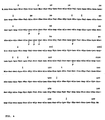
- the sites of ⁇ s1 -casein cleavage by the material of the 300 kDa complex were the carboxyl side of arginyl and lysyl residues only (Fig. 4).
- the proteins eluted from the Arg-sepharose column with 200 mM lysine and 200 mM arginine were washed, concentrated and equilibrated with TC buffer containing 50 mM NaCl and 1.0% octyl- ⁇ -D-glucopyranoside and applied independently to a Mono Q anion exchange column. Elution from the Mono Q column with a NaCl gradient associated the Arg-specific proteolytic activity with the 45 kDa protein with a 25 fold purification over the original crude sonicate (Table 2, Fig. 7).
- the specificity of the 45 kDa proteinase for arginyl residues was confirmed by the enzyme cleaving Bz-L-Arg-pNA but not z-L-Lys-pNA.
- the Arg-specific 45 kDa enzyme was activated by thiols (particularly cysteine), not inhibited by PMSF or AEBSF but inhibited by sulphydryl-directed reagents, leupeptin and EDTA (Table 3).
- the inhibition by EDTA could be reversed by the addition of Ca 2+ (Table 3).
- the pH optimum of the enzyme was 7.5-8.0 and activity dropped off dramatically as the pH was lowered below 7.0.
- the 45 kDa enzyme is a calcium-stabilized, Arg-specific cysteine endopeptidase.
- the Lys-specific activity was characterized using the substrate Z-L-Lys-pNA and was associated with the 48 kDa protein purified from the 200 mM lysine eluant by Mono Q FPLC.
- the Lys-specific enzyme was also activated by thiols and inhibited by sulphydryl-directed reagents but was not inhibited by leupeptin or EDTA.
- Non-reducing SDS-PAGE without boiling of the 300 kDa complex produced bands corresponding to the relative molecular masses of approximately 300, 150, 104, 88, 76 and 66 kDa.
- the 45, 27, 17, 15 kDa and one of the 44 kDa protein components of the 300 kDa complex are encoded by the gene the PrtR as presented schematically in Fig. 8a.
- the complete nucleotide sequence and deduced amino acid sequence of the PrtR is shown in Fig. 8b.
- Each PrtR component is preceded by an arginyl or lysyl residue (Fig. 8a, b) indicating that the polyprotein is processed by trypsin-like proteolytic specificity.
- PrtR45, PrtR44, PrtR27, PrtR17 and PrtR15 which fit well with the predicted sizes from the deduced PrtR amino acid sequence (53.9, 44.8, 29.5, 17.5 and 14.3 kDa respectively).
- the 44 kDa protein, the PrtR44 has been disclosed by previous workers as a culture fluid hemagglutinin/adhesin (Pike et al., 1994)[J Biol Chem 269:406-411].
- the PrtR44 has homology with the other non-proteinase components of the multiprotein complex suggesting a similar role for the PrtR27, PrtR17 and PrtR15 in interacting with the protease and/or in hemagglutination or adhesion.
- the PrtR45 Arg-specific endopeptidase component of the PrtR complex has the same characteristics and N -terminal sequence as the 50 kDa Arg-specific proteinase identified in the culture supernatant of P. gingivalis H66 by Chen et al. (1992)[J Biol Chem 267:18896-18901] designated Arg-gingipain.
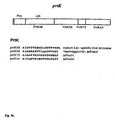
- the other proteins of the 300 kDa complex, the 48 kDa Lys-specific proteinase, the other 44 kDa protein and the 39 kDa and 15 Da proteins are encoded by a single gene the prtK presented schematically in Fig 9a.
- the complete nucleotide sequence and deduced amino acid sequence of the PrtK is shown in Fig. 9b.
- the prtK is similar to the prtR in that it encodes a putative leader sequence, a prosequence followed by the proteinase domain which is then followed by sequence-related adhesins that have high homology with the C-terminal adhesins of the prtR.
- PrtK48 has the same enzyme characteristics as the 48 kDa proteinase purified from the culture supernatant of P. gingivalis 33277 by Fujimura et al . (1993) [Infect Immun 55:716-720].
- the PrtK48 also has the same N -terminal sequence and enzyme characteristics as the 60 kDa Lys-specific endopeptidase previously purified from the culture fluid of P . gingivalis H66 by Pike et al . (1994) [J Biol Chem 269:406-411] and designated Lys-gingipain.
- the PrtK39, PrtK15 and PrtIC44 are all sequence-related and have high homology with the PrtR hemagglutinins/adhesins particularly the 15 kDa protein which is identical in both gene products suggesting that these proteins also are hemagglutinin/adhesins.
- PrtR-PrtK complexes As the 300 kDa proteinase-adhesin complex and higher molecular mass forms are composed of proteins from the two genes, the prtR and prtK, we suggest that they be designated PrtR-PrtK complexes.
- the deduced molecular mass of the mature PrtR is 160 kDa (Fig. 9a, b) and mature PrtK is 163 kDa (Fig. 9b) such that the mass of the PrtR-PrtK heterodimer would be 323 kDa which is in good agreement with the M r determined by gel filtration and non-boiling SDS-PAGE.
- the characterization of the 300 kDa cell-associated complex as being composed of processed domains of the two genes the prtR and prtK suggests that the secreted, mature PrtR and PrtK proteins associate and then are processed, perhaps autolytically.
- the identification of several of the domains of the PrtR and PrtK in the culture supernatant by independent groups is consistent with the proteolytic (autolytic) processing of these polyproteins.
- high M r material 0.6 - > 2 x 10 6 Da
- the partial dissociation of the complex on binding to substrate may be a mechanism by which the complex targets specific host macromolecules and cells releasing the proteinase/adhesin domains at the target site on binding.
- This example describes the purification of a novel cell associated complex of Arg-specific and Lys-specific proteinases and sequence-related adhesins encoded by the two genes, the prtR and prtK.
- P. gingivalis W50 was grown anaerobically at 37°C on lysed horse blood agar and in modified BM media containing 1 ⁇ g/ml hemin. Bacteria were maintained on lysed horse blood plates by routine passage ( ⁇ 10 passages) and used to inoculate batch cultures. Batch culture growth in Brain Heart Infusion medium was monitored at 650 nm using a spectrophotometer (295E, Perkin-Elmer). Culture purity was checked routinely by Gram stain, microscopic examination and by using a variety of biochemical tests. Stocks were maintained as lyophilised cultures. A culture of P .
- gingivalis was grown to late logarithmic phase and the cells harvested by centrifugation (5,000 x g , 20 min, 4°C). Chloroform was added to the cell pellet and after gentle mixing the suspension was left for 15 min at room temperature. Following chloroform treatment, 20 mM Tris-HCl pH 8.0 buffer containing 50 mM NaCl was added and gently mixed. This mixture was then centrifuged (100,000 x g , 30 min, 4°C) and the supernatant diafiltered through a 100,000 M, cut-off membrane (Amicon) with five volumes of distilled water. This purifies and inactivates by oxidation the 294-323 kDa PrtR-PrtK which is freeze dried and used as an immunogen. The PrtR-PrtK purified by diafiltration was composed of 48, 45, 44, 39, 27, 17 and 15 kDa components as shown by SDS-PAGE (Fig. 10).
- Polyclonal antiserum to PrtR-PrtK was raised in a rabbit by immunizing with the O 2 -inactivated PrtR-PrtK subcutaneously.
- the rabbit was immunized at day 0 with 40 ⁇ g of protein in incomplete Freund's adjuvant, day 14 with 90 ⁇ g of protein in incomplete Freund's adjuvant, and day 28 with 60 ⁇ g of protein in incomplete Freund's adjuvant. Immunizations were carried out using standard procedures. Polyclonal antisera having a high titre against P. gingivalis was obtained. If desired the antibodies directed specifically against P. gingivalis can be obtained using standard procedures.
- This embodiment of the present invention is to provide PrtR-PrtK protein to be used in as an immunogen in a prophylactic and/or therapeutic vaccine for active immunization to protect against or treat infections caused by P . gingivalis.
- an antigen of P . gingivalis comprising a bacterial protein should be immunogenic, and induce functional antibodies directed to one or more surface-exposed epitopes on intact bacteria, wherein the epitope(s) are conserved amongst strains of P . gingivalis.
- the protein was purified from P. gingivalis using the method described herein in Example 1.
- Mice were immunized with the purified inactivated PrtR-PrtK protein (25 ⁇ g) with adjuvant (20 ug of QS21) two times at four week intervals.
- the purified PrtR-PrtK was inactivated by air oxidation.
- Blood from the immunized mice was drawn 32 days after the last immunization and the immune sera was pooled. The pooled immune sera was assayed against whole bacteria ( P . gingivalis strain W50) by an enzyme linked immunosorbent assay (ELISA).
- ELISA enzyme linked immunosorbent assay
- PrtR-PrtK is the target of bactericidal antibody generated from immunization with the inactivated protein.
- Polyclonal antiserum to PrtR-PrtK was raised in a rabbit by immunizing with the inactivated PrtR-PrtK subcutaneously.
- a rabbit was immunized at day 0 with 40 ⁇ g of protein in incomplete Freund's adjuvant, day 14 with 90 ⁇ g of protein in incomplete Freund's adjuvant, and day 28 with 60 ⁇ g of protein in incomplete Freund's adjuvant.
- the resultant antiserum was tested for its bactericidal activity against strain W50 of P . gingivalis.
- the bacteria were grown to logarithmic phase in brain-heart infusion (BHI) broth.
- An aliquot of the bacterial culture was diluted to 5 x 10 4 colony forming units (CFU) per ml in 10% bovine serum albumin in a balanced salt solution.
- the bactericidal assay reaction contained bacteria, polyclonal antiserum to inactivated PrtR-PrtK protein, a complement source consisting of normal human serum which was absorbed with protein G to remove antibodies, and the balanced salt solution. All reagents were added to the reaction to yield a 250 ⁇ l volume.
- PrtR-PrtK protein possesses properties desirable of a vaccine antigen
- pooled immune sera raised to strain W50 was shown to have cross-reactivity with heterologous strains.
- Bacteria from each culture were harvested by swabs and suspended in PBS to an optical absorbance of 1.0 at 600nm. A microliter of each suspension was applied to a nitrocellulose membrane and allowed to dry. The membrane was incubated one hour at room temperature in a solution of 5% non-fat dry milk in PBS to block the residual binding sites of the membrane.
- the membrane was washed twice with PBS, and then immersed in the blocking solution containing the immune sera diluted to 1:1000.
- the membrane was incubated with the antibody overnight at 46°C with gentle shaking.
- the membrane was washed three times with PBS and then incubated for 2 hours at room temperature with alkaline phosphatase conjugated recombinant protein G (1:1500 in PBS with 5% non-fat dry milk).
- the membrane was washed three times with PBS and bound antibody was detected by the addition of substrate.
- the immune sera reacted with all strains as strongly, or to a greater extent than, strain W50.
- the antibodies elicited by immunization of the PrtR-PrtK protein isolated from strain W50 cross-reacted with all heterologous strains tested.
- PrtR-PrtK may be purified from a host containing a recombinant vector which expresses PrtR-PrtK.
- hosts include, but are not limited to, bacterial transformants, yeast transformants, filamentous fungal transformants, and cultured cells that have been either infected or transfected with a vector which encodes PrtR-PrtK.
- Many methods are known for the introduction of a vaccine formulation into the human or animal to be vaccinated. These include, but are not limited to, intradermal, intramuscular, intraperitoneal, intravenous, subcutaneous, ocular, intranasal, and oral administration.
- the vaccine may further comprise a physiological carrier such as a solution, a polymer or liposomes; and an adjuvant, or a combination thereof
- gingivalis W50 cells were prepared by incubating an aliquot of cells in 0.5% (vol/vol) of buffered formal saline overnight at 4°C.
- the chloroform extract of P . gingivalis was prepared as detailed in Example 2.
- Purification of PrtR-PrtK complex was performed as detailed in Example 1.
- the PrtR-PrtK domains were prepared by taking the PrtR PrtK complex and incubating in the presence of 50mM 2-mercaptoethanol for 8 h at 4°C. This resulted in the breakdown of the PrtR-PrtK - complex to domains that were 15-115 kDa proteins as shown by gel filtration FPLC and SDS-PAGE as performed in Example 1.
- gingivalis cells were grown at 37°C on lysed horse blood agar (HBA) plates until day 3 or 4 in an anaerobic chamber (Mark 3 Anaerobic Workstation, Don Whitley Scientific Limited; with an air mixture of 8% H 2 , 12% CO 2 , 80% N 2 ), then passaged into 20ml of brain heart infusion broth (BHIB; Oxoid) supplemented with 0.5g/L cysteine and Img/L haemin for 24 hours in a standard incubator at 37°C.
- HBA horse blood agar
- BHIB brain heart infusion broth
- mice were marked for identification, their backs and chests shaved to make measurement of lesions possible, then weighed prior to inoculation with the challenge dose at a single site in the middle of the back.
- a 0.1ml dose was given representing a predicted challenge dose of 3x10 9 bacteria per mouse.
- the inoculum dose was confirmed by culturing various dilutions of the challenge dose on lysed HBA plates and examining the number of colonies 7 days later.
- mice were examined daily for the number and size of lesions on their body and their size estimated by measuring the approximate surface area in mm 2 involved.
- Previous experiments had shown that in unimmunized mice, lesions developed on the belly of the mice following inoculation of live bacteria into the back or side. Any distressed animals were culled. Observations were carried out over two weeks and a summary of one such experiment is summarised below in Table 6. In this experiment while a dose of 3x10 9 bacteria per mouse was the desired number of bacteria, after plating out of the inoculum it was calculated that each mouse actually received a challenge dose of 3.17x10 9 live P . gingivalis bacteria strain W50.
- PrtR-PrtK complex group The only group of animals that had a number of animals (40%) that exhibited no visible lesions at all was the PrtR-PrtK complex group (Group 3). All other groups, including formalin killed cells (Group 1), had all animals exhibiting visible lesions indicating that the PrtR-PrtK complex was a better immunogen than formalin killed cells.
- P. gingivalis W50 was grown in modified BM medium supplemented with 1 ⁇ g/ml haemin in an atmosphere of 10% CO 2 , 10% H 2 and 80% N 2 at 37°C.
- Escherichia coli JM109 and Escherichia coli LE392 were grown in LB medium at 37°C.
- Escherichia coli strains harbouring pUC18 plasmids were grown in LB medium supplemented with 100 ⁇ g/ml ampicillin at 37°C.
- Chromosomal DNA was isolated from P. gingivalis W50 as described by Smith et al., [Oral Microbiol. Immunol. 4:47-51 (1989)] except that cells were pelleted from a 500ml late-exponential culture.
- the genomic library was constructed from Bam HI partially-digested W50 DNA which was partially-filled with dGTP and dATP and ligated into LambdaGEM®-12 Xho I half-site arms (Promega) and packaged using Packagene® (Promega).
- prtR gene characterisation The genomic library was screened using degenerate synthetic oligonucleotides derived from the N-terminal sequence information of the purified PrtR45.
- the oligonucleotide probes were based on the amino acid sequence YEGDIKD (antisense) and KDFVDWKNQ (sense) and were 5' end-labelled using ⁇ 32 P ATP and T4 polynucleotide kinase.
- oligonucleotides Approximately 1.5 x 10 4 phage were screened by lifting onto Nylon membrane filters and hybridised with radiolabeled oligonucleotides overnight in hybridisation buffer: 6xSSC (SSC is 15mM sodium citrate, 150mM NaCl pH 8.0), 0.25% SDS, 5x Denhardt's solution and 100 ⁇ g/ml salmon sperm DNA at 44°C. Filters were washed extensively in a solution of 5xSSC containing 0.01% SDS (w/v) at 44°C. Positively-hybridising plaques were purified. Standard protocols for end-labelling of oligonucleotides and screening procedures were essentially as described in Sambrook et al .
- prtK gene characterisation The 5' portion of the gene encoding PrtK was isolated from the same genomic library described above. The genomic library was screened using a degenerate synthetic oligonucleotide derived from the N-terminal sequence information of the purified PrtK48. The oligonucleotide probes were sense to the amino acid sequence DVYTDHGD and radiolabelled as described above. Hybridisation and washing conditions were as described above except that the temperature was 48°C and the filters were washed extensively in a solution of 3xSSC containing 0.01% SDS (w/v) at 48°C.
- Lambda clone 12 with an insert size of approximately 15kb was selected and digested with Bam HI and a 3.3kb fragment was ligated into plasmid Bam HI-BAP pUC18 and Escherichia coli JM109 transformed with the recombinant plasmid as described previously. Due to an internal BamH I site within prtK , the 3.3 kb Bam HI fragment contained the 5' portion of prtK which constituted the end of the lambda 12 clone. Sequence characterisation of the 3.3kb BamH I fragment showed that the DNA sequence encoding PrtK48 contains an internal EcoR I site.
- a second oligonucleotide probe ( lysur ) specific to the sequence THIGAH which is found within the PrtK48 was generated to determine a suitable strategy for cloning the 3' end of prtK.
- Southern blot analysis of genomic DNA indicated that a 7.5kb EcoR I fragment contained the entire 3' portion of prtK.
- a second genomic library was prepared. EcoR I digested DNA fragments of 6-8 kb were purified from an agarose gel and subsequently ligated to EcoR I digested Lambda Zap II-calf intestinal phosphatase-treated vector (Stratagene). The genomic library enriched for 6-8kb P .
- gingivalis EcoR I fragments was packaged using GigapackIII Gold packaging extract (Stratagene) according to the manufacturer's instructions.
- the library was screened as described previously, using oligonucleotide lysur except that hybridisation temperatures were 42°C and filters were washed to 3xSSC containing 0.01% SDS (w/v) at 42°C.
- In vivo excision of the Lambda Zap II positive genomic clone was performed (Stratagene instruction manual) to excise the pBluescript phagemid which was subsequently sequenced to generate the sequence information corresponding to the 3'end of the prtK gene.
- ANGIS Australian National Genomic Information Service
Landscapes
- Health & Medical Sciences (AREA)
- Life Sciences & Earth Sciences (AREA)
- Chemical & Material Sciences (AREA)
- Engineering & Computer Science (AREA)
- General Health & Medical Sciences (AREA)
- Organic Chemistry (AREA)
- Immunology (AREA)
- Medicinal Chemistry (AREA)
- Bioinformatics & Cheminformatics (AREA)
- Molecular Biology (AREA)
- Genetics & Genomics (AREA)
- Biochemistry (AREA)
- Animal Behavior & Ethology (AREA)
- Biomedical Technology (AREA)
- Public Health (AREA)
- Veterinary Medicine (AREA)
- Zoology (AREA)
- Wood Science & Technology (AREA)
- Biotechnology (AREA)
- Microbiology (AREA)
- Chemical Kinetics & Catalysis (AREA)
- Hematology (AREA)
- Pharmacology & Pharmacy (AREA)
- Urology & Nephrology (AREA)
- General Chemical & Material Sciences (AREA)
- Nuclear Medicine, Radiotherapy & Molecular Imaging (AREA)
- Biophysics (AREA)
- General Engineering & Computer Science (AREA)
- Proteomics, Peptides & Aminoacids (AREA)
- Food Science & Technology (AREA)
- Oral & Maxillofacial Surgery (AREA)
- General Physics & Mathematics (AREA)
- Analytical Chemistry (AREA)
- Physics & Mathematics (AREA)
- Virology (AREA)
- Cell Biology (AREA)
- Tropical Medicine & Parasitology (AREA)
- Birds (AREA)
- Epidemiology (AREA)
- Pathology (AREA)
Claims (9)
- Gereinigter Antigenkomplex zur Verwendung bei der Verstärkung einer gegen Porphyromonas gingivalis gerichteten Antikörperreaktion, wobei der Komplex mindestens einen multimeren Proteinkomplex von argininspezifischen und lysinspezifischen Thiolendopeptidasen und Adhesin-Domänen enthält, wobei der Komplex ein Molekulargewicht von mehr als 200 kDa besitzt, bei dem der multimere Proteinkomplex aus 9 Proteinen besteht, die die folgenden N-terminalen Sequenzen aufweisen:






 und
und

- Gereinigter Antigenkomplex, der mindestens einen multimeren Proteinkomplex von argininspezifischen und lysinspezifischen Thiolendopeptidasen und Adhesin-Domänen umfasst, wobei der Komplex eine Molekulargewicht von mehr als 200 kDa besitzt, bei dem der multimere Proteinkomplex aus 9 Proteinen besteht, die die folgenden N-terminalen Sequenzen aufweisen:






 und
und

- Gereinigter Antigenkomplex nach Anspruch 1 oder Anspruch 2, dadurch gekennzeichnet, dass der multimere Proteinkomplex aus virulenten Stämmen von Porphyromonas gingivalis isoliert ist.
- Gereinigter Antigenkomplex nach Anspruch 1, 2 oder 3, dadurch gekennzeichnet, dass der multimere Proteinkomplex ein Molekulargewicht von 294 bis 323 kDa besitzt.
- Gereinigter Antigenkomplex nach Anspruch 1 oder Anspruch 2, dadurch gekennzeichnet, dass die Thiolendopeptidasen inaktiv gemacht sind, zum Beispiel durch Oxidation oder durch Mutation.
- Gereinigter Antigenkomplex nach Anspruch 1 oder Anspruch 2, dadurch gekennzeichnet, dass der multimere Proteinkomplex durch die DNA-Sequenz codiert ist, die in Figur 8b und 9b gezeigt ist.
- Zusammensetzung zum Nachweis, zur Verhütung und Behandlung von peridontalen, mit Porphyromonas gingivalis verbundenen Erkrankungen, die den Komplex, so wie in einem der Ansprüche 1 bis 6 definiert, und ein geeignetes Adjuvans und/oder einen akzeptablen Träger enthält.
- Zusammensetzung zur Verwendung bei der Auslösung einer Immunantwort, die gegen Porphyromonas gingivalis gerichtet ist, wobei die Zusammensetzung den Komplex, so wie in einem der Ansprüche 1 bis 6 definiert, und ein geeignetes Adjuvans und/oder einen akzeptablen Träger enthält.
- Verwendung der Zusammensetzung, wie in Anspruch 7 oder Anspruch 8 definiert, bei der Herstellung eines Medikamentes zur Reduzierung der Möglichkeit einer P. gingivalis-Infektion bei einem Menschen und/oder der Schwere der Erkrankung, wobei die Menge der Zusammensetzung für die Auslösung einer gegen P. gingivalis gerichteten Immunreaktion in dem Menschen ausreichend ist.
Applications Claiming Priority (4)
| Application Number | Priority Date | Filing Date | Title |
|---|---|---|---|
| AUPN627595 | 1995-10-30 | ||
| AUPN6275/95 | 1995-10-30 | ||
| AUPN6275A AUPN627595A0 (en) | 1995-10-30 | 1995-10-30 | Diagnostics and treatments of periodontal disease |
| PCT/AU1996/000673 WO1997016542A1 (en) | 1995-10-30 | 1996-10-30 | Diagnostics and treatments of periodontal disease |
Publications (3)
| Publication Number | Publication Date |
|---|---|
| EP0858504A1 EP0858504A1 (de) | 1998-08-19 |
| EP0858504A4 EP0858504A4 (de) | 2002-12-04 |
| EP0858504B1 true EP0858504B1 (de) | 2005-12-14 |
Family
ID=3790602
Family Applications (1)
| Application Number | Title | Priority Date | Filing Date |
|---|---|---|---|
| EP96934198A Expired - Lifetime EP0858504B1 (de) | 1995-10-30 | 1996-10-30 | Diagnostika und behandlungen von peridontalen erkrankungen |
Country Status (12)
| Country | Link |
|---|---|
| US (3) | US6511666B1 (de) |
| EP (1) | EP0858504B1 (de) |
| JP (1) | JP4117026B2 (de) |
| KR (1) | KR100286055B1 (de) |
| AT (1) | ATE312909T1 (de) |
| AU (2) | AUPN627595A0 (de) |
| DE (1) | DE69635582T2 (de) |
| DK (1) | DK0858504T3 (de) |
| ES (1) | ES2255082T3 (de) |
| NZ (1) | NZ320015A (de) |
| WO (1) | WO1997016542A1 (de) |
| ZA (1) | ZA969130B (de) |
Families Citing this family (23)
| Publication number | Priority date | Publication date | Assignee | Title |
|---|---|---|---|---|
| JPH0735293U (ja) * | 1993-12-10 | 1995-06-27 | 株式会社松島製作所 | もやいの照明装置 |
| AUPN627595A0 (en) * | 1995-10-30 | 1995-11-23 | University Of Melbourne, The | Diagnostics and treatments of periodontal disease |
| US20030157637A1 (en) * | 1998-09-15 | 2003-08-21 | The University Of Melbourne | Diagnostics and treatments of periodontal disease |
| AUPO652897A0 (en) | 1997-04-30 | 1997-05-29 | University Of Melbourne, The | Synthetic peptide constructs for the diagnosis and treatment of periodontitis |
| JP2001526035A (ja) * | 1997-12-10 | 2001-12-18 | シーエスエル、リミテッド | Porphorymonasgingivalisポリペプチドおよびヌクレオチド |
| US8129500B2 (en) * | 1997-12-10 | 2012-03-06 | Csl Limited | Porphyromonas gingivalis polypeptides and nucleotides |
| AUPP494798A0 (en) | 1998-07-29 | 1998-08-20 | Pacific Biolink Pty Limited | Protective protein formulation |
| AUPP893999A0 (en) * | 1999-03-01 | 1999-03-25 | Csl Limited | Synthetic peptides containing protective epitopes for the treatment and prevention of periodontitis associated with porphyromonas gingivalis |
| AUPQ485999A0 (en) | 1999-12-24 | 2000-02-03 | Csl Limited | P. gingivalis antigenic composition |
| AUPQ718200A0 (en) | 2000-04-28 | 2000-05-25 | Csl Limited | Porphyromonas gingivalis recombinant proteins and truncations |
| SE0400191D0 (sv) * | 2004-01-30 | 2004-01-30 | Tendera Ab | A test kit for detecting periodontal disease |
| AU2005287884B2 (en) * | 2004-09-23 | 2010-12-02 | The University Of Melbourne | Antigenic complex for the diagnosis and treatment of Porphyromonas gingivalis infection |
| NZ554331A (en) * | 2004-09-23 | 2009-04-30 | Univ Melbourne | Antigenic complex for the diagnosis and treatment of porphyromonas gingivalis infection |
| ES2431291T3 (es) | 2006-01-10 | 2013-11-25 | Colgate-Palmolive Company | Métodos para modular receptores de superficie celular para prevenir o reducir la inflamación |
| WO2008000028A1 (en) | 2006-06-27 | 2008-01-03 | Oral Health Australia Pty Ltd | Porphyromonas gingivalis polypeptides useful in the prevention of periodontal disease |
| NZ595252A (en) * | 2007-07-12 | 2013-11-29 | Oral Health Australia Pty Ltd | Biofilm treatment |
| CN102652831A (zh) | 2007-07-12 | 2012-09-05 | 口腔健康澳洲私人有限公司 | 生物膜的免疫治疗 |
| CA2735171C (en) | 2008-08-29 | 2023-10-03 | Oral Health Australia Pty Ltd | Prevention, treatment and diagnosis of p.gingivalis infection |
| US8140041B2 (en) * | 2009-08-27 | 2012-03-20 | Mediatek Inc. | Tunable capacitive device with linearization technique employed therein |
| MY162557A (en) | 2010-02-26 | 2017-06-15 | Oral Health Australia Pty Ltd | Treatment or prevention of infection |
| SG11202003147XA (en) | 2017-10-12 | 2020-05-28 | Vaxcyte Inc | Periodontitis vaccine and related compositions and method of use |
| US10973908B1 (en) | 2020-05-14 | 2021-04-13 | David Gordon Bermudes | Expression of SARS-CoV-2 spike protein receptor binding domain in attenuated salmonella as a vaccine |
| US12537071B1 (en) | 2020-07-22 | 2026-01-27 | David Gordon Bermudes | Bacteria having boolean control pathways expressing therapeutic proteins including immunotherapeutic cytotoxins |
Family Cites Families (7)
| Publication number | Priority date | Publication date | Assignee | Title |
|---|---|---|---|---|
| US5830710A (en) * | 1988-09-08 | 1998-11-03 | University Of Florida | Cloned porphyromonas gingivalis genes and probes for the detection of periodontal disease |
| AU6983594A (en) * | 1993-06-28 | 1995-01-17 | Lion Corporation | Composition for oral cavity |
| US5475097A (en) * | 1993-10-21 | 1995-12-12 | University Of Georgia Research Foundation, Inc. | Lysine-specific Porphyromonas gingivalis proteinase |
| US5523390A (en) * | 1993-09-10 | 1996-06-04 | University Of Georgia Research Foundation, Inc. | Porphyromonas gingivalis arginine-specific proteinase |
| EP0717747B1 (de) * | 1993-09-10 | 2003-06-04 | The University Of Georgia Research Foundation, Inc. | Porphyromonas gingivalis arginin-spezifische proteinase kodierende sequenzen |
| AUPN627595A0 (en) * | 1995-10-30 | 1995-11-23 | University Of Melbourne, The | Diagnostics and treatments of periodontal disease |
| AUPO652897A0 (en) * | 1997-04-30 | 1997-05-29 | University Of Melbourne, The | Synthetic peptide constructs for the diagnosis and treatment of periodontitis |
-
1995
- 1995-10-30 AU AUPN6275A patent/AUPN627595A0/en not_active Abandoned
-
1996
- 1996-10-30 DE DE69635582T patent/DE69635582T2/de not_active Expired - Lifetime
- 1996-10-30 ZA ZA969130A patent/ZA969130B/xx unknown
- 1996-10-30 JP JP51691597A patent/JP4117026B2/ja not_active Expired - Fee Related
- 1996-10-30 AT AT96934198T patent/ATE312909T1/de active
- 1996-10-30 KR KR1019980703117A patent/KR100286055B1/ko not_active Expired - Fee Related
- 1996-10-30 US US09/066,330 patent/US6511666B1/en not_active Expired - Lifetime
- 1996-10-30 WO PCT/AU1996/000673 patent/WO1997016542A1/en not_active Ceased
- 1996-10-30 DK DK96934198T patent/DK0858504T3/da active
- 1996-10-30 NZ NZ320015A patent/NZ320015A/xx not_active IP Right Cessation
- 1996-10-30 EP EP96934198A patent/EP0858504B1/de not_active Expired - Lifetime
- 1996-10-30 ES ES96934198T patent/ES2255082T3/es not_active Expired - Lifetime
- 1996-10-30 AU AU72673/96A patent/AU715456B2/en not_active Ceased
-
2007
- 2007-01-18 US US11/654,512 patent/US20070189982A1/en not_active Abandoned
-
2011
- 2011-03-16 US US13/064,286 patent/US20110213129A1/en not_active Abandoned
Also Published As
| Publication number | Publication date |
|---|---|
| ES2255082T3 (es) | 2006-06-16 |
| ATE312909T1 (de) | 2005-12-15 |
| DE69635582D1 (de) | 2006-01-19 |
| DK0858504T3 (da) | 2006-02-13 |
| EP0858504A1 (de) | 1998-08-19 |
| EP0858504A4 (de) | 2002-12-04 |
| AU715456B2 (en) | 2000-02-03 |
| US20070189982A1 (en) | 2007-08-16 |
| US6511666B1 (en) | 2003-01-28 |
| KR19990067167A (ko) | 1999-08-16 |
| DE69635582T2 (de) | 2006-08-17 |
| KR100286055B1 (ko) | 2001-05-02 |
| NZ320015A (en) | 1999-02-25 |
| AU7267396A (en) | 1997-05-22 |
| AUPN627595A0 (en) | 1995-11-23 |
| JP4117026B2 (ja) | 2008-07-09 |
| ZA969130B (en) | 1997-06-24 |
| WO1997016542A1 (en) | 1997-05-09 |
| JP2000510817A (ja) | 2000-08-22 |
| US20110213129A1 (en) | 2011-09-01 |
Similar Documents
| Publication | Publication Date | Title |
|---|---|---|
| US20110213129A1 (en) | Diagnostics and treatments of periodontal disease | |
| US8784831B2 (en) | P. gingivalis antigenic composition | |
| US8765144B2 (en) | Antigenic complex for the diagnosis and treatment of Porphyromonas gingivalis infection | |
| EP0954529B1 (de) | Porphyromonas gingivalis Antigene zur Diagnose und Behandlung von Periodontitis | |
| US20030157637A1 (en) | Diagnostics and treatments of periodontal disease | |
| CA2235224C (en) | Diagnostics and treatments of periodontal disease | |
| AU2005287884B2 (en) | Antigenic complex for the diagnosis and treatment of Porphyromonas gingivalis infection | |
| AU713844B2 (en) | Porphyromonas gingivalis antigens for the diagnosis and treatment of periodontitis | |
| AU2331401A (en) | P. gingivalis antigenic composition | |
| HK1149938B (en) | P.gingivalis antigenic composition |
Legal Events
| Date | Code | Title | Description |
|---|---|---|---|
| PUAI | Public reference made under article 153(3) epc to a published international application that has entered the european phase |
Free format text: ORIGINAL CODE: 0009012 |
|
| 17P | Request for examination filed |
Effective date: 19980520 |
|
| AK | Designated contracting states |
Kind code of ref document: A1 Designated state(s): AT BE CH DE DK ES FI FR GB GR IE IT LI LU MC NL PT SE |
|
| A4 | Supplementary search report drawn up and despatched |
Effective date: 20021022 |
|
| AK | Designated contracting states |
Kind code of ref document: A4 Designated state(s): AT BE CH DE DK ES FI FR GB GR IE IT LI LU MC NL PT SE |
|
| 17Q | First examination report despatched |
Effective date: 20030827 |
|
| RIC1 | Information provided on ipc code assigned before grant |
Ipc: 7A 61K 39/02 B Ipc: 7C 12N 9/52 A |
|
| GRAP | Despatch of communication of intention to grant a patent |
Free format text: ORIGINAL CODE: EPIDOSNIGR1 |
|
| GRAS | Grant fee paid |
Free format text: ORIGINAL CODE: EPIDOSNIGR3 |
|
| GRAA | (expected) grant |
Free format text: ORIGINAL CODE: 0009210 |
|
| AK | Designated contracting states |
Kind code of ref document: B1 Designated state(s): AT BE CH DE DK ES FI FR GB GR IE IT LI LU MC NL PT SE |
|
| PG25 | Lapsed in a contracting state [announced via postgrant information from national office to epo] |
Ref country code: LI Free format text: LAPSE BECAUSE OF FAILURE TO SUBMIT A TRANSLATION OF THE DESCRIPTION OR TO PAY THE FEE WITHIN THE PRESCRIBED TIME-LIMIT Effective date: 20051214 Ref country code: IT Free format text: LAPSE BECAUSE OF FAILURE TO SUBMIT A TRANSLATION OF THE DESCRIPTION OR TO PAY THE FEE WITHIN THE PRESCRIBED TIME-LIMIT;WARNING: LAPSES OF ITALIAN PATENTS WITH EFFECTIVE DATE BEFORE 2007 MAY HAVE OCCURRED AT ANY TIME BEFORE 2007. THE CORRECT EFFECTIVE DATE MAY BE DIFFERENT FROM THE ONE RECORDED. Effective date: 20051214 Ref country code: FI Free format text: LAPSE BECAUSE OF FAILURE TO SUBMIT A TRANSLATION OF THE DESCRIPTION OR TO PAY THE FEE WITHIN THE PRESCRIBED TIME-LIMIT Effective date: 20051214 Ref country code: CH Free format text: LAPSE BECAUSE OF FAILURE TO SUBMIT A TRANSLATION OF THE DESCRIPTION OR TO PAY THE FEE WITHIN THE PRESCRIBED TIME-LIMIT Effective date: 20051214 |
|
| REG | Reference to a national code |
Ref country code: GB Ref legal event code: FG4D |
|
| REG | Reference to a national code |
Ref country code: CH Ref legal event code: EP |
|
| REG | Reference to a national code |
Ref country code: IE Ref legal event code: FG4D |
|
| REG | Reference to a national code |
Ref country code: SE Ref legal event code: TRGR |
|
| REF | Corresponds to: |
Ref document number: 69635582 Country of ref document: DE Date of ref document: 20060119 Kind code of ref document: P |
|
| REG | Reference to a national code |
Ref country code: DK Ref legal event code: T3 |
|
| PG25 | Lapsed in a contracting state [announced via postgrant information from national office to epo] |
Ref country code: GR Free format text: LAPSE BECAUSE OF FAILURE TO SUBMIT A TRANSLATION OF THE DESCRIPTION OR TO PAY THE FEE WITHIN THE PRESCRIBED TIME-LIMIT Effective date: 20060314 |
|
| PG25 | Lapsed in a contracting state [announced via postgrant information from national office to epo] |
Ref country code: PT Free format text: LAPSE BECAUSE OF FAILURE TO SUBMIT A TRANSLATION OF THE DESCRIPTION OR TO PAY THE FEE WITHIN THE PRESCRIBED TIME-LIMIT Effective date: 20060515 |
|
| REG | Reference to a national code |
Ref country code: ES Ref legal event code: FG2A Ref document number: 2255082 Country of ref document: ES Kind code of ref document: T3 |
|
| REG | Reference to a national code |
Ref country code: CH Ref legal event code: PL |
|
| ET | Fr: translation filed | ||
| REG | Reference to a national code |
Ref country code: GB Ref legal event code: 732E |
|
| PLBE | No opposition filed within time limit |
Free format text: ORIGINAL CODE: 0009261 |
|
| REG | Reference to a national code |
Ref country code: FR Ref legal event code: TP |
|
| STAA | Information on the status of an ep patent application or granted ep patent |
Free format text: STATUS: NO OPPOSITION FILED WITHIN TIME LIMIT |
|
| PG25 | Lapsed in a contracting state [announced via postgrant information from national office to epo] |
Ref country code: MC Free format text: LAPSE BECAUSE OF NON-PAYMENT OF DUE FEES Effective date: 20061031 |
|
| 26N | No opposition filed |
Effective date: 20060915 |
|
| NLS | Nl: assignments of ep-patents |
Owner name: THE UNIVERSITY OF MELBOURNE Effective date: 20070206 Owner name: DAIRY FOOD SAFETY VICTORIA Effective date: 20070206 |
|
| REG | Reference to a national code |
Ref country code: ES Ref legal event code: PC2A |
|
| BECA | Be: change of holder's address |
Owner name: THE *UNIVERSITY OF MELBOURNEROYALE PARADE, PARKVIL Effective date: 20051214 |
|
| BECH | Be: change of holder |
Owner name: THE *UNIVERSITY OF MELBOURNE Effective date: 20051214 |
|
| PG25 | Lapsed in a contracting state [announced via postgrant information from national office to epo] |
Ref country code: LU Free format text: LAPSE BECAUSE OF NON-PAYMENT OF DUE FEES Effective date: 20061030 |
|
| PGFP | Annual fee paid to national office [announced via postgrant information from national office to epo] |
Ref country code: DK Payment date: 20141024 Year of fee payment: 19 |
|
| PGFP | Annual fee paid to national office [announced via postgrant information from national office to epo] |
Ref country code: FR Payment date: 20141031 Year of fee payment: 19 Ref country code: DE Payment date: 20141024 Year of fee payment: 19 Ref country code: SE Payment date: 20141023 Year of fee payment: 19 Ref country code: GB Payment date: 20141022 Year of fee payment: 19 Ref country code: IE Payment date: 20141015 Year of fee payment: 19 Ref country code: ES Payment date: 20141028 Year of fee payment: 19 |
|
| PGFP | Annual fee paid to national office [announced via postgrant information from national office to epo] |
Ref country code: NL Payment date: 20141017 Year of fee payment: 19 Ref country code: AT Payment date: 20141022 Year of fee payment: 19 |
|
| PGFP | Annual fee paid to national office [announced via postgrant information from national office to epo] |
Ref country code: IT Payment date: 20141024 Year of fee payment: 19 |
|
| PGFP | Annual fee paid to national office [announced via postgrant information from national office to epo] |
Ref country code: BE Payment date: 20141017 Year of fee payment: 19 |
|
| REG | Reference to a national code |
Ref country code: DE Ref legal event code: R119 Ref document number: 69635582 Country of ref document: DE |
|
| REG | Reference to a national code |
Ref country code: DK Ref legal event code: EBP Effective date: 20151031 |
|
| REG | Reference to a national code |
Ref country code: SE Ref legal event code: EUG |
|
| REG | Reference to a national code |
Ref country code: AT Ref legal event code: MM01 Ref document number: 312909 Country of ref document: AT Kind code of ref document: T Effective date: 20151030 |
|
| GBPC | Gb: european patent ceased through non-payment of renewal fee |
Effective date: 20151030 |
|
| REG | Reference to a national code |
Ref country code: NL Ref legal event code: MM Effective date: 20151101 |
|
| REG | Reference to a national code |
Ref country code: IE Ref legal event code: MM4A |
|
| PG25 | Lapsed in a contracting state [announced via postgrant information from national office to epo] |
Ref country code: DE Free format text: LAPSE BECAUSE OF NON-PAYMENT OF DUE FEES Effective date: 20160503 Ref country code: IT Free format text: LAPSE BECAUSE OF NON-PAYMENT OF DUE FEES Effective date: 20151030 Ref country code: GB Free format text: LAPSE BECAUSE OF NON-PAYMENT OF DUE FEES Effective date: 20151030 |
|
| REG | Reference to a national code |
Ref country code: FR Ref legal event code: ST Effective date: 20160630 |
|
| PG25 | Lapsed in a contracting state [announced via postgrant information from national office to epo] |
Ref country code: SE Free format text: LAPSE BECAUSE OF NON-PAYMENT OF DUE FEES Effective date: 20151031 Ref country code: FR Free format text: LAPSE BECAUSE OF NON-PAYMENT OF DUE FEES Effective date: 20151102 Ref country code: AT Free format text: LAPSE BECAUSE OF NON-PAYMENT OF DUE FEES Effective date: 20151030 Ref country code: NL Free format text: LAPSE BECAUSE OF NON-PAYMENT OF DUE FEES Effective date: 20151101 |
|
| PG25 | Lapsed in a contracting state [announced via postgrant information from national office to epo] |
Ref country code: IE Free format text: LAPSE BECAUSE OF NON-PAYMENT OF DUE FEES Effective date: 20151030 Ref country code: DK Free format text: LAPSE BECAUSE OF NON-PAYMENT OF DUE FEES Effective date: 20151031 |
|
| REG | Reference to a national code |
Ref country code: ES Ref legal event code: FD2A Effective date: 20161125 |
|
| PG25 | Lapsed in a contracting state [announced via postgrant information from national office to epo] |
Ref country code: ES Free format text: LAPSE BECAUSE OF NON-PAYMENT OF DUE FEES Effective date: 20151031 |
|
| PG25 | Lapsed in a contracting state [announced via postgrant information from national office to epo] |
Ref country code: BE Free format text: LAPSE BECAUSE OF NON-PAYMENT OF DUE FEES Effective date: 20151031 |