EP0786666B1 - Improved assay for aminoglycoside antibiotics - Google Patents
Improved assay for aminoglycoside antibiotics Download PDFInfo
- Publication number
- EP0786666B1 EP0786666B1 EP97100730A EP97100730A EP0786666B1 EP 0786666 B1 EP0786666 B1 EP 0786666B1 EP 97100730 A EP97100730 A EP 97100730A EP 97100730 A EP97100730 A EP 97100730A EP 0786666 B1 EP0786666 B1 EP 0786666B1
- Authority
- EP
- European Patent Office
- Prior art keywords
- assay
- paa
- concentration
- amikacin
- polycarboxylic acid
- Prior art date
- Legal status (The legal status is an assumption and is not a legal conclusion. Google has not performed a legal analysis and makes no representation as to the accuracy of the status listed.)
- Expired - Lifetime
Links
Images
Classifications
-
- G—PHYSICS
- G01—MEASURING; TESTING
- G01N—INVESTIGATING OR ANALYSING MATERIALS BY DETERMINING THEIR CHEMICAL OR PHYSICAL PROPERTIES
- G01N33/00—Investigating or analysing materials by specific methods not covered by groups G01N1/00 - G01N31/00
- G01N33/48—Biological material, e.g. blood, urine; Haemocytometers
- G01N33/50—Chemical analysis of biological material, e.g. blood, urine; Testing involving biospecific ligand binding methods; Immunological testing
- G01N33/58—Chemical analysis of biological material, e.g. blood, urine; Testing involving biospecific ligand binding methods; Immunological testing involving labelled substances
- G01N33/582—Chemical analysis of biological material, e.g. blood, urine; Testing involving biospecific ligand binding methods; Immunological testing involving labelled substances with fluorescent label
-
- G—PHYSICS
- G01—MEASURING; TESTING
- G01N—INVESTIGATING OR ANALYSING MATERIALS BY DETERMINING THEIR CHEMICAL OR PHYSICAL PROPERTIES
- G01N33/00—Investigating or analysing materials by specific methods not covered by groups G01N1/00 - G01N31/00
- G01N33/48—Biological material, e.g. blood, urine; Haemocytometers
- G01N33/50—Chemical analysis of biological material, e.g. blood, urine; Testing involving biospecific ligand binding methods; Immunological testing
- G01N33/53—Immunoassay; Biospecific binding assay; Materials therefor
- G01N33/5306—Improving reaction conditions, e.g. reduction of non-specific binding, promotion of specific binding
-
- G—PHYSICS
- G01—MEASURING; TESTING
- G01N—INVESTIGATING OR ANALYSING MATERIALS BY DETERMINING THEIR CHEMICAL OR PHYSICAL PROPERTIES
- G01N33/00—Investigating or analysing materials by specific methods not covered by groups G01N1/00 - G01N31/00
- G01N33/48—Biological material, e.g. blood, urine; Haemocytometers
- G01N33/50—Chemical analysis of biological material, e.g. blood, urine; Testing involving biospecific ligand binding methods; Immunological testing
- G01N33/94—Chemical analysis of biological material, e.g. blood, urine; Testing involving biospecific ligand binding methods; Immunological testing involving narcotics or drugs or pharmaceuticals, neurotransmitters or associated receptors
- G01N33/9446—Antibacterials
-
- Y—GENERAL TAGGING OF NEW TECHNOLOGICAL DEVELOPMENTS; GENERAL TAGGING OF CROSS-SECTIONAL TECHNOLOGIES SPANNING OVER SEVERAL SECTIONS OF THE IPC; TECHNICAL SUBJECTS COVERED BY FORMER USPC CROSS-REFERENCE ART COLLECTIONS [XRACs] AND DIGESTS
- Y10—TECHNICAL SUBJECTS COVERED BY FORMER USPC
- Y10S—TECHNICAL SUBJECTS COVERED BY FORMER USPC CROSS-REFERENCE ART COLLECTIONS [XRACs] AND DIGESTS
- Y10S436/00—Chemistry: analytical and immunological testing
- Y10S436/815—Test for named compound or class of compounds
-
- Y—GENERAL TAGGING OF NEW TECHNOLOGICAL DEVELOPMENTS; GENERAL TAGGING OF CROSS-SECTIONAL TECHNOLOGIES SPANNING OVER SEVERAL SECTIONS OF THE IPC; TECHNICAL SUBJECTS COVERED BY FORMER USPC CROSS-REFERENCE ART COLLECTIONS [XRACs] AND DIGESTS
- Y10—TECHNICAL SUBJECTS COVERED BY FORMER USPC
- Y10S—TECHNICAL SUBJECTS COVERED BY FORMER USPC CROSS-REFERENCE ART COLLECTIONS [XRACs] AND DIGESTS
- Y10S436/00—Chemistry: analytical and immunological testing
- Y10S436/826—Additives, e.g. buffers, diluents, preservatives
Definitions
- This invention is directed to the use of polycarboxylic acid polymers to enhance the performance of immunochemical assays for the quantitation of aminoglycoside antibiotics in biological samples.
- This invention is also concerned with the improved homogeneous, immunochemical detection assays resulting from the use of said polycarboxylic acid polymers in said assays.
- Diagnostic assays for the detection of various substances (“analytes”) in clinical specimens are well known. These clinical diagnostic assays can be divided generally into two systems: heterogeneous and homogeneous systems.
- Heterogeneous systems for example ELISA (enzyme linked immunosorbent assay) typically involve the use of an analyte- or antibody-linked solid phase for signal generation and require the separation and washing of the solid phase to reduce non-specific binding to the solid phase or background signal in assay measurements.
- homogenous systems such as the COBAS® FP and COBAS® OnLine (Roche Diagnostic Systems, Inc., Branchburg, NJ., USA), TDx® FP (Abbott Laboratories, North Chicago, IL, USA), EMITTM (Syva Co., Palo Alto, CA, USA), and CEDIA® (Microgenics Corp., Concord, CA, USA), utilize only liquid reagents and the signal is generated directly from the mixture of reagents without any separation procedure. Because of their simplicity, homogeneous assays may be fully automated.
- aminoglycoside antibiotics are known to exhibit high potency and to have a broad-spectrum bactericidal action against both Gram-negative and Gram-positive organisms. However, they are also known to have a narrow therapeutic index, making their use hazardous, particularly in patients with impaired renal function (see M. Jolley et al., Clin. Chem. 27(7):1190-1197 (1981); U.S. Pat. No. 5,079,234). Thus, patients being treated with aminoglycoside antibiotics are closely monitored for concentration of these drugs in their serum. Because of the high toxicity potential of these drugs, there is also a continuing effort to improve the performance and sensitivity of known assays for aminoglycoside antibiotics.
- the invention results from the discovery that use of water soluble polycarboxylic acid polymers (and copolymers) of general formula wherein R 1 is H or COOH, R 2 is H or CH 3 and n is from 25 to 17,400 in known homogeneous immunological assays for the detection of aminoglycoside antibiotics significantly improves the overall performance of the assays.
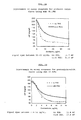
- Figure 1A demonstrates the improvement in the amikacin calibration curve when poly(acrylic acid) (PAA) is added to a commercially available amikacin assay. This figure is further described in Example 1.
- PAA poly(acrylic acid)
- Figure 1B demonstrates the improvement in the gentamicin calibration curve when PAA is added to a commercially available gentamicin assay. This figure is further described in Example 2.
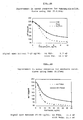
- Figure 2A demonstrates the improvement in the tobramycin calibration curve when PAA is added to a commercially available tobramycin assay. This figure is further described in Example 3.
- Figure 2B demonstrates the improvement in the amikacin calibration curve when poly(methacrylic acid) (PMAA) is added to a commercially available amikacin assay. This figure is further described in Example 4.
- calibrator concentrations of known analyte are typically used to construct a non-linear standard curve for a particular analyte (e.g. a drug).
- the calibrating curve is constructed for each particular instrument by using common mathematical equations known to those skilled in the art, such as equations describing an exponential 5 parameter relation, or logit/log 5 relations.
- the specific equation for a particular instrument is typically provided in the manual accompanying the instrument. It is critical that the signals used to generate the curve (e.g.
- soluble or water soluble polycarboxylic acid polymers refer to polymers (and copolymers) containing multiple carboxylic groups which are soluble in aqueous solution. It has been found that commercially available soluble polycarboxylic acid polymers of formula I having a molecular weight range of from about 1.8 kDa to about 1250 kDa improve the assay performance. Preferably, the molecular weight of the polymer is from about 1.8 kDa to about 225 kDa.
- Suitable polycarboxylic acid polymers of formula I for use in the present invention include polyacrylic acid (“PAA”), polymethacrylic acid (“PMAA”), polymaleic acid, and the corresponding copolymers of the foregoing polymers. PAA and PMAA are most preferred. These polymers are readily available commercially, for example from Aldrich Chemical Co. (WI, USA), Polysciences (PA, USA), and Fluka (NY, USA).
- Aminoglycoside antibiotics which are detectable by the improved assay of this invention include amikacin, gentamicin, tobramycin, kanamycin, dibekacin and netilmicin.
- the invention further relates to improved reagents for the detection of aminoglycoside antibiotics, the improvement comprising the inclusion of at least one polycarboxylic acid polymer of formula I in the reagent assembly or mix.
- the polycarboxylic acid polymer is used as an independent reagent, but it could also be incorporated into the antibody reagent or other reagents of the immunoassay.
- the minimal concentration of polycarboxylic acid polymer in the reagent mix that will result in improved assay performance varies from assay to assay, as well as from one type of antibody to another.
- concentration of the polycarboxylic acid also depends on the type of polycarboxylic acid polymer used. For example, when PAA having a molecular weight of 20,000 Daltons is used, a concentration as small as 0.002% of the total reaction mixture was found sufficient to improve a tobramycin assay using a monoclonal antibody in the reagent mix. In an amikacin assay using polyclonal antibodies, a PAA (molecular weight 1800 Daltons) concentration of 0.6% in the reaction mixture was required to achieve the desired assay performance.
- a final concentration of soluble polycarboxylic acid polymer in the reaction mixture is. well within the skill of the art in the immunoassay field. It is contemplated, however, that a final concentration of soluble polycarboxylic acid polymer in the reaction mixture of at least about 0.001% is useful in the methods of the present invention. Preferably, the soluble polycarboxylic acid polymer is present in a concentration of from about. 0.002% to about 0.6% of the total reaction mixture.
- FPIAs fluorescence polarization immunoassays
- COBAS INTEGRA® and COBAS FARA II® Roche Diagnostic Systems, Branchburg, NJ., USA
- an FPIA according to the present invention also can be performed manually or on any type of automated system.
- fluorescence polarization is a reproducible function of the ligand (e.g. drug) concentration, and is thus suitable for the quantitative determination of ligand concentrations in serum for the purpose of therapeutic drug monitoring.
- fluorescent polarization Fluorescence polarization
- the COBAS®-FP systems use FP to measure the binding of fluorescein labeled drug (the "tracer") to specific antibodies.
- tracer serum containing antibodies specific for the drug to be measured, and drug-free patient serum are mixed together in the COBAS cuvette, most of the tracer binds to the antibodies.
- the bound tracer is excited with polarized light (470-490 nm)
- the light emitted 510-530 nm
- the drug will compete with the tracer for binding to the antibodies.
- more of the tracer will remain unbound (and thus free to rotate) and the polarization of the emitted light will decrease.
- the COBAS® -FP assay system measures the fluorescence polarization resulting from the interaction of tracer, antibody and calibrator containing known amounts of drug in human serum to produce a curve relating drug concentration to millipolarization (mP) units. Subsequently, the tracer, antibody and patient serum are allowed to interact under the same conditions which generated the calibration curve. The mP units thus obtained can be correlated to the drug level in the patient serum by comparison with the calibration curve in the assay.
- mP millipolarization
- the assay protocols used in these examples were as follows. First antibody reagent, polycarboxylic acid solution, sample diluent and patient sample were added into a COBAS cuvette and the parallel and perpendicular fluorescence background intensities measured. The tracer was then added and the parallel and perpendicular fluorescence test intensities were then again measured. The polarization value was calculated by the automated analyzer (COBAS INTEGRA® or COBAS FARA II® ) using the measured parallel and perpendicular test and background fluorescence intensities.
- mP millipolarization units (polarization x 1000)
- I II BLK Parallel intensity of blank reading
- I II TEST Parallel intensity of test reading
- I ⁇ BLK Perpendicular intensity of blank reading
- I ⁇ TEST Perpendicular intensity of test reading
- V B Volume of the blank
- V TOT Volume of the test (total)
- k Instrument adjust factor
- the systems calculate mP values for six calibrator concentrations and the applicable patient sample(s). The systems then calculate a best fit curve for the calibrator concentrations using a non-linear least squares regression analysis. The concentration of drug in each sample is then interpolated from this curve using its measured polarization value.
- the assays were performed as provided above with a particular polyacrylic acid being added as an independent reagent in the specific amounts indicated in each example.
- Example 1 an assay for amikacin was performed using a commercially available COBAS® -FP Reagent kit for amikacin and adding PAA having a molecular weight of 20,000 Daltons.
- the concentration of PAA in the final reaction mix was 0.15%.
- the signal span for the amikacin assay with added 0.15% PAA is significantly increased (from 11.7 mP to 21.6 mP) in the drug concentration range between 20 and 40 ⁇ g/ml.
- Example 2 an assay for gentamicin was performed using a commercially available COBAS® -FP Reagent kit for gentamicin and adding PAA having a molecular weight of 20,000 Daltons.
- the concentration of PAA in the final reaction mix was 0.05%.
- the signal span for the gentamicin assay with added 0.05% PAA was significantly increased (from 11.6 mP to 17.8 mP) in the drug concentration range between 7.4 and 14 ⁇ g/ml.
- the calibration curve for the range 7.4- 14 ⁇ g/ml was nearly a flat line (i.e.
- the curve had a very little slope making it very difficult to ascertain concentration differences).
- Example 3 Analogous to Examples 1 and 2, in Example 3, an assay for tobramycin was performed using a commercially available COBAS® -FP Reagent kit for tobramycin and adding PAA having a molecular weight of 20,000 Daltons. The concentration of PAA in the final reaction mix was 0.0189%. As is shown in Figure 2A, the signal span for the tobramycin assay with added PAA was vastly increased (from 5.7 mP to 10.3 mP) in the drug concentration range between 7 ⁇ g/ml and 10 ⁇ g/ml. Once again, the vast improvement in the tobramycin concentration curve in the range between 7-10 ⁇ g/ml is particularly significant as the typical therapeutic range for tobramycin is from about 6-10 ⁇ g/ml.
- Example 4 an assay for amikacin was performed using a commercially available COBAS® -FP Reagent kit for amikacin and adding PMAA having a molecular weight of 15,000 Daltons. The concentration of PMAA in the final reaction mix was 0.178%. As is shown in Figure 2B, the signal span for the amikacin assay with added PMAA is substantially increased (from 11.1 mP to 21.4 mP) in the drug concentration range between 20-40 ⁇ g/ml, which as is discussed above, is the key range for therapeutic monitoring of amikacin concentration.
- PAA poly(acrylic acid)
- Examples 6-10 the same procedure was followed as described above in Example 5 for the amikacin assay, but using a PAA having a different molecular weight than that used in Example 5 or using PMAA instead of PAA.
- the results of Examples 6-10 are summarized below in Tables II-VI. Effect of poly(acrylic acid) (PAA) [MW about 1,800] on the calibration curve fit (reading accuracy) of amikacin assay.
- PAA poly(acrylic acid)
- Examples 6-10 and Tables II-VI show that the addition of a commercially available soluble polycarboxylic acid polymer to the amikacin standard immunoassay results in much improved deviation in the drug concentration curve, and accordingly, improved assay accuracy.
- Example 11 a sample of known amikacin concentration (21.5 ⁇ g/ml) was run in two separate experiments. For each assay, ten readings were made and the mean of these ten measurements is reported below in Table VII. The experiments were repeated and the same measurements made, but with PAA added to the reaction mix (0.15% final concentration of PAA of molecular weight 20,000 Daltons).
- Table VII reports the "coefficient of variation” (CV) for the sample, which is a measure of the discrepancy within the ten readings.
- the CV is obtained by taking the statistical variation of ten measurements and dividing by the mean.
- the coefficient of variation i.e. "within-run” variation
- the coefficient of variation is a measure of the precision obtained in a particular assay, that is, the ability to reproduce the results of the assay.
- Table VII shows that at a sample concentration of 21.5 ⁇ g/ml, the accuracy of the amikacin assay is substantially improved by addition of PAA. This is evidenced by the readings of 25.82 and 29.04 (no PAA) contrasted with 21.72 and 21.66 (with PAA) for a known concentration of 21.5 ⁇ g/ml. In addition, Table VII also shows that the addition of PAA results in improved precision of the assay as measured by the coefficient of variation.
Landscapes
- Health & Medical Sciences (AREA)
- Life Sciences & Earth Sciences (AREA)
- Engineering & Computer Science (AREA)
- Molecular Biology (AREA)
- Chemical & Material Sciences (AREA)
- Immunology (AREA)
- Biomedical Technology (AREA)
- Hematology (AREA)
- Urology & Nephrology (AREA)
- Food Science & Technology (AREA)
- Biochemistry (AREA)
- Cell Biology (AREA)
- Biotechnology (AREA)
- Medicinal Chemistry (AREA)
- Physics & Mathematics (AREA)
- Analytical Chemistry (AREA)
- Microbiology (AREA)
- General Health & Medical Sciences (AREA)
- General Physics & Mathematics (AREA)
- Pathology (AREA)
- Bioinformatics & Cheminformatics (AREA)
- Pharmacology & Pharmacy (AREA)
- Chemical Kinetics & Catalysis (AREA)
- Investigating Or Analysing Biological Materials (AREA)
- Addition Polymer Or Copolymer, Post-Treatments, Or Chemical Modifications (AREA)
Applications Claiming Priority (2)
| Application Number | Priority Date | Filing Date | Title |
|---|---|---|---|
| US1115396P | 1996-01-26 | 1996-01-26 | |
| US11153 | 1996-01-26 |
Publications (2)
| Publication Number | Publication Date |
|---|---|
| EP0786666A1 EP0786666A1 (en) | 1997-07-30 |
| EP0786666B1 true EP0786666B1 (en) | 2002-04-10 |
Family
ID=21749106
Family Applications (1)
| Application Number | Title | Priority Date | Filing Date |
|---|---|---|---|
| EP97100730A Expired - Lifetime EP0786666B1 (en) | 1996-01-26 | 1997-01-17 | Improved assay for aminoglycoside antibiotics |
Country Status (4)
| Country | Link |
|---|---|
| US (1) | US5858805A (enExample) |
| EP (1) | EP0786666B1 (enExample) |
| JP (1) | JP3499701B2 (enExample) |
| DE (1) | DE69711733T2 (enExample) |
Families Citing this family (13)
| Publication number | Priority date | Publication date | Assignee | Title |
|---|---|---|---|---|
| US20050227294A1 (en) * | 1997-09-15 | 2005-10-13 | Molecular Devices Corporation | Molecular modification assays involving lipids |
| US7632651B2 (en) * | 1997-09-15 | 2009-12-15 | Mds Analytical Technologies (Us) Inc. | Molecular modification assays |
| US7745142B2 (en) * | 1997-09-15 | 2010-06-29 | Molecular Devices Corporation | Molecular modification assays |
| US7070921B2 (en) | 2000-04-28 | 2006-07-04 | Molecular Devices Corporation | Molecular modification assays |
| US6472141B2 (en) | 1999-05-21 | 2002-10-29 | Caliper Technologies Corp. | Kinase assays using polycations |
| US6287774B1 (en) | 1999-05-21 | 2001-09-11 | Caliper Technologies Corp. | Assay methods and system |
| CA2339030A1 (en) | 2000-03-02 | 2001-09-02 | Ortho-Clinical Diagnostics, Inc. | Analytical elements |
| US6653456B2 (en) | 2001-07-31 | 2003-11-25 | Roche Diagnostics Corporation | Site-specific aminoglycoside derivatives and their use in immunodiagnostic assays |
| JP4229649B2 (ja) * | 2002-07-11 | 2009-02-25 | オルガノ株式会社 | 陽イオン交換樹脂の評価方法およびそれを用いた水処理系の管理方法 |
| US7352784B2 (en) * | 2004-07-20 | 2008-04-01 | Jds Uniphase Corporation | Laser burst boosting method and apparatus |
| JP5996234B2 (ja) * | 2012-03-30 | 2016-09-21 | デンカ生研株式会社 | 免疫分析方法及び試薬 |
| CN110392831B (zh) * | 2017-01-27 | 2023-09-05 | 豪夫迈·罗氏有限公司 | 用于在相互作用测定中调节信号强度的方法 |
| CN114166807B (zh) * | 2021-11-22 | 2023-12-12 | 中国农业大学 | 用于检测多粘菌素的荧光偏振免疫分析方法 |
Family Cites Families (4)
| Publication number | Priority date | Publication date | Assignee | Title |
|---|---|---|---|---|
| US4492762A (en) * | 1981-12-11 | 1985-01-08 | Abbott Laboratories | Fluorescent polarization immunoassays |
| DE3840605A1 (de) * | 1988-12-02 | 1990-06-07 | Behringwerke Ag | Mittel fuer immunchemische tests enthaltend carboxylgruppenhaltige polymere |
| US5079234A (en) * | 1989-03-23 | 1992-01-07 | Bristol-Myers Squibb Co. | Inhibitors of aminoglycoside nephrotoxicity |
| GB9419001D0 (en) * | 1994-09-21 | 1994-11-09 | Applied Research Systems | Assay method |
-
1997
- 1997-01-13 US US08/782,361 patent/US5858805A/en not_active Expired - Lifetime
- 1997-01-17 EP EP97100730A patent/EP0786666B1/en not_active Expired - Lifetime
- 1997-01-17 DE DE69711733T patent/DE69711733T2/de not_active Expired - Lifetime
- 1997-01-24 JP JP01153497A patent/JP3499701B2/ja not_active Expired - Fee Related
Also Published As
| Publication number | Publication date |
|---|---|
| DE69711733D1 (de) | 2002-05-16 |
| JP3499701B2 (ja) | 2004-02-23 |
| US5858805A (en) | 1999-01-12 |
| EP0786666A1 (en) | 1997-07-30 |
| DE69711733T2 (de) | 2002-11-14 |
| JPH09210997A (ja) | 1997-08-15 |
Similar Documents
| Publication | Publication Date | Title |
|---|---|---|
| Jolley et al. | Fluorescence polarization immunoassay. I. Monitoring aminoglycoside antibiotics in serum and plasma. | |
| US5858805A (en) | Assay for aminoglycoside antibiotics | |
| Spencer et al. | Design, construction, and two applications for an automated flow—cell polarization fluorometer with digital read out: Enzyme-inhibitor (antitrypsin) assay and antigen—antibody (insulin—insulin antiserum) assay | |
| US6159750A (en) | Fluorescence polarization immunoassay diagnostic method | |
| US20110287964A1 (en) | Urinary biomarkers for sensitive and specific detection of acute kidney injury in humans | |
| Birmachu et al. | Conformational transitions in the calcium adenosine triphosphatase studied by time-resolved fluorescence resonance energy transfer | |
| Pesce et al. | Evaluation of a fluorescence polarization immunoassay procedure for quantitation of methotrexate | |
| Petrovas et al. | Determination of tumor necrosis factor-α (TNF-α) in serum by a highly sensitive enzyme amplified lanthanide luminescence immunoassay | |
| CN108362892A (zh) | 一种降钙素原胶体金免疫比浊法检测试剂 | |
| Wei et al. | An improved automated immunoassay for C‐reactive protein on the Dimension® clinical chemistry system | |
| Thompson et al. | Substrate-labeled fluorescent immunoassay for amikacin in human serum | |
| US8900882B2 (en) | Method of assaying complex and kit to be used therefor | |
| Perez-Bendito et al. | Direct stopped-flow fluorescence polarization immunoassay of abused drugs and their metabolites in urine | |
| EP1724582B1 (en) | Measurement value lowering inhibitor for immunoassay method and immunoassay method using the same | |
| CN108717117A (zh) | 一种万古霉素免疫检测试剂及其制备和检测方法 | |
| Gaikwad et al. | Use of stopped-flow fluorescence polarization immunoassay in drug determinations | |
| Sidki et al. | Direct determination of phenobarbital in serum or plasma by polarization fluoroimmunoassay | |
| Murthy et al. | Activity concentration and mass concentration (monoclonal antibody immunoenzymometric method) compared for creatine kinase MB isoenzyme in serum. | |
| WO1989007765A1 (en) | Novel buffer and method for detecting rheumatoid factor | |
| Tsay et al. | Quantitation of serum gentamicin concentration by a solid-phase immunofluorescence method. | |
| Karnes et al. | Double-antibody fluorescence immunoassay of tobramycin. | |
| Selepak et al. | Evaluation of five gentamicin assay procedures for clinical microbiology laboratories | |
| EP0710838A1 (en) | Immunoassay method | |
| Shaw et al. | Fluoroimmunoassay of serum gentamicin | |
| Wu et al. | Quantitation of haptens by homogeneous immunoprecipitation. 1. Automated analysis of gentamicin in serum. |
Legal Events
| Date | Code | Title | Description |
|---|---|---|---|
| PUAI | Public reference made under article 153(3) epc to a published international application that has entered the european phase |
Free format text: ORIGINAL CODE: 0009012 |
|
| 17P | Request for examination filed |
Effective date: 19970117 |
|
| AK | Designated contracting states |
Kind code of ref document: A1 Designated state(s): DE FR IT |
|
| 17Q | First examination report despatched |
Effective date: 20000825 |
|
| GRAG | Despatch of communication of intention to grant |
Free format text: ORIGINAL CODE: EPIDOS AGRA |
|
| GRAG | Despatch of communication of intention to grant |
Free format text: ORIGINAL CODE: EPIDOS AGRA |
|
| GRAH | Despatch of communication of intention to grant a patent |
Free format text: ORIGINAL CODE: EPIDOS IGRA |
|
| GRAH | Despatch of communication of intention to grant a patent |
Free format text: ORIGINAL CODE: EPIDOS IGRA |
|
| GRAA | (expected) grant |
Free format text: ORIGINAL CODE: 0009210 |
|
| AK | Designated contracting states |
Kind code of ref document: B1 Designated state(s): DE FR IT |
|
| REF | Corresponds to: |
Ref document number: 69711733 Country of ref document: DE Date of ref document: 20020516 |
|
| PLBE | No opposition filed within time limit |
Free format text: ORIGINAL CODE: 0009261 |
|
| STAA | Information on the status of an ep patent application or granted ep patent |
Free format text: STATUS: NO OPPOSITION FILED WITHIN TIME LIMIT |
|
| 26N | No opposition filed |
Effective date: 20030113 |
|
| PGFP | Annual fee paid to national office [announced via postgrant information from national office to epo] |
Ref country code: FR Payment date: 20120111 Year of fee payment: 16 |
|
| PGFP | Annual fee paid to national office [announced via postgrant information from national office to epo] |
Ref country code: DE Payment date: 20120131 Year of fee payment: 16 |
|
| PGFP | Annual fee paid to national office [announced via postgrant information from national office to epo] |
Ref country code: IT Payment date: 20120123 Year of fee payment: 16 |
|
| REG | Reference to a national code |
Ref country code: FR Ref legal event code: ST Effective date: 20130930 |
|
| PG25 | Lapsed in a contracting state [announced via postgrant information from national office to epo] |
Ref country code: DE Free format text: LAPSE BECAUSE OF NON-PAYMENT OF DUE FEES Effective date: 20130801 |
|
| REG | Reference to a national code |
Ref country code: DE Ref legal event code: R119 Ref document number: 69711733 Country of ref document: DE Effective date: 20130801 |
|
| PG25 | Lapsed in a contracting state [announced via postgrant information from national office to epo] |
Ref country code: FR Free format text: LAPSE BECAUSE OF NON-PAYMENT OF DUE FEES Effective date: 20130131 |
|
| PG25 | Lapsed in a contracting state [announced via postgrant information from national office to epo] |
Ref country code: IT Free format text: LAPSE BECAUSE OF NON-PAYMENT OF DUE FEES Effective date: 20130117 |