EP0767794B1 - Phosphinic acid derivatives - Google Patents
Phosphinic acid derivatives Download PDFInfo
- Publication number
- EP0767794B1 EP0767794B1 EP95924573A EP95924573A EP0767794B1 EP 0767794 B1 EP0767794 B1 EP 0767794B1 EP 95924573 A EP95924573 A EP 95924573A EP 95924573 A EP95924573 A EP 95924573A EP 0767794 B1 EP0767794 B1 EP 0767794B1
- Authority
- EP
- European Patent Office
- Prior art keywords
- alkyl
- amino
- carbonyl
- methyl
- hydroxy
- Prior art date
- Legal status (The legal status is an assumption and is not a legal conclusion. Google has not performed a legal analysis and makes no representation as to the accuracy of the status listed.)
- Expired - Lifetime
Links
- 0 CCC[C@](C)CC*CC(C)C[C@]1CC(CC)CC1 Chemical compound CCC[C@](C)CC*CC(C)C[C@]1CC(CC)CC1 0.000 description 4
- ICGRASHRKPOBFV-UHFFFAOYSA-N CC(C)CC(C(O)OCC(CCC1OC)CC1OC)=C Chemical compound CC(C)CC(C(O)OCC(CCC1OC)CC1OC)=C ICGRASHRKPOBFV-UHFFFAOYSA-N 0.000 description 1
- XYLMUPLGERFSHI-UHFFFAOYSA-N CC(c1ccccc1)=C Chemical compound CC(c1ccccc1)=C XYLMUPLGERFSHI-UHFFFAOYSA-N 0.000 description 1
- YXFVVABEGXRONW-UHFFFAOYSA-N Cc1ccccc1 Chemical compound Cc1ccccc1 YXFVVABEGXRONW-UHFFFAOYSA-N 0.000 description 1
Images

Classifications
-
- C—CHEMISTRY; METALLURGY
- C07—ORGANIC CHEMISTRY
- C07F—ACYCLIC, CARBOCYCLIC OR HETEROCYCLIC COMPOUNDS CONTAINING ELEMENTS OTHER THAN CARBON, HYDROGEN, HALOGEN, OXYGEN, NITROGEN, SULFUR, SELENIUM OR TELLURIUM
- C07F9/00—Compounds containing elements of Groups 5 or 15 of the Periodic Table
- C07F9/02—Phosphorus compounds
- C07F9/547—Heterocyclic compounds, e.g. containing phosphorus as a ring hetero atom
- C07F9/6558—Heterocyclic compounds, e.g. containing phosphorus as a ring hetero atom containing at least two different or differently substituted hetero rings neither condensed among themselves nor condensed with a common carbocyclic ring or ring system
- C07F9/65583—Heterocyclic compounds, e.g. containing phosphorus as a ring hetero atom containing at least two different or differently substituted hetero rings neither condensed among themselves nor condensed with a common carbocyclic ring or ring system each of the hetero rings containing nitrogen as ring hetero atom
-
- A—HUMAN NECESSITIES
- A61—MEDICAL OR VETERINARY SCIENCE; HYGIENE
- A61P—SPECIFIC THERAPEUTIC ACTIVITY OF CHEMICAL COMPOUNDS OR MEDICINAL PREPARATIONS
- A61P1/00—Drugs for disorders of the alimentary tract or the digestive system
-
- A—HUMAN NECESSITIES
- A61—MEDICAL OR VETERINARY SCIENCE; HYGIENE
- A61P—SPECIFIC THERAPEUTIC ACTIVITY OF CHEMICAL COMPOUNDS OR MEDICINAL PREPARATIONS
- A61P11/00—Drugs for disorders of the respiratory system
-
- A—HUMAN NECESSITIES
- A61—MEDICAL OR VETERINARY SCIENCE; HYGIENE
- A61P—SPECIFIC THERAPEUTIC ACTIVITY OF CHEMICAL COMPOUNDS OR MEDICINAL PREPARATIONS
- A61P13/00—Drugs for disorders of the urinary system
- A61P13/02—Drugs for disorders of the urinary system of urine or of the urinary tract, e.g. urine acidifiers
-
- A—HUMAN NECESSITIES
- A61—MEDICAL OR VETERINARY SCIENCE; HYGIENE
- A61P—SPECIFIC THERAPEUTIC ACTIVITY OF CHEMICAL COMPOUNDS OR MEDICINAL PREPARATIONS
- A61P15/00—Drugs for genital or sexual disorders; Contraceptives
-
- A—HUMAN NECESSITIES
- A61—MEDICAL OR VETERINARY SCIENCE; HYGIENE
- A61P—SPECIFIC THERAPEUTIC ACTIVITY OF CHEMICAL COMPOUNDS OR MEDICINAL PREPARATIONS
- A61P25/00—Drugs for disorders of the nervous system
- A61P25/02—Drugs for disorders of the nervous system for peripheral neuropathies
-
- A—HUMAN NECESSITIES
- A61—MEDICAL OR VETERINARY SCIENCE; HYGIENE
- A61P—SPECIFIC THERAPEUTIC ACTIVITY OF CHEMICAL COMPOUNDS OR MEDICINAL PREPARATIONS
- A61P3/00—Drugs for disorders of the metabolism
- A61P3/08—Drugs for disorders of the metabolism for glucose homeostasis
-
- A—HUMAN NECESSITIES
- A61—MEDICAL OR VETERINARY SCIENCE; HYGIENE
- A61P—SPECIFIC THERAPEUTIC ACTIVITY OF CHEMICAL COMPOUNDS OR MEDICINAL PREPARATIONS
- A61P35/00—Antineoplastic agents
-
- A—HUMAN NECESSITIES
- A61—MEDICAL OR VETERINARY SCIENCE; HYGIENE
- A61P—SPECIFIC THERAPEUTIC ACTIVITY OF CHEMICAL COMPOUNDS OR MEDICINAL PREPARATIONS
- A61P43/00—Drugs for specific purposes, not provided for in groups A61P1/00-A61P41/00
-
- A—HUMAN NECESSITIES
- A61—MEDICAL OR VETERINARY SCIENCE; HYGIENE
- A61P—SPECIFIC THERAPEUTIC ACTIVITY OF CHEMICAL COMPOUNDS OR MEDICINAL PREPARATIONS
- A61P9/00—Drugs for disorders of the cardiovascular system
-
- A—HUMAN NECESSITIES
- A61—MEDICAL OR VETERINARY SCIENCE; HYGIENE
- A61P—SPECIFIC THERAPEUTIC ACTIVITY OF CHEMICAL COMPOUNDS OR MEDICINAL PREPARATIONS
- A61P9/00—Drugs for disorders of the cardiovascular system
- A61P9/06—Antiarrhythmics
-
- A—HUMAN NECESSITIES
- A61—MEDICAL OR VETERINARY SCIENCE; HYGIENE
- A61P—SPECIFIC THERAPEUTIC ACTIVITY OF CHEMICAL COMPOUNDS OR MEDICINAL PREPARATIONS
- A61P9/00—Drugs for disorders of the cardiovascular system
- A61P9/08—Vasodilators for multiple indications
-
- A—HUMAN NECESSITIES
- A61—MEDICAL OR VETERINARY SCIENCE; HYGIENE
- A61P—SPECIFIC THERAPEUTIC ACTIVITY OF CHEMICAL COMPOUNDS OR MEDICINAL PREPARATIONS
- A61P9/00—Drugs for disorders of the cardiovascular system
- A61P9/10—Drugs for disorders of the cardiovascular system for treating ischaemic or atherosclerotic diseases, e.g. antianginal drugs, coronary vasodilators, drugs for myocardial infarction, retinopathy, cerebrovascula insufficiency, renal arteriosclerosis
-
- A—HUMAN NECESSITIES
- A61—MEDICAL OR VETERINARY SCIENCE; HYGIENE
- A61P—SPECIFIC THERAPEUTIC ACTIVITY OF CHEMICAL COMPOUNDS OR MEDICINAL PREPARATIONS
- A61P9/00—Drugs for disorders of the cardiovascular system
- A61P9/12—Antihypertensives
-
- C—CHEMISTRY; METALLURGY
- C07—ORGANIC CHEMISTRY
- C07F—ACYCLIC, CARBOCYCLIC OR HETEROCYCLIC COMPOUNDS CONTAINING ELEMENTS OTHER THAN CARBON, HYDROGEN, HALOGEN, OXYGEN, NITROGEN, SULFUR, SELENIUM OR TELLURIUM
- C07F9/00—Compounds containing elements of Groups 5 or 15 of the Periodic Table
- C07F9/02—Phosphorus compounds
- C07F9/28—Phosphorus compounds with one or more P—C bonds
- C07F9/30—Phosphinic acids [R2P(=O)(OH)]; Thiophosphinic acids ; [R2P(=X1)(X2H) (X1, X2 are each independently O, S or Se)]
- C07F9/303—Cycloaliphatic acids
-
- C—CHEMISTRY; METALLURGY
- C07—ORGANIC CHEMISTRY
- C07F—ACYCLIC, CARBOCYCLIC OR HETEROCYCLIC COMPOUNDS CONTAINING ELEMENTS OTHER THAN CARBON, HYDROGEN, HALOGEN, OXYGEN, NITROGEN, SULFUR, SELENIUM OR TELLURIUM
- C07F9/00—Compounds containing elements of Groups 5 or 15 of the Periodic Table
- C07F9/02—Phosphorus compounds
- C07F9/547—Heterocyclic compounds, e.g. containing phosphorus as a ring hetero atom
- C07F9/553—Heterocyclic compounds, e.g. containing phosphorus as a ring hetero atom having one nitrogen atom as the only ring hetero atom
- C07F9/572—Five-membered rings
- C07F9/5728—Five-membered rings condensed with carbocyclic rings or carbocyclic ring systems
Definitions
- This invention relates to the use of phosphinic acid derivatives as inhibitors of endothelin converting enzyme, to novel phosphinic acid derivatives and to pharmaceutical compositions comprising said novel compounds.
- Endothelins are a family of peptides, including endothelin-1, endothelin-2 and endothelin-3 ( ET-1, ET-2 and ET-3), which show potent vasoconstrictive and mitogenic activity.
- ET-1 approximately 100 times more potent than its precursor, big-endothelin-1 (BET-1)
- BET-1 big-endothelin-1
- ECE endothelin converting enzyme
- the present invention has for one of its objects to provide compounds which are ECE inhibitors and which are useful for the treatment of myocardial ischemia, congestive heart failure, arrhythmia, hypertension, pulmonary hypertension, asthma, cerebral vasospasm, subarachanoid hemorrhage, pre-eclampsia, wound healing, control of menstruation, acute/chronic renal failure, renal ischemia, renal glomerulosclerosis, atherosclerosis, Buergers disease, Takayasu's arteritis, complications in diabetes, pulmonary carcinoma, gastrointestinal disorders, endotoxic shock, and septicemia.
- the compounds of the invention are phosphonic acid derivatives of formula I set forth below.
- EP 0 210 545 describes phosphorous containing enzyme inhibitors of different structure for use as renin and ACE inhibitors. These compounds have the formula A-E-G wherein
- Novel compounds of the present invention are those represented by structural formula II: or a pharmaceutically acceptable salt thereof, wherein
- Preferred compounds of formula I are those wherein A 1 -R 5 is L-tryptophanyl, L-tyrosinyl or L-O-methyl tyrosinyl. Also preferred are compounds of formula I wherein R 1 and R 2 are independently selected from the group consisting of H, arylalkyl, branched alkyl and cycloalkyl. Especially preferred are compounds wherein one of R 1 and R 2 is hydrogen and the other is benzyl, 2-naphthylmethyl, or branched alkyl.
- R 3 and R 4 are independently selected from the group consisting of hydrogen and alkyl, with preferred alkyl groups being iso-propyl and iso-butyl, or R 3 and R 4 , together with the carbon to which they are attached, form a cycloalkyl ring of 5 or 7 members.
- n is 1. Also preferred are compounds of formula I wherein R is hydrogen and R 5 is hydroxy.
- Still another group of preferred compounds of formula I is that wherein R 8 is phenylmethoxycarbonyl or A 2 -R 7 , wherein A 2 is an ⁇ -imino acyl radical derived from a natural ⁇ -amino acid in the R or S chiral form, preferably lysine, ⁇ -CBZ lysine, arginine, isoleucine, leucine, valine, phenylalanine, alanine, glycine or tyrosine, and R 7 is benzyloxycarbonyl or methansulfonyl.
- preferred compounds of formula II are those wherein A 1 -R 5 is L-tryptophanyl, L-tyrosinyl or L-O-methyl tyrosinyl.
- R 1 and R 2 are independently selected from the group consisting of H, arylalkyl and branched alkyl. Especially preferred are compounds wherein one of R 1 and R 2 is hydrogen and the other is benzyl, 2-naphthylmethyl, or branched alkyl.
- n is 1.
- a preferred value for q is 4.
- Still another group of preferred compounds of formula II is that wherein R 8 is phenylmethoxycarbonyl or A 2 -R 7 , wherein A 2 is an ⁇ -imino acyl radical derived from a natural ⁇ -amino acid in the R or S chiral form, preferably lysine, ⁇ -CBZ lysine, arginine, isoleucine, leucine, valine, phenylalanine, alanine, glycine or tyrosine, and R 7 is benzyloxycarbonyl or methansulfonyl.
- This invention also relates to the use of the compounds of formula I as endothelin converting enzyme inhibitors, and especially to the use of compounds of formula II as endothelin converting enzyme inhibitors.
- the present invention relates to a pharmaceutical composition
- a pharmaceutical composition comprising a compound of formula II in a pharmaceutically acceptable carrier.
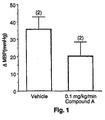
- Figures 1 and 2 are graphs showing the effect of two compounds of the invention (identified below) on pressor responses to BET-1 in anesthetized rats.
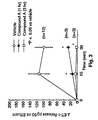
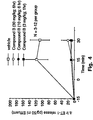
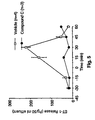
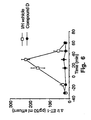
- Figures 3, 4, 5 and 6 are graphs showing the effects of four compounds of the invention (identified below) on ischemia/hypoxia-induced ET-1 release in isolated perfused guinea pig lungs.
- divalent ⁇ -iminoacyl radical refers to a radical having the structure
- radical of an ⁇ -aminoacyl derivative refers to a radical of the structure
- the ⁇ -iminoacyl radicals and ⁇ -aminoacyl derivatives are derived from natural ⁇ -amino acids or esters in the R or S chiral form.
- alkyl means straight or branched alkyl chains of 1 to 8 carbon atoms
- alkoxy means alkoxy groups having 1 to 6 carbon atoms
- alkenyl means straight or branched carbon chains of 1 to 8 carbon atoms having one or more double bonds in the chain, conjugated or unconjugated.
- aryl means a phenyl, indanyl, naphthyl or tetrahydronaphthyl ring with one or more substituents selected from the group consisting of H, alkyl, -OH, alkoxy, carboxy, halo, aminoalkyl, carbamyl, -NO 2 , trifluoromethyl, morpholinecarbonyl, phenyl, phenoxy, benzyloxy and phenylthio, or wherein adjacent alkyl and alkoxy substituents on a phenyl ring form a five or six-membered ring, such as dihydrobenzo-furanyl.
- Compounds of the invention have at least one asymmetrical carbon atom and therefore all isomers, including diastereomers and rotational isomers are contemplated as being part of this invention.
- the invention includes d and I isomers in both pure form and in admixture, including racemic mixtures.
- Isomers can be prepared using conventional techniques, either by reacting enantiomeric starting materials or by separating isomers of a compound of formula I or II. Isomers may also include geometric isomers, e.g. when a double bond is present. All such geometric isomers are contemplated for this invention.
- Compounds of the invention with an amino group can form pharmaceutically acceptable salts with organic and inorganic acids.
- suitable acids for salt formation are hydrochloric, sulfuric, phosphoric, acetic, citric, oxalic, malonic, salicylic, malic, fumaric, succinic, ascorbic, maleic, methanesulfonic and other mineral and carboxylic acids well known to those in the art.
- the salt is prepared by contacting the free base form with a sufficient amount of the desired acid to produce a salt.
- the free base form may be regenerated by treating the salt with a suitable dilute aqueous base solution such as dilute aqueous NaHCO 3 .
- the free base form differs from its respective salt form somewhat in certain physical properties, such as solubility in polar solvents, but the salt is otherwise equivalent to its respective free base forms for purposes of the invention.
- salts of the invention which are acidic form pharmaceutically acceptable salts with inorganic and organic bases.
- examples of such salts are the alkali metal and alkaline earth salts, such as the lithium, sodium, potassium, calcium, aluminum, gold and silver salts.
- salts formed with pharmaceutically acceptable amines such as ammonia, alkyl amines, hydroxyalkylamines, N-methylglucamine and the like.
- Phosphinic acids 2 wherein R 1 , R 2 and R are as defined above and Cbz is benzyloxycarbonyl, are known compounds and can be prepared from carbonyl compounds 1 by known methods. Alternatively, the amino group can be protected by other suitable protecting groups, e.g., tert-butoxycarbonyl.
- the phosphinic acids 2 are converted to the conjugate addition products 3 , wherein n is 1, by known methods or by a variation of known methods where the phosphinic acids 2 are deprotonated with one equivalent of a suitable base such as NaH and reacted in a solvent such as tetrahydrofuran (THF) with an acrylate 7 , wherein R 10 is a carboxylic acid protecting group such as methyl, ethyl, benzyl, 2-trimethylsilylethyl or 3,4-dimethoxybenzyl.
- Compounds 3 are deprotected to give acids 4 using standard methodology.
- Acids 4 are coupled to an amino acid ester such as tryptophan methyl ester using a suitable coupling agent such as 1,1'-carbonyldiimidazole in an organic solvent such as dimethylformamide (DMF) to give compounds 5 .
- a suitable coupling agent such as 1,1'-carbonyldiimidazole in an organic solvent such as dimethylformamide (DMF)
- DMF dimethylformamide
- Compounds 5 can be further elaborated to compounds I by standard peptide coupling procedures and protecting group manipulations where necessary.
- Phosphinic acid esters 2a wherein R, R 1 , R 2 , R 3 and R 4 are as defined above, are deprotonated with a suitable base such as lithium diisopropylamide (LDA) in a suitable solvent such as THF at low temperature, then are reacted with a triflate (Tf) of formula 6 to give a compound 3a .
- a suitable base such as lithium diisopropylamide (LDA) in a suitable solvent such as THF at low temperature
- Tf triflate
- Compound 3a can be elaborated into compounds of formula I by the methods described for Process A.
- the present invention relates to a method of inhibiting ECE, which method comprises administering to a mammal in need of such treatment an ECE inhibitory effective amount of a compound of formula I of this invention.
- the compound of formula I is preferably administered in a pharmaceutically acceptable carrier, especially a pharmaceutical carrier suitable for oral administration.
- novel compounds of formula II are also claimed, and therefore the present invention also relates to pharmaceutical compositions comprising an ECE inhibitory effective amount of a compound of formula II in a pharmaceutically acceptable carrier
- the compounds of formula I or II can be administered in any conventional oral dosage form such as capsules, tablets, powders, cachets, suspensions or solutions.
- the formulations and pharmaceutical compositions can be prepared using conventional pharmaceutically acceptable excipients and additives and conventional techniques.
- Such pharmaceutically acceptable excipients and additives include non-toxic compatible fillers, binders, disintegrants, buffers, preservatives, antioxidants, lubricants, flavorings, thickeners, coloring agents, emulsifiers and the like.
- Similar pharmaceutical compositions can also be prepared comprising compounds of formula I.
- the daily ECE inhibitory dose of a compound of formula I or II is about 0.1 to about 100 mg/kg of body weight per day, preferably about 10 mg/kg.
- the dosage level is therefore from about 7 mg to about 7 g of drug per day, preferably about 700 mg, given in a single dose or 2-4 divided doses.
- the exact dose is determined by the attending clinician and is dependent on the potency of the compound administered, the age, weight, condition and response of the patient.
- Step 1 Add aq. formaldehyde solution (37%, 16.1 ml) to an aq. solution of (CH 3 ) 2 NH (40%, 12.5 ml) cooled in an ice bath. Stir the mixture for 10 min, then add isobutylmalonic acid (16.7g, 104 mmole). Allow the reaction mixture to warm to R.T., then heat at 90°C for 1 hr. Cool the reaction mixture to R.T., acidify with 1N HCI to pH 1 and extract with Et 2 O. Dry the Et 2 O layer over MgSO 4 and concentrate under reduced pressure.
- Step 2 Cool a solution of the product of Step 1 in CH 2 Cl 2 (90 ml) in an ice bath and add 3,4-dimethoxybenzylalcohol (29.2 g, 174 mmol), dimethylaminopyridine (750 mg, 6 mmol) and a solution of DCC (30.8 g, 150 mmol) in CH 2 Cl 2 (180 ml). Stir the reaction mixture at 0°C for 1 hr, then keep in the freezer (-20°C) for 18 hrs.
- 3,4-dimethoxybenzylalcohol 29.2 g, 174 mmol
- dimethylaminopyridine 750 mg, 6 mmol
- DCC 30.8 g, 150 mmol
- Example 1.2 To a stirred ice-cold solution of Example 1.2 (1.505 g, 3.38 mmol) in DMF (18 ml), add 1,1'-carbonyldiimidazole (0.823 g, 5.07 mmol). After 0.5 h, allow the reaction mixture to warm to R.T., and after a further 1 h, add L-tryptophan methyl ester hydrochloride (1.72 g, 6.75 mmol) followed by N-methylmorpholine (0.74 ml, 6.7 mmol). Stir the reaction mixture for 48 h, then partition between EtOAc (200 ml) and 1 M HCI (200 ml). Saturate the aq. layer with NaCI and extract with EtOAc (200 ml).
- Example 1.3C 150 mg, 0.22 mmol
- CH 2 Cl 2 4 ml
- CF 3 CO 2 H 8 ml
- FAB MS 623 (M+H) + To this ester (130 mg, 0.21 mmol) in CH 3 OH (3 ml), add LiOH.H 2 O (37 mg, 0.88 mmol). Stir the reaction mixture overnight, then concentrate in vacuo to remove CH 3 OH. Dilute the resulting aq.
- Example 1.3 (1.80 g, 2.8 mmol) in EtOAc (50 ml) with a solution of CH 2 N 2 in Et 2 O until the yellow color persists.
- Example 3.1 (1.75 g, 2.66 mmol) in CH 3 OH (100 ml) containing 10% Pd/C (0.26 g) under a H 2 atmosphere for 5 h. Remove the catalyst by filtration through celite and wash the filter pad with CH 3 OH. Evaporate the combined filtrate and washings to dryness to give compound 3.2 (1.34 g, 96%) as a colorless glass.
- Example 3.2 N ⁇ -phenylmethoxycarbonyl-N ⁇ -methylsulfonyl-(S)-lysine ( ⁇ -CBZ- ⁇ -Ms-Lys) (2.09 g, 5.85 mmol) and HOBT (0.87 g, 6.43 mmol) in CH 2 Cl 2 (80 ml), add EDC (1.23 g, 6.43 mmol). After 48 h, pour the reaction mixture into 1 M HCI (200 ml) and extract with EtOAc (2x200 ml). Saturate the aq. layer with NaCI and extract with EtOAc (100 ml).
- Step 2 Using the procedure of Example 3, Step 4 compounds 6.1, 6.1A and 6.1 B are deprotected to obtain: Anal. calcd for C 39 H 47 N 4 O 8 P.H 2 O: C, 62.56; H, 6.61; N, 7.48; P, 4.14%. Found: C, 62.84; H, 6.48; N, 7.67; P, 4.24%. FAB MS m/z 731.4 (M+H) + . FAB MS m/z 647.3 (M+H) + . Anal. calcd for C 33 H 36 N 3 O 6 P.H 2 O: C, 63.96; H, 6.18; N, 6.78; P, 4.93%.
- Step 3 Stir a mixture of compound 6.2 (300 mg, 0.41 mmol) and 4M HCI/dioxane (50 ml) for 2.5 h. Evaporate the reaction mixture to dryness to obtain the title compound, 6, (0.27 g, 100%) as a beige powder. FAB MS m/z 631 (M-HCI+H) + .
- Step 1 To a solution of 2-naphthyl triflate (90 g, 326 mmol)in DMF (240 ml), add triphenylphosphine (9.6 g, 36.6 mmol), vinyl acetate (149 g, 1862 mmol) and palladium acetate ( 3.8 g, 17 mmol). Reflux the reaction mixture for 1 h, then quench by addition of sat'd NaHCO 3 solution. Extract the mixture with Et 2 O, dry and concentrate. Purify the residue by chromatography on silica gel (5% EtOAc in hexane) to obtain 35 g (165 mmol, 51%) 2-(2-naphthyl)vinyl acetate .
- Step 2 Stir a mixture of the product of Step 1 (80 g, 200 mmol), CF 3 CO 2 H (150 ml) and anisole (150 ml) at 85-90°C for 3 h. Remove the volatiles under high vacuum. Triturate the residue with CH 2 Cl 2 . Collect the precipitate by filtration.
- Step 3 To a solution of the product of Step 2 (7.2 g, 18.8 mmol) and Preparation 11 (8.5 g, 30.5 mmol) in deoxygenated, dry THF (100 ml) cooled to -78°C under argon, add a dispersion of NaH in oil (70 mg, 60%, 1.8 mmol). Discontinue cooling and allow the reaction mixture to warm to R.T. After 1 h, quench the reaction by addition of sat'd. aq. NH 4 Cl (200 ml). Extract the organic phase with Et 2 O (3 X 200 ml) and wash with brine. Dry the combined organic phase over MgSO 4 and concentrate under vacuum.
- Step 4 Mix the product of Step 3 (11.0 g, 16.6 mmol) with a solution of CF 3 CO 2 H (50 ml) in anisole (20 ml) and cool to 0°C. Stir the reaction mixture for 40 min and remove the volatiles under kugel rhorer distillation at R.T. Dissolve the resultant residue in DMF (100 ml) and add tryptophan methyl ester hydrochloride (8.45 g, 33.17 mmol), HOBT (3.9 g, 29 mmol), EDCI (14.5 g, 48.8 mmol) and N-methylmorpholine (15.6 g, 154 mmol). Stir the reaction mixture at R.T. for 18 hrs under argon.
- Step 5 To a solution of the product of Step 4 (300 mg, 0.42 mmol) in ethyl alcohol (100 ml), add palladium on carbon (10%, 100 mg). Hydrogenate the suspension at 60 psi for 2 hrs. Remove the catalyst by filtration and concentrate the filtrate in vacuo.
- Step 6 To a solution of 2.7 g of the product of Step 6 in THF (100 ml), add 0.5 m aq NaOH (100 ml). Stir the reaction mixture at R.T. for 15 h and adjust the pH to 8 by addition of dilute HCI. Remove the solvents under high vacuum and subject the residue to reverse phase HPLC (C-18 column, elution with CH 3 OH/H 2 O) to obtain three diastereomers: A (400 mg, 14.5 % theory); B (720 mg, 26 % theory); and C (350 mg, 12.7 % theory).
- Step 3 Couple 9f (0.60 g, 1.5 mmol) and tryptophan methyl ester hydrochloride (48 g, 1.9 mmol) in a manner similar to Example 9, Step 4, eluting the column with 5% EtOAc in hexanes to obtain 0.540 g (63%) of desired product.
- Step 4 Couple the product of Step 3 (0.100 g, 0.21 mmol) and ⁇ -CBZ- ⁇ -Ms-Lys (.119 g.
- Step 5 Dissolve the ester from Step 4 in THF (30 ml) and add a solution of NaOH (0.5 N, 30 ml). Stir the reaction mixture at R.T. overnight. Remove the solvents in vacuo and subject the residue to reverse phase column chromatography on silica gel (C-18), eluting with CH 3 OH-H 2 O (75% CH 3 OH to 100% CH 3 OH) to obtain the title compound as two fractions: 10A (0.045 g, 25 %), a single diastereomer: 1 H NMR (CD 3 OD): ⁇ 7.40-7.60 (m, 2H), 6.90-7.40 (m, 10H), 5.50 (s, 0.5H), 5.00-5.05 (br.
- ECE in vivo activity is determined as described by Vemulapalli et al.,in Life Sciences, 53 (1993), pp. 783-793. Briefly, male Charles River CD rats (Wilmington, MA) weighing 250-275 g are anesthetized with Inactin, 100 mg/kg, ip. The trachea is catheterized. The right carotid artery and the right jugular vein are cannulated to record blood pressure (BP) and to infuse drugs, respectively.
- BP blood pressure
- the BP is recorded by connecting the arterial catheter to Statham pressure transducers and displayed on a Grass polygraph.
- the rectal temperature is kept at 37°C.
- the rats are infused with saline vehicle (20 ⁇ l/min) or test compounds (0.01-0.25 mg/kg/min) throughout the study.
- the rats are challenged with BET-1 (5 ⁇ g/kg) via the venous catheter, and the BP is monitored for another 15 min.
- FIGS 1 and 2 show the results of the BET challenge for two compounds of the invention:
- Isolated Perfused Guinea Pig Lung Method The method is as described by Vemulapalli et al., in J. Pharmacol. Exp. Therap., 262, 3 (1992), pp. 1062-1069. Briefly, male Dunkin-Hartley guinea pigs (400-600 g) are anesthetized with pentobarbital 30 mg/kg, ip. The trachea is cannulated to facilitate respiration. The right jugular vein is cannulated to administer saline vehicle or test compound, or compounds are administered orally or subcutaneously.
- a thoracotomy is performed and the trachea, lungs and heart are removed intact and placed in warmed Tyrode's buffer (34-35°C) of the following composition in mM: NaCl 120, KCI 4.8, MgSO 4 ⁇ 7H 2 O 1.2, KH 2 PO 4 1.2, NaHCO 3 25, CaCl 2 .2H 2 O 11.25, glucose 11 and BSA 0.5%.
- the pulmonary artery and trachea are cannulated and the lungs are mounted on a perfusion apparatus.
- Lungs are perfused at a rate of 3.2 ml/min via the pulmonary artery with oxygenated (95% O 2 and 5% CO 2 ) Tyrode's solution maintained at 34-35°C.
- the lungs are mechanically ventilated with room air with a volume of 2.5 ml/stroke and 50 strokes/min.
- Pulmonary insufflation pressure (PIP) is monitored through a side arm of the perfusion apparatus with a Statham pressure transducer and recorded on a Grass polygraph. Lungs are allowed to stabilize for 15 min.
- Lung effluents (50 ml) are collected every 15 min into chilled polypropylene centrifuge tubes (Corning) containing 100 ⁇ l each of aprotinin (200 kallikrein inhibitory units/ml) and soybean trypsin inhibitor (20 N- ⁇ -benzoyl-L-arginine ethyl ester units/ml).
- Ischemia-hypoxia (I/H) is produced by cessation of ventilation and perfusion for 15 min followed by reperfusion and reventilation for 60 min.
- the lungs are tested for cardiopulmonary reactivity by challenging with 5-hydroxy-tryptamine (0.5 mg) directly into the lungs via a pulmonary artery cannula.
- anesthetized guinea pigs are administered saline vehicle or test compound. Ten minutes later, the lungs are removed and mounted on a perfusion apparatus as described above. After an equilibration period of 15 min, BET-1 (30 ⁇ g over 15 min) or ET-1 (0.6 ⁇ g over 15 min) is infused directly into the perfusion medium and the effects on PIP in vehicle and test compound-treated guinea pig lungs are assessed.
- Figures 3 to 6 show the results of four compounds of the invention on l/H-induced ET-1 release in isolated perfused guinea pig lungs.
- the compounds include Compounds A and B, identified above, and:
- Figure 3 shows that the elevation in PIP produced by I/H (see the results of administering vehicle only) is attenuated at 1 hour and at 3 hours by oral administration of Compound A at a dose of 30 mg/kg.
- the asterisks indicate statistical significance (P ⁇ 0.05) compared to the vehicle.
- Figure 4 shows that the elevation in PIP produced by I/H is attenuated at 1 hour by a subcutaneous (sc) administration of 3 mg/kg and at 6 hours by sc administration of 10 and 30 mg/kg of Compound B.
- sc subcutaneous
- FIG. 5 shows that the elevation in PIP produced by I/H is attenuated by a intravenous (iv) administration of 10 mg/kg of Compound C.
- Figure 6 shows the attenuation of ET-1 release following I/H by iv administration of 10 mg/kg of Compound D.
- ECE Assay Method (in vitro) : The ECE assay is based on the quantitative determination of [ 125 I]ET-1 released from [ 125 I]BET-1 labeled on Tyrosine-13 by binding to the membrane-bound ET receptor.
- Guinea pig lung membrane (GPLGM) was selected as a suitable tissue source of phosphoramidon-sensitive ECE.
- GPLGM was also found to contain a high density of ET receptors.
- this preparation was utilized as a source of both ECE and a saturating concentration of ET receptors for the quantitative determination of [ 125 I]ET-1 from the conversion of [ 125 I]BET-1.
- specific [ 125 I]ET-1 bound was directly related to ECE activity. Assays were carried out in the presence of varying concentrations of test compounds to evaluate their efficacy in inhibiting ECE activity.
- GPLGM Guinea Pig Lung Membrane
- Supernatants containing membranes are carefully decanted and saved. Pellets are rehomogenized in solution A as described, and homogenates are spun at 2000g for 30 min. Supernatants are removed, mixed with the supernatants from the first spin, and spun at 37000 rpm in a 45 Ti rotor (107022g) for 60 min. Pellets containing membranes are suspended in solution B (10 mM Tris-HCI, pH 7.4, and 0.125 M sucrose) using a Dounce homogenizer. Samples are divided into 1 ml fractions, rapidly frozen in a dry icemethanol bath, and stored at -80°C. All steps are carried out at 4°C.
- Lubrol-Treated GPLGM (L-GPLGM): GPLGM fractions prepared as described above are thawed and resuspended at a concentration of 1 mg membrane protein/mL in a solution containing 0.06% lubrol PXTM, 50 mM Tris-HCI (pH 7.4), and 100 mM NaCI. Stir the mixture for 1 h and then spin for 1 h at 37000 rpm in a 45 Ti rotor (107022g). Discard the supernatants and resuspend the pellets in a solution containing 50 mM Tris-HCI (pH 7.4), and 100 mM NaCI using a Dounce homogenizer, and adjust the final volume to half the original volume. Spin the homogenates for 1 h at 37000 rpm in a 45 Ti rotor (107022 g ). Suspend the membrane pellets in solution B and treat as described above. All steps are performed at 4°C.
- ECE Assay Samples of L-GPLGM containing 20 ⁇ g protein are incubated in a solution containing 100 mM Tris-HCI (pH 7), 100 mM NaCI, and 5 mg/ml BSA (Fraction V, 98-99% albumin) (Sigma Chemical Co.) at a final reaction volume of 100 ⁇ L.
- the ECE assay is initiated by the addition of [ 125 I]BET-1 to obtain a final concentration of 500 pM. Reactions are carried out for 30 min at 37°C.
- Reactions are terminated by addition of 4 mL of solution C (10 mM Tris-HCI, pH 7.4, and 150 mM NaCI) at 4°C followed by rapid filtration on Whatman GF/B glass microfiber filters. Filters are presoaked for 1 h at 4°C in a solution containing 50 mM Tris-HCI (pH 7.4), 10 mg/mL BSA, and 0.1% sodium azide. Wash test tubes and filters four times with 4 mL of solution C at 4°C, and count radioactivity retained on the filters in a ⁇ counter. Non-specific binding is determined in the presence of 1 ⁇ M of unlabeled ET-1 (Peninsula Laboratories, Inc., Belmont, CA) in the reaction mixture. All reactions are performed in duplicate.
- solution C 10 mM Tris-HCI, pH 7.4, and 150 mM NaCI
- ECE assays are carried out in the presence of varying concentrations of the compounds. Assays are initiated following a 2 h incubation of L-GPLGM with the compound at 4°C. ECE activity in the presence of compounds is expressed as a percentage of control ECE activity of the membrane preparation, which is determined simultaneously. The concentration of compounds producing a 50% inhibition of ECE activity (IC 50 values) is determined from a plot of the percentage of control ECE activity versus log concentration of compounds.
- Protein Assay Protein concentrations are determined by the amido black binding assay described by Schaffner and Weissmann (1973) using BSA as a standard.
- ECE IC 50 (nM) data was obtained for many of the compounds shown in the examples: Additional compounds within the scope of the present invention were prepared by methods similar to those described above and were found to have the in vitro ECE inhibition activity shown in the following table:
Landscapes
- Health & Medical Sciences (AREA)
- Chemical & Material Sciences (AREA)
- Organic Chemistry (AREA)
- Life Sciences & Earth Sciences (AREA)
- General Health & Medical Sciences (AREA)
- Veterinary Medicine (AREA)
- Nuclear Medicine, Radiotherapy & Molecular Imaging (AREA)
- Engineering & Computer Science (AREA)
- Bioinformatics & Cheminformatics (AREA)
- Chemical Kinetics & Catalysis (AREA)
- General Chemical & Material Sciences (AREA)
- Medicinal Chemistry (AREA)
- Public Health (AREA)
- Pharmacology & Pharmacy (AREA)
- Animal Behavior & Ethology (AREA)
- Biochemistry (AREA)
- Molecular Biology (AREA)
- Cardiology (AREA)
- Heart & Thoracic Surgery (AREA)
- Urology & Nephrology (AREA)
- Diabetes (AREA)
- Endocrinology (AREA)
- Hematology (AREA)
- Neurosurgery (AREA)
- Neurology (AREA)
- Emergency Medicine (AREA)
- Reproductive Health (AREA)
- Obesity (AREA)
- Biomedical Technology (AREA)
- Pulmonology (AREA)
- Vascular Medicine (AREA)
- Pharmaceuticals Containing Other Organic And Inorganic Compounds (AREA)
- Saccharide Compounds (AREA)
Applications Claiming Priority (3)
| Application Number | Priority Date | Filing Date | Title |
|---|---|---|---|
| US08/267,630 US5476847A (en) | 1994-06-29 | 1994-06-29 | Derivatives of phosphinic acid useful as endothelin converting enzyme inhibitors |
| US267630 | 1994-06-29 | ||
| PCT/US1995/007128 WO1996000732A1 (en) | 1994-06-29 | 1995-06-19 | Phosphinic acid derivatives |
Publications (2)
| Publication Number | Publication Date |
|---|---|
| EP0767794A1 EP0767794A1 (en) | 1997-04-16 |
| EP0767794B1 true EP0767794B1 (en) | 2000-02-02 |
Family
ID=23019568
Family Applications (1)
| Application Number | Title | Priority Date | Filing Date |
|---|---|---|---|
| EP95924573A Expired - Lifetime EP0767794B1 (en) | 1994-06-29 | 1995-06-19 | Phosphinic acid derivatives |
Country Status (13)
| Country | Link |
|---|---|
| US (1) | US5476847A (da) |
| EP (1) | EP0767794B1 (da) |
| JP (1) | JP3833704B2 (da) |
| AT (1) | ATE189455T1 (da) |
| AU (1) | AU2901395A (da) |
| CA (1) | CA2191454C (da) |
| DE (1) | DE69514919T2 (da) |
| DK (1) | DK0767794T3 (da) |
| ES (1) | ES2144131T3 (da) |
| GR (1) | GR3032918T3 (da) |
| MX (1) | MX9606523A (da) |
| PT (1) | PT767794E (da) |
| WO (1) | WO1996000732A1 (da) |
Families Citing this family (12)
| Publication number | Priority date | Publication date | Assignee | Title |
|---|---|---|---|---|
| IT1276710B1 (it) * | 1995-06-14 | 1997-11-03 | Zambon Spa | Derivati dell'acido fosfinico ad attivita' inibitrice delle metallopeptidasi |
| US5958905A (en) | 1996-03-26 | 1999-09-28 | Texas Biotechnology Corporation | Phosphoramidates, phosphinic amides and related compounds and the use thereof to modulate the activity of endothelin |
| MC2441A1 (fr) * | 1997-07-31 | 1998-03-11 | Exsymol Sa | Composition cosmétique utile notamment pour le blanchiment de la peau et agent inhibiteur de la mélanogénèse comprenant une telle composition cosmétique |
| FR2834989B1 (fr) * | 2002-01-18 | 2005-05-20 | Commissariat Energie Atomique | Derives de pseudo-peptides phosphiniques inhibant selectivement le site actif c-terminal de l'enzyme de conversion de l'angiotensine i(ace) |
| FR2882752B1 (fr) * | 2005-03-01 | 2007-05-04 | Servier Lab | Nouveaux derives d'aminoacides phosphiniques, leur procede de preparation et les compositions pharmaceutiques qui les contiennent |
| US10842813B2 (en) | 2007-02-26 | 2020-11-24 | Heartbeet Ltd | Compositions of nitrates and methods of use thereof |
| DK2124638T3 (da) | 2007-02-26 | 2017-03-20 | Heartbeet Ltd | Sammensætning, der er præstationforøgende, samt anvendelse af den |
| US10821132B2 (en) | 2007-02-26 | 2020-11-03 | Heartbeet Ltd | Compositions of nitrates and methods of use thereof |
| US11759477B2 (en) | 2007-02-26 | 2023-09-19 | Heartbeet Ltd. | Compositions of nitrates and methods of use thereof |
| FR2934267B1 (fr) | 2008-07-23 | 2010-08-13 | Pharmaleads | Derives aminophosphiniques utiles dans le traitement de la douleur |
| RU2587621C2 (ru) | 2009-04-01 | 2016-06-20 | Дженентек, Инк. | АНТИТЕЛА К FcRH5, ИХ ИММУНОКОНЪЮГАТЫ И СПОСОБЫ ИХ ПРИМЕНЕНИЯ |
| JP7788806B2 (ja) * | 2020-06-26 | 2025-12-19 | 住友化学株式会社 | 化合物、樹脂、レジスト組成物及びレジストパターンの製造方法 |
Family Cites Families (12)
| Publication number | Priority date | Publication date | Assignee | Title |
|---|---|---|---|---|
| US4374131A (en) * | 1981-04-27 | 1983-02-15 | E. R. Squibb & Sons, Inc. | Amino and substituted amino phosphinyl-alkanoyl compounds |
| US4716155A (en) * | 1981-12-24 | 1987-12-29 | E. R. Squibb & Sons, Inc. | Phosphorus containing compounds and hypotensive use thereof |
| US4452791A (en) * | 1982-03-15 | 1984-06-05 | E. R. Squibb & Sons, Inc. | Aminoalkyl and related substituted phosphinic acid angiotensin converting enzyme inhibitors |
| US4661473A (en) * | 1984-03-27 | 1987-04-28 | Merck & Co., Inc. | Renin inhibitors containing peptide isosteres |
| EP0210545A3 (en) * | 1985-07-24 | 1988-07-20 | Merck & Co. Inc. | Phosphorous containing enzyme inhibitors |
| CA1290097C (en) * | 1985-07-24 | 1991-10-01 | Merck & Co., Inc. | Peptide enzyme inhibitors |
| EP0209848A3 (en) * | 1985-07-24 | 1988-07-27 | Merck & Co. Inc. | Enzyme inhibitors |
| ZW23187A1 (en) * | 1986-12-15 | 1988-06-29 | Hoffmann La Roche | Phosphinic acid derivatives |
| IL89900A0 (en) * | 1988-04-12 | 1989-12-15 | Merck & Co Inc | Hiv protease inhibitors useful for the treatment of aids and pharmaceutical compositions containing them |
| GB9006855D0 (en) * | 1990-03-27 | 1990-05-23 | Ferguson Ltd | Method of producing a printed circuit board |
| EP0569487A1 (en) * | 1991-01-31 | 1993-11-18 | Abbott Laboratories | Endothelin converting enzyme inhibitors |
| AU6491294A (en) * | 1993-03-26 | 1994-10-24 | Warner-Lambert Company | Inhibitors of endothelin converting enzyme |
-
1994
- 1994-06-29 US US08/267,630 patent/US5476847A/en not_active Expired - Lifetime
-
1995
- 1995-06-19 EP EP95924573A patent/EP0767794B1/en not_active Expired - Lifetime
- 1995-06-19 JP JP50317996A patent/JP3833704B2/ja not_active Expired - Fee Related
- 1995-06-19 MX MX9606523A patent/MX9606523A/es unknown
- 1995-06-19 CA CA002191454A patent/CA2191454C/en not_active Expired - Fee Related
- 1995-06-19 AU AU29013/95A patent/AU2901395A/en not_active Abandoned
- 1995-06-19 ES ES95924573T patent/ES2144131T3/es not_active Expired - Lifetime
- 1995-06-19 AT AT95924573T patent/ATE189455T1/de not_active IP Right Cessation
- 1995-06-19 DE DE69514919T patent/DE69514919T2/de not_active Expired - Fee Related
- 1995-06-19 DK DK95924573T patent/DK0767794T3/da active
- 1995-06-19 PT PT95924573T patent/PT767794E/pt unknown
- 1995-06-19 WO PCT/US1995/007128 patent/WO1996000732A1/en not_active Ceased
-
2000
- 2000-03-10 GR GR20000400614T patent/GR3032918T3/el not_active IP Right Cessation
Also Published As
| Publication number | Publication date |
|---|---|
| WO1996000732A1 (en) | 1996-01-11 |
| US5476847A (en) | 1995-12-19 |
| EP0767794A1 (en) | 1997-04-16 |
| AU2901395A (en) | 1996-01-25 |
| GR3032918T3 (en) | 2000-07-31 |
| ATE189455T1 (de) | 2000-02-15 |
| DK0767794T3 (da) | 2000-07-24 |
| DE69514919D1 (en) | 2000-03-09 |
| JP3833704B2 (ja) | 2006-10-18 |
| PT767794E (pt) | 2000-06-30 |
| MX9606523A (es) | 1997-12-31 |
| CA2191454C (en) | 2007-01-02 |
| JPH10502081A (ja) | 1998-02-24 |
| DE69514919T2 (de) | 2000-06-29 |
| ES2144131T3 (es) | 2000-06-01 |
| CA2191454A1 (en) | 1996-01-11 |
Similar Documents
| Publication | Publication Date | Title |
|---|---|---|
| JP4171702B2 (ja) | 新規α−アミノ−N−(ジアミノホスフィニル)ラクタム誘導体 | |
| EP0853617B1 (en) | Novel 2,3-dioxo-1,2,3,4-tetrahydro-quinoyxalinyl derivatives | |
| EP0767794B1 (en) | Phosphinic acid derivatives | |
| JPS6354719B2 (da) | ||
| JPH0345079B2 (da) | ||
| US5145990A (en) | Phosphorous containing dhp enzyme inhibitors | |
| EP0058427A2 (en) | Substituted phosphonamides, a process for preparing the same and a pharmaceutical composition which is useful in the treatment of hypertension | |
| JPH04998B2 (da) | ||
| JPH0363555B2 (da) | ||
| WO1996000732A9 (en) | Phosphinic acid derivatives | |
| EP0871454A4 (da) | ||
| JP2001504815A (ja) | 新規な(α―アミノホスフィノ)ペプチド誘導体、それらの製造方法及びそれらの治療上の適用 | |
| HU211942A9 (en) | Benzimidazole phosphono-amino acids | |
| JP2703956B2 (ja) | 薬学的活性を有する置換α―アミノ酸 | |
| JPS6226288A (ja) | リン含有酵素阻害剤 | |
| US5179085A (en) | N-substituted α-amino acids and derivatives thereof having pharmaceutical activity | |
| AU2003230698A1 (en) | Plasma carboxypeptidase b inhibitors | |
| JP2004504326A (ja) | マトリックスメタロプロテイナーゼ阻害剤 | |
| JP3718262B2 (ja) | ホスフィン酸誘導体、その調製方法およびその使用 | |
| US5668121A (en) | Glutamate (NMDA) receptor antagonists | |
| US5583123A (en) | Certain tetrazole derivatives | |
| EP0660840B1 (en) | Phosphono substituted tetrazole derivatives | |
| JPS60226857A (ja) | エンケフアリナーゼ抑制剤 | |
| JP3470692B2 (ja) | アミノブタン酸誘導体 | |
| JPH047355B2 (da) |
Legal Events
| Date | Code | Title | Description |
|---|---|---|---|
| PUAI | Public reference made under article 153(3) epc to a published international application that has entered the european phase |
Free format text: ORIGINAL CODE: 0009012 |
|
| 17P | Request for examination filed |
Effective date: 19961129 |
|
| AK | Designated contracting states |
Kind code of ref document: A1 Designated state(s): AT BE CH DE DK ES FR GB GR IE IT LI LU NL PT SE |
|
| 17Q | First examination report despatched |
Effective date: 19980901 |
|
| GRAG | Despatch of communication of intention to grant |
Free format text: ORIGINAL CODE: EPIDOS AGRA |
|
| GRAG | Despatch of communication of intention to grant |
Free format text: ORIGINAL CODE: EPIDOS AGRA |
|
| GRAH | Despatch of communication of intention to grant a patent |
Free format text: ORIGINAL CODE: EPIDOS IGRA |
|
| GRAH | Despatch of communication of intention to grant a patent |
Free format text: ORIGINAL CODE: EPIDOS IGRA |
|
| GRAA | (expected) grant |
Free format text: ORIGINAL CODE: 0009210 |
|
| AK | Designated contracting states |
Kind code of ref document: B1 Designated state(s): AT BE CH DE DK ES FR GB GR IE IT LI LU NL PT SE |
|
| REF | Corresponds to: |
Ref document number: 189455 Country of ref document: AT Date of ref document: 20000215 Kind code of ref document: T |
|
| REG | Reference to a national code |
Ref country code: CH Ref legal event code: NV Representative=s name: HUG INTERLIZENZ AG Ref country code: CH Ref legal event code: EP |
|
| REF | Corresponds to: |
Ref document number: 69514919 Country of ref document: DE Date of ref document: 20000309 |
|
| ITF | It: translation for a ep patent filed | ||
| ET | Fr: translation filed | ||
| REG | Reference to a national code |
Ref country code: IE Ref legal event code: FG4D |
|
| REG | Reference to a national code |
Ref country code: ES Ref legal event code: FG2A Ref document number: 2144131 Country of ref document: ES Kind code of ref document: T3 |
|
| REG | Reference to a national code |
Ref country code: PT Ref legal event code: SC4A Free format text: AVAILABILITY OF NATIONAL TRANSLATION Effective date: 20000405 |
|
| REG | Reference to a national code |
Ref country code: DK Ref legal event code: T3 |
|
| PLBE | No opposition filed within time limit |
Free format text: ORIGINAL CODE: 0009261 |
|
| STAA | Information on the status of an ep patent application or granted ep patent |
Free format text: STATUS: NO OPPOSITION FILED WITHIN TIME LIMIT |
|
| 26N | No opposition filed | ||
| REG | Reference to a national code |
Ref country code: GB Ref legal event code: IF02 |
|
| PGFP | Annual fee paid to national office [announced via postgrant information from national office to epo] |
Ref country code: DK Payment date: 20020319 Year of fee payment: 8 |
|
| PGFP | Annual fee paid to national office [announced via postgrant information from national office to epo] |
Ref country code: NL Payment date: 20020325 Year of fee payment: 8 |
|
| PGFP | Annual fee paid to national office [announced via postgrant information from national office to epo] |
Ref country code: PT Payment date: 20020326 Year of fee payment: 8 |
|
| REG | Reference to a national code |
Ref country code: CH Ref legal event code: NV Representative=s name: E. BLUM & CO. PATENTANWAELTE |
|
| PGFP | Annual fee paid to national office [announced via postgrant information from national office to epo] |
Ref country code: IE Payment date: 20020424 Year of fee payment: 8 |
|
| PGFP | Annual fee paid to national office [announced via postgrant information from national office to epo] |
Ref country code: GR Payment date: 20020426 Year of fee payment: 8 |
|
| PGFP | Annual fee paid to national office [announced via postgrant information from national office to epo] |
Ref country code: AT Payment date: 20020502 Year of fee payment: 8 |
|
| PGFP | Annual fee paid to national office [announced via postgrant information from national office to epo] |
Ref country code: LU Payment date: 20020522 Year of fee payment: 8 |
|
| PGFP | Annual fee paid to national office [announced via postgrant information from national office to epo] |
Ref country code: SE Payment date: 20020604 Year of fee payment: 8 |
|
| PGFP | Annual fee paid to national office [announced via postgrant information from national office to epo] |
Ref country code: CH Payment date: 20020618 Year of fee payment: 8 |
|
| PGFP | Annual fee paid to national office [announced via postgrant information from national office to epo] |
Ref country code: BE Payment date: 20020717 Year of fee payment: 8 |
|
| PG25 | Lapsed in a contracting state [announced via postgrant information from national office to epo] |
Ref country code: LU Free format text: LAPSE BECAUSE OF NON-PAYMENT OF DUE FEES Effective date: 20030619 Ref country code: IE Free format text: LAPSE BECAUSE OF NON-PAYMENT OF DUE FEES Effective date: 20030619 Ref country code: AT Free format text: LAPSE BECAUSE OF NON-PAYMENT OF DUE FEES Effective date: 20030619 |
|
| PG25 | Lapsed in a contracting state [announced via postgrant information from national office to epo] |
Ref country code: SE Free format text: LAPSE BECAUSE OF NON-PAYMENT OF DUE FEES Effective date: 20030620 |
|
| PG25 | Lapsed in a contracting state [announced via postgrant information from national office to epo] |
Ref country code: LI Free format text: LAPSE BECAUSE OF NON-PAYMENT OF DUE FEES Effective date: 20030630 Ref country code: DK Free format text: LAPSE BECAUSE OF NON-PAYMENT OF DUE FEES Effective date: 20030630 Ref country code: CH Free format text: LAPSE BECAUSE OF NON-PAYMENT OF DUE FEES Effective date: 20030630 Ref country code: BE Free format text: LAPSE BECAUSE OF NON-PAYMENT OF DUE FEES Effective date: 20030630 |
|
| BERE | Be: lapsed |
Owner name: *SCHERING CORP. Effective date: 20030630 |
|
| PG25 | Lapsed in a contracting state [announced via postgrant information from national office to epo] |
Ref country code: PT Free format text: LAPSE BECAUSE OF NON-PAYMENT OF DUE FEES Effective date: 20031231 |
|
| PG25 | Lapsed in a contracting state [announced via postgrant information from national office to epo] |
Ref country code: NL Free format text: LAPSE BECAUSE OF NON-PAYMENT OF DUE FEES Effective date: 20040101 |
|
| PG25 | Lapsed in a contracting state [announced via postgrant information from national office to epo] |
Ref country code: GR Free format text: LAPSE BECAUSE OF NON-PAYMENT OF DUE FEES Effective date: 20040107 |
|
| REG | Reference to a national code |
Ref country code: DK Ref legal event code: EBP |
|
| EUG | Se: european patent has lapsed | ||
| REG | Reference to a national code |
Ref country code: CH Ref legal event code: PL |
|
| NLV4 | Nl: lapsed or anulled due to non-payment of the annual fee |
Effective date: 20040101 |
|
| REG | Reference to a national code |
Ref country code: PT Ref legal event code: MM4A Free format text: LAPSE DUE TO NON-PAYMENT OF FEES Effective date: 20031231 |
|
| REG | Reference to a national code |
Ref country code: IE Ref legal event code: MM4A |
|
| PGFP | Annual fee paid to national office [announced via postgrant information from national office to epo] |
Ref country code: ES Payment date: 20080616 Year of fee payment: 14 |
|
| PGFP | Annual fee paid to national office [announced via postgrant information from national office to epo] |
Ref country code: IT Payment date: 20080618 Year of fee payment: 14 |
|
| PGFP | Annual fee paid to national office [announced via postgrant information from national office to epo] |
Ref country code: DE Payment date: 20080630 Year of fee payment: 14 |
|
| PGFP | Annual fee paid to national office [announced via postgrant information from national office to epo] |
Ref country code: GB Payment date: 20080506 Year of fee payment: 14 |
|
| GBPC | Gb: european patent ceased through non-payment of renewal fee |
Effective date: 20090619 |
|
| REG | Reference to a national code |
Ref country code: FR Ref legal event code: ST Effective date: 20100226 |
|
| PG25 | Lapsed in a contracting state [announced via postgrant information from national office to epo] |
Ref country code: FR Free format text: LAPSE BECAUSE OF NON-PAYMENT OF DUE FEES Effective date: 20090630 |
|
| PGFP | Annual fee paid to national office [announced via postgrant information from national office to epo] |
Ref country code: FR Payment date: 20080424 Year of fee payment: 14 |
|
| PG25 | Lapsed in a contracting state [announced via postgrant information from national office to epo] |
Ref country code: GB Free format text: LAPSE BECAUSE OF NON-PAYMENT OF DUE FEES Effective date: 20090619 |
|
| PG25 | Lapsed in a contracting state [announced via postgrant information from national office to epo] |
Ref country code: DE Free format text: LAPSE BECAUSE OF NON-PAYMENT OF DUE FEES Effective date: 20100101 |
|
| REG | Reference to a national code |
Ref country code: ES Ref legal event code: FD2A Effective date: 20090620 |
|
| PG25 | Lapsed in a contracting state [announced via postgrant information from national office to epo] |
Ref country code: ES Free format text: LAPSE BECAUSE OF NON-PAYMENT OF DUE FEES Effective date: 20090620 |
|
| PG25 | Lapsed in a contracting state [announced via postgrant information from national office to epo] |
Ref country code: IT Free format text: LAPSE BECAUSE OF NON-PAYMENT OF DUE FEES Effective date: 20090619 |