EP0763572A2 - Feste Lösungen von 1,4-Diketopyrrolopyrrolen - Google Patents
Feste Lösungen von 1,4-Diketopyrrolopyrrolen Download PDFInfo
- Publication number
- EP0763572A2 EP0763572A2 EP96810600A EP96810600A EP0763572A2 EP 0763572 A2 EP0763572 A2 EP 0763572A2 EP 96810600 A EP96810600 A EP 96810600A EP 96810600 A EP96810600 A EP 96810600A EP 0763572 A2 EP0763572 A2 EP 0763572A2
- Authority
- EP
- European Patent Office
- Prior art keywords
- formula
- alkyl
- hydrogen
- solid solutions
- pyrrolopyrrole
- Prior art date
- Legal status (The legal status is an assumption and is not a legal conclusion. Google has not performed a legal analysis and makes no representation as to the accuracy of the status listed.)
- Granted
Links
- 0 BC(NC(C1=C(*)N2)=O)=C1C2=O Chemical compound BC(NC(C1=C(*)N2)=O)=C1C2=O 0.000 description 2
Classifications
-
- C—CHEMISTRY; METALLURGY
- C08—ORGANIC MACROMOLECULAR COMPOUNDS; THEIR PREPARATION OR CHEMICAL WORKING-UP; COMPOSITIONS BASED THEREON
- C08K—Use of inorganic or non-macromolecular organic substances as compounding ingredients
- C08K5/00—Use of organic ingredients
- C08K5/16—Nitrogen-containing compounds
- C08K5/34—Heterocyclic compounds having nitrogen in the ring
- C08K5/3442—Heterocyclic compounds having nitrogen in the ring having two nitrogen atoms in the ring
- C08K5/3445—Five-membered rings
-
- C—CHEMISTRY; METALLURGY
- C08—ORGANIC MACROMOLECULAR COMPOUNDS; THEIR PREPARATION OR CHEMICAL WORKING-UP; COMPOSITIONS BASED THEREON
- C08K—Use of inorganic or non-macromolecular organic substances as compounding ingredients
- C08K5/00—Use of organic ingredients
- C08K5/16—Nitrogen-containing compounds
- C08K5/34—Heterocyclic compounds having nitrogen in the ring
- C08K5/3412—Heterocyclic compounds having nitrogen in the ring having one nitrogen atom in the ring
- C08K5/3415—Five-membered rings
-
- C—CHEMISTRY; METALLURGY
- C09—DYES; PAINTS; POLISHES; NATURAL RESINS; ADHESIVES; COMPOSITIONS NOT OTHERWISE PROVIDED FOR; APPLICATIONS OF MATERIALS NOT OTHERWISE PROVIDED FOR
- C09B—ORGANIC DYES OR CLOSELY-RELATED COMPOUNDS FOR PRODUCING DYES, e.g. PIGMENTS; MORDANTS; LAKES
- C09B67/00—Influencing the physical, e.g. the dyeing or printing properties of dyestuffs without chemical reactions, e.g. by treating with solvents grinding or grinding assistants, coating of pigments or dyes; Process features in the making of dyestuff preparations; Dyestuff preparations of a special physical nature, e.g. tablets, films
- C09B67/0033—Blends of pigments; Mixtured crystals; Solid solutions
Definitions
- the present invention relates to new, single-phase solid solutions of 3,6-bis (biphenyl-4-yl) -2,5-dihydro-pyrrolo [3,4-c] pyrrole-1,4-dione and a quinacridone or another Pyrrolopyrrole, as well as their preparation and their use as pigments.
- the solid solution obtained accordingly has the same crystal lattice as that of 3,6-bis (biphenyl-4-yl) -2,5-dihydro-pyrrolo [3,4-c] pyrrole-1,4-dione and the corresponding X-ray diffraction diagrams are practically identical.
- Preferred quinacridones of the formula III are those in which R 8 is hydrogen, methyl or, in particular, chlorine.
- R 13 , R 14 and R 15 are C 2 -C 5 alkenyl, for example vinyl, allyl, methallyl, n-but-2-enyl, 2-methyl-prop-2-enyl or n-pent-2-enyl.
- R 13 and R 15 are preferably methyl and R 14 is C 1 -C 6 alkyl and in particular methyl.
- dicarbonates of the formula IV, trihaloacetic acid esters of the formula V, azides of the formula VI, carbonates of the formula VII and alkylidene iminooxy formic acid esters of the formula VIII are known substances. If some are still new, you can go to Analogy to generally known methods.
- Suitable aprotic organic solvents are, for example, ethers, such as tetrahydrofuran or dioxane, or glycol ethers, such as ethylene glycol methyl ether, ethylene glycol ethyl ether, diethylene glycol monomethyl ether or diethylene glycol monoethyl ether, and also dipolar aprotic solvents such as acetonitrile, benzonitrile, N, N-dimethylformamide, N, N-dimethylacetamide, nitrobenzene, N-methylpyrrolidone, halogenated aliphatic or aromatic hydrocarbons, such as trichloroethane, benzene or benzene substituted by alkyl, alkoxy or halogen, such as toluene, xylene, anisole or chlorobenzene or aromatic N-heterocycles, such as pyridine, picoline or quinoline .
- ethers such as tetrahydr
- Preferred solvents are e.g. Tetrahydrofuran, N, N-dimethylformamide, N-methylpyrrolidone.
- the solvents mentioned can also be used as mixtures.
- 5-20 parts by weight of solvent are used per 1 part by weight of the reactants.
- Bases suitable as catalysts are, for example, the alkali metals themselves, such as lithium, sodium or potassium, and their hydroxides and carbonates, or alkali amides, such as lithium, sodium or potassium amide or alkali metal hydrides, such as lithium, sodium or potassium hydride, or alkaline earth metal or alkali metal alcoholates , which are derived in particular from primary, secondary or tertiary aliphatic alcohols having 1 to 10 carbon atoms, such as Lithium, sodium or potassium methylate, ethylate, n-propylate, isopropylate, n-butoxide, sec-butoxide, tert-butoxide, -2-methyl-2-butoxide, -2-methyl 2-pentylate, -3-methyl-3-pentylate, -3-ethyl-3-pentylate, and also organic aliphatic, aromatic or heterocyclic N-bases, including, for example Diazabicyclooctane, diazabicy
- organic N-bases e.g. Diazabicyclooctane, diazabicycloundecene and especially 4-dimethylaminopyridine.
- the reaction is conveniently carried out at temperatures between 10 and 100 ° C, in particular between 18 and 40 ° C, i.e. preferably carried out at room temperature and at atmospheric pressure.
- the compounds of formula I, II or III are either mixed in generally known methods in powder form in the desired ratio and the mixture in Solvent dissolved or they are first dissolved and the solutions mixed in the desired ratio.
- ethers such as tetrahydrofuran or dioxane
- glycol ethers such as ethylene glycol methyl ether, ethylene glycol ethyl ether, diethylene glycol monomethyl ether or diethylene glycol monoethyl ether
- polyalcohols such as polyethylene glycol
- ketones such as acetone, ethylmethylmethyl ketone, isobutone
- dipolar aprotic solvents such as acetonitrile, benzonitrile, N, N-dimethylformamide, N, N-dimethylacetamide, nitrobenzene, N-methylpyrrolidone, dimethyl sulfoxide
- halogenated aliphatic or aromatic hydrocarbons such as trichloroethane, dichloromethane, chloroform, benzene or by alkyl, Alkoxy or halogen substituted benzene such as toluen
- the concentration of the compounds of the formula I, II or III in the solvent or solvent system can vary widely depending on the solvent. It is expedient to use 0.1 to 20% by weight of compound of the formula I, II or III, based on the total solution, and preferably 0.2 to 5% by weight.
- the solid solutions consisting of the compounds of the formulas I, II or III can be obtained in the simplest way from the dry or dissolved mixture, be it by a) thermal, i.e. e.g. by heating to temperatures between 50 and 400 ° C, preferably between 100 and 200 ° C or laser irradiation, b) photolytic, i.e. e.g. by exposure to wavelengths below 375 nm, or c) chemical, i.e. e.g. with organic or inorganic acids, such as, for example, acetic, toluenesulfonic, trifluoroacetic, hydrochloric or sulfuric acid, treating the dry or dissolved mixture and isolating the product obtained by customary methods.
- thermal i.e. e.g. by heating to temperatures between 50 and 400 ° C, preferably between 100 and 200 ° C or laser irradiation
- photolytic i.e. e.g. by exposure to wavelengths below 375 nm
- the mixing ratio between the components forming the solid solutions according to the invention is preferably 60-90% by weight of pyrrolopyrrole of the formula I to 40-10% by weight of pyrrolopyrrole of the formula II or 80-90% by weight of pyrrolopyrrole of the formula I to 20-10% by weight % Quinacridone of the formula III.
- recrystallization or thermal treatment of the solid solutions according to the invention is necessary, this is done using methods customary for pigments.
- it is a thermal aftertreatment in water or in an organic solvent, optionally under pressure.
- Organic solvents e.g. benzenes substituted by halogen atoms, alkyl or nitro groups, such as xylenes, chlorobenzene, o-dichlorobenzene or nitrobenzene, and pyridine bases, such as pyridine, picoline or quinoline, also ketones, such as cyclohexanone, alcohols, such as isopropanol, butanols or pentanols, ethers, such as ethylene glycol monomethyl - or monoethyl ether, amides, such as dimethylformamide or N-methylpyrrolidone, and dimethyl sulfoxide or sulfolane.
- the aftertreatment can also be carried out in water, if appropriate under pressure, in the
- the solid solutions according to the invention can be used as pigments for coloring high molecular weight organic material.
- High molecular weight organic materials that can be colored or pigmented with the solid solutions according to the invention are e.g. Cellulose ethers and esters, such as ethyl cellulose, nitrocellulose, cellulose acetate, cellulose butyrate, natural resins or synthetic resins, such as polymerization resins or condensation resins, such as aminoplasts, in particular urea and melamine-formaldehyde resins, alkyd resins, phenoplasts, polycarbonates, polyolefins, polystamides, polyvinyl chloride , Polyester, ABS, polyphenylene oxides, rubber, casein, silicone and silicone resins, individually or in mixtures.
- Cellulose ethers and esters such as ethyl cellulose, nitrocellulose, cellulose acetate, cellulose butyrate
- natural resins or synthetic resins such as polymerization resins or condensation resins, such as aminoplasts, in particular urea and melamine-formaldehyde
- the high-molecular organic compounds mentioned can be present individually or in mixtures as plastic masses, melts or in the form of spinning solutions, lacquers, paints or printing inks. Depending on the intended use, it proves to be advantageous to use the solid solutions according to the invention as toners or in the form of preparations.
- the solid solutions according to the invention can be used in an amount of 0.01 to 30% by weight, preferably 0.1 to 10% by weight.
- the pigmentation of the high molecular weight organic substances with the inventive solid solutions are carried out, for example, in such a way that such solid solutions, if appropriate in the form of masterbatches, are mixed with these substrates using rolling mills, mixing or grinding apparatus.
- the pigmented material is then brought into the desired final shape by methods known per se, such as calendering, pressing, extrusion, painting, casting or injection molding.
- plasticizers are often desirable to incorporate so-called plasticizers into the high-molecular compounds before the molding in order to produce non-rigid moldings or to reduce their brittleness.
- esters of phosphoric acid, phthalic acid or sebacic acid can serve as such.
- the plasticizers can be incorporated into the polymers before or after the solid solutions according to the invention have been incorporated.
- fillers or other coloring components such as white, colored or black pigments, to the high molecular weight organic substances in addition to the solid solutions according to the invention.
- the high molecular weight organic materials and the solid solutions according to the invention are finely dispersed or dissolved together with additives such as fillers, other pigments, siccatives or plasticizers in a common organic solvent or solvent mixture. You can do this by dispersing or dissolving the individual components for yourself or several together, and only then bringing all the components together.
- the solid solutions according to the invention are particularly suitable for coloring plastics, in particular polyvinyl chloride and polyolefins, and paints, in particular automotive paints.
- both the solid solutions according to the invention are notable for good general pigment properties, such as good dispersibility, high color strength and purity, good resistance to migration, heat, light and weather and good opacity.
- the X-ray diffraction pattern is through the following diffraction lines Network plane distances (d values in ⁇ ) double gloss angle (2 ⁇ ) relative intensity (%) 22.6969 3.89 100 11.1340 7.93 16 7.3831 11.98 17th 4.9988 17.73 75 4.7213 18.78 48 4.4016 20.16 16 3.6334 24.48 13 3.4269 25.98 23 3.3602 26.51 51 3.2202 27.68 28 3.1623 28.20 17th 3.0660 29.10 14 featured.
- the X-ray diffraction pattern of the compound 3,6-bis- (4-biphenylyl) -2,5-dihydro-pyrrolo [3,4-c] pyrrole-1,4-dione providing the host lattice is shown by the following diffraction lines Network plane distances (d values in ⁇ ) double gloss angle (2 ⁇ ) relative intensity (%) 22.1785 3.98 51 11,0008 8.03 10th 7.3287 12.07 12th 4.9809 17.79 100 4.7273 18.76 59 4.3773 20.27 11 3.6218 24.56 14 3.4124 26.09 29 3.3473 26.61 85 3.2073 27.79 39 3.1654 28.17 17th 3.0553 29.21 17th featured.
- the comparison shows that the two X-ray diffraction patterns are practically the same.
- the violet solution obtained is concentrated in a mixture of 150 ml of water, 60 ml of methanol and 0.91 ml (16.63 mmol). Poured sulfuric acid at 20 ° C and then stirred at room temperature for 6 hours. The precipitated pigment is filtered off, washed first with methanol, then with water and dried in vacuo at 60 ° C. 2.64 g (87% of theory) of a red powder are obtained. analysis C. H N Cl Calc .: 76.31% 4.12% 6.74% 5.12% Found: 74.79% 4.29% 6.57% 5.22%
- the X-ray diffraction pattern is through the following diffraction lines Network plane distances (d values in ⁇ ) double gloss angle (2 ⁇ ) relative intensity (%) 22.1548 3.99 100 10.9616 8.06 16 7.3090 12.10 24th 4.9515 17.90 75 4.7245 18.77 58 4,3778 20.27 25th 3.6162 24.60 26 3.3633 26.48 54 3.3416 26.66 62 3.1908 27.94 41 3.1602 28.22 38 featured.
- the X-ray diffraction pattern is through the following diffraction lines Network plane distances (d values in ⁇ ) double gloss angle (2 ⁇ ) relative intensity (%) 23.1808 3.81 100 11.0967 7.96 16 7.3487 12.03 24th 5.0351 17.60 56 4.9901 17.76 62 4.7163 18.80 55 4.4141 20.10 27 3.3733 26.40 62 3.3579 26.52 63 3.2247 27.64 48 3.2065 27.80 43 featured.
- the X-ray diffraction pattern is characterized by the following diffraction lines: Network plane distances (d values in ⁇ ) double gloss angle (2 ⁇ ) relative intensity (%) 22,544 3.92 100 11.052 7.99 20th 7,359 12.02 28 4,974 17.82 96 4,795 18.49 73 4,386 20.23 28 3,624 24.54 33 3,413 26.09 46 3,349 26.59 75 3.206 27.80 54 3,165 28.17 48 2,911 30.69 22
- the X-ray diffraction pattern is characterized by the following diffraction lines: Network plane distances (d values in ⁇ ) double gloss angle (2 ⁇ ) relative intensity (%) 22.365 3.95 100 11,041 8.00 21 7.404 11.94 30th 4,912 18.05 63 4,734 18.73 55 4,436 20.00 29 3,617 24.59 28 3,462 25.71 30th 3,339 26.68 46 3,165 28.17 39
- the X-ray diffraction pattern is characterized by the following diffraction lines: Network plane distances (d values in ⁇ ) double gloss angle (2 ⁇ ) relative intensity (%) 23.785 3.71 100 11.421 7.74 13 7.573 11.68 21 4,968 17.84 54 4,774 18.57 45 4,704 18.85 38 4,505 19.69 22 3,647 24.39 16 3,449 25.81 26 3.354 26.55 41 3,185 27.99 23
- the X-ray diffraction pattern is characterized by the following diffraction lines: Network plane distances (d values in ⁇ ) double gloss angle (2 ⁇ ) relative intensity (%) 23.522 3.75 100 11,344 7.79 18th 7.555 11.70 28 4,954 17.89 66 4,724 18.77 50 4,523 19.61 29 3,350 26.59 50 3,249 27.43 50 3,023 29.52 24th
- the X-ray diffraction pattern is characterized by the following diffraction lines: Network plane distances (d values in ⁇ ) double gloss angle (2 ⁇ ) relative intensity (%) 22,078 3.99 100 10.990 8.04 19th 7,309 12.10 21 4,980 17.80 64 4,736 18.72 37 4,373 20.29 18th 3,622 24.56 13 3,413 26.08 17th 3,349 26.60 50 3,211 27.77 44 3,035 29.41 12th
- the X-ray diffraction pattern is characterized by the following diffraction lines: Network plane distances (d values in ⁇ ) double gloss angle (2 ⁇ ) relative intensity (%) 23,595 3.74 100 11.513 7.67 13 7.450 11.87 20th 5,015 17.67 49 4,759 18.63 51 4,505 19.69 29 3,638 24.45 17th 3,347 26.61 57 3,221 27.67 29 3,055 29.21 15
- the X-ray diffraction pattern is characterized by the following diffraction lines: Network plane distances (d values in ⁇ ) double gloss angle (2 ⁇ ) relative intensity (%) 23.385 3.77 100 11,069 7.98 15 7.410 11.93 24th 4.905 18.07 65 4,769 18.59 60 3,719 23.91 19th 3.354 26.55 61 3,163 28.19 30th
- the X-ray diffraction pattern is characterized by the following diffraction lines: Network plane distances (d values in ⁇ ) double gloss angle (2 ⁇ ) relative intensity (%) 23.202 3.80 100 11.115 7.95 15 7.475 11.83 28 4,993 17.75 59 4,734 18.73 59 3,673 24.21 23 3,347 26.62 67 3,154 28.27 30th 3,049 29.27 24th
- the X-ray diffraction pattern is characterized by the following diffraction lines: Network plane distances (d values in ⁇ ) double gloss angle (2 ⁇ ) relative intensity (%) 22,392 3.94 100 11.064 7.98 18th 7,344 12.04 20th 4,993 17.75 71 4,758 18.63 42 4,387 20.22 17th 3,629 24.51 14 3,418 26.05 20th 3,355 26.55 51 3,215 27.72 27 3,165 28.17 16 3,048 29.28 15
- the X-ray diffraction pattern is characterized by the following diffraction lines: Network plane distances (d values in ⁇ ) double gloss angle (2 ⁇ ) relative intensity (%) 22.208 3.98 100 11.005 8.03 17th 4,985 17.78 56 4,739 18.71 33 4,378 20.27 15 3,624 24.54 10th 3,410 26.11 17th 3,350 26.59 44 3,211 27.76 23 3,161 28.21 12th 3,053 29.23 11
- 27.69 g of the full-tone lacquer thus obtained are composed of 17.31 g of Al stock solution (8%) for the base coat coating 12.65 g ®SILBERLINE SS 3334AR, 60% (Silberline Ltd.) 56.33 g CAB solution (composition as above) 20.81 g Polyester resin ®DYNAPOL H700 2.60 g Melamine resin ®MAPRENAL MF650 7.59 g ®SOLVESSO 150 mixed and spray applied on an aluminum sheet (wet film approx. 20 ⁇ m). After an evaporation time of 30 minutes at room temperature, a TSA varnish is made up of 29.60 g Acrylic resin ®URACRON 2263 XB, 50% in xylene / butanol (Chem.
- Example 2 0.6 g of the solid solution from Example 2 are mixed with 67 g of polyvinyl chloride, 33 g of dioctyl phthalate, 2 g of dibutyltin dilaurate and 2 g of titanium dioxide and processed to a thin film on a roller mill for 15 minutes at 160 ° C.
- the red PVC film produced in this way is very strong in color, resistant to migration and light.
Landscapes
- Chemical & Material Sciences (AREA)
- Chemical Kinetics & Catalysis (AREA)
- Organic Chemistry (AREA)
- Health & Medical Sciences (AREA)
- Medicinal Chemistry (AREA)
- Polymers & Plastics (AREA)
- Nitrogen Condensed Heterocyclic Rings (AREA)
- Cosmetics (AREA)
- Compositions Of Macromolecular Compounds (AREA)
- Paints Or Removers (AREA)
Abstract

- a) einem Pyrrolopyrrol der Formel


- b) einem Chinacridon der Formel

Description
- Die vorliegende Erfindung betrifft neue, einphasige feste Lösungen aus 3,6-Bis(biphenyl-4-yl)-2,5-dihydro-pyrrolo[3,4-c]pyrrol-1,4-dion und einem Chinacridon oder einem anderen Pyrrolopyrrol, sowie ihre Herstellung und ihre Verwendung als Pigmente.
- Aus den US-Patenten 4 783 540 und 4 810 304 ist bekannt, dass beim Mischen zweier verschiedener 1,4-Diketopyrrolopyrrole bzw. einem 1,4-Diketopyrrolopyrrol mit einem Chinacridon und nachfolgender Behandlung, z.B. durch Kneten, Mahlen oder Umfallen, feste Lösungen erhalten werden können. Die festen Lösungen sind durch ihre Röntgenbeugungsdiagramme charakterisiert, wobei sich die Röntgenbeugungsdiagramme der festen Lösungen von der Summe der Röntgenbeugungsdiagramme der Einzelkomponenten unterscheiden. Es ist allerdings festgestellt worden, dass es sich bei den dort beschriebenen Produkten um mehrphasige feste Lösungen handelt, d.h. die entsprechenden Röntgenbeugungsdiagramme weisen ausser den neuen Linien der festen Lösung auch noch Linien der einen und/oder der anderen Einzelkomponente auf.
- Es ist nun gefunden worden, dass in Anwesenheit von 3,6-Bis-(biphenyl-4-yl)-2,5-dihydro-pyrrolo[3,4-c]pyrrol-1,4-dion (bisher in der Patentliteratur als 1,4-Diketo-3,6-bis-(biphenyl-4-yl)-pyrrolo[3,4-c]pyrrol bezeichnet) sich überraschenderweise andere Pyrrolopyrrole und Chinacridone in dessen Kristallgitter (Wirtsgitter) als Gast unter Bildung einer einphasigen festen Lösung einlagern. Die erhaltene feste Lösung besitzt demnach dasselbe Kristallgitter wie dasjenige des 3,6-Bis-(biphenyl-4-yl)-2,5-dihydro-pyrrolo[3,4-c]pyrrol-1,4-dion und die entsprechenden Röntgenbeugungsdiagramme sind praktisch identisch.
- Durch die Bildung solcher festen Lösungen können sehr interessante und vorteilhafte Nuancenverschiebungen erzielt werden, ohne die guten Pigmenteigenschaften des bereits bewährten 3,6-Bis-(biphenyl-4-yl)-2,5-dihydro-pyrrolo[3,4-c]pyrrol-1,4-dions zu beeinträchtigen.
- Die vorliegende Erfindung betrifft demnach feste Lösungen bestehend aus einem Pyrrolopyrrol der Formel

- a) einem Pyrrolopyrrol der Formel

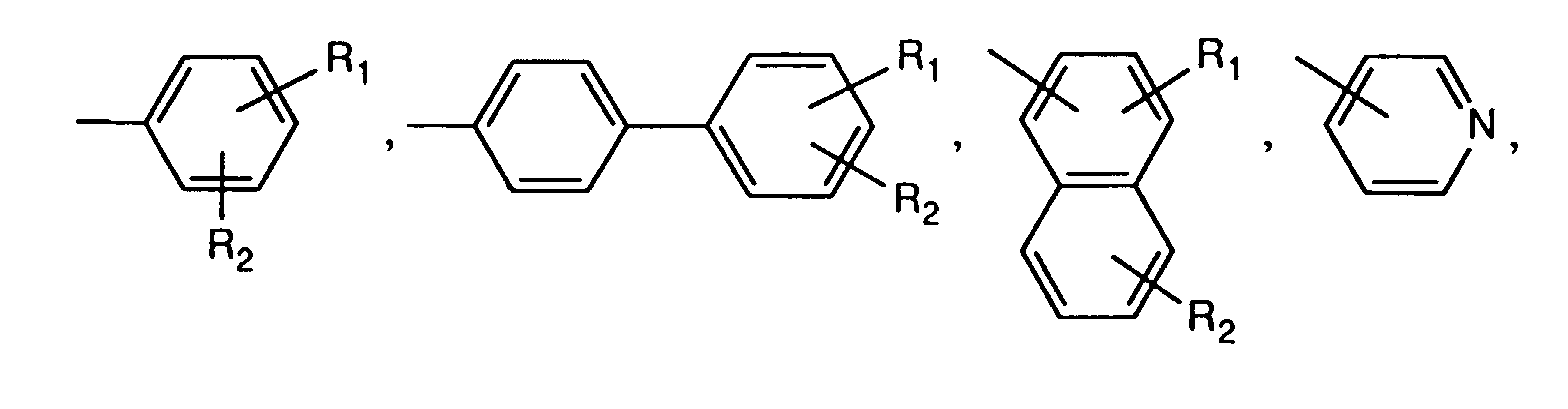

- R1 und R2 unabhängig voneinander Wasserstoff, Halogen, C1-C18-ACyD, C1-C18-Alkoxy, C1-C18-Alkylmercapto, C1-C18-Alkylamino, C1-C18-Alkoxycarbonyl, C1-C18-Alkylaminocarbonyl, -CN, -NO2, Trifluormethyl, C5-C6-Cycloalkyl, -C=N-(C1-C18-Alkyl),

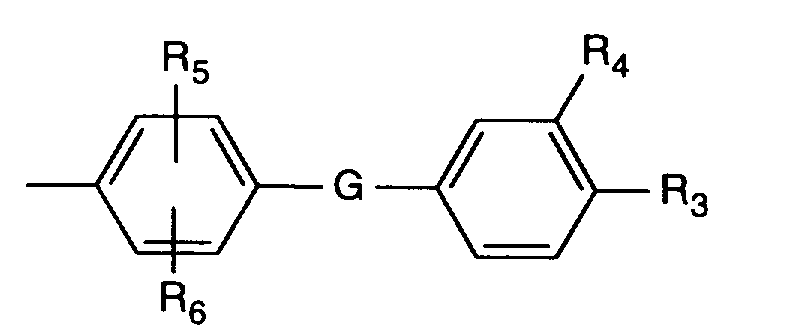
- G -CH2-, -CH(CH3)-, -C(CH3)2-, -CH=N-, -N=N-, -O-, -S-, -SO-, -SO2-, -CONH- oder -NR7- ist,
- R3 und R4 unabhängig voneinander Wasserstoff, Halogen, C1-C6-Alkyl, C1-C18Alkoxy oder -CN sind, R5 und R6 unabhängig voneinander Wasserstoff, Halogen oder C1-C6-Alkyl und R7 Wasserstoff oder C1-C6-Alkyl bedeuten.
- R1 und R2 unabhängig voneinander Wasserstoff, Halogen, C1-C18-ACyD, C1-C18-Alkoxy, C1-C18-Alkylmercapto, C1-C18-Alkylamino, C1-C18-Alkoxycarbonyl, C1-C18-Alkylaminocarbonyl, -CN, -NO2, Trifluormethyl, C5-C6-Cycloalkyl, -C=N-(C1-C18-Alkyl),
- b) einem Chinacridon der Formel

im jeweiligen Mischverhältnis I:II oder I:III von 20-90 Gew.%:80-10 Gew.%. - Bedeuten etwaige Substituenten Halogen, dann handelt es sich z.B. um Jod, Fluor, insbesondere Brom und bevorzugt Chlor;
- bei C1-C6-Alkyl handelt es sich beispielsweise um Methyl, Ethyl, n-Propyl, Isopropyl, n-Butyl, sec.-Butyl, tert.-Butyl, n-Amyl, tert.-Amyl, Hexyl und bei C1-C18-Alkyl zusätzlich z.B. um Heptyl, Octyl, 2-Ethylhexyl, Nonyl, Decyl, Dodecyl, Tetradecyl, Hexadecyl oder Octadecyl;
- C1-C18-Alkoxy bedeutet, auch in C1-C18-Alkoxycarbonyl, wie für C1-C6-Alkoxy z.B. Methoxy, Ethoxy, n-Propoxy, Isopropoxy, Butyloxy, Hexyloxy und zusätzlich Decyloxy, Dodecyloxy, Hexadecyloxy oder Octadecyloxy;
- C1-C18-Alkylmercapto steht beispielsweise für Methylmercapto, Ethylmercapto, Propylmercapto, Butylmercapto, Octylmercapto, Decylmercapto, Hexadecylmercapto oder Octadecylmercapto;
- C1-C18-Alkylamino bedeutet, auch in C1-C18-Alkylaminocarbonyl, z.B. Methylamino, Ethylamino, Propylamino, Hexylamino, Decylamino, Hexadecylamino oder Octadecylamino.
- C5-C6-Cycloalkyl steht z.B. für Cyclopentyl und insbesondere für Cyclohexyl.
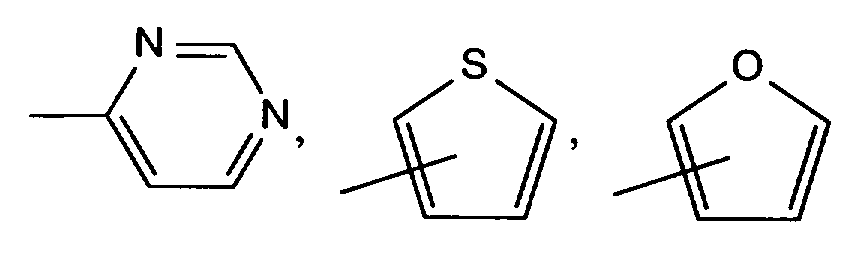
- Bevorzugte Pyrrolopyrrole der Formel II sind solche, worin A und B unabhängig voneinander eine Gruppe der Formel


worin - R1 und R2 unabhängig voneinander Wasserstoff, Chlor, Brom, C1-C4-Alkyl, C1-C6-Alkoxy, C1-C6-Alkylamino oder CN bedeuten,
- G -O-, -NR7-, -N=N- oder -SO2- ist,
- R3 und R4 Wasserstoff und R7 Wasserstoff, Methyl oder Ethyl bedeuten,
- Bevorzugte Chinacridone der Formel III sind solche, worin R8 Wasserstoff, Methyl oder insbesondere Chlor ist.
- Die erfindungsgemässen festen Lösungen können ausgehend von physikalischen Mischungen der oben definierten Komponenten der Formeln I und II oder III nach folgenden an und für sich bekannten Verfahren hergestellt werden:
- durch Kontaktierung in polaren organischen Lösungsmitteln, bevorzugt durch Verrühren der Komponentenmischung bei Rückflusstemperatur,
- durch alkalische Umfällung der Komponentenmischung in polaren organischen Lösungsmitteln oder durch Verrühren der Komponentenmischung in polaren organischen Lösungsmitteln in Gegenwart von Alkalialkoholaten, Alkalihydroxiden oder quaternären Ammoniumverbindungen oder
- durch saure Umfällung, d.h. Auflösung der Komponentenmischung in Säure und Fällung der festen Lösung durch Verdünnen mit Wasser,
- durch intensive Mahlung oder Knetung der Komponentenmischung, gegebenenfalls mit anschliessender Rekristallisation in Wasser und/oder organischen Lösungsmitteln,
- Eine weitere neue Herstellungsmethode besteht darin, dass die Verbindungen der Formeln I und II oder III nach an sich bekannten Methoden mit einem Dicarbonat der Formel
D-O-D (IV)
oder mit einem Trihaloessigsäureester der Formel
(R9)3C - D (V),
oder mit einem Azid der Formel
DN3 (VI),
oder mit einem Carbonat der Formel
D-OR10 (VII),
oder mit einem Alkylideniminooxyameisensäureester der Formel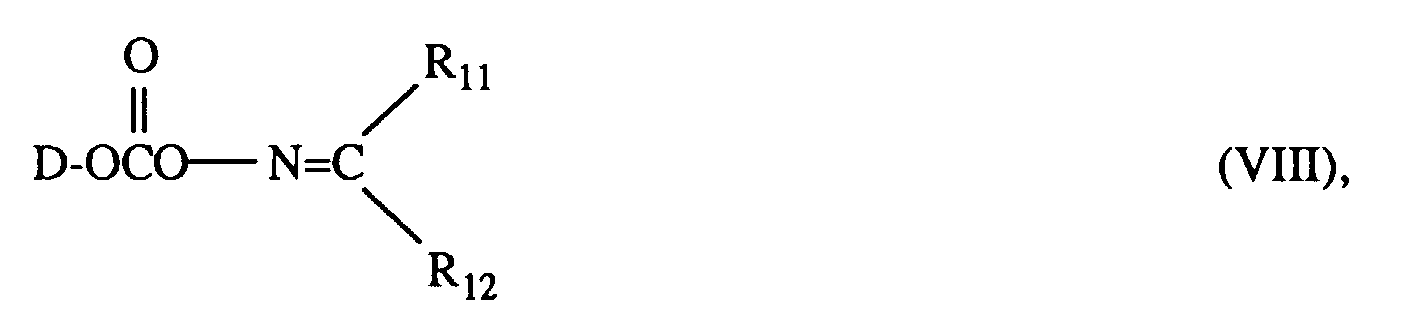


R9 Chlor, Fluor oder Brom, R10 C1-C4-Alkyl oder unsubstituiertes oder durch Halogen, C1-C4-Alkyl, C1-C4-Alkoxy oder -CN substituiertes Phenyl, R11 -CN oder -COOR10 und R12 unsubstituiertes oder durch Halogen, C1-C4-Alkyl, C1-C4-Alkoxy oder -CN substituiertes Phenyl sind und R13, R14 und R15 unabhängig voneinander Wasserstoff, C1-C6-Alkyl oder C2-C5-Alkenyl bedeuten, wobei mindestens zwei von R13, R14 und R15 Alkyl oder Alkenyl sein müssen, im Molverhältnis 1:2 in einem aprotischen organischen Lösungsmittel in Gegenwart einer Base als Katalysator, zu löslichen Verbindungen der Formeln

- die Verbindungen IX und X oder die Verbindungen IX und XI entweder
- i) nach allgemein bekannten Methoden in Pulverform im Molverhältnis 1:1 homogen vermischt werden oder
- ii) nach allgemein bekannten Methoden in Pulverform im Molverhältnis 1:1 homogen vermischt werden und das Gemisch in einem Lösungsmittel gelöst wird oder
- iii) zuerst gelöst werden und in Lösung im Mischverhältnis 1:1 vermischt werden
- aus dem trockenen oder gelösten Gemisch durch thermische, photolytische oder chemische Behandlung die gewünschten Mischkristalle ausgefällt werden.
- R13, R14 und R15 bedeuten als C2-C5Alkenyl z.B. Vinyl, Allyl, Methallyl, n-But-2-enyl, 2-Methyl-prop-2-enyl oder n-Pent-2-enyl.
- Bevorzugt sind R13 und R15 Methyl und R14 C1-C6-Alkyl und insbesondere Methyl.
- Bevorzugt werden die Verbindungen der Formeln I und II oder III mit einem Dicarbonat der Formel IV umgesetzt
- Die Dicarbonate der Formel IV, Trihaloessigsäureester der Formel V, Azide der Formel VI, Carbonate der Formel VII und Alkylideniminooxyameisensäureester der Formel VIII sind bekannte Substanzen. Sollten einige noch neu sein, so können sie in Analogie zu allgemein bekannten Methoden hergestellt werden.
- Geeignete aprotische organische Lösungsmittel sind beispielsweise Ether, wie Tetrahydrofuran oder Dioxan, oder Glykoläther, wie Ethylenglykol-methyläther, Ethylenglykolethylether, Diethylenglykol-monomethylether oder Diethylenglykol-monoethylether, ferner dipolar-aprotische Lösungsmittel, wie Acetonitril, Benzonitril, N,N-Dimethylformamid, N,N-Dimethylacetamid, Nitrobenzol, N-Methylpyrrolidon, halogenierte aliphatische oder aromatische Kohlenwasserstoffe, wie Trichlorethan, Benzol oder durch Alkyl, Alkoxy oder Halogen substituiertes Benzol, wie Toluol, Xylol, Anisol oder Chlorbenzol oder aromatische N-Heterocyclen, wie Pyridin, Picolin oder Chinolin. Bevorzugte Lösungsmittel sind z.B. Tetrahydrofuran, N,N-Dimethylformamid, N-Methylpyrrolidon. Die genannten Lösungsmittel können auch als Mischungen eingesetzt werden. Zweckmässigerweise verwendet man 5-20 Gew.-Teile Lösungsmittel auf 1 Gew.-Teil der Reaktionsteilnehmer.
- Als Katalysator geeignete Basen sind beispielsweise die Alkalimetalle selbst, wie Lithium, Natrium oder Kalium sowie deren Hydroxide und Carbonate, oder Alkaliamide, wie Lithium-, Natrium- oder Kaliumamid oder Alkalihydride, wie Lithium-, Natrium- oder Kaliumhydrid, oder Erdalkali- oder Alkalialkoholate, die sich insbesondere von primären, sekundären oder tertiären aliphatischen Alkoholen mit 1 bis 10 C-Atomen ableiten, wie z.B. Lithium-, Natrium- oder Kaliummethylat, -ethylat, -n-propylat, -isopropylat, -n-butylat, -sek.-butylat, -tert.-butylat, -2-methyl-2-butylat, -2-methyl-2-pentylat, -3-methyl-3-pentylat, -3-ethyl-3-pentylat, und ferner organische aliphatische, aromatische oder heterocyclische N-Basen, darunter z.B. Diazabicyclooctan, Diazabicycloundecen und 4-Dimethylaminopyridin und Trialkylamine, wie z.B. Trimethyl- oder Triethylamin. Man kann aber auch ein Gemisch der genannten Basen verwenden.
- Bevorzugt werden die organischen N-Basen, wie z.B. Diazabicyclooctan, Diazabicycloundecen und insbesondere 4-Dimethylaminopyridin.
- Die Umsetzung wird zweckmässig bei Temperaturen zwischen 10 und 100°C, insbesondere zwischen 18 und 40°C, d.h. vorzugsweise bei Zimmertemperatur, durchgeführt und zwar bei atmosphärischem Druck.
- Die Verbindungen der Formel I, II oder III werden entweder nach allgemein bekannten Methoden in Pulverform im gewünschten Verhältnis vermischt und das Gemisch im Lösungsmittel gelöst oder sie werden zuerst gelöst und die Lösungen im gewünschten Verhältnis vermischt.
- Es können zweckmässig folgende Lösungsmittel eingesetzt werden: Ether, wie Tetrahydrofuran oder Dioxan, oder Glykoläther, wie Ethylenglykol-methyläther, Ethylenglykol-ethylether, Diethylenglykol-monomethylether oder Diethylenglykol-monoethylether, Polyalkohole, wie Polyethylenglykol, Ketone, wie Aceton, Ethylmethylketon, Isobutylmethylketon oder Cyclohexanon, ferner dipolar-aprotische Lösungsmittel, wie Acetonitril, Benzonitril, N,N-Dimethylformamid, N,N-Dimethylacetamid, Nitrobenzol, N-Methylpyrrolidon, Dimethylsulfoxyd, halogenierte aliphatische oder aromatische Kohlenwasserstoffe, wie Trichlorethan, Dichlormethan, Chloroform, Benzol oder durch Alkyl, Alkoxy oder Halogen substituiertes Benzol, wie Toluol, Xylol, Anisol oder Chlorbenzol, aromatische N-Heterocyclen, wie Pyridin, Picolin oder Chinolin oder hochsiedende Lösungsmittel, wie Decalin, n-Dodecan oder Kerosin oder Gemische derselben. Bevorzugte Lösungsmittel sind z.B. Toluol, Diphenylether, N-Methylpyrrolidon, N,N-Dimethylformamid, Dimethylsulfoxyd und Chinolin.
- Die Konzentration der Verbindungen der Formel I, II bzw. III im Lösungsmittel oder Lösungsmittelsystem kann je nach Lösungsmittel stark variieren. Zweckmässig setzt man 0,1 bis 20 Gew.% Verbindung der Formel I, II, bzw. III bezogen auf die gesamte Lösung und vorzugsweise 0,2 bis 5 Gew.% ein.
- Aus dem trockenen oder gelösten Gemisch können die festen Lösungen bestehend aus den Verbindungen der Formeln I, II oder III auf einfachste Weise erhalten werden, sei es durch a) thermische, d.h. z.B. durch Aufheizen auf Temperaturen zwischen 50 und 400°C, bevorzugt zwischen 100 und 200°C oder Laserbestrahlung, b) photolytische, d.h. z.B. durch Belichtung mit Wellenlängen unter 375 nm, oder c) chemische, d.h. z.B. mit organischen oder anorganischen Säuren, wie beispielsweise Essig-, Toluolsulfon-, Trifluoressig-, Salz- oder Schwefelsäure, Behandlung des trockenen oder gelösten Gemisches und Isolierung des erhaltenen Produktes nach üblichen Methoden.
- Das Mischverhältnis zwischen den die erfindungsgemässen festen Lösungen bildenden Komponenten ist bevorzugt 60-90 Gew.% Pyrrolopyrrol der Formel I zu 40-10 Gew.% Pyrrolopyrrol der Formel II bzw. 80-90 Gew.% Pyrrolopyrrol der Formel I zu 20-10 Gew.% Chinacridon der Formel III.
- Ist eine Rekristallisation bzw. thermische Behandlung der erfindungsgemässen festen Lösungen nötig so geschieht sie nach für Pigmente üblichen Methoden. Im allgemeinen handelt es sich um eine thermische Nachbehandlung in Wasser oder in einem organischen Lösungsmittel, gegebenenfalls unter Druck. Vorzugsweise verwendet man organische Lösungsmittel, z.B. durch Halogenatome, Alkyl- oder Nitrogruppen substituierte Benzole, wie Xylole, Chlorbenzol, o-Dichlorbenzol oder Nitrobenzol, sowie Pyridinbasen, wie Pyridin, Picolin oder Chinolin, ferner Ketone, wie Cyclohexanon, Alkohole, wie Isopropanol, Butanole oder Pentanole, Ether, wie Ethylenglykolmonomethyl- oder -monoethylether, Amide, wie Dimethylformamid oder N-Methylpyrrolidon, sowie Dimethylsulfoxid oder Sulfolan. Man kann die Nachbehandlung auch in Wasser, gegebenenfalls unter Druck, in Gegenwart von organischen Lösungsmitteln und/oder mit Zusatz von oberflächenaktiven Substanzen durchführen.
- Die erfindungsgemässen festen Lösungen können als Pigmente zum Färben von hochmolekularem organischem Material verwendet werden.
- Hochmolekulare organische Materialien, die mit den erfindungsgemässen festen Lösungen gefärbt bzw. pigmentiert werden können, sind z.B. Celluloseether und -ester, wie Ethylcellulose, Nitrocellulose, Celluloseacetat, Cellulosebutyrat, natürliche Harze oder Kunstharze, wie Polymerisationsharze oder Kondensationsharze, wie Aminoplaste, insbesondere Harnstoff- und Melamin-Formaldehydharze, Alkydharze, Phenoplaste, Polycarbonate, Polyolefine, Polystyrol, Polyvinylchlorid, Polyamide, Polyurethane, Polyester, ABS, Polyphenylenoxide, Gummi, Casein, Silikon und Silikonharze, einzeln oder in Mischungen.
- Die erwähnten hochmolekularen organischen Verbindungen können einzeln oder in Gemischen als plastische Massen, Schmelzen oder in Form von Spinnlösungen, Lacken, Anstrichstoffen oder Druckfarben vorliegen. Je nach Verwendungszweck erweist es sich als vorteilhaft, die erfindungsgemässen festen Lösungen als Toner oder in Form von Präparaten einzusetzen.
- Bezogen auf das zu pigmentierende hochmolekulare organische Material kann man die erfindungsgemässen festen Lösungen in einer Menge von 0,01 bis 30 Gew.%, vorzugsweise von 0,1 bis 10 Gew. %, einsetzen.
- Die Pigmentierung der hochmolekularen organischen Substanzen mit den erfindungsgemässen festen Lösungen erfolgt beispielsweise derart, dass man solche feste Lösungen gegebenenfalls in Form von Masterbatches diesen Substraten unter Verwendung von Walzwerken, Misch- oder Mahlapparaten zumischt. Das pigmentierte Material wird hierauf nach an sich bekannten Verfahren, wie Kalandrieren, Pressen, Strangpressen, Streichen, Giessen oder Spritzgiessen, in die gewünschte endgültige Form gebracht. Oft ist es erwünscht, zur Herstellung von nicht starren Formlingen oder zur Verringerung ihrer Sprödigkeit den hochmolekularen Verbindungen vor der Verformung sogenannte Weichmacher einzuverleiben. Als solche können z.B. Ester der Phosphorsäure, Phthalsäure oder Sebacinsäure dienen. Die Weichmacher können vor oder nach der Einverleibung der erfindungsgemässen festen Lösungen in die Polymeren eingearbeitet werden. Zwecks Erzielung verschiedener Farbtöne ist es ferner möglich, den hochmolekularen organischen Stoffen neben den erfindungsgemässen festen Lösungen noch Füllstoffe bzw. andere farbgebende Bestandteile, wie Weiss-, Bunt- oder Schwarzpigmente, in beliebigen Mengen zuzufügen.
- Zum Pigmentieren von Lacken, Anstrichstoffen und Druckfarben werden die hochmolekularen organischen Materialien und die erfindungsgemässen festen Lösungen gegebenenfalls zusammen mit Zusatzstoffen, wie Füllmitteln, anderen Pigmenten, Siccativen oder Weichmachern, in einem gemeinsamen organischen Lösungsmittel oder Lösungsmittelgemisch fein dispergiert bzw. gelöst. Man kann dabei so verfahren, dass man die einzelnen Komponenten für sich oder auch mehrere gemeinsam dispergiert bzw. löst, und erst hierauf alle Komponenten zusammenbringt.
- Besonders geeignet sind die erfindungsgemässen festen Lösungen zum Einfärben von Kunststoffen, insbesondere Polyvinylchlorid und Polyolefinen, und Lacken, insbesondere Automobillacken.
- In Färbungen, beispielsweise von Polyvinylchlorid oder Polyolefinen, zeichnen sich sowohl die erfindungsgemässen festen Lösungen durch gute allgemeine Pigmenteigenschaften, wie gute Dispergierbarkeit, hohe Farbstärke und Reinheit, gute Migrations-, Hitze-, Licht- und Wetterbeständigkeit sowie gute Deckkraft aus.
- Die nachfolgenden Beispiele erläutern die Erfindung.
- Einer Mischung aus 14,75 g (0,0512 Mol) 3,6-Diphenyl-2,5-dihydro-pyrrolo[3,4-c]pyrrol1,4-dion und 27,94 g (0,128 Mol) Di-tert.-butyl-dicarbonat in 500 ml Tetrahydrofuran werden 3,23 g (0,0264 Mol) 4-Dimethylaminopyridin zugegeben. Die erhaltene rote Suspension wird 2 Stunden bei Raumtemperatur unter Ausschluss von atmosphärischer Feuchtigkeit gerührt. Das Lösungsmittel wird bei vermindertem Druck abdestilliert. Der gelbe Rückstand wird mit Methanol gewaschen und im Vakuum bei Raumtemperatur getrocknet. Man erhält 23,8 g (95 % d.Th.) N,N-Di-tert.-butoxycarbonyl-3,6-diphenyl-2,5-dihydro-pyrrolo[3,4-c]pyrrol-1,4-dion.
Analyse C H N Ber.: 68,84 % 5,78 % 5,73 % Gef.: 68,71 % 5,79 % 5,71 % - Einer Suspension von 11,01 g (0,025 Mol) 3,6-Bis-(4-biphenylyl)-2,5-dihydro-pyrrolo[3,4-c]pyrrol-1,4-dion in 500 ml N,N-Dimethylformamid (über Molekularsieb getrocknet) werden 1,70 g (0,014 Mol) 4-Dimethylaminopyridin und danach 13,64 g (0,062 Mol) Di-tert.-buyldicarbonat zugegeben. Das Reaktionsgemisch wird bei Raumtemperatur unter Ausschluss von atmosphärischer Feuchtigkeit gerührt. Nach 20 Stunden werden zusätzliche 13,64 g (0,062 Mol) Di-tert.-butyldicarbonat zugegeben und 70 Stunden weitergerührt. Die ausgefallene Substanz wird abfiltriert, mit Methanol gewaschen und im Vakuum bei Raumtemperatur getrocknet. Man erhält 14,0 g (87 % d.Th.) eines orangen Produktes.
Analyse C H N Ber.: 74,98 % 5,66 % 4,37 % Gef.: 74,22 % 5,75 % 4,92 % - Einer Mischung von 0,98 g (2,0 mMol) des Produktes aus a) und 5,13 g (8,0 mMol) des Produktes aus b) wird in 200 ml Toluol unter Rühren auf 70°C aufgewärmt. Zur entstandenen Mischung werden 20,0 g (0,10 Mol) Toluol-4-sulfonsäure-monohydrat zugegeben und auf 110°C erhitzt, bei dieser Temperatur 2 Stunden gerührt und anschliessend auf Raumtemperatur abkühlen gelassen. Die gebildete feste Substanz wird abfiltriert, zuerst mit Methanol dann mit Wasser gewaschen und im Vakuum bei 80°C getrocknet. Man erhält 3,3 g (80 % d.Th.) eines roten Pulvers.
Analyse C H N Ber.: 80,84 % 4,52 % 6,83 % Gef.: 81,09 % 4,31 % 6,67 % - Die vollständigen Röntgenbeugungsdiagramme werden nach üblichen Methoden mit Hilfe eines SIEMENS D 500® Röntgen-Diffractometers (CuKα-Strahlung) bestimmt.
- Das Röntgenbeugungsdiagramm ist durch folgende Beugungslinien
Netzebenenabstände (d-Werte in Å) doppelte Glanzwinkel (2Θ) relative Intensität (%) 22,6969 3,89 100 11,1340 7,93 16 7,3831 11,98 17 4,9988 17,73 75 4,7213 18,78 48 4,4016 20,16 16 3,6334 24,48 13 3,4269 25,98 23 3,3602 26,51 51 3,2202 27,68 28 3,1623 28,20 17 3,0660 29,10 14 - Das Röntgenbeugungsdiagramm der das Wirtgitter liefernden Verbindung 3,6-Bis-(4-biphenylyl)-2,5-dihydro-pyrrolo[3,4-c]pyrrol-1,4-dion ist durch folgende Beugungslinien
Netzebenenabstände (d-Werte in Å) doppelte Glanzwinkel (2Θ) relative Intensität (%) 22,1785 3,98 51 11,0008 8,03 10 7,3287 12,07 12 4,9809 17,79 100 4,7273 18,76 59 4,3773 20,27 11 3,6218 24,56 14 3,4124 26,09 29 3,3473 26,61 85 3,2073 27,79 39 3,1654 28,17 17 3,0553 29,21 17 - Eine Mischung von 0,80 g (2,24 mMol) 3,6-Bis-(4-chlorphenyl)-2,5-dihydropyrrolo[3,4-c]pyrrol-1,4-dion, 2,24 g (5,08 mMol) 3,6-Bis-(4-biphenylyl)-2,5-dihydropyrrolo[3,4-c]pyrrol-1,4-dion und 0,93 g (16,58 mMol) Kaliumhydroxid wird in 65 ml Dimethylsulfoxid unter Rühren auf 50°C erhitzt und bei dieser Temperatur 2 Stunden gerührt. Die erhaltene violette Lösung wird in eine Mischung von 150 ml Wasser, 60 ml Methanol und 0,91 ml (16,63 mMol) konz. Schwefelsäure bei 20°C geschüttet und dann bei Raumtemperatur 6 Stunden gerührt. Das ausgefallene Pigment wird abfiltriert, zuerst mit Methanol, dann mit Wasser gewaschen und im Vakuum bei 60°C getrocknet. Man erhält 2,64 g (87 % d.Th.) eines roten Pulvers.
Analyse C H N Cl Ber.: 76,31 % 4,12 % 6,74 % 5,12 % Gef.: 74,79 % 4,29 % 6,57 % 5,22 % - Das Röntgenbeugungsdiagramm ist durch folgende Beugungslinien
Netzebenenabstände (d-Werte in Å) doppelte Glanzwinkel (2Θ) relative Intensität (%) 22,1548 3,99 100 10,9616 8,06 16 7,3090 12,10 24 4,9515 17,90 75 4,7245 18,77 58 4,3778 20,27 25 3,6162 24,60 26 3,3633 26,48 54 3,3416 26,66 62 3,1908 27,94 41 3,1602 28,22 38 - Ersetzt man bei gleicher Arbeitsweise, wie in Beispiel 2 beschrieben, die entsprechenden Pigmente mit 2,9-Dichlorchinacridon (1,54 mMol) und 3,6-Bis-(4-biphenylyl)-2,5-dihydro-pyrrolo[3,4-c]pyrrol-1,4-dion (6,02 mmol) um, so erhält man 2,98 g (92 % d.Th.) eines roten Pulvers.
Analyse C H N Cl Ber.: 78,46 % 4,23 % 6,53 % 3,31 % Gef.: 76,92 % 4,31 % 6,35 % 3,32 % - Das Röntgenbeugungsdiagramm ist durch folgende Beugungslinien
Netzebenenabstände (d-Werte in Å) doppelte Glanzwinkel (2Θ) relative Intensität (%) 23,1808 3,81 100 11,0967 7,96 16 7,3487 12,03 24 5,0351 17,60 56 4,9901 17,76 62 4,7163 18,80 55 4,4141 20,10 27 3,3733 26,40 62 3,3579 26,52 63 3,2247 27,64 48 3,2065 27,80 43 - Eine Mischung aus 1,43 g (4 mMol) 3,6-Bis-(4-Chlorphenyl)-2,5-dihydropyrrolo[3,4-c]pyrrol-1,4-dion, 2,64 g (6 mMol) 3,6-Bis-(4-biphenylyl)-2,5-dihydropyrrolo[3,4-c]pyrrol-1,4-dion und 1,68g Kaliumhydroxid in 70 ml Dimethylsulfoxid wird auf 60°C aufgewärmt und bei dieser Temperatur 2,5 Stunden gerührt. Danach wird das Reaktionsgemisch in eine Lösung von 0,81 ml konz. Schwefelsäure und 240 ml Wasser eingetragen und 3 Stunden bei 60°C gerührt. Die rote Suspension wird abfiltriert und der Rückstand mit Methanol, dann Wasser gewaschen und im Vakuum bei 60°C getrocknet. Man erhält 3,5 g (84% d. Th.) eines roten Pulvers.
Analyse : C H N Cl Ber.: 73,29% 3,88% 6,96% 7,94% Gef.: 74,47% 4,07% 6,87% 6,93% - Das Röntgenbeugungsdiagramm ist durch folgende Beugungslinien gekennzeichnet:
Netzebenenabstände (d-Werte in Å) doppelte Glanzwinkel (2Θ) relative Intensität (%) 22,544 3,92 100 11,052 7,99 20 7,359 12,02 28 4,974 17,82 96 4,795 18,49 73 4,386 20,23 28 3,624 24,54 33 3,413 26,09 46 3,349 26,59 75 3,206 27,80 54 3,165 28,17 48 2,911 30,69 22 - Eine Mischung aus 5,7 g (16 mMol) 3,6-Bis-(4-Chlorphenyl)-2,5-dihydropyrrolo[3,4-c]pyrrol- 1,4-dion, 10,6 g (24 mMol) 3,6-Bis-(4-biphenylyl)-2,5-dihydropyrrolo[3,4-c]pyrrol-1,4 -dion und 6,73 g Kaliumhydroxid in 250 ml tert.-Amylalkohol wird auf 100°C erhitzt und bei dieser Temperatur 1 Stunde gerührt. Danach wird das Reaktionsgemisch auf 60°C gekühlt, in eine auf 0°C gekühlte Lösung von 170 ml Methanol und 170 ml Wasser eingetragen und 2 Stunden bei 0°C weitergerührt. Die rote Suspension wird abfiltriert und der Rückstand mit Methanol sowie Wasser gewaschen und im Vakuum bei 80°C getrocknet. Man erhält 14,8 g (90,8 % d.Th.) eines roten Pulvers.
Analyse : C H N Cl Ber.: 73,29% 3,88% 6,96% 7,94% Gef.: 73,48% 3,89% 6,70% 7,21% - Das Röntgenbeugungsdiagramm ist durch folgende Beugungslinien gekennzeichnet:
Netzebenenabstände (d-Werte in Å) doppelte Glanzwinkel (2Θ) relative Intensität (%) 22,365 3,95 100 11,041 8,00 21 7,404 11,94 30 4,912 18,05 63 4,734 18,73 55 4,436 20,00 29 3,617 24,59 28 3,462 25,71 30 3,339 26,68 46 3,165 28,17 39 - Eine Mischung aus 2,14 g (6 mMol) 3,6-Bis-(4-Chlorphenyl)-2,5-dihydro-pyrrolo[3,4-c]pyrrol-1,4-dion, 10,57 g (24 mMol) 3,6-Bis-(4-biphenylyl)-2,5-dihydro-pyrrolo[3,4-c]pyrrol-1,4-dion und 5,05 g Kaliumhydroxid in 200 ml tert.-Amylalkohol wird auf 100°C erhitzt und bei dieser Temperatur 1 Stunde gerührt. Danach wird das Reaktionsgemisch auf 80°C gekühlt, in eine auf 0°C gekühlte Lösung von 2,64 ml konz. Schwefelsäure, 300 ml Methanol und 300 ml Wasser eingetragen und 2 Stunden bei 0°C weitergerührt. Die rote Suspension wird abfiltriert und der Rückstand mit Methanol sowie Wasser gewaschen und im Vakuum bei 80°C getrocknet. Man erhält 11,85 g (93 % d.Th.) eines roten Pulvers.
Analyse : C H N Cl Ber.: 77,55% 4,22% 6,66% 3,97% Gef.: 77,52% 4,41% 6,44% 3,44% - Das Röntgenbeugungsdiagramm ist durch folgende Beugungslinien gekennzeichnet:
Netzebenenabstände (d-Werte in Å) doppelte Glanzwinkel (2Θ) relative Intensität (%) 23,785 3,71 100 11,421 7,74 13 7,573 11,68 21 4,968 17,84 54 4,774 18,57 45 4,704 18,85 38 4,505 19,69 22 3,647 24,39 16 3,449 25,81 26 3,354 26,55 41 3,185 27,99 23 - Ersetzt man bei gleicher Arbeitsweise, wie in Beispiel 6 beschrieben, die entsprechenden Pigmente jeweils mit 2,9-Dichlorchinacridon (6 mMol) und 3,6-Bis-(4-biphenylyl)-2,5-dihydro-pyrrolo[3,4-c]pyrrol-1,4 -dion (24 mMol) um, so erhält man 12,6 g (98 % d.Th.) eines roten Pulvers.
Analyse : C H N Cl Ber.: 78,04% 4,19% 6,56% 3,72% Gef.: 76,32% 4,13% 6,24% 3,40% - Das Röntgenbeugungsdiagramm ist durch folgende Beugungslinien gekennzeichnet:
Netzebenenabstände (d-Werte in Å) doppelte Glanzwinkel (2Θ) relative Intensität (%) 23,522 3,75 100 11,344 7,79 18 7,555 11,70 28 4,954 17,89 66 4,724 18,77 50 4,523 19,61 29 3,350 26,59 50 3,249 27,43 50 3,023 29,52 24 - Eine Mischung aus 0,76 g (2 mMol) 2,9-Dichlorchinacridon, 3,52 g (8 mMol) 3,6-Bis-(4-biphenylyl)-2,5-dihydro-pyrrolo[3,4-c]pyrrol-1,4-dion und 120 ml Dowtherm®A* wird auf 250°C erhitzt und bei dieser Temperatur 4 Stunden gerührt. Danach wird das Reaktionsgemisch auf 80°C gekühlt. Die rote Suspension wird abfiltriert und der Rückstand mit Methanol, dann Wasser gewaschen und im Vakuum bei 80°C getrocknet. Man erhält 3,85 g (90 % d.Th.) eines roten Pulvers.
Analyse C H N Cl Ber.: 78,04% 4,19% 6,56% 3,72% Gef.: 77,68% 4,07% 6,40% 3,42%
* Dowtherm® A = Biphenyl-Diphenylether-Gemisch - Das Röntgenbeugungsdiagramm ist durch folgende Beugungslinien gekennzeichnet:
Netzebenenabstände (d-Werte in Å) doppelte Glanzwinkel (2Θ) relative Intensität (%) 22,078 3,99 100 10,990 8,04 19 7,309 12,10 21 4,980 17,80 64 4,736 18,72 37 4,373 20,29 18 3,622 24,56 13 3,413 26,08 17 3,349 26,60 50 3,211 27,77 44 3,035 29,41 12 - Eine Mischung aus 1,09 g (3 mMol) 3-Phenyl-6-(4-biphenyl)-2,5-dihydropyrrolo[3,4-c]pyrrol-1,4-dion, 2,64 g (6 mMol) 3,6-Bis-(4-biphenylyl)-2,5-dihydropyrrolo[3,4-c]pyrrol-1,4 -dion und 1,51g Kaliumhydroxid in 60 ml Dimethylsulfoxid wird auf 50°C aufgewärmt und bei dieser Temperatur 4,5 Stunden gerührt. Danach wird das Reaktionsgemisch in eine Lösung von 60 ml Methanol und 240 ml Wasser eingetragen und 4 Stunden bei Raumtemperatur gerührt. Die rote Suspension wird abfiltriert und der Rückstand mit Methanol, dann Wasser gewaschen und im Vakuum bei 60° getrocknet. Man erhält 3,4 g (91 % d.Th.) eines roten Pulvers.
Analyse : C H N Ber.: 80,90% 4,53% 6,80% Gef.: 79,52% 4,60% 6,47% - Das Röntgenbeugungsdiagramm ist durch folgende Beugungslinien gekennzeichnet:
Netzebenenabstände (d-Werte in Å) doppelte Glanzwinkel (2Θ) relative Intensität (%) 23,595 3,74 100 11,513 7,67 13 7,450 11,87 20 5,015 17,67 49 4,759 18,63 51 4,505 19,69 29 3,638 24,45 17 3,347 26,61 57 3,221 27,67 29 3,055 29,21 15 - Eine Mischung aus 0,42 g (1,46 mMol) 3,6-Diphenyl-2,5-dihydro-pyrrolo[3,4-c]pyrrol-1,4-dion, 2,58 g (5,86 mMol) 3,6-Bis-(4-biphenylyl)-2,5-dihydro-pyrrolo[3,4-c]pyrrol-1,4-dion und 0,91 g Kaliumhydroxid in 90 ml Dimethylsulfoxid wird auf 50°C aufgewärmt und bei dieser Temperatur 2 Stunden gerührt. Danach wird das Reaktionsgemisch in eine Lösung von 0,88 ml konz. Schwefelsäure, 90 ml Methanol und 180 ml Wasser eingetragen und 3 Stunden bei 60°C gerührt. Die rote Suspension wird abfiltriert und der Rückstand mit Methanol, dann Wasser gewaschen und im Vakuum bei 60°C getrocknet. Man erhält 2,5 g (82 % d.Th.) eines roten Pulvers.
Analyse : C H N Ber.: 80,84% 4,52% 6,86% Gef.: 79,95% 4,72% 6,71% - Das Röntgenbeugungsdiagramm ist durch folgende Beugungslinien gekennzeichnet:
Netzebenenabstände (d-Werte in Å) doppelte Glanzwinkel (2Θ) relative Intensität (%) 23,385 3,77 100 11,069 7,98 15 7,410 11,93 24 4,905 18,07 65 4,769 18,59 60 3,719 23,91 19 3,354 26,55 61 3,163 28,19 30 - Ersetzt man bei gleicher Arbeitsweise, wie in Beispiel 9 beschrieben, die entsprechenden Pigmente jeweils mit 2,9-Dimethylchinacridon (2 mMol) und 3,6-Bis-(4-biphenylyl)-2,5-dihydro-pyrrolo[3,4-c]pyrrol-1,4 -dion (8 mMol) um, so erhält man 3,8 g (91 % d.Th.) eines roten Pulvers.
Analyse : C H N Ber.: 80,97% 4,61% 6,74% Gef.: 79,50% 4,75% 6,35% - Das Röntgenbeugungsdiagramm ist durch folgende Beugungslinien gekennzeichnet:
Netzebenenabstände (d-Werte in Å) doppelte Glanzwinkel (2Θ) relative Intensität (%) 23,202 3,80 100 11,115 7,95 15 7,475 11,83 28 4,993 17,75 59 4,734 18,73 59 3,673 24,21 23 3,347 26,62 67 3,154 28,27 30 3,049 29,27 24 - Verfährt man analog wie in Beispiel 8 beschrieben, verwendet aber anstelle von 0,76 g 2,9-Dichlorchinacridon 0,68 g 2,9-Dimethylchinacridon, so erhält man 3,9 g (93 % d.Th.) eines roten Pulvers.
Analyse : C H N Ber.: 80,97% 4,61% 6,74% Gef.: 80,60% 4,50% 6,39% - Das Röntgenbeugungsdiagramm ist durch folgende Beugungslinien gekennzeichnet:
Netzebenenabstände (d-Werte in Å) doppelte Glanzwinkel (2Θ) relative Intensität (%) 22,392 3,94 100 11,064 7,98 18 7,344 12,04 20 4,993 17,75 71 4,758 18,63 42 4,387 20,22 17 3,629 24,51 14 3,418 26,05 20 3,355 26,55 51 3,215 27,72 27 3,165 28,17 16 3,048 29,28 15 - Ersetzt man die im Beispiel 8 verwendeten 0,76 g 2,9-Dichlorchinacridon durch 0,62 g Chinacridon, so erhält man nach analoger Aufarbeitung gemäss Beispiel 8 ein rotes Pulver (3,8 g, 92 % d.Th.).
Analyse : C H N Ber.: 80,82% 4,43% 6,88% Gef.: 80,82% 4,34% 6,53% - Das Röntgenbeugungsdiagramm ist durch folgende Beugungslinien gekennzeichnet:
Netzebenenabstände (d-Werte in Å) doppelte Glanzwinkel (2Θ) relative Intensität (%) 22,208 3,98 100 11,005 8,03 17 4,985 17,78 56 4,739 18,71 33 4,378 20,27 15 3,624 24,54 10 3,410 26,11 17 3,350 26,59 44 3,211 27,76 23 3,161 28,21 12 3,053 29,23 11 - 7,5 g der festen Lösung aus Beispiel 1, 98,9 g CAB-Lösung bestehend aus
41,0 g Celluloseacetobutyrat ®CAB 531.1, 20 %ig in Butanol/Xylol 2:1 (Eastman Chem.) 1,5 g Zirkonium Octoat, 18,5 g ®SOLVESSO 150 (aromatische Kohlenwasserstoffe, ESSO), 21,5 g Butylacetat und 17,5 g Xylol, - 36,5 g Polyesterharz ®DYNAPOL H700 (Dynamit Nobel), 4,6 g Melaminharz MAPRENAL MF650 (Hoechst) und 2,5 g Dispergiermitel ®DISPERBYK 160 (Byk Chemie) werden zusammen während 90 Minuten mit einer Schüttelmaschine dispergiert (Total Lack 150 g; 5 % Pigment).
- 27,69 g des so erhaltenen Volltonlacks werden für die Base-coat-Lackierung mit 17,31 g Al-Stammlösung (8 %ig) bestehend aus
12,65 g ®SILBERLINE SS 3334AR, 60 %ig (Silberline Ltd.) 56,33 g CAB Lösung (Zusammensetzung wie oben) 20,81 g Polyesterharz ®DYNAPOL H700 2,60 g Melaminharz ®MAPRENAL MF650 7,59 g ®SOLVESSO 150 29,60 g Acrylharz ®URACRON 2263 XB, 50 %ig in Xylol/Butanol (Chem. Fabrik Schweizerhalle), 5,80 g Melaminharz ®CYMEL 327, 90 %ig in Isobutanol, 2,75 g Butylglycolacetat, 5,70 g Xylol, 1,65 g n-Butanol 0,50 g Siliconöl, 1 %ig in Xylol, 3,00 g Lichtschutzmittel ®TINUVIN 900, 10 %ig in Xylol (Ciba) 1,00 g Lichtschutzmittel ®TINUVIN 292, 10 %ig in Xylol (Ciba) - 0,6 g der festen Lösung von Beispiel 2 werden mit 67 g Polyvinylchlorid, 33 g Dioctylphthalat, 2 g Dibutylzinndilaurat und 2 g Titandioxid vermischt und auf einem Walzenstuhl während 15 Mintuen bei 160°C zu einer dünnen Folie verarbeitet. Die so erzeugte rote PVC-Folie ist sehr farbstark, migrations- und lichtbeständig.
- 1000 g Polypropylengranulat (®DAPLEN PT-55, Chemie LINZ) und 20 g eines 50 %-igen Pigmentpräparates, bestehend aus 10 g der festen Lösung von Beispiel 3 und 10 g Mg-Behenat, werden in einer Mischtrommel intensiv vermischt. Das so behandelte Granulat wird bei 260 bis 285°C nach dem Schmelzspinnverfahren versponnen. Man erhält rotgefärbte Fasern mit sehr guten Licht- und textilen Echtheiten.

Claims (10)
- Feste Lösungen bestehend aus einem Pyrrolopyrrol der Formel
 a) einem Pyrrolopyrrol der Formel

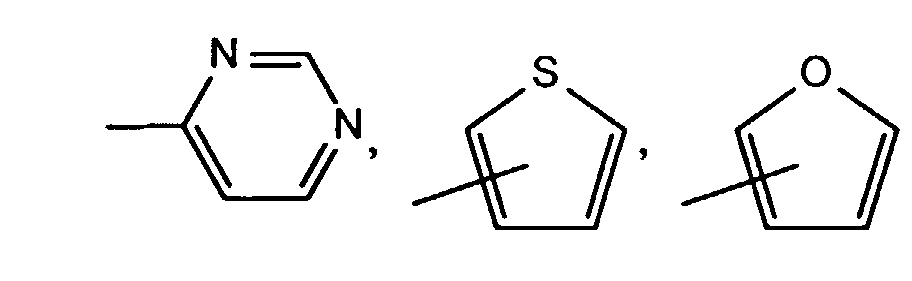
 R1 und R2 unabhängig voneinander Wasserstoff, Halogen, C1-C18-Alkyl, C1-C18-Alkoxy, C1-C18-Alkylmercapto, C1-C18-Alkylamino, C1-C18-Alkoxycarbonyl, C1-C18-Alkylaminocarbonyl, -CN, -NO2, Trifluormethyl, C5-C6-Cycloalkyl, -C=N-(C1-C18-Alkyl),
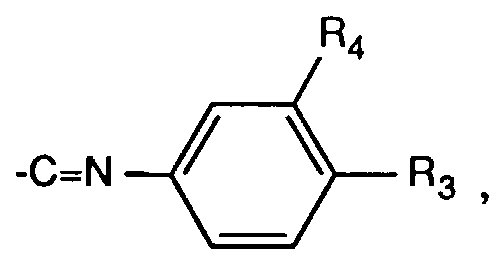 G -CH2-, -CH(CH3)-, -C(CH3)2-, -CH=N-, -N=N-, -O-, -S-, -SO-, -SO2-, -CONH- oder -NR7- ist,R3 und R4 unabhängig voneinander Wasserstoff, Halogen, C1-C6-Alkyl, C1-C18Alkoxy oder -CN sind, R5 und R6 unabhängig voneinander Wasserstoff, Halogen oder C1-C6-Alkyl und R7 Wasserstoff oder C1-C6-Alkyl bedeuten.oderb) einem Chinacridon der Formel
im jeweiligen Mischverhältnis I:II oder I:III von 20-90 Gew.%:80-10 Gew.%. - Feste Lösungen gemäss Anspruch 1, dadurch gekennzeichnet, dass sie ein Pyrrolopyrrol der Formel II enthalten, worin A und B unabhängig voneinander eine Gruppe der Formel

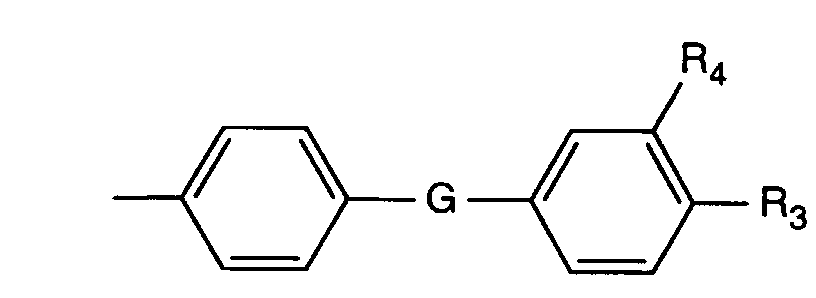
worinR1 und R2 unabhängig voneinander Wasserstoff, Chlor, Brom, C1-C4-Alkyl, C1-C6-ABkoxy, C1-C6-Alkylamino oder CN bedeuten,G -O-, -NR7-, -N=N- oder -SO2- ist,R3 und R4 Wasserstoff und R7 Wasserstoff, Methyl oder Ethyl bedeuten. - Feste Lösungen gemäss Anspruch 2, dadurch gekennzeichnet, dass sie ein Pyrrolopyrrol der Formel II enthalten, worin A und B eine Gruppe der Formel

- Feste Lösungen gemäss Anspruch 1, dadurch gekennzeichnet, dass sie ein Chinacridon der Formel III enthalten, worin R8 Wasserstoff, Methyl oder Chlor ist.
- Verfahren zur Herstellung von festen Lösungen gemäss Anspruch 1 a) und b), dadurch gekennzeichnet, dass die Verbindungen der Formeln I und II oder III nach an sich bekannten Methoden mit einem Dicarbonat der Formel
D-O-D (IV)
oder mit einem Trihaloessigsäureester der Formel
(R9)3C-D (V),
oder mit einem Azid der Formel
DN3 (VI),
oder mit einem Carbonat der Formel
D-OR10 (VII),
oder mit einem Alkylideniminooxyameisensäureester der Formel

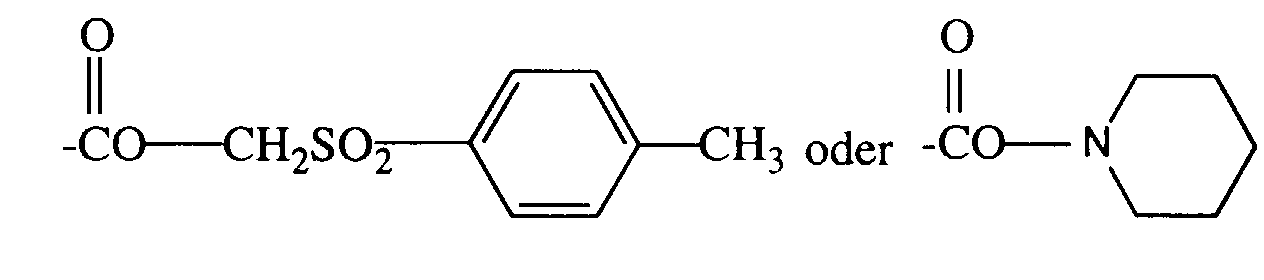
R9 Chlor, Fluor oder Brom, R10 C1-C4-Alkyl oder unsubstituiertes oder durch Halogen, C1-C4-Alkyl, C1-C4-Alkoxy oder -CN substituiertes Phenyl, R11 -CN oder -COOR10 und R2 unsubstituiertes oder durch Halogen, C1-C4-Alkyl, C1-C4-Alkoxy oder -CN substituiertes Phenyl sind und R3, R4 und R15 unabhängig voneinander Wasserstoff, C1-C6-Alkyl oder C2-C5-Alkenyl bedeuten, wobei mindestens zwei von R13, R14 und R15 Alkyl oder Alkenyl sein müssen, im Molverhältnis 1:2 in einem aprotischen organischen Lösungsmittel in Gegenwart einer Base als Katalysator, zu löslichen Verbindungen der Formeln
 - die Verbindungen IX und X oder die Verbindungen IX und XI entwederi) nach allgemein bekannten Methoden in Pulverform im Molverhältnis 1:1 homogen vermischt werden oderii) nach allgemein bekannten Methoden in Pulverform im Molverhältnis 1:1 homogen vermischt werden und das Gemisch in einem Lösungsmittel gelöst wird oderiii) zuerst gelöst werden und in Lösung im Mischverhältnis 1:1 vermischt werdenund danach- aus dem trockenen oder gelösten Gemisch durch thermische, photolytische oder chemische Behandlung die gewünschten Mischkristalle ausgefällt werden.
 - Feste Lösungen gemäss Anspruch 1 bestehend aus einem Pyrrolopyrrol der Formel I und einem Pyrrolopyrrol der Formel II im Mischverhältnis I:II von 60-90 Gew.%:40-10 Gew.%.
- Feste Lösungen gemäss Anspruch 1 bestehend aus einem Pyrrolopyrrol der Formel I und einem Chinacridon der Formel III im Mischverhältnis I:III von 80-90 Gew.%:20-10 Gew.%.
- Hochmolekulares organisches Material enthaltend eine feste Lösung gemäss Anspruch 1.
- Hochmolekulares organisches Material gemäss Anspruch 8, dadurch gekennzeichnet, dass es ein Kunststoff ist.
- Hochmolekulares organisches Material gemäss Anspruch 8, dadurch gekennzeichnet, dass es ein Lack ist.
Applications Claiming Priority (3)
| Application Number | Priority Date | Filing Date | Title |
|---|---|---|---|
| CH263095 | 1995-09-18 | ||
| CH2630/95 | 1995-09-18 | ||
| CH263095 | 1995-09-18 |
Publications (3)
| Publication Number | Publication Date |
|---|---|
| EP0763572A2 true EP0763572A2 (de) | 1997-03-19 |
| EP0763572A3 EP0763572A3 (de) | 1998-04-01 |
| EP0763572B1 EP0763572B1 (de) | 2002-04-10 |
Family
ID=4238085
Family Applications (1)
| Application Number | Title | Priority Date | Filing Date |
|---|---|---|---|
| EP96810600A Expired - Lifetime EP0763572B1 (de) | 1995-09-18 | 1996-09-10 | Feste Lösungen von 1,4-Diketopyrrolopyrrolen |
Country Status (8)
| Country | Link |
|---|---|
| US (1) | US5821373A (de) |
| EP (1) | EP0763572B1 (de) |
| JP (1) | JP4335322B2 (de) |
| KR (1) | KR100452658B1 (de) |
| CN (1) | CN1076369C (de) |
| CA (1) | CA2185618A1 (de) |
| DE (1) | DE59609043D1 (de) |
| TW (1) | TW370546B (de) |
Cited By (2)
| Publication number | Priority date | Publication date | Assignee | Title |
|---|---|---|---|---|
| WO2000026303A1 (en) * | 1998-10-31 | 2000-05-11 | Ciba Specialty Chemicals Holding Inc. | Solid solutions of monoazo pigments |
| EP1104789A3 (de) * | 1999-12-02 | 2003-10-29 | Clariant GmbH | Pigmentdispergatoren auf Basis von Diketopyrrolopyrrolverbindungen und Pigmentzubereitungen |
Families Citing this family (13)
| Publication number | Priority date | Publication date | Assignee | Title |
|---|---|---|---|---|
| DE69418826T2 (de) * | 1993-11-22 | 1999-10-21 | Ciba Specialty Chemicals Holding Inc., Basel | Zusammensetzungen zur Herstellung strukturierter Farbbilder und deren Anwendung |
| DE59804631D1 (de) * | 1997-05-06 | 2002-08-08 | Ciba Sc Holding Ag | Diketopyrrolopyrrolzusammensetzungen |
| EP0952183B1 (de) * | 1998-04-22 | 2005-02-23 | Ciba SC Holding AG | Verzugsfreie Pigmentzusammensetzungen enthaltend Diaryl-diketopyrrolo 3,4c pyrrole |
| DE60102244T3 (de) | 2000-07-07 | 2007-09-20 | Ciba Speciality Chemicals Holding Inc. | Feste lösung von kupferphthalocyanin in pigmentform und transparente dispersion die diese enthält |
| MXPA03009694A (es) | 2001-04-24 | 2004-01-29 | Ciba Sc Holding Ag | Composiciones de pigmento y materiales de recubrimiento acuosos pigmentados. |
| ES2252600T3 (es) * | 2002-09-25 | 2006-05-16 | Degussa Ag | Metodo para producir acido 5-formil-2-furilboronico. |
| ATE352580T1 (de) * | 2002-10-07 | 2007-02-15 | Ciba Sc Holding Ag | Opaker, farbpigmentierter lack |
| DE102004039954A1 (de) * | 2004-08-18 | 2006-02-23 | Clariant Gmbh | Verfahren zum verzugsfreien Pigmentieren von teilkristallinen Kunststoffen |
| DE102007049883A1 (de) * | 2007-10-18 | 2009-04-23 | Clariant International Ltd. | Diketopyrrolopyrrol-Mischkristalle |
| MX351534B (es) | 2010-12-30 | 2017-10-18 | Basf Se | Preparaciones de pigmento modificadas en superficie. |
| JP6179075B2 (ja) * | 2011-09-02 | 2017-08-16 | 大日本印刷株式会社 | カラーフィルタ用赤色顔料分散液及びその製造方法、カラーフィルタ用赤色感光性樹脂組成物及びその製造方法、カラーフィルタ、並びに、液晶表示装置及び有機発光表示装置 |
| US10037991B2 (en) | 2014-01-09 | 2018-07-31 | Taiwan Semiconductor Manufacturing Company Limited | Systems and methods for fabricating FinFETs with different threshold voltages |
| JP2019112534A (ja) * | 2017-12-25 | 2019-07-11 | 東洋インキScホールディングス株式会社 | ジケトピロロピロール顔料固溶体組成物、ならびに該ジケトピロロピロール顔料固溶体組成物を用いた着色組成物 |
Family Cites Families (10)
| Publication number | Priority date | Publication date | Assignee | Title |
|---|---|---|---|---|
| EP0094911B1 (de) * | 1982-05-17 | 1986-09-10 | Ciba-Geigy Ag | Herstellung von Pyrrolo-(3,4-c)-pyrrolen |
| DE3584138D1 (de) * | 1984-11-07 | 1991-10-24 | Ciba Geigy Ag | Pigmentmischungen. |
| US4783540A (en) * | 1986-08-07 | 1988-11-08 | Ciba-Geigy Corporation | Solid solutions of pyrrolo-(3,4-C)-pyrrols |
| US4810304A (en) * | 1987-02-02 | 1989-03-07 | Ciba-Geigy Corporation | Solid solutions of pyrrolo-(3,4-C)-pyrroles with quinacridones |
| TW372244B (en) * | 1993-07-29 | 1999-10-21 | Ciba Sc Holding Ag | Process for producing novel finely divided highly transparent diketopyrrolopyrrole pigments |
| DE59409353D1 (de) * | 1993-11-22 | 2000-06-21 | Ciba Sc Holding Ag | Verfahren zur Herstellung synergistischer Pigmentgemische |
| US5584922A (en) * | 1994-09-14 | 1996-12-17 | Ciba-Geigy Corporation | Stir-in organic pigments |
| DE59507427D1 (de) * | 1994-09-28 | 2000-01-20 | Ciba Sc Holding Ag | Mischkristalle und feste Lösungen von 1,4-Diketopyrrolopyrrolen |
| TW434296B (en) * | 1994-10-12 | 2001-05-16 | Ciba Sc Holding Ag | Process for the preparation of diaryldiketopyrrolopyrrole pigments |
| US5641351A (en) * | 1995-04-14 | 1997-06-24 | Ciba-Geigy Corporation | Pigment compositions based on 3,6-di(biphenyl)1,4-diketo-pyrrolo[3,4c]-pyrrole |
-
1996
- 1996-08-27 TW TW085110404A patent/TW370546B/zh active
- 1996-09-10 DE DE59609043T patent/DE59609043D1/de not_active Expired - Lifetime
- 1996-09-10 EP EP96810600A patent/EP0763572B1/de not_active Expired - Lifetime
- 1996-09-12 US US08/712,722 patent/US5821373A/en not_active Expired - Lifetime
- 1996-09-16 CA CA002185618A patent/CA2185618A1/en not_active Abandoned
- 1996-09-17 KR KR1019960040415A patent/KR100452658B1/ko not_active Expired - Fee Related
- 1996-09-17 CN CN96122501A patent/CN1076369C/zh not_active Expired - Fee Related
- 1996-09-18 JP JP24580296A patent/JP4335322B2/ja not_active Expired - Fee Related
Cited By (7)
| Publication number | Priority date | Publication date | Assignee | Title |
|---|---|---|---|---|
| WO2000026303A1 (en) * | 1998-10-31 | 2000-05-11 | Ciba Specialty Chemicals Holding Inc. | Solid solutions of monoazo pigments |
| US6482257B1 (en) | 1998-10-31 | 2002-11-19 | Ciba Specialty Chemicals Corporation | Solid solutions of monoazo pigments |
| EP1104789A3 (de) * | 1999-12-02 | 2003-10-29 | Clariant GmbH | Pigmentdispergatoren auf Basis von Diketopyrrolopyrrolverbindungen und Pigmentzubereitungen |
| US7045637B2 (en) | 1999-12-02 | 2006-05-16 | Clariant Gmbh | Pigment dispersants based on diketopyrrolopyrrole compounds and pigment preparations |
| US7045638B2 (en) | 1999-12-02 | 2006-05-16 | Clariant Gmbh | Pigment dispersants based on diketopyrrolopyrrole compounds and pigment preparations |
| US7102014B2 (en) | 1999-12-02 | 2006-09-05 | Clariant Gmbh | Pigment dispersants based on diketopyrrolopyrrole compounds and pigment preparations |
| CZ298015B6 (cs) * | 1999-12-02 | 2007-05-23 | Clariant Produkte (Deutschland) Gmbh | Pigmentový dispergátor, zpusob jeho výroby, pigmentový prípravek a jeho použití |
Also Published As
| Publication number | Publication date |
|---|---|
| CA2185618A1 (en) | 1997-03-19 |
| KR970015646A (ko) | 1997-04-28 |
| CN1158873A (zh) | 1997-09-10 |
| JP4335322B2 (ja) | 2009-09-30 |
| EP0763572B1 (de) | 2002-04-10 |
| CN1076369C (zh) | 2001-12-19 |
| JPH09132575A (ja) | 1997-05-20 |
| TW370546B (en) | 1999-09-21 |
| DE59609043D1 (de) | 2002-05-16 |
| US5821373A (en) | 1998-10-13 |
| KR100452658B1 (ko) | 2005-01-15 |
| EP0763572A3 (de) | 1998-04-01 |
Similar Documents
| Publication | Publication Date | Title |
|---|---|---|
| EP0704497B1 (de) | Mischkristalle und feste Lösungen von 1,4-Diketopyrrolopyrrolen | |
| EP0256983B1 (de) | Feste Lösungen von Pyrrolo-[3,4-c]-pyrrolen | |
| EP0648770B1 (de) | Pyrrolo[3,4-c]pyrrole | |
| EP0763572B1 (de) | Feste Lösungen von 1,4-Diketopyrrolopyrrolen | |
| DE69701232T2 (de) | Ternäre feste Lösungen von 1,4-Diketopyrrolopyrrolen und Chinacridonen | |
| EP0764696B1 (de) | Herstellung von Mischkristallen und festen Lösungen von 1,4-Diketopyrrolopyrrolen | |
| EP0748851B1 (de) | Pigmentzusammensetzungen aus Diketopyrrolopyrrolen | |
| EP0690058B1 (de) | Neue Kristallmodifikation eines Diketopyrrolopyrrolpigments | |
| EP0277914B1 (de) | Feste Lösungen von Pyrrolo-[3,4-c]-pyrrolen mit Chinacridonen | |
| EP0690059B1 (de) | Zwei neue Kristallmodifikationen eines Diketopyrrolopyrrolpigments | |
| EP0765919B1 (de) | Monophasige feste Lösungen mit asymmetrischen Pyrrolo-[4,3-c]-pyrrolen als Wirten | |
| EP0673979B1 (de) | Cyaniminogruppen enthaltende Fluoreszenzfarbstoffe | |
| EP0690057B1 (de) | Neue Kristallmodifikation eines Diketopyrrolopyrrolpigments | |
| EP0755933B1 (de) | Neue blaue Diketopyrrolopyrrolpigmente | |
| EP0710705B1 (de) | Gelbe Diketopyrrolopyrrolpigmente | |
| EP0612747B1 (de) | Nitroxylgruppen enthaltende Diketopyrrolopyrrole | |
| EP0376158B1 (de) | Mischkristallpigmente der Anthanthronreihe, Verfahren zu ihrer Herstellung und ihre Verwendung | |
| EP0673940B1 (de) | Cyaniminogruppen enthaltende Pyrrolo(3,4-c)pyrrole | |
| EP0523005B1 (de) | Disazoverbindungen mit Cycloalkylester- oder Cycloalkylamidresten |
Legal Events
| Date | Code | Title | Description |
|---|---|---|---|
| PUAI | Public reference made under article 153(3) epc to a published international application that has entered the european phase |
Free format text: ORIGINAL CODE: 0009012 |
|
| AK | Designated contracting states |
Kind code of ref document: A2 Designated state(s): CH DE FR GB LI |
|
| PUAL | Search report despatched |
Free format text: ORIGINAL CODE: 0009013 |
|
| AK | Designated contracting states |
Kind code of ref document: A3 Designated state(s): CH DE FR GB LI |
|
| 17P | Request for examination filed |
Effective date: 19980609 |
|
| 17Q | First examination report despatched |
Effective date: 20000114 |
|
| GRAG | Despatch of communication of intention to grant |
Free format text: ORIGINAL CODE: EPIDOS AGRA |
|
| GRAG | Despatch of communication of intention to grant |
Free format text: ORIGINAL CODE: EPIDOS AGRA |
|
| GRAH | Despatch of communication of intention to grant a patent |
Free format text: ORIGINAL CODE: EPIDOS IGRA |
|
| GRAH | Despatch of communication of intention to grant a patent |
Free format text: ORIGINAL CODE: EPIDOS IGRA |
|
| REG | Reference to a national code |
Ref country code: GB Ref legal event code: IF02 |
|
| GRAA | (expected) grant |
Free format text: ORIGINAL CODE: 0009210 |
|
| AK | Designated contracting states |
Kind code of ref document: B1 Designated state(s): CH DE FR GB LI |
|
| REG | Reference to a national code |
Ref country code: CH Ref legal event code: EP |
|
| REF | Corresponds to: |
Ref document number: 59609043 Country of ref document: DE Date of ref document: 20020516 |
|
| GBT | Gb: translation of ep patent filed (gb section 77(6)(a)/1977) |
Effective date: 20020702 |
|
| PGFP | Annual fee paid to national office [announced via postgrant information from national office to epo] |
Ref country code: FR Payment date: 20020820 Year of fee payment: 7 |
|
| ET | Fr: translation filed | ||
| PLBE | No opposition filed within time limit |
Free format text: ORIGINAL CODE: 0009261 |
|
| STAA | Information on the status of an ep patent application or granted ep patent |
Free format text: STATUS: NO OPPOSITION FILED WITHIN TIME LIMIT |
|
| 26N | No opposition filed |
Effective date: 20030113 |
|
| PGFP | Annual fee paid to national office [announced via postgrant information from national office to epo] |
Ref country code: GB Payment date: 20030820 Year of fee payment: 8 |
|
| PG25 | Lapsed in a contracting state [announced via postgrant information from national office to epo] |
Ref country code: FR Free format text: LAPSE BECAUSE OF NON-PAYMENT OF DUE FEES Effective date: 20040528 |
|
| REG | Reference to a national code |
Ref country code: FR Ref legal event code: ST |
|
| PGFP | Annual fee paid to national office [announced via postgrant information from national office to epo] |
Ref country code: CH Payment date: 20040813 Year of fee payment: 9 |
|
| PG25 | Lapsed in a contracting state [announced via postgrant information from national office to epo] |
Ref country code: GB Free format text: LAPSE BECAUSE OF NON-PAYMENT OF DUE FEES Effective date: 20040910 |
|
| GBPC | Gb: european patent ceased through non-payment of renewal fee |
Effective date: 20040910 |
|
| PG25 | Lapsed in a contracting state [announced via postgrant information from national office to epo] |
Ref country code: LI Free format text: LAPSE BECAUSE OF NON-PAYMENT OF DUE FEES Effective date: 20050930 Ref country code: CH Free format text: LAPSE BECAUSE OF NON-PAYMENT OF DUE FEES Effective date: 20050930 |
|
| REG | Reference to a national code |
Ref country code: CH Ref legal event code: PL |
|
| PGFP | Annual fee paid to national office [announced via postgrant information from national office to epo] |
Ref country code: DE Payment date: 20121130 Year of fee payment: 17 |
|
| REG | Reference to a national code |
Ref country code: DE Ref legal event code: R119 Ref document number: 59609043 Country of ref document: DE Effective date: 20140401 |
|
| PG25 | Lapsed in a contracting state [announced via postgrant information from national office to epo] |
Ref country code: DE Free format text: LAPSE BECAUSE OF NON-PAYMENT OF DUE FEES Effective date: 20140401 |