EP0707659B1 - Salmonella identification by the polymerase chain reaction - Google Patents
Salmonella identification by the polymerase chain reaction Download PDFInfo
- Publication number
- EP0707659B1 EP0707659B1 EP94918438A EP94918438A EP0707659B1 EP 0707659 B1 EP0707659 B1 EP 0707659B1 EP 94918438 A EP94918438 A EP 94918438A EP 94918438 A EP94918438 A EP 94918438A EP 0707659 B1 EP0707659 B1 EP 0707659B1
- Authority
- EP
- European Patent Office
- Prior art keywords
- dna
- salmonella
- nucleic acid
- acid molecule
- pcr
- Prior art date
- Legal status (The legal status is an assumption and is not a legal conclusion. Google has not performed a legal analysis and makes no representation as to the accuracy of the status listed.)
- Expired - Lifetime
Links
Images


Classifications
-
- C—CHEMISTRY; METALLURGY
- C12—BIOCHEMISTRY; BEER; SPIRITS; WINE; VINEGAR; MICROBIOLOGY; ENZYMOLOGY; MUTATION OR GENETIC ENGINEERING
- C12Q—MEASURING OR TESTING PROCESSES INVOLVING ENZYMES, NUCLEIC ACIDS OR MICROORGANISMS; COMPOSITIONS OR TEST PAPERS THEREFOR; PROCESSES OF PREPARING SUCH COMPOSITIONS; CONDITION-RESPONSIVE CONTROL IN MICROBIOLOGICAL OR ENZYMOLOGICAL PROCESSES
- C12Q1/00—Measuring or testing processes involving enzymes, nucleic acids or microorganisms; Compositions therefor; Processes of preparing such compositions
- C12Q1/68—Measuring or testing processes involving enzymes, nucleic acids or microorganisms; Compositions therefor; Processes of preparing such compositions involving nucleic acids
- C12Q1/6876—Nucleic acid products used in the analysis of nucleic acids, e.g. primers or probes
- C12Q1/6888—Nucleic acid products used in the analysis of nucleic acids, e.g. primers or probes for detection or identification of organisms
- C12Q1/689—Nucleic acid products used in the analysis of nucleic acids, e.g. primers or probes for detection or identification of organisms for bacteria
-
- Y—GENERAL TAGGING OF NEW TECHNOLOGICAL DEVELOPMENTS; GENERAL TAGGING OF CROSS-SECTIONAL TECHNOLOGIES SPANNING OVER SEVERAL SECTIONS OF THE IPC; TECHNICAL SUBJECTS COVERED BY FORMER USPC CROSS-REFERENCE ART COLLECTIONS [XRACs] AND DIGESTS
- Y02—TECHNOLOGIES OR APPLICATIONS FOR MITIGATION OR ADAPTATION AGAINST CLIMATE CHANGE
- Y02A—TECHNOLOGIES FOR ADAPTATION TO CLIMATE CHANGE
- Y02A50/00—TECHNOLOGIES FOR ADAPTATION TO CLIMATE CHANGE in human health protection, e.g. against extreme weather
- Y02A50/30—Against vector-borne diseases, e.g. mosquito-borne, fly-borne, tick-borne or waterborne diseases whose impact is exacerbated by climate change
Definitions
- This invention relates to the detection and identification of Salmonella species.
- RNA genes ribosomal RNA genes
- oligonucleotide probes from ribosomal RNA genes (Wilson, S.G., Chan, S., Deroo, M., Vera-Garcia, M., Jonson, A., Lane, D., and Halbert, D.N. (1990) Journal of Food Science 55 , 1394-1398) or from single copy target sequences (Tsen, H.Y., Wang, S.J., Roe, B.A., Green, S.S. (1991) Applied Microbiology and Biotechnology 35, 339-347).
- PCR polymerase chain reaction
- the present invention is based on using certain fragments of the above genomic DNA from Salmonella typhimurium LT2 (or corresponding nucleic acid fragments having the same sequence of bases, including RNA, PNA (peptide nucleic acid) etc.) as primers in PCR and other amplification systems, in particular certain fragments corresponding to regions of the genome which are highly conserved in Salmonella species. This enables target nucleic acid sequences from Salmonella to be selectively amplified and thus detected.
- Fragments corresponding to conserved regions are useful in detecting and identifying Salmonella species generally, while fragments from less conserved regions are useful for identifying infections from serogroup B which includes S.typhimurium or S.typhimurium itself and completely unique fragments may be used for identifying S.typhimurium LT2.
- the fragments may also be used as hybridisation probes.
- RNA based oligonucleotides corresponding to the fragments are also of use as explained below.
- Nucleic acid based methods of detection have recently proliferated and are available for detection of DNA or RNA from the target organism. A useful review is found in the article by M.J. Wolcott in J. Food Protection 54 , (5), pp. 387-401, 1991, Typical techniques include solid phase capture by hybridisation probes, PCR, Q-Beta-replicase amplification and Self Sustained Sequence Replication (3SR).
- analogues as used above in relation to single stranded DNA includes corresponding RNA sequences as well as chemically modified forms of nucleic acids and molecules with altered backbone chains such as PNA where the ribose units of the backbone are replaced by other units such as amino acids or peptides but the sequence of bases is retained and the molecule hybridises in the same way as the said DNA.
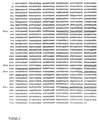
- FIG. 1 shows the sequence from bases 1247 to 1689 and indicates variants observed in a number of Salmonella serotypes. It will be seen that the regions termed STll (bases 1655 to 1679) , ST14 (bases 1367 to 1390) and ST15 (bases 1251 to 1274) are completely conserved and are thus believed to be capable of hybridising to DNA from substantially all Salmonella serotypes.
- ST5 and ST8 are from regions flanking the sequence of Fig. 1 (SEQ I.D. NO. 1) in the native sequence.
- Hybridisation may, of course, take place under various conditions of stringency and for the greatest selectivity, conditions of high stringency are appropriate, for example a hybridisation temperature of 65°C and buffer strength of 6xSSC.
- useful information can be derived at lower conditions of stringency, for example at hybridisation temperatures in the range 48-65°C and/or buffer strengths in the range 1-4SSC.
- it may be preferred to perform the actual hybridisation step under low stringency conditions, eg. 45°C, followed by washing with buffer at higher stringency.
- the term 'hybridising under high stringency conditions' as used herein thus includes maintenance of hybridisation under high stringency washing conditions.
- the minimum number of bases in a sequence hybridising under high stringency conditions is about 15. It will be seen that the conserved region ST11 has 36 bases, ST14 has 26 bases and ST15 has 30 bases.
- the conserved region ST11 has 36 bases, ST14 has 26 bases and ST15 has 30 bases.
- the hybridising sequence may advantageously carry non-hybridising DNA sequences capable of binding to solid supports eg. via DNA binding proteins or specific binding partners such as biotin/ streptavidin.
- oligonucleotide fragments according to the invention which contain sequences only conserved within that group. These include the sequences ST22 referred to above.
- oligonucleotide fragments according to the invention which are specific to S.typhimurium strains.
- Fragments of the oligonucleotide sequence according to the invention specific to S.typhimurium LT2 can be used for detection of this particular strain.
- both the specified oligonucleotide fragment as derived from Fig. 1 SEQ I.D. NO. 1 and its complement are usable.
- the oligonucleotide functions as a primer. Since the primer only functions to initiate chain extension from its 3'-terminus, it is required to hybridise to the 3' end of one of the strands of the target DNA sequence to be amplified; where the oligonucleotide is a fragment of the coding strand of the Salmonella DNA it will hybridise to the complementary strand of the target Salmonella DNA and vice versa.
- a further aspect of the invention provides a method of detecting one or more Salmonella serotypes wherein at least one nucleic acid molecule according to the invention is used as a probe or primer in a DNA-based detection system.
- the principal amplification technique to be used in accordance with the invention is PCR.
- two primers are required, hybridising to opposing strands of the target DNA.
- the oligonucleotides ST14 and ST15 are derived from the coding strand of S.typhimurium DNA and hybridise to the complementary strand of the target DNA while ST11 hybridises to the coding strand.
- typical PCR primer pairs can comprise ST14/ST11 or ST15/ST11. The latter combination has proved particularly effective.
- PCR detection using a single specific primer by ligating a standard sequence or tail to the target DNA, to provide an hybridisation site for a standard PCR primer. This may be achieved by restriction of the target ds DNA at a known site and ligating the standard sequence to the sticky end so produced.
- the target ds DNA may be cleaved at one of such sites and ligated to a standard sequence; this may be followed by strand separation to provide either the coding strand or the complementary strand in a form which may be amplified by PCR using the appropriate oligonucleotide from either orientation of the conserved sequence, each serving to initiate chain extension from its 3' end towards the sequence ligated at the site of restriction.
- PCR system is the so-called Vectorette system where a designed oligonucleotide having a short sequence mismatched with the target DNA is ligated at a chosen restriction site. After a single chain extension of the chosen specific primer past the ligated sequence, a primer corresponding to the mismatched sequence can be used to initiate extension in the opposite direction and can serve as a PCR primer in subsequent cycles.
- the preferred sequences ST11, ST14 and ST15 or fragments thereof may have the sequences shown in Fig. 2 or may be complementary thereto.
- the oligonucleotide ST11 which directs extension in the opposite sense to ST14 and ST15 is in the form complementary to that shown in Fig. 2.
- probe/primers are used which carry polymerase binding sites permitting the action of reverse transcriptase to amplify target RNA or ss DNA.
- DNA oligonucleotides according to the invention thus carry a polymerase binding sequence at the 3'-terminus.
- the DNA sequence for the T7-RNA polymerase promotor may be linked to a sequence for transcription initiation attached to one or both the target specific primers.
- An example of such sequences is (Guatelli et al., 1990, Proc. Natl. Acad. Sci. USA, 87 , 1874-1878.)
- an immobilised probe captures one strand of target DNA and is then caused to hybridise with an RNA probe which carries as template region, a tertiary structure known as MDV-1 for an RNA-directed RNA polymerase, normally Q-beta replicase.
- the capture probe may be DNA or RNA and thus, for this function, an immobilised DNA or RNA oligonucleotide fragment according to the invention may be used.
- an RNA oligonucleotide according to the invention may carry the MDV-1 structure at the 3'-end.
- the Ligase Amplification Reaction hybridises two oligonucleotide probes to adjacent positions on the target nucleic acid so that ligation, eg. using T4 ligase, produces a longer sequence which, after strand separation, can function as a template for further hybridisations and ligations. It is thus possible to use as LAR probes, two adjacent oligonucleotide sequences from one of the conserved sequences, eg. STll, ST14 or ST-15 (to provide general Salmonella detection) or other oligonucleotides according to the invention to provide more specific Salmonella detection, e.g. S. typhimurium .
- PCR is effected using nested primers, that is a first pair of primers to amplify the target nucleic acid in a first series of cycles, and a second pair of primers hybridising between the first primer pair in a second series of cycles.
- the inner primers used in the second cycle carry, respectively, means for immobilisation to permit capture of the amplified DNA and a label or means for attachment of a label to permit recognition.
- the means for immobilisation may, for example, be a hapten such as biotin or digoxigenin while the means for attachment of a signal may include a different hapten or, in a preferred embodiment, a 5'-non-hybridising DNA sequence which is capable of binding to a DNA-binding protein carrying an appropriate label.
- the immobilisation means may also be attached via a 5'-non-hybridising DNA sequence.
- oligonucleotides according to the invention may carry 5'-non-hybridising DNA sequences which carry means for immobilisation or are attached to a solid support and/or carry a label capable of attachment to a label, eg. an enzyme, a fluorescent substance or a radionuclide.
- Solid supports for immobilisation include microtitre wells, dipsticks, fibres and particles carrying a binding partner for the means for immobilisation, eg. streptavidin (for biotin) or an anti-hapten antibody (for other haptens).
- Magnetic particles are particularly advantageous, for example the superparamagnetic, monodisperse particles sold by Dynal A/S, Oslo, Norway.
- Hybridisation probes based on oligonucleotides according to the invention may usefully either capture the target nucleic acid or label it with a signal. Such probes will thus be essentially the same as one of the second pair of primers described above for the DIANA system.
- oligonucleotides according to the invention may be synthesised by known techniques using conventional machine synthesizers such as the Cyclone DNA synthesizer (Biosearch Inc.).
- kits for detection of Salmonella comprising at least one oligonucleotide according to the invention.
- Such kits will normally also contain such additional components as:
- nucleotide bases will normally be supplied together with appropriate buffers.
- Figure 3 shows the position of oligonucleotides used as probes or in sequencing reactions in Example 2 on the DNA-fragment JE0402-1 (Olsen et al., (1991), supra). Numbering is according to Aabo et al., 1993 (Aabo, S., Rossen, L., Rasmussen, O.F., S ⁇ rensen, P.D., and Olsen, J.E. (1993), Molecular and Cellular Probes 7 , 171-178).
- Figure 4 shows the sequence alignment of strains of Salmonella in the region of the Sal. typhimurium specific oligonucleotide probe, ST22 used in Example 2.
- the sequence of the DNA-fragment JE0402-1, which originates from Sal. typhimurium is shown as reference. Bases that are specific for Sal. typhimurium have been underlined. Only bases that deviate from the JE0402-1 sequence are indicated in other strains.
- A adenine, C: cytosine, G: guanine, T: thymine. Number of strains tested: 1: three with the same sequence; 2: two with the same sequence; 3: one; 4: three with the same sequence; 5: three with the same sequence; 6: two strains with one base difference; 7: two strains with the same sequence.
- EXAMPLE 1 Use of oligonucleotide probes/primers in hybridisation dot-blot and PCR assays for the detection of Salmonella
- Oligonucleotides were synthesized on a Cyclone DNA Synthesizer (Biosearch Inc. Millipore, T ⁇ strup, Denmark) according to the manufacturers instructions and were 3'-end labelled with gamma 32 P-dATP (Amersham, Aylesbury, England) according to Maniatis et al. (25) using terminal transferase (Boehringer Mannheim, Kvistgaard, Denmark).
- the sequence of the 2.3 kb Salmonella specific DNA fragment shown in Fig. 1 (SEQ I.D. NO. 1) formed the basis for primer selection. Sequencing of corresponding regions in 19 different serovars was done following asymmetric PCR carried out as described by Gyllensten (Gyllensten, U. (1989)). Direct sequencing of in vitro amplified DNA. In PCR Technology. Principles and applications for DNA amplification. (Erlich, H.A. ed.) pp 45-60. New York, Stockton Press.) using the primers ST3 and ST4 as PCR primers and ST6 and ST9 as sequencing primers (Fig. 1 SEQ I.D. NO. 1).
- PCR reaction mixture was overlayed with 100 ⁇ l paraffin oil.
- a 30 cycle PCR was carried out using the following conditions: denaturation at 94°C for 1 minute, annealing at 57°C for 1 minute and elongation at 72°C for 2 minutes. The elongation step in the last cycle was 10 minutes. PCR products were visualized by agarose gel electrophoresis using standard methods.
- oligonucleotide sequences ST1-ST8 (Fig. 1 SEQ I.D. NO. 1) were selected from the sequence and tested for their ability to discriminate between Salmonella and non-Salmonella bacteria by hybridisations to dot blots with pure cultures of 15 Salmonella and 15 non- Salmonella strains. The hybridisations were carried out at low stringency. High stringency conditions were obtained by four successive washings at increasing temperatures. As seen from Table 1, the primers ST3, ST4, ST5 and ST7 gave no false positive reactions while one to four false negative results were obtained with these oligonucleotides at the high stringency washing temperature of 65°C. This indicated some interserovar sequence heterogeneity of the 2.3 kb fragment.
- the oligonucleotides ST11, ST14 and ST15 were evaluated by hybridisation as described above to 75 Salmonella strains and 45 non-Salmonella strains belonging to Enterobacteriaceae .
- STll and ST15 each gave 3 false negative reactions at all stringency levels whereas ST14 showed 5 false positive at the lowest stringency temperature and 6 false negative reactions at all stringency temperatures.
- the strains that showed false reactions in the dot-blot hybridisation assays were tested in a PCR assay.
- the PCR primer set ST11/ST15 gave only one false negative PCR reaction i.e. S.arizona subspecies IIIa.
- PCR testing of the primer set ST11/ ST14 revealed two false negative reactions i.e. S. arizonae IIIa and S. Blockley. No false positive reactions were noted with the two primer sets.
- the primer set ST11/ST15 gave a PCR product of 429 basepairs. These primers were evaluated for their ability to identify Salmonella in pure cultures of bacteria. As seen from Table 2, 144 of 146 Salmonella strains (116 of 118 serovars) were correctly identified, while two strains belonging to subspecies IIIa were false negative. No PCR-products were produced from the 86 non- Salmonella strains listed in Table 3. TABLE 1: Hybridization of 8 potential PCR primer oligonucleotides to 15 Salmonella and 15 non- Salmonella strains at varying stringency. Washing temp. Primer* ST8 ST2 ST1 ST7 ST3 ST6 ST4 ST5 No.
- EXAMPLE 2 Use of oligonucleotide probes in colony hybridisation assays for the detection of Salmonella
- Bacterial strains used in the study comprised 141 strains of Salmonella and 28 strains of 19 other genera of Enterobacteriaceae. Details on the number of Salmonella serotypes, the distribution according to Salmonella subspecies, and species of Enterobacteriaceae can be seen from the results section (Tables 4 and 5).
- Oligonucleotide probe-sequences can be seen from Table 6. The location of the oligonucleotides on the DNA-fragment, JE0402-1 (Olsen et al. 1991, supra) is indicated in Figure 3. Oligonucleotides were purchased from DNA-technology (Aarhus, Denmark). For use as hybridization probes, the oligonucleotides were 3'-end labelled with Dig-11-dUTP (Boehringer, Mannheim) as described by Thomas et al. (1991) (Thomas, A., Smith, H.R., Willshaw, G.A. & Rowe, B. (1991) Molecular and Cellular Probes 5, 129-135.).
- DNA-sequencing was performed using the Sequenase 2.0 sequencing kit (USB, Amersham, Copenhagen) on single stranded DNA isolated from double stranded PCR-products using para-magnetic beads (M280, Streptavidin coated, Dynal, Oslo) and the PCR and immunomagnetic capture protocol recommended by the supplier of the beads.
- the oligonucleotides used to prime the amplification and the sequencing primer are shown in Table 6.
- oligonucleotides Five oligonucleotides were synthesized and analyzed for their ability to detect strains of Salmonella without cross hybridization to non- Salmonella bacteria. Initially 19 strains of bacteria were hybridized to the oligonucleotide probes, and as seen from Table 7, the probe, ST4, detected all strains of Salmonella while the remaining oligonucleotide probes missed one of three strains each; however, none of the oligonucleotides reacted with the three strains of Escherichia coli included.
- oligonucleotide probes ST4 and ST15 Two of the oligonucleotide probes ST4 and ST15 were selected for further analysis. However, for both oligonucleotides to hybridize to the same DNA strand, which is required for "sandwich hybridization assays" (see Wolcott, M.J. (1992) Clinical Microbiology Reviews 5, 370-386 for details on this assay format), the complementary sequence to oligonucleotide ST15, ST15rev, was used in this hybridization to a large collection of Salmonella and non- Salmonella bacteria (Table 4). For the same reason, the hybridization temperature was chosen to be 55°C for both oligonucleotide probes. The strains analyzed in Table 7 were included in this analysis again.
- the oligonucleotide ST4 detected all the 93 strains of Salmonella analyzed and ST15rev detected all but one.
- the strain missed by ST15rev belonged to Salmonella subspecies V and was the same strain as missed by ST15 in the initial screening (Table 7). No signals were seen from the 28 non- Salmonella strains tested, except for one strain of Edwardsiella tarda with probe ST4.
- an oligonucleotide, ST1 deduced from the same DNA fragment as analyzed in this paper, only detected Sal. typhimurium among 15 strains of Salmonella analyzed.
- the DNA sequence of a 114 base-pair region around ST1 was analyzed in 16 strains of 7 serotypes of Salmonella .
- an oligonucleotide probe, ST22 was synthesized and analyzed for its ability to detect strains of Sal. typhimurium .
- the probe was specific for the 47 strains of this serotype analyzed among the 94 strains of other Salmonella serotypes and 26 non- Salmonella strains analyzed.
- An oligonucleotide, ST15rev, that is specific for the genus Salmonella identifies all serotypes analyzed except a member of Sal . subgenus bongori .
- the location on the DNA-fragment JE0402-1 is such that a sandwich hybridization assay can be constructed with probe-ST15rev as a capture probe and probe-ST4 as a labelled reporter probe hybridizing to all strains that have been captured by probe ST15rev.
- the cross hybridization to Edw. tarda will not be critical in this assay format, as DNA from this bacteria will not be captured by ST15rev.
- oligonucleotide probe, ST22 was found to be specific for Sal. typhimurium , which differed in five base-positions from five other serotypes sequenced.
- oligonucleotide probes that are specific for other important Salmonella serotypes may be identified by the same approach used to analyze other DNA-fragments, and serotyping by use of oligonucleotides can then be performed; at least for the most commonly isolated serotypes.
- Table 4 Hybridization of digoxigenin-labelled oligonucleotides ST4 and ST15rev to Salmonella and non- Salmonella strains Bacterium/bacterial group No. of strains tested number of positive hybridizations ST4 ST15rev Salmonella 1 93 93 92 2 Enterobacteriaceae 3 28 1 4 0 1: Number of strains: 73 of 62 serotypes of subspecies I ( S. subsp.
- Table 5 Detection of Salmonella typhimurium by colony hybridization with digoxigenin-labelled oligonucleotide, ST22. Bacteria/bacterial group No. of strains tested No. of reactions: positive negative Salm. typhimurium 47 47 0 Salmonella other serotypes 1 94 0 94 non- Salmonella 2 26 0 0 1: Seventy eight serotypes: 59 of subspecies I ( Sal. subsp. enterica) , six of subspecies II ( Sal. subsp. salamae ), five of subspecies III ( Sal. subsp. arizonae / Sal. subsp. diarizonae ), six of subspecies IV ( Sal.
- EXAMPLE 3 Detection of Salmonella in minced meat using PCR in comparison to standard culture techniques.
- tetrathionate culture and 0.05 ml RV were transferred to 9 ml and 9.95 ml of Luria-Bertani (LB) broth respectively, and incubated for 14-16 hours at 37°C.
- Cells in five ⁇ l of LB culture were lysed in lysis buffer (0.05M NaOH, 0.25 %SDS) at 94°C for 15 minutes and five 5 ⁇ l of the lysate were added to the PCR tube containing 100 ⁇ l of 50 mM KCl, 10 mM Tris, pH 8.3, 2.5 mM MgCl 2 , 200 ⁇ M of each dNTP, 1 ⁇ M of each primer, ST11 5 'AGCCAACCATTGCTAAATTGGCGCA3' and ST15 5'GTAGAAATTCCCAGCGGGTACTG3', 0.5% Tween 20, and 0.02% gelatine and 2.5 units Taq-polymerase (Promega).
- the vial was overlayed with 100 ⁇ l paraffin oil.
- PCR cycling conditions were 94°C for 1 minute, 57°C for 1 minute and 72°C for 2 minutes for 30 cycles. In the last cycle, the elongation step was prolonged to 10 minutes.
- Detection was performed by agarose gel electrophoresis in a 1.5% agarose gel followed by ethidium bromide (2 mg/l) staining, destaining in water and photographing under 254 UV light with a Polaroid Land Camera.
- PCR products were verified by southern blot hybridization using the 2.3 kb fragment (Olsen et al., 1991, supra), from which the primers were deduced, as probe.
- the probe was labelled with digoxigenin (Boehringer) as described by Aabo et al. (1992, supra). Samples were considered positive in either PCR or culture when at least one of the two selective media used gave rise to a positive result.
- the sensitivity of the PCR method was estimated to 92% and the specificity to 99% when calculations were based on the pooled results of the 96 pork and beef samples.
- PCR was performed directly on pre-enrichment cultures only one of the 12 Salmonella positive samples was detected.
- the sensitivity of the standard culture method was estimated to 50% based on the 12 samples from which the presence of Salmonella was verified and the specificity was estimated to 100% based on the 84 negative samples.
- the Salmonella specific PCR assay used in this study was found to be more sensitive that the standard culture method for identification of Salmonella in pre-enriched cultures. The sensitivity of the standard culture method was found to be as low as 50%.
- Table 8 Comparison of standard culture technique and PCR method for detection of Salmonella in 48 samples of pork and beef meat Culture technique + - Total + 5 7 # 12 PCR result - 1 83 84 Total 6 90 96 #
- Salmonella was isolated in 6 of the samples. Based on this, the results were characterized false negative by the culture method.
Landscapes
- Chemical & Material Sciences (AREA)
- Life Sciences & Earth Sciences (AREA)
- Analytical Chemistry (AREA)
- Proteomics, Peptides & Aminoacids (AREA)
- Organic Chemistry (AREA)
- Health & Medical Sciences (AREA)
- Wood Science & Technology (AREA)
- Engineering & Computer Science (AREA)
- Zoology (AREA)
- Bioinformatics & Cheminformatics (AREA)
- General Health & Medical Sciences (AREA)
- Molecular Biology (AREA)
- Physics & Mathematics (AREA)
- Immunology (AREA)
- Biotechnology (AREA)
- Biochemistry (AREA)
- Biophysics (AREA)
- General Engineering & Computer Science (AREA)
- Microbiology (AREA)
- Genetics & Genomics (AREA)
- Measuring Or Testing Involving Enzymes Or Micro-Organisms (AREA)
- Medicines Containing Material From Animals Or Micro-Organisms (AREA)
- Enzymes And Modification Thereof (AREA)
- Micro-Organisms Or Cultivation Processes Thereof (AREA)
- Medicines Containing Antibodies Or Antigens For Use As Internal Diagnostic Agents (AREA)
- Saccharide Compounds (AREA)
- Organic Low-Molecular-Weight Compounds And Preparation Thereof (AREA)
Abstract
Description
- This invention relates to the detection and identification of Salmonella species.
- The incidence of salmonellosis has increased significantly during the last two decades in several western countries. In general the human population is infected by Salmonella via contaminated foods and water, but transmission occurs, to a minor extent, by direct contact with infected animals. Standard culture methods are still widely used for detection of Salmonella in foods, but control of the infection depends increasingly on the availability of rapid and precise diagnostic tests for monitoring of the primary animal production, different food processing steps and of the final food products. For this purpose several rapid methods for Salmonella detection have been developed.
- These methods include enzyme immuno assays using polyvalent somatic or flagellar antibodies (Krysinski, E.P. and Heimsch, R.C. (1977) Applied and Environmental Microbiology 33, 947-954; Minnich, S.A., Hartman, P.A. and Heimsch, R.C. (1982) Applied and Environmental Microbiology 43, 877-883; Rigby, C.E. (1984) Applied and Environmental Microbiology 47, 1327-1330); monoclonal antibodies (Mattingly, J.A. (1984) Journal of Immunological Methods 73, 147-156); DNA hybridization assays using DNA polynucleotide probes (Fitts, R., Diamond, M., Hamilton, C., and Neri, M. (1983) Applied and Environmental Microbiology 46, 1146-1151); Gopo, J.M., Melis, E., Filipska, E., Meneveri, R. and Filipski, J. (1988) Molecular and
Cellular Probes 2, 271-279; Tsen, H.Y., Chen, M.H., Shieh, J.S., Wang, S.J. and Hu, N.T. (1989) Journal of Fermentation and Bioengenering 68, 1-6; Scholl, D.R., Kaufmann, C., Jollick J.D., York, C.K., Goodrom, G.R., and Charache, P. (1990) Journal of clinical microbiology 28, 237-241; Olsen, J.E., Aabo, S., Nielsen, E.O., and Nielsen, B.B. (1991) APMIS 99, 114-120) and oligonucleotide probes from ribosomal RNA genes (Wilson, S.G., Chan, S., Deroo, M., Vera-Garcia, M., Jonson, A., Lane, D., and Halbert, D.N. (1990) Journal of Food Science 55, 1394-1398) or from single copy target sequences (Tsen, H.Y., Wang, S.J., Roe, B.A., Green, S.S. (1991) Applied Microbiology and Biotechnology 35, 339-347). - The polymerase chain reaction (PCR) has been used to detect gene alterations in connection with sickle cell anaemia and a number of reports have been published on PCR for detection of food borne pathogens e.g. Mycobacteria, Shigella, Verotoxin producing Escherichia coli, Yersinia and Listeria. A method for Salmonella specific detection, combining immunomagnetic separations (Lund, A., Hellemann, A.L. & Vartdal, F. (1988) Journal of Clinical Microbiology 26, 2572-2575) and PCR on pure cultures of bacteria has recently been published (Widjojoatmodjo, M.N., Fluit, A.C., Torensma, R., Keller, B.H.I., and Verhoef, J. (1991) European Journal of Clinical Microbiology and Infectious Diseases 10, 935-938).
- The above 1991 publication of J.E. Olsen et al described a Salmonella specific DNA hybridisation probe comprising a 2.3 kb fragment of the Salmonella typhimurium LT2 chromosome. This fragment was produced by preparing a library of S.typhimurium LT2 DNA containing 6800 clones by shot-gun cloning of EcoRI/Hind III fragments. The sequence of a major fragment of the above 2.3 kb fragment is shown in Fig. 1 (SEQ I.D. NO. 1). This is the product of endonuclease restriction of the 2.3 kb fragment with Sau3A employing partial digestion. Certain regions of this provide primers and probes of use in identifying Salmonella species.
- The present invention is based on using certain fragments of the above genomic DNA from Salmonella typhimurium LT2 (or corresponding nucleic acid fragments having the same sequence of bases, including RNA, PNA (peptide nucleic acid) etc.) as primers in PCR and other amplification systems, in particular certain fragments corresponding to regions of the genome which are highly conserved in Salmonella species. This enables target nucleic acid sequences from Salmonella to be selectively amplified and thus detected. Fragments corresponding to conserved regions are useful in detecting and identifying Salmonella species generally, while fragments from less conserved regions are useful for identifying infections from serogroup B which includes S.typhimurium or S.typhimurium itself and completely unique fragments may be used for identifying S.typhimurium LT2. The fragments may also be used as hybridisation probes. RNA based oligonucleotides corresponding to the fragments are also of use as explained below.
- Nucleic acid based methods of detection have recently proliferated and are available for detection of DNA or RNA from the target organism. A useful review is found in the article by M.J. Wolcott in J. Food Protection 54, (5), pp. 387-401, 1991, Typical techniques include solid phase capture by hybridisation probes, PCR, Q-Beta-replicase amplification and Self Sustained Sequence Replication (3SR).
- According to the present invention we provide single stranded DNA of the sequence shown in Fig. 1 (SEQ I.D. NO. 1) of the drawings and the DNA sequences complementary thereto and analogues and fragments thereof hybridising selectively to the DNA or RNA of one or more Salmonella serotypes.
- The term "complementary" as used above in relation to single stranded DNA includes DNA sequences with matching bases to the DNA sequence of interest and which hybridise with the stated sequence regardless of orientation.
- The term "analogues" as used above in relation to single stranded DNA includes corresponding RNA sequences as well as chemically modified forms of nucleic acids and molecules with altered backbone chains such as PNA where the ribose units of the backbone are replaced by other units such as amino acids or peptides but the sequence of bases is retained and the molecule hybridises in the same way as the said DNA.
- As indicated above, certain regions of the above DNA sequence are highly conserved. Figure 2 of the drawings gives the sequence from bases 1247 to 1689 and indicates variants observed in a number of Salmonella serotypes. It will be seen that the regions termed STll (bases 1655 to 1679) , ST14 (bases 1367 to 1390) and ST15 (bases 1251 to 1274) are completely conserved and are thus believed to be capable of hybridising to DNA from substantially all Salmonella serotypes.
- The following fragments of the sequence of Fig. 1 (SEQ I.D. NO. 1) have been investigated:

- Three further fragments have been investigated:


- Hybridisation may, of course, take place under various conditions of stringency and for the greatest selectivity, conditions of high stringency are appropriate, for example a hybridisation temperature of 65°C and buffer strength of 6xSSC. However, useful information can be derived at lower conditions of stringency, for example at hybridisation temperatures in the range 48-65°C and/or buffer strengths in the range 1-4SSC. In testing for hybridisation, it may be preferred to perform the actual hybridisation step under low stringency conditions, eg. 45°C, followed by washing with buffer at higher stringency. The term 'hybridising under high stringency conditions' as used herein thus includes maintenance of hybridisation under high stringency washing conditions.
- The minimum number of bases in a sequence hybridising under high stringency conditions is about 15. It will be seen that the conserved region ST11 has 36 bases, ST14 has 26 bases and ST15 has 30 bases. For use in identification of Salmonella generally by hybridisation to target Salmonella DNA or RNA, either as amplification primers or hybridisation probes, one may thus use single stranded oligonucleotides containing sequences of at least 15 consecutive bases from ST11, ST14 or ST15. For most reliable hybridisation, sequences of at least 20 of said bases are preferred. It will be appreciated that such conserved sequences may have other DNA attached which may be less conserved or even completely non-hybridising. For use in the DIANA detection system, as discussed hereinafter, the hybridising sequence may advantageously carry non-hybridising DNA sequences capable of binding to solid supports eg. via DNA binding proteins or specific binding partners such as biotin/ streptavidin.
- For use in hybridisation to DNA or RNA from the general sero group which includes S.typhimurium, it is possible to use oligonucleotide fragments according to the invention which contain sequences only conserved within that group. These include the sequences ST22 referred to above.
- For use in detection of S.typhimurium specifically, it is possible to use oligonucleotide fragments according to the invention which are specific to S.typhimurium strains.
- Fragments of the oligonucleotide sequence according to the invention specific to S.typhimurium LT2 can be used for detection of this particular strain.
- It will be appreciated that in most instances the target DNA to be detected will be double stranded and that hybridisation to either of the strands can be used for identification. Thus, for use as hybridisation probes, both the specified oligonucleotide fragment as derived from Fig. 1 (SEQ I.D. NO. 1) and its complement are usable.
- However, methods of detection based on amplification present a more powerful and sensitive tool for identification and in this case the oligonucleotide functions as a primer. Since the primer only functions to initiate chain extension from its 3'-terminus, it is required to hybridise to the 3' end of one of the strands of the target DNA sequence to be amplified; where the oligonucleotide is a fragment of the coding strand of the Salmonella DNA it will hybridise to the complementary strand of the target Salmonella DNA and vice versa.
- Thus a further aspect of the invention provides a method of detecting one or more Salmonella serotypes wherein at least one nucleic acid molecule according to the invention is used as a probe or primer in a DNA-based detection system.
- The principal amplification technique to be used in accordance with the invention is PCR. In this case, in classical PCR, two primers are required, hybridising to opposing strands of the target DNA. It is possible to select pairs of oligonucleotides according to the invention to meet this requirement. Thus, for example, the oligonucleotides ST14 and ST15 are derived from the coding strand of S.typhimurium DNA and hybridise to the complementary strand of the target DNA while ST11 hybridises to the coding strand. Thus, typical PCR primer pairs can comprise ST14/ST11 or ST15/ST11. The latter combination has proved particularly effective.
- It is also possible, however, to carry out PCR detection using a single specific primer by ligating a standard sequence or tail to the target DNA, to provide an hybridisation site for a standard PCR primer. This may be achieved by restriction of the target ds DNA at a known site and ligating the standard sequence to the sticky end so produced. This means that, provided conveniently placed restriction sites exist on either side of a conserved sequence, the target ds DNA may be cleaved at one of such sites and ligated to a standard sequence; this may be followed by strand separation to provide either the coding strand or the complementary strand in a form which may be amplified by PCR using the appropriate oligonucleotide from either orientation of the conserved sequence, each serving to initiate chain extension from its 3' end towards the sequence ligated at the site of restriction. One such PCR system is the so-called Vectorette system where a designed oligonucleotide having a short sequence mismatched with the target DNA is ligated at a chosen restriction site. After a single chain extension of the chosen specific primer past the ligated sequence, a primer corresponding to the mismatched sequence can be used to initiate extension in the opposite direction and can serve as a PCR primer in subsequent cycles.
- It will thus be appreciated that the preferred sequences ST11, ST14 and ST15 or fragments thereof may have the sequences shown in Fig. 2 or may be complementary thereto. In fact, the oligonucleotide ST11 which directs extension in the opposite sense to ST14 and ST15 is in the form complementary to that shown in Fig. 2.
- In the Self-Sustained Sequence Replication (3SR) process, probe/primers are used which carry polymerase binding sites permitting the action of reverse transcriptase to amplify target RNA or ss DNA. For use in this process, DNA oligonucleotides according to the invention thus carry a polymerase binding sequence at the 3'-terminus. Thus the DNA sequence for the T7-RNA polymerase promotor may be linked to a sequence for transcription initiation attached to one or both the target specific primers. An example of such sequences is(Guatelli et al., 1990, Proc. Natl. Acad. Sci. USA, 87, 1874-1878.)

- In the Q-beta replicase amplification system, an immobilised probe captures one strand of target DNA and is then caused to hybridise with an RNA probe which carries as template region, a tertiary structure known as MDV-1 for an RNA-directed RNA polymerase, normally Q-beta replicase. The capture probe may be DNA or RNA and thus, for this function, an immobilised DNA or RNA oligonucleotide fragment according to the invention may be used. In addition, an RNA oligonucleotide according to the invention may carry the MDV-1 structure at the 3'-end.
- The Ligase Amplification Reaction (LAR) hybridises two oligonucleotide probes to adjacent positions on the target nucleic acid so that ligation, eg. using T4 ligase, produces a longer sequence which, after strand separation, can function as a template for further hybridisations and ligations. It is thus possible to use as LAR probes, two adjacent oligonucleotide sequences from one of the conserved sequences, eg. STll, ST14 or ST-15 (to provide general Salmonella detection) or other oligonucleotides according to the invention to provide more specific Salmonella detection, e.g. S. typhimurium.
- In the DIANA diagnostic system, PCR is effected using nested primers, that is a first pair of primers to amplify the target nucleic acid in a first series of cycles, and a second pair of primers hybridising between the first primer pair in a second series of cycles. The inner primers used in the second cycle carry, respectively, means for immobilisation to permit capture of the amplified DNA and a label or means for attachment of a label to permit recognition. The means for immobilisation may, for example, be a hapten such as biotin or digoxigenin while the means for attachment of a signal may include a different hapten or, in a preferred embodiment, a 5'-non-hybridising DNA sequence which is capable of binding to a DNA-binding protein carrying an appropriate label. The immobilisation means may also be attached via a 5'-non-hybridising DNA sequence. Thus, for this procedure, oligonucleotides according to the invention may carry 5'-non-hybridising DNA sequences which carry means for immobilisation or are attached to a solid support and/or carry a label capable of attachment to a label, eg. an enzyme, a fluorescent substance or a radionuclide.
- Solid supports for immobilisation include microtitre wells, dipsticks, fibres and particles carrying a binding partner for the means for immobilisation, eg. streptavidin (for biotin) or an anti-hapten antibody (for other haptens). Magnetic particles are particularly advantageous, for example the superparamagnetic, monodisperse particles sold by Dynal A/S, Oslo, Norway.
- Hybridisation probes based on oligonucleotides according to the invention may usefully either capture the target nucleic acid or label it with a signal. Such probes will thus be essentially the same as one of the second pair of primers described above for the DIANA system.
- The oligonucleotides according to the invention may be synthesised by known techniques using conventional machine synthesizers such as the Cyclone DNA synthesizer (Biosearch Inc.).
- The invention also extends to kits for detection of Salmonella comprising at least one oligonucleotide according to the invention. Such kits will normally also contain such additional components as:
- (a) for PCR, a polymerase and at least one other oligonucleotide primer according to the invention; the oligonucleotides both being DNA based and hybridising to opposite strands of the target DNA;
- (b) for DIANA, a polymerase and PCR oligonucleotide primers according to the invention provided with means for immobilisation and means for labelling;
- (c) for 3SR, a reverse transcriptase and a further DNA oligonucleotide primer according to the invention, both oligonucleotides being provided with a polymerase binding site;
- (d) for LAR, a ligase and a further oligonucleotide primer according to the invention adjacent to the first in the sequence of Fig. 1 (SEQ I.D. No. 1);
- (e) for Q-beta replicase amplification, an RNA directed RNA polymerase and an RNA probe with a 5'-MDV-1 structure or fragment thereof, the capture oligonucleotide being immobilised or permitting immobilisation.
- In all the above kits, nucleotide bases will normally be supplied together with appropriate buffers.
- The following Examples are given by way of illustration only wherein reference is made to the following Figures in which:-
- Figure 3 shows the position of oligonucleotides used as probes or in sequencing reactions in Example 2 on the DNA-fragment JE0402-1 (Olsen et al., (1991), supra). Numbering is according to Aabo et al., 1993 (Aabo, S., Rossen, L., Rasmussen, O.F., Sørensen, P.D., and Olsen, J.E. (1993), Molecular and Cellular Probes 7, 171-178).
- Figure 4 shows the sequence alignment of strains of Salmonella in the region of the Sal. typhimurium specific oligonucleotide probe, ST22 used in Example 2. The sequence of the DNA-fragment JE0402-1, which originates from Sal. typhimurium is shown as reference. Bases that are specific for Sal. typhimurium have been underlined. Only bases that deviate from the JE0402-1 sequence are indicated in other strains. A: adenine, C: cytosine, G: guanine, T: thymine. Number of strains tested: 1: three with the same sequence; 2: two with the same sequence; 3: one; 4: three with the same sequence; 5: three with the same sequence; 6: two strains with one base difference; 7: two strains with the same sequence.
- EXAMPLE 1: Use of oligonucleotide probes/primers in hybridisation dot-blot and PCR assays for the detection of Salmonella
- 146 Salmonella strains (Table 2) and 86 non-Salmonella Enterobacteriaceae strains (Table 3) were used in this study. Cells were grown in Lura Bertani broth (25) at 37°C. The S. Typhimurium LT2 strain from which the probe fragment had been cloned was used as positive control, and E.coli strains JM103 and HB101 served as negative controls in PCR.
- Oligonucleotides were synthesized on a Cyclone DNA Synthesizer (Biosearch Inc. Millipore, Tåstrup, Denmark) according to the manufacturers instructions and were 3'-end labelled with gamma 32P-dATP (Amersham, Aylesbury, England) according to Maniatis et al. (25) using terminal transferase (Boehringer Mannheim, Kvistgaard, Denmark). The sensitivity and specificity of the primers were tested by hybridisation of labelled oligonucleotides at 50°C in 6xSSC (1xSSC=0.15 M NaCl, 0.015 Na-Citrate, pH 7.0) to dot-blots containing approximately 108 bacterial cells, lysed as described by Datta et al. (Datta, A.R., Wentz, B.A. and Hill, W.E. (1987). Detection of Hemolytic Listeria monocytogenes by using DNA colony hybridisation. Applied and Environmental Microbiology 53, 2256-2259.) Post hybridisation washes were performed in 6xSSC at temperatures of 55°C, 59°C, 61°C and 65°C. Autoradiograms were developed between each wash according to the instructions of the supplier (Amersham).
- The sequence of the 2.3 kb Salmonella specific DNA fragment shown in Fig. 1 (SEQ I.D. NO. 1) formed the basis for primer selection. Sequencing of corresponding regions in 19 different serovars was done following asymmetric PCR carried out as described by Gyllensten (Gyllensten, U. (1989)). Direct sequencing of in vitro amplified DNA. In PCR Technology. Principles and applications for DNA amplification. (Erlich, H.A. ed.) pp 45-60. New York, Stockton Press.) using the primers ST3 and ST4 as PCR primers and ST6 and ST9 as sequencing primers (Fig. 1 SEQ I.D. NO. 1).
- Crude extraction of DNA from pure cultures of Salmonella was done by alkaline lysis at 94°C according to Rossen et al. (Rossen, L., Holmstrøm, K., Olsen, J.E., and Rasmussen, O.F. (1991). A rapid polymerase chain reaction (PCR)-based assay for the identification of Listeria monocytogenes in food samples.
International Journal of Food Microbiology 14, 145-152.). Five µl of the solution was transferred to a tube containing 100µl of a mixture of 50 mM KCl, 2.5 mM MgCl2, 10 mM Tris, HCl pH 8.3, 200 µM of each of the dNTP's (Boehringer Mannheim) 1 µM of each primer, 0.02% gelatine (Difco, Detroit, USA) 0.5% Tween 20 and 2.5 units Tag-polymerase (Promega, Madison, USA). The PCR reaction mixture was overlayed with 100µl paraffin oil. A 30 cycle PCR was carried out using the following conditions: denaturation at 94°C for 1 minute, annealing at 57°C for 1 minute and elongation at 72°C for 2 minutes. The elongation step in the last cycle was 10 minutes. PCR products were visualized by agarose gel electrophoresis using standard methods. - Eight oligonucleotide sequences (ST1-ST8) (Fig. 1 SEQ I.D. NO. 1) were selected from the sequence and tested for their ability to discriminate between Salmonella and non-Salmonella bacteria by hybridisations to dot blots with pure cultures of 15 Salmonella and 15 non-Salmonella strains. The hybridisations were carried out at low stringency. High stringency conditions were obtained by four successive washings at increasing temperatures. As seen from Table 1, the primers ST3, ST4, ST5 and ST7 gave no false positive reactions while one to four false negative results were obtained with these oligonucleotides at the high stringency washing temperature of 65°C. This indicated some interserovar sequence heterogeneity of the 2.3 kb fragment. In order to localize conserved sequences, two regions of the fragment were sequenced in 19 different Salmonella serovars belonging to subspecies I-IV. The serovars are listed in Fig. 2. The position of the two regions, app. 220 bp and 160 bp in size, are shown in Fig. 1 (SEQ I.D. NO. 1). The 19 serovars showed a mean of 16.5 base differences (4.2%) but, as seen from Fig. 2, all serovars shared three conserved subregions of 26, 30 and 36 basepairs, respectively. From each subregion, one oligonucleotide was selected as a putative PCR primer. The primers ST14 and ST15, both 24 bases, were selected with opposite orientation in relation to ST11 (25 bases) (Fig. 2).
- The oligonucleotides ST11, ST14 and ST15 were evaluated by hybridisation as described above to 75 Salmonella strains and 45 non-Salmonella strains belonging to Enterobacteriaceae. STll and ST15 each gave 3 false negative reactions at all stringency levels whereas ST14 showed 5 false positive at the lowest stringency temperature and 6 false negative reactions at all stringency temperatures. The strains that showed false reactions in the dot-blot hybridisation assays, were tested in a PCR assay. Of the six Salmonella strains giving false negative hybridisation results for either ST11, ST14 or ST15, the PCR primer set ST11/ST15 gave only one false negative PCR reaction i.e. S.arizona subspecies IIIa. PCR testing of the primer set ST11/ ST14 revealed two false negative reactions i.e. S. arizonae IIIa and S. Blockley. No false positive reactions were noted with the two primer sets.
- The primer set ST11/ST15 gave a PCR product of 429 basepairs. These primers were evaluated for their ability to identify Salmonella in pure cultures of bacteria. As seen from Table 2, 144 of 146 Salmonella strains (116 of 118 serovars) were correctly identified, while two strains belonging to subspecies IIIa were false negative. No PCR-products were produced from the 86 non-Salmonella strains listed in Table 3.
TABLE 1: Hybridization of 8 potential PCR primer oligonucleotides to 15 Salmonella and 15 non-Salmonella strains at varying stringency. Washing temp. Primer* ST8 ST2 ST1 ST7 ST3 ST6 ST4 ST5 No. of false positives Non-Salmonella 55°C 0 4 0 0 0 0 0 1 59°C 0 0 0 0 0 0 0 1 61°C 0 0 0 0 0 0 0 0 65°C 0 0 0 0 0 0 0 0 No. of false negatives Salmonella 55°C 4 2 14 4 4 1 0 0 59°C 4 8 14 4 4 1 0 0 61°C 4 9 14 4 4 1 2 7 65°C 5 12 14 4 4 1 4 7 * The oligonucleotides are listed in the order they are positioned on fragment JEO402-1 (see Figure 1). TABLE 2: Evaluation of a Salmonella specific PCR-assay using ST11/ST15 by testing pure cultures of Salmonella bacteria. Subspecies No. tested No. of positive Strains* Serovars Strains Serovars S. enterica 95 69 95 69 S. salamae 23 21 23 21 S. arizonae 18 18 16 16 S. houtenae 8 8 8 8 S. bongori 1 1 1 1 S. indica 1 1 1 1 Total: 146 118 144 116 *: Strains were obtained from Statens Seruminstitut, Copenhagen, Denmark and Department of Veterinary Microbiology, The Royal Veterinary and Agricultural University of Copenhagen, Denmark. TABLE 3: 86 Enterobacteriaceae strains, all tested negative with Salmonella PCR primers ST11/ST15. Genus Species No. of strains* Genus Species No. of strains* Cedecea davisae 1 Klebsiella pneumoniae 1 Cedecea lapagei 1 Koserella trabulsii 1 Cedecea neteri 1 Leminorella grimontii 2 Citrobacter amalonaticus 1 Leminorella richardii 2 Citrobacter freundii 3 Moellerella wisconsensis 3 Citrobacter diversus 2 Morganella morganii 1 Edwardsiella hoshinae 1 Obesumbacterium biogroup 1 1 Edwardsiella tarda 2 Obesumbacterium biogroup 2 1 Enterbacter aerogenes 1 Proteus mirabilis 6 Enterbacter agglomerans 1 Providentia heimbachae 1 Enterbacter amnigenus 1 Providentia stuartii 3 Enterbacter asburiae 1 Rhanella aquatilis 1 Enterbacter gergoviae 1 Serratia marcescens 2 Enterbacter rubidea 1 Serratia oderiferi 1 Enterbacter sakazakii 1 Shigella flexneri 1 Enterbacter taylorae 1 Shigella sonnei 2 Erwinia herbicula 2 Tatumella ptyseos 1 Escherichia coli 21 Xenorhabdus luminescens 1 Ewingella americana 1 Yersinia enterocolitica 5 Hafnia alvii 1 Yersinia pseudotuberculosis 4 Klebsiella oxytoca 1 * All strains originate from the strain collection of The Department of Veterinary Microbiology, The Royal Veterinary & Agricultural University, Copenhagen, Denmark. - Bacterial strains used in the study comprised 141 strains of Salmonella and 28 strains of 19 other genera of Enterobacteriaceae. Details on the number of Salmonella serotypes, the distribution according to Salmonella subspecies, and species of Enterobacteriaceae can be seen from the results section (Tables 4 and 5).
- Oligonucleotide probe-sequences can be seen from Table 6. The location of the oligonucleotides on the DNA-fragment, JE0402-1 (Olsen et al. 1991, supra) is indicated in Figure 3. Oligonucleotides were purchased from DNA-technology (Aarhus, Denmark). For use as hybridization probes, the oligonucleotides were 3'-end labelled with Dig-11-dUTP (Boehringer, Mannheim) as described by Thomas et al. (1991) (Thomas, A., Smith, H.R., Willshaw, G.A. & Rowe, B. (1991) Molecular and Cellular Probes 5, 129-135.).
- Colony hybridization with Dig-11-dUTP labelled probes was performed as described by Thomas et al. (1991, supra). The hybridization temperature used with each oligonucleotide can be seen from Table 6. Post hybridization was performed for 2X10 minutes at room temperature and 1X5 minutes at the hybridization temperature, as described by Aabo et al. (1992) (Aabo, S., Thomas, A., Hall, M.L.M., Smith, H.R. and Olsen, J.E. (1992). APMIS 100, 623-628.).
- DNA-sequencing was performed using the Sequenase 2.0 sequencing kit (USB, Amersham, Copenhagen) on single stranded DNA isolated from double stranded PCR-products using para-magnetic beads (M280, Streptavidin coated, Dynal, Oslo) and the PCR and immunomagnetic capture protocol recommended by the supplier of the beads. The oligonucleotides used to prime the amplification and the sequencing primer are shown in Table 6.
- Five oligonucleotides were synthesized and analyzed for their ability to detect strains of Salmonella without cross hybridization to non-Salmonella bacteria. Initially 19 strains of bacteria were hybridized to the oligonucleotide probes, and as seen from Table 7, the probe, ST4, detected all strains of Salmonella while the remaining oligonucleotide probes missed one of three strains each; however, none of the oligonucleotides reacted with the three strains of Escherichia coli included.
- Two of the oligonucleotide probes ST4 and ST15 were selected for further analysis. However, for both oligonucleotides to hybridize to the same DNA strand, which is required for "sandwich hybridization assays" (see Wolcott, M.J. (1992) Clinical Microbiology Reviews 5, 370-386 for details on this assay format), the complementary sequence to oligonucleotide ST15, ST15rev, was used in this hybridization to a large collection of Salmonella and non-Salmonella bacteria (Table 4). For the same reason, the hybridization temperature was chosen to be 55°C for both oligonucleotide probes. The strains analyzed in Table 7 were included in this analysis again.
- The oligonucleotide ST4 detected all the 93 strains of Salmonella analyzed and ST15rev detected all but one. The strain missed by ST15rev belonged to Salmonella subspecies V and was the same strain as missed by ST15 in the initial screening (Table 7). No signals were seen from the 28 non-Salmonella strains tested, except for one strain of Edwardsiella tarda with probe ST4.
- In a search for PCR-primers, Aabo et al. (1993, supra) noted that an oligonucleotide, ST1, deduced from the same DNA fragment as analyzed in this paper, only detected Sal. typhimurium among 15 strains of Salmonella analyzed. The DNA sequence of a 114 base-pair region around ST1 was analyzed in 16 strains of 7 serotypes of Salmonella. Based on the result of this alignment (Fig. 4), an oligonucleotide probe, ST22, was synthesized and analyzed for its ability to detect strains of Sal. typhimurium. As seen from Table 5, the probe was specific for the 47 strains of this serotype analyzed among the 94 strains of other Salmonella serotypes and 26 non-Salmonella strains analyzed.
- An oligonucleotide, ST15rev, that is specific for the genus Salmonella identifies all serotypes analyzed except a member of Sal. subgenus bongori.
- Only 17 serotypes belong to Sal. bongori and it has recently been suggested to be distinct from Salmonella as a species based on cluster analysis of isoenzyme-profiles (Reeves, M.W., Evins, G.M., Heiba, A.A., Plikaytis, B.D. and Farmer III, J.J. (1989) Journal of Clinical Microbiology 27, 313-320). Mainly due to the low prevalence, the failure to detect members of this subgenus may not be ruinous to the use of this particular probe in Salmonella detection.
- An oligonucleotide provide, ST4, that detected all members of Salmonella analyzed, but which cross hybridized to one strain of Edw. tarda was also identified. Due to the cross hybridization it is less useful as a genus specific probe. Fortuitously, the location on the DNA-fragment JE0402-1 is such that a sandwich hybridization assay can be constructed with probe-ST15rev as a capture probe and probe-ST4 as a labelled reporter probe hybridizing to all strains that have been captured by probe ST15rev. The cross hybridization to Edw. tarda will not be critical in this assay format, as DNA from this bacteria will not be captured by ST15rev.
- An oligonucleotide probe, ST22, was found to be specific for Sal. typhimurium, which differed in five base-positions from five other serotypes sequenced.
- It may be assumed, that oligonucleotide probes that are specific for other important Salmonella serotypes may be identified by the same approach used to analyze other DNA-fragments, and serotyping by use of oligonucleotides can then be performed; at least for the most commonly isolated serotypes.
Table 4: Hybridization of digoxigenin-labelled oligonucleotides ST4 and ST15rev to Salmonella and non-Salmonella strains Bacterium/bacterial group No. of strains tested number of positive hybridizations ST4 ST15rev Salmonella 1 93 93 922 Enterobacteriaceae3 28 14 0 1: Number of strains: 73 of 62 serotypes of subspecies I (S. subsp. enterica), six of six serotypes of subspecies II (S. subsp. salamae), six of five serotypes of subspecies III (S. subsp. arizonae/ S. subsp. diarizonae), six of six serotypes of subspecies IV (S. subsp. houtenae), one of subspecies V (S. subsp. bongori), and one of subspecies VI (S. subsp. indica). 2: One strain of serotype V 66:Z41:- (Brookfield) was negative. 3: Number of strains: one Cedecae davisae, one Ced. lapagei, one Ced. neteri, one Citrobacter freundii, one Enterobacter sakazyki, one Edwardsiella hoshmare, one Edw. tarda, 9 Escherichia coli, one Ewingella americana, one Klebsiella oxytoca, one Kosserella tabusii, one Klyverae sp., one Leminorella grimontii, one Proteus mirabilis, one Providencia heimbachae, one Prov. stuartii, one Serratia oderter, one Ser. rubideae, one Shigella sonnei, one Yersinia enterocolitica. 4: One strain of Edw. tarda was false positive. Table 5: Detection of Salmonella typhimurium by colony hybridization with digoxigenin-labelled oligonucleotide, ST22. Bacteria/bacterial group No. of strains tested No. of reactions: positive negative Salm. typhimurium 47 47 0 Salmonella other serotypes1 94 0 94 non-Salmonella 2 26 0 0 1: Seventy eight serotypes: 59 of subspecies I (Sal. subsp. enterica), six of subspecies II (Sal. subsp. salamae), five of subspecies III (Sal. subsp. arizonae/ Sal. subsp. diarizonae), six of subspecies IV (Sal. subsp. houtenae), one of subspecies V (Sal. subsp. bongori), and one of subspecies VI (Sal. subsp. indica). 2. Number of species tested was 19 and number of genera represented was 13. 
Table 7: Hybridization of digoxigenin-labelled oligonucleotides to strains of Salmonella and non-Salmonella Bacteria/bacterial group No. of strains No of positive hybridization results ST4 ST6 ST11 ST14 ST15 Salmonella 1 19 19 18 16 18 18 E. coli 3 0 0 0 0 0 1: Twelve strains of subspecies I (S. subsp. enterica), one strain of subspecies II (S. subsp. salamae), four strains of subspecies III (S. subsp. arizonae/ S. subsp. diarizonae), one strain of subspecies IV (S. subsp. houtenae), one strain of subspecies V (S. subsp. bongori). - Forty eight samples of minced beef and 48 samples of minced pork were pre-enriched at 37°C overnight in phosphate buffered peptone (Anon, Nordic Method Committee on Food, No. 71, 4 ed., 1991). The pre-enrichment cultures were used both for the PCR assay and for the standard culture method which were performed in parallel. For the culture method one ml of pre-enrichment culture was transferred to 9 ml tetrathionate broth (Anon, Nordic Method Committee on Food, No. 71, 3 ed., 1985) and 0.1 ml pre-enrichment broth was transferred to 9.9 ml Rappaport-Vassiliadis medium (RV) (Oxoid CM669). Both cultures were incubated for 20-22 hours at 41.5°C. A loop full of each culture was streaked onto BGA (CM395) and NBGL agar (Poisson 1992) and incubated for 22-24 hours at 37°C. Salmonella suspect colonies were biochemically characterised according to standard protocols (Anon. 1991, supra). For the PCR assay, one ml of pre-enrichment culture was transferred to 9 ml tetrathionate broth (Anon. 1985, supra) and 0.1 ml was transferred to 9.9 ml of RV (Merck 7700) and cultured for 7 hours at 41.5°C. Thereafter a post selective step was performed in order to eliminate Taq-polymerase inhibition by the selective medias. One ml of tetrathionate culture and 0.05 ml RV were transferred to 9 ml and 9.95 ml of Luria-Bertani (LB) broth respectively, and incubated for 14-16 hours at 37°C. Cells in five µl of LB culture were lysed in lysis buffer (0.05M NaOH, 0.25 %SDS) at 94°C for 15 minutes and five 5 µl of the lysate were added to the PCR tube containing 100 µl of 50 mM KCl, 10 mM Tris, pH 8.3, 2.5 mM MgCl2, 200 µM of each dNTP, 1 µM of each primer, ST11 5 'AGCCAACCATTGCTAAATTGGCGCA3' and ST15 5'GTAGAAATTCCCAGCGGGTACTG3', 0.5% Tween 20, and 0.02% gelatine and 2.5 units Taq-polymerase (Promega). The vial was overlayed with 100 µl paraffin oil. PCR cycling conditions were 94°C for 1 minute, 57°C for 1 minute and 72°C for 2 minutes for 30 cycles. In the last cycle, the elongation step was prolonged to 10 minutes. Detection was performed by agarose gel electrophoresis in a 1.5% agarose gel followed by ethidium bromide (2 mg/l) staining, destaining in water and photographing under 254 UV light with a Polaroid Land Camera. PCR products were verified by southern blot hybridization using the 2.3 kb fragment (Olsen et al., 1991, supra), from which the primers were deduced, as probe. The probe was labelled with digoxigenin (Boehringer) as described by Aabo et al. (1992, supra). Samples were considered positive in either PCR or culture when at least one of the two selective media used gave rise to a positive result.
- Of the 7 PCR positive pork samples, only 4 were positive by culture and of the 41 PCR
negative pork samples 1 was positive by culture. Of the 5 PCR positive beef samples, one was positive by culture while all 43 PCR negative beef samples also came out culture negative. A fusion of the results of both meat types are summarized in Table 8. A total of 7 of the PCR results were characterised as false positive when compared to the results of the culture method. When repeated culturing from the LB cultures was performed either directly on BGA/NBGL agar or after RV (Merck 7700) culturing Salmonella was isolated from 6 of the 7 LB cultures. Based on this, the sensitivity of the PCR method was estimated to 92% and the specificity to 99% when calculations were based on the pooled results of the 96 pork and beef samples. When PCR was performed directly on pre-enrichment cultures only one of the 12 Salmonella positive samples was detected. The sensitivity of the standard culture method was estimated to 50% based on the 12 samples from which the presence of Salmonella was verified and the specificity was estimated to 100% based on the 84 negative samples. - The Salmonella specific PCR assay used in this study was found to be more sensitive that the standard culture method for identification of Salmonella in pre-enriched cultures. The sensitivity of the standard culture method was found to be as low as 50%.
Table 8: Comparison of standard culture technique and PCR method for detection of Salmonella in 48 samples of pork and beef meat Culture technique + - Total + 5 7# 12 PCR result - 1 83 84 Total 6 90 96 # By repeated culturing from LB postenrichment broths, Salmonella was isolated in 6 of the samples. Based on this, the results were characterized false negative by the culture method. -
- (i) APPLICANT:
- (A) NAME: Bioteknologisk Institut
- (B) STREET: Lundtoftevej 100
- (C) CITY: Lyngby
- (E) COUNTRY: Denmark
- (F) POSTAL CODE (ZIP): DK-2800
- (A) NAME: OLSEN, John Elmerdahl
- (B) STREET: Elmekrogen 4
- (C) CITY: Vaerlos
- (E) COUNTRY: Denmark
- (F) POSTAL CODE (ZIP): 3500
- (A) NAME: AABO, Soren
- (B) STREET: Tokkerupvej 11, Tokkerup
- (C) CITY: Lejre
- (E) COUNTRY: Denmark
- (F) POSTAL CODE (ZIP): 4320
- (A) NAME: HOLMES, Michael J.
- (B) STREET: Imperial House, 15-19 Kingsway
- (C) CITY: London
- (E) COUNTRY: United Kingdom
- (F) POSTAL CODE (ZIP): WC2B 6UZ
- (ii) TITLE OF INVENTION: Compounds
- (iii) NUMBER OF SEQUENCES: 1
- (iv) COMPUTER READABLE FORM:
- (A) MEDIUM TYPE: Floppy disk
- (B) COMPUTER: IBM PC compatible
- (C) OPERATING SYSTEM: PC-DOS/MS-DOS
- (D) SOFTWARE: PatentIn Release #1.0, Version #1.25 (EPO)
- (v) CURRENT APPLICATION DATA:
APPLICATION NUMBER: PCT/GB94/ - (vi) PRIOR APPLICATION DATA:
- (A) APPLICATION NUMBER: GB 9312508.6
- (B) FILING DATE: 17-JUN-1993
-
- (i) SEQUENCE CHARACTERISTICS:
- (A) LENGTH: 1972 base pairs
- (B) TYPE: nucleic acid
- (C) STRANDEDNESS: single
- (D) TOPOLOGY: linear
- (ii) MOLECULE TYPE: DNA (genomic)
- (xi) SEQUENCE DESCRIPTION: SEQ ID NO: 1:


Claims (19)
- A nucleic acid molecule for the detection and identification of Salmonella species wherein the nucleic acid molecule is single stranded DNA which includes the sequence:
 and the DNA sequences complementary thereto and analogues and fragments thereof which hybridise at 65°C and 6XSSC to the DNA or RNA of one or more Salmonella serotypes.
- A nucleic acid molecule as claimed in claim 1 for use as a probe or a primer in a DNA-based detection system.
- A nucleic acid molecule according to claim 1 wherein the nucleic acid molecule includes at least one of the following sequences:and the DNA sequences complementary thereto and analogues and fragments thereof.

- A nucleic acid molecule wherein the nucleic acid molecule includes at least one of the following sequences:and the DNA sequences complementary thereto and analogues and fragments thereof which hybridise at 65°C and 6XSSC to the DNA or RNA of one or more Salmonella serotypes.

- A nucleic acid molecule according to any one of claims 1 to 4 wherein the nucleic acid molecule additionally comprises a region of hybridising or non-hybridising DNA for labelling and/or binding to a solid support.
- A method of detecting one or more Salmonella serotypes wherein at least one nucleic acid molecule according to any one of claims 1 to 5 is used as a probe or primer in a DNA-based detection system.
- A method as claimed in claim 6 wherein the DNA-detection system employs an amplification system selected from the group consisting of Polymerase Chain Reaction (PCR), Self-Sustained Sequence Replication (3SR), Q-beta Replicase Amplification System, the Ligase Amplification Reaction (LAR) and functionally analogous variations.
- A method as claimed in claim 7 wherein the amplification system is PCR.
- A method as claimed in claim 8 wherein at least two oligonucleotide primers are employed and these are complementary to opposing strands of the target DNA.
- A method as claimed in claim 9 wherein the primers are chosen from the group consisting of the pairs ST11/ST14 and ST11/ST15 wherein the primers of each pair are complementary to opposing strands of the target DNA.
- A method as claimed in any one of claims 8 to 10 wherein nested primers are employed.
- A method as claimed in claim 6 wherein ST15 as defined in claim 3 or its complementary sequence or the DNA analogues and fragments thereof is employed as a probe.
- A method as claimed in claim 6 wherein Salmonella Typhimurium is detected.
- A method as claimed in claim 13 wherein the nucleic acid molecule ST22 as defined in claim 3 or the DNA sequences complementary thereto and analogues and fragments thereof is employed.
- A kit for use in detecting Salmonella species employing the PCR technique, comprising at least the following components:a) a polymeraseb) at least two oligonucleotide primers as claimed in claim 2.
- A kit for use in detecting Salmonella species employing the DIANA technique, comprising at least the following components:a) a polymeraseb) at least two oligonucleotide primers as claimed in claim 2 provided with means for immobilisation and means for labelling.
- A kit for use in detecting Salmonella species employing the 3SR technique, comprising at least the following components:a) a reverse transcriptaseb) at least two oligonucleotide primers as claimed in claim 2 wherein both primers have a polymerase binding site.
- A kit for use in detecting Salmonella species employing the LAR technique, comprising at least the following components:a) a ligaseb) at least two oligonucleotide primers as claimed in claim 2 wherein the oligonucleotides are adjacent in the sequence in claim 1.
- A kit for use in detecting Salmonella species employing the Q-beta replicase amplification technique, comprising at least the following components:a) an RNA directed RNA polymeraseb) an RNA probe with a 5'-MDV-1 structure or fragment thereofc) at least one oligonucleotide primer as claimed in claim 2 wherein the primer is immobilised or permitting immobilisation.
Applications Claiming Priority (3)
| Application Number | Priority Date | Filing Date | Title |
|---|---|---|---|
| GB939312508A GB9312508D0 (en) | 1993-06-17 | 1993-06-17 | Compounds |
| GB9312508 | 1993-06-17 | ||
| PCT/GB1994/001316 WO1995000664A1 (en) | 1993-06-17 | 1994-06-17 | Salmonella identification by the polymerase chain reaction |
Publications (2)
| Publication Number | Publication Date |
|---|---|
| EP0707659A1 EP0707659A1 (en) | 1996-04-24 |
| EP0707659B1 true EP0707659B1 (en) | 1997-12-03 |
Family
ID=10737324
Family Applications (1)
| Application Number | Title | Priority Date | Filing Date |
|---|---|---|---|
| EP94918438A Expired - Lifetime EP0707659B1 (en) | 1993-06-17 | 1994-06-17 | Salmonella identification by the polymerase chain reaction |
Country Status (12)
| Country | Link |
|---|---|
| US (1) | US6004747A (en) |
| EP (1) | EP0707659B1 (en) |
| JP (1) | JP3016399B2 (en) |
| AT (1) | ATE160822T1 (en) |
| AU (1) | AU6975694A (en) |
| CA (1) | CA2164941C (en) |
| DE (1) | DE69407187T2 (en) |
| DK (1) | DK0707659T3 (en) |
| FI (1) | FI117137B (en) |
| GB (1) | GB9312508D0 (en) |
| NO (1) | NO317797B1 (en) |
| WO (1) | WO1995000664A1 (en) |
Families Citing this family (21)
| Publication number | Priority date | Publication date | Assignee | Title |
|---|---|---|---|---|
| FR2729392B1 (en) * | 1995-01-16 | 1997-03-28 | Pasteur Institut | OLIGONUCLEOTIDES FOR THE DETECTION OF SALMONELLA |
| JP2792462B2 (en) * | 1995-04-28 | 1998-09-03 | 株式会社島津製作所 | Oligonucleotides for detection of Salmonella spp. And detection methods using the same |
| WO1998006736A1 (en) * | 1996-08-14 | 1998-02-19 | Life Technologies, Inc. | Stable compositions for nucleic acid amplification and sequencing |
| US6312930B1 (en) | 1996-09-16 | 2001-11-06 | E. I. Du Pont De Nemours And Company | Method for detecting bacteria using PCR |
| GB9624165D0 (en) | 1996-11-19 | 1997-01-08 | Amdex A S | Use of nucleic acids bound to carrier macromolecules |
| FR2760749B1 (en) * | 1997-03-14 | 1999-04-30 | Veterinaires Et Alimentaires C | OLIGONUCLEOTIDES DERIVED FROM VERTSOXIN-PRODUCING E. coli VTS GENES, AND USES THEREOF |
| DE19734940A1 (en) * | 1997-08-12 | 1999-02-18 | Biotecon Ges Fuer Biotechnologische Entwicklung & Consulting Mbh | Nucleic acid molecule set for Salmonella detection, nucleic acids, kit and use |
| US6225058B1 (en) * | 1998-01-13 | 2001-05-01 | Invitro Diagnostics, Inc. | Compositions, methods, kits and apparatus for determining the presence or absence of target molecules |
| MXPA03012075A (en) * | 2001-06-22 | 2005-07-01 | Marshfield Clinic | Methods and oligonucleotides for the detection of $i(salmonella) sp., $i(e. coli) o157:h7, and $i(listeria monocytogenes ). |
| WO2005030027A2 (en) * | 2003-04-29 | 2005-04-07 | The Cleveland Clinic Foundation | Salmonella detection identification |
| JP4625019B2 (en) * | 2003-12-19 | 2011-02-02 | エフ.ホフマン−ラ ロシュ アーゲー | Reagents and methods for Neisseria gonorrhoeae detection |
| US7393903B2 (en) * | 2004-08-04 | 2008-07-01 | Guerry Grune | Devices and methods for the rapid, reliable detection and determination of acrylamide concentration in food substances and prevention of acrylamide formation in the same |
| US20060246463A1 (en) * | 2005-04-20 | 2006-11-02 | Vevea Dirk N | Methods and oligonucleotides for the detection of Salmonella SP., E coli 0157:H7, and Listeria monocytogenes |
| US20060240442A1 (en) * | 2005-04-20 | 2006-10-26 | Vevea Dirk N | Methods and oligonucleotides for the detection of Salmonella SP., E coli 0157:H7, and Listeria monocytogenes |
| ES2300174B1 (en) * | 2006-01-27 | 2009-05-01 | Universidad Del Pais Vasco-Euskal-Herrico Unibertsitatea | DETECTION AND TYPIFICATION OF SALMONELLA IN FOOD SAMPLES THROUGH MULTIPLE PCR. |
| US7455844B2 (en) | 2006-03-29 | 2008-11-25 | Merial Limited | Vaccine against streptococci |
| JP5224539B2 (en) * | 2008-07-08 | 2013-07-03 | 独立行政法人農業・食品産業技術総合研究機構 | Rapid identification of Salmonella Typhimurium by multiplex detection of specific genes |
| US9115408B2 (en) | 2010-10-26 | 2015-08-25 | The United States Of America As Represented By The Secretary, Department Of Health And Human Services, Centers For Disease Control And Prevention | Rapid Salmonella serotyping assay |
| US9163287B2 (en) | 2010-10-26 | 2015-10-20 | The United States Of America, As Represented By The Secretary, Department Of Health And Human Services, Centers For Disease Control And Prevention | Rapid salmonella serotyping assay |
| WO2014175892A1 (en) * | 2013-04-26 | 2014-10-30 | Centers For Disease Control And Prevention | Rapid salmonella serotyping assay |
| US11946107B2 (en) | 2016-06-16 | 2024-04-02 | Bio-Rad Europe Gmbh | Method of detecting Salmonella typhimurium |
Family Cites Families (3)
| Publication number | Priority date | Publication date | Assignee | Title |
|---|---|---|---|---|
| FR2664614B1 (en) * | 1990-07-11 | 1992-10-16 | Pasteur Institut | NUCLEIC SEQUENCES FROM THE GENOME OF SALMONELLA TYPHI, AND THEIR USES IN PARTICULAR FOR THE IN VITRO DIAGNOSIS OF THE PRESENCE OF BACTERIA OF THE GENUS SALMONELLA IN FOOD PRODUCTS. |
| NL9002696A (en) * | 1990-11-15 | 1992-06-01 | U Gene Research Bv | METHOD AND KIT FOR PROVE MICRO-ORGANISMS. |
| GB9107124D0 (en) * | 1991-04-05 | 1991-05-22 | Dynal As | Chemical process |
-
1993
- 1993-06-17 GB GB939312508A patent/GB9312508D0/en active Pending
-
1994
- 1994-06-17 CA CA002164941A patent/CA2164941C/en not_active Expired - Lifetime
- 1994-06-17 US US08/564,110 patent/US6004747A/en not_active Expired - Lifetime
- 1994-06-17 DK DK94918438.6T patent/DK0707659T3/en active
- 1994-06-17 DE DE69407187T patent/DE69407187T2/en not_active Expired - Lifetime
- 1994-06-17 AT AT94918438T patent/ATE160822T1/en active
- 1994-06-17 EP EP94918438A patent/EP0707659B1/en not_active Expired - Lifetime
- 1994-06-17 AU AU69756/94A patent/AU6975694A/en not_active Abandoned
- 1994-06-17 JP JP7502557A patent/JP3016399B2/en not_active Expired - Lifetime
- 1994-06-17 WO PCT/GB1994/001316 patent/WO1995000664A1/en not_active Ceased
-
1995
- 1995-12-15 NO NO19955119A patent/NO317797B1/en not_active IP Right Cessation
- 1995-12-15 FI FI956052A patent/FI117137B/en not_active IP Right Cessation
Also Published As
| Publication number | Publication date |
|---|---|
| DE69407187T2 (en) | 1998-05-07 |
| JP3016399B2 (en) | 2000-03-06 |
| US6004747A (en) | 1999-12-21 |
| DE69407187D1 (en) | 1998-01-15 |
| CA2164941C (en) | 2001-04-17 |
| FI956052A0 (en) | 1995-12-15 |
| NO955119D0 (en) | 1995-12-15 |
| NO317797B1 (en) | 2004-12-13 |
| CA2164941A1 (en) | 1995-01-05 |
| ATE160822T1 (en) | 1997-12-15 |
| EP0707659A1 (en) | 1996-04-24 |
| WO1995000664A1 (en) | 1995-01-05 |
| GB9312508D0 (en) | 1993-08-04 |
| AU6975694A (en) | 1995-01-17 |
| JPH08510386A (en) | 1996-11-05 |
| NO955119L (en) | 1995-12-15 |
| FI117137B (en) | 2006-06-30 |
| DK0707659T3 (en) | 1998-01-12 |
| FI956052L (en) | 1995-12-15 |
Similar Documents
| Publication | Publication Date | Title |
|---|---|---|
| US6004747A (en) | Salmonella identification by the polymerase chain reaction | |
| EP0804616B1 (en) | Specific and universal amplification primers to rapidly detect and identify common bacterial pathogens and antibiotic resistance genes from clinical specimens for routine diagnosis in microbiology laboratories | |
| JP3097059B2 (en) | Generation of specific probes for target nucleotide sequences | |
| JP3109599B2 (en) | Hybridization probe for detecting non-viral microorganisms derived from spacer region between 16S and 23S rRNA genes | |
| JPH11137259A (en) | Oligonucleotides for bacterial identification and method for identifying bacteria using the same | |
| Manzano et al. | Development of a PCR microplate-capture hybridization method for simple, fast and sensitive detection ofSalmonellaserovars in food | |
| EP0669989A1 (en) | Polynucleotide probes for salmonella | |
| US5804378A (en) | Nucleic acid sequences derived from the genome of Salmonella Typhi, and their uses, in particular for the in vitro diagnosis of the presence of bacteria of the salmonella genus in foodstuffs | |
| JP4242439B2 (en) | Nucleotide sequence for detection of enterohemorrhagic Escherichia coli (EHEC) | |
| Olsen et al. | Isolation of a Salmonella‐specific DNA hybridization probe | |
| CA2468842A1 (en) | High resolution typing system for pathogenic e. coli | |
| JP2004519225A (en) | Method for detecting pathogenic bacteria | |
| Wilson et al. | Development of sensitive, high-throughput one-tube RT PCR enzyme hybridisation assay to detect selected bacterial fish pathogens | |
| JPH05276999A (en) | Oligonucleotide for detecting bacterium belonging to genus campylobacter, method for detecting bacterium belonging to genus campylobacter and reagent kit for detection | |
| US6489107B1 (en) | Method for identifying Escherichia coli strain DSM 6601 | |
| Lagatolla et al. | Characterization of oligonucleotide probes for the identification of Acinetobacter spp., A. baumannii and Acinetobacter genomic species 3 | |
| KR100973435B1 (en) | Oligonucleotide probe set for detecting food poisoning bacteria and microarray comprising the probe set | |
| JP3264514B2 (en) | Chlamydia detection method | |
| KR101108967B1 (en) | Primer, probe for detecting Streptococcus mitis and detection method of Streptococcus mitis using the same | |
| KR20110007539A (en) | Primer, probe for detecting Streptococcus oraris and method for detecting Streptococcus oraris using the same | |
| KR100973436B1 (en) | Oligonucleotide probe set for detecting food poisoning bacteria of enterobacteria and microarray comprising the probe set | |
| EP0945462B1 (en) | Mycobacterium tuberculosis specific DNA fragment | |
| JP3634960B2 (en) | Identification and detection of Mycobacterium tuberculosis bacteria using gyrase gene | |
| WO2003062463A2 (en) | One-step multiplex pcr for the identification and differentiation of campylobacter species | |
| JPH0690796A (en) | Probe for detecting campylobacter jejuni and coli and method for detecting the same |
Legal Events
| Date | Code | Title | Description |
|---|---|---|---|
| PUAI | Public reference made under article 153(3) epc to a published international application that has entered the european phase |
Free format text: ORIGINAL CODE: 0009012 |
|
| 17P | Request for examination filed |
Effective date: 19951220 |
|
| AK | Designated contracting states |
Kind code of ref document: A1 Designated state(s): AT BE CH DE DK FR GB IE IT LI NL SE |
|
| 17Q | First examination report despatched |
Effective date: 19960528 |
|
| GRAG | Despatch of communication of intention to grant |
Free format text: ORIGINAL CODE: EPIDOS AGRA |
|
| GRAG | Despatch of communication of intention to grant |
Free format text: ORIGINAL CODE: EPIDOS AGRA |
|
| GRAH | Despatch of communication of intention to grant a patent |
Free format text: ORIGINAL CODE: EPIDOS IGRA |
|
| GRAH | Despatch of communication of intention to grant a patent |
Free format text: ORIGINAL CODE: EPIDOS IGRA |
|
| GRAA | (expected) grant |
Free format text: ORIGINAL CODE: 0009210 |
|
| AK | Designated contracting states |
Kind code of ref document: B1 Designated state(s): AT BE CH DE DK FR GB IE IT LI NL SE |
|
| REF | Corresponds to: |
Ref document number: 160822 Country of ref document: AT Date of ref document: 19971215 Kind code of ref document: T |
|
| REG | Reference to a national code |
Ref country code: CH Ref legal event code: EP |
|
| REG | Reference to a national code |
Ref country code: DK Ref legal event code: T3 |
|
| REF | Corresponds to: |
Ref document number: 69407187 Country of ref document: DE Date of ref document: 19980115 |
|
| REG | Reference to a national code |
Ref country code: CH Ref legal event code: NV Representative=s name: A. BRAUN, BRAUN, HERITIER, ESCHMANN AG PATENTANWAE |
|
| ITF | It: translation for a ep patent filed | ||
| ET | Fr: translation filed | ||
| PLBE | No opposition filed within time limit |
Free format text: ORIGINAL CODE: 0009261 |
|
| STAA | Information on the status of an ep patent application or granted ep patent |
Free format text: STATUS: NO OPPOSITION FILED WITHIN TIME LIMIT |
|
| 26N | No opposition filed | ||
| REG | Reference to a national code |
Ref country code: GB Ref legal event code: IF02 |
|
| REG | Reference to a national code |
Ref country code: FR Ref legal event code: TQ |
|
| REG | Reference to a national code |
Ref country code: CH Ref legal event code: PUEA Owner name: AABO, SOREN Free format text: BIOTEKNOLOGISK INSTITUT#ANKER ENGELUNDS VEJ 1, BUILDING 227#DK-2800 LYNGBY (DK) $ AABO, SOREN#TOKKERUPVEJ 11#TOKKERUP, DK-4320 LEJRE (DK) $ OLSEN, JOHN ELMERDAHL#ELMERKROGEN 4#3500 VAERLOS (DK) -TRANSFER TO- AABO, SOREN#TOKKERUPVEJ 11#TOKKERUP, DK-4320 LEJRE (DK) $ OLSEN, JOHN ELMERDAHL#ELMERKROGEN 4#3500 VAERLOS (DK) $ BIONEER A/S#KOGLE ALLE 2#2970 HORSHOLM (DK) |
|
| REG | Reference to a national code |
Ref country code: GB Ref legal event code: 732E |
|
| NLS | Nl: assignments of ep-patents |
Owner name: JOHN ELMERDAHL OLSEN Effective date: 20061012 Owner name: BIONEER A/S Effective date: 20061012 Owner name: SOEREN AABO Effective date: 20061012 |
|
| REG | Reference to a national code |
Ref country code: CH Ref legal event code: PFA Owner name: AABO, SOREN Free format text: AABO, SOREN#TOKKERUPVEJ 11#TOKKERUP, DK-4320 LEJRE (DK) $ OLSEN, JOHN ELMERDAHL#ELMERKROGEN 4#3500 VAERLOS (DK) $ BIONEER A/S#KOGLE ALLE 2#2970 HORSHOLM (DK) -TRANSFER TO- AABO, SOREN#TOKKERUPVEJ 11#TOKKERUP, DK-4320 LEJRE (DK) $ OLSEN, JOHN ELMERDAHL#ELMERKROGEN 4#3500 VAERLOS (DK) $ BIONEER A/S#KOGLE ALLE 2#2970 HORSHOLM (DK) |
|
| PGFP | Annual fee paid to national office [announced via postgrant information from national office to epo] |
Ref country code: AT Payment date: 20120516 Year of fee payment: 19 |
|
| PGFP | Annual fee paid to national office [announced via postgrant information from national office to epo] |
Ref country code: DE Payment date: 20130620 Year of fee payment: 20 Ref country code: DK Payment date: 20130628 Year of fee payment: 20 Ref country code: CH Payment date: 20130626 Year of fee payment: 20 Ref country code: IE Payment date: 20130607 Year of fee payment: 20 Ref country code: SE Payment date: 20130617 Year of fee payment: 20 Ref country code: GB Payment date: 20130604 Year of fee payment: 20 |
|
| PGFP | Annual fee paid to national office [announced via postgrant information from national office to epo] |
Ref country code: BE Payment date: 20130625 Year of fee payment: 20 |
|
| PGFP | Annual fee paid to national office [announced via postgrant information from national office to epo] |
Ref country code: NL Payment date: 20130630 Year of fee payment: 20 |
|
| PGFP | Annual fee paid to national office [announced via postgrant information from national office to epo] |
Ref country code: FR Payment date: 20130726 Year of fee payment: 20 |
|
| PGFP | Annual fee paid to national office [announced via postgrant information from national office to epo] |
Ref country code: IT Payment date: 20130628 Year of fee payment: 20 |
|
| REG | Reference to a national code |
Ref country code: DE Ref legal event code: R071 Ref document number: 69407187 Country of ref document: DE |
|
| REG | Reference to a national code |
Ref country code: DE Ref legal event code: R071 Ref document number: 69407187 Country of ref document: DE |
|
| REG | Reference to a national code |
Ref country code: DK Ref legal event code: EUP Effective date: 20140617 |
|
| REG | Reference to a national code |
Ref country code: NL Ref legal event code: V4 Effective date: 20140617 |
|
| BE20 | Be: patent expired |
Owner name: *AABO SOREN Effective date: 20140617 Owner name: *OLSEN JOHN ELMERDAHL Effective date: 20140617 Owner name: *BIONEER A.S. Effective date: 20140617 |
|
| REG | Reference to a national code |
Ref country code: CH Ref legal event code: PL |
|
| REG | Reference to a national code |
Ref country code: GB Ref legal event code: PE20 Expiry date: 20140616 |
|
| REG | Reference to a national code |
Ref country code: SE Ref legal event code: EUG |
|
| REG | Reference to a national code |
Ref country code: IE Ref legal event code: MK9A |
|
| PG25 | Lapsed in a contracting state [announced via postgrant information from national office to epo] |
Ref country code: GB Free format text: LAPSE BECAUSE OF EXPIRATION OF PROTECTION Effective date: 20140616 |
|
| REG | Reference to a national code |
Ref country code: AT Ref legal event code: MK07 Ref document number: 160822 Country of ref document: AT Kind code of ref document: T Effective date: 20140617 |
|
| PG25 | Lapsed in a contracting state [announced via postgrant information from national office to epo] |
Ref country code: DE Free format text: LAPSE BECAUSE OF EXPIRATION OF PROTECTION Effective date: 20140618 |
|
| PG25 | Lapsed in a contracting state [announced via postgrant information from national office to epo] |
Ref country code: IE Free format text: LAPSE BECAUSE OF EXPIRATION OF PROTECTION Effective date: 20140617 |