EP0700992B1 - Procédés de culture, d'atténuation de la virulence et de clonage in vitro de parasites du genre Babesia et leurs applications - Google Patents
Procédés de culture, d'atténuation de la virulence et de clonage in vitro de parasites du genre Babesia et leurs applications Download PDFInfo
- Publication number
- EP0700992B1 EP0700992B1 EP95402004A EP95402004A EP0700992B1 EP 0700992 B1 EP0700992 B1 EP 0700992B1 EP 95402004 A EP95402004 A EP 95402004A EP 95402004 A EP95402004 A EP 95402004A EP 0700992 B1 EP0700992 B1 EP 0700992B1
- Authority
- EP
- European Patent Office
- Prior art keywords
- babesia
- parasites
- culture
- genus
- vitro
- Prior art date
- Legal status (The legal status is an assumption and is not a legal conclusion. Google has not performed a legal analysis and makes no representation as to the accuracy of the status listed.)
- Expired - Lifetime
Links
Images


Classifications
-
- A—HUMAN NECESSITIES
- A61—MEDICAL OR VETERINARY SCIENCE; HYGIENE
- A61K—PREPARATIONS FOR MEDICAL, DENTAL OR TOILETRY PURPOSES
- A61K39/00—Medicinal preparations containing antigens or antibodies
- A61K39/002—Protozoa antigens
- A61K39/015—Hemosporidia antigens, e.g. Plasmodium antigens
- A61K39/018—Babesia antigens, e.g. Theileria antigens
-
- C—CHEMISTRY; METALLURGY
- C12—BIOCHEMISTRY; BEER; SPIRITS; WINE; VINEGAR; MICROBIOLOGY; ENZYMOLOGY; MUTATION OR GENETIC ENGINEERING
- C12N—MICROORGANISMS OR ENZYMES; COMPOSITIONS THEREOF; PROPAGATING, PRESERVING, OR MAINTAINING MICROORGANISMS; MUTATION OR GENETIC ENGINEERING; CULTURE MEDIA
- C12N1/00—Microorganisms; Compositions thereof; Processes of propagating, maintaining or preserving microorganisms or compositions thereof; Processes of preparing or isolating a composition containing a microorganism; Culture media therefor
- C12N1/10—Protozoa; Culture media therefor
-
- C—CHEMISTRY; METALLURGY
- C12—BIOCHEMISTRY; BEER; SPIRITS; WINE; VINEGAR; MICROBIOLOGY; ENZYMOLOGY; MUTATION OR GENETIC ENGINEERING
- C12N—MICROORGANISMS OR ENZYMES; COMPOSITIONS THEREOF; PROPAGATING, PRESERVING, OR MAINTAINING MICROORGANISMS; MUTATION OR GENETIC ENGINEERING; CULTURE MEDIA
- C12N1/00—Microorganisms; Compositions thereof; Processes of propagating, maintaining or preserving microorganisms or compositions thereof; Processes of preparing or isolating a composition containing a microorganism; Culture media therefor
- C12N1/36—Adaptation or attenuation of cells
-
- C—CHEMISTRY; METALLURGY
- C12—BIOCHEMISTRY; BEER; SPIRITS; WINE; VINEGAR; MICROBIOLOGY; ENZYMOLOGY; MUTATION OR GENETIC ENGINEERING
- C12Q—MEASURING OR TESTING PROCESSES INVOLVING ENZYMES, NUCLEIC ACIDS OR MICROORGANISMS; COMPOSITIONS OR TEST PAPERS THEREFOR; PROCESSES OF PREPARING SUCH COMPOSITIONS; CONDITION-RESPONSIVE CONTROL IN MICROBIOLOGICAL OR ENZYMOLOGICAL PROCESSES
- C12Q1/00—Measuring or testing processes involving enzymes, nucleic acids or microorganisms; Compositions therefor; Processes of preparing such compositions
- C12Q1/68—Measuring or testing processes involving enzymes, nucleic acids or microorganisms; Compositions therefor; Processes of preparing such compositions involving nucleic acids
- C12Q1/6876—Nucleic acid products used in the analysis of nucleic acids, e.g. primers or probes
- C12Q1/6888—Nucleic acid products used in the analysis of nucleic acids, e.g. primers or probes for detection or identification of organisms
- C12Q1/6893—Nucleic acid products used in the analysis of nucleic acids, e.g. primers or probes for detection or identification of organisms for protozoa
Definitions
- the present invention relates to a method of in vitro culture of parasites of the genus Babesia, to a method of in vitro attenuation of the virulence of these parasites, to a method of in vitro cloning of these same parasites, to virulence parasites attenuated and to clonal lines of the genus Babesia, to nucleotide probes derived from the DNA of these clonal lines, to the use of these probes for the identification of Babesia parasites, to live attenuated vaccines against babesiosis as well as to the applications of the processes mentioned above.
- Babesiosis also called piroplasmosis, are intraerythrocytic parasitoses, transmitted by tick bites, which affect many domestic and wild animal species and whose agent is a protozoan of the genus Babesia.
- Document WO 84/01716 describes a process for the preparation of parasites of attenuated virulence of the species Babesia bovis, this process consisting in cultivating the parasite in a medium comprising erythrocytes infected and erythrocytes not infected with Babesia bovis.
- This process involves successive dilutions and the selection of avirulent and rapid growth.
- Document WO84 / 01716 describes a process for the preparation of a live vaccine against bovine babesiosis, this vaccine being prepared from bovine erythrocytes infected by a cloned population of Babesia bovis.
- the clonal strain is prepared by culturing in successive dilutions a mixture of virulent and avirulent Babesia and selecting a fast-growing avirulent clone.
- this process requires the use of splenectomy.
- the Applicant has therefore set itself the goal of providing a method for attenuating the virulence of parasites of the genus Babesia in vitro so as to be able to use these parasites for the manufacture of live attenuated vaccines which is applicable to different species of Babesia.
- the Applicant has also set itself the goal of providing a method of in vitro culture of parasites of the genus Babesia which allows in a simple and inexpensive manner to produce these parasites on a large scale for the preparation of vaccines against babesiosis and which does not at no time requires splenectomy in animals.
- the Applicant has also set itself the goal of providing a live attenuated vaccine capable of conferring specific protection against a species of Babesia , regardless of the infestation by said species (homologous or heterologous strains), without transform the vaccinated subjects into reservoirs of pathogenic agents and whose production constraints are compatible with industrial exploitation.
- the subject of the present invention is a method of in vitro culture of parasites of the genus Babesia comprising at least one incubation of red blood cells parasitized by said parasites in the presence of non-parasitized homologous red blood cells in a suitable culture medium and appropriate culture conditions, characterized in that the said incubation (s) are carried out in the presence of cells capable of serving as a support for the culture of the said parasites.
- the Applicant has, in fact, discovered that the in vitro culture of Babesia parasites by incubation of parasitized red cells in the presence of non parasitized red cells in an appropriate culture medium makes it possible to obtain a very productive growth of these parasites when this culture is carried out in the presence of cells capable of serving as a support for said culture of the parasites, for example, by the formation of an undercoat.
- said cells are animal cells from immortal lines such as, for example, C32 cells (cells of human melanoma), MDCK cells (kidney cells from dog), BHK21 cells (kidney cells of newborns hamster) or AK-D cells (cells cat fetus).
- immortal lines such as, for example, C32 cells (cells of human melanoma), MDCK cells (kidney cells from dog), BHK21 cells (kidney cells of newborns hamster) or AK-D cells (cells cat fetus).
- cells C32, MDCK and AK-D are available from the AMERICAN TYPE CULTURE COLLECTION in which they are respectively identified under references CRL 1585, CCL 34 and CCL 150.
- the Applicant has been able to verify that other animal cells such as, for example, monocytes or lymphocytes allow to set implements the culture process in accordance with the invention.
- the red cells are incubated in presence of a sufficient quantity of said cells to allow the growth of parasites, these cells preferably being non-confluent.
- the culture medium is a liquid medium of type RPMI 1640, MEM, M199, WILLIAMS or other, supplemented with 2 to 40% homologous serum or decomplemented heterologist and / or serum substitute and, optionally, growth factors such as hypoxanthine, antibiotics such as gentamycin, penicillin or streptomycin, antifungals or antioxidants, said culture medium also being buffered to maintain the pH between 7 and 7.7.
- the culture of parasites can, however, be also carried out in a semi-liquid medium.
- the ratio between the volume of red cells present in the culture and the volume of the culture medium is understood between 0.1 and 50%, advantageously between 2.5 and 10% and, from preferably equal to 5%.
- the red cells are incubated at a temperature between 30 between 40 ° C and, preferably close to 37 ° C.
- the method of culture includes, for the continuous culture of parasites, several successive incubations.
- the first incubation can be carried out with parasitized red cells or zoites obtained from the blood of animals infected with Babesia.
- the cultivation process further includes storage at low temperature of red blood cells parasitized in a medium comprising a cryopreservative such as, for example, dimethyl sulfoxide and a high potency macromolecule osmotic such as, for example, polyvinylpyrrolidone.
- a cryopreservative such as, for example, dimethyl sulfoxide
- a high potency macromolecule osmotic such as, for example, polyvinylpyrrolidone.
- Babesia canis, Babesia gibsoni, Babesia bovis, Babesia bigemina, Babesia major, Babesia divergens, Babesia equi, Babesia caballi, Babesia ovis and Babesia microti.
- the culture process in accordance with the invention finds application in the production in large numbers of parasites of the genus Babesia.
- the present invention also relates to an in vitro method for attenuating the virulence of parasites of the genus Babesia, characterized in that it comprises the culture of said parasites according to the in vitro culture method in accordance with the invention during less 8 days.
- the Applicant has, in fact, discovered that by cultivating Babesia parasites according to the culture method in accordance with the invention for a sufficient time, an attenuation or even a disappearance of the virulence of said parasites is obtained.
- culture parasites is carried out for a time between 20 and 60 days.
- Attenuation of the virulence of parasites can be controlled by injecting parasites from the culture in progress for a sensitive animal.
- This process makes it possible to attenuate the virulence of parasites of different species of Babesia, and in particular of Babesia canis, Babesia gibsoni , Babesia bovis, Babesia bigemina, Babesia major, Babesia divergens, Babesia equi, Babesia caballi, Babesia ovis and Babesia microti.
- the mitigation process in accordance with the invention finds application in particular in the preparation live attenuated vaccines.
- the present invention also relates to parasites of the genus Babesia of attenuated virulence other than belonging to the species Babesia bovis, Babesia bigemina and Babesia divergens.
- the parasites of attenuated virulence belong to the species Babesia canis.
- the isolation of the parasite can be achieved by limiting dilution of the suspension of infected red blood cells or of the population of zoites or by means of a cell sorter or by micromanipulation.
- dilution we mean within the meaning of present invention a sufficiently high dilution of the suspension of infected red blood cells or of the population of zoites used so that in all probability does be introduced into each culture well as 0 or 1 parasitized or zoitous red blood cells and therefore develops in each well a homogeneous line from of a single parasite.
- micromanipulation we mean aspiration in a micropipette of a single parasitic blood cell under visual control.
- the cloning process according to the invention is particularly applicable to the preparation of vaccines living attenuated.
- the present invention also relates to a clonal line of parasites of the genus Babesia other than belonging to the species Babesia bovis.
- the clonal line is a line of parasites belonging to the species Babesia canis.
- the clonal line is the line designated below PIII of Babesia canis , deposited with the EUROPEAN COLLECTION OF ANIMAL CELL CULTURES on September 6, 1994 and identified in this Collection under the number n ° 94090611.
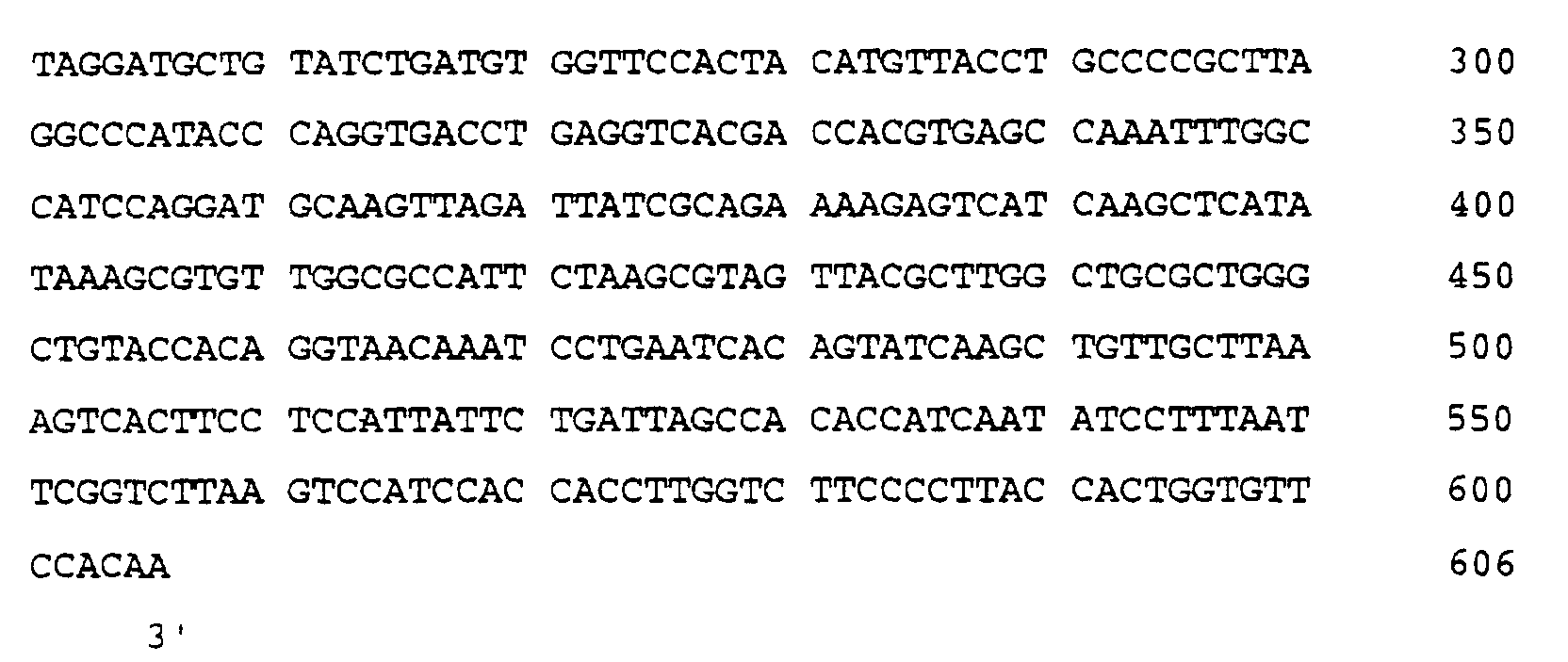
- the present invention also relates to a oligonucleotide probe, characterized in that it is derived from the DNA of parasites of the clonal line PIII.
- the oligonucleotide probe has all or part of the following sequence:
- the present invention further relates to the use of this oligonucleotide probe to identify parasites of the genus Babesia.
- this oligonucleotide probe also makes it possible to differentiate the strains and / or clonal lines of parasites of the genus Babesia.
- the present invention also relates to a live attenuated vaccine against babesiosis, characterized in that it comprises red cells parasitized by parasites of the genus Babesia other than belonging to the species Babesia bovis, Babesia bigemina and Babesia divergens in a pharmacologically acceptable vehicle.
- the vaccine is capable of inducing effective protection against canine babesiosis with Babesia canis and consists of red blood cells parasitized by the clonal line PIII of Babesia canis.
- the invention also relates to a live attenuated vaccine against babesiosis, characterized in that it consists of red blood cells parasitized by parasites of the genus Babesia obtained by any of the methods previously described.
- the present Example uses AK-D cells capable of multiplying in an appropriate culture medium and suitable for use as sub-layers in the culture of Babesia parasites .
- AK-D cells originate from the strain filed with the AMERICAN TYPE CULTURE COLLECTION under CCL number 150.
- a 1 ml sample containing 2.10 6 frozen AK-D cells is subjected to rapid thawing at 37 ° C.
- the cells are suspended in a tube containing 10 ml of the culture medium described above.
- the tube is subjected to centrifugation at 400 g for 10 minutes.
- the supernatant is removed and the residue is taken up in 5 ml of culture medium in a 25 cm 2 cell culture flask.
- the cells are allowed to grow to confluence, about 3 days.
- the supernatant is discarded and cells are washed quickly twice with 5 ml RPMI medium complemented. 2 ml of 0.25% trypsin-EDTA solution are added. The separation of the cells is followed at microscope. When cells are dissociated from each other others, the cell suspension is taken up in culture medium, centrifuged at 400 g for 10 minutes and the pellet obtained is taken up in 5 ml of medium. culture. It is then possible to count AK-D cells on count cell using of a drop of cell suspension.
- This cell suspension can be maintained by successive subcultures in 25 cm 2 cell culture flasks at the rate of 5 ml of culture medium per flask and 2.10 5 cells / ml of culture medium. During each subculture, the cells are expected to grow to confluence, that is to say approximately 3 days. They are then subjected to a treatment with a 0.25% trypsin-EDTA solution as described above, at the end of which they can be counted and diluted so as to obtain a new suspension containing 2.10 5 cells / ml, usable for a new subculture.
- AK-D cells used as sub-layers in a culture of Babesia parasites requires that the culture of AK-D cells be subjected beforehand to three subcultures as described above. After the third subculture, the AK-D cells can be seeded in the wells of a cell culture plate.
- the in vitro culture of Babesia canis parasites can be initiated by means of parasitized red cells or Babesia canis zoites obtained from the blood of infected dogs, freshly collected or having been stored at room temperature or by freezing.
- the present Example uses parasitized red blood cells obtained from blood samples taken from dogs presenting a symptomatic piroplasmosis with Babesia canis and having been preserved by freezing.
- the red blood cells - freezing medium mixture is stored in liquid nitrogen.
- the DMSO can be advantageously replaced by another cryopreservative such as, for example, glycerol.
- another cryopreservative such as, for example, glycerol.
- Polyvinylpyrrolidone a high macromolecule osmotic power, can be replaced by others compounds of high molecular weight also with high osmotic power.
- the unparasitized red cells used for the culture of Babesia canis parasites are isolated from blood samples taken from Beagle dogs of group A - , bred under SPF (specific pathogen free) conditions and free from any Babesia infection .
- Plasma samples are subjected to a centrifugation at 2200g for 10 minutes. Plasma and white blood cells are eliminated. The red cells are washed twice with 10 volumes of supplemented RPMI 1640. AT after the second wash, the globular base is included in a volume of RPMI 1640 supplemented specific to obtain a suspension of fresh, non-parasitized red cells with a hematocrit of 50%.
- Dog serum used in the composition pest culture medium is available from of the EUROBIO Company. Before being added to others constituents of this culture medium it is decomplemented at 56 ° C for 30 minutes, then filtered at through a 0.5 ⁇ m membrane.
- Nutridoma® SR is a serum substitute available from BOEHRINGER MANNHEIM.
- each Babesia canis culture must be transferred every 2 days to a new AK-D cell sublayer.
- the percentage of red cells parasitized in the culture medium is at less than 1% and can reach values 10 times superior after 48 hours of incubation.
- the incubation is stopped. Red cells and culture medium are recovered and subjected to a proper dilution to allow the seeding of new culture well with a red blood cell suspension 0.01% parasitized and the incubation of these red cells.
- Parasitic red cells collected at the end of an incubation can either be used to to maintain the culture of said parasites by subcultures under the conditions specified above, i.e. be frozen as described in point 1) of Example 2 and preserved in liquid nitrogen.
- Figure 1A shows the parasite growth obtained during a continuous culture of Babesia canis parasites according to the invention.
- the evolution of the parasitaemia represented in FIG. 1A was established by initializing a culture of Babesia canis with a percentage of parasitized red blood cells equal to 0.001% and by proceeding to subcultures with a parasitaemia that is 0.001% (D7, D15, J21), or 0.01% (J3, J5, J10, J12, J18), or 0.03% (J20), or even 0.1% (J14).
- the dotted lines correspond to the dilutions of the parasitized red cells in non-parasitized red cells capable of reducing the parasitaemia.
- the culture conditions were also in accordance with those described above.
- This Figure 1A shows that not only the culture process according to the invention allows to obtain from percentages of parasitized red cells very low ( ⁇ 0.1%) high parasitic growth, but also that it is suitable for allowing maintenance of this growth during a continuous culture.
- FIG. 1B shows the growth of Babesia canis parasites obtained during an in vitro culture carried out according to the protocol described by MOREAU and SOULA (Bull. Soc. Sci. Vét. Et Méd. Comparée, 1979, 81, No. 5).
- a culture of Babesia canis initiated with a percentage of infected red blood cells of 4% allows an increase in the rate of infected red blood cells during the first 24 hours (up to 20%) but this drops from the 24th hour for reach a value lower than the initial parasitaemia around the 48th hour.
- EXAMPLE 3 MITIGATION OF THE VIRULENCE OF A STRAIN OF BABESIA CANIS
- a virulent strain of Babesia canis the intravenous inoculation of which in dogs leads to the appearance of signs of massive infestation and death in eight days was cultivated for 40 days under the culture conditions described in the Example. 2.
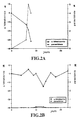
- Figures 2A and 2B show the evolution of the value of hematocrit and intravenous parasitaemia presented by dogs having respectively received the strain before it was grown and this same strain after 40 days culture.
- the dogs When the same strain is inoculated into sensitive dogs after having been previously cultivated for 40 days according to the culture method in accordance with the invention, the dogs exhibit, as visible in FIG. 28, a discreet drop in the hematocrit which accompanied by the appearance of very weak intravenous parasitaemia. The latter disappears spontaneously in a few days while the value of the hematocrit is corrected. Dogs also show no clinical sign of Babesia infection .
- EXAMPLE 4 OBTAINING AND SELECTING A CLONAL LINE FROM BABESIA CANIS
- the cloning of Babesia canis parasites can be carried out from parasitized red blood cells originating from a continuous culture as described in point 4) of Example 2.
- the red cells and the medium of liquid culture collected at the end of a culture are subjected to centrifugation at 1000g for 10 minutes at ambient temperature. The supernatant is removed and the parasitaemia of the pellets is determined.
- the pellet is then subjected to a new centrifugation at 1500g for 3 minutes at temperature room. The supernatant is eliminated and the residue is returned in suspension.
- Using a number cell determines the number of red cells present in a ⁇ l and we calculates the number of red blood cells parasitized per ⁇ l of pellet.
- the latter is diluted in a volume of medium of liquid culture so as to obtain a red blood cell parasitized in 300 ⁇ l of suspension.
- a plate of culture of 96 wells containing an AK-D cell mat 100 ⁇ l of said suspension so as to deposit a parasitized red cell every 3 wells and we adjust 2.5% culture hematocrit by adding to the wells an appropriate volume of fresh red cell suspension not parasitized.
- the 96-well plate is incubated as previously described in a candle incubation chamber under an atmosphere enriched in CO 2 and depleted in O 2 and at a temperature of 37 ° C.
- Clones can be frozen as described in point 1) of Example 1 and stored in nitrogen liquid.
- Vaccine doses are prepared from frozen parasitic red cells which are diluted in a pharmacologically acceptable vehicle such as, for example example, 3.5% NaCl.
- the vaccine can be administered to dogs by subcutaneous, intramuscular or intravenous route.
- the primary vaccination includes two injections at 3 weeks interval and must be supplemented by an annual reminder.
- the virulent strains inoculated and their geographic origin are specified in Table 1 below: ORIGIN STEM GIRONDE Bo *, SG * MOORS MA *, MB *, MD * Lot-et-Garonne VLA HAUTE GARONNE VB ATLANTIC PYRENEES NA *, NR, NS, NT HIGH-PYRENEES GA LOWER RHINE G2, G4, G6, G8, G10, G12
- the strains accompanied by an asterisk are extremely virulent causing the death of infested dogs.
- the immunization was appreciated by the monitoring of three criteria: the appearance of a intravenous parasitaemia, changes in the value of hematocrit and general condition of dogs.
- the intravenous parasitaemia of dogs remains zero during the fourteen days following the administration of the virulent strain (Day 0 on the abscissa axis) and the value of the hematocrit does not undergo significant variations over the same period.
- dogs do not show any symptoms of Babesia canis infection .
- Figure 3B shows the immunization obtained, under the same conditions and against the same virulent strain, using a vaccine inactive of the Prior Art marketed under the name of PIRODOG® by the company RHONE MERIEUX.
- the dogs were vaccinated subcutaneously according to protocol recommended by the manufacturer.
- Recent biology techniques molecular allow genetic identification very fine based on DNA polymorphism at the level of certain sequences, in particular repeated sequences many times in the genome (and often of a nature repetitive).
- Parasitic red cells collected at the end of a culture were subjected, after centrifugation, to a lysis using PBS (0.137 mM NaCl, 10 mM Na 2 HPO 4 , 3.2 mM KH 2 PO 4 , pH 7, 4), added with 0.02% saponin, then subjected to centrifugation at 400g.
- Parasites collected in the supernatant were washed with PBS and centrifuged at 3000g to remove hemoglobin and membranes.
- Parasites were lysed in TE buffer comprising 10 mM Tris-HCl and 1 mM ethylene diaminetetraacetic acid (EDTA) pH 8, supplemented with 0.5% SDS.
- the lysates were incubated overnight in the presence of proteinase K (1 mg / ml) and subjected to two successive extractions at using a mixture of phenol-chloroform - alcohol isoamyl (25: 24: 1), then extraction using chloroform.
- the DNA present in the aqueous phase has been precipitated by the addition of 3 volumes of ethanol to room temperature then dried, resuspended in TE buffer, treated with ribonuclease A (100 ⁇ g / ml), then with proteinase K (200 ⁇ g / ml).
- This suspension was subjected to 3 extractions as before, precipitated, dried and put back in suspension in TE buffer before being subjected to a dialysis in the presence of TE buffer on a cellulose with a porosity of 0.05 ⁇ m.
- the genomic DNA extracted from parasites of clone PIII was digested with DNaseI in the presence of MnCl 2 (1 to 10 mM) to obtain fragments of between 0.5 and 2 kbp. After providing the blunt-ended DNA fragments, Not I linkers were added, the DNA was digested with the restriction enzyme Not I, and then separated from the digested linkers and sequence fragments less than or equal to 2 kb on Biogel A50M (PHARMACIA LKD). The linked DNA was inserted into the Lambda ZAP II vector (STRATAGENE) and the recombinant phages obtained were amplified in Escherichia coli XL1 Blue strain bacteria.
- the membranes were then washed twice with 2xSSC supplemented with 0.5% SDS at room temperature for 15 minutes and twice with 0.1xSSC supplemented with 0.5% SDS at 65 ° C for 20 minutes and autoradiographed overnight at -70 ° C.
- the DNA concentration was determined by a spectrophotometric measurement and its integrity verified on agarose gel.
- the DNAs were subjected to total digestion using one or more restriction enzymes ( Ase I , Ase I / Bam HI, Eco RI, etc.) and the digestion products were separated by agarose gel electrophoresis. 0.8% before being transferred to nylon membranes in the presence of 20xSSC.
- the membranes were subjected to a hybridization by the aforementioned labeled probes in analogous conditions described above, with the exception of hybridization medium consisting of 50% formamide and 1% SDS.
- the final wash was carried out using 0.1xSSC with 0.5% or 1% SDS added.
- This probe has the following sequence:
- This probe is specific for Babesia canis DNA and sensitive, offering a detection threshold of approximately 10 to 20 pg, which should correspond by analogy with Plasmodium falciparum to 1000 to 2000 parasites.
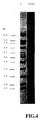
- FIG. 4 shows the genomic profile obtained after a double digestion with the restriction enzymes Ase I / Bam HI and a hybridization by the probe described above, of the DNA of the Babesia of the clonal line PIII directly derived from a culture in vitro (profile designated PIII) carried out under the conditions described in Example 2.
- the molecular weight indicator is indicated by the letter I.
- the genomic DNA of the clonal line PIII comprises 16 restriction fragments respectively about 17 kb, about 16 kb, about 15 kb, 13 kb, 11.5 kb, 7.1 kb, 6.6 kb, 4.8 kb, 3.8 kb, 3.6 kb, 3.15 kb, 2.3 kb, 1.5 kb, 1.4 kb, 0.9 kb and 0.6 kb.
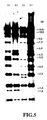
- FIG. 5 shows the genomic profiles obtained after a double digestion with the Ase I / Bam HI restriction enzymes of the DNA of Babesia of strains taken from dogs suffering from babesiosis and originating from the same region (profiles designated B1 , B2, B3 and B4), and hybridization by the probe described above.
- Dogs have been shown to often carry an asymptomatic Babesia canis infection that cannot be detected under a microscope. This has been established in the past by inoculating the blood of these dogs with animals that have developed the disease.
- the culture method according to the invention has such sensitivity that it reveals asymptomatic infections with very low parasitaemia.
- the search for parasitaemia by in vitro culture was carried out according to the following protocol: the blood samples were subjected to centrifugation at 2200 g for 5 minutes, followed by two washes of the pellet obtained with RPMI 1640 supplemented at the same speed of centrifugation. The supernatant was removed.
- the culture medium of freshly transplanted AK-D cells was replaced by 1 ml of Babesia culture medium , 50 ⁇ l of the blood pellet to be tested and 50 ⁇ l of a suspension of fresh red cells diluted to 50% in supplemented RPMI 1640.
- the culture plates were incubated under the same conditions as those described in Example 2.
- the appearance of parasitaemia was followed by performing a smear on cultures every 48 hours, accompanied by a 1/2 dilution of the cultures if the smear turns out to be negative, until the 10th day.
- EXAMPLE 9 CULTIVATION OF BABESIA CANIS PARASITES IN PRESENCE OF C32 CELLS
- These cells are capable, like AK-D cells, of multiplying in an appropriate medium such as that described in point 2) of Example 1 and of constituting cell sublayers capable of serving as a support for the culture of Babesia parasites .
- the C32 cell sublayers have been prepared from frozen cells according to the protocol described in point 3) of Example 1.
- the culture of the Babesia canis parasites was initiated from parasitized red cells as described in point 3) of Example 2, then continued continuously by carrying out subcultures with a parasitaemia of either 0.001% or 0.005%, or 0.01% or 0.1%.
- Figure 6 shows the parasite growth obtained between the 38th day and the 97th day, that is to say for a period of 59 days, of a continuous culture of Babesia canis parasites carried out in the presence of C32 cells under these conditions.
Landscapes
- Health & Medical Sciences (AREA)
- Chemical & Material Sciences (AREA)
- Life Sciences & Earth Sciences (AREA)
- Engineering & Computer Science (AREA)
- Organic Chemistry (AREA)
- Zoology (AREA)
- Wood Science & Technology (AREA)
- Tropical Medicine & Parasitology (AREA)
- Bioinformatics & Cheminformatics (AREA)
- Genetics & Genomics (AREA)
- Biotechnology (AREA)
- Microbiology (AREA)
- General Health & Medical Sciences (AREA)
- Proteomics, Peptides & Aminoacids (AREA)
- Analytical Chemistry (AREA)
- Medicinal Chemistry (AREA)
- Biochemistry (AREA)
- General Engineering & Computer Science (AREA)
- Virology (AREA)
- Immunology (AREA)
- Biomedical Technology (AREA)
- Epidemiology (AREA)
- Animal Behavior & Ethology (AREA)
- Physics & Mathematics (AREA)
- Molecular Biology (AREA)
- Mycology (AREA)
- Pharmacology & Pharmacy (AREA)
- Cell Biology (AREA)
- Biophysics (AREA)
- Public Health (AREA)
- Veterinary Medicine (AREA)
- Medicines Containing Antibodies Or Antigens For Use As Internal Diagnostic Agents (AREA)
- Micro-Organisms Or Cultivation Processes Thereof (AREA)
- Measuring Or Testing Involving Enzymes Or Micro-Organisms (AREA)
- Investigating Or Analysing Biological Materials (AREA)
Description
- une babésiose bovine causée par Babesia bovis, Babesia bigemina, Babesia major et Babesia divergens qui est responsable de pertes économiques importantes et représente un obstacle majeur à l'augmentation de la productivité de l'élevage bovin, notamment dans les pays en voie de développement ;
- une babésiose canine due à Babesia canis et Babesia gibsoni et qui, chaque année, tue de nombreux chiens ou laisse des séquelles graves chez un certain nombre d'entre eux ;
- une babésiose équine due à Babesia equi et Babesia caballi ;
- une babésiose ovine due à Babesia ovis ;
- une babésiose des rongeurs causée par Babesia microti ;
- une babésiose humaine, rare mais sévère puisqu'elle se traduit par un décès chez plus de la moitié des sujets. Les espèces de Babesia en cause chez l'homme sont habituellement Babesia divergens et Babesia microti.
- dans EP-A-18 579, un procédé de propagation in vitro des Babesia visant à obtenir, dans le milieu de culture, un antigène soluble, spécifique de ces parasites et utilisable à des fins immunitaires ou diagnostiques. Ce procédé utilise une multiplication des Babesia dans des érythrocytes placés dans un milieu comprenant 30 à 50% de sérum défibriné et maintenus en atmosphère enrichie en CO2 (3 à 6%) et contrôlée en O2 pour maintenir l'hémoglobine des érythrocytes à l'état désoxydé.
- dans GB-A-2 062 463, une méthode consistant à désintégrer par ultra-sons des érythrocytes infestés par Babesia et à extraire de la fraction soluble de la suspension ainsi obtenue l'antigène spécifique.
- dans EP-A-220 988, un procédé d'incubation in vitro des parasites Babesia canis utilisant des érythrocytes infestés dans un milieu approprié et permettant de recueillir dans le surnageant les antigènes spécifiques. Cette culture est réalisée en atmosphère normale, c'est à dire composée essentiellement d'oxygène et d'azote et dépourvue d'une teneur importante en gaz carbonique. Elle utilise deux incubations, la première d'environ 8 heures à une température de 34-38°C, la seconde d'environ 16 heures à une température comprise entre 0 et 10°C.
- dans FR-A-2 608 926, une méthode d'extraction d'un antigène d'environ 48.000 daltons, spécifique de Babesia divergens, à partir de sang de boeuf fortement infesté, en vue de son utilisation pour la préparation de vaccins.
La présente Invention a pour objet un procédé de culture in vitro de parasites du genre Babesia comprenant au moins une incubation d'hématies parasitées par lesdits parasites en présence d'hématies homologues non parasitées dans un milieu de culture convenable et des conditions de culture appropriées, caractérisé en ce que la ou lesdites incubations sont réalisées en présence de cellules propres à servir de support à la culture desdits parasites.

- soit avec des hématies parasitées issues de la culture d'une souche de parasites naturellement avirulents ou peu virulents mise en oeuvre selon le procédé de culture conforme à l'Invention ;
- soit avec des hématies parasitées issues de la culture d'une souche ayant naturellement une virulence plus ou moins prononcée mais dont la virulence aura été préalablement atténuée par le procédé d'atténuation conforme à l'Invention ;
- soit, enfin, de la culture d'une lignée clonale obtenue par le procédé de clonage conforme à l'Invention et ayant une virulence extrêmement faible.
- les Figures 1A et 1B montrent la croissance de parasites Babesia canis obtenue respectivement par le procédé de culture in vitro conforme à l'Invention et par un procédé de culture de l'Art Antérieur ;
- les Figures 2A et 2B montrent l'évolution de l'hématocrite et de la parasitémie chez des chiens inoculés respectivement avec une souche virulente de Babesia canis et la même souche après atténuation par le procédé d'atténuation conforme à l'Invention ;
- les Figures 3A et 3B montrent l'évolution de l'hématocrite et de la parasitémie chez des chiens, préalablement vaccinés respectivement par un vaccin préparé à partir de la lignée clonale PIII et par un vaccin de l'Art Antérieur, après administration d'une souche virulente de Babesia canis ;
- la Figure 4 représente le profil des fragments de restriction, obtenu après une double digestion par les enzymes de restriction AseI/BamHI, de l'ADN génomique de la lignée clonale PIII de Babesia canis ;
- la Figure 5 représente les profils des fragments de restriction, obtenus après une double digestion par les enzymes de restriction AseI/BamHI, de souches de Babesia canis issues de chiens souffrant d'une babésiose ;
- la Figure 6 représente la croissance de parasites Babesia canis obtenue par une variante du procédé de culture in vitro conforme à l'Invention.
- sérum de veau foetal 5 ml
- glutamine 2mM
- gentamycine 2,5 mg
- milieu RPMI 1640 complémenté q.s.p. 50 ml
- poudre de RPMI 1640 10,4 g
- HEPES 8,3 g
- NaHCO3 2 g
- hypoxanthine 0,001 g
- Eau q.s.p. 1 litre
- DMSO (diméthylsulfoxyde) 40 g
- Polyvinylpyrrolidone 40 (SIGMA) 20 g
- RPMI 1640 complémenté q.s.p. 100 ml
- sérum de chien 0,05 ml
- Nutridoma® SR 0,02 ml
- glutamine 2 mM
- gentamycine 50 µg
- RPMI 1640 complémenté q.s.p. 1 ml
- à J0, on ensemence les parasites Babesia canis
dans les puits d'une plaque de culture de 24 puits
préalablement ensemencés de cellules AK-D en éliminant le
milieu de culture des cellules AK-D présent dans les
puits et en déposant dans chaque puits 1 ml de la
suspension d'hématies parasitées préparée ci-avant ainsi
que 50 µl d'une suspension d'hématies fraíches non
parasitées préparée comme décrit au point 2) ci-avant.
La plaque de 24 puits est alors placée dans une chambre d'incubation à bougie ou dans un incubateur à régulation d'O2 et de CO2, sous une atmosphère enrichie en CO2 (3 à 7%) et appauvrie en O2 (5 à 17%). La chambre à bougie est elle-même placée dans une étuve à 37°C.
En milieu de journée, le milieu de culture, c'est à dire le liquide qui surnage les hématies sédimentées, est éliminé et remplacé par un volume identique de milieu de culture frais. - le lendemain (J1) et le surlendemain (J2), le milieu de culture est remplacé par un volume identique de milieu de culture frais. 25 µl de suspension d'hématies fraíches non parasitées peuvent être ajoutés dans chaque puits.
- à J3, un frottis est réalisé :
- si le frottis ne permet pas de révéler la présence de
parasites, les cultures sont soumises à une dilution au
1/2 selon le mode opératoire décrit ci-après :
- élimination du milieu de culture de la culture devant être soumise à dilution,
- reprise des hématies de cette culture à l'aide de 200 µl de milieu de culture frais,
- rejet de la moitié du volume ainsi obtenu dans un puits de culture,
- ajout de 0,9 ml de milieu de culture liquide frais et
de 50 µl de suspension d'hématies fraíches non
parasitées.
Cette dilution a pour effet d'apporter à la culture à la fois des hématies fraíches non parasitées et du milieu de culture frais.
- si ce frottis révèle un pourcentage d'hématies parasitées supérieur ou égal à 0,2%, les cultures de parasites sont soumises à une dilution propre à ensemencer les puits d'une nouvelle plaque de culture avec une suspension d'hématies parasitées à 0,01% et à réaliser une culture en continue des parasites dans les conditions indiquées au point 4) ci-après.
- si le frottis ne permet pas de révéler la présence de
parasites, les cultures sont soumises à une dilution au
1/2 selon le mode opératoire décrit ci-après :
- à J5, un nouveau frottis est réalisé sur les
cultures dont le frottis était négatif à J3 :
- si le frottis ne met pas en évidence la présence de parasites, le milieu de culture est changé sans dilution.
- si le frottis permet de relever un pourcentage d'hématies parasitées supérieur ou égal à 0,2%, les cultures sont soumises à une dilution propre à permettre l'ensemencement des puits d'une nouvelle plaque de culture avec une suspension d'hématies parasitées à 0,01% et à réaliser une culture en continue des parasites.
- à J6, on procède à un nouveau frottis sur les cultures dont le frottis était négatif à J5. Selon le résultat de ce frottis, on procède à des dilutions comme à J3.
- dépôt des hématies parasitées dans des puits de culture contenant une sous-couche de cellules AK-D,
- parasitémie initiale des subcultures : 0,01%,
- hématocrite des subcultures : environ 5%, soit un apport de 100 µl de suspension d'hématies fraíches non parasitées et d'environ 0,9 ml de milieu de culture liquide,
- pH du milieu de culture : 7,3,
- incubation dans une chambre d'incubation à bougie ou dans un incubateur à régulation d'O2 et CO2, sous une atmosphère enrichie en CO2 (3 à 7%) et appauvrie en O2 (5 à 17%) et à une température de 37°C.
- les cultures dont la parasitémie est négative sont soumises à une dilution au 1/2, transférées sur de nouvelles sous-couches de cellules AK-D et replacées en chambre d'incubation.
- les cultures dont la parasitémie est positive peuvent alors être soumises à une culture en continue propre à obtenir une amplification du clone ainsi obtenu, dans les conditions décrites au point 4) de l'Exemple 2.
- son avirulence in vivo (absence de symptômes spécifiques d'une babésiose dans un délai de 10 jours après inoculation de la lignée clonale à un animal sensible),
- son rythme de croissance en culture in vitro,
- son profil génétique établi par la méthode des empreintes génétiques.
- soit de la culture d'une souche de parasites Babesia canis naturellement avirulents ou peu virulents;
- soit de la culture d'une souche de Babesia canis naturellement ayant une virulence plus ou moins prononcée mais dont la virulence aura été préalablement atténuée ;
- soit, enfin, de la culture d'une lignée clonale de Babesia canis telle que, par exemple, la lignée clonale PIII, ayant une virulence extrêmement faible.
| ORIGINE | SOUCHES |
| GIRONDE | Bo*, SG* |
| LANDES | MA*, MB*, MD* |
| LOT-et-GARONNE | VLA |
| HAUTE GARONNE | VB |
| PYRENEES ATLANTIQUES | NA*, NR, NS, NT |
| HAUTES-PYRENEES | GA |
| BAS-RHIN | G2, G4, G6, G8, G10, G12 |
| SOUCHES INOCULEES | EFFICACITE VACCINALE |
| Bo* | + |
| G2 + G4 + G6 | + |
| G8 + G10 + G12 | + |
| VLA + VB + GA | + |
| NR + NS + NT | + |
| SG* + MB* + NA* | + |
| MD* + MA* | + |
| GIRONDE | LANDES | LOT-ET-GARONNE | PYRENEES ATLANTIQUES | PARIS |
| Bo | MA | VLA | FB | P |
| SA | MB | VLB | FC | BAS- |
| SAC | MC | VLC | NA | RHIN |
| SAD | MD | VLG | NB | G1 |
| SAE | ME | VLH | NC | G2 |
| SAF | MF | VLI | NE | G3 |
| SAG | MI | VLJ | NF | G4 |
| SAH | MJ | VLK | NG | G5 |
| SAL | MK | VLL | NH | G6 |
| SAM | ML | VLM | NN | G8 |
| SAJ | MN | VLN | NO | G10 |
| SAK | MO | NP | G12 | |
| SAL | MP | HAUTE | NQ | G13 |
| SB | MQ | GARONNE | NR | G14 |
| SC | MR | VA | NS | G15 |
| SE | MS | VB | NT | G16 |
| SG | VE | VD | G17 | |
| SH | HAUTES- | G18 | ||
| SJ | PYRENNES | G19 | ||
| SK | GA | G20 | ||
| SL | G21 | |||
| SN | AUDE | G22 | ||
| SQ | CA | G23 | ||
| SR | G24 | |||
| SS | G25 | |||
| ST | G26 | |||
| SU | G27 | |||
| SV | G28 | |||
| SW | G29 | |||
| SX | G30 | |||
| SCA | G31 | |||
| SCB | G32 | |||
| SCC | G33 | |||
| SCD | G35 | |||
| G36 | ||||
| G38 | ||||
| G39 | ||||
| G40 |


Claims (24)
- Procédé de culture in vitro de parasites du genre Babesia comprenant au moins une incubation d'hématies parasitées par lesdits parasites en présence d'hématies homologues non parasitées dans un milieu de culture convenable et des conditions de culture appropriées, caractérisé en ce que la ou lesdites incubations sont réalisées en présence de cellules de support.
- Procédé de culture in vitro de parasites du genre Babesia selon la Revendication 1, caractérisé en ce que lesdites cellules sont des cellules animales issues de lignées immortelles.
- Procédé de culture in vitro de parasites du genre Babesia selon la Revendication 2, caractérisé en ce que lesdites cellules sont des cellules AK-D.
- Procédé de culture in vitro de parasites du genre Babesia selon l'une quelconque des Revendications précédentes, caractérisé en ce que le milieu de culture est un milieu liquide du type RPMI 1640, MEM, M199, WILLIAMS ou autre, additionné de 2 à 40% de sérum homologue ou hétérologue décomplémenté et/ou d'un substitut de sérum et, facultativement, de facteurs de croissance tels que l'hypoxanthine d'antibiotiques tels que la gentamycine, la pénicilline ou la streptomycine, d'antifongiques ou d'antioxydants, ledit milieu de culture étant en outre tamponné de façon à maintenir le pH entre 7 et 7,7.
- Procédé de culture in vitro de parasites du genre Babesia selon l'une quelconque des Revendications précédentes, caractérisé en ce que le rapport entre le volume des hématies présentes dans la culture et le volume du milieu de culture est compris entre 0,1 et 50% et, de préférence, entre 2,5 et 10%.
- Procédé de culture in vitro de parasites du genre Babesia selon l'une quelconque des Revendications précédentes, caractérisé en ce qu'il comprend, pour la culture en continue desdits parasites, plusieurs incubations successives.
- Procédé de culture in vitro de parasites du genre Babesia selon l'une quelconque des Revendications précédentes, caractérisé en ce que la première incubation est réalisée au moyen d'hématies parasitées ou de zoïtes obtenus à partir du sang d'animaux infectés à Babesia.
- Procédé de culture in vitro de parasites du genre Babesia selon l'une quelconque des Revendications précédentes, caractérisé en ce qu'il comprend en outre la conservation à basse température des hématies parasitées dans un milieu comprenant un cryopréservant tel que le diméthylsulfoxyde et une macromolécule à fort pouvoir osmotique telle que la polyvinylpyrrolidone.
- Procédé de culture in vitro de parasites du genre Babesia selon l'une quelconque des Revendications précédentes, caractérisé en ce que les parasites sont choisis parmi les espèces Babesia canis, Babesia gibsoni, Babesia bovis, Babesia bigemina, Babesia major, Babesia divergens, Babesia equi. Babesia caballi, Babesia ovis ou Babesia microti.
- Procédé d'atténuation in vitro de la virulence de parasites du genre Babesia, caractérisé en ce qu'il comprend la culture desdits parasites par le procédé de culture in vitro selon l'une quelconque des Revendications 1 à 8 pendant au moins 8 jours.
- Procédé d'atténuation in vitro de la virulence de parasites du genre Babesia selon la Revendication 10, caractérisé en ce que la culture des parasites est réalisée pendant un temps compris entre 20 et 60 jours.
- Procédé d'atténuation in vitro de la virulence de parasites du genre Babesia selon la Revendication 10 ou la Revendication 11, caractérisé en ce que les parasites sont choisis parmi les espèces Babesia canis, Babesia gibsoni, Babesia bovis, Babesia bigemina, Babesia major, Babesia divergens, Babesia equi, Babesia caballi, Babesia ovis ou Babesia microti.
- Procédé de clonage in vitro de parasites du genre Babesia, caractérisé en ce qu'il comprend :les étapes a) et b) étant effectuées une ou plusieurs fois jusqu'à l'obtention d'une lignée homogène de parasites.a) l'isolement d'un seul parasite à partir d'une suspension d'hématies parasitées ou d'une population de zoïtes,b) la culture du parasite isolé par le procédé de culture in vitro selon l'une quelconque des Revendications 1 à 8,
- Procédé de clonage in vitro de parasites du genre Babesia selon la Revendication 13, caractérisé en ce que l'isolement du parasite est réalisé par une dilution limite de la suspension d'hématies parasitées ou de la population de zoïtes ou au moyen d'un trieur de cellules ou encore par micromanipulation.
- Procédé de clonage in vitro de parasites du genre Babesia selon la Revendication 13 ou la Revendication 14, caractérisé en ce que les parasites sont choisis parmi les espèces Babesia canis, Babesia gibsoni, Babesia bovis, Babesia bigemina, Babesia major, Babesia divergens, Babesia equi, Babesia caballi, Babesia ovis ou Babesia microti.
- Lignée clonale de parasites du genre Babesia, caractérisée en ce que la lignée clonale est la lignée clonale PIII de Babesia canis, déposée auprès de l'EUROPEAN COLLECTION OF ANIMAL CELL CULTURES en date du 6 Septembre 1994 et identifiée dans cette Collection sous le n° 94090611.
- Sonde oligonucléotidique issue de l'ADN de parasites de la lignée clonale PIII de Babesia canis, déposée auprès de l'EUROPEAN COLLECTION OF ANIMAL CELL CULTURES en date du 6 Septembre 1994 et identifiée dans cette Collection sous le n° 94090611, caractérisée en ce qu'elle comprend tout ou partie de la séquence suivante :

- Utilisation d'une sonde oligonucléotidique selon la Revendication 17 pour identifier des parasites du genre Babesia.
- Utilisation d'une sonde oligonucléotidique selon la Revendication 18, caractérisée en ce qu'elle permet en outre de différencier les souches et/ou lignées clonales de parasites du genre Babesia.
- Vaccin vivant atténué contre une babésiose, caractérisé en ce qu'il est propre à induire une protection efficace contre la babésiose canine à Babesia canis et en ce qu'il est constitué d'hématies parasitées par la lignée clonale PIII de Babesia canis, déposée auprès de l'EUROPEAN COLLECTION OF ANIMAL CELL CULTURES en date du 6 Septembre 1994 et identifiée dans cette Collection sous le n° 94090611.
- Application du procédé de culture in vitro de parasites du genre Babesia selon l'une quelconque des Revendications 1 à 9 à la production en grand nombre desdits parasites.
- Application du procédé de culture in vitro de parasites du genre Babesia selon l'une quelconque des Revendications 1 à 9 à la détection.d'une infection asymptomatique à Babesia.
- Application du procédé d'atténuation in vitro de parasites du genre Babesia selon l'une quelconque des Revendications 10 à 12 à la préparation de vaccins vivants atténués.
- Application du procédé de clonage in vitro de parasites du genre Babesia selon l'une quelconque des Revendications 13 à 15 à la préparation de vaccins vivants atténués.
Applications Claiming Priority (2)
| Application Number | Priority Date | Filing Date | Title |
|---|---|---|---|
| FR9410762A FR2724392B1 (fr) | 1994-09-08 | 1994-09-08 | Procedes de culture, d'attenuation de la virulence et de clonage in vitro de parasites du genre babesia et leurs applications |
| FR9410762 | 1994-09-08 |
Publications (2)
| Publication Number | Publication Date |
|---|---|
| EP0700992A1 EP0700992A1 (fr) | 1996-03-13 |
| EP0700992B1 true EP0700992B1 (fr) | 2003-01-15 |
Family
ID=9466789
Family Applications (1)
| Application Number | Title | Priority Date | Filing Date |
|---|---|---|---|
| EP95402004A Expired - Lifetime EP0700992B1 (fr) | 1994-09-08 | 1995-09-05 | Procédés de culture, d'atténuation de la virulence et de clonage in vitro de parasites du genre Babesia et leurs applications |
Country Status (6)
| Country | Link |
|---|---|
| US (1) | US5824537A (fr) |
| EP (1) | EP0700992B1 (fr) |
| AU (1) | AU3045495A (fr) |
| DE (1) | DE69529373T2 (fr) |
| ES (1) | ES2189821T3 (fr) |
| FR (1) | FR2724392B1 (fr) |
Families Citing this family (3)
| Publication number | Priority date | Publication date | Assignee | Title |
|---|---|---|---|---|
| AT502702B1 (de) * | 2005-05-12 | 2008-05-15 | Veterinaermedizinische Uni Wie | Verfahren zur herstellung und anwendung von protozoenkulturen |
| US20090215086A1 (en) * | 2005-12-12 | 2009-08-27 | Momar Ndao | Biomarkers for Babesia |
| WO2018053432A1 (fr) * | 2016-09-19 | 2018-03-22 | Fuller Laboratories | Propagation in vitro de babesia microti |
Family Cites Families (9)
| Publication number | Priority date | Publication date | Assignee | Title |
|---|---|---|---|---|
| US4596707A (en) * | 1979-04-30 | 1986-06-24 | University Of Illinois Foundation | Babesia parasite antigen useful in vaccine and diagnostic reagent |
| GB2062463B (en) * | 1979-11-06 | 1983-11-23 | Commw Scient Ind Res Org | Babesiosis vaccine |
| AU558071B2 (en) * | 1982-11-03 | 1987-01-15 | Curators Of The University Of Missouri, The | Live vaccine for bovine babesiosis and method of preparation |
| US4590072A (en) * | 1982-11-03 | 1986-05-20 | Curators Of The University Of Missouri | Live vaccine for bovine babesiosis and method of preparation |
| FR2589063B1 (fr) * | 1985-10-24 | 1988-08-26 | Rhone Merieux | Procede de culture de babesia canis, application a la preparation d'antigenes et de vaccins, et antigenes et vaccins contre la piroplasmose |
| GB8630851D0 (en) * | 1986-12-24 | 1987-02-04 | Department Of Agriculture For | Babesia divergens antigen & vaccine |
| MY105227A (en) * | 1989-01-25 | 1994-08-30 | Commonwealth Scient & Industrial Research Organization | Polypeptides, antigens or vaccines protective against babesiosis. |
| FR2655853B1 (fr) * | 1989-12-20 | 1994-06-10 | Centre Nat Rech Scient | Procede de culture intensive, in vitro, de souches de babesia divergens, procede de preparation d'exoantigenes et vaccin contenant ces antigenes. |
| ZA93236B (en) * | 1992-01-15 | 1993-08-16 | Commw Scient Ind Res Org | Babesial rhoptry antigens. |
-
1994
- 1994-09-08 FR FR9410762A patent/FR2724392B1/fr not_active Expired - Lifetime
-
1995
- 1995-09-05 EP EP95402004A patent/EP0700992B1/fr not_active Expired - Lifetime
- 1995-09-05 DE DE69529373T patent/DE69529373T2/de not_active Expired - Fee Related
- 1995-09-05 AU AU30454/95A patent/AU3045495A/en not_active Abandoned
- 1995-09-05 ES ES95402004T patent/ES2189821T3/es not_active Expired - Lifetime
- 1995-09-08 US US08/525,080 patent/US5824537A/en not_active Expired - Fee Related
Non-Patent Citations (1)
| Title |
|---|
| TRENHOLME AND PHILLIPS: "The use of feeder cells in the cultivation of Plasmodium falciparum asexual blood stages", PARASITOLOGY RESEARCH, vol. 75, 1989, pages 518 - 521, XP001042334, DOI: doi:10.1007/BF00931159 * |
Also Published As
| Publication number | Publication date |
|---|---|
| AU3045495A (en) | 1996-03-21 |
| US5824537A (en) | 1998-10-20 |
| FR2724392B1 (fr) | 1996-12-13 |
| DE69529373D1 (de) | 2003-02-20 |
| EP0700992A1 (fr) | 1996-03-13 |
| DE69529373T2 (de) | 2003-11-20 |
| ES2189821T3 (es) | 2003-07-16 |
| FR2724392A1 (fr) | 1996-03-15 |
Similar Documents
| Publication | Publication Date | Title |
|---|---|---|
| Modiano et al. | The lower susceptibility to Plasmpdium falciparum malaria of Fulani of Burkina Faso (West Africa) is associated with low frequencies of classic malaria-resistance genes | |
| EP0343186B1 (fr) | MOLECULES COMPORTANT AU MOINS UNE SEQUENCE PEPTIDIQUE PORTEUSE D'UN, OU PLUSIEURS, EPITOPES CARACTERISTIQUES D'UNE PROTEINE PRODUITE PAR $i(P. FALCIPARUM) DANS LES HEPATOCYTES ET COMPOSITIONS LES CONTENANT | |
| EP0570489B1 (fr) | SEQUENCES PEPTIDIQUES SPECIFIQUES DES STADES HEPATIQUES DE $i(P. FALCIPARUM) PORTEUSES D'EPITOPES CAPABLES DE STIMULER LES LYMPHOCYTES T. | |
| EP0389347B1 (fr) | Vaccins contre les bactéries septicémiques | |
| Kirkman et al. | Plasmodium falciparum: isolation of large numbers of parasite clones from infected blood samples | |
| Tanaka et al. | Advances in dermatophytes and dermatophytosis | |
| CA2841164A1 (fr) | Plasmodium attenue ayant le gene hmgb2 desactive comme vaccin | |
| WO1984002472A1 (fr) | Fractions polypeptidiques inductrices d'anticorps protecteurs contre des parasites du paludisme et compositions immunogenes les contenant | |
| EP0698099B1 (fr) | Procede de culture in vitro de differents stades de parasites tissulaires | |
| Smith et al. | Toxoplasma gondii strain variation and pathogenicity | |
| EP0700992A1 (fr) | Procédés de culture, d'atténuation de la virulence et de clonage in vitro de parasites du genre Babesia et leurs applications | |
| EP2879698B1 (fr) | Utilisation de souches attenuees de toxoplasma pour la prevention ou le traitement de la cryptosporidiose | |
| Brake et al. | Immunogenic characterization of a tissue culture-derived vaccine that affords partial protection against avian coccidiosis | |
| Tajima et al. | Studies on a bacterial disease of sea urchin Strongylocentrotus intermedius occurring at low water temperatures | |
| JPH0131489B2 (fr) | ||
| EP0817799A1 (fr) | Vaccin plasmidique contre le virus pseudorabique | |
| CA2092546A1 (fr) | Peptides inducteurs d'anticorps inhibant des retrovirus du type hiv et anticorps diriges contre ces peptides | |
| KR102390674B1 (ko) | 개 아데노바이러스 2형 감염증 예방용 백신 조성물 | |
| EP0191028B1 (fr) | Molecule comportant au moins une sequence peptidique porteuse d'un epitope | |
| EP0407230A1 (fr) | Protéine antigénique du stade sporozoite et hépatique de P. falciparum | |
| CN1112934C (zh) | 流行性出血热传代细胞多价纯化疫苗 | |
| EP0051522A1 (fr) | Mutant de septicémie hémorragique virale, vaccin contenant ce mutant et procédé pour sa préparation | |
| JP2002509941A (ja) | ワクチン剤 | |
| JPH10506531A (ja) | マラリア病の治療 | |
| FR2607392A1 (fr) | Procede pour la preparation d'une souche mutante de bordetella bronchiseptica utile pour la preparation d'un vaccin vivant attenue pour la prophylaxie des infections a b. bronchiseptica et vaccin vivant attenue contre la rhinite atrophique ainsi prepare |
Legal Events
| Date | Code | Title | Description |
|---|---|---|---|
| PUAI | Public reference made under article 153(3) epc to a published international application that has entered the european phase |
Free format text: ORIGINAL CODE: 0009012 |
|
| AK | Designated contracting states |
Kind code of ref document: A1 Designated state(s): DE ES IT |
|
| 17P | Request for examination filed |
Effective date: 19960806 |
|
| RAP1 | Party data changed (applicant data changed or rights of an application transferred) |
Owner name: VIRBAC |
|
| 17Q | First examination report despatched |
Effective date: 20010814 |
|
| GRAH | Despatch of communication of intention to grant a patent |
Free format text: ORIGINAL CODE: EPIDOS IGRA |
|
| GRAH | Despatch of communication of intention to grant a patent |
Free format text: ORIGINAL CODE: EPIDOS IGRA |
|
| GRAA | (expected) grant |
Free format text: ORIGINAL CODE: 0009210 |
|
| AK | Designated contracting states |
Kind code of ref document: B1 Designated state(s): DE ES IT |
|
| REF | Corresponds to: |
Ref document number: 69529373 Country of ref document: DE Date of ref document: 20030220 Kind code of ref document: P |
|
| REG | Reference to a national code |
Ref country code: ES Ref legal event code: FG2A Ref document number: 2189821 Country of ref document: ES Kind code of ref document: T3 |
|
| PLBE | No opposition filed within time limit |
Free format text: ORIGINAL CODE: 0009261 |
|
| STAA | Information on the status of an ep patent application or granted ep patent |
Free format text: STATUS: NO OPPOSITION FILED WITHIN TIME LIMIT |
|
| 26N | No opposition filed |
Effective date: 20031016 |
|
| PG25 | Lapsed in a contracting state [announced via postgrant information from national office to epo] |
Ref country code: DE Free format text: LAPSE BECAUSE OF NON-PAYMENT OF DUE FEES Effective date: 20040401 |
|
| PGFP | Annual fee paid to national office [announced via postgrant information from national office to epo] |
Ref country code: ES Payment date: 20140910 Year of fee payment: 20 |
|
| PGFP | Annual fee paid to national office [announced via postgrant information from national office to epo] |
Ref country code: IT Payment date: 20140826 Year of fee payment: 20 |
|
| REG | Reference to a national code |
Ref country code: ES Ref legal event code: FD2A Effective date: 20151229 |
|
| PG25 | Lapsed in a contracting state [announced via postgrant information from national office to epo] |
Ref country code: ES Free format text: LAPSE BECAUSE OF EXPIRATION OF PROTECTION Effective date: 20150906 |