EP0673429B1 - Production of heterologous proteins in filamentous fungi - Google Patents
Production of heterologous proteins in filamentous fungi Download PDFInfo
- Publication number
- EP0673429B1 EP0673429B1 EP94903785A EP94903785A EP0673429B1 EP 0673429 B1 EP0673429 B1 EP 0673429B1 EP 94903785 A EP94903785 A EP 94903785A EP 94903785 A EP94903785 A EP 94903785A EP 0673429 B1 EP0673429 B1 EP 0673429B1
- Authority
- EP
- European Patent Office
- Prior art keywords
- promoter
- glucose
- aspergillus
- strain
- gene
- Prior art date
- Legal status (The legal status is an assumption and is not a legal conclusion. Google has not performed a legal analysis and makes no representation as to the accuracy of the status listed.)
- Revoked
Links
Images
Classifications
-
- C—CHEMISTRY; METALLURGY
- C12—BIOCHEMISTRY; BEER; SPIRITS; WINE; VINEGAR; MICROBIOLOGY; ENZYMOLOGY; MUTATION OR GENETIC ENGINEERING
- C12N—MICROORGANISMS OR ENZYMES; COMPOSITIONS THEREOF; PROPAGATING, PRESERVING, OR MAINTAINING MICROORGANISMS; MUTATION OR GENETIC ENGINEERING; CULTURE MEDIA
- C12N15/00—Mutation or genetic engineering; DNA or RNA concerning genetic engineering, vectors, e.g. plasmids, or their isolation, preparation or purification; Use of hosts therefor
- C12N15/09—Recombinant DNA-technology
- C12N15/63—Introduction of foreign genetic material using vectors; Vectors; Use of hosts therefor; Regulation of expression
- C12N15/79—Vectors or expression systems specially adapted for eukaryotic hosts
- C12N15/80—Vectors or expression systems specially adapted for eukaryotic hosts for fungi
Definitions
- This invention applies the art of recombinant DNA technology to the production of desired proteins in microbial hosts, particularly the filamentous fungi including Aspergillus species.
- a variety of gene expression systems have been developed for use with filamentous fungal hosts. Among these are systems that exploit carbon catabolite-repressed promoters, e.g., glucose-repressed promoters, selected primarily because their ability to drive gene expression can be tightly controlled simply by altering fermentation conditions.
- One system of this type utilizes the promoter of the Aspergillus nidulans alcA gene, which is repressed in the presence of glucose and is induced by ethanol, threonine or related metabolites under glucose-depleted conditions (see Gwynne et al ., Biochem. Soc. Trans., 17 :338).
- This dual control offers an attractive, phased approach to fermentation, in which the host Aspergillus strain is first cultured in the presence of glucose to maximize biomass, and is then cultured under glucose-depleted conditions in the presence of inducer, to elicit production of the desired protein.
- regulated systems have also been developed, and make use of other glucose-repressed promoters such as the promoter of the aldA gene of Aspergillus nidulans (see Pickett et al ., Gene (1987) 51 :217), the amdS gene of Aspergillus nidulans (see Scazzocchio et al ., 1992, infra), the gla gene of Aspergillus niger (see Fowler et al ., Curr. Genet.
- promoter of the aldA gene of Aspergillus nidulans see Pickett et al ., Gene (1987) 51 :217)
- the amdS gene of Aspergillus nidulans see Scazzocchio et al ., 1992, infra
- the gla gene of Aspergillus niger see Fowler et al ., Curr. Genet.
- glucose-repressed promoters Although the control over gene expression offered by glucose-repressed promoters is desirable in many instances, their use can complicate the production phase of fermentation.
- the host strain For gene product to form, the host strain must be cultured not only under glucose-depleted conditions, but also in a medium that employs a carbon source alternative to the more preferred substrate, glucose. It would accordingly be desirable to develop promoters that are relieved of their glucose-repressed function.
- a recombinant DNA expression cassette useful to achieve expression of protein-encoding DNA in a filamentous fungal host, the cassette comprising the protein-encoding DNA and, linked operably therewith, a filamentous fungal promoter variant having a creA binding site that is functionally disrupted and other regulatory sequences to permit expression of the protein-encoding DNA in the presence of glucose, and wherein said promoter variant can still be induced.
- the promoter variant is derived from the promoter of an Aspergillus gene involved in ethanol metabolism, selected for example from the alcA, aldA and alcR genes of Aspergillus nidulans.
- the present invention provides a filamentous fungal strain having incorporated therein a recombinant DNA expression cassette comprising heterologous DNA and, linked operably therewith, a promoter variant having a disrupted creA binding site.
- a method for producing a desired protein which comprises the step of culturing in the presence of glucose a filamentous fungal strain having incorporated therein a recombinant DNA expression cassette comprising DNA coding for the desired protein and, linked operably therewith, a promoter variant having a disrupted and spatially preserved creA binding site.
- the method further comprises the step of culturing the above strain in the presence of glucose and an inducer.
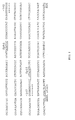
- Figure 1 illustrates the nucleotide seguence of a region of the Aspergillus nidulans alcA promoter. See also SEQ ID NO: 3 of the Sequence Listing.
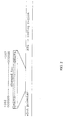
- Figure 2 illustrates schematically the construction of an alcA promoter variant.
- the present invention provides a strategy for altering those promoters of filamentous fungal genes that are normally glucose repressed, in order to provide promoter variants that function in the presence of glucose to drive expression of protein-encoding DNA linked operably with the promoter variant and that can be induced. This is achieved by eliminating the creA binding site within the glucose-repressed promoter, either by deletion or more desirably by nucleotide substitution.
- promoter variant thus refers to a glucose-repressed promoter in which a creA binding site normally resident therein has been disrupted, allowing the promoter variant to function in the presence of a glucose concentration sufficient to sustain growth of a given filamentous fungal strain, and which can be induced.
- promoter variants can in principle be developed from the promoter of any glucose-repressed filamentous fungal gene that incorporates within its promoter sequence the creA binding domain.
- the creA binding domain is characterized as a GC rich motif, and is more particularly identified as a nucleotide region in which at least six G or C residues are incorporated within a contiguous ten nucleotide stretch.
- the specific sequence of a creA binding domain can vary widely within this parameter, and may for example consist entirely of contiguous G/C residues, e.g., GCGGGGC, or of G/C residues interrupted by one or more A and T residues.
- the creA binding domain within a promoter is located typically upstream of each of the required regulatory elements, i.e. the translational and transcriptional start sites.
- identifying the creA binding domain within the promoter will of course be a simple task of locating the GC rich sequence within that sequence.
- the creA binding domain can be located after sequencing the 5'-untranslated region of the gene, using techniques established in the art. For other glucose-regulated genes, cloning and then sequencing of the 5'-untranslated region thereof will be necessary but can be achieved also according to procedures well established in the art of molecular biology.
- promoter variants that are functional in the presence of glucose are obtained by disrupting the creA binding domain.
- Disruption can be achieved either by wholesale deletion of the creA binding domain and the region 5' thereof, by selective deletion from within the promoter of the creA binding domain or a functional portion thereof, or, more preferably, by replacing one or more of the G/C residues within the creA binding domain.
- Replacement residues are desirably adenine and thymine.
- G/C replacement has the advantage of preserving the spatial relationship, and function, of other regulatory domains within the promoter variant. Of course, this can be particularly important in the circumstance where expression regulating regions exist within the promoter at a site upstream of the creA binding site.
- promoters may contain more than one creA binding site, and it is desirable, in order to eliminate glucose-repression thereof, to disrupt each of the creA binding sites within that promoter. This can be achieved, as just mentioned, either by deleting those sites, by replacing residues within those sites, or by using a combination of these disrupting techniques.
- the promoter variant is a variant of an Aspergillus nidulans promoter identified below, in which the creA binding site noted below is disrupted by nucleotide replacement:
- promoter variants functional in the presence of glucose can be achieved using these and other promoters by applying now conventional techniques of gene manipulation. For instance, a region of the selected promoter containing the creA binding site can be excised using flanking restriction sites and then incorporated into a vector suitable for amplification and subsequent gene manipulation work. The technique of site-directed mutagenesis can then be applied to disrupt the targetted creA binding site. To delete the creA binding site and sequences 5' thereof, for example, an oligonucleotide can be designed which introduces any desired restriction site just 3' of the creA site, to allow excision.
- the same technique can also be applied to introduce a nucleotide substitution within the creA binding site, using an oligonucleotide that is mismatched at the desired location but which otherwise is complementary to and hybridizes with the region targetted for disruption.
- the convenient technique of polymerase chain reaction (PCR) can also be applied in combination with the site-directed approach, to mutagenize and then amplify either the entire promoter or a selected region thereof.
- the desired promoter variant may of course also be synthesized de novo by applying methods now standard in the gene synthesis art.
- this entails the successive 3' to 5' coupling of suitably protected nucleotide reagents in an automated synthesizer, and then the recovery by gel purification of the deprotected polynucleotide.
- the block ligation approach may be employed, whereby "blocks" of oligonucleotide pairs, up to about 80 nucleotides in length, are synthesized and ligated in correct succession by overhang complementarity, as described for example by Wosnick et al . in Gene (1989) 76 :153.
- the desired DNA may be synthesized in toto, and then amplified by the PCR technique, using the strategy disclosed for instance by Barnett et al . in Nucl. Acids Res. (1990) 18 :3094.
- the promoter variant may be exploited to drive expression of DNA coding for any desired protein in a filamentous fungal host, in accordance with techniques already otherwise established for the filamentous fungi (for a review see Ballance, Yeast (1986) 2 :229).
- the present invention provides recombinant DNA constructs in which the promoter variant is linked operably with the protein-encoding DNA.
- linked operably means that the promoter is linked with the protein-encoding DNA in a manner enabling expression thereof in the filamentous fungal host.
- the protein-encoding DNA is understood to comprise a translational start codon and a translational stop codon; and otherwise encodes either the desired protein end-product per se; a fusion protein in which the desired protein is initially produced in cleavable combination with a carrier protein such as Aspergillus niger glucoamylase; or a secretable precursor in which the desired protein end-product is coupled with a cleavable signal peptide, such as a signal peptide normally associated with an Aspergillus protein e.g. glucoamylase, or any functional equivalent thereof.
- the constructs of the present invention may also incorporate a transcriptional terminator at a location 3' of the protein-encoding DNA, although experience has shown that such terminators are not essential components of the constructs.
- transcriptional terminators can be obtained as 0.5-1.0 kb fragments of the 3'non-coding regions of Aspergillus genes, for example of the Aspergillus niger glucoamylase gene.
- the construct can be introduced either in linear form or in plasmid form, e.g., in a pUC-based or other vector, into a selected filamentous fungal host using a technique such as DNA-mediated transformation, electroporation, particle gun bombardment, protoplast fusion and the like.
- a technique such as DNA-mediated transformation, electroporation, particle gun bombardment, protoplast fusion and the like.
- the transformation typically also involves a selectable gene marker which is introduced with the expression cassette, either on the same vector or by co-transformation, into a host strain in which the gene marker is selectable.
- Various marker/host systems are available, including the pyrG, argB and niaD genes for use with auxotrophic strains of Aspergillus nidulans; pyrG and argB genes for Aspergillus oryzae auxotrophs; pyrG, trpC and niaD genes for Penicillium chrysogenum auxotrophs; and the argB gene for Trichoderma reesei auxotrophs.
- Dominant selectable markers including amds, oliC, hyg and phleo are also now available for use with such filamentous fungi as A . niger, A . oryzae , A . ficuum , P .
- chrysogenum Cephalosporium acremonium, Cochliobolus heterostrophus , Glomerella cingulata, Fulvia fulva and Leptosphaeria maculans (for a review see Ward in Modern Microbial Genetics, 1991, Wiley-Liss, Inc., at pages 455-495).
- Filamentous fungal strains resulting from the transformation are cultured, according to another aspect of the invention, in the presence of a growth-sustaining concentration of glucose, for the purpose of obtaining the desired protein product.
- Culturing of the strain can be achieved without the need to establish glucose-depleted growth conditions, since the promoter variant driving expression of the desired gene product is no longer functionally repressed in the presence of glucose.
- production of the desired protein can be achieved throughout the fermentation period.
- Phased production can also still be achieved, using promoter variants that are controlled by mechanisms other than glucose-repression.
- the alcA promoter can be functionally controlled, even after disruption of its creA binding site, using an inducing agent to limit protein production to a certain window within the fermentation period.
- the promoter of the A . nidulans alcA gene is repressed by a combination of the creA gene product and glucose; it is also induced under glucose-depleted conditions by a combination of the alcR gene product and an inducing agent such as ethanol.
- an alcA promoter variant that functions in glucose at concentrations sufficient to sustain Aspergillus growth, the alcA promoter was obtained in the manner reported by Gwynne et al . in Bio/Technology (1987) 5 :713, and manipulated as described below.
- Two putative creA binding sites (both GCGGGGC) were first identified by sequence scanning. As shown in Figure 1, these sites reside upstream of the ATG initiation codon of the alcA gene at positions -302 and -167, and both are conveniently within a SphI/SplI region of the promoter. To provide an alcA promoter disrupted at these sites by nucleotide replacement, a 160bp fragment of the promoter was amplified using the tailed primers noted below:
- the holding vector and the full length alcA gene were then each restricted with SphI and SplI, and then selectively ligated to form plasmid palcA var -2EB, in which the SphI/SplI region of wild type alcA promoter is replaced with the variant region containing mutations in the two putative creA binding sites.
- spatial arrangement of the nucleotides within the alcA promoter was also conserved.
- alcA promoter variant requires induction by the product of the alcR gene which is itself glucose-repressed by a creA-mediated mechanism
- an Aspergillus nidulans strain that produces the alcR product in a constitutive manner was exploited for expression of the alcA gene from the variant promoter.
- the selected host strain was constructed from the Glasgow double auxotroph FGSC4(argB-;ura-) by transforming with a plasmid carrying both the A .
- nidulans argB gene as selectable marker, and an expression cassette in which DNA coding for the alcR product (see Felenbok et al ., Gene (1989) 73 :385) was placed under expression control of the constitutive promoter of the A . nidulans glyceraldehye-3-phosphate dehydrogenase gene (see Punt et al ., Gene (1988) 69 :49.
- T2625 ura - , multiple alcR c
- the plasmid palcA var -2EB was then introduced into the selected host A . nidulans strain, together with a marker plasmid pFB94 which carries the pyr4 gene of Neurospora crassa (see Buxton and Radford, Mol. Gen. Genet. (1983) 190 :403). Transformation was achieved using the PEG/CaCl 2 -mediated technique according to the protocol reported by Royer et al ., Mol. Gen. Genet. (1991) 225 :168. Putative transformants, containing the pFB94 construct, were first selected without uridine on minimal medium.
- the host strain and transformants were next cultured for 48 hours at 30°C in liquid medium containing various supplements selected to examine effects of carbon source on growth. Results are presented in Table 1 below: STRAIN ethanol glucose/ethanol 2-DOG 2-DOG/ethanol host ++ ++++ - - transformed ++ ++++ - ++ Spore suspensions were inoculated into 50 ml of liquid medium supplemented with 0.67% yeast nitrogen base (YNB) and 1mM uridine; and optionally ethanol (1.0%), glucose (0.4%) or the non-metabolized analogue, 2-deoxyglucose (2-DOG) (0.4%).
- YNB yeast nitrogen base
- uridine optionally ethanol (1.0%), glucose (0.4%) or the non-metabolized analogue, 2-deoxyglucose (2-DOG) (0.4%).
- the host strain was able to grow in the presence of either ethanol or glucose, or a combination thereof. It was unable to grow in the presence only of a non-metabolized glucose analogue 2-DOG, nor could it utilize ethanol in the presence of 2-DOG.
- 2-DOG effectively repressed expression from the wild type alcA gene, the product of which is required for ethanol utilization.
- the palcA var -2EB transformants were able to grow in the presence of ethanol when present either in combination with glucose or when present as the sole carbon source (even when glucose or its 2-DOG equivalent were present), demonstrating conclusively that expression of the alcA gene product required for ethanol utilization was mediated by the alcA promoter variant.
Landscapes
- Life Sciences & Earth Sciences (AREA)
- Health & Medical Sciences (AREA)
- Genetics & Genomics (AREA)
- Engineering & Computer Science (AREA)
- Zoology (AREA)
- Bioinformatics & Cheminformatics (AREA)
- Biomedical Technology (AREA)
- Organic Chemistry (AREA)
- Biotechnology (AREA)
- General Engineering & Computer Science (AREA)
- Chemical & Material Sciences (AREA)
- Wood Science & Technology (AREA)
- Microbiology (AREA)
- Physics & Mathematics (AREA)
- Plant Pathology (AREA)
- Mycology (AREA)
- Molecular Biology (AREA)
- Biochemistry (AREA)
- General Health & Medical Sciences (AREA)
- Biophysics (AREA)
- Preparation Of Compounds By Using Micro-Organisms (AREA)
- Micro-Organisms Or Cultivation Processes Thereof (AREA)
- Peptides Or Proteins (AREA)
Applications Claiming Priority (3)
| Application Number | Priority Date | Filing Date | Title |
|---|---|---|---|
| US98877892A | 1992-12-10 | 1992-12-10 | |
| US988778 | 1992-12-10 | ||
| PCT/EP1993/003553 WO1994013820A1 (en) | 1992-12-10 | 1993-12-10 | Production of heterologous proteins in filamentous fungi |
Publications (2)
| Publication Number | Publication Date |
|---|---|
| EP0673429A1 EP0673429A1 (en) | 1995-09-27 |
| EP0673429B1 true EP0673429B1 (en) | 2002-06-12 |
Family
ID=25534474
Family Applications (1)
| Application Number | Title | Priority Date | Filing Date |
|---|---|---|---|
| EP94903785A Revoked EP0673429B1 (en) | 1992-12-10 | 1993-12-10 | Production of heterologous proteins in filamentous fungi |
Country Status (12)
| Country | Link |
|---|---|
| US (2) | US5710021A (enExample) |
| EP (1) | EP0673429B1 (enExample) |
| JP (1) | JPH08504327A (enExample) |
| AT (1) | ATE219143T1 (enExample) |
| AU (1) | AU666443B2 (enExample) |
| CA (1) | CA2151154C (enExample) |
| DE (1) | DE69332030T2 (enExample) |
| DK (1) | DK0673429T3 (enExample) |
| FI (1) | FI952801A7 (enExample) |
| NO (1) | NO952293D0 (enExample) |
| NZ (1) | NZ259339A (enExample) |
| WO (1) | WO1994013820A1 (enExample) |
Families Citing this family (86)
| Publication number | Priority date | Publication date | Assignee | Title |
|---|---|---|---|---|
| US5989870A (en) * | 1986-04-30 | 1999-11-23 | Rohm Enzyme Finland Oy | Method for cloning active promoters |
| GB0112226D0 (en) * | 2001-05-18 | 2001-07-11 | Danisco | Method of improving dough and bread quality |
| FI103133B1 (fi) | 1995-09-01 | 1999-04-30 | Valtion Teknillinen | Menetelmä glukoosirepression modifioimiseksi |
| WO2000020555A2 (en) | 1998-10-06 | 2000-04-13 | Aarl Inc | Transformation system in the field of filamentous fungal hosts: in chrysosporium |
| US7883872B2 (en) | 1996-10-10 | 2011-02-08 | Dyadic International (Usa), Inc. | Construction of highly efficient cellulase compositions for enzymatic hydrolysis of cellulose |
| DE69904941T3 (de) | 1998-07-21 | 2008-01-31 | Danisco A/S | Lebensmittel |
| DE69932345T2 (de) | 1998-10-26 | 2007-07-19 | Novozymes A/S | Erstellung und durchmusterung von interessierenden dna-banken in zellen von filamentösen pilzen |
| AU1233900A (en) * | 1998-10-27 | 2000-05-15 | Johns Hopkins University, The | Ccg repeats in cdnas from human brain |
| JP2004535774A (ja) * | 2001-02-13 | 2004-12-02 | シンジェンタ リミテッド | 遺伝子発現における使用に適した制御要素 |
| ATE362315T1 (de) | 2001-05-18 | 2007-06-15 | Danisco | Verfahren zur herstellung von teig mit einem enzym |
| US20050196766A1 (en) | 2003-12-24 | 2005-09-08 | Soe Jorn B. | Proteins |
| MXPA05007654A (es) | 2003-01-17 | 2005-09-30 | Danisco | Metodo. |
| US7955814B2 (en) | 2003-01-17 | 2011-06-07 | Danisco A/S | Method |
| EP2278015B1 (en) | 2003-01-17 | 2014-08-13 | DuPont Nutrition Biosciences ApS | Method of producing a carbohydrate ester |
| CN1875029B (zh) | 2003-11-06 | 2010-06-16 | 金克克国际有限公司 | 蛋白酶抑制剂及其变异体在丝状真菌中的表达 |
| GB0716126D0 (en) * | 2007-08-17 | 2007-09-26 | Danisco | Process |
| BRPI0417533B1 (pt) | 2003-12-24 | 2016-03-01 | Danisco | enzima variante glicolipídio aciltransferase, uso e método para sua produção, método para o preparo de um produto alimentício e produto assado de farinha, processo de refinamento enzimático |
| US7718408B2 (en) * | 2003-12-24 | 2010-05-18 | Danisco A/S | Method |
| GB0405637D0 (en) | 2004-03-12 | 2004-04-21 | Danisco | Protein |
| EP1776461A2 (en) | 2004-04-16 | 2007-04-25 | DSMIP Assets B.V. | Fungal promoters for expressing a gene in a fungal cell |
| ATE514767T1 (de) | 2004-07-16 | 2011-07-15 | Danisco | Enzymatisches öldegummierungsverfahren |
| PL1797178T3 (pl) | 2004-10-04 | 2013-02-28 | Dupont Nutrition Biosci Aps | Fitaza pochodząca od Citrobacter freundii i jej homologi |
| GB0422052D0 (en) | 2004-10-04 | 2004-11-03 | Dansico As | Enzymes |
| GB0423139D0 (en) * | 2004-10-18 | 2004-11-17 | Danisco | Enzymes |
| GB0424940D0 (en) | 2004-11-11 | 2004-12-15 | Danisco | Transcription factors |
| US7791561B2 (en) * | 2005-04-01 | 2010-09-07 | Prysm, Inc. | Display systems having screens with optical fluorescent materials |
| US7474286B2 (en) * | 2005-04-01 | 2009-01-06 | Spudnik, Inc. | Laser displays using UV-excitable phosphors emitting visible colored light |
| US7733310B2 (en) * | 2005-04-01 | 2010-06-08 | Prysm, Inc. | Display screens having optical fluorescent materials |
| US7994702B2 (en) * | 2005-04-27 | 2011-08-09 | Prysm, Inc. | Scanning beams displays based on light-emitting screens having phosphors |
| US8000005B2 (en) * | 2006-03-31 | 2011-08-16 | Prysm, Inc. | Multilayered fluorescent screens for scanning beam display systems |
| US8089425B2 (en) * | 2006-03-03 | 2012-01-03 | Prysm, Inc. | Optical designs for scanning beam display systems using fluorescent screens |
| US8451195B2 (en) * | 2006-02-15 | 2013-05-28 | Prysm, Inc. | Servo-assisted scanning beam display systems using fluorescent screens |
| US7884816B2 (en) * | 2006-02-15 | 2011-02-08 | Prysm, Inc. | Correcting pyramidal error of polygon scanner in scanning beam display systems |
| US20080068295A1 (en) * | 2006-09-19 | 2008-03-20 | Hajjar Roger A | Compensation for Spatial Variation in Displayed Image in Scanning Beam Display Systems Using Light-Emitting Screens |
| US8680252B2 (en) | 2006-12-10 | 2014-03-25 | Dyadic International (Usa), Inc. | Expression and high-throughput screening of complex expressed DNA libraries in filamentous fungi |
| US8013506B2 (en) * | 2006-12-12 | 2011-09-06 | Prysm, Inc. | Organic compounds for adjusting phosphor chromaticity |
| EP2109670A1 (en) | 2007-01-25 | 2009-10-21 | Danisco A/S | Production of a lipid acyltransferase from transformed bacillus licheniformis cells |
| US8143046B2 (en) | 2007-02-07 | 2012-03-27 | Danisco Us Inc., Genencor Division | Variant Buttiauxella sp. phytases having altered properties |
| WO2008098933A1 (en) | 2007-02-15 | 2008-08-21 | Dsm Ip Assets B.V. | A recombinant host cell for the production of a compound of interest |
| WO2008116123A1 (en) * | 2007-03-20 | 2008-09-25 | Spudnik, Inc. | Delivering and displaying advertisement or other application data to display systems |
| US7697183B2 (en) * | 2007-04-06 | 2010-04-13 | Prysm, Inc. | Post-objective scanning beam systems |
| US7878657B2 (en) * | 2007-06-27 | 2011-02-01 | Prysm, Inc. | Servo feedback control based on invisible scanning servo beam in scanning beam display systems with light-emitting screens |
| US8556430B2 (en) * | 2007-06-27 | 2013-10-15 | Prysm, Inc. | Servo feedback control based on designated scanning servo beam in scanning beam display systems with light-emitting screens |
| CA2736661A1 (en) | 2007-09-07 | 2009-03-12 | Dyadic International, Inc. | Novel fungal enzymes |
| DK2235151T3 (da) * | 2007-12-21 | 2012-11-19 | Dupont Nutrition Biosci Aps | Fremgangsmåde til raffinering af spiseolie ved anvendelse af en lipid-acyltransferase |
| GB0807161D0 (en) * | 2008-04-18 | 2008-05-21 | Danisco | Process |
| CN102083996A (zh) | 2008-04-30 | 2011-06-01 | 丹尼斯科公司 | 氧化方法 |
| US7869112B2 (en) * | 2008-07-25 | 2011-01-11 | Prysm, Inc. | Beam scanning based on two-dimensional polygon scanner for display and other applications |
| GB0908770D0 (en) | 2009-04-24 | 2009-07-01 | Danisco | Method |
| BRPI1011036A8 (pt) | 2009-05-19 | 2017-11-07 | Danisco | Uso |
| CN102459581B (zh) | 2009-06-25 | 2014-10-29 | 杜邦营养生物科学有限公司 | 蛋白质 |
| GB0920089D0 (en) | 2009-11-17 | 2009-12-30 | Danisco | Method |
| WO2011114251A1 (en) | 2010-03-18 | 2011-09-22 | Danisco A/S | Foodstuff |
| EP2558566A4 (en) * | 2010-04-14 | 2013-10-02 | Penn State Res Found | TRANSGENIC HANDLING STRATEGIES OF FILAMENTOUS FUNGI |
| GB201011513D0 (en) | 2010-07-08 | 2010-08-25 | Danisco | Method |
| RU2013149861A (ru) | 2011-04-08 | 2015-05-20 | ДАНИСКО ЮЭс, ИНК. | Композиции |
| GB201112091D0 (en) | 2011-07-14 | 2011-08-31 | Gt Biolog Ltd | Bacterial strains isolated from pigs |
| GB201117313D0 (en) | 2011-10-07 | 2011-11-16 | Gt Biolog Ltd | Bacterium for use in medicine |
| WO2013189878A1 (en) | 2012-06-19 | 2013-12-27 | Dsm Ip Assets B.V. | Promoters for expressing a gene in a cell |
| AU2013205472B2 (en) * | 2012-07-18 | 2015-01-29 | Queensland University Of Technology | Constructs for Modulating Transpiration in Plants and Uses Therefor |
| US10226744B2 (en) | 2012-10-19 | 2019-03-12 | Danisco Us Inc | Stabilization of biomimetic membranes |
| GB201306536D0 (en) | 2013-04-10 | 2013-05-22 | Gt Biolog Ltd | Polypeptide and immune modulation |
| EP3083936B1 (en) | 2013-12-19 | 2018-07-04 | Danisco US Inc. | Use of hydrophobins to increase gas transfer in aerobic fermentation processes |
| CA2965423A1 (en) | 2014-10-24 | 2016-04-28 | Dupont Nutrition Biosciences Aps | Proline tolerant tripeptidyl peptidases and uses thereof |
| BR112017007949A2 (pt) | 2014-10-24 | 2018-01-23 | Danisco Us Inc | método para produção de álcool pelo uso de uma tripeptidil-peptidase |
| RS56854B1 (sr) | 2014-12-23 | 2018-04-30 | 4D Pharma Res Ltd | Soj bacteroides thetaiotaomicron i njegova upotreba u smanjenju inflamacije |
| HUE037476T2 (hu) | 2014-12-23 | 2018-08-28 | 4D Pharma Res Ltd | Pirin polipeptid és immunmodulálás |
| CN114028431A (zh) | 2015-06-15 | 2022-02-11 | 4D制药研究有限公司 | 包含细菌菌株的组合物 |
| MA41010B1 (fr) | 2015-06-15 | 2020-01-31 | 4D Pharma Res Ltd | Compositions comprenant des souches bactériennes |
| MA41060B1 (fr) | 2015-06-15 | 2019-11-29 | 4D Pharma Res Ltd | Compositions comprenant des souches bactériennes |
| TWI759266B (zh) | 2015-06-15 | 2022-04-01 | 英商4D製藥研究有限公司 | 包含細菌菌株之組合物之用途 |
| DK3307288T3 (da) | 2015-06-15 | 2019-10-07 | 4D Pharma Res Ltd | Sammensætninger omfattende bakteriestammer |
| US11473073B2 (en) | 2015-06-26 | 2022-10-18 | Dupont Nutrition Biosciences Aps | Aminopeptidases for protein hydrolyzates |
| KR101914245B1 (ko) | 2015-11-20 | 2018-11-02 | 4디 파마 리서치 리미티드 | 박테리아성 균주를 함유한 조성물 |
| GB201520497D0 (en) | 2015-11-20 | 2016-01-06 | 4D Pharma Res Ltd | Compositions comprising bacterial strains |
| GB201520631D0 (en) | 2015-11-23 | 2016-01-06 | 4D Pharma Res Ltd | Compositions comprising bacterial strains |
| GB201520638D0 (en) | 2015-11-23 | 2016-01-06 | 4D Pharma Res Ltd | Compositions comprising bacterial strains |
| GB201612191D0 (en) | 2016-07-13 | 2016-08-24 | 4D Pharma Plc | Compositions comprising bacterial strains |
| WO2017148596A1 (en) | 2016-03-04 | 2017-09-08 | 4D Pharma Plc | Compositions comprising bacterial blautia strains for treating visceral hypersensitivity |
| TW201821093A (zh) | 2016-07-13 | 2018-06-16 | 英商4D製藥有限公司 | 包含細菌菌株之組合物 |
| GB201621123D0 (en) | 2016-12-12 | 2017-01-25 | 4D Pharma Plc | Compositions comprising bacterial strains |
| HUE054164T2 (hu) | 2017-05-22 | 2021-08-30 | 4D Pharma Res Ltd | Baktériumtörzseket tartalmazó készítmények |
| TW201907931A (zh) | 2017-05-24 | 2019-03-01 | 英商4D製藥研究有限公司 | 包含細菌菌株之組合物 |
| SMT202000695T1 (it) | 2017-06-14 | 2021-01-05 | 4D Pharma Res Limited | Composizioni comprendenti ceppi batterici |
| KR102521444B1 (ko) | 2017-06-14 | 2023-04-12 | 4디 파마 리서치 리미티드 | 세균 균주를 포함하는 조성물 |
| DK3804737T3 (da) | 2017-06-14 | 2022-07-25 | 4D Pharma Res Ltd | Sammensætninger omfattende bakteriestammer |
Family Cites Families (3)
| Publication number | Priority date | Publication date | Assignee | Title |
|---|---|---|---|---|
| EP0284603B1 (en) * | 1985-04-15 | 1998-01-07 | Gist-Brocades N.V. | Use of promoters of filamentous fungi |
| US5171672A (en) * | 1989-08-31 | 1992-12-15 | Allelix Biopharmaceuticals Inc. | Recombinant DNA system for Aspergillus |
| AU4712193A (en) * | 1992-08-19 | 1994-03-15 | Alko Group Limited | Fungal promoters active in the presence of glucose |
-
1993
- 1993-12-10 WO PCT/EP1993/003553 patent/WO1994013820A1/en not_active Ceased
- 1993-12-10 NZ NZ259339A patent/NZ259339A/en unknown
- 1993-12-10 EP EP94903785A patent/EP0673429B1/en not_active Revoked
- 1993-12-10 AU AU66534/94A patent/AU666443B2/en not_active Withdrawn - After Issue
- 1993-12-10 FI FI952801A patent/FI952801A7/fi not_active Application Discontinuation
- 1993-12-10 DE DE69332030T patent/DE69332030T2/de not_active Revoked
- 1993-12-10 DK DK94903785T patent/DK0673429T3/da active
- 1993-12-10 AT AT94903785T patent/ATE219143T1/de not_active IP Right Cessation
- 1993-12-10 JP JP6513800A patent/JPH08504327A/ja active Pending
- 1993-12-10 CA CA002151154A patent/CA2151154C/en not_active Expired - Lifetime
-
1994
- 1994-10-11 US US08/321,474 patent/US5710021A/en not_active Expired - Lifetime
-
1995
- 1995-06-06 US US08/470,958 patent/US5674707A/en not_active Expired - Lifetime
- 1995-06-09 NO NO952293A patent/NO952293D0/no not_active Application Discontinuation
Also Published As
| Publication number | Publication date |
|---|---|
| AU666443B2 (en) | 1996-02-08 |
| DE69332030D1 (de) | 2002-07-18 |
| AU6653494A (en) | 1994-07-04 |
| ATE219143T1 (de) | 2002-06-15 |
| NO952293L (no) | 1995-06-09 |
| DK0673429T3 (da) | 2002-10-07 |
| US5710021A (en) | 1998-01-20 |
| CA2151154A1 (en) | 1994-06-23 |
| FI952801L (fi) | 1995-06-07 |
| NO952293D0 (no) | 1995-06-09 |
| FI952801A0 (fi) | 1995-06-07 |
| US5674707A (en) | 1997-10-07 |
| DE69332030T2 (de) | 2002-10-02 |
| NZ259339A (en) | 1996-05-28 |
| JPH08504327A (ja) | 1996-05-14 |
| FI952801A7 (fi) | 1995-06-07 |
| WO1994013820A1 (en) | 1994-06-23 |
| EP0673429A1 (en) | 1995-09-27 |
| CA2151154C (en) | 1999-01-26 |
Similar Documents
| Publication | Publication Date | Title |
|---|---|---|
| US5710021A (en) | Production of heterologous proteins in filamentous fungi | |
| AU567031B2 (en) | Glucoamylase cdna | |
| EP0635574B1 (en) | Selection marker gene free recombinant strains, a method for obtaining them and the use of these strains | |
| EP0758020B1 (en) | amdS gene from Aspergillus niger coding for an acetamidase | |
| US4794175A (en) | Glucoamylase CDNA | |
| Yoshimoto et al. | Characterization of the ATF1 and Lg-ATF1 genes encoding alcohol acetyltransferases in the bottom fermenting yeast Saccharomyces pastorianus | |
| EP0341892A1 (en) | Recombinant DNA expression vectors and DNA compounds that encode deacetoxycephalosporin C synthetase | |
| EP0436625A1 (en) | Mixed feed recombinant yeast fermentation | |
| JP2010246532A (ja) | コウジ酸の産生に必須の遺伝子を利用してコウジ酸の産生量を向上する方法 | |
| EP2062967A1 (en) | Genetically engineered aspergillus | |
| KR920018224A (ko) | 돌연변이 aox2프로모터, 이 프로모터를 함유한 미생물, 이 미생물의 제조방법 및 이 미생물을 사용한 이종단백질의 제조방법 | |
| EP0549062B1 (en) | A eukaryotic expression system | |
| JPH0829099B2 (ja) | 組換dna、発現ベクター及びプラスミド、これらの製法及び誘発可能で抑制可能な外来遺伝子の発現法 | |
| AU763586B2 (en) | Production of heterologous proteins in filamentous fungi | |
| US5045461A (en) | Method for increasing yield and nodulation by bradyrhizobium | |
| Miller et al. | Role of cis-acting sites NorL, a TATA box, and AflR1 in nor-1 transcriptional activation in Aspergillus parasiticus | |
| JP2009118783A (ja) | 糸状菌タンパク質分泌生産の改善 | |
| US5804423A (en) | Microbiological method of making 5-ketogluconate | |
| US6534286B1 (en) | Protein production in Aureobasidium pullulans | |
| JP3372087B2 (ja) | アスペルギルス属糸状菌の新規プロモーター | |
| US20260193625A1 (en) | Methods of reducing conidiation in cell culture | |
| US5059534A (en) | Rhizobium japonicum 191 NODD-related genes | |
| US5045463A (en) | DNA expression vector and use thereof | |
| CN122628894A (zh) | 蛹虫草双基因敲除工程菌株cm0207及其在提高蛹虫草虫草素含量中的应用 | |
| EP0211662A2 (en) | Rhizobium japonicum 191 nodD-related genes |
Legal Events
| Date | Code | Title | Description |
|---|---|---|---|
| PUAI | Public reference made under article 153(3) epc to a published international application that has entered the european phase |
Free format text: ORIGINAL CODE: 0009012 |
|
| 17P | Request for examination filed |
Effective date: 19950710 |
|
| AK | Designated contracting states |
Kind code of ref document: A1 Designated state(s): AT BE CH DE DK ES FR GB GR IE IT LI LU MC NL PT SE |
|
| RAP1 | Party data changed (applicant data changed or rights of an application transferred) |
Owner name: DSM N.V. |
|
| GRAG | Despatch of communication of intention to grant |
Free format text: ORIGINAL CODE: EPIDOS AGRA |
|
| 17Q | First examination report despatched |
Effective date: 20010216 |
|
| GRAG | Despatch of communication of intention to grant |
Free format text: ORIGINAL CODE: EPIDOS AGRA |
|
| GRAG | Despatch of communication of intention to grant |
Free format text: ORIGINAL CODE: EPIDOS AGRA |
|
| GRAH | Despatch of communication of intention to grant a patent |
Free format text: ORIGINAL CODE: EPIDOS IGRA |
|
| GRAG | Despatch of communication of intention to grant |
Free format text: ORIGINAL CODE: EPIDOS AGRA |
|
| GRAH | Despatch of communication of intention to grant a patent |
Free format text: ORIGINAL CODE: EPIDOS IGRA |
|
| GRAG | Despatch of communication of intention to grant |
Free format text: ORIGINAL CODE: EPIDOS AGRA |
|
| GRAH | Despatch of communication of intention to grant a patent |
Free format text: ORIGINAL CODE: EPIDOS IGRA |
|
| GRAH | Despatch of communication of intention to grant a patent |
Free format text: ORIGINAL CODE: EPIDOS IGRA |
|
| GRAA | (expected) grant |
Free format text: ORIGINAL CODE: 0009210 |
|
| AK | Designated contracting states |
Kind code of ref document: B1 Designated state(s): AT BE CH DE DK ES FR GB GR IE IT LI LU MC NL PT SE |
|
| PG25 | Lapsed in a contracting state [announced via postgrant information from national office to epo] |
Ref country code: NL Free format text: LAPSE BECAUSE OF FAILURE TO SUBMIT A TRANSLATION OF THE DESCRIPTION OR TO PAY THE FEE WITHIN THE PRESCRIBED TIME-LIMIT Effective date: 20020612 Ref country code: IT Free format text: LAPSE BECAUSE OF FAILURE TO SUBMIT A TRANSLATION OF THE DESCRIPTION OR TO PAY THE FEE WITHIN THE PRE;WARNING: LAPSES OF ITALIAN PATENTS WITH EFFECTIVE DATE BEFORE 2007 MAY HAVE OCCURRED AT ANY TIME BEFORE 2007. THE CORRECT EFFECTIVE DATE MAY BE DIFFERENT FROM THE ONE RECORDED.SCRIBED TIME-LIMIT Effective date: 20020612 Ref country code: GR Free format text: LAPSE BECAUSE OF FAILURE TO SUBMIT A TRANSLATION OF THE DESCRIPTION OR TO PAY THE FEE WITHIN THE PRESCRIBED TIME-LIMIT Effective date: 20020612 Ref country code: BE Free format text: LAPSE BECAUSE OF FAILURE TO SUBMIT A TRANSLATION OF THE DESCRIPTION OR TO PAY THE FEE WITHIN THE PRESCRIBED TIME-LIMIT Effective date: 20020612 Ref country code: AT Free format text: LAPSE BECAUSE OF FAILURE TO SUBMIT A TRANSLATION OF THE DESCRIPTION OR TO PAY THE FEE WITHIN THE PRESCRIBED TIME-LIMIT Effective date: 20020612 |
|
| REF | Corresponds to: |
Ref document number: 219143 Country of ref document: AT Date of ref document: 20020615 Kind code of ref document: T |
|
| REG | Reference to a national code |
Ref country code: GB Ref legal event code: FG4D |
|
| REG | Reference to a national code |
Ref country code: CH Ref legal event code: EP |
|
| REG | Reference to a national code |
Ref country code: CH Ref legal event code: NV Representative=s name: A. BRAUN, BRAUN, HERITIER, ESCHMANN AG PATENTANWAE |
|
| REF | Corresponds to: |
Ref document number: 69332030 Country of ref document: DE Date of ref document: 20020718 |
|
| REG | Reference to a national code |
Ref country code: IE Ref legal event code: FG4D |
|
| PG25 | Lapsed in a contracting state [announced via postgrant information from national office to epo] |
Ref country code: SE Free format text: LAPSE BECAUSE OF FAILURE TO SUBMIT A TRANSLATION OF THE DESCRIPTION OR TO PAY THE FEE WITHIN THE PRESCRIBED TIME-LIMIT Effective date: 20020912 Ref country code: PT Free format text: LAPSE BECAUSE OF FAILURE TO SUBMIT A TRANSLATION OF THE DESCRIPTION OR TO PAY THE FEE WITHIN THE PRESCRIBED TIME-LIMIT Effective date: 20020912 |
|
| REG | Reference to a national code |
Ref country code: DK Ref legal event code: T3 |
|
| NLV1 | Nl: lapsed or annulled due to failure to fulfill the requirements of art. 29p and 29m of the patents act | ||
| ET | Fr: translation filed | ||
| PG25 | Lapsed in a contracting state [announced via postgrant information from national office to epo] |
Ref country code: LU Free format text: LAPSE BECAUSE OF NON-PAYMENT OF DUE FEES Effective date: 20021210 |
|
| PG25 | Lapsed in a contracting state [announced via postgrant information from national office to epo] |
Ref country code: ES Free format text: LAPSE BECAUSE OF FAILURE TO SUBMIT A TRANSLATION OF THE DESCRIPTION OR TO PAY THE FEE WITHIN THE PRESCRIBED TIME-LIMIT Effective date: 20021220 |
|
| PLBQ | Unpublished change to opponent data |
Free format text: ORIGINAL CODE: EPIDOS OPPO |
|
| PLBI | Opposition filed |
Free format text: ORIGINAL CODE: 0009260 |
|
| PLBF | Reply of patent proprietor to notice(s) of opposition |
Free format text: ORIGINAL CODE: EPIDOS OBSO |
|
| 26 | Opposition filed |
Opponent name: NOVOZYMES A/S Effective date: 20030307 |
|
| PG25 | Lapsed in a contracting state [announced via postgrant information from national office to epo] |
Ref country code: MC Free format text: LAPSE BECAUSE OF NON-PAYMENT OF DUE FEES Effective date: 20030701 |
|
| PLAX | Notice of opposition and request to file observation + time limit sent |
Free format text: ORIGINAL CODE: EPIDOSNOBS2 |
|
| RAP2 | Party data changed (patent owner data changed or rights of a patent transferred) |
Owner name: DSM IP ASSETS B.V. |
|
| PLBB | Reply of patent proprietor to notice(s) of opposition received |
Free format text: ORIGINAL CODE: EPIDOSNOBS3 |
|
| PGFP | Annual fee paid to national office [announced via postgrant information from national office to epo] |
Ref country code: FR Payment date: 20031218 Year of fee payment: 11 |
|
| PGFP | Annual fee paid to national office [announced via postgrant information from national office to epo] |
Ref country code: CH Payment date: 20031223 Year of fee payment: 11 |
|
| PGFP | Annual fee paid to national office [announced via postgrant information from national office to epo] |
Ref country code: DE Payment date: 20040202 Year of fee payment: 11 |
|
| REG | Reference to a national code |
Ref country code: GB Ref legal event code: 732E |
|
| RDAF | Communication despatched that patent is revoked |
Free format text: ORIGINAL CODE: EPIDOSNREV1 |
|
| REG | Reference to a national code |
Ref country code: FR Ref legal event code: TP |
|
| REG | Reference to a national code |
Ref country code: CH Ref legal event code: PUE Owner name: DSM IP ASSETS B.V. Free format text: DSM N.V.#HET OVERLOON 1#6411 TE HEERLEN (NL) -TRANSFER TO- DSM IP ASSETS B.V.#HET OVERLOON 1#6411 TE HEERLEN (NL) |
|
| PGFP | Annual fee paid to national office [announced via postgrant information from national office to epo] |
Ref country code: GB Payment date: 20041201 Year of fee payment: 12 |
|
| RDAG | Patent revoked |
Free format text: ORIGINAL CODE: 0009271 |
|
| STAA | Information on the status of an ep patent application or granted ep patent |
Free format text: STATUS: PATENT REVOKED |
|
| PGFP | Annual fee paid to national office [announced via postgrant information from national office to epo] |
Ref country code: IE Payment date: 20041222 Year of fee payment: 12 |
|
| PGFP | Annual fee paid to national office [announced via postgrant information from national office to epo] |
Ref country code: DK Payment date: 20041228 Year of fee payment: 12 |
|
| REG | Reference to a national code |
Ref country code: CH Ref legal event code: PL |
|
| 27W | Patent revoked |
Effective date: 20040908 |
|
| GBPR | Gb: patent revoked under art. 102 of the ep convention designating the uk as contracting state |
Free format text: 20040908 |