EP0662133B1 - Recombinant proteins of a pakistani strain of hepatitis e and their use in diagnostic methods and vaccines - Google Patents
Recombinant proteins of a pakistani strain of hepatitis e and their use in diagnostic methods and vaccines Download PDFInfo
- Publication number
- EP0662133B1 EP0662133B1 EP93922703A EP93922703A EP0662133B1 EP 0662133 B1 EP0662133 B1 EP 0662133B1 EP 93922703 A EP93922703 A EP 93922703A EP 93922703 A EP93922703 A EP 93922703A EP 0662133 B1 EP0662133 B1 EP 0662133B1
- Authority
- EP
- European Patent Office
- Prior art keywords
- seq
- hev
- sequence
- nucleic acid
- protein
- Prior art date
- Legal status (The legal status is an assumption and is not a legal conclusion. Google has not performed a legal analysis and makes no representation as to the accuracy of the status listed.)
- Expired - Lifetime
Links
Images









Classifications
-
- C—CHEMISTRY; METALLURGY
- C07—ORGANIC CHEMISTRY
- C07K—PEPTIDES
- C07K14/00—Peptides having more than 20 amino acids; Gastrins; Somatostatins; Melanotropins; Derivatives thereof
- C07K14/005—Peptides having more than 20 amino acids; Gastrins; Somatostatins; Melanotropins; Derivatives thereof from viruses
-
- A—HUMAN NECESSITIES
- A61—MEDICAL OR VETERINARY SCIENCE; HYGIENE
- A61K—PREPARATIONS FOR MEDICAL, DENTAL OR TOILETRY PURPOSES
- A61K39/00—Medicinal preparations containing antigens or antibodies
- A61K39/12—Viral antigens
- A61K39/29—Hepatitis virus
-
- A—HUMAN NECESSITIES
- A61—MEDICAL OR VETERINARY SCIENCE; HYGIENE
- A61P—SPECIFIC THERAPEUTIC ACTIVITY OF CHEMICAL COMPOUNDS OR MEDICINAL PREPARATIONS
- A61P1/00—Drugs for disorders of the alimentary tract or the digestive system
- A61P1/16—Drugs for disorders of the alimentary tract or the digestive system for liver or gallbladder disorders, e.g. hepatoprotective agents, cholagogues, litholytics
-
- A—HUMAN NECESSITIES
- A61—MEDICAL OR VETERINARY SCIENCE; HYGIENE
- A61P—SPECIFIC THERAPEUTIC ACTIVITY OF CHEMICAL COMPOUNDS OR MEDICINAL PREPARATIONS
- A61P31/00—Antiinfectives, i.e. antibiotics, antiseptics, chemotherapeutics
- A61P31/12—Antivirals
-
- A—HUMAN NECESSITIES
- A61—MEDICAL OR VETERINARY SCIENCE; HYGIENE
- A61P—SPECIFIC THERAPEUTIC ACTIVITY OF CHEMICAL COMPOUNDS OR MEDICINAL PREPARATIONS
- A61P37/00—Drugs for immunological or allergic disorders
- A61P37/02—Immunomodulators
- A61P37/04—Immunostimulants
-
- A—HUMAN NECESSITIES
- A61—MEDICAL OR VETERINARY SCIENCE; HYGIENE
- A61P—SPECIFIC THERAPEUTIC ACTIVITY OF CHEMICAL COMPOUNDS OR MEDICINAL PREPARATIONS
- A61P43/00—Drugs for specific purposes, not provided for in groups A61P1/00-A61P41/00
-
- C—CHEMISTRY; METALLURGY
- C07—ORGANIC CHEMISTRY
- C07H—SUGARS; DERIVATIVES THEREOF; NUCLEOSIDES; NUCLEOTIDES; NUCLEIC ACIDS
- C07H21/00—Compounds containing two or more mononucleotide units having separate phosphate or polyphosphate groups linked by saccharide radicals of nucleoside groups, e.g. nucleic acids
-
- C—CHEMISTRY; METALLURGY
- C12—BIOCHEMISTRY; BEER; SPIRITS; WINE; VINEGAR; MICROBIOLOGY; ENZYMOLOGY; MUTATION OR GENETIC ENGINEERING
- C12N—MICROORGANISMS OR ENZYMES; COMPOSITIONS THEREOF; PROPAGATING, PRESERVING, OR MAINTAINING MICROORGANISMS; MUTATION OR GENETIC ENGINEERING; CULTURE MEDIA
- C12N15/00—Mutation or genetic engineering; DNA or RNA concerning genetic engineering, vectors, e.g. plasmids, or their isolation, preparation or purification; Use of hosts therefor
- C12N15/09—Recombinant DNA-technology
- C12N15/11—DNA or RNA fragments; Modified forms thereof; Non-coding nucleic acids having a biological activity
- C12N15/113—Non-coding nucleic acids modulating the expression of genes, e.g. antisense oligonucleotides; Antisense DNA or RNA; Triplex- forming oligonucleotides; Catalytic nucleic acids, e.g. ribozymes; Nucleic acids used in co-suppression or gene silencing
- C12N15/1131—Non-coding nucleic acids modulating the expression of genes, e.g. antisense oligonucleotides; Antisense DNA or RNA; Triplex- forming oligonucleotides; Catalytic nucleic acids, e.g. ribozymes; Nucleic acids used in co-suppression or gene silencing against viruses
-
- C—CHEMISTRY; METALLURGY
- C12—BIOCHEMISTRY; BEER; SPIRITS; WINE; VINEGAR; MICROBIOLOGY; ENZYMOLOGY; MUTATION OR GENETIC ENGINEERING
- C12N—MICROORGANISMS OR ENZYMES; COMPOSITIONS THEREOF; PROPAGATING, PRESERVING, OR MAINTAINING MICROORGANISMS; MUTATION OR GENETIC ENGINEERING; CULTURE MEDIA
- C12N7/00—Viruses; Bacteriophages; Compositions thereof; Preparation or purification thereof
-
- G—PHYSICS
- G01—MEASURING; TESTING
- G01N—INVESTIGATING OR ANALYSING MATERIALS BY DETERMINING THEIR CHEMICAL OR PHYSICAL PROPERTIES
- G01N33/00—Investigating or analysing materials by specific methods not covered by groups G01N1/00 - G01N31/00
- G01N33/48—Biological material, e.g. blood, urine; Haemocytometers
- G01N33/50—Chemical analysis of biological material, e.g. blood, urine; Testing involving biospecific ligand binding methods; Immunological testing
- G01N33/53—Immunoassay; Biospecific binding assay; Materials therefor
- G01N33/576—Immunoassay; Biospecific binding assay; Materials therefor for hepatitis
- G01N33/5767—Immunoassay; Biospecific binding assay; Materials therefor for hepatitis non-A, non-B hepatitis
-
- A—HUMAN NECESSITIES
- A61—MEDICAL OR VETERINARY SCIENCE; HYGIENE
- A61K—PREPARATIONS FOR MEDICAL, DENTAL OR TOILETRY PURPOSES
- A61K38/00—Medicinal preparations containing peptides
-
- A—HUMAN NECESSITIES
- A61—MEDICAL OR VETERINARY SCIENCE; HYGIENE
- A61K—PREPARATIONS FOR MEDICAL, DENTAL OR TOILETRY PURPOSES
- A61K39/00—Medicinal preparations containing antigens or antibodies
-
- C—CHEMISTRY; METALLURGY
- C12—BIOCHEMISTRY; BEER; SPIRITS; WINE; VINEGAR; MICROBIOLOGY; ENZYMOLOGY; MUTATION OR GENETIC ENGINEERING
- C12N—MICROORGANISMS OR ENZYMES; COMPOSITIONS THEREOF; PROPAGATING, PRESERVING, OR MAINTAINING MICROORGANISMS; MUTATION OR GENETIC ENGINEERING; CULTURE MEDIA
- C12N2310/00—Structure or type of the nucleic acid
- C12N2310/30—Chemical structure
- C12N2310/31—Chemical structure of the backbone
- C12N2310/312—Phosphonates
- C12N2310/3125—Methylphosphonates
-
- C—CHEMISTRY; METALLURGY
- C12—BIOCHEMISTRY; BEER; SPIRITS; WINE; VINEGAR; MICROBIOLOGY; ENZYMOLOGY; MUTATION OR GENETIC ENGINEERING
- C12N—MICROORGANISMS OR ENZYMES; COMPOSITIONS THEREOF; PROPAGATING, PRESERVING, OR MAINTAINING MICROORGANISMS; MUTATION OR GENETIC ENGINEERING; CULTURE MEDIA
- C12N2310/00—Structure or type of the nucleic acid
- C12N2310/30—Chemical structure
- C12N2310/31—Chemical structure of the backbone
- C12N2310/314—Phosphoramidates
-
- C—CHEMISTRY; METALLURGY
- C12—BIOCHEMISTRY; BEER; SPIRITS; WINE; VINEGAR; MICROBIOLOGY; ENZYMOLOGY; MUTATION OR GENETIC ENGINEERING
- C12N—MICROORGANISMS OR ENZYMES; COMPOSITIONS THEREOF; PROPAGATING, PRESERVING, OR MAINTAINING MICROORGANISMS; MUTATION OR GENETIC ENGINEERING; CULTURE MEDIA
- C12N2310/00—Structure or type of the nucleic acid
- C12N2310/30—Chemical structure
- C12N2310/31—Chemical structure of the backbone
- C12N2310/315—Phosphorothioates
-
- C—CHEMISTRY; METALLURGY
- C12—BIOCHEMISTRY; BEER; SPIRITS; WINE; VINEGAR; MICROBIOLOGY; ENZYMOLOGY; MUTATION OR GENETIC ENGINEERING
- C12N—MICROORGANISMS OR ENZYMES; COMPOSITIONS THEREOF; PROPAGATING, PRESERVING, OR MAINTAINING MICROORGANISMS; MUTATION OR GENETIC ENGINEERING; CULTURE MEDIA
- C12N2310/00—Structure or type of the nucleic acid
- C12N2310/30—Chemical structure
- C12N2310/32—Chemical structure of the sugar
- C12N2310/321—2'-O-R Modification
-
- C—CHEMISTRY; METALLURGY
- C12—BIOCHEMISTRY; BEER; SPIRITS; WINE; VINEGAR; MICROBIOLOGY; ENZYMOLOGY; MUTATION OR GENETIC ENGINEERING
- C12N—MICROORGANISMS OR ENZYMES; COMPOSITIONS THEREOF; PROPAGATING, PRESERVING, OR MAINTAINING MICROORGANISMS; MUTATION OR GENETIC ENGINEERING; CULTURE MEDIA
- C12N2310/00—Structure or type of the nucleic acid
- C12N2310/30—Chemical structure
- C12N2310/34—Spatial arrangement of the modifications
- C12N2310/341—Gapmers, i.e. of the type ===---===
-
- C—CHEMISTRY; METALLURGY
- C12—BIOCHEMISTRY; BEER; SPIRITS; WINE; VINEGAR; MICROBIOLOGY; ENZYMOLOGY; MUTATION OR GENETIC ENGINEERING
- C12N—MICROORGANISMS OR ENZYMES; COMPOSITIONS THEREOF; PROPAGATING, PRESERVING, OR MAINTAINING MICROORGANISMS; MUTATION OR GENETIC ENGINEERING; CULTURE MEDIA
- C12N2310/00—Structure or type of the nucleic acid
- C12N2310/30—Chemical structure
- C12N2310/34—Spatial arrangement of the modifications
- C12N2310/345—Spatial arrangement of the modifications having at least two different backbone modifications
-
- C—CHEMISTRY; METALLURGY
- C12—BIOCHEMISTRY; BEER; SPIRITS; WINE; VINEGAR; MICROBIOLOGY; ENZYMOLOGY; MUTATION OR GENETIC ENGINEERING
- C12N—MICROORGANISMS OR ENZYMES; COMPOSITIONS THEREOF; PROPAGATING, PRESERVING, OR MAINTAINING MICROORGANISMS; MUTATION OR GENETIC ENGINEERING; CULTURE MEDIA
- C12N2310/00—Structure or type of the nucleic acid
- C12N2310/30—Chemical structure
- C12N2310/34—Spatial arrangement of the modifications
- C12N2310/346—Spatial arrangement of the modifications having a combination of backbone and sugar modifications
-
- C—CHEMISTRY; METALLURGY
- C12—BIOCHEMISTRY; BEER; SPIRITS; WINE; VINEGAR; MICROBIOLOGY; ENZYMOLOGY; MUTATION OR GENETIC ENGINEERING
- C12N—MICROORGANISMS OR ENZYMES; COMPOSITIONS THEREOF; PROPAGATING, PRESERVING, OR MAINTAINING MICROORGANISMS; MUTATION OR GENETIC ENGINEERING; CULTURE MEDIA
- C12N2710/00—MICROORGANISMS OR ENZYMES; COMPOSITIONS THEREOF; PROPAGATING, PRESERVING, OR MAINTAINING MICROORGANISMS; MUTATION OR GENETIC ENGINEERING; CULTURE MEDIA dsDNA viruses
- C12N2710/00011—Details
- C12N2710/14011—Baculoviridae
- C12N2710/14111—Nucleopolyhedrovirus, e.g. autographa californica nucleopolyhedrovirus
- C12N2710/14141—Use of virus, viral particle or viral elements as a vector
- C12N2710/14143—Use of virus, viral particle or viral elements as a vector viral genome or elements thereof as genetic vector
-
- C—CHEMISTRY; METALLURGY
- C12—BIOCHEMISTRY; BEER; SPIRITS; WINE; VINEGAR; MICROBIOLOGY; ENZYMOLOGY; MUTATION OR GENETIC ENGINEERING
- C12N—MICROORGANISMS OR ENZYMES; COMPOSITIONS THEREOF; PROPAGATING, PRESERVING, OR MAINTAINING MICROORGANISMS; MUTATION OR GENETIC ENGINEERING; CULTURE MEDIA
- C12N2770/00—MICROORGANISMS OR ENZYMES; COMPOSITIONS THEREOF; PROPAGATING, PRESERVING, OR MAINTAINING MICROORGANISMS; MUTATION OR GENETIC ENGINEERING; CULTURE MEDIA ssRNA viruses positive-sense
- C12N2770/00011—Details
- C12N2770/28011—Hepeviridae
- C12N2770/28021—Viruses as such, e.g. new isolates, mutants or their genomic sequences
-
- C—CHEMISTRY; METALLURGY
- C12—BIOCHEMISTRY; BEER; SPIRITS; WINE; VINEGAR; MICROBIOLOGY; ENZYMOLOGY; MUTATION OR GENETIC ENGINEERING
- C12N—MICROORGANISMS OR ENZYMES; COMPOSITIONS THEREOF; PROPAGATING, PRESERVING, OR MAINTAINING MICROORGANISMS; MUTATION OR GENETIC ENGINEERING; CULTURE MEDIA
- C12N2770/00—MICROORGANISMS OR ENZYMES; COMPOSITIONS THEREOF; PROPAGATING, PRESERVING, OR MAINTAINING MICROORGANISMS; MUTATION OR GENETIC ENGINEERING; CULTURE MEDIA ssRNA viruses positive-sense
- C12N2770/00011—Details
- C12N2770/28011—Hepeviridae
- C12N2770/28022—New viral proteins or individual genes, new structural or functional aspects of known viral proteins or genes
-
- C—CHEMISTRY; METALLURGY
- C12—BIOCHEMISTRY; BEER; SPIRITS; WINE; VINEGAR; MICROBIOLOGY; ENZYMOLOGY; MUTATION OR GENETIC ENGINEERING
- C12N—MICROORGANISMS OR ENZYMES; COMPOSITIONS THEREOF; PROPAGATING, PRESERVING, OR MAINTAINING MICROORGANISMS; MUTATION OR GENETIC ENGINEERING; CULTURE MEDIA
- C12N2770/00—MICROORGANISMS OR ENZYMES; COMPOSITIONS THEREOF; PROPAGATING, PRESERVING, OR MAINTAINING MICROORGANISMS; MUTATION OR GENETIC ENGINEERING; CULTURE MEDIA ssRNA viruses positive-sense
- C12N2770/00011—Details
- C12N2770/28011—Hepeviridae
- C12N2770/28111—Hepevirus, e.g. hepatitis E virus
- C12N2770/28122—New viral proteins or individual genes, new structural or functional aspects of known viral proteins or genes
-
- C—CHEMISTRY; METALLURGY
- C12—BIOCHEMISTRY; BEER; SPIRITS; WINE; VINEGAR; MICROBIOLOGY; ENZYMOLOGY; MUTATION OR GENETIC ENGINEERING
- C12N—MICROORGANISMS OR ENZYMES; COMPOSITIONS THEREOF; PROPAGATING, PRESERVING, OR MAINTAINING MICROORGANISMS; MUTATION OR GENETIC ENGINEERING; CULTURE MEDIA
- C12N2770/00—MICROORGANISMS OR ENZYMES; COMPOSITIONS THEREOF; PROPAGATING, PRESERVING, OR MAINTAINING MICROORGANISMS; MUTATION OR GENETIC ENGINEERING; CULTURE MEDIA ssRNA viruses positive-sense
- C12N2770/00011—Details
- C12N2770/28011—Hepeviridae
- C12N2770/28111—Hepevirus, e.g. hepatitis E virus
- C12N2770/28123—Virus like particles [VLP]
-
- C—CHEMISTRY; METALLURGY
- C12—BIOCHEMISTRY; BEER; SPIRITS; WINE; VINEGAR; MICROBIOLOGY; ENZYMOLOGY; MUTATION OR GENETIC ENGINEERING
- C12N—MICROORGANISMS OR ENZYMES; COMPOSITIONS THEREOF; PROPAGATING, PRESERVING, OR MAINTAINING MICROORGANISMS; MUTATION OR GENETIC ENGINEERING; CULTURE MEDIA
- C12N2770/00—MICROORGANISMS OR ENZYMES; COMPOSITIONS THEREOF; PROPAGATING, PRESERVING, OR MAINTAINING MICROORGANISMS; MUTATION OR GENETIC ENGINEERING; CULTURE MEDIA ssRNA viruses positive-sense
- C12N2770/00011—Details
- C12N2770/28011—Hepeviridae
- C12N2770/28111—Hepevirus, e.g. hepatitis E virus
- C12N2770/28134—Use of virus or viral component as vaccine, e.g. live-attenuated or inactivated virus, VLP, viral protein
-
- Y—GENERAL TAGGING OF NEW TECHNOLOGICAL DEVELOPMENTS; GENERAL TAGGING OF CROSS-SECTIONAL TECHNOLOGIES SPANNING OVER SEVERAL SECTIONS OF THE IPC; TECHNICAL SUBJECTS COVERED BY FORMER USPC CROSS-REFERENCE ART COLLECTIONS [XRACs] AND DIGESTS
- Y10—TECHNICAL SUBJECTS COVERED BY FORMER USPC
- Y10S—TECHNICAL SUBJECTS COVERED BY FORMER USPC CROSS-REFERENCE ART COLLECTIONS [XRACs] AND DIGESTS
- Y10S436/00—Chemistry: analytical and immunological testing
- Y10S436/82—Hepatitis associated antigens and antibodies
-
- Y—GENERAL TAGGING OF NEW TECHNOLOGICAL DEVELOPMENTS; GENERAL TAGGING OF CROSS-SECTIONAL TECHNOLOGIES SPANNING OVER SEVERAL SECTIONS OF THE IPC; TECHNICAL SUBJECTS COVERED BY FORMER USPC CROSS-REFERENCE ART COLLECTIONS [XRACs] AND DIGESTS
- Y10—TECHNICAL SUBJECTS COVERED BY FORMER USPC
- Y10S—TECHNICAL SUBJECTS COVERED BY FORMER USPC CROSS-REFERENCE ART COLLECTIONS [XRACs] AND DIGESTS
- Y10S977/00—Nanotechnology
- Y10S977/70—Nanostructure
- Y10S977/788—Of specified organic or carbon-based composition
- Y10S977/802—Virus-based particle
Definitions
- the invention is in the field of hepatitis virology. More specifically, this invention relates to a method for producing an immunogenic hepatitis protein, namely to the expression of a complete open reading frame 2 coding sequence of a hepatitis E virus in an insect host cell transformed or transfected with a baculovirus expression vector comprising said coding sequence, to the baculovirus expression vector and the insect host cell.
- hepatitis E an enterically transmitted non-A/non-B hepatitis
- Ichikawa et al., 1991, Microbiol. Immunol., 35:535-543 discloses the isolation of a series of clones of 240-320 nucleotides in length upon the screening of a ⁇ gt11 expression library with sera from HEV-infected cynomolgus monkeys.
- the recombinant protein expressed by one clone was expressed in E . coli .
- This fusion protein is encoded by the 3' region of ORF-2 of the Sri strain of HEV.
- the small proteins encoded by a portion of the ORF-2 gene have been used in immunoassay to detect antibodies to HEV in animal sera.
- the use of small bacterially expressed proteins as antigens in serological immunoassays has several potential drawbacks.
- First, the expression of these small proteins in bacterial cells often results in solubility problems and in non-specific cross-reactivity of patients' sera with E . coli proteins when crude E . coli lysates are used as antigens in immunoassays (Purdy et al. (1992)).
- Second, the use of Western blots as a first-line serological test for anti-HEV antibodies in routine epidemiology is impractical due to time and cost constraints.
- the present invention relates to a:
- the present invention relates to the above method, wherein said DNA sequence consists of:
- the present invention relates to a baculovirus expression vector comprising DNA, said DNA having a sequence, said sequence consisting of the nucleotides which encode the amino acids 1 to 660 of a hepatitis E virus open reading frame 2 protein.
- the baculovirus expression vector is an expression vector, wherein said DNA sequence consists of:
- the present invention also relates to an insect host cell comprising the expression vector mentioned above.
- nucleic acid sequences capable of directing production of recombinant HEV proteins, as well as equivalent natural nucleic acid sequences.
- Such natural nucleic acid sequences maybe isolated from a cDNA or genomic library from which the gene capable of directing synthesis of the HEV proteins may be identified and isolated.
- nucleic acid sequence refers to RNA, DNA, cDNA or any synthetic variant thereof which encodes for protein.
- the invention also relates to isolated and substantially purified HEV proteins and variants thereof encoded by the HEV genome of SAR-55 or encoded by synthetic nucleic acid sequences and in particular to recombinant proteins encoded by at least one complete open reading frame of HEV, as a result of the method of the present invention.
- the invention also relates to the method of preparing recombinant HEV proteins derived from an HEV genomic sequence by cloning the nucleic acid and inserting the cDNA into an expression vector and expressing the recombinant protein in a host cell within the scope of the method of the present invention
- the present invention relates to a method for producing an immunogenic hepatitis protein comprising:
- the present invention discloses an isolated and substantially purified strain of hepatitis E virus (HEV) from Pakistan, SAR-55.
- the present invention also discloses to the cloning of the viral genes encoding proteins of HEV and the expression of the recombinant proteins using an expression system. More specifically, the present invention discloses the cloning and expression of the open reading frames (ORF) of HEV derived from SAR-55.
- ORF open reading frames
- the present invention discloses isolated HEV proteins.
- the HEV proteins as a result of the method of the present invention are substantially homologous to, and most preferably biologically equivalent to, the native HEV proteins.
- biologically equivalent as used throughout the specification and claims, it is meant that the compositions are capable of forming viral-like particles and are immunogenic.
- the HEV proteins of the present invention may also stimulate the production of protective antibodies upon injection into a mammal that would serve to protect the mammal upon challenge with a wild type HEV.
- substantially homologous as used throughout the ensuing specification and claims, is meant a degree of homology in the amino acid sequence to the native HEV proteins. Preferably the degree of homology is in excess of 70%, preferably in excess of 90%, with a particularly preferred group of proteins being in excess of 99% homologous with the native HEV proteins.
- HEV proteins produced by the method of the present invention are those proteins that are encoded by the ORF genes including the ORF-2 gene. Of particular interest are proteins encoded by the ORF-2 gene of HEV and most particularly proteins encoded by the ORF-2 gene of the SAR-55 strain of HEV.
- the proteins produced by the method of the present invention, encoded by the ORF-2 gene form virus-like particles.
- the amino acid sequences of the ORF-1, ORF-2 and ORF-3 proteins are shown below as SEQ ID NO.: 1, SEQ ID NO.: 2, and SEQ ID NO.: 3, respectively:
- the recombinant HEV proteins may consist of at least one ORF protein but always include amine acids 1 to 660 of a hepatitis Evirus open reading frame 2 protein.
- Other recombinant proteins made up of more than one of the same or different ORF proteins may be made to alter the biological properties of the protein.
- the present invention may use a nucleic acid sequence which is capable of directing the production of the above-discussed HEV protein or proteins substantially homologous to the HEV proteins.
- This nucleic acid sequence designated SAR-55, is set both below as SEQ ID NO.: 4 and was deposited with the American Type Culture Collection (ATCC) on September 17, 1992.
- nucleotides are those standardly used in the art.
- the nucleic acid sequence used in the method of the present invention consists of nucleotides 5147 to 7126 of SEQ ID NO:4.
- sequence in one direction has been designated by convention as the "plus” sequence since it is the protein-encoding strand of RNA viruses and this is the sequence shown above as SEQ ID. NO.:4.
- the deduced amino acid sequences of the open reading frames of SAR-55 have SEQ ID NO. 1, SEQ ID NO. 2, and SEQ ID NO. 3.
- ORF-1 starts at nucleotide 28 of SEQ. ID NO. 4 and extends 5078 nucleotides;
- ORF-2 starts at nucleotide 5147 of SEQ. ID NO. 4 and extends 1979 nucleotides;
- ORF-3 starts at nucleotide 5106 of SEQ. ID NO. 4 and extends 368 nucleotides.
- DNA sequences which will result in a DNA sequence that is capable of directing production of analogs of the ORF-2 protein.
- the DNA sequence set forth above may represent an embodiment of the present invention. Due to the degeneracy of the genetic code, it is to be understood that numerous choices of nucleotides may be made that will lead to a DNA sequence capable of directing production of the ORF proteins or their analogs, including ORF2 proteins. As such, DNA sequences which are functionally equivalent to the sequences set forth above or which are functionally equivalent to sequences that would direct production of analogs of the ORF proteins produced pursuant to the amino acid sequence set forth above, are intended to be encompassed within the present invention.
- the present invention discloses a method for detecting the hepatitis E virus in biological samples based on selective amplification of hepatitis E gene fragments.
- this method utilizes a pair of single-stranded primers derived from non-homologous regions of opposite strands of a DNA duplex fragment, which in turn is derived from a hepatitis E virus whose genome contains a region homologous to the SAR-55 sequence shown in SEQ ID No.: 4.
- These primers can be used in a method following the process for amplifying selected nucleic acid sequences as defined in U.S. Patent No. 4,683,202 .
- the present invention also discloses the use of single-stranded antisense poly- or oligonucleotides derived from sequences homologous to the SAR-55 cDNA to inhibit the expression of hepatitis E genes.
- These anti-sense poly-or oligonucleotides can be either DNA or RNA.
- the targeted sequence is typically messenger RNA and more preferably, a signal sequence required for processing or translation of the RNA.
- the antisense poly- or oligonucleotides can be conjugated to a polycation such as polylysine as disclosed in Lemaitre, M. et al. (1989) Proc Natl Acad Sci USA 84:648-652 ; and this conjugate can be administered to a mammal in an amount sufficient to hybridize to and inhibit the function of the messenger RNA.
- the present invention includes a recombinant DNA method for the manufacture of HEV proteins, preferably a protein composed of at least one ORF protein, including the ORF-2 protein most preferably at least one ORF-2 protein.
- the recombinant ORF protein may be composed of one ORF protein or a combination of the same or different ORF proteins, including the ORF-2 protein.
- a natural or synthetic nucleic acid sequence may be used to direct production of the HEV proteins.
- such a method comprises:
- the method for the recombinant DNA synthesis of a protein including the ORF-2 protein encoded by nucleic acids of HEV, preferably encoding at least one ORF of HEV or a combination of the same or different ORF proteins including the ORF-2 protein, most preferably encoding at least one ORF-2 protein comprises:
- the RNA sequence of the viral genome of HEV strain SAR-55 was isolated and cloned to cDNA as follows. Viral RNA is extracted from a biological sample collected from cynomolgus monkeys infected with SAR-55 and the viral RNA is then reverse transcribed and amplified by polymerase chain reaction using primers complementary to the plus or minus strands of the genome of a strain of HEV from Burma (Tam et al.) or the SAR-55 genome The PCR fragments are subcloned into pBR322 or pGEM-3 and the double-stranded PCR fragments were sequenced.
- the vectors contemplated for use in the present invention include a baculo virus expression vector into which a nucleic acid sequence as described above can be inserted, along with any preferred or required operational elements, and which vector can then be subsequently transferred into a host organism and replicated in such organism.
- the vector used is one whose restriction sites have been well documented and which contains the operational elements preferred or required for transcription of the nucleic acid sequence.
- the "operational elements” as discussed herein include at least one promoter, at least one operator, at least one leader sequence, at least one terminator codon, and any other DNA sequences necessary or preferred for appropriate transcription and subsequent translation of the vector nucleic acid.
- such vectors will contain at least one origin of replication recognized by the host organism along with at least one selectable marker and at least one promoter sequence capable of initiating transcription of the nucleic acid sequence.
- the host organism would produce greater amounts per vector of the desired HEV protein.
- the number of multiple copies of the DNA sequence which may be inserted into the vector is limited only by the ability of the resultant vector due to its size, to be transferred into and replicated and transcribed in an appropriate host microorganism.
- restriction digest fragments containing a coding sequence for HEV proteins can be inserted into a suitable expression vector that functions in prokaryotic or eukaryotic cells.
- suitable is meant that the vector is capable of carrying and expressing a complete nucleic acid sequence coding for HEV proteins, preferably at least one complete ORF protein.
- the expressed protein should form viral-like particles.
- the expression vector is a baculovirus expression vector that functions in a eukaryotic cell, namely an insect cell. Referred is the baculovirus transfer vector, pBlueBac.
- Preferred vectors are p63-2, which contains the complete ORF-2 gene, and P59-4, which contains the complete ORF-3 and ORF-2 genes.
- Example 1 illustrates the cloning of the ORF-2 gene into pBluebac to produce p63-2.
- This method includes digesting the genome of HEV strain SAR-55 with the restriction enzymes NruI and BglII, inserting a polylinker containing BlnI and BglII sites into the unique NheI site of the vector and inserting the NruI-BglII ORF-2 fragment in BlnI-BglII pBluebac using an adapter.
- the selected recombinant expression vector may then be transfected into a suitable eukaryotic cell system for purposes of expressing the recombinant protein.
- a preferred eukaryotic cell system is SF9 insect cells.
- One preferred method involves use of the Pbluebac expression vector where the insect cell line SF9 is cotransfected with recombinant pBluebac and AcMNPV baculovirus DNA by the Ca precipitation method.
- the expressed recombinant protein may be detected by methods known in the art which include Coomassie blue staining and Western blotting using sera containing anti-HEV antibody as shown in Example 2. Another method is the detection of virus-like particles by immunoelectron microscopy as shown in Example 3.
- the recombinant protein expressed by the SF9 cells can be obtained as a crude lysate or it can be purified by standard protein purification procedures known in the art which may include differential precipitation, molecular sieve chromatography, ion-exchange chromatography, isoelectric focusing, gel electrophoresis, affinity, and immunoaffinity chromatography and the like.
- standard protein purification procedures known in the art which may include differential precipitation, molecular sieve chromatography, ion-exchange chromatography, isoelectric focusing, gel electrophoresis, affinity, and immunoaffinity chromatography and the like.
- immunoaffinity chromatography the recombinant protein may be purified by passage through a column containing a resin which has bound thereto antibodies specific for the ORF protein.
- the expressed recombinant proteins of this invention can be used in immunoassays for diagnosing or prognosing hepatitis E in a mammal including but not limited to humans, chimpanzees, Old World monkeys, New World monkeys, other primates and the like.
- the immunoassay is useful in diagnosing hepatitis E infection in humans.
- Immunoassays using the HEV proteins, particularly the ORF proteins, including the ORF2 protein and especially ORF 2 proteins provide a highly specific, sensitive and reproducible method for diagnosing HEV infections, in contrast to immunoassays which utilize partial ORF proteins.
- Immunoassays mentioned in the present invention may be a radioimmunoassay, Western blot assay, immunofluorescent assay, enzyme immunoassay, chemiluminescent assay, immunohistochemical assay and the like. Standard techniques known in the art for ELISA are described in Methods in Immunodiagnosis, 2nd Edition, Rose and Bigazzi, eds., John Wiley and Sons, 1980 and Campbell et al., Methods of Immunology, W.A. Benjamin, Inc., 1964 , both of which are incorporated herein by reference. Such assays may be a direct, indirect, competitive, or noncompetitive immunoassay as described in the art. ( Oellerich, M. 1984. J.Clin.
- Bio samples appropriate for such detection assays include, but are not limited to, tissue biopsy extracts, whole blood, plasma, serum, cerebrospinal fluid, pleural fluid, urine and the like.
- the test serum is reacted with a solid phase reagent having surface-bound recombinant HEV protein as an antigen, preferably the ORF-2 protein or combination of different ORF proteins such as ORF-2 and ORF-3, however always including ORF-2.
- the HEV protein is an ORF-2 protein that forms virus-like particles.
- the solid surface reagent can be prepared by known techniques for attaching protein to solid support material. These attachment methods include non-specific adsorption of the protein to the support or covalent attachment of the protein to a reactive group on the support. After reaction of the antigen with anti-HEV antibody, unbound serum components are removed by washing and the antigen-antibody complex is reacted with a secondary antibody such as labelled anti-human antibody.
- the label may be an enzyme which is detected by incubating the solid support in the presence of a suitable fluorimetric or colorimetric reagent. Other detectable labels may also be used, such as radiolabels or colloidal gold, and the like.
- protein expressed by the recombinant vector pBluebac containing the entire ORF-2 sequence of SAR-55 is used as a specific binding agent to detect anti-HEV antibodies, preferably IgG or IgM antibodies.
- Examples 4 and 5 show the results of an ELISA in which the solid phase reagent has recombinant ORF-2 as the surface antigen.
- This protein, encoded by the entire ORF-2 nucleic acid sequence, is superior to the partial ORF-2 proteins, as it is reactive with more antisera from different primate species infected with HEV than are partial antigens of ORF-2.
- the protein of the present invention is also capable of detecting antibodies produced in response to different strains of HEV but not to Hepatitis A, B, C or D viruses.
- the HEV protein and analogs may be prepared in the form of a kit, alone, or in combinations with other reagents such as secondary antibodies, for use in immunoassays.
- the recombinant HEV proteins including an ORF-2 protein, preferably an ORF-2 protein or combination of ORF proteins, and substantially homologous proteins and analogs of the invention can be used as a vaccine to protect mammals against challenge with Hepatitis Evirus.
- the vaccine which acts as an immunogen, may be a cell, cell lysate from cells transfected with a recombinant expression vector or a culture supernatant containing the expressed protein.
- the immunogen is a partially or substantially purified recombinant protein. While it is possible for the immunogen to be administered in a pure or substantially pure form, it is preferable to present it as a pharmaceutical composition, formulation or preparation.
- formulations disclosed in the present invention both for veterinary and for human use, comprise an immunogen as described above, together with one or more pharmaceutically acceptable carriers and optionally other therapeutic ingredients.
- the carrier(s) must be "acceptable” in the sense of being compatible with the other ingredients of the formulation and not deleterious to the recipient thereof.
- the formulations may conveniently be presented in unit dosage form and may be prepared by any method well-known in the pharmaceutical art.
- All methods include the step of bringing into association the active ingredient with the carrier which constitutes one or more accessory ingredients.
- the formulations are prepared by uniformly and intimately bringing into association the active ingredient with liquid carriers or finely divided solid carriers or both, and then, if necessary, shaping the product into the desired formulation.
- Formulations suitable for intravenous, intramuscular, subcutaneous, or intraperitoneal administration conveniently comprise sterile aqueous solutions of the active ingredient with solutions which are preferably isotonic with the blood of the recipient.
- Such formulations may be conveniently prepared by dissolving solid active ingredient in water containing physiologically compatible substances such as sodium chloride (e.g. 0.1-2.OM), glycine, and the like, and having a buffered pH compatible with physiological conditions to produce an aqueous solution, and rendering said solution sterile.
- physiologically compatible substances such as sodium chloride (e.g. 0.1-2.OM), glycine, and the like
- physiologically compatible substances such as sodium chloride (e.g. 0.1-2.OM), glycine, and the like
- pH compatible substances such as sodium chloride (e.g. 0.1-2.OM), glycine, and the like
- These may be present in unit or multi-dose containers, for example, sealed ampoules or vials.
- the formulations disclosed in the present invention may incorporate a stabilizer.
- Illustrative stabilizers are polyethylene glycol, proteins, saccharides, amino acids, inorganic acids, and organic acids which may be used either on their own or as admixtures. These stabilizers are preferably incorporated in an amount of 0.11-10,000 parts by weight per part by weight of immunogen. If two or more stabilizers are to be used, their total amount is preferably within the range specified above. These stabilizers are used in aqueous solutions at the appropriate concentration and pH. The specific osmotic pressure of such aqueous solutions is generally in the range of 0.1-3.0 osmoles, preferably in the range of 0.8-1.2. The pH of the aqueous solution is adjusted to be within the range of 5.0-9.0, preferably within the range of 6-8. In formulating the immunogen disclosed in the present invention, anti-adsorption agent may be used.
- Controlled release preparations may be achieved through the use of polymer to complex or absorb the proteins or their derivatives.
- the controlled delivery may be exercised by selecting appropriate macromolecules (for example polyester, polyamino acids, polyvinyl, pyrrolidone, ethylenevinylacetate, methylcellulose, carboxymethylcellulose, or protamine sulfate) and the concentration of macromolecules as well as the methods of incorporation in order to control release.
- Another possible method to control the duration of action by controlled-release preparations is to incorporate the proteins, protein analogs or their functional derivatives, into particles of a polymeric material such as polyesters, polyamino acids, hydrogels, poly(lactic acid) or ethylene vinylacetate copolymers.
- microcapsules prepared, for example, by coacervation techniques or by interfacial polymerization, for example, hydroxy-methylcellulose or gelatin-microcapsules and poly(methylmethacylate) microcapsules, respectively, or in colloidal drug delivery systems, for example, liposomes, albumin microspheres, microemulsions, nanoparticles, and nanocapsules or in macroemulsions.
- compositions may be combined with typical carriers, such as lactose, sucrose, starch, talc magnesium stearate, crystalline cellulose, methyl cellulose, carboxymethyl cellulose, glycerin, sodium alginate or gum arabic among others.
- typical carriers such as lactose, sucrose, starch, talc magnesium stearate, crystalline cellulose, methyl cellulose, carboxymethyl cellulose, glycerin, sodium alginate or gum arabic among others.
- the proteins as a result of the method of the present invention may be supplied in the form of a kit, alone, or in the form of a pharmaceutical composition as described above.
- Vaccination can be conducted by conventional methods.
- the immunogen can be used in a suitable diluent such as saline or water, or complete or incomplete adjuvants.
- the immunogen may or may not be bound to a carrier to make the protein immunogenic.
- carrier molecules include but are not limited to bovine serum albumin (BSA), keyhole limpet hemocyanin (KLH), tetanus toxoid, and the like.
- BSA bovine serum albumin
- KLH keyhole limpet hemocyanin
- tetanus toxoid and the like.
- the immunogen can be administered by any route appropriate for antibody production such as intravenous, intraperitoneal, intramuscular, subcutaneous, and the like.
- the immunogen may be administered once or at periodic intervals until a significant titer of anti-HEV antibody is produced.
- the antibody may be detected in the serum using an immunoassay.
- the administration of the immunogen as a result of the method of the present invention may be for either a prophylactic or therapeutic purpose.
- the immunogen is provided in advance of any exposure to HEV or in advance of any symptom due to HEV infection.
- the prophylactic administration of the immunogen serves to prevent or attenuate any subsequent infection of HEV in a mammal.
- the immunogen is provided at (or shortly after) the onset of the infection or at the onset of any symptom of infection or disease caused by HEV.
- the therapeutic administration of the immunogen serves to attenuate the infection or disease.
- the compositions can be used to prepare antibodies to HEV virus-like particles.
- the antibodies can be used directly as antiviral agents.
- a host animal is immunized using the virus particles or, as appropriate, non-particle antigens native to the virus particle are bound to a carrier as described above for vaccines.
- the host serum or plasma is collected following an appropriate time interval to provide a composition comprising antibodies reactive with the virus particle.
- the gamma globulin fraction or the IgG antibodies can be obtained, for example, by use of saturated ammonium sulfate or DEAE Sephadex, or other techniques known to those skilled in the art.
- the antibodies are substantially free of many of the adverse side effects which may be associated with other anti-viral agents such as drugs.
- the antibody compositions can be made even more compatible with the host system by minimizing potential adverse immune system responses. This is accomplished by removing all or a portion of the Fc portion of a foreign species antibody or using an antibody of the same species as the host animal, for example, the use of antibodies from human/human hybridomas.
- Humanized antibodies i.e., nonimmunogenic in a human
- Such chimeric antibodies may contain the reactive or antigen binding portion of an antibody from one species and the Fc portion of an antibody (nonimmunogenic) from a different species.
- chimeric antibodies include but are not limited to, non-human mammal-human chimeras, rodent-human chimeras, murine-human and rat-human chimeras (Robinson et al., International Patent Application 184,187 ; Taniguchi M., European Patent Application 171,496 ; Morrison et al., European Patent Application 173,494 ; Neuberger et al., PCT Application WO 86/01533 ; Cabilly et al., 1987 Proc. Natl. Acad. Sci. USA 84:3439 ; Nishimura et al., 1987 Canc. Res. 47:999 ; Wood et al., 1985 Nature 314:446 ; Shaw et al., 1988 J. Natl. Cancer Inst. 80: 15553 , all incorporated herein by reference).
- Suitable "humanized” antibodies can be alternatively produced by CDR or CEA substitution ( Jones et al., 1986 Nature 321:552 ; Verhoeyan et al., 1988 Science 239:1534 ; Biedleret al. 1988 J. Immunol. 141:4053 , all incorporated herein by reference).
- the antibodies or antigen binding fragments may also be produced by genetic engineering.
- the technology for expression of both heavy and light chain genes in E. coli is the subject of the PCT patent applications; publication number WO 901443 , WO901443 , and WO 9014424 and in Huse et al., 1989 Science 246:1275-1281 .
- the antibodies can also be used as a means of enhancing the immune response.
- the antibodies can be administered in amounts similar to those used for other therapeutic administrations of antibody.
- pooled gamma globulin is administered at 0.02-0.1 ml/lb body weight during the early incubation period of other viral diseases such as rabies, measles and hepatitis B to interfere with viral entry into cells.
- antibodies reactive with the HEV virus particle can be passively administered alone or in conjunction with another anti-viral agent to a host infected with an HEV to enhance the immune response and/or the effectiveness of an antiviral drug.
- anti-HEV antibodies can be induced by administering anti-idiotype antibodies as immunogens.
- a purified anti-HEV antibody preparation prepared as described above is used to induce anti-idiotype antibody in a host animal.
- the composition is administered to the host animal in a suitable diluent. Following administration, usually repeated administration, the host produces anti-idiotype antibody.
- antibodies produced by the same species as the host animal can be used or the FC region of the administered antibodies can be removed.
- serum or plasma is removed to provide an antibody composition.
- the composition can be purified as described above for anti-HEV antibodies, or by affinity chromatography using anti-HEV antibodies bound to the affinity matrix.
- the anti-idiotype antibodies produced are similar in conformation to the authentic HEV-antigen and may be used to prepare an HEV vaccine rather than using an HEV particle antigen.
- the manner of injecting the antibody is the same as for vaccination purposes, namely intramuscularly, intraperitoneally, subcutaneously or the like in an effective concentration in a physiologically suitable diluent with or without adjuvant.
- One or more booster injections may be desirable.
- the HEV derived proteins as a result of the method of the invention are also intended for use in producing antiserum designed for pre-or post-exposure prophylaxis.
- an HEV protein, or mixture of proteins is formulated with a suitable adjuvant and administered by injection to human volunteers, according to known methods for producing human antisera.
- Antibody response to the injected proteins is monitored, during a several-week period following immunization, by periodic serum sampling to detect the presence of anti-HEV serum antibodies, using an immunoassay as described herein.
- the antiserum from immunized individuals may be administered as a pre-exposure prophylactic measure for individuals who are at risk of contracting infection.
- the antiserum is also useful in treating an individual post-exposure, analogous to the use of high titer antiserum against hepatitis B virus for post-exposure prophylaxis.
- Monoclonal anti-virus particle antibodies or anti-idiotype antibodies can be produced as follows. The spleen or lymphocytes from an immunized animal are removed and immortalized or used to prepare hybridomas by methods known to those skilled in the art. ( Goding, J.W. 1983. Monoclonal Antibodies: Principles and Practice, Pladermic Press, Inc., NY, NY, pp. 56-97 ). To produce a human-human hybridoma, a human lymphocyte donor is selected.
- a donor known to be infected with HEV may serve as a suitable lymphocyte donor.
- Lymphocytes can be isolated from a peripheral blood sample or spleen cells may be used if the donor is subject to splenectomy.
- Epstein-Barr virus (EBV) can be used to immortalize human lymphocytes or a human fusion partner can be used to produce human-human hybridomas.
- Primary in vitro immunization with peptides can also be used in the generation of human monoclonal antibodies.
- Antibodies secreted by the immortalized cells are screened to determine the clones that secrete antibodies of the desired specificity.
- the antibodies For monoclonal anti-virus particle antibodies, the antibodies must bind to HEV virus particles.
- monoclonal anti-idiotype antibodies the antibodies must bind to anti-virus particle antibodies.
- Cells producing antibodies of the desired specificity are selected.
- the above described antibodies and antigen binding fragments thereof may be supplied in kit form alone, or as a pharmaceutical composition for in vivo use.
- the antibodies may be used for therapeutic uses, diagnostic use in immunoassays or as an immunoaffinity agent to purify ORF proteins as described herein.
- Serum samples were collected approximately twice a week before and after inoculation. Levels of the liver enzymes serum alanine amino transferase (ALT), isocitrate dehydrogenase (ICD), and gamma glutamyl transferase (GGT) were assayed with commercially available tests (Medpath Inc., Rockville, MD). Serologic tests were performed as described above.
- ALT serum alanine amino transferase
- ICD isocitrate dehydrogenase
- GTT gamma glutamyl transferase
- RNA Template for PCR Bile from an HEV-infected cynomolgus monkey (10 ⁇ l), 20% (wt/vol) SDS (to a final concentration of 1%), proteinase K (10 mg/ml; to a final concentration of 1 mg/ml), 1 ⁇ l of tRNA (10 mg/ml), and 3 ⁇ l of 0.5 M EDTA were mixed in a final volume of 250 ⁇ l and incubated for 30 min. at 55°C. Total nucleic acids were extracted from bile twice with phenol/chloroform, 1:1 (vol/vol), at 65°C and once with chloroform, then precipitated by ethanol, washed with 95% ethanol, and used for RT-PCR.
- RT-PCR amplification of HEV RNA from feces and especially from sera was more efficient when RNA was more extensively purified.
- Serum 100 ⁇ l
- a 10% fecal suspension 200 ⁇ l
- proteinase K 100 ⁇ l
- 300 ⁇ l of CHAOS buffer 4.2 M guanidine thiocyanate/0.5 N- lauroylsarocosine/0.025 M Tris-HCl, pH 8.0
- Nucleic acids were extracted twice with phenol/chloroform at 65°C followed by chloroform extraction at room temperature.
- nucleic acids were precipitated with 0.68 ml of 2-propanol.
- the pellet was dissolved in 300 ul CHAOS buffer and 100 ul of H 2 O was added. Chloroform extraction and 2-propanol precipitation were repeated. Nucleic acids were dissolved in water, precipitated with ethanol, washed with 95% ethanol, and used for RT-PCR.
- Primers Ninety-four primers, 21-40 nucleotides (nt) long, and complementary to plus or minus strands of the genome of a strain of HEV from Burma (BUR-121) ( Tam, A.W. et al. (1991), Virology, 185:120-131 ) or the SAR-55 genome were synthesized using an Applied Biosystems model 391 DNA synthesizer.
- R 241 S 1 (SEQ. ID. NO. 15) R 231 S 1 (SEQ. ID. NO. 16) R 230 S 1 (SEQ. ID. NO. 17) D 229 S 1 (SEQ. ID. NO. 18) D 228 S 1 (SEQ. ID. NO. 19) D 227 B 1 (SEQ. ID. NO. 20) R 218 B 2 (SEQ. ID. NO. 21) D 217 B 2 (SEQ. ID. NO. 22) D 211 B 1 (SEQ. ID. NO. 23) D 202 B 2 (SEQ. ID. NO. 24) R 201 B 2 (SEQ. ID. NO. 25) R 200 S 1 (SEQ. ID. NO. 26) R 199 S 1 (SEQ.
- R 198 S 2 (SEQ. ID. NO. 28) R 193 B 1 (SEQ. ID. NO. 29) R 192 B 1 AGAACAACGAACGGAGAAC (SEQ. ID. NO. 30) D 191 B 1 (SEQ. ID. NO. 31) R 190 S 2 (SEQ. ID. NO. 32) D 189 B 2 (SEQ. ID. NO. 33) D 188 B 2 (SEQ. ID. NO. 34) R 187 S 2 (SEQ. ID. NO. 35) D 186 S 2 (SEQ. ID. NO. 36) D 185 B 2,3 (SEQ. ID. NO. 37) D 184 S 2,3 (SEQ. ID. NO. 38) R 181 S 2 (SEQ.
- R 180 B 1 (SEQ. ID. NO. 40) D 179 S 1 (SEQ. ID. NO. 41) D 178 B 1 ACCGGCATATACCAGGTGC (SEQ. ID. NO. 42') D 177 B 2 (SEQ. ID. NO. 43) R 174 B 1 (SEQ. ID. NO. 44) D 173 S 1 (SEQ. ID. NO. 45) D 172 B 1 (SEQ. ID. NO. 46) R 166 B 2 (SEQ. ID. NO. 47) R 143 B 1 (SEQ. ID. NO. 48) D 141 B 1 (SEQ. ID. NO. 49) R 142 S 1 (SEQ. ID. NO.
- R 98 B 2 (SEQ. ID. NO. 71) D 97 S 1 (SEQ. ID. NO. 72) R 96 B 2 (SEQ. ID. NO. 73) D 95 B 2 (SEQ. ID. NO. '74) R 94 B 3'NC (SEQ. ID. NO. 75) D 90 B 2 (SEQ. ID. NO. 76) R 89 B 3'NC (SEQ. ID. NO. 77) R 88 B 1 (SEQ. ID. NO. 78) R 87 B 1 (SEQ. ID. NO. 79) D 86 B 1 (SEQ. ID. NO. 80) R 81 B 1 (SEQ. ID. NO. 81) D 80 B 1 (SEQ. ID. NO. NO.
- R and D refer to reverse and forward primers, respectively
- B and S refer to sequences derived from the Burma-121 Strain of Hepatitis E and the SAR-55 Strain of Hepatitis E, respectively
- 5'NC and 3'NC refer to 5 prime and 3 prime non-coding regions of the HEV genome, respectively
- 1, 2 and 3 refer to sequence derived from open reading frames 1, 2 or 3, respectively.
- the symbol () to the right of some sequences shown indicates insertion of an artificial restriction site into these sequences.
- RT-PCR The usual 100- ⁇ l RT-PCR mixture contained template, 10 mM Tris-HCl (pH 8.4), 50 mM KCl, 2.5 mM MgCl 2 , all four dNTPs (each at 0.2 mM), 50 pmol of direct primer, 50 pmol of reverse primer, 40 units of RNasin (Promega), 16 units of avian myeloblastosis virus reverse transcriptase (Promega), 4 units of AmpliTaq (Cetus), under 100 ⁇ l of light mineral oil. The mixture was incubated 1 h at 42°C and then amplified by 35 PCR cycles; 1 min at 94°C, 1 min at 45°C, and 1 min at 72°C. The PCR products were analyzed on 1% agarose gels.
- PCR fragments containing restriction sites at the ends were digested with Eco RI and Bam Hi or Eco RI and Bgl II restriction enzymes and cloned in E co RI/ Bam HI-digested pBR322 or pGEM-3Z (Promega).
- PCR fragments were cloned into pCR1000 (Invitrogen) using the TA cloning kit (Invitrogen).
- PCR fragments were excised from 1% agarose gels and purified by Geneclean (Bio 101, La Jolla, CA). Double-stranded PCR fragments were sequenced by using Sequenase (United States Biochemical) as described in Winship, P.R. (1984), Nucleic Acids Rev., 17:1266 . Double-stranded plasmids purified through CsCl gradients were sequenced with a Sequenase kit (United States Biochemical).
- pBlueBac-Transfer vector Invitrogen
- a synthetic polylinker was introduced into the unique NheI site in the vector.
- This polylinker contained Bln I and Bgl II sites which are absent in both HEV cDNA and pBlueBac sequences.
- the NruI-BglII ORF-2 fragment was inserted in Bln I-BglII pBlueBac using an adapter as shown in Fig. 1 .
- p63-2 and AcMNPV baculovirus DNA were cotransfected into SF9 cells (Invitrogen) by the Ca precipitation method according to the Invitrogen protocol - By following this protocol; the AcMNPV baculovirus DNA can produce a live intact baculovirus which can package p63-2 to form a recombinant baculovirus. This recombinant baculovirus was plaque-purified 4 times. The resulting recombinant baculovirus 63-2-IV-2 was used to infect SF9 cells.
- hyperimmune serum of chimpanzee-1313 diluted 1:1000 was used.
- phosphatase-labeled affinity-purified goat antibody to human IgG was used. Filters were developed in Western blue stabilized substrate for alkaline phosphatase (Promega). All incubations were performed in blocking solution, and washes were with PBS with 0.05% Tween-20 (Sigma).
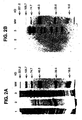
- HEV ORF-2 The major protein synthesized in SF9 cells infected with recombinant baculovirus 63-2-IV-2 was a protein with an apparent molecular weight of 74 KD ( Fig. 2A ). This size is a little larger than that predicted for the entire ORF-2 (71 KD). The size difference could be due to glycosylation of the protein since there is at least one potential site of glycosylation (Asn-Leu-Ser) in the N-terminal part. This protein was not detected in noninfected cells or in cells infected with wild-type nonrecombinant baculovirus. In the latter case, the major protein detected was a polyhedron protein.
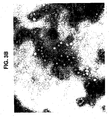
- VLPs virus-like particles covered with antibody were observed in the fraction with buoyant density of 1.30 g/ml: first ( Figs. 3A-3A''' ), antibody covered individual particles that had a size (30 nm) and morphological structure suggestive of HEV, second ( Fig.
- 5x10 6 SF9 cells infected with 63-2-IV-2 virus were resuspended in 1 ml of 10 mM Tris-HCl, pH 7.5, 0.15M NaCl then were frozen and thawed 3 times. 10 ul of this suspension was dissolved in 10 ml of carbonate buffer (pH 9.6) and used to cover one flexible microtiter assay plate (Falcon). Serum samples were diluted 1:20, 1:400 and 1:8000, or 1:100, 1:1000 and 1:10000. The same blocking and washing solutions as described for the Western blot were used in ELISA.
- peroxidase-conjugated goat IgG fraction to human IgG or horse radish peroxidase-labelled goat anti-Old or anti-New World monkey immunoglobulin was used. The results were determined by measuring the optical density (O.D.) at 405 nm.
- Hepatology 1 567-574 ; reference for chimps - 1413, 1373, 1442, 1551 (HAV); and for chimps - 982, 1442, 1420, 1410 (HBV); is unpublished data from Purcell et al) (Table 1).
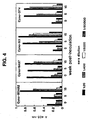
- Samples of pre-inoculation and 5 week and 15 week post-inoculation sera were analyzed in HEV ELISA at serum dilutions of 1:100, 1:1000 and 1:10000. None of the sera from animals infected with HAV, HBV, HCV and HDV reacted in the ELISA for HEV antibody, but all 4 chimps inoculated with HEV developed the IgM and IgG classes of anti-HEV. Table 1.
- Serum ALT levels were determined as an indicator of hepatitis while seroconversion was defined by detection of anti-HEV.
- the owl monkeys responded to HEV infection approximately as well as the old World monkey species (Table 2). Both OWMs seroconverted on day 21 and by day 28 the anti-HEV titer had reached a value of 1:8000. ALT activity peaked on day 35 in OWM-924, but not until day 91 in OWM-925.
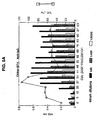
- IgG and IgM antibodies were first detected for this animal on day 20, the titer of IgM anti-HEV was the highest while the titer of IgG was the lowest on that day, but then rose and stayed approximately at the same level for more than three months.
- chimp-1375 only IgM anti-HEV was detected on day 20 ( Fig. 5D ). The titer was higher than in chimp-1374 and IgM anti-HEV was detected during the entire period of monitoring. IgG anti-HEV was first observed in this animal on day 27 ( Fig. 5C ) and remained at approximately the same level throughout the experiment.
- hepatitis E virus strain SAR-55 was serially diluted in 10-fold increments and the 10 -1 through 10 -5 dilutions were inoculated into pairs of cynomolgus monkeys to titer the virus.
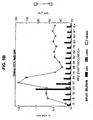
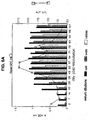
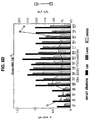
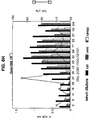
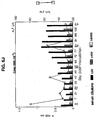
- the serum ALT levels were measured to determine hepatitis and serum antibody to HEV was determined by the ELISA method of the present invention (data in figures) or by Genelab's ELISA (data shown as positive (+) or negative (-) test at bottom of Figures 6 a-g ). All samples were tested under code.
- the ELISA method of the present invention detected seroconversion to IgG anti-HEV in all cynos inoculated and all dilutions of virus.
- the recombinant ORF-2 protein is immunoreactive. Additionally, it has been shown to react with a variety of sera taken from different species of animals infected with different strains of HEV. This provides support for the use of this recombinant protein as a vaccine to protect against a variety of HEV strains. Mammals are immunized with purified or partially purified recombinant ORF-2 protein in an amount sufficient to stimulate the production of protective antibodies. The immunized animals challenged with the wild-type strain of HEV are protected.
Landscapes
- Health & Medical Sciences (AREA)
- Life Sciences & Earth Sciences (AREA)
- Chemical & Material Sciences (AREA)
- Organic Chemistry (AREA)
- Engineering & Computer Science (AREA)
- Genetics & Genomics (AREA)
- General Health & Medical Sciences (AREA)
- Molecular Biology (AREA)
- Biochemistry (AREA)
- Medicinal Chemistry (AREA)
- Bioinformatics & Cheminformatics (AREA)
- Biomedical Technology (AREA)
- Virology (AREA)
- Immunology (AREA)
- Biotechnology (AREA)
- Wood Science & Technology (AREA)
- Zoology (AREA)
- General Engineering & Computer Science (AREA)
- Microbiology (AREA)
- Veterinary Medicine (AREA)
- Biophysics (AREA)
- Public Health (AREA)
- Pharmacology & Pharmacy (AREA)
- Animal Behavior & Ethology (AREA)
- Gastroenterology & Hepatology (AREA)
- Chemical Kinetics & Catalysis (AREA)
- General Chemical & Material Sciences (AREA)
- Nuclear Medicine, Radiotherapy & Molecular Imaging (AREA)
- Physics & Mathematics (AREA)
- Proteomics, Peptides & Aminoacids (AREA)
- Communicable Diseases (AREA)
- Plant Pathology (AREA)
- Hematology (AREA)
- Urology & Nephrology (AREA)
- Food Science & Technology (AREA)
- Cell Biology (AREA)
- Epidemiology (AREA)
- Mycology (AREA)
- Oncology (AREA)
- Analytical Chemistry (AREA)
Applications Claiming Priority (3)
| Application Number | Priority Date | Filing Date | Title |
|---|---|---|---|
| US94726392A | 1992-09-18 | 1992-09-18 | |
| US947263 | 1992-09-18 | ||
| PCT/US1993/008849 WO1994006913A2 (en) | 1992-09-18 | 1993-09-17 | Recombinant proteins of a pakistani strain of hepatitis e and their use in diagnostic methods and vaccines |
Publications (2)
| Publication Number | Publication Date |
|---|---|
| EP0662133A1 EP0662133A1 (en) | 1995-07-12 |
| EP0662133B1 true EP0662133B1 (en) | 2009-11-18 |
Family
ID=25485852
Family Applications (1)
| Application Number | Title | Priority Date | Filing Date |
|---|---|---|---|
| EP93922703A Expired - Lifetime EP0662133B1 (en) | 1992-09-18 | 1993-09-17 | Recombinant proteins of a pakistani strain of hepatitis e and their use in diagnostic methods and vaccines |
Country Status (9)
| Country | Link |
|---|---|
| US (3) | US6706873B1 (enExample) |
| EP (1) | EP0662133B1 (enExample) |
| JP (3) | JPH08504096A (enExample) |
| KR (2) | KR100318516B1 (enExample) |
| AT (1) | ATE449178T1 (enExample) |
| CA (1) | CA2144855C (enExample) |
| DE (1) | DE69334299D1 (enExample) |
| ES (1) | ES2336282T3 (enExample) |
| WO (1) | WO1994006913A2 (enExample) |
Families Citing this family (22)
| Publication number | Priority date | Publication date | Assignee | Title |
|---|---|---|---|---|
| US6455492B1 (en) * | 1988-06-17 | 2002-09-24 | Genelabs Technologies, Inc. | Hepatitis E virus vaccine and method |
| US6291641B1 (en) | 1988-06-17 | 2001-09-18 | Genelabs Technologies, Inc. | Hepatitis E virus antigens and uses therefor |
| US5686239A (en) * | 1988-06-17 | 1997-11-11 | Genelabs Technologies, Inc. | Hepatitis E virus peptides and methods |
| US6214970B1 (en) | 1988-06-17 | 2001-04-10 | Genelabs Technologies, Inc. | Hepatitis E virus antigens and uses therefor |
| US6207416B1 (en) | 1992-09-18 | 2001-03-27 | The United States Of America As Represented By The Department Of Health And Human Services | Recombinant proteins of a Pakistani strain of hepatitis E and their use in diagnostic methods and vaccines |
| ES2336282T3 (es) | 1992-09-18 | 2010-04-09 | The Government Of The Usa, As Represented By The Secretary, Department Of Health And Human Services | Proteinas recombinantes de una cepa paquistani de hepatitis e y su utilizacion en metodos de diagnostico y vacunas. |
| US6787145B1 (en) | 1992-09-18 | 2004-09-07 | The United States Of America As Represented By The Secretary Of The Department Of Health And Human Services | Recombinant proteins of a pakistani strain of hepatitis E and their use in diagnostic methods and vaccines |
| AU694139B2 (en) * | 1993-09-24 | 1998-07-16 | Macfarlane Burnet Centre For Medical Research Limited, The | Immunoreactive antigens of hepatitis E virus |
| EP0784631B1 (en) * | 1994-10-03 | 2011-08-03 | THE GOVERNMENT OF THE UNITED STATES OF AMERICA, as represented by THE SECRETARY, DEPARTMENT OF HEALTH AND HUMAN SERVICES | Method of producing a partial orf2 protein of hepatitis e virus |
| US6054567A (en) * | 1997-04-11 | 2000-04-25 | The United States Of America As Represented By The Department Of Health And Human Services | Recombinant proteins of a pakistani strain of hepatitis E and their use in diagnostic methods and vaccines |
| US6458562B1 (en) | 1998-04-09 | 2002-10-01 | The United States Of America As Represented By The Secretary Of Health And Human Services | Recombinant proteins of a Pakistani strain of hepatitis E and their use in diagnostic methods and vaccines |
| DE60035221D1 (de) | 1999-12-01 | 2007-07-26 | Us Gov Health & Human Serv | Hauptneutralisationsort des hepatitis e virus und verwendung dieses neutralisationsort in impfungverfahren und in verfahren zum screening nach neutralisationsantikörper |
| WO2002089733A2 (en) * | 2001-05-07 | 2002-11-14 | The Government Of The United States Of America, As Represented By The Secretary, Department Of Health And Human Services | Recombinant orf2 proteins of the swine hepatitis e virus and their use as a vaccine and as a diagnostic reagent for medical and veterinary applications |
| CN100339395C (zh) * | 2001-11-08 | 2007-09-26 | 养生堂有限公司 | 戊型肝炎病毒单克隆抗体及其用途 |
| WO2003064679A2 (en) * | 2002-01-30 | 2003-08-07 | Id Biomedical Corporation | Methods for detecting vancomycin-resistant microorganisms and compositions therefor |
| AU2005270968A1 (en) * | 2004-08-04 | 2006-02-16 | Merck Serono Sa | Capsules containing transfected cells, method for preparing the same and uses thereof for immunization and vaccination |
| US9487837B2 (en) | 2008-10-06 | 2016-11-08 | Morehouse School Of Medicine | Exosome-mediated diagnosis of hepatitis virus infections and diseases |
| US8906863B2 (en) | 2009-02-27 | 2014-12-09 | The Regents Of The University Of California | Proteolysis-resistant capsid of chimeric hepatitis E virus as an oral delivery vector |
| US8906862B2 (en) | 2009-02-27 | 2014-12-09 | The Regents Of The University Of California | Multiple antigen delivery system using hepatitis E virus-like particle |
| EP2400982B1 (en) * | 2009-02-27 | 2016-05-11 | The Regents of The University of California | Multiple antigen delivery system using hepatitis e virus-like particle |
| KR101648106B1 (ko) * | 2014-04-29 | 2016-08-17 | 대한민국 | A형 간염 바이러스 항원 및 e형 간염 바이러스 항원 동시 생산방법 및 생산된 항원을 함유하는 간염 예방 백신 및 진단 키트 |
| KR102492326B1 (ko) | 2022-07-14 | 2023-01-26 | 김성남 | 휴대용 악취배출 호신구 |
Family Cites Families (13)
| Publication number | Priority date | Publication date | Assignee | Title |
|---|---|---|---|---|
| US5024939A (en) * | 1987-07-09 | 1991-06-18 | Genentech, Inc. | Transient expression system for producing recombinant protein |
| US6455492B1 (en) | 1988-06-17 | 2002-09-24 | Genelabs Technologies, Inc. | Hepatitis E virus vaccine and method |
| US5686239A (en) * | 1988-06-17 | 1997-11-11 | Genelabs Technologies, Inc. | Hepatitis E virus peptides and methods |
| US6214970B1 (en) | 1988-06-17 | 2001-04-10 | Genelabs Technologies, Inc. | Hepatitis E virus antigens and uses therefor |
| US5885768A (en) | 1988-06-17 | 1999-03-23 | The United States Of America As Represented By The Department Of Health And Human Services | Hepatitis E virus peptide antigen and antibodies |
| US5741490A (en) | 1988-06-17 | 1998-04-21 | Genelabs Technologies, Inc. | Hepatitis E virus vaccine and method |
| EP0476130B1 (en) | 1990-04-05 | 2008-07-09 | Genelabs Technologies, Inc. | Enterically transmitted non-a/non-b hepatitis viral agent and characteristic epitopes thereof |
| WO1993014203A1 (fr) | 1992-01-21 | 1993-07-22 | Tsumura & Co. | Lymphotoxines, vecteur d'expression pour lymphotoxines, et production de lymphotoxines au moyen de ce vecteur |
| US6207416B1 (en) * | 1992-09-18 | 2001-03-27 | The United States Of America As Represented By The Department Of Health And Human Services | Recombinant proteins of a Pakistani strain of hepatitis E and their use in diagnostic methods and vaccines |
| ES2336282T3 (es) | 1992-09-18 | 2010-04-09 | The Government Of The Usa, As Represented By The Secretary, Department Of Health And Human Services | Proteinas recombinantes de una cepa paquistani de hepatitis e y su utilizacion en metodos de diagnostico y vacunas. |
| AU694139B2 (en) | 1993-09-24 | 1998-07-16 | Macfarlane Burnet Centre For Medical Research Limited, The | Immunoreactive antigens of hepatitis E virus |
| WO1995017501A1 (en) | 1993-12-22 | 1995-06-29 | Abbott Laboratories | Monoclonal antibodies against hev orf-2 and methods for using same |
| US9115603B2 (en) * | 2012-07-24 | 2015-08-25 | Electratherm, Inc. | Multiple organic Rankine cycle system and method |
-
1993
- 1993-09-17 ES ES93922703T patent/ES2336282T3/es not_active Expired - Lifetime
- 1993-09-17 AT AT93922703T patent/ATE449178T1/de not_active IP Right Cessation
- 1993-09-17 EP EP93922703A patent/EP0662133B1/en not_active Expired - Lifetime
- 1993-09-17 WO PCT/US1993/008849 patent/WO1994006913A2/en not_active Ceased
- 1993-09-17 CA CA002144855A patent/CA2144855C/en not_active Expired - Fee Related
- 1993-09-17 DE DE69334299T patent/DE69334299D1/de not_active Expired - Lifetime
- 1993-09-17 JP JP6508363A patent/JPH08504096A/ja not_active Withdrawn
-
1994
- 1994-10-03 US US08/316,765 patent/US6706873B1/en not_active Expired - Fee Related
-
1995
- 1995-06-06 US US08/470,246 patent/US6696242B1/en not_active Expired - Fee Related
- 1995-06-06 US US08/471,971 patent/US6287759B1/en not_active Expired - Lifetime
- 1995-10-03 KR KR1020007010531A patent/KR100318516B1/ko not_active Expired - Fee Related
- 1995-10-03 KR KR1020007003415A patent/KR100332602B1/ko not_active Expired - Fee Related
-
2004
- 2004-04-07 JP JP2004113548A patent/JP2005013220A/ja not_active Withdrawn
-
2005
- 2005-12-28 JP JP2005377429A patent/JP2006149393A/ja active Pending
Non-Patent Citations (1)
| Title |
|---|
| PURCELL R.H.: "Viral Hepatits and liver disease: Proceedings of the 10th international symposium on viral hepatitis and liver disease", 2002, INTERNATIONAL MEDICAL PRESS LTD, ATLANTA * |
Also Published As
| Publication number | Publication date |
|---|---|
| JP2005013220A (ja) | 2005-01-20 |
| DE69334299D1 (de) | 2009-12-31 |
| EP0662133A1 (en) | 1995-07-12 |
| US6706873B1 (en) | 2004-03-16 |
| WO1994006913A2 (en) | 1994-03-31 |
| KR100332602B1 (ko) | 2002-05-09 |
| US6696242B1 (en) | 2004-02-24 |
| JP2006149393A (ja) | 2006-06-15 |
| CA2144855A1 (en) | 1994-03-31 |
| ATE449178T1 (de) | 2009-12-15 |
| US6287759B1 (en) | 2001-09-11 |
| CA2144855C (en) | 2008-09-09 |
| JPH08504096A (ja) | 1996-05-07 |
| AU689447B2 (en) | 1998-04-02 |
| KR100318516B1 (ko) | 2001-12-22 |
| WO1994006913A3 (en) | 1994-06-09 |
| ES2336282T3 (es) | 2010-04-09 |
| AU5162593A (en) | 1994-04-12 |
Similar Documents
| Publication | Publication Date | Title |
|---|---|---|
| CA2144855C (en) | Recombinant proteins of a pakistani strain of hepatitis e and their use in diagnostic methods and vaccines | |
| EP0784631B1 (en) | Method of producing a partial orf2 protein of hepatitis e virus | |
| EP0722499A1 (en) | Immunoreactive antigens of hepatitis e virus | |
| EP0972048B1 (en) | Recombinant proteins of a pakistani strain of hepatitis e and their use in diagnostic methods and vaccines | |
| US6458562B1 (en) | Recombinant proteins of a Pakistani strain of hepatitis E and their use in diagnostic methods and vaccines | |
| US6207416B1 (en) | Recombinant proteins of a Pakistani strain of hepatitis E and their use in diagnostic methods and vaccines | |
| AU689447C (en) | Recombinant proteins of a pakistani strain of hepatitis E and their use in diagnostic methods and vaccines | |
| US6787145B1 (en) | Recombinant proteins of a pakistani strain of hepatitis E and their use in diagnostic methods and vaccines | |
| WO2002089733A2 (en) | Recombinant orf2 proteins of the swine hepatitis e virus and their use as a vaccine and as a diagnostic reagent for medical and veterinary applications | |
| US7070790B1 (en) | Nucleotide and deduced amino acid sequences of the envelope 1 and core genes of isolates of hepatitis C virus and the use of reagents derived from these sequences in diagnostic methods and vaccines | |
| CA2201588A1 (en) | Recombinant proteins of a pakistani strain of hepatitis e and their use in diagnostic methods and vaccines | |
| AU2010212374A1 (en) | Recombinant proteins of a Pakistani strain of hepatitis E and their use in diagnostic methods and vaccines |
Legal Events
| Date | Code | Title | Description |
|---|---|---|---|
| PUAI | Public reference made under article 153(3) epc to a published international application that has entered the european phase |
Free format text: ORIGINAL CODE: 0009012 |
|
| 17P | Request for examination filed |
Effective date: 19950418 |
|
| AK | Designated contracting states |
Kind code of ref document: A1 Designated state(s): AT BE CH DE DK ES FR GB GR IE IT LI LU MC NL PT SE |
|
| 17Q | First examination report despatched |
Effective date: 19970404 |
|
| GRAC | Information related to communication of intention to grant a patent modified |
Free format text: ORIGINAL CODE: EPIDOSCIGR1 |
|
| GRAP | Despatch of communication of intention to grant a patent |
Free format text: ORIGINAL CODE: EPIDOSNIGR1 |
|
| GRAC | Information related to communication of intention to grant a patent modified |
Free format text: ORIGINAL CODE: EPIDOSCIGR1 |
|
| RIC1 | Information provided on ipc code assigned before grant |
Ipc: G01N 33/576 20060101ALI20090421BHEP Ipc: A61K 39/29 20060101ALI20090421BHEP Ipc: C12N 15/40 20060101ALI20090421BHEP Ipc: C12N 7/00 20060101ALI20090421BHEP Ipc: C12N 15/51 20060101AFI20090421BHEP |
|
| GRAS | Grant fee paid |
Free format text: ORIGINAL CODE: EPIDOSNIGR3 |
|
| GRAA | (expected) grant |
Free format text: ORIGINAL CODE: 0009210 |
|
| AK | Designated contracting states |
Kind code of ref document: B1 Designated state(s): AT BE CH DE DK ES FR GB GR IE IT LI LU MC NL PT SE |
|
| REG | Reference to a national code |
Ref country code: GB Ref legal event code: FG4D |
|
| REG | Reference to a national code |
Ref country code: CH Ref legal event code: EP |
|
| REG | Reference to a national code |
Ref country code: IE Ref legal event code: FG4D |
|
| REF | Corresponds to: |
Ref document number: 69334299 Country of ref document: DE Date of ref document: 20091231 Kind code of ref document: P |
|
| REG | Reference to a national code |
Ref country code: NL Ref legal event code: VDEP Effective date: 20091118 |
|
| REG | Reference to a national code |
Ref country code: ES Ref legal event code: FG2A Ref document number: 2336282 Country of ref document: ES Kind code of ref document: T3 |
|
| PG25 | Lapsed in a contracting state [announced via postgrant information from national office to epo] |
Ref country code: SE Free format text: LAPSE BECAUSE OF FAILURE TO SUBMIT A TRANSLATION OF THE DESCRIPTION OR TO PAY THE FEE WITHIN THE PRESCRIBED TIME-LIMIT Effective date: 20091118 Ref country code: PT Free format text: LAPSE BECAUSE OF FAILURE TO SUBMIT A TRANSLATION OF THE DESCRIPTION OR TO PAY THE FEE WITHIN THE PRESCRIBED TIME-LIMIT Effective date: 20100318 |
|
| PG25 | Lapsed in a contracting state [announced via postgrant information from national office to epo] |
Ref country code: AT Free format text: LAPSE BECAUSE OF FAILURE TO SUBMIT A TRANSLATION OF THE DESCRIPTION OR TO PAY THE FEE WITHIN THE PRESCRIBED TIME-LIMIT Effective date: 20091118 |
|
| PG25 | Lapsed in a contracting state [announced via postgrant information from national office to epo] |
Ref country code: NL Free format text: LAPSE BECAUSE OF FAILURE TO SUBMIT A TRANSLATION OF THE DESCRIPTION OR TO PAY THE FEE WITHIN THE PRESCRIBED TIME-LIMIT Effective date: 20091118 Ref country code: DK Free format text: LAPSE BECAUSE OF FAILURE TO SUBMIT A TRANSLATION OF THE DESCRIPTION OR TO PAY THE FEE WITHIN THE PRESCRIBED TIME-LIMIT Effective date: 20091118 |
|
| PLBE | No opposition filed within time limit |
Free format text: ORIGINAL CODE: 0009261 |
|
| STAA | Information on the status of an ep patent application or granted ep patent |
Free format text: STATUS: NO OPPOSITION FILED WITHIN TIME LIMIT |
|
| 26N | No opposition filed |
Effective date: 20100819 |
|
| PG25 | Lapsed in a contracting state [announced via postgrant information from national office to epo] |
Ref country code: GR Free format text: LAPSE BECAUSE OF FAILURE TO SUBMIT A TRANSLATION OF THE DESCRIPTION OR TO PAY THE FEE WITHIN THE PRESCRIBED TIME-LIMIT Effective date: 20100219 |
|
| PG25 | Lapsed in a contracting state [announced via postgrant information from national office to epo] |
Ref country code: MC Free format text: LAPSE BECAUSE OF NON-PAYMENT OF DUE FEES Effective date: 20100930 |
|
| REG | Reference to a national code |
Ref country code: CH Ref legal event code: PL |
|
| PG25 | Lapsed in a contracting state [announced via postgrant information from national office to epo] |
Ref country code: LI Free format text: LAPSE BECAUSE OF NON-PAYMENT OF DUE FEES Effective date: 20100930 Ref country code: IE Free format text: LAPSE BECAUSE OF NON-PAYMENT OF DUE FEES Effective date: 20100917 Ref country code: CH Free format text: LAPSE BECAUSE OF NON-PAYMENT OF DUE FEES Effective date: 20100930 |
|
| PG25 | Lapsed in a contracting state [announced via postgrant information from national office to epo] |
Ref country code: LU Free format text: LAPSE BECAUSE OF NON-PAYMENT OF DUE FEES Effective date: 20100917 |
|
| PGFP | Annual fee paid to national office [announced via postgrant information from national office to epo] |
Ref country code: GB Payment date: 20120925 Year of fee payment: 20 |
|
| PGFP | Annual fee paid to national office [announced via postgrant information from national office to epo] |
Ref country code: ES Payment date: 20120926 Year of fee payment: 20 Ref country code: FR Payment date: 20121001 Year of fee payment: 20 Ref country code: IT Payment date: 20120924 Year of fee payment: 20 |
|
| PGFP | Annual fee paid to national office [announced via postgrant information from national office to epo] |
Ref country code: DE Payment date: 20120927 Year of fee payment: 20 Ref country code: BE Payment date: 20120925 Year of fee payment: 20 |
|
| REG | Reference to a national code |
Ref country code: DE Ref legal event code: R071 Ref document number: 69334299 Country of ref document: DE |
|
| REG | Reference to a national code |
Ref country code: DE Ref legal event code: R071 Ref document number: 69334299 Country of ref document: DE |
|
| BE20 | Be: patent expired |
Owner name: THE GOVERNMENT OF THE UNITED STATES OF AMERICA, AS Effective date: 20130917 |
|
| REG | Reference to a national code |
Ref country code: GB Ref legal event code: PE20 Expiry date: 20130916 |
|
| PG25 | Lapsed in a contracting state [announced via postgrant information from national office to epo] |
Ref country code: DE Free format text: LAPSE BECAUSE OF EXPIRATION OF PROTECTION Effective date: 20130918 |
|
| PG25 | Lapsed in a contracting state [announced via postgrant information from national office to epo] |
Ref country code: GB Free format text: LAPSE BECAUSE OF EXPIRATION OF PROTECTION Effective date: 20130916 |
|
| PG25 | Lapsed in a contracting state [announced via postgrant information from national office to epo] |
Ref country code: ES Free format text: LAPSE BECAUSE OF EXPIRATION OF PROTECTION Effective date: 20130918 |