EP0600136B1 - Intron/Exon Struktur der Genen von den menschlichen und Maus Beta 3 adrenergischen Rezeptoren - Google Patents
Intron/Exon Struktur der Genen von den menschlichen und Maus Beta 3 adrenergischen Rezeptoren Download PDFInfo
- Publication number
- EP0600136B1 EP0600136B1 EP19920403248 EP92403248A EP0600136B1 EP 0600136 B1 EP0600136 B1 EP 0600136B1 EP 19920403248 EP19920403248 EP 19920403248 EP 92403248 A EP92403248 A EP 92403248A EP 0600136 B1 EP0600136 B1 EP 0600136B1
- Authority
- EP
- European Patent Office
- Prior art keywords
- adrenergic receptor
- nucleotide
- adrenergic
- probe
- sequence
- Prior art date
- Legal status (The legal status is an assumption and is not a legal conclusion. Google has not performed a legal analysis and makes no representation as to the accuracy of the status listed.)
- Expired - Lifetime
Links
Images


Classifications
-
- C—CHEMISTRY; METALLURGY
- C07—ORGANIC CHEMISTRY
- C07K—PEPTIDES
- C07K14/00—Peptides having more than 20 amino acids; Gastrins; Somatostatins; Melanotropins; Derivatives thereof
- C07K14/435—Peptides having more than 20 amino acids; Gastrins; Somatostatins; Melanotropins; Derivatives thereof from animals; from humans
- C07K14/705—Receptors; Cell surface antigens; Cell surface determinants
- C07K14/70571—Receptors; Cell surface antigens; Cell surface determinants for neuromediators, e.g. serotonin receptor, dopamine receptor
-
- A—HUMAN NECESSITIES
- A61—MEDICAL OR VETERINARY SCIENCE; HYGIENE
- A61K—PREPARATIONS FOR MEDICAL, DENTAL OR TOILETRY PURPOSES
- A61K38/00—Medicinal preparations containing peptides
Definitions
- the present invention relates to the entire gene encoding ⁇ 3-adrenergic receptor polypeptides of mouse and human origin, which polypeptides provide a procedure for studying the effects of various chemical agents on the ⁇ 3-adrenergic receptor and coupled adenylate cyclase and hormone-sensitive lipases. More particularly, the present invention also relates to antibodies, vectors, nucleotide probes, cell hosts transformed by genes encoding polypeptides, having ⁇ 3-adrenergic receptor activity.
- adrenergic receptors two main classes of adrenergic receptors have been identified as the a adrenergic receptors and the ⁇ adrenergic receptors. These adrenergic receptors produce various responses to effector organs such as the eye, heart, arteriols, veins, lungs, stomach, intestine, gallbladder, kidney, skin, spleen, liver and pancrease to mention a few. These specific receptors have been defined by the effects of particular synthetic agonists which stimulate the receptors biological function and antagonists which block the adrenergic receptors biological function.
- Drugs that selectively block or stimulate one of these receptor subtypes are used extensively in clinical medicine. Despite the efficacy of these drugs, many produce side effects in individuals, due to their interaction with other receptor subtypes. For identification of the various drugs which act on the receptor subtypes, see Goodman and Gilman's The Pharmacological Basis of Therapeutics, eigth edition, MacMillan Publishing Co., Inc. (1990).
- GTP guanosine triphosphate
- the G proteins have the capacity to intervene structurally and functionally between receptors and enzymes catalyzing the production of intracellular mediators such as adenylate cyclase, guanylate cyclase, the phospholipases and the kinases, or between receptors and ion channels.
- the G proteins have the capacity to regulate the flux of ions such as calcium, potassium, sodium and hydrogen ions.
- the above-mentioned subtypes of receptors are known in the art as the "R 7 G family" as described by Emorine et al. Proc. NATO Adv. Res. Workshop (1988).
- the R 7 G family comprises acetylcholine muscarinic receptors, serotonin receptors, the receptors for neuropeptides, substance K, angiotensin II and the visual receptors for the opsins, as described by Dixon et al Annual Reports in Medicinal Chemistry, pgs. 221-233 Ed. Seamon, K.B., Food and Drug Administration, Bethesda, Md. (1988) and Emorine et al., supra.
- ⁇ 3-adrenergic receptor a third subtype of the ⁇ -adrenergic receptor termed ⁇ 3-adrenergic receptor.
- ⁇ 3-adrenergic receptor a third subtype of the ⁇ -adrenergic receptor termed ⁇ 3-adrenergic receptor.
- This "new" ⁇ 3-receptor in humans has been identified and sequenced as described in French application No.8900918 filed January 25, 1989 and PCT/FR90/00054, resulting in U.S.
- the ⁇ 3-adrenergic receptor of the mouse has been identified and cloned as described in French application No. 9100320 filed January 14, 1991 and PCT/FR92/00023 filed January 15, 1992, also incorporated herein by reference. See also, Nahmias et al., Embo J., 10, pgs. 3721-3727 (1991).
- the mouse ⁇ 3-adrenergic receptor encodes a polypeptide of 388 amino acid residues, including the features characteristic of ⁇ -adrenergic receptors, such as the conserved amino acids identified as crucial for catecholamine binding in the ⁇ 2-adrenergic receptor. See, Strader et al.. FASEB J. 3 , pgs. 1825-1832 (1989).
- mouse ⁇ 3-adrenergic receptor can be activated by CGP 12177A, oxprenolol and pindolol while displaying a low stereoselectivity and characteristic potency order for full agonists, which is similar to the human.
- Thermogenesis and lipolysis in brown and white adipose tissues are under the control of this ⁇ 3-adrenergic receptor subtype as described by Arch et al., Proc. Nutr. Sci., 48 , pgs. 215-223 (1989); Arch et al., In Obesity , John Wiley & Sons Ltd., London (1991); and Zaagsma et al., Trends Pharmacol. Sci., 11 , pgs. 3-7 (1990).
- the expression of the ⁇ 3-adrenergic receptor has also been reported in various other tissues such as tissues of the digestive tract, from oesophagus to colon and in the gallbladder.
- Factors such as temperature, feeding or fasting and stress influence the body's hormonal status, thus inducing tissue specific adaptive modifications of energy balance which may in part result from regulation of cellular ⁇ 3-adrenergic receptor sensitivity. It has been further shown that ⁇ -adrenergic agonists, glucocorticoids and several other agents can modulate ⁇ 3-adrenergic receptor density, responsiveness and mRNA levels. The molecular determinants responsible for the regulation of cellular ⁇ 3-adrenergic receptor may possibly be found either on the receptor itself or in its gene or mRNA.
- post-translational modifications of the receptor in the third intracytoplasmic loop or in the carboxy-terminal tail may modulate ⁇ -adrenergic receptor coupling to adenylate cyclase.
- Factors which act on ⁇ -adrenergic receptor gene transcription rate or on mRNA stability may also modulate cellular adrenergic responsiveness by modifying ⁇ -adrenergic receptor expression levels.
- the ⁇ 3-adrenergic receptors have been sequenced and identified, as well as compared pharmacologically with other known receptors in mouse and humans.
- a comparison of the ⁇ 3-adrenergic receptor amino acid sequences predicted from the nucleotide sequences of the human and mouse genomic genes revealed differences in the carboxy-terminal regions of the receptors. Although these differences could be attributed to evolutionary species-related variations, it was recently discovered by the present inventors that the entire coding sequence for the previously reported ⁇ 3-adrenergic receptor in mouse and human was not complete.
- the genes encoding ⁇ 1- and ⁇ 2- comprise one exon and it was thought that the ⁇ 3-adrenergic receptor gene, when initially identified, also comprised only one exon.
- the human and mouse ⁇ 3-adrenergic receptor genes comprise several exons.
- the identification of the introns and exons in mouse and human ⁇ 3-adrenergic receptors and thus the entire gene itself, permits a full characterization of this receptor which will aid in more sensitive genetically engineered products such as nucleotide probes, polyclonal and monoclonal antibodies and the like for drug testing and diagnostic purposes, and permits the understanding of ⁇ 3-adrenergic receptor regulated expression in various tissues.
- nucleic acid sequence comprising the nucleotide sequence of Figure 1 and Figure 2.
- Yet another object of the present invention is to provide polypeptides having ⁇ 3-adrenergic receptor activity in mammals which polypeptides encode the entire human and mouse ⁇ 3-adrenergic receptor genes.
- a specific object of the present invention is to provide the entire amino acid and nucleotide sequences, as well as the intron/exon organization for the human and mouse ⁇ 3-adrenergic receptor which molecule characterizations are useful in not only detecting the ⁇ 3-adrenergic receptor in different species, but also testing new drugs for regulating ⁇ 3-adrenergic receptor activities.
- Yet another object of the present invention is to provide nucleotide probes capable of hybridizing to the genes encoding the polypeptides having ⁇ 3-adrenergic activity in mammals for detecting this receptor in different mammalian species and for measuring the variations in the levels of expression of the ⁇ 3-receptor in mammalian cells.
- Another object of the present invention is to provide antibodies, polyclonals and monoclonals which recognize the entire sequence of the ⁇ 3-adrenergic receptor in mammals, which antibodies do not recognize the ⁇ 1-adrenergic receptor or ⁇ 2-adrenergic receptor for detecting and diagnostic purposes.
- a further object of the present invention is to provide recombinant vectors for the cloning and expression of ⁇ 3-adrenergic receptor proteins in mammals.
- Another object of the present invention is to provide a cell host which comprises the elements of regulation making possible the expression of the nucleotide sequence encoding the polypeptides of ⁇ 3-adrenergic receptors in mammals.
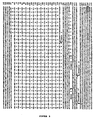
- Fig. 1 depicts the nucleotide sequence, amino acid translation and intron/exon organization of the human ⁇ 3-adrenergic receptor gene.
- Fig. 2 depicts the nucleotide sequence, amino acid translation and intron/exon organization of the mouse ⁇ 3-adrenergic receptor gene.
- Fig. 3 is the complete amino acid sequence for the human ⁇ 3-adrenergic receptor.
- Fig. 4 is the complete amino acid sequence for the mouse ⁇ 3-adrenergic receptor.
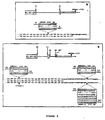
- Fig. 5 is a schematic representation of human and mouse ⁇ -adrenergic receptor mRNA splicing.
- the present invention provides various genetically engineered products such as nucleotide probes, monoclonal and polyclonal antibodies for testing a variety of chemical agents including drugs, ligands and the like which may influence the regulation of ⁇ 3-adrenergic receptors.
- drugs including drugs, ligands and the like which may influence the regulation of ⁇ 3-adrenergic receptors.
- it is of importance to have the entire sequence of the ⁇ 3-receptor gene since elements in the promoter region, in the intron/exon region and in the 3' untranslated region may influence the expression of ⁇ 3.
- drugs that may increase and/or decrease the expression levels of the ⁇ 3-adrenergic receptor, various diseases such as obesity, diabetes and hyperlipidemia and the like, may be controlled.
- the present invention also provides a method for in vitro diagnosis of energy-balance related diseases which diseases can be diagnosed by abnormalities in ⁇ 3-adrenergic receptor activity.
- the present invention also provides vectors containing genes coding for polypeptides having ⁇ 3-adrenergic receptor activity in mammals, as well as cell hosts transformed by genes coding for the above-mentioned polypeptides.
- mammals any class of higher vertebrates comprising man and all other animals that nourish their young with milk secreted by mammary glands and have skin, usually more or less covered by hair, including monkeys, mice, rat, humans and the like.
- Any mammalian polypeptide displaying ⁇ 3-adrenergic receptor activity is a part of the present invention, but preferable polypeptides encoding the amino acid sequences set forth in Figures 3 and 4.
- Variations of the polypeptides is also encompassed by the present invention provided that these variant polypeptides do not lose ⁇ 3-adrenergic receptor activity.
- Any technique known in the art may be used to provide these variant polypeptides including nucleotide-mediated mutagenesis, oligonucleotide-mediated "loop out” mutagenesis, linker-inserted mutagenesis and the like. These methods are well-known and described, for example by Sambrook et al. in Molecular Cloning A Laboratory Manual, second edition, Cold Spring Harbour Laboratory Press (1989).
- the present invention also encompasses any nucleotide sequence of ⁇ 3-adrenergic receptors in mammals.
- a preferred embodiment of these nucleotide sequences are encompassed in Figures 1 and 2.
- Variants of the nucleotide sequence are also encompassed in the present invention including mutations and point substitutions using the above-described mutagenesis methods, provided that these variations do not significantly alter ⁇ 3-adrenergic receptor activity.
- nucleotides can be prepared by any synthesis method known in the art. Examples of these methods include, by are not limited to the automated ⁇ -cyanoethyl phosphoramidite method described in Bioorganic Chemistry, 4 , pgs. 274-325 (1986) which method is suitable for the preparation of a nucleotide sequence containing a maximum of 200 nucleotides and those described in P.N.A.S., 80, pgs. 7461-7465 (1983) for nucleotides longer than 200.
- the present invention also relates to the purification of nucleotides from genomic DNA or cellular RNA from any mammalian tissue expressing the ⁇ 3-adrenergic receptor including adipose, muscular, hepatic, intestinal, gallbladder tissues and the like. mRNA can then be isolated and cDNA synthesized therefrom by the methods described in Sambrook et al. Molecular Cloning , supra.
- the nucleotide sequences or fragments thereof can be cloned and/or expressed in a plasmid, cosmid or phage type vector.
- the present invention also includes recombinant vectors which which can be use to clone or express in a variety of host microorganisms the ⁇ 3-adrenergic receptor.
- Various vectors include, but are not limited to pBr322, pUC18/pUC19, pUC119, p5P64/p5P65, pGEM-3/pGEM-4, pGEM-3Z, ⁇ AN13, Bluescript M13, ⁇ gt10, ⁇ 2001, ⁇ DASH, ⁇ FIX, C2RB, pWE15 and the like.
- a preferred vector includes a Hind II- Pst I fragment of genomic DNA derived from mouse having about 5.5 kilobases and containing the totality of the gene coding for the ⁇ 3-adrenergic receptor in mouse including the promoter region and Exon 1, Exon 2 and Exon 3, which fragment was inserted into a Hind II- Pst I site of pUC18.
- the plasmid was transformed in E. coli (JM101). This vector, (030 B315-I) was deposited under the No. I-1272 on December 1, 1992 with the C.N.C.M., Collection Nationale de Cultures de Microorganismes, 25 rue du Dondel Roux, Paris France.
- a second preferred vector includes a Bgl II fragment of genomic DNA derived from humans having about 4.5 kilobases and containing the totality of the gene coding for the ⁇ 3-adrenergic receptor in humans including the promoter region and Exon 1 and Exon 2, which fragment was inserted into a Bam HI site of pUC18.
- the plasmid was then transformed in E. coli (JM101).
- This vector, (119 B315-III) was deposited under the No. I-1273 on December 1, 1992 with the C.N.C.M., Collection Nationale de Cultures de Microorganismes, 25 rue du Dondel Roux, Paris France.
- the vector contains in at least one of its sites not essential for replication, elements necessary to promote the expression of the polypeptide of the present invention in a cell host.
- a promoter recognized by the RNA polymerase of the cell host may be used. Any promoter that accomplishes expression can be used, but it is preferable to use an inducible promoter and if necessary, a signal and an anchoring sequences.
- the regulatory elements may include the endogenous promoter for the adrenergic receptors or viral promoters such as those of SV40 virus or Rous Sarcoma virus, while for bacterial expression, the regulatory elements may include the lactose operon, the tryptophan operon and the like.
- Cell hosts transformed by any of the above-described vectors are also encompassed by the present invention. Any cell host capable of expressing any mammalian ⁇ 3-adrenergic receptor polypeptide or fragments thereof is encompassed by the present invention. These cell hosts include any eukaryotic or prokaryotic cells including bacteria such as E. coli, yeast, CHO cells and the like. It is of interest to note that when the entire intron/exon sequence of the mouse or human ⁇ 3-adrenergic receptor is expressed in a variety of eukaryotic cell hosts including CHO and L-cells, splicing of the gene takes place correctly.
- the recombinant vectors and cell hosts transformed with these vectors are useful tools to generate with ease and facility various nucleotide probes.
- nucleotide probes can also be prepared from the nucleotide sequences, as discussed above, via synthesis and purification techniques and then labelled with a detectable marker.
- Any detectable marker can be used to label the specific nucleotide sequence of interest, such as 14 C, 32 P, enzyme markers and the like.
- the labelling conditions for the sequences are well known in the art and for reference such techniques described by Sambrook et al. Molecular Cloning, supra may be used.
- a full length probe having the nucleotide sequence as defined in Figures 1 and 2 to probe a genomic or cDNA library of different mammalian species to obtain the related ⁇ 3-adrenergic receptor of interest.
- a fragment of the nucleotide probe can also be generated.
- a nucleotide probe is also useful in measuring the variations in the levels of expression of the ⁇ 3-adrenergic receptor in mammalian cells, since altered levels of expression may result in specific abnormalities in various mammalian tissues. More specifically, the nucleotide probes may be produced such that they react with specific sequences of the ⁇ 3-adrenergic receptor gene. Thus, even if this receptor is present in the specific species of mammals being tested, the ligand binding sites or other functional regions in the sequence may contain an abnormality that can be ascertained by the use of such probes.
- the nucleotide probes which are suitable for use in the present invention include DNA probes, RNA probes, synthetic oligonucleotide probes, thioester probes and the like. Tandem probes may also be used.
- the tandem probes may be constructed by covalently joining two or more type-specific ⁇ 3-adrenergic receptor nucleotide sequences within a single vector. A mixture of the above-mentioned probes is also contemplated for detection purposes.
- the conditions required for hybridization and washing of the oligonucleotide probes for detecting the presence of the ⁇ 3-adrenergic receptor may be different depending on the type of probe utilized. Empirically determined formulae available in the literature allow for the estimation of the oligonucleotide dissociation temperature. Hybridization of oligonucleotides also depend on several factors, which include the length of the probe and the GC content. The hybridization conditions, thus will be adjusted according to the probes used and are well within a person skilled in the art's knowledge.
- the labelled hybrids are then detected depending on the type of labelled probe used. For example, an enzymatically labelled probe will require enzymatic detection, while if a radioactive label is used, gamma or beta counters or autoradiography may be used.
- the present invention also relates to antibodies directed against the polypeptides of the ⁇ 3-adrenergic receptor in mammals. These antibodies are specific for the ⁇ 3-adrenergic receptor and not the ⁇ 1- nor ⁇ 2-adrenergic receptors. These antibodies may be produced by injecting the ⁇ 3-adrenergic receptor protein or polypeptide thereof into an animal. The antibodies generated by the immune response may be recovered and purified by methods known in the art. Besides their use for detection and in vitro diagnostic purposes, the antibodies of the present invention may also be used to purify related receptors in semi-purified form by their attachment to a solid support such as gel beads.
- Monoclonal antibodies may be produced by the known method described by Kohler and Milstein, Nature, 256, page 495 (1975). These antibodies are useful to diagnose the amount and the presence of the ⁇ 3-adrenergic receptor in a variety of mammalian species. Thus, the quantity and presence of this receptor may be important to diagnose diseases related to energy abnormalities in a variety of mammalian tissues.
- ⁇ 3-adrenergic receptor polypeptide Although direct detection of the ⁇ 3-adrenergic receptor polypeptide is possible by the use of genetically engineered products as described above, these products are not limited in use to only detecting the presence of ⁇ 3-receptors in various species. Testing of different drugs for the treatment of obesity, fatty diabetes, hyperlipidemias and the like are within the scope of the present invention by use of the aforementioned nucleotide probes, ⁇ 3-adrenergic receptors and anti-receptor antibodies.
- a procedure for studying the affinity of a ⁇ 3-adrenergic receptor polypeptide for one or more chemical agents such as drugs, ligands and the like is also encompassed by the present invention.
- a cultured transformed host cell having a sequence encoding the entire ⁇ 3-adrenergic receptor gene under conditions allowing the expression of such gene is performed.
- the expression product which may be exposed at the surface of the transformed cell host or present in the cytoplasm of the host cell, is then utilized to test a variety of ligands, drugs and chemical agents by placing these agents in contact with the transformed cell host. An affinity reaction between the transformed cell host and the specific agent is then detected.
- the transformed host cells containing the polypeptide sequence of the ⁇ 3-adrenergic receptor can also be used to test intracellular responses to various chemical agents.
- G-protein coupled receptors mediate a variety of intracellular responses, wherein the initial specificity is usually determined at the level of the cell surface receptor.
- the diversity of the cellular responses results from the differential coupling of the receptor to various G-proteins, each of which stimulates a distinct intracellular effector system.
- the G-protein linked receptor can bind a variety of agonists which stimulates the G protein coupled to the receptor.
- the activation of the stimulatory G protein leads in turn to adenylate cyclase stimulation and thus an increase in cAMP levels in cells.
- the ⁇ 3-adrenergic receptor has the ability to couple G protein and thus the effects of various agonists to activate the stimulatory G protein, raising cAMP levels in the cell can also be tested using the transformed cell hosts of the present invention.
- RNA expression levels of the ⁇ 3-adrenergic receptor may be regulated by additional sequences described and characterized in the present invention such as the sequences present in the promoter region, the intron/exon region and the 3' untranslated region.
- Nucleotide sequencing was performed on a 2.5 kb Sph I- Bgl II fragment spanning the entire 3'-untranslated regions of the human gene and a 2.2 kb Xho I- Bgl II fragment spanning the entire 3' untranslated region of the mouse ⁇ 3-genomic genes after insertion of these fragments in both orientations into M13 cloning vectors. Individual subclones were then sequenced by the standard chain termination method. The primers used were oligonucleotides synthesized step by step during the course of the sequence determination.
- a preferred embodiment of the present invention is the identification of two exons in humans and three exons in mice, which contain the entire ⁇ 3-adrenergic receptor gene sequence.
- a large 1.4 kb exon encodes the first 402 amino acid residues
- the second exon of 700 base pairs encodes the sequence for the six carboxy-terminal residues of ⁇ 3-adrenergic receptor, as well as the entire untranslated 3' region of the ⁇ 3-adrenergic receptor mRNA.
- mice there are three exons.
- the first exon encodes 388 amino acid residues of the ⁇ 3-adrenergic receptor; a second exon of 68 base pairs encodes for the twelve carboxy-terminal residues of the ⁇ 3-adrenergic receptor and the third exon of about 600 to 700 base pairs with two acceptor splice sites codes for the 3'-untranslated region of ⁇ 3-adrenergic receptor mRNA.
- alternate splicing at the two splice sites found in the third exon generates two ⁇ 3-adrenergic transcripts.
- the shorter transcript is the major transcript found in white adipose tissue, while the longer transcript is slightly predominant in brown adipose tissue.
- amino acid sequence for human ⁇ 3-adrenergic receptor is 6 amino acids longer then previously thought, while the mouse sequence is 12 amino acids longer than previously reported.
- the nucleotide and amino acid sequences as well as the mRNA splicing are depicted in Figures 1-5 for the human and mouse ⁇ 3-adrenergic receptor.
- the localization of the mRNA transcription start sites was undertaken by S 1 nuclease mapping and the mRNA transcription start sites for both mouse and human ⁇ 3-adrenergic receptor mRNA were then localized in a region between 150-190 nucleotides upstream from the ATG translation start cocon. In mouse, a second mRNA initiation region exists further upstream. Further upstream from the mRNA cap sites, glucocorticoid response elements were found in the immediate vicinity of recognition sequences for transcription factor AP-1.
- the inhibitory effects of glucocorticoids on ⁇ 3-adrenergic receptor mRNA levels may result from interactions of glucocorticoid receptor with c-fos ad c-jun products which constitutes transcription factor AP-1.
- the entire genes including the promoter region, the intron/exon region and the 3'-untranslated region, coding for ⁇ 3-adrenergic receptors were obtained, as well as the mRNA transcription start sites. This finding is of utmost importance not only for detection and diagnostic purposes, but also to obtain drugs useful in the regulation of ⁇ 3 expression in tissue. Thus, the utilization of alternate promoters and/or splice sites allows tissue specific regulation of ⁇ 3-adrenergic expression.
- the nitrocellulose replica filters of the library were prehybridized for 16 h at 42°C in a buffer containing 8 mM Tris-HCl (pH 7.5), 40% formamide, 4xSSC, 5xDenhardt's, 0.2% SDS, 50 mM sodium phosphate and 100 ⁇ g/ml heat-denatured salmon sperm DNA.
- Hybridization was performed for 16 h at 42°C in the same buffer containing the probe (2x10 6 c.p.m./ml) 32 P-labelled by the random priming method to a specific activity of 10 9 c.p.m./ ⁇ g.
- Final washes were at 45°C in 0.1xSSC and 0.05% SDS.
- a 2kb Bgl II- Bam HI restriction fragment hybridizing to the probe was subcloned in both orientation into M13mp18. Nested deletions were created with the exonuclease III and sequencing was performed by the dideoxy chain termination method using [ ⁇ - 35 S]dATP (800 Ci/mmol, Amersham) and Thermophilus aquaticus ( Tag ) polymerase (Taquence kit, USB). Sequence analysis were carried out using the CIT12 (University Paris V, Paris, France) computer software facilities.
- a 310 bp DNA fragment ("A43") corresponding to the N-terminus of the mouse ⁇ 3-adrenergic receptor was produced by polymerase chain reaction using a template of 5 ng of the lambda clone containing the mouse ⁇ 3-adrenergic receptor gene.
- Sense (5'-GCTCCGTGGCCTCACGAGAA-3') and antisense (5'-CCCAACGGCCAGTGGCCAGTCAGCG-3') primers corresponding to amino acids 2-8 and 98-106, respectively of the human ⁇ 3-adrenergic receptor sequence.
- the amplified 310 bp DNA fragment was purified by electrophoresis through an acrylamide gel. 32 P-labelled by random priming to a specific activity of 10 9 c.p.m./ ⁇ g, and used as a probe in Southern and Northern blot experiments.
- RNA extracted from mouse or cultured cells was denatured in Glyoxal-DMSO, electrophoresed through a 1% agarose gel and transferred onto a nylon membrane (Hybond N +, Amersham). Prehybridization and hybridization, as well as washing were performed as described above, except that hybridization was performed in the presence of 10% dextran sulphate.
- in situ hybridization was performed on metaphase spreads of concavalin A-stimulated lymphocytes from a WMP male mouse, in which all the autosomes except number 19 were in the form of metacentric Robertsonian translocations.
- metaphase spreads were from phytohaemagglutinin-stimulated human lymphocytes. In both cases the lymphocytes were cultured at 37°C for 72 hrs., with 5-bromodeoxyuridine (60 ⁇ g/ml) added for the final 7 hours of culture.
- Specific probes were the 310 bp A43 fragment of the mouse ⁇ 3-adrenergic receptor gene and a 206 bp ( Acc I- Apa LI) DNA fragment encompassing the third intracytoplasmic loop of the human ⁇ 3-adrenergic receptor. These fragments were subcloned into the pUC19 plasmid vector, tritium labelled by nick translation to a specific activity of 10 8 d.p.m./ ⁇ g, and used at a final concentration of 25 ng/ml of hybridization solution. Hybridization to metaphase spreads, post-hybridization washes, emulsion autoradiography, R-banding and silver grain analysis were carried out as described by Mattei et al. HUMAN GENETICS, 69 , pgs. 268-271 (1985).
- a 1365 bp Nar I- Bam HI restriction fragment from the mouse ⁇ 3-adrenergic receptor gene was inserted under the control of the SV40 early promoter into a plasmid vector containing the 3'-untranslated region of the gene for the hepatitis-B surface antigen, and murine dihydrofolate reductase (DHFR) gene as a selectable marker as described by Larsky et al. Biotechnology , 2 , pgs. 527-530 (1984).
- the resulting construct contained 15 bp of 5' untranslated region, 1164 bp of coding region and 186 bp of 3' non-coding region of the mouse ⁇ 3-adrenergic receptor gene.
- CHO cells deficient in DHFR, were grown in Ham's F12 medium (Seromed) supplemented with 10% fetal calf serum, 2 mM L-glutamine, 15 ⁇ g/ml glycine, 9.5 ⁇ g/ml hypoxanthine and 1.46 ⁇ g/ml thymidine.
- Transfection with 5 ⁇ g of the expression vector was performed by the calcium phosphate precipitation method as described by Tate et al. EUR. J. Biochem., 196 , pgs. 357-361 (1991).
- Stable transformants expressing the DHFR gene were screened for the expression of ⁇ adrenergic receptor by stimulation of cAMP accumulation with 1 ⁇ M (-)-isoproterenol.
- One clone giving the highest stimulation was subcloned by limiting dilution, and is referred to as CHO-Mo ⁇ 3'.
- the library was constructed in the Bam HI sites of the EMBL4 vector from size-selected (15 to 20 kb) fragments of human placental DNA partially digested with Sau 3a.
- probes of a 1.3 kb Nco I- Aha I restriction fragment of the human ⁇ 2-adrenergic receptor and the 1.8 kb fragment of the turkey ⁇ 1-adrenergic receptor were used Yarden et al., P.N.A.S. , 83 , 6795 (1986).
- a family of 14 homologous clones consisting of a group of six identical clones, a second group of three identical clones and a third group of two identical clones and three independent clones displayed sequences homologous to both probes in a 2.1 kb Bam HI and Bgl II fragment. From one clone, this 2.1 kb fragment was sequenced using the methods described by the chain termination method of Sanger et al., P.N.A.S., 74 , 5463 (1977). This fragment that was entirely sequenced and shown to contain a gene coding for a polypeptide of 402 amino acids with a predicted size of 42,881 daltons.
- RNA was prepared from frozen-powdered tissues and digested for 1 hr at 37°C with 0.3U of RNase-free DNase I (Promega, Wisconsin) per ⁇ g of nucleic acid in 100 mM Tris-HCl, pH 7.5; 50 mM MgCl 2 , in the presence of 2 U/ml of placenta RNase inhibitor.
- RNA was then treated with 400 U of maloney murine leukemia virus reverse transcriptase (Gibco BRL) in 20 ⁇ l of PCR buffer containing 67 mM Tris-HCl, pH 8.4; 6.7 mM MgCl 2 ; 6.7 mM EDTA; 10 mM ⁇ -2-mercaptoethanol; 16 mM (NH 4 ) 2 SO 4 ; and 0.1 mg/ml gelatine containing 0.4 mM each of dNTP, 10 mM random hexanucleotides and 2 U/ml RNase inhibitor. A control without reverse transcriptase was also run to ensure that amplification of the nucleotide sequence did not proceed from residual genomic DNA.
- maloney murine leukemia virus reverse transcriptase Gibco BRL
- PCR buffer containing 2.5 U of Thermophylus aquaticus polymerase (Perkin-Elmer-Cetus), 125 nM each of sense and antisense oligonucleotide primers, containing the following sequences, respectively: and 125 mM each dNTP and 10% (v/v) dimethylsulfoxide was added to the cDNA samples which were submitted to 29 cycles at temperatures of 92°C, 1 minute; 57°C, 1.5 minutes; 72°C; 1.5 minutes; followed by 7 minutes of extension at 72°C in a temperature cycler (LEP-PREM).
- Thermophylus aquaticus polymerase Perkin-Elmer-Cetus
- 125 nM each of sense and antisense oligonucleotide primers containing the following sequences, respectively: and 125 mM each dNTP and 10% (v/v) dimethylsulfoxide was added to the cDNA samples which were submitted to 29 cycles at temperatures of 92°C, 1 minute
- Probe (10 5 c.p.m.) and total RNA (50 ⁇ g) were mixed in 30 ⁇ l of 40 mM Pipes buffer pH 6.4, containing 0.4 M NaCl, 1 mM EDTA and 70% formamide and denatured for 10 min at 85°.
- After hybridization (14-16 hr at 30°C) Samples were digested for 30 min at 37°C with 100-200 units of S1 nuclease in 400 ⁇ l of 50 mM sodium acetate, pH 4.8, 280 mM NaCl, 4.5 mM ZnSO 4 . Following incubation for 10 min at 65°C, samples were phenol-extracted, concentrated by ethanol precipitation and analyzed on 6% acrylamide, 7 M urea sequencing gels.
- oligonucleotide A74 (36-mer) having the following sequence: was labeled with T4-polynucleotide kinase hybridized (5 x 10 5 c.p.m.) to 50 ⁇ g of total RNA, in 30 ⁇ l of 20 mM Tris-HCl, pH 8, 50 mM NaCl, 10 mM MgCl 2 , 1 mM dithiotreitiol, and 0.1 mM EDTA, for 14-16 hr at 37°C.
- Nucleic acids were ethanol precipitated and incubated for 90 min at 42°C after resuspension in 25 ⁇ l of 50 mM Tris-HCl, pH 8.3, 8 mM MgCl 2 , 30 mM KCl containing 0.5 mM each dNTP, 50 units of placenta RNase inhibitor, and 40 units of avian myeloblastosis virus reverse transcriptase. Reactions were terminated by addition of 1 ⁇ l of both 0.5 M EDTA and pancreatic RNase A (1 mg/ml) and incubation for 30 min at 37°C was performed. After phenol-extraction and ethanol precipitation in the presence of ammonium acetate (2 M final) samples were analyzed on 6% acrylamide, 7 M urea sequencing gels.
- a 3.7 kb Sma I- Bgl II restriction fragment from the human ⁇ 3-adrenergic receptor gene was inserted under the control of the SV40 early promoter into a plasmid vector also containing the murine dihydrofolate reductase (DHFR) gene as a selectable marker as described by Larsky et al. Biotechnology , 2 , pgs. 527-530 (1984).
- the resulting construct contained 4 bp of 5' untranslated region, the entire intron/exon sequence of the human ⁇ 3-receptor gene with its own 3' untranslated region.
- CHO cells or L cells (wherein the splicing of the gene can take place) deficient in DHFR were grown in Ham's F12 medium (Seromed) supplemented with 10% fetal calf serum, 2 mM L-glutamine, 15 ⁇ g/ml glycine, 9.5 ⁇ g/ml hypoxanthine and 1.46 ⁇ g/ml thymidine.
- Transfection with 5 ⁇ g of the expression vector was performed by the calcium phosphate precipitation method as described by Tate et al. EUR. J. Biochem., 196, pgs. 357-361 (1991).
- Stable transformants expressing the DHFR gene were screened for the expression of ⁇ adrenergic receptor by stimulation of cAMP accumulation with 1 ⁇ M (-)-isoproterenol.
- Preconfluent cells (5 x 10 5 ) were incubated at 37°C for 20 minutes in 0.5 ml of Hank's buffer containing 20 mM HEPES (pH 7.4), 1 mM ascorbic acid, 1 mM isobutylmethylxanthine and various concentrations of agonists such as BRL 37344, (-)-isoproterenol and (-)-norepinephrine. After boiling for 5 minutes and centrifuging at 4,000 r.p.m. for 10 minutes at 4°C, the amount of cAMP produced was measured using the Amersham cAMP assay kit.
Landscapes
- Health & Medical Sciences (AREA)
- Life Sciences & Earth Sciences (AREA)
- Chemical & Material Sciences (AREA)
- Organic Chemistry (AREA)
- Cell Biology (AREA)
- General Health & Medical Sciences (AREA)
- Immunology (AREA)
- Toxicology (AREA)
- Zoology (AREA)
- Gastroenterology & Hepatology (AREA)
- Biomedical Technology (AREA)
- Biochemistry (AREA)
- Biophysics (AREA)
- Neurology (AREA)
- Genetics & Genomics (AREA)
- Medicinal Chemistry (AREA)
- Molecular Biology (AREA)
- Proteomics, Peptides & Aminoacids (AREA)
- Engineering & Computer Science (AREA)
- Micro-Organisms Or Cultivation Processes Thereof (AREA)
- Preparation Of Compounds By Using Micro-Organisms (AREA)
- Measuring Or Testing Involving Enzymes Or Micro-Organisms (AREA)
Claims (12)
- Isolierte und gereinigte Nukleinsäuresequenz, umfassend die Nukleotidsequenz von Figur 1, die einen β3-adrenergen Rezeptor codiert.
- Isolierte und gereinigte Nukleinsäuresequenz, umfassend die Nukleotidsequenz von Figur 2, die einen β3-adrenergen Rezeptor codiert.
- Isolierte und gereinigte Nukleinsäuresequenz, die die in den Figuren 1 oder 2 aufgeführten Intronsequenzen enthält.
- Rekombinanter Vektor für Klonierung oder Expression, wobei der Vektor aus der Gruppe eines Plasmids, Cosmids und Phagens ausgewählt ist und die Nukleotidsequenz nach Anspruch 1 oder Anspruch 2 umfasst.
- Wirtszelle, die durch einen rekombinanten Vektor nach Anspruch 4 transformiert ist und die Regulationselemente umfasst, die die Expression der Nukleotidsequenz nach Anspruch 1 oder Anspruch 2 erlauben.
- Transformierte Wirtszelle nach Anspruch 5, wobei die Wirtszelle eine eukaryotische Zelle ist.
- Transformierte Wirtszelle nach Anspruch 6, wobei die eukaryotische Zelle eine CHO-Zelle oder eine L-Zelle ist.
- Nukleotidsonde, die die Nukleotidsequenz von Figur 1 oder 2 enthält, wobei die Nukleotidsonde in der Lage ist, mit dem einen β3-adrenergen Rezeptor codierenden Gen zu hybridisieren.
- Nukleotidsonde nach Anspruch 8, wobei die Nukleotidsonde in der Lage ist, mit einer komplementären Sequenz zu hybridisieren unter solchen Hybridisierungsbedingungen, dass sie mit den Genen oder der mRNA von β1- oder β2-adrenergen Rezeptoren nicht hybridisiert.
- Verfahren zur Herstellung eines β3-adrenergen Rezeptors, das die Schritte umfasst:(a) eine Wirtszelle mit einem rekombinanten Vektor, der die Nukleinsequenzen nach Anspruch 1 oder 2 enthält, zu transformieren;(b) die transformierte Wirtszelle in einem Kulturmedium zu züchten und(c) das durch die Zellen produzierte Polypeptid zu gewinnen.
- Nukleotidsonde nach den Ansprüchen 8 und 9, wobei die Sonde verwendet wird, um funktionelle Abnormalitäten in dem Gen des β3-adrenergen Rezeptors zu detektieren.
- Nukleotidsonde nach den Ansprüchen 8 und 9, wobei die Sonde verwendet wird, um funktionelle Abnormalitäten in der Sequenz des β3-adrenergen Rezeptors zu detektieren.
Priority Applications (2)
| Application Number | Priority Date | Filing Date | Title |
|---|---|---|---|
| EP19920403248 EP0600136B1 (de) | 1992-12-01 | 1992-12-01 | Intron/Exon Struktur der Genen von den menschlichen und Maus Beta 3 adrenergischen Rezeptoren |
| DE1992632486 DE69232486T2 (de) | 1992-12-01 | 1992-12-01 | Intron/Exon Struktur der Genen von den menschlichen und Maus Beta 3 adrenergischen Rezeptoren |
Applications Claiming Priority (1)
| Application Number | Priority Date | Filing Date | Title |
|---|---|---|---|
| EP19920403248 EP0600136B1 (de) | 1992-12-01 | 1992-12-01 | Intron/Exon Struktur der Genen von den menschlichen und Maus Beta 3 adrenergischen Rezeptoren |
Publications (2)
| Publication Number | Publication Date |
|---|---|
| EP0600136A1 EP0600136A1 (de) | 1994-06-08 |
| EP0600136B1 true EP0600136B1 (de) | 2002-03-13 |
Family
ID=8211733
Family Applications (1)
| Application Number | Title | Priority Date | Filing Date |
|---|---|---|---|
| EP19920403248 Expired - Lifetime EP0600136B1 (de) | 1992-12-01 | 1992-12-01 | Intron/Exon Struktur der Genen von den menschlichen und Maus Beta 3 adrenergischen Rezeptoren |
Country Status (2)
| Country | Link |
|---|---|
| EP (1) | EP0600136B1 (de) |
| DE (1) | DE69232486T2 (de) |
Families Citing this family (2)
| Publication number | Priority date | Publication date | Assignee | Title |
|---|---|---|---|---|
| FR2746813B1 (fr) * | 1996-03-26 | 1998-05-07 | Vetigen Sarl | Sequences codant pour les recepteurs beta2- et beta3- adrenergiques canins et leurs applications en tant que sondes et pour l'expression de peptides |
| AU2002304814A1 (en) * | 2001-03-14 | 2002-11-05 | Hybrigenics | Protein-protein interactions in adipocytes |
Family Cites Families (2)
| Publication number | Priority date | Publication date | Assignee | Title |
|---|---|---|---|---|
| FR2642075B1 (fr) * | 1989-01-25 | 1991-04-26 | Pasteur Institut | Polypeptides ayant une activite de recepteur (beta)-adrenergique chez l'homme, impliques dans la reponse lipolytique, acides nucleiques codant pour ces polypeptides et utilisation de ces polypeptides pour le criblage de substance active sur ces polypeptides |
| FR2671559B1 (fr) * | 1991-01-14 | 2002-09-27 | Ct Nal Rech Scient | Sequences codant pour le recepteur beta3-adrenergique murin, leur utilisation comme sondes et pour l'expression de peptides, vecteurs, hotes cellulaires contenant ledit vecteur, et applications desdits peptides. |
-
1992
- 1992-12-01 DE DE1992632486 patent/DE69232486T2/de not_active Expired - Lifetime
- 1992-12-01 EP EP19920403248 patent/EP0600136B1/de not_active Expired - Lifetime
Also Published As
| Publication number | Publication date |
|---|---|
| DE69232486D1 (de) | 2002-04-18 |
| DE69232486T2 (de) | 2002-10-31 |
| EP0600136A1 (de) | 1994-06-08 |
Similar Documents
| Publication | Publication Date | Title |
|---|---|---|
| AU685076B2 (en) | DNA encoding 5-HT4 serotonin receptors and uses thereof | |
| US6348574B1 (en) | Seven transmembrane receptors | |
| AU741041B2 (en) | DNA encoding galanin GALR3 receptors and uses thereof | |
| US5288607A (en) | Polypeptides having a β-adrenergic receptor activity in man, implicated in the lipolytic response, nucleic acids coding for these polypeptides and the use of these polypeptides for the screening of a substance active on these polypeptides | |
| Gupta et al. | Bovine connexin44, a lens gap junction protein: molecular cloning, immunologic characterization, and functional expression. | |
| PL182324B1 (pl) | Sekwencja polinukleotydowa kodujaca bialko ludzkiej protokadheryny pc3, wektor zawierajacy te sekwencje, komórka gospodarza transfekowana wektorem, bialko i sposób wytwarzania ludzkiej protokadheryny pc3 i przeciwcialo przeciwko ludzkiej pc3 PL | |
| CA2316403A1 (en) | Mammalian edg-5 receptor homologs | |
| WO1999046378A1 (en) | Novel g protein-coupled receptor proteins | |
| US20030082672A1 (en) | Dna encoding galanin galr2 receptors and uses thereof | |
| JP2002512779A (ja) | 新規なg−タンパク質共役型受容体 | |
| US6528303B1 (en) | Neuropeptide Y-Y5 receptor | |
| EP1017811A1 (de) | Mit g-protein gekoppelter glykoprotein-hormonrezeptor hg38 | |
| US5691155A (en) | Nucleotide sequences encoding the murine β3-adrenergic receptor and their applications | |
| EP1042471B1 (de) | Säugertier edg-7 rezeptor homologen | |
| US6949636B2 (en) | Intron/exon structure of the human and mouse β3-adrenergic receptor genes | |
| EP0600136B1 (de) | Intron/Exon Struktur der Genen von den menschlichen und Maus Beta 3 adrenergischen Rezeptoren | |
| US6551821B1 (en) | Brain cyclic nucleotide gated ion channel and uses thereof | |
| JP2005229804A (ja) | 新規なメラニンコンセントレーティングホルモン受容体 | |
| JPH05260977A (ja) | 心臓アデニリルシクラーゼのクローニングおよび特性決定 | |
| US6635442B1 (en) | Intron/exon structure of the human and mouse β3-adrenergic receptor genes | |
| US6511827B1 (en) | Nucleotide encoding human galanin receptor 3 (GALR3) | |
| US20030077709A1 (en) | Novel leukotriene B4 receptor | |
| US20030180885A1 (en) | DNA molecules encoding imidazoline receptive polypeptides and polypeptides encoded thereby | |
| US20030139589A1 (en) | G protein coupled receptor A4 | |
| JPH11299489A (ja) | 中性アミノ酸トランスポーター及びその遺伝子 |
Legal Events
| Date | Code | Title | Description |
|---|---|---|---|
| PUAI | Public reference made under article 153(3) epc to a published international application that has entered the european phase |
Free format text: ORIGINAL CODE: 0009012 |
|
| AK | Designated contracting states |
Kind code of ref document: A1 Designated state(s): DE FR GB IT |
|
| RBV | Designated contracting states (corrected) |
Designated state(s): DE FR GB IT |
|
| 17P | Request for examination filed |
Effective date: 19941028 |
|
| 17Q | First examination report despatched |
Effective date: 19961010 |
|
| GRAG | Despatch of communication of intention to grant |
Free format text: ORIGINAL CODE: EPIDOS AGRA |
|
| GRAG | Despatch of communication of intention to grant |
Free format text: ORIGINAL CODE: EPIDOS AGRA |
|
| GRAH | Despatch of communication of intention to grant a patent |
Free format text: ORIGINAL CODE: EPIDOS IGRA |
|
| GRAH | Despatch of communication of intention to grant a patent |
Free format text: ORIGINAL CODE: EPIDOS IGRA |
|
| RIC1 | Information provided on ipc code assigned before grant |
Free format text: 7C 12N 15/12 A, 7C 07K 14/00 B, 7C 12P 21/08 B, 7G 01N 33/68 B, 7C 12N 5/10 B, 7C 12N 1/21 B |
|
| REG | Reference to a national code |
Ref country code: GB Ref legal event code: IF02 |
|
| GRAA | (expected) grant |
Free format text: ORIGINAL CODE: 0009210 |
|
| AK | Designated contracting states |
Kind code of ref document: B1 Designated state(s): DE FR GB IT |
|
| RIN1 | Information on inventor provided before grant (corrected) |
Inventor name: NAHMIAS-KAMINSKI, CLARA Inventor name: STROSBERG, A. DONNY Inventor name: EMORINE, LAURENT |
|
| REF | Corresponds to: |
Ref document number: 69232486 Country of ref document: DE Date of ref document: 20020418 |
|
| ET | Fr: translation filed | ||
| PLBE | No opposition filed within time limit |
Free format text: ORIGINAL CODE: 0009261 |
|
| 26N | No opposition filed |
Effective date: 20021216 |
|
| PGFP | Annual fee paid to national office [announced via postgrant information from national office to epo] |
Ref country code: IT Payment date: 20101129 Year of fee payment: 19 Ref country code: GB Payment date: 20101123 Year of fee payment: 19 |
|
| PGFP | Annual fee paid to national office [announced via postgrant information from national office to epo] |
Ref country code: DE Payment date: 20101208 Year of fee payment: 19 |
|
| PGFP | Annual fee paid to national office [announced via postgrant information from national office to epo] |
Ref country code: FR Payment date: 20120119 Year of fee payment: 20 |
|
| REG | Reference to a national code |
Ref country code: DE Ref legal event code: R071 Ref document number: 69232486 Country of ref document: DE |
|
| REG | Reference to a national code |
Ref country code: DE Ref legal event code: R071 Ref document number: 69232486 Country of ref document: DE |
|
| REG | Reference to a national code |
Ref country code: GB Ref legal event code: PE20 Expiry date: 20121130 |
|
| PG25 | Lapsed in a contracting state [announced via postgrant information from national office to epo] |
Ref country code: GB Free format text: LAPSE BECAUSE OF EXPIRATION OF PROTECTION Effective date: 20121130 |