EP0547403A1 - Regulated expression of tetracycline resistance determinant (TETK) in escheria coli - Google Patents
Regulated expression of tetracycline resistance determinant (TETK) in escheria coli Download PDFInfo
- Publication number
- EP0547403A1 EP0547403A1 EP92119888A EP92119888A EP0547403A1 EP 0547403 A1 EP0547403 A1 EP 0547403A1 EP 92119888 A EP92119888 A EP 92119888A EP 92119888 A EP92119888 A EP 92119888A EP 0547403 A1 EP0547403 A1 EP 0547403A1
- Authority
- EP
- European Patent Office
- Prior art keywords
- tetracycline
- tet
- gene
- microorganism
- assay
- Prior art date
- Legal status (The legal status is an assumption and is not a legal conclusion. Google has not performed a legal analysis and makes no representation as to the accuracy of the status listed.)
- Withdrawn
Links
- 230000014509 gene expression Effects 0.000 title claims description 65
- 230000001105 regulatory effect Effects 0.000 title description 23
- 101710120203 Tetracycline resistance determinant Proteins 0.000 title 1
- 239000004098 Tetracycline Substances 0.000 claims abstract description 264
- 235000019364 tetracycline Nutrition 0.000 claims abstract description 264
- 150000003522 tetracyclines Chemical class 0.000 claims abstract description 263
- 229960002180 tetracycline Drugs 0.000 claims abstract description 248
- 229930101283 tetracycline Natural products 0.000 claims abstract description 248
- 239000003112 inhibitor Substances 0.000 claims abstract description 31
- 150000001875 compounds Chemical class 0.000 claims abstract description 30
- 108090000623 proteins and genes Proteins 0.000 claims description 104
- 230000006698 induction Effects 0.000 claims description 55
- 244000005700 microbiome Species 0.000 claims description 47
- 241000588724 Escherichia coli Species 0.000 claims description 29
- 101150061166 tetR gene Proteins 0.000 claims description 26
- 230000000694 effects Effects 0.000 claims description 23
- 230000012010 growth Effects 0.000 claims description 20
- 238000012360 testing method Methods 0.000 claims description 16
- 238000000034 method Methods 0.000 claims description 15
- 238000001514 detection method Methods 0.000 claims description 13
- 230000001939 inductive effect Effects 0.000 claims description 12
- 239000012623 DNA damaging agent Substances 0.000 claims description 11
- 230000035945 sensitivity Effects 0.000 claims description 10
- 230000002401 inhibitory effect Effects 0.000 claims description 9
- 239000003153 chemical reaction reagent Substances 0.000 claims description 8
- 230000009471 action Effects 0.000 claims description 6
- 239000000203 mixture Substances 0.000 claims description 2
- OEUUFNIKLCFNLN-LLVKDONJSA-N chembl432481 Chemical compound OC(=O)[C@@]1(C)CSC(C=2C(=CC(O)=CC=2)O)=N1 OEUUFNIKLCFNLN-LLVKDONJSA-N 0.000 claims 1
- 239000008194 pharmaceutical composition Substances 0.000 claims 1
- 238000003556 assay Methods 0.000 abstract description 117
- 239000013612 plasmid Substances 0.000 description 85
- NHKCCADZVLTPPO-UHFFFAOYSA-N desferrioxamine E Chemical compound ON1CCCCCNC(=O)CCC(=O)N(O)CCCCCNC(=O)CCC(=O)N(O)CCCCCNC(=O)CCC1=O NHKCCADZVLTPPO-UHFFFAOYSA-N 0.000 description 54
- 210000004027 cell Anatomy 0.000 description 52
- 108010066713 deferrioxamine E Proteins 0.000 description 27
- 230000005764 inhibitory process Effects 0.000 description 26
- 101150107585 tetA gene Proteins 0.000 description 26
- 102000005936 beta-Galactosidase Human genes 0.000 description 25
- 108010005774 beta-Galactosidase Proteins 0.000 description 25
- 239000002609 medium Substances 0.000 description 23
- 238000012216 screening Methods 0.000 description 21
- 229940040944 tetracyclines Drugs 0.000 description 16
- 108091081024 Start codon Proteins 0.000 description 14
- 230000009036 growth inhibition Effects 0.000 description 14
- 239000012634 fragment Substances 0.000 description 13
- 102000004190 Enzymes Human genes 0.000 description 12
- 108090000790 Enzymes Proteins 0.000 description 12
- 101100206300 Escherichia coli tetC gene Proteins 0.000 description 12
- 239000007788 liquid Substances 0.000 description 12
- 235000010633 broth Nutrition 0.000 description 11
- 230000004927 fusion Effects 0.000 description 11
- 230000004044 response Effects 0.000 description 11
- 108700028369 Alleles Proteins 0.000 description 10
- 108091026890 Coding region Proteins 0.000 description 10
- 108020004414 DNA Proteins 0.000 description 10
- XEEYBQQBJWHFJM-UHFFFAOYSA-N Iron Chemical compound [Fe] XEEYBQQBJWHFJM-UHFFFAOYSA-N 0.000 description 10
- 229920001817 Agar Polymers 0.000 description 9
- 239000008272 agar Substances 0.000 description 9
- 238000000855 fermentation Methods 0.000 description 9
- 230000004151 fermentation Effects 0.000 description 9
- 230000001965 increasing effect Effects 0.000 description 9
- 239000013598 vector Substances 0.000 description 9
- 241001288713 Escherichia coli MC1061 Species 0.000 description 8
- 108091034117 Oligonucleotide Proteins 0.000 description 8
- 239000000589 Siderophore Substances 0.000 description 8
- 238000010367 cloning Methods 0.000 description 8
- 229940079593 drug Drugs 0.000 description 8
- 239000003814 drug Substances 0.000 description 8
- 101150118377 tet gene Proteins 0.000 description 8
- 238000004458 analytical method Methods 0.000 description 7
- 101150066555 lacZ gene Proteins 0.000 description 7
- 238000004519 manufacturing process Methods 0.000 description 7
- 238000012986 modification Methods 0.000 description 7
- 230000004048 modification Effects 0.000 description 7
- 102000004169 proteins and genes Human genes 0.000 description 7
- 108091028043 Nucleic acid sequence Proteins 0.000 description 6
- 229930027917 kanamycin Natural products 0.000 description 6
- 229960000318 kanamycin Drugs 0.000 description 6
- SBUJHOSQTJFQJX-NOAMYHISSA-N kanamycin Chemical compound O[C@@H]1[C@@H](O)[C@H](O)[C@@H](CN)O[C@@H]1O[C@H]1[C@H](O)[C@@H](O[C@@H]2[C@@H]([C@@H](N)[C@H](O)[C@@H](CO)O2)O)[C@H](N)C[C@@H]1N SBUJHOSQTJFQJX-NOAMYHISSA-N 0.000 description 6
- 229930182823 kanamycin A Natural products 0.000 description 6
- 230000001404 mediated effect Effects 0.000 description 6
- 230000035772 mutation Effects 0.000 description 6
- 238000002741 site-directed mutagenesis Methods 0.000 description 6
- 238000010561 standard procedure Methods 0.000 description 6
- 239000000758 substrate Substances 0.000 description 6
- FFTVPQUHLQBXQZ-KVUCHLLUSA-N (4s,4as,5ar,12ar)-4,7-bis(dimethylamino)-1,10,11,12a-tetrahydroxy-3,12-dioxo-4a,5,5a,6-tetrahydro-4h-tetracene-2-carboxamide Chemical compound C1C2=C(N(C)C)C=CC(O)=C2C(O)=C2[C@@H]1C[C@H]1[C@H](N(C)C)C(=O)C(C(N)=O)=C(O)[C@@]1(O)C2=O FFTVPQUHLQBXQZ-KVUCHLLUSA-N 0.000 description 5
- 241000894006 Bacteria Species 0.000 description 5
- 239000003242 anti bacterial agent Substances 0.000 description 5
- 229940088710 antibiotic agent Drugs 0.000 description 5
- 235000019365 chlortetracycline Nutrition 0.000 description 5
- 238000010276 construction Methods 0.000 description 5
- 239000013604 expression vector Substances 0.000 description 5
- 229910052742 iron Inorganic materials 0.000 description 5
- 101150109249 lacI gene Proteins 0.000 description 5
- 229960004023 minocycline Drugs 0.000 description 5
- 230000002829 reductive effect Effects 0.000 description 5
- 238000013518 transcription Methods 0.000 description 5
- 230000035897 transcription Effects 0.000 description 5
- 241001515965 unidentified phage Species 0.000 description 5
- NWIBSHFKIJFRCO-WUDYKRTCSA-N Mytomycin Chemical compound C1N2C(C(C(C)=C(N)C3=O)=O)=C3[C@@H](COC(N)=O)[C@@]2(OC)[C@@H]2[C@H]1N2 NWIBSHFKIJFRCO-WUDYKRTCSA-N 0.000 description 4
- 230000004075 alteration Effects 0.000 description 4
- 230000033228 biological regulation Effects 0.000 description 4
- 101150022010 gam gene Proteins 0.000 description 4
- 238000003780 insertion Methods 0.000 description 4
- 230000037431 insertion Effects 0.000 description 4
- 231100000518 lethal Toxicity 0.000 description 4
- 230000001665 lethal effect Effects 0.000 description 4
- 238000006722 reduction reaction Methods 0.000 description 4
- 230000010076 replication Effects 0.000 description 4
- 101150117635 tetC gene Proteins 0.000 description 4
- 230000002103 transcriptional effect Effects 0.000 description 4
- 239000004099 Chlortetracycline Substances 0.000 description 3
- 241000701959 Escherichia virus Lambda Species 0.000 description 3
- 108010054278 Lac Repressors Proteins 0.000 description 3
- HEMHJVSKTPXQMS-UHFFFAOYSA-M Sodium hydroxide Chemical compound [OH-].[Na+] HEMHJVSKTPXQMS-UHFFFAOYSA-M 0.000 description 3
- 241000191967 Staphylococcus aureus Species 0.000 description 3
- 125000003275 alpha amino acid group Chemical group 0.000 description 3
- 229960000723 ampicillin Drugs 0.000 description 3
- AVKUERGKIZMTKX-NJBDSQKTSA-N ampicillin Chemical compound C1([C@@H](N)C(=O)N[C@H]2[C@H]3SC([C@@H](N3C2=O)C(O)=O)(C)C)=CC=CC=C1 AVKUERGKIZMTKX-NJBDSQKTSA-N 0.000 description 3
- 239000002738 chelating agent Substances 0.000 description 3
- CYDMQBQPVICBEU-UHFFFAOYSA-N chlorotetracycline Natural products C1=CC(Cl)=C2C(O)(C)C3CC4C(N(C)C)C(O)=C(C(N)=O)C(=O)C4(O)C(O)=C3C(=O)C2=C1O CYDMQBQPVICBEU-UHFFFAOYSA-N 0.000 description 3
- 229960004475 chlortetracycline Drugs 0.000 description 3
- CWFRPHYKKQVWNI-HADAFWAXSA-N cinodine Chemical compound O([C@H]1O[C@@H]([C@H]([C@H](O)[C@H]1NC(N)=N)NC(=O)N[C@@H]1[C@@H]([C@@H](O)[C@H](O[C@H]2[C@@H]3N(C(=O)N[C@H]3[C@H](O)CO2)C(N)=O)CO1)NC(N)=O)C)C1=CC=C(\C=C\C(=O)NCCCNCCCCN)C=C1.O([C@H]1O[C@@H]([C@H]([C@H](O)[C@H]1NC(N)=N)NC(=O)N[C@@H]1[C@@H]([C@@H](O)[C@H](O[C@H]2[C@@H]([C@H]3NC(=O)O[C@@H]3CO2)NC(N)=O)CO1)NC(N)=O)C)C1=CC=C(\C=C\C(=O)NCCCNCCCCN)C=C1 CWFRPHYKKQVWNI-HADAFWAXSA-N 0.000 description 3
- 230000000295 complement effect Effects 0.000 description 3
- 239000012141 concentrate Substances 0.000 description 3
- 238000009630 liquid culture Methods 0.000 description 3
- 239000000463 material Substances 0.000 description 3
- 238000002360 preparation method Methods 0.000 description 3
- 230000009467 reduction Effects 0.000 description 3
- 238000007423 screening assay Methods 0.000 description 3
- 230000014616 translation Effects 0.000 description 3
- 238000011144 upstream manufacturing Methods 0.000 description 3
- SGKRLCUYIXIAHR-AKNGSSGZSA-N (4s,4ar,5s,5ar,6r,12ar)-4-(dimethylamino)-1,5,10,11,12a-pentahydroxy-6-methyl-3,12-dioxo-4a,5,5a,6-tetrahydro-4h-tetracene-2-carboxamide Chemical compound C1=CC=C2[C@H](C)[C@@H]([C@H](O)[C@@H]3[C@](C(O)=C(C(N)=O)C(=O)[C@H]3N(C)C)(O)C3=O)C3=C(O)C2=C1O SGKRLCUYIXIAHR-AKNGSSGZSA-N 0.000 description 2
- IAZDPXIOMUYVGZ-UHFFFAOYSA-N Dimethylsulphoxide Chemical compound CS(C)=O IAZDPXIOMUYVGZ-UHFFFAOYSA-N 0.000 description 2
- DGMPVYSXXIOGJY-UHFFFAOYSA-N Fusaric acid Chemical compound CCCCC1=CC=C(C(O)=O)N=C1 DGMPVYSXXIOGJY-UHFFFAOYSA-N 0.000 description 2
- GUBGYTABKSRVRQ-QKKXKWKRSA-N Lactose Natural products OC[C@H]1O[C@@H](O[C@H]2[C@H](O)[C@@H](O)C(O)O[C@@H]2CO)[C@H](O)[C@@H](O)[C@H]1O GUBGYTABKSRVRQ-QKKXKWKRSA-N 0.000 description 2
- 108700026244 Open Reading Frames Proteins 0.000 description 2
- 238000012300 Sequence Analysis Methods 0.000 description 2
- FAPWRFPIFSIZLT-UHFFFAOYSA-M Sodium chloride Chemical compound [Na+].[Cl-] FAPWRFPIFSIZLT-UHFFFAOYSA-M 0.000 description 2
- 230000003042 antagnostic effect Effects 0.000 description 2
- 230000008901 benefit Effects 0.000 description 2
- CYDMQBQPVICBEU-XRNKAMNCSA-N chlortetracycline Chemical compound C1=CC(Cl)=C2[C@](O)(C)[C@H]3C[C@H]4[C@H](N(C)C)C(O)=C(C(N)=O)C(=O)[C@@]4(O)C(O)=C3C(=O)C2=C1O CYDMQBQPVICBEU-XRNKAMNCSA-N 0.000 description 2
- 238000002474 experimental method Methods 0.000 description 2
- 230000006870 function Effects 0.000 description 2
- 239000001963 growth medium Substances 0.000 description 2
- 238000011534 incubation Methods 0.000 description 2
- 239000000411 inducer Substances 0.000 description 2
- 230000002452 interceptive effect Effects 0.000 description 2
- 230000003834 intracellular effect Effects 0.000 description 2
- 230000037041 intracellular level Effects 0.000 description 2
- 239000008101 lactose Substances 0.000 description 2
- 229960004857 mitomycin Drugs 0.000 description 2
- DDRCIGNRLHTTIW-UHFFFAOYSA-N n-(4-amino-2,5-dimethoxyphenyl)benzamide Chemical compound C1=C(N)C(OC)=CC(NC(=O)C=2C=CC=CC=2)=C1OC DDRCIGNRLHTTIW-UHFFFAOYSA-N 0.000 description 2
- 230000002018 overexpression Effects 0.000 description 2
- 108010083127 phage repressor proteins Proteins 0.000 description 2
- 238000003752 polymerase chain reaction Methods 0.000 description 2
- 239000013641 positive control Substances 0.000 description 2
- 239000013615 primer Substances 0.000 description 2
- 108091008146 restriction endonucleases Proteins 0.000 description 2
- 239000011780 sodium chloride Substances 0.000 description 2
- 238000006467 substitution reaction Methods 0.000 description 2
- 238000013519 translation Methods 0.000 description 2
- MIAKOEWBCMPCQR-YBXAARCKSA-N (2s,3r,4s,5r,6r)-2-(4-aminophenoxy)-6-(hydroxymethyl)oxane-3,4,5-triol Chemical compound C1=CC(N)=CC=C1O[C@H]1[C@H](O)[C@@H](O)[C@@H](O)[C@@H](CO)O1 MIAKOEWBCMPCQR-YBXAARCKSA-N 0.000 description 1
- MTCQOMXDZUULRV-ADOAZJKMSA-N (4s,4as,5ar,12ar)-4-(dimethylamino)-1,10,11,12a-tetrahydroxy-3,12-dioxo-4a,5,5a,6-tetrahydro-4h-tetracene-2-carboxamide Chemical compound C1C2=CC=CC(O)=C2C(O)=C2[C@@H]1C[C@H]1[C@H](N(C)C)C(=O)C(C(N)=O)=C(O)[C@@]1(O)C2=O MTCQOMXDZUULRV-ADOAZJKMSA-N 0.000 description 1
- XHCNINMOALIGKM-UHFFFAOYSA-N 5,5,7,12,12,14-hexamethyl-1,4,8,11-tetrazacyclotetradecane Chemical compound CC1CC(C)(C)NCCNC(C)CC(C)(C)NCCN1 XHCNINMOALIGKM-UHFFFAOYSA-N 0.000 description 1
- OPIFSICVWOWJMJ-AEOCFKNESA-N 5-bromo-4-chloro-3-indolyl beta-D-galactoside Chemical compound O[C@@H]1[C@@H](O)[C@@H](O)[C@@H](CO)O[C@H]1OC1=CNC2=CC=C(Br)C(Cl)=C12 OPIFSICVWOWJMJ-AEOCFKNESA-N 0.000 description 1
- NLRXQZJJCPRATR-LYYZXLFJSA-N 6-bromo-2-naphthyl beta-D-galactoside Chemical compound O[C@@H]1[C@@H](O)[C@@H](O)[C@@H](CO)O[C@H]1OC1=CC=C(C=C(Br)C=C2)C2=C1 NLRXQZJJCPRATR-LYYZXLFJSA-N 0.000 description 1
- 108020000946 Bacterial DNA Proteins 0.000 description 1
- 108010006654 Bleomycin Proteins 0.000 description 1
- XZMCDFZZKTWFGF-UHFFFAOYSA-N Cyanamide Chemical compound NC#N XZMCDFZZKTWFGF-UHFFFAOYSA-N 0.000 description 1
- 102000053602 DNA Human genes 0.000 description 1
- 239000003155 DNA primer Substances 0.000 description 1
- 102000016928 DNA-directed DNA polymerase Human genes 0.000 description 1
- 108010014303 DNA-directed DNA polymerase Proteins 0.000 description 1
- 108090000626 DNA-directed RNA polymerases Proteins 0.000 description 1
- 102000004163 DNA-directed RNA polymerases Human genes 0.000 description 1
- 101100364969 Dictyostelium discoideum scai gene Proteins 0.000 description 1
- 241000702224 Enterobacteria phage M13 Species 0.000 description 1
- 108010067157 Ferrichrome Proteins 0.000 description 1
- 241000192125 Firmicutes Species 0.000 description 1
- 230000005526 G1 to G0 transition Effects 0.000 description 1
- 102000008133 Iron-Binding Proteins Human genes 0.000 description 1
- 108010035210 Iron-Binding Proteins Proteins 0.000 description 1
- 108060001084 Luciferase Proteins 0.000 description 1
- 239000005089 Luciferase Substances 0.000 description 1
- 239000006142 Luria-Bertani Agar Substances 0.000 description 1
- 101100364971 Mus musculus Scai gene Proteins 0.000 description 1
- 108010034634 Repressor Proteins Proteins 0.000 description 1
- 102000009661 Repressor Proteins Human genes 0.000 description 1
- 241000293869 Salmonella enterica subsp. enterica serovar Typhimurium Species 0.000 description 1
- 101000650578 Salmonella phage P22 Regulatory protein C3 Proteins 0.000 description 1
- 108020004682 Single-Stranded DNA Proteins 0.000 description 1
- 101001040920 Triticum aestivum Alpha-amylase inhibitor 0.28 Proteins 0.000 description 1
- 238000002835 absorbance Methods 0.000 description 1
- 102000005421 acetyltransferase Human genes 0.000 description 1
- 108020002494 acetyltransferase Proteins 0.000 description 1
- 239000011149 active material Substances 0.000 description 1
- 239000013543 active substance Substances 0.000 description 1
- 150000001413 amino acids Chemical class 0.000 description 1
- 230000000844 anti-bacterial effect Effects 0.000 description 1
- 230000003466 anti-cipated effect Effects 0.000 description 1
- 239000004599 antimicrobial Substances 0.000 description 1
- 101150057950 aph gene Proteins 0.000 description 1
- 238000013459 approach Methods 0.000 description 1
- 230000001580 bacterial effect Effects 0.000 description 1
- 101150113996 bet gene Proteins 0.000 description 1
- 238000002959 beta galactosidase induction Methods 0.000 description 1
- 239000003782 beta lactam antibiotic agent Substances 0.000 description 1
- 230000003115 biocidal effect Effects 0.000 description 1
- 239000012620 biological material Substances 0.000 description 1
- 230000015572 biosynthetic process Effects 0.000 description 1
- 101150049515 bla gene Proteins 0.000 description 1
- 229960001561 bleomycin Drugs 0.000 description 1
- OYVAGSVQBOHSSS-UAPAGMARSA-O bleomycin A2 Chemical compound N([C@H](C(=O)N[C@H](C)[C@@H](O)[C@H](C)C(=O)N[C@@H]([C@H](O)C)C(=O)NCCC=1SC=C(N=1)C=1SC=C(N=1)C(=O)NCCC[S+](C)C)[C@@H](O[C@H]1[C@H]([C@@H](O)[C@H](O)[C@H](CO)O1)O[C@@H]1[C@H]([C@@H](OC(N)=O)[C@H](O)[C@@H](CO)O1)O)C=1N=CNC=1)C(=O)C1=NC([C@H](CC(N)=O)NC[C@H](N)C(N)=O)=NC(N)=C1C OYVAGSVQBOHSSS-UAPAGMARSA-O 0.000 description 1
- 230000030833 cell death Effects 0.000 description 1
- 230000006037 cell lysis Effects 0.000 description 1
- 230000001413 cellular effect Effects 0.000 description 1
- 238000005119 centrifugation Methods 0.000 description 1
- 230000008859 change Effects 0.000 description 1
- 238000006243 chemical reaction Methods 0.000 description 1
- 239000003795 chemical substances by application Substances 0.000 description 1
- 238000002512 chemotherapy Methods 0.000 description 1
- 239000003593 chromogenic compound Substances 0.000 description 1
- 239000012916 chromogenic reagent Substances 0.000 description 1
- 210000000349 chromosome Anatomy 0.000 description 1
- 101150034144 ci gene Proteins 0.000 description 1
- 230000001332 colony forming effect Effects 0.000 description 1
- 238000004440 column chromatography Methods 0.000 description 1
- 230000002950 deficient Effects 0.000 description 1
- 230000002939 deleterious effect Effects 0.000 description 1
- 238000012217 deletion Methods 0.000 description 1
- 230000037430 deletion Effects 0.000 description 1
- 230000001419 dependent effect Effects 0.000 description 1
- 238000011161 development Methods 0.000 description 1
- 230000034373 developmental growth involved in morphogenesis Effects 0.000 description 1
- 230000018109 developmental process Effects 0.000 description 1
- 238000010586 diagram Methods 0.000 description 1
- 238000010790 dilution Methods 0.000 description 1
- 239000012895 dilution Substances 0.000 description 1
- 230000003292 diminished effect Effects 0.000 description 1
- 229960003722 doxycycline Drugs 0.000 description 1
- 230000002708 enhancing effect Effects 0.000 description 1
- 239000013613 expression plasmid Substances 0.000 description 1
- 238000000605 extraction Methods 0.000 description 1
- GGUNGDGGXMHBMJ-UHFFFAOYSA-N ferrichrome Chemical compound [Fe+3].CC(=O)N([O-])CCCC1NC(=O)CNC(=O)CNC(=O)CNC(=O)C(CCCN([O-])C(C)=O)NC(=O)C(CCCN([O-])C(C)=O)NC1=O GGUNGDGGXMHBMJ-UHFFFAOYSA-N 0.000 description 1
- 238000011049 filling Methods 0.000 description 1
- 230000002068 genetic effect Effects 0.000 description 1
- 238000010353 genetic engineering Methods 0.000 description 1
- PCHJSUWPFVWCPO-UHFFFAOYSA-N gold Chemical compound [Au] PCHJSUWPFVWCPO-UHFFFAOYSA-N 0.000 description 1
- 239000010931 gold Substances 0.000 description 1
- 229910052737 gold Inorganic materials 0.000 description 1
- 239000003966 growth inhibitor Substances 0.000 description 1
- 239000002271 gyrase inhibitor Substances 0.000 description 1
- 238000010438 heat treatment Methods 0.000 description 1
- 125000002887 hydroxy group Chemical group [H]O* 0.000 description 1
- 238000001727 in vivo Methods 0.000 description 1
- 238000007689 inspection Methods 0.000 description 1
- 230000003993 interaction Effects 0.000 description 1
- 230000000670 limiting effect Effects 0.000 description 1
- 239000012528 membrane Substances 0.000 description 1
- 108020004999 messenger RNA Proteins 0.000 description 1
- 230000007935 neutral effect Effects 0.000 description 1
- -1 nocardamine Chemical class 0.000 description 1
- 230000007505 plaque formation Effects 0.000 description 1
- 238000000746 purification Methods 0.000 description 1
- 230000006798 recombination Effects 0.000 description 1
- 238000005215 recombination Methods 0.000 description 1
- 238000009877 rendering Methods 0.000 description 1
- 238000012163 sequencing technique Methods 0.000 description 1
- 239000002689 soil Substances 0.000 description 1
- 239000000243 solution Substances 0.000 description 1
- 238000000638 solvent extraction Methods 0.000 description 1
- 239000000126 substance Substances 0.000 description 1
- 230000004083 survival effect Effects 0.000 description 1
- 238000003786 synthesis reaction Methods 0.000 description 1
- 101150045159 tetB gene Proteins 0.000 description 1
- OFVLGDICTFRJMM-WESIUVDSSA-N tetracycline Chemical compound C1=CC=C2[C@](O)(C)[C@H]3C[C@H]4[C@H](N(C)C)C(O)=C(C(N)=O)C(=O)[C@@]4(O)C(O)=C3C(=O)C2=C1O OFVLGDICTFRJMM-WESIUVDSSA-N 0.000 description 1
- 108700020534 tetracycline resistance-encoding transposon repressor Proteins 0.000 description 1
- 230000009466 transformation Effects 0.000 description 1
- 230000001960 triggered effect Effects 0.000 description 1
- 230000000007 visual effect Effects 0.000 description 1
- 239000002132 β-lactam antibiotic Substances 0.000 description 1
- 229940124586 β-lactam antibiotics Drugs 0.000 description 1
- 150000003952 β-lactams Chemical class 0.000 description 1
Images





Classifications
-
- C—CHEMISTRY; METALLURGY
- C12—BIOCHEMISTRY; BEER; SPIRITS; WINE; VINEGAR; MICROBIOLOGY; ENZYMOLOGY; MUTATION OR GENETIC ENGINEERING
- C12N—MICROORGANISMS OR ENZYMES; COMPOSITIONS THEREOF; PROPAGATING, PRESERVING, OR MAINTAINING MICROORGANISMS; MUTATION OR GENETIC ENGINEERING; CULTURE MEDIA
- C12N15/00—Mutation or genetic engineering; DNA or RNA concerning genetic engineering, vectors, e.g. plasmids, or their isolation, preparation or purification; Use of hosts therefor
- C12N15/09—Recombinant DNA-technology
- C12N15/63—Introduction of foreign genetic material using vectors; Vectors; Use of hosts therefor; Regulation of expression
- C12N15/635—Externally inducible repressor mediated regulation of gene expression, e.g. tetR inducible by tetracyline
-
- C—CHEMISTRY; METALLURGY
- C12—BIOCHEMISTRY; BEER; SPIRITS; WINE; VINEGAR; MICROBIOLOGY; ENZYMOLOGY; MUTATION OR GENETIC ENGINEERING
- C12N—MICROORGANISMS OR ENZYMES; COMPOSITIONS THEREOF; PROPAGATING, PRESERVING, OR MAINTAINING MICROORGANISMS; MUTATION OR GENETIC ENGINEERING; CULTURE MEDIA
- C12N15/00—Mutation or genetic engineering; DNA or RNA concerning genetic engineering, vectors, e.g. plasmids, or their isolation, preparation or purification; Use of hosts therefor
- C12N15/09—Recombinant DNA-technology
- C12N15/11—DNA or RNA fragments; Modified forms thereof; Non-coding nucleic acids having a biological activity
- C12N15/52—Genes encoding for enzymes or proenzymes
-
- C—CHEMISTRY; METALLURGY
- C12—BIOCHEMISTRY; BEER; SPIRITS; WINE; VINEGAR; MICROBIOLOGY; ENZYMOLOGY; MUTATION OR GENETIC ENGINEERING
- C12N—MICROORGANISMS OR ENZYMES; COMPOSITIONS THEREOF; PROPAGATING, PRESERVING, OR MAINTAINING MICROORGANISMS; MUTATION OR GENETIC ENGINEERING; CULTURE MEDIA
- C12N15/00—Mutation or genetic engineering; DNA or RNA concerning genetic engineering, vectors, e.g. plasmids, or their isolation, preparation or purification; Use of hosts therefor
- C12N15/09—Recombinant DNA-technology
- C12N15/63—Introduction of foreign genetic material using vectors; Vectors; Use of hosts therefor; Regulation of expression
- C12N15/70—Vectors or expression systems specially adapted for E. coli
-
- C—CHEMISTRY; METALLURGY
- C12—BIOCHEMISTRY; BEER; SPIRITS; WINE; VINEGAR; MICROBIOLOGY; ENZYMOLOGY; MUTATION OR GENETIC ENGINEERING
- C12Q—MEASURING OR TESTING PROCESSES INVOLVING ENZYMES, NUCLEIC ACIDS OR MICROORGANISMS; COMPOSITIONS OR TEST PAPERS THEREFOR; PROCESSES OF PREPARING SUCH COMPOSITIONS; CONDITION-RESPONSIVE CONTROL IN MICROBIOLOGICAL OR ENZYMOLOGICAL PROCESSES
- C12Q1/00—Measuring or testing processes involving enzymes, nucleic acids or microorganisms; Compositions therefor; Processes of preparing such compositions
- C12Q1/02—Measuring or testing processes involving enzymes, nucleic acids or microorganisms; Compositions therefor; Processes of preparing such compositions involving viable microorganisms
- C12Q1/18—Testing for antimicrobial activity of a material
Definitions
- the present invention relates to microorganisms and assays useful in the detection of tetracyclines or tetracycline efflux pump inhibitors in a test sample.
- microorganisms particularly E. coli
- E. coli The use of microorganisms, particularly E. coli , to express foreign genes for protein production has been commonplace for many years. Since, in most cases, the purpose for using the microorganisms is to permit the production of large quantities of the protein for commercial purposes, it is usually desired to express the protein at the highest possible level. For this reason, most expression systems and the DNA constructs used therein, are specifically adapted for high level expression. However, there are situations in which low to moderate level expression is actually more desirable, or even essential. For example, overexpression of some genes is lethal. Also, in cases in which microorganisms are used as the basis for a screen to detect action of a drug against a particular gene product, a low level of expression of the protein provides for enhanced sensitivity. However, fine-tuning the level of expression is not a routine task.
- tet A or tet K genes are cloned into a standard strong expression vector.
- Overexpression of the tet A gene from transposon Tn10 is lethal to E. coli , e.g., if this gene is induced in a multicopy plasmid (3, 4).
- regulation of the pump is mediated by the tet R gene product, a repressor, located adjacent to a common regulatory region for tet A and tet R (5, 6). Therefore, assuming expression of other genes encoding efflux pumps, such as tet K, could be achieved, it is also possible that full expression would also be lethal to E. coli .
- the tet A gene is regulated at the level of transcription using a regulatory region containing the strong tac promoter and the lacI gene (encoding the lactose repressor) and the lac operator site on the multicopy plasmid pCB258. Expression of the tet A gene can be regulated using different concentrations of isopropyl-B-D-thiogalactopyranoside (IPTG).
- IPTG isopropyl-B-D-thiogalactopyranoside
- restriction analysis of the plasmid pCB258 indicates that one of the two tet R operator sites of the tet regulatory region remain in the plasmid adjacent to the tet A coding region.
- the tet A gene is regulated both by the lac repressor as well as the tetracycline repressor, if both repressors are present in the cell. The presence of both repressors causes deleterious consequences in an expression system designed for use as a screening organism.
- pCB258 does permit relatively weakened expression of the tet A gene, the level of tetracycline resistance is nonetheless too high for use in screening for pump inhibitors. Moreover, there is no convenient restriction site in the appropriate region to permit insertion of an alternate gene such as tet K.
- the present invention provides DNA constructs, vectors and E. coli host cells which result in low to moderate levels of the tetracycline resistance. Such materials are particularly useful in creation of screening assays for inhibitors of tetracycline resistance.
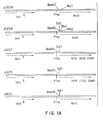
- Panel A A schematic representation of the parental plasmid (pCB258) and the four derivatives pCBSal, pGG57, pGG71 and pGG75.
- plasmids pCBSal and pCB258 contain the tet A gene, encoding the tetracycline efflux pump from transposon Tn10 of E. coli . Restriction sites found around the start of transcription for tet A present in either pCBSal or pCB258 are depicted.
- Plasmid pCBSal is deleted for part of the tetracycline repressor operator site located in pCB258, and contains two additional restriction sites (SalI and XhoI).
- Plasmids pGG57 and pGG71 contain the tet K gene, encoding the tetracycline efflux pump derived from Staphylococcu s aureus , present in a 2.0 Kb SalI/HindIII fragment isolated M13 bacteriophage designated GG1 and GG2 respectively.
- GG1 and GG2 are both generated by oligonucleotide-mediated site-directed mutagenesis of M13 bacteriophage MC71.
- pGG75 contains a tet C gene, encoding the tetracycline efflux pump derived from pBR322, with a SalI restriction site introduced 5' to the ATG of tet C using polymerase Chain Reaction.
- Regulated expression of tet C to high levels of tetracycline resistance involves an uncharacterized regulatory mutation shown by DNA sequence analysis to reside outside of the tet C coding region.
- the lacI gene encodes the lac repressor which regulates expression of genes under the control of the tac promoter using IPTG.
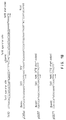
- the top DNA sequence is from transposon Tn10 between tet R, encoding the tetracycline repressor, and tet A, encoding the tetracycline efflux pump.
- the two operator sites found in Tn10 are underlined and the location of the BamHI restriction site is inferred to be present between the two operator sites, from restriction analysis.
- pCBSal contains two unique restriction sites, these changes do not result in alterations of the tet A encoded protein at the amino acid level.
- the only difference between the two tet K constructs is at the start of translation.
- the plasmid pGG57 contains an ATG start codon (underlined) while pGG71 contains a TTG start codon (underlined). All start codons for each construct are depicted by an arrow.
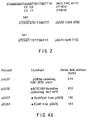
- FIG. 2 Site-directed mutagenesis near the start codon of tet K.
- the DNA region near the start codon of tet K in the bacteriophage MC71 which was altered using oligonucleotide-mediated site-directed mutagenesis is shown.
- oligonucleotide-mediated site-directed mutagenesis requires: (1) a single stranded DNA template one wishes to mutagenize and (2) a short (20-40 bp) complementary oligonucleotide containing within it the desired changes one wishes to introduce into the DNA fragment. The oligonucleotide is allowed to anneal to the complementary single stranded template.
- the 3' OH group of the oligonucleotide serves as a primer for DNA polymerase which is added and results in production of a double stranded product.
- One of the two strands now contains the alterations introduced by the oligonucleotide primer.
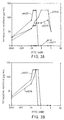
- FIG. 3A The tetracycline resistance profile conferred by the plasmids pCBSal, pGG57, pGG75 and pGG71 in E . coli strain MC1061.
- Cells are grown in Luria Broth liquid media, serially diluted with 0.85% saline, and spread onto agar plates containing increasing concentrations of tetracycline in the presence of increasing concentrations of IPTG. Plates were incubated at 37°C for 16 hours. The concentration of tetracycline resulting in at least 90% loss of colony forming units (LD90) is indicated.
- FIG. 3B The tetracycline resistance profiles of E . coli MC1061 containing pGG57 or pGG76, which both contain tet K and identical regulatory elements, but differ in their plasmid replication region. The procedure used to obtain these profiles is identical to the protocol described in figure legend 3A.
- the plasmids listed are derivatives of pGG57.
- the plasmid pGG76 is a pACYC184 derivative of pGG57 containing lac I and tet K.
- the plasmids pGG77 and pGG84 are deleted for DNA sequence within the tet K coding region.
- Figure 5 illustrates the results of a plate assay to detect tetracyclines.
- 10 ⁇ l spots containing the amount of tetracycline indicated is applied to the lawn of cells grown as described in the text, and after three hours incubation the chromogenic substrate is applied. The amount of tetracycline in each spot is indicated. 300 pg of tetracycline can always be detected. When higher amounts of tetracycline are applied, a zone of growth inhibition can be observed, surrounded by a ring of induction.
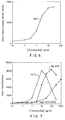
- Figure 6 illustrates a liquid assay to detect tetracyclines. Samples are added to aliquots of cells, as described in the text, and induction is numerically measured by performing ⁇ -galactosidase assays. The specific activity of ⁇ -galactosidase, in Miller units (10), is indicated when cells grow for 4 generations in the presence of tetracycline at the indicated concentration. The presence of 5-10 ng/ml of tetracycline is routinely sufficient for full induction.
- Figure 7 shows the induction of tetracycline-sensitive and resistant strains in liquid culture.
- Cells are added to tetracycline to the final concentration indicated as described in Figure 7.
- the sensitive strain is the tetracycline screening organism KB3ind, which induces fully when grown in the presence of 5-10 ng/ml of tetracycline.
- the strain containing the Tn10 element, conferring strong tetracycline resistance induces fully when the concentration of tetracycline is above 1 ⁇ g/ml.
- Strain KB4 a modestly tetracycline-resistant organism due to the low constitutive expression of the tetracycline efflux pump, exhibits a low background of induction in the presence of 5 ng/ml of tetracycline, but full induction when 30 ng/ml of tetracycline is present.
- Figure 8 illustrates the results of the various assays when an active agent is present in culture. Extractions from a fermentation broth are prepared by solvent extraction and C18 reverse-phase column chromatography. A ten-fold concentrate of the fermentation broth is applied to the Tetracycline Assay plate, the Inhibition Assay plate, and the Synergy plate as described in the text.
- a compound antagonizing the tetracycline efflux pump is expected to cause growth inhibition of strain KB4 in the Synergy Assay (growth in the presence of 5 ⁇ g/ml of tetracycline), induction of ⁇ -galactosidase in strain KB4 in the Inhibition Assay (growth in the presence of 5 ng/ml of tetracycline), but no induction in strain KB3ind in the Tetracycline Assay.
- Two independent samples are prepared, and 10 ⁇ l samples of the ten-fold concentrate, three-fold concentrate, and unconcentrated sample are applied to each plate as indicated and incubated for 3 hours. Induction or growth inhibition are observed following the chromogenic overlay.
- the active component in the preparation causes induction only in the Inhibition Assay, and differential growth inhibition in the Synergy Assay.
- the active component is isolated and determined to be nocardamine, a siderophore. Other distinct siderophores also exhibit this same activity.
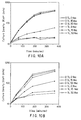
- Figure 9 illustrates the results of liquid assays for inhibitors of the tetracycline efflux pump. Inhibitory activity is assayed in liquid culture by growing strain KB4 in medium lacking tetracycline and then transferring to medium containing 5 ng/ml of tetracycline, a sub-inducing level of tetracycline due to the action of the efflux pump. Nocardamine is also added as indicated. After 4 generations of growth, the specific activity of ⁇ -galactosidase is determined in Miller Units (10). Induction of ⁇ -galactosidase can be detected when nocardamine is present above 5 ⁇ g/ml.
- aliquots of KB4 are transferred to a medium containing 5 ⁇ g/ml of tetracycline and the nocardamine concentration indicated.
- a marked decrease in ⁇ -galactosidase is observed, in parallel with a decrease in growth rate (not shown). Both of these responses indicate that nocardamine interferes with the efflux of tetracycline by the efflux pump.
- Figure 10 illustrates the effect of nocardamine on the growth of tetracycline sensitive and resistant cells.
- Cells are grown in LB medium lacking tetracycline, as described in the text, and then aliquots are added to medium containing no tetracycline, or a sub-inhibitory concentration for the particular strain.
- Nocardamine ⁇ g/ml
- strain KB3ind the tetracycline-sensitive strain
- the sub-inhibitory concentration of tetracycline is 0.5 ⁇ g/ml.
- 20 ⁇ g/ml of tetracycline is the subinhibitory level.
- the present invention provides microorganisms susceptible to induction by tetracycline which are further specifically adapted for use in tetracycline related assays.
- the microorganisms are modified so as to permit growth at 37 o C, the preferred temperature for the assay, and to not be susceptible to induction by DNA damaging agents, which can cause false positives in assays for the presence of tetracycline.
- the microorganisms are further modified so as to confer very low-level resistance to tetracycline; such microorganisms are particularly well adapted for use in assays for detection of inhibitors of tetracycline efflux pump inhibitors since they are extremely sensitive to even small quantities of a pump inhibitor.
- the microorganism is E . coli .
- the microorganisms provide the basis for novel assays, both for detection of compounds having tetracycline-like activity (tetracycline assays) and for the detection of pump inhibitory compounds.
- the assay method for detection of tetracycline-like compounds utilizes a microorganism having the following characteristics: (a) an indicator gene fused to a tet A promoter, as a single- or low-copy number gene; (b) a tet R promoter expressed at low levels; (c) is refractory to induction by DNA damaging agents.
- the microorganism is also (d) capable of growth at 37 o C.
- the microorganism is cultured in a medium which does not contain tetracycline and is contacted with a sample to be tested for the presence of tetracycline-like compounds.
- the culture is also contacted with a reagent capable of producing a detectable signal when the microorganism's indicator gene is expressed.
- This reagent may be present in the culture medium, or may be added subsequently, depending on the particular system used.
- the culture is observed for the presence or absence of a detectable signal, thereby indicating the presence or absence of tetracycline-like activity in the test sample.
- tet A gene of TN10 is expressed only when cells encounter tetracycline, expression from the tet A promoter is a good indicator of tetracyclines.
- a gene fusion is used that contains the transcriptional signals (the promoter and operator sites) from tet A adjacent to the lac Z structural gene, which codes for ⁇ -galactosidase.
- the following factors contribute to the sensitivity and specificity of the assay: (1) the fusion of the tet A control region to the lac Z structural gene is in single copy within bacteriophage ⁇ , (2) the tet R gene is integrated in the opposite orientation relative to the bla gene on the plasmid, resulting in a low level of repressor, (3) the ⁇ cIind allele permits growth at 37 o C but prevents induction by DNA damaging agents, and (4) the timing of the assay and the use of sensitive chromogenic reagent (6-bromo-2-naphthyl- ⁇ -galactopyranoside and fast blue RR) indicated by the presence of the detectable signal.
- sensitive chromogenic reagent (6-bromo-2-naphthyl- ⁇ -galactopyranoside and fast blue RR) indicated by the presence of the detectable signal.
- a Synergy Assay detects compounds capable of inhibiting the efflux pump in the presence of tetracycline.
- the microorganism used has the following traits: (a) an indicator gene fused to a tet A promoter as a single or low copy number gene, (b) a tet R gene expressed at low levels; (c) is refractory to induction by DNA damaging agents; and (d) a tetracycline efflux pump gene which confers a low level of resistance to tetracycline; preferably the microorganism is capable of growth at 37 o C.
- the microorganism is grown in a medium containing sub-inhibitory but inducing levels of tetracycline, and is contacted with a sample to be tested for the presence of an efflux pump inhibitor; the culture is also contacted with a reagent capable of producing a detectable signal when the indicator gene is expressed, either in the culture medium or by subsequent addition.
- a detectable signal is observed, thereby indicating the presence or absence of a pump inhibitor.
- the absence of the signal in this assay indicates growth inhibition, and therefore the presence of a useful inhibitory compound in the test sample.
- the Inhibition Assay the microorganism as described above for the Synergy Assay is grown in a medium containing non-inhibitory and sub-inducing levels of tetracycline and a compound which produces a detectable signal when the indicator gene is expressed; the microorganism is contacted with the test sample, and the presence or absence of the detectable signal in the medium is observed.
- This assay identifies inhibitors of the tetracycline efflux pump by observing induction, i.e., the presence of the detectable signal in a medium which, prior to contact with the test sample, contained only sub-inducing levels of tetracycline.
- tet A is used to refer to the gene which confers tetracycline resistance in transposon Tn10;
- tet K refers to the gene encoding the tetracycline efflux pump in Staphylococcu s aureus ;
- tet C refers to the gene encoding the tetracycline efflux pump from plasmid pB322.
- DNA constructs and expression vectors useful in developing the present screening assays and microorganisms are disclosed in copending and cofiled Serial [Atty Docket No. 31727-00], the contents of which are incorporated herein by reference.
- the claimed DNA sequences are originally obtained by modification of the Bam HI- Nco I fragment found within the plasmid pCB258 gene that encodes the tetracycline pump from transposon Tn10 responsible for tetracycline resistance (the tet A gene).
- An inducible expression system for tet A regulation has been disclosed by Eckert and Beck (7), as described above. This system, however, may be unacceptable for expression of tetracycline pump genes because it potentially expresses the pump too strongly.
- the plasmid in particular the Bam HI- Nco I fragment containing the coding region and a portion of the regulatory region of the tet A gene is investigated in an attempt to provide a sequence which would permit cloning of other genes into the plasmid, as well as permitting low level expression of the genes so cloned.
- FIG. 1 A schematic diagram of the tet A gene, including a portion of the regulatory region, of transposon Tn10 is provided in Figure 1.
- Tetracycline resistance in enteric bacteria generally is mediated by the transposon Tn10, through the action of two genes. Briefly, the expression of pump gene tet A is regulated by the tet R gene product, a repressor; two tet R repressor binding sites are located slightly upstream of the tet A coding region.
- the plasmid pCB258 of Eckert and Beck was engineered to achieve controlled expression of the tet A gene by cloning the Tn10 tet A gene behind a tac promoter; expression in this system is under control of the lac repressor encoded on the same plasmid. There was no indication by Eckert and Beck to what extent, if any, either of the tet R repressor binding sites are present on the recombinant plasmid, although restriction analysis indicates that one binding site nearest the tet A coding region remains.
- the pCB258 plasmid provides a convenient starting point; in particular, attention is focused on the region between the Bam HI and Nco I sites of the vector. The details of the sequence of this region are found in Figure 1B. Inspection shows that there is not a convenient restriction site into which the tet K gene can be cloned.
- a pair of oligomers are synthesized that can hybridize to form a DNA fragment with the desired modifications, and containing a Bam HI and Nco I sticky end for cloning into the Bam HI and Nco I sites of the vector.
- One strand is illustrated in Figure 1B (labelled "pCBSal").
- this fragment results in the introduction of two unique restriction sites, a Sal I site upstream and adjacent to the initiation codon, and an Xho I site within the coding region, which does not alter the amino acid sequence of the tet A protein.
- the changes including the Sal I site have an unexpected effect.
- this vector is used to express tet A in E. coli , a higher concentration of IPTG is required to induce the expression of the tet A gene than is required by the parental vector. This suggests that the change alters the strength of the tet A ribosome binding site ["ribosome binding site" being interpreted in the broad sense as defined by Gold and Stormo (22)], rendering it less efficient.
- This construct is then used to attempt expression of the S. aureus tet K gene in E. coli . Since the unmodified tet K gene, when present in E. coli , does not confer resistance, some alteration is required.
- the tet K gene in bacteriophage M13, is modified to contain a Sal I site immediately 5' to the start site for cloning purposes. Additionally, to facilitate expression in E. coli , the normal tet K TTG start site is mutagenized to ATG. The tet K gene thus modified is then ligated into the pcBSal vector.
- the plasmid construct is used to transform E. coli for tet K expression.
- the effect of the apparently weakened ribosome binding site in the expression system balanced by the presence of an E. coli ATG start site, results in a strain that confers resistance to just 25 ⁇ g/ml of tetracycline in the absence of inducer, and therefore produces a low level of the S. aureus tet K gene product.
- strains with plasmids containing the pCBSal type construct express low levels of the gene, it is possible to decrease the level of expression even further by removing the strong tac promoter preceding the tet gene.
- expression is regulated by this promoter.
- substantial expression occurs from pCB258, and to a lesser extent from pCBSal, even in the absence of inducer.
- Expression can be reduced further by cloning the gene of interest and its ribosome binding site (i.e., the SD and ATG), but not its transcriptional start signals, into another plasmid.
- the position in the new plasmid is preferably not within a gene that is actively transcribed.
- the insert containing the gene and its ribosome binding site can be cloned in either orientation at a particular location in a plasmid by known methods, e.g., if the vector and insert are cut by the same enzyme.
- Tn10 confers a high level of resistance to tetracycline, and thus, there are relatively many pumps to inhibit before a signal might be detected in a fully tetracycline resistant strain.
- tet A gene of Tn10 is regulated; inhibition of efflux pumps will result in an increased synthesis of new efflux pumps, as a response to the increased intracellular level of tetracycline, so that the effect of an inhibitor will be minimized by a fully tetracycline resistant strain.
- Transposon Tn10 also contributes the repressor gene tet R, as well as the tet A gene; increased expression of the repressor may cause diminished sensitivity (9).
- a low, constitutive level of tet A expression is optimal for a screening organism to detect inhibitors of the tetracycline efflux pump, a task to which the Eckert and Beck system is not ideally suited, for several reasons.
- lactose which would induce expression of tet A on plasmid pCB258, might be present within fermentation broths to be screened, interfering with the screen.
- restriction analysis of plasmid pCB258 indicates that one of the two operator binding sites of the tet regulatory region is present in plasmid pCB258.
- a screening organism utilizing the tet regulatory elements and therefore containing the tet R gene, a low, constitutive level of tet A expression could not be achieved.
- the invention is not limited to use of a particular plasmid, as expression can be readily achieved on unrelated plasmids, and the modifications which may be required to insert the desired sequence into other plasmids, i.e., modification of restriction sites, are within the skill of the art given the disclosure of the present specification.
- the foregoing vectors provide a basis for development of assays to detect pump inhibitors
- additional manipulations are required to create a microorganism optimally adapted for use in an assay system.
- Certain traits are desirable for purposes of developing an assay microorganism useful in either a Tetracycline Assay or in a Pump Inhibitor Assay, and no previously available microorganism contains all the required traits.
- an ideal base microorganism is needed before the assay system can be implemented.
- ⁇ RSTET 158-43 provides a convenient base from which to develop an ideal assay organism (9).
- ⁇ RSTET 158-43 has certain basic traits which are useful in designing any assay organism.
- ⁇ RSTET 158-43 has a convenient indicator system which allows visual detection of the presence or absence of the occurrence of the anticipated biological event, in this case, the lac Z gene, which encodes the enzyme ⁇ -galactosidase, is fused to the tet A promoter, from transposon Tn10, in the absence of the tet A gene.
- transcription from the tet A promoter is regulated by the tet R gene product, the tetracycline repressor.
- the tetracycline repressor When cells are grown in the absence of tetracycline, then transcription is not initiated from the tet A promoter.
- the tetracycline enters the cell, binds and inactivates the repressor, and mRNA is made; in other words, in the presence of tetracycline, the tet A promoter is induced and expression of the tet A gene occurs.
- induction and expression of ⁇ -galactosidase is measured.
- the assay system is not limited to the use of a lac Z fusion; any other indicator system which provides a detectable signal upon induction of the tet A promoter is acceptable, such as the luciferase system or the chloranphenicol acetyl transferase system.
- the fusion construct is present in the assay microorganisms as a single gene copy. If the fusion gene were to be cloned on a multi-copy plasmid, the background of the indicator (e.g., ⁇ -galactosidase) produced when cells are grown without tetracycline in the medium would be considerably higher, as in the described organism (11).
- the lac Z- tet A fusion is located on a ⁇ bacteriophage integrated into the chromosome of E. coli ; however, insertion on a single- or low-copy number plasmid is also acceptable.
- tet R is normally present on a multicopy plasmid ,in a preferred embodiment, it is present at low levels.
- low level of repressor is meant an amount which will confer sensitivity to 10 ng or less of tetracycline.
- One way in which this is achieved is by cloning the tet R gene without its own promoter, inserted into a plasmid gene, bla , in the "wrong" orientation (9). In this manner, very little repressor protein is made, so that the system is triggered to induce at the extremely low levels of tetracycline.
- An assay organism having these traits is more sensitive in detecting tetracyclines than the assay organism previously described (11).
- this strain with the wild-type CI allele, has the disadvantage that it is susceptible to DNA damaging agents, such as mitomycin C in addition to tetracyclines.
- This class of compounds (which are very likely to be present in materials to be tested, such as fermentation broths) will also induce ⁇ -galactosidase production in this organism modified to permit growth at 37 o C. This potentially creates a lack of specificity in the assay which is unacceptable.
- This problem is overcome by substitution of a mutated allele of the CI gene that causes the Ind-phenotype (13), resulting in a failure of ⁇ to be induced by the SOS system. After the introduction of the ind mutation, the microorganism is suitably specific for tetracyclines.
- the organism described above is useful in a variety of assays for detection of tetracyclines.
- a plate assay the cells so constructed are mixed with soft agar and poured into a plate. Sample compounds to be tested are applied directly to the agar or in an impregnated disc, and incubated. After incubation, the plates are overlaid with the appropriate substrate to detect the expression of the indicator gene.
- the plates are overlaid with 6-bromo-2-naphthyl- ⁇ -D-galactopyranside and an appropriate dye; the presence of ⁇ -galactosidase is indicated by a purple spot as described (11).
- a liquid assay in which ⁇ -galactosidase activity is measured can also be employed (10, 12).
- plasmids carrying efflux pump genes.
- the plasmid utilized is one such as is disclosed above, which has been designed to confer a very low level of resistance to tetracycline. In a preferred embodiment, this low level of resistance is achieved by cloning the efflux pump gene and its ribosome binding site signals, but not its transcriptional start signals (promoter) into a "nonactive" region of a plasmid.
- the level of resistance conferred by the engineered plasmids is no more than 25 ⁇ g/ml of tetracycline, preferably no more than 10 ⁇ g/ml. Screens can then be conducted. In the following examples, two specific types of screening organisms are described which meet these requirements.
- One strain, KB4 contains the tet A gene inserted into plasmid pBT401, which confers resistance to less than 10 ⁇ g/ml, as opposed to a TN10 derivative of KB3ind, which is resistant to more than 100 ⁇ g/ml of tetracycline.
- the effect of the insertion of the efflux pump genes is shown in Figure 7.
- Strain KB3ind is tetracycline-sensitive, and induces maximally when exposed to just 5-10 ng/ml of tetracycline. In contrast, the presence of transposon Tn10 prevents full induction until the tetracycline concentration approaches 1 ⁇ g/ml of tetracycline.
- the efflux pump constitutively produced in strain KB4 which results in modest resistance to tetracycline, prevents induction of ⁇ -galactosidase in the presence of 5 ng/ml more effectively than the Tn10 strain.
- strain KB4 may be optimum in terms of tetracycline resistance.
- the strain KB5 is isogenic to KB4, except that the tet K gene is present in place of the tetA gene.
- the MIC of KB5 is also about 10 ⁇ g/ml of tetracycline.
- the tet K gene results in a similar shift in the induction curve compared with strain KB4.
- the first is a Synergy Assay, which determines the ability of a compound or composition to kill the organism in combination with tetracycline.
- the screen identifies compounds that cause growth inhibition in the presence of 5 ⁇ g/ml of tetracycline, but not in its absence.
- the screening cells are treated as described above for the tetracycline assay, except that the agar medium contains 5 ⁇ g/ml of tetracycline which is near the MIC for the strains to be used in the screen. Growth inhibition is detected by the lack of purple color.
- cells are treated as described above for the tetracycline liquid assay, except that cells are shifted to a medium containing 5 ⁇ g/ml of tetracycline.
- the second type of assay is an Inhibition Assay.
- This assay relies on the fact that full induction of ⁇ -galactosidase occurs in the presence of 5-10 ng/ml of tetracycline in strain KB3ind ( Figure 7), the sensitive strain.
- the intracellular concentration of tetracycline tends to be reduced in resistant strains due to the action of the efflux pump. It therefore may be that more tetracycline in the medium would be required to accumulate sufficient tetracycline inside the cell to induce.
- This assay is designed to detect compounds that cause ⁇ -galactosidase (or other indicator gene) induction in the presence of sub-inducing levels of tetracycline for a resistant strain.
- a particularly promising compound would be one which causes growth inhibition in the synergy assay, and induction in the inhibition assay.
- Plasmid pCBSal is partially deleted for a tetra cycline operator binding site found in pCB258, and contains two unique restriction sites: a Sal I site immediately 5' to the start codon tet A and an XhoI restriction site in the coding region of tet A which does not alter the amino acid sequence encoded by the gene.
- the BamHI site is also unique in pCBSal.
- a pCBSal derivative that expresses the tet K gene in E. coli is constructed in two steps.
- the tet K gene in the M13 bacteriophage, MC71 (3) is mutagenized using oligonucleotide-mediated site-directed mutagenesis according to Kunkel, et al. (15).
- the oligomer 5'-CCTCAAGTAAAGAGGTCGACATGTTAGTTTAG-3' is used to alter the naturally occurring tet K start codon to ATG, and to introduce a SalI restriction site just upstream of the new start codon.
- RFI phage DNA containing the modified tet K gene is digested with Sal I/ Hind III and ligated into the large fragment generated when pCBSal is digested with Sal I/ Hind III, resulting in plasmid pGG57.
- An isogenic plasmid containing the original TTG start codon, called pGG71, is also constructed in two steps.
- the oligomer 5' AAGAGGTCGACTTGTTTAGTTAAG 3' is used to introduce a Sal I restriction site adjacent to the natural (TTG) translational start site for tet K.
- Plasmid pGG71 is constructed in the manner outlined above. The sequences of all phage constructs are verified using DNA sequence analysis according to standard procedures (8).
- the tet K gene is cloned onto an alternative expression vector by digesting plasmid pGG57 with Sca I and Hind III enzymes, and ligating the 2.7 Kb fragment to the large fragment generated by digesting plasmid pACYC184 with Hinc II and Hind III enzymes using standard techniques (8).
- the resulting recombinant, designated pGG76 contains the lac I gene, the tac promoter, followed by the tet K gene containing the ATG initiation codon.
- the tet C gene encoding the tetracycline efflux pump from plasmid pBR322 is transferred into this expression system by using polymerase chain reaction to engineer a SalI site just prior to the ATG start codon, using standard techniques (8).
- the resulting plasmid is digested with SalI and NheI enzymes, and the small fragment containing the 5' end of the tet C coding region is isolated.
- the 3' end of the tet C is isolated by digesting with AvaI enzyme, filling in with Klenow enzyme, and digesting with NheI enzyme.
- the entire tet C coding region is ligated into the expression system by means of a three-way ligation, in which the expression vector is prepared by digesting with Hind III, filing in, and digesting with SalI enzyme. (A two-way ligation is not straightforward due to the presence of a SalI site within the tet C gene.)
- the plasmid containing the entire tet C gene is isolated following transformation of strain MC1061, selecting for ampicillin resistance. Standard techniques are used (9).
- Tetracycline resistance of plasmid pGG58 within strain MC1061 is 15 ⁇ g/ml, even when high levels of IPTG are added to the medium.
- the level of tetracycline resistance is at least five times lower than tetracycline resistance conferred by plasmid pBR322, indicating that the optimal level of expression is not attained. Therefore mutants are selected that can survive the presence of 100 ⁇ g/ml of tetracycline in LB agar that also contained 0.1 mM IPTG, to permit some induction.
- One mutant derivative, containing plasmid pGG75 is isolated that is used in subsequent studies. The mutation is determined to be located on the plasmid, since transformants breed true for high tetracycline resistance.
- the possibility of a mutation within the tet C coding region is eliminated by sequencing the entire tet C coding region, and finding only wild type sequence, using standard techniques (8).
- E. coli strain MC1061 containing plasmid pCBSal, pGG57, pGG71, pGG75 or pGG76, is tested for tetracycline resistance by growing overnight cultures in Luria Broth (2) containing 50 ⁇ g/ml of ampicillin. A 1:50 dilution of each overnight culture is inoculated into fresh L-A broth. Exponentially growing cells are serially diluted in 0.85% saline such that each plate is inoculated with 200-500 cells.
- the cells are spread on L-agar (pH 6.8-7.0) containing ampicillin (50 ⁇ g/ml), containing a range of IPTG and tetracycline concentrations (.001 mM-1.0 mM IPTG and 0-200 ⁇ g/ml of tetracycline).
- the plates are incubated at 37 o C for 18-20 hours and the minimum inhibitory concentration (MIC) is determined as the concentration of tetracycline preventing at least 90% of the cells from forming colonies (LD 90).
- MIC minimum inhibitory concentration
- Plasmid pGG76 contains the origin of replication of pACYC184, whereas plasmid pGG57 relies on pBR322 origin.
- E. coli MC1061 carrying pGG76 shows a similar tetracycline resistance profile to MC1061 carrying pGG57, except that more IPTG is required to achieve maximum tetracycline resistance. This is consistent with the fact that pACYC184 derivatives are present in lower copy number than pGG57, and therefore might be expected to require more IPTG to confer full resistance.
- these results show that the regulatable expression of tet K can be used in unrelated plasmid types.
- the plasmids pGG56, pGG71, pGG76, and pCBSal all are useful in lower level expression of the tet genes in that the feature of regulation by the tet R gene product is removed, and the ribosome binding site is altered so as to weaken translation.
- plasmid pBT401 (9) containing the tet A gene of transposon Tn10 is constructed by digesting plasmid pCBSal with Sma I restriction enzyme and ligating the small fragment into plasmid pBT401 that is digested with Bam HI enzyme and filled in with Klenow enzyme as described.
- the gene is in the same orientation as the aph gene (kanamycin resistance), determined by restriction analysis. When the gene is in the opposite orientation, no tetracycline resistance is detected.
- An isogenic plasmid containing the tet K gene of S. aureus is similarly constructed using plasmid pGG57 as the source of tet K.
- plasmids are used to transform an appropriate E. coli strain for use in screening assays for tetracycline efflux pump inhibitors.
- tetracycline efflux pumps vary in their ability to recognize and pump out different tetracyclines (11). This interpretation is limited by alternative explanation. It is possible, for instance, that differences can be attributed to susceptibility of the host strain. Furthermore, if one efflux pump confers stronger resistance to tetracycline, it is difficult to distinguish whether low-level resistance to a derivative, such as minocycline, is attributable to the ability of the pump to recognize minocycline, as opposed to its enhanced ability to pump all tetracycline substrates. It is even possible that the "better" pump is simply less lethal, and tolerated in greater numbers, rather than a more efficient pump.
- E. coli MC1061 containing either pGG57, pCBSal or pGG75 were used to determine the MIC (LD 90) for tetracycline as well as six tetracycline analogs. Each plasmid required a different level of IPTG for maximum induction. MIC studies were performed in the presence of 0.01 mM IPTG for E. coli MC1061 containing pGG57. An IPTG level of 0.5 mM was required for optimum induction of E. coli MC1061 containing pGG75. E. coli MC1061 containing pCBSal required an IPTG level of 0.1 mM IPTG for maximum induction. All of these MIC studies were done in duplicate.
- ⁇ Stet158-43 contains (a) a transcriptional fusion of lac Z to the tet A promoter from Tn10; (b) a deletion from the bet gene to the CIII gene, the loss of the gam gene, resulting in a loss of plaque-forming ability in a Rec A (recombination deficient) E. coli host strain; and (c) the cI857 allele, which causes induction and cell lysis when a lysogen is grown at 37 o C. The latter trait is considered undesirable for use in the screening microorganisms.
- ⁇ crosses are conducted so as to obtain a hybrid phage retaining the desirable fusion gene, but capable of growth at 37 o C and replication in a Rec A host, as well as carrying the CIind mutation which prevents induction due to DNA damaging agents.
- ⁇ stet 158-43 is crossed with ⁇ W3 (16), which contains no fusion, but does have the CIind allele and the gam+ gene, allowing replication in a Rec A host strain.
- An equal multiplicity of the two phages is used to coinfect the neutral ( Rec +) host strain NK5031, using standard phage genetic techniques (17).
- the resulting phage preparation is used to infect the Rec A56 derivative of MC4100 at 37 o C, which allows plaque formation only to gam + phage.
- the presence of the CIind allele is assessed by screening for turbid plaques at 37 o C, because the CI857 allele encodes a temperature sensitive repressor, resulting in clear plaques at 37 o C because lysogens cannot form.
- the presence of the lac Z fusion is indicated by screening for blue plaques when X-gal, the indicator of ⁇ -galactosidase, is included in the medium.
- a lysogen containing the blue gam + phage is obtained by spotting phage onto a lawn of NK5031 cells, and streaking several times for blue colonies that can grow at 37 o C.
- the plasmid pBT401 containing the tet R gene, is transformed into the strain containing the hybrid ⁇ phage by selecting for kanamycin resistance using standard procedures (8).
- the transformant, strain KB3ind responds to tetracycline by induction of ⁇ -galactosidase.
- a plate assay is developed that is similar to one described previously (11).
- Cells are grown in Luria Broth (adjusted with NaOH to pH 7.5) with 25 ⁇ g/ml of kanamycin to a cell density of 0.5 absorbance units (600 nm).
- a 25 ml sample of the culture is harvested by centrifugation and resuspended in 1 ml of broth.
- the cells are mixed with 25 ml of soft agar (1%, wt/vol) and poured onto 100 ml of LB (pH 7.5) + kanamycin, within a 22 cm2 NUNC plate (Corning).
- Samples are applied by spotting from 2 to 15 ⁇ l, or by applying a disc impregnated with a compound, and the plate is incubated for 3-4 hours at 37 o C.
- the plates are overlaid with a solution containing 13.5 mg of 6-bromo-2-naphthyl- ⁇ -D-glactopyranoside and 86.5 mg of fast blue RR (Sigma) dissolved in 2 ml of dimethylsulfoxide, to which 25 ml of soft agar is added.
- ⁇ -Galactosidase is detected by the presence of a purple spot.
- strain KB3ind is tested using the plate assay described above. Three ⁇ l samples containing up to 22.5 ng of bleomycin, 150 ng of mitomycin C, or 150 ng of the gyrase inhibitor cinodine (18) are spotted onto the plate, as described above. No ⁇ -galactosidase is detected, but only a zone of growth inhibitor, for the strain believed to contain the ⁇ lysogen with the CIind allele.
- a control strain, NK5031 ( ⁇ Stet158-50) (19) which contains the cI wild type allele, responds to the three reagents by inducing ⁇ -galactosidase.
- a liquid assay is also used.
- Cells are grown in LB (pH 7.5), and tetracycline-containing samples are added to aliquots when the density of the culture is 0.1 OD units. After 3-4 generations of the cells, each aliquot is measured for ⁇ -galactosidase activity as described (10, 12) and Miller Units (12) are determined.
- ⁇ -galactosidase activity as described (10, 12) and Miller Units (12) are determined.
- ⁇ -galactosidase activity as described (10, 12) and Miller Units (12) are determined.
- ⁇ -galactosidase activity as described (10, 12) and Miller Units (12) are determined.
- ⁇ -galactosidase activity as described (10, 12) and Miller Units (12) are determined.
- Either the plate assay or the liquid assay is capable of detecting all tetracyclines previously known to have antibacterial activity. These compounds include tetracycline, chlortetracycline, minocycline, doxycycline, 6-dimethyl chlortetracycline, and 6-deoxy-6-dimethyl tetracycline. Anhydro derivatives of tetracycline can also be detected, consistent with previous results (11).
- a variety of other antibiotics are tested for activity with the plate assay to test whether other antibiotics result in a positive signal.
- Table 2 shows that several compounds, when in discs that were placed on an assay plate, result in the production of purple color to a limited extent.
- the amount of nonspecific drug resulting in a positive signal is 3 orders of magnitude higher than the amount of tetracycline needed for induction.
- a purple ring is detectable only when high concentrations of the nonspecific drugs are applied, surrounding a prominent zone of growth inhibition. It is possible that the thin purple ring surrounding a large growth inhibitory zone might be an artifact, for example, of permeabilizing the cells to colorimetric reagent; it is interesting that members of the ⁇ -lactam class of antibiotics sometimes cause this response.
- a derivative plasmid pBT401 (9) containing the tet A gene of transposon Tn10 is constructed by digesting plasmid pCBSal with Sma I restriction enzyme and ligating the small fragment into plasmid pBT401 digested with BamHI enzyme and filled in with Klenow enzyme as described (8).
- the gene is in the same orientation as the kanamycin resistance gene, determined by restriction analysis. When the gene is in the opposite orientation, no tetracycline resistance is detected. It is possible that readthrough transcription past the kanamycin resistance gene accounts for the low level of expression of the tet A gene.
- aureus is similarly constructed using plasmid pGG57, described above, as the source of tet K. Both of these plasmids are transformed into the derivative of strain NK5031 containing the hybrid ⁇ phage described.
- Strain KB4 contains tet A.
- Strain KB5 contains tet K.
- Figure 7 shows a comparison of induction observed with KB3ind, KB4, and KB5.
- KB3ind is tetracycline-sensitive, and induces maximally at just 5-10 ng/ml of tetracycline.
- KB4 which contains the tet A gene, confers resistance to less than 10 ⁇ g/ml, in comparison with a Tn10 derivative of KB3ind which is resistant to more than 100 ⁇ g/ml of tetracycline.
- KB4 prevents induction in the presence of 5 ng/ml more effectively than the Tn10 strain, probably because of its constitutive expressions. Thus, more pumps may be synthesized when strain KB4 is exposed to very low concentrations of tetracycline.
- strain KB4 can not respond by making more efflux pumps, and full induction occurs when the concentration of tetracycline is increased to 30 ng/ml.
- the Tn10 strain requires 1 ⁇ g/ml of tetracycline for full induction.
- strain KB4 appears to be close to the optimum in terms of detecting inhibitors of the tetracycline efflux pump, in the sense that inhibition of very few pumps may result in a response.
- Strain KB5 is isogenic to strain KB4, except the tet K gene confers a low level of tetracycline resistance.
- the MIC of strain KB5 is also about 10 ⁇ g/ml of tetracycline.
- the tet K gene results in a similar shift in the induction curve compared to strain KB4. Both strains grow in the presence of 5 ⁇ g/ml of tetracycline, albeit slower than in the absence of tetracycline.
- Two assays are developed for detecting inhibitors of the tet A gene product (using strain KB5), or the tet K gene product (using strain KB4).
- Inhibition Assay cells of strain KB4 or KB5 are treated as described in the tetracycline screen above, except that the agar medium contains 5 ng/ml of tetracycline.
- a Liquid Assay is also developed. Cells are first grown in LB (pH 7.5). Then cells are shifted to medium containing 5 ng/ml of tetracycline, and tetracycline-containing samples are added to aliquots. Cells are then incubated and assayed as described for the Tetracycline Assay.
- the Inhibition Assay relies on the fact that full induction of tet A occurs in the presence of 5-10 ng/ml of tetracycline in strain KB3ind ( Figure 7). However, the intracellular concentration is reduced in tetracycline resistant strains due to the action of the efflux pump, so more tetracycline would be required in the medium to accumulate sufficient tetracycline inside the cell to induce.
- the Inhibition Assay is designed to detect compounds that cause ⁇ -galactosidase induction in the presence of sub-inducing levels of tetracycline for a resistant strain.
- cells are treated as above for the plate assay, except that agar medium contains 5 ⁇ g/ml of tetracycline, near the MIC for strain KB4 or KB5. Growth inhibition is detected by the lack of purple color production following the overlay containing a colorimetric reagent.
- cells are treated as above for the liquid assay, except that cells are shifted to medium containing 5 ⁇ g/ml of tetracycline.
- This screen is designed to detect compounds, antibiotics, fermentation broths, etc. that kill the assay organism in combination with tetracycline, i.e. to detect substances that cause growth inhibition in the presence of 5 ⁇ g/ml of tetracycline, but not in the absence of tetracycline.
- the ideal compound is one which causes growth inhibition in the Synergy Assay, and induction in the Inhibition Assay.
- the lipophilic chelating agents such as fusaric acid, designed to kill cells expressing the efflux pump in either the presence or absence of tetracycline (20) do not test positive in the Inhibition or Synergy Assays using strain KB4. These agents are only active when cells strongly express the pump, at low cell density, and in special medium. Some fermentation broths, however, contain material that test positive in both the Inhibition and Synergy plate assays ( Figure 8).
- the predominant active component produced by one bacterial culture is found to be nocardamine, a siderophore which binds Fe+++, for both strains KB4 and KB5.
- nocardamine is sufficient to detect activity in the Synergy Assay or the Inhibition Assay.
- the siderophores ferrichrome and ferrichromeh are also tested for their ability to antagonize the tetracycline efflux pump. Both compounds test positive at the same molar concentrations as nocardamine. Only the unchelated forms of that iron chelators exhibit this inhibitory activity.
- nocardamine can be detected in liquid assays, as shown in Figure 9.
- Cells grown in liquid culture in the presence of 5 ng/ml only induce ⁇ -galactosidase at a low level; however, when nocardamine is also present at concentrations greater than 5 ⁇ g/ml, then a rise in ⁇ -galactosidase occurs, for either strain KB4 or KB5.
- growth inhibition detected most clearly by the inhibition of ⁇ -galactosidase production, is apparent for both strains.
- Figure 10 shows that when the Tn10 derivative of strain KB3ind (a highly resistant strain) is grown in the presence of 25 ⁇ g/ml of tetracycline, then nocardamine inhibits growth of the TN10 strain, whereas nocardamine has little or no effect when tetracycline is absent. Thus, nocardamine and other siderophores have the effect of interfering with the ability of the pump to maintain low levels of tetracycline inside cells.
- Table 2 shows that when a variety of antibiotics are tested on plate assays, few cause a positive response in the Inhibition Assay, and none in the Synergy Assay.
- One notable exception for the Inhibition Assay are tetracycline derivatives, which cause induction when as little as 1 ng is spotted in the plate assay for both strain KB4 or KB5.
- the efflux pump cannot pump out sufficient tetracycline to prevent induction. Therefore the Inhibition Assay should be run in conjunction with the Tetracycline Assay, which will show a stronger positive response to tetracycline.
- the Tetracycline Assay is designed to detect pg levels of tetracyclines.
- the Inhibition Assay can detect 1 ng of tetracycline.
- the Inhibition and Synergy Assays are designed to detect compounds such as nocardamine, which interfere with the ability of the tetracycline efflux pumps from maintaining a low intracellular level of tetracycline.
- Nocardamine also inhibits the growth of a fully tetracycline-resistant strain in combination with 25 ⁇ g/ml of tetracycline. It is apparently the chelating ability of nocardamine that is responsible for its activity, since other strong iron chelators have a similar effect.
- nocardamine by binding iron, causes a state of iron deprivation that interferes with functions that depend on oxidative-reduction reactions. It is noteworthy that active efflux of tetracycline is energized by the protein gradient, which depends on electron transport, and iron, to maintain the full proton motive force, providing a plausible explanation of the connection between iron-free siderophores and the interference with the efflux pumps.
- treatment with nocardamine enhances the uptake of tetracycline with the cell, since the tetracycline sensitive strain KB3ind is affected by the combination of tetracycline and nocardamine. It is possible that enhancing the uptake of tetracycline into cell containing tetracycline efflux pumps is an alternative means of antagonizing these pumps.
Landscapes
- Health & Medical Sciences (AREA)
- Genetics & Genomics (AREA)
- Life Sciences & Earth Sciences (AREA)
- Engineering & Computer Science (AREA)
- Chemical & Material Sciences (AREA)
- Organic Chemistry (AREA)
- Wood Science & Technology (AREA)
- Zoology (AREA)
- Biomedical Technology (AREA)
- Biotechnology (AREA)
- General Engineering & Computer Science (AREA)
- Bioinformatics & Cheminformatics (AREA)
- Molecular Biology (AREA)
- Physics & Mathematics (AREA)
- Microbiology (AREA)
- Biochemistry (AREA)
- General Health & Medical Sciences (AREA)
- Biophysics (AREA)
- Plant Pathology (AREA)
- Proteomics, Peptides & Aminoacids (AREA)
- Toxicology (AREA)
- Analytical Chemistry (AREA)
- Immunology (AREA)
- Measuring Or Testing Involving Enzymes Or Micro-Organisms (AREA)
- Micro-Organisms Or Cultivation Processes Thereof (AREA)
Applications Claiming Priority (2)
| Application Number | Priority Date | Filing Date | Title |
|---|---|---|---|
| US80363491A | 1991-12-06 | 1991-12-06 | |
| US803634 | 1991-12-06 |
Publications (1)
| Publication Number | Publication Date |
|---|---|
| EP0547403A1 true EP0547403A1 (en) | 1993-06-23 |
Family
ID=25187068
Family Applications (1)
| Application Number | Title | Priority Date | Filing Date |
|---|---|---|---|
| EP92119888A Withdrawn EP0547403A1 (en) | 1991-12-06 | 1992-11-23 | Regulated expression of tetracycline resistance determinant (TETK) in escheria coli |
Country Status (8)
| Country | Link |
|---|---|
| US (1) | US5789188A (enExample) |
| EP (1) | EP0547403A1 (enExample) |
| JP (1) | JP3329395B2 (enExample) |
| KR (1) | KR100245831B1 (enExample) |
| AU (1) | AU670551B2 (enExample) |
| CA (1) | CA2084404A1 (enExample) |
| NO (1) | NO304489B1 (enExample) |
| TW (1) | TW318189B (enExample) |
Cited By (3)
| Publication number | Priority date | Publication date | Assignee | Title |
|---|---|---|---|---|
| WO1996033285A1 (en) * | 1995-04-21 | 1996-10-24 | Microcide Pharmaceuticals, Inc. | Efflux pump inhibitors |
| US6068972A (en) * | 1997-10-03 | 2000-05-30 | Trustees Of Tufts College | Methods and compositions for reducing bacterial tolerance to antibacterials, disinfectants and organic solvents |
| CN110257471A (zh) * | 2019-06-06 | 2019-09-20 | 南京农业大学 | 利用生物传感器检测土壤中可提取态四环素类抗生素的试纸条及方法 |
Families Citing this family (8)
| Publication number | Priority date | Publication date | Assignee | Title |
|---|---|---|---|---|
| USRE40183E1 (en) | 1991-10-04 | 2008-03-25 | Wyeth Holdings Corporation | 7-Substituted-9-substituted amino-6-demethyl-6-deoxytetracyclines |
| US5494903A (en) | 1991-10-04 | 1996-02-27 | American Cyanamid Company | 7-substituted-9-substituted amino-6-demethyl-6-deoxytetracyclines |
| US6436694B1 (en) * | 1998-01-09 | 2002-08-20 | Cubist Pharmaceuticals, Inc. | Regulable gene expression in gram-positive bacteria |
| US6346391B1 (en) * | 1999-07-22 | 2002-02-12 | Trustees Of Tufts College | Methods of reducing microbial resistance to drugs |
| GB0123401D0 (en) * | 2001-09-28 | 2001-11-21 | Novartis Forschungsstiftung | Methods of inducing gene expression |
| EP1851245B1 (en) | 2005-01-26 | 2012-10-10 | Amgen Fremont Inc. | Antibodies against interleukin-1 beta |
| GB0806803D0 (en) * | 2008-04-15 | 2008-05-14 | Scottish Biomedical Ltd | Reverse reporter assay |
| US9518283B1 (en) | 2012-02-27 | 2016-12-13 | Paradigm Diagnostics, Inc. | Selective enrichment media and uses thereof |
Family Cites Families (5)
| Publication number | Priority date | Publication date | Assignee | Title |
|---|---|---|---|---|
| US4806529A (en) * | 1982-11-18 | 1989-02-21 | Trustees Of Tufts College, Tufts University | Tetracycline activity enhancement |
| US4911924A (en) * | 1987-04-17 | 1990-03-27 | University Of New Mexico | Induction of antibiotic hypersensitivity in tetracycline-resistance microorganisms |
| US5001230A (en) * | 1988-02-18 | 1991-03-19 | Schering Corporation | T cell activation markers |
| EP0468220A3 (en) * | 1990-07-26 | 1992-09-23 | American Cyanamid Company | Cloning of the biosynthetic pathway genes for chlortetracycline production from streptomyces aureofaciens & their expression in steptomyces lividans |
| ES2117630T3 (es) * | 1990-07-26 | 1998-08-16 | American Cyanamid Co | Cosmido bifuncional util para clonar adn actinomicetico. |
-
1992
- 1992-04-08 TW TW081102693A patent/TW318189B/zh active
- 1992-11-23 EP EP92119888A patent/EP0547403A1/en not_active Withdrawn
- 1992-12-04 CA CA002084404A patent/CA2084404A1/en not_active Abandoned
- 1992-12-04 AU AU29896/92A patent/AU670551B2/en not_active Ceased
- 1992-12-04 NO NO924705A patent/NO304489B1/no unknown
- 1992-12-04 JP JP35012692A patent/JP3329395B2/ja not_active Expired - Fee Related
- 1992-12-05 KR KR1019920023449A patent/KR100245831B1/ko not_active Expired - Fee Related
-
1996
- 1996-05-13 US US08/644,931 patent/US5789188A/en not_active Expired - Lifetime
Non-Patent Citations (3)
| Title |
|---|
| ANTIMICROBIAL AGENTS AND CHEMOTHERAPY vol. 34, no. 1, 1 January 1990, NEW YORK NY USA pages 111 - 116 I. CHOPRA ET AL. 'A sensitive biological detection method for tetracyclines using a TET-A-LAC-Z fusion system.' * |
| EMBO J vol. 7, no. 2, 1988, OXFORD UK pages 567 - 572 I. MEIER ET AL 'Differential regulation of the TN10-encoded tetracycline resistance genes TETA and TETR by the tandom TET operators 01 and 02.' * |
| MOJUMDAR ET AL: "CHARACTERIZATION OF THE TETRACYCLINE RESISTANCE GENE OF PLASMID PT181", JOURNAL OF BACTERIOLOGY, vol. 170, no. 12, 1988, pages 5522 - 5528 * |
Cited By (7)
| Publication number | Priority date | Publication date | Assignee | Title |
|---|---|---|---|---|
| WO1996033285A1 (en) * | 1995-04-21 | 1996-10-24 | Microcide Pharmaceuticals, Inc. | Efflux pump inhibitors |
| US5989832A (en) * | 1995-04-21 | 1999-11-23 | Microcide Pharmaceuticals, Inc. | Method for screening for non-tetracycline efflux pump inhibitors |
| AU715654B2 (en) * | 1995-04-21 | 2000-02-10 | Essential Therapeutics, Inc. | Efflux pump inhibitors |
| US6068972A (en) * | 1997-10-03 | 2000-05-30 | Trustees Of Tufts College | Methods and compositions for reducing bacterial tolerance to antibacterials, disinfectants and organic solvents |
| US6448006B1 (en) | 1997-10-03 | 2002-09-10 | Trustees Of Tufts College | Methods and compositions for reducing bacterial tolerance to antibacterials disinfectants and organic solvents |
| CN110257471A (zh) * | 2019-06-06 | 2019-09-20 | 南京农业大学 | 利用生物传感器检测土壤中可提取态四环素类抗生素的试纸条及方法 |
| CN110257471B (zh) * | 2019-06-06 | 2020-08-18 | 南京农业大学 | 利用生物传感器检测土壤中可提取态四环素类抗生素的试纸条及方法 |
Also Published As
| Publication number | Publication date |
|---|---|
| US5789188A (en) | 1998-08-04 |
| JPH05317093A (ja) | 1993-12-03 |
| AU2989692A (en) | 1993-06-10 |
| JP3329395B2 (ja) | 2002-09-30 |
| AU670551B2 (en) | 1996-07-25 |
| KR100245831B1 (ko) | 2000-04-01 |
| CA2084404A1 (en) | 1993-06-07 |
| NO924705L (no) | 1993-06-07 |
| NO924705D0 (no) | 1992-12-04 |
| TW318189B (enExample) | 1997-10-21 |
| NO304489B1 (no) | 1998-12-28 |
Similar Documents
| Publication | Publication Date | Title |
|---|---|---|
| Sandler et al. | Differential suppression of priA2:: kan phenotypes in Escherichia coli K-12 by mutations in priA, lexA, and dnaC | |
| Frank et al. | Construction and characterization of chromosomal insertional mutations of the Pseudomonas aeruginosa exoenzyme S trans-regulatory locus | |
| Takiff et al. | Genetic analysis of the rnc operon of Escherichia coli | |
| Huisman et al. | Multiple defects in Escherichia coli mutants lacking HU protein | |
| CA2139667C (en) | Methods and diagnostic kits for determining toxicity utilizing bacterial stress promoters fused to reporter genes | |
| Haldimann et al. | Transcriptional regulation of the Enterococcus faecium BM4147 vancomycin resistance gene cluster by the VanS-VanR two-component regulatory system in Escherichia coli K-12 | |
| Lissenden et al. | Identification of transcription activators that regulate gonococcal adaptation from aerobic to anaerobic or oxygen‐limited growth | |
| Slaugh et al. | [9] Genetic fusions as experimental tools | |
| Deighan et al. | Three‐way interactions among the Sfh, StpA and H‐NS nucleoid‐structuring proteins of Shigella flexneri 2a strain 2457T | |
| Craig et al. | A null mutation in the Bacillus subtilis aconitase gene causes a block in Spo0A-phosphate-dependent gene expression | |
| Marra et al. | Regulation of excision of the conjugative transposon Tn916 | |
| US20020058260A1 (en) | Method for identifying microbial proliferation genes | |
| Andrews et al. | opp-lac operon fusions and transcriptional regulation of the Escherichia coli trp-linked oligopeptide permease | |
| EP0547403A1 (en) | Regulated expression of tetracycline resistance determinant (TETK) in escheria coli | |
| JP4346819B2 (ja) | 大腸菌における外来遺伝子の調節された高効率発現 | |
| Lane et al. | Induction of the SOS response by IS1 transposase | |
| Volkert et al. | Induction of the Escherichia coli aidB gene under oxygen-limiting conditions requires a functional rpoS (katF) gene | |
| Camakaris et al. | Autoregulation of the tyrR gene | |
| Alavi et al. | [3] Surface sensing, swarmer cell differentiation, and biofilm development | |
| Yano et al. | The use of operon fusions in studies of the heat-shock response: effects of altered sigma 32 on heat-shock promoter function in Escherichia coli | |
| Rothstein et al. | Detection of tetracyclines and efflux pump inhibitors | |
| Yamamoto et al. | A multiply phr-plasmid increases the ultraviolet resistance of a recA strain of Escherichia coli | |
| EP0469021B1 (en) | Determination of factors affecting gene regulation and/or gene replication | |
| Mani et al. | Screening Systems for Detecting Inhibitors of Cell Wall Transglycosylation in Enterococcus Cell Wall Transglycosylation Inhibitors in Enterococcus | |
| US5384259A (en) | Construct and method for expression of tetracycline resistance genes in E. Coli |
Legal Events
| Date | Code | Title | Description |
|---|---|---|---|
| PUAI | Public reference made under article 153(3) epc to a published international application that has entered the european phase |
Free format text: ORIGINAL CODE: 0009012 |
|
| AK | Designated contracting states |
Kind code of ref document: A1 Designated state(s): AT BE CH DE DK ES FR GB GR IE IT LI LU NL PT SE |
|
| 17P | Request for examination filed |
Effective date: 19931220 |
|
| RAP1 | Party data changed (applicant data changed or rights of an application transferred) |
Owner name: AMERICAN CYANAMID COMPANY |
|
| 17Q | First examination report despatched |
Effective date: 19940818 |
|
| GRAP | Despatch of communication of intention to grant a patent |
Free format text: ORIGINAL CODE: EPIDOSNIGR1 |
|
| RTI1 | Title (correction) |
Free format text: METHODS OF SCREENING FOR INHIBITORS OF TETRACYCLINE EFFLUX PUMPS |
|
| STAA | Information on the status of an ep patent application or granted ep patent |
Free format text: STATUS: THE APPLICATION IS DEEMED TO BE WITHDRAWN |
|
| 18D | Application deemed to be withdrawn |
Effective date: 20040510 |