EP0525384A2 - Imidazolinone resistant ahas mutants - Google Patents
Imidazolinone resistant ahas mutants Download PDFInfo
- Publication number
- EP0525384A2 EP0525384A2 EP92110627A EP92110627A EP0525384A2 EP 0525384 A2 EP0525384 A2 EP 0525384A2 EP 92110627 A EP92110627 A EP 92110627A EP 92110627 A EP92110627 A EP 92110627A EP 0525384 A2 EP0525384 A2 EP 0525384A2
- Authority
- EP
- European Patent Office
- Prior art keywords
- ahas
- imidazolinone
- enzyme
- gene
- sequence
- Prior art date
- Legal status (The legal status is an assumption and is not a legal conclusion. Google has not performed a legal analysis and makes no representation as to the accuracy of the status listed.)
- Granted
Links
Images










Classifications
-
- C—CHEMISTRY; METALLURGY
- C12—BIOCHEMISTRY; BEER; SPIRITS; WINE; VINEGAR; MICROBIOLOGY; ENZYMOLOGY; MUTATION OR GENETIC ENGINEERING
- C12N—MICROORGANISMS OR ENZYMES; COMPOSITIONS THEREOF; PROPAGATING, PRESERVING, OR MAINTAINING MICROORGANISMS; MUTATION OR GENETIC ENGINEERING; CULTURE MEDIA
- C12N15/00—Mutation or genetic engineering; DNA or RNA concerning genetic engineering, vectors, e.g. plasmids, or their isolation, preparation or purification; Use of hosts therefor
- C12N15/09—Recombinant DNA-technology
- C12N15/11—DNA or RNA fragments; Modified forms thereof; Non-coding nucleic acids having a biological activity
- C12N15/52—Genes encoding for enzymes or proenzymes
-
- C—CHEMISTRY; METALLURGY
- C12—BIOCHEMISTRY; BEER; SPIRITS; WINE; VINEGAR; MICROBIOLOGY; ENZYMOLOGY; MUTATION OR GENETIC ENGINEERING
- C12N—MICROORGANISMS OR ENZYMES; COMPOSITIONS THEREOF; PROPAGATING, PRESERVING, OR MAINTAINING MICROORGANISMS; MUTATION OR GENETIC ENGINEERING; CULTURE MEDIA
- C12N9/00—Enzymes; Proenzymes; Compositions thereof; Processes for preparing, activating, inhibiting, separating or purifying enzymes
- C12N9/88—Lyases (4.)
-
- C—CHEMISTRY; METALLURGY
- C12—BIOCHEMISTRY; BEER; SPIRITS; WINE; VINEGAR; MICROBIOLOGY; ENZYMOLOGY; MUTATION OR GENETIC ENGINEERING
- C12N—MICROORGANISMS OR ENZYMES; COMPOSITIONS THEREOF; PROPAGATING, PRESERVING, OR MAINTAINING MICROORGANISMS; MUTATION OR GENETIC ENGINEERING; CULTURE MEDIA
- C12N15/00—Mutation or genetic engineering; DNA or RNA concerning genetic engineering, vectors, e.g. plasmids, or their isolation, preparation or purification; Use of hosts therefor
- C12N15/09—Recombinant DNA-technology
- C12N15/63—Introduction of foreign genetic material using vectors; Vectors; Use of hosts therefor; Regulation of expression
- C12N15/79—Vectors or expression systems specially adapted for eukaryotic hosts
- C12N15/82—Vectors or expression systems specially adapted for eukaryotic hosts for plant cells, e.g. plant artificial chromosomes (PACs)
- C12N15/8241—Phenotypically and genetically modified plants via recombinant DNA technology
- C12N15/8261—Phenotypically and genetically modified plants via recombinant DNA technology with agronomic (input) traits, e.g. crop yield
- C12N15/8271—Phenotypically and genetically modified plants via recombinant DNA technology with agronomic (input) traits, e.g. crop yield for stress resistance, e.g. heavy metal resistance
- C12N15/8274—Phenotypically and genetically modified plants via recombinant DNA technology with agronomic (input) traits, e.g. crop yield for stress resistance, e.g. heavy metal resistance for herbicide resistance
- C12N15/8278—Sulfonylurea
Definitions
- This invention relates to novel DNA sequences that encode novel variant forms of acetohydroxy acid synthase enzyme (hereinafter AHAS).
- AHAS enzyme is a critical enzyme routinely produced in a variety of plants and a broad range of microorganisms. Normal AHAS function is inhibited by imidazolinone herbicides; however, new AHAS enzymes encoded by the mutant DNA sequences function normally catalytically even in the presence of imidazolinone herbicides and, therefore, confer herbicide resistance upon the plant or microorganism containing them.
- novel DNA sequences are derived from corn and have a substitution of an amino acid at position 621 of the normal AHAS sequence. This substitution in the AHAS gene sequence results in a fully functional enzyme, but renders the enzyme specifically resistant to inhibition by a variety of imidazolinone herbicides.
- the availability of these variant sequences provides a tool for transformation of different crop plants to imidazolinone herbicide resistance, as well as providing novel selectable markers for use in other types of genetic transformation experiments.
- AHAS acetohydroxyacid synthase
- ALS acetolacetate synthase
- the AHAS enzyme is known to be present throughout higher plants, as well as being found in a variety of microorganisms, such as the yeast Saccharomyces cerevisiae, and the enteric bacteria, Escherichia coli and Salmonella typhimurium.
- the genetic basis for the production of normal AHAS in a number of these species has also been well characterized.
- E. coli and S. typhimurium three isozymes of AHAS exist; two of these are sensitive to herbicides while a third is not.
- Each of these isozymes possesses one large and one small protein subunit; and map to the IIvIH, IIvGM and IIvBN operons.
- AHAS function is encoded by two unlinked genes, SuRA and SuRB. There is substantial identity between the two genes, both at the nucleotide level and amino acid level in the mature protein, although the N-terminal, putative transit region differs more substantially (Lee et al, EMBO J. 7: 1241-1248, 1988).
- Arabidopsis has a single AHAS gene, which has also been completely sequenced (Mazur et al., Plant Physiol. 85:1110-1117, 1987). Comparisons among sequences of the AHAS genes in higher plants indicates a high level of conservation of certain regions of the sequence; specifically, there are at least 10 regions of sequence conservation. It has previously been assumed that these conserved regions are critical to the function of the enzyme, and that retention of that function is dependent upon substantial sequence conservation.
- mutants exhibiting herbicide resistance possess mutations in at least one amino acid in one or more of these conserved regions.
- substitution of certain amino acids for the wild type amino acid at these specific sites in the AHAS protein sequence have been shown to be tolerated, and indeed result in herbicide resistance of the plant possessing this mutation, while retaining catalytic function.
- the mutations described therein encode either cross resistance for imidazolinones and sulfonylureas or sulfonylurea-specific resistance, but no imidazolinone-specific mutations were disclosed. These mutations have been shown to occur at both the SuRA and SuRB loci in tobacco; similar mutations have been isolated in Arabidopsis and yeast.
- Imidazolinone-specific resistance has been reported elsewhere in a number of plants.
- U.S. Patent No. 4,761,373 generally described an altered AHAS as a basis of herbicide resistance in plants, and specifically disclosed certain imidazolinone resistant corn lines.
- Haughn et al. (Mol. Gen. Genet. 211:266-271, 1988) disclosed the occurrence of a similar phenotype in Arabidopsis.
- Sathasivan et al. Nucl. Acid Res. 18:2188, 1990
- a gene encoding imidazolinone-specific resistance in a monocot has now been isolated and determined to be associated with a single amino acid substitution in a wild-type monocot AHAS amino acid sequence.
- the present invention provides novel nucleic acid sequences encoding functional monocot AHAS enzymes insensitive to imidazolinone herbicides.
- the sequences in question comprise a mutation in the codon encoding the amino acid serine at position 621 in the corn (maize) AHAS sequence, or in the corresponding position in other monocot sequences.
- Other monocots, such as wheat, are also known to exhibit imidazolinone specific mutations (e.g., ATCC Nos. 40994-97).
- the wild type sequence has a serine at this position.
- the substitution is asparagine for serine, but alternate substitutions for serine include aspartic acid, glutamic acid, glutamine and tryptophane.
- the claimed sequences are originally derived from monocots, the novel sequences are useful in methods for producing imidazolinone resistant cells in any type of plant, said methods comprising transforming a target plant cell with one or more of the altered sequences provided herein.
- mutagenesis is utilized to create mutants in plant cells or seeds containing a nucleic acid sequence encoding an imidazolinone insensitive AHAS.
- mutant plant cells isolated in tissue culture plants which possess the imidazolinone resistant or insensitive trait are then regenerated.
- the invention thus also encompasses plant cells, bacterial cells, fungal cells, plant tissue cultures, adult plants, and plant seeds that possess a mutant nucleic acid sequence and which express functional imidazolinone resistant AHAS enzymes.
- the mutant nucleic acids of the present invention also provide novel selectable markers for use in transformation experiments.
- the nucleic acid sequence encoding a resistant AHAS is linked to a second gene prior to transfer to a host cell, and the entire construct transformed into the host. Putative transformed cells are then grown in culture in the presence of inhibitory amounts of herbicide; surviving cells will have a high probability of having successfully acquired the second gene of interest.
- the resistant AHAS gene can be cotransformed on an independent plasmid with the gene of interest, whereby about 50% of all transformants can be expected to have received both genes.
- a “functional” or “normal” AHAS enzyme is one which is capable of catalyzing the first step in the pathway for synthesis of the essential amino acids isoleucine, leucine and valine.
- a "wild-type” AHAS sequence is a sequence present in an imidazolinone sensitive member of a given species.
- a “resistant” plant is one which produces a mutant but functional AHAS enzyme, and which is capable of reaching maturity when grown in the presence of normally inhibitory levels of imidazolinone.
- resistant as used herein, is also intended to encompass “tolerant” plants, i.e., those plants which phenotypically evidence adverse, but not lethal, reactions to the imidazolinone.
- the gene of the present invention is isolatable from corn maize line XI12 (seed deposited with the American Type Culture Collection as Accession Number 75051), and has been inserted into plasmid pXI12/8A (deposited with the American Type Culture Collection as Accession Number 68643). It is also isolatable from any other imidazolinone-specific herbicide resistant mutant, such as the corn line QJ22 (deposited as a cell culture with the American Type Culture Collection as Accession Number 40129), or the various wheat plants (seed deposited with the American Type Collection as Accession Numbers 40994, 40995, 40996, or 40997).
- a genomic DNA library is created, for example, in phage ENBL-3 with DNA from one of the imidazolinone resistant mutants, preferably one which is homozygous for the resistance trait, and is screened with a nucleic acid probe comprising all or a part of a wild-type AHAS sequence.
- the AHAS gene is found at two loci, alsl and als2 (Burr and Burr, Trends in Genetics 7:55-61, 1991); the homology between the two loci is 95% at the nucleotide level.
- the mutation in XI12 is mapped to locus als2 on chromosome 5, whereas the nonmutant gene is mapped to locus alsl on chromosome 4 (Newhouse et al., "Imidazolinone-resistant crops”.
- mutant genes of the present invention confer resistance to imidazolinone herbicides, but not to sulfonylurea herbicides.
- Types of herbicides to which resistance is conferred are described for example in U.S. Patent Nos. 4,188,487; 4,201,565; 4,221,586; 4,297,128; 4,554,013; 4,608,079; 4,638,068; 4,747,301; 4,650,514; 4,698,092; 4,701,208; 4,709,036; 4,752,323; 4,772,311; and 4,798,619.
- nucleic acid sequence depicted in Figure 6 is not the only sequence which can be used to confer imidazolinone-specific resistance. Also contemplated are those nucleic acid sequences which encode an identical protein but which, because of the degeneracy of the genetic code, possess a different nucleotide sequence.
- the invention also encompasses genes encoding AHAS sequences in which the aforestated mutation is present, but which also encode one or more silent amino acid changes in portions of the molecule not involved with resistance or catalytic function. Also contemplated are gene sequences from other imidazolinone resistant monocots which have a mutation in the corresponding region of the sequences.
- a codon for the amino acid alanine, a hydrophobic amino acid can readily be substituted by a codon encoding another hydrophobic residue, such as glycine, or may be substituted with a more hydrophobic residue such as valine, leucine, or isoleucine.
- changes which result in substitution of one negatively charged residue for another, such as aspartic acid for glutamic acid, or one positively charged residue for another, such as lysine for arginine can also be expected to produce a biologically equivalent product.
- the invention also encompasses chimaeric genes, in which the substituted portion of the corn AHAS gene is recombined with unaltered portions of the normal AHAS genes from other species.
- chimaeric genes in which the substituted portion of the corn AHAS gene is recombined with unaltered portions of the normal AHAS genes from other species.
- Isolated AHAS DNA sequences of the present invention are useful to transform target crop plants, and thereby confer imidazolinone resistance.
- the imidazolinone specific resistance trait is inherited as a single dominant nuclear gene.
- the level of imidazolinone resistance is increased when the gene is present in a homozygous state; such corn plants, for example, have a resistance level of about 1,000 times that of a non-resistant plant. Plants heterozygous for the trait, however, have a resistance of about 50-500 times that of a non-resistant plant.
- Transformation of plant cells can be mediated by the use of vectors.
- a common method of achieving transformation is the use of Agrobacterium tumefaciens to introduce a foreign gene into the target plant cell.
- the mutant AHAS sequence is inserted into a plasmid vector containing the flanking sequences in the Ti-plasmid T-DNA.
- the plasmid is then transformed into E. coli.
- a triparental mating among this strain an Agrobacterium strain containing a disarmed Ti-plasmid containing the virulence functions needed to effect transfer of the AHAS containing T-DNA sequences into the target plant chromosome, and a second E.
- coli strain containing a plasmid having sequences necessary to mobilize transfer of the AHAS construct from E. coli to Agrobacterium is carried out.
- a recombinant Agrobacterium strain, containing the necessary sequences for plant transformation is used to infect leaf discs. Discs are grown on selection media and successfully transformed regenerants are identified. The recovered plants are resistant to the effects of herbicide when grown in its presence. Plant viruses also provide a possible means for transfer of exogenous DNA.
- Direct uptake of plant cells can also be employed.
- protoplasts of the target plant are placed in culture in the presence of the DNA to be transferred, and an agent which promotes the uptake of DNA by protoplast.
- agent which promotes the uptake of DNA by protoplast are polyethylene glycol or calcium phosphate.
- DNA uptake can be stimulated by electroporation.
- an electrical pulse is used to open temporary pores in a protoplast cell membrane, and DNA in the surrounding solution is then drawn into the cell through the pores.
- microinjection can be employed to deliver the DNA directly into a cell, and preferably directly into the nucleus of the cell.
- transformation occurs in a plant cell in culture. Subsequent to the transformation event, plant cells must be regenerated to whole plants. Techniques for the regeneration of mature plants from callus or protoplast culture are now well known for a large number of different species (see, e.g., Handbook of Plant Cell Culture, Vols. 1-5, 1983-1989 McMillan, N.Y.) Thus, once transformation has been achieved, it is within the knowledge in the art to regenerate mature plants from the transformed plant cells.
- Alternate methods are also now available which do not necessarily require the use of isolated cells, and therefore, plant regeneration techniques, to achieve transformation. These are generally referred to as “ballistic” or “particle acceleration” methods, in which DNA coated metal particles are propelled into plant cells by either a gunpowder charge (Klein et al., Nature 327: 70-73, 1987) or electrical discharge (EPO 270 356). In this manner, plant cells in culture or plant reproductive organs or cells, e.g. pollen, can be stably transformed with the DNA sequence of interest.
- the cell wall of cultured cells is digested in a buffer with one or more cell wall degrading enzymes, such as cellulase, hemicellulase and pectinase, to isolate viable protoplasts.
- the protoplasts are washed several times to remove the enzymes, and mixed with a plasmid vector containing the gene of interest.
- the cells can be transformed with either PEG (e.g. 20% PEG 4000) or by electroporation.
- the protoplasts are placed on a nitrocellulose filter and cultured on a medium with embedded corn cells functioning as feeder cultures.
- the cultures in the nitrocellulose filter are placed on a medium containing about 0.32 /1 .M of the imidazolinone and maintained in the medium for 1-2 months.
- the nitrocellulose filters with the plant cells are transferred to fresh medium with herbicides and nurse cells every two weeks. The untransformed cells cease growing and die after a few weeks.
- the present invention can be applied to transformation of virtually any type of plant, both monocot and dicot.
- crop plants for which transformation to herbicide resistance is contemplated are corn, wheat, rice, millet, oat, barley, sorghum, sunflower, sweet potato, alfalfa, sugar beet, Brassica species, tomato, pepper, soybean, tobacco, melon, squash, potato, peanut, pea, cotton, or cacao.
- the novel sequences may also be used to transform ornamental species, such as rose, and woody species, such as pine and poplar.
- novel sequences of the invention also are useful as selectable markers in plant genetics studies.
- sequences encoding imidazolinone resistance could be linked to a gene of interest which is to be used to transform a target imidazolinone sensitive plant cell.
- the construct comprising both the gene of interest and the imidazolinone resistant sequence are introduced into the plant cell, and the plant cells are then grown in the presence of an inhibitory amount of an imidazolinone.
- the second gene of interest can be cotransformed, on a separate plasmid, into the host cells. Plant cells surviving such treatment presumably have acquired the resistance gene as well as the gene of interest, and therefore, only transformants survive the selection process with the herbicide. Confirmation of successful transformation and expression of both genes can be achieved by Southern hybridization of genomic DNA, by PCR or by observation of the phenotypic expression of the genes.
- XI12 plants are treated with herbicides at 10 days to the V3 leaf stage (4-5 leaves, of which 3 have visible ligules).
- Imazethapyr is applied at rates of 2000, 500, 250, 125 and 62.5 g/ha.
- Chlorsulfuron is applied at 32, 16, 8, 4 and 2 g/ha. Plants are treated postemergence at a spray volume of 400 I/ha. After spraying, plants are placed in the greenhouse for further observation.
- XI12 plants are unaffected at all rates of imazethapyr treatment; however, no visible increased resistance to chlorsulfuron is noted. Thus, XI12 displays selective resistance to the imidazolinone at the whole plant level (See Figure 1).
- the resistance in XI12 is also shown to be inherited as a single dominant allele of a nuclear gene. Heterozygous resistant XI12 are selfed, and the selfed progeny segregate in the 3 resistant:1 susceptible ratio expected for a single dominant allele of a nuclear gene. In this study, the segregating seedlings are sprayed postemergence with lethal doses of imazethapyr (125 or 250 g/ha) following spraying protocols described above, to establish segregation for resistance.
- Seeds of XI12 are sown in soil in a greenhouse maintained at day/night temperature of 80°C and 15 hour photoperiod. Plants are harvested two weeks after planting. The basal portion of the shoot is used for the extraction of AHAS. 5 g of the tissue is powdered in liquid nitrogen and then homogenized in AHAS assay buffer comprising 100 mM potassium phosphate buffer (pH 7.5) containing 10 mM pyruvate, 5 mM MgC1 2 , 5 mM EDTA, 100 uM FAD (flavin adenine dinucleotide), 1 mM valine, 1 mM leucine, 10% glycerol and 10 mM cysteine.
- AHAS assay buffer comprising 100 mM potassium phosphate buffer (pH 7.5) containing 10 mM pyruvate, 5 mM MgC1 2 , 5 mM EDTA, 100 uM FAD (flavin aden
- the homogenate is centrifuged at 10,000 rpm for 10 minutes and 3 ml of the supernatant are applied onto an equilibrated Bio-Rad Econo-Desalting column (10 DG) and eluted with 4 ml AHAS assay buffer.
- AHAS activity is measured by estimation of the product, acetolactate, after conversion by decarboxylation in the presence of acid to acetoin.
- Standard reaction mixtures contain the enzyme in 50 mM potassium phosphate (pH 7.0) containing 100 mM sodium pyruvate, 10 mM MgC1 2 , 1 mM thiamine pyrophosphate, 10 uM FAD, and appropriate concentrations of different inhibitors. This mixture is incubated at 37°C for 1 to 3 hours depending upon the experiment. At the end of this incubation period, the reaction is stopped with the addition of H2 S04 to make a final concentration of 0.85% H 2 SO 4 in the tube. The reaction product is allowed to decarboxylate at 60°C for 15 minutes. The acetoin formed is determined by incubating with creatine (0.17%) and 1-naphthol (1.7% in 4N NaOH). The absorption of color complex formed is measured at 520 nm.
- AHAS activity from B73, A619, or other wild-type maize lines is highly sensitive to inhibition by imazethapyr (PURSUITTM) with an 1 50 of 1 uM (See Figure 1).
- PURSUITTM imazethapyr
- XI12 shows 70-80% of enzyme activity at the highest concentrations (100 ⁇ M) of PURSUITTM or ARSENALTM (imazepyr), and about 70% in the presence of SCEPTERTM (imazequin).
- This result shows a 100-fold increase in tolerance of AHAS activity from XI12 to imazethapyr as compared to the in vitro AHAS activity from A619.
- sensitivity of AHAS activity from the two lines to sulfonylureas gives a different picture.
- AHAS activity of XI12 is only 15-20%.
- AHAS activity of A619 in the presence of OUSTTM IS 5-10%, and in the presence of PURSUITTM is 15-20% (See Figure 1).
- Seeds of the XI12 mutant derived from an imidazolinone resistant corn tissue culture line are planted; plants obtained therefrom appear to be segregating for the mutant AHAS phenotype.
- a population of XI12 mutant plants are selfed. After selecting for herbicide resistance for three consecutive growing seasons, the seeds are homozygous for the mutant AHAS gene. Homozygous seeds are collected and used to grow seedlings to be used in AHAS gene isolation.
- DNA is extracted from 7 days old etiolated seedlings of a homozygous XI12 line.
- 60 g of plant tissue is powdered in liquid nitrogen, and transfered into 108 ml DNA extraction buffer (1.4 M NaCI, 2.0% Ctab (hexadecyl trimethyl ammonium bromide), 100 mM tris-CI pH 8.0, 20 mM EDTA, 2% Mercaptoethanol) and 54 ml water. After incubation at 50-60°C for 30 minutes the suspension is extracted with an equal amount of chloroform.
- the DNA is precipitated by adding an equal amount of precipitation buffer (1% Ctab, 50 mM Tris-CI pH 8.0, 10 mM EDTA).
- a high speed centrifugation in 6.6M CsCI and ethidium bromide is performed (Ti80 rotor, 50,000 rpm, 20°C, 24 hours).
- the purified DNA is extracted with salt saturated Butanol and dialyzed for 25 hours against 3 changes of 1 I dialysis buffer (10 mM Tris-CI Ph 8.0, 1 mM EDTA, 0.1 M NaCI).
- the concentration of the XI12 genomic DNA is determined spectrophotometrically to be 310 mg/ml. The yield is 0.93 mg.
- the XI12 genomic DNA is used to create a genomic library in the phage EMBL-3.
- the DNA is partially digested with Mbol and the fragments are separated on a sucrose gradient to produce size range between 8 to 22 kb before cloning into the BamHl site of EMBL-3.
- the library is amplified once.
- the titer of the library is determined 9 x 10 10 pfu/ml.
- a W22 (wild-type) cDNA library in lambda gt11 is screened with an 800 nt BamH1 probe isolated from Arabidopsis AHAS genomic clone.
- the phages are plated in a density of 50,000 pfu/15 cm plate, transferred onto nitrocellulose filters, prehybridized in 6x SSC, 0.2% SDS for 2 hours and hybridized with the Arabidopsis AHAS probe in 6x SSC, 0.2% SDS overnight.
- One positive phage is identified, further purified and used for subcloning of a 1.1 kb EcoRl fragment.
- the 1.1 kb EcoRl fragment is subcloned into pGemA-4 and used as a probe to identify the XI12 AHAS genes.
- the XI12 genomic library is plated on 12 15-cm plates (concentration of 50,000 pfu/plate) and is screened with the W22 AHAS cDNA probe.
- the filters are prehybridized (2 hours) and hybridized (over night) in Church buffer (0.5 M Na Phosphate, 1 mM EDTA, 1 % BSA, 7% SDS) at 65°C and washed at 65°C in 2x SSC, 0.2% SDS and 0.3 x SSC, 0.2% SDS.
- 12 positive plaques are obtained from a total of 7.5 x 10 5 pfu screened and 5 positive clones are further purified and isolated according to Chisholm (BioTechniques 7:21-23, 1989).
- AHAS genes corresponding to the mutant locus located on chromosome 5 (clone 12/8A) and the non-mutant locus located on chromosome 4 (clone 12/17A) are subcloned as a Pstl fragment (clone 12/8A) or as Xbal fragment (12/17A) into the sequencing vector pBluescript II KSml3(+) (pKS+; Stratagene). Both 2.7 kb and 3.7 kb Xbal fragments from phage 12/17A contain one complete copy of AHAS genes which are identified. The sequence of each is obtained by dideoxy sequencing (Pharmacia T7 sequencing Kits) using primers complementary to the AHAS coding sequence.
- the methods of DNA extraction, cloning of the genomic library and screening of the library are as described for the XI12 genomic DNA.
- the B73 AHAS genes are subcloned into the sequencing vector pKS + as Xbal fragments and are sequenced. The sequence is obtained by dideoxy sequencing, using primers complementary to the AHAS coding sequence as described for the S112 AHAS genes.
- a W22 genomic library in EMBL3 purchased from Clontech Inc., CA is screened.
- the phages are plated in a density of 50,000 pfu/7 inch plate, transferred onto nitrocellulose filters, and hybridized with the W22 AHAS cDNA probe described above (prehybridization and hybridization conditions: 6 x SSC, 0.5% SDS, 1X Denhard's 100 mg/ml calf thymus DNA, 65°C, washing conditions: 3X x SSC, 0.2% SDS for 2 hours at 65°C, and 0.3 x SSC, 0.2% SDS for 2 hours).
- Two positive phages (12/1 A and 12/4-4) are identified and further purified.
- the W22 genomic clone 12/1A is subcloned as two 0.78 kb (pGemA-4) and 3.0 kb (pGemA-14; Promega) Sall fragments into the vector pGem-A2, and as a 6.5 kb Xbal fragment into the vector pKS + (pCD200).
- the coding strand sequence of the W22 AHAS gene is obtained by dideoxy sequencing of nested deletions created from subclones pGem A-14 and pGem A-4 of phage 12-1 A. This sequence is used to design oligonucleotides complementary to the AHAS non-coding strand.
- the sequence of the non-coding strand is obtained by dideoxy sequencing of clone pCD200 using primers complementary to the coding strand. Upon complementing the sequencing of the W22 AHAS gene, primers of both DNA strands are designed and used for the sequencing of the AHAS genes isolated from the XI12 and B73 genomic libraries.
- a genomic library of QJ22 is prepared in an EMBL3 vector.
- a library of 800,000 phage is screened with an 850 nucleotide Sall/Clal fragment isolated from an AHAS clone (A-4) derived from the wild-type maize line W22.
- Five positive phages are picked and submitted to a second round of screening to partially purify the phage.
- the partially purified phage are analyzed by PCR to determine if any clones represent the QJ22 alsl gene. Such clones are identified as a 3.7kb Xbal fragment with a gene specific Smal site at position 495.
- the second screen indicates the presence of a single positive clone with these characteristics.
- the PCR product is purified using a commercial kit (Magic PCR Preps) from Promega, and the purified DNA is sequenced with a Taq polymerase sequencing system "fmol", also from Promega Sequence analysis of both strands of the DNA of the QJ22 mutant AHAS shows a nucleotide transition from G to A in the codon for amino acid 621. This mutation is identical to the one seen in XI12 and the remainder of the sequence is typical of an alsl gene.
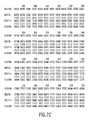
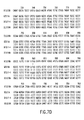
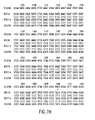
- the sequence of the mutant AHAS genes is compared with the sequences obtained from the wild type corn lines B73 and W22 (See Figure 7).
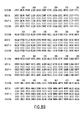
- the XI12 mutant gene (XI12/8A) and the QJ22 mutant gene and the wild type gene are identical except for the amino acid change at position 621, causing a single nucleotide transition from AGT to AAT (See Figure 8).
- the XI12 mutant XI12/8A and the wild-type B73/7-4 gene show an additional difference at position 63.
- the non-mutant XI12 AHAS gene cloned in X112/17A is completely homologous to the corresponding B73/10-2 in the region coding for the mature AHAS protein (data not shown).
Landscapes
- Health & Medical Sciences (AREA)
- Genetics & Genomics (AREA)
- Life Sciences & Earth Sciences (AREA)
- Engineering & Computer Science (AREA)
- Chemical & Material Sciences (AREA)
- Bioinformatics & Cheminformatics (AREA)
- Organic Chemistry (AREA)
- Zoology (AREA)
- Wood Science & Technology (AREA)
- Biomedical Technology (AREA)
- Molecular Biology (AREA)
- Biotechnology (AREA)
- General Engineering & Computer Science (AREA)
- Microbiology (AREA)
- Biochemistry (AREA)
- General Health & Medical Sciences (AREA)
- Plant Pathology (AREA)
- Biophysics (AREA)
- Physics & Mathematics (AREA)
- Medicinal Chemistry (AREA)
- Cell Biology (AREA)
- Micro-Organisms Or Cultivation Processes Thereof (AREA)
- Breeding Of Plants And Reproduction By Means Of Culturing (AREA)
- Plural Heterocyclic Compounds (AREA)
- Enzymes And Modification Thereof (AREA)
- Saccharide Compounds (AREA)
- Preparation Of Compounds By Using Micro-Organisms (AREA)
- Agricultural Chemicals And Associated Chemicals (AREA)
- Macromolecular Compounds Obtained By Forming Nitrogen-Containing Linkages In General (AREA)
- Storage Of Fruits Or Vegetables (AREA)
Abstract
Description
- This invention relates to novel DNA sequences that encode novel variant forms of acetohydroxy acid synthase enzyme (hereinafter AHAS). The AHAS enzyme is a critical enzyme routinely produced in a variety of plants and a broad range of microorganisms. Normal AHAS function is inhibited by imidazolinone herbicides; however, new AHAS enzymes encoded by the mutant DNA sequences function normally catalytically even in the presence of imidazolinone herbicides and, therefore, confer herbicide resistance upon the plant or microorganism containing them.
- The novel DNA sequences are derived from corn and have a substitution of an amino acid at position 621 of the normal AHAS sequence. This substitution in the AHAS gene sequence results in a fully functional enzyme, but renders the enzyme specifically resistant to inhibition by a variety of imidazolinone herbicides. The availability of these variant sequences provides a tool for transformation of different crop plants to imidazolinone herbicide resistance, as well as providing novel selectable markers for use in other types of genetic transformation experiments.
- The use of herbicides in agriculture is now widespread. Although there are a large number of available compounds which effectively destroy weeds, not all herbicides are capable of selectively targeting the undersirable plants over crop plants, as well as being non-toxic to animals. Often, it is necessary to settle for compounds which are simply less toxic to crop plants than to weeds. In order to overcome this problem, development of herbicide resistant crop plants has become a major focus of agricultural research.
- An important aspect of development of herbicide-resistance is an understanding of the herbicide target, and then manipulating the affected biochemical pathway in the crop plant so that the inhibitory effect is avoided while the plant retains normal biological function. One of the first discoveries of the biochemical mechanism of herbicides related to a series of structurally unrelated herbicide compounds, the imidazolinones, the sulfonylureas and the triazolopyrimidines. It is now known (Shaner et al. Plant Physiol. 76: 545-546,1984; U.S. Patent No. 4,761,373) that each of these herbicides inhibits plant growth by interference with an essential enzyme required for plant growth, acetohydroxyacid synthase (AHAS; also referred to as acetolacetate synthase, or ALS). AHAS is required for the synthesis of the amino acids isoleucine, leucine and valine.
- The AHAS enzyme is known to be present throughout higher plants, as well as being found in a variety of microorganisms, such as the yeast Saccharomyces cerevisiae, and the enteric bacteria, Escherichia coli and Salmonella typhimurium. The genetic basis for the production of normal AHAS in a number of these species has also been well characterized. For example, in both E. coli and S. typhimurium three isozymes of AHAS exist; two of these are sensitive to herbicides while a third is not. Each of these isozymes possesses one large and one small protein subunit; and map to the IIvIH, IIvGM and IIvBN operons. In yeast, the single AHAS isozyme has been mapped to the ILV2 locus. In each case, sensitive and resistant forms have been identified and sequences of the various alleles have been determined (Friden et. al., Nucl. Acid Res. 13: 3979-3993, 1985; Lawther et al., PNAS USA 78: 922-928, 1982; Squires et al., Nucl. Acids Res 811: 5299-5313, 1983; Wek et al; Nucl. Acids Res 13: 4011-4027, 1985; Falco and Dumas, Genetics 109, 21-35, 985; Falco et al, Nucl. Acids Res 13; 4011-4027, 1985).
- In tobacco, AHAS function is encoded by two unlinked genes, SuRA and SuRB. There is substantial identity between the two genes, both at the nucleotide level and amino acid level in the mature protein, although the N-terminal, putative transit region differs more substantially (Lee et al, EMBO J. 7: 1241-1248, 1988). Arabidopsis, on the other hand, has a single AHAS gene, which has also been completely sequenced (Mazur et al., Plant Physiol. 85:1110-1117, 1987). Comparisons among sequences of the AHAS genes in higher plants indicates a high level of conservation of certain regions of the sequence; specifically, there are at least 10 regions of sequence conservation. It has previously been assumed that these conserved regions are critical to the function of the enzyme, and that retention of that function is dependent upon substantial sequence conservation.
- It has been recently reported (U.S. Patent No. 5,013,659) that mutants exhibiting herbicide resistance possess mutations in at least one amino acid in one or more of these conserved regions. In particular, substitution of certain amino acids for the wild type amino acid at these specific sites in the AHAS protein sequence have been shown to be tolerated, and indeed result in herbicide resistance of the plant possessing this mutation, while retaining catalytic function. The mutations described therein encode either cross resistance for imidazolinones and sulfonylureas or sulfonylurea-specific resistance, but no imidazolinone-specific mutations were disclosed. These mutations have been shown to occur at both the SuRA and SuRB loci in tobacco; similar mutations have been isolated in Arabidopsis and yeast.
- Imidazolinone-specific resistance has been reported elsewhere in a number of plants. U.S. Patent No. 4,761,373 generally described an altered AHAS as a basis of herbicide resistance in plants, and specifically disclosed certain imidazolinone resistant corn lines. Haughn et al. (Mol. Gen. Genet. 211:266-271, 1988) disclosed the occurrence of a similar phenotype in Arabidopsis. Sathasivan et al. (Nucl. Acid Res. 18:2188, 1990) identified the imidazolinone-specific resistance in Arabidopsis as being based on a mutation at position 653 in the normal AHAS sequence. In accordance with the present invention, a gene encoding imidazolinone-specific resistance in a monocot has now been isolated and determined to be associated with a single amino acid substitution in a wild-type monocot AHAS amino acid sequence.
- The present invention provides novel nucleic acid sequences encoding functional monocot AHAS enzymes insensitive to imidazolinone herbicides. The sequences in question comprise a mutation in the codon encoding the amino acid serine at position 621 in the corn (maize) AHAS sequence, or in the corresponding position in other monocot sequences. Other monocots, such as wheat, are also known to exhibit imidazolinone specific mutations (e.g., ATCC Nos. 40994-97). In corn, the wild type sequence has a serine at this position. In a preferred embodiment, the substitution is asparagine for serine, but alternate substitutions for serine include aspartic acid, glutamic acid, glutamine and tryptophane. Although the claimed sequences are originally derived from monocots, the novel sequences are useful in methods for producing imidazolinone resistant cells in any type of plant, said methods comprising transforming a target plant cell with one or more of the altered sequences provided herein. Alternatively, mutagenesis is utilized to create mutants in plant cells or seeds containing a nucleic acid sequence encoding an imidazolinone insensitive AHAS. In the case of mutant plant cells isolated in tissue culture, plants which possess the imidazolinone resistant or insensitive trait are then regenerated. The invention thus also encompasses plant cells, bacterial cells, fungal cells, plant tissue cultures, adult plants, and plant seeds that possess a mutant nucleic acid sequence and which express functional imidazolinone resistant AHAS enzymes.
- The availability of these novel herbicide resistant plants enables new methods of growing crop plants in the presence of imidazolinones. Instead of growing non-resistant plants, fields may be planted with the resistant plants produced by mutation or by transformation with the mutant sequences of the present invention, and the field routinely treated with imidazolinones, with no resulting damage to crop plants.
- The mutant nucleic acids of the present invention also provide novel selectable markers for use in transformation experiments. The nucleic acid sequence encoding a resistant AHAS is linked to a second gene prior to transfer to a host cell, and the entire construct transformed into the host. Putative transformed cells are then grown in culture in the presence of inhibitory amounts of herbicide; surviving cells will have a high probability of having successfully acquired the second gene of interest. Alternately, the resistant AHAS gene can be cotransformed on an independent plasmid with the gene of interest, whereby about 50% of all transformants can be expected to have received both genes.
- The following definitions should be understood to apply throughout the specification and claims. A "functional" or "normal" AHAS enzyme is one which is capable of catalyzing the first step in the pathway for synthesis of the essential amino acids isoleucine, leucine and valine. A "wild-type" AHAS sequence is a sequence present in an imidazolinone sensitive member of a given species. A "resistant" plant is one which produces a mutant but functional AHAS enzyme, and which is capable of reaching maturity when grown in the presence of normally inhibitory levels of imidazolinone. The term "resistant", as used herein, is also intended to encompass "tolerant" plants, i.e., those plants which phenotypically evidence adverse, but not lethal, reactions to the imidazolinone.
-
- Figure 1: AHAS enzyme activity in 10-day old maize seedlings (corn lines A619 or X112) in the presence of imazethapyr (Pursuit™ A) or chlorsulfuron (Oust TM B). Herbicide resistant AHAS activity is calculated as percentage of AHAS activity in the absence of inhibitor. The standard error between experimets is 10%.
- Figure 2: Southern analysis of genomic clones in phage EMBL3. Phages 12-1A (from W22), 12-7A, 18-8A, 12-11, and 12-17A (From X112) are digested with Xbal or Sall, separated on a 1% agarose gel, transfered onto nitrocellulose and hybridized with an AHAS cDNA fragment as probe.
- Figure 3: Southern analysis of genomic DNA from corn lines X112, XA17, QJ22, A188 and B73. The DNA is digested with Xbal, separated on a 1% agarose gel, transferred onto nitrocellulose and hybridized with an AHAS cDNA fragment as probe.
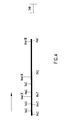
- Figure 4: Restriction map of plasmid pCD8A. The mutant AHAS gene from XI12 was subcloned as a 8kb Pstl fragment into vector pKS(+). The location and orientation of the AHAS gene is indicated by an arrow. The restriction sites of Pstl, Xhol, Hindlll, Xbal and Clal are represented by symbols.
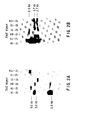
- Figure 5: Nucleotide sequencing gel of the non-coding strand (A) and the double stranded DNA sequence (B) of AHAS clones W22/4-4, B73/10-4 and XI12/8A in the region of amino acids 614 to 633. The position of the cytosine to thymidine transition is indicated by an arrow.
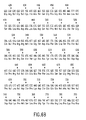
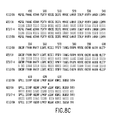
- Figure 6: Nucleotide and deduced amino acid sequences of the XI12/8A mutant AHAS gene.
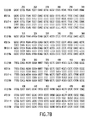
- Figure 7: Nucleotide sequence alignment of X112/8A, B73/7-4 and W22/1A als2 genes. (*) marks the base change causing the mutation at position 621, (#) differences from the B73/7-4 sequence and (>) represents silent changes.
- Figure 8: Amino acid sequences and alignment of XI12/BA, B73/7-4 and W22/1A als2 genes. (*) marks the mutation at position 621, (#) marks differences from the B73/7-4 sequence, and (>) represents silent changes.
- The gene of the present invention is isolatable from corn maize line XI12 (seed deposited with the American Type Culture Collection as Accession Number 75051), and has been inserted into plasmid pXI12/8A (deposited with the American Type Culture Collection as Accession Number 68643). It is also isolatable from any other imidazolinone-specific herbicide resistant mutant, such as the corn line QJ22 (deposited as a cell culture with the American Type Culture Collection as Accession Number 40129), or the various wheat plants (seed deposited with the American Type Collection as Accession Numbers 40994, 40995, 40996, or 40997). A genomic DNA library is created, for example, in phage ENBL-3 with DNA from one of the imidazolinone resistant mutants, preferably one which is homozygous for the resistance trait, and is screened with a nucleic acid probe comprising all or a part of a wild-type AHAS sequence.
- In maize, the AHAS gene is found at two loci, alsl and als2 (Burr and Burr, Trends in Genetics 7:55-61, 1991); the homology between the two loci is 95% at the nucleotide level. The mutation in XI12 is mapped to locus als2 on chromosome 5, whereas the nonmutant gene is mapped to locus alsl on chromosome 4 (Newhouse et al., "Imidazolinone-resistant crops". In The Imidazolinone Herbicides, Shaner and O'Connor (Eds.), CRC Press, Boca Raton, FL, in Press) Southern analysis identifies some clones containing the mutant als2 gene, and some containing the non-mutant alsl gene. Both types are subcloned into sequencing vectors, and sequenced by the dideoxy sequencing method.
- Sequencing and comparison of wild type and mutant AHAS genes shows a difference of a single nucleotide in the codon encoding the amino acid at position 621 (Figure 5). Specifically, the codon AGT encoding serine in the wild type is changed to AAT encoding asparagine in the mutant AHAS (Figure 8). The mutant AHAS gene is otherwise similar to the wild type gene, encoding a protein having 638 amino acids, the first 40 of which constitute a transit peptide which is thought to be cleaved during transport into the chloroplast in vivo. The sequence of the alsl non-mutant gene from XI12 appears to be identical to the alsl gene from B73.
- The mutant genes of the present invention confer resistance to imidazolinone herbicides, but not to sulfonylurea herbicides. Types of herbicides to which resistance is conferred are described for example in U.S. Patent Nos. 4,188,487; 4,201,565; 4,221,586; 4,297,128; 4,554,013; 4,608,079; 4,638,068; 4,747,301; 4,650,514; 4,698,092; 4,701,208; 4,709,036; 4,752,323; 4,772,311; and 4,798,619.
- It will be understood by those skilled in the art that the nucleic acid sequence depicted in Figure 6 is not the only sequence which can be used to confer imidazolinone-specific resistance. Also contemplated are those nucleic acid sequences which encode an identical protein but which, because of the degeneracy of the genetic code, possess a different nucleotide sequence. The invention also encompasses genes encoding AHAS sequences in which the aforestated mutation is present, but which also encode one or more silent amino acid changes in portions of the molecule not involved with resistance or catalytic function. Also contemplated are gene sequences from other imidazolinone resistant monocots which have a mutation in the corresponding region of the sequences.
- For example, alterations in the gene sequence which result in the production of a chemically equivalent amino acid at a given site are contemplated; thus, a codon for the amino acid alanine, a hydrophobic amino acid, can readily be substituted by a codon encoding another hydrophobic residue, such as glycine, or may be substituted with a more hydrophobic residue such as valine, leucine, or isoleucine. Similarly, changes which result in substitution of one negatively charged residue for another, such as aspartic acid for glutamic acid, or one positively charged residue for another, such as lysine for arginine, can also be expected to produce a biologically equivalent product. The invention also encompasses chimaeric genes, in which the substituted portion of the corn AHAS gene is recombined with unaltered portions of the normal AHAS genes from other species. Thus, throughout the specification and claims, wherever the term "imidazolinone-specific resistant corn AHAS gene" is used, it is intended to cover each of these alternate embodiments as well as the sequence of Figure 6.
- Isolated AHAS DNA sequences of the present invention are useful to transform target crop plants, and thereby confer imidazolinone resistance. A broad range of techniques currently exist for achieving direct or indirect transformation of higher plants with exogenous DNA, and any method by which the novel sequence can be incorporated into the host genome, and stably inherited by its progeny, is contemplated by the present invention. The imidazolinone specific resistance trait is inherited as a single dominant nuclear gene. The level of imidazolinone resistance is increased when the gene is present in a homozygous state; such corn plants, for example, have a resistance level of about 1,000 times that of a non-resistant plant. Plants heterozygous for the trait, however, have a resistance of about 50-500 times that of a non-resistant plant.
- Transformation of plant cells can be mediated by the use of vectors. A common method of achieving transformation is the use of Agrobacterium tumefaciens to introduce a foreign gene into the target plant cell. For example, the mutant AHAS sequence is inserted into a plasmid vector containing the flanking sequences in the Ti-plasmid T-DNA. The plasmid is then transformed into E. coli. A triparental mating among this strain, an Agrobacterium strain containing a disarmed Ti-plasmid containing the virulence functions needed to effect transfer of the AHAS containing T-DNA sequences into the target plant chromosome, and a second E. coli strain containing a plasmid having sequences necessary to mobilize transfer of the AHAS construct from E. coli to Agrobacterium is carried out. A recombinant Agrobacterium strain, containing the necessary sequences for plant transformation is used to infect leaf discs. Discs are grown on selection media and successfully transformed regenerants are identified. The recovered plants are resistant to the effects of herbicide when grown in its presence. Plant viruses also provide a possible means for transfer of exogenous DNA.
- Direct uptake of plant cells can also be employed. Typically, protoplasts of the target plant are placed in culture in the presence of the DNA to be transferred, and an agent which promotes the uptake of DNA by protoplast. Useful agents in this regard are polyethylene glycol or calcium phosphate.
- Alternatively, DNA uptake can be stimulated by electroporation. In this method, an electrical pulse is used to open temporary pores in a protoplast cell membrane, and DNA in the surrounding solution is then drawn into the cell through the pores. Similarly, microinjection can be employed to deliver the DNA directly into a cell, and preferably directly into the nucleus of the cell.
- In each of the foregoing techniques, transformation occurs in a plant cell in culture. Subsequent to the transformation event, plant cells must be regenerated to whole plants. Techniques for the regeneration of mature plants from callus or protoplast culture are now well known for a large number of different species (see, e.g., Handbook of Plant Cell Culture, Vols. 1-5, 1983-1989 McMillan, N.Y.) Thus, once transformation has been achieved, it is within the knowledge in the art to regenerate mature plants from the transformed plant cells.
- Alternate methods are also now available which do not necessarily require the use of isolated cells, and therefore, plant regeneration techniques, to achieve transformation. These are generally referred to as "ballistic" or "particle acceleration" methods, in which DNA coated metal particles are propelled into plant cells by either a gunpowder charge (Klein et al., Nature 327: 70-73, 1987) or electrical discharge (
EPO 270 356). In this manner, plant cells in culture or plant reproductive organs or cells, e.g. pollen, can be stably transformed with the DNA sequence of interest. - In certain dicots and monocots direct uptake of DNA is the preferred method of transformation. For example, in corn, the cell wall of cultured cells is digested in a buffer with one or more cell wall degrading enzymes, such as cellulase, hemicellulase and pectinase, to isolate viable protoplasts. The protoplasts are washed several times to remove the enzymes, and mixed with a plasmid vector containing the gene of interest. The cells can be transformed with either PEG (e.g. 20% PEG 4000) or by electroporation. The protoplasts are placed on a nitrocellulose filter and cultured on a medium with embedded corn cells functioning as feeder cultures. After 2-4 weeks, the cultures in the nitrocellulose filter are placed on a medium containing about 0.32 /1.M of the imidazolinone and maintained in the medium for 1-2 months. The nitrocellulose filters with the plant cells are transferred to fresh medium with herbicides and nurse cells every two weeks. The untransformed cells cease growing and die after a few weeks.
- The present invention can be applied to transformation of virtually any type of plant, both monocot and dicot. Among the crop plants for which transformation to herbicide resistance is contemplated are corn, wheat, rice, millet, oat, barley, sorghum, sunflower, sweet potato, alfalfa, sugar beet, Brassica species, tomato, pepper, soybean, tobacco, melon, squash, potato, peanut, pea, cotton, or cacao. The novel sequences may also be used to transform ornamental species, such as rose, and woody species, such as pine and poplar.
- The novel sequences of the invention also are useful as selectable markers in plant genetics studies. For example, in plant transformation, sequences encoding imidazolinone resistance could be linked to a gene of interest which is to be used to transform a target imidazolinone sensitive plant cell. The construct comprising both the gene of interest and the imidazolinone resistant sequence are introduced into the plant cell, and the plant cells are then grown in the presence of an inhibitory amount of an imidazolinone. Alternately, the second gene of interest can be cotransformed, on a separate plasmid, into the host cells. Plant cells surviving such treatment presumably have acquired the resistance gene as well as the gene of interest, and therefore, only transformants survive the selection process with the herbicide. Confirmation of successful transformation and expression of both genes can be achieved by Southern hybridization of genomic DNA, by PCR or by observation of the phenotypic expression of the genes.
- The invention is further illustrated by the following non-limiting examples.
- XI12 plants are treated with herbicides at 10 days to the V3 leaf stage (4-5 leaves, of which 3 have visible ligules). Imazethapyr is applied at rates of 2000, 500, 250, 125 and 62.5 g/ha. Chlorsulfuron is applied at 32, 16, 8, 4 and 2 g/ha. Plants are treated postemergence at a spray volume of 400 I/ha. After spraying, plants are placed in the greenhouse for further observation.
- XI12 plants are unaffected at all rates of imazethapyr treatment; however, no visible increased resistance to chlorsulfuron is noted. Thus, XI12 displays selective resistance to the imidazolinone at the whole plant level (See Figure 1).
- The resistance in XI12 is also shown to be inherited as a single dominant allele of a nuclear gene. Heterozygous resistant XI12 are selfed, and the selfed progeny segregate in the 3 resistant:1 susceptible ratio expected for a single dominant allele of a nuclear gene. In this study, the segregating seedlings are sprayed postemergence with lethal doses of imazethapyr (125 or 250 g/ha) following spraying protocols described above, to establish segregation for resistance.
- Seeds of XI12 are sown in soil in a greenhouse maintained at day/night temperature of 80°C and 15 hour photoperiod. Plants are harvested two weeks after planting. The basal portion of the shoot is used for the extraction of AHAS. 5 g of the tissue is powdered in liquid nitrogen and then homogenized in AHAS assay buffer comprising 100 mM potassium phosphate buffer (pH 7.5) containing 10 mM pyruvate, 5 mM MgC12, 5 mM EDTA, 100 uM FAD (flavin adenine dinucleotide), 1 mM valine, 1 mM leucine, 10% glycerol and 10 mM cysteine. The homogenate is centrifuged at 10,000 rpm for 10 minutes and 3 ml of the supernatant are applied onto an equilibrated Bio-Rad Econo-Desalting column (10 DG) and eluted with 4 ml AHAS assay buffer.
- AHAS activity is measured by estimation of the product, acetolactate, after conversion by decarboxylation in the presence of acid to acetoin. Standard reaction mixtures contain the enzyme in 50 mM potassium phosphate (pH 7.0) containing 100 mM sodium pyruvate, 10 mM MgC12, 1 mM thiamine pyrophosphate, 10 uM FAD, and appropriate concentrations of different inhibitors. This mixture is incubated at 37°C for 1 to 3 hours depending upon the experiment. At the end of this incubation period, the reaction is stopped with the addition of H2 S04 to make a final concentration of 0.85% H2SO4 in the tube. The reaction product is allowed to decarboxylate at 60°C for 15 minutes. The acetoin formed is determined by incubating with creatine (0.17%) and 1-naphthol (1.7% in 4N NaOH). The absorption of color complex formed is measured at 520 nm.
- AHAS activity from B73, A619, or other wild-type maize lines is highly sensitive to inhibition by imazethapyr (PURSUIT™) with an 150 of 1 uM (See Figure 1). Contrary to this observation, XI12 shows 70-80% of enzyme activity at the highest concentrations (100 µM) of PURSUIT™ or ARSENAL™ (imazepyr), and about 70% in the presence of SCEPTER™ (imazequin). This result shows a 100-fold increase in tolerance of AHAS activity from XI12 to imazethapyr as compared to the in vitro AHAS activity from A619. sensitivity of AHAS activity from the two lines to sulfonylureas gives a different picture. In the presence of OUST™ (sulfometuron methyl), at 100 nM, AHAS activity of XI12 is only 15-20%. AHAS activity of A619 in the presence of OUSTTM IS 5-10%, and in the presence of PURSUITTM is 15-20% (See Figure 1).
- Seeds of the XI12 mutant derived from an imidazolinone resistant corn tissue culture line are planted; plants obtained therefrom appear to be segregating for the mutant AHAS phenotype. In order to obtain homozygous resistant seed material, a population of XI12 mutant plants are selfed. After selecting for herbicide resistance for three consecutive growing seasons, the seeds are homozygous for the mutant AHAS gene. Homozygous seeds are collected and used to grow seedlings to be used in AHAS gene isolation.
- DNA is extracted from 7 days old etiolated seedlings of a homozygous XI12 line. 60 g of plant tissue is powdered in liquid nitrogen, and transfered into 108 ml DNA extraction buffer (1.4 M NaCI, 2.0% Ctab (hexadecyl trimethyl ammonium bromide), 100 mM tris-CI pH 8.0, 20 mM EDTA, 2% Mercaptoethanol) and 54 ml water. After incubation at 50-60°C for 30 minutes the suspension is extracted with an equal amount of chloroform. The DNA is precipitated by adding an equal amount of precipitation buffer (1% Ctab, 50 mM Tris-CI pH 8.0, 10 mM EDTA). To purify the genomic DNA, a high speed centrifugation in 6.6M CsCI and ethidium bromide is performed (Ti80 rotor, 50,000 rpm, 20°C, 24 hours). The purified DNA is extracted with salt saturated Butanol and dialyzed for 25 hours against 3 changes of 1 I dialysis buffer (10 mM Tris-CI Ph 8.0, 1 mM EDTA, 0.1 M NaCI). The concentration of the XI12 genomic DNA is determined spectrophotometrically to be 310 mg/ml. The yield is 0.93 mg.
- The XI12 genomic DNA is used to create a genomic library in the phage EMBL-3. The DNA is partially digested with Mbol and the fragments are separated on a sucrose gradient to produce size range between 8 to 22 kb before cloning into the BamHl site of EMBL-3. After obtaining 2.1 x 10⁶ independent clones, the library is amplified once. The titer of the library is determined 9 x 10¹⁰ pfu/ml.
- To obtain probes for analysis of the XI12 library, a W22 (wild-type) cDNA library in lambda gt11, purchased from Clontech Inc., CA, is screened with an 800 nt BamH1 probe isolated from Arabidopsis AHAS genomic clone. The phages are plated in a density of 50,000 pfu/15 cm plate, transferred onto nitrocellulose filters, prehybridized in 6x SSC, 0.2% SDS for 2 hours and hybridized with the Arabidopsis AHAS probe in 6x SSC, 0.2% SDS overnight. One positive phage is identified, further purified and used for subcloning of a 1.1 kb EcoRl fragment. The 1.1 kb EcoRl fragment is subcloned into pGemA-4 and used as a probe to identify the XI12 AHAS genes.
- The XI12 genomic library is plated on 12 15-cm plates (concentration of 50,000 pfu/plate) and is screened with the W22 AHAS cDNA probe. The filters are prehybridized (2 hours) and hybridized (over night) in Church buffer (0.5 M Na Phosphate, 1 mM EDTA, 1 % BSA, 7% SDS) at 65°C and washed at 65°C in 2x SSC, 0.2% SDS and 0.3 x SSC, 0.2% SDS. 12 positive plaques are obtained from a total of 7.5 x 10⁵ pfu screened and 5 positive clones are further purified and isolated according to Chisholm (BioTechniques 7:21-23, 1989). Southern analysis (See Figure 2) showed that the phage clones represented two types of AHAS clones: Type-1 clones contain one large Xbal (>6.5 kb) fragment hybridizing to the AHAS cDNA probe, Type-2 clones contained two 2.7 and 3.7 kb Xbal fragments hybridizing to the AHAS cDNA probe. Genomic Southern of XI12 DNA demonstrated, that the Xbal fragments obtained by digesting genomic DNA and by hybridizing to the AHAS cDNA probe correspond to the Xbal fragments identified in the XI12 phage clones (See Figure 3). Restriction digest and Southern Analysis also demonstrate that of the 5 AHAS clones, one clone represents the mutant als2 genes and four represent the alsl gene.
- The AHAS genes corresponding to the mutant locus located on chromosome 5 (clone 12/8A) and the non-mutant locus located on chromosome 4 (clone 12/17A) are subcloned as a Pstl fragment (clone 12/8A) or as Xbal fragment (12/17A) into the sequencing vector pBluescript II KSml3(+) (pKS+; Stratagene). Both 2.7 kb and 3.7 kb Xbal fragments from
phage 12/17A contain one complete copy of AHAS genes which are identified. The sequence of each is obtained by dideoxy sequencing (Pharmacia T7 sequencing Kits) using primers complementary to the AHAS coding sequence. - The methods of DNA extraction, cloning of the genomic library and screening of the library are as described for the XI12 genomic DNA. The B73 AHAS genes are subcloned into the sequencing vector pKS + as Xbal fragments and are sequenced. The sequence is obtained by dideoxy sequencing, using primers complementary to the AHAS coding sequence as described for the S112 AHAS genes.
- A W22 genomic library in EMBL3 purchased from Clontech Inc., CA is screened. The phages are plated in a density of 50,000 pfu/7 inch plate, transferred onto nitrocellulose filters, and hybridized with the W22 AHAS cDNA probe described above (prehybridization and hybridization conditions: 6 x SSC, 0.5% SDS, 1X Denhard's 100 mg/ml calf thymus DNA, 65°C, washing conditions: 3X x SSC, 0.2% SDS for 2 hours at 65°C, and 0.3 x SSC, 0.2% SDS for 2 hours). Two positive phages (12/1 A and 12/4-4) are identified and further purified.
- The W22
genomic clone 12/1A is subcloned as two 0.78 kb (pGemA-4) and 3.0 kb (pGemA-14; Promega) Sall fragments into the vector pGem-A2, and as a 6.5 kb Xbal fragment into the vector pKS + (pCD200). The coding strand sequence of the W22 AHAS gene is obtained by dideoxy sequencing of nested deletions created from subclones pGem A-14 and pGem A-4 of phage 12-1 A. This sequence is used to design oligonucleotides complementary to the AHAS non-coding strand. The sequence of the non-coding strand is obtained by dideoxy sequencing of clone pCD200 using primers complementary to the coding strand. Upon complementing the sequencing of the W22 AHAS gene, primers of both DNA strands are designed and used for the sequencing of the AHAS genes isolated from the XI12 and B73 genomic libraries. - The sequence of the gene encoding AHAS in the maize line QJ22, which is selectively resistant to imidazolinones, is also determined. A genomic library of QJ22 is prepared in an EMBL3 vector. A library of 800,000 phage is screened with an 850 nucleotide Sall/Clal fragment isolated from an AHAS clone (A-4) derived from the wild-type maize line W22. Five positive phages are picked and submitted to a second round of screening to partially purify the phage. The partially purified phage are analyzed by PCR to determine if any clones represent the QJ22 alsl gene. Such clones are identified as a 3.7kb Xbal fragment with a gene specific Smal site at position 495. The second screen indicates the presence of a single positive clone with these characteristics.
- The PCR product is purified using a commercial kit (Magic PCR Preps) from Promega, and the purified DNA is sequenced with a Taq polymerase sequencing system "fmol", also from Promega Sequence analysis of both strands of the DNA of the QJ22 mutant AHAS shows a nucleotide transition from G to A in the codon for amino acid 621. This mutation is identical to the one seen in XI12 and the remainder of the sequence is typical of an alsl gene.
- The sequence of the mutant AHAS genes is compared with the sequences obtained from the wild type corn lines B73 and W22 (See Figure 7). The XI12 mutant gene (XI12/8A) and the QJ22 mutant gene and the wild type gene are identical except for the amino acid change at position 621, causing a single nucleotide transition from AGT to AAT (See Figure 8). The XI12 mutant XI12/8A and the wild-type B73/7-4 gene show an additional difference at position 63. On the other hand, the non-mutant XI12 AHAS gene cloned in X112/17A is completely homologous to the corresponding B73/10-2 in the region coding for the mature AHAS protein (data not shown).
- The following biological materials were deposited with the American Type Culture Collection, 12301 Parklawn Drive, Rockville, Maryland, 20857, as follows:
- E. coli XLI Blue harboring plasmid pX12/8A, deposited on July 3, 1991, Accession Number ATCC 68643
-
- Sequence ID No.: 1
- Sequence Type: Nucleotide and Amino Acid
- Sequence Length: 1969 BP's and 638 Amino Acids
- Strandedness: Single
- Topology: Linear
- original Source Organism: Zea mays
- Properties: Herbicide Resistant AHAS Enzyme


- Sequence ID No.: 2
- Sequence Type: Nucleotide and Amino Acid
- Sequence Length: 1969 BP's and 638 Amino Acids
- Strandedness: Single
- Topology: Linear
- Original Source Organism: Zea mays
- Properties: Herbicide Sensitive AHAS Enzyme


- Sequence ID No.: 3
- Sequence Type: Nucleotide and Amino Acid
- Sequence Length: 1969 BP's and 638 Amino Acids
- Strandedness: Single
- Topology: Linear
- original Source Organism: Zea mays
- Properties: Herbicide Sensitive AHAS Enzyme


Claims (14)
Applications Claiming Priority (2)
| Application Number | Priority Date | Filing Date | Title |
|---|---|---|---|
| US737851 | 1991-07-31 | ||
| US07/737,851 US5731180A (en) | 1991-07-31 | 1991-07-31 | Imidazolinone resistant AHAS mutants |
Publications (3)
| Publication Number | Publication Date |
|---|---|
| EP0525384A2 true EP0525384A2 (en) | 1993-02-03 |
| EP0525384A3 EP0525384A3 (en) | 1993-06-23 |
| EP0525384B1 EP0525384B1 (en) | 2000-11-08 |
Family
ID=24965568
Family Applications (1)
| Application Number | Title | Priority Date | Filing Date |
|---|---|---|---|
| EP92110627A Expired - Lifetime EP0525384B1 (en) | 1991-07-31 | 1992-06-24 | Imidazolinone resistant ahas mutants |
Country Status (27)
| Country | Link |
|---|---|
| US (3) | US5731180A (en) |
| EP (1) | EP0525384B1 (en) |
| JP (1) | JP3523657B2 (en) |
| KR (1) | KR100243996B1 (en) |
| AT (1) | ATE197475T1 (en) |
| AU (3) | AU2069492A (en) |
| BG (1) | BG61276B1 (en) |
| BR (1) | BR9202950A (en) |
| CA (1) | CA2074854C (en) |
| CZ (1) | CZ238592A3 (en) |
| DE (1) | DE69231551T2 (en) |
| DK (1) | DK0525384T3 (en) |
| ES (1) | ES2153352T3 (en) |
| FI (1) | FI114922B (en) |
| GR (1) | GR3035395T3 (en) |
| HU (1) | HU218108B (en) |
| IE (1) | IE922504A1 (en) |
| IL (1) | IL102673A (en) |
| MX (1) | MX9204420A (en) |
| NO (1) | NO311095B1 (en) |
| NZ (1) | NZ243693A (en) |
| PL (1) | PL170616B1 (en) |
| PT (1) | PT525384E (en) |
| RO (1) | RO114348B1 (en) |
| SK (1) | SK238592A3 (en) |
| TW (1) | TW239161B (en) |
| ZA (1) | ZA925734B (en) |
Cited By (20)
| Publication number | Priority date | Publication date | Assignee | Title |
|---|---|---|---|---|
| WO1996007746A1 (en) * | 1994-09-08 | 1996-03-14 | American Cyanamid Company | Acetohydroxyacid synthase promoter expression of introduced genes in plants |
| US5633437A (en) * | 1994-10-11 | 1997-05-27 | Sandoz Ltd. | Gene exhibiting resistance to acetolactate synthase inhibitor herbicides |
| EP0821729A4 (en) * | 1995-04-20 | 1999-12-08 | American Cyanamid Co | Structure-based designed herbicide resistant products |
| WO2000027182A1 (en) | 1998-11-05 | 2000-05-18 | Board Of Supervisors Of Louisiana State University And Agricultural And Mechanical College | Herbicide resistant rice |
| US6492578B1 (en) | 1998-07-10 | 2002-12-10 | Calgene Llc | Expression of herbicide tolerance genes in plant plastids |
| WO2003014356A1 (en) * | 2001-08-09 | 2003-02-20 | University Of Saskatchewan | Wheat plants having increased resistance to imidazolinone herbicides |
| WO2003014357A1 (en) | 2001-08-09 | 2003-02-20 | University Of Saskatchewan | Wheat plants having increased resistance to imidazolinone herbicides |
| WO2002058459A3 (en) * | 2001-01-25 | 2003-11-20 | Basf Plant Science Gmbh | Transgenic trees having increased resistance to imidazolinone herbicides |
| EP1420629A4 (en) * | 2001-08-09 | 2004-12-29 | Northwest Plant Breeding Co | Wheat plants having increased resistance to imidazolinone herbicides |
| US6943280B2 (en) | 2000-05-10 | 2005-09-13 | Board Of Supervisors Of Louisiana State University And Agricultural And Mechanical College | Resistance to acetohydroxycid synthase-inhibiting herbicides |
| EP1284597A4 (en) * | 2000-04-28 | 2005-12-28 | Basf Ag | Use of the maize x112 mutant ahas 2 gene and imidazolinone herbicides for selection of transgenic monocots, maize, rice and wheat plants resistant to the imidazolinone herbicides |
| US7019196B1 (en) | 1998-11-05 | 2006-03-28 | Board Of Supervisors Of Louisiana State University And Agricultural And Mechanical College | Herbicide resistant rice |
| EP1754786A3 (en) * | 1995-04-20 | 2007-05-30 | Basf Aktiengesellschaft | Herbicide resistant products based on structure-based method |
| US7232942B2 (en) | 2001-05-14 | 2007-06-19 | University Of Saskatchewan | Lentil plants having increased resistance to imidazolinone herbicides |
| US7355098B2 (en) | 2004-06-22 | 2008-04-08 | Saskatchewan Wheat Poo1 | Brassica AHAS genes and gene alleles that provide resistance to imidazolinone herbicides |
| EP2202311A2 (en) | 2002-07-09 | 2010-06-30 | BASF Plant Science GmbH | Use of AHAS mutant genes as selection marker in potato transformation |
| US7829762B2 (en) | 2002-07-10 | 2010-11-09 | Department Of Agriculture | Wheat plants having increased resistance to imidazolinone herbicides |
| EP2319872A1 (en) | 2009-11-04 | 2011-05-11 | BASF Plant Science GmbH | Amylopectin type starch with enhanced retrogradation stability |
| US10017827B2 (en) | 2007-04-04 | 2018-07-10 | Nidera S.A. | Herbicide-resistant sunflower plants with multiple herbicide resistant alleles of AHASL1 and methods of use |
| US12570965B2 (en) | 2005-03-02 | 2026-03-10 | Instituto Nacional De Technologia Agropecuaria | Herbicide-resistant rice plants, polynucleotides encoding herbicide-resistant acetohydroxyacid synthase large subunit proteins, and methods of use |
Families Citing this family (314)
| Publication number | Priority date | Publication date | Assignee | Title |
|---|---|---|---|---|
| US5731180A (en) * | 1991-07-31 | 1998-03-24 | American Cyanamid Company | Imidazolinone resistant AHAS mutants |
| US5773704A (en) | 1996-04-29 | 1998-06-30 | Board Of Supervisors Of Louisiana State University And Agricultural And Mechanical College | Herbicide resistant rice |
| US7612255B2 (en) * | 1999-02-03 | 2009-11-03 | Jonathan Gressel | Transgenic plants for mitigating introgression of genetically engineered genetic traits |
| WO2005012515A2 (en) | 2003-04-29 | 2005-02-10 | Pioneer Hi-Bred International, Inc. | Novel glyphosate-n-acetyltransferase (gat) genes |
| US20030097692A1 (en) * | 2000-12-21 | 2003-05-22 | Georg Jander | Plants with imidazolinone-resistant ALS |
| GB0118928D0 (en) * | 2001-08-02 | 2001-09-26 | Syngenta Participations Ag | DNA molecules conferring tolerance to herbicidal compounds |
| AU2012203652B2 (en) * | 2001-08-09 | 2015-05-28 | Northwest Plant Breeding Company | Wheat plants having increased resistance to imidazolinone herbicides |
| EP1620540A4 (en) * | 2003-05-07 | 2007-12-19 | Renessen Llc | PLANTS WITH IMPROVED RATES OF ONE OR MORE AMINO ACIDS |
| ES2389767T3 (en) | 2003-05-28 | 2012-10-31 | Basf Se | Wheat plants that have higher tolerance to imidazolinone herbicides |
| BRPI0413917B1 (en) * | 2003-08-29 | 2018-09-25 | Instituto Nacional De Tech Agropecuaria | non-transgenic mutagenized rice ahas nucleic acid, isolated ahas polypeptide, and weed control method within the vicinity of a rice plant |
| EP1723488A4 (en) * | 2004-01-21 | 2008-04-23 | Omega Genetics Llc | Glyphosate tolerant plants and methods of making and using the same |
| PL2308976T5 (en) | 2004-04-30 | 2017-10-31 | Dow Agrosciences Llc | Novel herbicide resistance gene |
| JP2008520183A (en) * | 2004-06-16 | 2008-06-19 | ビーエーエスエフ、プラント、サイエンス、ゲゼルシャフト、ミット、ベシュレンクテル、ハフツング | Polynucleotide encoding mature AHASL protein for production of imidazolinone resistant plants |
| CA2576813A1 (en) * | 2004-07-30 | 2006-03-09 | Basf Agrochemical Products B.V. | Herbicide-resistant sunflower plants, polynucleotides encoding herbicide-resistant acetohydroxy acid synthase large subunit proteins comprising a p182l and uses thereof |
| ES2372971T3 (en) | 2005-05-09 | 2012-01-30 | Kumiai Chemical Industry Co., Ltd. | TRANSFORMATION PROCEDURE USING A GENE OF A MUTANT ACETOLACTATE-SYNTHASE. |
| AU2006260924B2 (en) * | 2005-06-23 | 2011-03-03 | Basf Plant Science Gmbh | Improved methods for the production of stably transformed, fertile zea mays plants |
| EP2532750B1 (en) * | 2005-07-01 | 2016-04-27 | Basf Se | Herbicide-resistant sunflower plants, polynucleotides encoding herbicide-resistant acetohydroxyacid synthase large subunit proteins, and methods of use |
| US7973218B2 (en) * | 2005-08-24 | 2011-07-05 | Pioneer Hi-Bred International, Inc. | Methods and compositions for controlling weeds |
| PL1947926T3 (en) | 2005-10-28 | 2015-08-31 | Dow Agrosciences Llc | Novel herbicide resistance genes |
| AU2007223364B2 (en) * | 2006-03-02 | 2014-02-13 | Athenix Corporation | Methods and compositions for improved enzyme activity in transgenic plant |
| PL2018435T3 (en) | 2006-05-17 | 2012-11-30 | Pioneer Hi Bred Int | Artificial plant minichromosomes |
| US20110053777A1 (en) * | 2006-06-15 | 2011-03-03 | Oard James H | Resistance to Acetolactate Synthase-Inhibiting Herbicides |
| US7951995B2 (en) | 2006-06-28 | 2011-05-31 | Pioneer Hi-Bred International, Inc. | Soybean event 3560.4.3.5 and compositions and methods for the identification and detection thereof |
| SI2511373T1 (en) | 2006-12-07 | 2017-12-29 | Kansas State University Research Foundation | Acetolactate synthase herbicide resistant sorghum |
| UA108733C2 (en) | 2006-12-12 | 2015-06-10 | Sunflower herbicide tolerant to herbicide | |
| CL2007003743A1 (en) * | 2006-12-22 | 2008-07-11 | Bayer Cropscience Ag | COMPOSITION THAT INCLUDES FENAMIDONA AND AN INSECTICIDE COMPOUND; AND METHOD TO CONTROL FITOPATOGENOS CULTURES AND INSECTS FACING OR PREVENTIVELY. |
| CL2007003744A1 (en) * | 2006-12-22 | 2008-07-11 | Bayer Cropscience Ag | COMPOSITION THAT INCLUDES A 2-PYRIDILMETILBENZAMIDE DERIVATIVE AND AN INSECTICIDE COMPOUND; AND METHOD TO CONTROL FITOPATOGENOS CULTURES AND INSECTS FACING OR PREVENTIVELY. |
| US7777102B2 (en) * | 2007-02-08 | 2010-08-17 | University Of Tennessee Research Foundation | Soybean varieties |
| EP2120558B1 (en) * | 2007-03-12 | 2016-02-10 | Bayer Intellectual Property GmbH | 3,4-Disubstituted phenoxyphenylamidine derivatives and their use as fungicides |
| EP1969931A1 (en) * | 2007-03-12 | 2008-09-17 | Bayer CropScience Aktiengesellschaft | Fluoroalkyl phenylamidines and their use as fungicides |
| BRPI0808786A2 (en) * | 2007-03-12 | 2014-09-16 | Bayer Cropscience Ag | DI-HALOGENOPHENOXYPHYMYLAMIDINES AND ITS USE AS FUNGICIDES |
| EP1969934A1 (en) * | 2007-03-12 | 2008-09-17 | Bayer CropScience AG | 4-cycloalkyl or 4-aryl substituted phenoxy phenylamidines and their use as fungicides |
| EP1969930A1 (en) * | 2007-03-12 | 2008-09-17 | Bayer CropScience AG | Phenoxy phenylamidines and their use as fungicides |
| WO2008110280A2 (en) * | 2007-03-12 | 2008-09-18 | Bayer Cropscience Ag | Phenoxy substituted phenylamidine derivatives and their use as fungicides |
| EP1969929A1 (en) * | 2007-03-12 | 2008-09-17 | Bayer CropScience AG | Substituted phenylamidines and their use as fungicides |
| WO2009031031A2 (en) | 2007-04-04 | 2009-03-12 | Basf Se | Herbicide-resistant brassica plants and methods of use |
| CN104017817B (en) | 2007-04-04 | 2017-12-01 | 巴斯福植物科学有限公司 | Ahas mutant |
| US8168567B2 (en) | 2007-04-19 | 2012-05-01 | Bayer Cropscience Ag | Thiadiazolyl oxyphenyl amidines and the use thereof as a fungicide |
| AR066520A1 (en) | 2007-05-09 | 2009-08-26 | Dow Agrosciences Llc | NEW GENES OF HERBICIDE RESISTANCE |
| DE102007045957A1 (en) | 2007-09-26 | 2009-04-09 | Bayer Cropscience Ag | Active agent combination, useful e.g. for combating animal pests e.g. insects and treating seeds of transgenic plants, comprises substituted amino-furan-2-one compound and at least one compound e.g. benzoyl urea, buprofezin and cyromazine |
| DE102007045953B4 (en) | 2007-09-26 | 2018-07-05 | Bayer Intellectual Property Gmbh | Drug combinations with insecticidal and acaricidal properties |
| DE102007045920B4 (en) | 2007-09-26 | 2018-07-05 | Bayer Intellectual Property Gmbh | Synergistic drug combinations |
| DE102007045922A1 (en) * | 2007-09-26 | 2009-04-02 | Bayer Cropscience Ag | Drug combinations with insecticidal and acaricidal properties |
| DE102007045919B4 (en) | 2007-09-26 | 2018-07-05 | Bayer Intellectual Property Gmbh | Drug combinations with insecticidal and acaricidal properties |
| DE102007045956A1 (en) | 2007-09-26 | 2009-04-09 | Bayer Cropscience Ag | Combination of active ingredients with insecticidal and acaricidal properties |
| BRPI0818691A2 (en) * | 2007-10-02 | 2014-09-30 | Bayer Cropscience Ag | METHODS TO IMPROVE VEGETABLE GROWTH. |
| EP2090168A1 (en) | 2008-02-12 | 2009-08-19 | Bayer CropScience AG | Method for improving plant growth |
| BR122018070228B1 (en) * | 2007-10-05 | 2023-01-10 | Cibus Europe B.V. | METHOD FOR PRODUCTION OF HERBICIDE RESISTANT BRASSICA PLANT |
| US8097712B2 (en) | 2007-11-07 | 2012-01-17 | Beelogics Inc. | Compositions for conferring tolerance to viral disease in social insects, and the use thereof |
| EP2072506A1 (en) | 2007-12-21 | 2009-06-24 | Bayer CropScience AG | Thiazolyloxyphenylamidine or thiadiazolyloxyphenylamidine und its use as fungicide |
| EP2113172A1 (en) * | 2008-04-28 | 2009-11-04 | Bayer CropScience AG | Method for improved utilisation of the production potential of transgene plants |
| US8697941B2 (en) * | 2008-07-23 | 2014-04-15 | Pioneer Hi-Bred International, Inc. | Molecular markers linked to PPO inhibitor tolerance in soybeans |
| US8748695B2 (en) * | 2008-07-23 | 2014-06-10 | Pioneer Hi-Bred International, Inc. | Molecular markers linked to PPO inhibitor tolerance in soybeans |
| HUE028066T2 (en) | 2008-07-31 | 2016-11-28 | Anglo Netherlands Grain Bv | Herbicide resistant sunflower plants |
| EP2168434A1 (en) | 2008-08-02 | 2010-03-31 | Bayer CropScience AG | Use of azols to increase resistance of plants of parts of plants to abiotic stress |
| JP2011530276A (en) | 2008-08-08 | 2011-12-22 | バイエル・バイオサイエンス・エヌ・ヴェー | Methods for characterizing and identifying plant fibers |
| US20110190365A1 (en) | 2008-08-14 | 2011-08-04 | Bayer Crop Science Ag | Insecticidal 4-phenyl-1H-pyrazoles |
| DE102008041695A1 (en) * | 2008-08-29 | 2010-03-04 | Bayer Cropscience Ag | Methods for improving plant growth |
| US8367392B2 (en) * | 2008-09-05 | 2013-02-05 | Transalgae Ltd. | Genetic transformation of algal and cyanobacteria cells by microporation |
| NZ592464A (en) * | 2008-09-26 | 2013-05-31 | Basf Agrochemical Products Bv | Herbicide resistant acetohydroxyacid synthase large subunit (AHAS) mutants and methods of use thereof |
| EP2201838A1 (en) | 2008-12-05 | 2010-06-30 | Bayer CropScience AG | Active ingredient-beneficial organism combinations with insecticide and acaricide properties |
| EP2198709A1 (en) | 2008-12-19 | 2010-06-23 | Bayer CropScience AG | Method for treating resistant animal pests |
| EP2204094A1 (en) | 2008-12-29 | 2010-07-07 | Bayer CropScience AG | Method for improved utilization of the production potential of transgenic plants Introduction |
| CN102333445B (en) | 2008-12-29 | 2014-09-03 | 拜尔农作物科学股份公司 | Improved method for harnessing the production potential of transgenic plants |
| EP2223602A1 (en) | 2009-02-23 | 2010-09-01 | Bayer CropScience AG | Method for improved utilisation of the production potential of genetically modified plants |
| EP2039771A2 (en) | 2009-01-06 | 2009-03-25 | Bayer CropScience AG | Method for improved utilization of the production potential of transgenic plants |
| EP2039772A2 (en) | 2009-01-06 | 2009-03-25 | Bayer CropScience AG | Method for improved utilization of the production potential of transgenic plants introduction |
| EP2039770A2 (en) | 2009-01-06 | 2009-03-25 | Bayer CropScience AG | Method for improved utilization of the production potential of transgenic plants |
| CN102355820B (en) | 2009-01-19 | 2013-10-16 | 拜尔农作物科学股份公司 | Cyclic diones and their use as insecticides, acaricides and/or fungicides |
| EP2227951A1 (en) | 2009-01-23 | 2010-09-15 | Bayer CropScience AG | Application of enaminocarbonyl compounds for combating viruses transmitted by insects |
| BRPI1004930B1 (en) | 2009-01-28 | 2017-10-17 | Bayer Intellectual Property Gmbh | Compounds, fungicidal composition and method for controlling phytopathogenic fungi of crops. |
| AR075126A1 (en) | 2009-01-29 | 2011-03-09 | Bayer Cropscience Ag | METHOD FOR THE BEST USE OF THE TRANSGENIC PLANTS PRODUCTION POTENTIAL |
| EP2218717A1 (en) | 2009-02-17 | 2010-08-18 | Bayer CropScience AG | Fungicidal N-((HET)Arylethyl)thiocarboxamide derivatives |
| JP5728735B2 (en) | 2009-02-17 | 2015-06-03 | バイエル・インテレクチュアル・プロパティ・ゲゼルシャフト・ミット・ベシュレンクテル・ハフツングBayer Intellectual Property GmbH | Bactericidal N- (phenylcycloalkyl) carboxamide, N- (benzylcycloalkyl) carboxamide and thiocarboxamide derivatives |
| TW201031331A (en) | 2009-02-19 | 2010-09-01 | Bayer Cropscience Ag | Pesticide composition comprising a tetrazolyloxime derivative and a fungicide or an insecticide active substance |
| DE102009001469A1 (en) | 2009-03-11 | 2009-09-24 | Bayer Cropscience Ag | Improving utilization of productive potential of transgenic plant by controlling e.g. animal pest, and/or by improving plant health, comprises treating the transgenic plant with active agent composition comprising prothioconazole |
| DE102009001681A1 (en) | 2009-03-20 | 2010-09-23 | Bayer Cropscience Ag | Improving utilization of production potential of a transgenic plant by controlling animal pests, phytopathogenic fungi, microorganisms and/or improving plant health, comprises treating plant with a drug composition comprising iprovalicarb |
| DE102009001730A1 (en) | 2009-03-23 | 2010-09-30 | Bayer Cropscience Ag | Improving utilization of production potential of a transgenic plant by controlling animal pests, phytopathogenic fungi and/or microorganisms and/or the plant health, comprises treating plant with a drug composition comprising spiroxamine |
| DE102009001728A1 (en) | 2009-03-23 | 2010-09-30 | Bayer Cropscience Ag | Improving the production potential of transgenic plant, by combating e.g. animal pests and/or microorganism, and/or increasing plant health, comprises treating the plants with active agent composition comprising fluoxastrobin |
| DE102009001732A1 (en) | 2009-03-23 | 2010-09-30 | Bayer Cropscience Ag | Improving the production potential of transgenic plant, by combating e.g. animal pests and/or microorganism, and/or increasing plant health, comprises treating the plants with active agent composition comprising trifloxystrobin |
| EP2410849A1 (en) | 2009-03-25 | 2012-02-01 | Bayer CropScience AG | Active ingredient combinations having insecticidal and acaricidal properties |
| UA104887C2 (en) | 2009-03-25 | 2014-03-25 | Баєр Кропсаєнс Аг | Synergic combinations of active ingredients |
| US8828906B2 (en) | 2009-03-25 | 2014-09-09 | Bayer Cropscience Ag | Active compound combinations having insecticidal and acaricidal properties |
| US8846567B2 (en) | 2009-03-25 | 2014-09-30 | Bayer Cropscience Ag | Active compound combinations having insecticidal and acaricidal properties |
| EP2232995A1 (en) | 2009-03-25 | 2010-09-29 | Bayer CropScience AG | Method for improved utilisation of the production potential of transgenic plants |
| MX2011009830A (en) | 2009-03-25 | 2011-10-06 | Bayer Cropscience Ag | Active ingredient combinations with insecticidal and acaricidal properties. |
| EP2239331A1 (en) | 2009-04-07 | 2010-10-13 | Bayer CropScience AG | Method for improved utilization of the production potential of transgenic plants |
| CN102458125B (en) | 2009-05-06 | 2015-04-29 | 拜尔农作物科学股份公司 | Cyclopentanedione compounds and their use as insecticides, acaricides and/or fungicides |
| EP2251331A1 (en) | 2009-05-15 | 2010-11-17 | Bayer CropScience AG | Fungicide pyrazole carboxamides derivatives |
| AR076839A1 (en) | 2009-05-15 | 2011-07-13 | Bayer Cropscience Ag | FUNGICIDE DERIVATIVES OF PIRAZOL CARBOXAMIDAS |
| EP2255626A1 (en) | 2009-05-27 | 2010-12-01 | Bayer CropScience AG | Use of succinate dehydrogenase inhibitors to increase resistance of plants or parts of plants to abiotic stress |
| HRP20190216T1 (en) * | 2009-06-02 | 2019-03-22 | Bayer Cropscience Aktiengesellschaft | USE OF FLUOPIRAMS TO CONTROL SCLEROTINIA SSP |
| MX2011013224A (en) | 2009-06-09 | 2012-06-01 | Pioneer Hi Bred Int | Early endosperm promoter and methods of use. |
| JP5642786B2 (en) * | 2009-07-16 | 2014-12-17 | バイエル・クロップサイエンス・アーゲーBayer Cropscience Ag | Synergistic active compound combinations including phenyltriazoles |
| WO2011015524A2 (en) | 2009-08-03 | 2011-02-10 | Bayer Cropscience Ag | Fungicide heterocycles derivatives |
| EP2292094A1 (en) | 2009-09-02 | 2011-03-09 | Bayer CropScience AG | Active compound combinations |
| US20110081706A1 (en) * | 2009-10-02 | 2011-04-07 | TransAlgae Ltd | Method and system for efficient harvesting of microalgae and cyanobacteria |
| US8962584B2 (en) | 2009-10-14 | 2015-02-24 | Yissum Research Development Company Of The Hebrew University Of Jerusalem, Ltd. | Compositions for controlling Varroa mites in bees |
| BR112012009044A2 (en) | 2009-10-26 | 2015-09-01 | Pioneer Hi Bred Int | Isolated nucleic acid molecule, expression cassette, vector, plant cell, plant, transgenic seed, method for expressing a polynucleotide in a plant or plant cell and method for expressing a polynucleotide, preferably in somatic egg tissues of a plant |
| EP2343280A1 (en) | 2009-12-10 | 2011-07-13 | Bayer CropScience AG | Fungicide quinoline derivatives |
| US9000012B2 (en) | 2009-12-28 | 2015-04-07 | Bayer Cropscience Ag | Fungicide hydroximoyl-heterocycles derivatives |
| US20130012546A1 (en) | 2009-12-28 | 2013-01-10 | Christian Beier | Fungicide hydroximoyl-tetrazole derivatives |
| CN102724879B (en) | 2009-12-28 | 2015-10-21 | 拜尔农科股份公司 | Fungicide hydroximoyl-tetrazole derivatives |
| NZ601341A (en) * | 2010-01-22 | 2014-02-28 | Bayer Ip Gmbh | Acaricide and/or insecticide active substance combinations |
| BR112012018616A2 (en) * | 2010-01-26 | 2017-01-10 | Pioneer Hi Bred Int | polynucleotide marker, isolated polynucleotide, isolated abc transporter polypeptide, plant, cell, seed, method for selecting a soybean plant or germplasm, method of introgression of a herbicide resistance allele in a soybean plant, method for conferring tolerance or improved tolerance to one or more herbicides, method for selectively controlling weeds in a field containing a crop |
| AR080443A1 (en) | 2010-03-04 | 2012-04-11 | Bayer Cropscience Ag | 2-AMIDOBENCIMIDAZOLES REPLACED WITH FLURUOALQUILO |
| KR101982126B1 (en) | 2010-03-08 | 2019-05-27 | 몬산토 테크놀로지 엘엘씨 | Polynucleotide Molecules for Gene Regulation in Plants |
| EP2547204A2 (en) | 2010-03-18 | 2013-01-23 | Bayer Intellectual Property GmbH | Aryl and hetaryl sulfonamides as active agents against abiotic plant stress |
| EP2555619A2 (en) | 2010-04-06 | 2013-02-13 | Bayer Intellectual Property GmbH | Use of 4-phenylbutyric acid and/or the salts thereof for enhancing the stress tolerance of plants |
| JP6046604B2 (en) | 2010-04-09 | 2016-12-21 | バイエル・インテレクチュアル・プロパティ・ゲゼルシャフト・ミット・ベシュレンクテル・ハフツングBayer Intellectual Property GmbH | Use of derivatives of (1-cyanocyclopropyl) phenylphosphinic acid, their esters and / or their salts to enhance plant tolerance to abiotic stress |
| WO2011134913A1 (en) | 2010-04-28 | 2011-11-03 | Bayer Cropscience Ag | Fungicide hydroximoyl-heterocycles derivatives |
| WO2011134912A1 (en) | 2010-04-28 | 2011-11-03 | Bayer Cropscience Ag | Fungicide hydroximoyl-heterocycles derivatives |
| WO2011134911A2 (en) | 2010-04-28 | 2011-11-03 | Bayer Cropscience Ag | Fungicide hydroximoyl-tetrazole derivatives |
| KR20130109940A (en) | 2010-06-03 | 2013-10-08 | 바이엘 크롭사이언스 아게 | N-[(het)arylethyl] pyrazole(thio)carboxamides and their heterosubstituted analogues |
| UA110703C2 (en) | 2010-06-03 | 2016-02-10 | Байєр Кропсайнс Аг | Fungicidal n-[(trisubstitutedsilyl)methyl]carboxamide |
| CA2796194A1 (en) | 2010-06-03 | 2011-12-08 | Bayer Cropscience Ag | N-[(het)arylalkyl)] pyrazole (thio)carboxamides and their heterosubstituted analogues |
| MX347575B (en) | 2010-06-09 | 2017-05-03 | Bayer Cropscience N V * | Methods and means to modify a plant genome at a nucleotide sequence commonly used in plant genome engineering. |
| AU2011264074B2 (en) | 2010-06-09 | 2015-01-22 | Bayer Cropscience Nv | Methods and means to modify a plant genome at a nucleotide sequence commonly used in plant genome engineering |
| RU2013107369A (en) | 2010-07-20 | 2014-08-27 | Байер Кропсайенс Аг | Benzocycloalkenes as an anti-fungal agent |
| CA2805941A1 (en) | 2010-08-13 | 2012-02-16 | Pioneer Hi-Bred International, Inc. | Methods and compositions for targeting sequences of interest to the chloroplast |
| BR112013005223A2 (en) | 2010-09-03 | 2016-05-03 | Bayer Ip Gmbh | "Substituted fused pyrimidinones and dihydropyrimidinones." |
| BR112013006612A2 (en) | 2010-09-22 | 2017-10-24 | Bayer Ip Gmbh | use of biological or chemical control agents for insect and nematode control in resistant crops |
| EP2460406A1 (en) | 2010-12-01 | 2012-06-06 | Bayer CropScience AG | Use of fluopyram for controlling nematodes in nematode resistant crops |
| PL2624699T3 (en) | 2010-10-07 | 2019-05-31 | Bayer Cropscience Ag | Fungicide composition comprising a tetrazolyloxime derivative and a thiazolylpiperidine derivative |
| EP2630135B1 (en) | 2010-10-21 | 2020-03-04 | Bayer Intellectual Property GmbH | 1-(heterocyclic carbonyl) piperidines |
| BR112013009580B1 (en) | 2010-10-21 | 2018-06-19 | Bayer Intellectual Property Gmbh | FORMULA COMPOUND (I), FUNGICIDE COMPOSITION AND METHOD FOR CONTROLING PHYTOPATHOGENIC FUNGES |
| CA2815117A1 (en) | 2010-11-02 | 2012-05-10 | Bayer Intellectual Property Gmbh | N-hetarylmethyl pyrazolylcarboxamides |
| JP5860471B2 (en) | 2010-11-15 | 2016-02-16 | バイエル・インテレクチュアル・プロパティ・ゲゼルシャフト・ミット・ベシュレンクテル・ハフツングBayer Intellectual Property GmbH | N-arylpyrazole (thio) carboxamides |
| JP5833663B2 (en) | 2010-11-15 | 2015-12-16 | バイエル・インテレクチュアル・プロパティ・ゲゼルシャフト・ミット・ベシュレンクテル・ハフツングBayer Intellectual Property GmbH | 5-halogenopyrazole carboxamides |
| MX2013005410A (en) | 2010-11-15 | 2013-07-03 | Bayer Ip Gmbh | 5-halogenopyrazole(thio)carboxamides. |
| WO2012071040A1 (en) | 2010-11-24 | 2012-05-31 | Pioneer Hi-Bred International, Inc. | Brassica gat event dp-073496-4 and compositions and methods for the identification and/or detection thereof |
| CA2818918A1 (en) | 2010-11-24 | 2012-05-31 | Pioneer Hi-Bred International, Inc. | Brassica gat event dp-061061-7 and compositions and methods for the identification and/or detection thereof |
| JP6412311B2 (en) | 2010-12-01 | 2018-10-24 | バイエル・インテレクチュアル・プロパティ・ゲゼルシャフト・ミット・ベシュレンクテル・ハフツングBayer Intellectual Property GmbH | Use of fluopyram to control nematodes in crops and to increase yield |
| EP2460407A1 (en) | 2010-12-01 | 2012-06-06 | Bayer CropScience AG | Agent combinations comprising pyridylethyl benzamides and other agents |
| TWI667347B (en) | 2010-12-15 | 2019-08-01 | 瑞士商先正達合夥公司 | Soybean event syht0h2 and compositions and methods for detection thereof |
| US20130289077A1 (en) | 2010-12-29 | 2013-10-31 | Juergen Benting | Fungicide hydroximoyl-tetrazole derivatives |
| EP2474542A1 (en) | 2010-12-29 | 2012-07-11 | Bayer CropScience AG | Fungicide hydroximoyl-tetrazole derivatives |
| EP2471363A1 (en) | 2010-12-30 | 2012-07-04 | Bayer CropScience AG | Use of aryl-, heteroaryl- and benzylsulfonamide carboxylic acids, -carboxylic acid esters, -carboxylic acid amides and -carbonitriles and/or its salts for increasing stress tolerance in plants |
| EP2494867A1 (en) | 2011-03-01 | 2012-09-05 | Bayer CropScience AG | Halogen-substituted compounds in combination with fungicides |
| JP2014513061A (en) | 2011-03-10 | 2014-05-29 | バイエル・インテレクチユアル・プロパテイー・ゲー・エム・ベー・ハー | Use of lipochito-oligosaccharide compounds to protect seed safety of treated seeds |
| BR112013023502A2 (en) | 2011-03-14 | 2016-08-02 | Bayer Ip Gmbh | compound (i), fungicidal composition, method for the control of crop phytopathogenic fungi, use of the compounds of formula (i) and process for producing the compositions |
| WO2012136581A1 (en) | 2011-04-08 | 2012-10-11 | Bayer Cropscience Ag | Fungicide hydroximoyl-tetrazole derivatives |
| EP2511255A1 (en) | 2011-04-15 | 2012-10-17 | Bayer CropScience AG | Substituted prop-2-in-1-ol and prop-2-en-1-ol derivatives |
| AR085585A1 (en) | 2011-04-15 | 2013-10-09 | Bayer Cropscience Ag | VINIL- AND ALQUINILCICLOHEXANOLES SUBSTITUTED AS ACTIVE PRINCIPLES AGAINST STRIPS ABIOTIQUE OF PLANTS |
| AR085568A1 (en) | 2011-04-15 | 2013-10-09 | Bayer Cropscience Ag | 5- (BICYCLE [4.1.0] HEPT-3-EN-2-IL) -PENTA-2,4-DIENOS AND 5- (BICYCLE [4.1.0] HEPT-3-EN-2-IL) -PENT- 2-IN-4-INOS REPLACED AS ACTIVE PRINCIPLES AGAINST ABIOTIC STRESS OF PLANTS |
| AR090010A1 (en) | 2011-04-15 | 2014-10-15 | Bayer Cropscience Ag | 5- (CICLOHEX-2-EN-1-IL) -PENTA-2,4-DIENOS AND 5- (CICLOHEX-2-EN-1-IL) -PENT-2-EN-4-INOS REPLACED AS ACTIVE PRINCIPLES AGAINST THE ABIOTIC STRESS OF PLANTS, USES AND TREATMENT METHODS |
| ES2561296T3 (en) | 2011-04-22 | 2016-02-25 | Bayer Intellectual Property Gmbh | Combinations of an active compound comprising a carboximide derivative and a fungicidal compound |
| WO2012168124A1 (en) | 2011-06-06 | 2012-12-13 | Bayer Cropscience Nv | Methods and means to modify a plant genome at a preselected site |
| BR112014000267A2 (en) | 2011-07-04 | 2016-09-20 | Bayer Ip Gmbh | use of substituted isoquinolinones, isoquinolinediones, isoquinolinetrionas and dihydroisoquinolinones or, in each case, salts thereof as active agents against abiotic stress in plants |
| CN103717076B (en) | 2011-08-10 | 2016-04-13 | 拜耳知识产权股份有限公司 | Active compound combinations containing specific tetramic acid derivatives |
| WO2013023992A1 (en) | 2011-08-12 | 2013-02-21 | Bayer Cropscience Nv | Guard cell-specific expression of transgenes in cotton |
| WO2013026836A1 (en) | 2011-08-22 | 2013-02-28 | Bayer Intellectual Property Gmbh | Fungicide hydroximoyl-tetrazole derivatives |
| BR112014003919A2 (en) | 2011-08-22 | 2017-03-14 | Bayer Cropscience Ag | methods and means for modifying a plant genome |
| EP2561759A1 (en) | 2011-08-26 | 2013-02-27 | Bayer Cropscience AG | Fluoroalkyl-substituted 2-amidobenzimidazoles and their effect on plant growth |
| BR112014005262A2 (en) | 2011-09-09 | 2017-04-04 | Bayer Ip Gmbh | method for enhancing a vegetable and using a compound of formula (i) or (ii) |
| US9090600B2 (en) | 2011-09-12 | 2015-07-28 | Bayer Intellectual Property Gmbh | Fungicidal 4-substituted-3-{phenyl[(heterocyclylmethoxy)imino]methyl}-1,2,4-oxadizol-5(4H)-one derivatives |
| CA2848685A1 (en) | 2011-09-13 | 2013-03-21 | Monsanto Technology Llc | Methods and compositions for weed control comprising topical application of a glutamine synthetase polynucleotide |
| MX350775B (en) | 2011-09-13 | 2017-09-15 | Monsanto Technology Llc | Methods and compositions for weed control. |
| US10829828B2 (en) | 2011-09-13 | 2020-11-10 | Monsanto Technology Llc | Methods and compositions for weed control |
| US10760086B2 (en) | 2011-09-13 | 2020-09-01 | Monsanto Technology Llc | Methods and compositions for weed control |
| WO2013040005A1 (en) | 2011-09-13 | 2013-03-21 | Monsanto Technology Llc | Methods and compositions for weed control |
| BR112014005975A8 (en) | 2011-09-13 | 2017-09-12 | Monsanto Technology Llc | PLANT CONTROL METHOD, METHOD OF REDUCING EXPRESSION OF A PDS GENE IN A PLANT, MICROBIAL EXPRESSION CASSETTE, METHOD OF MAKING A POLYNUCLEOTIDE, METHOD OF IDENTIFICATION OF POLYNUCLEOTIDES, AND COMPOSITIONS FOR WEED CONTROL |
| AU2012308660B2 (en) | 2011-09-13 | 2017-05-25 | Monsanto Technology Llc | Methods and compositions for weed control |
| US9840715B1 (en) | 2011-09-13 | 2017-12-12 | Monsanto Technology Llc | Methods and compositions for delaying senescence and improving disease tolerance and yield in plants |
| EP3434780A1 (en) | 2011-09-13 | 2019-01-30 | Monsanto Technology LLC | Methods and compositions for weed control |
| BR112014005958A2 (en) | 2011-09-13 | 2020-10-13 | Monsanto Technology Llc | agricultural chemical methods and compositions for plant control, method of reducing expression of an accase gene in a plant, microbial expression cassette, method for making a polynucleotide, method of identifying polynucleotides useful in modulating expression of the accase gene and herbicidal composition |
| US10806146B2 (en) | 2011-09-13 | 2020-10-20 | Monsanto Technology Llc | Methods and compositions for weed control |
| US9920326B1 (en) | 2011-09-14 | 2018-03-20 | Monsanto Technology Llc | Methods and compositions for increasing invertase activity in plants |
| CN107897194A (en) | 2011-09-16 | 2018-04-13 | 拜耳知识产权有限责任公司 | Use of 5-phenyl-or 5-benzyl-2-isoxazoline-3-carboxylic acid esters for improving plant yield |
| CN103781352A (en) | 2011-09-16 | 2014-05-07 | 拜耳知识产权有限责任公司 | Use of phenylpyrazoline-3-carboxylates for increasing plant yield |
| BR112014006217B1 (en) | 2011-09-16 | 2019-01-15 | Bayer Intellectual Property Gmbh | use of acylsulfonamides to improve plant yield, method for inducing growth regulating responses in useful plants or crop plants and composition. |
| EP2757886A1 (en) | 2011-09-23 | 2014-07-30 | Bayer Intellectual Property GmbH | Use of 4-substituted 1-phenyl-pyrazole-3-carboxylic-acid derivatives as agents against abiotic plant stress |
| UA115132C2 (en) | 2011-10-04 | 2017-09-25 | Байєр Інтелекчуал Проперті Гмбх | RNAi FOR THE CONTROL OF FUNGI AND OOMYCETES BY INHIBITING SACCHAROPINE DEHYDROGENASE GENE |
| WO2013050324A1 (en) | 2011-10-06 | 2013-04-11 | Bayer Intellectual Property Gmbh | Combination, containing 4-phenylbutyric acid (4-pba) or a salt thereof (component (a)) and one or more selected additional agronomically active compounds (component(s) (b)), that reduces abiotic plant stress |
| RU2014125077A (en) | 2011-11-21 | 2015-12-27 | Байер Интеллекчуал Проперти Гмбх | FUNGICIDAL N - [(TRISubstituted SILYL) ETHYL] -CARBOXAMIDE DERIVATIVES |
| AR089656A1 (en) | 2011-11-30 | 2014-09-10 | Bayer Ip Gmbh | DERIVATIVES OF N-BICICLOALQUIL- AND N-TRICICLOALQUIL- (TIO) -CARBOXAMIDA FUNGICIDAS |
| CN104270946B (en) | 2011-12-19 | 2017-05-10 | 拜耳农作物科学股份公司 | Use of anthranilic acid diamide derivatives for controlling pests in transgenic crops |
| WO2013096810A1 (en) | 2011-12-21 | 2013-06-27 | The Curators Of The University Of Missouri | Soybean variety s05-11482 |
| WO2013096818A1 (en) | 2011-12-21 | 2013-06-27 | The Curators Of The University Of Missouri | Soybean variety s05-11268 |
| MX343871B (en) | 2011-12-29 | 2016-11-25 | Bayer Ip Gmbh | Fungicidal 3-[(pyridin-2-ylmethoxyimino)(phenyl)methyl]-2-substit uted-1,2,4-oxadiazol-5(2h)-one derivatives. |
| WO2013098146A1 (en) | 2011-12-29 | 2013-07-04 | Bayer Intellectual Property Gmbh | Fungicidal 3-[(1,3-thiazol-4-ylmethoxyimino)(phenyl)methyl]-2-substituted-1,2,4-oxadiazol-5(2h)-one derivatives |
| WO2013103371A1 (en) | 2012-01-06 | 2013-07-11 | Pioneer Hi-Bred International, Inc. | Ovule specific promoter and methods of use |
| US9006515B2 (en) | 2012-01-06 | 2015-04-14 | Pioneer Hi Bred International Inc | Pollen preferred promoters and methods of use |
| HUE036328T2 (en) | 2012-02-22 | 2018-06-28 | Bayer Cropscience Ag | Use of fluopyram for controlling wood diseases in grape |
| AP2014007876A0 (en) | 2012-02-27 | 2014-08-31 | Bayer Ip Gmbh | Active compound combinations containing a thiazoylisoxazoline and a fungicide |
| WO2013139949A1 (en) | 2012-03-23 | 2013-09-26 | Bayer Intellectual Property Gmbh | Compositions comprising a strigolactame compound for enhanced plant growth and yield |
| BR112014024641A8 (en) | 2012-04-05 | 2019-01-29 | Advanta Int Bv | sorghum plant, herbicide resistant sorghum plant, sorghum seed, seed of a plant, method for identifying a herbicide resistant plant, method for weed control near crop plants, polynucleotide, expression cassette, cell, transformation vector, use of vector, transformed plant, and method for obtaining a herbicide resistant plant or a plant with high herbicide resistance |
| CN104245687B (en) | 2012-04-12 | 2016-12-14 | 拜尔农科股份公司 | N-acyl-2-(cyclo)alkylpyrrolidines and piperidines as fungicides |
| KR102062517B1 (en) | 2012-04-20 | 2020-01-06 | 바이엘 크롭사이언스 악티엔게젤샤프트 | N-cycloalkyl-n-[(heterocyclylphenyl)methylene]-(thio)carboxamide derivatives |
| JP2015516396A (en) | 2012-04-20 | 2015-06-11 | バイエル・クロップサイエンス・アーゲーBayer Cropscience Ag | N-cycloalkyl-N-[(trisubstituted silylphenyl) methylene]-(thio) carboxamide derivatives |
| CA2871008C (en) | 2012-04-23 | 2022-11-22 | Bayer Cropscience Nv | Targeted genome engineering in plants |
| EP2662361A1 (en) | 2012-05-09 | 2013-11-13 | Bayer CropScience AG | Pyrazol indanyl carboxamides |
| EP2662370A1 (en) | 2012-05-09 | 2013-11-13 | Bayer CropScience AG | 5-Halogenopyrazole benzofuranyl carboxamides |
| EP2662360A1 (en) | 2012-05-09 | 2013-11-13 | Bayer CropScience AG | 5-Halogenopyrazole indanyl carboxamides |
| EP2662362A1 (en) | 2012-05-09 | 2013-11-13 | Bayer CropScience AG | Pyrazole indanyl carboxamides |
| EP2662363A1 (en) | 2012-05-09 | 2013-11-13 | Bayer CropScience AG | 5-Halogenopyrazole biphenylcarboxamides |
| BR112014027644A2 (en) | 2012-05-09 | 2017-06-27 | Bayer Cropscience Ag | 5-halopyrazole indanyl carboxamides |
| US9249104B2 (en) | 2012-05-09 | 2016-02-02 | Bayer Cropscience Ag | Pyrazole indanyl carboxamides |
| EP2662364A1 (en) | 2012-05-09 | 2013-11-13 | Bayer CropScience AG | Pyrazole tetrahydronaphthyl carboxamides |
| AR091104A1 (en) | 2012-05-22 | 2015-01-14 | Bayer Cropscience Ag | COMBINATIONS OF ACTIVE COMPOUNDS THAT INCLUDE A LIPO-CHYTOOLIGOSACARIDE DERIVATIVE AND A NEMATICIDE, INSECTICIDE OR FUNGICIDE COMPOUND |
| CN104619843B (en) | 2012-05-24 | 2020-03-06 | A.B.种子有限公司 | Compositions and methods for silencing gene expression |
| WO2013188291A2 (en) | 2012-06-15 | 2013-12-19 | E. I. Du Pont De Nemours And Company | Methods and compositions involving als variants with native substrate preference |
| WO2014009322A1 (en) | 2012-07-11 | 2014-01-16 | Bayer Cropscience Ag | Use of fungicidal combinations for increasing the tolerance of a plant towards abiotic stress |
| WO2014037340A1 (en) | 2012-09-05 | 2014-03-13 | Bayer Cropscience Ag | Use of substituted 2-amidobenzimidazoles, 2-amidobenzoxazoles and 2-amidobenzothiazoles or salts thereof as active substances against abiotic plant stress |
| CA2887571A1 (en) | 2012-10-11 | 2014-04-17 | Pioneer Hi-Bred International, Inc. | Guard cell promoters and uses thereof |
| BR112015008706A2 (en) | 2012-10-18 | 2018-02-06 | Monsanto Technology Llc | methods and compositions for plant pest control |
| AU2013333847B2 (en) | 2012-10-19 | 2017-04-20 | Bayer Cropscience Ag | Method for treating plants against fungi resistant to fungicides using carboxamide or thiocarboxamide derivatives |
| CA2888559C (en) | 2012-10-19 | 2021-03-02 | Bayer Cropscience Ag | Method for enhancing tolerance to abiotic stress in plants using carboxamide or thiocarboxamide derivatives |
| MX380476B (en) | 2012-10-19 | 2025-03-12 | Bayer Cropscience Ag | METHOD OF PLANT GROWTH PROMOTION USING CARBOXAMIDE DERIVATIVES. |
| CA2888600C (en) | 2012-10-19 | 2021-08-10 | Bayer Cropscience Ag | Active compound combinations comprising carboxamide derivatives |
| EP2735231A1 (en) | 2012-11-23 | 2014-05-28 | Bayer CropScience AG | Active compound combinations |
| WO2014079957A1 (en) | 2012-11-23 | 2014-05-30 | Bayer Cropscience Ag | Selective inhibition of ethylene signal transduction |
| BR112015012054A2 (en) | 2012-11-30 | 2017-07-11 | Bayer Cropscience Ag | fungicide or binary pesticide mixture |
| UA116223C2 (en) | 2012-11-30 | 2018-02-26 | Байєр Кропсайєнс Акцієнгезелльшафт | Binary fungicidal mixtures |
| BR122020019349B1 (en) | 2012-11-30 | 2021-05-11 | Bayer Cropscience Ag | composition, its preparation process, method for controlling one or more harmful microorganisms, seed resistant to harmful microorganisms and its method of treatment |
| WO2014083089A1 (en) | 2012-11-30 | 2014-06-05 | Bayer Cropscience Ag | Ternary fungicidal and pesticidal mixtures |
| UA117819C2 (en) | 2012-11-30 | 2018-10-10 | Байєр Кропсайєнс Акцієнгезелльшафт | Binary pesticidal and fungicidal mixtures |
| US20150305334A1 (en) | 2012-12-05 | 2015-10-29 | Bayer Cropscience Ag | Use of substituted 1-(aryl ethynyl)-, 1-(heteroaryl ethynyl)-, 1-(heterocyclyl ethynyl)- and 1-(cycloalkenyl ethynyl)-cyclohexanols as active agents against abiotic plant stress |
| EP2740356A1 (en) | 2012-12-05 | 2014-06-11 | Bayer CropScience AG | Substituted (2Z)-5(1-Hydroxycyclohexyl)pent-2-en-4-inic acid derivatives |
| EP2740720A1 (en) | 2012-12-05 | 2014-06-11 | Bayer CropScience AG | Substituted bicyclic and tricyclic pent-2-en-4-inic acid derivatives and their use for enhancing the stress tolerance in plants |
| WO2014090765A1 (en) | 2012-12-12 | 2014-06-19 | Bayer Cropscience Ag | Use of 1-[2-fluoro-4-methyl-5-(2,2,2-trifluoroethylsulfinyl)phenyl]-5-amino-3-trifluoromethyl)-1 h-1,2,4 tfia zole for controlling nematodes in nematode-resistant crops |
| US20140173775A1 (en) | 2012-12-13 | 2014-06-19 | Pioneer Hi-Bred International, Inc. | Methods and compositions for producing and selecting transgenic plants |
| AR093996A1 (en) | 2012-12-18 | 2015-07-01 | Bayer Cropscience Ag | BACTERICIDAL COMBINATIONS AND BINARY FUNGICIDES |
| US9428459B2 (en) | 2012-12-19 | 2016-08-30 | Bayer Cropscience Ag | Difluoromethyl-nicotinic- tetrahydronaphtyl carboxamides |
| EP2935593A2 (en) | 2012-12-21 | 2015-10-28 | Pioneer Hi-Bred International, Inc. | Compositions and methods for auxin-analog conjugation |
| US10683505B2 (en) | 2013-01-01 | 2020-06-16 | Monsanto Technology Llc | Methods of introducing dsRNA to plant seeds for modulating gene expression |
| UY35251A (en) | 2013-01-01 | 2014-07-31 | Seeds Ltd Ab | ISOLATED DsRNA MOLECULES AND METHODS TO USE THEM TO SILENCE DIANA OF INTEREST MOLECULES |
| US10000767B2 (en) | 2013-01-28 | 2018-06-19 | Monsanto Technology Llc | Methods and compositions for plant pest control |
| TW201446759A (en) | 2013-03-07 | 2014-12-16 | Bayer Cropscience Ag | Fungicidal 3-{phenyl[(heterocyclylmethoxy)imino]methyl}-heterocycle derivatives |
| BR112015022742A2 (en) | 2013-03-11 | 2018-11-27 | Pionner Hi Bred Int Inc | methods and compositions employing a sulfonylurea-dependent stabilization domain |
| WO2014164775A1 (en) | 2013-03-11 | 2014-10-09 | Pioneer Hi-Bred International, Inc. | Methods and compositions to improve the spread of chemical signals in plants |
| CA2905027A1 (en) | 2013-03-13 | 2014-10-09 | Monsanto Technology Llc | Methods and compositions for weed control |
| AU2014248958A1 (en) | 2013-03-13 | 2015-10-01 | Monsanto Technology Llc | Methods and compositions for weed control |
| WO2014159306A1 (en) | 2013-03-13 | 2014-10-02 | Pioneer Hi-Bred International, Inc. | Glyphosate application for weed control in brassica |
| US20140283211A1 (en) | 2013-03-14 | 2014-09-18 | Monsanto Technology Llc | Methods and Compositions for Plant Pest Control |
| EP2970995A1 (en) | 2013-03-14 | 2016-01-20 | Pioneer Hi-Bred International, Inc. | Compositions having dicamba decarboxylase activity and methods of use |
| CA2904537A1 (en) | 2013-03-14 | 2014-09-25 | Pioneer Hi-Bred International, Inc. | Compositions having dicamba decarboxylase activity and methods of use |
| CA3200166A1 (en) | 2013-03-14 | 2014-09-25 | Pioneer Hi-Bred International, Inc. | Compositions and methods to control insect pests |
| US10568328B2 (en) | 2013-03-15 | 2020-02-25 | Monsanto Technology Llc | Methods and compositions for weed control |
| CN105121650A (en) | 2013-04-02 | 2015-12-02 | 拜尔作物科学公司 | Targeted genome engineering in eukaryotes |
| WO2014167009A1 (en) | 2013-04-12 | 2014-10-16 | Bayer Cropscience Ag | Novel triazole derivatives |
| EP2984080B1 (en) | 2013-04-12 | 2017-08-30 | Bayer CropScience Aktiengesellschaft | Novel triazolinthione derivatives |
| CN105307492B (en) | 2013-04-19 | 2018-03-30 | 拜耳作物科学股份公司 | Binary desinsection or deinsectization mixture |
| WO2014170345A2 (en) | 2013-04-19 | 2014-10-23 | Bayer Cropscience Ag | Method for improved utilization of the production potential of transgenic plants |
| WO2014177514A1 (en) | 2013-04-30 | 2014-11-06 | Bayer Cropscience Ag | Nematicidal n-substituted phenethylcarboxamides |
| TW201507722A (en) | 2013-04-30 | 2015-03-01 | Bayer Cropscience Ag | N-(2-halogen-2-phenethyl)carboxamides as nematicides and endoparasiticides |
| US9770022B2 (en) | 2013-06-26 | 2017-09-26 | Bayer Cropscience Ag | N-cycloalkyl-N-[(bicyclylphenyl)methylene]-(thio)carboxamide derivatives |
| EP3019012A1 (en) | 2013-07-09 | 2016-05-18 | Bayer CropScience AG | Use of selected pyridone carboxamides or salts thereof as active substances against abiotic plant stress |
| MX359191B (en) | 2013-07-19 | 2018-09-18 | Monsanto Technology Llc | Compositions and methods for controlling leptinotarsa. |
| US9850496B2 (en) | 2013-07-19 | 2017-12-26 | Monsanto Technology Llc | Compositions and methods for controlling Leptinotarsa |
| AU2014293029A1 (en) | 2013-07-25 | 2016-01-28 | Pioneer Hi-Bred International, Inc. | Method for producing hybrid Brassica seed |
| EP2837287A1 (en) | 2013-08-15 | 2015-02-18 | Bayer CropScience AG | Use of prothioconazole for increasing root growth of Brassicaceae |
| US10006045B2 (en) | 2013-08-16 | 2018-06-26 | Pioneer Hi-Bred International, Inc. | Insecticidal proteins and methods for their use |
| BR122020001770B1 (en) | 2013-09-13 | 2022-11-29 | Pioneer Hi-Bred International, Inc | DNA CONSTRUCTION, METHOD FOR OBTAINING A TRANSGENIC PLANT, FUSION PROTEIN, METHOD FOR CONTROLLING AN INSECT PEST POPULATION, METHOD FOR INHIBITING THE GROWTH OR KILLING AN INSECT PEST |
| BR112016005859A2 (en) | 2013-09-24 | 2017-09-19 | Basf Se | HETEROTRANSGLYCOSYLASE AND USES THEREOF |
| CN105874062B (en) | 2013-10-18 | 2021-07-20 | 先锋国际良种公司 | Glyphosate-N-acetyltransferase (GLYAT) sequences and methods of use |
| AR098295A1 (en) | 2013-11-04 | 2016-05-26 | Monsanto Technology Llc | COMPOSITIONS AND METHODS TO CONTROL INFESTATIONS OF PESTS AND PARASITES OF THE ARTHROPODS |
| EP3077377B1 (en) | 2013-12-05 | 2020-01-22 | Bayer CropScience Aktiengesellschaft | N-cycloalkyl-n-{[2-(1-substitutedcycloalkyl)phenyl]methylene}-(thio)carboxamide derivatives |
| TW201609661A (en) | 2013-12-05 | 2016-03-16 | 拜耳作物科學公司 | N-cycloalkyl-N-{[2-(1-substitutedcycloalkyl)phenyl]methylene}-(thio)carboxamide derivatives |
| UA119253C2 (en) | 2013-12-10 | 2019-05-27 | Біолоджикс, Інк. | METHOD FOR VARROA TREATMENT AND VEGETABLES |
| AU2015206585A1 (en) | 2014-01-15 | 2016-07-21 | Monsanto Technology Llc | Methods and compositions for weed control using EPSPS polynucleotides |
| RU2747978C2 (en) | 2014-02-07 | 2021-05-18 | Пайонир Хай-Бред Интернэшнл, Инк. | Insecticidal proteins and their application methods |
| CN114763376A (en) | 2014-02-07 | 2022-07-19 | 先锋国际良种公司 | Insecticidal proteins and methods of use thereof |
| EP3420809A1 (en) | 2014-04-01 | 2019-01-02 | Monsanto Technology LLC | Compositions and methods for controlling insect pests |
| US10988764B2 (en) | 2014-06-23 | 2021-04-27 | Monsanto Technology Llc | Compositions and methods for regulating gene expression via RNA interference |
| EP3161138A4 (en) | 2014-06-25 | 2017-12-06 | Monsanto Technology LLC | Methods and compositions for delivering nucleic acids to plant cells and regulating gene expression |
| AR101214A1 (en) | 2014-07-22 | 2016-11-30 | Bayer Cropscience Ag | CIANO-CICLOALQUILPENTA-2,4-DIENOS, CIANO-CICLOALQUILPENT-2-EN-4-INAS, CIANO-HETEROCICLILPENTA-2,4-DIENOS AND CYANO-HETEROCICLILPENT-2-EN-4-INAS REPLACED AS ACTIVE PRINCIPLES PLANTS ABIOTIC |
| CN114009454A (en) | 2014-07-29 | 2022-02-08 | 孟山都技术公司 | Compositions and methods for controlling insect pests |
| CA2955828A1 (en) | 2014-08-08 | 2016-02-11 | Pioneer Hi-Bred International, Inc. | Ubiquitin promoters and introns and methods of use |
| WO2016044092A1 (en) | 2014-09-17 | 2016-03-24 | Pioneer Hi Bred International Inc | Compositions and methods to control insect pests |
| WO2016061206A1 (en) | 2014-10-16 | 2016-04-21 | Pioneer Hi-Bred International, Inc. | Insecticidal proteins and methods for their use |
| AR103024A1 (en) | 2014-12-18 | 2017-04-12 | Bayer Cropscience Ag | SELECTED PYRIDONCARBOXAMIDS OR ITS SALTS AS ACTIVE SUBSTANCES AGAINST ABIOTIC PLANTS STRESS |
| WO2016099916A1 (en) | 2014-12-19 | 2016-06-23 | E. I. Du Pont De Nemours And Company | Polylactic acid compositions with accelerated degradation rate and increased heat stability |
| EP4663761A3 (en) | 2015-01-15 | 2026-03-04 | Pioneer Hi-Bred International, Inc. | Insecticidal proteins and methods for their use |
| RU2723049C2 (en) | 2015-01-22 | 2020-06-08 | Монсанто Текнолоджи Ллс | Compositions and methods for controlling leptinotarsa |
| WO2016166077A1 (en) | 2015-04-13 | 2016-10-20 | Bayer Cropscience Aktiengesellschaft | N-cycloalkyl-n-(biheterocyclyethylene)-(thio)carboxamide derivatives |
| CA2985198A1 (en) | 2015-05-19 | 2016-11-24 | Pioneer Hi-Bred International, Inc. | Insecticidal proteins and methods for their use |
| US10883103B2 (en) | 2015-06-02 | 2021-01-05 | Monsanto Technology Llc | Compositions and methods for delivery of a polynucleotide into a plant |
| US10655136B2 (en) | 2015-06-03 | 2020-05-19 | Monsanto Technology Llc | Methods and compositions for introducing nucleic acids into plants |
| US10647995B2 (en) | 2015-06-16 | 2020-05-12 | Pioneer Hi-Bred International, Inc. | Compositions and methods to control insect pests |
| CN116003550A (en) | 2015-08-06 | 2023-04-25 | 先锋国际良种公司 | Insecticidal proteins of plant origin and methods of use thereof |
| BR112018008134A2 (en) | 2015-10-20 | 2018-11-06 | Pioneer Hi Bred Int | method for restoring the function of a non-functional gene product in the genome of a cell, method for editing a nucleotide sequence in the genome of a cell, plant or progeny plant, method for editing a nucleotide sequence in the genome of a cell without the use of A Modified Polynucleotide Mold and Method for Delivering a Guide RNA / Endonuclease Cas Complex to a Cell |
| EP3390431A1 (en) | 2015-12-18 | 2018-10-24 | Pioneer Hi-Bred International, Inc. | Insecticidal proteins and methods for their use |
| BR112018012887B1 (en) | 2015-12-22 | 2024-02-06 | Pioneer Hi-Bred International, Inc | EXPRESSION CASSETTE, VECTOR, METHODS FOR OBTAINING PLANT CELL AND TRANSGENIC PLANT, METHODS FOR EXPRESSING A POLYNUCLEOTIDE |
| CN109068660B (en) | 2016-05-04 | 2023-05-02 | 先锋国际良种公司 | Insecticidal proteins and methods of use thereof |
| EP3472323A1 (en) | 2016-06-16 | 2019-04-24 | Pioneer Hi-Bred International, Inc. | Compositions and methods to control insect pests |
| CN109642237B (en) | 2016-06-24 | 2022-09-30 | 先锋国际良种公司 | Plant regulatory elements and methods of use thereof |
| US20190359992A1 (en) | 2016-06-28 | 2019-11-28 | Cellectis | Altering expression of gene products in plants through targeted insertion of nucleic acid sequences |
| CN109788735A (en) | 2016-07-01 | 2019-05-21 | 先锋国际良种公司 | Insecticidal protein and its application method from plant |
| US20210292778A1 (en) | 2016-07-12 | 2021-09-23 | Pioneer Hi-Bred International, Inc. | Compositions and methods to control insect pests |
| EP3490379A1 (en) | 2016-07-29 | 2019-06-05 | Bayer CropScience Aktiengesellschaft | Active compound combinations and methods to protect the propagation material of plants |
| BR112019005668A2 (en) | 2016-09-22 | 2019-06-04 | Bayer Ag | new triazole derivatives |
| BR112019005660A2 (en) | 2016-09-22 | 2019-06-04 | Bayer Cropscience Ag | new triazole derivatives and their use as fungicides |
| US20190225974A1 (en) | 2016-09-23 | 2019-07-25 | BASF Agricultural Solutions Seed US LLC | Targeted genome optimization in plants |
| RU2019115286A (en) | 2016-10-26 | 2020-11-27 | Байер Кропсайенс Акциенгезельшафт | APPLICATION OF NIRAZIFLUMIDE TO CONTROL SCLEROTINIA SPP IN SEED TREATMENT |
| CN109863167B (en) | 2016-11-01 | 2022-12-23 | 先锋国际良种公司 | Insecticidal proteins and methods of use thereof |
| JP2020500905A (en) | 2016-12-08 | 2020-01-16 | バイエル・クロップサイエンス・アクチェンゲゼルシャフト | Use of insecticides to control the harbor bugs |
| EP3332645A1 (en) | 2016-12-12 | 2018-06-13 | Bayer Cropscience AG | Use of substituted pyrimidine diones or their salts as agents to combat abiotic plant stress |
| WO2018108627A1 (en) | 2016-12-12 | 2018-06-21 | Bayer Cropscience Aktiengesellschaft | Use of substituted indolinylmethyl sulfonamides, or the salts thereof for increasing the stress tolerance of plants |
| CN107267480A (en) * | 2017-07-13 | 2017-10-20 | 未名兴旺系统作物设计前沿实验室(北京)有限公司 | The application of herbicide resistant protein and its gene in plant breeding |
| WO2019025153A1 (en) | 2017-07-31 | 2019-02-07 | Bayer Cropscience Aktiengesellschaft | USE OF SUBSTITUTED N-SULFONYL-N'-ARYLDIAMINOALKANES AND N-SULFONYL-N'-HETEROARYL DIAMINOALKANES OR THEIR SALTS TO INCREASE STRESSTOLERANCE IN PLANTS |
| BR112020006045A2 (en) | 2017-09-25 | 2020-10-06 | Pioneer Hi-Bred International, Inc. | nucleic acid molecule, expression cassette, vector, plant cell, plant, plant seed, method for producing a transgenic plant, transgenic plant, transgenic plant seed, method for improving somatic embryo maturation efficiency and method for producing a transgenic dicot plant or a transgenic gymnosperm plant |
| WO2019177976A1 (en) | 2018-03-12 | 2019-09-19 | Pioneer Hi-Bred International, Inc. | Methods for plant transformation |
| CN112020302B9 (en) | 2018-03-14 | 2023-05-09 | 先锋国际良种公司 | Insecticidal proteins from plants and methods of use thereof |
| CA3092075A1 (en) | 2018-03-14 | 2019-09-19 | Pioneer Hi-Bred International, Inc. | Insecticidal proteins from plants and methods for their use |
| WO2019226508A1 (en) | 2018-05-22 | 2019-11-28 | Pioneer Hi-Bred International, Inc. | Plant regulatory elements and methods of use thereof |
| CN112513033A (en) | 2018-06-04 | 2021-03-16 | 拜耳公司 | Herbicidally active bicyclic benzoylpyrazoles |
| EP3833747A1 (en) | 2018-06-28 | 2021-06-16 | Pioneer Hi-Bred International, Inc. | Methods for selecting transformed plants |
| WO2020020895A1 (en) | 2018-07-26 | 2020-01-30 | Bayer Aktiengesellschaft | Use of the succinate dehydrogenase inhibitor fluopyram for controlling root rot complex and/or seedling disease complex caused by rhizoctonia solani, fusarium species and pythium species in brassicaceae species |
| AU2019343723A1 (en) | 2018-09-17 | 2021-04-15 | Bayer Aktiengesellschaft | Use of the succinate dehydrogenase inhibitor fluopyram for controlling claviceps purpurea and reducing sclerotia in cereals |
| CN112714614A (en) | 2018-09-17 | 2021-04-27 | 拜耳公司 | Use of the fungicide isopfluazum for controlling ergot and reducing sclerotia in cereals |
| EP3874050A1 (en) | 2018-10-31 | 2021-09-08 | Pioneer Hi-Bred International, Inc. | Compositions and methods for ochrobactrum-mediated plant transformation |
| CN115867564A (en) | 2020-07-14 | 2023-03-28 | 先锋国际良种公司 | Insecticidal proteins and methods of use thereof |
| EP4725303A1 (en) | 2024-10-11 | 2026-04-15 | Agrokray Limited Liability Company | Spelt, method of producing spelt plants, grain produced from spelt plant and food product produced therefrom |
Family Cites Families (6)
| Publication number | Priority date | Publication date | Assignee | Title |
|---|---|---|---|---|
| ATE100141T1 (en) * | 1984-03-06 | 1994-01-15 | Mgi Pharma Inc | HERBICIDE RESISTANCE IN PLANTS. |
| US4761373A (en) * | 1984-03-06 | 1988-08-02 | Molecular Genetics, Inc. | Herbicide resistance in plants |
| EP0360750A3 (en) * | 1988-09-22 | 1991-01-02 | Ciba-Geigy Ag | Novel herbicide tolerant plants |
| HU214435B (en) * | 1989-05-17 | 1998-03-30 | Zeneca Ltd. | Method for producing herbicide resistant maize |
| GB9024728D0 (en) * | 1990-11-14 | 1991-01-02 | Ici Plc | Herbicide resistant plants |
| US5731180A (en) * | 1991-07-31 | 1998-03-24 | American Cyanamid Company | Imidazolinone resistant AHAS mutants |
-
1991
- 1991-07-31 US US07/737,851 patent/US5731180A/en not_active Expired - Lifetime
-
1992
- 1992-06-08 US US07/894,062 patent/US5767361A/en not_active Expired - Lifetime
- 1992-06-24 DK DK92110627T patent/DK0525384T3/en active
- 1992-06-24 PT PT92110627T patent/PT525384E/en unknown
- 1992-06-24 ES ES92110627T patent/ES2153352T3/en not_active Expired - Lifetime
- 1992-06-24 AT AT92110627T patent/ATE197475T1/en active
- 1992-06-24 DE DE69231551T patent/DE69231551T2/en not_active Expired - Lifetime
- 1992-06-24 EP EP92110627A patent/EP0525384B1/en not_active Expired - Lifetime
- 1992-06-30 TW TW081105169A patent/TW239161B/zh active
- 1992-07-23 NZ NZ243693A patent/NZ243693A/en unknown
- 1992-07-27 JP JP21881292A patent/JP3523657B2/en not_active Expired - Lifetime
- 1992-07-27 BG BG96699A patent/BG61276B1/en unknown
- 1992-07-29 RO RO92-01043A patent/RO114348B1/en unknown
- 1992-07-29 MX MX9204420A patent/MX9204420A/en active IP Right Grant
- 1992-07-29 CA CA002074854A patent/CA2074854C/en not_active Expired - Lifetime
- 1992-07-29 IL IL10267392A patent/IL102673A/en not_active IP Right Cessation
- 1992-07-30 AU AU20694/92A patent/AU2069492A/en not_active Abandoned
- 1992-07-30 KR KR1019920013674A patent/KR100243996B1/en not_active Expired - Fee Related
- 1992-07-30 PL PL92295470A patent/PL170616B1/en unknown
- 1992-07-30 IE IE250492A patent/IE922504A1/en not_active IP Right Cessation
- 1992-07-30 ZA ZA925734A patent/ZA925734B/en unknown
- 1992-07-30 HU HU9202485A patent/HU218108B/en active IP Right Revival
- 1992-07-30 SK SK2385-92A patent/SK238592A3/en unknown
- 1992-07-30 NO NO19923017A patent/NO311095B1/en not_active IP Right Cessation
- 1992-07-30 CZ CS922385A patent/CZ238592A3/en unknown
- 1992-07-30 FI FI923444A patent/FI114922B/en not_active IP Right Cessation
- 1992-07-30 BR BR929202950A patent/BR9202950A/en not_active IP Right Cessation
-
1996
- 1996-02-05 AU AU43352/96A patent/AU4335296A/en not_active Abandoned
-
1998
- 1998-06-12 US US09/096,562 patent/US6444875B1/en not_active Expired - Fee Related
- 1998-11-02 AU AU90460/98A patent/AU9046098A/en not_active Abandoned
-
2001
- 2001-02-08 GR GR20010400223T patent/GR3035395T3/en unknown
Cited By (50)
| Publication number | Priority date | Publication date | Assignee | Title |
|---|---|---|---|---|
| MD2312B2 (en) * | 1994-09-08 | 2003-11-30 | Эмерикэн Сайенэмид Компэни | Isolated nucleotide sequence of the acetohydroxyacid synthase gene promoter; vector; heterologous gene expression process; nucleic acid construct and method for selecting transgenic plant material |
| WO1996007746A1 (en) * | 1994-09-08 | 1996-03-14 | American Cyanamid Company | Acetohydroxyacid synthase promoter expression of introduced genes in plants |
| US5633437A (en) * | 1994-10-11 | 1997-05-27 | Sandoz Ltd. | Gene exhibiting resistance to acetolactate synthase inhibitor herbicides |
| EP0821729A4 (en) * | 1995-04-20 | 1999-12-08 | American Cyanamid Co | Structure-based designed herbicide resistant products |
| US6855533B2 (en) | 1995-04-20 | 2005-02-15 | Basf Corporation | Structure-based designed herbicide resistant products |
| EP1754786A3 (en) * | 1995-04-20 | 2007-05-30 | Basf Aktiengesellschaft | Herbicide resistant products based on structure-based method |
| US6492578B1 (en) | 1998-07-10 | 2002-12-10 | Calgene Llc | Expression of herbicide tolerance genes in plant plastids |
| US9029642B2 (en) | 1998-11-05 | 2015-05-12 | Board Of Supervisors Of Louisiana State University And Agricultural And Mechanical College | Herbicide resistant rice |
| US7754947B2 (en) | 1998-11-05 | 2010-07-13 | Board Of Supervisors Of Louisiana State University And Agricultural And Mechanical College | Herbicide resistant rice |
| US7495153B2 (en) | 1998-11-05 | 2009-02-24 | Board Of Supervisors Of Louisiana State University And Agricultural And Mechanical College | Herbicide resistant rice |
| WO2000027182A1 (en) | 1998-11-05 | 2000-05-18 | Board Of Supervisors Of Louisiana State University And Agricultural And Mechanical College | Herbicide resistant rice |
| US7345221B2 (en) | 1998-11-05 | 2008-03-18 | Board Of Supervisors Of Louisiana State University And Agricultural And Mechanical College | Herbicide resistant rice |
| US7019196B1 (en) | 1998-11-05 | 2006-03-28 | Board Of Supervisors Of Louisiana State University And Agricultural And Mechanical College | Herbicide resistant rice |
| EP1284597A4 (en) * | 2000-04-28 | 2005-12-28 | Basf Ag | Use of the maize x112 mutant ahas 2 gene and imidazolinone herbicides for selection of transgenic monocots, maize, rice and wheat plants resistant to the imidazolinone herbicides |
| US9090904B2 (en) | 2000-05-10 | 2015-07-28 | Board Of Supervisors Of Louisiana State University And Agricultural And Mechanical College | Resistance to acetohydroxyacid synthase-inhibiting herbicides |
| US6943280B2 (en) | 2000-05-10 | 2005-09-13 | Board Of Supervisors Of Louisiana State University And Agricultural And Mechanical College | Resistance to acetohydroxycid synthase-inhibiting herbicides |
| EP1280928B1 (en) * | 2000-05-10 | 2016-11-30 | Board Of Supervisors Of Louisiana State University And Agricultural And Mechanical College | Resistance to acetohydroxyacid synthase-inhibiting herbicides |
| US7399905B2 (en) | 2000-05-10 | 2008-07-15 | Board Of Supervisors Of Louisiana State University And Agricultural And Mechanical College | Resistance to acetohydroxyacid synthase-inhibiting herbicides in rice |
| WO2002058459A3 (en) * | 2001-01-25 | 2003-11-20 | Basf Plant Science Gmbh | Transgenic trees having increased resistance to imidazolinone herbicides |
| US7232942B2 (en) | 2001-05-14 | 2007-06-19 | University Of Saskatchewan | Lentil plants having increased resistance to imidazolinone herbicides |
| USRE48254E1 (en) | 2001-05-14 | 2020-10-13 | University Of Saskatchewan | Lentil plants having increased resistance to imidazolinone herbicides |
| USRE45340E1 (en) | 2001-05-14 | 2015-01-13 | University Of Saskatchewan | Lentil plants having increased resistance to imidazolinone herbicides |
| AU2002319037B2 (en) * | 2001-08-09 | 2008-05-29 | University Of Saskatchewan | Wheat plants having increased resistance to imidazolinone herbicides |
| US7528297B2 (en) | 2001-08-09 | 2009-05-05 | Northwest Plant Breeding Company | Wheat plants having increased resistance to imidazolinone herbicides |
| US7521599B2 (en) | 2001-08-09 | 2009-04-21 | University Of Saskatchewan | Wheat plants having increased resistance to imidazolinone herbicides |
| US9499833B2 (en) | 2001-08-09 | 2016-11-22 | Northwest Plant Breeding Company | Wheat plants having increased resistance to imidazolinone herbicides |
| US7897845B2 (en) | 2001-08-09 | 2011-03-01 | University Of Saskatchewan | Wheat plants having increased resistance to imidazolinone herbicides |
| US9879235B2 (en) | 2001-08-09 | 2018-01-30 | University Of Saskatchewan | Wheat plants having increased resistance to imidazolinone herbicides |
| US9695438B2 (en) | 2001-08-09 | 2017-07-04 | University Of Saskatchewan | Wheat plants having increased resistance to imidazolinone herbicides |
| US11746343B2 (en) | 2001-08-09 | 2023-09-05 | Northwest Plant Breeding Company | Wheat plants having increased resistance to imidazolinone herbicides |
| US8110727B2 (en) | 2001-08-09 | 2012-02-07 | University Of Saskatchewan | Wheat plants having increased resistance to imidazolinone herbicides |
| US8124847B2 (en) | 2001-08-09 | 2012-02-28 | University Of Saskatchewan | Wheat plants having increased resistance to imidazolinone herbicides |
| US8389809B2 (en) | 2001-08-09 | 2013-03-05 | Basf Se | Wheat plants having increased resistance to imidazolinone herbicides |
| EP1420629A4 (en) * | 2001-08-09 | 2004-12-29 | Northwest Plant Breeding Co | Wheat plants having increased resistance to imidazolinone herbicides |
| WO2003014357A1 (en) | 2001-08-09 | 2003-02-20 | University Of Saskatchewan | Wheat plants having increased resistance to imidazolinone herbicides |
| WO2003014356A1 (en) * | 2001-08-09 | 2003-02-20 | University Of Saskatchewan | Wheat plants having increased resistance to imidazolinone herbicides |
| US9499832B2 (en) | 2001-08-09 | 2016-11-22 | University Of Saskatchewan | Wheat plants having increased resistance to imidazolinone herbicides |
| EP2202311A2 (en) | 2002-07-09 | 2010-06-30 | BASF Plant Science GmbH | Use of AHAS mutant genes as selection marker in potato transformation |
| EP2292768A1 (en) | 2002-07-09 | 2011-03-09 | BASF Plant Science GmbH | Use of AHAS mutant genes as selection marker in potato transformation |
| EP2329708B1 (en) * | 2002-07-10 | 2016-10-19 | The Department of Agriculture, Western Australia | Wheat plants having increased resistance to imidazolinone herbicides |
| US9295210B2 (en) | 2002-07-10 | 2016-03-29 | The Department Of Agriculture, Western Australia | Wheat plants having increased resistance to imidazolinone herbicides |
| US10575485B2 (en) | 2002-07-10 | 2020-03-03 | Western Australian Agriculture Authority | Wheat plants having increased resistance to imidazolinone herbicides |
| US7829762B2 (en) | 2002-07-10 | 2010-11-09 | Department Of Agriculture | Wheat plants having increased resistance to imidazolinone herbicides |
| US9657280B2 (en) | 2004-06-22 | 2017-05-23 | Viterra Inc. | Brassica AHAS genes and gene alleles that provide resistance to imidazolinone herbicides |
| US9909107B2 (en) | 2004-06-22 | 2018-03-06 | Viterra Inc. | Brassica AHAS genes and gene alleles that provide resistance to imidazolinone herbicides |
| US7355098B2 (en) | 2004-06-22 | 2008-04-08 | Saskatchewan Wheat Poo1 | Brassica AHAS genes and gene alleles that provide resistance to imidazolinone herbicides |
| US12570965B2 (en) | 2005-03-02 | 2026-03-10 | Instituto Nacional De Technologia Agropecuaria | Herbicide-resistant rice plants, polynucleotides encoding herbicide-resistant acetohydroxyacid synthase large subunit proteins, and methods of use |
| US10017827B2 (en) | 2007-04-04 | 2018-07-10 | Nidera S.A. | Herbicide-resistant sunflower plants with multiple herbicide resistant alleles of AHASL1 and methods of use |
| WO2011054729A2 (en) | 2009-11-04 | 2011-05-12 | Basf Plant Science Company Gmbh | Amylopectin type starch with enhanced retrogradation stability |
| EP2319872A1 (en) | 2009-11-04 | 2011-05-11 | BASF Plant Science GmbH | Amylopectin type starch with enhanced retrogradation stability |
Also Published As
Similar Documents
| Publication | Publication Date | Title |
|---|---|---|
| EP0525384B1 (en) | Imidazolinone resistant ahas mutants | |
| IE83282B1 (en) | Imidazolinone resistant ahas mutants | |
| JP7354205B2 (en) | Mutated protoporphyrinogen IX oxidase (PPX) gene | |
| RU2337531C2 (en) | Wheat plants with higher resistance to imidazolinone herbicides | |
| US6399342B1 (en) | Cyanobacterial and plant acetyl-CoA carboxylase | |
| Skadsen et al. | Molecular cloning, characterization and expression analysis of two catalase isozyme genes in barley | |
| MXPA06002155A (en) | Rice plants having increased tolerance to imidazolinone herbicides. | |
| GB2326163A (en) | In situ modification of plant genes | |
| CN107964543A (en) | Rice herbicide resistance ALS muteins, nucleic acid and its application | |
| EP0492113A2 (en) | Herbicide resistant AHAS deletion mutants | |
| US7241878B1 (en) | Modified cellulose synthase gene from Arabidopsis thaliana confers herbicide resistance to plants | |
| AU767828B2 (en) | Imidazolinone resistant AHAS mutants | |
| HK1218657A1 (en) | Mutated allene oxide synthase 2 (aos2) genes | |
| EP0813602A1 (en) | Herbicide resistant plants | |
| Babic | Elevated expression of wild type and mutated forms of a brassica napas acetolactate synthase gene for herbicide resistance in b. napus |
Legal Events
| Date | Code | Title | Description |
|---|---|---|---|
| PUAI | Public reference made under article 153(3) epc to a published international application that has entered the european phase |
Free format text: ORIGINAL CODE: 0009012 |
|
| AK | Designated contracting states |
Kind code of ref document: A2 Designated state(s): AT BE CH DE DK ES FR GB GR IT LI LU NL PT SE |
|
| PUAL | Search report despatched |
Free format text: ORIGINAL CODE: 0009013 |
|
| AK | Designated contracting states |
Kind code of ref document: A3 Designated state(s): AT BE CH DE DK ES FR GB GR IT LI LU NL PT SE |
|
| 17P | Request for examination filed |
Effective date: 19931220 |
|
| RAP1 | Party data changed (applicant data changed or rights of an application transferred) |
Owner name: AMERICAN CYANAMID COMPANY |
|
| 17Q | First examination report despatched |
Effective date: 19960110 |
|
| GRAG | Despatch of communication of intention to grant |
Free format text: ORIGINAL CODE: EPIDOS AGRA |
|
| 17Q | First examination report despatched |
Effective date: 19960110 |
|
| GRAG | Despatch of communication of intention to grant |
Free format text: ORIGINAL CODE: EPIDOS AGRA |
|
| GRAH | Despatch of communication of intention to grant a patent |
Free format text: ORIGINAL CODE: EPIDOS IGRA |
|
| GRAH | Despatch of communication of intention to grant a patent |
Free format text: ORIGINAL CODE: EPIDOS IGRA |
|
| GRAA | (expected) grant |
Free format text: ORIGINAL CODE: 0009210 |
|
| AK | Designated contracting states |
Kind code of ref document: B1 Designated state(s): AT BE CH DE DK ES FR GB GR IT LI LU NL PT SE |
|
| REF | Corresponds to: |
Ref document number: 197475 Country of ref document: AT Date of ref document: 20001111 Kind code of ref document: T |
|
| REG | Reference to a national code |
Ref country code: CH Ref legal event code: EP Ref country code: CH Ref legal event code: NV Representative=s name: A. BRAUN, BRAUN, HERITIER, ESCHMANN AG PATENTANWAE |
|
| REG | Reference to a national code |
Ref country code: DK Ref legal event code: T3 |
|
| REF | Corresponds to: |
Ref document number: 69231551 Country of ref document: DE Date of ref document: 20001214 |
|
| ITF | It: translation for a ep patent filed | ||
| ET | Fr: translation filed | ||
| REG | Reference to a national code |
Ref country code: ES Ref legal event code: FG2A Ref document number: 2153352 Country of ref document: ES Kind code of ref document: T3 |
|
| REG | Reference to a national code |
Ref country code: PT Ref legal event code: SC4A Free format text: AVAILABILITY OF NATIONAL TRANSLATION Effective date: 20010129 |
|
| PLBE | No opposition filed within time limit |
Free format text: ORIGINAL CODE: 0009261 |
|
| STAA | Information on the status of an ep patent application or granted ep patent |
Free format text: STATUS: NO OPPOSITION FILED WITHIN TIME LIMIT |
|
| 26N | No opposition filed | ||
| REG | Reference to a national code |
Ref country code: GB Ref legal event code: IF02 |
|
| REG | Reference to a national code |
Ref country code: CH Ref legal event code: PFA Owner name: AMERICAN CYANAMID COMPANY Free format text: AMERICAN CYANAMID COMPANY#ONE CYANAMID PLAZA#WAYNE, NJ 07470-8426 (US) -TRANSFER TO- AMERICAN CYANAMID COMPANY#ONE CYANAMID PLAZA#WAYNE, NJ 07470-8426 (US) |
|
| REG | Reference to a national code |
Ref country code: FR Ref legal event code: ST Effective date: 20090228 |
|
| REG | Reference to a national code |
Ref country code: FR Ref legal event code: D3 |
|
| PG25 | Lapsed in a contracting state [announced via postgrant information from national office to epo] |
Ref country code: FR Free format text: LAPSE BECAUSE OF NON-PAYMENT OF DUE FEES Effective date: 20080630 |
|
| PGFP | Annual fee paid to national office [announced via postgrant information from national office to epo] |
Ref country code: PT Payment date: 20110527 Year of fee payment: 20 Ref country code: SE Payment date: 20110622 Year of fee payment: 20 Ref country code: CH Payment date: 20110630 Year of fee payment: 20 Ref country code: GR Payment date: 20110628 Year of fee payment: 20 Ref country code: LU Payment date: 20110630 Year of fee payment: 20 |
|
| PGFP | Annual fee paid to national office [announced via postgrant information from national office to epo] |
Ref country code: AT Payment date: 20110624 Year of fee payment: 20 Ref country code: DK Payment date: 20110628 Year of fee payment: 20 Ref country code: GB Payment date: 20110630 Year of fee payment: 20 |
|
| PGFP | Annual fee paid to national office [announced via postgrant information from national office to epo] |
Ref country code: FR Payment date: 20110721 Year of fee payment: 20 |
|
| PGFP | Annual fee paid to national office [announced via postgrant information from national office to epo] |
Ref country code: ES Payment date: 20110726 Year of fee payment: 20 Ref country code: DE Payment date: 20110830 Year of fee payment: 20 |
|
| PGFP | Annual fee paid to national office [announced via postgrant information from national office to epo] |
Ref country code: IT Payment date: 20110630 Year of fee payment: 20 Ref country code: BE Payment date: 20110725 Year of fee payment: 20 Ref country code: NL Payment date: 20110702 Year of fee payment: 20 |
|
| REG | Reference to a national code |
Ref country code: DE Ref legal event code: R071 Ref document number: 69231551 Country of ref document: DE |
|
| REG | Reference to a national code |
Ref country code: DE Ref legal event code: R071 Ref document number: 69231551 Country of ref document: DE |
|
| REG | Reference to a national code |
Ref country code: CH Ref legal event code: PL |
|
| BE20 | Be: patent expired |
Owner name: AMERICAN *CYANAMID CY Effective date: 20120624 |
|
| REG | Reference to a national code |
Ref country code: PT Ref legal event code: MM4A Free format text: MAXIMUM VALIDITY LIMIT REACHED Effective date: 20120624 |
|
| REG | Reference to a national code |
Ref country code: NL Ref legal event code: V4 Effective date: 20120624 |
|
| REG | Reference to a national code |
Ref country code: DK Ref legal event code: EUP |
|
| REG | Reference to a national code |
Ref country code: GB Ref legal event code: PE20 Expiry date: 20120623 |
|
| PG25 | Lapsed in a contracting state [announced via postgrant information from national office to epo] |
Ref country code: DE Free format text: LAPSE BECAUSE OF EXPIRATION OF PROTECTION Effective date: 20120626 |
|
| REG | Reference to a national code |
Ref country code: SE Ref legal event code: EUG |
|
| PG25 | Lapsed in a contracting state [announced via postgrant information from national office to epo] |
Ref country code: GB Free format text: LAPSE BECAUSE OF EXPIRATION OF PROTECTION Effective date: 20120623 |
|
| REG | Reference to a national code |
Ref country code: GR Ref legal event code: MA Ref document number: 20010400223 Country of ref document: GR Effective date: 20120625 |
|
| REG | Reference to a national code |
Ref country code: AT Ref legal event code: MK07 Ref document number: 197475 Country of ref document: AT Kind code of ref document: T Effective date: 20120624 |
|
| PG25 | Lapsed in a contracting state [announced via postgrant information from national office to epo] |
Ref country code: PT Free format text: LAPSE BECAUSE OF EXPIRATION OF PROTECTION Effective date: 20120703 |
|
| REG | Reference to a national code |
Ref country code: ES Ref legal event code: FD2A Effective date: 20130712 |
|
| PG25 | Lapsed in a contracting state [announced via postgrant information from national office to epo] |
Ref country code: ES Free format text: LAPSE BECAUSE OF EXPIRATION OF PROTECTION Effective date: 20120625 |
|
| PGRI | Patent reinstated in contracting state [announced from national office to epo] |
Ref country code: FR Effective date: 20090405 |