CN219166310U - docking station - Google Patents
docking station Download PDFInfo
- Publication number
- CN219166310U CN219166310U CN202222025340.2U CN202222025340U CN219166310U CN 219166310 U CN219166310 U CN 219166310U CN 202222025340 U CN202222025340 U CN 202222025340U CN 219166310 U CN219166310 U CN 219166310U
- Authority
- CN
- China
- Prior art keywords
- docking station
- cleaning robot
- mobile cleaning
- docking
- base
- Prior art date
- Legal status (The legal status is an assumption and is not a legal conclusion. Google has not performed a legal analysis and makes no representation as to the accuracy of the status listed.)
- Active
Links
Images





Classifications
-
- A—HUMAN NECESSITIES
- A47—FURNITURE; DOMESTIC ARTICLES OR APPLIANCES; COFFEE MILLS; SPICE MILLS; SUCTION CLEANERS IN GENERAL
- A47L—DOMESTIC WASHING OR CLEANING; SUCTION CLEANERS IN GENERAL
- A47L9/00—Details or accessories of suction cleaners, e.g. mechanical means for controlling the suction or for effecting pulsating action; Storing devices specially adapted to suction cleaners or parts thereof; Carrying-vehicles specially adapted for suction cleaners
- A47L9/28—Installation of the electric equipment, e.g. adaptation or attachment to the suction cleaner; Controlling suction cleaners by electric means
- A47L9/2868—Arrangements for power supply of vacuum cleaners or the accessories thereof
- A47L9/2873—Docking units or charging stations
-
- A—HUMAN NECESSITIES
- A47—FURNITURE; DOMESTIC ARTICLES OR APPLIANCES; COFFEE MILLS; SPICE MILLS; SUCTION CLEANERS IN GENERAL
- A47L—DOMESTIC WASHING OR CLEANING; SUCTION CLEANERS IN GENERAL
- A47L11/00—Machines for cleaning floors, carpets, furniture, walls, or wall coverings
- A47L11/40—Parts or details of machines not provided for in groups A47L11/02 - A47L11/38, or not restricted to one of these groups, e.g. handles, arrangements of switches, skirts, buffers, levers
- A47L11/4013—Contaminants collecting devices, i.e. hoppers, tanks or the like
- A47L11/4025—Means for emptying
-
- A—HUMAN NECESSITIES
- A47—FURNITURE; DOMESTIC ARTICLES OR APPLIANCES; COFFEE MILLS; SPICE MILLS; SUCTION CLEANERS IN GENERAL
- A47L—DOMESTIC WASHING OR CLEANING; SUCTION CLEANERS IN GENERAL
- A47L11/00—Machines for cleaning floors, carpets, furniture, walls, or wall coverings
- A47L11/40—Parts or details of machines not provided for in groups A47L11/02 - A47L11/38, or not restricted to one of these groups, e.g. handles, arrangements of switches, skirts, buffers, levers
- A47L11/4011—Regulation of the cleaning machine by electric means; Control systems and remote control systems therefor
-
- A—HUMAN NECESSITIES
- A47—FURNITURE; DOMESTIC ARTICLES OR APPLIANCES; COFFEE MILLS; SPICE MILLS; SUCTION CLEANERS IN GENERAL
- A47L—DOMESTIC WASHING OR CLEANING; SUCTION CLEANERS IN GENERAL
- A47L9/00—Details or accessories of suction cleaners, e.g. mechanical means for controlling the suction or for effecting pulsating action; Storing devices specially adapted to suction cleaners or parts thereof; Carrying-vehicles specially adapted for suction cleaners
- A47L9/10—Filters; Dust separators; Dust removal; Automatic exchange of filters
- A47L9/14—Bags or the like; Rigid filtering receptacles; Attachment of, or closures for, bags or receptacles
- A47L9/149—Emptying means; Reusable bags
-
- A—HUMAN NECESSITIES
- A47—FURNITURE; DOMESTIC ARTICLES OR APPLIANCES; COFFEE MILLS; SPICE MILLS; SUCTION CLEANERS IN GENERAL
- A47L—DOMESTIC WASHING OR CLEANING; SUCTION CLEANERS IN GENERAL
- A47L2201/00—Robotic cleaning machines, i.e. with automatic control of the travelling movement or the cleaning operation
- A47L2201/02—Docking stations; Docking operations
- A47L2201/022—Recharging of batteries
-
- A—HUMAN NECESSITIES
- A47—FURNITURE; DOMESTIC ARTICLES OR APPLIANCES; COFFEE MILLS; SPICE MILLS; SUCTION CLEANERS IN GENERAL
- A47L—DOMESTIC WASHING OR CLEANING; SUCTION CLEANERS IN GENERAL
- A47L2201/00—Robotic cleaning machines, i.e. with automatic control of the travelling movement or the cleaning operation
- A47L2201/02—Docking stations; Docking operations
- A47L2201/024—Emptying dust or waste liquid containers
-
- A—HUMAN NECESSITIES
- A47—FURNITURE; DOMESTIC ARTICLES OR APPLIANCES; COFFEE MILLS; SPICE MILLS; SUCTION CLEANERS IN GENERAL
- A47L—DOMESTIC WASHING OR CLEANING; SUCTION CLEANERS IN GENERAL
- A47L2201/00—Robotic cleaning machines, i.e. with automatic control of the travelling movement or the cleaning operation
- A47L2201/02—Docking stations; Docking operations
- A47L2201/026—Refilling cleaning liquid containers
-
- A—HUMAN NECESSITIES
- A47—FURNITURE; DOMESTIC ARTICLES OR APPLIANCES; COFFEE MILLS; SPICE MILLS; SUCTION CLEANERS IN GENERAL
- A47L—DOMESTIC WASHING OR CLEANING; SUCTION CLEANERS IN GENERAL
- A47L2201/00—Robotic cleaning machines, i.e. with automatic control of the travelling movement or the cleaning operation
- A47L2201/04—Automatic control of the travelling movement; Automatic obstacle detection
Landscapes
- Engineering & Computer Science (AREA)
- Mechanical Engineering (AREA)
- Robotics (AREA)
- Electric Vacuum Cleaner (AREA)
- Electric Suction Cleaners (AREA)
Abstract
一种对接站,用于移动清洁机器人,可以包括基部和罐。基部可以被配置成在其上接收移动清洁机器人的至少一部分。基部可以包括电力接口,该电力接口被配置为向移动清洁机器人提供电力。罐可以连接到基部并且可以至少部分地位于基部上方。罐可包含碎屑箱以从移动清洁机器人接收碎屑。

A docking station for a mobile cleaning robot that can include a base and a tank. The base may be configured to receive at least a portion of the mobile cleaning robot thereon. The base may include a power interface configured to provide power to the mobile cleaning robot. A canister may be connected to the base and may be located at least partially above the base. The tank may contain a debris bin to receive debris from the mobile cleaning robot.
Description
技术领域technical field
本实用新型涉及清洁设备的领域,尤其涉及一种用于移动清洁机器人的对接站。The utility model relates to the field of cleaning equipment, in particular to a docking station for a mobile cleaning robot.
背景技术Background technique
自主移动机器人包括自主移动清洁机器人,其可以在诸如家庭的环境内自主地执行清洁任务。许多种类的清洁机器人在某种程度上并且以不同的方式是自主的。一些机器人可以自动地与对接站对接。对接站可对机器人执行维护,例如对机器人的电池充电以及从机器人的碎屑箱排空碎屑。Autonomous mobile robots include autonomous mobile cleaning robots that can autonomously perform cleaning tasks within an environment such as a home. Many kinds of cleaning robots are autonomous to some extent and in different ways. Some robots can automatically dock with docking stations. The docking station performs maintenance on the robot, such as charging the robot's battery and emptying debris from the robot's debris bin.
实用新型内容Utility model content
移动清洁机器人可以包括在任务之间或在任务期间需要维护或交互的各种部件。例如,从环境提取碎屑的吸尘机器人可能需要在任务期间或任务之间清空其碎屑箱。一些机器人可在对接站处自动或自主地排空其碎屑箱。此外,拖洗机器人需要用清洁溶液填充机器人,例如在每次拖洗任务开始之前或在长时间拖洗任务期间。二合一(或拖洗和吸尘机器人)可能需要在机器人的清洁任务之前、期间或之后执行这两个动作(排空和容器填充),这可能需要对接站包括各种部件来支持移动清洁机器人的碎屑排空、容器填充和充电。Mobile cleaning robots may include various components that require maintenance or interaction between or during tasks. For example, a vacuum robot that extracts debris from the environment may need to empty its debris bin during or between tasks. Some robots empty their debris bins automatically or autonomously at the docking station. Furthermore, mopping robots require filling the robot with cleaning solution, for example before each mopping task or during long mopping tasks. A 2-in-1 (or mopping and vacuuming robot) may need to perform both actions (emptying and container filling) before, during or after the robot's cleaning mission, which may require the docking station to include various components to support mobile cleaning Chip emptying, container filling and charging of the robot.
本公开通过包括具有用于用清洁流体填充机器人的填充喷口的对接站来帮助支持这些操作。对接站还可包括轮井开关,以在排空、再填充或充电开始之前指示机器人已经对接。对接站还可以包括用于接取流体容器的前接取面板、对接站碎屑袋和用于存储附件的存储隔室。对接站还可以包括缩回触点以限制机器人的主体与触点之间的相互作用。The present disclosure helps support these operations by including a docking station with a fill spout for filling the robot with cleaning fluid. The docking station may also include a wheel well switch to indicate that the robot has been docked before emptying, refilling or charging begins. The docking station may also include a front access panel for accessing fluid containers, a docking station debris pocket, and a storage compartment for storing accessories. The docking station may also include retracting contacts to limit interaction between the body of the robot and the contacts.
例如,用于移动清洁机器人的对接站可以包括基部和罐。基部可以被配置成在其上接收移动清洁机器人的至少一部分。基部可以包括电力接口,该电力接口被配置为向移动清洁机器人提供电力。罐可以连接到基部并且可以至少部分地位于基部上方。罐可包含碎屑箱以从移动清洁机器人接收碎屑。For example, a docking station for a mobile cleaning robot may include a base and a tank. The base may be configured to receive at least a portion of the mobile cleaning robot thereon. The base may include a power interface configured to provide power to the mobile cleaning robot. A canister may be connected to the base and may be located at least partially above the base. The tank may contain a debris bin to receive debris from the mobile cleaning robot.
以上讨论旨在提供本专利申请的主题的概述。其并非旨在提供对本实用新型的排他性或详尽的解释。以下描述被包括以提供关于本专利申请的进一步信息。The above discussion is intended to provide an overview of the subject matter of this patent application. It is not intended to provide an exclusive or exhaustive explanation of the invention. The following description is included to provide further information about this patent application.
附图说明Description of drawings
在不一定按比例绘制的附图中,相同的附图标记可以描述不同视图中的类似部件。具有不同字母后缀的相同数字可以表示类似部件的不同示例。附图通过示例而非限制的方式总体上示出了本文件中讨论的各种实施例。In the drawings, which are not necessarily to scale, like reference numbers may describe similar parts in the different views. The same number with different letter suffixes can indicate different instances of similar components. The drawings generally illustrate the various embodiments discussed in this document, by way of example and not limitation.
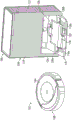
图1示出了对接站和移动清洁机器人的等距视图。Figure 1 shows an isometric view of the docking station and mobile cleaning robot.
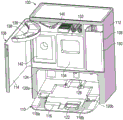
图2示出了用于移动清洁机器人的对接站的等距视图。Figure 2 shows an isometric view of a docking station for a mobile cleaning robot.
图3示出了用于移动清洁机器人的对接站的一部分的等距视图。Figure 3 shows an isometric view of a portion of a docking station for a mobile cleaning robot.
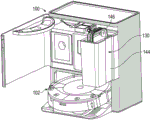
图4示出了用于移动清洁机器人的对接站的等距视图。Figure 4 shows an isometric view of a docking station for a mobile cleaning robot.
图5示出了用于移动清洁机器人的对接站的等距视图。Figure 5 shows an isometric view of a docking station for a mobile cleaning robot.
图6示出了用于移动清洁机器人的对接站的等距视图。Figure 6 shows an isometric view of a docking station for a mobile cleaning robot.
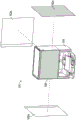
图7示出了用于移动清洁机器人的对接站的分解等距视图。Figure 7 shows an exploded isometric view of a docking station for a mobile cleaning robot.
图8示出了用于移动清洁机器人的对接站的分解等距视图。Figure 8 shows an exploded isometric view of a docking station for a mobile cleaning robot.
图9A示出了对接站和移动清洁机器人的放大侧横截面图。Figure 9A shows an enlarged side cross-sectional view of the docking station and mobile cleaning robot.
图9B示出了对接站和移动清洁机器人的放大侧横截面图。Figure 9B shows an enlarged side cross-sectional view of the docking station and mobile cleaning robot.
图10示出了对接站的正视图。Figure 10 shows a front view of the docking station.
图11示出了对接站和移动清洁机器人的放大侧横截面图。Figure 11 shows an enlarged side cross-sectional view of the docking station and mobile cleaning robot.
图12A示出了对接站和移动清洁机器人的放大侧横截面图。Figure 12A shows an enlarged side cross-sectional view of the docking station and mobile cleaning robot.
图12B示出了对接站和移动清洁机器人的放大侧横截面图。Figure 12B shows an enlarged side cross-sectional view of the docking station and mobile cleaning robot.
图13A示出了处于第一状态的对接站的一部分的放大侧视图。Figure 13A shows an enlarged side view of a portion of the docking station in a first state.
图13B示出了处于第二状态的对接站的一部分的放大侧视图。Figure 13B shows an enlarged side view of a portion of the docking station in a second state.
图13C示出了处于第三状态的对接站的一部分的放大侧视图。Figure 13C shows an enlarged side view of a portion of the docking station in a third state.
图13D示出了处于第四状态的对接站的一部分的放大侧视图。Figure 13D shows an enlarged side view of a portion of the docking station in a fourth state.
图14示出了对接站的一部分的放大侧视图。Figure 14 shows an enlarged side view of a portion of the docking station.
图15示出了对接站的放大侧截面等距视图。Figure 15 shows an enlarged side sectional isometric view of the docking station.
图16示出了对接站的一部分的等距视图。Figure 16 shows an isometric view of a portion of the docking station.
图17A示出了对接站的放大横截面等距视图。Figure 17A shows an enlarged cross-sectional isometric view of a docking station.
图17B示出了对接站的放大的底部横截面等距视图。Figure 17B shows an enlarged bottom cross-sectional isometric view of the docking station.
图18A示出了对接站的一部分的等距视图。Figure 18A shows an isometric view of a portion of a docking station.
图18B示出了对接站的一部分的等距视图。Figure 18B shows an isometric view of a portion of the docking station.
图19示出了对接站的一部分的等距视图。Figure 19 shows an isometric view of a portion of the docking station.
图20示出了对接站的放大侧横截面图。Figure 20 shows an enlarged side cross-sectional view of the docking station.
图21示出了对接站的一部分的放大侧横截面图。Figure 21 shows an enlarged side cross-sectional view of a portion of the docking station.
图22示出了对接站的一部分的前等距视图。Figure 22 shows a front isometric view of a portion of the docking station.
图23示出了对接站的一部分的放大侧横截面图。Figure 23 shows an enlarged side cross-sectional view of a portion of the docking station.
图24示出了对接站的一部分的放大侧横截面图。Figure 24 shows an enlarged side cross-sectional view of a portion of the docking station.
图25示出了对接站的等距视图。Figure 25 shows an isometric view of a docking station.
图26示出了对接站的等距视图。Figure 26 shows an isometric view of the docking station.
具体实施方式Detailed ways
图1图示了用于移动清洁机器人102的对接站100的等距视图。移动清洁机器人可以是吸尘机器人、拖洗机器人或其组合(二合一)的被配置成在环境中执行拖洗和清洁操作的移动清洁机器人。移动清洁机器人102可以包含主体104和连接到主体104的拖洗系统106。拖洗系统可以包括可缩回的拖洗垫托盘和垫,如在Michael G.Sack的标题为“Two inone Mobile Cleaning Robot”的美国申请号17/388,293中所讨论的,其全部内容通过引用并入本文。FIG. 1 illustrates an isometric view of a
对接站100可以包括罐108和基部110。罐108可包括外壁112和门114。基部110可以包括平台116,平台116包括轨道118a和118b,轨道118a和118b包括相应的轮井120a和120b。平台116还可以包括真空端口122。对接站100还可以包括对接端口124,所述对接端口124被配置成在其中至少部分地接收移动清洁机器人102。例如,移动清洁机器人102可以通过在轨道118a和118b上横越而移动到对接端口124中,直到移动清洁机器人102的驱动轮搁置在轮井120中,这可以将真空端口122与机器人的碎屑端口对准并且可以将对接器的充电触点126与移动清洁机器人102的触点对准,以及将移动清洁机器人102和对接站100的其它特征对准。
对接站100的部件可以是由诸如金属、塑料、泡沫、弹性体、陶瓷、复合材料、其组合等中的一种或多种的材料制成的刚性或半刚性部件。下面进一步详细讨论一些部件的材料。移动机器人102可以是包含轮子、提取器、碎屑箱、控制器和各种传感器的移动清洁机器人。机器人102可被配置成在环境内执行自主清洁任务或例程。Components of
基部110可以是包括平台116和轨道118a和118b的倾斜构件,其中基部110可以被配置成在其上接收移动清洁机器人102以进行维护,诸如对移动清洁机器人充电和从移动清洁机器人清空碎屑。轨道118可被配置成接收机器人102的轮子以将机器人102引导到基部110上以使用触点126进行充电和碎屑排空。触点126可以是被配置成向移动清洁机器人102提供电力的电力接口(或可以是其一部分)。平台116和轨道118可朝向前部部分倾斜以帮助允许移动机器人102对接在站100上。
当机器人102被定位在基部110上时,诸如当机器人102的轮子在轮井120中时,真空端口122可与机器人102的真空出口对准。真空端口122可以延伸穿过基部110并且可以连接到罐108的真空入口。The
罐108可以是对接站100的上部部分,其连接到基部110的后部部分,并且可以从其向上延伸,使得罐108可以至少部分地位于基部110上方。罐108的外壁112可以具有带有圆角的基本上矩形中空棱柱的形状,其中外壁112可以限定罐108的敞开的前部部分。外壁112可至少部分地包围碎屑箱及风扇隔室。
门114可以连接到外壁112(例如通过铰链或其他紧固件),例如在门114的侧部处。门114可以可释放地固定到外壁112,诸如在门114和外壁112的侧部处(诸如经由摩擦/过盈配合、闩锁等)。门114的移除或门114从罐108的前部部分的打开可以提供到碎屑箱的接取并且可以可选地提供到风扇隔室的接取。The
图2示出了对接站100的等距视图。对接站100可以与上面讨论的对接站100一致,图2示出了对接站100的附加细节。例如,图2示出了处于打开位置的门114,暴露了对接站100的内部隔室,例如容器隔室128,其可以至少部分地形成在外罐108中,例如通过罐108的外壁112和一个或多个内壁。容器隔室128可以被配置成在其中可移除地接收流体容器130以用于将清洁流体递送至移动清洁机器人102。当门114处于打开配置时,流体容器130可以可滑动地插入容器隔室128中(或从容器隔室128移除)。FIG. 2 shows an isometric view of
图2还示出了碎屑隔室132,其可以至少部分地形成到外罐108中,例如通过罐108的外壁112和一个或多个内壁。碎屑隔室132可以被配置成在其中可移除地接收袋抽屉134,用于在其中接收碎屑袋。当门114处于打开配置时,袋抽屉134可以可滑动地插入碎屑隔室132中(或从碎屑隔室132移除),例如在打开位置和关闭位置(图2中所示)之间。可选地,袋抽屉134可以完全从碎屑隔室132和罐108移除。FIG. 2 also shows a
罐108还可以包括各种存储隔室,用于存储移动清洁机器人102的一个或多个用户可更换部件。例如,门114可以包括连接到门114的顶部部分并从门114的顶部部分延伸的门隔室136。门隔室136可以与门114一起移动或旋转,使得当门114处于打开位置时,门隔室136暴露,如图2所示,并且使得当门114处于关闭位置时,门隔室136可以隐藏在罐108内,如图1所示。可选地,门隔室136可以被配置(例如,尺寸或形状设计)成保持或支撑用户可更换的部件,例如拖洗垫138。
罐108还可以包括上搁架140,上搁架140可以至少部分地由罐108的外壁112和内壁限定。当门114处于打开位置时,上搁架140可以是可接取的或暴露的,如图2所示。上搁架140可以被配置(例如,尺寸或形状设计)成保持或支撑用户可更换的部件,例如更换过滤器、辊、侧刷等。The
罐108还可以包括侧搁架142,侧搁架142可以至少部分地由罐108的外壁112和内壁限定。当门114处于打开位置时,侧搁架142可以是可接取的或暴露的,如图2所示。侧搁架142可以被配置(例如,尺寸或形状设计)成保持或支撑用户可更换的部件,例如碎屑袋。可选地,侧搁架142可以位于风扇系统的前面,如图7所示。罐108可以可选地包括更多或更少的储存隔室。The
图3示出了对接站100的流体容器130的等距视图。图4示出了对接站100和移动清洁机器人102的等距视图。下面一起讨论图3和图4。对接站100和流体容器130可以与上面讨论的对接站100和流体容器130一致。图3示出了流体容器130的附加细节。例如,图3示出了流体容器130可以包括主体144,主体144可以由壁(例如,6个或更多个壁)限定以限定配置为在其中容纳或保持清洁流体的容积。流体容器130还可包括手柄146,该手柄146可以是用户可抓握的,以便将流体容器130可滑动地插入容器隔室128或从容器隔室128移除。例如,如图4所示,流体容器130可以通过罐的前部部分可滑动地移除(或插入),例如使用手柄146。FIG. 3 shows an isometric view of the
还如图3所示,流体容器130可以包括流体端口148,流体端口148可以连接到主体144。流体端口148可以流体连接至对接站100中的一条或多条线路,以在流体容器130被完全插入对接站100的容器隔室128中时将流体容器130连接至对接站100。流体端口148可以可选地包括阀(填充阀2051),如下面进一步详细讨论的。As also shown in FIG. 3 ,
图5示出了对接站100的等距视图,其中袋抽屉134处于打开位置。图6示出了对接站100的等距视图,其中袋抽屉134处于打开位置并且碎屑袋150从袋抽屉134部分地移除。下面一起讨论图5和图6。FIG. 5 shows an isometric view of
图5和图6的对接站100可以与上面讨论的对接站100一致;图5和图6示出了对接站100的操作的附加细节。例如,图5示出了当门114处于打开位置时,袋抽屉134可以滑动、平移或以其他方式向前移动到打开位置。然后,如图6所示,当袋抽屉134处于打开位置时,碎屑袋150可以相对于袋抽屉134向上移动,以从袋抽屉134和罐108移除碎屑袋150。在移除脏碎屑袋150之后,当袋抽屉134处于打开位置时,可以将干净的或新的碎屑袋(向下)插入袋抽屉134中。然后,袋抽屉134可以在门114关闭之前向后平移或滑动到关闭位置,从而允许操作(例如排空对接站100)继续。The
图7示出了对接站100的分解等距视图。图8示出了对接站100的分解等距视图。图7和图8的对接站100可以与上面讨论的对接站100一致;图7和图8示出了对接站100的附加细节。例如,图7示出了风扇系统152(包括排空风扇),其可以是连接到碎屑隔室132和袋抽屉134的排空风扇,并且可以位于罐108的风扇隔室154中。风扇系统152可操作以经由真空端口122将碎屑抽吸通过对接站100并进入袋抽屉134中的碎屑袋150中,其中碎屑可由碎屑袋150捕获。来自风扇系统152的排出空气可以通过排出开口156排出到对接端口124中,例如通过罐108的内壁。通过将排出空气排放到对接端口124中且朝向基部110排放,排放可被引导远离罐108的后部或侧部部分,从而有助于减少排放到环境内的物品上的发生。FIG. 7 shows an exploded isometric view of
图7还示出了流体容器130和袋抽屉134可以从罐108的前部部分移除,例如当门114处于打开位置时。图7还示出了前面板158可以可选地从罐108的机架159移除,例如用于维护罐108内的部件。类似地,如图8所示,面板162a-162c(一起为面板162)中的任一个可以从罐108的机架159移除,例如用于接取或维修其中的任何部件。此外,盖160可以是用户可从罐108的顶部部分移除的,例如用于装饰性更换。可选地,盖160的移除可以提供对风扇系统152或高压部件161的接取。部件161可以连接到风扇系统152,并且可以连接到罐108的任何传感器或部件,以便向罐108的部件分配电力。FIG. 7 also shows that the
图9A图示了对接站100和移动清洁机器人102的放大侧横截面图。图9B示出了对接站100和移动清洁机器人的放大侧横截面图。图9A和9B的对接站100可以与上面讨论的对接站100一致;图9A-9B示出了对接站100的附加细节。例如,图9A和9B示出了图像捕获设备164,其可以与对接标签对接,如下面参考图10所讨论的。FIG. 9A illustrates an enlarged side cross-sectional view of
图9A和9B还示出了填充喷口166,其可以连接到罐108并且可以相对于罐108移动(例如,旋转)。还示出了致动器168,其可以可选地是旋转凸轮。致动器168可以可选地由马达驱动以相对于罐108旋转。在一些示例的操作中,如图9A所示,填充喷口166可以处于存储位置,例如在罐108内。当对接站100完全对接在基部110上时,可以操作致动器168以旋转填充喷口166以从罐108延伸并插入移动清洁机器人102中,如图9B所示。例如,填充喷口166可以接合移动清洁机器人102的门170,使得门170打开以允许填充喷口166进入移动清洁机器人102的容器172,并且允许流体从罐108(例如,流体容器130)排放到移动清洁机器人102的门170中。门170可以可选地朝向关闭位置偏置(图9A),以便在任务期间帮助限制流体通过门170逸出。可选地,填充喷口166可以在移动清洁机器人102移动到其最终对接位置时(或之前)延伸。9A and 9B also show a
图10示出了对接站100的正视图。图10的对接站100可以与上面讨论的对接站100一致;图10示出了对接站100的附加细节。例如,图10示出了对接站100可以包括位于对接端口124内并连接到基部110或罐108的对接传感器174。传感器174可以是光学传感器,诸如红外(IR)传感器,其被配置成检测移动清洁机器人102相对于罐108的接近度,诸如供机器人102用于在对接到基部110上期间进行引导。图10还示出了门114可以包括突片115,突片115可以是刚性或半刚性构件,例如小手柄。突片115可以是用户可抓握的,例如以允许用户打开和关闭门114。FIG. 10 shows a front view of
图10还示出了基部110或罐108可以包括识别(ID)标签176a-176c,其可以是April标签、QR标签等。标签176可以由移动清洁机器人102的图像捕获设备164用于(连同传感器174一起)正确地导航到基部110上以对接移动清洁机器人102,诸如以允许由对接站100执行对移动清洁机器人102的维护。FIG. 10 also shows that the base 110 or
图11图示了对接站100和移动清洁机器人102的放大侧横截面图。图11的对接站100可以与上面讨论的对接站100一致;图11示出了对接站100的附加细节。例如,图11示出了门170在被填充喷口166接合时可以围绕枢轴178旋转,以便将门170移动到打开或填充位置。门170或枢轴178可以包括偏置元件(例如扭转弹簧),该偏置元件可以被配置成当填充喷口166被移除或不与门170接触时将门170偏置到关闭位置。图11还示出了移动清洁机器人102可以包括可与门170接合的密封件180,以在门170处于关闭位置时密封容器172。FIG. 11 illustrates an enlarged side cross-sectional view of
图12A图示了对接站100和移动清洁机器人102的放大侧横截面图。图12B图示了对接站100和移动清洁机器人102的放大侧横截面图。图12A和12B的对接站100可以与上面讨论的对接站100一致;图12A和图12B示出了对接站100的附加细节。例如,图12A和图12B示出了填充喷口166可以包括磁性部件182(例如磁体或电磁体),并且示出了门170可以包括传感器184(例如霍尔效应传感器等)。FIG. 12A illustrates an enlarged side cross-sectional view of
如图12A所示,传感器184可以产生场F1,并且磁性部件182可以产生场F2。当处于图12A的位置时,在将填充喷口166插入移动清洁机器人102中之前,磁性部件182的场F2可以在场F1之外。如图12B所示,当填充喷口166经过密封件180插入移动清洁机器人102中时,场F2可以与场F1相互作用,从而允许传感器184检测到磁性部件182的存在,并且因此检测到机器人102内填充喷口166的存在。控制器可以连接到传感器184,并且可以从其接收信号以指示填充喷口166完全插入移动清洁机器人102中,使得可以开始通过填充喷口166填充液体。As shown in FIG. 12A ,
图13A示出了处于第一状态的填充喷口166和致动器168的放大侧视图。图13B示出了处于第二状态的填充喷口166和致动器168的放大侧视图。图13C示出了处于第三状态的填充喷口166和致动器168的放大侧视图。图13D示出了处于第四状态的填充喷口166和致动器168的放大侧视图。下面一起讨论图13A-13D。Figure 13A shows an enlarged side view of
图13A-13D的填充喷口166和致动器168可以与上面讨论的填充喷口166和致动器168一致;图13A-13D示出了填充喷口166和致动器168的操作的附加细节。例如,图13A示出了致动器168(其可以是凸轮)可以越过或经过填充喷口166的对立元件186,从而允许扭转弹簧188在填充喷口166上施加力以将填充喷口166旋转到收起的竖直位置,如图13B所示。The
当致动器168继续旋转时,其可以与填充喷口166的端部190相互作用,使得致动器168可以将填充喷口166从图13B所示的位置移动到图13C所示的位置。当致动器168旋转超过填充喷口166的端部190时,偏置部分192(致动器168的轮廓的一部分)可以接合填充喷口166的轮廓部分194,从而对于致动器168的大部分旋转,例如致动器168的旋转中的90度和180度之间,限制填充开口填充喷口166的移动。图13D示出了在致动器168与填充喷口166脱离并且允许扭转弹簧188将填充喷口166返回到收起的竖直位置之前致动器168与填充喷口166的接合的最后部分。As
图14示出了填充喷口166和致动器168的放大侧视图,示出了填充喷口166和致动器168之间的接合的附加细节。例如,图14示出了填充喷口166和致动器168之间的接合,这可以导致可靠的相接,从而产生填充喷口166相对于后部机器人门的可靠定位。FIG. 14 shows an enlarged side view of
更具体地,当致动器168旋转通过其位置时,致动器168的偏置部分192和填充喷口166的轮廓部分194可以对齐。轮廓部分194中的棘爪部196可以迫使扭转弹簧188偏转,从而导致填充喷口166的可靠位置。力A可以通过与扭转弹簧188相互作用的棘爪部196产生,使得填充喷口166围绕填充喷口166的销198的销轴线枢转。这可以导致力B,力B迫使填充喷口166向下进入对接站100的硬止动件199,从而帮助将填充喷口166保持在填充位置。偏置部分192的棘爪部196(凸轮轮廓)与偏置部分192之间的相互作用可以帮助提供稳健定位的机构,从而允许移动清洁机器人102返回到填充喷口166中,同时限制填充喷口166的移动并且同时帮助限制对填充喷口166的损坏。More specifically, as the
图15示出了对接站1500的放大侧横截面等距视图。对接站1500可以类似于上面讨论的对接站和移动清洁机器人;1500可以包括使用齿条和小齿轮机构的填充喷口。上面或下面讨论的任何对接站可以被修改为包括对接站1500的特征。FIG. 15 shows an enlarged side cross-sectional isometric view of
更具体地,1500可以包括填充喷口1566,填充喷口1566包括连接到填充喷口1566或与填充喷口1566成一体的齿条1501,例如在其底部部分上。对接站1500还可以包括小齿轮1503,其可以连接到马达以旋转小齿轮1503。小齿轮1503可以与齿条1501接合,使得小齿轮1503的旋转可以引起齿条1501的平移并且因此引起填充喷口1566的平移,使得填充喷口1566可以在伸出位置(例如用于填充移动清洁机器人1502的容器)和缩回位置(当机器人未对接时)之间平移。图15还示出了填充喷口1566可以包括配件1505,其连接到对接站1500内的管或管道,以将填充喷口1566连接到流体容器。More specifically, 1500 may include a
图15还示出了1500的基部1510可以包括充电触点1526a和1526b,其可以至少部分地延伸穿过基部1510,以便接合机器人以对机器人充电。图15还示出了触点1526可以连接到触点机构1507,触点机构1507可以可操作以相对于基部1510移动触点1526。充电触点1526可以在缩回位置和伸出位置之间移动,使得对接充电触点1526可以在处于伸出位置时并且当移动清洁机器人对接在基部1510上时与机器人充电触点接合,如下面进一步详细讨论的。15 also shows that
图15还示出了对接开关1509,其可以被配置成接合移动清洁机器人(例如,移动清洁机器人102或1502[下面讨论])。对接开关1509可以连接到控制器(或与其通信),以便指示机器人正确地或完全地对接在基部1510上。Figure 15 also shows a
图16示出了对接站1500的一部分的等距视图,其可以与上面关于图15讨论的对接站1500一致。图16示出了对接站1500的附加细节。例如,图16示出了对接开关1509可以至少部分地延伸到对接站1500中,例如延伸到罐1508或基部1510中。FIG. 16 shows an isometric view of a portion of a
图16还示出了对接站1500可以包括触点开关1511。触点开关1511可以连接到基部1510,并且可以与移动清洁机器人接合,以将对接充电触点移动到伸出位置(如图16所示),如下面关于图17A-17B进一步详细讨论的。FIG. 16 also shows that the
图16还示出了基部1510可以包括轨道1518a和1518b,轨道1518a和1518b包括相应的轮井1520a和1520b,其可以类似于对接站100的轨道118和轮井120。轮井1520可以被配置为在其中接收移动清洁机器人的相应驱动轮,以将移动清洁机器人的机器人充电触点与基部1510的电源接口(例如,触点1526)对准。FIG. 16 also shows that base 1510 may include
图16还示出了基部1510可以包括分别位于一对轮井1520a和1520b中的一对轮开关1513a和1513b。开关1513可以各自至少部分地延伸穿过它们相应的轮井1520,以便可由机器人的相应驱动轮接合。开关1513可以是中断光束传感器、机械按压开关等。Figure 16 also shows that base 1510 may include a pair of
当驱动轮定位在轮井1520中的相应轮井中时,轮开关1513可以由相应的驱动轮独立地接合,以便产生独立的对接信号,这些对接信号可以被传输到例如对接站1500内的一个或多个控制器。因为开关1513可以由它们各自的驱动轮独立地致动,所以开关1513可以有助于减少在已经发生正确对接时检测对接失败的发生,其可能更可能在单个开关的情况下发生。When the drive wheels are positioned in corresponding ones of the wheel wells 1520, the wheel switches 1513 can be independently engaged by the corresponding drive wheels to generate independent docking signals, which can be transmitted to, for example, one or more of the
图17A示出了对接站1500的放大横截面等距视图。图17B示出了对接站1500的放大的底部横截面等距视图。下面一起讨论图17A和17B。FIG. 17A shows an enlarged cross-sectional isometric view of
图17A和17B的对接站1500可以与上面讨论的对接站1500一致。图17A和17B示出了对接站1500的附加细节。例如,图17A示出了触点机构1507的触点开关1511可以延伸穿过基部1510中的开口1515,开口1515可以位于触点1526之间。开口1515可以允许触点开关1511在基部1510的表面上方延伸,以允许与机器人接合。The
图17B示出了触点机构1507可以至少部分地位于基部1510的下侧上并且可以与其连接。图17B还示出了触点开关1511可以连接到臂1517。臂1517可以位于基部1510的下侧,并且可以连接到偏置元件,例如弹簧(例如,扭转弹簧)。弹簧可以连接到支撑件1523,其中支撑件或基部1523可以被配置为将触点机构1507固定到基部1510。Figure 17B shows that the
图18A示出了触点机构1507的等距视图。图18B示出了触点机构1507的一部分的等距视图。下面一起讨论图18A和18B。触点机构1507可以与上面讨论的触点机构1507一致;图18A和18B示出了触点机构1507的附加细节。An isometric view of the
例如,图18A示出了充电触点1526a和1526b可以分别连接到电枢1519a和1519b。电枢1519可以支撑触点1526并且可以将触点1526分别连接到连杆1521a和1521b。连杆1521a和1521b可以各自分别连接到支撑件1523a和1523b,使得连杆1521a和1521b可以分别相对于支撑件1523a和1523b旋转或枢转。支撑件1523a和1523b可以固定到基部1510上,如图17B所示。For example, Figure 18A shows that charging
图18A和18B还示出了基部1523可以被配置成接收紧固件1525以将基部或支撑件1523固定到基部1510。紧固件1525可以是螺钉、铆钉等。图18A和18B还示出了连杆1521a和1521b可以分别通过销1525a和1525b连接到臂1517a和1517b。还示出了偏置元件1527a和1527b,其可以分别固定到销1525a和1525b,并且分别与连杆1521a和1521b接合。FIGS. 18A and 18B also illustrate that base 1523 may be configured to receive fasteners 1525 to secure base or
在操作中,当支撑件或基部1523固定到对接器1500的基部1510(的下侧)时,偏置元件1527可以接合基部1510和连杆1521,以便将连杆1521(并且因此将触点1526)偏置到缩回位置。然后,当触点开关1511在对接期间由机器人(诸如机器人的脚轮)接合时,臂1517a和1517b可以移动,克服偏置元件1527a和1527b的偏置力。当偏置力被克服时,可以使连杆1521a和1521b旋转或枢转,导致触点1526移动到伸出位置,例如用于接合机器人的充电触点。以这种方式,触点1526可以在基部1510内被保护,直到机器人完全对接在基部1510上。In operation, when the support or
图18B还示出了磁性元件1529(位置在图17B中示出),其可以被配置为吸引机器人的充电触点以帮助确保1526a与机器人的充电触点接触。充电触点1526b可以可选地包括类似的磁性元件。Figure 18B also shows magnetic element 1529 (position shown in Figure 17B), which may be configured to attract the robot's charging contacts to help ensure that 1526a is in contact with the robot's charging contacts.
图18B还示出了可以连接到触点1526a的突片1531。突片1531可以将触点1526连接到对接器1500的电源,例如电连接到对接器1500的电源。可选地,突片1531可仅在触点1526处于伸出位置时完成电路,使得突片1531在触点1526移动到缩回位置时移动以断开电路。Figure 18B also shows
图19示出了对接站1900的一部分的等距视图。对接站1900可以类似于上面讨论的对接站;对接站1900可以不同,其在于它可以被分成多个区段。上面或下面讨论的任何对接站可以包括对接站1900的特征。FIG. 19 shows an isometric view of a portion of
如图19所示,对接站1900可以包括基部区段1933,基部区段1933可以包括对接端口1924并且可以包括或连接到基部1910(其可以类似于上面讨论的对接端口124和基部110)。排空区段1935可以连接到基部区段1933,并且可以被配置成支撑或包括袋抽屉1934和风扇系统1952(其可以类似于上面讨论的袋抽屉134和风扇系统152)。可选地,排空区段1935可以可移除地连接到基部区段1933,使得基部区段1933可以用于仅具有基部1910的对接站,并且可以用于包括排空部件(诸如袋抽屉1934和风扇系统1952)的对接站。As shown in FIG. 19 ,
流体区段1937可以连接到排空区段1935,并且可以包括清洁流体容器1930和脏流体容器1939。清洁流体容器1930可以被配置为将清洁流体输送到机器人,并且脏流体容器1939可以被配置为从机器人接收脏流体。可选地,流体区段1937可以可移除地连接到排空区段1935,使得排空区段1935可以用于不包括流体区段1937的对接站,并且可以用于包括流体区段1937的对接站。
对接站1900还可以可选地包括连接到1910的垫洗涤系统1941。垫洗涤系统1941可以是辊,该辊可与机器人的垫接合并且可操作(例如,可旋转)以搅动和清洁脏垫,诸如在拖洗任务之后或在拖洗任务期间。可选地,垫洗涤系统1941可以连接到清洁流体容器1930和脏流体容器1939,以在垫洗涤操作期间使用流体。
图20示出了对接站2000的放大侧横截面图。对接站2000可以类似于上面讨论的对接站;对接站2000可以不同,其在于它可以包括具有密封件的抽屉。上面或下面讨论的任何对接站可以包括对接站2000的特征。FIG. 20 shows an enlarged side cross-sectional view of
对接站2000可以包括碎屑隔室2032和在其中可滑动地移动的袋抽屉2034。碎屑隔室2032和袋抽屉2034可以类似于上面讨论的碎屑隔室132和袋抽屉134。图20示出了袋抽屉2034可以包括连接到袋抽屉2034的内前面2045的密封件2043。密封件2043可以与袋或碎屑隔室2032接合,以便当袋抽屉2034处于关闭位置时密封袋抽屉2034,如图20所示。在这样的配置中,密封件2043可以在袋抽屉2034和碎屑隔室2032之间被压缩,以在碎屑隔室2032内形成密封的隔室。可选地,袋抽屉2034可以包括保持器2047。保持器2047可以连接到内面2045。保持器2047可以从内前面2045向内延伸,并且可以被配置为将密封件2043机械地保持到袋抽屉2034。可选地,密封件2043可以使用一个或多个紧固件或粘合剂固定到袋抽屉2034。
图21示出了对接站2000的一部分的放大侧横截面图。图22示出了对接站2000的一部分的前等距视图。图23示出了对接站2000的一部分的放大侧横截面图。图24示出了对接站2000的一部分的放大侧横截面图。下面一起讨论图21-24。对接站2000可以与上面讨论的对接站2000一致,并且可以类似于上面或下面讨论的对接站。对接站2000的任何特征可以结合到上面或下面讨论的对接站中。FIG. 21 shows an enlarged side cross-sectional view of a portion of
图21和22示出了对接站2000的容器隔室2028可包括填充端口2049,所述填充端口可连接至容器隔室2028的后部部分并位于容器隔室2028的后部部分中。如图21所示,填充端口2049可以被配置成与容器2030的填充阀2051对接。如下文关于图23和图24所讨论的,当容器2030完全插入容器隔室2028中时,填充阀2051与填充端口2049的接合可以使填充阀2051打开,从而允许流体进入填充端口2049和供应管2053,诸如用于供应给移动清洁机器人(例如,移动清洁机器人102)。21 and 22 illustrate that the
图21还示出了支撑件2055,其可被配置成接合供应管2053,诸如以在容器2030被插入容器隔室2028中并且填充阀2051接合填充端口2049时限制供应管2053的向后移动。图21和22进一步示出了连接至容器隔室2028的底板2059的闩锁2057。闩锁2057可被配置成接合容器2030的凹部2061,诸如以帮助限制容器2030相对于容器隔室2028的平移。闩锁2057可以被构造成当克服足够大以克服施加到容器2030的闩锁2057的偏置力的力时释放容器2030。可选地,闩锁2057可以是用户可致动的以从凹部2061释放闩锁2057并且因此允许从容器隔室2028移除容器2030。FIG. 21 also shows
图23及24示出了填充端口2049及填充阀2051的额外细节。例如,图23和24示出了填充端口2049可包括可固定至容器隔室2028的后壁2065上的凸缘2063,以便限制填充端口2049相对于容器隔室2028的移动。23 and 24 show additional details of
图23和24还示出填充端口2049可包括突起2067,其可从填充端口2049的管2069径向向外延伸。突起2067可以不同长度向外延伸,使得突起2067被配置为匹配地接合填充阀2051的止动部2071,这可有助于限制填充阀2051相对于填充端口2049的相对移动且可允许管2069接合填充阀2051的柱塞2075。23 and 24 also show that
填充阀2051还可以包括与柱塞2075接合的柱塞偏置元件2073,以将柱塞2075偏置到关闭位置。当由管2069施加在柱塞2075上的力足以克服填充阀2051的偏置元件2073的偏置力时,柱塞2075可以移动到打开位置,从而允许流体流出容器2030并通过填充端口2049,以便填充机器人(例如,移动清洁机器人102)的容器。以此方式,填充端口2049可被配置成在容器2030完全或正确地插入容器隔室2028中时自动打开填充阀2051。Fill
图25示出了用于移动清洁机器人的对接站2500的等距视图。对接站2500可以类似于上面讨论的对接站;对接站2500可以不同,其在于其可以被分成多个区段并且可以包括水平填充容器。上面或下面讨论的任何对接站可以包括对接站2500的特征。Figure 25 shows an isometric view of a
如图25所示,对接站2500可以包括基部区段2533,基部区段2533可以包括对接端口2524并且可以包括或连接到基部。排空区段2535可以连接到基部区段2533,并且可以被配置成支撑或包括袋抽屉和风扇系统。可选地,排空区段2535可以可移除地连接到基部区段2533,使得基部区段2533可以用于仅具有基部的对接站,并且可以用于包括排空部件(诸如袋抽屉和风扇系统)的对接站。As shown in FIG. 25 ,
流体区段2537可以连接到排空区段2535并且可以包括流体容器2530。可选地,流体区段2537可以可移除地连接到排空区段2535,使得排空区段2535可以用于不包括流体区段2537的对接站,并且可以用于包括流体区段2537的对接站。流体容器2530可以是可插入到容器隔室2528中的,该容器隔室可以被配置成用于接纳容器2530,该容器可以是水平取向的。水平取向的容器可以帮助减小流体区段2537的总高度。例如,流体容器2530可以被构造成延伸跨过流体区段2537的宽度W的60%至95%。可选地,流体容器2530可以延伸跨过宽度W的约80%。
图26示出了用于移动清洁机器人的对接站2600的等距视图。对接站2600可以类似于上面讨论的对接站;对接站2600可以不同,其在于它可以被分成多个区段并且可以包括水平填充容器。上面或下面讨论的任何对接站可以包括对接站2600的特征。Figure 26 shows an isometric view of a
如图26所示,对接站2600可以包括基部区段2633,基部区段2633可以包括对接端口2624并且可以包括或连接到基部2610。基部3610可以包括各种部件,诸如开关和触点,类似于上面关于对接站(诸如对接站100)所讨论的那些。As shown in FIG. 26 ,
排空区段2635可以连接到基部区段2633,并且可以被配置成支撑或包括袋抽屉和风扇系统。可选地,排空区段2635可以可移除地连接到基部区段2633,使得基部区段2633可以用于仅具有基部的对接站,并且可以用于包括排空部件(诸如可插入袋碎屑隔室2632中的袋抽屉2634和风扇系统)的对接站。The
流体区段2637可以连接到排出区段2635并且可以包括流体容器2630。可选地,流体区段2637可以可移除地连接到排空区段2635,使得排空区段2635可以用于不包括流体区段2637的对接站,并且可以用于包括流体区段2637的对接站。流体容器2630可以是可插入到容器隔室2628中的,该容器隔室可以被配置成在其中接纳容器2630。容器2630可以水平取向。
注释和示例Notes and examples
以下非限制性示例详述了本主题的某些方面,以解决挑战并提供本文讨论的益处等。The following non-limiting examples detail certain aspects of the subject matter to address challenges and provide benefits discussed herein, among other things.
示例1是一种用于移动清洁机器人的对接站,该对接站包括:基部,该基部被配置成接收移动清洁机器人的至少一部分,该基部包括被配置成向移动清洁机器人提供电力的电力接口;以及罐,其连接到所述基部且至少部分地位于所述基部上方,所述罐包括:碎屑箱,其用于从所述移动清洁机器人接收碎屑。Example 1 is a docking station for a mobile cleaning robot, the docking station comprising: a base configured to receive at least a portion of the mobile cleaning robot, the base including a power interface configured to provide power to the mobile cleaning robot; and a tank connected to and at least partially above the base, the tank including a debris bin for receiving debris from the mobile cleaning robot.
在示例2中,示例1的主题可选地包括:其中,基部限定一对轮井,该一对轮井被配置为在其中接收移动清洁机器人的相应驱动轮,以使移动清洁机器人的机器人充电触点与基部的电源接口对准。In Example 2, the subject matter of Example 1 optionally includes wherein the base defines a pair of wheel wells configured to receive therein respective drive wheels of the mobile cleaning robot for recharging the robot of the mobile cleaning robot The contacts line up with the power connector on the base.
在示例3中,示例2的主题可选地包括分别位于该对轮井中的一对轮开关,当驱动轮被定位在轮井中的相应轮井中时,该对轮开关可由相应的驱动轮独立地接合,以产生独立的对接信号。In Example 3, the subject matter of Example 2 optionally includes a pair of wheel switches respectively located in the pair of wheel wells, the pair of wheel switches being independently operable by the respective drive wheels when the drive wheels are positioned in respective ones of the wheel wells engaged to generate an independent docking signal.
在示例4中,示例1-3中的任何一个或多个的主题可选地包括:其中,所述电源接口包括一对对接充电触点,所述一对对接充电触点连接到所述基部并且被配置为当所述移动清洁机器人对接在所述基部上时接合所述机器人充电触点,所述对接充电触点在缩回位置和伸出位置之间可移动,当处于伸出位置时,所述对接充电触点可与所述机器人充电触点接合。In Example 4, the subject matter of any one or more of Examples 1-3 optionally includes wherein the power interface includes a pair of docking charging contacts connected to the base and configured to engage the robot charging contacts when the mobile cleaning robot is docked on the base, the docked charging contacts being movable between a retracted position and an extended position, when in the extended position, The docking charging contacts are engageable with the robot charging contacts.
在示例5中,示例4的主题可选地包括开关,该开关连接到基部并且可与移动清洁机器人接合以将对接充电触点移动到伸出位置。In Example 5, the subject matter of Example 4 optionally includes a switch connected to the base and engageable with the mobile cleaning robot to move the docking charging contacts to the extended position.
在示例6中,示例5的主题可选地包括:其中,所述对接充电触点被偏置到所述缩回位置。In Example 6, the subject matter of Example 5 optionally includes wherein the docking charging contacts are biased to the retracted position.
在示例7中,示例6的主题可选地包括:其中,开关可与移动清洁机器人的轮接合以克服对接充电触点的偏置。In Example 7, the subject matter of Example 6 optionally includes wherein the switch is engageable with a wheel of the mobile cleaning robot to overcome the bias of the docking charging contacts.
在示例8中,示例4-7中的任何一个或多个的主题可选地包括一对磁体,其分别与对接充电触点中的相应对接充电触点相关联并且可吸引到机器人充电触点。In Example 8, the subject matter of any one or more of Examples 4-7 optionally includes a pair of magnets respectively associated with respective ones of the docking charging contacts and attractable to the robot charging contacts .
在示例9中,示例1-8中的任何一个或多个的主题可选地包括连接到罐的流体容器,以将清洁流体输送到移动清洁机器人。In Example 9, the subject matter of any one or more of Examples 1-8 optionally includes a fluid container connected to the tank to deliver cleaning fluid to the mobile cleaning robot.
在示例10中,示例9的主题可选地包括填充喷口,其连接到罐并且流体连接到流体容器,填充喷口可插入到移动清洁机器人的一部分中,以将清洁流体从流体容器输送到移动清洁机器人。In Example 10, the subject matter of Example 9 optionally includes a fill spout connected to the tank and fluidly connected to the fluid container, the fill spout insertable into a portion of the mobile cleaning robot to deliver cleaning fluid from the fluid container to the mobile cleaning robot. robot.
在示例11中,示例9-10中的任何一个或多个的主题可选地包括:其中,流体容器可通过罐的前部部分插入。In Example 11, the subject matter of any one or more of Examples 9-10 optionally includes wherein the fluid container is insertable through the front portion of the tank.
在示例12中,示例11的主题可选地包括填充阀,所述填充阀连接到所述流体容器并且可与所述罐的端口接合,以在所述流体容器固定到所述罐时将所述填充阀移动到打开位置。In Example 12, the subject matter of Example 11 optionally includes a fill valve connected to the fluid container and engageable with a port of the canister for filling the fluid container when the fluid container is secured to the canister. The fill valve moves to the open position.
在示例13中,示例12的主题可选地包括:其中,罐的端口由支架固定。In Example 13, the subject matter of Example 12 optionally includes wherein the port of the tank is secured by the bracket.
在示例14中,示例1到13中的任何一个或多个的主题可选地包含排空风扇,所述排空风扇连接到所述罐且可连接到所述移动清洁机器人以将碎屑从所述移动清洁机器人的碎屑箱排空到所述罐的碎屑袋。In Example 14, the subject matter of any one or more of Examples 1 to 13 optionally includes an evacuation fan connected to the tank and connectable to the mobile cleaning robot to remove debris from The mobile cleaning robot's debris bin empties into the tank's debris bag.
在示例15中,示例14的主题可选地包括排空排放口,所述排空排放口连接到所述排空风扇的排放侧并且延伸穿过所述罐,所述排空排放口被配置成朝向所述基部排放排空空气。In Example 15, the subject matter of Example 14 optionally includes an evacuation drain connected to the discharge side of the evacuation fan and extending through the canister, the evacuation drain being configured to discharge evacuated air towards the base.
示例16是一种用于移动清洁机器人的对接站,该对接站包括:基部,该基部配置为接收移动清洁机器人的至少一部分,该基部包括电力接口,该电力接口配置为向移动清洁机器人提供电力;以及罐,其连接到所述基部且至少部分地位于所述基部上方,所述罐包括:碎屑箱,其用于从所述移动清洁机器人接收碎屑,所述碎屑箱;以及门,所述门连接所述罐并且能够在打开位置和关闭位置之间移动,当所述门处于所述打开位置时,所述罐的前部部分是用户可接取的。Example 16 is a docking station for a mobile cleaning robot, the docking station comprising: a base configured to receive at least a portion of the mobile cleaning robot, the base including a power interface configured to provide power to the mobile cleaning robot and a tank connected to and at least partially above the base, the tank comprising: a debris bin for receiving debris from the mobile cleaning robot, the debris bin; and a door , the door is connected to the canister and is movable between an open position and a closed position, when the door is in the open position, the front portion of the canister is accessible to the user.
在示例17中,示例16的主题可选地包含排空风扇,所述排空风扇连接到所述罐且可连接到所述移动清洁机器人以将碎屑从所述移动清洁机器人的碎屑箱排空到所述罐的碎屑袋。In Example 17, the subject matter of Example 16 optionally includes an evacuation fan connected to the tank and connectable to the mobile cleaning robot to remove debris from a debris bin of the mobile cleaning robot Empty the crumb bag into the tank.
在示例18中,示例17的主题可选地包括袋抽屉,所述袋抽屉能够在打开位置和关闭位置之间可滑动地插入到所述罐的袋隔室中,所述袋抽屉被配置成在其中可释放地接收所述碎屑袋。In Example 18, the subject matter of Example 17 optionally includes a bag drawer slidably insertable into the bag compartment of the can between an open position and a closed position, the bag drawer being configured to The debris bag is releasably received therein.
在示例19中,示例18的主题可选地包括:其中,袋抽屉包括连接到袋抽屉的内前面的密封件,当袋抽屉处于关闭位置时,密封件可与袋隔室接合以密封袋抽屉。In Example 19, the subject matter of Example 18 optionally includes wherein the bag drawer includes a seal attached to an inner front of the bag drawer, the seal being engageable with the bag compartment to seal the bag drawer when the bag drawer is in the closed position .
在示例20中,示例19的主题可选地包括排空排放口,其连接到所述袋抽屉的排放口并且延伸穿过所述罐,所述排空排放口被配置成朝向所述基部排放排空空气。In Example 20, the subject matter of Example 19 optionally includes an emptying drain connected to a drain of the bag drawer and extending through the canister, the emptying drain configured to drain toward the base Evacuate the air.
在示例21中,示例1-20中任一项或任何组合所述的装置或方法可以可选地被配置为使得所有所述的元素或选项可用于使用或选择。In Example 21, the apparatus or method described in any one or any combination of Examples 1-20 can optionally be configured such that all of the described elements or options are available for use or selection.
上述详细说明书包括对附图的参考,附图形成详细说明书的一部分。附图通过说明的方式示出了可以实践本实用新型的具体实施例。这些实施例在本文中也被称为“示例”,这样的示例可以包括除了所示出或描述的那些元件之外的元件。然而,本发明人还设想了其中仅提供所示出或描述的那些元件的示例。此外,本发明人还考虑了使用关于特定示例(或其一个或多个方面)或关于本文示出或描述的其他示例(或其一个或多个方面)示出或描述的那些元件(或其一个或多个方面)的任何组合或排列的示例。The above detailed description includes references to the accompanying drawings, which form a part of the detailed description. The drawings show, by way of illustration, specific embodiments in which the utility model can be practiced. These embodiments are also referred to herein as "examples," and such examples may include elements in addition to those shown or described. However, the inventors also contemplate examples in which only those elements shown or described are provided. In addition, the inventors contemplate using those elements shown or described with respect to a particular example (or one or more aspects thereof) or with respect to other examples (or one or more aspects thereof) shown or described herein (or one or more aspects thereof) Examples of any combination or permutation of one or more aspects).
在本文件与通过引用并入的任何文件之间的用法不一致的情况下,以本文件中的用法为准。In the event of inconsistent usage between this document and any document incorporated by reference, the usage in this document controls.
在本文件中,如专利文件中常见的,术语“一”用于包括一个或多于一个,独立于“至少一个”或“一个或多个”的任何其他示例或用法。在本文件中,术语“或”用于指代非排他性的或,使得“A或B”包括“A但不是B”、“B但不是A”以及“A和B”,除非另有说明。在本文件中,术语“包括(including)”和“其中(in which)”用作相应术语“包含(comprising)”和“其中(wherein)”的简明英语等同物。此外,在所附权利要求中,术语“包括”和“包含”是开放式的,即,包括除了在权利要求中在这样的术语之后列出的元件之外的元件的系统、设备、物品、组合物、制剂或过程仍然被认为落入该权利要求的范围内。此外,在所附权利要求中,术语“第一”、“第二”和“第三”等仅用作标签,并不旨在对其对象施加数字要求。In this document, as is common in patent documents, the term "a" is used to include one or more than one, independently of any other instance or usage of "at least one" or "one or more". In this document, the term "or" is used to refer to a non-exclusive or such that "A or B" includes "A but not B", "B but not A" and "A and B", unless stated otherwise. In this document, the terms "including" and "in which" are used as the plain English equivalents of the corresponding terms "comprising" and "wherein". Furthermore, in the appended claims, the terms "comprising" and "comprising" are open ended, i.e., systems, devices, articles, Compositions, formulations or processes are still considered to fall within the scope of the claims. Furthermore, in the appended claims, the terms "first", "second" and "third", etc. are used only as labels and are not intended to impose numerical requirements on their objects.
上述说明书旨在是说明性的而非限制性的。例如,上述示例(或其一个或多个方面)可以彼此组合使用。可以使用其他实施例,例如由本领域普通技术人员在阅读上述说明书时使用。摘要是为了符合37C.F.R.§1.72(b)的要求而提供的,以允许读者快速确定技术公开的性质。提交摘要的理解是,它将不用于解释或限制权利要求的范围或含义。此外,在上述详细说明书中,可以将各种特征组合在一起以精简本公开。这不应被解释为意图未要求保护的公开特征对于任何权利要求都是必不可少的。相反,实用新型主题可以在于少于特定公开的实施例的所有特征。因此,所附权利要求由此作为示例或实施例并入到详细说明书中,其中每个权利要求独立地作为单独的实施例,并且预期这样的实施例可以以各种组合或排列彼此组合。本实用新型的范围应当参考所附权利要求以及这些权利要求所赋予的等同物的全部范围来确定。The foregoing description is intended to be illustrative rather than restrictive. For example, the above examples (or one or more aspects thereof) may be used in combination with each other. Other embodiments may be used, for example, by one of ordinary skill in the art upon reading the above description. The Abstract is provided in compliance with 37 C.F.R. §1.72(b) to allow the reader to quickly ascertain the nature of the technical disclosure. It is submitted with the understanding that it will not be used to interpret or limit the scope or meaning of the claims. Furthermore, in the foregoing Detailed Description, various features may be combined together to streamline the disclosure. This should not be interpreted as intending that an unclaimed disclosed feature is essential to any claim. Rather, inventive subject matter may lie in less than all features of a particular disclosed embodiment. Thus, the appended claims are hereby incorporated into the Detailed Description as examples or embodiments, with each claim standing on its own as a separate embodiment, and it is contemplated that such embodiments may be combined with each other in various combinations and permutations. The scope of the invention should be determined with reference to the appended claims, along with the full scope of equivalents to which such claims are entitled.
Claims (10)
Applications Claiming Priority (2)
| Application Number | Priority Date | Filing Date | Title |
|---|---|---|---|
| US202163228399P | 2021-08-02 | 2021-08-02 | |
| US63/228,399 | 2021-08-02 |
Publications (1)
| Publication Number | Publication Date |
|---|---|
| CN219166310U true CN219166310U (en) | 2023-06-13 |
Family
ID=83149430
Family Applications (3)
| Application Number | Title | Priority Date | Filing Date |
|---|---|---|---|
| CN202222025340.2U Active CN219166310U (en) | 2021-08-02 | 2022-08-02 | docking station |
| CN202222025081.3U Active CN219048255U (en) | 2021-08-02 | 2022-08-02 | docking station |
| CN202222025031.5U Active CN219166309U (en) | 2021-08-02 | 2022-08-02 | Docking station |
Family Applications After (2)
| Application Number | Title | Priority Date | Filing Date |
|---|---|---|---|
| CN202222025081.3U Active CN219048255U (en) | 2021-08-02 | 2022-08-02 | docking station |
| CN202222025031.5U Active CN219166309U (en) | 2021-08-02 | 2022-08-02 | Docking station |
Country Status (4)
| Country | Link |
|---|---|
| US (1) | US20230030775A1 (en) |
| EP (1) | EP4380420B1 (en) |
| CN (3) | CN219166310U (en) |
| WO (1) | WO2023014648A1 (en) |
Families Citing this family (19)
| Publication number | Priority date | Publication date | Assignee | Title |
|---|---|---|---|---|
| USD1045297S1 (en) * | 2020-08-14 | 2024-10-01 | Irobot Corporation | Mobile cleaning robot |
| USD1017154S1 (en) * | 2020-09-17 | 2024-03-05 | Irobot Corporation | Mobile cleaning robot |
| USD1025523S1 (en) * | 2021-07-20 | 2024-04-30 | Sharkninja (China) Technology Company Limited | Robot cleaner with base station |
| USD1071420S1 (en) * | 2021-11-04 | 2025-04-15 | Yunjing Intelligence Technology (Dongguan) Co., Ltd. | Base station of cleaning machine |
| CA212097S (en) * | 2022-01-01 | 2023-02-07 | Beijing Roborock Technology Co Ltd | Docking station for cleaning robot |
| USD1044183S1 (en) * | 2022-03-14 | 2024-09-24 | Anker Innovations Technology Co., Ltd. | Dust collection station |
| USD1008584S1 (en) * | 2022-06-10 | 2023-12-19 | Irobot Corporation | Mobile cleaning robot |
| USD1071853S1 (en) * | 2022-06-21 | 2025-04-22 | Dreame Innovation Technology (Suzhou) Co., Ltd. | Charging station for cleaning robot |
| USD1071856S1 (en) * | 2022-06-29 | 2025-04-22 | Sharkninja Operating Llc | Robot docking station |
| USD1060909S1 (en) * | 2022-12-30 | 2025-02-04 | Beijing Roborock Technology Co., Ltd. | Docking station with dust collector for cleaning robot |
| USD1119774S1 (en) * | 2023-01-27 | 2026-03-24 | Irobot Corporation | Docking station for a mobile cleaning robot |
| TWD230649S (en) * | 2023-02-24 | 2024-04-01 | 大陸商北京石頭世紀科技股份有限公司 (中國大陸) | Docking station for cleaning robot |
| US20240324833A1 (en) * | 2023-03-29 | 2024-10-03 | Irobot Corporation | Integrated evacuation station and rubbish bin |
| USD1083264S1 (en) * | 2023-03-29 | 2025-07-08 | Wzs Technology Holding Inc. | Vacuum cleaner |
| USD1102376S1 (en) * | 2023-04-10 | 2025-11-18 | Shenzhen Pudu Technology Co., Ltd. | Cleaning robot workstation |
| USD1085595S1 (en) * | 2023-08-24 | 2025-07-22 | Guangdong Dadier intelligent robot Co., LTD | Robot vacuum cleaner |
| JP1779613S (en) * | 2023-08-25 | 2024-09-10 | Multi-function docking station for cleaning robots | |
| USD1072400S1 (en) * | 2023-09-12 | 2025-04-22 | Shenzhen Yunli Digital Technology Co., Ltd. | Base station for robotic vacuum cleaners |
| JP1779140S (en) * | 2023-12-14 | 2024-09-04 | Vacuum cleaner station |
Family Cites Families (14)
| Publication number | Priority date | Publication date | Assignee | Title |
|---|---|---|---|---|
| KR100762095B1 (en) * | 2006-06-29 | 2007-10-05 | 주식회사 로보스템 | Passive mobile charging station for power supply of cordless self-propelled vacuum cleaner |
| KR101496913B1 (en) * | 2010-11-03 | 2015-03-02 | 삼성전자 주식회사 | Robot cleaner, automatic exhaust station and robot cleaner system having the same |
| US8653791B2 (en) * | 2011-04-28 | 2014-02-18 | Nintendo Co., Ltd. | Battery charger for hand-held electronic game device |
| US9462920B1 (en) * | 2015-06-25 | 2016-10-11 | Irobot Corporation | Evacuation station |
| US11449061B2 (en) * | 2016-02-29 | 2022-09-20 | AI Incorporated | Obstacle recognition method for autonomous robots |
| EP3530411B1 (en) * | 2018-01-19 | 2023-11-01 | Black & Decker Inc. | Docking station |
| US11039725B2 (en) * | 2018-09-05 | 2021-06-22 | Irobot Corporation | Interface for robot cleaner evacuation |
| CN109394087B (en) * | 2018-11-26 | 2021-03-26 | 滕州道智盛智能科技有限公司 | Intelligent robot convenient to charge |
| KR102279788B1 (en) * | 2019-07-31 | 2021-07-19 | 엘지전자 주식회사 | Robot Cleaner |
| KR102761429B1 (en) * | 2019-08-05 | 2025-02-05 | 삼성전자주식회사 | Station of robot cleaner |
| CN110754991B (en) * | 2019-11-05 | 2025-06-10 | 深圳银星智能集团股份有限公司 | A cleaning system |
| CN112773273A (en) * | 2020-12-29 | 2021-05-11 | 李蒙蒙 | Robot for dust collector |
| CN112971633B (en) * | 2021-02-06 | 2023-07-04 | 曲阜信多达智能科技有限公司 | Drying control method of cleaner system |
| CN113133721A (en) * | 2021-05-17 | 2021-07-20 | 段属光 | Automatic returning and water adding method of sweeping robot, sweeping robot and base |
-
2022
- 2022-08-01 US US17/878,411 patent/US20230030775A1/en active Pending
- 2022-08-01 EP EP22761715.6A patent/EP4380420B1/en active Active
- 2022-08-01 WO PCT/US2022/039035 patent/WO2023014648A1/en not_active Ceased
- 2022-08-02 CN CN202222025340.2U patent/CN219166310U/en active Active
- 2022-08-02 CN CN202222025081.3U patent/CN219048255U/en active Active
- 2022-08-02 CN CN202222025031.5U patent/CN219166309U/en active Active
Also Published As
| Publication number | Publication date |
|---|---|
| US20230030775A1 (en) | 2023-02-02 |
| CN219166309U (en) | 2023-06-13 |
| EP4380420A1 (en) | 2024-06-12 |
| WO2023014648A1 (en) | 2023-02-09 |
| EP4380420B1 (en) | 2025-05-07 |
| CN219048255U (en) | 2023-05-23 |
Similar Documents
| Publication | Publication Date | Title |
|---|---|---|
| CN219166310U (en) | docking station | |
| AU2023201902B2 (en) | Hand-held surface cleaning device | |
| KR100715774B1 (en) | Robot Cleaner and Charging Station and Cleaning System | |
| US12303091B2 (en) | Pad changing system for robotic vacuum cleaners | |
| CN214180313U (en) | Autonomous Floor Cleaning System | |
| CN212972861U (en) | Autonomous floor cleaner | |
| CN109984681B (en) | Debris container and mobile cleaning robot including the same | |
| CN217039984U (en) | Mop plate loading and unloading mechanism and cleaning system | |
| US20100125968A1 (en) | Automated apparatus and equipped trashcan | |
| WO2022051473A1 (en) | A robotic cleaning system, robotic cleaner and a docking station | |
| TWI821816B (en) | Cleaner system | |
| JP2020142066A (en) | Suction material collecting station, suction cleaner and system consisting of suction material collecting station and suction cleaner | |
| US20230148812A1 (en) | Station and dust removal system including the same | |
| KR20070074147A (en) | Cleaner system | |
| US20180228335A1 (en) | Robotic vacuum cleaner docking station with debris removal | |
| CN113116222B (en) | Recovery unit, linking device, mechanism and rubbish recovery system open and shut | |
| WO2019164648A1 (en) | Battery ejection system | |
| US20250083895A1 (en) | Robotic cleaner debris removal integrated docking station | |
| AU2021355989B2 (en) | Cleaner system | |
| CN213110974U (en) | An appliance recycling docking system | |
| KR101256103B1 (en) | Robot cleaner system | |
| CN220572109U (en) | Cleaning system | |
| US20260007283A1 (en) | Vacuum cleaner station and vacuum cleaner station control method | |
| CN223845579U (en) | Cleaning system | |
| CN115590412A (en) | Main base station for cleaning robot, cleaning robot system and cleaning method thereof |
Legal Events
| Date | Code | Title | Description |
|---|---|---|---|
| GR01 | Patent grant | ||
| GR01 | Patent grant |