WO2025005306A1 - ウラシル誘導体を含有する医薬組成物 - Google Patents
ウラシル誘導体を含有する医薬組成物 Download PDFInfo
- Publication number
- WO2025005306A1 WO2025005306A1 PCT/JP2024/035560 JP2024035560W WO2025005306A1 WO 2025005306 A1 WO2025005306 A1 WO 2025005306A1 JP 2024035560 W JP2024035560 W JP 2024035560W WO 2025005306 A1 WO2025005306 A1 WO 2025005306A1
- Authority
- WO
- WIPO (PCT)
- Prior art keywords
- compound
- cov
- sars
- infection
- formula
- Prior art date
- Legal status (The legal status is an assumption and is not a legal conclusion. Google has not performed a legal analysis and makes no representation as to the accuracy of the status listed.)
- Pending
Links
Images




Classifications
-
- A—HUMAN NECESSITIES
- A61—MEDICAL OR VETERINARY SCIENCE; HYGIENE
- A61K—PREPARATIONS FOR MEDICAL, DENTAL OR TOILETRY PURPOSES
- A61K31/00—Medicinal preparations containing organic active ingredients
- A61K31/33—Heterocyclic compounds
- A61K31/395—Heterocyclic compounds having nitrogen as a ring hetero atom, e.g. guanethidine or rifamycins
- A61K31/495—Heterocyclic compounds having nitrogen as a ring hetero atom, e.g. guanethidine or rifamycins having six-membered rings with two or more nitrogen atoms as the only ring heteroatoms, e.g. piperazine or tetrazines
- A61K31/505—Pyrimidines; Hydrogenated pyrimidines, e.g. trimethoprim
- A61K31/506—Pyrimidines; Hydrogenated pyrimidines, e.g. trimethoprim not condensed and containing further heterocyclic rings
-
- A—HUMAN NECESSITIES
- A61—MEDICAL OR VETERINARY SCIENCE; HYGIENE
- A61K—PREPARATIONS FOR MEDICAL, DENTAL OR TOILETRY PURPOSES
- A61K31/00—Medicinal preparations containing organic active ingredients
- A61K31/33—Heterocyclic compounds
- A61K31/395—Heterocyclic compounds having nitrogen as a ring hetero atom, e.g. guanethidine or rifamycins
- A61K31/495—Heterocyclic compounds having nitrogen as a ring hetero atom, e.g. guanethidine or rifamycins having six-membered rings with two or more nitrogen atoms as the only ring heteroatoms, e.g. piperazine or tetrazines
- A61K31/505—Pyrimidines; Hydrogenated pyrimidines, e.g. trimethoprim
- A61K31/513—Pyrimidines; Hydrogenated pyrimidines, e.g. trimethoprim having oxo groups directly attached to the heterocyclic ring, e.g. cytosine
-
- A—HUMAN NECESSITIES
- A61—MEDICAL OR VETERINARY SCIENCE; HYGIENE
- A61P—SPECIFIC THERAPEUTIC ACTIVITY OF CHEMICAL COMPOUNDS OR MEDICINAL PREPARATIONS
- A61P31/00—Antiinfectives, i.e. antibiotics, antiseptics, chemotherapeutics
- A61P31/12—Antivirals
- A61P31/14—Antivirals for RNA viruses
-
- A—HUMAN NECESSITIES
- A61—MEDICAL OR VETERINARY SCIENCE; HYGIENE
- A61P—SPECIFIC THERAPEUTIC ACTIVITY OF CHEMICAL COMPOUNDS OR MEDICINAL PREPARATIONS
- A61P43/00—Drugs for specific purposes, not provided for in groups A61P1/00-A61P41/00
-
- C—CHEMISTRY; METALLURGY
- C07—ORGANIC CHEMISTRY
- C07D—HETEROCYCLIC COMPOUNDS
- C07D401/00—Heterocyclic compounds containing two or more hetero rings, having nitrogen atoms as the only ring hetero atoms, at least one ring being a six-membered ring with only one nitrogen atom
- C07D401/14—Heterocyclic compounds containing two or more hetero rings, having nitrogen atoms as the only ring hetero atoms, at least one ring being a six-membered ring with only one nitrogen atom containing three or more hetero rings
Definitions
- the present invention relates to a pharmaceutical composition containing a compound that exhibits coronavirus 3CL protease inhibitory activity.
- Coronaviruses which belong to the Orthocoronavirus subfamily of the Coronaviridae family of the Nidovirales order, have a genome size of approximately 30 kilobases and are the largest single-stranded positive-stranded RNA viruses known. Coronaviruses are classified into four genera: Alphacoronavirus, Betacoronavirus, Gammacoronavirus, and Deltacoronavirus. Seven types of coronaviruses are known to infect humans: two types of Alphacoronavirus (HCoV-229E, HCoV-NL63) and five types of Betacoronavirus (HCoV-HKU1, HCoV-OC43, SARS-CoV, MERS-CoV, SARS-CoV-2).
- HCoV-229E HCoV-NL63, HCoV-HKU1, and HCoV-OC43
- SARS-CoV Severe Acute Respiratory Syndrome coronavirus
- MERS Middle East Respiratory Syndrome coronavirus
- SARS-CoV-2 Severe Acute Respiratory Syndrome coronavirus
- SARS-CoV Middle East Respiratory Syndrome coronavirus
- SARS-CoV-2 novel coronavirus
- Non-Patent Document 1 The novel coronavirus disease (COVID-19), which broke out in December 2019, spread rapidly throughout the international community, and on March 11, 2020, the WHO declared it a pandemic.
- Droplet infection, contact infection, and aerosol infection have been reported as the main routes of infection for SARS-CoV-2, and it has been confirmed that SARS-CoV-2 remains suspended in the air with aerosols for about three hours and maintains its infectiousness (Non-Patent Document 1).
- the incubation period is about 2 to 14 days, and typical symptoms are cold-like, such as fever (87.9%), dry cough (67.7%), fatigue (38.1%), and phlegm (33.4%) (Non-Patent Document 2).
- respiratory failure due to acute respiratory distress syndrome, acute lung injury, and interstitial pneumonia occurs.
- Multiple organ failure such as renal failure and liver failure, has also been reported.
- PF-00835231 Lufotrelvir (PF-07304814): PF-07321332: In December 2021, PAXLOVIDTM was approved for emergency use authorization in the United States, and on February 10, 2022, PAXLOVID® Pak was granted special approval in Japan.
- Zocova registered trademark
- the active ingredient of Zocova is ensitrevir fumarate, and its structural formula is shown below, and its chemical structure is different from that of the compound used in the present invention (Patent Documents 10 to 13).
- Non-Patent Documents 4 to 7 and 13 to 16 Compounds having 3CL protease inhibitory activity are disclosed in Non-Patent Documents 4 to 7 and 13 to 16, but none of these documents describe or suggest the compounds to be used in the present invention.
- compounds having 3CL protease inhibitory activity are disclosed in Patent Documents 14 and 15, but none of these documents describe or suggest pharmaceutical compositions containing the compounds according to the present invention.
- Compounds having P2X3 and/or P2X2 /3 receptor inhibitory activity are disclosed in Patent Documents 3 to 9, but none of these documents describes or suggests 3CL protease inhibitory activity or antiviral effect.
- a compound having an HIV-1 reverse transcriptase inhibitory activity is described in Non-Patent Document 11, but 3CL protease inhibitory activity and anti-coronavirus effect are neither described nor suggested.
- the object of the present invention is to provide a pharmaceutical composition containing a compound having coronavirus 3CL protease inhibitory activity.
- the present invention provides a pharmaceutical containing a compound having an antiviral effect, in particular an effect of inhibiting coronavirus proliferation.
- the present invention relates to the following: (1) Formula (I-1): or a pharma- ceutically acceptable salt thereof. (2) The pharmaceutical composition according to the above item (1), which is a 3CL protease inhibitor. (3) The pharmaceutical composition according to item (1) or (2), which is used for inhibiting the proliferation of SARS-CoV-2 virus. (4) The pharmaceutical composition according to any one of items (1) to (3), which is a therapeutic and/or prophylactic agent for novel coronavirus disease (COVID-19). (5) The pharmaceutical composition according to any one of the above items (1) to (4), which is used for suppressing the aggravation of infectious diseases caused by SARS-CoV-2.
- the pharmaceutical composition according to any one of the above items (1) to (4) which is administered within 48 hours after the onset of symptoms of SARS-CoV-2 infection or after a positive diagnosis of SARS-CoV-2.
- the pharmaceutical composition according to any one of items (1) to (4) which is used to suppress viral transmission of SARS-CoV-2.
- a method for inhibiting SARS-CoV-2 viral proliferation comprising administering to an individual in need of treatment and/or prevention of novel coronavirus disease (COVID-19) a compound represented by formula (I-1): or a pharma- ceutically acceptable salt thereof, A method for inhibiting viral proliferation of SARS-CoV-2.
- a method for treating and/or preventing novel coronavirus disease (COVID-19) comprising administering to an individual in need of treatment and/or prevention of novel coronavirus disease (COVID-19) a compound represented by the formula (I-1): or a pharma- ceutically acceptable salt thereof, A method for treating and/or preventing novel coronavirus disease (COVID-19).
- a method for suppressing the aggravation of infection caused by SARS-CoV-2 comprising administering to an individual in need of treatment and/or prevention of novel coronavirus disease (COVID-19) a compound represented by the formula (I-1): or a pharma- ceutically acceptable salt thereof, A method for suppressing the aggravation of infectious diseases caused by SARS-CoV-2.
- a method for treating novel coronavirus disease comprising administering to an individual in need of treatment for novel coronavirus disease (COVID-19) a compound represented by the formula (I-1): or a pharma- ceutical acceptable salt thereof within 72 hours after the onset of symptoms of SARS-CoV-2 infection or after a positive diagnosis of SARS-CoV-2.
- Treatment methods for novel coronavirus disease (COVID-19).
- a method for treating novel coronavirus disease comprising administering to an individual in need of treatment for novel coronavirus disease (COVID-19) a compound represented by the formula (I-1): or a pharma- ceutical acceptable salt thereof within 24 hours after the onset of symptoms of SARS-CoV-2 infection or after a positive diagnosis of SARS-CoV-2.
- Treatment methods for novel coronavirus disease (COVID-19).
- a method for treating novel coronavirus disease comprising administering to an individual in need of treatment for novel coronavirus disease (COVID-19) a compound represented by the formula (I-1): or a pharma- ceutical acceptable salt thereof within 120 hours after the onset of symptoms of SARS-CoV-2 infection or after a positive diagnosis of SARS-CoV-2.
- Treatment methods for novel coronavirus disease (COVID-19).
- a method for treating novel coronavirus disease comprising administering to an individual in need of treatment for novel coronavirus disease (COVID-19) a compound represented by the formula (I-1): or a pharma- ceutical acceptable salt thereof within 48 hours after the onset of symptoms of SARS-CoV-2 infection or after a positive diagnosis of SARS-CoV-2.
- Treatment methods for novel coronavirus disease (COVID-19).
- a method for suppressing viral transmission of SARS-CoV-2 comprising administering to an individual in need of treatment for novel coronavirus disease (COVID-19) a compound represented by formula (I-1): or a pharma- ceutically acceptable salt thereof, Methods for inhibiting viral transmission of SARS-CoV-2.
- the present invention also relates to the following: (101) A preventive medicine for novel coronavirus disease (COVID-19), which is used for suppressing the onset of SARS-CoV-2 after exposure, comprising the following formula (I-1): or a pharma- ceutically acceptable salt thereof. (102) A method for preventing novel coronavirus disease (COVID-19), comprising administering to an individual in need of suppressing onset of SARS-CoV-2 after exposure a compound represented by the formula (I-1): or a pharma- ceutically acceptable salt thereof, How to prevent coronavirus disease 2019 (COVID-19). (103) A compound represented by the formula (I-1): or a pharma- ceutically acceptable salt thereof. (104) A compound according to the formula (I-1): or a pharma- ceutically acceptable salt thereof.
- the present invention relates to the following: (201) A preventive medicine for novel coronavirus disease (COVID-19), which is used for pre-exposure prophylaxis of SARS-CoV-2, comprising the following formula (I-1): or a pharma- ceutically acceptable salt thereof. (202) A method for preventing novel coronavirus disease (COVID-19), comprising administering to an individual in need of pre-exposure prophylaxis against SARS-CoV-2 a compound represented by formula (I-1): or a pharma- ceutically acceptable salt thereof, How to prevent coronavirus disease 2019 (COVID-19).
- a compound represented by the formula (I-1): or a pharma- ceutically acceptable salt thereof For pre-exposure prophylaxis against SARS-CoV-2, a compound represented by the formula (I-1): or a pharma- ceutically acceptable salt thereof. (204) A compound according to the formula (I-1): or a pharma- ceutically acceptable salt thereof.
- the present invention includes the following. (301) Formula (II): (Wherein, X is a single bond or -CH2- ; R2 is a substituted or unsubstituted aromatic carbocyclic group; R 3c is a substituted or unsubstituted aromatic carbocyclic group, a substituted or unsubstituted non-aromatic carbocyclic group, a substituted or unsubstituted aromatic heterocyclic group, a substituted or unsubstituted non-aromatic heterocyclic group, halogen, a substituted or unsubstituted alkyl, or a substituted or unsubstituted amino; R 1 is a substituted or unsubstituted aromatic heterocyclic group or a substituted or unsubstituted non-aromatic heterocyclic group; m is 0 or 1; Each R 5a is independently a hydrogen atom or a substituted or unsubstituted alkyl; R 5b each independently represents
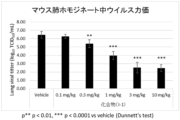
- the graph shows the virus titer in the lung homogenate 3-4 days after infection in hamsters infected with hCoV-19/Japan/TY41-702/2022 (1.00 ⁇ 10 4 TCID 50 /hamster intranasally inoculated) when a vehicle or a compound represented by formula (I-1) was orally administered twice a day for 2-3 days starting 1 day after infection.
- the vertical axis shows the virus titer in the lung homogenate, and the horizontal axis shows each administration group and the number of days after infection.
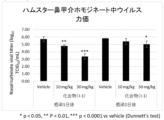
- the figure shows the virus titer in the nasal turbinate homogenate 3-4 days after infection in hamsters infected with hCoV-19/Japan/TY41-702/2022 (1.00 x 10 4 TCID 50 /hamster nasally inoculated) when a vehicle or a compound represented by formula (I-1) was orally administered twice a day for 2-3 days starting 1 day after infection.
- the vertical axis shows the virus titer in the nasal turbinate homogenate, and the horizontal axis shows each administration group and the number of days after infection.
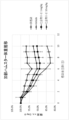
- This figure shows the weight change up to 10 days after infection in hamsters infected with hCoV-19/Japan/TY41-702/2022 (1.00 x 10 4 TCID 50 /hamster intranasally inoculated) when a vehicle or a compound represented by formula (I-1) was orally administered twice a day for 5 days starting 1 day after infection.
- the vertical axis shows the weight change (%) when the weight on the day of infection is taken as 100%, and the horizontal axis shows the number of days after infection.
- This figure shows the body weight change up to 7 days after infection in hamsters infected with hCoV-19/Japan/TY41-702/2022 (1.00 x 10 4 TCID 50 /hamster intranasally inoculated) when a vehicle or a compound represented by formula (I-1) was administered subcutaneously once 3 days or 1 day before infection.
- the vertical axis shows the body weight change (%) when the body weight on the day of infection is taken as 100%, and the horizontal axis shows the number of days after infection.
- the figure shows the virus titers in the lung homogenate 1-2 days after infection in hamsters infected with hCoV-19/Japan/TY41-702/2022 (1.00 ⁇ 10 4 TCID 50 /hamster intranasally inoculated) when a vehicle or a compound represented by formula (I-1) was administered subcutaneously once 1 day before infection.
- the vertical axis shows the virus titers in the lung homogenate, and the horizontal axis shows each administration group and the number of days after infection.
- the figure shows the virus titers in the nasal turbinate homogenate 1-2 days after infection for hamsters infected with hCoV-19/Japan/TY41-702/2022 (1.00 x 10 4 TCID 50 /hamster nasally inoculated) when a vehicle or a compound represented by formula (I-1) was administered subcutaneously once 1 day before infection.
- the vertical axis shows the virus titers in the nasal turbinate homogenate, and the horizontal axis shows each administration group and the number of days after infection.
- 1 shows a powder X-ray diffraction pattern of the anhydrous crystal of the compound represented by formula (I-1), where the horizontal axis represents 2 ⁇ (°) and the vertical axis represents intensity.
- the peak list of the powder X-ray diffraction pattern of Fig. 7 is shown below.
- Position indicates 2 ⁇ (°)
- Intensity indicates intensity.
- the crystal structure (structure in the asymmetric unit) of the anhydrous crystal of the compound represented by formula (I-1) is shown.
- 1 shows the results of differential scanning calorimetry (DSC) of the anhydrous crystals of the compound represented by formula (I-1), where the horizontal axis represents temperature (° C.) and the vertical axis represents heat amount (W/g).
- the figure shows the results of simultaneous differential thermal analysis and thermogravimetry (TG/DTA) of the anhydrous crystals of the compound represented by formula (I-1).
- the vertical axis shows the amount of heat ( ⁇ V) or the weight change (%), and the horizontal axis shows the temperature (°C).
- Cel means degrees Celsius (°C).
- 1 shows the Raman spectrum of the anhydrous crystal of the compound represented by formula (I-1), where the horizontal axis represents the Raman shift (cm ⁇ 1 ) and the vertical axis represents the peak intensity.
- the upper part shows the HPLC measurement results of the anhydrous crystals of the compound represented by formula (I-1), and the lower part shows the HPLC peak table.
- the figure shows the virus titers in nasal wash fluid (NALF) 3-7 days after infection in hamsters infected with hCoV-19/Japan/TY41-702/2022 (1.00 x 10 4 TCID 50 /hamster nasally inoculated) when a vehicle or a compound represented by formula (I-1) was orally administered twice a day for 1-5 days starting 2 days after infection.
- the vertical axis shows the virus titers in NALF, and the horizontal axis shows the number of days after infection.
- the figure shows the virus titers in nasal wash fluid (NALF) 4-8 days after infection in hamsters infected with hCoV-19/Japan/TY41-702/2022 (1.00 x 10 4 TCID 50 /hamster nasally inoculated) when a vehicle or a compound represented by formula (I-1) was orally administered twice a day for 1-5 days starting 3 days after infection.
- the vertical axis shows the virus titers in NALF, and the horizontal axis shows the number of days after infection.
- the compound was administered to a hCoV-19/Japan/TY11-927/2021-infected hamster (1.00 x 10 3 TCID 50 /hamster nasally inoculated, Index), and a non-infected hamster (Contact) was allowed to cohabit for 12 hours overnight from day 1 to day 2 after infection.
- the virus titers in the lung homogenate and nasal lavage fluid (NALF) of the non-infected hamster (Contact) four days after the start of cohabitation are shown.
- the infected hamster (Index) was orally administered a vehicle and a compound represented by formula (I-1) twice a day starting 8 hours after infection.
- the vertical axis indicates the virus titers in the lung homogenate and NALF, and the horizontal axis indicates each administration group.
- the virus titers in the lung homogenate and nasal lavage fluid (NALF) of the non-infected hamster (Contact) 4 days after the start of cohabitation when hCoV-19/Japan/TY11-927/2021-infected hamster (1.00 ⁇ 10 3 TCID 50 /hamster nasally inoculated, Index) and the non-infected hamster (Contact) administered with the compound were cohabited for 12 hours at night from 1 day after infection to 2 days after infection.
- the non-infected hamster (Contact) was subcutaneously administered with a vehicle and a compound represented by formula (I-1) 12 hours before the start of cohabitation.
- the vertical axis indicates the virus titers in the lung homogenate and NALF, and the horizontal axis indicates each administration group.
- the figure shows the survival rate up to 10 days after infection for aged hamsters infected with hCoV-19/Japan/TY11-927/2021 (1.00 x 10 4 TCID 50 /hamster intranasally inoculated, 11-month-old hamsters) when a vehicle or a compound represented by formula (I-1) was orally administered twice a day for 5 days starting 1 day after infection.
- the vertical axis shows the survival rate (%), and the horizontal axis shows the number of days after infection.
- the graph shows the weight change up to 10 days after infection in aged hamsters infected with hCoV-19/Japan/TY11-927/2021 (1.00 x 10 4 TCID 50 /hamster intranasally inoculated, 11-month-old hamsters) when a vehicle or a compound represented by formula (I-1) was orally administered twice a day for 5 days starting 1 day after infection.
- the vertical axis shows the weight change (%) when the weight on the day of infection is taken as 100%, and the horizontal axis shows the number of days after infection.
- the compounds represented by formula (I-1) or formula (II) are not limited to a specific isomer, but include all possible isomers (e.g., keto-enol isomers, imine-enamine isomers, diastereoisomers, optical isomers, rotamers, etc.), racemates, or mixtures thereof.
- One or more hydrogen, carbon and/or other atoms of the compound represented by formula (I-1) or formula (II) may be replaced with isotopes of hydrogen, carbon and/or other atoms, respectively.
- isotopes include hydrogen, carbon, nitrogen, oxygen, phosphorus, sulfur, fluorine, iodine and chlorine, such as 2H , 3H , 11C , 13C , 14C , 15N , 18O , 17O , 31P , 32P , 35S , 18F , 123I and 36Cl .
- the compound represented by formula (I-1) or formula (II) also includes compounds substituted with such isotopes (e.g., deuterium conversion compounds, etc.).
- the compounds substituted with such isotopes are also useful as pharmaceuticals.
- the compound represented by formula (I-1) or formula (II) includes all radiolabeled compounds substituted with radioisotopes contained in the isotopes.
- Also encompassed by the present invention is a "radiolabeling method" for producing said "radiolabeled substance", which is useful as a research and/or diagnostic tool in metabolism pharmacokinetic studies, binding assays.
- Deuterium-substituted derivatives of the compound represented by formula (I-1) include the following structures.
- Radiolabeled compounds of formula (I-1) or formula (II) can be prepared by methods well known in the art.
- tritium-labeled compounds of formula (I-1) or formula (II) can be prepared by introducing tritium into a particular compound of formula (I-1) or formula (II) by catalytic dehalogenation reaction using tritium. This method involves reacting a precursor of a compound of formula (I-1) or formula (II) in which a suitable halogen is substituted with tritium gas in the presence of a suitable catalyst, such as Pd/C, in the presence or absence of a base.
- a suitable catalyst such as Pd/C
- the compounds of the present invention represented by formula (I-1) or formula (II) may form prodrugs, and the present invention also includes such various prodrugs.
- Prodrugs are derivatives of the compounds of the present invention having a group that can be decomposed chemically or metabolically, and are compounds that become the pharma- ceutically active compounds of the present invention in vivo by solvolysis or under physiological conditions.
- Prodrugs include compounds that are converted to the compounds of formula (I-1) or formula (II) by enzymatic oxidation, reduction, hydrolysis, etc. under physiological conditions in the living body, and compounds that are converted to the compounds of formula (I-1) or formula (II) by hydrolysis by gastric acid, etc. Methods for selecting and producing appropriate prodrug derivatives are described, for example, in "Design of Prodrugs, Elsevier, Amsterdam, 1985". Prodrugs may themselves have activity.
- the "compound represented by formula (I-1) or formula (II)” used herein may form a salt, a cocrystal, or a solvate thereof.
- the term "a compound represented by formula (I-1) or formula (II), a pharma- ceutically acceptable salt thereof, or a solvate thereof” also encompasses such various salts, cocrystals, and solvates thereof.
- salt means that, for example, a "compound represented by formula (I-1) or formula (II)" and a counter molecule are regularly arranged in the same crystal lattice, and may contain any number of counter molecules. It refers to a compound that is bonded via ionic bonds by proton transfer between the compound and the counter molecule in the crystal lattice.
- cocrystal means that counter molecules (co-former molecules) are regularly arranged within the same crystal lattice, and may contain any number of counter molecules (co-former molecules).
- a cocrystal refers to an intermolecular interaction between a compound and a counter molecule (co-former molecule) that is mediated by a non-covalent and non-ionic chemical interaction such as a hydrogen bond or van der Waals force.
- salts are considered to be a state in which proton transfer occurs between a compound and a counter molecule, but it is also known that in some cases, proton transfer may not be complete. This state is sometimes called a cocrystal because it is not a true salt. It is also known that proton transfer may change continuously depending on the temperature. Therefore, as used herein, "a pharma- ceutically acceptable salt of a compound represented by formula (I-1) or formula (II)" includes a co-crystal and refers to a pharma- ceutically acceptable salt or co-crystal of a compound represented by formula (I-1) or formula (II).
- One aspect of the present specification is a pharma- ceutically acceptable salt or cocrystal of a compound represented by formula (I-1) or formula (II) with hydrofluoric acid, hydrochloric acid, hydrobromic acid, orthophosphoric acid, hydroiodic acid, nitric acid, phosphoric acid, boric acid, sulfuric acid, methanesulfonic acid, ethanesulfonic acid, p-toluenesulfonic acid, benzenesulfonic acid, trifluoromethylbenzenesulfonic acid, chlorobenzenesulfonic acid, methoxybenzenesulfonic acid, acetic acid, propionic acid, lactic acid, citric acid, fumaric acid, malonic acid, malic acid, succinic acid, salicylic acid, maleic acid, glycerophosphoric acid, tartaric acid, benzoic acid, glutamic acid, aspartic acid, 2-naphthalenesulfonic acid,
- Salt and co-crystal formation provides a means to modify the physicochemical and resulting biological characteristics of a drug without altering its chemical structure.
- Salt and co-crystal formation can dramatically affect the properties of a drug. Hygroscopicity, stability, solubility and processing properties are also important considerations in selecting an appropriate salt or co-crystal.
- the solubility of a salt or co-crystal can affect its suitability for use as a drug. If the aqueous solubility is low, the dissolution rate upon in vivo administration may be rate-limited by the absorption process, resulting in low bioavailability. Also, low water solubility may make administration by injection difficult, limiting the choice of an appropriate route of administration.
- the "compound represented by formula (I-1) or formula (II)” can form a solvate with water (i.e., a hydrate) or a solvate with a common organic solvent.
- the "pharmaceutical acceptable salt of the compound represented by formula (I-1) or formula (II)” can form a solvate with water (i.e., a hydrate) or a solvate with a common organic solvent.
- solvate refers to a compound of formula (I-1) or (II) regularly arranged with any number of solvent molecules.
- solvent molecules include ethyl acetate, water, ethanol, acetone, 1,1-diethoxypropane, 1,1-dimethoxymethane, 2,2-dimethoxypropane, isooctane, isopropyl ether, methyl isopropyl ketone, methyl tetrahydrofuran, petroleum ether, trichloroacetic acid, trifluoroacetic acid, acetic acid, anisole, 1-butanol, 2-butanol, n-butyl acetate, t-butyl methyl ether, cumene, dimethyl sulfoxide, diethyl ether, ethyl formate, formic acid, heptane, isobutyl acetate, isopropyl acetate, methyl acetate, 3-methyl-1
- ethyl acetate water, ethanol, acetone, 1,1-diethoxypropane, 1,1-dimethoxymethane, 2,2-dimethoxypropane, isooctane, isopropyl ether, methyl isopropyl ketone, methyl tetrahydrofuran, petroleum ether, trichloroacetic acid, and trifluoroacetic acid.
- the "compound represented by formula (I-1) or formula (II)" when left in the air, it may absorb moisture, and adsorbed water may adhere to it or a hydrate may be formed.
- crystal as used herein means a solid in which constituent atoms, ions, molecules, etc. are arranged in a three-dimensional order, and is distinguished from amorphous solids that do not have such an orderly internal structure.
- the term “crystal” as used herein may be a single crystal, a twin crystal, a polycrystal, etc.
- crystals can have “crystal polymorphs” that have the same composition but different arrangements within the crystal, and all of these are referred to as “crystal forms.”
- the "compound represented by formula (I-1) or formula (II), a pharma- ceutically acceptable salt thereof, or a solvate thereof” includes their crystal polymorphs.
- the crystals of the compounds according to the present invention may be deuterium converted.
- the crystals used herein may be labeled with an isotope (e.g., 2H , 3H , 14C , 35S , 125I , etc.).
- the crystal morphology and/or crystallinity can be confirmed by spectroscopic methods such as, for example, X-ray diffraction, Raman spectroscopy, infrared absorption spectroscopy, solid-state NMR, etc.
- the physical properties of the crystals can be confirmed by a number of techniques such as differential scanning calorimetry, moisture adsorption/desorption measurements, dissolution characteristics, etc.
- anhydrous crystal of the compound represented by formula (I-1) is an anhydrous crystal of the compound represented by formula (I-1).
- anhydrous is synonymous with “nosolvate,””nonsolvate,””anhydrate,” and “nonhydrate.”
- the theoretical content of water of crystallization in the anhydrous crystals of the compound represented by formula (I-1) is 0% by weight.
- the value may be higher than the theoretical content of water of crystallization due to the influence of the adhering water and/or the adhering solvent on the crystal surface.
- One embodiment of the present specification is an anhydrous crystal of the compound represented by formula (I-1) having a melting point of 261.3° C. ⁇ 2° C. as measured by differential scanning calorimetry (DSC).
- One embodiment of the present specification is an anhydrous crystal of the compound represented by formula (I-1) having a melting point of 265.6° C. ⁇ 2° C. as measured by simultaneous differential thermal analysis-thermogravimetry (TG/DTA).
- One embodiment of the present specification is an anhydrous crystal of the compound represented by formula (I-1) having characteristic peaks at 415.2 cm ⁇ 1 ⁇ 2 cm ⁇ 1 , 502.7 cm ⁇ 1 ⁇ 2 cm ⁇ 1 , 1431.4 cm ⁇ 1 ⁇ 2 cm ⁇ 1 , 1714.8 cm ⁇ 1 ⁇ 2 cm ⁇ 1 and 3065.4 cm ⁇ 1 ⁇ 2 cm ⁇ 1 in a Raman spectrum.
- X-Ray Powder Diffraction X-ray powder diffraction
- XRPD X-ray powder diffraction
- XRPD is one of the most sensitive analytical methods for measuring the crystalline morphology and crystallinity of solids.
- X-rays When X-rays are irradiated onto a crystal, they reflect off the crystal lattice planes and interfere with each other, resulting in orderly diffraction lines corresponding to the periodicity of the structure.
- amorphous solids usually do not have an orderly repeating period in their structure, so they do not exhibit diffraction phenomena and show featureless broad XRPD patterns (also called halo patterns).
- the crystalline form of the compound represented by formula (I-1) or formula (II) can be identified by a powder X-ray diffraction pattern and characteristic diffraction peaks.
- the crystalline form of the compound represented by formula (I-1) or formula (II) can be distinguished from other crystalline forms by the presence of characteristic diffraction peaks.
- a characteristic diffraction peak is a peak selected from the observed diffraction pattern.
- the characteristic diffraction peak is selected from about 10 peaks in the diffraction pattern, more preferably from about 5 peaks, and even more preferably from about 3 peaks.
- a peak that is confirmed in the crystal and not confirmed in other crystals is a preferred characteristic peak for identifying the crystal, rather than the peak intensity. If there are such characteristic peaks, even one or two peaks can characterize the crystal. If the charts obtained by measurement are compared and these characteristic peaks match, it can be said that the powder X-ray diffraction patterns are substantially the same.
- the diffraction angle (2 ⁇ ) in powder X-ray diffraction can have an error within the range of ⁇ 0.2°, so the value of the diffraction angle in powder X-ray diffraction should be understood to include values within the range of about ⁇ 0.2°. Therefore, the present invention includes not only crystals in which the diffraction angles of the peaks in powder X-ray diffraction are perfectly consistent, but also crystals in which the diffraction angles of the peaks match with an error of about ⁇ 0.2°.
- Single crystal structure analysis It is one of the methods for identifying a crystal, and it is possible to obtain the crystallographic parameters of the crystal, as well as atomic coordinates (values indicating the spatial positional relationship of each atom) and a three-dimensional structure model. See, for example, "X-Ray Structure Analysis Handbook” by Toshio Sakurai, published by Shokabo (1983), and X-Ray Structure Determination: A Practical Guide by Stout & Jensen, Macmillan Co., New York (1968). Single crystal structure analysis is useful for identifying the crystal structures of complexes, salts, optical isomers, tautomers, and geometric isomers such as those of the present invention.
- Raman spectra show the vibrational characteristics of a molecule or complex system. It originates from inelastic collisions between molecules and photons, which are light particles that comprise a beam of light. Collisions between molecules and photons result in an exchange of energy, which changes the energy and therefore the wavelength of the photon. That is, Raman spectra are spectral lines with extremely narrow wavelengths that are emitted when photons are incident on a molecule of interest, so a laser or other light source is used. The wavelength of each Raman line is represented by a wavenumber shift from the incident light, which is the difference between the Raman line and the reciprocal of the wavelength of the incident light.
- Raman spectra measure the vibrational state of a molecule, which is determined by its molecular structure.
- the Raman spectrum peak (cm -1 ) can have an error within the range of ⁇ 2 cm -1 , so the above Raman spectrum peak value should be understood to include a numerical value within the range of about ⁇ 2 cm -1 . Therefore, not only crystals whose Raman spectrum peaks in the Raman spectrum are completely identical, but also crystals whose Raman spectrum peaks are identical within an error of about ⁇ 2 cm -1 are included in the present invention.
- DSC Differential Scanning Calorimetry
- DSC is one of the main measurement methods in thermal analysis, and is a method for measuring the thermal properties of a substance as an aggregate of atoms and molecules.
- DSC measures the change in heat quantity with respect to temperature or time of the medicament active ingredient, and the obtained data is plotted against temperature or time to obtain a differential scanning calorimetry curve. From the differential scanning calorimetry curve, information can be obtained regarding the onset temperature when the medicament active ingredient melts, the maximum value of the endothermic peak curve accompanying melting, and the enthalpy. It is known that for DSC, the observed temperature may depend on the rate of temperature change as well as the sample preparation technique and the specific instrument used.
- the "melting point" in DSC refers to the onset temperature that is not affected by the sample preparation technique.
- the error range in the onset temperature obtained from the differential scanning calorimetry curve is approximately ⁇ 2°C. In identifying the identity of a crystal, not only the melting point but also the overall pattern is important, which may vary somewhat depending on the measurement conditions and the measurement instrument.
- TG/DTA is one of the main measurement methods in thermal analysis, and is a method for measuring the weight and thermal properties of a substance as an aggregate of atoms and molecules.
- TG/DTA is a method for measuring the change in weight and heat quantity of a pharmaceutical active ingredient with respect to temperature or time. The obtained data is plotted against temperature or time to obtain TG (thermogravimetry) and DTA ( From the TG/DTA curve, information on the changes in weight and heat quantity related to the decomposition, dehydration, oxidation, reduction, sublimation, and evaporation of the medicamentous active ingredient can be obtained.
- the "melting point" in TG/DTA refers to the temperature at which the sample melts. This refers to the onset temperature that is not easily affected by the preparation technique. In determining the identity of a crystal, not only the melting point but also the overall pattern is important, and may vary slightly depending on the measurement conditions and measurement equipment.
- the compounds according to the present invention have coronavirus 3 CL protease inhibitory activity and are therefore useful as therapeutic and/or preventive agents for diseases associated with coronavirus 3 CL protease.
- the term "therapeutic and/or prophylactic agent” includes agents for improving symptoms.
- the term “prevention” includes suppressing the onset of SARS-CoV-2 after exposure.
- the term “prevention” includes suppressing the onset of symptoms caused by SARS-CoV-2 by administering the pharmaceutical composition of the present invention to an individual in need of suppressing the onset after exposure to SARS-CoV-2.
- the term “prevention” includes pre-exposure prophylaxis of SARS-CoV-2.
- prevention includes suppressing the onset of symptoms caused by SARS-CoV-2 by administering the pharmaceutical composition of the present invention to an individual in need of suppressing the onset before exposure to SARS-CoV-2.
- prevention in the present invention includes suppressing the onset and aggravation of SARS-CoV-2 after exposure.
- coronavirus 3 CL protease Diseases in which coronavirus 3 CL protease is involved include viral infections, preferably coronavirus infections.
- the coronavirus includes a coronavirus that infects humans, including HCoV-229E, HCoV-NL63, HCoV-HKU1, HCoV-OC43, SARS-CoV, MERS-CoV, and/or SARS-CoV-2.
- the coronavirus includes an alphacoronavirus and/or a betacoronavirus, more preferably a betacoronavirus, and even more preferably a sarbecovirus.
- the alphacoronavirus includes HCoV-229E and HCoV-NL63, and is particularly preferably HCoV-229E.
- the betacoronavirus includes HCoV-HKU1, HCoV-OC43, SARS-CoV, MERS-CoV, and/or SARS-CoV-2, preferably HCoV-OC43 or SARS-CoV-2, and more preferably SARS-CoV-2.
- the beta coronavirus includes beta coronavirus lineage A, beta coronavirus lineage B, and beta coronavirus lineage C.
- the beta coronavirus lineage A and beta coronavirus lineage B are included, and particularly preferably, the beta coronavirus lineage B is included.
- the beta coronavirus A lineage include HCoV-HKU1 and HCoV-OC43, preferably HCoV-OC43.
- the beta coronavirus B lineage include SARS-CoV and SARS-CoV-2, preferably SARS-CoV-2.
- Examples of the beta coronavirus C lineage include MERS-CoV.
- the coronavirus includes HCoV-229E, HCoV-OC43, and/or SARS-CoV-2, with SARS-CoV-2 being particularly preferred.
- coronavirus infections include infections caused by HCoV-229E, HCoV-NL63, HCoV-OC43, HCoV-HKU1, SARS-CoV, MERS-CoV, and/or SARS-CoV-2.
- infections caused by HCoV-229E, HCoV-OC43, and/or SARS-CoV-2 and more preferably infections caused by SARS-CoV-2.
- a particularly preferred example of the coronavirus infection is the novel coronavirus disease (COVID-19).
- the severity classification of novel coronavirus infections is, for example, as follows: (Reference: Novel Coronavirus COVID-19 Treatment Guide, Version 10.0 (Ministry of Health, Labor and Welfare)) (Mild symptoms) Oxygen saturation is 96% or higher. Clinical condition is no respiratory symptoms, or only coughing and no dyspnea, and in either case, no signs of pneumonia are observed. (Moderate I) Oxygen saturation is less than 96% but more than 93%. There is difficulty breathing and signs of pneumonia. (Moderate II) Oxygen saturation is less than 93%. Respiratory failure occurs and oxygen administration is required. (Severe) They are in the ICU or require mechanical ventilation.
- An asymptomatic SARS-CoV-2 infected person refers to an asymptomatic pathogen carrier, such as a person who does not exhibit any of the 14 or 12 symptoms of COVID-19.
- 14 symptoms of COVID-19 fatigue, muscle or body aches, headache, chills/sweats, fever or fever, loss of taste or smell, runny or stuffy nose, sore throat, cough, shortness of breath (difficulty breathing), nausea, vomiting, diarrhea
- the 12 symptoms of COVID-19 are (malaise (fatigue), muscle or body aches, headache, chills/sweats, fever or fever, runny or stuffy nose, sore throat, cough, shortness of breath (difficulty breathing), nausea, vomiting, and diarrhea).
- suppression of aggravation includes suppressing an asymptomatic SARS-CoV-2-infected person from progressing to a severity classified as mild, moderate I, moderate II, or severe.
- suppression of aggravation includes suppressing an asymptomatic SARS-CoV-2-infected individual or a mildly infected individual from being upgraded to a severity classified as moderate I, moderate II, or severe.
- suppression of aggravation includes suppressing an asymptomatic SARS-CoV-2-infected person, a SARS-CoV-2-infected person with mild symptoms, or a SARS-CoV-2-infected person with moderate I symptoms from being classified as having a severity of moderate II symptoms or severe symptoms.
- suppression of aggravation includes upgrading the severity of an asymptomatic SARS-CoV-2-infected person, a mild SARS-CoV-2-infected person, a moderate I SARS-CoV-2-infected person, or a moderate II SARS-CoV-2-infected person to a severe level.
- suppression of aggravation includes reducing the risk of hospitalization or death in SARS-CoV-2-infected patients through the viral proliferation inhibitory effect of the drug.
- suppression of aggravation includes reducing inflammation in the lungs of a patient infected with SARS-CoV-2 through the viral proliferation inhibitory effect of the drug.
- suppression of aggravation includes suppressing pneumonia caused by SARS-CoV-2 viral infection via the viral proliferation inhibitory effect of the drug.
- suppression of aggravation includes suppressing the excessive immune response of the host caused by SARS-CoV-2 viral infection via the viral proliferation inhibitory effect of the drug.
- the pharmaceutical composition of the present invention is administered to SARS-CoV-2 infected individuals who have at least one risk factor for aggravation.
- SARS-CoV-2 infected individuals who have at least one risk factor for aggravation.
- underlying diseases related to aggravation please refer to the US CDC summary (https://www.cdc.gov/coronavirus/2019-ncov/hcp/clinical-care/underlyingconditions.html).
- the pharmaceutical composition of the present invention is administered to a SARS-CoV-2-infected individual who has at least one of the following risk factors for developing severe disease: Risk factors for severe illness: malignant tumors, metabolic diseases, cardiovascular diseases, respiratory diseases, liver diseases, kidney diseases, neuropsychiatric diseases, lack of exercise, pregnancy, smoking, childhood, genetic diseases, immunodeficiency
- the pharmaceutical composition of the present invention is administered to an infected individual who has at least one risk factor for severe symptoms, and is used to suppress the aggravation of COVID-19 symptoms.
- the pharmaceutical composition of the present invention is used for patients with pneumonia caused by SARS-CoV-2.
- prevention includes suppression of onset of SARS-CoV-2 after exposure.
- the pharmaceutical composition of the present invention can be administered to family members or cohabitants of a patient with novel coronavirus infection.
- the pharmaceutical composition of the present invention can be administered to a person who has come into contact with a patient infected with COVID-19 promptly (e.g., within 72 hours).
- the pharmaceutical composition of the present invention can be administered to an asymptomatic person infected with SARS-CoV-2 to suppress the onset of the disease.
- Prevention also includes pre-exposure prophylaxis for SARS-CoV-2.
- the pharmaceutical composition of the present invention can be administered to medical workers, elderly people, and people with risk factors for developing severe symptoms.
- the compound represented by formula (I-1) can be produced, for example, by the general synthesis method shown below. For extraction, purification, etc., treatments performed in ordinary organic chemistry experiments may be carried out. The compound can be synthesized by referring to methods known in the art. For extraction, purification, etc., treatments performed in ordinary organic chemistry experiments may be carried out.
- the compound represented by formula (I-1) can be produced by referring to methods known in the art, for example, WO2012/020742, WO2013/118855, WO2023/195529, and WO2023/195530.
- the compound represented by formula (II) can be produced, for example, by referring to WO2023/195529.
- the compounds according to the present invention have coronavirus 3CL protease inhibitory activity and are therefore useful as therapeutic and/or prophylactic agents for viral infections.
- the compound according to the present invention has pharmaceutical utility and preferably has one or more of the following excellent characteristics: a) It has a weak inhibitory effect on CYP enzymes (e.g., CYP1A2, CYP2C9, CYP2C19, CYP2D6, CYP3A4, etc.). b) It exhibits favorable pharmacokinetics, such as high bioavailability and moderate clearance. c) High metabolic stability.
- coronavirus proliferation inhibitors include those having an EC 50 of 10 ⁇ M or less, preferably 1 ⁇ M or less, and more preferably 100 nM or less in the CPE suppression effect confirmation test (SARS-CoV-2) described below.
- composition of the present invention can be administered either orally or parenterally.
- Parenteral administration methods include transdermal, subcutaneous, intravenous, intraarterial, intramuscular, intraperitoneal, transmucosal, inhalation, nasal, ophthalmic, otic, and vaginal administration.
- the drug may be prepared and administered in any of the commonly used dosage forms, such as solid preparations for internal use (e.g., tablets, powders, granules, capsules, pills, films, etc.) and liquid preparations for internal use (e.g., suspensions, emulsions, elixirs, syrups, lemonades, spirits, aromatic preparations, extracts, decoctions, tinctures, etc.), in accordance with the usual methods.
- solid preparations for internal use e.g., tablets, powders, granules, capsules, pills, films, etc.
- liquid preparations for internal use e.g., suspensions, emulsions, elixirs, syrups, lemonades, spirits, aromatic preparations, extracts, decoctions, tinctures, etc.
- Tablets may be sugar-coated tablets, film-coated tablets, enteric-coated tablets, sustained-release tablets, troches, sublingual tablets, buccal tablets, chewable tablets, or orally disintegrating tablets, powders and granules may be dry syrups, and capsules may be soft capsules, microcapsules, or sustained-release capsules.
- any of the commonly used dosage forms such as injections, drops, topical preparations (e.g., eye drops, nasal drops, ear drops, aerosols, inhalants, lotions, injections, liniments, mouthwashes, enemas, ointments, plasters, jellies, creams, patches, poultices, topical powders, suppositories, etc.) can be suitably administered.
- Injections may be emulsions such as O/W, W/O, O/W/O, and W/O/W types.
- a pharmaceutical composition can be prepared by mixing an effective amount of the compound according to the present invention with various pharmaceutical additives suitable for the dosage form, such as excipients, binders, disintegrants, lubricants, etc., as necessary.
- the pharmaceutical composition can be prepared as a pharmaceutical composition for children, elderly people, seriously ill patients, or surgical patients by appropriately changing the effective amount of the compound according to the present invention, the dosage form, and/or various pharmaceutical additives.
- a pharmaceutical composition for children can be administered to newborns (less than 4 weeks after birth), infants (4 weeks to less than 1 year after birth), toddlers (1 year to less than 7 years), children (7 years to less than 15 years), or patients aged 15 to 18 years.
- a pharmaceutical composition for the elderly can be administered to patients aged 65 years or older.
- the dosage of the pharmaceutical composition of the present invention is desirably set taking into consideration the patient's age, body weight, type and severity of the disease, route of administration, etc., but when administered orally, it is usually 0.01 to 100 mg/kg/day of the compound of the present invention, and preferably in the range of 0.05 to 50 mg/kg/day.
- When administered parenterally it varies greatly depending on the route of administration, but it is usually 0.005 to 200 mg/kg/day of the compound of the present invention, and preferably in the range of 0.01 to 100 mg/kg/day. This can be administered once or in divided doses several times a day.
- the compound according to the present invention may be used in combination with, for example, another therapeutic drug for novel coronavirus disease (COVID-19) (including approved drugs and drugs under development or to be developed in the future) (hereinafter referred to as a concomitant drug) for the purpose of enhancing the effect of the compound or reducing the dosage of the compound.
- a concomitant drug for the purpose of enhancing the effect of the compound or reducing the dosage of the compound.
- the administration timing of the compound according to the present invention and the concomitant drug is not limited, and they may be administered to the subject at the same time or at different times.
- the compound according to the present invention and the concomitant drug may be administered as two or more types of preparations containing the respective active ingredients, or as a single preparation containing those active ingredients.
- the dosage of the concomitant drug can be appropriately selected based on the dosage used clinically.
- the mixing ratio of the compound of the present invention and the concomitant drug can be appropriately selected depending on the subject of administration, the administration route, the target disease, symptoms, combination, etc. For example, when the subject of administration is a human, 0.01 to 100 parts by weight of the concomitant drug may be used per 1 part by weight of the compound of the present invention.
- FBS fetal bovine serum mM: mmol/L nM: nmol/L ⁇ M: ⁇ mol/L
- Measurement and analysis method for single crystal structure analysis The crystals obtained in the examples were subjected to single crystal structure analysis.
- the measurement conditions and analysis method are shown below.
- (Device) Rigaku XtaLAB P200 MM007 (Measurement conditions) Measurement temperature: 25°C Temperature controller: Rigaku Corporation sample spraying low temperature device Wavelength used: CuK ⁇ radiation ( ⁇ 1.5418 ⁇ )
- Data Processing Software: CrysAlisPro 1.171.39.46e (Rigaku Oxford Diffraction, 2018)
- the data were Lorentzian, polarization and absorption corrected.
- Measurement of Raman Spectrum The measurement conditions for measuring the Raman spectrum of the crystals obtained in the examples and performing baseline correction are shown below. Measurement condition 1 Measurement method: Microscopic laser Raman spectroscopy Laser wavelength: 671 nm Accumulation count: 1 Exposure time: 1 second
- DSC Differential Scanning Calorimetry
- TG/DTA Simultaneous differential thermal and thermogravimetric measurement
- the solid form (crystal) obtained in the examples was subjected to simultaneous differential thermal analysis and thermogravimetry (TG/DTA).
- the samples obtained in the examples were weighed, placed in aluminum pans, and measured in an open system.
- the measurement conditions are as follows. Equipment: Hitachi High-Technologies TG/DTA STA7200RV Measurement temperature range: Room temperature - 350°C Heating rate: 10° C./min
- Step 2 Synthesis of Compound 4 Acetic acid (40 mL) and concentrated hydrochloric acid (41 mL) were added to compound 3 (14.8 g, 48.8 mmol), and the mixture was stirred at 110° C. for 5 hours. The reaction solution was cooled to room temperature, and then water (80 ml) was added. The precipitate was collected by filtration and washed with water. The mixture was air-dried to obtain compound 4 (11.6 g, 42.2 mmol).
- Step 4 Synthesis of Compound 6 2-Bromoacetonitrile (269 ⁇ L, 4.04 mmol) was added to a solution of compound 5 (520 mg, 1.345 mmol), N,N-diisopropylethylamine (0.705 mL, 4.04 mmol), and DMF (5.2 mL), and the mixture was stirred at room temperature overnight. 2 mol/L hydrochloric acid (2 mL) was added to the reaction solution under ice cooling, and the mixture was extracted with ethyl acetate. The organic layer was washed with water, dried over sodium sulfate, and filtered.
- Step 5 Synthesis of Compound (I-1)
- Compound 6 (25.0 mg, 0.059 mmol), 6,6-difluoro-2-azaspiro[3.3]heptane trifluoroacetate (17.4 mg, 0.070 mmol), N,N-diisopropylethylamine (20.5 ⁇ L, 0.117 mmol), and DMF (0.5 mL) were mixed, and the solution was stirred at 60° C. for 2 hours. Water (2 mL) was added to the reaction solution, and the solution was extracted with ethyl acetate. The organic layer was washed with water, dried over sodium sulfate, and filtered.
- the anhydrous crystals of the compound represented by formula (I-1) showed characteristic peaks at diffraction angles (2 ⁇ ): 6.5° ⁇ 0.2°, 15.6° ⁇ 0.2°, 17.4° ⁇ 0.2°, 19.9° ⁇ 0.2°, and 20.3° ⁇ 0.2° in a powder X-ray diffraction pattern.
- V means the unit cell volume
- Z means the number of molecules in the unit cell.
- the structure in the asymmetric unit of the crystal structure is shown in FIG.
- the label numbers of the non-hydrogen atoms shown in FIG. 9 correspond to the numbers of the non-hydrogen atoms in Table 2.
- the crystal structure was identified as an anhydrous crystal of the compound represented by formula (I-1) because only one molecule of the compound represented by formula (I-1) was present in the asymmetric unit.
- the anhydrous crystals of the compound represented by formula (I-1) after pulverization were subjected to Raman spectrum measurement under the above-described measurement condition 1. The results are shown in Figure 12. The main Raman peaks are shown below.
- the anhydrous crystals of the compound represented by formula (I-1) showed characteristic peaks in the Raman spectrum at 415.2 cm ⁇ 1 ⁇ 2 cm ⁇ 1 , 502.7 cm ⁇ 1 ⁇ 2 cm ⁇ 1 , 1431.4 cm ⁇ 1 ⁇ 2 cm ⁇ 1 , 1714.8 cm ⁇ 1 ⁇ 2 cm ⁇ 1 , and 3065.4 cm ⁇ 1 ⁇ 2 cm ⁇ 1 .
- Step 1 Synthesis of Compound 8
- Compound 7 (2.6 g, 14.2 mmol), DMF (13 mL) and methyl alcohol-O 18 (1.18 mL, 29.1 mmol) were mixed, and sodium hydride (1.42 g, 35.4 mmol) was slowly added under ice cooling.
- the reaction solution was warmed to room temperature and stirred for 2 hours.
- the reaction solution was cooled in an ice bath, quenched by adding water (26 mL) and ethyl acetate (26 mL), and extracted with ethyl acetate.
- Step 3 Synthesis of Compound 11
- Compound 10 (5 g, 33.9 mmol) and water (11.5 mL) were mixed, and hydrogen bromide (11.5 mL, 102 mmol) was added under ice cooling. Then, NaNO 2 (2.384 g, 34.6 mmol) was dissolved in water (7.5 mL) and slowly added. The reaction solution was heated to 30°C, and CuBr (6.32 g, 44.0 mmol) was dissolved in hydrogen bromide (13.42 mL, 119 mmol) and added at an internal temperature of 30 to 40°C.
- Step 4 Synthesis of Compound 12 To a mixed solution of 2.76 mol/L n-butyllithium in hexane (1.8 mL, 5.04 mmol) and tetrahydrofuran (2.6 mL), a solution of compound 8 (0.75 g, 4.2 mmol) in tetrahydrofuran (70 mL) was slowly added dropwise over 5 minutes at -78°C. The reaction solution was stirred at -78°C for 1 hour. To the reaction solution, a solution of 1.9 mol/L zinc chloride in 2-methyltetrahydrofuran (2.6 mL, 82.4 mmol) was added dropwise. The reaction solution was stirred at room temperature for 2 hours.
- reaction solution compound 11 (1.2 g, 4.2 mmol) and tetrakis(triphenylphosphine)palladium (243 mg, 0.21 mmol) were added, and the mixture was stirred at 90°C for 1.5 hours.
- the reaction solution was cooled to room temperature, water (7.5 mL) was added, and the mixture was extracted with ethyl acetate. The organic layer was washed with water and saturated saline, dried over magnesium sulfate, and filtered.
- Step 5 Synthesis of Compound 13
- Compound 12 (374 mg, 1.2 mmol), acetonitrile (7.5 mL), NaI (181 mg, 1.2 mmol) and TMSCl (464 ⁇ L) were mixed and the reaction solution was heated at 40° C. NaI (181 mg, 1.2 mmol) and TMSCl (464 ⁇ L) were added about every 30 minutes until the raw material was almost disappeared. After the reaction was completed, water (15 mL) was added to the reaction solution to precipitate a solid. After the reaction solution was partially concentrated, the solid was filtered. The solid was washed with chilled acetonitrile to obtain compound 13 (246 mg, 0.88 mmol).
- Step 7 Synthesis of Compound 15 2-Bromoacetonitrile (168 ⁇ L, 2.52 mmol) was added to a mixed solution of compound 14 (330 mg, 0.84 mmol), DIPEA (440 ⁇ L, 2.52 mmol), and DMF (3.3 mL). The resulting solution was stirred at room temperature overnight. Water (14 mL) was added to the reaction solution, and the mixture was extracted with ethyl acetate. The organic layer was washed with water and saturated saline, dried over magnesium sulfate, and filtered.
- Step 8 Synthesis of Compound (I-2) Compound 15 (48.8 mg, 0.113 mmol), 6,6-difluoro-2-azaspiro[3.3]heptane trifluorohydrochloride (33.5 mg, 0.136 mmol), DMF (0.5 mL) and N,N-diisopropylethylamine (59.2 ⁇ L, 0.339 mmol) were mixed and stirred at 60° C. for 2 hours. Water (2 mL) was added to the reaction solution, and the mixture was extracted with ethyl acetate. The organic layer was washed with water, dried over magnesium sulfate, and filtered.
- Reference Example 2 The following compounds can be synthesized in the same manner as in Reference Example 1 and WO 2023/195529.
- IC50 is preferably 50 ⁇ M or less, more preferably 1 ⁇ M or less, and even more preferably 100 nM or less.
- EC50 is preferably 10 ⁇ M or less, more preferably 1 ⁇ M or less, and even more preferably 100 nM or less.
- Test Example 1 Cytopathic effect (CPE) suppression test using human TMPRSS2 and ACE2-expressing HEK293T cells (HEK293T/ACE2-TMPRSS2 cells) ⁇ Procedure> -Dilution and dispensing of test sample Test samples are preliminarily diluted with DMSO to an appropriate concentration, and a 2- to 5-fold serial dilution series is prepared, and then dispensed into a 384-well plate.
- CPE Cytopathic effect
- Dilution and dispensing of cells and SARS-CoV-2 HEK293T/ACE2-TMPRSS2 cells (GCP-SL222, 5 x 10³ cells/well) and SARS-CoV-2 ( 200-600TCID50 /well) were mixed in culture medium (MEM, 2% FBS, penicillin-streptomycin), dispensed into wells containing test samples, and then cultured in a CO2 incubator for 3 days. Dispensing of CellTiter-Glo® 2.0 and measurement of luminescence signal After the plate cultured for 3 days is returned to room temperature, CellTiter-Glo® 2.0 is dispensed into each well and mixed using a plate mixer.
- the luminescence signal (Lum) is measured using a plate reader.
- ⁇ Calculation of each measurement item value> Calculation of 50% SARS-CoV-2-infected cell death inhibitory concentration (EC 50 )
- EC 50 50% SARS-CoV-2-infected cell death inhibitory concentration
- Test Example 2-1 Inhibitory activity test against SARS-CoV-2 3CL protease ⁇ Materials> Commercially available recombinant SARS-CoV-2 3CL Protease Commercially available substrate peptide Dabcyl-Lys-Thr-Ser-Ala-Val-Leu-Gln-Ser-Gly-Phe-Arg-Lys-Met-Glu(Edans)-NH 2 (SEQ ID NO: 1) Internal Standard Peptide Dabcyl-Lys-Thr-Ser-Ala-Val-Leu( 13 C 6 , 15 N)-Gln (SEQ ID NO: 2) Dabcyl-Lys-Thr-Ser-Ala-Val-Leu( 13 C 6 , 15 N)-Gln can be synthesized with reference to the literature (Atherton, E.; Sheppard, R.
- Test samples are preliminarily diluted with DMSO to an appropriate concentration, and a 2- to 5-fold serial dilution series is prepared, and then dispensed into a 384-well plate.
- Addition of enzyme and substrate, enzyme reaction Add 8 ⁇ M substrate and 6 nM or 0.6 nM enzyme solution to the prepared compound plate and incubate at room temperature for 3 to 5 hours. After that, add reaction stop solution (0.067 ⁇ M Internal Standard, 0.1% formic acid, 10 or 25% acetonitrile) to stop the enzyme reaction.
- the plate on which the reaction was completed is measured using a RapidFire System 360 and a mass spectrometer (Agilent, 6550 iFunnel Q-TOF), or a Rapid Fire System 365 and a mass spectrometer (Agilent, 6495C Triple Quadrupole).
- Solution A (75% isopropanol, 15% acetonitrile, 5 mM ammonium formate) and solution B (0.01% trifluoroacetic acid, 0.09% formic acid) are used as the mobile phase during measurement.
- the reaction products detected by the mass spectrometer are calculated using a RapidFire Integrator or a program capable of equivalent analysis to obtain the product area value.
- the internal standard detected at the same time is also calculated to obtain the internal standard area value.
- ⁇ Calculation of each measurement item value> Calculate the area value obtained in the previous step using the following formula to calculate the P/IS.
- P/IS Product area value/Internal Standard area value ⁇ 50%
- IC 50 SARS-CoV-2 3CL protease inhibitory concentration
- Test Example 2-2 Inhibitory activity test against SARS-CoV-2 3CL protease ⁇ Materials> Commercially available recombinant SARS-CoV-2 3CL Protease ⁇ SARS-CoV-2 3CL Protease P132H Commercially available substrate peptide Dabcyl-Lys-Thr-Ser-Ala-Val-Leu-Gln-Ser-Gly-Phe-Arg-Lys-Met-Glu(Edans)-NH 2 (SEQ ID NO: 1) Internal Standard Peptide Dabcyl-Lys-Thr-Ser-Ala-Val-Leu( 13 C 6 , 15 N)-Gln (SEQ ID NO: 2) Dabcyl-Lys-Thr-Ser-Ala-Val-Leu( 13 C 6 , 15 N)-Gln can be synthesized with reference to the literature (Atherton, E.; Sheppard, R.
- Test samples are diluted in advance with DMSO to an appropriate concentration, and a 3-fold serial dilution series is prepared and then dispensed into a 384-well plate.
- Addition of enzyme and substrate, enzyme reaction Add the substrate at a final concentration of 4 ⁇ M and the enzyme at 0.3 nM to the prepared compound plate and incubate at room temperature for 4 hours. After that, add a reaction stop solution (7.2 nM internal standard, 0.1% formic acid, 10% acetonitrile) to stop the enzyme reaction.
- a reaction stop solution 7.2 nM internal standard, 0.1% formic acid, 10% acetonitrile
- Solution A (75% isopropanol, 15% acetonitrile, 5 mM ammonium formate) and solution B (0.01% trifluoroacetic acid, 0.09% formic acid) are used as the mobile phase during measurement.
- the reaction products detected by the mass spectrometer are calculated using a RapidFire Integrator to obtain the Product area value.
- the internal standards detected at the same time are also calculated to obtain the Internal Standard area value. ⁇ Calculation of each measurement item value> Calculate the area value obtained in the previous step using the following formula to calculate the P/IS.
- Test Example 3 Cytopathic effect (CPE) suppression effect confirmation test using human TMPRSS2-expressing Vero E6 cells (Vero E6/TMPRSS2 cells) ⁇ Procedure> -Dilution and dispensing of test sample Test samples are diluted in advance with DMSO to an appropriate concentration, and a 3-fold serial dilution series is prepared and then dispensed into a 96-well plate.
- CPE Cytopathic effect
- Test Example 5 Antiviral effect against HCoV-OC43 ⁇ Procedure> - Dilution and dispensing of test sample Test samples are preliminarily diluted with DMSO to an appropriate concentration, and a 3-fold serial dilution series is prepared. The dilutions are then dispensed into a 96-well plate and diluted with maintenance medium (MEM, 2% FBS, penicillin-streptomycin).
- maintenance medium MEM, 2% FBS, penicillin-streptomycin
- HCoV-OC43 MRC-5 cells (2 x 10 4 cells/well) suspended in passage medium (DMEM, 10% FBS, penicillin-streptomycin) are seeded on a 96-well plate the day before infection, and the next day, HCoV-OC43 (300 TCID 50 /well) suspended in maintenance medium (MEM, 2% FBS, penicillin-streptomycin) is infected for 1 hour. After that, the virus solution is removed, the maintenance medium containing the test reagent is added, and the cells are cultured in a CO 2 incubator for 72 hours. In addition, to examine the cytotoxicity of the test reagent, the same operation is performed in the absence of the virus.
- passage medium DMEM, 10% FBS, penicillin-streptomycin
- Test Example 6 Antiviral effect against HCoV-229E ⁇ Procedure> - Dilution and dispensing of test sample Test samples are preliminarily diluted with DMSO to an appropriate concentration, and a 3-fold serial dilution series is prepared. The dilutions are then dispensed into a 96-well plate and diluted with maintenance medium (MEM, 2% FBS, penicillin-streptomycin).
- maintenance medium MEM, 2% FBS, penicillin-streptomycin
- Dilution and dispensing of cells and HCoV-229E MRC-5 cells ( 2x10⁴ cells/well) suspended in passage medium (DMEM, 10% FBS, penicillin-streptomycin) are seeded on a 96-well plate the day before infection, and the next day, infected with HCoV-229E ( 1000TCID50 /well) suspended in maintenance medium (MEM, 2% FBS, penicillin-streptomycin) for 1 hour. After that, the virus solution is removed, maintenance medium containing the test reagent is added, and the cells are cultured in a CO2 incubator for 72 hours.
- passage medium DMEM, 10% FBS, penicillin-streptomycin
- Test Example 7 Effects of human serum, mouse serum, and hamster serum on anti-SARS-CoV-2 activity ⁇ Procedure> -Dilution and dispensing of test sample Test samples are preliminarily diluted with DMSO to an appropriate concentration, and a 3-fold serial dilution series is prepared and then dispensed into a 96-well plate. Addition of serum-supplemented medium: Prepare human serum, mouse serum, or hamster serum at final concentrations of 0, 12.5, 25, or 50% in medium (MEM, 2% FBS, penicillin-streptomycin), dispense into wells containing test samples, and incubate at room temperature for 1 hour.
- MEM medium
- FBS penicillin-streptomycin
- SARS-CoV-2 VeroE6/TMPRSS2 cells (JCRB1819, 1.5 x 10 4 cells/well) are seeded on a 96-well plate the day before infection, and the next day, SARS-CoV-2 hCoV-19/Japan/TY7-501/2021 (1000 TCID 50 /well) suspended in maintenance medium (MEM, 2% FBS, penicillin-streptomycin) is infected for 1 hour. After that, the virus solution is removed, and the test reagent and human serum, mouse serum or hamster serum-supplemented medium are added, and the cells are cultured in a CO 2 incubator for 1 day.
- maintenance medium MEM, 2% FBS, penicillin-streptomycin
- ZYMO RESEARCH Direct-zol-96 RNA Kit
- the extracted RNA solution is quantified by real-time PCR (Applied BioSystems QuantStudio5). The following probes and primers are used.
- Compounds of the invention were tested essentially as described above and the results are shown below.
- Compound I-1 Human serum PA-EC 90 7.90 nM Mouse serum PA-EC 90 19.8 nM Hamster serum PA-EC 90 8.17 nM
- Test Example 8 Test to confirm the effect of inhibiting viral proliferation using human airway epithelial cells ⁇ Operation Procedure> - Dilution and dispensing of test sample Test samples were diluted in advance with DMSO to an appropriate concentration, and a 3-fold serial dilution series was prepared. The samples were then diluted 200-fold with MucilAirTM culture medium and dispensed into a 24-well plate.
- MucilAir TM (Nasal cavity, approximately 5.0 ⁇ 10 5 cells/well) seeded in a transwell was infected with SARS-CoV-2 hCoV-19/Japan/TY41-702/2022 (Omicron BE.1/BA.5-like) (5000TCID 50 /well) and cultured for 2 hours in a CO 2 incubator. After washing with MucilAir TM culture medium, the transwell was placed on a well containing a test sample and cultured in a CO 2 incubator. Two days after infection, MucilAir TM culture medium was added to the transwell, and the supernatant was collected.
- the collected supernatant was diluted 10-fold in medium (MEM, 2% FBS, penicillin-streptomycin), mixed with VeroE6/TMPRSS2 cells (JCRB1819, 1.5 ⁇ 10 4 cells/well) and seeded on a 96-well plate. After culturing in a CO 2 incubator for 4 days, cytopathic effect (CPE) was observed and the virus titer contained in the supernatant was calculated.
- MEM 2% FBS, penicillin-streptomycin
- Test Example 9 Test for inhibition of viral titer proliferation in lung homogenate of SARS-CoV-2-infected mice by delayed administration of compound I-1 ⁇ Materials and Methods>
- DMA N,N-dimethylacetamide
- PVPVA poly(1-vinylpyrrolidone-co-vinyl acetate)
- PEG400 polyethylene glycol 400
- the administration volume was 5 mL/kg.
- mice were anesthetized by intramuscular administration of 100 ⁇ L of anesthesia solution containing 0.03 mg/mL medetomidine hydrochloride, 0.4 mg/mL midazolam, and 0.5 mg/mL butorphanol tartrate in saline.
- the lung homogenate was diluted 10-fold in medium (MEM, 2% FBS, penicillin-streptomycin), mixed with VeroE6/TMPRSS2 cells (JCRB1819, 1.5 ⁇ 10 4 cells/well) and seeded on a 96-well plate. After culturing in a CO 2 incubator for 4 days, cytopathic effect (CPE) was observed and the virus titer contained in the lung homogenate was calculated.
- MEM 2% FBS, penicillin-streptomycin
- the virus titer in the lung homogenate 3 days after infection was 6.45-log 10 TCID 50 /mL in the DMA/0.5 w/v% PVPVA in PEG400 group, and 6.27, 5.39, 3.97, 2.51, and 2.47-log 10 TCID 50 /mL in the compound I-1 0.1, 0.3, 1, 3, and 10 mg/kg groups, respectively.
- the compound I-1 group showed a lower virus titer in the lung homogenate than the DMA/0.5 w/v% PVPVA in PEG400 group, suggesting that compound I-1 has the effect of reducing the virus titer in the lung homogenate even if there is a long period between infection and administration (FIG. 1).
- Test Example 10 Test for inhibition of viral titer proliferation in lung and nasal turbinate homogenates of SARS-CoV-2-infected hamsters and test for inhibition of lung weight increase by delayed administration of compound I-1 ⁇ Materials and Methods>
- DMA N,N-dimethylacetamide
- PVPVA poly(1-vinylpyrrolidone-co-vinyl acetate)
- PEG400 polyethylene glycol 400
- the administration volume was 2.5 mL/kg.
- Virus SARS-CoV-2 hCoV-19/Japan/TY41-702/2022 strain (Omicron BE.1/BA.5-like) isolated at the National Institute of Infectious Diseases was used.
- the hamsters were anesthetized by subcutaneous administration of an anesthetic solution containing 0.07 mg/mL medetomidine hydrochloride, 6.98 mg/mL alphaxalone, and 1.16 mg/mL butorphanol tartrate at 3 mL/kg, and inoculated intranasally with 100 ⁇ L of hCoV-19/Japan/TY41-702/2022 (1.00 ⁇ 10 4 TCID 50 ).
- Compound I-1 was orally administered twice daily at doses of 0.1, 1, and 10 mg/kg to the infected hamsters, starting one day after virus inoculation.
- DMA/0.5 w/v% PVPVA in PEG400 was orally administered twice a day to the control infected and non-infected hamsters.
- Compound administration was for 5 days from the start of administration. 3 and 4 days after infection, the lungs and nasal turbinates of the infected hamsters were collected, 5 mL or 1 mL of PBS was added, homogenized, and the supernatant after centrifugation was collected. In addition, the lungs of the infected and non-infected hamsters were collected 7 days after infection, and the lung weights were measured.
- a 10-fold serial dilution of the lung and nasal turbinate homogenates was prepared in medium (MEM, 2% FBS, penicillin-streptomycin) and then inoculated onto VeroE6/TMPRSS2 cells (JCRB1819, 1.5 ⁇ 10 4 cells/well) previously cultured in a 96-well plate. After culturing for 4 days in a CO 2 incubator, cytopathic effect (CPE) was observed and the virus titer contained in the lung or nasal turbinate homogenates was calculated.
- MEM medium
- 2% FBS penicillin-streptomycin
- the virus titers in the lung homogenate fluid were 5.4-log 10 TCID 50 /mL in the DMA/0.5 w/v% PVPVA in PEG400 administration group 3 days after infection, and 5.5, 3.5, and 2.5-log 10 TCID 50 /mL in the compound I-1 0.1, 1, and 10 mg/kg administration groups, respectively.
- the virus titers were 5.6-log 10 TCID 50 /mL in the DMA/0.5 w/v% PVPVA in PEG400 administration group, and 4.6, 2.4, and 1.9-log 10 TCID 50 /mL in the compound I-1 0.1, 1, and 10 mg /kg administration groups, respectively.
- the virus titers in the nasal turbinate homogenate after 3 days from infection were 5.0-log 10 TCID 50 /mL in the DMA/0.5 w/v% PVPVA in PEG400 administration group, 4.8, 3.2, and 2.7-log 10 TCID 50 /mL in the compound I-1 0.1, 1, and 10 mg/kg administration groups, respectively.
- the virus titers in the DMA/0.5 w/v% PVPVA in PEG400 administration group were 3.8-log 10 TCID 50 /mL, and 4.0, 2.2, and 1.8-log 10 TCID 50 /mL in the compound I-1 0.1, 1, and 10 mg /kg administration groups, respectively.
- the virus titers in the lung and nasal turbinate homogenates were lower in a dose-dependent manner than in the DMA/0.5 w/v% PVPVA in PEG400 administration group, suggesting that the compound I-1 has the effect of reducing the virus titers in the lung and nasal turbinate homogenates even if there is a long period between infection and administration ( Figures 2-1 and 2-2).
- the lung weight/body weight 7 days after infection was 5.26 mg/g in the uninfected hamsters, 8.96 mg/g in the infected hamsters administered DMA/0.5 w/v% PVPVA in PEG400, and 8.24, 5.75, and 5.57 mg/g in the groups administered 0.1, 1, and 10 mg/kg of compound I-1, respectively.
- the lung weight/body weight ratio in the compound I-1-administered group was dose-dependently lower than that in the DMA/0.5 w/v% PVPVA in PEG400-administered group, suggesting that administration of compound I-1 has an inhibitory effect on the increase in lung weight induced by SARS-CoV-2 infection (Figure 3).
- Test Example 11 Test for suppressing weight loss in SARS-CoV-2-infected hamsters by administration of compound I-1 ⁇ Materials and Methods>
- DMA N,N-dimethylacetamide
- PVPVA poly(1-vinylpyrrolidone-co-vinyl acetate)
- PEG400 polyethylene glycol 400
- the administration volume was 2.5 mL/kg.
- Virus SARS-CoV-2 hCoV-19/Japan/TY41-702/2022 strain (Omicron BE.1/BA.5-like) isolated at the National Institute of Infectious Diseases was used.
- the hamsters were anesthetized by subcutaneous administration of an anesthetic solution containing 0.07 mg/mL medetomidine hydrochloride, 6.98 mg/mL alphaxalone, and 1.16 mg/mL butorphanol tartrate at 3 mL/kg, and inoculated intranasally with 100 ⁇ L of hCoV-19/Japan/TY41-702/2022 (1.00 ⁇ 10 4 TCID 50 ).
- Compound I-1 was orally administered twice daily to the infected hamsters at doses of 0.1, 1, and 10 mg/kg, starting one day after virus inoculation.
- Control infected and non-infected hamsters were orally administered DMA/0.5 w/v% PVPVA in PEG400 twice daily. Compound administration was continued for 5 days from the start of administration. Body weight was monitored once daily.
- Test Example 12 Test for inhibition of weight loss and viral proliferation in lung and nasal turbinate homogenates in SARS-CoV-2-infected hamsters by prophylactic administration of compound I-1 ⁇ Materials and Methods> Compound Compound I-1 was used as a test sample in a 0.5% methylcellulose (0.5% MC) solution at a dose of 10 mL/kg.
- Virus SARS-CoV-2 hCoV-19/Japan/TY41-702/2022 strain (Omicron BE.1/BA.5-like) isolated at the National Institute of Infectious Diseases was used.
- Hamster lung infection, medication, and body weight measurement Specific pathogen-free 6-week-old male Syrian hamsters (Japan SLC, Inc.) were used in this study.
- the hamsters were anesthetized by subcutaneous administration of an anesthetic solution containing 0.07 mg/mL medetomidine hydrochloride, 6.98 mg/mL alphaxalone, and 1.16 mg/mL butorphanol tartrate at 3 mL/kg, and 100 ⁇ L of hCoV-19/Japan/TY41-702/2022 (1.00 ⁇ 10 4 TCID 50 ) was inoculated intranasally.
- compound I-1 was subcutaneously administered once at 3 or 10 mg/kg 1 or 3 days before virus infection.
- compound I-1 was administered subcutaneously once at 10 or 30 mg/kg one day before virus infection. 0.5% MC was administered subcutaneously once to the control hamsters one day before virus infection. Body weight was monitored once a day. One and two days after infection, the lungs and nasal turbinates of the infected hamsters were collected, and 5 mL or 1 mL of PBS was added, respectively, and homogenized, followed by centrifugation to collect the supernatant.
- a 10-fold serial dilution of the lung and nasal turbinate homogenates was prepared in medium (MEM, 2% FBS, penicillin-streptomycin) and then inoculated onto VeroE6/TMPRSS2 cells (JCRB1819, 1.5 ⁇ 10 4 cells/well) previously cultured in a 96-well plate. After culturing for 4 days in a CO 2 incubator, cytopathic effect (CPE) was observed and the virus titer contained in the lung or nasal turbinate homogenates was calculated.
- MEM medium
- 2% FBS penicillin-streptomycin
- the virus titers were 6.18-log 10 TCID 50 /mL in the 0.5% MC group and 5.29 and 3.55-log 10 TCID 50 /mL in the compound I-1 10 and 30 mg /kg groups, respectively (FIG. 6-1).
- the virus titers in the nasal turbinate homogenate fluid were 5.71-log 10 TCID 50 /mL in the 0.5% MC group and 4.80 and 3.36-log 10 TCID 50 /mL in the compound I-1 10 and 30 mg/kg groups, respectively, on day 1 after infection.
- prophylactic administration of compound I-1 had an inhibitory effect on weight loss when the plasma concentration during viral infection was approximately 6 ng/mL or more, and had an inhibitory effect on viral proliferation in the lungs and nasal turbinate homogenates when the plasma concentration was approximately 12 ng/mL or more.
- Test Example 13 Test for clearance of virus titer in nasal wash of SARS-CoV-2-infected hamsters by delayed administration of compound I-1 ⁇ Materials and Methods>
- DMA N,N-dimethylacetamide
- PEG400 poly(1-vinylpyrrolidone-co-vinyl acetate)-containing polyethylene glycol 400
- PVPVA polyethylene glycol 400
- the administration volume was 2.5 mL/kg.
- Virus SARS-CoV-2 hCoV-19/Japan/TY41-702/2022 strain (Omicron BE.1/BA.5-like) isolated at the National Institute of Infectious Diseases was used.
- Hamster Nasal Infection, Medication, and Nasal Wash Collection Specific pathogen-free 6-week-old male Syrian hamsters (Japan SLC, Inc.) were used in this study.
- the hamsters were anesthetized by subcutaneous administration of anesthetic solution containing 0.07 mg/mL medetomidine hydrochloride, 6.98 mg/mL alphaxalone, and 1.16 mg/mL butorphanol tartrate at 3 mL/kg, and 100 ⁇ L of hCoV-19/Japan/TY41-702/2022 (1.00 ⁇ 10 4 TCID 50 ) was inoculated intranasally.
- Compound I-1 was orally administered twice daily at doses of 1 and 10 mg/kg to the infected hamsters, starting 2 or 3 days after virus inoculation.
- DMA/0.5 w/v% PVPVA in PEG400 was orally administered twice a day to the control infected hamsters.
- the supernatant of the nasal wash was serially diluted 10-fold with medium (MEM, 2% FBS, penicillin-streptomycin) and then inoculated onto VeroE6/TMPRSS2 cells (JCRB1819, 1.5 ⁇ 10 4 cells/well) that had been cultured in a 96-well plate in advance. After culturing in a CO 2 incubator for 4 days, cytopathic effect (CPE) was observed and the virus titer contained in the nasal wash was calculated.
- MEM medium
- TMPRSS2 cells JCRB1819, 1.5 ⁇ 10 4 cells/well
- the virus titers in the nasal washes were 4.80, 4.90, and 4.88-log 10 TCID 50 /mL at the start of administration (2 days after infection, 1 day after administration start) in the DMA/0.5 w/v% PVPVA in PEG400 group and the compound I-1 1 and 10 mg/kg groups, respectively, 3.75, 3.63, and 3.68-log 10 TCID 50 /mL at 3 days after infection (2 days after administration start), and 2.96, ⁇ 1.80, and ⁇ 1.80-log 10 TCID 50 /mL at 5 days after infection (4 days after administration start) in the DMA/0.5 w/v% PVPVA in PEG400 group and the compound I-1 1 and 10 mg /kg groups (FIG.
- the DMA/0.5 w/v% PVPVA in PEG400 group and the compound I-1 1 and 10 mg/kg groups showed 3.40, 2.93, and 3.13-log 10 TCID 50 /mL, respectively, at the start of administration (3 days after infection, 1 day after start of administration), 2.97, 1.84, and 2.13-log 10 TCID 50 /mL, respectively, 4 days after infection (1 day after start of administration), and 2.43, ⁇ 1.80, and ⁇ 1.80-log 10 TCID 50 /mL, respectively, at 6 days after infection (4 days after start of administration ) (FIG. 15).
- Test Example 14 Test for inhibition of virus transmission from SARS-CoV-2 infected animals to non-infected animals by delayed administration of compound I-1 ⁇ Materials and Methods>
- DMA N,N-dimethylacetamide
- PVPVA poly(1-vinylpyrrolidone-co-vinyl acetate)
- PEG400 polyethylene glycol 400
- the administration volume was 2.5 mL/kg.
- the hamsters were anesthetized by subcutaneous administration of an anesthetic solution containing 0.07 mg/mL medetomidine hydrochloride, 6.98 mg/mL alphaxalone, and 1.16 mg/mL butorphanol tartrate at 3 mL/kg, and inoculated intranasally with 100 ⁇ L of hCoV-19/Japan/TY11-927/2021 (1.00 ⁇ 10 3 TCID 50 ).
- Compound I-1 was orally administered twice daily at doses of 0.1, 1, and 10 mg/kg to the infected hamsters (Index), starting 8 hours after virus inoculation.
- Nasal washes or lung homogenate supernatants were serially diluted 10-fold in medium (MEM, 2% FBS, penicillin-streptomycin) and inoculated into VeroE6/TMPRSS2 cells (JCRB1819, 1.5 ⁇ 10 4 cells/well) that had been cultured in advance in a 96-well plate. After culturing in a CO 2 incubator for 4 days, cytopathic effect (CPE) was observed, and the viral titers contained in the nasal washes or lung homogenate supernatants were calculated.
- MEM medium
- FBS penicillin-streptomycin
- Test Example 15 Test for prevention of virus transmission from SARS-CoV-2-infected animals by prophylactic administration of compound I-1 to non-infected animals ⁇ Materials and Methods> Compound Compound I-1 was used as a test sample in a 0.5% methylcellulose (0.5% MC) solution at a dose of 5 mL/kg.
- Hamster Nasal Infection, Medication, Cohabitation, Nasal Wash, and Lung Collection Specific pathogen-free 6-week-old male Syrian hamsters (Japan SLC, Inc.) were used in this study.
- Test Example 16 Test for suppressing lethality and weight loss in SARS-CoV-2-infected aged hamsters by delayed administration of compound I-1 ⁇ Materials and Methods>
- DMA N,N-dimethylacetamide
- PVPVA poly(1-vinylpyrrolidone-co-vinyl acetate)
- PEG400 polyethylene glycol 400
- the administration volume was 1.25 mL/kg.
- the hamsters were anesthetized by subcutaneous administration of an anesthetic solution containing 0.07 mg/mL medetomidine hydrochloride, 6.98 mg/mL alphaxalone, and 1.16 mg/mL butorphanol tartrate at 3 mL/kg, and 100 ⁇ L of hCoV-19/Japan/TY11-927/2021 (1.00 ⁇ 10 4 TCID 50 ) was inoculated nasally.
- compound I-1 was orally administered twice daily at doses of 0.1, 1, and 10 mg/kg.
- Control infected hamsters were orally administered DMA/0.5 w/v% PVPVA in PEG400 twice a day.
- Non-clinical trials using aged hamsters are positioned as one of the non-clinical evaluation systems that mimic the process in which high-risk patients with underlying diseases become severe, and therefore support the usefulness of compound I-1 as a treatment option for patients at high risk of severe symptoms.
- the above test results suggest that the aggravation of viral infection was suppressed in the compound I-1-administered group, supporting not only the antiviral effect of compound I-1 against SARS-CoV-2, but also its usefulness as a pharmaceutical for suppressing the aggravation of infection caused by SARS-CoV-2.
- Test Example 17 In vitro combination effect confirmation test ⁇ Procedure> Test Samples Encitrervir fumarate, nilmatrervir, remdesivir, EIDD-1931, sotrovimab, and tixagevimab/silgavimab were used as test samples to be used in combination with compound I-1. -Dilution and dispensing of test samples Each test sample was diluted to an appropriate concentration with DMSO or DPBS and medium (MEM, 2% FBS, penicillin-streptomycin), and a serial dilution series was prepared on a 96-well plate.
- DMSO or DPBS and medium MEM, 2% FBS, penicillin-streptomycin
- SARS-CoV-2 A549/ACE2-TMPRSS2 cells Invivogen, a549-hace2tpsa, 1.5 x 10 4 cells/well
- SARS-CoV-2 hCoV-19/Japan/TY11-927/2021 100 TCID 50 /well
- medium MEM, 2% FBS, penicillin-streptomycin
- Synergy volume and antagonism volume were calculated using MacSynergy II. These values can be calculated with reference to previously published papers (Antiviral Research, 1990, Volume 14, p. 181-206) and the like. - Determination of combined effect The combined effect was determined for the Synergy volume and Antagonism volume of MacSynergy II at 99% reliability according to the following criteria.
- the formulation examples shown below are merely illustrative and are not intended to limit the scope of the invention in any way.
- the compounds according to the present invention can be administered as pharmaceutical compositions by any conventional route, in particular enterally, e.g. orally, e.g. in the form of tablets or capsules, or parenterally, e.g. in the form of injection solutions or suspensions, topically, e.g. in the form of lotions, gels, ointments or creams, or in the form of intranasal or suppositories.
- compositions containing the compounds of the present invention in free form or in the form of a pharma-ceutically acceptable salt together with at least one pharma-ceutically acceptable carrier or diluent can be prepared by conventional mixing, granulation or coating methods.
- oral compositions can be tablets, granules or capsules containing excipients, disintegrants, binders, lubricants, etc. and active ingredients, etc.
- injectable compositions can be solutions or suspensions, which may be sterilized and may contain preservatives, stabilizers, buffers, etc.
- the compound according to the present invention has inhibitory activity against coronavirus 3CL protease, and a pharmaceutical composition containing the compound according to the present invention is useful as a therapeutic and/or preventive agent for coronavirus infection.
Landscapes
- Health & Medical Sciences (AREA)
- Chemical & Material Sciences (AREA)
- Life Sciences & Earth Sciences (AREA)
- Organic Chemistry (AREA)
- Veterinary Medicine (AREA)
- Public Health (AREA)
- General Health & Medical Sciences (AREA)
- Animal Behavior & Ethology (AREA)
- Pharmacology & Pharmacy (AREA)
- Medicinal Chemistry (AREA)
- Nuclear Medicine, Radiotherapy & Molecular Imaging (AREA)
- General Chemical & Material Sciences (AREA)
- Chemical Kinetics & Catalysis (AREA)
- Virology (AREA)
- Epidemiology (AREA)
- Oncology (AREA)
- Communicable Diseases (AREA)
- Molecular Biology (AREA)
- Engineering & Computer Science (AREA)
- Bioinformatics & Cheminformatics (AREA)
- Pharmaceuticals Containing Other Organic And Inorganic Compounds (AREA)
Priority Applications (3)
| Application Number | Priority Date | Filing Date | Title |
|---|---|---|---|
| AU2024307335A AU2024307335A1 (en) | 2023-10-05 | 2024-10-04 | Pharmaceutical composition containing uracil derivative |
| JP2025509007A JP7674711B1 (ja) | 2023-10-05 | 2024-10-04 | ウラシル誘導体を含有する医薬組成物 |
| JP2025064259A JP2025108531A (ja) | 2023-10-05 | 2025-04-09 | ウラシル誘導体を含有する医薬組成物 |
Applications Claiming Priority (4)
| Application Number | Priority Date | Filing Date | Title |
|---|---|---|---|
| JP2023173420 | 2023-10-05 | ||
| JP2023-173420 | 2023-10-05 | ||
| JP2024096866 | 2024-06-14 | ||
| JP2024-096866 | 2024-06-14 |
Publications (1)
| Publication Number | Publication Date |
|---|---|
| WO2025005306A1 true WO2025005306A1 (ja) | 2025-01-02 |
Family
ID=93938355
Family Applications (1)
| Application Number | Title | Priority Date | Filing Date |
|---|---|---|---|
| PCT/JP2024/035560 Pending WO2025005306A1 (ja) | 2023-10-05 | 2024-10-04 | ウラシル誘導体を含有する医薬組成物 |
Country Status (4)
| Country | Link |
|---|---|
| JP (2) | JP7674711B1 (https=) |
| AU (1) | AU2024307335A1 (https=) |
| TW (1) | TW202523309A (https=) |
| WO (1) | WO2025005306A1 (https=) |
Citations (4)
| Publication number | Priority date | Publication date | Assignee | Title |
|---|---|---|---|---|
| WO2022138988A1 (ja) * | 2021-04-14 | 2022-06-30 | 塩野義製薬株式会社 | ウイルス増殖阻害作用を有するトリアジン誘導体およびそれらを含有する医薬組成物 |
| JP2022534186A (ja) * | 2020-09-03 | 2022-07-28 | ファイザー・インク | ニトリル含有抗ウイルス化合物 |
| JP2023519035A (ja) * | 2020-04-05 | 2023-05-10 | ファイザー・インク | Covid-19を処置するための化合物および方法 |
| WO2023195529A1 (ja) * | 2022-04-08 | 2023-10-12 | 塩野義製薬株式会社 | ウイルス増殖阻害活性を有するウラシル誘導体およびそれらを含有する医薬組成物 |
-
2024
- 2024-10-04 AU AU2024307335A patent/AU2024307335A1/en active Pending
- 2024-10-04 WO PCT/JP2024/035560 patent/WO2025005306A1/ja active Pending
- 2024-10-04 JP JP2025509007A patent/JP7674711B1/ja active Active
- 2024-10-04 TW TW113137842A patent/TW202523309A/zh unknown
-
2025
- 2025-04-09 JP JP2025064259A patent/JP2025108531A/ja active Pending
Patent Citations (6)
| Publication number | Priority date | Publication date | Assignee | Title |
|---|---|---|---|---|
| JP2023519035A (ja) * | 2020-04-05 | 2023-05-10 | ファイザー・インク | Covid-19を処置するための化合物および方法 |
| JP2022534186A (ja) * | 2020-09-03 | 2022-07-28 | ファイザー・インク | ニトリル含有抗ウイルス化合物 |
| WO2022138988A1 (ja) * | 2021-04-14 | 2022-06-30 | 塩野義製薬株式会社 | ウイルス増殖阻害作用を有するトリアジン誘導体およびそれらを含有する医薬組成物 |
| WO2022138987A1 (ja) * | 2021-04-14 | 2022-06-30 | 塩野義製薬株式会社 | ウイルス増殖阻害作用を有するトリアジン誘導体およびそれらを含有する医薬組成物 |
| WO2023195529A1 (ja) * | 2022-04-08 | 2023-10-12 | 塩野義製薬株式会社 | ウイルス増殖阻害活性を有するウラシル誘導体およびそれらを含有する医薬組成物 |
| WO2023195530A1 (ja) * | 2022-04-08 | 2023-10-12 | 塩野義製薬株式会社 | ウイルス増殖阻害活性を有するウラシル誘導体およびそれらを含有する医薬組成物 |
Also Published As
| Publication number | Publication date |
|---|---|
| JP7674711B1 (ja) | 2025-05-12 |
| TW202523309A (zh) | 2025-06-16 |
| AU2024307335A1 (en) | 2026-04-16 |
| JPWO2025005306A1 (https=) | 2025-01-02 |
| JP2025108531A (ja) | 2025-07-23 |
Similar Documents
| Publication | Publication Date | Title |
|---|---|---|
| JP7105430B1 (ja) | ウイルス増殖阻害作用を有するトリアジン誘導体およびそれらを含有する医薬組成物 | |
| JP7466731B2 (ja) | トリアジン誘導体を含有する経口投与する製剤 | |
| TW202320793A (zh) | 含有三嗪衍生物之醫藥組合物 | |
| JP7273455B1 (ja) | 新型コロナウイルス感染症治療用医薬 | |
| JP7236065B1 (ja) | トリアジン誘導体を含有する医薬組成物 | |
| JP2024178473A (ja) | ウイルス増殖阻害活性を有する二環性含窒素複素環誘導体およびそれらを含有する医薬組成物 | |
| WO2023095860A1 (ja) | 3clプロテアーゼ阻害剤及びcovid-19治療用薬剤を組み合わせることを特徴とするcovid-19治療用医薬 | |
| JP7261529B1 (ja) | ウイルス増殖阻害作用を有するトリアジン誘導体の製造方法 | |
| CN116782904A (zh) | 含有三嗪衍生物的医药组合物 | |
| JP7674711B1 (ja) | ウラシル誘導体を含有する医薬組成物 | |
| JP7692546B1 (ja) | ウラシル誘導体の製造方法 | |
| TWI916636B (zh) | 新型冠狀病毒感染症治療用醫藥 | |
| RU2806042C1 (ru) | Триазиновые производные, имеющие ингибиторную активность в отношении репликации вируса, и содержащая их фармацевтическая композиция | |
| HK40114521A (en) | Pharmaceutical composition containing triazine derivative | |
| HK40081541A (en) | Triazine derivative having virus propagation inhibitory effect, and pharmaceutical composition containing same | |
| HK40081541B (zh) | 具有病毒增殖抑制作用的三嗪衍生物及含有其的药物组合物 | |
| CN117120057A (zh) | 新型冠状病毒传染病治疗用药物 |
Legal Events
| Date | Code | Title | Description |
|---|---|---|---|
| WWE | Wipo information: entry into national phase |
Ref document number: 2025509007 Country of ref document: JP |
|
| 121 | Ep: the epo has been informed by wipo that ep was designated in this application |
Ref document number: 24832161 Country of ref document: EP Kind code of ref document: A1 |
|
| WWE | Wipo information: entry into national phase |
Ref document number: AU2024307335 Country of ref document: AU |
|
| REG | Reference to national code |
Ref country code: BR Ref legal event code: B01A Ref document number: 112026007815 Country of ref document: BR |
|
| ENP | Entry into the national phase |
Ref document number: 2024307335 Country of ref document: AU Date of ref document: 20241004 Kind code of ref document: A |