WO2024257344A1 - 車上サーバ、地上サーバ、無線通信システム、車上無線通信方式制御方法および地上無線通信方式制御方法 - Google Patents
車上サーバ、地上サーバ、無線通信システム、車上無線通信方式制御方法および地上無線通信方式制御方法 Download PDFInfo
- Publication number
- WO2024257344A1 WO2024257344A1 PCT/JP2023/022439 JP2023022439W WO2024257344A1 WO 2024257344 A1 WO2024257344 A1 WO 2024257344A1 JP 2023022439 W JP2023022439 W JP 2023022439W WO 2024257344 A1 WO2024257344 A1 WO 2024257344A1
- Authority
- WO
- WIPO (PCT)
- Prior art keywords
- communication
- communication network
- data
- board
- transmission
- Prior art date
- Legal status (The legal status is an assumption and is not a legal conclusion. Google has not performed a legal analysis and makes no representation as to the accuracy of the status listed.)
- Ceased
Links
Images



Classifications
-
- H—ELECTRICITY
- H04—ELECTRIC COMMUNICATION TECHNIQUE
- H04W—WIRELESS COMMUNICATION NETWORKS
- H04W16/00—Network planning, e.g. coverage or traffic planning tools; Network deployment, e.g. resource partitioning or cells structures
- H04W16/18—Network planning tools
-
- H—ELECTRICITY
- H04—ELECTRIC COMMUNICATION TECHNIQUE
- H04W—WIRELESS COMMUNICATION NETWORKS
- H04W48/00—Access restriction; Network selection; Access point selection
- H04W48/16—Discovering, processing access restriction or access information
-
- H—ELECTRICITY
- H04—ELECTRIC COMMUNICATION TECHNIQUE
- H04W—WIRELESS COMMUNICATION NETWORKS
- H04W72/00—Local resource management
- H04W72/50—Allocation or scheduling criteria for wireless resources
- H04W72/53—Allocation or scheduling criteria for wireless resources based on regulatory allocation policies
Definitions
- This disclosure relates to an on-board server, a ground server, a wireless communication system, an on-board wireless communication system control method, and a ground wireless communication system control method used in wireless communication between a moving body and ground equipment.
- each wireless communication method changes depending on the location of the user terminal, making it difficult for the user to appropriately change the wireless communication method according to the communication state of each wireless communication method.
- Users can avoid exceeding the communication limit of each wireless communication method by selecting a contract plan that allows large-volume communication, but generally the larger the volume of communication the contract plan allows, the more expensive it becomes, resulting in high costs.
- the present disclosure has been made in consideration of the above, and aims to provide an on-board server that controls data transmission and reception so that the communication volume of two wireless communication methods, which have a limit on the communication volume during a specified communication period, does not exceed the limit.
- the present disclosure provides an on-board server that is mounted on a moving body and controls the transmission and reception of data to and from a ground server.
- the on-board server includes a first on-board communication management unit that determines whether or not the server can connect to a first communication network in which a communication limit is set that allows communication up to a first communication amount in a first communication period, and measures a first cumulative communication amount in the first communication period by the first communication network, a second on-board communication management unit that determines whether or not the server can connect to a second communication network in which a communication limit is set that allows communication up to a second communication amount in a second communication period, and measures a second cumulative communication amount in the second communication period by the second communication network, and based on the determination results of the first on-board communication management unit and the second on-board communication management unit.
- the vehicle control unit is characterized by having an on-board control unit that calculates a first connection rate indicating the proportion of the travel section in which communication is possible via the first communication network and a second connection rate indicating the proportion of the travel section in which communication is possible via the second communication network for each divided travel section into which the travel section of the moving body is divided, creates an area map indicating the first connection rate and the second connection rate in each divided travel section, and controls the transmission and reception of data via the first communication network and the second communication network according to a transmission and reception schedule created based on the area map, the communication limit amount, and the data characteristics of the data.
- the on-board server disclosed herein has the effect of being able to control data transmission and reception so that the communication volume of two wireless communication methods, which have a communication volume limit during a specified communication period, does not exceed the limit.
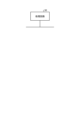
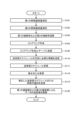
- FIG. 1 is a diagram showing an example in which a processing circuit provided in an on-board server according to a first embodiment is configured with dedicated hardware. Flowchart showing the operation of the on-board server according to the second embodiment Flowchart showing the operation of the ground server according to the second embodiment
- Embodiment 1. 1 is a block diagram showing a configuration example of a wireless communication system 1 according to a first embodiment.
- the wireless communication system 1 includes an on-board server 30 mounted on a train 10 and a ground server 60 installed on the ground.
- the on-board server 30 is mounted on the train 10 and connected to a train information management device 21 and a wireless communication device 41 also mounted on the train 10.
- the ground server 60 is installed on the ground and connected to a WiMAX (Worldwide interoperability for Microwave Access) base station 51 and an LTE (Long Term Evolution) base station 52 also installed on the ground.
- WiMAX Worldwide interoperability for Microwave Access
- LTE Long Term Evolution
- the train information management device 21 monitors and controls the status of the train 10.
- the train information management device 21 outputs data transmitted from the ground server 60 and received via the train 10's wireless communication device 41 and on-board server 30 to the display device 22 and on-board device 23.
- the train information management device 21 also outputs data indicating the operating status of the on-board device 23 obtained from the on-board device 23 to the on-board server 30, and causes the on-board server 30 to transmit the data to the ground server 60 via the wireless communication device 41.
- the train information management device 21 is, for example, a TCMS (Train Control and Management System).
- the display device 22 is installed above the doors inside the carriages of the train 10, and displays advertisements, operation information, in-car guidance information, and the like obtained from the train information management device 21.
- the train 10 is equipped with one display device 22, but in reality it is equipped with multiple display devices 22. It is not necessary for all display devices 22 to display the same data, and the content of the data displayed may differ depending on the type of display device 22, the installation location, etc.
- the on-board device 23 operates according to the data transmitted from the ground server 60 and acquired from the train information management device 21.
- the on-board device 23 also outputs data indicating the operating status to the train information management device 21.
- the train 10 is equipped with one on-board device 23, but in reality, the train 10 is equipped with multiple on-board devices 23.
- the on-board devices 23 include, for example, devices related to the running of the train 10, such as brakes, as well as devices that contribute to passenger comfort, such as air conditioners.
- the wireless communication device 41 is a communication device capable of wireless communication using two wireless communication methods by the same communication carrier.
- WiMAX and LTE are assumed as the two wireless communication methods. That is, the wireless communication device 41 is capable of transmitting and receiving data using the two wireless communication methods of WiMAX and LTE.
- the wireless communication device 41 transmits and receives data to and from a WiMAX base station 51 installed on the ground using the WiMAX wireless communication method, or transmits and receives data to and from an LTE base station 52 installed on the ground using the LTE wireless communication method, according to the control of the on-board server 30.
- the WiMAX wireless communication method may be referred to as the first communication network
- the LTE wireless communication method may be referred to as the second communication network.
- the on-board server 30 is mounted on the train 10, which is a moving body, and controls the transmission and reception of data between the train 10 and the ground server 60. As shown in FIG. 1, the on-board server 30 includes a first on-board communication management unit 31, a second on-board communication management unit 32, and an on-board control unit 33.
- the first on-board communication management unit 31 manages the transmission and reception of wireless data via WiMAX, which is the first communication network. Specifically, the first on-board communication management unit 31 determines whether or not it is possible to connect to WiMAX, which is the first communication network in which a communication limit amount is set that allows communication up to a first communication amount in a first communication period. The first on-board communication management unit 31 also measures a first cumulative communication amount in the first communication period by WiMAX, which is the first communication network. The data that is the subject of the first cumulative communication amount is data transmitted and received by WiMAX, which is the first communication network. A communication limit amount is set for WiMAX, and WiMAX allows transmission and reception of 10 GB of data accumulated over three days.
- the first communication period is "three days" and the first communication amount is "10 GB".
- the first cumulative communication amount is accumulated each time data is transmitted and received. Therefore, in the on-board server 30, the on-board control unit 33 controls data transmission and reception via WiMAX so that the first cumulative communication volume in the first communication period does not exceed the first communication volume, i.e., the first cumulative communication volume over three days, does not exceed 10 GB.
- the second on-board communication management unit 32 manages the transmission and reception of wireless communication data by the second communication network, LTE. Specifically, the second on-board communication management unit 32 determines whether or not it is possible to connect to the second communication network, LTE, in which a communication limit amount is set that allows communication up to a second communication amount in the second communication period. The second on-board communication management unit 32 also measures a second cumulative communication amount in the second communication period by the second communication network, LTE. The data that is the subject of the second cumulative communication amount is data transmitted and data received by the second communication network, LTE. A communication limit amount is set for LTE, and LTE allows transmission and reception of 7 GB of data accumulated in one month.
- the second communication period is "one month” and the second communication amount is "7 GB".
- the second cumulative communication amount is accumulated each time data is transmitted and received. Therefore, in the on-board server 30, the on-board control unit 33 controls the transmission and reception of data via LTE so that the second cumulative communication volume in the second communication period does not exceed the second communication volume, i.e., the second cumulative communication volume in one month, does not exceed 7 GB.
- the on-board control unit 33 calculates a first connection rate indicating the proportion of the running section in which communication is possible via WiMAX, which is the first communication network, for each divided running section into which the running section of the train 10, which is a moving body, is divided, and a second connection rate indicating the proportion of the running section in which communication is possible via LTE, which is the second communication network, for each divided running section into which the running section of the train 10, which is a moving body, is divided, based on the judgment results of the first on-board communication management unit 31 and the second on-board communication management unit 32.
- Each divided running section into which the running section of the train 10 is divided into multiple sections is a running section between adjacent stations where the train 10 stops.
- the on-board control unit 33 determines whether the first on-board communication management unit 31 can connect to the first communication network, WiMAX, and whether the second on-board communication management unit 32 can connect to the second communication network, LTE, so that it is possible to calculate the first connection rate and the second connection rate by acquiring the determination results from the first on-board communication management unit 31 and the second on-board communication management unit 32.
- the on-board server 30 can also allow the first on-board communication management unit 31 to calculate the first connection rate and the second on-board communication management unit 32 to calculate the second connection rate by the first on-board communication management unit 31 and the second on-board communication management unit 32 holding information on each divided driving section. In the following, an example will be described in which the on-board control unit 33 calculates the first connection rate and the second connection rate.
- the on-board control unit 33 calculates the first connection rate and the second connection rate at a prescribed cycle. Since the train 10 runs in the same place, i.e., on the same track, every time, the on-board control unit 33 may calculate the first connection rate and the second connection rate during the first run of the day of operation, or may calculate the first connection rate and the second connection rate about once a week or once a month in a running section that does not change from day to day. Furthermore, when the first connection rate and the second connection rate change depending on the time of day, the on-board control unit 33 may use the first connection rate and the second connection rate calculated up to the previous day, or the average value of the first connection rate and the average value of the second connection rate calculated up to the previous day.
- the on-board control unit 33 creates an area map showing the first connection rate and the second connection rate in each divided driving section.
- the on-board control unit 33 controls the transmission and reception of data by the first communication network WiMAX and the second communication network LTE according to a transmission and reception schedule created based on the area map, the communication limit amount, and the data characteristics of the data.
- the communication limit amount targets the communication limit amounts set for the first communication network WiMAX and the second communication network LTE.
- the data characteristics of the data include the amount of data transmitted and received between the on-board server 30 and the ground server 60, and the real-time nature of the data.
- the data characteristics of the data will be simply referred to as data characteristics.
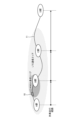
- FIG. 2 is a diagram showing an image of the wireless communication area of the train 10 shown in the area map created by the on-board control unit 33 of the on-board server 30 in the first embodiment.
- FIG. 2 shows the positions of the train 10 where wireless communication by WiMAX is possible and the positions of the train 10 where wireless communication by LTE is possible in the running section where the train 10 running on the track 11 runs from station A to station D via stations B and C. If the running section is from station A to station D, the divided running sections are from station A to station B, from station B to station C, and from station C to station D.
- the first connection rate of WiMAX between stations A and B in the train 10 is W AB (%)
- the first connection rate of WiMAX between stations B and C is W BC (%)
- the first connection rate of WiMAX between stations C and D is W CD (%).
- the second connection rate of LTE between stations A and B in the train 10 is L AB (%)
- the second connection rate of LTE between stations B and C is L BC (%)
- the second connection rate of LTE between stations C and D is L CD (%).
- the on-board control unit 33 of the on-board server 30 transmits the created area map to the ground server 60 via the wireless communication device 41 and the WiMAX base station 51 or the LTE base station 52.
- the on-board server 30 and the ground server 60 share area maps with the same content.
- the first data is the advertising content Dc transmitted from the ground server 60 to the on-board server 30.
- the advertising content Dc is data used for advertisements displayed on the display device 22 of the train 10.
- the advertising content Dc is updated about once a week, and the data volume is about 1 GB.
- the real-time nature of the advertising content Dc is moderate. Therefore, since the data volume of the advertising content Dc is large, the ground server 60 controls the advertising content Dc to be transmitted by WiMAX, and does not transmit the advertising content Dc if the communication limit of WiMAX is exceeded. If the ground server 60 does not transmit the advertising content Dc because the communication limit of WiMAX is exceeded, it controls the advertising content Dc to be transmitted the next day at the latest.
- the second data is the train vehicle operation status record Dr transmitted from the on-board server 30 to the ground server 60.
- the train vehicle operation status record Dr is data indicating the operating status of the on-board device 23 mentioned above.
- the train vehicle operation status record Dr has a data capacity of approximately 1.5 GB for one day.
- the real-time nature of the train vehicle operation status record Dr is lower than the real-time nature of the advertising content Dc. Therefore, since the data capacity of the train vehicle operation status record Dr is large, the on-board server 30 controls the train vehicle operation status record Dr to be transmitted via WiMAX, and stops transmitting the train vehicle operation status record Dr before the communication limit amount for WiMAX is exceeded.
- the on-board server 30 may stop transmitting the train vehicle operation status record Dr for several days, and is therefore provided with a memory unit (not shown) that can store the train vehicle operation status record Dr for several days for which transmission will be stopped. In addition, if the transmission and reception periods of the advertising content Dc and the train-car operation status record Dr overlap, the on-board server 30 prioritizes the transmission and reception of the advertising content Dc and reschedules the transmission and reception of the train-car operation status record Dr.
- the third data is the cab screen information Di transmitted from the on-board server 30 to the ground server 60.
- the cab screen information Di is data of the information displayed on the display device 22 installed in the cab of the train 10.
- the data capacity of the cab screen information Di for one day is approximately 120 MB.
- the real-time nature of the cab screen information Di is higher than that of the advertising content Dc. In other words, the real-time nature of each piece of data is, in descending order, the cab screen information Di, the advertising content Dc, and the train vehicle operation status record Dr.
- the real-time nature of the cab screen information Di is the highest of the three pieces of data.
- the on-board server 30 since the data capacity of the cab screen information Di is smaller than that of the other two pieces of data, if the on-board server 30 is connected to either a WiMAX or LTE communication network, it controls the transmission of the cab screen information Di using the connected communication network.
- the on-board server 30 may perform control to transmit the cab screen information Di using a wireless communication method equal to or higher than a specified threshold.
- the ground server 60 transmits the advertising content Dc to the on-board server 30, for example, between stations where the first connection rate of the first communication network, WiMAX, is 80% or more.
- the on-board server 30 also transmits the train vehicle operation status record Dr to the ground server 60, for example, between stations where the first connection rate of the first communication network, WiMAX, is 80% or more.
- the on-board server 30 also transmits the cab screen information Di in a running section other than a running section where both WiMAX and LTE are out of range, since the cab screen information Di has a high real-time characteristic, i.e., it needs to be transmitted at a fixed interval. Also, as mentioned above, a communication limit is set for WiMAX at 10 GB accumulated over three days, so the on-board server 30 stops transmitting the train vehicle operation status record Dr when the first accumulated communication volume over three days becomes 8 GB, for example.
- the on-board server 30 can store train operation status records Dr for a period of three days or more.
- the on-board control unit 33 of the on-board server 30 creates a transmission/reception schedule based on the area map, communication limit amount, and data characteristics.
- the on-board control unit 33 transmits the created transmission/reception schedule to the ground server 60 via the first communication network WiMAX or the second communication network LTE.
- the on-board control unit 33 of the on-board server 30 transmits the transmission/reception schedule to the ground server 60 via the wireless communication device 41 and the WiMAX base station 51 or the LTE base station 52.
- the ground server 60 modifies or approves the transmission/reception schedule transmitted from the on-board control unit 33, and transmits the modified transmission/reception schedule or a notification of approval to the on-board control unit 33 of the on-board server 30 via the first communication network WiMAX or the second communication network LTE. Specifically, the ground server 60 transmits the revised transmission/reception schedule or a notification of approval to the on-board control unit 33 of the on-board server 30 via the WiMAX base station 51 or LTE base station 52 and the wireless communication device 41.
- the on-board control unit 33 controls the transmission and reception of data via the first communication network, WiMAX, and the second communication network, LTE, according to the transmission and reception schedule revised or approved by the ground server 60.
- the on-board control unit 33 may create a transmission/reception schedule for the advertising content Dc, the train vehicle operation status record Dr, and the cab screen information Di according to the result of comparison with a data capacity threshold for controlling the transmission/reception of data according to the data capacity.
- the on-board control unit 33 creates a transmission/reception schedule so that the first data, whose data capacity included in the data characteristics is equal to or greater than the data capacity threshold, is transmitted/received by the first communication network WiMAX in a divided running section where the first connection rate is equal to or greater than the first data threshold, and the second data, whose data capacity is less than the data capacity threshold, is transmitted/received by the first communication network WiMAX in a divided running section where the first connection rate is equal to or greater than the second data threshold, or is transmitted/received by the second communication network LTE in a divided running section where the second connection rate is equal to or greater than the second data threshold.
- the data capacity threshold is 500 MB
- the advertising content Dc and the train vehicle operation status record Dr become the first data
- the cab screen information Di becomes the second data.
- the first data threshold is set to 80%
- the second data threshold is set to 50%.
- the ground server 60 can transmit the advertisement content Dc between stations A and B via WiMAX, which is the first communication network.
- the on-board server 30 can receive the advertisement content Dc between stations A and B via WiMAX, which is the first communication network.
- the on-board server 30 can transmit the train-form vehicle operation status record Dr between stations A and B via WiMAX, which is the first communication network.
- the ground server 60 can receive the train-form vehicle operation status record Dr between stations A and B via WiMAX, which is the first communication network.
- the on-board server 30 can transmit the cab screen information Di between stations A and B via WiMAX, which is the first communication network.
- the ground server 60 can receive the cab screen information Di between stations A and B via WiMAX, which is the first communication network.
- the on-board server 30 can also transmit the cab screen information Di between stations A and D via LTE, which is the second communication network.
- the ground server 60 can also receive the cab screen information Di between stations A and D via LTE, which is the second communication network.
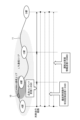
- FIG. 3 is a diagram showing an example of data transmission and reception by the on-board server 30 according to the first embodiment.
- the on-board server 30 can receive advertising content Dc and transmit train vehicle operating status records Dr between stations A and B.
- the on-board server 30 can also transmit cab screen information Di between stations B and C.
- the transmission and reception pattern shown in FIG. 3 is an example and is not limited to this.
- the on-board server 30 can also transmit cab screen information Di between stations A and B, and between stations C and D.
- the on-board control unit 33 may set the aforementioned data capacity threshold, first data threshold, and second data threshold to variable values.
- the on-board control unit 33 may change the data capacity threshold, first data threshold, and second data threshold as appropriate, for example, depending on the data capacity of the data transmitted and received, the actual first connection rate, and the second connection rate.
- the on-board control unit 33 may change the data capacity threshold, first data threshold, and second data threshold as appropriate, depending on the type of train 10, such as a local train or express train, the speed of the train 10, and the like.
- the on-board control unit 33 may treat the aforementioned data capacity threshold, first data threshold, and second data threshold as predefined fixed values when there is no change in the communication state of wireless communication by WiMAX and LTE in the section in which the train 10 is running.
- the on-board control unit 33 also calculates a first remaining capacity, which is the difference between the first communication volume and the first accumulated communication volume, and a second remaining capacity, which is the difference between the second communication volume and the second accumulated communication volume, and creates a transmission/reception schedule to transmit and receive the first data, i.e., the advertising content Dc and the train vehicle operation status record Dr, based on the first remaining capacity and the second remaining capacity.
- a communication limit of 10 GB accumulated over three days is set for WiMAX, which is the first communication network
- a communication limit of 7 GB accumulated over one month is set for LTE, which is the second communication network. Therefore, the on-board control unit 33 creates a transmission/reception schedule to transmit and receive data within the range of the first remaining capacity and the second remaining capacity, taking into account the first remaining capacity and the second remaining capacity according to each communication limit.
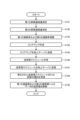
- FIG. 4 is a flowchart showing the operation of the on-board server 30 according to the first embodiment.
- the first on-board communication management unit 31 measures the first cumulative communication volume (step S101).
- the second on-board communication management unit 32 measures the second cumulative communication volume (step S102).
- the on-board control unit 33 calculates the first connection rate and the second connection rate (step S103).
- the on-board control unit 33 creates an area map showing the first connection rate and the second connection rate in each divided driving section (step S104).
- the on-board control unit 33 transmits the created area map to the ground server 60 via the wireless communication device 41 and the WiMAX base station 51 or the LTE base station 52 (step S105).
- the on-board control unit 33 creates a transmission/reception schedule based on the area map, communication limit amount, and data characteristics (step S106).
- the on-board control unit 33 transmits the created transmission/reception schedule to the ground server 60 via the wireless communication device 41 and the WiMAX base station 51 or the LTE base station 52 (step S107).
- the on-board control unit 33 receives from the ground server 60 the transmission/reception schedule modified by the ground server 60 or a notification of approval by the ground server 60 via the WiMAX base station 51 or the LTE base station 52 and the wireless communication device 41 (step S108).
- the on-board control unit 33 controls the transmission/reception of data via the first communication network WiMAX and the second communication network LTE according to the transmission/reception schedule modified or approved by the ground server 60 (step S109).
- the WiMAX base station 51 performs wireless communication using WiMAX with the wireless communication device 41 of the train 10.
- the LTE base station 52 performs wireless communication using LTE with the wireless communication device 41 of the train 10.
- the ground server 60 controls the transmission and reception of data between the on-board server 30 mounted on the train 10, which is a moving body. As shown in FIG. 1, the ground server 60 includes a first ground communication management unit 61, a second ground communication management unit 62, and a ground control unit 63.
- the first ground communication management unit 61 manages the transmission and reception of wireless data via WiMAX, which is the first communication network. Specifically, the first ground communication management unit 61 transmits and receives data via WiMAX via the WiMAX base station 51.
- the second ground communication management unit 62 manages the transmission and reception of wireless communication data via LTE, which is the second communication network. Specifically, the second ground communication management unit 62 transmits and receives data via LTE via the LTE base station 52.
- the ground control unit 63 controls data transmission and reception by the first communication network WiMAX and the second communication network LTE according to a transmission and reception schedule created based on the area map, communication limit amount, and data characteristics.
- the ground control unit 63 receives the transmission and reception schedule created by the on-board control unit 33 of the on-board server 30 based on the area map, communication limit amount, and data characteristics from the on-board server 30 via the first communication network or the second communication network.
- the ground control unit 63 of the ground server 60 receives the transmission and reception schedule from the on-board control unit 33 of the on-board server 30 via the wireless communication device 41 and the WiMAX base station 51 or the LTE base station 52.
- the ground control unit 63 modifies or approves the received transmission and reception schedule, and transmits the modified transmission and reception schedule or a notification of approval to the on-board control unit 33 of the on-board server 30 via the WiMAX base station 51 or the LTE base station 52, and the wireless communication device 41.
- the ground control unit 63 controls the transmission and reception of data via the first communication network and the second communication network according to the revised or approved transmission and reception schedule.
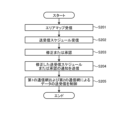
- FIG. 5 is a flowchart showing the operation of the ground server 60 according to the first embodiment.
- the ground control unit 63 receives an area map from the on-board server 30 via the wireless communication device 41 and the WiMAX base station 51 or the LTE base station 52 (step S201).
- the ground control unit 63 also receives a transmission/reception schedule from the on-board server 30 via the wireless communication device 41 and the WiMAX base station 51 or the LTE base station 52 (step S202).
- the ground control unit 63 modifies or approves the received transmission/reception schedule (step S203).
- the ground control unit 63 transmits the modified transmission/reception schedule or a notification of approval to the on-board control unit 33 of the on-board server 30 via the WiMAX base station 51 or the LTE base station 52 and the wireless communication device 41 (step S204).
- the ground control unit 63 controls the transmission/reception of data via the first communication network and the second communication network according to the modified or approved transmission/reception schedule (step S205).
- the on-board control unit 33 of the on-board server 30 and the ground control unit 63 of the ground server 60 use the first connection rate of WiMAX, which is the first communication network, and the second connection rate of LTE, which is the second communication network, as parameters of the communication state, but it is also possible to use other parameters in combination.
- WiMAX which is the first communication network
- LTE which is the second communication network
- the on-board control unit 33 of the on-board server 30 and the ground control unit 63 of the ground server 60 may further use parameters such as the reception strength of each wireless communication method, and transmit and receive data when the reception strength is equal to or greater than a specified threshold value among stations where transmission and reception is possible in the transmission and reception schedule.
- the reception strength when data was transmitted and received in the past may be used instead of the current reception strength.
- the on-board control unit 33 of the on-board server 30 and the ground control unit 63 of the ground server 60 can transmit and receive data in an LTE communication area between stations C and D closer to station C.
- the on-board control unit 33 of the on-board server 30 and the ground control unit 63 of the ground server 60 may use a parameter other than reception strength as the other parameter, or may use two or more parameters as the other parameter.
- the hardware configuration of the on-board server 30 will be described.
- the first on-board communication management unit 31, the second on-board communication management unit 32, and the on-board control unit 33 are realized by processing circuits.
- the processing circuit may be a processor and memory that executes a program stored in memory, or may be dedicated hardware.
- FIG. 6 is a diagram showing an example in which the processing circuit 90 provided in the on-board server 30 according to the first embodiment is configured with a processor 91 and a memory 92.
- each function of the processing circuit 90 of the on-board server 30 is realized by software, firmware, or a combination of software and firmware.
- the software or firmware is written as a program and stored in the memory 92.
- each function is realized by the processor 91 reading and executing the program stored in the memory 92. That is, the processing circuit 90 includes a memory 92 for storing a program that will result in the processing of the on-board server 30 being executed. It can also be said that these programs cause a computer to execute the procedures and methods of the on-board server 30.
- the above program includes a first on-board communication management step in which a first on-board communication management unit 31 determines whether or not the vehicle can connect to a first communication network in which a communication limit amount is set that allows communication up to a first communication amount in a first communication period, and measures a first cumulative communication amount in the first communication period by the first communication network; a second on-board communication management step in which a second on-board communication management unit 32 determines whether or not the vehicle can connect to a second communication network in which a communication limit amount is set that allows communication up to a second communication amount in a second communication period, and measures a second cumulative communication amount in the second communication period by the second communication network; and an on-board control unit 33 controls the vehicle to determine whether or not the vehicle can connect to a second communication network in which a communication limit amount is set that allows communication up to a second communication amount in a second communication period, and measures a second cumulative communication amount in the second communication period by the second communication network.
- the processor 91 may be a CPU (Central Processing Unit), a processing device, an arithmetic unit, a microprocessor, a microcomputer, or a DSP (Digital Signal Processor).
- the memory 92 may be, for example, a RAM (Random Access Memory), a ROM (Read Only Memory), a flash memory, an EPROM (Erasable Programmable ROM), an EEPROM (Electrically EPROM), or other non-volatile or volatile semiconductor memory, a magnetic disk, a flexible disk, an optical disk, a compact disk, a mini disk, or a DVD (Digital Versatile Disc).
- FIG. 7 is a diagram showing an example in which the processing circuit 93 provided in the on-board server 30 according to the first embodiment is configured with dedicated hardware.
- the processing circuit 93 shown in FIG. 7 corresponds to, for example, a single circuit, a composite circuit, a programmed processor, a parallel programmed processor, an ASIC (Application Specific Integrated Circuit), an FPGA (Field Programmable Gate Array), or a combination of these.
- Each function of the on-board server 30 may be realized by the processing circuit 93 on a function-by-function basis, or each function may be realized collectively by the processing circuit 93.
- the on-board server 30 may be realized by dedicated hardware and some by software or firmware.
- the processing circuit can realize each of the above-mentioned functions by dedicated hardware, software, firmware, or a combination of these.
- the hardware configuration of the on-board server 30 has been described above, but the hardware configuration of the ground server 60 is similar.
- the first ground communication management unit 61, the second ground communication management unit 62, and the ground control unit 63 are realized by processing circuits.
- the processing circuit may be a processor and memory that executes a program stored in memory, or it may be dedicated hardware.
- the on-board server 30 creates an area map based on the first connection rate of wireless communication by WiMAX, which is the first communication network, and the second connection rate of wireless communication by LTE, which is the second communication network, creates a transmission/reception schedule taking into consideration the area map, the communication limit amounts of WiMAX, which is the first communication network, and LTE, which is the second communication network, and the characteristics of the data to be transmitted and received, and transmits and receives data between the on-board server 30 and the ground server 60 according to the transmission/reception schedule.
- the ground server 60 transmits and receives data between the on-board server 30 and the ground server 60 according to the transmission/reception schedule created by the on-board server 30 and modified or approved by the ground server 60. This allows the on-board server 30 and the ground server 60 to control the transmission and reception of data so that the communication volume of the two wireless communication methods, which have a communication volume limit during a specified communication period, does not exceed the communication volume limit.
- the on-board server 30 and ground server 60 can transmit and receive data without loss and with minimal delays while maintaining real-time performance according to the data type.
- the on-board server 30 and ground server 60 can simultaneously accommodate the increase in the amount of data transmitted and received in ground-to-vehicle communications between the on-board server 30 and ground server 60 and improve cost performance.
- WiMAX and LTE have been specifically described as examples of the two wireless communication methods used between the on-board server 30 and the ground server 60, the present invention is not limited to these. It is also possible to use a wireless communication method such as a fifth generation mobile communication system as the wireless communication method used between the on-board server 30 and the ground server 60.
- Embodiment 2 In the first embodiment, a case has been described in which the on-board control unit 33 of the on-board server 30 creates a transmission/reception schedule. In the second embodiment, a case has been described in which the ground control unit 63 of the ground server 60 creates a transmission/reception schedule.
- the configuration of the wireless communication system 1 is the same as the configuration of the wireless communication system 1 in the first embodiment shown in FIG. 1.
- the devices mounted on the train 10 are also the same as the devices mounted on the train 10 in the first embodiment shown in FIG. 1.
- the on-board control unit 33 of the on-board server 30 transmits information necessary for creating a transmission/reception schedule to the ground control unit 63 of the ground server 60 via the wireless communication device 41 and the WiMAX base station 51 or the LTE base station 52.
- the information necessary for creating a transmission/reception schedule is, for example, the first connection rate, the second connection rate, the first cumulative communication volume, the second cumulative communication volume, the data capacity threshold, the first data threshold, the second data threshold, the first remaining capacity, the second remaining capacity, the communication limit volume and data characteristics set in the first communication network, WiMAX, and the second communication network, LTE.
- the on-board control unit 33 of the on-board server 30 does not need to transmit information held by the ground control unit 63 of the ground server 60.
- the ground control unit 63 of the ground server 60 creates a transmission/reception schedule in a manner similar to that of the on-board control unit 33 of the on-board server 30 in the first embodiment.
- the ground control unit 63 of the ground server 60 transmits the created transmission/reception schedule to the on-board control unit 33 of the on-board server 30 via the WiMAX base station 51 or the LTE base station 52 and the wireless communication device 41.
- the on-board control unit 33 of the on-board server 30 like the ground control unit 63 of the ground server 60 in the first embodiment, modifies or approves the received transmission/reception schedule, and transmits the modified transmission/reception schedule or a notification of approval to the ground control unit 63 of the ground server 60 via the wireless communication device 41 and the WiMAX base station 51 or the LTE base station 52.
- the ground control unit 63 of the ground server 60 controls the transmission and reception of data via WiMAX, which is the first communication network, and LTE, which is the second communication network, in accordance with the transmission/reception schedule modified or approved by the on-board server 30.
- the ground control unit 63 of the ground server 60 will transmit and receive data to and from multiple trains 10. Therefore, in the second embodiment, the ground control unit 63 of the ground server 60 can create a transmission and reception schedule for each train 10, taking into account the transmission and reception of data to and from multiple trains 10.
- FIG. 8 is a flowchart showing the operation of the on-board server 30 according to the second embodiment.
- the operations from step S101 to step S105 in FIG. 8 are the same as those from step S101 to step S105 in the flowchart of the first embodiment shown in FIG. 4.
- the on-board control unit 33 transmits information required for creating a transmission/reception schedule to the ground server 60 via the wireless communication device 41 and the WiMAX base station 51 or the LTE base station 52 (step S116).
- the on-board control unit 33 receives the transmission/reception schedule from the ground server 60 via the WiMAX base station 51 or the LTE base station 52 and the wireless communication device 41 (step S117).
- the on-board control unit 33 modifies or approves the received transmission/reception schedule (step S118).
- the on-board control unit 33 transmits the modified transmission/reception schedule or a notification of approval to the ground server 60 via the wireless communication device 41 and the WiMAX base station 51 or the LTE base station 52 (step S119).
- the on-board control unit 33 controls the transmission and reception of data via the first communication network and the second communication network according to the revised or approved transmission and reception schedule (step S120).
- the ground control unit 63 transmits the created transmission and reception schedule to the on-board control unit 33 of the on-board server 30 via the WiMAX base station 51 or the LTE base station 52 and the wireless communication device 41 (step S214).
- the ground control unit 63 receives the transmission/reception schedule corrected by the on-board control unit 33 of the on-board server 30 or the notification of approval by the on-board control unit 33 of the on-board server 30 from the on-board control unit 33 of the on-board server 30 via the wireless communication device 41 and the WiMAX base station 51 or the LTE base station 52 (step S215).
- the ground control unit 63 controls the transmission/reception of data via the first communication network WiMAX and the second communication network LTE according to the transmission/reception schedule corrected or approved by the on-board server 30 (step S216).
- the on-board control unit 33 of the on-board server 30 receives the transmission/reception schedule created by the ground server 60 based on the area map, communication limit amount, and data characteristics from the ground server 60 via the first communication network or the second communication network.
- the on-board control unit 33 controls the transmission/reception of data via the first communication network and the second communication network according to the transmission/reception schedule that has been modified or approved from the received transmission/reception schedule.
- the ground control unit 63 of the ground server 60 creates a transmission/reception schedule based on the area map, the communication limit amount, and the data characteristics, and transmits the schedule to the on-board server via the first communication network or the second communication network.
- the ground control unit 63 controls the transmission/reception of data by the first communication network and the second communication network according to the transmission/reception schedule modified or approved by the on-board server 30.
- the on-board control unit 33 of the on-board server 30 calculates a first remaining capacity, which is the difference between the first communication volume and the first accumulated communication volume, and a second remaining capacity, which is the difference between the second communication volume and the second accumulated communication volume, and the ground control unit 63 creates a transmission/reception schedule to transmit and receive the first data based on the first remaining capacity and the second remaining capacity.
- the ground server 60 creates the transmission and reception schedule. Even in this case, the on-board server 30 and the ground server 60 can obtain the same effects as in the first embodiment.
Landscapes
- Engineering & Computer Science (AREA)
- Computer Networks & Wireless Communication (AREA)
- Signal Processing (AREA)
- Computer Security & Cryptography (AREA)
- Mobile Radio Communication Systems (AREA)
Abstract
車上サーバ(30)は、通信制限量が設定される第1の通信網に接続可能か否かを判定するとともに、第1の通信網による第1の通信期間での第1の累積通信量を測定する第1の車上通信管理部(31)と、通信制限量が設定される第2の通信網に接続可能か否かを判定するとともに、第2の通信網による第2の通信期間での第2の累積通信量を測定する第2の車上通信管理部(32)と、第1の車上通信管理部(31)および第2の車上通信管理部(32)の判定結果に基づいて、各分割走行区間に対する、第1の通信網による通信が可能な第1の接続率および第2の通信網による通信が可能な第2の接続率を演算してエリアマップを作成し、エリアマップおよび通信制限量およびデータのデータ特性に基づいて作成される送受信スケジュールに従って、第1の通信網および第2の通信網によるデータの送受信を制御する車上制御部(33)と、を備える。
Description
本開示は、移動体と地上設備との間の無線通信で使用される車上サーバ、地上サーバ、無線通信システム、車上無線通信方式制御方法および地上無線通信方式制御方法に関する。
従来、2つの無線通信装置の間で複数の無線通信方式で無線通信を行うことが可能な場合、各無線通信装置が、各無線通信方式の通信状態に応じて無線通信方式を選択し、適切な無線通信方式を用いて無線通信を行うことが行われている。例えば、特許文献1には、ユーザ端末が、通信状態に応じて複数の通信キャリアの無線回線を切り替えて無線通信を行う技術が開示されている。
近年、同一通信キャリアによる異なる2つの無線通信方式によるサービスの提供が行われている。このようなサービスで提供される無線通信方式は、規定された期間で使用可能な通信量が制限されることが多く、また、各無線通信方式によって、規定された期間および使用可能な通信量が異なることが多い。特許文献1では各無線通信方式の通信量が制限されることは考慮されていないが、ユーザ端末の位置が変更しない場合、ユーザが各無線通信方式を適切に切り替えることによって、各無線通信方式において通信制限量を超えないようにすることも可能である。
しかしながら、ユーザ端末の位置が移動する移動体無線通信システムでは、ユーザ端末の位置によって各無線通信方式の通信状態が変化し、ユーザが各無線通信方式の通信状態に応じて適切に無線通信方式を変更することは困難である。そのため、各無線通信方式に対して設定された通信制限量を超えてしまうと、データの送受信において、遅延、データの欠落などが発生する可能性がある、という問題があった。ユーザは、大容量の通信が可能な契約プランにすることで各無線通信方式の通信制限量を超えないようにできるが、一般的には大容量の通信が可能な契約プランほど高額になるため高コストになる。
本開示は、上記に鑑みてなされたものであって、規定された通信期間での通信量が制限される2つの無線通信方式の通信量が制限を超えないようにデータの送受信を制御する車上サーバを得ることを目的とする。
上述した課題を解決し、目的を達成するために、本開示は、移動体に搭載され、地上サーバとの間のデータの送受信の制御を行う車上サーバである。車上サーバは、第1の通信期間で第1の通信量まで通信可能な通信制限量が設定される第1の通信網に接続可能か否かを判定するとともに、第1の通信網による第1の通信期間での第1の累積通信量を測定する第1の車上通信管理部と、第2の通信期間で第2の通信量まで通信可能な通信制限量が設定される第2の通信網に接続可能か否かを判定するとともに、第2の通信網による第2の通信期間での第2の累積通信量を測定する第2の車上通信管理部と、第1の車上通信管理部の判定結果および第2の車上通信管理部の判定結果に基づいて、移動体の走行区間が分割された各分割走行区間に対する、第1の通信網による通信が可能な走行区間の割合を示す第1の接続率、および第2の通信網による通信が可能な走行区間の割合を示す第2の接続率を演算し、各分割走行区間における第1の接続率および第2の接続率を示すエリアマップを作成し、エリアマップおよび通信制限量およびデータのデータ特性に基づいて作成される送受信スケジュールに従って、第1の通信網および第2の通信網によるデータの送受信を制御する車上制御部と、を備えることを特徴とする。
本開示の車上サーバは、規定された通信期間での通信量が制限される2つの無線通信方式の通信量が制限を超えないようにデータの送受信を制御することができる、という効果を奏する。
以下に、本開示の実施の形態に係る車上サーバ、地上サーバ、無線通信システム、車上無線通信方式制御方法および地上無線通信方式制御方法を図面に基づいて詳細に説明する。
実施の形態1.
図1は、実施の形態1に係る無線通信システム1の構成例を示すブロック図である。無線通信システム1は、列車10に搭載される車上サーバ30と、地上に設置される地上サーバ60と、を備える。車上サーバ30は、列車10に搭載され、同じく列車10に搭載される列車情報管理装置21、および無線通信装置41に接続される。地上サーバ60は、地上に設置され、同じく地上に設置されるWiMAX(Worldwide interoperability for Microwave Access)基地局51、およびLTE(Long Term Evolution)基地局52に接続される。
図1は、実施の形態1に係る無線通信システム1の構成例を示すブロック図である。無線通信システム1は、列車10に搭載される車上サーバ30と、地上に設置される地上サーバ60と、を備える。車上サーバ30は、列車10に搭載され、同じく列車10に搭載される列車情報管理装置21、および無線通信装置41に接続される。地上サーバ60は、地上に設置され、同じく地上に設置されるWiMAX(Worldwide interoperability for Microwave Access)基地局51、およびLTE(Long Term Evolution)基地局52に接続される。
列車情報管理装置21は、列車10の状態を監視し、制御する。列車情報管理装置21は、地上サーバ60から送信され、列車10の無線通信装置41および車上サーバ30を介して受信したデータなどを表示装置22および車載装置23に出力する。また、列車情報管理装置21は、車載装置23から取得した車載装置23の動作状態を示すデータを車上サーバ30に出力し、車上サーバ30から無線通信装置41を介して地上サーバ60に送信させる。列車情報管理装置21は、例えば、TCMS(Train Control and Management System)である。
表示装置22は、列車10の車両内のドアの上などに設置され、列車情報管理装置21から取得した、広告、運行情報、車内案内情報などを表示する。列車10は、図1の例では1つの表示装置22を備えているが、実際には複数の表示装置22を備えているものとする。表示装置22は、全てが同じデータを表示する必要は無く、表示装置22の種類、設置位置などに応じて、表示するデータの内容が異なっていてもよい。
車載装置23は、地上サーバ60から送信され、列車情報管理装置21から取得したデータに応じた動作を行う。また、車載装置23は、動作状態を示すデータを列車情報管理装置21に出力する。列車10は、図1の例では1つの車載装置23を備えているが、実際には複数の車載装置23を備えているものとする。車載装置23には、例えば、ブレーキなどの列車10の走行に関係する機器の他、空気調和機など乗客の快適性に寄与する機器が含まれる。
無線通信装置41は、同一通信キャリアによる2つの無線通信方式による無線通信が可能な通信装置である。実施の形態1では、2つの無線通信方式としてWiMAXおよびLTEを想定している。すなわち、無線通信装置41は、WiMAXおよびLTEによる2つの無線通信方式でデータの送受信が可能である。無線通信装置41は、車上サーバ30の制御に従って、WiMAXの無線通信方式で地上に設置されたWiMAX基地局51との間でデータの送受信を行い、またはLTEの無線通信方式で地上に設置されたLTE基地局52との間でデータの送受信を行う。以降の説明において、WiMAXの無線通信方式を第1の通信網と称し、LTEの無線通信方式を第2の通信網と称することがある。
車上サーバ30は、移動体である列車10に搭載され、地上サーバ60との間のデータの送受信の制御を行う。車上サーバ30は、図1に示すように、第1の車上通信管理部31と、第2の車上通信管理部32と、車上制御部33と、を備える。
第1の車上通信管理部31は、第1の通信網であるWiMAXによる無線通信のデータの送受信を管理する。具体的には、第1の車上通信管理部31は、第1の通信期間で第1の通信量まで通信可能な通信制限量が設定される第1の通信網であるWiMAXに接続可能か否かを判定する。また、第1の車上通信管理部31は、第1の通信網であるWiMAXによる第1の通信期間での第1の累積通信量を測定する。第1の累積通信量で対象となるデータは、第1の通信網であるWiMAXによって送信されるデータおよび受信されるデータである。WiMAXには通信制限量が設定されており、WiMAXは、3日間累積で10GBのデータの送受信が可能である。すなわち、第1の通信期間は「3日間」であり、第1の通信量は「10GB」である。第1の累積通信量は、データの送受信ごとに累積される。そのため、車上サーバ30において車上制御部33は、第1の通信期間の第1の累積通信量が第1の通信量、すなわち3日間の第1の累積通信量が10GBを超えないように、WiMAXによるデータの送受信を制御する。
第2の車上通信管理部32は、第2の通信網であるLTEによる無線通信のデータの送受信を管理する。具体的には、第2の車上通信管理部32は、第2の通信期間で第2の通信量まで通信可能な通信制限量が設定される第2の通信網であるLTEに接続可能か否かを判定する。また、第2の車上通信管理部32は、第2の通信網であるLTEによる第2の通信期間での第2の累積通信量を測定する。第2の累積通信量で対象となるデータは、第2の通信網であるLTEによって送信されるデータおよび受信されるデータである。LTEには通信制限量が設定されており、LTEは、1か月累積で7GBのデータの送受信が可能である。すなわち、第2の通信期間は「1か月」であり、第2の通信量は「7GB」である。第2の累積通信量は、データの送受信ごとに累積される。そのため、車上サーバ30において車上制御部33は、第2の通信期間の第2の累積通信量が第2の通信量、すなわち1か月の第2の累積通信量が7GBを超えないように、LTEによるデータの送受信を制御する。
このように、第1の通信網であるWiMAXの第1の通信期間は、第2の通信網であるLTEの第2の通信期間より短い。また、第1の通信網であるWiMAXの第1の通信量は、第2の通信網であるLTEの第2の通信量より大きい。
車上制御部33は、第1の車上通信管理部31の判定結果および第2の車上通信管理部32の判定結果に基づいて、移動体である列車10の走行区間が複数に分割された各分割走行区間に対する、第1の通信網であるWiMAXによる通信が可能な走行区間の割合を示す第1の接続率、および第2の通信網であるLTEによる通信が可能な走行区間の割合を示す第2の接続率を演算する。列車10の走行区間が複数に分割された各分割走行区間とは、列車10が停車する駅で区切られた区間であり列車10が停車する隣接駅間の走行区間である。
車上制御部33は、第1の車上通信管理部31が第1の通信網であるWiMAXに接続可能か否かを判定しており、第2の車上通信管理部32が第2の通信網であるLTEに接続可能か否かを判定しているので、第1の車上通信管理部31および第2の車上通信管理部32から判定結果を取得することで、第1の接続率および第2の接続率を演算することが可能である。なお、車上サーバ30は、第1の車上通信管理部31および第2の車上通信管理部32が各分割走行区間の情報を保持することで、第1の車上通信管理部31が第1の接続率を演算し、第2の車上通信管理部32が第2の接続率を演算することも可能である。以降では、車上制御部33が第1の接続率および第2の接続率を演算する場合を例にして説明する。
車上制御部33は、規定された周期で、第1の接続率および第2の接続率を演算する。列車10は毎回同じ場所すなわち線路上を走行するので、車上制御部33は、運行する日の最初の1回目の走行のときに第1の接続率および第2の接続率の演算を行ってもよいし、日によって変化の無い走行区間では1週間または1か月に1回程度、第1の接続率および第2の接続率の演算を行うようにしてもよい。また、車上制御部33は、第1の接続率および第2の接続率が1日のうちで時間帯によって変化する場合、前日までに演算された第1の接続率および第2の接続率、または前日までに演算された第1の接続率の平均値および第2の接続率の平均値などを用いてもよい。
車上制御部33は、各分割走行区間における第1の接続率および第2の接続率を示すエリアマップを作成する。車上制御部33は、エリアマップおよび通信制限量およびデータのデータ特性に基づいて作成される送受信スケジュールに従って、第1の通信網であるWiMAXおよび第2の通信網であるLTEによるデータの送受信を制御する。通信制限量は、第1の通信網であるWiMAXおよび第2の通信網であるLTEに設定されている各通信制限量を対象にしている。データのデータ特性とは、車上サーバ30と地上サーバ60との間で送受信されるデータの容量、データのリアルタイム性などである。以降では、データのデータ特性を、単にデータ特性と称する。
ここで、車上サーバ30の車上制御部33で作成されるエリアマップについて説明する。図2は、実施の形態1に係る車上サーバ30の車上制御部33で作成されるエリアマップで示される列車10の無線通信エリアのイメージを示す図である。図2は、線路11上を走行する列車10がA駅からB駅およびC駅を経由してD駅まで走行する走行区間において、列車10がどのような位置でWiMAXによる無線通信が可能であり、列車10がどのような位置でLTEによる無線通信が可能であるのかを示している。A駅からD駅までが走行区間とすると、A駅からB駅まで、B駅からC駅まで、およびC駅からD駅までが分割走行区間となる。列車10は、A駅とB駅との間からB駅とC駅との間のB駅寄りまでの走行区間でWiMAXによる無線通信が可能であり、A駅からC駅とD駅との間までの走行区間でLTEによる無線通信が可能である。このように、第1の通信網であるWiMAXに接続可能な第1の通信エリアは、第2の通信網であるLTEに接続可能な第2の通信エリアより小さい。なお、車上制御部33は、作成したエリアマップについて、データベースのような形式で保持してもよい。
WiMAXによる無線通信の接続状態を表す場合、列車10において、A駅からB駅までの駅間におけるWiMAXの第1の接続率をWAB(%)とし、B駅からC駅までの駅間におけるWiMAXの第1の接続率をWBC(%)とし、C駅からD駅までの駅間におけるWiMAXの第1の接続率をWCD(%)とする。また、LTEによる無線通信の接続状態を表す場合、列車10において、A駅からB駅までの駅間におけるLTEの第2の接続率をLAB(%)とし、B駅からC駅までの駅間におけるLTEの第2の接続率をLBC(%)とし、C駅からD駅までの駅間におけるLTEの第2の接続率をLCD(%)とする。車上サーバ30の車上制御部33は、作成したエリアマップを、無線通信装置41、およびWiMAX基地局51またはLTE基地局52を介して地上サーバ60に送信する。これにより、車上サーバ30および地上サーバ60は、同一内容のエリアマップを共有する。
つぎに、車上サーバ30と地上サーバ60との間で送受信されるデータについて説明する。実施の形態1では、車上サーバ30と地上サーバ60との間で送受信されるデータとして3つのデータを想定している。
1つ目のデータは、地上サーバ60から車上サーバ30に送信される広告コンテンツDcである。広告コンテンツDcは、列車10の表示装置22で表示される広告などで使用されるデータである。広告コンテンツDcは、1週間に1回程度更新され、データ容量は1GB程度になる。広告コンテンツDcのリアルタイム性は中程度である。そのため、地上サーバ60は、広告コンテンツDcのデータ容量が大きいので、広告コンテンツDcをWiMAXで送信するように制御し、WiMAXで通信制限量を超えている場合は広告コンテンツDcの送信を行わない。地上サーバ60は、WiMAXの通信制限量を超えていたため広告コンテンツDcの送信を行わなかった場合、遅くとも翌日には広告コンテンツDcを送信するように制御する。
2つ目のデータは、車上サーバ30から地上サーバ60に送信される編成車両動作状況記録Drである。編成車両動作状況記録Drは、前述の車載装置23の動作状態を示すデータなどである。編成車両動作状況記録Drは、1日分のデータ容量が1.5GB程度になる。編成車両動作状況記録Drのリアルタイム性は、広告コンテンツDcのリアルタイム性よりも低い。そのため、車上サーバ30は、編成車両動作状況記録Drのデータ容量が大きいので、編成車両動作状況記録DrをWiMAXで送信するように制御し、WiMAXで通信制限量を超える前に編成車両動作状況記録Drの送信を停止する。車上サーバ30は、編成車両動作状況記録Drの送信を数日間停止してもよいので、送信停止にする数日間分の編成車両動作状況記録Drを記憶可能な図示しない記憶部を備える。なお、車上サーバ30は、広告コンテンツDcおよび編成車両動作状況記録Drの送受信期間が重なる場合、広告コンテンツDcの送受信を優先し、編成車両動作状況記録Drの送受信についてはスケジュールを再設定する。
3つ目のデータは、車上サーバ30から地上サーバ60に送信される運転台画面情報Diである。運転台画面情報Diは、列車10の運転台に設置される表示装置22に表示される情報のデータである。運転台画面情報Diは、1日分のデータ容量が120MB程度になる。運転台画面情報Diのリアルタイム性は、広告コンテンツDcのリアルタイム性よりも高い。すなわち、各データのリアルタイム性は、高い順に運転台画面情報Di、広告コンテンツDc、編成車両動作状況記録Drとなる。運転台画面情報Diのリアルタイム性は、3つのデータの中で最も高い。そのため、車上サーバ30は、運転台画面情報Diのデータ容量が他の2つのデータと比較して小さいことから、WiMAXまたはLTEのいずれかの通信網に接続していれば、接続している通信網を使用して運転台画面情報Diを送信する制御を行う。車上サーバ30は、WiMAXの第1の接続率およびLTEの第2の接続率のうち少なくとも一方の接続率が規定された閾値以上の場合、規定された閾値以上の無線通信方式を使用して運転台画面情報Diを送信する制御を行ってもよい。
このように、車上サーバ30と地上サーバ60との間で送受信されるデータは、データの種類によって、データ容量が異なり、リアルタイム性も異なる。そのため、地上サーバ60は、広告コンテンツDcを、例えば、第1の通信網であるWiMAXの第1の接続率が80%以上になる駅間で車上サーバ30に送信する。また、車上サーバ30は、編成車両動作状況記録Drを、例えば、第1の通信網であるWiMAXの第1の接続率が80%以上になる駅間で地上サーバ60に送信する。また、車上サーバ30は、運転台画面情報Diについてはリアルタイム性が高い、すなわち定周期送信が必要なため、WiMAXおよびLTEがともに圏外になる走行区間以外の走行区間で運転台画面情報Diを送信する。また、前述のように、WiMAXには3日間累積で10GBというで通信制限量が設定されているので、車上サーバ30は、例えば、3日間の第1の累積通信量が8GBになった場合、編成車両動作状況記録Drの送信を停止する。車上サーバ30は、編成車両動作状況記録Drの蓄積可能期間を3日以上とする。
実施の形態1では、車上サーバ30の車上制御部33は、エリアマップおよび通信制限量およびデータ特性に基づいて送受信スケジュールを作成する。車上制御部33は、作成した送受信スケジュールを、第1の通信網であるWiMAXまたは第2の通信網であるLTEを介して地上サーバ60に送信する。具体的には、車上サーバ30の車上制御部33は、無線通信装置41、およびWiMAX基地局51またはLTE基地局52を介して、送受信スケジュールを地上サーバ60に送信する。地上サーバ60は、車上制御部33から送信されてきた送受信スケジュールに対して、修正または承認を行い、修正した送受信スケジュールまたは承認の通知を、第1の通信網であるWiMAXまたは第2の通信網であるLTEを介して車上サーバ30の車上制御部33に送信する。具体的には、地上サーバ60は、WiMAX基地局51またはLTE基地局52、および無線通信装置41を介して、修正した送受信スケジュールまたは承認の通知を、車上サーバ30の車上制御部33に送信する。車上制御部33は、地上サーバ60で修正または承認された送受信スケジュールに従って、第1の通信網であるWiMAXおよび第2の通信網であるLTEによるデータの送受信を制御する。
車上制御部33は、広告コンテンツDc、編成車両動作状況記録Dr、および運転台画面情報Diについて、データ容量によってデータの送受信を制御するためのデータ容量閾値との比較結果に応じて、送受信スケジュールを作成するようにしてもよい。例えば、車上制御部33は、データ特性に含まれるデータ容量がデータ容量閾値以上の第1のデータを、第1の接続率が規定された第1のデータ閾値以上の分割走行区間において第1の通信網であるWiMAXで送受信し、データ容量がデータ容量閾値未満の第2のデータを、第1の接続率が規定された第2のデータ閾値以上の分割走行区間において第1の通信網であるWiMAXで送受信、または第2の接続率が第2のデータ閾値以上の分割走行区間において第2の通信網であるLTEで送受信するように送受信スケジュールを作成する。例えば、データ容量閾値を500MBとすると、広告コンテンツDcおよび編成車両動作状況記録Drは第1のデータとなり、運転台画面情報Diは第2のデータとなる。また、第1のデータ閾値を80%とし、第2のデータ閾値を50%とする。
これにより、地上サーバ60は、A駅とB駅との間の第1の接続率WABが80%以上の場合、A駅とB駅との間で第1の通信網であるWiMAXで広告コンテンツDcを送信することができる。車上サーバ30は、A駅とB駅との間で第1の通信網であるWiMAXで広告コンテンツDcを受信することができる。
また、車上サーバ30は、A駅とB駅との間の第1の接続率WABが80%以上の場合、A駅とB駅との間で第1の通信網であるWiMAXで編成車両動作状況記録Drを送信することができる。地上サーバ60は、A駅とB駅との間で第1の通信網であるWiMAXで編成車両動作状況記録Drを受信することができる。
また、車上サーバ30は、A駅とB駅との間の第1の接続率WABが50%以上の場合、A駅とB駅との間で第1の通信網であるWiMAXで運転台画面情報Diを送信することができる。地上サーバ60は、A駅とB駅との間で第1の通信網であるWiMAXで運転台画面情報Diを受信することができる。なお、車上サーバ30は、A駅とB駅との間の第2の接続率LAB、B駅とC駅との間の第2の接続率LBC、およびC駅とD駅との間の第2の接続率LCDが50%以上の場合、A駅とD駅との間で第2の通信網であるLTEで運転台画面情報Diを送信することもできる。地上サーバ60は、A駅とD駅との間で第2の通信網であるLTEで運転台画面情報Diを受信することもできる。
図3は、実施の形態1に係る車上サーバ30によるデータの送受信の例を示す図である。車上サーバ30は、A駅とB駅との間で、広告コンテンツDcを受信し、編成車両動作状況記録Drを送信することができる。また、車上サーバ30は、B駅とC駅との間で、運転台画面情報Diを送信することができる。図3に示す送受信パターンは一例であって、これに限定されない。車上サーバ30は、A駅とB駅との間、およびC駅とD駅との間でも、運転台画面情報Diを送信することができる。
なお、車上制御部33は、前述のデータ容量閾値、第1のデータ閾値、および第2のデータ閾値を変更可能な値としてもよい。車上制御部33は、例えば、送受信されるデータのデータ容量、実際の第1の接続率および第2の接続率などによって、データ容量閾値、第1のデータ閾値、および第2のデータ閾値を適宜変更してもよい。車上制御部33は、列車10における各駅停車または急行などの種別、列車10の速度などによって、データ容量閾値、第1のデータ閾値、および第2のデータ閾値を適宜変更してもよい。車上制御部33は、列車10の走行区間においてWiMAXおよびLTEによる無線通信の通信状態に変化が無い場合、前述のデータ容量閾値、第1のデータ閾値、および第2のデータ閾値を、予め規定された固定値として扱ってもよい。
また、車上制御部33は、第1の通信量と第1の累積通信量との差分である第1の残容量、および第2の通信量と第2の累積通信量との差分である第2の残容量を演算し、第1の残容量および第2の残容量に基づいて第1のデータ、すなわち広告コンテンツDcおよび編成車両動作状況記録Drを送受信するように送受信スケジュールを作成する。前述のように、第1の通信網であるWiMAXには3日間累積で10GBという通信制限量が設定されており、第2の通信網であるLTEには1か月累積で7GBという通信制限量が設定されている。そのため、車上制御部33は、各通信制限量に応じた第1の残容量および第2の残容量を考慮して、第1の残容量および第2の残容量の範囲でデータを送受信するように、送受信スケジュールを作成する。
図4は、実施の形態1に係る車上サーバ30の動作を示すフローチャートである。車上サーバ30において、第1の車上通信管理部31は、第1の累積通信量を測定する(ステップS101)。第2の車上通信管理部32は、第2の累積通信量を測定する(ステップS102)。車上制御部33は、第1の接続率および第2の接続率を演算する(ステップS103)。車上制御部33は、各分割走行区間における第1の接続率および第2の接続率を示すエリアマップを作成する(ステップS104)。車上制御部33は、作成したエリアマップを、無線通信装置41、およびWiMAX基地局51またはLTE基地局52を介して地上サーバ60に送信する(ステップS105)。
車上制御部33は、エリアマップおよび通信制限量およびデータ特性に基づいて送受信スケジュールを作成する(ステップS106)。車上制御部33は、作成した送受信スケジュールを、無線通信装置41、およびWiMAX基地局51またはLTE基地局52を介して地上サーバ60に送信する(ステップS107)。車上制御部33は、地上サーバ60から、地上サーバ60で修正された送受信スケジュールまたは地上サーバ60による承認の通知を、WiMAX基地局51またはLTE基地局52、および無線通信装置41を介して受信する(ステップS108)。車上制御部33は、地上サーバ60で修正または承認された送受信スケジュールに従って、第1の通信網であるWiMAXおよび第2の通信網であるLTEによるデータの送受信を制御する(ステップS109)。
つぎに、地上に設置される設備について説明する。WiMAX基地局51は、列車10の無線通信装置41との間でWiMAXによる無線通信を行う。LTE基地局52は、列車10の無線通信装置41との間でLTEによる無線通信を行う。
地上サーバ60は、移動体である列車10に搭載された車上サーバ30との間のデータの送受信の制御を行う。地上サーバ60は、図1に示すように、第1の地上通信管理部61と、第2の地上通信管理部62と、地上制御部63と、を備える。
第1の地上通信管理部61は、第1の通信網であるWiMAXによる無線通信のデータの送受信を管理する。第1の地上通信管理部61は、具体的には、WiMAX基地局51を介してWiMAXによるデータの送受信を行う。
第2の地上通信管理部62は、第2の通信網であるLTEによる無線通信のデータの送受信を管理する。第2の地上通信管理部62は、具体的には、LTE基地局52を介してLTEによるデータの送受信を行う。
地上制御部63は、エリアマップおよび通信制限量およびデータ特性に基づいて作成される送受信スケジュールに従って、第1の通信網であるWiMAXおよび第2の通信網であるLTEによるデータの送受信を制御する。実施の形態1において、地上制御部63は、エリアマップおよび通信制限量およびデータ特性に基づいて車上サーバ30の車上制御部33で作成された送受信スケジュールを、第1の通信網または第2の通信網を介して車上サーバ30から受信する。具体的には、地上サーバ60の地上制御部63は、車上サーバ30の車上制御部33から、無線通信装置41、およびWiMAX基地局51またはLTE基地局52を介して、送受信スケジュールを受信する。地上制御部63は、受信した送受信スケジュールを修正または承認し、修正した送受信スケジュールまたは承認の通知を、WiMAX基地局51またはLTE基地局52、および無線通信装置41を介して、車上サーバ30の車上制御部33に送信する。地上制御部63は、修正または承認した送受信スケジュールに従って、第1の通信網および第2の通信網によるデータの送受信を制御する。
図5は、実施の形態1に係る地上サーバ60の動作を示すフローチャートである。地上サーバ60において、地上制御部63は、車上サーバ30から、無線通信装置41、およびWiMAX基地局51またはLTE基地局52を介して、エリアマップを受信する(ステップS201)。また、地上制御部63は、車上サーバ30から、無線通信装置41、およびWiMAX基地局51またはLTE基地局52を介して、送受信スケジュールを受信する(ステップS202)。地上制御部63は、受信した送受信スケジュールを修正または承認する(ステップS203)。地上制御部63は、修正した送受信スケジュールまたは承認の通知を、WiMAX基地局51またはLTE基地局52、および無線通信装置41を介して、車上サーバ30の車上制御部33に送信する(ステップS204)。地上制御部63は、修正または承認した送受信スケジュールに従って、第1の通信網および第2の通信網によるデータの送受信を制御する(ステップS205)。
なお、車上サーバ30の車上制御部33および地上サーバ60の地上制御部63は、通信状態のパラメータとして、第1の通信網であるWiMAXの第1の接続率および第2の通信網であるLTEの第2の接続率を用いているが、他のパラメータを併用することも可能である。例えば、図2または図3に示すエリアマップにおいて、A駅とB駅との間でWiMAX通信エリアは均一ではなく、C駅とD駅との間でLTE通信エリアは均一ではない。そのため、車上サーバ30の車上制御部33および地上サーバ60の地上制御部63は、さらに各無線通信方式の受信強度などのパラメータを用い、送受信スケジュールで送受信可能な駅間のうち、受信強度が規定された閾値以上のときにデータの送受信を行うようにしてもよい。受信強度については、現在の受信強度ではなく、過去にデータを送受信したときの受信強度を用いてもよい。これにより、車上サーバ30の車上制御部33および地上サーバ60の地上制御部63は、例えば、A駅とB駅との間で第1の通信網であるWiMAXでデータの送受信を行う場合、A駅とB駅との間のうちB駅寄りのWiMAX通信エリアでデータの送受信を行うことができる。同様に、車上サーバ30の車上制御部33および地上サーバ60の地上制御部63は、例えば、C駅とD駅との間で第2の通信網であるLTEでデータの送受信を行う場合、C駅とD駅との間のうちC駅寄りのLTE通信エリアでデータの送受信を行うことができる。車上サーバ30の車上制御部33および地上サーバ60の地上制御部63は、他のパラメータについて、受信強度以外のパラメータを用いてもよいし、他のパラメータとして2つ以上のパラメータを用いてよい。
つづいて、車上サーバ30のハードウェア構成について説明する。車上サーバ30において、第1の車上通信管理部31、第2の車上通信管理部32、および車上制御部33は、処理回路により実現される。処理回路は、メモリに格納されるプログラムを実行するプロセッサおよびメモリであってもよいし、専用のハードウェアであってもよい。
図6は、実施の形態1に係る車上サーバ30が備える処理回路90をプロセッサ91およびメモリ92で構成する場合の例を示す図である。処理回路90がプロセッサ91およびメモリ92で構成される場合、車上サーバ30の処理回路90の各機能は、ソフトウェア、ファームウェア、またはソフトウェアとファームウェアとの組み合わせにより実現される。ソフトウェアまたはファームウェアはプログラムとして記述され、メモリ92に格納される。処理回路90では、メモリ92に記憶されたプログラムをプロセッサ91が読み出して実行することにより、各機能を実現する。すなわち、処理回路90は、車上サーバ30の処理が結果的に実行されることになるプログラムを格納するためのメモリ92を備える。また、これらのプログラムは、車上サーバ30の手順および方法をコンピュータに実行させるものであるともいえる。
上記プログラムは、第1の車上通信管理部31が、第1の通信期間で第1の通信量まで通信可能な通信制限量が設定される第1の通信網に接続可能か否かを判定するとともに、第1の通信網による第1の通信期間での第1の累積通信量を測定する第1の車上通信管理ステップと、第2の車上通信管理部32が、第2の通信期間で第2の通信量まで通信可能な通信制限量が設定される第2の通信網に接続可能か否かを判定するとともに、第2の通信網による第2の通信期間での第2の累積通信量を測定する第2の車上通信管理ステップと、車上制御部33が、第1の車上通信管理部31の判定結果および第2の車上通信管理部32の判定結果に基づいて、移動体である列車10の走行区間が分割された各分割走行区間に対する、第1の通信網による通信が可能な走行区間の割合を示す第1の接続率、および第2の通信網による通信が可能な走行区間の割合を示す第2の接続率を演算し、各分割走行区間における第1の接続率および第2の接続率を示すエリアマップを作成し、エリアマップおよび通信制限量およびデータのデータ特性に基づいて作成される送受信スケジュールに従って、第1の通信網および第2の通信網によるデータの送受信を制御する車上制御ステップと、を車上サーバ30に実行させるプログラムであるとも言える。
ここで、プロセッサ91は、CPU(Central Processing Unit)、処理装置、演算装置、マイクロプロセッサ、マイクロコンピュータ、またはDSP(Digital Signal Processor)などであってもよい。また、メモリ92には、例えば、RAM(Random Access Memory)、ROM(Read Only Memory)、フラッシュメモリ、EPROM(Erasable Programmable ROM)、EEPROM(登録商標)(Electrically EPROM)などの、不揮発性または揮発性の半導体メモリ、磁気ディスク、フレキシブルディスク、光ディスク、コンパクトディスク、ミニディスク、またはDVD(Digital Versatile Disc)などが該当する。
図7は、実施の形態1に係る車上サーバ30が備える処理回路93を専用のハードウェアで構成する場合の例を示す図である。処理回路93が専用のハードウェアで構成される場合、図7に示す処理回路93は、例えば、単一回路、複合回路、プログラム化したプロセッサ、並列プログラム化したプロセッサ、ASIC(Application Specific Integrated Circuit)、FPGA(Field Programmable Gate Array)、またはこれらを組み合わせたものが該当する。車上サーバ30の各機能を機能別に処理回路93で実現してもよいし、各機能をまとめて処理回路93で実現してもよい。
なお、車上サーバ30の各機能について、一部を専用のハードウェアで実現し、一部をソフトウェアまたはファームウェアで実現するようにしてもよい。このように、処理回路は、専用のハードウェア、ソフトウェア、ファームウェア、またはこれらの組み合わせによって、上述の各機能を実現することができる。
車上サーバ30のハードウェア構成について説明したが、地上サーバ60のハードウェア構成も同様である。地上サーバ60において、第1の地上通信管理部61、第2の地上通信管理部62、および地上制御部63は、処理回路により実現される。処理回路は、メモリに格納されるプログラムを実行するプロセッサおよびメモリであってもよいし、専用のハードウェアであってもよい。
以上説明したように、本実施の形態によれば、車上サーバ30は、第1の通信網であるWiMAXによる無線通信の第1の接続率および第2の通信網であるLTEによる無線通信の第2の接続率に基づいてエリアマップを作成し、エリアマップ、第1の通信網であるWiMAXおよび第2の通信網であるLTEの通信制限量、送受信対象のデータ特性などを考慮して送受信スケジュールを作成し、送受信スケジュールに従って、車上サーバ30と地上サーバ60との間でデータの送受信を行う。地上サーバ60は、車上サーバ30で作成され地上サーバ60で修正または承認した送受信スケジュールに従って、地上サーバ60と車上サーバ30との間でデータの送受信を行う。これにより、車上サーバ30および地上サーバ60は、規定された通信期間での通信量が制限される2つの無線通信方式の通信量が通信制限量を超えないようにデータの送受信を制御することができる。
また、車上サーバ30および地上サーバ60は、データ種別に応じてリアルタイム性を保ちつつ、遅延を最小限にして欠落無くデータを送受信することができる。また、車上サーバ30および地上サーバ60は、2つの無線通信方式、ここではWiMAXおよびLTEを1回線で契約できる公共通信キャリアによるサービスを活用することで、車上サーバ30と地上サーバ60との間の地車間通信で送受信されるデータ量の増大への対応、およびコストパフォーマンス向上を両立することができる。
なお、車上サーバ30と地上サーバ60との間で使用される2つの無線通信方式として、具体的にWiMAXおよびLTEを例にして説明したが、これに限定されない。車上サーバ30と地上サーバ60との間で使用される無線通信方式については、第5世代移動通信システムなどの無線通信方式を使用することも可能である。
実施の形態2.
実施の形態1では、車上サーバ30の車上制御部33が送受信スケジュールを作成する場合について説明した。実施の形態2では、地上サーバ60の地上制御部63が送受信スケジュールを作成する場合について説明する。
実施の形態1では、車上サーバ30の車上制御部33が送受信スケジュールを作成する場合について説明した。実施の形態2では、地上サーバ60の地上制御部63が送受信スケジュールを作成する場合について説明する。
実施の形態2において、無線通信システム1の構成は、図1に示す実施の形態1の無線通信システム1の構成と同様である。また、実施の形態2において、列車10に搭載される装置なども、図1に示す実施の形態1の列車10に搭載される装置などと同様である。
実施の形態2では、車上サーバ30の車上制御部33は、送受信スケジュールの作成に必要な情報を、無線通信装置41、およびWiMAX基地局51またはLTE基地局52を介して地上サーバ60の地上制御部63に送信する。送受信スケジュールの作成に必要な情報とは、例えば、第1の接続率、第2の接続率、第1の累積通信量、第2の累積通信量、データ容量閾値、第1のデータ閾値、第2のデータ閾値、第1の残容量、第2の残容量、第1の通信網であるWiMAXおよび第2の通信網であるLTEに設定されている各通信制限量、データ特性などである。なお、車上サーバ30の車上制御部33は、地上サーバ60の地上制御部63が保持している情報については送信をしなくてもよい。地上サーバ60の地上制御部63は、実施の形態1の車上サーバ30の車上制御部33と同様の方法で、送受信スケジュールを作成する。地上サーバ60の地上制御部63は、作成した送受信スケジュールを、WiMAX基地局51またはLTE基地局52、および無線通信装置41を介して、車上サーバ30の車上制御部33に送信する。
車上サーバ30の車上制御部33は、実施の形態1の地上サーバ60の地上制御部63と同様に、受信した送受信スケジュールに対して修正または承認を行い、修正した送受信スケジュールまたは承認の通知を、無線通信装置41、およびWiMAX基地局51またはLTE基地局52を介して地上サーバ60の地上制御部63に送信する。地上サーバ60の地上制御部63は、車上サーバ30で修正または承認された送受信スケジュールに従って、第1の通信網であるWiMAXおよび第2の通信網であるLTEによるデータの送受信を制御する。
図2および図3に示すエリアマップの例では、走行する列車10が1つ示されているが、A駅からD駅の間で複数の列車10が走行していることも考えられる。この場合、地上サーバ60の地上制御部63は、複数の列車10を対象にしてデータの送受信を行うことになる。そのため、実施の形態2では、地上サーバ60の地上制御部63は、複数の列車10とのデータの送受信を考慮して、各列車10に対する送受信スケジュールを作成することができる。
図8は、実施の形態2に係る車上サーバ30の動作を示すフローチャートである。図8においてステップS101からステップS105までの動作は、図4に示す実施の形態1のフローチャートのステップS101からステップS105までの動作と同じである。車上制御部33は、送受信スケジュールの作成に必要な情報を、無線通信装置41、およびWiMAX基地局51またはLTE基地局52を介して地上サーバ60に送信する(ステップS116)。車上制御部33は、地上サーバ60から、WiMAX基地局51またはLTE基地局52、および無線通信装置41を介して、送受信スケジュールを受信する(ステップS117)。車上制御部33は、受信した送受信スケジュールを修正または承認する(ステップS118)。車上制御部33は、修正した送受信スケジュールまたは承認の通知を、無線通信装置41、およびWiMAX基地局51またはLTE基地局52を介して、地上サーバ60に送信する(ステップS119)。車上制御部33は、修正または承認した送受信スケジュールに従って、第1の通信網および第2の通信網によるデータの送受信を制御する(ステップS120)。
図9は、実施の形態2に係る地上サーバ60の動作を示すフローチャートである。地上サーバ60において、地上制御部63は、車上サーバ30から、無線通信装置41、およびWiMAX基地局51またはLTE基地局52を介して、エリアマップを受信する(ステップS201)。また、地上制御部63は、車上サーバ30から、無線通信装置41、およびWiMAX基地局51またはLTE基地局52を介して、送受信スケジュールの作成に必要な情報を受信する(ステップS212)。地上制御部63は、エリアマップおよび通信制限量およびデータ特性に基づいて送受信スケジュールを作成する(ステップS213)。地上制御部63は、作成した送受信スケジュールを、WiMAX基地局51またはLTE基地局52、および無線通信装置41を介して車上サーバ30の車上制御部33に送信する(ステップS214)。地上制御部63は、車上サーバ30の車上制御部33から、車上サーバ30の車上制御部33で修正された送受信スケジュールまたは車上サーバ30の車上制御部33による承認の通知を、無線通信装置41、およびWiMAX基地局51またはLTE基地局52を介して受信する(ステップS215)。地上制御部63は、車上サーバ30で修正または承認された送受信スケジュールに従って、第1の通信網であるWiMAXおよび第2の通信網であるLTEによるデータの送受信を制御する(ステップS216)。
このように、実施の形態2では、車上サーバ30の車上制御部33は、エリアマップおよび通信制限量およびデータ特性に基づいて地上サーバ60で作成された送受信スケジュールを第1の通信網または第2の通信網を介して地上サーバ60から受信する。車上制御部33は、受信した送受信スケジュールを修正または承認した送受信スケジュールに従って、第1の通信網および第2の通信網によるデータの送受信を制御する。
地上サーバ60の地上制御部63は、エリアマップおよび通信制限量およびデータ特性に基づいて送受信スケジュールを作成し、第1の通信網または第2の通信網を介して車上サーバに送信する。地上制御部63は、車上サーバ30で修正または承認された送受信スケジュールに従って、第1の通信網および第2の通信網によるデータの送受信を制御する。具体的には、地上制御部63は、データ特性に含まれるデータ容量がデータ容量閾値以上の第1のデータを、第1の接続率が規定された第1のデータ閾値以上の分割走行区間において第1の通信網で送受信し、データ容量がデータ容量閾値未満の第2のデータを、第1の接続率が規定された第2のデータ閾値以上の分割走行区間において第1の通信網で送受信、または第2の接続率が規定された第2のデータ閾値以上の分割走行区間において第2の通信網で送受信するように送受信スケジュールを作成する。データ容量閾値、第1のデータ閾値、および第2のデータ閾値は変更可能な値である。また、車上サーバ30の車上制御部33において、第1の通信量と第1の累積通信量との差分である第1の残容量、および第2の通信量と第2の累積通信量との差分である第2の残容量が演算され、地上制御部63は、第1の残容量および第2の残容量に基づいて第1のデータを送受信するように送受信スケジュールを作成する。
以上説明したように、本実施の形態によれば、地上サーバ60が送受信スケジュールを作成することとした。この場合においても、車上サーバ30および地上サーバ60は、実施の形態1のときと同様の効果を得ることができる。
以上の実施の形態に示した構成は、一例を示すものであり、別の公知の技術と組み合わせることも可能であるし、実施の形態同士を組み合わせることも可能であるし、要旨を逸脱しない範囲で、構成の一部を省略、変更することも可能である。
1 無線通信システム、10 列車、11 線路、21 列車情報管理装置、22 表示装置、23 車載装置、30 車上サーバ、31 第1の車上通信管理部、32 第2の車上通信管理部、33 車上制御部、41 無線通信装置、51 WiMAX基地局、52 LTE基地局、60 地上サーバ、61 第1の地上通信管理部、62 第2の地上通信管理部、63 地上制御部、90,93 処理回路、91 プロセッサ、92 メモリ。
Claims (25)
- 移動体に搭載され、地上サーバとの間のデータの送受信の制御を行う車上サーバであって、
第1の通信期間で第1の通信量まで通信可能な通信制限量が設定される第1の通信網に接続可能か否かを判定するとともに、前記第1の通信網による前記第1の通信期間での第1の累積通信量を測定する第1の車上通信管理部と、
第2の通信期間で第2の通信量まで通信可能な通信制限量が設定される第2の通信網に接続可能か否かを判定するとともに、前記第2の通信網による前記第2の通信期間での第2の累積通信量を測定する第2の車上通信管理部と、
前記第1の車上通信管理部の判定結果および前記第2の車上通信管理部の判定結果に基づいて、前記移動体の走行区間が分割された各分割走行区間に対する、前記第1の通信網による通信が可能な走行区間の割合を示す第1の接続率、および前記第2の通信網による通信が可能な走行区間の割合を示す第2の接続率を演算し、各分割走行区間における前記第1の接続率および前記第2の接続率を示すエリアマップを作成し、前記エリアマップおよび前記通信制限量および前記データのデータ特性に基づいて作成される送受信スケジュールに従って、前記第1の通信網および前記第2の通信網による前記データの送受信を制御する車上制御部と、
を備えることを特徴とする車上サーバ。 - 前記車上制御部は、前記エリアマップおよび前記通信制限量および前記データ特性に基づいて前記送受信スケジュールを作成し、前記第1の通信網または前記第2の通信網を介して前記地上サーバに送信し、前記地上サーバで修正または承認された前記送受信スケジュールに従って、前記第1の通信網および前記第2の通信網による前記データの送受信を制御する、
ことを特徴とする請求項1に記載の車上サーバ。 - 前記車上制御部は、前記データ特性に含まれるデータ容量がデータ容量閾値以上の第1のデータを、前記第1の接続率が規定された第1のデータ閾値以上の前記分割走行区間において前記第1の通信網で送受信し、前記データ容量が前記データ容量閾値未満の第2のデータを、前記第1の接続率が規定された第2のデータ閾値以上の前記分割走行区間において前記第1の通信網で送受信、または前記第2の接続率が前記第2のデータ閾値以上の前記分割走行区間において前記第2の通信網で送受信するように前記送受信スケジュールを作成する、
ことを特徴とする請求項2に記載の車上サーバ。 - 前記データ容量閾値、前記第1のデータ閾値、および前記第2のデータ閾値は変更可能な値である、
ことを特徴とする請求項3に記載の車上サーバ。 - 前記車上制御部は、前記第1の通信量と前記第1の累積通信量との差分である第1の残容量、および前記第2の通信量と前記第2の累積通信量との差分である第2の残容量を演算し、前記第1の残容量および前記第2の残容量に基づいて前記第1のデータを送受信するように前記送受信スケジュールを作成する、
ことを特徴とする請求項3または4に記載の車上サーバ。 - 前記車上制御部は、前記エリアマップおよび前記通信制限量および前記データ特性に基づいて前記地上サーバで作成された前記送受信スケジュールを前記第1の通信網または前記第2の通信網を介して前記地上サーバから受信し、受信した前記送受信スケジュールを修正または承認した前記送受信スケジュールに従って、前記第1の通信網および前記第2の通信網による前記データの送受信を制御する、
ことを特徴とする請求項1に記載の車上サーバ。 - 前記車上制御部は、規定された周期で、前記第1の接続率および前記第2の接続率を演算する、
ことを特徴とする請求項1から6のいずれか1つに記載の車上サーバ。 - 前記移動体は列車であり、前記分割走行区間は前記列車が停車する隣接駅間の走行区間である、
ことを特徴とする請求項1から7のいずれか1つに記載の車上サーバ。 - 前記第1の通信期間は前記第2の通信期間より短く、前記第1の通信量は前記第2の通信量より大きく、前記第1の通信網に接続可能な第1の通信エリアは前記第2の通信網に接続可能な第2の通信エリアより小さい、
ことを特徴とする請求項1から8のいずれか1つに記載の車上サーバ。 - 前記第1の通信網はWorldwide interoperability for Microwave Accessであり、前記第2の通信網はLong Term Evolutionである、
ことを特徴とする請求項1から9のいずれか1つに記載の車上サーバ。 - 移動体に搭載された車上サーバとの間のデータの送受信の制御を行う地上サーバであって、
前記車上サーバにおいて、第1の通信期間で第1の通信量まで通信可能な通信制限量が設定される第1の通信網に接続可能か否かが判定され、前記第1の通信網による前記第1の通信期間での第1の累積通信量が測定され、第2の通信期間で第2の通信量まで通信可能な通信制限量が設定される第2の通信網に接続可能か否かが判定され、前記第2の通信網による前記第2の通信期間での第2の累積通信量が測定され、2つの判定結果に基づいて、前記移動体の走行区間が分割された各分割走行区間に対する、前記第1の通信網による通信が可能な走行区間の割合を示す第1の接続率および前記第2の通信網による通信が可能な走行区間の割合を示す第2の接続率が演算され、各分割走行区間における前記第1の接続率および前記第2の接続率を示すエリアマップが作成され、
前記第1の通信網による無線通信の前記データの送受信を管理する第1の地上通信管理部と、
前記第2の通信網による無線通信の前記データの送受信を管理する第2の地上通信管理部と、
前記エリアマップおよび前記通信制限量および前記データのデータ特性に基づいて作成される送受信スケジュールに従って、前記第1の通信網および前記第2の通信網による前記データの送受信を制御する地上制御部と、
を備えることを特徴とする地上サーバ。 - 前記地上制御部は、前記エリアマップおよび前記通信制限量および前記データのデータ特性に基づいて前記車上サーバで作成された前記送受信スケジュールを前記第1の通信網または前記第2の通信網を介して前記車上サーバから受信し、受信した前記送受信スケジュールを修正または承認した前記送受信スケジュールに従って、前記第1の通信網および前記第2の通信網による前記データの送受信を制御する、
ことを特徴とする請求項11に記載の地上サーバ。 - 前記地上制御部は、前記エリアマップおよび前記通信制限量および前記データのデータ特性に基づいて前記送受信スケジュールを作成し、前記第1の通信網または前記第2の通信網を介して前記車上サーバに送信し、前記車上サーバで修正または承認された前記送受信スケジュールに従って、前記第1の通信網および前記第2の通信網による前記データの送受信を制御する、
ことを特徴とする請求項11に記載の地上サーバ。 - 前記地上制御部は、前記データ特性に含まれるデータ容量がデータ容量閾値以上の第1のデータを、前記第1の接続率が規定された第1のデータ閾値以上の前記分割走行区間において前記第1の通信網で送受信し、前記データ容量が前記データ容量閾値未満の第2のデータを、前記第1の接続率が規定された第2のデータ閾値以上の前記分割走行区間において前記第1の通信網で送受信、または前記第2の接続率が規定された前記第2のデータ閾値以上の前記分割走行区間において前記第2の通信網で送受信するように前記送受信スケジュールを作成する、
ことを特徴とする請求項13に記載の地上サーバ。 - 前記データ容量閾値、前記第1のデータ閾値、および前記第2のデータ閾値は変更可能な値である、
ことを特徴とする請求項14に記載の地上サーバ。 - 前記車上サーバにおいて、前記第1の通信量と前記第1の累積通信量との差分である第1の残容量、および前記第2の通信量と前記第2の累積通信量との差分である第2の残容量が演算され、
前記地上制御部は、前記第1の残容量および前記第2の残容量に基づいて前記第1のデータを送受信するように前記送受信スケジュールを作成する、
ことを特徴とする請求項14または15に記載の地上サーバ。 - 前記第1の通信期間は前記第2の通信期間より短く、前記第1の通信量は前記第2の通信量より大きく、前記第1の通信網に接続可能な第1の通信エリアは前記第2の通信網に接続可能な第2の通信エリアより小さい、
ことを特徴とする請求項11から16のいずれか1つに記載の地上サーバ。 - 前記第1の通信網はWorldwide interoperability for Microwave Accessであり、前記第2の通信網はLong Term Evolutionである、
ことを特徴とする請求項11から17のいずれか1つに記載の地上サーバ。 - 請求項2から5のいずれか1つに記載の車上サーバおよび請求項12に記載の地上サーバを備える、または請求項6に記載の車上サーバおよび請求項13から16のいずれか1つに記載の地上サーバを備える、
ことを特徴とする無線通信システム。 - 移動体に搭載され、地上サーバとの間のデータの送受信の制御を行う車上サーバの車上無線通信方式制御方法であって、
第1の車上通信管理部が、第1の通信期間で第1の通信量まで通信可能な通信制限量が設定される第1の通信網に接続可能か否かを判定するとともに、前記第1の通信網による前記第1の通信期間での第1の累積通信量を測定する第1の車上通信管理ステップと、
第2の車上通信管理部が、第2の通信期間で第2の通信量まで通信可能な通信制限量が設定される第2の通信網に接続可能か否かを判定するとともに、前記第2の通信網による前記第2の通信期間での第2の累積通信量を測定する第2の車上通信管理ステップと、
車上制御部が、前記第1の車上通信管理部の判定結果および前記第2の車上通信管理部の判定結果に基づいて、前記移動体の走行区間が分割された各分割走行区間に対する、前記第1の通信網による通信が可能な走行区間の割合を示す第1の接続率、および前記第2の通信網による通信が可能な走行区間の割合を示す第2の接続率を演算し、各分割走行区間における前記第1の接続率および前記第2の接続率を示すエリアマップを作成し、前記エリアマップおよび前記通信制限量および前記データのデータ特性に基づいて作成される送受信スケジュールに従って、前記第1の通信網および前記第2の通信網による前記データの送受信を制御する車上制御ステップと、
を含むことを特徴とする車上無線通信方式制御方法。 - 前記車上制御ステップにおいて、前記車上制御部は、前記エリアマップおよび前記通信制限量および前記データ特性に基づいて前記送受信スケジュールを作成し、前記第1の通信網または前記第2の通信網を介して前記地上サーバに送信し、前記地上サーバで修正または承認された前記送受信スケジュールに従って、前記第1の通信網および前記第2の通信網による前記データの送受信を制御する、
ことを特徴とする請求項20に記載の車上無線通信方式制御方法。 - 前記車上制御ステップにおいて、前記車上制御部は、前記エリアマップおよび前記通信制限量および前記データ特性に基づいて前記地上サーバで作成された前記送受信スケジュールを前記第1の通信網または前記第2の通信網を介して前記地上サーバから受信し、受信した前記送受信スケジュールを修正または承認した前記送受信スケジュールに従って、前記第1の通信網および前記第2の通信網による前記データの送受信を制御する、
ことを特徴とする請求項20に記載の車上無線通信方式制御方法。 - 移動体に搭載された車上サーバとの間のデータの送受信の制御を行う地上サーバの地上無線通信方式制御方法であって、
前記車上サーバにおいて、第1の通信期間で第1の通信量まで通信可能な通信制限量が設定される第1の通信網に接続可能か否かが判定され、前記第1の通信網による前記第1の通信期間での第1の累積通信量が測定され、第2の通信期間で第2の通信量まで通信可能な通信制限量が設定される第2の通信網に接続可能か否かが判定され、前記第2の通信網による前記第2の通信期間での第2の累積通信量が測定され、2つの判定結果に基づいて、前記移動体の走行区間が分割された各分割走行区間に対する、前記第1の通信網による通信が可能な走行区間の割合を示す第1の接続率および前記第2の通信網による通信が可能な走行区間の割合を示す第2の接続率が演算され、各分割走行区間における前記第1の接続率および前記第2の接続率を示すエリアマップが作成され、
第1の地上通信管理部が、前記第1の通信網による無線通信の前記データの送受信を管理する第1の地上通信管理ステップと、
第2の地上通信管理部が、前記第2の通信網による無線通信の前記データの送受信を管理する第2の地上通信管理ステップと、
地上制御部が、前記エリアマップおよび前記データのデータ容量に基づいて作成される送受信スケジュールに従って、前記第1の通信網および前記第2の通信網による前記データの送受信を制御する地上制御ステップと、
を含むことを特徴とする地上無線通信方式制御方法。 - 前記地上制御ステップにおいて、前記地上制御部は、前記エリアマップおよび前記通信制限量および前記データのデータ特性に基づいて前記車上サーバで作成された前記送受信スケジュールを前記第1の通信網または前記第2の通信網を介して前記車上サーバから受信し、受信した前記送受信スケジュールを修正または承認した前記送受信スケジュールに従って、前記第1の通信網および前記第2の通信網による前記データの送受信を制御する、
ことを特徴とする請求項23に記載の地上無線通信方式制御方法。 - 前記地上制御ステップにおいて、前記地上制御部は、前記エリアマップおよび前記通信制限量および前記データのデータ特性に基づいて前記送受信スケジュールを作成し、前記第1の通信網または前記第2の通信網を介して前記車上サーバに送信し、前記車上サーバで修正または承認された前記送受信スケジュールに従って、前記第1の通信網および前記第2の通信網による前記データの送受信を制御する、
ことを特徴とする請求項23に記載の地上無線通信方式制御方法。
Priority Applications (2)
| Application Number | Priority Date | Filing Date | Title |
|---|---|---|---|
| PCT/JP2023/022439 WO2024257344A1 (ja) | 2023-06-16 | 2023-06-16 | 車上サーバ、地上サーバ、無線通信システム、車上無線通信方式制御方法および地上無線通信方式制御方法 |
| JP2025526838A JPWO2024257344A1 (ja) | 2023-06-16 | 2023-06-16 |
Applications Claiming Priority (1)
| Application Number | Priority Date | Filing Date | Title |
|---|---|---|---|
| PCT/JP2023/022439 WO2024257344A1 (ja) | 2023-06-16 | 2023-06-16 | 車上サーバ、地上サーバ、無線通信システム、車上無線通信方式制御方法および地上無線通信方式制御方法 |
Publications (1)
| Publication Number | Publication Date |
|---|---|
| WO2024257344A1 true WO2024257344A1 (ja) | 2024-12-19 |
Family
ID=93851622
Family Applications (1)
| Application Number | Title | Priority Date | Filing Date |
|---|---|---|---|
| PCT/JP2023/022439 Ceased WO2024257344A1 (ja) | 2023-06-16 | 2023-06-16 | 車上サーバ、地上サーバ、無線通信システム、車上無線通信方式制御方法および地上無線通信方式制御方法 |
Country Status (2)
| Country | Link |
|---|---|
| JP (1) | JPWO2024257344A1 (ja) |
| WO (1) | WO2024257344A1 (ja) |
Citations (3)
| Publication number | Priority date | Publication date | Assignee | Title |
|---|---|---|---|---|
| JP2016025505A (ja) * | 2014-07-22 | 2016-02-08 | 本田技研工業株式会社 | 車載通信装置 |
| JP2019140563A (ja) * | 2018-02-13 | 2019-08-22 | 株式会社デンソー | 移動システム通信装置 |
| JP2021027396A (ja) * | 2019-07-31 | 2021-02-22 | 株式会社デンソー | 通信装置および通信制御装置 |
Family Cites Families (1)
| Publication number | Priority date | Publication date | Assignee | Title |
|---|---|---|---|---|
| JP6494553B2 (ja) * | 2016-03-29 | 2019-04-03 | 株式会社日立製作所 | 通信制御システムおよび通信制御方法 |
-
2023
- 2023-06-16 JP JP2025526838A patent/JPWO2024257344A1/ja active Pending
- 2023-06-16 WO PCT/JP2023/022439 patent/WO2024257344A1/ja not_active Ceased
Patent Citations (3)
| Publication number | Priority date | Publication date | Assignee | Title |
|---|---|---|---|---|
| JP2016025505A (ja) * | 2014-07-22 | 2016-02-08 | 本田技研工業株式会社 | 車載通信装置 |
| JP2019140563A (ja) * | 2018-02-13 | 2019-08-22 | 株式会社デンソー | 移動システム通信装置 |
| JP2021027396A (ja) * | 2019-07-31 | 2021-02-22 | 株式会社デンソー | 通信装置および通信制御装置 |
Non-Patent Citations (1)
| Title |
|---|
| SHIBASAKI, TOKIKO ET AL.: "Using IoT in railway industry", SMART GRID : TECHNICAL JOURNAL, TAIGA PUBLISHING, JP, vol. 7, no. 4, 15 October 2017 (2017-10-15), JP , pages 19 - 23, XP009559909, ISSN: 2185-9604 * |
Also Published As
| Publication number | Publication date |
|---|---|
| JPWO2024257344A1 (ja) | 2024-12-19 |
Similar Documents
| Publication | Publication Date | Title |
|---|---|---|
| US10943478B2 (en) | Traffic control method, and apparatus | |
| CN107454554B (zh) | 利用车辆对车辆通信的应急通道 | |
| JP5013211B2 (ja) | 運転評価システム及び運転評価プログラム | |
| JP3659203B2 (ja) | 車両用通信制御装置 | |
| US11527112B2 (en) | Vehicle allocation method and system | |
| CN108592932A (zh) | 一种无人车调度方法、系统、设备及存储介质 | |
| CN109509352A (zh) | 针对禁行区的自主车辆的路径规划 | |
| US10593133B2 (en) | Determining a current position of a vehicle in real-time | |
| US20180096599A1 (en) | Transit vehicle information management systems and methods | |
| KR20080104019A (ko) | 속도 관리 및 제어를 위한 장치 및 방법 | |
| US20240043025A1 (en) | Digital framework for autonomous or partially autonomous vehicle and/or electric vehicles risk exposure monitoring, measuring and exposure cover pricing, and method thereof | |
| US20220292965A1 (en) | Internet of Vehicles Based Dynamic Information Sending Method and Device | |
| US20200401959A1 (en) | Emergency traffic management system using mobile device | |
| US10068475B2 (en) | System for providing data for vehicles | |
| JP2019200658A (ja) | 情報通信システムとその方法およびサーバ | |
| US11138871B2 (en) | Creating transport protocol experts group frames | |
| CN107730888A (zh) | 基于北斗地基增强和物联网融合的交通状况监管系统 | |
| CN108471607A (zh) | 一种t-box与v2x融合的互联系统 | |
| WO2024257344A1 (ja) | 車上サーバ、地上サーバ、無線通信システム、車上無線通信方式制御方法および地上無線通信方式制御方法 | |
| US20230143033A1 (en) | Method for Vehicle Rental, Electronic Device, and Computer Storage Medium | |
| CN103674047A (zh) | 集中式线路确定 | |
| CN103593971B (zh) | 交通信息的处理方法及装置 | |
| US11807244B2 (en) | Vehicle control device, non-transitory storage medium, and vehicle control system | |
| US20220377581A1 (en) | Route connectivity optimization mapping | |
| CN117975718A (zh) | 一种智慧交通精准动态的实现方法及相关设备 |
Legal Events
| Date | Code | Title | Description |
|---|---|---|---|
| 121 | Ep: the epo has been informed by wipo that ep was designated in this application |
Ref document number: 23941646 Country of ref document: EP Kind code of ref document: A1 |
|
| ENP | Entry into the national phase |
Ref document number: 2025526838 Country of ref document: JP Kind code of ref document: A |
|
| WWE | Wipo information: entry into national phase |
Ref document number: 2025526838 Country of ref document: JP |
|
| NENP | Non-entry into the national phase |
Ref country code: DE |