WO2024257300A1 - サーバ装置、情報処理装置および情報提供方法 - Google Patents
サーバ装置、情報処理装置および情報提供方法 Download PDFInfo
- Publication number
- WO2024257300A1 WO2024257300A1 PCT/JP2023/022223 JP2023022223W WO2024257300A1 WO 2024257300 A1 WO2024257300 A1 WO 2024257300A1 JP 2023022223 W JP2023022223 W JP 2023022223W WO 2024257300 A1 WO2024257300 A1 WO 2024257300A1
- Authority
- WO
- WIPO (PCT)
- Prior art keywords
- game
- play
- information
- activity
- server device
- Prior art date
- Legal status (The legal status is an assumption and is not a legal conclusion. Google has not performed a legal analysis and makes no representation as to the accuracy of the status listed.)
- Ceased
Links
Images


Classifications
-
- A—HUMAN NECESSITIES
- A63—SPORTS; GAMES; AMUSEMENTS
- A63F—CARD, BOARD, OR ROULETTE GAMES; INDOOR GAMES USING SMALL MOVING PLAYING BODIES; VIDEO GAMES; GAMES NOT OTHERWISE PROVIDED FOR
- A63F13/00—Video games, i.e. games using an electronically generated display having two or more dimensions
- A63F13/70—Game security or game management aspects
- A63F13/79—Game security or game management aspects involving player-related data, e.g. identities, accounts, preferences or play histories
-
- A—HUMAN NECESSITIES
- A63—SPORTS; GAMES; AMUSEMENTS
- A63F—CARD, BOARD, OR ROULETTE GAMES; INDOOR GAMES USING SMALL MOVING PLAYING BODIES; VIDEO GAMES; GAMES NOT OTHERWISE PROVIDED FOR
- A63F13/00—Video games, i.e. games using an electronically generated display having two or more dimensions
- A63F13/30—Interconnection arrangements between game servers and game devices; Interconnection arrangements between game devices; Interconnection arrangements between game servers
- A63F13/35—Details of game servers
-
- A—HUMAN NECESSITIES
- A63—SPORTS; GAMES; AMUSEMENTS
- A63F—CARD, BOARD, OR ROULETTE GAMES; INDOOR GAMES USING SMALL MOVING PLAYING BODIES; VIDEO GAMES; GAMES NOT OTHERWISE PROVIDED FOR
- A63F13/00—Video games, i.e. games using an electronically generated display having two or more dimensions
- A63F13/45—Controlling the progress of the video game
-
- A—HUMAN NECESSITIES
- A63—SPORTS; GAMES; AMUSEMENTS
- A63F—CARD, BOARD, OR ROULETTE GAMES; INDOOR GAMES USING SMALL MOVING PLAYING BODIES; VIDEO GAMES; GAMES NOT OTHERWISE PROVIDED FOR
- A63F13/00—Video games, i.e. games using an electronically generated display having two or more dimensions
- A63F13/45—Controlling the progress of the video game
- A63F13/47—Controlling the progress of the video game involving branching, e.g. choosing one of several possible scenarios at a given point in time
-
- A—HUMAN NECESSITIES
- A63—SPORTS; GAMES; AMUSEMENTS
- A63F—CARD, BOARD, OR ROULETTE GAMES; INDOOR GAMES USING SMALL MOVING PLAYING BODIES; VIDEO GAMES; GAMES NOT OTHERWISE PROVIDED FOR
- A63F13/00—Video games, i.e. games using an electronically generated display having two or more dimensions
- A63F13/80—Special adaptations for executing a specific game genre or game mode
- A63F13/822—Strategy games; Role-playing games
Definitions
- This disclosure relates to technology that provides users with information about games.
- Patent Document 1 discloses a server device that processes event data related to activities performed by multiple players. This server device acquires the play times of activities performed by multiple players, assigns players to one of multiple classes according to the player's skill value, and determines a representative value of play time for each class based on the play times of the multiple players in each class. The server device notifies the user of an expected play time derived from the representative value of play time associated with the user's class.
- Patent document 2 discloses a server device that supports users in winning trophies, which are virtual prizes. This server device extracts the relationship regarding the order in which trophies were won based on the order in which multiple players won multiple trophies, and by referring to this relationship, notifies the user of information regarding the next trophy that the user may win.
- a server device includes a recording device that records past play data of multiple players, and one or more processors having hardware.
- the one or more processors analyze the past play data of the multiple players and derive a clear pattern that indicates the order of multiple play units to be performed until the game is cleared.
- An information processing device includes one or more processors having hardware.
- the one or more processors acquire information relating to game completion generated based on a completion pattern indicating the order of multiple play units to be performed until the game is completed, and display an estimated time until the game is completed.
- an information processing device which is a user terminal device, executes game software.
- the game software When an event occurs within the game, the game software outputs event information identifying the event that has occurred to the system software. An event occurs when there is a change in the progress of game play, a change in the behavior of a game character, etc.
- the game software includes multiple play units, each of which has at least an end condition set.
- Game software includes activities, which are a type of play unit and have start and end conditions. Activities may consist of stages, quests, missions, tournaments, sessions, etc. Activities are set appropriately by the game maker, and for example, one quest that appears in the game progression may constitute one activity, or multiple quests may constitute one activity. When multiple quests constitute one activity, completing all of the multiple quests is the end condition for that activity.
- Game makers may set all of the stages, quests, missions, tournaments, and sessions incorporated into a game as activities, but may also set only some of the stages, quests, missions, tournaments, or sessions as activities. As mentioned above, one activity may be set for a combination of multiple quests and missions to form one unit of play.
- the game software When the game software starts an activity, it outputs to the system software event information including an activity identifier (activity ID) that identifies the activity and information indicating the start of the activity. When the game software ends the activity, it outputs to the system software event information including the activity ID and information indicating the end of the activity. When the activity ends, the game software may include the result of the activity (success or failure) in the event information.
- the system software generates event data by adding a user identifier (user account) that identifies the user, a game identifier (game ID) that identifies the game, and time information (timestamp) to the event information output from the game software, and transmits the event data to an external server device.
- the server device collects trophy acquisition information sent from multiple information processing devices operated by multiple players and analyzes playing trends regarding trophy acquisition. For example, the server device may statistically derive the order in which multiple trophies are acquired in one game based on trophy acquisition information sent from multiple information processing devices.
- the auxiliary storage device 2 is a large-capacity recording device such as an HDD (hard disk drive) or SSD (solid state drive), and may be an internal recording device, or may be an external recording device connected to the information processing device 10 via a USB (Universal Serial Bus) or the like.
- the output device 4 may be a television having a display for outputting images and a speaker for outputting sound.
- the output device 4 may be connected to the information processing device 10 via a wired cable, or may be connected wirelessly.
- the server device 5 collects event data from multiple information processing devices 10.
- the server device 5 has a function of statistically processing information related to activities from the collected event data and deriving an expected play time for the activities.
- the server device 5 also has a function of deriving the order in which multiple activities were performed from the event data of multiple players who have cleared the game. By deriving the order in which multiple activities were performed from the start of the game until the game is cleared, it becomes possible to derive the progress rate of the game currently being played and the time until the game is cleared, and inform the user of this.
- FIG. 2 shows the hardware configuration of the information processing device 10.
- the information processing device 10 is configured to include a main power button 20, a power ON LED 21, a standby LED 22, a system controller 24, a clock 26, a device controller 30, a media drive 32, a USB module 34, a flash memory 36, a wireless communication module 38, a wired communication module 40, a subsystem 50, and a main system 60.
- the main system 60 comprises a main CPU (Central Processing Unit), a memory and memory controller serving as the main storage device, a GPU (Graphics Processing Unit), etc.
- the GPU is primarily used for the calculation and processing of game programs.
- the main CPU has the function of starting up the system software and executing the game program installed in the auxiliary storage device 2 in the environment provided by the system software.
- the subsystem 50 comprises a sub-CPU, a memory and memory controller serving as the main storage device, etc., but does not comprise a GPU.
- the sub-CPU While the main CPU has the function of executing game programs installed in the auxiliary storage device 2, the sub-CPU does not have such a function. However, the sub-CPU has the function of accessing the auxiliary storage device 2 and the function of sending and receiving data with the server device 5.
- the sub-CPU is configured with only these limited processing functions, and therefore can operate with less power consumption compared to the main CPU. These functions of the sub-CPU are executed when the main CPU is in standby mode.
- the main power button 20 is an input unit through which the user inputs operations, is provided on the front of the housing of the information processing device 10, and is operated to turn on or off the power supply to the main system 60 of the information processing device 10.
- the power ON LED 21 lights up when the main power button 20 is turned on, and the standby LED 22 lights up when the main power button 20 is turned off.
- the system controller 24 detects when the main power button 20 is pressed by the user.
- the device controller 30 is configured as an LSI (Large-Scale Integrated Circuit) that transfers information between devices like a south bridge. As shown in the figure, devices such as the system controller 24, media drive 32, USB module 34, flash memory 36, wireless communication module 38, wired communication module 40, subsystem 50, and main system 60 are connected to the device controller 30.
- the device controller 30 absorbs differences in the electrical characteristics and data transfer speeds of each device and controls the timing of data transfer.
- the USB module 34 is a module that connects to an external device via a USB cable.
- the USB module 34 may also be connected to the auxiliary storage device 2 and the camera 7 via a USB cable.
- the flash memory 36 is an auxiliary storage device that constitutes the internal storage.
- the wireless communication module 38 wirelessly communicates with the input device 6 using a communication protocol such as the Bluetooth (registered trademark) protocol or the IEEE802.11 protocol.
- the wired communication module 40 communicates with an external device via a wired connection and connects to the network 3 via the AP 8.
- the transmission processing unit 124 transmits event data related to the activity performed by the player to the server device 5 via the communication unit 102.
- the event data transmission process is performed by all information processing devices 10 connected to the server device 5, and the server device 5 collects event data related to various activities of various games from the multiple information processing devices 10. Since there are events other than activities, the transmission processing unit 124 also transmits event data unrelated to activities to the server device 5.
- the event information acquisition unit 120 acquires event information from the game software 110, it is preferable that the event information acquisition unit 120 immediately generates event data with a timestamp added, and the transmission processing unit 124 transmits the event data to the server device 5.
- the event data acquisition unit 212 acquires event data related to activities performed by multiple players from multiple information processing devices 10, and records it in the event data recording unit 252.
- the event data recording unit 252 records the event data for each game title, linking it to the player's network account.
- the event data includes at least a game ID, an activity ID, information indicating the start or end of the activity, and a timestamp.
- the event data acquisition unit 212 may also acquire event data unrelated to activities and record it in the event data recording unit 252.
- the following describes the process in which the analysis unit 230 analyzes past play data from multiple players of game X to derive information about play units such as activities and trophies.
- the play time derivation unit 232 averages the play times derived for all players for activity S in game X to derive an average play time for activity S, and records this in the play time recording unit 260.
- the play time derivation unit 232 also derives average play times for other activities in game X, and records the average play times for all activities in game X in the play time recording unit 260.
- the average play time is used as the expected play time for users who have not yet performed the activity.
- the play time derivation unit 232 may derive an expected play time according to the user's game skill (class) rather than the average play time.
- Patent Document 1 discloses a technique for allocating players to one of a number of classes according to the player's skill value, and using the median play time of a number of players in each class as the representative value of the play time for each class.
- the play time derivation unit 232 may derive a representative value of the play time for each class using the method disclosed in Patent Document 1, and record it in the play time recording unit 260.
- the representative value of the play time for each class is used as the expected play time for users who have not yet performed an activity.
- the play time recording unit 260 records the predicted play time for an activity. Note that the representative value of the play time for each class is derived based on the user's gaming skills, and is therefore considered to indicate a more accurate predicted time than the average play time.
- the clear pattern deriving unit 234 analyzes the past event data of the players recorded in the event data recording unit 252 and derives a play pattern indicating the order in which the players who played the game to the end (completed the game) played the play units. In the embodiment, this play pattern is called a "clear pattern". In the following, the clear pattern deriving unit 234 derives a clear pattern indicating the order of the activities played until the game is cleared. As will be described later, the clear pattern deriving unit 234 may derive a clear pattern indicating the order of the trophies acquired until the game is cleared.
- the clear pattern derivation unit 234 identifies an activity that a player performs first in game X (hereinafter, also referred to as a "leading activity").
- the clear pattern derivation unit 234 may identify the activity that is performed first by the largest number of players as the leading activity.
- the clear pattern derivation unit 234 may have a function of deriving multiple final activities. For example, if game X has multiple types of game clear modes, such as a good end and a bad end, it is preferable for the clear pattern derivation unit 234 to derive multiple final activities. With regard to criterion 1, the clear pattern derivation unit 234 can identify multiple final activities by identifying the last activity performed by a predetermined percentage (e.g., 25%) or more of the players who have finished the game as the final activity. With regard to criterion 2, if the descriptions of multiple activities state that they are conditions for clearing the game, the multiple activities may be identified as the final activities.
- a predetermined percentage e.g. 25%
- the clear pattern derivation unit 234 may determine the order in which activities are performed based on the attribute information of the activities. For example, if an activity is named "Just before defeating the final boss" or has a description "Once you get through this, you'll face the final boss," the clear pattern derivation unit 234 may decipher the meaning of the attribute information and determine that this activity is the activity that is performed just before the final activity. Also, if game X is made up of multiple chapters and the final chapter is chapter 9, the clear pattern derivation unit 234 may determine that the activities of chapters 1 to 8 are performed in this order.
- the clear pattern derivation unit 234 may use the flag to extract multiple activities that must be performed and determine the order in which they are to be performed.
- the clear pattern derivation unit 234 performs statistical processing on past event data from multiple players to derive a clear pattern that indicates the order of multiple activities to be performed until the game is cleared.
- the clear pattern derivation unit 234 records the derived clear pattern in the clear pattern recording unit 262. This statistical processing may be performed periodically. By analyzing past event data from multiple players, the clear pattern derivation unit 234 can improve the accuracy of the clear pattern.
- Figure 6 shows an example of a clear pattern for game X.
- the clear pattern indicates the order of activities performed from the first activity to the last activity.
- activity A is identified as the first activity
- activity E is identified as the last activity.
- the arrows connecting the activities indicate the direction of the transition between the activities, and the thickness of the arrow reflects the number of players, with a thicker arrow indicating a greater number of players. Below each activity, the expected play time for the activity recorded in the play time recording unit 260 is written.
- the clear pattern derivation unit 234 analyzes past event data recorded in the event data recording unit 252 to determine the order of activities required from the start of play to clearing the game.
- the player after performing activity A, the player performs activity B1 or activity B2.
- activity B1 or activity B2 As indicated by the thickness of the arrows, many players perform activity B1, and a small number of players perform activity B2.
- players After performing activity B1 or activity B2, players perform activity C. After that, about 50% of players perform activity D, about 40% of players perform activity S before performing activity D, and about 10% of players perform activity X before performing activity D. After performing activity D, players perform activity E and clear the game. Note that in this example, there are players who perform activity V and activity W after clearing the game.
- the order of Activity A, Activity B1, Activity C, Activity D, and Activity E indicates the main pattern performed by the most players.
- Activity B1 and Activity B2 are performed selectively. Therefore, the pattern of Activity A, Activity B1, Activity C, Activity D, and Activity E and the pattern of Activity A, Activity B2, Activity C, Activity D, and Activity E make up the clear patterns required to clear the game.
- Activity S and Activity X are not essential to clearing the game, but Activity S is considered to be an activity worth playing because it is performed by many players.
- the event data acquisition unit 212 acquires event data from the information processing device 10 in real time and records it in the event data recording unit 252.
- the play history identification unit 220 reads out, in real time, from the event data recording unit 252, the activity implementation history of the user currently playing the game.
- the information generating unit 222 generates information about whether the user has cleared the game from the most recent execution history of the user's activities. Specifically, the information generating unit 222 generates information about whether the user has cleared the game from the execution history of the user's activities based on the clear pattern recorded in the clear pattern recording unit 262.
- the information generating unit 222 may generate information indicating the progress of game play as information related to game completion.
- the information generating unit 222 generates the information indicating the progress of game play using the following (Formula 1).
- the play history identification unit 220 identifies a play history indicating that the user has performed activity A, activity B1, and activity C.
- the information generation unit 222 derives the progress rate of game play using (Equation 1).
- the “total expected play time of activities required to complete the game performed up to now” is calculated as the sum of the expected play times of activity A, activity B1, and activity C.
- the information generation unit 222 refers to the play time recording unit 260, which records the expected play times of the activities, and calculates "90 minutes” by adding up the expected play time of activity A (30 minutes), the expected play time of activity B1 (20 minutes), and the expected play time of activity C (40 minutes).
- the “total expected play time of activities required from the start of the game to clearing the game” is calculated as the sum of the “total expected play time of activities required to clear the game that have been performed up to now” and the “total expected play time of activities in the main clear pattern to be performed from now on.”
- the information generation unit 222 refers to the play time recording unit 260 and adds up the expected play time of activity A (30 minutes), the expected play time of activity B1 (20 minutes), the expected play time of activity C (40 minutes), the expected play time of activity D (25 minutes), and the expected play time of activity E (35 minutes) to calculate "150 minutes.”
- the information generating unit 222 may derive an expected time until the game is cleared as the information relating to game completion.
- the information generating unit 222 derives the expected time until the game is cleared using (Equation 2).
- the “total estimated play time of activities required to complete the game performed up to now” is calculated as the total estimated play time of activity A, activity B1, and activity C, and the information generation unit 222 calculates this as "90 minutes” by referring to the play time recording unit 260.
- the “total expected play time of activities required from the start of the game to clearing the game” is calculated as the sum of the “total expected play time of activities required to clear the game that have been performed up to now” and the “total expected play time of activities in the main clear pattern to be performed from now on”, and the information generation unit 222 calculates this as "150 minutes” by referring to the play time recording unit 260.
- ⁇ is an adjustment coefficient and takes a value of 1 or more.
- the interval between the end of one activity and the start of another activity varies depending on the game, with some games having short intervals between activities and others having long intervals between activities.
- the adjustment coefficient ⁇ may be derived as (1 + N).
- the information generating unit 222 generates information related to the user completing the game.
- the information providing unit 224 provides the information generated by the information generating unit 222 to the information processing device 10.
- the information providing unit 224 may provide the information at any timing.
- the information acquisition unit 150 acquires information regarding game completion from the server device 5.
- the display processing unit 140 displays the information acquired by the information acquisition unit 150 on the output device 4.
- FIG. 7 shows an example of a system screen displayed on the output device 4.
- the display processing unit 140 generates a system image 180 from the information acquired by the information acquisition unit 150, and displays it on the output device 4.
- the system image 180 displays the expected time (120 minutes) until game X is cleared, and the progress rate of game X (60%).
- the system image 180 may be superimposed on the game screen of game X currently being played.
- the system image 180 displays multiple activities that can be performed next.
- Information about activity D is displayed in display area 182.
- the expected play time for activity D 25 minutes
- the expected time to complete the game if playing activity D 120 minutes
- Information about activity S is displayed in display area 184.
- the expected play time for activity S (10 minutes) and the expected time to complete the game when playing activity S (140 minutes) are displayed.
- Information about activity X is displayed in display area 186.
- the expected play time for activity X (15 minutes) and the expected time to complete the game if playing activity X (150 minutes) are displayed.
- the system image 180 displayed in card format is a GUI (graphical user interface), and when the user selects one of the display areas 182, 184, or 186, the activity corresponding to the selected display area starts.
- GUI graphical user interface
- the user can learn the progress of game play and the estimated time until the game is cleared by receiving information regarding game completion from the server device 5.
- the user can decide which activity to perform by being presented with the estimated time until the game is cleared for each activity when the activity is performed.
- the above explains how the server device 5 derives a clear pattern that indicates the order of multiple activities, and uses this clear pattern to generate information regarding game completion.
- the server device 5 may also derive a clear pattern that indicates the order of multiple trophies acquired before the game is completed, and use this clear pattern to generate information regarding game completion.
- the clear pattern derivation unit 234 analyzes the trophy acquisition information of multiple players recorded in the trophy acquisition information recording unit 254 and derives a play pattern that shows the order in which players who played the game to the end (completed the game) acquired multiple trophies.
- the clear pattern deriving part 234 identifies the trophy that the player acquires first in the game X (hereinafter, also referred to as the "leading trophy").
- the clear pattern deriving part 234 may identify the trophy that the most players acquire first as the leading trophy.
- the clear pattern deriving part 234 identifies trophies that indicate game clear (story clear). As explained with respect to the activity, the clear pattern deriving part 234 may identify trophies that are obtained when the game is cleared according to the judgment criterion 1 or judgment criterion 2.
- the clear pattern deriving unit 2344 based on the trophy acquisition information of multiple players, identifies the trophy acquisition history common to many players and derives the acquisition order of multiple trophies that are sure to be acquired until the game is cleared.
- the clear pattern deriving unit 234 investigates the story progression common to many players, identifies the order of multiple trophies that are sure to be acquired until the game is cleared, and derives the clear pattern.
- the clear pattern derivation unit 234 derives a clear pattern indicating the order in which multiple trophies are acquired before the game is cleared by statistically processing the information on past trophy acquisition by many players.
- the clear pattern derivation unit 234 records the clear pattern derived in the clear pattern recording unit 262.
- the information generation unit 222 may generate information on the user's game completion from the user's play data based on the clear pattern.
- the information generating unit 222 can grasp the trophies necessary to clear the game.
- the information generating unit 222 may then generate play support information recommending the acquisition of trophies necessary to clear the game, and the information providing unit 224 may provide this to the user.
- the information providing unit 224 may generate play support information recommending trophies and activities that are directly connected to clearing the game.
- the play history identification unit 220 may identify the user's activity history and trophy acquisition history, and if the activity history and trophy acquisition history match a clear pattern, it may be determined that the player prioritizes clearing the game.
- the information generating unit 222 may generate play support information that recommends activities and trophies to be played even after the game is cleared.
- activity V and activity W are activities that are performed even after the game is cleared, and the information generating unit 222 generates play support information that recommends the performance of these activities, and the information providing unit 224 provides it to the user, so that the user can continue playing the game even after clearing it.
- the server device 5 may analyze the activity history and the trophy acquisition history to derive information such as the time distribution of players until the game is cleared, the time distribution until trophies are completed, and the number of players who continue playing after the game is cleared, and present this information to the user.
- This disclosure relates to technology that provides users with information about games.
Landscapes
- Engineering & Computer Science (AREA)
- Multimedia (AREA)
- Business, Economics & Management (AREA)
- Computer Security & Cryptography (AREA)
- General Business, Economics & Management (AREA)
- Management, Administration, Business Operations System, And Electronic Commerce (AREA)
Abstract
サーバ装置5は、ゲームをプレイしているユーザのプレイデータを取得するプレイデータ取得部210と、ゲームクリアまでに実施する複数のプレイ単位の順番を示すクリアパターンにもとづいて、ユーザのプレイデータから、ユーザによるゲームクリアに関する情報を生成する情報生成部222とを備える。
Description
本開示は、ユーザにゲームに関する情報を提供する技術に関する。
特許文献1は、複数のプレイヤにより実施されたアクティビティに関するイベントデータを処理するサーバ装置を開示する。このサーバ装置は、複数のプレイヤによるアクティビティのプレイ時間を取得し、プレイヤのスキル値に応じてプレイヤを複数のクラスのいずれかに振り分け、各クラスにおける複数のプレイヤのプレイ時間にもとづいて、各クラスにおけるプレイ時間の代表値を決定する。サーバ装置は、ユーザのクラスに対応付けられたプレイ時間の代表値から導出される予想プレイ時間を、ユーザに通知する。
特許文献2は、ユーザが仮想的な褒賞であるトロフィを獲得することをサポートするサーバ装置を開示する。このサーバ装置は、複数のプレイヤが複数のトロフィを獲得した順番にもとづいてトロフィの獲得順に関する関係を抽出しておき、当該関係を参照して、ユーザが次に獲得する可能性のあるトロフィに関する情報を、ユーザに通知する。
複数のプレイヤがゲームをプレイしたデータ(プレイデータ)を収集することで、様々な情報を統計処理により導き出し、ユーザに提示することが可能となる。そこで本開示は、複数のプレイヤの過去のプレイデータを解析して、現在プレイしているユーザに有用な情報を提示するための技術を提供することを目的とする。
本開示のある態様のサーバ装置は、ハードウェアを有する1つ以上のプロセッサを備える。1つ以上のプロセッサは、ゲームをプレイしているユーザのプレイデータを取得し、ゲームクリアまでに実施する複数のプレイ単位の順番を示すクリアパターンにもとづいて、ユーザのプレイデータから、ユーザによるゲームクリアに関する情報を生成し、ゲームクリアに関する情報をユーザに提供する。
本開示の別の態様のサーバ装置は、複数のプレイヤの過去のプレイデータを記録する記録装置と、ハードウェアを有する1つ以上のプロセッサを備える。1つ以上のプロセッサは、複数のプレイヤの過去のプレイデータを解析して、ゲームクリアまでに実施される複数のプレイ単位の順番を示すクリアパターンを導出する。
本開示のさらに別の態様の情報処理装置は、ハードウェアを有する1つ以上のプロセッサを備える。1つ以上のプロセッサは、ゲームクリアまでに実施する複数のプレイ単位の順番を示すクリアパターンにもとづいて生成されたゲームクリアに関する情報を取得し、ゲームをクリアするまでの予想時間を表示する。
本開示のさらに別の態様の情報提供方法は、ゲームをプレイしているユーザのプレイデータを取得し、ゲームクリアまでに実施する複数のプレイ単位の順番を示すクリアパターンにもとづいて、ユーザのプレイデータから、ユーザによるゲームクリアに関する情報を生成し、ゲームクリアに関する情報をユーザに提供する。
なお、以上の構成要素の任意の組合せ、本開示の表現を方法、装置、システム、記録媒体、コンピュータプログラムなどの間で変換したものもまた、本開示の態様として有効である。
本開示の概要を説明する。実施形態では、ユーザ端末装置である情報処理装置がゲームソフトウェアを実行する。ゲームソフトウェアは、ゲーム内でイベントが発生すると、発生したイベントを識別するイベント情報をシステムソフトウェアに出力する。イベントは、ゲームプレイの進行に変化があったり、ゲームキャラクタの行動に変化があったとき等に発生する。ゲームソフトウェアには、少なくとも終了条件が設定されているプレイ単位が複数含まれる。
ゲームソフトウェアは、プレイ単位の一種として、開始条件および終了条件が設定されているアクティビティを含んでいる。アクティビティは、ステージや、クエスト、ミッション、トーナメント、セッション等によって構成されてよい。アクティビティはゲームメーカにより適宜設定され、たとえばゲーム進行上に登場する1つのクエストが1つのアクティビティを構成してよく、また複数のクエストが1つのアクティビティを構成してもよい。複数のクエストが1つのアクティビティを構成している場合、複数のクエストの全てを完了することが、当該アクティビティの終了条件となる。
ゲームメーカは、ゲームに組み込んだステージや、クエスト、ミッション、トーナメント、セッションの全てをアクティビティとして設定してよいが、ステージや、クエスト、ミッション、トーナメント、セッションの一部のみをアクティビティとして設定してもよい。上記したように、複数のクエストやミッションの組み合わせに対して、1つのアクティビティが設定されて、1つのプレイ単位を構成してもよい。
ゲームソフトウェアは、アクティビティを開始すると、アクティビティを識別するアクティビティ識別子(アクティビティID)と、アクティビティの開始を示す情報を含むイベント情報をシステムソフトウェアに出力する。ゲームソフトウェアは、アクティビティを終了すると、アクティビティIDと、アクティビティの終了を示す情報を含むイベント情報をシステムソフトウェアに出力する。アクティビティの終了時、ゲームソフトウェアは、イベント情報に、アクティビティの結果(成功または失敗)を含ませてよい。システムソフトウェアは、ゲームソフトウェアから出力されたイベント情報に、ユーザを識別するユーザ識別子(ユーザアカウント)、ゲームを識別するゲーム識別子(ゲームID)および時間情報(タイムスタンプ)を付加したイベントデータを生成し、外部のサーバ装置に送信する。
サーバ装置は、複数のプレイヤが操作する複数の情報処理装置から送信されるイベントデータを収集して、アクティビティに関するプレイ動向を分析する。たとえばサーバ装置は、複数の情報処理装置から送信されるイベントデータにもとづいて、複数のプレイヤによるアクティビティのプレイ時間を統計的に導出してよい。またサーバ装置は、複数の情報処理装置から送信されるイベントデータにもとづいて、1つのゲーム内で複数のアクティビティが実施される順番を統計的に導出してよい。たとえばRPG(ロールプレイングゲーム)のようにシナリオに沿ってストーリーが進行するタイプのゲームでは、複数のアクティビティが決まった順番で実施される傾向がある。そこでサーバ装置は、複数のプレイヤのイベントデータを解析して、複数のアクティビティが実施される順番を特定することができる。
ゲームソフトウェアは、アクティビティとは別のプレイ単位として、仮想的な褒賞であるトロフィを獲得するための様々なクエストやミッション(以下、単に「ミッション」とも呼ぶ)を設定している。ユーザがミッションを完了すると、ミッションに対応するトロフィがユーザに付与される。ミッションの終了条件は、トロフィをユーザに開放するプレイ条件であり、トロフィの「アンロック条件」とも呼ばれる。トロフィミッションの終了判定は、システムソフトウェアが、ゲームソフトウェアが出力したイベント情報をもとに、トロフィのアンロック条件の成立有無を判定することで実施される。システムソフトウェアは、アンロックしたトロフィの獲得情報を、外部のサーバ装置に送信する。
サーバ装置は、複数のプレイヤが操作する複数の情報処理装置から送信されるトロフィ獲得情報を収集して、トロフィ獲得に関するプレイ動向を分析する。たとえばサーバ装置は、複数の情報処理装置から送信されるトロフィ獲得情報にもとづいて、1つのゲーム内で複数のトロフィが獲得される順番を統計的に導出してよい。
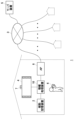
図1は、本開示の実施形態にかかる情報処理システム1を示す。実施形態の情報処理システム1は、ユーザのゲームプレイを支援するゲームシステムであり、プレイヤであるユーザが操作する情報処理装置10とサーバ装置5とを備える。アクセスポイント(以下、「AP」とよぶ)8は、無線アクセスポイントおよびルータの機能を有し、情報処理装置10は、無線または有線経由でAP8に接続して、ネットワーク3上のサーバ装置5と通信可能に接続する。図1には、1人のユーザおよび1台の情報処理装置10が示されているが、情報処理システム1では、複数のプレイヤが操作する複数の情報処理装置10が、サーバ装置5とネットワーク3を介して接続していることを前提とする。
情報処理装置10は、ユーザが操作する入力装置6と無線または有線で接続し、入力装置6はユーザが操作した情報を情報処理装置10に出力する。情報処理装置10は入力装置6から操作情報を受け付けるとシステムソフトウェアやゲームソフトウェアの処理に反映し、出力装置4から処理結果を出力させる。情報処理システム1において情報処理装置10はゲームを実行するゲーム装置(ゲームコンソール)であり、入力装置6はゲームコントローラなど情報処理装置10に対してユーザの操作情報を供給する機器であってよい。なお入力装置6は、キーボードやマウスなどの入力インタフェースであってもよい。
補助記憶装置2は、HDD(ハードディスクドライブ)やSSD(ソリッドステートドライブ)などの大容量記録装置であり、内蔵型記録装置であってよく、またUSB(Universal Serial Bus)などによって情報処理装置10と接続する外部記録装置であってもよい。出力装置4は画像を出力するディスプレイおよび音を出力するスピーカを有するテレビであってよい。出力装置4は、情報処理装置10に有線ケーブルで接続されてよく、また無線接続されてもよい。
撮像装置であるカメラ7は出力装置4の近傍に設けられ、出力装置4周辺の空間を撮像する。図1ではカメラ7が出力装置4の上部に取り付けられている例を示しているが、出力装置4の側部または下部に配置されてもよく、いずれにしても出力装置4の前方に位置するユーザを撮像できる位置に配置される。カメラ7はステレオカメラであってもよい。
サーバ装置5は、情報処理システム1のユーザに対してネットワークサービスを提供する。サーバ装置5は、各ユーザを識別するネットワークアカウント(ユーザアカウント)を管理しており、各ユーザは、ネットワークアカウントを用いて、サーバ装置5が提供するネットワークサービスにサインインする。ユーザは情報処理装置10からネットワークサービスにサインインすることで、サーバ装置5に、ゲームのセーブデータや、ゲームプレイ中に獲得した仮想的な褒賞であるトロフィを登録できる。サーバ装置5にセーブデータやトロフィが登録されることで、ユーザが情報処理装置10とは別の情報処理装置を使用しても、セーブデータやトロフィを同期できるようになる。
実施形態のサーバ装置5は、複数の情報処理装置10からイベントデータを収集する。サーバ装置5は、収集したイベントデータからアクティビティに関する情報を統計処理して、アクティビティの予想プレイ時間を導出する機能を有する。またサーバ装置5は、ゲームをクリアした複数のプレイヤのイベントデータから、複数のアクティビティが実施された順番を導出する機能を有する。ゲーム開始からゲームクリアまでの間に実施された複数のアクティビティの順番を導出しておくことで、現在プレイ中のゲームの進捗率やゲームクリアまでの時間を導出して、ユーザに知らせることが可能となる。
また実施形態のサーバ装置5は、複数の情報処理装置10から、複数のプレイヤが獲得したトロフィの情報を収集する。サーバ装置5は、収集したトロフィの獲得情報から、トロフィ獲得に関するプレイ動向を分析する機能を有する。具体的にサーバ装置5は、トロフィが獲得される順番を導出する機能を有する。
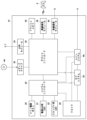
図2は、情報処理装置10のハードウェア構成を示す。情報処理装置10は、メイン電源ボタン20、電源ON用LED21、スタンバイ用LED22、システムコントローラ24、クロック26、デバイスコントローラ30、メディアドライブ32、USBモジュール34、フラッシュメモリ36、無線通信モジュール38、有線通信モジュール40、サブシステム50およびメインシステム60を有して構成される。
メインシステム60は、メインCPU(Central Processing Unit)、主記憶装置であるメモリおよびメモリコントローラ、GPU(Graphics Processing Unit)などを備える。GPUはゲームプログラムの演算処理に主として利用される。メインCPUはシステムソフトウェアを起動し、システムソフトウェアが提供する環境下において、補助記憶装置2にインストールされたゲームプログラムを実行する機能をもつ。サブシステム50は、サブCPU、主記憶装置であるメモリおよびメモリコントローラなどを備え、GPUを備えない。
メインCPUは補助記憶装置2にインストールされているゲームプログラムを実行する機能をもつ一方で、サブCPUはそのような機能をもたない。しかしながらサブCPUは補助記憶装置2にアクセスする機能や、サーバ装置5との間でデータを送受信する機能を有している。サブCPUは、このような制限された処理機能のみを有して構成されており、したがってメインCPUと比較して小さい消費電力で動作できる。これらのサブCPUの機能は、メインCPUがスタンバイ状態にある際に実行される。
メイン電源ボタン20は、ユーザからの操作入力が行われる入力部であって、情報処理装置10の筐体の前面に設けられ、情報処理装置10のメインシステム60への電源供給をオンまたはオフするために操作される。電源ON用LED21は、メイン電源ボタン20がオンされたときに点灯し、スタンバイ用LED22は、メイン電源ボタン20がオフされたときに点灯する。システムコントローラ24は、ユーザによるメイン電源ボタン20の押下を検出する。
クロック26はリアルタイムクロックであって、現在の日時情報を生成し、システムコントローラ24やサブシステム50およびメインシステム60に供給する。
デバイスコントローラ30は、サウスブリッジのようにデバイス間の情報の受け渡しを実行するLSI(Large-Scale Integrated Circuit)として構成される。図示のように、デバイスコントローラ30には、システムコントローラ24、メディアドライブ32、USBモジュール34、フラッシュメモリ36、無線通信モジュール38、有線通信モジュール40、サブシステム50およびメインシステム60などのデバイスが接続される。デバイスコントローラ30は、それぞれのデバイスの電気特性の違いやデータ転送速度の差を吸収し、データ転送のタイミングを制御する。
メディアドライブ32は、ゲームなどのアプリケーションソフトウェア、およびライセンス情報を記録したROM媒体44を装着して駆動し、ROM媒体44からプログラムやデータなどを読み出すドライブ装置である。ROM媒体44は、光ディスクや光磁気ディスク、ブルーレイディスクなどの読出専用の記録メディアである。
USBモジュール34は、外部機器とUSBケーブルで接続するモジュールである。USBモジュール34は補助記憶装置2およびカメラ7とUSBケーブルで接続してもよい。フラッシュメモリ36は、内部ストレージを構成する補助記憶装置である。無線通信モジュール38は、Bluetooth(登録商標)プロトコルやIEEE802.11プロトコルなどの通信プロトコルで、入力装置6と無線通信する。有線通信モジュール40は、外部機器と有線通信し、AP8を介してネットワーク3に接続する。
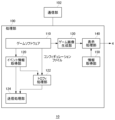
図3は、情報処理装置10の機能ブロックを示す。情報処理装置10は、処理部100および通信部102を備える。処理部100は、ゲームソフトウェア110、イベント情報取得部120、トロフィ処理部122、送信処理部124、ゲーム画像生成部130、表示処理部140および情報取得部150を備える。
情報処理装置10はコンピュータを備え、コンピュータがプログラムを実行することによって、図3に示す様々な機能が実現される。コンピュータは、プログラムをロードするメモリ、ロードされたプログラムを実行する1つ以上のプロセッサ、補助記憶装置、その他のLSIなどをハードウェアとして備える。プロセッサは、半導体集積回路やLSIを含む複数の電子回路により構成され、複数の電子回路は、1つのチップ上に搭載されてよく、または複数のチップ上に搭載されてもよい。図3に示す機能ブロックは、ハードウェアとソフトウェアとの連携によって実現され、したがって、これらの機能ブロックがハードウェアのみ、ソフトウェアのみ、またはそれらの組合せによっていろいろな形で実現できることは、当業者には理解されるところである。
ゲームソフトウェア110は、少なくともゲームプログラム、画像データ、音データおよびコンフィギュレーションファイルを含む。ゲームプログラムは、ユーザによる入力装置6の操作情報を受け、仮想空間においてゲームキャラクタを動かす演算処理を行う。ゲーム画像生成部130は、レンダリング処理などを実行するGPU(Graphics Processing Unit)を含んで、ゲームの画像データを生成する。表示処理部140は、生成されたゲーム画像を出力装置4から出力する。なお処理部100は、ゲーム音データを生成するゲーム音生成部を備えるが、図3では図示を省略している。
ゲームプログラムは、ゲーム進行中にイベントが発生すると、発生したイベントを示すイベント情報を出力する。イベント情報取得部120は、ゲームソフトウェア110からイベント情報を取得すると、トロフィ処理部122に提供する。イベント情報取得部120は、イベント情報に、ユーザアカウント、ゲームIDおよびイベントが発生した時間を示す時間情報(タイムスタンプ)を付加したイベントデータを生成して、送信処理部124に提供する。なおゲームプログラムは、ゲームIDおよび/またはタイムスタンプを含むイベント情報をイベント情報取得部120に出力してもよい。送信処理部124は、生成されたイベントデータを、通信部102を介してサーバ装置5に送信する。
ゲームプログラムにおいて、アクティビティの開始および終了はイベントとしてコーディングされている。ゲームプログラムは、ゲーム進行中にアクティビティを開始すると、アクティビティの開始イベントの発生を示すイベント情報を出力し、アクティビティを終了すると、アクティビティの終了イベントの発生を示すイベント情報を出力する。ゲームメーカは様々なイベントをゲームに仕込んでよい。たとえば、敵ボスとの戦闘アクティビティがゲームに組み入れられている場合、ゲームプログラムは、戦闘開始時に、戦闘アクティビティを識別するアクティビティIDと、戦闘アクティビティの開始を示す情報を含むイベント情報を出力する。プレイヤが敵ボスとの戦闘に勝利すると、ゲームプログラムは、戦闘アクティビティを識別するアクティビティIDと、戦闘アクティビティの終了を示す情報と、アクティビティの成功を示す情報を含むイベント情報を出力する。
送信処理部124は、プレイヤにより実施されたアクティビティに関するイベントデータを、通信部102を介してサーバ装置5に送信する。情報処理システム1において、イベントデータの送信処理は、サーバ装置5に接続している全ての情報処理装置10により実施され、サーバ装置5は、複数の情報処理装置10から、様々なゲームの様々なアクティビティに関するイベントデータを収集する。なおアクティビティ以外のイベントも存在しているため、送信処理部124は、アクティビティに関係しないイベントデータもサーバ装置5に送信する。イベント情報取得部120は、イベント情報をゲームソフトウェア110から取得すると、すぐにタイムスタンプを付加したイベントデータを生成して、送信処理部124がサーバ装置5に送信することが好ましい。
ユーザのゲームプレイに対するモチベーションを高める目的で、ゲームにはトロフィを獲得するための様々なミッションが設定されている。ユーザがミッションを完了すると、ミッションに対応するトロフィがユーザに付与される。ゲーム内ではミッションの難易度に応じた複数種類のトロフィが用意され、難易度の簡単なものから順にブロンズ、シルバー、ゴールド、プラチナのトロフィが用意される。
ゲームソフトウェア110に含まれるコンフィギュレーションファイルは、ゲームから出力されるイベント情報と、トロフィをアンロックするための条件との対応関係を記述する。たとえばコンフィギュレーションファイルは、「小ボスを倒す」イベントがブロンズトロフィのアンロック条件であることを記述している。同様にコンフィギュレーションファイルは、「中ボスを倒す」イベントがシルバートロフィのアンロック条件であること、「大ボスを倒す」イベントがゴールドトロフィのアンロック条件であることを記述している。
トロフィ処理部122は、イベント情報取得部120からイベント情報を提供されると、コンフィギュレーションファイルを参照して、トロフィアンロック条件の成立判定処理を実施する。トロフィ処理部122は、アンロック条件の成立を判定すると、アンロックしたトロフィの獲得情報を生成して、送信処理部124に提供する。たとえばトロフィ処理部122が、中ボスを倒したことを示すイベント情報を提供されると、シルバートロフィのアンロック条件が成立したことを判定して、当該トロフィの獲得情報を生成する。トロフィの獲得情報は、ゲームを識別する識別情報(ゲームID)、アンロックしたトロフィを識別する識別情報(トロフィID)、およびアンロックした時間情報(タイムスタンプ)を含む。
送信処理部124は、生成されたトロフィの獲得情報を、通信部102を介してサーバ装置5に送信する。情報処理システム1において、トロフィ獲得情報の送信処理は、サーバ装置5に接続している全ての情報処理装置10により実施され、サーバ装置5は、複数の情報処理装置10から、様々なゲームのトロフィ獲得情報を収集する。トロフィ処理部122がトロフィ獲得情報を生成すると、すぐに送信処理部124がサーバ装置5に送信することが好ましい。
図4は、実施形態のサーバ装置5の機能ブロックを示す。サーバ装置5は、処理部200、通信部202、プレイデータ記録部250、プレイ時間記録部260およびクリアパターン記録部262を備える。プレイデータ記録部250は、イベントデータ記録部252およびトロフィ獲得情報記録部254を有する。処理部200は、プレイデータ取得部210、プレイ履歴特定部220、情報生成部222、情報提供部224および解析部230を備える。プレイデータ取得部210は、イベントデータ取得部212およびトロフィ獲得情報取得部214を有する。解析部230は、プレイ時間導出部232およびクリアパターン導出部234を有する。
サーバ装置5はコンピュータを備え、コンピュータがプログラムを実行することによって、図4に示す様々な機能が実現される。コンピュータは、プログラムをロードするメモリ、ロードされたプログラムを実行する1つ以上のプロセッサ、補助記憶装置、その他のLSIなどをハードウェアとして備える。プロセッサは、半導体集積回路やLSIを含む複数の電子回路により構成され、複数の電子回路は、1つのチップ上に搭載されてよく、または複数のチップ上に搭載されてもよい。図4に示す機能ブロックは、ハードウェアとソフトウェアとの連携によって実現され、したがって、これらの機能ブロックがハードウェアのみ、ソフトウェアのみ、またはそれらの組合せによっていろいろな形で実現できることは、当業者には理解されるところである。
プレイデータ取得部210は、複数のプレイヤがゲームをプレイした様々なデータ(以下、「プレイデータ」とも呼ぶ)を取得し、プレイデータ記録部250に記録する。プレイデータは、ゲームプレイに関して生成されるデータであり、ゲームをプレイしたときの状況または結果等を示すデータである。プレイデータは、イベントデータおよび/またはトロフィ獲得情報を少なくとも含む。プレイデータ記録部250は、複数のプレイヤのプレイデータを記録する。
イベントデータ取得部212は、複数の情報処理装置10から、複数のプレイヤにより実施されたアクティビティに関するイベントデータを取得し、イベントデータ記録部252に記録する。イベントデータ記録部252は、プレイヤのネットワークアカウントに紐付けて、ゲームタイトルごとにイベントデータを記録する。既述したように、イベントデータには、ゲームID、アクティビティID、アクティビティの開始または終了を示す情報、およびタイムスタンプが少なくとも含まれる。なおイベントデータ取得部212は、アクティビティに関係しないイベントデータを取得して、イベントデータ記録部252に記録してもよい。
トロフィ獲得情報取得部214は、複数の情報処理装置10から、複数のプレイヤにより獲得されたトロフィの情報を取得し、トロフィ獲得情報記録部254に記録する。トロフィ獲得情報記録部254は、プレイヤのネットワークアカウントに紐付けて、ゲームタイトルごとにトロフィ獲得情報を記録する。既述したように、トロフィ獲得情報には、ゲームID、トロフィID、およびタイムスタンプが少なくとも含まれる。
以下、解析部230が、ゲームXの複数のプレイヤによる過去のプレイデータを解析して、アクティビティやトロフィなどのプレイ単位に関する情報を導出する処理について説明する。
<アクティビティのプレイ時間の導出処理>
プレイ時間導出部232は、イベントデータ記録部252に記録された、アクティビティの開始イベント情報を含むイベントデータ(開始イベントデータ)と、アクティビティの終了イベント情報を含むイベントデータ(終了イベントデータ)から、複数のプレイヤの当該アクティビティのプレイ時間を取得する。アクティビティのプレイ時間は、開始イベントデータに含まれるタイムスタンプと、終了イベントデータに含まれるタイムスタンプにもとづいて算出される。
プレイ時間導出部232は、イベントデータ記録部252に記録された、アクティビティの開始イベント情報を含むイベントデータ(開始イベントデータ)と、アクティビティの終了イベント情報を含むイベントデータ(終了イベントデータ)から、複数のプレイヤの当該アクティビティのプレイ時間を取得する。アクティビティのプレイ時間は、開始イベントデータに含まれるタイムスタンプと、終了イベントデータに含まれるタイムスタンプにもとづいて算出される。
図5は、プレイ時間の算出手法を説明するための図である。図5は、1人のプレイヤによるアクティビティSの開始イベントおよび終了イベントを示し、具体的に“S開始”はアクティビティSの開始イベントを、“S終了”はアクティビティSの終了イベントを示す。開始イベントデータには、アクティビティSの開始時刻t1が含まれ、終了イベントデータには、アクティビティSの終了時刻t2が含まれており、プレイ時間導出部232は、当該プレイヤによるアクティビティSのプレイ時間を、(t2-t1)と算出する。プレイ時間導出部232は、算出したアクティビティSのプレイ時間を、プレイヤのネットワークアカウントに紐付けて、ゲームIDおよびアクティビティIDとともにプレイ時間記録部260に記録する。同様にプレイ時間導出部232は、他のプレイヤによるアクティビティSのプレイ時間を算出し、プレイヤのネットワークアカウントに紐付けて、ゲームIDおよびアクティビティIDとともにプレイ時間記録部260に記録する。
プレイ時間導出部232は、ゲームXのアクティビティSについて導出した全てのプレイヤのプレイ時間を平均処理して、アクティビティSの平均プレイ時間を導出し、プレイ時間記録部260に記録する。プレイ時間導出部232は、ゲームXにおける他のアクティビティの平均プレイ時間も導出し、ゲームXにおける全てのアクティビティの平均プレイ時間を、プレイ時間記録部260に記録する。平均プレイ時間は、まだアクティビティを実施していないユーザの予想プレイ時間として利用される。
なおプレイ時間導出部232は、平均プレイ時間ではなく、ユーザのゲームスキル(クラス)に応じた予想プレイ時間を導出してよい。特許文献1は、プレイヤのスキル値に応じてプレイヤを複数のクラスのいずれかに振り分け、各クラスにおける複数のプレイヤのプレイ時間の中央値を各クラスにおけるプレイ時間の代表値とする技術を開示する。プレイ時間導出部232は、特許文献1に開示される手法を用いて各クラスのプレイ時間の代表値を導出し、プレイ時間記録部260に記録してよい。各クラスのプレイ時間の代表値は、まだアクティビティを実施していないユーザの予想プレイ時間として利用される。
以上のように、プレイ時間記録部260は、アクティビティの予想プレイ時間を記録する。なお、各クラスのプレイ時間の代表値は、ユーザのゲームスキルにもとづいて導出されるため、平均プレイ時間よりも正確な予想時間を示すと考えられる。
<アクティビティの実施順序の導出処理>
クリアパターン導出部234は、イベントデータ記録部252に記録された複数のプレイヤの過去のイベントデータを解析して、ゲームを最後までプレイした(ゲームクリアした)プレイヤが複数のプレイ単位をどのような順番でプレイしたかを示すプレイパターンを導出する。実施形態では、このプレイパターンを「クリアパターン」と呼ぶ。以下では、クリアパターン導出部234が、ゲームクリアまでにプレイされた複数のアクティビティの順番を示すクリアパターンを導出する。後述するように、クリアパターン導出部234は、ゲームクリアまでに獲得された複数のトロフィの順番を示すクリアパターンを導出してもよい。
クリアパターン導出部234は、イベントデータ記録部252に記録された複数のプレイヤの過去のイベントデータを解析して、ゲームを最後までプレイした(ゲームクリアした)プレイヤが複数のプレイ単位をどのような順番でプレイしたかを示すプレイパターンを導出する。実施形態では、このプレイパターンを「クリアパターン」と呼ぶ。以下では、クリアパターン導出部234が、ゲームクリアまでにプレイされた複数のアクティビティの順番を示すクリアパターンを導出する。後述するように、クリアパターン導出部234は、ゲームクリアまでに獲得された複数のトロフィの順番を示すクリアパターンを導出してもよい。
(ゲームの最初に実施されるアクティビティの特定)
クリアパターン導出部234は、プレイヤがゲームXの最初に実施するアクティビティ(以下、「先頭アクティビティ」ともいう)を特定する。クリアパターン導出部234は、最も多くのプレイヤが最初に実施したアクティビティを、先頭アクティビティとして特定してよい。
クリアパターン導出部234は、プレイヤがゲームXの最初に実施するアクティビティ(以下、「先頭アクティビティ」ともいう)を特定する。クリアパターン導出部234は、最も多くのプレイヤが最初に実施したアクティビティを、先頭アクティビティとして特定してよい。
(ゲームクリアを示すアクティビティの特定)
続いてクリアパターン導出部234は、ゲームクリア(ストーリークリア)を示すアクティビティを特定する。クリアパターン導出部234は、以下の判断基準にしたがって、ゲームクリアの際に実施されるアクティビティを特定してよい。
続いてクリアパターン導出部234は、ゲームクリア(ストーリークリア)を示すアクティビティを特定する。クリアパターン導出部234は、以下の判断基準にしたがって、ゲームクリアの際に実施されるアクティビティを特定してよい。
(判断基準1):ゲームXをクリアしたプレイヤが最後に実施したアクティビティを、ゲームクリアを示すアクティビティ(最終アクティビティ)として特定する。
まずクリアパターン導出部234は、プレイヤのイベントデータから、ゲームXを一切プレイしなくなったプレイヤ(ゲーム終了プレイヤ)を特定する。具体的にクリアパターン導出部234は、所定期間(たとえば3ヶ月)以上、ゲームXをプレイしていないプレイヤを特定する。クリアパターン導出部234は、ゲーム終了プレイヤが最後に実施したアクティビティを抽出し、そのなかで最も多くのゲーム終了プレイヤが最後に実施したアクティビティを、最終アクティビティとして特定する。なおゲームXを一切プレイしなくなったプレイヤには、ゲームXをクリアしたプレイヤだけでなく、ゲームXを途中でやめたプレイヤ(途中離脱プレイヤ)も含まれるが、途中離脱プレイヤが最後に実施したアクティビティには共通性がない又は少ないと考えられる。そのためクリアパターン導出部234は、最も多くのゲーム終了プレイヤが最後に実施したアクティビティを、最終アクティビティとして特定してよい。
まずクリアパターン導出部234は、プレイヤのイベントデータから、ゲームXを一切プレイしなくなったプレイヤ(ゲーム終了プレイヤ)を特定する。具体的にクリアパターン導出部234は、所定期間(たとえば3ヶ月)以上、ゲームXをプレイしていないプレイヤを特定する。クリアパターン導出部234は、ゲーム終了プレイヤが最後に実施したアクティビティを抽出し、そのなかで最も多くのゲーム終了プレイヤが最後に実施したアクティビティを、最終アクティビティとして特定する。なおゲームXを一切プレイしなくなったプレイヤには、ゲームXをクリアしたプレイヤだけでなく、ゲームXを途中でやめたプレイヤ(途中離脱プレイヤ)も含まれるが、途中離脱プレイヤが最後に実施したアクティビティには共通性がない又は少ないと考えられる。そのためクリアパターン導出部234は、最も多くのゲーム終了プレイヤが最後に実施したアクティビティを、最終アクティビティとして特定してよい。
(判断基準2):アクティビティの属性情報にもとづいて、最終アクティビティを特定する。
アクティビティには、ゲームメーカが名前や説明文などの属性情報を付加している。そこでクリアパターン導出部234は、ゲームXのアクティビティの属性情報を解析して、最終アクティビティを特定してよい。たとえば、あるアクティビティの名前が「ラスボス討伐」であったり、説明文が「このボスを倒すとゲームクリアとなります。」である場合、クリアパターン導出部234は、属性情報の意味を解読して、このアクティビティを最終アクティビティとして特定してよい。
アクティビティには、ゲームメーカが名前や説明文などの属性情報を付加している。そこでクリアパターン導出部234は、ゲームXのアクティビティの属性情報を解析して、最終アクティビティを特定してよい。たとえば、あるアクティビティの名前が「ラスボス討伐」であったり、説明文が「このボスを倒すとゲームクリアとなります。」である場合、クリアパターン導出部234は、属性情報の意味を解読して、このアクティビティを最終アクティビティとして特定してよい。
またゲームXが複数の章で構成される場合、クリアパターン導出部234は、アクティビティの属性情報を解析して、最も大きい数字の章を最終章として特定する。たとえば第9章が最終章であることを特定したとき、アクティビティの名前が「第9章クリア」であったり、説明文が「第9章クリアです。」である場合、クリアパターン導出部234は、属性情報の意味を解読して、このアクティビティを最終アクティビティとして特定してよい。
なおクリアパターン導出部234は、複数の最終アクティビティを導出する機能を備えてよい。たとえばゲームXが、グッドエンドとバッドエンドのように複数種類のゲームクリアの態様をもつ場合、クリアパターン導出部234は、複数の最終アクティビティを導出することが好ましい。判断基準1に関していえば、クリアパターン導出部234は、ゲーム終了プレイヤの所定割合(たとえば25%)以上が最後に実施したアクティビティを最終アクティビティとして特定することで、複数の最終アクティビティを特定することが可能となる。また判断基準2に関していえば、複数のアクティビティの説明文にゲームクリアの条件であることが記されている場合に、この複数のアクティビティを最終アクティビティとして特定してよい。
(ゲームクリアまでに実施されるアクティビティの特定)
クリアパターン導出部234は、複数のプレイヤのイベントデータにもとづいて、多くのプレイヤに共通のアクティビティ履歴を特定して、ゲームクリアまでに実施される必要がある複数のアクティビティの順番を導出する。RPGのようにシナリオに沿ってストーリーが進行するタイプのゲームでは、いくつかの分岐はあるものの、大筋では所定の複数のアクティビティが定まった順番で実施される。クリアパターン導出部234は、多くのプレイヤに共通のストーリー進行(アクティビティ履歴)を調査し、ゲームクリアまでに実施される複数のアクティビティの順番を特定して、クリアパターンを導出する。
クリアパターン導出部234は、複数のプレイヤのイベントデータにもとづいて、多くのプレイヤに共通のアクティビティ履歴を特定して、ゲームクリアまでに実施される必要がある複数のアクティビティの順番を導出する。RPGのようにシナリオに沿ってストーリーが進行するタイプのゲームでは、いくつかの分岐はあるものの、大筋では所定の複数のアクティビティが定まった順番で実施される。クリアパターン導出部234は、多くのプレイヤに共通のストーリー進行(アクティビティ履歴)を調査し、ゲームクリアまでに実施される複数のアクティビティの順番を特定して、クリアパターンを導出する。
クリアパターンは、ゲームクリアに必須となるアクティビティの実施順序を示すプレイパターンを少なくとも含む。一般にストーリーは分岐することが多いため、クリアパターン導出部234は、メインとなるアクティビティのクリアパターンに加えて、メインパターンから分岐するルートのクリアパターンも導出することが好ましい。
クリアパターン導出部234は、アクティビティの属性情報にもとづいて、アクティビティが実施される順番を特定してもよい。たとえば、あるアクティビティの名前が「ラスボス討伐直前」であったり、説明文が「ここを突破すると、次はラスボスとの対戦です。」である場合、クリアパターン導出部234は、属性情報の意味を解読して、このアクティビティが最終アクティビティの直前に実施されるアクティビティであることを特定してよい。またゲームXが複数の章で構成され、最終章が第9章である場合、クリアパターン導出部234は、第1章~第8章のアクティビティが、この順番で実施されることを特定してよい。
なおアクティビティに、必ず実施されなければならないことを示すフラグが設定されており、当該フラグを設定された全てのアクティビティを実施することがゲームクリアの条件となっている場合、クリアパターン導出部234は、必ず実施される必要がある複数のアクティビティを当該フラグを利用して抽出して、実施順を特定してよい。
以上のようにクリアパターン導出部234は、多数のプレイヤによる過去のイベントデータを統計処理することで、ゲームクリアまでに実施される複数のアクティビティの順番を示すクリアパターンを導出する。クリアパターン導出部234は、導出したクリアパターンを、クリアパターン記録部262に記録する。この統計処理は、定期的に実施されてよい。多数のプレイヤによる過去のイベントデータを解析することで、クリアパターン導出部234は、クリアパターンの精度を高めることが可能となる。
図6は、ゲームXのクリアパターンの例を示す。クリアパターンは、先頭アクティビティから最終アクティビティに至るまでに実施されるアクティビティの順番を示す。この例では、アクティビティAが先頭アクティビティとして特定され、アクティビティEが最終アクティビティとして特定されている。アクティビティ間を繋ぐ矢印は、アクティビティ間の遷移の方向を示し、矢印の太さは、プレイヤ数の多さを反映し、矢印が太いほど、プレイヤ数が多いことを示している。各アクティビティの下には、プレイ時間記録部260に記録されているアクティビティの予想プレイ時間を記している。
クリアパターン導出部234は、イベントデータ記録部252に記録された過去のイベントデータを解析して、プレイ開始からゲームクリアまでに必要なアクティビティの順番を特定する。この例では、プレイヤは、アクティビティAを実施した後、アクティビティB1またはアクティビティB2を実施する。矢印の太さに示されるように、多数のプレイヤがアクティビティB1を実施し、少数のプレイヤがアクティビティB2を実施している。
プレイヤは、アクティビティB1またはアクティビティB2を実施した後、アクティビティCを実施する。その後、約50%のプレイヤがアクティビティDを実施し、約40%のプレイヤがアクティビティSを実施してからアクティビティDを実施し、約10%のプレイヤがアクティビティXを実施してからアクティビティDを実施している。アクティビティDの実施後、プレイヤはアクティビティEを実施して、ゲームをクリアしている。なお、この例では、ゲームクリア後に、アクティビティVやアクティビティWを実施するプレイヤが存在している。
このクリアパターンで、アクティビティA、アクティビティB1、アクティビティC、アクティビティD、アクティビティEの順番は、最も多くのプレイヤが実施したメインパターンを示す。アクティビティB1とアクティビティB2は選択的に実施される。そのためアクティビティA、アクティビティB1、アクティビティC、アクティビティD、アクティビティEのパターンと、アクティビティA、アクティビティB2、アクティビティC、アクティビティD、アクティビティEのパターンは、ゲームクリアに必要なクリアパターンを構成する。アクティビティSやアクティビティXは、ゲームクリアに必須なアクティビティではないが、アクティビティSは、多くのプレイヤが実施していることから、プレイする価値が高いアクティビティと考えられる。
<プレイ支援情報の提示機能>
次に、サーバ装置5によるプレイ支援情報の提示機能について説明する。
ユーザがゲームをプレイしているとき、イベントデータ取得部212は、リアルタイムで情報処理装置10からイベントデータを取得し、イベントデータ記録部252に記録する。プレイ履歴特定部220は、現在ゲームをプレイしているユーザのアクティビティの実施履歴を、イベントデータ記録部252からリアルタイムで読み出す。
次に、サーバ装置5によるプレイ支援情報の提示機能について説明する。
ユーザがゲームをプレイしているとき、イベントデータ取得部212は、リアルタイムで情報処理装置10からイベントデータを取得し、イベントデータ記録部252に記録する。プレイ履歴特定部220は、現在ゲームをプレイしているユーザのアクティビティの実施履歴を、イベントデータ記録部252からリアルタイムで読み出す。
情報生成部222は、ユーザのアクティビティの最新の実施履歴から、ゲームクリアに関する情報を生成する。具体的に情報生成部222は、クリアパターン記録部262に記録されたクリアパターンにもとづいて、ユーザのアクティビティの実施履歴から、ユーザによるゲームクリアに関する情報を生成する。
(ゲームプレイの進捗率の導出)
情報生成部222は、ゲームクリアに関する情報として、ゲームプレイの進捗を示す情報を生成してよい。情報生成部222は、ゲームプレイの進捗を示す情報を、以下の(式1)を用いて生成する。

情報生成部222は、ゲームクリアに関する情報として、ゲームプレイの進捗を示す情報を生成してよい。情報生成部222は、ゲームプレイの進捗を示す情報を、以下の(式1)を用いて生成する。
図6に示すクリアパターンをもとに説明する。ユーザがアクティビティCを終了すると、プレイ履歴特定部220は、ユーザがアクティビティA、アクティビティB1、アクティビティCを実施したことを示すプレイ履歴を特定する。情報生成部222は、(式1)を用いて、ゲームプレイの進捗率を導出する。
「現在までに実施したゲームクリアに必要なアクティビティの予想プレイ時間の合計」は、アクティビティA、アクティビティB1、アクティビティCの予想プレイ時間の合計として算出される。情報生成部222は、アクティビティの予想プレイ時間を記録したプレイ時間記録部260を参照して、アクティビティAの予想プレイ時間(30分)、アクティビティB1の予想プレイ時間(20分)、アクティビティCの予想プレイ時間(40分)を合計して、“90分”と算出する。
「ゲームスタートからゲームクリアまでに必要なアクティビティの予想プレイ時間の合計」は、「現在までに実施したゲームクリアに必要なアクティビティの予想プレイ時間の合計」と、「これから実施するメインクリアパターンのアクティビティの予想プレイ時間の合計」との加算値として算出される。情報生成部222は、プレイ時間記録部260を参照して、アクティビティAの予想プレイ時間(30分)、アクティビティB1の予想プレイ時間(20分)、アクティビティCの予想プレイ時間(40分)、アクティビティDの予想プレイ時間(25分)、アクティビティEのの予想プレイ時間(35分)を合計して、“150分”と算出する。
したがって情報生成部222は、(式1)から、ゲームプレイの進捗=60%(=90分/150分)と算出する。このように情報生成部222は、予想プレイ時間を用いることで、ユーザの感覚にマッチした時間ベースの進捗率を求めることができる。
(ゲームクリアまでの予想時間の導出)
情報生成部222は、ゲームクリアに関する情報として、ゲームクリアするまでの予想時間を導出してよい。情報生成部222は、(式2)を用いて、ゲームクリアするまでの予想時間を導出する。

情報生成部222は、ゲームクリアに関する情報として、ゲームクリアするまでの予想時間を導出してよい。情報生成部222は、(式2)を用いて、ゲームクリアするまでの予想時間を導出する。
「現在までに実施したゲームクリアに必要なアクティビティの予想プレイ時間の合計」は、アクティビティA、アクティビティB1、アクティビティCの予想プレイ時間の合計として算出され、情報生成部222は、プレイ時間記録部260を参照して“90分”と算出する。
「ゲームスタートからゲームクリアまでに必要なアクティビティの予想プレイ時間の合計」は、「現在までに実施したゲームクリアに必要なアクティビティの予想プレイ時間の合計」と、「これから実施するメインクリアパターンのアクティビティの予想プレイ時間の合計」との加算値として算出され、情報生成部222は、プレイ時間記録部260を参照して“150分”と算出する。
(式2)におけるαは調整係数であり、1以上の値をとる。あるアクティビティが終了した後、別のアクティビティが開始するまでの間隔は、ゲームによって異なり、アクティビティ間の間隔が短いゲームもあれば、アクティビティ間の間隔が長いゲームも存在する。ゲームクリアまでの総プレイ時間において、アクティビティのプレイ時間と、アクティビティ以外のプレイ時間の比が1:Nであるとき、調整係数αは、(1+N)として導出されてよい。
アクティビティのプレイ時間と、アクティビティ以外のプレイ時間の比が1:1であるとき、調整係数αは2となる。したがって情報生成部222は、(式2)から、ゲームクリアまでの時間=120分(=(150分-90分)×2)と算出する。情報生成部222は、アクティビティの予想プレイ時間を用いることで、ゲームクリアまでの予想時間を求めることができる。
このように情報生成部222は、ユーザによるゲームクリアに関する情報を生成する。情報提供部224は、情報生成部222が生成する情報を、情報処理装置10に提供する。情報提供部224は、任意のタイミングで、当該情報を提供してよい。
情報処理装置10において、情報取得部150が、サーバ装置5からゲームクリアに関する情報を取得する。表示処理部140は、情報取得部150が取得した情報を出力装置4に表示する。
図7は、出力装置4に表示されるシステム画面の例を示す。表示処理部140は、情報取得部150が取得した情報からシステム画像180を生成し、出力装置4に表示する。システム画像180には、ゲームXをクリアするまでの予想時間(120分)と、ゲームXの進捗率(60%)が表示される。システム画像180は、現在プレイ中のゲームXのゲーム画面に重畳表示されてよい。システム画像180には、次に実施できる複数のアクティビティが表示される。
表示領域182には、アクティビティDに関する情報が表示される。この例では、アクティビティDの予想プレイ時間(25分)と、アクティビティDをプレイした場合のゲームクリアまでの予想時間(120分)が表示されている。
表示領域184には、アクティビティSに関する情報が表示される。この例では、アクティビティSの予想プレイ時間(10分)と、アクティビティSをプレイした場合のゲームクリアまでの予想時間(140分)が表示されている。
表示領域186には、アクティビティXに関する情報が表示される。この例では、アクティビティXの予想プレイ時間(15分)と、アクティビティXをプレイした場合のゲームクリアまでの予想時間(150分)が表示されている。
カード形式で表示されるシステム画像180は、GUI(グラフィカルユーザインタフェース)であり、ユーザが表示領域182、184、186のいずれかを選択すると、選択した表示領域に対応するアクティビティがスタートする。このように実施形態によると、ユーザは、サーバ装置5からゲームクリアに関する情報の提供を受けることで、ゲームプレイの進捗や、ゲームクリアまでの予想時間を知ることができる。またユーザは、アクティビティごとに、アクティビティを実施したときのゲームクリアまでの予想時間を提示されることで、どのアクティビティを実施するか決めることができる。
以上は、サーバ装置5が、複数のアクティビティの順番を示すクリアパターンを導出し、このクリアパターンを用いてゲームクリアに関する情報を生成することを説明した。サーバ装置5は、ゲームクリアまでに獲得された複数のトロフィの順番を示すクリアパターンを導出し、このクリアパターンを用いてゲームクリアに関する情報を生成してもよい。
クリアパターン導出部234は、トロフィ獲得情報記録部254に記録された複数のプレイヤのトロフィ獲得情報を解析して、ゲームを最後までプレイした(ゲームクリアした)プレイヤが複数のトロフィをどのような順番で獲得したかを示すプレイパターンを導出する。
(ゲームの最初に獲得されるトロフィの特定)
クリアパターン導出部234は、プレイヤがゲームXの最初に獲得するトロフィ(以下、「先頭トロフィ」ともいう)を特定する。クリアパターン導出部234は、最も多くのプレイヤが最初に獲得したトロフィを、先頭トロフィとして特定してよい。
クリアパターン導出部234は、プレイヤがゲームXの最初に獲得するトロフィ(以下、「先頭トロフィ」ともいう)を特定する。クリアパターン導出部234は、最も多くのプレイヤが最初に獲得したトロフィを、先頭トロフィとして特定してよい。
(ゲームクリアを示すトロフィの特定)
続いてクリアパターン導出部234は、ゲームクリア(ストーリークリア)を示すトロフィを特定する。アクティビティに関して説明したように、クリアパターン導出部234は、判断基準1や判断基準2にしたがって、ゲームクリアの際に獲得されるトロフィを特定してよい。
続いてクリアパターン導出部234は、ゲームクリア(ストーリークリア)を示すトロフィを特定する。アクティビティに関して説明したように、クリアパターン導出部234は、判断基準1や判断基準2にしたがって、ゲームクリアの際に獲得されるトロフィを特定してよい。
(ゲームクリアまでに獲得されるトロフィの特定)
クリアパターン導出部234は、複数のプレイヤのトロフィ獲得情報にもとづいて、多くのプレイヤに共通のトロフィ獲得履歴を特定して、ゲームクリアまでに必ず獲得される複数のトロフィの獲得順を導出する。クリアパターン導出部234は、多くのプレイヤに共通のストーリー進行を調査し、ゲームクリアまでに獲得される複数のトロフィの順番を特定して、クリアパターンを導出する。
クリアパターン導出部234は、複数のプレイヤのトロフィ獲得情報にもとづいて、多くのプレイヤに共通のトロフィ獲得履歴を特定して、ゲームクリアまでに必ず獲得される複数のトロフィの獲得順を導出する。クリアパターン導出部234は、多くのプレイヤに共通のストーリー進行を調査し、ゲームクリアまでに獲得される複数のトロフィの順番を特定して、クリアパターンを導出する。
以上のようにクリアパターン導出部234は、多数のプレイヤによる過去のトロフィ獲得情報を統計処理することで、ゲームクリアまでに獲得される複数のトロフィの順番を示すクリアパターンを導出する。クリアパターン導出部234は、導出したクリアパターンを、クリアパターン記録部262に記録する。情報生成部222は、クリアパターンにもとづいて、ユーザのプレイデータから、ユーザによるゲームクリアに関する情報を生成してよい。
トロフィに関するクリアパターンを導出することで、情報生成部222は、ゲームクリアに必要なトロフィを把握できる。そこで情報生成部222は、ゲームクリアに必要なトロフィの獲得を推奨するプレイ支援情報を生成して、情報提供部224が、ユーザに提供してもよい。特にユーザが、寄り道せずにゲームクリアを優先するプレイヤであることが特定された場合に、情報提供部224は、ゲームクリアに直結するトロフィやアクティビティを推奨するプレイ支援情報を生成してよい。
なおゲームクリアを優先するプレイヤであることは、ユーザのプレイ履歴から判定してよい。プレイ履歴特定部220が、ユーザのアクティビティの実施履歴やトロフィの獲得履歴を特定し、アクティビティの実施履歴やトロフィの獲得履歴がクリアパターンにしたがっている場合に、ゲームクリアを優先するプレイヤであることを判定してよい。
ユーザがゲームをクリアした後、情報生成部222は、ゲームクリア後にもプレイされるアクティビティやトロフィを推奨するプレイ支援情報を生成してよい。図6を参照して、アクティビティVやアクティビティWは、ゲームクリア後も実施されたアクティビティであり、情報生成部222は、これらのアクティビティの実施を推奨するプレイ支援情報を生成し、情報提供部224がユーザに提供することで、クリア後もゲームを継続してもらえるようになる。
以上、本開示を実施形態をもとに説明した。この実施形態は例示であり、それらの各構成要素や各処理プロセスの組合せにいろいろな変形例が可能なこと、またそうした変形例も本開示の範囲にあることは当業者に理解されるところである。実施形態では、プレイ単位の例としてアクティビティやトロフィを示したが、プレイ単位は、アクティビティやトロフィが設定されていないステージや、クエスト、ミッション、トーナメント、セッション等から構成されてもよい。
サーバ装置5は、アクティビティの実施履歴やトロフィの獲得履歴を解析することで、ゲームクリアまでのプレイヤの時間分布や、トロフィコンプリートまでの時間分布、またゲームクリア後にもプレイを継続するプレイヤ数などの情報を導出して、ユーザに提示してもよい。
本開示は、ユーザにゲームに関する情報を提供する技術に関する。
1・・・情報処理システム、5・・・サーバ装置、10・・・情報処理装置、100・・・処理部、102・・・通信部、110・・・ゲームソフトウェア、120・・・イベント情報取得部、122・・・トロフィ処理部、124・・・送信処理部、130・・・ゲーム画像生成部、140・・・表示処理部、150・・・情報取得部、200・・・処理部、202・・・通信部、210・・・プレイデータ取得部、212・・・イベントデータ取得部、214・・・トロフィ獲得情報取得部、220・・・プレイ履歴特定部、222・・・情報生成部、224・・・情報提供部、230・・・解析部、232・・・プレイ時間導出部、234・・・クリアパターン導出部、250・・・プレイデータ記録部、252・・・イベントデータ記録部、254・・・トロフィ獲得情報記録部、260・・・プレイ時間記録部、262・・・クリアパターン記録部。
Claims (12)
- サーバ装置であって、ハードウェアを有する1つ以上のプロセッサを備え、
前記1つ以上のプロセッサは、
ゲームをプレイしているユーザのプレイデータを取得し、
ゲームクリアまでに実施する複数のプレイ単位の順番を示すクリアパターンにもとづいて、ユーザのプレイデータから、ユーザによるゲームクリアに関する情報を生成し、
ゲームクリアに関する情報をユーザに提供する、
サーバ装置。 - 前記1つ以上のプロセッサは、
ユーザがゲームクリアするまでの予想時間を導出する、
請求項1に記載のサーバ装置。 - 前記1つ以上のプロセッサは、
ユーザのゲームプレイの進捗を示す情報を導出する、
請求項1に記載のサーバ装置。 - 複数のプレイ単位のそれぞれの予想プレイ時間を記録した記録装置をさらに備え、
前記1つ以上のプロセッサは、
クリアパターンに含まれる複数のプレイ単位の予想プレイ時間を用いて、ゲームクリアに関する情報を生成する、
請求項1に記載のサーバ装置。 - サーバ装置であって、複数のプレイヤの過去のプレイデータを記録する記録装置と、ハードウェアを有する1つ以上のプロセッサを備え、
前記1つ以上のプロセッサは、
複数のプレイヤの過去のプレイデータを解析して、ゲームクリアまでに実施される複数のプレイ単位の順番を示すクリアパターンを導出する、
サーバ装置。 - 前記1つ以上のプロセッサは、
ゲームクリアまでに必ず実施される複数のプレイ単位の順番を示すクリアパターンを導出する、
請求項5に記載のサーバ装置。 - 前記1つ以上のプロセッサは、
ゲームクリアしたプレイヤのプレイデータを解析して、クリアパターンを導出する、
請求項5に記載のサーバ装置。 - 前記1つ以上のプロセッサは、
ゲームを所定期間以上プレイしていないプレイヤのプレイデータを解析して、クリアパターンを導出する、
請求項7に記載のサーバ装置。 - 前記1つ以上のプロセッサは、
クリアパターン導出部は、ゲームクリアの際に実施される最終プレイ単位を特定する、
請求項5に記載のサーバ装置。 - 情報処理装置であって、ハードウェアを有する1つ以上のプロセッサを備え、
前記1つ以上のプロセッサは、
ゲームクリアまでに実施する複数のプレイ単位の順番を示すクリアパターンにもとづいて生成されたゲームクリアに関する情報を取得し、
ゲームをクリアするまでの予想時間を表示する、
情報処理装置。 - 前記1つ以上のプロセッサは、
予想プレイ時間にもとづくゲームの進捗率を表示する、
請求項10に記載の情報処理装置。 - ユーザに情報を提供する方法であって、
ゲームをプレイしているユーザのプレイデータを取得し、
ゲームクリアまでに実施する複数のプレイ単位の順番を示すクリアパターンにもとづいて、ユーザのプレイデータから、ユーザによるゲームクリアに関する情報を生成し、
ゲームクリアに関する情報をユーザに提供する、
情報提供方法。
Priority Applications (2)
| Application Number | Priority Date | Filing Date | Title |
|---|---|---|---|
| PCT/JP2023/022223 WO2024257300A1 (ja) | 2023-06-15 | 2023-06-15 | サーバ装置、情報処理装置および情報提供方法 |
| US19/386,666 US20260115601A1 (en) | 2023-06-15 | 2025-11-12 | Server apparatus, information processing apparatus, and method for providing information |
Applications Claiming Priority (1)
| Application Number | Priority Date | Filing Date | Title |
|---|---|---|---|
| PCT/JP2023/022223 WO2024257300A1 (ja) | 2023-06-15 | 2023-06-15 | サーバ装置、情報処理装置および情報提供方法 |
Related Child Applications (1)
| Application Number | Title | Priority Date | Filing Date |
|---|---|---|---|
| US19/386,666 Continuation US20260115601A1 (en) | 2023-06-15 | 2025-11-12 | Server apparatus, information processing apparatus, and method for providing information |
Publications (1)
| Publication Number | Publication Date |
|---|---|
| WO2024257300A1 true WO2024257300A1 (ja) | 2024-12-19 |
Family
ID=93851721
Family Applications (1)
| Application Number | Title | Priority Date | Filing Date |
|---|---|---|---|
| PCT/JP2023/022223 Ceased WO2024257300A1 (ja) | 2023-06-15 | 2023-06-15 | サーバ装置、情報処理装置および情報提供方法 |
Country Status (2)
| Country | Link |
|---|---|
| US (1) | US20260115601A1 (ja) |
| WO (1) | WO2024257300A1 (ja) |
Citations (5)
| Publication number | Priority date | Publication date | Assignee | Title |
|---|---|---|---|---|
| JP2010154931A (ja) * | 2008-12-26 | 2010-07-15 | Namco Bandai Games Inc | プログラム、情報記憶媒体及びゲームシステム |
| JP4856157B2 (ja) * | 2008-11-19 | 2012-01-18 | 株式会社コナミデジタルエンタテインメント | ゲーム装置、ゲーム装置の制御方法、ならびに、プログラム |
| JP5450712B2 (ja) * | 2012-05-21 | 2014-03-26 | ヤフー株式会社 | ゲーム提案装置、ゲーム提案方法およびプログラム |
| JP2021065699A (ja) * | 2019-10-24 | 2021-04-30 | ソニー インタラクティブ エンタテインメント ヨーロッパ リミテッド | ユーザ分析およびコンテンツ選択の装置および方法 |
| JP7225392B2 (ja) * | 2018-11-05 | 2023-02-20 | ソニー・インタラクティブエンタテインメント エルエルシー | ゲーム内情報プラットフォーム |
-
2023
- 2023-06-15 WO PCT/JP2023/022223 patent/WO2024257300A1/ja not_active Ceased
-
2025
- 2025-11-12 US US19/386,666 patent/US20260115601A1/en active Pending
Patent Citations (5)
| Publication number | Priority date | Publication date | Assignee | Title |
|---|---|---|---|---|
| JP4856157B2 (ja) * | 2008-11-19 | 2012-01-18 | 株式会社コナミデジタルエンタテインメント | ゲーム装置、ゲーム装置の制御方法、ならびに、プログラム |
| JP2010154931A (ja) * | 2008-12-26 | 2010-07-15 | Namco Bandai Games Inc | プログラム、情報記憶媒体及びゲームシステム |
| JP5450712B2 (ja) * | 2012-05-21 | 2014-03-26 | ヤフー株式会社 | ゲーム提案装置、ゲーム提案方法およびプログラム |
| JP7225392B2 (ja) * | 2018-11-05 | 2023-02-20 | ソニー・インタラクティブエンタテインメント エルエルシー | ゲーム内情報プラットフォーム |
| JP2021065699A (ja) * | 2019-10-24 | 2021-04-30 | ソニー インタラクティブ エンタテインメント ヨーロッパ リミテッド | ユーザ分析およびコンテンツ選択の装置および方法 |
Also Published As
| Publication number | Publication date |
|---|---|
| US20260115601A1 (en) | 2026-04-30 |
Similar Documents
| Publication | Publication Date | Title |
|---|---|---|
| JP2023165022A (ja) | コンピュータシステム、制御方法、視聴者端末、及びプログラム | |
| JP7365314B2 (ja) | サーバ装置、イベントデータ処理方法および情報処理装置 | |
| WO2009153910A1 (ja) | ゲーム装置 | |
| JP7663544B2 (ja) | 情報処理装置および動画像編集方法 | |
| JP5308727B2 (ja) | ゲーム装置 | |
| US12420180B2 (en) | Server device and event data processing method | |
| JP5112971B2 (ja) | ゲーム装置 | |
| US12115455B2 (en) | Information processing device and information processing method | |
| JP7553507B2 (ja) | サーバ装置、情報処理装置、プレイ動画提供方法および情報提供方法 | |
| US20260115601A1 (en) | Server apparatus, information processing apparatus, and method for providing information | |
| JP7539944B2 (ja) | サーバ装置および情報提供方法 | |
| JP7633969B2 (ja) | サーバ装置、情報処理装置および情報提供方法 | |
| US20230405477A1 (en) | Server device, information processing device, and praise evaluation method | |
| JP7365313B2 (ja) | サーバ装置、スキル値導出方法および情報処理装置 | |
| WO2024185119A1 (ja) | サーバ装置および情報処理装置 | |
| US20230372816A1 (en) | Information processing device, information displaying method, and server device | |
| JP7519407B2 (ja) | サーバ装置、情報処理装置および情報提供方法 | |
| WO2024166255A1 (ja) | サーバ装置および情報処理装置 | |
| WO2024261984A1 (ja) | サーバ装置、情報処理装置および情報通知方法 | |
| WO2024180580A1 (ja) | 情報処理装置およびアクティビティ生成方法 | |
| US20260138035A1 (en) | Information processing apparatus and comment sending method | |
| WO2024180581A1 (ja) | 情報処理装置および情報表示方法 | |
| WO2026013855A1 (ja) | 情報処理装置およびハイライト動画生成方法 | |
| WO2024171277A1 (ja) | 情報処理装置およびゲームプレイ方法 | |
| WO2025191712A1 (ja) | 情報処理システムおよびメタデータ付加方法 |
Legal Events
| Date | Code | Title | Description |
|---|---|---|---|
| 121 | Ep: the epo has been informed by wipo that ep was designated in this application |
Ref document number: 23941604 Country of ref document: EP Kind code of ref document: A1 |
|
| NENP | Non-entry into the national phase |
Ref country code: DE |