WO2024253092A1 - 物品管理装置、物品管理方法、物品管理プログラム、コンピュータ可読記憶媒体、及び物品管理システム - Google Patents
物品管理装置、物品管理方法、物品管理プログラム、コンピュータ可読記憶媒体、及び物品管理システム Download PDFInfo
- Publication number
- WO2024253092A1 WO2024253092A1 PCT/JP2024/020378 JP2024020378W WO2024253092A1 WO 2024253092 A1 WO2024253092 A1 WO 2024253092A1 JP 2024020378 W JP2024020378 W JP 2024020378W WO 2024253092 A1 WO2024253092 A1 WO 2024253092A1
- Authority
- WO
- WIPO (PCT)
- Prior art keywords
- item
- instruction
- picking
- information
- control device
- Prior art date
- Legal status (The legal status is an assumption and is not a legal conclusion. Google has not performed a legal analysis and makes no representation as to the accuracy of the status listed.)
- Ceased
Links
Images


Classifications
-
- B—PERFORMING OPERATIONS; TRANSPORTING
- B65—CONVEYING; PACKING; STORING; HANDLING THIN OR FILAMENTARY MATERIAL
- B65G—TRANSPORT OR STORAGE DEVICES, e.g. CONVEYORS FOR LOADING OR TIPPING, SHOP CONVEYOR SYSTEMS OR PNEUMATIC TUBE CONVEYORS
- B65G1/00—Storing articles, individually or in orderly arrangement, in warehouses or magazines
- B65G1/02—Storage devices
- B65G1/04—Storage devices mechanical
- B65G1/137—Storage devices mechanical with arrangements or automatic control means for selecting which articles are to be removed
-
- G—PHYSICS
- G06—COMPUTING OR CALCULATING; COUNTING
- G06Q—INFORMATION AND COMMUNICATION TECHNOLOGY [ICT] SPECIALLY ADAPTED FOR ADMINISTRATIVE, COMMERCIAL, FINANCIAL, MANAGERIAL OR SUPERVISORY PURPOSES; SYSTEMS OR METHODS SPECIALLY ADAPTED FOR ADMINISTRATIVE, COMMERCIAL, FINANCIAL, MANAGERIAL OR SUPERVISORY PURPOSES, NOT OTHERWISE PROVIDED FOR
- G06Q10/00—Administration; Management
- G06Q10/08—Logistics, e.g. warehousing, loading or distribution; Inventory or stock management
Definitions
- Embodiments of the present invention relate to an item management device, an item management method, an item management program, a computer-readable storage medium, and an item management system.
- the higher-level device issues an instruction to take out an item based on the out-of-stock list.
- the transport device transports the item based on the out-of-stock instruction.
- the picking device photographs the item to be transported, recognizes the item from the photographed image using machine learning, and picks up the recognized item.
- the recognition dictionary is created in advance by capturing images of the items to be picked in a learning data collection area to collect learning data.
- the lighting conditions in the picking area where the picking device is actually placed differ from the lighting conditions in the learning data collection area, there is a risk of a decrease in recognition accuracy, and improvements are required.
- new items are sometimes added each season, and there is a demand to reduce the burden associated with collecting learning data, etc.
- the object of the present invention is to provide an item management device, an item management method, an item management program, a computer-readable storage medium, and an item management system that are excellent at collecting learning data for item recognition.
- the item management device includes an information acquisition interface, a processor, and a communication interface.
- the information acquisition interface acquires item management information.
- the processor selects item information specifying an item for which an image is to be acquired based on the item management information, and generates an out-of-stock instruction for the item specified by the item information selected as the image acquisition target.
- the communication interface communicates with a transport control device that controls a transport device that transports items based on the out-of-stock instruction, and a picking control device that controls a picking device that recognizes and picks the item based on a captured image acquired from the item transported by the transport device, and outputs an out-of-stock instruction to at least the transport control device, and receives the captured image acquired in response to the out-of-stock instruction.
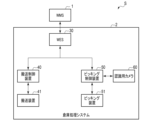
- FIG. 1 is a conceptual diagram showing a logistics system, which is an example of an item processing system according to an embodiment.
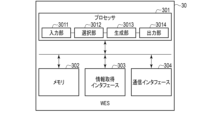
- FIG. 2 is a block diagram illustrating an example of a WES according to an embodiment.
- FIG. 3 is a block diagram illustrating an example of a transport control device according to the embodiment.
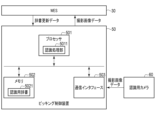
- FIG. 4 is a block diagram illustrating an example of a picking control device according to the embodiment.
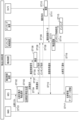
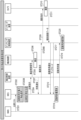
- FIG. 5 is a sequence diagram showing an example of an item retrieval process according to the embodiment.
- FIG. 6 is a sequence diagram illustrating an example of a first article image acquisition process according to the embodiment.
- FIG. 7 is a sequence diagram illustrating an example of the second article image acquisition process according to the embodiment.
- FIG. 1 is a conceptual diagram showing a logistics system, which is an example of an item processing system according to an embodiment.
- a logistics system S includes a warehouse management system (WMS) 1 and a warehouse processing system 2 .
- WMS warehouse management system
- the warehouse processing system 2 includes a warehouse execution system (WES) 30, a transport control device 40, a transport device (transport robot) 41, a picking control device 50, a picking device (picking robot) 51, and a recognition camera 60.
- WES warehouse execution system
- transport control device 40 controls one or more transport devices 41
- picking control device 50 controls one or more picking devices 51.
- WMS1 can be configured with one or more computers, i.e., a processor, memory, and an interface.
- the processor is a CPU (central processing unit), MPU (micro processing unit), DSP (digital signal processor), etc.
- WMS1 receives item management information such as an order list from a higher-level server and transmits it to WES30.
- An order list is a list of items stored on warehouse shelves or the like, and specifies one or more items.
- an order list includes item information, ordering information, delivery information, etc.
- Item information includes the number of items, item identification information, item name, etc.
- Order information includes the order date and time, orderer, etc.
- Delivery information includes the delivery destination, delivery date and time, recipient, etc.
- an order list includes a flag indicating first time entry, a flag indicating that the image has not been registered or that the recognition dictionary does not match, and the success rate of grasping the item.
- WES30 (server) is an example of an item management device, and is composed of one or more general-purpose computers. WES30 communicates with WMS1, and also communicates with the transport control device 40 and the picking control device 50. WES30 receives item management information such as order lists sent from WMS1, and generates and outputs various instructions based on the item management information. WES30 generates an outbound instruction to have the transport device 41 transport items, and outputs the outbound instruction to the transport control device 40. WES30 also generates a picking instruction to have the picking device 51 pick up items transported by the transport device 41, and outputs the picking instruction to the picking control device 50.
- the transport control device 40 is composed of one or more general-purpose computers.
- the transport control device 40 communicates with the WES 30 and also with the transport device 41.
- the transport control device 40 receives an outgoing instruction sent from the WES 30, generates a transport control signal to control the transport device 41 based on the outgoing instruction, transmits the transport control signal to the transport device 41, and controls the transport of items by the transport device 41.
- the transport control device 40 may generate a picking instruction to cause the picking device 51 to pick up the items transported by the transport device 41 based on the outgoing instruction sent from the WES 30, and output the picking instruction to the picking control device 50.
- the transport device 41 communicates with the transport control device 40, receives a transport control signal transmitted from the transport control device 40, and transports an item or a case containing an item from a storage position to a destination position based on the transport control signal.
- the transport device 41 is any type of transport robot, such as an Auto Guided Forklift (AGF) that picks up a case containing an item from a high-rise position and transports it, an Automated Guided Vehicle (AGV) that transports shelves that store cases containing items, or an Autonomous Case-handling Robot (ACR) that transports cases containing items.
- AAF Auto Guided Forklift
- ACR Autonomous Case-handling Robot
- the picking control device 50 is composed of one or more general-purpose computers.
- the picking control device 50 communicates with the WES 30 and also with the picking device 51.
- the picking control device 50 receives picking instructions sent from the WES 30 or the transport control device 40, sends a picking control signal to the picking device 51, and controls the picking of items by the picking device 51.
- the picking control device 50 recognizes the item images included in the image data captured by the recognition camera 60 based on an accumulated recognition dictionary, and generates a picking control signal that controls the picking device 51 based on the recognition result.
- the picking device 51 communicates with the picking control device 50, receives a picking control signal transmitted from the picking control device 50, and grasps an item based on the picking control signal and moves it from the grasping position to the target position.
- the picking control signal may be a signal that simply instructs the start of picking, in which case the picking device 51 grasps an item that arrives at the grasping position or an item contained in a case based on a detection signal of an item or case arriving at the grasping position and moves it from the grasping position to the target position.
- the recognition camera 60 is an RGB camera, a 3D camera, or a combination thereof that captures the gripping position, and outputs the captured image data to the picking control device 50.
- the picking control device 50 uploads the captured image data to the WES 30.
- the picking control device 50 also recognizes the item images contained in the images captured by the recognition camera 60 based on the accumulated recognition dictionary, and generates a picking control signal based on the recognition result.
- the picking control device 50 also periodically receives dictionary update data generated based on the uploaded captured image data from the WES 30, and updates the recognition dictionary.
- FIG. 2 is a block diagram illustrating an example of a WES according to an embodiment.
- the WES 30 includes a processor 301, a memory 302, an information acquisition interface 303, and a communication interface 304.
- the information acquisition interface 303 and the communication interface 304 may be a common interface or may be independent interfaces.
- Processor 301 is a CPU, MPU, DSP, or the like. Processor 301 operates based on a program stored in memory 302. Processor 301 includes an input unit 3011, a selection unit 3012, a generation unit 3013, and an output unit 3014. Processor 301 realizes the functions of each unit by executing the program stored in memory 302.
- the input unit 3011 inputs an order list such as item management information.
- the selection unit 3012 selects item information that specifies the item for which an image is to be acquired based on the item management information.
- the generation unit 3013 generates an out-of-stock instruction for the item specified by the item information selected as the item for which an image is to be acquired.
- the output unit 3014 outputs the generated out-of-stock instruction.
- Memory 302 is a non-volatile memory, and stores the operating program of processor 301. Memory 302 also stores an inventory management database, incoming history, and outgoing history, etc.
- the inventory management database is data indicating the storage location of each item, and includes warehouse map data (coordinate data), position identification information associated with the map data, storage position information associated with the position identification information, and item information associated with the storage position information.
- the incoming history includes the incoming date and time and item information of the items that were received.
- the outgoing history includes the outgoing date and time and item information of the items that were outgoing.
- the information acquisition interface 303 acquires the order list, such as item management information, sent from WMS1.
- the communication interface 304 communicates with the transport control device 40, which controls the transport device 41 that transports the items, and the picking control device 50, which controls the picking device 51 that recognizes and picks the items based on the captured image of the items transported by the transport device 41.
- the communication interface 304 outputs a shipping instruction to the transport control device 40.
- FIG. 3 is a block diagram illustrating an example of a transport control device according to the embodiment.
- the transport control device 40 includes a processor 401, a memory 402, a communication interface 403, and the like.
- the processor 401 is a CPU, MPU, DSP, or the like.
- the processor 401 operates based on a program stored in the memory 402.
- the processor 401 executes the program stored in the memory 402 to generate a control signal for controlling the transport device 41 based on a delivery command from the WES 30.
- Memory 402 is a non-volatile memory that stores the operating program of processor 401, etc.
- the communication interface 403 receives the shipping instruction from the WES 30 and transmits a control signal to the transport device 41.
- FIG. 4 is a block diagram illustrating an example of a picking control device according to the embodiment.
- the picking control device 50 includes a processor 501, a memory 502, a communication interface 503, and the like.
- the processor 501 is a CPU, an MPU, a DSP, or the like.
- the processor 501 operates based on a program stored in the memory 502.
- the processor 501 executes the program stored in the memory 502 to generate a control signal for controlling the picking device 51 based on a picking instruction from the WES 30 or the transport control device 40.
- the processor 501 also includes a recognition processing unit 5011.
- the recognition processing unit 5011 recognizes an item image included in an image captured by the recognition camera 60 based on a recognition dictionary stored in the memory 502.
- Memory 502 is a non-volatile memory that stores the operating program of processor 501 and the like. Memory 502 also includes a storage area 5021 that stores a recognition dictionary.
- the communication interface 503 receives picking instructions from the WES 30 or the transport control device 40 and transmits control signals to the picking device 51.
- the item issue process is a process that outputs an issue instruction and a picking instruction, and issues the target item.
- the first item image acquisition process outputs an issue instruction and a picking instruction, but is a dummy issue process, and acquires an image of the target item without actually issuing the target item.
- the first item image acquisition process utilizes the instructions of the item issue process, making it possible to reuse the API (Application Interface) of the item issue process.
- the second item image acquisition process is a process for photographing items, and outputs an issue instruction and an instruction to photograph, and acquires an image of the target item.
- FIG. 5 is a sequence diagram showing an example of an item retrieval process according to the embodiment.
- the information acquisition interface 303 receives the goods management information such as the out-of-stock list transmitted from the WMS 1 (ST101).
- the input unit 3011 inputs the goods management information received by the information acquisition interface 303.
- the selection unit 3012 selects the item retrieval process or the item image acquisition process depending on the time period. For example, if the current time is within a first time period (e.g., 6:00-22:00), the selection unit 3012 selects the item retrieval process, and if the current time is within a second time period (e.g., 23:00-5:00) that is different from the first time period, the selection unit 3012 selects the first or second item image acquisition process.
- a first time period e.g., 6:00-22:00
- a second time period e.g., 23:00-5:00
- the selection unit 3012 selects item information that specifies one or more items to be outbound based on the item management information, and sets, for example, flag 0 (ST102). Flag 0 indicates that item outbound processing has been selected.
- the generation unit 3013 generates an outbound instruction for one or more items specified by the item information selected as the item to be outbound, or an outbound instruction for a case containing the specified one or more items, and generates a picking instruction corresponding to the outbound instruction (ST103).
- the generation unit 3013 generates an outbound quantity according to the outbound instruction.
- the memory 302 stores the outbound quantity according to the outbound instruction.
- Memory 302 stores an inventory management database that indicates the storage location of each item. Based on the inventory management database, generation unit 3013 detects the storage location of one or more items specified by the item information selected as the item to be retrieved. Generation unit 3013 generates a retrieval instruction for retrieving a case containing one or more items specified by the item information from the detected storage location.
- the output unit 3014 outputs the generated shipping instruction.
- the communication interface 304 outputs the shipping instruction to the transport control device 40 (ST104).
- the communication interface 403 receives the delivery instruction, and the processor 401 generates a transport control signal that controls the transport of the transport device 41 based on the delivery instruction.
- the communication interface 403 transmits the generated transport control signal to the transport device 41 (ST105).
- the transport device 41 receives a transport control signal. Based on the transport control signal, the transport device 41 moves to a storage position for one or more items specified by the item information selected as items to be removed from the warehouse, and transports, for example, a case or the like containing the specified one or more items from the storage position to a gripping position (ST106).
- the processor 401 of the transport control device 40 communicates with the transport device 41 via the communication interface 403 and monitors the running position of the transport device 41 in real time.
- the processor 401 detects that the transport device 41 has arrived at the gripping position, and the communication interface 403 outputs an arrival notification to the WES 30 (ST107).
- the arrival notification is not essential. The difference between the case with and without the arrival notification will be explained in detail later.
- the communication interface 304 receives the arrival notification, the processor 301 outputs a picking instruction based on the arrival notification, and the communication interface 304 outputs the picking instruction to the picking control device 50 that recognizes the captured image acquired in response to the picking instruction and picks the item (ST108).
- the transport control device 40 may generate a picking instruction corresponding to the shipping instruction sent from the WES 30 and output the picking instruction to the picking control device 50.
- the communication interface 503 receives the picking instruction, and the processor 501 outputs a shooting instruction to the recognition camera 60 based on the received picking instruction (ST109).
- the recognition camera 60 photographs the case transported to the gripping position based on the photographing instruction (ST110) and outputs the photographed image data to the picking control device 50 (ST111).
- the communication interface 502 sends an image acquisition notification to the WES 30 (ST112).
- the recognition processing unit 5011 of the processor 501 recognizes the items included in the captured image data sent from the recognition camera 60 based on the recognition dictionary in the memory 502 (storage area 5021) (ST113).
- the recognition camera 60 may be a camera that captures video, and the recognition camera 60 may output the captured video data for a certain period of time.
- the recognition processing unit 5011 detects one or more frames from the captured video data output from the recognition camera 60 based on the timing of receiving a picking instruction, and recognizes the item image contained in the detected frame based on the recognition dictionary in the memory 502 (storage area 5021).
- the processor 501 generates a picking control signal based on the result of the item recognition, and the communication interface 503 outputs the picking control signal to the picking device 51 (ST114).
- the picking control signal includes a signal for grasping (adsorbing or clamping) the item in a method specified for each item.
- the picking device 51 grasps the item at the grasping position based on the picking control signal and moves it to the target position (ST115).
- the processor 501 communicates with the picking device 51 via the communication interface 503 and monitors the operation of the picking device 51 in real time. For example, the processor 501 detects whether a picking operation is successful or unsuccessful based on information output from the picking device 51, and further detects the time and number of times required for successful picking, and stores these in the memory 502 as a picking history.
- the picking history includes the date and time, the item identification information of the target item, and the picking result (grasping success or unsuccessful).
- the processor 501 recognizes that an item has been taken out based on the information output from the picking device 51, it outputs a picking completion notification to the WES 30 via the communication interface 503 (ST116).
- the processor 501 periodically outputs the picking history to the WES 30 via the communication interface 503.
- the communication interface 304 receives the shipping completion notification, and the processor 301 updates the inventory management database stored in the memory 302 (ST117). For example, the processor 301 compares the shipping quantity of the specified item stored in the memory 302 with the shipping quantity of the specified item indicated in the shipping completion notification, and if they match, subtracts the shipping completed quantity of the specified item indicated in the shipping completion notification from the inventory quantity of the specified item.
- the transport device 41 transports the case that has been transported to the gripping position to its original position and returns the case to its original position.
- the WES 30 may be triggered by an image acquisition notification from the picking control device 50 to output a transport control signal to return the case to its original position, or may be triggered by a picking completion notification from the picking control device 50 to output a transport control signal to return the case to its original position.
- the arrival notification is not mandatory.
- the WES 30 outputs multiple outgoing instructions to the transport control device 40.
- the WES 30 Upon receiving the arrival notification corresponding to each outgoing instruction, the WES 30 outputs a picking instruction to the picking control device 50, triggered by the arrival notification corresponding to each outgoing instruction. This ensures consistency between the items that are the subject of the outgoing instruction from the WES 30 and the items to be picked by the picking device 51.
- the transport control device 40 outputs a picking instruction instead of the WES 30, it detects the arrival of the transport device 41 at the gripping position and outputs a picking instruction based on this arrival detection.
- the WES 30 In order to ensure consistency between the items for which the WES 30 issues an outbound instruction and the items picked by the picking device 51, the WES 30 outputs outbound instructions one by one to the transport control device 40, and the picking control device 50 controls the picking of the items based on the outbound instruction. This ensures consistency between the items for which the WES 30 issues an outbound instruction and the items picked by the picking device 51, even without an arrival notification.
- the transport control device 40 outputs a picking instruction instead of the WES 30, as described above, it detects the arrival of the transport device 41 at the gripping position and outputs a picking instruction based on this arrival detection.
- FIG. 6 is a sequence diagram showing an example of the first item image acquisition process according to the embodiment.
- the information acquisition interface 303 receives item management information such as a shipping list transmitted from the WMS 1 (ST201).
- the input unit 3011 inputs the item management information received by the information acquisition interface 303.
- the selection unit 3012 selects the item retrieval process or the item image acquisition process depending on the time period. For example, if the current time is included in the second time period (e.g., 23:00-5:00), the selection unit 3012 selects the first item image acquisition process.
- the selection unit 3012 selects item information that specifies one or more items for which images are to be acquired based on the item management information, and sets flag 1, for example (ST202). Flag 1 indicates that the item image acquisition process using the dummy outbound process has been selected.
- the generation unit 3013 generates an outbound instruction for one or more items specified by the item information selected as the image acquisition target, or an outbound instruction for a case containing the specified one or more items, and generates a picking instruction and a cancellation instruction corresponding to the outbound instruction (ST203A).
- the generation unit 3013 generates an outbound quantity according to the outbound instruction.
- the memory 302 stores the outbound quantity according to the outbound instruction.
- the memory 302 stores an inventory management database that indicates the storage location of each item.
- the generation unit 3013 detects the storage location of one or more items specified by the item information selected as the image acquisition target based on the inventory management database.
- the generation unit 3013 generates an out-of-stock instruction for out-of-stocking a case containing one or more items specified by the item information from the detected storage location.
- the output unit 3014 outputs the generated shipping instruction.
- the communication interface 304 outputs the shipping instruction to the transport control device 40 (ST204).
- the communication interface 403 receives the delivery instruction, and the processor 401 generates a transport control signal that controls the transport of the transport device 41 based on the delivery instruction.
- the communication interface 403 transmits the generated transport control signal to the transport device 41 (ST205).
- the transport device 41 receives a transport control signal. Based on the transport control signal, the transport device 41 moves to a storage position for one or more items specified by the item information selected as items to be removed from the warehouse, and transports, for example, a case or the like containing the specified one or more items from the storage position to a gripping position (ST206).
- the processor 401 detects that the transport device 41 has arrived at the gripping position, and the communication interface 403 outputs an arrival notification to the WES 30 (ST207). Note that the arrival notification is not essential. The difference between the case with and without the arrival notification is as explained above.
- the communication interface 304 receives the arrival notification, the processor 301 outputs a picking instruction based on the arrival notification, and the communication interface 304 outputs the picking instruction to the picking control device 50 that recognizes the captured image acquired in response to the picking instruction and picks the item (ST208A).
- the transport control device 40 may generate a picking instruction corresponding to the shipping instruction sent from the WES 30 and output the picking instruction to the picking control device 50.
- the communication interface 503 receives the picking instruction, and the processor 501 outputs a shooting instruction to the recognition camera 60 based on the received picking instruction (ST209).
- the recognition camera 60 photographs the case transported to the gripping position based on the photographing instruction (ST210) and outputs the photographed image data to the picking control device 50 (ST211).
- the communication interface 503 sends an image acquisition notification to the WES 30 (ST212).
- WES30 executes an outgoing cancellation based on the set flag 1.
- the generation unit 3013 generates an outgoing cancellation.
- the processor 301 deletes the outgoing quantity of the specified item stored in the memory 302 based on the outgoing cancellation.
- the processor 301 may set the completed outgoing quantity to 0 based on the outgoing cancellation and update the inventory management database stored in the memory 302. In other words, the quantity in the inventory management database does not change due to the dummy outgoing process.
- the output unit 3014 also outputs a shipping cancellation based on the acquisition of the captured image. That is, the output unit 3014 outputs a shipping cancellation based on the reception of an image acquisition notification.
- the communication interface 304 transmits the shipping cancellation to the picking control device 50 (ST216).
- the communication interface 503 receives the shipping cancellation, cancels the item recognition and picking process based on the picking instruction, and uploads the captured image data sent from the recognition camera 60 to the WES 30 (ST217).
- the recognition camera 60 may be a camera that captures video, and may output captured video data for a certain period of time.
- the recognition processing unit 5011 detects one or more frames from the captured video data output from the recognition camera 60 based on the timing of receiving a picking instruction, and uploads the captured image data of the detected frames to the WES 30.
- the communication interface 304 receives the captured image data, and the processor 301 updates the recognition dictionary stored in the memory 302 (ST218). Note that a person in charge may also be responsible for some of the processing, such as area designation of the captured image data.
- the communication interface 304 also transmits the updated recognition dictionary or dictionary update data based on the captured image to the picking control device 50 (ST219).
- the communication interface 503 receives the updated recognition dictionary, and the processor 501 replaces the recognition dictionary in the memory area 5021 with the updated recognition dictionary.
- the processor 501 updates the recognition dictionary in the memory area 5021 based on the dictionary update data (ST220).
- the transport device 41 transports the case that was transported to the gripping position back to its original position based on the transport control signal, and returns the case to its original position.
- the WES 30 is triggered by an image acquisition notification from the picking control device 50 to output a transport control signal and return the case to its original position.
- the selection unit 3012 selects item information for which images are to be acquired based on the following conditions.
- the selection unit 3012 selects item information specifying an item that has been stocked for the first time as item information specifying one or more items for which images are to be acquired based on the item management information.
- the selection unit 3012 detects item information specifying an item that has been stocked for the first time based on a flag indicating first stock included in the item management information, and selects the detected item information.
- the selection unit 3012 detects item information specifying an item that has been stocked for the first time based on the stocking history (item identification information that has been stocked) stored in the memory 302, and selects the detected item information.
- the selection unit 3012 also selects, based on the item management information, item information that specifies an item whose image is not registered or whose recognition dictionary is not supported as item information that specifies one or more items for which images are to be acquired.
- the selection unit 3012 detects item information that specifies an item whose image is not registered or whose recognition dictionary is not supported based on a flag or the like included in the item management information that indicates that an image is not registered or that a recognition dictionary is not supported, and selects the detected item information.
- the selection unit 3012 also selects, based on the item management information, item information that specifies one or more items for which images are to be acquired, item information that specifies an item with a gripping success rate lower than a reference value.
- the selection unit 3012 compares the reference value with the gripping success rate included in the item management information, and selects item information that specifies an item with a gripping success rate lower than the reference value.
- the gripping success rate is analyzed based on the gripping history that is periodically collected by the WES 30.
- the WMS 1 periodically collects the gripping history that is collected by the WES 30, analyzes the gripping success rate based on the gripping location history, and reflects it in the item management information.
- the WES 30 may analyze the gripping success rate based on the gripping location history.
- [Second article image acquisition process] 7 is a sequence diagram showing an example of a second article image acquisition process according to an embodiment.
- the second article image acquisition process will be described focusing on differences from the first article image acquisition process, and descriptions of common parts will be omitted as appropriate.
- information acquisition interface 303 receives item management information such as an out-of-stock list sent from WMS1 (ST201).
- Input unit 3011 inputs the item management information received by information acquisition interface 303.
- the selection unit 3012 selects the item retrieval process or the item image acquisition process depending on the time period. For example, if the current time is included in the second time period (e.g., 23:00-5:00), the selection unit 3012 selects the second item image acquisition process.
- the selection unit 3012 selects item information that specifies one or more items for which images are to be acquired based on the item management information, and sets flag 2, for example (ST202). Details of the item information selection process are as described above. Flag 2 indicates that the item image acquisition process for acquiring item images has been selected.
- the generation unit 3013 generates an outgoing instruction for one or more items specified by the item information selected as the image acquisition target, or an outgoing instruction for a case containing the specified one or more items, and generates a photographing instruction corresponding to the outgoing instruction (ST203B). The generation unit 3013 does not generate an outgoing quantity because there is no actual outgoing.
- the communication interface 304 outputs a shipping instruction to the transport control device 40 (ST204).
- the processor 401 In the transport control device 40, the processor 401 generates a transport control signal that controls the transport of the transport device 41 based on the release instruction.
- the communication interface 403 transmits the generated transport control signal to the transport device 41 (ST205).
- the transport device 41 moves to the storage location of one or more items specified by the item information selected as items to be removed from the warehouse, and transports, for example, a case or the like containing the specified one or more items from the storage location to a gripping position (ST206).
- the processor 401 detects that the transport device 41 has arrived at the gripping position, and the communication interface 403 outputs an arrival notification to the WES 30 (ST207).
- the communication interface 304 receives the arrival notification, the processor 301 outputs a shooting instruction based on the arrival notification, and the communication interface 304 outputs the shooting instruction to the picking control device 50 (ST208B).
- the communication interface 503 receives the image capture instruction, and the processor 501 outputs the image capture instruction to the recognition camera 60 based on the received image capture instruction (ST209).
- the recognition camera 60 photographs the case transported to the gripping position based on the photographing instruction (ST210) and outputs the photographed image data to the picking control device 50 (ST211).
- the communication interface 503 transmits an image acquisition notification to the WES 30 (ST212). Note that the image acquisition notification is not mandatory. Furthermore, the communication interface 503 uploads the captured image data sent from the recognition camera 60 to the WES 30 (ST217).
- the communication interface 304 receives the captured image data, and the processor 301 updates the recognition dictionary stored in the memory 302 (ST218).
- the communication interface 304 also transmits the updated recognition dictionary or dictionary update data based on the captured image to the picking control device 50 (ST219).
- the communication interface 503 receives the updated recognition dictionary, and the processor 501 replaces the recognition dictionary in the memory area 5021 with the updated recognition dictionary.
- the processor 501 updates the recognition dictionary in the memory area 5021 based on the dictionary update data (ST220).
- the transport device 41 transports the case that was transported to the gripping position back to its original position based on the transport control signal, and returns the case to its original position.
- the WES 30 is triggered by an image acquisition notification from the picking control device 50 to output a transport control signal and return the case to its original position.
- image data of the item to be retrieved by the recognition camera 60 is used to update the recognition dictionary, but this captured image data may be used to update the recognition dictionary.
- the communication interface 503 sends an image acquisition notification to the WES 30 and further uploads the captured image data to the WES 30.
- item retrieval process for uploading captured image data may be used in combination with the first or second item image acquisition process described above.
- an item management device an item management method, an item management program, and an item management system that are excellent at collecting learning data for item recognition.
- the WES 30 executes a first item image acquisition process and acquires images of items for the recognition dictionary in the operating environment of the picking device 51.
- the difference between the lighting conditions under which the item images for the recognition dictionary were acquired and the lighting conditions under which the item images were acquired in the recognition process is reduced, thereby improving the recognition accuracy.
- the WES 30 executes the item warehousing process and the item image acquisition process (first or second item image acquisition process) at different times. For example, the item warehousing process is executed during the day, and the item image acquisition process is executed at night. Item images for the recognition dictionary can be acquired without reducing the efficiency of the item warehousing process. It also becomes easy to periodically add new item images that are added each season.
- the first item image acquisition process allows the API of the item retrieval process to be reused, which is advantageous for various customizations of the system.
- the second item image acquisition process eliminates the need to cancel retrieval, which reduces the actual processing load.
- the program according to this embodiment may be transferred in a state stored in an electronic device such as the WES 30, or may be transferred in a state not stored in the electronic device. In the latter case, the program may be transferred via a network, or may be transferred in a state stored in a storage medium.
- the storage medium is a non-transitory tangible medium.
- the storage medium is a computer-readable medium.
- the storage medium may be in any form, such as an optical disk or memory card, as long as it is capable of storing a program and is computer-readable.
- the electronic device downloads the program transferred (provided) via a network and installs it in memory, or reads the program from the storage medium and installs it in memory.
Landscapes
- Engineering & Computer Science (AREA)
- Business, Economics & Management (AREA)
- Economics (AREA)
- Quality & Reliability (AREA)
- Tourism & Hospitality (AREA)
- Human Resources & Organizations (AREA)
- Marketing (AREA)
- Operations Research (AREA)
- Development Economics (AREA)
- Strategic Management (AREA)
- Entrepreneurship & Innovation (AREA)
- Physics & Mathematics (AREA)
- General Business, Economics & Management (AREA)
- General Physics & Mathematics (AREA)
- Theoretical Computer Science (AREA)
- Mechanical Engineering (AREA)
- Management, Administration, Business Operations System, And Electronic Commerce (AREA)
Abstract
物品認識のための学習用データの収集に優れた物品管理装置を提供すること。 実施形態に係る物品管理装置は、情報取得インタフェース、プロセッサ、及び通信インタフェースを備える。前記情報取得インタフェースは、物品管理情報を取得する。前記プロセッサは、前記物品管理情報に基づき画像取得対象の物品を指定する物品情報を選択し、前記画像取得対象として選択される物品情報により指定される物品の出庫指示を生成する。前記通信インタフェースは、物品を搬送する搬送装置を制御する搬送制御装置、及び前記搬送装置により搬送される物品の撮影画像に基づき前記物品を認識してピッキングするピッキング装置を制御するピッキング制御装置と通信し、少なくとも前記搬送制御装置に対して出庫指示を出力し、出庫指示に対応して取得される前記撮影画像を受信する。
Description
本発明の実施形態は、物品管理装置、物品管理方法、物品管理プログラム、コンピュータ可読記憶媒体、及び物品管理システムに関する。
近年、物流の配送拠点等では各種商品(以下、物品と称する)の取扱量が増加し、物品処理の自動化が進められている。例えば、倉庫において、様々な自動機器が連携し、各機器は、上位装置からの指示に従い、物品又は物品を収容したケースや機材を受け渡す。自動機器としては、搬送装置及びピッキング装置等が知られ、倉庫に保管された物品の出庫作業は、これら機器により自動化されている。
例えば、上位装置は、出庫リストに基づき物品の出庫を指示する。搬送装置は、物品の出庫指示に基づき、物品を搬送する。ピッキング装置は、搬送される物品を撮影して、機械学習により撮影画像から物品を認識し、認識された物品をピッキングする。
上記の通り、物品認識処理に機械学習が用いられている場合、学習用データの収集等に基づく認識辞書の作成が必要となる。例えば、事前に、学習用データ収集エリアにおいて、ピッキング対象となる物品を撮像して学習用データを収集して認識辞書が作成される。この場合、実際にピッキング装置が配置されるピッキングエリアの照明条件が、学習用データ収集エリアの照明条件と異なると、認識精度が低下するおそれがあり、改善が要望されている。また、物流業界では、季節ごとに新しい物品が追加される場合があり、学習用データの収集等にかかる負担を軽減したいというも要望がある。
本発明の目的は、物品認識のための学習用データの収集に優れた物品管理装置、物品管理方法、物品管理プログラム、コンピュータ可読記憶媒体、及び物品管理システムを提供することである。
実施形態に係る物品管理装置は、情報取得インタフェース、プロセッサ、及び通信インタフェースを備える。前記情報取得インタフェースは、物品管理情報を取得する。前記プロセッサは、前記物品管理情報に基づき画像取得対象の物品を指定する物品情報を選択し、前記画像取得対象として選択される物品情報により指定される物品の出庫指示を生成する。前記通信インタフェースは、出庫指示に基づき物品を搬送する搬送装置を制御する搬送制御装置、及び前記搬送装置により搬送される物品から取得される撮影画像に基づき前記物品を認識してピッキングするピッキング装置を制御するピッキング制御装置と通信し、少なくとも前記搬送制御装置に対して出庫指示を出力し、出庫指示に対応して取得される前記撮影画像を受信する。
以下、図面を参照して各実施形態について説明する。
[構成]
図1は、実施形態に係る物品処理システムの一例である物流システムを示す概念図である。
図1に示すように、物流システムSは、倉庫管理システム(WMS:Warehouse Management System)1、及び倉庫処理システム2を備える。
[構成]
図1は、実施形態に係る物品処理システムの一例である物流システムを示す概念図である。
図1に示すように、物流システムSは、倉庫管理システム(WMS:Warehouse Management System)1、及び倉庫処理システム2を備える。
倉庫処理システム2は、倉庫運用システム(WES:Warehouse Execution System)30、搬送制御装置40、搬送装置(搬送ロボット)41、ピッキング制御装置50、ピッキング装置(ピッキングロボット)51、及び認識用カメラ60を備える。例えば、1台の搬送制御装置40が、1又は複数台の搬送装置41を制御し、1台のピッキング制御装置50が、1又は複数台のピッキング装置51を制御する。
WMS1は、1又は複数台のコンピュータ、即ち、プロセッサ、メモリ、及びインタフェース等で構成可能である。プロセッサは、CPU(central processing unit)、MPU(micro processing unit)、又はDSP(digital signal processor)等である。WMS1は、上位サーバからオーダリスト等の物品管理情報を受信し、WES30へ送信する。
オーダリストは、倉庫の棚等に保管される物品に関するリストであり、1以上の物品を指定する。例えば、オーダリストは、物品情報、発注情報、及び配送情報等を含む。物品情報は、物品数、物品識別情報、及び物品名称等を含む。発注情報は、発注日時及び発注者等を含む。配送情報は、配送先、配送日時、及び受取人等を含む。さらに、オーダリストは、初入庫を示すフラグ、画像未登録又は認識辞書非対応を示すフラグ、及び物品の把持成功率を含む。
WES30(サーバ)は、物品管理装置の一例であり、1又は複数台の汎用コンピュータで構成される。WES30は、WMS1と通信し、また、搬送制御装置40及びピッキング制御装置50と通信する。WES30は、WMS1から送信されるオーダリスト等の物品管理情報を受信し、物品管理情報に基づき各種指示を生成し出力する。WES30は、物品を搬送装置41に搬送させる出庫指示を生成し、搬送制御装置40へ出庫指示を出力する。また、WES30は、搬送装置41により搬送される物品をピッキング装置51にピッキングさせるピッキング指示を生成し、ピッキング制御装置50へピッキング指示を出力する。
搬送制御装置40は、1又は複数台の汎用コンピュータで構成される。搬送制御装置40は、WES30と通信し、また、搬送装置41と通信する。搬送制御装置40は、WES30から送信される出庫指示を受信し、出庫指示に基づき搬送装置41を制御する搬送制御信号を生成し、搬送装置41へ搬送制御信号を送信し、搬送装置41による物品の搬送を制御する。なお、WES30からのピッキング指示に替えて、搬送制御装置40は、WES30から送信される出庫指示に基づき、搬送装置41により搬送される物品をピッキング装置51にピッキングさせるピッキング指示を生成し、ピッキング制御装置50へピッキング指示を出力してもよい。
搬送装置41は、搬送制御装置40と通信し、搬送制御装置40から送信される搬送制御信号を受信し、搬送制御信号に基づき物品又は物品が収容されたケースを保管位置から目的位置へ搬送する。搬送装置41は、各種の搬送ロボットであり、例えば、高層位置から物品が収容されたケースを取り出して搬送する自動フォークリフト(AGF:Auto Guided Forklift)、又は物品が収容されたケースを収納した棚等を搬送する自動搬送車(AGV:Automated Guided Vehicle)、物品が収容されたケースを搬送する自動搬送車(ACR:Autonomous Case-handling Robot)である。
ピッキング制御装置50は、1又は複数台の汎用コンピュータで構成される。ピッキング制御装置50は、WES30と通信し、また、ピッキング装置51と通信する。ピッキング制御装置50は、WES30又は搬送制御装置40から送信されるピッキング指示を受信し、ピッキング装置51へピッキング制御信号を送信し、ピッキング装置51による物品のピッキングを制御する。例えば、ピッキング制御装置50は、蓄積された認識用辞書に基づき、認識用カメラ60からの撮影画像データに含まれる物品画像を認識し、認識結果に基づきピッキング装置51を制御するピッキング制御信号を生成する。
ピッキング装置51は、ピッキング制御装置50と通信し、ピッキング制御装置50から送信されるピッキング制御信号を受信し、ピッキング制御信号に基づき物品を把持して把持位置から目的位置へ移動する。ピッキング制御信号は、単なるピッキングの開始を指示する信号でもよく、その場合、ピッキング装置51は、把持位置に到着する物品又はケースの検知信号に基づき、把持位置に到着する物品又はケースに収容された物品を把持して把持位置から目的位置へ移動する。
認識用カメラ60は、把持位置を撮影するRGBカメラ、3Dカメラ、或いはその組み合わせであり、撮影画像データをピッキング制御装置50へ出力する。ピッキング制御装置50は、WES30へ撮影画像データをアップロードする。また、ピッキング制御装置50は、蓄積された認識用辞書に基づき、認識用カメラ60で撮影された画像に含まれる物品画像を認識し、認識結果に基づきピッキング制御信号を生成する。また、ピッキング制御装置50は、アップロードされた撮影画像データに基づき生成される辞書更新データをWES30から定期的に受信し、認識用辞書を更新する。
図2は、実施形態に係るWESの一例を示すブロック図である。
図2に示すように、WES30は、プロセッサ301、メモリ302、情報取得インタフェース303、及び通信インタフェース304等を備える。なお、情報取得インタフェース303及び通信インタフェース304は、共通のインタフェースであってもよいし、独立したインタフェースであってもよい。
図2に示すように、WES30は、プロセッサ301、メモリ302、情報取得インタフェース303、及び通信インタフェース304等を備える。なお、情報取得インタフェース303及び通信インタフェース304は、共通のインタフェースであってもよいし、独立したインタフェースであってもよい。
プロセッサ301は、CPU、MPU、又はDSP等である。プロセッサ301は、メモリ302に記憶されるプログラムに基づき動作する。プロセッサ301は、入力部3011、選択部3012、生成部3013、及び出力部3014を備える。プロセッサ301は、メモリ302に記憶されるプログラムを実行することにより、各部の機能を実現する。
入力部3011は、物品管理情報等のオーダリストを入力する。選択部3012は、物品管理情報に基づき画像取得対象の物品を指定する物品情報を選択する。生成部3013は、画像取得対象として選択される物品情報により指定される物品の出庫指示を生成する。出力部3014は、生成される出庫指示を出力する。
メモリ302は、不揮発性メモリであり、プロセッサ301の動作プログラムを記憶する。また、メモリ302は、在庫管理データベース、入庫履歴、及び出庫履歴等を記憶する。在庫管理データベースは、各物品の保管位置を示すデータであり、倉庫のマップデータ(座標データ)、マップデータに関連付けられる位置識別情報、位置識別情報に関連付けられる保管位置情報、及び保管位置情報に関連付けられる物品情報を含む。入庫履歴は、入庫日時及び入庫された物品の物品情報を含む。出庫履歴は、出庫日時及び出庫された物品の物品情報を含む。
情報取得インタフェース303は、WMS1から送信される物品管理情報等のオーダリストを取得する。
通信インタフェース304は、物品を搬送する搬送装置41を制御する搬送制御装置40、及び搬送装置41により搬送される物品の撮影画像に基づき物品を認識してピッキングするピッキング装置51を制御するピッキング制御装置50と通信する。通信インタフェース304は、搬送制御装置40に対して出庫指示を出力する。
図3は、実施形態に係る搬送制御装置の一例を示すブロック図である。
図3に示すように、搬送制御装置40は、プロセッサ401、メモリ402、及び通信インタフェース403等を備える。
図3に示すように、搬送制御装置40は、プロセッサ401、メモリ402、及び通信インタフェース403等を備える。
プロセッサ401は、CPU、MPU、又はDSP等である。プロセッサ401は、メモリ402に記憶されるプログラムに基づき動作する。プロセッサ401は、メモリ402に記憶されるプログラムを実行することにより、WES30からの出庫指示に基づき、搬送装置41を制御する制御信号を生成する。
メモリ402は、不揮発性メモリであり、プロセッサ401の動作プログラム等を記憶する。
通信インタフェース403は、WES30からの出庫指示を受信し、搬送装置41へ制御信号を送信する。
図4は、実施形態に係るピッキング制御装置の一例を示すブロック図である。
図4に示すように、ピッキング制御装置50は、プロセッサ501、メモリ502、及び通信インタフェース503等を備える。
図4に示すように、ピッキング制御装置50は、プロセッサ501、メモリ502、及び通信インタフェース503等を備える。
プロセッサ501は、CPU、MPU、又はDSP等である。プロセッサ501は、メモリ502に記憶されるプログラムに基づき動作する。プロセッサ501は、メモリ502に記憶されるプログラムを実行することにより、WES30又は搬送制御装置40からのピッキング指示に基づき、ピッキング装置51を制御する制御信号を生成する。また、プロセッサ501は、認識処理部5011を備える。認識処理部5011は、メモリ502に記憶される認識用辞書に基づき、認識用カメラ60で撮影された画像に含まれる物品画像を認識する。
メモリ502は、不揮発性メモリであり、プロセッサ501の動作プログラム等を記憶する。また、メモリ502は、認識用辞書を記憶する記憶領域5021を備える。
通信インタフェース503は、WES30又は搬送制御装置40からのピッキング指示を受信し、ピッキング装置51へ制御信号を送信する。
以下、図5に示すシーケンス図を参照して物品出庫処理を説明し、図6に示すシーケンス図を参照して第1の物品画像取得処理について説明し、図7に示すシーケンス図を参照して第2の物品画像取得処理について説明する。
物品出庫処理は、出庫指示及びピッキング指示を出力し、対象の物品を出庫する処理である。第1の物品画像取得処理は、出庫指示及びピッキング指示を出力するが、ダミーの出庫処理であり、実際には対象の物品を出庫せずに、対象の物品の画像を取得する。第1の物品画像取得処理では、物品出庫処理の指示を利用することにより、物品出庫処理のAPI(Application Interface)の流用を図ることができる。第2の物品画像取得処理は、物品の撮影用の処理であり、撮影用の出庫指示及び撮影指示を出力し、対象の物品の画像を取得する。
[物品出庫処理]
図5は、実施形態に係る物品出庫処理の一例を示すシーケンス図である。
WES30において、情報取得インタフェース303は、WMS1から送信される出庫リスト等の物品管理情報を受信する(ST101)。入力部3011は、情報取得インタフェース303で受信された物品管理情報を入力する。
図5は、実施形態に係る物品出庫処理の一例を示すシーケンス図である。
WES30において、情報取得インタフェース303は、WMS1から送信される出庫リスト等の物品管理情報を受信する(ST101)。入力部3011は、情報取得インタフェース303で受信された物品管理情報を入力する。
選択部3012は、時間帯に応じて物品出庫処理又は物品画像取得処理を選択する。例えば、選択部3012は、現在時刻が第1の時間帯(6:00-22:00など)に含まれる場合、物品出庫処理を選択し、現在時刻が第1の時間帯と異なる第2の時間帯(23:00-5:00など)に含まれる場合、第1又は第2の物品画像取得処理を選択する。
物品出庫処理が選択された場合、選択部3012は、物品管理情報に基づき出庫対象の1又は複数の物品を指定する物品情報を選択し、例えばフラグ0をセットする(ST102)。フラグ0は、物品出庫処理が選択されたことを示す。生成部3013は、出庫対象として選択された物品情報により指定される1又は複数の物品の出庫指示、或いは指定される1又は複数の物品を収容したケースの出庫指示を生成し、出庫指示に対応するピッキング指示を生成する(ST103)。生成部3013は、出庫指示に応じた出庫数量を生成する。メモリ302は、出庫指示に応じた出庫数量を記憶する。
ここでは、ケースに収容された物品の出庫について説明するが、ケースに収容されていない物品そのものを出庫するようにしてもよい。メモリ302は、各物品の保管位置を示す在庫管理データベースを記憶している。生成部3013は、在庫管理データベースに基づき、出庫対象として選択された物品情報により指定される1又は複数の物品の保管位置を検出する。生成部3013は、検出された保管位置から、物品情報により指定される1又は複数の物品を収容したケースを出庫させるための出庫指示を生成する。
出力部3014は、生成された出庫指示を出力する。通信インタフェース304は、搬送制御装置40へ出庫指示を出力する(ST104)。
搬送制御装置40において、通信インタフェース403は、出庫指示を受信し、プロセッサ401は、出庫指示に基づき搬送装置41の搬送を制御する搬送制御信号を生成する。通信インタフェース403は、生成された搬送制御信号を搬送装置41へ送信する(ST105)。
搬送装置41は、搬送制御信号を受信する。搬送装置41は、搬送制御信号に基づき、出庫対象として選択された物品情報により指定される1又は複数の物品の保管位置へ移動し、例えば、指定される1又は複数の物品が収容されたケース等を保管位置から把持位置へ搬送する(ST106)。
搬送制御装置40のプロセッサ401は、通信インタフェース403を介して、搬送装置41と通信し、搬送装置41の走行位置をリアルタイムに監視する。プロセッサ401は、搬送装置41が把持位置に到着したことを検出し、通信インタフェース403は、WES30へ到着通知を出力する(ST107)。なお、到着通知は必須ではない。到着通知が有るケースと無いケースの相違については、後に詳しく説明する。
WES30において、通信インタフェース304は、到着通知を受信し、プロセッサ301は、到着通知の受信に基づきピッキング指示を出力し、通信インタフェース304は、ピッキング指示に応じて取得される撮影画像を認識してピッキングするピッキング制御装置50へピッキング指示を出力する(ST108)。なお、WES30に替えて、搬送制御装置40が、WES30から送信される出庫指示に対応するピッキング指示を生成し、ピッキング制御装置50へピッキング指示を出力してもよい。
ピッキング制御装置50において、通信インタフェース503は、ピッキング指示を受信し、プロセッサ501は、ピッキング指示の受信に基づき、認識用カメラ60へ撮影指示を出力する(ST109)。
認識用カメラ60は、撮影指示に基づき、把持位置に搬送されたケースを撮影し(ST110)、撮影画像データをピッキング制御装置50へ出力する(ST111)。
ピッキング制御装置50において、認識用カメラ60から撮影画像データが送られると、通信インタフェース502は、WES30に画像取得通知を送信する(ST112)。
WES30は、セットされたフラグ0に基づき、後述する出庫キャンセルを実行しない。出庫キャンセルは、後に詳しく説明する。
ピッキング制御装置50において、プロセッサ501の認識処理部5011は、メモリ502(記憶領域5021)の認識用辞書に基づき、認識用カメラ60から送られた撮影画像データに含まれる物品を認識する(ST113)。
なお、認識用カメラ60が、動画を撮影するカメラであり、認識用カメラ60が、一定期間にわたり撮影動画データを出力するようにしてもよい。この場合、認識処理部5011は、ピッキング指示を受けたタイミングに基づき認識用カメラ60から出力される撮影動画データから1又は複数のフレームを検出し、メモリ502(記憶領域5021)の認識用辞書に基づき、検出されたフレームに含まれる物品画像を認識する。
プロセッサ501は、物品の認識結果に基づきピッキング制御信号を生成し、通信インタフェース503は、ピッキング装置51へピッキング制御信号を出力する(ST114)。例えば、ピッキング制御信号は、物品毎に指定された方法で、物品を把持(吸着又は挟持)するための信号を含む。
ピッキング装置51は、ピッキング制御信号に基づき把持位置の物品を把持して目的位置へ移動させる(ST115)。
プロセッサ501は、通信インタフェース503を介して、ピッキング装置51と通信し、ピッキング装置51の動作をリアルタイムに監視する。例えば、プロセッサ501は、ピッキング装置51から出力される情報に基づき、把持成功又は把持失敗を検出し、さらに、把持成功に要した時間及び回数を検出し、把持履歴としてメモリ502に記憶する。把持履歴は、日時、対象物品の物品識別情報、及び把持結果(把持成功又は把持失敗)を含む。プロセッサ501は、ピッキング装置51から出力される情報に基づき、出庫完了を認識すると、通信インタフェース503を介して、WES30へ出庫完了通知を出力する(ST116)。また、定期的に、プロセッサ501は、通信インタフェース503を介して、WES30へ把持履歴を出力する。
WES30において、通信インタフェース304は、出庫完了通知を受信し、プロセッサ301は、メモリ302に記憶される在庫管理データベースを更新する(ST117)。例えば、プロセッサ301は、メモリ302に記憶された所定物品の出庫数量と、出庫完了通知が示す所定物品の出庫数量とを比較し、一致する場合に、所定物品の在庫数量から、出庫完了通知が示す所定物品の出庫完了数量を減算する。
なお、搬送装置41は、搬送制御信号に基づき、把持位置に搬送されたケースから物品が把持された後、把持位置まで搬送したケースを元の位置へ搬送して、ケースを元の位置へ戻す。例えば、WES30は、ピッキング制御装置50からの画像取得通知をトリガにして、搬送制御信号を出力して、ケースを元の位置へ戻すようにしてもよいし、ピッキング制御装置50からのピッキング完了通知をトリガにして、搬送制御信号を出力して、ケースを元の位置へ戻すようにしてもよい。
ここで、ST107の到着通知について補足する。上記したように、到着通知は必須ではない。
到着通知が有る場合について説明する。WES30が、搬送制御装置40へ複数の出庫指示を出力する場合に有効であり、各出庫指示に対応する到着通知を受けたWES30は、各出庫指示に対応する到着通知をトリガとして、ピッキング制御装置50へピッキング指示を出力する。これにより、WES30による出庫指示の対象となった物品と、ピッキング装置51によりピッキングされる物品の整合が取れる。なお、WES30に替えて、搬送制御装置40が、ピッキング指示を出力する場合は、搬送装置41の把持位置到着を検出し、この到着検知に基づきピッキング指示を出力する。
到着通知が無い場合について説明する。WES30による出庫指示の対象となった物品と、ピッキング装置51によりピッキングされる物品の整合を取るために、WES30は、搬送制御装置40へ一つずつ出庫指示を出力し、ピッキング制御装置50は、出庫指示に基づき物品のピッキングを制御する。これにより、到着通知が無くても、WES30による出庫指示の対象となった物品と、ピッキング装置51によりピッキングされる物品の整合が取れる。なお、WES30に替えて、搬送制御装置40が、ピッキング指示を出力する場合は、上記した通り、搬送装置41の把持位置到着を検出し、この到着検知に基づきピッキング指示を出力する。
上記の通り、到着通知が有る場合は複数の出庫指示の出力が可能となる。到着通知が無い場合は到着通知の送受信を省くことができる。
[第1の物品画像取得処理]
図6は、実施形態に係る第1の物品画像取得処理の一例を示すシーケンス図である。 WES30において、情報取得インタフェース303は、WMS1から送信される出庫リスト等の物品管理情報を受信する(ST201)。入力部3011は、情報取得インタフェース303で受信された物品管理情報を入力する。
図6は、実施形態に係る第1の物品画像取得処理の一例を示すシーケンス図である。 WES30において、情報取得インタフェース303は、WMS1から送信される出庫リスト等の物品管理情報を受信する(ST201)。入力部3011は、情報取得インタフェース303で受信された物品管理情報を入力する。
選択部3012は、時間帯に応じて物品出庫処理又は物品画像取得処理を選択する。例えば、選択部3012は、現在時刻が第2の時間帯(23:00-5:00など)に含まれる場合、第1の物品画像取得処理を選択する。
物品画像取得処理が選択された場合、選択部3012は、物品管理情報に基づき画像取得対象の1又は複数の物品を指定する物品情報を選択し、例えばフラグ1をセットする(ST202)。フラグ1は、ダミーの出庫処理を利用した物品画像取得処理が選択されたことを示す。生成部3013は、画像取得対象として選択された物品情報により指定される1又は複数の物品の出庫指示、或いは指定される1又は複数の物品を収容したケースの出庫指示を生成し、出庫指示に対応するピッキング指示及びキャンセル指示を生成する(ST203A)。生成部3013は、出庫指示に応じた出庫数量を生成する。メモリ302は、出庫指示に応じた出庫数量を記憶する。
メモリ302は、各物品の保管位置を示す在庫管理データベースを記憶している。生成部3013は、在庫管理データベースに基づき、画像取得対象として選択された物品情報により指定される1又は複数の物品の保管位置を検出する。生成部3013は、検出された保管位置から、物品情報により指定される1又は複数の物品を収容したケースを出庫させるための出庫指示を生成する。
出力部3014は、生成された出庫指示を出力する。通信インタフェース304は、搬送制御装置40へ出庫指示を出力する(ST204)。
搬送制御装置40において、通信インタフェース403は、出庫指示を受信し、プロセッサ401は、出庫指示に基づき搬送装置41の搬送を制御する搬送制御信号を生成する。通信インタフェース403は、生成された搬送制御信号を搬送装置41へ送信する(ST205)。
搬送装置41は、搬送制御信号を受信する。搬送装置41は、搬送制御信号に基づき、出庫対象として選択された物品情報により指定される1又は複数の物品の保管位置へ移動し、例えば、指定される1又は複数の物品が収容されたケース等を保管位置から把持位置へ搬送する(ST206)。
プロセッサ401は、搬送装置41が把持位置に到着したことを検出し、通信インタフェース403は、WES30へ到着通知を出力する(ST207)。なお、到着通知は必須ではない。到着通知が有るケースと無いケースの相違については、上記説明した通りである。
WES30において、通信インタフェース304は、到着通知を受信し、プロセッサ301は、到着通知の受信に基づきピッキング指示を出力し、通信インタフェース304は、ピッキング指示に応じて取得される撮影画像を認識してピッキングするピッキング制御装置50へピッキング指示を出力する(ST208A)。なお、WES30に替えて、搬送制御装置40が、WES30から送信される出庫指示に対応するピッキング指示を生成し、ピッキング制御装置50へピッキング指示を出力してもよい。
ピッキング制御装置50において、通信インタフェース503は、ピッキング指示を受信し、プロセッサ501は、ピッキング指示の受信に基づき、認識用カメラ60へ撮影指示を出力する(ST209)。
認識用カメラ60は、撮影指示に基づき、把持位置に搬送されたケースを撮影し(ST210)、撮影画像データをピッキング制御装置50へ出力する(ST211)。
ピッキング制御装置50において、認識用カメラ60から撮影画像データが送られると、通信インタフェース503は、WES30に画像取得通知を送信する(ST212)。
WES30は、セットされたフラグ1に基づき、出庫キャンセルを実行する。例えば、生成部3013は、出庫キャンセルを生成する。プロセッサ301は、出庫キャンセルに基づき、メモリ302に記憶された所定物品の出庫数量を削除する。或いは、プロセッサ301は、出庫キャンセルに基づき、出庫完了数量を0として、メモリ302に記憶される在庫管理データベースを更新してもよい。即ち、ダミー出庫処理により、在庫管理データベースの数量は変化しない。
また、出力部3014は、撮影画像の取得に基づき出庫キャンセルを出力する。即ち、出力部3014は、画像取得通知の受信に基づき出庫キャンセルを出力する。通信インタフェース304は、ピッキング制御装置50へ出庫キャンセルを送信する(ST216)。
ピッキング制御装置50において、通信インタフェース503は、出庫キャンセルを受信し、ピッキング指示に基づく物品認識及びピッキング処理をキャンセルし、認識用カメラ60から送られた撮影画像データをWES30へアップロードする(ST217)。
なお、認識用カメラ60が、動画を撮影するカメラであり、認識用カメラ60が、一定期間にわたり撮影動画データを出力するようにしてもよい。この場合、認識処理部5011は、ピッキング指示を受けたタイミングに基づき認識用カメラ60から出力される撮影動画データから1又は複数のフレームを検出し、検出されたフレームの撮影画像データをWES30へアップロードする。
WES30において、通信インタフェース304は、撮影画像データを受信し、プロセッサ301は、メモリ302に記憶された認識用辞書を更新する(ST218)。なお、担当者が、撮影画像データの領域指定等の一部処理を受け持ってもよい。また、通信インタフェース304は、更新された認識用辞書又は撮影画像に基づく辞書更新データをピッキング制御装置50へ送信する(ST219)。
ピッキング制御装置50において、通信インタフェース503は、更新された認識用辞書を受信し、プロセッサ501は、記憶領域5021の認識用辞書を更新された認識用辞書に置き換える。或いは、プロセッサ501は、辞書更新データに基づき記憶領域5021の認識用辞書を更新する(ST220)。
なお、搬送装置41は、搬送制御信号に基づき、把持位置まで搬送したケースを元の位置へ搬送して、ケースを元の位置へ戻す。例えば、WES30は、ピッキング制御装置50からの画像取得通知をトリガにして、搬送制御信号を出力して、ケースを元の位置へ戻す。
ここで、ST202の画像取得対象の物品情報の選択について説明する。選択部3012は、以下の条件に基づき、画像取得対象の物品情報を選択する。
例えば、選択部3012は、物品管理情報に基づき、画像取得対象の1又は複数の物品を指定する物品情報として、初入庫の物品を指定する物品情報を選択する。選択部3012は、物品管理情報に含まれる初入庫を示すフラグ等に基づき、初入庫の物品を指定する物品情報を検出し、検出された物品情報を選択する。或いは、選択部3012は、メモリ302に記憶される入庫履歴(入庫実績のある物品識別情報)に基づき、初入庫の物品を指定する物品情報を検出し、検出された物品情報を選択する。
また、選択部3012は、物品管理情報に基づき、画像取得対象の1又は複数の物品を指定する物品情報として、画像未登録又は認識辞書非対応の物品を指定する物品情報を選択する。選択部3012は、物品管理情報に含まれる画像未登録又は認識辞書非対応を示すフラグ等に基づき、画像未登録又は認識辞書非対応の物品を指定する物品情報を検出し、検出された物品情報を選択する。
また、選択部3012は、物品管理情報に基づき、画像取得対象の1又は複数の物品を指定する物品情報として、基準値より低い把持成功率の物品を指定する物品情報を選択する。選択部3012は、基準値と、物品管理情報に含まれる把持成功率とを比較して、基準値より低い把持成功率物品を指定する物品情報を選択する。把持成功率は、定期的にWES30で収集される把持履歴に基づき分析される。例えばWMS1は、定期的にWES30で収集される把持履歴を回収し、把持地歴に基づき把持成功率を分析し、物品管理情報へ反映する。或いは、WES30が、把持地歴に基づき把持成功率を分析してもよい。
[第2の物品画像取得処理]
図7は、実施形態に係る第2の物品画像取得処理の一例を示すシーケンス図である。 第2の物品画像取得処理については、第1の物品画像取得処理との相違部分を中心に説明し、共通部分の説明は適宜省略する。
図7は、実施形態に係る第2の物品画像取得処理の一例を示すシーケンス図である。 第2の物品画像取得処理については、第1の物品画像取得処理との相違部分を中心に説明し、共通部分の説明は適宜省略する。
WES30において、情報取得インタフェース303は、WMS1から送信される出庫リスト等の物品管理情報を受信する(ST201)。入力部3011は、情報取得インタフェース303で受信された物品管理情報を入力する。
選択部3012は、時間帯に応じて物品出庫処理又は物品画像取得処理を選択する。例えば、選択部3012は、現在時刻が第2の時間帯(23:00-5:00など)に含まれる場合、第2の物品画像取得処理を選択する。
物品画像取得処理が選択された場合、選択部3012は、物品管理情報に基づき画像取得対象の1又は複数の物品を指定する物品情報を選択し、例えばフラグ2をセットする(ST202)。物品情報の選択処理の詳細は、上記で説明した通りである。フラグ2は、物品画像取得用の物品画像取得処理が選択されたことを示す。生成部3013は、画像取得対象として選択された物品情報により指定される1又は複数の物品の出庫指示、或いは指定される1又は複数の物品を収容したケースの出庫指示を生成し、出庫指示に対応する撮影指示を生成する(ST203B)。生成部3013は、実際の出庫が無いため出庫数量を生成しない。
通信インタフェース304は、搬送制御装置40へ出庫指示を出力する(ST204)。
搬送制御装置40において、プロセッサ401は、出庫指示に基づき搬送装置41の搬送を制御する搬送制御信号を生成する。通信インタフェース403は、生成された搬送制御信号を搬送装置41へ送信する(ST205)。
搬送装置41は、搬送制御信号に基づき、出庫対象として選択された物品情報により指定される1又は複数の物品の保管位置へ移動し、例えば、指定される1又は複数の物品が収容されたケース等を保管位置から把持位置へ搬送する(ST206)。
プロセッサ401は、搬送装置41が把持位置に到着したことを検出し、通信インタフェース403は、WES30へ到着通知を出力する(ST207)。
WES30において、通信インタフェース304は、到着通知を受信し、プロセッサ301は、到着通知の受信に基づき撮影指示を出力し、通信インタフェース304は、ピッキング制御装置50へ撮影指示を出力する(ST208B)。
ピッキング制御装置50において、通信インタフェース503は、撮影指示を受信し、プロセッサ501は、撮影指示の受信に基づき、認識用カメラ60へ撮影指示を出力する(ST209)。
認識用カメラ60は、撮影指示に基づき、把持位置に搬送されたケースを撮影し(ST210)、撮影画像データをピッキング制御装置50へ出力する(ST211)。
ピッキング制御装置50において、認識用カメラ60から撮影画像データが送られると、通信インタフェース503は、WES30に画像取得通知を送信する(ST212)。なお、画像取得通知は必須ではない。さらに、通信インタフェース503は、認識用カメラ60から送られた撮影画像データをWES30へアップロードする(ST217)。
WES30において、通信インタフェース304は、撮影画像データを受信し、プロセッサ301は、メモリ302に記憶された認識用辞書を更新する(ST218)。また、通信インタフェース304は、更新された認識用辞書又は撮影画像に基づく辞書更新データをピッキング制御装置50へ送信する(ST219)。
ピッキング制御装置50において、通信インタフェース503は、更新された認識用辞書を受信し、プロセッサ501は、記憶領域5021の認識用辞書を更新された認識用辞書に置き換える。或いは、プロセッサ501は、辞書更新データに基づき記憶領域5021の認識用辞書を更新する(ST220)。
なお、搬送装置41は、搬送制御信号に基づき、把持位置まで搬送したケースを元の位置へ搬送して、ケースを元の位置へ戻す。例えば、WES30は、ピッキング制御装置50からの画像取得通知をトリガにして、搬送制御信号を出力して、ケースを元の位置へ戻す。
上記説明した物品出庫処理において、認識用カメラ60により出庫対象となる物品の撮影画像データを認識用辞書の更新に利用することは説明していないが、この撮影画像データを認識用辞書の更新に利用してもよい。例えば、ピッキング制御装置50において、認識用カメラ60から撮影画像データが送られると、通信インタフェース503は、WES30に画像取得通知を送信し、さらに、WES30に撮影画像データをアップロードする。また、このような撮影画像データをアップロードする物品出庫処理と、上記説明した第1又は第2の物品画像取得処理を併用するようにしてもよい。
上記説明した実際形態によれば、物品認識のための学習用データの収集に優れた物品管理装置、物品管理方法、物品管理プログラム、及び物品管理システムを提供することができる。
実施形態に係るWES30は、第1の物品画像取得処理を実行し、ピッキング装置51の動作環境下で認識辞書用の物品の画像を取得する。認識辞書用の物品画像が取得された照明条件と、認識処理において物品画像が取得された照明条件の差異が抑制され、認識精度を高めることができる。
実施形態に係るWES30は、異なる時間帯に物品出庫処理と物品画像取得処理(第1又は第2の物品画像取得処理)を実行する。例えば、日中に物品出庫処理を実行し、夜間に物品画像取得処理を実行する。物品出庫処理の効率を低下させることなく、認識辞書用の物品画像を取得することができる。季節ごとに追加される新しい物品の画像についても、定期的な追加が容易となる。
第1の物品画像取得処理では、物品出庫処理のAPIの流用が可能となり、システムにおける各種のカスタマイズにおいて有利である。第2の物品画像取得処理では、出庫キャンセルが不要となり、実際の処理負荷を軽減することができる。
また、本実施形態に係るプログラムは、WES30等の電子機器に記憶された状態で譲渡されてよいし、電子機器に記憶されていない状態で譲渡されてもよい。後者の場合は、プログラムは、ネットワークを介して譲渡されてよいし、記憶媒体に記憶された状態で譲渡されてもよい。記憶媒体は、非一時的な有形の媒体である。記憶媒体は、コンピュータ可読媒体である。記憶媒体は、光ディスク、メモリカード等のプログラムを記憶可能かつコンピュータで読取可能な媒体であればよく、その形態は問わない。電子機器は、ネットワークを介して譲渡(提供)されるプログラムをダウンロードしてメモリにインストールする、又は記憶媒体からプログラムを読み取りメモリにインストールする。
本発明のいくつかの実施形態を説明したが、これらの実施形態は、例として提示したものであり、発明の範囲を限定することは意図していない。これら新規な実施形態は、その他の様々な形態で実施されることが可能であり、発明の要旨を逸脱しない範囲で、種々の省略、置き換え、変更を行うことができる。これら実施形態やその変形は、発明の範囲や要旨に含まれるとともに、特許請求の範囲に記載された発明とその均等の範囲に含まれる。
Claims (12)
- 物品管理情報を取得する情報取得インタフェースと、
前記物品管理情報に基づき画像取得対象の物品を指定する物品情報を選択し、前記画像取得対象として選択される物品情報により指定される物品の出庫指示を生成するプロセッサと、
出庫指示に基づき物品を搬送する搬送装置を制御する搬送制御装置、及び前記搬送装置により搬送される物品から取得される撮影画像に基づき前記物品を認識してピッキングするピッキング装置を制御するピッキング制御装置と通信し、少なくとも前記搬送制御装置に対して出庫指示を出力し、出庫指示に対応して取得される前記撮影画像を受信する通信インタフェースと、
を備える物品管理装置。 - 前記通信インタフェースは、前記ピッキング制御装置における物品認識辞書を更新するために、前記撮影画像に基づく辞書更新データを送信する、請求項1の物品管理装置。
- 前記プロセッサは、前記画像取得対象の物品を指定する物品情報として、初入庫の物品を指定する物品情報を選択する、請求項1の物品管理装置。
- 前記プロセッサは、前記画像取得対象の物品を指定する物品情報として、画像未登録の物品を指定する物品情報を選択する、請求項1の物品管理装置。
- 前記プロセッサは、前記画像取得対象の物品を指定する物品情報として、基準値より低いピッキング成功率の物品を指定する物品情報を選択する、請求項1の物品管理装置。
- 前記プロセッサは、前記物品管理情報に基づき前記画像取得対象の第1の物品を指定する第1の物品情報を選択し、前記第1の物品の出庫指示と出庫キャンセルを生成し、
前記通信インタフェースは、前記第1の物品情報の選択に対応して前記第1の物品の出庫指示を出力し、前記第1の物品の第1の撮影画像の取得に基づき前記ピッキング制御装置へ前記第1の物品の出庫キャンセルを出力する、請求項1の物品管理装置。 - 前記プロセッサは、前記第1の物品のピッキング指示を生成し、
前記通信インタフェースは、前記搬送制御装置へ前記第1の物品の出庫指示を出力し、ピッキング指示に応じて取得される撮影画像を認識してピッキングする前記ピッキング装置へ前記第1の物品のピッキング指示を出力し、前記第1の物品の第1の撮影画像の取得に基づき前記ピッキング装置へ前記第1の物品の出庫キャンセルを出力する、請求項6の物品管理装置。 - 前記プロセッサは、所定の時間帯において、前記物品管理情報に基づき前記画像取得対象の第1の物品を指定する第1の物品情報を選択し、前記第1の物品の出庫指示と出庫キャンセルを生成し、所定の時間帯と異なる時間帯において、前記物品管理情報に基づき出庫対象の第2の物品を指定する第2の物品情報を選択し、前記第2の物品の出庫指示を生成し、
前記通信インタフェースは、前記第1の物品情報の選択に対応して前記第1の物品の出庫指示と出庫キャンセルを出力し、前記第2の物品情報の選択に対応して前記第2の物品の出庫指示を出力する、請求項1の物品管理装置。 - 物品管理情報を取得し、
前記物品管理情報に基づき画像取得対象の物品を指定する物品情報を選択し、
前記画像取得対象として選択される物品情報により指定される物品の出庫指示を生成し、
出庫指示に基づき物品を搬送する搬送装置を制御する搬送制御装置、及び前記搬送装置により搬送される物品から取得される撮影画像に基づき前記物品を認識してピッキングするピッキング装置を制御するピッキング制御装置と通信し、少なくとも前記搬送制御装置に対して出庫指示を出力し、出庫指示に対応して取得される前記撮影画像を受信する、物品管理方法。 - コンピュータに、
物品管理情報を取得する手順と、
前記物品管理情報に基づき画像取得対象の物品を指定する物品情報を選択する手順と、 前記画像取得対象として選択される物品情報により指定される物品の出庫指示を生成する手順と、
出庫指示に基づき物品を搬送する搬送装置を制御する搬送制御装置、及び前記搬送装置により搬送される物品から取得される撮影画像に基づき前記物品を認識してピッキングするピッキング装置を制御するピッキング制御装置と通信し、少なくとも前記搬送制御装置に対して出庫指示を出力し、出庫指示に対応して取得される前記撮影画像を受信する手順と、を実行させるための物品管理プログラム。 - プロセッサによって実行される物品管理プログラムを記憶した非一時的なコンピュータ可読記憶媒体であって、
前記物品管理プログラムは、コンピュータに、
物品管理情報を取得する手順と、
前記物品管理情報に基づき画像取得対象の物品を指定する物品情報を選択する手順と、 前記画像取得対象として選択される物品情報により指定される物品の出庫指示を生成する手順と、
出庫指示に基づき物品を搬送する搬送装置を制御する搬送制御装置、及び前記搬送装置により搬送される物品から取得される撮影画像に基づき前記物品を認識してピッキングするピッキング装置を制御するピッキング制御装置と通信し、少なくとも前記搬送制御装置に対して出庫指示を出力し、出庫指示に対応して取得される前記撮影画像を受信する手順と、を実行させる、コンピュータ可読記憶媒体。 - 出庫指示を出力する物品管理装置、出庫指示に基づき物品を搬送する搬送装置を制御する搬送制御装置、及び前記搬送装置により搬送される物品をピッキングするピッキング装置を制御するピッキング制御装置を備える物品管理システムであって、
前記物品管理装置は、
物品管理情報を取得する情報取得インタフェースと、
前記物品管理情報に基づき画像取得対象の物品を指定する物品情報を選択し、前記画像取得対象として選択される物品情報により指定される物品の出庫指示を生成する第1のプロセッサと、
前記搬送装置を制御する搬送制御装置、及び前記搬送装置により搬送される物品から取得される撮影画像に基づき前記物品を認識してピッキングするピッキング装置を制御するピッキング制御装置と通信し、少なくとも前記搬送制御装置に対して出庫指示を出力し、出庫指示に対応して取得される前記撮影画像を受信する第1の通信インタフェースと、 を備え、
前記搬送制御装置は、
前記物品管理装置から出力される物品の出庫指示に基づき物品の搬送制御信号を生成する第2のプロセッサと、
前記物品管理装置から出力される物品の出庫指示を受信し、前記搬送装置へ前記搬送制御信号を送信する第2の通信インタフェースを備え、
前記ピッキング制御装置は、
前記物品管理装置から出力される物品の出庫指示に基づき前記搬送装置により搬送される物品を撮影する撮影指示を生成し、前記撮影により物品から取得される物品画像に基づき前記物品をピッキングする物品のピッキング制御信号を生成する第3のプロセッサと、 前記物品管理装置から出力される物品の出庫指示を受信し、前記ピッキング装置へ前記撮影指示及び前記ピッキング制御信号を送信する第3の通信インタフェースと、を備える物品管理システム。
Applications Claiming Priority (2)
| Application Number | Priority Date | Filing Date | Title |
|---|---|---|---|
| JP2023-095835 | 2023-06-09 | ||
| JP2023095835A JP2024176939A (ja) | 2023-06-09 | 2023-06-09 | 物品管理装置、物品管理方法、物品管理プログラム、及び物品管理システム |
Publications (1)
| Publication Number | Publication Date |
|---|---|
| WO2024253092A1 true WO2024253092A1 (ja) | 2024-12-12 |
Family
ID=93796006
Family Applications (1)
| Application Number | Title | Priority Date | Filing Date |
|---|---|---|---|
| PCT/JP2024/020378 Ceased WO2024253092A1 (ja) | 2023-06-09 | 2024-06-04 | 物品管理装置、物品管理方法、物品管理プログラム、コンピュータ可読記憶媒体、及び物品管理システム |
Country Status (2)
| Country | Link |
|---|---|
| JP (1) | JP2024176939A (ja) |
| WO (1) | WO2024253092A1 (ja) |
Cited By (1)
| Publication number | Priority date | Publication date | Assignee | Title |
|---|---|---|---|---|
| CN119387187A (zh) * | 2024-12-27 | 2025-02-07 | 杭州睿影科技有限公司 | 检测系统及分拣方法 |
Citations (6)
| Publication number | Priority date | Publication date | Assignee | Title |
|---|---|---|---|---|
| WO2018105514A1 (ja) * | 2016-12-07 | 2018-06-14 | 新日鉄住金ソリューションズ株式会社 | システム、情報処理装置、情報処理方法、プログラム及び記録媒体 |
| JP2019025566A (ja) * | 2017-07-27 | 2019-02-21 | 株式会社日立物流 | ピッキングロボットおよびピッキングシステム |
| JP2020197988A (ja) * | 2019-06-04 | 2020-12-10 | 村田機械株式会社 | 機械学習用データ収集方法及びカメラシステム |
| JP2021155183A (ja) * | 2020-03-27 | 2021-10-07 | 日本電気株式会社 | 検品装置、検品方法、プログラム |
| JP2022033149A (ja) * | 2018-10-11 | 2022-02-28 | キヤノンマーケティングジャパン株式会社 | 情報処理装置、情報処理方法、プログラム |
| JP2022181623A (ja) * | 2021-05-26 | 2022-12-08 | 株式会社東芝 | 取り出し装置、取り出しシステム、及び搬送棚 |
-
2023
- 2023-06-09 JP JP2023095835A patent/JP2024176939A/ja active Pending
-
2024
- 2024-06-04 WO PCT/JP2024/020378 patent/WO2024253092A1/ja not_active Ceased
Patent Citations (6)
| Publication number | Priority date | Publication date | Assignee | Title |
|---|---|---|---|---|
| WO2018105514A1 (ja) * | 2016-12-07 | 2018-06-14 | 新日鉄住金ソリューションズ株式会社 | システム、情報処理装置、情報処理方法、プログラム及び記録媒体 |
| JP2019025566A (ja) * | 2017-07-27 | 2019-02-21 | 株式会社日立物流 | ピッキングロボットおよびピッキングシステム |
| JP2022033149A (ja) * | 2018-10-11 | 2022-02-28 | キヤノンマーケティングジャパン株式会社 | 情報処理装置、情報処理方法、プログラム |
| JP2020197988A (ja) * | 2019-06-04 | 2020-12-10 | 村田機械株式会社 | 機械学習用データ収集方法及びカメラシステム |
| JP2021155183A (ja) * | 2020-03-27 | 2021-10-07 | 日本電気株式会社 | 検品装置、検品方法、プログラム |
| JP2022181623A (ja) * | 2021-05-26 | 2022-12-08 | 株式会社東芝 | 取り出し装置、取り出しシステム、及び搬送棚 |
Cited By (1)
| Publication number | Priority date | Publication date | Assignee | Title |
|---|---|---|---|---|
| CN119387187A (zh) * | 2024-12-27 | 2025-02-07 | 杭州睿影科技有限公司 | 检测系统及分拣方法 |
Also Published As
| Publication number | Publication date |
|---|---|
| JP2024176939A (ja) | 2024-12-19 |
Similar Documents
| Publication | Publication Date | Title |
|---|---|---|
| CN113942771B (zh) | 一种货物上架的方法、装置及搬运机器人 | |
| US20180218247A1 (en) | Systems, Methods And Apparatus For Distribution Of Products And Supply Chain Management | |
| WO2018077011A1 (zh) | 视觉识别系统及其方法、以及分类分拣系统及其方法 | |
| JP7243066B2 (ja) | 自動倉庫システム | |
| CN110874673B (zh) | 密集仓储的容器调度方法、装置和电子设备 | |
| JP2019025566A (ja) | ピッキングロボットおよびピッキングシステム | |
| US20230156158A1 (en) | Method and system for detecting inventory anomalies using cameras | |
| CN111915251A (zh) | 快递柜监控方法、装置、电子设备及存储介质 | |
| JP6670517B2 (ja) | コンテナ位置管理システム | |
| JP2024176939A (ja) | 物品管理装置、物品管理方法、物品管理プログラム、及び物品管理システム | |
| WO2021167187A1 (ko) | 재고 관리를 위한 전자 장치 및 그 동작 방법 | |
| KR100895999B1 (ko) | 자동 창고 | |
| TWI854350B (zh) | 貨物揀選系統、揀選設備、揀選方法、計算設備和電腦可讀存儲介質 | |
| US10909500B2 (en) | System and method for processing of designated items in a facility | |
| CN112508144A (zh) | 包裹查询方法、装置及系统 | |
| CN113496327A (zh) | 货物搬运方法、装置、系统、控制终端及计算机存储介质 | |
| JP6156049B2 (ja) | 画像管理システム | |
| CN113859834B (zh) | 货箱识别方法、装置、设备及存储介质 | |
| US9790029B2 (en) | Conveyor-using packing management system | |
| JP7529531B2 (ja) | 積載物管理装置、積載物管理方法、及びプログラム | |
| CN111861291B (zh) | 一种入库方法和入库系统 | |
| JP7858396B2 (ja) | 情報処理装置、情報処理方法、プログラム及びシステム | |
| CN109789972B (zh) | 系统、信息处理装置、信息处理方法、程序以及记录介质 | |
| JP7665836B2 (ja) | 荷出し方法およびシステム | |
| JP2025037150A (ja) | 物品追跡制御装置、物品追跡制御方法、および物品追跡制御プログラム |
Legal Events
| Date | Code | Title | Description |
|---|---|---|---|
| 121 | Ep: the epo has been informed by wipo that ep was designated in this application |
Ref document number: 24819321 Country of ref document: EP Kind code of ref document: A1 |
|
| NENP | Non-entry into the national phase |
Ref country code: DE |