WO2024225440A1 - 血友病aを有する対象の処置のための、活性化凝固第ix因子及び凝固第x因子と結合する二重特異性抗体と血液凝固第x因子の併用 - Google Patents
血友病aを有する対象の処置のための、活性化凝固第ix因子及び凝固第x因子と結合する二重特異性抗体と血液凝固第x因子の併用 Download PDFInfo
- Publication number
- WO2024225440A1 WO2024225440A1 PCT/JP2024/016461 JP2024016461W WO2024225440A1 WO 2024225440 A1 WO2024225440 A1 WO 2024225440A1 JP 2024016461 W JP2024016461 W JP 2024016461W WO 2024225440 A1 WO2024225440 A1 WO 2024225440A1
- Authority
- WO
- WIPO (PCT)
- Prior art keywords
- factor
- coagulation factor
- hemophilia
- bispecific antibody
- antibody
- Prior art date
- Legal status (The legal status is an assumption and is not a legal conclusion. Google has not performed a legal analysis and makes no representation as to the accuracy of the status listed.)
- Ceased
Links
Images



Classifications
-
- A—HUMAN NECESSITIES
- A61—MEDICAL OR VETERINARY SCIENCE; HYGIENE
- A61K—PREPARATIONS FOR MEDICAL, DENTAL OR TOILETRY PURPOSES
- A61K38/00—Medicinal preparations containing peptides
- A61K38/16—Peptides having more than 20 amino acids; Gastrins; Somatostatins; Melanotropins; Derivatives thereof
- A61K38/17—Peptides having more than 20 amino acids; Gastrins; Somatostatins; Melanotropins; Derivatives thereof from animals; from humans
- A61K38/36—Blood coagulation or fibrinolysis factors
-
- A—HUMAN NECESSITIES
- A61—MEDICAL OR VETERINARY SCIENCE; HYGIENE
- A61P—SPECIFIC THERAPEUTIC ACTIVITY OF CHEMICAL COMPOUNDS OR MEDICINAL PREPARATIONS
- A61P7/00—Drugs for disorders of the blood or the extracellular fluid
- A61P7/04—Antihaemorrhagics; Procoagulants; Haemostatic agents; Antifibrinolytic agents
-
- A—HUMAN NECESSITIES
- A61—MEDICAL OR VETERINARY SCIENCE; HYGIENE
- A61K—PREPARATIONS FOR MEDICAL, DENTAL OR TOILETRY PURPOSES
- A61K38/00—Medicinal preparations containing peptides
- A61K38/16—Peptides having more than 20 amino acids; Gastrins; Somatostatins; Melanotropins; Derivatives thereof
- A61K38/43—Enzymes; Proenzymes; Derivatives thereof
- A61K38/46—Hydrolases (3)
- A61K38/48—Hydrolases (3) acting on peptide bonds (3.4)
- A61K38/482—Serine endopeptidases (3.4.21)
- A61K38/4846—Factor VII (3.4.21.21); Factor IX (3.4.21.22); Factor Xa (3.4.21.6); Factor XI (3.4.21.27); Factor XII (3.4.21.38)
-
- A—HUMAN NECESSITIES
- A61—MEDICAL OR VETERINARY SCIENCE; HYGIENE
- A61K—PREPARATIONS FOR MEDICAL, DENTAL OR TOILETRY PURPOSES
- A61K39/00—Medicinal preparations containing antigens or antibodies
- A61K39/395—Antibodies; Immunoglobulins; Immune serum, e.g. antilymphocytic serum
-
- A—HUMAN NECESSITIES
- A61—MEDICAL OR VETERINARY SCIENCE; HYGIENE
- A61K—PREPARATIONS FOR MEDICAL, DENTAL OR TOILETRY PURPOSES
- A61K39/00—Medicinal preparations containing antigens or antibodies
- A61K39/395—Antibodies; Immunoglobulins; Immune serum, e.g. antilymphocytic serum
- A61K39/39533—Antibodies; Immunoglobulins; Immune serum, e.g. antilymphocytic serum against materials from animals
- A61K39/3955—Antibodies; Immunoglobulins; Immune serum, e.g. antilymphocytic serum against materials from animals against proteinaceous materials, e.g. enzymes, hormones, lymphokines
-
- A—HUMAN NECESSITIES
- A61—MEDICAL OR VETERINARY SCIENCE; HYGIENE
- A61P—SPECIFIC THERAPEUTIC ACTIVITY OF CHEMICAL COMPOUNDS OR MEDICINAL PREPARATIONS
- A61P43/00—Drugs for specific purposes, not provided for in groups A61P1/00-A61P41/00
-
- C—CHEMISTRY; METALLURGY
- C07—ORGANIC CHEMISTRY
- C07K—PEPTIDES
- C07K16/00—Immunoglobulins [IG], e.g. monoclonal or polyclonal antibodies
- C07K16/18—Immunoglobulins [IG], e.g. monoclonal or polyclonal antibodies against material from animals or humans
- C07K16/36—Immunoglobulins [IG], e.g. monoclonal or polyclonal antibodies against material from animals or humans against blood coagulation factors
-
- C—CHEMISTRY; METALLURGY
- C12—BIOCHEMISTRY; BEER; SPIRITS; WINE; VINEGAR; MICROBIOLOGY; ENZYMOLOGY; MUTATION OR GENETIC ENGINEERING
- C12Y—ENZYMES
- C12Y304/00—Hydrolases acting on peptide bonds, i.e. peptidases (3.4)
- C12Y304/21—Serine endopeptidases (3.4.21)
- C12Y304/21006—Coagulation factor Xa (3.4.21.6)
-
- A—HUMAN NECESSITIES
- A61—MEDICAL OR VETERINARY SCIENCE; HYGIENE
- A61K—PREPARATIONS FOR MEDICAL, DENTAL OR TOILETRY PURPOSES
- A61K39/00—Medicinal preparations containing antigens or antibodies
- A61K2039/505—Medicinal preparations containing antigens or antibodies comprising antibodies
-
- A—HUMAN NECESSITIES
- A61—MEDICAL OR VETERINARY SCIENCE; HYGIENE
- A61K—PREPARATIONS FOR MEDICAL, DENTAL OR TOILETRY PURPOSES
- A61K39/00—Medicinal preparations containing antigens or antibodies
- A61K2039/545—Medicinal preparations containing antigens or antibodies characterised by the dose, timing or administration schedule
-
- A—HUMAN NECESSITIES
- A61—MEDICAL OR VETERINARY SCIENCE; HYGIENE
- A61K—PREPARATIONS FOR MEDICAL, DENTAL OR TOILETRY PURPOSES
- A61K2300/00—Mixtures or combinations of active ingredients, wherein at least one active ingredient is fully defined in groups A61K31/00 - A61K41/00
-
- C—CHEMISTRY; METALLURGY
- C07—ORGANIC CHEMISTRY
- C07K—PEPTIDES
- C07K2317/00—Immunoglobulins specific features
- C07K2317/30—Immunoglobulins specific features characterized by aspects of specificity or valency
- C07K2317/31—Immunoglobulins specific features characterized by aspects of specificity or valency multispecific
Definitions
- the present invention relates to a pharmaceutical composition for the treatment of a subject with hemophilia A, comprising blood coagulation factor X
- the present invention relates to a pharmaceutical composition in which the blood coagulation factor X is used in combination with activated blood coagulation factor IX and a bispecific antibody that binds to blood coagulation factor X (hereinafter "FIXa/FX bispecific antibody").
- FIXa/FX bispecific antibody which is a factor VIII mimetic antibody
- Patent Document 1 a FIXa/FX bispecific antibody, which is a factor VIII mimetic antibody, has been developed (Patent Document 1), and this antibody, which acts for a long time when administered subcutaneously, shows a remarkable hemorrhage suppression effect and is used as a regular administration for the prevention of bleeding in congenital hemophilia A patients with or without inhibitors.
- problems that must be solved clinically such as cases of thromboembolism when used in combination with bypass hemostatic preparations, hemostatic monitoring, perioperative hemostatic management, and hemostatic effect at high activity.
- FIXa/FX bispecific antibodies have been approved as a routinely administered drug for patients with hemophilia A, and a separate hemostatic agent may be administered if bleeding occurs during routine administration.
- FVIII preparations are the first choice of hemostatic agent, but this carries the risk of developing FVIII inhibitors.
- recombinant activated coagulation factor VII (rFVIIa) preparations are the first choice of hemostatic agent, but rFVIIa has a relatively short half-life of approximately 2 to 3 hours, so frequent administration is required, which places a burden on patients and medical professionals.
- rFVIIa recombinant activated coagulation factor VII
- a method of using FIX preparations as a hemostatic agent is also known (Patent Document 2), but there is an issue that the effect of promoting thrombin generation is weaker than when FX preparations are used.
- Non-Patent Document 2 discloses a method of using a FIXa/FX bispecific antibody in combination with dried human blood coagulation factor X-activated factor VII concentrate in hemophilia A with inhibitors.
- Activated FVII (FVIIa) is a risk factor for FVIIa-related thrombotic complications (Non-Patent Document 3)
- the package insert for dried human blood coagulation factor X-activated factor VII concentrate includes a warning about its use in combination with a FIXa/FX bispecific antibody, raising safety concerns about the use of both in combination.
- the present invention provides a pharmaceutical composition comprising blood coagulation factor X for the treatment of a subject with hemophilia A, wherein the blood coagulation factor X is used in combination with activated blood coagulation factor IX and a bispecific antibody that binds to blood coagulation factor X.
- the present disclosure includes: [Item 1] 1. A pharmaceutical composition for the treatment of a subject with hemophilia A, comprising blood clotting factor X, wherein said blood coagulation factor X is used in combination with activated blood coagulation factor IX and a bispecific antibody that binds to blood coagulation factor X.
- [Item 2] Item 2. The pharmaceutical composition according to item 1, wherein the administration of the FIXa/FX bispecific antibody is performed prior to, simultaneously with, or subsequent to the administration of FX.
- Item 3 Item 3. The pharmaceutical composition according to Item 1 or 2, wherein the blood coagulation factor X is administered at 50 to 1000 IU/kg body weight.
- a pharmaceutical composition comprising blood coagulation factor X for the treatment of a subject having hemophilia A, wherein the blood coagulation factor X is used in combination with activated blood coagulation factor IX and a bispecific antibody that binds to blood coagulation factor X.
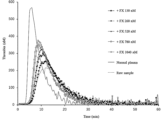
- x-axis time [min].
- y-axis thrombin [nM].
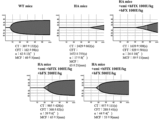
- x-axis time [min].
- y-axis amplitude [mm]. The waveform became faster and wider in a factor X concentration-dependent manner.
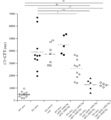
- Effect of adding FIXa/FX bispecific antibody and factor X on clotting time in whole blood samples from mice with knockout coagulation factor VIII gene in a disease model characterized by deficiency or dysfunction of coagulation factor VIII.
- y-axis CT+CFT [sec].
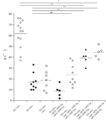
- mice with knockout coagulation factor VIII gene were approximately 8 times longer than that of wild-type mice. Injection of FIXa/FX bispecific antibody into mice with knockout coagulation factor VIII gene did not change the clotting time. This is because the antibody does not cross-react with mice. However, when the mouse was injected with the antibody and factor X, the clotting time was significantly shortened compared to when it was not injected. Effect of adding FIXa/FX bispecific antibody and factor X on the fibrin production rate in whole blood samples from mice with knockout coagulation factor VIII gene in a disease model characterized by deficiency or dysfunction of coagulation factor VIII. y-axis: ⁇ [°].
- mice with knockout coagulation factor VIII gene The fibrin production rate of mice with knockout coagulation factor VIII gene was reduced by about 3 times compared to wild-type mice. However, when the antibody and factor X were injected into mice with knockout coagulation factor VIII gene, the fibrin production rate was significantly increased compared to non-injected mice. Effect of adding FIXa/FX bispecific antibody and factor X on tail bleeding volume in mice with knockout coagulation factor VIII gene in a disease model characterized by deficiency or dysfunction of coagulation factor VIII. y-axis: bleeding volume (10 min) [ ⁇ L]. The bleeding volume of mice with knockout coagulation factor VIII gene was increased by about 25 times compared to wild-type mice. However, when the antibody and factor X were injected into mice with knockout coagulation factor VIII gene, the bleeding volume was significantly reduced compared to when not injected.
- Hemophilia A is a disease in which blood clotting factor VIII is deficient or has reduced activity.
- testing for hemophilia A can be performed by examining the activity of clotting factors.
- blood clotting factor VIII activity is diagnosed when the activity of blood clotting factor VIII in the plasma of a normal individual is taken as 100%, and the subject has a factor VIII activity of less than 1%, less than 5%, less than 10%, less than 15%, less than 20%, less than 25%, less than 30%, less than 35%, or less than 40%.
- Factor VIII activity is measured, for example, by a one-stage clotting assay or a chromogenic assay.
- treatment is meant to encompass the alleviation, suppression, or prevention of a disorder, disease, or condition, or one or more symptoms associated with that disorder, disease, or condition; or the reduction or eradication of the cause of the disorder, disease, or condition itself.
- treatment also includes the improvement of a bleeding condition in a patient who is unable, has slow, or has difficulty in achieving hemostasis.
- blood clotting factor As used herein, "blood clotting factor”, “clotting factor” or “(blood) clotting factor” or simply the abbreviated form “F” in front of the respective blood clotting factor number (e.g. FVIII, FIX, FX, etc.) are used synonymously and refer to the respective human blood clotting factors of the human clotting system.
- activated clotting factors they are abbreviated, for example, as Factor VIIIa, Factor IXa, Factor Xa.
- non-activated clotting factors they are abbreviated, for example, as Factor VIII, Factor IX, Factor X, etc.
- antibody includes monoclonal antibodies, polyclonal antibodies, and antibody variants (chimeric antibodies, humanized antibodies, minibodies (including antibody fragments to which other molecules may be optionally added), multispecific antibodies, etc.) as long as they exhibit the desired antigen-binding activity and biological activity.
- antibody as used herein also includes a molecule in which an HAS-binding scaffold is added to the Fab (a normal antibody in which only the Fab portion is an antibody).
- antibody as used herein may be either a polypeptide or a heteromultimer.
- the antibody may be a monoclonal antibody, a chimeric antibody, a humanized antibody, a human antibody, an Fc-fusion antibody, and a minibodies such as antibody fragments.
- antibody refers to a binding protein that includes an antigen-binding site.
- binding site or "antigen-binding site” as used herein refers to the region of an antibody molecule to which an antigen actually binds.
- antigen-binding site includes the antibody heavy chain variable domain (VH) and the antibody light chain variable domain (VL) (VH/VL pair).
- antibody fragment refers to a molecule other than an intact antibody that contains a portion of the intact antibody that binds to the antigen to which the intact antibody binds.
- antibody fragments include, but are not limited to, Fv, Fab, Fab', Fab'-SH, F(ab') 2 , diabodies, linear antibodies, single-chain antibody molecules (e.g., scFv), and multispecific antibodies formed from antibody fragments.
- a “chimeric” antibody is an antibody in which a portion of the heavy and/or light chain is derived from a particular source or species, while the remaining portions of the heavy and/or light chain are derived from a different source or species.
- the "class" of an antibody refers to the type of constant domain or constant region present in the antibody's heavy chain.
- the heavy chain constant domains that correspond to the different classes of immunoglobulins are called ⁇ , ⁇ , ⁇ , ⁇ , and ⁇ , respectively.
- Factor X is one of the enzymes that make up the blood coagulation cascade. Factor X is generally activated to factor Xa by intrinsic or extrinsic tenases. Factor Xa generally acts by cleaving prothrombin at two sites (the arg-thr bond and then the arg-ile bond) to generate the active form of thrombin.
- a pharmaceutical composition comprising blood clotting factor X for use in the treatment of a subject with hemophilia A, wherein the blood clotting factor X is used in combination with activated blood clotting factor IX and a bispecific antibody that binds blood clotting factor X.
- a blood clotting factor X is provided for use in the treatment of a subject with hemophilia A, wherein the blood clotting factor X is used in combination with activated blood clotting factor IX and a bispecific antibody that binds blood clotting factor X.
- a combination of blood clotting factor X and activated blood clotting factor IX and a bispecific antibody that binds blood clotting factor X for use in the treatment of a subject with hemophilia A is provided.
- a therapeutic method uses a combination of blood clotting factor X and activated blood clotting factor IX and a bispecific antibody that binds blood clotting factor X for the treatment of a subject with hemophilia A.
- the bispecific antibody that binds to activated blood coagulation factor IX and blood coagulation factor X is referred to as a FIXa/FX bispecific antibody, and includes a first antigen-binding site and a second antigen-binding site, which are not particularly limited as long as they have binding activity to FIXa and FX, respectively.
- the FIXa/FX bispecific antibody of the present invention may further bind to other antigens as long as they have binding activity to FIXa and FX.
- a "bispecific antibody that binds to FIXa and FX” refers to a bispecific antibody that can bind to FIXa and FX with sufficient affinity, such that the antibody is useful as a therapeutic agent when it targets FIXa and FX.
- the extent of binding of a bispecific antibody that binds FIXa and FX to an unrelated non-FIX, non-FIXa, or non-FX protein is less than about 10% of the binding of the antibody to FIXa and FX as measured (e.g., by radioimmunoassay (RIA)).
- an antibody that binds FIXa and FX has a dissociation constant (Kd) of ⁇ 100 ⁇ M, ⁇ 10 ⁇ M, ⁇ 1 ⁇ M, ⁇ 100 nM, ⁇ 10 nM, ⁇ 1 nM, ⁇ 0.1 nM, ⁇ 0.01 nM, or ⁇ 0.001 nM (e.g., 10 ⁇ 5 M or less, e.g., 10 ⁇ 5 M to 10 ⁇ 10 M, e.g., 10 ⁇ 6 M to 10 ⁇ 10 M).
- Kd dissociation constant
- the bispecific antibody that binds to FIXa and FX binds to epitopes of FIX, FIXa, and FX that are conserved between FIX, FIXa, and FX from different species, respectively.
- an example of a FIXa/FX bispecific antibody is ACE910 (Emicizumab) (Patent Document 1).
- the antibody that binds to FIXa and FX has a dissociation constant (Kd) of ⁇ 1 ⁇ M in surface plasmon resonance.
- hemophilia A can be a congenital or acquired disease. In another embodiment, patients with hemophilia A have a deficiency of clotting factor VIII or suffer from a dysfunction of clotting factor VIII.
- the components of the combination, FIXa/FX bispecific antibody and FX may be formulated together or separately. If formulated separately, administration of FX and administration of the FIXa/FX bispecific antibody may be administered simultaneously or sequentially. For example, administration of the FIXa/FX bispecific antibody may occur prior to, simultaneously with, or following administration of FX. In one aspect, the components of the combination, FIXa/FX bispecific antibody, may each be administered independently, either once or multiple times.
- the interval between doses of the FIXa/FX bispecific antibody is within about 1 month, 2 months, 3 months, 4 months, 5 months, or 6 months, or within about 1, 2, or 3 weeks, or within about 1, 2, 3, 4, 5, or 6 days, and the interval between doses of FX is about 12, 14, 16, 18, 20, 22, 24, 26, 28, 30, 32, 34, 36, 38, 40, 42, 44, 46, or 48 hours.
- the FIXa/FX bispecific antibodies or FX of the present invention may be administered by any suitable means, including parenteral, pulmonary, and nasal administration, and, if desired for localized treatment, intralesional administration.
- Parenteral injections include intramuscular, intravenous, intraarterial, intraperitoneal, or subcutaneous administration. Dosing may be by any suitable route, for example, by injection, such as intravenous or subcutaneous injection, depending in part on whether administration is brief or chronic.
- Various dosing schedules include, but are not limited to, single or repeated doses over various time points, bolus administration, and pulse infusion.
- the FIXa/FX bispecific antibodies are injected subcutaneously and FX is injected intravenously.
- the FIXa/FX bispecific antibody is administered to an adult at a dose of about 0.5 mg/kg body weight, about 1 mg/kg body weight, about 1.5 mg/kg body weight, about 2 mg/kg body weight, about 2.5 mg/kg body weight, about 3 mg/kg body weight, about 3.5 mg/kg body weight, about 4 mg/kg body weight, about 4.5 mg/kg body weight, about 5 mg/kg body weight, about 5.5 mg/kg body weight, about 6 mg/kg body weight, about 6.5 mg/kg body weight, about 7 mg/kg body weight, about 7.5 mg/kg body weight, about 8 mg/kg body weight, about 8.5 mg/kg body weight, about 9 mg/kg body weight, about 9.5 mg/kg body weight, about 10 mg/kg body weight or more.
- the FIXa/FX bispecific antibody is administered at about 1.5 mg/kg body weight, about 3 mg/kg body weight, or about 6 mg/kg body weight.
- blood coagulation factor X is administered to an adult at a dose of about 50 IU/kg body weight, about 75 IU/kg body weight, about 100 IU/kg body weight, about 150 IU/kg body weight, about 200 IU/kg body weight, about 250 IU/kg body weight, about 300 IU/kg body weight, about 350 IU/kg body weight, about 400 IU/kg body weight, about 450 IU/kg body weight, about 500 IU/kg body weight, about 550 IU/kg body weight, about 600 IU/kg body weight, about 650 IU/kg body weight, about 700 IU/kg body weight, about 750 IU/kg body weight, about 800 IU/kg body weight, about 850 IU/kg body weight, about 900 IU/kg body weight, about 950 IU/kg body weight, about 1000 IU/kg body weight or more.
- blood coagulation factor X is administered at 50-1000 IU/kg body weight, and more preferably at about 200 IU/kg body weight
- the blood coagulation factors used in the present invention may be natural proteins derived from a living organism, or may be recombinant proteins. When derived from a living organism, they may be derived from plasma.
- the plasma is preferably human plasma.
- a “pharmaceutical composition” is a preparation in a form that allows the biological activity of the active ingredient contained therein to be effective.
- a “pharmaceutical acceptable carrier” refers to an ingredient in a pharmaceutical composition, other than the active ingredient, that is non-toxic to a subject.
- Pharmaceutically acceptable carriers include, but are not limited to, buffers, excipients, stabilizers, or preservatives.
- the combination of coagulation factor X and FIXa/FX bispecific antibody improves blood clotting activity compared to treatment with FIXa/FX bispecific antibody without factor X.
- the blood clotting activity of the treatment is improved in a factor X dose-dependent manner.
- blood clotting activity can be determined by measuring the amount of thrombin, the thrombin generation rate, blood clotting time, clot formation, fibrin formation, fibrin formation rate, bleeding frequency or bleeding volume.
- blood clotting activity is improved when the amount of thrombin generation increases, the thrombin generation rate increases, the blood clotting time is shortened, or clot formation is enhanced, and the bleeding frequency and/or bleeding volume decreases.
- blood clotting activity is said to be improved when the treatment results in a factor VIII activity equivalent to 1, 2.5, 5, 10, 15, 20, 25% or more, preferably 5% or more, in a patient with hemophilia A (factor VIII activity in a healthy person is considered to be 100%).
- thrombin generation may be increased in patients by combining coagulation factor X with FIXa/FX bispecific antibodies.
- Thrombin is a key enzyme in coagulation, and enhanced thrombin production is known to have a variety of effects on the coagulation system.
- Thrombin generally converts fibrinogen to fibrin, which results in the formation of fibrin, and thrombin activates platelets.
- Increased thrombin production may also result in increased fibrin formation and platelet activation.
- periodic thrombin production may also result in decreased fibrinolytic capacity.
- thrombin production in biological plasma may be measured using the calibrated automated thrombogram (CAT) method from (Thermo Fisher Scientific).
- factor X which is an unactivated coagulation factor
- activated prothrombin complex concentrates which contain activated coagulation factors, or dried human blood coagulation concentrates with factor X and activated factor VII or factor VIIa. Since there is no factor related to factor VIII, application to patients with hemophilia A is expected to be associated with a low or no risk of developing inhibitors to factor VIII.
- the combination of the present invention is used in advance when bleeding occurs or when bleeding is expected, although there is no particular limit to the duration.
- the combination of the present invention may be used when bleeding occurs after trauma, during surgery, or before surgery.
- the combination with a FIXa/FX bispecific antibody can reduce the risk of inhibitor development in hemophilia A patients with inhibitors.
- the burden of frequent injections can be reduced by maintaining longer administration intervals compared to activated factor VII.
- FVIIa is not used, but instead, a combination of FX, an inactivated coagulation factor, and a bispecific antibody that binds to activated blood coagulation factor IX and blood coagulation factor X is used, which is advantageous in terms of safety, such as preventing hypercoagulation.
- the half-life of unactivated factor X is relatively short (40 hours) compared to the half-life of FIXa/FX bispecific antibodies (approximately 4-5 weeks after subcutaneous injection), and therefore the effect of promoting thrombin production may be limited to a certain period during hemostasis, etc., thereby reducing the risk of thrombosis during long-term treatment.
- the subject to be treated is preferably, but not limited to, a human.
- the subject to be treated has developed an inhibitor to FVIII or FVIIIa (sometimes referred to as an inhibitor carrier) or has not developed such an inhibitor (sometimes referred to as an inhibitor non-carrier).
- the combination of the present invention allows for reduced or no administration of FVIII or FVIIIa.
- the subject to be treated may be receiving treatment with a FIXa/FX bispecific antibody prior to administration of the combination.
- Treatment with a FIXa/FX bispecific antibody prior to administration of the combination may be, but is not limited to, either episodically or periodically.
- the subject is receiving the treatment periodically.
- Example 1 Thrombin Generation in Factor VIII-Deficient Plasma Factor VIII-deficient plasma samples (Factor VIII-Deficient Plasma, Affinity Biologics) were used as a model of coagulation factor VIII deficiency or dysfunction.
- FIXa/FX bispecific antibody (hereafter abbreviated as "Emi”; details are described in Patent Document 1) was added to plasma samples at a concentration of 50 ⁇ g/ml.
- factor X was added to some of the in vitro experiments. Plasma from healthy individuals was used as a control.
- Thrombin generation was determined continuously using a fluorogenic substrate after activating coagulation with a small amount of tissue factor (instrument and all reagents from Thermo Fisher Scientific).
- thrombin generation in biological plasma was measured using the calibrated automated thrombogram (CAT) method from (Thermo Fisher Scientific). Briefly, thrombin generation is triggered via the extrinsic coagulation pathway by the addition of 1 pM tissue factor (TF), phospholipids and calcium ions (Ca 2+ ). A low affinity fluorogenic substrate is added for real-time analysis of thrombin generation. Plasma samples are corrected for substrate depletion, sample color and internal filter effects by calibrating against known thrombin calibrators. Fluorescence is read using a Thermo Fluoroskan. Thrombin activity is calculated from the measured fluorescence signal. The depicted curve shows free thrombin activity (y-axis, nM of thrombin) against time (x-axis, seconds).
- CAT calibrated automated thrombogram
- Example 2 Clot formation in whole blood of mouse model with factor VIII deficiency Hemophilia
- a mouse model (containing normal levels of unactivated factors IX, X, and II) in which the gene encoding factor VIII (F8) was knocked out in the sex chromosome was used as an animal model of coagulation factor VIII deficiency or dysfunction.
- Emi is known to show no cross-reactivity with mouse-derived factor IX and mouse-derived factor X.
- human-derived factor IX and human-derived factor X were administered in addition to Emi based on Non-Patent Document 1. Wild-type mice were used as subjects for the experiment.
- Table 2 Tested drug combinations HA model mouse: Hemophilia A model mouse hFIX: Human-derived factor IX hFX: Human-derived factor X
- ROTEM Rotational thromboelastometry
- Clot formation in whole blood was measured using a whole blood hemostasis analyzer (Pentapharm, Germany). Briefly, the measurement method of this device is based on a fixed cylindrical cup and a permanently oscillating vertical shaft. The movement of the shaft is detected by an optical detection system and processed and analyzed by a computer equipped with dedicated software. The cylindrical cup is filled with a test solution and the cup is positioned so that the tip of a pin attached to the lower end of the vertical shaft is immersed in the test solution. The center of the shaft is guided by a bearing and the shaft oscillates at a certain angle left and right via a spring connector.
- the rotation of the shaft is optically measured via a mirror plate at the upper end of the shaft, a diode as a light source, and a photosensitive sensor. If no clotting occurs, the movement is not inhibited, but if a clot forms and adheres to the pin or the cup surface, the movement is inhibited.
- the curves shown show the strength of the clot (y-axis, mm) against time (x-axis, seconds).
- Emi, human factor IX, and human factor X Administration of Emi, human factor IX, and human factor X rapidly generated clots, up to 2.5 times faster than samples lacking factor VIII (Figs. 4, 5, and 6). The effect was factor X dose-dependent (Figs. 5 and 6).
- Example 3 Tail clip assay in factor VIII deficiency mouse model Hemophilia A model mice in which the gene encoding factor VIII (F8) was knocked out in the sex chromosome (containing normal levels of unactivated factors IX, X, and II) were used as an animal model of coagulation factor VIII deficiency or dysfunction.
- Emi was administered to the hemophilia A model mice at a concentration of 3 mg/kg (50 ⁇ g/ml), which is similar to the clinically applicable concentration of Emi.
- Emi is known to show no cross-reactivity with mouse-derived factor IX and mouse-derived factor X.
- human-derived factor IX and human-derived factor X were administered in addition to Emi based on Non-Patent Document 1. Wild-type mice were used as subjects for the experiment.
- Table 3 Tested drug combinations HA model mouse: Hemophilia A model mouse hFIX: Human-derived factor IX hFX: Human-derived factor X
- tail clip assay For the tail clip assay, 3 mg/kg (50 ⁇ g/ml) Emi was administered to anesthetized hemophilia A model mice 24 hours before tail amputation, and human-derived factor IX and human-derived factor X were administered 5 minutes before tail amputation. The tail was then cut 5 mm from the tip and immediately immersed in a tube containing saline, and the amount of bleeding ( ⁇ L) over 10 minutes was measured.
- Emi, human factor IX, and human factor X The amount of bleeding was reduced by administration of Emi, human factor IX, and human factor X, and the effect was dependent on the dose of factor X. Furthermore, the amount of bleeding was reduced by up to about 5-fold compared to samples lacking factor VIII ( Figure 7).
- a pharmaceutical composition includes blood coagulation factor X for the treatment of a subject with hemophilia A.
Landscapes
- Health & Medical Sciences (AREA)
- Life Sciences & Earth Sciences (AREA)
- Chemical & Material Sciences (AREA)
- Medicinal Chemistry (AREA)
- General Health & Medical Sciences (AREA)
- Bioinformatics & Cheminformatics (AREA)
- Engineering & Computer Science (AREA)
- Veterinary Medicine (AREA)
- Organic Chemistry (AREA)
- Pharmacology & Pharmacy (AREA)
- Animal Behavior & Ethology (AREA)
- Public Health (AREA)
- Immunology (AREA)
- Hematology (AREA)
- Epidemiology (AREA)
- Proteomics, Peptides & Aminoacids (AREA)
- General Chemical & Material Sciences (AREA)
- Chemical Kinetics & Catalysis (AREA)
- Nuclear Medicine, Radiotherapy & Molecular Imaging (AREA)
- Mycology (AREA)
- Genetics & Genomics (AREA)
- Diabetes (AREA)
- Biochemistry (AREA)
- Microbiology (AREA)
- Zoology (AREA)
- Gastroenterology & Hepatology (AREA)
- Molecular Biology (AREA)
- Biophysics (AREA)
- Endocrinology (AREA)
- General Engineering & Computer Science (AREA)
- Wood Science & Technology (AREA)
- Medicines That Contain Protein Lipid Enzymes And Other Medicines (AREA)
Priority Applications (5)
| Application Number | Priority Date | Filing Date | Title |
|---|---|---|---|
| AU2024263657A AU2024263657A1 (en) | 2023-04-28 | 2024-04-26 | Combined use of bispecific antibody binding to activated coagulation factor ix and coagulation factor x with blood coagulation factor x for treating subject with hemophilia a |
| JP2025516924A JPWO2024225440A1 (https=) | 2023-04-28 | 2024-04-26 | |
| CN202480027809.5A CN121013727A (zh) | 2023-04-28 | 2024-04-26 | 用于治疗具有a型血友病的对象的结合活化凝血因子ix和凝血因子x的双特异性抗体与凝血因子x的并用 |
| KR1020257037065A KR20250174932A (ko) | 2023-04-28 | 2024-04-26 | 혈우병 a를 가지는 대상의 처치를 위한, 활성화 응고 제ix 인자 및 응고 제x 인자와 결합하는 이중 특이성 항체와 혈액 응고 제x 인자의 병용 |
| EP24797185.6A EP4702987A1 (en) | 2023-04-28 | 2024-04-26 | Combined use of bispecific antibody binding to activated coagulation factor ix and coagulation factor x with blood coagulation factor x for treating subject with hemophilia a |
Applications Claiming Priority (2)
| Application Number | Priority Date | Filing Date | Title |
|---|---|---|---|
| JP2023-074020 | 2023-04-28 | ||
| JP2023074020 | 2023-04-28 |
Publications (1)
| Publication Number | Publication Date |
|---|---|
| WO2024225440A1 true WO2024225440A1 (ja) | 2024-10-31 |
Family
ID=93256843
Family Applications (1)
| Application Number | Title | Priority Date | Filing Date |
|---|---|---|---|
| PCT/JP2024/016461 Ceased WO2024225440A1 (ja) | 2023-04-28 | 2024-04-26 | 血友病aを有する対象の処置のための、活性化凝固第ix因子及び凝固第x因子と結合する二重特異性抗体と血液凝固第x因子の併用 |
Country Status (6)
| Country | Link |
|---|---|
| EP (1) | EP4702987A1 (https=) |
| JP (1) | JPWO2024225440A1 (https=) |
| KR (1) | KR20250174932A (https=) |
| CN (1) | CN121013727A (https=) |
| AU (1) | AU2024263657A1 (https=) |
| WO (1) | WO2024225440A1 (https=) |
Citations (2)
| Publication number | Priority date | Publication date | Assignee | Title |
|---|---|---|---|---|
| WO2012067176A1 (ja) * | 2010-11-17 | 2012-05-24 | 中外製薬株式会社 | 血液凝固第viii因子の機能を代替する機能を有する多重特異性抗原結合分子 |
| JP2018513163A (ja) * | 2015-04-17 | 2018-05-24 | エフ.ホフマン−ラ ロシュ アーゲーF. Hoffmann−La Roche Aktiengesellschaft | 凝固因子と多重特異的抗体を用いた併用療法 |
-
2024
- 2024-04-26 JP JP2025516924A patent/JPWO2024225440A1/ja active Pending
- 2024-04-26 CN CN202480027809.5A patent/CN121013727A/zh active Pending
- 2024-04-26 KR KR1020257037065A patent/KR20250174932A/ko active Pending
- 2024-04-26 WO PCT/JP2024/016461 patent/WO2024225440A1/ja not_active Ceased
- 2024-04-26 EP EP24797185.6A patent/EP4702987A1/en active Pending
- 2024-04-26 AU AU2024263657A patent/AU2024263657A1/en active Pending
Patent Citations (4)
| Publication number | Priority date | Publication date | Assignee | Title |
|---|---|---|---|---|
| WO2012067176A1 (ja) * | 2010-11-17 | 2012-05-24 | 中外製薬株式会社 | 血液凝固第viii因子の機能を代替する機能を有する多重特異性抗原結合分子 |
| JP6013915B2 (ja) | 2010-11-17 | 2016-10-25 | 中外製薬株式会社 | 血液凝固第viii因子の機能を代替する機能を有する多重特異性抗原結合分子 |
| JP2018513163A (ja) * | 2015-04-17 | 2018-05-24 | エフ.ホフマン−ラ ロシュ アーゲーF. Hoffmann−La Roche Aktiengesellschaft | 凝固因子と多重特異的抗体を用いた併用療法 |
| JP6698102B2 (ja) | 2015-04-17 | 2020-05-27 | エフ.ホフマン−ラ ロシュ アーゲーF. Hoffmann−La Roche Aktiengesellschaft | 凝固因子と多重特異的抗体を用いた併用療法 |
Non-Patent Citations (6)
| Title |
|---|
| FERRIERE S ET AL., BLOOD, vol. 136, 2020, pages 740 - 8 |
| LAURA DOWNEY, ANESTH ANALG., vol. 125, 2017, pages 1431 - 1436 |
| NAKAJIMA YUTO, TAKAMI EISUKE, NAKANO HIROTOSHI, NOGAMI KEIJI: "In vitro evaluation of global coagulation potentials in the co‐presence of plasma‐derived factors Viia/X products (Byclot ® ) and emicizumab in patients with haemophilia A and inhibitors and acquired haemophilia A: A pilot study", HAEMOPHILIA, BLACKWELL SCIENCE, OXFORD, GB, vol. 28, no. 5, 1 September 2022 (2022-09-01), GB , XP093228402, ISSN: 1351-8216, DOI: 10.1111/hae.14650 * |
| See also references of EP4702987A1 |
| SHIMIZU, NAKAJIMA; ODA, TAKAMI; NAKANO, NOGAMI: "PB0178 Factor X Enhances the Coagulant Potentials of Emicizumab. Research and Practice in Thrombosis and Haemostasis.", RESEARCH AND PRACTICE IN THROMBOSIS AND HAEMOSTASI, ELSEVIER, vol. 7, no. 2, 1 October 2023 (2023-10-01), pages 539 - 540, XP009560099, ISSN: 5555-5551, DOI: 10.1016/j.rpth.2023.101059 * |
| YUTO NAKAJIMA, HAEMOPHILIA, vol. 28, 2022, pages e149 - e152 |
Also Published As
| Publication number | Publication date |
|---|---|
| JPWO2024225440A1 (https=) | 2024-10-31 |
| KR20250174932A (ko) | 2025-12-15 |
| AU2024263657A1 (en) | 2025-11-13 |
| CN121013727A (zh) | 2025-11-25 |
| EP4702987A1 (en) | 2026-03-04 |
Similar Documents
| Publication | Publication Date | Title |
|---|---|---|
| Ziliotto et al. | Coagulation pathways in neurological diseases: multiple sclerosis | |
| US9090697B2 (en) | Methods for treating bleeding disorders | |
| RU2642276C2 (ru) | Тромбин-связывающие молекулы антител и их применение | |
| Mancuso et al. | Benefits and risks of non‐factor therapies: Redefining haemophilia treatment goals in the era of new technologies | |
| KR20190052027A (ko) | 응고 인자 결합 단백질 및 이의 용도 | |
| Schultz et al. | The effect of emicizumab and bypassing agents in patients with hemophilia–an in vitro study | |
| Gandhi et al. | A bispecific antibody approach for the potential prophylactic treatment of inherited bleeding disorders | |
| Peyvandi et al. | Exploring nonreplacement therapies’ impact on hemophilia and other rare bleeding disorders | |
| JP7319721B2 (ja) | 抗凝固因子XI活性型因子XIa抗体並びにその調製方法及び使用 | |
| US10676539B2 (en) | Tissue plasminogen activator antibodies and methods of use | |
| Anandani et al. | The implication of new developments in hemophilia treatment on its laboratory evaluation | |
| Casini et al. | Rare bleeding disorders: Advances in management | |
| JP7535849B2 (ja) | 出血治療のための止血促進タンパク質 | |
| Egan et al. | Effect of platelet-derived β-thromboglobulins on coagulation | |
| WO2024225440A1 (ja) | 血友病aを有する対象の処置のための、活性化凝固第ix因子及び凝固第x因子と結合する二重特異性抗体と血液凝固第x因子の併用 | |
| WO2004041296A2 (en) | Pharmaceutical composition comprising a tissue factor antagonist and protein c polypeptides | |
| US20040198660A1 (en) | Tissue factor antagonist and protein C polypeptide compositions | |
| Fehr et al. | The influence of bevacizumab on platelet function | |
| WO2025192741A1 (ja) | 活性化血液凝固第vii因子及び血液凝固第x因子を含む医薬組成物 | |
| Bilgimol Chumappumkal et al. | Traumatic bleeding and mortality in mice are intensified by iron deficiency anemia and can be rescued with tranexamic acid | |
| Emanuel | Intravenous heparin and non-cardiac anaesthesia | |
| SHIMA | Studies on factor VIII toward a new therapeutic for hemophilia A | |
| Osuna et al. | Augmented emicizumab-driven coagulation potential in hemophilia A state by in vitro and in vivo supplementation of combined factors IX and X | |
| Yada et al. | Emicizumab-mediated hemostatic function assessed by thrombin generation assay in an in vitro model of factor VIII-depleted thrombophilia plasma | |
| Lee et al. | The fibrinogen αC region promotes arterial thrombosis in the context of hypofibrinogenemia |
Legal Events
| Date | Code | Title | Description |
|---|---|---|---|
| 121 | Ep: the epo has been informed by wipo that ep was designated in this application |
Ref document number: 24797185 Country of ref document: EP Kind code of ref document: A1 |
|
| WWE | Wipo information: entry into national phase |
Ref document number: 826052 Country of ref document: NZ |
|
| ENP | Entry into the national phase |
Ref document number: 2025516924 Country of ref document: JP Kind code of ref document: A |
|
| WWE | Wipo information: entry into national phase |
Ref document number: 2025516924 Country of ref document: JP |
|
| REG | Reference to national code |
Ref country code: BR Ref legal event code: B01A Ref document number: 112025022403 Country of ref document: BR |
|
| WWE | Wipo information: entry into national phase |
Ref document number: AU2024263657 Country of ref document: AU |
|
| ENP | Entry into the national phase |
Ref document number: 1020257037065 Country of ref document: KR Free format text: ST27 STATUS EVENT CODE: A-0-1-A10-A15-NAP-PA0105 (AS PROVIDED BY THE NATIONAL OFFICE) |
|
| ENP | Entry into the national phase |
Ref document number: 2024263657 Country of ref document: AU Date of ref document: 20240426 Kind code of ref document: A |
|
| WWE | Wipo information: entry into national phase |
Ref document number: 202547113745 Country of ref document: IN |
|
| WWE | Wipo information: entry into national phase |
Ref document number: 2024797185 Country of ref document: EP |
|
| NENP | Non-entry into the national phase |
Ref country code: DE |
|
| ENP | Entry into the national phase |
Ref document number: 2024797185 Country of ref document: EP Effective date: 20251128 |
|
| WWP | Wipo information: published in national office |
Ref document number: 202547113745 Country of ref document: IN |
|
| ENP | Entry into the national phase |
Ref document number: 2024797185 Country of ref document: EP Effective date: 20251128 |
|
| ENP | Entry into the national phase |
Ref document number: 2024797185 Country of ref document: EP Effective date: 20251128 |
|
| ENP | Entry into the national phase |
Ref document number: 2024797185 Country of ref document: EP Effective date: 20251128 |
|
| ENP | Entry into the national phase |
Ref document number: 2024797185 Country of ref document: EP Effective date: 20251128 |
|
| ENP | Entry into the national phase |
Ref document number: 2024797185 Country of ref document: EP Effective date: 20251128 |
|
| ENP | Entry into the national phase |
Ref document number: 2024797185 Country of ref document: EP Effective date: 20251128 |
|
| ENP | Entry into the national phase |
Ref document number: 2024797185 Country of ref document: EP Effective date: 20251128 |
|
| ENP | Entry into the national phase |
Ref document number: 2024797185 Country of ref document: EP Effective date: 20251128 |
|
| WWP | Wipo information: published in national office |
Ref document number: 2024797185 Country of ref document: EP |