WO2024225380A1 - 骨吸収の抑制剤 - Google Patents
骨吸収の抑制剤 Download PDFInfo
- Publication number
- WO2024225380A1 WO2024225380A1 PCT/JP2024/016253 JP2024016253W WO2024225380A1 WO 2024225380 A1 WO2024225380 A1 WO 2024225380A1 JP 2024016253 W JP2024016253 W JP 2024016253W WO 2024225380 A1 WO2024225380 A1 WO 2024225380A1
- Authority
- WO
- WIPO (PCT)
- Prior art keywords
- rice bran
- fermented rice
- extract
- bone resorption
- fermented
- Prior art date
- Legal status (The legal status is an assumption and is not a legal conclusion. Google has not performed a legal analysis and makes no representation as to the accuracy of the status listed.)
- Ceased
Links
Images

Classifications
-
- A—HUMAN NECESSITIES
- A23—FOODS OR FOODSTUFFS; TREATMENT THEREOF, NOT COVERED BY OTHER CLASSES
- A23L—FOODS, FOODSTUFFS OR NON-ALCOHOLIC BEVERAGES, NOT OTHERWISE PROVIDED FOR; PREPARATION OR TREATMENT THEREOF
- A23L33/00—Modifying nutritive qualities of foods; Dietetic products; Preparation or treatment thereof
- A23L33/10—Modifying nutritive qualities of foods; Dietetic products; Preparation or treatment thereof using additives
- A23L33/105—Plant extracts, their artificial duplicates or their derivatives
-
- A—HUMAN NECESSITIES
- A61—MEDICAL OR VETERINARY SCIENCE; HYGIENE
- A61K—PREPARATIONS FOR MEDICAL, DENTAL OR TOILETRY PURPOSES
- A61K36/00—Medicinal preparations of undetermined constitution containing material from algae, lichens, fungi or plants, or derivatives thereof, e.g. traditional herbal medicines
- A61K36/18—Magnoliophyta (angiosperms)
- A61K36/88—Liliopsida (monocotyledons)
- A61K36/899—Poaceae or Gramineae (Grass family), e.g. bamboo, corn or sugar cane
-
- A—HUMAN NECESSITIES
- A61—MEDICAL OR VETERINARY SCIENCE; HYGIENE
- A61P—SPECIFIC THERAPEUTIC ACTIVITY OF CHEMICAL COMPOUNDS OR MEDICINAL PREPARATIONS
- A61P1/00—Drugs for disorders of the alimentary tract or the digestive system
- A61P1/02—Stomatological preparations, e.g. drugs for caries, aphtae, periodontitis
-
- A—HUMAN NECESSITIES
- A61—MEDICAL OR VETERINARY SCIENCE; HYGIENE
- A61P—SPECIFIC THERAPEUTIC ACTIVITY OF CHEMICAL COMPOUNDS OR MEDICINAL PREPARATIONS
- A61P19/00—Drugs for skeletal disorders
-
- A—HUMAN NECESSITIES
- A61—MEDICAL OR VETERINARY SCIENCE; HYGIENE
- A61P—SPECIFIC THERAPEUTIC ACTIVITY OF CHEMICAL COMPOUNDS OR MEDICINAL PREPARATIONS
- A61P19/00—Drugs for skeletal disorders
- A61P19/02—Drugs for skeletal disorders for joint disorders, e.g. arthritis, arthrosis
-
- A—HUMAN NECESSITIES
- A61—MEDICAL OR VETERINARY SCIENCE; HYGIENE
- A61P—SPECIFIC THERAPEUTIC ACTIVITY OF CHEMICAL COMPOUNDS OR MEDICINAL PREPARATIONS
- A61P29/00—Non-central analgesic, antipyretic or antiinflammatory agents, e.g. antirheumatic agents; Non-steroidal antiinflammatory drugs [NSAID]
Definitions
- the present invention relates to an inhibitor of bone resorption, an inhibitor of osteoclast formation, and a preventive or therapeutic agent for diseases that can be treated by inhibiting bone resorption.
- the problem to be solved by the present invention is to provide a novel bone resorption inhibitor using a component that has not previously been known to have an inhibitory effect on inflammation-induced bone resorption. Also, in one embodiment, the problem to be solved by the present invention is to provide a novel inflammation-induced osteoclast formation inhibitor using a component that has not previously been known to have an inhibitory effect on inflammation-induced osteoclast formation. Also, in one embodiment, the problem to be solved by the present invention is to provide a novel preventive or therapeutic agent for diseases that can be treated by inhibiting inflammation-induced bone resorption.
- the present inventors conducted extensive research and found that, among various materials, fermented rice bran or an extract thereof inhibits the formation of osteoclasts caused by inflammation and inhibits bone resorption. Based on this novel finding, the present inventors have completed the present invention after much trial and error. Therefore, the present invention provides the following: Item 1.
- An agent for suppressing bone resorption caused by inflammation comprising fermented rice bran or an extract thereof.
- Item 1-2 A pharmaceutical composition for inhibiting bone resorption caused by inflammation, comprising fermented rice bran or an extract thereof and a pharmaceutical carrier.
- Item 1-3 Use of fermented rice bran or an extract thereof for producing an inhibitor of bone resorption caused by inflammation.
- Item 1-4 Fermented rice bran or an extract thereof for use in inhibiting bone resorption caused by inflammation.
- Item 1-5 A method for inhibiting bone resorption caused by inflammation, comprising administering an effective amount of fermented rice bran or an extract thereof to a subject in need thereof.
- Item 2 The agent shown in Item 2-1, the composition shown in Item 2-2, the use shown in Item 2-3, the fermented rice bran or an extract thereof shown in Item 2-4, or the method shown in Item 2-5:
- Item 2-1 An agent for inhibiting osteoclast formation caused by inflammation, comprising fermented rice bran or an extract thereof.
- Item 2-2. A pharmaceutical composition for suppressing osteoclast formation caused by inflammation, comprising fermented rice bran or an extract thereof and a pharmaceutical carrier.
- Item 2-3 Use of fermented rice bran or an extract thereof for producing an agent for inhibiting osteoclast formation caused by inflammation.
- Item 2-4 Fermented rice bran or an extract thereof for use in inhibiting osteoclast formation caused by inflammation.
- Item 2-5 A method for inhibiting osteoclast formation caused by inflammation, comprising administering an effective amount of fermented rice bran or an extract thereof to a subject in need thereof.
- Item 3 The osteoclast formation inhibitor, composition, use, fermented rice bran or extract thereof, or method according to Item 2, in which the inhibition of osteoclast formation is due to inhibition of expression of RANKL and/or TNF- ⁇ .
- Item 4 The agent shown in Item 4-1, the composition shown in Item 4-2, the use shown in Item 4-3, the fermented rice bran or an extract thereof shown in Item 4-4, or the method shown in Item 4-5: Item 4-1.
- a preventive or therapeutic agent for diseases that can be treated by suppressing bone resorption caused by inflammation comprising fermented rice bran or an extract thereof.
- a pharmaceutical composition for preventing or treating diseases that can be treated by suppressing bone resorption caused by inflammation comprising fermented rice bran or an extract thereof and a pharmaceutical carrier.
- Item 4-3 Use of fermented rice bran or an extract thereof for producing an agent for preventing or treating a disease that can be treated by suppressing bone resorption caused by inflammation.
- Item 4-4 Fermented rice bran or an extract thereof for use in the prevention or treatment of a disease that can be treated by suppressing bone resorption caused by inflammation.
- Item 4-5 A method for preventing or treating a disease that can be treated by inhibiting bone resorption caused by inflammation, comprising administering an effective amount of fermented rice bran or an extract thereof to a subject in need thereof.
- Item 5 The preventive or therapeutic agent, composition, use, fermented rice bran or an extract thereof, or method according to Item 4, wherein the disease that can be treated by inhibiting bone resorption caused by inflammation is rheumatoid arthritis or periodontal disease.
- Item 6 The agent, composition, use, fermented rice bran or an extract thereof, or method according to any one of Items 1 to 4, wherein the fermented rice bran is rice bran obtained by two-stage fermentation.
- the present invention can provide a novel bone resorption inhibitor using fermented rice bran or an extract thereof, which is an ingredient that has not been known to have an effect of inhibiting bone resorption caused by inflammation.
- the present invention can provide a novel inflammation-induced osteoclast formation inhibitor using fermented rice bran or an extract thereof, which is an ingredient that has not been known to have an effect of inhibiting osteoclast formation caused by inflammation.
- the present invention can also provide a novel preventive or therapeutic agent for diseases that can be treated by inhibiting bone resorption caused by inflammation. As shown in the examples described below, when a rice bran extract before fermentation was used, the use of fermented rice bran or an extract thereof did not provide an effect of inhibiting osteoclast formation. Therefore, the effect of the present invention is difficult to predict even for a person skilled in the art.
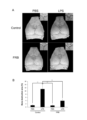
- Scale bar 100 ⁇ m. Fermented rice bran diet inhibited LPS-induced bone resorption in vivo.
- A Micro-CT images of skulls taken from mice on a control diet or fermented rice bran diet 5 days after daily cranial injections of PBS or LPS (100 ⁇ g/day). Areas of bone resorption are indicated by red marks and zooms in the upper right corner of each image.
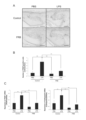
- Fermented rice bran diet inhibited LPS-induced TNF- ⁇ and RANKL expression in vivo.
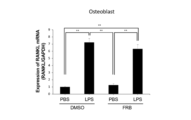
- A RANKL and
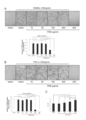
- Fermented rice bran extract inhibited RANKL- and TNF- ⁇ -induced osteoclast formation in vitro, but did not inhibit cell viability of osteoclast precursor cells.
- A Microscopic images and osteoclast counts after RANKL-induced osteoclast formation. Osteoclast precursor cells were treated with 0.5% DMSO or various concentrations of fermented rice bran extract and exposed to M-CSF alone or M-CSF and RANKL. After 5 days, cells were fixed and TRAP staining was performed.
- B Microscopic images and osteoclast counts after TNF- ⁇ -induced osteoclast formation.
- Osteoclast precursor cells were treated with 0.5% DMSO or various concentrations of fermented rice bran extract and exposed to M-CSF alone or M-CSF and TNF- ⁇ . After 5 days, cells were fixed and TRAP staining was performed.
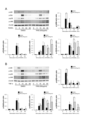
- Pre-osteoclast cells were starved in ⁇ -MEM medium without FBS or M-CSF for 6 h and then treated with RANKL in the presence of 0.5% DMSO or fermented rice bran extract (500 ⁇ g/ml) for 0, 5, 15, 30 and 60 min. Cells were lysed and analyzed by Western blotting. ⁇ -actin was used as a loading control. The ratios of p-I ⁇ B/ ⁇ -actin, p-ERK/ ⁇ -actin, p-p38/ ⁇ -actin and p-JNK/ ⁇ -actin were determined using ImageJ software.
- Pre-osteoclast cells were starved in ⁇ -MEM medium without FBS or M-CSF for 6 h and then treated with TNF- ⁇ in the presence of 0.5% DMSO or fermented rice bran extract (500 ⁇ g/ml) for 0, 5, 15, 30, or 60 min. Cells were lysed and analyzed by Western blotting. ⁇ -actin was used as a loading control. The ratios of p-I ⁇ B/ ⁇ -actin, p-ERK/ ⁇ -actin, p-p38/ ⁇ -actin, and p-JNK/ ⁇ -actin were determined using ImageJ software. Results are shown as mean ⁇ SD.
- RNA was extracted from osteoblasts cultured for 3 days with PBS, LPS in the presence of 0.5% DMSO, or fermented rice bran extract (500 ⁇ g/ml). Results are shown as mean ⁇ SD. Scheffe's multiple comparison test was used to test for significance between groups (n 4, **p ⁇ 0.01). Fermented rice bran extract affected LPS-induced TNF- ⁇ expression in macrophages.
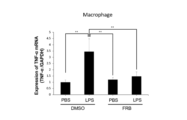
- TNF- ⁇ expression in macrophages was detected by real-time RT-PCR and evaluated relative to GAPDH.
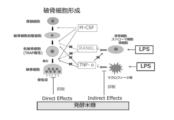
- Mechanism of inhibitory effect of fermented rice bran on LPS-induced osteoclast formation Fermented rice bran acts to directly inhibit RANKL and TNF- ⁇ -induced osteoclast formation. It also indirectly inhibits osteoclast formation by suppressing LPS-induced expression of TNF- ⁇ in macrophages.
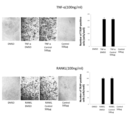
- FIG. 9 Microscopic images and osteoclast numbers after TNF- ⁇ -induced osteoclast formation. Osteoclast precursor cells were treated with 0.5% DMSO or various concentrations of fermented rice bran extract and exposed to M-CSF alone or M-CSF and TNF- ⁇ . After 5 days, the cells were fixed and TRAP staining was performed.
- FIG. 9 Microscopic images and osteoclast numbers after RANKL-induced osteoclast formation. Osteoclast precursor cells were treated with 0.5% DMSO or various concentrations of fermented rice bran extract and exposed to M-CSF alone or M-CSF and RANKL. After 5 days, the cells were fixed and TRAP staining was performed.
- the present invention provides an inhibitor of bone resorption caused by inflammation, comprising fermented rice bran or an extract thereof.
- the inhibitor of the present invention targets bone resorption, particularly bone resorption caused by inflammation.
- bone resorption caused by inflammation associated with an infection is preferred.
- rice bran may be interpreted in the sense commonly used in the technical fields of food and medicine to which the present invention pertains, and typically refers to the seed coat, germ, and other parts that are produced when brown rice is polished.
- Brown rice has a seed coat, aleurone layer, and other layers on its surface. Therefore, rice bran preferably contains components derived from these layers.
- the layers near the surface of brown rice such as the seed coat and aleurone layer, in other words, the parts other than the endosperm, are referred to as the "epidermis part.”
- the term “rice bran” may contain powder derived from the epidermis part, and may further contain powder derived from the endosperm (typically, so-called rice flour) in addition to the powder derived from the epidermis part.
- the ratio of the powder derived from the epidermis part to the powder derived from the endosperm is, for example, preferably 1 to 5:1, more preferably 1 to 3:1, and more preferably 1.5 to 2.5:1, by mass.
- fermented rice bran refers to the above-mentioned rice bran that has been fermented.
- microorganisms used for fermentation include koji mold, lactic acid bacteria, yeast fungi, natto bacteria, and acetic acid bacteria.
- koji mold include yellow koji mold, white koji mold, black koji mold, red koji mold, and katsuobushi mold, with white koji mold (Aspergillus kawachii) being preferred.
- lactic acid bacteria examples include the genera Lactobacillus, Enterococcus, Levilactobacillus, Streptococcus, Pediococcus, Melisscoccus, and Lactococcus, with the genera Lactobacillus, Enterococcus, and Levilactobacillus being preferred. These microorganisms may be used alone or in combination of two or more. In the present invention, the fermented rice bran is preferably obtained by two-stage fermentation.
- the two-stage fermentation refers to a fermentation method using two or more types of microorganisms (e.g., 2 to 3 types, typically 2 types), and includes a step of fermenting rice bran using a part of the microorganisms (e.g., one type) and a step of fermenting the fermented product obtained in the step using another type of microorganism.
- the time of the step of fermenting rice bran using the part of the microorganisms is, for example, 35 hours or more (e.g., 35 to 50 hours), preferably 43 to 45 hours, and more preferably 44 hours.
- the temperature of the step of fermenting rice bran using the part of the microorganisms is, for example, 25 to 35°C, preferably 29 to 31°C, and more preferably 30°C.
- the time of the step of fermenting the fermented product obtained in the step using another type of microorganism is, for example, 5 hours or more (e.g., 5 to 20 hours), preferably 8 to 16 hours, and more preferably 12 hours.
- the temperature for the step of fermenting the fermented product obtained in the above step using another type of microorganism is, for example, 33 to 38°C, preferably 35 to 37°C, and more preferably 37°C.
- the microorganism used in the step of fermenting rice bran using the first type of microorganism is preferably koji mold or the like. Furthermore, the microorganism used in the step of fermenting the fermented product obtained in the above step using another type of microorganism is preferably lactic acid bacteria or the like.
- two-stage fermentation refers to a method including the above two steps (microorganisms are a combination of multiple types such as koji mold, lactic acid bacteria, yeast fungus, natto bacteria, acetic acid bacteria, etc.), and may further include other steps. The other steps may be performed before, between, and/or after the above two steps.
- Examples of other steps include a step of adding rice flour to the fermented product obtained by fermenting rice bran with a certain type of microorganism between a step of fermenting rice bran with a certain type of microorganism and a step of fermenting the fermented product obtained in the above step with a different type of microorganism, and a step of saccharifying a mixture of the fermented product and rice flour. Therefore, in the present invention, "two-stage fermentation” can also be rephrased as a multi-stage method including a step of fermenting rice bran with a certain type of microorganism and a step of fermenting the fermented product obtained in the above step with a different type of microorganism.
- the time of the saccharification step can be, for example, 5 to 20 hours, preferably 10 to 14 hours, and more preferably 12 hours.
- the temperature of the saccharification step can be, for example, 50 to 60°C, preferably 55 to 57°C, and more preferably 56°C.
- the fermented rice bran and its production method in the present invention include those described in Non-Patent Document 1.
- the fermented rice bran contains water, protein, lipid, dietary fiber, ash, carbohydrates, phenolic compounds, tryptophan, and tryptamine as main components.
- Fermented rice bran usually has increased lipid, dietary fiber, tryptophan, and tryptamine contents compared to unfermented rice bran (before fermentation).
- fermented rice bran usually has a decreased carbohydrate content compared to unfermented rice bran.
- the lipid content is preferably 1.2 times or more, more preferably 1.4 times or more, by mass ratio, compared to unfermented rice bran.
- the upper limit of the lipid content in the fermented rice bran is not limited, but is preferably, for example, 1.7 times or less, 1.6 times or less, by mass ratio, compared to unfermented rice bran.
- the lipid content in the fermented rice bran is preferably, for example, 8 to 15 g/100 g, 8 to 12 g/100 g, etc., based on the entire fermented rice bran.
- the dietary fiber content is preferably, for example, 2 times or more, more preferably 3 times or more, and more preferably 4 times or more, by mass ratio, compared to unfermented rice bran.
- the upper limit of the dietary fiber content in the fermented rice bran is not limited, but is preferably, for example, 10 times or less, 8 times or less, 6 times or less, by mass ratio, compared to unfermented rice bran.
- the dietary fiber content in the fermented rice bran is preferably, for example, 6 to 30 g/100 g, 10 to 25 g/100 g, 15 to 25 g/100 g, etc., based on the entire fermented rice bran.
- the carbohydrate content in the fermented rice bran is preferably 0.5 times or less, more preferably 0.3 times or less, by mass, compared to unfermented rice bran.
- the lower limit of the carbohydrate content in the fermented rice bran is not limited, but is preferably, for example, 0.1 times or more, 0.2 times or more, by mass, compared to unfermented rice bran.
- the carbohydrate content in the fermented rice bran is preferably, for example, 5 to 30 g/100 g, 10 to 20 g/100 g, etc., based on the entire fermented rice bran.
- the tryptophan content in the fermented rice bran is preferably 3 times or more, more preferably 5 times or more, by mass, compared to unfermented rice bran.
- the upper limit of the tryptophan content in fermented rice bran is not limited, but is preferably, for example, 10 times or less, 8 times or less, etc., in terms of mass ratio, compared to unfermented rice bran.
- the tryptophan content in fermented rice bran is preferably, for example, 15 to 45 g/100 g, 25 to 35 g/100 g, etc., based on the entire fermented rice bran.
- the tryptamine content in fermented rice bran is preferably, for example, 5 times or more, preferably 7 times or more, and more preferably 10 times or more, in terms of mass ratio, compared to unfermented rice bran.
- the upper limit of the tryptamine content in fermented rice bran is not limited, but is preferably, for example, 15 times or less, 13 times or less, etc., in terms of mass ratio, compared to unfermented rice bran.
- the tryptamine content in fermented rice bran is preferably, for example, 1 to 7 g/100 g, 2 to 5 g/100 g, etc., based on the entire fermented rice bran.
- fermented rice bran has components that are significantly different from unfermented rice bran, and is therefore thought to have completely different functions.
- the fermented rice bran which is the active ingredient of the present invention, may be used as an inhibitor of bone resorption caused by inflammation, or may be used as a composition in which the fermented rice bran is combined with various carriers that are pharma- ceutical acceptable or can be added to foods (e.g., isotonicity agents, chelating agents, stabilizers, pH regulators, preservatives, antioxidants, solubilizers, thickening agents, excipients, binders, etc.).
- various carriers e.g., isotonicity agents, chelating agents, stabilizers, pH regulators, preservatives, antioxidants, solubilizers, thickening agents, excipients, binders, etc.
- the content of fermented rice bran in the composition for the inhibitor of bone resorption caused by inflammation is not limited, but can be appropriately set within the range of, for example, 0.00001% by mass or more, 0.01% by mass or more, 1% by mass or more, 10% by mass or more, 50% by mass or more, 60% by mass or more, 70% by mass or more, 80% by mass or more, 90% by mass or more, 95% by mass or more, 99% by mass or more, etc.
- isotonicity agents examples include sugars such as glucose, trehalose, lactose, fructose, mannitol, xylitol, and sorbitol; polyhydric alcohols such as glycerin, polyethylene glycol, and propylene glycol; and inorganic salts such as sodium chloride, potassium chloride, and calcium chloride. These isotonicity agents can be used alone or in combination of two or more.
- chelating agents examples include edetate salts such as disodium edetate, calcium disodium edetate, trisodium edetate, tetrasodium edetate, and calcium edetate, ethylenediaminetetraacetate, nitrilotriacetic acid or a salt thereof, sodium hexametaphosphate, and citric acid. These chelating agents can be used alone or in combination of two or more.
- Stabilizers include, for example, sodium hydrogen sulfite.
- pH adjusters examples include acids such as hydrochloric acid, carbonic acid, acetic acid, and citric acid, as well as alkali metal hydroxides such as sodium hydroxide and potassium hydroxide, alkali metal carbonates or hydrogen carbonates such as sodium carbonate, alkali metal acetates such as sodium acetate, alkali metal citrates such as sodium citrate, and bases such as trometamol.
- acids such as hydrochloric acid, carbonic acid, acetic acid, and citric acid
- alkali metal hydroxides such as sodium hydroxide and potassium hydroxide
- alkali metal carbonates or hydrogen carbonates such as sodium carbonate
- alkali metal acetates such as sodium acetate
- alkali metal citrates such as sodium citrate
- bases such as trometamol.
- preservatives examples include sorbic acid, potassium sorbate, paraoxybenzoic acid esters such as methyl paraoxybenzoate, ethyl paraoxybenzoate, propyl paraoxybenzoate, and butyl paraoxybenzoate, chlorhexidine gluconate, quaternary ammonium salts such as benzalkonium chloride, benzethonium chloride, and cetylpyridinium chloride, alkyl polyaminoethyl glycine, chlorobutanol, polyquad, polyhexamethylene biguanide, and chlorhexidine. These preservatives can be used alone or in combination of two or more.
- antioxidants examples include sodium bisulfite, dry sodium sulfite, sodium pyrosulfite, concentrated mixed tocopherols, etc. These antioxidants can be used alone or in combination of two or more.
- solubilizing agents examples include sodium benzoate, glycerin, D-sorbitol, glucose, propylene glycol, hydroxypropyl methylcellulose, polyvinylpyrrolidone, macrogol, D-mannitol, etc. These solubilizing agents can be used alone or in combination of two or more.
- Thickening agents include, for example, polyethylene glycol, methylcellulose, ethylcellulose, carmellose sodium, xanthan gum, sodium chondroitin sulfate, hydroxyethylcellulose, hydroxypropylcellulose, hydroxypropylmethylcellulose, polyvinylpyrrolidone, polyvinyl alcohol, etc. These thickening agents can be used alone or in combination of two or more.
- excipients examples include lactose, corn starch, L-cysteine, trehalose, maltitol, sorbitol, etc. These excipients can be used alone or in combination of two or more.
- Binders include, for example, crystalline cellulose, starch, sucrose, hydroxypropyl cellulose, gelatin, powdered acacia, polyvinylpyrrolidone, pullulan, dextrin, cyclodextrin, methylcellulose, ethylcellulose, hydroxymethylcellulose, hydroxypropyl cellulose, hydroxypropylmethylcellulose, polyvinyl alcohol, polyethylene glycol, etc. These binders can be used alone or in combination of two or more.
- the composition may further contain a substance known to have a function of inhibiting bone resorption.
- substances known to have a function of inhibiting bone resorption include polyphenols, whey proteins, isoflavones, etc. These substances may be used alone or in combination of two or more.
- a subject preferably a mammal such as a human, dog, cat, mouse, rat, guinea pig, monkey, horse, cow, pig, rabbit, etc. (preferably a human)
- an inhibitory effect on inflammation-induced bone resorption is achieved.
- the amount of the inhibitor of inflammation-induced bone resorption of the present invention to be ingested is not limited, but the daily intake of the active ingredient, fermented rice bran, can be appropriately set, for example, within the range of 1 g to 30 g, preferably 10 g to 30 g, and more preferably 15 g to 25 g.
- the inhibitor of bone resorption caused by inflammation of the present invention includes embodiments such as foods and beverages; medicines; quasi-drugs; and oral compositions other than foods and beverages, medicines, and quasi-drugs.
- the foods and beverages of the present invention also include foods with health claims (foods with nutrient functions, foods for specified health uses, and foods with functional claims).
- Food and drink products are not particularly limited as long as they can be added with fermented rice bran, and examples of such products include those in which fermented rice bran is mixed with other ingredients and optionally heated before or after the mixture, those in which powdered fermented rice bran is sprinkled on food and drink products, and those in which the fermented rice bran itself is consumed as food.
- examples of food and drink products include bread-like foods such as bread, scones, cookies, and pound cake; fries (fish, meat, etc.), deep-fried foods such as tempura; salads; processed rice foods such as fried rice, soba rice, risotto, curry rice, Chinese rice bowl, beef bowl, and oyakodon; soups such as miso soup, soup soup, potage soup, and hot pot dishes; noodles such as pasta, soba, and udon (fermented rice bran may be kneaded into the noodles or added to the ingredients); okonomiyaki, chijimi, etc.; beverages such as juice, milk beverages, coffee beverages, and tea beverages.
- bread-like foods such as bread, scones, cookies, and pound cake
- salads processed rice foods such as fried rice, soba rice, risotto, curry rice, Chinese rice bowl, beef bowl, and oyakodon
- soups such
- the food and drink composition of the present invention also includes supplements (capsules, tablets, powders, etc.).
- Examples of the formulation form of the pharmaceutical composition and quasi-drug composition include various formulation forms such as oral administration agents such as tablets, pills, capsules, powders, granules, syrups, and dentifrices; and parenteral administration agents such as injections, mouthwashes, drops, and topical agents (ointments, creams, patches, and inhalants).
- Oral administration agents are preferred as pharmaceutical compositions and quasi-drug compositions.
- oral compositions other than foods, beverages, medicines, and quasi-drugs include dentifrices, mouthwashes, and the like.
- the content of fermented rice bran in the food and beverage composition, pharmaceutical composition, quasi-drug composition, or oral composition is not particularly limited, but can be set appropriately within the range of, for example, 0.00001 to 99% by mass, preferably 0.0001 to 50% by mass, more preferably 0.001 to 10% by mass, even more preferably 0.01 to 1% by mass, and particularly preferably 0.1% by mass or more.
- bone resorption in a subject can be suppressed by using fermented rice bran.
- the concept of the term "suppression of bone resorption” can also include the maintenance of strong bones. Therefore, the present invention can be useful for the bone health of a subject.
- Non-Patent Document 1 Fermented rice bran has been reported to improve metabolic syndrome (Non-Patent Document 1), improve sarcopenia (Non-Patent Document 2), and prevent and improve ulcerative colitis (Non-Patent Documents 3-5), but there have been no reports on its inhibition of bone resorption.
- Non-Patent Document 6 investigates the inhibition of osteoclast formation in an osteoporosis model using an extract of fermented rice (one-stage fermentation) instead of rice bran.
- the mechanism of osteoclast formation is completely different depending on the cause. Therefore, just because a certain compound exhibits an inhibitory effect on osteoclast formation caused by osteoporosis does not necessarily mean that it can inhibit osteoclast formation caused by inflammation.
- ingredients that are effective in treating osteoporosis are not generally used as inhibitors of osteoclast formation caused by inflammation.
- Inhibitor, preventive or therapeutic agent for osteoclast formation By administering the specific fermented rice bran, which is the active ingredient of the present invention, it is possible to suppress the expression of TNF- ⁇ induced by bacterial infection.
- the mechanism of expression of TNF- ⁇ in the body is diverse, and the mechanism of expression can be completely different depending on what is causing the induction of TNF- ⁇ expression. Since fermented rice bran has only been reported to suppress TNF- ⁇ induced by ulcerative colitis (Non-Patent Document 3), its effect of suppressing the expression of TNF- ⁇ induced by bacterial infection, which has a completely different mechanism, was unexpected.
- the present invention provides an osteoclast formation inhibitor containing fermented rice bran.
- the present invention also provides a preventive or therapeutic agent for diseases that can be treated by suppressing bone resorption caused by inflammation, containing the above-mentioned fermented rice bran.
- Target diseases include, but are not limited to, rheumatoid arthritis, periodontal disease, and the like.
- the present invention is particularly effective against osteoclast formation caused by inflammation caused by infectious diseases; bone resorption caused by inflammation caused by infectious diseases, and the like.
- TNF- ⁇ compounds that suppress the expression of TNF- ⁇ , some have an effect of suppressing osteoclast formation, while others do not, so the fact that fermented rice bran in the present invention has an effect of suppressing osteoclast formation was not expected from the prior art. Details of the active ingredient fermented rice bran in these embodiments, its intake amount, and the like are the same as those described above in the explanation of the inhibitor of bone resorption caused by inflammation.
- mice and methods 1.1 Animals and reagents Male C57BL6/J mice aged 8–10 weeks were purchased from CLEA Japan (Tokyo, Japan) and housed in the animal care facility of Tohoku University. Experimental mice were housed under a 12-h light/dark cycle. All mice were housed under specific pathogen-free conditions, and experiments were performed with the approval of the Tohoku University Animal Experiment Specialist Committee and in accordance with the guidelines for animal experiments and the laws and regulations regarding animal welfare and management established by the Ministry of Education, Culture, Sports, Science and Technology and the Ministry of the Environment. The fermented rice bran used was prepared by two-stage fermentation using koji mold and lactic acid bacteria.
- Rice bran was fermented with koji mold Aspergillus kawachii at 30°C for 44 hours. Rice flour was mixed with this fermented mixture in a 2:1 ratio, four times the amount of water was added, and the mixture was incubated at 56°C for 12 hours for saccharification. The saccharified solution was treated at 85°C for 15 min, then cooled to room temperature, and a mixture of lactic acid bacteria (Lactobacillus brevis, Lactobacillus rhamnosus, Enterococcus faecium) was added (0.01% (w/w)) and fermented at 37°C overnight. The fermented material was treated at 85°C for 15 min, filtered, and freeze-dried to prepare fermented rice bran.
- lactic acid bacteria Lactobacillus rhamnosus, Enterococcus faecium
- mice Four mice were randomly assigned to each experimental group. Escherichia coli Lipopolysaccharide (LPS) used in this study was purchased from Sigma-Aldrich (St. Louis, MO, USA). In this study, mice were kept with free access to food and drinking water. In this study, the mice were fed a Fermented Rice Bran (FRB) diet starting 7 days before the injection of phosphate-buffered saline (PBS) and LPS, and continued to eat the fermented rice bran diet throughout the experiment. The fermented rice bran diet consisted of the control diet to which 10% fermented rice bran had been added. The composition of the control diet and the fermented rice bran diet are shown in Table 1.
- FFB Fermented Rice Bran
- PBS phosphate-buffered saline
- LPS phosphate-buffered saline
- each skull was cut into three pieces perpendicular to the sagittal midline. Then, each piece was placed in a tissue cassette and processed with an automatic tissue processor (Leica TP1020, Germany). Paraffin-embedded blocks were cut into 5- ⁇ m sections using a microtome. Paraffin sections were stained with tartrate-resistant acid phosphatase (TRAP) solution and counterstained with hematoxylin. TRAP staining solution was made by mixing acetate buffer (pH 5.0), naphthol AS-MX phosphate (Sigma Aldrich), Fast Red Violet LB salt (Sigma Aldrich), and 50 mM sodium tartrate. TRAP-positive cells with three or more nuclei were defined as osteoclasts. The number of osteoclasts in the intersutural tissue at the sagittal suture was counted for all slides.
- TRAP tartrate-resistant acid phosphatase
- osteoclast precursor cells for osteoclast formation
- femurs and tibias were aseptically removed.
- the epiphysis of these long bones was cut, and bone marrow cells were obtained by flushing bone marrow with minimum essential medium ( ⁇ -MEM; Sigma Aldrich) using a 25-gauge needle.
- ⁇ -MEM minimum essential medium
- the cell suspension was then filtered using a 40- ⁇ m nylon cell strainer (Corning Inc., Corning, NY, USA) and washed twice with ⁇ -MEM.
- the obtained cells were cultured in ⁇ -MEM containing 10% fetal bovine serum (FBS), antibiotics (100 IU/mL penicillin G, 100 ⁇ g/mL streptomycin; Meiji Seika Kaisha), and M-CSF (100 ng/mL) at 5% CO 2 and 37°C for 3 days.
- FBS fetal bovine serum
- antibiotics 100 IU/mL penicillin G, 100 ⁇ g/mL streptomycin; Meiji Seika Kaisha
- M-CSF 100 ng/mL
- Osteoclast precursor cells were seeded at 5 ⁇ 104 cells per 200 ⁇ L of medium in 96-well plates and cultured for 5 days with M-CSF alone (100 ng/mL), M-CSF (100 ng/mL) and RANKL (100 ng/mL), or TNF- ⁇ (100 ng/mL) with FRB extract (0, 10, 50, 100, and 500 ⁇ g/mL), and M-CSF (100 ng/mL) with fermented rice bran extract (500 ng/mL). After 5 days, after washing with PBS, the cells were fixed in 10% formalin solution for 30 min and treated with 0.2% Triton X-100 for 5 min at room temperature. TRAP staining was performed to visualize osteoclasts. TRAP-positive cells with three or more nuclei were considered as osteoclasts and the number was counted under a light microscope.
- mice were sacrificed, their skulls were frozen in liquid nitrogen, and then pulverized in 800 ⁇ l of TRIzol reagent (Invitrogen, Carlsbad, CA, USA) using a Micro Smash MS-100R (Tomy Seiko, Tokyo, Japan). Total RNA was purified and extracted using an RNeasy mini kit (Qiagen, Valencia, CA, USA).
- osteoblasts and peritoneal macrophages were cultured for 3 days in culture medium supplemented with PBS alone, LPS (100 ng/ml), LPS (100 ng/ml) and fermented rice bran extract (500 ⁇ g/ml), or fermented rice bran extract (500 ⁇ g/ml).
- Total RNA from osteoblasts or peritoneal macrophages was isolated using an RNeasy mini kit (Qiagen).
- cDNA was prepared from 2 ⁇ g of total RNA using oligo-dT primers (Invitrogen) and reverse transcriptase in a total volume of 20 ⁇ l.
- the expression levels of RANKL and TNF- ⁇ mRNA relative to glyceraldehyde 3-phosphate dehydrogenase (GAPDH) mRNA were measured by real-time PCR in a Thermal Cycler Dice Real-Time System (Takara, Shiga, Japan). Each well contained 2 ⁇ l of cDNA, 23 ⁇ l of SYBR Premix Ex Taq (Takara), and 50 pmol/ ⁇ l of primers.
- the thermal cycling program consisted of 95°C for 30 s, followed by 95°C for 5 s and 60°C for 30 s for 40 cycles.
- the relative expression levels of TNF- ⁇ and RANKL mRNA were quantified by relative quantitative analysis using glyceraldehyde 3-phosphate dehydrogenase (GAPDH) as an internal standard gene.
- GAPDH glyceraldehyde 3-phosphate dehydrogenase
- the primer sequences used to amplify cDNA were as follows: 5′-GGTGGAGCCAAAAGGGTCA-3′ and 5′-GGGGCTAAGCAGTTGT-3′ for GAPDH, 5′-AGGCGTGCTTGTTCCTCA-3′ and 5′-AGGCGAGAAGATGATCTGACTGCC-3′ for TNF- ⁇ , 5′-CCTGAGGCCAGCCATTT-3′ and 5′-CTTGGCCCAGCCTCGAT-3′ for RANKL, 5′-AACTTGCGACCATTGTTA-3′ and 5′-GGGGACCTTTCGTTGATGT-3′ for TRAP, and 5′-GCAGAGGTTGTACTATGA-3′ and 5′-
- Macrophages were obtained from the peritoneal cavity of mice.
- 5 ml of sterile ice-cold PBS was injected into the peritoneal cavity, and the liquid was aspirated to collect peritoneal cells.
- ⁇ -MEM medium Sigma
- adherent cells were collected and used as macrophages.
- Equal amounts of protein were separated by electrophoresis using 4%-15% Mini-PROTEAN TGX Precast Gels (Bio-Rad) using the Minu-PROTEAN Tetra Electrophoresis System (Bio-Rad, USA), followed by electrophoresis using the Minu-PROTEAN Tetra Electrophoresis System (Bio-Rad, USA) and transfer to Trans-Blot Turbo Transfer Pack 0.2 ⁇ m Nitrocellulose Membrane (Bio-Rad, USA) using the Trans-Blot Turbo Transfer System (Bio-Rad, USA). The transferred membrane was soaked in Block-Ace (DS Pharma Biomedical, Osaka, Japan) for 1 h at room temperature, followed by primary antibody reaction.
- Block-Ace DS Pharma Biomedical, Osaka, Japan
- the primary antibodies used were anti-phospho-p38 MAPK (Thr180/Tyr182) (D3F9) XP, anti-phospho-SAPK/JNK (Thr183/Tyr185) (98F2), anti-phospho-p44/42MAPK (ERK1/2) (Thr202/Tyr204), anti-phospho-I ⁇ B ⁇ (Ser32) (14D4) (monoclonal rabbit IgG, 1:1000; Cell Signaling Technology, Danvers, MA, USA), and anti- ⁇ -actin (monoclonal mouse IgG, 1:1000; Sigma-Aldrich) and were incubated overnight at 4°C.
- the membrane was washed with Tris-buffered saline with Triton X-100 (TBS-T) and Tris-buffered saline (TBS), and then incubated with the secondary antibody.
- the sections were incubated with HRP-conjugated anti-rabbit IgG antibody (1:5000; Cell Signaling Technology) or HRP-conjugated anti-mouse IgG antibody (1:5000; GE Healthcare, Chicago, IL, USA) for 1 h at room temperature. After washing four times for 5 min with TBS-T and twice for 5 min with TBS, peroxidase activity was detected using Super Signal West (Thermo Fisher Scientific, USA) and Luminol (Wako, Japan).
- a FUSION-FX7.EDGE Chemiluminescence Imaging System (Vilber Lourmat, Collegien, France) was used for imaging.
- LPS-induced in vivo bone resorption is suppressed by a fermented rice bran diet.
- the skulls of all mice were imaged by computed tomography to measure the amount of bone resorption area on the outer surface.
- the ratio of bone resorption area to total area was significantly higher than in the PBS-treated group.
- bone resorption was shown to be significantly suppressed compared to the LPS-treated and control diet groups ( Figures 2A and B).
- LPS-induced in vivo expression of TNF- ⁇ and RANKL is suppressed by fermented rice bran diet.
- Real-time PCR was used to measure the expression levels of TNF- ⁇ and RANKL mRNA in mouse skulls.
- the expression level of RANKL mRNA was increased in the LPS-treated group compared with the PBS-treated group.
- the expression level of RANKL mRNA was decreased in the LPS-treated and fermented rice bran diet groups compared with the LPS-treated and control diet groups (Figure 3A).
- the LPS-treated group showed an increase in TNF- ⁇ mRNA compared to the PBS-treated group.
- the LPS-treated and fermented rice bran diet group showed a decrease in TNF- ⁇ mRNA expression compared to the LPS-treated and control diet groups ( Figure 3B).
- Fermented rice bran extract inhibited RANKL-induced and TNF- ⁇ -induced osteoclast formation but did not inhibit cell viability of osteoclast precursor cells.
- the in vitro effects of fermented rice bran extract on RANKL-induced osteoclast formation, TNF- ⁇ -induced osteoclast formation, and cell viability of osteoclast precursor cells were examined. Osteoclasts were induced by treating osteoclast precursor cells with M-CSF and RANKL or TNF- ⁇ . However, the number of osteoclasts decreased when fermented rice bran extract was added (Fig. 4A and B). On the other hand, there was no decrease in cell viability between osteoclast precursor cells treated with and without fermented rice bran extract (Fig. 4C). Furthermore, a significant tendency toward an increase was observed (Fig. 4C).
- Fermented rice bran extract inhibited RANKL- or TNF- ⁇ -induced IkB phosphorylation in osteoclast precursor cells.
- Activation of the MAPKs pathway and NF-kB pathway has been reported as a signal transduction pathway that promotes osteoclast formation.
- RANKL or TNF- ⁇ was added to osteoclast precursor cells, phosphorylation of Ikb increased after 5 minutes.
- phosphorylation of Ikb decreased (Fig. 5A and B).
- RANKL or TNF- ⁇ was added to osteoclast precursor cells, phosphorylation of Erk, p38, and JNK increased after 15 minutes.
- Fermented rice bran extract does not affect LPS-induced RANKL expression in osteoblasts.
- RANKL mRNA expression level was increased in both the LPS-treated group and the LPS-fermented rice bran extract-treated group. No significant difference was observed in the RANKL mRNA expression level between the two groups (Fig. 6).
- Fermented rice bran extract suppresses LPS-induced induction of TNF- ⁇ expression in macrophages.
- TNF- ⁇ mRNA expression level was increased in both the groups treated with LPS alone and with LPS and fermented rice bran extract.
- the TNF- ⁇ mRNA expression level in the group treated with LPS and fermented rice bran extract was significantly decreased compared to the group treated with LPS alone ( Figure 7).
- Osteoclast precursor cells were cultured in the presence of M-CSF alone, or in the presence of M-CSF and TNF- ⁇ or RANKL in the same manner as in 1.4 above, except that pre-fermented rice bran extract was used instead of fermented rice bran extract.
- the results of a series of tests using TNF- ⁇ are shown in the photographs and graphs in Figure 9.
Landscapes
- Health & Medical Sciences (AREA)
- Life Sciences & Earth Sciences (AREA)
- Chemical & Material Sciences (AREA)
- Engineering & Computer Science (AREA)
- Veterinary Medicine (AREA)
- Public Health (AREA)
- Medicinal Chemistry (AREA)
- General Health & Medical Sciences (AREA)
- Animal Behavior & Ethology (AREA)
- Pharmacology & Pharmacy (AREA)
- General Chemical & Material Sciences (AREA)
- Organic Chemistry (AREA)
- Nuclear Medicine, Radiotherapy & Molecular Imaging (AREA)
- Chemical Kinetics & Catalysis (AREA)
- Natural Medicines & Medicinal Plants (AREA)
- Bioinformatics & Cheminformatics (AREA)
- Mycology (AREA)
- Rheumatology (AREA)
- Botany (AREA)
- Physical Education & Sports Medicine (AREA)
- Alternative & Traditional Medicine (AREA)
- Microbiology (AREA)
- Epidemiology (AREA)
- Medical Informatics (AREA)
- Immunology (AREA)
- Orthopedic Medicine & Surgery (AREA)
- Biotechnology (AREA)
- Pain & Pain Management (AREA)
- Nutrition Science (AREA)
- Food Science & Technology (AREA)
- Polymers & Plastics (AREA)
- Medicines Containing Plant Substances (AREA)
Priority Applications (1)
| Application Number | Priority Date | Filing Date | Title |
|---|---|---|---|
| JP2025516887A JPWO2024225380A1 (cg-RX-API-DMAC7.html) | 2023-04-25 | 2024-04-25 |
Applications Claiming Priority (2)
| Application Number | Priority Date | Filing Date | Title |
|---|---|---|---|
| JP2023071905 | 2023-04-25 | ||
| JP2023-071905 | 2023-04-25 |
Publications (1)
| Publication Number | Publication Date |
|---|---|
| WO2024225380A1 true WO2024225380A1 (ja) | 2024-10-31 |
Family
ID=93256510
Family Applications (1)
| Application Number | Title | Priority Date | Filing Date |
|---|---|---|---|
| PCT/JP2024/016253 Ceased WO2024225380A1 (ja) | 2023-04-25 | 2024-04-25 | 骨吸収の抑制剤 |
Country Status (2)
| Country | Link |
|---|---|
| JP (1) | JPWO2024225380A1 (cg-RX-API-DMAC7.html) |
| WO (1) | WO2024225380A1 (cg-RX-API-DMAC7.html) |
Citations (2)
| Publication number | Priority date | Publication date | Assignee | Title |
|---|---|---|---|---|
| JP2004210715A (ja) * | 2002-12-27 | 2004-07-29 | Seikagaku Kogyo Co Ltd | 破骨細胞形成抑制剤 |
| KR20120126533A (ko) * | 2011-05-12 | 2012-11-21 | 삼육대학교산학협력단 | 골다공증 예방 및 치료 효과를 가지는 쌀겨추출물 |
-
2024
- 2024-04-25 JP JP2025516887A patent/JPWO2024225380A1/ja active Pending
- 2024-04-25 WO PCT/JP2024/016253 patent/WO2024225380A1/ja not_active Ceased
Patent Citations (2)
| Publication number | Priority date | Publication date | Assignee | Title |
|---|---|---|---|---|
| JP2004210715A (ja) * | 2002-12-27 | 2004-07-29 | Seikagaku Kogyo Co Ltd | 破骨細胞形成抑制剤 |
| KR20120126533A (ko) * | 2011-05-12 | 2012-11-21 | 삼육대학교산학협력단 | 골다공증 예방 및 치료 효과를 가지는 쌀겨추출물 |
Non-Patent Citations (3)
| Title |
|---|
| FRANCO CARINA BERTOLDI, BERTOLDI CARINA, FRANCO BERTOLDI, OSTEOPOROSIS: "Osteoporosis in gastrointestinal diseases", TRANSL GASTROINTEST CANCER, vol. 4, no. 1, 1 January 2015 (2015-01-01), pages 57 - 68, XP093227289, ISSN: 2224-4778, DOI: 10.3978/j.issn.2224-4778.2014.08.01 * |
| LEE YOUNG MIN, KIM IN SOOK, LIM BEONG OU: "Black Rice ( Oryza sativa L.) Fermented with Lactobacillus casei Attenuates Osteoclastogenesis and Ovariectomy-Induced Osteoporosis", BIOMED RESEARCH INTERNATIONAL, HINDAWI PUBLISHING CORPORATION, vol. 2019, 19 February 2019 (2019-02-19), pages 1 - 16, XP093227285, ISSN: 2314-6133, DOI: 10.1155/2019/5073085 * |
| MD ALAUDDIN;HITOSHI SHIRAKAWA;TAKUYA KOSEKI;NAOKO KIJIMA;ARDIANSYAH;SLAMET BUDIJANTO;JAHIDUL ISLAM;TOMOKO GOTO;MICHIO KOMAI: "Fermented rice bran supplementation mitigates metabolic syndrome in stroke-prone spontaneously hypertensive rats", BMC COMPLEMENTARY AND ALTERNATIVE MEDICINE, BIOMED CENTRAL LTD, LONDON, UK, vol. 16, no. 1, 8 November 2016 (2016-11-08), London, UK , pages 1 - 11, XP021239427, DOI: 10.1186/s12906-016-1427-z * |
Also Published As
| Publication number | Publication date |
|---|---|
| JPWO2024225380A1 (cg-RX-API-DMAC7.html) | 2024-10-31 |
Similar Documents
| Publication | Publication Date | Title |
|---|---|---|
| JP6684966B2 (ja) | 新規なラクトバチルス・サケイ及びそれを含む組成物 | |
| KR101661145B1 (ko) | 백편두 추출물을 유효성분으로 포함하는 비알콜성 지방간질환의 예방 또는 개선용 조성물 | |
| KR102796656B1 (ko) | 근 감소증 개선용 혼합균주 및 이를 포함하는 조성물 | |
| CN115397451A (zh) | 用于治疗或改善炎症疾病的包含含龙眼肉组合生药组合物的口服用药物组合物及其用途 | |
| JP2008260695A (ja) | 肝障害抑制剤 | |
| KR101888871B1 (ko) | 차전초 잎 추출물을 포함하는 비만 또는 대사성 질환의 예방 및 치료용 조성물 | |
| CN103446166B (zh) | 肝功能改善剂 | |
| KR20210044382A (ko) | 목장 원유 유래 엑소좀을 포함하는 골밀도 강화 또는 골다공증 치료용 조성물 | |
| US20190336460A1 (en) | Composition comprising formic acid or pharmaceutically acceptable salt thereof as active ingredient for preventing or treating obesity or metabolic syndromes caused by obesity | |
| KR101308144B1 (ko) | 아젤라신 d를 유효성분으로 함유하는 골질환 예방 또는 치료용 약학적 조성물 | |
| EP3991728A1 (en) | Hepatic fibrosis-inhibiting agent and brown fat cell-activating agent containing taxifolin | |
| KR101683344B1 (ko) | 카르노식산을 유효성분으로 포함하는 갱년기 증상의 예방 또는 개선용 조성물 | |
| EP4248957A1 (en) | Method for treating non-alcoholic steatohepatitis through co-administration of curcumin derivative and tgf-? receptor inhibitor | |
| KR20210011036A (ko) | 식물 추출물의 혼합물을 유효성분으로 함유하는 대사성 질환의 예방, 개선 또는 치료용 조성물 | |
| KR20170033101A (ko) | 시트룰린을 유효성분으로 함유하는 간 기능 개선용 조성물 | |
| CN115177658B (zh) | 一种用于降血糖的组合物 | |
| EP4082555A1 (en) | Capillary blood vessel disorder inhibiting agent, capillary blood vessel disorder ameliorating agent, and capillary angiogenesis accelerating agent | |
| JP7837595B2 (ja) | 動脈硬化を含む老化関連血管疾患の治療又は予防用組成物としてのサイコサポニンc | |
| KR20210109887A (ko) | 사포닌의 함량이 증대된 돌외잎의 제조방법 및 이에 따른 항비만용 조성물 | |
| KR20230122822A (ko) | 천마 추출물을 유효성분으로 포함하는 항비만 조성물 | |
| KR102673520B1 (ko) | 육계 추출물을 유효성분으로 포함하는 스타틴계 화합물에 의해 유도된 pcsk9 억제용 조성물 | |
| KR20260027704A (ko) | 리모실락토바실러스 퍼멘텀 2l 및/또는 리모실락토바실러스 퍼멘텀 2k 균주의 용도 | |
| KR20240110170A (ko) | 아베난쓰라마이드 c 또는 이의 유도체를 유효성분으로 포함하는 치주질환 치료용 조성물 | |
| CN119792322A (zh) | 没食子儿茶素没食子酸酯和异槲皮苷的用途 | |
| TW202515530A (zh) | 對脂肪分解及/或體重減少之內用組成物、判斷有效性之方法以及植物萃取物之品質指標 |
Legal Events
| Date | Code | Title | Description |
|---|---|---|---|
| 121 | Ep: the epo has been informed by wipo that ep was designated in this application |
Ref document number: 24797125 Country of ref document: EP Kind code of ref document: A1 |
|
| ENP | Entry into the national phase |
Ref document number: 2025516887 Country of ref document: JP Kind code of ref document: A |
|
| WWE | Wipo information: entry into national phase |
Ref document number: 2025516887 Country of ref document: JP |
|
| NENP | Non-entry into the national phase |
Ref country code: DE |
|
| 122 | Ep: pct application non-entry in european phase |
Ref document number: 24797125 Country of ref document: EP Kind code of ref document: A1 |