WO2024180680A1 - 情報処理システム、情報処理方法および生産物出荷システム - Google Patents
情報処理システム、情報処理方法および生産物出荷システム Download PDFInfo
- Publication number
- WO2024180680A1 WO2024180680A1 PCT/JP2023/007384 JP2023007384W WO2024180680A1 WO 2024180680 A1 WO2024180680 A1 WO 2024180680A1 JP 2023007384 W JP2023007384 W JP 2023007384W WO 2024180680 A1 WO2024180680 A1 WO 2024180680A1
- Authority
- WO
- WIPO (PCT)
- Prior art keywords
- information
- product
- shipping
- purchase
- shipper
- Prior art date
- Legal status (The legal status is an assumption and is not a legal conclusion. Google has not performed a legal analysis and makes no representation as to the accuracy of the status listed.)
- Ceased
Links
Images











Classifications
-
- G—PHYSICS
- G06—COMPUTING OR CALCULATING; COUNTING
- G06Q—INFORMATION AND COMMUNICATION TECHNOLOGY [ICT] SPECIALLY ADAPTED FOR ADMINISTRATIVE, COMMERCIAL, FINANCIAL, MANAGERIAL OR SUPERVISORY PURPOSES; SYSTEMS OR METHODS SPECIALLY ADAPTED FOR ADMINISTRATIVE, COMMERCIAL, FINANCIAL, MANAGERIAL OR SUPERVISORY PURPOSES, NOT OTHERWISE PROVIDED FOR
- G06Q30/00—Commerce
- G06Q30/06—Buying, selling or leasing transactions
- G06Q30/0601—Electronic shopping [e-shopping]
Definitions
- the present invention relates to an information processing system, an information processing method, and a product shipping system.
- the present invention relates to an information processing system that can be suitably used when shipping products from a shipper, including a plant factory, to a delivery destination.
- Patent Document 1 discloses a production management system that includes a management unit that manages at least information on temperature detected as a change in the crop growth environment, and a yield prediction unit that predicts crop yields based on a model that indicates the amount of photosynthesis of crops relative to temperature and a model that indicates the amount of growth of crops relative to temperature.
- the present invention aims to provide an information processing system, an information processing method, and a product shipping system that can improve the facility operating rate of a plant factory and reduce waste of products when the plant factory is included as a shipper.
- the present invention provides an information processing system that includes a reception unit that receives shipping confirmation information, which is information that is confirmed regarding the shipment of products, and purchase order information, which is information of an application for the purchase of the products by the delivery destination, when shipping products produced by a shipper including a plant factory to a delivery destination, and a processing unit that determines the delivery destination of the products by performing buy-sell matching that matches the shipping confirmation information with the purchase order information in order of priority based on a predetermined optimization criterion.
- shipping confirmation information which is information that is confirmed regarding the shipment of products
- purchase order information which is information of an application for the purchase of the products by the delivery destination
- buying and selling matching can be performed using a buying and selling match graph that is defined for each product and that links shipper nodes defined by shipping confirmation information with consumer nodes defined by purchase application information by directed edges corresponding to distribution routes.
- buying and selling matching becomes easier.
- the buy-sell matching can be a process of solving a multi-item minimum cost flow problem based on the buy-sell match graph, which can make the buy-sell matching more accurate.
- the buy-sell matching can be a process of scalarizing the optimization criterion, creating an objective function, and solving a multi-item minimum-cost flow problem on a buy-sell match graph for the created objective function. In this case, the multi-item minimum-cost flow problem can be solved more quickly.
- a trade match graph can be created for each delivery destination according to a preset rank. In this case, products can be preferentially allocated to delivery destinations with high ranks.
- edges selected as edges that are not Pareto inferior according to the optimization criterion can be used as directed edges to be used in the buy-sell match graph. In this case, more appropriate edges can be used as effective edges.
- the directed edges of the distribution graph can represent information about the distribution route. In this case, a more appropriate distribution route is obtained as a solution.
- buying and selling matching can be performed so as not to exceed the allowable shipping fee, which is the upper limit of the shipping fee.
- the processing unit can then propose adjusting the types of products produced in the plant factory based on the shipping schedule information, which is information on planned product shipments, and the purchase order information. In this case, the facility operation rate of the plant factory can be further improved, and waste of products can be reduced.
- the processing unit can propose an adjustment of the type of product to be produced in the plant factory by performing a matching procedure based on the shipping schedule information and the purchase order information on the basis of the optimization criterion, thereby improving the accuracy of the adjustment of the type of product.
- the matching procedure can be a process of provisionally creating a shipment of produce from the plant factory based on the result of matching the shipping schedule information with the purchase order information, and matching the corrected shipping schedule information incorporating the provisionally created shipping schedule with the purchase order information.
- the optimization criterion may set a criterion related to the distribution of the product, in which case the distribution of the product becomes more efficient.
- the shipper may also include an outlet distributor, which can reduce waste of products at the outlet distributor as well.
- the present invention is also an information processing method in which, when products produced by shippers including plant factories are shipped to a destination, a processor executes software recorded in memory to receive confirmed shipping information, which is information confirming the shipment of the products, and purchase order information, which is information of an application by the destination to purchase the products, and determines the destination of the products by performing buy-sell matching that matches the confirmed shipping information with the purchase order information in order of priority based on a predetermined optimization criterion.
- an information processing method can be provided that can improve the facility operating rate of the plant factory and reduce waste of products.
- the present invention is a product shipping system that includes a first terminal device for inputting information about a product when a shipper, including a plant factory, ships the product to a delivery destination, a second terminal device for inputting purchase order information, which is information about an application to purchase the product, and an information processing system that determines the delivery destination of the product produced by the shipper, the information processing system having a reception unit that receives confirmed shipping information, which is confirmed information about the shipment of the product, and purchase order information, and a processing unit that determines the delivery destination of the product by performing buying and selling matching that matches the confirmed shipping information with the purchase order information based on a predetermined optimization criterion.
- the distribution of the product can be made more efficient.
- the present invention provides an information processing system, an information processing method, and a product shipping system that can improve the facility operation rate of a plant factory and reduce waste of products when the plant factory is included as a shipper.
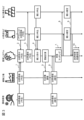
- FIG. 1 is a diagram showing a schematic configuration of a product shipping system according to an embodiment of the present invention.
- FIG. 2 is a block diagram showing the functional configuration of the product shipping system.
- 1 is a sequence diagram illustrating an overview of the operation of the product shipping system.
- 13 is a flowchart showing a shipper registration procedure.
- 5 is a detailed flowchart illustrating a product registration request procedure shown in step S405 of FIG. 4 and performed when a product registration request is made.
- 1 is a flowchart showing a consumer registration procedure.
- 13 is a flowchart showing a shipping schedule registration procedure.
- 13 is a flowchart showing a shipping schedule notification procedure.
- 13 is a flowchart showing a purchase application acceptance procedure.
- FIG. 1 is a flowchart showing a procedure for confirming the purchase of a product.
- 13 is a flowchart showing the operation of the buy and sell matching device.
- 13 is a flowchart showing a shipping confirmation registration procedure.
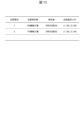
- FIG. 13 is a diagram showing shipper information stored in a shipper DB.
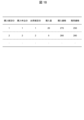
- FIG. 2 is a diagram showing consumer information stored in a consumer DB.
- 11 is a diagram showing shipping schedule information stored in a shipping schedule DB.
- FIG. 13 is a diagram showing shipping confirmation information stored in a shipping confirmation DB.
- FIG. 13 is a diagram showing purchase application information stored in a purchase application DB.
- FIG. 13 is a diagram showing purchase confirmation information stored in a purchase confirmation DB.
- FIG. FIG. 13 is a diagram showing product information stored in a product DB.
- 13A and 13B are diagrams showing distribution route information stored in a distribution DB.
- 13 is a flowchart illustrating adjustment of product production type performed in a plant factory.
- 13A and 13B are diagrams illustrating buy/sell matching.
- 13 is a flowchart illustrating in more detail the operation of the buy and sell matching device when performing a matching process.
- FIG. 1 is a diagram showing a schematic configuration of a product shipping system 1 according to the present embodiment.
- the product shipping system 1 shown in FIG. 1 illustrates the case where a product is transported from a shipper to a consumer.
- a "shipper" is a person who is a shipper of a product and is responsible for supplying the product.
- shippers are exemplified as plant factories and farms that perform open-field cultivation. In this embodiment, shippers also include outlet distributors.
- the product is a food product.
- Cultivated types of products produced in plant factories include, for example, leafy vegetables in general (leaf lettuce, herbs, baby leaves, etc.) and strawberries.
- a "consumer” is an example of a delivery destination of a product, and is a person who consumes the product, which is food. The consumer has the purpose of purchasing the product. Examples of consumers here include retail stores, restaurants and other food service businesses, food processors, and individuals. Note that an outlet distributor may also be a retail store, as shown in Figure 3 below. In other words, an outlet distributor may be both a shipper and a consumer.
- the products are transported by distributors.
- distributors that transport products by truck, rail, ship, and plane are used as examples of distributors.
- the shipper, the consumer, and the distributor are linked, and the consumer to whom the shipper will ship the product is determined. This realizes an information processing system that can improve the facility operation rate of the plant factory and reduce waste of the product.
- FIG. 2 is a block diagram showing the functional configuration of the product shipping system 1.
- the illustrated product shipping system 1 includes a shipper terminal 10 which is an example of a first terminal device, a consumer terminal 20 which is an example of a second terminal device, and an information processing device 30 which is an example of an information processing system, which are connected via a wide area communication network 40.
- a shipper terminal 10 which is an example of a first terminal device
- a consumer terminal 20 which is an example of a second terminal device
- an information processing device 30 which is an example of an information processing system, which are connected via a wide area communication network 40.
- FIG. 2 there is one shipper terminal 10 and a plurality of consumer terminals 20, but the number of each may be any number.
- the shipper terminal 10 is a terminal device through which a shipper, including a plant factory, inputs information about a product when shipping the product to a delivery destination.
- the consumer terminal 20 is a terminal device for inputting purchase order information, which is information on an application to purchase a product whose delivery destination is a product.
- the shipper terminal 10 and the consumer terminal 20 are, for example, computer devices such as a PC (Personal Computer), a mobile computer, a mobile phone, a smartphone, or a tablet.
- the information processing device 30 is, for example, a server computer, and manages the entire product shipping system 1. In this embodiment, the information processing device 30 determines the delivery destination of the product produced by the shipper, as will be described in detail later.
- the shipper terminal 10, the consumer terminal 20, and the information processing device 30 each include a processor such as a central processing unit (CPU) as a computing means, and a storage such as a main memory and a hard disk drive (HDD) as a storage means.
- the processor executes various software such as an operating system (OS) and application programs.
- the main memory is a storage area for storing various software and data used for executing the software
- the storage is a storage area for storing input data for the various software and output data from the various software.
- the shipper terminal 10, the consumer terminal 20 and the information processing device 30 are equipped with a communication interface (hereinafter referred to as "communication I/F") for communicating with the outside, a display mechanism consisting of a video memory, a display, etc., and an input mechanism such as a keyboard, a mouse, etc.
- a communication interface hereinafter referred to as "communication I/F"
- display mechanism consisting of a video memory, a display, etc.
- an input mechanism such as a keyboard, a mouse, etc.
- the wide area communication network 40 is a communication means used for information communication between the shipper terminal 10, the consumer terminal 20, and the information processing device 30, and is, for example, the Internet, a LAN (Local Area Network), or a WAN (Wide Area Network).
- the communication lines used for data communication may be wired or wireless, and a combination of these may be used.
- the shipper terminal 10, the consumer terminal 20, and the information processing device 30 may be connected via multiple networks or communication lines using relay devices such as gateway devices or routers.
- FIG. 3 is a sequence diagram illustrating an overview of the operation of the product shipping system 1. 3 shows the processes carried out between producers, shown as open-field growers and plant factories, an information processing device 30, shown as a proposed system, and consumers, shown as retailers and other processors.
- the product shipping system 1 operates by carrying out each of the processes 1 to 10. Each of the processes 1 to 10 will be described below.
- a producer shown as an open-field grower or a plant factory registers the planned shipping of the product. In Figure 3, this is illustrated as shipping registration (planned).
- the producer registers, for example, the planned production volume, planned shipping date, and shipping price as the planned shipping of the product.
- the planned shipping of the product is accepted as shipping acceptance (planned) by the information processing device 30, shown as the proposed system.
- outlet distributor may register shipping plans as the producer. In Figure 3, this is illustrated as outlet shipping registration (planned).
- the outlet distributor registers, for example, the planned sales volume, shipping date, and shipping price of the outlet item as the shipping plan for the product.
- the information processing device 30 shown as the proposed system notifies consumers of the planned shipping of the product. In FIG. 3, this is illustrated as a shipping notice (planned).
- the information processing device 30 notifies, for example, the planned sales volume, planned shipping date, and shipping price as the planned shipping of the product.
- the information processing device 30 may notify by distinguishing between outdoor-grown products and products produced in a plant factory. This makes it possible to emphasize that the products produced in the plant factory are branded goods.
- the consumer shown as a retailer or processor, makes an application to purchase the product.
- this is illustrated as a purchase request.
- the consumer submits, for example, the production type, which is the type of product, specifications such as the size of the product, the purchase request price, the purchase request quantity, and the desired delivery date.
- the consumer may also submit a shipping fee estimate and an allowable shipping fee, which is the upper limit of the shipping fee.
- the information processing device 30, shown as the proposed system performs purchase acceptance as a procedure for accepting the purchase request.
- the information processing device 30 shown as the proposed system performs a supply and demand calculation between the production amount and the demand amount of the product. Then, the information processing device 30 proposes an adjustment of the production type of the product to the plant factory based on the supply and demand calculation.
- the production type adjustment is performed using a matching procedure, which is an example of a matching process.
- the production type of the product is adjusted based on the proposal from the information processing device 30. Such adjustments are possible in the plant factory because it is relatively easy to flexibly switch the production type. This can improve the facility operation rate of the plant factory and reduce waste of the product.
- the producer who is either an open-field grower or a plant factory grower, registers the confirmed shipment of the product. In Figure 3, this is illustrated as shipment registration (confirmed).
- the producer registers, for example, the confirmed shipment quantity and shipping date as the confirmed shipment of the product.
- the information processing device 30 shown as the proposed system performs buy-sell matching to determine the delivery destination of products produced by producers. Buy-sell matching is performed using buy-sell matching, which is an example of matching processing. At this time, the information processing device 30 can also perform prioritized buy-sell matching, which determines the delivery destination according to a rank preset for the consumer.
- the information processing device 30 shown as the proposed system notifies the consumer of the purchase confirmation of the product.
- the information processing device 30 notifies the consumer of, for example, the purchase amount, purchase price, delivery date, and delivery fee as the purchase confirmation of the product.
- Consumers designated as retailers, processors, etc. will follow this notification to complete the purchase confirmation procedure.
- the information processing device 30 shown as the proposed system performs settlement processing and distribution processing.
- the shipper terminal 10 includes an input/output device 11 , a purchase quantity prediction device 12 , and a purchase application DB (database) 13 .
- the input/output device 11 corresponds to the input mechanism and output mechanism described above, and is a device into which a shipper inputs and displays information related to the shipment of a product. Specifically, shipping schedule information and confirmed shipping information are input.
- the shipping schedule information is information that plans the shipment of a product.
- the confirmed shipping information is information that is confirmed about the shipment of a product when the product produced by a shipper, including a plant factory, is shipped to a delivery destination.
- the input/output device 11 corresponds to the above-mentioned communication I/F and transmits and receives information to and from the information processing device 30 .
- the purchase quantity prediction device 12 corresponds to the above-mentioned processor and predicts the purchase quantity of products that consumers will purchase.
- the purchase quantity prediction device 12 makes predictions based on, for example, the history of varieties and purchase quantities purchased by consumers during the same period in the past. If the shipper is a plant factory, the cultivated variety to be produced, shipping time, shipping quantity, etc. can be determined based on the predictions of the purchase quantity prediction device 12.
- the purchase order DB13 corresponds to the storage described above and stores consumer purchase order information.
- the purchase order information is information about an order to purchase a product by a delivery destination.
- the consumer terminal 20 includes an input/output device 21 , a stock quantity prediction device 22 , a consumption quantity DB 23 , and a stock quantity DB 24 .
- the input/output device 21 corresponds to the input mechanism and output mechanism described above, and is a device for a consumer to input and display information related to the purchase of a product.
- the input/output device 21 also corresponds to the communication I/F described above, and transmits and receives information to and from the information processing device 30.
- the inventory prediction device 22 corresponds to the above-mentioned processor and predicts the inventory amount of a product owned by a consumer.
- the inventory prediction device 22 predicts the inventory amount of a product based on, for example, the consumption amount of the product during the same period in the past or a purchase plan for the product.
- the consumption amount DB 23 corresponds to the above-mentioned storage, and stores the history of the consumption amount of the product.
- the inventory DB 24 corresponds to the above-mentioned storage, and stores the history of the inventory of products owned by consumers.
- the information processing device 30 includes an input/output device 31, a processing unit 32, and a storage unit 34.
- the input/output device 31 is an example of a reception unit.
- the input/output device 31 corresponds to the above-mentioned input mechanism and output mechanism, and is a device through which the information processing device 30 receives and displays information related to the product.
- the input/output device 31 also corresponds to the above-mentioned communication I/F, and transmits and receives information between the shipper terminal 10 and the consumer terminal 20.
- the processing unit 32 corresponds to the above-mentioned processor, and executes each process performed by the information processing device 30 .
- the memory unit 34 corresponds to the storage described above, and stores various information regarding the product, such as the shipper, consumer, product, and distribution.
- the processing unit 32 includes a shipper registration device 321, a consumer registration device 322, a shipping schedule registration device 323, a shipping schedule notification device 324, a purchase order acceptance device 325, a production adjustment proposal device 326, a purchase confirmation device 327, a buy-sell matching device 328, a settlement and distribution processing device 329, a distribution forecast device 330, and a shipping confirmation registration device 331. Note that although these are illustrated here as devices, they can also be implemented as software.
- the shipper registration device 321 accepts information about the shipper from the shipper and performs a shipper registration procedure to register the shipper.
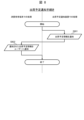
- 4 is a flowchart showing the shipper registration procedure. Note that in FIG. 4, the flowchart is shown divided into the process in the shipper terminal 10 and the process in the shipper registration device 321.
- a shipper applies for shipper registration (step S401).
- the shipper registration device 321 notifies the shipper of the list of registered products (step S402).
- the shipper registration device 321 requests the shipper to input shipper information (step S403).
- the shipper determines whether or not all of the shipments to be registered are included in the product list (step S404). As a result, if at least some of the shipments to be registered are not in the list of products (No in step S404), the shipper makes a request to register the products (step S405), and the process proceeds to the next step S406. On the other hand, if all the shipments to be registered are in the product list (Yes in step S404), the shipper inputs shipper information (step S406). Values that the shipper should input as shipper information include, for example, the shipper name, address, and shipment item ID list.
- the shipper registration device 321 receives the input shipper information and judges whether the shipper information is duplicated (step S407).
- the shipper registration device 321 judges whether the shipper information is duplicated based on the shipper name and address. Specifically, the shipper registration device 321 considers the shipper information to be duplicated when both the shipper name and address match. As a result, if there is a duplication of shipper information (Yes in step S407), the shipper registration device 321 notifies the shipper of the duplication (step S408), and then the process returns to step S403. On the other hand, if there is no duplicate shipper information (No in step S407), the shipper registration device 321 generates a shipper ID (step S409).
- the shipper registration device 321 generates a unique shipper ID. Furthermore, the shipper registration device 321 registers the shipper information (step S410). Then, the shipper registration device 321 notifies the shipper that the shipper information has been registered (step S411).
- FIG. 5 is a flow chart illustrating in detail the product registration request procedure shown in step S405 of FIG. 4 and carried out when a product registration request is made.
- the shipper inputs product information for which registration is requested (step S501).
- the product information is information related to the product that is required when shipping the product.
- the shipper registration device 321 judges whether the registration request is valid or not (step S502). As a result, if the registration request is not valid (No in step S502), the shipper registration device 321 proposes a product to be registered as a shipment (step S503). Information on the proposed product is sent to the shipper terminal 10, and the shipper determines whether the proposed product is appropriate or not (step S504).
- step S504 If the proposed product is appropriate (Yes in step S504), the process ends. In this case, the shipper produces the proposed product. On the other hand, if it is not valid (No in step S504), the product shipping system 1 cannot handle the request, and so separate discussion will be held (step S505).
- step S502 if the registration request is valid (Yes in step S502), the shipper registration device 321 registers the product information (step 506). Then, the shipper registration device 321 notifies the shipper that the product has been registered (step S507).
- the consumer registration device 322 accepts information about the consumer from the consumer and performs a consumer registration procedure to register the consumer.
- 6 is a flowchart showing the consumer registration procedure. Note that in FIG. 6, the flowchart is shown divided into the process in the consumer terminal 20 and the process in the consumer registration device 322.
- a consumer applies for consumer registration (step S601).
- the consumer registration device 322 requests the consumer to input consumer information (step S602).
- consumer inputs consumer information (step S603).
- consumer information include, for example, the consumer name, location, and business classification.
- the consumer registration device 322 receives the input consumer information and judges whether the consumer information is duplicated (step S604).
- the consumer registration device 322 judges whether the consumer information is duplicated based on the consumer name and address. Specifically, the consumer registration device 322 considers the consumer information to be duplicated when both the consumer name and address match. As a result, if the consumer information is duplicated (Yes in step S604), the consumer registration device 322 notifies the consumer of the duplication (step S605), and the process returns to step S602.
- the consumer registration device 322 generates a consumer ID (step S606).
- the consumer ID is a unique value generated by the consumer registration device 322. Then, the consumer registration device 322 registers the consumer information (step S607). Furthermore, the consumer registration device 322 notifies the consumer that the consumer information has been registered (step S608).
- the shipping schedule registration device 323 receives the shipping schedule of the product from the shipper when the shipper registers the shipping schedule of the product, and performs the shipping schedule registration procedure. This corresponds to 1 and 2 in FIG. 3. 7 is a flowchart showing the shipping schedule registration procedure. Note that in FIG. 7, the flowchart is shown divided into the process in the shipper terminal 10 and the process in the shipping schedule registration device 323.
- the shipper inputs shipping schedule information (step S701). Values that the shipper inputs as shipping schedule information include, for example, specifications, scheduled shipping volume, scheduled shipping date, shipment ID, and shipping price.
- the shipping schedule registration device 323 receives the input shipping schedule information and judges whether the shipping schedule information is duplicated (step S702).
- the shipping schedule registration device 323 judges whether the shipping schedule information is duplicated by whether the shipper ID, product ID, specifications, scheduled shipping date, and shipping price all match. As a result, if there is a duplication of shipping schedule information (Yes in step S702), the shipping schedule registration device 323 notifies the shipper of the duplication (step S703). The shipper who receives the notification determines whether or not to register the shipping schedule information in duplicate (step S704). As a result, if the shipping schedule information is not to be registered in duplicate (No in step S704), the process returns to step S701. On the other hand, if the shipping schedule information is to be registered in duplicate (Yes in step S704), the shipper notifies the user of the fact that the shipping schedule information will be registered in duplicate (step S705).
- step S705 the shipping schedule registration device 323 After step S705, or if there is no overlap in the shipping schedule information in step S702 (No in step S702), the shipping schedule registration device 323 generates a shipping schedule ID (step S706).
- the shipping schedule ID is generated by the shipping schedule registration device 323 as a unique value.
- the shipping schedule registration device 323 registers the shipping schedule information (step S707).
- the shipping schedule registration device 323 notifies the shipper that the shipping schedule information has been registered (step S708).
- the shipping schedule notifying device 324 performs the shipping schedule notifying procedure for the product (step S709), which will be described with reference to the next FIG.
- the shipping schedule notification device 324 performs a shipping schedule notification procedure to notify consumers of the shipping schedule of products. This corresponds to 3 in FIG. 8 is a flowchart showing the shipping schedule notification procedure. Note that in FIG. 8, the flowchart is shown divided into the process in the consumer terminal 20 and the process in the shipping schedule notification device 324.
- the shipping schedule notifying device 324 notifies the consumer of shipping schedule information (step S801).
- the consumer terminal 20 notifies the user of the notified shipping schedule information (step S802).
- Possible means for notifying the user include displaying on a display, sending an email, or notifying via a social networking service (SNS) such as LINE (registered trademark). This process may be performed by the shipping schedule notification device 324 without going through the consumer terminal 20.
- SNS social networking service
- the purchase order receiving device 325 receives an order to purchase a product from a consumer and performs a purchase order receiving procedure.
- This corresponds to 4 in FIG. 9 is a flowchart showing the purchase order acceptance procedure. Note that in FIG. 9, the flowchart is shown divided into the process in the consumer terminal 20 and the process in the purchase order acceptance device 325.
- a consumer inputs purchase order information (step S901). Values to be input as purchase order information include, for example, a consumer ID and a purchase order amount, as well as a shipping schedule ID, a product ID, specifications, and a purchase order price.
- the purchase application receiving device 325 receives the input purchase application information and generates a purchase application ID (step S902).
- the purchase application ID is generated by the purchase application receiving device 325 as a unique value.
- the purchase order receiving device 325 registers the purchase order information (step S903). Then, the purchase application receiving device 325 notifies the consumer that the purchase application information has been registered (step S904).
- the production adjustment proposal device 326 adjusts the production type of the product. This corresponds to 5. in Figure 3. The production type adjustment of the product will be described in detail later.
- the purchase confirmation device 327 performs a purchase confirmation procedure to confirm the purchase of the product. This corresponds to 8 and 9 in FIG. 10 is a flowchart showing the procedure for confirming the purchase of a product. Note that in FIG. 10, the flowchart is shown divided into the process at the consumer terminal 20 and the process at the purchase confirmation device 327.
- the purchase confirmation device 327 generates purchase confirmation information for each consumer from matching information (described later) (step S1001).
- the purchase confirmation information is, for example, a pair of a purchase application ID and a shipping confirmation ID, together with a purchase amount, a purchase price, and a sales price.
- the purchase price is the price paid by the consumer, and the sales price is the price received by the shipper.
- the consumer terminal 20 outputs purchase confirmation information (step S1002).
- the consumer terminal 20 outputs, as the purchase confirmation information, for example, the purchase amount and the purchase price.
- the user who has seen the purchase confirmation information determines whether or not to confirm the purchase, and inputs the result into the consumer terminal 20 (step S1003).
- the purchase confirmation device 327 registers the confirmed purchase confirmation information in the purchase confirmation DB 346 (step S1004).
- the purchase confirmation information is not registered in the purchase confirmation DB 346, and the process ends.
- the trade matching device 328 performs a trade matching procedure to determine the delivery destination of the shipper's product. This corresponds to 7 in FIG.
- Fig. 11 is a flowchart showing the operation of the buy-sell matching device 328. Note that Fig. 11 illustrates a flowchart that is divided into processing in the consumer terminal 20 and processing in the buy-sell matching device 328.
- the buy-sell matching device 328 executes buy-sell matching (step S1101). The buy-sell matching will be described in detail later.
- the buy-sell matching device 328 notifies the consumer of the possible sales volume and delivery date based on the matching result (step S1102). Then, the consumer terminal 20 receives the notification and notifies the user of the notified information (step S1103).
- the settlement and distribution processing device 329 performs settlement processing and distribution processing. This corresponds to 10 in FIG.
- the distribution prediction device 330 predicts the costs and delivery time required for distribution when shipping a product.
- the shipment confirmation registration device 331 performs a shipment confirmation registration procedure for registering the shipment confirmation of the product. This corresponds to 6 in FIG. 12 is a flowchart showing the shipping confirmation registration procedure. In FIG. 12, the flowchart is shown divided into the process in the shipper terminal 10 and the process in the shipping confirmation registration device 331.
- the shipper terminal 10 inputs the confirmed shipping information (step S1201). Values to be input as the confirmed shipping information include, for example, the shipping schedule ID of the corresponding shipping schedule, the confirmed shipping quantity, and the confirmed shipping date.
- the shipment confirmation registration device 331 generates a shipment confirmation ID (step S1202).
- the shipment confirmation ID is a unique value generated by the shipment confirmation registration device 331.
- the shipment confirmation registration device 331 registers the shipment confirmation information (step S1203).
- the memory unit 34 includes a shipper DB 341, a consumer DB 342, a shipping schedule DB 343, a shipping confirmation DB 344, a purchase request DB 345, a purchase confirmation DB 346, a product DB 347, and a distribution DB 348. Although these are separate DBs (databases), they may be stored in the same storage if they are logically separated.
- the shipper DB 341 stores the shipper information registered by the shipper registration device 321 .
- FIG. 13 is a diagram showing shipper information stored in the shipper DB 341.
- the shipper information exemplified here includes a shipper ID, a shipper name, a location, and a list of shipped item IDs.
- the shipper ID is referenced within the product shipping system 1. Therefore, a unique value is required within the product shipping system 1.
- the shipper ID can be a sequential number or a universally unique identifier (UUID).
- UUID universally unique identifier
- the shipper name is the name of the shipper, and corresponds to, for example, the name of a company, the name of a farm, the name of a plant factory, etc.
- the shipper name is used for various indications and for indicating the place of origin to consumers.
- the address is the address of the shipper.
- the address is used for buying and selling matching.
- the shipping item ID list is a list of pairs of product IDs and the lead times of the corresponding products. Here, the lead times are displayed in number of days.
- the shipping item ID list is used when adjusting the production type.
- the consumer DB 342 stores the consumer information registered by the consumer registration device 322 .
- FIG. 14 is a diagram showing consumer information stored in the consumer DB 342.
- the consumer information exemplified here includes a consumer ID, a consumer name, a location, a business category, a purchase level, and a member rank.
- the consumer ID is referenced within the product shipping system 1. Therefore, a unique value is required within the product shipping system 1.
- the consumer ID can be a sequential number or a UUID.
- the consumer name is the name of the consumer, and corresponds to, for example, a company name, a retail store name, an individual name, etc.
- the consumer name is used in the payment and distribution process.
- the location is the location of the consumer. The location is used in buying and selling matching.
- the business classification is an ID for classifying retail, restaurants, etc. If the consumer is an individual, an ID for classifying the individual is assigned.
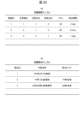
- the purchase level represents the amount of product consumed. The higher the purchase level, the greater the amount of product consumed. The purchase level is set to the lowest immediately after a consumer is registered.
- Member rank is the rank of the consumer. Member rank includes whether or not the consumer is a member. Free members may be required to pay shipping fees, while paid members may receive free shipping.
- the numerical values of member rank have the following meanings, for example:
- the various services include sales of cultivation plots for vegetable factories, farming experience, volunteer participation, etc.
- a consumer's member rank is non-member.
- a mechanism may be provided in which, for example, comments from the consumer are entered as consumer information, and these comments are delivered to the shipper anonymously/named.
- the shipping schedule DB 343 stores the shipping schedule information registered by the shipping schedule registration device 323.
- the shipping schedule information is information that plans the shipping of a product.
- FIG. 15 is a diagram showing shipping schedule information stored in the shipping schedule DB 343.
- the shipping schedule information shown here includes a shipping schedule ID, a shipper ID, a product ID, a specification, a scheduled shipping amount, a scheduled shipping date, a shipment ID, and a shipping price.
- the shipping schedule ID is an ID given to each piece of shipping schedule information and is used to identify each piece of shipping schedule information.
- the shipper ID is the same as the shipper ID included in the shipper information stored in the shipper DB 341, and is used to link with the contents of the shipper DB 341.
- the product ID is an ID given to each production type of product and is an ID for classifying the products.
- the standard is a character string that is defined for each product ID and indicates the standard. In this example, the standard is determined by the size of the product.
- the planned shipping amount is the amount of the product to be shipped.
- the scheduled shipping date is the date on which the product is scheduled to be shipped.
- the shipment ID is used to identify outlet products. In the case of outlet products, "1" is set. In the case of products shipped from outdoor cultivation or plant factories, the shipment ID is set to a value that can distinguish between outdoor cultivation and plant factories. In the example shown in the figure, this is "-".
- the shipping price is the price per unit weight of the product. The meaning of the shipping price changes depending on who bears the distribution costs. If the shipper bears the distribution costs, the shipping price includes the distribution costs and matches the consumer's purchase price. If the consumer also bears the distribution costs, the appropriate distribution costs can be determined after matching the buyer and seller, and the shipping price will not match the consumer's purchase price.
- the shipment confirmation DB 344 stores the shipment confirmation information registered by the shipment confirmation registration device 331.
- the shipment confirmation information is information that is confirmed regarding the shipment of a product when the product produced by a shipper including a plant factory is shipped to a delivery destination.
- FIG. 16 is a diagram showing the shipping confirmation information stored in the shipping confirmation DB 344.
- the confirmed shipping information exemplified here includes a confirmed shipping ID, a scheduled shipping ID, a confirmed shipping amount, and a shipping date.
- the shipping confirmation ID is an ID given to each piece of shipping confirmation information and is used to identify each piece of shipping confirmation information.
- the shipping schedule ID is the same as the shipping schedule ID included in the shipping schedule information stored in the shipping schedule DB 343 , and is used to link with the contents of the shipping schedule DB 343 .
- the confirmed shipping amount is the amount of the product that has been confirmed to be shipped. Here, the confirmed shipping amount is expressed by the weight (kg) of the product.
- the shipping date is the date on which products whose shipping has been confirmed are shipped.
- the purchase order DB 345 stores the purchase order information registered by the purchase order receiving device 325.
- the purchase order information is information on an order for a delivery destination to purchase a product.
- FIG. 17 is a diagram showing purchase order information stored in the purchase order DB 345.
- the purchase order information shown here includes a purchase order ID, a consumer ID, a shipping schedule ID, a product ID, a specification, a purchase order price, a purchase order quantity, and a desired arrival date.
- the purchase application ID is an ID given to each piece of purchase application information and is used to identify each piece of purchase application information.
- the consumer ID is the same as the consumer ID of the consumer information stored in the consumer DB 342 and is used to link with the contents of the consumer DB 342 .
- the shipping schedule ID is used when making a purchase order directly for a shipping schedule. In this case, "1" is set.
- a special value is used. In the above example, that is "-".
- the product ID, specifications, and purchase request price are not specified for the shipping schedule, but are used when making a purchase request specifying a product. In this case, "1" is set.
- a special value is used. In the above example, this is "-".
- the product ID may be assigned a special value. For example, in the case of rice, this would be the value assigned when the variety is not important.
- the purchase request amount is the amount of the product that is being requested to be purchased. Here, the purchase request amount is expressed by the weight (kg) of the product.
- the desired arrival date is the desired date on which the product will be delivered to the consumer. In the case of a purchase application using a shipping schedule ID, it is used to notify the consumer if the arrival is delayed. In the case of a purchase application for a specified product, the shipping schedule that allows the product to arrive around the desired arrival date is used.
- the purchase confirmation DB 346 stores the purchase confirmation information registered by the production adjustment proposal device 326 .
- FIG. 18 is a diagram showing purchase confirmation information stored in the purchase confirmation DB 346.
- the purchase confirmation information exemplified here includes a purchase confirmation ID, a purchase application ID, a shipping confirmation ID, a purchase amount, a purchase price, and a sales price.
- the purchase confirmation ID is an ID given to each piece of purchase confirmation information and is used to identify each piece of purchase confirmation information.
- the purchase application ID is the same as the purchase application ID included in the purchase application information stored in the purchase application DB 345, and is used to link the purchase application ID with the contents of the purchase application DB 345.
- the shipping confirmation ID is the same as the shipping confirmation ID included in the shipping confirmation information stored in the shipping confirmation DB 344, and is used to link with the contents of the shipping confirmation DB 344.
- the purchase amount is the amount of the product that has been confirmed for purchase. Here, the purchase amount is expressed by the weight (kg) of the product.
- the purchase price is the price per unit weight of the product that the consumer purchases.
- the selling price is the price per unit weight of the product shipped by the shipper. As mentioned above, there may be a difference between the purchase price and the selling price depending on who bears the distribution costs.
- the product DB 347 stores the product information registered by the shipper registration device 321 .
- FIG. 19 is a diagram showing product information stored in the product DB 347.
- the product information shown here includes a product ID, a product name, a specification list, a higher-level ID, a lower-level ID list, and a shipping unit.
- the product ID is an ID given to each piece of purchased product information and is used to identify each piece of product information.
- the product name is the name of the product.
- the product name is used to display to shippers and consumers.
- a standard list is a list of pairs of standard names and standard definitions. The standard list of a product that does not have a lower ID must be empty. In the illustrated example, this is indicated by "-".
- the upper and lower IDs are selected when you want to purchase products by rough classification, rather than specific varieties.
- Green Wave and Green Jacket are the names of leaf lettuce varieties. They are used as a classification standard to group together products that are similar in nature to the extent that the same specification list can be used.
- the shipping unit is the packaging unit when shipping the product.
- an ID may be added to distinguish between products grown in a plant factory and products grown outdoors. This can be used to indicate branded products when notifying consumers of the planned shipping of the products.
- the distribution DB 348 stores the distribution route information predicted by the distribution prediction device 330 .
- 20(a) and (b) are diagrams showing distribution route information stored in the distribution DB 348.
- FIG. The distribution route information shown here is composed of a distribution route table shown in Fig. 20(a) and a distribution base table shown in Fig. 20(b).
- the distribution route table is a table showing costs and delivery periods for a plurality of distribution routes.
- the distribution base table is a table showing information about distribution bases.
- the distribution route table shown in FIG. 20(a) includes a route ID, a product ID, a starting point ID, an arrival point ID, a cost, and a delivery period.
- the route ID is an ID given to each distribution route and is used to identify each distribution route.
- the product ID is the product ID of the product handled in the distribution route. Assuming that different handling is required for each product, if the starting point and the destination point are the same in the distribution route table but the products are different, they are treated as different distribution routes.
- the starting point ID and the arrival point ID respectively specify the starting point and the arrival point on the distribution route.
- Each ID refers to information by the base ID in the distribution base table.
- the cost is the distribution cost per shipping unit of the product in each distribution channel, i.e., the distribution cost per shipping unit specified by the product ID.
- the delivery period is the delivery period required when each distribution route is used.
- the distribution base table shown in FIG. 20(b) includes a base ID, a main address, and an area to be covered.
- the base ID is an ID given to each distribution base and is used to identify each distribution base.
- the main address is the main address of each distribution base and is used in the UI (User Interface) related to traceability.
- the area of responsibility specifies the area that each distribution center is responsible for collection and delivery of. If the distribution center is a warehouse or other such center that only relays goods, no area of responsibility is set.
- FIG. 21 is a flowchart illustrating adjustment of the production type of a product performed in a plant factory.
- the processing unit 32 executes a matching procedure using the shipping schedule information (step S2101).
- the processing unit 32 uses the purchase order information to extract from the purchase orders those in which the shipping volume allocation is less than the purchase order volume, and classifies them as group X (step S2102).
- the processing unit 32 creates a provisional shipping schedule for group X by adding the lead time to the current date and time, and sets the schedule as group Y (step S2103).
- the processing unit 32 executes a matching procedure for the X group and the Y group (step S2104). Furthermore, the processing unit 32 extracts items from group Y that are expected to be shipped to group X from the execution result of the matching procedure, and sets these items as group Z (step S2105). Furthermore, the processing unit 32 notifies the shipper referred to when creating the tentative shipping schedule for group Z of the production adjustment proposal (step S2106).
- the processing unit 32 proposes an adjustment to the type of produce to be produced in the plant factory based on the shipping schedule information and the purchase order information.
- the processing unit 32 proposes an adjustment to the type of produce to be produced in the plant factory by performing a matching procedure that matches the shipping schedule information with the purchase order information.
- the matching procedure is performed based on a predetermined optimization criterion.
- the optimization criterion must be provided from outside and determined in advance.
- the optimization criterion is set as a criterion related to the distribution of the produce. This allows optimization that takes into account the distribution of the produce.
- consideration can be given to maximizing the supply amount of the produce, prioritizing the supply order based on the rank of the delivery destination, reducing transportation costs based on the transportation distance, preventing deterioration of freshness due to the transportation period, minimizing transportation time, etc.
- the matching procedure performed in the production type adjustment of the product is a process in which the shipment of the product by the plant factory is provisionally created (step S2103) based on the result of matching the shipping schedule information and the purchase order information based on the optimization criteria (step S2101), and the corrected shipping schedule information incorporating the provisionally created shipping schedule is matched with the purchase order information (step S2104). That is, when adjusting the production type of the product, the processing unit 32 performs the matching procedure twice, in steps S2101 and S2104. In this way, the production adjustment is proposed in anticipation of the shipment after the production adjustment.
- FIG. 22(a) and (b) are diagrams explaining buy/sell matching.
- FIG. 22(a) is a diagram showing a distribution graph Gr that is created as a preliminary step when buying and selling matching is performed.
- the illustrated distribution graph Gr is a graph in which the costs and number of days required for distribution are organized.
- the distribution graph Gr is a directed graph in which each edge has a direction, and is constructed for each product ID. Therefore, in general, the distribution graph Gr is different for each product, and the distribution graph Gr is created for each product.
- the nodes N represented by circles correspond to each distribution base. Of these, the solid circles correspond to distribution bases with a designated area, and the dashed circles correspond to distribution bases without a designated area.
- the directed edges H represented by arrows correspond to each distribution route.
- the starting point of the arrow is the distribution base specified by the starting point ID
- the destination of the arrow is the distribution base specified by the arrival point ID.
- the distribution graph Gr is constructed according to the following steps (1) to (3). (1) All distribution bases are registered as nodes N. (2) Register the directed edge H corresponding to the distribution route information having the product ID specified at the time of construction. (3) Delete a node N that is not connected to any edge.
- FIG. 22(b) is a diagram showing a buy-sell match graph Gb used when performing buy-sell matching.
- the buy-sell match graph Gb is a bipartite graph consisting of shipper nodes Ns and consumer nodes Ng.
- shipper nodes Ns are arranged on the left side and consumer nodes Ng are arranged on the right side.
- the shipper nodes Ns correspond to shipping confirmation information.
- the consumer nodes correspond to purchase application information.
- All edges are directed edges H extending from one of the shipper nodes Ns to one of the consumer nodes Ng.
- Each directed edge H lists available distribution paths that are not Pareto inferior in terms of the optimization criterion to be considered. This can also be said that in the distribution graph Gr in which distribution bases are connected by directed edges H corresponding to distribution routes, those selected as not being Pareto inferior according to the optimization criterion are used as directed edges H to be used in the buy-sell match graph Gb.
- the Pareto optimal solution can be found by a known method.
- the Pareto optimal solution can be found by exhaustive search.
- the Pareto optimal solution can be found by using, for example, an MIP (mixed integer programming problem) solver.
- the buy-sell match graph Gb is not necessarily a simple graph, and there is a possibility that there are multiple delivery routes that are Pareto optimal.
- a cost based on the optimization criterion is set for the directed edge H.
- the cost (distribution cost) of FIG. 20(a) can be set.
- the delivery period of FIG. 20(a) can be further set. This is naturally derived from the Pareto optimal route on the distribution graph Gr.
- Buy-sell matching is performed by solving a multi-item minimum cost flow problem based on the buy-sell match graph Gb.
- shipping confirmation information and purchase application information are matched in order of priority based on a predefined optimization criterion.
- This allows for priority matching based on the supply volume of produce and the type and member rank of the consumer, making it possible to optimally distribute products, including those from the plant factory, to consumers. This contributes to improving the profits of plant factory operators, as it allows for a stable supply of food from the plant factory and brings the produce closer to being sold out.
- buying and selling matching is performed using a buying and selling match graph Gb that is defined for each product and that links shipper nodes Ns defined by shipping confirmation information with consumer nodes Ng defined by purchase application information by directed edges H corresponding to the distribution route.
- buying and selling matching can be performed so that the allowable shipping fee, which is the upper limit of the shipping fee, is not exceeded.
- the buy-sell match graph Gb may be created for each rank (member rank) that is preset for the delivery destination. In other words, products are shipped preferentially to consumers with high ranks, such as those who consume a large amount. This can further improve the facility operation rate of the plant factory and reduce waste of products.
- a similar method is used when performing matching processing to adjust the production type of products.
- the difference is that the information used by the shipper node Ns corresponds to scheduled shipping information rather than confirmed shipping information.
- FIG 23 is a flowchart for explaining in more detail the operation of the buy/sell matching device 328 when performing the above matching process.
- FIG 23 is a flowchart for explaining in more detail step S1101 of FIG 11.
- the buy/sell matching device 328 acquires the shipping confirmation information to be used (step S2301), as shown in FIG.
- the buy/sell matching device 328 acquires the purchase application information to be used (step S2302), which is exemplified in FIG.
- the buy/sell matching device 328 determines the optimization criterion (step S2303).
- the buy/sell matching device 328 generates a buy/sell match graph Gb (step S2304), which is shown as an example in FIG.
- the buy/sell matching device 328 also scalarizes the optimization criteria and constructs an objective function (step S2305).
- Scalarization means integrating the evaluation values of each optimization criterion into a single evaluation value. Scalarization can be performed using a known method. For example, a relatively simple method is to use a linear sum of each evaluation value to perform scalarization.
- the buy-sell matching device 328 solves a multi-item minimum-cost flow problem on the buy-sell match graph Gb for the constructed objective function (step S2306). Therefore, buy-sell matching can be said to be a process of scalarizing the optimization criterion to create an objective function, and solving a multi-item minimum-cost flow problem on the buy-sell match graph Gb for the created objective function. Furthermore, the buy/sell matching device 328 generates a match between the shipping confirmation information and the purchase order information from the above solution (step S2307). Then, the buy/sell matching device 328 outputs the matching information as matching information (step S2308).
- the solution to the multi-item minimum-cost flow problem is to find how much of each product has been transported along each directed edge H. Since the buying and selling match graph Gb is a bipartite graph that is divided into shipper nodes Ns and consumer nodes Ng, the transportation volume along the directed edge H directly indicates how much product is allocated from which shipper to which purchase order.
- the matching information has the same format as the purchase confirmation information.
- a similar method is used when performing matching to adjust the production type of products. However, the difference is that the information used corresponds to planned shipping information rather than confirmed shipping information.
- the information processing device 30 and product shipping system 1 described above can improve the facility operation rate of a plant factory when the plant factory is included as a shipper, and reduce waste of products.
- the above-described processing performed by the information processing device 30 is realized by the cooperation of software and hardware resources. That is, a processor in a computer provided in the information processing device 30 loads software for realizing each of the above-described functions into memory, executes the software, and realizes each of these functions.
- the processing performed by the information processing device 30 can therefore be considered as an information processing method in which, when products produced by shippers including plant factories are shipped to a destination, a processor executes software recorded in the memory to accept shipping confirmation information, which is information that has been confirmed regarding the shipment of the products, and purchase order information, which is information on an application by the destination to purchase the products, and determines the destination of the products by performing buy-sell matching that matches the shipping confirmation information with the purchase order information in order of priority based on a predefined optimization criterion.
Landscapes
- Business, Economics & Management (AREA)
- Accounting & Taxation (AREA)
- Finance (AREA)
- Development Economics (AREA)
- Economics (AREA)
- Marketing (AREA)
- Strategic Management (AREA)
- Physics & Mathematics (AREA)
- General Business, Economics & Management (AREA)
- General Physics & Mathematics (AREA)
- Engineering & Computer Science (AREA)
- Theoretical Computer Science (AREA)
- Management, Administration, Business Operations System, And Electronic Commerce (AREA)
Priority Applications (2)
| Application Number | Priority Date | Filing Date | Title |
|---|---|---|---|
| JP2025503309A JPWO2024180680A1 (https=) | 2023-02-28 | 2023-02-28 | |
| PCT/JP2023/007384 WO2024180680A1 (ja) | 2023-02-28 | 2023-02-28 | 情報処理システム、情報処理方法および生産物出荷システム |
Applications Claiming Priority (1)
| Application Number | Priority Date | Filing Date | Title |
|---|---|---|---|
| PCT/JP2023/007384 WO2024180680A1 (ja) | 2023-02-28 | 2023-02-28 | 情報処理システム、情報処理方法および生産物出荷システム |
Publications (1)
| Publication Number | Publication Date |
|---|---|
| WO2024180680A1 true WO2024180680A1 (ja) | 2024-09-06 |
Family
ID=92589508
Family Applications (1)
| Application Number | Title | Priority Date | Filing Date |
|---|---|---|---|
| PCT/JP2023/007384 Ceased WO2024180680A1 (ja) | 2023-02-28 | 2023-02-28 | 情報処理システム、情報処理方法および生産物出荷システム |
Country Status (2)
| Country | Link |
|---|---|
| JP (1) | JPWO2024180680A1 (https=) |
| WO (1) | WO2024180680A1 (https=) |
Citations (4)
| Publication number | Priority date | Publication date | Assignee | Title |
|---|---|---|---|---|
| JPH11175609A (ja) * | 1997-12-12 | 1999-07-02 | Next One Kk | 農産物の生産流通管理システム |
| KR20200074633A (ko) * | 2018-12-17 | 2020-06-25 | 서울여자대학교 산학협력단 | 단일 플랫폼 농수산물 유통 시스템 |
| CN112396463A (zh) * | 2020-11-27 | 2021-02-23 | 南京魏东电子商务有限公司 | 一种基于大数据的农业信息智能采集共享系统 |
| JP2022125604A (ja) * | 2021-02-17 | 2022-08-29 | 株式会社東芝 | 情報処理装置、情報処理方法及びコンピュータプログラム |
-
2023
- 2023-02-28 WO PCT/JP2023/007384 patent/WO2024180680A1/ja not_active Ceased
- 2023-02-28 JP JP2025503309A patent/JPWO2024180680A1/ja active Pending
Patent Citations (4)
| Publication number | Priority date | Publication date | Assignee | Title |
|---|---|---|---|---|
| JPH11175609A (ja) * | 1997-12-12 | 1999-07-02 | Next One Kk | 農産物の生産流通管理システム |
| KR20200074633A (ko) * | 2018-12-17 | 2020-06-25 | 서울여자대학교 산학협력단 | 단일 플랫폼 농수산물 유통 시스템 |
| CN112396463A (zh) * | 2020-11-27 | 2021-02-23 | 南京魏东电子商务有限公司 | 一种基于大数据的农业信息智能采集共享系统 |
| JP2022125604A (ja) * | 2021-02-17 | 2022-08-29 | 株式会社東芝 | 情報処理装置、情報処理方法及びコンピュータプログラム |
Also Published As
| Publication number | Publication date |
|---|---|
| JPWO2024180680A1 (https=) | 2024-09-06 |
Similar Documents
| Publication | Publication Date | Title |
|---|---|---|
| Jaigirdar et al. | Multi-objective multi-echelon distribution planning for perishable goods supply chain: A case study | |
| Shukla et al. | Agri‐fresh produce supply chain management: a state‐of‐the‐art literature review | |
| Jonsson et al. | Applying advanced planning systems for supply chain planning: three case studies | |
| JP2023018105A (ja) | インバウンド購入注文のインテリジェントな調整による製品在庫の最適化のためのシステムおよび方法 | |
| Paydar et al. | Revised multi-choice goal programming for integrated supply chain design and dynamic virtual cell formation with fuzzy parameters | |
| Shilpi et al. | Market facilities and agricultural marketing: Evidence from Tamil Nadu, India | |
| Villegas et al. | Supply chain dynamics: analysis of inventory vs. order oscillations trade-off | |
| Zhang et al. | Closed-loop inventory routing problem for perishable food with returnable transport items selection | |
| WO1999030259A1 (en) | Commodity exchanging apparatus, commodity exchanging system, commodity exchanging method and storage medium | |
| Yao | Optimisation of one-stop delivery scheduling in online shopping based on the physical Internet | |
| Cholette | Mitigating demand uncertainty across a winery's sales channels through postponement | |
| Lysa et al. | Exploring the relationships between demand attitudes and the supply amount in consumer-driven supply chain for FMCG | |
| Violi et al. | An age-based dynamic approach for distribution of perishable commodities with stochastic demands | |
| US12079828B2 (en) | Multi-channel demand planning for inventory planning and control | |
| KR102571827B1 (ko) | 농수산물 수의거래 시스템 | |
| JP7153380B1 (ja) | トレーサビリティ管理システム | |
| Pourahmadi et al. | Scenario-based robust optimization for online retail orders considering supply chain costs and level of service: a real case study | |
| CN110866711A (zh) | 定时供应链电子商务购买方系统及其方法 | |
| Potter et al. | Removing bullwhip from the Tesco supply chain | |
| WO2024180680A1 (ja) | 情報処理システム、情報処理方法および生産物出荷システム | |
| US20150100378A1 (en) | Supply chain management method and system | |
| Seyedhosseini et al. | Integration of production and distribution decisions of perishable products considering feasible delivery routes | |
| JP2012022524A (ja) | 花卉仕入れ支援システムおよび花卉仕入れ支援方法 | |
| Yan et al. | Replenishment decision and coordination contract in cluster supply chain | |
| Munasinghe et al. | A supply chain network design optimization model from the perspective of a retail distribution supply chain |
Legal Events
| Date | Code | Title | Description |
|---|---|---|---|
| 121 | Ep: the epo has been informed by wipo that ep was designated in this application |
Ref document number: 23925237 Country of ref document: EP Kind code of ref document: A1 |
|
| ENP | Entry into the national phase |
Ref document number: 2025503309 Country of ref document: JP Kind code of ref document: A |
|
| WWE | Wipo information: entry into national phase |
Ref document number: 2025503309 Country of ref document: JP |
|
| NENP | Non-entry into the national phase |
Ref country code: DE |
|
| 122 | Ep: pct application non-entry in european phase |
Ref document number: 23925237 Country of ref document: EP Kind code of ref document: A1 |