WO2024166408A1 - 情報提示装置、情報提示方法、プログラムおよび記録媒体 - Google Patents
情報提示装置、情報提示方法、プログラムおよび記録媒体 Download PDFInfo
- Publication number
- WO2024166408A1 WO2024166408A1 PCT/JP2023/022511 JP2023022511W WO2024166408A1 WO 2024166408 A1 WO2024166408 A1 WO 2024166408A1 JP 2023022511 W JP2023022511 W JP 2023022511W WO 2024166408 A1 WO2024166408 A1 WO 2024166408A1
- Authority
- WO
- WIPO (PCT)
- Prior art keywords
- unit
- spot
- recommended
- user
- date
- Prior art date
- Legal status (The legal status is an assumption and is not a legal conclusion. Google has not performed a legal analysis and makes no representation as to the accuracy of the status listed.)
- Ceased
Links
Images




Classifications
-
- G—PHYSICS
- G01—MEASURING; TESTING
- G01C—MEASURING DISTANCES, LEVELS OR BEARINGS; SURVEYING; NAVIGATION; GYROSCOPIC INSTRUMENTS; PHOTOGRAMMETRY OR VIDEOGRAMMETRY
- G01C21/00—Navigation; Navigational instruments not provided for in groups G01C1/00 - G01C19/00
- G01C21/26—Navigation; Navigational instruments not provided for in groups G01C1/00 - G01C19/00 specially adapted for navigation in a road network
- G01C21/34—Route searching; Route guidance
-
- G—PHYSICS
- G06—COMPUTING OR CALCULATING; COUNTING
- G06Q—INFORMATION AND COMMUNICATION TECHNOLOGY [ICT] SPECIALLY ADAPTED FOR ADMINISTRATIVE, COMMERCIAL, FINANCIAL, MANAGERIAL OR SUPERVISORY PURPOSES; SYSTEMS OR METHODS SPECIALLY ADAPTED FOR ADMINISTRATIVE, COMMERCIAL, FINANCIAL, MANAGERIAL OR SUPERVISORY PURPOSES, NOT OTHERWISE PROVIDED FOR
- G06Q30/00—Commerce
- G06Q30/02—Marketing; Price estimation or determination; Fundraising
- G06Q30/0241—Advertisements
-
- G—PHYSICS
- G06—COMPUTING OR CALCULATING; COUNTING
- G06Q—INFORMATION AND COMMUNICATION TECHNOLOGY [ICT] SPECIALLY ADAPTED FOR ADMINISTRATIVE, COMMERCIAL, FINANCIAL, MANAGERIAL OR SUPERVISORY PURPOSES; SYSTEMS OR METHODS SPECIALLY ADAPTED FOR ADMINISTRATIVE, COMMERCIAL, FINANCIAL, MANAGERIAL OR SUPERVISORY PURPOSES, NOT OTHERWISE PROVIDED FOR
- G06Q50/00—Information and communication technology [ICT] specially adapted for implementation of business processes of specific business sectors, e.g. utilities or tourism
- G06Q50/10—Services
-
- G—PHYSICS
- G08—SIGNALLING
- G08G—TRAFFIC CONTROL SYSTEMS
- G08G1/00—Traffic control systems for road vehicles
- G08G1/09—Arrangements for giving variable traffic instructions
- G08G1/0962—Arrangements for giving variable traffic instructions having an indicator mounted inside the vehicle, e.g. giving voice messages
- G08G1/0968—Systems involving transmission of navigation instructions to the vehicle
- G08G1/0969—Systems involving transmission of navigation instructions to the vehicle having a display in the form of a map
-
- G—PHYSICS
- G16—INFORMATION AND COMMUNICATION TECHNOLOGY [ICT] SPECIALLY ADAPTED FOR SPECIFIC APPLICATION FIELDS
- G16Y—INFORMATION AND COMMUNICATION TECHNOLOGY SPECIALLY ADAPTED FOR THE INTERNET OF THINGS [IoT]
- G16Y10/00—Economic sectors
- G16Y10/40—Transportation
-
- G—PHYSICS
- G16—INFORMATION AND COMMUNICATION TECHNOLOGY [ICT] SPECIALLY ADAPTED FOR SPECIFIC APPLICATION FIELDS
- G16Y—INFORMATION AND COMMUNICATION TECHNOLOGY SPECIALLY ADAPTED FOR THE INTERNET OF THINGS [IoT]
- G16Y10/00—Economic sectors
- G16Y10/45—Commerce
-
- G—PHYSICS
- G16—INFORMATION AND COMMUNICATION TECHNOLOGY [ICT] SPECIALLY ADAPTED FOR SPECIFIC APPLICATION FIELDS
- G16Y—INFORMATION AND COMMUNICATION TECHNOLOGY SPECIALLY ADAPTED FOR THE INTERNET OF THINGS [IoT]
- G16Y40/00—IoT characterised by the purpose of the information processing
- G16Y40/60—Positioning; Navigation
Definitions
- the present invention relates to an information presentation device, an information presentation method, a program, and a recording medium.
- one proposed concierge function of this type is a technology that provides recommended information about recommended spots such as commercial facilities near the driving route based on personal data of the vehicle occupants, such as their gender, age, family composition, and hobbies, and guides the vehicle to the recommended spots (see, for example, Patent Document 1).
- Patent Document 1 Even if the user is provided with recommended information about recommended spots, stopping by the recommended spots will affect the user's schedule, making it difficult for the user to decide to visit the recommended spots on the spot.
- the present invention has been made in consideration of the problems cited above as examples, and has as its main objective the provision of an information presentation device, an information presentation method, a program, and a recording medium that present information on recommended spots that will be useful for future visits.
- the invention described in claim 1 is an information presentation device that includes a current location acquisition unit that acquires the current location of a user, a recommended spot extraction unit that extracts recommended spots that are located in the vicinity of the current location and that are recommended to be visited, an approach date and time estimation unit that estimates the date and time when the user will next approach within a predetermined range of the recommended spots extracted by the recommended spot extraction unit, and a presentation control unit that acquires spot information corresponding to the date and time estimated by the approach date and time estimation unit and causes a presentation unit to present the spot information.
- the invention described in claim 8 is an information presentation method for an information presentation device including a current location acquisition unit, a recommended spot extraction unit, an approach date and time estimation unit, and a presentation control unit, the information presentation method including a first step in which the current location acquisition unit acquires the current location of a user, a second step in which the recommended spot extraction unit extracts recommended spots to be visited by the user based on the current location, a third step in which the approach date and time estimation unit estimates the date and time when the user will next approach within a predetermined range of the recommended spots extracted by the recommended spot extraction unit, and a fourth step in which the presentation control unit acquires spot information corresponding to the date and time of the next approach to the recommended spots and causes the presentation unit to present the spot information.
- the invention described in claim 9 is a program for causing a computer to execute an information presentation method for an information presentation device including a current location acquisition unit, a recommended spot extraction unit, an approach date and time estimation unit, and a presentation control unit, the program including a first step in which the current location acquisition unit acquires the current location of a user, a second step in which the recommended spot extraction unit extracts recommended spots that are recommended to be visited by the user based on the current location, a third step in which the approach date and time estimation unit estimates the date and time when the user will next approach within a predetermined range of the recommended spots extracted by the recommended spot extraction unit, and a fourth step in which the presentation control unit acquires spot information corresponding to the date and time of the next approach to the recommended spots and causes the presentation unit to present the spot information.
- the invention described in claim 10 is a non-transient computer-readable recording medium having recorded thereon a program for causing a computer to execute an information presentation method for an information presentation device including a current location acquisition unit, a recommended spot extraction unit, an approach date and time estimation unit, and a presentation control unit, the non-transient recording medium having recorded thereon a program for causing a computer to execute an information presentation method including a first step in which the current location acquisition unit acquires the current location of a user, a second step in which the recommended spot extraction unit extracts recommended spots that the user is recommended to visit based on the current location, a third step in which the approach date and time estimation unit estimates the date and time when the user will next approach within a predetermined range of the recommended spots extracted by the recommended spot extraction unit, and a fourth step in which the presentation control unit acquires spot information corresponding to the date and time of the next approach to the recommended spots and causes the presentation unit to present the spot information.
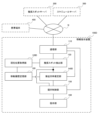
- FIG. 1 is a diagram illustrating a configuration of an information display device according to a first embodiment.
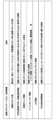
- 4 is a diagram showing information stored in a recommended spot server connected to the information presentation device according to the first embodiment;
- FIG. 4 is a diagram showing information stored in a schedule server connected to the information presentation device according to the first embodiment;
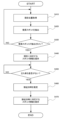
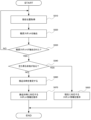
- FIG. 4 is a diagram showing a processing flow of the information display device according to the first embodiment.
- FIG. 11 is a diagram showing a processing flow of an information display device according to a third embodiment.
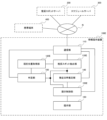
- FIG. 13 is a diagram illustrating a configuration of an information display device according to a fourth embodiment.
- FIG. 13 is a diagram showing a processing flow of an information display device according to a fourth embodiment.
- FIG. 13 is a diagram illustrating a configuration of an information display device according to a fifth embodiment.
- FIG. 13 is a diagram showing a processing flow of an information display device according to a fifth embodiment.
- FIG. 13 is a diagram illustrating a configuration of an information display device according to a sixth embodiment.
- FIG. 23 is a diagram showing a processing flow of an information display device according to a sixth embodiment.
- the information presentation device of this embodiment includes a current location acquisition unit that acquires the current location of a user, a recommended spot extraction unit that extracts recommended spots that are recommended to the user to visit based on the current location, an approach date and time estimation unit that estimates the date and time when the user will next approach within a specified range of the recommended spots extracted by the recommended spot extraction unit, and a presentation control unit that acquires spot information corresponding to the date and time estimated by the approach date and time estimation unit and causes the presentation unit to present the spot information. That is, when a recommended spot is extracted in the vicinity of the user's current location, the information presentation device estimates the date and time when the user will next approach the recommended spot, and presents spot information corresponding to the estimated date and time on the presentation unit.
- the information presentation device estimates the date and time when the user will next approach the vicinity of the extracted recommended spot, and presents the user with spot information corresponding to the estimated date and time. This allows the user to consider stopping by a recommended spot in advance of a future opportunity to visit.
- the approach date and time estimation unit of the information display device estimates the date and time when the user will next approach a recommended spot, based on the user's schedule information.
- the approach date and time estimation unit obtains schedule information such as the user's planned date of travel/outing, destination information, itinerary, means of transportation, planned departure time, and planned return time, and estimates the date and time when the user will next approach the recommended spot. This makes it possible to estimate with a high degree of accuracy the date and time when the user will next approach a recommended spot.
- Example 1 An information presentation device 100 according to this embodiment will be described with reference to FIGS. 1 to 4.
- FIG. 1 An information presentation device 100 according to this embodiment will be described with reference to FIGS. 1 to 4.
- the information presentation device 100 is configured to include at least a communication unit 110, a current location acquisition unit 120, a recommended spot extraction unit 130, an approach date and time estimation unit 140, a presentation control unit 150, and a presentation unit 160.
- the communication unit 110 is, for example, a known wireless communication module, and functions as an interface for the information presentation device 100 to communicate with the recommended spot server 200, the schedule server 300, and the mobile terminal 400 carried by the user via the network N.
- the network N is a network for mutual communication between the information presentation device 100, the recommended spot server 200, the schedule server 300, and the mobile terminal 400, and may be, for example, the Internet.
- the recommended spot server 200 and the schedule server 300 will be described later.
- the current location acquisition unit 120 acquires the current location of the user.
- the current location acquisition unit 120 is, for example, a GPS receiving device, and acquires the current location of the user moving together with the information presentation device 100, and transmits the acquired current location information to the recommended spot extraction unit 130 described later.
- the recommended spot extraction unit 130 extracts recommended spots that are recommended for the user to visit, based on the user's current location. Specifically, the recommended spot extraction unit 130 acquires location information of the recommended spots from the recommended spot server 200 via the communication unit 110, extracts recommended spots that are located within a predetermined distance from the current location received from the current location acquisition unit 120 (for example, within 2 km from the current location), and transmits the extraction result to the approach date and time estimation unit 140 and the presentation control unit 150 described later. If the recommended spot extraction unit 130 is unable to extract a recommended spot, it transmits information to that effect. If the recommended spot extraction unit 130 is able to extract a recommended spot, it transmits the recommended spot name, location information, etc. of the extracted recommended spot.
- the recommended spot server 200 stores a list of recommended spots, such as commercial facilities, restaurants, and tourist attractions, that are recommended for the user to visit, and spot information for each recommended spot.
- spot information for a recommended spot include the name of the recommended spot, location information, recommended point information (sights, recommended dishes, photo spots, etc.), event calendar information (time sale/event schedule information, etc.), and URL information of the recommended spot.
- the spot information (recommended point information, event calendar information, etc.) registered in the recommended spot server 200 is updated with the latest information as appropriate.
- the approach date and time estimation unit 140 estimates the date and time when the user will next approach within a predetermined range of the recommended spot extracted by the recommended spot extraction unit 130.
- the approach date and time estimation unit 140 estimates the date and time when the user will next approach a recommended spot (hereinafter referred to as the “approach date and time”) based on the user's schedule information acquired from the schedule server 300 .
- the schedule server 300 stores the latest schedule information of users. Specifically, when schedule information is input to a mobile terminal 400 such as a smartphone carried by a user, the mobile terminal 400 transmits the input schedule information to the schedule server 300 and updates the user's schedule information stored in the schedule server 300. In addition, when schedule information is input from an input unit (not shown) of the information presentation device 100, the information presentation device 100 transmits the input schedule information to the schedule server 300 and updates the user's schedule information stored in the schedule server 300. Examples of schedule information stored in the schedule server 300 include the planned dates for a trip/outing, itinerary information (destination information, time schedule information, means of transportation information), accommodation information, etc., as shown in FIG. 3.
- the approach date and time estimation unit 140 calculates a guide route for the user for each day based on the user's destination information and itinerary information obtained from the schedule server 300, and if the distance between the calculated guide route and the recommended spots extracted by the recommended spot extraction unit 130 comes within a specified range, calculates the approach date and time based on the calculated guide route and the itinerary information. Specifically, the approach date and time estimation unit 140 calculates a guidance route, for example, from the user's home, passing through each destination, and returning to the home, based on the location information of each destination to be visited on the day and map information stored in a memory not shown.
- the approach date and time estimation section 140 calculates the time (approach date and time) when the distance between the user and the recommended spot will be within the specified range, based on the calculated guided route and the departure time/arrival time/return time of the destination obtained from the schedule server 300.
- the approach date and time estimation unit 140 sets the departure point/destination to the accommodation rather than the home, calculates the guidance route, and calculates the time (approach date and time) when the distance between the user and the recommended spot will be within a specified range.
- the approach date and time estimation unit 140 transmits the calculated approach date and time to the presentation control unit 150, which will be described later.
- the presentation control unit 150 controls the overall operation of the information presentation device 100 in accordance with a control program stored in a ROM or the like (not shown).
- the presentation control unit 150 acquires spot information corresponding to the date and time estimated by the approach date and time estimation unit 140, and causes the presentation unit 160, which will be described later, to present the spot information.
- the presentation control unit 150 receives information on the approach date and time from the approach date and time estimation unit 140, it acquires spot information of the recommended spots corresponding to the received approach date and time from the recommended spot server 200, and causes the presentation unit 160 described later to present the spot information.
- examples of spot information acquired by the presentation control unit 150 include recommended point information, event calendar information (event information by date and time/time sale information/lunchtime information/information on scenery that can be seen in the evening, etc.), and URL information related to recommended spots, as shown in Figure 2.
- the presentation control unit 150 causes the presentation unit 160, which will be described later, to output audio guidance information such as, for example, "You plan to approach recommended spot A at 3 p.m. on January 15th.
- various events such as limited-time food sales and a talk show by celebrity X will be held, so why not stop by recommended spot A?”, and then causes detailed information such as recommended point information obtained from the recommended spot server 200 and the event time schedule to be displayed on the presentation unit 160.
- the presentation control unit 150 may also connect to a website at a URL acquired from the recommended spot server 200, acquire information about the recommended spot, and cause the presentation unit 160 to present the information.
- the presentation unit 160 is composed of, for example, an LCD (liquid crystal display device) and a speaker, and displays the spot information about the recommended spots received from the presentation control unit 150 and outputs the above-mentioned audio guidance information.
- the current location acquisition unit 120 acquires the user's current location information (step S110) and transitions to step S120.
- the recommended spot extraction unit 130 extracts recommended spots in the vicinity of the user's current location based on the user's current location information acquired in step S110, and transmits the extraction results to the approach date and time estimation unit 140 and the presentation control unit 150 (step S120).
- the presentation control unit 150 determines, based on the extraction result received from the recommended spot extraction unit 130, whether or not a recommended spot that is recommended to be visited has been extracted in the vicinity of the user's current location (Step S130). If the presentation control unit 150 receives information from the recommended spot extraction unit 130 indicating that no recommended spots could be extracted ("NO" in step S130), the presentation control unit 150 returns the process to step S110 and continues the process.
- the presentation control unit 150 receives the recommended spot name and the like of the extracted recommended spot from the recommended spot extraction unit 130, and if it determines that a recommended spot has been extracted ("YES" in step S130), it transitions the process to step S140.
- the approach date and time estimation unit 140 estimates the date and time (approach date and time) when the user will next approach the recommended spot extracted by the recommended spot extraction unit 130 (step S140), and transitions the process to step S150.
- the presentation control unit 150 causes the presentation unit 160 to present the spot information corresponding to the approach date and time received from the approach date and time estimation unit 140 (step S150), and ends the process.
- the information presentation device 100 of this embodiment includes a current location acquisition unit 120 that acquires the current location of the user, a recommended spot extraction unit 130 that extracts recommended spots that the user is recommended to visit based on the current location acquired by the current location acquisition unit 120, an approach date and time estimation unit 140 that estimates the date and time when the user will next approach within a predetermined range of the recommended spots extracted by the recommended spot extraction unit 130, and a presentation control unit 150 that acquires spot information corresponding to the date and time estimated by the approach date and time estimation unit 140 and causes the presentation unit 160 to present the spot information.
- the information presentation device 100 when the information presentation device 100 extracts a recommended spot in the vicinity of the user's current location, it estimates the date and time when the user will next approach the recommended spot, and presents spot information corresponding to the estimated date and time. For example, even if a user who is traveling according to a predetermined schedule is suggested to stop by a recommended spot, the user's schedule will be affected, and the user will be unlikely to decide to visit the recommended spot on the spot. Therefore, the information presentation device 100 estimates the date and time when the user will next approach the vicinity of the extracted recommended spot, and presents the user with spot information corresponding to the estimated date and time. This allows the user to consider stopping by a recommended spot in advance of a future opportunity to visit.
- the approach date and time estimation unit 140 of the information presentation device 100 estimates the date and time when the user will next approach a recommended spot, based on the user's schedule information.
- the approach date and time estimation unit 140 obtains detailed schedule information of the user (scheduled dates for the trip/outing, information on destinations to be visited, itinerary, means of transportation, scheduled time of departure, scheduled time of return home, etc.) from the schedule server 300 in which the user's latest schedule information is stored, and estimates the date and time when the user will next approach the recommended spot. This makes it possible to estimate with a high degree of accuracy the date and time when the user will next approach a recommended spot.
- Example 2 An information presentation device 100A according to this embodiment will be described.
- the information presentation device 100A has the same configuration as the information presentation device 100 shown in FIG. 1, but is an information presentation device in which the approach date and time estimation process of the approach date and time estimation unit 140 of the information presentation device 100 is changed. Note that components having the same reference numerals as those in the first embodiment have the same functions, and therefore detailed descriptions thereof will be omitted.
- the information presentation device 100A includes at least a communication unit 110 , a current position acquisition unit 120 , a recommended spot extraction unit 130 , an approach date and time estimation unit 140A, a presentation control unit 150 , and a presentation unit 160 .
- the approach date and time estimation unit 140A estimates the date and time when the user will next approach within a predetermined range of a recommended spot on the way back from the user's home to the user's home from the place where the user went out, based on the user's schedule information. That is, the approach date and time estimation unit 140A estimates the date and time when the user will approach a recommended spot on the way home after the user's schedule for traveling, going out, etc. ends. Specifically, the approach date and time estimation unit 140A calculates a return route for the user from the destination that the user plans to visit back home, based on, for example, the user's schedule information (destination information, itinerary information) obtained from the schedule server 300 and map information stored in a memory not shown.
- the user's schedule information destination information, itinerary information
- the approach date and time estimation unit 140A calculates the time when the distance between the user and the recommended spot will be within a specified range based on the calculated guided route and time schedule information obtained from the schedule server 300 (such as the departure time from the last destination to be visited), and transmits the calculation result (approach date and time) to the presentation control unit 150.
- the presentation control unit 150 receives the approach date and time from the approach date and time estimation unit 140A, it may output from the presentation unit 160 audio guidance information such as, for example, "You are planning to approach recommended spot A on your way home from an outing at 5 p.m. on January 15th.
- the approach date and time estimation unit 140A of the information presentation device 100A in this embodiment calculates a guided route for the return journey from the last destination to be visited back home based on the user's schedule information obtained from the schedule server 300, and if the distance between the calculated guided route and the recommended spot approaches within a specified range, calculates the time at which the distance between the user and the recommended spot will be within the specified range.
- the approach date and time estimation unit 140A estimates the date and time when the user will approach a recommended spot on the return journey from a destination to the user's home. This allows the information presentation device 100A to present to the user spot information about dates and times when it is convenient to stop by the recommended spots.
- Example 3 An information presentation device 100B according to this embodiment will be described.
- the information presentation device 100B has the same configuration as the information presentation device 100 shown in FIG. 1, but is an information presentation device in which the processing of the presentation control unit 150 of the information presentation device 100 is changed.
- the components having the same reference numerals as those in the first embodiment have the same functions, detailed description thereof will be omitted.
- the information presentation device 100B includes at least a communication unit 110 , a current position acquisition unit 120 , a recommended spot extraction unit 130 , an approach date and time estimation unit 140 , a presentation control unit 150B, and a presentation unit 160 .
- the presentation control unit 150B causes the presentation unit 160 to present spot information corresponding to the next approaching date and time, following the spot information corresponding to the present. Specifically, when a recommended spot is extracted by the recommended spot extraction unit 130, the presentation control unit 150B acquires currently corresponding spot information from the recommended spot server 200 and causes the presentation unit 160 to present the spot information. Thereafter, the presentation control unit 150B acquires, from the recommended spot server 200, spot information corresponding to the approach date and time received from the approach date and time estimation unit 140, and causes the presentation unit 160 to present the spot information.
- the current location acquisition unit 120 acquires the user's current location information (step S310) and proceeds to step S320.
- the recommended spot extraction unit 130 extracts recommended spots in the vicinity of the user's current location based on the user's current location information acquired in step S310, and transmits the extraction results to the approach date and time estimation unit 140 and the presentation control unit 150B (step S320).
- the presentation control unit 150B determines, based on the extraction result received from the recommended spot extraction unit 130, whether or not a recommended spot that is recommended to be visited has been extracted in the vicinity of the user's current location (Step S330). If the presentation control unit 150B receives information from the recommended spot extraction unit 130 indicating that no recommended spots could be extracted ("NO" in step S330), the presentation control unit 150B returns the process to step S310 and continues the process.
- the presentation control unit 150B receives the recommended spot name and the like of the extracted recommended spot from the recommended spot extraction unit 130, and when it determines that a recommended spot has been extracted ("YES" in step S330), it causes the presentation unit 160 to present spot information corresponding to the present (step S340).
- the approach date and time estimation unit 140 estimates the date and time (approach date and time) when the user will next approach the recommended spot extracted by the recommended spot extraction unit 130 (step S350), and proceeds to step S360.
- the presentation control unit 150B causes the presentation unit 160 to present the spot information corresponding to the approach date and time received from the approach date and time estimation unit 140 (step S360), and ends the process.
- the presentation control unit 150B of the information presentation device 100B in this embodiment causes the presentation unit 160 to present spot information corresponding to the present time, and then causes the presentation unit 160 to present spot information corresponding to the approach date and time estimated by the approach date and time estimation unit 140.
- the presentation control unit 150 causes the presentation unit 160 to present spot information corresponding to the present time before presenting spot information corresponding to the next approach date and time.
- the presentation control unit 150B also presents spot information corresponding to the approach date and time, so that the user can consider stopping by the recommended spot before the next visit opportunity, and can further compare the spot information corresponding to the present with the spot information corresponding to the next approach date and time to select whether to visit the spot now or next time.
- Example 4 An information presentation device 100C according to this embodiment will be described with reference to FIG. 6 and FIG. In addition, since the components having the same reference numerals as those in the first embodiment have the same functions, detailed description thereof will be omitted.
- the information presentation device 100C is configured to include at least a communication unit 110, a current location acquisition unit 120C, a recommended spot extraction unit 130C, an approach date and time estimation unit 140, a presentation control unit 150C, a presentation unit 160, and an intention determination unit 170.
- the current location acquisition unit 120C acquires the current location of the user.
- the current location acquisition unit 120C is, for example, a GPS receiving device, and acquires the current location of the user moving together with the information presentation device 100C, and transmits the acquired current location information to the recommended spot extraction unit 130C and the intention determination unit 170 described later.
- the recommended spot extraction unit 130C extracts recommended spots that are recommended for the user to visit based on the user's current location, and transmits the extraction results to the approach date and time estimation unit 140, the presentation control unit 150C, and the intention determination unit 170.
- the intention determining unit 170 determines that the user has no intention of stopping at the recommended spot. Specifically, the intention determination unit 170 calculates a guidance route from the user's current location to the recommended spot based on the location information of the recommended spot received from the recommended spot extraction unit 130C and map information stored in a memory not shown, and if the user's current location deviates from the calculated guidance route, it determines that the user has no intention of stopping at the recommended spot.
- the intention determination unit 170 since the intention determination unit 170 only needs to be able to determine that the user has no intention of stopping at the recommended spot, it may determine that the user has no intention of stopping at the recommended spot, for example, when the user's current location has passed the recommended spot, when the user has passed a branch point to the recommended spot without heading to the recommended spot, or when the intention determination unit 170 detects a user utterance indicating that the user will not go to the recommended spot today. When the intention determination unit 170 determines that the user has no intention to stop at the recommended spot, it transmits a message to that effect to the presentation control unit 150C.
- the presentation control unit 150C causes the presentation unit 160 to present spot information corresponding to the present, and if the intention determination unit 170 determines that the user has no intention of stopping by, causes the presentation unit 160 to present spot information corresponding to the date and time of the next approach. Specifically, when the presentation control unit 150C receives a recommended spot name of a recommended spot from the recommended spot extraction unit 130C, it acquires spot information corresponding to the current state of the recommended spot from the recommended spot server 200, and causes the presentation unit 160 to present the acquired spot information.
- the presentation control unit 150C receives a determination result from the intention determination unit 170 indicating that there is no intention to stop at a recommended spot after having the presentation unit 160 present spot information corresponding to the present, the presentation control unit 150C acquires spot information corresponding to the approach date and time received from the approach date and time estimation unit 140 from the recommended spot server 200, and has the presentation unit 160 present the acquired spot information.
- the current location acquisition unit 120C acquires the user's current location information (step S410) and transitions to step S320.
- the recommended spot extraction unit 130C extracts recommended spots in the vicinity of the user's current location based on the user's current location information acquired in step S410, and transmits the extraction results to the presentation control unit 150C (step S420).
- the presentation control unit 150C determines whether or not a recommended spot that is recommended to be visited has been extracted in the vicinity of the user's current location based on the extraction result received from the recommended spot extraction unit 130C (Step S430). If the presentation control unit 150C receives information from the recommended spot extraction unit 130C indicating that no recommended spots could be extracted ("NO" in step S430), the presentation control unit 150C returns the process to step S410 and continues the process.
- the presentation control unit 150C when the presentation control unit 150C receives the recommended spot name and the like of the extracted recommended spot from the recommended spot extraction unit 130C and determines that a recommended spot has been extracted ("YES" in step S430), it causes the presentation unit 160 to present spot information corresponding to the current state of the recommended spot extracted by the recommended spot extraction unit 130C (step S440), and transitions to step S450.
- the presentation control unit 150C determines whether or not a determination result indicating that the user has no intention to stop by the recommended spot has been received from the intention determining unit 170 (step S450). If the presentation control unit 150C has not received a determination result from the intention determination unit 170 indicating that the user has no intention of stopping at the recommended spot ("NO" in step S450), the presentation control unit 150C returns to the processing and transitions to a standby state. On the other hand, if the presentation control unit 150C receives a determination result from the intention determination unit 170 indicating that the user has no intention of stopping at the recommended spot ("YES" in step S450), the presentation control unit 150C transitions to step S460.
- the approach date and time estimation unit 140 estimates the date and time (approach date and time) when the user will next approach the recommended spot extracted by the recommended spot extraction unit 130C (step S460), and proceeds to step S470.
- the presentation control unit 150C causes the presentation unit 160 to present the spot information corresponding to the approach date and time received from the approach date and time estimation unit 140 (step S470), and ends the process.
- the information presentation device 100C of this embodiment further includes an intention determination unit 170 that determines whether the user has no intention to stop by a recommended spot, and when a recommended spot is extracted in the vicinity of the user's current location by the recommended spot extraction unit 130C, the presentation control unit 150C causes the presentation unit 160 to present spot information corresponding to the current state of the recommended spot in advance, and thereafter, if the intention determination unit 170 determines that the user has no intention to stop by the recommended spot, causes the presentation unit 160 to present spot information corresponding to the approach date and time estimated by the approach date and time estimation unit 140.
- an intention determination unit 170 determines whether the user has no intention to stop by a recommended spot, and when a recommended spot is extracted in the vicinity of the user's current location by the recommended spot extraction unit 130C, the presentation control unit 150C causes the presentation unit 160 to present spot information corresponding to the current state of the recommended spot in advance, and thereafter, if the intention determination unit 170 determines that the user has no intention to stop by the recommended spot, causes the presentation unit 160 to
- the presentation control unit 150C causes the presentation unit 160 to present spot information corresponding to the current time before presenting spot information corresponding to the approaching date and time. This allows the user to stop by the recommended spot if he or she is interested in the presented spot information and determines that it will not affect the user's future schedule. In addition, until it is determined that the user has no intention of stopping at a recommended spot, spot information corresponding to the next approach date and time is not presented, so that if the user does stop at a recommended spot this time, the presentation of unnecessary information can be suppressed.
- spot information corresponding to the next approach date and time to the recommended spot will be presented to the user, allowing the user to consider stopping at the recommended spot prior to the next opportunity to visit.
- Example 5 An information presentation device 100D according to this embodiment will be described with reference to FIG. 8 and FIG. In addition, since the components having the same reference numerals as those in the first embodiment have the same functions, detailed description thereof will be omitted.
- the information presentation device 100D is configured to include at least a communication unit 110, a current location acquisition unit 120D, a recommended spot extraction unit 130, an approach date and time estimation unit 140D, a presentation control unit 150, a presentation unit 160, and a movement history memory unit 180.
- the current location acquisition unit 120D acquires the current location of the user.
- the current location acquisition unit 120D is, for example, a GPS receiving device, and acquires the current location of the user moving together with the information presentation device 100D, and transmits the acquired current location information and the information acquisition time to the recommended spot extraction unit 130 and the movement history storage unit 180 described later.
- the movement history storage unit 180 stores the movement history of the user. Specifically, the movement history storage unit 180 stores the current position information and the information acquisition time received from the current position acquisition unit 120D. More specifically, the movement history storage unit 180 stores the current position information and information acquisition date and time information received from the current position acquisition unit 120D every 30 seconds, for example, in a non-volatile memory (not shown).
- the approach date and time estimation unit 140D estimates the date and time when the user will next approach within a predetermined range of a recommended spot, based on the user's movement history. Specifically, the approach date and time estimation unit 140D extracts, from the user's movement history stored in the movement history memory unit 180, movement history in which the user approached within a specified range of a recommended spot extracted by the recommended spot extraction unit 130, and estimates the approach date and time based on the extraction result.
- the approach date and time estimation unit 140D analyzes the movement history of approaching within a specified range of a recommended spot, and detects patterns, such as, for example, "the date, time, and day of the week when the user approaches the recommended spot are the same" or "the user approaches the recommended spot on February 1st every year,” estimates the approach date and time according to that pattern, and transmits the estimated approach date and time to the presentation control unit 150.
- the approach date and time estimation unit 140D is not limited to the estimation method described above as long as it can estimate the approach date and time based on the user's movement history.
- the approach date and time estimation unit 140D may compare the approach date and time estimated based on the user's schedule information with the approach date and time estimated based on the user's movement history, and transmit the earlier date and time to the presentation control unit 150 as the approach date and time.
- the current location acquisition unit 120D acquires the user's current location information (step S510) and transitions to step S520.
- the recommended spot extraction unit 130 extracts recommended spots in the vicinity of the user's current location based on the user's current location information acquired in step S510, and transmits the extraction results to the presentation control unit 150 (step S520).
- the presentation control unit 150 determines, based on the extraction result received from the recommended spot extraction unit 130, whether or not any recommended spots that are recommended to be visited have been extracted in the vicinity of the user's current location (step S530). If the presentation control unit 150 receives information from the recommended spot extraction unit 130 indicating that no recommended spots could be extracted ("NO" in step S530), the presentation control unit 150 returns the process to step S510 and continues the process.
- the presentation control unit 150 receives the recommended spot name and the like of the extracted recommended spot from the recommended spot extraction unit 130, and if it determines that a recommended spot has been extracted ("YES" in step S530), it transitions the process to step S540.
- the approach date and time estimation unit 140D estimates the approach date and time based on the user's schedule information and movement history information (step S540), and transitions the process to step S550.
- the presentation control unit 150 causes the presentation unit 160 to present the spot information corresponding to the approach date and time received from the approach date and time estimation unit 140D (step S550), and ends the process.
- the information presentation device 100D includes a movement history storage unit 180 that stores the user's movement history, and the approach date and time estimation unit 140D estimates the date and time when the user will next approach within a specified range of the recommended spot based on the user's movement history.
- a user does not register, for example, a daily commute schedule in the schedule server 300, so even if there is a date and time when the user approaches a recommended spot during the commute, the approach date and time estimation unit 140 cannot estimate the approach date and time. Therefore, the approach date and time estimation unit 140D refers to the movement history information of the user and estimates the date and time when the user is likely to approach the recommended spot.
- the approach date and time estimation unit 140D can estimate an approach date and time that cannot be estimated from the user's travel schedule stored in the schedule server 300. Furthermore, the approach date and time estimation unit 140D can estimate the approach date and time based on the user's schedule information and the user's movement history information, and therefore can estimate the approach date and time with a high degree of accuracy.
- Example 6 An information presentation device 100E according to this embodiment will be described with reference to FIG. 10 and FIG. In addition, since the components having the same reference numerals as those in the first embodiment have the same functions, detailed description thereof will be omitted.
- the information presentation device 100E is configured to include at least a communication unit 110, a current location acquisition unit 120E, a recommended spot extraction unit 130E, an approach date and time estimation unit 140, a presentation control unit 150E, a presentation unit 160, and a determination unit 190.
- the current location acquisition unit 120E acquires the current location of the user.
- the current location acquisition unit 120E is, for example, a GPS receiving device, and acquires the current location of the user moving together with the information presentation device 100E, and transmits the acquired current location information to the recommended spot extraction unit 130E and the determination unit 190 described later.
- the recommended spot extraction unit 130E extracts recommended spots that are recommended for the user to visit based on the user's current location, and transmits the extraction results to the approach date and time estimation unit 140, the presentation control unit 150E, and the determination unit 190.
- the determining unit 190 determines whether or not the user has time to stop by a recommended spot. An example of the determination method of the determination unit 190 will be described below.
- the determining unit 190 obtains the arrival time of the user at the next destination from the schedule server 300 . Also, information about the average stay time of the recommended spots extracted by the recommended spot extraction unit 130E is obtained from the recommended spot server 200.
- the determining unit 190 also calculates a guide route from the current location to the next destination via the recommended spots, and calculates the travel time required for that travel.
- the determining unit 190 calculates an estimated time of arrival at the next destination when the user stops at the recommended spot, based on the current time, the calculated travel time, and the average stay time information.
- the determination unit 190 compares the calculated estimated arrival time with the arrival time at the next destination acquired from the schedule server 300, and determines that the user has time to stop by the recommended spot if the calculated estimated arrival time is earlier than the arrival time at the next destination. Note that the determination unit 190 is not limited to the above-mentioned determination method as long as it can determine whether or not the user has time to stop by a recommended spot.
- the determination unit 190 transmits the determination result to the presentation control unit 150E.
- the presentation control unit 150E causes the presentation unit 160 to present spot information corresponding to the present, and when the determination unit 190 determines that there is not time to stop at a recommended spot, the presentation control unit 150E causes the presentation unit 160 to present spot information corresponding to the next approaching date and time. Specifically, when the determination unit 190 determines that there is time to stop at a recommended spot, the presentation control unit 150E causes the presentation unit 160 described later to output voice guidance information such as, for example, "Currently, a limited-time sale on clothes is being held at recommended spot B. Even if you stop at recommended spot B, you will be able to arrive at your next destination before the arrival time.
- the presentation control unit 150E acquires spot information corresponding to the next approach date and time from the recommended spot server 200, and causes the presentation unit 160 to present the acquired spot information.
- the current location acquisition unit 120E acquires the user's current location information (step S610) and transitions to step S620.
- the recommended spot extraction unit 130E extracts recommended spots in the vicinity of the user's current location based on the user's current location information acquired in step S610, and transmits the extraction results to the presentation control unit 150E (step S620).
- the presentation control unit 150E determines whether or not a recommended spot that is recommended to be visited has been extracted in the vicinity of the user's current location based on the extraction result received from the recommended spot extraction unit 130E (Step S630). If the presentation control unit 150E receives information from the recommended spot extraction unit 130E indicating that no recommended spots could be extracted ("NO" in step S630), the presentation control unit 150E returns the process to step S610 and continues the process.
- the presentation control unit 150E receives the recommended spot name and the like of the extracted recommended spot from the recommended spot extraction unit 130E, and if it determines that a recommended spot has been extracted ("YES" in step S630), it transitions the process to step S640.
- the determining unit 190 determines whether the user has time to stop by the recommended spots extracted by the recommended spot extracting unit 130E (step S640). If the judgment unit 190 judges that the user has time to stop by a recommended spot extracted by the recommended spot extraction unit 130E ("YES" in step S640), the presentation control unit 150E obtains spot information corresponding to the current situation from the recommended spot server 200 and has the presentation unit 160 present it (step S650), and terminates the process.
- the approach date and time estimation unit 140 estimates the approach date and time (step S660).
- the presentation control unit 150E causes the presentation unit 160 to present the spot information corresponding to the approach date and time received from the approach date and time estimation unit 140 (step S670), and ends the process.
- the information presentation device 100E includes a determination unit 190 that determines whether or not the user has time to stop by a recommended spot.
- the presentation control unit 150E causes the presentation unit 160 to present spot information corresponding to the present
- the presentation control unit 150E causes the presentation unit 160 to present spot information corresponding to the next approaching date and time. That is, if it is confirmed that the user's schedule will not be affected even if the user stops by a recommended spot, the information presentation device 100E presents the user with spot information corresponding to the present.
- the information presentation device 100 may be realized by installing a program (application software) that executes the information presentation method of the information presentation device 100 described above on a smartphone carried by the user. Furthermore, the information presentation device 100 may be realized by incorporating a program for executing the information presentation method of the information presentation device 100 described above into software of a navigation device installed in a moving body (such as a motorbike or an automobile).
- a program application software
- the information presentation device 100 may be realized by incorporating a program for executing the information presentation method of the information presentation device 100 described above into software of a navigation device installed in a moving body (such as a motorbike or an automobile).
- the processing of the recommended spot extraction unit 130, the approach date and time estimation unit 140, and the presentation control unit 150 of the information presentation device 100 in the above-mentioned embodiment requires resources such as a SoC (System on Chip) capable of high-speed calculation processing and memory for the calculation processing, so that the processing may be executed on a server.
- SoC System on Chip
- a mobile terminal such as a smartphone that uses a secondary battery as a power source is operated as the information presentation device 100, the power consumption of the mobile terminal can be reduced, thereby extending the continuous operating time of the mobile terminal.
- REFERENCE SIGNS LIST 100 Information presentation device 110; Communication and sound collection unit 120; Current position acquisition unit 130; Recommended spot extraction unit 140; Approach date and time estimation unit 150; Presentation control unit 160; Presentation unit 170; Intention determination unit 180; Movement history storage unit 190; Determination unit 200; Recommended spot server 300; Schedule server 400; Mobile terminal N; Network
Landscapes
- Engineering & Computer Science (AREA)
- Business, Economics & Management (AREA)
- Radar, Positioning & Navigation (AREA)
- Remote Sensing (AREA)
- Physics & Mathematics (AREA)
- General Physics & Mathematics (AREA)
- Accounting & Taxation (AREA)
- Development Economics (AREA)
- Economics (AREA)
- General Business, Economics & Management (AREA)
- Strategic Management (AREA)
- Computing Systems (AREA)
- Operations Research (AREA)
- Tourism & Hospitality (AREA)
- Finance (AREA)
- Theoretical Computer Science (AREA)
- Marketing (AREA)
- Primary Health Care (AREA)
- Human Resources & Organizations (AREA)
- General Health & Medical Sciences (AREA)
- Entrepreneurship & Innovation (AREA)
- Health & Medical Sciences (AREA)
- Game Theory and Decision Science (AREA)
- Automation & Control Theory (AREA)
- Navigation (AREA)
Abstract
将来の訪問機会において有効な推奨スポットの情報を提供する情報提示装置、情報提示方法、プログラムおよび記録媒体を提供する。 情報提示装置100は、ユーザの現在位置を取得する現在位置取得部120と、現在位置の周辺に存在する訪問を推奨する推奨スポットを抽出する推奨スポット抽出部130と、ユーザが推奨スポット抽出部130において抽出された推奨スポットから所定の範囲内に次回接近する日時を推定する接近日時推定部140と、接近日時推定部140が推定した日時に対応するスポット情報を取得し、そのスポット情報を提示部160に提示させる提示制御部150と、を備えている。情報提示装置100は、ユーザの現在位置の周辺に存在する推奨スポットを抽出したとき、ユーザがその推奨スポットに次回接近する日時を推測し、推測した日時に対応するスポット情報を提供する。
Description
本発明は、情報提示装置、情報提示方法、プログラムおよび記録媒体に関する。
近年、移動中のユーザに対して有益と思われる各種情報を抽出し情報提供を行う、コンシェルジュ機能を有した情報提示装置が実用化されている。
例えば、この種のコンシェルジュ機能としては、車両の乗員の性別、年齢、家族構成、趣味等の個人データに基づいて、走行中の経路の周辺に存在する商業施設等の推奨スポットのお勧め情報を提供し、その推奨スポットに誘導する技術が提案されている(例えば、特許文献1参照)。
しかしながら、上述した特許文献1に記載の技術では、ユーザに対して、推奨スポットのお勧め情報を提供しても、その推奨スポットに立ち寄ることでスケジュールに影響が出てしまうため、ユーザは、その場で推奨スポットを訪問することを決断しにくいという課題が一例として挙げられる。
本発明は、上述の一例として挙げられた課題に鑑みてなされたものであり、将来の訪問機会において有効な推奨スポットの情報を提示する情報提示装置、情報提示方法、プログラムおよび記録媒体を提供することを主な目的とする。
上記課題を解決するために、請求項1に記載の発明は、ユーザの現在位置を取得する現在位置取得部と、前記現在位置の周辺に存在する訪問を推奨する推奨スポットを抽出する推奨スポット抽出部と、前記ユーザが前記推奨スポット抽出部において抽出された前記推奨スポットから所定の範囲内に次回接近する日時を推定する接近日時推定部と、前記接近日時推定部が推定した前記日時に対応するスポット情報を取得し、該スポット情報を提示部に提示させる提示制御部と、を備える情報提示装置である。
また、上記課題を解決するために、請求項8に記載の発明は、現在位置取得部と、推奨スポット抽出部と、接近日時推定部と、提示制御部と、を備えた情報提示装置の情報提示方法であって、前記現在位置取得部が、ユーザの現在位置を取得する第1の工程と、前記推奨スポット抽出部が、前記現在位置に基づいて、前記ユーザに訪問を推奨する推奨スポットを抽出する第2の工程と、前記接近日時推定部が、前記ユーザが前記推奨スポット抽出部において抽出された前記推奨スポットから所定の範囲内に次回接近する日時を推定する第3の工程と、前記提示制御部が、前記推奨スポットの前記次回接近する日時に対応するスポット情報を取得し、該スポット情報を提示部に提示させる第4の工程と、を備えた情報提示方法である。
また、上記課題を解決するために、請求項9に記載の発明は、現在位置取得部と、推奨スポット抽出部と、接近日時推定部と、提示制御部と、を備えた情報提示装置の情報提示方法をコンピュータに実行させるためのプログラムであって、前記現在位置取得部が、ユーザの現在位置を取得する第1の工程と、前記推奨スポット抽出部が、前記現在位置に基づいて、前記ユーザに訪問を推奨する推奨スポットを抽出する第2の工程と、前記接近日時推定部が、前記ユーザが前記推奨スポット抽出部において抽出された前記推奨スポットから所定の範囲内に次回接近する日時を推定する第3の工程と、前記提示制御部が、前記推奨スポットの前記次回接近する日時に対応するスポット情報を取得し、該スポット情報を提示部に提示させる第4の工程と、を備える情報提示方法をコンピュータに実行させるためのプログラムである。
また、上記課題を解決するために、請求項10に記載の発明は、現在位置取得部と、推奨スポット抽出部と、接近日時推定部と、提示制御部と、を備えた情報提示装置の情報提示方法をコンピュータに実行させるためのプログラムを記録したコンピュータが読み取り可能な非一過性の記録媒体であって、前記現在位置取得部が、ユーザの現在位置を取得する第1の工程と、前記推奨スポット抽出部が、前記現在位置に基づいて、前記ユーザに訪問を推奨する推奨スポットを抽出する第2の工程と、前記接近日時推定部が、前記ユーザが前記推奨スポット抽出部において抽出された前記推奨スポットから所定の範囲内に次回接近する日時を推定する第3の工程と、前記提示制御部が、前記推奨スポットの前記次回接近する日時に対応するスポット情報を取得し、該スポット情報を提示部に提示させる第4の工程と、を備える情報提示方法をコンピュータに実行させるためのプログラムを記録した非一過性の記録媒体である。
本実施例に係る情報提示装置は、ユーザの現在位置を取得する現在位置取得部と、現在位置に基づいて、ユーザに訪問を推奨する推奨スポットを抽出する推奨スポット抽出部と、ユーザが推奨スポット抽出部において抽出された推奨スポットから所定の範囲内に次回接近する日時を推定する接近日時推定部と、接近日時推定部が推定した日時に対応するスポット情報を取得し、そのスポット情報を提示部に提示させる提示制御部と、を備えている。
すなわち、情報提示装置は、ユーザの現在位置の周辺に推奨スポットを抽出したとき、ユーザがその推奨スポットに次回接近する日時を推定し、その推定した日時に対応するスポット情報を提示部に提示する。
例えば、予めスケジュールを立てて移動している最中のユーザに対して、推奨スポットに立ち寄ることを提案しても、ユーザのスケジュールに影響が出てしまうため、ユーザは、その場で推奨スポットを訪問することを決断しにくい。
そのため、情報提示装置は、抽出した推奨スポット周辺にユーザが次回接近する日時を推定して、その推定した日時に対応するスポット情報をユーザに提示する。
これにより、ユーザは、推奨スポットに立ち寄ることを将来の訪問機会に先立って検討することができる。
すなわち、情報提示装置は、ユーザの現在位置の周辺に推奨スポットを抽出したとき、ユーザがその推奨スポットに次回接近する日時を推定し、その推定した日時に対応するスポット情報を提示部に提示する。
例えば、予めスケジュールを立てて移動している最中のユーザに対して、推奨スポットに立ち寄ることを提案しても、ユーザのスケジュールに影響が出てしまうため、ユーザは、その場で推奨スポットを訪問することを決断しにくい。
そのため、情報提示装置は、抽出した推奨スポット周辺にユーザが次回接近する日時を推定して、その推定した日時に対応するスポット情報をユーザに提示する。
これにより、ユーザは、推奨スポットに立ち寄ることを将来の訪問機会に先立って検討することができる。
また、本実施例に係る情報提示装置の接近日時推定部は、ユーザのスケジュール情報に基づいて、ユーザが推奨スポットに次回接近する日時を推定する。
つまり、接近日時推定部は、ユーザの旅行/外出の実施予定日、訪問先情報、旅程、移動手段、出発予定時刻、帰宅予定時刻等のスケジュール情報を取得し、ユーザが推奨スポットに次回接近する日時を推定する。
これにより、ユーザが推奨スポットに次回接近する日時を確度高く推定することができる。
つまり、接近日時推定部は、ユーザの旅行/外出の実施予定日、訪問先情報、旅程、移動手段、出発予定時刻、帰宅予定時刻等のスケジュール情報を取得し、ユーザが推奨スポットに次回接近する日時を推定する。
これにより、ユーザが推奨スポットに次回接近する日時を確度高く推定することができる。
<実施例1>
図1から図4を用いて、本実施例に係る情報提示装置100について説明する。
図1から図4を用いて、本実施例に係る情報提示装置100について説明する。
<情報提示装置100の構成>
図1に示すように、情報提示装置100は、通信部110と、現在位置取得部120と、推奨スポット抽出部130と、接近日時推定部140と、提示制御部150と、提示部160と、を少なくとも含んで構成されている。
図1に示すように、情報提示装置100は、通信部110と、現在位置取得部120と、推奨スポット抽出部130と、接近日時推定部140と、提示制御部150と、提示部160と、を少なくとも含んで構成されている。
通信部110は、例えば、公知の無線通信モジュールであって、情報提示装置100がネットワークNを介して推奨スポットサーバ200、スケジュールサーバ300およびユーザの所持する携帯端末400と通信するためのインターフェースとして機能する。
ここで、ネットワークNは、情報提示装置100、推奨スポットサーバ200、スケジュールサーバ300および携帯端末400との間で相互に通信を行うためのネットワークであって、例えばインターネット網を例示することができる。
なお、推奨スポットサーバ200およびスケジュールサーバ300については、後述する。
ここで、ネットワークNは、情報提示装置100、推奨スポットサーバ200、スケジュールサーバ300および携帯端末400との間で相互に通信を行うためのネットワークであって、例えばインターネット網を例示することができる。
なお、推奨スポットサーバ200およびスケジュールサーバ300については、後述する。
現在位置取得部120は、ユーザの現在位置を取得する。
具体的には、現在位置取得部120は、例えば、GPS受信装置であって、情報提示装置100と共に移動するユーザの現在位置を取得し、取得した現在位置情報を後述する推奨スポット抽出部130に送信する。
具体的には、現在位置取得部120は、例えば、GPS受信装置であって、情報提示装置100と共に移動するユーザの現在位置を取得し、取得した現在位置情報を後述する推奨スポット抽出部130に送信する。
推奨スポット抽出部130は、ユーザの現在位置に基づいて、ユーザに訪問を推奨する推奨スポットを抽出する。
具体的には、推奨スポット抽出部130は、通信部110を介して推奨スポットサーバ200から推奨スポットの所在地情報を取得し、現在位置取得部120から受信した現在位置から所定の距離内(例えば、現在位置から2km以内)に存在する推奨スポットを抽出し、抽出結果を後述する接近日時推定部140および提示制御部150に送信する。
なお、推奨スポット抽出部130は、推奨スポットが抽出できなかった場合には、抽出できなかった旨の情報を送信し、推奨スポットが抽出できた場合には、抽出した推奨スポットの推奨スポット名称、所在地情報等を送信する。
具体的には、推奨スポット抽出部130は、通信部110を介して推奨スポットサーバ200から推奨スポットの所在地情報を取得し、現在位置取得部120から受信した現在位置から所定の距離内(例えば、現在位置から2km以内)に存在する推奨スポットを抽出し、抽出結果を後述する接近日時推定部140および提示制御部150に送信する。
なお、推奨スポット抽出部130は、推奨スポットが抽出できなかった場合には、抽出できなかった旨の情報を送信し、推奨スポットが抽出できた場合には、抽出した推奨スポットの推奨スポット名称、所在地情報等を送信する。
ここで、推奨スポットサーバ200について、説明する。
推奨スポットサーバ200には、ユーザに訪問を推奨する商業施設、飲食店、観光スポット等の推奨スポットのリストと、各推奨スポットのスポット情報とが格納されている。
推奨スポットのスポット情報としては、図2に示すように、推奨スポット名称、所在地情報、推奨ポイント情報(見どころ、お勧め料理、写真撮影スポット等)、イベントカレンダー情報(タイムセール/イベントの開催予定情報等)、推奨スポットのURL情報を例示することができる。
なお、推奨スポットサーバ200に登録されているスポット情報(推奨ポイント情報、イベントカレンダー情報等)は、適宜最新情報に更新される。
推奨スポットサーバ200には、ユーザに訪問を推奨する商業施設、飲食店、観光スポット等の推奨スポットのリストと、各推奨スポットのスポット情報とが格納されている。
推奨スポットのスポット情報としては、図2に示すように、推奨スポット名称、所在地情報、推奨ポイント情報(見どころ、お勧め料理、写真撮影スポット等)、イベントカレンダー情報(タイムセール/イベントの開催予定情報等)、推奨スポットのURL情報を例示することができる。
なお、推奨スポットサーバ200に登録されているスポット情報(推奨ポイント情報、イベントカレンダー情報等)は、適宜最新情報に更新される。
接近日時推定部140は、ユーザが推奨スポット抽出部130において抽出された推奨スポットから所定の範囲内に次回接近する日時を推定する。
接近日時推定部140は、スケジュールサーバ300から取得したユーザのスケジュール情報に基づいて、ユーザが推奨スポットに次回接近する日時(以下、「接近日時」と呼ぶ)を推定する。
接近日時推定部140は、スケジュールサーバ300から取得したユーザのスケジュール情報に基づいて、ユーザが推奨スポットに次回接近する日時(以下、「接近日時」と呼ぶ)を推定する。
ここで、スケジュールサーバ300について、説明する。
スケジュールサーバ300は、ユーザの最新のスケジュール情報を格納している。
具体的には、ユーザが携帯するスマートフォン等の携帯端末400にスケジュール情報が入力されたときに、携帯端末400は、入力されたスケジュール情報をスケジュールサーバ300に送信して、スケジュールサーバ300に格納されているユーザのスケジュール情報を更新する。
また、情報提示装置100の図示しない入力部からスケジュール情報が入力されたときに、情報提示装置100は、入力されたスケジュール情報をスケジュールサーバ300に送信して、スケジュールサーバ300に格納されているユーザのスケジュール情報を更新する。
ここで、スケジュールサーバ300が格納しているスケジュール情報としては、図3に示すように、旅行/外出の実施予定日、旅程情報(訪問先情報、タイムスケジュール情報、移動手段情報)、宿泊情報等を例示することができる。
スケジュールサーバ300は、ユーザの最新のスケジュール情報を格納している。
具体的には、ユーザが携帯するスマートフォン等の携帯端末400にスケジュール情報が入力されたときに、携帯端末400は、入力されたスケジュール情報をスケジュールサーバ300に送信して、スケジュールサーバ300に格納されているユーザのスケジュール情報を更新する。
また、情報提示装置100の図示しない入力部からスケジュール情報が入力されたときに、情報提示装置100は、入力されたスケジュール情報をスケジュールサーバ300に送信して、スケジュールサーバ300に格納されているユーザのスケジュール情報を更新する。
ここで、スケジュールサーバ300が格納しているスケジュール情報としては、図3に示すように、旅行/外出の実施予定日、旅程情報(訪問先情報、タイムスケジュール情報、移動手段情報)、宿泊情報等を例示することができる。
以下に、上述した接近日時の推定方法の一例について、説明する。
接近日時推定部140は、スケジュールサーバ300から取得したユーザの外出先情報、旅程情報に基づいてユーザの日毎の誘導経路を算出し、その算出した誘導経路と推奨スポット抽出部130において抽出された推奨スポットとの距離が所定の範囲内に接近する場合には、算出した誘導経路および旅程情報に基づいて、接近日時を算出する。
具体的には、接近日時推定部140は、当日訪問する各訪問先の所在地情報と、図示しないメモリに格納されている地図情報とに基づいて、例えば、ユーザの自宅から各訪問先を経由し、自宅へ戻る誘導経路を算出する。
接近日時推定部140は、算出した誘導経路と、推奨スポット抽出部130において抽出された推奨スポットとの距離が所定の範囲内(例えば、2km以内)に接近している場合には、算出した誘導経路と、スケジュールサーバ300から取得した訪問先の出発時刻/到着時刻/帰宅時刻とに基づいて、ユーザと推奨スポットとの間の距離が所定の範囲内となる時刻(接近日時)を算出する。
なお、接近日時推定部140は、取得したユーザのスケジュールが宿泊を伴う旅行や外出であった場合には、出発地/目的地を自宅ではなく宿泊地に設定して誘導経路を算出し、ユーザと推奨スポットとの間の距離が所定の範囲内となる時刻(接近日時)を算出する。
接近日時推定部140は、算出した接近日時を後述する提示制御部150に送信する。
接近日時推定部140は、スケジュールサーバ300から取得したユーザの外出先情報、旅程情報に基づいてユーザの日毎の誘導経路を算出し、その算出した誘導経路と推奨スポット抽出部130において抽出された推奨スポットとの距離が所定の範囲内に接近する場合には、算出した誘導経路および旅程情報に基づいて、接近日時を算出する。
具体的には、接近日時推定部140は、当日訪問する各訪問先の所在地情報と、図示しないメモリに格納されている地図情報とに基づいて、例えば、ユーザの自宅から各訪問先を経由し、自宅へ戻る誘導経路を算出する。
接近日時推定部140は、算出した誘導経路と、推奨スポット抽出部130において抽出された推奨スポットとの距離が所定の範囲内(例えば、2km以内)に接近している場合には、算出した誘導経路と、スケジュールサーバ300から取得した訪問先の出発時刻/到着時刻/帰宅時刻とに基づいて、ユーザと推奨スポットとの間の距離が所定の範囲内となる時刻(接近日時)を算出する。
なお、接近日時推定部140は、取得したユーザのスケジュールが宿泊を伴う旅行や外出であった場合には、出発地/目的地を自宅ではなく宿泊地に設定して誘導経路を算出し、ユーザと推奨スポットとの間の距離が所定の範囲内となる時刻(接近日時)を算出する。
接近日時推定部140は、算出した接近日時を後述する提示制御部150に送信する。
提示制御部150は、図示しないROM等に格納された制御プログラムに従って、情報提示装置100全体の動作を制御する。
本実施例においては、特に、提示制御部150は、接近日時推定部140が推定した日時に対応するスポット情報を取得し、そのスポット情報を後述する提示部160に提示させる。
具体的には、提示制御部150は、接近日時推定部140から接近日時の情報を受信したときに、受信した接近日時に対応する推奨スポットのスポット情報を推奨スポットサーバ200から取得し、そのスポット情報を後述する提示部160に提示させる。
ここで、提示制御部150が取得するスポット情報としては、図2に示すように、推奨ポイント情報、イベントカレンダー情報(日時毎のイベント情報/タイムセール情報/ランチタイムの情報/夕方に見ることができる景観情報等)、推奨スポットに関連するURL情報等を例示することができる。
提示制御部150は、スポット情報をユーザに提示するときには、例えば、「1月15日の15時に、あなたは推奨スポットAに接近する予定です。この時間には、食料品のタイムセールやタレントXさんのトークショーなどの各種イベントが行われているため、是非推奨スポットAに立ち寄ってみてはいかがですか。」という音声案内情報を後述する提示部160から出力させ、その後、推奨スポットサーバ200から取得した推奨ポイント情報やイベントのタイムスケジュール等の詳細な情報を提示部160に表示させる。
また、提示制御部150は、推奨スポットサーバ200から取得したURLのウェブサイトに接続して、さらに、推奨スポットに関する情報を取得して、提示部160に提示させるようにしてもよい。
本実施例においては、特に、提示制御部150は、接近日時推定部140が推定した日時に対応するスポット情報を取得し、そのスポット情報を後述する提示部160に提示させる。
具体的には、提示制御部150は、接近日時推定部140から接近日時の情報を受信したときに、受信した接近日時に対応する推奨スポットのスポット情報を推奨スポットサーバ200から取得し、そのスポット情報を後述する提示部160に提示させる。
ここで、提示制御部150が取得するスポット情報としては、図2に示すように、推奨ポイント情報、イベントカレンダー情報(日時毎のイベント情報/タイムセール情報/ランチタイムの情報/夕方に見ることができる景観情報等)、推奨スポットに関連するURL情報等を例示することができる。
提示制御部150は、スポット情報をユーザに提示するときには、例えば、「1月15日の15時に、あなたは推奨スポットAに接近する予定です。この時間には、食料品のタイムセールやタレントXさんのトークショーなどの各種イベントが行われているため、是非推奨スポットAに立ち寄ってみてはいかがですか。」という音声案内情報を後述する提示部160から出力させ、その後、推奨スポットサーバ200から取得した推奨ポイント情報やイベントのタイムスケジュール等の詳細な情報を提示部160に表示させる。
また、提示制御部150は、推奨スポットサーバ200から取得したURLのウェブサイトに接続して、さらに、推奨スポットに関する情報を取得して、提示部160に提示させるようにしてもよい。
提示部160は、例えば、LCD(液晶表示装置)およびスピーカで構成され、提示制御部150から受信した推奨スポットに関するスポット情報の表示および上述した音声案内情報の出力を行う。
<情報提示装置100の処理>
図4を用いて、情報提示装置100の処理フローについて説明する。
図4を用いて、情報提示装置100の処理フローについて説明する。
図4に示すように、現在位置取得部120は、ユーザの現在位置情報を取得し(ステップS110)、処理をステップS120に移行させる。
推奨スポット抽出部130は、ステップS110において取得されたユーザの現在位置情報に基づいて、現在位置の周辺にある推奨スポットの抽出を行い、抽出結果を接近日時推定部140および提示制御部150に送信する(ステップS120)。
提示制御部150は、推奨スポット抽出部130から受信した抽出結果に基づいて、ユーザの現在位置の周辺に訪問を推奨する推奨スポットが抽出されたか否かを判定する(ステップS130)。
提示制御部150は、推奨スポット抽出部130から、推奨スポットが抽出できなかった旨の情報を受信した場合(ステップS130の「NO」)には、処理をステップS110に戻し、処理を継続させる。
提示制御部150は、推奨スポット抽出部130から、推奨スポットが抽出できなかった旨の情報を受信した場合(ステップS130の「NO」)には、処理をステップS110に戻し、処理を継続させる。
一方で、提示制御部150は、推奨スポット抽出部130から、抽出した推奨スポットの推奨スポット名称等を受信し、推奨スポットが抽出されたと判定する場合(ステップS130の「YES」)には、処理をステップS140に移行させる。
接近日時推定部140は、推奨スポット抽出部130において抽出された推奨スポットに、ユーザが次回接近する日時(接近日時)を推定し(ステップS140)、処理をステップS150に移行させる。
提示制御部150は、接近日時推定部140から受信した接近日時に対応するスポット情報を提示部160に提示させ(ステップS150)、処理を終了させる。
以上、説明した通り、本実施例に係る情報提示装置100は、ユーザの現在位置を取得する現在位置取得部120と、現在位置取得部120において取得した現在位置に基づいて、ユーザに訪問を推奨する推奨スポットを抽出する推奨スポット抽出部130と、ユーザが推奨スポット抽出部130において抽出された推奨スポットから所定の範囲内に次回接近する日時を推定する接近日時推定部140と、接近日時推定部140が推定した日時に対応するスポット情報を取得し、そのスポット情報を提示部160に提示させる提示制御部150と、を備えている。
すなわち、情報提示装置100は、ユーザの現在位置の周辺に推奨スポットを抽出したとき、ユーザがその推奨スポットに次回接近する日時を推定し、その推定した日時に対応するスポット情報を提示する。
例えば、予めスケジュールを立てて移動している最中のユーザに対して、推奨スポットに立ち寄ることを提案しても、ユーザのスケジュールに影響が出てしまうため、ユーザは、その場で推奨スポットを訪問することを決断しにくい。
そのため、情報提示装置100は、抽出した推奨スポット周辺にユーザが次回接近する日時を推定して、その推定した日時に対応するスポット情報をユーザに提示する。
これにより、ユーザは、推奨スポットに立ち寄ることを将来の訪問機会に先立って検討することができる。
すなわち、情報提示装置100は、ユーザの現在位置の周辺に推奨スポットを抽出したとき、ユーザがその推奨スポットに次回接近する日時を推定し、その推定した日時に対応するスポット情報を提示する。
例えば、予めスケジュールを立てて移動している最中のユーザに対して、推奨スポットに立ち寄ることを提案しても、ユーザのスケジュールに影響が出てしまうため、ユーザは、その場で推奨スポットを訪問することを決断しにくい。
そのため、情報提示装置100は、抽出した推奨スポット周辺にユーザが次回接近する日時を推定して、その推定した日時に対応するスポット情報をユーザに提示する。
これにより、ユーザは、推奨スポットに立ち寄ることを将来の訪問機会に先立って検討することができる。
また、本実施例に係る情報提示装置100の接近日時推定部140は、ユーザのスケジュール情報に基づいて、ユーザが推奨スポットに次回接近する日時を推定する。
つまり、接近日時推定部140は、ユーザの最新のスケジュール情報が格納されているスケジュールサーバ300から、ユーザの詳細なスケジュール情報(旅行/外出の実施予定日、訪問先情報、旅程、移動手段、出発予定時刻、帰宅予定時刻等)を取得して、ユーザが推奨スポットに次回接近する日時を推定する。
これにより、ユーザが推奨スポットに次回接近する日時を確度高く推定することができる。
つまり、接近日時推定部140は、ユーザの最新のスケジュール情報が格納されているスケジュールサーバ300から、ユーザの詳細なスケジュール情報(旅行/外出の実施予定日、訪問先情報、旅程、移動手段、出発予定時刻、帰宅予定時刻等)を取得して、ユーザが推奨スポットに次回接近する日時を推定する。
これにより、ユーザが推奨スポットに次回接近する日時を確度高く推定することができる。
<実施例2>
本実施例に係る情報提示装置100Aについて説明する。
情報提示装置100Aは、図1に示す情報提示装置100の構成と同一であって、情報提示装置100の接近日時推定部140の接近日時の推定処理を変更した情報提示装置である。
なお、実施例1と同一の符号を付す構成要素については、同様の機能を有することから、その詳細な説明は省略する。
本実施例に係る情報提示装置100Aについて説明する。
情報提示装置100Aは、図1に示す情報提示装置100の構成と同一であって、情報提示装置100の接近日時推定部140の接近日時の推定処理を変更した情報提示装置である。
なお、実施例1と同一の符号を付す構成要素については、同様の機能を有することから、その詳細な説明は省略する。
<情報提示装置100Aの構成>
情報提示装置100Aは、通信部110と、現在位置取得部120と、推奨スポット抽出部130と、接近日時推定部140Aと、提示制御部150と、提示部160と、を少なくとも含んで構成されている。
情報提示装置100Aは、通信部110と、現在位置取得部120と、推奨スポット抽出部130と、接近日時推定部140Aと、提示制御部150と、提示部160と、を少なくとも含んで構成されている。
接近日時推定部140Aは、ユーザのスケジュール情報に基づいて、外出先からユーザの自宅までの帰路においてユーザが推奨スポットから所定の範囲内に次回接近する日時を推定する。
つまり、接近日時推定部140Aは、ユーザの旅行や外出等のスケジュールが終了し、ユーザが外出先から自宅に戻る帰路において、ユーザが推奨スポットに接近する日時を推定する。
具体的には、接近日時推定部140Aは、例えば、スケジュールサーバ300から取得したユーザのスケジュール情報(外出先情報、旅程情報)と、図示しないメモリに格納された地図情報とに基づいて、最後にユーザが訪問予定の外出先から自宅に戻る帰路の誘導経路を算出する。
接近日時推定部140Aは、算出した誘導経路と、推奨スポット抽出部130において抽出された推奨スポットとの距離が所定の範囲内に接近する場合には、算出した誘導経路と、スケジュールサーバ300から取得したタイムスケジュール情報(最後に訪問予定の外出先の出発時刻等)とに基づいて、ユーザと推奨スポットとの間の距離が所定の範囲内となる時刻を算出し、その算出結果(接近日時)を提示制御部150に送信する。
なお、提示制御部150は、接近日時推定部140Aから接近日時を受信したとき、例えば、「あなたは、1月15日の17時、外出先から自宅に戻る帰路において、推奨スポットAに接近する予定です。この時間には、食料品のタイムセールやタレントXさんのトークショーなどの各種イベントが行われているため、是非推奨スポットAに立ち寄ってみてはいかがですか。」という音声案内情報を提示部160から出力させ、その後、推奨スポットサーバ200から取得した推奨ポイント情報やイベントのタイムスケジュール等の詳細な情報を提示部160に表示させるようにしてもよい。
つまり、接近日時推定部140Aは、ユーザの旅行や外出等のスケジュールが終了し、ユーザが外出先から自宅に戻る帰路において、ユーザが推奨スポットに接近する日時を推定する。
具体的には、接近日時推定部140Aは、例えば、スケジュールサーバ300から取得したユーザのスケジュール情報(外出先情報、旅程情報)と、図示しないメモリに格納された地図情報とに基づいて、最後にユーザが訪問予定の外出先から自宅に戻る帰路の誘導経路を算出する。
接近日時推定部140Aは、算出した誘導経路と、推奨スポット抽出部130において抽出された推奨スポットとの距離が所定の範囲内に接近する場合には、算出した誘導経路と、スケジュールサーバ300から取得したタイムスケジュール情報(最後に訪問予定の外出先の出発時刻等)とに基づいて、ユーザと推奨スポットとの間の距離が所定の範囲内となる時刻を算出し、その算出結果(接近日時)を提示制御部150に送信する。
なお、提示制御部150は、接近日時推定部140Aから接近日時を受信したとき、例えば、「あなたは、1月15日の17時、外出先から自宅に戻る帰路において、推奨スポットAに接近する予定です。この時間には、食料品のタイムセールやタレントXさんのトークショーなどの各種イベントが行われているため、是非推奨スポットAに立ち寄ってみてはいかがですか。」という音声案内情報を提示部160から出力させ、その後、推奨スポットサーバ200から取得した推奨ポイント情報やイベントのタイムスケジュール等の詳細な情報を提示部160に表示させるようにしてもよい。
以上、説明したように、本実施例に係る情報提示装置100Aの接近日時推定部140Aは、スケジュールサーバ300から取得したユーザのスケジュール情報に基づいて、最後に訪問予定の外出先から自宅に戻る帰路の誘導経路を算出し、その算出した誘導経路と推奨スポットとの距離が所定の範囲内に接近する場合には、ユーザと推奨スポットとの間の距離が所定の範囲内となる時刻を算出する。
すなわち、外出先から自宅へ戻る帰路は、ユーザのスケジュールに影響が出にくいタイミングであるため、接近日時推定部140Aは、外出先から自宅に戻る帰路において、ユーザが推奨スポットに接近する日時を推定する。
これにより、情報提示装置100Aは、推奨スポットに立ち寄りやすい日時のスポット情報をユーザに提示することができる。
すなわち、外出先から自宅へ戻る帰路は、ユーザのスケジュールに影響が出にくいタイミングであるため、接近日時推定部140Aは、外出先から自宅に戻る帰路において、ユーザが推奨スポットに接近する日時を推定する。
これにより、情報提示装置100Aは、推奨スポットに立ち寄りやすい日時のスポット情報をユーザに提示することができる。
<実施例3>
本実施例に係る情報提示装置100Bについて説明する。
情報提示装置100Bは、図1に示す情報提示装置100の構成と同一であって、情報提示装置100の提示制御部150の処理を変更した情報提示装置である。
なお、実施例1と同一の符号を付す構成要素については、同様の機能を有することから、その詳細な説明は省略する。
本実施例に係る情報提示装置100Bについて説明する。
情報提示装置100Bは、図1に示す情報提示装置100の構成と同一であって、情報提示装置100の提示制御部150の処理を変更した情報提示装置である。
なお、実施例1と同一の符号を付す構成要素については、同様の機能を有することから、その詳細な説明は省略する。
<情報提示装置100Bの構成>
情報提示装置100Bは、通信部110と、現在位置取得部120と、推奨スポット抽出部130と、接近日時推定部140と、提示制御部150Bと、提示部160と、を少なくとも含んで構成されている。
情報提示装置100Bは、通信部110と、現在位置取得部120と、推奨スポット抽出部130と、接近日時推定部140と、提示制御部150Bと、提示部160と、を少なくとも含んで構成されている。
提示制御部150Bは、現在に対応するスポット情報に続いて、次回接近する日時に対応するスポット情報を提示部160に提示させる。
具体的には、提示制御部150Bは、推奨スポット抽出部130において、推奨スポットが抽出されたときに、推奨スポットサーバ200から現在に対応するスポット情報を取得し、そのスポット情報を提示部160に提示させる。
その後、提示制御部150Bは、接近日時推定部140から受信した接近日時に対応するスポット情報を推奨スポットサーバ200から取得し、そのスポット情報を提示部160に提示させる。
具体的には、提示制御部150Bは、推奨スポット抽出部130において、推奨スポットが抽出されたときに、推奨スポットサーバ200から現在に対応するスポット情報を取得し、そのスポット情報を提示部160に提示させる。
その後、提示制御部150Bは、接近日時推定部140から受信した接近日時に対応するスポット情報を推奨スポットサーバ200から取得し、そのスポット情報を提示部160に提示させる。
<情報提示装置100Bの処理>
図5を用いて、情報提示装置100Bの処理フローについて説明する。
図5を用いて、情報提示装置100Bの処理フローについて説明する。
図5に示すように、現在位置取得部120は、ユーザの現在位置情報を取得し(ステップS310)、処理をステップS320に移行させる。
推奨スポット抽出部130は、ステップS310において取得されたユーザの現在位置情報に基づいて、現在位置の周辺にある推奨スポットの抽出を行い、抽出結果を接近日時推定部140および提示制御部150Bに送信する(ステップS320)。
提示制御部150Bは、推奨スポット抽出部130から受信した抽出結果に基づいて、ユーザの現在位置の周辺に訪問を推奨する推奨スポットが抽出されたか否かを判定する(ステップS330)。
提示制御部150Bは、推奨スポット抽出部130から、推奨スポットが抽出できなかった旨の情報を受信した場合(ステップS330の「NO」)には、処理をステップS310に戻し、処理を継続させる。
提示制御部150Bは、推奨スポット抽出部130から、推奨スポットが抽出できなかった旨の情報を受信した場合(ステップS330の「NO」)には、処理をステップS310に戻し、処理を継続させる。
一方で、提示制御部150Bは、推奨スポット抽出部130から、抽出した推奨スポットの推奨スポット名称等を受信し、推奨スポットが抽出されたと判定する場合(ステップS330の「YES」)には、現在に対応するスポット情報を提示部160に提示させる(ステップS340)。
接近日時推定部140は、推奨スポット抽出部130において抽出された推奨スポットに、ユーザが次回接近する日時(接近日時)を推定し(ステップS350)、処理をステップS360に移行させる。
提示制御部150Bは、接近日時推定部140から受信した接近日時に対応するスポット情報を提示部160に提示させ(ステップS360)、処理を終了させる。
以上、説明したように、本実施例に係る情報提示装置100Bの提示制御部150Bは、推奨スポット抽出部130において、推奨スポットが抽出されたとき、現在に対応するスポット情報を提示部160に提示させた後に、接近日時推定部140において推定された接近日時に対応するスポット情報を提示部160に提示させる。
つまり、急なスケジュール変更やキャンセルの発生により時間的な余裕ができたときに、スポット情報が提示されると、ユーザは、直ちに推奨スポットへ立ち寄ることを検討できるため、提示制御部150は、次回の接近日時に対応するスポット情報を提示させる前に、現在に対応するスポット情報を提示部160に提示させる。
これにより、ユーザは、提示されたスポット情報に興味があり、今後のスケジュールに影響が出ないと判断した場合には、推奨スポットへ立ち寄ることができる。
また、提示制御部150Bは、接近日時に対応するスポット情報も提示させるため、ユーザは、その推奨スポットに立ち寄ることを次回の訪問機会に先立って検討することができ、更に現在に対応するスポット情報と次回の接近日時に対応するスポット情報とを比較することで、今回訪問すべきか次回訪問すべきかを選択することができる。
つまり、急なスケジュール変更やキャンセルの発生により時間的な余裕ができたときに、スポット情報が提示されると、ユーザは、直ちに推奨スポットへ立ち寄ることを検討できるため、提示制御部150は、次回の接近日時に対応するスポット情報を提示させる前に、現在に対応するスポット情報を提示部160に提示させる。
これにより、ユーザは、提示されたスポット情報に興味があり、今後のスケジュールに影響が出ないと判断した場合には、推奨スポットへ立ち寄ることができる。
また、提示制御部150Bは、接近日時に対応するスポット情報も提示させるため、ユーザは、その推奨スポットに立ち寄ることを次回の訪問機会に先立って検討することができ、更に現在に対応するスポット情報と次回の接近日時に対応するスポット情報とを比較することで、今回訪問すべきか次回訪問すべきかを選択することができる。
<実施例4>
図6および図7を用いて、本実施例に係る情報提示装置100Cについて説明する。
なお、実施例1と同一の符号を付す構成要素については、同様の機能を有することから、その詳細な説明は省略する。
図6および図7を用いて、本実施例に係る情報提示装置100Cについて説明する。
なお、実施例1と同一の符号を付す構成要素については、同様の機能を有することから、その詳細な説明は省略する。
<情報提示装置100Cの構成>
図6に示すように、情報提示装置100Cは、通信部110と、現在位置取得部120Cと、推奨スポット抽出部130Cと、接近日時推定部140と、提示制御部150Cと、提示部160と、意思判定部170と、を少なくとも含んで構成されている。
図6に示すように、情報提示装置100Cは、通信部110と、現在位置取得部120Cと、推奨スポット抽出部130Cと、接近日時推定部140と、提示制御部150Cと、提示部160と、意思判定部170と、を少なくとも含んで構成されている。
現在位置取得部120Cは、ユーザの現在位置を取得する。
具体的には、現在位置取得部120Cは、例えば、GPS受信装置であって、情報提示装置100Cと共に移動するユーザの現在位置を取得し、取得した現在位置情報を推奨スポット抽出部130Cおよび後述する意思判定部170に送信する。
具体的には、現在位置取得部120Cは、例えば、GPS受信装置であって、情報提示装置100Cと共に移動するユーザの現在位置を取得し、取得した現在位置情報を推奨スポット抽出部130Cおよび後述する意思判定部170に送信する。
推奨スポット抽出部130Cは、ユーザの現在位置に基づいて、ユーザに訪問を推奨する推奨スポットを抽出し、抽出結果を接近日時推定部140、提示制御部150Cおよび意思判定部170に送信する。
意思判定部170は、ユーザが推奨スポットに立ち寄る意思がないことを判定する。
具体的には、意思判定部170は、推奨スポット抽出部130Cから受信した推奨スポットの所在地情報と図示しないメモリに格納された地図情報とに基づいて、ユーザの現在位置から推奨スポットまでの誘導経路を算出し、ユーザの現在位置が算出した誘導経路から外れた場合には、ユーザが推奨スポットに立ち寄る意思がないと判定する。
なお、意思判定部170は、ユーザが推奨スポットに立ち寄る意思がないことを判定できればよいため、例えば、ユーザの現在位置が推奨スポットを通過した場合、推奨スポットへの分岐点を推奨スポットに向かわずに通過した場合、今日は推奨スポットに行かない旨のユーザの発話を検出した場合に、ユーザが推奨スポットに立ち寄る意思がないと判定するようにしてもよい。
意思判定部170は、ユーザが推奨スポットに立ち寄る意思がないと判定したとき、その旨を提示制御部150Cに送信する。
具体的には、意思判定部170は、推奨スポット抽出部130Cから受信した推奨スポットの所在地情報と図示しないメモリに格納された地図情報とに基づいて、ユーザの現在位置から推奨スポットまでの誘導経路を算出し、ユーザの現在位置が算出した誘導経路から外れた場合には、ユーザが推奨スポットに立ち寄る意思がないと判定する。
なお、意思判定部170は、ユーザが推奨スポットに立ち寄る意思がないことを判定できればよいため、例えば、ユーザの現在位置が推奨スポットを通過した場合、推奨スポットへの分岐点を推奨スポットに向かわずに通過した場合、今日は推奨スポットに行かない旨のユーザの発話を検出した場合に、ユーザが推奨スポットに立ち寄る意思がないと判定するようにしてもよい。
意思判定部170は、ユーザが推奨スポットに立ち寄る意思がないと判定したとき、その旨を提示制御部150Cに送信する。
提示制御部150Cは、現在に対応するスポット情報を提示部160に提示させ、意思判定部170がユーザに立ち寄りの意思がないと判定した場合には、次回接近する日時に対応するスポット情報を提示部160に提示させる。
具体的には、提示制御部150Cは、推奨スポット抽出部130Cから推奨スポットの推奨スポット名称を受信したときに、その推奨スポットの現在に対応するスポット情報を推奨スポットサーバ200から取得し、取得したスポット情報を提示部160に提示させる。
また、提示制御部150Cは、現在に対応するスポット情報を提示部160に提示させた後に、意思判定部170から、推奨スポットに立ち寄る意思がない旨の判定結果を受信した場合には、接近日時推定部140から受信した接近日時に対応するスポット情報を推奨スポットサーバ200から取得し、取得したスポット情報を提示部160に提示させる。
具体的には、提示制御部150Cは、推奨スポット抽出部130Cから推奨スポットの推奨スポット名称を受信したときに、その推奨スポットの現在に対応するスポット情報を推奨スポットサーバ200から取得し、取得したスポット情報を提示部160に提示させる。
また、提示制御部150Cは、現在に対応するスポット情報を提示部160に提示させた後に、意思判定部170から、推奨スポットに立ち寄る意思がない旨の判定結果を受信した場合には、接近日時推定部140から受信した接近日時に対応するスポット情報を推奨スポットサーバ200から取得し、取得したスポット情報を提示部160に提示させる。
<情報提示装置100Cの処理>
図7を用いて、情報提示装置100Cの処理フローについて説明する。
図7を用いて、情報提示装置100Cの処理フローについて説明する。
図7に示すように、現在位置取得部120Cは、ユーザの現在位置情報を取得し(ステップS410)、処理をステップS320に移行させる。
推奨スポット抽出部130Cは、ステップS410において取得されたユーザの現在位置情報に基づいて、現在位置の周辺にある推奨スポットの抽出を行い、抽出結果を提示制御部150Cに送信する(ステップS420)。
提示制御部150Cは、推奨スポット抽出部130Cから受信した抽出結果に基づいて、ユーザの現在位置の周辺に訪問を推奨する推奨スポットが抽出されたか否かを判定する(ステップS430)。
提示制御部150Cは、推奨スポット抽出部130Cから、推奨スポットが抽出できなかった旨の情報を受信した場合(ステップS430の「NO」)には、処理をステップS410に戻し、処理を継続させる。
提示制御部150Cは、推奨スポット抽出部130Cから、推奨スポットが抽出できなかった旨の情報を受信した場合(ステップS430の「NO」)には、処理をステップS410に戻し、処理を継続させる。
一方で、提示制御部150Cは、推奨スポット抽出部130Cから、抽出した推奨スポットの推奨スポット名称等を受信し、推奨スポットが抽出されたと判定する場合(ステップS430の「YES」)には、推奨スポット抽出部130Cにおいて抽出された推奨スポットの現在に対応するスポット情報を提示部160に提示させ(ステップS440)、処理をステップS450に移行させる。
提示制御部150Cは、意思判定部170から、ユーザが推奨スポットに立ち寄る意思がない旨の判定結果を受信したか否かを判定する。(ステップS450)。
提示制御部150Cは、意思判定部170から、ユーザが推奨スポットに立ち寄る意思がない旨の判定結果を受信していない場合(ステップS450の「NO」)には、処理を戻し、待機状態に移行させる。
一方で、提示制御部150Cは、意思判定部170から、ユーザが推奨スポットに立ち寄る意思がない旨の判定結果を受信した場合(ステップS450の「YES」)には、処理をステップS460に移行させる。
提示制御部150Cは、意思判定部170から、ユーザが推奨スポットに立ち寄る意思がない旨の判定結果を受信していない場合(ステップS450の「NO」)には、処理を戻し、待機状態に移行させる。
一方で、提示制御部150Cは、意思判定部170から、ユーザが推奨スポットに立ち寄る意思がない旨の判定結果を受信した場合(ステップS450の「YES」)には、処理をステップS460に移行させる。
接近日時推定部140は、推奨スポット抽出部130Cにおいて抽出された推奨スポットにユーザが次回接近する日時(接近日時)を推定し(ステップS460)、処理をステップS470に移行させる。
提示制御部150Cは、接近日時推定部140から受信した接近日時に対応するスポット情報を提示部160に提示させ(ステップS470)、処理を終了させる。
以上、説明したように、本実施例に係る情報提示装置100Cは、ユーザが推奨スポットに立ち寄る意思がないことを判定する意思判定部170をさらに備え、提示制御部150Cは、推奨スポット抽出部130Cにおいてユーザの現在位置の周辺に推奨スポットが抽出されたときに、その推奨スポットの現在に対応するスポット情報を先行して提示部160に提示させ、その後、意思判定部170において、ユーザが推奨スポットに立ち寄る意思がないと判定された場合には、接近日時推定部140が推定した接近日時に対応するスポット情報を提示部160に提示させる。
つまり、急なスケジュール変更やキャンセルの発生により時間的な余裕ができたときに、現在に対応する推奨スポットのスポット情報が提示されると、ユーザは、直ちに推奨スポットへ立ち寄ることを検討することができるため、提示制御部150Cは、接近日時に対応するスポット情報を提示させる前に、現在に対応するスポット情報を提示部160に提示させる。
これにより、ユーザは、提示されたスポット情報に興味があり、今後のスケジュールに影響が出ないと判断した場合には、推奨スポットへ立ち寄ることができる。
また、ユーザが推奨スポットに立ち寄る意思がないと判定されるまでは、次回の接近日時に対応するスポット情報の提示を行わないため、今回、ユーザが推奨スポットへ立ち寄る場合に、不要な情報の提示を抑制することができる。
また、ユーザが推奨スポットに立ち寄らなかった場合(立ち寄る意思がなかった場合)には、推奨スポットに次回の接近日時に対応するスポット情報が提示されるため、ユーザは、その推奨スポットに立ち寄ることを次回の訪問機会に先立って検討することができる。
つまり、急なスケジュール変更やキャンセルの発生により時間的な余裕ができたときに、現在に対応する推奨スポットのスポット情報が提示されると、ユーザは、直ちに推奨スポットへ立ち寄ることを検討することができるため、提示制御部150Cは、接近日時に対応するスポット情報を提示させる前に、現在に対応するスポット情報を提示部160に提示させる。
これにより、ユーザは、提示されたスポット情報に興味があり、今後のスケジュールに影響が出ないと判断した場合には、推奨スポットへ立ち寄ることができる。
また、ユーザが推奨スポットに立ち寄る意思がないと判定されるまでは、次回の接近日時に対応するスポット情報の提示を行わないため、今回、ユーザが推奨スポットへ立ち寄る場合に、不要な情報の提示を抑制することができる。
また、ユーザが推奨スポットに立ち寄らなかった場合(立ち寄る意思がなかった場合)には、推奨スポットに次回の接近日時に対応するスポット情報が提示されるため、ユーザは、その推奨スポットに立ち寄ることを次回の訪問機会に先立って検討することができる。
<実施例5>
図8および図9を用いて、本実施例に係る情報提示装置100Dについて説明する。
なお、実施例1と同一の符号を付す構成要素については、同様の機能を有することから、その詳細な説明は省略する。
図8および図9を用いて、本実施例に係る情報提示装置100Dについて説明する。
なお、実施例1と同一の符号を付す構成要素については、同様の機能を有することから、その詳細な説明は省略する。
<情報提示装置100Dの構成>
図8に示すように、情報提示装置100Dは、通信部110と、現在位置取得部120Dと、推奨スポット抽出部130と、接近日時推定部140Dと、提示制御部150と、提示部160と、移動履歴記憶部180と、を少なくとも含んで構成されている。
図8に示すように、情報提示装置100Dは、通信部110と、現在位置取得部120Dと、推奨スポット抽出部130と、接近日時推定部140Dと、提示制御部150と、提示部160と、移動履歴記憶部180と、を少なくとも含んで構成されている。
現在位置取得部120Dは、ユーザの現在位置を取得する。
具体的には、現在位置取得部120Dは、例えば、GPS受信装置であって、情報提示装置100Dと共に移動するユーザの現在位置を取得し、取得した現在位置情報および情報取得時刻を推奨スポット抽出部130と後述する移動履歴記憶部180とに送信する。
具体的には、現在位置取得部120Dは、例えば、GPS受信装置であって、情報提示装置100Dと共に移動するユーザの現在位置を取得し、取得した現在位置情報および情報取得時刻を推奨スポット抽出部130と後述する移動履歴記憶部180とに送信する。
移動履歴記憶部180は、ユーザの移動履歴を記憶する。
具体的には、移動履歴記憶部180は、現在位置取得部120Dから受信した現在位置情報および情報取得時刻を記憶する。
より具体的には、移動履歴記憶部180は、例えば、30秒毎に現在位置取得部120Dから受信した現在位置情報および情報取得日時情報を図示しない不揮発性メモリに格納する。
具体的には、移動履歴記憶部180は、現在位置取得部120Dから受信した現在位置情報および情報取得時刻を記憶する。
より具体的には、移動履歴記憶部180は、例えば、30秒毎に現在位置取得部120Dから受信した現在位置情報および情報取得日時情報を図示しない不揮発性メモリに格納する。
接近日時推定部140Dは、ユーザの移動履歴に基づいて、ユーザが推奨スポットから所定の範囲内に次回接近する日時を推定する。
具体的には、接近日時推定部140Dは、移動履歴記憶部180に記憶されたユーザの移動履歴から、推奨スポット抽出部130において抽出された推奨スポットの所定の範囲内に近づいた移動履歴を抽出し、その抽出結果に基づいて、接近日時を推定する。
より具体的には、接近日時推定部140Dは、推奨スポットの所定の範囲内に近づいた移動履歴を分析して、例えば、「ユーザが推奨スポットに接近している日時、曜日が同じである」、「毎年2月1日に推奨スポットに接近している」等の規則性を検出し、その規則性に従って接近日時を推定し、推定された接近日時を提示制御部150に送信する。
なお、接近日時推定部140Dは、ユーザの移動履歴に基づいて、接近日時が推定できればよいため、上述した推定方法に限定されるわけではない。
例えば、接近日時推定部140Dは、ユーザのスケジュール情報に基づいて推定した接近日時と、ユーザの移動履歴に基づいて推定した接近日時とを比較し、早い日時の方を接近日時として提示制御部150に送信してもよい。
具体的には、接近日時推定部140Dは、移動履歴記憶部180に記憶されたユーザの移動履歴から、推奨スポット抽出部130において抽出された推奨スポットの所定の範囲内に近づいた移動履歴を抽出し、その抽出結果に基づいて、接近日時を推定する。
より具体的には、接近日時推定部140Dは、推奨スポットの所定の範囲内に近づいた移動履歴を分析して、例えば、「ユーザが推奨スポットに接近している日時、曜日が同じである」、「毎年2月1日に推奨スポットに接近している」等の規則性を検出し、その規則性に従って接近日時を推定し、推定された接近日時を提示制御部150に送信する。
なお、接近日時推定部140Dは、ユーザの移動履歴に基づいて、接近日時が推定できればよいため、上述した推定方法に限定されるわけではない。
例えば、接近日時推定部140Dは、ユーザのスケジュール情報に基づいて推定した接近日時と、ユーザの移動履歴に基づいて推定した接近日時とを比較し、早い日時の方を接近日時として提示制御部150に送信してもよい。
<情報提示装置100Dの処理>
図9を用いて、情報提示装置100Dの処理フローについて説明する。
図9を用いて、情報提示装置100Dの処理フローについて説明する。
図9に示すように、現在位置取得部120Dは、ユーザの現在位置情報を取得し(ステップS510)、処理をステップS520に移行させる。
推奨スポット抽出部130は、ステップS510において取得されたユーザの現在位置情報に基づいて、現在位置の周辺にある推奨スポットの抽出を行い、抽出結果を提示制御部150に送信する(ステップS520)。
提示制御部150は、推奨スポット抽出部130から受信した抽出結果に基づいて、ユーザの現在位置の周辺に訪問を推奨する推奨スポットが抽出されたか否かを判定する(ステップS530)。
提示制御部150は、推奨スポット抽出部130から、推奨スポットが抽出できなかった旨の情報を受信した場合(ステップS530の「NO」)には、処理をステップS510に戻し、処理を継続させる。
提示制御部150は、推奨スポット抽出部130から、推奨スポットが抽出できなかった旨の情報を受信した場合(ステップS530の「NO」)には、処理をステップS510に戻し、処理を継続させる。
一方で、提示制御部150は、推奨スポット抽出部130から、抽出した推奨スポットの推奨スポット名称等を受信し、推奨スポットが抽出されたと判定する場合(ステップS530の「YES」)には、処理をステップS540に移行させる。
接近日時推定部140Dは、ユーザのスケジュール情報および移動履歴情報に基づいて、接近日時を推定し(ステップS540)、処理をステップS550に移行させる。
提示制御部150は、接近日時推定部140Dから受信した接近日時に対応するスポット情報を提示部160に提示させ(ステップS550)、処理を終了させる。
以上、説明したように、情報提示装置100Dは、ユーザの移動履歴を記憶する移動履歴記憶部180を備え、接近日時推定部140Dが、ユーザの移動履歴に基づいて、ユーザが推奨スポットから所定の範囲内に次回接近する日時を推定する。
一般に、ユーザは、例えば、毎日の通勤通学のスケジュールをスケジュールサーバ300に登録しないため、通勤通学途中において推奨スポットに接近する日時があったとしても、接近日時推定部140は、接近日時を推定することができない。
そのため、接近日時推定部140Dは、ユーザの移動履歴情報を参照して、ユーザが推奨スポットに接近する可能性の高い日時を推定する。
これにより、接近日時推定部140Dは、スケジュールサーバ300に格納されているユーザの移動スケジュールでは推定できない接近日時を推定することができる。
また、接近日時推定部140Dは、ユーザのスケジュール情報とユーザの移動履歴情報に基づいて接近日時を推定することができるため、接近日時を確度高く推定することができる。
一般に、ユーザは、例えば、毎日の通勤通学のスケジュールをスケジュールサーバ300に登録しないため、通勤通学途中において推奨スポットに接近する日時があったとしても、接近日時推定部140は、接近日時を推定することができない。
そのため、接近日時推定部140Dは、ユーザの移動履歴情報を参照して、ユーザが推奨スポットに接近する可能性の高い日時を推定する。
これにより、接近日時推定部140Dは、スケジュールサーバ300に格納されているユーザの移動スケジュールでは推定できない接近日時を推定することができる。
また、接近日時推定部140Dは、ユーザのスケジュール情報とユーザの移動履歴情報に基づいて接近日時を推定することができるため、接近日時を確度高く推定することができる。
<実施例6>
図10および図11を用いて、本実施例に係る情報提示装置100Eについて説明する。
なお、実施例1と同一の符号を付す構成要素については、同様の機能を有することから、その詳細な説明は省略する。
図10および図11を用いて、本実施例に係る情報提示装置100Eについて説明する。
なお、実施例1と同一の符号を付す構成要素については、同様の機能を有することから、その詳細な説明は省略する。
<情報提示装置100Eの構成>
図10に示すように、情報提示装置100Eは、通信部110と、現在位置取得部120Eと、推奨スポット抽出部130Eと、接近日時推定部140と、提示制御部150Eと、提示部160と、判定部190と、を少なくとも含んで構成されている。
図10に示すように、情報提示装置100Eは、通信部110と、現在位置取得部120Eと、推奨スポット抽出部130Eと、接近日時推定部140と、提示制御部150Eと、提示部160と、判定部190と、を少なくとも含んで構成されている。
現在位置取得部120Eは、ユーザの現在位置を取得する。
具体的には、現在位置取得部120Eは、例えば、GPS受信装置であって、情報提示装置100Eと共に移動するユーザの現在位置を取得し、取得した現在位置情報を推奨スポット抽出部130Eと後述する判定部190とに送信する。
具体的には、現在位置取得部120Eは、例えば、GPS受信装置であって、情報提示装置100Eと共に移動するユーザの現在位置を取得し、取得した現在位置情報を推奨スポット抽出部130Eと後述する判定部190とに送信する。
推奨スポット抽出部130Eは、ユーザの現在位置に基づいて、ユーザに訪問を推奨する推奨スポットを抽出し、抽出結果を接近日時推定部140、提示制御部150Eおよび判定部190に送信する。
判定部190は、ユーザが推奨スポットへ立ち寄る余裕があるか否かを判定する。
以下に、判定部190の判定方法の一例について、説明する。
判定部190は、スケジュールサーバ300からユーザの次の訪問先の到着時刻を取得する。
また、推奨スポットサーバ200から、推奨スポット抽出部130Eにおいて抽出された推奨スポットの平均滞在時間情報を取得する。
また、判定部190は、現在位置から推奨スポットを経由し、次の訪問先までの誘導経路を算出し、その移動に要する移動時間を算出する。
判定部190は、現在時刻と、算出した移動時間と、平均滞在時間情報とに基づいて、ユーザが推奨スポットに立ち寄った場合における、次の訪問先の到着予想時刻を算出する。
判定部190は、算出した到着予想時刻と、スケジュールサーバ300から取得した次の訪問先の到着時刻とを比較し、算出した到着予想時刻が次の訪問先の到着時刻より早い場合には、ユーザが推奨スポットに立ち寄る余裕があると判定する。
なお、判定部190は、ユーザが推奨スポットに立ち寄る余裕があるか否かを判定できればよいため、上述した判定方法に限定されるわけではない。
判定部190は、判定結果を提示制御部150Eに送信する。
以下に、判定部190の判定方法の一例について、説明する。
判定部190は、スケジュールサーバ300からユーザの次の訪問先の到着時刻を取得する。
また、推奨スポットサーバ200から、推奨スポット抽出部130Eにおいて抽出された推奨スポットの平均滞在時間情報を取得する。
また、判定部190は、現在位置から推奨スポットを経由し、次の訪問先までの誘導経路を算出し、その移動に要する移動時間を算出する。
判定部190は、現在時刻と、算出した移動時間と、平均滞在時間情報とに基づいて、ユーザが推奨スポットに立ち寄った場合における、次の訪問先の到着予想時刻を算出する。
判定部190は、算出した到着予想時刻と、スケジュールサーバ300から取得した次の訪問先の到着時刻とを比較し、算出した到着予想時刻が次の訪問先の到着時刻より早い場合には、ユーザが推奨スポットに立ち寄る余裕があると判定する。
なお、判定部190は、ユーザが推奨スポットに立ち寄る余裕があるか否かを判定できればよいため、上述した判定方法に限定されるわけではない。
判定部190は、判定結果を提示制御部150Eに送信する。
提示制御部150Eは、判定部190が推奨スポットへ立ち寄る余裕があると判定した場合には、現在に対応するスポット情報を提示部160に提示させ、判定部190が推奨スポットへ立ち寄る余裕がないと判定した場合には、次回接近する日時に対応するスポット情報を提示部160に提示させる。
具体的には、提示制御部150Eは、判定部190が推奨スポットに立ち寄る余裕があると判定した場合には、例えば、「現在、推奨スポットBにおいて、洋服のタイムセールが開催されています。推奨スポットBに立ち寄ったとしても、次の訪問先の到着時刻までには到着可能です。是非推奨スポットBに立ち寄ってみてはいかがですか。」という音声案内情報を後述する提示部160から出力させ、その後、推奨スポットサーバ200から取得した推奨ポイント情報やイベントのタイムスケジュール等の詳細な情報を提示部160に表示させる。
また、提示制御部150Eは、判定部190が推奨スポットに立ち寄る余裕がないと判定した場合には、推奨スポットサーバ200から次回の接近日時に対応するスポット情報を取得し、取得したスポット情報を提示部160に提示させる。
具体的には、提示制御部150Eは、判定部190が推奨スポットに立ち寄る余裕があると判定した場合には、例えば、「現在、推奨スポットBにおいて、洋服のタイムセールが開催されています。推奨スポットBに立ち寄ったとしても、次の訪問先の到着時刻までには到着可能です。是非推奨スポットBに立ち寄ってみてはいかがですか。」という音声案内情報を後述する提示部160から出力させ、その後、推奨スポットサーバ200から取得した推奨ポイント情報やイベントのタイムスケジュール等の詳細な情報を提示部160に表示させる。
また、提示制御部150Eは、判定部190が推奨スポットに立ち寄る余裕がないと判定した場合には、推奨スポットサーバ200から次回の接近日時に対応するスポット情報を取得し、取得したスポット情報を提示部160に提示させる。
<情報提示装置100Eの処理>
図11を用いて、情報提示装置100Eの処理フローについて説明する。
図11を用いて、情報提示装置100Eの処理フローについて説明する。
図11に示すように、現在位置取得部120Eは、ユーザの現在位置情報を取得し(ステップS610)、処理をステップS620に移行させる。
推奨スポット抽出部130Eは、ステップS610において取得されたユーザの現在位置情報に基づいて、現在位置の周辺にある推奨スポットの抽出を行い、抽出結果を提示制御部150Eに送信する(ステップS620)。
提示制御部150Eは、推奨スポット抽出部130Eから受信した抽出結果に基づいて、ユーザの現在位置の周辺に訪問を推奨する推奨スポットが抽出されたか否かを判定する(ステップS630)。
提示制御部150Eは、推奨スポット抽出部130Eから、推奨スポットが抽出できなかった旨の情報を受信した場合(ステップS630の「NO」)には、処理をステップS610に戻し、処理を継続させる。
提示制御部150Eは、推奨スポット抽出部130Eから、推奨スポットが抽出できなかった旨の情報を受信した場合(ステップS630の「NO」)には、処理をステップS610に戻し、処理を継続させる。
一方で、提示制御部150Eは、推奨スポット抽出部130Eから、抽出した推奨スポットの推奨スポット名称等を受信し、推奨スポットが抽出されたと判定する場合(ステップS630の「YES」)には、処理をステップS640に移行させる。
判定部190は、推奨スポット抽出部130Eにおいて抽出された推奨スポットにユーザが立ち寄る余裕があるか否かを判定する(ステップS640)。
判定部190において、推奨スポット抽出部130Eにおいて抽出された推奨スポットにユーザが立ち寄る余裕があると判定された場合(ステップS640の「YES」)には、提示制御部150Eは、現在に対応するスポット情報を推奨スポットサーバ200から取得して、提示部160に提示させ(ステップS650)、処理を終了させる。
判定部190において、推奨スポット抽出部130Eにおいて抽出された推奨スポットにユーザが立ち寄る余裕があると判定された場合(ステップS640の「YES」)には、提示制御部150Eは、現在に対応するスポット情報を推奨スポットサーバ200から取得して、提示部160に提示させ(ステップS650)、処理を終了させる。
一方で、判定部190において、推奨スポット抽出部130Eにおいて抽出された推奨スポットにユーザが立ち寄る余裕がないと判定された場合(ステップS640の「NO」)には、接近日時推定部140は、接近日時を推定する(ステップS660)。
提示制御部150Eは、接近日時推定部140から受信した接近日時に対応するスポット情報を提示部160に提示させ(ステップS670)、処理を終了させる。
以上、説明したように、本実施例に係る情報提示装置100Eは、ユーザが推奨スポットへ立ち寄る余裕があるか否かを判定する判定部190を備え、提示制御部150Eは、判定部190が推奨スポットへ立ち寄る余裕があると判定した場合には、現在に対応するスポット情報を提示部160に提示させ、判定部190が推奨スポットへ立ち寄る余裕がないと判定した場合には、次回接近する日時に対応するスポット情報を提示部160に提示させる。
つまり、ユーザが推奨スポットに立ち寄ったとしても、ユーザのスケジュールに影響が出ないことが確認できた場合には、情報提示装置100Eは、現在に対応するスポット情報をユーザに提示する。
これにより、情報提示装置100Eから提示されたスポット情報に興味を持った場合には、ユーザは、安心して推奨スポットに立ち寄ることができる。
また、ユーザが推奨スポットに立ち寄る余裕がない場合には、推奨スポットに次回接近する日時に対応するスポット情報が提示されるため、ユーザは、その推奨スポットに立ち寄ることを次回の訪問機会に先立って検討することができる。
つまり、ユーザが推奨スポットに立ち寄ったとしても、ユーザのスケジュールに影響が出ないことが確認できた場合には、情報提示装置100Eは、現在に対応するスポット情報をユーザに提示する。
これにより、情報提示装置100Eから提示されたスポット情報に興味を持った場合には、ユーザは、安心して推奨スポットに立ち寄ることができる。
また、ユーザが推奨スポットに立ち寄る余裕がない場合には、推奨スポットに次回接近する日時に対応するスポット情報が提示されるため、ユーザは、その推奨スポットに立ち寄ることを次回の訪問機会に先立って検討することができる。
<変形例1>
以上、情報提示装置100について説明したが、上述した情報提示装置100の情報提示方法を実行するプログラム(アプリケーションソフト)をユーザが携帯するスマートフォンにインストールして、情報提示装置100を実現するようにしてもよい。
また、上述した情報提示装置100の情報提示方法を実行するプログラムを移動体(バイクや自動車等)に配設されたナビゲーション装置のソフトウェアに組み込んで、情報提示装置100を実現するようにしてもよい。
以上、情報提示装置100について説明したが、上述した情報提示装置100の情報提示方法を実行するプログラム(アプリケーションソフト)をユーザが携帯するスマートフォンにインストールして、情報提示装置100を実現するようにしてもよい。
また、上述した情報提示装置100の情報提示方法を実行するプログラムを移動体(バイクや自動車等)に配設されたナビゲーション装置のソフトウェアに組み込んで、情報提示装置100を実現するようにしてもよい。
<変形例2>
上述した実施例に係る情報提示装置100の推奨スポット抽出部130、接近日時推定部140、および提示制御部150の処理には、高速な演算処理が可能なSoC(System on Chip)や、その演算処理のためのメモリ等のリソースが必要となるため、その処理をサーバにおいて実行させるようにしてもよい。
これにより、高速演算処理を実行するSoCやメモリ等を削除することができるため、情報提示装置100の消費電力を低減することができる。
また、二次電池を電源として動作するスマートフォン等の携帯端末を情報提示装置100として動作させる場合には、携帯端末の消費電力を低減することができるため、携帯端末の連続動作時間を長くすることができる。
上述した実施例に係る情報提示装置100の推奨スポット抽出部130、接近日時推定部140、および提示制御部150の処理には、高速な演算処理が可能なSoC(System on Chip)や、その演算処理のためのメモリ等のリソースが必要となるため、その処理をサーバにおいて実行させるようにしてもよい。
これにより、高速演算処理を実行するSoCやメモリ等を削除することができるため、情報提示装置100の消費電力を低減することができる。
また、二次電池を電源として動作するスマートフォン等の携帯端末を情報提示装置100として動作させる場合には、携帯端末の消費電力を低減することができるため、携帯端末の連続動作時間を長くすることができる。
以上、この発明の実施例につき、図面を参照して詳述してきたが、具体的な構成はこの実施例に限られるものではなく、この発明の要旨を逸脱しない範囲の設計等も含まれる。
また、この発明の要旨を逸脱しない範囲で開示された様々な実施例を組み合わせることができる。
また、この発明の要旨を逸脱しない範囲で開示された様々な実施例を組み合わせることができる。
100;情報提示装置
110;通信部収音部
120;現在位置取得部
130;推奨スポット抽出部
140;接近日時推定部
150;提示制御部
160;提示部
170;意思判定部
180;移動履歴記憶部
190;判定部
200;推奨スポットサーバ
300;スケジュールサーバ
400;携帯端末
N;ネットワーク
110;通信部収音部
120;現在位置取得部
130;推奨スポット抽出部
140;接近日時推定部
150;提示制御部
160;提示部
170;意思判定部
180;移動履歴記憶部
190;判定部
200;推奨スポットサーバ
300;スケジュールサーバ
400;携帯端末
N;ネットワーク
Claims (10)
- ユーザの現在位置を取得する現在位置取得部と、
前記現在位置に基づいて、前記ユーザに訪問を推奨する推奨スポットを抽出する推奨スポット抽出部と、
前記ユーザが前記推奨スポット抽出部において抽出された前記推奨スポットから所定の範囲内に次回接近する日時を推定する接近日時推定部と、
前記接近日時推定部が推定した前記日時に対応するスポット情報を取得し、該スポット情報を提示部に提示させる提示制御部と、
を備える情報提示装置。 - 前記接近日時推定部は、前記ユーザのスケジュール情報に基づいて、前記ユーザが前記推奨スポットから所定の範囲内に次回接近する日時を推定することを特徴とする請求項1に記載の情報提示装置。
- 前記接近日時推定部は、前記ユーザのスケジュール情報に基づいて、外出先から前記ユーザの自宅への帰路において前記ユーザが前記推奨スポットから所定の範囲内に次回接近する日時を推定することを特徴とする請求項1に記載の情報提示装置。
- 前記提示制御部は、現在に対応する前記スポット情報に続いて、次回接近する日時に対応するスポット情報を前記提示部に提示させることを特徴とする請求項2または3に記載の情報提示装置。
- 前記ユーザが前記推奨スポットに立ち寄る意思がないことを判定する意思判定部を備え、
前記提示制御部は、現在に対応する前記スポット情報を前記提示部に提示させ、前記意思判定部がユーザに立ち寄りの意思がないと判定した場合には、次回接近する日時に対応する前記スポット情報を前記提示部に提示させることを特徴とする請求項1に記載の情報提示装置。 - 前記ユーザの移動履歴を記憶する移動履歴記憶部を備え、
前記接近日時推定部は、前記ユーザの移動履歴に基づいて、前記ユーザが前記推奨スポットから所定の範囲内に次回接近する日時を推定することを特徴とする請求項1に記載の情報提示装置。 - 前記ユーザが前記推奨スポットへ立ち寄る余裕があるか否かを判定する判定部を備え、
前記提示制御部は、前記判定部が前記推奨スポットへ立ち寄る余裕があると判定した場合には、現在に対応する前記スポット情報を前記提示部に提示させ、前記判定部が前記推奨スポットへ立ち寄る余裕がないと判定した場合には、次回接近する日時に対応する前記スポット情報を前記提示部に提示させることを特徴とする請求項1に記載の情報提示装置。 - 現在位置取得部と、推奨スポット抽出部と、接近日時推定部と、提示制御部と、を備えた情報提示装置の情報提示方法であって、
前記現在位置取得部が、ユーザの現在位置を取得する第1の工程と、
前記推奨スポット抽出部が、前記現在位置に基づいて、前記ユーザに訪問を推奨する推奨スポットを抽出する第2の工程と、
前記接近日時推定部が、前記ユーザが前記推奨スポット抽出部において抽出された前記推奨スポットから所定の範囲内に次回接近する日時を推定する第3の工程と、
前記提示制御部が、前記接近日時推定部が推定した前記日時に対応するスポット情報を取得し、該スポット情報を提示部に提示させる第4の工程と、
を備えた情報提示方法。 - 現在位置取得部と、推奨スポット抽出部と、接近日時推定部と、提示制御部と、を備えた情報提示装置の情報提示方法をコンピュータに実行させるためのプログラムであって、
前記現在位置取得部が、ユーザの現在位置を取得する第1の工程と、
前記推奨スポット抽出部が、前記現在位置に基づいて、前記ユーザに訪問を推奨する推奨スポットを抽出する第2の工程と、
前記接近日時推定部が、前記ユーザが前記推奨スポット抽出部において抽出された前記推奨スポットから所定の範囲内に次回接近する日時を推定する第3の工程と、
前記提示制御部が、前記接近日時推定部が推定した前記日時に対応するスポット情報を取得し、該スポット情報を提示部に提示させる第4の工程と、
を備える情報提示方法をコンピュータに実行させるためのプログラム。 - 現在位置取得部と、推奨スポット抽出部と、接近日時推定部と、提示制御部と、を備えた情報提示装置の情報提示方法をコンピュータに実行させるためのプログラムを記録したコンピュータが読み取り可能な非一過性の記録媒体であって、
前記現在位置取得部が、ユーザの現在位置を取得する第1の工程と、
前記推奨スポット抽出部が、前記現在位置に基づいて、前記ユーザに訪問を推奨する推奨スポットを抽出する第2の工程と、
前記接近日時推定部が、前記ユーザが前記推奨スポット抽出部において抽出された前記推奨スポットから所定の範囲内に次回接近する日時を推定する第3の工程と、
前記提示制御部が、前記接近日時推定部が推定した前記日時に対応するスポット情報を取得し、該スポット情報を提示部に提示させる第4の工程と、
を備える情報提示方法をコンピュータに実行させるためのプログラムを記録した非一過性の記録媒体。
Priority Applications (1)
| Application Number | Priority Date | Filing Date | Title |
|---|---|---|---|
| JP2024576088A JPWO2024166408A1 (ja) | 2023-02-08 | 2023-06-16 |
Applications Claiming Priority (2)
| Application Number | Priority Date | Filing Date | Title |
|---|---|---|---|
| JP2023017883 | 2023-02-08 | ||
| JP2023-017883 | 2023-02-08 |
Publications (1)
| Publication Number | Publication Date |
|---|---|
| WO2024166408A1 true WO2024166408A1 (ja) | 2024-08-15 |
Family
ID=92262761
Family Applications (1)
| Application Number | Title | Priority Date | Filing Date |
|---|---|---|---|
| PCT/JP2023/022511 Ceased WO2024166408A1 (ja) | 2023-02-08 | 2023-06-16 | 情報提示装置、情報提示方法、プログラムおよび記録媒体 |
Country Status (2)
| Country | Link |
|---|---|
| JP (1) | JPWO2024166408A1 (ja) |
| WO (1) | WO2024166408A1 (ja) |
Cited By (1)
| Publication number | Priority date | Publication date | Assignee | Title |
|---|---|---|---|---|
| CN120593771A (zh) * | 2025-07-16 | 2025-09-05 | 济南三五一五信息科技有限责任公司 | 一种面向高速服务区配送无人机的导航定位方法及系统 |
Citations (3)
| Publication number | Priority date | Publication date | Assignee | Title |
|---|---|---|---|---|
| JP2009069064A (ja) * | 2007-09-14 | 2009-04-02 | Denso Corp | 経路案内システム |
| JP2010216831A (ja) * | 2009-03-13 | 2010-09-30 | Alpine Electronics Inc | ナビゲーション装置及び走行速度情報調整方法 |
| WO2014061224A1 (ja) * | 2012-10-15 | 2014-04-24 | 株式会社デンソー | エリアマップ提供システム、端末装置、及びサーバ装置 |
Family Cites Families (3)
| Publication number | Priority date | Publication date | Assignee | Title |
|---|---|---|---|---|
| JP2012103274A (ja) * | 2012-02-15 | 2012-05-31 | Pioneer Electronic Corp | 経路誘導装置、経路誘導方法、経路誘導プログラムおよび記録媒体 |
| JP6451349B2 (ja) * | 2015-01-28 | 2019-01-16 | アイシン・エィ・ダブリュ株式会社 | ナビゲーションシステム、方法およびプログラム |
| JP7521003B2 (ja) * | 2020-11-11 | 2024-07-23 | パイオニア株式会社 | 情報提示装置 |
-
2023
- 2023-06-16 JP JP2024576088A patent/JPWO2024166408A1/ja active Pending
- 2023-06-16 WO PCT/JP2023/022511 patent/WO2024166408A1/ja not_active Ceased
Patent Citations (3)
| Publication number | Priority date | Publication date | Assignee | Title |
|---|---|---|---|---|
| JP2009069064A (ja) * | 2007-09-14 | 2009-04-02 | Denso Corp | 経路案内システム |
| JP2010216831A (ja) * | 2009-03-13 | 2010-09-30 | Alpine Electronics Inc | ナビゲーション装置及び走行速度情報調整方法 |
| WO2014061224A1 (ja) * | 2012-10-15 | 2014-04-24 | 株式会社デンソー | エリアマップ提供システム、端末装置、及びサーバ装置 |
Cited By (1)
| Publication number | Priority date | Publication date | Assignee | Title |
|---|---|---|---|---|
| CN120593771A (zh) * | 2025-07-16 | 2025-09-05 | 济南三五一五信息科技有限责任公司 | 一种面向高速服务区配送无人机的导航定位方法及系统 |
Also Published As
| Publication number | Publication date |
|---|---|
| JPWO2024166408A1 (ja) | 2024-08-15 |
Similar Documents
| Publication | Publication Date | Title |
|---|---|---|
| US11821737B2 (en) | Public and ordered transportation trip planning | |
| US10302443B2 (en) | Navigation server and program | |
| US11055637B2 (en) | Information processing apparatus, information processing method and storage medium | |
| JP6340866B2 (ja) | 相乗り依頼方法、相乗り依頼装置およびプログラム | |
| US20090182498A1 (en) | Systems and Methods to Provide Navigational Assistance Using an Online Social Network | |
| US9261374B2 (en) | Optimized route planning and personalized real-time location-based travel management | |
| JP7555137B2 (ja) | 情報処理システム、情報処理プログラム、情報処理装置、および情報処理方法 | |
| RU2595551C1 (ru) | Навигатор для общественного транспорта | |
| JP6415672B1 (ja) | 情報処理装置、情報処理方法および情報処理プログラム | |
| JP6310606B1 (ja) | 乗車意図判定装置、乗車意図判定方法および乗車意図判定プログラム | |
| JP2019160055A (ja) | 施設送客支援サーバ及び通信端末 | |
| KR101886966B1 (ko) | 맞춤형 여행계획 제공 방법 및 이를 수행하는 서버 | |
| US10890456B2 (en) | Vehicle and method of providing route guidance using public transportation | |
| US20190362387A1 (en) | Information presentation device, information presentation method, and non-transitory computer readable medium storing program | |
| KR20160059091A (ko) | 광고 제공 시스템 및 그 방법 | |
| JP6850745B2 (ja) | 乗車意図判定装置、乗車意図判定方法および乗車意図判定プログラム | |
| JP2009069064A (ja) | 経路案内システム | |
| WO2019239175A1 (ja) | 車両管理システムおよび車両管理方法 | |
| CN105096637A (zh) | 基于公共交通的导航信息获取方法及装置 | |
| JP2022082219A (ja) | MaaSシステム、プログラム、及び情報処理方法 | |
| JP4767816B2 (ja) | ナビゲーションシステム、経路探索サーバおよび携帯端末装置 | |
| JP5807506B2 (ja) | ナビゲーションシステム、ナビゲーション方法、及びナビゲーションプログラム | |
| JP7243087B2 (ja) | 情報処理装置、情報処理方法およびプログラム | |
| JP2020052976A (ja) | 情報処理装置及びプログラム | |
| US20210182999A1 (en) | Control device, program for control device, and program for terminal device |
Legal Events
| Date | Code | Title | Description |
|---|---|---|---|
| 121 | Ep: the epo has been informed by wipo that ep was designated in this application |
Ref document number: 23921235 Country of ref document: EP Kind code of ref document: A1 |
|
| WWE | Wipo information: entry into national phase |
Ref document number: 2024576088 Country of ref document: JP |
|
| NENP | Non-entry into the national phase |
Ref country code: DE |
|
| 122 | Ep: pct application non-entry in european phase |
Ref document number: 23921235 Country of ref document: EP Kind code of ref document: A1 |