WO2024166255A1 - サーバ装置および情報処理装置 - Google Patents
サーバ装置および情報処理装置 Download PDFInfo
- Publication number
- WO2024166255A1 WO2024166255A1 PCT/JP2023/004194 JP2023004194W WO2024166255A1 WO 2024166255 A1 WO2024166255 A1 WO 2024166255A1 JP 2023004194 W JP2023004194 W JP 2023004194W WO 2024166255 A1 WO2024166255 A1 WO 2024166255A1
- Authority
- WO
- WIPO (PCT)
- Prior art keywords
- game
- user
- play
- activity
- server device
- Prior art date
- Legal status (The legal status is an assumption and is not a legal conclusion. Google has not performed a legal analysis and makes no representation as to the accuracy of the status listed.)
- Ceased
Links
Images




Classifications
-
- A—HUMAN NECESSITIES
- A63—SPORTS; GAMES; AMUSEMENTS
- A63F—CARD, BOARD, OR ROULETTE GAMES; INDOOR GAMES USING SMALL MOVING PLAYING BODIES; VIDEO GAMES; GAMES NOT OTHERWISE PROVIDED FOR
- A63F13/00—Video games, i.e. games using an electronically generated display having two or more dimensions
- A63F13/40—Processing input control signals of video game devices, e.g. signals generated by the player or derived from the environment
- A63F13/42—Processing input control signals of video game devices, e.g. signals generated by the player or derived from the environment by mapping the input signals into game commands, e.g. mapping the displacement of a stylus on a touch screen to the steering angle of a virtual vehicle
- A63F13/422—Processing input control signals of video game devices, e.g. signals generated by the player or derived from the environment by mapping the input signals into game commands, e.g. mapping the displacement of a stylus on a touch screen to the steering angle of a virtual vehicle automatically for the purpose of assisting the player, e.g. automatic braking in a driving game
-
- A—HUMAN NECESSITIES
- A63—SPORTS; GAMES; AMUSEMENTS
- A63F—CARD, BOARD, OR ROULETTE GAMES; INDOOR GAMES USING SMALL MOVING PLAYING BODIES; VIDEO GAMES; GAMES NOT OTHERWISE PROVIDED FOR
- A63F13/00—Video games, i.e. games using an electronically generated display having two or more dimensions
- A63F13/50—Controlling the output signals based on the game progress
- A63F13/53—Controlling the output signals based on the game progress involving additional visual information provided to the game scene, e.g. by overlay to simulate a head-up display [HUD] or displaying a laser sight in a shooting game
- A63F13/533—Controlling the output signals based on the game progress involving additional visual information provided to the game scene, e.g. by overlay to simulate a head-up display [HUD] or displaying a laser sight in a shooting game for prompting the player, e.g. by displaying a game menu
-
- A—HUMAN NECESSITIES
- A63—SPORTS; GAMES; AMUSEMENTS
- A63F—CARD, BOARD, OR ROULETTE GAMES; INDOOR GAMES USING SMALL MOVING PLAYING BODIES; VIDEO GAMES; GAMES NOT OTHERWISE PROVIDED FOR
- A63F13/00—Video games, i.e. games using an electronically generated display having two or more dimensions
- A63F13/60—Generating or modifying game content before or while executing the game program, e.g. authoring tools specially adapted for game development or game-integrated level editor
- A63F13/67—Generating or modifying game content before or while executing the game program, e.g. authoring tools specially adapted for game development or game-integrated level editor adaptively or by learning from player actions, e.g. skill level adjustment or by storing successful combat sequences for re-use
-
- A—HUMAN NECESSITIES
- A63—SPORTS; GAMES; AMUSEMENTS
- A63F—CARD, BOARD, OR ROULETTE GAMES; INDOOR GAMES USING SMALL MOVING PLAYING BODIES; VIDEO GAMES; GAMES NOT OTHERWISE PROVIDED FOR
- A63F13/00—Video games, i.e. games using an electronically generated display having two or more dimensions
- A63F13/70—Game security or game management aspects
- A63F13/79—Game security or game management aspects involving player-related data, e.g. identities, accounts, preferences or play histories
Definitions
- This disclosure relates to technology that assists users in playing games.
- Patent Document 1 discloses a server device that collects and statistically processes event data related to activities played by multiple players. This server device derives the expected play time of an activity based on the event data of multiple players.
- the server device can derive various information through statistical processing, machine learning, etc., and support the user's gameplay.
- the purpose of this disclosure is to realize technology that performs support processing related to the user's gameplay.
- One aspect of the present invention is a server device that includes one or more processors having hardware.
- the one or more processors acquire a history of play data of a user playing a game, and when it is determined from the history of the user's play data that the user is likely to quit the game, it performs a support process related to the game play before the user ends the game play.
- Another aspect of the present invention is an information processing device operated by a user, which includes one or more processors having hardware.
- the one or more processors transmit play data of a user playing a game to a server device, and present support information transmitted from the server device based on the history of the user's play data to the user or provide it to the game.
- FIG. 1 is a diagram illustrating an information processing system according to an embodiment.
- FIG. 2 is a diagram illustrating a hardware configuration of an information processing device.
- FIG. 2 is a diagram illustrating functional blocks of the information processing device.
- FIG. 2 is a diagram illustrating functional blocks of the server device.
- FIG. 1 is a diagram showing examples of past play patterns by a plurality of players.
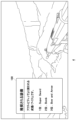
- FIG. 13 is a diagram illustrating an example of a system screen.
- FIG. 13 is a diagram showing another example of the system screen.
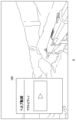
- FIG. 13 is a diagram showing another example of the system screen.
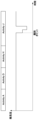
- FIG. 13 is a diagram showing an example in which game software adjusts game difficulty.
- an information processing device which is a user terminal device, executes game software.
- the game software When an event occurs within the game, the game software outputs event information including information identifying the event that has occurred (event ID) to the system software.
- event ID information identifying the event that has occurred
- An event occurs when there is a change in the game progress, a change in the behavior of a game character, etc.
- a game includes multiple activities, each of which has a start condition and an end condition.
- An activity is a unit of play that is made up of stages, quests, missions, tournaments, sessions, etc. that are incorporated into the game.
- the game progress from when the start condition is met to when the end condition is met constitutes one activity. Activities are set appropriately by the game maker; for example, one quest that appears in the game progress may constitute one activity, or multiple quests may constitute one activity.
- the end condition for that activity is to complete all of the multiple quests.
- Game makers may set all stages, quests, missions, tournaments, and sessions incorporated into a game as activities, but may also set only some stages, quests, missions, tournaments, or sessions as activities. As mentioned above, one activity may be set for a combination of multiple quests or missions to form one unit of play. In this way, the elements that make up an activity may be defined arbitrarily by the game maker.
- the game software When the game software starts an activity, it outputs event information to the system software, including information identifying the start event of that activity (event ID). When the game software ends an activity, it outputs event information to the system software, including information identifying the end event of that activity (event ID). In addition to the event ID, the event information may include information identifying the activity (activity ID), and may also include information indicating the result of the activity (for example, success or failure). The event ID is set to be different for each activity.
- Events may be set for various occurrences or states that occur within the game, not limited to activities. For example, events may be set for actions such as when a character operated by a player (player character) equips a weapon, uses a recovery potion, or strengthens armor.
- the game software outputs event information including information identifying the event (event ID) to the system software. While the user is playing the game, it is preferable for the game software to output various event information to the system software.
- the system software generates event data (hereafter also referred to as "play data”) by adding a user identifier (user account) that identifies the user, a game identifier (game ID) that identifies the game, and time information (timestamp) to the event information output from the game software, and automatically transmits this to an external server device.
- event data hereafter also referred to as "play data”
- user account identifies the user
- game ID game identifier
- time information timestamp
- the server device collects play data (event data) sent from multiple information processing devices operated by multiple players (users) and analyzes the play patterns of players who quit the game midway.
- the play pattern is information that indicates how the player played the game before quitting.
- a leaving player is typically a player who has stopped playing a game and has never played that game again.
- a player who stops playing a game and then resumes playing the game after a period of interruption does not qualify as a leaving player, but if the interruption is long (for example, about six months), the player may be considered a leaving player.
- the interruption is long (for example, about six months)
- the player may be considered a leaving player. Note that in the case of games that have a goal, such as role-playing games and adventure games, if a player has completed the game, the user does not qualify as a leaving player even if he or she has stopped playing the game. However, a player who has not yet completed the game but does not resume playing the game is considered a leaving player.
- the server device can derive a play pattern specific to the player who left by analyzing and comparing the play patterns of players who did not leave with those of players who did not leave.
- a play pattern can be derived in which a player who plays activity A, activity D, activity H, and activity J in that order without equipment is likely to leave at activity J, while a player who plays activity A via another activity to activity J is unlikely to leave at activity J.
- a play pattern can also be derived in which a player who plays activity A, activity D, activity H, and activity J in that order with equipment is unlikely to leave.
- FIG. 1 shows an information processing system 1 according to an embodiment of the present disclosure.
- the information processing system 1 is a game system that assists a user in playing a game, and includes an information processing device 10 operated by the user and a server device 5.
- An access point (hereinafter referred to as "AP") 8 has the functions of a wireless access point and a router, and the information processing device 10 connects to the AP 8 wirelessly or via a wired connection to communicate with the server device 5 on a network 3 such as the Internet.
- FIG. 1 shows one user and one information processing device 10, in the information processing system 1, multiple information processing devices 10 operated by multiple users are connected to the server device 5 via the network 3.
- the information processing device 10 is connected wirelessly or via a wire to an input device 6 operated by a user, and the input device 6 outputs information operated by the user to the information processing device 10.
- the information processing device 10 receives operation information from the input device 6, it reflects the information in the processing of the system software and game software, and causes the output device 4 to output the processing results.
- the information processing device 10 is a game device (game console) that executes a game
- the input device 6 is a device such as a game controller that supplies user operation information to the information processing device 10.
- the input device 6 may also be an input interface such as a keyboard or mouse.
- the auxiliary storage device 2 is a large-capacity storage device such as an HDD (hard disk drive) or SSD (solid state drive), and may be an internal storage device, or an external storage device connected to the information processing device 10 via a USB (Universal Serial Bus) or the like.
- the output device 4 may be a television having a display for outputting images and a speaker for outputting sound.
- the output device 4 may be connected to the information processing device 10 via a wired cable, or may be connected wirelessly.
- the server device 5 provides network services to users of the information processing system 1.
- the server device 5 manages user accounts that identify each user, and each user signs in to the network service provided by the server device 5 using their user account.
- the user can register game save data and trophies, which are virtual rewards acquired during game play, in the server device 5.
- game save data and trophies which are virtual rewards acquired during game play, in the server device 5.
- the save data and trophies can be synchronized even if the user uses an information processing device other than the information processing device 10.
- the server device 5 collects play data indicating the status of game play from multiple information processing devices 10.
- the play data is event data including event information output by the game software.
- the server device 5 may identify the play pattern of a player who has left the game for each game.
- "left the game” means leaving the game for a long period of time or semi-permanently, and does not mean leaving temporarily (for a short period of time such as a few days).
- FIG. 2 shows the hardware configuration of the information processing device 10.
- the information processing device 10 is configured to include a main power button 20, a power ON LED 21, a standby LED 22, a system controller 24, a clock 26, a device controller 30, a media drive 32, a USB module 34, a flash memory 36, a wireless communication module 38, a wired communication module 40, a subsystem 50, and a main system 60.
- the main system 60 comprises a main CPU (Central Processing Unit), a memory and memory controller serving as the main storage device, a GPU (Graphics Processing Unit), etc.
- the GPU is primarily used for the calculation and processing of game programs.
- the main CPU has the function of starting up the system software and executing the game program installed in the auxiliary storage device 2 in the environment provided by the system software.
- the subsystem 50 comprises a sub-CPU, a memory and memory controller serving as the main storage device, etc., but does not comprise a GPU.
- the sub-CPU While the main CPU has the function of executing game programs installed in the auxiliary storage device 2, the sub-CPU does not have such a function. However, the sub-CPU has the function of accessing the auxiliary storage device 2 and the function of sending and receiving data with the server device 5.
- the sub-CPU is configured with only these limited processing functions, and therefore can operate with less power consumption compared to the main CPU. These functions of the sub-CPU are executed when the main CPU is in standby mode.
- the main power button 20 is an input unit through which the user inputs operations, is provided on the front of the housing of the information processing device 10, and is operated to turn on or off the power supply to the main system 60 of the information processing device 10.
- the power ON LED 21 lights up when the main power button 20 is turned on, and the standby LED 22 lights up when the main power button 20 is turned off.
- the system controller 24 detects when the main power button 20 is pressed by the user.
- the clock 26 is a real-time clock that generates current date and time information and supplies it to the system controller 24, the subsystem 50, and the main system 60.
- the device controller 30 is configured as an LSI (Large-Scale Integrated Circuit) that transfers information between devices like a south bridge. As shown in the figure, devices such as the system controller 24, media drive 32, USB module 34, flash memory 36, wireless communication module 38, wired communication module 40, subsystem 50, and main system 60 are connected to the device controller 30.
- the device controller 30 absorbs differences in the electrical characteristics and data transfer speeds of each device and controls the timing of data transfer.
- the media drive 32 is a drive device that operates by mounting a ROM medium 44 on which application software such as games and license information are recorded, and reads programs, data, and the like from the ROM medium 44.
- the ROM medium 44 is a read-only recording medium such as an optical disk, magneto-optical disk, or Blu-ray disk.
- the USB module 34 is a module that connects to an external device via a USB cable.
- the USB module 34 may also be connected to the auxiliary storage device 2 and the camera 7 via a USB cable.
- the flash memory 36 is an auxiliary storage device that constitutes the internal storage.
- the wireless communication module 38 wirelessly communicates with the input device 6 using a communication protocol such as the Bluetooth (registered trademark) protocol or the IEEE802.11 protocol.
- the wired communication module 40 communicates with an external device via a wired connection and connects to the network 3 via the AP 8.
- FIG. 3 shows functional blocks of the information processing device 10.
- the information processing device 10 comprises a processing unit 100 and a communication unit 102.
- the processing unit 100 comprises game software 110, an event information acquisition unit 120, a transmission processing unit 122, a game image generation unit 130, a display processing unit 140, and a support information acquisition unit 150.
- the information processing device 10 includes a computer, which executes a program to realize the various functions shown in FIG. 3.
- the computer includes hardware such as a memory into which the program is loaded, one or more processors that execute the loaded program, an auxiliary storage device, and other LSIs.
- the processor is composed of multiple electronic circuits including semiconductor integrated circuits and LSIs, and the multiple electronic circuits may be mounted on a single chip or on multiple chips.
- the functional blocks shown in FIG. 3 are realized by cooperation between hardware and software, and therefore, it will be understood by those skilled in the art that these functional blocks can be realized in various forms using only hardware, only software, or a combination thereof.
- the game software 110 includes at least a game program, image data, and sound data.
- the game program receives operation information from the input device 6 by the user, and performs calculation processing to move a game character in a virtual space.
- the game image generation unit 130 includes a GPU (Graphics Processing Unit) that performs rendering processing and the like, and generates game images.
- the display processing unit 140 outputs the generated game images from the output device 4.
- the processing unit 100 also includes a game sound generation unit that generates game sounds, and a sound output unit that outputs game sounds, but these are omitted from FIG. 3.
- the game program When an event occurs during the game progress, the game program outputs event information indicating the event that has occurred.
- the start and end of an activity are coded as events.
- the game program When an activity starts, the game program outputs event information indicating the occurrence of an activity start event, and when the activity ends, it outputs event information indicating the occurrence of an activity end event. For example, if a battle activity against an enemy boss is incorporated into the game, the game program outputs event information including an event ID of the battle activity start event at the start of the battle. When the player wins the battle against the enemy boss, the game program outputs event information including the event ID of the battle activity end event and information indicating the success of the activity.
- Game makers may incorporate various events into the game.
- the game program When the player character equips weapon A, the game program outputs event information indicating that weapon A has been equipped.
- the game program outputs event information indicating that recovery potion B has been used.
- the game program When the player character strengthens armor C, the game program outputs event information indicating that armor C has been strengthened.
- various events are coded into the game program, and when an event occurs, the game program outputs event information including an event ID that identifies the event that has occurred.
- the event information acquisition unit 120 acquires event information from the game software 110, it generates play data by adding the user account, game ID, and time information (timestamp) indicating the time when the event occurred to the event information, and provides it to the transmission processing unit 122.
- the game program may output event information including the game ID and/or timestamp to the event information acquisition unit 120.
- the transmission processing unit 122 transmits the play data provided by the event information acquisition unit 120 to the server device 5 via the communication unit 102.
- the event information acquisition unit 120 acquires event information from the game software 110, it preferably immediately generates play data by adding a timestamp, etc., and the transmission processing unit 122 transmits the play data to the server device 5 in real time.
- the process of transmitting play data is carried out by all information processing devices 10 connected to the server device 5, and the server device 5 collects play data of various games from the multiple information processing devices 10.
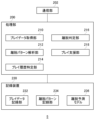
- FIG. 4 shows functional blocks of the server device 5 of the embodiment.
- the server device 5 comprises a processing unit 200, a communication unit 202, and a recording device 230.
- the processing unit 200 comprises a play data acquisition unit 210, a departure pattern analysis unit 212, a play history identification unit 214, a departure determination unit 216, and a play support unit 218.
- the recording device 230 comprises a play data recording unit 232, a departure pattern recording unit 234, and a departure prediction model 236.
- the server device 5 includes a computer, which executes a program to realize the various functions shown in FIG. 4.
- the computer includes hardware such as a memory into which the programs are loaded, one or more processors that execute the loaded programs, an auxiliary storage device, and other LSIs.
- the processor is composed of multiple electronic circuits including semiconductor integrated circuits and LSIs, and the multiple electronic circuits may be mounted on a single chip or on multiple chips.
- the functional blocks shown in FIG. 4 are realized by the cooperation of hardware and software, and therefore, it will be understood by those skilled in the art that these functional blocks can be realized in various forms using only hardware, only software, or a combination of both.
- the server device 5 has a function of analyzing the play pattern (hereinafter also referred to as the "withdrawal pattern") in which a leaving player has left the game using past play data, and a function of using the analysis results to determine whether or not a currently playing user (player) is likely to leave the game.
- the play pattern hereinafter also referred to as the "withdrawal pattern”
- the play data acquisition unit 210 acquires play data indicating the game play status of multiple players from multiple information processing devices 10, and records the play data in the play data recording unit 232.
- the play data recording unit 232 records the play data for each game title, linking it to the user accounts of the players.
- the play data includes at least event information, a game ID, and a timestamp.
- the departure pattern analysis unit 212 analyzes past play data by multiple leaving players recorded in the play data recording unit 232 to derive a play pattern (a departure pattern) specific to the leaving player. At this time, the departure pattern analysis unit 212 may derive the departure pattern by statistically processing the play data of the leaving player and the play data of players who completed the game without leaving.
- FIG. 5 shows an example of past play patterns by multiple players.
- transitions of activities played from activity A to activity K are shown.
- FIG. 5 shows an example of activity transitions for players A and B who have completed the game.
- Player B wears Equipment B in Activity E.
- Player C performs activities A, D, H, and J in that order, and leaves the game while performing activity J. In this play pattern, player C is not wearing any equipment.
- the withdrawal pattern analysis unit 212 determines from Player C's play pattern the order in which Activity J and the activities performed prior to it were performed, and that Player C was not wearing equipment when performing Activity J, and infers that these are the reasons why Player C left the game.
- player B who performed the same activity J, was wearing equipment B when performing activity J.
- player B played activity J while wearing equipment B, and after playing activity J, proceeded to activity K. Therefore, the dropout pattern analysis unit 212 can infer that player C was unable to obtain equipment B when performing activity A, activity D, and activity H, which caused him to have difficulty playing activity J, which lowered his motivation for the game and led to him dropping out of the game.
- the withdrawal pattern analysis unit 212 therefore identifies a play pattern in which activities are performed in the order of activity A, activity D, activity H, and activity J without wearing equipment B as a play pattern in which there is a high possibility of dropping out of the game. Note that it is preferable for the withdrawal pattern analysis unit 212 to confirm that, among all players who performed activities in the order of activity A, activity D, activity H, and activity J without wearing equipment B, the proportion of players who dropped out of the game is high, before identifying the play pattern as a play pattern in which there is a high possibility of dropping out of the game.
- the withdrawal pattern analysis unit 212 may define a play pattern in terms of the order in which activities are performed and the state in which equipment is worn, and may obtain the ratio of players who have withdrawn from among all players who have played with the same play pattern. If the ratio of players who have withdrawn is equal to or greater than a predetermined value, the withdrawal pattern analysis unit 212 may identify that the play pattern is one that is likely to result in players withdrawing from the game.
- the above has explained the analysis process in the departure pattern analysis unit 212 for easy understanding.
- the departure pattern analysis unit 212 identifies play patterns (withdrawal patterns) that are likely to result in withdrawal from the game by statistically processing past play data by many players.
- the departure pattern analysis unit 212 records the identified departure patterns in the departure pattern recording unit 234. This statistical processing may be performed periodically. By analyzing past play data by many players, the departure pattern analysis unit 212 is able to find various departure patterns.
- the churn pattern analysis unit 212 may generate a model for predicting the churn probability by machine learning.
- the churn pattern analysis unit 212 generates a churn prediction model 236 for determining (predicting) whether the churn possibility is high or low by machine learning.
- the churn prediction unit 212 uses past play data by multiple players and a label indicating whether or not the player has dropped out of the game as teacher data to machine-learn the high or low churn possibility, thereby generating the churn prediction model 236.
- the churn pattern analysis unit 212 determines that the game has been cleared by referring to the history of play data of a certain player, it assigns a label indicating that the player has not dropped out of the game to the play data, and when the churn pattern analysis unit 212 determines that the game has not been cleared by referring to the play data of a certain player, it assigns a label indicating that the player has dropped out of the game to the play data.
- the play data acquisition unit 210 acquires play data from the information processing device 10 in real time and records it in the play data recording unit 232.
- the play history identification unit 214 acquires in real time the history of play data of the user currently playing the game from the play data recording unit 232.
- the play history identification unit 214 preferably acquires the added play data and identifies the history of the latest play data.
- the departure determination unit 216 determines whether or not the user is likely to leave the game based on the user's most recent play data history.
- the departure determination unit 216 may refer to the departure patterns recorded in the departure pattern recording unit 234 to determine whether or not the user currently playing is likely to leave the game.
- the departure pattern recording unit 234 has recorded, as one of the departure patterns, a play pattern in which, without equipment B being equipped, the user performs activities in the order of activity A, activity D, activity H, and activity J. If the user's latest play data history matches the departure pattern recorded in the departure pattern recording unit 234, the departure determination unit 216 determines that the user is likely to leave the game.
- the departure determination unit 216 therefore determines that the user is unlikely to leave the game if the user's most recent play data history does not match the departure pattern recorded in the departure pattern recording unit 234. Therefore, if the user is wearing equipment B and plays activity A, activity D, and activity H, and then starts playing activity J, the departure determination unit 216 may determine that the user is unlikely to leave the game, since the user's play data history does not match the departure pattern with respect to the equipment.
- the departure determination unit 216 may use the departure prediction model 236 to determine whether or not the currently playing user is likely to leave the game.
- the departure prediction model 236 When the departure determination unit 216 inputs the user's play data history into the departure prediction model 236, which is a trained model, the departure prediction model 236 outputs information indicating whether or not the user is likely to leave the game.
- the departure determination unit 216 receives the output of the departure prediction model 236 and determines whether or not the user is likely to leave the game. In the above example, if the user's play data history indicates that the user has finished playing activity A, activity D, and activity H without wearing equipment B, and has now started playing activity J, the departure prediction model 236 outputs information indicating that the user is likely to leave the game when the play data history is input.
- the withdrawal determination unit 216 determines whether or not the user is likely to withdraw from the game while the user is playing, based on the user's most recent play data history. If the withdrawal determination unit 216 determines that the user is likely to withdraw from the game, the play support unit 218 performs support processing related to game play before the user ends game play (i.e., while the user is playing the game). This support processing is processing for reducing the probability that the user will withdraw from the game, and for example, the play support unit 218 may perform the following support processing.
- the play support unit 218 transmits information to be presented to the user, which is information for supporting the user's game play in order to reduce the probability that the user will drop out of the game, to the user's information processing device 10 via the communication unit 102.
- the support information acquisition unit 150 acquires the support information and provides it to the display processing unit 140, which then displays the support information on the output device 4 and presents it to the user.
- FIG. 7 shows another example of a system screen displayed on the output device 4 during game play.
- the display processing unit 140 generates a system image 182 from the support information acquired by the support information acquisition unit 150, and displays it on the output device 4.
- the system image 182 has an area for playing a help video for conquering activity J, and the help video is played in response to a user operation.
- the system image 182 may display link information for accessing the help video, rather than the help video itself.
- a user currently playing activity J can get hints for conquering activity J by watching the help video. This can increase the likelihood that the user will clear activity J, and ultimately reduce the probability that the user will drop out of the game.
- the display processing unit 140 generates a system image 184 from the support information acquired by the support information acquisition unit 150, and displays it on the output device 4.
- the system image 184 displays a suggestion to play an activity other than activity J (activity E in the example shown in FIG. 8).
- the suggested other activity may be an easy activity or a popular activity.
- the system image 184 displayed in the form of a card may be a GUI (graphical user interface), and activity E may start automatically when the user selects and operates the system image 184. In this way, it is possible to reduce the probability that the user will drop out of the game by guiding the user from activity J, which has a high dropout probability, to another activity E and allowing the user to experience a sense of accomplishment.
- the play support unit 218 transmits information to be provided to the game, which is for supporting the user's game play in order to reduce the probability that the user will drop out of the game, to the user's information processing device 10 via the communication unit 102.
- the support information acquisition unit 150 acquires support information and provides it to the game software 110, and the game software 110 performs processing to support the user's game play based on the support information.
- FIG. 9 shows an example in which the game software 110 adjusts the game difficulty level based on support information.
- the withdrawal pattern analysis unit 212 identifies a point (withdrawal point) in activity J where many players have been unable to conquer in the past and have dropped out
- the play support unit 218 transmits support information to the information processing device 10 instructing the player to lower the difficulty level at the withdrawal point.
- the withdrawal point may be identified as a coordinate value in the game world (for example, a location where a strong enemy character is hiding), or may be identified as the timing at which a specific enemy character is encountered in the game world.
- the game software 110 Based on the support information, the game software 110 performs a process of lowering the game difficulty at the withdrawal point. If the withdrawal point is set as a battle with an enemy character, the game software 110 may make adjustments such as weakening the enemy character or reducing damage to the player character. In this case, the game software 110 may gradually lower the difficulty until the player defeats the enemy character. After the player character defeats the enemy character, the game software 110 may return the game difficulty to the original setting value. By lowering the difficulty at the withdrawal point in this way, it is possible to increase the possibility that the user will defeat the enemy character, and ultimately to reduce the probability that the user will withdraw from the game.
- the game software 110 may also make weapons, recovery potions, and other items useful for conquering the game appear at the withdrawal point so that the player character can use them. If a withdrawal point is not provided to the game software 110, the game software 110 may lower the difficulty level or provide useful items based on the support information from the start of activity J.
- This disclosure relates to technology that assists users in playing games.
Landscapes
- Engineering & Computer Science (AREA)
- Multimedia (AREA)
- Physics & Mathematics (AREA)
- Optics & Photonics (AREA)
- Business, Economics & Management (AREA)
- Computer Security & Cryptography (AREA)
- General Business, Economics & Management (AREA)
- Human Computer Interaction (AREA)
- Management, Administration, Business Operations System, And Electronic Commerce (AREA)
Abstract
プレイ履歴特定部214は、ゲームをプレイしているユーザのプレイデータの履歴を取得する。離脱判定部216が、ユーザのプレイデータの履歴から、ユーザがゲームから離脱する可能性が高いことを判定すると、プレイ支援部218は、ユーザがゲームプレイを終了する前に、ゲームプレイに関する支援処理を実施する。
Description
本開示は、ユーザのゲームプレイを支援する技術に関する。
特許文献1は、複数のプレイヤがプレイしたアクティビティに関するイベントデータを収集して統計処理するサーバ装置を開示する。このサーバ装置は、複数のプレイヤのイベントデータにもとづいてアクティビティの予想プレイ時間を導出する。
サーバ装置が、複数のプレイヤがゲームをプレイした状況を示すプレイデータを収集することで、様々な情報を統計処理や機械学習等により導き出し、ユーザのゲームプレイを支援することが可能となる。本開示は、ユーザのゲームプレイに関する支援処理を実施する技術を実現することを目的とする。
本発明のある態様は、サーバ装置であって、ハードウェアを有する1つ以上のプロセッサを備える。1つ以上のプロセッサは、ゲームをプレイしているユーザのプレイデータの履歴を取得し、ユーザのプレイデータの履歴から、ユーザがゲームから離脱する可能性が高いことが判定される場合に、ユーザがゲームプレイを終了する前に、ゲームプレイに関する支援処理を実施する。
本発明の別の態様は、ユーザが操作する情報処理装置であって、ハードウェアを有する1つ以上のプロセッサを備える。1つ以上のプロセッサは、ゲームをプレイしているユーザのプレイデータをサーバ装置に送信し、ユーザのプレイデータの履歴にもとづいてサーバ装置から送信される支援情報をユーザに提示し、またはゲームに提供する。
なお、以上の構成要素の任意の組合せ、本開示の表現を方法、装置、システム、記録媒体、コンピュータプログラムなどの間で変換したものもまた、本開示の態様として有効である。
実施形態では、ユーザ端末装置である情報処理装置がゲームソフトウェアを実行する。ゲームソフトウェアは、ゲーム内でイベントが発生すると、発生したイベントを識別する情報(イベントID)を含むイベント情報をシステムソフトウェアに出力する。イベントは、ゲーム進行に変化があったり、ゲームキャラクタの行動に変化があったとき等に発生する。
ゲームには、開始条件および終了条件が設定されている複数のアクティビティが含まれる。アクティビティは、ゲームに組み込まれているステージや、クエスト、ミッション、トーナメント、セッション等から構成されるプレイ単位である。開始条件が成立してから終了条件が成立するまでのゲーム進行が、1つのアクティビティを構成する。アクティビティはゲームメーカにより適宜設定され、たとえばゲーム進行上に登場する1つのクエストが1つのアクティビティを構成してよく、また複数のクエストが1つのアクティビティを構成してもよい。複数のクエストが1つのアクティビティを構成している場合、複数のクエストの全てを完了することが、当該アクティビティの終了条件となる。
なおゲームメーカは、ゲームに組み込んだ全てのステージや、クエスト、ミッション、トーナメント、セッションをアクティビティとして設定してよいが、一部のステージや、クエスト、ミッション、トーナメント、セッションのみをアクティビティとして設定してもよい。上記したように、複数のクエストやミッションの組み合わせに対して、1つのアクティビティが設定されて、1つのプレイ単位を構成してもよい。このようにアクティビティを構成する要素は、ゲームメーカによって任意に定義されてよい。
ゲームソフトウェアは、あるアクティビティを開始すると、そのアクティビティの開始イベントを識別する情報(イベントID)を含むイベント情報をシステムソフトウェアに出力する。またゲームソフトウェアは、あるアクティビティを終了すると、そのアクティビティの終了イベントを識別する情報(イベントID)を含むイベント情報をシステムソフトウェアに出力する。イベント情報は、イベントIDに加えて、アクティビティを識別する情報(アクティビティID)を含んでもよく、またアクティビティの実施結果を示す情報(たとえば成功または失敗)を含んでもよい。イベントIDは、アクティビティごとに異なるように設定される。
なおアクティビティに限らず、ゲーム内で発生する様々な出来事や状態に対してイベントが設定されてよい。たとえばプレイヤが操作するキャラクタ(プレイヤキャラクタ)が武器を装着したり、回復薬を使用したり、防具を強化する行為等に、イベントが設定されてよい。ゲームソフトウェアは、ゲーム進行中にイベントが発生すると、当該イベントを識別する情報(イベントID)を含むイベント情報をシステムソフトウェアに出力する。ユーザによるゲームプレイ中、ゲームソフトウェアは、様々なイベント情報をシステムソフトウェアに出力することが好ましい。
システムソフトウェアは、ゲームソフトウェアから出力されたイベント情報に、ユーザを識別するユーザ識別子(ユーザアカウント)、ゲームを識別するゲーム識別子(ゲームID)および時間情報(タイムスタンプ)を付加したイベントデータ(以下、「プレイデータ」とも呼ぶ)を生成し、外部のサーバ装置に自動的に送信する。
実施形態においてサーバ装置は、複数のプレイヤ(ユーザ)が操作する複数の情報処理装置から送信されるプレイデータ(イベントデータ)を収集して、ゲームを途中でやめてしまったプレイヤのプレイパターンを解析する。ここでプレイパターンとは、プレイヤがゲームをやめるまでに、どのようにゲームをプレイしていたかを示す情報である。サーバ装置が、ゲームを途中でやめてしまったプレイヤ(以下、単に「離脱プレイヤ」とも呼ぶ)のプレイパターンを特定しておくことで、同じプレイパターンでゲームを進行するプレイヤが、この後、ゲームをやめてしまう可能性が高いことを予測することが可能となる。
実施形態において、離脱プレイヤは、典型的には、ゲームのプレイを終了してから、当該ゲームを一切プレイしなくなったプレイヤである。原則として、ゲームのプレイを終了した後、中断期間をあけて当該ゲームのプレイを再開したプレイヤは、離脱プレイヤに該当しないが、中断期間が長い場合(たとえば半年間程度)は、離脱プレイヤとみなしてよい。なおロールプレイングゲームやアドベンチャーゲームのように、ゴールがあるゲームの場合、プレイヤがゲームをクリアしていれば、当該ゲームをプレイしなくなっても、当該ユーザは離脱プレイヤに該当しない。しかしながら、まだクリアしていないのに当該ゲームのプレイを再開しないプレイヤは、離脱プレイヤに該当する。
サーバ装置は、離脱したプレイヤのプレイパターンと、離脱しなかったプレイヤのプレイパターンを解析して比較することで、離脱したプレイヤに特有のプレイパターンを導き出すことができる。一例として、装備なしで、アクティビティA、アクティビティD、アクティビティH、アクティビティJの順番でプレイしたプレイヤは、アクティビティJで離脱する可能性が高く、一方で、アクティビティAから他のアクティビティを経由してアクティビティJをプレイしたプレイヤは、アクティビティJで離脱する可能性が低い、というプレイパターンが導き出される。また、装備ありで、アクティビティA、アクティビティD、アクティビティH、アクティビティJの順番でプレイしたプレイヤは、離脱する可能性が低い、というプレイパターンが導き出されてもよい。サーバ装置は、プレイパターンに応じた離脱可能性の程度を特定しておくことで、過去の離脱プレイヤと同じプレイパターンを辿るプレイヤが離脱する可能性が高いことを予測できるようになる。
図1は、本開示の実施形態にかかる情報処理システム1を示す。実施形態の情報処理システム1は、ユーザのゲームプレイを支援するゲームシステムであり、ユーザが操作する情報処理装置10とサーバ装置5とを備える。アクセスポイント(以下、「AP」とよぶ)8は、無線アクセスポイントおよびルータの機能を有し、情報処理装置10は、無線または有線経由でAP8に接続して、インターネットなどのネットワーク3上のサーバ装置5と通信可能に接続する。図1には、1人のユーザおよび1台の情報処理装置10が示されているが、情報処理システム1では、複数のユーザが操作する複数の情報処理装置10が、サーバ装置5とネットワーク3を介して接続している。
情報処理装置10は、ユーザが操作する入力装置6と無線または有線で接続し、入力装置6はユーザが操作した情報を情報処理装置10に出力する。情報処理装置10は入力装置6から操作情報を受け付けるとシステムソフトウェアやゲームソフトウェアの処理に反映し、出力装置4から処理結果を出力させる。情報処理システム1において情報処理装置10はゲームを実行するゲーム装置(ゲームコンソール)であり、入力装置6はゲームコントローラなど情報処理装置10に対してユーザの操作情報を供給する機器である。なお入力装置6は、キーボードやマウスなどの入力インタフェースであってもよい。
補助記憶装置2は、HDD(ハードディスクドライブ)やSSD(ソリッドステートドライブ)などの大容量記録装置であり、内蔵型記録装置であってよく、またUSB(Universal Serial Bus)などによって情報処理装置10と接続する外部記録装置であってもよい。出力装置4は画像を出力するディスプレイおよび音を出力するスピーカを有するテレビであってよい。出力装置4は、情報処理装置10に有線ケーブルで接続されてよく、また無線接続されてもよい。
撮像装置であるカメラ7は出力装置4の近傍に設けられ、出力装置4周辺の空間を撮像する。図1ではカメラ7が出力装置4の上部に取り付けられている例を示しているが、出力装置4の側部または下部に配置されてもよく、いずれにしても出力装置4の前方に位置するユーザを撮像できる位置に配置される。カメラ7はステレオカメラであってもよい。
サーバ装置5は、情報処理システム1のユーザに対してネットワークサービスを提供する。サーバ装置5は、各ユーザを識別するユーザアカウントを管理しており、各ユーザは、ユーザアカウントを用いて、サーバ装置5が提供するネットワークサービスにサインインする。ユーザは情報処理装置10からネットワークサービスにサインインすることで、サーバ装置5に、ゲームのセーブデータや、ゲームプレイ中に獲得した仮想的な褒賞であるトロフィを登録できる。サーバ装置5にセーブデータやトロフィが登録されることで、ユーザが情報処理装置10とは別の情報処理装置を使用しても、セーブデータやトロフィを同期できるようになる。
実施形態のサーバ装置5は、複数の情報処理装置10から、ゲームプレイの状況を示すプレイデータを収集する。実施形態においてプレイデータは、ゲームソフトウェアが出力するイベント情報を含むイベントデータである。サーバ装置5は、ゲームごとに、ゲームから離脱したプレイヤのプレイパターンを特定してよい。実施形態において「ゲームから離脱した」とは、ゲームから長期的ないしは半永久的に離脱したことを意味し、一時的に(数日などの短期間)離脱したことを意味しない。
図2は、情報処理装置10のハードウェア構成を示す。情報処理装置10は、メイン電源ボタン20、電源ON用LED21、スタンバイ用LED22、システムコントローラ24、クロック26、デバイスコントローラ30、メディアドライブ32、USBモジュール34、フラッシュメモリ36、無線通信モジュール38、有線通信モジュール40、サブシステム50およびメインシステム60を有して構成される。
メインシステム60は、メインCPU(Central Processing Unit)、主記憶装置であるメモリおよびメモリコントローラ、GPU(Graphics Processing Unit)などを備える。GPUはゲームプログラムの演算処理に主として利用される。メインCPUはシステムソフトウェアを起動し、システムソフトウェアが提供する環境下において、補助記憶装置2にインストールされたゲームプログラムを実行する機能をもつ。サブシステム50は、サブCPU、主記憶装置であるメモリおよびメモリコントローラなどを備え、GPUを備えない。
メインCPUは補助記憶装置2にインストールされているゲームプログラムを実行する機能をもつ一方で、サブCPUはそのような機能をもたない。しかしながらサブCPUは補助記憶装置2にアクセスする機能や、サーバ装置5との間でデータを送受信する機能を有している。サブCPUは、このような制限された処理機能のみを有して構成されており、したがってメインCPUと比較して小さい消費電力で動作できる。これらのサブCPUの機能は、メインCPUがスタンバイ状態にある際に実行される。
メイン電源ボタン20は、ユーザからの操作入力が行われる入力部であって、情報処理装置10の筐体の前面に設けられ、情報処理装置10のメインシステム60への電源供給をオンまたはオフするために操作される。電源ON用LED21は、メイン電源ボタン20がオンされたときに点灯し、スタンバイ用LED22は、メイン電源ボタン20がオフされたときに点灯する。システムコントローラ24は、ユーザによるメイン電源ボタン20の押下を検出する。
クロック26はリアルタイムクロックであって、現在の日時情報を生成し、システムコントローラ24やサブシステム50およびメインシステム60に供給する。
デバイスコントローラ30は、サウスブリッジのようにデバイス間の情報の受け渡しを実行するLSI(Large-Scale Integrated Circuit)として構成される。図示のように、デバイスコントローラ30には、システムコントローラ24、メディアドライブ32、USBモジュール34、フラッシュメモリ36、無線通信モジュール38、有線通信モジュール40、サブシステム50およびメインシステム60などのデバイスが接続される。デバイスコントローラ30は、それぞれのデバイスの電気特性の違いやデータ転送速度の差を吸収し、データ転送のタイミングを制御する。
メディアドライブ32は、ゲームなどのアプリケーションソフトウェア、およびライセンス情報を記録したROM媒体44を装着して駆動し、ROM媒体44からプログラムやデータなどを読み出すドライブ装置である。ROM媒体44は、光ディスクや光磁気ディスク、ブルーレイディスクなどの読出専用の記録メディアである。
USBモジュール34は、外部機器とUSBケーブルで接続するモジュールである。USBモジュール34は補助記憶装置2およびカメラ7とUSBケーブルで接続してもよい。フラッシュメモリ36は、内部ストレージを構成する補助記憶装置である。無線通信モジュール38は、Bluetooth(登録商標)プロトコルやIEEE802.11プロトコルなどの通信プロトコルで、入力装置6と無線通信する。有線通信モジュール40は、外部機器と有線通信し、AP8を介してネットワーク3に接続する。
図3は、情報処理装置10の機能ブロックを示す。情報処理装置10は、処理部100および通信部102を備える。処理部100は、ゲームソフトウェア110、イベント情報取得部120、送信処理部122、ゲーム画像生成部130、表示処理部140および支援情報取得部150を備える。
情報処理装置10はコンピュータを備え、コンピュータがプログラムを実行することによって、図3に示す様々な機能が実現される。コンピュータは、プログラムをロードするメモリ、ロードされたプログラムを実行する1つ以上のプロセッサ、補助記憶装置、その他のLSIなどをハードウェアとして備える。プロセッサは、半導体集積回路やLSIを含む複数の電子回路により構成され、複数の電子回路は、1つのチップ上に搭載されてよく、または複数のチップ上に搭載されてもよい。図3に示す機能ブロックは、ハードウェアとソフトウェアとの連携によって実現され、したがって、これらの機能ブロックがハードウェアのみ、ソフトウェアのみ、またはそれらの組合せによっていろいろな形で実現できることは、当業者には理解されるところである。
ゲームソフトウェア110は、少なくともゲームプログラム、画像データおよび音データを含む。ゲームプログラムは、ユーザによる入力装置6の操作情報を受け、仮想空間においてゲームキャラクタを動かす演算処理を行う。ゲーム画像生成部130は、レンダリング処理などを実行するGPU(Graphics Processing Unit)を含んで、ゲームの画像を生成する。表示処理部140は、生成されたゲーム画像を出力装置4から出力する。なお処理部100は、ゲーム音を生成するゲーム音生成部およびゲーム音を出力する音出力部を備えるが、図3では図示を省略している。
ゲームプログラムは、ゲーム進行中にイベントが発生すると、発生したイベントを示すイベント情報を出力する。ゲームプログラムにおいて、アクティビティの開始および終了はイベントとしてコーディングされている。ゲームプログラムは、アクティビティを開始すると、アクティビティの開始イベントの発生を示すイベント情報を出力し、アクティビティを終了すると、アクティビティの終了イベントの発生を示すイベント情報を出力する。たとえば、敵ボスとの戦闘アクティビティがゲームに組み込まれている場合、ゲームプログラムは、戦闘開始時に、戦闘アクティビティの開始イベントのイベントIDを含むイベント情報を出力する。プレイヤが敵ボスとの戦闘に勝利すると、ゲームプログラムは、戦闘アクティビティの終了イベントのイベントIDと、アクティビティの成功を示す情報を含むイベント情報を出力する。
ゲームメーカは様々なイベントをゲームに仕込んでよい。プレイヤキャラクタが武器Aを装着すると、ゲームプログラムは、武器Aを装着したことを示すイベント情報を出力する。プレイヤキャラクタが回復薬Bを使用すると、ゲームプログラムは、回復薬Bを使用したことを示すイベント情報を出力する。プレイヤキャラクタが防具Cを強化すると、ゲームプログラムは、防具Cを強化したことを示すイベント情報を出力する。このようにゲームプログラムにおいて様々なイベントがコーディングされており、ゲームプログラムは、イベントが発生すると、発生したイベントを識別するイベントIDを含むイベント情報を出力する。
イベント情報取得部120は、ゲームソフトウェア110からイベント情報を取得すると、イベント情報に、ユーザアカウント、ゲームIDおよびイベントが発生した時間を示す時間情報(タイムスタンプ)を付加したプレイデータを生成して、送信処理部122に提供する。ゲームプログラムは、ゲームIDおよび/またはタイムスタンプを含むイベント情報をイベント情報取得部120に出力してもよい。送信処理部122は、イベント情報取得部120から提供されるプレイデータを、通信部102を介してサーバ装置5に送信する。イベント情報取得部120は、イベント情報をゲームソフトウェア110から取得すると、すぐにタイムスタンプ等を付加したプレイデータを生成して、送信処理部122がプレイデータをサーバ装置5にリアルタイムに送信することが好ましい。
情報処理システム1において、プレイデータの送信処理は、サーバ装置5に接続している全ての情報処理装置10により実施され、サーバ装置5は、複数の情報処理装置10から、様々なゲームのプレイデータを収集する。
図4は、実施形態のサーバ装置5の機能ブロックを示す。サーバ装置5は、処理部200、通信部202および記録装置230を備える。処理部200は、プレイデータ取得部210、離脱パターン解析部212、プレイ履歴特定部214、離脱判定部216およびプレイ支援部218を備える。記録装置230は、プレイデータ記録部232、離脱パターン記録部234および離脱予測モデル236を備える。
サーバ装置5はコンピュータを備え、コンピュータがプログラムを実行することによって、図4に示す様々な機能が実現される。コンピュータは、プログラムをロードするメモリ、ロードされたプログラムを実行する1つ以上のプロセッサ、補助記憶装置、その他のLSIなどをハードウェアとして備える。プロセッサは、半導体集積回路やLSIを含む複数の電子回路により構成され、複数の電子回路は、1つのチップ上に搭載されてよく、または複数のチップ上に搭載されてもよい。図4に示す機能ブロックは、ハードウェアとソフトウェアとの連携によって実現され、したがって、これらの機能ブロックがハードウェアのみ、ソフトウェアのみ、またはそれらの組合せによっていろいろな形で実現できることは、当業者には理解されるところである。
実施形態において、サーバ装置5は、過去のプレイデータを用いて離脱プレイヤがゲームから離脱したプレイパターン(以下、「離脱パターン」とも呼ぶ)を解析する機能と、当該解析結果を用いて、現在プレイ中のユーザ(プレイヤ)がゲームを離脱する可能性が高いか否かを判定する機能とを備える。以下、これら2つの機能について説明する。
<離脱パターンの解析機能>
プレイデータ取得部210は、複数の情報処理装置10から、複数のプレイヤによるゲームのプレイ状況を示すプレイデータを取得し、プレイデータ記録部232に記録する。プレイデータ記録部232は、プレイヤのユーザアカウントに紐付けて、ゲームタイトルごとにプレイデータを記録する。既述したようにプレイデータには、イベント情報、ゲームIDおよびタイムスタンプが少なくとも含まれる。
プレイデータ取得部210は、複数の情報処理装置10から、複数のプレイヤによるゲームのプレイ状況を示すプレイデータを取得し、プレイデータ記録部232に記録する。プレイデータ記録部232は、プレイヤのユーザアカウントに紐付けて、ゲームタイトルごとにプレイデータを記録する。既述したようにプレイデータには、イベント情報、ゲームIDおよびタイムスタンプが少なくとも含まれる。
離脱パターン解析部212は、プレイデータ記録部232に記録された複数の離脱プレイヤによる過去のプレイデータを解析して、離脱プレイヤに特有のプレイパターン(離脱パターン)を導出する。このとき離脱パターン解析部212は、離脱プレイヤのプレイデータと、離脱せずにゲームをクリアしたプレイヤのプレイデータとを統計処理することで離脱パターンを導出してよい。
図5は、複数のプレイヤによる過去のプレイパターンの例を示す。この例では、アクティビティAからアクティビティKに至るまでにプレイされるアクティビティの遷移を示している。
以下、ゲームをクリアしたプレイヤA、Bのアクティビティ遷移の例を示す。
<プレイヤAのプレイパターン>
プレイヤAは、アクティビティA、アクティビティC、アクティビティF、アクティビティG、アクティビティI、アクティビティKの順番で、アクティビティを実施し、その後ゲームをクリアしている。このプレイパターンにおいて、プレイヤAは、アクティビティCで装備Aを、アクティビティFで装備Cを、アクティビティGで装備Dを装着している。
<プレイヤBのプレイ履歴>
プレイヤBは、アクティビティA、アクティビティB、アクティビティE、アクティビティH、アクティビティJ、アクティビティKの順番で、アクティビティを実施し、その後ゲームをクリアしている。このプレイパターンにおいて、プレイヤBは、アクティビティEで装備Bを装着している。
以下、ゲームをクリアしたプレイヤA、Bのアクティビティ遷移の例を示す。
<プレイヤAのプレイパターン>
プレイヤAは、アクティビティA、アクティビティC、アクティビティF、アクティビティG、アクティビティI、アクティビティKの順番で、アクティビティを実施し、その後ゲームをクリアしている。このプレイパターンにおいて、プレイヤAは、アクティビティCで装備Aを、アクティビティFで装備Cを、アクティビティGで装備Dを装着している。
<プレイヤBのプレイ履歴>
プレイヤBは、アクティビティA、アクティビティB、アクティビティE、アクティビティH、アクティビティJ、アクティビティKの順番で、アクティビティを実施し、その後ゲームをクリアしている。このプレイパターンにおいて、プレイヤBは、アクティビティEで装備Bを装着している。
次に、ゲームを離脱したプレイヤCのアクティビティ遷移の例を示す。
<プレイヤCのプレイパターン>
プレイヤCは、アクティビティA、アクティビティD、アクティビティH、アクティビティJの順番でアクティビティを実施し、アクティビティJの実施中に、ゲームから離脱している。このプレイパターンにおいて、プレイヤCは、装備を装着していない。
<プレイヤCのプレイパターン>
プレイヤCは、アクティビティA、アクティビティD、アクティビティH、アクティビティJの順番でアクティビティを実施し、アクティビティJの実施中に、ゲームから離脱している。このプレイパターンにおいて、プレイヤCは、装備を装着していない。
離脱パターン解析部212は、プレイヤCのプレイパターンから、アクティビティJおよびそれ以前に実施したアクティビティの実施順序、および、プレイヤCがアクティビティJの実施時に装備を装着していないことを特定し、これらのことが、プレイヤCがゲームから離脱した理由であることを推測する。
ここで、同じアクティビティJを実施したプレイヤBは、アクティビティJの実施時に装備Bを装着している。つまりプレイヤBはアクティビティJを、装備Bを装着した状態でプレイしており、アクティビティJをプレイした後、アクティビティKに進んでいる。したがって離脱パターン解析部212は、プレイヤCがアクティビティA、アクティビティD、アクティビティHと実施したときに装備Bを入手できなかったことで、アクティビティJのプレイに手間取ってしまい、ゲームへのモチベーションが下がったことで、ゲームから離脱したことを推測できる。
したがって離脱パターン解析部212は、装備Bを装着していない状態で、アクティビティA、アクティビティD、アクティビティH、アクティビティJの順番でアクティビティを実施するプレイパターンが、ゲームから離脱する可能性が高いプレイパターンであることを特定する。なお離脱パターン解析部212は、装備Bを装着していない状態で、アクティビティA、アクティビティD、アクティビティH、アクティビティJの順番でアクティビティを実施した全てのプレイヤのうち、ゲームから離脱したプレイヤの比率が高いことを確認してから、当該プレイパターンが、ゲームから離脱する可能性が高いプレイパターンであることを特定することが好ましい。
たとえば離脱パターン解析部212は、アクティビティの実施順序および装備の装着状態でプレイパターンを定義して、同一のプレイパターンでプレイした全てのプレイヤのうちの離脱プレイヤの比率を求めてよい。ここで離脱プレイヤの比率が所定値以上であれば、離脱パターン解析部212は、当該プレイパターンが、ゲームから離脱する可能性が高いプレイパターンであることを特定してもよい。
以上、離脱パターン解析部212における解析処理を理解しやすいように説明したが、離脱パターン解析部212は、多数のプレイヤによる過去のプレイデータを統計処理することで、ゲームから離脱する可能性が高いプレイパターン(離脱パターン)を特定する。離脱パターン解析部212は、特定した離脱パターンを、離脱パターン記録部234に記録する。この統計処理は、定期的に実施されてよい。多数のプレイヤによる過去のプレイデータを解析することで、離脱パターン解析部212は、様々な離脱パターンを見つけることが可能となる。
なお離脱パターン解析部212は、離脱可能性を予測するためのモデルを機械学習により生成してもよい。
離脱パターン解析部212は、機械学習により、離脱可能性が高いかまたは低いかを判定(予測)するための離脱予測モデル236を生成する。離脱予測モデル236の生成にあたり、離脱パターン解析部212は、複数のプレイヤによる過去のプレイデータと、ゲームからの離脱の有無を示すラベルとを教師データとして用いて、離脱可能性の高低を機械学習して、離脱予測モデル236を生成する。離脱パターン解析部212は、あるプレイヤのプレイデータの履歴を参照してゲームがクリアされていることを判定すると、当該プレイデータにゲームからの離脱なしを示すラベルを付与し、あるプレイヤのプレイデータを参照してゲームがクリアされていないことを判定すると、当該プレイデータにゲームからの離脱ありを示すラベルを付与する。この教師データを用いて機械学習した離脱予測モデル236は、ゲームプレイ中のユーザの現在までのプレイデータの履歴を入力すると、離脱する可能性が高いか否かを示す情報を出力する。
離脱パターン解析部212は、機械学習により、離脱可能性が高いかまたは低いかを判定(予測)するための離脱予測モデル236を生成する。離脱予測モデル236の生成にあたり、離脱パターン解析部212は、複数のプレイヤによる過去のプレイデータと、ゲームからの離脱の有無を示すラベルとを教師データとして用いて、離脱可能性の高低を機械学習して、離脱予測モデル236を生成する。離脱パターン解析部212は、あるプレイヤのプレイデータの履歴を参照してゲームがクリアされていることを判定すると、当該プレイデータにゲームからの離脱なしを示すラベルを付与し、あるプレイヤのプレイデータを参照してゲームがクリアされていないことを判定すると、当該プレイデータにゲームからの離脱ありを示すラベルを付与する。この教師データを用いて機械学習した離脱予測モデル236は、ゲームプレイ中のユーザの現在までのプレイデータの履歴を入力すると、離脱する可能性が高いか否かを示す情報を出力する。
<離脱判定機能>
次に、サーバ装置5による離脱判定機能について説明する。
ユーザがゲームをプレイしているとき、プレイデータ取得部210は、リアルタイムで情報処理装置10からプレイデータを取得し、プレイデータ記録部232に記録する。プレイ履歴特定部214は、現在ゲームをプレイしているユーザのプレイデータの履歴をプレイデータ記録部232からリアルタイムで取得する。プレイ履歴特定部214は、プレイデータ記録部232においてユーザのプレイデータが追加記録されると、プレイ履歴特定部214は、追加されたプレイデータを取得して、最新のプレイデータの履歴を特定することが好ましい。
次に、サーバ装置5による離脱判定機能について説明する。
ユーザがゲームをプレイしているとき、プレイデータ取得部210は、リアルタイムで情報処理装置10からプレイデータを取得し、プレイデータ記録部232に記録する。プレイ履歴特定部214は、現在ゲームをプレイしているユーザのプレイデータの履歴をプレイデータ記録部232からリアルタイムで取得する。プレイ履歴特定部214は、プレイデータ記録部232においてユーザのプレイデータが追加記録されると、プレイ履歴特定部214は、追加されたプレイデータを取得して、最新のプレイデータの履歴を特定することが好ましい。
離脱判定部216は、ユーザの最新のプレイデータの履歴から、ユーザがゲームから離脱する可能性が高いか否かを判定する。離脱判定部216は、離脱パターン記録部234に記録された離脱パターンを参照して、現在プレイ中のユーザがゲームから離脱する可能性が高いか否かを判定してよい。
ここで、現在プレイしているユーザのプレイデータの履歴が、装備Bを装着していない状態で、アクティビティA、アクティビティD、アクティビティHのプレイを終えて、現在、アクティビティJのプレイを開始したことを示すとする。離脱パターン記録部234は、離脱パターンの1つとして、装備Bを装着していない状態で、アクティビティA、アクティビティD、アクティビティH、アクティビティJの順番でアクティビティを実施するプレイパターンを記録している。離脱判定部216は、ユーザの最新のプレイデータの履歴が、離脱パターン記録部234に記録された離脱パターンに一致する場合に、ユーザがゲームから離脱する可能性が高いことを判定する。
したがって離脱判定部216は、ユーザの最新のプレイデータの履歴が、離脱パターン記録部234に記録された離脱パターンに一致しなければ、ユーザがゲームから離脱する可能性が低いことを判定する。そのためユーザが、装備Bを装着している状態で、アクティビティA、アクティビティD、アクティビティHをプレイした後、アクティビティJのプレイを開始した場合、離脱判定部216は、ユーザのプレイデータの履歴が装備に関して離脱パターンに一致していないため、ユーザがゲームから離脱する可能性が低いことを判定してよい。
なお離脱判定部216は、離脱予測モデル236を用いて、現在プレイ中のユーザがゲームから離脱する可能性が高いか否かを判定してよい。離脱判定部216が、学習済みモデルである離脱予測モデル236に、ユーザのプレイデータの履歴を入力すると、離脱予測モデル236は、ユーザがゲームから離脱する可能性が高いか否かを示す情報を出力する。離脱判定部216は、離脱予測モデル236の出力を受けて、ユーザがゲームから離脱する可能性が高いか否かを判定する。上記した例で、ユーザのプレイデータの履歴が、装備Bを装着していない状態で、アクティビティA、アクティビティD、アクティビティHのプレイを終えて、現在、アクティビティJのプレイを開始したことを示す場合、離脱予測モデル236は、当該プレイデータの履歴を入力されると、ユーザがゲームから離脱する可能性が高いことを示す情報を出力する。
以上のように離脱判定部216は、ユーザのプレイ中に、ユーザの最新のプレイデータの履歴をもとに、ユーザがゲームから離脱する可能性が高いか否かを判定する。ここで離脱判定部216が、ユーザがゲームから離脱する可能性が高いことを判定した場合、プレイ支援部218は、ユーザがゲームプレイを終了する前(つまりユーザのゲームプレイ中)に、ゲームプレイに関する支援処理を実施する。この支援処理は、ユーザがゲームから離脱する確率を下げるための処理であり、たとえばプレイ支援部218は、以下の支援処理を実施してよい。
<支援情報のユーザへの提示>
プレイ支援部218は、ユーザがゲームから離脱する確率を下げるために、ユーザのゲームプレイを支援するための情報であって、ユーザに提示する情報を、通信部102を介してユーザの情報処理装置10に送信する。情報処理装置10において、支援情報取得部150が支援情報を取得して、表示処理部140に提供し、表示処理部140が支援情報を出力装置4に表示して、ユーザに提示する。
プレイ支援部218は、ユーザがゲームから離脱する確率を下げるために、ユーザのゲームプレイを支援するための情報であって、ユーザに提示する情報を、通信部102を介してユーザの情報処理装置10に送信する。情報処理装置10において、支援情報取得部150が支援情報を取得して、表示処理部140に提供し、表示処理部140が支援情報を出力装置4に表示して、ユーザに提示する。
図6は、ゲームプレイ中に出力装置4に表示されるシステム画面の例を示す。表示処理部140は、支援情報取得部150が取得した支援情報からシステム画像180を生成し、出力装置4に表示する。システム画像180には、アクティビティJでよく使われる武器/アイテムのリストが表示される。現在、アクティビティJをプレイしているユーザは、システム画像180に記載された装備情報をみて、アクティビティJのプレイに推奨される武器/アイテムを知ることができ、アクティビティJの攻略のヒントを得ることができる。これによりユーザがアクティビティJをクリアする可能性を高めることができ、ひいてはユーザがゲームから離脱する確率を下げることが可能となる。
図7は、ゲームプレイ中に出力装置4に表示されるシステム画面の別の例を示す。表示処理部140は、支援情報取得部150が取得した支援情報からシステム画像182を生成し、出力装置4に表示する。システム画像182は、アクティビティJを攻略するためのヘルプ動画を再生するための領域を有し、ユーザの操作によりヘルプ動画を再生する。なおシステム画像182には、ヘルプ動画そのものではなく、ヘルプ動画にアクセスするためのリンク情報が表示されてもよい。現在、アクティビティJをプレイしているユーザは、ヘルプ動画を見ることで、アクティビティJを攻略するヒントを得ることができる。これによりユーザがアクティビティJをクリアする可能性を高めることができ、ひいてはユーザがゲームから離脱する確率を下げることが可能となる。
図8は、ゲームプレイ中に出力装置4に表示されるシステム画面の別の例を示す。表示処理部140は、支援情報取得部150が取得した支援情報からシステム画像184を生成し、出力装置4に表示する。システム画像184には、アクティビティJとは別のアクティビティ(図8に示す例ではアクティビティE)のプレイの提案が表示される。提案する別のアクティビティは、簡単なアクティビティであったり、人気のあるアクティビティであってよい。現在、アクティビティJをプレイしているユーザは、この提案を見ることで、プレイするアクティビティを変更する機会を与えられる。たとえばカード形式で表示されるシステム画像184はGUI(グラフィカルユーザインタフェース)であってよく、ユーザがシステム画像184を選択操作すると、アクティビティEが自動的にスタートされてよい。このようにユーザを、離脱確率の高いアクティビティJから別のアクティビティEに誘導して、達成感を味わってもらうことで、ユーザがゲームから離脱する確率を下げることが可能となる。
<支援情報のゲームへの提供>
プレイ支援部218は、ユーザがゲームから離脱する確率を下げるために、ユーザのゲームプレイを支援するための情報であって、ゲームに提供する情報を、通信部102を介してユーザの情報処理装置10に送信する。情報処理装置10において、支援情報取得部150が支援情報を取得して、ゲームソフトウェア110に提供し、ゲームソフトウェア110が、支援情報にもとづいてユーザのゲームプレイを支援する処理を行う。
プレイ支援部218は、ユーザがゲームから離脱する確率を下げるために、ユーザのゲームプレイを支援するための情報であって、ゲームに提供する情報を、通信部102を介してユーザの情報処理装置10に送信する。情報処理装置10において、支援情報取得部150が支援情報を取得して、ゲームソフトウェア110に提供し、ゲームソフトウェア110が、支援情報にもとづいてユーザのゲームプレイを支援する処理を行う。
図9は、支援情報にもとづいて、ゲームソフトウェア110がゲーム難易度を調整する例を示す。離脱パターン解析部212が、アクティビティJにおいて、過去に多くのプレイヤが攻略できず、離脱していったポイント(離脱ポイント)を特定している場合、プレイ支援部218は、離脱ポイントで難易度を下げることを指示する支援情報を情報処理装置10に送信する。離脱ポイントは、ゲーム世界における座標値(たとえば強い敵キャラクタが隠れている場所)として特定されてもよく、またゲーム世界において特定の敵キャラクタと遭遇するタイミングとして特定されてもよい。
ゲームソフトウェア110は、その支援情報にもとづいて、離脱ポイントでゲーム難易度を下げる処理を行う。離脱ポイントが敵キャラクタとの対戦に設定されている場合、ゲームソフトウェア110は、敵キャラクタを弱くしたり、またプレイヤキャラクタのダメージを軽減したりする調整を行ってよい。このときゲームソフトウェア110は、プレイヤが敵キャラクタを倒すまで、段階的に難易度を下げてもよい。プレイヤキャラクタが敵キャラクタを倒した後は、ゲームソフトウェア110は、ゲーム難易度を、元の設定値に戻してよい。このように離脱ポイントで難易度を下げることで、ユーザが敵キャラクタを倒す可能性を高めることができ、ひいてはユーザがゲームから離脱する確率を下げることが可能となる。
またゲームソフトウェア110は、離脱ポイントで、攻略するために有用な武器や回復薬などを出現させて、プレイヤキャラクタが使用できるようにしてもよい。なお離脱ポイントがゲームソフトウェア110に提供されない場合、ゲームソフトウェア110は、アクティビティJの開始時点から、支援情報にもとづいて難易度を下げたり、有用なアイテムの提供を行ってよい。
以上、本開示を実施形態をもとに説明した。この実施形態は例示であり、それらの各構成要素や各処理プロセスの組合せにいろいろな変形例が可能なこと、またそうした変形例も本開示の範囲にあることは当業者に理解されるところである。
本開示は、ユーザのゲームプレイを支援する技術に関する。
1・・・情報処理システム、5・・・サーバ装置、10・・・情報処理装置、100・・・処理部、102・・・通信部、110・・・ゲームソフトウェア、120・・・イベント情報取得部、122・・・送信処理部、130・・・ゲーム画像生成部、140・・・表示処理部、150・・・支援情報取得部、200・・・処理部、202・・・通信部、210・・・プレイデータ取得部、212・・・離脱パターン解析部、214・・・プレイ履歴特定部、216・・・離脱判定部、218・・・プレイ支援部、230・・・記録装置、232・・・プレイデータ記録部、234・・・離脱パターン記録部、236・・・離脱予測モデル。
Claims (7)
- サーバ装置であって、ハードウェアを有する1つ以上のプロセッサを備え、
前記1つ以上のプロセッサは、
ゲームをプレイしているユーザのプレイデータの履歴を取得し、
ユーザのプレイデータの履歴から、ユーザがゲームから離脱する可能性が高いことが判定される場合に、ユーザがゲームプレイを終了する前に、ゲームプレイに関する支援処理を実施する、
サーバ装置。 - 前記1つ以上のプロセッサは、
ユーザのプレイデータの履歴が所定のプレイパターンに一致する場合に、ユーザがゲームから離脱する可能性が高いことを判定する、
請求項1に記載のサーバ装置。 - 前記1つ以上のプロセッサは、
複数のプレイヤによる過去のプレイデータを解析して、ゲームから離脱したプレイヤのプレイパターンを特定し、
特定したプレイパターンを離脱パターンとして記録し、
ユーザのプレイデータの履歴が前記離脱パターンに一致する場合に、ユーザがゲームから離脱する可能性が高いことを判定する、
請求項2に記載のサーバ装置。 - 前記1つ以上のプロセッサは、
複数のプレイヤによる過去のプレイデータと、ゲームからの離脱の有無を示すラベルとを教師データとして用いた機械学習により生成された学習済みモデルに、ユーザのプレイデータの履歴を入力することで、ユーザがゲームから離脱する可能性が高いか否かを判定する、
請求項1に記載のサーバ装置。 - 前記1つ以上のプロセッサは、
ユーザのゲームプレイを支援するための情報であって、ユーザに提示する情報を、ユーザの情報処理装置に送信する、
請求項1に記載のサーバ装置。 - 前記1つ以上のプロセッサは、
ユーザのゲームプレイを支援するための情報であって、ゲームに提供する情報を、ユーザの情報処理装置に送信する、
請求項1に記載のサーバ装置。 - ユーザが操作する情報処理装置であって、ハードウェアを有する1つ以上のプロセッサを備え、
前記1つ以上のプロセッサは、
ゲームをプレイしているユーザのプレイデータをサーバ装置に送信し、
ユーザのプレイデータの履歴にもとづいてサーバ装置から送信される支援情報をユーザに提示し、またはゲームに提供する、
情報処理装置。
Priority Applications (1)
| Application Number | Priority Date | Filing Date | Title |
|---|---|---|---|
| PCT/JP2023/004194 WO2024166255A1 (ja) | 2023-02-08 | 2023-02-08 | サーバ装置および情報処理装置 |
Applications Claiming Priority (1)
| Application Number | Priority Date | Filing Date | Title |
|---|---|---|---|
| PCT/JP2023/004194 WO2024166255A1 (ja) | 2023-02-08 | 2023-02-08 | サーバ装置および情報処理装置 |
Publications (1)
| Publication Number | Publication Date |
|---|---|
| WO2024166255A1 true WO2024166255A1 (ja) | 2024-08-15 |
Family
ID=92262203
Family Applications (1)
| Application Number | Title | Priority Date | Filing Date |
|---|---|---|---|
| PCT/JP2023/004194 Ceased WO2024166255A1 (ja) | 2023-02-08 | 2023-02-08 | サーバ装置および情報処理装置 |
Country Status (1)
| Country | Link |
|---|---|
| WO (1) | WO2024166255A1 (ja) |
Citations (1)
| Publication number | Priority date | Publication date | Assignee | Title |
|---|---|---|---|---|
| JP2022063756A (ja) * | 2020-10-12 | 2022-04-22 | 株式会社ソニー・インタラクティブエンタテインメント | サーバ装置、イベントデータ処理方法および情報処理装置 |
-
2023
- 2023-02-08 WO PCT/JP2023/004194 patent/WO2024166255A1/ja not_active Ceased
Patent Citations (1)
| Publication number | Priority date | Publication date | Assignee | Title |
|---|---|---|---|---|
| JP2022063756A (ja) * | 2020-10-12 | 2022-04-22 | 株式会社ソニー・インタラクティブエンタテインメント | サーバ装置、イベントデータ処理方法および情報処理装置 |
Non-Patent Citations (2)
| Title |
|---|
| TAKASHIMA ITTO: "Predicting User Withdrawal in Monster Hunter Riders, Precision of AI Developed by Capcom", NIKKEI XTECH, 21 July 2021 (2021-07-21), XP093198613, Retrieved from the Internet <URL: https://xtech.nikkei.com/atcl/nxt/column/18/00001/05857/> * |
| YOSHIMOTO YUKI: "Player Persona Identification and Game Withdrawal Prevention Utilizing AI Analytics Tools. Morikatron AI Lab", MORIKATRON AI LAB, 17 August 2020 (2020-08-17), XP093198619, Retrieved from the Internet <URL:https://morikatron.ai/2020/08/gdc_summer_tentuplay> * |
Similar Documents
| Publication | Publication Date | Title |
|---|---|---|
| US9433865B2 (en) | Game system, game control method, and information storage medium for distributing a game picture played by a given user to another user for game play | |
| US20200009458A1 (en) | Computer system, viewer terminal, method for controlling live watching, and program | |
| US10071315B2 (en) | Content providing method, content providing server, and content providing system | |
| CN101743043B (zh) | 游戏装置 | |
| US7540805B2 (en) | Game device, game control method, program and storage medium | |
| JP2020130999A (ja) | プログラム、端末、ゲームシステム及びゲーム管理装置 | |
| JP2009297467A (ja) | ゲーム装置 | |
| JP2021145739A (ja) | ゲームプログラム、サーバ装置およびゲームシステム | |
| JP2023132546A (ja) | ゲームプログラム、ゲーム装置およびゲームシステム | |
| JP7553507B2 (ja) | サーバ装置、情報処理装置、プレイ動画提供方法および情報提供方法 | |
| US8052530B2 (en) | Network game system, game machine, game machine control method, and information storage medium | |
| JP7556124B1 (ja) | プログラム、方法、情報処理装置、及びシステム | |
| JP7519407B2 (ja) | サーバ装置、情報処理装置および情報提供方法 | |
| WO2024261984A1 (ja) | サーバ装置、情報処理装置および情報通知方法 | |
| WO2026013855A1 (ja) | 情報処理装置およびハイライト動画生成方法 | |
| US20260138035A1 (en) | Information processing apparatus and comment sending method | |
| US20260115601A1 (en) | Server apparatus, information processing apparatus, and method for providing information | |
| WO2025017801A1 (ja) | 情報処理装置およびコメント送信方法 | |
| WO2024171277A1 (ja) | 情報処理装置およびゲームプレイ方法 | |
| US20240024770A1 (en) | Server device, information processing device, and information providing method | |
| WO2024180580A1 (ja) | 情報処理装置およびアクティビティ生成方法 | |
| JP7539944B2 (ja) | サーバ装置および情報提供方法 | |
| JP2003175281A (ja) | ゲームシステム、ゲーム制御方法およびその記録媒体ならびにコンピュータプログラム | |
| JP2002331166A (ja) | ゲーム装置、ゲーム制御方法およびその記録媒体ならびにコンピュータプログラム | |
| US20240157234A1 (en) | Storage medium, information processing system, information processing apparatus and information processing method |
Legal Events
| Date | Code | Title | Description |
|---|---|---|---|
| 121 | Ep: the epo has been informed by wipo that ep was designated in this application |
Ref document number: 23921087 Country of ref document: EP Kind code of ref document: A1 |
|
| NENP | Non-entry into the national phase |
Ref country code: DE |
|
| 122 | Ep: pct application non-entry in european phase |
Ref document number: 23921087 Country of ref document: EP Kind code of ref document: A1 |
|
| NENP | Non-entry into the national phase |
Ref country code: JP |