WO2024150809A1 - 通信装置、基地局及び通信方法 - Google Patents
通信装置、基地局及び通信方法 Download PDFInfo
- Publication number
- WO2024150809A1 WO2024150809A1 PCT/JP2024/000548 JP2024000548W WO2024150809A1 WO 2024150809 A1 WO2024150809 A1 WO 2024150809A1 JP 2024000548 W JP2024000548 W JP 2024000548W WO 2024150809 A1 WO2024150809 A1 WO 2024150809A1
- Authority
- WO
- WIPO (PCT)
- Prior art keywords
- information
- communication device
- base station
- error
- route information
- Prior art date
- Legal status (The legal status is an assumption and is not a legal conclusion. Google has not performed a legal analysis and makes no representation as to the accuracy of the status listed.)
- Ceased
Links
Images


Classifications
-
- H—ELECTRICITY
- H04—ELECTRIC COMMUNICATION TECHNIQUE
- H04W—WIRELESS COMMUNICATION NETWORKS
- H04W24/00—Supervisory, monitoring or testing arrangements
- H04W24/10—Scheduling measurement reports ; Arrangements for measurement reports
-
- H—ELECTRICITY
- H04—ELECTRIC COMMUNICATION TECHNIQUE
- H04W—WIRELESS COMMUNICATION NETWORKS
- H04W4/00—Services specially adapted for wireless communication networks; Facilities therefor
- H04W4/30—Services specially adapted for particular environments, situations or purposes
- H04W4/40—Services specially adapted for particular environments, situations or purposes for vehicles, e.g. vehicle-to-pedestrians [V2P]
-
- H—ELECTRICITY
- H04—ELECTRIC COMMUNICATION TECHNIQUE
- H04W—WIRELESS COMMUNICATION NETWORKS
- H04W8/00—Network data management
- H04W8/02—Processing of mobility data, e.g. registration information at HLR [Home Location Register] or VLR [Visitor Location Register]; Transfer of mobility data, e.g. between HLR, VLR or external networks
Definitions
- This disclosure relates to a communication device, a base station, and a communication method used in a mobile communication system.
- a standardization project for mobile communication systems specifies that when a communication device has available flight path information (specifically, flight path information), the communication device includes available information (specifically, flightPathInfoAvailable) in a radio resource control (RRC) message (e.g., an RRC connection reconfiguration completion message) sent in response to an RRC message from a base station (see, for example, Non-Patent Document 1).
- RRC radio resource control
- a base station that receives available information can obtain flight path information from a communication device by requesting the flight path information from the communication device.
- Non-Patent Document 2 In recent years, in 3GPP Release 18, it has been agreed that in addition to the RRC messages mentioned above, UE Assistance Information messages will be used to indicate that a communication device has available flight path information (see, for example, Non-Patent Document 2).
- the communication device includes a transmitter that performs a transmission process to transmit route information related to a route plan of the communication device to a base station, and a receiver that receives setting information from the base station that sets a condition based on an error with respect to the plan as a trigger condition for performing the transmission process.
- the base station includes a receiving unit that receives route information related to a route plan of a communication device from the communication device, and a transmitting unit that transmits to the communication device setting information that sets a condition based on an error with respect to the plan as a trigger condition for performing a transmission process in which the communication device transmits the route information.
- the communication method according to the third aspect is a communication method executed by a communication device, and includes a step of performing a transmission process to transmit route information related to a route plan of the communication device to a base station, and a step of receiving setting information from the base station that sets a condition based on an error with respect to the plan as a trigger condition for performing the transmission process.
- FIG. 1 is a diagram showing a configuration of a mobile communication system according to an embodiment.
- FIG. 2 is a diagram illustrating an example of the configuration of a protocol stack according to the embodiment.
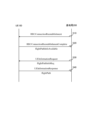
- FIG. 3 is a sequence diagram for explaining an assumed scenario.
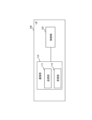
- FIG. 4 is a diagram showing a configuration of a UE according to the embodiment.
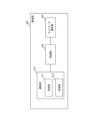
- FIG. 5 is a diagram showing a configuration of a base station according to the embodiment.
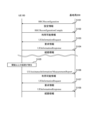
- FIG. 6 is a sequence diagram for explaining an example of operation according to the embodiment.
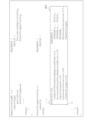
- FIG. 7 is a diagram for explaining an example of an information element according to the embodiment.
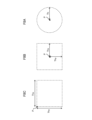
- FIG. 8 is a diagram for explaining an operation example according to the embodiment.
- one of the objectives of this disclosure is to provide a communication device, a base station, and a communication method that can properly transmit route information.
- the mobile communication system 1 is, for example, a system conforming to the 3GPP Technical Specification (TS).
- TS Technical Specification
- the mobile communication system 1 will be described using as an example a mobile communication system based on the 3GPP standard 5th Generation System (5G system), i.e., NR (New Radio) Radio Access).
- 5G system 3GPP standard 5th Generation System
- NR New Radio
- the mobile communication system 1 has a network 10 and a user equipment (UE) 100 that communicates with the network 10.
- the network 10 includes a 5G radio access network, NG-RAN (Next Generation Radio Access Network) 20, and a 5G core network, 5GC (5G Core Network) 30.
- NG-RAN Next Generation Radio Access Network
- 5G Core Network 5G Core Network
- UE100 is an example of a communication device.
- UE100 may be a mobile wireless communication device.
- UE100 may be a communication device that communicates via base station 200.
- UE100 may be a device used by a user.
- UE100 may be a user device defined in the technical specifications of 3GPP.
- UE100 is a mobile device such as a mobile phone terminal such as a smartphone, a tablet terminal, a notebook PC, a communication module, or a communication card.
- UE100 may be a vehicle (e.g., a car, a train, etc.) or a device provided therein (e.g., a Vehicle UE).
- UE100 may be a transport vehicle other than a vehicle (e.g., a ship, an airplane, etc.) or a device provided therein (e.g., an Aerial UE).
- UE100 may be a sensor or a device provided therein.
- UE100 may be called by other names such as a terminal, a terminal device, a mobile station, a mobile terminal, a mobile device, a mobile unit, a subscriber station, a subscriber terminal, a subscriber device, a subscriber unit, a wireless station, a wireless terminal, a wireless device, a wireless unit, a remote station, a remote terminal, a remote device, or a remote unit.
- UE100 is an example of a terminal, and the terminal may include factory equipment, etc.
- UE100 i.e., a communication device
- UAV unmanned aerial vehicle
- this embodiment may be applied not only to UAVs, but also to any vehicle, such as manned and unmanned vehicles, autonomous vehicles/semi-autonomous vehicles, ships, autonomous ships/semi-autonomous ships, etc. In other words, this embodiment can be applied to any vehicle including the above vehicles.
- NG-RAN20 includes a plurality of base stations 200.
- Each base station 200 manages at least one cell.
- a cell constitutes the smallest unit of a communication area.
- One cell belongs to one frequency (carrier frequency).
- the term "cell" may refer to a wireless communication resource, and may also refer to a communication target of UE100.
- Each base station 200 can perform wireless communication with UE100 located in its own cell.
- the base station 200 communicates with UE100 using a protocol stack of the RAN. Details of the protocol stack will be described later.
- the base station 200 is connected to other base stations 200 (which may be referred to as adjacent base stations) via an Xn interface.
- the base station 200 communicates with adjacent base stations via an Xn interface.
- the base station 200 provides NR user plane and control plane protocol terminations toward the UE100, and is connected to the 5GC30 via an NG interface.
- Such an NR base station 200 may be referred to as a gNodeB (gNB).
- the operation of the base station 200 may be replaced with the operation of the network 10.
- the 5GC30 includes a core network device 300.
- the core network device 300 includes, for example, an AMF (Access and Mobility Management Function) and/or a UPF (User Plane Function).
- the AMF manages the mobility of the UE 100.
- the UPF provides functions specialized for U-plane processing.
- the AMF and the UPF are connected to the base station 200 via an NG interface.
- the protocol for the wireless section between UE100 and base station 200 includes a physical (PHY) layer, a medium access control (MAC) layer, a radio link control (RLC) layer, a packet data convergence protocol (PDCP) layer, and a radio resource control (RRC) layer.
- PHY physical
- MAC medium access control
- RLC radio link control
- PDCP packet data convergence protocol
- RRC radio resource control
- the PHY layer performs encoding/decoding, modulation/demodulation, antenna mapping/demapping, and resource mapping/demapping. Data and control information are transmitted between the PHY layer of the UE 100 and the PHY layer of the base station 200 via a physical channel.
- the MAC layer performs data priority control, retransmission processing using Hybrid ARQ (HARQ), random access procedures, etc.
- Data and control information are transmitted between the MAC layer of UE100 and the MAC layer of base station 200 via a transport channel.
- the MAC layer of base station 200 includes a scheduler. The scheduler determines the uplink and downlink transport format (transport block size, modulation and coding scheme (MCS)) and the resources to be allocated to UE100.
- MCS modulation and coding scheme
- the RLC layer uses the functions of the MAC layer and PHY layer to transmit data to the RLC layer on the receiving side. Data and control information are transmitted between the RLC layer of the UE 100 and the RLC layer of the base station 200 via logical channels.
- the PDCP layer performs header compression/decompression, and encryption/decryption.
- the SDAP (Service Data Adaptation Protocol) layer may be provided as a layer above the PDCP layer.
- the SDAP (Service Data Adaptation Protocol) layer maps IP flows, which are the units by which the core network performs QoS (Quality of Service) control, to radio bearers, which are the units by which the AS (Access Stratum) performs QoS control.
- IP flows which are the units by which the core network performs QoS (Quality of Service) control
- radio bearers which are the units by which the AS (Access Stratum) performs QoS control.
- the RRC layer controls logical channels, transport channels, and physical channels in response to the establishment, re-establishment, and release of radio bearers.
- RRC signaling for various settings is transmitted between the RRC layer of UE100 and the RRC layer of base station 200.
- UE100 When there is an RRC connection between the RRC of UE100 and the RRC of base station 200, UE100 is in an RRC connected state.
- UE100 When there is no RRC connection between the RRC of UE100 and the RRC of base station 200, UE100 is in an RRC idle state.
- UE100 is in an RRC inactive state.
- the NAS layer which is located above the RRC layer in UE100, performs session management and mobility management for UE100.
- NAS signaling is transmitted between the NAS layer of UE100 and the NAS layer of the core network device 300.
- UE100 has an application layer and the like in addition to the radio interface protocol.
- downlink transmission and uplink transmission are configured within a radio frame of 10 ms duration.
- a radio frame is configured with 10 subframes.
- one subframe may be 1 ms.
- one subframe may be configured with one or more slots.
- the number of symbols that constitute one slot is 14 in a normal CP (Cyclic Prefix) and 12 in an extended CP.
- the number of slots that constitute one subframe changes depending on the set subcarrier interval.
- the number of slots per subframe is 1 (i.e., 14 symbols)
- the number of slots per subframe is 2 (i.e., 28 symbols)
- the number of slots per subframe is 4 (i.e., 56 symbols)
- the number of slots per subframe is 8 (i.e., 128 symbols).
- the number of slots per subframe is 4 (i.e., 48 symbols).
- the number of slots constituting one subframe is determined based on the subcarrier interval set by the base station 200. Also, the number of symbols constituting one subframe is determined based on the subcarrier interval set by the base station 200. That is, the number of symbols constituting a 1 ms subframe is determined based on the subcarrier interval set by the base station 200, and the length (length in the time direction) of each symbol changes.
- step S10 the base station 200 transmits, for example, an RRC connection re-establishment message to the UE 100.
- the UE 100 receives the RRC connection re-establishment message from the base station 200.
- step S20 after the RRC connection re-establishment is successfully completed, the UE 100 transmits an RRC connection re-establishment complete (RRCConnectionReestablishmentComplete) message to the base station 200 in response to the RRC connection re-establishment message.
- the base station 200 receives the RRC connection re-establishment complete message. If the UE 100 has available flight path information, it can include the available information in the RRC connection re-establishment complete message.
- step S30 the base station 200 transmits a UE information request (UEInformationRequest) message including a flight path information request (flightPathInfoReq) to the UE 100.
- the UE 100 receives the UE information request message from the base station 200.
- step S40 UE100 transmits a UE information response (UEInformationResponse) message including flight path information (flightPath) to base station 200 based on the flight path information request.
- Base station 200 receives the UE information response message from UE100. In this way, base station 200 that has received the available information can obtain flight path information from UE100 by requesting flight path information from UE100.
- UEInformationResponse UEInformationResponse
- flight path information flight path information
- UE User Equipment
- the UE 100 includes a communication unit 110 and a control unit 120.
- the communication unit 110 performs wireless communication with the base station 200 by transmitting and receiving radio signals to and from the base station 200.
- the communication unit 110 has at least one transmission unit 111 and at least one reception unit 112.
- the transmission unit 111 and the reception unit 112 may be configured to include multiple antennas and RF circuits.
- the antenna converts a signal into radio waves and radiates the radio waves into space.
- the antenna also receives radio waves in space and converts the radio waves into a signal.
- the RF circuit performs analog processing of the signal transmitted and received via the antenna.
- the RF circuit may include a high-frequency filter, an amplifier, a modulator, a low-pass filter, etc.
- the control unit 120 performs various controls in the UE 100.
- the control unit 120 controls communication with the base station 200 via the communication unit 110.
- the operations of the UE 100 described above and below may be operations under the control of the control unit 120.
- the control unit 120 may include at least one processor capable of executing programs and a memory for storing the programs.
- the processor may execute the programs to perform the operations of the control unit 120.
- the control unit 120 may include a digital signal processor that performs digital processing of signals transmitted and received via the antenna and the RF circuit.
- the digital processing includes processing of the RAN protocol stack.
- the memory stores the programs executed by the processor, parameters related to the programs, and data related to the programs.
- the memory may include at least one of ROM (Read Only Memory), EPROM (Erasable Programmable Read Only Memory), EEPROM (Electrically Erasable Programmable Read Only Memory), RAM (Random Access Memory), and flash memory. All or a portion of the memory may be contained within the processor.
- the transmitter 111 performs a transmission process to transmit route information to the base station 200.
- the receiver 112 of the UE 100 receives from the base station 200 configuration information that sets a condition based on an error from a schedule as a trigger condition for performing the transmission process.
- the network 10 (base station 200) can control the transmission process based on the configuration information. Therefore, for example, when the network 10 does not request (does not use) route information, the UE 100 unilaterally sends route information, which can prevent the waste of radio resources and avoid the waste of processing resources of the UE 100.
- the base station 200 includes a communication unit 210, a network communication unit 220, and a control unit 230.
- the communication unit 210 receives a radio signal from the UE 100 and transmits a radio signal to the UE 100.
- the communication unit 210 has at least one transmission unit 211 and at least one reception unit 212.
- the transmission unit 211 and the reception unit 212 may be configured to include an RF circuit.
- the RF circuit performs analog processing of the signal transmitted and received via the antenna.
- the RF circuit may include a high-frequency filter, an amplifier, a modulator, a low-pass filter, etc.
- the network communication unit 220 transmits and receives signals to the network.
- the network communication unit 220 receives signals from adjacent base stations connected via an Xn interface, which is an interface between base stations, and transmits signals to the adjacent base stations.
- the network communication unit 220 also receives signals from a core network device 300 connected via an NG interface, and transmits signals to the core network device 300.
- the control unit 230 performs various controls in the base station 200.
- the control unit 230 controls, for example, communication with the UE 100 via the communication unit 210.
- the control unit 230 also controls, for example, communication with a node (e.g., an adjacent base station, a core network device 300) via the network communication unit 220.
- the operations of the base station 200 described above and below may be operations under the control of the control unit 230.
- the control unit 230 may include at least one processor capable of executing a program and a memory that stores the program.
- the processor may execute a program to perform the operations of the control unit 230.
- the control unit 230 may include a digital signal processor that performs digital processing of signals transmitted and received via the antenna and the RF circuit.
- the digital processing includes processing of the RAN protocol stack.
- the memory stores the program executed by the processor, parameters related to the program, and data related to the program. All or a part of the memory may be included in the processor.
- the receiver 212 of the base station 200 receives route information from the UE 100.
- the transmitter 211 of the base station 200 transmits to the UE 100 configuration information that sets a condition based on an error from a schedule as a trigger condition for performing a transmission process in which the UE 100 transmits the route information.
- This allows the network 10 (base station 200) to control the transmission process based on the configuration information. Therefore, for example, it is possible to prevent the UE 100 from unilaterally sending route information even when the network 10 has not requested (does not use) route information, thereby preventing the waste of radio resources and avoiding the waste of processing resources of the UE 100.
- Step S101 The transmission unit 211 of the base station 200 transmits to the UE 100 setting information for setting a condition based on an error with respect to a schedule as a trigger condition for performing a transmission process described later.
- the transmission unit 211 may transmit a message including the setting information to the UE 100.
- the transmission unit 211 may transmit, for example, an RRC reconfiguration message including the setting information to the UE 100.
- the transmission unit 211 may transmit the setting information by at least one of an RRC setup message, an RRC reestablishment message, and an RRC resume message as other messages. In this way, the transmission unit 211 may transmit the setting information to the UE 100 individually.
- the receiver 112 of the UE 100 receives the above-mentioned setting information from the base station 200.
- the receiver 112 may receive the determination information by, for example, at least one of an RRC reconfiguration message, an RRC setup message, an RRC re-establishment message, and an RRC resume message.
- the setting information is information that sets a condition based on an error from a schedule as a trigger condition for performing a transmission process.
- the setting information may be, for example, report setting information (e.g., ReportConfigNR) that specifies the trigger criteria for an event, as shown in FIG. 7.
- the setting information may be event trigger setting information (e.g., EventTriggerConfig).
- the setting information may be other information.
- the trigger condition set by the configuration information may be that the error is equal to or greater than a threshold.
- the trigger condition may be a condition (or event) for reporting (sending) available information and/or route information. Details of the error will be described later.
- the setting information may include information on a threshold (hereinafter referred to as threshold information).
- the threshold information may include, for example, information indicating a threshold on a temporal error (e.g., timeDiffThreshFromReportedTime in FIG. 7), information indicating a threshold on a spatial error (e.g., distanceThreshFromReportedPoint in FIG. 7), or information indicating a hysteresis parameter (e.g., hysteresisLocation in FIG. 7).
- the hysteresis parameter may be a parameter used in the entry and leave conditions (entry and leave condition) of the position based on the trigger condition.
- the setting information may also include information indicating the time at which the trigger condition needs to be satisfied (e.g., timeToTrigger).
- the setting information may also include information indicating the time at which the trigger condition is no longer satisfied.
- the configuration information may also include information (e.g., reportOnLeave in FIG. 7) indicating whether to report to the network 10 when the trigger condition is no longer satisfied.
- the information may be true/false (i.e., BOOLEAN) information, such as E11 in FIG. 7, or may be enumeration (i.e., ENUM) information.
- the configuration information may be applied to a cell or each cell group. Therefore, conditions may be set for each cell or cell group.
- the receiver 112 of the UE 100 may receive the configuration information after step S101.
- the receiver 112 may receive the configuration information before step S105 in order to execute the process of step S105.
- the receiving unit 112 of the UE 100 may receive information specifying the period, frequency, and/or interval for updating the route information.
- the receiving unit 112 may also receive information specifying the period, frequency, and/or interval for acquiring the location information of the UE 100. This information may be included in the configuration information, may be included in a message including the configuration information, or may be included in a message different from the message including the configuration information.
- Step S102 The transmitting unit 111 of the UE 100 transmits a message including the availability information to the base station 200.
- the receiving unit 212 of the base station 200 receives the message including the availability information from the UE 100.
- the message is, for example, an RRC Reestablishment Complete message.
- the message used to transmit the availability information may be, in addition to the RRC re-establishment complete message, at least one of, for example, an RRC setup complete message, an RRC connection re-establishment complete message, an RRC reconfiguration complete message, an RRC Resume Complete message, and a UE assistance information message.
- control unit 230 of the base station 200 may control the base station 200 to execute the process of step S103.
- Step S103 The transmitting unit 211 of the base station 200 transmits a UE information request message including request information for requesting a report of route information to the UE 100.
- the receiving unit 112 of the UE 100 receives the UE information request message including the request information from the base station 200.
- the request information may be configuration information (e.g., FlightPathInfoReportConfig) for specifying the settings for reporting route information.
- the configuration information may include, for example, information indicating the maximum number of points (e.g., waypoints) on the route that can be included in the route information report when the UE 100 is able to use the route information, or may include information indicating whether the timestamp of each point can be reported in the route information report when the UE 100 is able to use the timestamp information.
- the control unit 120 of the UE 100 may perform control to execute the process of step S104 based on the request information.
- Step S104 The transmitting unit 111 of the UE 100 transmits a UE information response message including the route information to the base station 200.
- the receiving unit 212 of the base station 200 receives the UE information response message including the route information from the UE 100.
- the route information may include location information including location coordinates of the UE 100.
- the location information may be waypoint location information for aerial UE operations.
- the waypoints may represent planned locations for the UE.
- the route information may also include timestamp information indicating timestamps of the waypoints representing the planned locations of the UE.
- the control unit 120 of the UE 100 may acquire route information from, for example, an air traffic control system.
- the control unit 120 may acquire (generate) route information by receiving a GNSS (Global Navigation Satellite System) signal and/or a GPS (Global Positioning System) signal for detecting the position, speed, altitude, etc.
- the control unit 120 may acquire (generate) route information by detecting the position, speed, altitude, etc. using a sensor provided in the UE 100. If the control unit 120 already has route information, it may update the route information using the acquired route information. If the control unit 120 has received information specifying the period, frequency, and/or interval for updating the route information, it may update the route information based on the information.
- the route information may include information indicating the altitude and/or speed of UE100.
- UE100 may include a sensor for detecting the altitude and/or speed of UE100.
- Step S105 The control unit 120 of the UE 100 determines whether or not a trigger condition based on an error from the schedule is satisfied based on the setting information.
- the control unit 120 may determine, for example, whether or not the error is equal to or greater than a threshold. If the error is equal to or greater than the threshold, the control unit 120 may determine that the trigger condition is satisfied and execute the process of step S106. On the other hand, if the error is less than the threshold, the control unit 120 may determine that the trigger condition is not satisfied and perform control not to execute the process of step S106.
- the error is an error with respect to the schedule indicated by the route information transmitted to the base station 200 (hereinafter, sometimes referred to as the reported schedule).
- the error may be, for example, an error (hereinafter, sometimes referred to as the schedule error) between the reported schedule and the schedule indicated by the updated route information (hereinafter, sometimes referred to as the latest schedule). Therefore, the control unit 120 may calculate the schedule error based on the updated route information.
- the error may also be, for example, the error between the reported schedule and the actual measurement value indicated by the acquired location information (hereinafter, may be referred to as the actual measurement error). Therefore, the control unit 120 may calculate the actual measurement error based on the location information.
- the error may be at least one of a temporal error and a spatial error.
- the temporal error may include an error related to the time when the UE 100 reaches a specific point.
- the control unit 120 may calculate the temporal error based on, for example, the scheduled time of arrival at a specific point indicated by the transmitted (i.e., reported) route information (hereinafter, appropriately referred to as the reported scheduled time).
- the control unit 120 may calculate the temporal error (scheduled error) based on the reported scheduled time to a specific point (waypoint) and the latest scheduled time to reach the specific point.
- the latest scheduled time may be rephrased as the scheduled time at the current time.
- the control unit 120 may calculate the temporal error (actual measurement error) based on the reported scheduled time to a specific point (waypoint) and the actual time (actual measurement value) at which the specific point is reached.
- the spatial error may include an error related to the position where UE100 moves along the planned route.
- the control unit 120 may calculate the error based on a specific point (hereinafter, appropriately referred to as the reported planned point) indicated by the transmitted (i.e., reported) route information.
- the control unit 120 may calculate the spatial error (planned error) based on, for example, the planned point at a specific time indicated by the reported route information (hereinafter, sometimes referred to as the reported planned point) and the planned point at the specific time indicated by the updated route information.
- the control unit 120 may calculate the spatial error (actual measurement error) based on, for example, the reported planned point at a specific time and the actual measured position (actual measurement value) of UE100 measured at the specific time.
- the control unit 120 of the UE 100 determines whether the calculated error is equal to or greater than the threshold. If the control unit 120 has received threshold information, it makes the determination based on the threshold information.
- the threshold for the time error may be a threshold for the forward direction (i.e., a direction earlier than the reported scheduled time) based on the reported scheduled time, a threshold for the backward direction (i.e., a direction later than the reported scheduled time), or a threshold for both the forward and backward directions.
- the spatial error threshold may be a threshold Th indicating a circular range with the reported planned point P at the center (see F8A in FIG. 8).
- the spatial error threshold may also be a threshold (Thx, Thy) indicating a rectangular range. In this case, the threshold may indicate a rectangular range with the reported planned point P at the center (see F8B in FIG. 8).
- the threshold may also be a threshold indicating a predetermined direction (e.g., latitude) and a direction perpendicular to the predetermined direction (e.g., longitude) with the reported planned point P as the base (see F8C in FIG. 8).
- the threshold may include both a threshold THx in the predetermined direction and a threshold THy in the perpendicular direction.
- the spatial error threshold may also include a threshold with the altitude as the axis.
- the error or threshold may take into account the hysteresis parameter.
- a trigger condition based on an error from a schedule may take into account the hysteresis parameter (and the offset value).
- the trigger condition may include the following condition 1 and condition 2.
- Er is the error.
- Hys is the hysteresis parameter.
- Thresh may be a threshold.
- Offset is the offset value. Note that the threshold may take into account Hys and/or Offset in addition to Thresh.
- Condition 1 Er-Hys>Thresh
- Condition 2 Er + Hys ⁇ Thresh
- the control unit 120 may determine that the trigger condition is satisfied when condition 1 is satisfied.
- the control unit 120 may determine that the trigger condition is no longer satisfied when condition 2 is satisfied.
- the trigger condition may also take into account the offset value.
- the trigger condition may include the following condition 1' and condition 2'.
- Offset is the offset value.
- the threshold may also take into account Hys and/or Offset in addition to Thresh.
- Condition 1' Er-Hys>Thresh+Offset
- Condition 2' Er + Hys ⁇ Thresh + Offset
- the control unit 120 may determine that the trigger condition is satisfied when condition 1' is satisfied, and may determine that the trigger condition is no longer satisfied when condition 2' is satisfied.
- the control unit 120 controls so that the transmission process is performed when the trigger condition is satisfied.
- the transmission process may be the process of step S106. If the control unit 120 has received information indicating the time during which the trigger condition needs to be satisfied, the control unit 120 may control so that the transmission process is performed when the trigger condition is satisfied during that time.
- Step S106 The transmitter 111 of the UE 100 transmits the availability information to the base station 200.
- the transmitter 111 transmits, for example, a UE assistance information message including the availability information or a message including a measurement report to the base station 200.
- the base station 200 receives the availability information from the UE 100.
- the control unit 120 of the UE 100 may include the availability information in the UE assistance information message or the measurement report.
- the control unit 120 of the UE 100 can control the availability information to be transmitted to the base station 200.
- the control unit 120 of the UE 100 may transmit the configuration information to the cell or cell group (i.e., the base station 200 in the cell or cell group) associated with the satisfied condition (trigger condition).
- the control unit 120 may transmit the updated route information to the base station 200 instead of the availability information.
- the transmission unit 111 may transmit, for example, a UE assistance information message including the updated route information or a message including a measurement report to the base station 200. Therefore, the control unit 120 of the UE 100 may include, for example, the updated route information in the UE assistance information message or the measurement report.
- the control unit 120 of the UE 100 can perform control so as to transmit the updated route information to the base station 200. In this case, steps S107 and S108 may be omitted.
- Steps S107 and S108 This is similar to steps S103 and S104.
- the transmitter 111 of the UE 100 transmits the updated route information as route information to the base station 200.
- the updated route information may be information on the entire route indicated by the acquired route information, or may be information on an updated portion of the route. Therefore, the route information transmitted to the base station 200 as the updated route information does not need to include the same parts as the route information already transmitted to the base station 200.
- the transmitter 111 of the UE 100 may transmit the error range information to the base station 200.
- the receiver 212 of the base station 200 may receive the error range information.
- the controller 120 of the UE 100 may include the error range information in the route information, or may include the error range information separately from the route information in a message that includes the route information.
- the error range information may indicate a range of error calculated based on a specific point.
- the error range information may indicate, for example, a planned error (temporal error and/or spatial error) or an actual measurement error (temporal error and/or spatial error).
- the error range information may also indicate a range calculated based on a threshold.
- the error information may indicate, for example, the difference between the error and the threshold, or the difference from the latest planned or actual value to the point where the trigger condition (threshold value) is satisfied (or no longer satisfied).
- the control unit 230 of the base station 200 may update the threshold information based on the error range information. For example, when the control unit 230 receives error range information indicating a planned error or an actual measured error, the control unit 230 may set the planned error or the actual measured error as a new threshold. For example, when the control unit 230 receives error range information indicating a range calculated based on a threshold, the control unit 230 may set a new threshold that takes into account the threshold and the above difference (for example, the threshold plus the above difference). Thereafter, the transmission unit 211 of the base station 200 may transmit the updated threshold information (including the setting information) to the UE 100.
- the control unit 120 of the UE 100 may report to the network 10 when the trigger condition is no longer satisfied. If the technical specifications specify that a report should be sent to the network 10 when the trigger condition is no longer satisfied, the control unit 230 may control the report.
- the control unit 230 may also determine whether or not to report to the network 10.
- the control unit 120 of the UE 100 may execute this determination when it receives information (hereinafter, appropriately referred to as report information) indicating whether or not to report to the network 10 when the trigger condition is no longer satisfied.
- report information indicates that a report should be made to the network 10
- the control unit 120 may determine that a report should be made to the network 10 when the trigger condition is no longer satisfied.
- the report information indicates that a report should not be made to the network 10
- the control unit 120 may not execute a report to the network 10 when the trigger condition is no longer satisfied.
- the control unit 120 has not received report information, it may not execute this determination. In this case, the control unit 120 may not execute a report to the network 10 when the trigger condition is no longer satisfied.
- the control unit 230 may execute control to start a process of transmitting route information.
- the transmission unit 111 may transmit availability information and/or route information when the trigger condition is no longer satisfied.
- the transmission unit 111 may transmit information indicating that the trigger condition is no longer satisfied (e.g., 1-bit flag information) to the base station 200. The information may indicate that the error is below the threshold (when the trigger condition is that the error is equal to or greater than the threshold).
- control unit 120 may end the transmission process if the trigger condition is no longer satisfied during that time.
- the transmitter 111 of the UE 100 performs a transmission process to transmit route information to the base station 200.
- the receiver 112 of the UE 100 receives from the base station 200 configuration information that sets a condition based on an error with respect to the schedule as a trigger condition for performing the transmission process.
- the receiver 212 of the base station 200 receives route information from the UE 100.
- the transmitter 211 of the base station 200 transmits to the UE 100 configuration information that sets a condition based on an error with respect to the schedule as a trigger condition for performing the transmission process. This allows the network 10 (base station 200) to control the transmission process based on the configuration information.
- the UE 100 unilaterally sends route information, which can suppress the waste of radio resources and avoid the waste of processing resources of the UE 100.
- the UE 100 performs a transmission process when the trigger condition is satisfied, so that the freshness and accuracy of the route information can be maintained.
- the trigger condition is that the error is equal to or greater than a threshold. This allows the UE 100 to refrain from executing the transmission process when the error is less than the threshold.
- the configuration information may also include information regarding a threshold. This allows the network 10 to control the transmission of route information by controlling the threshold.
- the configuration information may also include information indicating the time during which the trigger condition needs to be satisfied. This can prevent the UE 100 from performing transmission processing too frequently.
- the control unit 120 may also calculate the error based on the estimated time to arrive at a specific point indicated by the transmitted route information. This allows the UE 100 to transmit the route information appropriately when a time error occurs, thereby making it possible to maintain the freshness and accuracy of the route information.
- the control unit 120 may also calculate the error based on a specific point indicated by the transmitted route information. This allows the UE 100 to properly transmit route information when a spatial error occurs, thereby enabling the freshness and accuracy of the route information to be maintained.
- the control unit 120 may also update the route information.
- the control unit 120 may calculate an error based on the updated route information. This allows the UE 100 to appropriately transmit the route information when an error occurs between the reported route information and the updated route information, thereby making it possible to maintain the freshness and accuracy of the route information.
- the receiving unit 112 may also receive information that specifies the period for updating the route information. This allows the network 10 to control the period for updating the route information by the UE 100, and to control the transmission of the route information.
- the control unit may also acquire location information of the communication device.
- the control unit may calculate an error based on the acquired location information. This allows UE 100 to properly transmit route information when an error occurs between the reported route information and the actual location of UE 100, thereby making it possible to maintain the freshness and accuracy of the route information.
- the receiver 112 may also receive information that specifies the period for acquiring the location information. This allows the network 10 to control the period for the UE 100 to acquire the location information, and to control the transmission of the route information.
- the control unit 120 may also control the transmission of availability information to the base station. This prevents the UE 100 from transmitting route information without a request from the network 10, and allows the network 10 to control the transmission of the route information.
- the control unit 120 may also include the availability information in the user equipment assistance information message or the measurement report.
- the UE 100 can send the availability information at its own initiative without signaling from the network 10, making it easier to maintain the freshness and accuracy of the route information.
- control unit 120 may update the route information.
- the control unit 120 may include the updated route information in a user assistance information message or a measurement report. This allows the UE 100 to send updated route information at the UE's initiative when an error occurs, even without signaling from the network 10, making it easier to maintain the freshness and accuracy of the route information.
- the control unit 120 of the UE 100 when the control unit 120 of the UE 100 is set to report periodically, the control unit 120 may periodically transmit the availability information and/or the updated route information to the base station 200 regardless of the presence or absence of an error or the magnitude of the error.
- the base station 200 may transmit to the UE 100 setting information that sets one of the report (transmission) of the availability information and/or the updated route information based on the error and the report (transmission) of the periodic availability information and/or the updated route information.
- the UE 100 may control the report of the information based on the setting information.
- the mobile communication system 1 may be a system that complies with the TS of either LTE (Long Term Evolution) or another generation system of the 3GPP standard (e.g., the sixth generation).
- the base station 200 may be an eNB that provides E-UTRA user plane and control plane protocol termination toward the UE 100 in LTE.
- the mobile communication system 1 may be a system that complies with the TS of a standard other than the 3GPP standard.
- the base station 200 may be an IAB (Integrated Access and Backhaul) donor or an IAB node.
- the mobile communication system 1 may be a system that complies with the TS of either LTE or another generation system of the 3GPP standard (e.g., the 6th generation).
- the base station 200 may be an eNB that provides E-UTRA user plane and control plane protocol termination toward the UE 100 in LTE.
- the mobile communication system 1 may be a system that complies with the TS of a standard other than the 3GPP standard.
- each of the above-described operation flows is not limited to being executed separately and independently, but can be executed by combining two or more operation flows. For example, some steps of one operation flow may be added to another operation flow, or some steps of one operation flow may be replaced with some steps of another operation flow.
- a program may be provided that causes a computer to execute each process performed by the UE 100 or the base station 200.
- the program may be recorded in a computer-readable medium.
- the computer-readable medium on which the program is recorded may be a non-transient recording medium.
- the non-transient recording medium is not particularly limited, and may be, for example, a recording medium such as a CD-ROM (Compact Disk Read Only Memory) or a DVD-ROM (Digital Versatile Disk Read Only Memory).
- circuits that execute each process performed by the UE 100 or the base station 200 may be integrated, and at least a part of the UE 100 or the base station 200 may be configured as a semiconductor integrated circuit (chip set, SoC (System On Chip)).
- transmit may mean performing processing of at least one layer in a protocol stack used for transmission, or may mean physically transmitting a signal wirelessly or wired.
- transmit may mean a combination of performing processing of at least one layer and physically transmitting a signal wirelessly or wired.
- receiveive may mean performing processing of at least one layer in a protocol stack used for reception, or may mean physically receiving a signal wirelessly or wired.
- receiver may mean a combination of performing processing of at least one layer and physically receiving a signal wirelessly or wired.
- “obtain/acquire” may mean obtaining information from stored information, obtaining information from information received from other nodes, or obtaining the information by generating the information.
- the terms “based on” and “depending on/in response to” do not mean “based only on” or “only in response to,” unless expressly stated otherwise.
- the term “based on” means both “based only on” and “based at least in part on.”
- the term “in response to” means both “only in response to” and “at least in part on.”
- “include” and “comprise” do not mean including only the recited items, but may include only the recited items or may include additional items in addition to the recited items.
- any reference to elements using designations such as “first,” “second,” etc., used in this disclosure does not generally limit the quantity or order of those elements. These designations may be used in this disclosure as a convenient method of distinguishing between two or more elements. Thus, a reference to a first and a second element does not imply that only two elements may be employed therein, or that the first element must precede the second element in some manner.
- articles are added by translation, such as a, an, and the in English, these articles are intended to include the plural unless the context clearly indicates otherwise.
- a communication device 100
- a transmission unit 111
- a transmission process for transmitting route information regarding a route plan of the communication device to a base station (200)
- a receiving unit (112) that receives setting information from the base station that sets a condition based on an error with respect to the schedule as a trigger condition for performing the transmission process.
Landscapes
- Engineering & Computer Science (AREA)
- Computer Networks & Wireless Communication (AREA)
- Signal Processing (AREA)
- Databases & Information Systems (AREA)
- Mobile Radio Communication Systems (AREA)
Abstract
通信装置(100)は、前記通信装置の経路の予定に関する経路情報を基地局(200)へ送信する送信処理を行う送信部(111)と、前記送信処理を行うトリガ条件として前記予定に対する誤差に基づく条件を設定する設定情報を前記基地局から受信する受信部(112)と、を備える。
Description
本出願は、2023年1月13日に出願された特許出願番号2023-003963号に基づくものであって、その優先権の利益を主張するものであり、その特許出願のすべての内容が、参照により本明細書に組み入れられる。
本開示は、移動通信システムで用いる通信装置、基地局及び通信方法に関する。
移動通信システムの標準化プロジェクトである3GPP(登録商標。以下同じ)(3rd Generation Partnership Project)のリリース17では、通信装置が、利用可能な飛行経路情報(具体的には、flight path information)を有する場合に、基地局からの無線リソース制御(RRC)メッセージに対して送信されるRRCメッセージ(例えば、RRC接続再設定完了メッセージ)に、利用可能情報(具体的には、flightPathInfoAvailable)を含めることが規定されている(例えば、非特許文献1参照)。利用可能情報を受信した基地局は、飛行経路情報を通信装置へ要求することで、通信装置から飛行経路情報を取得することができる。
近年、3GPPのリリース18において、通信装置が利用可能な飛行経路情報を有することを示すために、上述のRRCメッセージだけでなく、ユーザ装置補助情報(UE Assistance Information)メッセージを用いることが合意されている(例えば、非特許文献2参照)。
3GPP TS 36.331 V17.2.0 "E-UTRA; Radio Resource Control (RRC); Protocol specification"
3GPP TSG-RAN WG2 Meeting #120, R2-2213003, "Report from Session on NES, UAV, Small Data, Rel-15-17 UP, Rel-17 Small Data, IIoT/URLLC, and RACH partitioning"
第1の態様に係る通信装置は、前記通信装置の経路の予定に関する経路情報を基地局へ送信する送信処理を行う送信部と、前記送信処理を行うトリガ条件として前記予定に対する誤差に基づく条件を設定する設定情報を前記基地局から受信する受信部と、を備える。
第2の態様に係る基地局は、通信装置の経路の予定に関する経路情報を前記通信装置から受信する受信部と、前記経路情報を前記通信装置が送信する送信処理を行うトリガ条件として前記予定に対する誤差に基づく条件を設定する設定情報を前記通信装置へ送信する送信部と、を備える。
第3の態様に係る通信方法は、通信装置で実行される通信方法あって、前記通信装置の経路の予定に関する経路情報を基地局へ送信する送信処理を行うステップと、前記送信処理を行うトリガ条件として前記予定に対する誤差に基づく条件を設定する設定情報を前記基地局から受信するステップと、を備える。
本開示についての目的、特徴、及び利点等は、添付の図面を参照しながら下記の詳細な記述により、より明確になる。
図1は、実施形態に係る移動通信システムの構成を示す図である。
図2は、実施形態に係るプロトコルスタックの構成例を示す図である。
図3は、想定シナリオを説明するためのシーケンス図である。
図4は、実施形態に係るUEの構成を示す図である。
図5は、実施形態に係る基地局の構成を示す図である。
図6は、実施形態に係る動作例を説明するためのシーケンス図である。
図7は、実施形態に係る情報要素の一例を説明するための図である。
図8は、実施形態に係る動作例を説明するための図である。
図面を参照しながら、実施形態に係る移動通信システムについて説明する。図面の記載において、同一又は類似の部分には同一又は類似の符号を付している。
既存の3GPP技術仕様書では、通信装置が、基地局からのRRCメッセージに対する応答として送信されるメッセージではなく、ユーザ装置補助情報メッセージのような通信装置を起点として送信されるメッセージを用いた経路情報等の送信動作について規定されていない。従って、このようなメッセージを用いて、通信装置が経路情報を不適切に送信してしまう懸念がある。
そこで、本開示は、経路情報を適切に送信可能とする通信装置、基地局、及び通信方法を提供することを目的の一つとする。
(システム構成)
まず、図1を参照して、本実施形態に係る移動通信システム1の構成について説明する。移動通信システム1は、例えば、3GPPの技術仕様(Technical Specification:TS)に準拠したシステムである。以下において、移動通信システム1として、3GPP規格の第5世代システム(5th Generation System:5Gシステム)、すなわち、NR(NR(New Radio) Radio Access)に基づく移動通信システムを例に挙げて説明する。
まず、図1を参照して、本実施形態に係る移動通信システム1の構成について説明する。移動通信システム1は、例えば、3GPPの技術仕様(Technical Specification:TS)に準拠したシステムである。以下において、移動通信システム1として、3GPP規格の第5世代システム(5th Generation System:5Gシステム)、すなわち、NR(NR(New Radio) Radio Access)に基づく移動通信システムを例に挙げて説明する。
移動通信システム1は、ネットワーク10と、ネットワーク10と通信するユーザ装置(User Equipment:UE)100とを有する。ネットワーク10は、5Gの無線アクセスネットワークであるNG-RAN(Next Generation Radio Access Network)20と、5Gのコアネットワークである5GC(5G Core Network)30とを含む。
UE100は、通信装置の一例である。UE100は、移動可能な無線通信装置であってよい。UE100は、基地局200を介して通信する通信装置であってよい。UE100は、ユーザにより利用される装置であってよい。UE100は、3GPPの技術仕様で規定されるユーザ装置であってよい。UE100は、例えば、スマートフォンなどの携帯電話端末、タブレット端末、ノートPC、通信モジュール、又は通信カードなどの移動可能な装置である。UE100は、車両(例えば、車、電車など)又はこれに設けられる装置(例えば、Vehicle UE)であってよい。UE100は、車両以外の輸送機体(例えば、船、飛行機など)又はこれに設けられる装置(例えば、Aerial UE)であってよい。UE100は、センサ又はこれに設けられる装置であってよい。なお、UE100は、端末、端末装置、移動局、移動端末、移動装置、移動ユニット、加入者局、加入者端末、加入者装置、加入者ユニット、ワイヤレス局、ワイヤレス端末、ワイヤレス装置、ワイヤレスユニット、リモート局、リモート端末、リモート装置、又はリモートユニット等の別の名称で呼ばれてもよい。また、UE100は端末の一例であり、端末には工場機器等を含んでもよい。
UE100(すなわち、通信装置)は、無人航空機(Unmanned aerial vehicle:UAV)であってもよいし、UAVに搭載される通信モジュールであってもよい。なお、本実施形態は、UAVのみでなく、例えば、有人及び無人を含む、車両及び自動運転車/半自動運転車、並びに船舶及び自動運航船舶/半自動運航船舶等のいずれかのビークルに適用されてもよい。すなわち、本実施形態は、上記ビークルを含むいずれかのビークルに適用することが可能である。
NG-RAN20は、複数の基地局200を含む。各基地局200は、少なくとも1つのセルを管理する。セルは、通信エリアの最小単位を構成する。1つのセルは、1つの周波数(キャリア周波数)に属する。用語「セル」は、無線通信リソースを表すことがあり、UE100の通信対象を表すこともある。各基地局200は、自セルに在圏するUE100との無線通信を行うことができる。基地局200は、RANのプロトコルスタックを使用してUE100と通信する。プロトコルスタックの詳細については後述する。また、基地局200は、Xnインターフェイスを介して他の基地局200(隣接基地局と称されてもよい)に接続される。基地局200は、Xnインターフェイスを介して隣接基地局と通信する。また、基地局200は、UE100へ向けたNRユーザプレーン及び制御プレーンプロトコル終端を提供し、NGインターフェイスを介して5GC30に接続される。このようなNRの基地局200は、gNodeB(gNB)と称されることがある。なお、基地局200の動作は、ネットワーク10の動作と置き換えられてもよい。
5GC30は、コアネットワーク装置300を含む。コアネットワーク装置300は、例えば、AMF(Access and Mobility Management Function)及び/又はUPF(User Plane Function)を含む。AMFは、UE100のモビリティ管理を行う。UPFは、U-plane処理に特化した機能を提供する。AMF及びUPFは、NGインターフェイスを介して基地局200と接続される。
(プロトコルスタックの構成例)
次に、図2を参照して、本実施形態に係るプロトコルスタックの構成例について説明する。
次に、図2を参照して、本実施形態に係るプロトコルスタックの構成例について説明する。
UE100と基地局200との間の無線区間のプロトコルは、物理(PHY)レイヤと、MAC(Medium Access Control)レイヤと、RLC(Radio Link Control)レイヤと、PDCP(Packet Data Convergence Protocol)レイヤと、RRC(Radio Resource Control)レイヤとを有する。
PHYレイヤは、符号化・復号、変調・復調、アンテナマッピング・デマッピング、及びリソースマッピング・デマッピングを行う。UE100のPHYレイヤと基地局200のPHYレイヤとの間では、物理チャネルを介してデータ及び制御情報が伝送される。
MACレイヤは、データの優先制御、ハイブリッドARQ(HARQ)による再送処理、及びランダムアクセス手順等を行う。UE100のMACレイヤと基地局200のMACレイヤとの間では、トランスポートチャネルを介してデータ及び制御情報が伝送される。基地局200のMACレイヤはスケジューラを含む。スケジューラは、上下リンクのトランスポートフォーマット(トランスポートブロックサイズ、変調・符号化方式(MCS))及びUE100への割当リソースを決定する。
RLCレイヤは、MACレイヤ及びPHYレイヤの機能を利用してデータを受信側のRLCレイヤに伝送する。UE100のRLCレイヤと基地局200のRLCレイヤとの間では、論理チャネルを介してデータ及び制御情報が伝送される。
PDCPレイヤは、ヘッダ圧縮・伸張、及び暗号化・復号化を行う。
PDCPレイヤの上位レイヤとしてSDAP(Service Data Adaptation Protocol)レイヤが設けられていてもよい。SDAP(Service Data Adaptation Protocol)レイヤは、コアネットワークがQoS(Quality of Service)制御を行う単位であるIPフローとAS(Access Stratum)がQoS制御を行う単位である無線ベアラとのマッピングを行う。
RRCレイヤは、無線ベアラの確立、再確立及び解放に応じて、論理チャネル、トランスポートチャネル、及び物理チャネルを制御する。UE100のRRCレイヤと基地局200のRRCレイヤとの間では、各種設定のためのRRCシグナリングが伝送される。UE100のRRCと基地局200のRRCとの間にRRC接続がある場合、UE100はRRCコネクティッド状態にある。UE100のRRCと基地局200のRRCとの間にRRC接続がない場合、UE100はRRCアイドル状態にある。UE100のRRCと基地局200のRRCとの間のRRC接続がサスペンドされている場合、UE100はRRCインアクティブ状態にある。
UE100においてRRCレイヤの上位に位置するNASレイヤは、UE100のセッション管理及びモビリティ管理を行う。UE100のNASレイヤとコアネットワーク装置300のNASレイヤとの間では、NASシグナリングが伝送される。
なお、UE100は、無線インターフェイスのプロトコル以外にアプリケーションレイヤ等を有する。
(無線フレーム構成)
5Gシステムにおいて、下り送信及び上り送信は、10msの持続時間の無線フレーム内で構成される。例えば、無線フレームは、10個のサブフレームにより構成される。例えば、1つのサブフレームは、1msであってもよい。また、1つのサブフレームは、1以上のスロットにより構成されてもよい。例えば、1つのスロットを構成するシンボルの数は、通常CP(Cyclic Prefix)で14個であり、拡張CPで12個である。また、1つのサブフレームを構成するスロットの数は、設定されたサブキャリア間隔に応じて変化する。例えば、通常CPに対して、サブキャリア間隔として15kHzが設定された場合、サブフレーム当たりのスロットの数は1(すなわち、14シンボル)であり、サブキャリア間隔として30kHzが設定された場合、サブフレーム当たりのスロットの数は2(すなわち、28シンボル)であり、サブキャリア間隔として60kHzが設定された場合、サブフレーム当たりのスロットの数は4(すなわち、56シンボル)であり、サブキャリア間隔として120kHzが設定された場合、サブフレーム当たりのスロットの数は8(すなわち、128シンボル)である。また、拡張CPに対して、サブキャリア間隔として60kHzが設定された場合、サブフレーム当たりのスロットの数は4(すなわち、48シンボル)である。すなわち、基地局200によって設定されたサブキャリア間隔に基づいて、1つのサブフレームを構成するスロットの数が決定される。また、基地局200によって設定されたサブキャリア間隔に基づいて、1つのサブフレームを構成するシンボルの数が決定される。すなわち、基地局200によって設定されたサブキャリア間隔に基づいて、1msのサブフレームを構成するシンボルの数が決定され、各シンボルの長さ(時間方向の長さ)が変化する。
5Gシステムにおいて、下り送信及び上り送信は、10msの持続時間の無線フレーム内で構成される。例えば、無線フレームは、10個のサブフレームにより構成される。例えば、1つのサブフレームは、1msであってもよい。また、1つのサブフレームは、1以上のスロットにより構成されてもよい。例えば、1つのスロットを構成するシンボルの数は、通常CP(Cyclic Prefix)で14個であり、拡張CPで12個である。また、1つのサブフレームを構成するスロットの数は、設定されたサブキャリア間隔に応じて変化する。例えば、通常CPに対して、サブキャリア間隔として15kHzが設定された場合、サブフレーム当たりのスロットの数は1(すなわち、14シンボル)であり、サブキャリア間隔として30kHzが設定された場合、サブフレーム当たりのスロットの数は2(すなわち、28シンボル)であり、サブキャリア間隔として60kHzが設定された場合、サブフレーム当たりのスロットの数は4(すなわち、56シンボル)であり、サブキャリア間隔として120kHzが設定された場合、サブフレーム当たりのスロットの数は8(すなわち、128シンボル)である。また、拡張CPに対して、サブキャリア間隔として60kHzが設定された場合、サブフレーム当たりのスロットの数は4(すなわち、48シンボル)である。すなわち、基地局200によって設定されたサブキャリア間隔に基づいて、1つのサブフレームを構成するスロットの数が決定される。また、基地局200によって設定されたサブキャリア間隔に基づいて、1つのサブフレームを構成するシンボルの数が決定される。すなわち、基地局200によって設定されたサブキャリア間隔に基づいて、1msのサブフレームを構成するシンボルの数が決定され、各シンボルの長さ(時間方向の長さ)が変化する。
(想定シナリオ)
図3を用いて、実施形態に係る移動通信システム1における想定シナリオについて説明する。移動通信システムの標準化プロジェクトである3GPPのリリース17では、UE100が、飛行経路情報(flight path information)を有する場合に、基地局200からのRRCメッセージに対する応答として送信されるRRCメッセージに、利用可能情報(具体的には、flightPathInfoAvailable)を含めることが規定されている。
図3を用いて、実施形態に係る移動通信システム1における想定シナリオについて説明する。移動通信システムの標準化プロジェクトである3GPPのリリース17では、UE100が、飛行経路情報(flight path information)を有する場合に、基地局200からのRRCメッセージに対する応答として送信されるRRCメッセージに、利用可能情報(具体的には、flightPathInfoAvailable)を含めることが規定されている。
図3に示すように、ステップS10において、基地局200は、例えば、RRC接続再確立(RRCConnectionReestablishment)メッセージをUE100へ送信する。UE100は、RRC接続再確立メッセージを基地局200から受信する。
ステップS20において、UE100は、RRC接続の再確立が正常に完了した後、RRC接続再確立メッセージに対する応答として、RRC接続再確立完了(RRCConnectionReestablishmentComplete)メッセージを基地局200へ送信する。基地局200は、RRC接続再確立完了メッセージを受信する。UE100は、利用可能な飛行経路情報を有する場合、RRC接続再確立完了メッセージに利用可能情報を含めることができる。
ステップS30において、基地局200は、飛行経路情報要求(flightPathInfoReq)を含むUE情報要求(UEInformationRequest)メッセージをUE100へ送信する。UE100は、UE情報要求メッセージを基地局200から受信する。
ステップS40において、UE100は、飛行経路情報要求に基づいて、飛行経路情報(flightPath)を含むUE情報応答(UEInformationResponse)メッセージを基地局200へ送信する。基地局200は、UE情報応答メッセージをUE100から受信する。このように、利用可能情報を受信した基地局200は、飛行経路情報をUE100へ要求することで、UE100から飛行経路情報を取得することができる。
近年、3GPPのリリース18において、UE100が利用可能な飛行経路情報を有することを示すために、上述のRRCメッセージだけでなく、ユーザ装置(UE)補助情報(UE Assistance Information)メッセージを用いることが合意されている。
しかしながら、既存の3GPP技術仕様書では、UE100が、基地局200からのRRCメッセージに対する応答として送信されるメッセージではなく、UE補助情報メッセージのようなUE100を起点として送信されるメッセージを用いた飛行経路情報等の経路情報の送信動作について規定されていない。従って、このようなメッセージを用いて、UE100が経路情報を不適切に送信してしまう懸念がある。後述の一実施形態において、UE100を起点として送信されるメッセージを用いて経路情報を適切に送信可能とするための動作について説明する。
(UEの構成)
図4を参照して、実施形態に係るUE100の構成について説明する。UE100は、通信部110及び制御部120を備える。
図4を参照して、実施形態に係るUE100の構成について説明する。UE100は、通信部110及び制御部120を備える。
通信部110は、無線信号を基地局200と送受信することによって基地局200との無線通信を行う。通信部110は、少なくとも1つの送信部111及び少なくとも1つの受信部112を有する。送信部111及び受信部112は、複数のアンテナ及びRF回路を含んで構成されてもよい。アンテナは、信号を電波に変換し、当該電波を空間に放射する。また、アンテナは、空間における電波を受信し、当該電波を信号に変換する。RF回路は、アンテナを介して送受信される信号のアナログ処理を行う。RF回路は、高周波フィルタ、増幅器、変調器及びローパスフィルタ等を含んでもよい。
制御部120は、UE100における各種の制御を行う。制御部120は、通信部110を介した基地局200との通信を制御する。上述及び後述のUE100の動作は、制御部120の制御による動作であってよい。制御部120は、プログラムを実行可能な少なくとも1つのプロセッサ及びプログラムを記憶するメモリを含んでよい。プロセッサは、プログラムを実行して、制御部120の動作を行ってもよい。制御部120は、アンテナ及びRF回路を介して送受信される信号のデジタル処理を行うデジタル信号プロセッサを含んでもよい。当該デジタル処理は、RANのプロトコルスタックの処理を含む。なお、メモリは、プロセッサにより実行されるプログラム、当該プログラムに関するパラメータ、及び、当該プログラムに関するデータを記憶する。メモリは、ROM(Read Only Memory)、EPROM(Erasable Programmable Read Only Memory)、EEPROM(Electrically Erasable Programmable Read Only Memory)、RAM(Random Access Memory)及びフラッシュメモリの少なくとも1つを含んでよい。メモリの全部又は一部は、プロセッサ内に含まれていてよい。
このように構成されたUE100では、送信部111は、経路情報を基地局200へ送信する送信処理を行う。UE100の受信部112は、送信処理を行うトリガ条件として予定に対する誤差に基づく条件を設定する設定情報を基地局200から受信する。ネットワーク10(基地局200)は、設定情報に基づいて、送信処理を制御できる。従って、例えば、ネットワーク10が経路情報を要求していない(使用しない)にもかかわらず、UE100が一方的に経路情報を送り付けることで、無線リソースが無駄に消費されることを抑制できたり、UE100の処理リソースの浪費を回避できる。
(基地局の構成)
図5を参照して、実施形態に係る基地局200の構成について説明する。基地局200は、通信部210と、ネットワーク通信部220と、制御部230とを有する。
図5を参照して、実施形態に係る基地局200の構成について説明する。基地局200は、通信部210と、ネットワーク通信部220と、制御部230とを有する。
通信部210は、例えば、UE100からの無線信号を受信し、UE100への無線信号を送信する。通信部210は、少なくとも1つの送信部211及び少なくとも1つの受信部212を有する。送信部211及び受信部212は、RF回路を含んで構成されてもよい。RF回路は、アンテナを介して送受信される信号のアナログ処理を行う。RF回路は、高周波フィルタ、増幅器、変調器及びローパスフィルタ等を含んでもよい。
ネットワーク通信部220は、信号をネットワークと送受信する。ネットワーク通信部220は、例えば、基地局間インターフェイスであるXnインターフェイスを介して接続された隣接基地局から信号を受信し、隣接基地局へ信号を送信する。また、ネットワーク通信部220は、例えば、NGインターフェイスを介して接続されたコアネットワーク装置300から信号を受信し、コアネットワーク装置300へ信号を送信する。
制御部230は、基地局200における各種の制御を行う。制御部230は、例えば、通信部210を介したUE100との通信を制御する。また、制御部230は、例えば、ネットワーク通信部220を介したノード(例えば、隣接基地局、コアネットワーク装置300)との通信を制御する。上述及び後述の基地局200の動作は、制御部230の制御による動作であってよい。制御部230は、プログラムを実行可能な少なくとも1つのプロセッサ及びプログラムを記憶するメモリを含んでよい。プロセッサは、プログラムを実行して、制御部230の動作を行ってもよい。制御部230は、アンテナ及びRF回路を介して送受信される信号のデジタル処理を行うデジタル信号プロセッサを含んでもよい。当該デジタル処理は、RANのプロトコルスタックの処理を含む。なお、メモリは、プロセッサにより実行されるプログラム、当該プログラムに関するパラメータ、及び、当該プログラムに関するデータを記憶する。メモリの全部又は一部は、プロセッサ内に含まれていてよい。
このように構成された基地局200では、基地局200の受信部212は、経路情報をUE100から受信する。基地局200の送信部211は、経路情報をUE100が送信する送信処理を行うトリガ条件として予定に対する誤差に基づく条件を設定する設定情報をUE100へ送信する。これにより、ネットワーク10(基地局200)は、設定情報に基づいて、送信処理を制御できる。従って、例えば、ネットワーク10が経路情報を要求していない(使用しない)にもかかわらず、UE100が一方的に経路情報を送り付けることで、無線リソースが無駄に消費されることを抑制できたり、UE100の処理リソースの浪費を回避できる。
(動作例)
図6から図8を参照して、移動通信システム1の動作例について説明する。
図6から図8を参照して、移動通信システム1の動作例について説明する。
ステップS101:
基地局200の送信部211は、後述の送信処理を行うトリガ条件として予定に対する誤差に基づく条件を設定する設定情報をUE100へ送信する。送信部211は、設定情報を含むメッセージをUE100へ送信してよい。送信部211は、例えば、設定情報を含むRRC再設定(RRCReconfiguration)メッセージをUE100へ送信してよい。送信部211は、他のメッセージとして、RRCセットアップ(RRCSetup)メッセージ、RRC再確立(RRCReestablishment)メッセージ、及び、RRCレジューム(RRCResume)メッセージの少なくともいずれかのメッセージにより、設定情報を送信してよい。このように、送信部211は、設定情報をUE100へ個別に送信してもよい。
基地局200の送信部211は、後述の送信処理を行うトリガ条件として予定に対する誤差に基づく条件を設定する設定情報をUE100へ送信する。送信部211は、設定情報を含むメッセージをUE100へ送信してよい。送信部211は、例えば、設定情報を含むRRC再設定(RRCReconfiguration)メッセージをUE100へ送信してよい。送信部211は、他のメッセージとして、RRCセットアップ(RRCSetup)メッセージ、RRC再確立(RRCReestablishment)メッセージ、及び、RRCレジューム(RRCResume)メッセージの少なくともいずれかのメッセージにより、設定情報を送信してよい。このように、送信部211は、設定情報をUE100へ個別に送信してもよい。
UE100の受信部112は、上述の設定情報を基地局200から受信する。受信部112は、例えば、RRC再設定メッセージ、RRCセットアップメッセージ、RRC再確立メッセージ、及び、RRCレジュームメッセージの少なくともいずれかのメッセージにより、判定情報を受信してよい。
設定情報は、送信処理を行うトリガ条件として予定に対する誤差に基づく条件を設定する情報である。設定情報は、例えば、図7に示すように、イベントのトリガ基準を指定する報告設定情報(例えば、ReportConfigNR)であってもよい。設定情報は、イベントトリガ設定情報(例えば、EventTriggerConfig)であってもよい。設定情報は、他の情報であってもよい。
設定情報により設定されるトリガ条件は、誤差が閾値以上であることであってよい。トリガ条件は、利用可能情報及び/又は経路情報の報告(送信)するための条件(又はイベント)であってよい。なお、誤差の詳細は、後述する。
設定情報は、閾値に関する情報(以下、閾値情報と称する)を含んでよい。閾値情報は、例えば、時間的誤差に関する閾値を示す情報(例えば、図7のtimeDiffThreshFromReportedTime)、空間的誤差に関する閾値を示す情報(例えば、図7のdistanceThreshFromReportedPoint)、及び、ヒステリシスパラメータを示す情報(例えば、図7のhysteresisLocation)のいずれかを含んでいてよい。ヒステリシスパラメータは、トリガ条件に基づく位置の開始及び終了条件(entry and leave condition)で使用されるパラメータであってよい。また、設定情報は、上記トリガ条件を満たす必要がある時間を示す情報(例えば、timeToTrigger)を含んでよい。また、設定情報は、上記トリガ条件を満たさなくなった時間を示す情報を含んでいてもよい。また、設定情報は、トリガ条件を満たさなくなった場合にネットワーク10へ報告するか否かを示す情報(例えば、図7のreportOnLeave)を含んでいてもよい。当該情報は、図7のE11のように真偽型(すなわち、BOOLEAN型)の情報であってもよいし、列挙型(すなわち、ENUM型)の情報であってもよい。
設定情報は、セル又は各セルグループ単位に対して適用されるものであってよい。従って、セル毎又はセルグループ毎に条件が設定されてよい。
なお、UE100の受信部112は、設定情報をステップS101より後に受信してもよい。受信部112は、ステップS105の処理を実行するために、ステップS105よりも前に設定情報を受信すればよい。
UE100の受信部112は、経路情報を更新する周期、頻度及び/又は間隔を指定する情報を受信してもよい。また、受信部112は、UE100の位置情報を取得する周期、頻度及び/又は間隔を指定する情報を受信してもよい。これらの情報は、設定情報に含まれていてもよいし、設定情報を含むメッセージに含まれていてもよいし、設定情報を含むメッセージと異なるメッセージに含まれていてもよい。
ステップS102:
UE100の送信部111は、利用可能情報を含むメッセージを基地局200へ送信する。基地局200の受信部212は、利用可能情報を含むメッセージをUE100から受信する。当該メッセージは、例えば、RRC再確立完了(RRC ReestablishmentComplete)メッセージである。利用可能情報を送信するために用いられるメッセージは、RRC再確立完了メッセージの他に、例えば、RRCセットアップ完了(RRC SetupComplete)メッセージ、RRC接続再確立完了(RRC ConnectionReestablishmentComplete)メッセージ、RRC再設定完了(RRCReconfigurationComplete)メッセージ、RRCレジューム完了(RRCResumeComplete)メッセージ、及び、UE補助情報メッセージの少なくともいずれかであってもよい。
UE100の送信部111は、利用可能情報を含むメッセージを基地局200へ送信する。基地局200の受信部212は、利用可能情報を含むメッセージをUE100から受信する。当該メッセージは、例えば、RRC再確立完了(RRC ReestablishmentComplete)メッセージである。利用可能情報を送信するために用いられるメッセージは、RRC再確立完了メッセージの他に、例えば、RRCセットアップ完了(RRC SetupComplete)メッセージ、RRC接続再確立完了(RRC ConnectionReestablishmentComplete)メッセージ、RRC再設定完了(RRCReconfigurationComplete)メッセージ、RRCレジューム完了(RRCResumeComplete)メッセージ、及び、UE補助情報メッセージの少なくともいずれかであってもよい。
基地局200の制御部230は、利用可能情報を受信した場合、ステップS103の処理を実行するように制御してよい。
ステップS103:
基地局200の送信部211は、経路情報の報告を要求するための要求情報を含むUE情報要求メッセージをUE100へ送信する。UE100の受信部112は、要求情報を含むUE情報要求メッセージを基地局200から受信する。
基地局200の送信部211は、経路情報の報告を要求するための要求情報を含むUE情報要求メッセージをUE100へ送信する。UE100の受信部112は、要求情報を含むUE情報要求メッセージを基地局200から受信する。
要求情報は、経路情報の報告の設定を指定するための設定情報(例えば、FlightPathInfoReportConfig)であってよい。なお、当該設定情報は、例えば、UE100が経路情報を利用可能である場合に、経路情報の報告に含めることができる経路上の地点(例えば、ウェイポイント)の最大数を示す情報を含んでもよいし、UE100がタイムスタンプ情報を利用可能である場合、経路情報の報告で各地点のタイムスタンプを報告できるか否かを示す情報を含んでもよい。UE100の制御部120は、要求情報に基づいて、ステップS104の処理を実行する制御を行ってよい。
ステップS104:
UE100の送信部111は、経路情報を含むUE情報応答メッセージを基地局200へ送信する。基地局200の受信部212は、経路情報を含むUE情報応答メッセージをUE100から受信する。
UE100の送信部111は、経路情報を含むUE情報応答メッセージを基地局200へ送信する。基地局200の受信部212は、経路情報を含むUE情報応答メッセージをUE100から受信する。
経路情報は、UE100の位置座標を含む位置情報を含んでもよい。位置情報は、航空(Aerial)UEオペレーション用のウェイポイント位置情報であってもよい。ウェイポイントは、UE用の予定された位置(planned locations)を表してもよい。また、経路情報は、UEの予定された位置を表すウェイポイントのタイムスタンプを示すタイムスタンプ情報を含んでよい。
UE100の制御部120は、例えば、航空管制システムから経路情報を取得してもよい。制御部120は、位置、速度、及び高度等を検出するためのGNSS(Global Navigation Satellite System)信号及び/又はGPS(Global Positioning System)信号を受信して、経路情報を取得(生成)してもよい。制御部120は、UE100が備えるセンサにより位置、速度、及び高度等を検出して、経路情報を取得(生成)してもよい。制御部120は、既に経路情報を有している場合、取得した経路情報により経路情報を更新してもよい。制御部120は、経路情報を更新する周期、頻度及び/又は間隔を指定する情報を受信している場合、当該情報に基づいて、経路情報を更新してよい。
なお、経路情報は、UE100の高度を示す情報及び/又は速度を示す情報を含んでいてもよい。なお、UE100は、UE100の高度及び/又は速度を検出するためのセンサを含んでもよい。
ステップS105:
UE100の制御部120は、設定情報に基づいて、予定に対する誤差に基づくトリガ条件が満たされたか否かを判定する。制御部120は、例えば、誤差が閾値以上であるか否かを判定してもよい。制御部120は、誤差が閾値以上である場合、トリガ条件が満たされたと判定して、ステップS106の処理を実行してよい。一方で、制御部120は、誤差が閾値未満である場合、トリガ条件が満たされていないと判定して、ステップS106の処理を実行しないように制御してよい。
UE100の制御部120は、設定情報に基づいて、予定に対する誤差に基づくトリガ条件が満たされたか否かを判定する。制御部120は、例えば、誤差が閾値以上であるか否かを判定してもよい。制御部120は、誤差が閾値以上である場合、トリガ条件が満たされたと判定して、ステップS106の処理を実行してよい。一方で、制御部120は、誤差が閾値未満である場合、トリガ条件が満たされていないと判定して、ステップS106の処理を実行しないように制御してよい。
誤差は、基地局200へ送信された経路情報により示される予定(以下、報告済み予定と称することがある)に対する誤差である。誤差は、例えば、報告済み予定と、更新された経路情報により示される予定(以下、最新の予定と称することがある)との誤差(以下、予定誤差と称することがある)であってもよい。従って、制御部120は、更新された経路情報に基づいて、予定誤差を算出してよい。
また、誤差は、例えば、報告済み予定と、取得した位置情報により示される実測値との誤差(以下、実測誤差と称することがある)であってもよい。従って、制御部120は、位置情報に基づいて、実測誤差を算出してもよい。
誤差は、時間的誤差及び空間的誤差の少なくとも一方の誤差であってよい。時間的誤差は、UE100が特定の地点に到達する時間に関する誤差を含んでよい。制御部120は、例えば、送信された(すなわち報告済みの)経路情報により示される特定の地点へ到達する予定時刻(以下、報告済み予定時刻と適宜称する)に基づいて、時間的誤差を算出してよい。制御部120は、特定の地点(ウェイポイント)への報告済み予定時刻と、当該特定の地点へ到達する最新の予定時刻とに基づいて、時間的誤差(予定誤差)を算出してもよい。最新の予定時刻は、現時点での予定時刻と言い換えてもよい。制御部120は、特定の地点(ウェイポイント)への報告済み予定時刻と、当該特定の地点へ到達した実時刻(実測値)とに基づいて、時間的誤差(実測誤差)を算出してもよい。
空間的誤差は、UE100が予定の経路を移動する位置に関する誤差を含んでよい。制御部120は、送信された(すなわち報告済みの)経路情報により示される特定の地点(以下、報告済み予定地点と適宜称する)に基づいて、誤差を算出してよい。制御部120は、例えば、報告済みの経路情報により示される特定の時刻における予定地点(以下、報告済み予定地点と称することがある)と、更新された経路情報により示される当該特定の時刻における予定地点とに基づいて、空間的誤差(予定誤差)を算出してもよい。制御部120は、例えば、特定の時刻における報告済み予定地点と、当該特定の時刻において測定されたUE100の実測位置(実測値)とに基づいて、空間的誤差(実測誤差)を算出してもよい。
UE100の制御部120は、算出された誤差が閾値以上であるか否かを判定する。制御部120は、閾値情報を受信している場合、閾値情報に基づいて判定を行う。
時間的誤差の閾値は、報告済み予定時刻を基準として、前方向(すなわち、報告済み予定時刻よりも早い方向)に対する閾値であってもよいし、後方向(すなわち、報告済み予定時刻よりも遅い方向)に対する閾値であってもよいし、前方向及び後方向の両方に対する閾値であってもよい。
空間的誤差の閾値は、図8に示すように、報告済み予定地点Pを中心として円範囲を示す閾値Thであってもよい(図8のF8A参照)。また、空間的誤差の閾値は、矩形範囲を示す閾値(Thx、Thy)であってもよい。この場合、閾値は、報告済み予定地点Pを中心とした矩形範囲を示すものであってもよい(図8のF8B参照)。また、閾値は、報告済み予定地点Pを基準として、所定方向(例えば、緯度方向)と所定方向に直交する方向(例えば、経度方向)を示す閾値であってよい(図8のF8C参照)。閾値は、所定方向の閾値THxと、直交方向の閾値THyとの両方を含んでいてもよい。また、空間的誤差の閾値は、高度を軸とした閾値を含んでいてもよい。
誤差又は閾値は、ヒステリシスパラメータが考慮されたものであってよい。例えば、予定に対する誤差に基づくトリガ条件は、ヒステリシスパラメータ(及びオフセット値)が考慮されたものであってよい。この場合、トリガ条件は、以下の条件1及び条件2を含んでもよい。ここで、Erは、誤差である。Hysは、ヒステリシスパラメータである。Threshは、閾値であってよい。Offsetは、オフセット値である。なお、閾値は、Threshに加えて、Hys及び/又はOffsetが考慮されたものであってもよい。
条件1:Er-Hys > Thresh
条件2:Er+Hys < Thresh
例えば、制御部120は、条件1が満たされた場合、トリガ条件が満たされたと判定してよい。制御部120は、条件2が満たされた場合、トリガ条件が満たされなくなったと判定してよい。
条件2:Er+Hys < Thresh
例えば、制御部120は、条件1が満たされた場合、トリガ条件が満たされたと判定してよい。制御部120は、条件2が満たされた場合、トリガ条件が満たされなくなったと判定してよい。
また、トリガ条件は、オフセット値が考慮されたものであってもよい。この場合、トリガ条件は、以下の条件1’及び条件2’を含んでもよい。Offsetは、オフセット値である。なお、閾値は、Threshに加えて、Hys及び/又はOffsetが考慮されたものであってもよい。
条件1’:Er-Hys > Thresh+Offset
条件2’:Er+Hys < Thresh+Offset
例えば、制御部120は、条件1’が満たされた場合、トリガ条件が満たされたと判定してよい。制御部120は、条件2’が満たされた場合、トリガ条件が満たされなくなったと判定してよい。
条件2’:Er+Hys < Thresh+Offset
例えば、制御部120は、条件1’が満たされた場合、トリガ条件が満たされたと判定してよい。制御部120は、条件2’が満たされた場合、トリガ条件が満たされなくなったと判定してよい。
なお、ヒステリシスパラメータが考慮されることで、誤差の変化が小さいにもかかわらず、短時間でトリガ条件を頻繁に満たすことを低減できる。その結果、送信処理が頻繁に実行されることを低減できる。
制御部120は、誤差が閾値以上である場合、トリガ条件が満たされた場合に送信処理を行うように制御する。送信処理は、ステップS106の処理であってもよい。制御部120は、トリガ条件を満たす必要がある時間を示す情報を受信している場合、当該時間の間、トリガ条件が満たされた場合に、送信処理を行うように制御してよい。
ステップS106:
UE100の送信部111は、利用可能情報を基地局200へ送信する。送信部111は、例えば、利用可能情報を含むUE補助情報メッセージ又は測定報告を含むメッセージを基地局200へ送信する。基地局200は、利用可能情報をUE100から受信する。従って、UE100の制御部120は、利用可能情報をUE補助情報メッセージ又は測定報告に含めてよい。UE100の制御部120は、利用可能情報を基地局200へ送信するように制御できる。
UE100の送信部111は、利用可能情報を基地局200へ送信する。送信部111は、例えば、利用可能情報を含むUE補助情報メッセージ又は測定報告を含むメッセージを基地局200へ送信する。基地局200は、利用可能情報をUE100から受信する。従って、UE100の制御部120は、利用可能情報をUE補助情報メッセージ又は測定報告に含めてよい。UE100の制御部120は、利用可能情報を基地局200へ送信するように制御できる。
なお、UE100の制御部120は、設定情報がセル又は各セルグループ単位に対して適用されるものである場合、満たされた条件(トリガ条件)に対応付けられたセル又はセルグループ(すなわち、当該セル又はセルグループにおいて基地局200)へ送信してもよい。
なお、ステップS106における送信処理として、制御部120は、利用可能情報の代わりに、更新された経路情報を基地局200へ送信してもよい。送信部111は、例えば、更新された経路情報を含むUE補助情報メッセージ又は測定報告を含むメッセージを基地局200へ送信してもよい。従って、UE100の制御部120は、例えば、更新された経路情報をUE補助情報メッセージ又は測定報告に含めてよい。UE100の制御部120は、更新された経路情報を基地局200へ送信するように制御できる。この場合、ステップS107及びS108は省略されてよい。
ステップS107及びS108:
ステップS103及びS104と同様である。
ステップS103及びS104と同様である。
UE100の送信部111は、経路情報として更新された経路情報を基地局200へ送信する。更新された経路情報は、取得した経路情報により示される経路全体の情報であってもよいし、更新された経路部分の情報であってもよい。従って、更新された経路情報として基地局200へ送信される経路情報は、基地局200へ既に送信された経路情報と同様の部分は含まなくてもよい。
UE100の送信部111は、誤差範囲情報を基地局200へ送信してもよい。基地局200の受信部212は、誤差範囲情報を受信してもよい。UE100の制御部120は、誤差範囲情報を、経路情報に含めてもよいし、経路情報を含むメッセージに経路情報とは別に含めてもよい。
誤差範囲情報は、特定の地点を基準に算出された誤差の範囲を示すものであってよい。誤差範囲情報は、例えば、予定誤差(時間的誤差及び/又は空間的誤差)を示してもよいし、実測誤差(時間的誤差及び/又は空間的誤差)を示してもよい。また、誤差範囲情報は、閾値を基準として算出された範囲を示すものであってよい。誤差情報は、例えば、誤差と閾値との差分を示してもよいし、最新の予定又は実測値からトリガ条件(閾値)を満たす(又は満たさなくなる)までの差分を示してもよい。
基地局200の制御部230は、誤差範囲情報に基づいて、閾値情報を更新してもよい。制御部230は、例えば、予定誤差又は実測誤差を示す誤差範囲情報を受信した場合、予定誤差又は実測誤差を新たな閾値としてもよい。制御部230は、例えば、閾値を基準として算出された範囲を示す誤差範囲情報を受信した場合、閾値と上記差分とを考慮したもの(例えば、閾値に上記差分を加えたもの)新たな閾値としてもよい。その後、基地局200の送信部211は、更新された閾値情報(を含む設定情報)をUE100へ送信してもよい。
なお、UE100の制御部120は、トリガ条件を満たさなくなった場合に、ネットワーク10へ報告してもよい。制御部230は、例えば技術仕様書にて、トリガ条件を満たさなくなった場合のネットワーク10へ報告が規定されている場合、制御部230は、当該報告の制御を実行してもよい。
また、制御部230は、ネットワーク10へ報告するか否かを判定してもよい。UE100の制御部120は、トリガ条件を満たさなくなった場合にネットワーク10へ報告するか否かを示す情報(以下、報告情報と適宜称する)を受信している場合、当該判定を実行してもよい。制御部120は、ネットワーク10へ報告することを報告情報が示す場合、トリガ条件を満たさなくなった場合にネットワーク10へ報告すると判定してよい。一方で、制御部120は、ネットワーク10へ報告しないことを報告情報が示す場合、トリガ条件を満たさなくなった場合にネットワーク10への報告を実行しなくてよい。制御部120は、報告情報を受信していない場合、当該判定を実行しなくてもよい。この場合、制御部120は、トリガ条件を満たさなくなった場合に、ネットワーク10への報告を実行しなくてよい。
制御部230は、トリガ条件を満たさなくなった場合にネットワーク10へ報告する場合、経路情報の送信処理を開始する制御を実行してもよい。従って、送信部111は、トリガ条件を満たさなくなった場合に利用可能情報及び/又は経路情報を送信してもよい。また、送信部111は、トリガ条件を満たさなくなった場合にネットワーク10へ報告する場合、トリガ条件を満たさなくなったことを示す情報(例えば、1ビットのフラグ情報)を基地局200へ送信してもよい。当該情報は、(誤差が閾値以上であることがトリガ条件である場合)誤差が閾値未満となったことを示してもよい。
なお、制御部120は、トリガ条件を満たさなくなった時間を示す情報を受信している場合、当該時間の間、トリガ条件を満たさなくなった場合に、送信処理を終了してもよい。
以上のように、UE100の送信部111は、経路情報を基地局200へ送信する送信処理を行う。UE100の受信部112は、送信処理を行うトリガ条件として予定に対する誤差に基づく条件を設定する設定情報を基地局200から受信する基地局200の受信部212は、経路情報をUE100から受信する。基地局200の送信部211は、送信処理を行うトリガ条件として前記予定に対する誤差に基づく条件を設定する設定情報をUE100へ送信する。これにより、ネットワーク10(基地局200)は、設定情報に基づいて、送信処理を制御できる。従って、例えば、ネットワーク10が経路情報を要求していない(使用しない)にもかかわらず、UE100が一方的に経路情報を送り付けることで、無線リソースが無駄に消費されることを抑制できたり、UE100の処理リソースの浪費を回避できる。また、UE100は、トリガ条件が満たされた場合に送信処理を行うため、経路情報の鮮度・精度を保つことが可能となる。
また、トリガ条件は、誤差が閾値以上であることである。これにより、UE100は、閾値未満である場合に、送信処理を実行することを抑制できる。
また、設定情報は、閾値に関する情報を含んでよい。これにより、ネットワーク10は、閾値を制御することで、経路情報の送信を制御することができる。
また、設定情報は、トリガ条件を満たす必要がある時間を示す情報を含んでよい。これにより、UE100が頻繁に送信処理を行うことを抑制できる。
また、制御部120は、送信された経路情報により示される特定の地点へ到達する予定時刻に基づいて、誤差を算出してよい。これにより、時間的誤差が発生している場合に、UE100が経路情報を適切に送信することができ、経路情報の鮮度・精度を保つことが可能となる。
また、制御部120は、送信された経路情報により示される特定の地点に基づいて、誤差を算出してよい。これにより、空間的誤差が発生している場合に、UE100が経路情報を適切に送信することができ、経路情報の鮮度・精度を保つことが可能となる。
また、制御部120は、経路情報を更新してよい。制御部120は、更新された経路情報に基づいて、誤差を算出してよい。これにより、報告した経路情報と更新された経路情報とに誤差が発生している場合に、UE100が経路情報を適切に送信することができ、経路情報の鮮度・精度を保つことが可能となる。
また、受信部112は、経路情報を更新する周期を指定する情報を受信してよい。これにより、ネットワーク10は、UE100が経路情報を更新する周期を制御でき、経路情報の送信を制御することができる。
また、制御部は、通信装置の位置情報を取得してよい。制御部は、取得した位置情報に基づいて、誤差を算出してよい。これにより、報告した経路情報と実際のUE100の位置とに誤差が発生している場合に、UE100が経路情報を適切に送信することができ、経路情報の鮮度・精度を保つことが可能となる。
また、受信部112は、位置情報を取得する周期を指定する情報を受信してよい。これにより、ネットワーク10は、UE100が位置情報を取得する周期を制御でき、経路情報の送信を制御することができる。
また、制御部120は、利用可能情報を基地局へ送信するように制御してよい。これにより、UE100は、ネットワーク10からの要求なく、経路情報を送信しなくなり、ネットワーク10は、経路情報の送信を制御することができる。
また、制御部120は、利用可能情報をユーザ装置補助情報メッセージ又は測定報告に含めてよい。UE100は、誤差が発生している場合に、ネットワーク10からのシグナリングがなくても、UE主導で、利用可能情報を送ることができ、経路情報の鮮度・精度を保ちやすくなる。
また、制御部120は、経路情報を更新してよい。制御部120は、更新された経路情報をユーザ補助情報メッセージ又は測定報告に含めてよい。これにより、UE100は、誤差が発生している場合に、ネットワーク10からのシグナリングがなくても、UE主導で更新された経路情報を送ることができ、経路情報の鮮度・精度を保ちやすくなる。
(その他の実施形態)
上述の実施形態において、UE100の制御部120は、周期的に報告を行うように設定された場合には、誤差の有無又は誤差の大小にかかわらず、利用可能情報及び/又は更新された経路情報を周期的に基地局200へ送信してもよい。基地局200は、誤差に基づく利用可能情報及び/又は更新された経路情報の報告(送信)と、周期的な利用可能情報及び/又は更新された経路情報の報告(送信)と、の一方を設定する設定情報をUE100へ送信してもよい。UE100は、当該設定情報に基づいて、当該情報の報告を制御してよい。
上述の実施形態において、UE100の制御部120は、周期的に報告を行うように設定された場合には、誤差の有無又は誤差の大小にかかわらず、利用可能情報及び/又は更新された経路情報を周期的に基地局200へ送信してもよい。基地局200は、誤差に基づく利用可能情報及び/又は更新された経路情報の報告(送信)と、周期的な利用可能情報及び/又は更新された経路情報の報告(送信)と、の一方を設定する設定情報をUE100へ送信してもよい。UE100は、当該設定情報に基づいて、当該情報の報告を制御してよい。
上述の実施形態において、移動通信システム1としてNRに基づく移動通信システムを例に挙げて説明した。しかしながら、移動通信システム1は、この例に限定されない。移動通信システム1は、LTE(Long Term Evolution)又は3GPP規格の他の世代システム(例えば、第6世代)のいずれかのTSに準拠したシステムであってよい。基地局200は、LTEにおいてUE100へ向けたE-UTRAユーザプレーン及び制御プレーンプロトコル終端を提供するeNBであってよい。移動通信システム1は、3GPP規格以外の規格のTSに準拠したシステムであってよい。基地局200は、IAB(Integrated Access and Backhaul)ドナー又はIABノードであってよい。
上述の実施形態において、移動通信システム1としてNRに基づく移動通信システムを例に挙げて説明した。しかしながら、移動通信システム1は、この例に限定されない。移動通信システム1は、LTE又は3GPP規格の他の世代システム(例えば、第6世代)のいずれかのTSに準拠したシステムであってよい。基地局200は、LTEにおいてUE100へ向けたE-UTRAユーザプレーン及び制御プレーンプロトコル終端を提供するeNBであってよい。移動通信システム1は、3GPP規格以外の規格のTSに準拠したシステムであってよい。
上述の実施形態の動作におけるステップは、必ずしもフロー図又はシーケンス図に記載された順序に沿って時系列に実行されなくてよい。例えば、動作におけるステップは、フロー図又はシーケンス図として記載した順序と異なる順序で実行されても、並列的に実行されてもよい。また、動作におけるステップの一部が削除されてもよく、さらなるステップが処理に追加されてもよい。さらに、上述の各動作フローは、別個独立に実施する場合に限らず、2以上の動作フローを組み合わせて実施可能である。例えば、1つの動作フローの一部のステップを他の動作フローに追加してもよいし、1つの動作フローの一部のステップを他の動作フローの一部のステップと置換してもよい。
UE100又は基地局200が行う各処理をコンピュータに実行させるプログラムが提供されてもよい。プログラムは、コンピュータ読取り可能媒体に記録されていてもよい。コンピュータ読取り可能媒体を用いれば、コンピュータにプログラムをインストールすることが可能である。ここで、プログラムが記録されたコンピュータ読取り可能媒体は、非一過性の記録媒体であってもよい。非一過性の記録媒体は、特に限定されるものではないが、例えば、CD-ROM(Compact Disk Read Only Memory)やDVD-ROM(Digital Versatile Disc Read Only Memory)等の記録媒体であってもよい。また、UE100又は基地局200が行う各処理を実行する回路を集積化し、UE100又は基地局200の少なくとも一部を半導体集積回路(チップセット、SoC(System On Chip))として構成してもよい。
上述の実施形態において、「送信する(transmit)」は、送信に使用されるプロトコルスタック内の少なくとも1つのレイヤの処理を行うことを意味してもよく、又は、無線又は有線で信号を物理的に送信することを意味してもよい。或いは、「送信する」は、上記少なくとも1つのレイヤの処理を行うことと、無線又は有線で信号を物理的に送信することとの組合せを意味してもよい。同様に、「受信する(receive)」は、受信に使用されるプロトコルスタック内の少なくとも1つのレイヤの処理を行うことを意味してもよく、又は、無線又は有線で信号を物理的に受信することを意味してもよい。或いは、「受信する」は、上記少なくとも1つのレイヤの処理を行うことと、無線又は有線で信号を物理的に受信することとの組合せを意味してもよい。同様に、「取得する(obtain/acquire)」は、記憶されている情報の中から情報を取得することを意味してもよく、他のノードから受信した情報の中から情報を取得することを意味してもよく、又は、情報を生成することにより当該情報を取得することを意味してもよい。同様に、「に基づいて(based on)」、「に応じて(depending on/in response to)」という記載は、別段に明記されていない限り、「のみに基づいて」、「のみに応じて」を意味しない。「に基づいて」という記載は、「のみに基づいて」及び「に少なくとも部分的に基づいて」の両方を意味する。同様に、「に応じて」という記載は、「のみに応じて」及び「に少なくとも部分的に応じて」の両方を意味する。同様に、「~を含む(include)」及び「~を備える(comprise)」は、列挙する項目のみを含むことを意味せず、列挙する項目のみを含んでもよいし、列挙する項目に加えてさらなる項目を含んでもよいことを意味する。同様に、本開示において、「又は(or)」は、排他的論理和を意味せず、論理和を意味する。さらに、本開示で使用した「第1」、「第2」などの呼称を使用した要素へのいかなる参照も、それらの要素の量又は順序を全般的に限定するものではない。これらの呼称は、2つ以上の要素間を区別する便利な方法として本開示で使用され得る。従って、第1及び第2の要素への参照は、2つの要素のみがそこで採用され得ること、又は何らかの形で第1の要素が第2の要素に先行しなければならないことを意味しない。本開示において、例えば、英語でのa,an,及びtheのように、翻訳により冠詞が追加された場合、これらの冠詞は、文脈から明らかにそうではないことが示されていなければ、複数のものを含むものとする。
本開示は、実施例に準拠して記述されたが、本開示は当該実施例や構造に限定されるものではないと理解される。本開示は、様々な変形例や均等範囲内の変形をも包含する。加えて、様々な組み合わせや形態、さらには、それらに一要素のみ、それ以上、あるいはそれ以下、を含む他の組み合わせや形態をも、本開示の範疇や思想範囲に入るものである。
(付記)
上述の実施形態に関する特徴について付記する。
上述の実施形態に関する特徴について付記する。
(付記1)
通信装置(100)であって、
前記通信装置の経路の予定に関する経路情報を基地局(200)へ送信する送信処理を行う送信部(111)と、
前記送信処理を行うトリガ条件として前記予定に対する誤差に基づく条件を設定する設定情報を前記基地局から受信する受信部(112)と、を備える
通信装置。
通信装置(100)であって、
前記通信装置の経路の予定に関する経路情報を基地局(200)へ送信する送信処理を行う送信部(111)と、
前記送信処理を行うトリガ条件として前記予定に対する誤差に基づく条件を設定する設定情報を前記基地局から受信する受信部(112)と、を備える
通信装置。
(付記2)
前記トリガ条件は、前記誤差が閾値以上であることである
付記1に記載の通信装置。
前記トリガ条件は、前記誤差が閾値以上であることである
付記1に記載の通信装置。
(付記3)
前記設定情報は、前記閾値に関する情報を含む
付記2に記載の通信装置。
前記設定情報は、前記閾値に関する情報を含む
付記2に記載の通信装置。
(付記4)
前記設定情報は、前記トリガ条件を満たす必要がある時間を示す情報を含む
付記1から3のいずれか1項に記載の通信装置。
前記設定情報は、前記トリガ条件を満たす必要がある時間を示す情報を含む
付記1から3のいずれか1項に記載の通信装置。
(付記5)
前記送信された経路情報により示される特定の地点へ到達する予定時刻に基づいて、前記誤差を算出する制御部(120)を備える
付記1から4のいずれか1項に記載の通信装置。
前記送信された経路情報により示される特定の地点へ到達する予定時刻に基づいて、前記誤差を算出する制御部(120)を備える
付記1から4のいずれか1項に記載の通信装置。
(付記6)
前記送信された経路情報により示される特定の地点に基づいて、前記誤差を算出する制御部を備える
付記1から5のいずれか1項に記載の通信装置。
前記送信された経路情報により示される特定の地点に基づいて、前記誤差を算出する制御部を備える
付記1から5のいずれか1項に記載の通信装置。
(付記7)
前記経路情報を更新する制御部を備え、
前記制御部は、更新された前記経路情報に基づいて、前記誤差を算出する
付記1から6のいずれか1項に記載の通信装置。
前記経路情報を更新する制御部を備え、
前記制御部は、更新された前記経路情報に基づいて、前記誤差を算出する
付記1から6のいずれか1項に記載の通信装置。
(付記8)
前記受信部は、前記経路情報を更新する周期を指定する情報を受信する
付記1から7のいずれか1項に記載の通信装置。
前記受信部は、前記経路情報を更新する周期を指定する情報を受信する
付記1から7のいずれか1項に記載の通信装置。
(付記9)
前記通信装置の位置情報を取得する制御部を備え、
前記制御部は、前記取得した位置情報に基づいて、前記誤差を算出する
付記1から8のいずれか1項に記載の通信装置。
前記通信装置の位置情報を取得する制御部を備え、
前記制御部は、前記取得した位置情報に基づいて、前記誤差を算出する
付記1から8のいずれか1項に記載の通信装置。
(付記10)
前記受信部は、前記位置情報を取得する周期を指定する情報を受信する
付記9に記載の通信装置。
前記受信部は、前記位置情報を取得する周期を指定する情報を受信する
付記9に記載の通信装置。
(付記11)
前記送信部は、前記送信処理として、前記通信装置が利用可能な経路情報を有する場合に送信される利用可能情報を前記基地局へ送信する
付記1から10のいずれか1項に記載の通信装置。
前記送信部は、前記送信処理として、前記通信装置が利用可能な経路情報を有する場合に送信される利用可能情報を前記基地局へ送信する
付記1から10のいずれか1項に記載の通信装置。
(付記12)
前記利用可能情報をユーザ装置補助情報メッセージ又は測定報告に含める制御部を備える
付記11に記載の通信装置。
前記利用可能情報をユーザ装置補助情報メッセージ又は測定報告に含める制御部を備える
付記11に記載の通信装置。
(付記13)
前記経路情報を更新する制御部を備え、
前記制御部は、更新された前記経路情報をユーザ装置補助情報メッセージ又は測定報告に含める
付記1から12のいずれか1項に記載の通信装置。
前記経路情報を更新する制御部を備え、
前記制御部は、更新された前記経路情報をユーザ装置補助情報メッセージ又は測定報告に含める
付記1から12のいずれか1項に記載の通信装置。
(付記14)
基地局(200)であって、
通信装置(100)の経路の予定に関する経路情報を前記通信装置から受信する受信部(212)と、
前記経路情報を前記通信装置が送信する送信処理を行うトリガ条件として前記予定に対する誤差に基づく条件を設定する設定情報を、前記通信装置へ送信する送信部(211)と、を備える
基地局。
基地局(200)であって、
通信装置(100)の経路の予定に関する経路情報を前記通信装置から受信する受信部(212)と、
前記経路情報を前記通信装置が送信する送信処理を行うトリガ条件として前記予定に対する誤差に基づく条件を設定する設定情報を、前記通信装置へ送信する送信部(211)と、を備える
基地局。
(付記15)
通信装置(100)で実行される通信方法であって、
前記通信装置の経路の予定に関する経路情報を基地局(200)へ送信する送信処理を行うステップと、
前記送信処理を行うトリガ条件として前記予定に対する誤差に基づく条件を設定する設定情報を前記基地局から受信するステップと、を備える
通信方法。
通信装置(100)で実行される通信方法であって、
前記通信装置の経路の予定に関する経路情報を基地局(200)へ送信する送信処理を行うステップと、
前記送信処理を行うトリガ条件として前記予定に対する誤差に基づく条件を設定する設定情報を前記基地局から受信するステップと、を備える
通信方法。
Claims (15)
- 通信装置(100)であって、
前記通信装置の経路の予定に関する経路情報を基地局(200)へ送信する送信処理を行う送信部(111)と、
前記送信処理を行うトリガ条件として前記予定に対する誤差に基づく条件を設定する設定情報を前記基地局から受信する受信部(112)と、を備える
通信装置。 - 前記トリガ条件は、前記誤差が閾値以上であることである
請求項1に記載の通信装置。 - 前記設定情報は、前記閾値に関する情報を含む
請求項2に記載の通信装置。 - 前記設定情報は、前記トリガ条件を満たす必要がある時間を示す情報を含む
請求項1から3のいずれか1項に記載の通信装置。 - 前記送信された経路情報により示される特定の地点へ到達する予定時刻に基づいて、前記誤差を算出する制御部(120)を備える
請求項1から3のいずれか1項に記載の通信装置。 - 前記送信された経路情報により示される特定の地点に基づいて、前記誤差を算出する制御部を備える
請求項1から3のいずれか1項に記載の通信装置。 - 前記経路情報を更新する制御部を備え、
前記制御部は、更新された前記経路情報に基づいて、前記誤差を算出する
請求項1から3のいずれか1項に記載の通信装置。 - 前記受信部は、前記経路情報を更新する周期を指定する情報を受信する
請求項1から3のいずれか1項に記載の通信装置。 - 前記通信装置の位置情報を取得する制御部を備え、
前記制御部は、前記取得した位置情報に基づいて、前記誤差を算出する
請求項1から3のいずれか1項に記載の通信装置。 - 前記受信部は、前記位置情報を取得する周期を指定する情報を受信する
請求項9に記載の通信装置。 - 前記送信部は、前記送信処理として、前記通信装置が利用可能な経路情報を有する場合に送信される利用可能情報を前記基地局へ送信する
請求項1から3のいずれか1項に記載の通信装置。 - 前記利用可能情報をユーザ装置補助情報メッセージ又は測定報告に含める制御部を備える
請求項11に記載の通信装置。 - 前記経路情報を更新する制御部を備え、
前記制御部は、更新された前記経路情報をユーザ装置補助情報メッセージ又は測定報告に含める
請求項1から3のいずれか1項に記載の通信装置。 - 基地局(200)であって、
通信装置(100)の経路の予定に関する経路情報を前記通信装置から受信する受信部(212)と、
前記経路情報を前記通信装置が送信する送信処理を行うトリガ条件として前記予定に対する誤差に基づく条件を設定する設定情報を、前記通信装置へ送信する送信部(211)と、を備える
基地局。 - 通信装置(100)で実行される通信方法であって、
前記通信装置の経路の予定に関する経路情報を基地局(200)へ送信する送信処理を行うステップと、
前記送信処理を行うトリガ条件として前記予定に対する誤差に基づく条件を設定する設定情報を前記基地局から受信するステップと、を備える
通信方法。
Applications Claiming Priority (2)
| Application Number | Priority Date | Filing Date | Title |
|---|---|---|---|
| JP2023-003963 | 2023-01-13 | ||
| JP2023003963 | 2023-01-13 |
Publications (1)
| Publication Number | Publication Date |
|---|---|
| WO2024150809A1 true WO2024150809A1 (ja) | 2024-07-18 |
Family
ID=91896972
Family Applications (1)
| Application Number | Title | Priority Date | Filing Date |
|---|---|---|---|
| PCT/JP2024/000548 Ceased WO2024150809A1 (ja) | 2023-01-13 | 2024-01-12 | 通信装置、基地局及び通信方法 |
Country Status (1)
| Country | Link |
|---|---|
| WO (1) | WO2024150809A1 (ja) |
Citations (3)
| Publication number | Priority date | Publication date | Assignee | Title |
|---|---|---|---|---|
| US20190306675A1 (en) * | 2018-03-29 | 2019-10-03 | Intel Corporation | Detecting and mitigating drone interference |
| WO2021033282A1 (ja) * | 2019-08-21 | 2021-02-25 | ソフトバンク株式会社 | 端末装置、基地局装置、及び無線通信方法 |
| JP2021517437A (ja) * | 2018-04-04 | 2021-07-15 | 華為技術有限公司Huawei Technologies Co.,Ltd. | 無線通信方法及び装置 |
-
2024
- 2024-01-12 WO PCT/JP2024/000548 patent/WO2024150809A1/ja not_active Ceased
Patent Citations (3)
| Publication number | Priority date | Publication date | Assignee | Title |
|---|---|---|---|---|
| US20190306675A1 (en) * | 2018-03-29 | 2019-10-03 | Intel Corporation | Detecting and mitigating drone interference |
| JP2021517437A (ja) * | 2018-04-04 | 2021-07-15 | 華為技術有限公司Huawei Technologies Co.,Ltd. | 無線通信方法及び装置 |
| WO2021033282A1 (ja) * | 2019-08-21 | 2021-02-25 | ソフトバンク株式会社 | 端末装置、基地局装置、及び無線通信方法 |
Non-Patent Citations (2)
| Title |
|---|
| NINGYU CHEN, CMCC: "Measurement Reporting for NR UAV", 3GPP DRAFT; R2-2212616; TYPE DISCUSSION; NR_UAV-CORE, vol. 3GPP RAN 2, 4 November 2022 (2022-11-04), Toulouse, FR, pages 1 - 6, XP052216685 * |
| YOUN HYOUNG HEO, INTEL CORPORATION: "Discussion on reducing measurement reporting and flight path update for UAV", 3GPP DRAFT; R2-2211404; TYPE DISCUSSION; NR_UAV-CORE, vol. 3GPP RAN 2, 4 November 2022 (2022-11-04), Toulouse, FR, pages 1 - 6, XP052215513 * |
Similar Documents
| Publication | Publication Date | Title |
|---|---|---|
| US12294995B2 (en) | Reception device, transmission device, reception method, and transmission method | |
| US10779129B2 (en) | Communication apparatus, base station, and network apparatus | |
| CN115088322A (zh) | 发送装置以及发送方法 | |
| US12323912B2 (en) | Communication control method and user equipment | |
| WO2018021297A1 (ja) | 通信装置及び基地局 | |
| CN116709371A (zh) | 基于测量间隙的sl prs传输的方法和设备 | |
| US20160219499A1 (en) | User terminal and network apparatus | |
| JP6586516B2 (ja) | 無線端末及びリレーノード | |
| WO2024150809A1 (ja) | 通信装置、基地局及び通信方法 | |
| WO2025013847A1 (ja) | 通信装置、基地局、及び通信方法 | |
| WO2025013848A1 (ja) | 通信装置、基地局、及び通信方法 | |
| WO2023048089A1 (ja) | ユーザ装置、通信装置及び通信方法 | |
| WO2023048090A1 (ja) | 通信装置及び通信方法 | |
| CN118414868A (zh) | 按需prs配置参数 | |
| WO2025013691A1 (ja) | 通信装置、基地局及び通信方法 | |
| WO2025013849A1 (ja) | 通信装置、基地局、及び通信方法 | |
| WO2025013692A1 (ja) | 通信装置、基地局及び通信方法 | |
| WO2024150808A1 (ja) | 通信装置、基地局及び通信方法 | |
| EP4604666A1 (en) | Method and device for releasing sidelink positioning session in wireless communication system | |
| JP7781165B2 (ja) | 装置及び方法 | |
| US20250227535A1 (en) | Communication control method and user equipment | |
| US20260006577A1 (en) | Timing error group information transmission method for positioning in wireless communication system, and device therefor | |
| EP4601369A1 (en) | Method of transmitting sidelink positioning data in wireless communication system and device therefor | |
| US20260089675A1 (en) | Method of transmitting sidelink positioning data in wireless communication system and device therefor | |
| EP4665023A1 (en) | Sidelink-positioning method that supports dual positioning mode in wireless communication system, and apparatus therefor |
Legal Events
| Date | Code | Title | Description |
|---|---|---|---|
| 121 | Ep: the epo has been informed by wipo that ep was designated in this application |
Ref document number: 24741581 Country of ref document: EP Kind code of ref document: A1 |
|
| NENP | Non-entry into the national phase |
Ref country code: DE |
|
| 122 | Ep: pct application non-entry in european phase |
Ref document number: 24741581 Country of ref document: EP Kind code of ref document: A1 |
|
| NENP | Non-entry into the national phase |
Ref country code: JP |