WO2024101072A1 - 食用油の劣化情報処理装置、食用油の劣化情報処理システム、および食用油の劣化情報処理方法 - Google Patents
食用油の劣化情報処理装置、食用油の劣化情報処理システム、および食用油の劣化情報処理方法 Download PDFInfo
- Publication number
- WO2024101072A1 WO2024101072A1 PCT/JP2023/037238 JP2023037238W WO2024101072A1 WO 2024101072 A1 WO2024101072 A1 WO 2024101072A1 JP 2023037238 W JP2023037238 W JP 2023037238W WO 2024101072 A1 WO2024101072 A1 WO 2024101072A1
- Authority
- WO
- WIPO (PCT)
- Prior art keywords
- deterioration
- information
- oil
- information processing
- edible oil
- Prior art date
- Legal status (The legal status is an assumption and is not a legal conclusion. Google has not performed a legal analysis and makes no representation as to the accuracy of the status listed.)
- Ceased
Links
Images








Classifications
-
- A—HUMAN NECESSITIES
- A47—FURNITURE; DOMESTIC ARTICLES OR APPLIANCES; COFFEE MILLS; SPICE MILLS; SUCTION CLEANERS IN GENERAL
- A47J—KITCHEN EQUIPMENT; COFFEE MILLS; SPICE MILLS; APPARATUS FOR MAKING BEVERAGES
- A47J37/00—Baking; Roasting; Grilling; Frying
- A47J37/12—Deep fat fryers, e.g. for frying fish or chips
- A47J37/1266—Control devices, e.g. to control temperature, level or quality of the frying liquid
-
- A—HUMAN NECESSITIES
- A47—FURNITURE; DOMESTIC ARTICLES OR APPLIANCES; COFFEE MILLS; SPICE MILLS; SUCTION CLEANERS IN GENERAL
- A47J—KITCHEN EQUIPMENT; COFFEE MILLS; SPICE MILLS; APPARATUS FOR MAKING BEVERAGES
- A47J37/00—Baking; Roasting; Grilling; Frying
- A47J37/12—Deep fat fryers, e.g. for frying fish or chips
-
- G—PHYSICS
- G01—MEASURING; TESTING
- G01N—INVESTIGATING OR ANALYSING MATERIALS BY DETERMINING THEIR CHEMICAL OR PHYSICAL PROPERTIES
- G01N33/00—Investigating or analysing materials by specific methods not covered by groups G01N1/00 - G01N31/00
- G01N33/02—Food
- G01N33/03—Edible oils or edible fats
-
- G—PHYSICS
- G06—COMPUTING OR CALCULATING; COUNTING
- G06Q—INFORMATION AND COMMUNICATION TECHNOLOGY [ICT] SPECIALLY ADAPTED FOR ADMINISTRATIVE, COMMERCIAL, FINANCIAL, MANAGERIAL OR SUPERVISORY PURPOSES; SYSTEMS OR METHODS SPECIALLY ADAPTED FOR ADMINISTRATIVE, COMMERCIAL, FINANCIAL, MANAGERIAL OR SUPERVISORY PURPOSES, NOT OTHERWISE PROVIDED FOR
- G06Q50/00—Information and communication technology [ICT] specially adapted for implementation of business processes of specific business sectors, e.g. utilities or tourism
- G06Q50/10—Services
Definitions
- the present invention relates to an edible oil deterioration information processing device, an edible oil deterioration information processing system, and an edible oil deterioration information processing method.
- Deep frying which involves frying food in edible oil
- frying oil the quality of the edible oil used in deep frying
- some restaurants and retail stores that serve fried foods measure the deterioration level of the oil (hereafter referred to simply as “deterioration level”) and compare the measured deterioration level with a preset standard value for waste oil to determine or predict deterioration of the oil, in order to ensure that they do not miss the timing to waste the oil.
- Patent Document 1 discloses an oil deterioration level measuring device that simultaneously captures with a camera a colored test piece immersed in a target oil and a color bar composed of multiple colors corresponding to the acid value, calculates RGB color information of the colored test piece and RGB color information of the color bar from the captured image, measures the acid value of the target oil from the calculated RGB color information of the colored test piece with reference to the acid value corresponding to the calculated RGB color information of the color bar, and determines whether the measured acid value of the target oil is equal to or greater than a preset acid value threshold, thereby measuring the degree of deterioration of the target oil.
- this oil deterioration measurement device stores multiple pieces of past judgment result data, and by referencing the multiple judgment result data, it is possible to obtain historical information about the target oil and fat, making it possible to predict when the acid value of the target oil and fat will reach or exceed the acid value threshold, i.e., when the target oil and fat will be discarded.
- the rate at which edible oil deteriorates and the criteria for judging deterioration vary depending on the environment and conditions of use.
- the timing for the target oil to be wasted is predicted based only on multiple past judgment result data, and the environment and conditions of use of the target oil related to each past judgment result data are not taken into consideration, making it difficult to accurately predict when the target oil will be wasted.
- the object of the present invention is to provide an edible oil deterioration information processing device, an edible oil deterioration information processing system, and an edible oil deterioration information processing method that are capable of predicting and determining the deterioration of edible oil with high accuracy.
- the edible oil deterioration information processing device is characterized by including: a storage unit that stores a plurality of pieces of deterioration index related information, which is information related to deterioration indexes of the edible oil, linked to store information, which is information related to stores that use the edible oil; an information acquisition unit that acquires the store information; an information selection unit that selects the deterioration index related information corresponding to the store information acquired by the information acquisition unit from the plurality of pieces of deterioration index related information stored in the storage unit; a deterioration information processing unit that processes deterioration information, which is information related to deterioration of the edible oil, based on the deterioration index related information selected by the information selection unit; and a result output unit that outputs a processing result of the deterioration information processed by the deterioration information processing unit.
- the store information includes business type information indicating the business type of the store, cooking utensil information which is information about cooking utensils used for cooking with the cooking oil, oil type information indicating the type of the cooking oil, and deterioration rate information which is information about the deterioration rate of the cooking oil.
- the deterioration rate information includes operating time information indicating the operating time of the cooking utensils in a day, sales information indicating the sales in the store in a day, and number information indicating the number of cooking utensils in operation.
- the deterioration index related information includes data related to a deterioration characteristic model of the edible oil showing the progress of the deterioration index and data related to a deterioration reference value showing a standard for the deterioration index
- the information acquisition unit further acquires data related to the measurement value of the deterioration index
- the information selection unit selects the deterioration characteristic model corresponding to the store information acquired by the information acquisition unit from among the multiple deterioration characteristic models stored in the storage unit, and selects the deterioration reference value corresponding to the store information acquired by the information acquisition unit from among the multiple deterioration reference values stored in the storage unit
- the deterioration information processing unit predicts the deterioration information based on the measurement value of the deterioration index acquired by the information acquisition unit, the deterioration characteristic model and the deterioration reference value selected by the information selection unit, and the result output unit outputs the prediction result of the deterioration
- the deterioration information includes at least one of the following data: data indicating the remaining time until the edible oil reaches a predetermined waste oil point; data indicating the timing to remove and insert the edible oil from a cooking utensil for cooking with the edible oil and pour in another edible oil different from the edible oil; data indicating the timing to filter the edible oil from the cooking utensil; and data indicating the remaining amount of food that can be cooked with the edible oil before it reaches a predetermined degree of deterioration.
- the deterioration characteristic model includes at least one of a model showing a correlation between the heating time of the edible oil and the deterioration index, and a model showing a correlation between the amount of food ingredients that can be cooked with the edible oil and the deterioration index.
- the edible oil deterioration information processing device described in [4] further includes a deterioration speed classification unit that classifies the deterioration speed of the edible oil, and the information acquisition unit acquires, as the store information, business type information indicating the business type of the store, cooking utensil information which is information regarding cooking utensils for cooking using the edible oil, oil type information indicating the type of the edible oil, operating time information indicating the daily operating time of the cooking utensils, sales information indicating the daily sales at the store, and number information indicating the number of the cooking utensils in operation, and the deterioration speed classification unit
- the deterioration rate of the edible oil is classified into one of a plurality of stages by calculating the store's sales per hour for each cooking utensil based on the operating time information, sales information, and number information acquired by the information acquisition unit, and the information selection unit selects the deterioration characteristic model corresponding to the store information from among the plurality of deterioration characteristic
- the information acquisition unit further acquires customer name information related to the store as the store information
- the deterioration speed classification unit classifies the deterioration speed of the edible oil into one of a plurality of stages, taking into consideration at least one of the capacity of the cooking utensil and the customer name information from the cooking utensil information acquired by the information acquisition unit, with respect to the calculated hourly sales of the store per unit of the cooking utensil.
- the deterioration index related information includes data related to a deterioration standard value indicating a standard related to the deterioration index
- the information acquisition unit further acquires data related to a measurement value of the deterioration index
- the information selection unit selects the deterioration standard value corresponding to the store information acquired by the information acquisition unit from among the multiple deterioration standard values stored in the storage unit
- the deterioration information processing unit judges whether the edible oil has reached the deterioration standard value based on the measurement value of the deterioration index acquired by the information acquisition unit and the deterioration standard value selected by the information selection unit, and the result output unit outputs the result judged by the deterioration information processing unit as a judgment result of the deterioration information.
- the deterioration standard value includes at least one of a waste oil standard value that is the standard for the deterioration index at a specified time point of waste oil, a removal and insertion standard value that is the standard for the deterioration index when it is necessary to perform removal and insertion to remove part of the cooking oil in the cooking utensil and inject another cooking oil different from the cooking oil, and a filtration standard value that is the standard for the deterioration index at the time point of filtering the cooking oil in the cooking utensil.
- the deterioration index related information includes data on a post-insertion/removal reference value that is a reference for the deterioration index obtained by removing a part of the edible oil in the cooking utensil and injecting another edible oil different from the edible oil
- the information acquisition unit further acquires data on the measurement value of the deterioration index and residual oil amount data that is data on the amount of the edible oil remaining in the cooking utensil immediately before the insertion/removal
- the information selection unit selects the post-insertion/removal reference value corresponding to the store information acquired by the information acquisition unit from the multiple post-insertion/removal reference values stored in the storage unit
- the deterioration information processing unit calculates the amount of insertion/removal required for the insertion/removal based on the measurement value and the residual oil amount data of the deterioration index acquired by the information acquisition unit and the post-insertion/removal reference value selected by the information
- the edible oil deterioration information processing system includes an input terminal to which store information, which is information about stores that use edible oil, is input, a deterioration information processing device that processes deterioration information, which is information about the deterioration of the edible oil, and an alarm device that alarms the information output from the deterioration information processing device, and the deterioration information processing device stores a plurality of pieces of deterioration index related information, which is information about deterioration indexes of the edible oil and is linked to the store information, acquires the store information output from the input terminal, selects the deterioration index related information corresponding to the acquired store information from the plurality of stored deterioration index related information, processes the deterioration information based on the selected deterioration index related information, and outputs the processing result of the processed deterioration information to the alarm device.
- the store information includes business type information indicating the business type of the store, cooking utensil information which is information about cooking utensils for cooking with the edible oil, oil type information indicating the type of the edible oil, and deterioration rate information which is information about the deterioration rate of the edible oil.
- the deterioration rate information includes operating time information indicating the operating time of the cooking utensils in a day, sales information indicating the sales in a day at the store, and number information indicating the number of cooking utensils in operation.
- the edible oil deterioration information processing system described in [12] further includes a measurement device for measuring the deterioration index of the edible oil, and the deterioration index related information includes data related to a deterioration characteristic model of the edible oil showing the progress of the deterioration index and data related to a deterioration reference value showing a standard for the deterioration index, and the deterioration information processing device further acquires data related to the measurement value of the deterioration index measured by the measurement device, selects the deterioration characteristic model corresponding to the acquired store information from among a plurality of the deterioration characteristic models stored, and selects the deterioration reference value corresponding to the acquired store information from a plurality of the deterioration reference values stored, predicts the deterioration information based on the acquired measurement value of the deterioration index, the selected deterioration characteristic model, and the deterioration reference value, and outputs the predicted prediction result of the deterioration information to the alarm device.
- the deterioration information includes at least one of the following data: data indicating the remaining time until the edible oil reaches a predetermined waste oil point; data indicating the timing to remove and insert the edible oil in a cooking utensil for cooking with the edible oil and pour in another edible oil different from the edible oil; data indicating the timing to filter the edible oil in the cooking utensil; and data indicating the remaining amount of food that can be cooked with the edible oil before it reaches a predetermined degree of deterioration.
- the deterioration characteristic model includes at least one of a model showing a correlation between the heating time of the edible oil and the deterioration index, and a model showing a correlation between the amount of food that can be cooked with the edible oil and the deterioration index.
- the deterioration information processing device acquires, as the store information, business type information indicating the business type of the store, cooking utensil information which is information on cooking utensils used for cooking with the edible oil, oil type information indicating the type of the edible oil, operating time information indicating the operating time of the cooking utensils per day, sales information indicating the daily sales at the store, and number information indicating the number of cooking utensils in operation, and classifies the deterioration rate of the edible oil into one of a plurality of stages by calculating the store's sales per hour per one of the cooking utensils based on the acquired operating time information, sales information, and number information, and selects the deterioration characteristic model corresponding to the store information from among the plurality of deterioration characteristic models based on the acquired business type information, cooking utensil information, and oil type information, and the classified one stage.
- the edible oil deterioration information processing system described in [12] further comprises a measuring device for measuring the deterioration index of the edible oil, the deterioration index related information includes data related to a deterioration standard value indicating a standard related to the deterioration index, and the deterioration information processing device further acquires data related to the measurement value of the deterioration index measured by the measuring device, selects the deterioration standard value corresponding to the acquired store information from a plurality of stored deterioration standard values, and determines whether the edible oil has reached the deterioration standard value based on the acquired measurement value of the deterioration index and the selected deterioration standard value, and outputs the determination result to the notification device as a determination result of the deterioration information.
- the deterioration index related information includes data related to a deterioration standard value indicating a standard related to the deterioration index
- the deterioration information processing device further acquires data related to the measurement value of the deterioration index measured
- the deterioration standard value includes at least one of a waste oil standard value that is the standard for the deterioration index at a specified time of waste oil, a removal and insertion standard value that is the standard for the deterioration index when it is necessary to perform removal and insertion to remove part of the edible oil in the cooking utensil and inject another edible oil different from the edible oil, and a filtration standard value that is the standard for the deterioration index at the time of filtering the edible oil in the cooking utensil.
- a waste oil standard value that is the standard for the deterioration index at a specified time of waste oil
- a removal and insertion standard value that is the standard for the deterioration index when it is necessary to perform removal and insertion to remove part of the edible oil in the cooking utensil and inject another edible oil different from the edible oil
- a filtration standard value that is the standard for the deterioration index at the time of filtering the edible oil in the cooking utensil.
- the deterioration index related information includes data on a post-insertion/removal reference value that is a reference for the deterioration index obtained by removing a part of the edible oil in the cooking utensil and injecting another edible oil different from the edible oil
- the deterioration information processing device further acquires data on the measurement value of the deterioration index and residual oil amount data that is data on the amount of the edible oil remaining in the cooking utensil immediately before the insertion/removal, selects a post-insertion/removal reference value corresponding to the acquired store information from the multiple post-insertion/removal reference values stored, calculates the amount of insertion/removal required for the insertion/removal based on the acquired measurement value and the residual oil amount data of the deterioration index and the selected post-insertion/removal reference value, and outputs the calculated amount of insertion/removal to the alarm device as a calculation result
- the method for processing deterioration information of edible oil is a method for processing the deterioration information of the edible oil using an input terminal to which store information, which is information about a store that uses edible oil, is input, a deterioration information processing device that stores a plurality of pieces of deterioration index related information, which is information about deterioration indexes of the edible oil linked to the store information, and processes the deterioration information, which is information about the deterioration of the edible oil, and an alarm device that alarms the information output from the deterioration information processing device, and is characterized in that it includes an information acquisition step in which the deterioration information processing device acquires the store information output from the input terminal, an information selection step in which the deterioration information processing device selects the deterioration index related information corresponding to the store information acquired in the information acquisition step from the plurality of pieces of deterioration index related information stored therein, an information processing step in which the deterioration information processing device processes the deteriorat
- the store information includes business type information indicating the business type of the store, cooking utensil information which is information about cooking utensils for cooking with the cooking oil, oil type information indicating the type of the cooking oil, and deterioration rate information which is information about the deterioration rate of the cooking oil.
- the deterioration rate information includes operating time information indicating the operating time of the cooking utensils in a day, sales information indicating the sales in a day at the store, and number information indicating the number of cooking utensils in operation.
- the deterioration information processing method for edible oil described in [22] further uses a measuring device for measuring the deterioration index of the edible oil, and the deterioration index related information includes data relating to a deterioration characteristic model of the edible oil showing the progress of the deterioration index and data relating to a deterioration standard value showing a standard for the deterioration index, and in the information acquisition step, the deterioration information processing device further acquires data relating to the measurement value of the deterioration index measured by the measuring device, and in the information selection step, the deterioration information processing device selects the deterioration index of the edible oil from the plurality of deterioration characteristic models stored in the information acquisition step.
- the deterioration characteristic model corresponding to the information is selected, and the deterioration reference value corresponding to the store information acquired in the information acquisition step is selected from among the multiple deterioration reference values stored.
- the deterioration information processing device predicts the deterioration information based on the measurement value of the deterioration index acquired in the information acquisition step and the deterioration characteristic model and the deterioration reference value selected in the information selection step.
- the processing result output step the deterioration information processing device outputs the prediction result of the deterioration information predicted in the information processing step to the notification device.
- the deterioration information processing method for cooking oil described in [25] is characterized in that the deterioration information includes at least one of the following data: data indicating the remaining time until the cooking oil reaches a predetermined waste oil point; data indicating the timing to remove and insert the cooking oil from a cooking utensil for cooking with the cooking oil and pour in another cooking oil different from the cooking oil; data indicating the timing to filter the cooking oil from the cooking utensil; and data indicating the remaining amount of food that can be cooked with the cooking oil before it reaches a predetermined degree of deterioration.
- the deterioration characteristic model includes at least one of a model showing a correlation between the heating time of the edible oil and the deterioration index, and a model showing a correlation between the amount of food that can be cooked with the edible oil and the deterioration index.
- the deterioration information processing device further includes a deterioration rate classification step of classifying the deterioration rate of the edible oil, and in the information acquisition step, the deterioration information processing device acquires, as the store information, business type information indicating the business type of the store, cooking utensil information which is information regarding cooking utensils for cooking using the edible oil, oil type information indicating the type of the edible oil, operating time information indicating the daily operating time of the cooking utensils, sales information indicating the daily sales at the store, and number information indicating the number of the cooking utensils in operation, and in the deterioration rate classification step
- the deterioration information processing device classifies the deterioration rate of the edible oil into one of a plurality of stages by calculating the store's sales per hour for each of the cooking utensils based on the operating time information, the sales information, and the number information acquired in the information acquisition step
- the method for processing information on deterioration of edible oil described in [22] further includes a measuring device for measuring the deterioration index of the edible oil, the deterioration index-related information includes data related to a deterioration standard value indicating a standard for the deterioration index, and in the information acquisition step, the deterioration information processing device further acquires data related to the measurement value of the deterioration index measured by the measuring device, and in the information selection step, the deterioration information processing device selects the deterioration standard value corresponding to the store information acquired in the information acquisition step from among the multiple deterioration standard values stored in the deterioration information processing device, and in the information processing step, the deterioration information processing device determines whether the edible oil has reached the deterioration standard value based on the measurement value of the deterioration index acquired in the information acquisition step and the deterioration standard value selected in the information selection step, and in the processing result output step, the deterioration information processing device outputs the
- the deterioration standard value includes at least one of a waste oil standard value that is the standard for the deterioration index at a specified time of waste oil, a removal and insertion standard value that is the standard for the deterioration index when it is necessary to perform removal and insertion to remove part of the cooking oil in the cooking utensil and inject another cooking oil different from the cooking oil, and a filtration standard value that is the standard for the deterioration index at the time of filtering the cooking oil in the cooking utensil.
- a waste oil standard value that is the standard for the deterioration index at a specified time of waste oil
- a removal and insertion standard value that is the standard for the deterioration index when it is necessary to perform removal and insertion to remove part of the cooking oil in the cooking utensil and inject another cooking oil different from the cooking oil
- a filtration standard value that is the standard for the deterioration index at the time of filtering the cooking oil in the cooking utensil.
- the deterioration index-related information includes data on a reference value after insertion and removal that serves as a reference for the deterioration index obtained by removing a part of the edible oil in the cooking utensil and injecting another edible oil different from the edible oil
- the deterioration information processing device further acquires data on the measurement value of the deterioration index and residual oil amount data, which is data on the amount of the edible oil remaining in the cooking utensil immediately before the insertion and removal
- the deterioration information processing device selects a storage
- the deterioration information processing device selects the post-removal reference value corresponding to the acquired store information from among the multiple post-removal reference values stored in the information acquisition step, and in the information processing step, calculates the amount of removal and insertion required for the removal and insertion based on the measurement value of the deterioration index and the
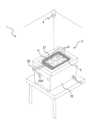
- FIG. 1 is a diagram showing a part of a kitchen where deep-frying is performed.
- 13 is a graph showing the correlation between heating time and color of frying oil when store sales are different.
- 1 is a graph showing the correlation between heating time and the acid value of frying oil when store sales are different.
- 1 is a graph showing the correlation between heating time and the color of frying oil for different types of fried chicken.
- 1 is a graph showing the correlation between heating time and the acid value of frying oil for different types of fried chicken.
- 1 is a graph showing the correlation between heating time and color of frying oil when the capacity of the oil tank is different.
- 1 is a graph showing the correlation between heating time and the acid value of frying oil when the capacity of the oil tank is different.
- FIG. 1 is a graph showing the correlation between heating time and color of frying oil when different types of oil are used. 1 is a graph showing the correlation between heating time and the acid value of frying oil when different types of oil are used. 1 is a graph showing the correlation between the number of fried items and the acid value of frying oil when different types of fried foods are used.
- 1 is a system configuration diagram showing an example of a system for processing information on deterioration of frying oil;
- FIG. 2 is a diagram illustrating an example of a hardware configuration of a degraded information processing server. 4 is a functional block diagram showing functions of a deteriorated information processing server.
- FIG. 1 is a graph showing the correlation between heating time and color of frying oil when different types of oil are used. 1 is a graph showing the correlation between heating time and the acid value of frying oil when different types of oil are used. 1 is a graph showing the correlation between the number of fried items and the acid value of frying oil when different types of fried foods are used.
- 1 shows a deterioration index-related map stored in a storage unit, which is an example in which the color of frying oil is used as the deterioration index.
- 1 shows a deterioration index-related map stored in a storage unit, which is an example in which the acid value of frying oil is used as the deterioration index.
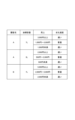
- 1 is a map showing an example of classification of deterioration rates.
- 13 is a flowchart showing the flow of the entire process executed by the degraded information processing server. 13 is a flowchart showing a flow of a deterioration prediction process. 10 is a flowchart showing an example of the flow of a deterioration determination process.
- cooking fried foods will be referred to as “deep-frying”
- the edible oil used in deep-frying will be referred to as “deep-frying oil”
- the ingredients to be deep-fryed will be referred to as “fried ingredients”.
- Figure 1 shows a part of the kitchen 1 where deep-frying is performed.
- a kitchen 1 is provided within the store to perform deep-frying in order to sell freshly prepared fried foods to customers.
- an electric fryer 2 is installed as a cooking tool used for deep-frying.
- the fryer 2 is composed of an oil tank 21 for storing frying oil P, and a housing 22 for accommodating the oil tank 21. On the side of the housing 22, there are multiple setting switches 22A for setting the temperature of the frying oil P and the contents of the frying cooking according to the type of frying ingredient Q.
- the cook When deep frying, the cook first places the deep frying ingredients Q into the fry basket 3, which has a handle 30, and hooks the handle 30 onto the upper end of the housing 22 so that the deep frying ingredients Q in the fry basket 3 are submerged in the frying oil P. At the same time, or around the same time, the cook operates one of the multiple setting switches 22A that corresponds to the type of deep frying ingredients Q to be deep fried.
- the fryer 2 determines which setting switch 22A has been operated by the cook, and when the frying time associated with the operated setting switch 22A has elapsed, it notifies the cook that the food is done. At the same time, the fry basket 3 containing the fried food (fried food Q after frying) automatically rises from the oil tank 21, and the fried food is lifted out of the frying oil P from its submerged state.
- methods for notifying the user when the fried food is done include, for example, outputting a buzzer sound from a speaker in the fryer 2 or displaying the information on a monitor installed near the fryer 2.
- the cook senses that the deep-frying is complete, he or she lifts up the fry basket 3 and removes the fried food.
- the fry basket 3 may be automatically lifted from the oil tank 21 by providing a drive mechanism on the fryer 2 side.
- a camera 4 that captures an image of the surface of the frying oil P in the oil vat 21 is attached to the ceiling above the oil vat 21.
- the camera 4 does not necessarily have to be attached to the ceiling above the oil vat 21, and may be attached to, for example, a wall near the fryer 2, as long as it is held in a state in which it can capture an image of the surface of the frying oil P in the oil vat 21.
- the camera 4 is a video camera that captures video or a still camera that captures still images, and is used to measure the color of the frying oil P.
- the color of the frying oil P is measured from the brightness values (e.g., RGB values) of the image of the surface of the frying oil P in the oil vat 21 captured by the camera 4. Therefore, it is sufficient that the image captured by the camera 4 includes at least an image of the surface of the frying oil P in the oil vat 21, and it is also acceptable for the image to include images other than the surface of the frying oil P, such as part of the oil vat 21 or objects immersed in the frying oil P (specifically, the frying ingredients Q and part of the fry basket 3).
- the color of the frying oil P darkens as the heating time passes, and is therefore used as a deterioration index that indicates the degree of deterioration of the frying oil P (hereinafter simply referred to as the "degree of deterioration").
- the deterioration indexes of the frying oil P include, for example, the acid value (AV) of the frying oil P, the polar compound content (PC) of the frying oil P, the viscosity of the frying oil P, the viscosity increase rate of the frying oil P, the anisidine value of the frying oil P, the carbonyl value of the frying oil P, the smoke point of the frying oil P, the tocopherol content of the frying oil P, the iodine value of the frying oil P, the refractive index of the frying oil P, the amount of volatile components of the frying oil P, the composition of volatile components of the frying oil P, the flavor of the frying oil P, the
- Users who use the frying oil P e.g., cooks, store employees, etc.
- Each deterioration index of the frying oil P can be measured using a measuring device such as a camera 4 or various sensors.
- a measuring device such as a camera 4 or various sensors.
- AV acid value
- PC polar compound amount
- a general-purpose gas sensor for example, a semiconductor gas sensor or a quartz crystal resonator gas sensor.
- each deterioration index includes, for example, a method of using image recognition technology to determine the type and number of foods fried in the frying oil P from an image taken by the camera 4, and estimating each deterioration index based on the correlation between the type and number of foods and each deterioration index, a method of measuring the spectrum of the frying oil P using a spectrometer, and estimating each deterioration index based on the correlation between the spectrum of the frying oil P and each deterioration index, and a method of estimating each deterioration index based on the correlation between the number of times the setting switch 22A of the fryer 2 has been operated (i.e., the number of times deep-frying has been performed) and each deterioration index.
- the measurement of the deterioration index of frying oil P is not necessarily limited to the above-mentioned measuring device and measuring method, and any known measuring device or measuring method may be used.
- the rate at which frying oil P deteriorates i.e., the rate at which it deteriorates, is not constant, but changes depending on the environment and conditions in which the frying oil P is used. In other words, there is not one set of deterioration characteristics for frying oil P, but rather there are multiple characteristics depending on the environment and conditions in which the frying oil P is used.
- the deterioration rate of frying oil P varies depending on the amount (number) of frying ingredients Q.
- Figure 2A is a graph showing the correlation between heating time and the color of frying oil P when store sales differ.
- Figure 2B is a graph showing the correlation between heating time and the acid value of frying oil P when store sales differ.
- Figure 2A shows the correlation between three patterns of heating time and the color of frying oil P when sales of fried foods at a store are "small,” “medium,” and “large.”
- the correlation when sales are "small” is shown as a graph with multiple circles connected by a solid line
- the correlation when sales are "medium” is shown as a graph with multiple triangles connected by a dashed line
- the correlation when sales are "large” is shown as a graph with multiple crosses connected by a dotted line.
- Figure 2B shows the correlation between three patterns of heating time and the acid value of frying oil P when sales of fried foods at a store are "small,” “medium,” and “large.”
- the correlation when sales are "small” is shown as a graph with multiple circles connected by a solid line
- the correlation when sales are "medium” is shown as a graph with multiple triangles connected by a dashed line
- the correlation when sales are "large” is shown as a graph with multiple crosses connected by a dotted line.
- the deterioration rate of frying oil P is faster when sales are "medium” than when sales are "small,” and even faster when sales are "large” than when sales are “medium.”
- the heating time until frying oil P reaches a color value of 100 is approximately 84 hours when sales are "small,” approximately 72 hours when sales are “medium,” and approximately 54 hours when sales are “large.”
- the heating time until frying oil P reaches an acid value of 1 is approximately 54 hours when sales are "small,” approximately 51 hours when sales are "medium,” and approximately 35 hours when sales are "large.”
- the greater the sales of fried foods at a store the faster the deterioration rate of the frying oil P will be, and the more susceptible the deterioration characteristics of the frying oil P will be. If the sales of fried foods at a store differ, the deterioration rate of the frying oil P will differ even if other conditions (such as the capacity of the oil tank 21, the type of frying ingredient Q, the type of frying oil P, and the amount of fried foods fried in the frying oil P) are the same.
- the deterioration characteristics (deterioration rate) of frying oil P vary depending on the sales of fried foods at the store, i.e., the amount of fried foods Q fried in frying oil P.
- the deterioration rate of frying oil P varies depending on the type of frying ingredient Q.
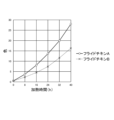
- Figure 3A is a graph showing the correlation between heating time and the color of frying oil P for different types of fried chicken.
- Figure 3B is a graph showing the correlation between heating time and the acid value of frying oil P for different types of fried chicken.
- Figure 3A shows the correlation between two patterns of heating time and the color of frying oil P when two different types of fried chicken A and fried chicken B are added to frying oil P as fried food Q.
- the correlation when fried chicken A is fried is shown as a graph with multiple circles connected by a solid line
- the correlation when fried chicken B is fried is shown as a graph with multiple crosses connected by a dotted line.
- Figure 3B shows the correlation between two patterns of heating time and the acid value of frying oil P when two different types of fried chicken A and fried chicken B are added to frying oil P as fried food Q.
- the correlation when fried chicken A is fried is shown as a graph with multiple circles connected by a solid line
- the correlation when fried chicken B is fried is shown as a graph with multiple crosses connected by a dotted line.
- the deterioration rate of frying oil P is faster when frying fried chicken A than when frying fried chicken B.
- the heating time until frying oil P reaches a color value of 10 is approximately 18 hours when fried chicken A is fried, and approximately 28 hours when fried chicken B is fried.
- the heating time until frying oil P reaches an acid value of 0.5 is approximately 27 hours when fried chicken A is fried, and approximately 37 hours when fried chicken B is fried.
- the deterioration rate of frying oil P differs depending on the type of ingredients, such as the type of chicken and the type of batter.
- the deterioration rate of frying oil P is faster for fried chicken A than for fried chicken B, and the deterioration characteristics of frying oil P are such that it is more susceptible to deterioration.
- the deterioration rate of the frying oil P will be different even if other conditions (sales of fried foods at the store, capacity of the oil tank 21, type of frying oil P, amount of fried foods fried in the frying oil P, etc.) are the same. Therefore, the deterioration characteristics (deterioration rate) of the frying oil P will differ depending on the type of frying food Q.
- the deterioration rate of frying oil P varies depending on the capacity of the oil tank 21 of the fryer 2.
- Figure 4A is a graph showing the correlation between heating time and the color of frying oil P when the capacity of the oil tank 21 is different.
- Figure 4B is a graph showing the correlation between heating time and the acid value of frying oil P when the capacity of the oil tank 21 is different.
- Figure 4A shows the correlation between two patterns of heating time and the color of frying oil P when the capacity of oil vat 21 is "3 liters" and "7 liters".
- the correlation when the capacity of oil vat 21 is 3 liters is shown as a graph with multiple circles connected by a solid line
- the correlation when the capacity of oil vat 21 is 7 liters is shown as a graph with multiple crosses connected by a dotted line.
- Figure 4B shows the correlation between the heating time and the acid value of the frying oil P for two patterns when the capacity of the oil tank 21 is "3 liters" and "7 liters".
- the correlation when the capacity of the oil tank 21 is 3 liters is shown as a graph with multiple circles connected by a solid line
- the correlation when the capacity of the oil tank 21 is 7 liters is shown as a graph with multiple crosses connected by a dotted line.
- the deterioration rate of frying oil P is faster when the capacity of the oil tank 21 is 3 liters than when the capacity is 7 liters.
- the heating time until frying oil P reaches a color value of 40 is approximately 42 hours when the capacity of oil tank 21 is 3 liters, and approximately 51 hours when the capacity of oil tank 21 is 7 liters.
- the heating time until frying oil P reaches an acid value of 1 is approximately 33 hours when the capacity of oil tank 21 is 3 liters, and approximately 54 hours when the capacity of oil tank 21 is 7 liters.
- the deterioration rate of frying oil P varies depending on the type (oil type) of frying oil P.
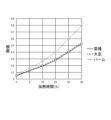
- Figure 5A is a graph showing the correlation between heating time and the color of frying oil P when different types of frying oil P are used.
- Figure 5B is a graph showing the correlation between heating time and the acid value of frying oil P when different types of frying oil P are used.
- Figure 5A shows the correlation between three patterns of heating time and the color of the frying oil P when the frying oil P is "rapeseed oil,” “soybean oil,” and “palm oil.”
- the correlation when the frying oil P is rapeseed oil is shown as a graph with multiple circles connected by a solid line
- the correlation when the frying oil P is soybean oil is shown as a graph with multiple triangles connected by a dashed line
- the correlation when the frying oil P is palm oil is shown as a graph with multiple crosses connected by a dotted line.
- Figure 5B shows the correlation between three patterns of heating time and the acid value of frying oil P when frying oil P is "rapeseed oil,” “soybean oil,” and “palm oil.”
- the correlation when frying oil P is rapeseed oil is shown as a graph with multiple circles connected by a solid line
- the correlation when frying oil P is soybean oil is shown as a graph with multiple triangles connected by a dashed line
- the correlation when frying oil P is palm oil is shown as a graph with multiple crosses connected by a dotted line.
- the heating time until the frying oil P reaches a color value of 40 is approximately 33 hours when the frying oil P is soybean oil, approximately 26 hours when the frying oil P is rapeseed oil, and approximately 23 hours when the frying oil P is palm oil.
- Figure 5B which shows the correlation between heating time and the acid value of frying oil P, shows that the deterioration rate of frying oil P is slightly faster when the frying oil P is soybean oil than when it is rapeseed oil, and is even faster when the frying oil P is palm oil than when it is soybean oil.
- the heating time until the frying oil P has an acid value of 0.3 is approximately 25 hours when the frying oil P is rapeseed oil, approximately 24 hours when the frying oil P is soybean oil, and approximately 18 hours when the frying oil P is palm oil.
- the deterioration rate of the frying oil P will be different even if other conditions (sales of fried foods at the store, type of frying ingredient Q, capacity of oil tank 21, amount of fried foods fried in frying oil P, etc.) are the same. Therefore, the deterioration characteristics (deterioration rate) of the frying oil P will differ depending on the type of frying oil P.
- the deterioration characteristics of frying oil P are shown as a correlation between the heating time of frying oil P and the deterioration index of frying oil P (specifically, color and acid value), but this is not limited to this and any correlation showing the progress of the deterioration index may be used, for example, a correlation between the amount of fried food Q that can be fried in frying oil P (number of fried items) and the deterioration index of frying oil P.
- Figure 6 is a graph showing the correlation between the number of fried pieces and the acid value of the frying oil P when different types of frying ingredients Q are used.
- Figure 6 shows the correlation between three patterns of heating time and the acid value of frying oil P when three different categories of fried ingredients Q are added to frying oil P.
- the correlation when frying fried chicken is shown as a graph with multiple circles connected by a solid line
- the correlation when frying croquettes is shown as a graph with multiple triangles connected by a dashed line
- the correlation when frying hash browns is shown as a graph with multiple crosses connected by a dotted line.
- the slope of the acid value of the frying oil P versus the number of fried pieces is greater when frying croquettes than when frying hash browns, and is even greater when frying fried chicken than when frying croquettes.
- the number of fries that can be made before the acid value of frying oil P reaches 0.5 is 250 when frying hash browns, 100 when frying croquettes, and 50 when frying fried chicken.
- the deterioration characteristics (rate of deterioration) of the frying oil P differ depending on the type of frying ingredient Q, and the frying oil P is more likely to deteriorate when frying croquettes than when frying hash browns, and the frying oil P is even more likely to deteriorate when frying fried chicken than when frying croquettes.
- FIG. 7 is a system configuration diagram showing an example of the configuration of the frying oil P deterioration information processing system 5.
- the frying oil P deterioration information processing system 5 is a system for processing deterioration information, which is information relating to the deterioration of frying oil P, and is composed of store terminals 6 installed in each of a number of stores that make up, for example, a convenience store chain or a supermarket chain, and a deterioration information processing server 7 that executes a program that processes deterioration information on the frying oil P used in each store.
- the store terminals 6 and the deterioration information processing server 7 are connected to each other directly or indirectly so that they can communicate information with each other via a communication network N, such as an Internet line.
- the store terminals 6 of each of the multiple stores are all configured in the same way, so in the following, the store terminal 6 of one store will be used as an example and a description of the store terminals 6 of the other stores will be omitted.
- the store terminal 6 is an input terminal into which store information is input, and is also a notification device that notifies (including text display and sound notification) various information output from the deterioration information processing server 7, and has installed therein an application for managing frying oil P (hereinafter referred to as the "frying oil management app").
- the store information is information (store information) about the store that uses frying oil P, and is input, for example, by a store employee during the initial settings of the frying oil management app.
- the store information includes customer name information, business type information indicating the type of store, such as a convenience store or supermarket, fryer information (cooking equipment information) which is information related to the fryer 2 used for deep-frying using the frying oil P, oil type information indicating the type of frying oil P, and deterioration rate information which is information related to the deterioration rate of the frying oil P.
- business type information indicating the type of store, such as a convenience store or supermarket
- fryer information cooking equipment information
- oil type information indicating the type of frying oil P
- deterioration rate information which is information related to the deterioration rate of the frying oil P.
- the deterioration rate information includes operating time information indicating the operating time of the fryer 2 in a day, sales information indicating the sales in the store in a day, and number information indicating the number of fryers 2 in operation.
- the sales information is preferably information indicating the sales of fried foods (foodstuffs cooked in the fryer 2) cooked in the store in a day.
- the store terminal 6 is communicatively connected to the camera 4 installed in the kitchen 1 in the store, acquires image data captured by the camera 4, and acquires the measurement value of the color of the frying oil P in the oil tank 21 of the fryer 2 from the acquired image.
- the store terminal 6 and the camera 4 do not necessarily need to be communicatively connected. If the store terminal 6 and the camera 4 are not communicatively connected, the image data captured by the camera 4 is read into the store terminal 6 via an external device, for example.
- the deterioration information processing server 7 is one aspect of a deterioration information processing device that processes deterioration information of frying oil P.
- the deterioration information processing server 7 is described as being realized by a server device installed in a headquarters center that oversees multiple stores, as shown in FIG. 7, but it does not necessarily have to be realized by a server device, and may also be realized by, for example, a cloud server constructed on a communication network N.
- the deterioration information includes at least one of the following data: data indicating the remaining time (remaining heating time) until the frying oil P reaches a specified point of waste oil, data indicating the timing to insert or remove the frying oil P from the fryer 2, data indicating the timing to filter the frying oil P from the fryer 2, and data indicating the remaining number of fried foods that can be fried before the frying oil P reaches a specified level of deterioration.
- “adding and removing” means removing a portion of the frying oil P in the fryer 2 and adding (adding) another frying oil P1 that is different from the frying oil P.
- the "other frying oil P1" does not necessarily have to be new oil, and may be, for example, frying oil that is less deteriorated than the frying oil P in the fryer 2.
- the degree of deterioration of the frying oil P in the oil tank 21 of each fryer 2 progresses in the order of the tempura tank, the breaded side dishes tank, and the fried chicken tank.
- the fried chicken tank may be added with the frying oil P from the tempura tank or the frying oil P from the breaded side dishes tank.
- Frtration refers to passing the frying oil P in the fryer 2 through a filter to remove fried debris, or passing the frying oil P in the fryer 2 through a filter agent to regenerate it to a state close to new oil.
- the deterioration information also includes information on whether the frying oil P in the fryer 2 has reached a deterioration reference value indicating a standard for the deterioration index.
- the deterioration reference value includes at least one of the following reference values: a waste oil reference value that is the reference for the deterioration index of the frying oil P at a specified time of waste oil, a removal and insertion reference value that is the reference for the deterioration index of the frying oil P when it is necessary to remove and insert the frying oil P in the fryer 2, and a filtration reference value that is the reference for the deterioration index of the frying oil P at the time of filtering the frying oil P in the fryer 2.
- deterioration standard values are set in association with at least the customer name information in the store information. For example, for customer “A,” customer “B,” and customer “C,” values are set for the waste oil standard value, the insertion/removal standard value, and the filtration standard value for frying oil P that match the deep-frying cooking specifications of each customer. Note that the deterioration standard values do not necessarily have to be set in association with the store information, and may be set arbitrarily by store employees, for example.
- the deterioration information processing server 7 performs deterioration prediction processing to predict at least one of the following, based on the deterioration characteristics and deterioration standard values of the frying oil P linked to the store information: the remaining time until the frying oil P reaches a specified point of disposal, the timing to insert or remove the frying oil P from the fryer 2, the timing to filter the frying oil P from the fryer 2, and the remaining number of fried foods that can be fried before the frying oil P reaches a specified degree of deterioration, and outputs the prediction results to the store terminal 6.
- the deterioration information processing server 7 also performs deterioration determination processing to determine whether the frying oil P has reached the point where it needs to be discarded, whether the frying oil P has reached the point where it needs to be removed, or whether the frying oil P has reached the point where it needs to be filtered, based on the deterioration standard value linked to the store information, and outputs the determination result to the store terminal 6.
- the deterioration information processing server 7 calculates the amount of frying oil P that is added or removed, and outputs the calculated amount of frying oil P that is added or removed as the calculation result of the deterioration information of the frying oil P.
- the "amount of oil added or removed” refers to the amount of oil removed from the frying oil P in the fryer 2 when adding or removing oil (amount of oil removed) and the amount of other frying oil P1 that is injected into the fryer 2 (amount of oil added), and in many cases the amount of oil removed and the amount of oil added are the same.
- the measured value of the deterioration index of frying oil P be DI1 (note that, when the measured value of the deterioration index of frying oil P is exactly the insertion/removal reference value, DI1 becomes the insertion/removal reference value), let DI2 be the post-insertion/removal reference value that is the reference for the deterioration index of frying oil P obtained by inserting or removing it, let DI2 be the deterioration index of the other frying oil P1 to be injected into the fryer 2, and apply the capacity of the oil tank 21 to the amount of remaining frying oil P in the fryer 2 immediately before inserting or removing it, and the amount of frying oil P that is inserted or removed can be calculated by the following [Equation 1].
- the post-insertion/removal reference value is a value that is set in conjunction with the insertion/removal reference value, and like the insertion/removal reference value, is linked to customer name information or set arbitrarily by store employees, etc.
- FIG. 8 shows an example of the hardware configuration of the degradation information processing server 7.
- the hardware configuration of the degradation information processing server 7 is a server device, and includes a CPU (Central Processing Unit) 70A, a RAM (Random Access Memory) 70B, a ROM (Read Only Memory) 70C, a HDD (Hard Disk Drive) 70D, and an I/F (Interface) 70E. Each of these components is connected to each other via a common bus 70F.
- CPU Central Processing Unit
- RAM Random Access Memory
- ROM Read Only Memory
- HDD Hard Disk Drive
- I/F Interface
- the CPU 70A is a computing means and controls the operation of the entire degradation information processing server 7.
- RAM 70B is a volatile storage medium that allows high-speed reading and writing of information, and is used, for example, as a working area when CPU 70A processes image information.
- ROM70C is a read-only non-volatile storage medium that stores programs such as firmware.
- the HDD 70D is a non-volatile storage medium that can read and write information and has a large storage capacity, and stores the OS (Operating System), control programs for executing various information processing operations described below, and application programs.
- OS Operating System
- control programs for executing various information processing operations described below
- application programs for executing various information processing operations described below
- HDD 70D can be replaced by any type of device, such as an SSD (Solid State Drive), as long as it is a non-volatile storage medium capable of storing and managing information.
- SSD Solid State Drive
- I/F70E is a connection interface with the communication network N, to which each store terminal 6 and the like are connected.
- the degraded information processing server 7 with such a hardware configuration is an information processing device that realizes processing functions by using the calculation functions of the CPU 70A to process control programs stored in the ROM 70C and control programs and application programs loaded from a storage medium such as the HDD 70D to the RAM 70B.
- a software control unit including various functional modules in the deteriorated information processing server 7 is configured.
- the combination of the software control unit configured in this way and the hardware resources including the above configuration configures a functional block that realizes the functions of the deteriorated information processing server 7.
- the degradation information processing server 7 is a cloud server
- the computer that realizes the cloud server e.g., a computer owned by a company that provides a cloud system
- the computer that realizes the cloud server will have the above hardware configuration.
- FIG. 9 is a functional block diagram showing the functions of the degradation information processing server 7.
- the deterioration information processing server 7 includes an information acquisition unit 71, a storage unit 73, a deterioration speed classification unit 72, a model selection unit 74A and a reference value selection unit 74B as information selection units, a deterioration prediction unit 75A and a deterioration determination unit 75B as deterioration information processing units, and a result output unit 76.
- the information acquisition unit 71 acquires the store information output from the store terminal 6 and data related to the measurement value of the deterioration index of the frying oil P. Specifically, the information acquisition unit 71 acquires the following store information: customer name information, business type information, fryer information including the capacity of the fryer 2, oil type information, operating time information, sales information, and unit number information. When deterioration rate data (specific rate value) of the frying oil P is output from the store terminal 6 as deterioration rate information, the information acquisition unit 71 does not necessarily need to acquire the operating time information, sales information, and unit number information.
- the deterioration speed classification unit 72 classifies the deterioration speed of the frying oil P into one of multiple stages (in this embodiment, three stages of "fast,” “normal,” and “slow” shown in Figures 10A and 10B) by calculating the store's sales per hour for one fryer 2 based on the operating time information, sales information, and number information acquired by the information acquisition unit 71.
- the deterioration rate is considered to be “fast”
- the deterioration rate is considered to be "normal”
- the hourly sales of one fryer 2 are “less than 500 yen”
- the deterioration rate is considered to be “slow.”
- a map showing the relationship between the classification of the deterioration rate of frying oil P and the hourly sales of one fryer 2 is stored in advance in the memory unit 73.
- the sales per hour for one fryer 2 is 833 yen, which falls into the category of "500 yen or more and less than 1,500 yen," so the deterioration speed classification unit 72 classifies the deterioration speed of the frying oil P used in the store as "normal.”
- the deterioration speed classification unit 72 classifies the deterioration speed of the frying oil P into one of three levels, "fast,” “normal,” or “slow,” taking into consideration at least one of the capacity of the fryer 2 and the customer name information acquired by the information acquisition unit 71, in relation to the calculated store sales per hour per fryer 2.
- Figure 10C is a map showing an example of classification of the deterioration rate of frying oil P.
- the deterioration rate of the frying oil P will be classified differently if the capacity of the fryers 2 is different between stores. For example, if the hourly sales of one fryer 2 is 2,000 yen, the deterioration of the frying oil P will progress faster when frying 2,000 yen worth of frying ingredients Q with 7 liters of frying oil P than when frying 2,000 yen worth of frying ingredients Q with 3 liters of frying oil P.
- the deterioration rate classification unit 72 classifies the deterioration rate of the frying oil P as "normal” when the capacity of the oil tank 21 is “7 liters,” and classifies the deterioration rate of the frying oil P as "fast” when the capacity of the oil tank 21 is “3 liters.”
- the classification of the deterioration rate of the frying oil P will differ depending on the type of fried food Q handled, the size of the company, the target customer base, and the name recognition. Specifically, even if the hourly sales per fryer 2 are the same, i.e., the deterioration rate of the frying oil P itself is the same, the classification of the relative deterioration rate of the frying oil P within each company will differ between customers "A" and "B", who are of different company sizes.
- the deterioration rate classification unit 72 will classify the deterioration rate of the frying oil P for customer “A” as "normal” and the deterioration rate of the frying oil P for customer “B” as “slow".
- the deterioration rate classification unit 72 classifies the deterioration rate of the frying oil P into one of multiple stages based on the acquired deterioration rate of the frying oil P itself.
- the memory unit 73 stores multiple pieces of deterioration index related information, which is information related to the deterioration index of the frying oil P linked to store information.
- This "deterioration index related information” includes data related to a deterioration characteristic model of the frying oil P that shows the progress of the deterioration index, and data related to various deterioration standard values of the frying oil P.
- FIG. 10A shows a deterioration index-related map stored in memory unit 73, and is an example in which the color of frying oil P is used as the deterioration index.
- FIG. 10B shows a deterioration index-related map stored in memory unit 73, and is an example in which the acid value of frying oil P is used as the deterioration index. Note that in this embodiment, the deterioration index-related map relating to the color of frying oil P and the deterioration index-related map relating to the acid value of frying oil P will be described with reference to FIG. 10A and FIG. 10B, but it is also possible to create deterioration index-related maps for other deterioration indexes in the same way as the deterioration index-related maps shown in FIG. 10A and FIG. 10B.
- the storage unit 73 stores a deterioration characteristic model of frying oil P linked to store information, as well as a waste oil reference value, an insertion/removal reference value, a post-insertion/removal reference value, and a filtration reference value for frying oil P, which constitute a deterioration index-related map.
- a model showing the correlation between the heating time of frying oil P and the deterioration index of frying oil P is exemplified as the deterioration characteristic model, but this is not limited to this, and the deterioration characteristic model also includes a model showing the correlation between the number of fried items Q that can be fried in frying oil P and the deterioration index of frying oil P (a model corresponding to the graph shown in Figure 6).
- a model showing the correlation between the number of fried items Q that can be fried in frying oil P and the deterioration index of frying oil P is expressed, for example, by the following [Equation 2].
- ⁇ AV is the difference between the waste oil reference value of frying oil P and the measured value of the deterioration index of frying oil P. Also, ⁇ , ⁇ , and ⁇ are the number of pieces of frying ingredient Q that can be deep-fried, respectively.
- the deterioration index of frying oil P fluctuates differently depending on the type of frying ingredient Q, since there are differences in the ease of coloring, degree of increase in viscosity, and effect on acid value depending on the type of frying ingredient Q. For example, if ⁇ is the number of fried chicken pieces, ⁇ is the number of fried croquettes, and ⁇ is the number of fried hash browns, the effect of each frying ingredient Q on the deterioration index is "0.01" for fried chicken, "0.005" for croquettes, and "0.002" for hash browns.
- the above example predicted the number of fried foods that can be fried before the frying oil P reaches the waste oil standard value, but this is not limited to this. It is also possible to use a similar deterioration characteristic model to predict the number of fried foods that can be fried before the frying oil P reaches a specified level of deterioration (insertion/removal standard value or filtration standard value).
- the deterioration characteristic model includes at least one of a model showing the correlation between the heating time of frying oil P and the deterioration index of frying oil P, and a model showing the correlation between the number of fried items Q that can be fried in frying oil P and the deterioration index of frying oil P.
- the deterioration characteristic model corresponds to the graphs showing the deterioration characteristics of frying oil P exemplified in Figures 2 to 6, and since it is possible to predict the deterioration of frying oil P, it can also be called a "deterioration prediction model" for frying oil P.
- the deterioration indicator-related map may include stores where the insertion/removal reference value, the post-insertion reference value, and the filtration reference value are all set, and the deterioration indicator-related map may include stores where the insertion/removal reference value, the post-insertion reference value, and the filtration reference value are not all set.
- the deterioration index-related map shown in Figures 10A and 10B includes a deterioration characteristic model of frying oil P and various deterioration reference values of frying oil P (waste oil reference value, insertion/removal reference value, post-insertion/removal reference value, and filtration reference value of frying oil P), but the deterioration index-related map does not necessarily need to include both. It is sufficient that the deterioration information processing server 7 stores a deterioration index-related map according to the content of the processing by the deterioration information processing server 7 (i.e., whether to perform deterioration prediction processing of frying oil P or deterioration determination processing of frying oil P).
- the model selection unit 74A shown in FIG. 9 selects one deterioration characteristic model that corresponds to the store information acquired by the information acquisition unit 71 from among multiple deterioration characteristic models (six in both FIG. 10A and FIG. 10B) stored in the storage unit 73.
- the model selection unit 74A selects one deterioration characteristic model from among the multiple deterioration characteristic models stored in the memory unit 73 based on the industry information, fryer information, and oil type information acquired by the information acquisition unit 71 and one stage classified by the deterioration rate classification unit 72.
- the reference value selection unit 74B selects a deterioration reference value corresponding to the store information acquired by the information acquisition unit 71 from among the various deterioration reference values (six in both Figures 10A and 10B) stored in the storage unit 73.
- the deterioration information processing server 7 determines whether or not it is necessary to remove or insert frying oil P, or predicts the timing of removing or inserting
- the information acquisition unit 71 acquires store information indicating that the customer name is "B”, the type of business is "supermarket”, the deterioration rate of the frying oil P is "fast”, the capacity of the oil tank 21 is “18 liters”, and the type of frying oil P is "product ⁇ ”
- the deterioration prediction unit 75A predicts at least one of the following based on the measured value of the deterioration index of the frying oil P acquired by the information acquisition unit 71, one deterioration characteristic model selected by the model selection unit 74A, and the deterioration reference value selected by the reference value selection unit 74B: the remaining heating time until the frying oil P reaches a predetermined waste oil point, the timing for inserting and removing the frying oil P in the fryer 2, the timing for filtering the frying oil P in the fryer 2, and the remaining number of fried foods that can be fried before the frying oil P reaches a predetermined degree of deterioration.
- the deterioration prediction unit 75A predicts the remaining heating time until the frying oil P reaches a specified point of time when it becomes waste oil, using the following procedure.
- a deterioration characteristic model of y 0.0264x + 0.0207 is selected in the model selection unit 74A, and a waste oil reference value of 2.5 is selected in the reference value selection unit 74B (see the deterioration index related map shown in FIG. 10B).
- the deterioration prediction unit 75A calculates that the heating time x of frying oil P at the waste oil standard value of 2.5 is 94 hours by substituting the waste oil standard value of 2.5 for y in the deterioration characteristic model.
- This prediction procedure is also used to predict the timing for inserting and removing the frying oil P from the fryer 2, the timing for filtering the frying oil P from the fryer 2, and the remaining number of fried foods that can be fried before the frying oil P reaches a specified level of deterioration.
- the deterioration determination unit 75B determines whether the frying oil P has reached the point where it needs to be discarded, whether the frying oil P has reached the point where it needs to be removed, or whether the frying oil P has reached the point where it needs to be filtered, based on the measurement value of the deterioration index of the frying oil P acquired by the information acquisition unit 71 and one deterioration reference value selected by the reference value selection unit 74B.
- the deterioration determination unit 75B calculates the amount of frying oil P to be inserted or removed based on the fryer information (specifically, data related to the capacity of the oil tank 21) and the measurement value of the deterioration index of the frying oil P acquired by the information acquisition unit 71, and the reference value after insertion or removal selected by the reference value selection unit 74B. Note that when the deterioration determination unit 75B accurately calculates the amount of frying oil P to be inserted or removed, the information acquisition unit 71 acquires data related to the oil absorption amount, which is the amount of oil absorbed by the frying ingredients Q, from the store terminal 6.
- the result output unit 76 outputs the prediction results predicted by the deterioration prediction unit 75A and the judgment results judged by the deterioration judgment unit 75B to the store terminal 6. In addition, when the deterioration judgment unit 75B calculates the amount of frying oil P to be inserted or removed, the result output unit 76 also outputs the calculated amount of frying oil P to be inserted or removed to the store terminal 6.
- the deterioration information processing server 7 does not necessarily have to have a model selection unit 74A and a deterioration prediction unit 75A that are responsible for the deterioration prediction function of frying oil P, and a reference value selection unit 74B and a deterioration judgment unit 75B that are responsible for the deterioration judgment function of frying oil P, but only needs to have at least one of the deterioration prediction function of frying oil P and the deterioration judgment function of frying oil P. Furthermore, if the deterioration information processing server 7 only has the deterioration judgment function of frying oil, the deterioration information processing server 7 does not necessarily have to have a deterioration speed classification unit 72.
- FIG. 11 is a flowchart showing the overall flow of processing executed by the deterioration information processing server 7.
- FIG. 12 is a flowchart showing the flow of deterioration prediction processing.
- FIG. 13 is a flowchart showing an example of the flow of deterioration determination processing.
- the deterioration information processing server 7 first acquires the store information and the measurement value of the deterioration index of the frying oil P output from the store terminal 6 by the information acquisition unit 71 (step S701; information acquisition step).
- the deterioration information processing server 7 proceeds to deterioration prediction processing (step S702) and deterioration determination processing (step S703). If the deterioration information processing server 7 only has the deterioration prediction function, it proceeds to deterioration prediction processing (step S702), and if the deterioration information processing server 7 only has the deterioration determination function, it proceeds to deterioration determination processing (step S703).
- step S702 the deterioration speed classification unit 72 classifies the deterioration speed of the frying oil P into one of the stages of "slow,” “normal,” or “fast” based on the operating time information, sales information, and number information from the store information acquired in step S701 (step S720; deterioration speed classification step).
- the model selection unit 74A selects a characteristic model corresponding to the store information acquired in step S701 from among the multiple deterioration characteristic models stored in the memory unit 73 based on the industry information, fryer information, and oil type information from the store information acquired in step S701 and the stage of one deterioration rate classified in step S720, and the reference value selection unit 74B selects a deterioration reference value corresponding to the store information (customer name information) acquired in step S701 from among the multiple various deterioration reference values stored in the memory unit 73 (step S721; information selection step).
- the deterioration prediction unit 75A predicts deterioration information of the frying oil P based on the measurement value of the deterioration index of the frying oil P obtained in step S701 and the deterioration characteristic model and deterioration reference value selected in step S721 (step S722; deterioration information processing step).
- the result output unit 76 outputs the prediction results predicted in step S722 to the store terminal 6 (step S723; processing result output step), and processing in the deterioration information processing server 7 ends.
- the store terminal 6 notifies the store employee of the information (for example, "There are xx hours left until the oil is discarded" or "Please remove and insert the oil after xx hours") by displaying it on the screen or by voice, etc. (notification step).
- step S703 the reference value selection unit 74B selects one of the deterioration reference values stored in the storage unit 73 that corresponds to the store information acquired in step S701 (step S731; information selection step).
- the deterioration determination unit 75B compares the measured value of the deterioration index of the frying oil P obtained in step S701 with one of the various deterioration reference values selected in step S731 to determine the deterioration status (degree of deterioration) of the frying oil P (step S732; information processing step).
- step S733/YES calculates the amount of insertion/removal of the frying oil P (step S734; information processing step).
- step S734 the deterioration determination unit 75B calculates the amount of insertion and removal required for removing and inserting the frying oil P using the aforementioned [Equation 1] based on the measurement value of the deterioration index of the frying oil P and the remaining oil amount data of the frying oil P acquired by the information acquisition unit 71, and the post-insertion and removal reference value selected by the reference value selection unit 74B. Therefore, when the deterioration determination unit 75B calculates the insertion and removal amount for the frying oil P, the remaining oil amount data of the frying oil P is also acquired in step S701, and the post-insertion and removal reference value is also selected in step S731.
- the result output unit 76 outputs the various judgment results determined in step S732 and the amount of frying oil P added or removed calculated in step S734 to the store terminal 6 as the calculation results of the deterioration information of the frying oil P (step S735; processing result output step), and the processing in the deterioration information processing server 7 ends.
- the store terminal 6 notifies the store employee of the information (for example, "Please add or remove frying oil P.
- the amount of frying oil added or removed is XX liters" by displaying it on the screen or by voice, etc. (notification step).
- step S733 if it is not determined in step S733 that the measured value of the deterioration index of the frying oil P is equal to or greater than the removal/insertion standard value (including the case where the measured value of the deterioration index of the frying oil P is not compared with the removal/insertion standard value) (step S733/NO), the result output unit 76 outputs the various determination results determined in step S732 to the store terminal 6 (step S736), and processing within the deterioration information processing server 7 ends.
- the removal/insertion standard value including the case where the measured value of the deterioration index of the frying oil P is not compared with the removal/insertion standard value
- the store terminal 6 When the various determination results are output from the result output unit 76 (deterioration information processing server 7), the store terminal 6 notifies the store employee of the information (for example, "There is currently no need to remove or insert the frying oil P.") by displaying it on the screen or by voice, etc.
- step S732 determines that the measured value of the deterioration index of the frying oil P is equal to or greater than the insertion/removal reference value (step S733/YES)
- step S733/YES the insertion/removal reference value
- step S734 it is not necessarily necessary to calculate the amount of insertion/removal of the frying oil P (step S734).
- the result output unit 76 outputs only the various determination results determined in step S732 to the store terminal 6, and the store terminal 6 may issue a notification such as, for example, "Please discard the frying oil P.”
- step S703 only the calculation of the amount of frying oil P to be added or removed (step S734) may be performed, and the result output unit 76 may output the amount of frying oil P to be added or removed calculated in step S734 to the store terminal 6.
- the deterioration information processing server 7 does not necessarily need to execute both the deterioration prediction process (step S702) and the deterioration determination process (step S703), and may execute only one of the processes (step S702 or step S703).
- the deterioration information processing server 7 performs deterioration prediction processing for frying oil P based on a deterioration characteristic model (deterioration index related information) linked to the unique store information of each store that uses frying oil P and the measured value of the deterioration index of frying oil P. Therefore, it is possible to obtain more accurate prediction results than when deterioration prediction processing for frying oil P is performed using a deterioration characteristic model that is set uniformly without taking into account store information.
- a deterioration characteristic model deterioration index related information
- the deterioration rate classification unit 72 classifies the deterioration rate of the frying oil P into one of multiple stages based on the operating time information, sales information, and number information acquired by the information acquisition unit 71, so that the deterioration rate of the frying oil P can be classified into one of multiple stages with less effort than when the deterioration rate of the frying oil P is measured using various measuring devices and then classified.
- the deterioration information processing server 7 was described as one aspect of a device for processing deterioration information about frying oil P, but this is not limited to this, and the function of the device for processing deterioration information about frying oil P may be performed by a frying oil management app in the store terminal 6, in which case the store terminal 6 is both an input terminal and an alarm device, and also a device for processing deterioration information about frying oil P.
- color and acid value are mainly used as examples of deterioration indicators for frying oil P, but this is not limited thereto, and the present invention can be applied even when deterioration indicators other than color and acid value are used.
- Degraded information processing system 6 Store terminal (input terminal, notification device, deteriorated information processing device) 7: Degraded information processing server (degraded information processing device) 71: Information acquisition unit 72: Deterioration rate classification unit 73: Storage unit 74A: Model selection unit (information selection unit) 74B: Reference value selection unit (information selection unit) 75A: Deterioration prediction unit (deterioration information processing unit) 75B: Deterioration determination unit (deterioration information processing unit) 76: Result output section P: Frying oil (edible oil) Q: Fried food (ingredients)
Landscapes
- Engineering & Computer Science (AREA)
- Food Science & Technology (AREA)
- Health & Medical Sciences (AREA)
- Life Sciences & Earth Sciences (AREA)
- Chemical & Material Sciences (AREA)
- General Health & Medical Sciences (AREA)
- Physics & Mathematics (AREA)
- General Physics & Mathematics (AREA)
- Business, Economics & Management (AREA)
- Pathology (AREA)
- Biochemistry (AREA)
- Immunology (AREA)
- Analytical Chemistry (AREA)
- Medicinal Chemistry (AREA)
- Tourism & Hospitality (AREA)
- Human Resources & Organizations (AREA)
- Economics (AREA)
- Marketing (AREA)
- Primary Health Care (AREA)
- Strategic Management (AREA)
- General Business, Economics & Management (AREA)
- Theoretical Computer Science (AREA)
- Investigating Or Analyzing Non-Biological Materials By The Use Of Chemical Means (AREA)
- Frying-Pans Or Fryers (AREA)
Abstract
食用油の劣化予測や劣化判定を高い精度で行うことが可能な食用油の劣化情報処理装置、食用油の劣化情報処理システム、および食用油の劣化情報処理方法を提供する。 揚げ油Pの劣化情報処理装置であって、揚げ油Pを使用する店舗情報に紐づけされた揚げ油Pの劣化指標関連情報を複数記憶する記憶部73と、店舗情報を取得する情報取得部71と、記憶部73に記憶されている複数の劣化指標関連情報の中から、情報取得部71にて取得された店舗情報に対応した劣化指標関連情報を選択する情報選択部74A,74Bと、情報選択部74A,74Bにて選択された劣化指標関連情報に基づいて、揚げ油Pの劣化情報を処理する劣化情報処理部75A,75Bと、劣化情報処理部75A,75Bにて処理された劣化情報の処理結果を出力する結果出力部76と、を含む。
Description
本発明は、食用油の劣化情報処理装置、食用油の劣化情報処理システム、および食用油の劣化情報処理方法に関する。
食用油を用いて食材を揚げる揚げ調理は、数ある調理方法の中の一つとして広く知られているが、揚げ調理によって出来上がる揚げ物の品質を保つためには、揚げ調理に用いられる食用油(以下、「揚げ油」とする)の品質を適切に管理することが必要である。そのため、特に、揚げ物を提供する料理店や小売店などの中には、揚げ油の廃油タイミングを逃さないようにすべく、揚げ油の劣化度合い(以下、単に「劣化度」とする)を測定し、測定された揚げ油の劣化度と予め設定された廃油基準値とを比較して揚げ油の劣化判定や劣化予測を行っているところがある。
例えば、特許文献1には、対象油脂に浸された呈色試験片と酸価に対応する複数の色から構成されるカラーバーとをカメラで同時に撮影し、撮影内容から呈色試験片のRGB色情報とカラーバーのRGB色情報とを算出し、算出されたカラーバーのRGB色情報に対応する酸価を参照して算出された呈色試験片のRGB色情報から対象油脂の酸価を測定し、測定された対象油脂の酸価が予め設定された酸価閾値以上であるか否かを判定することにより、対象油脂の劣化度を測定する油脂劣化度測定装置が開示されている。
さらに、この油脂劣化度測定装置では、過去の判定結果データを複数記憶し、複数の判定結果データを参照することで得られる対象油脂の履歴情報から、対象油脂の酸価が酸価閾値以上となる時期、すなわち対象油脂の廃油タイミングを予測することが可能となっている。
食用油は、劣化していく速度や劣化の判定基準が、使用環境や使用状況などにより異なってくる。しかしながら、特許文献1に記載された方法では、過去の複数の判定結果データのみに基づいて対象油脂の廃油タイミングが予測されており、過去の各判定結果データに係る対象油脂の使用環境や使用状況までは考慮されていないことから、対象油脂の廃油タイミングを正確に予測することは難しい。そのため、本来ならばまだ使用することが可能な油脂までも無駄に廃棄されたり、すでに廃油時点が過ぎた油脂が継続して使用されたりする可能性がある。
そこで、本発明の目的は、食用油の劣化予測や劣化判定を高い精度で行うことが可能な食用油の劣化情報処理装置、食用油の劣化情報処理システム、および食用油の劣化情報処理方法を提供することにある。
[1]本発明に係る食用油の劣化情報処理装置は、食用油を使用する店に関する情報である店情報に紐づけされた、前記食用油の劣化指標に関する情報である劣化指標関連情報を複数記憶する記憶部と、前記店情報を取得する情報取得部と、前記記憶部に記憶されている複数の前記劣化指標関連情報の中から、前記情報取得部にて取得された前記店情報に対応した前記劣化指標関連情報を選択する情報選択部と、前記情報選択部にて選択された前記劣化指標関連情報に基づいて、前記食用油の劣化に関する情報である劣化情報を処理する劣化情報処理部と、前記劣化情報処理部にて処理された前記劣化情報の処理結果を出力する結果出力部と、を含むことを特徴とする。
[2]好ましくは、前記[1]に記載の食用油の劣化情報処理装置であって、前記店情報には、前記店の業種を示す業種情報と、前記食用油を用いて調理を行うための調理器具に関する情報である調理器具情報と、前記食用油の種別を示す油種情報と、前記食用油の劣化速度に関する情報である劣化速度情報と、が含まれることを特徴とする。
[3]好ましくは、前記[2]に記載の食用油の劣化情報処理装置であって、前記劣化速度情報には、前記調理器具の1日の稼働時間を示す稼働時間情報と、前記店における1日の売上を示す売上情報と、稼働中の前記調理器具の台数を示す台数情報と、が含まれることを特徴とする。
[4]好ましくは、前記[1]に記載の食用油の劣化情報処理装置であって、前記劣化指標関連情報には、前記劣化指標の推移を示す前記食用油の劣化特性モデルに係るデータおよび前記劣化指標に関する基準を示す劣化基準値に係るデータが含まれ、前記情報取得部は、前記劣化指標の測定値に係るデータをさらに取得し、前記情報選択部は、前記記憶部に記憶されている複数の前記劣化特性モデルの中から、前記情報取得部にて取得された前記店情報に対応した前記劣化特性モデルを選択すると共に、前記記憶部に記憶されている複数の前記劣化基準値の中から、前記情報取得部にて取得された前記店情報に対応した前記劣化基準値を選択し、前記劣化情報処理部は、前記情報取得部にて取得された前記劣化指標の測定値と、前記情報選択部にて選択された前記劣化特性モデルおよび前記劣化基準値と、に基づいて、前記劣化情報を予測し、前記結果出力部は、前記劣化情報処理部にて予測された前記劣化情報の予測結果を出力することを特徴とする。
[5]好ましくは、前記[4]に記載の食用油の劣化情報処理装置であって、前記劣化情報には、前記食用油が所定の廃油時点に至るまでの残時間を示すデータ、前記食用油を用いて調理を行うための調理器具内の前記食用油の一部を抜いて前記食用油とは異なる他の食用油を注入する抜き差しを行うタイミングを示すデータ、前記調理器具内の前記食用油をろ過するタイミングを示すデータ、および、前記食用油が所定の劣化度に至るまでに調理することが可能な残りの食材の量を示すデータのうちの少なくとも一のデータが含まれることを特徴とする。
[6]好ましくは、前記[4]に記載の食用油の劣化情報処理装置であって、前記劣化特性モデルには、前記食用油の加熱時間と前記劣化指標との相関を示すモデル、および、前記食用油で調理することが可能な食材の量と前記劣化指標との相関を示すモデルのうちの少なくとも一のモデルが含まれることを特徴とする。
[7]好ましくは、前記[4]に記載の食用油の劣化情報処理装置であって、前記食用油の劣化速度を分類する劣化速度分類部をさらに含み、前記情報取得部は、前記店情報として、前記店の業種を示す業種情報と、前記食用油を用いて調理を行うための調理器具に関する情報である調理器具情報と、前記食用油の種別を示す油種情報と、前記調理器具の1日の稼働時間を示す稼働時間情報と、前記店における1日の売上を示す売上情報と、稼働中の前記調理器具の台数を示す台数情報と、を取得し、前記劣化速度分類部は、前記情報取得部にて取得された前記稼働時間情報と前記売上情報と前記台数情報とに基づいて、前記調理器具の1台の1時間当たりの前記店の売上を算出することにより、前記食用油の劣化速度を複数の段階のうちの一の段階に分類し、前記情報選択部は、前記情報取得部にて取得された前記業種情報、前記調理器具情報、および前記油種情報と、前記劣化速度分類部にて分類された前記一の段階と、に基づいて、複数の前記劣化特性モデルの中から前記店情報に対応した前記劣化特性モデルを選択することを特徴とする。
[8]好ましくは、前記[7]に記載の劣化情報処理装置であって、前記情報取得部は、前記店情報として、前記店に係る顧客名情報をさらに取得し、前記劣化速度分類部は、算出した前記調理器具の1台の1時間当たりの前記店の売上に対し、前記情報取得部にて取得された前記調理器具情報のうちの前記調理器具の容量および前記顧客名情報の少なくともいずれかを考慮して、前記食用油の劣化速度を複数の段階のうちの一の段階に分類することを特徴とする。
[9]好ましくは、前記[1]に記載の食用油の劣化情報処理装置であって、前記劣化指標関連情報には、前記劣化指標に関する基準を示す劣化基準値に係るデータが含まれ、前記情報取得部は、前記劣化指標の測定値に係るデータをさらに取得し、前記情報選択部は、前記記憶部に記憶されている複数の前記劣化基準値の中から、前記情報取得部にて取得された前記店情報に対応した前記劣化基準値を選択し、前記劣化情報処理部は、前記情報取得部にて取得された前記劣化指標の前記測定値と、前記情報選択部にて選択された前記劣化基準値と、に基づいて、前記食用油が前記劣化基準値に至っているか否かの判定を行い、前記結果出力部は、前記劣化情報処理部にて判定された結果を前記劣化情報の判定結果として出力することを特徴とする。
[10]好ましくは、前記[9]に記載の食用油の劣化情報処理装置であって、前記劣化基準値には、所定の廃油時点における前記劣化指標の基準となる廃油基準値、調理器具内の前記食用油の一部を抜いて前記食用油とは異なる他の食用油を注入する抜き差しを行う必要がある場合における前記劣化指標の基準となる抜き差し基準値、および、前記調理器具内の前記食用油をろ過する時点における前記劣化指標の基準となるろ過基準値のうちの少なくとも一の基準値が含まれることを特徴とする。
[11]好ましくは、前記[1]に記載の食用油の劣化情報処理装置であって、前記劣化指標関連情報には、調理器具内の前記食用油の一部を抜いて前記食用油とは異なる他の食用油を注入する抜き差しを行うことにより得られる前記劣化指標の基準となる抜き差し後基準値に係るデータが含まれ、前記情報取得部は、前記劣化指標の測定値に係るデータおよび前記抜き差しを行う直前の前記調理器具内の前記食用油の残油量に関するデータである残油量データをさらに取得し、前記情報選択部は、前記記憶部に記憶されている複数の前記抜き差し後基準値の中から、前記情報取得部にて取得された前記店情報に対応した前記抜き差し後基準値を選択し、前記劣化情報処理部は、前記情報取得部にて取得された前記劣化指標の前記測定値および前記残油量データと、前記情報選択部にて選択された前記抜き差し後基準値と、に基づいて、前記抜き差しに必要な抜き差し量を算出し、前記結果出力部は、前記劣化情報処理部にて算出された前記抜き差し量を前記劣化情報の算出結果として出力することを特徴とする。
[12]また、本発明に係る食用油の劣化情報処理システムは、食用油を使用する店に関する情報である店情報が入力される入力端末と、前記食用油の劣化に関する情報である劣化情報を処理する劣化情報処理装置と、前記劣化情報処理装置から出力された情報を報知する報知装置と、を備え、前記劣化情報処理装置は、前記店情報に紐づけされた、前記食用油の劣化指標に関する情報である劣化指標関連情報を複数記憶し、前記入力端末から出力された前記店情報を取得し、記憶している複数の前記劣化指標関連情報の中から、取得した前記店情報に対応した前記劣化指標関連情報を選択し、選択した前記劣化指標関連情報に基づいて、前記劣化情報を処理し、処理した前記劣化情報の処理結果を前記報知装置に対して出力することを特徴とする。
[13]好ましくは、前記[12]に記載の食用油の劣化情報処理システムであって、前記店情報には、前記店の業種を示す業種情報と、前記食用油を用いて調理を行うための調理器具に関する情報である調理器具情報と、前記食用油の種別を示す油種情報と、前記食用油の劣化速度に関する情報である劣化速度情報と、が含まれることを特徴とする。
[14]好ましくは、前記[13]に記載の食用油の劣化情報処理システムであって、前記劣化速度情報には、前記調理器具の1日の稼働時間を示す稼働時間情報と、前記店における1日の売上を示す売上情報と、稼働中の前記調理器具の台数を示す台数情報と、が含まれることを特徴とする。
[15]好ましくは、前記[12]に記載の食用油の劣化情報処理システムであって、前記食用油の前記劣化指標を測定する測定装置をさらに備え、前記劣化指標関連情報には、前記劣化指標の推移を示す前記食用油の劣化特性モデルに係るデータおよび前記劣化指標に関する基準を示す劣化基準値に係るデータが含まれ、前記劣化情報処理装置は、前記測定装置で測定された前記劣化指標の測定値に係るデータをさらに取得し、記憶している複数の前記劣化特性モデルの中から、取得した前記店情報に対応した前記劣化特性モデルを選択すると共に、記憶している複数の前記劣化基準値の中から、取得した前記店情報に対応した前記劣化基準値を選択し、取得した前記劣化指標の前記測定値と、選択した前記劣化特性モデルおよび前記劣化基準値と、に基づいて、前記劣化情報を予測し、予測した前記劣化情報の予測結果を前記報知装置に対して出力することを特徴とする。
[16]好ましくは、前記[15]に記載の食用油の劣化情報処理システムであって、前記劣化情報には、前記食用油が所定の廃油時点に至るまでの残時間を示すデータ、前記食用油を用いて調理を行うための調理器具内の前記食用油の一部を抜いて前記食用油とは異なる他の食用油を注入する抜き差しを行うタイミングを示すデータ、前記調理器具内の前記食用油をろ過するタイミングを示すデータ、および、前記食用油が所定の劣化度に至るまでに調理することが可能な残りの食材の量を示すデータのうちの少なくとも一のデータが含まれることを特徴とする。
[17]好ましくは、前記[15]に記載の食用油の劣化情報処理システムであって、前記劣化特性モデルには、前記食用油の加熱時間と前記劣化指標との相関を示すモデル、および、前記食用油で調理することが可能な食材の量と前記劣化指標との相関を示すモデルのうちの少なくとも一のモデルが含まれることを特徴とする。
[18]好ましくは、前記[15]に記載の食用油の劣化情報処理システムであって、前記劣化情報処理装置は、前記店情報として、前記店の業種を示す業種情報と、前記食用油を用いて調理を行うための調理器具に関する情報である調理器具情報と、前記食用油の種別を示す油種情報と、前記調理器具の1日の稼働時間を示す稼働時間情報と、前記店における1日の売上を示す売上情報と、稼働中の前記調理器具の台数を示す台数情報と、を取得し、取得した前記稼働時間情報と前記売上情報と前記台数情報とに基づいて、前記調理器具の1台の1時間当たりの前記店の売上を算出することにより、前記食用油の劣化速度を複数の段階のうちの一の段階に分類し、取得した前記業種情報、前記調理器具情報、および前記油種情報と、分類した前記一の段階と、に基づいて、複数の前記劣化特性モデルの中から前記店情報に対応した前記劣化特性モデルを選択することを特徴とする。
[19]好ましくは、前記[12]に記載の食用油の劣化情報処理システムであって、前記食用油の前記劣化指標を測定する測定装置をさらに備え、前記劣化指標関連情報には、前記劣化指標に関する基準を示す劣化基準値に係るデータが含まれ、前記劣化情報処理装置は、前記測定装置で測定された前記劣化指標の測定値に係るデータをさらに取得し、記憶している複数の前記劣化基準値の中から、取得した前記店情報に対応した前記劣化基準値を選択し、取得した前記劣化指標の前記測定値と、選択した前記劣化基準値と、に基づいて、前記食用油が前記劣化基準値に至っているか否かの判定を行い、判定した結果を前記劣化情報の判定結果として前記報知装置に対して出力することを特徴とする。
[20]好ましくは、前記[19]に記載の食用油の劣化情報処理システムであって、前記劣化基準値には、所定の廃油時点における前記劣化指標の基準となる廃油基準値、調理器具内の前記食用油の一部を抜いて前記食用油とは異なる他の食用油を注入する抜き差しを行う必要がある場合における前記劣化指標の基準となる抜き差し基準値、および、前記調理器具内の前記食用油をろ過する時点における前記劣化指標の基準となるろ過基準値のうちの少なくとも一の基準値が含まれることを特徴とする。
[21]好ましくは、前記[12]に記載の食用油の劣化情報処理システムであって、前記劣化指標関連情報には、調理器具内の前記食用油の一部を抜いて前記食用油とは異なる他の食用油を注入する抜き差しを行うことにより得られる前記劣化指標の基準となる抜き差し後基準値に係るデータが含まれ、前記劣化情報処理装置は、前記劣化指標の測定値に係るデータおよび前記抜き差しを行う直前の前記調理器具内の前記食用油の残油量に関するデータである残油量データをさらに取得し、記憶している複数の前記抜き差し後基準値の中から、取得した前記店情報に対応した抜き差し後基準値を選択し、取得した前記劣化指標の前記測定値および前記残油量データと、選択した前記抜き差し後基準値と、に基づいて、前記抜き差しに必要な抜き差し量を算出し、算出した前記抜き差し量を前記劣化情報の算出結果として前記報知装置に対して出力することを特徴とする。
[22]また、本発明に係る食用油の劣化情報処理方法は、食用油を使用する店に関する情報である店情報が入力される入力端末と、前記店情報に紐づけされた、前記食用油の劣化指標に関する情報である劣化指標関連情報を複数記憶し、前記食用油の劣化に関する情報である劣化情報を処理する劣化情報処理装置と、前記劣化情報処理装置から出力された情報を報知する報知装置と、を用いて、前記食用油の前記劣化情報を処理する方法であって、前記劣化情報処理装置が、前記入力端末から出力された前記店情報を取得する情報取得ステップと、前記劣化情報処理装置が、記憶している複数の前記劣化指標関連情報の中から、前記情報取得ステップにて取得した前記店情報に対応した前記劣化指標関連情報を選択する情報選択ステップと、前記劣化情報処理装置が、前記情報選択ステップにて選択した前記劣化指標関連情報に基づいて、前記劣化情報を処理する情報処理ステップと、前記劣化情報処理装置が、前記情報処理ステップにて処理した前記劣化情報の処理結果を前記報知装置に対して出力する処理結果出力ステップと、を含むことを特徴とする。
[23]好ましくは、前記[22]に記載の食用油の劣化情報処理方法であって、前記店情報には、前記店の業種を示す業種情報と、前記食用油を用いて調理を行うための調理器具に関する情報である調理器具情報と、前記食用油の種別を示す油種情報と、前記食用油の劣化速度に関する情報である劣化速度情報と、が含まれることを特徴とする。
[24]好ましくは、前記[23]に記載の食用油の劣化情報処理方法であって、前記劣化速度情報には、前記調理器具の1日の稼働時間を示す稼働時間情報と、前記店における1日の売上を示す売上情報と、稼働中の前記調理器具の台数を示す台数情報と、が含まれることを特徴とする。
[25]好ましくは、前記[22]に記載の食用油の劣化情報処理方法であって、前記食用油の前記劣化指標を測定する測定装置をさらに用い、前記劣化指標関連情報には、前記劣化指標の推移を示す前記食用油の劣化特性モデルに係るデータおよび前記劣化指標に関する基準を示す劣化基準値に係るデータが含まれ、前記情報取得ステップでは、前記劣化情報処理装置は、前記測定装置で測定された前記劣化指標の測定値に係るデータをさらに取得し、前記情報選択ステップでは、前記劣化情報処理装置は、記憶している複数の前記劣化特性モデルの中から、前記情報取得ステップにて取得した前記店情報に対応した前記劣化特性モデルを選択すると共に、記憶している複数の前記劣化基準値の中から、前記情報取得ステップにて取得した前記店情報に対応した前記劣化基準値を選択し、前記情報処理ステップでは、前記劣化情報処理装置は、前記情報取得ステップにて取得した前記劣化指標の前記測定値と、前記情報選択ステップにて選択した前記劣化特性モデルおよび前記劣化基準値と、に基づいて、前記劣化情報を予測し、前記処理結果出力ステップでは、前記劣化情報処理装置は、前記情報処理ステップにて予測した前記劣化情報の予測結果を前記報知装置に対して出力することを特徴とする。
[26]好ましくは、前記[25]に記載の食用油の劣化情報処理方法であって、前記劣化情報には、前記食用油が所定の廃油時点に至るまでの残時間を示すデータ、前記食用油を用いて調理を行うための調理器具内の前記食用油の一部を抜いて前記食用油とは異なる他の食用油を注入する抜き差しを行うタイミングを示すデータ、前記調理器具内の前記食用油をろ過するタイミングを示すデータ、および、前記食用油が所定の劣化度に至るまでに調理することが可能な残りの食材の量を示すデータのうちの少なくとも一のデータが含まれることを特徴とする。
[27]好ましくは、前記[25]に記載の食用油の劣化情報処理方法であって、前記劣化特性モデルには、前記食用油の加熱時間と前記劣化指標との相関を示すモデル、および、前記食用油で調理することが可能な食材の量と前記劣化指標との相関を示すモデルのうちの少なくとも一のモデルが含まれることを特徴とする。
[28]好ましくは、前記[25]に記載の食用油の劣化情報処理方法であって、前記劣化情報処理装置が、前記食用油の劣化速度を分類する劣化速度分類ステップをさらに含み、情報取得ステップでは、前記劣化情報処理装置は、前記店情報として、前記店の業種を示す業種情報と、前記食用油を用いて調理を行うための調理器具に関する情報である調理器具情報と、前記食用油の種別を示す油種情報と、前記調理器具の1日の稼働時間を示す稼働時間情報と、前記店における1日の売上を示す売上情報と、稼働中の前記調理器具の台数を示す台数情報と、を取得し、前記劣化速度分類ステップでは、前記劣化情報処理装置は、前記情報取得ステップにて取得した前記稼働時間情報と前記売上情報と前記台数情報とに基づいて、前記調理器具の1台の1時間当たりの前記店の売上を算出することにより、前記食用油の劣化速度を複数の段階のうちの一の段階に分類し、前記情報選択ステップでは、前記劣化情報処理装置は、前記情報取得ステップにて取得した前記業種情報、前記調理器具情報、および前記油種情報と、前記劣化速度分類ステップにて分類した前記一の段階と、に基づいて、複数の前記劣化特性モデルの中から前記店情報に対応した前記劣化特性モデルを選択することを特徴とする。
[29]好ましくは、前記[22]に記載の食用油の劣化情報処理方法であって、前記食用油の前記劣化指標を測定する測定装置をさらに用い、前記劣化指標関連情報には、前記劣化指標に関する基準を示す劣化基準値に係るデータが含まれ、前記情報取得ステップでは、前記劣化情報処理装置は、前記測定装置で測定された前記劣化指標の測定値に係るデータをさらに取得し、前記情報選択ステップでは、前記劣化情報処理装置は、記憶している複数の前記劣化基準値の中から、前記情報取得ステップにて取得した前記店情報に対応した前記劣化基準値を選択し、前記情報処理ステップでは、前記劣化情報処理装置は、前記情報取得ステップにて取得した前記劣化指標の前記測定値と、前記情報選択ステップにて選択した前記劣化基準値と、に基づいて、前記食用油が前記劣化基準値に至っているか否かの判定を行い、前記処理結果出力ステップでは、前記劣化情報処理装置は、前記情報処理ステップにて判定した結果を前記劣化情報の判定結果として前記報知装置に対して出力することを特徴とする。
[30]好ましくは、前記[29]に記載の食用油の劣化情報処理方法であって、前記劣化基準値には、所定の廃油時点における前記劣化指標の基準となる廃油基準値、調理器具内の前記食用油の一部を抜いて前記食用油とは異なる他の食用油を注入する抜き差しを行う必要がある場合における前記劣化指標の基準となる抜き差し基準値、および、前記調理器具内の前記食用油をろ過する時点における前記劣化指標の基準となるろ過基準値のうちの少なくとも一の基準値が含まれることを特徴とする。
[31]好ましくは、前記[22]に記載の食用油の劣化情報処理方法であって、前記劣化指標関連情報には、調理器具内の前記食用油の一部を抜いて前記食用油とは異なる他の食用油を注入する抜き差しを行うことにより得られる前記劣化指標の基準となる抜き差し後基準値に係るデータが含まれ、前記情報取得ステップでは、前記劣化情報処理装置は、前記劣化指標の測定値に係るデータおよび前記抜き差しを行う直前の前記調理器具内の前記食用油の残油量に関するデータである残油量データをさらに取得し、前記情報選択ステップでは、前記劣化情報処理装置は、記憶している複数の前記抜き差し後基準値の中から、取得した前記店情報に対応した前記抜き差し後基準値を選択し、前記情報処理ステップでは、前記劣化情報処理装置は、前記情報取得ステップにて取得した前記劣化指標の前記測定値および前記残油量データと、前記情報選択ステップにて選択した前記抜き差し後基準値と、に基づいて、前記抜き差しに必要な抜き差し量を算出し、前記処理結果出力ステップでは、前記劣化情報処理装置は、前記情報処理ステップにて算出した前記抜き差し量を前記劣化情報の算出結果として前記報知装置に対して出力することを特徴とする。
本発明によれば、食用油の劣化予測や劣化判定を高い精度で行うことができる。上記した以外の課題、構成および効果は、以下の実施形態の説明により明らかにされる。
以下、本発明の実施形態に係る食用油の劣化情報処理システムの一態様として、例えば、コンビニエンスストアやスーパーマーケットなどにおいて、フライドチキンやコロッケ、唐揚げといった揚げ物の調理を行う場合に適用されるシステムについて説明する。
また、以下の説明において、揚げ物の調理を「揚げ調理」とし、揚げ調理に用いられる食用油を「揚げ油」とし、揚げ調理される食材を「揚げ種」とする。
(調理場1の構成)
まず、揚げ調理が行われる環境の一例について、図1を参照して説明する。
まず、揚げ調理が行われる環境の一例について、図1を参照して説明する。
図1は、揚げ調理を行う調理場1の一部の様子を示す図である。
例えば、コンビニエンスストアやスーパーマーケットなどの小売店では、出来立ての揚げ物を顧客に販売すべく、揚げ調理を行う調理場1が店舗内に設けられている。調理場1内には、揚げ調理を行う場合に使用する調理器具として、例えば、電気式のフライヤー2が設置されている。
フライヤー2は、揚げ油Pを貯留する油槽21と、油槽21を収容するハウジング22と、を有して構成される。ハウジング22の側面には、揚げ種Qの種類別に揚げ油Pの温度や揚げ調理の内容を設定するための設定スイッチ22Aが複数設けられている。
揚げ調理を行う場合には、まず、調理者は、取っ手30を有するフライバスケット3内に揚げ種Qを投入し、フライバスケット3内の揚げ種Qが揚げ油Pに浸かるように取っ手30をハウジング22の上端部に引っ掛ける。それと同時あるいは前後して、調理者は、複数の設定スイッチ22Aのうち、揚げ調理を行う揚げ種Qの種類に対応する設定スイッチ22Aを操作する。
続いて、フライヤー2は、調理者によって操作された設定スイッチ22Aを判別し、操作された設定スイッチ22Aに対応付けられた揚げ時間が経過すると、調理者に揚げ上がりを報知する。また、同時に、揚げ物(揚げ調理後の揚げ種Q)が入ったフライバスケット3が油槽21から自動的に上昇して、揚げ物が揚げ油Pに浸かった状態から上げられる。
なお、揚げ物の揚げ上がりを知らせる方法としては、例えば、フライヤー2のスピーカからブザー音を出力する方法や、フライヤー2の付近に設置されたモニタに表示する方法などがある。
調理者は、揚げ調理が完了したことを感知すると、フライバスケット3を引き上げて揚げ物を取り出す。なお、この場合において、油槽21からのフライバスケット3の引き上げは、フライヤー2側に駆動機構を設けて自動的に行えるようにしてもよい。
本実施形態では、調理場1には、油槽21内の揚げ油Pの表面の画像を撮影するカメラ4が、油槽21の上方の天井に取り付けられている。なお、カメラ4は、必ずしも油槽21の上方の天井に取り付けられている必要はなく、油槽21内の揚げ油Pの表面の画像を撮影可能な状態で保持されていれば、例えば、フライヤー2の付近の壁などに取り付けられていてもよい。
このカメラ4は、動画を撮影するビデオカメラや静止画を撮影するスチルカメラであって、揚げ油Pの色を測定するために用いられる。具体的には、揚げ油Pの色は、カメラ4で撮影された油槽21内の揚げ油Pの表面の画像の輝度値(例えば、RGB値など)から測定される。したがって、カメラ4で撮影された画像の中には、少なくとも油槽21内の揚げ油Pの表面の画像が含まれていればよく、その他、揚げ油Pの表面以外の画像、例えば、油槽21の一部や揚げ油Pの中に浸かっているもの(具体的には、揚げ種Qやフライバスケット3の一部)などが含まれていても構わない。
揚げ油Pの色は、加熱時間が経過するにつれて濃く変化することから、揚げ油Pの劣化の度合い(以下、単に「劣化度」とする)を示す指標である劣化指標として用いられる。揚げ油Pの劣化指標には、揚げ油Pの色以外に、例えば、揚げ油Pの酸価(AV)、揚げ油Pの極性化合物量(PC)、揚げ油Pの粘度、揚げ油Pの粘度上昇率、揚げ油Pのアニシジン価、揚げ油Pのカルボニル価、揚げ油Pの発煙点、揚げ油Pのトコフェロール含量、揚げ油Pのヨウ素価、揚げ油Pの屈折率、揚げ油Pの揮発性成分量、揚げ油Pの揮発性成分組成、揚げ油Pの風味、揚げ油Pで揚げた揚げ物の揮発性成分量、揚げ油Pで揚げた揚げ物の揮発性成分組成、および揚げ油Pで揚げた揚げ物の風味が用いられる。
揚げ油Pを使用するユーザー(例えば、調理者や店舗の従業員など)は、揚げ油Pの劣化指標を測定し、測定した揚げ油Pの劣化指標の測定値に基づいて揚げ油Pの劣化判定や劣化予測を行うことにより、揚げ油Pの品質や揚げ油Pで揚げた揚げ物の品質を維持している。
揚げ油Pの各劣化指標は、カメラ4や各種センサといった測定装置を用いて測定することが可能である。例えば、揚げ油Pの酸価(AV)の測定には、揚げ油Pを滴下した部分の色の変化から酸価を測定する試験紙や、揚げ油Pに浸すことで揚げ油Pの酸価を直接的に測定することが可能な測定機器などが用いられる。また、例えば、揚げ油Pの極性化合物量(PC)の測定には、揚げ油Pに浸すことで揚げ油Pに含まれる極性化合物量を直接的に測定することが可能な測定機器などが用いられる。また、例えば、揚げ油Pの揮発性成分量や揮発性成分組成、および揚げ油Pで揚げた揚げ物の揮発性成分量や揮発性成分組成の測定には、汎用のガスセンサ(例えば、半導体式ガスセンサや水晶振動子式ガスセンサ)などが用いられる。
その他の各劣化指標の測定方法としては、例えば、カメラ4で撮影された画像から画像認識技術を用いて揚げ油Pで揚げられた揚げ物の種類および個数を判別し、揚げ物の種類および個数と各劣化指標との相関に基づいて各劣化指標を推測する方法や、分光計を用いて揚げ油Pのスペクトルを測定し、揚げ油Pのスペクトルと各劣化指標との相関に基づいて各劣化指標を推測する方法、フライヤー2の設定スイッチ22Aが操作された回数(すなわち、揚げ調理が行われた回数)と各劣化指標との相関に基づいて各劣化指標を推測する方法などがある。
なお、揚げ油Pの劣化指標の測定については、必ずしも上記の測定装置や測定方法に限られず、既知の測定装置や既知の測定方法を用いればよい。
(揚げ油Pの劣化特性)
次に、揚げ油Pの劣化特性について、図2~6を参照して説明する。
次に、揚げ油Pの劣化特性について、図2~6を参照して説明する。
揚げ油Pは、劣化の進み具合い、すなわち劣化速度が、一定ではなく、揚げ油Pの使用環境や使用状況によって変わる。換言すれば、揚げ油Pの劣化特性は、1つに決まるものではなく、揚げ油Pの使用環境や使用状況に応じて複数存在する。
例えば、揚げ油Pの劣化速度は、揚げ種Qの量(個数)の違いによって変わる。
図2Aは、店舗の売上が異なる場合における加熱時間と揚げ油Pの色との相関を示すグラフである。図2Bは、店舗の売上が異なる場合における加熱時間と揚げ油Pの酸価との相関を示すグラフである。
図2Aには、店舗における揚げ物の売上が「小」、「中」、「大」となる場合の3パターンの加熱時間と揚げ油Pの色との相関がそれぞれ示されている。図2Aでは、売上が「小」の場合の相関が複数の〇印を実線でつないだグラフで、売上が「中」の場合の相関が複数の△印を破線でつないだグラフで、売上が「大」の場合の相関が複数の×印を点線でつないだグラフで、それぞれ示されている。
図2Bには、店舗における揚げ物の売上が「小」、「中」、「大」となる場合の3パターンの加熱時間と揚げ油Pの酸価との相関がそれぞれ示されている。図2Bにおいても、図2Aと同様に、売上が「小」の場合の相関が複数の〇印を実線でつないだグラフで、売上が「中」の場合の相関が複数の△印を破線でつないだグラフで、売上が「大」の場合の相関が複数の×印を点線でつないだグラフで、それぞれ示されている。
図2Aおよび図2Bに示すように、揚げ油Pの劣化速度は、売上が「小」の場合よりも売上が「中」の場合の方が速く、売上が「中」の場合よりも売上が「大」の場合の方がさらに速い。
例えば、図2Aにおいて、揚げ油Pが色値=100になるまでの加熱時間は、売上が「小」の場合では約84時間であり、売上が「中」の場合では約72時間であり、売上が「大」の場合では約54時間である。また、図2Bにおいて、揚げ油Pが酸価=1になるまでの加熱時間は、売上が「小」の場合では約54時間であり、売上が「中」の場合では約51時間であり、売上が「大」の場合では約35時間である。
すなわち、店舗の揚げ物の売上が大きいほど、揚げ油Pの劣化速度は速くなり、揚げ油Pの劣化特性は劣化しやすい特性となる。店舗の揚げ物の売上が異なれば、その他の条件(油槽21の容量、揚げ種Qの種類、揚げ油Pの種類、および揚げ油Pで揚げられた揚げ物の量など)が同一であっても、揚げ油Pの劣化速度が異なる。
なお、店舗における揚げ物の売上は、揚げ油Pで揚げられた揚げ種Q(揚げ物)の量に相当することから、売上が「小」の場合は揚げ種Qの量も「小」となり、売上が「中」の場合は揚げ種Qの量も「中」となり、売上が「大」の場合は揚げ種Qの量も「大」となる。
したがって、揚げ油Pの劣化特性(劣化速度)は、店舗における揚げ物の売上、すなわち揚げ油Pで揚げられた揚げ種Qの量に応じて異なる。
また、例えば、揚げ油Pの劣化速度は、揚げ種Qの種類の違いによって変わる。
図3Aは、フライドチキンの種類が異なる場合における加熱時間と揚げ油Pの色との相関を示すグラフである。図3Bは、フライドチキンの種類が異なる場合における加熱時間と揚げ油Pの酸価との相関を示すグラフである。
図3Aには、揚げ種Qとして2種類の異なるフライドチキンAおよびフライドチキンBを揚げ油Pに投入した場合の2パターンの加熱時間と揚げ油Pの色との相関がそれぞれ示されている。図3Aでは、フライドチキンAを揚げた場合の相関が複数の〇印を実線でつないだグラフで、フライドチキンBを揚げた場合の相関が複数の×印を点線でつないだグラフで、それぞれ示されている。
図3Bには、揚げ種Qとして2種類の異なるフライドチキンAおよびフライドチキンBを揚げ油Pに投入した場合の2パターンの加熱時間と揚げ油Pの酸価との相関がそれぞれ示されている。図3Bにおいても、図3Aと同様に、フライドチキンAを揚げた場合の相関が複数の〇印を実線でつないだグラフで、フライドチキンBを揚げた場合の相関が複数の×印を点線でつないだグラフで、それぞれ示されている。
図3Aおよび図3Bに示すように、揚げ油Pの劣化速度は、フライドチキンBを揚げる場合よりもフライドチキンAを揚げる場合の方が速い。
例えば、図3Aにおいて、揚げ油Pが色値=10になるまでの加熱時間は、フライドチキンAを揚げた場合では約18時間であり、フライドチキンBを揚げた場合では約28時間である。また、図3Bにおいて、揚げ油Pが酸価=0.5になるまでの加熱時間は、フライドチキンAを揚げた場合では約27時間であり、フライドチキンBを揚げた場合ではでは約37時間である。
すなわち、同一の揚げ物のカテゴリーである「フライドチキン」を揚げている場合であっても、鶏肉の種類や衣の種類といった素材の種類が異なれば、揚げ油Pの劣化速度が異なる。図3Aおよび図3Bでは、フライドチキンAの場合の方が、フライドチキンBの場合よりも揚げ油Pの劣化速度は速くなり、揚げ油Pの劣化特性は劣化しやすい特性となる。
揚げ種Qの種類(揚げ種Qを構成する種類の他、例えばフライドチキンやコロッケといった揚げ種Qのカテゴリーの種類も含む)が異なれば、その他の条件(店舗における揚げ物の売上、油槽21の容量、揚げ油Pの種類、および揚げ油Pで揚げられた揚げ物の量など)が同一であっても、揚げ油Pの劣化速度が異なる。したがって、揚げ油Pの劣化特性(劣化速度)は、揚げ種Qの種類に応じて異なる。
また、例えば、揚げ油Pの劣化速度は、フライヤー2の油槽21の容量の違いによって変わる。
図4Aは、油槽21の容量が異なる場合における加熱時間と揚げ油Pの色との相関を示すグラフである。図4Bは、油槽21の容量が異なる場合における加熱時間と揚げ油Pの酸価との相関を示すグラフである。
図4Aには、油槽21の容量が「3リットル」および「7リットル」である場合の2パターンの加熱時間と揚げ油Pの色との相関がそれぞれ示されている。図4Aでは、油槽21の容量が3リットルである場合の相関が複数の〇印を実線でつないだグラフで、油槽21の容量が7リットルである場合の相関が複数の×印を点線でつないだグラフで、それぞれ示されている。
図4Bには、油槽21の容量が「3リットル」および「7リットル」である場合の2パターンの加熱時間と揚げ油Pの酸価との相関がそれぞれ示されている。図4Bにおいても、図4Aと同様に、油槽21の容量が3リットルである場合の相関が複数の〇印を実線でつないだグラフで、油槽21の容量が7リットルである場合の相関が複数の×印を点線でつないだグラフで、それぞれ示されている。
図4Aおよび図4Bに示すように、揚げ油Pの劣化速度は、油槽21の容量が7リットルである場合よりも3リットルである場合の方が速い。
例えば、図4Aにおいて、揚げ油Pが色値=40になるまでの加熱時間は、油槽21の容量が3リットルの場合では約42時間であり、油槽21の容量が7リットルの場合では約51時間である。また、図4Bにおいて、揚げ油Pが酸価=1になるまでの加熱時間は、油槽21の容量が3リットルの場合では約33時間であり、油槽21の容量が7リットルの場合では約54時間である。
すなわち、油槽21の容量が小さいほど、揚げ油Pの劣化速度は速くなり、揚げ油Pの劣化特性は劣化しやすい特性となる。油槽21の容量が異なれば、その他の条件(店舗における揚げ物の売上、揚げ種Qの種類、揚げ油Pの種類、および揚げ油Pで揚げられた揚げ物の量など)が同一であっても、揚げ油Pの劣化速度が異なる。したがって、揚げ油Pの劣化特性(劣化速度)は、フライヤー2の油槽21の容量に応じて異なる。
また、例えば、揚げ油Pの劣化速度は、揚げ油Pの種類(油種)の違いによって変わる。
図5Aは、揚げ油Pの種類が異なる場合における加熱時間と揚げ油Pの色との相関を示すグラフである。図5Bは、揚げ油Pの種類が異なる場合における加熱時間と揚げ油Pの酸価との相関を示すグラフである。
図5Aには、揚げ油Pが「菜種油」、「大豆油」、「パーム油」である場合の3パターンの加熱時間と揚げ油Pの色との相関がそれぞれ示されている。図5Aでは、揚げ油Pが菜種油である場合の相関が複数の〇印を実線でつないだグラフで、揚げ油Pが大豆油である場合の相関が複数の△印を破線でつないだグラフで、揚げ油Pがパーム油である場合の相関が複数の×印を点線でつないだグラフで、それぞれ示されている。
図5Bには、揚げ油Pが「菜種油」、「大豆油」、「パーム油」である場合の3パターンの加熱時間と揚げ油Pの酸価との相関がそれぞれ示されている。図5Bにおいても、図5Aと同様に、揚げ油Pが菜種油である場合の相関が複数の〇印を実線でつないだグラフで、揚げ油Pが大豆油である場合の相関が複数の△印を破線でつないだグラフで、揚げ油Pがパーム油である場合の相関が複数の×印を点線でつないだグラフで、それぞれ示されている。
加熱時間と揚げ油Pの色との相関が示された図5Aでは、揚げ油Pの劣化速度は、揚げ油Pが大豆油の場合よりも菜種油の場合の方が速く、揚げ油Pが菜種油の場合よりもパーム油の場合の方がさらに速い。
例えば、図5Aにおいて、揚げ油Pが色値=40になるまでの加熱時間は、揚げ油Pが大豆油の場合では約33時間であり、揚げ油Pが菜種油の場合では約26時間であり、揚げ油Pがパーム油の場合では約23時間である。
また、加熱時間と揚げ油Pの酸価との相関が示された図5Bでは、揚げ油Pの劣化速度は、揚げ油Pが菜種油の場合よりも大豆油の場合の方がわずかに速く、揚げ油Pが大豆油の場合よりもパーム油の場合の方がさらに速い。
例えば、図5Bにおいて、揚げ油Pが酸価=0.3になるまでの加熱時間は、揚げ油Pが菜種油の場合では約25時間であり、揚げ油Pが大豆油の場合では約24時間であり、揚げ油Pがパーム油の場合では約18時間である。
すなわち、揚げ油Pの種類が異なれば、その他の条件(店舗における揚げ物の売上、揚げ種Qの種類、油槽21の容量、および揚げ油Pで揚げられた揚げ物の量など)が同一であっても、揚げ油Pの劣化速度が異なる。したがって、揚げ油Pの劣化特性(劣化速度)は、揚げ油Pの種類に応じて異なる。
図2~5では、揚げ油Pの劣化特性は、「揚げ油Pの加熱時間と揚げ油Pの劣化指標(具体的には、色や酸価)との相関」で示されていたが、これに限られず、劣化指標の推移を示す相関であればよく、例えば、「揚げ油Pで揚げることが可能な揚げ種Qの量(揚げ個数)と揚げ油Pの劣化指標との相関」であってもよい。
図6は、揚げ種Qの種類が異なる場合における揚げ個数と揚げ油Pの酸価との相関を示すグラフである。
図6には、3種類の異なるカテゴリーの揚げ種Qを揚げ油Pに投入した場合の3パターンの加熱時間と揚げ油Pの酸価との相関がそれぞれ示されている。図6では、フライドチキンを揚げた場合の相関が複数の〇印を実線でつないだグラフで、コロッケを揚げた場合の相関が複数の△印を破線でつないだグラフで、ハッシュドポテトを揚げた場合の相関が複数の×印を点線でつないだグラフで、それぞれ示されている。
図6に示すように、揚げ個数に対する揚げ油Pの酸価の傾き(揚げ油Pの劣化速度に相当)は、ハッシュドポテトを揚げた場合よりもコロッケを揚げた場合の方が大きく、コロッケを揚げた場合よりもフライドチキンを揚げた場合の方がさらに大きい。
例えば、図6において、揚げ油Pが酸価=0.5になるまでに揚げることが可能な揚げ個数は、ハッシュドポテトを揚げる場合では250個であり、コロッケを揚げる場合では100個であり、フライドチキンを揚げる場合では50個である。
したがって、この場合においても、揚げ油Pの劣化特性(劣化速度)は、揚げ種Qの種類に応じて異なり、ハッシュドポテトを揚げる場合よりもコロッケを揚げる場合の方が、揚げ油Pが劣化しやすい特性となり、コロッケを揚げる場合よりもフライドチキンを揚げる場合の方が、さらに揚げ油Pが劣化しやすい特性となる。
(揚げ油Pの劣化情報処理システム5の構成)
次に、揚げ油Pの劣化情報処理システム5の構成について、図7を参照して説明する。
次に、揚げ油Pの劣化情報処理システム5の構成について、図7を参照して説明する。
図7は、揚げ油Pの劣化情報処理システム5の一構成例を示すシステム構成図である。
揚げ油Pの劣化情報処理システム5は、揚げ油Pの劣化に関する情報である劣化情報を処理するためのシステムであって、例えばコンビニエンスストアチェーンやスーパーマーケットチェーンなどを構成する複数の店舗にそれぞれ設置された店舗端末6と、各店舗で使用されている揚げ油Pの劣化情報を処理するプログラムを実行する劣化情報処理サーバ7と、によって構成されている。店舗端末6と劣化情報処理サーバ7とは、例えばインターネット回線などの通信ネットワークNを介して、直接的にまたは間接的に互いに情報通信可能に接続されている。
揚げ油Pの劣化情報処理システム5においては、複数の店舗それぞれの店舗端末6は全て同様に構成されているため、以下では、任意の店舗の店舗端末6を例に挙げて説明し、その他の各店舗の店舗端末6については説明を割愛する。
店舗端末6は、店舗情報が入力される入力端末であると共に、劣化情報処理サーバ7から出力された各種情報を報知(文字による表示および音による通知を含む)する報知装置であって、揚げ油Pを管理するためのアプリケーション(以下、「揚げ油管理アプリ」とする)がインストールされている。店舗情報は、揚げ油Pを使用する店に関する情報(店情報)であって、例えば、店舗の従業員によって揚げ油管理アプリの初期設定で入力される。
店舗情報には、顧客名情報と、例えばコンビニエンスストアやスーパーマーケットといった店の業種を示す業種情報と、揚げ油Pを用いて揚げ調理を行うためのフライヤー2に関する情報であるフライヤー情報(調理器具情報)と、揚げ油Pの種別を示す油種情報と、揚げ油Pの劣化速度に関する情報である劣化速度情報と、が含まれる。
本実施形態では、劣化速度情報には、フライヤー2の1日の稼働時間を示す稼働時間情報と、店舗における1日の売上を示す売上情報と、稼働中のフライヤー2の台数を示す台数情報と、が含まれる。なお、売上情報は、店舗にて揚げ調理された1日の揚げ物(フライヤー2で調理された食材)の売上を示す情報であることが望ましい。
また、本実施形態では、店舗端末6は、店舗内の調理場1に設置されたカメラ4に対して通信可能に接続され、カメラ4で撮影された画像のデータを取得し、取得した画像からフライヤー2の油槽21内の揚げ油Pの色の測定値を取得する。なお、店舗端末6とカメラ4とは、必ずしも通信可能に接続されている必要はない。店舗端末6とカメラ4とが通信可能に接続されていない場合には、カメラ4で撮影された画像のデータは、例えば、外部器機を介して店舗端末6に読み込まれる。
劣化情報処理サーバ7は、揚げ油Pの劣化情報を処理する劣化情報処理装置の一態様である。なお、以下では、劣化情報処理サーバ7は、図7に示すように、複数の店舗を管轄する本部センターなどに設置されたサーバ装置により実現されるものとして説明するが、必ずしもサーバ装置により実現されるものでなくともよく、その他、例えば、通信ネットワークN上に構築されたクラウドサーバなどにより実現されるものであってもよい。
劣化情報には、揚げ油Pが所定の廃油時点に至るまでの残時間(残りの加熱時間)を示すデータ、フライヤー2内の揚げ油Pに対して抜き差しを行うタイミングを示すデータ、フライヤー2内の揚げ油Pをろ過するタイミングを示すデータ、および、揚げ油Pが所定の劣化度に至るまでに揚げ調理することが可能な残りの揚げ個数を示すデータのうちの少なくとも一のデータが含まれる。
ここで、「抜き差し」とは、フライヤー2内の揚げ油Pの一部を抜いて揚げ油Pとは異なる他の揚げ油P1を注入する(差し油する)ことである。なお、「他の揚げ油P1」は、必ずしも新油である必要はなく、例えば、フライヤー2内の揚げ油Pよりも劣化が進んでいない揚げ油であってもよい。具体的には、店舗の調理場1にて、天ぷら、パン粉が付けられた総菜、および唐揚げの3種類の料理が3つのフライヤー2でそれぞれ揚げ調理されている場合、各フライヤー2の油槽21内の揚げ油Pの劣化度は、天ぷら槽、パン粉が付けられた総菜槽、唐揚げ槽の順で進んでいるため、例えば、唐揚げ槽に、天ぷら槽の揚げ油Pあるいはパン粉が付けられた総菜槽の揚げ油Pが差し油される場合がある。
また、「ろ過」とは、フライヤー2内の揚げ油Pをフィルタに通して揚げカスなどを除去したり、フライヤー2内の揚げ油Pをろ過剤に通して新油に近い状態に再生したりすることである。
このように、劣化が進んだ揚げ油Pは、廃油時点に至った場合に全て廃油されて新油に交換されるだけでなく、廃油時点に至る前に抜き差しやろ過が行われる場合もある。
また、劣化情報には、フライヤー2内の揚げ油Pが劣化指標に関する基準を示す劣化基準値に至っているか否かについての情報が含まれる。ここで、劣化基準値には、所定の廃油時点における揚げ油Pの劣化指標の基準となる廃油基準値、フライヤー2内の揚げ油Pに対して抜き差しを行う必要がある場合における揚げ油Pの劣化指標の基準となる抜き差し基準値、および、フライヤー2内の揚げ油Pをろ過する時点における揚げ油Pの劣化指標の基準となるろ過基準値のうちの少なくとも一の基準値が含まれる。
これらの劣化基準値は、店舗情報のうちの少なくとも顧客名情報に紐づいて設定される。例えば、顧客「A」の場合と顧客「B」の場合と顧客「C」の場合とでは、揚げ油Pの廃油基準値、抜き差し基準値、およびろ過基準値のそれぞれにおいて、各顧客の揚げ調理の仕様に合わせた値が設定される。なお、劣化基準値は、必ずしも店舗情報に紐づいて設定されていなくともよく、その他、例えば、店舗の従業員などが任意に設定してもよい。
劣化情報処理サーバ7は、店舗情報に紐づけされた、揚げ油Pの劣化特性や劣化基準値に基づいて、揚げ油Pが所定の廃油時点に至るまでの残時間、フライヤー2内の揚げ油Pに対して抜き差しを行うタイミング、フライヤー2内の揚げ油Pをろ過するタイミング、および、揚げ油Pが所定の劣化度に至るまでに揚げ調理することが可能な残りの揚げ個数のうちの少なくともいずれかを予測して、予測結果を店舗端末6に出力する劣化予測処理を行う。
また、劣化情報処理サーバ7は、店舗情報に紐づけされた劣化基準値に基づいて、揚げ油Pが廃油時点に至っているか否か、揚げ油Pが抜き差し時点に至っているか否か、揚げ油Pがろ過時点に至っているか否か、のうちの少なくともいずれかについて判定し、判定結果を店舗端末6に出力する劣化判定処理を行う。
また、劣化情報処理サーバ7は、劣化判定処理において、揚げ油Pに対する抜き差し量を算出し、算出した抜き差し量を揚げ油Pの劣化情報の算出結果として出力する。ここで、「抜き差し量」とは、抜き差しを行う際に、フライヤー2内の揚げ油Pから抜く量(抜き油量)、および、フライヤー2内に注入する他の揚げ油P1の量(差し油量)のことであり、抜き油量と差し油量とは同量である場合が多い。
揚げ油Pの劣化指標の測定値をDI1とし(なお、揚げ油Pの劣化指標の測定値がちょうど抜き差し基準値となっている場合は、DI1は抜き差し基準値となる)、抜き差しを行うことにより得られる揚げ油Pの劣化指標の基準となる抜き差し後基準値をDI2とし、フライヤー2内に注入する他の揚げ油P1の劣化指標をDI3とし、抜き差しを行う直前のフライヤー2内の揚げ油Pの残油量に油槽21の容量を適用すると、揚げ油Pに対する抜き差し量は、次の[数1]で算出される。

なお、[数1]では、抜き差しを行う直前のフライヤー2内の揚げ油Pの残油量に油槽21の容量を適用したが、実際は、揚げ種Qが揚げ油Pを吸った分だけフライヤー2内の揚げ油Pの油量は減るため、望ましくは、揚げ種Qの吸油量分を考慮し、差し油量=抜き油量+吸油量として抜き差し量を算出するとより良い。
また、抜き差し後基準値は、抜き差し基準値と対になって設定される値であって、抜き差し基準値と同様に、顧客名情報に紐づいて、あるいは、店舗の従業員などによって任意に、設定される。
(劣化情報処理サーバ7の構成)
次に、劣化情報処理サーバ7の構成について、図8~10を参照して説明する。
次に、劣化情報処理サーバ7の構成について、図8~10を参照して説明する。
図8は、劣化情報処理サーバ7のハードウェア構成の一例を示す図である。
劣化情報処理サーバ7は、サーバ装置のハードウェア構成として、CPU(Central Processing Unit)70Aと、RAM(Random Access Memory)70Bと、ROM(Read Only Memory)70Cと、HDD(Hard Disk Drive)70Dと、I/F(Interface)70Eと、を備える。これらの各構成は、共通バス70Fを介してそれぞれ接続されている。
CPU70Aは、演算手段であり、劣化情報処理サーバ7全体の動作を制御する。
RAM70Bは、情報の高速な読み書きが可能な揮発性の記憶媒体であり、例えばCPU70Aが画像情報を処理する際の作業領域として用いられる。
ROM70Cは、読み出し専用の不揮発性の記憶媒体であり、ファームウェアなどのプログラムが格納されている。
HDD70Dは、情報の読み書きが可能であって記憶容量が大きい不揮発性の記憶媒体であり、OS(Operating System)や後述する各種の情報処理を実行するための制御プログラムおよびアプリケーションプログラムなどが格納される。
なお、HDD70Dは、不揮発性の記憶媒体として情報の格納および管理の機能を実現するものであれば、デバイスの種類は問わず、例えばSSD(Solid State Drive)などで代用することも可能である。
I/F70Eは、通信ネットワークNとの接続インターフェースであって、各店舗端末6などが接続されている。
このようなハードウェア構成を備える劣化情報処理サーバ7は、ROM70Cに格納された制御プログラムや、HDD70Dなどの記憶媒体からRAM70Bにロードされた制御プログラムおよびアプリケーションプログラムを、CPU70Aが備える演算機能によって処理機能を実現する情報処理装置である。
これら情報処理の実行によって、劣化情報処理サーバ7における種々の機能モジュールを含むソフトウェア制御部が構成される。このようにして構成されたソフトウェア制御部と、上記の構成を含むハードウェア資源との組み合わせによって、劣化情報処理サーバ7の機能を実現する機能ブロックが構成される。
なお、劣化情報処理サーバ7がクラウドサーバである場合には、クラウドサーバを実現するコンピュータ(例えば、クラウドシステムを提供する会社などが所有するコンピュータ)が、上記のハードウェア構成を備えることとなる。
図9は、劣化情報処理サーバ7が有する機能を示す機能ブロック図である。
劣化情報処理サーバ7は、情報取得部71と、記憶部73と、劣化速度分類部72と、情報選択部としてのモデル選択部74Aおよび基準値選択部74Bと、劣化情報処理部としての劣化予測部75Aおよび劣化判定部75Bと、結果出力部76と、を含む。
情報取得部71は、店舗端末6から出力された店舗情報および揚げ油Pの劣化指標の測定値に係るデータをそれぞれ取得する。なお、情報取得部71は、店舗情報として、具体的には、顧客名情報と、業種情報と、フライヤー2の容量を含むフライヤー情報と、油種情報と、稼働時間情報と、売上情報と、台数情報と、を取得する。なお、情報取得部71は、店舗端末6から劣化速度情報として揚げ油Pの劣化速度データ(具体的な速度値)が出力された場合には、必ずしも稼働時間情報、売上情報、および台数情報を取得しなくともよい。
劣化速度分類部72は、情報取得部71にて取得された稼働時間情報と売上情報と台数情報とに基づいて、フライヤー2の1台の1時間当たりの店舗の売上を算出することにより、揚げ油Pの劣化速度を複数の段階(本実施形態では、図10Aおよび図10Bに示された「速い」、「普通」、「遅い」の3段階)のうちの一の段階に分類する。
例えば、顧客名が「A」、業種が「コンビニエンスストア(CVS)」、油槽21の容量が「7リットル」、揚げ油Pの種類が「製品α」の店舗において、フライヤー2の1日の稼働時間が「24時間」、1日の売上が「40,000円」、フライヤー2の台数が「2台」である場合、フライヤー2の1台の1時間当たりの平均売上は、833円(=40,000円/2台/24時間)となる。
ここで、フライヤー2の1台の1時間当たりの売上が「1,500円以上」の場合を劣化速度が「速い」とし、フライヤー2の1台の1時間当たりの売上が「500円以上1,500円未満」の場合を劣化速度が「普通」とし、フライヤー2の1台の1時間当たりの売上が「500円未満」の場合を劣化速度が「遅い」とする。なお、このような揚げ油Pの劣化速度の分類とフライヤー2の1台の1時間当たりの売上との関係を示すマップは、予め記憶部73に記憶されている。
上記の店舗では、フライヤー2の1台の1時間当たりの売上が833円であって、「500円以上1,500円未満」の場合に該当することから、劣化速度分類部72は、当該店舗で使用されている揚げ油Pの劣化速度を「普通」に分類する。
なお、劣化速度分類部72は、算出したフライヤー2の1台の1時間当たりの店舗の売上に対し、情報取得部71にて取得されたフライヤー2の容量および顧客名情報の少なくともいずれかを考慮して、揚げ油Pの劣化速度を「速い」、「普通」、「遅い」の3段階のうちの一の段階に分類するとなお良い。
図10Cは、揚げ油Pの劣化速度の分類についての一例を示すマップである。
図10Cにおいて、顧客名が「A」、業種が「コンビニエンスストア(CVS)」、フライヤー2の油槽21の容量が「7リットル」、揚げ油Pの種類が「製品α」の店舗では、フライヤー2の1台の1時間当たりの売上が「3,000円以上」の場合を劣化速度が「速い」とし、フライヤー2の1台の1時間当たりの売上が「1,000円以上3,000円未満」の場合を劣化速度が「普通」とし、フライヤー2の1台の1時間当たりの売上が「1,000円未満」の場合を劣化速度が「遅い」とする。
他方、顧客名が「A」、業種が「コンビニエンスストア(CVS)」、フライヤー2の油槽21の容量が「3リットル」、揚げ油Pの種類が「製品α」の店舗では、フライヤー2の1台の1時間当たりの売上が「2,000円以上」の場合を劣化速度が「速い」とし、フライヤー2の1台の1時間当たりの売上が「500円以上2,000円未満」の場合を劣化速度が「普通」とし、フライヤー2の1台の1時間当たりの売上が「500円未満」の場合を劣化速度が「遅い」とする。
すなわち、顧客名、業種、および揚げ油Pの種類が同じであっても、フライヤー2の容量が異なる店舗である場合には、揚げ油Pの劣化速度の分類も異なってくる。例えば、フライヤー2の1台の1時間当たりの売上が2,000円だった場合、2,000円分の揚げ種Qを7リットルの揚げ油Pで揚げる場合と、2,000円分の揚げ種Qを3リットルの揚げ油Pで揚げる場合とでは、後者の方が揚げ油Pの劣化は早く進む。そこで、劣化速度分類部72は、油槽21の容量が「7リットル」の場合には揚げ油Pの劣化速度を「普通」と分類し、油槽21の容量が「3リットル」の場合には揚げ油Pの劣化速度を「速い」と分類する。
また、顧客名が「B」、業種が「コンビニエンスストア(CVS)」、フライヤー2の油槽21の容量が「7リットル」、揚げ油Pの種類が「製品α」の店舗では、フライヤー2の1台の1時間当たりの売上が「5,000円以上」の場合を劣化速度が「速い」とし、フライヤー2の1台の1時間当たりの売上が「2,000円以上5,000円未満」の場合を劣化速度が「普通」とし、フライヤー2の1台の1時間当たりの売上が「2,000円未満」の場合を劣化速度が「遅い」とする。
このように、業種、フライヤー2の容量、および揚げ油Pの種類が同じであっても、顧客名が異なる(会社が異なる)店舗である場合には、扱う揚げ種Qの種類、会社規模、ターゲットとする客層、および知名度などにより、揚げ油Pの劣化速度の分類も異なってくる。具体的には、フライヤー2の1台の1時間当たりの売上が同じ、すなわち揚げ油Pの劣化速度そのものが同じであっても、会社規模が異なる顧客「A」と顧客「B」とでは、それぞれの社内での相対的な揚げ油Pの劣化速度の分類は異なってくる。例えば、顧客「B」の会社規模が顧客「A」の会社規模よりも大きいとすると、劣化速度分類部72は、顧客「A」の場合には揚げ油Pの劣化速度の分類を「普通」とし、顧客「B」の場合には揚げ油Pの劣化速度の分類を「遅い」とする。
なお、劣化速度分類部72は、情報取得部71にて揚げ油Pの劣化速度データが取得された場合には、取得された揚げ油Pの劣化速度そのものに基づいて、揚げ油Pの劣化速度を複数の段階のうちの一の段階に分類する。
記憶部73には、上記の揚げ油Pの劣化速度の分類とフライヤー2の1台の1時間当たりの売上との関係を示すマップの他、店舗情報に紐づけされた揚げ油Pの劣化指標に関する情報である劣化指標関連情報が複数記憶されている。この「劣化指標関連情報」には、劣化指標の推移を示す揚げ油Pの劣化特性モデルに係るデータと、揚げ油Pの各種の劣化基準値に係るデータと、が含まれる。
図10Aは、記憶部73に記憶されている劣化指標関連マップを示し、劣化指標として揚げ油Pの色を用いた場合の一例である。図10Bは、記憶部73に記憶されている劣化指標関連マップを示し、劣化指標として揚げ油Pの酸価を用いた場合の一例である。なお、本実施形態では、図10Aおよび図10Bを参照し、揚げ油Pの色に係る劣化指標関連マップおよび揚げ油Pの酸価に係る劣化指標関連マップについて説明するが、その他の劣化指標についても、図10Aおよび図10Bに示す劣化指標関連マップと同様に、劣化指標関連マップを作成することが可能である。
図10Aおよび図10Bに示すように、記憶部73には、店舗情報に紐づけされた、揚げ油Pの劣化特性モデル、ならびに、揚げ油Pの廃油基準値、抜き差し基準値、抜き差し後基準値、およびろ過基準値が、劣化指標関連マップを構成して複数記憶されている。
例えば、顧客名が「A」、業種が「コンビニエンスストア(CVS)」、揚げ油Pの劣化速度が「速い」、油槽21の容量が「7リットル」、揚げ油Pの種類が「製品α」との店舗情報には、劣化特性モデルとして「色値;y=2.04x-12.4」あるいは「酸価;y=0.0264x+0.0207」が、廃油基準値として「色値=100」あるいは「酸価=2.5」が、抜き差し基準値として「色値=70」あるいは「酸価=2.0」が、抜き差し後基準値として「色値=50」あるいは「酸価=1.5」が、それぞれ紐づけされている。なお、この店舗では、揚げ油Pの抜き差しを行う一方で揚げ油Pに対してろ過を行わないため、ろ過基準値が設定されていない。
また、例えば、顧客名が「B」、業種が「スーパー」、揚げ油Pの劣化速度が「速い」、油槽21の容量が「18リットル」、揚げ油Pの種類が「製品β」との店舗情報には、劣化特性モデルとして「色値;y=1.38x-6.3」あるいは「酸価;y=0.0424x-0.202」が、廃油基準値として「色値=50」あるいは「酸価=1.5」が、抜き差し基準値として「色値=30」あるいは「酸価=1.0」が、抜き差し後基準値として「色値=15」あるいは「酸価=0.5」が、それぞれ紐づけされている。なお、この店舗においても、揚げ油Pの抜き差しを行う一方で揚げ油Pに対してろ過を行わないため、ろ過基準値が設定されていない。
さらに、例えば、顧客名が「C」、業種が「スーパー」、揚げ油Pの劣化速度が「速い」、油槽21の容量が「18リットル」、揚げ油Pの種類が「製品β」との店舗情報には、劣化特性モデルとして「色値;y=1.38x-6.3」あるいは「酸価;y=0.0424x-0.202」が、廃油基準値として「色値=50」あるいは「酸価=1.5」が、ろ過基準値として「色値=30」あるいは「酸価=1.0」が、それぞれ紐づけされている。なお、この店舗では、揚げ油Pに対してろ過を行う一方で揚げ油Pの抜き差しを行わないため、抜き差し基準値および抜き差し後基準値が設定されていない。
図10Aおよび図10Bのそれぞれに示された各劣化特性モデルの「x」は、図2~5の横軸、すなわち「揚げ油Pの加熱時間」に相当し、「y」は図2~5の縦軸、すなわち「揚げ油Pの劣化指標」に相当する。
図10Aおよび図10Bでは、劣化特性モデルとして、揚げ油Pの加熱時間と揚げ油Pの劣化指標との相関を示すモデルが例示されているが、これに限られず、劣化特性モデルには、揚げ油Pで揚げることが可能な揚げ種Qの揚げ個数と揚げ油Pの劣化指標との相関を示すモデル(図6に示すグラフに対応するモデル)も含まれる。
揚げ油Pで揚げることが可能な揚げ種Qの揚げ個数と揚げ油Pの劣化指標との相関を示すモデルは、例えば、次の[数2]で表される。

[数2]において、ΔAVは、揚げ油Pの廃油基準値と揚げ油Pの劣化指標の測定値との差分である。また、α、β、およびγはそれぞれ、揚げ調理することが可能な揚げ種Qの揚げ個数である。
揚げ油Pの劣化指標は、揚げ種Qの種類によって、着色のしやすさや粘度の上昇度、酸価への影響などに差があるため、揚げ種Qの種類に応じて変動量が異なってくる。例えば、αをフライドチキンの揚げ個数、βをコロッケの揚げ個数、γをハッシュドポテトの揚げ個数とした場合、各揚げ種Qが劣化指標に及ぼす影響は、フライドチキンでは「0.01」、コロッケでは「0.005」、ハッシュドポテトでは「0.002」となる。
仮に、揚げ油Pの廃油基準値を「酸価2.5」とし、揚げ油Pの劣化指標の測定値を「酸価1.5」とすると、ΔAVは「1.0」となる。
揚げ油Pを用いてフライドチキンのみを揚げる場合には、[数2]において、ΔAVに「1.0」を、ならびに、βおよびγに「0」を、それぞれ代入することにより、αが「100」と算出される。これにより、揚げ油Pが廃油基準値に至るまでに揚げることが可能な残りのフライドチキンは100個であると予測することができる。
また、揚げ油Pを用いてコロッケのみを揚げる場合には、[数2]において、ΔAVに「1.0」を、ならびに、αおよびγに「0」を、それぞれ代入することにより、βが「200」と算出される。これにより、揚げ油Pが廃油基準値に至るまでに揚げることが可能な残りのコロッケは200個であると予測することができる。
また、揚げ油Pを用いてハッシュドポテトのみを揚げる場合には、[数2]において、ΔAVに「1.0」を、ならびに、αおよびβに「0」を、それぞれ代入することにより、γが「500」と算出される。これにより、揚げ油Pが廃油基準値に至るまでに揚げることが可能な残りのハッシュドポテトは500個であると予測することができる。
また、揚げ油Pを用いてフライドチキン、コロッケ、およびハッシュドポテトを平均的に揚げる場合には、[数2]において、ΔAVに「1.0」を代入し、かつ、α=β=γとすることにより、α、β、およびγがいずれも「58」と算出される。これにより、揚げ油Pが廃油基準値に至るまでに揚げることが可能な残りのフライドチキン、コロッケ、およびハッシュドポテトはそれぞれ58個であると予測することができる。
また、揚げ油Pを用いてフライドチキンを50個揚げることを指定し、残りはコロッケのみを揚げる場合には、[数2]において、ΔAVに「1.0」を、αに「50」を、γに「0」を、それぞれ代入することにより、βが「100」と算出される。これにより、揚げ油Pが廃油基準値に至るまでに揚げることが可能なコロッケは100個であると予測することができる。
また、揚げ油Pを用いてフライドチキンを50個揚げることを指定し、残りはハッシュドポテトのみを揚げる場合には、[数2]において、ΔAVに「1.0」を、αに「50」を、βに「0」を、それぞれ代入することにより、γが「250」と算出される。これにより、揚げ油Pが廃油基準値に至るまでに揚げることが可能なハッシュドポテトは250個であると予測することができる。
また、揚げ油Pを用いてフライドチキンを50個揚げることを指定し、残りはコロッケとハッシュドポテトとを均等に揚げる場合には、[数2]において、ΔAVに「1.0」を、αに「50」を、それぞれ代入し、かつ、β=γとすることにより、βおよびγがいずれも「71」と算出される。これにより、揚げ油Pが廃油基準値に至るまでに揚げることが可能な残りのコロッケおよびハッシュドポテトは71個ずつであると予測することができる。
なお、上記の例は、揚げ油Pが廃油基準値に至るまでに揚げることが可能な揚げ個数について予測するものであったが、これに限られず、揚げ油Pが所定の劣化度(抜き差し基準値やろ過基準値)に至るまでに揚げることが可能な揚げ個数についても、同様の劣化特性モデルを用いて予測することが可能である。
以上より、劣化特性モデルには、揚げ油Pの加熱時間と揚げ油Pの劣化指標との相関を示すモデル、および、揚げ油Pで揚げることが可能な揚げ種Qの揚げ個数と揚げ油Pの劣化指標との相関を示すモデルのうちの少なくとも一のモデルが含まれる。このように、劣化特性モデルは、図2~6に例示された揚げ油Pの劣化特性を示すグラフに相当し、揚げ油Pの劣化予測を行うことが可能であることから、揚げ油Pの「劣化予測モデル」ともいえる。
なお、図10Aおよび図10Bに示す各劣化特性モデルは、y=ax+b(a:傾き、b:切片)といった一次方程式の形で表される単回帰のモデルであるが、劣化特性モデルの種類については特に制限はなく、その他、例えば、重回帰といった単回帰以外の線形回帰のモデルや、機械学習を行うことによって生成されたモデルなどであってもよい。
また、図10Aおよび図10Bのそれぞれに示す劣化指標関連マップでは、抜き差し基準値および抜き差し後基準値が設定されている店舗では、ろ過基準値が設定されておらず、ろ過基準値が設定されている店舗では、抜き差し基準値および抜き差し後基準値が設定されていないが、これらに限られず、抜き差し基準値および抜き差し後基準値ならびにろ過基準値の全てが設定された店舗が劣化指標関連マップに含まれていてもよいし、抜き差し基準値および抜き差し後基準値ならびにろ過基準値の全てが設定されていない店舗が劣化指標関連マップに含まれていてもよい。
また、図10Aおよび図10Bに示す劣化指標関連マップには、揚げ油Pの劣化特性モデルおよび揚げ油Pの各種の劣化基準値(揚げ油Pの廃油基準値、抜き差し基準値、抜き差し後基準値、およびろ過基準値)が含まれていたが、劣化指標関連マップは、必ずしも両者が含まれている必要はない。劣化情報処理サーバ7には、劣化情報処理サーバ7が処理する内容(すなわち揚げ油Pの劣化予測処理を行うのか、あるいは、揚げ油Pの劣化判定処理を行うのか)に応じた劣化指標関連マップが記憶されていればよい。
図9に示すモデル選択部74Aは、記憶部73に記憶されている複数の劣化特性モデル(図10Aおよび図10Bではいずれも6つ)の中から、情報取得部71にて取得された店舗情報に対応した一の劣化特性モデルを選択する。
より具体的には、モデル選択部74Aは、情報取得部71にて取得された業種情報、フライヤー情報、および油種情報と、劣化速度分類部72にて分類された一の段階と、に基づいて、記憶部73に記憶されている複数の劣化特性モデルの中から一の劣化特性モデルを選択する。
例えば、情報取得部71が、顧客名が「C」、業種が「スーパー」、油槽21の容量が「18リットル」、揚げ油Pの種類が「製品β」との店舗情報を取得し、かつ、劣化速度分類部72が、揚げ油Pの劣化速度が「速い」と分類した場合には、モデル選択部74Aは、劣化指標が色の場合、図10Aの最下行に示された劣化特性モデル「色値;y=1.38x-6.3」を選択し、劣化指標が酸価の場合、図10Bの最下行に示された劣化特性モデル「酸価;y=0.0424x-0.202」を選択する。
基準値選択部74Bは、記憶部73に記憶されている各種の複数の劣化基準値(図10Aおよび図10Bではいずれも6つ)の中から、情報取得部71にて取得された店舗情報に対応した劣化基準値を選択する。
例えば、劣化情報処理サーバ7が揚げ油Pの廃油の必要の有無を判定する際や廃油タイミングを予測する際において、情報取得部71が、顧客名が「C」、業種が「スーパー」、揚げ油Pの劣化速度が「速い」速度、油槽21の容量が「18リットル」、揚げ油Pの種類が「製品β」との店舗情報を取得した場合には、基準値選択部74Bは、劣化指標が色の場合、図10Aの最下行に示された廃油基準値「色値=50」を選択し、劣化指標が酸価の場合、図10Bの最下行に示された廃油基準値「酸価=1.5」を選択する。
また、例えば、劣化情報処理サーバ7が揚げ油Pの抜き差しの必要の有無を判定する際や抜き差しのタイミングを予測する際において、情報取得部71が、顧客名が「B」、業種が「スーパー」、揚げ油Pの劣化速度が「速い」速度、油槽21の容量が「18リットル」、揚げ油Pの種類が「製品β」との店舗情報を取得した場合には、基準値選択部74Bは、劣化指標が色の場合、図10Aの下から2番目の行に示された抜き差し基準値「色値=30」を選択し、劣化指標が酸価の場合、図10Bの下から2番目の行に示された抜き差し基準値「酸価=1.0」を選択する。
劣化予測部75Aは、情報取得部71にて取得された揚げ油Pの劣化指標の測定値と、モデル選択部74Aにて選択された一の劣化特性モデルと、基準値選択部74Bにて選択された劣化基準値と、に基づいて、揚げ油Pが所定の廃油時点に至るまでの残加熱時間、フライヤー2内の揚げ油Pに対して抜き差しを行うタイミング、フライヤー2内の揚げ油Pをろ過するタイミング、および、揚げ油Pが所定の劣化度に至るまでに揚げ調理することが可能な残りの揚げ個数のうちの少なくともいずれかを予測する。
具体的には、劣化予測部75Aは、次の手順により、揚げ油Pが所定の廃油時点に至るまでの残加熱時間を予測する。
例えば、顧客名が「A」、業種が「コンビニエンスストア(CVS)」、揚げ油Pの劣化速度が「速い」、油槽21の容量が「7リットル」、揚げ油Pの種類が「製品α」の店舗では、劣化指標が酸価の場合、モデル選択部74Aにおいてy=0.0264x+0.0207の劣化特性モデルが選択され、基準値選択部74Bにおいて廃油基準値2.5が選択される(図10Bに示す劣化指標関連マップ参照)。
ここで、ある時点での揚げ油Pの酸価の測定値が1.0であった場合、劣化予測部75Aは、劣化特性モデルのyに1.0を代入することにより、揚げ油Pの加熱時間(=x)が37時間であると算出する。他方、劣化予測部75Aは、劣化特性モデルのyに廃油基準値の2.5を代入して、廃油基準値2.5における揚げ油Pの加熱時間xが94時間であると算出する。そして、劣化予測部75Aは、廃油基準値2.5における揚げ油Pの加熱時間(=94時間)から、ある時点(酸価の測定値1.0の時点)での揚げ油Pの加熱時間(=37時間)を減算することにより(94時間-37時間)、揚げ油Pが所定の廃油時点に至るまでの残加熱時間が57時間であると予測する。
すなわち、情報取得部71にて取得された揚げ油Pの劣化指標の測定値、および、基準値選択部74Bにて選択された劣化基準値を、モデル選択部74Aにて選択された一の劣化特性モデルに代入することにより、揚げ油Pが所定の廃油時点に至るまでの残加熱時間を予測することができる。
この予測手順は、フライヤー2内の揚げ油Pに対して抜き差しを行うタイミングの予測、フライヤー2内の揚げ油Pをろ過するタイミングの予測、および、揚げ油Pが所定の劣化度に至るまでに揚げ調理することが可能な残りの揚げ個数の予測においても同様である。
劣化判定部75Bは、情報取得部71にて取得された揚げ油Pの劣化指標の測定値と、基準値選択部74Bにて選択された一の劣化基準値と、に基づいて、揚げ油Pが廃油時点に至っているか否か、揚げ油Pが抜き差し時点に至っているか否か、揚げ油Pがろ過時点に至っているか否か、のうちの少なくともいずれかについて判定する。
また、本実施形態では、劣化判定部75Bは、情報取得部71にて取得されたフライヤー情報(具体的には、油槽21の容量に係るデータ)および揚げ油Pの劣化指標の測定値と、基準値選択部74Bにて選択された抜き差し後基準値と、に基づいて、揚げ油Pに対する抜き差し量を算出する。なお、劣化判定部75Bにて揚げ油Pに対する抜き差し量を正確に算出する場合には、情報取得部71は、揚げ種Qが吸った分の揚げ油Pの油量である吸油量に係るデータを店舗端末6から取得する。
結果出力部76は、劣化予測部75Aにて予測された予測結果および劣化判定部75Bにて判定された判定結果を店舗端末6に対してそれぞれ出力する。また、結果出力部76は、劣化判定部75Bにて揚げ油Pに対する抜き差し量が算出された場合には、算出された抜き差し量も店舗端末6に対して出力する。
なお、劣化情報処理サーバ7は、必ずしも揚げ油Pの劣化予測機能を担うモデル選択部74Aおよび劣化予測部75Aと、揚げ油Pの劣化判定機能を担う基準値選択部74Bおよび劣化判定部75Bと、を有している必要はなく、少なくとも揚げ油Pの劣化予測機能および揚げ油Pの劣化判定機能のうちのいずれかを有していればよい。また、劣化情報処理サーバ7が揚げ油の劣化判定機能のみを有する場合には、劣化情報処理サーバ7は、必ずしも劣化速度分類部72を有している必要はない。
(劣化情報処理サーバ7内で実行される処理)
次に、劣化情報処理サーバ7内で実行される処理について、図11~13を参照して説明する。
次に、劣化情報処理サーバ7内で実行される処理について、図11~13を参照して説明する。
図11は、劣化情報処理サーバ7で実行される全体の処理の流れを示すフローチャートである。図12は、劣化予測処理の流れを示すフローチャートである。図13は、劣化判定処理の流れの一例を示すフローチャートである。
図11に示すように、劣化情報処理サーバ7は、まず、情報取得部71が、店舗端末6から出力された店舗情報および揚げ油Pの劣化指標の測定値をそれぞれ取得する(ステップS701;情報取得ステップ)。
次に、劣化情報処理サーバ7は、劣化予測処理(ステップS702)および劣化判定処理(ステップS703)に進む。なお、劣化情報処理サーバ7が劣化予測機能のみを有している場合には、劣化予測処理(ステップS702)に進み、劣化情報処理サーバ7が劣化判定機能のみを有している場合には、劣化判定処理(ステップS703)に進む。
劣化予測処理(ステップS702)では、図12に示すように、まず、劣化速度分類部72が、ステップS701で取得された店舗情報のうちの稼働時間情報、売上情報、および台数情報に基づいて、揚げ油Pの劣化速度を「遅い」、「普通」、「速い」のいずれかの段階に分類する(ステップS720;劣化速度分類ステップ)。
続いて、モデル選択部74Aが、ステップS701で取得された店舗情報のうちの業種情報、フライヤー情報、および油種情報と、ステップS720で分類された一の劣化速度の段階と、に基づいて、記憶部73に記憶されている複数の劣化特性モデルの中から、ステップS701で取得された店舗情報に対応する特性モデルを選択すると共に、基準値選択部74Bが、記憶部73に記憶されている各種の複数の劣化基準値の中から、ステップS701で取得された店舗情報(顧客名情報)に対応する劣化基準値を選択する(ステップS721;情報選択ステップ)。
次に、劣化予測部75Aは、ステップS701で取得された揚げ油Pの劣化指標の測定値と、ステップS721で選択された劣化特性モデルおよび劣化基準値と、に基づいて、揚げ油Pの劣化情報を予測する(ステップS722;劣化情報処理ステップ)。
そして、結果出力部76は、ステップS722にて予測された予測結果を店舗端末6に対して出力し(ステップS723;処理結果出力ステップ)、劣化情報処理サーバ7内における処理が終了する。店舗端末6は、結果出力部76(劣化情報処理サーバ7)から各予測結果が出力されると、その情報(例えば、「廃油まであと〇〇時間です。」や「〇〇時間後に抜き差しを行って下さい。」など)を画面表示あるいは音声などを用いて店舗の従業員に報知する(報知ステップ)。
劣化判定処理(ステップS703)では、図13に示すように、まず、基準値選択部74Bが、記憶部73に記憶されている各種の複数の劣化基準値の中から、ステップS701で取得された店舗情報に対応する一の各種劣化基準値を選択する(ステップS731;情報選択ステップ)。
次に、劣化判定部75Bは、ステップS701で取得された揚げ油Pの劣化指標の測定値と、ステップS731で選択された一の各種劣化基準値と、を比較して、揚げ油Pの劣化状況(劣化の進行具合い)を判定する(ステップS732;情報処理ステップ)。
次に、劣化判定部75Bは、ステップS701で取得された揚げ油Pの劣化指標の測定値が抜き差し基準値以上であると判定した場合には(ステップS733/YES)、続いて、揚げ油Pに対する抜き差し量を算出する(ステップS734;情報処理ステップ)。
ステップS734では、劣化判定部75Bは、情報取得部71が取得した揚げ油Pの劣化指標の測定値および揚げ油Pの残油量データと、基準値選択部74Bが選択した抜き差し後基準値と、に基づき、前述した[数1]を用いて揚げ油Pに対する抜き差しに必要な抜き差し量を算出する。したがって、劣化判定部75Bが揚げ油Pに対する抜き差し量を算出する場合には、ステップS701において揚げ油Pの残油量データも取得され、かつ、ステップS731にて抜き差し後基準値も選択される。
そして、結果出力部76は、ステップS732で判定された各種判定結果およびステップS734で算出された揚げ油Pに対する抜き差し量を、揚げ油Pの劣化情報の算出結果として店舗端末6に対して出力し(ステップS735;処理結果出力ステップ)、劣化情報処理サーバ7内における処理が終了する。店舗端末6は、結果出力部76(劣化情報処理サーバ7)から各種の判定結果および揚げ油Pに対する抜き差し量が出力されると、それらの情報(例えば、「揚げ油Pに対して抜き差しを行って下さい。抜き差し量は〇〇リットルです。」など)を画面表示あるいは音声などを用いて店舗の従業員に報知する(報知ステップ)。
一方、ステップS733において、揚げ油Pの劣化指標の測定値が抜き差し基準値以上であると判定されなかった場合(揚げ油Pの劣化指標の測定値と抜き差し基準値との比較が行われなかった場合を含む)には(ステップS733/NO)、結果出力部76は、ステップS732で判定された各種判定結果を店舗端末6に対して出力し(ステップS736)、劣化情報処理サーバ7内における処理が終了する。店舗端末6は、結果出力部76(劣化情報処理サーバ7)から各種の判定結果が出力されると、それらの情報(例えば、「現在、揚げ油Pに対して抜き差しを行う必要はありません。」など)を画面表示あるいは音声などを用いて店舗の従業員に報知する。
なお、ステップS732において、揚げ油Pの劣化指標の測定値が抜き差し基準値以上であると判定された場合であっても(ステップS733/YES)、必ずしも揚げ油Pに対する抜き差し量を算出する(ステップS734)必要はなく、結果出力部76は、ステップS732で判定された各種判定結果のみを店舗端末6に対して出力し、店舗端末6は、例えば、「揚げ油Pを廃油して下さい。」などの報知を行ってもよい。
また、劣化判定処理(ステップS703)では、揚げ油Pに対する抜き差し量の算出(ステップS734)のみを行い、結果出力部76が、ステップS734で算出された揚げ油Pに対する抜き差し量を店舗端末6に対して出力してもよい。
また、劣化情報処理サーバ7は、必ずしも劣化予測処理(ステップS702)および劣化判定処理(ステップS703)の両処理を実行する必要はなく、いずれかの処理のみ(ステップS702あるいはステップS703)を実行してもよい。
このように、劣化情報処理サーバ7は、揚げ油Pを使用する店舗それぞれの固有の店舗情報に紐づけされた劣化特性モデル(劣化指標関連情報)と、揚げ油Pの劣化指標の測定値と、に基づいて、揚げ油Pの劣化予測処理を行うことから、店舗情報を考慮せずに一律に設定された劣化特性モデルを用いて揚げ油Pの劣化予測処理を行う場合よりも、精度の高い予測結果を得ることができる。
これにより、揚げ油Pを使用する店舗は、本来ならばまだ使用することが可能な揚げ油Pを無駄に廃棄したり、すでに廃油時点が過ぎた揚げ油Pを継続して使用したりするといった事態を回避し、持続可能な開発目標(Sustainable Development Goals、持続可能な開発のための2030アジェンダ、平成27(2015)年9月25日国連サミット採択、以下「SDGs」という)の推進に向けた取り組みに寄与することが可能である。
また、本実施形態に係る劣化情報処理サーバ7は、劣化速度分類部72が、情報取得部71にて取得された稼働時間情報と売上情報と台数情報とに基づいて、揚げ油Pの劣化速度を複数の段階のうちの一の段階に分類するため、各種の測定機器を用いて揚げ油Pの劣化速度を測定した上で分類する場合よりも手間が掛かからずに揚げ油Pの劣化速度を複数の段階のうちの一の段階に分類することができる。
以上、本発明の実施形態について説明した。なお、本発明は上記した実施形態に限定されるものではなく、様々な変形例が含まれる。例えば、上記した実施形態は本発明を分かりやすく説明するために詳細に説明したものであり、必ずしも説明した全ての構成を備えるものに限定されるものではない。また、本実施形態の構成の一部を他の実施形態の構成に置き換えることが可能であり、また、本実施形態の構成に他の実施形態の構成を加えることも可能である。またさらに、本実施形態の構成の一部について、他の構成の追加・削除・置換をすることが可能である。
例えば、上記の実施形態では、劣化情報処理サーバ7が揚げ油Pの劣化情報処理装置の一態様として説明されていたが、これに限られず、揚げ油Pの劣化情報処理装置の機能は、店舗端末6内の揚げ油管理アプリが担っていてもよく、この場合、店舗端末6は、入力端末および報知装置であると共に、揚げ油Pの劣化情報処理装置でもある。
また、上記の実施形態では、揚げ油Pの劣化指標として、主に、色および酸価を例に挙げて説明したが、これに限られず、本発明は、色および酸価以外の劣化指標を用いた場合であっても成立する。
5:劣化情報処理システム
6:店舗端末(入力端末、報知装置、劣化情報処理装置)
7:劣化情報処理サーバ(劣化情報処理装置)
71:情報取得部
72:劣化速度分類部
73:記憶部
74A:モデル選択部(情報選択部)
74B:基準値選択部(情報選択部)
75A:劣化予測部(劣化情報処理部)
75B:劣化判定部(劣化情報処理部)
76:結果出力部
P:揚げ油(食用油)
Q:揚げ種(食材)
6:店舗端末(入力端末、報知装置、劣化情報処理装置)
7:劣化情報処理サーバ(劣化情報処理装置)
71:情報取得部
72:劣化速度分類部
73:記憶部
74A:モデル選択部(情報選択部)
74B:基準値選択部(情報選択部)
75A:劣化予測部(劣化情報処理部)
75B:劣化判定部(劣化情報処理部)
76:結果出力部
P:揚げ油(食用油)
Q:揚げ種(食材)
Claims (19)
- 食用油を使用する店に関する情報である店情報に紐づけされた、前記食用油の劣化指標に関する情報である劣化指標関連情報を複数記憶する記憶部と、
前記店情報を取得する情報取得部と、
前記記憶部に記憶されている複数の前記劣化指標関連情報の中から、前記情報取得部にて取得された前記店情報に対応した前記劣化指標関連情報を選択する情報選択部と、
前記情報選択部にて選択された前記劣化指標関連情報に基づいて、前記食用油の劣化に関する情報である劣化情報を処理する劣化情報処理部と、
前記劣化情報処理部にて処理された前記劣化情報の処理結果を出力する結果出力部と、を含む
ことを特徴とする食用油の劣化情報処理装置。 - 請求項1に記載の食用油の劣化情報処理装置であって、
前記店情報には、
前記店の業種を示す業種情報と、
前記食用油を用いて調理を行うための調理器具に関する情報である調理器具情報と、
前記食用油の種別を示す油種情報と、
前記食用油の劣化速度に関する情報である劣化速度情報と、が含まれる
ことを特徴とする食用油の劣化情報処理装置。 - 請求項2に記載の食用油の劣化情報処理装置であって、
前記劣化速度情報には、
前記調理器具の1日の稼働時間を示す稼働時間情報と、
前記店における1日の売上を示す売上情報と、
稼働中の前記調理器具の台数を示す台数情報と、が含まれる
ことを特徴とする食用油の劣化情報処理装置。 - 請求項1に記載の食用油の劣化情報処理装置であって、
前記劣化指標関連情報には、
前記劣化指標の推移を示す前記食用油の劣化特性モデルに係るデータおよび前記劣化指標に関する基準を示す劣化基準値に係るデータが含まれ、
前記情報取得部は、
前記劣化指標の測定値に係るデータをさらに取得し、
前記情報選択部は、
前記記憶部に記憶されている複数の前記劣化特性モデルの中から、前記情報取得部にて取得された前記店情報に対応した前記劣化特性モデルを選択すると共に、前記記憶部に記憶されている複数の前記劣化基準値の中から、前記情報取得部にて取得された前記店情報に対応した前記劣化基準値を選択し、
前記劣化情報処理部は、
前記情報取得部にて取得された前記劣化指標の測定値と、前記情報選択部にて選択された前記劣化特性モデルおよび前記劣化基準値と、に基づいて、前記劣化情報を予測し、
前記結果出力部は、
前記劣化情報処理部にて予測された前記劣化情報の予測結果を出力する
ことを特徴とする食用油の劣化情報処理装置。 - 請求項4に記載の食用油の劣化情報処理装置であって、
前記劣化情報には、
前記食用油が所定の廃油時点に至るまでの残時間を示すデータ、前記食用油を用いて調理を行うための調理器具内の前記食用油の一部を抜いて前記食用油とは異なる他の食用油を注入する抜き差しを行うタイミングを示すデータ、前記調理器具内の前記食用油をろ過するタイミングを示すデータ、および、前記食用油が所定の劣化度に至るまでに調理することが可能な残りの食材の量を示すデータのうちの少なくとも一のデータが含まれる
ことを特徴とする食用油の劣化情報処理装置。 - 請求項4に記載の食用油の劣化情報処理装置であって、
前記劣化特性モデルには、
前記食用油の加熱時間と前記劣化指標との相関を示すモデル、および、前記食用油で調理することが可能な食材の量と前記劣化指標との相関を示すモデルのうちの少なくとも一のモデルが含まれる
ことを特徴とする食用油の劣化情報処理装置。 - 請求項4に記載の食用油の劣化情報処理装置であって、
前記食用油の劣化速度を分類する劣化速度分類部をさらに含み、
前記情報取得部は、
前記店情報として、前記店の業種を示す業種情報と、前記食用油を用いて調理を行うための調理器具に関する情報である調理器具情報と、前記食用油の種別を示す油種情報と、前記調理器具の1日の稼働時間を示す稼働時間情報と、前記店における1日の売上を示す売上情報と、稼働中の前記調理器具の台数を示す台数情報と、を取得し、
前記劣化速度分類部は、
前記情報取得部にて取得された前記稼働時間情報と前記売上情報と前記台数情報とに基づいて、前記調理器具の1台の1時間当たりの前記店の売上を算出することにより、前記食用油の劣化速度を複数の段階のうちの一の段階に分類し、
前記情報選択部は、
前記情報取得部にて取得された前記業種情報、前記調理器具情報、および前記油種情報と、前記劣化速度分類部にて分類された前記一の段階と、に基づいて、複数の前記劣化特性モデルの中から前記店情報に対応した前記劣化特性モデルを選択する
ことを特徴とする食用油の劣化情報処理装置。 - 請求項7に記載の食用油の劣化情報処理装置であって、
前記情報取得部は、
前記店情報として、前記店に係る顧客名情報をさらに取得し、
前記劣化速度分類部は、
算出した前記調理器具の1台の1時間当たりの前記店の売上に対し、前記情報取得部にて取得された前記調理器具情報のうちの前記調理器具の容量および前記顧客名情報の少なくともいずれかを考慮して、前記食用油の劣化速度を複数の段階のうちの一の段階に分類する
ことを特徴とする食用油の劣化情報処理装置。 - 請求項1に記載の食用油の劣化情報処理装置であって、
前記劣化指標関連情報には、
前記劣化指標に関する基準を示す劣化基準値に係るデータが含まれ、
前記情報取得部は、
前記劣化指標の測定値に係るデータをさらに取得し、
前記情報選択部は、
前記記憶部に記憶されている複数の前記劣化基準値の中から、前記情報取得部にて取得された前記店情報に対応した前記劣化基準値を選択し、
前記劣化情報処理部は、
前記情報取得部にて取得された前記劣化指標の前記測定値と、前記情報選択部にて選択された前記劣化基準値と、に基づいて、前記食用油が前記劣化基準値に至っているか否かの判定を行い、
前記結果出力部は、
前記劣化情報処理部にて判定された結果を前記劣化情報の判定結果として出力する
ことを特徴とする食用油の劣化情報処理装置。 - 請求項9に記載の食用油の劣化情報処理装置であって、
前記劣化基準値には、
所定の廃油時点における前記劣化指標の基準となる廃油基準値、調理器具内の前記食用油の一部を抜いて前記食用油とは異なる他の食用油を注入する抜き差しを行う必要がある場合における前記劣化指標の基準となる抜き差し基準値、および、前記調理器具内の前記食用油をろ過する時点における前記劣化指標の基準となるろ過基準値のうちの少なくとも一の基準値が含まれる
ことを特徴とする食用油の劣化情報処理装置。 - 請求項1に記載の食用油の劣化情報処理装置であって、
前記劣化指標関連情報には、
調理器具内の前記食用油の一部を抜いて前記食用油とは異なる他の食用油を注入する抜き差しを行うことにより得られる前記劣化指標の基準となる抜き差し後基準値に係るデータが含まれ、
前記情報取得部は、
前記劣化指標の測定値に係るデータおよび前記抜き差しを行う直前の前記調理器具内の前記食用油の残油量に関するデータである残油量データをさらに取得し、
前記情報選択部は、
前記記憶部に記憶されている複数の前記抜き差し後基準値の中から、前記情報取得部にて取得された前記店情報に対応した前記抜き差し後基準値を選択し、
前記劣化情報処理部は、
前記情報取得部にて取得された前記劣化指標の前記測定値および前記残油量データと、前記情報選択部にて選択された前記抜き差し後基準値と、に基づいて、前記抜き差しに必要な抜き差し量を算出し、
前記結果出力部は、
前記劣化情報処理部にて算出された前記抜き差し量を前記劣化情報の算出結果として出力する
ことを特徴とする食用油の劣化情報処理装置。 - 食用油を使用する店に関する情報である店情報が入力される入力端末と、
前記食用油の劣化に関する情報である劣化情報を処理する劣化情報処理装置と、
前記劣化情報処理装置から出力された情報を報知する報知装置と、を備え、
前記劣化情報処理装置は、
前記店情報に紐づけされた、前記食用油の劣化指標に関する情報である劣化指標関連情報を複数記憶し、
前記入力端末から出力された前記店情報を取得し、
記憶している複数の前記劣化指標関連情報の中から、取得した前記店情報に対応した前記劣化指標関連情報を選択し、
選択した前記劣化指標関連情報に基づいて、前記劣化情報を処理し、
処理した前記劣化情報の処理結果を前記報知装置に対して出力する
ことを特徴とする食用油の劣化情報処理システム。 - 請求項12に記載の食用油の劣化情報処理システムであって、
前記食用油の前記劣化指標を測定する測定装置をさらに備え、
前記劣化指標関連情報には、
前記劣化指標の推移を示す前記食用油の劣化特性モデルに係るデータおよび前記劣化指標に関する基準を示す劣化基準値に係るデータが含まれ、
前記劣化情報処理装置は、
前記測定装置で測定された前記劣化指標の測定値に係るデータをさらに取得し、
記憶している複数の前記劣化特性モデルの中から、取得した前記店情報に対応した前記劣化特性モデルを選択すると共に、記憶している複数の前記劣化基準値の中から、取得した前記店情報に対応した前記劣化基準値を選択し、
取得した前記劣化指標の前記測定値と、選択した前記劣化特性モデルおよび前記劣化基準値と、に基づいて、前記劣化情報を予測し、
予測した前記劣化情報の予測結果を前記報知装置に対して出力する
ことを特徴とする食用油の劣化情報処理システム。 - 請求項12に記載の食用油の劣化情報処理システムであって、
前記食用油の前記劣化指標を測定する測定装置をさらに備え、
前記劣化指標関連情報には、
前記劣化指標に関する基準を示す劣化基準値に係るデータが含まれ、
前記劣化情報処理装置は、
前記測定装置で測定された前記劣化指標の測定値に係るデータをさらに取得し、
記憶している複数の前記劣化基準値の中から、取得した前記店情報に対応した前記劣化基準値を選択し、
取得した前記劣化指標の前記測定値と、選択した前記劣化基準値と、に基づいて、前記食用油が前記劣化基準値に至っているか否かの判定を行い、
判定した結果を前記劣化情報の判定結果として前記報知装置に対して出力する
ことを特徴とする食用油の劣化情報処理システム。 - 請求項12に記載の食用油の劣化情報処理システムであって、
前記劣化指標関連情報には、
調理器具内の前記食用油の一部を抜いて前記食用油とは異なる他の食用油を注入する抜き差しを行うことにより得られる前記劣化指標の基準となる抜き差し後基準値に係るデータが含まれ、
前記劣化情報処理装置は、
前記劣化指標の測定値に係るデータおよび前記抜き差しを行う直前の前記調理器具内の前記食用油の残油量に関するデータである残油量データをさらに取得し、
記憶している複数の前記抜き差し後基準値の中から、取得した前記店情報に対応した前記抜き差し後基準値を選択し、
取得した前記劣化指標の前記測定値および前記残油量データと、選択した前記抜き差し後基準値と、に基づいて、前記抜き差しに必要な抜き差し量を算出し、
算出した前記抜き差し量を前記劣化情報の算出結果として前記報知装置に対して出力する
ことを特徴とする食用油の劣化情報処理システム。 - 食用油を使用する店に関する情報である店情報が入力される入力端末と、前記店情報に紐づけされた、前記食用油の劣化指標に関する情報である劣化指標関連情報を複数記憶し、前記食用油の劣化に関する情報である劣化情報を処理する劣化情報処理装置と、前記劣化情報処理装置から出力された情報を報知する報知装置と、を用いて、前記食用油の前記劣化情報を処理する方法であって、
前記劣化情報処理装置が、前記入力端末から出力された前記店情報を取得する情報取得ステップと、
前記劣化情報処理装置が、記憶している複数の前記劣化指標関連情報の中から、前記情報取得ステップにて取得した前記店情報に対応した前記劣化指標関連情報を選択する情報選択ステップと、
前記劣化情報処理装置が、前記情報選択ステップにて選択した前記劣化指標関連情報に基づいて、前記劣化情報を処理する情報処理ステップと、
前記劣化情報処理装置が、前記情報処理ステップにて処理した前記劣化情報の処理結果を前記報知装置に対して出力する処理結果出力ステップと、を含むことを特徴とする食用油の劣化情報処理方法。 - 請求項16に記載の食用油の劣化情報処理方法であって、
前記食用油の前記劣化指標を測定する測定装置をさらに用い、
前記劣化指標関連情報には、
前記劣化指標の推移を示す前記食用油の劣化特性モデルに係るデータおよび前記劣化指標に関する基準を示す劣化基準値に係るデータが含まれ、
前記情報取得ステップでは、
前記劣化情報処理装置は、前記測定装置で測定された前記劣化指標の測定値に係るデータをさらに取得し、
前記情報選択ステップでは、
前記劣化情報処理装置は、記憶している複数の前記劣化特性モデルの中から、前記情報取得ステップにて取得した前記店情報に対応した前記劣化特性モデルを選択すると共に、記憶している複数の前記劣化基準値の中から、前記情報取得ステップにて取得された前記店情報に対応した前記劣化基準値を選択し、
前記情報処理ステップでは、
前記劣化情報処理装置は、前記情報取得ステップにて取得した前記劣化指標の前記測定値と、前記情報選択ステップにて選択した前記劣化特性モデルおよび前記劣化基準値と、に基づいて、前記劣化情報を予測し、
前記処理結果出力ステップでは、
前記劣化情報処理装置は、前記情報処理ステップにて予測した前記劣化情報の予測結果を前記報知装置に対して出力する
ことを特徴とする食用油の劣化情報処理方法。 - 請求項16に記載の食用油の劣化情報処理方法であって、
前記食用油の前記劣化指標を測定する測定装置をさらに用い、
前記劣化指標関連情報には、
前記劣化指標に関する基準を示す劣化基準値に係るデータが含まれ、
前記情報取得ステップでは、
前記劣化情報処理装置は、前記測定装置で測定された前記劣化指標の測定値に係るデータをさらに取得し、
前記情報選択ステップでは、
前記劣化情報処理装置は、記憶している複数の前記劣化基準値の中から、前記情報取得ステップにて取得した前記店情報に対応した前記劣化基準値を選択し、
前記情報処理ステップでは、
前記劣化情報処理装置は、前記情報取得ステップにて取得した前記劣化指標の前記測定値と、前記情報選択ステップにて選択した前記劣化基準値と、に基づいて、前記食用油が前記劣化基準値に至っているか否かの判定を行い、
前記処理結果出力ステップでは、
前記劣化情報処理装置は、前記情報処理ステップにて判定した結果を前記劣化情報の判定結果として前記報知装置に対して出力する
ことを特徴とする食用油の劣化情報処理方法。 - 請求項16に記載の食用油の劣化情報処理方法であって、
前記劣化指標関連情報には、
調理器具内の前記食用油の一部を抜いて前記食用油とは異なる他の食用油を注入する抜き差しを行うことにより得られる前記劣化指標の基準となる抜き差し後基準値に係るデータが含まれ、
前記情報取得ステップでは、
前記劣化情報処理装置は、前記劣化指標の測定値に係るデータおよび前記抜き差しを行う直前の前記調理器具内の前記食用油の残油量に関するデータである残油量データをさらに取得し、
前記情報選択ステップでは、
前記劣化情報処理装置は、記憶している複数の前記抜き差し後基準値の中から、取得した前記店情報に対応した前記抜き差し後基準値を選択し、
前記情報処理ステップでは、
前記劣化情報処理装置は、前記情報取得ステップにて取得した前記劣化指標の前記測定値および前記残油量データと、前記情報選択ステップにて選択した前記抜き差し後基準値と、に基づいて、前記抜き差しに必要な抜き差し量を算出し、
前記処理結果出力ステップでは、
前記劣化情報処理装置は、前記情報処理ステップにて算出した前記抜き差し量を前記劣化情報の算出結果として前記報知装置に対して出力する
ことを特徴とする食用油の劣化情報処理方法。
Priority Applications (2)
| Application Number | Priority Date | Filing Date | Title |
|---|---|---|---|
| JP2024557261A JPWO2024101072A1 (ja) | 2022-11-08 | 2023-10-13 | |
| US19/109,901 US20260079144A1 (en) | 2022-11-08 | 2023-10-13 | Edible oil degradation information processing device, edible oil degradation information processing system, and edible oil degradation information processing method |
Applications Claiming Priority (2)
| Application Number | Priority Date | Filing Date | Title |
|---|---|---|---|
| JP2022178916 | 2022-11-08 | ||
| JP2022-178916 | 2022-11-08 |
Publications (1)
| Publication Number | Publication Date |
|---|---|
| WO2024101072A1 true WO2024101072A1 (ja) | 2024-05-16 |
Family
ID=91032763
Family Applications (1)
| Application Number | Title | Priority Date | Filing Date |
|---|---|---|---|
| PCT/JP2023/037238 Ceased WO2024101072A1 (ja) | 2022-11-08 | 2023-10-13 | 食用油の劣化情報処理装置、食用油の劣化情報処理システム、および食用油の劣化情報処理方法 |
Country Status (3)
| Country | Link |
|---|---|
| US (1) | US20260079144A1 (ja) |
| JP (1) | JPWO2024101072A1 (ja) |
| WO (1) | WO2024101072A1 (ja) |
Citations (2)
| Publication number | Priority date | Publication date | Assignee | Title |
|---|---|---|---|---|
| WO2016185524A1 (ja) * | 2015-05-15 | 2016-11-24 | 株式会社アタゴ | 油劣化度計及び油劣化度評価方法 |
| WO2022202409A1 (ja) * | 2021-03-25 | 2022-09-29 | 株式会社J-オイルミルズ | 判定装置、学習装置、判定システム、判定方法、学習方法、及び、プログラム |
-
2023
- 2023-10-13 JP JP2024557261A patent/JPWO2024101072A1/ja active Pending
- 2023-10-13 WO PCT/JP2023/037238 patent/WO2024101072A1/ja not_active Ceased
- 2023-10-13 US US19/109,901 patent/US20260079144A1/en active Pending
Patent Citations (2)
| Publication number | Priority date | Publication date | Assignee | Title |
|---|---|---|---|---|
| WO2016185524A1 (ja) * | 2015-05-15 | 2016-11-24 | 株式会社アタゴ | 油劣化度計及び油劣化度評価方法 |
| WO2022202409A1 (ja) * | 2021-03-25 | 2022-09-29 | 株式会社J-オイルミルズ | 判定装置、学習装置、判定システム、判定方法、学習方法、及び、プログラム |
Also Published As
| Publication number | Publication date |
|---|---|
| JPWO2024101072A1 (ja) | 2024-05-16 |
| US20260079144A1 (en) | 2026-03-19 |
Similar Documents
| Publication | Publication Date | Title |
|---|---|---|
| US12596112B2 (en) | Edible oil deterioration level determination device, edible oil deterioration level determination system, edible oil deterioration level determination method, edible oil deterioration level determination program, edible oil deterioration level learning device, learned model for use in edible oil deterioration level determination, and edible oil exchange system | |
| US20240386538A1 (en) | Edible oil deterioration degree determination device, edible oil deterioration degree determination system, edible oil deterioration degree determination method, edible oil deterioration degree learning device, and learned model for use in edible oil deterioration degree determination | |
| WO2021053992A1 (ja) | フライ油劣化判定装置及びフライ油劣化判定方法 | |
| JP2023021124A (ja) | 揚げ物廃棄時期管理装置、揚げ物廃棄時期管理システム、および揚げ物廃棄時期管理方法 | |
| JP2023511491A (ja) | フライヤーの中の調理媒体の人工知能を用いた品質評価 | |
| JP7171970B1 (ja) | 判定装置、学習装置、判定システム、判定方法、学習方法、及び、プログラム | |
| US20250166148A1 (en) | Learning device, prediction device, learning method, program, and learning system | |
| KR102465314B1 (ko) | 튀김유 관리 시스템 및 방법 | |
| WO2024154473A1 (ja) | 油脂劣化予測装置、油脂劣化予測システム、および油脂劣化予測方法 | |
| JP2023054824A (ja) | 食品廃棄時期管理装置、食品廃棄時期管理システム、および食品廃棄時期管理方法 | |
| JP6829347B1 (ja) | フライ油劣化判定装置及びフライ油劣化判定方法 | |
| WO2024101072A1 (ja) | 食用油の劣化情報処理装置、食用油の劣化情報処理システム、および食用油の劣化情報処理方法 | |
| CA3213612A1 (en) | Determination device, learning device, determination system, determination method, learning method, and program | |
| JP7688241B1 (ja) | 油脂管理装置および油脂管理方法 | |
| WO2025169664A1 (ja) | 油脂管理装置および油脂管理方法 | |
| JP7525757B1 (ja) | 油脂管理装置、油脂管理システム、油脂管理方法、および油脂管理表示装置 | |
| WO2024111554A1 (ja) | 油脂劣化度検出装置、油脂劣化度検出システム、油脂劣化度検出方法、および油脂劣化度検出プログラム | |
| WO2024185247A1 (ja) | 油脂管理装置、油脂管理システム、油脂管理方法、および油脂管理表示装置 | |
| JP2025147293A (ja) | 商品管理装置、商品管理方法、及び、プログラム | |
| WO2023106034A1 (ja) | 食品販売促進制御装置、食品販売促進システム、および食品販売促進方法 |
Legal Events
| Date | Code | Title | Description |
|---|---|---|---|
| 121 | Ep: the epo has been informed by wipo that ep was designated in this application |
Ref document number: 23888425 Country of ref document: EP Kind code of ref document: A1 |
|
| WWE | Wipo information: entry into national phase |
Ref document number: 2024557261 Country of ref document: JP |
|
| NENP | Non-entry into the national phase |
Ref country code: DE |
|
| 122 | Ep: pct application non-entry in european phase |
Ref document number: 23888425 Country of ref document: EP Kind code of ref document: A1 |