WO2024090521A1 - 腎嚢胞性繊毛病の治療及び/又は予防のための医薬組成物 - Google Patents
腎嚢胞性繊毛病の治療及び/又は予防のための医薬組成物 Download PDFInfo
- Publication number
- WO2024090521A1 WO2024090521A1 PCT/JP2023/038716 JP2023038716W WO2024090521A1 WO 2024090521 A1 WO2024090521 A1 WO 2024090521A1 JP 2023038716 W JP2023038716 W JP 2023038716W WO 2024090521 A1 WO2024090521 A1 WO 2024090521A1
- Authority
- WO
- WIPO (PCT)
- Prior art keywords
- pharmaceutical composition
- pharma
- salts
- cystic
- cyst
- Prior art date
- Legal status (The legal status is an assumption and is not a legal conclusion. Google has not performed a legal analysis and makes no representation as to the accuracy of the status listed.)
- Ceased
Links
Images









Classifications
-
- A—HUMAN NECESSITIES
- A61—MEDICAL OR VETERINARY SCIENCE; HYGIENE
- A61K—PREPARATIONS FOR MEDICAL, DENTAL OR TOILETRY PURPOSES
- A61K31/00—Medicinal preparations containing organic active ingredients
- A61K31/185—Acids; Anhydrides, halides or salts thereof, e.g. sulfur acids, imidic, hydrazonic or hydroximic acids
- A61K31/19—Carboxylic acids, e.g. valproic acid
- A61K31/192—Carboxylic acids, e.g. valproic acid having aromatic groups, e.g. sulindac, 2-aryl-propionic acids, ethacrynic acid
-
- A—HUMAN NECESSITIES
- A61—MEDICAL OR VETERINARY SCIENCE; HYGIENE
- A61K—PREPARATIONS FOR MEDICAL, DENTAL OR TOILETRY PURPOSES
- A61K31/00—Medicinal preparations containing organic active ingredients
- A61K31/185—Acids; Anhydrides, halides or salts thereof, e.g. sulfur acids, imidic, hydrazonic or hydroximic acids
- A61K31/19—Carboxylic acids, e.g. valproic acid
- A61K31/195—Carboxylic acids, e.g. valproic acid having an amino group
-
- A—HUMAN NECESSITIES
- A61—MEDICAL OR VETERINARY SCIENCE; HYGIENE
- A61K—PREPARATIONS FOR MEDICAL, DENTAL OR TOILETRY PURPOSES
- A61K31/00—Medicinal preparations containing organic active ingredients
- A61K31/185—Acids; Anhydrides, halides or salts thereof, e.g. sulfur acids, imidic, hydrazonic or hydroximic acids
- A61K31/19—Carboxylic acids, e.g. valproic acid
- A61K31/195—Carboxylic acids, e.g. valproic acid having an amino group
- A61K31/196—Carboxylic acids, e.g. valproic acid having an amino group the amino group being directly attached to a ring, e.g. anthranilic acid, mefenamic acid, diclofenac, chlorambucil
-
- A—HUMAN NECESSITIES
- A61—MEDICAL OR VETERINARY SCIENCE; HYGIENE
- A61K—PREPARATIONS FOR MEDICAL, DENTAL OR TOILETRY PURPOSES
- A61K31/00—Medicinal preparations containing organic active ingredients
- A61K31/185—Acids; Anhydrides, halides or salts thereof, e.g. sulfur acids, imidic, hydrazonic or hydroximic acids
- A61K31/19—Carboxylic acids, e.g. valproic acid
- A61K31/20—Carboxylic acids, e.g. valproic acid having a carboxyl group bound to a chain of seven or more carbon atoms, e.g. stearic, palmitic, arachidic acids
- A61K31/203—Retinoic acids ; Salts thereof
-
- A—HUMAN NECESSITIES
- A61—MEDICAL OR VETERINARY SCIENCE; HYGIENE
- A61K—PREPARATIONS FOR MEDICAL, DENTAL OR TOILETRY PURPOSES
- A61K31/00—Medicinal preparations containing organic active ingredients
- A61K31/21—Esters, e.g. nitroglycerine, selenocyanates
- A61K31/215—Esters, e.g. nitroglycerine, selenocyanates of carboxylic acids
- A61K31/216—Esters, e.g. nitroglycerine, selenocyanates of carboxylic acids of acids having aromatic rings, e.g. benactizyne, clofibrate
-
- A—HUMAN NECESSITIES
- A61—MEDICAL OR VETERINARY SCIENCE; HYGIENE
- A61K—PREPARATIONS FOR MEDICAL, DENTAL OR TOILETRY PURPOSES
- A61K31/00—Medicinal preparations containing organic active ingredients
- A61K31/21—Esters, e.g. nitroglycerine, selenocyanates
- A61K31/215—Esters, e.g. nitroglycerine, selenocyanates of carboxylic acids
- A61K31/22—Esters, e.g. nitroglycerine, selenocyanates of carboxylic acids of acyclic acids, e.g. pravastatin
- A61K31/23—Esters, e.g. nitroglycerine, selenocyanates of carboxylic acids of acyclic acids, e.g. pravastatin of acids having a carboxyl group bound to a chain of seven or more carbon atoms
- A61K31/232—Esters, e.g. nitroglycerine, selenocyanates of carboxylic acids of acyclic acids, e.g. pravastatin of acids having a carboxyl group bound to a chain of seven or more carbon atoms having three or more double bonds, e.g. etretinate
-
- A—HUMAN NECESSITIES
- A61—MEDICAL OR VETERINARY SCIENCE; HYGIENE
- A61K—PREPARATIONS FOR MEDICAL, DENTAL OR TOILETRY PURPOSES
- A61K31/00—Medicinal preparations containing organic active ingredients
- A61K31/33—Heterocyclic compounds
- A61K31/395—Heterocyclic compounds having nitrogen as a ring hetero atom, e.g. guanethidine or rifamycins
- A61K31/40—Heterocyclic compounds having nitrogen as a ring hetero atom, e.g. guanethidine or rifamycins having five-membered rings with one nitrogen as the only ring hetero atom, e.g. sulpiride, succinimide, tolmetin, buflomedil
- A61K31/402—1-aryl substituted, e.g. piretanide
-
- A—HUMAN NECESSITIES
- A61—MEDICAL OR VETERINARY SCIENCE; HYGIENE
- A61K—PREPARATIONS FOR MEDICAL, DENTAL OR TOILETRY PURPOSES
- A61K38/00—Medicinal preparations containing peptides
- A61K38/16—Peptides having more than 20 amino acids; Gastrins; Somatostatins; Melanotropins; Derivatives thereof
- A61K38/17—Peptides having more than 20 amino acids; Gastrins; Somatostatins; Melanotropins; Derivatives thereof from animals; from humans
- A61K38/177—Receptors; Cell surface antigens; Cell surface determinants
- A61K38/179—Receptors; Cell surface antigens; Cell surface determinants for growth factors; for growth regulators
-
- A—HUMAN NECESSITIES
- A61—MEDICAL OR VETERINARY SCIENCE; HYGIENE
- A61K—PREPARATIONS FOR MEDICAL, DENTAL OR TOILETRY PURPOSES
- A61K45/00—Medicinal preparations containing active ingredients not provided for in groups A61K31/00 - A61K41/00
-
- A—HUMAN NECESSITIES
- A61—MEDICAL OR VETERINARY SCIENCE; HYGIENE
- A61P—SPECIFIC THERAPEUTIC ACTIVITY OF CHEMICAL COMPOUNDS OR MEDICINAL PREPARATIONS
- A61P13/00—Drugs for disorders of the urinary system
- A61P13/12—Drugs for disorders of the urinary system of the kidneys
-
- A—HUMAN NECESSITIES
- A61—MEDICAL OR VETERINARY SCIENCE; HYGIENE
- A61P—SPECIFIC THERAPEUTIC ACTIVITY OF CHEMICAL COMPOUNDS OR MEDICINAL PREPARATIONS
- A61P43/00—Drugs for specific purposes, not provided for in groups A61P1/00-A61P41/00
-
- C—CHEMISTRY; METALLURGY
- C12—BIOCHEMISTRY; BEER; SPIRITS; WINE; VINEGAR; MICROBIOLOGY; ENZYMOLOGY; MUTATION OR GENETIC ENGINEERING
- C12N—MICROORGANISMS OR ENZYMES; COMPOSITIONS THEREOF; PROPAGATING, PRESERVING, OR MAINTAINING MICROORGANISMS; MUTATION OR GENETIC ENGINEERING; CULTURE MEDIA
- C12N15/00—Mutation or genetic engineering; DNA or RNA concerning genetic engineering, vectors, e.g. plasmids, or their isolation, preparation or purification; Use of hosts therefor
- C12N15/09—Recombinant DNA-technology
Definitions
- the present application relates to a pharmaceutical composition for the treatment and/or prevention of renal cystic ciliopathies.
- ADPKD Autosomal dominant polycystic kidney disease
- PKD1 The causative gene for ADPKD is PKD1 in 85% of cases and PKD2 in 15% of cases.
- Tolvaptan the only vasopressin V2 receptor antagonist approved and used in clinical practice, inhibits cyst growth and renal function decline, but its effect is limited and it is not a curative treatment (Non-Patent Document 1).
- the present application aims to provide a pharmaceutical composition for the treatment and/or prevention of renal cystic ciliopathies.
- the present application provides a pharmaceutical composition comprising a retinoic acid receptor (RAR) agonist for the treatment and/or prevention of renal cystic ciliopathies.
- RAR retinoic acid receptor
- the present application provides a pharmaceutical composition containing a retinoic acid receptor (RAR) agonist for the treatment and/or prevention of renal cystic ciliopathies.
- RAR retinoic acid receptor
- the inventors have created the first in vitro renal collecting duct cyst model from iPS cells, and have used this model to discover a pharmaceutical composition for the treatment and/or prevention of renal cystic ciliopathies.
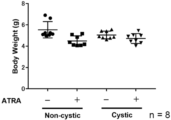
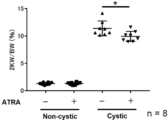
- Non-cystic: Pkd1 flox/- : Ksp-Cre, Cystic: Pkd1 flox/flox : Ksp-Cre (ADPKD model). Ratio of two kidney weights (2KW) to body weight (BW). Data are shown as mean ⁇ s.d. (n 8). One-way ANOVA with Tukey's test was performed, *p ⁇ 0.01. Cross-sectional images of cystic kidneys from P9 Pkd1 flox/flox :Ksp-Cre mice treated with or without ATRA. Scale bar indicates 1 mm.
- Non-cystic Pkd1 flox/ +:Ksp-Cre mice, Cystic: Pkd1 flox/flox :Ksp-Cre mice.
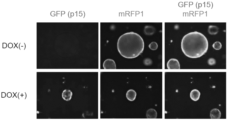
- Immunostaining images of cysts cultured in the absence (top) or presence (bottom) of doxycycline (DOX). Cyst size after addition of doxycycline. Data from three independent experiments are shown as mean ⁇ s.d. (n 3). Student's t-test was performed.
- compositions comprising a retinoic acid receptor (RAR) agonist for the treatment and/or prevention of renal cystic ciliopathies.
- RAR retinoic acid receptor
- Renal cystic ciliopathies refer to ciliopathies associated with renal cysts. Renal cystic ciliopathies include, for example, polycystic kidney disease such as autosomal dominant polycystic kidney disease (ADPKD, also known as “autosomal overt polycystic kidney disease”) and autosomal recessive polycystic kidney disease (ARPKD, also known as “autosomal recessive polycystic kidney disease”), nephronophthisis, Joubert syndrome, Bardet-Biedl syndrome, Meckel-Gruber syndrome, orofacial-digital syndrome type I, Jeune syndrome, Senior-Loken syndrome, and Alström syndrome.
- the renal cystic ciliopathies are, for example, polycystic kidney disease, preferably autosomal dominant polycystic kidney disease (ADPKD).
- the retinoic acid receptor (RAR) agonist is not particularly limited as long as it is a substance that binds to and activates RAR.
- RAR agonists include 4-[(E)-2-(5,6,7,8-tetrahydro-5,5,8,8-tetramethyl-2-naphthalenyl)-1-propenyl]benzoic acid (TTNPB, CAS number: 71441-28-6), all-trans retinoic acid (ATRA, CAS number: 302-79-4), 9-cis retinoic acid (alitretinoin, CAS number: 5300-03-8), 13-cis retinoic acid (isotretinoin, CAS number: 5300-03-8), and 14-cis retinoic acid (isotretinoin, CAS number: 5300-03-8).
- AM80 also known as Tamibarotene, CAS number: 94497-51-5
- AM580 CAS number: 102121-60-8
- AC261066 also known as Tazarotene, CAS number: 118292-40-3
- Tazarotenic acid also known as Tazarotene, CAS number: 118292-40-3
- BMS641 also known as Tazarotene, CAS number: 369364-50-1
- BMS753 CAS number: 215307-86-1
- BMS961 CAS number: 185629-22-5
- CD271 also known as adapalene, CAS number: 106685-40-9
- CD437 CAS number: 125316-60-1
- CD1530 CAS number: 107430-66-0
- CD2314 CAS number: 170355-37-0
- CD5789 also known as trifarotene
- the RAR agonist is at least one selected from the group consisting of TTNPB, ATRA, AM80, AM580, AGN-195183, CD271, CD1530, CD5789, Ch55, etretinate, and fenretinide, as well as pharmaceutical acceptable salts thereof and pharmaceutical acceptable hydrolyzable esters thereof.
- the RAR agonist is at least one selected from the group consisting of AM80, a pharma- ceutically acceptable salt thereof, and a pharma- ceutically acceptable hydrolyzable ester thereof.
- the RAR agonist is at least one selected from the group consisting of TTNPB, a pharma- ceutically acceptable salt thereof, and a pharma- ceutically acceptable hydrolyzable ester thereof. In another embodiment, the RAR agonist is at least one selected from the group consisting of ATRA, a pharma- ceutically acceptable salt thereof, and a pharma- ceutically acceptable hydrolyzable ester thereof.
- a pharma- ceutically acceptable salt is a salt that is not significantly toxic and can be used as a medicine.
- Examples of pharma-ceutically acceptable salts are base addition salts or acid addition salts.
- Examples of base addition salts include alkali metal salts such as sodium salts, potassium salts, and lithium salts; alkaline earth metal salts such as calcium salts and magnesium salts; metal salts such as aluminum salts and iron salts; inorganic salts such as ammonium salts; organic amine salts such as t-octylamine salts, dibenzylamine salts, morpholine salts, glucosamine salts, ethylenediamine salts, N-methylglucamine salts, guanidine salts, diethylamine salts, triethylamine salts, dicyclohexylamine salts, N,N'-dibenzylethylenediamine salts, chloroprocaine salts, procaine salts, diethanolamine salt
- acid addition salts include mineral acid salts such as hydrochlorides, sulfates, and nitrates; and organic acid salts such as methanesulfonates, paratoluenesulfonates, citrates, and oxalates.
- a pharma- ceutically acceptable hydrolyzable ester means an ester that is hydrolyzed in vivo, and includes those that are readily decomposed in the human body to release the parent compound or a salt thereof.
- a pharma-ceutically acceptable hydrolyzable ester may be decomposed by esterases in the body to give an active compound.
- pharma-ceutically acceptable hydrolyzable esters include lower alkyl esters, lower alkenyl esters, lower alkylamino lower alkyl esters, acylamino lower alkyl esters, acyloxy lower alkyl esters, aryl esters, and aryl lower alkyl esters.
- the term "lower” means, for example, 1 to 6 or 1 to 4 carbon atoms.
- hydrolyzable ester groups can also be derived, for example, from pharma- ceutically acceptable aliphatic carboxylic acids, including alkanoic, alkenoic, cycloalkanoic, and alkanedioic acids.
- the alkyl or alkenyl group of the pharma-ceutically acceptable aliphatic carboxylic acids has, for example, 6 or fewer carbon atoms.
- Specific hydrolyzable esters include formates, acetates, phosphates, propionates, butyrates, acrylates, and succinates.
- the present application also provides a pharmaceutical composition comprising a vector expressing the CDKN2B gene for the treatment and/or prevention of renal cystic ciliopathies.
- the vector expressing the CDKN2B gene may be a plasmid vector or a viral vector.
- the plasmid vector used is not particularly limited, and any plasmid vector such as a cloning plasmid vector and an expression plasmid vector can be used.
- the viral vector used includes, but is not limited to, an adenovirus vector, an adeno-associated virus (AAV) vector, a lentivirus vector, a retrovirus vector, and a Sendai virus vector.
- the vector expressing the CDKN2B gene may have a regulatory sequence that regulates the expression of the CDKN2B gene.
- regulatory sequences include a promoter, a terminator, an enhancer, a polyadenylation signal sequence, and a replication origin sequence.
- the regulatory sequence may be arranged in such a way that it can functionally regulate the expression of the vector expressing the CDKN2B gene, and may be arranged based on known methods.
- the pharmaceutical composition of the present application may contain a pharma- ceutically acceptable carrier or additive.
- a pharma- ceutically acceptable carrier or additive examples include isotonicity agents, thickeners, sugars, sugar alcohols, preservatives, bactericides, antibacterial agents, pH regulators, stabilizers, chelating agents, oily bases, gel bases, wetting agents, surfactants, suspending agents, binders, excipients, lubricants, disintegrants, foaming agents, fluidizing agents, dispersants, emulsifiers, buffers, solubilizers, and antioxidants.
- One type of pharma-ceutically acceptable carrier or additive may be used, or two or more types may be mixed together.
- the administration route of the pharmaceutical composition of the present application is not particularly limited and includes oral administration or parenteral administration.
- parenteral administration may be systemic administration or local administration, and examples include intratracheal administration, intravenous administration, intraarterial administration, intraportal administration, intradermal administration, subcutaneous administration, intramuscular administration, intraperitoneal administration, intranasal administration, and oral administration.
- parenteral administration may be systemic administration or local administration, and examples include intratracheal administration, intravenous administration, intraarterial administration, intraportal administration, intradermal administration, subcutaneous administration, intramuscular administration, intraperitoneal administration, intranasal administration, and oral administration.
- the pharmaceutical composition of the present application when the subject is an animal, is administered intraperitoneally or orally.
- the pharmaceutical composition of the present application is administered orally.
- Dosage forms for oral administration include granules, fine granules, powders, coated tablets, tablets, suppositories, powders, capsules, microcapsules, chewable tablets, liquids, suspensions, and emulsions.
- Dosage forms for injection can be any of the general pharmaceutical dosage forms, such as intravenous injections, intracoronary administration, infusions, and formulations for extended release of active substances.
- Dosage forms for injection can be provided in sealed ampoules or vials, or as lyophilized products that require only the addition of a sterile liquid (e.g., water for injection) immediately before use.
- Injectable solutions or suspensions can be prepared from powders, granules, or tablets. These dosage forms are manufactured by formulating them in the usual manner.
- the dosage and frequency of administration of the pharmaceutical composition of the present application can be appropriately determined by a person skilled in the art according to the animal species, health condition, age, body weight, administration route, administration form, etc. of the subject so that an effective amount of the active ingredient is administered to the subject.
- the pharmaceutical composition of the present application can be administered once to several times a day, or once to several times a day or several days or once or several weeks, for example, once every 1 to 4 weeks, but is not limited thereto.
- the effective amount in a given situation can be easily determined by routine experimentation and is within the skill and judgment of an ordinary clinician.
- RAR agonist when the RAR agonist is TTNPB, about 0.001 to about 100 mg/kg body weight, about 0.01 to about 100 mg/kg body weight, about 0.05 to about 10 mg/kg body weight, or about 0.1 to about 5 mg/kg body weight of the RAR agonist can be orally administered.
- RAR agonist when the RAR agonist is ATRA, about 0.1 to about 1000 mg, about 1 to about 1000 mg, about 10 to about 500 mg, about 50 to about 100 mg, or about 60 to 80 mg of the RAR agonist may be orally administered per day.
- the RAR agonist when the RAR agonist is 9-cis retinoic acid, about 0.1 to about 1000 mg, about 1 to about 1000 mg, about 5 to about 100 mg, about 10 to about 50 mg, or about 30 mg of the RAR agonist may be orally administered per day.
- the RAR agonist when the RAR agonist is 13-cis retinoic acid, about 0.001 to about 50 mg/kg body weight, about 0.01 to about 50 mg/kg body weight, about 0.05 to about 10 mg/kg body weight, about 0.1 to about 5 mg/kg body weight, or about 0.5 to about 1 mg/kg body weight of the RAR agonist may be orally administered per day.
- the RAR agonist when the RAR agonist is AM80, about 0.01 to about 100 mg/m 2 , about 0.1 to about 100 mg/m 2 , about 0.5 to about 50 mg/m 2 , about 1 to about 10 mg/m 2 , or about 6 mg/m 2 of the RAR agonist may be orally administered per day.
- the pharmaceutical composition of the present application may be used alone or in combination with one or more additional active ingredients.
- the additional active ingredients are, for example, active ingredients for the treatment and/or prevention of renal cystic ciliopathies.
- the "combination" of ingredients means not only the use of dosage forms containing all the ingredients and the use of combinations of dosage forms containing each ingredient separately, but also the administration of each ingredient simultaneously, sequentially, or with a delay of any of the ingredients, so long as they are used for the treatment and/or prevention of renal cystic ciliopathies.
- Two or more additional active ingredients may be used in combination.
- treatment means reducing or eliminating the cause of a disease, slowing or halting the progression of a disease, reducing, alleviating, ameliorating or eliminating symptoms of the disease, and/or inhibiting the worsening of symptoms in a subject with a disease.
- prevention means preventing the onset of disease in a subject or reducing the likelihood of developing a disease.
- onset of disease includes recurrence.
- a subject is, for example, a subject who is likely to develop a disease but has not yet developed the disease.
- a subject who is likely to develop renal cystic ciliopathies but has not yet developed the disease includes, for example, a subject who has a genetic predisposition to renal cystic ciliopathies.
- Genetic predispositions to renal cystic ciliopathies include, for example, gene mutations in the causative genes of ADPKD (such as PKD1 and PKD2), the causative genes of ARPKD (such as PKHD1), the causative genes of nephronophthisis (such as NPHP1 to NPHP13), the causative genes of Joubert syndrome (such as JBTS1 to JBTS17), the causative genes of Bardet-Biedl syndrome (such as BBS1 to BBS15), the causative genes of Meckel-Gruber syndrome (such as MKS1 to MKS10), the causative genes of orofacial-digital syndrome type I (such as OFD1), the causative genes of Jeune syndrome (such as IFT80), the causative genes of Senior-Loken syndrome (NPHP1, NPHP3 to NPHP6), or the causative genes of Alström syndrome (such as ALMS1).
- ADPKD such as PKD1 and
- Subjects for the treatment and/or prevention of diseases include mammals such as mice, rats, hamsters, guinea pigs, cows, horses, pigs, sheep, monkeys, orangutans, chimpanzees, dogs, cats, and humans, preferably primates, and more preferably humans.
- the present application also provides a method for treating renal cystic ciliopathies, comprising administering the pharmaceutical composition of the present application to a subject in need thereof.
- the present application also provides the use of a RAR agonist for the manufacture of a pharmaceutical composition for treating renal cystic ciliopathies.
- the present application further provides a RAR agonist for use in treating renal cystic ciliopathies. Examples of renal cystic ciliopathies and RAR agonists are as described above.
- the present application also provides a method for preventing renal cystic ciliopathies, comprising administering the pharmaceutical composition of the present application to a subject in need thereof.
- the present application also provides the use of an RAR agonist for the manufacture of a pharmaceutical composition for preventing renal cystic ciliopathies.
- the present application further provides an RAR agonist for use in preventing renal cystic ciliopathies. Examples of renal cystic ciliopathies and RAR agonists are as described above.
- PKD1 knockout induced pluripotent stem (iPS) cells Experiments using human induced pluripotent stem cells were approved by the ethical committee of the Kyoto University Faculty of Medicine and graduate School of Medicine. The 1383D2 line was used as the human iPS cell line.
- PKD1 knockout iPS cells were generated using the previously reported DNA transposon-based CRISPR-Cas9 regulated transcription and nuclear shuttling (CRONUS) system (Ishida K. et al., Sci Rep. 8:310 (2018); Shimizu T. et al., Biochem Biophys Res Commun. 529, 1186-1194 (2020)).
- the CRONUS-Puro vector (pPV-TetO-SphcCas9-GR-iC-A-EF1 ⁇ -rtTA-iP, Addgene ID 100596) and the piggyBac vector for cloning sgRNA (pPV-H1-ccdB-mEF1 ⁇ -RiH, Addgene ID 100598) were transfected sequentially into cells with the piggyBac transposase expression plasmid (pHL-EF1 ⁇ -hcPBase-A, Addgene ID 100599) by lipofection using FuGENE6 (Promega).
- the CRONUS-Puro vector and the piggyBac vector for cloning sgRNA were compatible with puromycin and hygromycin selection, respectively.
- the following sequence was used to clone a gRNA sequence targeting the PKD1 exon 34 splice acceptor site into the pPV-H1-ccdB-mEF1 ⁇ -RiH vector: 5'-GAGACCACTTGGATCC GGGATCAGGTCTTCATCTAG GTTTTAGAGCTAGAAATAGCA-3' (SEQ ID NO: 1, target site underlined).
- RFP + colonies were manually picked by drug selection of transfected cells and treated with doxycycline and dexamethasone to induce genome editing.
- PKD1 knockout iPS cells were induced into ureteric bud organoids as previously described (Mae, SI. & Ryosaka, M. et al. Cell Reports 32, 4, 107943).
- Ureteric bud organoids derived from PKD1 knockout iPS cells were treated with Accutase (Innovative Cell Technologies) at 37°C for 5 min and then dissociated into single cells by pipetting.
- Cells were suspended in DMEM/F12 medium (Gibco) containing B27 supplement (without vitamin A) (Gibco), 3 ⁇ M CHIR99021 (StemRD), 0.1 ⁇ M TTNPB (Santa cruz), 200 ng/ml FGF1 (R&D systems), 100 ng/ml GDNF (R&D systems), 10 ⁇ M Thiazovivin (Santa Cruz Biotechnology), and 1 ⁇ M A83-01 (Wako).
- Single cells were seeded at 1.0x10⁵ cells/well onto one well of a 48-well plate coated with 150 ⁇ L of hydrogel.
- the hydrogel consisted of 50% Matrigel (BD Biosciences) in DMEM/F12 medium and was allowed to solidify for 1 h at 37°C before use.
- Single cells established ureteric bud tip cell colonies after 7 days. Medium was changed every 2–3 days.
- ureteric bud tip cells Hydrogel was dissolved with Cell Recovery Solution (Corning) for 30 min at 4°C to isolate ureteric bud tip cell colonies. After further washing with Cell Recovery Solution for 30 min at 4°C, ureteric bud tip cell colonies were centrifuged at 500g for 5 min at room temperature. Ureteric bud tip cell colonies were treated with Accutase for 5 min at 37°C and then dissociated into single cells by pipetting.
- Cells were suspended in DMEM/F12 medium containing B27 supplement (without vitamin A), 3 ⁇ M CHIR99021, 0.1 ⁇ M TTNPB, 200 ng/ml FGF1, 100 ng/ml GDNF, 10 ⁇ M Thiazovivin, and 1 ⁇ M A83-01. Cells were seeded at 1.0x10⁵ cells/well onto one well of a 48-well plate coated with 150 ⁇ L hydrogel. The hydrogel consisted of 50% Matrigel in DMEM/F12 medium and was allowed to solidify for 1 h at 37°C before use. Ureteric bud tip cell colonies were generated by culturing single cells at 37°C and 5% CO2 for 7 days. The medium was changed every 2–3 days. The generated tip cell colonies were similarly subcultured every 7 days. Tip cell colonies cultured for 4–6 weeks or more were used for the reconstruction of collecting duct organoids as follows.
- the reconstituted hydrogel of collecting duct organoids from ureteric bud tip cells was dissolved with Cell Recovery Solution for 30 min at 4°C to separate ureteric bud tip cell colonies. After further washing with Cell Recovery Solution for 30 min at 4°C, the ureteric bud tip cell colonies were centrifuged at 500g for 5 min at room temperature. The ureteric bud tip cell colonies were treated with Accutase for 5 min at 37°C and then dissociated into single cells by pipetting.
- the cells were suspended in Essential 6 medium (Gibco) containing 3 ⁇ M CHIR99021, 0.1 ⁇ M TTNPB, 200 ng/ml FGF1, 100 ng/ml GDNF, 10 ⁇ M Thiazovivin, and 1 ⁇ M A83-01.
- the cells were seeded at 5.0x10³ cells/well in 96-well low attachment plates (Sumitomo Bakelite).
- the single cells were cultured at 37°C and 5% CO2 for 2 days to generate spheroids.
- Spheroids were suspended in Essential 6 medium containing 10% Afamin/Wnt3a conditioned medium (MBL), 200ng/ml R-spondin 1 (R&D systems), 0.1 ⁇ M LDN193189 (Axon medchem), 200ng/ml FGF1, 200ng/ml FGF8 (Peprotech), 100ng/ml GDNF, 0.1 ⁇ M TTNPB, 50ng/ml EGF (R&D systems), 1 ⁇ M A83-01, and 10% Matrigel, and distributed at 2.5-3mL/dish into 35mm low attachment dishes (Sumitomo Bakelite). The medium was changed every 3-4 days. Artificial collecting duct organoids were generated by culturing the spheroids at 37°C, 5% CO2 for 14-21 days.
- RNA sequencing analysis RNA-seq library preparation, sequencing, mapping and gene expression analysis were performed in DNAFORM. Total RNA quality was assessed by Bioanalyzer (Agilent Technologies) to ensure that the RNA integrity number was 7.0 or higher. After enrichment of poly(A) + RNA by NEBNext Poly(A) mRNA Magnetic Isolation Module (New England BioLabs), double-stranded cDNA libraries (RNA-seq libraries) were prepared using SMARTer Stranded Total RNA Seq Kit v2 Pico Input Mammalian (Clontech) according to the manufacturer's instructions.
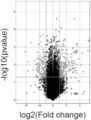
- RNA-seq libraries were sequenced using paired-end reads (50 nt read 1 and 25 nt read 2) on a NextSeq 500 instrument (Illumina). The resulting reads were mapped to the human GRCh38 genome using STAR (version 2.7.2b) or Hisat2 (version 2.1.0). Reads of annotated genes were counted using featureCounts (version 1.6.1). FPKM and TPM values were calculated from the mapped reads by normalizing with the total counts. Differentially expressed genes (DEGs) were detected using the DESeq2 package (version 1.26.0). The list of DEGs detected by DESeq2 was used for GSEA. Heatmaps and volcano plots were generated using the bioinfokit package (version 2.0.1).
- Microarray analysis To comprehensively profile human protein-coding transcripts, microarray analysis was performed using the Human 8x60K LncRNA expression array (ArrayStar) at Filgen. Sample labeling and array hybridization were performed according to the Agilent One-Color Microarray-Based Gene Expression Analysis protocol (Agilent Technology). Data were collected using Agilent's Feature Extraction software. Raw signal intensities were normalized using the quantile normalization method in GeneSpring GX v12.1. Statistically significantly differentially expressed mRNAs between the two groups were extracted by Volcano plot, heatmap generation, and GSEA analysis were performed.
- Pkd1flox/flox:Ksp-cre mice an animal model of ADPKD, progressively develop numerous cysts from birth and die of renal failure at approximately 14 days after birth.
- the mouse strain was maintained as heterozygous Pkd1flox/+: Ksp-Cre, and Pkd1flox/flox: Ksp-cre mice were generated by crossing mice of the same strain.
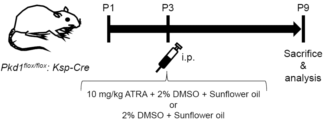
- ATRA treatment On day 3 of life, Pkd1flox/flox: Ksp-cre mice (cystic) and Pkd1flox/+: Ksp-Cre mice (non-cystic) were intraperitoneally administered 10 mg/kg of ATRA (Sigma, #R2625) dissolved in sunflower oil (solvent) containing 2% DMSO. Mice that received only the solvent intraperitoneally served as negative controls. Mice were euthanized on day 9 of life, and kidney tissue and blood samples were collected.
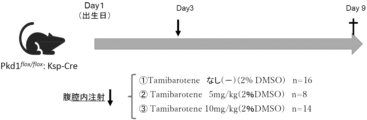
- AM80 treatment On postnatal day 3, Pkd1flox/flox:Ksp-cre mice (cystic) and Pkd1flox/-:Ksp-Cre mice (non-cystic) were intraperitoneally administered AM80 (Tamibarotene; Tocris, #3507) in sunflower oil containing 2% DMSO (vehicle) at 5 or 10 mg/kg. Mice that received vehicle alone were used as negative controls. Mice were euthanized on postnatal day 9, and kidney tissue samples were collected.
- BUN blood urea nitrogen
- HE staining and measurement of cystic index Kidneys were fixed in 4% paraformaldehyde solution and 4 ⁇ m-thick paraffin sections were prepared. After deparaffinization, HE staining was performed and renal tissue was photographed under an optical microscope. Cystic index was calculated by total cyst area/total renal tissue area x 100 using image analysis and measurement software (WinROOF, Mitani Shoji).
- the cysts were collected into a 15 ml tube. 6. The supernatant was removed, and 2 ml of Accutase was added and treated at 37°C for 5 minutes. 7. The cells were dissociated into single cells by pipetting using a P-1000 pipette. 8. After passing through the filter, the cells were counted. 9. After counting the number of cells, the cell suspension containing the required number of cells was transferred to a tube, and 5 ml of FBS-containing medium (STO medium) was added to stop the Accutase reaction. The amount of cell suspension required to seed 5x10 4 cells/well was calculated. 10. Centrifuge (200g, 5 minutes) to prepare a pellet. 11.
- STO medium FBS-containing medium
- DMEM/F12 + B27 w/o VA medium (10% Afamin/Wnt3a CM, 200ng/ml R-Spondin 1, 200ng/ml FGF1, 10 ⁇ M Forskolin, 2.5 ⁇ M AVP, 10 ⁇ M Y27632) was added and suspended. The amount of medium required to seed 5x10⁴ cells/well was calculated. 12. The cell suspension from step 11 was seeded at 5x10 4 cells/well onto a 50% Matrigel plate that had been prepared in advance. The cell suspension was added slowly to prevent the Matrigel from collapsing. 13. Cyst structures were created by culturing at 37°C and 5% CO2 for 2 days. 14.
- DMEM/F12 + B27 w/o VA medium was supplemented with 200 ng/ml FGF1 and 2.5 ⁇ M AVP, and the cells were cultured at 37°C, 5% CO2 for 3 days. 15.
- DMEM/F12 + B27 w/o VA medium was supplemented with 200 ng/ml FGF1 and 2.5 ⁇ M AVP, and the cells were cultured at 37°C, 5% CO2 for 3 days. 15.
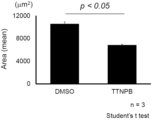
- TTNPB retinoic acid receptor
- RAR retinoic acid receptor
- TTNPB is an analogue of all-trans retinoic acid (ATRA).
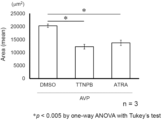
- ATRA treatment also reduced cyst size ( Figure 3).
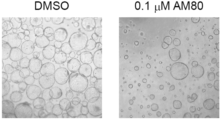
- FIG. 4 shows morphological photographs of cysts cultured in the absence (left panel) or presence (right panel) of 0.1 ⁇ M AM80.
- the morphological photographs in Figure 4 show that AM80 reduces cyst size.
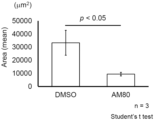
- Figure 5 shows the results of quantifying the size of these cysts. It was shown that AM80 significantly reduced cyst size.
- RAR retinoic acid receptor
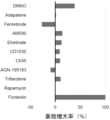
- RAR agonists CD271, fenretinide, AM580, etretinate, CD1530, Ch55, AGN-195183, and CD5789
- the cyst growth rate for RAR agonists (1 ⁇ M) was calculated by setting the cyst growth rate for 10 ⁇ M forskolin as 100% and the cyst growth rate for 0.1 ⁇ M rapamycin as 0% ( Figure 6).
- Eight RAR agonists were found to have an inhibitory effect on cyst growth. From the above, it was found that various RAR agonists have an inhibitory effect on cyst growth.
- MMP1 is secreted in large amounts into the blood of ADPKD patients (Nakamura T. et al., Am J Nephrol. 2000; Ameku T. et al., Sci Rep. 2016); the reduction in the amount of glucose taken up into cells through SLC2A1 reduces energy production by glycolysis and suppresses cyst growth (Rowe I. et al., Nat Med. 2013); Cyst fluid secretion via TR leads to cyst growth (Hanaoka K. & Guggino WB., J Am Soc Nephrol.
- retinoic acid agonists such as TTNPB and ATRA suppress the growth of collecting duct cysts. They also suggest that retinoid signaling is one of the mechanisms by which cyst growth is suppressed.
- ATRA is already used as a therapeutic agent for patients with acute promyelocytic leukemia (APL), so we investigated the efficacy of ATRA in ADPKD model mice from the perspective of drug repositioning.
- APL acute promyelocytic leukemia
- kidney tissue sections were evaluated by hematoxylin-eosin (HE) staining ( Figure 15).
- ATRA treatment suppressed the increase in kidney size and tended to inhibit cyst formation on the cortical side.
- the proportion of the area occupied by cysts in the kidney tissue was significantly reduced by ATRA treatment (Figure 16).
- ADPKD model mice showed elevated BUN (blood urea nitrogen) levels, an indicator of renal failure, and renal failure had occurred.
- BUN blood urea nitrogen
- the BUN levels in mice treated with ATRA were significantly lower than those in control mice treated with solvent ( Figure 17). This result indicates that ATRA treatment inhibited the progression of renal failure.
- CDKN2B overexpression on cyst growth was examined using the following protocol. 1.
- the CDKN2B ORF with a Kozak sequence was introduced into the PB-TAG-ERN vector (addgene, #80476) by Gataway cloning. 2.
- the above vector and a vector containing PBase were introduced into PKD1 homozygous mutant iPS cells by lipofection. 3.
- Drug selection using Neomycin was performed from the second day after induction.
- Single-cell derived colonies were produced from drug-resistant iPS cells by limiting dilution. 5. Six colonies were picked and established to produce renal collecting duct cyst organoids. 6.
- Cysts were dissected from the organoids and seeded on 50% Matrigel to form cyst structures, in the same manner as in the protocol used to examine compounds that suppress cyst growth (step 12). 7. After cyst formation (2 days later), 2 mM doxycycline was added and the cells were cultured for an additional 3 days. 8. After photographing with a fluorescence microscope (Keyence, BZ-X700), the average area of the cysts was calculated.
- FIG. 18 shows immunostained images of cysts cultured in the absence (top) or presence (bottom) of doxycycline.
- Figure 19 shows the results of quantifying the size of these cysts. It was shown that overexpression of CDKN2B by adding doxycycline significantly reduced cyst size. This result suggests that expression of CDKN2B has an inhibitory effect on cyst growth.
- kidney tissue sections were evaluated by hematoxylin-eosin (HE) staining ( Figure 23).
- Treatment with 10 mg/kg AM80 suppressed the increase in kidney size and tended to inhibit cyst formation on the cortical side.
- the proportion of the area occupied by cysts in the kidney tissue was significantly reduced by treatment with 10 mg/kg AM80 (Figure 24).
- AM80 suppresses cyst growth in collecting ducts and distal tubules in an in vivo ADPKD model.
- AM80 has been shown to exert therapeutic effects in both in vitro and in vivo ADPKD models.
Landscapes
- Health & Medical Sciences (AREA)
- Life Sciences & Earth Sciences (AREA)
- Pharmacology & Pharmacy (AREA)
- Veterinary Medicine (AREA)
- Public Health (AREA)
- General Health & Medical Sciences (AREA)
- Chemical & Material Sciences (AREA)
- Animal Behavior & Ethology (AREA)
- Medicinal Chemistry (AREA)
- Epidemiology (AREA)
- Engineering & Computer Science (AREA)
- Bioinformatics & Cheminformatics (AREA)
- Organic Chemistry (AREA)
- Nuclear Medicine, Radiotherapy & Molecular Imaging (AREA)
- General Chemical & Material Sciences (AREA)
- Chemical Kinetics & Catalysis (AREA)
- Urology & Nephrology (AREA)
- Emergency Medicine (AREA)
- Proteomics, Peptides & Aminoacids (AREA)
- Cell Biology (AREA)
- Zoology (AREA)
- Gastroenterology & Hepatology (AREA)
- Immunology (AREA)
- Medicines That Contain Protein Lipid Enzymes And Other Medicines (AREA)
Priority Applications (7)
| Application Number | Priority Date | Filing Date | Title |
|---|---|---|---|
| EP23882723.2A EP4574171A4 (en) | 2022-10-26 | 2023-10-26 | Pharmaceutical composition for the treatment and/or prevention of renal cystic ciliopathy |
| CN202380074587.8A CN120091831A (zh) | 2022-10-26 | 2023-10-26 | 用于治疗和/或预防肾囊性纤毛病的药物组合物 |
| JP2024553135A JP7619587B2 (ja) | 2022-10-26 | 2023-10-26 | 腎嚢胞性繊毛病の治療及び/又は予防のための医薬組成物 |
| AU2023367530A AU2023367530A1 (en) | 2022-10-26 | 2023-10-26 | Pharmaceutical composition for treating and/or preventing renal cystic ciliopathy |
| KR1020257015050A KR20250089512A (ko) | 2022-10-26 | 2023-10-26 | 신장 낭포성 섬모병의 치료 및/또는 예방을 위한 의약 조성물 |
| US19/041,480 US12514834B2 (en) | 2022-10-26 | 2025-01-30 | Pharmaceutical composition for treating and/or preventing renal cystic ciliopathy |
| US19/382,699 US20260053763A1 (en) | 2022-10-26 | 2025-11-07 | Pharmaceutical composition for treating and/or preventing renal cystic ciliopathy |
Applications Claiming Priority (2)
| Application Number | Priority Date | Filing Date | Title |
|---|---|---|---|
| JP2022-171387 | 2022-10-26 | ||
| JP2022171387 | 2022-10-26 |
Related Child Applications (1)
| Application Number | Title | Priority Date | Filing Date |
|---|---|---|---|
| US19/041,480 Continuation US12514834B2 (en) | 2022-10-26 | 2025-01-30 | Pharmaceutical composition for treating and/or preventing renal cystic ciliopathy |
Publications (1)
| Publication Number | Publication Date |
|---|---|
| WO2024090521A1 true WO2024090521A1 (ja) | 2024-05-02 |
Family
ID=90830957
Family Applications (1)
| Application Number | Title | Priority Date | Filing Date |
|---|---|---|---|
| PCT/JP2023/038716 Ceased WO2024090521A1 (ja) | 2022-10-26 | 2023-10-26 | 腎嚢胞性繊毛病の治療及び/又は予防のための医薬組成物 |
Country Status (7)
| Country | Link |
|---|---|
| US (2) | US12514834B2 (https=) |
| EP (1) | EP4574171A4 (https=) |
| JP (1) | JP7619587B2 (https=) |
| KR (1) | KR20250089512A (https=) |
| CN (1) | CN120091831A (https=) |
| AU (1) | AU2023367530A1 (https=) |
| WO (1) | WO2024090521A1 (https=) |
Cited By (1)
| Publication number | Priority date | Publication date | Assignee | Title |
|---|---|---|---|---|
| JP7837529B1 (ja) * | 2024-11-06 | 2026-03-31 | 国立大学法人京都大学 | 常染色体顕性(優性)多発性嚢胞腎治療用医薬組成物 |
Citations (2)
| Publication number | Priority date | Publication date | Assignee | Title |
|---|---|---|---|---|
| WO2021075585A1 (ja) * | 2019-10-17 | 2021-04-22 | 学校法人 杏林学園 | 腎機能障害の治療剤 |
| WO2022210968A1 (ja) * | 2021-03-31 | 2022-10-06 | 国立大学法人京都大学 | 嚢胞構造を有する人工集合管オルガノイド |
Family Cites Families (2)
| Publication number | Priority date | Publication date | Assignee | Title |
|---|---|---|---|---|
| EP3633026A4 (en) | 2017-05-25 | 2021-03-10 | Kyoto University | METHOD FOR INDUCING THE DIFFERENTIATION OF A MESODERMAL INTERMEDIATE CELL TO A KIDNEY PRECURSOR CELL AND METHOD FOR INDUCING THE DIFFERENTIATION OF A PLURIPOTENT STEM CELL FROM A KIDNEY PRECURSOR CELL |
| US20240010989A1 (en) | 2021-01-08 | 2024-01-11 | Kyoto University | Medium for culturing and expanding nephron progenitor cells, method for culturing and expanding nephron progenitor cells, and method for producing renal organoids |
-
2023
- 2023-10-26 JP JP2024553135A patent/JP7619587B2/ja active Active
- 2023-10-26 EP EP23882723.2A patent/EP4574171A4/en active Pending
- 2023-10-26 AU AU2023367530A patent/AU2023367530A1/en active Pending
- 2023-10-26 KR KR1020257015050A patent/KR20250089512A/ko active Pending
- 2023-10-26 WO PCT/JP2023/038716 patent/WO2024090521A1/ja not_active Ceased
- 2023-10-26 CN CN202380074587.8A patent/CN120091831A/zh active Pending
-
2025
- 2025-01-30 US US19/041,480 patent/US12514834B2/en active Active
- 2025-11-07 US US19/382,699 patent/US20260053763A1/en active Pending
Patent Citations (2)
| Publication number | Priority date | Publication date | Assignee | Title |
|---|---|---|---|---|
| WO2021075585A1 (ja) * | 2019-10-17 | 2021-04-22 | 学校法人 杏林学園 | 腎機能障害の治療剤 |
| WO2022210968A1 (ja) * | 2021-03-31 | 2022-10-06 | 国立大学法人京都大学 | 嚢胞構造を有する人工集合管オルガノイド |
Non-Patent Citations (16)
| Title |
|---|
| ALEXANDROS PAPADIMITRIOU: "Collecting duct cells show differential retinoic acid responses to acute versus chronic kidney injury stimuli", SCIENTIFIC REPORTS, NATURE PUBLISHING GROUP, US, vol. 10, no. 1, 1 January 2020 (2020-01-01), US , pages 16683, XP093165535, ISSN: 2045-2322, DOI: 10.1038/s41598-020-73099-9 * |
| AMEKU T ET AL., SCI REP, vol. 6, 2016, pages 30013 |
| CADNAPAPHORNCHAI MA ET AL., CLIN J AM SOC NEPHROL, vol. 9, 2014, pages 889 - 896 |
| HANAOKA KGUGGINO WB., J AM SOC NEPH, vol. 11, 2000, pages 1179 - 1187 |
| ISHIDA K ET AL., SCI REP, vol. 8, no. 110368-33-7, 2018, pages 310 |
| M. RAFIQ ISLAM: "Retinoic acid-dependent activation of the polycystic kidney disease-1 (PKD1) promoter", AMERICAN JOURNAL OF PHYSIOLOGY: RENAL PHYSIOLOGY, AMERICAN PHYSIOLOGICAL SOCIETY, UNITED STATES, vol. 295, no. 6, 1 December 2008 (2008-12-01), United States , pages F1845 - F1854, XP093165538, ISSN: 1931-857X, DOI: 10.1152/ajprenal.90355.2008 * |
| MAE, SIRYOSAKA, M ET AL., CELL REPORTS, vol. 32, 2020, pages 107963 |
| NAKAMURA T ET AL., AM J NEPHROL, vol. 20, 2000, pages 32 - 36 |
| PAOLA ALTIERI: "N-(4-hydroxyphenyl)retinamide inhibitscystogenesis by polycystic epithelial cell lines in vitro", LIFE SCIENCES, vol. 64, no. 22, 23 April 1999 (1999-04-23), pages PL259 - PL265, XP093165533 * |
| QUE THANH THANH NGUYEN: "Synergistic Antiproliferative Effects of All-Trans Retinoic Acid and Paclitaxel on Autosomal Dominant Polycystic Kidney Disease Epithelial Cells", BIOMED RESEARCH INTERNATIONAL, HINDAWI PUBLISHING CORPORATION, vol. 2021, 6 October 2021 (2021-10-06), pages 1 - 12, XP093165528, ISSN: 2314-6133, DOI: 10.1155/2021/1242916 * |
| ROWE I ET AL., NAT MED, vol. 2013, pages 488 - 493 |
| See also references of EP4574171A4 |
| SHIMIZU T ET AL., BIOCHEM BIOPHYS RES COMMUN, vol. 529, 2020, pages 1186 - 1194 |
| SHIN-ICHI MAE: "Human iPSC-derived renal collecting duct organoid model cystogenesis in ADPKD", CELL REPORTS, ELSEVIER INC, US, vol. 42, no. 12, 1 December 2023 (2023-12-01), US , pages 113431, XP093165540, ISSN: 2211-1247, DOI: 10.1016/j.celrep.2023.113431 * |
| TORRES VE ET AL., N ENGL J MED, vol. 367, no. 25, 20 December 2012 (2012-12-20), pages 2407 - 2418 |
| ZAFAR I ET AL., AM J PHYSIOL RENAL PHYSIOL, vol. 293, 2007, pages 854 - 859 |
Cited By (1)
| Publication number | Priority date | Publication date | Assignee | Title |
|---|---|---|---|---|
| JP7837529B1 (ja) * | 2024-11-06 | 2026-03-31 | 国立大学法人京都大学 | 常染色体顕性(優性)多発性嚢胞腎治療用医薬組成物 |
Also Published As
| Publication number | Publication date |
|---|---|
| JPWO2024090521A1 (https=) | 2024-05-02 |
| EP4574171A4 (en) | 2025-12-24 |
| JP7619587B2 (ja) | 2025-01-22 |
| KR20250089512A (ko) | 2025-06-18 |
| US12514834B2 (en) | 2026-01-06 |
| US20260053763A1 (en) | 2026-02-26 |
| CN120091831A (zh) | 2025-06-03 |
| EP4574171A1 (en) | 2025-06-25 |
| US20250170083A1 (en) | 2025-05-29 |
| AU2023367530A1 (en) | 2025-03-27 |
Similar Documents
| Publication | Publication Date | Title |
|---|---|---|
| US20250114406A1 (en) | Methods and compositions relating to chondrisomes from blood products | |
| Thabet et al. | Extracellular vesicles miRNA-21: a potential therapeutic tool in premature ovarian dysfunction | |
| Li et al. | Human umbilical cord mesenchymal stem cell-derived exosomes improve ovarian function in natural aging by inhibiting apoptosis | |
| US20260053763A1 (en) | Pharmaceutical composition for treating and/or preventing renal cystic ciliopathy | |
| JP7163288B2 (ja) | 視細胞変性を伴う網膜変性疾患用薬 | |
| WO2020205989A1 (en) | Small molecule promoting osteoblast differentiation | |
| Liu et al. | HIF-1 contributes to autophagy activation via BNIP3 to facilitate renal fibrosis in hypoxia in vitro and UUO in vivo | |
| US12377092B2 (en) | Polycomb inhibitors and uses thereof | |
| CA3078247A1 (en) | Methods and compositions for treating urea cycle disorders, in particular otc deficiency | |
| Yan et al. | RNA-binding protein QKI inhibits osteogenic differentiation via suppressing Wnt pathway | |
| US20200188402A1 (en) | Compounds and methods for treatment of diamond blackfan anemia | |
| US20120270780A1 (en) | Method and composition for modulating erythropoiesis | |
| US20080188449A1 (en) | Treatment of Conditions Caused By Calcium Abnormalities | |
| US10668039B2 (en) | Methods for treatment of adenoid cystic carcinoma | |
| JP2019089726A (ja) | がん遺伝子産物yap1/taz機能調節剤 | |
| US20240376435A1 (en) | Kidney organoid and method for producing same | |
| Higa et al. | CD105 maintains the thermogenic program of beige adipocytes by regulating Smad2 signaling | |
| WO2020227385A1 (en) | Compounds and methods for treating or preventing fibrosis | |
| CN113827622B (zh) | 奇异变形杆菌外膜囊泡在制备预防或治疗骨溶解性疾病药物中的应用 | |
| Li et al. | RNA-binding protein YBX1 promotes Type H vessels dependent bone formation in an m5C-dependent manner | |
| Alotaiq | Cavin-1-mediated regulation of suppressor of cytokine signalling 3 (SOCS3) function | |
| Choudhary | Modulation of cytokine signaling in optic nerve regeneration in xenopus laevis |
Legal Events
| Date | Code | Title | Description |
|---|---|---|---|
| 121 | Ep: the epo has been informed by wipo that ep was designated in this application |
Ref document number: 23882723 Country of ref document: EP Kind code of ref document: A1 |
|
| WWE | Wipo information: entry into national phase |
Ref document number: 2024553135 Country of ref document: JP |
|
| WWE | Wipo information: entry into national phase |
Ref document number: AU2023367530 Country of ref document: AU |
|
| WWE | Wipo information: entry into national phase |
Ref document number: 2023882723 Country of ref document: EP |
|
| ENP | Entry into the national phase |
Ref document number: 2023882723 Country of ref document: EP Effective date: 20250320 |
|
| ENP | Entry into the national phase |
Ref document number: 2023367530 Country of ref document: AU Date of ref document: 20231026 Kind code of ref document: A |
|
| REG | Reference to national code |
Ref country code: BR Ref legal event code: B01A Ref document number: 112025006379 Country of ref document: BR |
|
| WWE | Wipo information: entry into national phase |
Ref document number: P2025-01188 Country of ref document: AE |
|
| WWE | Wipo information: entry into national phase |
Ref document number: 202380074587.8 Country of ref document: CN |
|
| ENP | Entry into the national phase |
Ref document number: 20257015050 Country of ref document: KR Kind code of ref document: A |
|
| WWE | Wipo information: entry into national phase |
Ref document number: 202547048561 Country of ref document: IN |
|
| NENP | Non-entry into the national phase |
Ref country code: DE |
|
| WWP | Wipo information: published in national office |
Ref document number: 202380074587.8 Country of ref document: CN |
|
| WWP | Wipo information: published in national office |
Ref document number: 202547048561 Country of ref document: IN |
|
| WWP | Wipo information: published in national office |
Ref document number: 1020257015050 Country of ref document: KR |
|
| WWP | Wipo information: published in national office |
Ref document number: 2023882723 Country of ref document: EP |
|
| ENP | Entry into the national phase |
Ref document number: 112025006379 Country of ref document: BR Kind code of ref document: A2 Effective date: 20250331 |