WO2024075851A1 - 核酸構築物およびタンパク複合体の設計方法および製造方法 - Google Patents
核酸構築物およびタンパク複合体の設計方法および製造方法 Download PDFInfo
- Publication number
- WO2024075851A1 WO2024075851A1 PCT/JP2023/036654 JP2023036654W WO2024075851A1 WO 2024075851 A1 WO2024075851 A1 WO 2024075851A1 JP 2023036654 W JP2023036654 W JP 2023036654W WO 2024075851 A1 WO2024075851 A1 WO 2024075851A1
- Authority
- WO
- WIPO (PCT)
- Prior art keywords
- nucleic acid
- acid construct
- disease
- cell epitopes
- protein
- Prior art date
- Legal status (The legal status is an assumption and is not a legal conclusion. Google has not performed a legal analysis and makes no representation as to the accuracy of the status listed.)
- Ceased
Links
Images



Classifications
-
- A—HUMAN NECESSITIES
- A61—MEDICAL OR VETERINARY SCIENCE; HYGIENE
- A61P—SPECIFIC THERAPEUTIC ACTIVITY OF CHEMICAL COMPOUNDS OR MEDICINAL PREPARATIONS
- A61P37/00—Drugs for immunological or allergic disorders
- A61P37/02—Immunomodulators
- A61P37/04—Immunostimulants
-
- A—HUMAN NECESSITIES
- A61—MEDICAL OR VETERINARY SCIENCE; HYGIENE
- A61K—PREPARATIONS FOR MEDICAL, DENTAL OR TOILETRY PURPOSES
- A61K39/00—Medicinal preparations containing antigens or antibodies
- A61K39/0005—Vertebrate antigens
- A61K39/0011—Cancer antigens
- A61K39/001102—Receptors, cell surface antigens or cell surface determinants
- A61K39/001111—Immunoglobulin superfamily
- A61K39/001114—CD74, Ii, MHC class II invariant chain or MHC class II gamma chain
-
- A—HUMAN NECESSITIES
- A61—MEDICAL OR VETERINARY SCIENCE; HYGIENE
- A61K—PREPARATIONS FOR MEDICAL, DENTAL OR TOILETRY PURPOSES
- A61K39/00—Medicinal preparations containing antigens or antibodies
- A61K39/0005—Vertebrate antigens
- A61K39/0011—Cancer antigens
- A61K39/001136—Cytokines
- A61K39/00114—Interleukins [IL]
-
- C—CHEMISTRY; METALLURGY
- C07—ORGANIC CHEMISTRY
- C07K—PEPTIDES
- C07K14/00—Peptides having more than 20 amino acids; Gastrins; Somatostatins; Melanotropins; Derivatives thereof
- C07K14/435—Peptides having more than 20 amino acids; Gastrins; Somatostatins; Melanotropins; Derivatives thereof from animals; from humans
- C07K14/52—Cytokines; Lymphokines; Interferons
- C07K14/54—Interleukins [IL]
-
- C—CHEMISTRY; METALLURGY
- C07—ORGANIC CHEMISTRY
- C07K—PEPTIDES
- C07K16/00—Immunoglobulins [IG], e.g. monoclonal or polyclonal antibodies
-
- C—CHEMISTRY; METALLURGY
- C07—ORGANIC CHEMISTRY
- C07K—PEPTIDES
- C07K16/00—Immunoglobulins [IG], e.g. monoclonal or polyclonal antibodies
- C07K16/08—Immunoglobulins [IG], e.g. monoclonal or polyclonal antibodies against material from viruses
- C07K16/10—RNA viruses
- C07K16/102—Coronaviridae (F)
- C07K16/104—Severe acute respiratory syndrome coronavirus 2 [SARS‐CoV‐2]
-
- C—CHEMISTRY; METALLURGY
- C07—ORGANIC CHEMISTRY
- C07K—PEPTIDES
- C07K16/00—Immunoglobulins [IG], e.g. monoclonal or polyclonal antibodies
- C07K16/18—Immunoglobulins [IG], e.g. monoclonal or polyclonal antibodies against material from animals or humans
- C07K16/24—Immunoglobulins [IG], e.g. monoclonal or polyclonal antibodies against material from animals or humans against cytokines, lymphokines or interferons
- C07K16/244—Interleukins [IL]
-
- C—CHEMISTRY; METALLURGY
- C12—BIOCHEMISTRY; BEER; SPIRITS; WINE; VINEGAR; MICROBIOLOGY; ENZYMOLOGY; MUTATION OR GENETIC ENGINEERING
- C12N—MICROORGANISMS OR ENZYMES; COMPOSITIONS THEREOF; PROPAGATING, PRESERVING, OR MAINTAINING MICROORGANISMS; MUTATION OR GENETIC ENGINEERING; CULTURE MEDIA
- C12N15/00—Mutation or genetic engineering; DNA or RNA concerning genetic engineering, vectors, e.g. plasmids, or their isolation, preparation or purification; Use of hosts therefor
- C12N15/09—Recombinant DNA-technology
- C12N15/63—Introduction of foreign genetic material using vectors; Vectors; Use of hosts therefor; Regulation of expression
- C12N15/79—Vectors or expression systems specially adapted for eukaryotic hosts
- C12N15/85—Vectors or expression systems specially adapted for eukaryotic hosts for animal cells
-
- A—HUMAN NECESSITIES
- A61—MEDICAL OR VETERINARY SCIENCE; HYGIENE
- A61K—PREPARATIONS FOR MEDICAL, DENTAL OR TOILETRY PURPOSES
- A61K39/00—Medicinal preparations containing antigens or antibodies
- A61K2039/51—Medicinal preparations containing antigens or antibodies comprising whole cells, viruses or DNA/RNA
- A61K2039/53—DNA (RNA) vaccination
-
- A—HUMAN NECESSITIES
- A61—MEDICAL OR VETERINARY SCIENCE; HYGIENE
- A61K—PREPARATIONS FOR MEDICAL, DENTAL OR TOILETRY PURPOSES
- A61K39/00—Medicinal preparations containing antigens or antibodies
- A61K2039/54—Medicinal preparations containing antigens or antibodies characterised by the route of administration
-
- A—HUMAN NECESSITIES
- A61—MEDICAL OR VETERINARY SCIENCE; HYGIENE
- A61K—PREPARATIONS FOR MEDICAL, DENTAL OR TOILETRY PURPOSES
- A61K39/00—Medicinal preparations containing antigens or antibodies
- A61K2039/545—Medicinal preparations containing antigens or antibodies characterised by the dose, timing or administration schedule
-
- A—HUMAN NECESSITIES
- A61—MEDICAL OR VETERINARY SCIENCE; HYGIENE
- A61K—PREPARATIONS FOR MEDICAL, DENTAL OR TOILETRY PURPOSES
- A61K39/00—Medicinal preparations containing antigens or antibodies
- A61K2039/57—Medicinal preparations containing antigens or antibodies characterised by the type of response, e.g. Th1, Th2
-
- A—HUMAN NECESSITIES
- A61—MEDICAL OR VETERINARY SCIENCE; HYGIENE
- A61K—PREPARATIONS FOR MEDICAL, DENTAL OR TOILETRY PURPOSES
- A61K39/00—Medicinal preparations containing antigens or antibodies
- A61K2039/57—Medicinal preparations containing antigens or antibodies characterised by the type of response, e.g. Th1, Th2
- A61K2039/575—Medicinal preparations containing antigens or antibodies characterised by the type of response, e.g. Th1, Th2 humoral response
-
- A—HUMAN NECESSITIES
- A61—MEDICAL OR VETERINARY SCIENCE; HYGIENE
- A61K—PREPARATIONS FOR MEDICAL, DENTAL OR TOILETRY PURPOSES
- A61K39/00—Medicinal preparations containing antigens or antibodies
- A61K2039/70—Multivalent vaccine
-
- C—CHEMISTRY; METALLURGY
- C07—ORGANIC CHEMISTRY
- C07K—PEPTIDES
- C07K2317/00—Immunoglobulins specific features
- C07K2317/10—Immunoglobulins specific features characterized by their source of isolation or production
-
- C—CHEMISTRY; METALLURGY
- C07—ORGANIC CHEMISTRY
- C07K—PEPTIDES
- C07K2317/00—Immunoglobulins specific features
- C07K2317/30—Immunoglobulins specific features characterized by aspects of specificity or valency
- C07K2317/34—Identification of a linear epitope shorter than 20 amino acid residues or of a conformational epitope defined by amino acid residues
Definitions
- the present invention relates to a nucleic acid construct and a method for designing and producing the same.
- Non-Patent Documents 1, 2, 3, and 4 Non-Patent Documents 1, 2, 3, and 4).
- the present invention aims to provide a novel nucleic acid construct that induces antibody production, as well as methods for designing and producing the same.
- the present inventors have found that antibody production can be induced by a nucleic acid construct comprising a polynucleotide encoding two or more T cell epitopes and a polynucleotide encoding one or more B cell epitopes of the target protein.
- the present inventors have also found that the nucleic acid construct is effective as a vaccine when administered to animals.
- the present invention is based on these findings.
- a nucleic acid construct that induces antibody production against a target protein comprising a polynucleotide encoding two or more T cell epitopes and a polynucleotide encoding one or more B cell epitopes of the target protein.
- the target protein is IL-17A and/or IL-23.
- autoimmune disease is one or more autoimmune diseases selected from the group consisting of psoriasis, rheumatoid arthritis, systemic lupus erythematosus, Graves' disease, chronic thyroiditis, type I diabetes, vasculitis, Addison's disease, polymyositis, Sjogren's syndrome, systemic sclerosis and glomerulonephritis.
- [7] The nucleic acid construct according to [5] above, wherein the allergic disease is one or more allergic diseases selected from the group consisting of atopic dermatitis, bronchial asthma, allergic rhinitis, hay fever, food allergy and allergic conjunctivitis.
- a preventive or therapeutic agent for a disease comprising as an active ingredient the nucleic acid construct according to any one of [1] to [8] above.
- the preventive or therapeutic agent according to the above-mentioned [9] wherein the disease is an autoimmune disease or an allergic disease.
- the preventive agent according to [9] or [10] above which is a pan-HLA compatible vaccine.
- a method for producing a preventive or therapeutic agent for a disease comprising a step of using, as an active ingredient, a nucleic acid construct that induces antibody production against a target protein, wherein the nucleic acid construct comprises polynucleotides encoding two or more types of T cell epitopes and polynucleotides encoding one or more types of B cell epitopes of the target protein.
- the disease is an autoimmune disease or an allergic disease.
- a method for designing a nucleic acid construct or protein complex that induces antibody production against a target protein comprising a step of combining two or more T cell epitopes with one or more B cell epitopes of the target protein.
- a method for producing a preventive or therapeutic agent for a disease comprising: (P) carrying out the design method of claim 14 to design a nucleic acid construct or a protein complex that induces antibody production against a target protein; and (Q) preparing the nucleic acid construct or protein complex designed in step (P).
- a method for designing a nucleic acid construct or protein complex that induces antibody production against a target protein comprising a step of combining two or more T cell epitopes with one or more B cell epitopes of the target protein.
- the target protein is a protein that causes a disease or a protein that is produced due to a disease.
- the disease is one or more diseases selected from the group consisting of autoimmune diseases, allergic diseases, cancer, neurodegenerative diseases, infectious diseases and autoinflammatory diseases.
- the autoimmune disease is one or more autoimmune diseases selected from the group consisting of psoriasis, rheumatoid arthritis, systemic lupus erythematosus, Graves' disease, chronic thyroiditis, type I diabetes, vasculitis, Addison's disease, polymyositis, Sjogren's syndrome, systemic sclerosis and glomerulonephritis.
- the allergic disease is one or more allergic diseases selected from the group consisting of atopic dermatitis, bronchial asthma, allergic rhinitis, hay fever, food allergy and allergic conjunctivitis.
- the cancer is one or more types of cancer selected from the group consisting of skin cancer, colon cancer, breast cancer, gastric cancer, leukemia, malignant lymphoma and multiple myeloma.
- the neurodegenerative disease is Alzheimer's disease.
- the infectious disease is one or more infectious diseases selected from the group consisting of Zika fever, SARS-CoV-2 infection, and influenza infection.
- the autoinflammatory disease is one or more autoinflammatory diseases selected from the group consisting of familial Mediterranean fever, cryopyrin-associated periodic fever syndrome, TNF receptor-associated periodic fever syndrome, mevalonate kinase deficiency, Blau syndrome, periodic fever, aphthous stomatitis, pharyngitis and cervical lymphadenitis syndrome.
- the disease is one or more diseases selected from the group consisting of multiple sclerosis, neuromyelitis optica, myasthenia gravis, pemphigus and autoimmune hemolytic anemia.
- the target protein is one or more proteins selected from the group consisting of IL-17A, IL-23, IL-1 ⁇ , IL-13, IL-13R, IL-4R ⁇ , TNF- ⁇ , IL-6, IL-6R, IgE, IL-5, IL-5R ⁇ , FcRn, PD-1, PD-L1, CTLA-4, HER2, EGFR, CD22, CD20, RANKL, C5, IFN ⁇ , amyloid ⁇ , respiratory syncytial virus antigen protein, Zika virus antigen protein, SARS-CoV-2 virus antigen protein, and influenza virus antigen protein.
- a process comprising the steps of: A method for producing a preventive or therapeutic agent for a disease, comprising: (P) carrying out the design method according to any one of the above-mentioned [101] to [115] to design a nucleic acid construct or a protein complex that induces antibody production against a target protein; and (Q) preparing the nucleic acid construct or protein complex designed in the step (P).
- the present invention is advantageous in that it is possible to strongly induce antibodies against a target protein in the body of a subject, and therefore is not only capable of inducing antibody production against foreign antigens such as bacteria and viruses, but also against proteins produced in the subject's own body (autoproteins) (for example, inflammatory cytokines produced in the body of a subject suffering from an autoimmune disease, etc.).
- autoproteins proteins produced in the subject's own body (autoproteins) (for example, inflammatory cytokines produced in the body of a subject suffering from an autoimmune disease, etc.).
- FIG. 1-1 shows specific examples of amino acid sequences of human T cell epitopes.
- FIG. 1-2 shows specific examples of amino acid sequences of human T cell epitopes.
- 1-3 show specific examples of amino acid sequences of human T cell epitopes.
- Figure 2A shows an image of the structure of the nucleic acid construct (mRNA vaccine) of the present invention.
- Figure 2B shows a schematic diagram of the nucleic acid construct prepared in Example (Example 3).
- T-86 to T88 correspond to the base sequences encoding the T cell epitopes shown in SEQ ID NOs: 86 to 88, respectively
- B89 to 94 correspond to the base sequences encoding the B cell epitopes shown in SEQ ID NOs: 89 to 94, respectively.
- 3 shows the antibody titers (absorbance at a wavelength of 450 nm) of antibodies against IL-17A and IL-23, the production of which was induced by a nucleic acid construct encoding a T cell epitope. Error bars indicate standard deviation.
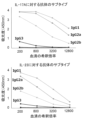
- 4 shows the antibody titers (absorbance at a wavelength of 450 nm) of subclass antibodies against IL-17A and IL-23, the production of which was induced by a nucleic acid construct encoding a T cell epitope. Note that IgG1, IgG2a, IgG2b, and IgG3 all show the antibody titers of the administration group.
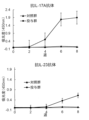
- FIG. 5 shows the antibody titers (absorbance at a wavelength of 450 nm) of antibodies against IL-17A and IL-23, the production of which was induced by a nucleic acid construct encoding a T cell epitope. Error bars indicate standard deviation.
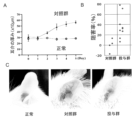
- Figure 6A shows the change in ear thickness of the control group and normal mice after IMQ application.
- Figure 6B shows the inhibition rate of ear thickness increase 5 days after IMQ application in the control group and the treatment group.
- Figure 6C shows representative photographs of the ears of psoriasis model mice (control group and treatment group) and normal mice 6 days after IMQ application, respectively.
- Figure 7A shows the change in ear thickness of the control group and normal mice after IMQ application.
- Figure 7B shows the inhibition rate of ear thickness increase 6 days after IMQ application in the control group and the treatment group.
- Figure 7C shows representative photographs of the ears of psoriasis model mice (control group and treatment group) and normal mice 6 days after IMQ application, respectively.
- the present invention provides a nucleic acid construct that induces antibody production against a target protein, and is characterized in that it comprises a polynucleotide encoding two or more T cell epitopes and a polynucleotide encoding one or more B cell epitopes of the target protein.
- T cell epitope refers to a peptide that binds to an MHC class II molecule of the major histocompatibility complex (MHC) to form a complex, which is displayed on antigen-presenting cells (e.g., B cells, dendritic cells, macrophages) and is specifically recognized by the T cell receptor (TCR) of CD4-positive T cells.
- MHC major histocompatibility complex
- TCR T cell receptor
- any type of T cell epitope can be selected as the two or more types of T cell epitopes as long as it binds to the target MHC class II molecule.
- the target protein i.e., strongly activating CD4-positive T cells
- T cell epitopes with high binding ability to MHC class II molecules can be selected using a known MHC binding prediction tool and the predicted binding score for MHC class II as an indicator.
- MHC binding prediction tools include the Immune Epitope Database Analysis Resource (IEDB Analysis Resource, http://tools.iedb.org/main/), MHCBN (http://crdd.osdd.net/raghava/mhcbn/), NetMHCII (https://services.healthtech.dtu.dk/service.php?NetMHCII-2.3), SYFPEITHI (http://www.syfpeithi.de/0-Home.htm), ANTIJEN (http://www.ddg-pharmfac.net/antijen/AntiJen/antijenhomepage.htm), IMGT/3Dstructure-DB (https://www.imgt.org/IMGTindex/IMGT3Dstructure-db.php), and SEDB (http://sedb.
- MHC refers to human leukocyte antigens (HLA)
- HLA class II molecules include HLA-DR, HLA-DQ, and HLA-DP.
- HLA-DR, HLA-DQ, and HLA-DP are all composed of an ⁇ chain and a ⁇ chain, and examples of the ⁇ chain include HLA-DRA, HLA-DQA, and HLA-DPA, and examples of the ⁇ chain include HLA-DRB, HLA-DQB, and HLA-DPB.
- HLA-DR includes, for example, HLA-DR1, HLA-DR2, HLA-DR3, HLA-DR4, HLA-DR5, HLA-DR6, HLA-DR7, HLA-DR8, HLA-DR9, HLA-DR10, HLA-DR11, HLA-DR12, HLA-DR13, HLA-DR14, HLA-DR15, HLA-DR52, and HLA-DR53.
- HLA-DQ includes, for example, HLA-DQ1, HLA-DQ2, HLA-DQ3, HLA-DQ4, HLA-DQ5, HLA-DQ6, HLA-DQ7, and HLA-DQ8.
- HLA-DP includes, for example, HLA-DP1, HLA-DP2, HLA-DP3, HLA-DP4, and HLA-DP5.
- examples of HLA to which T cell epitopes bind include, for example, HLA-DR, in the case of Japanese subjects, alleles such as HLA-DRA1 * 01 as the ⁇ chain and alleles such as DRB1 * 01:01, DRB1 * 04:03, DRB1 * 04:05, DRB1 * 04:06, DRB1 * 08:02, DRB1 *08:03, DRB1*09:01, DRB1*12:01, DRB1*13:02, DRB1*14:54, DRB1*15:01, DRB1*15:02 and DRB1* 11 : 01 as the ⁇ chain , and alleles such as HLA-DRA1 * as the ⁇ chain in the case of Westerners.
- alleles such as DRB1 * 07:01, DRB1 * 03:01, DRB1 * 04:01 and DRB1 * 15:01 are included.
- T cell epitopes include, but are not limited to, those shown in Figure 1-1 (SEQ ID NOs: 1 to 31), Figure 1-2 (SEQ ID NOs: 32 to 64), and Figure 1-3 (SEQ ID NOs: 65 to 82). That is, in the present invention, two or more T cell epitopes can be composed of amino acid sequences selected from the group consisting of amino acid sequences shown in SEQ ID NOs: 1 to 82. In the present invention, the T cell epitope can also be composed of an amino acid sequence selected from the group consisting of amino acid sequences shown in SEQ ID NOs: 1 to 64 or an amino acid sequence selected from the group consisting of amino acid sequences shown in SEQ ID NOs: 65 to 82.
- a T cell epitope can consist of an amino acid sequence that is substantially identical to an amino acid sequence selected from the amino acid sequences shown in SEQ ID NOs: 1 to 82 (or the amino acid sequences shown in SEQ ID NOs: 1 to 64 or SEQ ID NOs: 65 to 82).
- a "T cell epitope consisting of substantially the same amino acid sequence” refers to a T cell epitope consisting of a specific amino acid sequence that has one or more modifications and has the ability to bind to an MHC class II molecule (HLA class II molecule).
- examples of T cell epitopes consisting of substantially identical amino acid sequences include those having one or more modifications selected from the group consisting of deletion, substitution, insertion, and addition in an amino acid sequence selected from the amino acid sequences shown in SEQ ID NOs: 1 to 82 (or the amino acid sequences shown in SEQ ID NOs: 1 to 64 or SEQ ID NOs: 65 to 82), and having the ability to bind to MHC class II molecules (HLA class II molecules).
- the number of amino acids to be modified is, for example, 1 to 4 or 1 to 3, and particularly preferably 2 or 1.
- the number of amino acids to be modified can also be the number of mutations that occur by known methods such as site-directed mutagenesis, or the number of mutations that occur naturally.
- the modifications may occur consecutively or discontinuously.
- the modifications may also be multiple homogeneous modifications (e.g., multiple substitutions) or multiple heterogeneous modifications (e.g., a combination of one or more deletions and one or more substitutions).
- the amino acid modification may be a conservative modification.
- Constant modification means modifying one or more amino acids so as not to substantially modify the function of the protein.
- the amino acid substitution may also be a conservative substitution.
- Consservative substitution means replacing one or more amino acids with another amino acid and/or amino acid derivative so as not to substantially modify the function of the protein.
- the substituted amino acid and the substituted amino acid are similar in nature and/or function, for example.
- the chemical properties such as hydrophobicity and hydrophilicity index, polarity, charge, or physical properties such as secondary structure are similar. In this way, amino acids or amino acid derivatives having similar properties and/or functions are known in the art.
- nonpolar amino acids include alanine, valine, isoleucine, leucine, proline, tryptophan, phenylalanine, methionine, etc.
- Polar amino acids neutral amino acids
- neutral amino acids include glycine, serine, threonine, tyrosine, glutamine, asparagine, cysteine, etc.
- positively charged amino acids basic amino acids
- negatively charged amino acids acidic amino acids
- examples of T cell epitopes consisting of substantially identical amino acid sequences include those that have a sequence identity of 80% or more (preferably 81% or more, 82% or more, 83% or more, 84% or more, 85% or more, 86% or more, 87% or more, 88% or more, 89% or more, more preferably 90% or more, 91% or more, 92% or more, 93% or more, 94% or more, even more preferably 95% or more, 96% or more, 97% or more, 98% or more, or 99% or more) with an amino acid sequence selected from the amino acid sequences shown in SEQ ID NOs: 1 to 82 (or the amino acid sequences shown in SEQ ID NOs: 1 to 64 or SEQ ID NOs: 65 to 82) and have the ability to bind to an MHC class II molecule (HLA class II molecule).
- SEQ ID NOs: 1 to 82 or the amino acid sequences shown in SEQ ID NOs: 1 to 64 or SEQ ID NOs: 65 to 82
- identity refers to the degree of identity when the sequences to be compared are appropriately aligned, for example, and means the occurrence rate (%) of exact amino acid matches between the sequences.
- identity for example, the presence of gaps in the sequences and the properties of the amino acids are taken into account (Wilbur, Natl. Acad. Sci. U.S.A. 80:726-730 (1983)).
- the alignment can be performed, for example, by using any algorithm, and specifically, publicly available homology search software such as BLAST (Basic local alignment search tool) (Altschul et al., J. Mol. Biol.
- FASTA Phrase et al., Methods in Enzymology 183:63-69 (1990)
- Smith-Waterman Methodh. Enzym., 164, 765 (1988)
- identity can be calculated using, for example, a publicly available homology search program such as those described above, for example, the National Center for Biotechnology Information (NCBI) homology algorithm BLAST (https://blast.ncbi.nlm.nih.gov/Blast.cgi) using default parameters.
- NCBI National Center for Biotechnology Information
- the T cell epitopes to be combined in the present invention can be selected from, for example, 2 or more, 3 or more, 4 or more, 5 or more, 6 or more, 7 or more, 8 or more, 9 or more, 10 or more, 11 or more, 12 or more, 13 or more, 14 or more, 15 or more, 16 or more, 17 or more, 18 or more, 19 or more, and 20 or more T cell epitopes.
- the more types of T cell epitopes to be combined the higher the probability that the combination will include T cell epitopes with high binding ability to the target MHC class II molecule.
- the "protein complex” refers to a fusion protein (typically a protein that induces antibody production against a target protein) containing a T cell epitope and a B cell epitope as components, which is produced by translating the nucleic acid construct of the present invention.
- combinations of amino acid sequences of T cell epitopes include combinations of 2 or more, 3 or more, 4 or more, 5 or more, 6 or more, 7 or more, 8 or more, 9 or more, 10 or more, 11 or more, 12 or more, 13 or more, 14 or more, 15 or more, 16 or more, 17 or more, 18 or more, 19 or more, or 20 or more amino acid sequences selected from the group consisting of the amino acid sequences shown in SEQ ID NOs: 1 to 64, or combinations of amino acids substantially identical to those amino acid sequences.
- the above combinations are not limited to, and can be 64 or less, 60 or less, 55 or less, 50 or less, 45 or less, 40 or less, 35 or less, or 30 or less. These lower and upper limits can be combined arbitrarily.
- combinations of amino acid sequences of T cell epitopes include combinations of 2 or more, 3 or more, 4 or more, 5 or more, 6 or more, 7 or more, 8 or more, 9 or more, 10 or more, 11 or more, 12 or more, 13 or more, 14 or more, 15 or more, 16 or more, 17 or more, 18 or more, 19 or more, or 20 or more amino acid sequences selected from the group consisting of the amino acid sequences shown in SEQ ID NOs: 1, 2, 7-9, 13-20, 24-27, 30, 31, 34-37, 42-44, 47-54, 56, 57, and 60-62, or combinations of amino acids substantially identical to those amino acid sequences.
- the above combinations are not limited to, and can be 39 or less, 35 or less, 30 or less, or 25 or less. These lower and upper limits can be combined arbitrarily.
- the T cell epitope may be a combination of amino acid sequences of T cell epitopes that bind to different MHC class II molecules (HLA class II molecules).
- HLA class II molecules MHC class II molecules
- such combinations include at least one, two, three, four or five selected from the group consisting of amino acid sequences shown in SEQ ID NOs: 1 to 7, at least one, two, three, four or five selected from the group consisting of amino acid sequences shown in SEQ ID NOs: 8 to 14, at least one, two or three selected from the group consisting of amino acid sequences shown in SEQ ID NOs: 15 to 18, at least one, two, three, four or five selected from the group consisting of amino acid sequences shown in SEQ ID NOs: 19 to 25, at least one selected from the group consisting of amino acid sequences shown in SEQ ID NOs: 26 or 27, at least one, two or three selected from the group consisting of amino acid sequences shown in SEQ ID NOs: 28 to 31, and at least one selected from the group consisting of amino acid sequences
- the T cell epitope may be a combination of amino acid sequences of T cell epitopes that bind to different MHC class II molecules (HLA class II molecules).
- HLA class II molecules MHC class II molecules
- Specific examples of such combinations include a combination of two or more amino acid sequences selected from the group consisting of at least one selected from the group consisting of amino acid sequences shown in SEQ ID NO: 65 or 66, at least one, two or three selected from the group consisting of amino acid sequences shown in SEQ ID NO: 67 to 70, at least one, two or three selected from the group consisting of amino acid sequences shown in SEQ ID NO: 71 to 75, and at least one, two, three, four or five selected from the group consisting of amino acid sequences shown in SEQ ID NO: 76 to 82.
- a pan-HLA compatible vaccine refers to a vaccine that can be widely applied to subjects, and specifically refers to a vaccine that is configured to recognize two or more different types of HLA class II molecules present in humans.
- the nucleic acid construct or protein complex of the present invention may contain multiple sets of the same type of T cell epitopes, from the viewpoint of increasing the induction of antibodies against the target protein in the subject.
- the nucleic acid construct may be configured to contain multiple repeats of the base sequence encoding the same type of T cell epitope, or may be configured to contain multiple repeats randomly (for example, in the Example (Example 3) below, the nucleic acid construct is configured to contain three repeats of each of the base sequences of SEQ ID NOs: 86 to 88).
- B cell epitope refers to a portion (peptide) of a target protein (antigen) that is recognized by antigen-specific B cells.
- any type of B cell epitope can be selected as the combined B cell epitope, as long as it is recognized by antigen-specific B cells.
- the target protein includes, but is not limited to, a protein that causes a disease and a protein produced due to a disease, including both foreign antigens (bacteria, viruses, etc.) and proteins produced within the body (autoproteins) (such as inflammatory cytokines produced within the body of a subject suffering from an autoimmune disease, etc.).
- a protein that causes a disease refers to a protein that is the source of a disease, including proteins that cause disease or disease onset.
- a protein produced due to a disease refers to a protein that is produced in response to the onset of a disease, and particularly refers to a protein that has the effect of exacerbating or worsening the symptoms of the disease (e.g., an inflammatory protein).
- examples of diseases associated with the target protein include autoimmune diseases, allergic diseases, cancer, neurodegenerative diseases, infectious diseases, and autoinflammatory diseases.
- examples of autoimmune diseases include psoriasis, rheumatoid arthritis, systemic lupus erythematosus, Graves' disease, chronic thyroiditis (Hashimoto's disease), type I diabetes, vasculitis (e.g., antineutrophil cytoplasmic antibody (ANCA)-associated vasculitis), Addison's disease, polymyositis, Sjögren's syndrome, systemic sclerosis, and glomerulonephritis (e.g., IgA nephropathy).
- psoriasis rheumatoid arthritis
- systemic lupus erythematosus Graves' disease
- chronic thyroiditis Heashimoto's disease
- type I diabetes type I diabetes
- vasculitis e.g., antineutrophil cytoplasmic antibody (ANCA)-associated vasculitis
- Addison's disease polymyositis
- Sjögren's syndrome
- cancer includes solid cancers (carcinomas, sarcomas) and blood tumors, such as skin cancer (e.g., malignant melanoma, Merkel cell carcinoma, squamous cell carcinoma), colon cancer (colorectal cancer), breast cancer (including metastatic breast cancer), gastric cancer, leukemia (e.g., acute lymphocytic leukemia, acute myeloid leukemia, chronic lymphocytic leukemia), malignant lymphoma (e.g., Hodgkin's lymphoma, non-Hodgkin's lymphoma), and multiple myeloma.
- skin cancer e.g., malignant melanoma, Merkel cell carcinoma, squamous cell carcinoma
- colon cancer colon cancer
- breast cancer including metastatic breast cancer
- gastric cancer e.g., leukemia (e.g., acute lymphocytic leukemia, acute myeloid leukemia, chronic lymphocytic leukemia), malignant lymphoma (
- allergic diseases include atopic dermatitis, bronchial asthma, allergic rhinitis, hay fever, food allergies, and allergic conjunctivitis.
- an example of a neurodegenerative disease is Alzheimer's disease.
- infectious diseases include Zika fever (Zika virus infection), SARS-CoV-2 infection (so-called novel coronavirus infection), and influenza infection.
- examples of autoinflammatory diseases include familial Mediterranean fever, cryopyrin-associated periodic fever syndrome, TNF receptor-associated periodic fever syndrome, mevalonate kinase deficiency, Blau syndrome, periodic fever, aphthous stomatitis, pharyngitis, and cervical lymphadenitis syndrome.
- diseases other than those mentioned above include rare diseases and intractable diseases, such as multiple sclerosis, neuromyelitis optica, myasthenia gravis, pemphigus, and autoimmune hemolytic anemia.
- target proteins in the present invention include the proteins shown in Table 1.
- the B cell epitopes to be combined in the present invention can be any B cell epitope of one or more target proteins selected according to the purpose. When selecting two or more, for example, two or more, three or more, four or more, five or more, six or more, seven or more, eight or more, or nine or more B cell epitopes can be selected.
- the target protein is a protein that causes a disease and/or a protein produced due to a disease
- the B cell epitope may be selected from the perspective of preventing or treating the disease.
- the combination of T cell epitopes and B cell epitopes can be selected from any type of T cell epitope and B cell epitope, respectively, and can be selected from, for example, the T cell epitopes and B cell epitopes exemplified above.
- the nucleic acid construct or protein complex of the present invention can be designed and produced by known molecular biology methods based on a selected combination of T cell epitopes and B cell epitopes.
- the protein complex can be designed and produced as a fusion protein containing the T cell epitope and the B cell epitope as components.
- the nucleic acid construct of the present invention can be designed and manufactured as a single polynucleotide encoding a protein complex, i.e., a fusion protein containing a T cell epitope and a B cell epitope as components.
- nucleic acid construct of the present invention can be rephrased as a "nucleic acid construct encoding a protein complex that induces antibody production against a target protein.”
- the order of the polynucleotide sequences encoding the T cell epitopes and B cell epitopes, respectively can be appropriately adjusted from the viewpoint of effectively inducing antibody production in the subject's living body, and a sequence that controls expression or a linker sequence can be inserted between each epitope.
- the B cell epitope to be combined with the T cell epitope may be composed of the entire target protein recognized by antigen-specific B cells, or may be composed of a part of the target protein including the antigen portion (e.g., a domain, etc.).
- the nucleic acid construct of the present invention is composed of a polynucleotide, and can be a polynucleotide that encodes two or more T cell epitopes and one or more B cell epitopes of a target protein.
- Polynucleotides include DNA and RNA, as well as modified forms of these and artificial nucleic acids, but from the perspective of using the nucleic acid construct as an active ingredient of a vaccine, RNA is preferred.
- the protein complex of the present invention is configured as a fusion protein containing two or more T cell epitopes and one or more B cell epitopes of the target protein as components, but the protein complex may be modified as long as the T cell epitopes and the B cell epitopes each function as an epitope.
- the nucleic acid construct or protein complex of the present invention can induce the production of antibodies against a target protein.
- antibody production can be induced in the subject's body.
- nucleic acid constructs A nucleic acid construct to be administered to a subject is prepared by known molecular biology methods based on a nucleic acid construct designed by the design method of the present invention.
- the prepared nucleic acid construct is loaded onto a carrier (a lipid membrane such as a liposome) and administered to a subject by a method such as injection.
- a carrier a lipid membrane such as a liposome
- the administered nucleic acid construct is translated in vivo to produce a protein (a fusion protein containing a T cell epitope and a B cell epitope as components).
- the produced fusion protein is recognized by antigen-specific B cells in the subject's body, taken up into the cells, and digested.
- T cell epitopes form complexes with MHC class II molecules and present the complexes on the B cell surface.
- CD4-positive T cells recognize and bind to a complex of a T cell epitope and an MHC class II molecule via the T cell receptor (TCR), and are activated.
- TCR T cell receptor
- Activated CD4 positive T cells undergo clonally proliferation and promote the proliferation and differentiation of B cells.
- the B cells are activated, undergo clonally proliferation, and produce large amounts of the desired antibody.
- a protein complex (a fusion protein containing a T cell epitope and a B cell epitope as components) to be administered to a subject is prepared by known molecular biology methods.
- the prepared protein complex is administered to a subject by a method such as injection.
- the administered protein complex is recognized by antigen-specific B cells in the subject's body, taken up into the cells, and digested.
- T cell epitopes form complexes with MHC class II molecules and present the complexes on the B cell surface.
- CD4-positive T cells recognize and bind to a complex of a T cell epitope and an MHC class II molecule via the T cell receptor (TCR), and are activated.
- TCR T cell receptor
- Activated CD4 positive T cells undergo clonally proliferation and promote the proliferation and differentiation of B cells.
- the B cells are activated, undergo clonally proliferation, and produce large amounts of the desired antibody.
- the nucleic acid construct of the present invention can induce antibody production against a target protein in a subject, and therefore can be used to prevent or treat a disease associated with the target protein, and can reduce the risk of contracting a disease associated with the target protein. That is, the present invention provides a preventive or therapeutic agent for a disease, which contains the nucleic acid construct of the present invention as an active ingredient. The present invention also provides an agent for reducing the risk of contracting a disease, which contains the nucleic acid construct of the present invention as an active ingredient.
- the preventive and therapeutic agents of the present invention can be administered to subjects who have a disease or who may have a disease.
- the risk-reducing agent of the present invention can be administered to subjects who may have a disease.
- the route of administration is not particularly limited as long as it provides a therapeutic or preventive effect for the target disease or a reduction in the risk of contracting the target disease, but for example, parenteral administration can be selected.
- parenteral administration include intravenous administration, intramuscular administration, subcutaneous administration, topical administration, intraperitoneal administration, and intranasal administration.
- an appropriate dosage form can be selected depending on the specific administration form, and examples thereof include injections.
- Parenteral administration can be in the form of an aqueous or non-aqueous isotonic sterile solution or suspension.
- Any formulation can be formulated using a pharmaceutical acceptable carrier by a method commonly used in the art (for example, a known method described in the General Provisions for Preparations of the Japanese Pharmacopoeia, 18th Edition, etc.). That is, according to the present invention, a pharmaceutical composition is provided that contains the nucleic acid construct of the present invention and a pharmaceutical acceptable carrier.
- Examples of pharmaceutical acceptable carriers include excipients, binders, diluents, additives, flavorings, buffers, thickeners, colorants, stabilizers, emulsifiers, dispersants, suspending agents, preservatives, etc.
- the agent of the present invention can be formulated, for example, by using the nucleic acid construct of the present invention in a lipid nanoparticle (LNP), and the lipids constituting the LNP include pH-responsive lipids (DLin-MC3-DMA, DLin-DMA, DLin-KC2-DMA, etc.), PEGylated lipids (PEG-DMG, PEG-DSG, PEG-DPG, etc.), cholesterol, and neutral phospholipids.
- LNP lipid nanoparticle
- the dosage of the nucleic acid construct in the present invention can be determined depending on the subject's sex, age, and weight, symptoms, dosage form, and administration route.
- the dosage for an adult can be determined to be, for example, in the range of 0.01 ⁇ g to 100 mg, but is not limited to this.
- the active ingredient in the above dosage may be administered once a day, or in two to four divided doses.
- the active ingredient in the above dosage may also be administered multiple times, initially once every week, two weeks, three weeks, or four weeks, and then once every month, two months, three months, four months, or one year.
- subjects include humans and non-human animals, and non-human animals are preferably non-human mammals (e.g., mice, rats, cows, pigs, horses, and monkeys).
- non-human mammals e.g., mice, rats, cows, pigs, horses, and monkeys.
- Design method>> there is provided a method for designing a nucleic acid construct or a protein complex. According to the design method of the present invention, it is possible to design a nucleic acid construct or a protein complex that induces antibody production against a target protein.
- the design method of the present invention comprises a step of combining two or more T cell epitopes with one or more B cell epitopes of the target protein.
- the design method of the present invention may include a step (X1) of evaluating the T cell epitope's ability to bind to an MHC class II molecule using an MHC binding prediction tool, and a step (X2) of selecting a T cell epitope with high binding ability to an MHC class II molecule based on the evaluation result of step (X1).
- the above steps (X1) and (X2) may be performed prior to the step of combining two or more T cell epitopes with one or more B cell epitopes of a target protein.
- the design method of the present invention may also include a step of preliminary screening of T cell epitopes prior to the above steps (X1) and (X2). This preliminary screening may be performed using AI (Artificial Intelligence) or a prediction algorithm.
- the design method of the present invention can be carried out according to the description of the nucleic acid construct of the present invention.
- an agent for preventing or treating a disease is characterized by comprising the nucleic acid construct or protein complex of the present invention as an active ingredient.
- the target protein can be a protein that causes a disease or a protein that is produced due to a disease.
- the target protein can also be a protein that is produced in the body itself.
- the prophylactic agent of the present invention can typically be used as a vaccine. That is, the prophylactic agent of the present invention can be administered to a subject to induce antibody production against a target protein in the body of the subject, thereby preventing the onset or onset of a disease, or to reduce the severity of the onset or onset of a disease, if such a disease occurs.
- the prophylactic agent of the present invention include mRNA vaccines, recombinant protein vaccines, and peptide vaccines, with mRNA vaccines being preferred from the standpoint of production costs.
- the therapeutic agent of the present invention can typically be used as an alternative to antibody drugs.
- the therapeutic agent of the present invention can be administered to a subject to induce antibody production against a target protein in the subject's body, thereby treating a disease that the subject suffers from or has developed.
- the method for producing the agent of the present invention comprises the steps of (P) designing a nucleic acid construct or a protein complex that induces antibody production against a target protein, and (Q) preparing the nucleic acid construct or protein complex designed in step (P).
- step (P) The design of the nucleic acid construct or protein complex in step (P) can be carried out according to the description of the design method of the present invention.
- nucleic acid construct or protein complex in step (Q) can be carried out by known methods, including, but not limited to, for example, a nucleic acid construct can be prepared by chemical synthesis or in vitro transcription synthesis of oligonucleotides, and a protein complex can be prepared using an expression vector incorporating the nucleic acid construct.
- the preventive or therapeutic agent and the method for producing the same of the present invention can be carried out in accordance with the description of the nucleic acid construct of the present invention and the design method of the present invention, in addition to the above.
- the present invention provides a method for preventing or treating a disease, comprising administering to a subject in need thereof a therapeutically or prophylactically effective amount of a nucleic acid construct or a composition comprising the same.
- the present invention also provides a method for reducing the risk of contracting a disease, comprising administering to a subject in need thereof an effective amount of a nucleic acid construct or a composition comprising the same.
- the method of the present invention can be carried out in accordance with the description of the nucleic acid construct of the present invention and the preventive or therapeutic agent of the present invention.
- the present invention also provides use of the nucleic acid construct of the present invention for producing an agent for preventing or treating a disease, or as an agent for preventing or treating a disease.
- the present invention also provides use of the nucleic acid construct of the present invention for producing an agent for reducing the risk of contracting a disease, or as an agent for reducing the risk of contracting a disease.
- the method of the present invention can be carried out according to the description of the nucleic acid construct of the present invention and the preventive or therapeutic agent of the present invention.
- Example 1 Design of amino acid sequences of T cell epitopes (1)
- the amino acid sequences of mouse T cell epitopes shown in Table 2 were designed.
- the MHC class II binding ability of the amino acid sequences of the T cell epitopes shown in Table 2 was analyzed using the IEDB analysis resource.
- Example 2 Design of amino acid sequences of T cell epitopes (2)
- amino acid sequences of human T cell epitopes were designed, and the MHC class II binding ability of the T cell epitopes was analyzed using the IEDB analysis resource.
- Example 3 Examination of antibody induction ability by nucleic acid constructs encoding T cell epitopes (1) In Example 3, the ability of the nucleic acid construct containing the polynucleotide encoding the T cell epitope designed in Example 1 to induce antibody production in mice was examined.
- nucleic acid construct containing a base sequence in which each of the base sequences encoding the three types of T cell epitopes shown in Table 8 (with T replaced by ⁇ ) is repeated three times and a base sequence in which each of the base sequences encoding the three types of B cell epitopes of mouse IL-17A shown in Table 9 (with T replaced by ⁇ ) and a nucleic acid construct (IL-23 nucleic acid construct) containing a base sequence in which each of the base sequences encoding the three types of T cell epitopes shown in Table 8 (with T replaced by ⁇ ) is repeated three times and a base sequence in which each of the base sequences encoding the three types of B cell epitopes of mouse IL-23 shown in Table 10 (with T replaced by ⁇ ) were prepared according to a standard method (see also Figures 2A and B for the structure of the nucleic acid construct
- mice were administered 10 ⁇ g of each of the IL-17A nucleic acid construct and IL-23 nucleic acid construct prepared in A above at 2-week intervals. Then, for serum (200-fold diluted) before the start of administration (week 0), and 2, 4, 6, 8, and 10 weeks after the start of administration, the antibody titers specific to mouse IL-17A and mouse IL-23 were measured by ELISA using recombinant native protein of mouse IL-17A or mouse IL-23, respectively. The antibody titer measurement procedure is shown in Table 11.
- Example 4 Examination of antibody induction ability by nucleic acid constructs encoding T cell epitopes (2) In Example 4, the subclasses of antibodies induced to be produced in mice using the nucleic acid constructs containing the polynucleotides encoding the T cell epitopes designed in Example 1 were examined.
- Method A Nucleic acid construct (mRNA vaccine) In the same manner as in Example 3(1)A, an IL-17A nucleic acid construct and an IL-23 nucleic acid construct were prepared as mRNA vaccines.
- mice were administered 10 ⁇ g of each of the IL-17A nucleic acid construct and IL-23 nucleic acid construct prepared in A above at 2-week intervals. Then, for the serum (200-fold dilution, 800-fold dilution, 3200-fold dilution, 12800-fold dilution) 6 weeks after the start of administration, the antibody titers of each subclass antibody (IgG1, IgG2a, IgG2b, IgG3) against mouse IL-17A and mouse IL-23 were measured by ELISA. Table 12 shows the procedure for antibody titer measurement.
- mice (treatment group) administered with the nucleic acid construct (mRNA vaccine) the antibody titers of IgG2a and IgG1, among the antibody subclasses against IL-17A and IL-23, were high 6 weeks after the start of administration.
- mice (control group) not administered with the mRNA vaccine the antibody titers of both subclasses were close to 0.
- the antibodies induced by the nucleic acid construct (mRNA vaccine) containing the polynucleotide encoding the T cell epitope designed in Example 1 were both IgG2a induced by a Th1-type immune response and IgG1 induced by a Th2-type immune response.
- Example 5 Examination of antibody induction ability by nucleic acid constructs encoding T cell epitopes (3)
- a nucleic acid construct containing a polynucleotide encoding the T cell epitope designed in Example 1 was used to examine its ability to induce antibody production in C57BL/6 mice (H2-IA b ) that have a different MHC class II from the Balb/c mice (H2-IE d , H2-IA d ) used in Example 3.
- mice (treatment group) administered with the nucleic acid construct (mRNA vaccine) an increase in antibody titers against IL-17A and IL-23 was observed after the start of administration.
- mice (control group) not administered with the mRNA vaccine no increase in antibody titers against IL-17A and IL-23 was observed even after the start of administration.
- Example 6 Examination of efficacy of antibodies induced by nucleic acid constructs encoding T cell epitopes
- the efficacy of antibodies induced and produced by the nucleic acid constructs (mRNA vaccines) containing the polynucleotides encoding the T cell epitopes designed in Example 1 was examined.
- mice (without antibody administration) were given 10 mg of imiquimod (IMQ) 5% cream (Versena Cream 5%, Mochida Pharmaceutical Co., Ltd.) on the front and back of the ears for 5 consecutive days to induce psoriasis (control group), and Balb/c mice were given 0.15 mL of the plasma prepared in the above C. intraperitoneally, and immediately after administration, 10 mg of IMQ 5% cream was given on the front and back of the ears for 5 consecutive days to induce psoriasis (administration group), and the changes in ear thickness were compared between the mice. The thickness of both ears was measured daily using a digital thickness gauge (Ozaki Seisakusho).
- Example 7 Examination of the efficacy of a nucleic acid construct (mRNA vaccine) encoding a T cell epitope
- mRNA vaccine nucleic acid construct containing a polynucleotide encoding a T cell epitope designed in Example 1 was examined.
- mice were administered 10 ⁇ g of each of the IL-17A nucleic acid construct and IL-23 nucleic acid construct prepared in A above twice at 2-week intervals.
- 5 mg of IMQ 5% cream was applied to the front of the ear for six consecutive days to induce psoriasis in mice (administration group) and Balb/c mice (without administration of mRNA vaccine) in which psoriasis was similarly induced (control group) to compare changes in ear thickness.
- the thickness of both ears was measured daily using a digital thickness gauge (Ozaki Seisakusho).
Landscapes
- Health & Medical Sciences (AREA)
- Chemical & Material Sciences (AREA)
- Life Sciences & Earth Sciences (AREA)
- Organic Chemistry (AREA)
- General Health & Medical Sciences (AREA)
- Immunology (AREA)
- Genetics & Genomics (AREA)
- Medicinal Chemistry (AREA)
- Biophysics (AREA)
- Biochemistry (AREA)
- Molecular Biology (AREA)
- Proteomics, Peptides & Aminoacids (AREA)
- Engineering & Computer Science (AREA)
- Animal Behavior & Ethology (AREA)
- Veterinary Medicine (AREA)
- Bioinformatics & Cheminformatics (AREA)
- Pharmacology & Pharmacy (AREA)
- Microbiology (AREA)
- Zoology (AREA)
- Public Health (AREA)
- Virology (AREA)
- Biotechnology (AREA)
- Wood Science & Technology (AREA)
- Oncology (AREA)
- Mycology (AREA)
- General Engineering & Computer Science (AREA)
- Epidemiology (AREA)
- Biomedical Technology (AREA)
- Physics & Mathematics (AREA)
- Cell Biology (AREA)
- Plant Pathology (AREA)
- Gastroenterology & Hepatology (AREA)
- Toxicology (AREA)
- Chemical Kinetics & Catalysis (AREA)
- General Chemical & Material Sciences (AREA)
- Nuclear Medicine, Radiotherapy & Molecular Imaging (AREA)
- Medicines Containing Antibodies Or Antigens For Use As Internal Diagnostic Agents (AREA)
- Peptides Or Proteins (AREA)
- Medicines That Contain Protein Lipid Enzymes And Other Medicines (AREA)
Priority Applications (4)
| Application Number | Priority Date | Filing Date | Title |
|---|---|---|---|
| JP2024555877A JPWO2024075851A1 (https=) | 2022-10-07 | 2023-10-06 | |
| CN202380071056.3A CN120019151A (zh) | 2022-10-07 | 2023-10-06 | 核酸构建物及蛋白复合体的设计方法及制造方法 |
| AU2023357899A AU2023357899A1 (en) | 2022-10-07 | 2023-10-06 | Design method and production method for nucleic acid construct and protein complex |
| EP23874976.6A EP4600361A1 (en) | 2022-10-07 | 2023-10-06 | Design method and production method for nucleic acid construct and protein complex |
Applications Claiming Priority (2)
| Application Number | Priority Date | Filing Date | Title |
|---|---|---|---|
| JP2022162824 | 2022-10-07 | ||
| JP2022-162824 | 2022-10-07 |
Publications (1)
| Publication Number | Publication Date |
|---|---|
| WO2024075851A1 true WO2024075851A1 (ja) | 2024-04-11 |
Family
ID=90608080
Family Applications (1)
| Application Number | Title | Priority Date | Filing Date |
|---|---|---|---|
| PCT/JP2023/036654 Ceased WO2024075851A1 (ja) | 2022-10-07 | 2023-10-06 | 核酸構築物およびタンパク複合体の設計方法および製造方法 |
Country Status (5)
| Country | Link |
|---|---|
| EP (1) | EP4600361A1 (https=) |
| JP (1) | JPWO2024075851A1 (https=) |
| CN (1) | CN120019151A (https=) |
| AU (1) | AU2023357899A1 (https=) |
| WO (1) | WO2024075851A1 (https=) |
Citations (2)
| Publication number | Priority date | Publication date | Assignee | Title |
|---|---|---|---|---|
| JP2020506189A (ja) * | 2017-02-01 | 2020-02-27 | モデルナティーエックス, インコーポレイテッド | Rna癌ワクチン |
| JP2022162824A (ja) | 2021-04-13 | 2022-10-25 | 株式会社日立製作所 | 行動制御計画装置、行動制御計画方法及び行動制御計画システム |
-
2023
- 2023-10-06 CN CN202380071056.3A patent/CN120019151A/zh active Pending
- 2023-10-06 WO PCT/JP2023/036654 patent/WO2024075851A1/ja not_active Ceased
- 2023-10-06 JP JP2024555877A patent/JPWO2024075851A1/ja active Pending
- 2023-10-06 AU AU2023357899A patent/AU2023357899A1/en active Pending
- 2023-10-06 EP EP23874976.6A patent/EP4600361A1/en active Pending
Patent Citations (2)
| Publication number | Priority date | Publication date | Assignee | Title |
|---|---|---|---|---|
| JP2020506189A (ja) * | 2017-02-01 | 2020-02-27 | モデルナティーエックス, インコーポレイテッド | Rna癌ワクチン |
| JP2022162824A (ja) | 2021-04-13 | 2022-10-25 | 株式会社日立製作所 | 行動制御計画装置、行動制御計画方法及び行動制御計画システム |
Non-Patent Citations (11)
| Title |
|---|
| ADA G., N ENGL J MED, vol. 345, no. 14, 2001, pages 1042 - 53 |
| ADA GL., LANCET, vol. 335, no. 8688, 1990, pages 523 - 6 |
| ALTSCHUL ET AL., J. MOL. BIOL., vol. 215, 1990, pages 403 - 410 |
| ANDERSON RM ET AL., LANCET, vol. 350, no. 9089, 1997, pages 1466 - 70 |
| C A JANEWAY JR., IMMUNOL TODAY, vol. 13, no. 1, 1992, pages 11 - 6 |
| IRFAN GUL: "A multiepitope vaccine candidate against infectious bursal disease virus using immunoinformatics-based reverse vaccinology approach", FRONTIERS IN VETERINARY SCIENCE, FRONTIERS RESEARCH FOUNDATION, LAUSANNE, vol. 9, 13 January 2023 (2023-01-13), Lausanne , pages 1 - 13, XP093154236, ISSN: 2297-1769, DOI: 10.3389/fvets.2022.1116400 * |
| LUCAS S. SHORES: "Multifactorial Design of a Supramolecular Peptide Anti-IL-17 Vaccine Toward the Treatment of Psoriasis", FRONTIERS IN IMMUNOLOGY, FRONTIERS MEDIA, LAUSANNE, CH, vol. 11, 18 August 2020 (2020-08-18), Lausanne, CH , pages 1855, XP093154229, ISSN: 1664-3224, DOI: 10.3389/fimmu.2020.01855 * |
| PEASRON ET AL., METHODS IN ENZYMOLOGY, vol. 183, 1990, pages 63 - 69 |
| SAADI MAHDIYE; KARKHAH AHMAD; NOURI HAMID REZA: "Development of a multi-epitope peptide vaccine inducing robust T cell responses against brucellosis using immunoinformatics based approaches", INFECTION , GENETICS AND EVOLUTION, ELSEVIER, AMSTERDAM, NL, vol. 51, 11 April 2017 (2017-04-11), NL , pages 227 - 234, XP085023794, ISSN: 1567-1348, DOI: 10.1016/j.meegid.2017.04.009 * |
| WILBUR, NATL. ACAD. SCI., vol. 80, 1983, pages 726 - 730 |
| ZHU SHANLI; FENG YAN; RAO PINHUAN; XUE XIANGYANG; CHEN SHAO; LI WENSHU; ZHU GUANBAO; ZHANG LIFANG: "Hepatitis B virus surface antigen as delivery vector can enhanceChlamydia trachomatisMOMP multi-epitope immune response in mice", APPLIED MICROBIOLOGY AND BIOTECHNOLOGY, SPRINGER BERLIN HEIDELBERG, BERLIN/HEIDELBERG, vol. 98, no. 9, 24 January 2014 (2014-01-24), Berlin/Heidelberg, pages 4107 - 4117, XP035328378, ISSN: 0175-7598, DOI: 10.1007/s00253-014-5517-x * |
Also Published As
| Publication number | Publication date |
|---|---|
| JPWO2024075851A1 (https=) | 2024-04-11 |
| AU2023357899A1 (en) | 2025-05-01 |
| CN120019151A (zh) | 2025-05-16 |
| EP4600361A1 (en) | 2025-08-13 |
Similar Documents
| Publication | Publication Date | Title |
|---|---|---|
| Puel et al. | Human autoantibodies underlying infectious diseases | |
| US20220332834A2 (en) | Antibodies and polypeptides directed against cd127 | |
| JP5680661B2 (ja) | Il−2に由来する免疫調節ポリペプチド並びに癌及び慢性感染症の治療におけるその使用 | |
| Meeks et al. | IL-23 is required for protection against systemic infection with Listeria monocytogenes | |
| TWI775868B (zh) | 用於對hbv產生免疫反應之類病毒粒子 | |
| Belogurov Jr et al. | CD206-targeted liposomal myelin basic protein peptides in patients with multiple sclerosis resistant to first-line disease-modifying therapies: a first-in-human, proof-of-concept dose-escalation study | |
| TW201300409A (zh) | 用於治療癌症及慢性感染之具有促效劑活性之介白素-2(il-2)衍生物多肽 | |
| AU2006277295A1 (en) | Glypican-3 (GPC3)-derived tumor rejection antigenic peptides useful for HLA-A2-positive patients and pharmaceutical comprising the same | |
| Koh et al. | Activation of nonclassical CD1d-restricted NK T cells induces airway hyperreactivity in β2-microglobulin-deficient mice | |
| WO2024075851A1 (ja) | 核酸構築物およびタンパク複合体の設計方法および製造方法 | |
| EP4296287A1 (en) | Method for treating sjogren's syndrome using taci-fc fusion protein | |
| Roehnisch et al. | Chemically linked phage idiotype vaccination in the murine B cell lymphoma 1 model | |
| Spicer et al. | Il-4 therapy prevents the development of proteinuria in active Heymann nephritis by inhibition of Tc1 cells | |
| Quakkelaar et al. | IgG-mediated anaphylaxis to a synthetic long peptide vaccine containing a B cell epitope can be avoided by slow-release formulation | |
| Barreto et al. | Design and development of highly conserved, HLA-promiscuous T cell multiepitope vaccines against human visceral leishmaniasis | |
| KR20240015672A (ko) | 면역원성 펩티드를 사용한 개선된 치료 방법 | |
| Kiptoo et al. | Controlling immune response and demyelination using highly potent bifunctional peptide inhibitors in the suppression of experimental autoimmune encephalomyelitis | |
| Noma et al. | Anti-cytokine autoantibodies in human susceptibility to infectious diseases: insights from Inborn errors of immunity | |
| Santos et al. | Blocking IL-10 signaling with soluble IL-10 receptor restores in vitro specific lymphoproliferative response in dogs with leishmaniasis caused by Leishmania infantum | |
| EP3565585B1 (en) | Therapeutic method using dose escalation protocol for tolerogenic peptides | |
| US20250205321A1 (en) | Mhc ib-mediated alpha-synuclein-specific tolerance induction as a novel treatment for parkinson's disease | |
| US20250222083A1 (en) | Mhc ib-mediated myelin-specific immunosuppression as a novel treatment for multiple sclerosis and mog antibody disease | |
| JP4839434B2 (ja) | p28分子またはその遺伝子を含む医薬製剤 | |
| EP4249062A1 (en) | Mhc ib-mediated aquaporin 4 (aqp4)-specific immunosuppression as a novel treatment for nmo | |
| DK2619219T3 (en) | Peptides |
Legal Events
| Date | Code | Title | Description |
|---|---|---|---|
| 121 | Ep: the epo has been informed by wipo that ep was designated in this application |
Ref document number: 23874976 Country of ref document: EP Kind code of ref document: A1 |
|
| DPE2 | Request for preliminary examination filed before expiration of 19th month from priority date (pct application filed from 20040101) | ||
| WWE | Wipo information: entry into national phase |
Ref document number: 2024555877 Country of ref document: JP Ref document number: 202380071056.3 Country of ref document: CN |
|
| WWE | Wipo information: entry into national phase |
Ref document number: AU2023357899 Country of ref document: AU |
|
| ENP | Entry into the national phase |
Ref document number: 2023357899 Country of ref document: AU Date of ref document: 20231006 Kind code of ref document: A |
|
| WWE | Wipo information: entry into national phase |
Ref document number: 2023874976 Country of ref document: EP |
|
| NENP | Non-entry into the national phase |
Ref country code: DE |
|
| WWP | Wipo information: published in national office |
Ref document number: 202380071056.3 Country of ref document: CN |
|
| ENP | Entry into the national phase |
Ref document number: 2023874976 Country of ref document: EP Effective date: 20250507 |
|
| WWP | Wipo information: published in national office |
Ref document number: 2023874976 Country of ref document: EP |