WO2024014264A1 - 情報処理装置、情報処理方法及び情報処理プログラム - Google Patents
情報処理装置、情報処理方法及び情報処理プログラム Download PDFInfo
- Publication number
- WO2024014264A1 WO2024014264A1 PCT/JP2023/023355 JP2023023355W WO2024014264A1 WO 2024014264 A1 WO2024014264 A1 WO 2024014264A1 JP 2023023355 W JP2023023355 W JP 2023023355W WO 2024014264 A1 WO2024014264 A1 WO 2024014264A1
- Authority
- WO
- WIPO (PCT)
- Prior art keywords
- information
- owner
- question
- pet
- answer
- Prior art date
- Legal status (The legal status is an assumption and is not a legal conclusion. Google has not performed a legal analysis and makes no representation as to the accuracy of the status listed.)
- Ceased
Links
Images

Classifications
-
- A—HUMAN NECESSITIES
- A01—AGRICULTURE; FORESTRY; ANIMAL HUSBANDRY; HUNTING; TRAPPING; FISHING
- A01K—ANIMAL HUSBANDRY; AVICULTURE; APICULTURE; PISCICULTURE; FISHING; REARING OR BREEDING ANIMALS, NOT OTHERWISE PROVIDED FOR; NEW BREEDS OF ANIMALS
- A01K67/00—Rearing or breeding animals, not otherwise provided for; New or modified breeds of animals
-
- G—PHYSICS
- G06—COMPUTING OR CALCULATING; COUNTING
- G06Q—INFORMATION AND COMMUNICATION TECHNOLOGY [ICT] SPECIALLY ADAPTED FOR ADMINISTRATIVE, COMMERCIAL, FINANCIAL, MANAGERIAL OR SUPERVISORY PURPOSES; SYSTEMS OR METHODS SPECIALLY ADAPTED FOR ADMINISTRATIVE, COMMERCIAL, FINANCIAL, MANAGERIAL OR SUPERVISORY PURPOSES, NOT OTHERWISE PROVIDED FOR
- G06Q30/00—Commerce
- G06Q30/01—Customer relationship services
- G06Q30/015—Providing customer assistance, e.g. assisting a customer within a business location or via helpdesk
Definitions
- the present invention relates to an information processing device, an information processing method, and an information processing program.
- the name of the pet registered by the owner, the type, and the detected behavior of the pet are only provided to the user in SNS format, so it is difficult for the owner to obtain the desired information. is not limited.
- This application was made in view of the above, and aims to provide appropriate information to pet owners.
- the information processing device includes a reception unit that receives pet information regarding the pet from a pet owner and question information regarding questions from the owner, and a product that responds to the pet information and the question information. or a providing unit that provides information regarding the service to the owner as answer information for solving the question indicated by the question information.
- appropriate information can be proposed to the owner.
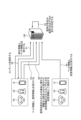
- FIG. 1 is a diagram illustrating an example of a providing process executed by an information processing apparatus according to an embodiment.
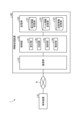
- FIG. 2 is a diagram illustrating an example of the configuration of the information processing system according to the embodiment.
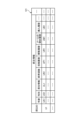
- FIG. 3 is a diagram illustrating an example of an owner information storage unit according to the embodiment.
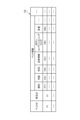
- FIG. 4 is a diagram illustrating an example of a pet information storage unit according to the embodiment.
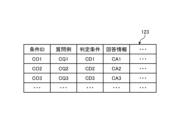
- FIG. 5 is a diagram illustrating an example of an answer information storage unit according to the embodiment.
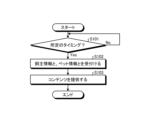
- FIG. 6 is a flowchart illustrating an example of the flow of provision processing executed by the information processing apparatus according to the embodiment.
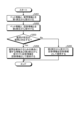
- FIG. 7 is a flowchart illustrating an example of the flow of provision processing executed by the information processing apparatus according to the embodiment.
- FIG. 8 is a diagram showing an example of the hardware configuration.
- Aspect 1 includes a reception unit that receives pet information regarding the pet from a pet owner and question information regarding questions from the owner, and information regarding products or services according to the pet information and the question information. and a providing unit that provides the owner with answer information for solving the question indicated by the question information.
- pet information regarding the pet and question information regarding questions from the owner are received from the owner of a pet such as a dog, for example.
- the pet information is information regarding the pet's type, gender, age, etc.
- the question information includes questions regarding concerns regarding pets, concerns regarding the owner himself, and the like.
- Aspect 1 provides the owner with information regarding products or services according to the received pet information and question information as answer information for solving the question.
- the information desired by the owner can be provided to the owner as response information, so that appropriate information can be suggested to the owner.
- Aspect 2 is, in Aspect 1, accepting answer information indicating an answer to the question indicated by the question information from another owner different from the owner, and combining information regarding the product or service and the answer information received from the other owner. is provided to the owner.
- response information indicating an answer to the question indicated by the question information is received from another owner different from the owner, and information regarding the product or service and the response information received from the other owner are sent to the owner. provide.
- the information desired by the owner can be provided to the owner as answer information, and thus appropriate information can be suggested to the owner.
- Aspect 3 is characterized in that in Aspect 1 or 2, as information regarding the product or service, information regarding how to use the product or information regarding how to use the service is provided to the owner.
- a video image of the product being used or a video image of the service being used may be provided to the owner. good.
- aspect 3 provides the owner with a video of the product being used or a video of the service being used as response information, thereby allowing the owner to receive the product without having to transition to the content for purchasing the product or service.
- Aspect 4 is characterized in that in any of Aspects 1 to 3, owner information regarding the owner is received from the owner.
- owner information such as the age of the owner, the gender of the owner, residence information that is information about the owner's residence, and the number of animals raised by the owner is received from the owner.
- owner information such as posting history, which is information regarding the history of information posted by the owner, and viewing history, which is information regarding the history of information viewed by the owner, is received from the owner.
- owner information such as an email opening history, which is information regarding the history of opening emails sent by the owner to an email address registered in advance by the owner, is received from the owner.
- owner information such as purchase history, which is information regarding the history of purchases of products or services by the owner, is received from the owner. Accordingly, in aspect 4, various information regarding the owner can be collected.
- Aspect 5 is characterized in that in aspect 4, information regarding products or services corresponding to the question information estimated based on the owner information is provided to the owner as the answer information.
- question information that is a problem for the pet owner is estimated based on, for example, posting history, browsing history, email opening history, purchase history, etc. Then, in aspect 5, when it is determined that the question indicated by the estimated question information corresponds to a predetermined question, information regarding a product or service for solving the question is provided as answer information to the owner for whom the question information was estimated. . In this way, aspect 5 can suggest appropriate information to the owner whose question information has been estimated.
- Aspect 6 is characterized in that in aspect 4 or 5, information regarding products or services according to the owner information and the question information is provided to the owner as the answer information.
- the owner who posted the question information uses the owner information and information about the product or service according to the question information as answer information. Provided to. In this manner, the sixth aspect can suggest appropriate information to the owner who posted the question information.
- Aspect 7 is characterized in that, in any of Aspects 4 to 6, information regarding products or services according to the owner information, the pet information, and the question information is provided to the owner as the answer information. .
- the question information is updated using information about the product or service according to the owner information, pet information, and question information as answer information. will be provided to the owner who posted.
- the seventh aspect can suggest appropriate information to the owner who posted the question information.
- Aspect 8 is characterized in that, in any of Aspects 1 to 7, information regarding a provider who provides the product or service is further provided to the pet owner.
- information regarding the developer who developed the product or service is provided to the owner. Accordingly, in aspect 8, by providing the owner with information regarding the developer who developed the product or service, the owner can feel closer to the product or service.
- Aspect 9 is characterized in that in aspect 8, information regarding the design of the product or service is provided to the owner as the information regarding the provider.
- aspect 9 for example, information about the developer who developed the product or service leading up to the development, episodes about difficulties encountered during development, and the developer's thoughts on the product or service may be provided to the owner. provide. Accordingly, aspect 9 can encourage the owner to understand the process of completing the product or service.
- Aspect 10 is characterized in that, in any of Aspects 1 to 9, question information indicating a question regarding the pet is received from the owner as the question information.
- aspect 10 for example, question information indicating a question regarding a pet is received from the owner. Thereby, aspect 10 can collect a wide variety of question information.
- Aspect 11 is characterized in that, in any of Aspects 1 to 10, question information indicating a question regarding the pet owner is received from the pet owner as the question information.
- aspect 11 for example, question information indicating a question regarding the owner is received from the owner. Thereby, aspect 11 can collect a wide variety of question information.
- FIG. 1 is a diagram illustrating an example of a providing process executed by the information processing apparatus 100 according to the embodiment.
- the information processing device 100 provides a Q&A site where questions, which are information about questions accepted by pre-registered owners, and answer information indicating answers to the questions are arranged. do.
- the response information is response information received from another owner different from the previously registered owner, response information provided by the information processing device 100, and the like.
- the Q&A site is provided by a browser, an application, or the like.
- the owner identified by the identifier "UN (N is any integer)" will be referred to as owner UN.
- a terminal device used by the owner UN may be referred to as a terminal device 1N.
- the terminal device may be referred to as a terminal device 10.
- FIG. 1 An example in which an owner registers information about himself/herself will be explained using FIG. 1.
- the information processing device 100 provides information about a product as answer information to solve a question received from an owner.
- FIG. 1 An example in which an owner registers information about himself/herself will be explained using FIG. 1.
- the owner U1 it is assumed that the owner U1 is not registered on the Q&A site.
- the information processing device 100 receives owner information of the owner U1 and pet information of the pet P1 kept by the owner U1 from the terminal device 11 used by the owner U1 (step S1).
- the terminal device 11 accesses the Q&A site in response to an operation by the owner U1. Subsequently, the terminal device 11 transmits owner information and pet information to the information processing device 100 in response to an input from the owner U1. The information processing device 100 then receives owner information and pet information from the terminal device 11.
- the information processing device 100 receives the owner's age, owner's gender, owner's residence information, number of animals kept by the owner, etc. from the terminal device 11 as owner information.
- the information processing device 100 also indicates, as pet information, the type of the pet, the age of the pet, the gender of the pet, castration information that is information about whether the pet has been castrated, and information about the body size of the pet.
- the body conditioning score, the pet's weight, etc. are received from the terminal device 11. In this way, the owner U1 registers on the Q&A site.
- the information processing device 100 provides the content to the terminal device 11 (step S2).
- the information processing device 100 provides the terminal device 11 with a Q&A site as content.
- the information processing device 100 provides information about a product as answer information to solve a question received from an owner.
- the products mentioned here include pet food, toiletry products such as toilets used by pets, wet tissues for wiping the pet's bottom, and the like.
- the information processing device 100 receives pet information and question information from the terminal device 11 (step S3).
- the information processing device 100 receives, as pet information, information from the terminal device 11 that the pet P1 is a dog, the breed is a toy poodle, the gender is male, and the pet is 2 years old.
- the information processing device 100 also receives information such as "X is tired of eating Y food and is in trouble" as question information from the terminal device 11.
- the information processing device 100 receives pet information about the pet P2 and response information from the terminal device 12 used by the owner U2 (step S4).
- the information processing device 100 receives answer information to the question indicated by the question information of the owner U1 from the terminal device 12.
- the information processing device 100 receives, as pet information, information such as that the pet P2 is a dog, the breed is a toy poodle, and the gender is male from the terminal device 12.
- the information processing device 100 also receives information such as "I used to eat Y food. My A-chan is now eating Z food" as response information from the terminal device 12.
- the information processing device 100 determines whether the question indicated by the question information received from the owner U1 corresponds to a predetermined question (step S5).
- the predetermined question is a question corresponding to a preset product or service, and is a concept that includes a question for which it can be assumed that information regarding the product or service can be provided as answer information.
- cases where the question from the owner corresponds to a predetermined question include cases where the question from the owner includes the predetermined question, the question from the owner is the same as the predetermined question, or the case where the question from the owner corresponds to the predetermined question. This is the case, for example, when the question is similar to the predetermined question. In other words, when the question from the owner corresponds to a predetermined question, the question from the owner corresponds to the predetermined question.
- This concept includes cases where it is assumed that a question and a predetermined question have a corresponding relationship.
- a predetermined storage unit included in the information processing device 100 stores answer information corresponding to a predetermined question.
- the information processing device 100 determines whether or not the question information “X is tired of eating Y food and is in trouble” received from the terminal device 11 corresponds to the predetermined question. .
- the information processing device 100 determines the answer information corresponding to the predetermined question as the answer to the question information.
- the answer information includes information regarding an explanatory text explaining a solution to the example question, and information regarding a product or service for solving the example question.
- the information processing device 100 determines that the question indicated by the question information received from the terminal device 11 does not correspond to the predetermined question, it determines that there is no answer to the question information.
- the information processing device 100 provides, as answer information, at least either information regarding the product to solve the question or answer information received from the owner U2 (step S6). For example, when the information processing device 100 determines a predetermined question corresponding to the question indicated by the question information, the information processing device 100 provides at least one of information regarding the product for solving the question or answer information received from the owner U2 as the answer information. do.
- the information processing device 100 creates a Q&A site in which at least one of information about products for solving questions and answer information received from the owner U2 is arranged as answer information on the Q&A site.
- the information is provided to the terminal device 11.
- the information processing device 100 provides the terminal device 11 with a Q&A site in which information about a URL (Uniform Resource Locator) for transitioning to content for purchasing the product is arranged as information about the product to solve the question. do.
- a URL Uniform Resource Locator
- the information processing device 100 determines that there is no answer corresponding to the question information, it provides the answer information received from the owner U2 as the answer information.
- the information processing device 100 provides the terminal device 11 with a Q&A site in which answer information received from the owner U2 is arranged as answer information on the Q&A site.
- the information processing device 100 receives pet information and question information from the owner, and provides information about products or services according to the received pet information and question information, answer information for solving the question indicated by the question information. provided to the owner as a
- the information processing device 100 can provide information desired by the owner to the owner, and therefore can suggest appropriate information to the owner. Thereby, the information processing device 100 can propose an appropriate solution to the owner's concerns. Furthermore, the information processing device 100 can make it easier for owners to solve their problems.
- FIG. 2 is a diagram showing a configuration example of the information processing system 1 according to the embodiment.
- the information processing system 1 includes a terminal device 10 and an information processing device 100.
- the terminal device 10 and the information processing device 100 are connected via a network N so that they can communicate by wire or wirelessly.
- the information processing system 1 shown in FIG. 2 may include a plurality of terminal devices 10 and a plurality of information processing apparatuses 100.
- the terminal device 10 is an information processing device used by a user who accesses content such as web content and application content displayed on a browser.
- the terminal device 10 is a desktop PC (Personal Computer), a notebook PC, a tablet terminal, a mobile phone, a PDA (Personal Digital Assistant), or the like.
- the information processing device 100 is an information processing device that can communicate with various devices via a network N such as the Internet, and is realized by, for example, a server device or a cloud system.
- the information processing device 100 is communicably connected to various other devices via the network N.
- FIG. 2 shows a configuration example of the information processing device 100 according to the embodiment.
- the information processing device 100 includes a communication section 110, a storage section 120, and a control section 130.
- the communication unit 110 is realized by, for example, a NIC (Network Interface Card).
- the communication unit 110 is connected to the network N by wire or wirelessly, and transmits and receives information to and from various other devices.
- the storage unit 120 is realized by, for example, a semiconductor memory element such as a RAM (Random Access Memory) or a flash memory, or a storage device such as a hard disk or an optical disk.
- the storage unit 120 includes an owner information storage unit 121, a pet information storage unit 122, and an answer information storage unit 123.
- the storage unit 120 also stores the history of accesses from owners to the Q&A site.
- the owner information storage unit 121 stores various information regarding the owner.
- FIG. 3 shows an example of the owner information storage unit 121 according to the embodiment.
- the owner information storage unit 121 has items such as "owner ID (Identifier)" and "owner information.”
- owner information includes items such as "age,””gender,””residenceinformation,””number of pets,””postinghistory,””browsinghistory,””email opening history,” and "purchase history.” have
- “Owner ID” is an identifier that identifies the owner.
- “Age” is information regarding the age of the owner associated with the “owner ID.”
- “Gender” is information regarding the gender of the owner associated with the “owner ID”.
- “Residence information” is information regarding the residence of the owner associated with the “owner ID.”
- the residence information includes information regarding the owner's address, information regarding the owner's living situation such as rental, apartment building, detached house, etc.
- “Number of pets kept” is information regarding the total number of pets kept by the owner associated with the “owner ID”.
- Posting history is information regarding the history of information posted by the owner associated with the "owner ID.”
- the posting history includes information related to the history of questions posted by owners, answer information, and the like.
- posted information and information regarding the posted date and time are stored in association with each other.
- “Browsing history” is information regarding the history of information viewed by the owner associated with the "owner ID.”
- the viewing history includes information regarding the history of question information or answer information viewed by the owner, information regarding the history of content such as web pages viewed by the owner, and the like.
- the viewing history is stored in which viewed information is associated with information regarding the date and time of viewing.
- the "email opening history" is information regarding the history of the owner opening emails sent to the email address registered in advance by the owner associated with the "owner ID.” For example, it is assumed that the e-mail address is registered when the owner registers his or her information on the Q&A site. In this case, the email sent to the owner's email address is provided by the business that manages the information processing device 100.
- the email opening history includes information regarding the content of the email, the number of times the email was opened, and the like.
- “Purchase history” is information regarding the history of purchases of products or services by the pet owner associated with the "owner ID.”
- the purchase history includes information regarding the history of products or services that have been purchased by the owner.
- the purchase history is stored in which the purchased product or service is associated with information regarding the date and time of purchase.
- the age, etc. is expressed by an abstract code such as "UA1”, but the age, etc. can be expressed by a numerical value, information about a character string, a file format of a file containing the age, etc. It may be.
- the pet information storage unit 122 stores various information regarding pets.
- FIG. 4 shows an example of the pet information storage unit 122 according to the embodiment.
- the pet information storage unit 122 includes items such as "pet ID”, “owner ID”, and "pet information”.
- "pet information” includes items such as "type,””age,””sex,””castrationinformation,””body conditioning score,” and "weight.”
- Pet ID is an identifier that identifies a pet.
- Olet ID is an identifier that identifies the owner associated with “pet ID”.
- Type is information regarding the type of pet associated with the “pet ID”.
- Age is information regarding the age of the pet associated with the “pet ID.”
- Gender is information regarding the gender of the pet associated with the “pet ID”.
- the “Castration information” is information regarding castration of the pet associated with the “pet ID”.
- the castration information is information regarding whether or not the pet has been castrated.
- the “body conditioning score” is information regarding the body size of the pet associated with the “pet ID”.
- the body conditioning score is an index that classifies the pet's body shape based on a five-level evaluation such as BCS1 to BCS5.
- BCS1 is "thin.”
- BCS2 is "slightly thin”.
- BCS3 is “ideal”.
- BCS4 is "slightly obese”.
- BCS5 is "obesity”.
- “Weight” is information regarding the weight of the pet associated with the “pet ID”.
- the type, etc. is expressed using an abstract code such as "PT1," but the type, etc. can also be the file format of a file that includes numerical values, information about character strings, types, etc. You can.
- the answer information storage unit 123 stores answer information to be provided to the owner.
- FIG. 5 shows an example of the answer information storage unit 123 according to the embodiment.
- the answer information storage unit 123 has items such as "condition ID”, "question example”, “judgment condition”, and "answer information”.
- Condition ID is an identifier that identifies a determination condition.
- Example question is preset question information associated with “condition ID.” For example, the example question is set by a business operator that manages the information processing device 100. Examples of questions include questions caused by pets, questions caused by owners, and the like.
- the example question may include at least one of the following: the pet's type, the pet's age, the pet's gender, the pet's neutering information, the pet's body conditioning score, the pet's weight, etc.
- a different example question is set for each combination of pet information based on the pet information. Examples of questions include the owner's age, the owner's gender, the owner's residence information, the number of animals the owner owns, the owner's posting history, the owner's browsing history, the owner's email opening history, and the owner's email opening history. Different example questions are set for each combination of owner information based on at least one of purchase history and the like.
- “Judgment condition” is information regarding the judgment condition associated with “condition ID”.
- the determination condition is that the question indicated by the received question information and the question example are the same or similar. Further, the determination condition is such that the wording included in the question indicated by the received question information is included in the example question. Further, the determination conditions are set by the business operator that manages the information processing device 100.
- Answer information is various information regarding the answer to the example question associated with the "condition ID.”
- the answer information includes information regarding an explanatory text explaining a solution to the example question, and information regarding a product or service for solving the example question.
- the information regarding the product or service includes information regarding the URL for transitioning to content for purchasing the product or service.
- the information regarding the product may include an image of the product.
- the question example is “CQ1”
- the judgment condition is “CD1”
- the answer information is "CA1”.
- the example question is expressed using an abstract code such as "CQ1”, but the example question can also be expressed by numerical values, information regarding character strings, the file format of the file containing the judgment conditions, etc. It may be.
- the control unit 130 is a controller, and for example, executes various programs (information processing programs) stored in a storage device inside the information processing device 100 by a CPU (Central Processing Unit), an MPU (Micro Processing Unit), or the like. (Example) is realized by executing the RAM as a work area. Further, the control unit 130 is a controller, and is realized by, for example, an integrated circuit such as an ASIC (Application Specific Integrated Circuit) or an FPGA (Field Programmable Gate Array).
- ASIC Application Specific Integrated Circuit
- FPGA Field Programmable Gate Array
- the control unit 130 includes a reception unit 131, a determination unit 132, a provision unit 133, and an estimation unit 134, and realizes or executes information processing functions and operations described below.
- the internal configuration of the control unit 130 is not limited to the configuration shown in FIG. 2, and may be any other configuration as long as it performs information processing to be described later.
- the connection relationship between the respective processing units included in the control unit 130 is not limited to the connection relationship shown in FIG. 2, and may be other connection relationships.
- the reception unit 131 receives various requests. Specifically, the reception unit 131 receives the owner information of the owner and the pet information of the pet kept by the owner from the terminal device 10 used by the owner. For example, the reception unit 131 receives, as the owner information, the age of the owner, the gender of the owner, residence information that is information about the owner's residence, the number of animals kept by the owner, etc. from the terminal device 10. . Then, the reception unit 131 stores the received owner information in the owner information storage unit 121.
- the receiving unit 131 receives pet information such as the pet's type, the pet's age, the pet's gender, the pet's castration information, the pet's body conditioning score, and the pet's weight from the terminal device 10. Then, the reception unit 131 stores the received pet information in the pet information storage unit 122.
- the reception unit 131 receives pet information and question information from the terminal device 10.
- the receiving unit 131 receives, as the question information, question information indicating a question regarding a pet, question information indicating a question regarding an owner, etc. from the terminal device 10.
- the receiving unit 131 receives information from the terminal device 10 that the pet is a dog, the breed is a toy poodle, the gender is male, and the pet is 2 years old.
- the reception unit 131 also receives information such as "X is tired of eating Y food and is in trouble" as question information from the terminal device 10.
- the reception unit 131 also receives pet information and answer information to questions posted by other owners from the terminal device 10 used by the owner. For example, assume that a Q&A site based on question information received from other owners is provided in a viewable manner to owners who have already registered on the Q&A site. In this case, the reception unit 131 receives answer information to the question indicated by the question information of other owners from the terminal device 10.
- the reception unit 131 receives information from the terminal device 10 that the pet is a dog, the breed is a toy poodle, and the gender is male, as pet information.
- the reception unit 131 also receives information such as "I used to eat Y food. My A-chan is now eating Z food" as response information from the terminal device 10.
- the reception unit 131 collects the owner's posting history, browsing history, email opening history, purchase history, etc., as the owner information, from the terminal device 10, the storage unit 120, etc. every predetermined period (for example, one day). Accepted from Then, the reception unit 131 stores the received owner information in the owner information storage unit 121.
- the determining unit 132 determines whether the question indicated by the question information received by the accepting unit 131 corresponds to the example question, based on the determining conditions stored in the answer information storage unit 123. For example, assume that the question indicated by the question information received by the reception unit 131 is "Mr. X is tired of eating Y food and is in trouble.” In this case, the determining unit 132 answers the question “Mr. Determine whether the examples correspond. Here, the question indicated by the question information received by the reception unit 131 is “X is tired of eating Y food and I am in trouble” and the example question “CQ2” stored in the answer information storage unit 123 is shall correspond.
- the determination unit 132 determines that the question indicated by the question information received by the reception unit 131 corresponds to the example question “CQ2”, the determination unit 132 selects the answer information “CA2” corresponding to the example question “CQ2”. , is determined to be the answer to such question information.
- the determination unit 132 determines that there is no answer to the question information. do.
- the providing unit 133 provides various information. Specifically, the providing unit 133 provides the content to the terminal device 10. For example, the providing unit 133 provides the terminal device 10 with a Q&A site as content.
- the providing unit 133 provides information regarding products or services according to the pet information and question information to the owner as answer information for solving the question indicated by the question information. Further, the providing unit 133 provides the owner with information regarding products or services and response information received from other owners by the receiving unit 131.
- the providing unit 133 provides the terminal device 10 used by the owner who posted the question information as answer information, at least one of information regarding products for solving the question or information on answers received from other owners. .
- the determining unit 132 determines that the question indicated by the question information corresponds to the example question “CQ2”
- the providing unit 133 provides answer information “CA2” which is information regarding the product for solving the question.
- the reception unit 131 provides the terminal device 10 with at least one of the response information received from other owners as the response information.
- the providing unit 133 provides the terminal device 10 with a Q&A site in which at least either the answer information "CA2" or the answer information received from other owners is arranged as answer information on the Q&A site. provide.
- the providing unit 133 provides the terminal device 10 with a Q&A site in which information regarding a URL for transitioning to content for purchasing a product is arranged as answer information “CA2”.
- the providing unit 133 may provide the terminal device 10 with an image of the product as the answer information “CA2”.
- the providing unit 133 determines that there is no answer corresponding to the question information, it provides the terminal device 10 with answer information received from other owners as answer information.
- the providing unit 133 provides the terminal device 10 with a Q&A site in which answer information received from other owners is arranged as answer information on the Q&A site.
- the estimation unit 134 estimates question information based on the owner information. For example, the estimation unit 134 estimates question information that is a problem for the owner based on the posting history, browsing history, email opening history, purchase history, etc. stored in the owner information storage unit 121. To give a more specific example, assume that the owner's browsing history includes information that the pet owner has viewed content related to pet toiletry products a predetermined number of times or more. In this case, the estimation unit 134 estimates that the owner's question information is question information regarding toiletry products based on the owner's browsing history.
- the estimation unit 134 estimates that the owner's question information is similar to question information posted by other owners, based on the owner's browsing history.
- the determining unit 132 determines, based on the question information estimated by the estimating unit 134, whether the question indicated by the estimated question information corresponds to the example question. For example, when the determining unit 132 determines that the question indicated by the question information estimated by the estimating unit 134 corresponds to the example question, the determining unit 132 determines the answer information corresponding to the example question as the answer to the question information. When the determining unit 132 determines that the question indicated by the question information corresponds to the example question, the providing unit 133 provides information regarding products or services for solving the question or information received from other owners by the accepting unit 131. At least one of the answer information is provided as answer information to the terminal device 10 used by the owner whose question information was estimated.
- FIG. 6 is a flowchart illustrating an example of the flow of provision processing executed by the information processing apparatus 100 according to the embodiment.
- the reception unit 131 waits until a predetermined timing has elapsed (step S101).
- the predetermined timing is, for example, when the owner transmits a request to register the owner's owner information to the Q&A site.
- the reception unit 131 waits until the predetermined timing has elapsed. On the other hand, if the predetermined timing has elapsed (step S101; Yes), the reception unit 131 receives owner information and pet information from the terminal device 10 (step S102). Subsequently, the providing unit 133 provides the content to the terminal device 10 (step S103). For example, the providing unit 133 provides Q&A content to the terminal device 10 as the content.
- FIG. 7 is a flowchart illustrating an example of the flow of provision processing executed by the information processing apparatus 100 according to the embodiment.
- the reception unit 131 receives pet information and question information from the terminal device 11 used by the first owner (step S201). Subsequently, the reception unit 131 receives pet information and response information from the terminal device 12 used by the second owner (step S202). Then, the determining unit 132 determines whether the question corresponds to a predetermined question (step S203).
- the providing unit 133 provides information on the product to solve the question and the answer received from the second owner.
- the information is provided to the terminal device 11 as answer information (step S204).
- the providing unit 133 provides the terminal device 11 with the answer information received from the second owner as the answer information (Ste S205).
- the pet may be any pet that can be kept.
- the pet may be a cat, a ferret, a rabbit, a bird, a reptile such as a snake, an insect, or the like.
- the pet has been described as an example of a pet kept by the owner, the present invention is not limited to this. Specifically, the pet may be a pet that is not kept by the owner. For example, the pet may be a pet bred by a breeder.
- the owner U1 is raising the pet P1, and the owner is raising one pet, but the present invention is not limited to this.
- the number of pets kept by the owner may be two or more.
- pet food and toiletry products have been described as examples of products or services, but the invention is not limited thereto.
- a product or service may include advertising information regarding an advertisement.
- the product or service may include advertisement information regarding toys, play equipment such as cat towers, clothes for pets, leashes, etc. according to the type of pet received from a predetermined server.
- the product or service may also include advertising information regarding specialists such as veterinarians, counselors specializing in pets, and the like.
- the advertisement information may be stored in the answer information storage unit 123 in association with the question example.
- the product or service may further include recommendation information that recommends countermeasures to the pet owner.
- the product or service may include recommendation information such as "You may have a disease, so you may want to consult a specialist such as a veterinarian.”
- the providing unit 133 provides the owner with information regarding products or services and response information received from other owners by the receiving unit 131, but the present invention is not limited to this.
- the providing unit 133 may provide the owner with information on how to use the product or information on how to use the service as information on the product or service.
- the providing unit 133 may provide a video of a product being used or a video of a service being used as information on how to use the product or information on how to use the service. It may also be provided to the terminal device 10 used by the owner.
- the providing unit 133 can provide appropriate information to the terminal device 10.
- the providing unit 133 provides the terminal device 10 with a video of using a product or a video of using a service as answer information, thereby causing the terminal device 10 to transition to content for purchasing the product or service. It is possible to encourage the owner to understand that the product or service will be used instead of using the product or service.
- the providing unit 133 provides the owner with information regarding products or services and response information received from other owners by the receiving unit 131, but the present invention is not limited to this.
- the providing unit 133 may provide the owner with information regarding products or services according to the owner information and question information as answer information.
- the reception unit 131 receives owner information and question information from the terminal device 10 used by the owner. For example, the reception unit 131 receives the owner's posting history, viewing history, email opening history, purchase history, etc. from the terminal device 10 as the owner information. The reception unit 131 also receives information such as "X is tired of eating Y food and is in trouble" as question information from the terminal device 10.
- the determining unit 132 determines whether the question indicated by the question information received by the receiving unit 131 corresponds to the example question. For example, when the determining unit 132 determines that the question indicated by the question information received by the accepting unit 131 corresponds to the example question, the determining unit 132 determines the answer information corresponding to the example question as the answer to the question information. On the other hand, if the determination unit 132 determines that the question indicated by the question information received by the reception unit 131 does not correspond to the question example, it determines that there is no answer to the question information.
- the providing unit 133 provides information on the product to solve the question or answers received in advance from other owners by the accepting unit 131. At least one of the information is provided to the terminal device 10 as answer information.
- the providing unit 133 provides a Q&A site in which at least one of information about products to solve questions and answer information received from other owners is arranged as answer information.
- the information is provided to the terminal device 10.
- the providing unit 133 provides the terminal device 10 with a Q&A site in which information about a URL for transitioning to content for purchasing the product is arranged as information about the product for solving the question.
- the providing unit 133 can provide the terminal device 10 with information desired by the owner as response information, and therefore can suggest appropriate information to the owner.
- the providing unit 133 may further provide the terminal device 10 with information regarding the product or service as the answer information.
- the receiving unit 131 may accept the owner information from the terminal device 10 after the providing unit 133 provides information regarding the product or service as reply information.
- the reception unit 131 receives the owner's posting history, viewing history, email opening history, purchase history, etc. from the terminal device 10 as the owner information.
- the estimating unit 134 may estimate whether the question indicated by the question information has been solved based on the owner information. For example, assume that the question indicated by the question information received from the owner is about the pet's toilet. It is also assumed that the owner's browsing history includes information that the pet owner has viewed content related to pet toiletry products a predetermined number of times or more. In this case, the estimation unit 134 may estimate that the question indicated by the question information has not been solved based on the question information and the owner's browsing history. Then, the providing unit 133 may provide the terminal device 10 with information regarding a different product or service as the answer information based on the answer information stored in the answer information storage unit 123.
- the estimating unit 134 can suitably estimate whether the owner's question has been resolved by the product or service provided by the providing unit 133, depending on the owner's information such as the owner's browsing history. . Then, when the estimation unit 134 estimates that the question has not been resolved, the providing unit 133 provides the terminal device 10 with information regarding a new product or service. Thereby, the providing unit 133 can propose information regarding suitable products or services in response to the pet owner's concerns. Further, the estimating unit 134 can monitor whether the owner's problems or the like have actually been solved after the owner purchases the product or service. Further, the providing unit 133 can propose a different solution to the owner if the owner's problem is not resolved or if the owner continues to have the same type of problem.
- the providing unit 133 provides the owner with information regarding products or services and response information received from other owners by the receiving unit 131, but the present invention is not limited to this.
- the providing unit 133 may provide the owner with information regarding products or services corresponding to the owner information, pet information, and question information as answer information.
- the reception unit 131 receives owner information, pet information, and question information from the terminal device 10 used by the owner. For example, the reception unit 131 receives the owner's posting history, viewing history, email opening history, purchase history, etc. from the terminal device 10 as the owner information. The receiving unit 131 also receives information from the terminal device 10 that the pet is a dog, the breed is a toy poodle, the gender is male, and the pet is 2 years old. The reception unit 131 also receives information such as "X is tired of eating Y food and is in trouble" as question information from the terminal device 10.
- the determining unit 132 determines whether the question indicated by the question information received by the receiving unit 131 corresponds to the example question. For example, when the determining unit 132 determines that the question indicated by the question information received by the accepting unit 131 corresponds to the example question, the determining unit 132 determines the answer information corresponding to the example question as the answer to the question information. On the other hand, if the determination unit 132 determines that the question indicated by the question information received by the reception unit 131 does not correspond to the question example, it determines that there is no answer to the question information.
- the providing unit 133 provides information on the product to solve the question or answers received in advance from other owners by the accepting unit 131. At least one of the information is provided to the terminal device 10 as answer information.
- the providing unit 133 provides a Q&A site in which at least one of information about products to solve questions and answer information received from other owners is arranged as answer information.
- the information is provided to the terminal device 10.
- the providing unit 133 provides the terminal device 10 with a Q&A site in which information about a URL for transitioning to content for purchasing the product is arranged as information about the product for solving the question.
- the providing unit 133 can provide the terminal device 10 with information desired by the owner as response information, and therefore can suggest appropriate information to the owner.
- the providing unit 133 provides the owner with information regarding products or services and response information received from other owners by the receiving unit 131, but the present invention is not limited to this.
- the providing unit 133 may further provide the owner with information regarding a provider who provides the product or service.
- the providing unit 133 may provide the terminal device 10 used by the owner with information regarding the design of the product or service as information regarding the provider.
- the providing unit 133 may provide anecdotes about the development of the product or service by the developer, anecdotes about difficulties encountered during development, and the developer's thoughts on the product or service.
- the terminal device 10 may be provided with information regarding the above.
- the providing unit 133 can suggest appropriate information to the owner. This makes it possible for the providing unit 133 to realize storytelling marketing and narrative marketing of products or services.
- the providing unit 133 may provide information regarding Q&A to the owner in a viewable manner in the virtual space. Further, the providing unit 133 may provide the owner with the product, a description of the product, and information regarding how to use the product in a viewable manner in the virtual space. Further, the providing unit 133 may provide the owner with information regarding an example in which the owner's pet uses the product in the virtual space. Further, the providing unit 133 may provide the owner with information regarding examples of other owners using the product in the virtual space.
- virtual spaces are a metaverse or the like.
- virtual spaces include a metaverse (closed metaverse) realized by a platform provided by one operator, and a metaverse (open metaverse) that interoperates with multiple platforms provided by multiple operators. It is.
- the owner uses, as the terminal device 10, an information processing device configured by a combination of a glasses-type wearable device worn by the owner and a sensor-type wearable device that detects the owner's gestures, etc.
- the virtual space provided by such a terminal device 10 can be realized using XR technologies such as virtual reality (VR), augmented reality (AR), and mixed reality (MR). It is.
- the owner can create an avatar in the virtual space and move the avatar in the virtual space by operating the terminal device 10.
- the owner may also create an avatar for the pet.
- the providing unit 133 may provide information regarding products or services to the owner as answer information for solving the question indicated by the question information after the receiving unit 131 receives the answer information from another owner. .
- the provision unit 133 provides information regarding the product or service in order to resolve the question indicated by the question information. It may be provided to the owner as answer information.
- the determination unit 132 may analyze the question information using conventional techniques such as natural language processing. For example, the determination unit 132 extracts words (features) that are characteristics of the question from the question information, and determines whether the extracted words are included in the example questions stored in the answer information storage unit 123. You can. In this case, if the determination unit 132 determines that the extracted wording is included in the example question, it determines the answer information corresponding to the example question as the answer to the question information. On the other hand, when determining that the extracted wording is not included in each question example, the determining unit 132 determines that there is no answer to the question information.
- the determination unit 132 determines that there is no answer to the question information.
- the determination unit 132 may cluster the question information based on wording that is characteristic of the question. Thereby, the determination unit 132 may update the example question stored in the answer information storage unit 123 based on the clustered question information. Moreover, the determination unit 132 may store any of the plurality of question information belonging to one cluster among the clustered question information in the answer information storage unit 123 as a question example. Note that in such a case, the updated question example or the answer information corresponding to any one of the plurality of question information belonging to one cluster stored in the answer information storage unit 123 is stored in the business that manages the information processing device 100. It may be set by the person.
- each component of each device shown in the drawings is functionally conceptual, and does not necessarily have to be physically configured as shown in the drawings. That is, the specific form of distributing and integrating each device is not limited to what is illustrated. In addition, all or part of each component may be functionally or physically distributed and integrated in arbitrary units depending on various loads and usage conditions.
- section, module, unit can be read as “means”, “circuit”, etc.
- reception unit can be read as reception means or reception circuit.
- FIG. 8 is a diagram showing an example of the hardware configuration.
- the computer 1000 is connected to an output device 1010 and an input device 1020, and is connected to an arithmetic device 1030, a cache 1040, a memory 1050, an output IF (Interface) 1060, an input IF 1070, and a network IF 1080 via a bus 1090.
- the arithmetic unit 1030 operates based on programs stored in the cache 1040 and memory 1050, programs read from the input device 1020, and performs various processes.
- the cache 1040 is a cache, such as a RAM, that temporarily stores data used by the arithmetic unit 1030 for various calculations.
- the memory 1050 is a storage device in which data used by the arithmetic unit 1030 for various calculations and various databases are registered, and is realized by a ROM (Read Only Memory), an HDD (Hard Disk Drive), a flash memory, etc. memory.
- the output IF 1060 is an interface for transmitting information to be output to the output device 1010 that outputs various information such as a monitor or a printer, and is, for example, a USB (Universal Serial Bus), a DVI (Digital Visual Interface), It may be realized by a connector of a standard such as HDMI (registered trademark) (High Definition Multimedia Interface).
- the input IF 1070 is an interface for receiving information from various input devices 1020 such as a mouse, a keyboard, and a scanner, and is realized by, for example, a USB or the like.
- the input device 1020 is an optical recording medium such as a CD (Compact Disc), a DVD (Digital Versatile Disc), or a PD (Phase change rewritable disk), a magneto-optical recording medium such as an MO (Magneto-Optical disk), a tape medium, It may be realized by a device that reads information from a magnetic recording medium, a semiconductor memory, or the like. Further, the input device 1020 may be realized by an external storage medium such as a USB memory.
- the network IF 1080 has a function of receiving data from other devices via the network N and sending it to the computing device 1030, and also transmitting data generated by the computing device 1030 to the other devices via the network N.
- the arithmetic device 1030 controls the output device 1010 and the input device 1020 via the output IF 1060 and the input IF 1070.
- the arithmetic device 1030 loads a program from the input device 1020 or the memory 1050 onto the cache 1040, and executes the loaded program.
- the arithmetic unit 1030 of the computer 1000 realizes the functions of the control unit 130 by executing a program loaded onto the cache 1040.
- N Network 1 Information processing system 10, 11, 12 Terminal device 100 Information processing device 110 Communication unit 120 Storage unit 121 Owner information storage unit 122 Pet information storage unit 123 Answer information storage unit 130 Control unit 131 Reception unit 132 Judgment unit 133 Providing unit 134 Estimation Department
Landscapes
- Life Sciences & Earth Sciences (AREA)
- Environmental Sciences (AREA)
- Business, Economics & Management (AREA)
- Development Economics (AREA)
- Finance (AREA)
- Animal Husbandry (AREA)
- Zoology (AREA)
- Accounting & Taxation (AREA)
- Animal Behavior & Ethology (AREA)
- Economics (AREA)
- Biodiversity & Conservation Biology (AREA)
- Marketing (AREA)
- Strategic Management (AREA)
- Physics & Mathematics (AREA)
- General Business, Economics & Management (AREA)
- General Physics & Mathematics (AREA)
- Engineering & Computer Science (AREA)
- Theoretical Computer Science (AREA)
- Management, Administration, Business Operations System, And Electronic Commerce (AREA)
Abstract
Description
〔1.情報処理装置が示す提供処理の一例〕
図1を用いて、実施形態に係る情報処理装置100が実行する提供処理の一例について説明する。図1は、実施形態に係る情報処理装置100が実行する提供処理の一例を示す図である。
次に、図2を用いて、実施形態に係る情報処理システム1の構成について説明する。図2は、実施形態に係る情報処理システム1の構成例を示す図である。図2に示すように、情報処理システム1は、端末装置10と、情報処理装置100とを含む。端末装置10及び情報処理装置100は、ネットワークNを介して有線又は無線により通信可能に接続される。なお、図2に示す情報処理システム1には、複数台の端末装置10や、複数台の情報処理装置100が含まれてもよい。
次に、図2を用いて、実施形態に係る情報処理装置100の構成について説明する。図2に、実施形態に係る情報処理装置100の構成例を示す。図2に示すように、情報処理装置100は、通信部110と、記憶部120と、制御部130とを有する。
通信部110は、例えば、NIC(Network Interface Card)等によって実現される。そして、通信部110は、ネットワークNと有線又は無線で接続され、他の各種装置との間で情報の送受信を行う。
記憶部120は、例えば、RAM(Random Access Memory)、フラッシュメモリ(Flash Memory)等の半導体メモリ素子、または、ハードディスク、光ディスク等の記憶装置によって実現される。記憶部120は、飼主情報記憶部121と、ペット情報記憶部122と、回答情報記憶部123とを有する。また、記憶部120は、Q&Aサイトへの飼主からのアクセス履歴等を記憶する。
飼主情報記憶部121は、飼主に関する各種情報を記憶する。ここで、図3に、実施形態に係る飼主情報記憶部121の一例を示す。図3に示した例では、飼主情報記憶部121は、「飼主ID(Identifier)」、「飼主情報」といった項目を有する。例えば、「飼主情報」は、「年齢」、「性別」、「居住情報」、「飼育頭数」、「投稿履歴」、「閲覧履歴」、「メールの開封履歴」、「購入履歴」といった項目を有する。
ペット情報記憶部122は、ペットに関する各種情報を記憶する。ここで、図4に、実施形態に係るペット情報記憶部122の一例を示す。図4に示した例では、ペット情報記憶部122は、「ペットID」、「飼主ID」、「ペット情報」といった項目を含む。例えば、「ペット情報」は、「種別」、「年齢」、「性別」、「去勢情報」、「ボディコンディショニングスコア」、「体重」といった項目を含む。
回答情報記憶部123は、飼主に提供する回答情報を記憶する。ここで、図5に、実施形態に係る回答情報記憶部123の一例を示す。図5に示した例では、回答情報記憶部123は、「条件ID」、「質問例」、「判定条件」、「回答情報」といった項目を有する。
制御部130は、コントローラ(Controller)であり、例えば、CPU(Central Processing Unit)やMPU(Micro Processing Unit)等によって、情報処理装置100内部の記憶装置に記憶されている各種プログラム(情報処理プログラムの一例)がRAMを作業領域として実行されることにより実現される。また、制御部130は、コントローラであり、例えば、ASIC(Application Specific Integrated Circuit)やFPGA(Field Programmable Gate Array)等の集積回路により実現される。
受付部131は、各種要求を受付ける。具体的には、受付部131は、飼主によって利用される端末装置10から、飼主の飼主情報と、飼主によって飼育されているペットのペット情報とを受付ける。例えば、受付部131は、飼主情報として、飼主の年齢や、飼主の性別や、飼主の居住に関する情報である居住情報や、飼主が飼育している数である飼育頭数等を端末装置10から受付ける。そして、受付部131は、受付けた飼主情報を飼主情報記憶部121に記憶する。
判定部132は、回答情報記憶部123に記憶される判定条件に基づいて、受付部131によって受付けられた質問情報が示す質問が質問例と対応するか否かを判定する。例えば、受付部131によって受付けられた質問情報が示す質問が「XちゃんがYフードを食べ飽きてしまっていて、困っています」であるものとする。この場合、判定部132は、受付部131によって受付けられた質問情報が示す質問「XちゃんがYフードを食べ飽きてしまっていて、困っています」と、回答情報記憶部123に記憶される質問例とが対応するか否かを判定する。ここで、受付部131によって受付けられた質問情報が示す質問「XちゃんがYフードを食べ飽きてしまっていて、困っています」と、回答情報記憶部123に記憶される質問例「CQ2」とが対応するものとする。
提供部133は、各種情報を提供する。具体的には、提供部133は、コンテンツを端末装置10に提供する。例えば、提供部133は、コンテンツとして、Q&Aサイトを端末装置10に提供する。
推定部134は、飼主情報に基づいて質問情報を推定する。例えば、推定部134は、飼主情報記憶部121に記憶された投稿履歴や、閲覧履歴や、メールの開封履歴や、購入履歴等に基づいて、飼主の悩み事となる質問情報を推定する。より具体的な例を挙げると、飼主の閲覧履歴に、ペットのトイレタリ商品に関するコンテンツを所定の回数以上閲覧しているといった情報が含まれているものとする。この場合、推定部134は、飼主の閲覧履歴に基づいて、飼主の質問情報がトイレタリ商品に関する質問情報であると推定する。
次に、図6を用いて、実施形態に係る情報処理装置100が実行する提供処理の手順について説明する。図6は、実施形態に係る情報処理装置100が実行する提供処理の流れの一例を示すフローチャートである。
次に、図7を用いて、実施形態に係る情報処理装置100が実行する提供処理の手順について説明する。図7は、実施形態に係る情報処理装置100が実行する提供処理の流れの一例を示すフローチャートである。
上述した情報処理装置100は、上記実施形態以外にも種々の異なる形態にて実施されてよい。そこで、以下では、情報処理装置100の他の実施形態について説明する。
上記実施形態では、ペットが犬である例を挙げて説明したが、これに限定されない。例えば、ペットは飼育可能なペットであれば、如何なるペットでもよい。例えば、ペットは、猫や、フェレットや、うさぎや、鳥や、蛇等の爬虫類や、昆虫等であってもよい。
上記実施形態では、商品又はサービスとして、ペットフードや、トイレタリ商品を例に挙げて説明したが、これに限定されない。例えば、商品又はサービスは、広告に関する広告情報を含んでもよい。
上記実施形態では、提供部133が、商品又はサービスに関する情報と、受付部131によって他の飼主から受付けられた回答情報とを飼主に提供する例を挙げて説明したが、これに限定されない。例えば、提供部133は、商品又はサービスに関する情報として、商品を使用する方法に関する情報又はサービスを利用する方法に関する情報を飼主に提供してもよい。
上記実施形態では、提供部133が、商品又はサービスに関する情報と、受付部131によって他の飼主から受付けられた回答情報とを飼主に提供する例を挙げて説明したが、これに限定されない。例えば、提供部133は、飼主情報と、質問情報とに応じた商品又はサービスに関する情報を回答情報として飼主に提供してもよい。
上記実施形態では、提供部133が、商品又はサービスに関する情報と、受付部131によって他の飼主から受付けられた回答情報とを飼主に提供する例を挙げて説明したが、これに限定されない。例えば、提供部133は、飼主情報と、ペット情報と、質問情報とに応じた商品又はサービスに関する情報を回答情報として飼主に提供してもよい。
上記実施形態では、提供部133が、商品又はサービスに関する情報と、受付部131によって他の飼主から受付けられた回答情報とを飼主に提供する例を挙げて説明したが、これに限定されない。例えば、提供部133は、商品又はサービスを提供する提供者に関する情報を飼主にさらに提供してもよい。
上記実施形態では、提供部133がQ&Aサイトを飼主に提供する例を挙げて説明したが、これに限定されない。例えば、提供部133は、仮想空間上でQ&Aに関する情報を閲覧可能な態様で飼主に提供してもよい。また、提供部133は、仮想空間上で商品や、商品の説明や、商品の使用方法に関する情報を閲覧可能な態様で飼主に提供してもよい。また、提供部133は、仮想空間上で飼主のペットが商品を使用している例に関する情報を飼主に提供してもよい。また、提供部133は、仮想空間上で他の飼主が商品を使用している例に関する情報を飼主に提供してもよい。
さらに、提供部133は、受付部131によって他の飼主から回答情報が受付けられた後に、商品又はサービスに関する情報を、質問情報が示す質問を解決するための回答情報として飼主に提供してもよい。また、提供部133は、受付部131によって他の飼主から回答情報が受付けられる前であり、且つ、所定の期間が経過した後に、商品又はサービスに関する情報を、質問情報が示す質問を解決するための回答情報として飼主に提供してもよい。
さらに、判定部132は、自然言語処理等の従来技術を用いて、質問情報を解析してもよい。例えば、判定部132は、質問情報のうち、質問の特徴となる文言(特徴量)を抽出し、抽出した文言が回答情報記憶部123に記憶される質問例に含まれるか否かを判定してもよい。この場合、判定部132は、抽出した文言が質問例に含まれると判定した場合、質問例に対応する回答情報を、質問情報に対する回答と決定する。一方、判定部132は、抽出した文言が各質問例に含まれないと判定した場合、質問情報に対する回答がないと決定する。
上記した各処理のうち、自動的に行われるものとして説明した処理の全部または一部は、手動的に行われてもよい。また、手動的に行われるものとして説明した処理の全部または一部は、公知の方法で自動的に行われてもよい。この他、上記文書中や図面中で示した処理手順、具体的名称、各種のデータやパラメータを含む情報については、特記する場合を除いて任意に変更することができる。例えば、各図に示した各種情報は、図示した情報に限られるものではない。
また、上述した実施形態に係る端末装置10や、情報処理装置100は、例えば、図8に示すような構成のコンピュータ1000によって実現される。図8は、ハードウェア構成の一例を示す図である。コンピュータ1000は、出力装置1010、入力装置1020と接続され、演算装置1030、キャッシュ1040、メモリ1050、出力IF(Interface)1060、入力IF1070、ネットワークIF1080がバス1090により接続される。
1 情報処理システム
10、11、12 端末装置
100 情報処理装置
110 通信部
120 記憶部
121 飼主情報記憶部
122 ペット情報記憶部
123 回答情報記憶部
130 制御部
131 受付部
132 判定部
133 提供部
134 推定部
Claims (13)
- ペットを飼育している飼主から当該ペットに関するペット情報と、当該飼主からの質問に関する質問情報とを受付ける受付部と、
前記ペット情報と前記質問情報とに応じた商品又はサービスに関する情報を、前記質問情報が示す質問を解決するための回答情報として前記飼主に提供する提供部と
を備えることを特徴とする情報処理装置。 - 前記受付部は、
前記質問情報が示す質問に対する回答を示す回答情報を前記飼主とは異なる他の飼主から受付け、
前記提供部は、
前記商品又はサービスに関する情報と、前記受付部によって他の飼主から受付けられた回答情報とを前記飼主に提供する
ことを特徴とする請求項1に記載の情報処理装置。 - 前記提供部は、
前記商品又はサービスに関する情報として、前記商品を使用する方法に関する情報又は前記サービスを利用する方法に関する情報を前記飼主に提供する
ことを特徴とする請求項1に記載の情報処理装置。 - 前記受付部は、
前記飼主に関する飼主情報を前記飼主から受付ける
ことを特徴とする請求項1に記載の情報処理装置。 - 前記提供部は、
前記飼主情報に基づいて推定された質問情報に応じた商品又はサービスに関する情報を前記回答情報として前記飼主に提供する
ことを特徴とする請求項4に記載の情報処理装置。 - 前記提供部は、
前記飼主情報と、前記質問情報とに応じた商品又はサービスに関する情報を前記回答情報として前記飼主に提供する
ことを特徴とする請求項4に記載の情報処理装置。 - 前記提供部は、
前記飼主情報と、前記ペット情報と、前記質問情報とに応じた商品又はサービスに関する情報を前記回答情報として前記飼主に提供する
ことを特徴とする請求項4に記載の情報処理装置。 - 前記提供部は、
前記商品又はサービスを提供する提供者に関する情報を前記飼主にさらに提供する
ことを特徴とする請求項1に記載の情報処理装置。 - 前記提供部は、
前記提供者に関する情報として、前記商品又はサービスの設計に関する情報を前記飼主に提供する
ことを特徴とする請求項8に記載の情報処理装置。 - 前記受付部は、
前記質問情報として、前記ペットに関する質問を示す質問情報を前記飼主から受付ける
ことを特徴とする請求項1に記載の情報処理装置。 - 前記受付部は、
前記質問情報として、前記飼主に関する質問を示す質問情報を前記飼主から受付ける
ことを特徴とする請求項1に記載の情報処理装置。 - コンピュータが実行する情報処理方法であって、
ペットを飼育している飼主から当該ペットに関するペット情報と、当該飼主からの質問に関する質問情報とを受付ける受付工程と、
前記ペット情報と前記質問情報とに応じた商品又はサービスに関する情報を、前記質問情報が示す質問を解決するための回答情報として前記飼主に提供する提供工程と
を含むことを特徴とする情報処理方法。 - ペットを飼育している飼主から当該ペットに関するペット情報と、当該飼主からの質問に関する質問情報とを受付ける受付手順と、
前記ペット情報と前記質問情報とに応じた商品又はサービスに関する情報を、前記質問情報が示す質問を解決するための回答情報として前記飼主に提供する提供手順と
をコンピュータに実行させることを特徴とする情報処理プログラム。
Priority Applications (1)
| Application Number | Priority Date | Filing Date | Title |
|---|---|---|---|
| CN202380052614.1A CN119547097A (zh) | 2022-07-11 | 2023-06-23 | 信息处理装置、信息处理方法及信息处理程序 |
Applications Claiming Priority (2)
| Application Number | Priority Date | Filing Date | Title |
|---|---|---|---|
| JP2022111425A JP2024009707A (ja) | 2022-07-11 | 2022-07-11 | 情報処理装置、情報処理方法及び情報処理プログラム |
| JP2022-111425 | 2022-07-11 |
Publications (1)
| Publication Number | Publication Date |
|---|---|
| WO2024014264A1 true WO2024014264A1 (ja) | 2024-01-18 |
Family
ID=89536424
Family Applications (1)
| Application Number | Title | Priority Date | Filing Date |
|---|---|---|---|
| PCT/JP2023/023355 Ceased WO2024014264A1 (ja) | 2022-07-11 | 2023-06-23 | 情報処理装置、情報処理方法及び情報処理プログラム |
Country Status (3)
| Country | Link |
|---|---|
| JP (1) | JP2024009707A (ja) |
| CN (1) | CN119547097A (ja) |
| WO (1) | WO2024014264A1 (ja) |
Families Citing this family (1)
| Publication number | Priority date | Publication date | Assignee | Title |
|---|---|---|---|---|
| WO2025181876A1 (ja) * | 2024-02-26 | 2025-09-04 | ユニ・チャーム株式会社 | 情報処理方法、情報処理装置、記録媒体及び情報処理プログラム |
Citations (4)
| Publication number | Priority date | Publication date | Assignee | Title |
|---|---|---|---|---|
| US20030212574A1 (en) * | 2002-05-08 | 2003-11-13 | Olivier Pierre D. | System and method for online personalized veterinary advice for pets |
| JP2020190771A (ja) * | 2019-05-17 | 2020-11-26 | ユニ・チャーム株式会社 | 提供装置、提供方法、提供プログラム及び提供システム |
| JP2022519069A (ja) * | 2019-02-01 | 2022-03-18 | ソシエテ・デ・プロデュイ・ネスレ・エス・アー | ペットフードを推奨する装置及び方法 |
| JP2022086636A (ja) * | 2020-11-30 | 2022-06-09 | ユニ・チャーム株式会社 | 情報制御装置、情報制御方法および情報制御プログラム |
-
2022
- 2022-07-11 JP JP2022111425A patent/JP2024009707A/ja active Pending
-
2023
- 2023-06-23 CN CN202380052614.1A patent/CN119547097A/zh active Pending
- 2023-06-23 WO PCT/JP2023/023355 patent/WO2024014264A1/ja not_active Ceased
Patent Citations (4)
| Publication number | Priority date | Publication date | Assignee | Title |
|---|---|---|---|---|
| US20030212574A1 (en) * | 2002-05-08 | 2003-11-13 | Olivier Pierre D. | System and method for online personalized veterinary advice for pets |
| JP2022519069A (ja) * | 2019-02-01 | 2022-03-18 | ソシエテ・デ・プロデュイ・ネスレ・エス・アー | ペットフードを推奨する装置及び方法 |
| JP2020190771A (ja) * | 2019-05-17 | 2020-11-26 | ユニ・チャーム株式会社 | 提供装置、提供方法、提供プログラム及び提供システム |
| JP2022086636A (ja) * | 2020-11-30 | 2022-06-09 | ユニ・チャーム株式会社 | 情報制御装置、情報制御方法および情報制御プログラム |
Also Published As
| Publication number | Publication date |
|---|---|
| CN119547097A (zh) | 2025-02-28 |
| JP2024009707A (ja) | 2024-01-23 |
Similar Documents
| Publication | Publication Date | Title |
|---|---|---|
| EP3255551A1 (en) | Information processing apparatus, information processing method, and information processing system | |
| Curtis et al. | Perceived control and social activity in midlife and older age: A reciprocal association? Findings from the German Ageing Survey | |
| Giannakeas et al. | Estimating the maximum capacity of COVID-19 cases manageable per day given a health care system's constrained resources | |
| JP5425613B2 (ja) | 広告料を分配する広告管理サーバ、方法及びシステム | |
| CN115943402A (zh) | 用于数据收集和聚合的系统、方法和装置 | |
| JP6074524B1 (ja) | 学習装置、学習方法及び学習プログラム | |
| WO2023218859A1 (ja) | 情報処理装置、情報処理方法及び情報処理プログラム | |
| JP2024107438A (ja) | 情報処理装置、情報処理方法及び情報処理プログラム | |
| JP2024009707A (ja) | 情報処理装置、情報処理方法及び情報処理プログラム | |
| CN111951911A (zh) | 提供装置、提供方法、存储介质以及提供系统 | |
| Conroy et al. | Who do you think you are? An examination of how systems thinking can help social marketing support new identities and more sustainable living patterns | |
| JP7260943B1 (ja) | 動物健康管理システム | |
| Nath et al. | Assessment of the dynamics of microparasite infections in genetically homogeneous and heterogeneous populations using a stochastic epidemic model | |
| JP6243559B2 (ja) | 学習装置、学習方法及び学習プログラム | |
| JP2024133301A (ja) | 情報制御装置、情報制御方法および情報制御プログラム | |
| JP7416595B2 (ja) | 生成装置、生成方法及び生成プログラム | |
| JP7042197B2 (ja) | 情報処理装置、情報処理方法、及び情報処理プログラム | |
| JP7858257B2 (ja) | 情報制御装置、情報制御方法および情報制御プログラム | |
| JP6990983B2 (ja) | 推定装置、推定方法、及び推定プログラム | |
| Yu et al. | 32 A Bayesian Hierarchical Model to Integrate Growth Models into Genomic Evaluation of Pigs | |
| Faes et al. | Estimating herd-specific force of infection by using random-effects models for clustered binary data and monotone fractional polynomials | |
| Steinheim et al. | Indications of breed by environment interaction for lamb weights in Norwegian sheep breeds | |
| JP7436356B2 (ja) | 提供装置、提供方法及び提供プログラム | |
| Bishop-Hurley et al. | 346 Sensor-Determined Behaviors and Pasture Intake Estimation in Extensive Grazing Systems | |
| JP7777097B2 (ja) | 情報処理装置、情報処理方法及び情報処理プログラム |
Legal Events
| Date | Code | Title | Description |
|---|---|---|---|
| 121 | Ep: the epo has been informed by wipo that ep was designated in this application |
Ref document number: 23839438 Country of ref document: EP Kind code of ref document: A1 |
|
| WWE | Wipo information: entry into national phase |
Ref document number: 202380052614.1 Country of ref document: CN |
|
| NENP | Non-entry into the national phase |
Ref country code: DE |
|
| WWP | Wipo information: published in national office |
Ref document number: 202380052614.1 Country of ref document: CN |
|
| 122 | Ep: pct application non-entry in european phase |
Ref document number: 23839438 Country of ref document: EP Kind code of ref document: A1 |