WO2023277051A1 - 免疫賦活剤 - Google Patents
免疫賦活剤 Download PDFInfo
- Publication number
- WO2023277051A1 WO2023277051A1 PCT/JP2022/025905 JP2022025905W WO2023277051A1 WO 2023277051 A1 WO2023277051 A1 WO 2023277051A1 JP 2022025905 W JP2022025905 W JP 2022025905W WO 2023277051 A1 WO2023277051 A1 WO 2023277051A1
- Authority
- WO
- WIPO (PCT)
- Prior art keywords
- carbon atoms
- acid
- compound
- group
- alkyl
- Prior art date
- Legal status (The legal status is an assumption and is not a legal conclusion. Google has not performed a legal analysis and makes no representation as to the accuracy of the status listed.)
- Ceased
Links
Images





Classifications
-
- A—HUMAN NECESSITIES
- A61—MEDICAL OR VETERINARY SCIENCE; HYGIENE
- A61K—PREPARATIONS FOR MEDICAL, DENTAL OR TOILETRY PURPOSES
- A61K31/00—Medicinal preparations containing organic active ingredients
- A61K31/70—Carbohydrates; Sugars; Derivatives thereof
- A61K31/7024—Esters of saccharides
-
- A—HUMAN NECESSITIES
- A61—MEDICAL OR VETERINARY SCIENCE; HYGIENE
- A61K—PREPARATIONS FOR MEDICAL, DENTAL OR TOILETRY PURPOSES
- A61K39/00—Medicinal preparations containing antigens or antibodies
- A61K39/12—Viral antigens
- A61K39/215—Coronaviridae, e.g. avian infectious bronchitis virus
-
- A—HUMAN NECESSITIES
- A61—MEDICAL OR VETERINARY SCIENCE; HYGIENE
- A61K—PREPARATIONS FOR MEDICAL, DENTAL OR TOILETRY PURPOSES
- A61K39/00—Medicinal preparations containing antigens or antibodies
- A61K39/39—Medicinal preparations containing antigens or antibodies characterised by the immunostimulating additives, e.g. chemical adjuvants
-
- A—HUMAN NECESSITIES
- A61—MEDICAL OR VETERINARY SCIENCE; HYGIENE
- A61K—PREPARATIONS FOR MEDICAL, DENTAL OR TOILETRY PURPOSES
- A61K47/00—Medicinal preparations characterised by the non-active ingredients used, e.g. carriers or inert additives; Targeting or modifying agents chemically bound to the active ingredient
- A61K47/30—Macromolecular organic or inorganic compounds, e.g. inorganic polyphosphates
- A61K47/34—Macromolecular compounds obtained otherwise than by reactions only involving carbon-to-carbon unsaturated bonds, e.g. polyesters, polyamino acids, polysiloxanes, polyphosphazines, copolymers of polyalkylene glycol or poloxamers
-
- A—HUMAN NECESSITIES
- A61—MEDICAL OR VETERINARY SCIENCE; HYGIENE
- A61K—PREPARATIONS FOR MEDICAL, DENTAL OR TOILETRY PURPOSES
- A61K9/00—Medicinal preparations characterised by special physical form
- A61K9/14—Particulate form, e.g. powders, Processes for size reducing of pure drugs or the resulting products, Pure drug nanoparticles
-
- A—HUMAN NECESSITIES
- A61—MEDICAL OR VETERINARY SCIENCE; HYGIENE
- A61P—SPECIFIC THERAPEUTIC ACTIVITY OF CHEMICAL COMPOUNDS OR MEDICINAL PREPARATIONS
- A61P31/00—Antiinfectives, i.e. antibiotics, antiseptics, chemotherapeutics
- A61P31/12—Antivirals
- A61P31/14—Antivirals for RNA viruses
-
- A—HUMAN NECESSITIES
- A61—MEDICAL OR VETERINARY SCIENCE; HYGIENE
- A61P—SPECIFIC THERAPEUTIC ACTIVITY OF CHEMICAL COMPOUNDS OR MEDICINAL PREPARATIONS
- A61P37/00—Drugs for immunological or allergic disorders
- A61P37/02—Immunomodulators
- A61P37/04—Immunostimulants
-
- Y—GENERAL TAGGING OF NEW TECHNOLOGICAL DEVELOPMENTS; GENERAL TAGGING OF CROSS-SECTIONAL TECHNOLOGIES SPANNING OVER SEVERAL SECTIONS OF THE IPC; TECHNICAL SUBJECTS COVERED BY FORMER USPC CROSS-REFERENCE ART COLLECTIONS [XRACs] AND DIGESTS
- Y02—TECHNOLOGIES OR APPLICATIONS FOR MITIGATION OR ADAPTATION AGAINST CLIMATE CHANGE
- Y02A—TECHNOLOGIES FOR ADAPTATION TO CLIMATE CHANGE
- Y02A50/00—TECHNOLOGIES FOR ADAPTATION TO CLIMATE CHANGE in human health protection, e.g. against extreme weather
- Y02A50/30—Against vector-borne diseases, e.g. mosquito-borne, fly-borne, tick-borne or waterborne diseases whose impact is exacerbated by climate change
Definitions
- the present invention relates to an immunostimulant.
- Immunostimulants are used to enhance the immune response to vaccines. Humoral immunity conferred by vaccines is insufficient to protect against some pathogens. Therefore, there is a need for immunostimulants that enhance acquired cellular (Th1) immunity. Th1 cells secrete cytokines that activate macrophages and induce the production of opsonizing antibodies by B cells. Cell-mediated immunity activates cytotoxic T lymphocytes (CTLs), a subgroup of T cells that induce the death of pathogen-infected cells. In cell-mediated immunity, natural killer (NK) cells are also activated and play a major role in apoptosis in tumors and virus-infected cells.
- CTLs cytotoxic T lymphocytes
- NK natural killer cells are also activated and play a major role in apoptosis in tumors and virus-infected cells.
- PAMPs are molecules associated with pathogen groups recognized by cells that contribute to the innate immune system. Many molecules can act as PAMPs, including glycans and glycoconjugates. PAMPs bind to PRRs and the specificity of the resulting immune response is directed by the type of PRR activated and the structure of each PAMP.
- Mincle is activated by several PAMPs such as the Mycobacterium tuberculosis cell wall glycolipid trehalose dimycolate (TDM). Activation of Mincle induces the FcR ⁇ -Syk-Card9-Bcl10-Malt1 signaling axis and immune response.
- TDM Mycobacterium tuberculosis cell wall glycolipid trehalose dimycolate
- FcR ⁇ -Syk-Card9-Bcl10-Malt1 the FcR ⁇ -Syk-Card9-Bcl10-Malt1 signaling axis and immune response.
- TDM is highly toxic and difficult to synthesize as it is a complex mixture of compounds.
- Patent Document 1 discloses a vaccine adjuvant comprising a liposomal formulation incorporating TDB as a glycolipid within the liposome to improve stability in aqueous formulations.
- Patent Document 2 shows that a bralutemicin analogue containing a long-chain lipophilic tail has potent Mincle agonist activity and is a Th1-stimulating immunostimulator.
- the degree of enhancement of acquired cellular immunity depends on the efficiency of PAMP binding to PRR.
- the brartemicin analogue disclosed in Patent Document 2 has not been examined for transport to PRR in vivo, and there is room for improvement in order to further enhance the enhancement of acquired cell-mediated immunity.
- the present invention has been made in view of the above circumstances, and aims to provide an immunostimulant capable of inducing a high immune response.
- the immunostimulant according to the present invention is Compounds of Formula 1 [wherein X a and X b are each independently selected from O or NH; Y a and Y b are each independently selected from the group comprising —I, —Br, —Cl, —F, —OH, —R 1 and OR 1 , wherein R 1 is alkyl having 1 to 6 carbon atoms, carbon selected from alkenyl having 2 to 6 carbon atoms and alkynyl having 2 to 6 carbon atoms, wherein alkyl having 1 to 6 carbon atoms, alkenyl having 2 to 6 carbon atoms and alkynyl having 2 to 6 carbon atoms are each —OH or 1 carbon atom; optionally substituted with ⁇ 6 alkoxy, n and m are each independently 0 to 4, and Z a and Z b are each independently selected from R 2 , —OR 2 , —NHR 2 , —NHC(O)—R 2 and SR 2
- X a and X b are O; You can do it.
- the aryl ring is attached directly to the carbon of C ⁇ O in the absence of alk a and alk b respectively; You can do it.
- n and m are 1; Y a and Y b are —OH; You can do it.
- Z a and Z b are —OR 2 ,
- R 2 is selected from alkyl having 5 to 26 carbon atoms, alkenyl having 5 to 26 carbon atoms and alkynyl having 5 to 26 carbon atoms, and alkyl having 5 to 26 carbon atoms, alkenyl having 5 to 26 carbon atoms and 5 carbon atoms.
- Each alkynyl of -26 may be substituted with -OH or alkoxy of 1-6 carbon atoms.
- Z a and Z b are —OR 2 , R 2 is alkyl having 18 carbon atoms, r and s are 1; You can do it.
- the biocompatible particles are lactic acid/glycolic acid copolymer particles, You can do it.
- the 50% diameter of the biocompatible particles is is 200 nm or less, You can do it.
- the immunostimulant according to the present invention is used in combination with vaccines You can do it.
- the vaccine is is a vaccine against SARS-CoV-2, You can do it.
- the immunostimulant according to the present invention can induce a high immune response.
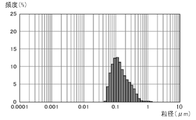
- FIG. 1 is a diagram showing the particle size distribution of compound-containing nanoparticles according to Example 1.
- FIG. 1 is a diagram showing GFP positive rates according to Test Example 1.
- FIG. 10 is a graph showing changes over time in body weight of mice according to Test Example 2.
- FIG. (A), (B), (C) and (D) show the body weight of mice dosed with spike protein alone, compound-free nanoparticles, compound-containing nanoparticles and compound, respectively.
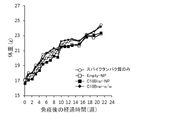
- FIG. 5 is a graph showing changes over time in the average body weight of the mice shown in FIG. 4; FIG.
- FIG. 10 is a graph showing temporal changes in the amount of antibody produced in mice according to Test Example 2.
- FIG. (A), (B), (C) and (D) show the body weight of mice dosed with spike protein alone, compound-free nanoparticles, compound-containing nanoparticles and compound, respectively.
- FIG. 7 is a graph showing changes over time in average antibody production levels in the mice shown in FIG. 6.
- FIG. (A) shows the average amount of spike protein-specific IgG during the test period.
- (B) shows the average amount of IgG from 0 to 7 weeks shown in (A).
- the immunostimulant according to the present embodiment contains biocompatible particles containing the compound of Formula 1 below.
- X a and X b are each independently selected from O or NH.
- X a may be O and X b may be NH
- X a may be NH and X b may be O
- X a and X b may be NH.
- X a and X b are O.
- Y a and Y b are each independently selected from the group comprising —I, —Br, —Cl, —F, —OH, —R 1 and OR 1 .
- R 1 is selected from alkyl having 1 to 6 carbon atoms, alkenyl having 2 to 6 carbon atoms and alkynyl having 2 to 6 carbon atoms.
- Each of alkyl having 1 to 6 carbon atoms, alkenyl having 2 to 6 carbon atoms and alkynyl having 2 to 6 carbon atoms may be substituted with —OH or alkoxy having 1 to 6 carbon atoms.
- Y a and Y b are each —OH or —CH 3 , preferably Y a and Y b are —OH.
- n and m are each independently 0-4.
- n and m are one.
- Z a and Z b are each independently selected from R 2 , —OR 2 , —NHR 2 , —NHC(O)—R 2 and SR 2 .
- R 2 is selected from alkyl having 5 to 26 carbon atoms, alkenyl having 5 to 26 carbon atoms and alkynyl having 5 to 26 carbon atoms.
- Each of alkyl having 5 to 26 carbon atoms, alkenyl having 5 to 26 carbon atoms and alkynyl having 5 to 26 carbon atoms may be substituted with —OH or alkoxy having 1 to 6 carbon atoms.
- Z a and Z b are —OR 2 and R 2 is 18 carbon alkyl.
- r and s are each independently 1 to 3; Preferably r and s are one.
- alk a and alk b may each be independently selected from alkylene having 1 to 4 carbon atoms, alkenylene having 2 to 4 carbon atoms and alkynylene having 2 to 4 carbon atoms ;
- r and S are each selected from 0-4.
- n and m are each one and r and S are each one.
- Alkyl means any saturated hydrocarbon group having any number of carbon atoms, for example up to 30 carbon atoms.
- Alkyl includes cyclic (including fused bicyclic) alkyl groups, straight and branched chain alkyl groups, and straight or branched chain alkyl groups substituted with cyclic alkyl groups. Examples of alkyl groups are methyl, ethyl, n-propyl, iso-propyl, cyclopropyl, n-butyl, iso-butyl, sec-butyl, t-butyl, n-pentyl.
- Alkenyl means any hydrocarbon group having at least one double bond and up to 30 carbon atoms. Alkenyl includes both straight-chain and branched-chain alkenyl groups. Examples of alkenyl include ethenyl, n-propenyl, iso-propenyl, n-butenyl, iso-butenyl, sec-butenyl, t-butenyl, n-pentenyl, 1,1-dimethylpropenyl. 1,2-dimethylpropenyl, 2,2-dimethylpropenyl, 1-ethylpropenyl, 2-ethylpropenyl, n-hexenyl and 1-methyl-2-ethylpropenyl groups.
- Alkynyl means any hydrocarbon group having at least one triple bond and up to 30 carbon atoms. Alkynyl includes both straight-chain and branched-chain alkynyl groups. Examples of alkynyl include ethynyl, n-propynyl, iso-propynyl, n-butynyl, iso-butynyl, sec-butynyl, t-butynyl, n-pentynyl and the like.
- Alkoxy means an O-alkyl group.
- Alkylene means a divalent group corresponding to an alkyl group. Examples of alkylene include methylene, cyclohexylene and ethylene groups. An alkylene can contain one or more cyclic alkylene groups in the alkylene chain. Alkylene may include a cyclohexylene group attached to a methylene group. Alkylene may be optionally substituted with one or more substituents selected from the group consisting of hydroxyl, halogen, alkyl and aryl. An alkylene may include one or more arylene moieties within the alkylene chain, eg, a phenylene group within the alkylene chain.
- Alkenylene means a divalent group corresponding to an alkene group. Alkenylene may be optionally substituted with one or more substituents selected from the group consisting of hydroxyl, halogen, alkyl and aryl. An alkenylene may contain one or more arylene moieties within the alkenylene chain, eg, a phenylene group may be contained within the alkenylene chain.
- Alkynylene means a divalent group corresponding to an alkynyl group. Alkynylene may be optionally substituted with one or more substituents selected from the group consisting of hydroxyl, halogen, alkyl and aryl. An alkynylene may optionally include one or more arylene moieties within the alkynylene chain, for example, a phenylene group may be included within the alkynylene chain.
- Aryl means an aromatic group having 4 to 18 carbon atoms, including heteroaromatic groups.
- Aryl includes fused groups such as monocyclic, bicyclic and tricyclic groups.
- aryl include phenyl, indenyl, 1-naphthyl, 2-naphthyl, azulenyl, heptalenyl, biphenyl, inrdacenyl, acenaphthyl, fluorenyl, phenalenyl, phenanthrenyl, anthracenyl, cyclopenta Cyclooctenyl group, benzocyclooctenyl group, pyridyl group, pyrrolyl group, pyridazinyl group, pyrimidinyl group, pyrazinyl group, triazolyl group (1-H-1,2,3-triazol-1-yl and 1-H-1 , 2,3-triazol-4-yl group), tetrazol
- Substituted means that one or more hydrogen atoms of an indicated group have been replaced with one or more independently selected suitable substituents. provided that the normal valence of each atom to which the substituent is attached is not exceeded, and preferably the substitution results in a stable compound. Suitable substituents include optional substituents set forth herein.
- the compounds according to the present embodiment are 6,6'-di-O-(2-hydroxy-4-butoxybenzoyl)- ⁇ , ⁇ '-D-trehalose, 6,6'-di-O-(2- hydroxy-4-methoxybenzoyl)- ⁇ , ⁇ '-D-trehalose and 6,6'-di-O-(2,4-dihydroxybenzoyl)- ⁇ , ⁇ '-D-trehalose.
- Biocompatible particles are particles whose main component is a biocompatible polymer.
- Biocompatible polymers have varying average chain lengths that lead to differences in internal viscosity and polymer properties.
- the polymer used in the present embodiment is preferably a biodegradable polymer that is biocompatible with low irritation and toxicity to living bodies and is degraded and metabolized after administration.
- Biodegradable polymers include, for example, macromolecules produced by microorganisms such as polyhydroxybutyrate and polyhydroxyvalerate, and natural high-molecular weight compounds such as collagen, cellulose acetate, bacterial cellulose, high amylose corn starch, starch and chitosan. molecules and the like.
- the molecular weight of the biocompatible polymer is for example 5000-200000 or 15000-25000.
- the biocompatible polymer is preferably biocompatible polyester.
- Biocompatible polyesters include, for example, D,L-lactide, D-lactide, L-lactide, D,L-lactic acid, D-lactic acid, L-lactic acid, glycolide, glycolic acid, ⁇ -caprolactone, ⁇ -hydroxyhexanoic acid, It is a polyester synthesized by polymerizing one or more monomers selected from ⁇ -butyrolactone, ⁇ -hydroxybutyric acid, ⁇ -valerolactone, ⁇ -hydroxyvaleric acid, hydroxybutyric acid, malic acid, and the like.
- the biocompatible polymer is polylactic acid, polyglycolic acid, lactic acid-aspartic acid copolymer, lactic acid-glycolic acid copolymer (PLGA) or polyethylene glycol/chitosan modified-PLGA (PEG/CS-PLGA).
- PLGA polyglycolic acid
- PEG/CS-PLGA polyethylene glycol/chitosan modified-PLGA
- PLGA is a copolymer consisting of lactic acid (or lactide) and glycolic acid (or glycolide) in a ratio of, for example, 1:99 to 99:1, preferably 3:1.
- the biocompatible particles according to the embodiment are preferably nano-sized and have a particle diameter of, for example, 1 to 800 nm.
- the particle size of the biocompatible particles is 500 nm or less, 400 nm or less, 300 nm or less, or 200 nm or less.
- the particle size of the biocompatible particles is 10-500 nm, 25-300 nm, 30-250 nm, more preferably 30-300 nm or 40-200 nm.
- the particle size of biocompatible particles is measured by sieving method, sedimentation method, microscopic method, light scattering method, laser diffraction/scattering method, electrical resistance test, observation by transmission electron microscope, observation by scanning electron microscope, etc. can.
- the particle size may be measured with a known particle size distribution meter.
- the particle diameter can be represented by an equivalent stalk diameter, an equivalent circle diameter, or an equivalent sphere diameter depending on the measurement method.
- the particle size of the biocompatible particles may be an average particle size, a volume average particle size, an area average particle size, or the like, with a plurality of particles being measured.
- the particle size of the biocompatible particles described above may be an average particle size calculated from a volume distribution or the like based on a measurement such as a laser diffraction/scattering method. Specifically, when the cumulative curve is obtained with the total volume of the group of particles as 100%, the volume average particle diameter (50% diameter; D 50 ), which is the particle diameter at the point where the cumulative curve reaches 50%, is the particle diameter. It may be the diameter. Cumulative curves and D50 can be determined using a commercially available particle size analyzer.
- the biocompatible particles have a particle diameter span value of 3.0 or less.
- a span value is obtained by (D 90 -D 10 )/D 50 .
- D90 is the 90 % diameter, which is the particle diameter at the point where the cumulative curve reaches 90%.
- D10 is the 10 % diameter, which is the particle diameter at the point where the cumulative curve reaches 10%.
- the biocompatible particles have a particle diameter span value of 5.0 or less, 4.0 or less, preferably 3.0 or less, and more preferably 2.5 or less.
- the content of the compound in the biocompatible particles is not particularly limited, but is 5% by mass or more, 10% by mass or more, 20% by mass or more, 30% by mass or more, 40% by mass or more, relative to the mass of the biocompatible particles. 50% by mass or more, 60% by mass or more, 70% by mass or more, 80% by mass or more, 90% by mass or more, 95% by mass or less, 90% by mass or less, 80% by mass or less, 70% by mass or less, It may be 60% by mass or less, 50% by mass or less, or 40% by mass or less.
- the compound content in the biocompatible particles is 10-80%, 12-50% or 15-40% by weight.
- the content rate is the mass of the compound relative to the mass of the biocompatible particles calculated based on the quantified value of the concentration of the compound extracted from the biocompatible particles.
- the biocompatible particles may contain excipients.
- Excipients enhance the fluidity of the biocompatible particles and enhance the stability of the compound. Any pharmacologically acceptable excipient can be used.
- excipients include water, saline, oils such as animal oils, vegetable oils, synthetic oils and petroleum oils, aqueous dextrose, glycerol, starch glucose, lactose, mannitol, trehalose, inositol, erythritol, lactose, sucrose, sucrose.
- PVA polyvinyl alcohol
- PVP polyvinyl alcohol
- natural polymers synthetic polymers, glycine, leucine, isoleucine, arginine and amino acids such as histidine, gelatin, sodium stearate, glyceryl monostearate, sodium chloride, propylene glycol, ethanol, wetting agents, emulsifiers, binders, dispersants, thickeners, lubricants, pH adjusters, Examples include solubilizers, softeners, surfactants, and the like. More preferably, the excipient is PVA.
- the mass ratio of compound to excipient in the biocompatible particles ranges from 100:1 to 1:100.
- the mass ratio of the compound contained in the biocompatible particles to the excipient is preferably 10:1 to 1:20, more preferably 8:1 to 1:15, still more preferably 6:1. ⁇ 1:10 or 4:1 to 1:10.
- compound 4 (X is O or NH) in which R is protected with a benzyl group, trimethylsilyl group or levulinoyl group or is unprotected and R is H is reacted with a coupling reagent. or an activated form of compound (carboxylic acid) 5, such as the anhydride or acid chloride, is used to condense with compound 5. Subsequent optional deprotection using, for example, hydrogenation, acid or base provides compound 3.
- Coupling reagents are, for example, N,N'-dicyclohexylcarbodiimide (DCC), BOP reagents, HATU, COMU, triphenylphosphine (Ph 3 P)/DEAD, or derivatives thereof.
- DCC N,N'-dicyclohexylcarbodiimide
- BOP reagents BOP reagents
- HATU HATU
- COMU trihenylphosphine
- Ph 3 P triphenylphosphine
- Compound 4 (where X is NH) is also formed by reduction of the corresponding azide using a reducing agent such as hydrogen, hydride, sulfide or phosphine. Further, compound 4 is subjected to an enzyme-, acid- or base-catalyzed reaction together with an ester derivative of compound 5. Subsequent optional deprotection using, for example, hydrogenation, acid or base, can also lead to the formation of compound 3.
- a reducing agent such as hydrogen, hydride, sulfide or phosphine.
- compound 7 in which R 1 is protected with a benzyl group, trimethylsilyl group or levulinoyl group, or in which unprotected R 1 is H (X a is O or NH; Y is OR 2 (where R 2 is H or a protecting group), or Y is NR 2 R 3 (wherein R 2 and R 3 are H or a protecting group)) under the action of a coupling reagent, or compound (carboxylic acid) 8 is condensed with compound 8 using an activated form such as the anhydride or acid chloride of This is followed by optional deprotection using, for example, hydrogenation, acid or base to form compound 9 ( Xb is O or NH).
- Condensation of compound 9 with compound 10 is then carried out under the action of a coupling reagent or using an activated form such as the anhydride or acid chloride of compound (carboxylic acid) 10, optionally e.g. Hydrogenation, deprotection using acid or base gives compound 6.
- compound 7 (Xa is NH) or compound 9 ( Xb is NH) is formed by reduction of the corresponding azide using a reducing agent such as hydrogen, hydride, sulfide or phosphine. Further, compound 7 or compound 9 is subjected to an enzyme-, acid-, or base-catalyzed reaction along with compound 8 or the ester derivative of compound 10. Subsequent optional deprotection using, for example, hydrogenation, acid or base, can form compound 6.
- a method of making the biocompatible particles includes a mixing step and a precipitation step.
- an emulsifier aqueous solution hereinafter referred to as "A liquid”
- a raw material solution hereinafter referred to as “B liquid”
- a liquid an emulsifier aqueous solution
- B liquid a raw material solution
- liquid A will be described.
- the emulsifier dissolved in liquid A is not particularly limited as long as it enhances the dispersion stability of the particles.
- emulsifiers include surfactants, polyethylene glycol, polyethylene oxide, polyvinylpyrrolidone, water-soluble resins, lecithin, saponins, sterols, glycerin fatty acid esters, sucrose fatty acid esters, sorbitan fatty acid esters, propylene glycol fatty acid esters, polyglycerin.
- surfactants polyethylene glycol, polyethylene oxide, polyvinylpyrrolidone, water-soluble resins, lecithin, saponins, sterols, glycerin fatty acid esters, sucrose fatty acid esters, sorbitan fatty acid esters, propylene glycol fatty acid esters, polyglycerin.
- examples include fatty acid esters and polysorbates.
- the emulsifier is polyvinyl alcohol (hereinafter referred to as "PVA").
- PVA polyvinyl alcohol
- Commercially available PVA can be used as an emulsifier.
- PVA may be used for industrial or medical purposes, but PVA containing little residual organic solvent or containing no organic solvent is preferred.
- the concentration of the emulsifier in liquid A is, for example, 0.01 to 10.0% by mass, 0.01 to 5.0% by mass, preferably 0.05 to 2% by mass. It is preferable that the pH of the thin film fluid in which the A liquid and the B liquid are mixed is 6-8. Therefore, the pH of liquid A is preferably adjusted to, for example, 7-8. Any pH adjusting agent may be used to adjust the pH of liquid A. For example, alkaline species such as sodium hydrogen carbonate, sodium carbonate, calcium hydroxide, ammonia, sodium hydroxide and potassium hydroxide may be used.
- Liquid B contains an organic solvent in which the compound is dissolved.
- the organic solvent is not particularly limited, but solvents including acetone and ethanol are preferred.
- the compound and PLGA are dissolved in the solvent.
- the compound and PLGA are added to acetone, dissolved using ultrasonic waves or Clearmix, and then ethanol is added and mixed.
- the mass ratio of PLGA to the compound is, for example, 10:1 to 1:10, 8:1 to 1:8, 6:1 to 1:6, 5:1 to 1:5 or 4:1 to 1. :4.
- the volume ratio of acetone to ethanol is 3:1 to 1:1, preferably 2:1 to 1:1.
- the drug and PLGA may be added to a mixed solution obtained by mixing acetone and ethanol in advance. If necessary, the solvent for liquid B may be mixed with a solvent other than acetone and ethanol.
- the A liquid and the B liquid are introduced between processing surfaces that are arranged to face each other and at least one of which rotates relative to the other. Thereby, a thin film fluid is formed between the processing surfaces, and the A liquid and the B liquid are mixed.
- the mixed A and B liquids react in the thin film fluid to form nanoparticles containing compounds.
- the deposition step deposits the formed nanoparticles into a thin film fluid.
- FIG. 1 shows a schematic diagram of a cross-section of a thin film rotary disperser 100 .
- the thin film rotary disperser 100 includes a holder 10 , a holder 20 , an introduction section 30 , a fluid pressure application section 40 , an introduction section 50 , a fluid supply section 60 and a case 70 .
- the holder 10 is arranged below the holder 20 .
- the holder 10 and the holder 20 hold the processing section 11 and the processing section 21, respectively.
- the processing section 11 and the processing section 21 are each annular (ring-shaped).
- the processing section 11 has a processing surface 1 .
- the processing section 21 has a processing surface 2 facing the processing surface 1 .
- a contact surface pressure applying portion 22 is arranged between the holder 20 and the processing portion 21 .
- the contact surface pressure applying unit 22 applies pressure (hereinafter, simply referred to as “back pressure”) to the processing unit 21 to bring the processing unit 21 closer to the processing unit 11 below. Therefore, the processing surface 1 and the processing surface 2 can move toward and away from each other.
- the holder 10 is rotated relative to the holder 20 around the axis of the holder 10 by a motor, as shown in FIG. As a result, the processing surfaces 1 arranged to face each other rotate relative to the processing surface 2 .
- a fluid pressure application section 40 is connected to the introduction section 30 .
- a liquid is supplied between the processing surface 1 and the processing surface 2 by pressurizing the A liquid by the fluid pressure applying unit 40 having a compressor. More specifically, the A liquid is introduced from the introducing section 30 into the space inside the holder 10 and the holder 20 by being pressurized by the fluid pressure applying section 40 . Furthermore, the A liquid passes between the processing surface 1 and the processing surface 2 and tries to escape to the outside of the holder 10 and the holder 20 . At this time, the holder 20 receiving the pressure of the A liquid moves away from the holder 10 against the back pressure. As a result, a minute gap is formed between the processing surface 1 and the processing surface 2 . Alternatively, the A liquid may be directly supplied between the processing surface 1 and the processing surface 2 from the introduction part 30 .
- the introduction part 50 is a passage for liquid B provided inside the processing part 21 .
- a fluid supply section 60 having a compressor is connected to one end of the introduction section 50 .
- the fluid supply unit 60 supplies the B liquid between the processing surface 1 and the processing surface 2 via the introduction unit 50 .
- Liquid B is supplied from the introduction part 50 between the processing surface 1 and the processing surface 2 and joins with the A liquid.
- the A liquid and the B liquid join between the processing surface 1 and the processing surface 2 maintaining a minute gap to form a thin film fluid.
- Mixing and reaction of the A liquid and the B liquid are promoted in the thin film fluid.
- the product produced by the reaction of liquid A and liquid B contains a medicinal component and precipitates in the thin film fluid as uniform fine nanoparticles.
- the precipitated nanoparticles are discharged outside the holder 10 and the holder 20 while being suspended in the liquid.
- the case 70 is arranged outside the outer peripheral surfaces of the holder 10 and the holder 20 .
- the case 70 accommodates the nanoparticle dispersion discharged outside the holder 10 and the holder 20 .
- Apparatus suitable for the above manufacturing method includes, for example, the forced thin film microreactor ULREA SS-11 (manufactured by M Technic).
- ULREA SS-11 manufactured by M Technic
- the number of rotations of the holder 10, the back pressure, the flow rates and temperatures of the A and B liquids, etc. can be appropriately set.
- a vibrator or an ultrasonic device is attached to the thin film rotary disperser 100, or a mixing channel You may use the micro waterway which deform
- the immunostimulant according to the present embodiment is produced by a known method, and contains 0.000001 to 99.9% by weight, 0.00001 to 99.8% by weight, and 0.0001 to 99.7% by weight of the active ingredient. , 0.001-99.6% by weight, 0.01-99.5% by weight, 0.1-99% by weight, 0.5-60% by weight, 1-50% by weight, or 1-20% by weight of living organisms Contains compatible particles.
- the administration route of the immunostimulant according to the present embodiment to humans and animals other than humans is not particularly limited.
- intradermal, subcutaneous or intramuscular injection is particularly preferable, and in this case, one aspect of the immunostimulant is an injection.
- the immunostimulant may be, for example, a combination drug containing a pharmacologically acceptable carrier.
- Pharmaceutically acceptable carriers are various organic or inorganic carrier substances used as pharmaceutical ingredients.
- Pharmaceutically acceptable carriers are, for example, excipients, lubricants, binders and disintegrants in solid formulations, or solvents, solubilizers, suspending agents, tonicity agents and buffers in liquid formulations. and as an analgesic, etc., in an immunostimulant.
- Additives such as preservatives, antioxidants, coloring agents and sweeteners may also be added as necessary.
- the dosage of the immunostimulant according to the present embodiment is appropriately determined according to the age, body weight, symptoms, etc. of the administration subject.
- the immunostimulant is administered in an effective amount of the compound.
- An effective amount is that amount of the compound necessary to produce the desired result, that amount necessary to slow, inhibit, prevent, reverse or cure the condition being treated or treated.
- the dosage of the immunostimulant is, for example, 0.01 mg/kg to 1000 mg/kg, preferably 0.1 mg/kg to 200 mg/kg, more preferably 0.2 mg/kg to 20 mg/kg, and Single or multiple doses can be administered.
- the pharmaceutical composition may also be administered at different dosing frequencies, such as daily, every other day, once a week, every other week, once a month, and the like. Preferably, the dosing frequency is easily determined by a physician or the like. Amounts outside the above ranges can also be used, if desired.
- the immunostimulant according to this embodiment is preferably used together with a vaccine.
- “Combination” refers to administering an immunostimulant and a vaccine to the same patient for a given period of time.
- the immunostimulant is preferably administered simultaneously with the vaccine, but each may be administered separately in chronological order, such as by administering the other while the effect of one remains.
- the route of administration of the immunostimulant and vaccine may be the same or different.
- Immunostimulatory agents may be incorporated into vaccines and administered as vaccine compositions.
- the adjuvant and vaccine are administered over a defined period of time according to a single regimen that defines the dose and regimen of each adjuvant and vaccine.
- An immunostimulatory agent when used in combination with a vaccine, accelerates, prolongs or enhances the antigen-specific immune response to the vaccine.
- Vaccines are not particularly limited as long as they can be used to prevent or treat various diseases, especially infectious diseases caused by pathogens, cancer and other diseases.
- the vaccine is against the novel coronavirus (SARS-CoV-2) that causes novel coronavirus disease (COVID-19).
- the immunostimulant according to the present embodiment can enhance the immune response induced by the above compounds and increase the production of antigen-specific IgG antibodies.
- use of the above compounds for the manufacture of an immunostimulant is provided.
- methods are provided for enhancing, reinforcing, promoting, accelerating or prolonging the immune response induced by the compounds.
- the above compounds may have an asymmetric or chiral center.
- Asymmetric or chiral centers can be designated as (R) or (S), depending on the three-dimensional arrangement of the substituents on the chiral atom.
- All stereochemically isomeric, d-isomers, l-isomers, including diastereomeric, enantiomeric and epimeric forms of a compound, as well as enantiomerically enriched mixtures and diastereomerically enriched stereochemical isomers are included in the above compounds, including mixtures of the above compounds.
- individual enantiomers can be synthetically prepared from commercially available enantiopure starting materials. Enantiomers can also be prepared by preparing an enantiomeric mixture and resolving the mixture into the individual enantiomers. Resolution includes conversion of a mixture of enantiomers to a mixture of diastereomers and separation of diastereomers by, for example, recrystallization or chromatography, and other suitable methods known in the art.
- the above compounds may also exist as conformational or geometric stereoisomers, including cis, trans, syn, anti,
- E Electronicd Device
- Z Visual Component
- All such stereoisomers and any mixtures thereof are included in the above compounds.
- Any tautomers of the above compounds or mixtures thereof are also included in the above compounds.
- the above compounds may also exist as isotopologues and isotopomers, wherein one or more atoms in the compound are replaced with different isotopes.
- Suitable isotopes include, for example, 1H, 2H ( D), 3H (T), 12C , 13C , 14C , 16O and 18O .
- Isotopologues and isotopomers are also included in the above compounds.
- a pharmacologically acceptable salt of the above compound may be contained in the biocompatible particles.
- Salts include acid addition, base addition, and quaternary salts of basic nitrogen-containing groups.
- Acid addition salts can be prepared by reacting a compound in its free base form with an inorganic or organic acid. Examples of inorganic acids include, but are not limited to, hydrochloric acid, hydrobromic acid, nitric acid, sulfuric acid, and phosphoric acid.
- organic acids include acetic acid, trifluoroacetic acid, propionic acid, succinic acid, glycolic acid, lactic acid, malic acid, tartaric acid, citric acid, ascorbic acid, maleic acid, fumaric acid, pyruvic acid, aspartic acid, glutamic acid, stearic acid.
- Acids include, but are not limited to, salicylic acid, methanesulfonic acid, benzenesulfonic acid, isethionic acid, sulfanilic acid, adipic acid, butyric acid, and pivalic acid.
- Base addition salts can be prepared by reacting the compound in the free acid form with an inorganic or organic base.
- inorganic base addition salts include alkali metal salts, alkaline earth metal salts, and other physiologically acceptable metal salts such as aluminum, calcium, lithium, magnesium, potassium, sodium, or zinc salts.
- organic base addition salts include amine salts such as salts of trimethylamine, diethylamine, ethanolamine, diethanolamine and ethylenediamine.
- a quaternary salt of a basic nitrogen-containing group in a compound is, for example, converting the compound to alkyl halides such as methyl, ethyl, propyl, butyl chloride, bromide and iodide, dialkyl sulfates such as dimethyl sulfate, diethyl, dibutyl and diamyl sulfate. and the like.
- the compounds also include N-oxides of the above compounds.
- the compounds described above form solvates with various solvents and can exist as solvates with various solvents. All solvated and unsolvated forms of the compounds are included in the above compounds.
- reaction b the product of reaction b) was reacted with triethylsilane (Et 3 SiH) and dichloromethane (CH 2 Cl 2 ) in the presence of trifluoroacetic acid (TFA) at room temperature for 30 minutes (yield 80%).
- Et 3 SiH triethylsilane
- CH 2 Cl 2 dichloromethane
- TFA trifluoroacetic acid
- C18Brar nanoparticulation Using ULREA SS-11 (manufactured by M Technic), C18Brar nanoparticles (C18Brar-NP) were prepared as follows. First, the A liquid tank was filled with the A liquid, and the A liquid was fed at 40 mL/min at 10°C, and then the B liquid was fed at 10 mL/min at 50°C.
- Liquid A is an aqueous solution containing PVA (Gosenol EG-05P) at a concentration of 0.1 mg/ml.
- nanoparticles not containing C18Brar were produced as follows. First, the A liquid tank was filled with the A liquid, and the A liquid was fed at 40 mL/min at 10°C, and then the B liquid was fed at 10 mL/min at 50°C.
- Liquid A is an aqueous solution containing PVA (Gosenol EG-05P) at a concentration of 0.1 mg/ml.
- FIG. 2 shows the particle size distribution of C18Brar-NP.
- the D50 of C18Brar-NP was 125 nm with a span value of 2.0.
- Empty-NP had a D 50 of 147 nm and a span value of 0.9.
- Test Example 1 Evaluation of C18Brar Content Based on Activity by Mincle Reporter Cells
- Mincle and reporter cells expressing FcRg as an adapter molecule were used.
- Mincle reporter cells were produced by transfecting the Mincle and FcR ⁇ CDS sequences with a retroviral vector.
- C18Brar stock solution in chloroform:methanol (2:1) was serially diluted with 2-propanol and added to 96-well plates. The solvent was dried and the plates were coated with C18Brar.
- C18Brar-NP or Empty-NP was suspended in medium (RPMI containing 10% FCS), serially diluted to each concentration, and added to the plate at 100 ⁇ l/well.
- medium was added to C18Brar-coated wells at 100 ⁇ l/well to match volume and final concentration.
- a Mincle reporter cell suspension (6 ⁇ 10 5 cells/ml) was added to each plate at 100 ⁇ l/well (final concentration 3 ⁇ 10 4 cells/well) for stimulation. Cells were cultured in a CO2 incubator at 37°C for 20 hours.
- Mincle reporter cells express CD3 in T cell hybridomas.
- GFP was expressed by stimulation with a monoclonal antibody (2C11, manufactured by MBL) against CD3e contained in the T cell receptor complex.
- trehalose-6,6'-dimycolate TDM
- 2-propanol was treated with 2-propanol at 1.5 ⁇ g/ It was diluted to ml, added to 20 ⁇ l/well, and stimulated in the same manner as the C18Brar drug substance group.
- the GFP expression of the Mincle reporter cells was evaluated with a flow cytometer.
- a calibration curve was prepared using the GFP positive rate in the C18Brar raw material as a standard, and the C18Brar content was quantified from the GFP positive rate by stimulation with C18Brar-NP.
- FIG. 3 shows the GFP positive rate.
- the amount of C18Brar-NP corresponding to 0.131 ⁇ g/well of C18Brar drug substance was 20 ⁇ g/well.
- Test Example 2 Immunity test A SARS-CoV-2 spike protein (full length, trimer, hereinafter also referred to as "spike protein") was prepared as follows. The extracellular domain of the S protein with a foldon sequence followed by a 9 ⁇ His tag and a Strep tag at the C-terminus was cloned into the expression vector pCMV. The polybasic cleavage site (RRAR) of the S protein was replaced with alanine and K986P and V987P substitutions were introduced to stabilize the structure.
- RRAR polybasic cleavage site
- the Empty-NP, C18Brar-NP and the spike protein prepared in Example 1 were diluted with PBS or suspended in PBS to prepare a predetermined concentration.
- C18Brar-oil-in-water (C18Brar-o/w) was prepared by adding 0.5% Tween-80.5% mineral oil to a PBS solution of C18Brar (94.5% PBS).
- Mice were administered 10 ⁇ g of spike protein alone or 10 ⁇ g of spike protein and each sample subcutaneously (base of tail, 100 ⁇ l/side).
- the doses per mouse of Empty-NP, C18Brar-NP and C18Brar-o/w were 7.65 mg, 7.65 mg and 50 ⁇ g, respectively.
- Blood was collected from the cheeks of the mice every week from week 0 (immediately before immunization) after immunization, and serum was collected. Also, the body weight of the mice was measured every week.
- a boost was given by administering PBS containing 10 ⁇ g of spike protein again to the same site as the first. After the boost, blood was drawn every other week and serum was collected. Body weight was also measured in the same manner.
- spike protein-specific antibody in serum was measured by ELISA.
- a commercially available monoclonal antibody 1A9 manufactured by GENETEX
- GENETEX monoclonal antibody 1A9
- Serum was diluted with 10% BSA/PBS from 100-fold to 10000-fold and used for measurement.
- a 96-well plate manufactured by Themo Fisher Scientific whose surface was coated with nickel was coated with a His-tagged spike protein (manufactured by R&D).
- the diluted serum, HRP-labeled anti-mouse IgG (SouthernBiotech) and TMB coloring kit were allowed to react in order, and OD450 was measured.
- the amount of antibody in the serum was quantified using the calibration curve obtained by 1A9.
- Figures 4 (A), (B), (C) and (D) show the body weight of mice administered spike protein alone, Empty-NP, C18Brar-NP and C18Brar-o/w, respectively.
- FIG. 5 shows the average body weight of mice administered each sample. No body weight loss was observed in any of the samples.
- FIG. 7(A) shows the average amount of spike protein-specific IgG. After boosting, the amount of IgG in the C18Brar-NP administration group increased significantly.
- FIG. 7(B) which shows the average IgG amount from 0 to 7 weeks shown in FIG. 7(A), the amount of IgG in the C18Brar-NP administration group increased even before the boost.
- the present invention is suitable for pharmaceuticals, especially immunostimulants that enhance the effects of vaccines.
- Reference Signs List 1 2 processing surface 10, 20 holder 11, 21 processing unit 22 contact surface pressure applying unit 30, 50 introduction unit 40 fluid pressure applying unit 60 fluid supply unit 70 case 100 thin film rotary disperser
Landscapes
- Health & Medical Sciences (AREA)
- Life Sciences & Earth Sciences (AREA)
- Chemical & Material Sciences (AREA)
- General Health & Medical Sciences (AREA)
- Veterinary Medicine (AREA)
- Medicinal Chemistry (AREA)
- Pharmacology & Pharmacy (AREA)
- Public Health (AREA)
- Animal Behavior & Ethology (AREA)
- Immunology (AREA)
- Epidemiology (AREA)
- Virology (AREA)
- Chemical Kinetics & Catalysis (AREA)
- General Chemical & Material Sciences (AREA)
- Organic Chemistry (AREA)
- Bioinformatics & Cheminformatics (AREA)
- Engineering & Computer Science (AREA)
- Nuclear Medicine, Radiotherapy & Molecular Imaging (AREA)
- Molecular Biology (AREA)
- Microbiology (AREA)
- Mycology (AREA)
- Communicable Diseases (AREA)
- Proteomics, Peptides & Aminoacids (AREA)
- Pulmonology (AREA)
- Inorganic Chemistry (AREA)
- Oncology (AREA)
- Pharmaceuticals Containing Other Organic And Inorganic Compounds (AREA)
Priority Applications (1)
| Application Number | Priority Date | Filing Date | Title |
|---|---|---|---|
| JP2023532008A JPWO2023277051A1 (https=) | 2021-06-30 | 2022-06-29 |
Applications Claiming Priority (2)
| Application Number | Priority Date | Filing Date | Title |
|---|---|---|---|
| JP2021108679 | 2021-06-30 | ||
| JP2021-108679 | 2021-06-30 |
Publications (1)
| Publication Number | Publication Date |
|---|---|
| WO2023277051A1 true WO2023277051A1 (ja) | 2023-01-05 |
Family
ID=84690236
Family Applications (1)
| Application Number | Title | Priority Date | Filing Date |
|---|---|---|---|
| PCT/JP2022/025905 Ceased WO2023277051A1 (ja) | 2021-06-30 | 2022-06-29 | 免疫賦活剤 |
Country Status (2)
| Country | Link |
|---|---|
| JP (1) | JPWO2023277051A1 (https=) |
| WO (1) | WO2023277051A1 (https=) |
Cited By (2)
| Publication number | Priority date | Publication date | Assignee | Title |
|---|---|---|---|---|
| WO2024219501A1 (ja) * | 2023-04-20 | 2024-10-24 | 国立大学法人大阪大学 | Mincleリガンドとしての糖脂質誘導体 |
| WO2025247708A1 (en) * | 2024-05-31 | 2025-12-04 | Consejo Superior De Investigaciones Científicas | Immunomodulatory thiourea and urea carbohydrate compounds and uses thereof |
Citations (5)
| Publication number | Priority date | Publication date | Assignee | Title |
|---|---|---|---|---|
| JPH09504026A (ja) * | 1993-10-22 | 1997-04-22 | ジェネンテク、インコーポレイテッド | 流動床乾燥工程を含んでなるミクロスフェアの製造方法 |
| JP2013518058A (ja) * | 2010-01-24 | 2013-05-20 | ノバルティス アーゲー | 放射線照射された生分解性微粒子 |
| JP2016516048A (ja) * | 2013-03-14 | 2016-06-02 | プレジデント・アンド・フェロウズ・オブ・ハーバード・カレッジ | ナノ粒子ベースの組成物 |
| WO2019165114A1 (en) * | 2018-02-21 | 2019-08-29 | The University Of Montana | Diaryl trehalose compounds and uses thereof |
| JP2021501791A (ja) * | 2017-11-02 | 2021-01-21 | ヴィクトリア リンク リミテッド | ブラルテミシン類似体 |
-
2022
- 2022-06-29 WO PCT/JP2022/025905 patent/WO2023277051A1/ja not_active Ceased
- 2022-06-29 JP JP2023532008A patent/JPWO2023277051A1/ja active Pending
Patent Citations (5)
| Publication number | Priority date | Publication date | Assignee | Title |
|---|---|---|---|---|
| JPH09504026A (ja) * | 1993-10-22 | 1997-04-22 | ジェネンテク、インコーポレイテッド | 流動床乾燥工程を含んでなるミクロスフェアの製造方法 |
| JP2013518058A (ja) * | 2010-01-24 | 2013-05-20 | ノバルティス アーゲー | 放射線照射された生分解性微粒子 |
| JP2016516048A (ja) * | 2013-03-14 | 2016-06-02 | プレジデント・アンド・フェロウズ・オブ・ハーバード・カレッジ | ナノ粒子ベースの組成物 |
| JP2021501791A (ja) * | 2017-11-02 | 2021-01-21 | ヴィクトリア リンク リミテッド | ブラルテミシン類似体 |
| WO2019165114A1 (en) * | 2018-02-21 | 2019-08-29 | The University Of Montana | Diaryl trehalose compounds and uses thereof |
Non-Patent Citations (1)
| Title |
|---|
| WAGAR LISA E.; SALAHUDEEN AMEEN; CONSTANTZ CHRISTIAN M.; WENDEL BEN S.; LYONS MICHAEL M.; MALLAJOSYULA VAMSEE; JATT LAUREN P.; ADA: "Modeling human adaptive immune responses with tonsil organoids", NATURE MEDICINE, NATURE PUBLISHING GROUP US, NEW YORK, vol. 27, no. 1, 1 January 2021 (2021-01-01), New York, pages 125 - 135, XP037335173, ISSN: 1078-8956, DOI: 10.1038/s41591-020-01145-0 * |
Cited By (2)
| Publication number | Priority date | Publication date | Assignee | Title |
|---|---|---|---|---|
| WO2024219501A1 (ja) * | 2023-04-20 | 2024-10-24 | 国立大学法人大阪大学 | Mincleリガンドとしての糖脂質誘導体 |
| WO2025247708A1 (en) * | 2024-05-31 | 2025-12-04 | Consejo Superior De Investigaciones Científicas | Immunomodulatory thiourea and urea carbohydrate compounds and uses thereof |
Also Published As
| Publication number | Publication date |
|---|---|
| JPWO2023277051A1 (https=) | 2023-01-05 |
Similar Documents
| Publication | Publication Date | Title |
|---|---|---|
| CA2577009C (en) | Ceramide derivatives as modulators of immunity and autoimmunity | |
| Chen et al. | PLGA-nanoparticle mediated delivery of anti-OX40 monoclonal antibody enhances anti-tumor cytotoxic T cell responses | |
| US9487536B2 (en) | Melampomagnolide B derivatives | |
| US10188738B2 (en) | Formulations useful in the treatment of proliferative diseases affecting the respiratory tract | |
| US9908892B2 (en) | Melampomagnolide B derivatives | |
| WO2023277051A1 (ja) | 免疫賦活剤 | |
| JP2016501888A (ja) | コンジュゲート化合物 | |
| CN118459539B (zh) | 用于调节训练免疫的化合物及其使用方法 | |
| CN115403545B (zh) | 愈创木烷类倍半萜前药及其用途 | |
| CN120457136A (zh) | Sting促效剂 | |
| Chen et al. | Aluminum (oxy) hydroxide nanorods activate an early immune response in pseudomonas aeruginosa vaccine | |
| US20210332062A1 (en) | Hetero-substituted cyclic lactone analogues and uses thereof | |
| US10118935B2 (en) | Melampomagnolide B dimers | |
| KR101912757B1 (ko) | 만노스가 결합된 plga 나노입자 및 이를 포함하는 항원 제시 세포의 성숙화 유도용 조성물 | |
| KR20170009590A (ko) | 만노스가 결합된 plga 나노입자 및 이를 포함하는 항원 제시 세포의 성숙화 유도용 조성물 | |
| CN117545479A (zh) | Pi3k抑制剂、纳米制剂及其用途 | |
| JP7682544B2 (ja) | Tlr受容体リガンドをベースとするワクチンアジュバント | |
| WO2019122050A1 (en) | Methods of immunization | |
| He et al. | A based Cistanche deserticola polysaccharide functional-nanoparticle delivery system for effective oral vaccine to facilitate both systemic and mucosal immunity through enhancing oral delivery | |
| CN110393797A (zh) | 基于糖脂佐剂的糖肽疫苗的制备方法与应用 | |
| Meng et al. | Strategic development of a self-adjuvanting SARS-CoV-2 RBD vaccine: From adjuvant screening to enhanced immunogenicity with a modified TLR7 agonist | |
| KR102817074B1 (ko) | Tpp-pcl-tpp 나노입자를 포함하는 면역활성증진 조성물 | |
| US20160176839A1 (en) | Dehydroleucodine derivatives and uses thereof | |
| KR20250117158A (ko) | 신규한 숙시노글리칸 유도체 | |
| WO2023141693A1 (en) | Synthetic glycolipids and glycoliposome compositions suitable for cargo delivery to the central nervous system |
Legal Events
| Date | Code | Title | Description |
|---|---|---|---|
| 121 | Ep: the epo has been informed by wipo that ep was designated in this application |
Ref document number: 22833197 Country of ref document: EP Kind code of ref document: A1 |
|
| WWE | Wipo information: entry into national phase |
Ref document number: 2023532008 Country of ref document: JP |
|
| NENP | Non-entry into the national phase |
Ref country code: DE |
|
| 122 | Ep: pct application non-entry in european phase |
Ref document number: 22833197 Country of ref document: EP Kind code of ref document: A1 |