WO2023211829A1 - Composition and method for inhibiting advanced glycation end products - Google Patents
Composition and method for inhibiting advanced glycation end products Download PDFInfo
- Publication number
- WO2023211829A1 WO2023211829A1 PCT/US2023/019609 US2023019609W WO2023211829A1 WO 2023211829 A1 WO2023211829 A1 WO 2023211829A1 US 2023019609 W US2023019609 W US 2023019609W WO 2023211829 A1 WO2023211829 A1 WO 2023211829A1
- Authority
- WO
- WIPO (PCT)
- Prior art keywords
- extract
- composition
- optionally
- active component
- botanical
- Prior art date
- Legal status (The legal status is an assumption and is not a legal conclusion. Google has not performed a legal analysis and makes no representation as to the accuracy of the status listed.)
- Ceased
Links
Classifications
-
- A—HUMAN NECESSITIES
- A61—MEDICAL OR VETERINARY SCIENCE; HYGIENE
- A61K—PREPARATIONS FOR MEDICAL, DENTAL OR TOILETRY PURPOSES
- A61K36/00—Medicinal preparations of undetermined constitution containing material from algae, lichens, fungi or plants, or derivatives thereof, e.g. traditional herbal medicines
- A61K36/18—Magnoliophyta (angiosperms)
- A61K36/185—Magnoliopsida (dicotyledons)
-
- A—HUMAN NECESSITIES
- A61—MEDICAL OR VETERINARY SCIENCE; HYGIENE
- A61K—PREPARATIONS FOR MEDICAL, DENTAL OR TOILETRY PURPOSES
- A61K36/00—Medicinal preparations of undetermined constitution containing material from algae, lichens, fungi or plants, or derivatives thereof, e.g. traditional herbal medicines
- A61K36/18—Magnoliophyta (angiosperms)
- A61K36/185—Magnoliopsida (dicotyledons)
- A61K36/46—Eucommiaceae (Eucommia family), e.g. hardy rubber tree
-
- A—HUMAN NECESSITIES
- A61—MEDICAL OR VETERINARY SCIENCE; HYGIENE
- A61K—PREPARATIONS FOR MEDICAL, DENTAL OR TOILETRY PURPOSES
- A61K36/00—Medicinal preparations of undetermined constitution containing material from algae, lichens, fungi or plants, or derivatives thereof, e.g. traditional herbal medicines
- A61K36/18—Magnoliophyta (angiosperms)
- A61K36/185—Magnoliopsida (dicotyledons)
- A61K36/47—Euphorbiaceae (Spurge family), e.g. Ricinus (castorbean)
-
- A—HUMAN NECESSITIES
- A61—MEDICAL OR VETERINARY SCIENCE; HYGIENE
- A61K—PREPARATIONS FOR MEDICAL, DENTAL OR TOILETRY PURPOSES
- A61K36/00—Medicinal preparations of undetermined constitution containing material from algae, lichens, fungi or plants, or derivatives thereof, e.g. traditional herbal medicines
- A61K36/18—Magnoliophyta (angiosperms)
- A61K36/185—Magnoliopsida (dicotyledons)
- A61K36/48—Fabaceae or Leguminosae (Pea or Legume family); Caesalpiniaceae; Mimosaceae; Papilionaceae
- A61K36/489—Sophora, e.g. necklacepod or mamani
-
- A—HUMAN NECESSITIES
- A61—MEDICAL OR VETERINARY SCIENCE; HYGIENE
- A61K—PREPARATIONS FOR MEDICAL, DENTAL OR TOILETRY PURPOSES
- A61K36/00—Medicinal preparations of undetermined constitution containing material from algae, lichens, fungi or plants, or derivatives thereof, e.g. traditional herbal medicines
- A61K36/18—Magnoliophyta (angiosperms)
- A61K36/185—Magnoliopsida (dicotyledons)
- A61K36/73—Rosaceae (Rose family), e.g. strawberry, chokeberry, blackberry, pear or firethorn
-
- A—HUMAN NECESSITIES
- A61—MEDICAL OR VETERINARY SCIENCE; HYGIENE
- A61K—PREPARATIONS FOR MEDICAL, DENTAL OR TOILETRY PURPOSES
- A61K36/00—Medicinal preparations of undetermined constitution containing material from algae, lichens, fungi or plants, or derivatives thereof, e.g. traditional herbal medicines
- A61K36/18—Magnoliophyta (angiosperms)
- A61K36/185—Magnoliopsida (dicotyledons)
- A61K36/80—Scrophulariaceae (Figwort family)
- A61K36/808—Scrophularia (figwort)
-
- A—HUMAN NECESSITIES
- A61—MEDICAL OR VETERINARY SCIENCE; HYGIENE
- A61K—PREPARATIONS FOR MEDICAL, DENTAL OR TOILETRY PURPOSES
- A61K36/00—Medicinal preparations of undetermined constitution containing material from algae, lichens, fungi or plants, or derivatives thereof, e.g. traditional herbal medicines
- A61K36/18—Magnoliophyta (angiosperms)
- A61K36/88—Liliopsida (monocotyledons)
- A61K36/898—Orchidaceae (Orchid family)
- A61K36/8984—Dendrobium
-
- A—HUMAN NECESSITIES
- A61—MEDICAL OR VETERINARY SCIENCE; HYGIENE
- A61K—PREPARATIONS FOR MEDICAL, DENTAL OR TOILETRY PURPOSES
- A61K8/00—Cosmetics or similar toiletry preparations
- A61K8/18—Cosmetics or similar toiletry preparations characterised by the composition
- A61K8/96—Cosmetics or similar toiletry preparations characterised by the composition containing materials, or derivatives thereof of undetermined constitution
- A61K8/97—Cosmetics or similar toiletry preparations characterised by the composition containing materials, or derivatives thereof of undetermined constitution from algae, fungi, lichens or plants; from derivatives thereof
- A61K8/9783—Angiosperms [Magnoliophyta]
- A61K8/9789—Magnoliopsida [dicotyledons]
-
- A—HUMAN NECESSITIES
- A61—MEDICAL OR VETERINARY SCIENCE; HYGIENE
- A61K—PREPARATIONS FOR MEDICAL, DENTAL OR TOILETRY PURPOSES
- A61K8/00—Cosmetics or similar toiletry preparations
- A61K8/18—Cosmetics or similar toiletry preparations characterised by the composition
- A61K8/96—Cosmetics or similar toiletry preparations characterised by the composition containing materials, or derivatives thereof of undetermined constitution
- A61K8/97—Cosmetics or similar toiletry preparations characterised by the composition containing materials, or derivatives thereof of undetermined constitution from algae, fungi, lichens or plants; from derivatives thereof
- A61K8/9783—Angiosperms [Magnoliophyta]
- A61K8/9794—Liliopsida [monocotyledons]
-
- A—HUMAN NECESSITIES
- A61—MEDICAL OR VETERINARY SCIENCE; HYGIENE
- A61K—PREPARATIONS FOR MEDICAL, DENTAL OR TOILETRY PURPOSES
- A61K9/00—Medicinal preparations characterised by special physical form
- A61K9/0012—Galenical forms characterised by the site of application
- A61K9/0053—Mouth and digestive tract, i.e. intraoral and peroral administration
-
- A—HUMAN NECESSITIES
- A61—MEDICAL OR VETERINARY SCIENCE; HYGIENE
- A61P—SPECIFIC THERAPEUTIC ACTIVITY OF CHEMICAL COMPOUNDS OR MEDICINAL PREPARATIONS
- A61P13/00—Drugs for disorders of the urinary system
- A61P13/12—Drugs for disorders of the urinary system of the kidneys
-
- A—HUMAN NECESSITIES
- A61—MEDICAL OR VETERINARY SCIENCE; HYGIENE
- A61P—SPECIFIC THERAPEUTIC ACTIVITY OF CHEMICAL COMPOUNDS OR MEDICINAL PREPARATIONS
- A61P15/00—Drugs for genital or sexual disorders; Contraceptives
- A61P15/08—Drugs for genital or sexual disorders; Contraceptives for gonadal disorders or for enhancing fertility, e.g. inducers of ovulation or of spermatogenesis
-
- A—HUMAN NECESSITIES
- A61—MEDICAL OR VETERINARY SCIENCE; HYGIENE
- A61P—SPECIFIC THERAPEUTIC ACTIVITY OF CHEMICAL COMPOUNDS OR MEDICINAL PREPARATIONS
- A61P17/00—Drugs for dermatological disorders
-
- A—HUMAN NECESSITIES
- A61—MEDICAL OR VETERINARY SCIENCE; HYGIENE
- A61P—SPECIFIC THERAPEUTIC ACTIVITY OF CHEMICAL COMPOUNDS OR MEDICINAL PREPARATIONS
- A61P25/00—Drugs for disorders of the nervous system
-
- A—HUMAN NECESSITIES
- A61—MEDICAL OR VETERINARY SCIENCE; HYGIENE
- A61P—SPECIFIC THERAPEUTIC ACTIVITY OF CHEMICAL COMPOUNDS OR MEDICINAL PREPARATIONS
- A61P25/00—Drugs for disorders of the nervous system
- A61P25/28—Drugs for disorders of the nervous system for treating neurodegenerative disorders of the central nervous system, e.g. nootropic agents, cognition enhancers, drugs for treating Alzheimer's disease or other forms of dementia
-
- A—HUMAN NECESSITIES
- A61—MEDICAL OR VETERINARY SCIENCE; HYGIENE
- A61P—SPECIFIC THERAPEUTIC ACTIVITY OF CHEMICAL COMPOUNDS OR MEDICINAL PREPARATIONS
- A61P27/00—Drugs for disorders of the senses
- A61P27/02—Ophthalmic agents
-
- A—HUMAN NECESSITIES
- A61—MEDICAL OR VETERINARY SCIENCE; HYGIENE
- A61P—SPECIFIC THERAPEUTIC ACTIVITY OF CHEMICAL COMPOUNDS OR MEDICINAL PREPARATIONS
- A61P27/00—Drugs for disorders of the senses
- A61P27/02—Ophthalmic agents
- A61P27/12—Ophthalmic agents for cataracts
-
- A—HUMAN NECESSITIES
- A61—MEDICAL OR VETERINARY SCIENCE; HYGIENE
- A61P—SPECIFIC THERAPEUTIC ACTIVITY OF CHEMICAL COMPOUNDS OR MEDICINAL PREPARATIONS
- A61P3/00—Drugs for disorders of the metabolism
- A61P3/08—Drugs for disorders of the metabolism for glucose homeostasis
- A61P3/10—Drugs for disorders of the metabolism for glucose homeostasis for hyperglycaemia, e.g. antidiabetics
-
- A—HUMAN NECESSITIES
- A61—MEDICAL OR VETERINARY SCIENCE; HYGIENE
- A61P—SPECIFIC THERAPEUTIC ACTIVITY OF CHEMICAL COMPOUNDS OR MEDICINAL PREPARATIONS
- A61P39/00—General protective or antinoxious agents
- A61P39/06—Free radical scavengers or antioxidants
-
- A—HUMAN NECESSITIES
- A61—MEDICAL OR VETERINARY SCIENCE; HYGIENE
- A61P—SPECIFIC THERAPEUTIC ACTIVITY OF CHEMICAL COMPOUNDS OR MEDICINAL PREPARATIONS
- A61P43/00—Drugs for specific purposes, not provided for in groups A61P1/00-A61P41/00
-
- A—HUMAN NECESSITIES
- A61—MEDICAL OR VETERINARY SCIENCE; HYGIENE
- A61P—SPECIFIC THERAPEUTIC ACTIVITY OF CHEMICAL COMPOUNDS OR MEDICINAL PREPARATIONS
- A61P9/00—Drugs for disorders of the cardiovascular system
- A61P9/10—Drugs for disorders of the cardiovascular system for treating ischaemic or atherosclerotic diseases, e.g. antianginal drugs, coronary vasodilators, drugs for myocardial infarction, retinopathy, cerebrovascula insufficiency, renal arteriosclerosis
-
- A—HUMAN NECESSITIES
- A61—MEDICAL OR VETERINARY SCIENCE; HYGIENE
- A61Q—SPECIFIC USE OF COSMETICS OR SIMILAR TOILETRY PREPARATIONS
- A61Q19/00—Preparations for care of the skin
-
- A—HUMAN NECESSITIES
- A61—MEDICAL OR VETERINARY SCIENCE; HYGIENE
- A61Q—SPECIFIC USE OF COSMETICS OR SIMILAR TOILETRY PREPARATIONS
- A61Q19/00—Preparations for care of the skin
- A61Q19/08—Anti-ageing preparations
-
- A—HUMAN NECESSITIES
- A61—MEDICAL OR VETERINARY SCIENCE; HYGIENE
- A61K—PREPARATIONS FOR MEDICAL, DENTAL OR TOILETRY PURPOSES
- A61K2300/00—Mixtures or combinations of active ingredients, wherein at least one active ingredient is fully defined in groups A61K31/00 - A61K41/00
-
- A—HUMAN NECESSITIES
- A61—MEDICAL OR VETERINARY SCIENCE; HYGIENE
- A61K—PREPARATIONS FOR MEDICAL, DENTAL OR TOILETRY PURPOSES
- A61K2800/00—Properties of cosmetic compositions or active ingredients thereof or formulation aids used therein and process related aspects
- A61K2800/80—Process related aspects concerning the preparation of the cosmetic composition or the storage or application thereof
- A61K2800/92—Oral administration
Definitions
- the present invention relates generally to compositions and methods far inhibiting protein glycation and, more specifically, to a botanical extract-containing composition far inhibiting advanced glycation end products (AGEs) in skin of a subject Related methods are also provided.
- AGEs advanced glycation end products
- AGEs Advanced glycation end-products
- PCOS polycystic ovary syndrome
- a composition for administration to a subject comprises at least one botanical active component.
- the botanical active component is generally present in the composition in an amount effective to inhibit advanced glycation end products (AGEs) in skin of the subject
- the botanical active component comprises at least one extract selected from the group consisting of: i) an extract of Dendrobium oflicinale flower, ii) an extract of Scrophularia ntngpoensis,* iii) an extract of Eucommia ubnoides; and iv) combinations of i) to iii).
- the composition is a topical composition that is formulated for topical tration to the subject
- the composition is an oral composition that is formulated for oral administration to the subject
- composition can be used for inhibiting AGEs in slan of a subject
- a method of inhibiting AGEs in skin of a subject comprises administering an effective amount of the composition to the subject
- Figure 1 is a plot showing the average inhibition rate of fluorescent advanced glycation end-product (AGE) using Rutin as a control;
- Figure 2 is a plot showing the average inhibition rate of fluorescent AGE using Dendrobium officinale (flower) (“DOF”) - aqueous extract;
- Figure 3 is a plot showing the average inhibition rate of fluorescent AGE using DOF - ethanol extract
- Figure 4 is a plot showing the average inhibition rate of fluorescent AGE using Scrqptadariae ningpoensis (radix) - aqueous extract;
- Figure 5 is a plot showing the average inhibition rate of fluorescent AGE using Eucommia ubnoides (male flowers) - aqueous extract
- Figure 6 is a chart showing the effect of DOF - aqueous extract on human dermal fibroblasts (HDFs);
- Figure 7 includes images of the anti-glycation effect of DOF - aqueous extract on HDFs
- Figure 8 is a flow chart of online detection of antioxidants
- FIG. 9 are charts showing antioxidant potency of DOF extracts
- Figure 10 is a chart showing COX-2 inhibition of DOF hot-water extract (“DOF-W”);
- Figure 11 are charts showing anti-glycation activity of DOF-W
- Figure 12 includes images showing effects ofDOF extract on the expression of collagens by i unofluorescent (IF) staining;
- Figure 13 includes images of fibroblasts with SA-P-gal staining
- Figure 14 is the total ion chromatogram of an aqueous extract of a sample under both negative and positive ion mode.
- a canposition far administration to a subject is disclosed.
- the conpositian canprises at least one botanical active component.
- the conpositian is described below, followed by description of associated uses and methods.
- the conpositian is not particularly limited aside fiom the botanical active component and, in particular, the extracts) thereof as well as the related components and methods.
- the conpositian may be formulated, for example, as a topical conpositian (e.g., a cosmetic conpositian), or as an oral conpositian or as a nutraceutical, pharmaceutical, or supplement, and may be utilized as a unique and standalone therapeutic or in combination with other therapeutics compatible therewith.
- the conpositian is usefill far treating; preventing; and/or ameliorating various conditions, such as those associated with aging.
- the conpositian of the present embodiments is believed to be capable of inhibiting protein glycation and, more specifically, inhibiting advanced glycation end products (AGEs) in skin of a subject
- the canposition may be utilized to treat (Le., slow, prevent, reverse, etc.) age- related or other conditions generally associated with AGEs, such as diabetic complications, including neuropathy, nephropathy, retinopathy and cataract and other health disorders, such as atherosclerosis, Alzheimer’s disease, etiology of ovarian aging, polycystic ovary syndrome (PCOS) infertility and normal aging.
- age-related or other conditions generally associated with AGEs such as diabetic complications, including neuropathy, nephropathy, retinopathy and cataract and other health disorders, such as atherosclerosis, Alzheimer’s disease, etiology of ovarian aging, polycystic ovary syndrome (PCOS) infertility and normal aging.
- AGEs such as diabetic complications, including neuropathy, nephropathy, retinopathy and cataract and other health disorders, such as atherosclerosis, Alzheimer’s disease, etiology of ovarian aging, polycys
- the conpositian canprises a botanical active conponent More specifically, the botanical active conponent comprises, optionally consists essentially of; or optionally consists of at least one extract selected fiom the group consisting of: i) an extract of Dendrobtum offiicinale flower; ii) an extract of Scrophularia ntngpoensta,* iii) an extract of Eucommia ubnoider, and iv) combinations of i) to iii).
- only one of the three extracts i) to iii) is present in the canposition. In other embodiments, only two of the three extracts i) to iii) is present in the canposition. In yet other embodiments, all three of the extracts i) to iii) are present in the canposition.
- Each of the individual extracts i) to iii) may be referred to simply as the “botanical extract” or collectively as the “botanical extracts” and are described in turn below.
- extract is used herein in the conventional sense to refer to a composition that has been obtained via fluid extraction fiom a source material
- the term “botanical extract” is to be understood as a canposition obtained via fluid extraction (e.g., solvent extraction, gas extraction, CO2 extraction, etc.) from a botanical source (Le., a plant material).
- Botanical extracts suitable for use in the composition can be obtained via any extraction method, or combination of such methods, known in the art, including water extractions, steam extractions, solvent extractions, etc. Exemplary extraction techniques are described below.
- the botanical extracts are generally not limited to a particular extraction method, or additional/adjuvant techniques used to obtain the botanical extracts, but rather may vary according to the parameters described herein. Additionally, an extraction step is not required to prepare the botanical active component and/or the composition, as suitable extracts (e.g. standardized extracts) are readily available from a number of commercial suppliers.
- Botanical extracts suitable for use in, or as, the botanical active component include those obtained via solvent extraction, e.g. via use of apolar solvent such as an alcohol (e.g. methanol, ethanol, butylene glycol, etc.), ether (e.g. diethyl ether, methyl tert butyl ether, etc.), ketone (e.g. acetone), ester (e.g. ethyl acetate), phenol, water, and the like, a nonpolar solvent such as benzene, xylenes, toluene, etc., as well as derivatives, modifications, and combinations thereof (e.g.
- apolar solvent such as an alcohol (e.g. methanol, ethanol, butylene glycol, etc.), ether (e.g. diethyl ether, methyl tert butyl ether, etc.), ketone (e.g. acetone), ester (e.g. ethyl a
- solvent-water blends including alcohol-water, acetone-water, etc.
- Additional and alternative extraction techniques include sequential fractionations, total hydro-ethanolic extractions, lu p-sum extractions, supercritical fluid extractions (e.g. with CO2X and the like, as well as those utilizing sequential or secondary extractions from a first extract (e.g. a non-polar solvent extract of a botanical extract obtained from apolar solvent extraction) or other processing techniques such as filtration, purification, distillation, dehydration, evaporation, concentration, drying, etc.
- suitable extraction methods are described in U.S. Patent No. 7,897,184, which is incorporated by reference herein.
- Essential oils can be obtained by a number of processes, such as by distillation (e.g. using steam), expression, solvent extraction, absolute oil extraction, resin tapping; and/or cold pressing.
- the solvent used to obtain suitable botanical extracts for this disclosure is one in which the resulting botanical extract and/or a subsequent form thereof (e.g. botanical extract powder) is suitable for ingestion.
- the solvent is water or ethanoL
- the botanical extracts can be obtained using an organic solvent extraction technique.
- solvent sequential fractionation can be used to obtain the botanical extracts.
- Total hydro-ethanolic extraction techniques can also be used to obtain the botanical extracts.
- thia is referred to as a lump-sum extraction.
- the botanical extract generated in the process will contain a broad variety of phytochemicals present in the extracted material including fit and water-soluble phytochemicals. Following collection of the botanical extract solution, the solvent will be evaporated, resulting in the botanical extract
- Total ethanol extraction may also be used.
- Uris technique uses ethanol as the solvent This extraction technique generates a botanical extract that may include fit soluble and/or lipophilic compounds in addition to water-soluble compounds.
- Total methanol extraction may also be used in a similar manner with similar results.
- SFE supercritical fluid carbon dioxide extraction
- the material to be extracted is not exposed to any organic solvents. Rather, the extraction solvent is carbon dioxide (CO2X with or without a modifier, in super-critical conditions (e.g. >31.3 °C and >73.8 bar).
- CO2X carbon dioxide
- super-critical conditions e.g. >31.3 °C and >73.8 bar.
- Each of the extraction methods above also may include and/or be utilized in combination with one or more additional processing stq» understood in the art
- plant material may be uted, smashed, ground, etc.
- filtration stq to remove, for example, celhilosic/fibrous or other solid materials.
- purification steps to remove, for example, certain constituents and/or contaminants. Such purification may be accomplished, for example, by distillation, evaporation, centrifugation, etc.
- concentration and/or drying stq» to remove water and/or other volatiles, e.g. alcohol, lighter compounds, VOCs, etc.
- acids and/or bases may be added to adjust pH or neutralize.
- acids and/or bases may be added to adjust pH or neutralize.
- additional steps understood in the art such as screening, pressing, milling, grinding, mixing; dispersing; etc. It is to be appredated that combinations of these additional processing steps in duplicative and/or different orders is also contemplated. Dendrobtum officinale
- the botanical active component comprises the extract of Dendrobtum officinale flower, Le., an extract comprising, optionally consisting essentially of material from the flowering plant species Dendrobtum officinale.
- the Dendrobtum officinale flower extract is not particularly limited, and may comprise or be any flower extract or combination of flower extracts from nDendrobtum officinale plant suitable for use in the embodiments herein.
- exemplary Dendrobtum officinale flower extracts include those apable of inhibiting AGEs or elicitmg/exhibitmg any other such activities described herein as part of the botanical active component.
- Dendrobtum officinale has been reported to contain various bioactive components, such as polysaccharides, bibenzyls, phenanthrenes, and flavonoids. Dendrobtum officinale may simply be referred to as D. officinale, m via various other names such as Dendrobtum officinale Kimura et Migo, Tie Pi Shi Hu",
- Dendrobtum officinale may also be referred to as “Dendrobtum candidum”.
- Chinese Pharmacopoeia ChoP
- tiepishihu Choinese:
- Dendrobtum officinale flower extracts are known in art
- the Dendrobtum officinale flower extract may be purchased or otherwise obtained commercially from various sources, prepared (e.g. using any conventional extraction technique(s) known in the art, such as any of those described herein), or combinations thereof
- Specific exanples of commercially available extracts include “Freeze Dried Dendrobtum candidum Flower Extract Powder” from DAMIN INTERNATIONAL GROUP of Fujian, China; and Dendrobtum officinale Kimura et Migo Flower (water) Extract Powder from QINGYUN SHAN Pharmaceutical of Guangdong; China.
- the extract of Dendrobtum officinale flower is obtained by water extracting (or aqueous extracting) flowers or flower-based plant material of Dendrobtum officinale.
- the extract of Dendrobtum officinale flower is obtained by alcohol extracting (e.g., ethanol extracting), flowers or flower-based plant material of Dendrobtum officinale.
- the flowers may be fresh or dried, typically dried to prevent decay. The dried flowers may then be farmed into a powder, which can be used as the extract itself or more typically, the powdered flower is further processed to form the extract as like described below.
- Dendrobtum officinale is primarily cultivated for its flower.
- the flowers can be from one or more plants, and can be fresh, dried, or otherwise aged.
- certain extracts can be obtained where Dendrobtum offidnale flower is pulverized to a homogeneous size in a mill Next, the resulting powder is extracted using a water or ethanol solution. The solution is then filtered and the filtrate can be concentrated under reduced pressure to yield a syrup. The syrup can then be freeze-dried to dryness to obtain extract [0043]
- the botanical active component consists of the extract of Dendrobtum offidnale flower.
- the composition is substantially to completely free of components obtained from non-flower-based plant material ctDendrobtum officinale.
- the non-flower-based plant material c£ Dendrobtum officinale can be, for example, the root, bark, rhizome, lea£ or stem of a Dendrobtum officinale plant
- Suitable flower extracts may be processed (e.g. defatted, partially defatted, ground, dried, precipitated, washed, filtered, mesh-sorted, extracted, distilled, concentrated, etc.) to obtain the Dendrobtum officinale flower extract
- Dendrobtum officinale flower may be extracted in raw form, or processed prior to extraction of the Dendrobtum officinale flower extract (e.g. used in raw form, suspended form, dehydrated form, concentrated form, etc.).
- the amount of the Dendrobtum offidnale extract utilized in the botanical active component may vary, and will be selected based on the number and types of components being utilized in the botanical active component
- the botanical active component comprises from 1 to 2000 mg of the Dendrobtum officinale extract, such as from 1 to 1000, optionally of from 2 to 800, optionally of from 20 to 750, or optionally of from 50 to 500, mg. However, amounts outside these ranges may also be utilized.
- the botanical active component includes the Dendrobtum officinale extract in an amount of at least 1, optionally of at least about 10, optionally of at least about 20, optionally of at least about 50, optionally of at least 100, optionally of at least 250, optionally of at least 500, optionally of at least 1000, or optionally of at least 1500, mg.
- an upper boundary may be selected such that the botanical active component comprises the Dendrobtum offidnale extract in an amount of ⁇ 100, 550, ⁇ 500, 550, ⁇ 1000, 5000, ⁇ 5000 mg.
- the botanical active component can include an amount of Dendrobtum offidnale extract optionally in an amount of greater than 1, optionally greater than 5, optionally greater than 10, optionally greater than 25, optionally greater than 50, optionally greater than 75, optionally greater than 80, or optionally greater than 95, wt%, based on the total weight of the botanical active component.
- an upper boundary may be selected to be generally ⁇ 10, 520, 530, ⁇ 40, 550, 560, 570, 580, 590, and 599 wt%, respectively, based on the total weight of the botanical active component.
- the botanical active component canprises more than one Dendrobtum offidnale extract, such as 2, 3, 4, or more Dendrobtum offidnale extracts.
- each Dendrobtum offidnale extract is independently selected, may be the same as or different fiom any other Dendrobtum offidnale extract, and each utilized in an amount as described above.
- the Dendrobtum offidnale extract may be utilized in any form, such as neat (Le., absent solvents, carrier vehicles, diluents, etc.), or disposed in a carrier vehicle, such as a solvent or dispersant
- a carrier vehicle such as a solvent or dispersant
- the carrier vehicle if present, may canprise an aqueous solvent (e.g. water), an organic solvent, fluid, or oil, or the like, or combinations thereof
- the carrier vehicle will be selected based on the particular components of the botanical active component and/or the composition, such as the particular Dendrobtum offidnale extracts) utilized. It will be appreciated that the Dendrobtum offidnale extract may be combined with the carrier vehicle, if utilized, prior to, during, or after being combined with any other components of the botanical active component and/or composition.
- the botanical active component canprises the extract of Scrophularia ningpoenris, Le., an extract canprising, optionally consisting essentially of material fiom the plant species Scrophularia ningpoenris.
- the Scrophularia ningpoenris extract is not particularly limited, and may canprise or be any extract or combination of extracts fiom a Scrophularia ningpoenris plant suitable for use in the embodiments herein. More specifically, exemplary Scrophularia ningpoenris extracts include those capable of inhibiting AGEs or elidting/exhibiting any other such activities described herein as part of the botanical active component.
- Scrophularia ningpoenris has been reported to contain various bioactive components, such as iridoids, phenolic glycosides, phenolic acids, alkaloids, flavonoids, triterpenes and other canpounds.
- Scrophularia ningpoenris may simply be referred to as £ ningpoenrie, or via various other names such as Scrophularia ningpoenris HemsL, Ningpo figwort, Chinese figwort, “Kuan Shen” (or Radix Scrophulariae), “Hu Huang Lian”, “Shen Nong Ben Cao Jing” (or “Shen Nang's Herbal”), 7 # “Yuan Shen”, [0050] Specific examples of Scrophularia ningpoensis extracts are known in art As such, the Scrophularia ningpoensis extract may be purchased or otherwise obtained commercially from various sources, prepared (e.g.
- the extract of Scrophularia ningpoensis is obtained by water extracting (or aqueous extracting) plant material of Scrophularia ningpoensis.
- the extract of Scrophularia ningpoensis is obtained by alcohol extracting (e.g., ethanol extracting), plant material of Scrophularia ningpoensis.
- Scrophularia ningpoensis is primarily cultivated for its radix, rhizome, and/or roots.
- the extract of Scrophularia ningpoensis is an extract of Scrophularia ningpoensis radix.
- Suitable extractions include those noted above, e.g., water and ethanol extractions of roots.
- the roots can be ftom one or more plants, and can be ftesh, dried, or otherwise aged.
- certain extracts can be obtained where Scrophularia ningpoensis (e.g. radix) is pulverized to a homogeneous size in amilL Next, the resulting powder is extracted using a water or ethanol solution. The solution is then filtered and the filtrate can be concentrated under reduced pressure to yield a syrup. The syrup can then be freeze-dried to dryness to obtain extract
- the Scrophularia ningpoensis extract may comprise material from any part of the plant, or combinations of parts, and is not limited to root extracts.
- the Scrophularia ningpoensis extract may comprise material extracted from one or more parts of a Scrophularia ningpoensis plant, including the root, stem, bark, rhizome, leaf bud, flower, seed, and/or fruit, thereof Moreover, such extracts may be further processed (e.g.
- the Scrophularia ningpoensis plant may be extracted in raw form, or processed prior to extraction of the Scrophularia ningpoensis extract (e.g. used in raw form, suspended form, dehydrated form, concentrated form, etc.).
- the botanical active component comprises a Scrophularia ningpoensis extract comprising material obtained (Le., extracted) from roots of Scrophularia ningpoensis.
- the amount of die Scrophularia ningpoensis extract utilized in the botanical active component may vary, and will be selected based on the number and types of components being utilized in the botanical active component.
- the botanical active component comprises from 1 to 2000 mg of the Scrophularia ningpoensis extract, such as from 1 to 1000, optionally of from 2 to 800, optionally of fixm 20 to 750, or optionally of from 50 to 500, mg. However, amounts outside these ranges may also be utilized.
- the botanical active component includes the Scrophularia ningpoensis extract in an amount of at least 1, optionally of at least about 10, optionally of at least about 20, optionally of at least about 50, optionally of at least 100, optionally of at least 250, optionally of at least 500, optionally of at least 1000, or optionally of at least 1500, mg.
- an upper boundary may be selected such that the botanical active component comprises the Scrophularia ntngpoensis extract in an amount of ⁇ 100, ⁇ 250, ⁇ 500, ⁇ 750, ⁇ 1000, ⁇ 2000, ⁇ 5000 mg.
- the botanical active component can include an amount of Scrophularia ningpoensis extract optionally in an amount of greater than 1, optionally greater than 5, optionally greater than 10, optionally greater than 25, optionally greater than 50, optionally greater than 75, optionally greater than 80, or optionally greater than 95, wt%, baaed on the total weight of the botanical active component.
- an upper boundary may be selected to be generally ⁇ 10, 50, 50, ⁇ 40, ⁇ 50, ⁇ 60, 50, 50, 50, and 59 wt%, respectively, based on the total weight of the botanical active component.
- the botanical active component comprises more than one Scrophularia ningpoensis extract, such as 2, 3, 4, or more Scrophularia ningpoensis extracts.
- each Scrophularia ningpoensis extract is independently selected, may be the same as or different from any other Scrophularia ningpoensis extract, and each utilized in an amount as described above.
- the Scrophularia ningpoensis extract may be utilized in any form, such as neat (Le., absent solvents, carrier vehicles, diluents, etc.), or disposed in a carrier vehicle, such as a solvent or dispersant
- a carrier vehicle such as a solvent or dispersant
- the carrier vehicle if present, may comprise an aqueous solvent (e.g. water), an organic solvent, fluid, or oil, or the like, or combinations thereof
- the carrier vehicle will be selected based on the particular components of the botanical active component and/or the composition, such as the particular Scrophularia ningpoensis extracts) utilized. It will be appreciated that the Scrophularia ningpoawis extract may be combined with the carrier vehicle, if utilized, prior to, during; or after being combined with any other components of the botanical active component and/or composition.
- the botanical active component comprises the extract of Eucommia ubnoides, Le., an extract comprising, optionally consisting essentially of material from the flowering plant species Eucommia ubnoides.
- the Eucommia ubnoides extract is not particularly limited, and may canprise or be any extract or combination of extracts from a Eucommia ubnoides plant suitable for use in the embodiments herein. More specifically, exemplary Eucommia ubnoides extracts include those apable of inhibiting AGEs or ebciting/exhibiting any other such activities described herein as part of the botanical active component
- Eucommia ubnoides has been reported to contain various bioactive components, such as lignans, iridoids (e.g., iridoid glucoside geniposidic acid), phenolics, steroids, terpenoids, and flavonoids.
- Eucommia ubnoides may simply be referred to as E. ubnoides, or via various other names such as Eucommia ubnoides Oliv.,
- the Eucommia ubnoides extract may be purchased or otherwise obtained commercially from various sources, prepared (e.g. using any conventional extraction technique(s) known in the art, such as any of those described herein), or combinations thereof.
- the extract of Eucommia ubnoides is obtained by water extracting (or aqueous extracting) plant material of Eucommia ubnoides.
- the extract of Eucommia ubnoides is obtained by alcohol extracting (e.g., ethanol extracting), plant material of Eucommia ubnoides.
- Eucommia ubnoides is primarily cultivated for its flower, and more primarily for its male (or staminate) flower.
- the extract of Eucommia ubnoides is an extract of Eucommia ubnoides male flower.
- Suitable extractions include those noted above, e.g., water and ethanol extractions of male flowers.
- the male flowers can be from one or more plants, and can be fresh, dried, or otherwise aged.
- the Eucommia ubnoides extract may canprise material from any part of the plant, or combinations of parts, and is not limited to (male) flower extracts.
- the Eucommia ubnoides extract may canprise material extracted from one or more parts of a Eucommia ubnoides plant, including the root, stem, baric, rhizome, leaf bud, flower, seed, and/or fruit, thereof Moreover, such extracts may be further processed (e.g.
- the Eucommia ubnoides plant may be extracted in raw form, or processed prior to extraction of the Eucommia ubnoides extract (e.g. used in raw form, suspended form, dehydrated form, concentrated form, etc.).
- the botanical active component comprises a Eucommia ubnoides extract comprising material obtained (Le., extracted) fiom male flowers of Eucommia ubnoides.
- the amount of the Eucommia ubnoides extract utilized in the botanical active component may vary, and will be selected based on the number and types of components being utilized in the botanical active component
- the botanical active component comprises from 1 to 2000 mg of the Eucommia ubnoides extract, such as from 1 to 1000, optionally of from 2 to 800, optionally of from 20 to 750, or optionally of fiom 50 to 500, mg. However, amounts outside these ranges may also be utilized.
- the botanical active component includes the Eucommia ubnoides extract in an amount of at least 1, optionally of at least about 10, optionally of at least about 20, optionally of at least about 50, optionally of at least 100, optionally of at least 250, optionally of at least 500, optionally of at least 1000, or optionally of at least 1500, mg.
- an upper boundary may be selected such that the botanical active component comprises the Eucommia ubnoides extract in an amount of ⁇ 100, ⁇ 250, ⁇ 500, ⁇ 750, ⁇ 1000, ⁇ 2000, ⁇ 5000 mg.
- the botanical active component can include an amount of Eucommia ubnoides extract optionally in an amount of greater than 1, optionally greater than 5, optionally greater than 10, optionally greater than 25, optionally greater than 50, optionally greater than 75, optionally greater than 80, or optionally greater than 95, wt%, based on the total weight of the botanical active component
- an upper boundary may be selected to be generally ⁇ 10, 520, 530, ⁇ 40, 550, 560, 570, 580, 590, and 599 wt%, respectively, based on the total weight of the botanical active component
- the botanical active component comprises more than one Eucommia ubnoides extract, such as 2, 3, 4, or more Eucommia ubnoides extracts.
- each Eucommia ubnoides extract is independently selected, may be the same as or different fiom any other Eucommia ubnoides extract, and each utilized in an amount as described above.
- the Eucommia ubnoides extract may be utilized in any form, such as neat (Le., absent solvents, carrier vehicles, diluents, etc.), or disposed in a carrier vehicle, such as a solvent or dispersant
- a carrier vehicle such as a solvent or dispersant
- the carrier vehicle if present, may comprise an aqueous solvent (e.g. water), an organic solvent, fluid, or oil, or the like, or combinations thereof
- the carrier vehicle will be selected based on the particular components of the botanical active component and/or the composition, such as the particular Eucommia ubnoides extracts) utilized. It will be appreciated that the Eucommia ubnoides extract may be combined with the carrier vehicle, if utilized, prior to, during; or after being combined with any other components of the botanical active component and/or composition.
- the composition further comprises one or more supplemental extracts. More specifically, in addition to the extract of Dendrobtum qflidncde flower and/or the extract of Scrqphularia ningpoensis and/or the extract of Eucommia ubnoides (each as described above), the botanical active component (and therefore the composition) further comprises, optionally further consists essentially of; or optionally further consists of at least one supplemental extract selected fiom the group consisting of: i) an extract of Phyllanthus emblica; ii) an extract of Sophora Japonica; iii) an extract of Aronia; iv) an extract of Punica granatum; and v) combinations of i) to iv).
- only one of the four supplemental extracts i) to iv) is present in the composition. In other embodiments, only two of the four supplemental extracts i) to iv) is present in the composition. In yet other embodiments, only three of the four supplemental extracts i) to iv) is present in the composition. In yet other embodiments still, all four of the supplemental extracts i) to iv) are present in the composition.
- Each of the individual supplemental extracts i) to iv) may be referred to simply as the “botanical extract” or collectively as the “botanical extracts” and are described in turn below.
- the botanical active component comprises the extract of Phyllanthus emblica, i.e., an extract comprising, optionally consisting essentially of material fiom the fiurt-bearing plant species Phyllanthus emblica.
- the Phyllanthus emblica extract is not particularly limited, and may comprise or be any extract or combination of extracts fiom a Phyllanthus emblica plant suitable for use in the embodiments herein.
- Phyllanthus emblica has been reported to contain various bioactive components, such as antioxidants. Phyllanthus emblica may simply be referred to as P. emblica, or via various other names such as Phyllanthus emblica L, emblic myrobalan, myrobalan, Indian gooseberry, malacca tree, amla, Yu Gan Fructus Phyllanthi, or
- the Phyllanthus emblica extract may be purchased or otherwise obtained commercially fiom various sources, prepared (e.g. using any conventional extraction technique(s) known in the art, such as any of those described herein), or combinations thereof.
- the extract of Phyllanthus emblica is obtained by water extracting (or aqueous extracting) plant material of Phyllanthus emblica.
- the extract of Phyllanthus emblica is obtained by alcohol extracting (e.g., ethanol extracting), plant material of Phyllanthus emblica.
- the extract of Phyllanthus emblica is an extract of Phyllanihus emblica fiirit or erriblic leafflower fruit Suitable extractions include those noted above, e.g., water and ethanol extractions of fiirit
- the fiirit can be from one or more plants, and can be flesh, dried, or otherwise aged.
- the Phyllanthus emblica extract may comprise material fiom any part of the plant, or combinations of parts, and is not limited to fiirit extracts.
- the Phyllanthus emblica extract may comprise material extracted fiom one or more parts of aPhyllanfltus emblica plant, including the root, stem, bark, rhizome, leaf bud, flower, seed, and/or fiirit, thereof Moreover, such extracts may be further processed (e.g.
- the Phyllanthus emblica plant may be extracted in raw form, or processed prior to extraction of the Phyllanthus emblica extract (e.g. used in raw form, suspended form, dehydrated form, concentrated form, etc.).
- the botanical active component comprises a Phyllanthus emblica extract comprising material obtained (Le., extracted) fiom fiirit of Phyllanthus emblica.
- certain extracts can be obtained where Phyllanthus emblica (e.g. fiirit) is pulverized to a homogeneous size in a mill Next, the resulting powder is extracted using a water or ethanol solution. The solution is then filtered and the filtrate can be concentrated under reduced pressure to yield a syrup.
- Phyllanthus emblica e.g. fiirit
- the amount of the Phyllanthus emblica extract utilized in the botanical active component may vary, and will be selected based on the number and types of components being utilized in the botanical active component
- the botanical active component comprises fiom 1 to 2000 mg of the Phyllanthus emblica extract, such as fiom 1 to 1000, optionally of fiom 2 to 800, optionally of fiom 20 to 750, or optionally of fiom 50 to 500, mg. However, amounts outside these ranges may also be utilized.
- the botanical active component includes the Phyllanthus emblica extract in an amount of at least 1, optionally of at least about 10, optionally of at least about 20, optionally of at least about 50, optionally of at least 100, optionally of at least 250, optionally of at least 500, optionally of at least 1000, or optionally of at least 1500, mg.
- an upper boundary may be selected such that the botanical active component comprises the Phyllanthus emblica extract in an amount of ⁇ 100, 550, 500, 550, ⁇ 1000, 5000, ⁇ 5000 mg.
- the botanical active component can include an amount of Phyllanthus emblica extract optionally in an amount of greater than 1, optionally greater than 5, optionally greater than 10, optionally greater than 25, optionally greater than 50, optionally greater than 75, optionally greater than 80, or optionally greater than 95, wt%, based on the total weight of the botanical active component.
- an upper boundary may be selected to be generally and respectively, baaed on the total weight of the botanical active component.
- the botanical active component comprises more than one Phyllanthus emblica extract, such as 2, 3, 4, or more Phyllanthus emblica extracts.
- each Phyllanthus emblica extract is independently selected, may be the same as or different from any other Phyllanthus emblica extract, and each utilized in an amount as described above.
- the Phyllanthus emblica extract may be utilized in any form, such as neat (Le., absent solvents, carrier vehicles, diluents, etc.), or disposed in a carrier vehicle, such as a solvent or dispersant
- a carrier vehicle such as a solvent or dispersant
- the carrier vehicle if present, may comprise an aqueous solvent (e.g. water), an organic solvent, fluid, or oil, or the like, or combinations thereof
- the carrier vehicle will be selected based on the particular components of the botanical active component and/or the composition, such as the particular Phyllanthus emblica extracts) utilized. It will be appreciated that the Phyllanthus emblica extract may be combined with the carrier vehicle, if utilized, prior to, during; or after being combined with any other components of the botanical active component and/or composition.
- the botanical active component comprises the extract of Sophora Japonica, Le., an extract comprising, optionally consisting essentially of material from the flowering plant species Sophora Japonica.
- the Sophora Japonica extract is not particularly limited, and may comprise or be any extract or combination of extracts from a Sophora japonica plant suitable for use in the embodiments herein.
- Sophora japonica has been reported to contain various bioactive components, such as the flavonoid glycosides sophoricoside, genistin and rutin, the flavonoid aglycones genistein, quercetin and kaempferol, genistein and the genistein glycosides inchiding sophorabioside, sophoricoside, genistein-7-diglucoside, genistein-7-digiucorhamnoeide, and kaempferol, and the kaempferol glycosides kaempferol-3-sophoroside and kaempferol-S-rhamnodigiucoside.
- Sophora Japonica may simply be referred to as S Japonica, or via various other names such as Styphnolobium Japonicum (L) Schott, the pagoda tree, the Chinese scholar tree, andhufi.
- Sophora Japonica extracts are known in art
- the Sophora japonica extract may be purchased or otherwise obtained commercially from various sources, prepared (e.g. using any conventional extraction technique(s) known in the art, such as any of those described herein), or combinations thereof
- the extract of Sophora japonica is obtained by water extracting (or aqueous extracting) plant material of Sophora japonica.
- the extract ofSophora japonica is obtained by alcohol extracting (e.g., ethanol extracting), plant material ofSophora Japonica.
- Sophora Japonica is primarily cultivated for its flower.
- the extract ofSophora japonica is an extract of Sophora Japonica flower.
- Suitable extractions include those noted above, e.g., water and ethanol extractions of flowers.
- the flowers can be from one or more plants, and can be flesh, dried, or otherwise aged.
- the Sophora japonica extract may comprise material from any part of the plant, or combinations of parts, and is not limited to flower extracts.
- the Sophora japonica extract may comprise material extracted from one or more parts of a Sophora Japonica plant, including the root, stem, baric, rhizome, leaf bud, flower, seed, and/or fruit, thereof Moreover, such extracts may be further processed (e.g. defatted, partially defatted, ground, dried, precipitated, washed, filtered, mesh-sorted, extracted, distilled, concentrated, etc.) to obtain the Sophora japonica extract
- theSophora Japonica plant maybe extracted in raw form, or processed prior to extraction of the Sophora japonica extract (e.g. used in raw form, suspended form, dehydrated form, concentrated form, etc.).
- the botanical active component comprises aSophora Japonica extract comprising material obtained (Le., extracted) from flowers ofSophora japonica.
- certain extracts can be obtained whereSophora Japonica (e.g. flower) is pulverized to a homogeneous size in a milL Next, the resulting powder is extracted using a water or ethanol solution. The solution is then filtered and the filtrate can be concentrated under reduced pressure to yield a syrup.
- Sophora Japonica e.g. flower
- the botanical active component comprises from 1 to 2000 mg of the Sophora japonica extract, such as fiom 1 to 1000, optionally of fiom 2 to 800, optionally of fiom 20 to 750, or optionally of from 50 to 500, mg. However, amounts outside these ranges may also be utilized.
- the botanical active component includes the Sophora japonica extract in an amount of at least 1, optionally of at least about 10, optionally of at least about 20, optionally of at least about 50, optionally of at least 100, optionally of at least 250, optionally of at least 500, optionally of at least 1000, or optionally of at least 1500, mg.
- an upper boundary may be selected such that the botanical active component comprises the Sophora japonica extract in an amount of ⁇ 100, 550, 500, 550, ⁇ 1000, 5000, 5000 mg.
- the botanical active component can include an amount ofSophora japonica extract optionally in an amount of greater than 1, optionally greater than 5, optionally greater than 10, optionally greater than 25, optionally greater than 50, optionally greater than 75, optionally greater than 80, or optionally greater than 95, wt%, based on the total weight of the botanical active component
- an upper boundary may be selected to be generally ⁇ 10, 50, 50, 50, 50, 50, 50, 50, and 59 wt%, respectively, baaed on the total weight of the botanical active component
- the botanical active component comprises more than one Sophora japonica extract, such as 2, 3, 4, or moreSophora japonica extracts.
- each Sophora japonica extract is independently selected, may be the same as or different fiom any other Sophora japonica extract, and each utilized in an amount as described above.
- TheSophora japonica extract may be utilized in any form, such as neat (Le., absent solvents, carrier vehicles, diluents, etc.), or disposed in a carrier vehicle, such as a solvent or dispersant
- a carrier vehicle such as a solvent or dispersant
- the carrier vehicle if present, may comprise an aqueous solvent (e.g. water), an organic solvent, fluid, or oil, or the like, or combinations thereof
- the carrier vehicle will be selected based on the particular components of the botanical active component and/or the composition, such as the particular Sophora japonica extract(S) utilized. It will be appreciated that theSophora japonica extract may be combined with the carrier vehicle, if utilized, prior to, during; or after being combined with any other components of the botanical active component and/or composition.
- the botanical active component comprises the extract of Aronia, Le., an extract comprising, optionally consisting essentially of material from the fruit-bearing plant genus Aronia.
- the Aronia extract is not particularly limited, and may comprise or be any extract or combination of extracts from a Aronia plant suitable for use in the embodiments herein.
- Aronia has been reported to contain various bioactive components, including polyphenolic compounds, such as anthocyanins. Aronia is a genus of deciduous shrubs, the chbkeberries. Chbkeberries are different from chokecherries.
- Aronia arbuttfoUa (or Photinia pyrtfoUa), which is also referred to simply as red chbkeberry
- Aronia mdanocarpa (or Photinia mdanocarpa), which is also refiarred to simply as black chbkeberry
- Aronia prunifbUa (or Photinia floribunda), which is also refiarred to simply as purple chbkeberry.
- the black species generally contains higher levels of anthocyanins than the purple or red species, whereas the red and purple species are generally richer in phenolic acid and proanthocyanins.
- Common Chinese names for Aronia include
- Aronia extracts are known in art
- the Aronia extract may be purchased or otherwise obtained commercially from various sources, prepared (e.g. using any conventional extraction technique(s) known in the art, such as any of those described herein), or combinations thereof
- the extract of Aronia is obtained by water extracting (or aqueous extracting) plant material of Aronia.
- the extract of Aronia is obtained by alcohol extracting (e.g., ethanol extracting), plant material of Aronia.
- the extract of Aronia is primarily cultivated for its fruit
- the extract of Aronia is an extract of Aronia fiirit Suitable extractions include those noted above, e.g., water and ethanol extractions of fiirit
- the fruit can be from one or more plants, and can be fresh, dried, or otherwise aged.
- the Aronia extract may comprise material from any part of the plant, or combinations of parts, and is not limited to fruit extracts.
- the Aronia extract may comprise material extracted from one or more parts of aAronia plant, including the root, stem, baric, rhizome, leaf bud, flower, seed, and/or fruit, thereof Moreover, such extracts may be further processed (e.g. defitted, partially defitted, ground, dried, precipitated, washed, filtered, mesh-sorted, extracted, distilled, concentrated, etc.) to obtain the Aronia extract Likewise, the Aronia plant may be extracted in raw form, or processed prior to extraction of the Anmia extract (e.g.
- the botanical active component comprises a Anmia extract comprising material obtained (Le., extracted) from Suit of Anmia.
- the Anmia extract is simply Anmia fruit powder.
- certain extracts can be obtained where Anmia (e.g. fruit) is pulverized to a homogeneous size in a milL Next, the resulting powder is extracted using a water or ethanol solution. The solution is then filtered and the filtrate can be concentrated under reduced pressure to yield a syrup.
- Anmia e.g. fruit
- the amount of the Aronia extract utilized in the botanical active component may vary, and will be selected based on the number and types of components being utilized in the botanical active component
- the botanical active component comprises from 1 to 2000 mg of the Anmia extract, such as from 1 to 1000, optionally of from 2 to 800, optionally of from 20 to 750, or optionally of from 50 to 500, mg. However, amounts outside these ranges may also be utilized.
- the botanical active component includes the Anmia extract in an amount of at least 1, optionally of at least about 10, optionally of at least about 20, optionally of at least about 50, optionally of at least 100, optionally of at least 250, optionally of at least 500, optionally of at least 1000, or optionally of at least 1500, mg.
- an upper boundary may be selected such that the botanical active component comprises the Anmia extract in an amount of ⁇ 100, ⁇ 250, ⁇ 500, ⁇ 750, ⁇ 1000, 5000, ⁇ 5000 mg.
- the botanical active component can include an amount of Anmia extract optionally in an amount of greater than 1, optionally greater than 5, optionally greater than 10, optionally greater than 25, optionally greater than 50, optionally greater than 75, optionally greater than 80, or optionally greater than 95, wt%, based on the total weight of the botanical active component
- an upper boundary may be selected to be generally ⁇ 10, 50, 50, 50, 50, 50, 50, 50, and 59 wt%, respectively, based on the total weight of the botanical active component
- the botanical active component comprises more than oneXronta extract, such as 2, 3, 4, or more Anmia extracts.
- each Anmia extract is independently selected, may be the same as or different from any other Anmia extract, and each utilized in an amount as described above.
- the Anmia extract may be utilized in any form, such as neat (Le., absent solvents, carrier vehicles, diluents, etc.), or disposed in a carrier vehicle, such as a solvent or dispersant
- a carrier vehicle such as a solvent or dispersant
- the earner vehicle if present, may comprise an aqueous solvent (e.g. water), an organic solvent, fluid, or oil, or the like, or combinations thereof
- the carrier vehicle will be selected based on the particular components of the botanical active component and/or the composition, such as the particular Aronia artnetf(s) utilized, ft will be appreciated that the Aronia extract may be combined with the carrier vehicle, if utilized, prior to, during; or after being combined with any other components of the botanical active component and/or composition.
- the botanical active component comprises the extract of Punica granatum, Le., an extract comprising, optionally consisting essentially of material from the fruit-bearing plant species Punica granatum.
- the Punica granatum extract is not particularly limited, and may comprise or be any extract or combination of extracts from a Punica granatum plant suitable for use in the embodiments herein.
- Punica granatum has been reported to contain various bioactive components, including various phytochemicals. Punica granatum may simply be referred to as pomegranate or P. granatum, or via various other names such as Tian Shi Liu, Fructus
- Punicae Granati, or Shi Liu PL the most abundant phytochemicals in pomegranate juice are polyphenols, including the hydrolyzable tannins called eDaghannins farmed when ellagic acid and gallic acid bind with a carbohydrate to form pomegranate eDaghannins, also known as punicalagins.
- the red color of the juice is attributed to anthocyanins, such as de ⁇ diinidin, cyanidin, and pelargonidin glycosides.
- GeneraDy an increase in juice pigmentation occurs during fruit ripening.
- Pomegranate peel contains high amount of polyphenols, condensed tannins, catechins, and prodehdiinidins.
- Pomegranate seed oil contains punicic acid, palmitic acid, stearic acid, oleic acid, and linoleic acid.
- Punica granatum extracts are known in art
- the Punica granatum extract may be purchased or otherwise obtained commercially from various sources, prepared (e.g. using any conventional extraction technique(s) known in the art, such as any of those described herein), or combinations thereof
- the extract of Punica granatum is obtained by water extracting (or aqueous extracting) plant material of Punica granatum.
- the extract of Punica granatum is obtained by alcohol extracting (e.g., ethanol extracting), plant material of Punica granatum.
- Punica granatum is primarily cultivated for its fruit
- the extract of Punica granatum is an extract of Punica granatum fruit
- suitable extractions include those noted above, e.g., water and ethanol extractions offiirit
- the fruit can be fixnn one or more plants, and can be fresh, dried, or otherwise aged.
- the Punica granatum extract may comprise material from any part of the plant, or combinations of parts, and is not limited to fruit extracts.
- the Punica granatum extract may comprise material extracted from one or more parts of a Punica granatum plant, including the root, stem, baric, rhizome, lea£ bud, flower, seed, and/or fruit, thereof Moreover, such extracts may be further processed (e.g.
- the Punica granatum plant may be extracted in raw form, or processed prior to extraction ofthe Amico granatum extract (e.g. usedin raw form, suspended form, dehydrated form, concentrated form, etc.).
- the botanical active component comprises a Punica granatum extract comprising material obtained (Le., extracted) from fruit of Punica granatum.
- the Punica granatum extract is simply Punica granatum fruit powder.
- certain extracts can be obtained where Punica granatum (e.g. fruit) is pulverized to a homogeneous size in a mill Next, the resulting powder is extracted using a water or ethanol solution. The solution is then filtered and the filtrate can be concentrated under reduced pressure to yield a syrup.
- Punica granatum e.g. fruit
- the syrup can then be freeze-dried to dryness to obtain extract [00101]
- the amount of the Punica granatum extract utilized in the botanical active component may vary, and will be selected based on the number and types of components being utilized in the botanical active component
- the botanical active component comprises from 1 to 2000 mg of the Punica granatum extract, such as from 1 to 1000, optionally of from 2 to 800, optionally of from 20 to 750, or optionally of from 50 to 500, mg. However, amounts outside these ranges may also be utilized.
- the botanical active component includes the Punica granatum extract in an amount of at least 1, optionally of at least about 10, optionally of at least about 20, optionally of at least about 50, optionally of at least 100, optionally of at least 250, optionally of at least 500, optionally of at least 1000, or optionally of at least 1500, mg.
- an upper boundary maybe selected such that the botanical active component comprises the Punica granatum extract in an amount of ⁇ 100, ⁇ 250, ⁇ 500, ⁇ 750, ⁇ 1000, 5000, ⁇ 5000 mg.
- the botanical active component can include an amount of Punica granatum extract optionally in an amount of greater than 1, optionally greater than 5, optionally greater than 10, optionally greater than 25, optionally greater than 50, optionally greater than 75, optionally greater than 80, or optionally greater than 95, wt %, baaed on the total weight of the botanical active component
- an upper boundary may be selected to be generally ⁇ 10, 50, ⁇ 30, ⁇ 40, 50, 50, 50, ⁇ 80, 50, and 59 wt%, respectively, based on the total weight of the botanical active component.
- the botanical active component comprises more than one Punica granatum extract, such as 2, 3, 4, or more Punica granatum extracts.
- each Punica granatum extract is independently selected, may be the same as or different from any other Punica granatum extract, and each utilized in an amount as described above.
- the Punica granatum extract may be utilized in any form, such as neat (Le., absent solvents, carrier vehicles, diluents, etc.), or disposed in a carrier vehicle, such as a solvent or dispersant
- a carrier vehicle such as a solvent or dispersant
- the carrier vehicle if present, may comprise an aqueous solvent (e.g. water), an organic solvent, fluid, or oil, or the like, or combinations thereof
- the carrier vehicle will be selected based on the particular components of the botanical active component and/or the composition, such as the particular Punica granatum extract ⁇ ) utilized. It will be appreciated that the Punica granatum extract may be combined with the carrier vehicle, if utilized, prior to, during; or after being combined with any other components of the botanical active component and/or composition.
- “Improving at least one sign of aging” and “improving a sign of aging” are used interchangeably herein to designate prev g; arresting; reversing, ameliorating; diminishing, and/or reducing a sign of aging.
- Representative signs of aging include, but are not limited to, lines, fine lines, wrinkles, crow's feet, dark eye circles, blemishes, age spots, stretch marks, or combinations thereof
- “Improving the appearance of skin” and “improving the aesthetic appearance of skin” are used interchangeably herein to designate an aesthetic improvement in the appearance of skin.
- Representative improvements may include, but are not limited to, favorable characteristics and/or properties related skin thickness, elasticity, resiliency, moisturization, smoothness, tone, texture, radiance, luster, brightness, clarity, contour, firmness, tautness, suppleness, softness, sensitivity, pore size, or combinations thereof These terms may also be used to designate an improvement in an adverse akin condition.
- adverse conditions affecting by, resulting in or resulting from such an adverse akin condition include, but are not limited to, psoriasis, eczema, seborrhea, dermatitis, sunburn, estrogen imbalance, hyperpigmentation, hypopigmentation, discoloration, yellowing; freckles, skin atrophy, skin breakout, skin fragility, dryness, tactile roughness, chapping, sagginess, t g, hyperplasia, fibrosis, enlarged pores, cellulite formation, bruising; acne formation, apoptosis, cellular differentiation, cellular dedifferentiation, prevention of tumor induction or tumor progression, viral infections, fungal infections, bacterial infections, spider veins (telangectasia), hirsutism, rosacea, pruritis, calluses, warts, coms, or combinations thereof
- composition refers to a product that treats, improves, promotes, increases, manages, controls, maintains, optimizes, modifies, reduces, inhibits, or prevents a particular condition associated with a natural state, biological process or disease or disorder.
- a composition or a formulation improves at least one sign of aging skin in a subject and/or minimizes or inhibits glycation in skin (e.g., mature skin).
- composition and formulation include, but are not limited to, pharmaceutical (Le., drug), over-the counter (OTQ, cosmetic, food, food ingredient or dietary supplement compositions that include an effective amount of an extract, at least one component thereof or a mixture thereof
- exemplary compositions and/or formulations include cream, cosmetic lotion, pack or powder, or as an emulsion, lotion, liniment foam, tablets, plasters, granules, or ointment
- Preferred compositions are formulated for topical appHcation/administration and for oral tration/ingestion.
- the term “effective amount” or “therapeutically effective amount” of a pure compound, composition, extract, extract mixture, component of the extract, and/or active agent or ingredient, or a combination thereof refers to an amount effective at dosages and for periods of time sufficient to achieve a desired result
- the “effective amount” or “therapeutically effective amount” refers to that amount of a pure compound, composition, extract, botanical extract, extract mixture, botanical extract ture, component of the extract, and/or active agent or ingredient, or a combination thereof of this invention which, when administered to a subject (e.g., mammal, such as a human), is sufficient to effect treatment, such as improving aging ricin and/or minimizing or inhibiting glycation in mature skin.
- compositions, extract, botanical extract, extract mixture, botanical extract ture, component of the extract, and/or active agent or ingredient of this disclosure that constitutes an “effective amount” or “therapeutically effective treatment” will vary depending on the active agent or the compound, the condition being treated and its severity, the manner of tration, the duration of treatment, or the age of the subject to be treated, but can be determined routinely by one of ordinary skill in the art having regard to his own knowledge and to this disclosure.
- pharmaceutically acceptable means those drugs, medicaments, extracts or inert ingredients, which are suitable for use in contact with the tissues of humans and lower animals without undue toxicity, incompatibility, instability, irritation, and the like, commensurate with a reasonable benefit/risk ratio.
- applying and “administering” are defined as providing a composition to a subject via a route known in the art, including but not limited to topical, intravenous, intraarterial, oral, parenteral, buccal, transdermal, rectal, intramuscular, subcutaneous, intraosseous, transmucosal, or intraperitoneal routes of administration.
- topical and/or oral routes of administering the described composition are suitable.
- minimize refers to a decrease or reduction in protein activity and/or expression, and/or its downstream effect, in the presence of a botanical (or plant) ingredient or botanical extract as described herein, when compared to protein activity and/or expression in the absence of a botanical ingredient or botanical extract as described herein, such as in a control sample.
- the degree of decrease or inhibition of protein activity and/or expression, and/or its downstream effect will vary with the nature and quantity of a botanical ingredient or botanical extract present, but will be evident, e.g., as a detectable decrease in protein activity and/or expression; desirably a degree of decrease greater than about 5%, about 10%, about 15%, about 20%, about 25%, about 50%, about 75%, about 90%, about 95% or about 99% (or any degree of decrease in the range of from about 5% to about 99%) as compared to protein activity and/or expression in the absence of the botanical ingredient or botanical extract
- a composition comprising a plant ingredient or plant extract ctDendrobtum qfllctnale can minimize or reduce glycation in skin, such as a mature skin.
- the term “subject” or “individual” includes mammals to which a composition may be administered.
- Non-limiting examples of mammals include humans, nonhuman primates, rodents (including transgenic and non-transgenic mice) or the like.
- the subject is a mammal, and in some embodiments, the subject is human.
- the composition may include any amount of the botanical active component, which will be selected based on the number and types of components being utilized in the composition as a whole.
- the botanical active component is present in the composition in an amount effective to inhibit AGEs in akin of the subject
- composition comprises the botanical active component in an amount of from 1 to 5000, optionally of from 2 to 2000 mg, optionally of from 5 to 1750, optionally of fiom 10 to 1500, optionally of fiom 15 to 1250, optionally of from 20 to 1000, optionally of from 25 to 750, optionally of fiom 30 to 500, optionally of fiom 35 to 500, optionally of from 40 to 500, optionally of fiom 45 to 450, optionally of from 50 to 450, or optionally of fiom 50 to 400, mg.
- amounts outside and/or overlapping with these ranges may also be utilized.
- the formulation comprises: flower of Dendrobtum officinale Kimura et Migo extract; fruit of PkyUanthus emblica L extract; flower of Sophora Japonica L extract; Aronia fruit powder; and pomegranate fruit powder.
- Furflier specific embodiments are illustrated in Table A below.
- the flavoring essence and sugar substitute can be any type of conventional component, e.g., flavoring agents, understood in the art
- the plant (or botanical) extracts can each be as described above. Examples of suitable flavoring agents are described further below.
- composition is not limited in terms of formulation, peripheral ingredients, form, number of functions, etc., aside fiom comprising the botanical active component and the botanical extracts) thereof Rather, the composition may be varied, and may be formulated in any fashion consistent with this disclosure.
- the composition is formulated or otherwise adapted for tration to a mammalian subject (e.g. a human).
- the composition is adapted to be topically administrated or consumed and/or orally administered to a human subject
- the composition is further defined as a topical composition that is formulated for topical tration to the subject
- the composition may also be referred to as a cosmetic composition, and typically comprises at least one cosmetically accqrtable carrier in addition to the bioactive agent composition.
- the cosmetically accqrtable carrier is not naturally occurring.
- the carrier is not a product of nature in these specific embodiments.
- the carrier is selected fiom conventional carriers understood in the art, and can be used in conventional amounts.
- the composition is further defined as an oral composition that is formulated for oral administration to the subject
- the composition may also be referred to as an ingestible composition, and typically comprises at least one pharmaceutically accqrtable additive in addition to the bioactive agent composition.
- the pharmaceutically accqrtable additive is not naturally occurring.
- the pharmaceutically accqrtable additive is not a product of nature in these specific embodiments.
- the pharmaceutically accqrtable additive is selected fiom conventional additives understood in the art, and can be used in conventional amounts.
- the particular additives, carriers, adjuvants, fillers, etc. present in or combined with the composition may vary.
- the physical form of the composition is not limited, and will be selected baaed on the particular components of the composition, a desired use of the composition, etc.
- the composition may be formulated as a liquid, dry powder, suspension, emulsion, gel, paste, etc., and combinations thereof
- the composition is formulated as a sterile, non-pyrogenic liquid solution or suspension, a coated capsule, a suppository, a lyophilized powder, a transdermal patch, a softgel, or other forms are known.
- suitable forms include solids, gels, liquids, creams, lotions, pomades, mousses, powders, foams, sprays, ointments, or other such preparations where the botanical active component is disposed in an appropriate carrier vehicle, such as any of those described herein.
- the composition is formulated or otherwise provided as an eye cream or mask for topical application.
- composition can be prepared using various methods.
- actives of the composition such as the botanical extracts
- inactives such as one or more conventional components, additives, excipients, etc.
- the composition of this disclosure is not limited to a particular order of manufacturing stq» or method of manufacture.
- the composition is administered topically by application to the subject's skin.
- the subject is typically a human, and can include men and women of various ages.
- the method/composition of this disclosure is not limited to a particular subject
- the composition can be in various forms. Examples of suitable forms include solids, gels and liquids.
- FOT example the composition can be formulated for application as a gel, cream, lotion, pomade, mousse, powder, or foam for application to the subject's ricin.
- the composition can be formulated for spraying onto a subject's skin.
- the composition can be formulated to be sprayed as either an aerosol spray or pump spray.
- the composition can be formulated for application using a pre-moistened towelette.
- the composition can be formulated as a solid that is rubbed onto the subject's ricin.
- the composition is formulated for delivery through a patch that is adhered to the subject's skin.
- the composition can include pharmaceutically acceptable additives that are inactives (or “inactive ingredients”) including; but not limited to, excipients, such as diluents and binders; granulating agents; glidants (or flow aids); fillers; lubricants; preservatives; stabilizers; coatings; disintegrants; fragrances; and pigments.
- inactives or “inactive ingredients”
- excipients such as diluents and binders
- granulating agents such as diluents and binders
- glidants or flow aids
- Suitable additives include those understood in the art, including but not limited to, moisturizers, emollients, emulsifiers, surfactants, oils, extracts, skin protectants, disinfectants, antiseptics, drugs and drug substances, analgesic compounds, anti-neuralgic compound, antioxidants, Mood circulation promoters, antidepressant compounds, anti-anxiety compounds, antistress compounds, sunscreens, insect repellents, preservatives, exfbliants, fragrances, colon, fillers, solvents, vehicles, carriers, other types of additives known to those of skill in the art, and combinations thereof Such additives may be utilized alone or in combination. In general, the optional additives may be of any type used in personal care products and cosmetic products.
- Excipients can be furflier classified as other components. Specifically, excipients used in oral solid dosage forms have been classified based on their functionality into groups such as diluents, disintegrants, binders, compression aids, granulating agents, glidants, lubricants, release-cantrolling polymers, stabilizers (such as antioxidants, chelators, and pH-modifiers), film-coating polymers, coating agents, vehicles, plasticizers, surfactants, colorants, sweeteners, and flavors.
- groups such as diluents, disintegrants, binders, compression aids, granulating agents, glidants, lubricants, release-cantrolling polymers, stabilizers (such as antioxidants, chelators, and pH-modifiers), film-coating polymers, coating agents, vehicles, plasticizers, surfactants, colorants, sweeteners, and flavors.
- the composition comprises at least one component selected from the group consisting of binders, lubricants, glidants, and combinations thereof
- the composition includes one or mare compounds including, but not limited to, methyicelhiloee, hydroxypropyl methyicelhiloee, ethyl cellulose, cellulose acetate phthalate, acacia, gums, wax, glycerol monostearate, acrylic acid polymers and copolymers, methacrylic acid, methyl acrylate, ethyl acrylate, methyl methacrylate, ethyl methacrylate, lactose, calcium sulfide, calcium phosphate dibasic, sugar, microcrystalline cellulose (MCQ, starch, sodium starch glycolate, polyvinylpyrrolidone, polyethylene glycol, and magnesium stearate. Combinations of such components can be utilized, and such components and other components used in conventional tablets are understood in the
- diluents may be inert substances added to increase the bulk of the composition to make a tablet a practical size for compression. As such, they may also be referred to as bulking agents. Commonly used diluents include, but are not limited to, microcrystalline cellulose (MCQ, wood cellulose, com starch, modified com starch, (tri)caldum phosphate, calcium sulfite, lactose, kaolin, mannitol, sodium chloride, dry starch, (powdered) sugar, dextrose, mannitol, sorbitol, and the like.
- MCQ microcrystalline cellulose
- wood cellulose com starch
- modified com starch modified com starch
- (tri)caldum phosphate calcium sulfite
- lactose lactose
- kaolin mannitol
- mannitol sodium chloride
- dry starch dry starch
- sugar dextrose
- the diluent/bullring agent may be used alone or in various tures, and utilized in any amount known in the art for oral compositions.
- “flavoring agents” are compounds designed to give the composition a more palatable taste. Flavoring agents vary considerably in their chemical structure, ranging from simple esters, alcohols, and aldehydes to carbohydrates and complex volatile oils. Synthetic flavors of almost any desired type are now available and are well known in the art If hard taste, acid taste or bitter taste derived fixnn starting materials may be suppressed by seasoning or flavoring, the acidulant (e.g., citric acid, tartaric acid, malic acid, ascorbic acid, etc.), the sweetener (e.g.
- the acidulant e.g., citric acid, tartaric acid, malic acid, ascorbic acid, etc.
- the sweetener e.g.
- sodium saccharin, dipotassium glycynhizinate, aspartame, stevia, thaumatin, etc.), or the perfume e.g. various fruit perfumes containing lemon oil, orange oil or strawberry, and yoghurt, mint, menthol, etc.
- the flavoring agent may be used alone or in various mixtures, and utilized in any amount known in the art for oral compositions.
- lubricants are materials that perform a number of functions relating to compositions. In certain embodiments, like tablet manufacture, the lubricants perform one or more functions such as improving the rate of flow of the tablet granulation, prev g adhesion of the tablet material to the surfice of dies and punches, reducing interparticle friction, and facilitating the ejection of the tablets from a die cavity.
- Suitable lubricants include, but are not limited to, zinc stearate, gum arabic powder, cacao butter, carnauba wax, cannellosecalcium, carmellosesodium, caropeptide, aqueous silicon dioxide, dried aluminum hydroxide gel, glycerin, magnesium silicate, light anhydrous silicic acid, light liquid paraffi , crystalline cellulose, hardened oil, synthetic aluminum silicate, sesame oil, flour starch, white beeswax, magnesium oxide, dimethyl polysiloxane, potassium sodium tartrate, sucrose flatty acid ester, glycerin flatty acid ester, silicon resin, aluminum hydroxide gel, stearyl alcohol, stearic acid, aluminum stearate, calcium stearate, polyoxyl stearate, magnesium stearate, cetanol, gelatin, talc, magnesium carbonate, precipitated calcium carbonate, cornstarch, lactose, hard fit, saccharose, potato starch, hydroxy
- binders are agents used to impart cohesive qualities to powdered materials. Binders, or “granulators” as they are sometimes known, impart a cohesiveness to the tablet formulation, which ensures the tablet remaining intact after compression, as well as improving the free-flowing qualities by the formulation of granules of desired hardness and size.
- binders include starch, such as com starch and pregelatinized starch; gelatin; sugars, such as sucrose, glucose, dextrose, molasses, and lactose; natural and synthetic gums, such as gum acacia, sodium alginate, extract of Irish moss, panwar gum, ghatti gum, mucilage of isapol husks, carboxymeth ⁇ celhilose, methyiceUuloee, polyvinylpyrrolidone (PVP), Veegum, microcrystalline cellulose, microcrystalline dextrose, amylose, larch arabogalactan, ethyl cellulose, cellulose acetate, and the like.
- the binder may be used alone or in various mixtures, and utilized in any amount known in the art for oral compositions.
- colorants are agents that give the composition a more pleasing appearance, and in addition help the manufacturer to control the product during its preparation and help the user to identify the product
- Any of the approved certified water-soluble FD&C dyes, tures thereof; or their corresponding lakes may be used to color tablets.
- a color lake is the combination by adsorption of a water-soluble dye to a hydrous oxide of a heavy metal, resulting in an insoluble form of the dye.
- the colorant may be used alone or in various xtures, and utilized in any amount known in the art for oral compositions.
- compositions include preservatives, stabilizers, anti-adherents or silica flow conditioners or glidants, such as silicon dioxide. Such ingredients may be used alone or in various mixtures, and utilized in any amount known in the art for oral compositions.
- the composition may be administered or applied as needed, daily, several times per day or in any suitable regimen such that the desired outcome is achieved.
- lhe frequency of tration e.g. topical application
- a regimen includes application of the composition once or twice daily to include an administration in the morning and/or an tration in the evening.
- the amount and/or frequency of application of the composition may depend on several factors, including the level of desired results and the specific composition.
- Improved skin appearance can be achieved by administering the formulations of the present invention externally, internally, or some combination thereof
- the formulations of the present invention are administered with an accqrtable carrier.
- the formulation of the present invention could be externally administered with an accqrtable carrier in the form of a gel, lotion, cream, tonic, emulsion, etc.
- the formulation of the present invention could be internally administered with an accqrtable carrier in the form of a pill, tablet, powder, bar, beverage, etc.
- the formulations described herein are useful in a wide variety of finished products, including pharmaceutical products, food products, and beverage compositions.
- the products are useful for providing mammalian skin with an improved appearance.
- the liquid may be water-baaed, milk-baaed, tea-based, fruit juice-based, or some combination thereof
- Solid and liquid formulations for internal administration according to the present invention can further comprise thickeners, including xanthan gum, carboxymethyl- celhiloee, carboxyethylcelluloee, hydroxypropylcelluloBe, methylcelluloee, microcrystalline cellulose, starches, dextrins, fermented whey, tofu, maltodextrins, polyols, including sugar alcohols (e.g., sorbitol and mannitol), carbohydrates (e.g.
- lactose propylene glycol alginate
- gellan gum guar
- pectin tragacanth gum
- gum acacia locust bean gum
- gum arabic gum arabic
- gelatin as well as tures of these thickeners.
- These thickeners are typically included in the formulations of the present invention at levels up to about 0.1%, depending on the particular thickener involved and the viscosity effects desired.
- the solid and liquid (food and beverage) formulations of the present invention can, and typically will, contain an effective amount of one or more sweeteners, including carbohydrate sweeteners and natural and/or artificial no/low calorie sweeteners.
- the amount of the sweetener used in the formulations of the present invention will vary, but typically depends on the type of sweetener used and the sweetness intensity desired.
- the formulations of the present invention are topically administered in the form of a: solution, gel, lotion, cream, ointment, oil-in-water emulsion, water-in-oil emulsion, stick, spray, paste, mousse, tonic, foundation, or other cosmetically and topically suitable form.
- formulations of the present invention that are suitable for topical tration are mixed with an acceptable carrier.
- An accqrtable carrier may act variously as solvent, carrier, diluent or dispersant for the constituents of the composition, and allows for the uniform application of the constituents to the surface of the skin at an qqnopriate dilution.
- the accqrtable carrier may also facilitate penetration of the composition into the skin.
- the accqrtable carrier forms from about 70% to about 99.99% by weight of the total composition. In other exanqiles, lhe accqrtable carrier will form from about 85% to 99.99% by weight of the total composition.
- the accqrtable carrier may also form from about 90% to about 99.99% by weight of the total composition; or from about 99.95% to about 99.999% by weight of the total composition.
- the accqrtable carrier can, in the absence of other cosmetic adjuncts or additives, form the balance of the composition.
- the various ingredients used in practicing the present invention may be soluble or insoluble in the accqrtable carrier. If all ingredients of a formulation are soluble in the accqrtable carrier, then the vehicle acts as solvent However, if all or some ingredients of a formulation are insoluble in the accqrtable carrier, then those ingredients are dispersed in the vehicle by means of; for example, a suspension, emulsion, gel, cream or paste, and the like.
- accqrtable carriers can be emulsions, lotions, creams, or tonics.
- Accqrtable carriers can comprise water, ethanol, butylene glycol, or other various solvents that aid in penetration of the skin.
- the accqrtable carrier used in practicing the present invention comprises water and ethanol
- the accqrtable carrier also contains butylene glycoL
- the accqrtable carrier can comprise 2-5% butylene glycol by weight of the composition.
- this accqrtable carrier is mixed with a formulation of the present invention conqnising 2% by weight of the total composition.
- the accqrtable carrier is mixed with a formulation of the present invention conqnising 0.001% to 30% by weight of the total composition; 1% to 5% by weight of the total composition; 0.01% to 15%by weight of the total composition; or 0.5% to 1.0% by weight of the total composition.
- acceptable camera may comprise, but are not limited to comprising, any of the following examples: water, castor oil; ethylene glycol monobutyl ether; diethylene glycol monoethyl ether, com oil; dimethyl sulfoxide; ethylene glycol; isopropanol; soybean oil; glycerin; soluble collagen; safflower seed oil; meadowfoam seed oil; mineral oil; squalene; shea button borage oil; or rice bran oil; polyquatemium-10; methylparaben; PEG-8; disodium lauroamphodacetate; sodium trideceth sulfide; hexylene glycol; sodium methyl cocoyl taurato; tea-lauryl sulfide; lauryl betaine; sodium myristoyl sarcosinato; PEG-150 distearate; citric acid-anhydrous; sodium dtrato-dihydrato; di
- accqrtaMe carriers in the present invention may optionally comprise one or more emollients including but not limited to: butane-l,3-diol; cetyl palmitate; dimethyipolysiloxane; glyceryl monoricinoleate; glyceryl monostearate; isobutyl palmitate; isocetyl stearate; isopropyl palmitate; isopropyl stearate; butyl stearate; isopropyl laurate; hexyl laurate; decyl oleate; isopropyl myristate; lauryl lactate; octadecan-2-ol; caprylic triglyceride; capric triglyceride; polyethylene glycol; propane-l ⁇ -diol; triethylene glycol; sesame oil; coconut oil; safflower oil; isoamyl laurate; nonoxy
- accqrtaMe carriers used in the present invention may optionally comprise one or more penetration enhancers including but not limited to: pyrrolidones, for example 2- pyrrolidone; alcohols, such as ethanol; alkanols, such as decanol; glycols, such as propylene glycol, dipropylene glycol, butylene glycol; surfactants; or terpenes.
- pyrrolidones for example 2- pyrrolidone
- alcohols such as ethanol
- alkanols such as decanol
- glycols such as propylene glycol, dipropylene glycol, butylene glycol
- surfactants or terpenes.
- an accqrtable carrier can be a lotion that is topically applied.
- the lotion may comprise cabamer 981, water, glycerin, isopropyl myristate, mineral oil, shea butter, stearic acid, glycol stearate, cetyl alcohol, dimethicone, preservatives, tea, and various ingredients of the formulations of the present invention.
- the formulations of the present invention may also contain various known and conventional cosmetic adjuvants so long as they do not detrimentally affect the desired skin improvement and moisturizing effects provided by the formulation.
- a formulation of the present invention can further include one or more additives or other optional ingredients well known in the art, which can include but are not limited to fillers (e.g., solid, semi-solid, liquid, etc.); carriers; diluents; thickening agents; gelling agents; vitamins, retinoids, and retinols (e.g., vitamin Ba, vitamin A, etc.); pigments; fragrances; sunscreens and sunblocks; anti-oxidants and radical scavengers; organic hydroxy acids; exfoliants; skin conditioners; moisturizers; ceramides, pseudoceramides, phospholipids, sphingolipids, cholesterol, glucosamine, pharmaceutically acceptable penetrating agents (e.g., n-decyimethyl sulfoxide, lecithin organo
- the formulation can include additional inactive ingredients, including, but not limited to surfectants, co-solvents, and excipients.
- surfactants such as hydrophilic and hydrophobic surfactants, can be included in the formulations.
- Particular surfectants can be used based on the on the overall composition of the formulation and the intended delivery of the formulation.
- Useful surfactants include polyethoxylated (PEG) fatty acids, PEG-fiatty acid diesters, PEG-fiatty add mono- and di-ester tures, polyethylene glycol glycerol fatty add esters, alcohol-oil transesterification products, polyglycerized fatty adds, propylene glycol fatty add esters, mixtures of propylene glycol esters-g ⁇ ycerol esters, mono- and diglycerides, sterol and sterol derivatives, polyethylene glycol sorbitan fatty add esters, polyethylene glycol alkyl ethers, polysaccharide esters, polyethylene glycol alkyl phenols, polyoxyethylene-polyoxypropylene block copolymers, sorbitan fatty add esters, lower alcohol fatty add esters, ionic surfectants, and tures thereof
- the formulations can also include co-solvents such as alcohols and polyols, polyethylene glycols ethers, amides, esters, other suitable co-solvents, and mixtures thereof
- co-solvents such as alcohols and polyols, polyethylene glycols ethers, amides, esters, other suitable co-solvents, and mixtures thereof
- the formulations can also include excipients or additives such as sweeteners, flavorants, colorants, antioxidants, preservatives, chelating agents, viscomodulators, tonicifiers, odorants, opacifiers, suspending agents, binders, and mixtures thereof
- the formulations of the present invention are topically or orally administered at least on a daily basis for a period of time suffident to bring about the desired level of improvement in skin appearance.
- Topical application or oral administration of the formulations of the invention may ue for any suitable period of time. More specifically, within a few hours to within a few days of the initial application or ingestion, a user may notice the skin has an inproved appearance.
- the fiequency with which the formulations of the present invention should be applied or ingested will vary depending on the desired level inproved appearance. In particular, the degree of cosmetic enhancement will vary directly with the total amount of composition used.
- Usefill dosage forms can be prepared by methods and techniques that will be well understood by those of skill in the art and may include the use of additional ingredients in producing tablets, capsules, or liquid dosage forms.
- This disclosure provides new and usefill advanced glycation end-product (AGE) inhibitors, including the botanical extracts described herein.
- AGE inhibitors can offer potential preventive and therapeutic approaches fin* lowering the risks of diabetic or other pathogenic complications caused by AGE formation.
- the conpositions and methods described herein are useful for inhibiting AGEs.
- General conpositions and product lines provided by this disclosure relate to skin care and nutrition-beauty products utiliz * g such AGE inhibitors, and specific exanples include eye creams and masks utilizing such AGE inhibitors.
- glycation can result in significant accumulation of AGEs in long-lived macromolecules, such as collagen, where the amino acids lysine and arg i i e can undergo glycation and form cross-links, reducing skin elasticity, increasing the appearance of wrinkles, and causing healing deficiencies.
- the conpositions and methods herein are useful for glycation inhibition or skin aging prevention, and therefore can increase skin elasticity, decrease the appearance of wrinkles, and otherwise promote skin healing.
- This conpositions and methods of this disclosure also provide potential preventive and therapeutic qproaches for lowering the risks of diabetic or other pathogenic complications caused by AGE formation.
- HDFs primary human dermal fibroblasts
- HDFs cells were digested ftomT75 flasks and seeded to 12 well culture plate on slides at 50,000 cells per well After 48h the cells were treated by 0.5 mM glyoxal for 48b. Then the cells were treated with or without positive controls or active samples for an additional 48h.
- cell slides were washed once by phosphato-buflfiared saline (PBS) and fixed in polyfbrmaldehyde overnight at 4°C.
- PBS phosphato-buflfiared saline
- CML chronic myeloid leukemia
- the slides were blocked in 1% bovine serum albumin (BSA) for Ih then applied with primary CML antibody (1:50) overnight at 4°C.
- BSA bovine serum albumin
- DPF day after fertilization
- DOF D. officinale flowers
- the present study aimed to investigate the in vitro biological potency of DOF aqueous extract and screen its active components.
- a full summary of the study, and related supplementary material thereof can be found in the following article: Zhou H, Zhou L, Li B and Yue R (2023) “Anti-cyclooxygenase, anti-glycation, and anti-skin aging effect of Dendrobtum officinale flowers* aqueous extract and its phytochemical validation in aging.”
- Front ImmunoL 14:1095848 The disclosure of this article is incorporated herein by reference in its entirety.
- Antioxidant tests including 2 ⁇ -diphenyl-l-picrylhydrazyl (DPPH), 2 ⁇ '-azino-bis(3- ethyibenzothiaroline-6-sulfonic acid) (ABTS), the ferric reducing ability of plasma (FRAP), and intracellular reactive oxygen species (ROS) level analyses in primary human epidermal keratinocytes, anti-cydoaxygenase2 (COX-2) assay, anti-glycation assay (both fluorescent AGEs formation in a BSA fiuctose/ghicoee system and glycation cell assay), and anti-aging assay (quantification of collagen types land III, and SA-0-gal staining assay) were conducted to determine the potential biological effects of DOF extracts and its major compounds.
- DPPH 2 ⁇ -diphenyl-l-picrylhydrazyl
- ABTS 2 ⁇ '-azino-bis(3- ethyibenzothiaroline
- Ultraperformance liquid chromatography ⁇ lectrospray ionisation-quadrupole-time-of-flight-mass spectrometry was performed to investigate the composition of DOF extracts. Online antioxidant post-column bioassay tests were applied to rapidly screen major antioxidants in DOF extracts.
- the aqueous extract of D. qfllctnale flowers was found to have potential antioxidant opacity, anti-cydooxygenaae2 (COX-2) effect, anti-glycation potency, and anti-aging effects.
- COX-2 anti-cydooxygenaae2
- a total of 34 canpounds were id d using UPLC-ESI-QTOF-MSZMS.
- TheD. offiicinale flower is popular in China due to its anti-aging properties and beneficial effects on yin deficiency syndromes.
- scientific data to confi the pharmacological effects listed above is limited in the literature. Therefore, the purpose of this study was to tentatively conduct more systematic experiments on the aqueous extracts ofD. officiale, including its biological effects on skin aging; such as antioxidant opacity (through (DPPH), (ABTS), and (FRAP)), anti-inflammatory effect (through COX-2), anti-glycation potency (through inhibition of non-enzymatic glycation reaction and inhibition of CML expression in fibroblasts), and anti-aging evaluation (through the SA- ⁇ -gal staining test and collagen expression).
- DPPH antioxidant opacity
- ABTS ABTS
- FRAP FRAP
- anti-inflammatory effect through COX-2
- anti-glycation potency through inhibition of non-enzymatic glycation reaction and inhibition of CML expression in fibroblasts
- the phytochemical canposition of D. officinale was also analyzed using UPLC-ESI- QTOF-MSZMS.
- Antioxidants in D. offiicinale flower aqueous extract were identified using the online ultra-performance liquid chromatography-photodiode array detection-mass spectrometry- 2 ⁇ '-azino-bis(3-ethyibenzothiazoline-6-sulfbnic acid (UPLC-PDA-MS-ABTS+-) method and the biological opacities of specific isolated constituents were explored (through DPPH, ABTS, FRAP, anti-COX-2, and AGE inhibitory activities).
- Previous research has shown thatD.
- Bovine serum albumin (BSA) lyophilised powder, ABTS (98%), DPPH- (98%), 6-hydroxyl-2,5,7,8-tetra-methylchroman-2-caiboxylic acid (Trolox), tyrosinase, ascorbic acid, NS-398 (COX-2 inhibitor, CAS: 123653-11-2), and dimethyl sulfoxide (DMSO) were purchased from Sigma-Aldrich (Darmstadt, Germany).
- High-glucose Dulbecco’s modified Eagle’s medium DMEM
- FBS fetal bovine serum
- PS penicillin-streptomycin stock solution
- PBS phosphate-buflfered saline
- pancreatin solution purchased from Gibco (Carlsbad, CA, USA).
- the reference standards vicenin-2, luteolin 6-C- ⁇ -D-xyloside- xyloside, quercetin astragaline, and isoihamnetin-3-O-glucoside were purchased from Nature Standard Biotech Co. (Shanghai, China).
- Aminoguanidine hydrochloride (AG) and glucose were purchased from Aladdin (Shanghai, China), and methylglyoxal (MGO) was purchased from Adamas (Delaware, USA).
- the Cell Counting Kit-8 (CCK-8), FRAP kit, and SA- ⁇ -gal staining kit were purchased ftom Beyotime Biotechnology Co. (Shanghai, China).
- Alexa Fhxn*488 Donkey anti-mouse IgG was purchased from Thermo Fisher (Waltham, Massachusetts, USA).
- Carboxymethyl lysine antibody Alexa Fluor® 488 donkey anti-mouse IgG, Alexa Fluor® 488 donkey anti-rabbit IgG, Alexa Fluor® 568 goat anti-rabbit IgG, type I collagen primary antibody, type m collagen primary antibody, and mou inuti ⁇ ini bg medium with 4',6-diamidino-2-phenylindole (DAPI) were purchased from Abeam (Cambridge, UK).
- the types I and m collagen enzyme-linked assay (ELISA) kits were purchased from BIO-SWAMP Co. (Wuhan, China).
- He human demal fibroblasts (HDFs) were purchased from Archgene Biotechnology Co. (Shanghai, China). Zebrafish were purchased fixm Hunter Biotechnology Co. (Hangzhou, China). All other chemicals were purchased fixm Titan Co. (Shanghai, China). Water was purified using a Milli-Q purification system (Bamstead, USA).
- Aqueous extracts of D. qflictnale flower were prepared using slightly modified methods. Briefly, the pulverised flower powder was reflux-extracted twice with distilled water at a solid-to-solvent ratio of 1:12 (w/v) for 1 h at 100°C. The extract was separated through centrifugation at 19,000xgfbr 15 min at 4°C (RWB3220CY-2, Eppendorf; Germany). The supernatant was evaporated at 65°C using a scale rotary evaporator (Hei-VAP Expert, Heidolph; Schwabach, Germany) until a small volume remained, then lyophilised using a freeze dryer. The DOF hot-water extract (DOF-W) was then stored at -18°C until further analysis.
- DOF-W scale rotary evaporator
- the FRAP solution was prepared according to the instructions of the FRAP lot Absorbances were measured using an automatic microplate reader (Molecular Group Ltd., USA), and all analyses were performed using 96-well plates. All measurements were performed in triplicate, and Trolox was used as a positive control
- % Inhibition (A control - A sample) / A control x 100 where A control and A sample represent the absorbance of the control and test sanpies, respectively.
- the ICso was calculated graphically from the dose-inhibition curves.
- FRAP solution 180 pl of FRAP solution was mixed with 5 pl of sample solution, and the absorbance was measured after 5 min at 539 nm with PBS as the negative controL FeSO 4 solutions (0.15, 0.3, 0.6, 0.9, 1.2, and 1.5 mM) were used for the calibration curve.
- the FRAP value represents the corresponding concentration of FeSO* solutions (mM FeSO 4 ).
- the regression equation from the standard curve was used to calculate the equivalent concentration 1 (ECi) of each sample.
- ECi is defined as the concentration of the test sample with an absorbance equivalent to that of 1.0 mmol/L of FeSO « solution, determined by its calibration curve.
- NHEKs Primary human epidermal keratinocytes
- Lifeline* Cell Technology Ferick, MD, USA
- DermaLife K Keratinocyte Calcium-Free Medium Cat LL4XJ29
- NHEKs were incubated in a hu dified incubator with 5% COi at 37°C.
- NHEKs were exposed to a spectral peak at 312 nm of the UVB irradiation by using an UVB lamp (Spectroline Model EB-160C, New York, NY, USA) at doses of 10 mJ/cm 2 .
- UVB lamp Spectroline Model EB-160C, New York, NY, USA
- Anti-infrommatory activity was assessed by measuring COX-2 enzymatic inhibition on the basis of a described method by using the COX-2 Inhibitor Screening Kit (Beyotime, No. SOI 68). Celecoxib, a COX-2 inhibitor, was used as a positive controL The results of anti-COX- 2 activities are presented as IC50 values (pg/ml or pM), a measurement of the inhibition of enzyme activity by each sample by 50%.
- Glycated protein was prepared to vtiro by incubating BSA in the presence of D-glucose (GLC) andD-ftuctose (FRC). The DOF extract and specific standards were dissolved in DMSOrwater (1:4). BSA (4 mg/ml, 100 pl) was preliminary mixed with 50 pl of GLC (0.5 M) and 50 pl of FRC (0.5 M) in 20 mM sodium phosphate buffer (pH 7.4), and then 100 pl samples were added in the 96-well plate and incubated at 37.5°C for 7 days.
- GLC D-glucose
- FRC D-ftuctose
- HDFs human primary dermal fibroblasts
- HDFs were cultured in high-glucose DMEM supplemented with 10% FBS containing 100 g/ml of PS at 37°C in a humidified 5% CO2 incubator. Cell viability was assessed using the CCK-8 kit HDFs were cultured in 12-well plates to approximately 70% confluence and then treated with 0.5 mmol/L of MGO for 48 h to induce glycation and the formation of CML Subsequently, different concentrations of samples were added and co-cuhured with MGO for an additional 48 h. Cells were then washed once with PBS and fixed in polyfbrmaldehyde overnight at 4°C.
- Triton-X-100 solution (0.1%) was assigned to fixed cells for 5 min at room temperature to improve cell membrane permeability. After washing twice with PBS, cells were blocked in 1% BSA for 1 h, followed by incubation with the primary CML antibody (1:50) overnight at 4°C. The secondary antibodyticianticianticianticianticiantician (1:1,000) was then added for 2 h at room temperature. Counterstaining was performed by adopting anti-fluorescence quenching and sealing liquid containing DAPI, followed by visualisation and fluorescence image capture using a microscope (Leica, Germany). Image! software was used to quantify CML expression from different images randomly selected in each group.
- HDFs were cultured in DMEM with 10% (v/v)FBS and 1% PS at 37°C in a hu dified 5% CO 2 incubator. Cells were subcultured using pancreatin solution after reaching confluence. All experiments were performed between the third and eighth passages.
- Senescent human skin fibroblasts induced byD-galactoee were established based on a previously reported method.
- HDFs were divided into the control, aging model, and sample (aging model with DOF extract) groups. Except for the control group, HDFs were cultured in six-well plates to approximately 70% confluence and then treated with 20 mg/ml D- gal for 72 h to induce cell senescence. Subsequently, different concentrations of DOF extract were added to the sample group and co-cuhured with D-gal for an additional 72 h. The media was then aspirated from cells, andthe wells were washed once with PBS.
- SA- ⁇ -gal staining was performed using an SA- ⁇ -gal staining left (Beyotime Co.). Fixative was added and incubated for 10 min at room temperature. Cells were then washed twice with PBS and incubated in 1 ml of SA-P-gal staining solution (freshly prepared according to the protocol of the left). Plates were maintained in the dark, overnight, in a hu dified incubator at 37°C without COz. The following day, the staining solution was removed and cells were maintained in the final solution of PBS. The staining of SA- ⁇ -gal was observed, and relevant images were captured using a microscope. Image! software was used to determine the average value of the proportion of blue-stained cells of five randomly selected microscopic images in each group.
- DOF extract (1 mg) was diluted with 1 ml of distilled water, sonicated fin* 20 min, and filtered using a 0.45-pm syringe filter before analysis.
- the UPLC analysis was performed using an Agilent 1290 UPLC system (California, USA) combined with an Agilent Q-TOF 6545 LCZMS system, a sample manager, a PDA detector, and a binary solvent manager, and was controlled using MassHunter Workstation Software.
- the Acqufty HSS T3 reverse phase column (2.1 x 100 mm, 1.8 pm; Waters, Milford, MA, USA) at a separation temperature of 30°C was used to perform the chromatographic separation of 2 pl of each sample with a wavelength scanning range of 190-400 nm.
- the optimised MS conditions were as follows: TOF mass range, m/z 50-1,700; ion source gas, 50 psi; curtain gas, 35 psi; ion spray voltage, 5 kV; ion source temperature, 500°C; and collision energy, 10 eV.
- the following MSZMS parameters were applied: MSZMS mass range, 50-1250 m/z; collision energy, 40 eV; declustering potential, 100 V; and collision energy spread, 20 eV.
- Compounds were identified and analysed by comparing their retention times, fragment ions, and formulas using corresponding standards and commercial databases. 13 Antioxidant online profiling using UFLC-PDA-QDa coupled with poetadumn dertvntiiHtion with ABTS
- Fig. 8 is a flow chart of online detection of antioxidants.
- the UPLC system was coupled with a Walers pump, which supplied fleshly prepared ABTS-+ solution into a reaction coil (15 m, 025 mm ID) with a flow rate of 0.2 ml/min at 37°C. Negative peaks were recorded based on a decrease of absorbance at 729 nm after the reaction of individual confounds with the ABTS-+ radical
- a Waters Acquhy QDa mass detector in negative ionisation mode was connected in series to PDA with the following parameters: electrospray ion source; cone voltage, 15 V; atomiser, N2; and scanning range, 100-800 m/z.
- DOF-W showed antioxidant activity in a dosage-dependent manner, as shown in Figure 9.
- Fig. 9 shows: antioxidant potency of DOF extracts; specifically: DPPH scavenging activity (A), ABTS scavenging activity (B), FRAP value (Q, and intracellular ROS level (D) of DOF-W.
- DPPH scavenging activity A
- ABTS scavenging activity B
- FRAP value Q
- D intracellular ROS level
- the ICso value of DOF-W was 669.7 ⁇ 20.59 pg/ml and 224.57 ⁇ 0.65 ⁇ g/ml., respectively, whereas the ICso values of Trolox were 24.7 ⁇ 1.0 pgfaal and 27.68 ⁇ 1.04 ⁇ g/ml.
- DOF-W was 4,580 ⁇ 260 pg/ml
- the ECI value of Trolox was 55.35 ⁇ 522 pg/mL
- DOF-W showed a weaker antioxidant ability compared to a classical antioxidant standard (Trolox), it still exhibited potential antioxidant activity, particularly at hig ⁇ i concentrations, which were consistent with various previous studies.
- DOF-W had no significant damage to NHEK cell viability in the range of 1-40 ⁇ g/ml. After being irradiated by UVB (10 mJ/cm 2 ), cell survival was significantly reduced. However, DOF-W did not further aggravate UVB-induced NHEK cell mortality. As Figure 9- (D) shows, UVB irradiation leads to an increasing ROS level of NHEK cells. Treatment with 40 ⁇ g/ml. of DOF-W notably reduced intracellular ROS levels.
- COX-2 is an inducible enzyme that produces prostaglandins (PGs) and is responsible for generating ROS, it is always regarded as a pathologic enzyme chiefly responsible for inflammation, and COX-2 inhibitors, which can cause a sharp drop in the amount of ROS, are also found to be highly associated with potential antioxidant effects.
- PGs prostaglandins
- COX-2 inhibitors which can cause a sharp drop in the amount of ROS, are also found to be highly associated with potential antioxidant effects.
- the COX- 2 inhibition assay was used to evaluate the anti-inflammatory effect of DOF-W.
- DOF-W The COX-2 inhibitory activity of DOF-W was compared with a well-known selective COX-2 inhibitor (Celecoxib). For the concentration range of 31.3-2,000 ⁇ g/ml. DOF-W showed great concentration-dependent COX-2 inhibitory activity, as shown in Figure 10 (compared with the control, **p ⁇ 0.01). The DOF-W had an ICso value of 133.5 ⁇ 27. ⁇ 4g/ml. whereas Celeccxib had an IC 50 value of 0.53 ⁇ 0.30 ⁇ g/ml. Although DOF-W may show lower opacities due to the dilution of the active constituents with neutral ones, it still could be used as a promising COX-2 inhibitor. 33 Anti-glycation activity of DOF-W
- Glycosylation within tissues is a slow and complicated process. Excessive generation and accumulation of AGEs in the process will cause irreversible damage to the body. Various AGEs in skin collagen, including CML, can damage skin fibroblasts, resulting in skin aging and the formation of dark spots. In the present study, the determination of anti-glycation activities was evaluated by multimodal methods, including routine chemical tests, cell experiments, and a zebrafish assay.
- Fig. 11 riiows: anti-glycation activity of DOF-W.
- Fig. 11 riiows: (A) Inhibition of fluorescent AGEs by DOF-W extract, (B) Cytotoxicity of DOF-W extract to fibroblasts, and (Q Effect of CML expression in glyoxal-induced HDFs by DOF-W extract
- MGO methylglyoxal
- CML .V-carboxymethyl lysine. See also Fig. 7, having representative images of HDFs by fluorescence microscope and statistics.
- Dermal fibroblasts are thought to be responsible for synthesizing various dermal ECM proteins, including fibrous collagens.
- Type I collagen accounted for approximately 80% of total collagen, whereas type in collagen is more prevalent in young skin than aged skin and is particularly involved in wound healing. Since skin aging is characterized by the degradation of ECM components such as types I and HI collagen breakdown, we investigated whether DOF could enhance the expression of types I and in collagen in HDFs.
- IF assay revealed that DOF-treated cells synthesized more amount of type I collagen than untreated control cells after 48 h.
- DOF increased the extent of collagen type I staining by 111.88% and 154.59% of control at a concentration of 10 and 40 ⁇ g/ml. respectively.
- the level of expression of type m collagen was not statistically altered or even decreased by DOF extract, as shown in Figures 12- (C) and 12-(D).
- Collagen types I and in expressions were significantly increased by vitamin C by 19020% and 125.90% of control as a positive drug, respectively.
- FIG. 12 it shows effects of DOF extract on the expression of collagens by IF staining.
- HDFs were treated with VC (200 ⁇ g/ml. positive control) and DOF extract (10 and 40 pg/ml), whereas HDFs were incubated without any treatment as the control group.
- A Images of collagen I staining (red color) and quantification
- B Images of collagen in staining (green color) and quantification
- D Extracellular content of types I
- E extracellular content of types I
- E extracellular content of types I
- F collagen on HDFs using ELISA.
- Fig. 12 Bar scale, 100 pm; compared with the control group, *p ⁇ 0.05, **p ⁇ 0.01.
- Cellular senescence is an irreversible physiological phenomenon in which normal cells have lost their proliferative potential but are still alive and m g their metabolic activity.
- Cell senescence can be measured using SA- ⁇ -gal staining assay, which is widely used to locate SA-0-gal-positive cells (blue-stained cells) by optical microscope.
- SA- ⁇ -gal staining assay which is widely used to locate SA-0-gal-positive cells (blue-stained cells) by optical microscope.
- SA- ⁇ -gal staining assay which is widely used to locate SA-0-gal-positive cells (blue-stained cells) by optical microscope.
- SA- ⁇ -gal staining assay which is widely used to locate SA-0-gal-positive cells (blue-stained cells) by optical microscope.
- SA- ⁇ -gal staining assay which is widely used to locate SA-0-gal-positive cells (blue-stained cells) by optical microscope.
- aging models such as X-ray, H2O2, and D-Gal
- FIG. 13 it shows images of fibroblasts with SA-P-gal staining. Statistics results of fibroblasts with SA- ⁇ -gal staining. As for Fig. 13: Bar scale, 100 pm. Compared with the model group, **p ⁇ 0.01.
- the 25 compounds were further characterised by structural analysis using UPLC-PDA- ESI-Q/TOF-MSZMS.
- the total ion chromatogram of the aqueous extract of the sample under both negative and positive ion mode is shown in Figure 14.
- Fig. 14 shows UPLC- ESI/MS/MS total ion chromatogram of DOF-W.
- Structures 1 chemical structures of main herb markers in the DOF-W
- the area of reordered negative peaks on the lower chromatogram at 734 nm conforms to the ABTS radical scavenging activity of individual compounds of the DOF extract
- compound 5 vicenin-2 (compound 10), (compound 11), quercetin-3-O-sppharoside (compound 16, rutin (canpound 24), isoquercitrin (compound 25), and q were the strongest ABTS radical scavengers in the investigated extract Since components 10 and 11 are not well separated, it is a challenge to distinguish which component is mainly responsible for the negative peak and needs further confirmation by extra experiments.
- the remaining compound 32 had a relatively weak inhibition, with an ICso of DPPH of 2,366.67 ⁇ 87.61 and an ECi of FRAP of 2,757.3 ⁇ 103.8.
- flavonoids appear to exhibit anti-inflammatory properties through the modulation of ROS.
- the present data from the anti-COX-2 assay indeed revealed a similar tendency, which was in line with the results observed in the DPPH radical and FRAP assays.
- Compounds 11, 15, 16, 18, 24, 25, and 27 showed great COX-2 inhibition, with the lowest ICso being 7.9 ⁇ 2.4 pM, as opposed to no inhibitory effects of compounds 10, 14, 17, 19, 21, 26, 28 and 31.
- Similar to the antioxidant results (DPPH and FRAP) of compound 32 its inhibitory effect on COX-2 was weak with an ICso of 535.3 ⁇ 150.0 pM.
- DOF-W exhibited promising antioxidant opacity (DPPH, ABTS, FRAP, intracellular ROS level in NHEK cells), anti-COX- 2 effect, anti-glycation potency (inhibition of non-enzymatic glycation reaction and inhibition of CML expression in fibroblasts), and anti-aging effect (SA- ⁇ -gal staining test and collagen expression in fibroblasts).
- antioxidant opacity DPPH, ABTS, FRAP, intracellular ROS level in NHEK cells
- anti-COX- 2 effect anti-glycation potency (inhibition of non-enzymatic glycation reaction and inhibition of CML expression in fibroblasts)
- SA- ⁇ -gal staining test and collagen expression in fibroblasts anti-aging effect
- chemical and cellular anti-glycation activity as well as the anti-COX-2 effect on DOF-W were reported for the first time.
- Luteolin C-gtycosylflavones such as canpounds 11, 15, and 18 demonstrated great antioxidant and COX-2 inhibitory effects.
- apigenin as one of the most widely distributed flavonoids in the plant kingdom and most frequently studied by researchers, is characterized as a fantastic free-radical scavenger and a remarkable anti-infrommatory agent
- apigenin C-gtycosylflavones such as canpounds 10, 14, 17, 19, 21, and 26 exhibited very weak biological effects.
- canpounds 11 and 15 possess the same glycosidic bond as compounds 14 and 19, respectively.
- DOF-W extract displayed excellent opacity to inhibit AGE formation with low ICM values and decreased CML expression obviously in MGO-induced fibroblasts.
- all selected canpounds were observed to have a potent opacity to inhibit AGE formation.
- DOF-W anti-glycation ability of DOF-W may be justified by the synergistic action of most polyphenolic canpounds present in the extract So fir, several studies have reported that various flavonoids, both O- and C-glycosides, can cause a marked decrease on AGE production in several in vitro and in vivo experimental models.
- Human skin fibroblasts which primarily exist in fie dermis, can form a large amount of collagen, which is a key factor in m g skin elasticity. Studies have reported that ricin aging may be related to the accumulation of aging fibroblasts within human skin.
- DOF-W is potent wifi antioxidation, anti-glycation, and anti-aging effects and deserves further research and development Therefore, it is believed that both DOF-W and its specific canpounds may be promising agents for ricin anti-aging.
- any ranges and subranges relied upon in describing various embodiments of the present invention independently and collectively fell within the sop of the piended claims, and are understood to describe and contemplate all ranges including whole and/or fractional values therein, even if such values are not expressly written herein.
- One of skill in the art readily recognizes that the enumerated ranges and subranges sufficiently describe and enable various embodiments of the present invention, and such ranges and subranges may be further delineated into relevant halves, thirds, quarters, fifths, and so on.
- a range “of from 0.1 to 0.9” may be further delineated into a lower third, Le., from 0.1 to 0.3, a middle third, Le., from 0.4 to 0.6, and an upper third, Le., from 0.7 to 0.9, which individually and collectively are within the scope of the piended claims, and may be relied upon individually and/or collectively and provide adequate support for specific embodiments within the scope of the ppended claims.
- a range of “at least 10” inherently includes a subrange of from at least 10 to 35, a subrange of from at least 10 to 25, a subrange of from 25 to 35, and so on, and each subrange may be relied upon individually and/or collectively and provides adequate support for specific embodiments within the scope of the piended claims.
- an individual number within a disclosed range may be relied upon and provides adequate support for specific embodiments within the scope of the appended claims.
- a range “of from 1 to 9” inentes various individual integers, such as 3 , as well as individual numbers including a decimal point (or fraction), such as 4.1, which may be relied upon and provide adequate support for specific embodiments within the scope of the appended claims.
Landscapes
- Health & Medical Sciences (AREA)
- Natural Medicines & Medicinal Plants (AREA)
- Life Sciences & Earth Sciences (AREA)
- Animal Behavior & Ethology (AREA)
- Veterinary Medicine (AREA)
- Public Health (AREA)
- General Health & Medical Sciences (AREA)
- Engineering & Computer Science (AREA)
- Chemical & Material Sciences (AREA)
- Pharmacology & Pharmacy (AREA)
- Medicinal Chemistry (AREA)
- Epidemiology (AREA)
- Microbiology (AREA)
- Mycology (AREA)
- Botany (AREA)
- Biotechnology (AREA)
- Medical Informatics (AREA)
- Alternative & Traditional Medicine (AREA)
- Bioinformatics & Cheminformatics (AREA)
- Nuclear Medicine, Radiotherapy & Molecular Imaging (AREA)
- Chemical Kinetics & Catalysis (AREA)
- General Chemical & Material Sciences (AREA)
- Organic Chemistry (AREA)
- Dermatology (AREA)
- Birds (AREA)
- Gerontology & Geriatric Medicine (AREA)
- Ophthalmology & Optometry (AREA)
- Neurology (AREA)
- Diabetes (AREA)
- Biomedical Technology (AREA)
- Neurosurgery (AREA)
- Urology & Nephrology (AREA)
- Reproductive Health (AREA)
- Endocrinology (AREA)
- Cardiology (AREA)
- Emergency Medicine (AREA)
- Psychiatry (AREA)
- Pregnancy & Childbirth (AREA)
- Vascular Medicine (AREA)
- Toxicology (AREA)
Abstract
Description




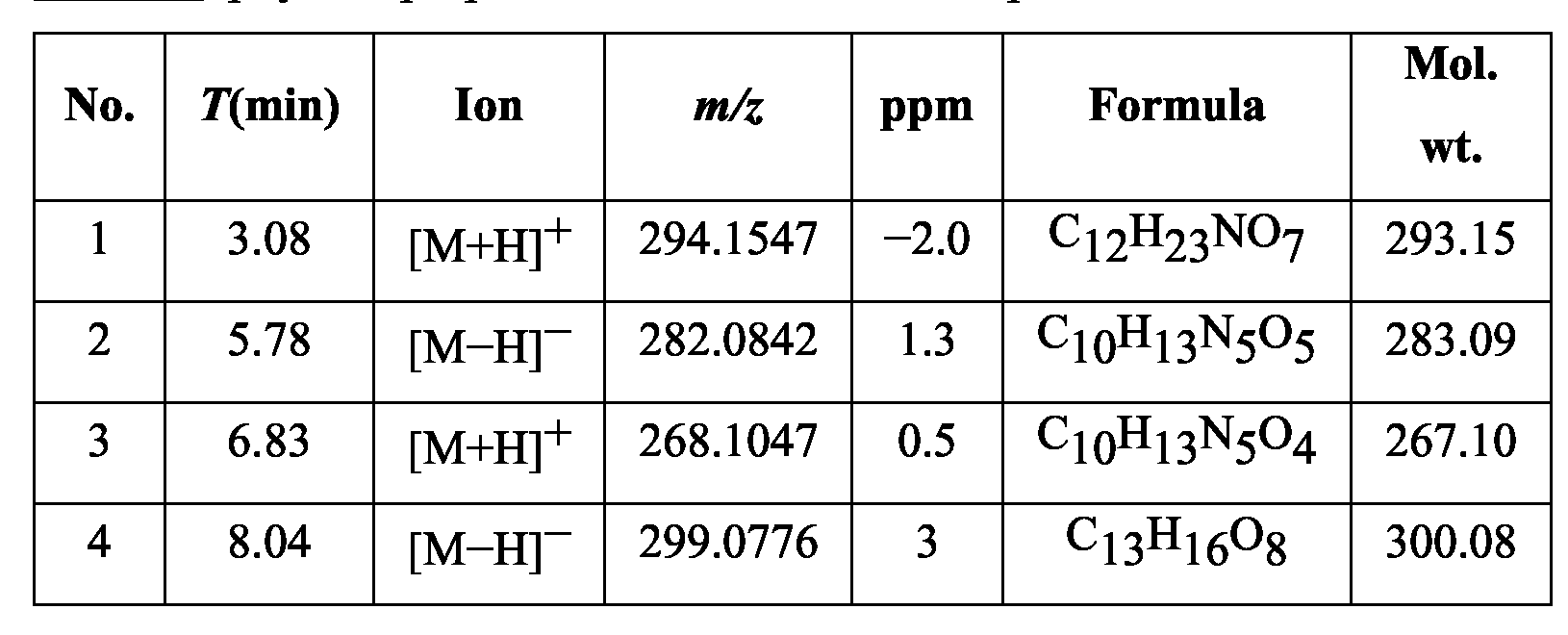


Claims

Priority Applications (2)
| Application Number | Priority Date | Filing Date | Title |
|---|---|---|---|
| JP2024563040A JP2025514138A (en) | 2022-04-25 | 2023-04-24 | Compositions and methods for inhibiting advanced glycation end products |
| KR1020247038535A KR20250006918A (en) | 2022-04-25 | 2023-04-24 | Compositions and methods for inhibiting advanced glycation end products |
Applications Claiming Priority (2)
| Application Number | Priority Date | Filing Date | Title |
|---|---|---|---|
| CN202210437608.5 | 2022-04-25 | ||
| CN202210437608.5A CN115300580A (en) | 2022-04-25 | 2022-04-25 | Compositions and methods for inhibiting advanced glycation endproducts |
Publications (1)
| Publication Number | Publication Date |
|---|---|
| WO2023211829A1 true WO2023211829A1 (en) | 2023-11-02 |
Family
ID=83854670
Family Applications (1)
| Application Number | Title | Priority Date | Filing Date |
|---|---|---|---|
| PCT/US2023/019609 Ceased WO2023211829A1 (en) | 2022-04-25 | 2023-04-24 | Composition and method for inhibiting advanced glycation end products |
Country Status (5)
| Country | Link |
|---|---|
| JP (1) | JP2025514138A (en) |
| KR (1) | KR20250006918A (en) |
| CN (1) | CN115300580A (en) |
| TW (1) | TW202412831A (en) |
| WO (1) | WO2023211829A1 (en) |
Families Citing this family (2)
| Publication number | Priority date | Publication date | Assignee | Title |
|---|---|---|---|---|
| CN117491323A (en) * | 2023-10-25 | 2024-02-02 | 浙江大学 | A method for rapid evaluation of anti-glycation efficacy using zebrafish model |
| CN119235809A (en) * | 2024-08-22 | 2025-01-03 | 石药集团中诺药业(泰州)有限公司 | A dry mixing direct compression process for effervescent tablets |
Citations (35)
| Publication number | Priority date | Publication date | Assignee | Title |
|---|---|---|---|---|
| US5747006A (en) | 1997-05-14 | 1998-05-05 | Amway Corporation | Skin whitener composition containing acerola cherry fermentate |
| US5980904A (en) | 1998-11-18 | 1999-11-09 | Amway Corporation | Skin whitening composition containing bearberry extract and a reducing agent |
| US6184247B1 (en) | 1999-05-21 | 2001-02-06 | Amway Corporation | Method of increasing cell renewal rate |
| US6579516B1 (en) | 1995-06-13 | 2003-06-17 | Zahra Mansouri | Methods of delivering materials into the skin, and compositions used therein |
| US6994874B2 (en) | 2003-04-16 | 2006-02-07 | Access Business Group International, Llc | Skin whitening compositions containing asparagus extract |
| US7060304B2 (en) | 2003-04-16 | 2006-06-13 | Access Business Group International Llc | Skin whitening compositions containing black cohosh extract |
| US20060257509A1 (en) | 2003-10-10 | 2006-11-16 | Zimmerman Amy C | Cosmetic composition and methods |
| US20070224154A1 (en) | 2006-03-21 | 2007-09-27 | Access Business Group International, Llc | Methods of reducing skin irritation |
| US7348034B2 (en) | 2005-03-07 | 2008-03-25 | Access Business Group International Llc | Plant based formulations for improving skin moisture, texture, and appearance |
| US20080081082A1 (en) | 2000-11-21 | 2008-04-03 | Access Busines Group International Llc | Topical Skin Compositions, Their Preparation, and Their Use |
| US20080124409A1 (en) | 2000-11-21 | 2008-05-29 | Access Business Group International Llc | Topical Skin Compositions, Their Preparation, and Their Use |
| US7700110B2 (en) | 2007-05-22 | 2010-04-20 | Access Business Group International Llc | Skin firming and lifting compositions and methods of use |
| US7722904B2 (en) | 2007-11-01 | 2010-05-25 | Access Business Group International Llc | Compositions and methods for stimulating synthesis of pro-collagen or collagen and hyaluronic acid |
| US7897184B1 (en) | 2009-08-13 | 2011-03-01 | Access Business Group International Llc | Topical composition with skin lightening effect |
| US20130302265A1 (en) | 2012-05-09 | 2013-11-14 | Access Business Group International Llc | Topical composition and method for skin lightening |
| US8916212B2 (en) | 2010-03-01 | 2014-12-23 | Access Business Group International Llc | Skin whitening composition containing chia seed extract |
| US9445975B2 (en) | 2008-10-03 | 2016-09-20 | Access Business Group International, Llc | Composition and method for preparing stable unilamellar liposomal suspension |
| US20170252293A1 (en) | 2016-03-03 | 2017-09-07 | Access Business Group International Llc | Composition and related method for inhibiting moisture loss from skin |
| CN107157872A (en) * | 2017-05-08 | 2017-09-15 | 宁波易中禾生物技术有限公司 | A kind of oxidation resistant dendrobium candidum facial treatment milk of moisturizing and preparation method thereof |
| CN107158240A (en) * | 2017-04-18 | 2017-09-15 | 温岭市锦华铁皮石斛有限公司 | A kind of dendrobium candidum flower extract with white-skinned face function |
| US20170281666A1 (en) | 2016-04-01 | 2017-10-05 | Access Business Group International Llc | Bilayer tablets of b vitamins and process for preparing the same |
| US9801809B2 (en) | 2014-05-05 | 2017-10-31 | Access Business Group International Llc | Compositions including a botanical extract and methods of using the same in skin whitening and skin lightening applications |
| KR20170137559A (en) * | 2016-06-03 | 2017-12-13 | 주식회사 엘지생활건강 | Composition for improving skin condition comprising herb extracts mixture |
| US20180200285A1 (en) | 2017-01-13 | 2018-07-19 | Access Business Group International Llc | Dietary prebiotic supplement and related method |
| US20190083566A1 (en) | 2012-11-26 | 2019-03-21 | Access Business Group International Llc | Antioxidant dietary supplement and related method |
| US20190160117A1 (en) | 2017-11-29 | 2019-05-30 | Access Business Group International Llc | Method and topical composition for modification of a skin microbiome |
| US10532024B2 (en) | 2016-10-25 | 2020-01-14 | Access Business Group International Llc | Topical compositions of Lithospermum erythrorhizon (gromwell root) for treating or controlling excessive oil production in skin and minimizing glycation in skin, and methods of using the compositions |
| US10537516B2 (en) | 2017-04-28 | 2020-01-21 | Access Business Group International Llc | Composition for treating skin pigmentation and related methods |
| US20200171117A1 (en) | 2018-11-29 | 2020-06-04 | Access Business Group International Llc | Dry eye botanicals |
| CN111437237A (en) * | 2020-06-02 | 2020-07-24 | 华南协同创新研究院 | Skin care composition with antioxidant, anti-saccharification and anti-aging effects and application thereof |
| US20200383898A1 (en) | 2019-06-04 | 2020-12-10 | Access Business Group International Llc | Topical composition and related methods |
| US20210017240A1 (en) | 2019-05-31 | 2021-01-21 | Access Business Group International Llc | Sunflower seed protein-derived peptides |
| CN112385834A (en) * | 2020-11-16 | 2021-02-23 | 九仙尊霍山石斛股份有限公司 | Preparation method and application of dendrobium huoshanense enzyme with anti-saccharification and metabolism-improving functions |
| US20210059927A1 (en) * | 2017-09-04 | 2021-03-04 | Lg Household & Health Care Ltd. | Cosmetic composition comprising dendrobium candidum flower extract |
| US20210212926A1 (en) | 2018-06-06 | 2021-07-15 | Access Business Group International Llc | Compositions including dendrobium nobile and methods of using same |
Family Cites Families (4)
| Publication number | Priority date | Publication date | Assignee | Title |
|---|---|---|---|---|
| KR101276293B1 (en) * | 2011-06-28 | 2013-06-24 | 한림대학교 산학협력단 | Composition comprising extract from geranium thunbergii for preventing or treating various diabetic complications |
| CN107080250A (en) * | 2017-03-30 | 2017-08-22 | 北京林业大学 | A kind of composition of auxiliary hyperglycemic, beverage and preparation method thereof |
| CN111358894A (en) * | 2020-04-13 | 2020-07-03 | 贺启飞 | Traditional Chinese medicine health-preserving health-care wine for preventing chronic diseases |
| CN112451465A (en) * | 2020-12-01 | 2021-03-09 | 周顺桂 | Dendrobium officinale flower skin moisturizing oil |
-
2022
- 2022-04-25 CN CN202210437608.5A patent/CN115300580A/en active Pending
-
2023
- 2023-04-24 JP JP2024563040A patent/JP2025514138A/en active Pending
- 2023-04-24 TW TW112115100A patent/TW202412831A/en unknown
- 2023-04-24 WO PCT/US2023/019609 patent/WO2023211829A1/en not_active Ceased
- 2023-04-24 KR KR1020247038535A patent/KR20250006918A/en active Pending
Patent Citations (39)
| Publication number | Priority date | Publication date | Assignee | Title |
|---|---|---|---|---|
| US6579516B1 (en) | 1995-06-13 | 2003-06-17 | Zahra Mansouri | Methods of delivering materials into the skin, and compositions used therein |
| US5747006A (en) | 1997-05-14 | 1998-05-05 | Amway Corporation | Skin whitener composition containing acerola cherry fermentate |
| US5980904A (en) | 1998-11-18 | 1999-11-09 | Amway Corporation | Skin whitening composition containing bearberry extract and a reducing agent |
| US6184247B1 (en) | 1999-05-21 | 2001-02-06 | Amway Corporation | Method of increasing cell renewal rate |
| US20080081082A1 (en) | 2000-11-21 | 2008-04-03 | Access Busines Group International Llc | Topical Skin Compositions, Their Preparation, and Their Use |
| US20080124409A1 (en) | 2000-11-21 | 2008-05-29 | Access Business Group International Llc | Topical Skin Compositions, Their Preparation, and Their Use |
| US6994874B2 (en) | 2003-04-16 | 2006-02-07 | Access Business Group International, Llc | Skin whitening compositions containing asparagus extract |
| US7247321B2 (en) | 2003-04-16 | 2007-07-24 | Access Business Group International Llc | Skin whitening compositions containing asparagus extract |
| US7364759B2 (en) | 2003-04-16 | 2008-04-29 | Access Business Group International Llc | Skin whitening compositions containing black cohosh extract |
| US7060304B2 (en) | 2003-04-16 | 2006-06-13 | Access Business Group International Llc | Skin whitening compositions containing black cohosh extract |
| US20060257509A1 (en) | 2003-10-10 | 2006-11-16 | Zimmerman Amy C | Cosmetic composition and methods |
| US7348034B2 (en) | 2005-03-07 | 2008-03-25 | Access Business Group International Llc | Plant based formulations for improving skin moisture, texture, and appearance |
| US20070224154A1 (en) | 2006-03-21 | 2007-09-27 | Access Business Group International, Llc | Methods of reducing skin irritation |
| US7700110B2 (en) | 2007-05-22 | 2010-04-20 | Access Business Group International Llc | Skin firming and lifting compositions and methods of use |
| US7722904B2 (en) | 2007-11-01 | 2010-05-25 | Access Business Group International Llc | Compositions and methods for stimulating synthesis of pro-collagen or collagen and hyaluronic acid |
| US9445975B2 (en) | 2008-10-03 | 2016-09-20 | Access Business Group International, Llc | Composition and method for preparing stable unilamellar liposomal suspension |
| US7897184B1 (en) | 2009-08-13 | 2011-03-01 | Access Business Group International Llc | Topical composition with skin lightening effect |
| US8202556B2 (en) | 2009-08-13 | 2012-06-19 | Access Business Group International Llc | Topical composition with skin lightening effect |
| US8916212B2 (en) | 2010-03-01 | 2014-12-23 | Access Business Group International Llc | Skin whitening composition containing chia seed extract |
| US20130302265A1 (en) | 2012-05-09 | 2013-11-14 | Access Business Group International Llc | Topical composition and method for skin lightening |
| US20190083566A1 (en) | 2012-11-26 | 2019-03-21 | Access Business Group International Llc | Antioxidant dietary supplement and related method |
| US9801809B2 (en) | 2014-05-05 | 2017-10-31 | Access Business Group International Llc | Compositions including a botanical extract and methods of using the same in skin whitening and skin lightening applications |
| US10307366B2 (en) | 2016-03-03 | 2019-06-04 | Access Business Group International Llc | Composition and related method for inhibiting moisture loss from skin |
| US20170252293A1 (en) | 2016-03-03 | 2017-09-07 | Access Business Group International Llc | Composition and related method for inhibiting moisture loss from skin |
| US20170281666A1 (en) | 2016-04-01 | 2017-10-05 | Access Business Group International Llc | Bilayer tablets of b vitamins and process for preparing the same |
| KR20170137559A (en) * | 2016-06-03 | 2017-12-13 | 주식회사 엘지생활건강 | Composition for improving skin condition comprising herb extracts mixture |
| US10532024B2 (en) | 2016-10-25 | 2020-01-14 | Access Business Group International Llc | Topical compositions of Lithospermum erythrorhizon (gromwell root) for treating or controlling excessive oil production in skin and minimizing glycation in skin, and methods of using the compositions |
| US20180200285A1 (en) | 2017-01-13 | 2018-07-19 | Access Business Group International Llc | Dietary prebiotic supplement and related method |
| CN107158240A (en) * | 2017-04-18 | 2017-09-15 | 温岭市锦华铁皮石斛有限公司 | A kind of dendrobium candidum flower extract with white-skinned face function |
| US10537516B2 (en) | 2017-04-28 | 2020-01-21 | Access Business Group International Llc | Composition for treating skin pigmentation and related methods |
| CN107157872A (en) * | 2017-05-08 | 2017-09-15 | 宁波易中禾生物技术有限公司 | A kind of oxidation resistant dendrobium candidum facial treatment milk of moisturizing and preparation method thereof |
| US20210059927A1 (en) * | 2017-09-04 | 2021-03-04 | Lg Household & Health Care Ltd. | Cosmetic composition comprising dendrobium candidum flower extract |
| US20190160117A1 (en) | 2017-11-29 | 2019-05-30 | Access Business Group International Llc | Method and topical composition for modification of a skin microbiome |
| US20210212926A1 (en) | 2018-06-06 | 2021-07-15 | Access Business Group International Llc | Compositions including dendrobium nobile and methods of using same |
| US20200171117A1 (en) | 2018-11-29 | 2020-06-04 | Access Business Group International Llc | Dry eye botanicals |
| US20210017240A1 (en) | 2019-05-31 | 2021-01-21 | Access Business Group International Llc | Sunflower seed protein-derived peptides |
| US20200383898A1 (en) | 2019-06-04 | 2020-12-10 | Access Business Group International Llc | Topical composition and related methods |
| CN111437237A (en) * | 2020-06-02 | 2020-07-24 | 华南协同创新研究院 | Skin care composition with antioxidant, anti-saccharification and anti-aging effects and application thereof |
| CN112385834A (en) * | 2020-11-16 | 2021-02-23 | 九仙尊霍山石斛股份有限公司 | Preparation method and application of dendrobium huoshanense enzyme with anti-saccharification and metabolism-improving functions |
Non-Patent Citations (4)
| Title |
|---|
| GUO LINGHONG ET AL: "Current advances of Dendrobium officinale polysaccharides in dermatology: a literature review", PHARMACEUTICAL BIOLOGY, vol. 58, no. 1, 1 January 2020 (2020-01-01), NL, pages 664 - 673, XP093015079, ISSN: 1388-0209, DOI: 10.1080/13880209.2020.1787470 * |
| LI XIAO-LONG ET AL: "Structural identification and sulfated modification of an antiglycationDendrobium huoshanensepolysaccharide", CARBOHYDRATE POLYMERS, APPLIED SCIENCE PUBLISHERS , LTD BARKING, GB, vol. 106, 17 February 2014 (2014-02-17), pages 247 - 254, XP028845042, ISSN: 0144-8617, DOI: 10.1016/J.CARBPOL.2014.02.029 * |
| XU YAQIN ET AL: "Purification, characterization and antiglycation activity of a novel polysaccharide from black currant", FOOD CHEMISTRY, ELSEVIER LTD, NL, vol. 199, 18 December 2015 (2015-12-18), pages 694 - 701, XP029386327, ISSN: 0308-8146, DOI: 10.1016/J.FOODCHEM.2015.12.078 * |
| ZHOU HZHOU LLI BYUE R: "Anti-cyclooxygenase, anti-glycation, and anti-skin aging effect of Dendrobium officinale flowers' aqueous extract and its phytochemical validation in aging", FRONT. IMMUNOL, vol. 14, 2023, pages 1095848 |
Also Published As
| Publication number | Publication date |
|---|---|
| CN115300580A (en) | 2022-11-08 |
| KR20250006918A (en) | 2025-01-13 |
| JP2025514138A (en) | 2025-05-02 |
| TW202412831A (en) | 2024-04-01 |
Similar Documents
| Publication | Publication Date | Title |
|---|---|---|
| KR101728449B1 (en) | Combination of active components inducing synergy effects of multi-targeting | |
| WO2023211829A1 (en) | Composition and method for inhibiting advanced glycation end products | |
| CN103767975A (en) | Application of osmanthus phenylethanoid glycoside extract in preparing whitening cosmetics | |
| KR20170037570A (en) | Composition for Preventing Skin Aging and Improving Skin Wrinkle Comprising Extract of Perilla Leaf | |
| KR102545718B1 (en) | Composition for recylce a skin cell comprising of limonium tetragonum | |
| KR101624704B1 (en) | Pharmaceutical composition and food composition for prevention, treatment or improvement of hair loss or benign prostatic hyperplasia | |
| KR20120081289A (en) | Skin external preparation composition containing licorice fermentation with increased isoquirithigenin content | |
| US20250381131A1 (en) | Composition and method for inhibiting elastase activity | |
| KR101949430B1 (en) | Composition for antiinflammatory and antiaging comprising tetragonia tetragonoides extract | |
| JP2025527917A (en) | Compositions and methods for inhibiting collagenase activity | |
| CN115300550B (en) | Use of the composition in the preparation of a drug for the prevention or treatment of hyperuricemia caused by xanthine oxidase. | |
| KR20180040756A (en) | Skin whitening composition comprising an extract of coixlachryma-jobi var. mayuen | |
| KR102741204B1 (en) | Composition for improving skin | |
| KR20130107123A (en) | Compositions containing extracts of glycine gracilis | |
| US20260124132A1 (en) | Composition and method for inhibiting collagenase activity | |
| KR101147405B1 (en) | Cosmetic composition containing extract of callistemon lanceolatus used for antiwrinkle | |
| KR101526435B1 (en) | Compositions for skin-whitening comprising extract of Vitis amurensis ruprecht | |
| CN120019804A (en) | Compositions and methods for inhibiting 5-alpha-reductase | |
| KR20190079035A (en) | Composition for promoting hair growth comprising extract of Houttuynia cordata as effective component | |
| CN120392802A (en) | Compositions and methods for inhibiting alpha-glucosidase, lipase, and xanthine oxidase | |
| KR20240079883A (en) | Composition for improving skin wrinkles containing unripe apple extract and unripe apple extract and baicalin as active ingredients | |
| KR20090116981A (en) | Hair loss prevention and treatment composition through immune response control comprising pomegranate extract as an active ingredient | |
| KR20210013497A (en) | A composition for preventing or treating atopic dermatitis comprising the extract of oat sprout | |
| KR20180098204A (en) | Skin whitening composition comprising an extract of coixlachryma-jobi var. mayuen | |
| KR20190090242A (en) | A composition improving skin wrinkle or striae distensae and having anti-inflammation effect comprising ailanthus altissima root bark extracts |
Legal Events
| Date | Code | Title | Description |
|---|---|---|---|
| 121 | Ep: the epo has been informed by wipo that ep was designated in this application |
Ref document number: 23723367 Country of ref document: EP Kind code of ref document: A1 |
|
| WWE | Wipo information: entry into national phase |
Ref document number: 2024563040 Country of ref document: JP |
|
| ENP | Entry into the national phase |
Ref document number: 20247038535 Country of ref document: KR Kind code of ref document: A |
|
| WWE | Wipo information: entry into national phase |
Ref document number: 1020247038535 Country of ref document: KR |
|
| NENP | Non-entry into the national phase |
Ref country code: DE |
|
| 122 | Ep: pct application non-entry in european phase |
Ref document number: 23723367 Country of ref document: EP Kind code of ref document: A1 |