WO2023058627A1 - 認知症の検査方法 - Google Patents
認知症の検査方法 Download PDFInfo
- Publication number
- WO2023058627A1 WO2023058627A1 PCT/JP2022/037054 JP2022037054W WO2023058627A1 WO 2023058627 A1 WO2023058627 A1 WO 2023058627A1 JP 2022037054 W JP2022037054 W JP 2022037054W WO 2023058627 A1 WO2023058627 A1 WO 2023058627A1
- Authority
- WO
- WIPO (PCT)
- Prior art keywords
- ecrg4
- antibody
- dementia
- polypeptide
- patients
- Prior art date
- Legal status (The legal status is an assumption and is not a legal conclusion. Google has not performed a legal analysis and makes no representation as to the accuracy of the status listed.)
- Ceased
Links
Images





Classifications
-
- C—CHEMISTRY; METALLURGY
- C07—ORGANIC CHEMISTRY
- C07K—PEPTIDES
- C07K14/00—Peptides having more than 20 amino acids; Gastrins; Somatostatins; Melanotropins; Derivatives thereof
- C07K14/435—Peptides having more than 20 amino acids; Gastrins; Somatostatins; Melanotropins; Derivatives thereof from animals; from humans
- C07K14/46—Peptides having more than 20 amino acids; Gastrins; Somatostatins; Melanotropins; Derivatives thereof from animals; from humans from vertebrates
-
- C—CHEMISTRY; METALLURGY
- C07—ORGANIC CHEMISTRY
- C07K—PEPTIDES
- C07K16/00—Immunoglobulins [IG], e.g. monoclonal or polyclonal antibodies
- C07K16/18—Immunoglobulins [IG], e.g. monoclonal or polyclonal antibodies against material from animals or humans
-
- G—PHYSICS
- G01—MEASURING; TESTING
- G01N—INVESTIGATING OR ANALYSING MATERIALS BY DETERMINING THEIR CHEMICAL OR PHYSICAL PROPERTIES
- G01N33/00—Investigating or analysing materials by specific methods not covered by groups G01N1/00 - G01N31/00
- G01N33/48—Biological material, e.g. blood, urine; Haemocytometers
- G01N33/50—Chemical analysis of biological material, e.g. blood, urine; Testing involving biospecific ligand binding methods; Immunological testing
- G01N33/53—Immunoassay; Biospecific binding assay; Materials therefor
-
- G—PHYSICS
- G01—MEASURING; TESTING
- G01N—INVESTIGATING OR ANALYSING MATERIALS BY DETERMINING THEIR CHEMICAL OR PHYSICAL PROPERTIES
- G01N33/00—Investigating or analysing materials by specific methods not covered by groups G01N1/00 - G01N31/00
- G01N33/48—Biological material, e.g. blood, urine; Haemocytometers
- G01N33/50—Chemical analysis of biological material, e.g. blood, urine; Testing involving biospecific ligand binding methods; Immunological testing
- G01N33/53—Immunoassay; Biospecific binding assay; Materials therefor
- G01N33/531—Production of immunochemical test materials
-
- G—PHYSICS
- G01—MEASURING; TESTING
- G01N—INVESTIGATING OR ANALYSING MATERIALS BY DETERMINING THEIR CHEMICAL OR PHYSICAL PROPERTIES
- G01N33/00—Investigating or analysing materials by specific methods not covered by groups G01N1/00 - G01N31/00
- G01N33/48—Biological material, e.g. blood, urine; Haemocytometers
- G01N33/50—Chemical analysis of biological material, e.g. blood, urine; Testing involving biospecific ligand binding methods; Immunological testing
- G01N33/53—Immunoassay; Biospecific binding assay; Materials therefor
- G01N33/543—Immunoassay; Biospecific binding assay; Materials therefor with an insoluble carrier for immobilising immunochemicals
-
- G—PHYSICS
- G01—MEASURING; TESTING
- G01N—INVESTIGATING OR ANALYSING MATERIALS BY DETERMINING THEIR CHEMICAL OR PHYSICAL PROPERTIES
- G01N33/00—Investigating or analysing materials by specific methods not covered by groups G01N1/00 - G01N31/00
- G01N33/48—Biological material, e.g. blood, urine; Haemocytometers
- G01N33/50—Chemical analysis of biological material, e.g. blood, urine; Testing involving biospecific ligand binding methods; Immunological testing
- G01N33/68—Chemical analysis of biological material, e.g. blood, urine; Testing involving biospecific ligand binding methods; Immunological testing involving proteins, peptides or amino acids
Definitions
- the present invention relates to a method for testing dementia, and more particularly to a method for testing dementia using the blood level of ECRG4 as an index.
- the present invention also relates to methods for detecting ECRG4 polypeptide levels by immunological methods, systems for performing such detection, and the like.
- Dementia such as Alzheimer's disease (AD) is a progressive neurodegenerative disease that mainly occurs in presenile to old age. Its main symptoms are memory impairment, higher brain dysfunction (aphasia, apraxia, agnosia, structural apraxia), personality changes, and the like. Due to such symptoms, not only the quality of life of the patient himself/herself is lowered, but also the life of the family and others around the patient is greatly affected. Furthermore, the number of patients with dementia is steadily increasing with the aging of the population, and dementia has become a serious problem faced by modern society worldwide.
- AD Alzheimer's disease
- acetylcholinesterase inhibitors are actually used in clinical settings, and have achieved some results, and it has become possible to suppress the progression of symptoms to some extent.
- aducanumab anti-amyloid beta (A ⁇ ) antibody
- MCI mild cognitive impairment
- MCI The stage before the onset of dementia, that is, the stage when mild clinical symptoms appear, is called MCI, and it is defined as the intermediate stage between normal aging (healthy state) and dementia.
- a variety of neuropsychological tests are commonly used to test for MCI, such as orientation, short-term and long-term memory, behavior, language and comprehension, and scoring for cognitive impairment.
- MMSE Folstein's Mini-Mental State Examination
- interview method is only used for screening purposes and does not lead to a definitive diagnosis.
- Non-Patent Documents 1 to 3 There is a demand for discovery and development of inspection methods using it (Non-Patent Documents 1 to 3).
- the present invention has been made in view of the problems of the prior art, and identifies a blood biomarker molecule that makes it possible to distinguish between dementia patients and healthy subjects, and uses the amount of the molecule as an index.
- the purpose is to provide a test method for dementia that
- ECRG4 is a protein that has been revealed by the present inventors to be involved in neuronal cell senescence from a cell senescence experimental system using neural stem/progenitor cells (Non-Patent Document 4).
- Non-Patent Document 4 a report that the expression of ECRG4 is remarkably enhanced in comparison with healthy subjects in a comprehensive gene expression analysis of the hippocampus of AD patients.
- Ecrg4 full length 148 amino acids
- Non-Patent Documents 6-8) The region consisting of amino acids (C peptide region)) activates microglia / macrophages and induces inflammatory cytokine expression, reported by the present inventors and another group (Non-Patent Documents 6-8) . However, it has not been clarified what the blood level of the protein is.
- an ECRG4 detection system was constructed by an enzyme-linked immunosorbent method (ELISA method).
- a polyclonal antibody that recognizes the amino acid sequence consisting of positions 107-132 of ECRG4 and a monoclonal antibody that recognizes the amino acid sequence of positions 116-124 of ECRG4 or a monoclonal antibody that recognizes the amino acid sequence of positions 134-139 of ECRG4. It was found that ECRG4 can be detected with high quantification by the ELISA method used in combination.
- the positive rate and concentration of ECRG4 in the plasma of dementia patients including Alzheimer's disease, mild cognitive impairment (MCI) patients, non-dementia patients with neuropathy, etc. were detected.
- MCI mild cognitive impairment
- the plasma level of ECRG4 in dementia patients and MCI patients is much higher than that in non-dementia patients, and it was found that ECRG4 is extremely effective as a blood biomarker for dementia, and the present invention was completed. came to.
- the present invention relates to a method for testing dementia using the blood level of ECRG4 as an index, and more specifically to the following.
- a method of testing for dementia comprising the following steps (a) to (c): (a) the step of detecting the amount of ECRG4 polypeptide in a blood sample separated from a subject; (b) comparing the amount of polypeptide detected in step (a) to a reference amount; (c) determining that the subject is suffering from dementia if the result of the comparison in step (b) is that the amount of polypeptide in the subject is higher than the reference amount;
- ⁇ 2> The method according to ⁇ 1>, wherein the blood sample is plasma.
- ⁇ 3> The method according to ⁇ 1> or ⁇ 2>, wherein the amount of ECRG4 polypeptide is detected by an immunological method.
- the immunological method is a method that uses at least an antibody that recognizes the region consisting of the amino acid sequence of positions 71 to 132 of ECRG4. the method of.
- ⁇ 5> The method according to any one of ⁇ 1> to ⁇ 4>, wherein the immunological method is an enzyme-linked immunosorbent method.
- ⁇ 6> A drug for testing dementia by the method according to any one of ⁇ 1> to ⁇ 5>, which contains an antibody that recognizes an ECRG4 polypeptide.
- ⁇ 7> The agent according to ⁇ 6>, wherein the antibody recognizes a region consisting of the amino acid sequence of positions 71-132 of ECRG4.
- ⁇ 10> Including an antibody that recognizes the region consisting of the amino acid sequence of positions 107-132 of ECRG4 and an antibody that recognizes the region consisting of the amino acid sequence of positions 133-148 of ECRG4 or the amino acid sequence of positions 71-132 of ECRG4 , a system for detecting the amount of ECRG4 polypeptide in a sample by an immunological method.
- dementia it is possible to test for dementia.
- the present invention since blood samples are targeted, dementia can be tested with low invasiveness.
- an antibody that recognizes a region consisting of an amino acid sequence consisting of positions 107 to 132 of ECRG4, an antibody that recognizes a region consisting of an amino acid sequence of positions 133 to 148 of ECRG4, or an antibody that recognizes a region consisting of an amino acid sequence of positions 133 to 148 of ECRG4 or positions 71 to 132 of ECRG4 It is also possible to detect ECRG4 with high quantification by an immunological method in combination with an antibody that recognizes a region consisting of an amino acid sequence.
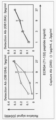
- FIG. 1 is a graph showing the results of detection of ECRG4 by an enzyme-linked immunosorbent assay (ELISA method).
- ELISA method enzyme-linked immunosorbent assay
- the horizontal axis indicates the addition concentration of the ECRG4 partial polypeptide (polypeptide consisting of the amino acid sequence of positions 71 to 148 of human ECRG4 (amino acid sequence set forth in SEQ ID NO: 2)) added to the detection system
- the vertical axis indicates The axis indicates relative signal (absorbance at 450 nm).
- a formula represents each approximation curve.
- error bars represent ⁇ standard deviation (SD). It is a graph which shows the result of having detected ECRG4 by ELISA method.
- an anti-ECRG4 mouse monoclonal antibody (2A8, addition concentration: 1 ⁇ g/ml (open circle) or 2 ⁇ g/ml (open triangle)
- an anti-ECRG4 rabbit polyclonal antibody (OB1264) was used as the detection antibody.
- addition concentration 1 ⁇ g/ml (left figure) or 2 ⁇ g/ml (right figure)).
- the horizontal axis indicates the addition concentration of the ECRG4 partial polypeptide (polypeptide consisting of the amino acid sequence of positions 71 to 132 of human ECRG4 (amino acid sequence set forth in SEQ ID NO: 2)) added to the detection system, and the vertical axis indicates The axis indicates relative signal (absorbance at 450 nm). Also, error bars represent ⁇ standard deviation (SD).
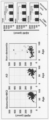
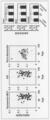
- FIG. 4 is a dot plot diagram and graph showing the results of analyzing plasma levels of ECRG4.
- “Dementia+MCI”, “AD” and “Non-dementia” indicate the analysis results for dementia patients, MCI patients, Alzheimer's disease patients and non-dementia patients, respectively.
- the horizontal axis of the dot plot diagram indicates the age of each patient, and the vertical axis indicates the ECRG4 concentration in each individual patient. Also, white circles indicate females, and black circles indicate males. The vertical axis of the graph indicates the average concentration of ECRG4 in each patient group, and the error bars represent the standard deviation. Statistical significance was determined by t-test, * P ⁇ 0.05, ** P ⁇ 0.01, *** P ⁇ 0.001, *** P ⁇ 0.0001 represents that FIG. 3 is a dot plot diagram showing the results of analysis of plasma levels of ECRG4, amyloid beta (A ⁇ ) 40 and A ⁇ 42 in healthy subjects (8 individuals).
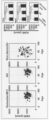
- FIG. 4 is a dot plot diagram and graph showing the results of analyzing the ratio of A ⁇ 42/A ⁇ 40 in plasma.
- the notation in the figure is the same as in FIG. 2A.
- FIG. 2 is a dot plot diagram and graph showing the results of analyzing plasma levels of A ⁇ 40.
- FIG. 2 is a dot plot diagram and graph showing the results of analyzing plasma levels of A ⁇ 42.
- FIG. 2A The notation in the figure is the same as in FIG. 2A.
- FIG. 4 is a dot plot diagram and graph showing the results of analyzing the ratio of A ⁇ 42/A ⁇ 40 in plasma.
- the notation in the figure is the same as in FIG. 2A.
- FIG. 2 is a dot plot diagram and graph showing the results of analyzing plasma levels of A ⁇ 42.
- FIG. The notation in the figure is the same as in FIG. 2A.
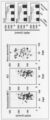
- FIG. 4 is a dot plot and graph showing the results of analyzing cerebrospinal fluid (CSF) levels of ECRG4.
- CSF cerebrospinal fluid
- FIG. 2 is a dot plot diagram and graph showing the results of analyzing CSF levels of A ⁇ 40.
- FIG. 2 is a dot plot diagram and graph showing the results of analyzing CSF levels of A ⁇ 42.
- FIG. 4 is a dot plot diagram and graph showing the results of analyzing the ratio of A ⁇ 42/A ⁇ 40 in CSF.
- the notation in the figure is the same as in FIG. 2A.
- the present invention has been completed based on the above findings, and provides a method for testing dementia, including the following steps (a) to (c). (a) detecting the amount of ECRG4 polypeptide in a blood sample separated from a subject; (b) comparing the amount of polypeptide detected in step (a) to a reference amount; (c) determining that the subject is suffering from dementia if the result of the comparison in step (b) is that the amount of polypeptide in the subject is higher than the reference amount;
- Dementia is a type of cognitive disorder, and means a state in which intelligence, once normally developed, is irreversibly reduced due to an acquired organic disorder of the brain.
- AD normal pressure hydrocephalus
- iNPH idiopathic normal pressure hydrocephalus
- PNFA progressive non-fluent aphasia
- PSP progressive supranuclear palsy
- DLB dementia with Lewy bodies
- FTLD frontotemporal lobar degeneration
- VaD vascular dementia
- NIID neuronal intranuclear inclusion disease
- dementia according to the present invention includes not only the so-called dementia described above, but also mild cognitive impairment (MCI), which is a pre-stage of dementia.
- MCI mild cognitive impairment
- the "subject” is not particularly limited as long as it is a human. include those who are determined to be suffering from the disease.
- the "blood sample” separated from such a subject may be any sample containing blood, and examples thereof include whole blood, serum, and plasma.
- Blood can be collected from a subject by methods known to those skilled in the art.
- blood whole blood
- Serum is a portion of whole blood from which blood cells and specific blood coagulation factors have been removed, and can be obtained, for example, as a supernatant after coagulation of whole blood.
- Plasma is the portion of whole blood from which blood cells have been removed, e.g., by centrifugation under conditions that do not clot whole blood (e.g., in the presence of chelating agents such as EDTA, anticoagulants such as sodium citrate and heparin). It can be obtained as a supernatant when subjected to.
- chelating agents such as EDTA, anticoagulants such as sodium citrate and heparin
- the blood sample according to the present invention when the blood sample according to the present invention is subjected to a method for detecting the amount of polypeptide described later, it may be in a form suitable for the method (e.g., protein solution extracted from blood sample, formalin fixation, alcohol fixation, etc.). processed, frozen, or paraffin-embedded tissue, etc.).
- a person skilled in the art can select and prepare a known technique in consideration of the type and condition of the blood sample.
- the "ECRG4 polypeptide" detected as a blood marker for dementia is a human-derived polypeptide also referred to as AUGURIN, typically the nucleotide set forth in SEQ ID NO: 1 A polypeptide encoded by the sequence (a polypeptide comprising the amino acid sequence set forth in SEQ ID NO:2). It should be noted that the DNA sequence of a gene encoding a polypeptide may mutate naturally (that is, non-artificially) due to its mutation or the like. Therefore, ECRG4 polypeptides to be detected in the present invention are not limited to the typical amino acid sequences described above, but also include natural variants of those amino acid sequences.
- ECRG4 polypeptides to be detected in the present invention include not only those consisting of full-length amino acid sequences, but also partial peptides thereof.
- a partial peptide is not particularly limited, but is preferably a polypeptide comprising the amino acid sequence of positions 31-148 set forth in SEQ ID NO:2, more preferably a polypeptide containing the amino acid sequence of positions 71-148 set forth in SEQ ID NO:2.
- a polypeptide comprising an amino acid sequence more preferably a polypeptide comprising the amino acid sequence of positions 71 to 132 set forth in SEQ ID NO: 2 (a polypeptide comprising the M region of human ECRG4), more preferably SEQ ID NO: 2
- the "amount of ECRG4 polypeptide" detected in the present invention may be not only an absolute amount but also a relative amount.
- Relative amounts include, for example, percentages of the total polypeptide amount.
- the relative amount includes a ratio of polypeptide amounts based on the measuring method or measuring device used for detection (a numerical value expressed in so-called arbitrary units (AU)).
- AU arbitrary units
- the relative amount for example, a value calculated based on the amount of the reference protein may be used.
- the "reference protein” according to the present invention may be any protein that is stably present in a blood sample and has a small difference in amount between different blood samples.
- an endogenous control (internal standard) protein and more specifically ⁇ -actin, ⁇ -tubulin, COX-4, GAPDH, Lamin B1, PCNA, TBP, VDCA1/Porin.
- Detection of the amount of polypeptide can be carried out by a person skilled in the art by appropriately adopting a known technique.
- known techniques include, for example, enzyme-linked immunosorbent assay (ELISA), CLEIA (chemiluminescent enzyme immunoassay), latex agglutination, antibody array, immunoblotting, immunochromatography, imaging cytometry, flow cytometry, Methods of detection using antibodies (immunological methods), such as radioimmunoassay, immunoprecipitation, immunohistochemical staining, and mass spectrometry.
- an antibody that recognizes an ECRG4 polypeptide is used, the antibody is brought into contact with the ECRG4 polypeptide, and the amount of the ECRG4 polypeptide is detected using the binding property of the antibody to the ECRG4 polypeptide as an index. be done.
- the ECRG4 polypeptide in the blood sample is brought into contact with an antibody that recognizes the Ecrg4 polypeptide (capture antibody) immobilized on a solid phase such as a substrate.
- an antibody that recognizes a labeled Ecrg4 polypeptide described below is allowed to act on the captured Ecrg4 polypeptide, and the label is chemically or optically detected to obtain Ecrg4
- the amount of polypeptide can be detected.
- the “capture antibody” and the “detection antibody” may be the same antibody or different antibodies as long as they recognize the ECRG4 polypeptide. From the viewpoint of being able to capture and detect, different antibodies are preferred. Examples of different antibodies include, for example, a combination in which the capture antibody is a polyclonal antibody that recognizes ECRG4 polypeptide and the detection antibody is a monoclonal antibody that recognizes ECRG4 polypeptide, and a combination in which the capture antibody is a monoclonal antibody that recognizes ECRG4 polypeptide.
- the detecting antibody is a polyclonal antibody that recognizes the ECRG4 polypeptide, or the capturing antibody is a monoclonal antibody that recognizes the ECRG4 polypeptide, and the detecting antibody is the capturing antibody in the ECRG4 polypeptide
- at least one of the capturing antibody and the detecting antibody is an antibody that recognizes a region consisting of the amino acid sequence of positions 71 to 148 of ECRG4, and more preferably, the capturing antibody and the detecting antibody.
- At least one of the antibodies for is an antibody that recognizes a region consisting of the amino acid sequence of positions 71 to 132 of ECRG4, more preferably, at least one of the capture antibody and the detection antibody is an antibody that recognizes positions 107 to 132 of ECRG4.
- An antibody that recognizes a region consisting of the amino acid sequence of, and more preferably, a combination of a capture antibody and a detection antibody An antibody (more preferably a monoclonal antibody) that recognizes a region consisting of an amino acid sequence at positions 71 to 132 (more preferably positions 107 to 132, more preferably positions 116 to 124) of ECRG4 and an amino acid sequence at positions 107 to 132 of ECRG4 Combination with an antibody (more preferably a polyclonal antibody) that recognizes a region consisting of; An antibody (more preferably a polyclonal antibody) that recognizes a region consisting of the amino acid sequence at positions 107 to 132 of ECRG4 and an amino acid sequence at positions 71 to 132 (more preferably positions 107 to 132, still more preferably positions 116 to 124) of ECRG4 combination with an antibody (more preferably a monoclonal antibody) that recognizes a region consisting of; An antibody (more preferably a monoclonal antibody
- a method using a secondary antibody conjugated with a labeling substance or a method of binding a secondary antibody and a labeling substance can be used. Indirect detection methods can also be used, such as those that utilize a polymer that has been exposed.
- the term "secondary antibody” refers to an antibody that exhibits specific binding to the antibody of the present invention.
- protein G, protein A, or the like bound with a labeling substance may be used instead of the secondary antibody.
- Mass spectrometry is a method in which a peptide sample (the aforementioned blood sample) is ionized using an ion source, and the peptide sample is ionized by moving it in a vacuum and using electromagnetic force or by a time-of-flight difference in the analysis unit.
- a measurement method using a mass spectrometer that can separate and detect according to the mass-to-charge ratio.
- Methods of ionization using an ion source include the EI method, the CI method, the FD method, the FAB method, the MALDI method, A method such as the ESI method can be selected as appropriate.
- a separation method such as a magnetic field deflection type, a quadrupole type, an ion trap type, a time of flight (TOF) type, a Fourier transform ion cyclotron resonance type, etc. is appropriately selected. be able to.
- tandem mass spectrometry combining two or more mass spectrometry methods and triple quadrupole mass spectrometry can be used.
- multiple biomarker molecules are measured simultaneously in a single measurement by selected reaction monitoring (SRM) or multiple reaction monitoring (MRM) with a triple quadrupole mass spectrometer. be able to.
- the mass spectrometer may be used alone, or by combining liquid chromatography (LC) and high performance liquid chromatography (HPLC), to separate and purify the peptides constituting the target polypeptide (ECRG4 polypeptide). can be used as a sample.
- LC liquid chromatography
- HPLC high performance liquid chromatography
- the amount of ECRG4 polypeptide thus detected is compared with a standard amount of the same polypeptide.
- a person skilled in the art can make such a comparison by appropriately selecting and setting a statistical analysis method suitable for the above-described detection method, for example.
- Statistical analysis methods include, for example, t-test, Mann-Whitney U-test, analysis of variance (ANOVA), Kruskal-Wallis test, Wilcoxon test, odds ratio, hazard ratio, Fisher's exact test, and receiver operating characteristic analysis. (ROC analysis), classification tree and decision tree analysis (CART analysis). Also, normalized or standardized and normalized data can be used in the comparison.
- the "reference amount of ECRG4 polypeptide" to be compared is not particularly limited. It can be set as a so-called cut-off value that can distinguish between a person without dementia (for example, a healthy person or a non-dementia patient (a person suffering from a disease other than dementia)) and a dementia sufferer.
- a reference amount for discriminating between dementia and non-dementia for example, a population not suffering from dementia (e.g., a healthy population, a population of non-dementia patients) ECRG4 poly detected in Median or mean values for peptides are included.
- a value determined by comparing the amount of ECRG4 polypeptide in a population not suffering from dementia and a population suffering from dementia e.g., a population not suffering from dementia and the amount of polypeptide in a population suffering from dementia
- a more specific example of such a reference amount is 0.1 ng/ml, preferably 0.2 ng/ml, and more preferably 0.4 ng/ml, as shown in Examples (FIG. 2A) described later.
- ml more preferably 0.6 ng/ml, more preferably 0.7 ng/ml, still more preferably 0.8 ng/ml, more preferably 0.9 ng/ml.
- the amount of polypeptide in the subject is higher than the reference amount can be appropriately determined, for example, by a person skilled in the art based on the statistical analysis method described above. Also, for example, the detected amount of polypeptide is higher than the reference amount, and the difference is statistically significant (eg, P ⁇ 0.05). Also, for example, the amount of the detected polypeptide is twice or more the corresponding reference amount (preferably, 3 times or more, 4 times or more, 5 times or more, 6 times or more, 7 times or more, 8 times or more, 9 times or more ) is also mentioned. Then, in the test method of the present invention, when the polypeptide amount in the subject is higher than the reference amount, the subject is determined to be suffering from dementia.
- the term “affected” includes not only having already developed dementia, but also a state where there is a risk of developing dementia.
- the method of the present invention includes a method of collecting data on the above-mentioned polypeptide amount for diagnosis by a doctor, a method of presenting the data to the doctor, and a method of comparing and analyzing the above-mentioned polypeptide amount and a reference amount. , a method for assisting diagnosis by a doctor.
- testing method of the present invention may be performed in combination with other testing methods for dementia.
- Such other examination methods are not particularly limited, but for example, electroencephalogram diagnosis, biochemical examination for blood/cerebrospinal fluid, CT, MRI, PET/SPECT, amyloid imaging (amyloid PET examination), etc. diagnostic imaging.
- dementia can be tested according to the present invention. Then, based on the result of such evaluation, it is possible to determine whether or not to treat dementia.
- the present invention can also provide a method for treating dementia, including the step of treating a subject determined to have dementia by the testing method of the present invention.
- treatments for dementia are not particularly limited, but include, for example, immunotherapy and methods of administering agents for suppressing lesions of dementia.
- Immunotherapies include, for example, active immunotherapy (vaccine therapy) using partial peptides of A ⁇ for suppression of aggregation of amyloid beta (A ⁇ ), and passive immunotherapy in which antibodies against A ⁇ are administered.
- drugs administered to suppress dementia lesions include, for example, drugs for suppressing A ⁇ production ( ⁇ secretase modulator (GSM), ⁇ secretase modulator inhibitor (GSI), non-steroidal anti-inflammatory drugs, etc.), drugs for suppressing A ⁇ aggregation (curcumin, polysulfate compounds, clioquinol, etc.), drugs for suppressing tau aggregation (aminothienopyridazine, cyanine dyes, methylene blue, etc.), neuroprotective drugs ( dimebon etc.), cholinesterase inhibitors (donepezil etc.), acetylcholinesterase inhibitors (galantamine etc.), glutamic acid NMDA receptor inhibitors (memantine etc.).
- GSM secretase modulator
- GSI ⁇ secretase modulator inhibitor
- non-steroidal anti-inflammatory drugs etc.
- drugs for suppressing A ⁇ aggregation curcumin, polysulfate compounds, clioquinol, etc.
- the presence or absence of dementia can be determined by detecting the amount of ECRG4 polypeptide using an antibody that recognizes the polypeptide.
- the present invention provides an agent for testing dementia by the method described above, the agent comprising an antibody that recognizes Ecrg4 polypeptide.
- the “antibody” contained in the agent of the present invention may be a polyclonal antibody, a monoclonal antibody, or a functional fragment of an antibody.
- Antibody includes all classes and subclasses of immunoglobulins.
- a “polyclonal antibody” is an antibody preparation containing different antibodies directed against different epitopes.
- a “monoclonal antibody” also means an antibody (including antibody fragments) obtained from a substantially homogeneous population of antibodies. In contrast to polyclonal antibodies, monoclonal antibodies recognize a single determinant on an antigen.
- the term "functional fragment” of an antibody means a portion (partial fragment) of an antibody that specifically recognizes a target protein. Specifically, Fab, Fab', F(ab')2, variable region fragment (Fv), disulfide bond Fv, single chain Fv (scFv), sc(Fv)2, diabodies, multispecific antibodies, and polymers thereof.
- the antibody according to the present invention is a polyclonal antibody, immunize an immunized animal with an antigen (ECRG4 polypeptide, cells expressing it, etc.), and remove the antiserum by conventional means (e.g., salting out, centrifugation) , dialysis, column chromatography, etc.).
- an antigen ECRG4 polypeptide, cells expressing it, etc.
- remove the antiserum by conventional means (e.g., salting out, centrifugation) , dialysis, column chromatography, etc.).
- monoclonal antibodies can be produced by the hybridoma method or recombinant DNA method.
- a representative example of the hybridoma method is Kohler and Milstein's method (Kohler & Milstein, Nature, 256:495 (1975)).
- the DNA encoding the antibody of the present invention is cloned from hybridomas, B cells, etc., incorporated into an appropriate vector, and transformed into host cells (e.g., mammalian cell lines, E. coli, yeast cells, insect cells, etc.).
- the antibody according to the present invention is not particularly limited as long as it can recognize the ECRG4 polypeptide.
- At least one selected from an antibody (more preferably a monoclonal antibody) that recognizes the region consisting of the amino acid sequence of and an antibody (more preferably a polyclonal antibody) that recognizes the region consisting of the amino acid sequence of positions 107 to 132 of ECRG4 is an antibody.
- Antibodies according to the present invention may also be provided in a solid-phased form for use in ELISA, antibody arrays, and the like.
- the solid phase include plates such as plastic plates, fibrous substances such as nitrocellulose, and particles such as magnetic particles and latex particles.
- the antibody may be labeled with a labeling substance in accordance with the above detection method.
- Labeling substances include, for example, enzymes such as HRP, ⁇ -D-glucosidase and luciferase; luminous substances such as luminol, luciferin and lucigenin; fluorescent substances such as FITC, FAM, DEAC, R6G, TexRed and Cy5 ; Examples include radioactive isotopes such as H, 14 C, 32 P, 35 S and 123 I, and affinity substances such as biotin and streptavidin.
- enzymes such as HRP, ⁇ -D-glucosidase and luciferase
- luminous substances such as luminol, luciferin and lucigenin
- fluorescent substances such as FITC, FAM, DEAC, R6G, TexRed and Cy5 ;
- radioactive isotopes such as H, 14 C, 32 P, 35 S and 123 I
- affinity substances such as biotin and streptavidin.
- the agent of the present invention can contain other ingredients that are acceptable as a composition, in addition to the antibody.
- Such other ingredients include, for example, pharmacologically acceptable carriers or diluents (sterile water, physiological saline, vegetable oils, excipients, disintegrants, buffers, emulsifiers, suspending agents, stabilizers, preservatives, preservatives, etc.).
- pharmacologically acceptable carriers or diluents sterile water, physiological saline, vegetable oils, excipients, disintegrants, buffers, emulsifiers, suspending agents, stabilizers, preservatives, preservatives, etc.
- excipients lactose, starch, sorbitol, D-mannitol, white sugar and the like can be used.
- Starch, carboxymethyl cellulose, calcium carbonate and the like can be used as the disintegrant.
- Phosphate, citrate, acetate and the like can be used as
- Gum arabic, sodium alginate, tragacanth and the like can be used as emulsifiers.
- suspending agents glyceryl monostearate, aluminum monostearate, methylcellulose, carboxymethylcellulose, hydroxymethylcellulose, sodium lauryl sulfate and the like can be used.
- Propylene glycol, dietyrin sulfite, ascorbic acid and the like can be used as stabilizers.
- Preservatives that can be used include phenol, benzalkonium chloride, benzyl alcohol, chlorobutanol, methylparaben, and the like.
- antiseptics sodium azide, benzalkonium chloride, paraoxybenzoic acid, chlorobutanol and the like can be used.
- substrates necessary for label detection solutions for dissolving proteins in samples (blood samples, etc.) (protein dissolution reagents), buffers used for sample dilution and washing Solution (diluent, washing solution), reagent for stopping the detection reaction of the label (reaction stopping agent), positive control (e.g., ECRG4 polypeptide, standard, blood sample derived from dementia patient), negative control (e.g. , a blood sample derived from a person not suffering from dementia), an isotype control antibody against the antibody according to the present invention, etc. can be combined, and a kit for testing dementia can be prepared.
- ECRG4 polypeptide e.g., ECRG4 polypeptide, standard, blood sample derived from dementia patient
- negative control e.g. , a blood sample derived from a person not suffering from dementia
- kits include, for example, at least one antibody that recognizes an ECRG4 polypeptide, and at least one article selected from an isotype control antibody against the antibody, a positive control, and a negative control for testing dementia. Kits are included. Moreover, when an unlabeled antibody is used as an antibody sample, it can be combined with a labeled substance (eg, secondary antibody, protein G, protein A, etc.) that binds to the antibody. Additionally, such kits can include instructions for use of the kit.
- a labeled substance eg, secondary antibody, protein G, protein A, etc.
- an antibody that recognizes a region consisting of an amino acid sequence consisting of positions 107 to 132 of ECRG4 and an antibody that recognizes a region consisting of an amino acid sequence of positions 134 to 139 of ECRG4 or 116 to 124 of ECRG4 It is possible to detect ECRG4 with high quantification by using an immunological method in combination with an antibody that recognizes the region consisting of the amino acid sequence (see Fig. 1, etc.).
- the present invention An antibody that recognizes a region consisting of the amino acid sequence of positions 107 to 132 of ECRG4 polypeptide and an antibody that recognizes a region consisting of the amino acid sequence of positions 133 to 143 of ECRG4 or a region consisting of the amino acid sequence of positions 71 to 132 of ECRG4.
- a method of detecting the amount of ECRG4 polypeptide in a sample by an immunological method using a recognizing antibody An antibody that recognizes a region consisting of the amino acid sequence of positions 107 to 132 of ECRG4 polypeptide and an antibody that recognizes a region consisting of the amino acid sequence of positions 133 to 143 of ECRG4 or a region consisting of the amino acid sequence of positions 71 to 132 of ECRG4.
- an agent for detecting the amount of ECRG4 polypeptide in a sample comprising a recognizing antibody;
- a system is provided for detecting the amount of ECRG4 polypeptide in a sample by an immunological method.
- the explanation of the methods, drugs and systems, and their components conforms to the explanations in ⁇ Method for testing dementia> and ⁇ Drugs for testing dementia> above.
- the "sample” targeted by these is not limited to the above blood sample, as long as it can contain the ECRG4 polypeptide. tissue, its cells, etc.).
- the system of the present invention may include a unit capable of performing an immunological method in addition to the antibody or drug containing the antibody.
- units include, for example, units for detecting a labeling substance directly or indirectly bound to an antibody and measuring the amount of antibody bound to an ECRG4 polypeptide in a sample (spectrophotometer, fluorescence spectrophotometer, etc.); units for injecting or removing samples, antibodies, washing solutions, reagents, etc.; units for handling the solid phases such as plates (eg, robot arms); and units for controlling these units. It is not limited.
- An anti-ECRG4 rabbit polyclonal antibody (hereinafter also referred to as "OB1264") is prepared by injecting a synthetic peptide (a polypeptide consisting of positions 107 to 132 of human ECRG4 (amino acid sequence set forth in SEQ ID NO: 2)) into a rabbit using a conventional method. It was prepared by immunization (produced by Medical and Biological Laboratories Co., Ltd.).
- Anti-ECRG4 mouse monoclonal antibodies were prepared by synthesizing various partial peptides of human ECRG4 using a conventional method and immunizing mice to prepare hybridomas. Then, 5 million of each selected hybridoma was intraperitoneally injected into 8-week-old NOD/SCID mice, and ascites was collected. As a result, monoclonal antibodies recognizing each of the partial peptides shown below could be obtained.
- an anti-ECRG4 mouse monoclonal antibody that recognizes positions 116-124 of human ECRG4 hereinafter also referred to as "2A8”
- An anti-ECRG4 mouse monoclonal antibody hereinafter also referred to as "1H4"
- 1H4 an anti-ECRG4 mouse monoclonal antibody that recognizes a polypeptide consisting of positions 134-139 of human ECRG4.
- the anti-ECRG4 rabbit polyclonal antibody and anti-ECRG4 mouse monoclonal antibody were purified by fast flow using Protein A Sepharose 4 (manufactured by GE Healthcare) according to the instructions for use.
- ECRG4 sandwich ELISA assay First, a 96-well plate (manufactured by Falcon) was treated overnight at 4° C. with 50 ⁇ l of mouse anti-ECRG4 antibody (1 ⁇ g/ml or 2 ⁇ g/ml)-containing carbonate buffer (0.05 M, pH 9.5). coated. After washing the plate five times with wash buffer (0.05% Tween-20/PBS), the plate was incubated with 150 ⁇ l of blocking buffer (5% skimmed milk in carbonate buffer) for 90 minutes at room temperature.
- wash buffer 0.05% Tween-20/PBS
- TMB Microwell Peroxidase Substrate System manufactured by KPL
- Amyloid beta (A ⁇ )40 and A ⁇ 42 ELISA assay The concentrations of A ⁇ 40 and A ⁇ 42 in plasma and CSF were measured using Human/Rat ⁇ Amyloid40 and ⁇ Amyloid42 ELISA Kits WAKO (manufactured by Fujifilm Wako Pure Chemical Industries, Ltd.) according to the contents of the instruction manual.
- MMSE Mini-Mental State Examination
- AD Alzheimer's disease
- NPH normal pressure hydrocephalus
- iNPH idiopathic normal pressure hydrocephalus
- PNFA progressive non-fluent aphasia
- PSP progressive supranuclear palsy
- DLB dementia with Lewy bodies
- FTLD frontal Temporal lobe degeneration
- VaD vascular dementia
- NIID neuronal intranuclear inclusion disease
- MCI mild cognitive impairment.
- the diseases shown in Table 2 are as follows. Myospasm: muscle spasm, Myoclonus: myoclonus, migraine: migraine, syringomyelia: syringomyelia, hysteria: hysteria, limbic encephalitis: limbic encephalitis, myopathy: myopathy, Neuromyelitis optic: neuromyelitis optica, epilepsy: epilepsy Aseptic meningitis, psychogenic reaction, episodic ataxia, sarcoidosis, neuro-Behcet, tuberculous meningitis, femoral neuropathy, multiple cerebral infarction: multiple cerebral infarction, multiple sclerosis: multiple sclerosis, postsuscitation encephalopathy: postresuscitative encephalopathy, myelopathy: myelopathy, fibromyalgia: fibromyalgia, dystonia: dystonia, spastic paraplegia: spastic paraplegia, musculopathy Atrophy, Huntington'
- Plasma and CSF samples treated with EDTA were used in patients diagnosed with dementia, including AD, normal pressure hydrocephalus (NPH) and mild cognitive impairment (MCI), as well as multiple system atrophy (MSA) and myopathy. were obtained using standard methods (Waybright et al, 2010, Menck et al, 2017) from a patient diagnosed as non-demented with neuropathy. Plasma samples were also obtained from 8 healthy individuals as controls (Fig. 2B). Informed consent was obtained from all subjects, and this study was approved by the Ethics Committee of Hokkaido University.
- a sense oligonucleotide and an antisense oligonucleotide encoding a polypeptide consisting of amino acids 133 to 148 of mouse Ecrg4 (amino acid sequence set forth in SEQ ID NO: 4) are annealed, pFUSE-mEcrg4(133-148)-hIgG1Fc2 ( 133-148) were inserted into pFUSE-hIgG1Fc2.
- the following primer set was used to synthesize a cDNA encoding a polypeptide consisting of amino acids 32-70 of mouse Ecrg4 (amino acid sequence shown in SEQ ID NO: 4).
- the following primer set was used to synthesize a cDNA encoding a polypeptide consisting of amino acids 71-132 of mouse Ecrg4.
- 5′ primer 5′-TGATATCGCAGCTGTGGGACCGTACG-3′ (SEQ ID NO: 7) and 3′ primer: 5′-AAGATCTGTGGGGACCAATGGCCGCA-3′ (SEQ ID NO: 8)
- the following primer set was used to synthesize a cDNA encoding a polypeptide consisting of amino acids 133-148 of mouse Ecrg4.
- 5′ primer 5′-ATCGAGCCGGAAAGCTTCAGGCATGGAGCCAGTGTCAACTATAATGACTATA-3′ (SEQ ID NO: 9) and 3′ primer: 5′-GATCTATAGTCATTATAGTTGACACTGGCTCCATGCCTGAAGCTTTCCCGGCTCGAT-3′ (SEQ ID NO: 10).
- the nucleotide sequences of the cDNAs cloned using these primer sets were confirmed using BigDye Terminator Kit version 3.1 (manufactured by Thermo Fisher Scientific) and ABI sequencer model 3130xl (manufactured by Thermo Fisher Scientific).
- Ecrg4 (addition concentration: 1 ⁇ g / ml, detection antibody: OB1264), Ecrg4 (addition concentration: 1 ⁇ g / ml, detection antibody: 2A8) or GAPDH (dilution: 1:1000, detection antibody: anti-mouse Ab, Chemicon) made).
- these primary antibodies are HRP-labeled anti-mouse IgG antibody (dilution: 1:5000, manufactured by Santa Cruz Biotechnology), HRP-labeled anti-rabbit IgG antibody (dilution: 1 :5000, Santa Cruz Biotechnology) and HRP-labeled anti-human IgG antibody (dilution: 1:500, Bethyl Laboratories).
- Immunostaining was performed according to the method described in Nishide et al, 2009, Kujuro et al, 2010. Briefly, first, various vectors were introduced into 293T cells as described above. Three days after the gene transfer, the cells were fixed and subjected to immunostaining with 2A8 (1 ⁇ g/ml) and OB1264 (1 ⁇ g/ml), respectively.
- Human Fc, mouse Fc and rabbit Fc are Alexa488-labeled anti-human IgG antibody (dilution: 1:1000, ThermoFisher Scientific), Alexa594-labeled anti-mouse IgG antibody (dilution: 1:1000, ThermoFisher Scientific), and Alexa594-labeled anti-rabbit IgG antibody (dilution ratio: 1:1000, ThermoFisher Scientific).
- Cells were counterstained with Hoechst 33342 (addition concentration: 1 ⁇ g/ml, ThermoFisher Scientific) to visualize nuclei. Fluorescence images were acquired using an AxioImager M1 microscope (manufactured by Carl Zeiss).
- the optimum concentrations of both OB1264 and 2A8 to be used are 1 ⁇ g/ml in detecting the ECRG4 polypeptide.
- the aforementioned Western blotting and immunostaining analyzes were performed to confirm that OB1264 and 2A8, respectively, can detect ECRG4 polypeptide, but not detect proteins other than Ecrg4.
- these antibodies do not detect Ecrg4 regions other than positions 71-132, while the ECRG4 polypeptide (positions 71-132) can be detected by OB1264 and 2A8, respectively.
- Plasma ECRG4 levels were analyzed using the ECRG4 ELISA assay in subjects with dementia, MCI, and non-dementia with neuropathy, as described above. As a result, as shown in Table 3 below and FIG. 80), ECRG4 was detected in each plasma.
- the ECRG4 positive rate (ECRG4 signal detection rate in plasma) in female dementia patients and MCI patients is 51% (46/91) and 35% (6/17), respectively, and those in male patients are 49% (33/68) and 9% (1/11) respectively.
- ECRG4 was detected in 47% (61/129) of AD patients and 60% (18/30) of non-AD dementia patients.
- the ECRG4 positive rate in AD patients was 44% (24/54) in males and 49% (37/75) in females.
- the positive rate of ECRG4 in plasma in non-dementia patients with neurological disease was 5% (4/80).
- the average ECRG4 level in plasma was 0.96 ng/ml in dementia and MCI patients and 1.02 ng/ml in AD patients, as shown in Figure 2A. On the other hand, it was 0.08 ng/ml in non-dementia patients. Furthermore, in contrast to these, ECRG4 could not be detected in the plasma of healthy subjects as shown in FIG. 2B.
- the MMSE score is 23 points or less and dementia is suspected
- the positive rate of ECRG4 in plasma was 34% (23/67), and the positive rate of ECRG4 in plasma was 13% ( 4/31).
- a ⁇ 40 and A ⁇ 42 are known to be involved in the formation of amyloid plaques in the brain parenchyma, resulting in decreased levels thereof in the plasma and CSF of AD patients.
- aggregation of A ⁇ 42 occurs earlier than A ⁇ 40 (Hampel et al, 2010), which has been shown to reduce the ratio of A ⁇ 42/A ⁇ 40 in the plasma and CSF of AD patients (Palmqvist et al, 2019).
- ECRG4 was not detected in 95% of non-dementia patients in plasma, although it was detected in 50% of dementia and MCI patients.
- ECRG4 levels in dementia patients and MCI patients were much higher than those in non-dementia patients, demonstrating that ECRG4 is extremely effective as a plasma biomarker for dementia.
- Palmqvist S Zinc S
- Werner S Zinc S
- Zetterberg H Brix B
- Eichenlaub U Dage JL
- Chai X Blennow K
- Mattsson N Hansson O.; (2019).
- the present invention it is possible to test for dementia.
- the test can be performed using a blood sample, it is less invasive and does not place a heavy burden on the subject. Therefore, the present invention is extremely useful in the medical field related to dementia.
Landscapes
- Health & Medical Sciences (AREA)
- Life Sciences & Earth Sciences (AREA)
- Immunology (AREA)
- Chemical & Material Sciences (AREA)
- Engineering & Computer Science (AREA)
- Molecular Biology (AREA)
- Biomedical Technology (AREA)
- Hematology (AREA)
- Urology & Nephrology (AREA)
- Medicinal Chemistry (AREA)
- General Health & Medical Sciences (AREA)
- Biochemistry (AREA)
- Physics & Mathematics (AREA)
- Pathology (AREA)
- Microbiology (AREA)
- Analytical Chemistry (AREA)
- Cell Biology (AREA)
- Biotechnology (AREA)
- General Physics & Mathematics (AREA)
- Food Science & Technology (AREA)
- Organic Chemistry (AREA)
- Proteomics, Peptides & Aminoacids (AREA)
- Genetics & Genomics (AREA)
- Biophysics (AREA)
- Toxicology (AREA)
- Zoology (AREA)
- Gastroenterology & Hepatology (AREA)
- Peptides Or Proteins (AREA)
Priority Applications (1)
| Application Number | Priority Date | Filing Date | Title |
|---|---|---|---|
| JP2023552883A JPWO2023058627A1 (https=) | 2021-10-04 | 2022-10-04 |
Applications Claiming Priority (2)
| Application Number | Priority Date | Filing Date | Title |
|---|---|---|---|
| JP2021-163639 | 2021-10-04 | ||
| JP2021163639 | 2021-10-04 |
Publications (1)
| Publication Number | Publication Date |
|---|---|
| WO2023058627A1 true WO2023058627A1 (ja) | 2023-04-13 |
Family
ID=85803467
Family Applications (1)
| Application Number | Title | Priority Date | Filing Date |
|---|---|---|---|
| PCT/JP2022/037054 Ceased WO2023058627A1 (ja) | 2021-10-04 | 2022-10-04 | 認知症の検査方法 |
Country Status (2)
| Country | Link |
|---|---|
| JP (1) | JPWO2023058627A1 (https=) |
| WO (1) | WO2023058627A1 (https=) |
Citations (4)
| Publication number | Priority date | Publication date | Assignee | Title |
|---|---|---|---|---|
| WO2018221212A1 (ja) * | 2017-05-31 | 2018-12-06 | 公立大学法人名古屋市立大学 | アルツハイマー病バイオマーカー |
| WO2020255938A1 (ja) * | 2019-06-18 | 2020-12-24 | 国立大学法人 東京医科歯科大学 | 軽度認知障害の診断マーカー |
| WO2021039941A1 (ja) * | 2019-08-30 | 2021-03-04 | ニプロ株式会社 | アルツハイマー型認知症又は軽度認知症を判別する方法 |
| WO2021107154A1 (ja) * | 2019-11-29 | 2021-06-03 | 富士フイルム和光純薬株式会社 | アルツハイマー型認知症又は軽度認知障害の診断を補助する方法、バイオマーカー、試薬キット及び装置 |
-
2022
- 2022-10-04 JP JP2023552883A patent/JPWO2023058627A1/ja active Pending
- 2022-10-04 WO PCT/JP2022/037054 patent/WO2023058627A1/ja not_active Ceased
Patent Citations (4)
| Publication number | Priority date | Publication date | Assignee | Title |
|---|---|---|---|---|
| WO2018221212A1 (ja) * | 2017-05-31 | 2018-12-06 | 公立大学法人名古屋市立大学 | アルツハイマー病バイオマーカー |
| WO2020255938A1 (ja) * | 2019-06-18 | 2020-12-24 | 国立大学法人 東京医科歯科大学 | 軽度認知障害の診断マーカー |
| WO2021039941A1 (ja) * | 2019-08-30 | 2021-03-04 | ニプロ株式会社 | アルツハイマー型認知症又は軽度認知症を判別する方法 |
| WO2021107154A1 (ja) * | 2019-11-29 | 2021-06-03 | 富士フイルム和光純薬株式会社 | アルツハイマー型認知症又は軽度認知障害の診断を補助する方法、バイオマーカー、試薬キット及び装置 |
Non-Patent Citations (2)
| Title |
|---|
| KUJURO YUKI, SUZUKI NORIHIRO, KONDO TORU: "Esophageal cancer-related gene 4 is a secreted inducer of cell senescence expressed by aged CNS precursor cells", PROCEEDINGS OF THE NATIONAL ACADEMY OF SCIENCES, NATIONAL ACADEMY OF SCIENCES, vol. 107, no. 18, 4 May 2010 (2010-05-04), pages 8259 - 8264, XP093055499, ISSN: 0027-8424, DOI: 10.1073/pnas.0911446107 * |
| PODVIN SONIA, MILES C. MILLER, RYAN ROSSI, JASMINE CHUKWUEKE, JOHN E. DONAHUE, CONRAD E. JOHANSON, ANDREW BAIRD, EDWARD G. STOPA: "The Orphan C2orf40 Gene is a Neuroimmune Factor in Alzheimer's Disease", HHS PUBLIC ACCES, vol. 3, no. 1, 1 January 2016 (2016-01-01), pages 1020, XP093055468 * |
Also Published As
| Publication number | Publication date |
|---|---|
| JPWO2023058627A1 (https=) | 2023-04-13 |
Similar Documents
| Publication | Publication Date | Title |
|---|---|---|
| Johannesson et al. | Lecanemab demonstrates highly selective binding to Aβ protofibrils isolated from Alzheimer's disease brains | |
| US10352949B2 (en) | Biomarker and methods for early diagnosis of Alzheimer's disease | |
| JP7492711B2 (ja) | アルツハイマー病バイオマーカー | |
| US20170184614A1 (en) | Methylated Peptides Derived from Tau Protein and their Antibodies for Diagnosis and Therapy of Alzheimer's Disease | |
| JP2015514206A (ja) | 抗ベータアミロイド抗体の検出に関する方法及びキット | |
| JP7654126B2 (ja) | アルツハイマー病の判定薬および判定方法 | |
| EP2950102A1 (en) | Method for the diagnosis of alzheimer s disease and mild cognitive impairment | |
| US20230349924A1 (en) | Determination agent and determination method for tauopathy and dementia-related diseases | |
| JP2025060925A (ja) | シナプス機能不全に起因する、又はシナプス機能不全を付随する疾病の判定方法 | |
| JP7457300B2 (ja) | 神経変性疾患の診断用ペプチドマーカー | |
| US20190113528A1 (en) | Diagnostic marker for dementia and method for identifying contraction of dementia using said marker | |
| WO2023058627A1 (ja) | 認知症の検査方法 | |
| CN104487847B (zh) | 与阿尔茨海默氏病和轻度认知障碍相关的原肌球蛋白同种型 | |
| US20160018416A1 (en) | New dual biomarker of neurodegeneration and of neuroregeneration | |
| US20220308073A1 (en) | Biomarker for alzheimer's disease | |
| US12005101B2 (en) | Modulation of proprotein convertase subtilisin/kexin 9 expression (PCSK9) with HSP 27 and/or HSP25 | |
| CN111886500A (zh) | 以marcks磷酸化为指标的ad(阿尔茨海默病)、ftld(额颞叶变性症)、als(肌萎缩侧索硬化症)、pd(帕金森病)和dlb(路易小体型痴呆)的检测 | |
| Taha | Biomarkers in CNS-originating Extracellular Vesicles for Parkinson’s disease and Multiple System Atrophy | |
| JP2024064487A (ja) | 認知症の診断マーカー | |
| HK40127144A (zh) | 轻度认知障碍和阿尔茨海默氏病的蛋白标志物 | |
| Begcevic | Proteomic-based Signature of Brain-related Proteins as Novel Candidate Biomarkers for Alzheimer's Disease Diagnosis | |
| WO2020251024A1 (ja) | 特発性肺線維症の予後予測方法 | |
| JP2020016453A (ja) | 敗血症に関連する疾患のペプチドマーカー | |
| WO2018212261A1 (ja) | 4リピートタウの質的違いを検出する特異的結合試薬、これを用いた検査方法、検査キット、及び医薬のスクリーニング方法 |
Legal Events
| Date | Code | Title | Description |
|---|---|---|---|
| 121 | Ep: the epo has been informed by wipo that ep was designated in this application |
Ref document number: 22878496 Country of ref document: EP Kind code of ref document: A1 |
|
| WWE | Wipo information: entry into national phase |
Ref document number: 2023552883 Country of ref document: JP |
|
| NENP | Non-entry into the national phase |
Ref country code: DE |
|
| 122 | Ep: pct application non-entry in european phase |
Ref document number: 22878496 Country of ref document: EP Kind code of ref document: A1 |