WO2023012964A1 - 機械学習装置、加工面品位を評価するシステム、及び機械学習用プログラム - Google Patents
機械学習装置、加工面品位を評価するシステム、及び機械学習用プログラム Download PDFInfo
- Publication number
- WO2023012964A1 WO2023012964A1 PCT/JP2021/029069 JP2021029069W WO2023012964A1 WO 2023012964 A1 WO2023012964 A1 WO 2023012964A1 JP 2021029069 W JP2021029069 W JP 2021029069W WO 2023012964 A1 WO2023012964 A1 WO 2023012964A1
- Authority
- WO
- WIPO (PCT)
- Prior art keywords
- machined surface
- machined
- machine learning
- unit
- result
- Prior art date
- Legal status (The legal status is an assumption and is not a legal conclusion. Google has not performed a legal analysis and makes no representation as to the accuracy of the status listed.)
- Ceased
Links
Images



Classifications
-
- G—PHYSICS
- G05—CONTROLLING; REGULATING
- G05B—CONTROL OR REGULATING SYSTEMS IN GENERAL; FUNCTIONAL ELEMENTS OF SUCH SYSTEMS; MONITORING OR TESTING ARRANGEMENTS FOR SUCH SYSTEMS OR ELEMENTS
- G05B19/00—Program-control systems
- G05B19/02—Program-control systems electric
- G05B19/18—Numerical control [NC], i.e. automatically operating machines, in particular machine tools, e.g. in a manufacturing environment, so as to execute positioning, movement or co-ordinated operations by means of program data in numerical form
- G05B19/4155—Numerical control [NC], i.e. automatically operating machines, in particular machine tools, e.g. in a manufacturing environment, so as to execute positioning, movement or co-ordinated operations by means of program data in numerical form characterised by program execution, i.e. part program or machine function execution, e.g. selection of a program
Definitions
- the present invention relates to a machine learning device, a machined surface quality evaluation system, and a machine learning program, and more particularly, to a machine that generates a learning model that outputs an evaluation value of the machined surface quality of a work machined using a cutting tool.
- the present invention relates to a learning device, a system for evaluating machined surface quality, and a program for machine learning.
- the appearance of the metal processing surface is emphasized. However, there is no particular standard for appearance, and since it is judged empirically, the judgment may differ depending on the proficiency level.
- Patent Document 1 A machined surface quality evaluation device capable of quantifying an evaluation index of a non-defective work is described in Patent Document 1, for example.
- Patent Literature 1 describes that a machined surface quality evaluation device determines an evaluation result of the machined surface quality of a work by an observer based on the inspection result of the machined surface quality of the work by an inspection device. Then, in Patent Document 1, the machined surface quality evaluation device includes a machine learning device that learns the evaluation result of the machined surface quality of the workpiece by the observer corresponding to the inspection result by the inspection device, and the machine learning device is the inspection device.
- a state observation unit that observes the result of inspection of the quality of the machined surface of the workpiece as a state variable
- a label data acquisition unit that acquires label data indicating the evaluation result of the quality of the machined surface of the workpiece by the observer
- a state variable that learns by associating with
- the machined surface quality by the machined surface accuracy there is a tendency to measure the machined surface and use an index such as the arithmetic mean surface height Sa or the maximum height Sz. It may not necessarily match parameters such as the height Sa or the maximum height Sz. For example, if the condition of the tool is not good, the machined surface may be crushed, and the arithmetic mean surface height Sa or the maximum height Sz may be improved, although the appearance may be cloudy. Therefore, when judging the machined surface quality of an unknown machined surface, there is a demand for a system that can evaluate the machined surface quality using appearance as a judgment criterion, a machine learning device that provides a learning model to the system, and a machine learning program. .
- a first aspect of the present disclosure utilizes position information for machining a workpiece using a cutting tool and tool information having a feature amount including at least the shape of the cutting tool, and a machining surface
- a machine learning device that generates a learning model for calculating a grade evaluation value, Using the position information and the tool information, based on the result of simulating the machined surface of the machining result, a first analysis result of analyzing the state of the machined surface, the position information, the tool information, and disturbance an input data acquisition unit that acquires, as input data, the difference between the second analysis result obtained by analyzing the state of the machined surface based on the result of simulating the machined surface of the machined result, a label acquisition unit that acquires, as a label, an evaluation value of the machined surface quality of the work due to the disturbance, which is obtained based on a preset evaluation formula using the disturbance; a learning unit that generates the learning model by supervised machine learning using the input data and the label; It is a machine learning device with
- a second aspect of the present disclosure utilizes position information for machining a workpiece using a cutting tool and tool information having a feature amount including at least the shape of the cutting tool, and a machining surface
- a machine learning device that generates a learning model for calculating a grade evaluation value, Based on the result of simulating the machined surface of the machining result using the position information and the tool information, a first analysis result of analyzing the state of the machined surface and the position information are used to perform actual machining with the machine tool.
- an input data acquisition unit that acquires, as input data, a difference between a second analysis result obtained by analyzing the state of the machined surface of the machined work based on the measurement result of measuring the machined surface of the machined work that has been machined, a label acquisition unit that acquires, as a label, an evaluation value of the machined surface quality of the machined workpiece with respect to the measurement result by an observer; a learning unit that generates the learning model by supervised machine learning using the input data and the label; It is a machine learning device with
- a third aspect of the present disclosure is ideal position information and actual position information for machining a workpiece using a cutting tool, and tool information having a feature amount including at least the shape of the cutting tool.
- a machine learning device that generates a learning model for calculating an evaluation value of machined surface quality by using A first analysis result obtained by analyzing the state of the machined surface based on the result of simulating the machined surface of the machined result using the ideal position information and the tool information, the actual position information, and the tool an input data acquisition unit that acquires, as input data, a difference from a second analysis result obtained by analyzing the state of the machined surface based on the result of simulating the machined surface of the machined result using the information; a label acquisition unit that acquires, as a label, an evaluation value of the machined surface quality of the actually machined workpiece by an observer; a learning unit that generates the learning model by supervised machine learning using the input data and the label; It is a machine learning device with
- a fourth aspect of the present disclosure utilizes position information for machining a workpiece using a cutting tool and tool information having a feature amount including at least the shape of the cutting tool, supervised machine learning
- a system that outputs an evaluation value of machined surface quality using a learning model generated by a first machined surface simulator unit that simulates a machined surface resulting from machining using the position information and the tool information; a second machined surface simulator for simulating a machined surface resulting from machining using the position information, the tool information, and disturbance;
- a first analysis result obtained by quantifying the state of the machined surface based on the result of the machined surface simulation by the first machined surface simulator unit.
- a third analysis that quantifies the state of the machined surface based on the first analysis result and the measurement result of measuring the machined surface of the workpiece actually machined by the machine tool using the position information.
- a machined surface analysis unit that outputs results; a difference calculation unit that calculates a first difference between the first analysis result and the second analysis result and a second difference between the first analysis result and the third analysis result; a machined surface evaluation unit that receives the second difference as an input and outputs an evaluation value of the machined surface quality using the learning model,
- the learning model uses the first difference as input data and uses the disturbance to label the evaluation value of the machined surface quality of the machined workpiece due to the disturbance, which is obtained based on a preset evaluation formula. and generated by the supervised machine learning.
- a fifth aspect of the present disclosure utilizes position information for machining a workpiece using a cutting tool and tool information having a feature amount including at least the shape of the cutting tool, supervised machine learning A system that outputs an evaluation value of machined surface quality using a learning model generated by a machined surface simulator that simulates a machined surface of a machined result using the position information and the tool information; The machined surface of the workpiece actually machined by the machine tool was measured using the first analysis result that quantified the state of the machined surface based on the results of the machined surface simulation by the machined surface simulator unit and the position information.
- a machined surface analysis unit that outputs a second analysis result in which the state of the machined surface is digitized based on the measurement result; a difference calculation unit that calculates a difference between the first analysis result and the second analysis result; a machined surface evaluation unit that receives the difference as an input and outputs an evaluation value of the machined surface quality using the learning model,
- the learning model is generated by the supervised machine learning using the difference as input data and using the observer's evaluation value of the machined surface quality of the machined workpiece with respect to the measurement result as a label.
- a sixth aspect of the present disclosure is ideal position information and actual position information for machining a workpiece using a cutting tool, and tool information having a feature amount including at least the shape of the cutting tool.
- a system that outputs an evaluation value of machined surface quality using a learning model generated by supervised machine learning, a first machined surface simulator unit that simulates a machined surface resulting from machining using the ideal position information and the tool information; a second machined surface simulator unit that simulates a machined surface resulting from machining using the actual position information and the tool information; Machining based on a first analysis result that quantifies the state of the machined surface based on the result of the machined surface simulation by the first machined surface simulator unit and the result of the machined surface simulation by the second machined surface simulator unit a machined surface analysis unit that outputs a second analysis result in which the state of the surface is digitized; a difference calculation unit that calculates a difference between the first analysis result and the second analysis result; a machined surface evaluation unit that receives the difference as
- Seventh to ninth aspects of the present disclosure are machine learning programs used in the computer as the machine learning device described in (1) to (3) above.
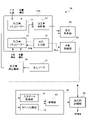
- FIG. 1 is a block diagram showing a configuration during machine learning of a configuration example of a system according to a first embodiment of the present disclosure
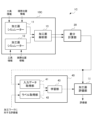
- FIG. FIG. 2 is a block diagram showing a configuration of one configuration example of the system according to the first embodiment of the present disclosure when a learning model is operated
- 4 is a flow chart showing operations related to machine learning by a machine learning unit in the system of the first embodiment of the present disclosure
- FIG. 11 is a block diagram showing a configuration during machine learning of one configuration example of the system of the second embodiment of the present disclosure
- FIG. 11 is a block diagram showing a configuration of a system configuration example of the second embodiment of the present disclosure when a learning model is operated
- FIG. 11 is a block diagram showing a configuration during machine learning of a configuration example of a system according to a third embodiment of the present disclosure
- FIG. 12 is a block diagram showing a configuration of a system configuration example of the third embodiment of the present disclosure when a learning model is operated
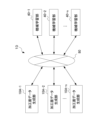
- FIG. 4 is a block diagram showing another configuration example of the system according to the first embodiment of the present disclosure
- FIG. 1 is a block diagram showing the configuration during machine learning of one configuration example of the system of the first embodiment of the present disclosure.
- FIG. 2 is a block diagram showing a configuration of one configuration example of the system according to the first embodiment of the present disclosure when a learning model is operated.
- the system 1A for evaluating the quality of the machined surface of the present embodiment includes a machined surface data generation unit 10A, a difference calculation unit 20, a disturbance evaluation unit 30, a machine learning unit 40, and a machined surface An evaluation unit 50 is provided.
- the machine learning unit 40 is operated while the machined surface evaluation unit 50 is not operated during machine learning. Therefore, in FIG. 1 , the output from the difference calculator 20 is not input to the machined surface evaluation unit 50 but is input to the machine learning unit 40 . Also, in FIG. 1 , the output from the disturbance evaluation unit 30 is input to the machine learning unit 40 . In FIG. 1, a portion of the path between the difference calculation unit 20 and the machined surface evaluation unit 50 is indicated by a dashed line, meaning that the path does not function.
- the machined surface evaluation unit 50 for which the learning model is set is operated while the machine learning unit 40 is not operated. Therefore, in FIG. 2 , the output from the difference calculation unit 20 is not input to the machine learning unit 40 but is input to the machined surface evaluation unit 50 . 2, the disturbance from the disturbance input unit 14 is not input to the machined surface simulator 12 and the disturbance evaluation unit 30, and the output from the machined surface simulator 12 is not inputted to the machined surface analysis unit 13. Furthermore, in FIG. 2 , the output from the disturbance evaluation section 30 is not input to the machine learning section 40 .
- Measured surface data obtained by actually measuring a machined workpiece (machined workpiece) 70 is input from the machined surface measuring device 60 to the machined surface analysis unit 13 .
- the path between the disturbance input unit 14, the machined surface simulator 12 and the machined surface analysis unit 13 the path between the difference calculation unit 20 and the machine learning unit 40, the disturbance evaluation unit 30 and the machine learning unit 40
- These paths are dashed in the sense that the paths between and within the machine learning unit 40 are non-functional.
- the system 1A may be configured as a system without the machine learning section 40 from which the machine learning section 40 is separated.
- the signal output side of each path should not output a signal
- the signal input side of each path should not receive a signal
- a switch should be provided in each path. It suffices to switch between conduction and interruption of the signal.
- the machined surface data generation unit 10A includes a machined surface simulator 11, a machined surface simulator 12, a machined surface analysis unit 13, and a disturbance input unit 14.
- the disturbance input section 14 may be provided outside the machined surface data generation section 10A.
- the machined surface simulator 11 calculates a portion of the machined surface to be machined based on tool information having a feature amount including at least the shape of the cutting tool and position information for machining the workpiece using the cutting tool, and performs a machined surface simulation.
- the tool information is, for example, the type of cutting tool such as a ball end mill, and the shape of the tool such as the ball radius.
- the position information is, for example, trajectory data of a machining program, trajectory data after processing such as interpolation and acceleration/deceleration by a computer numerical controller (CNC), trajectory data of servo feedback of a servo control device that controls a motor, or Tool movement trajectory data such as scale feedback trajectory data of a linear scale attached to a machine.
- CNC computer numerical controller
- the machined surface simulator 12 calculates the portion of the machined surface to be removed based on the tool information, position information, and disturbance, and performs a machined surface simulation.
- the tool information and position information input to the machined surface simulator 12 are the same as the tool information and position information input to the machined surface simulator 11 .
- the disturbance is input from a disturbance input section 14, which will be described later.
- the machined surface analysis unit 13 analyzes the state of the machined surface based on the machining simulation result output from the machined surface simulator 11 during machine learning by the machine learning unit 40, and obtains a first surface that is a first analysis result. A property parameter is obtained and output to the difference calculation unit 20 . In addition, the machined surface analysis unit 13 analyzes the state of the machined surface based on the machining simulation result output from the machined surface simulator 12 during the machine learning by the machine learning unit 40, resulting in a second analysis result. A second surface texture parameter of the same type as the first surface texture parameter is obtained and output to the difference calculation unit 20 .
- the machined surface analysis unit 13 When the learning model generated by the machine learning unit 40 is operated, the machined surface analysis unit 13 obtains the first surface texture parameter as the first analysis result in the same manner as during machine learning, and provides the difference calculation unit 20 with Output. In addition, the machined surface analysis unit 13 analyzes the state of the machined surface based on the actually measured surface data (measurement results) output from the machined surface measuring device 60 when the learning model is operated, and the third analysis result and the A third surface texture parameter is obtained and output to the difference calculation unit 20 .
- Surface texture parameters are parameters for evaluating surface roughness, for example, parameters defined in ISO 25178, arithmetic mean height Sa, maximum height Sz, surface texture aspect ratio (autocorrelation) Str, or minimum autocorrelation length Sal, etc. can be used.
- Height data is required to obtain the arithmetic mean height Sa as the surface texture parameter.
- a laser microscope, a white light interference microscope, or the like, for example, is used as the machined surface measuring device 60 to obtain the height data.
- the height data may be graphed height data.
- the disturbance input unit 14 inputs disturbance to the machined surface simulator 12 and the disturbance evaluation unit 30 described later during machine learning by the machine learning unit 40 .
- the disturbance input unit 14 sets at least one minimum value and maximum value of, for example, feed axis vibration, feed axis deviation, tool circumferential vibration, tool radial vibration, and tool wear, Set a value within the range from the minimum value to the maximum value as the disturbance.
- the disturbance input unit 14 can set the vibration of the feed axis at 1 to 1000 Hz, the deviation of the feed axis at -3 to 25 ⁇ m, the vibration in the tool circumferential direction at 1 to 200 Hz, the vibration in the tool radial direction at 10 to 66 Hz, and the tool wear.
- the vibration of the feed axis is 5 Hz
- the deviation of the feed axis is 1 ⁇ m
- the vibration in the tool circumferential direction is 133 Hz
- the vibration in the tool radial direction is 15 Hz
- the disturbance is set with a tool wear of 0.5 ⁇ m.
- the difference calculation unit 20 outputs a first surface texture parameter as a first analysis result and a second surface texture parameter as a second analysis result, which are output from the machined surface analysis unit 13.
- the difference ⁇ Sa1 becomes the first difference.
- the difference in the surface texture parameters is not limited to the difference in the arithmetic mean height Sa.
- the difference in arithmetic mean height Sa the difference in maximum height Sz, the difference in surface texture aspect ratio (autocorrelation) Str, or the difference in minimum autocorrelation length Sal may be used, or A value obtained by weighting and adding a plurality of these differences may be used.
- the disturbance evaluation unit 30 uses the disturbance input from the disturbance input unit 14 during machine learning by the machine learning unit 40, based on a preset evaluation formula, and obtains an evaluation value for evaluating the disturbance.
- the evaluation value is output as a label to the machine learning unit 40 during machine learning.
- the evaluation value is the evaluation value E obtained by the above evaluation formula.
- the evaluation formula is not limited to this formula, and may be another formula, and is appropriately set according to the type of disturbance.
- the machine learning unit 40 uses the difference ⁇ Sa1 output from the difference calculation unit 20 as input data and the evaluation value E output from the disturbance evaluation unit 30 as a label to obtain a learning model by machine learning. is output to the machined surface evaluation unit 50 .
- the machine learning unit 40 becomes a machine learning device.
- the machined surface evaluation unit 50 uses the learning model output from the machine learning unit 40 to perform machining based on the difference ⁇ Sa21 output from the difference calculation unit 20.
- An evaluation value for evaluating surface quality is output.
- disturbances such as feed axis vibration and tool circumferential vibration occur, the machined surface is crushed and becomes cloudy even if the values of the surface texture parameters such as the arithmetic mean height Sa or the maximum height Sz are good.
- the evaluation value output by the machined surface evaluation unit 50 makes it possible to visually evaluate the quality of the machined surface. The higher the evaluation value output from the machined surface evaluation unit 50, the greater the disturbance, which means that the apparent quality of the machined surface is poor.
- machine learning is performed using input data and labels to create a learning model.
- a machined surface evaluation unit is used as a portion where this learning model is implemented, and the machined surface evaluation unit can output a disturbance evaluation value based on the difference in the analysis results output from the machined surface analysis unit 13 .
- the machine learning section 40 includes an input data acquisition section 41 , a label acquisition section 42 and a learning section 43 .
- the input data acquisition unit 41 acquires the difference ⁇ Sa1 as input data from the difference calculation unit 20 and outputs the acquired difference ⁇ Sa1 to the learning unit 43 .
- the label acquisition unit 42 acquires the evaluation value E as a label from the disturbance evaluation unit 30 and outputs the acquired evaluation value E to the learning unit 43 .
- the learning unit 43 obtains a learning model that obtains an evaluation value based on the difference ⁇ Sa1 by performing supervised learning based on the teacher data input in this way.
- supervised learning itself is well known to those skilled in the art, a detailed description thereof will be omitted, and an outline thereof will be described below.
- Supervised learning is performed, for example, by a neural network configured by combining perceptrons. Specifically, a set of the difference ⁇ Sa1, which is the input data included in the training data, and the evaluation value E, which is the label, is given to the neural network, and each perceptron is weighted so that the output of the neural network is the same as the label. Learning is repeated while changing . For example, by repeating forward-propagation and then back-propagation (also known as back-propagation of errors), the error in the output of each perceptron can be reduced. Adjust the weighting value to Here, supervised learning eliminates errors between labels and output data while varying weighting values as described above.
- the neural network used by the learning unit 43 for machine learning can have a three-layer structure by providing one input layer, one intermediate layer, and one output layer. Furthermore, it can be a multi-layered neural network.
- the learning unit 43 may learn by so-called deep learning (also called deep learning).
- the machine learning section 40 includes an arithmetic processing device such as a CPU (Central Processing Unit).
- the machine learning unit 40 has an auxiliary storage device such as a HDD (Hard Disk Drive) that stores various control programs such as an application or an OS (Operating System), and a temporary It has a main memory such as RAM (Random Access Memory) that stores necessary data.
- arithmetic processing device such as a CPU (Central Processing Unit).
- the machine learning unit 40 has an auxiliary storage device such as a HDD (Hard Disk Drive) that stores various control programs such as an application or an OS (Operating System), and a temporary It has a main memory such as RAM (Random Access Memory) that stores necessary data.
- RAM Random Access Memory
- the arithmetic processing unit reads the application or OS from the auxiliary storage device, and while developing the read application or OS in the main storage device, performs arithmetic processing based on these applications or OS. Further, the arithmetic processing unit controls various hardware provided in each device based on the result of this arithmetic operation. This implements the functional blocks of the machine learning unit 40 in this embodiment. In other words, this embodiment can be realized by cooperation of hardware and software.
- the machine learning unit 40 can be realized by a personal computer, a server device, a part of a computerized numerical control device, or the like.
- the machine learning unit 40 has a large amount of computation associated with machine learning, for example, by installing GPUs (Graphics Processing Units) in a personal computer, a technique called GPGPU (General-Purpose computing on Graphics Processing Units)
- GPU can be used for arithmetic processing associated with machine learning to perform high-speed processing.
- multiple computers equipped with such GPUs are used to construct a computer cluster, and the multiple computers included in this computer cluster perform parallel processing.
- step S11 the machine learning unit 40 determines whether or not machine learning has ended.
- step S11 if the machine learning has ended, the result of step S11 is Yes, and the machine learning unit 40 outputs the learning model obtained by the machine learning to the machined surface evaluation unit 50, and ends the processing. If the machine learning has not ended, the result of step S11 is No, and the process proceeds to step S12. In steps S12 and S13, the input data acquisition unit 41 and the label acquisition unit 42 of the machine learning unit 40 acquire input data and labels. The specific contents of these data are as described above.
- step S14 the learning unit 43 of the machine learning unit 40 performs machine learning using the input teacher data (input data and labels) to obtain a learning model.
- the specific content of machine learning using this teacher data is also as described above.
- step S15 the learning unit 43 updates and saves the obtained learning model. After that, the process proceeds to step S11 again.
- the machine learning unit 40 continues learning by repeating the processing from step S11 to step S15 until the machine learning is completed.
- machine learning may be terminated, for example, by an instruction from an observer, or may be performed when machine learning is repeated a predetermined number of times. By doing so, it is possible to construct a learning model that obtains an evaluation value based on the difference ⁇ Sa1.
- the machined surface analysis unit 13 uses the machined surface simulation results of the machined surface simulators 11 and 12 to determine the first and second surface texture parameters that are the analysis results.
- An example of obtaining and outputting to the difference calculation unit 20 has been described.
- the machined surface analysis unit 13 from the machined surface simulation result of the machined surface simulator 11 and the measured surface data input from the machined surface measuring device 60, the first and third analysis results.
- An example of obtaining surface texture parameters and outputting them to the difference calculation unit 20 has been described.
- the analysis result is not particularly limited as long as it can represent the state of the machined surface, and the following examples may be used.
- the machined surface analysis unit 13 obtains height data and analysis values of the height data (including surface texture parameters) from the results of the machined surface simulations of the machined surface simulators 11 and 12. , graphed height data, or graphed height data analysis values (including surface texture parameters) can be obtained and output to the difference calculation unit 20 .
- the processed surface analysis unit 13 from the results of the processed surface simulation of the processed surface simulators 11 and 12, the image data of the photograph or moving image, the analysis value of the image data, the bidirectional reflectance distribution function (BRDF) of the processed surface Data (hereinafter referred to as BRDF data), analysis values of BRDF data, graphed BRDF data, or graphed analysis values of BRDF data can be obtained and output to the difference calculation unit 20 .
- the bidirectional reflectance distribution function (BRDF) is a function that indicates the angular distribution characteristics of reflected light when light is incident from a specific angle.
- the machined surface analysis unit 13 uses the result of the machined surface simulation as image data, obtains an analysis value of the pixel value, and outputs it to the difference calculation unit 20, the image data can be created by one of the following methods. .
- the height difference of the machined surface is represented by the size of the pixel value.
- (2) Simulate the reflection when light is applied from a position other than directly above the processing surface, and express the magnitude of the reflected light by the magnitude of the pixel value.
- a histogram feature quantity which is an analysis value, is calculated from the pixel values of the created image data.
- the histogram feature amount is, for example, the average value of pixel values, the variance value, the contrast, the skewness, the kurtosis, the energy, the entropy, and the like.
- the machined surface analysis unit 13 obtains height data and height data from the machined surface simulation results of the machined surface simulator 11, as during machine learning.
- Analytical values including surface texture parameters
- graphed height data or graphed analytical values of height data (including surface texture parameters) can be obtained and output to the difference calculation unit 20.
- the processed surface analysis unit 13 from the result of the processed surface simulation of the processed surface simulator 11, the image data of the photograph or moving image, the analysis value of the image data, the bidirectional reflectance distribution function (BRDF) data of the processed surface ( BRDF data), an analysis value of the BRDF data, graphed BRDF data, or an analysis value of the graphed BRDF data can be obtained and output to the difference calculation unit 20 .
- the machined surface analysis unit 13 obtains data obtained from the results of the machined surface simulation of the machined surface simulator 11 from the results of the measured surface data using the machined surface measuring device 60, or the analysis value of the same kind of data. data or an analysis value of the data, and output to the difference calculation unit 20 .
- a goniophotometer or the like is used as the processed surface measuring device 60 that measures the spectral angle or the diffraction angle in order to obtain the bidirectional reflectance distribution function.
- the difference between the analysis result of the machined surface simulation and the analysis result of the measurement data of the machined surface measuring instrument is used as input data, and the evaluation value of the actually measured surface data by the observer is used as a label. is obtained, and an evaluation value based on the difference between the analysis result of the machined surface simulation and the analysis result of the measurement data is output using this learning model to determine the quality of the machined surface.
- FIG. 4 is a block diagram showing the configuration during machine learning of one configuration example of the system of the second embodiment of the present disclosure.
- FIG. 5 is a block diagram showing a configuration of one configuration example of the system according to the second embodiment of the present disclosure when a learning model is operated.
- the same constituent members as those in FIGS. 1 and 2 are denoted by the same reference numerals, and explanations overlapping those of the first embodiment are omitted.
- the machined surface data generation unit 10B includes the machined surface simulator 12 and disturbance Measured surface data obtained by actually measuring a machined workpiece 70 is input from a machined surface measuring device 60 to a machined surface analysis unit 13 without an input unit 14 .
- the label acquisition unit 42 of the machine learning unit 40 acquires an evaluation value of the actually measured surface data by the observer.
- the system 1B may be configured as a system without the machine learning section 40 with the machine learning section 40 separated, like the system 1A.
- the operations of the machined surface analysis unit 13 and the difference calculation unit 20 in this embodiment during machine learning and when the learning model is in operation are the same as those in the first embodiment when the learning model is in operation.
- the machine learning unit 40 uses the difference ⁇ Sa2 output from the difference calculation unit 20 as input data, uses the evaluation value of the actually measured surface data (measurement result) by the observer as the label, obtains a learning model by machine learning, After learning, the learning model is output to the machined surface evaluation unit 50 .
- the machine learning unit 40 becomes a machine learning device.
- the evaluation value of the measured surface data is, for example, an evaluation value such as a score set by the observer based on the measured surface data obtained by actually measuring the machined workpiece with the machined surface measuring device 60 .
- the machined surface evaluation unit 50 uses the learning model output from the machine learning unit 40 when operating the learning model, and outputs an evaluation value for evaluating the quality of the machined surface based on the difference ⁇ Sa2 output from the difference calculation unit 20. .
- This evaluation value corresponds to the evaluation value set by the observer based on the actually measured surface data, and serves as the evaluation value for evaluating the appearance by the observer.
- the operation related to machine learning by the machine learning unit 40 in this embodiment is the same as the operation in the first embodiment described with reference to the flowchart of FIG. 3, so description thereof will be omitted.
- machine learning is performed with the above input data and label data, a learning model is created, and this model is implemented as a machined surface evaluation unit, based on the difference in the analysis results output from the machined surface analysis unit Therefore, it is possible to predict the judgment of human appearance.
- the machined surface analysis unit 13 obtains the third surface texture parameter, which is the third analysis result, from the measured surface data using the machined surface measuring device 60, and the machined surface simulator 11 outputs the machined surface parameter.
- the first surface texture parameter which is the first analysis result
- the analysis result is not particularly limited as long as it can represent the state of the machined surface.
- the analysis result of the machined surface simulation based on the tool information and ideal position information (hereinafter referred to as ideal position information) and the machining based on the tool information and actual position information (hereinafter referred to as actual position information)
- ideal position information the analysis result of the machined surface simulation based on the tool information and ideal position information
- actual position information A learning model is obtained by supervised learning using the difference between the analysis result of the surface simulation as input data and the evaluation value of the processed work of the observer as the label, and this learning model is based on the difference between the analysis results of the two machined surface simulations. An example of outputting an evaluation value and judging the machined surface quality will be described.
- the ideal position information is, for example, tool movement trajectory data such as trajectory data of a machining program, interpolation by a computer numerical controller (CNC), and trajectory data after processing such as acceleration and deceleration.
- the actual position information is, for example, tool movement trajectory data such as servo feedback trajectory data of a servo control device that controls a motor, or scale feedback trajectory data of a linear scale or the like attached to a machine.
- FIG. 6 is a block diagram showing the configuration during machine learning of one configuration example of the system of the third embodiment of the present disclosure.
- FIG. 7 is a block diagram showing a configuration of one configuration example of the system according to the third embodiment of the present disclosure when a learning model is operated.
- the same components as those in FIGS. 1 and 2 are denoted by the same reference numerals, and description overlapping with that of the first embodiment is omitted.
- the system 1C for evaluating the machined surface quality of the present embodiment compared with the system 1A of FIGS.
- the machined surface simulator 11 receives tool information and ideal position information
- the machined surface simulator 12 receives tool information and actual position information.
- the observer inputs the evaluation value for the machined work to the machine learning unit 40 without using the machined surface measuring device 60, unlike the system 1B of FIGS.
- the system 1C may be configured as a system without the machine learning section 40 from which the machine learning section 40 is separated, similarly to the system 1A.
- the machined surface analysis unit 13 obtains a fourth surface texture parameter as a fourth analysis result based on the machining simulation result output from the machined surface simulator 11 , and outputs the fourth surface texture parameter to the difference calculation unit 20 . Further, the machined surface analysis unit 13 obtains a fifth surface texture parameter as a fifth analysis result based on the machining simulation result output from the machined surface simulator 12 , and outputs the fifth surface texture parameter to the difference calculation unit 20 .
- the machined surface simulator 11 may not be provided. In that case, the machined surface analysis unit 13 analyzes the ideal position information, obtains the fourth surface texture parameter as the fourth analysis result, and calculates the difference. Output to unit 20 .
- the machined surface simulator 12 may not be provided. In that case, the machined surface analysis unit 13 analyzes the actual position information, obtains the fifth surface texture parameter as the fifth analysis result, and calculates the difference. Output to unit 20 .
- the difference calculation unit 20 obtains the difference between the fourth surface texture parameter as the fourth analysis result and the fifth surface texture parameter as the fifth analysis result output from the machined surface analysis unit 13 .
- the difference in the surface texture parameters is not limited to the difference in the arithmetic mean height Sa.
- the difference in maximum height Sz the difference in surface texture aspect ratio (autocorrelation) Str, or the difference in minimum autocorrelation length Sal may be used, or A value obtained by weighting and adding a plurality of these differences may be used.
- the machine learning unit 40 uses the difference ⁇ Sa3 output from the difference calculation unit 20 as input data, uses the observer's evaluation value for the actually processed workpiece as a label, obtains a learning model by machine learning, and after machine learning The learning model is output to the machined surface evaluation unit 50 .
- the machine learning unit 40 becomes a machine learning device.
- the evaluation value of the processed work by the observer is, for example, an evaluation value such as a score, quality, etc., determined by the observer's visual inspection of the processed work.
- the machined surface evaluation unit 50 uses the learning model output from the machine learning unit 40 when operating the learning model, and outputs an evaluation value for evaluating the quality of the machined surface based on the difference ⁇ Sa3 output from the difference calculation unit 20. .
- This evaluation value is an evaluation value for evaluating appearance by an observer.
- the operation related to machine learning by the machine learning unit 40 in this embodiment is the same as the operation in the first embodiment described with reference to the flowchart of FIG. 3, so description thereof will be omitted.
- machine learning is performed using input data and labels to create a learning model. Based on the difference in the analysis results, it is possible to predict the judgment of appearance by a person.
- the analysis result is not particularly limited as long as it can represent the state of the machined surface.
- the machined surface analysis unit 13 obtains height data, analytical values of the height data (including surface texture parameters), graph Analytical values (including surface texture parameters) of the converted height data or the graphed height data can be obtained and output to the difference calculation unit 20 .
- the processed surface analysis unit 13 from the results of the processed surface simulation of the processed surface simulators 11 and 12, the image data of the photograph or moving image, the analysis value of the image data, the bidirectional reflectance distribution function (BRDF) of the processed surface Data (hereinafter referred to as BRDF data), analysis values of BRDF data, graphed BRDF data, or graphed analysis values of BRDF data can be obtained and output to the difference calculation unit 20 .
- BRDF data bidirectional reflectance distribution function of the processed surface Data
- the machined surface data generation unit 10A, 10B or 10C, the difference calculation unit 20, the disturbance evaluation unit 30, the machine learning unit 40, and the machined surface evaluation unit 50 are separated from each other. showing.
- the machined surface data generator 10A, 10B or 10C, the difference calculator 20, the machine learning unit 40, and the machined surface evaluation unit 50 are separated.
- the difference calculator 20 and/or the disturbance evaluator 30 may be included in the machined surface data generator 10A, 10B, or 10C.
- the difference calculation unit 20 and/or the disturbance evaluation unit 30 may be included in the machine learning unit 40 .
- the machined surface evaluation unit 50 may be included in the machine learning unit 40, or may be included in the machined surface data generation unit 10A, 10B, or 10C.
- System 1A, system 1B, or system 1C may be configured as one integrated device.
- the machine learning unit 40 is connected to the difference calculation unit 20, the disturbance evaluation unit 30, and the machined surface evaluation unit 50 to constitute a system for evaluating the quality of the machined surface.
- the machine learning section 40 is connected to the difference calculation section 20 and the machined surface evaluation section 50 to form a system for evaluating machined surface quality.
- the configuration of each embodiment is not limited to such a configuration.
- the machine learning section 40 may be connected to the difference calculation section 20, the disturbance evaluation section 30, and the machined surface evaluation section 50 via a network.
- the machined surface data generation unit 10A including the difference calculation unit 20, the disturbance evaluation unit 30, and the machined surface evaluation unit 50 may be called an evaluation device.
- FIG. 8 is a block diagram showing another configuration example of the system according to the first embodiment of the present disclosure.
- the system 1D for evaluating machined surface quality includes n machined surface data generation units 10A-1 to 10A-n, n machine learning units 40-1 to 40-n, and a network 80 It has Note that n is an arbitrary natural number.
- Each of the n machine learning units 40-1 to 40-n corresponds to the machine learning unit 40 shown in FIGS. 1 and 2, each of the machined surface data generators 10A-1 to 10A-n corresponds to the machined surface data generator 10A.
- the machined surface data generation units 10A-1 to 10A-n include a difference calculator 20, a disturbance evaluation unit 30, and a machined surface evaluation unit .
- the machined surface data generation unit 10A-1 and the machine learning unit 40-1 are paired on a one-to-one basis and connected via a network 80 so as to be communicable.
- the machined surface data generation units 10A-2 to 10A-n and the machine learning units 40-2 to 40-n are also connected in the same manner as the machined surface data generation unit 10A-1 and the machine learning unit 40-1.
- n sets of machined surface data generation units 10A-1 to 10A-n and machine learning units 40-1 to 40-n are connected via a network 80.
- the machined surface data generation unit and machine learning unit of each set are directly connected via a connection interface.
- the n sets of machined surface data generation units 10A-1 to 10A-n and machine learning units 40-1 to 40-n may be installed in the same factory, for example, or may be installed in different factories. may be
- the network 80 is, for example, a LAN (Local Area Network) built in a factory, the Internet, a public telephone network, or a combination thereof.
- a specific communication method in the network 80, or whether it is a wired connection or a wireless connection, is not particularly limited.
- one machine learning unit and a plurality of machined surface data generators may be connected directly or via a network so as to be communicable, and the machine learning of each machined surface data generator may be performed.
- each function of the machine learning unit may be distributed to a plurality of servers as appropriate, in a distributed processing system.
- each function of one machine learning unit may be realized using a virtual server function or the like on the cloud.
- the learning results in each system may be shared. By doing so, it becomes possible to construct a more optimal model.
- the example described above is an example relating to the system of the first embodiment, but can be similarly applied to the systems of the second and third embodiments.
- the above-described supervised learning in the learning unit 43 may be performed by online learning, batch learning, or mini-batch learning.
- Online learning is a learning method in which supervised learning is performed immediately each time teacher data is created.
- batch learning is a learning method that collects a plurality of teacher data corresponding to repetitions while repeatedly creating teacher data, and performs supervised learning using all the collected teacher data.
- mini-batch learning is an intermediate learning method between online learning and batch learning, in which supervised learning is performed each time teacher data is accumulated to some extent.
- the embodiments described above can be realized by hardware, software, or a combination thereof.
- “implemented by software” means implemented by a computer reading and executing a program.
- integrated circuits such as LSI (Large Scale Integrated circuit), ASIC (Application Specific Integrated Circuit), gate array, FPGA (Field Programmable Gate Array) ( IC).
- a hard disk, ROM, or the like storing a program describing all or part of the operation of the machine learning unit shown in the flowchart
- a computer composed of a storage unit, a DRAM that stores data necessary for calculation, a CPU, and a bus that connects each unit, information necessary for calculation is stored in the DRAM, and the program is executed by the CPU. be able to.
- Computer readable media includes various types of tangible storage media.
- Computer-readable media include, for example, magnetic recording media (e.g., hard disk drives), magneto-optical recording media (e.g., magneto-optical discs), CD-ROMs (Read Only Memory), CD-Rs, CD-R/Ws, semiconductor memories (eg, mask ROM, PROM (programmable ROM), EPROM (erasable PROM), flash ROM, or RAM (random access memory)).
- the machine learning device, the machined surface quality evaluation system, and the machine learning program according to the present disclosure can take various embodiments having the following configurations, including the embodiments described above.
- the systems of (4), (5) and (6) below can use the learning models generated by the machine learning devices of (1), (2) and (3) below.
- the machine learning programs of (7), (8) and (9) below can be used to implement the machine learning devices of (1), (2) and (3) below.
- a learning model that calculates an evaluation value of machined surface quality using position information for machining a workpiece using a cutting tool and tool information having a feature amount including at least the shape of the cutting tool.
- a machine learning device (for example, machine learning units 40, 40-1 to 40-n) that generates Using the position information and the tool information, based on the result of simulating the machined surface of the machining result, a first analysis result of analyzing the state of the machined surface, the position information, the tool information, and disturbance
- An input data acquisition unit (for example, an input data acquisition unit 41), A label acquisition unit (for example, a label acquisition unit 42) that acquires, as a label, an evaluation value of the machined surface quality of the work due to the disturbance, which is obtained based on a preset evaluation formula using the disturbance; a learning unit (for example, a learning unit 43) that generates the learning model by supervised machine learning using the input data and the label;
- a learning model for calculating an evaluation value of machined surface quality using position information for machining a workpiece using a cutting tool and tool information having feature quantities including at least the shape of the cutting tool A machine learning device (for example, machine learning units 40, 40-1 to 40-n) that generates Based on the result of simulating the machined surface of the machining result using the position information and the tool information, a first analysis result of analyzing the state of the machined surface and the position information are used to perform actual machining with the machine tool.
- a machine learning device with According to this machine learning device when judging the machined surface quality of an unknown machined surface, an observer's evaluation value for the measurement result of measuring the machined surface of the actually machined workpiece is used to determine the apparent machined surface quality. can generate a learning model for evaluating
- a machine learning device for example, machine learning units 40, 40-1 to 40-n
- a learning model for calculating the evaluation value of A first analysis result obtained by analyzing the state of the machined surface based on the result of simulating the machined surface of the machined result using the ideal position information and the tool information, the actual position information, and the tool
- Input data for obtaining, as input data, a difference (for example, difference ⁇ Sa3) from a second analysis result obtained by analyzing the state of the machined surface based on the result of simulating the machined surface of the machined result using information and an acquisition unit (for example, an input data acquisition unit 41); a label acquisition unit (for example, label acquisition unit 42) that acquires, as a label, an evaluation value of the machined surface quality of the actually machined workpiece by the observer; a learning unit (
- a learning model generated by supervised machine learning a system (for example, system 1A) that outputs an evaluation value of machined surface quality, a first machined surface simulator unit (for example, a machined surface simulator 11) that simulates a machined surface resulting from machining using the position information and the tool information; a second machined surface simulator unit (for example, a machined surface simulator 12) that simulates a machined surface resulting from machining using the position information, the tool information, and disturbance;
- a first analysis result obtained by quantifying the state of the machined surface based on the result of the machined surface simulation by the first machined surface simulator unit.
- a third analysis that quantifies the state of the machined surface based on the first analysis result and the measurement result of measuring the machined surface of the workpiece actually machined by the machine tool using the position information.
- a machined surface analysis unit for example, a machined surface analysis unit 13
- a first difference between the first analysis result and the second analysis result for example, difference ⁇ Sa1
- a second difference between the first analysis result and the third analysis result for example, difference a difference calculation unit (for example, a difference calculation unit 20) that calculates ⁇ Sa2)
- a machined surface evaluation unit for example, a machined surface evaluation unit 50
- receives the second difference as an input and outputs an evaluation value of the machined surface quality using the learning model The learning model uses the first difference as input data and uses the disturbance to label the evaluation value of the machined surface quality of the machined workpiece due to the disturbance, which is obtained based on a preset evaluation formula.
- a system generated by the supervised machine learning According to this system, when judging the machined surface quality of an unknown machined surface, it is possible to evaluate the machined surface quality by appearance based on the evaluation value of the machined surface quality of the work due to disturbance.
- the machined surface of the workpiece actually machined by the machine tool was measured using the first analysis result that quantified the state of the machined surface based on the results of the machined surface simulation by the machined surface simulator unit and the position information.
- a machined surface analysis unit for example, a machined surface analysis unit 13
- a difference calculation unit e.g., difference calculation unit 20
- a machined surface evaluation unit (for example, a machined surface evaluation unit 50) that receives the difference as an input and outputs an evaluation value of the machined surface quality using the learning model,
- the learning model is generated by the supervised machine learning using the difference as input data and using an observer's evaluation value of the machined surface quality of the machined workpiece with respect to the measurement result as a label.
- a system for example, system 1C that outputs an evaluation value of machined surface quality using the generated learning model, a first machined surface simulator unit (for example, a machined surface simulator 11) that simulates a machined surface resulting from machining using the ideal position information and the tool information; a second machined surface simulator unit (for example, a machined surface simulator 12) that simulates a machined surface resulting from machining using the actual position information and the tool information; Machining based on a first analysis result that quantifies the state of the machined surface based on the result of the machined surface simulation by the first machined surface simulator unit and the result of the machined surface simulation by the second machined surface simulator unit a machined surface analysis unit (for example, a machined surface analysis unit 13) that outputs a second analysis result in which the state of the surface is digit
- a machine learning program that generates to the computer Using the position information and the tool information, based on the result of simulating the machined surface of the machining result, a first analysis result of analyzing the state of the machined surface, the position information, the tool information, and disturbance
- a machine learning program that generates to the computer Based on the result of simulating the machined surface of the machining result using the position information and the tool information, a first analysis result of analyzing the state of the machined surface and the position information are used to perform actual machining with the machine tool.
- a machine learning program that runs According to this machine learning program, when judging the machined surface quality of an unknown machined surface, an observer's evaluation value for the measurement result of measuring the machined surface of the actually machined workpiece is used to determine the appearance of the machined surface.
- a learning model can be generated to assess grace.
- a machine learning program that runs According to this machine learning program, when judging the machined surface quality of an unknown machined surface, the machined surface quality by appearance is evaluated by the observer's evaluation value of the machined surface quality of the actually machined workpiece. can generate a learning model for
Landscapes
- Engineering & Computer Science (AREA)
- Human Computer Interaction (AREA)
- Manufacturing & Machinery (AREA)
- Physics & Mathematics (AREA)
- General Physics & Mathematics (AREA)
- Automation & Control Theory (AREA)
- Numerical Control (AREA)
Abstract
未知な加工面の加工面品位を判断する場合に、見た目の判断基準となる評価値によって、加工面品位を正しく評価するための学習モデルを生成する機械学習装置を提供する。 機械学習装置が、位置情報と工具情報とを利用して、加工結果の加工面をシミュレーションした結果に基づいて、加工面の状態を解析した第1の解析結果と、位置情報、工具情報及び外乱を利用して、加工結果の加工面をシミュレーションした結果に基づいて、加工面の状態を解析した第2の解析結果との差分を、入力データとして取得する入力データ取得部と、外乱を用いて、予め設定された評価式に基づいて求められた、外乱による前記ワークの加工面品位の評価値を、ラベルとして取得するラベル取得部と、入力データとラベルを用いた教師有り機械学習により、加工面品位の評価値を算出する学習モデルを生成する学習部と、を備える。
Description
本発明は、機械学習装置、加工面品位を評価するシステム、及び機械学習用プログラムに関し、特に、切削工具を使用して加工するワークの加工面品位の評価値を出力する学習モデルを生成する機械学習装置、加工面品位を評価するシステム、及び機械学習用プログラムに関する。
金属加工の加工面は精度とは別に見た目が重視されている。しかし、見た目の基準は特に決まってはおらず、経験的に判断されるため、習熟度によって判断が異なる場合がある。
良品ワークの評価指標を定量化することが可能な加工面品位評価装置が、例えば特許文献1に記載されている。
特許文献1には、加工面品位評価装置が、検査装置によるワークの加工面品位の検査結果に基づいて、観察者によるワークの加工面品位の評価結果を判定することが記載されている。そして、特許文献1には、加工面品位評価装置が、検査装置による検査結果に対応する観察者によるワークの加工面品位の評価結果を学習する機械学習装置を備え、機械学習装置が、検査装置によるワークの加工面品位の検査結果を状態変数として観測する状態観測部と、観察者によるワークの加工面品位の評価結果を示すラベルデータを取得するラベルデータ取得部と、状態変数と、ラベルデータとを関連付けて学習する学習部と、を備えることが記載されている。
特許文献1には、加工面品位評価装置が、検査装置によるワークの加工面品位の検査結果に基づいて、観察者によるワークの加工面品位の評価結果を判定することが記載されている。そして、特許文献1には、加工面品位評価装置が、検査装置による検査結果に対応する観察者によるワークの加工面品位の評価結果を学習する機械学習装置を備え、機械学習装置が、検査装置によるワークの加工面品位の検査結果を状態変数として観測する状態観測部と、観察者によるワークの加工面品位の評価結果を示すラベルデータを取得するラベルデータ取得部と、状態変数と、ラベルデータとを関連付けて学習する学習部と、を備えることが記載されている。
加工面品位を加工面精度で判断する場合、加工面を計測して、算術平均面高さSa又は最大高さSzなどの指標を用いる傾向にあるが、観察者による見た目と、算術平均面高さSa又は最大高さSzなどのパラメータとは必ずしも一致しない場合がある。例えば、工具の状態が良くないと加工面を潰すことで、曇った見た目になるものの、算術平均面高さSa又は最大高さSzは良くなってしまう場合がある。
よって、未知な加工面の加工面品位を判断する場合に、見た目を判断基準として、加工面品位を評価できるシステム、システムに学習モデルを提供する機械学習装置及び機械学習用プログラムが求められていた。
よって、未知な加工面の加工面品位を判断する場合に、見た目を判断基準として、加工面品位を評価できるシステム、システムに学習モデルを提供する機械学習装置及び機械学習用プログラムが求められていた。
(1) 本開示の第1の態様は、切削工具を使用してワークを加工するための位置情報と、前記切削工具の少なくとも形状を含む特徴量を有する工具情報とを利用して、加工面品位の評価値を算出する学習モデルを生成する機械学習装置であって、
前記位置情報と前記工具情報とを利用して、加工結果の加工面をシミュレーションした結果に基づいて、加工面の状態を解析した第1の解析結果と、前記位置情報、前記工具情報及び外乱を利用して、加工結果の加工面をシミュレーションした結果に基づいて、加工面の状態を解析した第2の解析結果との差分を、入力データとして取得する入力データ取得部と、
前記外乱を用いて、予め設定された評価式に基づいて求められた、前記外乱による前記ワークの加工面品位の評価値を、ラベルとして取得するラベル取得部と、
前記入力データと前記ラベルを用いた教師有り機械学習により、前記学習モデルを生成する学習部と、
を備えた機械学習装置である。
前記位置情報と前記工具情報とを利用して、加工結果の加工面をシミュレーションした結果に基づいて、加工面の状態を解析した第1の解析結果と、前記位置情報、前記工具情報及び外乱を利用して、加工結果の加工面をシミュレーションした結果に基づいて、加工面の状態を解析した第2の解析結果との差分を、入力データとして取得する入力データ取得部と、
前記外乱を用いて、予め設定された評価式に基づいて求められた、前記外乱による前記ワークの加工面品位の評価値を、ラベルとして取得するラベル取得部と、
前記入力データと前記ラベルを用いた教師有り機械学習により、前記学習モデルを生成する学習部と、
を備えた機械学習装置である。
(2) 本開示の第2の態様は、切削工具を使用してワークを加工するための位置情報と、前記切削工具の少なくとも形状を含む特徴量を有する工具情報とを利用して、加工面品位の評価値を算出する学習モデルを生成する機械学習装置であって、
前記位置情報と前記工具情報を利用して、加工結果の加工面をシミュレーションした結果に基づいて、加工面の状態を解析した第1の解析結果と、前記位置情報を使用して工作機械で実際に加工した加工ワークの加工面を計測した計測結果に基づいて、前記加工ワークの加工面の状態を解析した第2の解析結果との差分を、入力データとして取得する入力データ取得部と、
観察者による、前記計測結果に対する前記加工ワークの加工面品位の評価値を、ラベルとして取得するラベル取得部と、
前記入力データと前記ラベルを用いた教師有り機械学習により、前記学習モデルを生成する学習部と、
を備えた機械学習装置である。
前記位置情報と前記工具情報を利用して、加工結果の加工面をシミュレーションした結果に基づいて、加工面の状態を解析した第1の解析結果と、前記位置情報を使用して工作機械で実際に加工した加工ワークの加工面を計測した計測結果に基づいて、前記加工ワークの加工面の状態を解析した第2の解析結果との差分を、入力データとして取得する入力データ取得部と、
観察者による、前記計測結果に対する前記加工ワークの加工面品位の評価値を、ラベルとして取得するラベル取得部と、
前記入力データと前記ラベルを用いた教師有り機械学習により、前記学習モデルを生成する学習部と、
を備えた機械学習装置である。
(3) 本開示の第3の態様は、切削工具を使用してワークを加工するための、理想の位置情報及び実際の位置情報と、前記切削工具の少なくとも形状を含む特徴量を有する工具情報とを利用して、加工面品位の評価値を算出する学習モデルを生成する機械学習装置であって、
前記理想の位置情報と前記工具情報とを利用して、加工結果の加工面をシミュレーションした結果に基づいて、加工面の状態を解析した第1の解析結果と、前記実際の位置情報と前記工具情報とを利用して、加工結果の加工面をシミュレーションした結果に基づいて、加工面の状態を解析した第2の解析結果との差分を、入力データとして取得する入力データ取得部と、
観察者による、実際に加工した加工ワークの加工面品位の評価値を、ラベルとして取得するラベル取得部と、
前記入力データと前記ラベルを用いた教師有り機械学習により、前記学習モデルを生成する学習部と、
を備えた機械学習装置である。
前記理想の位置情報と前記工具情報とを利用して、加工結果の加工面をシミュレーションした結果に基づいて、加工面の状態を解析した第1の解析結果と、前記実際の位置情報と前記工具情報とを利用して、加工結果の加工面をシミュレーションした結果に基づいて、加工面の状態を解析した第2の解析結果との差分を、入力データとして取得する入力データ取得部と、
観察者による、実際に加工した加工ワークの加工面品位の評価値を、ラベルとして取得するラベル取得部と、
前記入力データと前記ラベルを用いた教師有り機械学習により、前記学習モデルを生成する学習部と、
を備えた機械学習装置である。
(4) 本開示の第4の態様は、切削工具を使用してワークを加工するための位置情報と、前記切削工具の少なくとも形状を含む特徴量を有する工具情報を利用し、教師有り機械学習により生成された学習モデルを用いて、加工面品位の評価値を出力するシステムであって、
前記位置情報と前記工具情報とを利用して、加工結果の加工面をシミュレーションする第1の加工面シミュレーター部と、
前記位置情報と前記工具情報と外乱とを利用して、加工結果の加工面をシミュレーションする第2の加工面シミュレーター部と、
前記教師有り機械学習による、前記学習モデルを生成するための機械学習中は、前記第1の加工面シミュレーター部による加工面シミュレーションの結果に基づいて加工面の状態を数値化した第1の解析結果と、前記第2の加工面シミュレーター部による加工面シミュレーションの結果に基づいて加工面の状態を数値化した第2の解析結果とを出力し、前記教師有り機械学習により生成された前記学習モデルの運用時は、前記第1の解析結果と、前記位置情報を用いて工作機械で実際に加工した加工ワークの加工面を計測した計測結果に基づいて加工面の状態を数値化した第3の解析結果とを出力する加工面解析部と、
前記第1の解析結果と前記第2の解析結果との第1の差分、及び前記第1の解析結果と前記第3の解析結果との第2の差分を計算する差分計算部と、
前記第2の差分を入力とし、前記学習モデルを用いて、前記加工面品位の評価値を出力する加工面評価部と、を備え、
前記学習モデルは、前記第1の差分を入力データとし、前記外乱を用いて、予め設定された評価式に基づいて求められた、前記外乱による前記加工ワークの加工面品位の評価値を、ラベルとした、前記教師有り機械学習により生成される、システムである。
前記位置情報と前記工具情報とを利用して、加工結果の加工面をシミュレーションする第1の加工面シミュレーター部と、
前記位置情報と前記工具情報と外乱とを利用して、加工結果の加工面をシミュレーションする第2の加工面シミュレーター部と、
前記教師有り機械学習による、前記学習モデルを生成するための機械学習中は、前記第1の加工面シミュレーター部による加工面シミュレーションの結果に基づいて加工面の状態を数値化した第1の解析結果と、前記第2の加工面シミュレーター部による加工面シミュレーションの結果に基づいて加工面の状態を数値化した第2の解析結果とを出力し、前記教師有り機械学習により生成された前記学習モデルの運用時は、前記第1の解析結果と、前記位置情報を用いて工作機械で実際に加工した加工ワークの加工面を計測した計測結果に基づいて加工面の状態を数値化した第3の解析結果とを出力する加工面解析部と、
前記第1の解析結果と前記第2の解析結果との第1の差分、及び前記第1の解析結果と前記第3の解析結果との第2の差分を計算する差分計算部と、
前記第2の差分を入力とし、前記学習モデルを用いて、前記加工面品位の評価値を出力する加工面評価部と、を備え、
前記学習モデルは、前記第1の差分を入力データとし、前記外乱を用いて、予め設定された評価式に基づいて求められた、前記外乱による前記加工ワークの加工面品位の評価値を、ラベルとした、前記教師有り機械学習により生成される、システムである。
(5) 本開示の第5の態様は、切削工具を使用してワークを加工するための位置情報と、前記切削工具の少なくとも形状を含む特徴量を有する工具情報を利用し、教師有り機械学習により生成された学習モデルを用いて、加工面品位の評価値を出力するシステムであって、
前記位置情報と前記工具情報とを利用して、加工結果の加工面をシミュレーションする加工面シミュレーター部と、
前記加工面シミュレーター部による加工面シミュレーションの結果に基づいて加工面の状態を数値化した第1の解析結果と、前記位置情報を用いて工作機械で実際に加工した加工ワークの加工面を計測した計測結果に基づいて加工面の状態を数値化した第2の解析結果とを出力する加工面解析部と、
前記第1の解析結果と前記第2の解析結果との差分を計算する差分計算部と、
前記差分を入力とし、前記学習モデルを用いて前記加工面品位の評価値を出力する加工面評価部と、を備え、
前記学習モデルは、前記差分を入力データとし、観察者による、前記計測結果に対する前記加工ワークの加工面品位の評価値を、ラベルとした前記教師有り機械学習により生成される、
システムである。
前記位置情報と前記工具情報とを利用して、加工結果の加工面をシミュレーションする加工面シミュレーター部と、
前記加工面シミュレーター部による加工面シミュレーションの結果に基づいて加工面の状態を数値化した第1の解析結果と、前記位置情報を用いて工作機械で実際に加工した加工ワークの加工面を計測した計測結果に基づいて加工面の状態を数値化した第2の解析結果とを出力する加工面解析部と、
前記第1の解析結果と前記第2の解析結果との差分を計算する差分計算部と、
前記差分を入力とし、前記学習モデルを用いて前記加工面品位の評価値を出力する加工面評価部と、を備え、
前記学習モデルは、前記差分を入力データとし、観察者による、前記計測結果に対する前記加工ワークの加工面品位の評価値を、ラベルとした前記教師有り機械学習により生成される、
システムである。
(6) 本開示の第6の態様は、切削工具を使用してワークを加工するための、理想の位置情報及び実際の位置情報と、前記切削工具の少なくとも形状を含む特徴量を有する工具情報を利用し、教師有り機械学習により生成された学習モデルを用いて、加工面品位の評価値を出力するシステムであって、
前記理想の位置情報と前記工具情報とを利用して、加工結果の加工面をシミュレーションする第1の加工面シミュレーター部と、
前記実際の位置情報と前記工具情報とを利用して、加工結果の加工面をシミュレーションする第2の加工面シミュレーター部と、
前記第1の加工面シミュレーター部による加工面シミュレーションの結果に基づいて加工面の状態を数値化した第1の解析結果と、前記第2の加工面シミュレーター部による加工面シミュレーションの結果に基づいて加工面の状態を数値化した第2の解析結果とを出力する加工面解析部と、
前記第1の解析結果と前記第2の解析結果との差分を計算する差分計算部と、
前記差分を入力とし、前記学習モデルを用いて前記加工面品位の評価値を出力する加工面評価部と、を備え、
前記学習モデルは、前記差分を入力データとし、観察者による、実際に加工した加工ワークの加工面品位の評価値を、ラベルとした前記教師有り機械学習により生成される、
システムである。
前記理想の位置情報と前記工具情報とを利用して、加工結果の加工面をシミュレーションする第1の加工面シミュレーター部と、
前記実際の位置情報と前記工具情報とを利用して、加工結果の加工面をシミュレーションする第2の加工面シミュレーター部と、
前記第1の加工面シミュレーター部による加工面シミュレーションの結果に基づいて加工面の状態を数値化した第1の解析結果と、前記第2の加工面シミュレーター部による加工面シミュレーションの結果に基づいて加工面の状態を数値化した第2の解析結果とを出力する加工面解析部と、
前記第1の解析結果と前記第2の解析結果との差分を計算する差分計算部と、
前記差分を入力とし、前記学習モデルを用いて前記加工面品位の評価値を出力する加工面評価部と、を備え、
前記学習モデルは、前記差分を入力データとし、観察者による、実際に加工した加工ワークの加工面品位の評価値を、ラベルとした前記教師有り機械学習により生成される、
システムである。
(7) 本開示の第7態様から第9の態様は、上記(1)から(3)に記載の機械学習装置としてのコンピュータに用いられる機械学習用プログラムである。
本開示の各態様によれば、未知な加工面の加工面品位を判断する場合に、見た目の判断基準となる評価値によって、加工面品位を正しく評価することができる。
以下、本発明の実施形態について図面を用いて詳細に説明する。
(第1実施形態)
図1は本開示の第1実施形態のシステムの一構成例の機械学習中の構成を示すブロック図である。図2は本開示の第1実施形態のシステムの一構成例の学習モデル運用時の構成を示すブロック図である。
(第1実施形態)
図1は本開示の第1実施形態のシステムの一構成例の機械学習中の構成を示すブロック図である。図2は本開示の第1実施形態のシステムの一構成例の学習モデル運用時の構成を示すブロック図である。
図1及び図2に示すように、本実施形態の、加工面品位を評価するシステム1Aは、加工面データ生成部10A、差分計算部20、外乱評価部30、機械学習部40、及び加工面評価部50を備えている。
本実施形態では、機械学習中に、加工面評価部50を動作させない状態で、機械学習部40を動作させる。そのため、図1では、差分計算部20からの出力は、加工面評価部50に入力されず、機械学習部40に入力される。また、図1では、外乱評価部30からの出力は、機械学習部40に入力される。図1では、差分計算部20と加工面評価部50との間の経路は機能しないという意味で、この経路の一部が破線で表されている。
一方、本実施形態では、学習モデル運用時に、機械学習部40を動作させない状態で、学習モデルが設定された加工面評価部50を動作させる。そのため、図2では、差分計算部20からの出力は、機械学習部40に入力されず、加工面評価部50に入力される。また、図2では、外乱入力部14からの外乱は、加工面シミュレーター12及び外乱評価部30に入力されず、加工面シミュレーター12からの出力は、加工面解析部13に入力されない。さらに、図2では、外乱評価部30からの出力は、機械学習部40に入力されない。加工面解析部13には、加工面測定機器60から、加工されたワーク(加工ワーク)70を実測した実測表面データが入力される。
図2では、外乱入力部14と加工面シミュレーター12と加工面解析部13との間の経路、差分計算部20と機械学習部40との間の経路、外乱評価部30と機械学習部40との間の経路、及び機械学習部40内の経路は機能しないという意味で、これらの経路は破線で表されている。
機械学習部40により生成された学習モデルの運用時には、システム1Aは、機械学習部40を切り離した、機械学習部40を有しないシステムとして構成されてもよい。
図2では、外乱入力部14と加工面シミュレーター12と加工面解析部13との間の経路、差分計算部20と機械学習部40との間の経路、外乱評価部30と機械学習部40との間の経路、及び機械学習部40内の経路は機能しないという意味で、これらの経路は破線で表されている。
機械学習部40により生成された学習モデルの運用時には、システム1Aは、機械学習部40を切り離した、機械学習部40を有しないシステムとして構成されてもよい。
なお、各径路を機能させないようにするには、例えば、各径路の信号出力側が信号を出力しないようにするか、信号入力側が信号を受け付けないようにするか、又は各径路にスイッチを設けて信号の導通又は遮断を切り替えればよい。
加工面データ生成部10Aは、加工面シミュレーター11、加工面シミュレーター12、加工面解析部13、及び外乱入力部14を備えている。外乱入力部14は加工面データ生成部10Aの外に設けられてよい。
加工面シミュレーター11は、切削工具の少なくとも形状を含む特徴量を有する工具情報及び切削工具を使用してワークを加工するための位置情報に基づいて加工面の削り取られる部分を計算し、加工面シミュレーションを行う。工具情報は、例えばボールエンドミル等の切削工具の種類、及びボール半径等の工具の形状である。位置情報は、例えば、加工プログラムの軌跡データ、コンピュータ数値制御装置(CNC)で補間、加減速等の処理を行った後の軌跡データ、モータを制御するサーボ制御装置のサーボフィードバックの軌跡データ、又は機械に取り付けられたリニアスケールのスケールフィードバックの軌跡データ等の工具移動軌跡データである。
加工面シミュレーター12は、工具情報、位置情報及び外乱に基づいて加工面の削り取られる部分を計算し、加工面シミュレーションを行う。加工面シミュレーター12に入力される、工具情報及び位置情報は、加工面シミュレーター11に入力される、工具情報及び位置情報と同一である。外乱は、後述する外乱入力部14から入力される。
加工面解析部13は、機械学習部40による機械学習中に、加工面シミュレーター11から出力される加工シミュレーション結果に基づいて、加工面の状態を解析した第1の解析結果となる第1の表面性状パラメータを求めて、差分計算部20に出力する。また、加工面解析部13は、機械学習部40による機械学習中に、加工面シミュレーター12から出力される加工シミュレーション結果に基づいて、加工面の状態を解析した第2の解析結果となる、第1の表面性状パラメータと同種の第2の表面性状パラメータを求めて、差分計算部20に出力する。
加工面解析部13は、機械学習部40により生成された学習モデルの運用時に、機械学習中と同様に、第1の解析結果となる第1の表面性状パラメータを求めて、差分計算部20に出力する。また、加工面解析部13は、学習モデルの運用時に、加工面測定機器60から出力される実測表面データ(計測結果となる)に基づいて、加工面の状態を解析した第3の解析結果となる第3の表面性状パラメータを求めて、差分計算部20に出力する。
表面性状パラメータは表面粗さを評価するパラメータ、例えばISO 25178で規定されるパラメータであり、算術平均高さSa、最大高さSz、表面性状のアスペクト比(自己相関)Str、又は最小自己相関長さSal等を用いることができる。
なお、表面性状パラメータとして算術平均高さSaを求める場合、高さデータが必要となる。高さデータを求めるために、加工面測定機器60として、例えばレーザ顕微鏡、又は白色干渉顕微鏡等が用いられる。高さデータはグラフ化した高さデータであってもよい。
加工面解析部13は、機械学習部40により生成された学習モデルの運用時に、機械学習中と同様に、第1の解析結果となる第1の表面性状パラメータを求めて、差分計算部20に出力する。また、加工面解析部13は、学習モデルの運用時に、加工面測定機器60から出力される実測表面データ(計測結果となる)に基づいて、加工面の状態を解析した第3の解析結果となる第3の表面性状パラメータを求めて、差分計算部20に出力する。
表面性状パラメータは表面粗さを評価するパラメータ、例えばISO 25178で規定されるパラメータであり、算術平均高さSa、最大高さSz、表面性状のアスペクト比(自己相関)Str、又は最小自己相関長さSal等を用いることができる。
なお、表面性状パラメータとして算術平均高さSaを求める場合、高さデータが必要となる。高さデータを求めるために、加工面測定機器60として、例えばレーザ顕微鏡、又は白色干渉顕微鏡等が用いられる。高さデータはグラフ化した高さデータであってもよい。
外乱入力部14は、機械学習部40による機械学習中に、外乱を加工面シミュレーター12と後述する外乱評価部30に入力する。外乱入力部14は、例えば、送り軸の振動、送り軸の偏差、工具の円周方向の振動、工具の径方向の振動、及び工具摩耗などの少なくとも1つの最小値及び最大値を設定し、最小値から最大値の範囲の中の値を外乱として設定する。
例えば、外乱入力部14は、送り軸の振動を1~1000Hz、送り軸の偏差を-3~25μm、工具円周方向の振動を1~200Hz、工具径方向の振動を10~66Hz、工具摩耗を0~3μmとして、それぞれ最小値から最大値の範囲を設定した場合、送り軸の振動を5Hz、送り軸の偏差を1μm、工具円周方向の振動を133Hz、工具径方向の振動を15Hz、工具摩耗を0.5μmとして、外乱を設定する。
例えば、外乱入力部14は、送り軸の振動を1~1000Hz、送り軸の偏差を-3~25μm、工具円周方向の振動を1~200Hz、工具径方向の振動を10~66Hz、工具摩耗を0~3μmとして、それぞれ最小値から最大値の範囲を設定した場合、送り軸の振動を5Hz、送り軸の偏差を1μm、工具円周方向の振動を133Hz、工具径方向の振動を15Hz、工具摩耗を0.5μmとして、外乱を設定する。
差分計算部20は、機械学習部40による機械学習中に、加工面解析部13から出力される、第1の解析結果となる第1の表面性状パラメータと、第2の解析結果となる第2の表面性状パラメータとの差を計算する。例えば、差分計算部20は、第1の表面性状パラメータが算術平均高さSa1、第2の表面性状パラメータが算術平均高さSa2である場合、算術平均高さSaの差分ΔSa1(ΔSa1=|Sa1-Sa2|)を求める。そして、差分計算部20は、求めた差分を、機械学習中は入力データとして機械学習部40に出力する。差分ΔSa1は第1の差分となる。
差分計算部20は、機械学習部40により生成された学習モデル運用時に、加工面解析部13から出力される、第1の解析結果となる第1の表面性状パラメータと、第3の解析結果となる第3の表面性状パラメータとの差を計算する。例えば、差分計算部20は、第1の表面性状パラメータが算術平均高さSa1、第3の表面性状パラメータが算術平均高さSa3である場合、算術平均高さSaの差分ΔSa2(ΔSa2=|Sa1-Sa3|)を求める。そして、差分計算部20は、求めた差分を加工面評価部50に出力する。差分ΔSa2は第2の差分となる。
以下の説明では、第1の表面性状パラメータと第2の表面性状パラメータとの差分が、算術平均高さSaの差分ΔSa1(ΔSa1=|Sa1-Sa2|)であり、第1の表面性状パラメータと第3の表面性状パラメータとの差分が、算術平均高さSaの差分ΔSa2(ΔSa2=|Sa1-Sa3|)である場合について説明する。
なお、表面性状パラメータの差分は、算術平均高さSaの差分に限られない。例えば、算術平均高さSaの差分の代りに、最大高さSzの差分、表面性状のアスペクト比(自己相関)Strの差分、若しくは最小自己相関長さSalの差分等を用いてもよく、又はこれらの差分の複数を重みづけして加算した値を用いてもよい。
なお、表面性状パラメータの差分は、算術平均高さSaの差分に限られない。例えば、算術平均高さSaの差分の代りに、最大高さSzの差分、表面性状のアスペクト比(自己相関)Strの差分、若しくは最小自己相関長さSalの差分等を用いてもよく、又はこれらの差分の複数を重みづけして加算した値を用いてもよい。
外乱評価部30は、機械学習部40による機械学習中に、外乱入力部14から入力される外乱を用いて、予め設定された評価式に基づいて、外乱を評価する評価値を求め、求めた評価値をラベルとして機械学習中に機械学習部40に出力する。例えば、外乱が、送り軸の振動、送り軸の偏差、工具の円周方向の振動、工具の径方向の振動、及び工具摩耗である場合は、評価値Eを求める評価式は、E=(送り軸の振動)×(送り軸の偏差)×((工具円周方向の振動)2+(工具径方向の振動)2)×(工具径-工具摩耗)とすることができる。以下の説明では、評価値は上記の評価式で求めた評価値Eであるとして説明する。評価式はかかる式に限定されず、他の式であってもよく、また、外乱の種類によって適宜設定される。
機械学習部40は、差分計算部20から出力される、差分ΔSa1を入力データとし、外乱評価部30から出力される評価値Eをラベルとして、学習モデルを機械学習により求め、機械学習後に学習モデルを加工面評価部50に出力する。機械学習部40は機械学習装置となる。
加工面評価部50は、機械学習部40により生成された学習モデルの運用時に、機械学習部40から出力された学習モデルを用いて、差分計算部20から出力される差ΔSa21に基づいて、加工面品位を評価する評価値を出力する。
送り軸の振動、工具円周方向の振動等の外乱が生じると、算術平均高さSa又は最大高さSz等の表面性状パラメータの値が良くとも、加工面が潰されて曇った見た目となる場合がある。しかし、加工面評価部50により出力される評価値により、見た目による加工面品位を評価することが可能となる。加工面評価部50から出力される評価値は、高ければ高いほど外乱が大きいということを意味し、見た目の加工面品位が良くないことを表す。
送り軸の振動、工具円周方向の振動等の外乱が生じると、算術平均高さSa又は最大高さSz等の表面性状パラメータの値が良くとも、加工面が潰されて曇った見た目となる場合がある。しかし、加工面評価部50により出力される評価値により、見た目による加工面品位を評価することが可能となる。加工面評価部50から出力される評価値は、高ければ高いほど外乱が大きいということを意味し、見た目の加工面品位が良くないことを表す。
本実施形態によれば、入力データとラベルとを用いて機械学習を行い、学習モデルを作成する。この学習モデルを実装する部分を加工面評価部とし、加工面評価部によって、加工面解析部13から出力される解析結果の差分に基づいて、外乱の評価値を出力することが可能となる。
次に、図1を用いて、機械学習部40の構成及び動作について更に説明する。
図1に示すように、機械学習部40は、入力データ取得部41、ラベル取得部42、及び学習部43を備えている。
図1に示すように、機械学習部40は、入力データ取得部41、ラベル取得部42、及び学習部43を備えている。
入力データ取得部41は、差分計算部20から、入力データとして差分ΔSa1を取得し、取得した差分ΔSa1を学習部43に対して出力する。
ラベル取得部42は、外乱評価部30から、ラベルとして、評価値Eを取得し、取得した評価値Eを学習部43に対して出力する。
ラベル取得部42は、外乱評価部30から、ラベルとして、評価値Eを取得し、取得した評価値Eを学習部43に対して出力する。
このようにして、入力データである差分ΔSa1と、ラベルである評価値Eとの組が学習部43に入力される。この入力データとラベルの組は、機械学習における教師データに相当する。
学習部43は、このようにして入力された教師データに基づいて教師あり学習を行うことにより、差分ΔSa1に基づいて評価値を求める学習モデルを求める。ここで、教師あり学習自体は当業者にとってよく知られているので詳細な説明を省略して、その概略を以下に説明する。
教師あり学習は、例えば、パーセプトロンを組み合わせて構成したニューラルネットワークにより行う。具体的には、教師データに含まれる入力データである差ΔSa1とラベルである評価値Eとの組をニューラルネットワークに与え、ニューラルネットワークの出力がラベルと同じとなるように、各パーセプトロンについての重み付けを変更しながら学習を繰り返す。
例えば、フォワードプロパゲーション(Forward-propagation)を行った後に、バックプロパゲーション(Back-propagation、誤差逆伝搬法とも呼ばれる。)という処理を行うことを繰り返すことにより各パーセプトロンの出力の誤差を小さくするように重み付け値を調整する。
ここで、教師あり学習は、上述したように重み付けの値を異ならせながら、ラベルと出力データとの誤差がなくなるようにするものである。
例えば、フォワードプロパゲーション(Forward-propagation)を行った後に、バックプロパゲーション(Back-propagation、誤差逆伝搬法とも呼ばれる。)という処理を行うことを繰り返すことにより各パーセプトロンの出力の誤差を小さくするように重み付け値を調整する。
ここで、教師あり学習は、上述したように重み付けの値を異ならせながら、ラベルと出力データとの誤差がなくなるようにするものである。
なお、学習部43が機械学習に用いるニューラルネットワークは、入力層、中間層、出力層をそれぞれ一つずつ設けて、三層の構造とすることができるが、複数の中間層を持たせて、さらに多層のニューラルネットワークとすることができる。学習部43は、いわゆるディープラーニング(深層学習とも呼ばれる。)により学習を行うようにしてもよい。
以上、機械学習部40の機能ブロックについて説明した。これらの機能ブロックを実現するために、機械学習部40は、CPU(Central Processing Unit)等の演算処理装置を備える。また、機械学習部40はアプリケーション又はOS(Operating System)等の各種の制御用プログラムを格納したHDD(Hard Disk Drive)等の補助記憶装置、及び演算処理装置がプログラムを実行する上で一時的に必要とされるデータを格納するRAM(Random Access Memory)等の主記憶装置を備える。
そして、機械学習部40では、演算処理装置が補助記憶装置からアプリケーション又はOSを読み込み、読み込んだアプリケーション又はOSを主記憶装置に展開させながら、これらのアプリケーション又はOSに基づいた演算処理を行う。また、演算処理装置は、この演算結果に基づいて、各装置が備える各種のハードウェアを制御する。これにより、本実施形態における機械学習部40の機能ブロックは実現される。つまり、本実施形態は、ハードウェアとソフトウェアが協働することにより実現することができる。
具体例として、機械学習部40は、パーソナルコンピュータ若しくはサーバ装置、又はコンピュータ数値制御装置(Computerized Numerical Control)の一部等により実現できる。
ただし、機械学習部40については機械学習に伴う演算量が多いため、例えば、パーソナルコンピュータにGPU(Graphics Processing Units)を搭載することで、GPGPU(General-Purpose computing on Graphics Processing Units)と呼ばれる技術により、GPUを機械学習に伴う演算処理に利用して高速処理することができる。更には、より高速な処理を行うために、このようなGPUを搭載したコンピュータを複数台用いてコンピュータ・クラスターを構築し、このコンピュータ・クラスターに含まれる複数のコンピュータにて並列処理を行うようにしてもよい。
ただし、機械学習部40については機械学習に伴う演算量が多いため、例えば、パーソナルコンピュータにGPU(Graphics Processing Units)を搭載することで、GPGPU(General-Purpose computing on Graphics Processing Units)と呼ばれる技術により、GPUを機械学習に伴う演算処理に利用して高速処理することができる。更には、より高速な処理を行うために、このようなGPUを搭載したコンピュータを複数台用いてコンピュータ・クラスターを構築し、このコンピュータ・クラスターに含まれる複数のコンピュータにて並列処理を行うようにしてもよい。
次に、本実施形態における機械学習部40の機械学習に係る動作について図3のフローチャートを参照して説明を行う。
ステップS11において、機械学習部40は、機械学習が終了したか否かを判断する。
ステップS11において、機械学習部40は、機械学習が終了したか否かを判断する。
ここで、機械学習が終了した場合には、ステップS11においてYesとなり、機械学習部40は、機械学習により求めた学習モデルを加工面評価部50に出力し、処理を終了する。機械学習が終了していない場合には、ステップS11においてNoとなり、処理はステップS12に進む。
ステップS12及びステップS13において、機械学習部40の入力データ取得部41及びラベル取得部42は、入力データとラベルを取得する。これらのデータの具体的な内容は上述した通りである。
ステップS12及びステップS13において、機械学習部40の入力データ取得部41及びラベル取得部42は、入力データとラベルを取得する。これらのデータの具体的な内容は上述した通りである。
ステップS14において、機械学習部40の学習部43は、入力された教師データ(入力データとラベル)を用いて機械学習を実行して学習モデルを求める。この教師データを用いた機械学習の具体的な内容も上述した通りである。
ステップS15において、学習部43は、求めた学習モデルを更新して保存する。その後、処理は再度ステップS11に進む。
このように、機械学習部40は、機械学習が終了するまで、ステップS11からステップS15の処理を繰り返すことにより、学習を継続していく。なお、機械学習の終了は、例えば、観察者からの指示により行われてもよいし、予め定めておいた回数だけ機械学習を繰り返した場合に行われてもよい。
このようにすることで、差分ΔSa1に基づいて評価値を求める学習モデルを構築することができる。
このようにすることで、差分ΔSa1に基づいて評価値を求める学習モデルを構築することができる。
<加工面解析の他の例>
以上の説明では、加工面解析部13が、機械学習部40による機械学習中に、加工面シミュレーター11、12の加工面シミュレーションの結果から、解析結果となる第1及び第2の表面性状パラメータを求めて差分計算部20に出力する例について説明した。また加工面解析部13が、学習モデルの運用時に、加工面シミュレーター11の加工面シミュレーションの結果と加工面測定機器60から入力される実測表面データとから、解析結果となる第1及び第3の表面性状パラメータを求めて差分計算部20に出力する例について説明した。しかし、解析結果は、加工面の状態を表せるものであれば特に限定されず、以下の例であってもよい。
以上の説明では、加工面解析部13が、機械学習部40による機械学習中に、加工面シミュレーター11、12の加工面シミュレーションの結果から、解析結果となる第1及び第2の表面性状パラメータを求めて差分計算部20に出力する例について説明した。また加工面解析部13が、学習モデルの運用時に、加工面シミュレーター11の加工面シミュレーションの結果と加工面測定機器60から入力される実測表面データとから、解析結果となる第1及び第3の表面性状パラメータを求めて差分計算部20に出力する例について説明した。しかし、解析結果は、加工面の状態を表せるものであれば特に限定されず、以下の例であってもよい。
(機械学習中の動作)
例えば、加工面解析部13は、機械学習部40による機械学習中に、加工面シミュレーター11、12の加工面シミュレーションの結果から、高さデータ、高さデータの解析値(表面性状パラメータを含む)、グラフ化した高さデータ、又はグラフ化した高さデータの解析値(表面性状パラメータを含む)を求めて、差分計算部20に出力することができる。また、加工面解析部13は、加工面シミュレーター11、12の加工面シミュレーションの結果から、写真若しくは動画の画像データ、その画像データの解析値、加工面の双方向反射率分布関数(BRDF)のデータ(以下、BRDFデータという)、BRDFデータの解析値、グラフ化したBRDFデータ、又はグラフ化したBRDFデータの解析値を求めて、差分計算部20に出力することができる。ここで、双方向反射率分布関数(BRDF)とは、ある特定の角度から光を入射した時の反射光の角度分布特性を示す関数である。
例えば、加工面解析部13は、機械学習部40による機械学習中に、加工面シミュレーター11、12の加工面シミュレーションの結果から、高さデータ、高さデータの解析値(表面性状パラメータを含む)、グラフ化した高さデータ、又はグラフ化した高さデータの解析値(表面性状パラメータを含む)を求めて、差分計算部20に出力することができる。また、加工面解析部13は、加工面シミュレーター11、12の加工面シミュレーションの結果から、写真若しくは動画の画像データ、その画像データの解析値、加工面の双方向反射率分布関数(BRDF)のデータ(以下、BRDFデータという)、BRDFデータの解析値、グラフ化したBRDFデータ、又はグラフ化したBRDFデータの解析値を求めて、差分計算部20に出力することができる。ここで、双方向反射率分布関数(BRDF)とは、ある特定の角度から光を入射した時の反射光の角度分布特性を示す関数である。
加工面解析部13は、加工面シミュレーションの結果を画像データとし、画素値の解析値を求めて差分計算部20に出力する場合、画像データは、下記のいずれかの方法で作成することができる。
(1) 加工面の高低差を画素値の大小で表現する。
(2) 加工面の真上以外の確度から光を当てた際の反射をシミュレーションし、反射光の大きさを画素値の大小で表現する。
作成された画像データの画素値から、解析値となるヒストグラム特徴量を算出する。ヒストグラム特徴量は、例えば、画素値の平均値、分散値、コントラスト、歪度、尖度、エネルギー、エントロピー等である。
(1) 加工面の高低差を画素値の大小で表現する。
(2) 加工面の真上以外の確度から光を当てた際の反射をシミュレーションし、反射光の大きさを画素値の大小で表現する。
作成された画像データの画素値から、解析値となるヒストグラム特徴量を算出する。ヒストグラム特徴量は、例えば、画素値の平均値、分散値、コントラスト、歪度、尖度、エネルギー、エントロピー等である。
(学習モデル運用時の動作)
<加工面解析の他の例>
例えば、加工面解析部13は、機械学習部40により生成された学習モデルの運用時に、機械学習中と同様に、加工面シミュレーター11の加工面シミュレーションの結果から、高さデータ、高さデータの解析値(表面性状パラメータを含む)、グラフ化した高さデータ、又はグラフ化した高さデータの解析値(表面性状パラメータを含む)を求めて、差分計算部20に出力することができる。また、加工面解析部13は、加工面シミュレーター11の加工面シミュレーションの結果から、写真若しくは動画の画像データ、その画像データの解析値、加工面の双方向反射率分布関数(BRDF)のデータ(以下、BRDFデータという)、BRDFデータの解析値、グラフ化したBRDFデータ、又はグラフ化したBRDFデータの解析値を求めて、差分計算部20に出力することができる。
また、加工面解析部13は、学習モデル運用時に、加工面測定機器60を用いた実測表面データの結果から、加工面シミュレーター11の加工面シミュレーションの結果から求めたデータ又はデータの解析値と同種のデータ又はデータの解析値を求めて、差分計算部20に出力することができる。
画像データを求めるために、加工面測定機器60として、例えばマイクロスコープ、又はデジタルカメラ等が用いられる。双方向反射率分布関数を求めるために、分光角又は回折角を測定する、加工面測定機器60として、例えばゴニオフォトメータ等が用いられる。
<加工面解析の他の例>
例えば、加工面解析部13は、機械学習部40により生成された学習モデルの運用時に、機械学習中と同様に、加工面シミュレーター11の加工面シミュレーションの結果から、高さデータ、高さデータの解析値(表面性状パラメータを含む)、グラフ化した高さデータ、又はグラフ化した高さデータの解析値(表面性状パラメータを含む)を求めて、差分計算部20に出力することができる。また、加工面解析部13は、加工面シミュレーター11の加工面シミュレーションの結果から、写真若しくは動画の画像データ、その画像データの解析値、加工面の双方向反射率分布関数(BRDF)のデータ(以下、BRDFデータという)、BRDFデータの解析値、グラフ化したBRDFデータ、又はグラフ化したBRDFデータの解析値を求めて、差分計算部20に出力することができる。
また、加工面解析部13は、学習モデル運用時に、加工面測定機器60を用いた実測表面データの結果から、加工面シミュレーター11の加工面シミュレーションの結果から求めたデータ又はデータの解析値と同種のデータ又はデータの解析値を求めて、差分計算部20に出力することができる。
画像データを求めるために、加工面測定機器60として、例えばマイクロスコープ、又はデジタルカメラ等が用いられる。双方向反射率分布関数を求めるために、分光角又は回折角を測定する、加工面測定機器60として、例えばゴニオフォトメータ等が用いられる。
(第2実施形態)
本実施形態では、加工面シミュレーションの解析結果と、加工面測定機器の測定データの解析結果との差分を入力データとし、観察者による実測表面データの評価値をラベルとする教師有り学習により学習モデルを求め、この学習モデルにより、加工面シミュレーションの解析結果と測定データの解析結果との差分に基づく評価値を出力して加工面品位を判断する例について説明する。
本実施形態では、加工面シミュレーションの解析結果と、加工面測定機器の測定データの解析結果との差分を入力データとし、観察者による実測表面データの評価値をラベルとする教師有り学習により学習モデルを求め、この学習モデルにより、加工面シミュレーションの解析結果と測定データの解析結果との差分に基づく評価値を出力して加工面品位を判断する例について説明する。
図4は本開示の第2実施形態のシステムの一構成例の機械学習中の構成を示すブロック図である。図5は本開示の第2実施形態のシステムの一構成例の学習モデル運用時の構成を示すブロック図である。図4及び図5において、図1及び図2と同一構成部材については同一符号を付し、第1実施形態と重複する説明を省略する。
図4及び図5に示すように、本実施形態の加工面品位を評価するシステム1Bでは、システム1Aと比べ、外乱評価部30がなく、加工面データ生成部10Bに、加工面シミュレーター12及び外乱入力部14がなく、加工面解析部13に、加工面測定機器60から加工されたワーク70を実測した実測表面データが入力される。また、システム1Bでは、機械学習部40のラベル取得部42は、観察者による実測表面データの評価値を取得する。学習モデル運用時には、システム1Bは、システム1Aと同様に、機械学習部40を切り離した、機械学習部40を有しないシステムとして構成されてもよい。
本実施形態における、加工面解析部13及び差分計算部20の機械学習中及び学習モデル運用時の動作は、第1の実施形態における、学習モデル運用時の動作と同じである。
機械学習部40は、差分計算部20から出力される、差分ΔSa2を入力データとし、観察者による実測表面データ(計測結果となる)の評価値をラベルとして、学習モデルを機械学習により求め、機械学習後に学習モデルを加工面評価部50に出力する。機械学習部40は機械学習装置となる。実測表面データの評価値は、例えば、加工されたワークを加工面測定機器60によって実測した実測表面データに基づいて、観察者が設定した点数、良否等の評価値である。
加工面評価部50は、学習モデル運用時に、機械学習部40から出力された学習モデルを用い、差分計算部20から出力される差分ΔSa2に基づいて、加工面品位を評価する評価値を出力する。この評価値は、実測表面データに基づいて観察者が設定した評価値に対応し、観察者による見た目を評価する評価値となる。
本実施形態における機械学習部40の機械学習に係る動作は、図3のフローチャートを参照して説明した第1の実施形態の動作と同様なので説明を省略する。
本実施形態では、上記入力データとラベルデータで機械学習を行い、学習モデルを作成し、このモデルを実装する部分は加工面評価部とし、加工面解析部から出力される解析結果の差分に基づいて、人による見た目の判断を予測することができる。
<加工面解析の他の例>
以上の説明では、加工面解析部13が、加工面測定機器60を用いた実測表面データから、第3の解析結果となる第3の表面性状パラメータを求め、加工面シミュレーター11から出力される加工シミュレーション結果(理想表面データとなる)に基づいて第1の解析結果となる第1の表面性状パラメータを求めて差分計算部20に出力する例について説明したが、第1実施形態の学習モデル運用時と同様に、解析結果は、加工面の状態を表せるものであれば特に限定しない。
<加工面解析の他の例>
以上の説明では、加工面解析部13が、加工面測定機器60を用いた実測表面データから、第3の解析結果となる第3の表面性状パラメータを求め、加工面シミュレーター11から出力される加工シミュレーション結果(理想表面データとなる)に基づいて第1の解析結果となる第1の表面性状パラメータを求めて差分計算部20に出力する例について説明したが、第1実施形態の学習モデル運用時と同様に、解析結果は、加工面の状態を表せるものであれば特に限定しない。
(第3実施形態)
本実施形態では、工具情報と理想の位置情報(以下、理想位置情報と記す)に基づく加工面シミュレーションの解析結果と、工具情報と実際の位置情報(以下、実際位置情報と記す)に基づく加工面シミュレーションの解析結果との差分を入力データとし、観察者の加工ワークに対する評価値をラベルとする教師有り学習により学習モデルを求め、この学習モデルにより2つの加工面シミュレーションの解析結果の差分に基づく評価値を出力して加工面品位を判断する例について説明する。
本実施形態では、工具情報と理想の位置情報(以下、理想位置情報と記す)に基づく加工面シミュレーションの解析結果と、工具情報と実際の位置情報(以下、実際位置情報と記す)に基づく加工面シミュレーションの解析結果との差分を入力データとし、観察者の加工ワークに対する評価値をラベルとする教師有り学習により学習モデルを求め、この学習モデルにより2つの加工面シミュレーションの解析結果の差分に基づく評価値を出力して加工面品位を判断する例について説明する。
理想位置情報は、例えば、加工プログラムの軌跡データ、コンピュータ数値制御装置(CNC)で補間、・加減速等の処理を行った後の軌跡データ等の工具移動軌跡データである。実際位置情報は、例えば、モータを制御するサーボ制御装置のサーボフィードバックの軌跡データ、又は機械に取り付けられたリニアスケール等のスケールフィードバックの軌跡データ等の工具移動軌跡データである。
図6は本開示の第3実施形態のシステムの一構成例の機械学習中の構成を示すブロック図である。図7は本開示の第3実施形態のシステムの一構成例の学習モデル運用時の構成を示すブロック図である。図6及び図7において、図1及び図2と同一構成部材については同一符号を付し、第1実施形態と重複する説明を省略する。
図6及び図7に示すように、本実施形態の加工面品位を評価するシステム1Cでは、図1及び図2のシステム1Aと比べて、外乱評価部30がなく、加工面データ生成部10Cに外乱入力部14がない。また、システム1Cでは、加工面シミュレーター11には工具情報と理想位置情報が入力され、加工面シミュレーター12には工具情報と実際位置情報が入力される。さらに、システム1Cでは、図4及び図5のシステム1Bと比べて、加工面測定機器60を用いず、観察者が加工ワークに対する評価値を機械学習部40に入力する。学習モデル運用時には、システム1Cは、システム1Aと同様に、機械学習部40を切り離した、機械学習部40を有しないシステムとして構成されてもよい。
加工面解析部13は、加工面シミュレーター11から出力される加工シミュレーション結果に基づいて第4の解析結果となる第4の表面性状パラメータを求めて、差分計算部20に出力する。また、加工面解析部13は、加工面シミュレーター12から出力される加工シミュレーション結果に基づいて第5の解析結果となる第5の表面性状パラメータを求めて、差分計算部20に出力する。
なお、加工面シミュレーター11は設けなくともよく、その場合、加工面解析部13は、理想位置情報に対して解析し、第4の解析結果となる第4の表面性状パラメータを求めて、差分計算部20に出力する。また、加工面シミュレーター12は設けなくともよく、その場合、加工面解析部13は、実際位置情報に対して解析し、第5の解析結果となる第5の表面性状パラメータを求めて、差分計算部20に出力する。
なお、加工面シミュレーター11は設けなくともよく、その場合、加工面解析部13は、理想位置情報に対して解析し、第4の解析結果となる第4の表面性状パラメータを求めて、差分計算部20に出力する。また、加工面シミュレーター12は設けなくともよく、その場合、加工面解析部13は、実際位置情報に対して解析し、第5の解析結果となる第5の表面性状パラメータを求めて、差分計算部20に出力する。
差分計算部20は、加工面解析部13から出力される、第4の解析結果となる第4の表面性状パラメータと第5の解析結果となる第5の表面性状パラメータとの差を求める。例えば、差分計算部20は、第4の表面性状パラメータが算術平均高さSa4、第5の表面性状パラメータが算術平均高さSa5である場合、算術平均高さSaの差分ΔSa3(ΔSa3=|Sa4-Sa5|)を求める。そして、差分計算部20は、求めた差分を機械学習中には、入力データとして機械学習部40に出力し、学習モデル運用時には加工面評価部50に出力する。
以下の説明では、第4の解析結果と第5の解析結果との差分が、算術平均高さSaの差分ΔSa3(ΔSa3=|Sa4-Sa5|)である場合について説明する。
なお、表面性状パラメータの差分は、算術平均高さSaの差分に限られない。例えば、算術平均高さSaの差分の代りに、最大高さSzの差分、表面性状のアスペクト比(自己相関)Strの差分、若しくは最小自己相関長さSalの差分等を用いてもよく、又はこれらの差分の複数を重みづけして加算した値を用いてもよい。
以下の説明では、第4の解析結果と第5の解析結果との差分が、算術平均高さSaの差分ΔSa3(ΔSa3=|Sa4-Sa5|)である場合について説明する。
なお、表面性状パラメータの差分は、算術平均高さSaの差分に限られない。例えば、算術平均高さSaの差分の代りに、最大高さSzの差分、表面性状のアスペクト比(自己相関)Strの差分、若しくは最小自己相関長さSalの差分等を用いてもよく、又はこれらの差分の複数を重みづけして加算した値を用いてもよい。
機械学習部40は、差分計算部20から出力される、差分ΔSa3を入力データとし、観察者による、実際に加工した加工ワークに対する評価値をラベルとして、学習モデルを機械学習により求め、機械学習後に学習モデルを加工面評価部50に出力する。機械学習部40は機械学習装置となる。観察者による加工ワークに対する評価値は、例えば、加工されたワークを観察者が目視により決めた点数、良否等の評価値である。
加工面評価部50は、学習モデル運用時に、機械学習部40から出力された学習モデルを用い、差分計算部20から出力される差ΔSa3に基づいて、加工面品位を評価する評価値を出力する。この評価値は観察者による見た目を評価する評価値となる。
本実施形態における機械学習部40の機械学習に係る動作は、図3のフローチャートを参照して説明した第1の実施形態の動作と同様なので説明を省略する。
本実施形態でも、第1実施形態と同様に、入力データとラベルで機械学習を行い、学習モデルを作成し、この学習モデルを実装する部分を加工面評価部とし、加工面解析部から出力される解析結果の差分に基づいて、人による見た目の判断を予測することが可能となる。
<加工面解析の他の例>
本実施形態においても、第1実施形態と同様に、解析結果は、加工面の状態を表せるものであれば特に限定しない。
例えば、第1実施形態と同様に、加工面解析部13は、加工面シミュレーター11、12の加工面シミュレーションの結果から、高さデータ、高さデータの解析値(表面性状パラメータを含む)、グラフ化した高さデータ、又はグラフ化した高さデータの解析値(表面性状パラメータを含む)を求めて、差分計算部20に出力することができる。また、加工面解析部13は、加工面シミュレーター11、12の加工面シミュレーションの結果から、写真若しくは動画の画像データ、その画像データの解析値、加工面の双方向反射率分布関数(BRDF)のデータ(以下、BRDFデータという)、BRDFデータの解析値、グラフ化したBRDFデータ、又はグラフ化したBRDFデータの解析値を求めて、差分計算部20に出力することができる。
本実施形態においても、第1実施形態と同様に、解析結果は、加工面の状態を表せるものであれば特に限定しない。
例えば、第1実施形態と同様に、加工面解析部13は、加工面シミュレーター11、12の加工面シミュレーションの結果から、高さデータ、高さデータの解析値(表面性状パラメータを含む)、グラフ化した高さデータ、又はグラフ化した高さデータの解析値(表面性状パラメータを含む)を求めて、差分計算部20に出力することができる。また、加工面解析部13は、加工面シミュレーター11、12の加工面シミュレーションの結果から、写真若しくは動画の画像データ、その画像データの解析値、加工面の双方向反射率分布関数(BRDF)のデータ(以下、BRDFデータという)、BRDFデータの解析値、グラフ化したBRDFデータ、又はグラフ化したBRDFデータの解析値を求めて、差分計算部20に出力することができる。
上述した実施形態は、本発明の好適な実施形態ではあるが、上述した各実施形態のみに本発明の範囲を限定するものではなく、本発明の要旨を逸脱しない範囲において種々の変更を施した形態での実施が可能である。例えば、以下に記載するような変更を施した形態での実施が可能である。
<加工面品位を評価するシステムの構成の変形例>
上述した第1実施形態では、加工面データ生成部10A、10B又は10Cと、差分計算部20と、外乱評価部30と、機械学習部40と、加工面評価部50とがそれぞれ分離した例を示している。第1実施形態及び第2実施形態では、加工面データ生成部10A、10B又は10Cと、差分計算部20と機械学習部40と、加工面評価部50とがそれぞれ分離した例を示している。
差分計算部20及び/又は外乱評価部30は、加工面データ生成部10A、10B、又は10Cに含まれてもよい。また、差分計算部20及び/又は外乱評価部30は、機械学習部40に含まれてもよい。加工面評価部50は、機械学習部40に含めれてもよく、又は加工面データ生成部10A、10B、若しくは10Cに含まれてもよい。
システム1A、システム1B、又はシステム1Cは、一体化された1つの装置として構成されてもよい。
上述した第1実施形態では、加工面データ生成部10A、10B又は10Cと、差分計算部20と、外乱評価部30と、機械学習部40と、加工面評価部50とがそれぞれ分離した例を示している。第1実施形態及び第2実施形態では、加工面データ生成部10A、10B又は10Cと、差分計算部20と機械学習部40と、加工面評価部50とがそれぞれ分離した例を示している。
差分計算部20及び/又は外乱評価部30は、加工面データ生成部10A、10B、又は10Cに含まれてもよい。また、差分計算部20及び/又は外乱評価部30は、機械学習部40に含まれてもよい。加工面評価部50は、機械学習部40に含めれてもよく、又は加工面データ生成部10A、10B、若しくは10Cに含まれてもよい。
システム1A、システム1B、又はシステム1Cは、一体化された1つの装置として構成されてもよい。
<システム構成の自由度>
上述した第1実施形態では、機械学習部40が、差分計算部20、外乱評価部30、及び加工面評価部50と接続されて、加工面品位を評価するシステムが構成されている。第2実施形態及び第3実施形態では、機械学習部40が、差分計算部20及び加工面評価部50と接続されて、加工面品位を評価するシステムが構成されている。
しかし、各実施形態の構成はかかる構成に限定されない。例えば、第1実施形態において、機械学習部40はネットワークを介して、差分計算部20、外乱評価部30、及び加工面評価部50と接続されてもよい。以下に説明する例では、加工面データ生成部10Aが、差分計算部20、外乱評価部30、及び加工面評価部50を含む場合について説明する。差分計算部20、外乱評価部30、及び加工面評価部50を含む加工面データ生成部10Aを評価装置と呼んでもよい。
上述した第1実施形態では、機械学習部40が、差分計算部20、外乱評価部30、及び加工面評価部50と接続されて、加工面品位を評価するシステムが構成されている。第2実施形態及び第3実施形態では、機械学習部40が、差分計算部20及び加工面評価部50と接続されて、加工面品位を評価するシステムが構成されている。
しかし、各実施形態の構成はかかる構成に限定されない。例えば、第1実施形態において、機械学習部40はネットワークを介して、差分計算部20、外乱評価部30、及び加工面評価部50と接続されてもよい。以下に説明する例では、加工面データ生成部10Aが、差分計算部20、外乱評価部30、及び加工面評価部50を含む場合について説明する。差分計算部20、外乱評価部30、及び加工面評価部50を含む加工面データ生成部10Aを評価装置と呼んでもよい。
図8は本開示の第1実施形態のシステムの別な構成例を示すブロック図である。加工面品位を評価するシステム1Dは、図8に示すように、n台の加工面データ生成部10A-1~10A-n、n台の機械学習部40-1~40-n、及びネットワーク80を備えている。なお、nは任意の自然数である。n台の機械学習部40-1~40-nの各々は、図1及び図2に示した機械学習部40に対応している。また、加工面データ生成部10A-1~10A-nの各々は図1及び図2において、加工面データ生成部10Aに対応している。ただし、加工面データ生成部10A-1~10A-nは、差分計算部20、外乱評価部30、及び加工面評価部50を含んでいる。
ここで、加工面データ生成部10A-1と機械学習部40-1とは1対1の組とされて、ネットワーク80を介して通信可能に接続されている。加工面データ生成部10A-2~10A-nと機械学習部40-2~40-nについても、加工面データ生成部10A-1と機械学習部40-1と同様に接続される。
図8では、加工面データ生成部10A-1~10A-nと機械学習部40-1~40-nとのn個の組は、ネットワーク80を介して接続されているが、加工面データ生成部10A-1~10A-nと機械学習部40-1~40-nとのn個の組は、それぞれの組の加工面データ生成部と機械学習部とが接続インタフェースを介して直接接続されてもよい。加工面データ生成部10A-1~10A-nと機械学習部40-1~40-nとのn個の組は、例えば同じ工場に複数組設置されていてもよく、それぞれ異なる工場に設置されていてもよい。
図8では、加工面データ生成部10A-1~10A-nと機械学習部40-1~40-nとのn個の組は、ネットワーク80を介して接続されているが、加工面データ生成部10A-1~10A-nと機械学習部40-1~40-nとのn個の組は、それぞれの組の加工面データ生成部と機械学習部とが接続インタフェースを介して直接接続されてもよい。加工面データ生成部10A-1~10A-nと機械学習部40-1~40-nとのn個の組は、例えば同じ工場に複数組設置されていてもよく、それぞれ異なる工場に設置されていてもよい。
ネットワーク80は、例えば、工場内に構築されたLAN(Local Area Network)、インターネット、若しくは公衆電話網、又は、これらの組み合わせである。ネットワーク80における具体的な通信方式、又は有線接続および無線接続のいずれであるか等については、特に限定されない。
また、1台の機械学習部と複数の加工面データ生成部とが、直接又はネットワークを介して通信可能に接続され、各加工面データ生成部の機械学習を実施するようにしてもよい。
その際、機械学習部の各機能は、適宜複数のサーバに分散する、分散処理システムとしてもよい。また、1台の機械学習部の各機能は、クラウド上で仮想サーバ機能等を利用して実現してもよい。
その際、機械学習部の各機能は、適宜複数のサーバに分散する、分散処理システムとしてもよい。また、1台の機械学習部の各機能は、クラウド上で仮想サーバ機能等を利用して実現してもよい。
また、複数の同じ型名、同一仕様、又は同一シリーズの、図1及び図2に示すような、システムが複数あった場合に、各システムにおける学習結果は共有してもよい。そうすることで、より最適なモデルを構築することが可能となる。
以上説明した例は、第1実施形態のシステムに関する例であったが、同様に第2実施形態及び第3実施形態のシステムについても同様に適用できる。
以上説明した例は、第1実施形態のシステムに関する例であったが、同様に第2実施形態及び第3実施形態のシステムについても同様に適用できる。
<オンライン学習、バッチ学習及びミニバッチ学習>
上述した学習部43における教師あり学習は、オンライン学習で行ってもよく、バッチ学習で行ってもよく、ミニバッチ学習で行ってもよい。
オンライン学習は、教師データが作成される都度、即座に教師あり学習を行う学習方法である。また、バッチ学習は、教師データが作成されることが繰り返される間に、繰り返しに応じた複数の教師データを収集し、収集した全ての教師データを用いて、教師あり学習を行う学習方法である。更に、ミニバッチ学習は、オンライン学習と、バッチ学習の中間的な、ある程度教師データが溜まるたびに教師あり学習を行う学習方法である。
上述した学習部43における教師あり学習は、オンライン学習で行ってもよく、バッチ学習で行ってもよく、ミニバッチ学習で行ってもよい。
オンライン学習は、教師データが作成される都度、即座に教師あり学習を行う学習方法である。また、バッチ学習は、教師データが作成されることが繰り返される間に、繰り返しに応じた複数の教師データを収集し、収集した全ての教師データを用いて、教師あり学習を行う学習方法である。更に、ミニバッチ学習は、オンライン学習と、バッチ学習の中間的な、ある程度教師データが溜まるたびに教師あり学習を行う学習方法である。
また、以上説明した実施形態は、ハードウェア、ソフトウェア又はこれらの組み合わせにより実現することができる。ここで、ソフトウェアによって実現されるとは、コンピュータがプログラムを読み込んで実行することにより実現されることを意味する。ハードウェアで構成する場合、各実施形態の一部又は全部を、例えば、LSI(Large Scale Integrated circuit)、ASIC(Application Specific Integrated Circuit)、ゲートアレイ、FPGA(Field Programmable Gate Array)等の集積回路(IC)で構成することができる。
また、上述した実施形態の一部又は全部をソフトウェアとハードウェアの組み合わせで構成する場合、フローチャートで示される機械学習部の動作の全部又は一部を記述したプログラムを記憶した、ハードディスク、ROM等の記憶部、演算に必要なデータを記憶するDRAM、CPU、及び各部を接続するバスで構成されたコンピュータにおいて、演算に必要な情報をDRAMに記憶し、CPUで当該プログラムを動作させることで実現することができる。
プログラムは、様々なタイプのコンピュータ可読媒体(computer readable medium)を用いて格納され、コンピュータに供給することができる。コンピュータ可読媒体は、様々なタイプの実体のある記録媒体(tangible storage medium)を含む。コンピュータ可読媒体は、例えば、磁気記録媒体(例えば、ハードディスクドライブ)、光磁気記録媒体(例えば、光磁気ディスク)、CD-ROM(Read Only Memory)、CD-R、CD-R/W、半導体メモリ(例えば、マスクROM、PROM(Programmable ROM)、EPROM(Erasable PROM)、フラッシュROM、又はRAM(random access memory))である。
本開示による機械学習装置、加工面品位を評価するシステム及び機械学習用プログラムは、上述した実施形態を含め、次のような構成を有する各種各様の実施形態を取ることができる。以下の実施形態において、下記の(4)、(5)及び(6)のシステムは、下記の(1)、(2)及び(3)の機械学習装置により生成された学習モデルを用いることができ、下記の(7)、(8)及び(9)の機械学習用プログラムは、下記の(1)、(2)及び(3)の機械学習装置を実現するために用いることができる。
(1) 切削工具を使用してワークを加工するための位置情報と、前記切削工具の少なくとも形状を含む特徴量を有する工具情報とを利用して、加工面品位の評価値を算出する学習モデルを生成する機械学習装置(例えば、機械学習部40、40-1~40-n)であって、
前記位置情報と前記工具情報とを利用して、加工結果の加工面をシミュレーションした結果に基づいて、加工面の状態を解析した第1の解析結果と、前記位置情報、前記工具情報及び外乱を利用して、加工結果の加工面をシミュレーションした結果に基づいて、加工面の状態を解析した第2の解析結果との差分(例えば、差分ΔSa1)を、入力データとして取得する入力データ取得部(例えば、入力データ取得部41)と、
前記外乱を用いて、予め設定された評価式に基づいて求められた、前記外乱による前記ワークの加工面品位の評価値を、ラベルとして取得するラベル取得部(例えば、ラベル取得部42)と、
前記入力データと前記ラベルを用いた教師有り機械学習により、前記学習モデルを生成する学習部(例えば、学習部43)と、
を備えた機械学習装置。
この機械学習装置によれば、未知な加工面の加工面品位を判断する場合に、外乱によるワークの加工面品位の評価値によって、見た目による加工面品位を評価するための学習モデルを生成することができる。
前記位置情報と前記工具情報とを利用して、加工結果の加工面をシミュレーションした結果に基づいて、加工面の状態を解析した第1の解析結果と、前記位置情報、前記工具情報及び外乱を利用して、加工結果の加工面をシミュレーションした結果に基づいて、加工面の状態を解析した第2の解析結果との差分(例えば、差分ΔSa1)を、入力データとして取得する入力データ取得部(例えば、入力データ取得部41)と、
前記外乱を用いて、予め設定された評価式に基づいて求められた、前記外乱による前記ワークの加工面品位の評価値を、ラベルとして取得するラベル取得部(例えば、ラベル取得部42)と、
前記入力データと前記ラベルを用いた教師有り機械学習により、前記学習モデルを生成する学習部(例えば、学習部43)と、
を備えた機械学習装置。
この機械学習装置によれば、未知な加工面の加工面品位を判断する場合に、外乱によるワークの加工面品位の評価値によって、見た目による加工面品位を評価するための学習モデルを生成することができる。
(2) 切削工具を使用してワークを加工するための位置情報と、前記切削工具の少なくとも形状を含む特徴量を有する工具情報とを利用して、加工面品位の評価値を算出する学習モデルを生成する機械学習装置(例えば、機械学習部40、40-1~40-n)であって、
前記位置情報と前記工具情報を利用して、加工結果の加工面をシミュレーションした結果に基づいて、加工面の状態を解析した第1の解析結果と、前記位置情報を使用して工作機械で実際に加工した加工ワークの加工面を計測した計測結果に基づいて、前記加工ワークの加工面の状態を解析した第2の解析結果との差分(例えば、差分ΔSa2)を、入力データとして取得する入力データ取得部(例えば、入力データ取得部41)と、
観察者による、前記計測結果に対する前記加工ワークの加工面品位の評価値を、ラベルとして取得するラベル取得部(例えば、ラベル取得部42)と、
前記入力データと前記ラベルを用いた教師有り機械学習により、前記学習モデルを生成する学習部(例えば、学習部43)と、
を備えた機械学習装置。
この機械学習装置によれば、未知な加工面の加工面品位を判断する場合に、実際に加工した加工ワークの加工面を計測した計測結果に対する、観察者による評価値によって、見た目による加工面品位を評価するための学習モデルを生成することができる。
前記位置情報と前記工具情報を利用して、加工結果の加工面をシミュレーションした結果に基づいて、加工面の状態を解析した第1の解析結果と、前記位置情報を使用して工作機械で実際に加工した加工ワークの加工面を計測した計測結果に基づいて、前記加工ワークの加工面の状態を解析した第2の解析結果との差分(例えば、差分ΔSa2)を、入力データとして取得する入力データ取得部(例えば、入力データ取得部41)と、
観察者による、前記計測結果に対する前記加工ワークの加工面品位の評価値を、ラベルとして取得するラベル取得部(例えば、ラベル取得部42)と、
前記入力データと前記ラベルを用いた教師有り機械学習により、前記学習モデルを生成する学習部(例えば、学習部43)と、
を備えた機械学習装置。
この機械学習装置によれば、未知な加工面の加工面品位を判断する場合に、実際に加工した加工ワークの加工面を計測した計測結果に対する、観察者による評価値によって、見た目による加工面品位を評価するための学習モデルを生成することができる。
(3) 切削工具を使用してワークを加工するための、理想の位置情報及び実際の位置情報と、前記切削工具の少なくとも形状を含む特徴量を有する工具情報とを利用して、加工面品位の評価値を算出する学習モデルを生成する機械学習装置(例えば、機械学習部40、40-1~40-n)であって、
前記理想の位置情報と前記工具情報とを利用して、加工結果の加工面をシミュレーションした結果に基づいて、加工面の状態を解析した第1の解析結果と、前記実際の位置情報と前記工具情報とを利用して、加工結果の加工面をシミュレーションした結果に基づいて、加工面の状態を解析した第2の解析結果との差分(例えば、差分ΔSa3)を、入力データとして取得する入力データ取得部(例えば、入力データ取得部41)と、
観察者による、実際に加工した加工ワークの加工面品位の評価値を、ラベルとして取得するラベル取得部(例えば、ラベル取得部42)と、
前記入力データと前記ラベルを用いた教師有り機械学習により、前記学習モデルを生成する学習部(例えば、学習部43)と、
を備えた機械学習装置。
この機械学習装置によれば、未知な加工面の加工面品位を判断する場合に、観察者による、実際に加工した加工ワークの加工面品位の評価値によって、見た目による加工面品位を評価するための学習モデルを生成することができる。
前記理想の位置情報と前記工具情報とを利用して、加工結果の加工面をシミュレーションした結果に基づいて、加工面の状態を解析した第1の解析結果と、前記実際の位置情報と前記工具情報とを利用して、加工結果の加工面をシミュレーションした結果に基づいて、加工面の状態を解析した第2の解析結果との差分(例えば、差分ΔSa3)を、入力データとして取得する入力データ取得部(例えば、入力データ取得部41)と、
観察者による、実際に加工した加工ワークの加工面品位の評価値を、ラベルとして取得するラベル取得部(例えば、ラベル取得部42)と、
前記入力データと前記ラベルを用いた教師有り機械学習により、前記学習モデルを生成する学習部(例えば、学習部43)と、
を備えた機械学習装置。
この機械学習装置によれば、未知な加工面の加工面品位を判断する場合に、観察者による、実際に加工した加工ワークの加工面品位の評価値によって、見た目による加工面品位を評価するための学習モデルを生成することができる。
(4) 切削工具を使用してワークを加工するための位置情報と、前記切削工具の少なくとも形状を含む特徴量を有する工具情報を利用し、教師有り機械学習により生成された学習モデルを用いて、加工面品位の評価値を出力するシステム(例えば、システム1A)であって、
前記位置情報と前記工具情報とを利用して、加工結果の加工面をシミュレーションする第1の加工面シミュレーター部(例えば、加工面シミュレーター11)と、
前記位置情報と前記工具情報と外乱とを利用して、加工結果の加工面をシミュレーションする第2の加工面シミュレーター部(例えば、加工面シミュレーター12)と、
前記教師有り機械学習による、前記学習モデルを生成するための機械学習中は、前記第1の加工面シミュレーター部による加工面シミュレーションの結果に基づいて加工面の状態を数値化した第1の解析結果と、前記第2の加工面シミュレーター部による加工面シミュレーションの結果に基づいて加工面の状態を数値化した第2の解析結果とを出力し、前記教師有り機械学習により生成された前記学習モデルの運用時は、前記第1の解析結果と、前記位置情報を用いて工作機械で実際に加工した加工ワークの加工面を計測した計測結果に基づいて加工面の状態を数値化した第3の解析結果とを出力する加工面解析部(例えば、加工面解析部13)と、
前記第1の解析結果と前記第2の解析結果との第1の差分(例えば、差分ΔSa1)、及び前記第1の解析結果と前記第3の解析結果との第2の差分(例えば、差分ΔSa2)を計算する差分計算部(例えば、差分計算部20)と、
前記第2の差分を入力とし、前記学習モデルを用いて、前記加工面品位の評価値を出力する加工面評価部(例えば、加工面評価部50)と、を備え、
前記学習モデルは、前記第1の差分を入力データとし、前記外乱を用いて、予め設定された評価式に基づいて求められた、前記外乱による前記加工ワークの加工面品位の評価値を、ラベルとした、前記教師有り機械学習により生成される、システム。
このシステムによれば、未知な加工面の加工面品位を判断する場合に、外乱によるワークの加工面品位の評価値によって、見た目による加工面品位を評価することができる。
前記位置情報と前記工具情報とを利用して、加工結果の加工面をシミュレーションする第1の加工面シミュレーター部(例えば、加工面シミュレーター11)と、
前記位置情報と前記工具情報と外乱とを利用して、加工結果の加工面をシミュレーションする第2の加工面シミュレーター部(例えば、加工面シミュレーター12)と、
前記教師有り機械学習による、前記学習モデルを生成するための機械学習中は、前記第1の加工面シミュレーター部による加工面シミュレーションの結果に基づいて加工面の状態を数値化した第1の解析結果と、前記第2の加工面シミュレーター部による加工面シミュレーションの結果に基づいて加工面の状態を数値化した第2の解析結果とを出力し、前記教師有り機械学習により生成された前記学習モデルの運用時は、前記第1の解析結果と、前記位置情報を用いて工作機械で実際に加工した加工ワークの加工面を計測した計測結果に基づいて加工面の状態を数値化した第3の解析結果とを出力する加工面解析部(例えば、加工面解析部13)と、
前記第1の解析結果と前記第2の解析結果との第1の差分(例えば、差分ΔSa1)、及び前記第1の解析結果と前記第3の解析結果との第2の差分(例えば、差分ΔSa2)を計算する差分計算部(例えば、差分計算部20)と、
前記第2の差分を入力とし、前記学習モデルを用いて、前記加工面品位の評価値を出力する加工面評価部(例えば、加工面評価部50)と、を備え、
前記学習モデルは、前記第1の差分を入力データとし、前記外乱を用いて、予め設定された評価式に基づいて求められた、前記外乱による前記加工ワークの加工面品位の評価値を、ラベルとした、前記教師有り機械学習により生成される、システム。
このシステムによれば、未知な加工面の加工面品位を判断する場合に、外乱によるワークの加工面品位の評価値によって、見た目による加工面品位を評価することができる。
(5) 切削工具を使用してワークを加工するための位置情報と、前記切削工具の少なくとも形状を含む特徴量を有する工具情報を利用し、教師有り機械学習により生成された学習モデルを用いて、加工面品位の評価値を出力するシステム(例えば、システム1B)であって、
前記位置情報と前記工具情報とを利用して、加工結果の加工面をシミュレーションする加工面シミュレーター部(例えば、加工面シミュレーター11)と、
前記加工面シミュレーター部による加工面シミュレーションの結果に基づいて加工面の状態を数値化した第1の解析結果と、前記位置情報を用いて工作機械で実際に加工した加工ワークの加工面を計測した計測結果に基づいて加工面の状態を数値化した第2の解析結果とを出力する加工面解析部(例えば、加工面解析部13)と、
前記第1の解析結果と前記第2の解析結果との差分(例えば、差分ΔSa2)を計算する差分計算部(例えば、差分計算部20)と、
前記差分を入力とし、前記学習モデルを用いて前記加工面品位の評価値を出力する加工面評価部(例えば、加工面評価部50)と、を備え、
前記学習モデルは、前記差分を入力データとし、観察者による、前記計測結果に対する前記加工ワークの加工面品位の評価値を、ラベルとした前記教師有り機械学習により生成される、システム。
このシステムによれば、未知な加工面の加工面品位を判断する場合に、実際に加工した加工ワークの加工面を計測した計測結果に対する評価値によって、見た目による加工面品位を評価するための学習モデルを生成することができる。
前記位置情報と前記工具情報とを利用して、加工結果の加工面をシミュレーションする加工面シミュレーター部(例えば、加工面シミュレーター11)と、
前記加工面シミュレーター部による加工面シミュレーションの結果に基づいて加工面の状態を数値化した第1の解析結果と、前記位置情報を用いて工作機械で実際に加工した加工ワークの加工面を計測した計測結果に基づいて加工面の状態を数値化した第2の解析結果とを出力する加工面解析部(例えば、加工面解析部13)と、
前記第1の解析結果と前記第2の解析結果との差分(例えば、差分ΔSa2)を計算する差分計算部(例えば、差分計算部20)と、
前記差分を入力とし、前記学習モデルを用いて前記加工面品位の評価値を出力する加工面評価部(例えば、加工面評価部50)と、を備え、
前記学習モデルは、前記差分を入力データとし、観察者による、前記計測結果に対する前記加工ワークの加工面品位の評価値を、ラベルとした前記教師有り機械学習により生成される、システム。
このシステムによれば、未知な加工面の加工面品位を判断する場合に、実際に加工した加工ワークの加工面を計測した計測結果に対する評価値によって、見た目による加工面品位を評価するための学習モデルを生成することができる。
(6) 切削工具を使用してワークを加工するための、理想の位置情報及び実際の位置情報と、前記切削工具の少なくとも形状を含む特徴量を有する工具情報を利用し、教師有り機械学習により生成された学習モデルを用いて、加工面品位の評価値を出力するシステム(例えば、システム1C)であって、
前記理想の位置情報と前記工具情報とを利用して、加工結果の加工面をシミュレーションする第1の加工面シミュレーター部(例えば、加工面シミュレーター11)と、
前記実際の位置情報と前記工具情報とを利用して、加工結果の加工面をシミュレーションする第2の加工面シミュレーター部(例えば、加工面シミュレーター12)と、
前記第1の加工面シミュレーター部による加工面シミュレーションの結果に基づいて加工面の状態を数値化した第1の解析結果と、前記第2の加工面シミュレーター部による加工面シミュレーションの結果に基づいて加工面の状態を数値化した第2の解析結果とを出力する加工面解析部(例えば、加工面解析部13)と、
前記第1の解析結果と前記第2の解析結果との差分(例えば、差分ΔSa3)を計算する差分計算部(例えば、差分計算部20)と、
前記差分を入力とし、前記学習モデルを用いて前記加工面品位の評価値を出力する加工面評価部(例えば、加工面評価部50)と、を備え、
前記学習モデルは、前記差分を入力データとし、観察者による、実際に加工した加工ワークの加工面品位の評価値を、ラベルとした前記教師有り機械学習により生成される、
システム。
このシステムによれば、未知な加工面の加工面品位を判断する場合に、観察者による、実際に加工した加工ワークの加工面品位の評価値によって、見た目による加工面品位を評価することができる。
前記理想の位置情報と前記工具情報とを利用して、加工結果の加工面をシミュレーションする第1の加工面シミュレーター部(例えば、加工面シミュレーター11)と、
前記実際の位置情報と前記工具情報とを利用して、加工結果の加工面をシミュレーションする第2の加工面シミュレーター部(例えば、加工面シミュレーター12)と、
前記第1の加工面シミュレーター部による加工面シミュレーションの結果に基づいて加工面の状態を数値化した第1の解析結果と、前記第2の加工面シミュレーター部による加工面シミュレーションの結果に基づいて加工面の状態を数値化した第2の解析結果とを出力する加工面解析部(例えば、加工面解析部13)と、
前記第1の解析結果と前記第2の解析結果との差分(例えば、差分ΔSa3)を計算する差分計算部(例えば、差分計算部20)と、
前記差分を入力とし、前記学習モデルを用いて前記加工面品位の評価値を出力する加工面評価部(例えば、加工面評価部50)と、を備え、
前記学習モデルは、前記差分を入力データとし、観察者による、実際に加工した加工ワークの加工面品位の評価値を、ラベルとした前記教師有り機械学習により生成される、
システム。
このシステムによれば、未知な加工面の加工面品位を判断する場合に、観察者による、実際に加工した加工ワークの加工面品位の評価値によって、見た目による加工面品位を評価することができる。
(7) 切削工具を使用してワークを加工するための位置情報と、前記切削工具の少なくとも形状を含む特徴量を有する工具情報とを利用して、加工面品位の評価値を算出する学習モデルを生成する機械学習用プログラムであって、
コンピュータに、
前記位置情報と前記工具情報とを利用して、加工結果の加工面をシミュレーションした結果に基づいて、加工面の状態を解析した第1の解析結果と、前記位置情報、前記工具情報及び外乱を利用して、加工結果の加工面をシミュレーションした結果に基づいて、加工面の状態を解析した第2の解析結果との差分(例えば、差分ΔSa1)を、入力データとして取得する処理と、
前記外乱を用いて、予め設定された評価式に基づいて求められた、前記外乱による前記ワークの加工面品位の評価値を、ラベルとして取得する処理と、
前記入力データと前記ラベルを用いた教師有り機械学習により、前記学習モデルを生成する処理と、
を実行させる機械学習用プログラム。
この機械学習用プログラムよれば、未知な加工面の加工面品位を判断する場合に、外乱によるワークの加工面品位の評価値によって、見た目による加工面品位を評価するための学習モデルを生成することができる。
コンピュータに、
前記位置情報と前記工具情報とを利用して、加工結果の加工面をシミュレーションした結果に基づいて、加工面の状態を解析した第1の解析結果と、前記位置情報、前記工具情報及び外乱を利用して、加工結果の加工面をシミュレーションした結果に基づいて、加工面の状態を解析した第2の解析結果との差分(例えば、差分ΔSa1)を、入力データとして取得する処理と、
前記外乱を用いて、予め設定された評価式に基づいて求められた、前記外乱による前記ワークの加工面品位の評価値を、ラベルとして取得する処理と、
前記入力データと前記ラベルを用いた教師有り機械学習により、前記学習モデルを生成する処理と、
を実行させる機械学習用プログラム。
この機械学習用プログラムよれば、未知な加工面の加工面品位を判断する場合に、外乱によるワークの加工面品位の評価値によって、見た目による加工面品位を評価するための学習モデルを生成することができる。
(8) 切削工具を使用してワークを加工するための位置情報と、前記切削工具の少なくとも形状を含む特徴量を有する工具情報とを利用して、加工面品位の評価値を算出する学習モデルを生成する機械学習用プログラムであって、
コンピュータに、
前記位置情報と前記工具情報を利用して、加工結果の加工面をシミュレーションした結果に基づいて、加工面の状態を解析した第1の解析結果と、前記位置情報を使用して工作機械で実際に加工した加工ワークの加工面を計測した計測結果に基づいて、前記加工ワークの加工面の状態を解析した第2の解析結果との差分(例えば、差分ΔSa2)を、入力データとして取得する処理と、
観察者による、前記計測結果に対する前記加工ワークの加工面品位の評価値を、ラベルとして取得する処理と、
前記入力データと前記ラベルを用いた教師有り機械学習により、前記学習モデルを生成する処理と、
を実行させる機械学習用プログラム。
この機械学習用プログラムによれば、未知な加工面の加工面品位を判断する場合に、実際に加工した加工ワークの加工面を計測した計測結果に対する、観察者による評価値によって、見た目による加工面品位を評価するための学習モデルを生成することができる。
コンピュータに、
前記位置情報と前記工具情報を利用して、加工結果の加工面をシミュレーションした結果に基づいて、加工面の状態を解析した第1の解析結果と、前記位置情報を使用して工作機械で実際に加工した加工ワークの加工面を計測した計測結果に基づいて、前記加工ワークの加工面の状態を解析した第2の解析結果との差分(例えば、差分ΔSa2)を、入力データとして取得する処理と、
観察者による、前記計測結果に対する前記加工ワークの加工面品位の評価値を、ラベルとして取得する処理と、
前記入力データと前記ラベルを用いた教師有り機械学習により、前記学習モデルを生成する処理と、
を実行させる機械学習用プログラム。
この機械学習用プログラムによれば、未知な加工面の加工面品位を判断する場合に、実際に加工した加工ワークの加工面を計測した計測結果に対する、観察者による評価値によって、見た目による加工面品位を評価するための学習モデルを生成することができる。
(9) 切削工具を使用してワークを加工するための、理想の位置情報及び実際の位置情報と、前記切削工具の少なくとも形状を含む特徴量を有する工具情報とを利用して、加工面品位の評価値を算出する学習モデルを生成する機械学習用プログラムであって、
コンピュータに、
前記理想の位置情報と前記工具情報とを利用して、加工結果の加工面をシミュレーションした結果に基づいて、加工面の状態を解析した第1の解析結果と、前記実際の位置情報と前記工具情報とを利用して、加工結果の加工面をシミュレーションした結果に基づいて、加工面の状態を解析した第2の解析結果との差分(例えば、差分ΔSa3)を、入力データとして取得する処理と、
観察者による、実際に加工した加工ワークの加工面品位の評価値を、ラベルとして取得する処理と、
前記入力データと前記ラベルを用いた教師有り機械学習により、前記学習モデルを生成する処理と、
を実行させる機械学習用プログラム。
この機械学習用プログラムによれば、未知な加工面の加工面品位を判断する場合に、観察者による、実際に加工した加工ワークの加工面品位の評価値によって、見た目による加工面品位を評価するための学習モデルを生成することができる。
コンピュータに、
前記理想の位置情報と前記工具情報とを利用して、加工結果の加工面をシミュレーションした結果に基づいて、加工面の状態を解析した第1の解析結果と、前記実際の位置情報と前記工具情報とを利用して、加工結果の加工面をシミュレーションした結果に基づいて、加工面の状態を解析した第2の解析結果との差分(例えば、差分ΔSa3)を、入力データとして取得する処理と、
観察者による、実際に加工した加工ワークの加工面品位の評価値を、ラベルとして取得する処理と、
前記入力データと前記ラベルを用いた教師有り機械学習により、前記学習モデルを生成する処理と、
を実行させる機械学習用プログラム。
この機械学習用プログラムによれば、未知な加工面の加工面品位を判断する場合に、観察者による、実際に加工した加工ワークの加工面品位の評価値によって、見た目による加工面品位を評価するための学習モデルを生成することができる。
1A、1B、1C、1D システム
10A、10B、10C、10A-1~10A-n 加工面データ生成部
11 加工面シミュレーター
12 加工面シミュレーター
13 加工面解析部
14 外乱入力部
20 差分計算部
30 外乱評価部
40、40-1~40-n 機械学習部
41 入力データ取得部
42 ラベル取得部
43 学習部
50 加工面評価部
60 加工面測定機器
70 加工ワーク
80 ネットワーク
10A、10B、10C、10A-1~10A-n 加工面データ生成部
11 加工面シミュレーター
12 加工面シミュレーター
13 加工面解析部
14 外乱入力部
20 差分計算部
30 外乱評価部
40、40-1~40-n 機械学習部
41 入力データ取得部
42 ラベル取得部
43 学習部
50 加工面評価部
60 加工面測定機器
70 加工ワーク
80 ネットワーク
Claims (9)
- 切削工具を使用してワークを加工するための位置情報と、前記切削工具の少なくとも形状を含む特徴量を有する工具情報とを利用して、加工面品位の評価値を算出する学習モデルを生成する機械学習装置であって、
前記位置情報と前記工具情報とを利用して、加工結果の加工面をシミュレーションした結果に基づいて、加工面の状態を解析した第1の解析結果と、前記位置情報、前記工具情報及び外乱を利用して、加工結果の加工面をシミュレーションした結果に基づいて、加工面の状態を解析した第2の解析結果との差分を、入力データとして取得する入力データ取得部と、
前記外乱を用いて、予め設定された評価式に基づいて求められた、前記外乱による前記ワークの加工面品位の評価値を、ラベルとして取得するラベル取得部と、
前記入力データと前記ラベルを用いた教師有り機械学習により、前記学習モデルを生成する学習部と、
を備えた機械学習装置。 - 切削工具を使用してワークを加工するための位置情報と、前記切削工具の少なくとも形状を含む特徴量を有する工具情報とを利用して、加工面品位の評価値を算出する学習モデルを生成する機械学習装置であって、
前記位置情報と前記工具情報を利用して、加工結果の加工面をシミュレーションした結果に基づいて、加工面の状態を解析した第1の解析結果と、前記位置情報を使用して工作機械で実際に加工した加工ワークの加工面を計測した計測結果に基づいて、前記加工ワークの加工面の状態を解析した第2の解析結果との差分を、入力データとして取得する入力データ取得部と、
観察者による、前記計測結果に対する前記加工ワークの加工面品位の評価値を、ラベルとして取得するラベル取得部と、
前記入力データと前記ラベルを用いた教師有り機械学習により、前記学習モデルを生成する学習部と、
を備えた機械学習装置。 - 切削工具を使用してワークを加工するための、理想の位置情報及び実際の位置情報と、前記切削工具の少なくとも形状を含む特徴量を有する工具情報とを利用して、加工面品位の評価値を算出する学習モデルを生成する機械学習装置であって、
前記理想の位置情報と前記工具情報とを利用して、加工結果の加工面をシミュレーションした結果に基づいて、加工面の状態を解析した第1の解析結果と、前記実際の位置情報と前記工具情報とを利用して、加工結果の加工面をシミュレーションした結果に基づいて、加工面の状態を解析した第2の解析結果との差分を、入力データとして取得する入力データ取得部と、
観察者による、実際に加工した加工ワークの加工面品位の評価値を、ラベルとして取得するラベル取得部と、
前記入力データと前記ラベルを用いた教師有り機械学習により、前記学習モデルを生成する学習部と、
を備えた機械学習装置。 - 切削工具を使用してワークを加工するための位置情報と、前記切削工具の少なくとも形状を含む特徴量を有する工具情報を利用し、教師有り機械学習により生成された学習モデルを用いて、加工面品位の評価値を出力するシステムであって、
前記位置情報と前記工具情報とを利用して、加工結果の加工面をシミュレーションする第1の加工面シミュレーター部と、
前記位置情報と前記工具情報と外乱とを利用して、加工結果の加工面をシミュレーションする第2の加工面シミュレーター部と、
前記教師有り機械学習による、前記学習モデルを生成するための機械学習中は、前記第1の加工面シミュレーター部による加工面シミュレーションの結果に基づいて加工面の状態を数値化した第1の解析結果と、前記第2の加工面シミュレーター部による加工面シミュレーションの結果に基づいて加工面の状態を数値化した第2の解析結果とを出力し、前記教師有り機械学習により生成された前記学習モデルの運用時は、前記第1の解析結果と、前記位置情報を用いて工作機械で実際に加工した加工ワークの加工面を計測した計測結果に基づいて加工面の状態を数値化した第3の解析結果とを出力する加工面解析部と、
前記第1の解析結果と前記第2の解析結果との第1の差分、及び前記第1の解析結果と前記第3の解析結果との第2の差分を計算する差分計算部と、
前記第2の差分を入力とし、前記学習モデルを用いて、前記加工面品位の評価値を出力する加工面評価部と、を備え、
前記学習モデルは、前記第1の差分を入力データとし、前記外乱を用いて、予め設定された評価式に基づいて求められた、前記外乱による前記加工ワークの加工面品位の評価値を、ラベルとした、前記教師有り機械学習により生成される、システム。 - 切削工具を使用してワークを加工するための位置情報と、前記切削工具の少なくとも形状を含む特徴量を有する工具情報を利用し、教師有り機械学習により生成された学習モデルを用いて、加工面品位の評価値を出力するシステムであって、
前記位置情報と前記工具情報とを利用して、加工結果の加工面をシミュレーションする加工面シミュレーター部と、
前記加工面シミュレーター部による加工面シミュレーションの結果に基づいて加工面の状態を数値化した第1の解析結果と、前記位置情報を用いて工作機械で実際に加工した加工ワークの加工面を計測した計測結果に基づいて加工面の状態を数値化した第2の解析結果とを出力する加工面解析部と、
前記第1の解析結果と前記第2の解析結果との差分を計算する差分計算部と、
前記差分を入力とし、前記学習モデルを用いて前記加工面品位の評価値を出力する加工面評価部と、を備え、
前記学習モデルは、前記差分を入力データとし、観察者による、前記計測結果に対する前記加工ワークの加工面品位の評価値を、ラベルとした前記教師有り機械学習により生成される、
システム。 - 切削工具を使用してワークを加工するための、理想の位置情報及び実際の位置情報と、前記切削工具の少なくとも形状を含む特徴量を有する工具情報を利用し、教師有り機械学習により生成された学習モデルを用いて、加工面品位の評価値を出力するシステムであって、
前記理想の位置情報と前記工具情報とを利用して、加工結果の加工面をシミュレーションする第1の加工面シミュレーター部と、
前記実際の位置情報と前記工具情報とを利用して、加工結果の加工面をシミュレーションする第2の加工面シミュレーター部と、
前記第1の加工面シミュレーター部による加工面シミュレーションの結果に基づいて加工面の状態を数値化した第1の解析結果と、前記第2の加工面シミュレーター部による加工面シミュレーションの結果に基づいて加工面の状態を数値化した第2の解析結果とを出力する加工面解析部と、
前記第1の解析結果と前記第2の解析結果との差分を計算する差分計算部と、
前記差分を入力とし、前記学習モデルを用いて前記加工面品位の評価値を出力する加工面評価部と、を備え、
前記学習モデルは、前記差分を入力データとし、観察者による、実際に加工した加工ワークの加工面品位の評価値を、ラベルとした前記教師有り機械学習により生成される、システム。 - 切削工具を使用してワークを加工するための位置情報と、前記切削工具の少なくとも形状を含む特徴量を有する工具情報とを利用して、加工面品位の評価値を算出する学習モデルを生成する機械学習用プログラムであって、
コンピュータに、
前記位置情報と前記工具情報とを利用して、加工結果の加工面をシミュレーションした結果に基づいて、加工面の状態を解析した第1の解析結果と、前記位置情報、前記工具情報及び外乱を利用して、加工結果の加工面をシミュレーションした結果に基づいて、加工面の状態を解析した第2の解析結果との差分を、入力データとして取得する処理と、
前記外乱を用いて、予め設定された評価式に基づいて求められた、前記外乱による前記ワークの加工面品位の評価値を、ラベルとして取得する処理と、
前記入力データと前記ラベルを用いた教師有り機械学習により、前記学習モデルを生成する処理と、
を実行させる機械学習用プログラム。 - 切削工具を使用してワークを加工するための位置情報と、前記切削工具の少なくとも形状を含む特徴量を有する工具情報とを利用して、加工面品位の評価値を算出する学習モデルを生成する機械学習用プログラムであって、
コンピュータに、
前記位置情報と前記工具情報を利用して、加工結果の加工面をシミュレーションした結果に基づいて、加工面の状態を解析した第1の解析結果と、前記位置情報を使用して工作機械で実際に加工した加工ワークの加工面を計測した計測結果に基づいて、前記加工ワークの加工面の状態を解析した第2の解析結果との差分を、入力データとして取得する処理と、
観察者による、前記計測結果に対する前記加工ワークの加工面品位の評価値を、ラベルとして取得する処理と、
前記入力データと前記ラベルを用いた教師有り機械学習により、前記学習モデルを生成する処理と、
を実行させる機械学習用プログラム。 - 切削工具を使用してワークを加工するための、理想の位置情報及び実際の位置情報と、前記切削工具の少なくとも形状を含む特徴量を有する工具情報とを利用して、加工面品位の評価値を算出する学習モデルを生成する機械学習用プログラムであって、
コンピュータに、
前記理想の位置情報と前記工具情報とを利用して、加工結果の加工面をシミュレーションした結果に基づいて、加工面の状態を解析した第1の解析結果と、前記実際の位置情報と前記工具情報とを利用して、加工結果の加工面をシミュレーションした結果に基づいて、加工面の状態を解析した第2の解析結果との差分を、入力データとして取得する処理と、
観察者による、実際に加工した加工ワークの加工面品位の評価値を、ラベルとして取得する処理と、
前記入力データと前記ラベルを用いた教師有り機械学習により、前記学習モデルを生成する処理と、
を実行させる機械学習用プログラム。
Priority Applications (1)
| Application Number | Priority Date | Filing Date | Title |
|---|---|---|---|
| PCT/JP2021/029069 WO2023012964A1 (ja) | 2021-08-05 | 2021-08-05 | 機械学習装置、加工面品位を評価するシステム、及び機械学習用プログラム |
Applications Claiming Priority (1)
| Application Number | Priority Date | Filing Date | Title |
|---|---|---|---|
| PCT/JP2021/029069 WO2023012964A1 (ja) | 2021-08-05 | 2021-08-05 | 機械学習装置、加工面品位を評価するシステム、及び機械学習用プログラム |
Publications (1)
| Publication Number | Publication Date |
|---|---|
| WO2023012964A1 true WO2023012964A1 (ja) | 2023-02-09 |
Family
ID=85154315
Family Applications (1)
| Application Number | Title | Priority Date | Filing Date |
|---|---|---|---|
| PCT/JP2021/029069 Ceased WO2023012964A1 (ja) | 2021-08-05 | 2021-08-05 | 機械学習装置、加工面品位を評価するシステム、及び機械学習用プログラム |
Country Status (1)
| Country | Link |
|---|---|
| WO (1) | WO2023012964A1 (ja) |
Cited By (2)
| Publication number | Priority date | Publication date | Assignee | Title |
|---|---|---|---|---|
| JPWO2024246985A1 (ja) * | 2023-05-26 | 2024-12-05 | ||
| WO2025079162A1 (ja) * | 2023-10-10 | 2025-04-17 | ファナック株式会社 | 加工面評価装置、加工面評価方法及びコンピュータプログラム |
Citations (3)
| Publication number | Priority date | Publication date | Assignee | Title |
|---|---|---|---|---|
| JP6560707B2 (ja) * | 2017-04-20 | 2019-08-14 | ファナック株式会社 | 加工面品位評価装置 |
| JP6777696B2 (ja) * | 2018-08-31 | 2020-10-28 | ファナック株式会社 | 加工環境推定装置 |
| JP6833118B1 (ja) * | 2019-04-26 | 2021-02-24 | 三菱電機株式会社 | 加工条件決定支援装置 |
-
2021
- 2021-08-05 WO PCT/JP2021/029069 patent/WO2023012964A1/ja not_active Ceased
Patent Citations (3)
| Publication number | Priority date | Publication date | Assignee | Title |
|---|---|---|---|---|
| JP6560707B2 (ja) * | 2017-04-20 | 2019-08-14 | ファナック株式会社 | 加工面品位評価装置 |
| JP6777696B2 (ja) * | 2018-08-31 | 2020-10-28 | ファナック株式会社 | 加工環境推定装置 |
| JP6833118B1 (ja) * | 2019-04-26 | 2021-02-24 | 三菱電機株式会社 | 加工条件決定支援装置 |
Cited By (3)
| Publication number | Priority date | Publication date | Assignee | Title |
|---|---|---|---|---|
| JPWO2024246985A1 (ja) * | 2023-05-26 | 2024-12-05 | ||
| WO2024246985A1 (ja) * | 2023-05-26 | 2024-12-05 | 三菱電機株式会社 | 加工不良要因分析装置、加工システムおよび加工不良要因分析方法 |
| WO2025079162A1 (ja) * | 2023-10-10 | 2025-04-17 | ファナック株式会社 | 加工面評価装置、加工面評価方法及びコンピュータプログラム |
Similar Documents
| Publication | Publication Date | Title |
|---|---|---|
| KR102026449B1 (ko) | Cnn을 이용한 교량 구조물 손상추정기법의 개발을 위한 시뮬레이션 데이터 처리방법 | |
| Alsamhan et al. | Prediction of formation force during single-point incremental sheet metal forming using artificial intelligence techniques | |
| JP2020173551A (ja) | 故障予測装置、故障予測方法、コンピュータプログラム、計算モデルの学習方法および計算モデルの生成方法 | |
| CN108573310A (zh) | 精加工量预测装置以及机器学习装置 | |
| CN111226179A (zh) | 加工模拟的条件的适宜化方法、加工模拟装置、加工模拟系统及程序 | |
| JP2018004473A (ja) | 軸受の予測寿命を学習する機械学習装置、寿命予測装置および機械学習方法 | |
| CN112668227A (zh) | 一种薄壁件让刀变形误差预测模型建立方法及其应用 | |
| US12427615B2 (en) | Even out wearing of machine components during machining | |
| JP2018181217A (ja) | 加減速制御装置 | |
| WO2023012964A1 (ja) | 機械学習装置、加工面品位を評価するシステム、及び機械学習用プログラム | |
| CN115562225A (zh) | 工业机器人运维管理方法、装置、计算机设备和存储介质 | |
| CN115809595A (zh) | 一种反映滚动轴承缺陷扩展的数字孪生模型构建方法 | |
| Al-Momani et al. | Modeling blanking process using multiple regression analysis and artificial neural networks | |
| JP2017120587A (ja) | キャッシュロックを学習する機械学習器,産業機械システム,製造システム,機械学習方法および機械学習プログラム | |
| Sheptunov et al. | Simulating reliability of the robotic system software on the basis of artificial intelligence | |
| Masalimov et al. | Diagnostics of the tool condition in metal-cutting machines by means of recurrent neural networks | |
| US11367020B2 (en) | Signal selection device, learning device, and signal selection method and program | |
| Wang et al. | Digital twin-driven fault diagnosis service of rotating machinery | |
| Ghomi et al. | Recognition of unnatural patterns in process control charts through combining two types of neural networks | |
| US20250068138A1 (en) | Machining result evaluation device, machining result evaluation method, machining condition determination device, and machining condition determination method | |
| JP7672844B2 (ja) | 性能予測装置、性能予測方法及び性能予測プログラム | |
| Kucharski et al. | Machine learning-based selection of measurement technique for surface metrology: A pilot study | |
| CN115380258A (zh) | 减少机床内的摩擦 | |
| JP6984265B2 (ja) | 情報処理装置、情報処理方法、および、プログラム | |
| Wen | Development of a Smart Manufacturing Framework and Its Use in Forming and Machining Process |
Legal Events
| Date | Code | Title | Description |
|---|---|---|---|
| 121 | Ep: the epo has been informed by wipo that ep was designated in this application |
Ref document number: 21952789 Country of ref document: EP Kind code of ref document: A1 |
|
| NENP | Non-entry into the national phase |
Ref country code: DE |
|
| 122 | Ep: pct application non-entry in european phase |
Ref document number: 21952789 Country of ref document: EP Kind code of ref document: A1 |
|
| NENP | Non-entry into the national phase |
Ref country code: JP |