WO2023008553A1 - 変異型コロナウイルスに対するニワトリ抗体 - Google Patents
変異型コロナウイルスに対するニワトリ抗体 Download PDFInfo
- Publication number
- WO2023008553A1 WO2023008553A1 PCT/JP2022/029274 JP2022029274W WO2023008553A1 WO 2023008553 A1 WO2023008553 A1 WO 2023008553A1 JP 2022029274 W JP2022029274 W JP 2022029274W WO 2023008553 A1 WO2023008553 A1 WO 2023008553A1
- Authority
- WO
- WIPO (PCT)
- Prior art keywords
- amino acid
- rbd
- mutant
- antibody
- coronavirus
- Prior art date
- Legal status (The legal status is an assumption and is not a legal conclusion. Google has not performed a legal analysis and makes no representation as to the accuracy of the status listed.)
- Ceased
Links
Images




Classifications
-
- C—CHEMISTRY; METALLURGY
- C07—ORGANIC CHEMISTRY
- C07K—PEPTIDES
- C07K16/00—Immunoglobulins [IG], e.g. monoclonal or polyclonal antibodies
- C07K16/08—Immunoglobulins [IG], e.g. monoclonal or polyclonal antibodies against material from viruses
- C07K16/10—RNA viruses
- C07K16/102—Coronaviridae (F)
- C07K16/104—Severe acute respiratory syndrome coronavirus 2 [SARS‐CoV‐2]
-
- A—HUMAN NECESSITIES
- A61—MEDICAL OR VETERINARY SCIENCE; HYGIENE
- A61K—PREPARATIONS FOR MEDICAL, DENTAL OR TOILETRY PURPOSES
- A61K39/00—Medicinal preparations containing antigens or antibodies
- A61K39/395—Antibodies; Immunoglobulins; Immune serum, e.g. antilymphocytic serum
-
- A—HUMAN NECESSITIES
- A61—MEDICAL OR VETERINARY SCIENCE; HYGIENE
- A61P—SPECIFIC THERAPEUTIC ACTIVITY OF CHEMICAL COMPOUNDS OR MEDICINAL PREPARATIONS
- A61P1/00—Drugs for disorders of the alimentary tract or the digestive system
- A61P1/02—Stomatological preparations, e.g. drugs for caries, aphtae, periodontitis
-
- A—HUMAN NECESSITIES
- A61—MEDICAL OR VETERINARY SCIENCE; HYGIENE
- A61P—SPECIFIC THERAPEUTIC ACTIVITY OF CHEMICAL COMPOUNDS OR MEDICINAL PREPARATIONS
- A61P1/00—Drugs for disorders of the alimentary tract or the digestive system
- A61P1/04—Drugs for disorders of the alimentary tract or the digestive system for ulcers, gastritis or reflux esophagitis, e.g. antacids, inhibitors of acid secretion, mucosal protectants
-
- A—HUMAN NECESSITIES
- A61—MEDICAL OR VETERINARY SCIENCE; HYGIENE
- A61P—SPECIFIC THERAPEUTIC ACTIVITY OF CHEMICAL COMPOUNDS OR MEDICINAL PREPARATIONS
- A61P11/00—Drugs for disorders of the respiratory system
-
- A—HUMAN NECESSITIES
- A61—MEDICAL OR VETERINARY SCIENCE; HYGIENE
- A61P—SPECIFIC THERAPEUTIC ACTIVITY OF CHEMICAL COMPOUNDS OR MEDICINAL PREPARATIONS
- A61P17/00—Drugs for dermatological disorders
-
- A—HUMAN NECESSITIES
- A61—MEDICAL OR VETERINARY SCIENCE; HYGIENE
- A61P—SPECIFIC THERAPEUTIC ACTIVITY OF CHEMICAL COMPOUNDS OR MEDICINAL PREPARATIONS
- A61P25/00—Drugs for disorders of the nervous system
-
- A—HUMAN NECESSITIES
- A61—MEDICAL OR VETERINARY SCIENCE; HYGIENE
- A61P—SPECIFIC THERAPEUTIC ACTIVITY OF CHEMICAL COMPOUNDS OR MEDICINAL PREPARATIONS
- A61P25/00—Drugs for disorders of the nervous system
- A61P25/02—Drugs for disorders of the nervous system for peripheral neuropathies
-
- A—HUMAN NECESSITIES
- A61—MEDICAL OR VETERINARY SCIENCE; HYGIENE
- A61P—SPECIFIC THERAPEUTIC ACTIVITY OF CHEMICAL COMPOUNDS OR MEDICINAL PREPARATIONS
- A61P25/00—Drugs for disorders of the nervous system
- A61P25/04—Centrally acting analgesics, e.g. opioids
-
- A—HUMAN NECESSITIES
- A61—MEDICAL OR VETERINARY SCIENCE; HYGIENE
- A61P—SPECIFIC THERAPEUTIC ACTIVITY OF CHEMICAL COMPOUNDS OR MEDICINAL PREPARATIONS
- A61P25/00—Drugs for disorders of the nervous system
- A61P25/18—Antipsychotics, i.e. neuroleptics; Drugs for mania or schizophrenia
-
- A—HUMAN NECESSITIES
- A61—MEDICAL OR VETERINARY SCIENCE; HYGIENE
- A61P—SPECIFIC THERAPEUTIC ACTIVITY OF CHEMICAL COMPOUNDS OR MEDICINAL PREPARATIONS
- A61P27/00—Drugs for disorders of the senses
- A61P27/16—Otologicals
-
- A—HUMAN NECESSITIES
- A61—MEDICAL OR VETERINARY SCIENCE; HYGIENE
- A61P—SPECIFIC THERAPEUTIC ACTIVITY OF CHEMICAL COMPOUNDS OR MEDICINAL PREPARATIONS
- A61P29/00—Non-central analgesic, antipyretic or antiinflammatory agents, e.g. antirheumatic agents; Non-steroidal antiinflammatory drugs [NSAID]
-
- A—HUMAN NECESSITIES
- A61—MEDICAL OR VETERINARY SCIENCE; HYGIENE
- A61P—SPECIFIC THERAPEUTIC ACTIVITY OF CHEMICAL COMPOUNDS OR MEDICINAL PREPARATIONS
- A61P31/00—Antiinfectives, i.e. antibiotics, antiseptics, chemotherapeutics
- A61P31/12—Antivirals
-
- A—HUMAN NECESSITIES
- A61—MEDICAL OR VETERINARY SCIENCE; HYGIENE
- A61P—SPECIFIC THERAPEUTIC ACTIVITY OF CHEMICAL COMPOUNDS OR MEDICINAL PREPARATIONS
- A61P31/00—Antiinfectives, i.e. antibiotics, antiseptics, chemotherapeutics
- A61P31/12—Antivirals
- A61P31/14—Antivirals for RNA viruses
-
- A—HUMAN NECESSITIES
- A61—MEDICAL OR VETERINARY SCIENCE; HYGIENE
- A61P—SPECIFIC THERAPEUTIC ACTIVITY OF CHEMICAL COMPOUNDS OR MEDICINAL PREPARATIONS
- A61P43/00—Drugs for specific purposes, not provided for in groups A61P1/00-A61P41/00
-
- A—HUMAN NECESSITIES
- A61—MEDICAL OR VETERINARY SCIENCE; HYGIENE
- A61P—SPECIFIC THERAPEUTIC ACTIVITY OF CHEMICAL COMPOUNDS OR MEDICINAL PREPARATIONS
- A61P9/00—Drugs for disorders of the cardiovascular system
-
- C—CHEMISTRY; METALLURGY
- C07—ORGANIC CHEMISTRY
- C07K—PEPTIDES
- C07K14/00—Peptides having more than 20 amino acids; Gastrins; Somatostatins; Melanotropins; Derivatives thereof
- C07K14/005—Peptides having more than 20 amino acids; Gastrins; Somatostatins; Melanotropins; Derivatives thereof from viruses
- C07K14/08—RNA viruses
- C07K14/165—Coronaviridae, e.g. avian infectious bronchitis virus
-
- C—CHEMISTRY; METALLURGY
- C07—ORGANIC CHEMISTRY
- C07K—PEPTIDES
- C07K16/00—Immunoglobulins [IG], e.g. monoclonal or polyclonal antibodies
Definitions
- the present invention relates to chicken antibodies against mutant coronaviruses and uses thereof.
- SARS-CoV-2 The virus that causes COVID-19, is classified as a betacoronavirus and has a single-stranded RNA genome.
- spike protein There is a protruding protein called spike protein on the surface of the virus particle, and this spike protein interacts with Angiotensin Converting Enzyme 2 (ACE2) expressed on the surface of human cells to transform the virus. Direct contact between particles and human cells is established (Non-Patent Document 1).
- COVID-19 can cause severe respiratory distress, and although the global death toll exceeded 1.9 million by the end of 2020, there is still no curative medicine that can be called a silver bullet.
- mutations have occurred in the spike protein of SARS-CoV-2, and mutations in the amino acid sequence of SARS-CoV-2 have been reported one after another, and it is expected to increase in the future. .
- the present inventors have found a mutant coronavirus that can neutralize the binding of the receptor-binding domain (RBD) of the spike protein of the mutant coronavirus to ACE2.
- RBD receptor-binding domain
- [1] A chicken antibody that binds to the spike protein of a mutant coronavirus.
- the chicken antibody according to [1] above which is capable of neutralizing binding between the receptor-binding domain (RBD) of the spike protein of the mutant coronavirus and angiotensin-converting enzyme 2 (ACE2).
- RBD receptor-binding domain
- ACE2 angiotensin-converting enzyme 2
- [3] The chicken antibody of [1] or [2] above, wherein the mutant coronavirus infects cells via ACE2.
- the chicken antibody according to any one of [1] to [3] above which further binds to the wild-type coronavirus spike protein.
- the chicken antibody according to any one of [1] to [4] above which is a polyclonal antibody.
- a composition for treating or preventing coronavirus infection comprising the chicken antibody of any one of [1] to [5] above.
- the composition according to [6] above, wherein the coronavirus infection is a disease or condition caused by infection with a coronavirus that infects cells via ACE2.
- the disease or symptom is at least one selected from the group consisting of respiratory disease, fever, malaise, chills, pain, taste or smell disorder, rash, gastrointestinal symptom, speech disorder, cognitive disorder and cardiovascular symptom.
- a reagent or kit comprising the chicken antibody according to any one of [1] to [5] above.
- a method for treating or preventing coronavirus infection which comprises administering a therapeutically effective amount of the chicken antibody of any one of [1] to [5] above or a composition containing the same to a subject.
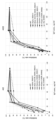
- FIG. 4 shows the results of evaluating the reactivity of the antibody of the present invention to the receptor binding domains (RBDs) of various mutant forms of SARS-CoV-2 spike proteins.
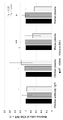
- FIG. 2 shows the results of binding inhibition tests between various mutant types of RBD and ACE2 using the antibodies of the present invention.
- FIG. 2 shows the results of binding inhibition tests between various mutant types of RBD and ACE2 using the antibodies of the present invention.
- FIG. 2 shows the results of binding inhibition tests between various mutant types of RBD and ACE2 using the antibodies of the present invention.
- FIG. 2 shows the results of binding inhibition tests between various mutant types of RBD and ACE2 using the antibodies of the present invention.
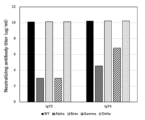
- FIG. 2 shows the results of a neutralization test of the antibodies of the present invention against pseudoviruses.
- FIG. 2 shows the results of a neutralization test of the antibodies of the present invention against pseudoviruses.
- FIG. 1 shows the results of a neutralization test of the antibodies of the present invention against pseudoviruses.
- FIG. 2 shows the results of a neutralization test of the antibodies of the present invention against live viruses of various mutant SARS-CoV-2.
- FIG. 2 shows the results of a neutralization test of the antibodies of the present invention against live viruses of various mutant SARS-CoV-2.
- FIG. 3 shows the results of comparison tests between chicken antibodies and chicken plasma and plasma derived from other animals.
- RBD Receptor binding domain of coronavirus spike protein
- Antibodies of the invention bind to a mutant coronavirus spike protein, such as its receptor binding domain (RBD), and neutralize binding of the mutant coronavirus spike protein RBD to angiotensin-converting enzyme 2 (ACE2).
- RBD is a domain that exists in the spike protein of coronavirus (hereinafter also referred to as "S protein") and binds to ACE2 that exists in the cell membrane of human cells.
- S protein spike protein of coronavirus
- S protein the coronaviruses SARS-CoV-1 and SARS-CoV-2 can infect human cells by binding the RBD of their S proteins to ACE2.
- ACE2 is mainly expressed in cells such as the lung, digestive system, heart, blood vessels, eyes, kidney, cerebral cortex, amygdala, brain stem, and medulla oblongata. Therefore, the present invention inhibits the infection of coronaviruses to the cells of these organs by neutralizing the binding between the RBD of the S protein of the coronavirus and ACE2 expressed in these organs, thereby preventing respiratory diseases and the like. can contribute to the treatment or prevention of various diseases and symptoms associated with coronavirus infection.
- nucleotide sequence and amino acid sequence of the coronavirus S protein in the present invention the nucleotide sequence and amino acid sequence of the wild-type SARS-CoV-2 S protein are shown in SEQ ID NOs: 1 and 2, respectively.
- the nucleotide sequence of the wild-type SARS-CoV-2 genome and the amino acid sequence of the S protein (SEQ ID NO: 2) are available in the NCBI (National Center for Biotechnology Information) database (https://www.ncbi.nlm.nih.gov /), it is registered with the following prescribed accession number (Accession No.).
- Genome Sequence of SARS-CoV-2 NC_045512 SARS-CoV-2 S protein amino acid sequence: YP_009724390 That is, the wild-type SARS-CoV-2 S protein is a protein comprising the amino acid sequence shown in SEQ ID NO:2.
- the nucleotide sequence encoding the wild-type SARS-CoV-2 S protein is disclosed on the web page showing the above-mentioned SARS-CoV-2 genome nucleotide sequence (NCBI accession number: NC_045512) in the NCBI database. ing.
- the S protein of coronaviruses may mutate, but the antibodies of the present invention bind not only to wild-type coronaviruses, but also to spike proteins of mutant coronaviruses with various mutations. It can neutralize the binding of the RBD of the spike protein of type coronavirus to angiotensin-converting enzyme 2 (ACE2).
- ACE2 angiotensin-converting enzyme 2
- the S protein of the mutant coronavirus in the present invention includes the following proteins (a) and (b).
- an amino acid sequence in which one or more amino acids are deleted, substituted, inserted or added in the amino acid sequence represented by SEQ ID NO: 2 includes, for example, (i) 1 to 10 in the amino acid sequence represented by SEQ ID NO: 2 (for example, 1 to 9, 1 to 8, 1 to 7, 1 to 6, 1 to 5, 1 to 4, 1 to 3, 1 to 2, 1) amino acid sequences deleted, (ii) 1 to 40 in the amino acid sequence represented by SEQ ID NO: 2 (for example, 1 to 39, 1 to 38, 1 to 37, 1 to 36, 1 to 35, 1 to 34, 1 to 33, 1 to 32, 1 to 31, 1 to 30, 1 to 29, 1 to 28, 1 to 27, 1 to 26, 1 to 25, 1 to 24, 1 to 23, 1 to 22, 1 to 21, 1 to 20, 1 to 19, 1 to 18, 1 to 17, 1 to 16, 1 to 15, 1 to 14, 1 to 13, 1 to 12, 1 to 11, 1 to 10, 1 to 9, 1 to 8, 1 to 7, 1 to 6, 1 to 5, 1 to 4, amino acid sequences in which 1 to 3, 2, 1) amino acids are replaced
- ACE2-binding activity can be determined by known methods such as immunoprecipitation, Western blotting, EIA (enzyme immunoassay), ELISA (enzyme-linked immunosorbent assay) (e.g., using a polypeptide). ELISA, cell ELISA, etc.) and methods such as pull-down assay.
- ACE2 binding activity means at least 10% or more, 20% or more, 30% or more, and 40% when the activity of the protein consisting of the amino acid sequence shown in SEQ ID NO: 2 is taken as 100. It means having an activity of 50% or more, 60% or more, 70% or more, 80% or more, preferably 90% or more.
- the S protein of the mutant coronavirus in the present invention includes a protein containing an amino acid sequence having 80% or more sequence identity with the amino acid sequence shown in SEQ ID NO: 2 and having activity to bind to ACE2.
- Such proteins include about 80% or more, 85% or more, 90% or more, 95% or more, 96% or more, 97% or more, 98% or more, or 99% of the amino acid sequence shown in SEQ ID NO: 2.
- Those containing an amino acid sequence with a sequence identity of 10% or more and having activity to bind to ACE2 are also included.
- homology searches such as FASTA, BLAST, and PSI-BLAST can be used on internet homology search sites such as the DNA Data Bank of Japan (DDBJ). You can also search using BLAST at the National Center for Biotechnology Information (NCBI).
- a mutagenesis kit using a site-directed mutagenesis method such as the Kunkel method or the gapped duplex method, such as QuikChange TM Site-Directed Mutagenesis Kit (Stratagene), GeneTailor TM Site-Directed Mutagenesis System (Invitrogen), TakaRa Site-Directed Mutagenesis System (Mutan-K, Mutan-Super Express Km, etc.: Takara Bio) etc.
- methods such as site-directed mutagenesis described in "Molecular Cloning, A Laboratory Manual (4th edition)” (Cold Spring Harbor Laboratory Press (2012)) and the like can be used.
- overlap extension PCR R Higuchi, et al., Nucleic Acids Res. 1988 Aug 11; 16(15): 7351-7367
- the antibodies of the present invention can bind to the S protein of mutant coronaviruses having various mutations and neutralize the binding of the RBD of the S protein of the mutant coronavirus to ACE2. Therefore, the S protein of the mutant coronavirus in the present invention is not limited.
- the S protein of the mutant coronavirus in the present invention includes, for example, counting from the N-terminus of the amino acid sequence shown in SEQ ID NO: 2, a leucine (L) to phenylalanine (F) substitution at the fifth amino acid (L5F); a serine (S) to isoleucine (I) substitution at the 13th amino acid (S13I), substitution of threonine (T) to arginine (R) or isoleucine (I) at amino acid 19 (T19R or T19I); a leucine (L) to serine (S) substitution at the 24th amino acid (L24S), deletion of the 24th amino acid, leucine (L); deletion of the 25th amino acid, proline (P), deletion of proline (P), the 26th amino acid; deletion of the 27th amino acid, alanine (A); an alanine (A) to serine (S) substitution at the 27th amino acid (A27S), an alanine (A) to
- the S protein of the mutant coronavirus in the present invention includes, for example, counting from the N-terminus of the amino acid sequence shown in SEQ ID NO: 2, a glycine (G) to aspartic acid (D) substitution at amino acid 339 (G339D); an arginine (R) to lysine (K) substitution at amino acid position 346 (R346K); substitution of serine (S) to phenylalanine (F) or leucine (L) at amino acid 371 (S371F, S371L); a serine (S) to proline (P) substitution at amino acid 373 (S373P), a serine (S) to phenylalanine (F) substitution at amino acid 375 (S375F); an aspartic acid (D) to asparagine (N) substitution at amino acid 405 (D405N); substitution of lysine (K) to asparagine (N) or threonine (T) at amino acid 417 (K4
- Mutant coronaviruses in the present invention include, for example, B.1.1.7 lineage mutant (alpha strain), B.1.351 lineage mutant (beta strain), P.1 lineage mutant (gamma strain), B.1.617.2 strain, mutant strain of AY.1 or AY.2 strain (delta strain), mutant strain of B.1.427/B.1.429 strain (epsilon strain), mutant strain of P.2 strain (zeta strain) ), B.1.525 lineage mutant (eta strain), P.3 lineage mutant (theta strain), B.1.526 lineage mutant (iota strain), B.1.617.1 lineage mutant (kappa strain ), C.37 strain mutant (lambda strain), B.1.621 strain mutant (mu strain), B.1.1.529 strain mutant (omikron strain).
- Substrains of the B.1.1.529 strain include mutants of the BA.1, BA.2, BA.3, BA.4, and BA.5 strains.
- the notation of the above lineage follows the PANGO lineage, and the name of the strain is based on the WHO designation.
- the mutant strain (alpha strain) of the B.1.1.7 lineage contains at least N501Y as the main mutation
- the mutant strain (beta strain) of the B.1.351 lineage contains at least K417N, E484K and N501Y as the main mutations
- Mutant strains of the P.1 strain (gamma strain) contain at least K417T, E484K and N501Y as major mutations
- mutant strains of the B.1.617.2 strain, AY.1 strain or AY.2 strain (delta strain) contains at least L452R and T478K as the main mutations
- the B.1.427/B.1.429 strain Epsilon strain
- the P.2 strain (Zeta strain) has , contains at least E484K as a major mutation
- the B.1.525 strain (Eta strain) contains at least E484K as a major mutation
- the P.3 strain has at least E48
- the B.1.526 strain (Iota strain) contains at least E484K as the main mutation
- the B.1.617.1 strain (Kappa strain) has at least L452R and E484Q as the main mutations
- the C.37 lineage mutant (lambda strain) contains at least L452Q and F490S as the main mutations
- the B.1.621 lineage mutant (mu strain) has at least R346K, E484K and N501Y as the main mutations.
- B.1.1.529 strain (Omicron strain) has at least G339D, S371L, S373P, S375F, K417N, N440K, G446S, S477N, T478K, E484A, Q493K, Including G496S, Q498R, N501Y and Y505H.
- a variant of lineage BA.1, a substrain of lineage B.1.1.529 has at least G339D, S371L, S373P, S375F, K417N, N440K, G446S, S477N, T478K, E484A, Q493K, G496S, Q498R as the major mutations.
- N501Y and Y505H and variants of the BA.2 lineage have at least G339D, S371F, S373P, S375F, T376A, D405N, R408S, K417N, N440K, S477N, T478K, E484A, Q493R, Q498R, N501Y as major mutations. and Y505H.
- the nucleotide sequence and amino acid sequence of the RBD in the present invention are shown in SEQ ID NOs: 3 and 4, respectively. That is, in the present invention, the RBD of wild-type SARS-CoV-2 is a protein comprising the amino acid sequence shown in SEQ ID NO:4.
- spike proteins of mutant coronaviruses include spike proteins having mutations in the RBD.
- the RBD of the S protein of the mutant coronavirus in the present invention includes the following proteins (a) and (b).
- a protein comprising the amino acid sequence shown by SEQ ID NO:4" includes a protein consisting of the amino acid sequence shown by SEQ ID NO:4.
- Examples of “an amino acid sequence in which one or more amino acids are deleted, substituted, inserted or added in the amino acid sequence represented by SEQ ID NO: 4" include: (i) 1 to 10 in the amino acid sequence represented by SEQ ID NO: 4 (for example, 1 to 9, 1 to 8, 1 to 7, 1 to 6, 1 to 5, 1 to 4, 1 to 3, 1 to 2, 1) amino acid sequences deleted, (ii) 1 to 20 in the amino acid sequence represented by SEQ ID NO: 4 (for example, 1 to 19, 1 to 18, 1 to 17, 1 to 16, 1 to 15, 1 to 14, 1 to 13, 1 to 12, 1 to 11, 1 to 10, 1 to 9, 1 to 8, 1 to 7, 1 to 6, 1 to 5, 1 to 4, amino acid sequences in which 1 to 3, 2, 1) amino acids are replaced with other amino acids; (iii) 1 to 10 amino acid sequences represented by SEQ ID NO: 4 (for example, 1 to 9, 1
- ACE2-binding activity in the present invention, the presence or absence of "ACE2-binding activity" can be determined by known methods such as immunoprecipitation, Western blotting, EIA (enzyme immunoassay), ELISA (enzyme-linked immunosorbent assay) (e.g., using a polypeptide). ELISA, cell ELISA, etc.) and methods such as pull-down assay.
- ACE2-binding activity means at least 10% or more, 20% or more, 30% or more, 40% or more when the activity of the polypeptide consisting of the amino acid sequence shown in SEQ ID NO: 4 is defined as 100. % or higher, 50% or higher, 60% or higher, 70% or higher, 80% or higher, preferably 90% or higher.
- the RBD of the S protein of the mutant coronavirus in the present invention contains an amino acid sequence having 80% or more sequence identity with the amino acid sequence shown in SEQ ID NO: 4, and a polypeptide having ACE2-binding activity.
- polypeptides include about 80% or more, about 81% or more, about 82% or more, about 83% or more, about 84% or more, 85% or more, about 86% or higher, about 87% or higher, about 88% or higher, about 89% or higher, about 90% or higher, about 91% or higher, about 92% or higher, about 93% or higher, about 94% or higher, 95% or higher, 96% or higher , comprising an amino acid sequence with a sequence identity of 97% or more, 98% or more, or 99% or more, and having activity to bind to ACE2.
- homology searches such as FASTA, BLAST, and PSI-BLAST can be used on internet homology search sites such as the DNA Data Bank of Japan (DDBJ). You can also search using BLAST at the National Center for Biotechnology Information (NCBI).
- NCBI National Center for Biotechnology Information
- the RBD of the S protein of the mutant coronavirus in the present invention is not limited. Glycine (G), amino acid 339, 346 amino acid arginine (R), Serine (S), amino acid 371, Serine (S), amino acid 373, Serine (S), amino acid 375, Threonine (T), the 376th amino acid, Aspartic acid (D), the 405th amino acid Arginine (R), the 408th amino acid, Lysine (K), the 417th amino acid, Asparagine (N), amino acid 439, Asparagine (N), amino acid 440, Glycine (G), amino acid 446, Leucine (L), amino acid 452, Tyrosine (Y), amino acid 453, Serine (S), amino acid 477, Threonine (T), amino acid 478, 484 amino acid glutamic acid (E), 486 amino acid phenylalanine (F), 490 amino acid phenylalanine (F), 493 amino acid glutamine (Q), Glycine (
- the RBD of the mutant coronavirus S protein in the present invention is not limited. a glycine (G) to aspartic acid (D) substitution at amino acid 339 (G339D), an arginine (R) to lysine (K) substitution at amino acid position 346 (R346K); substitution of serine (S) to phenylalanine (F) or leucine (L) at amino acid 371 (S371F, S371L); a serine (S) to proline (P) substitution at amino acid 373 (S373P), a serine (S) to phenylalanine (F) substitution at amino acid 375 (S375F), a threonine (T) to alanine (A) substitution at amino acid 376 (T376A); an aspartic acid (D) to asparagine (N) substitution at amino acid 405 (D405N); an arginine (R) to serine (S) substitution at amino acid position 408 (R)
- the "corresponding amino acid” corresponds to an amino acid at a specific position counted from the N-terminus of the amino acid sequence shown in SEQ ID NO: 2 in the amino acid sequence of the RBD of the S protein of the wild-type or mutant coronavirus.
- Amino acid For example, in the case of wild-type RBD, the 501st amino acid asparagine (N) counting from the N-terminus of the amino acid sequence shown in SEQ ID NO: 2 is the 183rd amino acid counting from the N-terminus of the amino acid sequence shown in SEQ ID NO: 4. corresponds to the amino acid asparagine (N). The same is true for mutant RBD.
- the position and amino acid type of mutation in RBD are indicated by the position and amino acid type counted from the N-terminus of the corresponding amino acid sequence shown in SEQ ID NO:2.
- the mutation in the RBD is denoted as N501Y.
- the term "amino acid corresponding to" can be omitted when describing a mutated or mutated amino acid.
- the chicken antibody of the present invention binds to at least one or all of RBDs selected from the group consisting of the following (i) to (xii) RBDs or S proteins containing the same or S proteins containing the same can do: (i) an RBD containing at least N501Y as a major mutation or an S protein containing this; (ii) an RBD containing at least K417N, E484K and N501Y as major mutations or an S protein containing the same; (iii) RBD or S protein containing at least K417T, E484K and N501Y as major mutations; (iv) an RBD containing at least L452R and T478K as major mutations or an S protein containing this; (v) an RBD containing at least L452R as a major mutation or an S protein containing this; (vi) an RBD containing at least E484K as a major mutation or an S protein containing this; (vii) an RBD containing at least E48
- the method of introducing mutations into the DNA encoding the proteins in order to prepare the proteins having the above mutations is as described above.
- the ACE2 to which the RBD of the S protein of the mutant coronavirus in the present invention binds may be derived from any mammal.
- mammals include, but are not limited to, mice, rats, rabbits, cats, dogs, goats, monkeys, and humans, preferably mice, rats, cats, dogs, and humans.
- these ACE2 base and amino acid sequences the base and amino acid sequences of human ACE2 are shown in SEQ ID NOs: 5 and 6, respectively, but the base and amino acid sequences of ACE2 are not limited to these.
- the base sequence and amino acid sequence of human ACE2 are in the NCBI (National Center for Biotechnology Information) database (https://www.ncbi.nlm.nih.gov/) and have the following accession No. registered by
- the region to which the antibody of the present invention binds can be determined by a known method, for example, preparing a plurality of full-length or partial polypeptides of the RBD, It can be identified by examining which RBD polypeptide the antibody of the invention binds to. Moreover, by using a polypeptide with a three-dimensional structure, an epitope with a three-dimensional (steric) structure can also be identified.
- a polypeptide having a three-dimensional structure can be produced, for example, by expressing RBD using mammalian cells.
- the epitope to which the antibody of the present invention binds and the region containing the epitope are not limited as long as the antibody of the present invention can neutralize the binding between the RBD of the coronavirus S protein and ACE2.
- a person skilled in the art can understand that a subject antibody can neutralize the binding between the RBD of the coronavirus S protein and ACE2 without specifying the epitope of the subject antibody. you can check if it is possible. That is, according to the description herein, a person skilled in the art can use a subject's It is not necessary to specify the epitope of the antibody.
- the antibodies of the invention are chicken antibodies that bind to the spike (S) protein of mutant coronaviruses.
- the chicken antibody that binds to the S protein of the mutant coronavirus of the present invention preferably includes a chicken antibody that binds to the RBD of the S protein of the mutant coronavirus of the present invention.
- Chicken antibodies include IgY, IgM and IgA, and among these, IgY, which is functionally equivalent to mammalian IgG, is selectively transferred to egg yolk. Therefore, chicken antibodies can be easily purified in large amounts from egg yolk, and can be provided at low cost. In addition, chicken antibodies purified from food eggs are safe for intranasal, buccal, and oral administration, and can be used for therapeutic or preventive methods using nebulizers, sprays, and the like. In addition, IgY has advantages such as (i) high safety because it does not activate mammalian complement, (ii) not binding to mammalian Fc receptors, and (iii) not cross-reacting with mammalian IgG. .
- chicken antibodies since chickens can recognize biomolecules that are highly conserved among mammals as foreign substances, chicken antibodies have an advantage in reactivity with such biomolecules compared to mammalian-derived antibodies. is. Furthermore, unlike mouse antibodies or human antibodies, the chicken antibodies of the present invention show no reduction in binding-inhibitory activity against omicron-type mutants. That is, the chicken antibody of the present invention, compared to the antibody obtained by immunizing other species, is capable of Has neutralizing activity (can be maintained).
- Antibodies of the present invention may be either polyclonal antibodies or monoclonal antibodies.
- "bind to spike (S) protein” or “bind to RBD of spike (S) protein” means that hydrogen bond, hydrophobic interaction, electrostatic force, van der Waals force, etc. It means forming a reversible non-covalent bond with the S protein or the RBD of the S protein.
- “bind” includes “specifically bind”.
- “specifically binds” means recognizing an epitope in a target protein or target polypeptide and selectively or preferentially binding to that epitope compared to a protein or polypeptide that does not have that epitope.
- Antibodies of the invention also include antigen-binding fragments of monoclonal antibodies.
- the "antigen-binding fragment” includes, for example, scFv (single chain Fv), sc(Fv) 2 , Fab, Fab', diabody (dsFv), F(ab') 2 , multispecific Examples include, but are not limited to, antibodies and the like.
- the above antibody-binding fragments can be obtained by known methods such as genetic engineering techniques, papain digestion, pepsin digestion, and the like.
- the antibody of the invention is an isolated antibody.
- the antibody of the present invention can neutralize the binding between the RBD of the mutant coronavirus S protein and ACE2.
- the antibodies of the present invention can neutralize (have neutralizing activity against) coronaviruses.
- a coronavirus means a coronavirus that infects cells via ACE2.
- Such coronaviruses include, for example, SARS-CoV-1 and SARS-CoV-2, with SARS-CoV-2 being preferred. These coronaviruses infect cells by binding the RBD of their S protein to ACE2.
- coronavirus includes both wild-type and mutant types.
- neutralizing means inhibiting the interaction (for example, binding) between the RBD of the coronavirus S protein and ACE2, or inhibiting the activity of the coronavirus S protein.
- neutralize coronavirus means suppressing or inhibiting the cell-binding activity or cell-invasion activity of coronavirus. Whether the antibody to be tested inhibits the interaction between the RBD of the coronavirus S protein and ACE2 can be determined, for example, by using a His-tagged RBD that binds to ACE2 with a fluorescent-labeled antibody that can bind to the His-tag (fluorescent-labeled antibody His tag antibody) can be used for detection.
- the reaction product is added to ACE2-expressing cells.
- the antibody to be tested inhibits the binding of the His-tagged RBD to ACE2 on ACE2-expressing cells by binding to the His-tagged RBD, fluorescently-labeled anti-His bound to the His-tagged RBD No fluorescence signal of the tag antibody is detected.
- the His-tagged RBD binds to ACE2 on ACE2-expressing cells. A fluorescence signal of the bound fluorescently labeled anti-His tag antibody is detected.
- whether the subject antibody inhibits the interaction of the RBD of the coronavirus S protein with ACE2 can be determined, for example, by inhibiting the RBD bound to ACE2, as described in Example 3 herein. , by detecting with a mouse anti-SARS-CoV-2 Spike antibody and a labeled secondary antibody (mouse anti-IgG-Fc antibody) that binds to this antibody. Specifically, after the subject antibody and RBD are allowed to react, the reaction product is added to ACE2-expressing cells.
- the antibody under test inhibits the binding of the RBD to ACE2 on ACE2-expressing cells by binding to the RBD, the fluorescent No fluorescent signal of the labeled secondary antibody is detected.
- the antibody to be tested does not inhibit the binding of RBD to ACE2 on ACE2-expressing cells, since RBD binds to ACE2 on ACE2-expressing cells, mouse anti-SARS-CoV-2 Spike antibody to the RBD The fluorescent signal of the fluorescently labeled secondary antibody bound via is detected.
- the subject antibody does not detect the fluorescence signal of the RBD, it can be determined that the subject antibody inhibits the interaction between the RBD and ACE2.
- whether or not the antibody to be tested can neutralize the coronavirus can be determined, for example, by mixing the antibody to be tested and the coronavirus in a predetermined ratio, bringing them into contact with cultured cells, and changing the morphology of the cultured cells.
- test antibody has neutralizing activity against coronavirus at the antibody concentration used in the test (eg, Example 7).
- the immunogen for producing the antibody of the present invention or the antigen used for the reactivity test of the antibody of the present invention is not limited, and examples thereof include the full-length S protein of coronavirus or its Partial polypeptides can be used.
- Partial polypeptides of the coronavirus S protein include, but are not limited to, for example, polypeptides containing the RBD of the coronavirus S protein.
- polypeptide containing the RBD of the coronavirus S protein for example, the polypeptide containing the RBD described in "2.” above can be used.
- a polypeptide containing the RBD of the coronavirus S protein can be obtained, for example, by expressing it in mammalian cells (HEK293 cells, CHO cells) from a polynucleotide encoding a polypeptide containing the RBD of the coronavirus S protein.
- immunogens for producing the antibodies of the present invention or antigens used for reactivity testing of the antibodies of the present invention include polypeptides containing the RBD of the coronavirus S protein expressed in mammalian cells.
- the polynucleotide encoding the polypeptide containing the RBD of the coronavirus S protein to be introduced into the mammal can be appropriately codon-optimized to be suitable for expression in mammalian cells.
- a polypeptide containing the RBD of the coronavirus S protein can be synthesized by a person skilled in the art by specifying the amino acid sequence using a known protein synthesis method such as a solid phase method or a commercially available protein synthesizer. can also The synthesized peptide can be bound to a carrier protein such as Keyhole Limpet Hemocyanin (KLH) or Thyroglobulin and used as an immunogen.
- KLH Keyhole Limpet Hemocyanin
- Thyroglobulin used as an immunogen.
- the method for producing an immunogen for producing the antibody of the present invention is not limited to these methods.
- the RBD of the coronavirus S protein includes, for example, the RBD of the S protein of SARS-CoV-1 and SARS-CoV-2, and the RBD of the S protein of SARS-CoV-2 is preferred.
- the mutant polypeptide expresses the nucleic acid encoding the polypeptide in the mammalian cells, It can be obtained by synthesizing the polypeptide by the above method. Mutant polypeptides thus obtained can be used as antigens/immunogens.
- mutant polypeptides as immunogens for obtaining antibodies that bind to spike proteins of mutant coronaviruses, and wild-type polypeptides may be used.
- egg-type chickens such as Julia Light, Boris Brown, and White Leghorn can be used. Immunization is performed by administering the antigen polypeptide prepared in (1) above together with an adjuvant to chickens.
- Adjuvants include Freund's complete adjuvant (FCA), Freund's incomplete adjuvant (FIA), aluminum hydroxide adjuvant and the like. Immunization is mainly performed by injecting intramuscularly, intravenously, subcutaneously, or the like.
- the immunization interval is not particularly limited, and is several days to several weeks (eg, 1 to 3 weeks, preferably 1 to 2 weeks) or several months (eg, about 1 to 6 months, preferably about 1 , 2-, 3-, or 4-month intervals), and the immunizations are performed 2 to 10 times in total, preferably 2 to 5 times in total (for example, 4 times).
- a person skilled in the art can set the interval and number of immunizations in consideration of the obtained antibody titer.
- a person skilled in the art can appropriately set the interval of egg collection according to the experimental plan.
- ELISA can be used to measure the antibody titer.
- the concentration of the purified chicken antibody is determined by measuring the absorbance at a wavelength of 280 nm using a spectrophotometer, and calculating the concentration based on the molar extinction coefficient (1.33) of the chicken antibody and the Lambert-Beer law.
- concentration based on the molar extinction coefficient (1.33) of the chicken antibody and the Lambert-Beer law.
- the present invention provides a method for producing a chicken polyclonal antibody, comprising the following steps (a) and (b). (a) immunizing one or more chickens with a polypeptide comprising the RBD of the coronavirus S protein, and (b) purifying chicken polyclonal antibodies from eggs laid by one or more chickens immunized in step (a);
- the number of chickens to be immunized can be, for example, 1 or more, 2 or more, 10 or more, 50 or more, or 100 or more, and, for example, 1000 or less, 900 800 or less, 500 or less, 400 or less, 300 or less, 200 or less, 100 or less, 50 or less, 10 or less, 2 or less, but are not limited to these.
- step (b) further comprises randomly selecting a plurality of eggs from the eggs laid by the immunized one or more chickens, and purifying chicken polyclonal antibodies from the selected eggs. be able to.
- step (b) above can include mixing egg yolks from a plurality of selected eggs and purifying chicken polyclonal antibodies from the mixed egg yolks.
- the number of eggs selected is not limited, and may be, for example, 1 or more, 2 or more, 10 or more, 50 or more, 100 or more, and 200 or less, 150 or less, 100 or less. It may be 1 or less, 50 or less, 10 or less, 2 or less, but is not limited to these.
- polypeptide containing the RBD of the coronavirus S protein to be immunized in step (a) above, the polypeptide containing the RBD described in "2.” above can be used.
- polypeptide containing the RBD of the coronavirus S protein to be immunized in step (a) above, a polypeptide containing the RBD of the coronavirus S protein expressed in mammalian cells can be used.
- Chicken monoclonal antibodies can be prepared by known methods such as cell fusion method (S. Nishinaka et al., Int Arch Allergy Appl Immunol. 1989;89(4):416-9), phage display method ( JP-A-2001-238676).
- One of the embodiments of the antibody of the present invention is a genetically engineered antibody.
- examples of recombinant antibodies include, but are not limited to, chimeric antibodies, humanized antibodies, and fully human antibodies.
- a chimeric antibody refers to an antibody produced by linking immunoglobulin gene fragments of a different animal.
- chimeric antibodies include, for example, human chimeric antibodies, but the types of animals from which the variable regions and constant regions of chimeric antibodies are derived are not limited.
- Human chimeric antibodies include, for example, antibodies in which the variable region of a chicken antibody is linked (joined) to the constant region of a human-derived antibody.
- a chimeric antibody can be easily constructed by gene recombination technology.
- CDR transplantation when producing a humanized antibody, a technique called so-called CDR grafting (CDR transplantation) can be adopted.
- CDR grafting involves grafting the complementarity determining regions (CDRs) from the variable region of a chicken antibody to a human variable region, with the framework regions (FRs) of human origin and the CDRs of chicken origin. It is a method of making a constructed variable region. These humanized reshaped human variable regions are then ligated to human constant regions.
- Fully human antibodies can be produced, for example, using mammals capable of producing human antibodies according to known techniques (WO96/9634096, WO98/24893, etc.).
- chimeric antibodies and humanized antibodies can be produced from hybridomas or DNA or RNA extracted from such hybridomas as raw materials according to the above-described known methods.
- a protein fused with an antibody of the present invention can be produced by fusing an antibody variable region with another protein using a known genetic recombination method.
- the fusion protein can be produced by cross-linking a monoclonal antibody and another protein using a cross-linker.
- the antigen-binding fragment of the antibody of the present invention binds to the S protein of the mutant coronavirus.
- An antigen-binding fragment of an antibody refers to a polypeptide comprising a portion of the antigen-binding portion of the antibody of the invention.
- antigen-binding fragments include scFv (single chain Fv), sc(Fv) 2 , Fab, Fab', diabody (dsFv), F(ab') 2 , multispecific antibodies and the like. , but not limited to.
- the above antibody-binding fragments can be obtained by known methods such as genetic engineering techniques, papain digestion, pepsin digestion, and the like.
- Binding Affinity The affinity of an antibody for an antigen can generally be expressed by the equilibrium dissociation constant (KD), with lower values of KD indicating higher affinity of the antibody.
- KD equilibrium dissociation constant
- Antibody affinity can be measured using known instruments and methods (eg, Biacore®-3000 (GE Healthcare), ProteON XPR36 (Bio-Rad), etc.).
- composition of the present invention is a composition for treating or preventing coronavirus infection, containing the antibody described in "3. Antibody of the present invention” as an active ingredient.
- the present invention also includes pharmaceutical compositions for treating or preventing coronavirus infections, which contain the antibodies described in "3. Antibodies of the present invention” as active ingredients.
- a coronavirus infection that is the target of the composition of the present invention means a disease or condition caused by infection with a coronavirus.
- Such coronavirus infections include, for example, diseases or conditions caused by infection with coronaviruses that infect cells via ACE2.
- coronavirus that infects cells via ACE2 is not limited, and includes, for example, SARS-CoV-1 and SARS-CoV-2, preferably SARS-CoV-2.
- Examples of "diseases or symptoms caused by infection with a coronavirus that infects cells via ACE2" include organs or tissues in which ACE2 is mainly expressed, such as lungs, digestive system, heart, blood vessels, eyes, and kidneys. , cerebral cortex, amygdala, brain stem, medulla oblongata, etc., diseases or symptoms based on immune response, and the like.
- Such diseases or symptoms include, for example, respiratory diseases, fever, malaise, chills, pain, taste or smell disorders, rashes, gastrointestinal symptoms, speech disorders, cognitive disorders, cardiovascular symptoms, It is not limited to these.
- Compositions containing the antibodies of the present invention are effective in treating or preventing various diseases or symptoms associated with coronavirus infection by inhibiting coronavirus infection that infects cells via ACE2.
- the term “treatment” refers to contacting (e.g., administering) the antibody of the present invention or a composition containing the same to a subject after the onset of the disease, thereby reducing the symptoms of the disease compared to the case of no contact. Means alleviation, not necessarily total suppression of disease symptoms.
- "onset of disease” includes not only symptoms of the disease appearing in the body, but also a positive result in a test for coronavirus infection (such as a PCR test) even if no symptoms appear.
- “treatment” of coronavirus infection includes suppression or inhibition of aggravation of coronavirus infection.
- prevention means suppression or inhibition of the onset of coronavirus infection, suppression or inhibition of aggravation, but does not necessarily mean complete suppression of the onset.
- prevention means contacting (e.g., administering) the composition, etc. of the present invention to a subject before the onset of the disease, thereby reducing symptoms after the onset of the disease compared to the case of no contact. For example.
- composition of the present invention can contain a pharmaceutically acceptable carrier in addition to an antibody that binds to ACE2.
- “Pharmaceutically acceptable carrier” means any carrier suitable for the composition (liposomes, lipid vesicles, micelles, etc.), diluents, excipients, wetting agents, buffers, suspending agents, lubricants, adjuvants , emulsifiers, disintegrants, absorbents, preservatives, surfactants, colorants, flavorants or sweeteners.
- Antibodies and compositions of the present invention can be sprays, freeze-dried products, tablets, hard capsules, soft capsules, granules, powders, pills, syrups, suppositories, poultices, ointments, creams, and eye drops. It can take dosage forms such as drugs and injections.
- a nebulizer, spray, etc. can be used to administer (spray) the antibody and composition of the present invention.
- the antibody of the present invention can inhibit coronavirus infection of nasal and oral mucosa.
- Liquid preparations such as injections may be in the form of powders (for example, freeze-dried powders) for preparation before use, which are dissolved in physiological saline or the like before use.
- Antibodies and compositions of the present invention can be applied (e.g., carried) to products (protective products such as masks, filters, sprays, etc.) and devices used for the prevention of coronavirus infections, in order to prevent coronavirus infections. )be able to.
- the antibodies and compositions of the present invention can be administered locally or systemically by any means known to those skilled in the art.
- the administration route of the composition of the present invention can be either oral administration or parenteral administration, and in the case of parenteral administration, it can be administered by intranasal administration, intraoral administration, intramuscular administration, or the like.
- the compositions of the invention can be administered in dosage forms suitable for these administration routes.
- the dosage of the antibody and composition of the present invention varies depending on factors such as the subject's age, body weight, health condition, sex, symptoms, animal species, administration route, administration frequency, and dosage form. can be set by those skilled in the art.
- the dosage of the antibody of the present invention for treating coronavirus infection is, but is not limited to, for example, 0.1 mg to 100 mg/day, preferably 0.1 mg to 15 mg/day, per kg body weight of the subject. .
- As for the administration frequency it can be administered 1 to 5 times a day.
- the timing of administration of the antibody and composition of the present invention can be appropriately determined according to symptoms, and multiple doses can be administered simultaneously or separately at intervals.
- the composition of the present invention may be administered to a subject before the onset of the disease or after the onset of the disease.
- composition of the present invention can be administered to mammals as subjects.
- Mammals include, for example, mice, rats, hamsters, guinea pigs, rabbits, cats, dogs, goats, pigs, sheep, cows, horses, monkeys, humans and the like.
- a chicken antibody that binds to the S protein of a mutant coronavirus or a composition containing the same is administered to a subject to treat or prevent coronavirus infection.
- the present invention provides a method of treating or preventing coronavirus infection comprising administering to a subject a therapeutically effective amount of an antibody of the present invention or a composition comprising same.
- a therapeutically effective amount of the antibody of the present invention or a composition comprising the same varies depending on factors such as subject's age, body weight, health condition, sex, symptoms, administration route, administration frequency, and dosage form.
- subject includes a subject in need of treatment or prevention of coronavirus infection.
- mammals to be treated or prevented as “subjects” are as described above.
- Treatment in the method for treating or preventing coronavirus infection of the present invention are as described above.
- the dosage forms, administration routes, doses, administration periods, etc. of the antibody of the present invention or the composition containing it are also described above.
- the present invention provides an inhibitor of the binding between the RBD of the S protein of the mutant coronavirus and ACE2, or the S protein of the mutant coronavirus, which comprises the antibody described in "3. Antibodies of the present invention" as an active ingredient.
- Compositions are provided for inhibiting the binding of protein RBDs to ACE2.
- the inhibitor of the present invention can be used as a test reagent or for the treatment or prevention of mammals. can be appropriately selected according to the description. However, the inhibitor of the present invention may contain only the antibody of the present invention.
- Antibodies of the present invention can be used in methods of treating or preventing coronavirus infections, or in the manufacture of medicaments for treating or preventing coronavirus infections.
- the present invention provides antibodies of the present invention for use in methods of treating or preventing coronavirus infection.
- the invention also provides an antibody of the invention for use in the manufacture of a medicament for treating or preventing coronavirus infection.
- the present invention provides the antibody of the present invention for use in the production of an inhibitor of binding between S protein of mutant coronavirus and ACE2.
- compositions of the invention can be used for co-administration with at least one other therapeutic agent.
- Other therapeutic agents for use in the present invention include, for example, remdesivir, dexamethasone, favipiravir, nafamostat, camostat, ivermectin, tricizumab, baricitinib, and the like.
- compositions of the present invention are expected to provide even better effects than using each agent alone.
- the excellent effect includes the effect of reducing side effects more than before while maintaining the therapeutic effect.
- “combination” means administering the composition of the present invention and at least one of the other therapeutic agents simultaneously or separately.
- Simultaneously means administered at the same timing in one administration schedule, and the timing of administration need not be exactly the same.
- “Separately” means administered at different times in one administration schedule.
- the dosage form, administration route, and administration target of the composition and other therapeutic agents used in the combination therapy of the present invention are not particularly limited, and can be appropriately selected according to the description in "4. Compositions" above.
- the dosage forms or dosages of drugs to be used in combination may be different from each other, and can be appropriately adjusted depending on the combination to be used in combination.
- doses may be reduced accordingly. Therefore, in combination with the compositions of the present invention and other therapeutic agents: (i) an effective amount of a composition of the invention and an effective amount of another therapeutic agent; (ii) an effective amount of the composition of the invention and an ineffective amount of the other therapeutic agent; (iii) an ineffective amount of a composition of the invention and an effective amount of another therapeutic agent; and (iv) Combinations of ineffective amounts of the compositions of the invention and ineffective amounts of other therapeutic agents can be employed. Even if one or both of the composition and the other therapeutic agent are used in an ineffective amount, if the combined use can exhibit a pharmacological effect, the combined administration can be performed in such a manner.
- Reagents, Kits Antibodies of the invention can be included in reagents or kits.
- the invention provides reagents and kits comprising the antibodies of the invention.
- the reagents and kits of the present invention can be used, for example, as test reagents or kits for coronaviruses.
- the antibody of the present invention can be used, for example, after making it easy to handle by a method such as freezing, or can be mixed with known pharmaceutically acceptable additives such as excipients, extenders, binders, and lubricants.
- kit of the present invention can also contain buffers, enzyme solutions, secondary antibodies, diluent solutions, instructions for use, and the like.
- SARS-CoV-2 containing the amino acid sequence shown in SEQ ID NO: 8 expressed in mammalian cells (HEK293 cells or CHO cells) was used as an immunogen.
- a spike protein RBD polypeptide (hereinafter, “RBD polypeptide”) was used.
- the polynucleotide encoding the RBD polypeptide (SEQ ID NO: 7) was codon-optimized for expression in mammalian cells.
- Polyethylene glycol 6000 was added to a final concentration of 12% and dissolved by stirring well.
- the chicken antibody was precipitated by centrifugation, and the precipitate was washed with ice-cold 50% ethanol to remove residual polyethylene glycol. After washing, the chicken antibody was dissolved in PBS(-).
- the concentration of the purified chicken antibody was determined by measuring the absorbance at a wavelength of 280 nm using a spectrophotometer, and calculating the concentration based on the molar extinction coefficient (1.33) of the chicken antibody and the Lambert-Beer law. As a result, a chicken polyclonal antibody could be produced.
- mutant RBD polypeptides were alpha (having N501Y) (SEQ ID NO: 10), beta (having K417N, E484K and N501Y) (sequence No. 12), gamma (theta) (having E484K, N501Y) (SEQ ID NO: 14), epsilon (having L452R) (SEQ ID NO: 16), kappa (having L452R, E484Q) (SEQ ID NO: 18) , and eta-type (with E484K) (SEQ ID NO: 20) RBD polypeptides were used.
- a wild-type (WT) RBD polypeptide (SEQ ID NO: 8) was also used.
- a mutant RBD polypeptide encodes an RBD polypeptide introduced with various mutations based on the overlap extension PCR method (R Higuchi, et al., Nucleic Acids Res. 1988 Aug 11; 16(15): 7351-7367). It was prepared by making each DNA and expressing it in mammalian cells (HEK293 cells or CHO cells). A wild-type (WT) RBD polypeptide was also prepared in a similar manner.
- the nucleotide sequences of polynucleotides encoding wild-type, alpha-type, beta-type, gamma-type (theta-type), epsilon-type, kappa-type and eta-type RBD polypeptides are SEQ ID NOs: 7, 9, 11, 13, 15, 17 and 19.
- Each mutant RBD polypeptide was diluted with carbonate buffer to 1 ⁇ g/mL, 100 ⁇ L was added to each well of an ELISA plate (MaxiSorp, Nunc), and allowed to stand at 37° C. for 1 hour to immobilize the antigen.
- FIG. 1 shows the results of evaluating the reactivity between the chicken antibody of the present invention and each mutant RBD polypeptide.
- Binding inhibition test between mutant RBD polypeptide and human ACE2 the inhibitory (neutralizing) activity of the chicken antibody of the present invention against binding between mutant RBD polypeptide and human ACE2 was tested.
- the mutant RBD polypeptide the mutant RBD polypeptide used in Example 2, that is, the alpha, beta, gamma (theta), epsilon, kappa, and eta RBD polypeptides were used. .
- a wild-type (WT) RBD polypeptide was also used.
- the binding inhibition test in this example was performed as follows.
- the chicken antibody solution in the 96-well plate was removed by decantation, and each well was washed twice with 250 ⁇ L of D-PBS(-).
- 30 ⁇ L of S28 antibody solution in which mouse anti-SARS-CoV-2 Spike antibody (clone S28) was diluted with blocking buffer to 1 ⁇ g/mL, was added to each well and allowed to stand at 4° C. for 1 hour.
- the S28 antibody solution was removed by decantation, and each well was washed twice with 250 ⁇ L of D-PBS(-). 50 ⁇ L of 10% formalin solution was added to each well of a 96-well plate, and the plate was allowed to stand at room temperature for 10 minutes to immobilize the cells.
- the 10% formalin solution was removed by decantation, and each well was washed twice with 250 ⁇ L of washing buffer (D-PBS(-) containing 0.05% Tween20).
- 50 ⁇ L of a 3% hydrogen peroxide solution was added to each well of a 96-well plate and allowed to stand at room temperature for 5 minutes to deactivate endogenous peroxidase.
- the 3% hydrogen peroxide solution was removed by decantation, and each well was washed three times with 250 ⁇ L of washing buffer (D-PBS(-) containing 0.05% Tween20).
- Absorbance at 490 nm was measured using an absorptiometer to detect the RBD polypeptide of the SARS-CoV-2 spike protein bound to ACE2 on the cell membrane.
- the rate of inhibition by the antibody of the present invention on the binding between the mutant RBD polypeptide and human ACE2 was calculated.
- wells to which each RBD polypeptide alone was added were used as positive controls, and wells to which the antibody of the present invention alone was added were used as negative controls.
- FIG. 2 shows the results of the binding inhibition test between the mutant RBD polypeptide and human ACE2 using a chicken antibody.
- No RBD polypeptide bound to ACE2 was detected at an antibody concentration of 125 ⁇ g/ml using either of the two lots of chicken antibody, #I2 and #I22. This result demonstrated 100% inhibitory activity of the chicken antibody of the present invention against the binding of all mutant RBD polypeptides to ACE2.
- Table 1 shows the IC50 values of the antibodies of the present invention in the competitive binding of the antibodies of the present invention to the above mutant RBD polypeptides (inhibition of the binding of the mutant RBD polypeptides to human ACE2).
- Table 1 shows that the IC50 values with wild-type and mutant RBD polypeptides are 9.02-22.55 ⁇ g/mL. This result indicates that the chicken antibodies of the present invention have equivalent neutralizing activity against all mutant RBD polypeptides.
- WT is a wild-type RBD polypeptide
- Alpha is an alpha mutant RBD polypeptide
- Beta is a beta mutant RBD polypeptide
- Gamma is RBD polypeptide of the gamma (theta) mutant
- Epsilon is the RBD polypeptide of the epsilon mutant
- Kappa is the RBD polypeptide of the kappa mutant
- Eta is the eta mutant Represents an RBD polypeptide.
- IgY conc represents the concentration of the antibody of the present invention.
- the results of this example demonstrate that the antibody of the present invention can bind to the spike protein of the mutant coronavirus and can neutralize the binding of the RBD of the spike protein of the mutant coronavirus to ACE2. rice field.
- mutant RBD polypeptides include the alpha, beta, gamma (in this example, referred to as "theta"), epsilon, kappa, and eta RBD polypeptides used in Examples 2 and 3.
- the delta version having L452R and T478K
- WT wild-type RBD polypeptide
- the chicken antibody of the present invention As the chicken antibody of the present invention, the chicken antibody lot #I22 used in Examples 2 and 3 was used. The same method as in Example 3 was used for the binding inhibition test between the mutant RBD polypeptide and human ACE2. In addition, in this example, the rate of inhibition by the antibodies of the present invention on the binding of mutant RBD polypeptides to human ACE2 was calculated. In the calculation of the inhibition rate, wells to which each RBD polypeptide alone was added were used as positive controls, and wells to which the antibody of the present invention alone was added were used as negative controls.
- the results are shown in Table 2 and FIG.
- the antibody of the present invention exhibited a binding inhibition rate of 96% or more against binding of all mutant RBD polypeptides to ACE2 at an antibody concentration of 60 ⁇ g/ml or more.
- the chicken antibody used in this example showed 96% binding of the epsilon-type RBD polypeptide to human ACE2, and 96% binding of the eta-type and theta-type RBD polypeptides to human ACE2 at an antibody concentration of 60 ⁇ g/ml or higher.
- Table 3 shows the IC 50 values of the antibodies of the present invention in the competitive binding of the antibodies of the present invention to the above mutant RBD polypeptides (inhibition of the binding of the mutant RBD polypeptides to human ACE2).
- Table 3 shows that the IC50 values with wild-type and mutant RBD polypeptides were 11.34-29.08 ⁇ g/mL. This result indicates that the chicken antibodies of the present invention have equivalent neutralizing activity against all mutant RBD polypeptides.
- the results of this example demonstrate that the antibody of the present invention can bind to the spike protein of the mutant coronavirus and can neutralize the binding of the RBD of the spike protein of the mutant coronavirus to ACE2. rice field.
- Binding inhibition test between mutant RBD polypeptide and human ACE2 In this example, as in Examples 3 and 4, inhibition (neutralization) of the chicken antibody of the present invention against binding between mutant RBD polypeptide and human ACE2 was performed. ) was tested for activity.
- Mutant RBD polypeptides include gamma-type (having K417T, L452R and T478K) (SEQ ID NO: 24), mu-type (having R346K, E484K and N501Y) (SEQ ID NO: 28), and omicron-type (G339D, S371L, S373P, S375F, K417N, N440K, G446S, S477N, T478K, E484A, Q493K, G496S, Q498R, N501Y and Y505H) (SEQ ID NO:30) was used. Wild-type (WT) RBD polypeptides used in Examples 2-4 were also used.
- chicken antibodies of the present invention lot #I2 chicken antibody used in Example 2 and lot #I22 chicken antibody used in Examples 2 to 4 were used. The same method as in Examples 3 and 4 was used for the binding inhibition test between the mutant RBD polypeptide and human ACE2.
- the rate of inhibition by the antibodies of the present invention on the binding of mutant RBD polypeptides to human ACE2 was calculated. In the calculation of the inhibition rate, wells to which each RBD polypeptide alone was added were used as positive controls, and wells to which the antibody of the present invention alone was added were used as negative controls.
- FIG. 4 The results are shown in FIG. The inhibitory rate of the antibodies of the present invention on the binding of mutant RBD polypeptides to human ACE2 increased in an antibody concentration-dependent manner.
- WT is a wild-type RBD polypeptide
- Gamma is a gamma-type mutant RBD polypeptide
- Mo is a mu-type mutant RBD polypeptide
- Omicron is Omicron.
- Figure 3 shows the RBD polypeptides of the type variants.
- IgY Conc represents the concentration of the antibody of the present invention.
- Table 4 shows the IC50 values of the antibodies of the present invention in the competitive binding of the antibodies of the present invention to the above mutant RBD polypeptides (inhibition of the binding of the mutant RBD polypeptides to human ACE2).
- Table 4 shows that the IC50 values with wild-type and mutant RBD polypeptides were 19.47-35.50 ⁇ g/mL with lot #I2 chicken antibody and with lot #I22 chicken antibody. indicates that it was 7.93-17.83 ⁇ g/mL.
- the results of this example demonstrate that the antibody of the present invention can bind to the spike protein of the mutant coronavirus and can neutralize the binding of the RBD of the spike protein of the mutant coronavirus to ACE2. rice field.
- Mutant RBDs include alpha (having N501Y) (SEQ ID NO: 10), beta (having K417N, E484K and N501Y) (SEQ ID NO: 12), gamma (having K417T, E484K and N501Y) (SEQ ID NO: 24), delta (with L452R, T478K) (SEQ ID NO: 22), eta (with E484K) (SEQ ID NO: 20), theta (with E484K and N501Y) (SEQ ID NO: 14), epsilon (L452R) ) (SEQ ID NO: 16), kappa (having L452R, E484Q) (SEQ ID NO: 18), lambda (having L452Q, F490S) (SEQ ID NO: 26), mu (having R346K, E484K and N501Y) A polynucleotide encoding the RBD of (SEQ ID NO: 28) was used
- a polynucleotide encoding a full-length S protein (SEQ ID NO: 2 (SEQ ID NO: 32)) containing a wild-type RBD was also used.
- the nucleotide sequence (3,822 bp) encoding the wild-type full-length S protein was obtained from the nucleotide sequence of the SARS-CoV-2 genome (NCBI accession number: NC_045512), and the nucleotide sequence was used for human cell expression. Codon optimization was performed.
- a DNA containing the codon-optimized base sequence of the full-length S protein (SEQ ID NO: 31) was artificially synthesized and incorporated into a mammalian expression vector.
- SEQ ID NO: 32 shows the amino acid sequence encoded by the codon-optimized base sequence of the full-length S protein. This amino acid sequence matches the amino acid sequence of SEQ ID NO:2.
- DNA encoding RBD with various mutations was prepared based on the overlap extension PCR method (R Higuchi, et al., Nucleic Acids Res. 1988 Aug 11; 16(15): 7351-7367). By substituting the RBD-encoding portion of the DNA encoding the wild-type full-length S protein with the DNA encoding the mutant RBD, a DNA encoding the S protein in which only the RBD was mutated was prepared. .
- nucleotide sequences of polynucleotides encoding wild-type, alpha-type, beta-type, gamma-type, delta-type, epsilon-type, kappa-type, eta-type, lambda-type, and mu-type RBD polypeptides are SEQ ID NOs: 7 and 9, respectively. , 11, 23, 21, 15, 17, 19, 25 and 27.
- the base sequences of these polynucleotides are codon-optimized for expression in human cells.
- Pseudoviruses expressing each S protein were generated using human 293T cells and a lentiviral vector system.
- plasmids carrying DNAs encoding various mutant S proteins were introduced into human 293T cells.
- a plasmid containing a DNA encoding a luciferase protein into human 293T cells. 48 hours after plasmid introduction into human 293T cells, the culture supernatant was collected and centrifuged. This supernatant was collected as a pseudovirus fluid and stored at -80°C until use.
- Results Table 5 and FIG. 5 show the results of evaluating the reactivity of the chicken antibody of the present invention to each mutant pseudovirus. 60-100% inhibition of each mutant pseudovirus at 50 nM (9 ⁇ g/mL) chicken antibody concentration (final concentration) using both lots #I2 and #I22 chicken antibody rate.
- WT is a wild-type RBD polypeptide
- Alpha is an alpha mutant RBD polypeptide
- Beta is a beta mutant RBD polypeptide
- Gamma is a gamma mutant.
- strain RBD polypeptide "Delta” is the RBD polypeptide of the delta variant, “Eta” is the RBD polypeptide of the eta variant, “Theta” is the RBD polypeptide of theta variant, “Kappa” is Kappa mutant RBD polypeptides, “Epsilon” for epsilon mutant RBD polypeptides, “Lambda” for lambda mutant RBD polypeptides, and “Mu” for mu mutant RBD polypeptides.
- the omicron-type pseudoviruses were produced by polymorphism encoding the full-length S protein in which not only the RBD but also the entire S protein region was mutated. Nucleotides were used.
- the nucleotide sequence encoding the full-length S protein of the omicron type (B.1.1.529/BA.1) was obtained from pLV-SpikeV11 (Invivogen) by PCR amplification.
- the nucleotide sequence encoding the full length S protein of omicron type (BA.2) was obtained from pLV-SpikeV12 (Invivogen) by PCR amplification.
- the nucleotide sequences of the polynucleotides encoding the full-length S proteins of the omicron type (B.1.1.529/BA.1) and omicron type (BA.2) are shown in SEQ ID NOs: 33 and 35, respectively.
- the amino acid sequences of the Omicron-type (B.1.1.529/BA.1) and Omicron-type (BA.2) RBDs are shown in SEQ ID NOS: 38 and 40, respectively.
- the nucleotide sequences of the polynucleotides encoding the Omicron-type (B.1.1.529/BA.1) and Omicron-type (BA.2) RBDs are shown in SEQ ID NOs: 37 and 39, respectively.
- a pseudovirus expressing each S protein was produced by the same method as described in Example 6.
- the luminescence signal (Count Per Signal: CPS) of each well was measured using ONE-Glo TM EX Luciferase Assay System (Promega) and ARVO SX (PerkinElmer). Based on the CPS values of the wells to which the chicken antibody solution was not added and the CPS values of the chicken antibody-added wells, the pseudovirus cell entry inhibition rate (Inhibition rate (%)) was calculated.
- Results Table 6 and FIG. 6 show the results of evaluating the reactivity of the chicken antibody of the present invention to the omicron pseudovirus.
- #I2 chicken antibody When #I2 chicken antibody was used, it showed inhibition rates of 63.6% and 77.2% against BA.1 and BA.2 omicron pseudoviruses at 50 nM (9 ⁇ g/mL) (final concentration). At 100 nM (18 ⁇ g/mL) (final concentration), it showed 77.6% and 87.9% inhibition against BA.1 and BA.2 omicron pseudoviruses, respectively.
- WT is the wild-type full-length S protein
- Delta is the full-length S protein in which only the RBD is substituted with the delta type
- Omicron (BA.1) is the omicron type (B.1.1.529/BA .1) the full-length S protein of the mutant
- Omicron(BA.2) represents the full-length S protein of the Omicron-type (BA.2) mutant.
- Example 6 the chicken antibody of the present invention significantly inhibits the entry of all mutant pseudoviruses, including the omicron type, into human cells. It was shown to have high neutralizing activity in
- Example 2 Preparation of Chicken Antibody
- the same RBD polypeptide as in Example 1 was used as an immunogen.
- Boris Brown chickens of egg breed were used as immunized animals.
- Immunization was carried out by intramuscularly administering 10 to 25 ⁇ g/chicken of the above RBD polypeptide together with an adjuvant into the chest muscle of chickens.
- the immunogen was administered 3 times every 2 weeks, the 4th dose about 1 month after the 3rd dose, and the 5th dose about 3 months after the 4th dose, for a total of 5 doses ( 25 ⁇ g/chicken for the first time, 10 ⁇ g/chicken for the 2nd to 4th times, and 25 ⁇ g/chicken for the 5th time).
- Example 1 In order to obtain chicken polyclonal antibodies on a larger scale than in Example 1, the above immunization was performed on several hundred chickens. About 100 eggs were randomly selected from the eggs of several hundred immunized chickens, and the about 100 eggs were used as one lot. Egg yolks were pooled (mixed) for each of the multiple lots, and chicken polyclonal antibodies were purified in the same manner as in Example 1. Multiple lots of purified chicken polyclonal antibody were thus obtained.
- live virus refers to a virus that can infect and proliferate in living cells.
- virus strains were used as the live virus of SARS-CoV-2.
- SARS-CoV-2 JPY/JPY/TY/WK-521 wild-type strain ii) SARS-CoV-2 QHN001 (VOC-202012/01 lineage strain) alpha mutant strain
- SARS-CoV-2 TY8-612 B.1.351 lineage) beta variant
- iv SARS-CoV-2 TY7-503 (501Y.V3, P.1 lineage) gamma variant
- SARS-CoV-2 TY11- 927 B.1.617.2 lineage
- VeroE6/TMPRSS2 cells JCRB1819 were used in this example.
- the above SARS-CoV-2 virus suspension was prepared as follows. (i) Cell growth medium [Dulbecco modified Eagle medium (Nacalai Tesque, Inc.) containing 10% fetal bovine serum, penicillin (100 U/mL), streptomycin (100 ⁇ g/mL), geneticin (G418) (1 mg/mL) was added] and VeroE6/TMPRSS2 cells were grown in monolayers in tissue culture flasks.
- Cell growth medium Dulbecco modified Eagle medium (Nacalai Tesque, Inc.) containing 10% fetal bovine serum, penicillin (100 U/mL), streptomycin (100 ⁇ g/mL), geneticin (G418) (1 mg/mL) was added
- VeroE6/TMPRSS2 cells were grown in monolayers in tissue culture flasks.
- the chicken antibody of the present invention has neutralizing activity against the live virus of the SARS-CoV-2 mutant strain. That is, the chicken antibody of the present invention was shown to be extremely effective in treating or preventing coronavirus infections caused by SARS-CoV-2 wild strains or mutant strains.
- live virus refers to a virus that can infect and proliferate in living cells.
- virus strains were used as the live virus of SARS-CoV-2.
- SARS-CoV-2 TY11-927 B.1.617.2 strain
- delta mutant iii
- SARS-CoV -2 TY38-873 BA.1 strain
- VeroE6/TMPRSS2 cells JCRB1819 were used in this example.
- the above SARS-CoV-2 virus suspension was prepared as follows. (i) Cell growth medium [Dulbecco modified Eagle medium (Nacalai Tesque, Inc.) containing 10% fetal bovine serum, penicillin (100 U/mL), streptomycin (100 ⁇ g/mL), geneticin (G418) (1 mg/mL) was added] and VeroE6/TMPRSS2 cells were grown in monolayers in tissue culture flasks.
- Cell growth medium Dulbecco modified Eagle medium (Nacalai Tesque, Inc.) containing 10% fetal bovine serum, penicillin (100 U/mL), streptomycin (100 ⁇ g/mL), geneticin (G418) (1 mg/mL) was added
- VeroE6/TMPRSS2 cells were grown in monolayers in tissue culture flasks.
- Example 8 demonstrated that the chicken antibodies of the present invention have neutralizing activity against live viruses of SARS-CoV-2 variants including the Omicron strain. That is, the chicken antibody of the present invention was shown to be extremely effective in treating or preventing coronavirus infections caused by SARS-CoV-2 wild strains or mutant strains.
- chicken antibodies exhibited superior effects as compared with antibodies derived from animals of other species with respect to the inhibitory activity against the binding of mutant RBD polypeptides to human ACE2. It was tested whether it shows.
- chicken antibodies of the invention (ii) chicken plasma immunized with RBD polypeptides, (iii) mouse plasma, (iv) vaccinated and Omicron-type pre-epidemic infections
- the inhibitory (neutralizing) activity of these antibodies or plasma against the binding of mutant RBD polypeptides to human ACE2 was tested in the same manner as in Examples 3-5 using human plasma.
- the IC50 value of the above (i) to (iv) antibodies or plasma against the wild-type RBD polypeptide is set to "1"
- the IC50 value of the antibody or plasma against the mutant RBD polypeptide The ratio was calculated and compared. Since the plasma IC50 value indicates the dilution rate at which 50% inhibitory activity is observed, the higher the dilution rate, that is, the higher the IC50 value, the higher the inhibitory activity.
- the IC50 value was calculated based on the dilution factor in the same manner as for the plasma. Delta-type and omicron-type (BA.1) RBD polypeptides were used as mutant RBD polypeptides.
- the wild-type (WT) RBD polypeptide used in Examples 2-5 was used.
- the chicken antibodies of the present invention 10 lots of chicken antibodies purified by the same purification method as used in Example 8 were used. Plasma from 13 mice and 12 chickens were used as plasmas obtained by immunization with the RBD polypeptide. Fifteen specimens were used as human plasma. The same method as described in Examples 3-5 was used for the binding inhibition test between the mutant RBD polypeptide and human ACE2. Mouse plasma and chicken plasma were used by serially diluting 2-fold from the 64-fold dilution. A 2-fold dilution of the human plasma was serially diluted 2-fold for use.
- the inhibitory rate of the binding between the mutant RBD polypeptide and human ACE2 by the antibody of the present invention and plasma was calculated.
- wells to which each RBD polypeptide alone was added were used as positive controls, and wells to which the antibody of the present invention or plasma alone were added were used as negative controls.
- mouse plasma and human plasma showed an inhibitory activity equivalent to that of the wild type against delta-type RBD polypeptides, but a tendency toward lower inhibitory activity against omicron-type RBD polypeptides was observed.
- chicken antibody (IgY) and chicken plasma tended to have similar inhibitory activities against the delta type and the omicron type compared to the inhibitory activity against the wild type.
- FIG. 9 and Table 9 show the results obtained by averaging the results for each specimen.
- Chicken antibody (IgY) and chicken plasma also showed similar inhibitory activity in delta type and omicron type (BA.1) compared to wild type.
- mouse plasma and human plasma showed decreased activity in the omicron form.
- Table 9 shows the relative IC50 value of each antibody or plasma against the delta-type and omicron-type (BA.1) RBD polypeptides when the IC50 value of each antibody or plasma against the wild-type RBD polypeptide is set to "1". Shows the average of the values.
- the IC50 value when using chicken antibody (IgY) is 0.95 for delta type and 0.97 for omicron type
- the IC50 value when using chicken plasma is 1.03 for delta type.
- the IC50 values are 1.03 for Delta and 0.74 for Omicron
- the IC50 values are 1.02 for Delta and 1.02 for Omicron. was 0.68 for
- the delta type which has two mutations in the RBD polypeptide, showed no reduction in inhibitory activity in chicken, mouse, and human
- the omicron type, which has 15 mutations showed no reduction in inhibitory activity in mice and humans. showed a decrease in inhibitory activity in
- SEQ ID NOS: 7-40 synthetic DNA or synthetic peptide
Landscapes
- Health & Medical Sciences (AREA)
- Life Sciences & Earth Sciences (AREA)
- Chemical & Material Sciences (AREA)
- Organic Chemistry (AREA)
- Medicinal Chemistry (AREA)
- General Health & Medical Sciences (AREA)
- Veterinary Medicine (AREA)
- Public Health (AREA)
- Animal Behavior & Ethology (AREA)
- Pharmacology & Pharmacy (AREA)
- General Chemical & Material Sciences (AREA)
- Nuclear Medicine, Radiotherapy & Molecular Imaging (AREA)
- Chemical Kinetics & Catalysis (AREA)
- Engineering & Computer Science (AREA)
- Bioinformatics & Cheminformatics (AREA)
- Virology (AREA)
- Molecular Biology (AREA)
- Neurosurgery (AREA)
- Neurology (AREA)
- Biomedical Technology (AREA)
- Proteomics, Peptides & Aminoacids (AREA)
- Genetics & Genomics (AREA)
- Biophysics (AREA)
- Biochemistry (AREA)
- Immunology (AREA)
- Communicable Diseases (AREA)
- Pain & Pain Management (AREA)
- Oncology (AREA)
- Dermatology (AREA)
- Rheumatology (AREA)
- Psychiatry (AREA)
- Cardiology (AREA)
- Heart & Thoracic Surgery (AREA)
- Gastroenterology & Hepatology (AREA)
- Microbiology (AREA)
- Mycology (AREA)
- Epidemiology (AREA)
- Pulmonology (AREA)
- Peptides Or Proteins (AREA)
Priority Applications (1)
| Application Number | Priority Date | Filing Date | Title |
|---|---|---|---|
| JP2023538636A JPWO2023008553A1 (https=) | 2021-07-30 | 2022-07-29 |
Applications Claiming Priority (6)
| Application Number | Priority Date | Filing Date | Title |
|---|---|---|---|
| JP2021-125338 | 2021-07-30 | ||
| JP2021125338 | 2021-07-30 | ||
| JP2021-200190 | 2021-12-09 | ||
| JP2021200190 | 2021-12-09 | ||
| JP2022-024653 | 2022-02-21 | ||
| JP2022024653 | 2022-02-21 |
Publications (1)
| Publication Number | Publication Date |
|---|---|
| WO2023008553A1 true WO2023008553A1 (ja) | 2023-02-02 |
Family
ID=85086077
Family Applications (1)
| Application Number | Title | Priority Date | Filing Date |
|---|---|---|---|
| PCT/JP2022/029274 Ceased WO2023008553A1 (ja) | 2021-07-30 | 2022-07-29 | 変異型コロナウイルスに対するニワトリ抗体 |
Country Status (2)
| Country | Link |
|---|---|
| JP (1) | JPWO2023008553A1 (https=) |
| WO (1) | WO2023008553A1 (https=) |
Cited By (4)
| Publication number | Priority date | Publication date | Assignee | Title |
|---|---|---|---|---|
| WO2023220693A1 (en) * | 2022-05-12 | 2023-11-16 | SunVax mRNA Therapeutics Inc. | Synthetic self-amplifying mrna molecules with secretion antigen and immunomodulator |
| CN117821482A (zh) * | 2024-03-05 | 2024-04-05 | 中国人民解放军军事科学院军事医学研究院 | 一种编码猴痘病毒和新冠病毒单组份融合抗原的mRNA疫苗 |
| WO2024209218A1 (en) * | 2023-04-05 | 2024-10-10 | Diosynvax Ltd | Coronavirus vaccines inducing broad immunity against variants |
| WO2024235231A1 (en) * | 2023-05-15 | 2024-11-21 | Providence Therapeutics Holdings Inc. | Compositions and methods for the prevention and/or treatment of covid-19 |
Citations (1)
| Publication number | Priority date | Publication date | Assignee | Title |
|---|---|---|---|---|
| CN112175074A (zh) * | 2020-10-09 | 2021-01-05 | 梁永明 | 基于基因重组抗Covid-19和其他冠状病毒IgY抗体及其他小分子抗体产业化应用 |
-
2022
- 2022-07-29 JP JP2023538636A patent/JPWO2023008553A1/ja active Pending
- 2022-07-29 WO PCT/JP2022/029274 patent/WO2023008553A1/ja not_active Ceased
Patent Citations (1)
| Publication number | Priority date | Publication date | Assignee | Title |
|---|---|---|---|---|
| CN112175074A (zh) * | 2020-10-09 | 2021-01-05 | 梁永明 | 基于基因重组抗Covid-19和其他冠状病毒IgY抗体及其他小分子抗体产业化应用 |
Non-Patent Citations (4)
| Title |
|---|
| ARTMAN CHAD, BRUMFIELD KYLE, KHANNA SAHIL, GOEPP JULIUS, HO PAULO: "Avian antibodies (IgY) targeting spike glycoprotein of severe acute respiratory syndrome coronavirus 2 (SARS-CoV-2) inhibit receptor binding and viral replication", PLOS ONE, PUBLIC LIBRARY OF SCIENCE, vol. 16, no. 5, 1 January 2021 (2021-01-01), pages e0252399, XP055830105, DOI: 10.1371/journal.pone.0252399 * |
| DA ROSA MESQUITA RODRIGO; FRANCELINO SILVA JUNIOR LUIZ CARLOS; SANTOS SANTANA FERNANDA MAYARA; FARIAS DE OLIVEIRA TATIANA; CAMPOS : "Clinical manifestations of COVID-19 in the general population: systematic review", WIENER KLINISCHE WOCHENSCHRIFT, NEW YORK, NY, US, vol. 133, no. 7-8, 26 November 2020 (2020-11-26), US , pages 377 - 382, XP037432324, ISSN: 0043-5325, DOI: 10.1007/s00508-020-01760-4 * |
| SHMMON AHMAD: "A Review of COVID-19 (Coronavirus Disease-2019) Diagnosis, Treatments and Prevention", EURASIAN JOURNAL OF MEDICINE AND ONCOLOGY, XP055695757, DOI: 10.14744/ejmo.2020.90853 * |
| WEI SHUANGSHI; DUAN SHENGBAO; LIU XIAOMEI; WANG HONGMEI; DING SHAOHUA; CHEN YEZHOU; XIE JINSONG; TIAN JINGJING; YU NONG; GE PINGJU: "Chicken Egg Yolk Antibodies (IgYs) block the binding of multiple SARS-CoV-2 spike protein variants to human ACE2", INTERNATIONAL IMMUNOPHARMACOLOGY, ELSEVIER, AMSTERDAM, NL, vol. 90, 3 November 2020 (2020-11-03), NL , XP086445154, ISSN: 1567-5769, DOI: 10.1016/j.intimp.2020.107172 * |
Cited By (7)
| Publication number | Priority date | Publication date | Assignee | Title |
|---|---|---|---|---|
| WO2023220693A1 (en) * | 2022-05-12 | 2023-11-16 | SunVax mRNA Therapeutics Inc. | Synthetic self-amplifying mrna molecules with secretion antigen and immunomodulator |
| US12084703B2 (en) | 2022-05-12 | 2024-09-10 | SunVax mRNA Therapeutics Inc. | Synthetic self-amplifying mRNA molecules with secretion antigen and immunomodulator |
| US12416032B2 (en) | 2022-05-12 | 2025-09-16 | SunVax mRNA Therapeutics Inc. | Synthetic self-amplifying MRNA molecules with secretion antigen and immunomodulator |
| WO2024209218A1 (en) * | 2023-04-05 | 2024-10-10 | Diosynvax Ltd | Coronavirus vaccines inducing broad immunity against variants |
| WO2024235231A1 (en) * | 2023-05-15 | 2024-11-21 | Providence Therapeutics Holdings Inc. | Compositions and methods for the prevention and/or treatment of covid-19 |
| CN117821482A (zh) * | 2024-03-05 | 2024-04-05 | 中国人民解放军军事科学院军事医学研究院 | 一种编码猴痘病毒和新冠病毒单组份融合抗原的mRNA疫苗 |
| US12324835B1 (en) | 2024-03-05 | 2025-06-10 | Academy of Military Medical Sciences, AMS, PLA | mRNA vaccine encoding fusion antigen against Mpox and severe acute respiratory syndrome coronavirus 2 |
Also Published As
| Publication number | Publication date |
|---|---|
| JPWO2023008553A1 (https=) | 2023-02-02 |
Similar Documents
| Publication | Publication Date | Title |
|---|---|---|
| WO2023008553A1 (ja) | 変異型コロナウイルスに対するニワトリ抗体 | |
| RU2536247C2 (ru) | Применение антитела против tau ps422 для лечения заболеваний головного мозга | |
| US20240067706A1 (en) | Fully human broad-spectrum neutralizing antibody 76e1 against coronavirus, and use thereof | |
| CN110317267B (zh) | 针对狂犬病病毒的双特异性抗体及其用途 | |
| US20240376180A1 (en) | Human recombinant monoclonal antibody against sars-cov-2 spike glycoprotein | |
| CN115066435A (zh) | 针对lilrb2的单域抗体 | |
| US10017562B2 (en) | RSV G protein specific antibodies | |
| KR20230035350A (ko) | SARS-CoV-2를 표적으로 하는 항원 결합 분자 | |
| US20220017604A1 (en) | ANTI-SARS-CoV-2 MONOCLONAL ANTIBODIES | |
| US20240262893A1 (en) | Binding polypeptides against sars cov-2 and uses thereof | |
| WO2016002820A1 (ja) | 新規抗ヒトox40リガンド抗体、及びこれを含む抗インフルエンザ薬 | |
| JP2025093954A (ja) | ヒト化抗-c5a抗体 | |
| CN112898426A (zh) | 人源化4-1bb单克隆抗体及其药物组合物 | |
| CN104513310A (zh) | 一种抗柯萨奇病毒a16型的单克隆抗体的制备及其应用 | |
| US10435463B2 (en) | Hepatitis C virus specific antibody | |
| JP6954696B1 (ja) | SARS−CoV−2のSpikeタンパク質の変異体およびその用途 | |
| WO2022023292A2 (en) | Corona virus spike protein-targeting antibodies and use thereof | |
| WO2022210830A1 (ja) | 抗SARS-CoV-2抗体 | |
| TWI673285B (zh) | 抗-登革熱病毒抗體、包含該抗體之藥學組合物及其用途 | |
| US20250296987A1 (en) | Rsv/hmpv cross-reactive antibodies | |
| US20240285753A1 (en) | Epitope-scaffold immunogens for pancoronavirus vaccines | |
| US20240083982A1 (en) | Therapeutic neutralizing antibodies for sars-cov-2 | |
| WO2024085207A1 (ja) | ベータコロナウイルスに対するウマ抗血清 | |
| WO2022191162A1 (ja) | 抗ace2モノクローナル抗体 | |
| CN121426940A (zh) | 特异性结合呼吸道合胞病毒的抗体及其应用 |
Legal Events
| Date | Code | Title | Description |
|---|---|---|---|
| 121 | Ep: the epo has been informed by wipo that ep was designated in this application |
Ref document number: 22849613 Country of ref document: EP Kind code of ref document: A1 |
|
| WWE | Wipo information: entry into national phase |
Ref document number: 2023538636 Country of ref document: JP |
|
| NENP | Non-entry into the national phase |
Ref country code: DE |
|
| 122 | Ep: pct application non-entry in european phase |
Ref document number: 22849613 Country of ref document: EP Kind code of ref document: A1 |