WO2022196387A1 - 画像処理装置、画像処理方法及びプログラム - Google Patents
画像処理装置、画像処理方法及びプログラム Download PDFInfo
- Publication number
- WO2022196387A1 WO2022196387A1 PCT/JP2022/009316 JP2022009316W WO2022196387A1 WO 2022196387 A1 WO2022196387 A1 WO 2022196387A1 JP 2022009316 W JP2022009316 W JP 2022009316W WO 2022196387 A1 WO2022196387 A1 WO 2022196387A1
- Authority
- WO
- WIPO (PCT)
- Prior art keywords
- avatar
- user
- virtual space
- image processing
- boundary area
- Prior art date
- Legal status (The legal status is an assumption and is not a legal conclusion. Google has not performed a legal analysis and makes no representation as to the accuracy of the status listed.)
- Ceased
Links
Images



Classifications
-
- H—ELECTRICITY
- H04—ELECTRIC COMMUNICATION TECHNIQUE
- H04L—TRANSMISSION OF DIGITAL INFORMATION, e.g. TELEGRAPHIC COMMUNICATION
- H04L63/00—Network architectures or network communication protocols for network security
- H04L63/10—Network architectures or network communication protocols for network security for controlling access to devices or network resources
- H04L63/107—Network architectures or network communication protocols for network security for controlling access to devices or network resources wherein the security policies are location-dependent, e.g. entities privileges depend on current location or allowing specific operations only from locally connected terminals
-
- G—PHYSICS
- G06—COMPUTING OR CALCULATING; COUNTING
- G06F—ELECTRIC DIGITAL DATA PROCESSING
- G06F13/00—Interconnection of, or transfer of information or other signals between, memories, input/output devices or central processing units
-
- G—PHYSICS
- G06—COMPUTING OR CALCULATING; COUNTING
- G06F—ELECTRIC DIGITAL DATA PROCESSING
- G06F3/00—Input arrangements for transferring data to be processed into a form capable of being handled by the computer; Output arrangements for transferring data from processing unit to output unit, e.g. interface arrangements
- G06F3/01—Input arrangements or combined input and output arrangements for interaction between user and computer
- G06F3/03—Arrangements for converting the position or the displacement of a member into a coded form
- G06F3/033—Pointing devices displaced or positioned by the user, e.g. mice, trackballs, pens or joysticks; Accessories therefor
- G06F3/0346—Pointing devices displaced or positioned by the user, e.g. mice, trackballs, pens or joysticks; Accessories therefor with detection of the device orientation or free movement in a three-dimensional [3D] space, e.g. 3D mice, 6-DOF [six degrees of freedom] pointers using gyroscopes, accelerometers or tilt-sensors
-
- G—PHYSICS
- G06—COMPUTING OR CALCULATING; COUNTING
- G06F—ELECTRIC DIGITAL DATA PROCESSING
- G06F3/00—Input arrangements for transferring data to be processed into a form capable of being handled by the computer; Output arrangements for transferring data from processing unit to output unit, e.g. interface arrangements
- G06F3/01—Input arrangements or combined input and output arrangements for interaction between user and computer
- G06F3/048—Interaction techniques based on graphical user interfaces [GUI]
- G06F3/0481—Interaction techniques based on graphical user interfaces [GUI] based on specific properties of the displayed interaction object or a metaphor-based environment, e.g. interaction with desktop elements like windows or icons, or assisted by a cursor's changing behaviour or appearance
- G06F3/04815—Interaction with a metaphor-based environment or interaction object displayed as three-dimensional [3D], e.g. changing the user viewpoint with respect to the environment or object
-
- G—PHYSICS
- G06—COMPUTING OR CALCULATING; COUNTING
- G06T—IMAGE DATA PROCESSING OR GENERATION, IN GENERAL
- G06T11/00—Two-dimensional [2D] image generation
-
- G—PHYSICS
- G06—COMPUTING OR CALCULATING; COUNTING
- G06T—IMAGE DATA PROCESSING OR GENERATION, IN GENERAL
- G06T19/00—Manipulating three-dimensional [3D] models or images for computer graphics
-
- G—PHYSICS
- G09—EDUCATION; CRYPTOGRAPHY; DISPLAY; ADVERTISING; SEALS
- G09G—ARRANGEMENTS OR CIRCUITS FOR CONTROL OF INDICATING DEVICES USING STATIC MEANS TO PRESENT VARIABLE INFORMATION
- G09G5/00—Control arrangements or circuits for visual indicators common to cathode-ray tube indicators and other visual indicators
-
- G—PHYSICS
- G09—EDUCATION; CRYPTOGRAPHY; DISPLAY; ADVERTISING; SEALS
- G09G—ARRANGEMENTS OR CIRCUITS FOR CONTROL OF INDICATING DEVICES USING STATIC MEANS TO PRESENT VARIABLE INFORMATION
- G09G5/00—Control arrangements or circuits for visual indicators common to cathode-ray tube indicators and other visual indicators
- G09G5/36—Control arrangements or circuits for visual indicators common to cathode-ray tube indicators and other visual indicators characterised by the display of a graphic pattern, e.g. using an all-points-addressable [APA] memory
-
- H—ELECTRICITY
- H04—ELECTRIC COMMUNICATION TECHNIQUE
- H04L—TRANSMISSION OF DIGITAL INFORMATION, e.g. TELEGRAPHIC COMMUNICATION
- H04L63/00—Network architectures or network communication protocols for network security
- H04L63/04—Network architectures or network communication protocols for network security for providing a confidential data exchange among entities communicating through data packet networks
-
- H—ELECTRICITY
- H04—ELECTRIC COMMUNICATION TECHNIQUE
- H04L—TRANSMISSION OF DIGITAL INFORMATION, e.g. TELEGRAPHIC COMMUNICATION
- H04L63/00—Network architectures or network communication protocols for network security
- H04L63/10—Network architectures or network communication protocols for network security for controlling access to devices or network resources
- H04L63/105—Multiple levels of security
-
- H—ELECTRICITY
- H04—ELECTRIC COMMUNICATION TECHNIQUE
- H04L—TRANSMISSION OF DIGITAL INFORMATION, e.g. TELEGRAPHIC COMMUNICATION
- H04L67/00—Network arrangements or protocols for supporting network services or applications
-
- G—PHYSICS
- G06—COMPUTING OR CALCULATING; COUNTING
- G06T—IMAGE DATA PROCESSING OR GENERATION, IN GENERAL
- G06T2210/00—Indexing scheme for image generation or computer graphics
- G06T2210/62—Semi-transparency
Definitions
- the present invention relates to an image processing device, an image processing method and a program.
- Patent Literature 1 describes that the display mode of an image is changed according to the positional relationship between an avatar and an image in a virtual space.
- Patent Literature 2 describes dividing a virtual space into blocks and managing an avatar's action history based on the block into which the avatar has entered.
- the present embodiment aims to provide an image processing device, an image processing method, and a program that can appropriately protect the user's privacy when communicating via an avatar in a virtual space.
- An image processing apparatus is an image processing apparatus that performs image processing for a virtual space, and includes a first avatar that is an avatar of a first user in the virtual space, a a position information acquisition unit that acquires position information in the virtual space with a second avatar that is an avatar of a second user; and the first position in the virtual space set for the first avatar
- a boundary area acquisition unit that acquires information on a first boundary area that is an area around an avatar, a relationship acquisition unit that acquires relationship information indicating a relationship between the first user and the second user, and the image processing unit. is, if the relationship does not satisfy the predetermined condition, the display mode of the first avatar when the second avatar is positioned within the first boundary area is an image processing unit that generates image data for the virtual space that is different from the display mode of the first avatar when positioned outside.
- An image processing method is an image processing method for performing image processing for a virtual space, and includes a first avatar that is an avatar of a first user in the virtual space; Acquiring positional information in the virtual space with a second avatar that is an avatar of a second user; and surroundings of the first avatar in the virtual space set for the first avatar.
- the step of acquiring information on a first boundary area that is an area of acquiring relationship information indicating the relationship between the first user and the second user, and generating the image data
- the relationship is When the predetermined condition is not satisfied, the display mode of the first avatar when the second avatar is positioned within the first boundary area is changed to the display mode of the first avatar when the second avatar is positioned outside the first boundary area. and generating image data for the virtual space different from the display mode of the first avatar.
- a program is a program that causes a computer to execute an image processing method for performing image processing for a virtual space, comprising: a first avatar that is an avatar of a first user in the virtual space; a second user's avatar in the virtual space and a second avatar in the virtual space; acquiring information of a first boundary area that is an area around one avatar; acquiring relationship information indicating a relationship between the first user and the second user; and determining whether the relationship satisfies the predetermined condition. Otherwise, the display mode of the first avatar when the second avatar is positioned within the first boundary area is the display mode of the first avatar when the second avatar is positioned outside the first boundary area. and generating image data for the virtual space different from the display mode of .
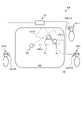
- FIG. 1 is a schematic diagram illustrating an example of real space and virtual space.
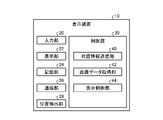
- FIG. 2 is a schematic block diagram of the display device according to this embodiment.
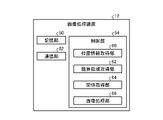
- FIG. 3 is a schematic block diagram of the image processing apparatus according to this embodiment.
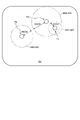
- FIG. 4 is a schematic diagram showing an example of the boundary area.
- FIG. 5 is a schematic diagram illustrating an example of an avatar display mode.
- FIG. 6 is a schematic diagram illustrating another example of the avatar display mode.
- FIG. 7 is a flowchart for explaining the processing flow of image data generation by the image processing device 12.
- FIG. 8 is a schematic diagram illustrating another example of the avatar display mode.
- FIG. 1 is a schematic diagram illustrating an example of real space and virtual space.
- An image processing system 100 is a system that provides a user U with a virtual space, and includes a display device 10 and an image processing device 12 .
- the display device 10 is a so-called HMD (Head Mount Display) worn on the user's U head.
- the display device 10 provides the user U with a virtual space by displaying an image.
- the physical space in which the user U actually exists is defined as a real space SR
- the virtual space provided to the user U by the display device 10 is defined as a virtual space SV.
- the display device 10 displays an image for the virtual space SV according to the action (line of sight) of the user U in the real space SR. That is, an image for the virtual space SV is displayed by simulating that the user U is operating as an avatar in the virtual space SV. Therefore, the user U can recognize that he or she exists within the virtual space SV.
- the virtual space SV here may be a space that reproduces a real place away from the place where the user U exists, that is, MR (Mixed Reality), or a virtual space that does not actually exist, that is, VR (Vertial Reality).
- the image processing system 100 provides a plurality of users U with a common virtual space SV.
- the display device 10 is used by each user U, and the user U can communicate with other users U via avatars in the virtual space SV provided by the user's own display device 10 .
- user A wears the display device 10A
- user B wears the display device 10B
- user C wears the display device 10C.
- avatars Aa, Ba, and Ca are assumed to be avatars Aa, Ba, and Ca, respectively.
- the display device 10A provides the user A with an image in the virtual space SV within the visual field range VA of the avatar Aa as an image for the virtual space SV.
- the display device 10B provides the user B with an image in the virtual space SV within the visual field range VB of the avatar Ba as an image for the virtual space SV.
- the display device 10C provides the user C with an image in the virtual space SV within the visual field range VC of the avatar Ca as an image for the virtual space SV.
- the number of avatars in the virtual space SV is not limited to three and may be arbitrary.
- the virtual space SV is represented by a two-dimensional plane viewed from above in the vertical direction, but the virtual space SV may be a three-dimensional space.
- FIG. 2 is a schematic block diagram of the display device according to this embodiment.
- the display device 10 can be said to be a computer, and as shown in FIG. .
- the input unit 20 is a mechanism that receives an operation by the user U, and may be, for example, a controller or a microphone provided in an HMD.
- the display unit 22 is a display that displays images.
- the display unit 22 provides the user U with the virtual space SV by outputting an image.
- the display device 10 may include, in addition to the display unit 22, a device that outputs information, such as a speaker that outputs sound.
- the storage unit 24 is a memory that stores various kinds of information such as calculation contents and programs of the control unit 30.
- the storage unit 24 includes a main storage device such as a RAM (Random Access Memory), a ROM (Read Only Memory), an HDD ( At least one of external storage devices such as Hard Disk Drive).
- the program for the control unit 30 stored in the storage unit 24 may be stored in a recording medium readable by the display device 10 .
- the communication unit 26 is a communication module that communicates with an external device such as the image processing device 12, such as an antenna.
- an external device such as the image processing device 12, such as an antenna.
- the display device 10 communicates with an external device by wireless communication, wired communication may be used, and any communication method may be used.
- the position detection unit 28 detects the position (coordinates) of the user U (display device 10) in the real space SR and the direction of the user U (display device 10) in the real space SR (for example, the direction in which the user U's face or line of sight is directed). ) is a sensor that detects
- the position detection unit 28 may be any sensor that can detect the position and orientation of the user U, such as a gyro sensor or a camera.
- the number of position detection units 28 is not limited to one, and a plurality of units may be provided.
- the control unit 30 is an arithmetic device and includes an arithmetic circuit such as a CPU (Central Processing Unit).
- Control unit 30 includes a position information acquisition unit 40 , an image data acquisition unit 42 and a display control unit 44 .
- the control unit 30 realizes the position information acquisition unit 40, the image data acquisition unit 42, and the display control unit 44, and executes their processes.
- the control unit 30 may execute these processes by one CPU, or may be provided with a plurality of CPUs and may execute the processes by the plurality of CPUs.
- at least part of the processing performed by the position information acquisition unit 40, the image data acquisition unit 42, and the display control unit 44 may be realized by hardware circuits.
- the position information acquisition unit 40 acquires information on the position of the user U in the real space SR and information on the orientation of the user U in the real space SR as position information on the user U.
- the position information acquisition unit 40 controls the position detection unit 28 to detect the position and orientation of the user U (display device 10), and acquires the detection result as the position information of the user U. .
- the image data acquisition unit 42 acquires image data for the virtual space SV to be displayed on the display unit 22.
- the image data acquisition unit 42 acquires image data for the virtual space SV from the image processing device 12 via the communication unit 26 . Details of the image data for the virtual space SV will be described later.
- the display control unit 44 causes the display unit 22 to display the image for the virtual space SR acquired by the image data acquisition unit 42 .
- the image processing device 12 is a device that performs image processing on images for the virtual space SV.
- the image processing device 12 can be said to be a server that transmits and receives information to and from the display device 10 for each user U, and performs image processing of images for the virtual space SV.
- FIG. 3 is a schematic block diagram of the image processing device according to this embodiment.
- the image processing device 12 can be said to be a computer, and as shown in FIG.
- the storage unit 50 is a memory that stores various information such as calculation contents and programs of the control unit 54.
- a RAM random access memory
- a main storage device such as a ROM
- an external storage device such as an HDD
- the program for the control unit 54 stored in the storage unit 50 may be stored in a recording medium readable by the image processing device 12 .
- the communication unit 52 is a communication module that communicates with an external device such as the display device 10, such as an antenna.
- the image processing device 12 communicates with an external device by wireless communication, but may be wired communication, and the communication method may be arbitrary.
- the control unit 54 is an arithmetic device and includes an arithmetic circuit such as a CPU.
- the control unit 54 includes a position information acquisition unit 60 , a boundary area acquisition unit 62 , a relationship acquisition unit 64 and an image processing unit 66 .
- the control unit 54 reads out and executes a program (software) from the storage unit 50 to realize a position information acquisition unit 60, a boundary area acquisition unit 62, a relationship acquisition unit 64, and an image processing unit 66, and perform processing thereof. to run.
- the control unit 54 may execute these processes by one CPU, or may be provided with a plurality of CPUs and may execute the processes by the plurality of CPUs.
- at least part of the processing of the position information acquisition unit 60, the boundary area acquisition unit 62, the relationship acquisition unit 64, and the image processing unit 66 may be realized by hardware circuits.
- the position information acquisition unit 60 acquires position information of the avatar of each user U in the virtual space SV, that is, information of the position and orientation of the avatar in the coordinate system of the virtual space SV. Specifically, the position information acquisition unit 60 acquires the position information of the user U (information on the position and orientation of the user U in the coordinate system of the real space SR) from each display device 10 via the communication unit 52. get. The position information acquisition unit 60 coordinates-transforms the position and orientation of the user U in the coordinate system of the real space SR into the coordinate system of the virtual space SV, and calculates the position and orientation of the avatar in the coordinate system of the virtual space SV. .
- the positional information acquiring unit 60 acquires the positional information of the user A from the display device 10A, performs coordinate transformation on the positional information, and sets the positional information of the avatar Aa.
- the positional information acquiring unit 60 acquires the positional information of the user B from the display device 10B, performs coordinate transformation on the positional information, and sets the positional information of the avatar Ba.
- the position information acquisition unit 60 sets the position information of the user C from the display device 10C, performs coordinate conversion, and sets the position information of the avatar Ca. Any method can be used to transform the coordinate system of the real space SR into the coordinate system of the virtual space SV. For example, numerical values for coordinate transformation may be set in advance.
- FIG. 4 is a schematic diagram showing an example of the boundary area.
- the boundary area acquisition unit 62 acquires information on the boundary area AR set for each avatar.
- the boundary area AR is an area of a predetermined size around the avatar within the virtual space SV, and is set for each avatar. That is, it can be said that the boundary area acquisition unit 62 acquires information on the size of the boundary area AR for each avatar.
- the size information here may be, for example, information indicating the distance D from the perimeter of the boundary area AR to the avatar positioned within the boundary area AR.
- the boundary area AR is a circular area centered on the avatar and having a radius of distance D (a cylindrical or hemispherical space in the case of three dimensions). It is not limited, and may be an area (or space) of any shape. Since the boundary area AR is an area around the avatar, the position of the boundary area AR also moves as the avatar moves.
- Information on the boundary area AR is set by the user U, for example. That is, the user U inputs the information (the distance D in this embodiment) of the boundary area AR of his/her own avatar to the input unit 20 of the display device 10, and the boundary area acquisition unit 62 acquires the boundary area from the display device 10. Acquire AR information.
- the information on the boundary area AR is not limited to being set for the user U, and may be set in advance, for example.
- the boundary area acquisition unit 62 acquires information on the boundary area ARA for the avatar Aa, information on the boundary area ARB for the avatar Ba, and information on the boundary area ARC for the avatar Ca.
- the boundary area ARA is a circular area centered on the position of the avatar Aa with a radius of a distance DA
- the boundary area ARB is a circular area centered on the position of the avatar Ba with a radius DB.
- the boundary area ARC is a circular area centered at the position of the avatar Ca and having a radius of a distance DC.
- the position of each avatar and the boundary area AR shown in FIG. 4 are examples.
- the relationship acquisition unit 64 acquires relationship information indicating the relationship between users U.
- the relationship information is information indicating whether the users U are in a friendly relationship.
- the relationship information is set to either friend information indicating that the users U are in a friendly relationship or non-friend information indicating that the users U are not in a friendly relationship.
- the relationship information is set by the user U. For example, when user A inputs a friend application to the display device 10A to establish a friendly relationship with user B, the image processing device 12 acquires friend application information from the display device 10A and Transmit to the display device 10B.
- User B confirms the information indicating that the friend application has been made via display device 10B, and when approving it, inputs information indicating approval to display device 10B.
- the image processing device 12 acquires the information indicating approval from the display device 10B
- the image processing device 12 sets the relationship between the user A and the user B as friend information and stores it in the storage unit 50 .
- the image processing device 12 sets the relationship information between the users U, which is not set as friend information, as non-friend information.
- the relationship acquisition unit 64 acquires the relationship information by reading the relationship information between the users U from the storage unit 50 . Note that the method of setting the relationship information is not limited to this and may be arbitrary.
- the image processing device 12 acquires information on the non-friendship request from the display device 10A. In this case, the image processing device 12 sets the relationship information between the user A and the user B as non-friend information.
- the relationship information is set for each combination of two users U. That is, in this example, relationship information between users A and B, relationship information between users B and C, and relationship information between users A and C are set.
- the relationship acquisition unit 64 acquires relationship information between users A and B, relationship information between users B and C, and relationship information between users A and C.
- the relationship information is not limited to the two types of friend information and non-friend information, and may be set in three or more levels according to the degree of friendship.
- the image processing unit 66 generates image data for the virtual space SV.
- the image processing unit 66 identifies the visual field range V of the avatar from the avatar position information set by the position information acquisition unit 60, and extracts virtual objects and other avatars within the visual field range V in the virtual space SV. . Then, the image processing unit 66 generates image data for the virtual space SV so that the images of the extracted objects and other avatars have the position, size, and orientation when viewed from the position and orientation of the avatar. .
- the image data representing the appearance of the avatar is set by the user U of the avatar via the display device 10 , and the image processing unit 66 acquires the image data representing the appearance of the avatar from the display device 10 .
- the method of acquiring the image data showing the appearance of the avatar is arbitrary, and may be set automatically by the image processing unit 66, for example.
- the image processing unit 66 transmits the generated image data for the virtual space SV to the display device 10 via the communication unit 52 .
- the display device 10 uses the image data for the virtual space SV transmitted from the image processing unit 66 (image processing device 12) by the display control unit 46 to display the image for the virtual space SV. That is, in this example, the image processing unit 66 generates image data for the virtual space SV viewed from the visual field range V of the avatar Aa, and transmits the image data to the display device 10A. Based on the image data received from the image processing unit 66, the display device 10A displays an image for the virtual space SV viewed from the visual field range V of the avatar Aa on the display unit 22.
- the image processing unit 66 generates image data for the virtual space SV viewed from the visual field range V of the avatar Ba, and transmits the image data to the display device 10B. Based on the image data received from the image processing unit 66, the display device 10B displays an image for the virtual space SV viewed from the visual field range V of the avatar Ba on the display unit 22. FIG. Similarly, the image processing unit 66 generates image data for the virtual space SV viewed from the visual field range V of the avatar Ca, and transmits the image data to the display device 10C. Based on the image data received from the image processing unit 66, the display device 10C displays an image for the virtual space SV viewed from the visual field range V of the avatar Ca on the display unit 22. FIG. As a result, users A, B, and C can recognize themselves as avatars Aa, Ba, and Ca in the virtual space SV, and can communicate with each other via avatars Aa, Ba, and Ca.
- the image processing device 12 sets a boundary area AR for each avatar, and when another user's avatar enters the boundary area AR, the image processing apparatus 12 can By making the appearance (display mode) different, it is difficult for other users to gaze at the image, thereby realizing protection of privacy. A specific description will be given below.
- the image processing unit 66 determines whether the relationship information between users acquired by the relationship acquisition unit 64 satisfies a predetermined condition. In this embodiment, the image processing unit 66 determines that the predetermined condition is satisfied when the relationship information is set as friendly information, that is, when the users U are in a friendly relationship. On the other hand, the image processing unit 66 determines that the predetermined condition is not satisfied when the relationship information is set as unfriendly information, that is, when the users U are not in a friendly relationship. It should be noted that the criterion for determining whether or not a predetermined condition is satisfied is not limited to being in a friendly state, and may be determined as appropriate.
- FIG. 5 is a schematic diagram explaining an example of the display mode of the avatar. If the relationship information between users A and B does not satisfy a predetermined condition (here, if users A and B are not in a friendly relationship), image processing unit 66 determines that avatar Ba is located within boundary area ARA of avatar Aa. determine if there is For example, the image processing unit 66 identifies the position occupied by the boundary area ARA in the virtual space SV from the position information of the avatar Aa and the information of the size of the boundary area ARA, and from the position information of the avatar Ba, the virtual space SV Identify the position of the avatar Ba within.
- a predetermined condition here, if users A and B are not in a friendly relationship
- image processing unit 66 determines that avatar Ba is located within boundary area ARA of avatar Aa. determine if there is For example, the image processing unit 66 identifies the position occupied by the boundary area ARA in the virtual space SV from the position information of the avatar Aa and the information of the size of the boundary area
- step S100 shows an example in which the avatar Ba is not located within the boundary area ARA of the avatar Aa, and steps S102 and S104 are performed when the avatar Ba is located within the boundary area ARA of the avatar Aa. It shows an example when it is not.
- the method of determining whether the avatar Ba is positioned within the boundary area ARA of the avatar Aa is not limited to the above description.
- the image processing unit 66 may calculate the distance L between the avatars Aa and Ba in the virtual space SV from the position information of the avatars Aa and Ba. Then, the image processing unit 66 acquires the distance D as information on the size of the boundary area ARA, and when the distance L is equal to or less than the distance D, the avatar Ba is positioned within the boundary area ARA of the avatar Aa. , and if the distance L is longer than the distance D, it may be determined that the avatar Ba is not positioned within the boundary area ARA of the avatar Aa.
- the image processing unit 66 adjusts the display mode of the image data of the avatar Aa provided to the display device 10B of the user B when the avatar Ba is positioned within the boundary area ARA of the avatar Aa.
- the image data of the avatar Aa to be provided to the display device 10B is generated so as to differ from the display mode of the image data of the avatar Aa to be provided to the display device 10B of the user B when the avatar Ba is not positioned in the display device 10B. That is, when the user A and the user B are not in a friendly relationship and the user B's avatar Ba enters the boundary area ARA of the user A's avatar Aa, the display of the avatar Aa to be visually recognized by the user B is performed. Aspects change.
- the display mode here is a parameter of image data that affects the visibility of the image of the avatar Aa. That is, the image processing unit 66 compares the visibility of the image of the avatar Aa when the avatar Ba is positioned within the boundary area ARA of the avatar Aa to the visibility when the avatar Ba is positioned outside the boundary area ARA of the avatar Aa. (that is, make the avatar Aa less visible to the user B) than the visibility of the image of the avatar Aa in .
- the display mode does not mean the size or orientation of the avatar Ba.
- the display mode here refers to a parameter that lowers the visibility of the avatar Ba when the display mode changes, even if it is assumed that the avatar Ba is viewed at the same relative distance and relative orientation, for example.
- the display mode in this embodiment refers to the transparency of the image of the avatar Ba. That is, in the present embodiment, when the relationship information between the user A and the user B does not satisfy a predetermined condition, the image processing unit 66 sets the avatar Ba in the boundary area ARA of the avatar Aa.
- the image data of the avatar Aa to be provided to the display device 10B is generated so that the transparency of the image of the avatar Aa is higher than the transparency of the image of the avatar Aa when the avatar Ba is not positioned within the boundary area ARA of the avatar Aa. .
- the image processing unit 66 As the distance L between Aa and avatar Ba becomes shorter, the degree of change in the display mode of avatar Aa is increased. That is, when the avatar Ba enters the boundary area ARA of the avatar Aa, the image processing unit 66 increases the degree of decrease in visibility of the image of the avatar Aa as the distance between the avatars Aa and Ba decreases. .
- step S104 when the distance L between the avatars Aa and Ba approaches a predetermined value, the image of the avatar Aa becomes completely transparent and the image of the avatar Aa is no longer displayed.
- the avatar Ba when the relationship information between the users A and B does not satisfy the predetermined condition, when the avatar Ba approaches the avatar Aa (enters the boundary area ARA), the avatar Aa in the image viewed by the user B visibility is reduced. Therefore, the avatar Aa is less likely to be watched by the user B, and the privacy of the user A in the virtual space SV can be protected.
- the avatar Aa As the distance L decreases after the avatar Ba enters the boundary area ARA, the avatar Aa gradually becomes transparent so that the avatar Aa does not suddenly disappear.
- the user B can visually recognize the avatar Aa and make a friend request to the user A before the avatar Aa becomes completely transparent and the user B cannot recognize the existence of the avatar Aa. Therefore, according to this embodiment, it is possible to assist communication while protecting privacy. That is, in this case, the image processing system 100 may accept friend requests to user A until avatar Aa disappears completely.
- the method of changing the display mode of avatar Aa is adjusted according to the degree of friendship.
- the degree of friendship may In this case, for example, the lower the degree of friendship, the wider the boundary area AR may be so that the avatar Aa is less visible even from a distance.
- the degree of friendship the greater the degree of change in the display mode (the degree of transparency here) when entering the boundary area AR, or the distance L after entering the boundary area AR is the unit
- the degree of decrease in visibility when the length is shortened that is, the speed at which transparency progresses here
- FIG. 6 is a schematic diagram illustrating another example of the avatar display mode.
- the transparency of the image of the avatar Aa is varied as the display mode of the avatars, but the display mode is not limited to the transparency.
- the display mode may be changed so as to convert the avatar Aa into the other avatar Xa. That is, another avatar Xa is displayed at a position overlapping the avatar Aa, thereby lowering the visibility of the avatar Aa. In this case, for example, as shown in step S100a of FIG.
- step S102a when the avatar Ba is not positioned within the boundary area ARA of the avatar Aa, the avatar Aa is displayed without displaying the avatar Xa.
- step S102a when the avatar Ba is positioned within the boundary area ARA of the avatar Aa, the avatar Xa is displayed at a position overlapping the avatar Aa. Then, for example, as the distance L between the avatar Aa and the avatar Ba becomes shorter, the transparency of the avatar Xa may be decreased (that is, the avatar Xa becomes clearer), and conversely, the transparency of the avatar Aa may be increased.
- step S104a when the distance L between the avatars Aa and Ba approaches a predetermined value, the image of the avatar Aa becomes completely transparent, and only the image of the avatar Xa is displayed at the position of the avatar Aa.
- the image of the appearance of the avatar Xa here may be arbitrarily set, and may be any appearance different from that of the avatar Aa.
- the process of changing the display mode is not limited to increasing transparency or converting to another avatar Xa (morphing process).
- the process of changing the display mode may be lowering the resolution of the avatar Aa.
- the image processing unit 66 determines whether the avatar Ca is positioned within the boundary area ARC of the avatar Ca.
- the display mode of the image data of the avatar Ca provided to the display device 10B of is the image data of the avatar Ca provided to the display device 10B of the user B when the avatar Ba is not positioned within the boundary area ARC of the avatar Ca.
- Image data of the avatar Ca to be provided to the display device 10B is generated so as to have the same display mode. That is, in the example of FIG.
- the avatars Ca have the same transparency (same visibility). Furthermore, even if the distance L between the avatar Ca and the avatar Ba becomes closer, the display mode does not change. Therefore, when there is a friendly relationship, the avatar Ca can be visually recognized regardless of the distance L.
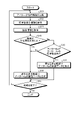
- FIG. 7 is a flowchart for explaining the processing flow of image data generation by the image processing device 12. As shown in FIG.
- the image processing device 12 acquires the position information of the avatar by the position information acquisition unit 60 (step S10), and acquires the information on the boundary area AR by the boundary area acquisition unit 62 (step S12). ), the relationship information is acquired by the relationship information acquiring unit 64 (step S14).
- the order of steps S10, S12 and S14 is not limited to this and is arbitrary.
- the image processing device 12 uses the image processing unit 66 to determine whether the relationship information between the user A and the user B satisfies a predetermined relationship (step S16), and if the predetermined relationship is satisfied (step S16; Yes).
- the image data of the avatar Aa is generated in an existing display mode, that is, without imparting transparency, for example (step S18).
- the image processing device 12 transmits the image data of the virtual space SV within the visual field range V of the avatar Ba, including the image data of the avatar Aa, to the user B's display device 10B.
- the display device 10B displays an image of the virtual space SV within the visual field range V of the avatar Ba based on the received image data.
- the image processing unit 66 determines whether the avatar Ba is positioned within the boundary area ARA of the avatar Aa. (Step S20), if it is not positioned within the boundary area ARA (Step S20; No), proceed to Step S18, and generate image data of the avatar Aa in an existing display mode, that is, without imparting transparency, for example. .
- the image processing unit 66 displays the image data of the avatar Aa in a different display mode, that is, by giving transparency, for example. Generate (step S22).
- the image processing device 12 transmits the image data of the virtual space SV within the visual field range V of the avatar Ba to the user B's display device 10B.
- the display device 10B displays an image of the virtual space SV within the visual field range V of the avatar Ba based on the received image data.
- step S24 After steps S18 and S22, if the process is not to end (step S24; No), return to step S10 to continue the process, and if the process is to end (step S24; Yes), this process ends.
- Both the avatars Aa and Ca appear in the image provided on the user B's display device 10B.
- the image processing apparatus 12 performs image processing for the virtual space SV, and includes the position information acquisition section 60, the boundary area acquisition section 62, and the relationship acquisition section 64. , and an image processing unit 66 .
- the position information acquisition unit 60 obtains the first avatar (avatar Aa) of the first user (user A) in the virtual space SV and the second avatar (avatar Ba) of the second user (user B) in the virtual space SV. in the virtual space SV.
- the boundary area acquisition unit 62 acquires information on a first boundary area (boundary area ARA), which is set for the avatar Aa and is an area surrounding the avatar Aa in the virtual space SV.
- the relationship information acquisition unit 64 acquires relationship information indicating the relationship between user A and user B.
- the image processing unit 66 generates image data for the virtual space SV to be provided to the user B.
- FIG. When the relationship between the user A and the user B satisfies a predetermined condition, the image processing unit 66 changes the display mode of the avatar Aa when the avatar Ba is located within the boundary area ARA. Image data to be provided to the user B is generated so as to be the same as the display mode of the avatar Aa when positioned.
- the image processing unit 66 changes the display mode of the avatar Aa when the avatar Ba is positioned within the boundary area ARA to Image data to be provided to the user B is generated so as to differ from the display mode of the avatar Aa when located outside the ARA.
- the image processing device 12 when the relationship information between the user A and the user B does not satisfy a predetermined condition, when the avatar Ba approaches the avatar Aa (enters the boundary area ARA), The display mode of the avatar Aa in the image viewed by the user B changes. Therefore, the privacy of user A in virtual space SV can be appropriately protected.
- the boundary area acquisition unit 62 also acquires information on a second boundary area (boundary area ARB) that is set for the avatar Ba and is an area around the avatar Ba within the virtual space SV.
- the image processing unit 66 generates image data for the virtual space SV to be provided to the user A.
- FIG. When the relationship between the user A and the user B satisfies a predetermined condition, the image processing unit 66 changes the display mode of the avatar Ba when the avatar Aa is located within the boundary area ARB. Image data to be provided to the user A is generated so as to be the same as the display mode of the avatar Ba when positioned.
- the image processing unit 66 changes the display mode of the avatar Ba when the avatar Aa is located within the boundary area ARB to the boundary area where the avatar Aa is located.
- Image data to be provided to the user A is generated so as to differ from the display mode of the avatar Ba when positioned outside the ARB.
- the image processing apparatus 12 since the display mode of the user B's avatar Ba in the image data provided to the user A is also changed, the privacy of the user B in the virtual space SV can also be appropriately protected. Furthermore, since the boundary area is set for each avatar, the degree of privacy protection can be appropriately adjusted according to the user U.
- the image processing unit 66 determines that a predetermined condition is satisfied when the relationship between user A and user B indicates that user A and user B are in a friendly relationship. According to the image processing apparatus 12 according to the present embodiment, it is possible to support communication while protecting privacy by not changing the display mode when there is a friendly relationship and changing the display mode when there is no friendly relationship. .
- the image processing unit 66 shortens the distance between the avatar Aa and the avatar Ba when the relationship between the user A and the user B does not satisfy the predetermined condition and the avatar Ba is located within the boundary area ARA. Accordingly, the degree of change in the display mode of the avatar Aa is increased. According to the image processing device 12 according to the present embodiment, the closer the avatar Aa is, the more the change in the display mode becomes. Therefore, the privacy of the user A can be appropriately protected.
- the image processing unit 66 performs a process of making the avatar Aa transparent, a process of converting the avatar Aa into another avatar Xa, and a process of lowering the resolution of the image of the avatar Aa as the process of changing the display mode of the avatar Aa. , perform at least one. According to the image processing device 12 according to the present embodiment, the privacy of the user A can be appropriately protected by changing the display mode in this way.
- the image processing device 12 has the functions of the position information acquisition unit 60, the boundary area acquisition unit 62, the relationship acquisition unit 64, and the image processing unit 66, but the display device 10 has these functions. may have That is, the display device 10 may function as the image processing device 12, and includes at least one of the position information acquisition unit 60, the boundary area acquisition unit 62, the relationship acquisition unit 64, and the image processing unit 66, and processing may be performed.
- FIG. 8 is a schematic diagram illustrating another example of the avatar display mode.
- users A and C are in a friendly relationship
- users B and C are in a friendly relationship
- users A and B are in a non-friendly relationship.
- user B's avatar Ba is in both the boundary area ARA of user A's avatar Aa and the boundary area ARC of user C's avatar Ca.
- the user B's display device 10B displays the friendly avatar Ca, but does not display the non-friendly avatar Aa.
- the degree of change in the display mode of the avatar Aa can be made smaller. That is, for example, as shown in FIG. 8A, there is a change in the display mode between when the avatar Ba is in the boundary area ARA of the avatar Aa and when the avatar Ba is not in the boundary area ARA of the avatar Aa.
- the degree here, transparency
- the display mode may not be changed (here, made non-transparent).
- the image processing unit 66 determines that the users A and C are communicating via the avatars Aa and Ca as shown in FIG. 8B, the boundary area ARA of the avatar Aa can be made smaller. As a result, the avatar Aa does not become transparent unless the avatar Aa is fairly close to the avatar, so that the sense of incompatibility can be eliminated.
- any method may be used to determine whether users A and C are communicating via avatars Aa and Ca.
- the image processing device 12 may determine that users A and C are communicating via avatars Aa and Ca. Further, for example, the image processing device 12 determines that the users A and C are communicating via the avatars Aa and Ca when the avatar Aa and the avatar Ca face each other in the virtual space SV for a predetermined time or longer. You can judge.
- an unfriendly avatar when an unfriendly avatar is in the boundary area AR of a certain avatar, the avatar is not displayed on the display device 10 of the unfriendly user.
- an open area is set in the virtual space SV, which is an area (space) in which the display mode is not changed even if another avatar is in the boundary area AR.
- SV virtual space
- users A and B are in a non-friendly relationship
- users A and C are in a non-friendly relationship
- avatars Ba and Ca are within boundary area ARA of avatar Aa.
- the image processing device 12 makes the image of the avatar Aa transparent in the images for the display devices 10B and 10C of the users B and C. Instead, the image of the avatar Aa is displayed in the existing display mode. Note that it is preferable to notify each user U in advance of the position information of the open area in the virtual space SV from the image processing device 12 via the display device 10 . As a result, the user U moves the avatar to the open area if he wants to communicate with an unspecified number of users, and does not move the avatar to the open area if he wants to protect his privacy.
- whether or not the avatar Ba is in the set area ARA of the avatar Aa determines whether the display mode is to be changed. Whether or not to change the display mode may be determined based on the time during which Aa was gazed at. In this case, for example, when the relationship information between the user A and the user B does not satisfy a predetermined condition, the image processing unit 66 determines whether the avatar Ba is located within the boundary area ARA of the avatar Aa (that is, While determining whether the distance L is equal to or less than the distance D of the radius of the boundary area ARA), it is determined whether the line of sight of the avatar Ba overlaps the position of the avatar Aa.
- the line of sight of the avatar Ba may be appropriately set based on the direction of the avatar Ba. It's good to have a spread.
- the image processing unit 66 determines whether the time during which the line of sight of the avatar Ba overlaps the position of the avatar Aa exceeds a threshold. Then, the image processing unit 66 determines that the relationship information between the user A and the user B does not satisfy a predetermined condition, that the avatar Ba is located within the boundary area ARA of the avatar Aa, and that the line of sight of the avatar Ba is located at the position of the avatar Aa. and exceeds a threshold value, it is determined that the display mode is to be changed.
- the embodiment is not limited by the contents of these embodiments.
- the components described above include those that can be easily assumed by those skilled in the art, those that are substantially the same, and those within the so-called equivalent range.
- the components described above can be combined as appropriate, and it is also possible to combine the configurations of the respective embodiments.
- various omissions, replacements, or modifications of components can be made without departing from the gist of the above-described embodiments.
- the image processing device, image processing method, and program of this embodiment can be used, for example, for image display.
- REFERENCE SIGNS LIST 10 display device 12 image processing device 22 display unit 60 position information acquisition unit 62 boundary area acquisition unit 64 relationship acquisition unit 66 image processing unit A, B, C users Aa, Ba, Ca avatars ARA, ARB, ARC boundary area SV virtual space
Landscapes
- Engineering & Computer Science (AREA)
- Computer Security & Cryptography (AREA)
- General Engineering & Computer Science (AREA)
- Theoretical Computer Science (AREA)
- Computer Hardware Design (AREA)
- Physics & Mathematics (AREA)
- General Physics & Mathematics (AREA)
- Computer Networks & Wireless Communication (AREA)
- Signal Processing (AREA)
- Computing Systems (AREA)
- Human Computer Interaction (AREA)
- Software Systems (AREA)
- Computer Graphics (AREA)
- Processing Or Creating Images (AREA)
- Information Transfer Between Computers (AREA)
- Position Input By Displaying (AREA)
- Controls And Circuits For Display Device (AREA)
- User Interface Of Digital Computer (AREA)
Abstract
仮想空間でアバターを介してコミュニケーションする際にユーザのプライバシーを適切に保護する。画像処理装置は、仮想空間内の第1ユーザのアバター(Aa)と、仮想空間(SV)内の第2ユーザのアバター(Ba)との、仮想空間内における位置の情報を取得する位置情報取得部と、アバター(Aa)の周囲の領域である境界領域(ARA)の情報を取得する境界領域取得部と、第1ユーザと第2ユーザとの関係を示す関係情報を取得する関係取得部と、関係が所定条件を満たさない場合には、アバター(Ba)が境界領域(ARA)内に位置する場合のアバター(Aa)の表示態様が、アバター(Ba)が境界領域(ARA)外に位置する場合のアバター(Aa)の表示態様と異なる仮想空間用の画像データを生成する画像処理部とを含む。
Description
本発明は、画像処理装置、画像処理方法及びプログラムに関する。
昨今、情報機器が大きな進化をしている。そしてその代表例であるスマートフォンだけでなく、所謂ウエラブル機器も普及してきた。ウエラブル機器としては、直接視覚を刺激する眼鏡タイプのHMD(ヘッドマウントディスプレイ)が知られている。このようなHMDを用いると、ユーザの視線方向に合わせて映像を表示することで、ユーザUに仮想空間を提供することができる。近年、仮想空間のアバターを介して、ユーザ同士がコミュニケーションを取ることが増えている。例えば特許文献1には、仮想空間内のアバターと画像との位置関係に応じて、画像の表示態様を変化させる旨が記載されている。特許文献2には、仮想空間をブロックに分割して、アバターが入室したブロックに基づき、アバターの行動履歴を管理する旨が記載されている。
しかし、仮想空間内でアバターを介して複数のユーザ同士がコミュニケーションする場合には、プライバシーを保護することも求められる。
本実施形態は、上記課題に鑑み、仮想空間でアバターを介してコミュニケーションする際に、ユーザのプライバシーを適切に保護可能な画像処理装置、画像処理方法及びプログラムを提供することを目的とする。
本実施形態の一態様にかかる画像処理装置は、仮想空間用の画像処理を行う画像処理装置であって、前記仮想空間内の第1ユーザのアバターである第1アバターと、前記仮想空間内の第2ユーザのアバターである第2アバターとの、前記仮想空間内における位置の情報を取得する位置情報取得部と、前記第1アバターに対して設定された、前記仮想空間内での前記第1アバターの周囲の領域である第1境界領域の情報を取得する境界領域取得部と、前記第1ユーザと前記第2ユーザとの関係を示す関係情報を取得する関係取得部と、前記画像処理部は、前記関係が前記所定条件を満たさない場合には、前記第2アバターが前記第1境界領域内に位置する場合の前記第1アバターの表示態様が、前記第2アバターが前記第1境界領域外に位置する場合の前記第1アバターの表示態様と異なる前記仮想空間用の画像データを生成する画像処理部と、を含む。
本実施形態の一態様にかかる画像処理方法は、仮想空間用の画像処理を行う画像処理方法であって、前記仮想空間内の第1ユーザのアバターである第1アバターと、前記仮想空間内の第2ユーザのアバターである第2アバターとの、前記仮想空間内における位置の情報を取得するステップと、前記第1アバターに対して設定された、前記仮想空間内での前記第1アバターの周囲の領域である第1境界領域の情報を取得するステップと、前記第1ユーザと前記第2ユーザとの関係を示す関係情報を取得するステップと、前記画像データを生成するステップでは、前記関係が前記所定条件を満たさない場合には、前記第2アバターが前記第1境界領域内に位置する場合の前記第1アバターの表示態様が、前記第2アバターが前記第1境界領域外に位置する場合の前記第1アバターの表示態様と異なる前記仮想空間用の画像データを生成するステップと、を含む。
本実施形態の一態様にかかるプログラムは、仮想空間用の画像処理を行う画像処理方法をコンピュータに実行させるプログラムであって、前記仮想空間内の第1ユーザのアバターである第1アバターと、前記仮想空間内の第2ユーザのアバターである第2アバターとの、前記仮想空間内における位置の情報を取得するステップと、前記第1アバターに対して設定された、前記仮想空間内での前記第1アバターの周囲の領域である第1境界領域の情報を取得するステップと、前記第1ユーザと前記第2ユーザとの関係を示す関係情報を取得するステップと、前記関係が前記所定条件を満たさない場合には、前記第2アバターが前記第1境界領域内に位置する場合の前記第1アバターの表示態様が、前記第2アバターが前記第1境界領域外に位置する場合の前記第1アバターの表示態様と異なる前記仮想空間用の画像データを生成するステップと、をコンピュータに実行させる。
本実施形態によれば、仮想空間でアバターを介してコミュニケーションする際に、ユーザのプライバシーを適切に保護することができる。
以下に、本実施形態を図面に基づいて詳細に説明する。なお、以下に説明する実施形態により本実施形態が限定されるものではない。
(実空間と仮想空間)
図1は、実空間と仮想空間の一例を説明する模式図である。本実施形態に係る画像処理システム100は、ユーザUに仮想空間を提供するシステムであり、表示装置10と画像処理装置12とを含む。図1に示すように、表示装置10は、ユーザUの頭部に装着される、いわゆるHMD(Head Mount Display)である。表示装置10は、画像を表示することで、ユーザUに仮想空間を提供する。図1に示すように、ユーザUが実際に存在する現実空間を実空間SRとし、表示装置10がユーザUに提供する仮想の空間を仮想空間SVとする。この場合、表示装置10は、実空間SRでのユーザUの動作(視線)に応じた仮想空間SV用の画像を表示する。すなわち、ユーザUがアバターとして仮想空間SVで動作していることを模擬して、仮想空間SV用の画像を表示する。そのため、ユーザUは、自身が仮想空間SV内に存在していると認識することができる。なお、ここでの仮想空間SVは、ユーザUが存在する場所から離れた実在の場所を再現した空間、すなわちMR(Mixed Reality)であってもよいし、実際に存在しない仮想の空間、すなわちVR(Vertial Reality)であってもよい。
図1は、実空間と仮想空間の一例を説明する模式図である。本実施形態に係る画像処理システム100は、ユーザUに仮想空間を提供するシステムであり、表示装置10と画像処理装置12とを含む。図1に示すように、表示装置10は、ユーザUの頭部に装着される、いわゆるHMD(Head Mount Display)である。表示装置10は、画像を表示することで、ユーザUに仮想空間を提供する。図1に示すように、ユーザUが実際に存在する現実空間を実空間SRとし、表示装置10がユーザUに提供する仮想の空間を仮想空間SVとする。この場合、表示装置10は、実空間SRでのユーザUの動作(視線)に応じた仮想空間SV用の画像を表示する。すなわち、ユーザUがアバターとして仮想空間SVで動作していることを模擬して、仮想空間SV用の画像を表示する。そのため、ユーザUは、自身が仮想空間SV内に存在していると認識することができる。なお、ここでの仮想空間SVは、ユーザUが存在する場所から離れた実在の場所を再現した空間、すなわちMR(Mixed Reality)であってもよいし、実際に存在しない仮想の空間、すなわちVR(Vertial Reality)であってもよい。
本実施形態では、画像処理システム100は、複数のユーザUに共通の仮想空間SVを提供する。表示装置10はそれぞれのユーザUに用いられ、ユーザUは、自身の表示装置10から提供された仮想空間SV内において、アバターを介して他のユーザUとコミュニケーションをとることができる。図1の例では、ユーザAが表示装置10Aを装着し、ユーザBが表示装置10Bを装着し、ユーザCが表示装置10Cを装着しており、共通の仮想空間SVにおけるユーザA、B、Cのアバターを、それぞれアバターAa、Ba、Caとする。表示装置10Aは、アバターAaの視野範囲VA内の仮想空間SVでの画像を、仮想空間SV用の画像としてユーザAに提供する。同様に、表示装置10Bは、アバターBaの視野範囲VB内の仮想空間SVでの画像を、仮想空間SV用の画像としてユーザBに提供する。同様に、表示装置10Cは、アバターCaの視野範囲VC内の仮想空間SVでの画像を、仮想空間SV用の画像としてユーザCに提供する。なお、仮想空間SV内におけるアバターの数(すなわち共通の仮想空間SVが提供されるユーザUの数)は、3人に限られず任意であってよい。また、図1や、以降の図でも、仮想空間SVを鉛直方向上方から見た2次元平面で表しているが、仮想空間SVは3次元空間であってよい。
(表示装置)
図2は、本実施形態に係る表示装置の模式的なブロック図である。表示装置10は、コンピュータであるともいえ、図2に示すように、入力部20と、表示部22と、記憶部24と、通信部26と、位置検出部28と、制御部30とを備える。入力部20は、ユーザUによる操作を受け付ける機構であり、例えばHMDに設けられるコントローラやマイクなどであってよい。表示部22は、画像を表示するディスプレイである。表示部22は、画像を出力することで、ユーザUに仮想空間SVを提供する。表示装置10は、表示部22以外にも、例えば音声を出力するスピーカなど、情報を出力する装置を備えていてよい。
図2は、本実施形態に係る表示装置の模式的なブロック図である。表示装置10は、コンピュータであるともいえ、図2に示すように、入力部20と、表示部22と、記憶部24と、通信部26と、位置検出部28と、制御部30とを備える。入力部20は、ユーザUによる操作を受け付ける機構であり、例えばHMDに設けられるコントローラやマイクなどであってよい。表示部22は、画像を表示するディスプレイである。表示部22は、画像を出力することで、ユーザUに仮想空間SVを提供する。表示装置10は、表示部22以外にも、例えば音声を出力するスピーカなど、情報を出力する装置を備えていてよい。
記憶部24は、制御部30の演算内容やプログラムなどの各種情報を記憶するメモリであり、例えば、RAM(Random Access Memory)と、ROM(Read Only Memory)のような主記憶装置と、HDD(Hard Disk Drive)などの外部記憶装置とのうち、少なくとも1つ含む。記憶部24が記憶する制御部30用のプログラムは、表示装置10が読み取り可能な記録媒体に記憶されていてもよい。
通信部26は、画像処理装置12などの外部の装置と通信を行う通信モジュールであり、例えばアンテナなどである。表示装置10は、無線通信で外部の装置と通信を行うが、有線通信でもよく、通信方式は任意であってよい。
位置検出部28は、実空間SRにおけるユーザU(表示装置10)の位置(座標)と、実空間SRにおけるユーザU(表示装置10)の向き(例えばユーザUの顔や視線が向いている方向)とを検出するセンサである。位置検出部28は、ユーザUの位置及び向きを検出可能なセンサであれば、任意のセンサであってよく、例えばジャイロセンサやカメラなどであってよい。また、位置検出部28は、1つであることに限られず複数であってよく、例えば、ユーザUの位置を検出するセンサとユーザUの向きを検出するセンサとを有していてよい。
制御部30は、演算装置であり、例えばCPU(Central Processing Unit)などの演算回路を含む。制御部30は、位置情報取得部40と、画像データ取得部42と、表示制御部44とを含む。制御部30は、記憶部24からプログラム(ソフトウェア)を読み出して実行することで、位置情報取得部40と画像データ取得部42と表示制御部44を実現して、それらの処理を実行する。なお、制御部30は、1つのCPUによってこれらの処理を実行してもよいし、複数のCPUを備えて、それらの複数のCPUで、処理を実行してもよい。また、位置情報取得部40と画像データ取得部42と表示制御部44との処理の少なくとも一部を、ハードウェア回路で実現してもよい。
位置情報取得部40は、実空間SRにおけるユーザUの位置の情報と、実空間SRにおけるユーザUの向きの情報とを、ユーザUの位置情報として取得する。位置情報取得部40は、位置検出部28を制御して、位置検出部28にユーザU(表示装置10)の位置と向きとを検出させ、その検出結果を、ユーザUの位置情報として取得する。
画像データ取得部42は、表示部22に表示させる仮想空間SV用の画像データを取得する。本実施形態では、画像データ取得部42は、通信部26を介して、画像処理装置12から、仮想空間SV用の画像データを取得する。仮想空間SV用の画像データの詳細は後述する。
表示制御部44は、画像データ取得部42が取得した仮想空間SR用の画像を、表示部22に表示させる。
(画像処理装置)
画像処理装置12は、仮想空間SV用の画像の画像処理を行う装置である。画像処理装置12は、ユーザU毎の表示装置10と情報の送受信を行って、仮想空間SV用の画像の画像処理を行うサーバといえる。
画像処理装置12は、仮想空間SV用の画像の画像処理を行う装置である。画像処理装置12は、ユーザU毎の表示装置10と情報の送受信を行って、仮想空間SV用の画像の画像処理を行うサーバといえる。
図3は、本実施形態に係る画像処理装置の模式的なブロック図である。画像処理装置12は、コンピュータであるともいえ、図3に示すように、記憶部50と、通信部52と、制御部54とを備える。
記憶部50は、制御部54の演算内容やプログラムなどの各種情報を記憶するメモリであり、例えば、RAMと、ROMのような主記憶装置と、HDDなどの外部記憶装置とのうち、少なくとも1つ含む。記憶部50が記憶する制御部54用のプログラムは、画像処理装置12が読み取り可能な記録媒体に記憶されていてもよい。
通信部52は、表示装置10などの外部の装置と通信を行う通信モジュールであり、例えばアンテナなどである。画像処理装置12は、無線通信で外部の装置と通信を行うが、有線通信でもよく、通信方式は任意であってよい。
制御部54は、演算装置であり、例えばCPUなどの演算回路を含む。制御部54は、位置情報取得部60と、境界領域取得部62と、関係取得部64と、画像処理部66とを含む。制御部54は、記憶部50からプログラム(ソフトウェア)を読み出して実行することで、位置情報取得部60と境界領域取得部62と関係取得部64と画像処理部66を実現して、それらの処理を実行する。なお、制御部54は、1つのCPUによってこれらの処理を実行してもよいし、複数のCPUを備えて、それらの複数のCPUで、処理を実行してもよい。また、位置情報取得部60と境界領域取得部62と関係取得部64と画像処理部66との処理の少なくとも一部を、ハードウェア回路で実現してもよい。
(位置情報取得部)
位置情報取得部60は、仮想空間SVにおける各ユーザUのアバターの位置情報を、すなわち仮想空間SVの座標系におけるアバターの位置と向きの情報を、取得する。具体的には、位置情報取得部60は、通信部52を介して、それぞれの表示装置10から、ユーザUの位置情報(実空間SRの座標系におけるユーザUの位置と向きとの情報)を取得する。位置情報取得部60は、実空間SRの座標系におけるユーザUの位置と向きを、仮想空間SVの座標系に座標変換して、仮想空間SVの座標系におけるアバターの位置及び向きを、算出する。すなわち本例では、位置情報取得部60は、表示装置10AからユーザAの位置情報を取得し、それを座標変換して、アバターAaの位置情報を設定する。また、位置情報取得部60は、表示装置10BからユーザBの位置情報を取得し、それを座標変換して、アバターBaの位置情報を設定する。また、位置情報取得部60は、表示装置10CからユーザCの位置情報を設定し、それを座標変換して、アバターCaの位置情報を設定する。なお、実空間SRの座標系を仮想空間SVの座標系に変換する方法は任意であるが、例えば座標変換するための数値が予め設定されていてよい。
位置情報取得部60は、仮想空間SVにおける各ユーザUのアバターの位置情報を、すなわち仮想空間SVの座標系におけるアバターの位置と向きの情報を、取得する。具体的には、位置情報取得部60は、通信部52を介して、それぞれの表示装置10から、ユーザUの位置情報(実空間SRの座標系におけるユーザUの位置と向きとの情報)を取得する。位置情報取得部60は、実空間SRの座標系におけるユーザUの位置と向きを、仮想空間SVの座標系に座標変換して、仮想空間SVの座標系におけるアバターの位置及び向きを、算出する。すなわち本例では、位置情報取得部60は、表示装置10AからユーザAの位置情報を取得し、それを座標変換して、アバターAaの位置情報を設定する。また、位置情報取得部60は、表示装置10BからユーザBの位置情報を取得し、それを座標変換して、アバターBaの位置情報を設定する。また、位置情報取得部60は、表示装置10CからユーザCの位置情報を設定し、それを座標変換して、アバターCaの位置情報を設定する。なお、実空間SRの座標系を仮想空間SVの座標系に変換する方法は任意であるが、例えば座標変換するための数値が予め設定されていてよい。
(境界領域取得部)
図4は、境界領域の一例を示す模式図である。境界領域取得部62は、各アバターに対して設定された境界領域ARの情報を取得する。境界領域ARとは、仮想空間SV内での、アバターの周囲の所定の大きさの領域であり、アバター毎に設定されている。すなわち、境界領域取得部62は、アバター毎の、境界領域ARの大きさの情報を取得するといえる。ここでの大きさの情報とは、例えば、境界領域ARの外周から境界領域AR内に位置するアバターまでの、距離Dを示す情報であってよい。なお、図4の例では、境界領域ARは、アバターを中心として距離Dを半径とする円形の領域(3次元である場合は円筒又は半球の空間)であるが、境界領域ARの形状はそれに限られず、任意の形状の領域(又は空間)であってよい。なお、境界領域ARは、アバターの周囲の領域なので、アバターの位置の移動に伴い、境界領域ARの位置も移動する。
図4は、境界領域の一例を示す模式図である。境界領域取得部62は、各アバターに対して設定された境界領域ARの情報を取得する。境界領域ARとは、仮想空間SV内での、アバターの周囲の所定の大きさの領域であり、アバター毎に設定されている。すなわち、境界領域取得部62は、アバター毎の、境界領域ARの大きさの情報を取得するといえる。ここでの大きさの情報とは、例えば、境界領域ARの外周から境界領域AR内に位置するアバターまでの、距離Dを示す情報であってよい。なお、図4の例では、境界領域ARは、アバターを中心として距離Dを半径とする円形の領域(3次元である場合は円筒又は半球の空間)であるが、境界領域ARの形状はそれに限られず、任意の形状の領域(又は空間)であってよい。なお、境界領域ARは、アバターの周囲の領域なので、アバターの位置の移動に伴い、境界領域ARの位置も移動する。
境界領域ARの情報は、例えばユーザUにより設定される。すなわち、ユーザUが表示装置10の入力部20に、自身のアバターについての境界領域ARの情報(本実施形態では距離D)を入力し、境界領域取得部62は、表示装置10から、境界領域ARの情報を取得する。ただし、境界領域ARの情報はユーザUに設定されることに限られず、例えば予め設定されていてもよい。
図4の例では、境界領域取得部62は、アバターAaについての境界領域ARAの情報と、アバターBaについての境界領域ARBの情報と、アバターCaについての境界領域ARCの情報とを取得する。図4の例では、境界領域ARAは、アバターAaの位置を中心として半径が距離DAとなる円形の領域であり、境界領域ARBは、アバターBaの位置を中心として半径が距離DBとなる円形の領域であり、境界領域ARCは、アバターCaの位置を中心として半径が距離DCとなる円形の領域である。ただし、図4に示す各アバターの位置や境界領域ARは、一例である。
(関係取得部)
関係取得部64は、ユーザU同士の関係を示す関係情報を取得する。本実施形態では、関係情報は、ユーザU同士が友好関係にあるかを示す情報である。例えば、関係情報は、ユーザU同士が友好関係にある旨を示すフレンド情報と、ユーザU同士が友好関係にない旨の非フレンド情報とのいずれかに設定される。関係情報は、ユーザUにより設定される。例えば、ユーザAが、ユーザBに対して友好関係を結ぶ旨のフレンド申請を、表示装置10Aに入力すると、画像処理装置12は、フレンド申請の情報を表示装置10Aから取得して、ユーザBの表示装置10Bに送信する。ユーザBは、表示装置10Bを介して、フレンド申請がなされている旨の情報を確認し、承認する場合は、承認する旨の情報を表示装置10Bに入力する。画像処理装置12は、承認する旨の情報を表示装置10Bから取得したら、ユーザAとユーザBとの関係を、フレンド情報に設定して、記憶部50に記憶させる。一方、画像処理装置12は、フレンド情報に設定されていないユーザU同士の関係情報を、非フレンド情報に設定する。関係取得部64は、記憶部50から、ユーザU同士の関係情報を読み出すことで、関係情報を取得する。なお、関係情報の設定方法はこれに限られず任意であってよい。例えば、ユーザAが、ユーザBに対して非友好関係とする旨の非フレンド申請を、表示装置10Aに入力すると、画像処理装置12は、非フレンド申請の情報を表示装置10Aから取得する。この場合、画像処理装置12は、ユーザAとユーザBとの関係情報を、非フレンド情報に設定する。
関係取得部64は、ユーザU同士の関係を示す関係情報を取得する。本実施形態では、関係情報は、ユーザU同士が友好関係にあるかを示す情報である。例えば、関係情報は、ユーザU同士が友好関係にある旨を示すフレンド情報と、ユーザU同士が友好関係にない旨の非フレンド情報とのいずれかに設定される。関係情報は、ユーザUにより設定される。例えば、ユーザAが、ユーザBに対して友好関係を結ぶ旨のフレンド申請を、表示装置10Aに入力すると、画像処理装置12は、フレンド申請の情報を表示装置10Aから取得して、ユーザBの表示装置10Bに送信する。ユーザBは、表示装置10Bを介して、フレンド申請がなされている旨の情報を確認し、承認する場合は、承認する旨の情報を表示装置10Bに入力する。画像処理装置12は、承認する旨の情報を表示装置10Bから取得したら、ユーザAとユーザBとの関係を、フレンド情報に設定して、記憶部50に記憶させる。一方、画像処理装置12は、フレンド情報に設定されていないユーザU同士の関係情報を、非フレンド情報に設定する。関係取得部64は、記憶部50から、ユーザU同士の関係情報を読み出すことで、関係情報を取得する。なお、関係情報の設定方法はこれに限られず任意であってよい。例えば、ユーザAが、ユーザBに対して非友好関係とする旨の非フレンド申請を、表示装置10Aに入力すると、画像処理装置12は、非フレンド申請の情報を表示装置10Aから取得する。この場合、画像処理装置12は、ユーザAとユーザBとの関係情報を、非フレンド情報に設定する。
本実施形態では、関係情報は、二人のユーザUの組み合わせ毎に設定される。すなわち、本例では、ユーザAとユーザBとの関係情報と、ユーザBとユーザCとの関係情報と、ユーザAとユーザCとの関係情報とが設定されている。関係取得部64は、ユーザAとユーザBとの関係情報と、ユーザBとユーザCとの関係情報と、ユーザAとユーザCとの関係情報とを、取得する。なお、関係情報は、フレンド情報と非フレンド情報との2種類であることに限られず、友好関係の度合いに応じて3段階以上設定されてもよい。
(画像処理部)
画像処理部66は、仮想空間SV用の画像データを生成する。画像処理部66は、位置情報取得部60が設定したアバターの位置情報から、アバターの視野範囲Vを特定して、仮想空間SVにおいて視野範囲V内にある仮想の物体や他のアバターを抽出する。そして、画像処理部66は、抽出した物体や他のアバターの画像が、アバターの位置及び向きから見た場合の位置、大きさ及び向きとなるように、仮想空間SV用の画像データを生成する。なお、アバターの姿を示す画像データは、そのアバターのユーザUによって表示装置10を介して設定され、画像処理部66がアバターの姿を示す画像データを表示装置10から取得する。ただし、アバターの姿を示す画像データの取得方法は任意であり、例えば画像処理部66により自動で設定されてもよい。
画像処理部66は、仮想空間SV用の画像データを生成する。画像処理部66は、位置情報取得部60が設定したアバターの位置情報から、アバターの視野範囲Vを特定して、仮想空間SVにおいて視野範囲V内にある仮想の物体や他のアバターを抽出する。そして、画像処理部66は、抽出した物体や他のアバターの画像が、アバターの位置及び向きから見た場合の位置、大きさ及び向きとなるように、仮想空間SV用の画像データを生成する。なお、アバターの姿を示す画像データは、そのアバターのユーザUによって表示装置10を介して設定され、画像処理部66がアバターの姿を示す画像データを表示装置10から取得する。ただし、アバターの姿を示す画像データの取得方法は任意であり、例えば画像処理部66により自動で設定されてもよい。
画像処理部66は、生成した仮想空間SV用の画像データを、通信部52を介して表示装置10に送信する。表示装置10は、表示制御部46により、画像処理部66(画像処理装置12)から送信された仮想空間SV用の画像データを用いて、仮想空間SV用の画像を表示する。すなわち本例では、画像処理部66は、アバターAaの視野範囲Vから見た仮想空間SV用の画像データを生成して、表示装置10Aに送信する。表示装置10Aは、画像処理部66から受信した画像データに基づき、表示部22に、アバターAaの視野範囲Vから見た仮想空間SV用の画像を表示する。同様に、画像処理部66は、アバターBaの視野範囲Vから見た仮想空間SV用の画像データを生成して、表示装置10Bに送信する。表示装置10Bは、画像処理部66から受信した画像データに基づき、表示部22に、アバターBaの視野範囲Vから見た仮想空間SV用の画像を表示する。同様に、画像処理部66は、アバターCaの視野範囲Vから見た仮想空間SV用の画像データを生成して、表示装置10Cに送信する。表示装置10Cは、画像処理部66から受信した画像データに基づき、表示部22に、アバターCaの視野範囲Vから見た仮想空間SV用の画像を表示する。これにより、ユーザA、B、Cは、あたかも自身がアバターAa、Ba、Caとして仮想空間SVにいると認識でき、アバターAa、Ba、Caを介して、互いにコミュニケーションをとることができる。
このように仮想空間SV内でアバターを介してコミュニケーションする際にも、実空間SVでのユーザU同士のコミュニケーションと同様に、プライバシーを保護することが求められる場合がある。例えば、実空間SVで他人から近い距離で注視されることを望まない人がいるように、仮想空間SVでも、他のユーザのアバターに自身のアバターを注視されることを望まない人もいる。それに対して、本実施形態に係る画像処理装置12は、アバター毎に境界領域ARを設定して、他のユーザのアバターが境界領域AR内に入った場合に、他のユーザに対する自身のアバターの見え方(表示態様)を異ならせることで、他のユーザに注視され難くして、プライバシーの保護を実現している。以下、具体的に説明する。
(関係情報の判断)
画像処理部66は、関係取得部64が取得したユーザ同士の関係情報が、所定の条件を満たすか判断する。本実施形態では、画像処理部66は、関係情報が友好情報として設定されている場合に、すなわちユーザU同士が友好関係にある場合に、所定の条件を満たすと判断する。一方、画像処理部66は、関係情報が非友好情報として設定されている場合に、すなわちユーザU同士が友好関係にない場合に、所定の条件を満たさないと判断する。なお、所定の条件を満たすかの判断基準は、友好状態であるかに限られず、適宜決められてよい。
画像処理部66は、関係取得部64が取得したユーザ同士の関係情報が、所定の条件を満たすか判断する。本実施形態では、画像処理部66は、関係情報が友好情報として設定されている場合に、すなわちユーザU同士が友好関係にある場合に、所定の条件を満たすと判断する。一方、画像処理部66は、関係情報が非友好情報として設定されている場合に、すなわちユーザU同士が友好関係にない場合に、所定の条件を満たさないと判断する。なお、所定の条件を満たすかの判断基準は、友好状態であるかに限られず、適宜決められてよい。
(関係条件が所定の条件を満たさない場合)
以降では、ユーザAとユーザBとの関係情報が所定の条件を満たさない場合(ここではユーザA、Bが友好関係にない場合)に、ユーザBのアバターBaの視野範囲VにユーザAのアバターAaが入っており、ユーザBの表示装置10Bに提供するアバターAaの画像データを生成する場合を例にする。ただし、以降の説明は、他のユーザU同士にも適用される。
以降では、ユーザAとユーザBとの関係情報が所定の条件を満たさない場合(ここではユーザA、Bが友好関係にない場合)に、ユーザBのアバターBaの視野範囲VにユーザAのアバターAaが入っており、ユーザBの表示装置10Bに提供するアバターAaの画像データを生成する場合を例にする。ただし、以降の説明は、他のユーザU同士にも適用される。
図5は、アバターの表示態様の一例を説明する模式図である。画像処理部66は、ユーザA、Bの関係情報が所定の条件を満たさない場合(ここではユーザA、Bが友好関係にない場合)、アバターAaの境界領域ARA内にアバターBaが位置しているかを判断する。例えば、画像処理部66は、アバターAaの位置情報と境界領域ARAの大きさの情報とから、仮想空間SV内における境界領域ARAの占める位置を特定し、アバターBaの位置情報から、仮想空間SV内におけるアバターBaの位置を特定する。そして、画像処理部66は、仮想空間SV内におけるアバターBaの位置が、境界領域ARAに重なる場合には、アバターAaの境界領域ARA内にアバターBaが位置していると判断し、アバターBaの位置が境界領域ARAに重ならない場合には、アバターAaの境界領域ARA内にアバターBaが位置していないと判断する。図5では、ステップS100が、アバターAaの境界領域ARA内にアバターBaが位置していない場合の例を示しており、ステップS102、S104が、アバターAaの境界領域ARA内にアバターBaが位置していない場合の例を示している。
ただし、アバターAaの境界領域ARA内にアバターBaが位置しているかの判断方法は、以上の説明に限られない。例えば、画像処理部66は、アバターAa、Baの位置情報から、仮想空間SV内におけるアバターAaとアバターBaとの間の距離Lを算出してよい。そして、画像処理部66は、境界領域ARAの広さの情報としての距離Dを取得し、距離Lが距離D以下である場合に、アバターAaの境界領域ARA内にアバターBaが位置していると判断し、距離Lが距離Dより長い場合に、アバターAaの境界領域ARA内にアバターBaが位置していないと判断してもよい。
画像処理部66は、アバターAaの境界領域ARA内にアバターBaが位置している場合における、ユーザBの表示装置10Bに提供するアバターAaの画像データの表示態様が、アバターAaの境界領域ARA内にアバターBaが位置していない場合における、ユーザBの表示装置10Bに提供するアバターAaの画像データの表示態様と異なるように、表示装置10Bに提供するアバターAaの画像データを生成する。すなわち、ユーザAとユーザBとが友好関係にない場合であって、ユーザBのアバターBaがユーザAのアバターAaの境界領域ARA内に入った場合には、ユーザBに視認させるアバターAaの表示態様が、変化する。
なお、ここでの表示態様とは、アバターAaの画像の視認性に影響を及ぼす画像データのパラメータである。すなわち、画像処理部66は、アバターAaの境界領域ARA内にアバターBaが位置している場合におけるアバターAaの画像の視認性を、アバターAaの境界領域ARA外にアバターBaが位置している場合におけるアバターAaの画像の視認性よりも、低くする(すなわちユーザBにアバターAaを見えにくくする)。なお、アバターAaとアバターBaとの相対位置や相対向きが変わると、アバターBaの大きさや見える向きは変わるが、ここでの表示態様は、アバターBaの大きさや見える向きを意味しない。ここでの表示態様とは、例えば同じ相対距離、相対向きで見たと仮定しても、表示態様が変わるとアバターBaの視認性が低くなるパラメータを指す。
本実施形態における表示態様は、アバターBaの画像の透明度を指す。すなわち本実施形態では、画像処理部66は、ユーザAとユーザBとの関係情報が所定の条件を満たさない場合には、アバターAaの境界領域ARA内にアバターBaが位置している場合におけるアバターAaの画像の透明度が、アバターAaの境界領域ARA内にアバターBaが位置していない場合におけるアバターAaの画像の透明度より高くなるように、表示装置10Bに提供するアバターAaの画像データを生成する。
さらに、本実施形態では、画像処理部66は、ユーザAとユーザBとの関係情報が所定の条件を満たさず、かつ、アバターBaがアバターAaの境界領域ARA内に位置する場合には、アバターAaとアバターBaとの間の距離Lが短くなるに従って、アバターAaの表示態様の変化度合いを大きくする。すなわち、画像処理部66は、アバターBaがアバターAaの境界領域ARA内に入ったら、アバターAaとアバターBaとの間の距離が短くなるに従って、アバターAaの画像の視認性の低下度合いを大きくする。本実施形態では、図5のステップS102に示すように、アバターBaがアバターAaの境界領域ARA内に入ると、アバターBaがアバターAaの境界領域ARAの外にいるステップS100と比べて、アバターAaの画像の透明度が高くなる。さらに、ステップS102よりもアバターAaとアバターBaとの距離Lが短くなるに従って、アバターAaの画像の透明度が高くなる。そして、ステップS104に示すように、アバターAaとアバターBaとの距離Lが所定値まで近づくと、アバターAaの画像が完全に透明となり、アバターAaの画像が表示されなくなる。
このように、ユーザAとユーザBとの関係情報が所定の条件を満たさない場合には、アバターBaがアバターAaに近づくと(境界領域ARA内に入ったら)、ユーザBが見る画像におけるアバターAaの視認性が低下する。そのため、アバターAaがユーザBに注視され難くなり、仮想空間SVにおけるユーザAのプライバシーを保護できる。また、本実施形態では、アバターBaが境界領域ARA内に入ってからさらに距離Lが近づくにつれて、徐々にアバターAaが透明になってゆき、急にアバターAaを消さないようにしている。これにより、例えば完全に透明になってユーザBがアバターAaの存在を認識できなくなる前に、ユーザBがアバターAaを視認して、ユーザAに対してフレンド申請を行うことが可能となる。従って、本実施形態によると、プライバシーを保護しつつ、コミュニケーションを補助できる。すなわちこの場合には、画像処理システム100は、アバターAaが完全に消えるまでは、ユーザAへのフレンド申請を受け付けてよい。
以上の説明では、関係情報が友好情報と非友好情報との2種類であったが、3段階以上の場合には、友好度合いに応じて、アバターAaの表示態様の変化のさせ方を調整してもよい。この場合例えば、友好度合いが低いほど境界領域ARを広くして、アバターAaが遠くからでも視認され難くしてよい。また例えば、友好度合いが低いほど、境界領域AR内に入った場合の表示態様の変化度合い(ここでは透明度の度合い)を大きくしてもよいし、境界領域AR内に入ってから距離Lが単位長さ短くなった場合の視認性の低下度合い(すなわちここでは透明化が進むスピード)を大きくして、近づいた場合に視認され難くしてもよい。
(表示態様の他の例)
図6は、アバターの表示態様の他の例を説明する模式図である。以上の説明では、アバターの表示態様として、アバターAaの画像の透明度を異ならせていたが、表示態様は透明度であることに限られない。例えば図6に示すように、アバターAaと重なる位置に、別のアバターXaの画像を表示させることで、アバターAaを他のアバターXaに変換するように、表示態様を変えてもよい。すなわち、アバターAaと重なる位置に、別のアバターXaが表示されることで、アバターAaの視認度が低下する。この場合例えば、図6のステップS100aに示すように、アバターAaの境界領域ARA内にアバターBaが位置していない場合には、アバターXaは表示されずにアバターAaが表示される。一方、ステップS102aに示すように、アバターAaの境界領域ARA内にアバターBaが位置する場合、アバターAaと重なる位置に、アバターXaが表示される。そして例えば、アバターAaとアバターBaとの間の距離Lが短くなるに従って、アバターXaの透明度を低くし(すなわちアバターXaが鮮明になってゆき)、逆にアバターAaの透明度を高くしてよい。そして、ステップS104aに示すように、アバターAaとアバターBaとの距離Lが所定値まで近づくと、アバターAaの画像が完全に透明となり、アバターAaの位置にアバターXaの画像のみが表示される。なお、ここでのアバターXaの姿の画像は、任意に設定されてよく、アバターAaと異なる任意の姿であってよい。
図6は、アバターの表示態様の他の例を説明する模式図である。以上の説明では、アバターの表示態様として、アバターAaの画像の透明度を異ならせていたが、表示態様は透明度であることに限られない。例えば図6に示すように、アバターAaと重なる位置に、別のアバターXaの画像を表示させることで、アバターAaを他のアバターXaに変換するように、表示態様を変えてもよい。すなわち、アバターAaと重なる位置に、別のアバターXaが表示されることで、アバターAaの視認度が低下する。この場合例えば、図6のステップS100aに示すように、アバターAaの境界領域ARA内にアバターBaが位置していない場合には、アバターXaは表示されずにアバターAaが表示される。一方、ステップS102aに示すように、アバターAaの境界領域ARA内にアバターBaが位置する場合、アバターAaと重なる位置に、アバターXaが表示される。そして例えば、アバターAaとアバターBaとの間の距離Lが短くなるに従って、アバターXaの透明度を低くし(すなわちアバターXaが鮮明になってゆき)、逆にアバターAaの透明度を高くしてよい。そして、ステップS104aに示すように、アバターAaとアバターBaとの距離Lが所定値まで近づくと、アバターAaの画像が完全に透明となり、アバターAaの位置にアバターXaの画像のみが表示される。なお、ここでのアバターXaの姿の画像は、任意に設定されてよく、アバターAaと異なる任意の姿であってよい。
なお、表示態様を異ならせる処理は、透明度を上げることや、別のアバターXaに変換すること(モーフィング処理)に限られない。例えば、表示態様を異ならせる処理は、アバターAaの解像度を低下させることであってもよい。
(関係条件が所定の条件を満たす場合)
以降では、ユーザBとユーザCとの関係情報が所定の条件を満たす場合(すなわちここではユーザBとユーザCとが友好関係にある場合)に、ユーザBのアバターBaの視野範囲Vに他のユーザCのアバターCaが入っており、ユーザBの表示装置10Bに提供するアバターCaの画像データを生成する場合を例にする。以降の説明は、他のユーザU同士にも適用される。
以降では、ユーザBとユーザCとの関係情報が所定の条件を満たす場合(すなわちここではユーザBとユーザCとが友好関係にある場合)に、ユーザBのアバターBaの視野範囲Vに他のユーザCのアバターCaが入っており、ユーザBの表示装置10Bに提供するアバターCaの画像データを生成する場合を例にする。以降の説明は、他のユーザU同士にも適用される。
画像処理部66は、関係情報が所定の条件を満たす場合(ここではユーザB、Cが友好関係にある場合)、アバターCaの境界領域ARC内にアバターCaが位置している場合における、ユーザBの表示装置10Bに提供するアバターCaの画像データの表示態様が、アバターCaの境界領域ARC内にアバターBaが位置していない場合における、ユーザBの表示装置10Bに提供するアバターCaの画像データの表示態様と同じとなるように、表示装置10Bに提供するアバターCaの画像データを生成する。すなわち図5の例では、アバターCaの境界領域ARCの外にアバターBaが位置しているステップS100及びステップS102と、アバターCaの境界領域ARC内にアバターBaが位置しているステップS104とで、アバターCaの透明度が同じである(視認性が同じである)。さらに、アバターCaとアバターBaとの距離Lが近づいても、表示態様は変わらない。従って、友好関係にある場合には、距離LによらずアバターCaが視認可能である。
(処理フロー)
次に、画像処理装置12による画像データ生成の処理フローを説明する。以下では、ユーザBの表示装置10B用に、ユーザAのアバターAaの画像データを生成する場合を例にする。図7は、画像処理装置12による画像データ生成の処理フローを説明するフローチャートである。
次に、画像処理装置12による画像データ生成の処理フローを説明する。以下では、ユーザBの表示装置10B用に、ユーザAのアバターAaの画像データを生成する場合を例にする。図7は、画像処理装置12による画像データ生成の処理フローを説明するフローチャートである。
図7に示すように、画像処理装置12は、位置情報取得部60により、アバターの位置情報を取得し(ステップS10)、境界領域取得部62により、境界領域ARの情報を取得し(ステップS12)、関係情報取得部64により、関係情報を取得する(ステップS14)。ステップS10、S12、S14の順番はこれに限られず任意である。その後、画像処理装置12は、画像処理部66により、ユーザAとユーザBとの関係情報が所定の関係を満たすかを判断し(ステップS16)、所定の関係を満たす場合(ステップS16;Yes)、既存の表示態様で、すなわち例えば透明度を付与せずに、アバターAaの画像データを生成する(ステップS18)。そして、画像処理装置12は、アバターAaの画像データを含む、アバターBaの視野範囲Vに入る仮想空間SVの画像データを、ユーザBの表示装置10Bに送信する。表示装置10Bは、受信した画像データに基づき、アバターBaの視野範囲Vに入る仮想空間SVの画像を表示する。
一方、ユーザAとユーザBとの関係情報が所定の関係を満たさない場合(ステップS16;No)、画像処理部66は、アバターBaがアバターAaの境界領域ARA内に位置しているかを判断し(ステップS20)、境界領域ARA内に位置していない場合(ステップS20;No),ステップS18に進み、既存の表示態様で、すなわち例えば透明度を付与せずに、アバターAaの画像データを生成する。一方、アバターBaがアバターAaの境界領域ARA内に位置している場合(ステップS20;Yes)、画像処理部66は、異なる表示態様で、すなわち例えば透明度を付与して、アバターAaの画像データを生成する(ステップS22)。そして、画像処理装置12は、アバターBaの視野範囲Vに入る仮想空間SVの画像データを、ユーザBの表示装置10Bに送信する。表示装置10Bは、受信した画像データに基づき、アバターBaの視野範囲Vに入る仮想空間SVの画像を表示する。
ステップS18、S22の後、処理を終了しない場合(ステップS24;No)、ステップS10に戻り処理を続け、処理を終了する場合(ステップS24;Yes)、本処理を終了する。
なお、以上の処理は、一対のアバターの組み合わせ毎に実行される。例えば図4において、ユーザAとユーザB、ユーザBとユーザC、ユーザAとユーザCとの全ての関係情報が、非友好情報であったとする。そして、アバターAaは、アバターCaの境界領域ARCの範囲外に位置し、かつ視野範囲にアバターCaが入っているとする。また、アバターCaは、アバターAaの境界領域ARAの範囲内に位置し、かつ視野範囲にアバターAaが入っているとする。この場合、ユーザAの表示装置10Aに提供される画像には、アバターCaが写るが、ユーザCの表示装置10Cに提供される画像には、アバターAaが写らない。また、ユーザBのアバターBaは、ユーザAのアバターAaの境界領域ARA、及びユーザCのアバターCaの境界領域ARCの範囲外であり、かつ視野範囲にアバターAa、Caが入っているとすると、ユーザBの表示装置10Bに提供される画像には、アバターAa、Caの両方が写る。
(効果)
以上説明したように、本実施形態に係る画像処理装置12は、仮想空間SV用の画像処理を行うものであって、位置情報取得部60と、境界領域取得部62と、関係取得部64と、画像処理部66とを含む。位置情報取得部60は、仮想空間SV内の第1ユーザ(ユーザA)の第1アバター(アバターAa)と、仮想空間SV内の第2ユーザ(ユーザB)の第2アバター(アバターBa)との、仮想空間SV内における位置の情報を取得する。境界領域取得部62は、アバターAaに対して設定された、仮想空間SV内でのアバターAaの周囲の領域である第1境界領域(境界領域ARA)の情報を取得する。関係情報取得部64は、ユーザAとユーザBとの関係を示す関係情報を取得する。画像処理部66は、ユーザBに提供する仮想空間SV用の画像データを生成する。画像処理部66は、ユーザAとユーザBとの関係が所定条件を満たす場合には、アバターBaが境界領域ARA内に位置する場合のアバターAaの表示態様が、アバターBaが境界領域ARA外に位置する場合のアバターAaの表示態様と同じになるように、ユーザBに提供する画像データを生成する。一方、画像処理部66は、ユーザAとユーザBとの関係が所定条件を満たさない場合には、アバターBaが境界領域ARA内に位置する場合のアバターAaの表示態様が、アバターBaが境界領域ARA外に位置する場合のアバターAaの表示態様と異なるように、ユーザBに提供する画像データを生成する。
以上説明したように、本実施形態に係る画像処理装置12は、仮想空間SV用の画像処理を行うものであって、位置情報取得部60と、境界領域取得部62と、関係取得部64と、画像処理部66とを含む。位置情報取得部60は、仮想空間SV内の第1ユーザ(ユーザA)の第1アバター(アバターAa)と、仮想空間SV内の第2ユーザ(ユーザB)の第2アバター(アバターBa)との、仮想空間SV内における位置の情報を取得する。境界領域取得部62は、アバターAaに対して設定された、仮想空間SV内でのアバターAaの周囲の領域である第1境界領域(境界領域ARA)の情報を取得する。関係情報取得部64は、ユーザAとユーザBとの関係を示す関係情報を取得する。画像処理部66は、ユーザBに提供する仮想空間SV用の画像データを生成する。画像処理部66は、ユーザAとユーザBとの関係が所定条件を満たす場合には、アバターBaが境界領域ARA内に位置する場合のアバターAaの表示態様が、アバターBaが境界領域ARA外に位置する場合のアバターAaの表示態様と同じになるように、ユーザBに提供する画像データを生成する。一方、画像処理部66は、ユーザAとユーザBとの関係が所定条件を満たさない場合には、アバターBaが境界領域ARA内に位置する場合のアバターAaの表示態様が、アバターBaが境界領域ARA外に位置する場合のアバターAaの表示態様と異なるように、ユーザBに提供する画像データを生成する。
本実施形態に係る画像処理装置12によると、ユーザAとユーザBとの関係情報が所定の条件を満たさない場合には、アバターBaがアバターAaに近づくと(境界領域ARA内に入ったら)、ユーザBが見る画像におけるアバターAaの表示態様が変化する。そのため、仮想空間SVにおけるユーザAのプライバシーを適切に保護できる。
また、境界領域取得部62は、アバターBaに対して設定された、仮想空間SV内でのアバターBaの周囲の領域である第2境界領域(境界領域ARB)の情報も取得する。画像処理部66は、ユーザAに提供する仮想空間SV用の画像データを生成する。画像処理部66は、ユーザAとユーザBとの関係が所定条件を満たす場合には、アバターAaが境界領域ARB内に位置する場合のアバターBaの表示態様が、アバターAaが境界領域ARB外に位置する場合のアバターBaの表示態様と同じになるように、ユーザAに提供する画像データを生成する。一方、画像処理部66は、ユーザAとユーザBとの関係が所定条件を満たさない場合には、アバターAaが境界領域ARB内に位置する場合のアバターBaの表示態様が、アバターAaが境界領域ARB外に位置する場合のアバターBaの表示態様と異なるように、ユーザAに提供する画像データを生成する。本実施形態に係る画像処理装置12によると、ユーザAに提供する画像データにおけるユーザBのアバターBaの表示態様も変えるため、仮想空間SVにおけるユーザBのプライバシーについても、適切に保護できる。さらに、アバター毎に境界領域を設定しているため、ユーザUに合わせて、プライバシーの保護度合いを適切に調整できる。
画像処理部66は、ユーザAとユーザBとの関係が、ユーザAとユーザBとが友好関係にあることを示す場合に、所定の条件を満たすと判断する。本実施形態に係る画像処理装置12によると、友好関係にある場合には表示態様を変えずに、友好関係にない場合には表示態様を変えることで、プライバシーを保護しつつ、コミュニケーションをサポートできる。
画像処理部66は、ユーザAとユーザBとの関係が所定条件を満たさず、かつ、アバターBaが境界領域ARA内に位置する場合には、アバターAaとアバターBaとの間の距離が短くなるに従って、アバターAaの表示態様の変化度合いを大きくする。本実施形態に係る画像処理装置12によると、アバターAaに近づくほど表示態様の変化が大きくなるため、ユーザAのプライバシーを適切に保護できる。
画像処理部66は、アバターAaの表示態様を異ならせる処理として、アバターAaを透明化する処理、アバターAaを他のアバターXaに変換する処理、及びアバターAaの画像の解像度を低下させる処理との、少なくとも1つを実行する。本実施形態に係る画像処理装置12によると、このように表示態様を変化させることで、ユーザAのプライバシーを適切に保護できる。
なお、本実施形態では、画像処理装置12が、位置情報取得部60と境界領域取得部62と関係取得部64と画像処理部66の機能を有していたが、表示装置10がこれらの機能を有していてもよい。すなわち、表示装置10が、画像処理装置12として機能してもよく、位置情報取得部60と境界領域取得部62と関係取得部64と画像処理部66との少なくとも1つを含んで、これらの処理を実行してもよい。
(他の例)
以下、画像処理部66による表示態様を異ならせる処理の他の例を説明する。図8は、アバターの表示態様の他の例を説明する模式図である。ここで、例えばユーザA、Cが友好関係にあり、ユーザB、Cが友好関係にあり、ユーザA、Bが非友好関係であるとする。そして、図8の(A)に示すように、ユーザBのアバターBaが、ユーザAのアバターAaの境界領域ARAとユーザCのアバターCaの境界領域ARCとの両方に入っているとする。この場合、本実施形態の説明では、ユーザBの表示装置10Bには、友好関係にあるアバターCaが写るが、非友好関係にあるアバターAaが写らない。このようなケースで、例えばユーザA、CがアバターAa、Caを介してコミュニケーションを取っていた場合、表示装置10Bには、アバターCaが一人でコミュニケーションを取っている画像が写り、違和感が生じるおそれがある。そのため、本例では、画像処理部66は、このようなケースにおいて、ユーザA、CがアバターAa、Caを介してコミュニケーションを取っていると判断した場合には、アバターAaの表示態様の変化度合いを小さくしてよい。すなわち例えば、図8の(A)に示すように、アバターBaがアバターAaの境界領域ARAに入っていた場合と、アバターBaがアバターAaの境界領域ARAに入っていない場合との表示態様の変化度合い(ここでは透明度)を小さくしてもよいし、表示態様を変化させなく(ここでは非透明に)してもよい。これにより、表示装置10BにアバターAaも写るため、違和感を解消できる。また例えば、画像処理部66は、図8の(B)に示すように、ユーザA、CがアバターAa、Caを介してコミュニケーションを取っていると判断した場合には、アバターAaの境界領域ARAの大きさを小さくしてもよい。これにより、かなり近づかなければアバターAaが透明にならないため、違和感を解消できる。
以下、画像処理部66による表示態様を異ならせる処理の他の例を説明する。図8は、アバターの表示態様の他の例を説明する模式図である。ここで、例えばユーザA、Cが友好関係にあり、ユーザB、Cが友好関係にあり、ユーザA、Bが非友好関係であるとする。そして、図8の(A)に示すように、ユーザBのアバターBaが、ユーザAのアバターAaの境界領域ARAとユーザCのアバターCaの境界領域ARCとの両方に入っているとする。この場合、本実施形態の説明では、ユーザBの表示装置10Bには、友好関係にあるアバターCaが写るが、非友好関係にあるアバターAaが写らない。このようなケースで、例えばユーザA、CがアバターAa、Caを介してコミュニケーションを取っていた場合、表示装置10Bには、アバターCaが一人でコミュニケーションを取っている画像が写り、違和感が生じるおそれがある。そのため、本例では、画像処理部66は、このようなケースにおいて、ユーザA、CがアバターAa、Caを介してコミュニケーションを取っていると判断した場合には、アバターAaの表示態様の変化度合いを小さくしてよい。すなわち例えば、図8の(A)に示すように、アバターBaがアバターAaの境界領域ARAに入っていた場合と、アバターBaがアバターAaの境界領域ARAに入っていない場合との表示態様の変化度合い(ここでは透明度)を小さくしてもよいし、表示態様を変化させなく(ここでは非透明に)してもよい。これにより、表示装置10BにアバターAaも写るため、違和感を解消できる。また例えば、画像処理部66は、図8の(B)に示すように、ユーザA、CがアバターAa、Caを介してコミュニケーションを取っていると判断した場合には、アバターAaの境界領域ARAの大きさを小さくしてもよい。これにより、かなり近づかなければアバターAaが透明にならないため、違和感を解消できる。
なお、本例において、ユーザA、CがアバターAa、Caを介してコミュニケーションを取っているか判断する方法は、任意であってよい。例えば、ユーザA、Cが、他のユーザには非公開の形で、表示装置10A、画像処理装置12、及び表示装置10Cを介して、情報の送受信を行っている場合に、画像処理装置12は、ユーザA、CがアバターAa、Caを介してコミュニケーションを取っていると判断してよい。また例えば、画像処理装置12は、仮想空間SVにおいて、アバターAaとアバターCaとが互いに対面した状態が所定時間以上続く場合に、ユーザA、CがアバターAa、Caを介してコミュニケーションを取っていると判断してよい。
次に、別の例について説明する。本実施形態においては、あるアバターの境界領域ARに非友好関係のアバターが入っている場合には、非友好関係のユーザの表示装置10には、そのアバターが写らなくなる。しかし例えば、不特定多数のユーザとコミュニケーションすることが望まれるケースがあり、この場合には、非友好関係のユーザの表示装置10からアバターが消えてしまうと、アバターを介して不特定多数のユーザとコミュニケーションすることができない。それに対して、本例では、仮想空間SV内に、境界領域ARに他のアバターが入っている場合でも表示態様を変化させない領域(空間)である開放領域を設定する。例えば、ユーザA、Bが非友好関係であり、ユーザA、Cが非友好関係にあり、かつ、アバターAaの境界領域ARA内にアバターBa、Caが入っていたとする。この場合であっても、アバターAaが開放領域に入っていた場合には、画像処理装置12は、ユーザB、Cの表示装置10B、10C用の画像において、アバターAaの画像を透明とすることなく、アバターAaの画像を既存の表示態様で表示させる。なお、仮想空間SV内での開放領域の位置情報は、画像処理装置12から表示装置10を介して、各ユーザUに予め通知することが好ましい。これにより、ユーザUは、不特定多数のユーザとコミュニケーションしたい場合には、アバターを開放領域に移動させ、プライバシーを保護したい場合には、アバターを開放領域に移動させなければよい。
次に、さらに別の例について説明する。本実施形態においては、アバターAaの設定領域ARA内にアバターBaが入っているか否かで、表示態様を異ならせるかを判断していたが、判断手法はそれに限られず、例えば、アバターBaがアバターAaを注視した時間にも基づき、表示態様を異ならせるかを判断してよい。この場合例えば、画像処理部66は、ユーザAとユーザBとの関係情報が所定の条件を満たさない場合には、アバターBaがアバターAaの境界領域ARA内に位置するかを判断しつつ(すなわち距離Lが境界領域ARAの半径の距離D以下であるかを判断しつつ)、アバターBaの視線がアバターAaの位置と重なるかを判断する。アバターBaの視線は、アバターBaの向きに基づき適宜設定されてよく、例えば視野範囲Vの中心を通る直線でも良いし、アバターBaから円錐状に広がりを持っていても良いし円錐以外の形状で広がりを持っても良い。画像処理部66は、アバターBaの視線がアバターAaの位置と重なっている時間が閾値を超えるかを判断する。そして、画像処理部66は、ユーザAとユーザBとの関係情報が所定の条件を満たさず、アバターBaがアバターAaの境界領域ARA内に位置し、かつ、アバターBaの視線がアバターAaの位置と重なっている時間が閾値を超えた場合に、表示態様を異ならせると判断する。
以上、本実施形態を説明したが、これら実施形態の内容により実施形態が限定されるものではない。また、前述した構成要素には、当業者が容易に想定できるもの、実質的に同一のもの、いわゆる均等の範囲のものが含まれる。さらに、前述した構成要素は適宜組み合わせることが可能であり、各実施形態の構成を組み合わせることも可能である。さらに、前述した実施形態の要旨を逸脱しない範囲で構成要素の種々の省略、置換又は変更を行うことができる。
本実施形態の画像処理装置、画像処理方法及びプログラムは、例えば画像表示に利用することができる。
10 表示装置
12 画像処理装置
22 表示部
60 位置情報取得部
62 境界領域取得部
64 関係取得部
66 画像処理部
A、B、C ユーザ
Aa、Ba、Ca アバター
ARA、ARB、ARC 境界領域
SV 仮想空間
12 画像処理装置
22 表示部
60 位置情報取得部
62 境界領域取得部
64 関係取得部
66 画像処理部
A、B、C ユーザ
Aa、Ba、Ca アバター
ARA、ARB、ARC 境界領域
SV 仮想空間
Claims (6)
- 仮想空間用の画像処理を行う画像処理装置であって、
前記仮想空間内の第1ユーザのアバターである第1アバターと、前記仮想空間内の第2ユーザのアバターである第2アバターとの、前記仮想空間内における位置の情報を取得する位置情報取得部と、
前記第1アバターに対して設定された、前記仮想空間内での前記第1アバターの周囲の領域である第1境界領域の情報を取得する境界領域取得部と、
前記第1ユーザと前記第2ユーザとの関係を示す関係情報を取得する関係取得部と、
前記関係が所定条件を満たさない場合には、前記第2アバターが前記第1境界領域内に位置する場合の前記第1アバターの表示態様が、前記第2アバターが前記第1境界領域外に位置する場合の前記第1アバターの表示態様と異なる前記仮想空間用の画像データを生成する画像処理部と、
を含む
画像処理装置。 - 前記画像処理部は、前記関係が、前記第1ユーザと前記第2ユーザとが友好関係にあることを示す場合に、前記所定条件を満たすと判断する、請求項1に記載の画像処理装置。
- 前記画像処理部は、前記関係が前記所定条件を満たさず、かつ、前記第2アバターが前記第1境界領域内に位置する場合には、前記第1アバターと前記第2アバターとの間の距離が短くなるに従って、前記第1アバターの表示態様の変化度合いを大きくする、請求項1または請求項2に記載の画像処理装置。
- 前記画像処理部は、前記第1アバターの表示態様を異ならせる処理として、前記第1アバターを透明化する処理、前記第1アバターを他のアバターに変換する処理、及び前記第1アバターの画像の解像度を低下させる処理との、少なくとも1つを実行する、請求項1から請求項3のいずれか1項に記載の画像処理装置。
- 仮想空間用の画像処理を行う画像処理方法であって、
前記仮想空間内の第1ユーザのアバターである第1アバターと、前記仮想空間内の第2ユーザのアバターである第2アバターとの、前記仮想空間内における位置の情報を取得するステップと、
前記第1アバターに対して設定された、前記仮想空間内での前記第1アバターの周囲の領域である第1境界領域の情報を取得するステップと、
前記第1ユーザと前記第2ユーザとの関係を示す関係情報を取得するステップと、
前記関係が所定条件を満たさない場合には、前記第2アバターが前記第1境界領域内に位置する場合の前記第1アバターの表示態様が、前記第2アバターが前記第1境界領域外に位置する場合の前記第1アバターの表示態様と異なる前記仮想空間用の画像データを生成するステップと、
を含む、
画像処理方法。 - 仮想空間用の画像処理を行う画像処理方法をコンピュータに実行させるプログラムであって、
前記仮想空間内の第1ユーザのアバターである第1アバターと、前記仮想空間内の第2ユーザのアバターである第2アバターとの、前記仮想空間内における位置の情報を取得するステップと、
前記第1アバターに対して設定された、前記仮想空間内での前記第1アバターの周囲の領域である第1境界領域の情報を取得するステップと、
前記第1ユーザと前記第2ユーザとの関係を示す関係情報を取得するステップと、
前記関係が所定条件を満たさない場合には、前記第2アバターが前記第1境界領域内に位置する場合の前記第1アバターの表示態様が、前記第2アバターが前記第1境界領域外に位置する場合の前記第1アバターの表示態様と異なる前記仮想空間用の画像データを生成するステップと、
をコンピュータに実行させる、
プログラム。
Priority Applications (1)
| Application Number | Priority Date | Filing Date | Title |
|---|---|---|---|
| US18/466,866 US12438885B2 (en) | 2021-03-19 | 2023-09-14 | Image processing device, image processing method, and medium |
Applications Claiming Priority (2)
| Application Number | Priority Date | Filing Date | Title |
|---|---|---|---|
| JP2021-046053 | 2021-03-19 | ||
| JP2021046053A JP7543959B2 (ja) | 2021-03-19 | 2021-03-19 | 画像処理装置、画像処理方法及びプログラム |
Related Child Applications (1)
| Application Number | Title | Priority Date | Filing Date |
|---|---|---|---|
| US18/466,866 Continuation US12438885B2 (en) | 2021-03-19 | 2023-09-14 | Image processing device, image processing method, and medium |
Publications (1)
| Publication Number | Publication Date |
|---|---|
| WO2022196387A1 true WO2022196387A1 (ja) | 2022-09-22 |
Family
ID=83320321
Family Applications (1)
| Application Number | Title | Priority Date | Filing Date |
|---|---|---|---|
| PCT/JP2022/009316 Ceased WO2022196387A1 (ja) | 2021-03-19 | 2022-03-04 | 画像処理装置、画像処理方法及びプログラム |
Country Status (3)
| Country | Link |
|---|---|
| US (1) | US12438885B2 (ja) |
| JP (1) | JP7543959B2 (ja) |
| WO (1) | WO2022196387A1 (ja) |
Cited By (3)
| Publication number | Priority date | Publication date | Assignee | Title |
|---|---|---|---|---|
| JP7412497B1 (ja) | 2022-09-26 | 2024-01-12 | 株式会社コロプラ | 情報処理システム |
| JP7413472B1 (ja) | 2022-09-26 | 2024-01-15 | 株式会社コロプラ | 情報処理システムおよびプログラム |
| US20240235839A9 (en) * | 2022-10-25 | 2024-07-11 | At&T Intellectual Property I, L.P. | Method and system for out-of-band user identification in the metaverse via biographical (bio) id |
Families Citing this family (4)
| Publication number | Priority date | Publication date | Assignee | Title |
|---|---|---|---|---|
| JP7760355B2 (ja) * | 2021-12-20 | 2025-10-27 | キヤノン株式会社 | 情報処理装置、情報処理方法およびプログラム |
| US20240077985A1 (en) * | 2022-09-06 | 2024-03-07 | Apple Inc. | Applying Spatial Restrictions to Data in an Electronic Device |
| WO2024106995A1 (ko) * | 2022-11-17 | 2024-05-23 | 삼성전자 주식회사 | 가상 현실 공간 상에 가상 객체를 제공하기 위한 전자 장치 및 방법 |
| CN120513464A (zh) | 2023-02-27 | 2025-08-19 | 三星电子株式会社 | 基于虚拟对象之间的距离控制虚拟对象的电子设备及其方法 |
Citations (2)
| Publication number | Priority date | Publication date | Assignee | Title |
|---|---|---|---|---|
| WO2018216602A1 (ja) * | 2017-05-26 | 2018-11-29 | 株式会社ソニー・インタラクティブエンタテインメント | 情報処理装置、情報処理方法、及びプログラム |
| JP2019139424A (ja) * | 2018-02-08 | 2019-08-22 | 株式会社バンダイナムコスタジオ | シミュレーションシステム及びプログラム |
Family Cites Families (8)
| Publication number | Priority date | Publication date | Assignee | Title |
|---|---|---|---|---|
| JP4884918B2 (ja) * | 2006-10-23 | 2012-02-29 | 株式会社野村総合研究所 | 仮想空間提供サーバ、仮想空間提供システム及びコンピュータプログラム |
| JP5181180B2 (ja) * | 2007-11-22 | 2013-04-10 | インターナショナル・ビジネス・マシーンズ・コーポレーション | 三次元仮想空間上での取引方法、プログラム及びそのサーバシステム |
| JP5004777B2 (ja) | 2007-12-06 | 2012-08-22 | インターナショナル・ビジネス・マシーンズ・コーポレーション | 仮想空間における行動履歴の効率的記録方法および再生方法 |
| JP5117273B2 (ja) | 2008-05-01 | 2013-01-16 | オリンパスイメージング株式会社 | 画像表示装置 |
| CN106598438A (zh) * | 2016-12-22 | 2017-04-26 | 腾讯科技(深圳)有限公司 | 一种基于移动终端的场景切换方法及移动终端 |
| US11750774B2 (en) * | 2020-10-19 | 2023-09-05 | Sophya Inc. | Systems and methods for triggering livestream communications between users based on proximity-based criteria for avatars within virtual environments that correspond to the users |
| CN113599819B (zh) * | 2021-08-11 | 2023-07-25 | 腾讯科技(成都)有限公司 | 提示信息的显示方法、装置、设备及存储介质 |
| US12293477B2 (en) * | 2023-03-21 | 2025-05-06 | International Business Machines Corporation | Adjusting audible area of avatar's voice |
-
2021
- 2021-03-19 JP JP2021046053A patent/JP7543959B2/ja active Active
-
2022
- 2022-03-04 WO PCT/JP2022/009316 patent/WO2022196387A1/ja not_active Ceased
-
2023
- 2023-09-14 US US18/466,866 patent/US12438885B2/en active Active
Patent Citations (2)
| Publication number | Priority date | Publication date | Assignee | Title |
|---|---|---|---|---|
| WO2018216602A1 (ja) * | 2017-05-26 | 2018-11-29 | 株式会社ソニー・インタラクティブエンタテインメント | 情報処理装置、情報処理方法、及びプログラム |
| JP2019139424A (ja) * | 2018-02-08 | 2019-08-22 | 株式会社バンダイナムコスタジオ | シミュレーションシステム及びプログラム |
Non-Patent Citations (1)
| Title |
|---|
| SULFIE: "No need for VR or communication skills! VRChat starting now", 11 January 2020 (2020-01-11), XP055967982, Retrieved from the Internet <URL:https://note.com/solphy/n/n7a86ddd40cb1> [retrieved on 20221004] * |
Cited By (6)
| Publication number | Priority date | Publication date | Assignee | Title |
|---|---|---|---|---|
| JP7412497B1 (ja) | 2022-09-26 | 2024-01-12 | 株式会社コロプラ | 情報処理システム |
| JP7413472B1 (ja) | 2022-09-26 | 2024-01-15 | 株式会社コロプラ | 情報処理システムおよびプログラム |
| JP2024047008A (ja) * | 2022-09-26 | 2024-04-05 | 株式会社コロプラ | 情報処理システム |
| JP2024047006A (ja) * | 2022-09-26 | 2024-04-05 | 株式会社コロプラ | 情報処理システムおよびプログラム |
| US20240235839A9 (en) * | 2022-10-25 | 2024-07-11 | At&T Intellectual Property I, L.P. | Method and system for out-of-band user identification in the metaverse via biographical (bio) id |
| US12587383B2 (en) * | 2022-10-25 | 2026-03-24 | At&T Intellectual Property I, L.P. | Method and system for out-of-band user identification in the metaverse via biographical (bio) ID |
Also Published As
| Publication number | Publication date |
|---|---|
| US12438885B2 (en) | 2025-10-07 |
| US20240007477A1 (en) | 2024-01-04 |
| JP2022144864A (ja) | 2022-10-03 |
| JP7543959B2 (ja) | 2024-09-03 |
Similar Documents
| Publication | Publication Date | Title |
|---|---|---|
| WO2022196387A1 (ja) | 画像処理装置、画像処理方法及びプログラム | |
| US12315091B2 (en) | Methods for manipulating objects in an environment | |
| CN116134405B (zh) | 用于扩展现实的私有控制接口 | |
| US11960641B2 (en) | Application placement based on head position | |
| US11625091B2 (en) | Obfuscated control interfaces for extended reality | |
| JP6017664B1 (ja) | 情報処理方法及び情報処理プログラム | |
| CN111937045B (zh) | 信息处理装置、信息处理方法和记录介质 | |
| JP6619871B2 (ja) | 媒介現実コンテンツの共有 | |
| JP6228640B1 (ja) | 表示制御方法および当該表示制御方法をコンピュータに実行させるためのプログラム | |
| JP7792030B2 (ja) | 情報処理装置、ユーザガイド提示方法、およびヘッドマウントディスプレイ | |
| JP7155291B2 (ja) | 環境の動き回り | |
| WO2017090373A1 (ja) | 画像表示方法及びプログラム | |
| JP7764985B2 (ja) | 表示装置、表示装置の制御方法及びプログラム | |
| WO2017056892A1 (ja) | 画像生成装置、画像生成方法、及び画像生成プログラム | |
| US12148090B2 (en) | Method and device for visualizing sensory perception | |
| JP6207691B1 (ja) | 情報処理方法および当該情報処理方法をコンピュータに実行させるためのプログラム | |
| US12422969B2 (en) | Head-mounted electronic device with magnification tool | |
| EP3702008A1 (en) | Displaying a viewport of a virtual space | |
| US20250321632A1 (en) | Information processing apparatus capable of properly controlling virtual object, method of controlling information processing apparatus, and storage medium | |
| JP2025155339A (ja) | 画像処理装置、画像処理方法、及びプログラム | |
| JP2024127082A (ja) | 情報処理装置、情報処理装置の制御方法、及びプログラム | |
| WO2024044556A1 (en) | Head-mounted electronic device with magnification tool | |
| JP2020149216A (ja) | 情報処理装置、情報処理方法、及びプログラム | |
| JP2018028682A (ja) | 表示制御方法および当該表示制御方法をコンピュータに実行させるためのプログラム |
Legal Events
| Date | Code | Title | Description |
|---|---|---|---|
| 121 | Ep: the epo has been informed by wipo that ep was designated in this application |
Ref document number: 22771141 Country of ref document: EP Kind code of ref document: A1 |
|
| DPE2 | Request for preliminary examination filed before expiration of 19th month from priority date (pct application filed from 20040101) | ||
| NENP | Non-entry into the national phase |
Ref country code: DE |
|
| 122 | Ep: pct application non-entry in european phase |
Ref document number: 22771141 Country of ref document: EP Kind code of ref document: A1 |