WO2022085469A1 - 端末装置、決済方法、およびプログラム - Google Patents
端末装置、決済方法、およびプログラム Download PDFInfo
- Publication number
- WO2022085469A1 WO2022085469A1 PCT/JP2021/037169 JP2021037169W WO2022085469A1 WO 2022085469 A1 WO2022085469 A1 WO 2022085469A1 JP 2021037169 W JP2021037169 W JP 2021037169W WO 2022085469 A1 WO2022085469 A1 WO 2022085469A1
- Authority
- WO
- WIPO (PCT)
- Prior art keywords
- payment
- information
- customer
- order
- authentication
- Prior art date
- Legal status (The legal status is an assumption and is not a legal conclusion. Google has not performed a legal analysis and makes no representation as to the accuracy of the status listed.)
- Ceased
Links
Images










Classifications
-
- G—PHYSICS
- G06—COMPUTING OR CALCULATING; COUNTING
- G06Q—INFORMATION AND COMMUNICATION TECHNOLOGY [ICT] SPECIALLY ADAPTED FOR ADMINISTRATIVE, COMMERCIAL, FINANCIAL, MANAGERIAL OR SUPERVISORY PURPOSES; SYSTEMS OR METHODS SPECIALLY ADAPTED FOR ADMINISTRATIVE, COMMERCIAL, FINANCIAL, MANAGERIAL OR SUPERVISORY PURPOSES, NOT OTHERWISE PROVIDED FOR
- G06Q50/00—Information and communication technology [ICT] specially adapted for implementation of business processes of specific business sectors, e.g. utilities or tourism
- G06Q50/10—Services
- G06Q50/12—Hotels or restaurants
-
- G—PHYSICS
- G06—COMPUTING OR CALCULATING; COUNTING
- G06Q—INFORMATION AND COMMUNICATION TECHNOLOGY [ICT] SPECIALLY ADAPTED FOR ADMINISTRATIVE, COMMERCIAL, FINANCIAL, MANAGERIAL OR SUPERVISORY PURPOSES; SYSTEMS OR METHODS SPECIALLY ADAPTED FOR ADMINISTRATIVE, COMMERCIAL, FINANCIAL, MANAGERIAL OR SUPERVISORY PURPOSES, NOT OTHERWISE PROVIDED FOR
- G06Q20/00—Payment architectures, schemes or protocols
- G06Q20/08—Payment architectures
- G06Q20/18—Payment architectures involving self-service terminals [SST], vending machines, kiosks or multimedia terminals
-
- G—PHYSICS
- G06—COMPUTING OR CALCULATING; COUNTING
- G06Q—INFORMATION AND COMMUNICATION TECHNOLOGY [ICT] SPECIALLY ADAPTED FOR ADMINISTRATIVE, COMMERCIAL, FINANCIAL, MANAGERIAL OR SUPERVISORY PURPOSES; SYSTEMS OR METHODS SPECIALLY ADAPTED FOR ADMINISTRATIVE, COMMERCIAL, FINANCIAL, MANAGERIAL OR SUPERVISORY PURPOSES, NOT OTHERWISE PROVIDED FOR
- G06Q20/00—Payment architectures, schemes or protocols
- G06Q20/08—Payment architectures
- G06Q20/20—Point-of-sale [POS] network systems
-
- G—PHYSICS
- G06—COMPUTING OR CALCULATING; COUNTING
- G06Q—INFORMATION AND COMMUNICATION TECHNOLOGY [ICT] SPECIALLY ADAPTED FOR ADMINISTRATIVE, COMMERCIAL, FINANCIAL, MANAGERIAL OR SUPERVISORY PURPOSES; SYSTEMS OR METHODS SPECIALLY ADAPTED FOR ADMINISTRATIVE, COMMERCIAL, FINANCIAL, MANAGERIAL OR SUPERVISORY PURPOSES, NOT OTHERWISE PROVIDED FOR
- G06Q20/00—Payment architectures, schemes or protocols
- G06Q20/30—Payment architectures, schemes or protocols characterised by the use of specific devices or networks
- G06Q20/32—Payment architectures, schemes or protocols characterised by the use of specific devices or networks using wireless devices
-
- G—PHYSICS
- G06—COMPUTING OR CALCULATING; COUNTING
- G06Q—INFORMATION AND COMMUNICATION TECHNOLOGY [ICT] SPECIALLY ADAPTED FOR ADMINISTRATIVE, COMMERCIAL, FINANCIAL, MANAGERIAL OR SUPERVISORY PURPOSES; SYSTEMS OR METHODS SPECIALLY ADAPTED FOR ADMINISTRATIVE, COMMERCIAL, FINANCIAL, MANAGERIAL OR SUPERVISORY PURPOSES, NOT OTHERWISE PROVIDED FOR
- G06Q20/00—Payment architectures, schemes or protocols
- G06Q20/30—Payment architectures, schemes or protocols characterised by the use of specific devices or networks
- G06Q20/32—Payment architectures, schemes or protocols characterised by the use of specific devices or networks using wireless devices
- G06Q20/326—Payment applications installed on the mobile devices
-
- G—PHYSICS
- G06—COMPUTING OR CALCULATING; COUNTING
- G06Q—INFORMATION AND COMMUNICATION TECHNOLOGY [ICT] SPECIALLY ADAPTED FOR ADMINISTRATIVE, COMMERCIAL, FINANCIAL, MANAGERIAL OR SUPERVISORY PURPOSES; SYSTEMS OR METHODS SPECIALLY ADAPTED FOR ADMINISTRATIVE, COMMERCIAL, FINANCIAL, MANAGERIAL OR SUPERVISORY PURPOSES, NOT OTHERWISE PROVIDED FOR
- G06Q20/00—Payment architectures, schemes or protocols
- G06Q20/30—Payment architectures, schemes or protocols characterised by the use of specific devices or networks
- G06Q20/32—Payment architectures, schemes or protocols characterised by the use of specific devices or networks using wireless devices
- G06Q20/326—Payment applications installed on the mobile devices
- G06Q20/3265—Payment applications installed on the mobile devices characterised by personalisation for use
-
- G—PHYSICS
- G06—COMPUTING OR CALCULATING; COUNTING
- G06Q—INFORMATION AND COMMUNICATION TECHNOLOGY [ICT] SPECIALLY ADAPTED FOR ADMINISTRATIVE, COMMERCIAL, FINANCIAL, MANAGERIAL OR SUPERVISORY PURPOSES; SYSTEMS OR METHODS SPECIALLY ADAPTED FOR ADMINISTRATIVE, COMMERCIAL, FINANCIAL, MANAGERIAL OR SUPERVISORY PURPOSES, NOT OTHERWISE PROVIDED FOR
- G06Q20/00—Payment architectures, schemes or protocols
- G06Q20/30—Payment architectures, schemes or protocols characterised by the use of specific devices or networks
- G06Q20/32—Payment architectures, schemes or protocols characterised by the use of specific devices or networks using wireless devices
- G06Q20/327—Short range or proximity payments by means of M-devices
- G06Q20/3274—Short range or proximity payments by means of M-devices using a pictured code, e.g. barcode or QR-code, being displayed on the M-device
-
- G—PHYSICS
- G06—COMPUTING OR CALCULATING; COUNTING
- G06Q—INFORMATION AND COMMUNICATION TECHNOLOGY [ICT] SPECIALLY ADAPTED FOR ADMINISTRATIVE, COMMERCIAL, FINANCIAL, MANAGERIAL OR SUPERVISORY PURPOSES; SYSTEMS OR METHODS SPECIALLY ADAPTED FOR ADMINISTRATIVE, COMMERCIAL, FINANCIAL, MANAGERIAL OR SUPERVISORY PURPOSES, NOT OTHERWISE PROVIDED FOR
- G06Q20/00—Payment architectures, schemes or protocols
- G06Q20/30—Payment architectures, schemes or protocols characterised by the use of specific devices or networks
- G06Q20/32—Payment architectures, schemes or protocols characterised by the use of specific devices or networks using wireless devices
- G06Q20/327—Short range or proximity payments by means of M-devices
- G06Q20/3278—RFID or NFC payments by means of M-devices
-
- G—PHYSICS
- G06—COMPUTING OR CALCULATING; COUNTING
- G06Q—INFORMATION AND COMMUNICATION TECHNOLOGY [ICT] SPECIALLY ADAPTED FOR ADMINISTRATIVE, COMMERCIAL, FINANCIAL, MANAGERIAL OR SUPERVISORY PURPOSES; SYSTEMS OR METHODS SPECIALLY ADAPTED FOR ADMINISTRATIVE, COMMERCIAL, FINANCIAL, MANAGERIAL OR SUPERVISORY PURPOSES, NOT OTHERWISE PROVIDED FOR
- G06Q20/00—Payment architectures, schemes or protocols
- G06Q20/30—Payment architectures, schemes or protocols characterised by the use of specific devices or networks
- G06Q20/34—Payment architectures, schemes or protocols characterised by the use of specific devices or networks using cards, e.g. integrated circuit [IC] cards or magnetic cards
- G06Q20/352—Contactless payments by cards
-
- G—PHYSICS
- G06—COMPUTING OR CALCULATING; COUNTING
- G06Q—INFORMATION AND COMMUNICATION TECHNOLOGY [ICT] SPECIALLY ADAPTED FOR ADMINISTRATIVE, COMMERCIAL, FINANCIAL, MANAGERIAL OR SUPERVISORY PURPOSES; SYSTEMS OR METHODS SPECIALLY ADAPTED FOR ADMINISTRATIVE, COMMERCIAL, FINANCIAL, MANAGERIAL OR SUPERVISORY PURPOSES, NOT OTHERWISE PROVIDED FOR
- G06Q20/00—Payment architectures, schemes or protocols
- G06Q20/38—Payment protocols; Details thereof
- G06Q20/40—Authorisation, e.g. identification of payer or payee, verification of customer or shop credentials; Review and approval of payers, e.g. check credit lines or negative lists
- G06Q20/401—Transaction verification
- G06Q20/4014—Identity check for transactions
- G06Q20/40145—Biometric identity checks
Definitions
- the present invention relates to a terminal device, a payment method, and a program, and more particularly to a terminal device, a payment method, and a program that accepts orders at a restaurant.
- Patent Document 1 describes that a customer is allowed to perform accounting processing using a self-accounting machine at a restaurant.
- Patent Document 2 describes a facility for unmanned settlement processing in a restaurant such as a conveyor belt sushi restaurant where order reception and serving are unmanned.
- a restaurant such as a conveyor belt sushi restaurant where order reception and serving are unmanned.
- the electronic money medium of the customer's contactless IC card is read by a reader / writer to acquire the identification information of the electronic money and the holding balance. Let this electronic money be used for payment.
- Customers' orders are accepted by the ordering device, the order is restricted so that the total order amount does not exceed the balance of electronic money, and customers who forget to check out and leave the store can be settled the next time they visit the store. By doing so, we are devising ways to ensure the collection of payments.
- Patent Document 3 describes an ordering system that allows a customer's mobile terminal to take an image of a dish displayed on a menu, capture it, and place an order.
- the customer can register as a member in advance and also register the credit card used for payment, confirm the payment method to the mobile terminal at the time of payment, and make the credit payment from the customer. Will be settled using a pre-registered credit card.
- Patent Document 4 a camera for taking a face photograph of the orderer is attached to the main body, and an order terminal for transmitting the order data and the face photograph of the orderer of the order data taken by the camera to a higher-level device is provided.
- the clerk can show the face image together with the order data and the payment amount at the time of order slip and payment confirmation, so that the clerk can serve the orderer at the time of serving the order. You can serve while checking the face of the orderer, or you can accept the payment while checking the face of the orderer on the POS terminal.
- JP-A-2019-125294 Japanese Unexamined Patent Publication No. 2017-146706 Japanese Unexamined Patent Publication No. 2010-238118 Japanese Unexamined Patent Publication No. 2004-206375
- the present invention has been made in view of the above circumstances, and an object thereof is to reduce the labor required for settlement of a store and to ensure the certainty of settlement.
- the first aspect relates to the terminal device.
- the device terminal related to the first aspect is Before accepting order information from a customer, authentication for executing authentication related to the payment method by transmitting the customer's payment method specific information to a server that authenticates the payment method and causing the server to execute a predetermined payment process.
- the reception means for receiving the customer's order information and It has a payment means for causing the server to execute a payment process related to the order information using the acquired payment means specific information.
- the second aspect relates to a payment method performed by at least one computer.
- the payment method related to the second aspect is The terminal device Before accepting order information from a customer, the customer's payment method specific information is transmitted to a server that authenticates the payment method, and the server is made to execute a predetermined payment process to execute authentication related to the payment method. , After the authentication is successful, the customer's order information is accepted and This includes causing the server to execute a payment process related to the order information using the acquired payment means specific information.
- this invention may be a program that causes at least one computer to execute the method of the second aspect, or it is a recording medium that can be read by a computer that records such a program. You may.
- This recording medium includes a non-temporary tangible medium.
- This computer program includes a computer program code that causes the computer to perform its payment method on the terminal device when executed by the computer.
- the various components of the present invention do not necessarily have to be individually independent, and a plurality of components are formed as one member, and one component is formed of a plurality of members. It may be that a certain component is a part of another component, a part of a certain component overlaps with a part of another component, and the like.
- the order of description does not limit the order in which the plurality of procedures are executed. Therefore, when implementing the method and computer program of the present invention, the order of the plurality of procedures can be changed within a range that does not hinder the contents.
- the method of the present invention and the plurality of procedures of the computer program are not limited to being executed at different timings. Therefore, another procedure may occur during the execution of a certain procedure, a part or all of the execution timing of the certain procedure and the execution timing of the other procedure may overlap, and the like.
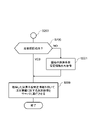
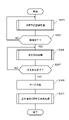
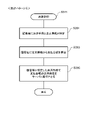
- FIG. 1 It is a figure which conceptually shows the system configuration of the ordering system which concerns on embodiment of this invention. It is a block diagram which illustrates the hardware composition of the computer which realizes an order terminal. It is a functional block diagram which shows the logical structure of the order terminal which concerns on this embodiment. It is a flowchart which shows the operation example of the order terminal of this embodiment. It is a flowchart which shows the example of the procedure of the advance preparation in the user terminal of the customer who uses this ordering system. It is a figure for demonstrating the registration process of the person identification information of the procedure P5 of FIG. It is a flowchart which shows an example of payment authentication processing. It is a figure which shows the display example of the screen at the time of payment authentication processing.
- acquisition means that the own device retrieves data or information stored in another device or storage medium (active acquisition), and is output to the own device from the other device. Includes at least one of entering data or information (passive acquisition).
- active acquisition include requesting or inquiring about other devices and receiving the reply, and accessing and reading other devices or storage media.
- passive acquisition may be receiving information to be delivered (or transmitted, push notification, etc.).
- acquisition may be to select and acquire the received data or information, or to select and receive the delivered data or information.
- FIG. 1 is a diagram conceptually showing a system configuration of an ordering system 1 according to an embodiment of the present invention.
- the ordering system 1 includes an order terminal 100 and a store device 30.
- the order terminal (terminal device) 100 is a terminal that accepts an order of customer C at a store such as a restaurant or a pub, and is, for example, a dedicated terminal device or a tablet terminal.
- a store such as a restaurant or a pub
- a dedicated terminal device or a tablet terminal For example, at least one order terminal 100 is arranged for each table in the store.
- the order terminal 100 is a self-order terminal that the customer C operates by himself / herself to place an order.
- the order terminal 100 has a storage device 120 (not shown).
- the order terminal 100 can be connected to the store device 30 and the store clerk terminal 50 via the communication network 2. Alternatively, the order terminal 100, the store device 30, and the store clerk terminal 50 may be able to directly communicate wirelessly with each other.
- the order terminal 100 transmits the received order information of the customer C to the store apparatus 30 via the communication network 2.
- the store device 30 may have a function of receiving the order information of the customer C and transmitting it to the kitchen as an instruction to start cooking.
- the store device 30 is a server device that manages the order of the store.
- the store device 30 has a storage device 32 that stores various data related to the store.
- the clerk terminal 50 is a mobile terminal used by the clerk S of the store, and may be, for example, a smartphone, a tablet terminal, or a handy terminal for accepting orders.
- the user terminal 10 is a mobile terminal owned or used by customer C, for example, a smartphone or a tablet terminal.
- the order terminal 100 can be further connected to a predetermined payment server 200, and can be connected to a payment server 200 corresponding to the payment means used by the customer C received by the order terminal 100 to execute the payment process.
- payment server 200 Although only one payment server 200 is included in the figure, there may be a plurality of payment methods that can be used by customer C at the store. By supporting various payment methods, the store can improve the convenience of customer C.
- the payment method used by the customer C is a means for processing the payment of the price paid to the store by the customer C using a predetermined electronic payment service.
- An example is a payment method using an electronic payment service using a QR code (registered trademark), but the present invention is not limited to this.
- it is an electronic payment service using the user terminal 10, it may be another payment means, and for example, it may perform electronic payment processing by a credit card linked to the user terminal 10.
- FIG. 2 is a block diagram illustrating a hardware configuration of a computer 1000 that realizes an order terminal 100. Further, the user terminal 10, the store device 30, the store clerk terminal 50, and the payment server 200 of FIG. 1 are also realized by the computer 1000.
- the computer 1000 has a bus 1010, a processor 1020, a memory 1030, a storage device 1040, an input / output interface 1050, and a network interface 1060.
- the bus 1010 is a data transmission path for the processor 1020, the memory 1030, the storage device 1040, the input / output interface 1050, and the network interface 1060 to transmit and receive data to and from each other.
- the method of connecting the processors 1020 and the like to each other is not limited to the bus connection.
- the processor 1020 is a processor realized by a CPU (Central Processing Unit), a GPU (Graphics Processing Unit), or the like.
- the memory 1030 is a main storage device realized by a RAM (RandomAccessMemory) or the like.
- the storage device 1040 is an auxiliary storage device realized by an HDD (Hard Disk Drive), SSD (Solid State Drive), memory card, ROM (Read Only Memory), or the like.
- the storage device 1040 stores a program module that realizes each function of the order terminal 100 (for example, an authentication unit 102, a reception unit 104, a payment unit 106, etc., which will be described later).
- the processor 1020 reads each of these program modules into the memory 1030 and executes them, each function corresponding to the program module is realized. Further, the storage device 1040 may store each data of the storage device 120 of the order terminal 100.
- the program module may be recorded on a recording medium.
- the recording medium for recording the program module includes a medium that can be used by the non-temporary tangible computer 1000, and the program code readable by the computer 1000 (processor 1020) may be embedded in the medium.
- the order terminal 100 is configured to access a server (for example, a store server or a web server) and operate the functions of each component of FIG. 3 realized on the server on the order terminal 100. May be good.
- a server for example, a store server or a web server
- the input / output interface 1050 is an interface for connecting the computer 1000 and various input / output devices.
- the input / output interface 1050 also functions as a communication interface for short-range wireless communication such as Bluetooth (registered trademark) and NFC (Near Field Communication).
- the network interface 1060 is an interface for connecting the computer 1000 to the communication network 2 (FIG. 1).
- the communication network 2 is, for example, a LAN (Local Area Network) or a WAN (Wide Area Network).
- the network interface 1060 is connected to the communication network 2 using a public line via a base station using various communication methods such as 4G (4th Generation), 5G (5th Generation), and WiMAX (Worldwide Interoperability for Microwave Access). It may be an interface for doing so.
- the method of connecting the network interface 1060 to the communication network 2 may be a wireless connection or a wired connection.
- the computer 1000 uses the necessary devices (for example, the display 130, the display 12 (touch panel), the operation buttons, the speaker, the microphone, and the order terminal 100 or the user terminal 10 of the order terminal 100 or the user terminal 10) via the input / output interface 1050 or the network interface 1060.
- a camera and / or a sensor that acquires the biometric information of customer C such as a fingerprint sensor).
- the order terminal 100 or the user terminal 10 obtains the face image of the customer C or the personal identification information which is the feature amount of the face extracted from the face image used for performing the authentication process of the identity verification of the customer C. get.
- the face image (feature amount of the face) of a person is used as the person identification information to perform the authentication process, but other biometric authentication information may be used to perform the authentication process.
- the biometric information includes, for example, at least one feature quantity such as an iris, a vein, a pinna, a fingerprint, and a voiceprint. A plurality of biometric authentication information may be combined to perform authentication processing as personal identification information.
- the order terminal 100 and the user terminal 10 may each include an image recognition processing unit (not shown) in order to perform authentication processing using images.
- the image recognition processing unit may be installed in the order terminal 100 and the user terminal 10 as one of the program modules that realize the functions.
- the image recognition processing unit is realized by a server device (not shown) provided outside the order terminal 100 or the user terminal 10, and the order terminal 100 or the user terminal 10 is the server via the communication network 2. An image may be transmitted to the device to execute the image recognition process.
- the guidance screen for photographing the face of the customer C by using the camera of the user terminal 10 or the order terminal 100 is displayed on the user terminal 10 or the order terminal 100. Show on the display.
- a sensor suitable for acquiring the biometric authentication information is used. For example, when fingerprints are used, fingerprint information is acquired using the fingerprint sensor of the user terminal 10 or the order terminal 100.
- fingerprint information is acquired using the fingerprint sensor of the user terminal 10 or the order terminal 100.
- voiceprint the voice of the customer C is collected by using the microphone of the user terminal 10 or the order terminal 100, and the voiceprint information is acquired.
- the camera includes an image sensor such as a lens and a CCD (Charge Coupled Device) image sensor.
- the image generated by the camera is preferably a moving image, but may be a frame image at predetermined intervals or a still image.
- FIG. 3 is a functional block diagram showing a logical configuration of the order terminal 100 according to the present embodiment.
- Each component of the order terminal 100 of the present embodiment of FIG. 3 is realized by any combination of hardware and software of the computer 1000 of FIG. And, it is understood by those skilled in the art that there are various variations in the method of realizing the device and the device.
- the functional block diagram showing the information processing apparatus of each embodiment described below shows a block of logical functional units, not a configuration of hardware units.
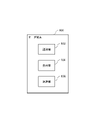
- the order terminal 100 includes an authentication unit 102, a reception unit 104, and a settlement unit 106.
- the authentication unit 102 Before receiving the order information from the customer C, the authentication unit 102 transmits the payment method specific information of the customer C to the payment server 200 that authenticates the payment method, and causes the payment server 200 to execute a predetermined payment process. Authenticate the payment method.
- the reception unit 104 receives the order information of the customer C after the authentication is successful.
- the settlement unit 106 causes the settlement server 200 to execute a settlement process related to the order information using the acquired settlement means specific information.
- the payment method identification information is, for example, QR code payment or credit card identification information, and this identification information includes identification information that indicates the payment method and can identify the customer C who is the user of the payment method. That is, when the payment method identification information and the payment amount are transmitted to the payment server 200 corresponding to the payment method together with the request for payment processing based on the payment method specific information, the payment processing is sent to the payment server 200. Can be done.
- the personal identification information stored in the storage unit (memory 1030 or storage device 1040) of the user terminal 10 is, for example, the personal identification confirmed by eKYC (electronicKnowYourCustomer) in the personal identification information registration procedure described later. It is the face photograph data or the feature amount of the face. As described above, the personal identification information may include at least one feature amount of other biometric information such as iris, vein, pinna, fingerprint, voice print and the like.
- the order information of customer C is, for example, information indicating the order contents of meals, drinks, or services (drink bar, plate, hand towel, etc.) at a restaurant.
- the order terminal 100 displays an order screen for accepting the order of the customer C on the display 130 of the order terminal 100, and the customer C operates a GUI (Graphical User Interface) such as an operation button, an icon, and a drum roll from the menu. Accepts the selected product and the quantity of the product specified by customer C.
- GUI Graphic User Interface
- the method of accepting orders is not limited to these, and various methods can be used.
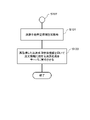
- FIG. 4 is a flowchart showing an operation example of the order terminal 100 of the present embodiment.
- the authentication unit 102 acquires the payment method identification information of the customer C (step S101).
- the QR code on which the payment means specific information displayed on the user terminal 10 of the customer C is recorded is captured by the camera of the order terminal 100, and the QR code is read from the captured image.
- the display 130 of the order terminal 100 displays a guidance screen for reading the QR code from the user terminal 10. Customer C can read the QR code according to the guidance.
- the QR code may be read using a QR code reader connected to the order terminal 100.
- the authentication unit 102 acquires the detection means specific information from the read QR code.
- the authentication unit 102 may receive credit card information or the like recorded on the non-contact IC card of the user terminal 10 as payment means specific information by wireless communication such as NFC (Near Field Communication).
- the authentication unit 102 transmits the payment method specific information acquired in step S101 to the payment server 200, and executes a predetermined payment process (step S103).
- the payment server 200 is a server capable of performing payment processing by the payment means indicated by the payment means specific information of the customer C.
- the authentication unit 102 identifies the payment server 200 capable of performing payment processing by the payment means indicated by the acquired payment method identification information, and transmits the identification information of the specified customer C's payment means to the payment server 200. And request the prescribed payment processing.
- the predetermined settlement process is, for example, a settlement process (also referred to as an empty settlement process or a 0 yen settlement process) in which the payment amount is a predetermined amount (for example, the minimum amount such as 0 yen or 1 yen).
- a settlement process also referred to as an empty settlement process or a 0 yen settlement process
- the payment amount is a predetermined amount (for example, the minimum amount such as 0 yen or 1 yen).
- the flat-rate charge may be settled in the payment amount (also referred to as provisional settlement processing or reservation settlement processing). ..
- the authentication unit 102 receives the result of executing the predetermined payment process on the payment server 200 using the payment means of the customer C.
- the authentication result indicating that the payment authentication is successful is returned from the payment server 200 to the order terminal 100.
- the authentication unit 102 transmits to the payment server 200 that the payment amount is 0 yen in the predetermined payment processing together with the payment request information requesting the payment.
- the condition for successful authentication is that the settlement has been completed.
- the authentication result indicating that the payment authentication has failed is returned from the payment server 200 to the order terminal 100. If the payment process is not completed normally, the payment method that customer C tried to use cannot be used. Therefore, since the payment means cannot be used by the order terminal 100, the customer C may be notified that the authentication process needs to be performed using another payment means.
- the order terminal 100 may notify at least one of the store device 30 and the clerk terminal 50 that the payment authentication of the customer C has failed.
- the store device 30 may record the information notified from the order terminal 100 in the storage device 32. For example, the identification information of the order terminal 100, the face photograph of the customer C taken by the camera of the order terminal 100, the information of the feature amount of the face, the date and time, the information of the payment method used for the authentication, and the authentication result. , May be associated and stored.
- the authentication unit 102 stores the payment means specific information in the storage device 120 and proceeds to step S107.
- the order acceptance process by the reception unit 104 is started.
- the payment means specific information is stored in the storage device 120, but in the second embodiment described later, the customer C is settled again at the time of payment processing at the time of accounting. In order to acquire the means specific information, the payment means specific information does not have to be stored in the storage device 120.
- the customer C who acquired the payment method identification information in step S101 is used at the time of accounting.
- a message indicating that the information is used is displayed on the display 130 of the order terminal 100.
- the payment means specific information can be used in the payment process in step S109. If the press of the consent button is not accepted, the guidance screen is displayed on the order terminal 100, and the QR code 310 is displayed on the user terminal 10 again in the same manner as in the configuration of the second embodiment described later. Further, the guidance screen presents a method of reading the QR code displayed on the user terminal 10 using the camera of the order terminal 100.
- the authentication unit 102 ends this process. At this time, it is preferable that the order terminal 100 performs the above-mentioned notification process.
- step S107 the reception unit 104 receives the order operation by the customer C.
- Customer C can place an order by operating the screen displayed on the display 130 of the order terminal 100.
- the settlement unit 106 performs the settlement processing of the payment amount of the customer C by using the settlement means specific information indicating the settlement means acquired in step S101 and the settlement authentication in step S103 is normally completed (step S109). ..
- the payment processing is performed with the amount obtained by subtracting the amount already settled in step S103.
- the timing of accounting is exemplified below, but is not limited to these. The following plural may be combined.
- (1) When a press of an accounting button or the like for performing accounting processing is accepted on the operation screen of the order terminal 100
- the ordering terminal 100 may be notified that the pressing of the accounting button has been accepted by the user terminal 10 via the server of the ordering system 1. . Alternatively, the user terminal 10 may directly notify the order terminal 100 by wireless communication.
- the biometric information of the customer C (for example, the feature amount of the face) is acquired and stored in the biometric information and the storage device 120.
- the personal identification information is collated and the authentication is successful (the payment process is performed by the payment method indicated by the payment method specific information associated with the successful personal identification information).
- the operation of the customer C is unnecessary, and the payment process is automatically performed after the customer C finishes eating and drinking and leaves the store. However, in this case, it is displayed on the screen displayed on the user terminal 10 or the order terminal 100 in order to obtain the consent of the customer C in advance when the authentication unit 102 performs the predetermined payment processing at the time of entering the store. Accept the press of the consent button.
- connection status between the user terminal 10 of customer C and the order terminal 100 or a predetermined communication device is monitored, and the connection is continuously disconnected for a predetermined time or longer. If so, it may be determined that the customer C has left the store.
- a predetermined communication device such as an access point of Wi-Fi (Wireless Fidelity)
- Wi-Fi Wireless Fidelity
- the customer C may be tracked by a surveillance camera installed in the store or the like to detect the exit of the store.
- FIG. 5 is a flowchart showing an example of a preparatory procedure in the user terminal 10 of the customer C who uses the ordering system 1.
- an application for using the ordering system 1 is installed on the user terminal 10 (procedure P1).
- the ordering system 1 may be available by accessing a predetermined website via a browser.
- account information for example, a user name and password
- the account information of a predetermined SNS may be registered.
- the registration process of the identity identification information used for identity verification is performed (procedure P5). Details will be described later.
- the advance preparation is completed.
- the ordering system 1 can be used by starting the application (procedure P11) or logging in to a predetermined website.
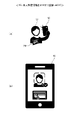
- FIG. 6 is a diagram for explaining the registration process of the personal identification information in the procedure P5 of FIG.
- the customer C is posted on the identification card 70 with a face photo together with his / her face using the camera of the user terminal 10, for example, on the face of a driver's license or My Number card. Take a photo of your face.
- FIG. 6B shows an image of the person's face and an image of the ID card 70 including the face photo of the face of the ID card 70 taken into the user terminal 10.
- the registration process of the personal identification information may be performed by installing an application for identity verification (eKYC) on the user terminal 10, or may be performed on a predetermined website via a browser.
- eKYC application for identity verification
- the face image of the customer C himself and the face feature amount extracted from each of the face photographs of the ID card 70 are collated.
- the authenticated facial feature amount is stored in the storage unit of the user terminal 10 as the person identification information.
- FIG. 7 is a flowchart showing an example of the payment authentication process.
- the customer C activates the application of the ordering system 1 on the user terminal 10.
- the payment method that the customer C intends to use is registered in order to register the person who performs the accounting, that is, the electronic payment method used for paying the price related to the use of the store.
- Performs authentication processing also called payment authentication processing.
- the guidance screen 300 for performing payment authentication is displayed on the display 12 of the user terminal 10.
- the identity verification process of FIG. 7 may be executed by the system of each payment means. That is, in the payment means system to be used by the customer C, the identity verification process may be performed by using the user terminal 10 before using the payment means.
- step S11 the authentication process
- the personal identification information registered in the user terminal 10 in advance is collated with the facial feature amount captured by the camera.
- a video is shot and liveness verification is performed. Is preferable.
- the user terminal 10 is attached to the user terminal 10 for payment as shown in FIG. 8 (b). QR code 310 is displayed (step S15).
- the guidance screen 400 for reading the QR code 310 from the user terminal 10 is displayed by the authentication unit 102.
- the QR code 310 displayed on the user terminal 10 is photographed and read by the camera of the order terminal 100 (step S17).
- FIG. 8C shows an example in which the QR code 410 is displayed on the screen 400 in which the QR code 310 displayed on the user terminal 10 of the customer C is captured by the order terminal 100.
- step S101 in FIG. 4 described above the authentication unit 102 acquires the payment method identification information acquired from the QR code 310.
- the payment server 200 corresponding to the payment method is used.
- Send payment information (payment amount of 0 yen and identification information of customer C's payment means).
- the authentication result indicating that the payment means has been authenticated is returned to the order terminal 100.
- the order terminal 100 receives the authentication result indicating that the payment process is successful, the order screen is displayed and the customer C is made to input the order.
- the authentication unit 102 transmits the payment method specific information of the customer C to the server that authenticates the payment method before receiving the order information from the customer C, and performs a predetermined payment process. (For example, 0 yen payment processing) is executed by the payment server 200 to execute authentication related to the payment means.
- the reception unit 104 receives the order information of the customer C after the authentication is successful.
- the settlement unit 106 causes the settlement server 200 to execute a settlement process related to the order information using the acquired settlement means specific information.
- the customer C can perform the payment processing by himself / herself, so that the labor required for the payment at the store can be reduced.
- the payment process can be performed by the payment method of the customer C before the order is placed, and the payment process of the order information can be performed using the payment method specific information acquired at that time, so that the certainty of the payment is ensured. can do.
- the clerk S When exchanging cash, the clerk S must serve customers, but according to this embodiment, the clerk S does not need to serve customers because it is a cashless payment. According to this embodiment, since customer C can execute order reception and payment processing at a restaurant simply by operating the order terminal 100 by himself / herself, it can contribute to labor saving, reduce labor costs and eliminate labor shortages. can. In addition, since cashless payment does not require touching coin banknotes, there is a possibility that the risk of infection such as infectious diseases can be reduced.
- the QR code is not re-presented or reloaded in the settlement process at the time of accounting.
- the QR code is re-presented and reloaded in the settlement process at the time of accounting. Since the configuration of the order terminal 100 is the same as that of the first embodiment, it will be described with reference to FIG. The configuration of this embodiment can be combined with at least one of the other embodiments described later to the extent that there is no contradiction.
- the settlement unit 106 of the present embodiment makes a settlement regarding the order information
- the settlement means specific information is acquired again from the user terminal 10 of the customer C.
- FIG. 9 is a flowchart showing a part of an operation example of the order terminal 100 of the present embodiment. It is executed after step S107 of the flowchart of FIG. 4 showing the operation of the first embodiment is executed. That is, the settlement processing in steps S121 and S123 is executed when the customer C finishes the order processing (step S107) and performs accounting when leaving the store.
- the timing of performing this settlement process may be the same as any one of (1) and (2) by the operation of the customer C among the timings described in the first embodiment.
- Customer C performs payment authentication processing on the user terminal 10 in the same manner as the flow of FIG. 7 before accounting.
- the screen 300 for performing the payment process using the same payment method (however, another payment method may be used) used for the payment authentication process at the time of visiting the store is displayed on the display 12 of the user terminal 10.
- step S11 in FIG. 7 If the authentication is successful (YES in step S13 of FIG. 7), the QR code 310 used for accounting processing using the payment means is displayed on the screen 300 (step S15 of FIG. 7).
- the customer C has the camera of the order terminal 100 take a picture of the QR code 310 displayed on the user terminal 10.
- the authentication unit 102 of the order terminal 100 photographs the QR code 310 displayed on the user terminal 10 and acquires the payment method specific information for accounting processing (step S121).
- the settlement unit 106 causes the settlement server 200 to execute the settlement process regarding the order information of the customer C (information indicating the order contents received by the order terminal 100) using the settlement means identification information acquired in step S121 (step). S123).
- the identification information and payment amount of the payment method of the customer C and the payment request are transmitted to the payment server 200 corresponding to the payment method indicated by the payment method specific information.
- the payment server 200 performs payment processing of the payment amount based on the identification information of the payment means of the customer C in accordance with the payment request.
- the payment processing result may be transmitted to the order terminal 100 and may also be transmitted to the destination registered in advance by the customer C (for example, the e-mail address of the user terminal 10).
- the settlement unit 106 when the settlement unit 106 performs the settlement process related to the order information, the QR code 310 for settlement is read again from the user terminal 10 of the customer C, and the settlement means identification information is acquired. Therefore, the payment method used for payment can be obtained and used by the customer C at the time of accounting.
- the customer C may perform accounting by a payment method different from the payment method used for the payment authentication at the time of visiting the store, which is convenient for the customer C.
- the consent of customer C is obtained for each payment process, there is a possibility that unauthorized use by others can be effectively prevented.
- the order terminal 100 of the present embodiment is different from the above embodiment in that it has a configuration of acquiring the personal identification information of the customer C together with the payment means specific information from the user terminal 10. Since the order terminal 100 of the present embodiment has the same configuration as the order terminal 100 of FIG. 3, it will be described with reference to FIG.
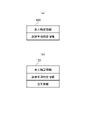
- the authentication unit 102 acquires the personal identification information of the customer C together with the payment means specific information, associates the personal identification information with the payment means specific information, and stores the personal identification information in the storage device 120 (FIG. 10A).
- the reception unit 104 acquires the biometric information of the customer C, collates the acquired biometric information with the personal identification information stored in the storage device 120, and matches the biometric information.
- the received order information is associated with the person identification information and stored in the storage device 120 (FIG. 10B).
- the settlement unit 106 uses the settlement means specific information associated with the acquired personal identification information to settle the order information associated with the customer C's personal identification information. Is executed by the payment server 200.
- FIG. 11 is a flowchart showing an operation example of the order terminal 100 of the present embodiment.
- the flow of FIG. 11 has the same steps S103 and S105 as the flow of FIG. 4 of the order terminal 100 of the first embodiment, and further has steps S201 to S209. The same steps as in FIG. 4 will be briefly described.
- the authentication unit 102 acquires the payment method identification information of the customer C and the person identification information (step S201).
- the QR code 310 displayed on the user terminal 10 of the customer C records the personal identification information of the customer C together with the payment means identification information. That is, in step S15 of FIG. 7, the QR code 310 in which the personal identification information is recorded is displayed on the display 12 of the user terminal 10 together with the payment means identification information of the customer C.
- the personal identification information is, for example, a feature amount of the face of customer C.
- the authentication unit 102 associates the acquired personal identification information with the payment means specific information and stores them in the storage device 120 (FIG. 10A).
- the authentication unit 102 transmits the payment method specific information acquired in step S101 to the corresponding payment server 200, and executes a predetermined payment process (step S103). If the authentication is successful (YES in step S105), the order acceptance process by the reception unit 104 is started. If authentication fails (NO in step S105), this process ends. At this time, the order terminal 100 again presents the message notifying the customer C that the authentication of the payment method has failed and the registration was not possible, and the QR code 310 of the other payment method in order to register the other payment method. The message to be displayed may be displayed on the display 130.
- customer C can place an order by operating the screen displayed on the display 130 of the order terminal 100.
- the authentication unit 102 of the order terminal 100 captures the face of the customer C performing the ordering operation with the camera of the order terminal 100, and acquires the feature amount of the face of the customer C from the captured image. Then, the authentication unit 102 collates the acquired facial feature amount of the customer C with the personal identification information (face feature amount) stored in the storage device 120 (FIG. 10A).
- the authentication unit 102 may output a message notifying the customer C that the order cannot be accepted because the biometric authentication has failed (display on the display 130, voice output from the speaker, or the like). Further, information indicating that the authentication of the customer C has failed may be transmitted to the store device 30 or the store clerk terminal 50.
- the reception unit 104 associates the order information received by the operation of the customer C with the payment method specific information associated with the personal identification information that was successfully authenticated in step S205. It is stored in the storage device 120 (FIG. 10 (b)) (step S207).
- the settlement unit 106 causes the settlement server 200 to execute the settlement process related to the order information of the customer C by using the settlement means indicated by the settlement means specific information associated with the order information of the customer C in step S207 (step). S209).
- the payment processing is performed with the amount obtained by subtracting the amount already settled in step S103.
- the timing of accounting in this embodiment can be any of the timings (1) to (4) described in the first embodiment.
- the authentication unit 102 acquires the personal identification information of the customer C together with the payment method identification information in the QR code 310, and further acquires the feature amount of the face of the customer C during the order operation. If it is verified against the personal identification information, the order will be accepted, and if it is not authenticated, the order cannot be placed. Therefore, there is a possibility that spoofing by another person can be prevented.
- Modified mode of the third embodiment is that the third embodiment has a configuration in which the QR code is read again to acquire the payment method specific information and the accounting process is performed when the biometric authentication fails.
- the difference is the same as that of the third embodiment except that.
- FIG. 12 is a flowchart showing a part of an operation example of the order terminal 100 according to the modified embodiment of the third embodiment.
- the flow of FIG. 12 further includes step S221 after performing the biometric authentication process of customer C in step S203 of FIG.
- the authentication unit 102 acquires the payment means identification information of the customer C again (step S221).
- a guidance screen (not shown) is displayed on the display 130 of the order terminal 100, and the user terminal 10 is instructed to display and read the QR code 310 of the payment means to be used again.
- the customer C performs the identity verification process (step S11) of FIG. 7 on the user terminal 10 and then displays the QR code 310 (step S15).
- the payment unit 106 of the order terminal 100 captures the QR code 310 displayed on the display 12 of the user terminal 10 using a camera, and acquires payment means identification information from the QR code 310. Then, the settlement unit 106 causes the settlement server 200 to execute the settlement process related to the order information by using the settlement means identification information acquired in step S221 (step S209).
- the customer C is asked again.
- the payment method specific information can be acquired by presenting and reading the QR code 310 in which the payment method specific information is recorded.
- the settlement unit 106 can perform settlement processing related to the order information using the acquired settlement means specific information.
- the present embodiment is the same as the configuration of the third embodiment except that a plurality of customers C can place an order using the same order terminal 100 and perform accounting by splitting the bill. Since the configuration of the order terminal 100 is the same as that of the first embodiment, it will be described with reference to FIG.
- the authentication unit 102 acquires the payment method identification information and the person identification information for each customer C for each of the plurality of customers C. Specifically, the authentication unit 102 reads the QR code 310 displayed on the display 130 of the order terminal 100 of each customer C, and acquires the payment means identification information and the person identification information from the QR code 310.
- the QR code 310 does not have to be read for the customer C who does not pay the price.
- the acquired payment method identification information and the person identification information are stored in the storage device 120 (FIG. 10A) for the number of customers C who have acquired the information.
- the reception unit 104 photographs the face of the customer C who is placing an order with the order terminal 100 by using a camera, and the feature amount of the face of the captured image and the personal identification information (face) of the customer C stored in the storage device 120. Collate with the feature amount). Then, the reception unit 104 identifies the payment method specific information associated with the person identification information having a degree of coincidence equal to or higher than the threshold value with the captured image, and the order information of the customer C is added to the specified payment method specific information. Is associated and stored in the storage device 120 (FIG. 10 (b)).
- the settlement unit 106 setstles the settlement process related to the order information of the customer C associated with the settlement means specific information by using the settlement means indicated by the settlement means identification information of the customer C for each customer C. Let the server 200 execute it.
- FIG. 13 is a flowchart showing an operation example of the order terminal 100 of the present embodiment.
- the QR code 310 displayed on the user terminal 10 of each customer C records the personal identification information of the customer C together with the payment means identification information.
- each customer C causes the user terminal 10 to display the QR code 310.
- the person identification information is recorded together with the payment means identification information of the customer C.
- the personal identification information is, for example, a feature amount of the face of the customer C.
- step S301 registration processing of the payment method used by each customer C for accounting is performed. Details will be described later.
- the registration completion button for ending the registration process of the payment means is accepted on the screen 400 (NO in step S303)
- the payment means registration process in step S301 is repeated for each customer C.
- the authentication unit 102 accepts the pressing of the registration completion button on the screen 400, so that the authentication unit 102 performs the payment method registration process. It ends (YES in step S303).
- the reception unit 104 starts the order reception process (step S305).
- the order acceptance screen is displayed on the order terminal 100.
- the details of the order acceptance process will be described later.
- the order acceptance process in step S305 is continued until the order confirmation button on the order screen is accepted after the order for the customer C has been accepted (NO in step S307).
- the reception unit 104 ends the order acceptance process by accepting the pressing of the order confirmation button on the order screen (YES in step S307).
- the reception unit 104 transmits the order information as order information to the store device 30 (step S309).
- the order information is transmitted to the kitchen and cooking is started.
- step S305 the settlement unit 106 performs the settlement processing related to the order information received in step S305 (step S311). Details will be described later.
- FIG. 14 is a flowchart showing a detailed operation example of the payment means registration process in step S301 of FIG.
- the authentication unit 102 captures the QR code 310 displayed on the user terminal 10 of the customer C for each customer C by using the camera of the order terminal 100 to obtain the payment method identification information of the customer C and the payment means identification information.
- Acquire personal identification information step S321.
- the authentication unit 102 associates the personal identification information acquired from the QR code 310 displayed on the user terminal 10 of each customer C with the payment means specific information and stores them in the storage device 120 (FIG. 10A).
- the authentication unit 102 transmits the payment method identification information of the customer C acquired in step S321 to the payment server 200 corresponding to the payment method indicated by the payment method identification information, and performs a predetermined payment process (for example, 0). Yen settlement processing) is executed (step S323). If the settlement authentication of the customer C is successful (YES in step S325), the reception unit 104 can accept the order of the customer C, waits for the start of the order acceptance process, and returns to FIG.
- a predetermined payment process for example, 0
- step S303 of FIG. 13 steps S321 to S325 of FIG. 14 are repeated for the number of other customers C until the registration completion button is pressed.
- the registration process of the payment means of the plurality of customers C is performed, and the personal identification information acquired from the QR codes 310 of the plurality of customers C and the payment method identification information are associated with each other and stored in the storage device 120 (FIG. 10A). Each will be remembered.
- the customer is notified that the authentication failed (step S327). Specifically, a message is output (displayed or voice output) to the order terminal 100 to inform the customer C that the authentication of the payment means has failed and that the registration is recommended to be redone with another payment means. Further, the information of the authentication failure may be notified to the store device 30 or the store clerk terminal 50.
- the authentication failure information may include, for example, information such as identification information of the order terminal 100 (for example, including a table number), date and time, and information of the acquired QR code 310. Further, since the payment method specific information of the customer C is not registered in the storage device 120, the customer C will eventually make the payment by payment by another method such as cash.
- step S311 the payment process in step S311 is started.
- the timing for starting the payment process may be any of the above (1) to (4), and the customer C does not necessarily have to finish the meal or leave the store.
- FIG. 15 is a flowchart showing a detailed operation example of the payment process in step S311 of FIG.
- the settlement unit 106 acquires the number of settlement means registered in the storage device 120 in step S301, and divides the total amount of the price calculated based on the order information received in step S305 by the number of registrations of the settlement means. , Calculate the split bill (step S381).
- the settlement server 200 corresponding to the settlement means is made to execute the settlement process by using the settlement means registered in step S301 (step S383).
- the pattern (B) is used, and the payment is made using the payment method of the representative.
- the pattern is (A), and the price can be split evenly and paid by each registered payment method.
- FIG. 16 is a flowchart showing a detailed operation example of the order acceptance process in step S305 of FIG.
- the reception unit 104 displays the order acceptance screen on the display 130 of the order terminal 100, and accepts the order operation of the customer C (step S341).
- the authentication unit 102 photographs the face of the customer C who is performing the order operation on the order terminal 100 with the camera of the order terminal 100, and the customer.
- the captured image of the face of C is stored in the storage device 120 (FIG. 17A) in association with the order information received in step S341 (step S343).
- the authentication unit 102 executes the biometric authentication process of the customer C using the face image of the customer C (step S345). Specifically, the authentication unit 102 captures the face of the customer C performing the ordering operation on the order terminal 100 with the camera of the order terminal 100, and acquires the feature amount of the face of the customer C from the captured image. Then, the authentication unit 102 collates the acquired facial feature amount of the customer C with the personal identification information (face feature amount) stored in the storage device 120 (FIG. 10A).
- step S347 the authentication unit 102 identifies the payment method specific information associated with the person identification information that has been successfully authenticated, and associates the payment method specific information with the order information recorded in step S343 (FIG. 17). (B)) (step S349).
- step S349 is bypassed.
- the authentication unit 102 captures the customer C operating on the order terminal 100 with a camera and performs face recognition, so that the customer C of the orderer operating the order terminal 100 has been changed. Is detected (step S351). Until the orderer is changed (NO in step S351), the process returns to step S341 and the order acceptance process is repeated. At this time, the biometric authentication in step S345 may bypass the process if there is no change in the orderer. In that case, the information about the success or failure of the biometric authentication of the customer C is retained, the information (face photograph) to be stored in association with the received order information is specified, and the order information of the customer C is continuously recorded.
- step S351 When it is detected by the authentication unit 102 that the orderer operating the order terminal 100 has changed (YES in step S351), this process is terminated and the process returns to FIG.
- step S307 of FIG. 13 steps S341 to S351 of FIG. 16 are repeated for the number of orderers for the other customer C until the press of the order confirmation button is accepted.
- the order acceptance process of the plurality of customers C is performed, and the facial photographs of the respective customers C are associated with the order information of the plurality of customers C and stored in the storage device 120 (FIG. 17A).
- the information is transmitted to the store apparatus 30 as order information (step S309).
- the store device 30 receives the order information, the order information is transmitted to the kitchen and cooking is started.
- the store clerk 30 transmits the order information and the face photo in association with the clerk terminal 50.
- the clerk S can serve the ordered product and the customer C without making a mistake.
- FIG. 18 is a flowchart showing another detailed operation example of the payment process in step S311 of FIG.
- This example is (C) of the above-mentioned accounting pattern, which is a pattern in which the customer C pays the price for each order.
- the timing at which this process is executed can be any of the above-mentioned accounting timings (1) to (4).
- the payment unit 106 specifies the payment method identification information associated with the order information in the storage device 120 (FIG. 17B) for each customer C, and uses the payment means for payment of the customer C's price. (Step S391).
- the settlement unit 106 calculates the payment amount of the customer C from the order information of the customer C (step S393).
- the payment amount may be calculated by the store device 30.
- the order terminal 100 may acquire the payment amount calculated by the store device 30.
- the settlement unit 106 causes the settlement server 200 corresponding to the settlement means of the customer C to execute the settlement process of the payment amount calculated in the step S393 by using the settlement means of the customer C specified in step S391 (step S395). ). Specifically, the payment request, the identification information of the payment means of the customer C, and the payment amount are transmitted to the payment server 200.
- each customer C can pay the price for the product ordered by the customer C by the payment method of the customer C.
- FIG. 19 is a flowchart showing still another detailed operation example of the payment process in step S311 of FIG.
- the settlement means registration process in step S301 and the order acceptance process in step S305 are the same as the accounting pattern in (A) above, and thus the description thereof will be omitted.
- the payment unit 106 displays the split bill setting screen on the display 130 of the order terminal 100.
- the settlement unit 106 displays a face photograph of the customer C in which the settlement means specific information stored in the storage device 120 of FIG. 17B is registered on the split bill setting screen, and the split bill amount or the split bill amount for each customer C.
- the input of the split bill ratio is accepted (step S401).
- the split bill setting screen may display the payment amount calculated from the order information associated with the face photo together with the face photo.
- the payment unit 106 further acquires the payment method identification information associated with the order information associated with the face photograph, and specifies the payment method indicated by the payment method identification means (step S403).
- the settlement unit 106 calculates the payment amount for each settlement method using the split bill amount or the split bill ratio received in step S401 (step S405).
- the payment unit 106 may display the payment amount calculated for each face photograph on the payment confirmation screen. Further, information on the payment means specified in step S403 (for example, XX Pay) may be displayed. Then, when the confirmation button on the payment confirmation screen is accepted, the payment amount of each payment means is confirmed.
- the settlement unit 106 In the case of specifying the payment amount, if the total amount is different from the billed amount, the settlement unit 106 notifies the customer C to change the payment amount, or automatically adjusts the payment amount, and after the adjustment. The payment amount of may be notified to the customer C.
- the payment unit 106 causes the payment server 200 corresponding to the payment method to execute the payment processing of the payment amount for each payment method (step S407).
- the authentication unit 102 may estimate the age of customer C from the face image of customer C taken by the camera of the order terminal 100 in the biometric authentication process at the time of order acceptance processing. Then, the authentication unit 102 determines whether or not the estimated age is a drinkable age (for example, an adult) (for example, a minor). If it is determined that the person is not of a drinkable age, the reception unit 104 may deactivate or delete the order button on the order reception screen so that an order for alcoholic beverages or the like cannot be made.
- a drinkable age for example, an adult
- the reception unit 104 may deactivate or delete the order button on the order reception screen so that an order for alcoholic beverages or the like cannot be made.
- the age information of the customer C may be recorded in the QR code 310 together with the personal identification information.
- the age since the information of the identification card can be acquired, for example, the age may be calculated from the information of the date of birth on the face of the ticket and recorded in the QR code 310.
- the order terminal 100 may further include a notification unit (not shown) for transmitting a notification to a predetermined destination when the QR code 310 is generated for the payment means registration process at the time of visiting the store. good.
- a notification unit for transmitting a notification to a predetermined destination when the QR code 310 is generated for the payment means registration process at the time of visiting the store. good.
- customer C registers a predetermined destination, for example, an e-mail address, a mobile phone number, etc. as a notification contact in advance.
- the customer C who has received the notification may access the URL (Uniform Resource Locator) described in the notification and press the approval button to accept the approval operation for the use of the payment means.
- the settlement unit 106 may be configured to be able to use the settlement means only when the approval operation is accepted.
- the authentication unit 102 and the payment unit 106 may enable the use of the payment means only when the approval operation of the customer C is accepted.
- the authentication unit 102 and the payment unit 106 stop using the payment means. Further, the authentication unit 102 or the payment unit 106 may notify the store device 30 and the store clerk terminal 50 that the use of the payment means has not been approved and that there is a risk of unauthorized use.
- Some or all of the above embodiments may also be described, but not limited to: 1.
- authentication Before accepting order information from a customer, authentication for executing authentication related to the payment method by transmitting the customer's payment method specific information to a server that authenticates the payment method and causing the server to execute a predetermined payment process.
- the reception means for receiving the customer's order information and
- a terminal device comprising a payment control means for causing the server to execute a payment process related to the order information using the acquired payment means specific information.
- the payment control means is a terminal device that acquires payment means specific information from the customer's user terminal again when performing payment processing related to the order information.
- the authentication means In the terminal device described in The authentication means is In the predetermined settlement process, the fact that the settlement amount is 0 yen is transmitted to the server together with the settlement request information requesting the settlement. The condition for the success of the authentication is that the payment is completed, the terminal device. 4. 1. 1. From 3. In the terminal device described in any one of The authentication means acquires the customer's personal identification information together with the payment means specific information, associates the personal identification information with the payment means specific information, and stores the information in the storage means. When the reception means is receiving the order information of the customer, the reception means acquires the biometric information of the customer, collates the acquired biometric information with the personal identification information stored in the storage means, and the living body. The person-identifying information that matches the information is associated with the received order information and stored in the storage means.
- the payment control means associates the customer's personal identification information with the payment means specific information associated with the customer's personal identification information acquired when performing the payment processing related to the order information.
- the terminal device Before accepting order information from a customer, the customer's payment method specific information is transmitted to a server that authenticates the payment method, and the server is made to execute a predetermined payment process to execute authentication related to the payment method. After the authentication is successful, the customer's order information is accepted and A payment method for causing the server to execute a payment process related to the order information using the acquired payment means specific information. 7. 6. In the payment method described in The terminal device A payment method for acquiring payment means specific information from the customer's user terminal again when performing payment processing related to the order information. 8. 6. Or 7. In the payment method described in The terminal device In the predetermined settlement process, the fact that the settlement amount is 0 yen is transmitted to the server together with the settlement request information requesting the settlement.
- the condition for the success of the authentication is that the payment is completed, the payment method. 9. 6. From 8.
- the customer's personal identification information is acquired together with the payment means specific information, and the personal identification information is associated with the payment means specific information and stored in a storage means.
- the biometric information of the customer is acquired, the acquired biometric information is collated with the personal identification information stored in the storage means, and the biometric information matches the biometric information.
- the received order information is associated with the person identification information and stored in the storage means.
- the order associated with the customer's personal identification information using the payment means specific information associated with the customer's personal identification information acquired when performing the payment processing for the order information.
- the personal identification information is biometric information.
- the computer is made to execute a procedure of transmitting to the server together with the payment request information requesting payment that the payment amount is 0 yen.
- the condition for the success of the authentication is that the payment is completed, the program. 14. 11. From 13.
- the biometric information of the customer is acquired, the acquired biometric information is collated with the personal identification information stored in the storage means, and the biometric information matches the biometric information.
- Ordering system 2 Communication network 10 User terminal 12 Display 30 Store device 32 Storage device 50 Clerk terminal 70 Identification card 100 Order terminal 102 Authentication unit 104 Reception unit 106 Payment unit 120 Storage device 130 Display 200 Payment server 300 Guidance screen 310 QR code 400 Screen 410 QR Code 1000 Computer 1010 Bus 1020 Processor 1030 Memory 1040 Storage Device 1050 I / O Interface 1060 Network Interface
Landscapes
- Business, Economics & Management (AREA)
- Engineering & Computer Science (AREA)
- Accounting & Taxation (AREA)
- General Business, Economics & Management (AREA)
- General Physics & Mathematics (AREA)
- Theoretical Computer Science (AREA)
- Strategic Management (AREA)
- Physics & Mathematics (AREA)
- Tourism & Hospitality (AREA)
- Computer Networks & Wireless Communication (AREA)
- Finance (AREA)
- Economics (AREA)
- Health & Medical Sciences (AREA)
- Primary Health Care (AREA)
- Computer Security & Cryptography (AREA)
- Marketing (AREA)
- General Health & Medical Sciences (AREA)
- Human Resources & Organizations (AREA)
- Microelectronics & Electronic Packaging (AREA)
- Cash Registers Or Receiving Machines (AREA)
- Financial Or Insurance-Related Operations Such As Payment And Settlement (AREA)
Priority Applications (2)
| Application Number | Priority Date | Filing Date | Title |
|---|---|---|---|
| JP2022556885A JP7761004B2 (ja) | 2020-10-20 | 2021-10-07 | 端末装置、決済方法、およびプログラム |
| US18/030,897 US20230385962A1 (en) | 2020-10-20 | 2021-10-07 | Terminal apparatus, payment method, and program |
Applications Claiming Priority (2)
| Application Number | Priority Date | Filing Date | Title |
|---|---|---|---|
| JP2020175965 | 2020-10-20 | ||
| JP2020-175965 | 2020-10-20 |
Publications (1)
| Publication Number | Publication Date |
|---|---|
| WO2022085469A1 true WO2022085469A1 (ja) | 2022-04-28 |
Family
ID=81290345
Family Applications (1)
| Application Number | Title | Priority Date | Filing Date |
|---|---|---|---|
| PCT/JP2021/037169 Ceased WO2022085469A1 (ja) | 2020-10-20 | 2021-10-07 | 端末装置、決済方法、およびプログラム |
Country Status (3)
| Country | Link |
|---|---|
| US (1) | US20230385962A1 (https=) |
| JP (1) | JP7761004B2 (https=) |
| WO (1) | WO2022085469A1 (https=) |
Cited By (2)
| Publication number | Priority date | Publication date | Assignee | Title |
|---|---|---|---|---|
| US20230162269A1 (en) * | 2021-11-23 | 2023-05-25 | Dola Technology Limited | Method for order processing and system thereof |
| JP2023184013A (ja) * | 2022-06-17 | 2023-12-28 | 株式会社Elements | 年齢推定システムおよび年齢推定方法 |
Families Citing this family (1)
| Publication number | Priority date | Publication date | Assignee | Title |
|---|---|---|---|---|
| US20250094950A1 (en) * | 2023-09-14 | 2025-03-20 | Christopher Russ | Ez-vsf kiosk system |
Citations (2)
| Publication number | Priority date | Publication date | Assignee | Title |
|---|---|---|---|---|
| JP2004287593A (ja) * | 2003-03-19 | 2004-10-14 | Sony Corp | 通信システム、決済管理装置および方法、携帯情報端末および情報処理方法、並びにプログラム |
| JP2020030773A (ja) * | 2018-08-24 | 2020-02-27 | 株式会社エヌ・ティ・ティ・データ | オーダー端末、オーダー決済連携システム、セルフ決済方法、オーダー決済連携方法、オーダー決済連携サーバ及びプログラム |
Family Cites Families (1)
| Publication number | Priority date | Publication date | Assignee | Title |
|---|---|---|---|---|
| JP7129687B2 (ja) | 2018-03-08 | 2022-09-02 | 株式会社五右衛門 | ハウス型電子マネーの管理装置、ハウス型電子マネーの管理方法、及びハウス型電子マネーの管理システム。 |
-
2021
- 2021-10-07 JP JP2022556885A patent/JP7761004B2/ja active Active
- 2021-10-07 WO PCT/JP2021/037169 patent/WO2022085469A1/ja not_active Ceased
- 2021-10-07 US US18/030,897 patent/US20230385962A1/en not_active Abandoned
Patent Citations (2)
| Publication number | Priority date | Publication date | Assignee | Title |
|---|---|---|---|---|
| JP2004287593A (ja) * | 2003-03-19 | 2004-10-14 | Sony Corp | 通信システム、決済管理装置および方法、携帯情報端末および情報処理方法、並びにプログラム |
| JP2020030773A (ja) * | 2018-08-24 | 2020-02-27 | 株式会社エヌ・ティ・ティ・データ | オーダー端末、オーダー決済連携システム、セルフ決済方法、オーダー決済連携方法、オーダー決済連携サーバ及びプログラム |
Cited By (3)
| Publication number | Priority date | Publication date | Assignee | Title |
|---|---|---|---|---|
| US20230162269A1 (en) * | 2021-11-23 | 2023-05-25 | Dola Technology Limited | Method for order processing and system thereof |
| JP2023184013A (ja) * | 2022-06-17 | 2023-12-28 | 株式会社Elements | 年齢推定システムおよび年齢推定方法 |
| JP7846572B2 (ja) | 2022-06-17 | 2026-04-15 | 株式会社Elements | 年齢推定システムおよび年齢推定方法 |
Also Published As
| Publication number | Publication date |
|---|---|
| JPWO2022085469A1 (https=) | 2022-04-28 |
| JP7761004B2 (ja) | 2025-10-28 |
| US20230385962A1 (en) | 2023-11-30 |
Similar Documents
| Publication | Publication Date | Title |
|---|---|---|
| CN107798528B (zh) | 预先验证处理 | |
| JP7524388B2 (ja) | 情報処理装置、店舗システム、プログラム | |
| JP6512272B1 (ja) | 端末装置、サービス申込み受付方法、プログラム | |
| JP7043368B2 (ja) | 承認端末、決済システム及び決済方法 | |
| WO2022085469A1 (ja) | 端末装置、決済方法、およびプログラム | |
| US20170169435A1 (en) | Method and system for authorizing a transaction | |
| CN105741451A (zh) | 信息处理系统及信息处理方法 | |
| US12554818B2 (en) | System, server apparatus, authentication method, and storage medium | |
| JP2024019528A (ja) | 電子レシート発行装置、電子レシート発行方法及びプログラム | |
| JP7136505B1 (ja) | 決済管理装置、決済管理システムおよび決済管理方法 | |
| EP3783577A1 (en) | Checkout system and checkout method | |
| JP2025020326A (ja) | プログラム、情報処理方法、および情報処理システム | |
| US20230334495A1 (en) | Local transaction authorization using biometric information provided by a user device | |
| JP2021163264A (ja) | 情報処理方法、情報処理システム、情報処理装置及び情報処理プログラム | |
| JP7363982B2 (ja) | 認証端末、認証端末の制御方法及びプログラム | |
| US12008544B2 (en) | Method for performing a contactless payment transaction | |
| JP7308709B2 (ja) | 商品販売データ処理装置及びプログラム | |
| WO2022065059A1 (ja) | 認証システム | |
| TWI858912B (zh) | 服務提供系統與方法、記錄媒體及電子墊板 | |
| JP7768353B2 (ja) | 情報処理装置、情報処理方法及びプログラム | |
| JP7740517B2 (ja) | 情報処理装置、情報処理システム、情報処理方法及びプログラム | |
| WO2024261852A1 (ja) | サーバ装置、サーバ装置の制御方法及び記憶媒体 | |
| JP2023126915A (ja) | 決済システム、方法、及び記録媒体 | |
| TWI612499B (zh) | 場地管理方法與場地管理系統 | |
| KR20240048854A (ko) | 무인 판매 서비스 제공 시스템, 무인 판매 서비스 제공 방법 및 기록 매체에 저장된 프로그램 |
Legal Events
| Date | Code | Title | Description |
|---|---|---|---|
| 121 | Ep: the epo has been informed by wipo that ep was designated in this application |
Ref document number: 21882610 Country of ref document: EP Kind code of ref document: A1 |
|
| ENP | Entry into the national phase |
Ref document number: 2022556885 Country of ref document: JP Kind code of ref document: A |
|
| NENP | Non-entry into the national phase |
Ref country code: DE |
|
| 122 | Ep: pct application non-entry in european phase |
Ref document number: 21882610 Country of ref document: EP Kind code of ref document: A1 |