WO2022019340A1 - 抗体、及びその使用 - Google Patents
抗体、及びその使用 Download PDFInfo
- Publication number
- WO2022019340A1 WO2022019340A1 PCT/JP2021/027419 JP2021027419W WO2022019340A1 WO 2022019340 A1 WO2022019340 A1 WO 2022019340A1 JP 2021027419 W JP2021027419 W JP 2021027419W WO 2022019340 A1 WO2022019340 A1 WO 2022019340A1
- Authority
- WO
- WIPO (PCT)
- Prior art keywords
- antibody
- amino acid
- group
- hydrocarbon group
- protein
- Prior art date
- Legal status (The legal status is an assumption and is not a legal conclusion. Google has not performed a legal analysis and makes no representation as to the accuracy of the status listed.)
- Ceased
Links
Images







Classifications
-
- A—HUMAN NECESSITIES
- A61—MEDICAL OR VETERINARY SCIENCE; HYGIENE
- A61K—PREPARATIONS FOR MEDICAL, DENTAL OR TOILETRY PURPOSES
- A61K39/00—Medicinal preparations containing antigens or antibodies
- A61K39/395—Antibodies; Immunoglobulins; Immune serum, e.g. antilymphocytic serum
-
- A—HUMAN NECESSITIES
- A61—MEDICAL OR VETERINARY SCIENCE; HYGIENE
- A61P—SPECIFIC THERAPEUTIC ACTIVITY OF CHEMICAL COMPOUNDS OR MEDICINAL PREPARATIONS
- A61P31/00—Antiinfectives, i.e. antibiotics, antiseptics, chemotherapeutics
- A61P31/12—Antivirals
-
- A—HUMAN NECESSITIES
- A61—MEDICAL OR VETERINARY SCIENCE; HYGIENE
- A61P—SPECIFIC THERAPEUTIC ACTIVITY OF CHEMICAL COMPOUNDS OR MEDICINAL PREPARATIONS
- A61P31/00—Antiinfectives, i.e. antibiotics, antiseptics, chemotherapeutics
- A61P31/12—Antivirals
- A61P31/14—Antivirals for RNA viruses
- A61P31/18—Antivirals for RNA viruses for HIV
-
- C—CHEMISTRY; METALLURGY
- C07—ORGANIC CHEMISTRY
- C07K—PEPTIDES
- C07K16/00—Immunoglobulins [IG], e.g. monoclonal or polyclonal antibodies
-
- C—CHEMISTRY; METALLURGY
- C07—ORGANIC CHEMISTRY
- C07K—PEPTIDES
- C07K16/00—Immunoglobulins [IG], e.g. monoclonal or polyclonal antibodies
- C07K16/18—Immunoglobulins [IG], e.g. monoclonal or polyclonal antibodies against material from animals or humans
- C07K16/28—Immunoglobulins [IG], e.g. monoclonal or polyclonal antibodies against material from animals or humans against receptors, cell surface antigens or cell surface determinants
Definitions
- the present invention relates to antibodies and their use.
- it relates to an antiviral drug and an antibody useful as a pharmaceutical composition for treating or preventing a viral infection.
- This application claims priority based on Japanese Patent Application No. 2020-125823 filed in Japan on July 22, 2020, the contents of which are incorporated herein by reference.
- Antibodies are useful for the treatment of many diseases, and many antibody drugs have been developed. Antibodies can also be utilized for the prevention and treatment of viral infections.
- acquired immunodeficiency syndrome HIV
- the human immunodeficiency virus (HIV) infection cycle begins with the binding of host cells to the cell membrane via a surface envelope glycoprotein (Env) composed of the two subunits gp120 and gp41.
- Env surface envelope glycoprotein
- the virus bound to the cell membrane sends a genetic substance into the host cell and integrates it into the chromosomal DNA of the host cell. This produces virus granules in the host cell.
- Non-Patent Document 1 discloses a broad neutralizing antibody that has been shown to be effective against HIV infection when administered to animal models and humans.
- Wide-area neutralizing antibodies are promising as therapeutic agents for HIV infection, but in order to suppress the cost of therapeutic agents, antibodies with higher neutralizing activity are required.
- an object of the present invention to provide an antibody having improved binding to a membrane protein, an antiviral drug containing the antibody, and a pharmaceutical composition for treating or preventing a viral infection.
- antibody [4] Described in any one of [1] to [3], wherein the antibody is an antigen-binding fragment selected from the group consisting of Fab, Fab', F (ab') 2, Fv, and scFv. Antibodies.
- An antiviral drug comprising the antibody according to any one of [5] to [8].
- a pharmaceutical composition for treating or preventing a viral infection which comprises the antibody according to any one of [5] to [8] and a pharmaceutically acceptable carrier.
- an antibody having improved binding to a membrane protein, an antiviral drug containing the antibody, and a pharmaceutical composition for treating or preventing a viral infection are provided.
- Env envelope protein
- Left figure Quoted from Ivan Konstantinov, Yury Stefanov, Aleksander Kovalevsky, and Yegor Voronin, Visual Science Company (https://visual-science.com/projects/HIV/illustrations/).
- Right figure Adapted from Wayne C.Koff and Seth Berkley (2010) New England Journal of Medicine 363: e7 (https://www.nejm.org/doi/full/10.1056/NEJMp100007629).
- the vulnerable sites of the Env trimer left figure
- the range of HIV strains covered by the broad-spectrum neutralizing antibody that recognizes the vulnerable sites are shown (right figure).
- Left figure From Adapted from Andrew B.
- Aromatic compound Trp100b or Ser28 of 4E10 shows a (F100, pB102, pB106, W , or PB108) results of the evaluation of the IC 50 of modified antibodies was introduced.
- the result of having evaluated the neutralization activity of the modified antibody which introduced the aromatic compound (pB100, pB102, pB104, or pB106) into Trp100b of 4E10 is shown.
- the result of having evaluated the neutralizing activity of the modified antibody which introduced the aromatic compound (pB108) into Trp100b of 4E10 is shown.
- Aromatic compound Trp100b or Ser65 of 10E8 indicates a (F100, pB102, pB106, W , or PB108) results of the evaluation of the IC 50 of modified antibodies was introduced. The result of having evaluated the neutralizing activity of the modified antibody which introduced the aromatic compound (pB106 or pB108) into Trp100b of 10E8 is shown.
- the term “comprise” means that components other than the target component may be included.
- the term “consist of” means that it does not include any component other than the target component.
- the term “essentially consist of” does not include components other than the target component in a mode that exerts a special function (such as a mode in which the effect of the invention is completely lost). means.
- the term “comprise” includes the “consist of” mode and the “essentially consist of” mode.
- Proteins including antibodies, peptides, polynucleotides (including DNA, RNA), vectors, and cells can be isolated. "Isolated” means a state isolated from the natural state.
- the proteins, peptides, polynucleotides, vectors, and cells described herein are isolated proteins, isolated peptides, isolated polynucleotides, isolated vectors, and isolated cells. Can be a cell.
- Antibody means a polypeptide that specifically recognizes and binds to an antigen or fragment thereof.
- the antibody is usually an immunoglobulin molecule and may be of any class of IgG, IgM, IgE, IgA, and IgD. IgG may be in any subclass.
- Antibodies include natural antibodies, chimeric antibodies, humanized antibodies, fully human antibodies, multispecific antibodies, antigen-binding fragments (Fab, Fab', F (ab') 2 , Fv, scFv, etc.) and the like.
- VH heavy chain variable region
- VL light chain variable region
- FR framework regions
- CDRs complementarity determining regions
- CDRs Complementarity determining regions
- the heavy chain variable region (VH) and the light chain variable region (VL) usually contain three CDRs each.
- the CDRs of each chain are usually referred to as CDR1, CDR2, and CDR3 in order from the one closest to the N-terminal.
- CDRs of VH are referred to as CDRH1, CDRH2, and CDRH3.
- the CDRs of the VL are described as CDRL1, CDRL2, and CDRL3.
- the CDR can be determined by any definition known as the definition of CDR, for example, definitions by Kabat, Chothia, AbM, contact and the like can be used. Unless otherwise stated, the CDRs described herein are by definition of Kabat.
- Membrane protein means a protein attached to a membrane such as a virus envelope and a cell membrane.
- the membrane protein may be a transmembrane protein or a superficial membrane protein.
- Transmembrane proteins include viral envelope proteins.
- Specifically binding means having a high binding affinity for a specific target protein and not having a significant binding affinity for other proteins.
- an antibody that specifically binds to a specific target protein selectively binds to the target protein when reacted with a sample containing the target protein and another protein, and is significant to the other protein. Does not show quantity binding.
- Wild-area neutralizing antibody means an antibody capable of binding to a plurality of virus strains and blocking the infection of cells of those virus strains in a highly mutated virus.
- the range of the virus strain that can be neutralized by the broad-spectrum neutralizing antibody is not particularly limited, but is preferably 20% or more, more preferably 30% or more, still more preferably 40% or more, and even more preferably 50% of the mutant strain contained in the virus. The above is particularly preferable.
- Non-natural amino acid residue means an amino acid residue that is not a “natural amino acid residue”.
- Natural amino acid residues are 20 kinds of amino acids known as amino acids constituting natural proteins (alanine, arginine, asparagine, aspartic acid, cysteine, glutamine, glutamine acid, glycine, histidine, isoleucine, leucine, lysine, methionine. , Phenylalanine, proline, serine, threonine, tryptophan, tyrosine, valine).
- Amino acid side chain means a group represented by R in the following general formula (1), which is a general formula of ⁇ -amino acid.
- the "side chain of an amino acid residue” means a group corresponding to R in the following general formula (1) in an amino acid residue derived from an ⁇ amino acid.
- sequence identity (or homology) between base sequences or amino acid sequences corresponds to insertion and deletion of two base sequences or amino acid sequences so that the corresponding bases or amino acids match most. It is juxtaposed with gaps in the portions, and is determined as the ratio of matching bases or amino acids to the entire base sequence or the entire amino acid sequence, excluding the gaps in the obtained alignment.
- Sequence identity between base sequences or amino acid sequences can be determined using various homology search software known in the art. For example, the sequence identity value of a base sequence can be obtained by calculation based on the alignment obtained by the known homology search software BLASTN, and the sequence identity value of an amino acid sequence can be obtained by a known homology search. It can be obtained by calculation based on the alignment obtained by the software BLASTP.
- the invention is an antibody that specifically binds to a membrane proximal external region (MPER) of a membrane protein, wherein the variable region comprises an unnatural amino acid residue containing an aromatic hydrocarbon group.
- MPER membrane proximal external region
- the antibody of this embodiment is an antibody that specifically binds to the MPER of a membrane protein.
- the membrane protein is not particularly limited and may be any membrane protein.
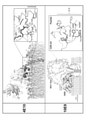
- a part of the variable region contacts the membrane (see FIG. 3). Since the variable region of the antibody of the present embodiment is modified with an aromatic compound, the affinity for the membrane is improved. Therefore, it can be stably bound to MPER.
- an unnatural amino acid residue containing an aromatic hydrocarbon group is introduced into a variable region of an antibody consisting of a natural amino acid residue that specifically binds to MPER (hereinafter, also referred to as "original antibody"). It may be the one that has been used.
- Examples of the membrane protein to which the antibody of the present embodiment binds include a viral envelope protein and a cell membrane membrane protein.
- the membrane protein is preferably a viral envelope protein.
- viruses having an envelope include retrovirus (HIV, etc.), herpes virus (water sputum, herpes zoster virus, etc.), pox virus (natural pox virus, etc.), hepadna virus (hepatitis B virus, etc.), and flavivirus (flavivirus, etc.).
- an antibody that specifically binds to the MPER of the envelope protein of the virus as described above can be used.
- HIV is preferable as the virus having an envelope.
- the HIV envelope protein include gp41.
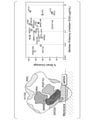
- FIG. 2 shows a vulnerable site of gp41 (left figure) and an example of a broad-spectrum neutralizing antibody targeting those vulnerable sites (right figure).
- the original antibody may be a broad neutralizing antibody that targets the vulnerable site.
- the original antibody is an antibody that specifically binds to MPER of gp41.
- examples of such an original antibody include, but are not limited to, 4E10, 10E8, 2F5, Z13e1 and the like.
- An example of 4E10 is described in US Patent Application Publication No. 2016/0009789.
- An example of 10E8 is described in International Publication No. 2013/070776.
- An example of 2F5 is described in US Patent Application Publication No. 2015/0158934.
- An example of Z13e1 is described in US Patent Application Publication No. 2012/0269821.
- 4E10 or 10E8 is preferable as the original antibody that specifically binds to MPER of gp41.
- 4E10 is an antibody having a heavy chain consisting of the amino acid sequence set forth in SEQ ID NO: 1 and a light chain consisting of the amino acid sequence set forth in SEQ ID NO: 2.
- the amino acid sequences of the heavy chain variable region and the light chain variable region of 4E10 are shown in SEQ ID NO: 3 and SEQ ID NO: 4, respectively.
- the original antibody may be an antibody comprising a heavy chain variable region consisting of the amino acid sequence set forth in SEQ ID NO: 3 and a light chain variable region set forth in SEQ ID NO: 4.
- 10E8 is an antibody having a heavy chain consisting of the amino acid sequence set forth in SEQ ID NO: 5 and a light chain consisting of the amino acid sequence set forth in SEQ ID NO: 6.
- the original antibody may be an antibody comprising a heavy chain variable region consisting of the amino acid sequence set forth in SEQ ID NO: 7 and a light chain variable region set forth in SEQ ID NO: 8.
- the original antibody may be a modified antibody of a known antibody that specifically binds to MPER.
- modified antibodies include antibodies containing six CDRs (CDRH1, CDRH2, CDRH3, CDRL1, CDRL2, CDRL3) of known antibodies that specifically bind to MPER.
- the original antibody may be, for example, an antigen-binding fragment of a known antibody that specifically binds to MPER.
- Fab is preferable.
- the original antibody that specifically binds to MPER of gp41 comprises 6 CDRs (CDRH1, CDRH2, CDRH3, CDRL1, CDRL2, CDRL3) of 4E10, 10E8, 2F5, or Z13e1. It may be an antibody.
- the original antibody may be an antigen-binding fragment of 4E10, 10E8, 2F5, or Z13e1 (Fab, Fab', F (ab') 2 , Fv, scFv, etc.).
- Fab is preferable, and Fab of 4E10 or 10E8 is more preferable.
- the original antibody that specifically binds to MPER may be a newly obtained antibody.
- the antibody to be newly obtained is preferably a monoclonal antibody.
- the monoclonal antibody can be obtained by a known method for producing a monoclonal antibody, for example, using MPER as an antigen. Examples of known methods for producing a monoclonal antibody include, but are not limited to, a hybridoma method, a phage display method, and the like.
- the animal from which the antibody is derived is not particularly limited.
- the antibody according to this embodiment is used as an antiviral drug or pharmaceutical composition described later, it is preferably derived from an animal to which the antiviral drug or pharmaceutical composition is administered.
- a human antibody when administered to humans, it is preferable to use a human antibody.
- the method for producing a human antibody include a phage display method and a method using a transgenic animal having a part or all of a human immunoglobulin gene.
- a non-human animal may be immunized with a target MPER to obtain a monoclonal antibody, and the variable region or CDR of the monoclonal antibody may be transplanted into a human antibody to prepare a chimeric antibody or a humanized antibody.
- examples of the animal used for immunization of MPER include, but are not limited to, mice, rats, rabbits, chickens and the like.
- the original antibody that specifically binds to MPER may be an antigen-binding fragment of the antibody newly obtained as described above.
- the antibody of this embodiment contains an unnatural amino acid residue containing an aromatic hydrocarbon group in the variable region.
- Examples of the antibody of the present embodiment include an antibody in which any amino acid residue in the variable region is an unnatural amino acid residue containing an aromatic hydrocarbon group in the side chain.
- the side chain of an unnatural amino acid residue containing an aromatic hydrocarbon group in the side chain can be represented by, for example, the following general formula (a1).
- Y 1 represents a divalent linking group containing a divalent aliphatic hydrocarbon group, or a hetero atom
- R 1 represents an aromatic hydrocarbon group (provided, -Y 1 -R 1 is Except when it is a side chain of a natural amino acid residue). * Represents a bond that binds to the ⁇ carbon in the polypeptide chain.
- Y 1 represents a divalent aliphatic hydrocarbon group or a divalent linking group containing a hetero atom.
- Divalent aliphatic hydrocarbon group for Y 1 may be a saturated, may be unsaturated, preferably saturated.
- Divalent aliphatic hydrocarbon group for Y 1 may be may be linear, may be branched, may it be one containing a ring structure, a linear preferable.
- the linear aliphatic hydrocarbon group preferably has 1 to 10 carbon atoms, more preferably 1 to 6 carbon atoms, and preferably 1 to 3 carbon atoms. More preferably, 1 or 2 carbon atoms are particularly preferable.
- the branched aliphatic hydrocarbon group preferably has 2 to 10 carbon atoms, more preferably 2 to 6 carbon atoms, and further preferably 2 to 4 carbon atoms. , 2 or 3 carbon atoms are particularly preferable.
- the aliphatic hydrocarbon group containing the ring structure preferably has 3 to 12 carbon atoms, more preferably 3 to 10 carbon atoms, and 3 to 10 carbon atoms. 6 is more preferable.
- Divalent aliphatic hydrocarbon group for Y 1 is preferably a linear alkylene group.
- linear alkylene group examples include a methylene group [-CH 2- ], an ethylene group [-(CH 2 ) 2- ], a trimethylene group [-(CH 2 ) 3- ], and a tetramethylene group [-].
- (CH 2) 4 -] a pentamethylene group [- (CH 2) 5 - ] , and the like.
- Y 1 is a divalent linking group containing a hetero atom
- examples of the hetero atom include an oxygen atom, a sulfur atom, a nitrogen atom and the like.
- H in -NH- may be substituted with a substituent such as an alkyl group or an acyl group.
- the substituent (alkyl group, acyl group, etc.) preferably has 1 to 6 carbon atoms, more preferably 1 to 3 carbon atoms, and particularly preferably 1 or 2 carbon atoms.
- Y 21 and Y 22 each independently represent a divalent aliphatic hydrocarbon group. Examples of the divalent aliphatic hydrocarbon group include the same ones as exemplified in the description of the divalent aliphatic hydrocarbon group for Y 1.
- a linear aliphatic hydrocarbon group is preferable, a linear alkylene group is more preferable, a linear alkylene group having 1 to 5 carbon atoms is further preferable, and a methylene group or an ethylene group is preferable. Is particularly preferable.
- a linear or branched aliphatic hydrocarbon group is preferable, and a methylene group, an ethylene group or an alkyl methylene group is more preferable.
- the alkyl group in the alkylmethylene group is preferably a linear alkyl group having 1 to 5 carbon atoms, more preferably a linear alkyl group having 1 to 3 carbon atoms, still more preferably a methyl group or an ethyl group, and methyl. Groups are particularly preferred.
- R 1 represents an aromatic hydrocarbon group.
- An aromatic hydrocarbon group is a hydrocarbon group having at least one aromatic ring.
- the aromatic ring is not particularly limited as long as it is a cyclic conjugated system having 4n + 2 ⁇ electrons, and may be a monocyclic type or a polycyclic type.
- the aromatic ring preferably has 5 to 30 carbon atoms, more preferably 5 to 20 carbon atoms, further preferably 6 to 15 carbon atoms, and particularly preferably 6 to 12 carbon atoms. However, the carbon number does not include the carbon number in the substituent.
- aromatic ring examples include aromatic hydrocarbon rings such as benzene, naphthalene, anthracene, and phenanthrene; aromatic heterocycles in which some of the carbon atoms constituting the aromatic hydrocarbon ring are substituted with heteroatoms.
- hetero atom in the aromatic heterocycle examples include an oxygen atom, a sulfur atom, a nitrogen atom and the like.
- aromatic heterocycle examples include a pyridine ring and a thiophene ring.
- Aromatic ring containing aromatic hydrocarbon group for R 1 is an aromatic hydrocarbon ring is preferable.
- the number of aromatic rings contained in the aromatic hydrocarbon group in R 1 is not particularly limited, but is preferably 1 to 6, more preferably 1 to 5, further preferably 2 to 5, and 2 to 4, 3. ⁇ 4 or 4 is particularly preferable.
- R 1 may be a monocyclic ring linked with a divalent linking group, and is a polycyclic aromatic hydrocarbon group in which two or more aromatic rings are condensed. May be good.
- R 1 may contain only one of an aromatic hydrocarbon ring and an aromatic heterocycle, and includes both an aromatic hydrocarbon ring and an aromatic heterocycle. You may be.
- Y 2 represents a divalent aliphatic hydrocarbon group or a divalent linking group containing a heteroatom
- R 2 represents a substituent.
- m 1 represents an integer of 0 to 5
- n 1 represents an integer of 0 to 4.
- Examples of the polycyclic aromatic hydrocarbon group in R 1 include those in which 2 to 10 aromatic rings are condensed.
- the number of aromatic rings is preferably 2 to 6, more preferably 2 to 4, further preferably 3 to 4, and particularly preferably 4.
- Specific examples of the polycyclic aromatic hydrocarbon group include a group obtained by removing one hydrogen atom from a polycyclic aromatic hydrocarbon ring such as naphthalene, anthracene, tetracene, phenanthrene, pyrene, chrysene, or benzopyrene. .. Of these, a group obtained by removing one hydrogen atom from pyrene is preferable.
- Y 2 represents a divalent aliphatic hydrocarbon group or a divalent linking group containing a heteroatom.
- Examples of the divalent aliphatic hydrocarbon group in Y 2 include the same groups as those mentioned as the divalent aliphatic hydrocarbon group in Y 1.
- Examples of the divalent linking group containing a hetero atom in Y 2 include the same as those of the divalent linking group containing a hetero atom in the Y 1.
- R 2 represents a substituent.
- substituents include an alkyl group, an alkoxy group, an acyl group, a hydroxy group, an amino group, a carboxy group and the like.
- the number of carbon atoms in the alkyl group, alkoxy group, and acyl group is preferably 1 to 3, more preferably 1 or 2.
- the substituent is preferably an alkyl group.
- m 1 represents an integer of 0 to 5.
- m 1 is preferably 1 to 4, more preferably 1 to 3, and even more preferably 1 or 2.
- Y 2 existing in plural numbers may be the same as each other, but may be different, preferably the same.
- n 1 represents an integer of 0 to 4.
- n 1 is preferably 0 to 3, more preferably 0 to 2, further preferably 0 or 1, and particularly preferably 0.
- the group represented by -Y 1 -R 1 is preferably a high aromaticity.
- the side chain structure of such unnatural amino acid residues may be selected, for example, using the value of Log (P) as an index.
- the "Log (P) value” means the logarithm of the octanol / water partition coefficient (Pow).
- the "Log (P) value” is an effective parameter capable of characterizing the hydrophilicity / hydrophobicity of a wide range of compounds.
- the Log (P) value is generally calculated by calculation regardless of the experiment, and indicates a value calculated by, for example, CAChe Work System Pro Version 6.1.12.33.
- -Y 1 group represented by -R 1 Log (P) is preferably 2.5 or more, more preferably 3.0 or more, further preferably 3.5 or more.
- the group represented by -Y 1 -R 1 are the side chains of non-natural amino acid residues, which the side chain of a natural amino acid residue is removed.
- the unnatural amino acid residue containing an aromatic hydrocarbon group is preferably placed at a position in contact with the membrane when the antibody of the present embodiment binds to the MPER of the membrane protein.
- Amino acid residues that come into contact with the membrane when the antibody binds to the membrane protein can be determined by X-ray crystallography.
- the position for introducing an unnatural amino acid residue containing an aromatic hydrocarbon group may be a heavy chain variable region, one or more of CDRH1, CDRH2 and CDRH3, and even CDRH3. good.
- the position where the unnatural amino acid residue containing the aromatic hydrocarbon group is introduced may be the light chain variable region, or may be one or more of CDRL1, CDRL2 and CDRL3.
- the position for introducing an unnatural amino acid residue containing an aromatic hydrocarbon group is, for example, the 100b position or the 28th position by Kabat numbering. Can be mentioned.
- the position for introducing an unnatural amino acid residue containing an aromatic hydrocarbon group includes, for example, the 100b position or the 65th position by Kabat numbering.
- the number of unnatural amino acid residues containing an aromatic hydrocarbon group is not particularly limited and may be 1 or more, for example, 1 to 5, 1 to 4, 1 to 3, 1 to 2. , Or one or the like.
- the method for introducing an unnatural amino acid residue into the original antibody is not particularly limited, and a known method may be used.
- Examples of the method for introducing an unnatural amino acid residue include a method using an amber suppressor tRNA to which an unnatural amino acid is bound, a method for introducing an aromatic hydrocarbon group via an SH group of a cysteine residue, and the like.
- amber suppressor tRNA for example, amber codon (TAG) is introduced into an antibody gene using a site-specific mutagenesis method, and amber suppressor tRNA and aminoacyl-tRNA synthase linked with an unnatural amino acid are transferred to Escherichia coli. Introduce to synthesize antibody polypeptide.
- Antibody polypeptide synthesis may be performed in a cell-free translation system.
- the amino acid residue at the position where the unnatural amino acid residue is introduced is changed to a cysteine residue by using a site-specific mutation introduction method.
- the SH group of the cysteine residue is reacted with an iodideized aromatic hydrocarbon compound. This allows the desired aromatic hydrocarbon group to be introduced via the SH group of the cysteine residue.
- the antibody of the present embodiment has an unnatural amino acid residue containing an aromatic hydrocarbon group introduced into the variable region of the antibody that specifically binds to MPER, it has an affinity for a membrane mainly composed of phospholipids. Highly sex. Therefore, the binding stability to MPER can be improved. Thereby, when the membrane protein is a virus envelope protein, the neutralizing activity against the virus can be improved.
- the invention provides an antiviral agent comprising the antibody of said embodiment.
- the antibody of the embodiment contained in the antiviral agent of the present embodiment is an antibody that specifically binds to the MPER of the envelope protein of the virus.
- the antibody of the embodiment is an antibody that specifically binds to the MPER of the envelope protein of a virus, it may have high neutralizing activity against the virus. Therefore, it can be used as an antiviral drug.
- the antibody of the embodiment contained in the antiviral agent of the present embodiment may be one kind or two or more kinds.
- the target virus of the antiviral drug of this embodiment is a virus having a membrane protein to which an antibody specifically binds.
- Examples of the target virus include the same viruses as those mentioned in the above [antibody] section.
- the target virus is preferably HIV.
- the antiviral drug may contain other components in addition to the antibody of the above embodiment.
- the other ingredients are not particularly limited, and those commonly used in the pharmaceutical field can be used without particular limitation. Examples of other components include pharmaceutically acceptable carriers described later.
- the antiviral drug can be formulated by a known method by mixing the antibody of the above embodiment with other components as appropriate.
- the route of administration of the antiviral drug is not particularly limited, but parenteral administration is preferable.
- Parenteral administration includes intravenous administration, abdominal administration, enteral administration, intranasal administration, subcutaneous administration and the like. Of these, intravenous administration is preferable.
- Targets for administration of antiviral drugs include humans and mammals other than humans. Mammals other than humans are not particularly limited, but include primates (monkeys, chimpanzees, gorillas, etc.), rodents (mouses, hamsters, rats, etc.), rabbits, dogs, cats, cows, goats, sheep, horses, etc. Be done.
- the antiviral drug of the present embodiment may be administered to the subject as it is, or may be administered to the subject as a pharmaceutical composition described later.
- the invention provides a pharmaceutical composition for treating or preventing a viral infection, comprising the antibody of said embodiment and a pharmaceutically acceptable carrier.
- the antibody of the embodiment contained in the pharmaceutical composition of the present embodiment is an antibody that specifically binds to MPER, which is an enveloped protein of a virus.
- Examples of the application target of the pharmaceutical composition of the present embodiment include the same targets as those of the above-mentioned antiviral drug. It is preferably an HIV infection.
- the pharmaceutical composition of this embodiment may be administered to an HIV-infected person for the treatment or prevention of acquired immunodeficiency syndrome (AIDS).
- AIDS acquired immunodeficiency syndrome
- the antibody of the embodiment contained in the pharmaceutical composition of the present embodiment may be one kind or two or more kinds.
- the pharmaceutical composition of the present embodiment may contain at least one pharmaceutically acceptable carrier in addition to the antibody.
- the "pharmaceutically acceptable carrier” means a carrier that does not inhibit the physiological activity of the active ingredient and does not show substantial toxicity to the administration subject thereof. "Not substantially toxic” means that the ingredient is not toxic to the subject at the dose normally used.
- the pharmaceutically acceptable carrier is a carrier that does not inhibit the virus neutralizing activity of the antibody and does not show substantial toxicity to the administration subject thereof.
- the pharmaceutically acceptable carrier includes any known pharmaceutically acceptable ingredient, which is typically considered an inactive ingredient.
- the pharmaceutically acceptable carrier is not particularly limited, and is, for example, a solvent, a diluent, a vehicle, an excipient, a flow accelerator, a binder, a granulator, a dispersant, a suspending agent, a wetting agent, and the like.
- the pharmaceutically acceptable carrier one type may be used alone, or two or more types may be used in combination.
- the pharmaceutical composition of the present embodiment may contain other components other than the antibody and the pharmaceutically acceptable carrier.
- the other ingredients are not particularly limited, and those commonly used in the pharmaceutical field can be used without particular limitation.
- the present pharmaceutical composition may contain an active ingredient other than the antibody.
- the active ingredient include, but are not limited to, antibiotics, antiviral agents, anti-inflammatory agents, antipyretics, analgesics and the like.
- the other components one kind may be used alone, or two or more kinds may be used in combination.
- the dosage form of the pharmaceutical composition of the present embodiment is not particularly limited, and can be a dosage form generally used as a pharmaceutical preparation.
- the pharmaceutical composition of the present embodiment may be an oral preparation or a parenteral preparation.
- the oral preparation include tablets, coated tablets, pills, powders, granules, capsules, syrups, fine granules, liquids, drop loves, emulsions and the like.
- the parenteral preparation include injections, suppositories, nasal drops, enteral preparations, inhalants and the like.
- Pharmaceutical compositions of these dosage forms can be formulated according to a conventional method (for example, the method described in the Japanese Pharmacopoeia).
- the pharmaceutical composition of the present embodiment is preferably a parenteral preparation, more preferably an injection.
- the administration route of the pharmaceutical composition of the present embodiment is not particularly limited and can be administered by an oral or parenteral route, but parenteral administration is preferable.
- the route of administration for parenteral administration includes the same routes as those listed in the [Antiviral drug] section.
- the pharmaceutical composition of the present embodiment can be administered with a therapeutically effective amount of the antibody.
- “Therapeutically effective amount” means the amount of a drug effective for the treatment or prevention of a target disease.
- the therapeutically effective amount of the antibody may be an amount capable of suppressing or inhibiting viral infection of cells.
- the therapeutically effective amount may be appropriately determined depending on the patient's symptoms, body weight, age, sex, etc., the dosage form of the pharmaceutical composition, the administration method, and the like.
- the pharmaceutical composition of the present embodiment can have a single dose of the antibody of 0.01 to 1000 mg per 1 kg of the body weight of the subject to be administered.
- the dose may be 0.05 to 500 mg / kg, 0.1 to 300 mg / kg, 0.2 to 200 mg / kg, or 0.3 to 100 mg / kg. It may be kg.
- the pharmaceutical composition of the present embodiment may contain a therapeutically effective amount of the antibody per unit dosage form.
- the content of the antibody in the pharmaceutical composition of the present embodiment may be 0.01 to 90% by mass, 0.05 to 80% by mass, or 0.1 to 60% by mass. May be.
- the administration interval of the pharmaceutical composition of the present embodiment may be appropriately determined depending on the patient's symptoms, body weight, age, sex, etc., the dosage form of the pharmaceutical composition, the administration method, and the like.
- the administration interval can be, for example, every few hours, 2 to 3 times a day, once a day, once every 2 to 3 days, once a week, and the like.
- the pharmaceutical composition of the present embodiment contains an antibody having an improved neutralizing activity of a virus, it can exert a therapeutic effect or a preventive effect on a viral infection at a low dose. Therefore, the cost of treatment or prevention can be suppressed.
- the invention provides a method of treating or preventing a viral infection, comprising administering to the subject the antibody of said embodiment.
- the invention provides the use of the antibody of said embodiment in the manufacture of an antiviral drug.
- the invention provides the use of the antibody of said embodiment in the manufacture of a pharmaceutical composition for treating or preventing a viral infection.
- the invention provides an antibody of said embodiment for treating or preventing a viral infection.
- the invention comprises the step of introducing a naturally occurring amino acid residue containing an aromatic hydrocarbon group into the variable region of an antibody that specifically binds to the proximal outer region (MPER) of a membrane protein.
- MPER proximal outer region
- the invention comprises the step of introducing a naturally occurring amino acid residue containing an aromatic hydrocarbon group into the variable region of an antibody that specifically binds to the proximal outer region (MPER) of a membrane protein.
- a method for improving the binding property of an antibody that specifically binds to a membrane proximal external region (MPER) of a membrane protein to the membrane protein is provided.
- [Preparation of modified antibody] 4E10 and 10E8 were selected as broad-spectrum neutralizing antibodies (original antibodies) against HIV.
- the amino acid sequences of the heavy chain full length, the light chain full length, the heavy chain variable region, and the light chain variable region of 4E10 are shown in SEQ ID NOs: 1, 2, 3, and 4, respectively.
- the amino acid sequences of the heavy chain full length, light chain full length, heavy chain variable region, and light chain variable region of 10E8 are shown in SEQ ID NOs: 5, 6, 7, and 8, respectively.
- These antibodies are antibodies that bind to the proximal external region (MPER) of the gp41 membrane (see FIGS. 1-3). Two residues located at the membrane interface at the time of epitope binding were selected as modification sites.
- MPER proximal external region
- Trp100b was selected as the first modification position (see FIG. 3).
- the Trp100b is located in the CDRH3 loop.
- the outer site of CDRH3 was selected.
- Ser28 was selected as the second modification position.
- Ser65 was selected as the second modification position.
- Fab of 4E10 and Fab of 10E8 were used as the original antibody. Cysteine residues were introduced at the first modification position or the second modification position of these Fabs. The introduction of cysteine residues was performed by standard site-specific mutagenesis techniques.
- the above aromatic compound was reacted with Fab of 4E10 or 10E8 in which a cysteine residue was introduced at the first modification position or the second modification position.
- Fab was incubated in PBS (10 mM sodium phosphate, pH 7.5, 150 mM NaCl) containing 20% glycerol and 1 mM dithiothreitol (DTT) at 37 ° C. for 30 minutes.
- the DTT was then removed using a PD-10 desalting column (GE Healthcare).
- Pseudovirus particles were obtained from JRCDF (provided by Jamie K. Scott and Naved Gulzar (provided by Simon Fraser University (BC, Canda))) and PVO (SVPB11) (the AIDS Research and Reference RRP) (The AIDS Research and Reference RRP). ) was generated by transfection into the HED kidney cell HEK293T. Cells were cotransfected with the pWXLP-GFP vector and the pCMV8.91 vector (provided by Patricia Village (CSIC, Madrid, Spain)) encoding the GFP and envelope-deficient HIV-1 genomes, respectively. After 24 hours, the medium was replaced with serum-free Opti-MEM-GlutaMAX II (Invitrogen Ltd, Paisley, UK).
- HIV entry was measured using CD4 + CXCR4 + CCR5 + TZM-bl target cells (ARRRP, protected by J. Kappes).
- HIV pseudovirus particles were diluted with DMEM supplemented with inactivated serum to 10-20% of the tissue culture infection amount, and modified antibody or original antibody (WT) was added. Infection levels after 72 hours were estimated from the number of GFP-positive cells measured using BD FACSCalibur Flow Cytometry (Becton Dickinson Immunocytometry Systems, Mountain View, CA).
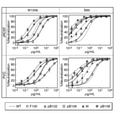
- F100, pB102, pB106, tryptophan (W) or pB108 was introduced at the second modification position (position 28) of Fab of 4E10.
- the neutralizing activity of the modified antibody was evaluated using pseudovirus particles of JRCSF or PVO (SVPB11). The results are shown in the right figure (S28) of FIG.
- the modified antibody had improved neutralizing activity as compared with the original antibody (WT). As the number of aromatic rings of the introduced aromatic compound increased, the neutralizing activity tended to improve.
- the IC 50 was calculated based on the above neutralizing activity test.
- the value of the IC 50 was obtained by applying the experimental value to the 4-parameter sigmoid logistic function of the software SigmaPlot.
- the IC 50 corresponds to a value at which virus infection is 50% of the maximum value.
- the IC 50- fold change was calculated as the ratio of the IC 50 of the original antibody (WT: unmodified antibody) to the IC 50 of the modified antibody.
- FIG. W100b and S28 indicate amino acid residues (Trp100b, Ser28) used for introducing the above aromatic compound, respectively.
- L indicates the introduction of an aromatic compound having a structure in which a benzene ring is bonded with a linear alkylene group.
- P indicates the introduction of an aromatic compound having an aromatic condensed ring structure.
- Modified antibodies was introduced aromatics, in either viral strains, as compared to the original antibody, IC 50 is improved. The IC 50 tended to improve as the number of aromatic rings of the introduced aromatic compound increased.
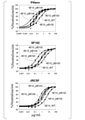
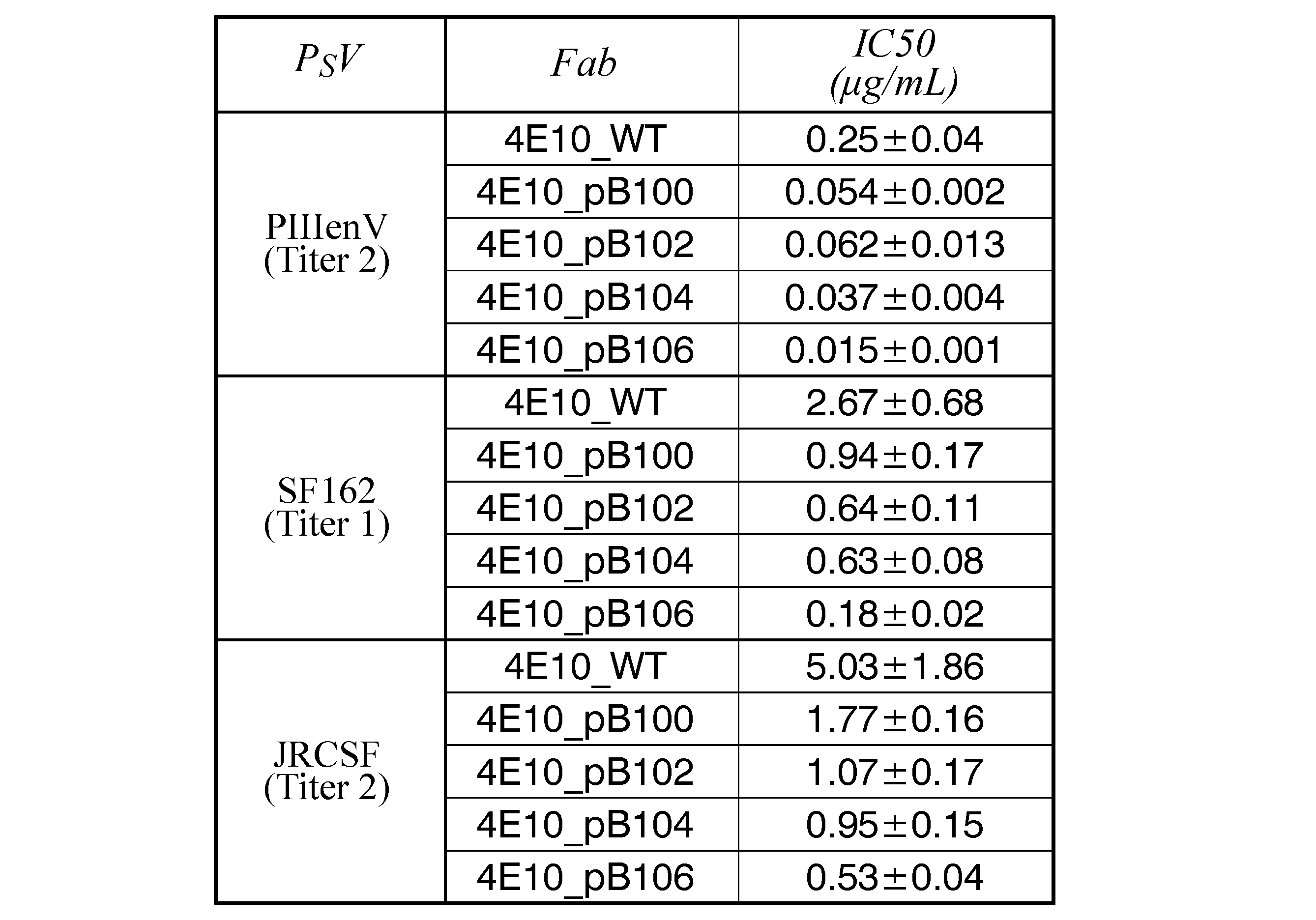
- FIG. 6 shows the results of evaluating the neutralization activity of the modified antibody into which pB100, pB102, pB104, or pB106 was introduced using PIIIenv, JRCSF or SF162.
- FIG. 6 shows the results of evaluating the neutralization activity of the modified antibody into which pB100, pB102, pB104, or pB106 was introduced using PIIIenv, JRCSF or SF162.
- FIG. 7 shows the results of evaluating the neutralization activity of the modified antibody into which pB108 was introduced using PIIIenv, JRCSF or SF162.
- FIG. 8 shows the results of evaluating the neutralization activity of the modified antibody into which pB100, pB102, pB104, pB106, or pB108 was introduced using PVO (SVPB11).
- the modified antibody into which the aromatic compound was introduced had improved neutralizing activity in all virus strains as compared with the original antibody. As the number of aromatic rings of the introduced aromatic compound increased, the neutralizing activity tended to improve.
- the IC 50 of each modified antibody in each virus strain was calculated. The results are shown in Table 2. In both virus strains, the modified antibodies, IC 50 is improved. The IC 50 tended to improve as the number of aromatic rings of the introduced aromatic compound increased.
- F100, pB102, pB106, W or pB108 was introduced at the second modification position (65th position) of Fab of 10E8.
- the neutralizing activity of the modified antibody was evaluated using pseudovirus particles of JRCSF or PVO (SVPB11). The results are shown in the right figure (S65) of FIG.
- the modified antibody had improved neutralizing activity as compared with the original antibody (WT). As the number of aromatic rings of the introduced aromatic compound increased, the neutralizing activity tended to improve.
- the IC 50 was calculated based on the above neutralizing activity test.
- the values of IC 50 and IC 50- fold change were calculated by the same method as in FIG. 5 above.
- FIG. W100b and S65 indicate amino acid residues (Trp100b, Ser65) used for introducing the above aromatic compound, respectively.
- L indicates the introduction of an aromatic compound having a structure in which a benzene ring is bonded with a linear alkylene group.
- P indicates the introduction of an aromatic compound having an aromatic condensed ring structure.
- the IC 50 tended to improve as the number of aromatic rings of the introduced aromatic compound increased.
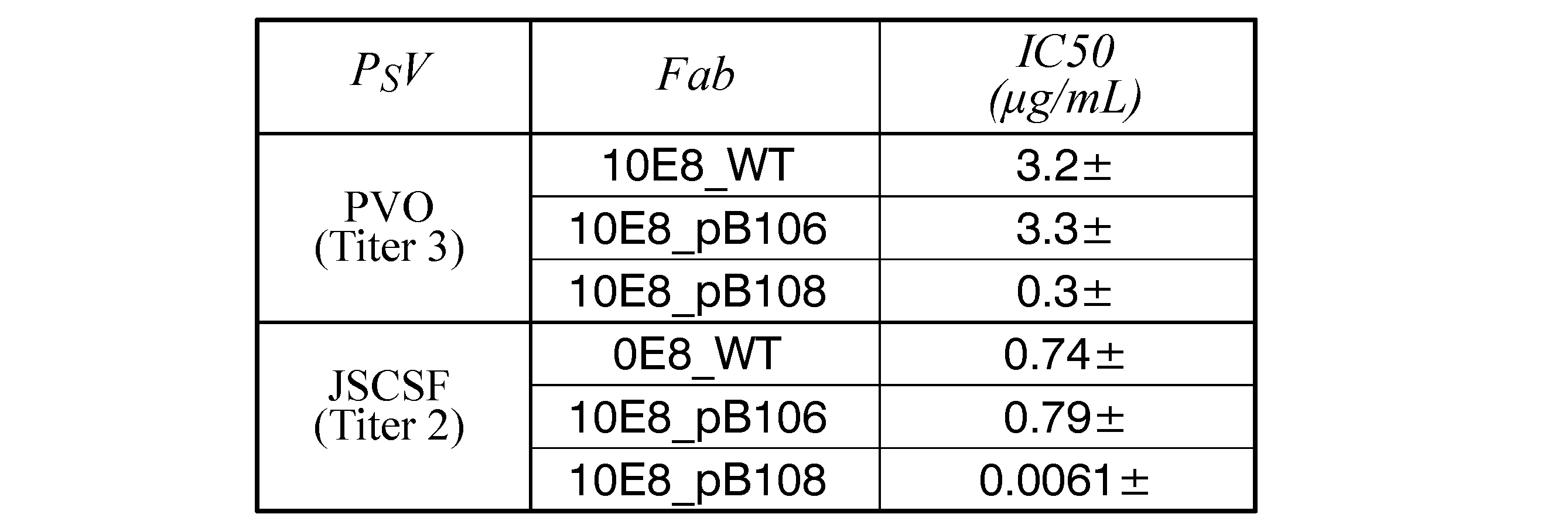
- FIG. 11 shows the results of evaluating the neutralization activity of the modified antibody into which pB106 or pB108 was introduced using JRCSF or PVO (SVPB11).
- the modified antibody into which pB106 was introduced had improved neutralizing activity as compared with the original antibody in any of the virus strains.
- the IC 50 of each modified antibody in each virus strain was calculated. The results are shown in Table 3. In both virus strains, the modified antibodies, IC 50 is improved. The IC 50 tended to improve as the number of aromatic rings of the introduced aromatic compound increased.
- an antibody having improved binding to a membrane protein, an antiviral drug containing the antibody, and a pharmaceutical composition for treating or preventing a viral infection are provided.
Landscapes
- Health & Medical Sciences (AREA)
- Chemical & Material Sciences (AREA)
- Life Sciences & Earth Sciences (AREA)
- Medicinal Chemistry (AREA)
- Organic Chemistry (AREA)
- General Health & Medical Sciences (AREA)
- Immunology (AREA)
- Virology (AREA)
- Animal Behavior & Ethology (AREA)
- Public Health (AREA)
- Molecular Biology (AREA)
- Pharmacology & Pharmacy (AREA)
- Veterinary Medicine (AREA)
- Oncology (AREA)
- Biophysics (AREA)
- Communicable Diseases (AREA)
- Biochemistry (AREA)
- Chemical Kinetics & Catalysis (AREA)
- General Chemical & Material Sciences (AREA)
- Nuclear Medicine, Radiotherapy & Molecular Imaging (AREA)
- Proteomics, Peptides & Aminoacids (AREA)
- Genetics & Genomics (AREA)
- Tropical Medicine & Parasitology (AREA)
- AIDS & HIV (AREA)
- Engineering & Computer Science (AREA)
- Bioinformatics & Cheminformatics (AREA)
- Microbiology (AREA)
- Mycology (AREA)
- Epidemiology (AREA)
- Peptides Or Proteins (AREA)
- Medicines Containing Antibodies Or Antigens For Use As Internal Diagnostic Agents (AREA)
- Preparation Of Compounds By Using Micro-Organisms (AREA)
Abstract
膜タンパク質の膜近位外部領域(MPER)に特異的に結合する抗体であって、可変領域に、芳香族炭化水素基を含む非天然アミノ酸残基を含む、抗体。また、前記抗体を含む、抗ウイルス薬又はウイルス感染症を治療若しくは予防するための医薬組成物。
Description
本発明は、抗体、及びその使用に関する。特に、抗ウイルス薬及びウイルス感染症を治療又は予防するための医薬組成物として有用な抗体に関する。
本願は、2020年7月22日に、日本に出願された特願2020-125823号に基づき優先権を主張し、その内容をここに援用する。
本願は、2020年7月22日に、日本に出願された特願2020-125823号に基づき優先権を主張し、その内容をここに援用する。
抗体は、多くの疾患の治療に有用であり、多くの抗体医薬が開発されている。ウイルス感染症の予防及び治療もまた、抗体を利用することができる。ウイルス感染症の中でも、後天性免疫不全症候群(AIDS)は、根本的な治療が困難な疾患の1つである。ヒト免疫不全ウイルス(HIV)の感染サイクルは、2つのサブユニットgp120およびgp41で構成される表面エンベロープ糖タンパク質(Env)を介した宿主細胞の細胞膜への結合から始まる。細胞膜に結合したウイルスは、宿主細胞内に遺伝物質を送出し、宿主細胞の染色体DNAに組み込ませる。これにより、宿主細胞内でウイルス粒が生成される。
Envの不安定な性質、その配列の多様性、及び表面グリカンの高密度層の存在は、有効なワクチンの開発を妨げている。免疫系の監視から逃れるためにウイルスによって採用されたこれらのユニークな特徴にもかかわらず、HIV感染者の中には、Envの特定の重要領域(いわゆる脆弱性サイト)に対する抗体を産生する者がいる。広域中和抗体と呼ばれるこのクラスの抗体は、動物モデル及びヒトに投与された場合、HIV感染に対して有効であることが示されている(非特許文献1)。
Burton DR, and Hangartner L, Broadly Neutralizing Antibodies to HIV and Their Role in Vaccine Design. Annu Rev Immunol. 2016 May 20;34:635-59.
広域中和抗体は、HIV感染に対する治療薬として有望であるが、治療薬のコストを抑制するためには、より中和活性の高い抗体が求められる。
そこで、本発明は、膜タンパク質に対する結合性が向上した抗体、前記抗体を含む抗ウイルス薬、及びウイルス感染症を治療又は予防するための医薬組成物を提供することを課題とする。
[1]膜タンパク質の膜近位外部領域(MPER)に特異的に結合する抗体であって、可変領域に、芳香族炭化水素基を含む非天然アミノ酸残基を含む、抗体。
[2]前記芳香族炭化水素基が、1~6個の芳香環を有する、[1]に記載の抗体。
[3]前記抗体が前記膜近位外部領域(MPER)に結合したときに、前記非天然アミノ酸残基が、前記膜タンパク質が存在する膜に接触する、[1]又は[2]に記載の抗体。
[4]前記抗体が、Fab、Fab’、F(ab’)2、Fv、及びscFvからなる群より選択される抗原結合断片である、[1]~[3]のいずれか1つに記載の抗体。
[5]前記膜タンパク質が、ウイルスのエンベロープタンパク質である、[1]~[4]のいずれか1つに記載の抗体。
[6]前記エンベロープタンパク質が、HIVのエンベロープタンパク質である、[5]に記載の抗体。
[7]前記エンベロープタンパク質が、gp41である、[6]に記載の抗体。
[8]前記抗体が、前記膜タンパク質を有するウイルスに対する広域中和抗体である、[5]~[7]のいずれか1つに記載の抗体。
[9][5]~[8]のいずれか1つに記載の抗体を含む、抗ウイルス薬。
[10][5]~[8]のいずれか1つに記載の抗体と、薬学的に許容される担体と、を含む、ウイルス感染症を治療又は予防するための医薬組成物。
[2]前記芳香族炭化水素基が、1~6個の芳香環を有する、[1]に記載の抗体。
[3]前記抗体が前記膜近位外部領域(MPER)に結合したときに、前記非天然アミノ酸残基が、前記膜タンパク質が存在する膜に接触する、[1]又は[2]に記載の抗体。
[4]前記抗体が、Fab、Fab’、F(ab’)2、Fv、及びscFvからなる群より選択される抗原結合断片である、[1]~[3]のいずれか1つに記載の抗体。
[5]前記膜タンパク質が、ウイルスのエンベロープタンパク質である、[1]~[4]のいずれか1つに記載の抗体。
[6]前記エンベロープタンパク質が、HIVのエンベロープタンパク質である、[5]に記載の抗体。
[7]前記エンベロープタンパク質が、gp41である、[6]に記載の抗体。
[8]前記抗体が、前記膜タンパク質を有するウイルスに対する広域中和抗体である、[5]~[7]のいずれか1つに記載の抗体。
[9][5]~[8]のいずれか1つに記載の抗体を含む、抗ウイルス薬。
[10][5]~[8]のいずれか1つに記載の抗体と、薬学的に許容される担体と、を含む、ウイルス感染症を治療又は予防するための医薬組成物。
本発明によれば、膜タンパク質に対する結合性が向上した抗体、前記抗体を含む抗ウイルス薬、及びウイルス感染症を治療又は予防するための医薬組成物が提供される。
「を含む」(comprise)という用語は、対象となる構成要素以外の構成要素を含んでいてもよいことを意味する。「からなる」(consist of)という用語は、対象となる構成要素以外の構成要素を含まないことを意味する。「から本質的になる」(essentially consist of)という用語は、対象となる構成要素以外の構成要素を特別な機能を発揮する態様(発明の効果を完全に喪失させる態様など)では含まないことを意味する。本明細書において、「を含む」(comprise)と記載する場合、「からなる」(consist of)態様、及び「から本質的になる」(essentially consist of)態様を包含する。
タンパク質(抗体を包含する)、ペプチド、ポリヌクレオチド(DNA、RNAを包含する)、ベクター、及び細胞は、単離されたものであり得る。「単離された」とは、天然状態から分離された状態を意味する。本明細書に記載されるタンパク質、ペプチド、ポリヌクレオチド、ベクター、及び細胞は、単離されたタンパク質、単離されたペプチド、単離されたポリヌクレオチド、単離されたベクター、及び単離された細胞であり得る。
「抗体」は、抗原、又はそのフラグメントを特異的に認識して結合するポリペプチドを意味する。抗体は、通常、免疫グロブリン分子であり、IgG、IgM、IgE、IgA、及びIgDのいずれのクラスであってもよい。IgGは、いずれのサブクラスであってもよい。抗体は、天然型抗体、キメラ抗体、ヒト化抗体、完全ヒト抗体、多重特異性抗体、抗原結合断片(Fab、Fab’、F(ab’)2、Fv、scFv等)等を包含する。
「可変領域」は、抗体を抗原へと結合させることに関与する、抗体の重鎖又は軽鎖のドメインを意味する。天然型抗体の重鎖可変領域(VH)及び軽鎖可変領域(VL)は、通常、4つのフレームワーク領域(FR)及び3つの相補性決定領域(CDR)を含む。可変領域中のアミノ酸残基の位置は、特に言及しない限り、Kabatナンバリングに従う。
「相補性決定領域(CDR)」は、抗原との結合に直接関与する領域を意味し、抗原接触残基を含む。重鎖可変領域(VH)及び軽鎖可変領域(VL)は、通常、それぞれ3つのCDRを含む。各鎖のCDRは、通常、N末端に近いほうから順に、CDR1、CDR2、及びCDR3と呼ばれる。本明細書において、VHのCDRは、CDRH1、CDRH2、及びCDRH3と記載する。VLのCDRは、CDRL1、CDRL2、及びCDRL3と記載する。CDRは、CDRの定義として知られる任意の定義で決定することができ、例えば、Kabat、Chothia、AbM、contact等による定義を用いることができる。特に言及しない限り、本明細書で記載されるCDRは、Kabatの定義による。
「膜近位外部領域(MPER)」は、膜タンパク質の細胞外領域であって、膜に近接する領域を意味する。「膜タンパク質」とは、ウイルスのエンベロープ、及び細胞膜等の膜に付着しているタンパク質を意味する。膜タンパク質は、膜貫通型タンパク質であってもよく、表在性膜タンパク質であってもよい。膜貫通型タンパク質としては、ウイルスのエンベロープタンパク質が挙げられる。
「特異的に結合する」とは、特定の標的タンパク質に対して高い結合親和性を有し、他のタンパク質に対しては有意な結合親和性を有しないことを意味する。例えば、特定の標的タンパク質に特異的に結合する抗体は、標的タンパク質と他のタンパク質とを含む試料と反応させた場合に、標的タンパク質に選択的に結合し、他のタンパク質に対しては有意な量の結合を示さない。
「広域中和抗体」は、変異性の高いウイルスにおいて、複数のウイルス株に結合し、それらのウイルス株の細胞への感染を阻止可能な抗体を意味する。広域中和抗体が中和可能なウイルス株の範囲は、特に限定されないが、当該ウイルスに含まれる変異株の20%以上が好ましく、30%以上がより好ましく、40%以上がさらに好ましく、50%以上が特に好ましい。
「非天然アミノ酸残基」は、「天然アミノ酸残基」ではないアミノ酸残基を意味する。「天然アミノ酸残基」は、天然タンパク質を構成するアミノ酸として知られている20種のアミノ酸(アラニン、アルギニン、アスパラギン、アスパラギン酸、システイン、グルタミン、グルタミン酸、グリシン、ヒスチジン、イソロイシン、ロイシン、リシン、メチオニン、フェニルアラニン、プロリン、セリン、トレオニン、トリプトファン、チロシン、バリン)から誘導されるアミノ酸残基を意味する。
「アミノ酸の側鎖」は、α-アミノ酸の一般式である下記一般式(1)中、Rで表される基を意味する。「アミノ酸残基の側鎖」は、αアミノ酸から誘導されるアミノ酸残基において、下記一般式(1)中のRに対応する基を意味する。

本明細書において、塩基配列どうし又はアミノ酸配列どうしの配列同一性(又は相同性)は、2つの塩基配列又はアミノ酸配列を、対応する塩基又はアミノ酸が最も多く一致するように、挿入及び欠失に当たる部分にギャップを入れながら並置し、得られたアラインメント中のギャップを除く、塩基配列全体又はアミノ酸配列全体に対する一致した塩基又はアミノ酸の割合として求められる。塩基配列又はアミノ酸配列どうしの配列同一性は、当該技術分野で公知の各種相同性検索ソフトウェアを用いて求めることができる。例えば、塩基配列の配列同一性の値は、公知の相同性検索ソフトウェアBLASTNにより得られたアライメントを元にした計算によって得ることができ、アミノ酸配列の配列同一性の値は、公知の相同性検索ソフトウェアBLASTPにより得られたアライメントを元にした計算によって得ることができる。
「置換基を有してもよい」と記載する場合、水素原子(-H)を1価の基で置換する場合と、メチレン基(-CH2-)を2価の基で置換する場合との両方を含む。
[抗体]
一態様において、本発明は、膜タンパク質の膜近位外部領域(MPER)に特異的に結合する抗体であって、可変領域に、芳香族炭化水素基を含む非天然アミノ酸残基を含む、抗体を提供する。
一態様において、本発明は、膜タンパク質の膜近位外部領域(MPER)に特異的に結合する抗体であって、可変領域に、芳香族炭化水素基を含む非天然アミノ酸残基を含む、抗体を提供する。
(抗体)
本実施形態の抗体は、膜タンパク質のMPERに特異的に結合する抗体である。膜タンパク質は、特に限定されず、任意の膜タンパク質であってよい。MPERに特異的に結合する抗体は、可変領域の一部が膜に接触する(図3参照)。本実施形態の抗体は、可変領域が芳香族化合物で修飾されているため、膜に対する親和性が向上している。そのため、MPERに安定して結合することができる。本実施形態の抗体は、MPERに特異的に結合する天然アミノ酸残基からなる抗体(以下、「オリジナル抗体」ともいう)の可変領域に、芳香族炭化水素基を含む非天然アミノ酸残基が導入されたものであってもよい。
本実施形態の抗体は、膜タンパク質のMPERに特異的に結合する抗体である。膜タンパク質は、特に限定されず、任意の膜タンパク質であってよい。MPERに特異的に結合する抗体は、可変領域の一部が膜に接触する(図3参照)。本実施形態の抗体は、可変領域が芳香族化合物で修飾されているため、膜に対する親和性が向上している。そのため、MPERに安定して結合することができる。本実施形態の抗体は、MPERに特異的に結合する天然アミノ酸残基からなる抗体(以下、「オリジナル抗体」ともいう)の可変領域に、芳香族炭化水素基を含む非天然アミノ酸残基が導入されたものであってもよい。
本実施形態の抗体が結合する膜タンパク質としては、例えば、ウイルスのエンベロープタンパク質、細胞膜の膜タンパク質が挙げられる。膜タンパク質は、ウイルスのエンベロープタンパク質が好ましい。エンベロープを有するウイルスとしては、例えば、レトロウイルス(HIV等)、ヘルペスウイルス(水痘・帯状疱疹ウイルス等)、ポックスウイルス(天然痘ウイルス等)、ヘパドナウイルス(B型肝炎ウイルス等)、フラビウイルス(C型肝炎ウイルス等)、コロナウイルス(SARSコロナウイルス、MERSコロナウイルス等)、オルトミクソウイルス(インフルエンザウイルス等)、フィロウイルス(エボラウイルス等)等が挙げられるが、これらに限定されない。本実施形態の抗体としては、前記のようなウイルスのエンベロープタンパク質のMPERに特異的に結合する抗体を用いることができる。中でも、エンベロープを有するウイルスとしては、HIVが好ましい。HIVのエンベロープタンパク質としては、gp41が挙げられる。
HIVのエンベロープタンパク質は変異性が高いが、脆弱性サイトと呼ばれる領域は、保存性が高いことが知られている。そのため、脆弱性サイトを標的とする広域中和抗体が複数作製されている。図2は、gp41の脆弱性サイト(左図)と、それらの脆弱性サイトを標的とする広域中和抗体の一例(右図)を示している。一実施形態において、オリジナル抗体は、脆弱性サイトを標的とする広域中和抗体であってよい。
一実施形態において、オリジナル抗体は、gp41のMPERに特異的に結合する抗体である。そのようなオリジナル抗体としては、4E10、10E8、2F5、Z13e1等が挙げられるが、これらに限定されない。4E10の例は、米国特許出願公開第2016/0009789号に記載されている。10E8の例は、国際公開第2013/070776号に記載されている。2F5の例は、米国特許出願公開第2015/0158934号に記載されている。Z13e1の例は、米国特許出願公開第2012/0269821号に記載されている。中でも、gp41のMPERに特異的に結合するオリジナル抗体としては、4E10又は10E8が好ましい。
4E10は、配列番号1に記載のアミノ酸配列からなる重鎖と、配列番号2に記載のアミノ酸配列からなる軽鎖と、を有する抗体である。4E10の重鎖可変領域及び軽鎖可変領域のアミノ酸配列を、配列番号3及び配列番号4にそれぞれ示す。一実施形態において、オリジナル抗体は、配列番号3に記載のアミノ酸配列からなる重鎖可変領域と、配列番号4に記載の軽鎖可変領域と、を含む抗体であってもよい。
10E8は、配列番号5に記載のアミノ酸配列からなる重鎖と、配列番号6に記載のアミノ酸配列からなる軽鎖と、を有する抗体である。10E8の重鎖可変領域及び軽鎖可変領域のアミノ酸配列を、配列番号7及び配列番号8にそれぞれ示す。一実施形態において、オリジナル抗体は、配列番号7に記載のアミノ酸配列からなる重鎖可変領域と、配列番号8に記載の軽鎖可変領域と、を含む抗体であってもよい。
4E10は、配列番号1に記載のアミノ酸配列からなる重鎖と、配列番号2に記載のアミノ酸配列からなる軽鎖と、を有する抗体である。4E10の重鎖可変領域及び軽鎖可変領域のアミノ酸配列を、配列番号3及び配列番号4にそれぞれ示す。一実施形態において、オリジナル抗体は、配列番号3に記載のアミノ酸配列からなる重鎖可変領域と、配列番号4に記載の軽鎖可変領域と、を含む抗体であってもよい。
10E8は、配列番号5に記載のアミノ酸配列からなる重鎖と、配列番号6に記載のアミノ酸配列からなる軽鎖と、を有する抗体である。10E8の重鎖可変領域及び軽鎖可変領域のアミノ酸配列を、配列番号7及び配列番号8にそれぞれ示す。一実施形態において、オリジナル抗体は、配列番号7に記載のアミノ酸配列からなる重鎖可変領域と、配列番号8に記載の軽鎖可変領域と、を含む抗体であってもよい。
別の実施形態において、オリジナル抗体は、MPERに特異的に結合する公知の抗体の改変抗体であってもよい。そのような改変抗体としては、例えば、MPERに特異的に結合する公知の抗体の6つのCDR(CDRH1、CDRH2、CDRH3、CDRL1、CDRL2、CDRL3)を含む抗体が挙げられる。オリジナル抗体は、例えば、MPERに特異的に結合する公知の抗体の抗原結合断片であってもよい。抗原結合断片の中でも、Fabが好ましい。
膜タンパク質がHIVのgp41である場合、gp41のMPERに特異的に結合するオリジナル抗体は、4E10、10E8、2F5、又はZ13e1の6つのCDR(CDRH1、CDRH2、CDRH3、CDRL1、CDRL2、CDRL3)を含む抗体であってもよい。例えば、オリジナル抗体は、4E10、10E8、2F5、又はZ13e1の抗原結合断片(Fab、Fab’、F(ab’)2、Fv、scFv等)であってもよい。抗原結合断片の中でも、Fabが好ましく、4E10又は10E8のFabがより好ましい。
MPERに特異的に結合するオリジナル抗体は、新規に取得した抗体であってもよい。新規に取得する抗体は、モノクローナル抗体が好ましい。モノクローナル抗体は、例えば、MPERを抗原として用いて、公知のモノクローナル抗体作製方法により取得することができる。公知のモノクローナル抗体作製方法としては、例えば、ハイブリドーマ法、ファージディスプレイ法等が挙げられるが、これらに限定されない。
新規に抗体を取得する場合、当該抗体が由来する動物は特に限定されない。本実施形態に係る抗体を後述の抗ウイルス薬又は医薬組成物として用いる場合、当該抗ウイルス薬又は医薬組成物の投与対象となる動物に由来することが好ましい。例えば、ヒトに投与する場合、ヒト抗体を用いることが好ましい。ヒト抗体の作製方法としては、例えば、ファージディスプレイ法、ヒトの免疫グロブリン遺伝子の一部又は全部を有するトランスジェニック動物を利用する方法等が挙げられる。あるいは、ヒト以外の動物を対象のMPERで免疫してモノクローナル抗体を取得し、当該モノクローナル抗体の可変領域又はCDRをヒト抗体に移植して、キメラ抗体又はヒト化抗体を作製してもよい。この場合、MPERの免疫に用いる動物としては、例えば、マウス、ラット、ウサギ、ニワトリ等が挙げられるが、これらに限定されない。
MPERに特異的に結合するオリジナル抗体は、上記のようにして新規に取得した抗体の抗原結合断片であってもよい。
新規に抗体を取得する場合、当該抗体が由来する動物は特に限定されない。本実施形態に係る抗体を後述の抗ウイルス薬又は医薬組成物として用いる場合、当該抗ウイルス薬又は医薬組成物の投与対象となる動物に由来することが好ましい。例えば、ヒトに投与する場合、ヒト抗体を用いることが好ましい。ヒト抗体の作製方法としては、例えば、ファージディスプレイ法、ヒトの免疫グロブリン遺伝子の一部又は全部を有するトランスジェニック動物を利用する方法等が挙げられる。あるいは、ヒト以外の動物を対象のMPERで免疫してモノクローナル抗体を取得し、当該モノクローナル抗体の可変領域又はCDRをヒト抗体に移植して、キメラ抗体又はヒト化抗体を作製してもよい。この場合、MPERの免疫に用いる動物としては、例えば、マウス、ラット、ウサギ、ニワトリ等が挙げられるが、これらに限定されない。
MPERに特異的に結合するオリジナル抗体は、上記のようにして新規に取得した抗体の抗原結合断片であってもよい。
(芳香族炭化水素基を含む非天然アミノ酸残基)
本実施形態の抗体は、可変領域に、芳香族炭化水素基を含む非天然アミノ酸残基を含む。本実施形態の抗体としては、例えば、可変領域のいずれかのアミノ酸残基が、芳香族炭化水素基を側鎖に含む非天然アミノ酸残基である抗体が挙げられる。芳香族炭化水素基を側鎖に含む非天然アミノ酸残基の側鎖は、例えば、下記一般式(a1)で表すことができる。
本実施形態の抗体は、可変領域に、芳香族炭化水素基を含む非天然アミノ酸残基を含む。本実施形態の抗体としては、例えば、可変領域のいずれかのアミノ酸残基が、芳香族炭化水素基を側鎖に含む非天然アミノ酸残基である抗体が挙げられる。芳香族炭化水素基を側鎖に含む非天然アミノ酸残基の側鎖は、例えば、下記一般式(a1)で表すことができる。

前記一般式(a1)中、Y1は、2価の脂肪族炭化水素基又はヘテロ原子を含む2価の連結基を表す。
Y1における2価の脂肪族炭化水素基は、飽和であってもよく、不飽和であってもよいが、飽和であることが好ましい。Y1における2価の脂肪族炭化水素基は、直鎖状であってもよく、分岐鎖状であってもよく、環構造を含むものであってもよいが、直鎖状であることが好ましい。Y1が、直鎖状脂肪族炭化水素基である場合、当該直鎖状脂肪族炭化水素基は、炭素数1~10が好ましく、炭素数1~6がより好ましく、炭素数1~3がさらに好ましく、炭素数1又は2が特に好ましい。Y1が、分岐状脂肪族炭化水素基である場合、当該分岐状脂肪族炭化水素基は、炭素数2~10が好ましく、炭素数2~6がより好ましく、炭素数2~4がさらに好ましく、炭素数2又は3が特に好ましい。Y1が、環構造を含む脂肪族炭化水素基である場合、当該環構造を含む脂肪族炭化水素基は、炭素数3~12が好ましく、炭素数3~10がより好ましく、炭素数3~6がさらに好ましい。
Y1における2価の脂肪族炭化水素基は、直鎖状アルキレン基が好ましい。前記直鎖状アルキレン基の具体例としては、メチレン基[-CH2-]、エチレン基[-(CH2)2-]、トリメチレン基[-(CH2)3-]、テトラメチレン基[-(CH2)4-]、ペンタメチレン基[-(CH2)5-]等が挙げられる。
Y1における2価の脂肪族炭化水素基は、直鎖状アルキレン基が好ましい。前記直鎖状アルキレン基の具体例としては、メチレン基[-CH2-]、エチレン基[-(CH2)2-]、トリメチレン基[-(CH2)3-]、テトラメチレン基[-(CH2)4-]、ペンタメチレン基[-(CH2)5-]等が挙げられる。
Y1がヘテロ原子を含む2価の連結基である場合、前記ヘテロ原子としては、例えば、酸素原子、硫黄原子、窒素原子等が挙げられる。Y1におけるヘテロ原子を含む2価の連結基としては、例えば、一般式-Y21-C(=O)-NH-、-Y21-C(=O)-NH-Y22-、-C(=O)-NH-Y21-、-Y21-NH-C(=O)-、-Y21-NH-C(=O)-Y22-、-NH-C(=O)-Y21-、-[Y21-C(=O)-NH]m”-Y22-、-Y21-O-C(=O)-Y22-、-Y21-O-Y22-、-Y21-O-、-Y21-C(=O)-O-、-C(=O)-O-Y21-、-[Y21-C(=O)-O]m”-Y22-、-Y21-O-C(=O)-Y22-、-S-Y21-C(=O)-NH-、-S-Y21-C(=O)-NH-Y22-、-S-C(=O)-NH-Y21-、-S-Y21-NH-C(=O)-、-S-Y21-NH-C(=O)-Y22-、-S-NH-C(=O)-Y21-、-S-[Y21-C(=O)-NH]m”-Y22-、-S-Y21-O-C(=O)-Y22-、-S-Y21-O-Y22-、-Y21-O-、-S-Y21-C(=O)-O-、-S-C(=O)-O-Y21-、-S-[Y21-C(=O)-O]m”-Y22-、-S-Y21-O-C(=O)-Y22-で表される基[式中、Y21及びY22はそれぞれ独立に置換基を有してもよい2価の脂肪族炭化水素基を表し、m”は2又は3の整数を表す。]等が挙げられる。
前記ヘテロ原子を含む2価の連結基が-NH-を含む場合、-NH-中のHはアルキル基、アシル基等の置換基で置換されていてもよい。該置換基(アルキル基、アシル基等)は、炭素数が1~6であることが好ましく、1~3であることがさらに好ましく、1又は2であることが特に好ましい。
前記式中、Y21及びY22は、それぞれ独立に、2価の脂肪族炭化水素基を表す。当該2価の脂肪族炭化水素基としては、前記Y1における2価の脂肪族炭化水素基としての説明で挙げたものと同様のものが挙げられる。
Y21及びY22は、直鎖状の脂肪族炭化水素基が好ましく、直鎖状のアルキレン基がより好ましく、炭素数1~5の直鎖状のアルキレン基がさらに好ましく、メチレン基またはエチレン基が特に好ましい。
Y22としては、直鎖状または分岐鎖状の脂肪族炭化水素基が好ましく、メチレン基、エチレン基またはアルキルメチレン基がより好ましい。該アルキルメチレン基におけるアルキル基は、炭素数1~5の直鎖状のアルキル基が好ましく、炭素数1~3の直鎖状のアルキル基がより好ましく、メチル基又はエチル基がさらに好ましく、メチル基が特に好ましい。
前記ヘテロ原子を含む2価の連結基が-NH-を含む場合、-NH-中のHはアルキル基、アシル基等の置換基で置換されていてもよい。該置換基(アルキル基、アシル基等)は、炭素数が1~6であることが好ましく、1~3であることがさらに好ましく、1又は2であることが特に好ましい。
前記式中、Y21及びY22は、それぞれ独立に、2価の脂肪族炭化水素基を表す。当該2価の脂肪族炭化水素基としては、前記Y1における2価の脂肪族炭化水素基としての説明で挙げたものと同様のものが挙げられる。
Y21及びY22は、直鎖状の脂肪族炭化水素基が好ましく、直鎖状のアルキレン基がより好ましく、炭素数1~5の直鎖状のアルキレン基がさらに好ましく、メチレン基またはエチレン基が特に好ましい。
Y22としては、直鎖状または分岐鎖状の脂肪族炭化水素基が好ましく、メチレン基、エチレン基またはアルキルメチレン基がより好ましい。該アルキルメチレン基におけるアルキル基は、炭素数1~5の直鎖状のアルキル基が好ましく、炭素数1~3の直鎖状のアルキル基がより好ましく、メチル基又はエチル基がさらに好ましく、メチル基が特に好ましい。
中でも、Y1としては、炭素数1~3のアルキレン基、-Y21-C(=O)-NH-、-Y21-C(=O)-NH-Y22-、-C(=O)-NH-Y21-、-Y21-NH-C(=O)-、-Y21-NH-C(=O)-Y22-、-NH-C(=O)-Y21-、-S-Y21-C(=O)-NH-、-S-Y21-C(=O)-NH-Y22-、-S-C(=O)-NH-Y21-、-S-Y21-NH-C(=O)-、-S-Y21-NH-C(=O)-Y22-、-S-NH-C(=O)-Y21-が好ましく、メチレン基、-CH2-C(=O)-NH-、-S-CH2-C(=O)-NH-がより好ましい。
前記式(a1)中、R1は芳香族炭化水素基を表す。芳香族炭化水素基は、芳香環を少なくとも1つ有する炭化水素基である。芳香環は、4n+2個のπ電子をもつ環状共役系であれば特に限定されず、単環式でもよいし、多環式でもよい。芳香環の炭素数は5~30であることが好ましく、炭素数5~20がより好ましく、炭素数6~15がさらに好ましく、炭素数6~12が特に好ましい。ただし、該炭素数には、置換基における炭素数を含まないものとする。
芳香環として具体的には、ベンゼン、ナフタレン、アントラセン、フェナントレン等の芳香族炭化水素環;前記芳香族炭化水素環を構成する炭素原子の一部がヘテロ原子で置換された芳香族複素環等が挙げられる。芳香族複素環におけるヘテロ原子としては、酸素原子、硫黄原子、窒素原子等が挙げられる。芳香族複素環として具体的には、ピリジン環、チオフェン環等が挙げられる。R1における芳香族炭化水素基が含む芳香環は、芳香族炭化水素環が好ましい。
芳香環として具体的には、ベンゼン、ナフタレン、アントラセン、フェナントレン等の芳香族炭化水素環;前記芳香族炭化水素環を構成する炭素原子の一部がヘテロ原子で置換された芳香族複素環等が挙げられる。芳香族複素環におけるヘテロ原子としては、酸素原子、硫黄原子、窒素原子等が挙げられる。芳香族複素環として具体的には、ピリジン環、チオフェン環等が挙げられる。R1における芳香族炭化水素基が含む芳香環は、芳香族炭化水素環が好ましい。
R1における芳香族炭化水素基が含む芳香環の数は、特に限定されないが、1~6個が好ましく、1~5個がより好ましく、2~5個がさらに好ましく、2~4個、3~4個、又は4個が特に好ましい。R1が複数の芳香環を含む場合、R1は、単環が2価の連結基で連結されていてもよく、2個以上の芳香環が縮合した多環芳香族炭化水素基であってもよい。R1が、複数の芳香環を含む場合、芳香族炭化水素環及び芳香族複素環のいずれか一方のみを含むものであってもよく、芳香族炭化水素環及び芳香族複素環の両方を含んでいてもよい。
R1における芳香族炭化水素基としては、多環芳香族炭化水素基、又は下記一般式(r1-l)で表される基が好ましい。

R1における多環芳香族炭化水素基としては、2~10個の芳香環が縮合したものが挙げられる。芳香環の数は、2~6個が好ましく、2~4個がより好ましく、3~4個がさらに好ましく、4個が特に好ましい。多環芳香族炭化水素基の具体例としては、ナフタレン、アントラセン、テトラセン、フェナントレン、ピレン、クリセン、又はベンゾピレン等の多環芳香族炭化水素環から1個の水素原子を除いた基等が挙げられる。中でも、ピレンから1個の水素原子を除いた基が好ましい。
前記式(r1-1)中、Y2は、2価の脂肪族炭化水素基又はヘテロ原子を含む2価の連結基を表す。Y2における2価の脂肪族炭化水素基としては、前記Y1における2価の脂肪族炭化水素基として挙げたものと同様のものが挙げられる。Y2におけるヘテロ原子を含む2価の連結基としては、前記Y1におけるヘテロ原子を含む2価の連結基として挙げたものと同様のものが挙げられる。
Y2は、炭素数1~3の直鎖状アルキレン基、又は-C(=O)-が好ましく、メチレン基又は-C(=O)-がより好ましい。
Y2は、炭素数1~3の直鎖状アルキレン基、又は-C(=O)-が好ましく、メチレン基又は-C(=O)-がより好ましい。
前記式(r1-1)中、R2は、置換基を表す。前記置換基としては、例えば、アルキル基、アルコキシ基、アシル基、ヒドロキシ基、アミノ基、カルボキシ基等が挙げられる。前記アルキル基、アルコキシ基、アシル基における炭素数は、1~3が好ましく、1又は2がより好ましい。置換基は、好ましくはアルキル基である。
前記式(r1-1)中、m1は、0~5の整数を表す。m1は、1~4が好ましく、1~3がより好ましく、1又は2がさらに好ましい。m1が2以上の整数であるとき、複数存在するY2は、互いに同じであってもよく、異なっていてもよいが、同じであることが好ましい。
前記式(r1-1)中、n1は、0~4の整数を表す。n1は、0~3が好ましく、0~2がより好ましく、0又は1がさらに好ましく、0が特に好ましい。
前記式(a1)中、-Y1-R1で表される基は、芳香族性が高いことが好ましい。そのような非天然アミノ酸残基の側鎖の構造は、例えば、Log(P)の値を指標として選択してもよい。「Log(P)値」とは、オクタノール/水分配係数(Pow)の対数値をいう。「Log(P)値」は、広範囲の化合物に対し、その親水性/疎水性を特徴づけることのできる有効なパラメータである。Log(P)値は、一般的には、実験によらず計算によって分配係数は求められ、例えば、CAChe Work System Pro Version 6.1.12.33により計算された値を示す。Log(P)値が0を挟んでプラス側に大きくなると疎水性が増し、マイナス側で絶対値が大きくなると親水性が増す。-Y1-R1で表される基のLog(P)は、2.5以上であることが好ましく、3.0以上であることがより好ましく、3.5以上であることがさらに好ましい。
-Y1-R1で表される基は、非天然アミノ酸残基の側鎖であるため、天然アミノ酸残基の側鎖となるものは除かれる。
前記式(a1)で表される基の具体例を以下に示すが、これらに限定されない。式中、*は、ポリペプチド鎖中のα炭素に結合する結合手を示す。
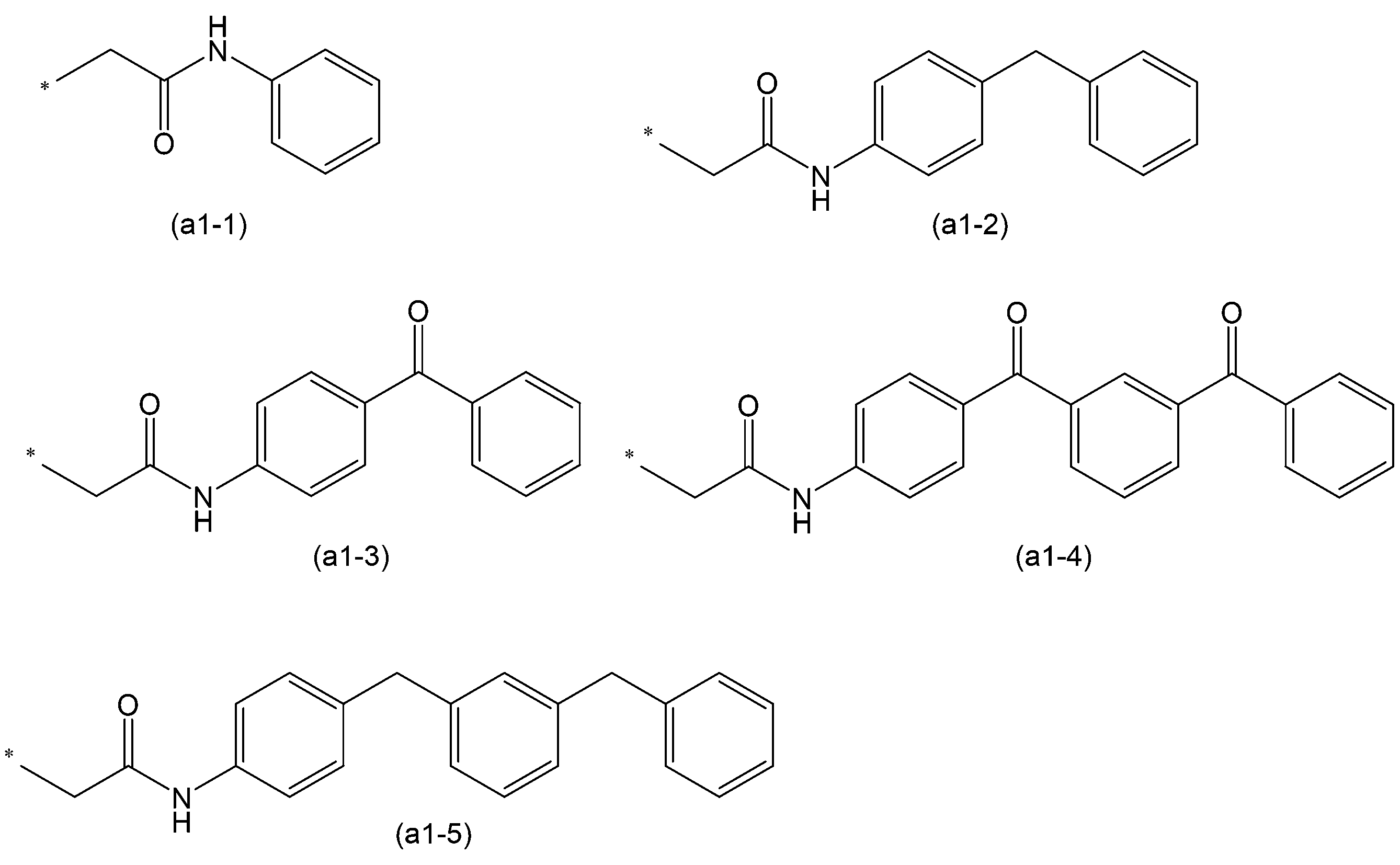
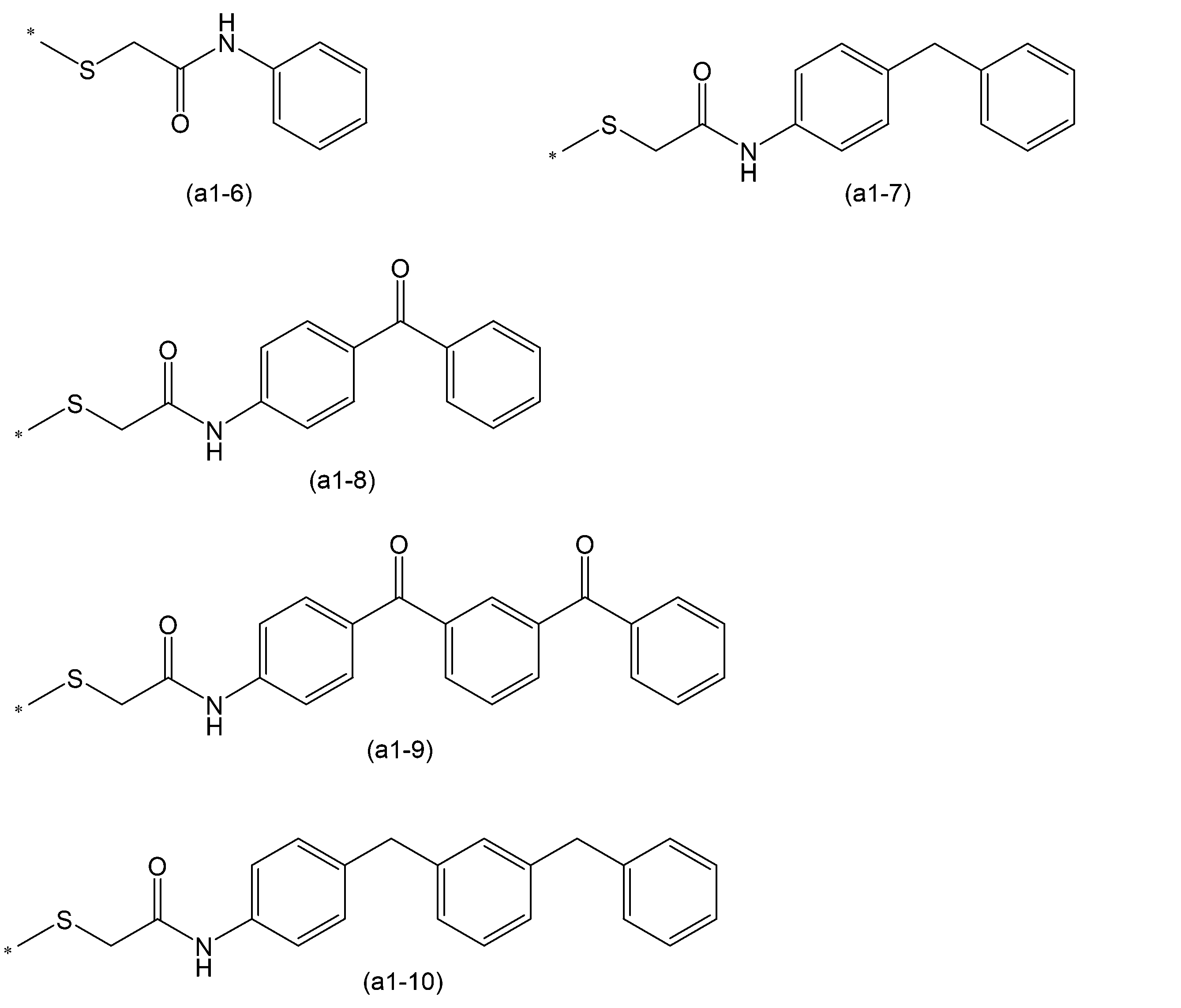
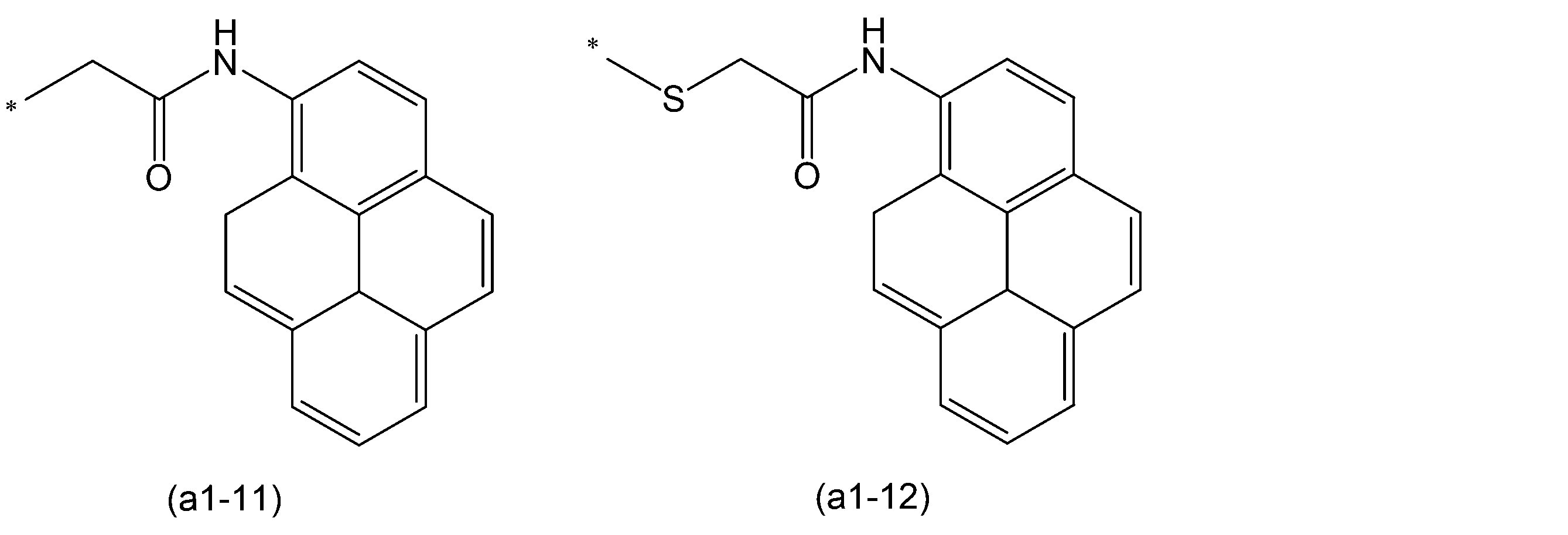
芳香族炭化水素基を含む非天然アミノ酸残基は、本実施形態の抗体が膜タンパク質のMPERに結合したときに、膜に接触する位置に配置されることが好ましい。抗体が膜タンパク質に結合したときに、膜に接触するアミノ酸残基は、X線結晶構造解析により決定することができる。芳香族炭化水素基を含む非天然アミノ酸残基を導入する位置は、重鎖可変領域であってもよく、CDRH1、CDRH2およびCDRH3のいずれか1個以上であってもよく、CDRH3であってもよい。芳香族炭化水素基を含む非天然アミノ酸残基を導入する位置は、軽鎖可変領域であってもよく、CDRL1、CDRL2およびCDRL3のいずれか1個以上であってもよい。
例えば、膜タンパク質がHIVのgp41であり、オリジナル抗体として4E10を利用する場合、芳香族炭化水素基を含む非天然アミノ酸残基を導入する位置としては、例えば、Kabatナンバリングによる100b位又は28位が挙げられる。また、オリジナル抗体として10E8利用する場合、芳香族炭化水素基を含む非天然アミノ酸残基を導入する位置としては、例えば、Kabatナンバリングによる100b位又は65位が挙げられる。
芳香族炭化水素基を含む非天然アミノ酸残基の個数は、特に限定されず、1個以上であればよく、例えば、1~5個、1~4個、1~3個、1~2個、又は1個等が挙げられる。
例えば、膜タンパク質がHIVのgp41であり、オリジナル抗体として4E10を利用する場合、芳香族炭化水素基を含む非天然アミノ酸残基を導入する位置としては、例えば、Kabatナンバリングによる100b位又は28位が挙げられる。また、オリジナル抗体として10E8利用する場合、芳香族炭化水素基を含む非天然アミノ酸残基を導入する位置としては、例えば、Kabatナンバリングによる100b位又は65位が挙げられる。
芳香族炭化水素基を含む非天然アミノ酸残基の個数は、特に限定されず、1個以上であればよく、例えば、1~5個、1~4個、1~3個、1~2個、又は1個等が挙げられる。
オリジナル抗体に、非天然アミノ酸残基を導入する方法は特に限定されず、公知の方法を用いればよい。非天然アミノ酸残基の導入方法としては、例えば、非天然アミノ酸を結合させたアンバーサプレッサーtRNAを用いる方法、システイン残基のSH基を介して芳香族炭化水素基を導入する方法等が挙げられる。
アンバーサプレッサーtRNAを用いる方法では、例えば、部位特異的変異導入の手法を用いて抗体遺伝子にアンバーコドン(TAG)を導入し、非天然アミノ酸を結合させたアンバーサプレッサーtRNAとアミノアシルtRNA合成酵素を大腸菌に導入して、抗体ポリペプチドを合成させる。これにより、アンバーコドンを導入した位置に、非天然アミノ酸残基を導入することができる。抗体ポリペプチド合成は、無細胞翻訳系で行ってもよい。
システイン残基のSH基を介して芳香族炭化水素基を導入する方法では、例えば、部位特異的変異導入の手法を用いて、非天然アミノ酸残基導入位置のアミノ酸残基をシステイン残基に変更し、当該システイン残基のSH基に、ヨード化した芳香族炭化水素化合物を反応させる。これにより、システイン残基のSH基を介して、所望の芳香族炭化水素基を導入することができる。
アンバーサプレッサーtRNAを用いる方法では、例えば、部位特異的変異導入の手法を用いて抗体遺伝子にアンバーコドン(TAG)を導入し、非天然アミノ酸を結合させたアンバーサプレッサーtRNAとアミノアシルtRNA合成酵素を大腸菌に導入して、抗体ポリペプチドを合成させる。これにより、アンバーコドンを導入した位置に、非天然アミノ酸残基を導入することができる。抗体ポリペプチド合成は、無細胞翻訳系で行ってもよい。
システイン残基のSH基を介して芳香族炭化水素基を導入する方法では、例えば、部位特異的変異導入の手法を用いて、非天然アミノ酸残基導入位置のアミノ酸残基をシステイン残基に変更し、当該システイン残基のSH基に、ヨード化した芳香族炭化水素化合物を反応させる。これにより、システイン残基のSH基を介して、所望の芳香族炭化水素基を導入することができる。
本実施形態の抗体は、MPERに特異的に結合する抗体の可変領域に、芳香族炭化水素基を含む非天然アミノ酸残基が導入されているため、主にリン脂質から構成される膜に対する親和性が高い。そのため、MPERに対する結合安定性を向上させることができる。これにより、膜タンパク質がウイルスのエンベロープタンパク質である場合、ウイルスに対する中和活性を向上させることができる。
[抗ウイルス薬]
一態様において、本発明は、前記実施形態の抗体を含む、抗ウイルス薬を提供する。本実施形態の抗ウイルス薬が含有する前記実施形態の抗体は、ウイルスのエンベロープタンパク質のMPERに特異的に結合する抗体である。
一態様において、本発明は、前記実施形態の抗体を含む、抗ウイルス薬を提供する。本実施形態の抗ウイルス薬が含有する前記実施形態の抗体は、ウイルスのエンベロープタンパク質のMPERに特異的に結合する抗体である。
前記実施形態の抗体が、ウイルスのエンベロープタンパク質のMPERに特異的に結合する抗体である場合、当該ウイルスに対して高い中和活性を有し得る。そのため、抗ウイルス薬として使用することができる。本実施形態の抗ウイルス薬が含有する前記実施形態の抗体は、1種でもよく、2種以上でもよい。
本実施形態の抗ウイルス薬の対象ウイルスは、抗体が特異的に結合する膜タンパク質を有するウイルスである。対象ウイルスとしては、上記[抗体]の項で挙げたウイルスと同様のものが挙げられる。対象ウイルスは、好ましくはHIVである。
抗ウイルス薬は、前記実施形態の抗体に加えて、他の成分を含んでいてもよい。前記他の成分は、特に限定されず、医薬品分野において常用されるものを特に制限なく使用することができる。他の成分としては、例えば、後述する薬学的に許容される担体等が挙げられる。抗ウイルス薬は、前記実施形態の抗体と、適宜他の成分とを混合し、公知の方法で製剤化することができる。
抗ウイルス薬の投与経路は、特に限定されないが、非経口投与が好ましい。非経口投与としては、静脈投与、腹腔投与、経腸投与、鼻腔内投与、皮下投与等が挙げられる。これらの中でも静脈投与が好ましい。
抗ウイルス薬の投与対象としては、ヒト、又はヒト以外の哺乳類が挙げられる。ヒト以外の哺乳類は、特に限定されないが、霊長類(サル、チンパンジー、ゴリラなど)、げっ歯類(マウス、ハムスター、ラットなど)、ウサギ、イヌ、ネコ、ウシ、ヤギ、ヒツジ、ウマ等が挙げられる。
本実施形態の抗ウイルス薬は、そのまま対象に投与してもよく、後述する医薬組成物として、対象に投与してもよい。
[医薬組成物]
一態様において、本発明は、前記実施形態の抗体と、薬学的に許容される担体と、を含む、ウイルス感染症を治療又は予防するための医薬組成物を提供する。本実施形態の医薬組成物が含有する前記実施形態の抗体は、ウイルスのエンベロープタンパク質のMPERに特異的に結合する抗体である。
一態様において、本発明は、前記実施形態の抗体と、薬学的に許容される担体と、を含む、ウイルス感染症を治療又は予防するための医薬組成物を提供する。本実施形態の医薬組成物が含有する前記実施形態の抗体は、ウイルスのエンベロープタンパク質のMPERに特異的に結合する抗体である。
本実施形態の医薬組成物の適用対象としては、上記抗ウイルス薬と同様の対象が挙げられる。好ましくは、HIV感染症である。本実施形態の医薬組成物は、後天性免疫不全症候群(AIDS)の治療又は予防のために、HIV感染者に投与してもよい。
本実施形態の医薬組成物が含有する前記実施形態の抗体は、1種でもよく、2種以上でもよい。本実施形態の医薬組成物は、前記抗体に加えて、少なくとも1種の薬学的に許容される担体を含み得る。「薬学的に許容される担体」とは、有効成分の生理活性を阻害せず、且つ、その投与対象に対して実質的な毒性を示さない担体を意味する。「実質的な毒性を示さない」とは、その成分が通常使用される投与量において、投与対象に対して毒性を示さないことを意味する。本実施形態の医薬組成物においては、薬学的に許容される担体は、抗体のウイルス中和活性を阻害せず、且つその投与対象に対して実質的な毒性を示さない担体である。薬学的に許容される担体は、典型的には非活性成分とみなされる、公知のあらゆる薬学的に許容され得る成分を包含する。薬学的に許容される担体は、特に限定されないが、例えば、溶媒、希釈剤、ビヒクル、賦形剤、流動促進剤、結合剤、造粒剤、分散化剤、懸濁化剤、湿潤剤、滑沢剤、崩壊剤、可溶化剤、安定剤、乳化剤、充填剤、保存剤(例えば、酸化防止剤)、キレート剤、矯味矯臭剤、甘味剤、増粘剤、緩衝剤、着色剤等が挙げられる。薬学的に許容される担体は、1種を単独で用いてもよく、2種以上を併用してもよい。
本実施形態の医薬組成物は、前記抗体及び薬学的に許容される担体以外の、他の成分を含んでいてもよい。他の成分は、特に限定されず、医薬分野において常用されるものを特に制限なく使用することができる。また、本医薬組成物は、前記抗体以外の活性成分を含んでいてもよい。活性成分としては、例えば、抗生物質、抗ウイルス剤、抗炎症剤、解熱剤、鎮痛剤等が挙げられるが、これらに限定されない。他の成分は、1種を単独で用いてもよく、2種以上を併用してもよい。
本実施形態の医薬組成物の剤型は、特に制限されず、医薬品製剤として一般的に用いられる剤型とすることができる。本実施形態の医薬組成物は、経口製剤であってもよく、非経口製剤であってもよい。経口製剤としては、例えば、錠剤、被覆錠剤、丸剤、散剤、顆粒剤、カプセル剤、シロップ剤、細粒剤、液剤、ドロップ愛、乳剤等が挙げられる。非経口製剤としては、例えば、注射剤、坐剤、点鼻剤、経腸剤、吸入剤等が挙げられる。これらの剤型の医薬組成物は、定法(例えば、日本薬局方記載の方法)に従って、製剤化することができる。本実施形態の医薬組成物は、非経口製剤であることが好ましく、注射剤であることがより好ましい。
本実施形態の医薬組成物の投与経路は、特に限定されず、経口又は非経口経路で投与することができるが、非経口投与が好ましい。非経口投与の投与経路としては、[抗ウイルス薬]の項で挙げたものと同様のものが挙げられる。
本実施形態の医薬組成物は、前記抗体の治療的有効量を投与することができる。「治療的有効量」とは、対象疾患の治療又は予防のために有効な薬剤の量を意味する。例えば、前記抗体の治療的有効量は、細胞に対するウイルス感染を抑制又は阻害できる量であり得る。治療的有効量は、患者の症状、体重、年齢、及び性別等、並びに医薬組成物の剤型、及び投与方法等によって適宜決定すればよい。例えば、本実施形態の医薬組成物は、前記抗体の1回の投与量として、投与対象の体重1kgあたり、0.01~1000mgとすることができる。前記投与量は、0.05~500mg/kgであってもよく、0.1~300mg/kgであってもよく、0.2~200mg/kgであってもよく、0.3~100mg/kgであってもよい。
本実施形態の医薬組成物は、単位投与形態あたり、治療的有効量の前記抗体を含んでいてもよい。例えば、本実施形態の医薬組成物における前記抗体の含有量は、0.01~90質量%であってもよく、0.05~80質量%であってもよく、0.1~60質量%であってもよい。
本実施形態の医薬組成物の投与間隔は、患者の症状、体重、年齢、及び性別等、並びに医薬組成物の剤型、及び投与方法等によって適宜決定すればよい。投与間隔は、例えば、数時間毎、1日2~3回、1日1回、2~3日に1回、1週間に1回等とすることができる。
本実施形態の医薬組成物は、ウイルスの中和活性が向上した抗体を含有するため、低用量でウイルス感染症に対する治療効果又は予防効果を奏することができる。そのため、治療又は予防にかかるコストを抑制することができる。
[他の態様]
一実施形態において、本発明は、前記実施形態の抗体を対象に投与することを含む、ウイルス感染症を治療又は予防する方法を提供する。
一実施形態において、本発明は、抗ウイルス薬の製造における前記実施形態の抗体の使用を提供する。
一実施形態において、本発明は、ウイルス感染症を治療又は予防するための医薬組成物の製造における前記実施形態の抗体の使用を提供する。
一実施形態において、本発明は、ウイルス感染症を治療又は予防するための前記実施形態の抗体を提供する。
一実施形態において、本発明は、膜タンパク質の膜近位外部領域(MPER)に特異的に結合する抗体の可変領域に、芳香族炭化水素基を含む被天然アミノ酸残基を導入する工程を含む、膜タンパク質に対する結合性が向上した抗体の製造方法を提供する。
一実施形態において、本発明は、膜タンパク質の膜近位外部領域(MPER)に特異的に結合する抗体の可変領域に、芳香族炭化水素基を含む被天然アミノ酸残基を導入する工程を含む、膜タンパク質の膜近位外部領域(MPER)に特異的に結合する抗体の膜タンパク質に対する結合性を向上させる方法を提供する。
一実施形態において、本発明は、前記実施形態の抗体を対象に投与することを含む、ウイルス感染症を治療又は予防する方法を提供する。
一実施形態において、本発明は、抗ウイルス薬の製造における前記実施形態の抗体の使用を提供する。
一実施形態において、本発明は、ウイルス感染症を治療又は予防するための医薬組成物の製造における前記実施形態の抗体の使用を提供する。
一実施形態において、本発明は、ウイルス感染症を治療又は予防するための前記実施形態の抗体を提供する。
一実施形態において、本発明は、膜タンパク質の膜近位外部領域(MPER)に特異的に結合する抗体の可変領域に、芳香族炭化水素基を含む被天然アミノ酸残基を導入する工程を含む、膜タンパク質に対する結合性が向上した抗体の製造方法を提供する。
一実施形態において、本発明は、膜タンパク質の膜近位外部領域(MPER)に特異的に結合する抗体の可変領域に、芳香族炭化水素基を含む被天然アミノ酸残基を導入する工程を含む、膜タンパク質の膜近位外部領域(MPER)に特異的に結合する抗体の膜タンパク質に対する結合性を向上させる方法を提供する。
以下、実験例により本発明を説明するが、本発明は以下の実施例に限定されるものではない。
[修飾抗体の作製]
HIVに対する広域中和抗体(オリジナル抗体)として、4E10及び10E8を選択した。4E10の重鎖全長、軽鎖全長、重鎖可変領域、及び軽鎖可変領域のアミノ酸配列を、配列番号1、2、3、及び4にそれぞれ示す。10E8の重鎖全長、軽鎖全長、重鎖可変領域、及び軽鎖可変領域のアミノ酸配列を、配列番号5、6、7、及び8にそれぞれ示す。これらの抗体は、gp41膜近位外部領域(MPER)に結合する抗体である(図1~3参照)。修飾部位として、エピトープ結合時に膜界面に位置する2つの残基を選択した。第1の修飾位置は、Trp100bを選択した(図3参照)。当該Trp100bは、CDRH3ループに位置する。第2の修飾位置は、CDRH3の外側の部位を選択した。4E10では、Ser28を第2の修飾位置として選択した。10E8では、Ser65を第2の修飾位置として選択した。
HIVに対する広域中和抗体(オリジナル抗体)として、4E10及び10E8を選択した。4E10の重鎖全長、軽鎖全長、重鎖可変領域、及び軽鎖可変領域のアミノ酸配列を、配列番号1、2、3、及び4にそれぞれ示す。10E8の重鎖全長、軽鎖全長、重鎖可変領域、及び軽鎖可変領域のアミノ酸配列を、配列番号5、6、7、及び8にそれぞれ示す。これらの抗体は、gp41膜近位外部領域(MPER)に結合する抗体である(図1~3参照)。修飾部位として、エピトープ結合時に膜界面に位置する2つの残基を選択した。第1の修飾位置は、Trp100bを選択した(図3参照)。当該Trp100bは、CDRH3ループに位置する。第2の修飾位置は、CDRH3の外側の部位を選択した。4E10では、Ser28を第2の修飾位置として選択した。10E8では、Ser65を第2の修飾位置として選択した。
オリジナル抗体として、4E10のFab及び10E8のFabを用いた。これらのFabの上記第1の修飾位置又は第2の修飾位置に、システイン残基を導入した。システイン残基の導入は、標準的な部位特異的変異技術により行った。
オリジナル抗体に導入する分子として、下記の5種類の芳香族化合物を準備した。これらの芳香族化合物は、オリジナル抗体との反応を促進するためにヨードアセトアミド基を含む。芳香族化合物の疎水性を、表1にLog(P)として示した。疎水性は、芳香族性と完全に一致するわけではないが、芳香族性の推定は難しいため、代わりに用いた。Log(P)は、Pirikaニューラルネットワーク法(http://pirika.com/ENG/TCPE/logP-Theory.html)により算出した。

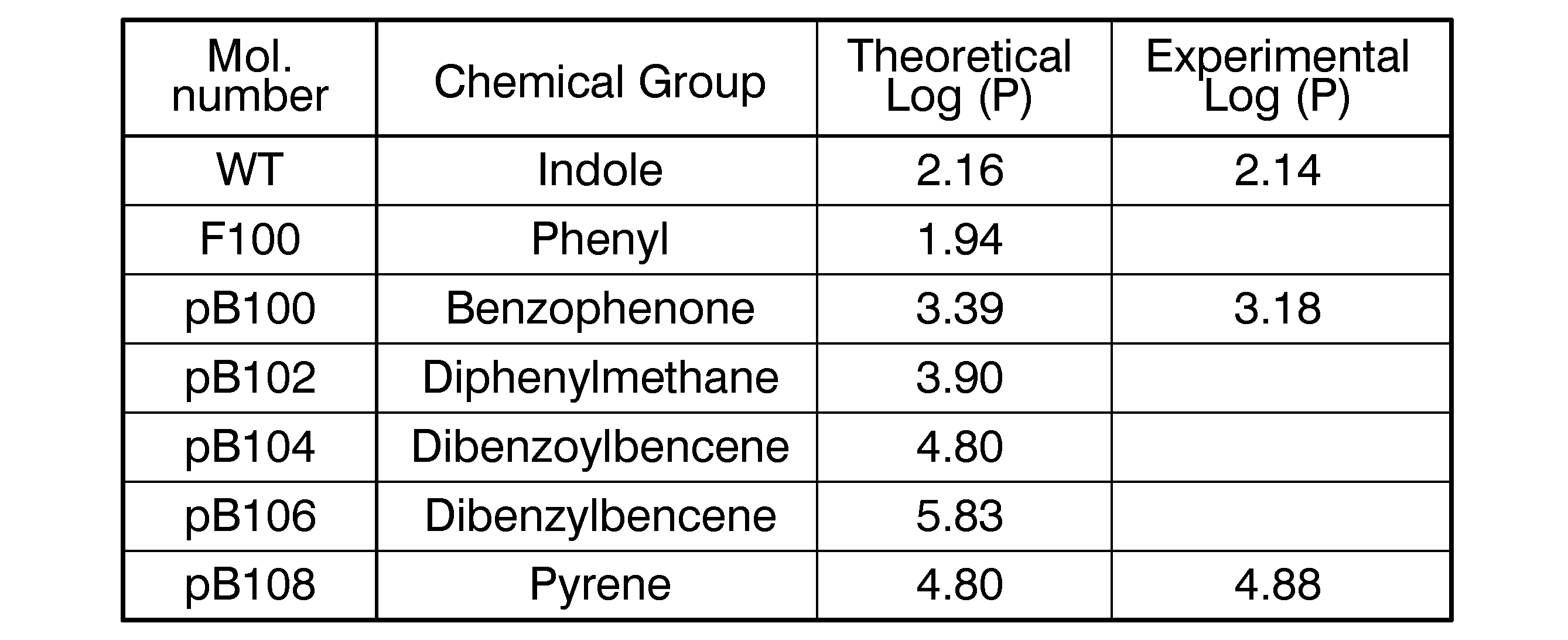
第1の修飾位置又は第2の修飾位置にシステイン残基を導入した4E10又は10E8のFabに、上記芳香族化合物を反応させた。これにより、第1の修飾位置又は第2の修飾位置に、上記芳香族化合物のいずれかが導入された修飾抗体を得た。
より具体的には、前記Fabを、20%グリセロール及び1mMのジチオトレイトール(DTT)を含むPBS(10mMリン酸ナトリウム、pH7.5、150mM NaCl)中で、37℃で、30分間インキュベートした。次いで、PD-10脱塩カラム(GE Healthcare)を用いて、DTTを除去した。Fabタンパク質に対して過剰量の芳香族化合物(Fab:芳香族化合物=1:10(モル比))を投入し、37℃で、16時間インキュベートした。
より具体的には、前記Fabを、20%グリセロール及び1mMのジチオトレイトール(DTT)を含むPBS(10mMリン酸ナトリウム、pH7.5、150mM NaCl)中で、37℃で、30分間インキュベートした。次いで、PD-10脱塩カラム(GE Healthcare)を用いて、DTTを除去した。Fabタンパク質に対して過剰量の芳香族化合物(Fab:芳香族化合物=1:10(モル比))を投入し、37℃で、16時間インキュベートした。
[中和活性の評価]
(4E10のFab)
≪試験例1≫
4E10のFabの第1の修飾位置(100b位)に、F100、pB102、pB106、又はpB108を導入した。抵抗性を増大させたウイルス株である、JRCSF(Titer 2)又はPVO(SVPB11)(Titer 3)のシュードウイルス粒子を用いて、修飾抗体の中和活性を評価した。中和活性は、下記のcell-entryアッセイにより評価した。
(4E10のFab)
≪試験例1≫
4E10のFabの第1の修飾位置(100b位)に、F100、pB102、pB106、又はpB108を導入した。抵抗性を増大させたウイルス株である、JRCSF(Titer 2)又はPVO(SVPB11)(Titer 3)のシュードウイルス粒子を用いて、修飾抗体の中和活性を評価した。中和活性は、下記のcell-entryアッセイにより評価した。
シュードウイルス粒子は、JRCDF(Jamie K. Scott氏及びNaveed Gulzar氏(サイモンフレーザー大学(BC,Canada))から提供された)及びPVO(SVPB11)(the AIDS Research and Reference Reagent Program(ARRRP)から取得した)の全長エンベロープをヒド腎細胞 HEK293Tにトランスフェクションすることにより生成した。GFP及びエンベロープ欠損HIV-1ゲノムをそれぞれコードするpWXLP-GFPベクター及びpCMV8.91ベクター(Patricia Villace氏(CSIC,Madrid,Spain)から提供された)で、細胞をコトランスフェクションした。24時間後、血清を含まないOpti-MEM-GlutaMAX II (Invitrogen Ltd,Paisley,UK)で培地を交換した。トランスフェクションから2日後、シュードウイルス粒子を回収し、孔径0.45μmの滅菌フィルター(Millex(登録商標)HV,Millipore NV,Brussels,Belgium)で濾過し、スクロース勾配を用いた超遠心により、濃縮した。HIVエントリーは、CD4+CXCR4+CCR5+TZM-blの標的細胞(ARRRP, contributed by J. Kappes)を用いて測定した。最後に、HIVシュードウイルス粒子を、不活化血清を添加したDMEMで組織培養感染量の10~20%に希釈し、修飾抗体又はオリジナル抗体(WT)を添加した。72時間後の感染レベルを、BD FACSCalibur Flow Cytometer(Becton Dickinson Immunocytometry Systems, Mountain View, CA)を用いて測定されたGFP陽性細胞の数から推定した。
その結果を図4の左図(W100b)に示した。pB102、pB106、W又はpB108を導入した修飾抗体では、オリジナル抗体(WT)と比較して、中和活性が向上した。導入した芳香族化合物の芳香環の数が多くなるほど、中和活性が向上する傾向にあった。
4E10のFabの第2の修飾位置(28位)に、F100、pB102、pB106、トリプトファン(W)又はpB108を導入した。JRCSF又はPVO(SVPB11)のシュードウイルス粒子を用いて、修飾抗体の中和活性を評価した。
その結果を図4の右図(S28)に示した。修飾抗体では、オリジナル抗体(WT)と比較して、中和活性が向上した。導入した芳香族化合物の芳香環の数が多くなるほど、中和活性が向上する傾向にあった。
その結果を図4の右図(S28)に示した。修飾抗体では、オリジナル抗体(WT)と比較して、中和活性が向上した。導入した芳香族化合物の芳香環の数が多くなるほど、中和活性が向上する傾向にあった。
上記中和活性試験に基づいて、IC50を算出した。IC50の値は、ソフトウェアSigmaPlotの4-パラメータのシグモイドロジスティック関数に実験値を当てはめることで求めた。IC50は、ウイルス感染が最大値の50%になる値に対応する。IC50-fold changeは、修飾抗体のIC50に対するオリジナル抗体(WT:非修飾抗体)のIC50の比率として算出した。
その結果を図5に示す。W100b及びS28は、それぞれ上記芳香族化合物の導入に用いたアミノ酸残基(Trp100b、Ser28)を示す。Lは、ベンゼン環を直鎖状アルキレン基で結合した構造を有する芳香族化合物の導入を示す。Pは、芳香族縮合環構造を有する芳香族化合物の導入を示す。
芳香族化合物を導入した修飾抗体は、いずれのウイルス株でも、オリジナル抗体と比較して、IC50が向上した。導入した芳香族化合物の芳香環の数が多くなるほど、IC50が向上する傾向にあった。
芳香族化合物を導入した修飾抗体は、いずれのウイルス株でも、オリジナル抗体と比較して、IC50が向上した。導入した芳香族化合物の芳香環の数が多くなるほど、IC50が向上する傾向にあった。
≪試験例2≫
4E10のFabの第1の修飾位置(100b位)に、pB100、pB102、pB104、pB106、又はpB108を導入した。PIIIenv(Titer 1)、JRCSF(Titer 2)又はPVO(SVPB11)(Titer 3)のシュードウイルス粒子を用いて、修飾抗体の中和活性を評価した。
その結果を図6~8に示した。図6は、PIIIenv、JRCSF又はSF162を用いて、pB100、pB102、pB104、又はpB106を導入した修飾抗体の中和活性を評価した結果示す。図7は、PIIIenv、JRCSF又はSF162を用いて、pB108を導入した修飾抗体の中和活性を評価した結果を示す。図8は、PVO(SVPB11)を用いて、pB100、pB102、pB104、pB106、又はpB108を導入した修飾抗体の中和活性を評価した結果を示す。芳香族化合物を導入した修飾抗体は、いずれのウイルス株でも、オリジナル抗体と比較して、中和活性が向上した。導入した芳香族化合物の芳香環の数が多くなるほど、中和活性が向上する傾向にあった。
4E10のFabの第1の修飾位置(100b位)に、pB100、pB102、pB104、pB106、又はpB108を導入した。PIIIenv(Titer 1)、JRCSF(Titer 2)又はPVO(SVPB11)(Titer 3)のシュードウイルス粒子を用いて、修飾抗体の中和活性を評価した。
その結果を図6~8に示した。図6は、PIIIenv、JRCSF又はSF162を用いて、pB100、pB102、pB104、又はpB106を導入した修飾抗体の中和活性を評価した結果示す。図7は、PIIIenv、JRCSF又はSF162を用いて、pB108を導入した修飾抗体の中和活性を評価した結果を示す。図8は、PVO(SVPB11)を用いて、pB100、pB102、pB104、pB106、又はpB108を導入した修飾抗体の中和活性を評価した結果を示す。芳香族化合物を導入した修飾抗体は、いずれのウイルス株でも、オリジナル抗体と比較して、中和活性が向上した。導入した芳香族化合物の芳香環の数が多くなるほど、中和活性が向上する傾向にあった。
図6の結果に基づいて、各ウイルス株における各修飾抗体のIC50を算出した。その結果を表2に示す。いずれのウイルス株でも、修飾抗体では、IC50が向上した。導入した芳香族化合物の芳香環の数が多くなるほど、IC50が向上する傾向にあった。
(10E8のFab)
≪試験例1≫
10E8のFabの第1の修飾位置(100b位)に、F100、pB102、pB106、又はpB108を導入した。JRCSF又はPVO(SVPB11)のシュードウイルス粒子を用いて、修飾抗体の中和活性を評価した。
その結果を図9の左図(W100b)に示した。pB102、又はpB108を導入した修飾抗体では、オリジナル抗体(WT)と比較して、中和活性が向上した。
≪試験例1≫
10E8のFabの第1の修飾位置(100b位)に、F100、pB102、pB106、又はpB108を導入した。JRCSF又はPVO(SVPB11)のシュードウイルス粒子を用いて、修飾抗体の中和活性を評価した。
その結果を図9の左図(W100b)に示した。pB102、又はpB108を導入した修飾抗体では、オリジナル抗体(WT)と比較して、中和活性が向上した。
10E8のFabの第2の修飾位置(65位)に、F100、pB102、pB106、W又はpB108を導入した。JRCSF又はPVO(SVPB11)のシュードウイルス粒子を用いて、修飾抗体の中和活性を評価した。
その結果を図9の右図(S65)に示した。修飾抗体では、オリジナル抗体(WT)と比較して、中和活性が向上した。導入した芳香族化合物の芳香環の数が多くなるほど、中和活性が向上する傾向にあった。
その結果を図9の右図(S65)に示した。修飾抗体では、オリジナル抗体(WT)と比較して、中和活性が向上した。導入した芳香族化合物の芳香環の数が多くなるほど、中和活性が向上する傾向にあった。
上記中和活性試験に基づいて、IC50を算出した。IC50及びIC50-fold changeの値は、上記図5と同様の方法で算出した。
その結果を図10に示す。W100b及びS65は、それぞれ上記芳香族化合物の導入に用いたアミノ酸残基(Trp100b、Ser65)を示す。Lは、ベンゼン環を直鎖状アルキレン基で結合した構造を有する芳香族化合物の導入を示す。Pは、芳香族縮合環構造を有する芳香族化合物の導入を示す。
芳香族化合物を導入した修飾抗体は、導入した芳香族化合物の芳香環の数が多くなるほど、IC50が向上する傾向にあった。
芳香族化合物を導入した修飾抗体は、導入した芳香族化合物の芳香環の数が多くなるほど、IC50が向上する傾向にあった。
≪試験例2≫
10E8のFabの第1の修飾位置(100b位)に、pB106又はpB108を導入した。JRCSF又はPVO(SVPB11)のシュードウイルス粒子を用いて、修飾抗体の中和活性を評価した。
その結果を図11に示した。図11は、JRCSF又はPVO(SVPB11)を用いて、pB106又はpB108を導入した修飾抗体の中和活性を評価した結果示す。pB106を導入した修飾抗体は、いずれのウイルス株でも、オリジナル抗体と比較して、中和活性が向上した。
10E8のFabの第1の修飾位置(100b位)に、pB106又はpB108を導入した。JRCSF又はPVO(SVPB11)のシュードウイルス粒子を用いて、修飾抗体の中和活性を評価した。
その結果を図11に示した。図11は、JRCSF又はPVO(SVPB11)を用いて、pB106又はpB108を導入した修飾抗体の中和活性を評価した結果示す。pB106を導入した修飾抗体は、いずれのウイルス株でも、オリジナル抗体と比較して、中和活性が向上した。
図11の結果に基づいて、各ウイルス株における各修飾抗体のIC50を算出した。その結果を表3に示す。いずれのウイルス株でも、修飾抗体では、IC50が向上した。導入した芳香族化合物の芳香環の数が多くなるほど、IC50が向上する傾向にあった。
本発明によれば、膜タンパク質に対する結合性が向上した抗体、前記抗体を含む抗ウイルス薬、及びウイルス感染症を治療又は予防するための医薬組成物が提供される。
以上、本発明の好ましい実施形態を説明および図示してきたが、これらは本発明を例示するものであり、限定的なものとみなされるべきではないことを理解すべきである。本発明の精神または範囲から逸脱することなく、追加、省略、置換、およびその他の変更を行うことができる。したがって、本発明は、前述の説明によって限定されるものとはみなされず、添付の請求項の範囲によってのみ限定される。
Claims (10)
- 膜タンパク質の膜近位外部領域に特異的に結合する抗体であって、
可変領域に、芳香族炭化水素基を含む非天然アミノ酸残基を含む、抗体。 - 前記芳香族炭化水素基が、1~6個の芳香環を有する、請求項1に記載の抗体。
- 前記抗体が前記膜近位外部領域に結合したときに、前記非天然アミノ酸残基が、前記膜タンパク質が存在する膜に接触する、請求項1又は2に記載の抗体。
- 前記抗体が、Fab、Fab’、F(ab’)2、Fv、及びscFvからなる群より選択される抗原結合断片である、請求項1~3のいずれか一項に記載の抗体。
- 前記膜タンパク質が、ウイルスのエンベロープタンパク質である、請求項1~4のいずれか一項に記載の抗体。
- 前記エンベロープタンパク質が、HIVのエンベロープタンパク質である、請求項5に記載の抗体。
- 前記エンベロープタンパク質が、gp41である、請求項6に記載の抗体。
- 前記抗体が、前記膜タンパク質を有するウイルスに対する広域中和抗体である、請求項5~7のいずれか一項に記載の抗体。
- 請求項5~8のいずれか一項に記載の抗体を含む、抗ウイルス薬。
- 請求項5~8のいずれか一項に記載の抗体と、薬学的に許容される担体と、を含む、ウイルス感染症を治療又は予防するための医薬組成物。
Applications Claiming Priority (2)
| Application Number | Priority Date | Filing Date | Title |
|---|---|---|---|
| JP2020-125823 | 2020-07-22 | ||
| JP2020125823A JP2023156532A (ja) | 2020-07-22 | 2020-07-22 | 抗体、及びその使用 |
Publications (1)
| Publication Number | Publication Date |
|---|---|
| WO2022019340A1 true WO2022019340A1 (ja) | 2022-01-27 |
Family
ID=79729176
Family Applications (1)
| Application Number | Title | Priority Date | Filing Date |
|---|---|---|---|
| PCT/JP2021/027419 Ceased WO2022019340A1 (ja) | 2020-07-22 | 2021-07-21 | 抗体、及びその使用 |
Country Status (2)
| Country | Link |
|---|---|
| JP (1) | JP2023156532A (ja) |
| WO (1) | WO2022019340A1 (ja) |
Citations (3)
| Publication number | Priority date | Publication date | Assignee | Title |
|---|---|---|---|---|
| CN102727889A (zh) * | 2012-06-21 | 2012-10-17 | 四川汇宇制药有限公司 | 基于选择病毒受体结合位点的特异性抗体在制备防治病毒感染的生物制品中的应用 |
| US20130266611A1 (en) * | 2012-03-23 | 2013-10-10 | International Aids Vaccine Initiative | Recombinant viral vectors |
| JP2017501986A (ja) * | 2013-12-02 | 2017-01-19 | アーロン ダイアモンド エイズ リサーチ センター | ネイティブな構成を有する二重特異性抗体を使用した細胞レセプターアンカリングによる改善されたhiv−1中和抗体の効力及び幅 |
-
2020
- 2020-07-22 JP JP2020125823A patent/JP2023156532A/ja active Pending
-
2021
- 2021-07-21 WO PCT/JP2021/027419 patent/WO2022019340A1/ja not_active Ceased
Patent Citations (3)
| Publication number | Priority date | Publication date | Assignee | Title |
|---|---|---|---|---|
| US20130266611A1 (en) * | 2012-03-23 | 2013-10-10 | International Aids Vaccine Initiative | Recombinant viral vectors |
| CN102727889A (zh) * | 2012-06-21 | 2012-10-17 | 四川汇宇制药有限公司 | 基于选择病毒受体结合位点的特异性抗体在制备防治病毒感染的生物制品中的应用 |
| JP2017501986A (ja) * | 2013-12-02 | 2017-01-19 | アーロン ダイアモンド エイズ リサーチ センター | ネイティブな構成を有する二重特異性抗体を使用した細胞レセプターアンカリングによる改善されたhiv−1中和抗体の効力及び幅 |
Non-Patent Citations (2)
| Title |
|---|
| GUENAGA, F . ET AL.: "The antibody 2F5 third complementarity-determining region of the heavy Chain (CDRH3) displays length plasticity for binding and neutralization", AIDS RESEARCH AND HUMAN RETROVIRUSES, vol. 27, no. 10, 2011, pages A45 * |
| XU HENGYU, SONG LIKAI, KIM MIKYUNG, HOLMES MARGARET A., KRAFT ZANE, SELLHORN GEORGE, REINHERZ ELLIS L., STAMATATOS LEONIDAS, STRON: "Interactions between Lipids and Human Anti-HIV Antibody 4E10 Can Be Reduced without Ablating Neutralizing Activity", JOURNAL OF VIROLOGY, THE AMERICAN SOCIETY FOR MICROBIOLOGY, US, vol. 84, no. 2, 15 January 2010 (2010-01-15), US , pages 1076 - 1088, XP055901220, ISSN: 0022-538X, DOI: 10.1128/JVI.02113-09 * |
Also Published As
| Publication number | Publication date |
|---|---|
| JP2023156532A (ja) | 2023-10-25 |
Similar Documents
| Publication | Publication Date | Title |
|---|---|---|
| JP7605500B2 (ja) | 抗fam19a5抗体及びその用途 | |
| US20210095021A1 (en) | Bispecific Molecules That Are Immunoreactive With Immune Effector Cells That Express An Activating Receptor And An Antigen Expressed By A Cell Infected By A Virus And Uses Thereof | |
| US8911728B2 (en) | High-affinity fully functional soluble single-domain human CD4, antibodies, and related fusion proteins | |
| DK2831113T3 (en) | ANTIBODIES AGAINST BRADYKININ-B1 RECEPTOR LIGANDS | |
| CN106102837B (zh) | 双特异性hiv-1-中和抗体 | |
| JP2021523874A (ja) | 抗メソセリン抗体およびその抗体薬物コンジュゲート | |
| JP2020504627A (ja) | 抗pd−1抗体及びその使用 | |
| JP2025000681A (ja) | Btla抗体 | |
| JP6949012B2 (ja) | B型肝炎表面抗原に対する抗体及びその使用 | |
| JP2020534791A (ja) | 組換え二重特異性抗体 | |
| AU2018210388A1 (en) | Anti-HERV-K envelope antibody and uses thereof | |
| WO2010003977A1 (en) | Therapeutic use of specific ligand in msrv associated diseases | |
| CN113412121A (zh) | 使用双特异性抗体结合补体和靶抗原的组合物和方法 | |
| CN113444177A (zh) | 抗IL-1β的抗体、其药物组合物及其用途 | |
| CA3168496A1 (en) | Protein-antiviral compound conjugates | |
| US20070292390A1 (en) | Broadly Cross-Reactive Hiv-1 Neutralizing Human Monoclonal Antibodies | |
| CN113518626A (zh) | 用于治疗黄热病的方法和组合物 | |
| US20250296988A1 (en) | Combination therapy | |
| US20210040184A1 (en) | Anti-hiv antibodies | |
| JP2023156532A (ja) | 抗体、及びその使用 | |
| CN117624352A (zh) | 抗Tmem176b抗体、药物组合物及用途 | |
| RU2817697C1 (ru) | Моноклональное антитело iC2 и его антигенсвязывающий фрагмент, селективно связывающие рецептор-связывающий домен Spike-белка вируса SARS-CoV-2, обладающие вируснейтрализующей активностью | |
| RU2817696C1 (ru) | Моноклональное антитело iC1 и его антигенсвязывающий фрагмент, селективно связывающие рецептор-связывающий домен Spike-белка вируса SARS-CoV-2, обладающие вируснейтрализующей активностью | |
| US20260116966A1 (en) | Development and use of novel multispecific tumor inhibitor | |
| WO2021238910A1 (en) | Anti-coronavirus spike protein antibodies and uses thereof |
Legal Events
| Date | Code | Title | Description |
|---|---|---|---|
| 121 | Ep: the epo has been informed by wipo that ep was designated in this application |
Ref document number: 21846791 Country of ref document: EP Kind code of ref document: A1 |
|
| NENP | Non-entry into the national phase |
Ref country code: DE |
|
| 122 | Ep: pct application non-entry in european phase |
Ref document number: 21846791 Country of ref document: EP Kind code of ref document: A1 |
|
| NENP | Non-entry into the national phase |
Ref country code: JP |