WO2021246522A1 - 耐熱性組換え宿主、耐熱性組換え宿主の製造方法、宿主に耐熱性を付与する方法、及び有用物質を生産する方法 - Google Patents
耐熱性組換え宿主、耐熱性組換え宿主の製造方法、宿主に耐熱性を付与する方法、及び有用物質を生産する方法 Download PDFInfo
- Publication number
- WO2021246522A1 WO2021246522A1 PCT/JP2021/021404 JP2021021404W WO2021246522A1 WO 2021246522 A1 WO2021246522 A1 WO 2021246522A1 JP 2021021404 W JP2021021404 W JP 2021021404W WO 2021246522 A1 WO2021246522 A1 WO 2021246522A1
- Authority
- WO
- WIPO (PCT)
- Prior art keywords
- host cell
- host
- pathway
- gene
- recombinant host
- Prior art date
- Legal status (The legal status is an assumption and is not a legal conclusion. Google has not performed a legal analysis and makes no representation as to the accuracy of the status listed.)
- Ceased
Links
Images







Classifications
-
- C—CHEMISTRY; METALLURGY
- C07—ORGANIC CHEMISTRY
- C07K—PEPTIDES
- C07K14/00—Peptides having more than 20 amino acids; Gastrins; Somatostatins; Melanotropins; Derivatives thereof
- C07K14/195—Peptides having more than 20 amino acids; Gastrins; Somatostatins; Melanotropins; Derivatives thereof from bacteria
-
- C—CHEMISTRY; METALLURGY
- C12—BIOCHEMISTRY; BEER; SPIRITS; WINE; VINEGAR; MICROBIOLOGY; ENZYMOLOGY; MUTATION OR GENETIC ENGINEERING
- C12N—MICROORGANISMS OR ENZYMES; COMPOSITIONS THEREOF; PROPAGATING, PRESERVING, OR MAINTAINING MICROORGANISMS; MUTATION OR GENETIC ENGINEERING; CULTURE MEDIA
- C12N1/00—Microorganisms; Compositions thereof; Processes of propagating, maintaining or preserving microorganisms or compositions thereof; Processes of preparing or isolating a composition containing a microorganism; Culture media therefor
-
- C—CHEMISTRY; METALLURGY
- C12—BIOCHEMISTRY; BEER; SPIRITS; WINE; VINEGAR; MICROBIOLOGY; ENZYMOLOGY; MUTATION OR GENETIC ENGINEERING
- C12N—MICROORGANISMS OR ENZYMES; COMPOSITIONS THEREOF; PROPAGATING, PRESERVING, OR MAINTAINING MICROORGANISMS; MUTATION OR GENETIC ENGINEERING; CULTURE MEDIA
- C12N15/00—Mutation or genetic engineering; DNA or RNA concerning genetic engineering, vectors, e.g. plasmids, or their isolation, preparation or purification; Use of hosts therefor
- C12N15/09—Recombinant DNA-technology
- C12N15/11—DNA or RNA fragments; Modified forms thereof; Non-coding nucleic acids having a biological activity
- C12N15/52—Genes encoding for enzymes or proenzymes
-
- C—CHEMISTRY; METALLURGY
- C12—BIOCHEMISTRY; BEER; SPIRITS; WINE; VINEGAR; MICROBIOLOGY; ENZYMOLOGY; MUTATION OR GENETIC ENGINEERING
- C12N—MICROORGANISMS OR ENZYMES; COMPOSITIONS THEREOF; PROPAGATING, PRESERVING, OR MAINTAINING MICROORGANISMS; MUTATION OR GENETIC ENGINEERING; CULTURE MEDIA
- C12N15/00—Mutation or genetic engineering; DNA or RNA concerning genetic engineering, vectors, e.g. plasmids, or their isolation, preparation or purification; Use of hosts therefor
- C12N15/09—Recombinant DNA-technology
- C12N15/63—Introduction of foreign genetic material using vectors; Vectors; Use of hosts therefor; Regulation of expression
- C12N15/74—Vectors or expression systems specially adapted for prokaryotic hosts other than E. coli, e.g. Lactobacillus, Micromonospora
-
- C—CHEMISTRY; METALLURGY
- C12—BIOCHEMISTRY; BEER; SPIRITS; WINE; VINEGAR; MICROBIOLOGY; ENZYMOLOGY; MUTATION OR GENETIC ENGINEERING
- C12N—MICROORGANISMS OR ENZYMES; COMPOSITIONS THEREOF; PROPAGATING, PRESERVING, OR MAINTAINING MICROORGANISMS; MUTATION OR GENETIC ENGINEERING; CULTURE MEDIA
- C12N15/00—Mutation or genetic engineering; DNA or RNA concerning genetic engineering, vectors, e.g. plasmids, or their isolation, preparation or purification; Use of hosts therefor
- C12N15/09—Recombinant DNA-technology
- C12N15/63—Introduction of foreign genetic material using vectors; Vectors; Use of hosts therefor; Regulation of expression
- C12N15/79—Vectors or expression systems specially adapted for eukaryotic hosts
-
- C—CHEMISTRY; METALLURGY
- C12—BIOCHEMISTRY; BEER; SPIRITS; WINE; VINEGAR; MICROBIOLOGY; ENZYMOLOGY; MUTATION OR GENETIC ENGINEERING
- C12N—MICROORGANISMS OR ENZYMES; COMPOSITIONS THEREOF; PROPAGATING, PRESERVING, OR MAINTAINING MICROORGANISMS; MUTATION OR GENETIC ENGINEERING; CULTURE MEDIA
- C12N15/00—Mutation or genetic engineering; DNA or RNA concerning genetic engineering, vectors, e.g. plasmids, or their isolation, preparation or purification; Use of hosts therefor
- C12N15/09—Recombinant DNA-technology
- C12N15/63—Introduction of foreign genetic material using vectors; Vectors; Use of hosts therefor; Regulation of expression
- C12N15/79—Vectors or expression systems specially adapted for eukaryotic hosts
- C12N15/80—Vectors or expression systems specially adapted for eukaryotic hosts for fungi
-
- C—CHEMISTRY; METALLURGY
- C12—BIOCHEMISTRY; BEER; SPIRITS; WINE; VINEGAR; MICROBIOLOGY; ENZYMOLOGY; MUTATION OR GENETIC ENGINEERING
- C12N—MICROORGANISMS OR ENZYMES; COMPOSITIONS THEREOF; PROPAGATING, PRESERVING, OR MAINTAINING MICROORGANISMS; MUTATION OR GENETIC ENGINEERING; CULTURE MEDIA
- C12N5/00—Undifferentiated human, animal or plant cells, e.g. cell lines; Tissues; Cultivation or maintenance thereof; Culture media therefor
- C12N5/10—Cells modified by introduction of foreign genetic material
-
- C—CHEMISTRY; METALLURGY
- C12—BIOCHEMISTRY; BEER; SPIRITS; WINE; VINEGAR; MICROBIOLOGY; ENZYMOLOGY; MUTATION OR GENETIC ENGINEERING
- C12P—FERMENTATION OR ENZYME-USING PROCESSES TO SYNTHESISE A DESIRED CHEMICAL COMPOUND OR COMPOSITION OR TO SEPARATE OPTICAL ISOMERS FROM A RACEMIC MIXTURE
- C12P1/00—Preparation of compounds or compositions, not provided for in groups C12P3/00 - C12P39/00, by using microorganisms or enzymes
-
- C—CHEMISTRY; METALLURGY
- C12—BIOCHEMISTRY; BEER; SPIRITS; WINE; VINEGAR; MICROBIOLOGY; ENZYMOLOGY; MUTATION OR GENETIC ENGINEERING
- C12P—FERMENTATION OR ENZYME-USING PROCESSES TO SYNTHESISE A DESIRED CHEMICAL COMPOUND OR COMPOSITION OR TO SEPARATE OPTICAL ISOMERS FROM A RACEMIC MIXTURE
- C12P1/00—Preparation of compounds or compositions, not provided for in groups C12P3/00 - C12P39/00, by using microorganisms or enzymes
- C12P1/02—Preparation of compounds or compositions, not provided for in groups C12P3/00 - C12P39/00, by using microorganisms or enzymes by using fungi
-
- C—CHEMISTRY; METALLURGY
- C12—BIOCHEMISTRY; BEER; SPIRITS; WINE; VINEGAR; MICROBIOLOGY; ENZYMOLOGY; MUTATION OR GENETIC ENGINEERING
- C12P—FERMENTATION OR ENZYME-USING PROCESSES TO SYNTHESISE A DESIRED CHEMICAL COMPOUND OR COMPOSITION OR TO SEPARATE OPTICAL ISOMERS FROM A RACEMIC MIXTURE
- C12P1/00—Preparation of compounds or compositions, not provided for in groups C12P3/00 - C12P39/00, by using microorganisms or enzymes
- C12P1/04—Preparation of compounds or compositions, not provided for in groups C12P3/00 - C12P39/00, by using microorganisms or enzymes by using bacteria
Definitions
- the present disclosure relates to a heat-resistant recombinant host, a method for producing a heat-resistant recombinant host, a method for imparting heat resistance to the host, and a method for producing a useful substance.
- the culture environment changes momentarily as the degree of culture progresses, and if it is left as it is, it may deviate from the appropriate culture environment. It is important to maintain the yield. For example, fermentation heat is generated by culturing microorganisms, and control to remove this heat is indispensable.
- Non-Patent Document 1 attempts to elucidate the heat-resistant molecular mechanism of heat-resistant fermenting microorganisms for the purpose of establishing a technique for imparting heat resistance to ordinary fermenting microorganisms.
- thermostable molecular mechanism has been sufficiently elucidated in Non-Patent Document 1.
- the present disclosure provides a host imparted with heat resistance.
- the present inventors introduced and expressed a gene group encoding each of a series of enzyme groups responsible for the primary metabolic system into a host, and surprisingly, the recombinant host was expressed.
- the disclosure includes:
- thermostable recombinant host cell operably containing a nucleic acid encoding a family of transgenes of a protein, which is at least two enzymes, wherein the enzyme can be used in the same primary metabolic pathway. Replacement host cell.
- thermostable recombinant host cell according to any one of the above items, wherein the enzyme is a series of enzymes that catalyze a continuous reaction in the primary metabolic pathway.
- Item 3 A heat-resistant recombinant host cell according to any one of the above items, which is a cell of a bacterium, fungus, algae, microalgae, insect, animal or plant.
- thermostable recombinant host cell according to any one of the above items, wherein the nucleic acid encodes a transgene of at least one enzyme derived from an organism of a species different from the host cell.
- nucleic acid encodes a transgene of at least one enzyme derived from an organism of a species different from the host cell.
- nucleic acid encodes a transgene of at least one enzyme derived from an organism of a species different from the host cell.
- thermostable recombinant host cell according to any one of the above items, wherein all the enzymes encoded by the nucleic acids are derived from an organism of the same species as the host cells.
- thermostable recombinant host cell according to any one of the above items, wherein all the enzymes encoded by the nucleic acids have different EC numbers from each other.
- nucleic acid is present outside the genome of the host cell.
- nucleic acid is a plasmid.
- thermostable recombinant host cell according to any one of the above items, wherein the transgene group is expressed and regulated by a single promoter.
- the host cell or host organism containing it has higher growth, proliferation and / or viability at temperatures above 30 ° C. as compared to the same host cell or host organism containing it, except that it does not contain the nucleic acid.
- a heat-resistant recombinant host cell having any of the above items.
- thermostable recombinant host cell according to any one of the above items, which carries a gene cluster of the primary metabolic pathway on the genome.
- thermostable recombinant host cell according to any one of the above items, which comprises introducing the nucleic acid into the host cell.
- composition containing the nucleic acid for producing a thermostable recombinant host cell according to any one of the above items comprises introducing the nucleic acid into the host cell.
- composition containing the nucleic acid for producing a thermostable recombinant host cell according to any one of the above items comprises introducing the nucleic acid into the host cell.
- composition containing the nucleic acid for producing a thermostable recombinant host cell according to any one of the above items according to any one of the above items.
- Item 21 A method for producing a useful substance by culturing a thermostable recombinant host cell according to any one of the above items or a host organism containing the same.
- a method comprising providing the host cell or a host organism comprising the host cell to conditions in which the host cell or the host organism containing the host cell can grow.
- the condition comprises a temperature above the upper limit of temperature at which the same host cell or host organism containing the nucleic acid is viable, except that it does not contain the nucleic acid.
- a composition for producing a useful substance which comprises a thermostable recombinant host cell according to any one of the above items.
- a thermostable recombinant host Escherichia coli having an introductory gene group encoding each of the enzyme groups functionally constituting at least one primary metabolic pathway.
- thermostable recombinant host Escherichia coli according to any one of [1] to [3], wherein the primary metabolic pathway is the Emden-Meyerhoff pathway, the pentose phosphate pathway, the non-mevalonate pathway, or the mevalonate pathway.
- the enzymes that make the Emden-Meyerhoff pathway functional are hexokinsine, glucose-6-phosphate isomerase, phosphofructokinase, aldolase, triose phosphate isomerase, glyceraldehyde-3-phosphate dehydrogenase, and phosphoglycerin.
- thermostable recombinant host Escherichia coli according to [4].
- thermostable recombinant host Escherichia coli according to any one of [1] to [8], which can grow at a temperature higher than 47 ° C.
- the host Escherichia coli has the gene group of the host Escherichia coli itself corresponding to the introduced gene group on the genome, the host Escherichia coli has the gene of the host Escherichia coli itself corresponding to at least one gene of the introduced gene group.
- the heat-resistant recombinant host Escherichia coli according to any one of [1] to [9].
- thermostable recombinant host Escherichia coli which comprises introducing into a host Escherichia coli a group of transgenes encoding each of the enzyme groups functionally constituting at least one primary metabolic system pathway.
- Into host E. coli which comprises introducing into host E. coli a group of introduced genes encoding at least one group of enzymes functionally constituting the primary metabolic pathway and expressing the group of introduced genes in the host E. coli.
- a method of imparting heat resistance is imparting heat resistance.
- each of the configurations [1] to [14] can be arbitrarily selected and combined with two or more.
- a host to which heat resistance is imparted it is possible to provide a host to which heat resistance is imparted. Since such a heat-resistant recombinant host can be cultured even in a temperature environment higher than the normal growth temperature, the conditions of the culture temperature to be controlled can be relaxed, which is advantageous in the production of useful substances using this host. Can be used.
- FIG. 1 is a diagram showing a glycolytic pathway (Mden-Meyerhoff pathway) and enzymes involved in this pathway.
- FIG. 2 is a schematic diagram of a method for obtaining glycolytic fragments for gene accumulation.
- FIG. 3 is a structural diagram of a plasmid (pGETS118-t0-Pr-SfiI).
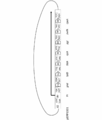
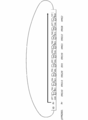
- FIG. 4 is a diagram showing the structure of the glycolytic pathway (Mden-Meyerhoff pathway) operon plasmid by the constructed E. coli gene.
- FIG. 1 is a diagram showing a glycolytic pathway (Mden-Meyerhoff pathway) and enzymes involved in this pathway.
- FIG. 2 is a schematic diagram of a method for obtaining glycolytic fragments for gene accumulation.
- FIG. 3 is a structural diagram of a plasmid (pGETS118-t0-Pr-SfiI).
- FIG. 4 is a diagram showing the structure of the glycolytic pathway (Mden-Meyerhoff pathway) operon plasmi
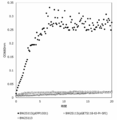
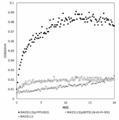
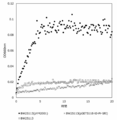
- FIG. 5 is a graph showing the growth curve of the Escherichia coli BW25113 strain into which the glycolytic operon plasmids pGETS8001, pGETS8005, pGETS8006, pGETS8141 or pGETS8145 with the E. coli gene were introduced at 47.4 ° C.
- FIG. 6 is a diagram showing the pentose phosphate pathway and enzymes involved in this pathway.
- FIG. 7 is a structural diagram of a plasmid (pGETS118-t0-SfiI).
- FIG. 8 is a diagram showing the structure of the pentose phosphate pathway operon plasmid by the constructed E. coli gene.
- FIG. 9 is a graph showing the growth curve of Escherichia coli BW25113 strain introduced with the pentose phosphate pathway operon plasmid pEPP1001 by the E. coli gene at 47.4 ° C.
- FIG. 10 is a diagram showing a non-mevalonate pathway and enzymes involved in this pathway.
- FIG. 11 is a diagram showing the structure of a non-mevalonate pathway operon plasmid using the constructed E. coli gene.
- FIG. 12 is a graph showing the growth curve of Escherichia coli BW25113 strain introduced with the non-mevalonate pathway operon plasmid pNONEV1001 / I-PpoI by the E. coli gene at 47.4 ° C.
- FIG. 13 is a diagram showing the structure of the glycolytic pathway (Emden-Meyerhof pathway) operon plasmid by the constructed Saccharomyces cerevisiae gene.
- FIG. 14 is a graph showing a growth curve of Escherichia coli BW25113 strain into which a glycolytic operon plasmid pGETS8433 using a budding yeast gene has been introduced at 47.4 ° C.
- FIG. 15 is a diagram showing the structure of the pentose phosphate pathway operon plasmid by the constructed Saccharomyces cerevisiae gene.
- FIG. 16 is a graph showing the growth curve of Escherichia coli BW25113 strain introduced with the pentose phosphate pathway operon plasmid pYPP1003 by the budding yeast gene at 47.4 ° C.
- FIG. 17 is a diagram showing the mevalonate pathway and the enzymes involved in this pathway.
- FIG. 18 is a diagram showing the structure of the mevalonate pathway operon plasmid by the constructed Saccharomyces cerevisiae gene.
- FIG. 19 is a graph showing the growth curve of Escherichia coli BW25113 strain introduced with the mevalonate pathway operon plasmid pYM2001 by the budding yeast gene at 47.4 ° C.
- FIG. 20 is a diagram showing the structure of a plasmid carrying a glycolytic pathway gene using the constructed Saccharomyces cerevisiae gene.
- FIG. 21 is a graph showing a growth curve of a yeast BY4741 strain into which a glycolytic pathway gene-carrying plasmid pGETS302-Ygly by a budding yeast gene has been introduced into a YPD medium at 40 ° C.
- FIG. 22 is a graph showing a growth curve of a yeast BY4741 strain into which a glycolytic pathway gene-carrying plasmid pGETS302-Ygly by a budding yeast gene has been introduced into an SD-leucine medium at 40 ° C.
- FIG. 21 is a graph showing a growth curve of a yeast BY4741 strain into which a glycolytic pathway gene-carrying plasmid pGETS302-Ygly by a budding yeast gene has been introduced into an SD-leucine medium at 40 ° C.
- FIG. 23 is a diagram showing the structure of the pentose phosphate pathway gene-carrying plasmid using the constructed Saccharomyces cerevisiae gene.
- FIG. 24 is a graph showing a growth curve of a yeast BY4741 strain into which a pentose phosphate pathway gene-carrying plasmid pGETS302-Ypppp by a budding yeast gene has been introduced into a YPD medium at 40 ° C.
- FIG. 25 is a graph showing the growth curve of the yeast BY4741 strain into which the pentose phosphate pathway gene-carrying plasmid pGETS302-Ypppp by the budding yeast gene was introduced into the SD-leucine medium at 40 ° C.
- the term "host” refers to any organism or part thereof (eg, cells, tissues, organs, organs, etc.) intended to undergo genetic manipulation (eg, by introducing a transgene). Alternatively, it refers to any organism or a part thereof that has been genetically engineered.
- host organisms include bacteria, fungi, insects, algae, animals, plants and the like.
- a genetically engineered organism or portion thereof may be described as a "recombinant host.”
- the host may be a multicellular organism as well as a unicellular organism such as a prokaryote, and in that case, a host (cell) that is a part of the host (organism).
- the host When the host intends a cell, it is called a host cell, and when the host intends the whole organism, it may be called a host organism. If the host is a unicellular organism, the host cell can be synonymous with the host organism.
- the host When the host is a multicellular organism, the host organism containing at least one recombinant host cell described herein (preferably the same species as the host cell, but may be a different species) is in the present disclosure. It can be suitably used (for example, it has heat resistance), and such a host organism may be generated only from a recombinant host cell or may be generated together with a cell other than the recombinant host cell. Alternatively, recombinant host cells may be introduced into an advanced developmental host organism to produce the cells.
- the hosts described herein can be cultured or used as host cells, even if the host organism is essentially a species of multicellular organism.
- heat resistant refers to the ability of an organism to grow, proliferate or survive at high temperatures, and herein refers to the organism of interest or a portion thereof as a reference organism type (eg, natural type). Heat resistance if survival or optimal survival is seen at higher temperatures observed in (, wild type, etc.), or if the ability to grow, grow or survive at the same temperature is greater than the reference organism type. Is determined to have been granted. The heat resistance may be determined by the growth limit temperature or the like.
- the reference biological type may be a natural type, a wild type, a type other than the natural type and the wild type, which is usually used in the art, and a type to which the user can apply the technology of the present disclosure.
- the ability of an organism to grow, proliferate or survive is, for example, the number of organisms (eg, cell number), volume, weight (eg, dry weight), germination rate, root elongation and / or death after culturing for a given period of time. It can be evaluated by the proportion of cells, and these may be combined and evaluated using the life span and / or the growth rate of the organism as an index. High ability to grow, proliferate or survive is associated with number, volume and weight size, high germination rate, root elongation length, and can be associated with a low percentage of dead cells. The number, volume, weight and proportion of dead cells of the organism can be measured by any known method in the art.
- Heat resistance can also be quantified as the ability of an organism to grow, proliferate or survive at a given temperature, and heat resistance can be compared between organisms and / or temperatures.
- the thermostable recombinant hosts of the present disclosure may have superior thermostability as compared to the same host prior to genetic engineering. Those skilled in the art can obtain information on the temperature at which normal growth occurs by known information on these information or by actually conducting a test, and can confirm the presence or absence of heat resistance according to the present disclosure.
- the growth limit temperature for each of the exemplary organisms may be Escherichia coli 47 ° C., CHO cells 42 ° C., yeast 40 ° C., Arabidopsis thaliana seedlings 42 ° C.; seeds 50 ° C., and the like.
- Arabidopsis is usually grown at 22 ° C, but it has been reported that seedlings 7 days after growth on an agar medium cannot grow when exposed to 42 ° C to 46 ° C for 20 minutes, and seeds cannot germinate when exposed to 50 ° C for 4 hours or more ( Silva-Correia J, et al., Phenotypic analysis of the Arabidosis heat stress response during germination and early seedling development. Plant Methods. 2014 10 (1): 7).
- the "growth limit temperature” is the upper limit temperature, and when the temperature is exceeded, the longer the culture time of the organism or a part thereof (cells, etc.) is, the more the organism or a part thereof (cells, etc.) is used. ), The temperature at which the volume or weight decreases.
- the term "culture” refers to the provision of an organism or a part thereof (cells, etc.) under conditions in which the organism or a part thereof (cells, etc.) is expected to grow or proliferate. As a result of culturing, it is not always necessary for the organism or a part thereof (cells, etc.) to grow or proliferate.
- a medium may be used for culturing, but a medium may not be used (for example, culturing a plant).
- the term "primary metabolic pathway” refers to various primary metabolic systems that produce primary metabolic products such as sugars, amino acids, nucleic acids, ATP, lignin, and cellulose, which are essential substances for the survival of cells.
- the reaction pathway (reaction circuit) of the above is a central carbon metabolism pathway (for example, including the emdens-Meyerhoff pathway, the Entner-Dudlov pathway, etc.), the pentothric acid pathway, and the citric acid cycle.
- TCA cycle including TCA cycle, electron transport chain (electron transport chain), Calvin-Benson cycle, non-mevalonic acid cycle, mevalonic acid cycle, glycan metabolism circuit, amino acid synthesis pathway, nucleic acid synthesis pathway, fatty acid synthesis pathway, etc.
- primary metabolism Since primary metabolism is an essential metabolism for sustaining life, it is often common among living organisms, and it has universality and regularity in prokaryotes such as Escherichia coli and eukaryotes such as yeast, plants, and animals. Yes, the person skilled in the art understands what the appropriate primary metabolic pathway is, depending on the host (cell, organism) of interest. Each primary metabolic pathway is usually composed of multiple enzymes.
- Enzymes that can be used in one primary metabolic pathway may be used in other primary metabolic pathways.
- the term "continuous reaction" in a metabolic pathway refers to an enzymatic reaction in which the product produced by one reaction is used as a starting material in another reaction.
- the group of enzymes that catalyze each reaction of a continuous reaction is described as "a series of enzymes".
- One of ordinary skill in the art can identify genes for enzymes in primary metabolic pathways in the organism of interest using any known database. Whether or not a substance present in an organism or cell is an "enzyme that can be used in the primary metabolic pathway" is determined by whether or not the substance cannot survive if the substance is deleted in that organism or cell. can do.
- enzyme refers to a protein that is used in the usual sense in the art and has an activity of catalyzing a chemical reaction.
- the activity of the enzyme can also be expressed by the EC number.
- enzymes can be distinguished based on the function of enzyme activity.
- One enzyme may have an enzyme activity represented by a plurality of EC numbers, in which case the enzyme corresponds to an enzyme represented by any one of those EC numbers.
- a biomolecule singular or plural
- the glycolytic PFK1 and PFK2 proteins of yeast can exert enzymatic activity by assembling four molecules each to form an octameric protein complex.
- the octameric protein A protein complex can be described as an enzyme, and the PFK1 and PFK2 proteins (octamers) can be collectively counted as one enzyme, and there are two types of genes encoding these, but these two types are collectively 1 It can be counted as one enzyme (the gene that encodes it).
- the nucleic acid region which may be isolated
- that exhibits a particular catalytic activity when referring to the number of genes (types) encoding an enzyme, the nucleic acid region (which may be isolated) that produces by translation a protein (or protein complex) that exhibits a particular catalytic activity.
- nucleic acid molecule It may be present on another nucleic acid molecule) and can be counted as one gene.
- the entire exon can be counted as one gene.
- Splicing variants with the same enzymatic activity (which may have different activity intensities) can be used interchangeably with each other.
- the entire nucleic acid region encoding those proteins is referred to as one gene. Can be counted.
- the gene for phosphofructokinase can refer to both the yeast PFK1 and PFK2 genes as well as the E. coli pfkA gene.
- the nucleic acid molecule of interest encodes multiple genes with different names, but the multiple genes encode proteins that need to form a complex in order to exert a particular enzyme activity (eg, EC).
- PFK1 and PFK2) of yeast for the enzyme activity of 2.7.1.11) the enzyme contained in the complex exhibiting the specific enzyme activity shall be counted as one.
- the target nucleic acid molecule encodes a protein having a plurality of (two or more) enzyme activities having different or not exactly the same EC number
- the number is counted for each enzyme activity corresponding to the different or not exactly the same EC number, and the number thereof is counted. It shall be counted as encoding the corresponding number (2 or more) of enzymes.
- this nucleic acid molecule also exhibits the activity of EC; 3.1.3.46 alone, so that this nucleic acid molecule is (1) EC; 2.7.1.
- out-of-genome is meant to refer to a nucleic acid present in an organism as a molecule different from or in a molecule different from the nucleic acid molecule encoding the organism's endogenous gene (eg, a chromosome).
- Extragenome nucleic acids typically include nucleic acids in mitochondria and chlorophyll, nucleic acids derived from viruses and phages, plasmids, have promoter and coding regions, and are translated intracellularly to produce proteins. Such as, but not limited to, any nucleic acid.
- plasmid refers to DNA that exists separately from a chromosome in a cell or when introduced into a cell.
- the plasmid is typically circular DNA, but it may also be linear DNA in actinomycetes and the like.
- polynucleotide and “nucleic acid” are used interchangeably and refer to a polymer of nucleotides of any length.
- nucleic acids include DNA, RNA, cDNA, mRNA, rRNA, tRNA, microRNA (miRNA), lncRNA.
- the term also includes “polynucleotide derivatives”.
- Polynucleotide derivative refers to a polynucleotide containing a nucleotide derivative or having an unusual internucleotide bond.
- nucleotide derivative is a nucleotide having a structure different from that of ordinary nucleotides used in natural DNA or RNA, for example, rocked nucleic acid (LNA), 2'-O, 4'-C-ethylene cross-linked nucleic acid.
- LNA rocked nucleic acid
- 2'-O 2'-O
- 4'-C-ethylene cross-linked nucleic acid for example, rocked nucleic acid (LNA), 2'-O, 4'-C-ethylene cross-linked nucleic acid.
- Ethylene nucleic acids such as (2'-O, 4'-C-ethylene bridged nucleic acid, ENA), other bridged nucleic acids (bridged nucleic acid, BNA), hexitol nucleic acids (HNA), amide cross-linked nucleic acids (Amido) -bridged nucleic acid, AmNA), morpholino nucleic acid, tricyclo-DNA (tcDNA), polyether nucleic acid (see, for example, US Pat. No. 5,908,845), cyclohexene nucleic acid (CeNA) and the like.
- ENA 2'-O, 4'-C-ethylene bridged nucleic acid
- BNA bridged nucleic acid
- HNA hexitol nucleic acids
- AmNA amide cross-linked nucleic acids
- morpholino nucleic acid tricyclo-DNA (tcDNA)
- polyether nucleic acid see, for example, US Pat. No. 5,908,845),
- unusual internucleotide bonds include, for example, an oligonucleotide-to-oligonucleotide bond in which a phosphodiester bond is converted to a phosphorothioate bond, and an oligonucleotide in which a phosphodiester bond is converted to an N3'-P5'phospholoamidate bond.
- Examples thereof include internucleotide linkages in which ribose and phosphodiester bonds are converted into peptide nucleic acid bonds.
- nucleic acid sequences are also conservatively modified variants (eg, degenerate codon substitutions) and complementary sequences, as are the expressly indicated sequences. Is intended to be included. Specifically, the degenerate codon substituent creates a sequence in which the third position of one or more selected (or all) codons is replaced with a mixed base and / or deoxyinosine residue. Can be achieved by
- the term "gene” refers to a nucleic acid portion that performs a certain biological function. This biological function is to encode a polypeptide or protein, to encode a protein non-coding functional RNA, to control the production of a polypeptide, protein or protein non-coding functional RNA, specific to a particular protein. Binding to, control of nucleic acid cleavage or replication. Therefore, the genes herein include transcriptional translation regulatory sequences such as promoters, terminators, enhancers, silencers, origins of replication, and internal ribosome entry sites, as well as nucleic acid moieties that encode proteins or protein non-coding functional RNAs. included.
- transgene refers to a gene introduced externally into a host or a gene intended to be introduced externally into a host.
- Gene cluster refers to a plurality of genes. Usually, a gene is used to indicate a concept, but as used herein, it may mean a substance that actually encodes a gene, such as nucleic acid, but those skilled in the art will recognize it correctly depending on the context.
- the fact that two genes are cis means that those genes are present on the same nucleic acid molecule or a nucleic acid molecule having a complementary strand (in the case of a double-stranded nucleic acid).
- operably linked is the control of a transcriptional translational regulatory sequence (eg, promoter, enhancer, etc.) or translational regulatory sequence that has expression (operation) of the desired sequence. It means that it is placed below. In order for a promoter to be operably linked to a gene, the promoter is usually placed immediately upstream of the gene, but it does not necessarily have to be placed adjacent to it. "Operatable” is understood as a concept that includes both expressive and functional. Expressible means that a protein can be produced from a gene encoding a protein, and a functional nucleic acid can be produced from a gene encoding a functional nucleic acid (such as tRNA).
- a transcriptional translational regulatory sequence eg, promoter, enhancer, etc.
- translational regulatory sequence that has expression (operation) of the desired sequence. It means that it is placed below. In order for a promoter to be operably linked to a gene, the promoter is usually placed immediately upstream of the gene, but it does not necessarily have to be placed adjacent
- Functionality means that the encoded protein or functional nucleic acid is capable of exerting its original function (eg, the enzymatic activity of an enzyme).
- the ability of a primary metabolic pathway to function means that a continuous chemical reaction in one primary metabolic pathway can proceed from start to finish, eg, one chemical reaction.
- each enzyme is interchangeable with another enzyme that can catalyze the same chemical reaction, which is derived from the species or strain of the original enzyme, even if it is a variant of the original enzyme. May be a different enzyme (or variant thereof).
- the function is possible if the reaction in at least one reaction pathway proceeds.
- transcriptional translation regulatory sequence is a generic term for promoter sequences, polyadenylation signals, transcription termination sequences, upstream regulatory domains, replication origins, enhancers, IRESs, etc., and they work together to host the host. Enables replication, transcription and translation of coding sequences in cells. Not all of these transcriptional translation regulatory sequences need to be present as long as replication, transcription and translation of the selected coding sequence is possible in a suitable host cell. Those skilled in the art can easily identify regulatory nucleic acid sequences from publicly available information. In addition, one of ordinary skill in the art can identify transcriptional translation regulatory sequences applicable to the intended use, eg, in vivo, ex vivo or in vitro.
- homology of nucleic acids refers to the degree of identity of two or more nucleic acid sequences to each other, and in general, “homology” means a high degree of identity or similarity. Say. Therefore, the higher the homology of two nucleic acids, the higher the identity or similarity of their sequences.
- nucleic acid sequences are typically at least 50% identical, preferably at least 70% identical, more preferably at least 80%, 90%, 95%. , 96%, 97%, 98% or 99% are homologous.
- Amino acids may be referred to herein by either their generally known three-letter symbols or the one-letter symbols recommended by the IUPAC-IUB Biochemical Nomenclature Commission. Nucleotides can also be referred to by the generally recognized one-letter code.
- comparisons of amino acid and base sequence similarity, identity and homology are calculated using default parameters using BLAST, a tool for sequence analysis.
- the identity search can be performed using, for example, NCBI's BLAST 2.10.1+ (issued on June 18, 2020).
- the value of identity in the present specification is usually the value when the above BLAST is used and aligned under the default conditions. However, if a higher value is obtained by changing the parameter, the highest value is used as the identity value. When identity is evaluated in multiple regions, the highest value among them is set as the identity value. Similarity is a numerical value that takes into account similar amino acids in addition to identity.
- a biological substance eg, protein, enzyme, nucleic acid, gene
- a variant of the biological material that exerts (may be) eg, a variant having a modification in the amino acid sequence
- the variant is available as long as it can be used in the same primary metabolic pathway.
- Such variants are aligned over the original molecular fragment, the amino acid or nucleic acid sequence of the original biological material of the same size, or by a computer homology program known in the art.
- Nucleic acids that are at least 30%, 40%, 50%, 60%, 70%, 80%, 90%, 95%, 98% or 99% identical when compared to the sequence of molecules may be included.
- Variants can include molecules with modified amino acids (eg, modified by disulfide bond formation, glycosylation, lipidation, acetylation or phosphorylation) or modified nucleotides (eg, modified by methylation).
- stringent condition refers to a well-known condition commonly used in the art.
- the following conditions can be adopted. (1) use low ion intensity and high temperature for washing (eg, at 50 ° C., 0.015 M sodium chloride / 0.0015 M sodium citrate / 0.1% sodium dodecyl sulfate), (2) during hybridization.
- a denaturing agent such as formamide (eg, at 42 ° C, 50% (v / v) formamide and 0.1% bovine serum albumin / 0.1% ficol / 0.1% polyvinylpyrrolidone / 50 mM sodium citrate buffer, pH 6.5, And 750 mM sodium chloride, 75 mM sodium citrate), or (3) 20% formamide, 5 x SSC, 50 mM sodium phosphate (pH 7.6), 5 x denhard solution, 10% dextran sulfate, and 20 mg / ml denaturation. Incubate overnight at 37 ° C in a solution containing sheared salmon sperm DNA, then wash the filter with 1 ⁇ SSC at about 37-50 ° C.
- formamide eg, at 42 ° C, 50% (v / v) formamide and 0.1% bovine serum albumin / 0.1% ficol / 0.1% polyvinylpyrrolidone / 50 mM sodium citrate buffer, pH 6.5,
- the formamide concentration may be 50% or more.
- the wash time may be 5, 15, 30, 60, or 120 minutes, or longer. Multiple factors such as temperature and salt concentration can be considered as factors that affect the stringency of the hybridization reaction, and for details, refer to Ausubel et al., Current Protocols in Molecular Biology, Wiley Interscience Publishers, (1995). .. Examples of "highly stringent conditions" are 0.0015M sodium chloride, 0.0015M sodium citrate, 65-68 ° C, or 0.015M sodium chloride, 0.0015M sodium citrate, and 50% formamide, 42. °C.
- sequences containing only the A sequence or only the T sequence are preferably excluded from the sequences that hybridize under stringent conditions. Moderate stringent conditions can be easily determined by one of ordinary skill in the art, eg, based on DNA length, Sambrook et al., Molecular Cloning: A Laboratory Manual, No. 3, Vol.
- polypeptides used in the present disclosure are encoded by nucleic acid molecules that hybridize under highly or moderately stringent conditions to the nucleic acid molecules encoding the polypeptides specifically described herein. Polypeptides are also included.
- a "corresponding" gene eg, a polynucleotide sequence or molecule
- a gene for example, a polynucleotide sequence or a molecule
- the gene corresponding to a gene can be the ortholog of that gene.
- the corresponding gene in an organism can be found by searching the sequence database of that organism using the gene sequence of the organism that is the reference for the corresponding gene as a query sequence.
- such "corresponding" genes can be identified and used, in particular, as long as they can be used in the same primary metabolic pathway.
- the term "activity" refers to the function of a molecule in the broadest sense. Activities are not intended to be limiting, but generally include the biological, biochemical, physical or chemical functions of the molecule. The activity includes, for example, enzymatic activity. Where applicable, the term also relates to the function of protein complexes in the broadest sense. In the present disclosure, in particular, it can be considered whether it has the expected activity in the same primary metabolic pathway.
- EC number is a number represented by four sets of numbers following EC according to the reaction type of the enzyme, and is an enzyme member of the International Union of Biochemistry and Biochemistry (currently the International Union of Biochemistry and Molecular Biology). Created by the Society.
- hexokinase may be represented by an EC number of EC; 2.7.1.1.
- a person skilled in the art can easily recognize the type of enzyme corresponding to a specific EC number and which EC number the specific enzyme corresponds to. It should be noted that a certain enzyme may have two or more EC numbers, but even in such a case, it corresponds to the case where they have the same number. When displaying 2 or more EC numbers, it may be displayed with a colon.
- “same” EC number means that the first three digits of the EC number (for example, EC; 2.7.1 in the case of hexokinase) match, and the EC number is "different". Indicates that the first three digits of the EC number do not match.
- enzymes with “same” EC numbers include those with the same and different fourth digits of the EC number.
- “exactly the same” means that all four digits of the EC number match, and "the same” but “not exactly the same” means that the EC number is the same. It means that the first 3 digits match but the 4th digit does not match.
- a purified substance or biological factor is the removal of at least a portion of the factors naturally associated with the substance or biological factor. To say. Therefore, the purity of a purified biological factor is usually higher (ie, enriched) than the condition in which the biological factor is normally present.
- Purified is preferably at least 75% by weight, more preferably at least 85% by weight, even more preferably at least 95% by weight, and most preferably at least 98% by weight of the same type of substance or biological factor. It means that it exists.
- an "isolated" substance or biological factor eg, cell, nucleic acid or protein, etc.
- isolated varies depending on its purpose and does not necessarily have to be expressed in purity, but if necessary, it is preferably at least 75% by weight, more preferably at least 85% by weight, even more preferably. Means that there is at least 95% by weight, and most preferably at least 98% by weight, of the same type of substance or biological factor.
- the substance or biological factor used in the present disclosure is preferably a "purified" or "isolated" substance or biological factor.
- thermostable recombinant host (cell, organism, etc.) operably containing a nucleic acid encoding a set of transgenes of a protein, which is at least two enzymes, wherein the enzymes are the same primary. It can be used in metabolic pathways.
- the thermostable recombinant host of the present disclosure is capable of expressing a set of transgenes encoding each of the enzymes that functionally constitute at least one primary metabolic pathway.
- Such a thermostable recombinant host is a thermostable host because it is endowed with heat resistance as compared with the original host which does not have the above-mentioned transgene group.
- the host may be a multicellular organism as well as a unicellular organism such as a prokaryote, and in that case, a host (cell) that is a part of the host (organism).
- nucleic acids introduced into a host include at least 2, at least 3, at least 4, at least 5, at least 6, at least 7, at least 8, which can be used in the same primary metabolic pathway.
- a set of transgenes of at least 9, at least 10, or at least 11 or more enzymes is encoded.
- the nucleic acid introduced into the host may be one nucleic acid molecule or may be a plurality of nucleic acid molecules.
- the enzyme encoded by each nucleic acid molecule is not particularly limited.
- Nucleic acid introduced into a host may encode the same enzyme at multiple locations, including a first enzyme and a second enzyme that catalyzes the same reaction (including variants of the first enzyme). May be coded.
- Each enzyme encoded by a nucleic acid introduced into a host is an enzyme derived from an organism different from the host, even if it is an enzyme (including a variant) derived from the same organism as the host. It may be (including a variant).
- Each enzyme encoded by the nucleic acid introduced into the host is independently derived from the same strain as the host (including variants) but from a different strain from the host (variants). Including).
- any of 2, 3, 4, 5, 6, 7, 8, 9, 10 or 11 or more of the enzymes encoded by the nucleic acids introduced into the host eg, cells.
- Enzymes (including variants) that are number or all derived from the same species and / or strain as the host.
- the heat-resistant recombinant host of the present disclosure is particularly readily appreciated when all enzymes encoded by the nucleic acids introduced into the host (eg, cells) are from the same species and / or strain as the host. Is expected to be obtained.
- any of 2, 3, 4, 5, 6, 7, 8, 9, 10 or 11 or more of the enzymes encoded by the nucleic acids introduced into the host eg, cells).
- Enzymes (including variants) that are derived in number or all from different organisms and / or different strains from the host.
- the enzyme encoded by the nucleic acid introduced into the host is a series of enzymes that catalyze successive reactions in the primary metabolic pathway.
- the nucleic acid introduced into a host encodes only one type of primary metabolic pathway enzyme.
- the nucleic acid introduced into a host can be the desired enzymatic activity (enzymatic activity that catalyzes multiple reactions of a primary metabolic pathway, and may also be represented as a list of EC numbers. It is possible to encode a group of enzymes that provide all of them. As long as all desired enzyme activities are provided, one enzyme encoded by the nucleic acid may provide a plurality of enzyme activities among the desired enzyme activities, or a plurality of types encoded by the nucleic acid. The enzyme may duplicately provide any of the desired enzyme activities (enzyme activity with the same or exactly the same EC number), or the enzyme activity overlapped between the enzymes encoded by the nucleic acid (enzyme activity).
- the enzyme encoded by the nucleic acid introduced into the host is an enzyme that independently has the same or exactly the same EC number as the enzyme possessed by an organism of the same species as the host. You may.
- the enzymes encoded by the nucleic acids introduced into the host may be enzymes with different or non-identical EC numbers, or with the same or identical EC numbers. It may contain a plurality of enzymes having.
- the enzyme encoded by the nucleic acid introduced into the host is independently another enzyme with the same or exactly the same EC number (which may be from the same host organism or different). It may be derived from the host organism).
- the nucleic acid introduced into a host eg, a cell
- One of ordinary skill in the art can readily identify a list of enzymes and their EC numbers that can be used in the same primary metabolic pathway of a particular organism.
- the nucleic acid introduced into the host may be outside the host's genome (eg, nucleic acids in mitochondria and chlorophyll, nucleic acids derived from viruses and phage, plasmids). However, it may be integrated into the genome of the host. In one embodiment, the nucleic acid introduced into the host is a plasmid (which may be circular or linear).
- the heat resistance of a recombinant host is based on, for example, resistance to heat stress when the recombinant host is exposed to a temperature environment higher than the normal growth temperature of the recombinant host. It means that it is improved compared to the host of. Heat stress can be short-term, such as hours, or long-term, such as days, months, or years. Further, the evaluation of heat resistance is evaluated by the growth state (for example, growth rate, survival rate) of the host in a temperature environment higher than the normal growth temperature (for example, the optimum growth temperature, specifically 37 ° C.). It can be evaluated, for example, by the growth state of the host in a high temperature environment above the growth limit temperature.
- the growth state for example, growth rate, survival rate
- examples of the growth limit temperature of an exemplary organism include Escherichia coli 47 ° C., CHO cells 42 ° C., yeast 40 ° C., Arabidopsis thaliana seedlings 42 ° C.; seeds 50 ° C. and the like.
- the host to be evaluated when evaluating whether or not the host is heat-resistant depending on the growth state of the host (for example, cells, organisms) in a temperature environment higher than the growth limit temperature, for example, the host to be evaluated is grown. It can be evaluated by examining the growth degree of the host by culturing in a medium having a temperature higher than the limit temperature and measuring the turbidity of the medium with a spectrophotometer or the like.
- the heat resistant recombinant host (eg, cell, organism) of the present disclosure is the same host or known organism of the same species (eg, any same) except that it does not contain the nucleic acid encoding the transgene.
- Higher growth limit temperature eg, 0.1 ° C or higher, 0.2 ° C or higher, 0.3 ° C or higher, 0.4 ° C or higher, 0.5 ° C or higher, 0
- 0.1 ° C or higher 0.1 ° C or higher, 0.2 ° C or higher, 0.3 ° C or higher, 0.4 ° C or higher, 0.5 ° C or higher, 0
- the original host can hardly grow at a temperature higher than the growth limit temperature of the original host (for example, 0.1 ° C or higher, 0.4 ° C or higher, 1 ° C or higher, 2 ° C or higher).
- the recombinant host can grow stably, it can be said that the recombinant host is endowed with heat resistance (note that almost no growth is possible even by culturing for 20 hours, for example, at the start of culturing. It means that it grows less than twice the amount of cells).
- the degree of heat resistance can be evaluated by evaluating the degree of growth. It is generally known in the art that the growth limit temperature of Escherichia coli is 47 ° C.
- the growth state at a temperature higher than 47 ° C. for example, 47.1 ° C or higher, 47.4 ° C or higher, 48 ° C or higher, 49 ° C or higher is determined.
- the heat-resistant host of the present disclosure is a host to which heat resistance is imparted as described above, it can grow in a temperature environment higher than the growth limit temperature of the original host, for example.
- the heat-resistant host of the present disclosure which is Escherichia coli, has a temperature higher than, for example, 47 ° C., more specifically, for example, 47.1 ° C. or higher, 47.4 ° C.
- examples of the growth limit temperature of an exemplary organism include Escherichia coli 47 ° C., CHO cells 42 ° C., yeast 40 ° C., Arabidopsis thaliana seedlings 42 ° C.; seeds 50 ° C., etc. It may be possible to grow at a temperature higher than these growth limit temperatures.
- the heat resistant recombinant host (eg, cell, organism) of the present disclosure is the same host or known organism of the same species (eg, any same) except that it does not contain the nucleic acid encoding the transgene.
- Higher temperatures eg, about 20 ° C, about 21 ° C, about 22 ° C, about 23 ° C, about 24 ° C, about 25 ° C, about 26 ° C, about 27 ° C, about 28 ° C
- compared to known organisms of the species compared to known organisms of the species.
- the heat resistant recombinant host eg, cell, organism
- the heat resistant recombinant host is the same host or known organism of the same species (eg, any same) except that it does not contain the nucleic acid encoding the transgene.
- Conditions other than the temperature at the time of evaluation of heat resistance described in the present specification are conditions appropriately set by those skilled in the art so that the target species can normally grow. possible.
- the medium may be an LB medium in which 10 g of Bactryptone, 5 g of Yeast extract, 5 g of sodium chloride is dissolved in 1 L of water, a YPD medium in which 10 g of Yeast extract, 20 g of Bactopton, and 20 g of glucose are dissolved in 1 L of water. Any commercially available medium can be used for culturing the species of interest.
- the shaking condition 250 rpm can be adopted as the shaking condition.
- the conditions other than the temperature for evaluating the heat resistance are the conditions used by the practitioner culturing the same species of organism as the heat resistant recombinant host of the present disclosure (eg, medium). Is.
- Nucleic acids encoding enzymes that can be used in primary metabolic pathways are introduced into the hosts of the present disclosure (eg, cells, organisms).
- the enzyme group encoded by each of the introduced gene groups constitutes a functional primary metabolite pathway, but the primary metabolite pathway selected at this time is not particularly limited and is of any kind. Any primary metabolic pathway can be selected.
- the glycolytic pathway, the pentose phosphate pathway, the citric acid cycle, the electron transfer pathway, the calvin-Benson cycle (existing in plants), the non-mevalonate pathway, or the mevalonate pathway are preferable, and the glycolytic pathway and the pentose phosphate pathway are preferable.
- the non-mevalonate pathway, or the mevalonate pathway is more preferred, and the glycolytic pathway or the pentose phosphate pathway is particularly preferred.
- the host eg, cell, organism
- the host may be introduced with a nucleic acid encoding an enzyme that can be used in the primary metabolic pathway inherent in the species (or strain), or the organism.
- Nucleic acids encoding enzymes that can be used in primary metabolic pathways that the species (or strain) does not originally have may be introduced.
- the primary metabolic pathways in the present disclosure also include primary metabolic pathways such as the mevalonate pathway that E. coli originally does not have.
- the central carbon metabolic pathway is a basic reaction pathway for metabolizing glucose and other sugars in the body of an organism to extract energy, and is typically a glycolytic pathway, a pentose phosphate pathway, or citric acid. Circuits (TCA cycles) are included, but are not limited to these, and include central carbon metabolic pathways well known in the art. In the present disclosure, the glycolytic pathway or the pentose phosphate pathway is preferably selected.
- the glycolytic pathway is a reaction pathway in which glucose is differentiated (catabolized) into an organic acid such as pyruvic acid to extract energy among the central carbon metabolic pathways
- the Emden-Meyerhoff pathway is a typical example. Examples include, but are not limited to, the Entoner-Doudlov pathway, which includes glycolytic pathways well known in the art.
- the specific reaction pathway of the glycolytic pathway differs depending on the species, and it is known that the Emden-Meyerhoff route is used in Escherichia coli, but in the present disclosure, any glycolytic pathway can be selected.
- the non-mevalonate pathway and the mevalonate pathway are biosynthetic reaction pathways of isopentenyl diphosphate (IPP) and dimethylallyl diphosphate (DMAPP) in living organisms. It is known that the non-mevalonate pathway or the mevalonate pathway is used depending on the species, and it is known that the non-mevalonate pathway is used in Escherichia coli. And any of the mevalonate pathways can be selected. Bacteria also generally have both non-mevalonate and mevalonate pathways, such as actinomycetes, which have non-mevalonate pathways. Eukaryotes generally have a mevalonate pathway, but in the case of plants, they have both a mevalonate pathway (present in the cytoplasm) and a non-mevalonate pathway (present in the chloroplast).
- IPP isopentenyl diphosphate
- DMAPP dimethylallyl diphosphate
- transgene clusters of at least two enzymes that can be used in the same primary metabolic pathway can be used.
- the introduced gene group in the present disclosure is a gene group introduced into a host, and is a gene group encoding an enzyme group functionally constituting the above-mentioned primary metabolic system pathway. ..
- the gene cluster comprises a set of genes, each encoding a set of enzymes required to sequentially proceed a continuous chemical reaction of a single primary metabolic pathway from start to finish.
- Preferred examples of the enzyme group of the primary metabolic pathway are hexokinase (EC; 2.7.1.1) and glucose-6-phosphate isomerase (EC; 5) when the primary metabolic pathway is the Emden-Meyerhoff pathway. 3.1.9), phosphofruct kinase (EC; 2.7.1.11), aldolase (EC; 4.1.2.13), triose phosphate isomerase (EC; 5.3.1.11) ), Glyceraldehyde-3-phosphate dehydrogenase (EC; 1.2.1.12), phosphoglycerate kinase (EC; 2.7.2.3), phosphoglycerate mutase (EC; 5.4.
- enolase EC; 4.2.1.11
- pyruvate kinase EC; 2.7.1.40
- a gene group containing glk, pgi, pfkA, fbaA, tipA, gapA, pgk, gpmA, eno and pykF is used. If these gene groups are derived from sprouting yeast (Saccharomyces cerevisiae), they are gene groups containing GLK1, PGI1, PFK1, PFK2, FBA1, Tpi1, TDH2, PGK1, GPM1, ENO2, and PYK1.
- glucose 6-phosphate dehydrogenase EC; 1.1.1.49
- Gluconolactonase EC; 3.11.31
- 6-phosphogluconolate dehydrogenase EC; 1.1.1.44
- ribulose phosphate epimerase EC; 5.1.3.1
- Ribosphosphate isomerase EC; 5.3.1.6
- transketolase EC; 2.2.1.1
- transaldolase EC; 2.2.1.2
- a preferred example of the gene group encoding these enzyme groups is a gene group containing zwfA, pgl, gnd, rpeA, rpiA, tktA, and talB when these gene groups are derived from Escherichia coli.
- a gene cluster containing ZWF1, SOL4, GND1, RPE1, RKI1, TKL1, and TAL1.
- a specific pentose phosphate pathway is shown in FIG. 6 together with a specific enzyme involved in this pathway.
- 1-deoxy-D-xylrose-5-phosphate synthase EC; 2.2. 1.7
- 1-deoxy-D-xylrose-5-phosphate reduct isomerase EC; 1.1.1.267
- 4-diphosphocytidyl-2-C-methyl-D-erythritol synthase EC; 2) 7.7.60
- 4-diphosphocitidyl-2-C-methyl-D-erythritol kinase EC; 2.7.1.148
- 2-C-methyl-D-erythritol-2,4-cycloni Phosphate synthase EC; 4.6.1.12
- E) -4-hydroxy-3-methyl-2-butenyl diphosphate synthase EC; 1.17.7.1.
- 4-Hydroxy- 3-Methyl-2-butenyl diphosphate synthase EC; 1.17.7.1.
- a preferred example of the gene group encoding these enzyme groups is a gene group containing dxs, dxr, ispD, ispE, ispF, ispG, ispH, idi, and ispA when these gene groups are derived from Escherichia coli.
- a specific non-mevalonate pathway is shown in FIG. 10 together with a specific enzyme involved in this pathway.
- acetyl CoA acetyl transferase EC; 2.3.1.9
- HMG-CoA synthase EC; 2.3.3.10
- HMG-CoA reductase EC; 1.1.1.88
- mevalonate kinase EC; 2.71.36
- 5-phosphomevalonic acid kinase EC; 2.7.4.2
- diphosphomevalonic acid decarboxylase EC; 4.11.33
- isopentenyl diphosphate isomerase EC; 5.3.3.2
- geranyl diphosphate kinase farnesyl It is diphosphate kinase EC; 2.5.1.81).
- a preferred example of the gene cluster encoding these enzyme clusters includes ERG10, ERG13, HMG1 or HMG2, ERG12, ERG8, ERG19, IDI1 and ERG20 when these gene clusters are derived from Saccharomyces cerevisiae. It is a gene cluster.
- a specific mevalonate pathway is shown in FIG. 17 together with a specific enzyme involved in this pathway.
- the introduced gene included in the above-mentioned introduced gene group is not particularly limited in its origin, and may be derived from one organism species or a plurality of organism species.
- the species from which the transgene is derived is not limited to Escherichia coli, and can be derived from any species.
- the fact that the introduced gene is derived from an organism species means that the nucleic acid sequence of the introduced gene is functionally equivalent to the nucleic acid sequence known as the nucleic acid sequence of the organism species, for example, as the gene. Differences in nucleic acid sequences that do not affect function (such as the enzymatic activity of the encoded enzyme) are acceptable.
- nucleic acid sequences of such various species can be obtained from a known database such as GenBank of NCBI. Further, in the present disclosure, it is preferable that the introduced gene group is derived from, for example, the gene of the host strain to which it is introduced. As described above, in the present disclosure, heat resistance can be efficiently imparted by selecting a gene derived from the gene of the host strain itself, and for this reason, the transgene can be easily selected.
- the number of the above-mentioned transgene groups possessed by the recombinant host is not particularly limited as long as it is one or more, and even if one transgene group is possessed, a plurality of transgene groups are possessed. May be. For example, it is preferable to have one or two transgene groups, and it is more preferable to have one transgene group. Further, in the recombinant host of the present disclosure, any gene can be introduced and possessed in addition to the above-mentioned introduced gene group.
- Such an arbitrary introduced gene is, for example, a gene encoding an enzyme involved in the production of a useful substance, a gene for imparting drug resistance, or the like, and is appropriately used as a host in order to enhance the usefulness of the recombinant host. be introduced.
- this arbitrary transgene is distinguished from the above-mentioned transgene group.
- transgenes present on the same nucleic acid molecule are expressed and regulated by a single promoter.
- the host is an organism (for example, a cell) into which the above-mentioned introduced gene cluster is appropriately introduced, and the recombinant host into which the introduced gene cluster is appropriately introduced is an enzyme encoded by the introduced gene cluster.
- the flock may be operable.
- the recombinant hosts (eg, cells, organisms) of the present disclosure can express the enzyme group encoded by the introduced gene group, respectively, when cultured under appropriate conditions.
- the host eg, cell, organism
- the host retains on its genome a set of genes for the primary metabolic pathway to be introduced prior to recombination.
- Organisms that can be used as hosts include, but are not limited to, bacteria, fungi, algae, microalgae, insects, animals and plants. Specific organisms that can be used as hosts include Escherichia coli, yeast, maize, cultured human cells, Chinese hamsters, mice, rats, guinea pigs, monkeys, dogs, pigs, cows, camels, orchid algae, green worms, spirulina, botryococcus, Aurantiochytrium, Nannochloropsis, Chlorella, Chinese cabbage, Japanese mustard spinach, broccoli, rapeseed, soybean, azuki, pea, green bean, potato, tomato, eggplant, pepper, tobacco, cucumber, melon, pumpkin, zucchini, carrot , Strawberry, rose, kiku, carnation, Turkish bean, rice, wheat, corn, sorghum, tall grass, ryegrass, pear, citrus, grape, apple, poplar, eucalyptus, cedar, pine, hin
- any Escherichia coli strain can be used, and for example, generally available Escherichia coli K-12 strain, B strain, or a strain derived from these can be used.
- Escherichia coli K-12 strain, B strain, or a strain derived from these can be used.
- MG1655 strain or a strain derived from this, JM109 strain or a strain derived from this, DH5 ⁇ , HB101, BL21 and the like can be used.
- a wild-type Escherichia coli strain is preferable.
- the wild-type host Escherichia coli strain means an Escherichia coli strain that does not involve gene modification (including, for example, gene transfer, gene deletion, etc.), and for example, a gene modification is produced or occurs in the genome of the host Escherichia coli strain.
- the host E. coli does not necessarily have to be a wild-type strain and may contain various genetic modifications in its genome.
- some or all of the genes on the genome of the host Escherichia coli itself corresponding to the transgene group may be deleted.
- the host E. coli has a gene group of the host E. coli itself corresponding to the introduced gene group on the genome
- the host E. coli has a gene of the host E. coli itself corresponding to at least one gene of the introduced gene group. You may be doing it.
- any strain can be used, for example, a generally sold deposit strain can be used.
- specific organisms that can be used as a host include Bacillus subtilis (Marburg 168 strain), Saccharomyces cerevisiae, CHO cells, and Nihonbare (Oryza siva L. cv. Nipponbare), which is a rice variety. , Not limited to these.
- the recombinant host (eg, cell) of the present disclosure can be typically obtained by appropriately introducing and transforming the transgene group into the host.
- the gene to be introduced is introduced with an expression control sequence suitable for the host, and is expressed in the host cell by controlling the expression control sequence.
- the introduction of the introduced gene cluster can be carried out by any established method known in the art.
- the transgene group can be integrated into a vector such as a plasmid or phage that can be introduced into the host, and the host can be transformed using this vector.
- a vector that can be autonomously replicated in a host or can be integrated into a chromosome and has an expression control sequence arranged at a position where the integrated transgene can be controlled is preferably used. It is preferable to use such a vector to construct, for example, a series of constituents including a promoter, a ribosome-binding sequence, a transgene, a transcription termination sequence, and the like in a host cell.
- an expression control sequence is a sequence that enables the expression of a gene (introduced gene) to be introduced in a host, and regulates promoters, ribosome binding sites, enhancers, and transcription of genes or transcription of mRNA.
- control elements include control elements. Control elements that ensure expression in host cells are well known to those of skill in the art and can be appropriately selected and used.
- the promoter is appropriately located upstream of the transgene so that transcription of the transgene can be controlled by providing a recognition and binding site for RNA polymerase to the transgene to be expressed.
- the promoter is not particularly limited as long as it is suitable for the expression of the gene introduced in the host, and for example, a lambda phage-derived Pr promoter, a lac promoter, a tac promoter, a gapA promoter, a T3 promoter, and a T7 promoter are used. Etc. can be used.
- each transgene When transgenes are introduced into a host using a vector, each transgene may be integrated into one vector, or the transgenes may be divided into two or more groups and integrated into the vector for each group. Each transgene may be integrated into a different vector. Further, for example, when two or more transgene groups are introduced into a host, each transgene group may be incorporated into one vector.
- the expression of the plurality of transgenes may be designed to be regulated by a single promoter (for example, it can be said to be a polycistronic operon structure). , Each may be designed to be controlled by a separate promoter.
- the transgenes downstream of the promoter are not particularly limited, and may be arranged in any arrangement. Further, even when the expression of all the genes contained in one introduced gene group is controlled by a single promoter, the sequence of the introduced genes downstream of the promoter is not particularly limited and may be arranged in any order, for example. It can also be placed downstream from the promoter in descending order of intracellular mRNA abundance of the host's own gene.
- the vector may have, for example, a drug selection marker.
- Drug selection markers include, for example, chloramphenicol resistance gene, canamycin resistance gene, ampicillin resistance gene, carbenicillin resistance gene, streptomycin resistance gene, spectinomycin resistance gene, tetracycline resistance gene, neomycin resistance gene, erythromycin resistance gene, and puro. Examples thereof include a mycin resistance gene, a hyglomycin resistance gene, a blastsaidin drug resistance gene, and the like, but there is no particular limitation, and a drug selection marker known in the art can be used. The presence of the drug selection marker on the vector facilitates the selection of the host into which the transgene has been introduced.
- the vector is a plasmid such as an expression vector and the plasmid is retained outside the genome in the host after introduction, the plasmid has a drug selection marker and the plasmid is stable in the host. It becomes possible to be held as a target.
- the method for obtaining the transgene is not particularly limited, and can be obtained by a genetic engineering method generally known in the art, including, for example, a cloning method using PCR, a chemical nucleotide synthesis method, and the like.
- the method of incorporating the transgene into the vector and for example, a method of inserting the transgene into an arbitrary position of the target vector using a restriction enzyme, ligase, etc., which is generally known in the art. It can be incorporated by various methods. Further, when incorporating a plurality of transgenes into one vector, known gene integration methods such as the OGAB method (Ordered Gene Assembly in Bacillus subtilis method), the Golden Gate method, and the Gibson Assembly method can also be used.
- OGAB method Ordered Gene Assembly in Bacillus subtilis method
- the Golden Gate method the Gibson Assembly method
- the method of introducing the vector into the host is not particularly limited, and it may be appropriately selected depending on the vector to be used.
- the calcium phosphate method, DEAE dextran method, electroporation method, lipofection method, lithium chloride method, lithium acetate method, spheroplast method, junction transfer method, particle gun introduction method and the like can be selected.
- the introduced transgene group may exist outside the genome in a state of being integrated into a plasmid such as an expression vector held by the host, or may be integrated into the genome of the host. May be good.
- thermostable recombinant host eg, cell, organism
- the method of making a thermostable recombinant host (eg, cell, organism) of the present disclosure comprises introducing into the host a nucleic acid encoding a transgene of at least two enzymes that can be used in the same primary metabolic pathway.
- the present disclosure relates to nucleic acids encoding transgenes of at least two enzymes that can be used in the same primary metabolic pathway to produce the heat resistant recombinant hosts of the present disclosure (eg, cells, organisms).
- Compositions containing are also provided.
- the method of making a heat resistant recombinant host of the present disclosure allows the host to express a set of introduced genes, each encoding a group of enzymes functionally constituting at least one primary metabolic pathway. Including introduction, which allows a thermostable recombinant host to be obtained. Since the heat-resistant recombinant host of the present disclosure can be obtained by the method for producing a heat-resistant recombinant host of the present disclosure, the above description of the heat-resistant recombinant host also applies to the production method of the present disclosure as it is. be able to.
- the recombinant host into which the introduced gene cluster has been introduced is cultured at a temperature higher than the growth limit temperature of the original host, and the recombinant host is heat-resistant depending on the growth state.
- examples of the growth limit temperature of an exemplary organism include Escherichia coli 47 ° C., CHO cells 42 ° C., yeast 40 ° C., Arabidopsis thaliana seedlings 42 ° C.; seeds 50 ° C., etc. It can be selected based on the fact that it can grow at a temperature higher than these growth limit temperatures.
- the method of conferring heat resistance on a host (eg, cell, organism) of the present disclosure comprises introducing into the host a nucleic acid encoding a transgene of at least two enzymes that can be used in the same primary metabolic pathway.
- the present disclosure also includes nucleic acids encoding transgenes of at least two enzymes that can be used in the same primary metabolic pathway to confer heat resistance to a host (eg, cells, organisms) or compositions containing them. offer.
- the method of conferring heat resistance on a host of the present disclosure introduces into the host a set of transgenes encoding each of the enzymes that functionally constitute at least one primary metabolic pathway, and this transgene.
- heat resistance can be imparted to any host. Since the heat-resistant recombinant host of the present disclosure can be obtained by the method of imparting heat resistance to the host of the present disclosure, the description of the heat-resistant recombinant host shall be applied to the method of the present disclosure as it is. Can be done.
- thermostable recombinant hosts of the present disclosure can be used in methods of producing useful substances. Therefore, the present disclosure also provides a thermostable recombinant host (eg, a cell, an organism) of the present disclosure or a composition containing the same for producing a useful substance.
- a method of producing a useful substance by culturing a thermostable recombinant host of the present disclosure comprises subjecting the host to conditions in which the host can grow.
- the method of producing a useful substance of the present disclosure is a method of producing a useful substance by culturing a host, wherein the host operably constitutes at least one primary metabolic pathway. It is characterized by being a thermostable recombinant host having a group of introduced genes encoding each of the enzyme groups capable of expressing them. Such a host is typically a thermostable recombinant host of the present disclosure.
- thermostable recombinant host for example, cells, organisms
- thermostable recombinant host for example, cells, organisms
- Various methods are already known in the art for producing useful substances by culturing a host (for example, cells, organisms), and any of these methods can be performed using the thermostable recombinant host. sell.
- fermentation production eg, alcohol (ethanol) fermentation, isoprenoid fermentation (eg, carotenoid fermentation, etc.), hydrogen fermentation, methane fermentation, organic acid fermentation (eg, lactic acid fermentation, succinic acid fermentation, citric acid fermentation, etc.), glycerol ( Glycerin) fermentation, amino acid fermentation (eg, glutamic acid fermentation, lysine fermentation, etc.), nucleic acid fermentation (eg, 5'-inosic acid fermentation, guanosine fermentation, uridine fermentation, etc.), etc.), specifically, for example.
- the desired useful substance can be produced.
- genes for peptides and proteins useful in medicine and industry are introduced into the above-mentioned heat-resistant recombinant host, and these are introduced. It can be expressed intracellularly to produce a useful peptide or protein of interest.
- the methods for producing the useful substances of the present disclosure are various separation and purification methods known in the art (for example, centrifugation, hollow thread separation, filtration, precipitation treatment with a solvent, column treatment, etc., depending on the purpose thereof. (For example, an ion exchange column, a gel filtration column, a hydrophobic column, an affinity column, an extraneous column, etc.) may be included, whereby a useful substance of interest can be separated and purified.
- the method for producing the useful substance of the present disclosure uses the above-mentioned heat-resistant recombinant host, the host grows even at a temperature higher than the original growth limit temperature of the host (for example, cells, organisms) used for producing the useful substance. And can produce useful substances. That is, conventionally, when culturing a host to produce a useful substance, the culture conditions are controlled so that the culture conditions do not become higher than the growth limit temperature at which the host cannot grow during the culture of the host. However, in the present disclosure, the culture conditions may be controlled by allowing the culture conditions higher than the growth limit temperature. Therefore, the method for producing the useful substance of the present disclosure can be, for example, a method for producing a useful substance that allows culture conditions higher than the original growth limit temperature of the host.
- the method for producing the useful substance of the present disclosure is, for example, higher than 47 ° C. (for example, 47. It may be a method for producing a useful substance that allows culture conditions of 1 ° C. or higher, 47.4 ° C. or higher, 48 ° C. or higher, 49 ° C. or higher).
- examples of the growth limit temperature of an exemplary organism include Escherichia coli 47 ° C., CHO cells 42 ° C., yeast 40 ° C., white sardine seedlings 42 ° C.; seeds 50 ° C., and the host imparted with heat resistance according to the present disclosure. Culture conditions including temperatures higher than these growth limit temperatures may be set.
- a method for producing a useful substance that allows a culture condition higher than the host's original growth limit temperature is, for example, during culturing, below the host's original growth limit temperature (specifically, 47 in Escherichia coli). At ° C or lower), it can be carried out by a method that does not control to lower the culture temperature.
- the culture temperature is set at a temperature lower than the host's original growth limit temperature, for example, 0.1 ° C higher temperature or lower, 0.4 ° C higher temperature or lower, 1 ° C higher temperature or lower, and 2 ° C higher temperature or lower. It can also be carried out by a method that does not control the decrease.
- the method for producing the useful substance of the present disclosure may be, for example, a method of controlling the culture temperature so as to be higher than the host's original normal growth temperature (for example, the optimum growth temperature) during the culture. good.
- the method for producing the useful substance of the present disclosure may be, for example, a method of culturing the thermostable recombinant host under a temperature condition higher than the original growth limit temperature of the host.
- Escherichia coli glycolytic pathway Conferring heat resistance with an operon plasmid
- Escherichia coli glycolytic pathway Escherichia coli glycolytic pathway
- Escherichia coli was used as the host cell into which the introduced gene cluster was introduced.
- Escherichia coli is BW25113 strain (Datsenko, KA & Wanner, BL (2000) One-step inactivation of chromosomal genes in Escherichia coli K-12 using PCR products. Proc. Natl. Acad. Sci. USA 97 6640-6645). was used.
- Escherichia coli DH5 ⁇ strain was used as a host for performing general gene manipulation such as gene cloning and gene linkage.
- the chemical competent cell of Escherichia coli DH5 ⁇ strain was purchased from Takara Bio Inc.
- Bacillus subtilis BUSY9797 strain (Tsuge, K., Sato, Y., Kobayashi, Y., Gondo, M., Hasebe, M., Togashi, T., Tomita, M. ., Itaya, M. (2015) Method of preparing an equimolar DNA mixture for one-step DNA assembly of over 50 fragments, Scientific Reports, 5, 10655.) was used.
- the pUC19 plasmid was purchased from Takara Bio Inc.
- the pCR-TOPO BruntII vector was purchased from Invitrogen.
- pGETS1118 As a shuttle plasmid vector between Bacillus subtilis and E. coli, pGETS1118 (Kaneko, S., Akioka, M., Tsuge, K., & Itaya, M. DNA shuttling between plasmid vectors and a genome vector: systematic conversion and preservation of DNA libraries using The Bacillus subtilis genome (BGM) vector. J. Mol. Biol. 349, 1036-1044 (2005)) was used.
- T4 DNA ligase (Takara Bio) was used for ligation in gene accumulation by the OGAB method.
- DNA Ligation Kit ⁇ Mighty Mix> (Takara Bio) was used for ligation in the ligation of other DNAs. All restriction enzymes were purchased from New England Biolabs. TE buffer (10 mM Tris-HCl, 1 mM EDTA, pH 8.0) was purchased from Nacalai Tesque. Carbenicillin and tetracycline were purchased from Sigma-Aldrich. 2-Hydroxyethyl agarose (Sigma-Aldrich) was used as the low melting point agarose. For other common electrophoresis agarose gels, UltraPure Agarose (Invitrogen) was used.
- TE saturated phenol and phenol: chloroform: isoamyl alcohol (25:24: 1) were purchased from Nacalai Tesque.
- QIA quick miniprep kit Qiagen
- PCR purification Kit Qiagen
- Bactoryptone, Yeast extract and Bacto Agar were purchased from Becton Dickinson.
- Other media reagents were purchased from Nacalai Tesque.
- the egg white lysozyme, ethidium bromide, was purchased from Sigma-Aldrich.
- Ribonuclease A was purchased from Nacalai Tesque.
- Other general purpose reagents were purchased from Nacalai Tesque.
- the LB medium was prepared by dissolving 10 g of Baktryptone, 5 g of Yeast extract, and 5 g of sodium chloride in 1 L of water and autoclaving. When the agar plate was used, it was prepared by adding 15 g of Bacto Agar to the above LB medium and then autoclaving (121 ° C., 20 minutes). If necessary, carbenicillin (final concentration 100 ⁇ g / mL) or tetracycline (final concentration 10 ⁇ g / mL) was added and used.
- the TF-1 medium and TF-II medium for Bacillus subtilis transformation were prepared as follows.
- TF-I medium 500mL includes a 10 ⁇ Spizizen 50ml, 50% glucose, 2% MgSO 4 ⁇ 7H 2 O, 2% casamino acid, tryptophan, arginine, leucine, each amino acid solution threonine (5 mg / mL) by 5mL each After mixing 415 mL of sterile water, the mixture was prepared by filtering with a filter, and stored at 4 ° C. until use.
- the amount of TF-II medium 500 mL is the same as that of TF-I medium except that 2.5 mL of 2% casamino acid, 0.5 mL of each amino acid solution (5 mg / mL), and 435.5 mL of sterile water are mixed. Was mixed and filtered by a filter, and stored at 4 ° C. until use.
- Escherichia coli BW25113 strain was inoculated into 2 mL of LB medium in a plastic 14 mL test tube (Falcon 2051), and used in a rotary culture device (RT-50, equipped with test tube culture holder SA-1811, manufactured by Titec) at 37 ° C. and 30 rpm. After culturing overnight, 1/1000 of the culture solution was inoculated into 40 mL of LB medium in a 200 mL triangular flask, cultured with shaking at 37 ° C. and 120 spm, and grown until the OD 660 nm became 0.2 to 0.4. ..
- the Erlenmeyer flask was allowed to stand on ice for 10 minutes to stop the growth, and then transferred to a 50 mL plastic centrifuge tube (Falcon 2070) and centrifuged at 5,000 ⁇ g for 10 minutes. Then, the supernatant was discarded, and the cell pellet was collected. 50 mL of a 100 mM calcium chloride solution cooled to 4 ° C. was added to suspend the cell, and the cell was allowed to stand on ice for 30 minutes. After centrifuging at 5,000 ⁇ g for 10 minutes again, the supernatant was discarded to collect the cell pellet, and 50 mL of 100 mM calcium chloride solution cooled to 4 ° C.
- the cell pellet was suspended in 500 ⁇ L of 100 mM calcium chloride, 100 ⁇ L was dispensed into a 1.5 mL centrifuge tube, and the cells were stored at ⁇ 70 ° C. until use. Transfer 100 ⁇ L of dissolved E. coli competent cells to a 1.5 mL centrifuge tube prepared on ice, add plasmid or ligation product to a maximum of 5 ⁇ L, allow to stand on ice for 15 minutes, and then bathe at 42 ° C. After incubation for 45 seconds, the mixture was returned to ice and 200 ⁇ L of SOC medium was added after 2 minutes.
- ⁇ Bacillus transformation method Bacillus subtilis of glycerol stock stored at ⁇ 70 ° C. was inoculated into 2 mL of LB medium in a 14 mL test tube (Falcon 2051) and cultured at 37 ° C. for 17 hours while rotating in a rotary incubator. 900 ⁇ L of TF-I medium was dispensed into a new 14 mL test tube, 25 ⁇ L of 2% casamino acid was added, and then 50 ⁇ L of the preculture solution was added thereto. The cells were cultured at 37 ° C. for 4 hours while rotating in a rotary incubator.
- 900 ⁇ L of TF-II medium was dispensed into a new 14 mL test tube, and 100 ⁇ L of TF-I culture solution was added thereto.
- the cells were cultured at 37 ° C. for 1.5 hours while rotating in a rotary incubator.
- 100 ⁇ L of TF-II culture solution was taken in a 1.5 mL centrifuge tube, and 8 ⁇ L of DNA was added.
- 300 ⁇ L of LB medium was added, and the mixture was further cultured at 37 ° C. for 1 hour while rotating with a rotary culture device. Then, this was spread on an LB medium agar plate containing 10 ⁇ g / mL tetracycline and incubated at 37 ° C. overnight to obtain a transformant.
- ⁇ Method for preparing plasmid from E. coli> A small amount of purification for confirming the structure of the recombinant plasmid constructed in E. coli was performed as follows. E. coli recombinants were inoculated into 2 mL of LB medium containing the antibiotics required to maintain the plasmid in a 14 mL plastic test tube. This was set in a rotary culture device and cultured at a rotation speed of 30 rpm at 37 ° C. overnight. Then, using the QIAprep Spin Miniprep Kit from Qiagen and the automated device QIA cube, the recombinant plasmid was purified according to the manual.
- ⁇ Method for preparing plasmid from Bacillus subtilis> Purification for confirming the structure of the recombinant plasmid constructed in Bacillus subtilis was performed as follows.
- the Bacillus subtilis recombinant was inoculated into 2 mL of LB medium containing tetracycline (10 ⁇ g / mL) in a 14 mL plastic test tube. This was set in a rotary culture device and cultured at a rotation speed of 30 rpm at 37 ° C. overnight. Then, 2 ⁇ L of 1M IPTG was added, and the cells were further cultured for 3 hours or more.
- aqueous ethanol solution was discarded by decantation, and 900 ⁇ L of 70% ethanol was added thereto for rinsing.
- 25 ⁇ L of TE containing RNaseA 3 ⁇ L of 10 mg / mL RNaseA was added to 1 mL of TE) was added and dissolved. 8 ⁇ L of this was taken and transferred to a 500 ⁇ L tube, and 10 ⁇ 1 ⁇ L of restriction enzyme buffer and 1 ⁇ L of restriction enzyme were added to cleave the DNA.
- ⁇ Cut out and purify DNA fragments from electrophoresis gel The amplified DNA fragment was electrophoresed on a general-purpose agarose gel using a 0.7% low melting point agarose gel (2-Hydroxythyl Agarose Type VII, Sigma) in the presence of 1 ⁇ TAE (Tris-Actate-EDTA Buffer, Nakalitesk) buffer.
- the plasmid vector and the unit DNA were separated by running for 1 hour by applying a voltage of 100 V (about 8 V / cm) with an apparatus (i-MyRun.N nucleic acid electrophoresis system, Cosmobio).
- This migration gel was stained with 100 ml of 1 ⁇ TAE buffer containing 1 ⁇ g / mL ethidium bromide for 30 minutes, visualized by illuminating with long wavelength ultraviolet rays (366 mn), and the target size of the PCR product was cut out with a razor and 1.5 ml tube. Collected in. 1 ⁇ TAE buffer was added to the recovered low melting point agarose gel (about 300 mg) to make the total volume about 700 ⁇ L, which was incubated at 65 ° C. for 10 minutes to dissolve the gel. Then, an equal amount of TE saturated phenol was added and mixed well to inactivate the restriction enzyme.
- Centrifugation (20,000 xg, 10 minutes) separated into a phenol phase and an aqueous phase, and the aqueous phase (about 900 ⁇ l) was recovered in a new 1.5 mL tube.
- 500 ⁇ L of 1-butanol was added and mixed well, and then separated by centrifugation (20,000 ⁇ g, 1 minute). The operation of removing 1-butanol saturated with water was repeated until the volume of the aqueous phase became 450 ⁇ L or less, thereby reducing the volume of the aqueous phase.
- glk as hexokinase
- pgi glucose-6-phosphate isomerase
- pfkA phosphofructokinase
- fbaA aldolase
- tpiA triosephosphate isomerase
- gapA as glyceraldehyde-3-phosphate dehydrogenase
- phosphoglycerate kinase Ten genes were selected: pgk, gpmA as phosphoglycerate mutase, eno as enolase, and pykF as pyruvate kinase.
- the region from 17 bp upstream to the stop codon containing the ribosome-binding sequence was used as a gene fragment (Fig. 2).
- E. coli glycolytic operon plasmid ⁇ Construction of E. coli glycolytic operon plasmid>
- five types of E. coli glycolytic operon plasmids pGETS8001, pGETS8005, pGETS8006, pGETS8141, pGETS8145
- pGETS8001 is obtained by linking the 10 glycolytic genes selected above so as to be closer to the Pr promoter in the order of metabolic pathways appearing from upstream in the glycolytic pathway, and specifically (Pr-glk-).
- pGETS8005 is obtained by exchanging and linking the first 5 genes of pGETS8001 and the latter 5 genes. Specifically, (Pr-gap-pgk-gpmA-eno-pykF-glk-pgi-pfkA-fbaA-tpiA). (SEQ ID NO: 45)).
- pGETS8006 is based on the order of the abundance of mRNA linked to the Pr promoter in descending order of the abundance of mRNA of each glycolytic gene when wild-type Escherichia coli is grown in the minimum medium containing glucose as the sole carbon source. It is an operon, specifically (Pr-gapA-eno-pgk-fbaA-gpmA-pgi-pykF-tpiA-pfkA-glk (SEQ ID NO: 46)).
- pGETS8141 and pGETS8145 are 10 glycolytic genes randomly arranged using random numbers, and specifically (Pr-pfkA-eno-fbaA-pykF-gpmA-gapA-glk-pgi-). pgk-tpiA (SEQ ID NO: 47)), (Pr-fbaA-pgi-glk-pgk-pfkA-eno-gapA-gpmA-tpiA-pykF (SEQ ID NO: 48)). These five types of glycolytic operon plasmids were constructed by gene accumulation by the OGAB method as follows.
- ⁇ Construction of destination vector pUC19V series> For gene accumulation by the OGAB method, 10 types of destination vectors were first constructed. These destination vectors are 10 types of destination vectors (pUC19V series: pUC19V-1st to pUC19V-10th in FIG. 2) that impart a 3'end protrusion consisting of specific 3 bases to both ends of a gene fragment. After digesting the Escherichia coli plasmid vector pUC19 with BspQI and EcoRI, electrophoresis was performed using a low melting point agarose gel. The largest fragment of interest was excised from the gel and purified.
- glycolytic gene blocks used for gene accumulation by the OGAB method were prepared by two steps of gene fragment cloning and addition of restriction enzyme sites as follows. Cloning of the gene fragment, which is the first step, was performed by using the genomic DNA of Escherichia coli BW25113 as a template and amplifying it by PCR using a specific primer set corresponding to the gene of interest.
- the primer sets are SEQ ID NOs: 21 and 22 for gapA; SEQ ID NOs: 23 and 24 for eno; SEQ ID NOs: 25 and 26 for pgk; SEQ ID NOs: 27 and 28 for fbaA; SEQ ID NOs: 29 and 30 for gpmA; SEQ ID NOs: 31 and 32; SEQ ID NOs: 33 and 34 for pykF; SEQ ID NOs: 35 and 36 for tipA; SEQ ID NOs: 37 and 38 for pfkA; SEQ ID NOs: 39 and 40 for glk.
- These primers have a specific sequence for each gene in the 3'part and the BspQI site is linked to the 5'part.
- BspQI is a non-palindromic enzyme that can cleave the outside of the recognition sequence to generate a 5'overhang of any 3 bases.
- BspQI recognition sequence By designing the BspQI recognition sequence on the 5'end side of the cleavage site by utilizing this property, if cleavage is performed with BspQI after cloning, a gene fragment containing no recognition sequence can be obtained.
- the 5'end sequences produced by BspQI were designed to be 5'-GTG-3'and 5'-TTA-3' for all gene fragments (FIG. 2).
- 5'-GTG-3' is part of the DraIII recognition sequence and 5'-TTA-3'corresponds to the stop codons of the 10 associated glycolytic genes.
- the transformants appearing on the kanamycin-containing LB plate were subjected to colony PCR, and only those having the correct base sequence were selected.
- the obtained plasmid was cleaved with BspQI, electrophoresed on a low melting point agarose gel, the band containing the gene fragment was excised from the gel, purified, and then dissolved in TE buffer.
- the BspQI fragment of the glycolytic gene and the BspQI fragment of the destination vector are combined based on the arrangement order (described later) of 10 types of glycolytic genes on the polycistronic operon obtained after gene accumulation.
- the obtained plasmid was digested with DraIII alone (other than pUC19V-1st and pUC19V-10th) or DraIII and SfiI (pUC19V-1st and pUC19V-10th), and then subjected to low melting point agarose gel electrophoresis to perform a band containing a gene block.
- a plasmid vector pGETS118-t0-Pr-SfiI (Fig. 3) in which a promoter for driving the operon was ligated was constructed as follows. Based on pGETS118, a lambda phage Pr promoter and a lambda phage t0 terminator for suppressing the inflow of transcription to the Pr promoter were ligated upstream thereof. Two SfiI sites are located downstream of the Pr promoter, and 10 glycolytic genes can be accumulated between the two SfiI sites.
- the Pr promoter is a PRM116 mutant promoter (Gussin, G., Johnson, A., Pabo, C., and Sauer, R. (1983) Repressor and Cro protein: structure, function) that exists in the opposite direction and lacks PRM promoter activity. , And role in lysogenization. In Lambda II, Hendrix, RW., Roberts JW., Stahl, FW., And Weisberg, R. eds. (New York: Cold Spring Harbor), pp 93-121.).
- the PRM116 mutant Pr promoter is the plasmid pGETS109SfiI-PrpE2 (Nishizaki, T., Tsuge, K., Itaya, M., Doi, N., & Yanagawa, H. Metabolic engineering of carotenoid biosynthesis in Escherichia coli by ordered gene assembly in Bacillus subtilis. Appl. Environ. Microbiol. 73, 1355-1361 (2007).)
- primer Hin-t0-Pr-SfiI-DraF SEQ ID NO: 41
- Hin-t0-Pr-SfiI-DraR2 Hin-t0-Pr-SfiI-DraR2
- this primer Since this primer is embedded with a lambda t0 terminator and two SfiI sites, a fragment in which the t0 terminator is linked upstream of the Pr promoter and two SfiI sites are linked downstream is obtained.
- This was cloned into a pCR2.1-TOPO vector (Invitrogen), and after confirming the nucleotide sequence, this fragment was excised with HindIII and DraIII and ligated between the HindIII site and the SfiI site of pGETS118.
- the resulting vector pGETS118-t0-Pr-SfiI has two SfiI sites downstream of the PRM116 mutant Pr promoter transcribed from upstream by the t0 terminator (FIG. 3, SEQ ID NO: 43). ..
- the obtained plasmid was cleaved with SfiI, and the large fragment of interest was electrophoresed on a low melting point agarose gel and then excised from the agarose gel for purification
- ⁇ Adjustment of molar concentration of gene block> A commercially available double-stranded DNA solution (Lambda HindIII digestion, 0.25 ⁇ g / ⁇ L, TOYOBO) was diluted with TE buffer to prepare a 2-fold diluted solution in 14 steps. To 125 ⁇ L of TE containing SYBR-Green I (Molecular Probe Inc.) diluted 8,333 times, 25 ⁇ L of each diluted solution was added. These solutions were transferred to a black opaque 96 microplate and the fluorescence intensity was measured with a fluorescent microplate reader (excitation 485 nm, emission 535 nm, Molecular Probe Inc.) to create a standard curve.
- a fluorescent microplate reader excitation 485 nm, emission 535 nm, Molecular Probe Inc.
- 1 ⁇ L of the solution containing each gene block was diluted with 39 ⁇ L of TE to prepare a working solution.
- TE was added to a part of the working solution to make 25 ⁇ L, mixed with 125 ⁇ L of TE containing SYBR-Green I diluted 8,333 times, and measured with a fluorescent microplate reader.
- the deviation of concentration measurement between gene blocks is minimized by repeating the operation of diluting the working solution and measuring the concentration until all the solutions used reach a certain fluorescence intensity value. I made a limit.
- the molar concentration of the stock solution of the gene block was calculated from the weight concentration calculated from the finally obtained fluorescence intensity and the length (bp) of the DNA of the gene block.
- Gene accumulation by the OGAB method was performed as follows.
- the gene block and the pGETS118-t0-Pr-SfiI fragment were separated by 0.1 fmol and combined into one tube, and TE was added so that the total volume became 10 ⁇ L.
- 11 ⁇ L of 2 ⁇ Ligation Buffer (20% polyethylene glycol 6000,500 mM NaCl, 132 mM Tris-HCl, 13.2 mM MgCl 2 , 20 mM dithiothreitol, 2 mM ATP) and 1 ⁇ L of T4 DNA ligase were added, and the temperature was 37 ° C. for 4 hours. Incubated.
- E. coli glycolytic operon plasmid into E. coli The five glycolytic operon plasmids (pGETS8001, pGETS8005, pGETS8006, pGETS8141, pGETS8145) constructed by the above method and the vector plasmid pGETS118-t0-Pr-SfiI as control plasmids were introduced into Escherichia coli BW25113, respectively, and then chloramphenicol. Selected by LB medium containing 12.5 ⁇ g / mL of phenicol.
- the obtained strains were BW25113 (pGETS8001) strain, BW25113 (pGETS8005) strain, BW25113 (pGETS8006) strain, BW25113 (pGETS8141) strain, BW25113 (pGETS8145) strain, BW25113 (pGETS118-t0-Pr-S) strains, respectively. I named it.
- a growth test was conducted using the above-mentioned Escherichia coli strain prepared by introducing a plasmid and a wild-type Escherichia coli strain into which no plasmid was introduced.
- the prepared Escherichia coli strain was inoculated into 2 mL of LB medium containing chloramphenicol at a final concentration of 12.5 ⁇ g / mL, and then cultured overnight at 37 ° C. and 30 rpm in a rotary incubator, and this was used as preculture. ..
- the BW25113 strain of wild-type Escherichia coli was similarly pre-cultured on an LB medium containing no chloramphenicol.
- the OD600 nm of the preculture solution was measured, and the preculture solution having an OD600 nm equivalent to 0.05 was inoculated into 5 mL of chloramphenicol-free LB medium at room temperature.
- the OD 660 nm at the start of culture is approximately 0.01.
- the main culture was carried out at 47.4 ° C. at a shaking rate of 70 spm for 20 hours by a small shaking culture device (Advantech Toyo TVS062CA). At this time, the growth of Escherichia coli in the main culture was observed over time. It was confirmed that the temperature of the medium was 47.4 ° C.
- thermocouple probe of the K thermocouple thermometer AS ONE TM-300
- the BW25113 (pGETS8001) strain was about 0.20
- BW25113 (pGETS8005) strain was about 0.07
- BW25113 (pGETS8006) strain was about 0.05
- BW25113 (pGETS8141) strain was about 0.10
- pGETS8145 is clear. Growth was confirmed, and it was shown that it can grow even at 47.4 ° C.
- the final reached OD was highest for the BW25113 (pGETS8001) strain, followed by the BW25113 (pGETS8005) strain, the BW25113 (pGETS8145) strain, the BW25113 (pGETS8006) strain, and the BW25113 (pGETS8141) strain.
- Example 2 Conferring heat resistance with the Escherichia coli pentose phosphate pathway operon plasmid
- Escherichia coli pentose phosphate pathway operon plasmid By constructing an Escherichia coli pentose phosphate pathway operon plasmid, introducing it into the host Escherichia coli, and then evaluating its growth at 47.4 ° C, the host Escherichia coli after the introduction of the operon plasmid The heat resistance was evaluated.
- Example 2 the experiment was basically performed by the same method as in Example 1.
- Figure 6 shows an outline of the E. coli pentose phosphate pathway.
- genes involved in this pathway zwfA as glucose 6-phosphate dehydrogenase, pgl as 6-phosphogluconolactonase, gnd as 6-phosphogluconolaconic acid dehydrogenase, rpeA as ribulose phosphate epimerase, rpiA as ribose phosphate isomerase, and transketolase.
- TktA was selected as the trase and tarB was selected as the transaldolase.
- MRNA abundance data by quantitative PCR method described in Ref. Ishii N, et al. Scinece 316, 593-597 (2007) and Ref.
- an Escherichia coli pentose phosphate pathway operon plasmid was constructed in the order of the arrangement of the genes of the pentose phosphate pathway on the polycistronic operon in the order of the abundance of the above mRNA.
- the seven pentose phosphate pathway genes selected above were ligated so as to be closer to the Pr promoter in the order of the abundance of the mRNA (specifically, Pr-gnd-talB-tktA-rpiA-pgl). -ZwfA-rpeA).
- the E. coli pentose phosphate pathway operon plasmid was specifically constructed as follows. First, for the seven genes of the pentotholic acid pathway selected above, the genomic DNA of Escherichia coli BW25113 was used as a template and a specific primer set corresponding to the gene of interest was used in the same manner as in Example 1. The gene fragment from 17 bp upstream of the start codon to the stop codon was amplified by PCR and cloned into the plasmid pMD19 (Takarabio).
- the primer sets are SEQ ID NOs: 49 and 50 for gnd; SEQ ID NOs: 51 and 52 for tarB; SEQ ID NOs: 53 and 54 for tktA; SEQ ID NOs: 55 and 56 for rpiA; SEQ ID NOs: 57 and 58 for pgl; SEQ ID NOs: 59 and 60; SEQ ID NOs: 61 and 62 were used for rpe.
- SEQ ID NOs: 49 and 50 for gnd SEQ ID NOs: 51 and 52 for tarB
- SEQ ID NOs: 55 and 56 for rpiA SEQ ID NOs: 57 and 58 for pgl
- SEQ ID NOs: 59 and 60 SEQ ID NOs: 61 and 62 were used for rpe.
- gnd since the DraIII recognition site exists in the gene fragment and is inconvenient for gene accumulation, a mutation is introduced into one base of the
- the pMD19 plasmid cloned from the wild-type gnd gene fragment was PCR-amplified using the primers shown in SEQ ID NOs: 63 and 64 using the entire plasmid as a template, and then the PCR product was cleaved with the restriction enzyme BsaXI.
- BsaXI restriction enzyme
- Example 2 the six destination vectors from pUC19V-2nd to pUC19V-7th described in Example 1 were hybridized with the oligonucleotides of SEQ ID NOs: 65 and 66, and incorporated into the pUC19 vector by the method described in Example 1.
- Each gene fragment recovered above was ligated to the BspQI cleavage site of a total of 7 destination vectors of the prepared new destination vector pUC19V-8th-Dra in the combination specified below.
- pUC19V-2nd was gnd
- pUC19V-3rd was talB
- pUC19V-4th was tktA
- pUC19V-5th was rpiA
- pUC19V-6th was pgl
- pUC19V-7th was zwfA
- pUC19V-8th-Dra was connected.
- the fragment shown in SEQ ID NO: 67 containing the PRM116 mutant promoter was synthesized and cloned into pMD19 to obtain pMD19-t0-Pr-1st.
- Eight gene blocks were prepared by cleaving the obtained seven plasmids of the pUC19V-series and pMD19-t0-Pr-1st with DraIII, respectively.
- a vector for gene accumulation a fragment obtained by cutting pGETS118-t0-SfiI (see FIG. 7, Document Tsuge, K., et al, Scientific Reports, 5, 10655 (2015)) with SfiI and removing a short fragment was used. ..
- This operon plasmid pEPP1001 or vector plasmid pGETS118-t0-SfiI was introduced into Escherichia coli BW25113, and as described in Example 1, it was precultured overnight at 37 ° C. in LB medium containing 12.5 ⁇ g / mL of chloramphenicol.
- a preculture solution having an OD of 600 nm equivalent to 0.05 was inoculated into 5 mL of LB medium containing no chloramphenicol, and growth at 47.4 ° C. was observed over time.
- the BW25113 strain of wild-type Escherichia coli into which no plasmid was introduced was pre-cultured as described in Example 1, and then the growth at 47.4 ° C. was observed over time in the same manner as the plasmid-introduced strain.
- the control wild-type BW25113 strain and the vector-bearing strain grew at OD 660 nm 0.02, which was about twice as much as that at the time of inoculation, whereas they could not grow at 47.4 ° C. It was confirmed that Escherichia coli having pEPP1001 grows up to about 0.25 and can grow even at 47.4 ° C.
- Example 3 Conferring heat resistance with E. coli non-mevalonic acid pathway operon plasmid
- the host after introduction of the operon plasmid was constructed by constructing an E. coli non-mevalonic acid pathway operon plasmid, introducing it into the host Escherichia coli, and then evaluating its growth at 47.4 ° C. The heat resistance of E. coli was evaluated.
- Example 3 the experiment was basically performed by the same method as in Example 1.
- E. coli non-mevalonate pathway The outline of the E. coli non-mevalonate pathway is shown in FIG. Regarding genes involved in this pathway, dxs as 1-deoxy-D-xylrose-5-phosphate synthase, dxr as 1-deoxy-D-xylrose-5-phosphate redduct isomerase, 4-diphosphocytidyl-2-C-methyl.
- -D-Erythritol synthase isspD
- 4-diphosphocytidyl-2-C-methyl-D-erythritol kinase isspE
- 2-C-methyl-D-erythritol-2,4-cyclodiphosphate synthase isspF
- IspG as -4-hydroxy-3-methyl-2-butenyl diphosphate synthase
- ispH 4-hydroxy-3-methyl-2-butenyl diphosphate reductase
- idi as isopentenyl diphosphate isomerase
- geranyl diphosphate IspA was selected as the synthase / farnesyl diphosphate synthase.
- the abundance of these mRNAs was measured for Escherichia coli grown on a MOPS medium containing 0.4% glucose (see Wanner, B., Journal of Molecular Biology 191, 39-58 (1986)), and ispA, ispG. , Dxs, ispF, ispH, ispE, ispD, dxr, and idi, in that order, the abundance of mRNA was higher.
- an Escherichia coli non-mevalonate pathway operon plasmid was constructed in which the order of gene arrangement of the non-mevalonate pathway gene on the polycistronic operon was the order of the abundance of the above mRNA.
- the nine non-mevalonate pathways selected above were ligated so as to be closer to the Pr promoter in the order of the abundance of the mRNA (specifically, Pr-ispA-ispG-dxs-ispF-ispH). -IspE-ispD-dxr-idi).
- the E. coli non-mevalonate pathway operon plasmid was specifically constructed as follows. First, for the nine non-mevalonic acid pathway genes selected above, the genomic DNA of Escherichia coli BW25113 was used as a template in the same manner as in Example 1, and a specific primer set corresponding to the target gene was used. The gene fragment from 17 bp upstream of the start codon to the stop codon was amplified by PCR and cloned into the plasmid pCR2.1-TOPO (Invitrogen).
- the primer set includes SEQ ID NOs: 69 and 70 for ispA; SEQ ID NOs: 71 and 72 for ispG; SEQ ID NOs: 73 and 74 for dxs; SEQ ID NOs: 75 and 76 for ispF; SEQ ID NOs: 77 and 78 for ispH; SEQ ID NOs: 79 and 80; SEQ ID NOs: 81 and 82 for ispD; SEQ ID NOs: 83 and 84 for dxr; SEQ ID NOs: 85 and 86 for idi were used.
- the promoter of the prs gene affects the amino acid sequence.
- the mutation was introduced in a non-giving manner. Specifically, the full length of pCR2.1-TOPO cloned from wild-type ispE is amplified by PCR using the primers shown in SEQ ID NOs: 87 and 88, and then the PCR product is cleaved with BsmBI and self-closed. Obtained a plasmid containing an ispE gene fragment in which the internal promoter was disrupted.
- each plasmid was cleaved with BspQI to recover each gene fragment.
- the destination vector was changed from that used in Example 1 to construct a new destination vector.
- two specific oligonucleotides selected from SEQ ID NOs: 89 to 106 for pUC19V-SfiI-1st, SEQ ID NO: 89 and SEQ ID NO: 90 are used, and similarly, pUC19V-SfiI-2nd to pUC19V-SfiI.
- pUC19V-SfiI-1st for ispA pUC19V-SfiI-2nd for ispG
- pUC19V-SfiI-3rd for dxs pUC19V-SfiI-4th for ispF
- pUC19V-SfiI-5th for ispH pUC19V-Sf IspD was connected to SfiI-7th
- dxs was connected to pUC19V-SfiI-8th
- idi was connected to pUC19V-SfiI-9th10th.
- Nine gene blocks were prepared by cleaving the obtained nine pUC19V-series plasmids with SfiI.
- the gene accumulation vector As the gene accumulation vector, a fragment obtained by cleaving pGETS118-t0-Pr-SfiI used in Example 1 with SfiI to remove a short fragment was used. These 10 gene accumulation blocks are accumulated by the OGAB method described in Example 1, and the operon plasmid pNONEV1001 is composed of a ligation sequence of Pr-ispA-ispG-dxs-ispF-ispH-ispE-ispD-dxr-idi.
- the operon plasmid pNONMEV1001 / I-PpoI or the vector plasmid pGETS118-t0-Pr-SfiI was introduced into Escherichia coli BW25113 in LB medium containing 12.5 ⁇ g / mL of chloramphenicol as described in Example 1 at 37 ° C. After overnight preculture, a preculture solution having an OD of 600 nm equivalent to 0.05 was inoculated into 5 mL of LB medium containing no chloramphenicol, and growth at 47.4 ° C. was observed over time.
- the BW25113 strain of wild-type Escherichia coli into which no plasmid was introduced was pre-cultured as described in Example 1, and then the growth at 47.4 ° C. was observed over time in the same manner as the plasmid-introduced strain.
- the wild-type BW25113 strain and the vector-bearing strain of the control grew only about OD660 nm 0.02, which was about twice as much as that at the time of inoculation, and could not grow at 47.4 ° C. It was confirmed that Escherichia coli having pNONMEV1001 / I-PpoI grows up to about 0.09 and can grow even at 47.4 ° C.
- Example 4 Addition of heat resistance to Escherichia coli by Saccharomyces cerevisiae glycosyl route operon plasmid was constructed for the Saccharomyces cerevisiae route (Emden-Meyerhoff route) operon plasmid, introduced into host Escherichia coli, and then grown at 47.4 ° C. By evaluation, the heat resistance of the host Escherichia coli after introduction of the operon plasmid was evaluated. In Example 4, the experiment was basically performed by the same method as in Example 1.
- Saccharomyces cerevisiae has almost the same metabolic pathway as the glycolytic pathway of Escherichia coli (Fig. 1), and the corresponding gene exists.
- GLK1 as hexokinase
- PGI1 glucose-6-phosphate isomerase
- PFK1 and PFK2 as phosphofructokinase
- FBA1 as aldolase
- TPI1 triosephosphate isomerase
- glyceraldehyde-3-phosphate dehydrogenase glyceraldehyde-3-phosphate dehydrogenase.
- TDH2 TDH2
- PGK1 as the phosphoglycerate kinase
- GPM1 as the phosphoglycerate mutase
- ENO2 as the enolase
- PYK1 as the pyruvate kinase
- the budding yeast glycolytic pathway (Emden-Meyerhoff pathway) operon plasmid was specifically constructed as follows. First, for the 11 genes of the glycolytic pathway selected above, the gene fragment was amplified by PCR using the genomic DNA of budding yeast BY4742 as a template and a specific primer set corresponding to the target gene, and this was used. It was cloned into the plasmid pCR-BluntII-TOPO (Invitrogen). Here, for the SD sequence linked upstream of each Saccharomyces cerevisiae gene ORF, the sequence of 17 bp upstream of the corresponding gene of Escherichia coli was diverted.
- the upstream primer used when amplifying each gene by PCR using the Saccharomyces cerevisiae genome as a template was the one in which the sequence of the upstream 17 bp of the corresponding gene of Escherichia coli was introduced.
- Cloning of genes other than PFK1 and PFKA2 is started by PCR using the genomic DNA of budding yeast BY4742 as a template and a specific primer set corresponding to the gene of interest in the same manner as in Example 1.
- the gene fragment from codon to start codon was amplified and cloned into the plasmid pCR-BluntII-TOPO (Invitrogen).
- the primer set includes SEQ ID NOs: 108 and 109 for TDH2; SEQ ID NOs: 110 and 111 for ENO2; SEQ ID NOs: 112 and 113 for PGK1; SEQ ID NOs: 114 and 115 for FBA1; SEQ ID NOs: 116 and 117 for GPM1; SEQ ID NOs: 118 and 119; SEQ ID NOs: 120 and 121 for PYK1; SEQ ID NOs: 122 and 123 for TPI1; SEQ ID NOs: 124 and 125 for GLK1 were used.
- PGK1 since a DraIII recognition site exists in the gene fragment, which is inconvenient for gene accumulation, a mutation is introduced into one base of the DraIII recognition site so as not to affect the amino acid sequence to make the DraIII recognition site. I erased it.
- the pCR-BluntII-TOPO plasmid obtained by cloning the wild-type PGK1 gene fragment is PCR-amplified using the primers shown in SEQ ID NOs: 126 and 127 using the entire plasmid as a template, and then the PCR product is restricted.
- a plasmid containing a gene fragment in which the DraIII recognition site was erased was obtained.
- two gene fragments were cloned into one gene block. Specifically, the genomic DNA of Saccharomyces cerevisiae BY4742 was used as a template, and the DNA fragment No. 1 to No. Five fragments were amplified using a primer set for 5 amplification (two oligonucleotides of SEQ ID NOs: 128 to 137 were used in numerical order as the primer set of No. 1 to No. 5), and plasmid pCR2.
- Ten gene blocks were prepared by cleaving the obtained 10 pUC19V-series plasmids with DraIII alone (other than THD2 and GLK1) or both DraIII and SfiI (THD2 and GLK1), respectively.
- a fragment obtained by cleaving pGETS118-t0-Pr-SfiI with SfiI to remove a short fragment was used.
- These 11 blocks for gene accumulation are accumulated by the OGAB method described in Example 1 and consist of a linkage order of Pr-TDH2-ENO2-PGK1-FBA1-GPM1-PGI1-PYK1-TPI1-PFK1-PFK2-GLK1.
- the operon plasmid pGETS8433 (SEQ ID NO: 139) was obtained (FIG. 13).
- This operon plasmid pGETS8433 or vector plasmid pGETS118-t0-Pr-SfiI was introduced into Escherichia coli BW25113 and cultured overnight at 37 ° C. in LB medium containing 12.5 ⁇ g / mL of chloramphenicol as described in Example 1. Then, a preculture solution having an OD of 600 nm equivalent to 0.05 was inoculated into 5 mL of LB medium containing no chloramphenicol, and growth at 47.4 ° C. was observed over time.
- the BW25113 strain of wild-type Escherichia coli into which no plasmid was introduced was pre-cultured as described in Example 1, and then the growth at 47.4 ° C. was observed over time in the same manner as the plasmid-introduced strain.
- the wild-type BW25113 strain and the vector-bearing strain of the control grew only about OD660 nm 0.02, which was about twice as much as that at the time of inoculation, and could not grow at 47.4 ° C. It was confirmed that Escherichia coli having pGETS8433 grew up to about 0.07 and was able to grow even at 47.4 ° C.
- Example 5 Addition of heat resistance to Escherichia coli by Saccharomyces cerevisiae pentose phosphate pathway operon plasmid Introduced operon plasmid by constructing Saccharomyces cerevisiae pathway operon plasmid, introducing it into host Escherichia coli, and evaluating its growth at 47.4 ° C. The heat resistance of the later host E. coli was evaluated.
- Example 5 the experiment was basically performed by the same method as in Example 1.
- Saccharomyces cerevisiae has the same metabolic pathway as the pentose phosphate pathway of Escherichia coli (Fig. 6), and the corresponding gene exists.
- ZWF1 as glucose 6-phosphate dehydrogenase
- SOL4 as 6-phosphogluconolactonase
- GND1 as 6-phosphogluconolaconic acid dehydrogenase
- RPE1 as ribulose phosphate epimerase
- RKI1 as ribose phosphate isomerase
- transketolase TKL1 was selected as the truss and TAL1 was selected as the transketolase.
- these genes were divided into 3 upstream genes and 4 downstream genes in the metabolic pathway, and each of them was operonized to construct a budding yeast pentose phosphate pathway operon plasmid.
- the three upstream genes were linked to the downstream of the Pr promoter in the order of GND1, SOL4, and ZWF1 in descending order of the abundance of mRNA of the corresponding gene, with reference to the abundance of mRNA of the corresponding E. coli gene. ..
- TAL1, TKL1, RKI1, and RPE1 are linked downstream of the Pr promoter in descending order of the abundance of mRNA of the corresponding gene, with reference to the abundance of mRNA of the corresponding E. coli gene. did.
- the budding yeast pentose phosphate pathway operon plasmid was specifically constructed as follows. First, for the above 7 genes of the pentotholic acid pathway, a gene fragment was amplified by PCR using the genomic DNA of Saccharomyces cerevisiae BY4742 as a template and a specific primer set corresponding to the target gene, and this was used as a plasmid pMD19 (Takara). It was cloned into bio). Here, for the SD sequence linked upstream of each Saccharomyces cerevisiae gene ORF, the sequence of 17 bp upstream of the corresponding gene of Escherichia coli was diverted.
- gnd is connected to GND1
- pgl is connected to SOL4
- zwfA is connected to ZWF1
- tarB is connected to TAL1
- tktA is connected to TKL1
- rpiA is connected to RKI1
- upstream 17bp of rpeA is connected to RPE1.
- the upstream primer used when amplifying each gene by PCR using the Saccharomyces cerevisiae genome as a template was the one in which the sequence of the upstream 17 bp of the corresponding gene of Escherichia coli was introduced.
- the genomic DNA of budding yeast BY4742 is used as a template in the same manner as in Example 1, and PCR is performed using a specific primer set corresponding to the gene of interest from the start codon to the start codon.
- the gene fragment of was amplified and cloned into the plasmid pMD19 (Takarabio).
- the primer sets are SEQ ID NOs: 140 and 141 for GND1; SEQ ID NOs: 142 and 143 for SOL4; SEQ ID NOs: 144 and 145 for ZWF; SEQ ID NOs: 146 and 147 for TAL1; SEQ ID NOs: 148 and 149 for TKL1; SEQ ID NOs: 150 and 151; SEQ ID NOs: 152 and 153 were used for RPE1. After these clonings, each plasmid was cleaved with BspQI to recover each gene fragment.
- Example 1 six destination vectors from pUC19V-2nd to pUC19V-8th used in Example 1 excluding pUC19V-5th were hybridized with the oligonucleotides of SEQ ID NOs: 154 and 155, and Example 1 was used.
- each gene fragment recovered above is used in the combination specified below. Concatenated.
- GND1 was connected to pUC19V-2nd
- SOL4 was connected to pUC19V-3rd
- ZWF1 was connected to pUC19V-4th
- TAL1 was connected to pUC19V-6th
- TKL1 was connected to pUC19V-7th
- RKI1 was connected to pUC19V-8th
- pUC19V-9th-SfiIGTA was connected.
- the fragment of the PRM116 mutant promoter one is to prepare the pMD19-t0-Pr-1st prepared in Example 1, and the other is to synthesize the fragment shown in SEQ ID NO: 156 and ligate it to pMD19. In, pMD19-t0-Pr-5th was newly prepared.
- the operon plasmid pYPP1003 or the vector plasmid pGETS118-t0-SfiI was introduced into Escherichia coli BW25113, and as described in Example 1, it was precultured overnight at 37 ° C. in LB medium containing 12.5 ⁇ g / mL of chloramphenicol.
- a preculture solution having an OD of 600 nm equivalent to 0.05 was inoculated into 5 mL of LB medium containing no chloramphenicol, and growth at 47.4 ° C. was observed over time.
- the BW25113 strain of wild-type Escherichia coli into which no plasmid was introduced was pre-cultured as described in Example 1, and then the growth at 47.4 ° C. was observed over time in the same manner as the plasmid-introduced strain.
- the control wild-type BW25113 strain and the vector-bearing strain grew at OD 660 nm 0.02, which was about twice as much as that at the time of inoculation, whereas they could not grow at 47.4 ° C. It was confirmed that Escherichia coli having pYPP1003 grows up to about 0.08 and can grow even at 47.4 ° C.
- Example 6 Addition of heat resistance to Escherichia coli by Saccharomyces cerevisiae mevalonic acid pathway operon plasmid Introduced operon plasmid by constructing Saccharomyces cerevisiae pathway operon plasmid, introducing it into host Escherichia coli, and evaluating its growth at 47.4 ° C. The heat resistance of the later host E. coli was evaluated.
- Example 6 the experiment was basically carried out by the same method as in Example 1.
- FIG. 17 shows an outline of the mevalonate pathway of Saccharomyces cerevisiae.
- Genes involved in this pathway include ERG10 as acetyl-CoA acetyltransferase, ERG13 as HMG-CoA synthase, HMG1 and HMG2 as HMG-CoA reductase, ERG12 as mevalonate kinase, ERG8 as 5-phosphomevalonic acid kinase, and ERG19 as diphosphomevalonic acid decarboxylase.
- IDI1 was selected as isopentenyl diphosphate isomerase
- ERG20 was selected as geranyl diphosphate kinase / farnesyl diphosphate kinase.
- the budding yeast mevalonate pathway operon plasmid was specifically constructed as follows. First, for the nine genes of the mevalonic acid pathway selected above, a gene fragment was amplified by PCR using the genomic DNA of Saccharomyces cerevisiae BY4742 as a template and a specific primer set corresponding to the target gene, and this was used as a plasmid. It was cloned into pCR2.1-TOPO (Invitrogen).
- pCR2.1-TOPO Invitrogen.
- the SD sequence linked upstream of each Saccharomyces cerevisiae gene ORF since there is no gene corresponding to Escherichia coli, the 9 Escherichia coli non-mevalonate pathway gene group used in Example 3 should be diverted. And said.
- 17 bp upstream of the gene OFR containing the SD sequence of the gene having a large amount of mRNA in the Escherichia coli non-mevalonate pathway gene group is linked to the gene having a large amount of mRNA in the mevalonate pathway gene group of budding yeast.
- the upstream primers used when amplifying each gene by PCR using the Saccharomyces cerevisiae genome as a template were those into which the sequence of the upstream 17 bp of the Escherichia coli gene was introduced.
- the same method as shown in Example 1 is used, using the genomic DNA of the budding yeast BY4742 as a template, and PCR using a specific primer set corresponding to the gene of interest, from the start codon to the codon from beginning to end.
- the gene fragments up to were amplified and cloned into the plasmid pCR2.1-TOPO (Invitrogen).
- the primer sets are SEQ ID NOs: 158 and 159 for ERG10; SEQ ID NOs: 160 and 161 for ERG13; SEQ ID NOs: 162 and 163 for ERG20; SEQ ID NOs: 164 and 165 for IDI1; SEQ ID NOs: 166 and 167 for ERG19; SEQ ID NOs: 168 and 169; SEQ ID NOs: 170 and 171 for ERG12; SEQ ID NOs: 172 and 173 for ERG8; SEQ ID NOs: 174 and 175 for HMG2 were used. Then, each plasmid was cleaved with BspQI to recover each gene fragment.
- destination vector nine types of destination vectors (pUC19V-SfiI-1st to pUC19V-SfiI-9th10th) prepared in Example 3 were used.
- the gene fragment recovered above was ligated to the BspQI cleavage site of the destination vector in the combination specified below.
- the pGETS118-t0-Pr-SfiI used in Example 1 was cleaved with SfiI to remove short fragments.
- These 10 gene accumulation blocks are accumulated by the OGAB method described in Example 1, and the operon plasmid pYM2001 is composed of a ligation sequence of Pr-ERG10-ERG13-ERG20-IDI1-ERG19-HMG1-ERG12-ERG8-HMG2. (SEQ ID NO: 176, FIG. 18) was constructed.
- This operon plasmid pYM2001 or vector plasmid pGETS118-t0-Pr-SfiI was introduced into Escherichia coli BW25113 and cultured overnight at 37 ° C. in LB medium containing 12.5 ⁇ g / mL of chloramphenicol as described in Example 1. Then, a preculture solution having an OD of 600 nm equivalent to 0.05 was inoculated into 5 mL of LB medium containing no chloramphenicol, and growth at 47.4 ° C. was observed over time.
- the BW25113 strain of wild-type Escherichia coli into which no plasmid was introduced was pre-cultured as described in Example 1, and then the growth at 47.4 ° C. was observed over time in the same manner as the plasmid-introduced strain.
- the wild-type BW25113 strain and the vector-bearing strain of the control grew only about OD660 nm 0.02, which was about twice as much as that at the time of inoculation, and could not grow at 47.4 ° C. It was confirmed that Escherichia coli having pYM2001 can grow up to about 0.09 and can grow even at 47.4 ° C.
- Example 7 Conferring heat resistance with yeast glycolytic pathway operon plasmid
- the yeast glycolytic pathway (Emden-Meyerhoff pathway) operon plasmid is constructed, introduced into host yeast, and then grown at 40 ° C. to evaluate the operon. The heat resistance of the host yeast after introduction of the plasmid was evaluated.
- genetic manipulation with Escherichia coli and Bacillus subtilis was carried out in the same manner as in Example 1.
- yeast was used as a host cell into which the constructed gene cluster was introduced.
- yeast is BY4741 strain (Brachmann CB, Davies A., Cost GJ (1998) Designer deletion strains derived from Saccharomyces cerevisiae S288C: a useful set of strains and plasmids for PCR-mediated gene disruption and other applications.
- Yeast 14: 115 -132) was used.
- Yeastmaker carrier DNA (reagent) was used for yeast transformation.
- Polyethylene glycol 6000 and lithium chloride were purchased from Nacalai Tesque.
- Yeast nitrogen base and Bacto Pepton were purchased from Thermo Fisher Scientific.
- Yeast Synthetic Drop-out Medium Supplements was purchased from Sigma-Aldrich.
- Other media reagents and general-purpose reagents were purchased from Nacalai Tesque.
- the YPD medium for yeast transformation was prepared by dissolving 10 g of Yeast extract, 20 g of Bactopepton, and 20 g of glucose in 1 L of water and autoclaving.
- the SD medium was prepared by dissolving Yeast nitrate base 6.7 g, glucose 20 g, Yeast Synthetic Drop-out Medium Supplements with out Leucine 1.6 g in 1 L of water, and sterilizing by filter filtration.
- 6.7 g of yeast base and 15 g of Bacto Agar were dissolved in 500 mL of water and autoclaved. I made it.
- ⁇ Yeast transformation method Yeast of glycerol stock stored at ⁇ 70 ° C. was inoculated into 2 mL of YPD medium in a 14 mL test tube, and the yeast was cultured overnight at 30 ° C. while rotating in a rotary incubator as a preculture. 4 mL of YPD medium was dispensed into a new 14 mL test tube, and the preculture solution was inoculated so that the value at OD600 nm was 0.1 to 0.2. This was cultivated at 30 ° C. until the OD600 nm became 0.6 to 1.0 while rotating with a rotary incubator.
- the test tube was centrifuged at 3,000 rpm for 5 minutes, the supernatant was sucked out with Pipetman and removed, and 100 uL of 0.1 M lithium chloride solution dissolved in TE was added to suspend the cells.
- the Yastmaker carrier DNA was heated at 99 ° C. for 5 minutes and then rapidly cooled on ice for 5 minutes, during which the cell suspension was stored at 30 ° C. 1 uL of ice-cooled Yastmaker carrier DNA and 1 uL of plasmid DNA were added to the cell suspension, and 600 uL of a mixture of 0.1 M lithium chloride and 40% polyethylene glycol 6000 was added and suspended. After allowing this to stand at 30 ° C.
- Saccharomyces cerevisiae has almost the same metabolic pathway as the glycolytic pathway of Escherichia coli (Fig. 1), and the corresponding gene exists.
- GLK1 as hexokinase
- PGI1 glucose-6-phosphate isomerase
- PFK1 and PFK2 as phosphofructokinase
- FBA1 as aldolase
- TPI1 triosephosphate isomerase
- glyceraldehyde-3-phosphate dehydrogenase glyceraldehyde-3-phosphate dehydrogenase.
- TDH2 TDH2
- PGK1 as the phosphoglycerate kinase
- GPM1 as the phosphoglycerate mutase
- ENO2 as the enolase
- PYK1 as the pyruvate kinase
- a plasmid carrying the Saccharomyces cerevisiae glycolytic pathway (Emden-Meyerhoff pathway) gene cluster was constructed as described in Example 4. That is, a plasmid pGETS118-Ygly having a ligation sequence of TDH2-ENO2-PGK1-FBA1-GPM1-PGI1-PYK1-TPI1-PFK1-PFK2-GLK1 was obtained.
- pGETS118-Ygly ⁇ Construction of a plasmid carrying glycolytic pathway genes for yeast transformation>
- the Ygly glycolytic pathway gene cluster was transferred to the yeast transformation plasmid pGETS302 (described in the chimeric plasmid library construction method WO2020 / 203496A1).
- pGETS118-Ygly was cleaved with the restriction enzyme SfiI, and then the DNA fragment corresponding to Ygly was ligated to the SfiI site of pGETS302 to construct pGETS302-Ygly (FIG. 20, SEQ ID NO: 177).
- yeast glycolytic pathway gene cluster-carrying plasmid pGETS302-Ygly constructed by the above method was introduced into yeast.
- yeast BY4741 as a control plasmid
- the obtained strains were named BY4741 (pGETS302) strain and BY4741 (pGETS302-Ygly) strain, respectively.
- a growth test was conducted using the above-mentioned yeast strain prepared by introducing a plasmid and a wild-type yeast strain into which no plasmid was introduced.
- the prepared yeast strain was inoculated into 2 mL of SD-leucine medium and then cultured in a rotary culture device at 30 ° C. and 30 rpm for 24 hours, which was used as preculture.
- the BY4741 strain of wild-type yeast was similarly pre-cultured in YPD medium.
- the OD660 nm of the preculture solution was measured, and the preculture solution having an OD660 nm equivalent to 0.05 was inoculated into 5 mL of YPD medium and SD-leucine medium at room temperature.
- the main culture was carried out at 40.0 ° C. at a shaking rate of 70 spm for 30 to 40 hours using a small shaking culture device (Advantech Toyo TVS062CA). At this time, the growth of the yeast strain in the main culture was observed over time. It was confirmed that the temperature of the medium was 40.0 ° C. by putting the thermocouple probe of the K thermocouple thermometer (AS ONE TM-300) into the medium and measuring the temperature. It has been confirmed that when the culture is started from room temperature, the temperature of the culture solution reaches 38.5 ° C in 5 minutes and 40.0 ° C in 10 minutes.
- FIGS. 21 and 22 The results of the growth test of the yeast strain are shown in FIGS. 21 and 22.
- the wild-type BY4741 strain and the BY4741 (pGETS302-Ygly) strain which are control strains, grew to about OD660 nm 1.2 to 1.4.
- the BY4741 (pGETS302) strain showed a final reached OD of about 0.20.
- the BY4741 strain did not grow, but the BY4741 (pGETS302) strain also did not grow easily, and the final reached OD was less than 0.1.
- the final reached OD of the BY4741 (pGETS302-Ygly) strain was 0.3, and it was confirmed that the strain could grow even at 40 ° C.
- Example 8 Conferring heat resistance with a yeast-pentothrin pathway gene group-carrying plasmid After introducing an operon plasmid, a plasmid carrying a yeast pentosulin pathway gene group was constructed, introduced into host yeast, and then evaluated for growth at 40 ° C. The heat resistance of the host yeast was evaluated. In Example 8, the experiment was basically performed by the same method as in Example 7.
- Saccharomyces cerevisiae has the same metabolic pathway as the pentose phosphate pathway of Escherichia coli (Fig. 6), and the corresponding gene exists.
- ZWF1 as glucose 6-phosphate dehydrogenase
- SOL4 as 6-phosphogluconolactonase
- GND1 as 6-phosphogluconolaconic acid dehydrogenase
- RPE1 as ribulose phosphate epimerase
- RKI1 as ribose phosphate isomerase
- transketolase transketolase.
- TKL1 was selected as the truss and TAL1 was selected as the transketolase.
- 800 bp upstream and 200 bp downstream were cloned together with the genes to construct a plasmid carrying the Saccharomyces cerevisiae pentosulinic acid pathway gene group.
- a budding yeast pentose phosphate pathway plasmid was constructed as described in Example 5. That is, a plasmid pGETS118-Ypppp having a ligation sequence of GND1-SOL4-ZWF1-Pr-TAL1-TKL1-RKI1-RPE1 was obtained.
- pGETS118-Ypppp ⁇ Construction of a plasmid carrying the pentose phosphate pathway gene cluster for yeast transformation>
- the Yppp yeast pentose phosphate pathway gene cluster was transferred to the yeast transformation plasmid pGETS302 in the same manner as in Example 7.
- pGETS118-Yppp was cleaved with the restriction enzyme SfiI, and then the DNA fragment corresponding to Yppp was ligated to the SfiI site of pGETS302 to construct pGETS302-Ypppp (FIG. 23, SEQ ID NO: 178).
- the wild-type BY4741 strain and the BY4741 (pGETS302-Ygly) strain which are control strains, grew to about OD660 nm 1.2 to 1.4.
- the BY4741 (pGETS302) strain showed a final reached OD of about 0.20.
- the BY4741 strain did not grow in the SD-leucine medium and the culture at 40 ° C.
- the BY4741 (pGETS302) strain also did not grow easily, and the final reached OD was less than 0.1.
- the final reached OD of the BY4741 (pGETS302-Ypppp) strain was 0.5, and it was confirmed that the strain could grow even at 40 ° C.
- Example 9 Conferring thermostability with a plant glycolytic pathway-carrying plasmid
- a plant glycolytic (Mden-Meyerhoff pathway) gene-carrying plasmid is constructed, introduced into a host plant, and then growth resistance at high temperatures is evaluated.
- the genetic manipulation with Escherichia coli and Bacillus subtilis is carried out in the same manner as in Example 1.
- ⁇ Target plant species Transformable plants such as dicotyledonous plants, monocotyledonous plants, and trees, such as white sardines, cabbage, Chinese cabbage, Japanese mustard spinach, broccoli, rapeseed, soybeans, azuki, pea, green beans, potatoes, tomatoes, eggplants, peppers, tobacco, cucumbers, etc. Melons, pumpkins, zucchini, carrots, strawberries, roses, kiku, carnations, Turkish bean, rice, wheat, corn, sorghum, tallgrass, ryegrass, pear, citrus, grapes, apples.
- a method using agrobacterium which is a plant symbiotic bacterium, can be used.
- Agrobacterium Agrobacterium tumefaciens
- LBA4404 strain and GV3101 strain Agrobacterium rhizogenes may be used depending on the plant species to be transformed.
- the method of infecting plants with these agrobacteria needs to be changed according to the type of plant.
- Floral Dip method (Clough, SJ & Bent, AF Floral dip: a simplified method for Agrobacterium-mediated transformation of Arabidopsis thaliana.Plant J.16 (6), 735-743, 1998), vacuum infiltration method (Ye GNet al., Arabidopsis ovule is) the target for Agrobacterium in planta vacuum infiltration transformation.Plant J, 19 (3), 249-257, 1999), Leaf disk method (Horsch, R. & B., Et al.
- Ti plasmids possessed by Agrobacterium tumefaciens or Ri plasmids possessed by Agrobacterium rhizogenes are plasmids that can be transferred into plant cells and were prepared using the T-DNA region sandwiched between the LB and RB sequences held by them. Vectors are usually used. Since only the T-DNA region is inserted into the plant chromosome from agrobacterium, the gene sequence used for transformation is inserted in this region. Kanamycin and hygromycin resistance are common as selectable marker genes. Commercially available products include Takara Bio Inc.'s pRI101 and 201. Other transformation methods include a particle gun method in which DNA is directly introduced into plant cells, a PEG method using a protoplast in which a plant cell wall is decomposed by a cell wall degrading enzyme, and an electroporation method.
- ENO1, ENOC, LOS2 as pyruvate kinase (EC; 2.71.40 homologous genes) PKp3, AT2G36580, AT3G04050, PKP-ALPHA, AT3G25960, AT3G49160, AT3G55810, AT4G26390, AT5G , PKP-BETA1, AT5G56350, AT5G63680.
- a cDNA sequence is used for each gene sequence.
- the 35S promoter derived from the constitutive expression type Califlower mosaic virus, the noparin synthase (NOS) terminator derived from Agrobacterium, etc., which are generally used for the production of transformed plants, are upstream for each gene. It is connected downstream to prepare a plasmid in which the required gene is ligated in Bacillus subtilis. In addition, these linked gene clusters are transferred into the T-DNA region of a plant transformation plasmid to prepare a plant transformation plasmid.
- NOS noparin synthase
- Agrobacterium tumefaciens LBA4404 Electro-Cells manufactured by Takara Bio Inc. is used as the cells for transformation.
- Transformants are confirmed by colony PCR.
- the transformed plant is prepared by using the floral dip method.
- Arabidopsis grows at a temperature of 22 ° C., a humidity of 50 to 60%, a light period of 16 hours, a dark period of 8 hours, and a light intensity of 5000 to 6000 lux until flower buds are formed.
- Preculture is a culture of transformed Agrobacterium in 2 mL of LB medium overnight at 28 ° C.
- For the main culture use 500 mL of LB medium, add 2 mL of preculture solution, and incubate for 24 hours with stirring at 28 ° C. and 250 rpm.
- the culture is then centrifuged at 5500 g for 20 minutes at room temperature to recover Agrobacterium and suspended in infection medium to an OD600 of about 0.80.
- the medium for infection consists of 1/2 strength Murashige and Skoog Basal Medium (Sigma-Aldrich), 5.0% sucrose, 44nM benzylaminopurine (Sigma-Aldrich), 0.005% Silvert L-77 (BMS).
- the pH is adjusted to 5.7 with KOH. Soak the above-ground part of the plant in the infectious medium, wrap it in plastic wrap, and leave it for 2 days. After that, the wrap is removed and the seeds are grown normally to collect T0 seeds.
- T0 plant After infecting a plant with Agrobacterium, the plant is cultured in a selective medium according to the type of the selectable marker gene to obtain a transformed plant (T0 plant). Seeds (T1 seeds) can be obtained from these T0 plants and the T1 seeds can be germinated to obtain T1 plants. Further, by self-pollinating the T1 plant to obtain a T2 plant, a transformed plant which is a homozygote can be obtained.
- 2N6 agar medium for callus induction is 4g Chu N6 medium mixed salts (Sigma Aldrich), 2mg glycine, 1mg nicotinic acid, 1mg pyridoxin hydrochloride, 10mg thiamine hydrochloride, 1.15g L-proline, 300mg casamino acid, 2mg 2 , 4-Dichlorophenoxyacetic acid, 30 g sucrose, 8 g agarose is dissolved in 1 L of water and autoclaved. The sterilized seeds are washed with sterile water, placed on 2N6 agar medium and cultured at 28 ° C. in the dark for 3-4 weeks to induce callus.
- Agrobacterium transformed, AB agar medium (1g NH 4 Cl, 0.3gMgSO 4 ⁇ 7H 2 O, 0.15g KCl, 0.012gCaCl 2 ⁇ 2H 2 O, 0.0025g FeSO 4 ⁇ 7H 2 O , 3g K 2 HPO 4, 1.15g NaH 2 PO 4 ⁇ 7H 2 O, at 5.5g sucrose, manufactured 6g agarose was autoclaved and dissolved in water 1L), 28 ° C. for 3 days, and cultured in the dark ..
- AAI medium (0.5g MgSO 4 ⁇ 7H 2 O , 0.15g CaCl 2 ⁇ 2H 2 O, 0.15g NaH 2 PO4 ⁇ H 2 O, 2.95g KCl, 0.01g MnSO 4 ⁇ 7H 2 O, 0 .002g ZnSO 4 ⁇ 7H 2 O, 0.003g H 3 BO 3, 0.75mg KI, 0.25mg Na 2 MoO ⁇ 2H 2 O, 0.025mg CoCl 2 ⁇ 6H 2 O, 0.025mg CuSO 4 ⁇ 6H 2 O, 0.0278g FeSO 4 ⁇ 7H 2 O, 0.0373g EDTA ⁇ Na 2, 0.1g myoinositol, 0.01 g thiamine hydrochloride, 0.001 g nicotinic acid, 0.001 g pyridoxine hydrochloride, 0.876 g glycine, Acetocilingone (Fujifilm Wako Pure Chemicals) was added to 0.256
- OD600 is measured using a spectrophotometer, adjusted to 0.2, and cultured with shaking at 25 ° C. in the dark at 100 rpm for 1 hour.
- MSRE medium for subdivided culture of callus showing antibiotic resistance (4.4 g Murashige Scoog basal medium (Merck), 30 mg agarose, 30 mg sorbitol, 2 mg benzylaminopurine (Sigma-Aldrich), 1 mg 1-naphthalene acetate) (Prepared by dissolving 8 g agarose in 1 L of water, autoclaving, and then adding antibiotics as a selection marker) at 28 ° C, 16 hours light period-8 hours dark period, light intensity 4000- Incubate at 5000 lux for 2 weeks, and after 2 weeks, replace the callus with MSRE medium 2 to 3 times.
- antibiotic resistance 4.4 g Murashige Scoog basal medium (Merck), 30 mg agarose, 30 mg sorbitol, 2 mg benzylaminopurine (Sigma-Aldrich), 1 mg 1-naphthalene acetate) (Prepared by dissolving 8 g agarose in 1 L of water, autoclaving,
- the obtained seedlings were used in a rooting medium (4.4 g Murashige and Skoog basal medium, 30 mg sucrose, 2 g gellan gum (Kanto Kagaku Co., Ltd.) dissolved in 1 L of water, autoclaved, and then added with an antibiotic as a selection marker).
- a rooting medium 4.4 g Murashige and Skoog basal medium, 30 mg sucrose, 2 g gellan gum (Kanto Kagaku Co., Ltd.
- the transferred and rooted plants are transformed into transformants, the agar medium is removed, the plants are planted on pots, and the plants are grown in a closed greenhouse.
- Example 10 Conferring heat resistance with CHO (Chinese hamster ovary) cell glycolytic pathway plasmid
- CHO Choinese hamster ovary
- Mden-Meyerhoff pathway CHO cell glycolytic pathway
- CHO cells In this example, CHO cultured cells are used as host cells into which the constructed gene cluster is introduced.
- reagent Lipofectamine 3000 (ThermoFishr) is used as a mammalian cell transfection reagent.
- Culture medium To normal medium, 10% fetal bovine serum (FBS) was added to Dulvecco's Modified Eagle Medium (DMEM) medium, and penicillin streptomycin mixture (Nacalai Tesque) was added to 1%. Use medium. For transfection, Opti-MEM Medium (ThermoFishr) is used.
- ⁇ CHO cultured cell transformation method From the stock at -196 ° C., seed the CHO cells into DMEM medium containing 10% FBA to wake up. Subculture three times at 37 ° C. and 5% CO 2 conditions. The day before transformation, seeded at 0.3 ⁇ 0.65 ⁇ 10 6 cells / well / 3 mL in 1 well of a 6-well plate for cell culture (Nunc). Prepare 2 wells of this. Incubate at 37 ° C. under 5% CO 2 conditions.
- Opti-MEM Medium On the day of transfection, 125 ⁇ L of Opti-MEM Medium is added to each of two 1.5 mL tubes, 3.75 ⁇ L and 7.5 ⁇ L of Lipofectamine 3000 Reagent are added thereto, and the mixture is mixed with Vortex for 2 seconds. Add 250 ⁇ L of Opti-MEM Medium to another 1.5 mL tube, add 5 ⁇ g of glycolytic plasmid DNA and 10 ⁇ L of P3000 Reagent (included with Lipofectamine 3000 Reagent), and mix by Voltex for 2 seconds. Add 125 ⁇ L of Opti-MEM Medium containing DNA to Opti-MEM Medium tube containing Lipofectamine 3000, mix with Vortex for 2 seconds, and let stand at room temperature for 15 minutes.
- the whole amount of one tube is added to one well of cells that have been cultured from the previous day.
- 1 ⁇ g / ml puromycin is added so as to be 1 / 10,000.
- Cells into which glycolytic plasmid DNA has been introduced are selected by culturing at 37 ° C. and 5% CO 2 for 2 to 4 days.
- CHO cells have almost the same metabolic pathway as Escherichia coli glycolysis (Fig. 1), and the corresponding genes are present.
- Gck as hexokinase
- Gpi glucose-6-phosphate isomerase
- Pfkp phosphofructokinase
- Aldob aldolase
- Tpi1 triosephosphate isomerase
- Gapdh glyceraldehyde-3-phosphate dehydrogenase
- Pgk1 can be selected as the phosphoglycerate kinase
- Pgam2 the phosphoglycerate mutase
- Eno2 as the enolase
- Pkm as the pyruvate kinase.
- the plasmid carrying the CHO cell glycolytic pathway (Mden-Meyerhoff pathway) gene cluster is specifically constructed as follows. First, the genes of the 10 glycolytic pathways selected above are prepared by the following gene synthesis. A gene fragment is designed with a CMV promoter sequence derived from cytomegalovirus upstream of the start codon of the OFR region of each gene and a human-derived hGHpolyA signal sequence downstream of the stop codon. At this time, for the BspQI recognition site existing in the ORF and the SfiI recognition site existing in the ORF of the Gapdh gene, a substitution mutation is introduced so as to be a synonymous substitution so as not to change the original protein sequence. The recognition site disappears.
- a restriction enzyme BspQI recognition site is added to the end so that this DNA fragment can be excised as a 5'protruding end of 3 bases (5'-CAC-3'on the CMV promoter side and 5'-TTA-3' on the PolyA addition sequence side).
- the designed gene fragment is synthesized by gene synthesis, and digestion of BspQI gives a DNA fragment having a specified protrusion.
- Each gene fragment recovered above is ligated to the BspQI cleavage site of a total of 10 destination vectors from pUC19V-1st to pUC19V-10th used in Example 1 in the combination specified below.
- Ten gene blocks are prepared by cleaving the obtained 10 pUC19V-series plasmids with DraIII alone (other than Gapdh and Gck) or both DraIII and SfiI (Gapdh and Gck), respectively.
- the NotI recognition site of pGETS118-t0-Pr-SfiI is blunt-ended, and the episomal plasmid pCXLE-EGFP (Efficient selection for high-expression transients with a novel eukaryotic vector. Gene 108: 193-200, 1991).
- CHO cells have a growth limit of 42 ° C (Roizin-Towle L, Pirro JP. The response of human and rodent cells to hyperthermia. Int J Radiat Oncol Biol Phys 1991; 20: 751-756), but glycolytic plasmids The CHO cells introduced with the above are expected to proliferate at a temperature exceeding 42 ° C.
- a host to which heat resistance is imparted it is possible to provide a host to which heat resistance is imparted. Since such a host can be cultured even in a temperature environment higher than the normal growth temperature, the conditions of the culture temperature to be controlled can be relaxed, and it can be advantageously used in the production of useful substances using this host.
Landscapes
- Life Sciences & Earth Sciences (AREA)
- Health & Medical Sciences (AREA)
- Genetics & Genomics (AREA)
- Engineering & Computer Science (AREA)
- Chemical & Material Sciences (AREA)
- Organic Chemistry (AREA)
- Zoology (AREA)
- Wood Science & Technology (AREA)
- Bioinformatics & Cheminformatics (AREA)
- Biotechnology (AREA)
- General Engineering & Computer Science (AREA)
- Biomedical Technology (AREA)
- General Health & Medical Sciences (AREA)
- Biochemistry (AREA)
- Microbiology (AREA)
- Molecular Biology (AREA)
- Biophysics (AREA)
- Mycology (AREA)
- Plant Pathology (AREA)
- Physics & Mathematics (AREA)
- Chemical Kinetics & Catalysis (AREA)
- General Chemical & Material Sciences (AREA)
- Medicinal Chemistry (AREA)
- Cell Biology (AREA)
- Gastroenterology & Hepatology (AREA)
- Proteomics, Peptides & Aminoacids (AREA)
- Tropical Medicine & Parasitology (AREA)
- Virology (AREA)
- Micro-Organisms Or Cultivation Processes Thereof (AREA)
Abstract
本開示は、耐熱性が付与された宿主の提供を目的とする。1つの局面において、本開示は、少なくとも2つの酵素であるタンパク質の導入遺伝子群をコードする核酸を作動可能に含む耐熱性組換え宿主(細胞、生物など)を提供し、該酵素は、同じ一次代謝系経路において用いられ得るものである。1つの実施形態において、本開示の耐熱性組換え宿主は、少なくとも一つの一次代謝系経路を機能可能に構成する酵素群をそれぞれコードする導入遺伝子群を発現可能に有する。このような耐熱性組換え宿主は、上記導入遺伝子群を有していない元の宿主と比較して、耐熱性が付与されており、耐熱性宿主である。
Description
本開示は、耐熱性組換え宿主、耐熱性組換え宿主の製造方法、宿主に耐熱性を付与する方法、及び有用物質を生産する方法に関する。
微生物発酵を利用した有用物質の生産では、培養度合いの進展により培養環境が刻々と変化し、そのままでは適切な培養環境から逸脱してしまうことがあり、これを適切にコントロールして適切な培養環境を維持することは、収量を向上させる上で重要である。例えば、微生物の培養に伴い発酵熱が発生するが、この熱を除去するようなコントロールは欠かせない。
ここで、培養槽が小さい場合には、培養槽内の温度環境を比較的容易にリアルタイム制御できるものの、培養槽を大きくした場合には、培養槽内全体の温度環境を制御するのに時間がかかってしまい、培養槽内の温度環境が不均一である状況を発生させてしまう。このような状況を回避するためには、大きな培養槽であっても温度環境の制御を迅速に行えるような高度な温度制御装置が必要となるが、これは結果として生産コストを上昇させてしまう。このため、従来、上記生産コストの上昇を回避するため、適切な培養環境から多少逸脱してしまったとしても生育可能であり有用物質を生産できるように、宿主微生物に耐熱性を付与する試みがなされている。例えば、非特許文献1では、通常の発酵微生物に耐熱性を付与する技術を確立することを目的として、耐熱性発酵微生物のもつ耐熱性分子機構の解明が試みられている。しかしながら、非特許文献1において、耐熱性分子機構の解明が十分なされたとはいいがたい。
山田守ほか,「耐熱性発酵微生物の耐熱性を賦与する分子機構」,化学と生物,公益社団法人日本農芸化学会,2015年,53巻,11号,p.763-773
概して、本開示は、耐熱性が付与された宿主を提供する。
本発明者らは、上記目的のため鋭意検討を行った結果、一次代謝系を担う一連の酵素群をそれぞれコードする遺伝子群を宿主に導入して発現させたところ、意外にもその組換え宿主は耐熱性が付与されていることを見出して、本開示を完成させた。例えば、本開示は、以下を含む。
(項目1)
少なくとも2つの酵素であるタンパク質の導入遺伝子群をコードする核酸を作動可能に含む耐熱性組換え宿主細胞であって、該酵素は、同じ一次代謝系経路において用いられ得るものである、耐熱性組換え宿主細胞。
(項目2)
前記酵素が前記一次代謝系経路において連続した反応を触媒する一連の酵素である、上記項目のいずれかの耐熱性組換え宿主細胞。
(項目3)
細菌、真菌、藻類、微細藻類、昆虫、動物または植物の細胞である、上記項目のいずれかの耐熱性組換え宿主細胞。
(項目4)
前記一次代謝系経路が、解糖系経路、ペントースリン酸経路、クエン酸回路、電子伝達経路、非メバロン酸経路、又はメバロン酸経路である、上記項目のいずれかの耐熱性組換え宿主細胞。
(項目5)
前記解糖系経路が、エムデン-マイヤーホフ経路である、上記項目のいずれかの耐熱性組換え宿主細胞。
(項目6)
前記一次代謝系経路が、エムデン-マイヤーホフ経路、ペントースリン酸経路、非メバロン酸経路、又はメバロン酸経路である、上記項目のいずれかの耐熱性組換え宿主細胞。
(項目7)
前記核酸が、前記宿主細胞とは異なる種の生物に由来する少なくとも1つの酵素の導入遺伝子をコードする、上記項目のいずれかの耐熱性組換え宿主細胞。
(項目8)
前記宿主細胞とは異なる種の生物に由来する少なくとも1つの酵素が、前記宿主細胞と同じ種の生物が有する酵素と同じEC番号を有する、上記項目のいずれかの耐熱性組換え宿主細胞。
(項目9)
前記核酸が、前記宿主細胞と同じ種の生物に由来する少なくとも1つの酵素の導入遺伝子をコードする、上記項目のいずれかの耐熱性組換え宿主細胞。
(項目10)
前記核酸にコードされる全ての酵素が、前記宿主細胞と同じ種の生物に由来する、上記項目のいずれかの耐熱性組換え宿主細胞。
(項目11)
前記核酸にコードされる全ての酵素が、互いに異なるEC番号を有する、上記項目のいずれかの耐熱性組換え宿主細胞。
(項目12)
前記核酸が、前記宿主細胞のゲノム外に存在する、上記項目のいずれかの耐熱性組換え宿主細胞。
(項目13)
前記核酸が、プラスミドである、上記項目のいずれかの耐熱性組換え宿主細胞。
(項目14)
前記導入遺伝子群が、単一のプロモーターによって発現制御される、上記項目のいずれかの耐熱性組換え宿主細胞。
(項目15)
前記宿主細胞またはこれを含む宿主生物が、前記核酸を含まないこと以外は同じ宿主細胞またはこれを含む宿主生物と比較して、30℃より高い温度でより高い生育、増殖および/または生存能力を有する、上記項目のいずれかの耐熱性組換え宿主細胞。
(項目16)
前記宿主細胞またはこれを含む宿主生物が、前記核酸を含まないこと以外は同じ宿主細胞またはこれを含む宿主生物と比較して、生育限界温度が高い、上記項目のいずれかの耐熱性組換え宿主細胞。
(項目17)
前記宿主細胞またはこれを含む宿主生物が、前記核酸を含まないこと以外は同じ宿主細胞またはこれを含む宿主生物と比較して、生育限界温度が0.5℃以上高い、上記項目のいずれかの耐熱性組換え宿主細胞。
(項目18)
ゲノム上に前記一次代謝系経路の遺伝子群を保持する、上記項目のいずれかの耐熱性組換え宿主細胞。
(項目19)
前記核酸を前記宿主細胞に導入することを含む、上記項目のいずれかの耐熱性組換え宿主細胞の製造方法。
(項目20)
上記項目のいずれかの耐熱性組換え宿主細胞を作製するための、前記核酸を含む組成物。
(項目21)
上記項目のいずれかの耐熱性組換え宿主細胞またはこれを含む宿主生物を培養することで有用物質を生産する方法であって、
前記宿主細胞またはこれを含む宿主生物が生育可能な条件に前記宿主細胞またはこれを含む宿主生物を供すること
を含む、方法。
(項目22)
前記条件が、前記核酸を含まないこと以外は同じ宿主細胞またはこれを含む宿主生物が生存可能である温度上限を超える温度を含む、上記項目のいずれかの方法。
(項目23)
上記項目のいずれかの耐熱性組換え宿主細胞を含む、有用物質を生産するための組成物。
[1]少なくとも一つの一次代謝系経路を機能可能に構成する酵素群をそれぞれコードする導入遺伝子群を発現可能に有する、耐熱性組換え宿主大腸菌。
[2]一次代謝系経路が、解糖系経路、ペントースリン酸経路、クエン酸回路、電子伝達経路、非メバロン酸経路、又はメバロン酸経路である、[1]に記載の耐熱性組換え宿主大腸菌。
[3]解糖系経路が、エムデン-マイヤーホフ経路である、[2]に記載の耐熱性組換え宿主大腸菌。
[4]一次代謝系経路が、エムデン-マイヤーホフ経路、ペントースリン酸経路、非メバロン酸経路、又はメバロン酸経路である、[1]~[3]のいずれかに記載の耐熱性組換え宿主大腸菌。
[5]エムデン-マイヤーホフ経路を機能可能に構成する酵素群が、ヘキソキナーゼ、グルコース-6-リン酸イソメラーゼ、ホスホフルクトキナーゼ、アルドラーゼ、トリオーズリン酸イソメラーゼ、グリセルアルデヒド-3-リン酸デヒドロゲナーゼ、ホスホグリセリン酸キナーゼ、ホスホグリセリン酸ムターゼ、エノラーゼ及びピルビン酸キナーゼを含む酵素群であり;ペントースリン酸経路を機能可能に構成する酵素群が、グルコース6-リン酸デヒドロゲナーゼ、6-ホスホグルコノラクトナーゼ、6-ホスホグルコン酸デヒドロゲナーゼ、リブロースリン酸エピメラーゼ、リボースリン酸イソメラーゼ、トランスケトラーゼ、トランスアルドラーゼを含む酵素群であり;非メバロン酸経路を機能可能に構成する酵素群が、1-デオキシ-D-キシルロース-5-リン酸シンターゼ、1-デオキシ-D-キシルロース-5-リン酸レダクトイソメラーゼ、4-ジホスホシチジル-2-C-メチル-D-エリトリトールシンターゼ、4-ジホスホシチジル-2-C-メチル-D-エリトリトールキナーゼ、2-C-メチル-D-エリトリトール-2,4-シクロ二リン酸シンターゼ、(E)-4-ヒドロキシ-3-メチル-2-ブテニル二リン酸シンターゼ、4-ヒドロキシ-3-メチル-2-ブテニル二リン酸レダクターゼ、イソペンテニル二リン酸イソメラーゼ、ゲラニル二リン酸シンターゼ・ファルネシル二リン酸シンターゼを含む酵素群であり;メバロン酸経路を機能可能に構成する酵素群が、アセチルCoAアセチルトランスフェラーゼ、HMG-CoAシンターゼ、HMG-CoAレダクターゼ、メバロン酸キナーゼ、5-ホスホメバロン酸キナーゼ、ジホスホメバロン酸デカルボキシラーゼ、イソペンテニル二リン酸イソメラーゼ、ゲラニル二リン酸シンターゼ・ファルネシル二リン酸シンターゼを含む酵素群である、[4]に記載の耐熱性組換え宿主大腸菌。
[6]導入遺伝子群が、大腸菌由来である、[1]~[5]のいずれかに記載の耐熱性組換え宿主大腸菌。
[7]導入遺伝子群が、宿主大腸菌が保持するプラスミド及び/又は宿主細胞のゲノムに存在する、[1]~[6]のいずれかに記載の耐熱性組換え宿主大腸菌。
[8]導入遺伝子群が、単一のプロモーターによって発現制御される、[1]~[7]のいずれかに記載の耐熱性組換え宿主大腸菌。
[9]47℃よりも高温で生育可能である、[1]~[8]のいずれかに記載の耐熱性組換え宿主大腸菌。
[10]宿主大腸菌が、導入遺伝子群に対応する宿主大腸菌自身の遺伝子群をゲノム上に有している場合、宿主大腸菌は、導入遺伝子群の少なくとも一つの遺伝子に対応する宿主大腸菌自身の遺伝子を有している、[1]~[9]のいずれかに記載の耐熱性組換え宿主大腸菌。
[11]少なくとも一つの一次代謝系経路を機能可能に構成する酵素群をそれぞれコードする導入遺伝子群を宿主大腸菌に導入することを含む、耐熱性組換え宿主大腸菌の製造方法。
[12]少なくとも一つの一次代謝系経路を機能可能に構成する酵素群をそれぞれコードする導入遺伝子群を宿主大腸菌に導入し、前記導入遺伝子群を前記宿主大腸菌で発現させることを含む、宿主大腸菌に耐熱性を付与する方法。
[13]大腸菌を培養することで有用物質を生産する方法であって、前記大腸菌は、少なくとも一つの一次代謝系経路を機能可能に構成する酵素群をそれぞれコードする導入遺伝子群を発現可能に有する耐熱性組換え宿主大腸菌であることを特徴とする、方法。
[14]大腸菌の培養にあたり、47℃よりも高温の培養条件を許容する、[13]に記載の方法。
少なくとも2つの酵素であるタンパク質の導入遺伝子群をコードする核酸を作動可能に含む耐熱性組換え宿主細胞であって、該酵素は、同じ一次代謝系経路において用いられ得るものである、耐熱性組換え宿主細胞。
(項目2)
前記酵素が前記一次代謝系経路において連続した反応を触媒する一連の酵素である、上記項目のいずれかの耐熱性組換え宿主細胞。
(項目3)
細菌、真菌、藻類、微細藻類、昆虫、動物または植物の細胞である、上記項目のいずれかの耐熱性組換え宿主細胞。
(項目4)
前記一次代謝系経路が、解糖系経路、ペントースリン酸経路、クエン酸回路、電子伝達経路、非メバロン酸経路、又はメバロン酸経路である、上記項目のいずれかの耐熱性組換え宿主細胞。
(項目5)
前記解糖系経路が、エムデン-マイヤーホフ経路である、上記項目のいずれかの耐熱性組換え宿主細胞。
(項目6)
前記一次代謝系経路が、エムデン-マイヤーホフ経路、ペントースリン酸経路、非メバロン酸経路、又はメバロン酸経路である、上記項目のいずれかの耐熱性組換え宿主細胞。
(項目7)
前記核酸が、前記宿主細胞とは異なる種の生物に由来する少なくとも1つの酵素の導入遺伝子をコードする、上記項目のいずれかの耐熱性組換え宿主細胞。
(項目8)
前記宿主細胞とは異なる種の生物に由来する少なくとも1つの酵素が、前記宿主細胞と同じ種の生物が有する酵素と同じEC番号を有する、上記項目のいずれかの耐熱性組換え宿主細胞。
(項目9)
前記核酸が、前記宿主細胞と同じ種の生物に由来する少なくとも1つの酵素の導入遺伝子をコードする、上記項目のいずれかの耐熱性組換え宿主細胞。
(項目10)
前記核酸にコードされる全ての酵素が、前記宿主細胞と同じ種の生物に由来する、上記項目のいずれかの耐熱性組換え宿主細胞。
(項目11)
前記核酸にコードされる全ての酵素が、互いに異なるEC番号を有する、上記項目のいずれかの耐熱性組換え宿主細胞。
(項目12)
前記核酸が、前記宿主細胞のゲノム外に存在する、上記項目のいずれかの耐熱性組換え宿主細胞。
(項目13)
前記核酸が、プラスミドである、上記項目のいずれかの耐熱性組換え宿主細胞。
(項目14)
前記導入遺伝子群が、単一のプロモーターによって発現制御される、上記項目のいずれかの耐熱性組換え宿主細胞。
(項目15)
前記宿主細胞またはこれを含む宿主生物が、前記核酸を含まないこと以外は同じ宿主細胞またはこれを含む宿主生物と比較して、30℃より高い温度でより高い生育、増殖および/または生存能力を有する、上記項目のいずれかの耐熱性組換え宿主細胞。
(項目16)
前記宿主細胞またはこれを含む宿主生物が、前記核酸を含まないこと以外は同じ宿主細胞またはこれを含む宿主生物と比較して、生育限界温度が高い、上記項目のいずれかの耐熱性組換え宿主細胞。
(項目17)
前記宿主細胞またはこれを含む宿主生物が、前記核酸を含まないこと以外は同じ宿主細胞またはこれを含む宿主生物と比較して、生育限界温度が0.5℃以上高い、上記項目のいずれかの耐熱性組換え宿主細胞。
(項目18)
ゲノム上に前記一次代謝系経路の遺伝子群を保持する、上記項目のいずれかの耐熱性組換え宿主細胞。
(項目19)
前記核酸を前記宿主細胞に導入することを含む、上記項目のいずれかの耐熱性組換え宿主細胞の製造方法。
(項目20)
上記項目のいずれかの耐熱性組換え宿主細胞を作製するための、前記核酸を含む組成物。
(項目21)
上記項目のいずれかの耐熱性組換え宿主細胞またはこれを含む宿主生物を培養することで有用物質を生産する方法であって、
前記宿主細胞またはこれを含む宿主生物が生育可能な条件に前記宿主細胞またはこれを含む宿主生物を供すること
を含む、方法。
(項目22)
前記条件が、前記核酸を含まないこと以外は同じ宿主細胞またはこれを含む宿主生物が生存可能である温度上限を超える温度を含む、上記項目のいずれかの方法。
(項目23)
上記項目のいずれかの耐熱性組換え宿主細胞を含む、有用物質を生産するための組成物。
[1]少なくとも一つの一次代謝系経路を機能可能に構成する酵素群をそれぞれコードする導入遺伝子群を発現可能に有する、耐熱性組換え宿主大腸菌。
[2]一次代謝系経路が、解糖系経路、ペントースリン酸経路、クエン酸回路、電子伝達経路、非メバロン酸経路、又はメバロン酸経路である、[1]に記載の耐熱性組換え宿主大腸菌。
[3]解糖系経路が、エムデン-マイヤーホフ経路である、[2]に記載の耐熱性組換え宿主大腸菌。
[4]一次代謝系経路が、エムデン-マイヤーホフ経路、ペントースリン酸経路、非メバロン酸経路、又はメバロン酸経路である、[1]~[3]のいずれかに記載の耐熱性組換え宿主大腸菌。
[5]エムデン-マイヤーホフ経路を機能可能に構成する酵素群が、ヘキソキナーゼ、グルコース-6-リン酸イソメラーゼ、ホスホフルクトキナーゼ、アルドラーゼ、トリオーズリン酸イソメラーゼ、グリセルアルデヒド-3-リン酸デヒドロゲナーゼ、ホスホグリセリン酸キナーゼ、ホスホグリセリン酸ムターゼ、エノラーゼ及びピルビン酸キナーゼを含む酵素群であり;ペントースリン酸経路を機能可能に構成する酵素群が、グルコース6-リン酸デヒドロゲナーゼ、6-ホスホグルコノラクトナーゼ、6-ホスホグルコン酸デヒドロゲナーゼ、リブロースリン酸エピメラーゼ、リボースリン酸イソメラーゼ、トランスケトラーゼ、トランスアルドラーゼを含む酵素群であり;非メバロン酸経路を機能可能に構成する酵素群が、1-デオキシ-D-キシルロース-5-リン酸シンターゼ、1-デオキシ-D-キシルロース-5-リン酸レダクトイソメラーゼ、4-ジホスホシチジル-2-C-メチル-D-エリトリトールシンターゼ、4-ジホスホシチジル-2-C-メチル-D-エリトリトールキナーゼ、2-C-メチル-D-エリトリトール-2,4-シクロ二リン酸シンターゼ、(E)-4-ヒドロキシ-3-メチル-2-ブテニル二リン酸シンターゼ、4-ヒドロキシ-3-メチル-2-ブテニル二リン酸レダクターゼ、イソペンテニル二リン酸イソメラーゼ、ゲラニル二リン酸シンターゼ・ファルネシル二リン酸シンターゼを含む酵素群であり;メバロン酸経路を機能可能に構成する酵素群が、アセチルCoAアセチルトランスフェラーゼ、HMG-CoAシンターゼ、HMG-CoAレダクターゼ、メバロン酸キナーゼ、5-ホスホメバロン酸キナーゼ、ジホスホメバロン酸デカルボキシラーゼ、イソペンテニル二リン酸イソメラーゼ、ゲラニル二リン酸シンターゼ・ファルネシル二リン酸シンターゼを含む酵素群である、[4]に記載の耐熱性組換え宿主大腸菌。
[6]導入遺伝子群が、大腸菌由来である、[1]~[5]のいずれかに記載の耐熱性組換え宿主大腸菌。
[7]導入遺伝子群が、宿主大腸菌が保持するプラスミド及び/又は宿主細胞のゲノムに存在する、[1]~[6]のいずれかに記載の耐熱性組換え宿主大腸菌。
[8]導入遺伝子群が、単一のプロモーターによって発現制御される、[1]~[7]のいずれかに記載の耐熱性組換え宿主大腸菌。
[9]47℃よりも高温で生育可能である、[1]~[8]のいずれかに記載の耐熱性組換え宿主大腸菌。
[10]宿主大腸菌が、導入遺伝子群に対応する宿主大腸菌自身の遺伝子群をゲノム上に有している場合、宿主大腸菌は、導入遺伝子群の少なくとも一つの遺伝子に対応する宿主大腸菌自身の遺伝子を有している、[1]~[9]のいずれかに記載の耐熱性組換え宿主大腸菌。
[11]少なくとも一つの一次代謝系経路を機能可能に構成する酵素群をそれぞれコードする導入遺伝子群を宿主大腸菌に導入することを含む、耐熱性組換え宿主大腸菌の製造方法。
[12]少なくとも一つの一次代謝系経路を機能可能に構成する酵素群をそれぞれコードする導入遺伝子群を宿主大腸菌に導入し、前記導入遺伝子群を前記宿主大腸菌で発現させることを含む、宿主大腸菌に耐熱性を付与する方法。
[13]大腸菌を培養することで有用物質を生産する方法であって、前記大腸菌は、少なくとも一つの一次代謝系経路を機能可能に構成する酵素群をそれぞれコードする導入遺伝子群を発現可能に有する耐熱性組換え宿主大腸菌であることを特徴とする、方法。
[14]大腸菌の培養にあたり、47℃よりも高温の培養条件を許容する、[13]に記載の方法。
なお、前記〔1〕から〔14〕の各構成は、任意に2以上を選択して組み合わせることができる。
本開示によれば、耐熱性が付与された宿主を提供することができる。このような耐熱性組換え宿主は、通常生育温度よりも高い温度環境においても培養可能であることから、制御すべき培養温度の条件を緩和でき、この宿主を利用した有用物質の生産において有利に使用できる。
以下、本開示を最良の形態を示しながら説明する。本明細書の全体にわたり、単数形の表現は、特に言及しない限り、その複数形の概念をも含むことが理解されるべきである。従って、単数形の冠詞(例えば、英語の場合は「a」、「an」、「the」など)は、特に言及しない限り、その複数形の概念をも含むことが理解されるべきである。また、本明細書において使用される用語は、特に言及しない限り、当該分野で通常用いられる意味で用いられることが理解されるべきである。したがって、他に定義されない限り、本明細書中で使用される全ての専門用語および科学技術用語は、本開示の属する分野の当業者によって一般的に理解されるのと同じ意味を有する。矛盾する場合、本明細書(定義を含めて)が優先する。
以下、本開示について詳細に説明する。なお、本明細書中で使用される用語は、特に言及しない限り、当該技術分野で通常用いられる意味で解釈される。また、本明細書において、ベクターの調製方法、遺伝子の導入方法等の分子生物学的手法は、特に明記しない限り、当業者に公知の一般的実験書に記載の方法又はそれに準じた方法により行うことができる。
以下に本明細書において特に使用される用語の定義および/または基本的技術内容を適宜説明する。
本明細書において、「宿主」とは、遺伝子操作(例えば、導入遺伝子を導入することによる)を行うことが意図される任意の生物またはその一部(例えば、細胞、組織、器官・臓器等)あるいは遺伝子操作が行われた任意の生物またはその一部を指す。例えば、宿主生物として、細菌、真菌、昆虫、藻類、動物、植物などが挙げられる。本明細書において、遺伝子操作が行われた生物またはその一部は、「組換え宿主」と記載され得る。宿主は、原核生物などの単細胞生物のみならず、多細胞生物であってもよく、その場合、宿主(生物)の一部である宿主(細胞)であってもよい。宿主が細胞を意図する場合、宿主細胞といい、生物全体を意図する場合宿主生物ということがある。宿主が単細胞生物である場合、宿主細胞は宿主生物と同義であり得る。宿主が多細胞生物である場合、本明細書に記載の少なくとも1つの組換え宿主細胞を含む宿主生物(好ましくは宿主細胞と同じ種であるが、異なる種であってもよい)が本開示において好適に使用することができ(例えば、耐熱性を有し)、このような宿主生物は、組換え宿主細胞のみから発生させてもよいし、組換え宿主細胞以外の細胞と一緒に発生させてもよいし、組換え宿主細胞を発生段階が進んだ宿主生物に導入して作製してもよい。宿主生物が本来多細胞生物の種であっても、本明細書に記載の宿主は、宿主細胞として培養または使用され得る。
本明細書において、「耐熱性」とは、高温で生育、増殖または生存できる生物の能力を指し、本明細書では、対象となる生物またはその一部が基準となる生物タイプ(例えば、天然型、野生型などにおいて)において観察されるより高い温度で生存または最適な生存がみられる場合、あるいは同じ温度でも基準となる生物タイプより生育、増殖または生存できる能力が増加している場合、耐熱性が付与されていると判断する。耐熱性は、生育限界温度などで判断してもよい。基準となる生物タイプは天然型、野生型のほか、天然型、野生型以外に通常当該分野で使用されているタイプであってもよく、使用者が本開示の技術を適用しうるタイプであればすでにある程度操作されたタイプであってもよい。生物の生育、増殖または生存の能力は、例えば、所定の期間の培養後の生物の数(例えば、細胞数)、体積、重量(例えば、乾燥重量)、発芽率、根の伸長および/または死細胞の割合で評価することができ、これらを組み合わせて生物の寿命および/または増殖速度を指標として評価してもよい。生育、増殖または生存の高い能力は、数、体積および重量の大きさ、発芽率の高さ、根の伸長長さと関連付けられ、死細胞の低い割合と関連付けられ得る。生物の数、体積、重量および死細胞の割合は、当該技術分野における任意の公知の方法で測定され得る。耐熱性は、所定の温度における生物の生育、増殖または生存の能力として定量化することもでき、生物間および/または温度間で耐熱性を比較することができる。典型的には、本開示の耐熱性組換え宿主は、遺伝子操作が行われる前の同じ宿主と比較して優れた耐熱性を有し得る。当業者は、これらの情報について公知の情報または実際に試験をすることで、通常生育する温度に関する情報を入手することができ、本開示による耐熱性の有無を確認することができる。例えば、例示的な生物ごとの生育限界温度は大腸菌47℃、CHO細胞42℃、酵母40℃、シロイヌナズナ幼苗42℃;種子50℃などがあり得る。シロイヌナズナは、通常22℃で生育させるが、寒天培地生育七日後の幼苗は42℃~46℃に20分間晒すと生育できず、種子は50℃に4時間以上晒すと発芽できないという報告がある(Silva-Correia J, et al., Phenotypic analysis of the Arabidosis heat stress response during germination and early seedling development. Plant Methods. 2014 10(1):7)。
本明細書において、「生育限界温度」とは、上限の温度であって、その温度を超えると、生物またはその一部(細胞など)の培養時間が長くなるほどその生物またはその一部(細胞など)の数、体積または重量が減少していく温度を指す。
本明細書において、「培養」とは、生物またはその一部(細胞など)が生育または増殖すると期待される条件にその生物またはその一部(細胞など)を供することを指す。培養した結果、必ずしも生物またはその一部(細胞など)が生育または増殖する必要はない。培養には、培地を使用してもよいが、培地を使用しなくてもよい(例えば、植物の培養など)。
本明細書において、「一次代謝系経路」とは、糖、アミノ酸、核酸、ATP、リグニン、セルロース等の細胞が生存するために必須となる物質である一次代謝産物を産生する一次代謝系の種々の反応経路(反応回路)をいい、代表的なものとして、中心炭素代謝経路(例えば、解糖系経路(エムデン-マイヤーホフ経路、エントナー-ドウドロフ経路路等を含む)、ペントースリン酸経路、クエン酸回路(TCA回路)等を含む)、電子伝達経路(電子伝達系)、カルビン-ベンソン回路、非メバロン酸経路、メバロン酸経路、糖新生回路、アミノ酸合成経路、核酸合成経路、脂肪酸合成経路等が挙げられるが、このほかにも当該技術分野で公知の確立された一次代謝系経路が含まれる。一次代謝は生命を維持するうえで不可欠な代謝であることから、生物間で共通することが多く、大腸菌などの原核生物、酵母、植物、動物などの真核生物などで普遍性、規則性があり、当業者は、対象となる宿主(細胞、生物)に応じて、適切な一次代謝系経路が何であるか理解する。それぞれの一次代謝系経路は、通常、複数の酵素で構成される。ある一次代謝系経路において用いられ得る酵素は、他の一次代謝系経路において用いられてもよい。本明細書において、代謝系経路における「連続した反応」とは、複数の酵素反応であって、その中のある反応によって生じた生成物が別の反応における出発材料として使用される酵素反応を指し、連続した反応の各反応を触媒する酵素群を「一連の酵素」と記載する。当業者であれば、任意の公知のデータベースを用いて目的の生物における一次代謝系経路の酵素の遺伝子を特定することができる。ある生物または細胞に存在するある物質が「一次代謝系経路において用いられ得る酵素」であるかどうかどうかは、その生物または細胞においてその物質を欠損させた場合に、生存ができなくなるかどうかによって判定することができる。
本明細書において、「酵素」とは、当該技術分野における通常の意味で使用され、化学反応を触媒する活性を有するタンパク質を指す。酵素の有する活性は、EC番号によって表すこともできる。本明細書において、酵素は、酵素活性の機能に基づき区別され得る。1つの酵素が、複数のEC番号によって表される酵素活性を有してもよく、その場合、その酵素は、それらのEC番号のいずれか1つによって表される酵素に該当する。本明細書において、酵素の数(種類の数)について言及する場合、特定の触媒活性を発揮する生体分子(単数または複数)を指して1つの酵素と数え得る。例えば、酵母の解糖系のPFK1およびPFK2のタンパク質はそれぞれ4分子ずつが集合して8量体のタンパク質複合体を形成することで酵素活性を発揮し得るが、この場合、この8量体のタンパク質複合体が酵素として記載され得、PFK1およびPFK2のタンパク質(8量体)をまとめて1つの酵素と数え得、これらをコードする遺伝子は2種類存在するが、これらの2種類をまとめて1つの酵素(をコードする遺伝子)と数え得る。同様に、酵素をコードする遺伝子の数(種類の数)について言及する場合、特定の触媒活性を発揮するタンパク質(またはタンパク質複合体)を翻訳により生成する核酸領域(分離されていてもよいし、別の核酸分子上に存在してもよい)の全体を指して1つの遺伝子と数え得る。例えば、スプライシングを経て複数のエキソンが連結されることで活性な酵素をコードする核酸分子が形成される場合、それらエキソンの全体を指して1つの遺伝子と数え得る。同じ酵素活性を有する(活性強度は異なってもよい)スプライシングバリアントは互いに互換可能に使用され得る。別の例では、それぞれ別の核酸領域にコードされる複数種類のタンパク質分子が複合体を形成して活性な酵素を形成する場合、それらのタンパク質をコードする核酸領域全体を指して1つの遺伝子と数え得る。例えば、ホスホフルクトキナーゼ(EC;2.7.1.11)の遺伝子は、酵母のPFK1およびPFK2の両方の遺伝子ならびに大腸菌のpfkA遺伝子を指し得る。例えば、対象の核酸分子が異なる名称の複数の遺伝子をコードする場合でも、その複数の遺伝子が特定の酵素活性を発揮するために複合体を形成する必要があるタンパク質をコードする場合(例えば、EC;2.7.1.11の酵素活性のための酵母のPFK1およびPFK2)、その特定の酵素活性を発揮する複合体に含まれる酵素としては1つと数えるものとする。また、対象の核酸分子が、EC番号の異なるまたは完全同一でない複数の(2以上)酵素活性を有するタンパク質をコードする場合は、異なるまたは完全同一でないEC番号に当たる酵素活性ごとに個数を数え、その該当する数(2以上)の酵素をコードすると数えるものとする。例えば、PFK1+PFK2+ENO2をコードする1つの核酸分子があった場合、PFK2が単独でEC;3.1.3.46の活性も呈するため、この核酸分子は、(1)EC;2.7.1.11(PFK1+PFK2の酵素活性)、(2)EC;4.2.1.11(ENO2の酵素活性)、および(3)EC;3.1.3.46(PFK2の酵素活性)の3つの異なるEC番号の3つの酵素をコードすると判定される。
本明細書において使用する場合、「ゲノム外」とは、生物の内因性遺伝子をコードする核酸分子(例えば、染色体)とは異なる分子としてまたは異なる分子中において当該生物中に存在する核酸を指すために使用される。ゲノム外核酸には、代表的にはミトコンドリアおよび葉緑体における核酸、ウイルスおよびファージに由来する核酸、プラスミドが含まれ、プロモーター領域およびコード領域を有し、細胞中で翻訳されてタンパク質を生産するような任意の核酸も含まれるが、これらに限定されない。
本明細書において使用する場合、「プラスミド」とは、細胞中で染色体とは別個に存在するか、または細胞に導入した場合に染色体とは別個に存在するDNAを指す。プラスミドは典型的には環状DNAであるが、放線菌などにおいて線状のDNAである場合もある。
本明細書において「ポリヌクレオチド」および「核酸」は、同じ意味で使用され、任意の長さのヌクレオチドのポリマーをいう。核酸の例として、DNA、RNA、cDNA、mRNA、rRNA、tRNA、マイクロRNA(miRNA)、lncRNAが挙げられる。この用語はまた、「ポリヌクレオチド誘導体」を含む。「ポリヌクレオチド誘導体」とは、ヌクレオチド誘導体を含むか、またはヌクレオチド間結合が通常とは異なるポリヌクレオチドをいう。「ヌクレオチド誘導体」とは、天然のDNAまたはRNAにおいて使用される通常のヌクレオチドとは異なる構造を有するヌクレオチドをいい、例えば、ロックト核酸(LNA)、2’-O,4’-C-エチレン架橋核酸(2'-O,4'-C-ethylene bridged nucleic acid、ENA)などのエチレン核酸、その他の架橋核酸(bridged nucleic acid、BNA)、ヘキシトール核酸(hexitol nucleic acid、HNA)、アミド架橋核酸(Amido-bridged nucleic acid、AmNA)、モルホリノ核酸、トリシクロ-DNA(tcDNA)、ポリエーテル核酸(例えば、米国特許第5,908,845号参照)、シクロヘキセン核酸(CeNA)などが挙げられる。ヌクレオチド間結合が通常とは異なる例として、例えば、リン酸ジエステル結合がホスホロチオエート結合に変換されたオリゴヌクレオチド間結合、リン酸ジエステル結合がN3’-P5’ホスホロアミデート結合に変換されたオリゴヌクレオチド間結合、リボースとリン酸ジエステル結合とがペプチド核酸結合に変換されたオリゴヌクレオチド間結合などが挙げられる。
他にそうではないと示されなければ、特定の核酸配列はまた、明示的に示された配列と同様に、その保存的に改変された改変体(例えば、縮重コドン置換体)および相補配列を包含することが企図される。具体的には、縮重コドン置換体は、1またはそれ以上の選択された(または、すべての)コドンの3番目の位置が混合塩基および/またはデオキシイノシン残基で置換された配列を作成することにより達成され得る。
本明細書において「遺伝子」とは、一定の生物学的機能を果たす核酸部分を指す。この生物学的機能として、ポリペプチドまたはタンパク質をコードすること、タンパク質非コード機能性RNAをコードすること、ポリペプチド、タンパク質またはタンパク質非コード機能性RNAの生産を制御すること、特定のタンパク質に特異的に結合されること、核酸の切断または複製を制御することが挙げられる。そのため、本明細書における遺伝子には、タンパク質またはタンパク質非コード機能性RNAをコードする核酸部分以外にも、プロモーター、ターミネーター、エンハンサー、サイレンサー、複製起点、および内部リボソーム侵入部位などの転写翻訳調節配列が含まれる。本明細書において「導入遺伝子」とは、宿主に外部から導入された遺伝子または宿主に外部から導入することが企図される遺伝子を指す。「遺伝子群」とは、複数の遺伝子を指す。通常、遺伝子は、概念を示す意味で用いられるが、本明細書では、核酸などの実際に遺伝子をコードする物質を意味することもあるが、当業者は文脈に応じて正しく認識する。
本明細書において2つの遺伝子がシスであるとは、同一の核酸分子または相補鎖(二本鎖核酸の場合)の核酸分子上にそれらの遺伝子が存在することを指す。
本明細書において使用する場合、「作動可能に連結された(る)」とは、所望の配列の発現(作動)がある転写翻訳調節配列(例えば、プロモーター、エンハンサーなど)または翻訳調節配列の制御下に配置されることをいう。プロモーターが遺伝子に作動可能に連結されるためには、通常、その遺伝子のすぐ上流にプロモーターが配置されるが、必ずしも隣接して配置される必要はない。「作動可能」は、発現可能および機能可能の両方を含む概念として理解される。発現可能とは、タンパク質をコードする遺伝子からタンパク質を生産できること、および機能性核酸(tRNAなど)をコードする遺伝子から機能性核酸を生産できることを指す。機能可能とは、コードされるタンパク質または機能性核酸がその本来の機能(例えば、酵素の酵素活性)を発揮できることを指す。1つの実施形態において、一次代謝系経路が機能可能であるとは、ある一つの一次代謝系経路における連続的な化学反応を開始から終了まで進めることができることをいい、例えば、ある一つの化学反応を担う酵素が二種以上ある場合には少なくともいずれか一つの酵素があることで反応が進めば、機能可能であるといえる。ここで、それぞれの酵素は、同じ化学反応を触媒できる別の酵素と交換可能であり、この別の酵素は、元の酵素のバリアントであっても、元の酵素の生物種または株とは由来が異なる酵素(またはそのバリアント)であってもよい。なお、例えば、ある一つの一次代謝系経路において途中分岐する反応経路が存在する場合には少なくとも一つの反応経路における反応が進めば、機能可能であるといえる。
本明細書において使用する場合、「転写翻訳調節配列」は、プロモーター配列、ポリアデニル化シグナル、転写終結配列、上流調節ドメイン、複製起点、エンハンサー、IRESなどを総称し、それらが協働して、宿主細胞でコード配列の複製、転写及び翻訳を可能にする。選択されるコード配列の複製、転写および翻訳が適当な宿主細胞において可能である限り、これらの転写翻訳調節配列のすべてが必ずしも存在する必要があるわけではない。当業者は、公開情報から調節核酸配列を容易に同定することができる。さらに、当業者は、例えばin vivo、ex vivoまたはin vitroで、使用目的に適用できる転写翻訳調節配列を同定することができる。
本明細書において核酸の「相同性」とは、2以上の核酸配列の、互いに対する同一性の程度をいい、一般に「相同性」を有するとは、同一性または類似性の程度が高いことをいう。従って、ある2つの核酸の相同性が高いほど、それらの配列の同一性または類似性は高い。「類似性」は、同一性に加え、類似の塩基についても計算に入れた数値であり、ここで類似の塩基とは、混合塩基(例えば、R=A+G、M=A+C、W=A+T、S=C+G、Y=C+T、K=G+T、H=A+T+C、B=G+T+C、D=G+A+T、V=A+C+G、N=A+C+G+T)において、一部が一致する場合をいう。2種類の核酸が相同性を有するか否かは、配列の直接の比較、またはストリンジェントな条件下でのハイブリダイゼーション法によって調べられ得る。2つの核酸配列を直接比較する場合、その核酸配列間で、代表的には少なくとも50%同一である場合、好ましくは少なくとも70%同一である場合、より好ましくは少なくとも80%、90%、95%、96%、97%、98%または99%同一である場合、それらの遺伝子は相同性を有する。
アミノ酸は、その一般に公知の3文字記号か、またはIUPAC-IUB Biochemical Nomenclature Commissionにより推奨される1文字記号のいずれかにより、本明細書中で言及され得る。ヌクレオチドも同様に、一般に認知された1文字コードにより言及され得る。本明細書では、アミノ酸配列および塩基配列の類似性、同一性および相同性の比較は、配列分析用ツールであるBLASTを用いてデフォルトパラメータを用いて算出される。同一性の検索は例えば、NCBIのBLAST 2.10.1+(2020.6.18発行)を用いて行うことができる。本明細書における同一性の値は通常は上記BLASTを用い、デフォルトの条件でアラインした際の値をいう。ただし、パラメータの変更により、より高い値が出る場合は、最も高い値を同一性の値とする。複数の領域で同一性が評価される場合はそのうちの最も高い値を同一性の値とする。類似性は、同一性に加え、類似のアミノ酸についても計算に入れた数値である。
本明細書において、特に断らない限り、ある生物学的物質(例えば、タンパク質、酵素、核酸、遺伝子)についての言及は、その生物学的物質の生物学的機能と同様の機能(同じ程度でなくてもよい)を発揮するその生物学的物質のバリアント(例えば、アミノ酸配列に修飾を有するバリアント)についての言及でもあることが理解される。本開示においては特に、同じ一次代謝系経路において用いられ得るかぎり、当該バリアントは利用可能であると言える。このようなバリアントには、元の分子のフラグメント、同一サイズの元の生物学的物質のアミノ酸配列または核酸配列にわたり、または当該分野で公知のコンピュータ相同性プログラムによってアラインメントを行ってアラインされる元の分子の配列と比較した際、少なくとも30%、40%、50%、60%、70%、80%、90%、95%、98%または99%同一である分子が含まれ得る。バリアントには、改変されたアミノ酸(例えば、ジスルフィド結合形成、グリコシル化、脂質化、アセチル化またはリン酸化による改変)または改変されたヌクレオチド(例えば、メチル化による改変)を有する分子が含まれ得る。
本明細書において「ストリンジェントな条件」とは、当該分野で慣用される周知の条件をいう。ストリンジェントな条件は、例えば、以下の条件を採用することができる。(1)洗浄のために低イオン強度および高温度を用いる(例えば、50℃で、0.015Mの塩化ナトリウム/0.0015Mのクエン酸ナトリウム/0.1%のドデシル硫酸ナトリウム)、(2)ハイブリダイゼーション中にホルムアミド等の変性剤を用いる(例えば、42℃で、50%(v/v)ホルムアミドと0.1%ウシ血清アルブミン/0.1%フィコール/0.1%のポリビニルピロリドン/50mMのpH6.5のリン酸ナトリウムバッファー、および750mMの塩化ナトリウム、75mMクエン酸ナトリウム)、または(3)20%ホルムアミド、5×SSC、50mMリン酸ナトリウム(pH7.6)、5×デンハード液、10%硫酸デキストラン、および20mg/mlの変性剪断サケ精子DNAを含む溶液中で、37℃で一晩インキュベーションし、次に約37-50℃で1×SSCでフィルターを洗浄する。なお、ホルムアミド濃度は50%またはそれ以上であってもよい。洗浄時間は、5、15、30、60、もしくは120分、またはそれら以上であってもよい。ハイブリダイゼーション反応のストリンジェンシーに影響する要素としては温度、塩濃度など複数の要素が考えられ、詳細はAusubel et al., Current Protocols in Molecular Biology, Wiley Interscience Publishers,(1995)を参照することができる。「高度にストリンジェントな条件」の例は、0.0015M塩化ナトリウム、0.0015Mクエン酸ナトリウム、65~68℃、または0.015M塩化ナトリウム、0.0015Mクエン酸ナトリウム、および50%ホルムアミド、42℃である。ハイブリダイゼーション、Molecular Cloning 2nd ed.,Current Protocols in Molecular Biology, Supplement 1-38, DNA Cloning 1:Core Techniques, A Practical Approach, Second Edition, Oxford University Press(1995)などの実験書に記載されている方法に準じて行うことができる。ここで、ストリンジェントな条件下でハイブリダイズする配列からは、好ましくは、A配列のみまたはT配列のみを含む配列が除外される。中程度のストリンジェントな条件は、例えば、DNAの長さに基づき、当業者によって、容易に決定することができ、Sambrookら、Molecular Cloning:ALaboratory Manual、第3番、Vol.1、7.42-7.45 Cold Spring Harbor Laboratory Press,2001に示され、そしてニトロセルロースフィルターに関し、5×SSC、0.5% SDS、1.0mM EDTA(pH8.0)の前洗浄溶液、約40-50℃での、約50%ホルムアミド、2×SSC-6×SSC(または約42℃での約50%ホルムアミド中の、スターク溶液(Stark’s solution)などの他の同様のハイブリダイゼーション溶液)のハイブリダイゼーション条件、および約60℃、0.5×SSC、0.1% SDSの洗浄条件の使用が含まれる。従って、本開示において使用されるポリペプチドには、本開示で特に記載されたポリペプチドをコードする核酸分子に対して、高度または中程度でストリンジェントな条件下でハイブリダイズする核酸分子によってコードされるポリペプチドも包含される。
本明細書において「対応する」遺伝子(例えば、ポリヌクレオチド配列または分子)とは、ある種において、比較の基準となる種における所定の遺伝子と同様の作用を有するか、または有することが予測される遺伝子(例えば、ポリヌクレオチド配列または分子)をいい、そのような作用を有する遺伝子が複数存在する場合、進化学的に同じ起源を有するものをいう。従って、ある遺伝子に対応する遺伝子は、その遺伝子のオルソログであり得る。例えば、ある生物における対応する遺伝子は、対応する遺伝子の基準となる生物の遺伝子配列をクエリ配列として用いてその生物の配列データベースを検索することによって見出すことができる。本開示においては、特に、同じ一次代謝系経路において用いられ得る限り、このような「対応する」遺伝子を同定し、用いることができる。
本明細書において、用語「活性」は、最も広い意味での分子の機能を指す。活性は、限定を意図するものではないが、概して、分子の生物学的機能、生化学的機能、物理的機能または化学的機能を含む。活性は、例えば、酵素活性を含む。適用可能な場合、この用語はまた、最も広い意味でのタンパク質複合体の機能にも関する。本開示では、特に、同じ一次代謝系経路において期待される活性を有するかを考慮することができる。
本明細書において、用語「EC番号」は、酵素の反応形式に従ってECに続く4組の数で表される番号であり、国際生化学連合(現在の国際生化学分子生物学連合)の酵素委員会によって作成された。例えば、ヘキソキナーゼはEC;2.7.1.1のEC番号で表記され得る。当業者であれば、特定のEC番号に該当する酵素の種類、および特定の酵素がどのEC番号に該当するか容易に認識することができる。なお、ある酵素が2以上のEC番号を有することがあり得るが、そのような場合でも同じ番号を有する場合に該当する。2以上のEC番号を表示する場合はコロンで表示することがある。本明細書において、EC番号が「同じ」とは、EC番号の最初の3桁(例えば、ヘキソキナーゼの場合、EC;2.7.1)が一致することを指し、EC番号が「異なる」とは、EC番号の最初の3桁が一致しないことを指す。したがってEC番号が「同じ」酵素は、EC番号の4桁目が同じものおよび異なるものを包含する。また、本明細書において、EC番号が「完全同一」とは、EC番号の4桁がすべて一致することを指し、EC番号が「同じ」であるが「完全同一でない」とは、EC番号の最初の3桁が一致するが4桁目が一致しないことを指す。
本明細書において「精製された」物質または生物学的因子(例えば、細胞、核酸またはタンパク質など)とは、その物質または生物学的因子に天然に随伴する因子の少なくとも一部が除去されたものをいう。従って、通常、精製された生物学的因子におけるその生物学的因子の純度は、その生物学的因子が通常存在する状態よりも高い(すなわち濃縮されている)。「精製された」は、好ましくは少なくとも75重量%、より好ましくは少なくとも85重量%、よりさらに好ましくは少なくとも95重量%、そして最も好ましくは少なくとも98重量%の、同型の物質または生物学的因子が存在することを意味する。本明細書で使用される「単離された」物質または生物学的因子(例えば、細胞、核酸またはタンパク質など)とは、その物質または生物学的因子に天然に随伴する因子が実質的に除去されたものをいう。「単離された」は、その目的に応じて変動するため、必ずしも純度で表示される必要はないが、必要な場合、好ましくは少なくとも75重量%、より好ましくは少なくとも85重量%、よりさらに好ましくは少なくとも95重量%、そして最も好ましくは少なくとも98重量%の、同型の物質または生物学的因子が存在することを意味する。本開示で用いられる物質または生物学的因子は、好ましくは「精製された」または「単離された」物質または生物学的因子である。
用語「約」は、示された値プラスまたはマイナス10%を指す。「約」が、温度について使用される場合、示された温度プラスまたはマイナス0.5℃を指し、「約」が、pHについて使用される場合、示されたpHプラスまたはマイナス0.5を指す。
[耐熱性組換え宿主]
1つの局面において、本開示は、少なくとも2つの酵素であるタンパク質の導入遺伝子群をコードする核酸を作動可能に含む耐熱性組換え宿主(細胞、生物など)を提供し、該酵素は、同じ一次代謝系経路において用いられ得るものである。1つの実施形態において、本開示の耐熱性組換え宿主は、少なくとも一つの一次代謝系経路を機能可能に構成する酵素群をそれぞれコードする導入遺伝子群を発現可能に有する。このような耐熱性組換え宿主は、上記導入遺伝子群を有していない元の宿主と比較して、耐熱性が付与されており、耐熱性宿主である。宿主は、原核生物などの単細胞生物のみならず、多細胞生物であってもよく、その場合、宿主(生物)の一部である宿主(細胞)であってもよい。
1つの局面において、本開示は、少なくとも2つの酵素であるタンパク質の導入遺伝子群をコードする核酸を作動可能に含む耐熱性組換え宿主(細胞、生物など)を提供し、該酵素は、同じ一次代謝系経路において用いられ得るものである。1つの実施形態において、本開示の耐熱性組換え宿主は、少なくとも一つの一次代謝系経路を機能可能に構成する酵素群をそれぞれコードする導入遺伝子群を発現可能に有する。このような耐熱性組換え宿主は、上記導入遺伝子群を有していない元の宿主と比較して、耐熱性が付与されており、耐熱性宿主である。宿主は、原核生物などの単細胞生物のみならず、多細胞生物であってもよく、その場合、宿主(生物)の一部である宿主(細胞)であってもよい。
1つの実施形態において、宿主(例えば、細胞)に導入される核酸には、同じ一次代謝系経路において用いられ得る少なくとも2、少なくとも3、少なくとも4、少なくとも5、少なくとも6、少なくとも7、少なくとも8、少なくとも9、少なくとも10、もしくは少なくとも11、またはそれ以上の酵素の導入遺伝子群がコードされる。宿主(例えば、細胞)に導入される核酸は、1つの核酸分子であってもよいし、複数の核酸分子であってもよい。複数の核酸分子を宿主に導入する場合、それぞれの核酸分子にコードされる酵素は特に限定されない。宿主(例えば、細胞)に導入される核酸は、同じ酵素を複数箇所でコードしてもよいし、第1の酵素および同じ反応を触媒する第2の酵素(第1の酵素のバリアントを含む)をコードしてもよい。宿主(例えば、細胞)に導入される核酸にコードされる各酵素は、独立に、宿主と同じ生物種に由来する酵素(バリアントを含む)であっても、宿主と異なる生物種に由来する酵素(バリアントを含む)であってもよい。宿主(例えば、細胞)に導入される核酸にコードされる各酵素は、独立に、宿主と同じ株に由来する酵素(バリアントを含む)であっても、宿主と異なる株に由来する酵素(バリアントを含む)であってもよい。1つの実施形態において、宿主(例えば、細胞)に導入される核酸にコードされる酵素のうち2、3、4、5、6、7、8、9、10もしくは11、またはそれ以上の任意の数あるいは全てが宿主と同じ生物種および/または同じ株に由来する酵素(バリアントを含む)である。宿主(例えば、細胞)に導入される核酸にコードされる全ての酵素が宿主と同じ生物種および/または同じ株に由来する酵素である場合には、特に容易に本開示の耐熱性組換え宿主が得られると予想される。1つの実施形態において、宿主(例えば、細胞)に導入される核酸にコードされる酵素のうち2、3、4、5、6、7、8、9、10もしくは11、またはそれ以上の任意の数あるいは全てが宿主と異なる生物種および/または異なる株に由来する酵素(バリアントを含む)である。1つの実施形態において、宿主(例えば、細胞)に導入される核酸にコードされる酵素は、一次代謝系経路において連続した反応を触媒する一連の酵素である。1つの実施形態において、宿主(例えば、細胞)に導入される核酸は、1種類の一次代謝系経路の酵素だけをコードする。
1つの実施形態において、宿主(例えば、細胞)に導入される核酸は、所望の酵素活性(ある一次代謝系経路の複数の反応を触媒する酵素活性であり得、EC番号のリストとして表すこともできる)を全て提供するような酵素群をコードすることができる。全ての所望の酵素活性が提供される限り、核酸にコードされる1種類の酵素が、当該所望の酵素活性のうち複数の酵素活性を提供してもよいし、核酸にコードされる複数種類の酵素が、当該所望の酵素活性のうち任意の酵素活性(同じまたは完全同一なEC番号の酵素活性)を重複して提供してもよいし、核酸にコードされる酵素間に重複する酵素活性(同じまたは完全同一なEC番号の酵素活性)がなくてもよい(すなわち、核酸にコードされる全ての酵素が互いに異なるまたは完全同一でないEC番号を有する)。1つの実施形態において、宿主(例えば、細胞)に導入される核酸にコードされる酵素は、独立して、宿主と同じ種の生物が有する酵素と同じまたは完全同一なEC番号を有する酵素であってもよい。1つの実施形態において、宿主(例えば、細胞)に導入される核酸にコードされる酵素は、互いに異なるまたは完全同一でないEC番号を有する酵素であってもよいし、同じまたは完全同一なEC番号を有する複数の酵素を含んでもよい。1つの実施形態において、宿主(例えば、細胞)に導入される核酸にコードされる酵素は、独立して、同じまたは完全同一なEC番号を有する別の酵素(同じ宿主生物由来でもよいし、異なる宿主生物由来でもよい)と置き換えられてもよい。1つの実施形態において、宿主(例えば、細胞)に導入される核酸は、同じ一次代謝系経路において用いられ得る酵素のEC番号と同じまたは完全同一なEC番号のうち2、3、4、5、6、7、8、9、10もしくは11、またはそれ以上の任意の数あるいは全てを網羅するような酵素群をコードする。当業者は、特定の生物の同じ一次代謝系経路において用いられ得る酵素およびそのEC番号のリストを容易に特定することができる。
1つの実施形態において、宿主(例えば、細胞)に導入される核酸は、宿主のゲノム外に存在してもよい(例えば、ミトコンドリアおよび葉緑体における核酸、ウイルスおよびファージに由来する核酸、プラスミド)し、宿主のゲノムに組み込まれてもよい。1つの実施形態において、宿主に導入される核酸は、プラスミド(環状であっても、線状であってもよい)である。
1つの実施形態において、組換え宿主(例えば、細胞、生物)が耐熱性であるとは、例えば、組換え宿主の通常生育温度よりも高い温度環境に晒された場合における熱ストレスに対する耐性が元の宿主と比較して向上していることをいう。熱ストレスは、数時間などの短時間のものや、数日間、数ヶ月間、数年間などの長期にわたるものも含まれる。また、耐熱性であることの評価は、通常生育温度(例えば至適生育温度であり、具体的には37℃)よりも高い温度環境における宿主の生育状態(例えば生育率、生存率)によって評価でき、例えば、生育限界温度以上の高い温度環境における宿主の生育状態によって評価できる。例えば、例示的な生物の生育限界温度として、大腸菌47℃、CHO細胞42℃、酵母40℃、シロイヌナズナ幼苗42℃;種子50℃などが挙げられる。
具体的には、生育限界温度よりも高い温度環境での宿主(例えば、細胞、生物)の生育状態により宿主が耐熱性であるか否かを評価する場合、例えば、評価対象となる宿主を生育限界温度よりも高温の培地で培養し、培地の濁度を分光光度計等で測定することで、宿主の生育度合いを調べることによって評価することができる。
1つの実施形態において、本開示の耐熱性組換え宿主(例えば、細胞、生物)は、導入遺伝子をコードする核酸を含まないこと以外は同じ宿主または同じ種の公知の生物(例えば、任意の同じ種の公知の生物)と比較して、生育限界温度が高い(例えば、0.1℃以上、0.2℃以上、0.3℃以上、0.4℃以上、0.5℃以上、0.6℃以上、0.7℃以上、0.8℃以上、0.9℃以上、1℃以上、1.2℃以上、1.4℃以上、1.6℃以上、1.8℃以上、2℃以上、2.5℃以上、3℃以上、3.5℃以上、4℃以上、4.5℃以上、5℃以上、またはそれ以上高い)。1つの実施形態において、元の宿主の生育限界温度よりも高温(例えば、0.1℃以上、0.4℃以上、1℃以上、2℃以上高温)において、元の宿主はほとんど生育できないにもかかわらず、組換え宿主は安定して生育できる場合、組換え宿主は耐熱性が付与されているということができる(なお、ほとんど生育できないとは、例えば20時間の培養によっても培養開始時の菌体量の2倍程度以下にしか生育しないことをいう)。また、例えば、その生育度合いを評価することで、耐熱性の度合いを評価できる。なお、大腸菌の生育限界温度は、47℃であることが当該技術分野において一般に知られている。したがって、大腸菌である宿主が耐熱性であるか否かを評価するとき、47℃よりも高温、例えば47.1℃以上、47.4℃以上、48℃以上、49℃以上での生育状態を基準とすることができる。また、本開示の耐熱性宿主は、上記のとおり耐熱性が付与された宿主であることから、例えば、元の宿主の生育限界温度よりも高い温度環境において、生育可能である。具体的には、大腸菌である本開示の耐熱性宿主は、例えば47℃よりも高温、より具体的には、例えば、47.1℃以上、47.4℃以上、48℃以上、49℃以上で生育可能である。例えば、例示的な生物の生育限界温度として、大腸菌47℃、CHO細胞42℃、酵母40℃、シロイヌナズナ幼苗42℃;種子50℃などが挙げられ、本開示に従い耐熱性を付与された宿主は、これらの生育限界温度よりも高い温度で生育可能であり得る。
1つの実施形態において、本開示の耐熱性組換え宿主(例えば、細胞、生物)は、導入遺伝子をコードする核酸を含まないこと以外は同じ宿主または同じ種の公知の生物(例えば、任意の同じ種の公知の生物)と比較して、高温(例えば、約20℃、約21℃、約22℃、約23℃、約24℃、約25℃、約26℃、約27℃、約28℃、約29℃、約30℃、約31℃、約32℃、約33℃、約34℃、約35℃、約36℃、約37℃、約38℃、約39℃、約40℃、約41℃、約42℃、約43℃、約44℃、約45℃、約46℃、約47℃、約48℃、約49℃、約50℃、約52℃、約54℃、約56℃、約58℃、約60℃、約65℃、約70℃、約75℃、約80℃またはそれより高い温度)でより高い生育、増殖および/または生存能力を有する。1つの実施形態において、本開示の耐熱性組換え宿主(例えば、細胞、生物)は、導入遺伝子をコードする核酸を含まないこと以外は同じ宿主または同じ種の公知の生物(例えば、任意の同じ種の公知の生物)と比較して、高温で1.1倍以上、1.2倍以上、1.3倍以上、1.4倍以上、1.5倍以上、2倍以上、2.5倍以上、3倍以上、4倍以上または5倍以上の増殖速度(所定の時間あたりの増殖倍数が1を下回ってもよい)を有する。
本明細書に記載される耐熱性の評価の際の温度以外の条件(培地組成、播種密度、曝気、振盪など)は、対象となる種が通常生育できるように当業者が適宜設定した条件であり得る。当業者は、宿主の生物種に応じて培養条件を適当に設定することができる。例えば、培地は、Bactotryptone 10g、Yeast extract 5g、塩化ナトリウム5gを水1Lに溶かしたLB培地、Yeast extract 10g、Bactopepton 20g、グルコース 20gを水1Lに溶かしたYPD培地などであり得る。対象の生物種の培養のために市販されている任意の培地を使用することができる。例えば、振盪条件として250rpmを採用することができる。例えば、光合成を行う生物の場合、明期16時間、暗期8時間、光強度5000~6000luxの光条件を採用することができる。1つの実施形態において、耐熱性を評価する際の温度以外の条件は、本開示の耐熱性組換え宿主と同じ種の生物を培養している実施者が使用している条件(例えば、培地)である。
<一次代謝系経路>
本開示の宿主(例えば、細胞、生物)には一次代謝系経路において用いられ得る酵素をコードする核酸が導入される。1つの実施形態において、本開示では、導入遺伝子群それぞれがコードする酵素群が一次代謝系経路を機能可能に構成するが、このとき選択される一次代謝系経路に特に制限はなく、あらゆる種類の任意の一次代謝系経路が選択できる。中でも、解糖系経路、ペントースリン酸経路、クエン酸回路、電子伝達経路、カルビン-ベンソン回路(植物に存在する)、非メバロン酸経路、又はメバロン酸経路が好ましく、解糖系経路、ペントースリン酸経路、非メバロン酸経路、又はメバロン酸経路がより好ましく、解糖系経路又はペントースリン酸経路がとくに好ましく選択される。1つの実施形態において、宿主(例えば、細胞、生物)には、その生物種(または株)が本来有する一次代謝系経路において用いられ得る酵素をコードする核酸が導入されてもよいし、その生物種(または株)が本来有さない一次代謝系経路において用いられ得る酵素をコードする核酸が導入されてもよい。1つの実施形態において、本開示における一次代謝系経路は、大腸菌が本来有していないメバロン酸経路等の一次代謝系経路も含む。
本開示の宿主(例えば、細胞、生物)には一次代謝系経路において用いられ得る酵素をコードする核酸が導入される。1つの実施形態において、本開示では、導入遺伝子群それぞれがコードする酵素群が一次代謝系経路を機能可能に構成するが、このとき選択される一次代謝系経路に特に制限はなく、あらゆる種類の任意の一次代謝系経路が選択できる。中でも、解糖系経路、ペントースリン酸経路、クエン酸回路、電子伝達経路、カルビン-ベンソン回路(植物に存在する)、非メバロン酸経路、又はメバロン酸経路が好ましく、解糖系経路、ペントースリン酸経路、非メバロン酸経路、又はメバロン酸経路がより好ましく、解糖系経路又はペントースリン酸経路がとくに好ましく選択される。1つの実施形態において、宿主(例えば、細胞、生物)には、その生物種(または株)が本来有する一次代謝系経路において用いられ得る酵素をコードする核酸が導入されてもよいし、その生物種(または株)が本来有さない一次代謝系経路において用いられ得る酵素をコードする核酸が導入されてもよい。1つの実施形態において、本開示における一次代謝系経路は、大腸菌が本来有していないメバロン酸経路等の一次代謝系経路も含む。
中心炭素代謝経路とは、生物の体内にあるグルコース等の糖を代謝してエネルギーをとりだすための基本的な反応経路であり、代表的なものとして、解糖系経路、ペントースリン酸経路、クエン酸回路(TCA回路)が挙げられるが、これらに限られず当該技術分野でよく知られた中心炭素代謝経路が含まれる。本開示では、解糖系経路又はペントースリン酸経路が好ましく選択される。
解糖系経路とは、中心炭素代謝経路のなかでも、とくにグルコースをピルビン酸などの有機酸に分化(異化)してエネルギーをとりだす反応経路であり、代表的なものとして、エムデン-マイヤーホフ経路、エントナー-ドウドロフ経路が挙げられるが、これらに限られず当該技術分野でよく知られた解糖系経路が含まれる。解糖系経路は、生物種によってその具体的な反応経路は異なり、大腸菌ではエムデン-マイヤーホフ経路が用いられていることが知られているが、本開示ではいずれの解糖系経路も選択できる。
非メバロン酸経路及びメバロン酸経路は、生物におけるイソペンテニル二リン酸(IPP)及びジメチルアリル二リン酸(DMAPP)の生合成反応経路である。生物種によって非メバロン酸経路又はメバロン酸経路が用いられていることが知られており、大腸菌では非メバロン酸経路が用いられていることが知られているが、本開示では、非メバロン酸経路及びメバロン酸経路のいずれも選択できる。細菌は、一般に、非メバロン酸経路を有する、放線菌など非メバロン酸経路およびメバロン酸経路の両方を有するものもある。真核生物は、一般に、メバロン酸経路を有するが、植物の場合、メバロン酸経路(細胞質に存在)および非メバロン酸経路(葉緑体に存在)の両方を有する。
<導入遺伝子群>
本開示の耐熱性組換え宿主の作製のために、同じ一次代謝系経路において用いられ得る少なくとも2つの酵素の導入遺伝子群が使用され得る。ここで、1つの実施形態において、本開示における導入遺伝子群は、宿主に導入される遺伝子群であって、上記の一次代謝系経路を機能可能に構成する酵素群をそれぞれコードする遺伝子群である。1つの実施形態において、この遺伝子群は、ある一つの一次代謝系経路の連続的な化学反応を開始から終了まで順次進めるために必要とされる一連の酵素をそれぞれコードする一連の遺伝子を含む。
本開示の耐熱性組換え宿主の作製のために、同じ一次代謝系経路において用いられ得る少なくとも2つの酵素の導入遺伝子群が使用され得る。ここで、1つの実施形態において、本開示における導入遺伝子群は、宿主に導入される遺伝子群であって、上記の一次代謝系経路を機能可能に構成する酵素群をそれぞれコードする遺伝子群である。1つの実施形態において、この遺伝子群は、ある一つの一次代謝系経路の連続的な化学反応を開始から終了まで順次進めるために必要とされる一連の酵素をそれぞれコードする一連の遺伝子を含む。
一次代謝系経路の酵素群の好ましい例としては、一次代謝系経路がエムデン-マイヤーホフ経路である場合、ヘキソキナーゼ(EC;2.7.1.1)、グルコース-6-リン酸イソメラーゼ(EC;5.3.1.9)、ホスホフルクトキナーゼ(EC;2.7.1.11)、アルドラーゼ(EC;4.1.2.13)、トリオーズリン酸イソメラーゼ(EC;5.3.1.1)、グリセルアルデヒド-3-リン酸デヒドロゲナーゼ(EC;1.2.1.12)、ホスホグリセリン酸キナーゼ(EC;2.7.2.3)、ホスホグリセリン酸ムターゼ(EC;5.4.2.11)、エノラーゼ(EC;4.2.1.11)及びピルビン酸キナーゼ(EC;2.7.1.40)である。そして、これら酵素群をコードする遺伝子群の好ましい例としては、これら遺伝子群が大腸菌由来である場合、glk、pgi、pfkA、fbaA、tpiA、gapA、pgk、gpmA、eno及びpykFを含む遺伝子群であり、これら遺伝子群が出芽酵母(Saccharomyces cerevisiae)由来である場合、GLK1、PGI1、PFK1、PFK2、FBA1、Tpi1、TDH2、PGK1、GPM1、ENO2、及びPYK1を含む遺伝子群であり、これら遺伝子群がシロイヌナズナ由来である場合、HKL3、PGI、PFK3、FBA5、TPI、GAPC1、PGK1、IPGAM2、ENO1、及びAT3G49160を含む遺伝子群であり、これら遺伝子群がチャイニーズハムスター由来である場合、Gpi、Pfkp、Aldob、Tpi1、Gapdh、Pgk1、Pgam2、Eno2、及びPkmを含む遺伝子群である。なお、具体的なエムデン-マイヤーホフ経路を、この経路に関与する具体的な酵素とともに図1に示している。
また、他の一次代謝系経路の酵素群の好ましい例としては、一次代謝系経路がペントースリン酸経路である場合、グルコース6-リン酸デヒドロゲナーゼ(EC;1.1.1.49)、6-ホスホグルコノラクトナーゼ(EC;3.1.1.31)、6-ホスホグルコン酸デヒドロゲナーゼ(EC;1.1.1.44)、リブロースリン酸エピメラーゼ(EC;5.1.3.1)、リボースリン酸イソメラーゼ(EC;5.3.1.6)、トランスケトラーゼ(EC;2.2.1.1)、トランスアルドラーゼ(EC;2.2.1.2)である。そして、これら酵素群をコードする遺伝子群の好ましい例としては、これら遺伝子群が大腸菌由来である場合、zwfA、pgl、gnd、rpeA、rpiA、tktA、talBを含む遺伝子群であり、これら遺伝子群が出芽酵母(Saccharomyces cerevisiae)由来である場合、ZWF1、SOL4、GND1、RPE1、RKI1、TKL1、TAL1を含む遺伝子群である。なお、具体的なペントースリン酸経路を、この経路に関与する具体的な酵素とともに図6に示している。
また、他の一次代謝系経路の酵素群の好ましい例としては、一次代謝系経路が非メバロン酸経路である場合、1-デオキシ-D-キシルロース-5-リン酸シンターゼ(EC;2.2.1.7)、1-デオキシ-D-キシルロース-5-リン酸レダクトイソメラーゼ(EC;1.1.1.267)、4-ジホスホシチジル-2-C-メチル-D-エリトリトールシンターゼ(EC;2.7.7.60)、4-ジホスホシチジル-2-C-メチル-D-エリトリトールキナーゼ(EC;2.7.1.148)、2-C-メチル-D-エリトリトール-2,4-シクロ二リン酸シンターゼ(EC;4.6.1.12)、(E)-4-ヒドロキシ-3-メチル-2-ブテニル二リン酸シンターゼ(EC;1.17.7.1)、4-ヒドロキシ-3-メチル-2-ブテニル二リン酸レダクターゼ(EC;1.17.1.2)、イソペンテニル二リン酸イソメラーゼ(EC;5.3.3.2)、ゲラニル二リン酸シンターゼ・ファルネシル二リン酸シンターゼ(EC;2.5.1.81)である。そして、これら酵素群をコードする遺伝子群の好ましい例としては、これら遺伝子群が大腸菌由来である場合、dxs、dxr、ispD、ispE、ispF、ispG、ispH、idi、ispAを含む遺伝子群である。なお、具体的な非メバロン酸経路を、この経路に関与する具体的な酵素とともに図10に示している。
また、他の一次代謝系経路の酵素群の好ましい例としては、一次代謝系経路がメバロン酸経路である場合、アセチルCoAアセチルトランスフェラーゼ(EC;2.3.1.9)、HMG-CoAシンターゼ(EC;2.3.3.10)、HMG-CoAレダクターゼ(EC;1.1.1.88)、メバロン酸キナーゼ(EC;2.7.1.36)、5-ホスホメバロン酸キナーゼ(EC;2.7.4.2)、ジホスホメバロン酸デカルボキシラーゼ(EC;4.1.1.33)、イソペンテニル二リン酸イソメラーゼ(EC;5.3.3.2)、ゲラニル二リン酸シンターゼ・ファルネシル二リン酸シンターゼ(EC;2.5.1.81)である。そして、これら酵素群をコードする遺伝子群の好ましい例としては、これら遺伝子群が出芽酵母(Saccharomyces cerevisiae)由来である場合、ERG10、ERG13、HMG1あるいはHMG2、ERG12、ERG8、ERG19、IDI1、ERG20を含む遺伝子群である。なお、具体的なメバロン酸経路を、この経路に関与する具体的な酵素とともに図17に示している。
他の一次代謝系経路についても、当業者は、同じ一次代謝系経路において用いられ得る酵素およびそのEC番号のリストを容易に特定することができる。
また、本開示において、上記導入遺伝子群に含まれる導入遺伝子は、その由来にとくに制限はなく、ある一つの生物種に由来してもよいし、複数の生物種に由来してもよい。また、その導入遺伝子が由来する生物種は、とくに大腸菌に限られず、あらゆる生物種に由来できる。ここで導入遺伝子がある生物種に由来するとは、その導入遺伝子の核酸配列が、その生物種の核酸配列として公知である核酸配列と機能的に同等にあることをいい、例えば、その遺伝子としての機能(コードされる酵素の酵素活性など)に影響しないような核酸配列の相違は許容される。このような種々の生物種の公知の核酸配列は、公知のデータベースであるNCBIのGenBankなどから得ることができる。また、本開示において、上記導入遺伝子群は、例えば、これが導入される宿主株自身の遺伝子に由来することが好ましい。このように、本開示では、宿主株自身の遺伝子に由来する遺伝子を選択することで効率よく耐熱性を付与することができ、また、このために導入遺伝子の選択が容易となる。
ここで、本開示において、組換え宿主の有する上記導入遺伝子群の数は一つ以上であればとくに制限はなく、一つの導入遺伝子群を有していても、複数の導入遺伝子群を有していてもよい。例えば、一つ又は二つの導入遺伝子群を有していることが好ましく、一つの導入遺伝子群を有していることがより好ましい。また、本開示の組換え宿主は、上記導入遺伝子群の他、任意の遺伝子が導入され、これを有することができる。このような任意の導入遺伝子は、例えば、有用物質の生産に関与する酵素をコードする遺伝子、薬剤耐性を付与するための遺伝子等であって、組換え宿主の有用性を高めるために適宜宿主に導入される。なお、この任意の導入遺伝子は、上記導入遺伝子群とは区別される。1つの実施形態において、同じ核酸分子上に存在する導入遺伝子群は、単一のプロモーターによって発現制御される。
<宿主>
本開示において、宿主は、前述の導入遺伝子群が適切に導入される生物(例えば、細胞)であり、この導入遺伝子群が適切に導入された組換え宿主は、その導入遺伝子群がコードする酵素群を作動可能に有し得る。本開示の組換え宿主(例えば、細胞、生物)は、適切な条件下にて培養するとき、上記導入遺伝子群がそれぞれコードする酵素群を発現し得る。宿主(例えば、細胞、生物)は、野生型株であってもよいし、改変株(例えば、有用成分を生産するように改変された株)であってもよい。1つの実施形態において、宿主は、組換え前に、導入する一次代謝系経路の遺伝子群をゲノム上に保持する。
本開示において、宿主は、前述の導入遺伝子群が適切に導入される生物(例えば、細胞)であり、この導入遺伝子群が適切に導入された組換え宿主は、その導入遺伝子群がコードする酵素群を作動可能に有し得る。本開示の組換え宿主(例えば、細胞、生物)は、適切な条件下にて培養するとき、上記導入遺伝子群がそれぞれコードする酵素群を発現し得る。宿主(例えば、細胞、生物)は、野生型株であってもよいし、改変株(例えば、有用成分を生産するように改変された株)であってもよい。1つの実施形態において、宿主は、組換え前に、導入する一次代謝系経路の遺伝子群をゲノム上に保持する。
宿主として使用できる生物(細胞を含む)として、細菌、真菌、藻類、微細藻類、昆虫、動物および植物が挙げられるが、これらに限定されない。宿主として使用できる具体的な生物として、大腸菌、酵母、カイコ、ヒト培養細胞、チャイニーズハムスター、マウス、ラット、モルモット、サル、イヌ、ブタ、ウシ、ラクダ、ラン藻、ミドリムシ、スピルリナ、ボトリオコッカス、オーランチオキトリウム、ナンノクロロプシス、クロレラ、シロイヌナズナ、キャベツ、ハクサイ、コマツナ、ブロッコリー、ナタネ、ダイズ、アズキ、エンドウ、インゲンマメ、ジャガイモ、トマト、ナス、ピーマン、タバコ、キュウリ、メロン、カボチャ、ズッキーニ、ニンジン、イチゴ、バラ、キク、カーネーション、トルコギキョウ、イネ、コムギ、トウモロコシ、ソルガム、トールグラス、ライグラス、西洋ナシ、柑橘系、ブドウ、リンゴ、ポプラ、ユーカリ、杉、松、ヒノキまたはその培養細胞が挙げられる。
本開示において、宿主が大腸菌である場合、あらゆる大腸菌株が使用でき、例えば、一般に入手可能な大腸菌K-12株やB株、又はこれらに由来する株などが使用できる。具体的には、例えば、MG1655株又はこれに由来する株、JM109株又はこれに由来する株、DH5α、HB101、BL21等を使用できる。また、宿主大腸菌は、例えば、野生型大腸菌株が好ましい。ここで、野生型宿主大腸菌株とは、遺伝子改変(例えば、遺伝子導入、遺伝子欠損等を含む)を伴わない大腸菌株を意味し、例えば、宿主大腸菌株のゲノムにおいて遺伝子改変が作り出される、または生じる前の宿主大腸菌の非改変株を指す。ただし、宿主大腸菌は、必ずしも野生型株でなくてもよく、そのゲノムにおいて種々の遺伝子改変を含んでいてもよい。とくに、本開示においては、導入遺伝子群に対応する宿主大腸菌自身のゲノム上の遺伝子群のうち一部又は全部の遺伝子を欠損していてもよい。例えば、宿主大腸菌が、導入遺伝子群に対応する宿主大腸菌自身の遺伝子群をゲノム上に有している場合、宿主大腸菌は、導入遺伝子群の少なくとも一つの遺伝子に対応する宿主大腸菌自身の遺伝子を有していてもよい。
同様に、宿主が大腸菌以外の生物種(細菌、植物、動物、真菌などに属する種)である場合も、あらゆる株のものが使用でき、例えば、一般に分譲されている寄託株などが使用できる。宿主として使用できる具体的な生物の例として、枯草菌(Marburg 168株)、出芽酵母(Saccharomyces cerevisiae)、CHO細胞、稲の品種である日本晴(Oryza sativa L. cv. Nipponbare)などが挙げられるが、これらに限定されない。
<導入遺伝子群の宿主への導入>
本開示の組換え宿主(例えば、細胞)は、典型的には、上記導入遺伝子群を上記宿主に適切に導入して形質転換することで得ることができる。通常、導入される遺伝子は、宿主に適した発現制御配列を伴って導入され、宿主細胞内においてその発現制御配列の制御によって発現する。導入遺伝子群の導入は、当該技術分野で公知の確立された任意の方法で行うことができる。例えば、導入遺伝子群を宿主に導入可能なプラスミドやファージなどのベクターに組込み、このベクターを用いて宿主を形質転換することができる。
本開示の組換え宿主(例えば、細胞)は、典型的には、上記導入遺伝子群を上記宿主に適切に導入して形質転換することで得ることができる。通常、導入される遺伝子は、宿主に適した発現制御配列を伴って導入され、宿主細胞内においてその発現制御配列の制御によって発現する。導入遺伝子群の導入は、当該技術分野で公知の確立された任意の方法で行うことができる。例えば、導入遺伝子群を宿主に導入可能なプラスミドやファージなどのベクターに組込み、このベクターを用いて宿主を形質転換することができる。
ベクターは、例えば、宿主において自立複製可能ないしは染色体中への組み込みが可能で、組み込まれた導入遺伝子を制御可能な位置に発現制御配列が配置されているものが好ましく用いられる。このようなベクターを用いて、例えば、プロモーター、リボソーム結合配列、導入遺伝子、及び転写終結配列などからなる一連の構成を宿主細胞内で構築することが好ましい。
本開示において、発現制御配列は、宿主において導入される遺伝子(導入遺伝子)の発現を可能にする配列であり、プロモーター、リボソーム結合部位、エンハンサー、及び遺伝子の転写またはmRNAの転写を調節する他の制御エレメントを含む。宿主細胞内における発現を確実にする制御エレメントは当該技術分野の当業者に周知であって、適切に選択して使用できる。例えば、プロモーターは、発現される導入遺伝子に対してRNAポリメラーゼのための認識および結合部位を提供することによって導入遺伝子の転写を制御可能なように、導入遺伝子の上流側に適切に配置される。
本開示において、プロモーターは、宿主において導入される遺伝子の発現に適したものであればとくに制限はないが、例えば、ラムダファージ由来Prプロモーター、lacプロモーター、tacプロモーター、gapAプロモーター、T3プロモーター、T7プロモーター等を使用することができる。
ベクターを用いて導入遺伝子群を宿主に導入する場合、各導入遺伝子を一つのベクターに組み込んでもよいし、導入遺伝子群を二つ以上のグループに分けてグループごとにベクターに組み込んでもよいし、各導入遺伝子それぞれを異なるベクターに組み込んでもよい。また、例えば、2つ以上の導入遺伝子群を宿主に導入する場合、それぞれの導入遺伝子群を一つのベクターに組み込んでもよい。ここで、一つのベクターに複数の導入遺伝子を組み込む場合には、複数の導入遺伝子を単一のプロモーターによって発現制御されるように設計してもよいし(例えば、ポリシストロニックオペロン構造ともいえる)、各々別々のプロモーターによって発現制御されるように設計してもよい。
複数の導入遺伝子が、単一のプロモーターによって発現制御される場合、プロモーター下流の導入遺伝子の並びにとくに制限はなく、任意の並びで配置されてよい。また、一つの導入遺伝子群に含まれる全ての遺伝子が、単一のプロモーターによって発現制御される場合でも、プロモーター下流の導入遺伝子の並びにとくに制限はなく、任意の並びで配置されてよく、例えば、宿主自身の遺伝子の細胞内のmRNAの存在量の多い順に、プロモーターから下流に配置することもできる。
また、ベクターは、例えば、薬剤選択マーカーを有していてもよい。薬剤選択マーカーとしては、例えば、クロラムフェニコール耐性遺伝子、カナマイシン耐性遺伝子、アンピシリン耐性遺伝子、カルベニシリン耐性遺伝子、ストレプトマイシン耐性遺伝子、スペクチノマイシン耐性遺伝子、テトラサイクリン耐性遺伝子、ネオマイシン耐性遺伝子、エリスロマイシン耐性遺伝子、ピューロマイシン耐性遺伝子、ハイグロマイシン耐性遺伝子、ブラストサイジン薬剤耐性遺伝子等が挙げられるが、とくに制限はなく、当該技術分野における公知の薬剤選択マーカーを使用できる。ベクターが薬剤選択マーカーを有していることで、導入遺伝子が導入された宿主の選択が容易になる。また、ベクターが発現ベクター等のプラスミドであって、導入後、宿主においてそのプラスミドがゲノム外で保持される場合には、プラスミドが薬剤選択マーカーを有していることで、宿主においてそのプラスミドが安定的に保持されることが可能となる。
導入遺伝子の取得方法に特に制限はなく、例えば、PCRを利用したクローニング法、化学的なヌクレオチド合成法等を含む、当該技術分野で一般公知の遺伝子工学的な方法によって取得することができる。
また、導入遺伝子をベクターに組み込む方法に特に制限はなく、例えば、制限酵素、リガーゼ等を利用して、目的のベクターの任意の位置に挿入する方法など、当該技術分野で一般公知の遺伝子工学的な手法によって組み込むことができる。また、一つのベクターに複数の導入遺伝子を組み込む場合には、例えば、OGAB法(Ordered Gene Assembly in Bacillus subtilis法)、Golden Gate法、Gibson Assembly法等の公知の遺伝子集積方法も使用できる。
また、ベクターを宿主に導入する方法は特に制限されず、使用するベクターによって適切に選択すればよい。例えば、リン酸カルシウム法、DEAEデキストラン法、エレクトロポレーション法、リポフェクション法、塩化リチウム法、酢酸リチウム法、スフェロプラスト法、接合伝達法、パーティクルガン導入法等が選択できる。
本開示において、導入された導入遺伝子群は、宿主が保持する発現ベクター等のプラスミドに組み込まれた状態でゲノム外に存在していてもよいし、また、宿主のゲノムに組み込まれて存在してもよい。
[耐熱性組換え宿主の製造方法]
本開示の耐熱性組換え宿主(例えば、細胞、生物)の製造方法は、同じ一次代謝系経路において用いられ得る少なくとも2つの酵素の導入遺伝子をコードする核酸を宿主に導入することを含む。そのため、本開示は、本開示の耐熱性組換え宿主(例えば、細胞、生物)を製造するための、同じ一次代謝系経路において用いられ得る少なくとも2つの酵素の導入遺伝子をコードする核酸またはこれを含む組成物も提供する。1つの実施形態では、本開示の耐熱性組換え宿主の製造方法は、少なくとも一つの一次代謝系経路を機能可能に構成する酵素群をそれぞれコードする導入遺伝子群を、宿主で発現可能なように導入することを含み、このことにより、耐熱性組換え宿主を得ることができる。なお、本開示の耐熱性組換え宿主の製造方法により、上記本開示の耐熱性組換え宿主が得られることから、上記耐熱性組換え宿主の説明は、本開示の製造方法にもそのまま適用することができる。
本開示の耐熱性組換え宿主(例えば、細胞、生物)の製造方法は、同じ一次代謝系経路において用いられ得る少なくとも2つの酵素の導入遺伝子をコードする核酸を宿主に導入することを含む。そのため、本開示は、本開示の耐熱性組換え宿主(例えば、細胞、生物)を製造するための、同じ一次代謝系経路において用いられ得る少なくとも2つの酵素の導入遺伝子をコードする核酸またはこれを含む組成物も提供する。1つの実施形態では、本開示の耐熱性組換え宿主の製造方法は、少なくとも一つの一次代謝系経路を機能可能に構成する酵素群をそれぞれコードする導入遺伝子群を、宿主で発現可能なように導入することを含み、このことにより、耐熱性組換え宿主を得ることができる。なお、本開示の耐熱性組換え宿主の製造方法により、上記本開示の耐熱性組換え宿主が得られることから、上記耐熱性組換え宿主の説明は、本開示の製造方法にもそのまま適用することができる。
本開示の耐熱性組換え宿主の製造方法は、例えば、導入遺伝子群が導入された組換え宿主を元の宿主の生育限界温度よりも高温で培養し、その生育状態により組換え宿主が耐熱性であると判断することを含むことができる。具体的には、大腸菌の場合、導入遺伝子群が導入された組換え宿主大腸菌を47℃よりも高温で培養して生育可能であるかを確認し、例えば47℃よりも高温、具体的には、例えば47.1℃以上、47.4℃以上、48℃以上、49℃以上で生育可能である場合、当該組換え宿主大腸菌が耐熱性であると判断する。このことで、耐熱性が付与された組換え宿主大腸菌を確実に得ることができる。例えば、例示的な生物の生育限界温度として、大腸菌47℃、CHO細胞42℃、酵母40℃、シロイヌナズナ幼苗42℃;種子50℃などが挙げられ、本開示に従い耐熱性を付与された宿主は、これらの生育限界温度よりも高い温度で生育可能であることに基づいて選択され得る。
[宿主に耐熱性を付与する方法]
本開示の宿主(例えば、細胞、生物)に耐熱性を付与する方法は、同じ一次代謝系経路において用いられ得る少なくとも2つの酵素の導入遺伝子をコードする核酸を宿主に導入することを含む。そのため、本開示は、宿主(例えば、細胞、生物)に耐熱性を付与するための、同じ一次代謝系経路において用いられ得る少なくとも2つの酵素の導入遺伝子をコードする核酸またはこれを含む組成物も提供する。1つの実施形態では、本開示の宿主に耐熱性を付与する方法は、少なくとも一つの一次代謝系経路を機能可能に構成する酵素群をそれぞれコードする導入遺伝子群を宿主に導入し、この導入遺伝子群を宿主で発現させることを含む。このようにすることで、任意の宿主に耐熱性を付与できる。なお、本開示の宿主に耐熱性を付与する方法により、上記本開示の耐熱性組換え宿主が得られることから、上記耐熱性組換え宿主の説明は、本開示の方法にもそのまま適用することができる。
本開示の宿主(例えば、細胞、生物)に耐熱性を付与する方法は、同じ一次代謝系経路において用いられ得る少なくとも2つの酵素の導入遺伝子をコードする核酸を宿主に導入することを含む。そのため、本開示は、宿主(例えば、細胞、生物)に耐熱性を付与するための、同じ一次代謝系経路において用いられ得る少なくとも2つの酵素の導入遺伝子をコードする核酸またはこれを含む組成物も提供する。1つの実施形態では、本開示の宿主に耐熱性を付与する方法は、少なくとも一つの一次代謝系経路を機能可能に構成する酵素群をそれぞれコードする導入遺伝子群を宿主に導入し、この導入遺伝子群を宿主で発現させることを含む。このようにすることで、任意の宿主に耐熱性を付与できる。なお、本開示の宿主に耐熱性を付与する方法により、上記本開示の耐熱性組換え宿主が得られることから、上記耐熱性組換え宿主の説明は、本開示の方法にもそのまま適用することができる。
[有用物質を生産する方法]
本開示の耐熱性組換え宿主(例えば、細胞、生物)は、有用物質を生産する方法において使用することができる。そのため、本開示は、有用物質を生産するための、本開示の耐熱性組換え宿主(例えば、細胞、生物)またはこれを含む組成物も提供する。1つの実施形態では、本開示の耐熱性組換え宿主を培養することで有用物質を生産する方法は、宿主が生育可能な条件に宿主を供することを含む。1つの実施形態では、本開示の有用物質を生産する方法は、宿主を培養することで有用物質を生産する方法であって、この宿主は、少なくとも一つの一次代謝系経路を機能可能に構成する酵素群をそれぞれコードする導入遺伝子群を発現可能に有する耐熱性組換え宿主であることを特徴とする。このような宿主は、典型的には、本開示の耐熱性組換え宿主である。
本開示の耐熱性組換え宿主(例えば、細胞、生物)は、有用物質を生産する方法において使用することができる。そのため、本開示は、有用物質を生産するための、本開示の耐熱性組換え宿主(例えば、細胞、生物)またはこれを含む組成物も提供する。1つの実施形態では、本開示の耐熱性組換え宿主を培養することで有用物質を生産する方法は、宿主が生育可能な条件に宿主を供することを含む。1つの実施形態では、本開示の有用物質を生産する方法は、宿主を培養することで有用物質を生産する方法であって、この宿主は、少なくとも一つの一次代謝系経路を機能可能に構成する酵素群をそれぞれコードする導入遺伝子群を発現可能に有する耐熱性組換え宿主であることを特徴とする。このような宿主は、典型的には、本開示の耐熱性組換え宿主である。
本開示の有用物質を生産する方法は、上記耐熱性組換え宿主(例えば、細胞、生物)を用いることが特徴であって、それ以外はとくに制限されない。宿主(例えば、細胞、生物)を培養することで有用物質を生産する方法は、当該技術分野において、すでに種々の方法が公知であり、これら任意の方法を上記耐熱性組換え宿主を用いて行いうる。例えば、発酵生産(例えば、アルコール(エタノール)発酵、イソプレノイド発酵(例えば、カロテノイド発酵等)、水素発酵、メタン発酵、有機酸発酵(例えば、乳酸発酵、コハク酸発酵、クエン酸発酵等)、グリセロール(グリセリン)発酵、アミノ酸発酵(例えば、グルタミン酸発酵、リシン発酵等)、核酸発酵(例えば、5’-イノシン酸発酵、グアノシン発酵、ウリジン発酵等)等)をすることができ、具体的には、例えば、目的の有用物質に応じた基質を含んだ適切な培地にて、上記耐熱性組換え宿主を培養することで、目的の有用物質を生産できる。また、医薬上・産業上有用なペプチドやタンパク質(例えば、各種のペプチドホルモン、各種の抗体、各種の酵素、各種のウイルス抗原等)の遺伝子を上記耐熱性組換え宿主に導入して、これを細胞内で発現させて目的の有用ペプチドや有用タンパク質を生産することができる。なお、本開示の有用物質を生産する方法は、その目的に応じて、当該技術分野において公知の種々の分離、精製方法(例えば、遠心分離、中空糸分離、ろ過、溶剤による沈殿処理、カラム処理(例えば、イオン交換カラム、ゲルろ過カラム、疎水カラム、アフィニティカラム、限外カラム等)等)を含んでもよく、これによって、目的の有用物質を分離、精製することができる。
本開示の有用物質を生産する方法は、上記耐熱性組換え宿主を用いることから、有用物質の生産に用いる宿主(例えば、細胞、生物)の本来の生育限界温度よりも高温においても宿主は生育し、有用物質の生産を行うことができる。すなわち、従来、宿主を培養して有用物質を生産するにあたっては、宿主の培養中、宿主が生育不可能である生育限界温度よりも高温の培養条件にならないようにその培養条件を制御していたところ、本開示では、この生育限界温度よりも高温の培養条件も許容して、その培養条件を制御してもよい。したがって、本開示の有用物質を生産する方法は、例えば、宿主の本来の生育限界温度よりも高温の培養条件を許容する、有用物質を生産する方法であることができる。なお、大腸菌の生育限界温度は、47℃であることが当該技術分野において一般に知られていることから、本開示の有用物質を生産する方法は、例えば、47℃よりも高温(例えば、47.1℃以上、47.4℃以上、48℃以上、49℃以上)の培養条件を許容する、有用物質を生産する方法であってもよい。例えば、例示的な生物の生育限界温度として、大腸菌47℃、CHO細胞42℃、酵母40℃、シロイヌナズナ幼苗42℃;種子50℃などが挙げられ、本開示に従い耐熱性を付与された宿主は、これらの生育限界温度よりも高い温度を含む培養条件を設定してもよい。
具体的に、宿主の本来の生育限界温度よりも高温の培養条件を許容する、有用物質を生産する方法は、例えば、培養中、宿主の本来の生育限界温度以下(具体的には大腸菌では47℃以下)では、培養温度を低下させる制御を行わない方法により実施できる。また、培養中、宿主の本来の生育限界温度以下よりも、例えば、0.1℃高い温度以下、0.4℃高い温度以下、1℃高い温度以下、2℃高い温度以下では、培養温度を低下させる制御を行わない方法でも実施できる。
また、本開示の有用物質を生産する方法は、例えば、培養中、宿主の本来の通常生育温度(例えば至適生育温度)よりも高い温度になるように培養温度を制御する方法であってもよい。
また、本開示の有用物質を生産する方法は、例えば、上記耐熱性組換え宿主を宿主の本来の生育限界温度よりも高温の温度条件で培養する方法であってもよい。
以下の実施例にて本開示を具体的に説明するが、本開示は実施例によって限定されるものではない。
[実施例1]
大腸菌解糖系経路オペロンプラスミドによる耐熱性の付与
大腸菌解糖系経路(エムデン-マイヤーホフ経路)オペロンプラスミドを構築し、これを宿主大腸菌に導入したのち47.4℃での生育を評価することで、オペロンプラスミド導入後の宿主大腸菌の耐熱性を評価した。
大腸菌解糖系経路オペロンプラスミドによる耐熱性の付与
大腸菌解糖系経路(エムデン-マイヤーホフ経路)オペロンプラスミドを構築し、これを宿主大腸菌に導入したのち47.4℃での生育を評価することで、オペロンプラスミド導入後の宿主大腸菌の耐熱性を評価した。
<材料>
以下の材料を用いて試験した。
(宿主大腸菌)
本実施例では、導入遺伝子群を導入する宿主細胞として大腸菌を用いた。具体的に大腸菌は、BW25113株(Datsenko, KA & Wanner, BL (2000) One-step inactivation of chromosomal genes in Escherichia coli K-12 using PCR products. Proc. Natl. Acad. Sci. U.S.A. 97 6640-6645)を用いた。
以下の材料を用いて試験した。
(宿主大腸菌)
本実施例では、導入遺伝子群を導入する宿主細胞として大腸菌を用いた。具体的に大腸菌は、BW25113株(Datsenko, KA & Wanner, BL (2000) One-step inactivation of chromosomal genes in Escherichia coli K-12 using PCR products. Proc. Natl. Acad. Sci. U.S.A. 97 6640-6645)を用いた。
(遺伝子操作用の宿主細菌株)
遺伝子クローニングや遺伝子連結等の一般的な遺伝子操作を行うための宿主として、大腸菌DH5α株を用いた。大腸菌DH5α株のケミカルコンピテントセルは、タカラバイオ社より購入した。OGAB法による遺伝子集積を行うための宿主として、枯草菌BUSY9797株(Tsuge, K., Sato, Y., Kobayashi, Y., Gondo, M., Hasebe, M., Togashi, T., Tomita, M., Itaya, M. (2015) Method of preparing an equimolar DNA mixture for one-step DNA assembly of over 50 fragments, Scientific Reports, 5, 10655.)を用いた。
遺伝子クローニングや遺伝子連結等の一般的な遺伝子操作を行うための宿主として、大腸菌DH5α株を用いた。大腸菌DH5α株のケミカルコンピテントセルは、タカラバイオ社より購入した。OGAB法による遺伝子集積を行うための宿主として、枯草菌BUSY9797株(Tsuge, K., Sato, Y., Kobayashi, Y., Gondo, M., Hasebe, M., Togashi, T., Tomita, M., Itaya, M. (2015) Method of preparing an equimolar DNA mixture for one-step DNA assembly of over 50 fragments, Scientific Reports, 5, 10655.)を用いた。
(試薬)
pUC19プラスミドは、タカラバイオ社より購入した。pCR-TOPO BluntIIベクターは、Invitrogen社より購入した。枯草菌-大腸菌間シャトルプラスミドベクターとして、pGETS1118(Kaneko, S., Akioka, M., Tsuge, K., & Itaya, M. DNA shuttling between plasmid vectors and a genome vector: systematic conversion and preservation of DNA libraries using the Bacillus subtilis genome (BGM) vector. J. Mol. Biol. 349, 1036-1044 (2005))を用いた。OGAB法による遺伝子集積におけるライゲーションには、T4 DNA ligase(タカラバイオ)を用いた。その他のDNAの連結におけるライゲーションには、DNA Ligation Kit<Mighty Mix>(タカラバイオ)を用いた。制限酵素は全てNew England Biolab社より購入した。TE緩衝液(10mM Tris-HCl,1mM EDTA,pH8.0)は、ナカライテスク社より購入した。カルベニシリン及びテトラサイクリンは、シグマアルドリッチより購入した。低融点アガロースとして、2-ヒドロキシエチルアガロース(シグマアルドリッチ)を用いた。他の一般的な電気泳動用アガロースゲルには、UltraPure Agarose(インビトロジェン)を用いた。TE飽和フェノール、及びフェノール:クロロホルム:イソアミルアルコール(25:24:1)は、ナカライテスク社より購入した。プラスミドのカラム精製キットとして、QIA quick miniprep kit(キアゲン)、PCR purification Kit(キアゲン)を用いた。Bactotryptone、Yeast extract、Bacto Agarは、ベクトン・ディッキンソン社より購入した。その他の培地用試薬は、ナカライテスク社より購入した。卵白リゾチーム、エチジウムブロマイドは、シグマアルドリッチ社より購入した。リボヌクレアーゼAは、ナカライテスク社より購入した。その他の汎用試薬は、ナカライテスク社から購入した。
pUC19プラスミドは、タカラバイオ社より購入した。pCR-TOPO BluntIIベクターは、Invitrogen社より購入した。枯草菌-大腸菌間シャトルプラスミドベクターとして、pGETS1118(Kaneko, S., Akioka, M., Tsuge, K., & Itaya, M. DNA shuttling between plasmid vectors and a genome vector: systematic conversion and preservation of DNA libraries using the Bacillus subtilis genome (BGM) vector. J. Mol. Biol. 349, 1036-1044 (2005))を用いた。OGAB法による遺伝子集積におけるライゲーションには、T4 DNA ligase(タカラバイオ)を用いた。その他のDNAの連結におけるライゲーションには、DNA Ligation Kit<Mighty Mix>(タカラバイオ)を用いた。制限酵素は全てNew England Biolab社より購入した。TE緩衝液(10mM Tris-HCl,1mM EDTA,pH8.0)は、ナカライテスク社より購入した。カルベニシリン及びテトラサイクリンは、シグマアルドリッチより購入した。低融点アガロースとして、2-ヒドロキシエチルアガロース(シグマアルドリッチ)を用いた。他の一般的な電気泳動用アガロースゲルには、UltraPure Agarose(インビトロジェン)を用いた。TE飽和フェノール、及びフェノール:クロロホルム:イソアミルアルコール(25:24:1)は、ナカライテスク社より購入した。プラスミドのカラム精製キットとして、QIA quick miniprep kit(キアゲン)、PCR purification Kit(キアゲン)を用いた。Bactotryptone、Yeast extract、Bacto Agarは、ベクトン・ディッキンソン社より購入した。その他の培地用試薬は、ナカライテスク社より購入した。卵白リゾチーム、エチジウムブロマイドは、シグマアルドリッチ社より購入した。リボヌクレアーゼAは、ナカライテスク社より購入した。その他の汎用試薬は、ナカライテスク社から購入した。
(培地)
LB培地は、Bactotryptone 10g、Yeast extract 5g、塩化ナトリウム5gを水1Lに溶解し、オートクレーブすることで調製した。寒天プレートとする場合は、上記LB培地にさらにBacto Agar 15gを添加した後、オートクレーブ(121℃、20分)することで調製した。必要に応じて、カルベニシリン(終濃度100μg/mL)、あるいはテトラサイクリン(終濃度10μg/mL)を加えて用いた。枯草菌形質転換用のTF-1培地とTF-II培地は、以下のように作製した。まず、10×Spizizen(1Lあたり、K2HPO4(無水)140g、KH2PO4(無水)60g、(NH4)2SO4 20g、Na3シトレート・2H2O 10g)、50%グルコース、2%MgSO4・7H2O、2%カザミノ酸、水、をそれぞれオートクレーブして個別に準備した。またトリプトファン、アルギニン、ロイシン、トレオニンの各アミノ酸の水溶液(5mg/mL)は、それぞれフィルター滅菌して準備した。TF-I培地500mLは、10×Spizizen 50mlと、50%グルコース、2%MgSO4・7H2O、2%カザミノ酸、トリプトファン、アルギニン、ロイシン、トレオニンの各アミノ酸水溶液(5mg/mL)それぞれ5mLずつとを混合し、ついで滅菌水415mLを混合したのち、フィルターろ過することにより作製し、使用までは4℃で保存した。また、TF-II培地500mLは、2%カザミノ酸を2.5mL、各アミノ酸溶液(5mg/mL)を0.5mL、滅菌水を435.5mL混合する以外は、TF-I培地と同様の量を混合してフィルターろ過することで作製し、使用まで4℃で保存した。
LB培地は、Bactotryptone 10g、Yeast extract 5g、塩化ナトリウム5gを水1Lに溶解し、オートクレーブすることで調製した。寒天プレートとする場合は、上記LB培地にさらにBacto Agar 15gを添加した後、オートクレーブ(121℃、20分)することで調製した。必要に応じて、カルベニシリン(終濃度100μg/mL)、あるいはテトラサイクリン(終濃度10μg/mL)を加えて用いた。枯草菌形質転換用のTF-1培地とTF-II培地は、以下のように作製した。まず、10×Spizizen(1Lあたり、K2HPO4(無水)140g、KH2PO4(無水)60g、(NH4)2SO4 20g、Na3シトレート・2H2O 10g)、50%グルコース、2%MgSO4・7H2O、2%カザミノ酸、水、をそれぞれオートクレーブして個別に準備した。またトリプトファン、アルギニン、ロイシン、トレオニンの各アミノ酸の水溶液(5mg/mL)は、それぞれフィルター滅菌して準備した。TF-I培地500mLは、10×Spizizen 50mlと、50%グルコース、2%MgSO4・7H2O、2%カザミノ酸、トリプトファン、アルギニン、ロイシン、トレオニンの各アミノ酸水溶液(5mg/mL)それぞれ5mLずつとを混合し、ついで滅菌水415mLを混合したのち、フィルターろ過することにより作製し、使用までは4℃で保存した。また、TF-II培地500mLは、2%カザミノ酸を2.5mL、各アミノ酸溶液(5mg/mL)を0.5mL、滅菌水を435.5mL混合する以外は、TF-I培地と同様の量を混合してフィルターろ過することで作製し、使用まで4℃で保存した。
<試験管内遺伝子操作>
一般的なDNAの操作については、標準プロトコール(Sambrook, J., et al., Molecular Cloning:A Laboratory Manual., Cold Spring Harbor Laboratory Press, Cold Spring Harbor, New York(1989))に従って行った。
一般的なDNAの操作については、標準プロトコール(Sambrook, J., et al., Molecular Cloning:A Laboratory Manual., Cold Spring Harbor Laboratory Press, Cold Spring Harbor, New York(1989))に従って行った。
<大腸菌形質転換法>
大腸菌BW25113株をプラスチック製14mL試験管(Falcon2051)中のLB培地2mLに植菌し、回転培養装置(RT-50、試験管用培養ホルダーSA-1811を搭載、タイテック社製)にて37℃、30rpmで一晩培養後、1/1000の培養液を200mL三角フラスコ中のLB培地40mLに植菌し、37℃、120spmで振盪培養し、OD660nmが0.2~0.4になるまで生育させた。その後、三角フラスコを氷上に10分間静置して生育を停止させたのち、50mLプラスチック製遠心管(Falcon2070)に移し、5,000×gで10分間遠心した。その後、上清を捨てて菌体ペレットを回収し、これに4℃に冷却した100mM塩化カルシウム溶液50mLを添加して菌体を懸濁して、氷上で30分静置した。再度、5,000×gで10分間遠心したのち、上清を捨てて菌体ペレットを回収し、これに4℃に冷却した100mM塩化カルシウム溶液50mLを添加して菌体を懸濁して、氷上で30分静置した。上清を捨てたのち、菌体ペレットを100mM塩化カルシウム500μLに懸濁し、1.5mL遠心チューブに100μLずつ分注し、使用まで-70℃で保存した。溶解した大腸菌コンピテントセル100μLを氷上に準備した1.5mL遠心チューブに移し、これにプラスミド、もしくはライゲーション産物を最大で5μLとなるように添加し、氷上で15分静置後、42℃の温浴で45秒インキュベーションしたのち、氷上に戻して2分経過後SOC培地200μLを添加した。これを回転培養装置にセットし、30rpmの回転速度で、37℃、1時間培養した。その後、適当な選択用抗生物質の入ったLB培地寒天プレートに塗抹し、37℃で一晩培養した。
大腸菌BW25113株をプラスチック製14mL試験管(Falcon2051)中のLB培地2mLに植菌し、回転培養装置(RT-50、試験管用培養ホルダーSA-1811を搭載、タイテック社製)にて37℃、30rpmで一晩培養後、1/1000の培養液を200mL三角フラスコ中のLB培地40mLに植菌し、37℃、120spmで振盪培養し、OD660nmが0.2~0.4になるまで生育させた。その後、三角フラスコを氷上に10分間静置して生育を停止させたのち、50mLプラスチック製遠心管(Falcon2070)に移し、5,000×gで10分間遠心した。その後、上清を捨てて菌体ペレットを回収し、これに4℃に冷却した100mM塩化カルシウム溶液50mLを添加して菌体を懸濁して、氷上で30分静置した。再度、5,000×gで10分間遠心したのち、上清を捨てて菌体ペレットを回収し、これに4℃に冷却した100mM塩化カルシウム溶液50mLを添加して菌体を懸濁して、氷上で30分静置した。上清を捨てたのち、菌体ペレットを100mM塩化カルシウム500μLに懸濁し、1.5mL遠心チューブに100μLずつ分注し、使用まで-70℃で保存した。溶解した大腸菌コンピテントセル100μLを氷上に準備した1.5mL遠心チューブに移し、これにプラスミド、もしくはライゲーション産物を最大で5μLとなるように添加し、氷上で15分静置後、42℃の温浴で45秒インキュベーションしたのち、氷上に戻して2分経過後SOC培地200μLを添加した。これを回転培養装置にセットし、30rpmの回転速度で、37℃、1時間培養した。その後、適当な選択用抗生物質の入ったLB培地寒天プレートに塗抹し、37℃で一晩培養した。
<枯草菌形質転換法>
-70℃で保存したグリセロールストックの枯草菌を14mL試験管(Falcon2051)中のLB培地2mLに植菌し、回転培養装置で回転させながら、37℃で17時間培養した。新しい14mL試験管にTF-I培地900μL分注して、2%カザミノ酸25μLを添加したのち、これに前培養液50μLを添加した。回転培養装置で回転させながら、37℃で4時間培養した。その後、新しい14mL試験管にTF-II培地900μL分注し、これにTF-I培養液100μLを添加した。回転培養装置で回転させながら、37℃で1.5時間培養した。1.5mL遠心チューブにTF-II培養液100μLをとり、DNA8μLを添加した。これを回転培養装置で回転させながら、37℃で30分培養した後、LB培地300μLを添加し、さらに回転培養装置で回転させながら、37℃で1時間培養した。その後、これを10μg/mLテトラサイクリンを含むLB培地寒天プレートに広げて、37℃で一晩インキュベーションして、形質転換体を得た。
-70℃で保存したグリセロールストックの枯草菌を14mL試験管(Falcon2051)中のLB培地2mLに植菌し、回転培養装置で回転させながら、37℃で17時間培養した。新しい14mL試験管にTF-I培地900μL分注して、2%カザミノ酸25μLを添加したのち、これに前培養液50μLを添加した。回転培養装置で回転させながら、37℃で4時間培養した。その後、新しい14mL試験管にTF-II培地900μL分注し、これにTF-I培養液100μLを添加した。回転培養装置で回転させながら、37℃で1.5時間培養した。1.5mL遠心チューブにTF-II培養液100μLをとり、DNA8μLを添加した。これを回転培養装置で回転させながら、37℃で30分培養した後、LB培地300μLを添加し、さらに回転培養装置で回転させながら、37℃で1時間培養した。その後、これを10μg/mLテトラサイクリンを含むLB培地寒天プレートに広げて、37℃で一晩インキュベーションして、形質転換体を得た。
<大腸菌からのプラスミド調製法>
大腸菌内で構築した組換えプラスミドの構造確認のための少量精製は、以下のように行った。14mLプラスチック製試験管中のプラスミドの維持に必要な抗生物質を含むLB培地2mLに、大腸菌組換え体を植菌した。これを回転培養装置にセットし、30rpmの回転速度で、37℃で一晩培養した。その後、キアゲン社のQIAprep Spin Miniprep Kit及び自動化装置QIA cubeを用い、マニュアルに従い組換えプラスミドを精製した。
大腸菌内で構築した組換えプラスミドの構造確認のための少量精製は、以下のように行った。14mLプラスチック製試験管中のプラスミドの維持に必要な抗生物質を含むLB培地2mLに、大腸菌組換え体を植菌した。これを回転培養装置にセットし、30rpmの回転速度で、37℃で一晩培養した。その後、キアゲン社のQIAprep Spin Miniprep Kit及び自動化装置QIA cubeを用い、マニュアルに従い組換えプラスミドを精製した。
<枯草菌からのプラスミド調製法>
枯草菌内で構築した組換えプラスミドの構造確認のための精製は、以下のように行った。14mLプラスチック製試験管中のテトラサイクリン(10μg/mL)を含むLB培地2mLに枯草菌組換え体を植菌した。これを回転培養装置にセットし、30rpmの回転速度で、37℃で一晩培養した。その後、1M IPTG2μLを添加し、さらに3時間以上培養した。そこから培養液900μLを取り、1.5mL遠心チューブにいれ、20,000×gで10秒遠心したのち、上清をデカンテーションにより除去した。残った菌体ペレットをチューブミキサーで30秒程度混合し、ペレットが完全に懸濁されていることを確認したのち、10mg/mLリゾチームを含むSol.I(50mMグルコース,10mM EDTA,25mM Tris-HCl pH8.0)100μLを添加し、ボルテックスにより完全に混合して、37℃のヒートブロックで5分間インキュベーションした。そこに、Sol.II(0.2N NaOH,1%SDS)200μLを添加し、完全に混合するために4回程度転倒混和した。室温で5分間インキュベーションしたのち、Sol.III(3M酢酸カリウム,2M酢酸)150μLを添加し、ある程度激しく4回程度縦に振り混合した。これを20,000×gで5分間遠心したのち、上清をピペットで吸って新しいチューブに移した。そこにフェノール・クロロフォルム・イソアミルアルコール450μLを添加して懸濁したのち、20,000×gで5分間遠心した。2相に分離している上の層320μLを静かに吸い上げ、新しいエッペンに移し、100%エタノール900μLを添加し軽く混合したのち、20,000×gで10分間遠心した。デカンテーションによりエタノール水溶液を捨てて、ここに70%エタノール900μLを添加しリンスした。70%エタノールを取り除いたのち、RNaseA入りTE(10mg/mL RNaseA3μLをTE1mLに添加)25μLを添加し溶解した。これを8μLとって500μLチューブに移し、10×制限酵素バッファー1μL及び制限酵素1μLを添加して、DNAを切断した。
枯草菌内で構築した組換えプラスミドの構造確認のための精製は、以下のように行った。14mLプラスチック製試験管中のテトラサイクリン(10μg/mL)を含むLB培地2mLに枯草菌組換え体を植菌した。これを回転培養装置にセットし、30rpmの回転速度で、37℃で一晩培養した。その後、1M IPTG2μLを添加し、さらに3時間以上培養した。そこから培養液900μLを取り、1.5mL遠心チューブにいれ、20,000×gで10秒遠心したのち、上清をデカンテーションにより除去した。残った菌体ペレットをチューブミキサーで30秒程度混合し、ペレットが完全に懸濁されていることを確認したのち、10mg/mLリゾチームを含むSol.I(50mMグルコース,10mM EDTA,25mM Tris-HCl pH8.0)100μLを添加し、ボルテックスにより完全に混合して、37℃のヒートブロックで5分間インキュベーションした。そこに、Sol.II(0.2N NaOH,1%SDS)200μLを添加し、完全に混合するために4回程度転倒混和した。室温で5分間インキュベーションしたのち、Sol.III(3M酢酸カリウム,2M酢酸)150μLを添加し、ある程度激しく4回程度縦に振り混合した。これを20,000×gで5分間遠心したのち、上清をピペットで吸って新しいチューブに移した。そこにフェノール・クロロフォルム・イソアミルアルコール450μLを添加して懸濁したのち、20,000×gで5分間遠心した。2相に分離している上の層320μLを静かに吸い上げ、新しいエッペンに移し、100%エタノール900μLを添加し軽く混合したのち、20,000×gで10分間遠心した。デカンテーションによりエタノール水溶液を捨てて、ここに70%エタノール900μLを添加しリンスした。70%エタノールを取り除いたのち、RNaseA入りTE(10mg/mL RNaseA3μLをTE1mLに添加)25μLを添加し溶解した。これを8μLとって500μLチューブに移し、10×制限酵素バッファー1μL及び制限酵素1μLを添加して、DNAを切断した。
<電気泳動ゲルからのDNA断片の切り出しと精製>
増幅したDNA断片は、0.7%低融点アガロースゲル(2-Hydroxyethyl Agarose TypeVII、シグマ社)を用い、1×TAE(Tris-Acetate-EDTA Buffer、ナカライテスク)バッファー存在下、汎用アガロースゲル電気泳動装置(i-MyRun.N 核酸用電気泳動システム、コスモバイオ社)で、100V(約8V/cm)の電圧を印加し1時間泳動することにより、プラスミドベクターと単位DNAとを分離した。この泳動ゲルを1μg/mLエチジウムブロマイドを含む1×TAEバッファー100mlで30分染色し、長波長の紫外線(366mn)で照らすことにより可視化して、PCR産物の目的サイズをカミソリで切り出し1.5mlチューブに回収した。回収した低融点アガロースゲル(約300mg程度)に1×TAEバッファーを添加して全体積を約700μLとし、これを65℃で10分インキュベートしてゲルを溶解させた。その後、等量のTE飽和フェノールを添加し、よく混合することで制限酵素を失活させた。遠心分離(20,000×g、10分)によりフェノール相と水相に分離し、水相(約900μl)を新しい1.5mLチューブに回収した。ここに1-ブタノール500μLを添加しよく混合したのち、遠心分離(20,000×g、1分)により分離した。水分を飽和させた1-ブタノールを取り除く操作を、水相の体積が450μL以下になるまで繰り返すことで水相の体積を減少させた。これに、3M酢酸カリウム-酢酸緩衝液(pH5.2)50μL及びエタノール900μLを添加したのち、遠心分離(20,000×g、10分)することによりDNAを沈殿させ、これを70%エタノールでリンスしたのち、TE緩衝液20μLに溶解した。この回収したDNAは、使用まで-20℃で保存した。
増幅したDNA断片は、0.7%低融点アガロースゲル(2-Hydroxyethyl Agarose TypeVII、シグマ社)を用い、1×TAE(Tris-Acetate-EDTA Buffer、ナカライテスク)バッファー存在下、汎用アガロースゲル電気泳動装置(i-MyRun.N 核酸用電気泳動システム、コスモバイオ社)で、100V(約8V/cm)の電圧を印加し1時間泳動することにより、プラスミドベクターと単位DNAとを分離した。この泳動ゲルを1μg/mLエチジウムブロマイドを含む1×TAEバッファー100mlで30分染色し、長波長の紫外線(366mn)で照らすことにより可視化して、PCR産物の目的サイズをカミソリで切り出し1.5mlチューブに回収した。回収した低融点アガロースゲル(約300mg程度)に1×TAEバッファーを添加して全体積を約700μLとし、これを65℃で10分インキュベートしてゲルを溶解させた。その後、等量のTE飽和フェノールを添加し、よく混合することで制限酵素を失活させた。遠心分離(20,000×g、10分)によりフェノール相と水相に分離し、水相(約900μl)を新しい1.5mLチューブに回収した。ここに1-ブタノール500μLを添加しよく混合したのち、遠心分離(20,000×g、1分)により分離した。水分を飽和させた1-ブタノールを取り除く操作を、水相の体積が450μL以下になるまで繰り返すことで水相の体積を減少させた。これに、3M酢酸カリウム-酢酸緩衝液(pH5.2)50μL及びエタノール900μLを添加したのち、遠心分離(20,000×g、10分)することによりDNAを沈殿させ、これを70%エタノールでリンスしたのち、TE緩衝液20μLに溶解した。この回収したDNAは、使用まで-20℃で保存した。
<大腸菌解糖系遺伝子の選定>
グルコースからピルビン酸に至る解糖系(本実施例において解糖系はエムデン-マイヤーホフ経路である。以下同様。)には、10個の代謝ステップが存在する(図1)。これらのステップには、同一の機能を有する酵素、いわゆるアイソザイムが存在するステップが2か所存在する。この2か所のステップについては、大腸菌の一遺伝子欠損株ライブラリーであるKEIOコレクションを用いて、解糖系アイソザイムのうちどの遺伝子が欠損した場合に、グルコースを唯一の炭素源とする最小培地での生育阻害が大きくなるかを調べることで、そのステップにおける主要なアイソザイム一遺伝子を選択した。そして、ヘキソキナーゼとしてglk、グルコース-6-リン酸イソメラーゼとしてpgi、ホスホフルクトキナーゼとしてpfkA、アルドラーゼとしてfbaA、トリオーズリン酸イソメラーゼとしてtpiA、グリセルアルデヒド-3-リン酸デヒドロゲナーゼとしてgapA、ホスホグリセリン酸キナーゼとしてpgk、ホスホグリセリン酸ムターゼとしてgpmA、エノラーゼとしてeno、及びピルビン酸キナーゼとしてpykFの10個の遺伝子を選定した。各遺伝子は、リボソーム結合配列を含む開始コドンより17bp上流から終始コドンまでの領域を遺伝子断片として用いた(図2)。
グルコースからピルビン酸に至る解糖系(本実施例において解糖系はエムデン-マイヤーホフ経路である。以下同様。)には、10個の代謝ステップが存在する(図1)。これらのステップには、同一の機能を有する酵素、いわゆるアイソザイムが存在するステップが2か所存在する。この2か所のステップについては、大腸菌の一遺伝子欠損株ライブラリーであるKEIOコレクションを用いて、解糖系アイソザイムのうちどの遺伝子が欠損した場合に、グルコースを唯一の炭素源とする最小培地での生育阻害が大きくなるかを調べることで、そのステップにおける主要なアイソザイム一遺伝子を選択した。そして、ヘキソキナーゼとしてglk、グルコース-6-リン酸イソメラーゼとしてpgi、ホスホフルクトキナーゼとしてpfkA、アルドラーゼとしてfbaA、トリオーズリン酸イソメラーゼとしてtpiA、グリセルアルデヒド-3-リン酸デヒドロゲナーゼとしてgapA、ホスホグリセリン酸キナーゼとしてpgk、ホスホグリセリン酸ムターゼとしてgpmA、エノラーゼとしてeno、及びピルビン酸キナーゼとしてpykFの10個の遺伝子を選定した。各遺伝子は、リボソーム結合配列を含む開始コドンより17bp上流から終始コドンまでの領域を遺伝子断片として用いた(図2)。
<大腸菌解糖系オペロンプラスミドの構築>
本実施例では、ポリシストロニックオペロン上の解糖系遺伝子の配置順が異なる5種類の大腸菌解糖系オペロンプラスミド(pGETS8001、pGETS8005、pGETS8006、pGETS8141、pGETS8145)を構築した(図4)。pGETS8001は、上記で選定した10個の解糖系遺伝子を解糖系の代謝経路で上流から出現する代謝経路順にPrプロモーターに近くなるように連結したもので、具体的には(Pr-glk-pgi-pfkA-fbaA-tpiA-gapA-pgk-gpmA-eno-pykF(配列番号44))である。pGETS8005は、pGETS8001の前半の5遺伝子と、後半の5遺伝子を入れ替えて連結したもので、具体的には、(Pr-gap-pgk-gpmA-eno-pykF-glk-pgi-pfkA-fbaA-tpiA(配列番号45))である。pGETS8006は、グルコースを唯一の炭素源とする最小培地で野生型の大腸菌を生育した際の各解糖系遺伝子のmRNAの存在量が多い順にPrプロモーターに近くなるように連結したmRNAの存在量順オペロンで、具体的には、(Pr-gapA-eno-pgk-fbaA-gpmA-pgi-pykF-tpiA-pfkA-glk(配列番号46))である。pGETS8141とpGETS8145は、10個の解糖系遺伝子を、乱数を用いてランダムに並べたもので、それぞれ、具体的には(Pr-pfkA-eno-fbaA-pykF-gpmA-gapA-glk-pgi-pgk-tpiA(配列番号47))、(Pr-fbaA-pgi-glk-pgk-pfkA-eno-gapA-gpmA-tpiA-pykF(配列番号48))である。これら5種類の解糖系オペロンプラスミドは、以下のように、OGAB法による遺伝子集積によって構築した。
本実施例では、ポリシストロニックオペロン上の解糖系遺伝子の配置順が異なる5種類の大腸菌解糖系オペロンプラスミド(pGETS8001、pGETS8005、pGETS8006、pGETS8141、pGETS8145)を構築した(図4)。pGETS8001は、上記で選定した10個の解糖系遺伝子を解糖系の代謝経路で上流から出現する代謝経路順にPrプロモーターに近くなるように連結したもので、具体的には(Pr-glk-pgi-pfkA-fbaA-tpiA-gapA-pgk-gpmA-eno-pykF(配列番号44))である。pGETS8005は、pGETS8001の前半の5遺伝子と、後半の5遺伝子を入れ替えて連結したもので、具体的には、(Pr-gap-pgk-gpmA-eno-pykF-glk-pgi-pfkA-fbaA-tpiA(配列番号45))である。pGETS8006は、グルコースを唯一の炭素源とする最小培地で野生型の大腸菌を生育した際の各解糖系遺伝子のmRNAの存在量が多い順にPrプロモーターに近くなるように連結したmRNAの存在量順オペロンで、具体的には、(Pr-gapA-eno-pgk-fbaA-gpmA-pgi-pykF-tpiA-pfkA-glk(配列番号46))である。pGETS8141とpGETS8145は、10個の解糖系遺伝子を、乱数を用いてランダムに並べたもので、それぞれ、具体的には(Pr-pfkA-eno-fbaA-pykF-gpmA-gapA-glk-pgi-pgk-tpiA(配列番号47))、(Pr-fbaA-pgi-glk-pgk-pfkA-eno-gapA-gpmA-tpiA-pykF(配列番号48))である。これら5種類の解糖系オペロンプラスミドは、以下のように、OGAB法による遺伝子集積によって構築した。
<デスティネーションベクターpUC19Vシリーズの構築>
OGAB法による遺伝子集積にあたり、まず、10種類のデスティネーションベクターを構築した。これらのデスティネーションベクターは、遺伝子断片の両端に特定の3塩基からなる3’末端の突出を付与する10種類のデスティネーションベクター(図2のpUC19Vシリーズ:pUC19V-1st~pUC19V-10th)である。大腸菌プラスミドベクターpUC19をBspQI及びEcoRIにより消化したのち、低融点アガロースゲルを用いて電気泳動を行った。目的とする最も大きい断片をゲルから切り出して精製した。その後、配列番号1~20から選ばれる特定の2つのオリゴヌクレオチド(pUC19V-1stには、配列番号1および配列番号2のオリゴヌクレオチドを使用し、同様に、pUC19V-2nd~pUC19V-10thそれぞれには、配列番号3~20のオリゴヌクレオチドを番号順に2つずつ使用した。)のハイブリダイゼーションによって作製される10種類のリンカーDNAをそれぞれpUC19ベクターにライゲーションすることで10種類のデスティネーションベクター(pUC19V-1st~pUC19V-10th)を構築した。これらのデスティネーションベクターでは、上記リンカー内に設計した2つのBspQIサイトで切断することにより、特定の5’末端の突起(5’-CAC-3’及び5’-TAA-3’)が生成されるが、これによりpUC19Vシリーズベクターにおけるクローン化遺伝子断片の挿入方向を指定可能となる。
OGAB法による遺伝子集積にあたり、まず、10種類のデスティネーションベクターを構築した。これらのデスティネーションベクターは、遺伝子断片の両端に特定の3塩基からなる3’末端の突出を付与する10種類のデスティネーションベクター(図2のpUC19Vシリーズ:pUC19V-1st~pUC19V-10th)である。大腸菌プラスミドベクターpUC19をBspQI及びEcoRIにより消化したのち、低融点アガロースゲルを用いて電気泳動を行った。目的とする最も大きい断片をゲルから切り出して精製した。その後、配列番号1~20から選ばれる特定の2つのオリゴヌクレオチド(pUC19V-1stには、配列番号1および配列番号2のオリゴヌクレオチドを使用し、同様に、pUC19V-2nd~pUC19V-10thそれぞれには、配列番号3~20のオリゴヌクレオチドを番号順に2つずつ使用した。)のハイブリダイゼーションによって作製される10種類のリンカーDNAをそれぞれpUC19ベクターにライゲーションすることで10種類のデスティネーションベクター(pUC19V-1st~pUC19V-10th)を構築した。これらのデスティネーションベクターでは、上記リンカー内に設計した2つのBspQIサイトで切断することにより、特定の5’末端の突起(5’-CAC-3’及び5’-TAA-3’)が生成されるが、これによりpUC19Vシリーズベクターにおけるクローン化遺伝子断片の挿入方向を指定可能となる。
<遺伝子集積用解糖系遺伝子ブロックの構築>
上記で選定した10個の解糖系遺伝子について、OGAB法による遺伝子集積に用いる解糖系遺伝子ブロックを、以下のとおり、遺伝子断片クローニング及び制限酵素サイトの追加の2ステップにより準備した。第1ステップである遺伝子断片のクローニングは、大腸菌BW25113のゲノムDNAを鋳型とし、目的の遺伝子に対応した特定のプライマーセットを用いたPCRにより増幅して行った。具体的に、プライマーセットは、gapAについて配列番号21及び22;enoについて配列番号23及び24;pgkについて配列番号25及び26;fbaAについて配列番号27及び28;gpmAについて配列番号29及び30;pgiについて配列番号31及び32;pykFについて配列番号33及び34;tpiAについて配列番号35及び36;pfkAについて配列番号37及び38;glkについて配列番号39及び40を用いた。これらのプライマーは、3’部分に各遺伝子の特異的配列を持ち、5’部分にはBspQIサイトが連結されている。BspQIは、非パリンドローム酵素であり、認識配列の外側を切断して任意の3塩基からなる5’オーバーハングを生成できる。この性質を利用してBspQI認識配列を切断部位よりも5’末端側に設計することで、クローン化後BspQIで切断すれば、認識配列が含まれない遺伝子断片を得ることができる。BspQIによって生成される5’末端の配列は、すべての遺伝子断片に対して5’-GTG-3’および5’-TTA-3’となるように設計した(図2)。5’-GTG-3’はDraIII認識配列の一部であり、5’-TTA-3’は関連する10個の解糖遺伝子の終止コドンに対応する。上記PCRは、大腸菌BW25113株ゲノムをテンプレートとして、KOD DNAポリメラーゼ(TOYOBO)を用い、98℃を2分、その後、98℃を20秒、58℃を30秒、68℃を2分のサイクルを30サイクル行う条件で行った。得られたDNA断片を電気泳動してゲルから精製し、pCR-TOPO BluntIIベクター(インビトロジェン)に取扱説明書に従ってライゲーションした。これらのDNAは、ケミカルコンピテントセル法により大腸菌DH5αに導入した。カナマイシン含有LBプレートに出現した形質転換体をコロニーPCRに供し、塩基配列が正しいもののみを選択した。得られたプラスミドをBspQIで切断し、低融点アガロースゲルでの電気泳動後、遺伝子断片を含むバンドをゲルから切り出し精製したのち、TEバッファーに溶解した。
上記で選定した10個の解糖系遺伝子について、OGAB法による遺伝子集積に用いる解糖系遺伝子ブロックを、以下のとおり、遺伝子断片クローニング及び制限酵素サイトの追加の2ステップにより準備した。第1ステップである遺伝子断片のクローニングは、大腸菌BW25113のゲノムDNAを鋳型とし、目的の遺伝子に対応した特定のプライマーセットを用いたPCRにより増幅して行った。具体的に、プライマーセットは、gapAについて配列番号21及び22;enoについて配列番号23及び24;pgkについて配列番号25及び26;fbaAについて配列番号27及び28;gpmAについて配列番号29及び30;pgiについて配列番号31及び32;pykFについて配列番号33及び34;tpiAについて配列番号35及び36;pfkAについて配列番号37及び38;glkについて配列番号39及び40を用いた。これらのプライマーは、3’部分に各遺伝子の特異的配列を持ち、5’部分にはBspQIサイトが連結されている。BspQIは、非パリンドローム酵素であり、認識配列の外側を切断して任意の3塩基からなる5’オーバーハングを生成できる。この性質を利用してBspQI認識配列を切断部位よりも5’末端側に設計することで、クローン化後BspQIで切断すれば、認識配列が含まれない遺伝子断片を得ることができる。BspQIによって生成される5’末端の配列は、すべての遺伝子断片に対して5’-GTG-3’および5’-TTA-3’となるように設計した(図2)。5’-GTG-3’はDraIII認識配列の一部であり、5’-TTA-3’は関連する10個の解糖遺伝子の終止コドンに対応する。上記PCRは、大腸菌BW25113株ゲノムをテンプレートとして、KOD DNAポリメラーゼ(TOYOBO)を用い、98℃を2分、その後、98℃を20秒、58℃を30秒、68℃を2分のサイクルを30サイクル行う条件で行った。得られたDNA断片を電気泳動してゲルから精製し、pCR-TOPO BluntIIベクター(インビトロジェン)に取扱説明書に従ってライゲーションした。これらのDNAは、ケミカルコンピテントセル法により大腸菌DH5αに導入した。カナマイシン含有LBプレートに出現した形質転換体をコロニーPCRに供し、塩基配列が正しいもののみを選択した。得られたプラスミドをBspQIで切断し、低融点アガロースゲルでの電気泳動後、遺伝子断片を含むバンドをゲルから切り出し精製したのち、TEバッファーに溶解した。
第2ステップでは、遺伝子集積後に得られるポリシストロニックオペロン上の10種類の解糖系遺伝子の配置順(後述)に基づいて、解糖系遺伝子のBspQI断片とデスティネーションベクターのBspQI断片との組み合わせを選択し、それぞれ連結した。得られたプラスミドを、DraIIIのみ(pUC19V-1st及びpUC19V-10th以外)、またはDraIII及びSfiI(pUC19V-1st及びpUC19V-10th)で消化した後、低融点アガロースゲル電気泳動を行い、遺伝子ブロック含むバンドをアガロースゲルから切り出した。なお、pgk遺伝子の内部にはDraIII制限酵素サイトが2か所存在するため、デスティネーションベクターに配置した2か所のDraIIIサイトと合わせて4か所、3断片に分割されるがその3断片をまとめて切り出すことにより取り扱った。
<遺伝子集積用ベクターの構築>
大腸菌解糖系遺伝子オペロン構築のため、オペロン駆動用のプロモーターが連結されたプラスミドベクターpGETS118-t0-Pr-SfiI(図3)を、以下のように構築した。pGETS118を元に、ラムダファージPrプロモーターと、その上流にPrプロモーターへの転写の流れ込みを抑えるためのラムダファージt0ターミネーターを連結した。Prプロモーターの下流には、2つのSfiIサイトが配置され、この2つのSfiIサイトの間に10個の解糖系遺伝子を集積できる。Prプロモーターは、反対方向に存在するPRMプロモーター活性を欠くPRM116変異型プロモーター(Gussin, G., Johnson, A., Pabo, C., and Sauer, R. (1983) Repressor and Cro protein: structure, function, and role in lysogenization. In Lambda II, Hendrix, RW., Roberts JW., Stahl, FW., and Weisberg, R. eds. (New York: Cold Spring Harbor), pp 93-121.)を用いた。PRM116変異型Prプロモーターは、プラスミドpGETS109SfiI-PrpE2(Nishizaki, T., Tsuge, K., Itaya, M., Doi, N., & Yanagawa, H. Metabolic engineering of carotenoid biosynthesis in Escherichia coli by ordered gene assembly in Bacillus subtilis. Appl. Environ. Microbiol. 73, 1355-1361 (2007).)をテンプレートとして、プライマーHin-t0-Pr-SfiI-DraF(配列番号41)およびHin-t0-Pr-SfiI-DraR2(配列番号42)を用いたPCRにより取得した。このプライマーには、ラムダt0ターミネーター、2つのSfiIサイトがそれぞれ埋め込まれているため、Prプロモーターの上流にt0ターミネーター、下流に2つのSfiIサイトが連結した断片が得られる。これをpCR2.1-TOPOベクター(インビトロジェン)にクローニングし、塩基配列を確認後、HindIII及びDraIIIでこの断片を切り出し、pGETS118のHindIIIサイトとSfiIサイトとの間に連結した。結果として得られたベクターpGETS118-t0-Pr-SfiIには、t0ターミネーターによって上流から転写的に単離されるPRM116変異型Prプロモーターの下流に2つのSfiIサイトが存在する(図3、配列番号43)。得られたプラスミドをSfiIで切断し、目的の大きい断片を低融点アガロースゲル電気泳動したのちアガロースゲルから切り出して、精製した。
大腸菌解糖系遺伝子オペロン構築のため、オペロン駆動用のプロモーターが連結されたプラスミドベクターpGETS118-t0-Pr-SfiI(図3)を、以下のように構築した。pGETS118を元に、ラムダファージPrプロモーターと、その上流にPrプロモーターへの転写の流れ込みを抑えるためのラムダファージt0ターミネーターを連結した。Prプロモーターの下流には、2つのSfiIサイトが配置され、この2つのSfiIサイトの間に10個の解糖系遺伝子を集積できる。Prプロモーターは、反対方向に存在するPRMプロモーター活性を欠くPRM116変異型プロモーター(Gussin, G., Johnson, A., Pabo, C., and Sauer, R. (1983) Repressor and Cro protein: structure, function, and role in lysogenization. In Lambda II, Hendrix, RW., Roberts JW., Stahl, FW., and Weisberg, R. eds. (New York: Cold Spring Harbor), pp 93-121.)を用いた。PRM116変異型Prプロモーターは、プラスミドpGETS109SfiI-PrpE2(Nishizaki, T., Tsuge, K., Itaya, M., Doi, N., & Yanagawa, H. Metabolic engineering of carotenoid biosynthesis in Escherichia coli by ordered gene assembly in Bacillus subtilis. Appl. Environ. Microbiol. 73, 1355-1361 (2007).)をテンプレートとして、プライマーHin-t0-Pr-SfiI-DraF(配列番号41)およびHin-t0-Pr-SfiI-DraR2(配列番号42)を用いたPCRにより取得した。このプライマーには、ラムダt0ターミネーター、2つのSfiIサイトがそれぞれ埋め込まれているため、Prプロモーターの上流にt0ターミネーター、下流に2つのSfiIサイトが連結した断片が得られる。これをpCR2.1-TOPOベクター(インビトロジェン)にクローニングし、塩基配列を確認後、HindIII及びDraIIIでこの断片を切り出し、pGETS118のHindIIIサイトとSfiIサイトとの間に連結した。結果として得られたベクターpGETS118-t0-Pr-SfiIには、t0ターミネーターによって上流から転写的に単離されるPRM116変異型Prプロモーターの下流に2つのSfiIサイトが存在する(図3、配列番号43)。得られたプラスミドをSfiIで切断し、目的の大きい断片を低融点アガロースゲル電気泳動したのちアガロースゲルから切り出して、精製した。
<遺伝子ブロックのモル濃度調整>
市販の二本鎖DNA溶液(ラムダHindIII消化、0.25μg/μL、TOYOBO)をTEバッファーで希釈して、2倍希釈溶液を14段階作製した。8,333倍に希釈したSYBR-Green I(Molecular Probe Inc.)を含むTE125μLに、各希釈溶液25μLを添加した。これらの溶液を黒色非透過型96マイクロプレートに移し、蛍光マイクロプレートリーダー(励起485nm、発光535nm、Molecular Probe Inc.)で蛍光強度を測定し、標準曲線を作成した。各遺伝子ブロックを含む溶液1μLをTE39μLで希釈して作業溶液とした。作業溶液の一部にTEを添加して25μLとし、8,333倍に希釈したSYBR-Green Iを含むTE125μLと混合して、蛍光マイクロプレートリーダーで測定した。濃度比を非常に正確に調整するために、すべての使用溶液が一定の蛍光強度値に達するまで、作業溶液の希釈と濃度測定の操作を繰り返すことで、遺伝子ブロック間の濃度測定のずれを最小限にした。遺伝子ブロックのストック溶液のモル濃度を、最終的に得られた蛍光強度から計算される重量濃度と遺伝子ブロックのDNAの長さ(bp)より計算した。
市販の二本鎖DNA溶液(ラムダHindIII消化、0.25μg/μL、TOYOBO)をTEバッファーで希釈して、2倍希釈溶液を14段階作製した。8,333倍に希釈したSYBR-Green I(Molecular Probe Inc.)を含むTE125μLに、各希釈溶液25μLを添加した。これらの溶液を黒色非透過型96マイクロプレートに移し、蛍光マイクロプレートリーダー(励起485nm、発光535nm、Molecular Probe Inc.)で蛍光強度を測定し、標準曲線を作成した。各遺伝子ブロックを含む溶液1μLをTE39μLで希釈して作業溶液とした。作業溶液の一部にTEを添加して25μLとし、8,333倍に希釈したSYBR-Green Iを含むTE125μLと混合して、蛍光マイクロプレートリーダーで測定した。濃度比を非常に正確に調整するために、すべての使用溶液が一定の蛍光強度値に達するまで、作業溶液の希釈と濃度測定の操作を繰り返すことで、遺伝子ブロック間の濃度測定のずれを最小限にした。遺伝子ブロックのストック溶液のモル濃度を、最終的に得られた蛍光強度から計算される重量濃度と遺伝子ブロックのDNAの長さ(bp)より計算した。
<遺伝子集積>
OGAB法による遺伝子集積は以下のように行った。遺伝子ブロックとpGETS118-t0-Pr-SfiI断片を0.1fmolずつ分取し一つのチューブにまとめ、全体の体積が10μLになるようにTEを添加した。これに2×Ligation Buffer(20% ポリエチレングリコール 6000,500mM NaCl,132mM Tris-HCl,13.2mM MgCl2,20mM ジチオトレイトール,2mM ATP)11μL、T4 DNAリガーゼ 1μLを添加し、37℃で4時間インキュベートした。一部を取って電気泳動することによりライゲーションされていることを確認したのち、新しいチューブに10μL採取し、これに枯草菌コンピテントセル100μLを添加し、ダックローターにて37℃で30分回転培養した。その後、LB培地300μLを添加して、ダックローターにて37℃で1時間回転培養した。その後、テトラサイクリン10μg/mLを含むLB培地寒天プレートに培養液を広げ、37℃で一晩培養した。100~1000個程度のコロニーが得られたので、一部のコロニーを選択してプラスミドの構造を確認して、正しく遺伝子集積がされていたコロニーを選択した。
OGAB法による遺伝子集積は以下のように行った。遺伝子ブロックとpGETS118-t0-Pr-SfiI断片を0.1fmolずつ分取し一つのチューブにまとめ、全体の体積が10μLになるようにTEを添加した。これに2×Ligation Buffer(20% ポリエチレングリコール 6000,500mM NaCl,132mM Tris-HCl,13.2mM MgCl2,20mM ジチオトレイトール,2mM ATP)11μL、T4 DNAリガーゼ 1μLを添加し、37℃で4時間インキュベートした。一部を取って電気泳動することによりライゲーションされていることを確認したのち、新しいチューブに10μL採取し、これに枯草菌コンピテントセル100μLを添加し、ダックローターにて37℃で30分回転培養した。その後、LB培地300μLを添加して、ダックローターにて37℃で1時間回転培養した。その後、テトラサイクリン10μg/mLを含むLB培地寒天プレートに培養液を広げ、37℃で一晩培養した。100~1000個程度のコロニーが得られたので、一部のコロニーを選択してプラスミドの構造を確認して、正しく遺伝子集積がされていたコロニーを選択した。
<大腸菌解糖系オペロンプラスミドの大腸菌への導入>
上述の方法で構築した5種類の解糖系オペロンプラスミド(pGETS8001、pGETS8005、pGETS8006、pGETS8141、pGETS8145)、コントロールプラスミドとしてベクタープラスミドpGETS118-t0-Pr-SfiIを、それぞれ大腸菌BW25113に導入したのち、クロラムフェニコール12.5μg/mLを含むLB培地により選択した。得られた菌株をそれぞれ、BW25113(pGETS8001)株、BW25113(pGETS8005)株、BW25113(pGETS8006)株、BW25113(pGETS8141)株、BW25113(pGETS8145)株、BW25113(pGETS118-t0-Pr-SfiI)株、と命名した。
上述の方法で構築した5種類の解糖系オペロンプラスミド(pGETS8001、pGETS8005、pGETS8006、pGETS8141、pGETS8145)、コントロールプラスミドとしてベクタープラスミドpGETS118-t0-Pr-SfiIを、それぞれ大腸菌BW25113に導入したのち、クロラムフェニコール12.5μg/mLを含むLB培地により選択した。得られた菌株をそれぞれ、BW25113(pGETS8001)株、BW25113(pGETS8005)株、BW25113(pGETS8006)株、BW25113(pGETS8141)株、BW25113(pGETS8145)株、BW25113(pGETS118-t0-Pr-SfiI)株、と命名した。
<高温での生育試験>
プラスミドを導入して作製した上記大腸菌株とプラスミドを導入していない野生型大腸菌株とを用いて、生育試験を行った。作製した大腸菌株を、クロラムフェニコールを終濃度12.5μg/mLで含むLB培地2mLに植菌後、回転培養装置にて37℃、30rpmで一晩培養して、これを前培養とした。また、野生型大腸菌のBW25113株については、クロラムフェニコールを含まないLB培地により、同様に前培養を行った。前培養液のOD600nmを測定し、OD600nmが0.05相当の前培養液を室温の5mLのクロラムフェニコールを含まないLB培地に植菌した。結果的に培養開始時のOD660nmは、およそ0.01となる。小型振盪培養装置(アドバンテック東洋TVS062CA)により、47.4℃で70spmの振盪速度で20時間本培養した。このとき、本培養における大腸菌の生育を経時観察した。培地の温度が47.4℃になっていることは、K熱電対温度計(アズワンTM-300)の熱電対プローブを培地に入れて温度を測定することにより確認した。常温からの培養開始において培養液は、培養開始5分で、46.8℃、10分で47.4℃になることを確認している。
プラスミドを導入して作製した上記大腸菌株とプラスミドを導入していない野生型大腸菌株とを用いて、生育試験を行った。作製した大腸菌株を、クロラムフェニコールを終濃度12.5μg/mLで含むLB培地2mLに植菌後、回転培養装置にて37℃、30rpmで一晩培養して、これを前培養とした。また、野生型大腸菌のBW25113株については、クロラムフェニコールを含まないLB培地により、同様に前培養を行った。前培養液のOD600nmを測定し、OD600nmが0.05相当の前培養液を室温の5mLのクロラムフェニコールを含まないLB培地に植菌した。結果的に培養開始時のOD660nmは、およそ0.01となる。小型振盪培養装置(アドバンテック東洋TVS062CA)により、47.4℃で70spmの振盪速度で20時間本培養した。このとき、本培養における大腸菌の生育を経時観察した。培地の温度が47.4℃になっていることは、K熱電対温度計(アズワンTM-300)の熱電対プローブを培地に入れて温度を測定することにより確認した。常温からの培養開始において培養液は、培養開始5分で、46.8℃、10分で47.4℃になることを確認している。
<結果>
大腸菌の生育試験の結果を図5に示す。37℃の前培養では、5種類全ての株が同様に生育したが、47.4℃での培養においては、コントロール菌株である野生型BW25113株およびBW25113(pGETS118-t0-Pr-SfiI)株では、最大でも植菌時の2倍程度となるOD660nm0.02程度しか生育せず、47.4℃では生育不可能であったのに対して、BW25113(pGETS8001)株では0.20程度、BW25113(pGETS8005)株では0.12程度、BW25113(pGETS8006)株では0.07程度、BW25113(pGETS8141)株では0.05程度、BW25113(pGETS8145)株では0.10程度の最終到達ODを示し、明らかな生育が確認され、47.4℃でも生育可能であることが示された。最終到達ODは、BW25113(pGETS8001)株が最も高く、続いてBW25113(pGETS8005)株、BW25113(pGETS8145)株、BW25113(pGETS8006)株、BW25113(pGETS8141)株の順番で高かった。
大腸菌の生育試験の結果を図5に示す。37℃の前培養では、5種類全ての株が同様に生育したが、47.4℃での培養においては、コントロール菌株である野生型BW25113株およびBW25113(pGETS118-t0-Pr-SfiI)株では、最大でも植菌時の2倍程度となるOD660nm0.02程度しか生育せず、47.4℃では生育不可能であったのに対して、BW25113(pGETS8001)株では0.20程度、BW25113(pGETS8005)株では0.12程度、BW25113(pGETS8006)株では0.07程度、BW25113(pGETS8141)株では0.05程度、BW25113(pGETS8145)株では0.10程度の最終到達ODを示し、明らかな生育が確認され、47.4℃でも生育可能であることが示された。最終到達ODは、BW25113(pGETS8001)株が最も高く、続いてBW25113(pGETS8005)株、BW25113(pGETS8145)株、BW25113(pGETS8006)株、BW25113(pGETS8141)株の順番で高かった。
[実施例2]
大腸菌ペントースリン酸経路オペロンプラスミドによる耐熱性の付与
大腸菌ペントースリン酸経路オペロンプラスミドを構築し、これを宿主大腸菌に導入したのち47.4℃での生育を評価することで、オペロンプラスミド導入後の宿主大腸菌の耐熱性を評価した。なお、実施例2も、基本的に実施例1と同様の手法により実験を行った。
大腸菌ペントースリン酸経路オペロンプラスミドによる耐熱性の付与
大腸菌ペントースリン酸経路オペロンプラスミドを構築し、これを宿主大腸菌に導入したのち47.4℃での生育を評価することで、オペロンプラスミド導入後の宿主大腸菌の耐熱性を評価した。なお、実施例2も、基本的に実施例1と同様の手法により実験を行った。
大腸菌ペントースリン酸経路の概要を図6に示す。本経路に関わる遺伝子について、グルコース6-リン酸デヒドロゲナーゼとしてzwfA、6-ホスホグルコノラクトナーゼとしてpgl、6-ホスホグルコン酸デヒドロゲナーゼとしてgnd、リブロースリン酸エピメラーゼとしてrpeA、リボースリン酸イソメラーゼとしてrpiA、トランスケトラーゼとしてtktA、トランスアルドラーゼとしてtalBを選定した。文献Ishii N, et al. Scinece 316, 593-597(2007)と文献Nakahigashi, et al., BMC Genome 15, 1115 (2014)に記載の定量PCR法によるmRNA存在量データ、および0.4%グルコース入りMOPS培地(文献Wanner, B., Journal of Molecular Biology 191, 39-58(1986)を参考)で生育させた大腸菌におけるmRNA存在量の測定の結果を評価したところ、gnd、talB、tktA、rpiA、pgl、zwfA、rpeAの順番でmRNAの存在量が多かった。なお、本実施例では、ポリシストロニックオペロン上のペントースリン酸経路の遺伝子の配置順を上記mRNAの存在量順として、大腸菌ペントースリン酸経路オペロンプラスミドを構築した。具体的には、上記mRNAの存在量順にPrプロモーターに近くなるように、上記で選定した7個のペントースリン酸経路遺伝子を連結した(具体的には、Pr-gnd-talB-tktA-rpiA-pgl-zwfA-rpeA)。
大腸菌ペントースリン酸経路オペロンプラスミドの構築は、具体的に以下のようにして行った。まず、上記で選定した7個のペントースリン酸経路の遺伝子について、実施例1に示す方法と同様の方法で、大腸菌BW25113のゲノムDNAを鋳型とし、目的の遺伝子に対応した特定のプライマーセットを用いたPCRにより、開始コドン上流17bpから終始コドンまでの遺伝子断片を増幅し、これをプラスミドpMD19(タカラバイオ)にクローニングした。具体的に、プライマーセットは、gndについて配列番号49及び50;talBについて配列番号51及び52;tktAについて配列番号53及び54;rpiAについて配列番号55及び56;pglについて配列番号57及び58;zwfについて配列番号59及び60;rpeについて配列番号61及び62を用いた。ここで、gndについては、遺伝子断片内にDraIII認識部位が存在し遺伝子集積において都合が悪いため、DraIII認識部位の1塩基にアミノ酸配列に影響のないように変異を導入することでDraIII認識部位を消去した。具体的には、野生型のgnd遺伝子断片をクローニングしたpMD19プラスミドに対して、配列番号63と64に示すプライマーを用いてプラスミド全体をテンプレートとしてPCR増幅した後、PCR産物を制限酵素BsaXIで切断して自己閉環することにより、DraIII認識部位を消去した遺伝子断片を含むプラスミドを得た。各プラスミドをBspQIで切断して各遺伝子断片を回収した。その後、実施例1に記載のpUC19V-2ndからpUC19V-7thまでの6つのデスティネーションベクターと、配列番号65と66のオリゴヌクレオチドをハイブリダイズし、実施例1に記載の方法でpUC19ベクターに組み込んで作製した新規のデスティネーションベクターpUC19V-8th-Draの計7個のデスティネーションベクターのBspQI切断部位に、上記で回収した各遺伝子断片を以下に指定する組み合わせで連結した。pUC19V-2ndにgnd、pUC19V-3rdにtalB、pUC19V-4thにtktA、pUC19V-5thにrpiA、pUC19V-6thにpgl、pUC19V-7thにzwfA、pUC19V-8th-DraにrpeAを連結した。また、PRM116変異型プロモーターを含む配列番号67に示す断片を合成し、pMD19にクローニングして、pMD19-t0-Pr-1stを得た。得られたpUC19V-シリーズの7個のプラスミドとpMD19-t0-Pr-1stをそれぞれDraIIIで切断することにより、8個の遺伝子ブロックを準備した。遺伝子集積用ベクターとして、pGETS118-t0-SfiI(図7、文献Tsuge, K., et al, Scientific Reports, 5, 10655 (2015)参照)をSfiIで切断して短い断片を取り除いた断片を用いた。これら9個の遺伝子集積用ブロックを実施例1に記載のOGAB法により集積して、Pr-gnd-talB-tktA-rpiA-pgl-zwfA-repAの連結順序からなる、オペロンプラスミドpEPP1001(配列番号68)を得た(図8)。
このオペロンプラスミドpEPP1001又はベクタープラスミドpGETS118-t0-SfiIを大腸菌BW25113に導入し、実施例1に記載のようにクロラムフェニコール12.5μg/mLを含むLB培地で37℃で一晩前培養ののち、OD600nmが0.05相当の前培養液をクロラムフェニコールを含まないLB培地5mLに植菌し、47.4℃での生育を経時観察した。また、プラスミドを導入していない野生型大腸菌のBW25113株を、実施例1に記載のように前培養したのち、プラスミド導入株と同様に47.4℃での生育を経時観察した。図9に示すように、コントロールの野生型BW25113株及びベクター保持株がOD660nm0.02程度と植菌時の2倍程度にしか生育せず、47.4℃では生育不可能であったのに対して、pEPP1001を有する大腸菌は、0.25程度まで増殖し、47.4℃でも生育可能であることが確認された。
[実施例3]
大腸菌非メバロン酸経路オペロンプラスミドによる耐熱性の付与
大腸菌非メバロン酸経路オペロンプラスミドを構築し、これを宿主大腸菌に導入したのち47.4℃での生育を評価することで、オペロンプラスミド導入後の宿主大腸菌の耐熱性を評価した。なお、実施例3も、基本的に実施例1と同様の手法により実験を行った。
大腸菌非メバロン酸経路オペロンプラスミドによる耐熱性の付与
大腸菌非メバロン酸経路オペロンプラスミドを構築し、これを宿主大腸菌に導入したのち47.4℃での生育を評価することで、オペロンプラスミド導入後の宿主大腸菌の耐熱性を評価した。なお、実施例3も、基本的に実施例1と同様の手法により実験を行った。
大腸菌非メバロン酸経路の概要を図10に示す。本経路に関わる遺伝子について、1-デオキシ-D-キシルロース-5-リン酸シンターゼとしてdxs、1-デオキシ-D-キシルロース-5-リン酸レダクトイソメラーゼとしてdxr、4-ジホスホシチジル-2-C-メチル-D-エリトリトールシンターゼとしてispD、4-ジホスホシチジル-2-C-メチル-D-エリトリトールキナーゼとしてispE、2-C-メチル-D-エリトリトール-2,4-シクロ二リン酸シンターゼとしてispF、(E)-4-ヒドロキシ-3-メチル-2-ブテニル二リン酸シンターゼとしてispG、4-ヒドロキシ-3-メチル-2-ブテニル二リン酸レダクターゼとしてispH、イソペンテニル二リン酸イソメラーゼとしてidi、ゲラニル二リン酸シンターゼ・ファルネシル二リン酸シンターゼとしてispAを選定した。これらのmRNAの存在量を0.4%グルコース入りMOPS培地(文献Wanner, B., Journal of Molecular Biology 191, 39-58(1986)を参考)で生育させた大腸菌について測定したところ、ispA、ispG、dxs、ispF、ispH、ispE、ispD、dxr、idiの順番でmRNAの存在量が多かった。なお、本実施例では、ポリシストロニックオペロン上の非メバロン酸経路の遺伝子の配置順を上記mRNAの存在量順として、大腸菌非メバロン酸経路オペロンプラスミドを構築した。具体的には、上記mRNAの存在量順にPrプロモーターに近くなるように、上記で選定した9個の非メバロン酸経路を連結した(具体的には、Pr-ispA-ispG-dxs-ispF-ispH-ispE-ispD-dxr-idi)。
大腸菌非メバロン酸経路オペロンプラスミドの構築は、具体的に以下のようにして行った。まず、上記で選定した9個の非メバロン酸経路の遺伝子について、実施例1に示す方法と同様の方法で大腸菌BW25113のゲノムDNAを鋳型とし、目的の遺伝子に対応した特定のプライマーセットを用いたPCRにより、開始コドン上流17bpから終始コドンまでの遺伝子断片を増幅し、これをプラスミドpCR2.1-TOPO(インビトロジェン)にクローニングした。具体的に、プライマーセットは、ispAについて配列番号69及び70;ispGについて配列番号71及び72;dxsについて配列番号73及び74;ispFについて配列番号75及び76;ispHについて配列番号77及び78;ispEについて配列番号79及び80;ispDについて配列番号81及び82;dxrについて配列番号83及び84;idiについて配列番号85及び86を用いた。ここで、ispEについては、ORF内に下流にprs遺伝子のプロモーターが存在し、これにより意図しない遺伝子発現が下流に連結した遺伝子断片に起きることを避けるため、prs遺伝子のプロモーターをアミノ酸配列に影響を与えない形で変異を導入した。具体的には、配列番号87と88に示されるプライマーを用いて、野生型ispEをクローン化したpCR2.1-TOPOの全長をPCRにより増幅した後、PCR産物をBsmBIで切断し自己閉環することにより、内部プロモーターを破壊したispE遺伝子断片を含むプラスミドを得た。その後、各プラスミドをBspQIで切断して各遺伝子断片を回収した。デスティネーションベクターについては、実施例1で用いていたものから変更して、新たなデスティネーションベクターを構築した。具体的に、配列番号89~106から選ばれる特定の2つのオリゴヌクレオチド(pUC19V-SfiI-1stには、配列番号89および配列番号90を使用し、同様に、pUC19V―SfiI-2nd~pUC19V―SfiI-9th10thそれぞれには、配列番号91~106のオリゴヌクレオチドを番号順に2つずつ使用した。)のハイブリダイゼーションによって作製される9種類のリンカーDNAをそれぞれpUC19ベクターのBspQI―EcoRI間にライゲーションすることで9種類のデスティネーションベクター(pUC19V―SfiI-1st~pUC19V-SfiI-9th10th)を構築した。これらのデスティネーションベクターも実施例1のデスティネーションベクターと同様に上記リンカー内に設計した2つのBspQIサイトで切断することにより、特定の5’末端の突起(5’-CAC-3’及び5’-TAA-3’)が生成されるが、これによりpUC19Vシリーズベクターにおけるクローン化遺伝子断片の挿入方向を指定可能となる。デスティネーションベクターのBspQI切断部位に、上記で回収した各遺伝子断片を、以下に指定する組み合わせで連結した。pUC19V-SfiI-1stにispA、pUC19V-SfiI-2ndにispG、pUC19V-SfiI-3rdにdxs、pUC19V-SfiI-4thにispF、pUC19V-SfiI-5thにispH、pUC19V-SfiI-6thにispE、pUC19V-SfiI-7thにispD、pUC19V-SfiI-8thにdxs、pUC19V-SfiI-9th10thにidiを連結した。得られたpUC19V-シリーズのプラスミド9個をSfiIで切断することにより、9個の遺伝子ブロックを準備した。遺伝子集積用ベクターとして、実施例1で用いたpGETS118-t0-Pr-SfiIをSfiIで切断して短い断片を取り除いた断片を用いた。これら10個の遺伝子集積用ブロックを実施例1に記載のOGAB法により集積して、Pr-ispA-ispG-dxs-ispF-ispH-ispE-ispD-dxr-idiの連結順序からなる、オペロンプラスミドpNONMEV1001を得た。そして、このプラスミドを制限酵素I-PpoIで切断し自己閉環することにより、枯草菌体内で複製するのに必要な領域を除去したオペロンプラスミドpNONMEV1001/I-PpoI(配列番号107、図11)を構築した。
このオペロンプラスミドpNONMEV1001/I-PpoI又はベクタープラスミドpGETS118-t0-Pr-SfiIを大腸菌BW25113に導入し、実施例1に記載のようにクロラムフェニコール12.5μg/mLを含むLB培地で37℃で一晩前培養ののち、OD600nmが0.05相当の前培養液をクロラムフェニコールを含まないLB培地5mLに植菌し、47.4℃での生育を経時観察した。また、プラスミドを導入していない野生型大腸菌のBW25113株を、実施例1に記載のように前培養したのち、プラスミド導入株と同様に47.4℃での生育を経時観察した。図12に示すように、コントロールの野生型BW25113株及びベクター保持株がOD660nm0.02程度と植菌時の2倍程度にしか生育せず、47.4℃では生育不可能であったのに対して、pNONMEV1001/I-PpoIを有する大腸菌は、0.09程度まで増殖し、47.4℃でも生育可能であることが確認された。
[実施例4]
出芽酵母解糖系経路オペロンプラスミドによる大腸菌への耐熱性の付与
出芽酵母解糖系経路(エムデン-マイヤーホフ経路)オペロンプラスミドを構築し、これを宿主大腸菌に導入したのち47.4℃での生育を評価することで、オペロンプラスミド導入後の宿主大腸菌の耐熱性を評価した。なお、実施例4も、基本的に実施例1と同様の手法により実験を行った。
出芽酵母解糖系経路オペロンプラスミドによる大腸菌への耐熱性の付与
出芽酵母解糖系経路(エムデン-マイヤーホフ経路)オペロンプラスミドを構築し、これを宿主大腸菌に導入したのち47.4℃での生育を評価することで、オペロンプラスミド導入後の宿主大腸菌の耐熱性を評価した。なお、実施例4も、基本的に実施例1と同様の手法により実験を行った。
出芽酵母(Saccharomyces cerevisiae)には、大腸菌の解糖系(図1)とほぼ同じ代謝経路が存在し、対応する遺伝子が存在する。本経路に関わる遺伝子について、ヘキソキナーゼとしてGLK1、グルコース-6-リン酸イソメラーゼとしてPGI1、ホスホフルクトキナーゼとしてPFK1とPFK2、アルドラーゼとしてFBA1、トリオーズリン酸イソメラーゼとしてTPI1、グリセルアルデヒド-3-リン酸デヒドロゲナーゼとしてTDH2、ホスホグリセリン酸キナーゼとしてPGK1、ホスホグリセリン酸ムターゼとしてGPM1、エノラーゼとしてENO2、ピルビン酸キナーゼとしてPYK1を選択した。
出芽酵母解糖系経路(エムデン-マイヤーホフ経路)オペロンプラスミドの構築は、具体的に以下のようにして行った。まず、上記で選定した11個の解糖系経路の遺伝子について、出芽酵母BY4742のゲノムDNAを鋳型とし、目的の遺伝子に対応した特定のプライマーセットを用いたPCRにより遺伝子断片を増幅し、これをプラスミドpCR-BluntII-TOPO(インビトロジェン)にクローニングした。ここで、各出芽酵母遺伝子ORFの上流に連結するSD配列については、大腸菌の対応する遺伝子の上流17bpの配列を流用することとした。即ち、TDH2にはgapAの、ENO2にはenoの、PGK1にはpgkの、FBA1にはfbaAの、GPM1にはgpmAの、PGI1にはpgiの、PYK1にはpykFの、Tpi1にはtpiAの、PFK1およびPFK2にはpfkAの、GLK1にはglkの上流17bpを連結することとした。この目的のため、出芽酵母ゲノムを鋳型として各遺伝子をPCRで増幅する際に使用する上流側プライマーは、大腸菌の対応する遺伝子の上流17bpの配列を導入したものを用いた。PFK1とPFKA2以外の遺伝子のクローニングについては、実施例1に示す方法と同様の方法で、出芽酵母BY4742のゲノムDNAを鋳型とし、目的の遺伝子に対応した特定のプライマーセットを用いたPCRにより、開始コドンから終始コドンまでの遺伝子断片を増幅し、これをプラスミドpCR-BluntII-TOPO(インビトロジェン)にクローニングした。具体的に、プライマーセットは、TDH2について配列番号108及び109;ENO2について配列番号110及び111;PGK1について配列番号112及び113;FBA1について配列番号114及び115;GPM1について配列番号116及び117;PGI1について配列番号118及び119;PYK1について配列番号120及び121;TPI1について配列番号122及び123;GLK1について配列番号124及び125を用いた。ここで、PGK1については、遺伝子断片内にDraIII認識部位が存在し遺伝子集積において都合が悪いため、DraIII認識部位の1塩基にアミノ酸配列に影響のないように変異を導入することでDraIII認識部位を消去した。具体的には、野生型のPGK1遺伝子断片をクローニングしたpCR-BluntII-TOPOプラスミドに対して、配列番号126と127に示すプライマーを用いてプラスミド全体をテンプレートとしてPCR増幅した後、PCR産物を制限酵素BsaXIで切断して自己閉環することにより、DraIII認識部位を消去した遺伝子断片を含むプラスミドを得た。また、PFK1とPFK2のクローニングについては、2つの遺伝子断片が1つの遺伝子ブロックとなるようにクローニングした。具体的には、出芽酵母BY4742のゲノムDNAを鋳型とし、DNA断片No.1~No.5増幅用プライマーセット(No.1~No.5のプライマーセットとして、配列番号128~137のオリゴヌクレオチドを番号順に2つずつ使用した。)を用いて、5つの断片を増幅し、プラスミドpCR2.1-TOPO(インビトロジェン)にクローニングした。No.1とNo.5の断片を含むプラスミドについてはDraIIIとBsmBIで、その他断片を含むプラスミドについてはBsmBIで切断し、No.1からNo.5のDNA断片を得た。これを遺伝子集積用ベクターpGETS109DraIIIF(配列番号138)のDraIIIサイトにOGAB法によりNo.1~No.5の順序で連結した。この一連の操作を通して、PFK1遺伝子内およびPFK2遺伝子内に存在するBspQIおよびDraIIIサイトのアミノ酸配列に影響を与えない形での削除、PFK1およびPFK2へのpfkAのSD配列の付加、末端へのBspQIサイトの付加を同時に行った。これらのクローニングの後、各プラスミドをBspQIで切断して各遺伝子断片を回収した。実施例1で使用したpUC19V-1stからpUC19V-10thまでの計10個のデスティネーションベクターのBspQI切断部位に、上記で回収した各遺伝子断片を、以下に指定する組み合わせで連結した。pUC19V-1stにTDH2、pUC19V-2ndにENO2、pUC19V-3rdにPGK1、pUC19V-4thにFBA1、pUC19V-5thにGPM1、pUC19V-6thにPGI1、pUC19V-7thにPYK1、pUC19V-8thにTPI1、pUC19V-9thにPFK1+PFK2、pUC19V-10thにGLK1を連結した。得られたpUC19V-シリーズのプラスミド10個をそれぞれDraIII単独(THD2とGLK1以外)、もしくはDraIIIとSfiIの両方(THD2とGLK1)で切断することにより、10個の遺伝子ブロックを準備した。遺伝子集積用ベクターとして、pGETS118-t0-Pr-SfiIをSfiIで切断して短い断片を取り除いた断片を用いた。これら11個の遺伝子集積用ブロックを実施例1に記載のOGAB法により集積して、Pr-TDH2-ENO2-PGK1-FBA1-GPM1-PGI1-PYK1-TPI1-PFK1-PFK2-GLK1の連結順序からなる、オペロンプラスミドpGETS8433(配列番号139)を得た(図13)。
このオペロンプラスミドpGETS8433又はベクタープラスミドpGETS118-t0-Pr-SfiIを大腸菌BW25113に導入し、実施例1に記載のようにクロラムフェニコール12.5μg/mLを含むLB培地で37℃で一晩前培養ののち、OD600nmが0.05相当の前培養液をクロラムフェニコールを含まないLB培地5mLに植菌し、47.4℃での生育を経時観察した。また、プラスミドを導入していない野生型大腸菌のBW25113株を、実施例1に記載のように前培養したのち、プラスミド導入株と同様に47.4℃での生育を経時観察した。図14に示すように、コントロールの野生型BW25113株及びベクター保持株がOD660nm0.02程度と植菌時の2倍程度にしか生育せず、47.4℃では生育不可能であったのに対して、pGETS8433を有する大腸菌は、0.07程度まで生育し、47.4℃でも生育可能であったことが確認された。
[実施例5]
出芽酵母ペントースリン酸経路オペロンプラスミドによる大腸菌への耐熱性の付与
出芽酵母ペントースリン酸経路オペロンプラスミドを構築し、これを宿主大腸菌に導入したのち47.4℃での生育を評価することで、オペロンプラスミド導入後の宿主大腸菌の耐熱性を評価した。なお、実施例5も、基本的に実施例1と同様の手法により実験を行った。
出芽酵母ペントースリン酸経路オペロンプラスミドによる大腸菌への耐熱性の付与
出芽酵母ペントースリン酸経路オペロンプラスミドを構築し、これを宿主大腸菌に導入したのち47.4℃での生育を評価することで、オペロンプラスミド導入後の宿主大腸菌の耐熱性を評価した。なお、実施例5も、基本的に実施例1と同様の手法により実験を行った。
出芽酵母(Saccharomyces cerevisiae)には、大腸菌のペントースリン酸経路(図6)と同じ代謝経路が存在し、対応する遺伝子が存在する。本経路に関わる遺伝子について、グルコース6-リン酸デヒドロゲナーゼとしてZWF1、6-ホスホグルコノラクトナーゼとしてSOL4、6-ホスホグルコン酸デヒドロゲナーゼとしてGND1、リブロースリン酸エピメラーゼとしてRPE1、リボースリン酸イソメラーゼとしてRKI1、トランスケトラーゼとしてTKL1、トランスアルドラーゼとしてTAL1を選択した。なお、本実施では、これらの遺伝子について、代謝経路における上流の3遺伝子と下流の4遺伝子とに分けてそれぞれをオペロン化して、出芽酵母ペントースリン酸経路オペロンプラスミドを構築した。オペロン化にあたり、上流の3遺伝子ついては、対応する大腸菌の遺伝子のmRNAの存在量を参考に、対応する遺伝子のmRNAの存在量が多い順に、Prプロモーター下流にGND1、SOL4、ZWF1の順番に連結した。また、下流の4遺伝子についても、対応する大腸菌の遺伝子のmRNAの存在量を参考に、対応する遺伝子のmRNAの存在量が多い順に、Prプロモーター下流にTAL1、TKL1、RKI1、RPE1の順番に連結した。
出芽酵母ペントースリン酸経路オペロンプラスミドの構築は、具体的に以下のようにして行った。まず、上記7個のペントースリン酸経路の遺伝子について、出芽酵母BY4742のゲノムDNAを鋳型とし、目的の遺伝子に対応した特定のプライマーセットを用いたPCRにより遺伝子断片を増幅し、これをプラスミドpMD19(タカラバイオ)にクローニングした。ここで、各出芽酵母遺伝子ORFの上流に連結するSD配列については、大腸菌の対応する遺伝子の上流17bpの配列を流用することとした。即ち、GND1にはgndの、SOL4にはpglの、ZWF1にはzwfAの、TAL1にはtalBの、TKL1にはtktAの、RKI1にはrpiAの、RPE1にはrpeAの上流17bpを連結することとした。この目的のため、出芽酵母ゲノムを鋳型として各遺伝子をPCRで増幅する際に使用する上流側プライマーは、大腸菌の対応する遺伝子の上流17bpの配列を導入したものを用いた。各遺伝子のクローニングについては、実施例1に示す方法と同様の方法で出芽酵母BY4742のゲノムDNAを鋳型とし、目的の遺伝子に対応した特定のプライマーセットを用いたPCRにより、開始コドンから終始コドンまでの遺伝子断片を増幅し、これをプラスミドpMD19(タカラバイオ)にクローニングした。具体的に、プライマーセットは、GND1について配列番号140及び141;SOL4について配列番号142及び143;ZWF1について配列番号144及び145;TAL1について配列番号146及び147;TKL1について配列番号148及び149;RKI1について配列番号150及び151;RPE1について配列番号152及び153を用いた。これらのクローニングの後、各プラスミドをBspQIで切断して各遺伝子断片を回収した。デスティネーションベクターについては、実施例1で使用したpUC19V-2ndからpUC19V-8thまでのうちpUC19V-5thを除く6つのデスティネーションベクターと、配列番号154と155のオリゴヌクレオチドをハイブリダイズし、実施例1に記載の方法でpUC19ベクターに組み込んで作製した新規のデスティネーションベクターpUC19V-9th-SfiIGTAの計7個のデスティネーションベクターのBspQI切断部位に、上記で回収した各遺伝子断片を以下に指定する組み合わせで連結した。pUC19V-2ndにGND1、pUC19V-3rdにSOL4、pUC19V-4thにZWF1、pUC19V-6thにTAL1、pUC19V-7thにTKL1、pUC19V-8thにRKI1、pUC19V-9th-SfiIGTAにRPE1を連結した。また、PRM116変異型プロモーターの断片については、1つは実施例1で作製したpMD19-t0-Pr-1stを用意し、もう一つは、配列番号156に示す断片を合成しpMD19に連結することでpMD19-t0-Pr-5thを新規に作製した。得られたpUC19V-シリーズのプラスミド7個とpMD19-t0-Pr-1stは、DraIIIで切断し、pMD19-t0-Pr-5thは、SfiIの両方で切断することにより、9個の遺伝子ブロックを準備した。遺伝子集積用ベクターとして、pGETS118-t0-SfiIをSfiIで切断して短い断片を取り除いた断片を用いた。これら10個の遺伝子ブロックを実施例1に記載のOGAB法により集積して、Pr-GND1-SOL4-ZWF1-Pr-TAL1-TKL1-RKI1-RPE1の連結順序からなる、オペロンプラスミドpYPP1003(配列番号157)を得た(図15)。
このオペロンプラスミドpYPP1003又はベクタープラスミドpGETS118-t0-SfiIを大腸菌BW25113に導入し、実施例1に記載のようにクロラムフェニコール12.5μg/mLを含むLB培地で37℃で一晩前培養ののち、OD600nmが0.05相当の前培養液をクロラムフェニコールを含まないLB培地5mLに植菌し、47.4℃での生育を経時観察した。また、プラスミドを導入していない野生型大腸菌のBW25113株を、実施例1に記載のように前培養したのち、プラスミド導入株と同様に47.4℃での生育を経時観察した。図16に示すように、コントロールの野生型BW25113株及びベクター保持株がOD660nm0.02程度と植菌時の2倍程度にしか生育せず、47.4℃では生育不可能であったのに対して、pYPP1003を有する大腸菌は、0.08程度まで生育し、47.4℃でも生育可能であることが確認された。
[実施例6]
出芽酵母メバロン酸経路オペロンプラスミドによる大腸菌への耐熱性の付与
出芽酵母メバロン酸経路オペロンプラスミドを構築し、これを宿主大腸菌に導入したのち47.4℃での生育を評価することで、オペロンプラスミド導入後の宿主大腸菌の耐熱性を評価した。なお、実施例6も、基本的に実施例1と同様の手法により実験を行った。
出芽酵母メバロン酸経路オペロンプラスミドによる大腸菌への耐熱性の付与
出芽酵母メバロン酸経路オペロンプラスミドを構築し、これを宿主大腸菌に導入したのち47.4℃での生育を評価することで、オペロンプラスミド導入後の宿主大腸菌の耐熱性を評価した。なお、実施例6も、基本的に実施例1と同様の手法により実験を行った。
出芽酵母(Saccharomyces cerevisiae)のメバロン酸経路の概要を図17に示す。本経路に関わる遺伝子について、アセチルCoAアセチルトランスフェラーゼとしてERG10、HMG-CoAシンターゼとしてERG13、HMG-CoAレダクターゼとしてHMG1およびHMG2、メバロン酸キナーゼとしてERG12、5-ホスホメバロン酸キナーゼとしてERG8、ジホスホメバロン酸デカルボキシラーゼとしてERG19、イソペンテニル二リン酸イソメラーゼとしてIDI1、ゲラニル二リン酸シンターゼ・ファルネシル二リン酸シンターゼとしてERG20を選定した。出芽酵母における各遺伝子のmRNAの存在量は、文献(Greenbaum D, Jansen R, Gerstein M: Analysis of mRNA expression and protein abundance data: an approach for the comparison of the enrichment of features in the cellular population of proteins and transcripts. Bioinformatics. 2002, 18: 585-596.)に記載のYoung Expression Set、Church Expression Set、Samson Expression Setのデータを参照にしたところ、データごとに多少の違いあるが、概ねmRNAの存在量の多い順に、ERG10、ERG13、ERG20、IDI1、ERG19、HMG1、ERG12、ERG8、HMG2であった。なお、本実施例では、ポリシストロニックオペロン上のメバロン酸経路の遺伝子の配置順を上記の順序として、出芽酵母メバロン酸経路オペロンプラスミドを構築した。
出芽酵母メバロン酸経路オペロンプラスミドの構築は、具体的に以下のようにして行った。まず、上記で選定した9個のメバロン酸経路の遺伝子について、出芽酵母BY4742のゲノムDNAを鋳型とし、目的の遺伝子に対応した特定のプライマーセットを用いたPCRにより遺伝子断片を増幅し、これをプラスミドpCR2.1-TOPO(インビトロジェン)にクローニングした。ここで、各出芽酵母遺伝子ORFの上流に連結するSD配列については、大腸菌に対応する遺伝子が存在しないことから、実施例3で使用した9個の大腸菌非メバロン酸経路遺伝子群ものを流用することとした。この際、出芽酵母のメバロン酸経路遺伝子群でmRNAの存在量の多い遺伝子には、大腸菌非メバロン酸経路遺伝子群中でmRNAの存在量の多い遺伝子のSD配列を含む遺伝子OFR上流の17bpを連結するという仮想ルールに従った。具体的には、ERG10にはispAの、ERG13にはispGの、ERG20にはdxsの、IDI1にはispFの、ERG19にはispHの、HMG1にはispEの、ERG12にはispDの、ERG8にはdxrの、HMG2にはidiの上流17bpを連結することとした。この目的のため、出芽酵母ゲノムを鋳型として各遺伝子をPCRで増幅する際に使用する上流側プライマーは、それぞれ上記大腸菌遺伝子の上流17bpの配列を導入したものを用いた。各遺伝子のクローニングについては、実施例1に示す方法と同様の方法で、出芽酵母BY4742のゲノムDNAを鋳型とし、目的の遺伝子に対応した特定のプライマーセットを用いたPCRにより、開始コドンから終始コドンまでの遺伝子断片を増幅し、これをプラスミドpCR2.1-TOPO(インビトロジェン)にクローニングした。具体的に、プライマーセットは、ERG10について配列番号158及び159;ERG13について配列番号160及び161;ERG20について配列番号162及び163;IDI1について配列番号164及び165;ERG19について配列番号166及び167;HMG1について配列番号168及び169;ERG12について配列番号170及び171;ERG8について配列番号172及び173;HMG2について配列番号174及び175を用いた。その後、各プラスミドをBspQIで切断して各遺伝子断片を回収した。デスティネーションベクターについては、実施例3で準備した9種類のデスティネーションベクター(pUC19V―SfiI-1st~pUC19V-SfiI-9th10th)を用いた。デスティネーションベクターのBspQI切断部位に、上記で回収した遺伝子断片を以下に指定する組み合わせで連結した。pUC19V-SfiI-1stにERG10、pUC19V-SfiI-2ndにERG13、pUC19V-SfiI-3rdにERG20、pUC19V-SfiI-4thにIDI1、pUC19V-SfiI-5thにERG19、pUC19V-SfiI-6thにHMG1、pUC19V-SfiI-7thにERG12、pUC19V-SfiI-8thにERG8、pUC19V-SfiI-9th10thにHMG2を連結した。得られたpUC19V-シリーズのプラスミド9個をSfiIで切断することにより、9個の遺伝子ブロックを準備した。遺伝子集積用ベクターとして、実施例1で用いたpGETS118-t0-Pr-SfiIをSfiIで切断して短い断片を取り除いたものを用いた。これら10個の遺伝子集積用ブロックを実施例1に記載のOGAB法により集積して、Pr-ERG10-ERG13-ERG20-IDI1-ERG19-HMG1-ERG12-ERG8-HMG2の連結順序からなる、オペロンプラスミドpYM2001(配列番号176、図18)を構築した。
このオペロンプラスミドpYM2001又はベクタープラスミドpGETS118-t0-Pr-SfiIを大腸菌BW25113に導入し、実施例1に記載のようにクロラムフェニコール12.5μg/mLを含むLB培地で37℃で一晩前培養ののち、OD600nmが0.05相当の前培養液をクロラムフェニコールを含まないLB培地5mLに植菌し、47.4℃での生育を経時観察した。また、プラスミドを導入していない野生型大腸菌のBW25113株を、実施例1に記載のように前培養したのち、プラスミド導入株と同様に47.4℃での生育を経時観察した。図19に示すように、コントロールの野生型BW25113株及びベクター保持株がOD660nm0.02程度と植菌時の2倍程度にしか生育せず、47.4℃では生育不可能であったのに対して、pYM2001を有する大腸菌は、0.09程度まで生育し、47.4℃でも生育可能であることが確認された。
[実施例7]
酵母解糖系経路オペロンプラスミドによる耐熱性の付与
酵母解糖系経路(エムデンーマイヤーホフ経路)オペロンプラスミドを構築し、これを宿主酵母に導入したのち40℃での生育を評価することで、オペロンプラスミド導入後の宿主酵母の耐熱性を評価した。実施例7は大腸菌、枯草菌での遺伝子操作については実施例1と同様に行なった。
酵母解糖系経路オペロンプラスミドによる耐熱性の付与
酵母解糖系経路(エムデンーマイヤーホフ経路)オペロンプラスミドを構築し、これを宿主酵母に導入したのち40℃での生育を評価することで、オペロンプラスミド導入後の宿主酵母の耐熱性を評価した。実施例7は大腸菌、枯草菌での遺伝子操作については実施例1と同様に行なった。
<材料>
以下の材料を用いて試験した。
(宿主酵母)
本実施例では、構築した遺伝子群を導入する宿主細胞として酵母を用いた。具体的に酵母はBY4741株(Brachmann C.B., Davies A., Cost G.J. (1998) Designer deletion strains derived from Saccharomyces cerevisiae S288C: a useful set of strains and plasmids for PCR-mediated gene disruption and other applications. Yeast 14: 115-132)を用いた。
以下の材料を用いて試験した。
(宿主酵母)
本実施例では、構築した遺伝子群を導入する宿主細胞として酵母を用いた。具体的に酵母はBY4741株(Brachmann C.B., Davies A., Cost G.J. (1998) Designer deletion strains derived from Saccharomyces cerevisiae S288C: a useful set of strains and plasmids for PCR-mediated gene disruption and other applications. Yeast 14: 115-132)を用いた。
(試薬)
酵母形質転換用にYeastmaker carrier DNA(タカラバイオ)を用いた。ポリエチレングリコール 6000及び塩化リチウムは、ナカライテスク社より購入した。Yeast nitrogen base、Bacto Peptonはサーモフィッシャーサイエンティフィック社より購入した。Yeast Synthetic Drop-out Medium Supplementsはシグマアルドリッチ社より購入した。その他培地用試薬および汎用試薬は、ナカライテスク社より購入した。
酵母形質転換用にYeastmaker carrier DNA(タカラバイオ)を用いた。ポリエチレングリコール 6000及び塩化リチウムは、ナカライテスク社より購入した。Yeast nitrogen base、Bacto Peptonはサーモフィッシャーサイエンティフィック社より購入した。Yeast Synthetic Drop-out Medium Supplementsはシグマアルドリッチ社より購入した。その他培地用試薬および汎用試薬は、ナカライテスク社より購入した。
酵母形質転換用のYPD培地は、Yeast extract 10g、Bactopepton 20g、グルコース 20gを水1Lに溶解し、オートクレーブすることで調整した。SD培地は、Yeast nitrogen base 6.7g、グルコース 20g、Yeast Synthetic Drop-out Medium Supplements without Leucine 1.6gを水1Lに溶解し、フィルターろ過によって滅菌し作製した。SD寒天培地は、Yeast nitrogen base 6.7g、Bacto Agar 15gを500mL水に溶解してオートクレーブし、Yeast Synthetic Drop-out Medium Supplements without Leucine 1.6gを水500mLに溶解後、フィルター滅菌したものと混合して作製した。
<酵母形質転換法>
-70℃で保存したグリセロールストックの酵母を14mL試験管中のYPD培地2mLに植菌し、回転培養装置で回転させながら、30℃で一晩培養したものを前培養とした。新しい14mL試験管にYPD培地4mLを分注して、OD600nmの値が0.1~0.2になるように前培養液を植菌した。これを回転培養装置で回転させながら30℃でOD600nmが0.6~1.0になるまで培養した。試験管を3,000rpm×5分間遠心分離し上清をピペットマンで吸い出して取り除き、TEに溶解した0.1M塩化リチウム液を100uL添加して細胞を懸濁した。Yeastmaker carrier DNAを99℃で5分間加熱後、氷上にて5分間急冷したものを作製し、この間、細胞懸濁液は30℃で保存した。細胞懸濁液に1uLの氷冷したYeastmaker carrier DNA、1uLのプラスミドDNAを添加し、0.1M塩化リチウムと40%ポリエチレングリコール 6000の混合液を600uL加えて懸濁した。これを30℃で30分間静置後、ジメチルスルホキシドを70uL添加し、42℃で20分間静置した。これを15,000rpm×5秒間遠心分離し、上清を取り除いた。得られた菌体に200uLのTEを添加して懸濁し、SD寒天培地に塗布して30℃で2日間培養し、形質転換体を得た。
-70℃で保存したグリセロールストックの酵母を14mL試験管中のYPD培地2mLに植菌し、回転培養装置で回転させながら、30℃で一晩培養したものを前培養とした。新しい14mL試験管にYPD培地4mLを分注して、OD600nmの値が0.1~0.2になるように前培養液を植菌した。これを回転培養装置で回転させながら30℃でOD600nmが0.6~1.0になるまで培養した。試験管を3,000rpm×5分間遠心分離し上清をピペットマンで吸い出して取り除き、TEに溶解した0.1M塩化リチウム液を100uL添加して細胞を懸濁した。Yeastmaker carrier DNAを99℃で5分間加熱後、氷上にて5分間急冷したものを作製し、この間、細胞懸濁液は30℃で保存した。細胞懸濁液に1uLの氷冷したYeastmaker carrier DNA、1uLのプラスミドDNAを添加し、0.1M塩化リチウムと40%ポリエチレングリコール 6000の混合液を600uL加えて懸濁した。これを30℃で30分間静置後、ジメチルスルホキシドを70uL添加し、42℃で20分間静置した。これを15,000rpm×5秒間遠心分離し、上清を取り除いた。得られた菌体に200uLのTEを添加して懸濁し、SD寒天培地に塗布して30℃で2日間培養し、形質転換体を得た。
<酵母解糖系遺伝子の選定>
出芽酵母(Saccharomyces cerevisiae)には、大腸菌の解糖系(図1)とほぼ同じ代謝経路が存在し、対応する遺伝子が存在する。本経路に関わる遺伝子について、ヘキソキナーゼとしてGLK1、グルコース-6-リン酸イソメラーゼとしてPGI1、ホスホフルクトキナーゼとしてPFK1とPFK2、アルドラーゼとしてFBA1、トリオーズリン酸イソメラーゼとしてTPI1、グリセルアルデヒド-3-リン酸デヒドロゲナーゼとしてTDH2、ホスホグリセリン酸キナーゼとしてPGK1、ホスホグリセリン酸ムターゼとしてGPM1、エノラーゼとしてENO2、ピルビン酸キナーゼとしてPYK1を選択した。なお、本実施では、これらの遺伝子について、上流の800bpと下流の200bpを遺伝子と一緒にクローニングし、出芽酵母解糖系遺伝子群を保有するプラスミドを構築した。
出芽酵母(Saccharomyces cerevisiae)には、大腸菌の解糖系(図1)とほぼ同じ代謝経路が存在し、対応する遺伝子が存在する。本経路に関わる遺伝子について、ヘキソキナーゼとしてGLK1、グルコース-6-リン酸イソメラーゼとしてPGI1、ホスホフルクトキナーゼとしてPFK1とPFK2、アルドラーゼとしてFBA1、トリオーズリン酸イソメラーゼとしてTPI1、グリセルアルデヒド-3-リン酸デヒドロゲナーゼとしてTDH2、ホスホグリセリン酸キナーゼとしてPGK1、ホスホグリセリン酸ムターゼとしてGPM1、エノラーゼとしてENO2、ピルビン酸キナーゼとしてPYK1を選択した。なお、本実施では、これらの遺伝子について、上流の800bpと下流の200bpを遺伝子と一緒にクローニングし、出芽酵母解糖系遺伝子群を保有するプラスミドを構築した。
実施例4に記載されるように出芽酵母解糖系経路(エムデン-マイヤーホフ経路)遺伝子群保有プラスミドを構築した。すなわち、TDH2-ENO2-PGK1-FBA1-GPM1-PGI1-PYK1-TPI1-PFK1-PFK2-GLK1の連結順序からなる、プラスミドpGETS118-Yglyを得た。
<酵母形質転換用の解糖系経路遺伝子群保有プラスミドの構築>
本実施例では、pGETS118-Yglyを構築後、酵母形質転換用プラスミドpGETS302(キメラプラスミドライブラリー構築法WO2020/203496A1に記載)にYgly解糖系経路遺伝子群を移し替えた。pGETS118-Yglyは、制限酵素SfiIで切断したのち、Yglyに相当するDNA断片をpGETS302のSfiIサイトに連結して、pGETS302-Ygly(図20、配列番号177)を構築した。
本実施例では、pGETS118-Yglyを構築後、酵母形質転換用プラスミドpGETS302(キメラプラスミドライブラリー構築法WO2020/203496A1に記載)にYgly解糖系経路遺伝子群を移し替えた。pGETS118-Yglyは、制限酵素SfiIで切断したのち、Yglyに相当するDNA断片をpGETS302のSfiIサイトに連結して、pGETS302-Ygly(図20、配列番号177)を構築した。
<酵母解糖系経路遺伝子群保有プラスミドの酵母への導入>
上述の方法で構築した酵母解糖系経路遺伝子群保有プラスミドpGETS302-Yglyを酵母へ導入した。また、コントロールプラスミドとしてベクタープラスミドpGETS302を酵母BY4741に導入したのち、SD寒天培地のロイシン栄養要求性(SD-ロイシン)により選択した。得られた菌株をそれぞれ、BY4741(pGETS302)株、BY4741(pGETS302-Ygly)株と命名した。
上述の方法で構築した酵母解糖系経路遺伝子群保有プラスミドpGETS302-Yglyを酵母へ導入した。また、コントロールプラスミドとしてベクタープラスミドpGETS302を酵母BY4741に導入したのち、SD寒天培地のロイシン栄養要求性(SD-ロイシン)により選択した。得られた菌株をそれぞれ、BY4741(pGETS302)株、BY4741(pGETS302-Ygly)株と命名した。
<高温での生育試験>
プラスミドを導入して作製した上記酵母菌株とプラスミドを導入していない野生型酵母株とを用いて、生育試験を行った。作製した酵母菌株を、SD―ロイシン培地2mLに植菌後、回転培養装置にて30℃、30rpmで24時間培養して、これを前培養とした。また、野生型酵母菌株のBY4741株については、YPD培地により同様に前培養を行った。前培養液のOD660nmを測定し、OD660nmが0.05相当の前培養液を室温の5mLのYPD培地およびSD―ロイシン培地に植菌した。小型振盪培養装置(アドバンテック東洋TVS062CA)により、40.0℃で70spmの振盪速度で30~40時間本培養した。このとき、本培養における酵母菌株の生育を経時観察した。培地の温度が40.0℃になっていることは、K熱電対温度計(アズワンTM-300)の熱電対プローブを培地に入れて温度を測定することにより確認した。常温からの培養開始において培養液は、培養開始5分で、38.5℃、10分で40.0℃になることを確認している。
プラスミドを導入して作製した上記酵母菌株とプラスミドを導入していない野生型酵母株とを用いて、生育試験を行った。作製した酵母菌株を、SD―ロイシン培地2mLに植菌後、回転培養装置にて30℃、30rpmで24時間培養して、これを前培養とした。また、野生型酵母菌株のBY4741株については、YPD培地により同様に前培養を行った。前培養液のOD660nmを測定し、OD660nmが0.05相当の前培養液を室温の5mLのYPD培地およびSD―ロイシン培地に植菌した。小型振盪培養装置(アドバンテック東洋TVS062CA)により、40.0℃で70spmの振盪速度で30~40時間本培養した。このとき、本培養における酵母菌株の生育を経時観察した。培地の温度が40.0℃になっていることは、K熱電対温度計(アズワンTM-300)の熱電対プローブを培地に入れて温度を測定することにより確認した。常温からの培養開始において培養液は、培養開始5分で、38.5℃、10分で40.0℃になることを確認している。
<結果>
酵母菌株の生育試験の結果を図21と図22に示す。YPD培地、40℃での培養においては、コントロール菌株である野生型BY4741株およびBY4741(pGETS302―Ygly)株は、OD660nm1.2~1.4程度に生育した。それに対してBY4741(pGETS302)株では0.20程度の最終到達ODを示した。また、SD―ロイシン培地、40℃での培養においては、BY4741株は生育しないが、BY4741(pGETS302)株も生育しにくく、最終到達ODは0.1に満たなかった。それに対して、BY4741(pGETS302―Ygly)株の最終到達ODは0.3を示し、40℃でも生育可能であることが確認された。
酵母菌株の生育試験の結果を図21と図22に示す。YPD培地、40℃での培養においては、コントロール菌株である野生型BY4741株およびBY4741(pGETS302―Ygly)株は、OD660nm1.2~1.4程度に生育した。それに対してBY4741(pGETS302)株では0.20程度の最終到達ODを示した。また、SD―ロイシン培地、40℃での培養においては、BY4741株は生育しないが、BY4741(pGETS302)株も生育しにくく、最終到達ODは0.1に満たなかった。それに対して、BY4741(pGETS302―Ygly)株の最終到達ODは0.3を示し、40℃でも生育可能であることが確認された。
[実施例8]
酵母ペントースリン経路遺伝子群保有プラスミドによる耐熱性の付与
酵母ペントースリン経路に関わる遺伝子群を保有するプラスミドを構築し、これを宿主酵母に導入したのち40℃での生育を評価することで、オペロンプラスミド導入後の宿主酵母の耐熱性を評価した。なお実施例8も、基本的に実施例7と同様の手法により実験を行った。
酵母ペントースリン経路遺伝子群保有プラスミドによる耐熱性の付与
酵母ペントースリン経路に関わる遺伝子群を保有するプラスミドを構築し、これを宿主酵母に導入したのち40℃での生育を評価することで、オペロンプラスミド導入後の宿主酵母の耐熱性を評価した。なお実施例8も、基本的に実施例7と同様の手法により実験を行った。
<酵母ペントースリン酸経路遺伝子の選定>
出芽酵母(Saccharomyces cerevisiae)には、大腸菌のペントースリン酸経路(図6)と同じ代謝経路が存在し、対応する遺伝子が存在する。本経路に関わる遺伝子について、グルコース6-リン酸デヒドロゲナーゼとしてZWF1、6-ホスホグルコノラクトナーゼとしてSOL4、6-ホスホグルコン酸デヒドロゲナーゼとしてGND1、リブロースリン酸エピメラーゼとしてRPE1、リボースリン酸イソメラーゼとしてRKI1、トランスケトラーゼとしてTKL1、トランスアルドラーゼとしてTAL1を選択した。なお、本実施では、これらの遺伝子について、上流の800bpと下流の200bpを遺伝子と一緒にクローニングし、出芽酵母ペントースリン酸経路遺伝子群を保有するプラスミドを構築した。
出芽酵母(Saccharomyces cerevisiae)には、大腸菌のペントースリン酸経路(図6)と同じ代謝経路が存在し、対応する遺伝子が存在する。本経路に関わる遺伝子について、グルコース6-リン酸デヒドロゲナーゼとしてZWF1、6-ホスホグルコノラクトナーゼとしてSOL4、6-ホスホグルコン酸デヒドロゲナーゼとしてGND1、リブロースリン酸エピメラーゼとしてRPE1、リボースリン酸イソメラーゼとしてRKI1、トランスケトラーゼとしてTKL1、トランスアルドラーゼとしてTAL1を選択した。なお、本実施では、これらの遺伝子について、上流の800bpと下流の200bpを遺伝子と一緒にクローニングし、出芽酵母ペントースリン酸経路遺伝子群を保有するプラスミドを構築した。
実施例5に記載されるように出芽酵母ペントースリン酸経路プラスミドを構築した。すなわち、GND1-SOL4-ZWF1-Pr-TAL1-TKL1-RKI1-RPE1の連結順序からなる、プラスミドpGETS118-Ypppを得た。
<酵母形質転換用のペントースリン酸経路遺伝子群保有プラスミドの構築>
本実施例では、pGETS118-Ypppを構築後、実施例7と同様に酵母形質転換用プラスミドpGETS302にYppp酵母ペントースリン酸経路遺伝子群を移し替えた。pGETS118-Ypppは、制限酵素SfiIで切断したのち、Ypppに相当するDNA断片をpGETS302のSfiIサイトに連結して、pGETS302-Ypppを構築した(図23、配列番号178)。
本実施例では、pGETS118-Ypppを構築後、実施例7と同様に酵母形質転換用プラスミドpGETS302にYppp酵母ペントースリン酸経路遺伝子群を移し替えた。pGETS118-Ypppは、制限酵素SfiIで切断したのち、Ypppに相当するDNA断片をpGETS302のSfiIサイトに連結して、pGETS302-Ypppを構築した(図23、配列番号178)。
<結果>
上述の方法で構築した酵母ペントースリン酸経路遺伝子群保有プラスミドpGETS302-Ypppを酵母へ導入後、形質転換体BY4741(pGETS302-Yppp)を得た。本菌株を実施例7に記載のように30℃で24時間前培養ののち、OD660nmが0.05相当の前培養液を5mLのYPD培地およびSD―ロイシン培地に植菌して40℃での生育を経時観察した。酵母菌株の生育試験の結果を図24と図25に示す。YPD培地、40℃での培養においては、コントロール菌株である野生型BY4741株およびBY4741(pGETS302―Ygly)株は、OD660nm1.2~1.4程度に生育した。それに対してBY4741(pGETS302)株では0.20程度の最終到達ODを示した。また、SD―ロイシン培地、40℃での培養においてBY4741株は生育しないが、BY4741(pGETS302)株も生育しにくく、最終到達ODは0.1に満たなかった。それに対して、BY4741(pGETS302―Yppp)株の最終到達ODは0.5を示し、40℃でも生育可能であることが確認された。
上述の方法で構築した酵母ペントースリン酸経路遺伝子群保有プラスミドpGETS302-Ypppを酵母へ導入後、形質転換体BY4741(pGETS302-Yppp)を得た。本菌株を実施例7に記載のように30℃で24時間前培養ののち、OD660nmが0.05相当の前培養液を5mLのYPD培地およびSD―ロイシン培地に植菌して40℃での生育を経時観察した。酵母菌株の生育試験の結果を図24と図25に示す。YPD培地、40℃での培養においては、コントロール菌株である野生型BY4741株およびBY4741(pGETS302―Ygly)株は、OD660nm1.2~1.4程度に生育した。それに対してBY4741(pGETS302)株では0.20程度の最終到達ODを示した。また、SD―ロイシン培地、40℃での培養においてBY4741株は生育しないが、BY4741(pGETS302)株も生育しにくく、最終到達ODは0.1に満たなかった。それに対して、BY4741(pGETS302―Yppp)株の最終到達ODは0.5を示し、40℃でも生育可能であることが確認された。
[実施例9]
植物解糖系経路保有プラスミドによる耐熱性の付与
植物解糖系(エムデンーマイヤーホフ経路)遺伝子保有プラスミドを構築し、これを宿主植物に導入したのち高温による生育耐性を評価する。大腸菌、枯草菌での遺伝子操作については実施例1と同様に行う。
植物解糖系経路保有プラスミドによる耐熱性の付与
植物解糖系(エムデンーマイヤーホフ経路)遺伝子保有プラスミドを構築し、これを宿主植物に導入したのち高温による生育耐性を評価する。大腸菌、枯草菌での遺伝子操作については実施例1と同様に行う。
<対象植物種>
双子葉植物、単子葉植物、樹木など形質転換可能な植物、例えば、シロイヌナズナ、キャベツ、ハクサイ、コマツナ、ブロッコリー、ナタネ、ダイズ、アズキ、エンドウ、インゲンマメ、ジャガイモ、トマト、ナス、ピーマン、タバコ、キュウリ、メロン、カボチャ、ズッキーニ、ニンジン、イチゴ、バラ、キク、カーネーション、トルコギキョウ、イネ、コムギ、トウモロコシ、ソルガム、トールグラス、ライグラス、西洋ナシ、柑橘系、ブドウ、リンゴ。
双子葉植物、単子葉植物、樹木など形質転換可能な植物、例えば、シロイヌナズナ、キャベツ、ハクサイ、コマツナ、ブロッコリー、ナタネ、ダイズ、アズキ、エンドウ、インゲンマメ、ジャガイモ、トマト、ナス、ピーマン、タバコ、キュウリ、メロン、カボチャ、ズッキーニ、ニンジン、イチゴ、バラ、キク、カーネーション、トルコギキョウ、イネ、コムギ、トウモロコシ、ソルガム、トールグラス、ライグラス、西洋ナシ、柑橘系、ブドウ、リンゴ。
<植物形質転換法>
例えば、植物共生細菌のアグロバクテリアを用いる方法が使用できる。アグロバクテリア(Agrobacterium tumefaciens)はLBA4404株、GV3101株など多様な植物種の形質転換において汎用されているものがあるが、形質転換する植物種によってAgrobacterium rhizogenesを使用する場合もある。また、これらのアグロバクテリアを植物へ感染させる手法は、植物の種類に応じて変更する必要がある。Floral Dip法(Clough,S.J.&Bent,A.F. Floral dip:a simplified method for Agrobacterium‐mediated transformation ofArabidopsis thaliana.Plant J.16(6),735-743、1998)、減圧浸潤法(Ye G.N.et al.,Arabidopsis ovule is the target for Agrobacterium in planta vacuum infiltration transformation.Plant J,19(3),249-257,1999)、リーフディスク法(Horsch,R.&B.,et al.A simple and general method for trams-ferring cloned genes into plants.Science,227、1229~1231, 1985)、プロトプラスト共存培養法(Marton,L.,et al.,In vitro transformation of cultured cell from Nicotiana tabacum by Agrobacterium tumefaciens. Nature,277,129~131,1981)、カルス再生法(Krasnyanski,et al.,Plant regeneration from callus and protoplast cultures of Helianthus giganteus L. Plant Cell Reports 11,7-9,1992)等がある。形質転換に使用するベクターは、大腸菌、アグロバクテリア両方で維持できるバイナリーベクターを用いる。Agrobacterium tumefaciensが保有するTiプラスミドまたはAgrobacterium rhizogenesが保有するRiプラスミドなどは植物細胞内へ移行可能なプラスミドで、これらの保持するLBとRB配列に挟まれたT―DNA領域を利用して作製されたベクターが通常使用される。T―DNA領域のみがアグロバクテリアから植物染色体中に挿入されるため、形質転換に使用する遺伝子配列はこの領域内に挿入しておく。選択マーカー遺伝子としてはカナマイシン、ハイグロマイシン耐性が一般的である。市販品としてはタカラバイオ社のpRI101、201などがある。その他、形質転換法として、植物細胞に直接DNAを導入するパーティクルガン法や、植物細胞壁を細胞壁分解酵素よりによって分解させたプロトプラストを用いるPEG法やエレクトロポレーション法などがある。
例えば、植物共生細菌のアグロバクテリアを用いる方法が使用できる。アグロバクテリア(Agrobacterium tumefaciens)はLBA4404株、GV3101株など多様な植物種の形質転換において汎用されているものがあるが、形質転換する植物種によってAgrobacterium rhizogenesを使用する場合もある。また、これらのアグロバクテリアを植物へ感染させる手法は、植物の種類に応じて変更する必要がある。Floral Dip法(Clough,S.J.&Bent,A.F. Floral dip:a simplified method for Agrobacterium‐mediated transformation ofArabidopsis thaliana.Plant J.16(6),735-743、1998)、減圧浸潤法(Ye G.N.et al.,Arabidopsis ovule is the target for Agrobacterium in planta vacuum infiltration transformation.Plant J,19(3),249-257,1999)、リーフディスク法(Horsch,R.&B.,et al.A simple and general method for trams-ferring cloned genes into plants.Science,227、1229~1231, 1985)、プロトプラスト共存培養法(Marton,L.,et al.,In vitro transformation of cultured cell from Nicotiana tabacum by Agrobacterium tumefaciens. Nature,277,129~131,1981)、カルス再生法(Krasnyanski,et al.,Plant regeneration from callus and protoplast cultures of Helianthus giganteus L. Plant Cell Reports 11,7-9,1992)等がある。形質転換に使用するベクターは、大腸菌、アグロバクテリア両方で維持できるバイナリーベクターを用いる。Agrobacterium tumefaciensが保有するTiプラスミドまたはAgrobacterium rhizogenesが保有するRiプラスミドなどは植物細胞内へ移行可能なプラスミドで、これらの保持するLBとRB配列に挟まれたT―DNA領域を利用して作製されたベクターが通常使用される。T―DNA領域のみがアグロバクテリアから植物染色体中に挿入されるため、形質転換に使用する遺伝子配列はこの領域内に挿入しておく。選択マーカー遺伝子としてはカナマイシン、ハイグロマイシン耐性が一般的である。市販品としてはタカラバイオ社のpRI101、201などがある。その他、形質転換法として、植物細胞に直接DNAを導入するパーティクルガン法や、植物細胞壁を細胞壁分解酵素よりによって分解させたプロトプラストを用いるPEG法やエレクトロポレーション法などがある。
<シロイヌナズナ解糖系遺伝子の選定>
ヘキソキナーゼとして(EC;2.7.1.1の相同性遺伝子)HXK1、HXK2、HXK3、ATHXK4、HKL1、HKL3、ATHXK4、グルコース-6-リン酸イソメラーゼとして(EC;5.3.1.9の相同性遺伝子)PGIとAT5G42740、ホスホフルクトキナーゼとして(EC;2.7.1.11の相同性遺伝子)PFK1、PFK2、PFK3、PFK4、PFK5、PFK6、PFK7、アルドラーゼとして(EC;4.1.2.13の相同性遺伝子)FBA1、FBA2、FBA3、FBA4、FBA5、FBA6、FBA7、FBA8、PDE345、トリオーズリン酸イソメラーゼとして(EC;5.3.1.1の相同性遺伝子)TPI、TIM、グリセルアルデヒド-3-リン酸デヒドロゲナーゼとして(EC;1.2.1.12の相同性遺伝子)GAPC1、GAPC2、GAPCP-1、GAPCP-2、ホスホグリセリン酸キナーゼとして(EC;2.7.2.3の相同性遺伝子)PGK、PGK1、AT1G56190、ホスホグリセリン酸ムターゼとして(EC;5.4.2.11の相同性遺伝子)PGM、AT1G22170、AT3G50520、エノラーゼとして(EC;4.2.1.11の相同性遺伝子)ENO1、ENOC、LOS2、ピルビン酸キナーゼとして(EC;2.7.1.40の相同性遺伝子)PKp3、AT2G36580、AT3G04050、PKP-ALPHA、AT3G25960、AT3G49160、AT3G55810、AT4G26390、AT5G08570、PKP-BETA1、AT5G56350、AT5G63680から選択する。各遺伝子配列にはcDNA配列を利用する。
ヘキソキナーゼとして(EC;2.7.1.1の相同性遺伝子)HXK1、HXK2、HXK3、ATHXK4、HKL1、HKL3、ATHXK4、グルコース-6-リン酸イソメラーゼとして(EC;5.3.1.9の相同性遺伝子)PGIとAT5G42740、ホスホフルクトキナーゼとして(EC;2.7.1.11の相同性遺伝子)PFK1、PFK2、PFK3、PFK4、PFK5、PFK6、PFK7、アルドラーゼとして(EC;4.1.2.13の相同性遺伝子)FBA1、FBA2、FBA3、FBA4、FBA5、FBA6、FBA7、FBA8、PDE345、トリオーズリン酸イソメラーゼとして(EC;5.3.1.1の相同性遺伝子)TPI、TIM、グリセルアルデヒド-3-リン酸デヒドロゲナーゼとして(EC;1.2.1.12の相同性遺伝子)GAPC1、GAPC2、GAPCP-1、GAPCP-2、ホスホグリセリン酸キナーゼとして(EC;2.7.2.3の相同性遺伝子)PGK、PGK1、AT1G56190、ホスホグリセリン酸ムターゼとして(EC;5.4.2.11の相同性遺伝子)PGM、AT1G22170、AT3G50520、エノラーゼとして(EC;4.2.1.11の相同性遺伝子)ENO1、ENOC、LOS2、ピルビン酸キナーゼとして(EC;2.7.1.40の相同性遺伝子)PKp3、AT2G36580、AT3G04050、PKP-ALPHA、AT3G25960、AT3G49160、AT3G55810、AT4G26390、AT5G08570、PKP-BETA1、AT5G56350、AT5G63680から選択する。各遺伝子配列にはcDNA配列を利用する。
<イネ解糖系遺伝子の選定>
ヘキソキナーゼとして(EC;2.7.1.1の相同性遺伝子)107275630,4324666,4326516,4326547、4326776、4338010、4339361、4339420、4342654、4343113、グルコース-6-リン酸イソメラーゼとして(EC;5.3.1.9の相同性遺伝子)4334290、4340677、4345842、4347311、ホスホフルクトキナーゼとして(EC;2.7.1.11の相同性遺伝子)4327196、4327301、4336113、4338634、4339369、4340153、4347060、4347383、4348582、アルドラーゼとして(EC;4.1.2.13の相同性遺伝子)107277364、4325027、4326074、4338737、4341496、4344545、4349897、トリオーズリン酸イソメラーゼとして(EC;5.3.1.1の相同性遺伝子)4325211、4327400、4347691、グリセルアルデヒド-3-リン酸デヒドロゲナーゼとして(EC;1.2.1.12の相同性遺伝子)4328446、4329892、4336216、4341782、4344564、ホスホグリセリン酸キナーゼとして(EC;2.7.2.3の相同性遺伝子)4328435、4339204、4341792、4348728、9268592、ホスホグリセリン酸ムターゼとして(EC;5.4.2.11の相同性遺伝子)4330747、9270925、エノラーゼとして(EC;4.2.1.11の相同性遺伝子)4332253、4332356、4340042、4346906、4348176、ピルビン酸キナーゼとして(EC;2.7.1.40の相同性遺伝子)4324263、4327173、4333694、4337406、4342564、4349454、4349774から選択する。各遺伝子配列にはcDNA配列を利用する。
ヘキソキナーゼとして(EC;2.7.1.1の相同性遺伝子)107275630,4324666,4326516,4326547、4326776、4338010、4339361、4339420、4342654、4343113、グルコース-6-リン酸イソメラーゼとして(EC;5.3.1.9の相同性遺伝子)4334290、4340677、4345842、4347311、ホスホフルクトキナーゼとして(EC;2.7.1.11の相同性遺伝子)4327196、4327301、4336113、4338634、4339369、4340153、4347060、4347383、4348582、アルドラーゼとして(EC;4.1.2.13の相同性遺伝子)107277364、4325027、4326074、4338737、4341496、4344545、4349897、トリオーズリン酸イソメラーゼとして(EC;5.3.1.1の相同性遺伝子)4325211、4327400、4347691、グリセルアルデヒド-3-リン酸デヒドロゲナーゼとして(EC;1.2.1.12の相同性遺伝子)4328446、4329892、4336216、4341782、4344564、ホスホグリセリン酸キナーゼとして(EC;2.7.2.3の相同性遺伝子)4328435、4339204、4341792、4348728、9268592、ホスホグリセリン酸ムターゼとして(EC;5.4.2.11の相同性遺伝子)4330747、9270925、エノラーゼとして(EC;4.2.1.11の相同性遺伝子)4332253、4332356、4340042、4346906、4348176、ピルビン酸キナーゼとして(EC;2.7.1.40の相同性遺伝子)4324263、4327173、4333694、4337406、4342564、4349454、4349774から選択する。各遺伝子配列にはcDNA配列を利用する。
<植物形質転換用の解糖系経路遺伝子保有プラスミドの作製>
解糖系経路遺伝子を選択後、一般的に形質転換植物作製に用いられる恒常発現型のカリフラワーモザイクウィルス由来の35Sプロモーター、アグロバクテリア由来のノパリンシンターゼ(NOS)ターミネーター等を各遺伝子ごとに上流、下流に接続させ、枯草菌内で必要遺伝子を連結させたプラスミドを作製する。また、これらの連結させた遺伝子群を植物形質転換用プラスミドのT―DNA領域内に移し替えて、植物形質転換用のプラスミドを作製する。
解糖系経路遺伝子を選択後、一般的に形質転換植物作製に用いられる恒常発現型のカリフラワーモザイクウィルス由来の35Sプロモーター、アグロバクテリア由来のノパリンシンターゼ(NOS)ターミネーター等を各遺伝子ごとに上流、下流に接続させ、枯草菌内で必要遺伝子を連結させたプラスミドを作製する。また、これらの連結させた遺伝子群を植物形質転換用プラスミドのT―DNA領域内に移し替えて、植物形質転換用のプラスミドを作製する。
<アグロバクテリア形質転換>
形質転換用細胞として、タカラバイオ社のAgrobacterium tumefaciens LBA4404 Electro-Cellsなどを用いる。1μgのプラスミドDNAを細胞に添加し、0.1cmエレクトロポーレーションキュベット(Bio-RAD社)に移し、Gene Pulser(Bio-RAD社)で2.5kV、200Ω、25uFにセットし、パルスをかけてすぐに1mLのLB培地を加えて28℃で2~3時間振盪培養する。その後、選択マーカーの抗生物質を添加したLB寒天培地に塗布して28℃で一晩培養し、形質転換体を得る。形質転換体はコロニーPCRによって確認する。
形質転換用細胞として、タカラバイオ社のAgrobacterium tumefaciens LBA4404 Electro-Cellsなどを用いる。1μgのプラスミドDNAを細胞に添加し、0.1cmエレクトロポーレーションキュベット(Bio-RAD社)に移し、Gene Pulser(Bio-RAD社)で2.5kV、200Ω、25uFにセットし、パルスをかけてすぐに1mLのLB培地を加えて28℃で2~3時間振盪培養する。その後、選択マーカーの抗生物質を添加したLB寒天培地に塗布して28℃で一晩培養し、形質転換体を得る。形質転換体はコロニーPCRによって確認する。
<シロイヌナズナ形質転換体の作製>
形質転換植物の作製は、floral dip法を用いて行う。シロイヌナズナは温度22℃、湿度50~60%、明期16時間、暗期8時間、光強度5000~6000luxで、花芽ができるまで生育する。形質転換されたアグロバクテリウムを、LB培地2mL、28℃で一晩培養したものを前培養とする。本培養には500mLのLB培地を使用し、2mLの前培養液を加えて28℃、250rpmで攪拌しながら24時間培養する。その後、培養物を、室温にて20分間、5500gの遠心分離処理にかけ、アグロバクテリウムを回収し、OD600が約0.80になるように、感染用培地へ懸濁する。感染用培地は、1/2 strength Murashige and Skoog Basal Medium(シグマアルドリッチ社)、5.0%スクロース、44nMベンジルアミノプリン(シグマアルドリッチ社)、0.005%Silwet L-77(BMS社)からなり、pHはKOHで5.7に調節する。感染用培地に植物の地上部を浸し、ラップに包んで2日間置く。その後、ラップを外して通常に生育してT0種子を回収する。植物にアグロバクテリウムを感染させた後、選択マーカー遺伝子の種類に応じた選択培地で培養し、形質転換植物(T0植物)を取得する。これらのT0植物から種子(T1種子)を取得し、T1種子を発芽させてT1植物を得ることができる。さらにT1植物を自家受粉させてT2植物を得ることで、ホモ接合体である形質転換植物を得ることができる。
形質転換植物の作製は、floral dip法を用いて行う。シロイヌナズナは温度22℃、湿度50~60%、明期16時間、暗期8時間、光強度5000~6000luxで、花芽ができるまで生育する。形質転換されたアグロバクテリウムを、LB培地2mL、28℃で一晩培養したものを前培養とする。本培養には500mLのLB培地を使用し、2mLの前培養液を加えて28℃、250rpmで攪拌しながら24時間培養する。その後、培養物を、室温にて20分間、5500gの遠心分離処理にかけ、アグロバクテリウムを回収し、OD600が約0.80になるように、感染用培地へ懸濁する。感染用培地は、1/2 strength Murashige and Skoog Basal Medium(シグマアルドリッチ社)、5.0%スクロース、44nMベンジルアミノプリン(シグマアルドリッチ社)、0.005%Silwet L-77(BMS社)からなり、pHはKOHで5.7に調節する。感染用培地に植物の地上部を浸し、ラップに包んで2日間置く。その後、ラップを外して通常に生育してT0種子を回収する。植物にアグロバクテリウムを感染させた後、選択マーカー遺伝子の種類に応じた選択培地で培養し、形質転換植物(T0植物)を取得する。これらのT0植物から種子(T1種子)を取得し、T1種子を発芽させてT1植物を得ることができる。さらにT1植物を自家受粉させてT2植物を得ることで、ホモ接合体である形質転換植物を得ることができる。
<イネ形質転換体の作製>
形質転換体の作製にはHiei Y. et al., (Efficient transformation of rice (Oryza sativa L.) mediated by Agrobacterium and sequence analysis of the boundaries of the T-DNA. Plant J.6,271-282,1994)の方法を参考に用いる。イネ種子から籾殻を取り除き、5%次亜塩素酸ナトリウム溶液で20分振盪し滅菌する。カルス誘導用の2N6寒天培地は、4g Chu N6培地用混合塩類(シグマアルドリッチ社)、2mg グリシン、1mg ニコチン酸、1mg 塩酸ピリドキシン、10mg 塩酸チアミン、1.15g L―プロリン、300mg カザミノ酸、2mg 2,4-ジクロロフェノキシ酢酸、30g スクロース、8g アガロースを水1Lに溶解しオートクレーブすることで作製する。滅菌後の種子を滅菌水で洗浄し、2N6寒天培地上に置き、28℃で暗所にて3~4週間培養し、カルスを誘導させる。形質転換されたアグロバクテリウムを、AB寒天培地(1g NH4Cl、0.3gMgSO4・7H2O、0.15g KCl、0.012gCaCl2・2H2O、0.0025g FeSO4・7H2O、3g K2HPO4、1.15g NaH2PO4・7H2O、5.5gスクロース、6gアガロースを水1Lに溶解しオートクレーブして作製)で、28℃で3日間、暗所で培養する。AAI培地(0.5g MgSO4・7H2O、0.15g CaCl2・2H2O、0.15g NaH2PO4・H2O、2.95g KCl、0.01g MnSO4・7H2O、0.002g ZnSO4・7H2O、0.003g H3BO3、0.75mg KI、0.25mg Na2MoO・2H2O、0.025mg CoCl2・6H2O、0.025mg CuSO4・6H2O、0.0278g FeSO4・7H2O、0.0373g EDTA・Na2、0.1gミオイノシトール、0.01g塩酸チアミン、0.001gニコチン酸、0.001g塩酸ピリドキシン、0.876gグリシン、0.256gアスパラギン酸、0.174gアルギニン、0.0075gグリシンを水1Lに溶解しフィルター滅菌して作製)にアセトシリンゴン(富士フイルム和光純薬)を添加し、AB培地上で生育させたアグロバクテリアをかき集めて懸濁する。分光光度計を用いてOD600を測定し、0.2に調節し、25℃、暗所で100rpmにて1時間振盪培養する。イネカルスにアグロバクテリア懸濁液を加え、カルス全体が浸るように3分間置いた後、共存培養培地(4g Chu N6培地用混合塩類(シグマアルドリッチ社)、2mg グリシン、1mg ニコチン酸、1mg 塩酸ピリドキシン、10mg 塩酸チアミン、1.15g L―プロリン、300mg カザミノ酸、2mg 2,4-ジクロロフェノキシ酢酸、30g スクロース、10g グルロース、6g アガロースを水1Lに溶解しオートクレーブ後、40mgアセトシリンゴンを添加して作製)に移して25℃、暗所にて3日間培養する。カルスを滅菌水で洗浄し、選抜用 N6S E培地(4g Chu N6培地用混合塩類(シグマアルドリッチ社)、2mg グリシン、1mg ニコチン酸、1mg 塩酸ピリドキシン、10mg 塩酸チアミン、1.15g L―プロリン、300mg カザミノ酸、2mg 2,4-ジクロロフェノキシ酢酸、30g スクロース、6g アガロースを水1Lに溶解しオートクレーブ後、選択マーカーの抗生物質を添加して作製)の上に置き、28℃、暗所にて3~4週間培養する。抗生物質耐性を示したカルスを細分化培養用のMSRE培地(4.4g ムラシゲ・スクーグ基礎培地(メルク社)、30mgスクロース、30mgソルビトール、2mgベンジルアミノプリン(シグマアルドリッチ社)、1mg 1―ナフタレン酢酸(シグマアルドリッチ社)、8g アガロースを水1Lに溶解しオートクレーブ後、選択マーカーの抗生物質を添加して作製)の上に置き、28℃、16時間明期―8時間暗期、光強度4000~5000luxにて2週間培養し、2週間後のMSRE培地へのカルスの置き替えを2~3回繰り返す。得られた幼植物を発根培地(4.4g ムラシゲ・スクーグ基礎培地、30mgスクロース、2g ジェランガム(関東化学社)を水1Lに溶解しオートクレーブ後、選択マーカーの抗生物質を添加して作製)に移し、発根した植物は形質転換体とし、寒天培地を取り除いてポット上に植え付けて、閉鎖温室で生育させる。
形質転換体の作製にはHiei Y. et al., (Efficient transformation of rice (Oryza sativa L.) mediated by Agrobacterium and sequence analysis of the boundaries of the T-DNA. Plant J.6,271-282,1994)の方法を参考に用いる。イネ種子から籾殻を取り除き、5%次亜塩素酸ナトリウム溶液で20分振盪し滅菌する。カルス誘導用の2N6寒天培地は、4g Chu N6培地用混合塩類(シグマアルドリッチ社)、2mg グリシン、1mg ニコチン酸、1mg 塩酸ピリドキシン、10mg 塩酸チアミン、1.15g L―プロリン、300mg カザミノ酸、2mg 2,4-ジクロロフェノキシ酢酸、30g スクロース、8g アガロースを水1Lに溶解しオートクレーブすることで作製する。滅菌後の種子を滅菌水で洗浄し、2N6寒天培地上に置き、28℃で暗所にて3~4週間培養し、カルスを誘導させる。形質転換されたアグロバクテリウムを、AB寒天培地(1g NH4Cl、0.3gMgSO4・7H2O、0.15g KCl、0.012gCaCl2・2H2O、0.0025g FeSO4・7H2O、3g K2HPO4、1.15g NaH2PO4・7H2O、5.5gスクロース、6gアガロースを水1Lに溶解しオートクレーブして作製)で、28℃で3日間、暗所で培養する。AAI培地(0.5g MgSO4・7H2O、0.15g CaCl2・2H2O、0.15g NaH2PO4・H2O、2.95g KCl、0.01g MnSO4・7H2O、0.002g ZnSO4・7H2O、0.003g H3BO3、0.75mg KI、0.25mg Na2MoO・2H2O、0.025mg CoCl2・6H2O、0.025mg CuSO4・6H2O、0.0278g FeSO4・7H2O、0.0373g EDTA・Na2、0.1gミオイノシトール、0.01g塩酸チアミン、0.001gニコチン酸、0.001g塩酸ピリドキシン、0.876gグリシン、0.256gアスパラギン酸、0.174gアルギニン、0.0075gグリシンを水1Lに溶解しフィルター滅菌して作製)にアセトシリンゴン(富士フイルム和光純薬)を添加し、AB培地上で生育させたアグロバクテリアをかき集めて懸濁する。分光光度計を用いてOD600を測定し、0.2に調節し、25℃、暗所で100rpmにて1時間振盪培養する。イネカルスにアグロバクテリア懸濁液を加え、カルス全体が浸るように3分間置いた後、共存培養培地(4g Chu N6培地用混合塩類(シグマアルドリッチ社)、2mg グリシン、1mg ニコチン酸、1mg 塩酸ピリドキシン、10mg 塩酸チアミン、1.15g L―プロリン、300mg カザミノ酸、2mg 2,4-ジクロロフェノキシ酢酸、30g スクロース、10g グルロース、6g アガロースを水1Lに溶解しオートクレーブ後、40mgアセトシリンゴンを添加して作製)に移して25℃、暗所にて3日間培養する。カルスを滅菌水で洗浄し、選抜用 N6S E培地(4g Chu N6培地用混合塩類(シグマアルドリッチ社)、2mg グリシン、1mg ニコチン酸、1mg 塩酸ピリドキシン、10mg 塩酸チアミン、1.15g L―プロリン、300mg カザミノ酸、2mg 2,4-ジクロロフェノキシ酢酸、30g スクロース、6g アガロースを水1Lに溶解しオートクレーブ後、選択マーカーの抗生物質を添加して作製)の上に置き、28℃、暗所にて3~4週間培養する。抗生物質耐性を示したカルスを細分化培養用のMSRE培地(4.4g ムラシゲ・スクーグ基礎培地(メルク社)、30mgスクロース、30mgソルビトール、2mgベンジルアミノプリン(シグマアルドリッチ社)、1mg 1―ナフタレン酢酸(シグマアルドリッチ社)、8g アガロースを水1Lに溶解しオートクレーブ後、選択マーカーの抗生物質を添加して作製)の上に置き、28℃、16時間明期―8時間暗期、光強度4000~5000luxにて2週間培養し、2週間後のMSRE培地へのカルスの置き替えを2~3回繰り返す。得られた幼植物を発根培地(4.4g ムラシゲ・スクーグ基礎培地、30mgスクロース、2g ジェランガム(関東化学社)を水1Lに溶解しオートクレーブ後、選択マーカーの抗生物質を添加して作製)に移し、発根した植物は形質転換体とし、寒天培地を取り除いてポット上に植え付けて、閉鎖温室で生育させる。
<高温での生育試験>
高温ストレスにさらされると植物は、生育阻害をうけるほか発芽率が低下し、さらに開花や受粉などに強く影響を受けるため、収穫量の減少が問題となる(Arshad M.S. et al., Thermal stress impacts reproductive development and grain yield in rice. Physiol Biochem. 115:57-72. 2017, Peet, M. M. et al., Comparing heat stress effects on male‐fertile and male-sterile tomatoes. Plant, Cell & Environment, 21:25-231. 1998)。イネでは、33℃/28℃(12時間明期/12時間暗期)での生育が25℃/20℃(12時間明期/12時間暗期)での生育よりも、白未熟粒が発生しやすく収量の減少と品質低下を招くことが報告されている(Yamakawa et al., Comprehensive expression profiling of rice grain filling-related genes under high temperature using DNA microarray. Plant physiol. 144;258-277, 2007)。本実施例では、形質転換植物を用いての高温耐性実験を行う。評価には植物の生死や、発芽や根の伸張など生理学的な植物の生育の値を用い、該当の植物ごとに試験温度を検討する。イネの場合は、上記Yamakawaらの文献を参考として、高温での生育によるコメの品質や収量の評価も行う。シロイヌナズナの場合は、通常22℃で生育させるが、寒天培地生育七日後の幼苗は42℃~46℃に20分間晒すと生育できず、種子は50℃に4時間以上晒すと発芽できないという報告がある(Silva-Correia J, et al., Phenotypic analysis of the Arabidosis heat stress response during germination and early seedling development. Plant Methods. 2014 10(1):7)。これらの生育限界温度を参考に、形質転換植物の生育および発芽の評価をおこなう。
高温ストレスにさらされると植物は、生育阻害をうけるほか発芽率が低下し、さらに開花や受粉などに強く影響を受けるため、収穫量の減少が問題となる(Arshad M.S. et al., Thermal stress impacts reproductive development and grain yield in rice. Physiol Biochem. 115:57-72. 2017, Peet, M. M. et al., Comparing heat stress effects on male‐fertile and male-sterile tomatoes. Plant, Cell & Environment, 21:25-231. 1998)。イネでは、33℃/28℃(12時間明期/12時間暗期)での生育が25℃/20℃(12時間明期/12時間暗期)での生育よりも、白未熟粒が発生しやすく収量の減少と品質低下を招くことが報告されている(Yamakawa et al., Comprehensive expression profiling of rice grain filling-related genes under high temperature using DNA microarray. Plant physiol. 144;258-277, 2007)。本実施例では、形質転換植物を用いての高温耐性実験を行う。評価には植物の生死や、発芽や根の伸張など生理学的な植物の生育の値を用い、該当の植物ごとに試験温度を検討する。イネの場合は、上記Yamakawaらの文献を参考として、高温での生育によるコメの品質や収量の評価も行う。シロイヌナズナの場合は、通常22℃で生育させるが、寒天培地生育七日後の幼苗は42℃~46℃に20分間晒すと生育できず、種子は50℃に4時間以上晒すと発芽できないという報告がある(Silva-Correia J, et al., Phenotypic analysis of the Arabidosis heat stress response during germination and early seedling development. Plant Methods. 2014 10(1):7)。これらの生育限界温度を参考に、形質転換植物の生育および発芽の評価をおこなう。
[実施例10]
CHO(チャイニーズハムスター卵巣)細胞解糖系経路プラスミドによる耐熱性の付与
CHO細胞解糖系経路(エムデンーマイヤーホフ経路)プラスミドを構築し、これをCHO培養細胞に導入したのち43℃での生育を評価することで、プラスミド導入後の宿主細胞の耐熱性を評価する。実施例10は大腸菌、枯草菌での遺伝子操作については実施例1と同様に行う。
CHO(チャイニーズハムスター卵巣)細胞解糖系経路プラスミドによる耐熱性の付与
CHO細胞解糖系経路(エムデンーマイヤーホフ経路)プラスミドを構築し、これをCHO培養細胞に導入したのち43℃での生育を評価することで、プラスミド導入後の宿主細胞の耐熱性を評価する。実施例10は大腸菌、枯草菌での遺伝子操作については実施例1と同様に行う。
<材料>
以下の材料を用いて試験した。
(CHO細胞)
本実施例では、構築した遺伝子群を導入する宿主細胞としてCHO培養細胞を用いる。
(試薬)
哺乳類細胞トランスフェクション試薬として、Lipofectamine3000(ThermoFishr)を用いる。
(培地)
通常の培地には、Dulbecco’s Modified Eagle Medium(DMEM)培地に、ウシ胎児血清(FBS)を10%添加したものに、ペニシリンーストレプトマイシン混合液(ナカライテスク)を1%になるように添加した培地を用いる。トランスフェクションの際は、Opti-MEM Medium(ThermoFishr)を用いる。
以下の材料を用いて試験した。
(CHO細胞)
本実施例では、構築した遺伝子群を導入する宿主細胞としてCHO培養細胞を用いる。
(試薬)
哺乳類細胞トランスフェクション試薬として、Lipofectamine3000(ThermoFishr)を用いる。
(培地)
通常の培地には、Dulbecco’s Modified Eagle Medium(DMEM)培地に、ウシ胎児血清(FBS)を10%添加したものに、ペニシリンーストレプトマイシン混合液(ナカライテスク)を1%になるように添加した培地を用いる。トランスフェクションの際は、Opti-MEM Medium(ThermoFishr)を用いる。
<CHO培養細胞形質転換法>
-196℃のストックから、CHO細胞を起眠するために10%FBA入りのDMEM培地に播種する。37℃、5%CO2条件で、3回継代する。形質転換前日に、細胞培養用6ウェルプレート(Nunc)の1ウェルに0.3~0.65×10⁶細胞/ウェル/3mLで播種する。これを2ウェル準備する。37℃、5%CO2条件で培養する。トランスフェクション当日、1.5mLチューブ2本にOpti-MEM Mediumを125μLずつ添加し、そこにLipofectamine3000 Reagentを3.75μL、7.5μL添加し、Vortexにより2秒混合する。別の1.5mLチューブにOpti-MEM Mediumを250μL添加し、そこに5μgの解糖系プラスミドDNAと10μLのP3000 Reagent(Lipofectamine3000 Reagentに付属)を添加し、Vortexにより2秒混合する。Lipofectamine3000を入れたOpti-MEM Mediumチューブに、DNAを入れたOpti-MEM Medium を125μLずつ添加し、Vortexにより2秒混合し、室温で15分静置する。その後、前日から培養している1ウェルの細胞に対して、1本のチューブ全量を添加する。この際、1μg/mlのピューロマイシンを1/10,000となるように添加する。2~4日間37℃、5%CO2で培養することで、解糖系プラスミドDNAが導入された細胞を選択する。
-196℃のストックから、CHO細胞を起眠するために10%FBA入りのDMEM培地に播種する。37℃、5%CO2条件で、3回継代する。形質転換前日に、細胞培養用6ウェルプレート(Nunc)の1ウェルに0.3~0.65×10⁶細胞/ウェル/3mLで播種する。これを2ウェル準備する。37℃、5%CO2条件で培養する。トランスフェクション当日、1.5mLチューブ2本にOpti-MEM Mediumを125μLずつ添加し、そこにLipofectamine3000 Reagentを3.75μL、7.5μL添加し、Vortexにより2秒混合する。別の1.5mLチューブにOpti-MEM Mediumを250μL添加し、そこに5μgの解糖系プラスミドDNAと10μLのP3000 Reagent(Lipofectamine3000 Reagentに付属)を添加し、Vortexにより2秒混合する。Lipofectamine3000を入れたOpti-MEM Mediumチューブに、DNAを入れたOpti-MEM Medium を125μLずつ添加し、Vortexにより2秒混合し、室温で15分静置する。その後、前日から培養している1ウェルの細胞に対して、1本のチューブ全量を添加する。この際、1μg/mlのピューロマイシンを1/10,000となるように添加する。2~4日間37℃、5%CO2で培養することで、解糖系プラスミドDNAが導入された細胞を選択する。
<CHO細胞解糖系遺伝子の選定>
CHO細胞には、大腸菌の解糖系(図1)とほぼ同じ代謝経路が存在し、対応する遺伝子が存在する。本経路に関わる遺伝子について、ヘキソキナーゼとしてGck、グルコース-6-リン酸イソメラーゼとしてGpi、ホスホフルクトキナーゼとしてPfkp、アルドラーゼとしてAldob、トリオーズリン酸イソメラーゼとしてTpi1、グリセルアルデヒド-3-リン酸デヒドロゲナーゼとしてGapdh、ホスホグリセリン酸キナーゼとしてPgk1、ホスホグリセリン酸ムターゼとしてPgam2、エノラーゼとしてEno2、ピルビン酸キナーゼとしてPkmが選択できる。
CHO細胞には、大腸菌の解糖系(図1)とほぼ同じ代謝経路が存在し、対応する遺伝子が存在する。本経路に関わる遺伝子について、ヘキソキナーゼとしてGck、グルコース-6-リン酸イソメラーゼとしてGpi、ホスホフルクトキナーゼとしてPfkp、アルドラーゼとしてAldob、トリオーズリン酸イソメラーゼとしてTpi1、グリセルアルデヒド-3-リン酸デヒドロゲナーゼとしてGapdh、ホスホグリセリン酸キナーゼとしてPgk1、ホスホグリセリン酸ムターゼとしてPgam2、エノラーゼとしてEno2、ピルビン酸キナーゼとしてPkmが選択できる。
CHO細胞解糖系経路(エムデン-マイヤーホフ経路)遺伝子群保有プラスミドは、具体的に以下のように構築する。まず、上記で選定した10個の解糖系経路の遺伝子を、以下の遺伝子合成により準備する。各遺伝子のOFR領域の開始コドンの上流にサイトメガロウイルス由来のCMVプロモーター配列を、終止コドンの下流にヒト由来hGHpolyAシグナル配列を付加した遺伝子断片を設計する。この際、ORF内に存在するBspQI認識部位とGapdh遺伝子のORF内に存在するSfiI認識部位については、本来のタンパク質の配列を変えないように同義置換になるように置換変異を導入することで、認識部位を消失する。さらに、このDNA断片を3塩基の5’突出末端(CMVプロモーター側が5’―CAC―3’、PolyA付加配列側が5’―TTA―3’)として切り出せるように末端に制限酵素BspQI認識部位を配置する。設計した遺伝子断片を遺伝子合成により合成し、BspQIの消化により、指定した突出を有するDNA断片を得る。これを実施例1で使用したpUC19V-1stからpUC19V-10thまでの計10個のデスティネーションベクターのBspQI切断部位に、上記で回収した各遺伝子断片を、以下に指定する組み合わせで連結する。pUC19V-1stにGapdh、pUC19V-2ndにEno2、pUC19V-3rdにPgk1、pUC19V-4thにAldob、pUC19V-5thにPgam2、pUC19V-6thにPgi1、pUC19V-7thにPkm、pUC19V-8thにTpi1、pUC19V-9thにPfkp、pUC19V-10thにGckを連結した。得られたpUC19V-シリーズのプラスミド10個をそれぞれDraIII単独(GapdhとGck以外)、もしくはDraIIIとSfiIの両方(GapdhとGck)で切断することにより、10個の遺伝子ブロックを準備する。遺伝子集積用ベクターとして、pGETS118-t0-Pr-SfiIのNotI認識部位を平滑末端化し、エピソーマルプラスミドpCXLE-EGFP(Efficient selection for high-expression transfectants with a novel eukaryotic vector. Gene 108:193-200, 1991. Niwa, H., Yamamura, K. & Miyazaki, J.)のoriPとEBNA1を含むHpaI―StuI断片とピューロマイシン耐性遺伝子を連結した新規集積ベクターを構築する。このベクターをSfiIで切断して短い断片を取り除いた断片を用いる。これら10個の遺伝子集積用ブロックを実施例1に記載のOGAB法により集積して、Gapdh-Eの2-Pgk1-Aldob-Pgam2-Pgi-Pkm-Tpi1-Pfkp-Gckを連結した解糖系プラスミドを得る。これをCHO細胞にリポフェクションにより導入する。
<高温での生育試験>
CHO細胞は、42℃が生育限界となる(Roizin-Towle L, Pirro JP. The response of human and rodent cells to hyperthermia. Int J Radiat Oncol Biol Phys 1991;20:751-756)が、解糖系プラスミドを導入したCHO細胞は、42℃を超える温度での増殖が期待される。
CHO細胞は、42℃が生育限界となる(Roizin-Towle L, Pirro JP. The response of human and rodent cells to hyperthermia. Int J Radiat Oncol Biol Phys 1991;20:751-756)が、解糖系プラスミドを導入したCHO細胞は、42℃を超える温度での増殖が期待される。
本開示によれば、耐熱性が付与された宿主を提供することができる。このような宿主は、通常生育温度よりも高い温度環境においても培養可能であることから、制御すべき培養温度の条件を緩和でき、この宿主を利用した有用物質の生産において有利に使用できる。
(注記)
以上のように、本開示の好ましい実施形態を用いて本開示を例示してきたが、本開示は、特許請求の範囲によってのみその範囲が解釈されるべきであることが理解される。本明細書において引用した特許、特許出願および文献は、その内容自体が具体的に本明細書に記載されているのと同様にその内容が本明細書に対する参考として援用されるべきであることが理解される。
以上のように、本開示の好ましい実施形態を用いて本開示を例示してきたが、本開示は、特許請求の範囲によってのみその範囲が解釈されるべきであることが理解される。本明細書において引用した特許、特許出願および文献は、その内容自体が具体的に本明細書に記載されているのと同様にその内容が本明細書に対する参考として援用されるべきであることが理解される。
本出願は、2020年6月5日に出願された特願2020-98902号に対する優先権の利益を主張し、その内容全体が本明細書に援用される。
Claims (23)
- 少なくとも2つの酵素であるタンパク質の導入遺伝子群をコードする核酸を作動可能に含む耐熱性組換え宿主細胞であって、該酵素は、同じ一次代謝系経路において用いられ得るものである、耐熱性組換え宿主細胞。
- 前記酵素が前記一次代謝系経路において連続した反応を触媒する一連の酵素である、請求項1に記載の耐熱性組換え宿主細胞。
- 細菌、真菌、藻類、微細藻類、昆虫、動物または植物の細胞である、請求項1または2に記載の耐熱性組換え宿主細胞。
- 前記一次代謝系経路が、解糖系経路、ペントースリン酸経路、クエン酸回路、電子伝達経路、非メバロン酸経路、又はメバロン酸経路である、請求項1~3のいずれか一項に記載の耐熱性組換え宿主細胞。
- 前記解糖系経路が、エムデン-マイヤーホフ経路である、請求項4に記載の耐熱性組換え宿主細胞。
- 前記一次代謝系経路が、エムデン-マイヤーホフ経路、ペントースリン酸経路、非メバロン酸経路、又はメバロン酸経路である、請求項1~3のいずれか一項に記載の耐熱性組換え宿主細胞。
- 前記核酸が、前記宿主細胞とは異なる種の生物に由来する少なくとも1つの酵素の導入遺伝子をコードする、請求項1~6のいずれか一項に記載の耐熱性組換え宿主細胞。
- 前記宿主細胞とは異なる種の生物に由来する少なくとも1つの酵素が、前記宿主細胞と同じ種の生物が有する酵素と同じEC番号を有する、請求項7に記載の耐熱性組換え宿主細胞。
- 前記核酸が、前記宿主細胞と同じ種の生物に由来する少なくとも1つの酵素の導入遺伝子をコードする、請求項1~8のいずれか一項に記載の耐熱性組換え宿主細胞。
- 前記核酸にコードされる全ての酵素が、前記宿主細胞と同じ種の生物に由来する、請求項1~9のいずれか一項に記載の耐熱性組換え宿主細胞。
- 前記核酸にコードされる全ての酵素が、互いに異なるEC番号を有する、請求項1~10のいずれか一項に記載の耐熱性組換え宿主細胞。
- 前記核酸が、前記宿主細胞のゲノム外に存在する、請求項1~11のいずれか一項に記載の耐熱性組換え宿主細胞。
- 前記核酸が、プラスミドである、請求項1~12のいずれか一項に記載の耐熱性組換え宿主細胞。
- 前記導入遺伝子群が、単一のプロモーターによって発現制御される、請求項1~13のいずれか一項に記載の耐熱性組換え宿主細胞。
- 前記宿主細胞またはこれを含む宿主生物が、前記核酸を含まないこと以外は同じ宿主細胞またはこれを含む宿主生物と比較して、30℃より高い温度でより高い生育、増殖および/または生存能力を有する、請求項1~14のいずれか一項に記載の耐熱性組換え宿主細胞。
- 前記宿主細胞またはこれを含む宿主生物が、前記核酸を含まないこと以外は同じ宿主細胞またはこれを含む宿主生物と比較して、生育限界温度が高い、請求項1~15のいずれか一項に記載の耐熱性組換え宿主細胞。
- 前記宿主細胞またはこれを含む宿主生物が、前記核酸を含まないこと以外は同じ宿主細胞またはこれを含む宿主生物と比較して、生育限界温度が0.5℃以上高い、請求項16に記載の耐熱性組換え宿主細胞。
- ゲノム上に前記一次代謝系経路の遺伝子群を保持する、請求項1~17のいずれか一項に記載の耐熱性組換え宿主細胞。
- 前記核酸を前記宿主細胞に導入することを含む、請求項1~18のいずれか一項に記載の耐熱性組換え宿主細胞の製造方法。
- 請求項1~18のいずれか一項に記載の耐熱性組換え宿主細胞を作製するための、前記核酸を含む組成物。
- 請求項1~18のいずれか一項に記載の耐熱性組換え宿主細胞またはこれを含む宿主生物を培養することで有用物質を生産する方法であって、
前記宿主細胞またはこれを含む宿主生物が生育可能な条件に前記宿主細胞またはこれを含む宿主生物を供すること
を含む、方法。 - 前記条件が、前記核酸を含まないこと以外は同じ宿主細胞またはこれを含む宿主生物が生存可能である温度上限を超える温度を含む、請求項21に記載の方法。
- 請求項1~18のいずれか一項に記載の耐熱性組換え宿主細胞を含む、有用物質を生産するための組成物。
Priority Applications (1)
| Application Number | Priority Date | Filing Date | Title |
|---|---|---|---|
| JP2022528915A JPWO2021246522A1 (ja) | 2020-06-05 | 2021-06-04 |
Applications Claiming Priority (2)
| Application Number | Priority Date | Filing Date | Title |
|---|---|---|---|
| JP2020098902 | 2020-06-05 | ||
| JP2020-098902 | 2020-06-05 |
Publications (1)
| Publication Number | Publication Date |
|---|---|
| WO2021246522A1 true WO2021246522A1 (ja) | 2021-12-09 |
Family
ID=78830272
Family Applications (1)
| Application Number | Title | Priority Date | Filing Date |
|---|---|---|---|
| PCT/JP2021/021404 Ceased WO2021246522A1 (ja) | 2020-06-05 | 2021-06-04 | 耐熱性組換え宿主、耐熱性組換え宿主の製造方法、宿主に耐熱性を付与する方法、及び有用物質を生産する方法 |
Country Status (2)
| Country | Link |
|---|---|
| JP (1) | JPWO2021246522A1 (ja) |
| WO (1) | WO2021246522A1 (ja) |
Citations (1)
| Publication number | Priority date | Publication date | Assignee | Title |
|---|---|---|---|---|
| JPS57166992A (en) * | 1981-04-08 | 1982-10-14 | Seitetsu Kagaku Co Ltd | Preparation of adenosine-5'-triphosphate |
-
2021
- 2021-06-04 JP JP2022528915A patent/JPWO2021246522A1/ja active Pending
- 2021-06-04 WO PCT/JP2021/021404 patent/WO2021246522A1/ja not_active Ceased
Patent Citations (1)
| Publication number | Priority date | Publication date | Assignee | Title |
|---|---|---|---|---|
| JPS57166992A (en) * | 1981-04-08 | 1982-10-14 | Seitetsu Kagaku Co Ltd | Preparation of adenosine-5'-triphosphate |
Non-Patent Citations (3)
| Title |
|---|
| KOBAYASHI, YOSUKE ET AL.: "Optimization of expression of the Pentose Phosphate Pathway (PPP) genes for xylose utilization in an ethanologenic recombinant yeast, Saccharomyces cerevisiae IR-2", LECTURE ABSTRACTS OF CONFERENCE OF JAPAN SOCIETY OF BIOSCIENCE, BIOTECHNOLOGY, AND AGROCHEMISTRY, 2016 * |
| KOSAKA, TOMOYUKI ET AL.: "Heat resistance and thermophilization of thermotolerant Zymomonas mobilis", LECTURE ABSTRACTS OF THE ANNUAL MEETING OF JAPAN SOCIETY FOR BIOSCIENCE, BIOTECHNOLOGY, AND AGROCHEMISTRY, 2015 * |
| MURATA, MASAYUKI ET AL.: "Identification and pathway analysis for essential genes of high-temperature growth limit temperature in Escherichia coli", LECTURE ABSTRACTS OF THE 32ND ANNUAL MEETING OF THE MOLECULAR BIOLOGY SOCIETY OF JAPAN, vol. 32, 2009 * |
Also Published As
| Publication number | Publication date |
|---|---|
| JPWO2021246522A1 (ja) | 2021-12-09 |
Similar Documents
| Publication | Publication Date | Title |
|---|---|---|
| Martin-Avila et al. | Modifying plant photosynthesis and growth via simultaneous chloroplast transformation of Rubisco large and small subunits | |
| Wang et al. | Plant genetic transformation: achievements, current status and future prospects | |
| Zhao et al. | Engineering tropane alkaloid production based on metabolic characterization of ornithine decarboxylase in Atropa belladonna | |
| Darqui et al. | Peculiarities of the transformation of Asteraceae family species: the cases of sunflower and lettuce | |
| CN105037521B (zh) | 一种与植物抗逆性相关蛋白TaWrky48及其编码基因与应用 | |
| CN111630171A (zh) | 植物抗倒伏性 | |
| CN106244606B (zh) | 番茄s-亚硝基谷胱甘肽还原酶基因的新用途 | |
| CN111424037B (zh) | 一种春兰CgWRKY70基因及其应用 | |
| US20150141714A1 (en) | Engineering plants with rate limiting farnesene metabolic genes | |
| WO2014152747A1 (en) | Engineering rubber production in plants | |
| CN121046347A (zh) | 一类聚酮合酶或聚酮合酶突变体及其应用 | |
| US10597670B2 (en) | PHD gene involved in development and formation of plant phloem | |
| An et al. | Senescence is delayed when ramie (Boehmeria nivea L.) is transformed with the isopentyl transferase (ipt) gene under control of the SAG 12 promoter | |
| BR112020008180A2 (pt) | promotor de planta para expressão de transgene | |
| WO2021246522A1 (ja) | 耐熱性組換え宿主、耐熱性組換え宿主の製造方法、宿主に耐熱性を付与する方法、及び有用物質を生産する方法 | |
| CN119372165A (zh) | 一种赤霉素氧化酶及其编码基因在调控植物株高中的应用 | |
| KR101900390B1 (ko) | 식물체 테르펜 생합성 촉진용 조성물 | |
| Tao et al. | Enhanced photosynthetic efficiency for increased carbon assimilation and woody biomass production in hybrid poplar INRA 717-1B4 | |
| KR20160065952A (ko) | 제아 메이스 메탈로티오네인-유사 조절 요소 및 그의 용도 | |
| KR101231141B1 (ko) | Ids 유전자가 포함된 식물체 생장 촉진용 조성물 | |
| US12215363B2 (en) | Balanced indels | |
| CN111304220B (zh) | 一种春兰CgWRKY3基因及其应用 | |
| WO2023244269A1 (en) | Genetically enhanced maize plants | |
| CN116253780B (zh) | 水稻qGRB1蛋白在增强植物二化螟抗性中的应用 | |
| CN111424040A (zh) | 一种春兰CgWRKY21基因及其应用 |
Legal Events
| Date | Code | Title | Description |
|---|---|---|---|
| 121 | Ep: the epo has been informed by wipo that ep was designated in this application |
Ref document number: 21817064 Country of ref document: EP Kind code of ref document: A1 |
|
| ENP | Entry into the national phase |
Ref document number: 2022528915 Country of ref document: JP Kind code of ref document: A |
|
| NENP | Non-entry into the national phase |
Ref country code: DE |
|
| 122 | Ep: pct application non-entry in european phase |
Ref document number: 21817064 Country of ref document: EP Kind code of ref document: A1 |