WO2021201072A1 - スタフィロコッカス・アルジェンテウスの検出のためのプライマーセット及びプローブ - Google Patents
スタフィロコッカス・アルジェンテウスの検出のためのプライマーセット及びプローブ Download PDFInfo
- Publication number
- WO2021201072A1 WO2021201072A1 PCT/JP2021/013773 JP2021013773W WO2021201072A1 WO 2021201072 A1 WO2021201072 A1 WO 2021201072A1 JP 2021013773 W JP2021013773 W JP 2021013773W WO 2021201072 A1 WO2021201072 A1 WO 2021201072A1
- Authority
- WO
- WIPO (PCT)
- Prior art keywords
- staphylococcus
- base sequence
- seq
- primer
- sequence shown
- Prior art date
- Legal status (The legal status is an assumption and is not a legal conclusion. Google has not performed a legal analysis and makes no representation as to the accuracy of the status listed.)
- Ceased
Links
Images





Classifications
-
- C—CHEMISTRY; METALLURGY
- C12—BIOCHEMISTRY; BEER; SPIRITS; WINE; VINEGAR; MICROBIOLOGY; ENZYMOLOGY; MUTATION OR GENETIC ENGINEERING
- C12N—MICROORGANISMS OR ENZYMES; COMPOSITIONS THEREOF; PROPAGATING, PRESERVING, OR MAINTAINING MICROORGANISMS; MUTATION OR GENETIC ENGINEERING; CULTURE MEDIA
- C12N9/00—Enzymes; Proenzymes; Compositions thereof; Processes for preparing, activating, inhibiting, separating or purifying enzymes
- C12N9/14—Hydrolases (3)
- C12N9/16—Hydrolases (3) acting on ester bonds (3.1)
-
- C—CHEMISTRY; METALLURGY
- C12—BIOCHEMISTRY; BEER; SPIRITS; WINE; VINEGAR; MICROBIOLOGY; ENZYMOLOGY; MUTATION OR GENETIC ENGINEERING
- C12Q—MEASURING OR TESTING PROCESSES INVOLVING ENZYMES, NUCLEIC ACIDS OR MICROORGANISMS; COMPOSITIONS OR TEST PAPERS THEREFOR; PROCESSES OF PREPARING SUCH COMPOSITIONS; CONDITION-RESPONSIVE CONTROL IN MICROBIOLOGICAL OR ENZYMOLOGICAL PROCESSES
- C12Q1/00—Measuring or testing processes involving enzymes, nucleic acids or microorganisms; Compositions therefor; Processes of preparing such compositions
- C12Q1/68—Measuring or testing processes involving enzymes, nucleic acids or microorganisms; Compositions therefor; Processes of preparing such compositions involving nucleic acids
- C12Q1/6876—Nucleic acid products used in the analysis of nucleic acids, e.g. primers or probes
- C12Q1/6888—Nucleic acid products used in the analysis of nucleic acids, e.g. primers or probes for detection or identification of organisms
- C12Q1/689—Nucleic acid products used in the analysis of nucleic acids, e.g. primers or probes for detection or identification of organisms for bacteria
-
- C—CHEMISTRY; METALLURGY
- C12—BIOCHEMISTRY; BEER; SPIRITS; WINE; VINEGAR; MICROBIOLOGY; ENZYMOLOGY; MUTATION OR GENETIC ENGINEERING
- C12N—MICROORGANISMS OR ENZYMES; COMPOSITIONS THEREOF; PROPAGATING, PRESERVING, OR MAINTAINING MICROORGANISMS; MUTATION OR GENETIC ENGINEERING; CULTURE MEDIA
- C12N9/00—Enzymes; Proenzymes; Compositions thereof; Processes for preparing, activating, inhibiting, separating or purifying enzymes
- C12N9/14—Hydrolases (3)
-
- C—CHEMISTRY; METALLURGY
- C12—BIOCHEMISTRY; BEER; SPIRITS; WINE; VINEGAR; MICROBIOLOGY; ENZYMOLOGY; MUTATION OR GENETIC ENGINEERING
- C12Q—MEASURING OR TESTING PROCESSES INVOLVING ENZYMES, NUCLEIC ACIDS OR MICROORGANISMS; COMPOSITIONS OR TEST PAPERS THEREFOR; PROCESSES OF PREPARING SUCH COMPOSITIONS; CONDITION-RESPONSIVE CONTROL IN MICROBIOLOGICAL OR ENZYMOLOGICAL PROCESSES
- C12Q1/00—Measuring or testing processes involving enzymes, nucleic acids or microorganisms; Compositions therefor; Processes of preparing such compositions
- C12Q1/68—Measuring or testing processes involving enzymes, nucleic acids or microorganisms; Compositions therefor; Processes of preparing such compositions involving nucleic acids
- C12Q1/6813—Hybridisation assays
- C12Q1/6834—Enzymatic or biochemical coupling of nucleic acids to a solid phase
- C12Q1/6837—Enzymatic or biochemical coupling of nucleic acids to a solid phase using probe arrays or probe chips
-
- C—CHEMISTRY; METALLURGY
- C12—BIOCHEMISTRY; BEER; SPIRITS; WINE; VINEGAR; MICROBIOLOGY; ENZYMOLOGY; MUTATION OR GENETIC ENGINEERING
- C12Q—MEASURING OR TESTING PROCESSES INVOLVING ENZYMES, NUCLEIC ACIDS OR MICROORGANISMS; COMPOSITIONS OR TEST PAPERS THEREFOR; PROCESSES OF PREPARING SUCH COMPOSITIONS; CONDITION-RESPONSIVE CONTROL IN MICROBIOLOGICAL OR ENZYMOLOGICAL PROCESSES
- C12Q1/00—Measuring or testing processes involving enzymes, nucleic acids or microorganisms; Compositions therefor; Processes of preparing such compositions
- C12Q1/68—Measuring or testing processes involving enzymes, nucleic acids or microorganisms; Compositions therefor; Processes of preparing such compositions involving nucleic acids
- C12Q1/6844—Nucleic acid amplification reactions
- C12Q1/686—Polymerase chain reaction [PCR]
-
- C—CHEMISTRY; METALLURGY
- C12—BIOCHEMISTRY; BEER; SPIRITS; WINE; VINEGAR; MICROBIOLOGY; ENZYMOLOGY; MUTATION OR GENETIC ENGINEERING
- C12Y—ENZYMES
- C12Y301/00—Hydrolases acting on ester bonds (3.1)
- C12Y301/31—Endoribonucleases active with either ribo- or deoxyribonucleic acids and producing 3'-phosphomonoesters (3.1.31)
- C12Y301/31001—Micrococcal nuclease (3.1.31.1)
-
- C—CHEMISTRY; METALLURGY
- C12—BIOCHEMISTRY; BEER; SPIRITS; WINE; VINEGAR; MICROBIOLOGY; ENZYMOLOGY; MUTATION OR GENETIC ENGINEERING
- C12Q—MEASURING OR TESTING PROCESSES INVOLVING ENZYMES, NUCLEIC ACIDS OR MICROORGANISMS; COMPOSITIONS OR TEST PAPERS THEREFOR; PROCESSES OF PREPARING SUCH COMPOSITIONS; CONDITION-RESPONSIVE CONTROL IN MICROBIOLOGICAL OR ENZYMOLOGICAL PROCESSES
- C12Q2600/00—Oligonucleotides characterized by their use
- C12Q2600/156—Polymorphic or mutational markers
-
- C—CHEMISTRY; METALLURGY
- C12—BIOCHEMISTRY; BEER; SPIRITS; WINE; VINEGAR; MICROBIOLOGY; ENZYMOLOGY; MUTATION OR GENETIC ENGINEERING
- C12Q—MEASURING OR TESTING PROCESSES INVOLVING ENZYMES, NUCLEIC ACIDS OR MICROORGANISMS; COMPOSITIONS OR TEST PAPERS THEREFOR; PROCESSES OF PREPARING SUCH COMPOSITIONS; CONDITION-RESPONSIVE CONTROL IN MICROBIOLOGICAL OR ENZYMOLOGICAL PROCESSES
- C12Q2600/00—Oligonucleotides characterized by their use
- C12Q2600/16—Primer sets for multiplex assays
-
- C—CHEMISTRY; METALLURGY
- C12—BIOCHEMISTRY; BEER; SPIRITS; WINE; VINEGAR; MICROBIOLOGY; ENZYMOLOGY; MUTATION OR GENETIC ENGINEERING
- C12R—INDEXING SCHEME ASSOCIATED WITH SUBCLASSES C12C - C12Q, RELATING TO MICROORGANISMS
- C12R2001/00—Microorganisms ; Processes using microorganisms
- C12R2001/01—Bacteria or Actinomycetales ; using bacteria or Actinomycetales
- C12R2001/44—Staphylococcus
Definitions
- the present invention relates to a primer set, a probe, and the like for detecting the presence of Staphylococcus argenteus.
- a culture identification method in which the causative bacteria are isolated and cultured and the bacteria are identified based on their biochemical properties, or a gene method specific to the causative bacteria is amplified by a gene method such as the PCR method.
- the gene method to detect is known.
- Staphylococcus algenteus is a bacterial species that is rarely observed in samples such as blood, although it is infrequent. Its clinical significance has not yet been clarified.
- Staphylococcus algenteus is measured by a genetic method such as real-time PCR, it is mistaken for other Staphylococcus aureus species such as Staphylococcus aureus that causes food poisoning. There was a problem that it was easy to identify (Patent Documents 1 and 2).
- an object of the present invention is to provide a primer set, a probe and the like for detecting the presence of Staphylococcus algenteus.
- Staphylococcus algenteus By focusing on the sequence of the nuc (thermostable nucleose) gene of Staphylococcus algenteus, the present inventors have introduced Staphylococcus algenteus, which has often shown false negative results, to other Staphylococcus algenteus. We have found a sequence that can be differentiated from Staphylococcus spp. And have completed the present invention.
- a primer set for detecting the presence of Staphylococcus argenteus in a sample A primer set containing a first primer and a second primer that target the nuc gene of Staphylococcus algenteus.
- the nuc gene has the base sequence shown in SEQ ID NO: 3 or 4, or one or several bases are deleted, substituted, or inserted in the base sequence shown in any of SEQ ID NO: 3 or 4.
- the primer set according to [1] which has an added base sequence and encodes TNase.
- the target nuc gene has a base sequence containing at least 10 consecutive bases of the base sequences from positions 217 to 331 of the base sequence shown in SEQ ID NO: 3 or 4, [1] or The primer set according to [2].
- the first primer has the base sequence shown in SEQ ID NO: 9, or the base sequence shown in SEQ ID NO: 9 is deleted, substituted, inserted or added with one or several bases.
- the second primer has the base sequence set forth in SEQ ID NO: 10, or is a base in which one or several bases are deleted, substituted, inserted or added in the base sequence set forth in SEQ ID NO: 10.
- the third primer has the base sequence set forth in SEQ ID NO: 11, or is a base in which one or several bases are deleted, substituted, inserted or added in the base sequence set forth in SEQ ID NO: 11.
- the primer set according to any one of [1] to [7] further comprising a fourth primer and a fifth primer that target the nuc gene of Staphylococcus aureus.
- the fourth primer has the base sequence shown in SEQ ID NO: 6, or is a base in which one or several bases are deleted, substituted, inserted or added in the base sequence shown in SEQ ID NO: 6.
- the fifth primer has the base sequence shown in SEQ ID NO: 7, or is a base in which one or several bases are deleted, substituted, inserted or added in the base sequence shown in SEQ ID NO: 7.
- the nuc gene has the base sequence shown in SEQ ID NO: 3 or 4, or one or several bases are deleted, substituted, inserted or added in the base sequence shown in SEQ ID NO: 3 or 4.
- the target nuc gene has a base sequence containing at least 8 consecutive bases of the base sequences from positions 217 to 331 of the base sequence shown in SEQ ID NO: 3 or 4, [12] or The probe according to [13].
- a kit comprising the primer set according to any one of [1] to [11] and the probe according to any one of [12] to [15].
- the kit according to [16] further comprising a probe that targets the Nuc gene of Staphylococcus aureus.
- a probe targeting the nuc gene of Staphylococcus aureus has the nucleotide sequence set forth in SEQ ID NO: 8, or one or several bases are deleted in the nucleotide sequence set forth in SEQ ID NO: 8.
- the kit according to [17] which has a base sequence containing at least 8 consecutive bases in the substituted, inserted or added base sequence, and has the same function as the base sequence shown in SEQ ID NO: 8.
- [19] A method for detecting the presence of Staphylococcus algenteus in a sample, wherein the primer set according to any one of [1] to [11] is used.
- [20] In [19], which comprises a step of distinguishing Staphylococcus algenteus from Staphylococcus schweizeri or other Staphylococcus spp. Using the first, second and third primers. The method described.
- [21] The method according to [19] or [20], further using the probe according to any one of [12] to [15].
- Staphylococcus condimenti Staphylococcus Dibukyi (Staphylococcus debuckii,); Staphylococcus map Shillien cis (Staphylococcus massiliensis), Staphylococcus Piss Chi fermentans (Staphylococcus piscifermentans); Staphylococcus simulans lance (Staphylococcus simulans ); Staphylococcus capitis; Staphylococcus caprais; Staphylococcus saccharolitics Staphylococcus saccharoliticus; Staphylococcus saccharoliticus Staphylococcus devriesei); Staphylococcus hominis (Staphylococcus hominis); Staphylococcus Hiikasu (Staphylococcus hyicus); Staphylococcus Agunetisu (Staphylococcus agnetis); Staphylococcus chromo Jen
- Staphylococcus algenteus which is easily misidentified, can be differentiated from other Staphylococcus spp. With higher accuracy than before.
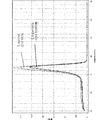
- the solid line is S. Aureus JCM5676 strain, dashed line is S.
- the results of Argenteus JCM31982 strain are shown respectively.
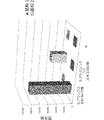
- S. Aureus and S.A. Detection results on a substrate using a DNA probe targeting the genomic DNA of Argenteus.
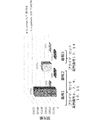
- the vertical axis shows the fluorescence intensity measured in ⁇ Code. Detection results on a substrate using a DNA probe for clinical specimens.
- the vertical axis shows the fluorescence intensity measured in ⁇ Code. Results of growth curves of amplification products obtained using the primer sets of SEQ ID NOs: 6, 7, 9, 10 and 11.
- the primer sets of SEQ ID NOs: 6, 7, 9, 10 and 11 and the primer sets of SEQ ID NOs: 13 and 14 were used.
- the present embodiment will be described, but the scope of the present invention is not construed as being limited to the following embodiments.
- a primer set for detecting the presence of Staphylococcus argenteus in a sample is provided.
- the primer set consists of a first primer and a second primer that target the nuc gene of Staphylococcus algenteus.
- the nuc gene in Staphylococcus aureus encodes TNase, which is a thermostable nuclease peculiar to Staphylococcus aureus in the genus Staphylococcus, and is known to be suitable as a target gene in the genetic method ( Detection of Staphylococcus aureus by bacteria chain reaction of the nuc gene. J. Clin. Microbiol. 30: 1654-1660, 1992).
- the sample is not particularly limited as long as the presence of Staphylococcus spp., Including Staphylococcus algenteus, is suspected, but human or non-human blood, serum, plasma, urine, stool, saliva, etc. Examples thereof include body fluids such as sputum, interstitial fluid, cerebrospinal fluid, and swabs, or dilutions thereof, and blood, serum, plasma, urine, stool, cerebrospinal fluid, or dilutions thereof are preferable.
- the sample may be food.
- nuc gene of Staphylococcus algenteus it has the base sequence shown in SEQ ID NO: 3 or 4, or one or several bases are deleted in the base sequence shown in SEQ ID NO: 3 or 4. , which has a substituted, inserted or added base sequence and encodes TNase.
- the first primer as a forward primer contains one or several bases in the base sequence shown in SEQ ID NO: 3 or 4 or the base sequence shown in SEQ ID NO: 3 or 4 under stringent conditions. It may have any sequence as long as it can hybridize with a deleted, substituted, inserted or added base sequence.
- the second primer as a reverse primer is, under stringent conditions, in the complementary strand of the nucleotide sequence shown in SEQ ID NO: 3 or 4, or in the complementary strand of the nucleotide sequence shown in SEQ ID NO: 3 or 4. It may have any sequence as long as one or several bases can hybridize with the deleted, substituted, inserted or added base sequence.
- stringent condition means a condition in which a so-called specific hybrid is formed and a non-specific hybrid is not formed, based on information such as the length of a base sequence. Can be determined as appropriate.
- stringent conditions can be set with reference to Molecular Cloning (Fourth Edition, Cold Spring Harbor Laboratory Press, New York). Stringent conditions are polynucleotides with high homology (preferably identity), such as 70% or more, preferably 80% or more, more preferably 90% or more, even more preferably 95% or more, particularly preferably. It can be said that it is a condition that polynucleotides having 99% or more homology hybridize with each other and polynucleotides showing lower homology do not hybridize with each other.
- Specific stringent conditions include hybridization solution (50% formamide, 10 ⁇ SSC (0.15M NaCl, 15 mM sodium citrate, pH 7.0)), 5 ⁇ Denhardt solution, 1% SDS, 10% dextran sulfate. 10 ⁇ g / ml denatured salmon sperm DNA, and a base sequence complementary to the desired base sequence in 50 mM phosphate buffer (pH 7.5)) and a sample suspected of having Staphylococcus algenteus.
- the conditions are to incubate at about 42 ° C. to about 50 ° C. and wash with 0.1 ⁇ SSC, 0.1% SDS at about 65 ° C. to about 70 ° C.
- the design of the primer and probe is performed so as not to cause a cross-reactivity with the sequences of other related species, but it can be appropriately changed according to the system used for detecting the amplification product and other conditions and other conditions.
- an amplification product having a length of 100 to 200 bases for example, it is preferable to target the base sequence up to the 217th or 331st position of the base sequence shown in SEQ ID NO: 3 or 4.
- Primers and probes are designed to have a base sequence containing at least 10 consecutive bases of the base sequences constituting such a target. It is preferable to design so that there is a mismatch with Staphylococcus bacteria other than Staphylococcus algenteus at the end of the primer, particularly at the 3'end.
- the first primer targeting the unc gene of Staphylococcus algenteus it has the nucleotide sequence set forth in SEQ ID NO: 9 below, or has one or a number in the nucleotide sequence set forth in SEQ ID NO: 9.
- SEQ ID NO: 9 the nucleotide sequence set forth in SEQ ID NO: 9
- those having a base sequence containing at least 10 consecutive bases and having the same function as the base sequence shown in SEQ ID NO: 9 can be mentioned. .. 5'-GGTGAACACCCTGGTCTC-3'(SEQ ID NO: 9)
- a second primer that targets the unc gene of Staphylococcus algenteus it has the nucleotide sequence set forth in SEQ ID NO: 10 below, or has one or a number in the nucleotide sequence set forth in SEQ ID NO: 10.
- SEQ ID NO: 10 the nucleotide sequence set forth in SEQ ID NO: 10
- those having a base sequence containing at least 10 consecutive bases and having the same function as the base sequence shown in SEQ ID NO: 10 can be mentioned. .. 5'-GATATTCCGGCCCCATAATG-3'(SEQ ID NO: 10)
- the lengths of the first and second primers are arbitrary and can be appropriately set in the range of, for example, about 10 bases to about 35 bases, but are preferably at least 10 bases or more.
- the ratio of the first primer and the second primer is not particularly limited and may be the same or different from each other.
- the concentration of one primer can be adjusted to be higher than the concentration of the other primer.
- Staphylococcus spp. are classified into coagulase-positive and coagulase-negative, for example, Staphylococcus algenteus is coagulase-positive.
- Staphylococcus algenteus is coagulase-positive.
- Staphylococcus algenteus is coagulase-positive.
- Staphylococcus epidermidis Staphylococcus epidermidis
- Staphylococcus epidermidis Staphylococcus epidermidis
- Coagulase-negative Staphylococcus spp. Are suitable for differentiation because they do not have a nuc gene fragment.
- the primer based on the nucleotide sequence of SEQ ID NO: 10 can also be used as a forward primer for detecting the presence of Staphylococcus schweitzeri.
- Coagulase-positive Staphylococcus aureus Schweitzeri is a relative of Staphylococcus aureus, but is known to be a species closer to Staphylococcus algenteus in terms of sequence.
- the first and second primers can specifically amplify all or part of the Staphylococcus algenteus nuc gene region, thereby distinguishing it from other Staphylococcus spp. It will be possible. Alternatively, Staphylococcus algenteus and other Staphylococcus by subjecting the amplification products of the first and second primers to a melting curve analysis and comparing the melting temperature with the melting temperature of the amplification products of other primer sets. It is also possible to distinguish it from the bacterial species.
- the first and second primers can specifically amplify some regions of the Staphylococcus algenteus nuc gene, which allows for differentiation from other Staphylococcus spp. Become. Other Staphylococcus spp. Species include Staphylococcus aureus or coagulase-negative Staphylococcus spp.
- Staphylococcus aureus The genus Staphylococcus is currently classified into 36 species and 19 subspecies, and is widely distributed in humans, mammals including domestic animals, and birds in nature.
- Staphylococcus aureus known as Staphylococcus aureus, is the most pathogenic of the genus Staphylococcus, causing purulent diseases in humans and food poisoning of Staphylococci.
- Staphylococcus aureus is coagulase positive.
- the primer set may contain primers other than the first and second primers, for example, additional primers such as the third, fourth, fifth and sixth primers. Detection sensitivity can be improved by using appropriate additional primers.
- a primer for example, a primer for detecting Staphylococcus algenteus and other Staphylococcus spp. Species that are expected to be contained in a sample are assumed. Other Staphylococcus spp. Species include Staphylococcus schweizeri.
- Examples of the forward primer for detecting Staphylococcus schweizeri include those described in SEQ ID NO: 10 described above, and the reverse primer has the nucleotide sequence set forth in SEQ ID NO: 11 or the nucleotide set in SEQ ID NO: 11.
- the sequence has a base sequence containing at least 10 consecutive bases in the base sequence in which one or several bases are deleted, substituted, inserted or added, and has the same function as the base sequence shown in SEQ ID NO: 11.
- the nucleic acid amplification reaction using the above primers By the nucleic acid amplification reaction using the above primers, the presence of Staphylococcus algenteus contained in the sample can be detected, and by extension, it can be differentiated from other Staphylococcus spp. For example, the accuracy of discrimination can be improved by using a fourth primer and a fifth primer that target the nuc gene of Staphylococcus aureus.
- those having a base sequence containing at least 10 consecutive bases and having the same function as the base sequence shown in SEQ ID NO: 7 can be mentioned.
- Nucleic acid amplification methods include PCR methods, such as multiplex PCR, LAMP (Loop-mediated isothermal amplification) method, ICAN (Isothermal and Chemical primer-initiated method, Ligase chain reaction, Ligase chain reaction) The Chain Reaction) method, the SDA (Strand Displacement Amplification) method, and the like can be mentioned.
- PCR methods such as multiplex PCR, LAMP (Loop-mediated isothermal amplification) method, ICAN (Isothermal and Chemical primer-initiated method, Ligase chain reaction, Ligase chain reaction) The Chain Reaction) method, the SDA (Strand Displacement Amplification) method, and the like can be mentioned.
- LAMP Loop-mediated isothermal amplification
- ICAN Isothermal and Chemical primer-initiated method
- Ligase chain reaction Ligase chain reaction
- Ligase chain reaction Ligase chain reaction
- SDA String Displacement Amplification
- the amplification product can be detected by a known method such as electrophoresis using polyacrylamide or agarose gel.
- electrophoresis the presence of an amplification product can be identified from the mobility of the amplification product with respect to the mobility of a marker having a known molecular weight.
- a labeled substance capable of specifically recognizing the amplification product may be used.
- a labeled substance capable of specifically recognizing the amplification product include fluorescent dyes, biotin, digoxigenin and the like.
- fluorescence can be detected using a fluorescence microscope, a fluorescence plate reader, or the like.
- a probe for detecting the presence of Staphylococcus algenteus in a specimen is provided.
- the probe can target the nuc gene of Staphylococcus algenteus.
- the probe is preferably designed so that its interior contains a mismatch against Staphylococcus spp. Other than Staphylococcus algenteus. As a result, the base length of the full-match portion during hybridization can be shortened, the specificity can be improved, and false positives can be reduced.
- a probe for Staphylococcus algenteus or Staphylococcus Schweizeri it has the nucleotide sequence shown in SEQ ID NO: 12 below, or has one or several nucleotide sequences in the nucleotide sequence shown in SEQ ID NO: 12.
- SEQ ID NO: 12 the nucleotide sequence shown in SEQ ID NO: 12
- base sequences in which bases are deleted, substituted, inserted or added those having a base sequence containing at least 8 consecutive bases and having the same function as the base sequence shown in SEQ ID NO: 12 can be mentioned. 5'-CATATTTTTCACGCCT-3'(SEQ ID NO: 12)
- a probe for Staphylococcus spp. Other than Staphylococcus algenteus or Staphylococcus schweizeri may be combined.
- a probe for Staphylococcus aureus it has the base sequence shown in SEQ ID NO: 8 below, or one or several bases are deleted, substituted, or inserted in the base sequence shown in SEQ ID NO: 18.
- those having a base sequence containing at least 50 consecutive bases and having the same function as the base sequence shown in SEQ ID NO: 8 can be mentioned.
- the probe may be bound to a solid phase such as beads.
- solids include beads suitable for multiplex assays, such as beads with unique analog code identifiers for storing information about multiplex assays as disclosed in WO2018052464A1. To be done.
- kit In a third aspect, a kit comprising a primer set for detecting the presence of Staphylococcus algenteus in a sample and a probe for detecting the presence of Staphylococcus algenteus in a sample is provided. NS.
- the kit may include reagents used to detect Staphylococcus algenteus, such as reagents for performing amplification reactions.
- Reagents that carry out the amplification reaction include, for example, buffers, salts, primers, deoxyribonucleotides, thermostable DNA polymerase and the like.
- the contents and reagents of the kit can be appropriately determined by those skilled in the art depending on the amplification method, and the kit may further contain a solid phase compound for hybridization with an amplification product or a probe obtained by using a primer. ..
- the kit may further include primers and probes for detecting Staphylococcus aureus or Staphylococcus epidermidis, or other Staphylococcus strains that are expected to be included in the specimen.
- primers and probes for detecting Staphylococcus aureus include primers having the nucleotide sequences shown in SEQ ID NOs: 6 and 7 and probes having the nucleotide sequence shown in SEQ ID NO: 8.
- Detection method In a fourth aspect, a method for detecting the presence of Staphylococcus algenteus in a specimen is provided.
- the above primer set and / or probe can be used to detect the presence of Staphylococcus algenteus.
- Staphylococcus algenteus can be differentiated from Staphylococcus aureus or other Staphylococcus spp. By using the primer sets of SEQ ID NOs: 9 and 10. The presence of Staphylococcus schweizeri can also be detected by combining the reverse primer of SEQ ID NO: 10 with the forward primer of SEQ ID NO: 11.
- the difference in the detected bacteria may be determined by further subjecting the sample to ANI (Average Nucleotide Identity) analysis.
- ANI Average Nucleotide Identity
- Example 1 S. Aureus, S.A. Detection on a substrate using a DNA probe targeting the genomic DNA of Argenteus
- Primer probe design S.I. NCTC13626 strain of Aureus, unc gene of AR221 strain (SEQ ID NOs: 1 and 2), S. cerevisiae. Argenteus NCTC13711 strain, XNO106 strain unc gene (SEQ ID NOs: 3 and 4), S. cerevisiae.
- Primer probes of SEQ ID NOs: 6 to 12 were designed from the multiple sequence results of the nuc gene (SEQ ID NO: 5) of the Schweizeri FSCB5 strain.
- the amplification reaction conditions used are as follows. 94 ° C: 30 seconds 60 ° C: 60 seconds-> 94 ° C: 30 seconds (45 cycles) 72 ° C: 600 seconds
- FIG. 2 shows the measurement results when the primers of SEQ ID NOs: 6 and 7 were used
- FIG. 3 shows the measurement results when the primers of SEQ ID NOs: 9, 10 and 11 were used.
- S.I. Aureus JCM5676 strain alone was confirmed to be amplified
- the primer sets of SEQ ID NOs: 9, 10 and 11 showed S. cerevisiae.
- Amplification was confirmed only in the Argenteus JCM31982 strain. From the above, it was found that the primer sets of SEQ ID NOs: 6 and 7 and the primer sets of 9, 10 and 11 have a function of amplifying nucleic acid components targeted to each other.
- TakaRa Multiplex Assay Kit Ver. 2 (Takara Bio Inc.) was used. Each primer was added so that the final concentration was 0.2 ⁇ M, and the genomic DNA of the template was 10 ⁇ g / L.
- a PCR reaction solution was prepared by mixing 1 ⁇ for 2 ⁇ Reaction buffer and 1 U for Multiplex Enzyme Mix in 2 and mixing template DNA and the like.
- a T100 Thermal Cycler (Bio-Rad) was used as the nucleic acid amplification device. After completion of the amplification reaction, a heat denaturation reaction was carried out in the same instrument before being subjected to a hybridization reaction on a substrate.
- the reagent used for the hybridization reaction on the substrate was a solution containing the substrate 1 on which the probe of SEQ ID NO: 8 was immobilized and the substrate 2 on which the probe of SEQ ID NO: 12 was immobilized, Saline-sodium-phosphate-.
- EDTA Buffer SSPE-buffer
- a heat-denatured PCR reaction solution were mixed.
- Streptavidin-Phycoerythrin (PlexBio) was used as a reagent for labeling.
- IntelliPlex 1000 ⁇ Code Processor (PlexBio) was used as an instrument.
- PlexBio registered trademark 100 Fluorescent Analogizer (PlexBio) was used.
- Example 2 Detection of 3 clinical specimens (blood culture medium) on a substrate using a DNA probe
- S. Specimens 1 and 2 identified as Aureus, S. cerevisiae.
- sample 3 identified as Epidermidis
- the genomic DNA extracted according to the standard protocol attached to the reagent was used as a template using QIAamp BiOstic Bacteremia DNA Kit (QIAGEN), and SEQ ID NOs: 6, 7, 9, 10, and 11 were used.
- QIAamp BiOstic Bacteremia DNA Kit QIAGEN
- SEQ ID NOs: 6, 7, 9, 10, and 11 were used.
- primer set amplification by PCR, hybridization reaction on a substrate, labeling, and fluorescence measurement were performed.
- primers having biotin-modified via a linker were used at the 5'ends of SEQ ID NOs: 7 and 11.
- TakaRa Multiplex Assay Kit Ver. 2 (Takara Bio Inc.) was used. Each primer was added so that the final concentration was 0.2 ⁇ M, and the genomic DNA of the template was 10 ⁇ g / L.
- a PCR reaction solution was prepared by mixing 1 ⁇ for 2 ⁇ Reaction buffer and 1 U for Multiplex Enzyme Mix in 2 and mixing template DNA and the like.
- a T100 Thermal Cycler (Bio-Rad) was used as the nucleic acid amplification device. After completion of the amplification reaction, a heat denaturation reaction was carried out in the same instrument before being subjected to a hybridization reaction on a substrate.
- the reagent used for the hybridization reaction on the substrate was a solution containing the substrate 1 on which the probe of SEQ ID NO: 8 was immobilized and the substrate 2 on which the probe of SEQ ID NO: 12 was immobilized, Saline-sodium-phosphate-.
- EDTA Buffer SSPE-buffer
- a heat-denatured PCR reaction solution were mixed.
- Streptavidin-Phycoerythrin (PlexBio) was used as a reagent for labeling.
- IntelliPlex 1000 ⁇ Code Processor (PlexBio) was used as an instrument.
- PlexBio registered trademark 100 Fluorescent Analogizer (PlexBio) was used.
- the measurement results are shown in FIG.
- the sample 1 was used as a template, fluorescence was observed on the substrate 1, and when the sample 2 was used as a template, fluorescence was observed on the substrate 2.
- the sample 2 is S.I. It was suggested that it may be Argenteus.
- samples 1 and 2 were subjected to whole-genome analysis using a next-generation sequencer and bacterial species identification by ANI. Specimen 2 was S. cerevisiae, whereas it was Aureus.
- Verification 1 DDH (DNA-DNA Hybridization) method has long been used for whole genome analysis using next-generation sequencers of Specimens 1 and 2 and bacterial species identification using sequence information of bacterial species identification genes by ANI. However, at present, the ANI (Average Nucleotide Identification) method has been replaced as a standard method. ANI is a method for identifying bacterial species based on the calculation result of which reference sequence registered in the database has high sequence similarity to the sequence of the entire genome to be analyzed. ..
- Specimen 1 is S.I. It shows the highest similarity to Aureus (ANI Value: 98.62%), followed by S.A. It was Schweizeri (ANI Value: 93.56%). Further, the sample 2 is obtained from S.I. It shows the highest similarity with Argenteus (ANI Value: 99.09%), followed by S.A. It was Schweizeri (ANI Value: 94.87%).
- the threshold value for determining the same bacterial species is 95 to 96% (Kim, M, HS Oh, SC Park, J Chun. 2014. Towerds a taxonomy coherence betaigene. 16S rRNA gene sequence symmetry for Species identification of prokaryotes.
- Example 2 Int J System Evol Microbiol 64: 346-351.), And this threshold is used as the sample. Aureus, sample 2 is S. It was identified as Argenteus. From the above, the validity of the results of Example 2 was supported from the whole genome analysis and the bacterial species identification by ANI.
- Comparative Example 1 Comparison with the prior art Investigation of the amplification efficiency of the primer set
- S.A. described in JP-A-2017-163769 (above).
- the amplification capabilities of SEQ ID NOs: 13 and 14 (Table 2), which are Argenteus primers, and SEQ ID NOs: 6, 7, 9, 10 and 11 of the present application as primer performance were compared.
- the final concentration of 2 ⁇ Reaction buffer in 2 was 1 ⁇ , and 1 U of Multiplex Enzyme Mix was used, and template DNA and the like were mixed to prepare a PCR reaction solution.
- a Mic Real time PCR Bio Molecular Systems was used as a measuring device, and triple measurement was performed.
- FIG. 6 shows the measurement results when the primer sets of SEQ ID NOs: 6, 7, 9, 10 and 11 were used
- FIG. 7 shows the measurement results when the primer sets of SEQ ID NOs: 13 and 14 were used.
- the primer sets of SEQ ID NOs: 6, 7, 9, 10 and 11 and the primer sets of SEQ ID NOs: 13 and 14 are all S.I. Aureus JCM5676 strain and S. Amplification of Argenteus JCM31982 strain was confirmed. From the above, it was found that the primer sets of SEQ ID NOs: 6, 7, 9, 10, 11 and SEQ ID NOs: 13 and 14 have a function of amplifying the nucleic acid components targeted to each other.
- FIG. 8 shows the results of heat-melting curve analysis of the PCR product when the primer sets of SEQ ID NOs: 6, 7, 9, 10 and 11 were used
- FIG. 9 shows the analysis results when the primer sets of SEQ ID NOs: 13 and 14 were used. Shown in.
- the reaction solution is cooled to a low temperature after the PCR reaction, an intercalator is incorporated by forming a complementary strand in the solution, and then the reaction solution is heated to cause the intercalator due to the dissociation of the complementary strand.
- This is a method of observing the release process of heat by measuring fluorescence over time and analyzing the components of nucleic acid molecules present in the liquid. Since the temperature at which the complementary strands deviate is a parameter unique to each nucleic acid molecule determined by the base length, composition, etc., by checking this temperature, what kind of nucleic acid molecule is present in the liquid can be determined. It can be confirmed and is widely used for analysis of non-specific amplification products represented by primer dimers.
- Table 3 shows the results of calculating the Cq value in order to compare the amplification capabilities of each primer set.
- the Cq value is the number of PCR cycles when the determination threshold is exceeded, and when amplifying the same target, it can be said that a primer set having a smaller Cq value has a higher amplification efficiency.
- S. In the Cq value of Argenteus JCM31982 strain, it was found that the primer set of SEQ ID NO: 6, 7, 9, 10 and 11 was 6.6 smaller than the primer set of SEQ ID NO: 13 and 14. From this, the primer sets of SEQ ID NOs: 6, 7, 9, 10 and 11 are S.I. It was found to be superior to the primer sets of SEQ ID NOs: 13 and 14 in the amplification of Argenteus. On the other hand, S. The Cq value of the Aureus JCM5676 strain was almost the same between the primer sets, and S.A. Both primer sets were found to have similar performance in Aureus amplification.
- the final concentration of 2 ⁇ Reaction buffer in 2 was 1 ⁇ , and 1 U of Multiplex Enzyme Mix was used, and template DNA and the like were mixed to prepare a PCR reaction solution.
- a T100 Thermal Cycler Bio-Rad was used as the nucleic acid amplification device. After completion of the amplification reaction, a heat denaturation reaction was carried out in the same instrument before being subjected to a hybridization reaction on a substrate.
- the reagents used for the hybridization reaction on the substrate were a container containing the substrate 1 on which the probe of SEQ ID NO: 8 was immobilized, a solution containing the substrate 2 on which the probe of SEQ ID NO: 12 was immobilized, and an array.
- a solution containing the substrate 3 on which the probe of No. 15 (ATAAGCTAAGCCACGTCC) was immobilized, Saline-sodium-phospate-EDTA Buffer (SSPE-buffer), and a PCR reaction solution subjected to heat denaturation were mixed.
- Streptavidin-Phycoerythrin (PlexBio) was used as a reagent for labeling.
- IntelliPlex 1000 ⁇ Code Processor (PlexBio) was used as an instrument.
- PlexBio registered trademark 100 Fluorescent Analogizer (PlexBio) was used.
- the measurement results are shown in FIG. As for the substrate 1 and the substrate 2, as evaluated in Example 1, S.I. Aureus and S.A. It is known to be capable of distinguishing Argenteus. Regarding the substrate 3, S.I. Aureus, S.A. Almost no fluorescence was observed in both Argenteus, and it was significantly almost undetectable.
- the primer sets of SEQ ID NOs: 6, 7, 9, 10 and 11 are added to a solution containing the substrate 1 on which the probe of SEQ ID NO: 8 is immobilized and the substrate 2 on which the probe of SEQ ID NO: 12 is immobilized.
- the assay used was found to have superior amplification efficiency to the prior art.
Landscapes
- Chemical & Material Sciences (AREA)
- Life Sciences & Earth Sciences (AREA)
- Organic Chemistry (AREA)
- Health & Medical Sciences (AREA)
- Zoology (AREA)
- Engineering & Computer Science (AREA)
- Wood Science & Technology (AREA)
- Proteomics, Peptides & Aminoacids (AREA)
- Genetics & Genomics (AREA)
- Bioinformatics & Cheminformatics (AREA)
- Analytical Chemistry (AREA)
- Molecular Biology (AREA)
- Biochemistry (AREA)
- General Engineering & Computer Science (AREA)
- General Health & Medical Sciences (AREA)
- Microbiology (AREA)
- Biotechnology (AREA)
- Immunology (AREA)
- Biophysics (AREA)
- Physics & Mathematics (AREA)
- Chemical Kinetics & Catalysis (AREA)
- Medicinal Chemistry (AREA)
- Biomedical Technology (AREA)
- Measuring Or Testing Involving Enzymes Or Micro-Organisms (AREA)
Priority Applications (3)
| Application Number | Priority Date | Filing Date | Title |
|---|---|---|---|
| US17/915,832 US20230203599A1 (en) | 2020-03-31 | 2021-03-31 | Primer set and probe for detecting staphylococcus argenteus |
| EP21779625.9A EP4130275A1 (en) | 2020-03-31 | 2021-03-31 | Primer set and probe for detecting staphylococcus argenteus |
| JP2022512604A JP7719767B2 (ja) | 2020-03-31 | 2021-03-31 | スタフィロコッカス・アルジェンテウスの検出のためのプライマーセット及びプローブ |
Applications Claiming Priority (2)
| Application Number | Priority Date | Filing Date | Title |
|---|---|---|---|
| JP2020062646 | 2020-03-31 | ||
| JP2020-062646 | 2020-03-31 |
Publications (1)
| Publication Number | Publication Date |
|---|---|
| WO2021201072A1 true WO2021201072A1 (ja) | 2021-10-07 |
Family
ID=77928983
Family Applications (1)
| Application Number | Title | Priority Date | Filing Date |
|---|---|---|---|
| PCT/JP2021/013773 Ceased WO2021201072A1 (ja) | 2020-03-31 | 2021-03-31 | スタフィロコッカス・アルジェンテウスの検出のためのプライマーセット及びプローブ |
Country Status (5)
| Country | Link |
|---|---|
| US (1) | US20230203599A1 (https=) |
| EP (1) | EP4130275A1 (https=) |
| JP (1) | JP7719767B2 (https=) |
| TW (1) | TW202204635A (https=) |
| WO (1) | WO2021201072A1 (https=) |
Cited By (1)
| Publication number | Priority date | Publication date | Assignee | Title |
|---|---|---|---|---|
| CN115322939A (zh) * | 2022-10-12 | 2022-11-11 | 佛山科学技术学院 | 一株产脂肪酶的耐盐德巴克葡萄球菌及其应用 |
Citations (4)
| Publication number | Priority date | Publication date | Assignee | Title |
|---|---|---|---|---|
| JP2017163970A (ja) | 2016-03-14 | 2017-09-21 | 東洋紡株式会社 | 黄色ブドウ球菌を検出するためのオリゴヌクレオチド |
| JP2017163969A (ja) | 2016-03-14 | 2017-09-21 | 東洋紡株式会社 | ブドウ球菌を検出するためのオリゴヌクレオチド |
| WO2018052464A1 (en) | 2016-09-16 | 2018-03-22 | Plexbio Co., Ltd. | Methods and systems for multiplex assays |
| CN110195119A (zh) * | 2019-06-05 | 2019-09-03 | 中国农业科学院上海兽医研究所 | 一种用于检测金黄色葡萄球菌的试剂盒、引物对、探针和方法 |
Family Cites Families (4)
| Publication number | Priority date | Publication date | Assignee | Title |
|---|---|---|---|---|
| US20040022764A1 (en) * | 2002-07-31 | 2004-02-05 | Hanan Polansky | Inhibition of microcompetition with a foreign polynucleotide as treatment of chronic disease |
| JP6007652B2 (ja) | 2011-08-03 | 2016-10-12 | 東洋紡株式会社 | メチシリン耐性黄色ブドウ球菌を検出するためのプライマーおよびプローブ、ならびに、それらを用いたメチシリン耐性黄色ブドウ球菌の検出方法 |
| WO2017103269A1 (en) * | 2015-12-18 | 2017-06-22 | Selfdiagnostics Deutschland Gmbh | Method for the detection of a sexually transmitted infectious pathogen |
| US10434976B2 (en) | 2018-02-27 | 2019-10-08 | Ford Global Technologies, Llc | Seatbelt assembly |
-
2021
- 2021-03-31 US US17/915,832 patent/US20230203599A1/en not_active Abandoned
- 2021-03-31 JP JP2022512604A patent/JP7719767B2/ja active Active
- 2021-03-31 WO PCT/JP2021/013773 patent/WO2021201072A1/ja not_active Ceased
- 2021-03-31 TW TW110111989A patent/TW202204635A/zh unknown
- 2021-03-31 EP EP21779625.9A patent/EP4130275A1/en not_active Withdrawn
Patent Citations (4)
| Publication number | Priority date | Publication date | Assignee | Title |
|---|---|---|---|---|
| JP2017163970A (ja) | 2016-03-14 | 2017-09-21 | 東洋紡株式会社 | 黄色ブドウ球菌を検出するためのオリゴヌクレオチド |
| JP2017163969A (ja) | 2016-03-14 | 2017-09-21 | 東洋紡株式会社 | ブドウ球菌を検出するためのオリゴヌクレオチド |
| WO2018052464A1 (en) | 2016-09-16 | 2018-03-22 | Plexbio Co., Ltd. | Methods and systems for multiplex assays |
| CN110195119A (zh) * | 2019-06-05 | 2019-09-03 | 中国农业科学院上海兽医研究所 | 一种用于检测金黄色葡萄球菌的试剂盒、引物对、探针和方法 |
Non-Patent Citations (4)
| Title |
|---|
| BOGESTAM KATJA, VONDRACEK MARTIN, KARLSSON MATTIAS, FANG HONG, GISKE CHRISTIAN G.: "Introduction of a hydrolysis probe PCR assay for high-throughput screening of methicillin-resistant Staphylococcus aureus with the ability to include or exclude detection of Staphylococcus argenteus", PLOS ONE, vol. 13, no. 2, 9 February 2018 (2018-02-09), XP055923911, DOI: 10.1371/journal.pone.0192782 * |
| HANSEN THOMAS A., BARTELS METTE D., HØGH SILJE V., DONS LONE E., PEDERSEN MICHAEL, JENSEN THØGER G., KEMP MICHAEL, SKOV MARIANNE N: "Whole Genome Sequencing of Danish Staphylococcus argenteus Reveals a Genetically Diverse Collection with Clear Separation from Staphylococcus aureus", FRONTIERS IN MICROBIOLOGY, vol. 8, 9 August 2017 (2017-08-09), XP055923917, DOI: 10.3389/fmicb.2017.01512 * |
| J. CLIN. MICROBIOL, vol. 30, 1992, pages 1654 - 1660 |
| KIM, MHS OHSC PARKJ CHUN: "Towards a taxonomic coherence between average nucleotide identity and 16S rRNA gene sequence similarity for species demarcation of prokaryotes", INT J SYST EVOL MICROBIOL, vol. 64, 2014, pages 346 - 351, XP055877627, DOI: 10.1099/ijs.0.059774-0 |
Cited By (2)
| Publication number | Priority date | Publication date | Assignee | Title |
|---|---|---|---|---|
| CN115322939A (zh) * | 2022-10-12 | 2022-11-11 | 佛山科学技术学院 | 一株产脂肪酶的耐盐德巴克葡萄球菌及其应用 |
| CN115322939B (zh) * | 2022-10-12 | 2023-01-31 | 佛山科学技术学院 | 一株产脂肪酶的耐盐德巴克葡萄球菌及其应用 |
Also Published As
| Publication number | Publication date |
|---|---|
| TW202204635A (zh) | 2022-02-01 |
| EP4130275A1 (en) | 2023-02-08 |
| JPWO2021201072A1 (https=) | 2021-10-07 |
| US20230203599A1 (en) | 2023-06-29 |
| JP7719767B2 (ja) | 2025-08-06 |
Similar Documents
| Publication | Publication Date | Title |
|---|---|---|
| Barken et al. | Advances in nucleic acid-based diagnostics of bacterial infections | |
| JP4176146B2 (ja) | 微生物検査室における日常的診断用の臨床検体からの通常の細菌病原体および抗生物質耐性遺伝子を迅速に検出および同定するための特異的および普遍的プローブおよび増幅プライマー | |
| EP2557178B1 (en) | Method for detecting pneumonia causative bacteria using nucleic acid chromatography | |
| US20110151453A1 (en) | Nucleic acid sequences and combination thereof for sensitive amplification and detection of bacterial and fungal sepsis pathogens | |
| CN104364395B (zh) | 用于检测和鉴定MREJ型xxi的耐甲氧西林金黄色葡萄球菌(MRSA)的序列 | |
| CN105950778A (zh) | 依赖mert-lamp技术检测粪肠球菌和金黄色葡萄球菌的核苷酸序列 | |
| TWI465572B (zh) | Method, composition and system of amplification and detection of target microbial DNA | |
| JP7605829B2 (ja) | クレブシエラ属細菌の検出のためのプライマーセット及びプローブ | |
| US9334542B2 (en) | Compositions and methods for detection of microorganisms of the Mycobacterium avium complex excluding Mycobacterium avium paratuberculosis | |
| JP7719767B2 (ja) | スタフィロコッカス・アルジェンテウスの検出のためのプライマーセット及びプローブ | |
| US11459620B2 (en) | Compositions and methods for detection of Mycobacterium avium paratuberculosis | |
| WO2022203008A1 (ja) | 敗血症の原因細菌を同定する方法及びキット | |
| JP7645989B2 (ja) | 特定のgc含量を有する標的遺伝子の増幅方法 | |
| WO2010115912A2 (en) | Nucleic acid sequences based on the bacterial ssra gene and its tmrna transcript for the molecular detection of s.aureus | |
| WO2009087687A1 (en) | Nucleic acid based detection process and uses thereof | |
| WO2009087686A2 (en) | Nucleic acid based detection methods |
Legal Events
| Date | Code | Title | Description |
|---|---|---|---|
| 121 | Ep: the epo has been informed by wipo that ep was designated in this application |
Ref document number: 21779625 Country of ref document: EP Kind code of ref document: A1 |
|
| ENP | Entry into the national phase |
Ref document number: 2022512604 Country of ref document: JP Kind code of ref document: A |
|
| NENP | Non-entry into the national phase |
Ref country code: DE |
|
| ENP | Entry into the national phase |
Ref document number: 2021779625 Country of ref document: EP Effective date: 20221031 |