WO2021200910A1 - 情報処理システムおよび情報処理装置 - Google Patents
情報処理システムおよび情報処理装置 Download PDFInfo
- Publication number
- WO2021200910A1 WO2021200910A1 PCT/JP2021/013477 JP2021013477W WO2021200910A1 WO 2021200910 A1 WO2021200910 A1 WO 2021200910A1 JP 2021013477 W JP2021013477 W JP 2021013477W WO 2021200910 A1 WO2021200910 A1 WO 2021200910A1
- Authority
- WO
- WIPO (PCT)
- Prior art keywords
- information
- perishables
- transmission
- perishable product
- type
- Prior art date
- Legal status (The legal status is an assumption and is not a legal conclusion. Google has not performed a legal analysis and makes no representation as to the accuracy of the status listed.)
- Ceased
Links
Images




Classifications
-
- G—PHYSICS
- G06—COMPUTING OR CALCULATING; COUNTING
- G06F—ELECTRIC DIGITAL DATA PROCESSING
- G06F13/00—Interconnection of, or transfer of information or other signals between, memories, input/output devices or central processing units
-
- G—PHYSICS
- G06—COMPUTING OR CALCULATING; COUNTING
- G06Q—INFORMATION AND COMMUNICATION TECHNOLOGY [ICT] SPECIALLY ADAPTED FOR ADMINISTRATIVE, COMMERCIAL, FINANCIAL, MANAGERIAL OR SUPERVISORY PURPOSES; SYSTEMS OR METHODS SPECIALLY ADAPTED FOR ADMINISTRATIVE, COMMERCIAL, FINANCIAL, MANAGERIAL OR SUPERVISORY PURPOSES, NOT OTHERWISE PROVIDED FOR
- G06Q10/00—Administration; Management
- G06Q10/08—Logistics, e.g. warehousing, loading or distribution; Inventory or stock management
Definitions
- This disclosure relates to an information processing system and an information processing device.
- Patent Document 1 describes that in a data management system, when the validity of the measurement data is low, the interval of uploading the measurement data to the server becomes long.
- the information processing system acquires perishables information regarding the state of perishables contained in the perishables and / or the environment of the perishables when the perishables are being transported, and transmits the information regarding the acquired perishables information. Sometimes. Here, if the information processing system transmits information each time it acquires fresh product information, the amount of communication in the information processing system may increase. An object of the present disclosure is to reduce the amount of communication in an information processing system when the accommodation means is being transported.
- the information processing system of the present disclosure is a storage means for accommodating and transporting fresh products, and an acquisition means for acquiring fresh product information regarding the state of the fresh products contained in the storage means and / or the environment of the fresh products.
- An information processing system including a transmission means capable of transmitting information and a transmission control means for restricting transmission of information related to the fresh product information by the transmission means based on the conditions determined for the fresh product information. be.
- the conditions include a predetermined first condition and a second condition different from the first condition, and the transmitting means transmits information on the perishables information satisfying the first condition.
- the transmission control means is then acquired again by the acquisition means.
- the transmission of the above may be restricted.
- the information to be restricted from being transmitted can be determined according to the conditions satisfied by the perishables information.
- the first condition is a condition defined for the state and / or the environment
- the second condition is a condition defined for the state and / or the environment worse than the first condition. You may.
- the amount of communication in the information processing system can be suppressed by restricting the transmission of information on the perishable product, which is difficult to suppress the deterioration of the state of the perishable product and / or the environment of the perishable product.
- the transmission means transmits information on the perishables information of the one type satisfying the second condition, the re-transmission of the information on the perishables information of the one type is restricted. Information indicating that may be transmitted. In this case, it is possible to suppress the user's anxiety about the restriction of information transmission, as compared with the configuration in which the transmission of information is restricted without the transmission means transmitting information regarding the restriction of information transmission.
- the transmission control means may limit the information regarding the perishables information based on the conditions.
- the transmission control means communicates in the information processing system as compared with the configuration in which the transmission is restricted from the information related to the perishables information acquired by the acquisition means from the next time onward. The amount can be suppressed.
- the transmission control means determines whether or not to restrict the transmission of the information regarding the perishables information based on the conditions, and when the restriction of the information regarding the perishables information of one kind is performed.
- the frequency with which the perishables information of the one type is acquired by the acquisition means may not be limited.
- the perishables information includes a first type of perishables information and a second type of perishables information associated with the first type, which is different from the first type
- the transmission control means is a transmission control means.
- the information on the perishables information of the second type that does not satisfy the conditions may also be transmitted.
- the user is notified of the perishable state and / or perishable information related to the perishable environment specified from the perishables information satisfying the conditions, regardless of whether or not the perishables information satisfies the conditions. Can be made to.
- the transmitting means may also transmit information on the control means that controls the state and / or the environment specified from the information. In this case, the user can be notified of information about the condition of the perishables and / or the means for improving the environment of the perishables.
- the transmission means may transmit information for improving the state and / or the environment by using the control means.
- the user can take measures to improve the condition of the perishable product and / or the environment of the perishable product with reference to the transmitted information.
- the transmission control means causes the transmission means to transmit the information regarding the limitation of the transmission of the information regarding the perishables information to the user's terminal, and the acquisition means. Can acquire request information regarding a request for information regarding the perishables information from the terminal, and the transmitting means does not satisfy the conditions when the request information is acquired by the acquisition means.
- Information on the product information may be transmitted to the terminal.
- the information processing apparatus of the present disclosure is an acquisition means for acquiring fresh product information regarding the state of the fresh product and / or the environment of the fresh product in the storage means for accommodating and transporting the fresh product.
- An information processing device including a transmission means capable of transmitting information and a transmission control means for restricting transmission of information related to the fresh product information by the transmission means based on the conditions determined for the fresh product information. be. In this case, it is possible to suppress the amount of communication in the information processing device when the accommodating means is being transported.
- FIG. 1 is a diagram showing an example of a communication volume suppression system 1 according to the present embodiment.
- the traffic suppression system 1 as an example of the information processing system suppresses the traffic by setting a condition for transmitting information about fresh products, transmitting information satisfying this condition, and not transmitting information not satisfying the condition. It is a system.
- Perishables are items whose freshness changes over time. Examples of information on perishables include information on the state of perishables, information on the environment of perishables, and the like.
- the communication volume suppression system 1 is provided with a server 10, a container 20, and a terminal 30. The server 10 and the terminal 30 are connected via a network.
- the server 10 as an example of the information processing device acquires information on the perishables stored in the container 20. Then, depending on whether or not the acquired information satisfies the conditions defined for this information, it is determined whether or not to transmit the information regarding the perishables. Further, the server 10 transmits the information determined to be transmitted to the terminal 30.
- the server 10 is realized by, for example, a computer.
- the server 10 may be configured by a single computer, or may be realized by distributed processing by a plurality of computers.
- the container 20 as an example of the storage means is a container for storing fresh foods.
- the container 20 of the present embodiment is used for marine transportation of fresh produce.
- the container 20 may be used for land transportation of fresh produce.
- the server 10 and the container 20 are mounted on the same ship.
- the terminal 30 has a display unit 31 that displays information.
- the terminal 30 acquires information about perishables from the server 10, the terminal 30 displays the acquired information on the display unit 31.
- the user of the terminal 30 is, for example, an administrator who manages the perishables stored in the container 20.
- the user of the terminal 30 grasps the state of the perishable product and the environment of the perishable product by looking at the information on the perishable product displayed on the display unit 31.
- the terminal 30 is realized by, for example, a computer, a tablet-type information terminal, or other information processing device.
- the terminal 30 may be, for example, a smartphone. In other words, the terminal 30 may be any kind of terminal.
- the type of network used for connecting the server 10 and the terminal 30 is not particularly limited as long as data can be transmitted and received.
- the server 10 and the terminal 30 are connected by satellite communication using the artificial satellite AS.
- the server 10 and the terminal 30 do not have to be directly connected by the network.
- a server (not shown) that receives information transmitted from the server 10 via the network may be provided on land. Then, the information transmitted from the server 10 may be acquired by the terminal 30 by transmitting the information from the server on land to the terminal 30.
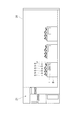
- FIG. 2 is a diagram showing the inside of the container 20.
- the container 20 is provided with an air conditioner 21, a plurality of perishables F, and a plurality of sensors S.
- the air conditioner 21 as an example of the control means is a device that adjusts the air inside the container 20.
- the air conditioner 21 controls the temperature and humidity inside the container 20.
- the air conditioner 21 and the server 10 are connected via a network, and the air conditioner 21 controls the temperature and humidity in response to the instruction of the server 10.
- the type of network used for connecting the air conditioner 21 and the server 10 is not particularly limited as long as data can be transmitted and received, for example, the Internet, LAN (Local Area Network), WAN (Wide Area Network), and the like. As good as.
- the communication line used for transmitting and receiving data may be wired or wireless. Further, each device may be connected via a plurality of networks or communication lines.
- the perishables F of the present embodiment are collectively provided for each type inside the container 20.
- a plurality of tomatoes, each of which is perishable F are contained in container B.
- Identification information i for identifying the fresh product F is attached to the container B.
- "AA-1" is displayed as the identification information i. From this identification information i, it is specified that the fresh product F is a tomato contained in the container B.
- different identification information i may be provided for each fresh product F.
- the fresh product F is refrigerated by cooling the inside of the container 20 by the air conditioner 21.
- the sensor S as an example of the acquisition means detects the state of the perishable product F and the environment of the perishable product F, and generates information indicating the detected state of the perishable product F and the environment of the perishable product F.
- Information generated in the sensor S as information indicating the state of the perishable product F and the environment of the perishable product F is hereinafter referred to as perishable product information.
- the sensor S is provided for each group of perishables F specified from the identification information i.
- Examples of the sensor S for detecting the state of the perishable product F include a freshness sensor for specifying the freshness of the perishable product F.
- Examples of the freshness sensor include an odor sensor that identifies the freshness of the perishable product F from the odor of the perishable product F, a color sensor that identifies the freshness of the perishable product F from the color of the perishable product F, and a perishable product F from the sugar content of the perishable product F.
- Examples include a sugar content sensor that identifies the freshness of the product.
- the freshness sensor includes an acidity sensor that identifies the freshness of the fresh product F from the acidity of the fresh product F, a hardness sensor that identifies the freshness of the fresh product F from the hardness of the fresh product F, and a water content contained in the fresh product F.
- Examples include a water content sensor that identifies the freshness of the fresh product F.
- examples of the freshness sensor include a maturity sensor that identifies the freshness of the perishable product F from the maturity of the perishable product F, a biosensor that identifies the freshness of the perishable product F from the amount of bacteria generated from the perishable product F, and the like. Be done.
- Examples of the sensor S for detecting the environment of the fresh product F include a temperature sensor for detecting the temperature inside the container 20, a humidity sensor for detecting the humidity inside the container 20, a gas sensor for detecting the concentration of gas in the container 20, and the like. Can be mentioned. Examples of the gas concentration detected by the gas sensor include oxygen concentration, carbon dioxide concentration, nitrogen concentration, ethylene concentration and the like. Further, as the sensor S for detecting the environment of the perishable product F, for example, a sensor for identifying the state of the container 20 can be mentioned. Examples of the sensor that identifies the state of the container 20 include an acceleration sensor that detects the acceleration of the container 20. This acceleration sensor calculates the degree of impact applied to the container 20 from the detected acceleration, and identifies the state of the container 20 from the calculated degree of impact.
- the sensor S detects the state of the perishable product F and the environment of the perishable product F and generates perishable product information at predetermined time intervals.
- the predetermined time may be any time. Further, this time is determined for each type of sensor S.
- the sensor S transmits the generated perishables information to the server 10 together with the time information indicating the time of generation and the identification information i for identifying the perishables F to be detected.
- the sensor S does not have to be fixed to the container 20. For example, a sailor of a ship provided with the container 20 may make the sensor S detect the state of the perishable product F and the environment of the perishable product F by making a measurement using the sensor S. Further, each type of sensor S may be provided for each management target specified from the identification information i.
- the perishable product information may be raw data detected by the sensor S, or may be data processed as information indicating the state of the perishable product F or the environment of the perishable product F based on the perishable data. good.
- the server 10 may generate data processed from the fresh product information as information indicating the state of the fresh product F and the environment of the fresh product F by using the raw data.
- FIG. 3 is a diagram showing a hardware configuration of the server 10.
- the server 10 is provided with a CPU (Central Processing Unit) 11, a ROM (Read Only Memory) 12, and a RAM (Random Access Memory) 13. Further, the server 10 is provided with a storage device 15 which is composed of a hard disk device or the like and stores information. Further, the server 10 is provided with a communication device 14 (communication I / F) for communicating with the outside. In addition, the server 10 is provided with an input device used for inputting information such as a keyboard and a mouse, and a display device such as a liquid crystal display.
- a display device such as a liquid crystal display.
- the ROM 12 and the storage device 15 store a program executed by the CPU 11.
- the CPU 11 reads the program stored in the ROM 12 and the storage device 15, and executes the program using the RAM 13 as a work area.
- each functional unit described later is realized.
- the program executed by the CPU 11 is stored in a computer-readable recording medium such as a magnetic recording medium (magnetic tape, magnetic disk, etc.), an optical recording medium (optical disk, etc.), an optical magnetic recording medium, or a semiconductor memory. In the state, it can be provided to the server 10. Further, the program executed by the CPU 11 may be provided to the server 10 by using a communication means such as the Internet.
- a computer-readable recording medium such as a magnetic recording medium (magnetic tape, magnetic disk, etc.), an optical recording medium (optical disk, etc.), an optical magnetic recording medium, or a semiconductor memory.
- the program executed by the CPU 11 may be provided to the server 10 by using a communication means such as the Internet.
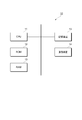
- FIG. 4 is a diagram showing a functional configuration of the server 10.
- the server 10 of the present embodiment includes an acquisition unit 101, a storage unit 102, a timekeeping unit 103, a control unit 104, and a transmission unit 105. These functional units are realized by the CPU 11 executing a program stored in the ROM 12 or the storage device 15.
- the acquisition unit 101 as an example of the acquisition means acquires information from the sensor S and the terminal 30.
- the storage unit 102 stores the information acquired by the acquisition unit 101. The information stored in the storage unit 102 will be described in detail later.
- the timekeeping unit 103 measures the time.
- the control unit 104 controls the transmission of information to the terminal 30. More specifically, it controls the transmission of information regarding the perishables information transmitted from the sensor S to the server 10.
- the control unit 104 determines whether or not the acquired perishables information satisfies the conditions defined for the perishables information. Then, when the perishables information satisfies the condition, the transmission unit 105 is instructed to transmit the information regarding the perishables information to the terminal 30. If the perishables information does not satisfy the conditions, the information on the perishables information is not transmitted to the terminal 30. Further, the control unit 104 instructs the air conditioner 21 of the temperature and humidity.
- This temperature and humidity are the temperature and humidity set in the air conditioner 21 as a target of control by the air conditioner 21.
- the processing of the control unit 104 will be described in detail later.
- the control unit 104 instructs the transmission unit 105 to transmit information as an example of the transmission means, the transmission unit 105 transmits the information to be instructed to the terminal 30.
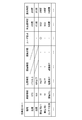
- FIG. 5 is a diagram showing a perishables information management table.
- the perishables information management table is a table for managing perishables information.
- the perishables information management table is stored in the storage unit 102. Further, a perishables information management table is provided for each perishables F specified from the identification information i.
- FIG. 5 shows a perishables information management table for perishables F whose identification information i is “AA-1”.
- the type of perishables information is shown in “Type”.
- the “type” is provided for each type of sensor S.
- “temperature”, “humidity”, “freshness (smell)”, “freshness (color)”, “container state” and the like are shown as “types”.
- the “type” will be specifically described.
- the “temperature” is the “temperature in the container 20” transmitted from the temperature sensor as an example of the sensor S.
- the “humidity” is the “humidity in the container 20" transmitted from the humidity sensor as an example of the sensor S.
- the “freshness (smell)” is the “freshness of the perishable product F identified from the odor of the perishable product F” transmitted from the odor sensor as an example of the sensor S.
- the “freshness (color)” is the “freshness of the perishable product F specified from the color of the perishable product F” transmitted from the color sensor as an example of the sensor S.
- the “container state” is the “state of the container 20 identified from the impact applied to the container 20” transmitted from the acceleration sensor as an example of the sensor S.
- the perishables information management table the perishables information most recently transmitted from the sensor S is shown in the "latest information".
- the acquisition unit 101 acquires the perishable product information of a specific "type” from the sensor S
- the "latest information" associated with this "type” is overwritten with the perishable product information acquired by the acquisition unit 101.
- the perishables information of "freshness (color)” is defined in 10 stages from the numerical values "1" to "10", and the higher the numerical value, the higher the freshness. In other words, “1" means the least freshness and “10” means the most freshness.
- “No damage” is shown in “Latest information” of "Container status”. “No damage” means that the container 20 is undamaged.
- the "attention threshold” indicates the threshold of perishables information that requires attention regarding the state of perishables F and the environment of perishables F.
- “11 ° C. or higher” is indicated in the “attention threshold” of the "temperature”.
- “89% or less” is indicated in the “attention threshold” of "humidity”.
- “6 or less” is indicated in the “attention threshold” of the “freshness (smell)”.
- “6 or less” is indicated in the “attention threshold” of the "freshness (color)”.
- the "attention threshold” of the "container state” indicates “cracked”. "Cracked” means that the container 20 is cracked.
- the "difficulty threshold value” indicates the perishables information threshold that makes it difficult to suppress the deterioration of the state of the perishables F and the environment of the perishables F.
- “1” is indicated for the “difficulty threshold” of "freshness (smell)”.
- “1” is indicated in the “difficulty threshold” of the “freshness (color)”.
- "Difficulty threshold” of "container state” indicates “damaged”. “Damaged” means that at least a part of the container 20 is damaged. “Damaged” means that the environment of perishable product F is worse than that of “cracked”.
- a “difficulty threshold” is not defined for "temperature” and "humidity”. In this way, perishables information for which a “difficulty threshold” is not set may be provided. Further, the values of the "attention threshold value” and the “difficulty threshold value” are determined by the control unit 104 of the server 10 according to the "type” of the perishable product information. Further, the values of the "attention threshold value” and the “difficulty threshold value” may be determined by the user of the terminal 30.
- the difficult state is a state in which it becomes difficult to control the state of the perishable product F and the deterioration of the environment of the perishable product F.
- the difficult state is the state of the perishable product F or the environment of the perishable product F specified from the perishable product information corresponding to the difficulty threshold value.
- "user request” indicates whether or not the user of the terminal 30 has requested information on perishables information.
- “ ⁇ ” is shown in “User request”, it means that the user has requested information on perishables information.
- "-" is indicated in “user request”, it means that the user has not requested information on perishables information.
- the duration of the state in which the information on the perishables information is not transmitted to the terminal 30 is indicated in the "non-transmission time".
- the "notification time” indicates the time as a threshold value for notifying that the information related to the perishables information has not been transmitted to the terminal 30.
- the notification time is set in the control unit 104 according to the "type" of the perishables information. Further, the notification time may be determined by the user of the terminal 30.
- FIG. 6 is a diagram showing a caution information management table.
- the caution information management table is a table for managing information related to cautions regarding the state of the perishable product F and the environment of the perishable product F.
- the caution information management table is stored in the storage unit 102.
- the type of perishables information is indicated in "Type".
- the content of caution regarding the state of the perishable product F specified from the perishable product information and the environment of the perishable product F is shown in "Caution content”.
- the state of perishables F and the environment of perishables F shown in “Caution” are specified from perishables information that has reached the "Caution threshold" of the perishables information management table (see FIG. 5).
- the environment of perishables F “Caution for high temperature” means caution about the high temperature inside the container 20.
- “Caution for low humidity” means caution about the low humidity in the container 20.
- Decreased freshness (caution for odor) means caution regarding the decrease in freshness of the perishable product F identified from the odor of the perishable product F.
- Decreased freshness (caution for color) means caution regarding the decrease in freshness of the perishable product F specified from the color of the perishable product F.
- Container crack means a note about the condition of the container 20.
- the content of the difficult state specified from the perishables information is shown in the "content of the difficult state”.
- the state of perishables F and the environment of perishables F shown in the "contents of the difficult state” are identified from the perishables information that has reached the "difficulty threshold" of the perishables information management table (see FIG. 5).
- Corroded means the state of the perishable product F in which at least a part of the perishable product F is corroded.
- Container damage means the state of the container 20 in which at least a part of the container 20 is damaged.
- the type of perishables information related to the "caution content” is shown in the "related type”.
- “Freshness (smell)” and “freshness (color)” are indicated in “related types” of "high temperature caution", respectively. If the inside of the container 20 is hot, the freshness of the perishable product F contained in the container 20 may decrease. Therefore, the "freshness (smell)” and “freshness (color)”, which are information indicating the state of the perishable product F that can change with the high temperature inside the container 20, are the “related types” of the "high temperature caution”. Is set to.
- “Freshness (smell)” and “freshness (color)” are shown in “Related types” of "Caution for lowering humidity", respectively. If the humidity inside the container 20 is low, the freshness of the perishable product F contained in the container 20 may decrease. Therefore, “freshness (smell)” and “freshness (color)”, which are information indicating the state of perishables F that can change as the humidity in the container 20 is low, are related to "Caution for lowering humidity”. It is set to "Type".
- freshness (color) "temperature”, and “humidity” are shown in “related types” of “decrease in freshness (caution for odor)", respectively.
- freshness (color) which is information for identifying the freshness of the fresh product F as well as the odor of the fresh product F, is set as the "related type” of the "decrease in freshness (caution for odor)”.
- the temperature and humidity in the container 20 may be the cause of the decrease in freshness. Therefore, the "temperature” and “humidity” that can cause the decrease in freshness of the fresh product F are set to the “related types” of “decrease in freshness (caution for odor)”. “Freshness (smell)”, “temperature”, and “humidity” are shown in “related types” of “decrease in freshness (color caution)", respectively.
- a decrease in the freshness of the fresh product F is identified from the color of the fresh product F, it is necessary for the user to confirm whether the decrease in the freshness of the fresh product F has occurred from another viewpoint different from the odor of the fresh product F. May become.
- freshness (smell) which is information for specifying the freshness of the fresh product F as well as the color of the fresh product F, is set as the "related type” of the “decrease in freshness (color caution)”. Further, when the decrease in freshness of the fresh product F is specified, the temperature and humidity in the container 20 may be the cause of the decrease in freshness. Therefore, the "temperature” and “humidity” that can cause the decrease in freshness of the fresh product F are set to the "related types" of "decrease in freshness (color caution)".
- the "improvement measures” indicate the countermeasures for improving the state of the perishable product F and the environment of the perishable product F indicated in the cautions in the "caution content”.
- “Set to 10 ° C.” is indicated in “Improvement measures” of "Caution for high temperature”.
- “Set to 10 ° C.” means to set the temperature target in the container 20 by the air conditioner 21 to 10 ° C.
- “Set to 90%” is indicated in “Improvement measures” of "Caution for low humidity”.
- “Set to 90%” means to set the humidity target in the container 20 by the air conditioner 21 to 90%.
- the "improvement measure” of "decrease in freshness (be careful of odor)" indicates “decrease in temperature by 2 ° C.”.
- “Temperature decrease by 2 ° C.” means that the temperature set in the air conditioner 21 as a target of the temperature inside the container 20 is decreased by 2 ° C.
- the decrease in the freshness of the fresh product F may be suppressed by lowering the temperature in the container 20. Therefore, "lowering of temperature by 2 ° C.”, which can suppress the decrease in freshness of fresh product F, is set as “improvement measure” of "decrease in freshness (be careful of odor)".
- the “improvement measure” is determined in the control unit 104 according to the "type" of the perishable product information. Further, the “improvement measure” may be defined for the user of the terminal 30. Further, as the “improvement measure” of “decrease in freshness (caution for odor)” and “decrease in freshness (caution for color)", a countermeasure for humidity of the air conditioner 21 may be set.
- control unit 104 When the perishable product information is acquired by the acquisition unit 101, the control unit 104 transmits information on the perishable product information to the terminal 30 depending on whether or not the acquired perishable product information has reached the caution threshold value (see FIG. 5). Decide whether or not to let it. For example, when the perishable product information whose "type” is "freshness (color)" is acquired by the acquisition unit 101, the value of this perishable product information is "6 or less" which is the "caution threshold". In this case, the control unit 104 causes the terminal 30 to transmit information regarding the perishables information.
- control unit 104 causes the terminal 30 to transmit the "caution content" in which the "type" of the perishable product information that has reached the "caution threshold value” is associated with the caution information management table (see FIG. 6). Further, when the value of the perishables information is 7 or more, the control unit 104 does not transmit the information regarding the perishables information.
- control unit 104 calculates the duration of the state in which the information on the perishable product information is not transmitted to the terminal 30.
- the control unit 104 calculates the duration by referring to the time measured by the timekeeping unit 103.
- the control unit 104 overwrites the calculated duration with the “untransmitted time” in the perishables information management table.
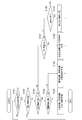
- FIG. 7 is a flowchart showing the flow of restriction processing.
- the restriction process is a process in which the server 10 restricts the transmission of information on perishables information to the terminal 30.
- the acquisition unit 101 determines whether or not the perishables information has been acquired from the sensor S (step (hereinafter, may be referred to as “S”) 101). While the negative result continues, the acquisition unit 101 continues the process of step 101.
- the control unit 104 changes the state of the perishable product F and the environment of the perishable product F specified from the perishable product information acquired by the acquisition unit 101. It is determined whether or not the state is already difficult (S102). More specifically, the control unit 104 refers to the perishables information management table (see FIG. 5). Then, depending on whether the "difficult state" associated with the "type" to which the perishable product information acquired by the acquisition unit 101 belongs is " ⁇ " or "-", the state of the perishable product F or the perishable product F Determine if the environment is already in a difficult state.
- the control unit 104 determines whether or not the perishable product information acquired by the acquisition unit 101 has reached the caution threshold value. (S103). More specifically, the control unit 104 refers to the perishables information management table. Then, the above determination is made depending on whether or not the fresh food information acquired by the acquisition unit 101 has reached the "attention threshold" associated with the "type” to which the fresh food information belongs. When the perishables information has reached the caution threshold (YES in S103), the control unit 104 determines whether or not the perishables information has reached the difficulty threshold (S104). The control unit 104 makes the above determination based on whether or not the perishable product information acquired by the acquisition unit 101 has reached the “difficulty threshold” associated with the “type” to which the perishable product information belongs.
- the control unit 104 instructs the transmission unit 105 to transmit the caution information, the related information, and the improvement information to the terminal 30.
- the transmission unit 105 receives instructions from the control unit 104 and transmits caution information, related information, and improvement information to the terminal 30 (S105).
- the caution information is information for calling attention to the state of the perishable product F and the environment of the perishable product F.
- the related information is information related to the content of the caution shown in the caution information.
- the improvement information is information on the state of the perishable product F and the improvement of the environment of the perishable product F indicated in the caution in the caution information. The contents of cautionary information, related information, and improvement information will be described later.
- the control unit 104 determines the "type" to which the perishables information acquired by the perishables information 101 belongs in the perishables information management table (see FIG. 5). Overwrite the "difficult state" associated with with " ⁇ ". Further, the control unit 104 instructs the transmission unit 105 to transmit the difficulty information, the related information, and the restriction information to the terminal 30. The transmission unit 105 transmits the difficulty information, the related information, and the restriction information to the terminal 30 in response to the instruction of the control unit 104 (S106). Difficulty information is information about a difficult state.
- the restriction information is information regarding restrictions on transmission of information from the server 10 to the terminal 30. The contents of the difficulty information and the restriction information will be described later.
- control unit 104 If the perishables information has not reached the caution threshold (NO in S103), does the control unit 104 request the user of the terminal 30 for information on the "type" of perishables information acquired by the acquisition unit 101? Whether or not it is determined (S107). In the perishables information management table, the control unit 104 determines whether the "user request" associated with the "type" to which the perishables information acquired by the acquisition unit 101 belongs is " ⁇ " or "-". , Make the above judgment.
- the control unit 104 tells the transmission unit 105 to transmit the information on the perishables information acquired by the acquisition unit 101 to the terminal 30. Instruct.
- the transmission unit 105 receives the instruction of the control unit 104 and transmits information on the perishables information to the terminal 30 (S108).
- the control unit 104 When the information regarding the perishables information is not requested from the user (NO in S107), the control unit 104 continues the state in which the perishables information of the "type" acquired by the acquisition unit 101 is not transmitted to the terminal 30. It is determined whether or not the time has reached the notification time (S109). In the perishables information management table, the control unit 104 determines whether the "untransmitted time" associated with the "type" to which the perishables information acquired by the acquisition unit 101 belongs is equal to or longer than the "notification time". To judge.
- the restriction process ends. In this case, the information regarding the perishables information acquired by the acquisition unit 101 is not transmitted to the terminal 30.
- the control unit 104 instructs the transmitting unit 105 to transmit the untransmitted information to the terminal 30.
- the transmission unit 105 transmits the untransmitted information to the terminal 30 in response to the instruction of the control unit 104 (S110).
- the untransmitted information is information related to the fact that the information is not transmitted from the server 10 to the terminal 30. The contents of the untransmitted information will be described later.
- the control unit 104 of the server 10 does not cause the terminal 30 to transmit information on perishables information that has not reached the caution threshold.
- the communication volume of the server 10 may increase. ..
- the server 10 transmits the information as compared with the case where the information on perishables information is unconditionally transmitted. The amount of communication of the server 10 is suppressed by the amount of information to be reduced.
- the server 10 when the container 20 containing the fresh product F is transported by sea as in the present embodiment, when the server 10 provided on the ship together with the container 20 transmits information to the terminal 30, the server 10 is used.
- the network used may be limited to satellite communications.
- the communication speed of the server 10 may be lower than when the server 10 provided on the coast or on land transmits information to the terminal 30 using a network different from the satellite communication. Therefore, when the server 10 transmits a large amount of information to the terminal 30, there is a possibility that the time difference between the time when the server 10 transmits the information and the time when the terminal 30 acquires the information from the server 10 becomes large.
- the time when the server 10 transmits the information and the time when the information is transmitted by the server 10 are reduced by the amount that the amount of information transmitted by the server 10 is reduced.
- the time lag from the time when the terminal 30 acquires the information from the server 10 becomes small.
- the control unit 104 does not restrict the transmission of information regarding perishables information that has reached the caution threshold and has not reached the difficulty threshold.
- the control unit 104 acquires the perishable product information of a specific type that has reached the difficulty threshold value by the perishable product information 101
- the control unit 104 sets “ ⁇ ” in the “difficult state” in the perishable product information management table (see FIG. 5). Overwrite.
- the control unit 104 does not cause the terminal 30 to transmit the information regarding the perishables information of the specific type (see S102 in FIG. 7). By doing so, the information to be restricted from being transmitted by the transmission unit 105 can be determined according to the threshold value at which the perishables information reaches.
- the perishable threshold value is set with perishable product information indicating a bad state of the perishable product F or a bad environment of the perishable product F, rather than the caution threshold value.
- the state of the perishable product F and the environment of the perishable product F specified from the perishable product information that has reached the caution threshold and has not reached the difficulty threshold are the state of the perishable product F and the perishable product F whose deterioration can be suppressed. It can be regarded as an environment.
- the state of the perishable product F and the environment of the perishable product F specified from the perishable product information that has reached the difficulty threshold value can be regarded as the state of the perishable product F and the environment of the perishable product F for which deterioration cannot be suppressed.
- the perishable product information that has reached the difficulty threshold is the caution threshold. It is less important to the user than the perishables information that has reached and has not reached the difficulty threshold. Therefore, in the present embodiment, the communication amount of the server 10 is suppressed by limiting the transmission of information that is less important to the user of the terminal 30.
- the control unit 104 when the perishable product information that has not reached the caution threshold is acquired by the acquisition unit 101, the control unit 104 does not cause the terminal 30 to transmit the information regarding the perishable product information. Therefore, when the perishable product information that has not reached the caution threshold is acquired by the acquisition unit 101, the information regarding the perishable product information is transmitted to the terminal 30, and the information regarding the perishable product information acquired by the acquisition unit 101 from the next time onward.
- the communication volume of the server 10 is suppressed as compared with the configuration in which is not transmitted.
- the sensor S even when the transmission of information regarding a specific type of perishable product information is restricted, the sensor S generates the specific type of perishable product information and the generated perishable product.
- the frequency of transmitting information to the server 10 is not changed. In other words, the frequency with which the acquisition unit 101 of the server 10 acquires the perishables information of a specific type does not change.
- the server 10 determines whether or not to restrict the transmission of the information regarding the acquired perishables information. In other words, the server 10 does not change the frequency of determining whether or not to limit the transmission of information. In this case, it is suppressed that the frequency of transmitting the information on the perishables information that has reached the caution threshold to the terminal 30 is less than that of the case where the perishables information is acquired by the acquisition unit 101 less frequently.
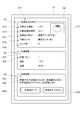
- FIG. 8 is a diagram showing a perishables caution screen 40.
- the perishables caution screen 40 is a screen showing information for calling attention to the state of the perishables F and the environment of the perishables F.
- the perishable product caution screen 40 is displayed.
- the transmission unit 105 of the server 10 transmits caution information, related information, and improvement information to the terminal 30, so that the perishables caution screen 40 is displayed on the display unit 31. Is displayed in.
- the attention notification unit 41 shows the caution information (see FIG. 7) transmitted from the transmission unit 105 of the server 10.
- the attention notification unit 41 includes a generic notification unit 411, a type notification unit 412, an identification notification unit 413, a caution content notification unit 414, a sensor notification unit 415, a perishables information notification unit 416, and an image notification unit 417. Is shown.
- the generic name notification unit 411 shows a generic name of the information shown in the caution notification unit 41.
- the text of "perishables caution information” is shown in the generic notification unit 411.
- the type notification unit 412 indicates the type of perishable product F to be notified by the caution notification unit 41.
- the type notification unit 412 shows the text of "tomato", which is a type of perishable product F.
- the identification notification unit 413 shows the identification information i (see FIG. 2) of the perishable product F to be notified by the caution notification unit 41.
- the identification notification unit 413 shows the text of "AA-1" which is the identification information i of the perishable product F.
- the caution content notification unit 414 shows the content of caution regarding the perishable product F, which is the target of the notification in the caution notification unit 41.
- the caution content notification unit 414 shows the text of "state of perishable product: decrease in freshness (color caution)" which is the content of caution regarding the state of perishable product F.
- the caution content notification unit 414 includes the information shown in the "caution content” in the caution information management table (see FIG. 6). This "caution content” is the “caution content” associated with the "type” of the perishable product information determined to have reached the caution threshold in step 103 of the restriction process (see FIG. 7).
- the sensor notification unit 415 indicates the type of the sensor S that has detected the state of the perishable product F and the environment of the perishable product F, which is the target of the notification in the caution notification unit 41.
- the sensor notification unit 415 shows the text of "target sensor: freshness sensor (color)" which is the type of the sensor S that detects the decrease in freshness of the fresh product F from the color of the fresh product F.
- the perishables information notification unit 416 displays perishable information indicating the state of the perishables F and the environment of the perishables F, which are the targets of the notification in the perishables notification unit 41.
- the perishables information notification unit 416 shows the text of "sensor value: 6" which is perishables information.
- the perishables information shown in the perishables information notification unit 416 is the perishables information for which it is determined in step 103 of the restriction process (see FIG. 7) whether or not the caution threshold has been reached.
- the image notification unit 417 shows an image of the perishable product F to be notified by the caution notification unit 41.
- an image of a "tomato" is shown.
- the image pickup means for imaging the object is used as a color sensor
- the image pickup means captures the perishable product F and transmits the image of the perishable product F obtained by the imaging to the server 10.
- the server 10 acquires the image of the perishable product F
- the server 10 detects the color of the perishable product F shown in the acquired image. Then, the state of the perishable product F is specified from the detected color of the perishable product F.
- step 105 of the restriction process when transmitting the caution information to the terminal 30, the transmission unit 105 may transmit the latest image of the perishable product F obtained by the imaging means. good. In other words, when transmitting the caution information to the terminal 30, the transmission unit 105 may transmit the image of the perishable product F regardless of the content of the caution related to the caution information.
- the related notification unit 42 shows the related information (see FIG. 7) transmitted from the transmission unit 105.
- the related notification unit 42 shows a generic notification unit 421 and a perishables information notification unit 422.
- the generic notification unit 421 shows a generic name for the information shown in the related notification unit 42. In the illustrated example, the generic notification unit 421 shows the text of "related information".
- the perishables information notification unit 422 shows perishables information related to the content of caution in the attention notification unit 41.
- the texts of "freshness (smell): 7", “temperature: 10 ° C.”, and “humidity: 90%”, which are perishable information, are shown, respectively.
- the perishables information notification unit 422 includes the perishables information of the sensor S indicated in the “related type” in the caution information management table (see FIG. 6). This "related type” is a “related type” associated with the "caution content" to be notified by the attention notification unit 41.
- the perishables information shown in the perishables information notification unit 422 is the perishables information shown in the "latest information" of the perishables information management table (see FIG. 5).
- This "latest information” is the “latest information” associated with the perishables information management table for each sensor S shown in the "related type” of the caution information management table to be notified by the related notification unit 42. be.
- the improvement notification unit 43 shows the improvement information (see FIG. 7) transmitted from the transmission unit 105.
- the improvement notification unit 43 shows a generic notification unit 431, an improvement measure notification unit 432, an instruction unit 433, and a denial unit 434.
- the generic notification unit 431 shows a generic name of the information shown in the improvement notification unit 43. In the illustrated example, the generic notification unit 431 shows the text of "improvement information".
- the improvement measure notification unit 432 shows the state of the perishable product F, which is the target of the notification in the caution notification unit 41, and the improvement measures for the environment of the perishable product F.
- the improvement measure notification unit 432 proposes to lower the set temperature of the air conditioner by 2 ° C., which is an improvement measure for the decrease in freshness of the perishable product F.
- the text is shown.
- the improvement measure notification unit 432 includes the information shown in the "improvement measure" associated with the "caution content" to be notified by the caution information unit 41 in the caution information management table (see FIG. 6). ..
- the improvement measure shown in the improvement measure notification unit 432 is executed.
- the control unit 104 of the server 10 instructs the air conditioner 21 to lower the target temperature by 2 ° C.
- the air conditioner 21 lowers the target temperature by 2 ° C. in response to the instruction from the control unit 104.
- the improvement measure shown in the improvement measure notification unit 432 is not executed.
- the transmission unit 105 is associated with the "caution content” when transmitting the "caution content” of the specific "type” shown in the caution information management table (see FIG. 6) to the terminal 30.
- Information on the perishables information generated by the "related type” sensor S is also transmitted.
- the transmission unit 105 transmits the information regarding the perishable product information regardless of whether or not the perishable product information generated by the sensor S of the “related type” has reached the caution threshold value.
- the perishable product information related to the state of the perishable product F and the environment of the perishable product F specified from the perishable product information that has reached the caution threshold is obtained regardless of whether or not the perishable product information has reached the caution threshold. Instead, the user is notified.
- the transmission unit 105 transmits the "caution content" shown in the caution information management table to the terminal 30, it is shown in the "improvement measure" associated with the "caution content".
- information on the air conditioner 21 that controls the state of the perishable product F and the environment of the perishable product F is also transmitted. In this case, the user is notified of information about the state of the perishable product F and the means for improving the environment of the perishable product F.
- the transmission unit 105 transmits information for improving the state of the perishable product F and the environment of the perishable product F to the terminal 30 by using the air conditioner 21.
- the user can take measures to improve the state of the perishable product F and the environment of the perishable product F with reference to the information transmitted to the terminal 30.
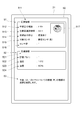
- FIG. 9 is a diagram showing a difficulty notification screen 50.
- the difficulty notification screen 50 is a screen for notifying that a difficult state has occurred for the perishable product F.
- the perishables information that has reached the difficulty threshold value (see FIG. 5) is acquired by the acquisition unit 101 of the server 10, the difficulty notification screen 50 is displayed on the display unit 31 of the terminal 30.
- the transmission unit 105 transmits the difficulty information, the related information, and the restriction information to the terminal 30, so that the difficulty notification screen 50 is displayed on the display unit 31. ..
- the difficulty notification unit 51 shows the difficulty information (see FIG. 7) transmitted from the transmission unit 105.
- the difficulty notification unit 51 includes a generic notification unit 511, a type notification unit 512, an identification notification unit 513, a difficulty content notification unit 514, a sensor notification unit 515, a perishables information notification unit 516, and an image notification unit 517. Is shown.
- the generic notification unit 511 shows a generic name of the information shown in the difficulty notification unit 51. In the illustrated example, the generic notification unit 511 shows the text of "difficult information".
- the type notification unit 512 indicates the type of perishable product F to be notified by the difficulty notification unit 51. In the illustrated example, the type notification unit 512 shows the text of "tomato", which is a type of perishable product F.
- the identification notification unit 513 shows the identification information i of the perishable product F to be notified by the difficulty notification unit 51.
- the identification notification unit 513 shows the text of "AA-1" which is the identification information i of the perishable product F.
- the content of the difficult state is shown in the difficulty content notification unit 514.
- the difficulty content notification unit 514 shows the text "Perishable condition: Corroded” which is the content about the condition of the perishable product F.
- the difficulty content notification unit 514 includes the information shown in the "contents of the difficult state” in the caution information management table (see FIG. 6). Further, this "content of the difficult state" is the "content of the difficult state” associated with the "type" of the perishables information determined to have reached the difficulty threshold in step 104 of the restriction process (see FIG. 7). be.
- the sensor notification unit 515 indicates the type of the sensor S that has detected the state of the perishable product F and the environment of the perishable product F, which is the target of the notification in the difficulty notification unit 51.
- the sensor notification unit 515 shows the text of "target sensor: freshness sensor (color)" which is the type of the sensor S that has detected the freshness of the perishable product F to be notified.
- the perishables information notification unit 516 shows the perishables information indicating the state of the perishables F and the environment of the perishables F, which are the objects of notification in the perishables notification unit 51.
- the perishables information notification unit 516 shows the text of "sensor value: 1" which is perishables information.
- the perishables information shown in the perishables information notification unit 516 is the perishables information for which it is determined in step 104 of the restriction process (see FIG. 7) whether or not the difficulty threshold has been reached.
- the image notification unit 517 shows an image of the perishable product F, which is the object of attention in the difficulty notification unit 51. In the illustrated example, an image of a "tomato" is shown.
- the related notification unit 52 shows the related information (see FIG. 7) transmitted from the transmission unit 105.
- the related notification unit 52 shows a generic notification unit 521 and a perishables information notification unit 522.
- the information shown in the generic notification unit 521 is the same as the information shown in the generic notification unit 421 of the related notification unit 42 on the perishables caution screen 40 (see FIG. 8).
- the information shown in the perishables information notification unit 522 is the same as the information shown in the perishables information notification unit 422 of the related notification unit 42 on the perishables caution screen 40.
- the restriction notification unit 53 shows the restriction information (see FIG. 7) transmitted from the transmission unit 105. More specifically, the restriction notification unit 53 indicates that information on the state of the perishable product F to be notified on the difficulty notification screen 50 and the environment of the perishable product F will not be transmitted to the terminal 30 in the future. .. In the illustrated example, the text "The transmission of freshness (color) information about AA-1 tomatoes will be restricted in the future" is shown for the state of perishables F, which is the target of notification on the difficulty notification screen 50. ing.
- the transmission unit 105 when the transmission unit 105 transmits information on the specific type of perishables information that has reached the difficulty threshold, the re-transmission of the information on the specific type of perishables information is restricted. Send information indicating that it will be done. As described above, even if the perishable product information indicating the state of the perishable product F and the environment of the perishable product F, which is already in a difficult state, is acquired by the perishable product information 101, the transmission unit 105 outputs the information regarding the perishable product information. Do not send to 30.
- the transmission unit 105 transmits information indicating that the transmission of information regarding the perishables information is restricted to the terminal 30, so that the user does not transmit the information from the server 10 to the terminal 30. It suppresses anxiety.
- FIG. 10 is a diagram showing a non-transmission notification screen 60.
- the non-transmission notification screen 60 is a screen for notifying that the information regarding the perishables information has not been transmitted to the terminal 30.
- the non-transmission notification screen 60 is displayed. It is displayed on the display unit 31 of the terminal 30.
- the transmission unit 105 transmits the untransmitted information to the terminal 30, so that the non-transmission notification screen 60 is displayed on the display unit 31.
- the non-transmission notification screen 60 shows a non-transmission notification unit 61, a confirmation notification unit 62, a request unit 63, and a negative unit 64.
- the untransmitted notification unit 61 shows the untransmitted information (see FIG. 7) transmitted from the transmission unit 105. More specifically, the non-transmission notification unit 61 shows information indicating that the state in which the information regarding the perishables information has not been transmitted to the terminal 30 continues. In the illustrated example, the non-transmission notification unit 61 shows the text "Information on the freshness (color) of tomato (AA-1) has not been transmitted for 2 hours or more.”
- the non-transmission notification unit 61 includes the type of the perishable product F to be notified and the identification information i of the perishable product F.
- the non-transmitted notification unit 61 includes a "type” and a "notification time” associated with each other in the perishables information management table (see FIG. 5). This "type” is the "type” of perishables information that is the object of determination in step 110 of the restriction process (see FIG. 7).
- the confirmation notification unit 62 shows information for confirming to the user of the terminal 30 the necessity of information regarding the perishables information to be notified on the non-transmission notification screen 60.
- the confirmation notification unit 62 shows the text "Do you want information about freshness (color)?".
- the acquisition unit 101 of the server 10 acquires the request information indicating that the user has requested from the terminal 30. Further, when the request information is acquired by the acquisition unit 101, the control unit 104 has a "user request" associated with the "type" of the perishables information requested by the user in the perishables information management table (see FIG. 5). Overwrite " ⁇ " in. Further, the transmission unit 105 is made to transmit the information regarding the perishables information requested by the user. In this case, the display unit 31 of the terminal 30 has a type notification unit 412 (see FIG.
- an identification notification unit 413 an identification notification unit 413, a caution content notification unit 414, a sensor notification unit 415, and fresh food as information related to perishable product information.
- the product information notification unit 416 and the image notification unit 417 are displayed.
- the related notification unit 42 and the improvement notification unit 43 are not displayed on the display unit 31. Further, when the user selects the negative unit 64, the information related to the perishable product information is not displayed on the display unit 31 of the terminal 30.
- the control unit 104 when the control unit 104 restricts the transmission of the perishables information information to the terminal 30, the control unit 104 causes the terminal 30 to transmit the information regarding the restriction. Further, when the user selects the request unit 63, the request information is acquired by the acquisition unit 101. Then, when the request information is acquired by the acquisition unit 101, the transmission unit 105 transmits the information regarding the perishable product information to the terminal 30 regardless of whether or not the perishable product information has reached the caution threshold value. In this case, it is possible to prevent the transmission of the information required by the user to the terminal 30 from being continuously restricted.
- the information generated in the sensor S and the information specified in the server 10 based on the information generated in the sensor S are transmitted to the terminal 30. Not limited to this. For example, at least one of the information generated by the sensor S and the information specified by the server 10 may be transmitted to the terminal 30.
- the server 10 does not transmit the information regarding the perishable product information that has not reached the caution threshold value (see FIG. 5) to the terminal 30, but the present invention is not limited to this.
- the server 10 may transmit less information to the terminal 30 when the perishables information does not reach the caution threshold than when the caution threshold is reached.
- the server 10 terminals the identification notification unit 413 (see FIG. 8) and the perishables information notification unit 416. Information to be displayed on the 30 may be transmitted to the terminal 30.
- the server 10 does not transmit information for displaying the type notification unit 412, the caution content notification unit 414, the sensor notification unit 415, the image notification unit 417, and the like to the terminal 30. Even in this case, the communication volume of the server 10 is suppressed as compared with the case where the information regarding the perishables information is unconditionally transmitted from the server 10 to the terminal 30. As described above, the "restriction" of the transmission of information by the server 10 includes not only not transmitting the information but also reducing the amount of information to be transmitted.
- the server 10 provided on the ship at sea transmits information to the terminal 30 using satellite communication, but the present invention is not limited to this.
- the server 10 may be provided on the coast or on land and transmit information to the terminal 30 using another network different from the satellite communication. In this case, the server 10 may limit the information transmitted to the terminal 30 depending on whether or not the perishable product information has reached the caution threshold value.
- the attention threshold is relaxed and the amount of information to be transmitted from the server 10 to the terminal 30 is increased as compared with the case where the satellite communication is used. You may.
- the control unit 104 in the communication volume suppression system 1 of the present embodiment restricts the transmission of information on the perishables information by the transmission unit 105 based on the conditions defined for the perishables information.
- examples of the information regarding the perishables information include perishables information, information generated by the server 10 regarding the perishables information, and the like.
- Examples of the information generated by the server 10 include information shown in "type of attention" and "type of difficult state” in the caution information management table (see FIG. 6).
- the amount of communication in the communication amount suppressing system 1 is suppressed by the amount that the amount of information transmitted by the server 10 is reduced as compared with the case where the server 10 unconditionally transmits information on perishables.
- the conditions defined for perishables information include a first condition and a second condition.
- the transmission unit 105 transmits information on perishables information satisfying the first condition. Then, when the perishable product information of one type satisfying the second condition is acquired by the acquisition unit 101, the control unit 104 transmits information on the perishable product information of one type to be acquired again to the acquisition unit 101. Restrict. In this case, the information to be restricted from being transmitted is determined according to the conditions satisfied by the perishables information.
- the first condition is a condition defined for the state of the perishable product F and / or the environment of the perishable product F.
- the first condition is, for example, that the perishables information has reached the caution threshold (see FIG. 5) and has not reached the difficulty threshold.
- the second condition is a condition defined for the condition of the perishable product F and / or the environment of the perishable product F, which is worse than the first condition.
- the second condition is, for example, that the perishables information has reached the difficulty threshold.
- the communication volume of the server 10 is suppressed by restricting the transmission of information regarding the perishable product F, which is difficult to suppress the deterioration of the state of the perishable product F and / or the environment of the perishable product F.
- the transmission unit 105 transmits information on one type of perishables information that has reached the difficulty threshold, information indicating that re-transmission of information on this one type of perishables information is restricted. Send.
- the server 10 is restricted in transmitting information without transmitting information regarding the restriction in transmitting information, it is possible to prevent the user from being anxious about the restriction in transmitting information. ..
- the control unit 104 restricts the transmission of the information regarding the perishables information based on whether or not the perishables information has reached the caution threshold. In this case, when the perishables information is acquired by the acquisition unit 101, the control unit 104 restricts transmission from the information regarding the perishables information acquired by the acquisition unit 101 from the next time onward, as compared with the configuration of the server 10. The amount of communication is suppressed.
- the frequency with which the one type of perishables information is acquired by the acquisition unit 101 is not limited. In this case, it is suppressed that the frequency of transmitting information that is not subject to the restriction by the control unit 104 is reduced as compared with the case where the perishable product information is acquired by the acquisition unit 101 less frequently.
- the perishables information includes a first type of perishables information and a second type of perishables information associated with the first type unlike the first type.
- the associated perishables information is, for example, the perishables information shown in the "related type” associated with the "type” in the caution information management table (see FIG. 6). Then, when transmitting the information regarding the first type of perishables information that has reached the caution threshold, the transmission unit 105 also transmits the information regarding the second type of perishables information that has not reached the caution threshold.
- the perishable product information reaches the attention threshold is the perishable product information related to the state of the perishable product F and / or the environment of the perishable product F specified from the perishable product information that has reached the caution threshold. Regardless, the user is notified.
- the transmission unit 105 when transmitting information on perishables information, the transmission unit 105 also transmits information on control means for controlling the state of perishables F and / or the environment of perishables F specified from the transmitted information.
- the control means is, for example, an air conditioner 21. In this case, the user is notified of information about the condition of the perishables F and / or the means for improving the environment of the perishables F.
- the transmission unit 105 transmits information for improving the state of the perishable product F and / or the environment of the perishable product F by using the air conditioner 21.
- the user can take measures to improve the state of the perishable product F and / or the environment of the perishable product F with reference to the transmitted information.
- the control unit 104 causes the transmission unit 105 to transmit the information regarding the restriction of transmission of the perishables information to the user's terminal 30.
- the acquisition unit 101 can acquire the request information regarding the request for the information regarding the perishables information from the terminal 30. Then, when the request information is acquired by the acquisition unit 101, the transmission unit 105 transmits information regarding the perishable product information that has not reached the caution threshold value to the terminal 30. In this case, it is possible to prevent the transmission of the information required by the user to the terminal 30 from being continuously restricted.
- control unit 104 in the server 10 of the present embodiment restricts the transmission of the information on the perishables information by the transmission unit 105 based on the conditions defined for the perishables information. In this case, as compared with the case where the server 10 unconditionally transmits information on perishables, the amount of communication on the server 10 is suppressed by the amount that the amount of information transmitted by the server 10 is reduced.
- each configuration described above is not limited to the above embodiment, and can be changed without departing from the spirit. In other words, it is understood that various changes in form and details are possible without departing from the purpose and scope of the claims.
- the configuration is not limited to the configuration described above, and a part of each configuration described above may be omitted, or other functions may be added to each configuration described above.
- 1 Traffic suppression system, 10 ... Server, 20 ... Container, 21 ... Air conditioner, 30 ... Terminal, 101 ... Acquisition unit, 102 ... Storage unit, 103 ... Timekeeping unit, 104 ... Control unit, 105 ... Transmission unit, AS ... Artificial satellite, F ... Fresh food, S ... Sensor
Landscapes
- Engineering & Computer Science (AREA)
- Theoretical Computer Science (AREA)
- Business, Economics & Management (AREA)
- Economics (AREA)
- Physics & Mathematics (AREA)
- General Physics & Mathematics (AREA)
- Entrepreneurship & Innovation (AREA)
- Development Economics (AREA)
- General Engineering & Computer Science (AREA)
- Human Resources & Organizations (AREA)
- Marketing (AREA)
- Operations Research (AREA)
- Quality & Reliability (AREA)
- Strategic Management (AREA)
- Tourism & Hospitality (AREA)
- General Business, Economics & Management (AREA)
- Information Transfer Between Computers (AREA)
- Management, Administration, Business Operations System, And Electronic Commerce (AREA)
- Cold Air Circulating Systems And Constructional Details In Refrigerators (AREA)
Abstract
【課題】収容手段が輸送されているときの情報処理システムにおける通信量を抑制する。 【解決手段】生鮮品を収容し、輸送される収容手段と、収容手段に収容された生鮮品の状態および/または生鮮品の環境に関する生鮮品情報を取得する取得手段と、情報の送信が可能な送信手段と、生鮮品情報に関して定められた条件に基づき、生鮮品情報に関する情報の送信手段による送信を制限する送信制御手段と、を備える情報処理システム。
Description
本開示は、情報処理システムおよび情報処理装置に関する。
特許文献1には、データ管理システムでは、測定データの有効度が低い場合には、測定データをサーバにアップロードする間隔が長くなることが記載されている。
情報処理システムでは、収容手段が輸送されているときに、収容手段に収容された生鮮品の状態および/または生鮮品の環境に関する生鮮品情報を取得し、取得した生鮮品情報に関する情報を送信することがある。ここで、情報処理システムが生鮮品情報を取得するたびに情報を送信する場合、情報処理システムにおける通信量が増大するおそれがある。
本開示は、収容手段が輸送されているときの情報処理システムにおける通信量を抑制することを目的とする。
本開示は、収容手段が輸送されているときの情報処理システムにおける通信量を抑制することを目的とする。
本開示の情報処理システムは、生鮮品を収容し、輸送される収容手段と、前記収容手段に収容された前記生鮮品の状態および/または当該生鮮品の環境に関する生鮮品情報を取得する取得手段と、情報の送信が可能な送信手段と、前記生鮮品情報に関して定められた条件に基づき、当該生鮮品情報に関する情報の前記送信手段による送信を制限する送信制御手段と、を備える情報処理システムである。この場合、収容手段が輸送されているときの情報処理システムにおける通信量を抑制することができる。
ここで、前記条件には、所定の第1条件と、当該第1条件とは異なる第2条件とがあり、前記送信手段は、前記第1条件を満たす前記生鮮品情報に関する情報を送信し、前記送信制御手段は、前記第2条件を満たす一の種類の前記生鮮品情報が前記取得手段に取得された場合、その後当該取得手段に再び取得される当該一の種類の前記生鮮品情報に関する情報の前記送信を制限しても良い。この場合、生鮮品情報が満たす条件に応じて、送信を制限する対象となる情報を定めることができる。
また、前記第1条件は、前記状態および/または前記環境について定められた条件であり、前記第2条件は、前記第1条件よりも悪い前記状態および/または前記環境について定められた条件であっても良い。この場合、生鮮品の状態および/または生鮮品の環境の悪化の抑制が困難である生鮮品に関する情報の送信が制限されることで、情報処理システムにおける通信量を抑制することができる。
また、前記送信手段は、前記第2条件を満たす前記一の種類の前記生鮮品情報に関する情報を送信する場合、当該一の種類の前記生鮮品情報に関する前記情報の再度の送信が制限されることを示す情報を送信しても良い。この場合、送信手段が情報の送信の制限に関する情報を送信することなく情報の送信が制限される構成に比べて、情報の送信が制限されたことについてユーザが不安を抱くことを抑制できる。
また、前記送信制御手段は、前記生鮮品情報が前記取得手段に取得されると、前記条件に基づき当該生鮮品情報に関する情報の前記制限をしても良い。この場合、生鮮品情報が取得手段に取得された場合において、送信制御手段が、次回以降に取得手段に取得された生鮮品情報に関する情報から送信を制限する構成に比べて、情報処理システムにおける通信量を抑制することができる。
また、前記送信制御手段は、前記条件に基づき、前記生鮮品情報に関する情報の前記送信を制限するか否かを決定し、一の種類の前記生鮮品情報に関する情報の前記制限がされた場合に、当該一の種類の前記生鮮品情報が前記取得手段に取得される頻度は制限されなくても良い。この場合、生鮮品情報が取得手段に取得される頻度が少なくなる場合に比べて、送信制御手段による制限の対象ではない情報の送信頻度が少なくなることを抑制できる。
また、前記生鮮品情報には、第1種類の生鮮品情報と、当該第1種類とは異なり当該第1種類に関連付けられた第2種類の生鮮品情報とがあり、前記送信制御手段は、前記条件を満たす前記生鮮品情報に関する情報の前記送信を制限せず、当該条件を満たさない前記生鮮品情報に関する情報の前記送信を制限し、前記送信手段は、前記条件を満たす前記第1種類の前記生鮮品情報に関する情報を送信する場合、前記条件を満たさない前記第2種類の前記生鮮品情報に関する情報も送信しても良い。この場合、条件を満たす生鮮品情報から特定される生鮮品の状態および/または生鮮品の環境に関連する生鮮品情報を、この生鮮品情報が条件を満たすか否かに関わらず、ユーザに通知させることができる。
また、前記送信手段は、前記生鮮品情報に関する情報を送信する場合に、当該情報から特定される前記状態および/または前記環境を制御する制御手段に関する情報も送信しても良い。この場合、生鮮品の状態および/または生鮮品の環境を改善するための手段に関する情報をユーザに通知させることができる。
また、前記送信手段は、前記制御手段を用いて前記状態および/または前記環境を改善するための情報を送信しても良い。この場合、ユーザが、送信された情報を参考にして、生鮮品の状態および/または生鮮品の環境の改善策をすることができる。
また、前記送信制御手段は、前記生鮮品情報が前記条件を満たさない場合、当該生鮮品情報に関する情報の前記送信の前記制限に関する情報を、前記送信手段からユーザの端末に送信させ、前記取得手段は、前記生鮮品情報に関する情報の要求に関する要求情報を前記端末から取得することが可能であり、前記送信手段は、前記要求情報が前記取得手段に取得された場合、前記条件を満たさない前記生鮮品情報に関する情報を前記端末に送信しても良い。この場合、ユーザが要する情報の端末への送信が制限され続けることを抑制できる。
また、他の観点から捉えると、本開示の情報処理装置は、生鮮品を収容し輸送される収容手段における当該生鮮品の状態および/または当該生鮮品の環境に関する生鮮品情報を取得する取得手段と、情報の送信が可能な送信手段と、前記生鮮品情報に関して定められた条件に基づき、当該生鮮品情報に関する情報の前記送信手段による送信を制限する送信制御手段と、を備える情報処理装置である。この場合、収容手段が輸送されているときの情報処理装置における通信量を抑制することができる。
ここで、前記条件には、所定の第1条件と、当該第1条件とは異なる第2条件とがあり、前記送信手段は、前記第1条件を満たす前記生鮮品情報に関する情報を送信し、前記送信制御手段は、前記第2条件を満たす一の種類の前記生鮮品情報が前記取得手段に取得された場合、その後当該取得手段に再び取得される当該一の種類の前記生鮮品情報に関する情報の前記送信を制限しても良い。この場合、生鮮品情報が満たす条件に応じて、送信を制限する対象となる情報を定めることができる。
また、前記第1条件は、前記状態および/または前記環境について定められた条件であり、前記第2条件は、前記第1条件よりも悪い前記状態および/または前記環境について定められた条件であっても良い。この場合、生鮮品の状態および/または生鮮品の環境の悪化の抑制が困難である生鮮品に関する情報の送信が制限されることで、情報処理システムにおける通信量を抑制することができる。
また、前記送信手段は、前記第2条件を満たす前記一の種類の前記生鮮品情報に関する情報を送信する場合、当該一の種類の前記生鮮品情報に関する前記情報の再度の送信が制限されることを示す情報を送信しても良い。この場合、送信手段が情報の送信の制限に関する情報を送信することなく情報の送信が制限される構成に比べて、情報の送信が制限されたことについてユーザが不安を抱くことを抑制できる。
また、前記送信制御手段は、前記生鮮品情報が前記取得手段に取得されると、前記条件に基づき当該生鮮品情報に関する情報の前記制限をしても良い。この場合、生鮮品情報が取得手段に取得された場合において、送信制御手段が、次回以降に取得手段に取得された生鮮品情報に関する情報から送信を制限する構成に比べて、情報処理システムにおける通信量を抑制することができる。
また、前記送信制御手段は、前記条件に基づき、前記生鮮品情報に関する情報の前記送信を制限するか否かを決定し、一の種類の前記生鮮品情報に関する情報の前記制限がされた場合に、当該一の種類の前記生鮮品情報が前記取得手段に取得される頻度は制限されなくても良い。この場合、生鮮品情報が取得手段に取得される頻度が少なくなる場合に比べて、送信制御手段による制限の対象ではない情報の送信頻度が少なくなることを抑制できる。
また、前記生鮮品情報には、第1種類の生鮮品情報と、当該第1種類とは異なり当該第1種類に関連付けられた第2種類の生鮮品情報とがあり、前記送信制御手段は、前記条件を満たす前記生鮮品情報に関する情報の前記送信を制限せず、当該条件を満たさない前記生鮮品情報に関する情報の前記送信を制限し、前記送信手段は、前記条件を満たす前記第1種類の前記生鮮品情報に関する情報を送信する場合、前記条件を満たさない前記第2種類の前記生鮮品情報に関する情報も送信しても良い。この場合、条件を満たす生鮮品情報から特定される生鮮品の状態および/または生鮮品の環境に関連する生鮮品情報を、この生鮮品情報が条件を満たすか否かに関わらず、ユーザに通知させることができる。
また、前記送信手段は、前記生鮮品情報に関する情報を送信する場合に、当該情報から特定される前記状態および/または前記環境を制御する制御手段に関する情報も送信しても良い。この場合、生鮮品の状態および/または生鮮品の環境を改善するための手段に関する情報をユーザに通知させることができる。
また、前記送信手段は、前記制御手段を用いて前記状態および/または前記環境を改善するための情報を送信しても良い。この場合、ユーザが、送信された情報を参考にして、生鮮品の状態および/または生鮮品の環境の改善策をすることができる。
また、前記送信制御手段は、前記生鮮品情報が前記条件を満たさない場合、当該生鮮品情報に関する情報の前記送信の前記制限に関する情報を、前記送信手段からユーザの端末に送信させ、前記取得手段は、前記生鮮品情報に関する情報の要求に関する要求情報を前記端末から取得することが可能であり、前記送信手段は、前記要求情報が前記取得手段に取得された場合、前記条件を満たさない前記生鮮品情報に関する情報を前記端末に送信しても良い。この場合、ユーザが要する情報の端末への送信が制限され続けることを抑制できる。
また、他の観点から捉えると、本開示の情報処理装置は、生鮮品を収容し輸送される収容手段における当該生鮮品の状態および/または当該生鮮品の環境に関する生鮮品情報を取得する取得手段と、情報の送信が可能な送信手段と、前記生鮮品情報に関して定められた条件に基づき、当該生鮮品情報に関する情報の前記送信手段による送信を制限する送信制御手段と、を備える情報処理装置である。この場合、収容手段が輸送されているときの情報処理装置における通信量を抑制することができる。
以下、添付図面を参照して実施の形態について説明する。
図1は、本実施形態に係る通信量抑制システム1の一例を示した図である。
情報処理システムの一例としての通信量抑制システム1は、生鮮品に関する情報の送信に条件を設け、この条件を満たす情報を送信し、条件を満たさない情報を送信しないことにより、通信量を抑制するシステムである。生鮮品とは、時間の経過とともに鮮度が変化する物品である。生鮮品に関する情報としては、例えば、生鮮品の状態に関する情報や、生鮮品の環境に関する情報等が挙げられる。
通信量抑制システム1には、サーバ10と、コンテナ20と、端末30とが設けられている。サーバ10と端末30とは、ネットワークを介して接続されている。
図1は、本実施形態に係る通信量抑制システム1の一例を示した図である。
情報処理システムの一例としての通信量抑制システム1は、生鮮品に関する情報の送信に条件を設け、この条件を満たす情報を送信し、条件を満たさない情報を送信しないことにより、通信量を抑制するシステムである。生鮮品とは、時間の経過とともに鮮度が変化する物品である。生鮮品に関する情報としては、例えば、生鮮品の状態に関する情報や、生鮮品の環境に関する情報等が挙げられる。
通信量抑制システム1には、サーバ10と、コンテナ20と、端末30とが設けられている。サーバ10と端末30とは、ネットワークを介して接続されている。
情報処理装置の一例としてのサーバ10は、コンテナ20に収容されている生鮮品に関する情報を取得する。そして、取得した情報が、この情報について定められた条件を満たすか否かにより、生鮮品に関する情報を送信するか否かを決定する。また、サーバ10は、送信することを決定した情報を、端末30に送信する。
サーバ10は、例えば、コンピュータにより実現される。サーバ10は、単一のコンピュータにより構成しても良いし、複数のコンピュータによる分散処理により実現しても良い。
収容手段の一例としてのコンテナ20は、生鮮品を収容する容器である。本実施形態のコンテナ20は、生鮮品の海上輸送に用いられる。なお、コンテナ20は、生鮮品の陸上輸送に用いられても良い。本実施形態では、サーバ10およびコンテナ20が、同一の船に載せられている。
端末30は、情報を表示する表示部31を有する。端末30は、サーバ10から生鮮品に関する情報を取得すると、取得した情報を表示部31に表示する。端末30のユーザは、例えば、コンテナ20に収容されている生鮮品を管理する管理者である。端末30のユーザは、表示部31に表示される生鮮品に関する情報を見ることにより、生鮮品の状態や生鮮品の環境を把握する。
端末30は、例えば、コンピュータ、タブレット型情報端末、その他の情報処理装置により実現される。端末30は、例えば、スマートフォンであっても良い。言い換えると、端末30は、何れの種類の端末であっても良い。
端末30は、例えば、コンピュータ、タブレット型情報端末、その他の情報処理装置により実現される。端末30は、例えば、スマートフォンであっても良い。言い換えると、端末30は、何れの種類の端末であっても良い。
サーバ10と端末30との接続に用いられるネットワークは、データの送受信が可能であれば、その種類は特に限定されない。
本実施形態では、人工衛星ASを用いた衛星通信により、サーバ10と端末30とが接続される。なお、サーバ10と端末30とがネットワークにより直接接続されなくても良い。ネットワークを介してサーバ10から送信された情報を受信するサーバ(不図示)が陸上に設けられても良い。そして、陸上のサーバから端末30に情報が送信されることで、端末30がサーバ10から送信された情報を取得するようにしても良い。
本実施形態では、人工衛星ASを用いた衛星通信により、サーバ10と端末30とが接続される。なお、サーバ10と端末30とがネットワークにより直接接続されなくても良い。ネットワークを介してサーバ10から送信された情報を受信するサーバ(不図示)が陸上に設けられても良い。そして、陸上のサーバから端末30に情報が送信されることで、端末30がサーバ10から送信された情報を取得するようにしても良い。
図2は、コンテナ20の内部を示した図である。
コンテナ20には、空気調和装置21と、複数の生鮮品Fと、複数のセンサSとが設けられている。
コンテナ20には、空気調和装置21と、複数の生鮮品Fと、複数のセンサSとが設けられている。
制御手段の一例としての空気調和装置21は、コンテナ20の内部における空気を調和する装置である。空気調和装置21は、コンテナ20の内部の温度および湿度を制御する。
本実施形態では、空気調和装置21とサーバ10とはネットワークを介して接続されており、空気調和装置21は、サーバ10の指示を受けて、温度や湿度を制御する。空気調和装置21とサーバ10との接続に用いられるネットワークは、データの送受信が可能であれば、その種類は特に限定されず、例えばインターネット、LAN(Local Area Network)、WAN(Wide Area Network)等として良い。データの送受信に用いられる通信回線は、有線であっても無線であっても良い。また、複数のネットワークや通信回線を介して各装置を接続する構成としても良い。
本実施形態では、空気調和装置21とサーバ10とはネットワークを介して接続されており、空気調和装置21は、サーバ10の指示を受けて、温度や湿度を制御する。空気調和装置21とサーバ10との接続に用いられるネットワークは、データの送受信が可能であれば、その種類は特に限定されず、例えばインターネット、LAN(Local Area Network)、WAN(Wide Area Network)等として良い。データの送受信に用いられる通信回線は、有線であっても無線であっても良い。また、複数のネットワークや通信回線を介して各装置を接続する構成としても良い。
本実施形態の生鮮品Fは、コンテナ20の内部において、種類ごとにまとめて設けられている。図示の例においては、各々が生鮮品Fである複数のトマトが、容器Bに収容されている。容器Bには、生鮮品Fを識別する識別情報iが付されている。図示の例では、識別情報iとして「AA-1」が表示されている。この識別情報iから、生鮮品Fが、容器Bに収容されているトマトであることが特定される。なお、生鮮品Fごとに異なる識別情報iが設けられても良い。
本実施形態では、空気調和装置21がコンテナ20内を冷却することにより、生鮮品Fが冷蔵されている。
本実施形態では、空気調和装置21がコンテナ20内を冷却することにより、生鮮品Fが冷蔵されている。
取得手段の一例としてのセンサSは、生鮮品Fの状態や生鮮品Fの環境を検知し、検知した生鮮品Fの状態や生鮮品Fの環境が示された情報を生成する。生鮮品Fの状態や生鮮品Fの環境が示された情報としてセンサSに生成される情報を、以下では、生鮮品情報と称する。本実施形態では、識別情報iから特定される生鮮品FのグループごとにセンサSが設けられている。
生鮮品Fの状態を検知するセンサSとしては、例えば、生鮮品Fの鮮度を特定する鮮度センサが挙げられる。鮮度センサとしては、例えば、生鮮品Fの匂いから生鮮品Fの鮮度を特定する匂いセンサ、生鮮品Fの色から生鮮品Fの鮮度を特定する色センサ、生鮮品Fの糖度から生鮮品Fの鮮度を特定する糖度センサ等が挙げられる。また、鮮度センサとしては、生鮮品Fの酸度から生鮮品Fの鮮度を特定する酸度センサ、生鮮品Fの硬度から生鮮品Fの鮮度を特定する硬度センサ、生鮮品Fに含まれる水分量から生鮮品Fの鮮度を特定する水分量センサ等が挙げられる。さらに、鮮度センサとしては、生鮮品Fの熟度から生鮮品Fの鮮度を特定する熟度センサや、生鮮品Fから発生した菌の量から生鮮品Fの鮮度を特定するバイオセンサ等が挙げられる。
生鮮品Fの環境を検知するセンサSとしては、例えば、コンテナ20内の温度を検知する温度センサ、コンテナ20内の湿度を検知する湿度センサ、コンテナ20内のガスの濃度を検知するガスセンサ等が挙げられる。ガスセンサに検知されるガスの濃度としては、例えば、酸素の濃度、二酸化炭素の濃度、窒素の濃度、エチレンの濃度等が挙げられる。また、生鮮品Fの環境を検知するセンサSとしては、例えば、コンテナ20の状態を特定するセンサが挙げられる。コンテナ20の状態を特定するセンサとしては、例えば、コンテナ20の加速度を検知する加速度センサが挙げられる。この加速度センサは、検知した加速度からコンテナ20に加わった衝撃の程度を算出し、算出した衝撃の程度から、コンテナ20の状態を特定する。
生鮮品Fの環境を検知するセンサSとしては、例えば、コンテナ20内の温度を検知する温度センサ、コンテナ20内の湿度を検知する湿度センサ、コンテナ20内のガスの濃度を検知するガスセンサ等が挙げられる。ガスセンサに検知されるガスの濃度としては、例えば、酸素の濃度、二酸化炭素の濃度、窒素の濃度、エチレンの濃度等が挙げられる。また、生鮮品Fの環境を検知するセンサSとしては、例えば、コンテナ20の状態を特定するセンサが挙げられる。コンテナ20の状態を特定するセンサとしては、例えば、コンテナ20の加速度を検知する加速度センサが挙げられる。この加速度センサは、検知した加速度からコンテナ20に加わった衝撃の程度を算出し、算出した衝撃の程度から、コンテナ20の状態を特定する。
センサSは、予め定められた時間ごとに、生鮮品Fの状態や生鮮品Fの環境を検知するとともに生鮮品情報を生成する。予め定められた時間は、何れの時間であっても良い。また、この時間は、センサSの種類ごとに定められる。センサSは、生鮮品情報を生成するたびに、生成した生鮮品情報を、生成した時刻を示す時刻情報および検知対象の生鮮品Fを識別する識別情報iとともに、サーバ10に送信する。
なお、センサSは、コンテナ20に固定されなくても良い。例えば、コンテナ20が設けられている船の船員がセンサSを用いて測定をすることにより、センサSに生鮮品Fの状態や生鮮品Fの環境を検知させても良い。また、各種類のセンサSは、識別情報iから特定される管理対象ごとに設けられても良い。
なお、センサSは、コンテナ20に固定されなくても良い。例えば、コンテナ20が設けられている船の船員がセンサSを用いて測定をすることにより、センサSに生鮮品Fの状態や生鮮品Fの環境を検知させても良い。また、各種類のセンサSは、識別情報iから特定される管理対象ごとに設けられても良い。
また、図示の例では、六つのセンサSが示されているが、センサSの数は、図示の例に限定されない。コンテナ20に設けられるセンサSの数は、五つ以下であっても良いし、七つ以上であっても良い。
また、生鮮品情報は、センサSに検知された生データであっても良いし、生データに基づいて生鮮品Fの状態や生鮮品Fの環境を示す情報として加工されたデータであっても良い。生鮮品情報が生データである場合、サーバ10が、生データを用いて、生鮮品情報から生鮮品Fの状態や生鮮品Fの環境を示す情報として加工したデータを生成しても良い。
また、生鮮品情報は、センサSに検知された生データであっても良いし、生データに基づいて生鮮品Fの状態や生鮮品Fの環境を示す情報として加工されたデータであっても良い。生鮮品情報が生データである場合、サーバ10が、生データを用いて、生鮮品情報から生鮮品Fの状態や生鮮品Fの環境を示す情報として加工したデータを生成しても良い。
図3は、サーバ10のハードウェアの構成を示した図である。
サーバ10には、CPU(Central Processing Unit)11、ROM(Read Only Memory)12、RAM(Random Access Memory)13が設けられている。また、サーバ10には、ハードディスク装置などにより構成され、情報を記憶する記憶装置15が設けられている。さらに、サーバ10には、外部との通信をする通信装置14(通信I/F)が設けられている。
この他、サーバ10には、キーボード、マウス等の情報の入力に用いられる入力用装置、液晶ディスプレイ等の表示装置が設けられている。
サーバ10には、CPU(Central Processing Unit)11、ROM(Read Only Memory)12、RAM(Random Access Memory)13が設けられている。また、サーバ10には、ハードディスク装置などにより構成され、情報を記憶する記憶装置15が設けられている。さらに、サーバ10には、外部との通信をする通信装置14(通信I/F)が設けられている。
この他、サーバ10には、キーボード、マウス等の情報の入力に用いられる入力用装置、液晶ディスプレイ等の表示装置が設けられている。
ROM12、記憶装置15は、CPU11により実行されるプログラムを記憶する。CPU11は、ROM12や記憶装置15に記憶されているプログラムを読み出し、RAM13を作業エリアにしてプログラムを実行する。
CPU11により、ROM12や記憶装置15に格納されたプログラムが実行されることで、後述する各機能部が実現される。
CPU11により、ROM12や記憶装置15に格納されたプログラムが実行されることで、後述する各機能部が実現される。
ここで、CPU11によって実行されるプログラムは、磁気記録媒体(磁気テープ、磁気ディスクなど)、光記録媒体(光ディスクなど)、光磁気記録媒体、半導体メモリなどのコンピュータが読取可能な記録媒体に記憶した状態で、サーバ10へ提供できる。また、CPU11によって実行されるプログラムは、インターネットなどの通信手段を用いて、サーバ10へ提供しても良い。
図4は、サーバ10の機能構成を示した図である。
本実施形態のサーバ10は、取得部101と、記憶部102と、計時部103と、制御部104と、送信部105とを有する。
これらの機能部は、ROM12や記憶装置15に格納されたプログラムをCPU11が実行することにより実現される。
本実施形態のサーバ10は、取得部101と、記憶部102と、計時部103と、制御部104と、送信部105とを有する。
これらの機能部は、ROM12や記憶装置15に格納されたプログラムをCPU11が実行することにより実現される。
取得手段の一例としての取得部101は、センサSや端末30から情報を取得する。
記憶部102は、取得部101に取得された情報を記憶する。記憶部102に記憶される情報については、後に詳述する。
計時部103は、計時をする。
記憶部102は、取得部101に取得された情報を記憶する。記憶部102に記憶される情報については、後に詳述する。
計時部103は、計時をする。
送信制御手段の一例としての制御部104は、端末30への情報の送信を制御する。より具体的には、センサSからサーバ10に送信された生鮮品情報に関する情報の送信を制御する。制御部104は、センサSから送信された生鮮品情報が取得部101に取得されると、取得された生鮮品情報が、この生鮮品情報について定められた条件を満たすか否かを判定する。そして、生鮮品情報が条件を満たす場合には、この生鮮品情報に関する情報を端末30へ送信することを、送信部105に指示する。また、生鮮品情報が条件を満たさない場合には、この生鮮品情報に関する情報を、端末30へ送信させない。また、制御部104は、空気調和装置21に対して、温度や湿度を指示する。この温度や湿度は、空気調和装置21による制御の目標として空気調和装置21に設定される温度や湿度である。なお、制御部104の処理については、後に詳述する。
送信手段の一例としての送信部105は、制御部104から情報の送信を指示されると、指示の対象である情報を、端末30へ送信する。
送信手段の一例としての送信部105は、制御部104から情報の送信を指示されると、指示の対象である情報を、端末30へ送信する。
(記憶部102の記憶内容)
次に、記憶部102に記憶されている情報の内容について説明する。
図5は、生鮮品情報管理テーブルを示した図である。生鮮品情報管理テーブルは、生鮮品情報を管理するためのテーブルである。生鮮品情報管理テーブルは、記憶部102に記憶されている。また、生鮮品情報管理テーブルは、識別情報iから特定される生鮮品Fごとに設けられている。図5には、識別情報iが「AA-1」である生鮮品Fを対象とする生鮮品情報管理テーブルが示されている。
次に、記憶部102に記憶されている情報の内容について説明する。
図5は、生鮮品情報管理テーブルを示した図である。生鮮品情報管理テーブルは、生鮮品情報を管理するためのテーブルである。生鮮品情報管理テーブルは、記憶部102に記憶されている。また、生鮮品情報管理テーブルは、識別情報iから特定される生鮮品Fごとに設けられている。図5には、識別情報iが「AA-1」である生鮮品Fを対象とする生鮮品情報管理テーブルが示されている。
生鮮品情報管理テーブルでは、「種類」に、生鮮品情報の種類が示されている。「種類」は、センサSの種類ごとに設けられている。図示の例では、「種類」として、「温度」、「湿度」、「鮮度(匂い)」、「鮮度(色)」、「コンテナ状態」等が示されている。
「種類」について、具体的に説明する。
「温度」は、センサSの一例としての温度センサから送信された「コンテナ20内の温度」である。
「湿度」は、センサSの一例としての湿度センサから送信された「コンテナ20内の湿度」である。
「鮮度(匂い)」は、センサSの一例としての匂いセンサから送信された「生鮮品Fの匂いから特定される生鮮品Fの鮮度」である。
「鮮度(色)」は、センサSの一例としての色センサから送信された「生鮮品Fの色から特定される生鮮品Fの鮮度」である。
「コンテナ状態」は、センサSの一例としての加速度センサから送信された「コンテナ20に加わった衝撃から特定されるコンテナ20の状態」である。
「温度」は、センサSの一例としての温度センサから送信された「コンテナ20内の温度」である。
「湿度」は、センサSの一例としての湿度センサから送信された「コンテナ20内の湿度」である。
「鮮度(匂い)」は、センサSの一例としての匂いセンサから送信された「生鮮品Fの匂いから特定される生鮮品Fの鮮度」である。
「鮮度(色)」は、センサSの一例としての色センサから送信された「生鮮品Fの色から特定される生鮮品Fの鮮度」である。
「コンテナ状態」は、センサSの一例としての加速度センサから送信された「コンテナ20に加わった衝撃から特定されるコンテナ20の状態」である。
また、生鮮品情報管理テーブルでは、「最新情報」に、センサSから直近に送信された生鮮品情報が示されている。取得部101がセンサSから特定の「種類」の生鮮品情報を取得すると、この「種類」に関連付けられている「最新情報」に、取得部101が取得した生鮮品情報が上書きされる。
図示の例では、「温度」の「最新情報」には、「10℃」が示されている。
「湿度」の「最新情報」には、「95%」が示されている。
「鮮度(匂い)」の「最新情報」には、「10」が示されている。「鮮度(匂い)」の生鮮品情報は、数値の「1」から「10」までの10段階で定められており、数値が高いほど鮮度が高いことを意味する。言い換えると、「1」が最も鮮度が低く、「10」が最も鮮度が高いことを意味する。
「鮮度(色)」の「最新情報」には、「10」が示されている。「鮮度(色)」の生鮮品情報は、数値の「1」から「10」までの10段階で定められており、数値が高いほど鮮度が高いことを意味する。言い換えると、「1」が最も鮮度が低く、「10」が最も鮮度が高いことを意味する。
「コンテナ状態」の「最新情報」には、「損傷なし」が示されている。「損傷なし」は、コンテナ20が損傷していないことを意味する。
「湿度」の「最新情報」には、「95%」が示されている。
「鮮度(匂い)」の「最新情報」には、「10」が示されている。「鮮度(匂い)」の生鮮品情報は、数値の「1」から「10」までの10段階で定められており、数値が高いほど鮮度が高いことを意味する。言い換えると、「1」が最も鮮度が低く、「10」が最も鮮度が高いことを意味する。
「鮮度(色)」の「最新情報」には、「10」が示されている。「鮮度(色)」の生鮮品情報は、数値の「1」から「10」までの10段階で定められており、数値が高いほど鮮度が高いことを意味する。言い換えると、「1」が最も鮮度が低く、「10」が最も鮮度が高いことを意味する。
「コンテナ状態」の「最新情報」には、「損傷なし」が示されている。「損傷なし」は、コンテナ20が損傷していないことを意味する。
また、生鮮品情報管理テーブルでは、「注意閾値」に、生鮮品Fの状態や生鮮品Fの環境について注意が必要になる生鮮品情報の閾値が示されている。
図示の例では、「温度」の「注意閾値」には、「11℃以上」が示されている。
「湿度」の「注意閾値」には、「89%以下」が示されている。
「鮮度(匂い)」の「注意閾値」には、「6以下」が示されている。
「鮮度(色)」の「注意閾値」には、「6以下」が示されている。
「コンテナ状態」の「注意閾値」には、「亀裂あり」が示されている。「亀裂あり」は、コンテナ20に亀裂が生じていることを意味する。
図示の例では、「温度」の「注意閾値」には、「11℃以上」が示されている。
「湿度」の「注意閾値」には、「89%以下」が示されている。
「鮮度(匂い)」の「注意閾値」には、「6以下」が示されている。
「鮮度(色)」の「注意閾値」には、「6以下」が示されている。
「コンテナ状態」の「注意閾値」には、「亀裂あり」が示されている。「亀裂あり」は、コンテナ20に亀裂が生じていることを意味する。
また、生鮮品情報管理テーブルでは、「困難閾値」に、生鮮品Fの状態や生鮮品Fの環境の悪化の抑制が困難になる生鮮品情報の閾値が示されている。
図示の例では、「鮮度(匂い)」の「困難閾値」には、「1」が示されている。
「鮮度(色)」の「困難閾値」には、「1」が示されている。
「コンテナ状態」の「困難閾値」には、「破損あり」が示されている。「破損あり」は、コンテナ20の少なくとも一部が破損していることを意味する。「破損あり」は、「亀裂あり」よりも生鮮品Fの環境が悪いことを意味する。
なお、「温度」や「湿度」には、「困難閾値」が定められていない。このように、「困難閾値」が設定されない生鮮品情報が設けられても良い。また、「注意閾値」や「困難閾値」の値は、生鮮品情報の「種類」に応じて、サーバ10の制御部104により定められる。また、「注意閾値」や「困難閾値」の値は、端末30のユーザにより定められても良い。
図示の例では、「鮮度(匂い)」の「困難閾値」には、「1」が示されている。
「鮮度(色)」の「困難閾値」には、「1」が示されている。
「コンテナ状態」の「困難閾値」には、「破損あり」が示されている。「破損あり」は、コンテナ20の少なくとも一部が破損していることを意味する。「破損あり」は、「亀裂あり」よりも生鮮品Fの環境が悪いことを意味する。
なお、「温度」や「湿度」には、「困難閾値」が定められていない。このように、「困難閾値」が設定されない生鮮品情報が設けられても良い。また、「注意閾値」や「困難閾値」の値は、生鮮品情報の「種類」に応じて、サーバ10の制御部104により定められる。また、「注意閾値」や「困難閾値」の値は、端末30のユーザにより定められても良い。
また、生鮮品情報管理テーブルでは、「困難状態」に、生鮮品Fが困難状態であるか否かが示されている。困難状態とは、生鮮品Fの状態や生鮮品Fの環境の悪化の抑制が困難になる状態である。言い換えると、困難状態とは、困難閾値に該当する生鮮品情報から特定される生鮮品Fの状態や生鮮品Fの環境である。
「困難状態」に「○」が示されている場合、生鮮品Fが困難状態であることを意味する。また、「困難状態」に「‐」が示されている場合、生鮮品Fが困難状態ではないことを意味する。
「困難状態」に「○」が示されている場合、生鮮品Fが困難状態であることを意味する。また、「困難状態」に「‐」が示されている場合、生鮮品Fが困難状態ではないことを意味する。
また、生鮮品情報管理テーブルでは、「ユーザ要求」に、端末30のユーザから生鮮品情報に関する情報を要求されているか否かが示されている。
「ユーザ要求」に「○」が示されている場合、ユーザから生鮮品情報に関する情報を要求されていることを意味する。
「ユーザ要求」に「‐」が示されている場合、ユーザから生鮮品情報に関する情報を要求されていないことを意味する。
「ユーザ要求」に「○」が示されている場合、ユーザから生鮮品情報に関する情報を要求されていることを意味する。
「ユーザ要求」に「‐」が示されている場合、ユーザから生鮮品情報に関する情報を要求されていないことを意味する。
また、生鮮品情報管理テーブルでは、「未送信時間」に、生鮮品情報に関する情報が端末30に送信されていない状態の継続時間が示されている。
また、生鮮品情報管理テーブルでは、「通知時間」に、生鮮品情報に関する情報が端末30に送信されていないことを通知する閾値としての時間が示されている。通知時間は、生鮮品情報の「種類」に応じて、制御部104に定められる。また、通知時間は、端末30のユーザにより定められても良い。
また、生鮮品情報管理テーブルでは、「通知時間」に、生鮮品情報に関する情報が端末30に送信されていないことを通知する閾値としての時間が示されている。通知時間は、生鮮品情報の「種類」に応じて、制御部104に定められる。また、通知時間は、端末30のユーザにより定められても良い。
図6は、注意情報管理テーブルを示した図である。注意情報管理テーブルは、生鮮品Fの状態や生鮮品Fの環境についての注意に関する情報を管理するためのテーブルである。注意情報管理テーブルは、記憶部102に記憶されている。
注意情報管理テーブルでは、「種類」に、生鮮品情報の種類が示されている。
注意情報管理テーブルでは、「種類」に、生鮮品情報の種類が示されている。
また、注意情報管理テーブルでは、「注意内容」に、生鮮品情報から特定される生鮮品Fの状態や生鮮品Fの環境についての注意の内容が示されている。「注意内容」に示されている生鮮品Fの状態や生鮮品Fの環境は、生鮮品情報管理テーブル(図5参照)の「注意閾値」に達した生鮮品情報から特定される生鮮品Fの状態や生鮮品Fの環境である。
「高温注意」は、コンテナ20内が高温であることについての注意を意味する。
「湿度低下注意」は、コンテナ20内の湿度が低いことについての注意を意味する。
「鮮度低下(匂い注意)」は、生鮮品Fの匂いから特定される生鮮品Fの鮮度の低下についての注意を意味する。
「鮮度低下(色注意)」は、生鮮品Fの色から特定される生鮮品Fの鮮度の低下についての注意を意味する。
「コンテナ亀裂」は、コンテナ20の状態についての注意を意味する。
「高温注意」は、コンテナ20内が高温であることについての注意を意味する。
「湿度低下注意」は、コンテナ20内の湿度が低いことについての注意を意味する。
「鮮度低下(匂い注意)」は、生鮮品Fの匂いから特定される生鮮品Fの鮮度の低下についての注意を意味する。
「鮮度低下(色注意)」は、生鮮品Fの色から特定される生鮮品Fの鮮度の低下についての注意を意味する。
「コンテナ亀裂」は、コンテナ20の状態についての注意を意味する。
また、注意情報管理テーブルでは、「困難状態の内容」に、生鮮品情報から特定される困難状態の内容が示されている。「困難状態の内容」に示されている生鮮品Fの状態や生鮮品Fの環境は、生鮮品情報管理テーブル(図5参照)の「困難閾値」に達した生鮮品情報から特定される生鮮品Fの状態や生鮮品Fの環境である。
「腐食あり」は、生鮮品Fの少なくとも一部が腐食している生鮮品Fの状態を意味する。
「コンテナ破損」は、コンテナ20の少なくとも一部が破損しているコンテナ20の状態を意味する。
「腐食あり」は、生鮮品Fの少なくとも一部が腐食している生鮮品Fの状態を意味する。
「コンテナ破損」は、コンテナ20の少なくとも一部が破損しているコンテナ20の状態を意味する。
また、注意情報管理テーブルでは、「関連する種類」に、「注意内容」に関連する生鮮品情報の種類が示されている。
「高温注意」の「関連する種類」には、「鮮度(匂い)」、「鮮度(色)」がそれぞれ示されている。コンテナ20内が高温である場合、コンテナ20に収容されている生鮮品Fの鮮度が低下するおそれがある。そのため、コンテナ20内が高温であることに伴って変化し得る生鮮品Fの状態を示す情報である「鮮度(匂い)」および「鮮度(色)」が、「高温注意」の「関連する種類」に設定されている。
「湿度低下注意」の「関連する種類」には、「鮮度(匂い)」、「鮮度(色)」がそれぞれ示されている。コンテナ20内の湿度が低い場合、コンテナ20に収容されている生鮮品Fの鮮度が低下するおそれがある。そのため、コンテナ20内の湿度が低いことに伴って変化し得る生鮮品Fの状態を示す情報である「鮮度(匂い)」および「鮮度(色)」が、「湿度低下注意」の「関連する種類」に設定されている。
「高温注意」の「関連する種類」には、「鮮度(匂い)」、「鮮度(色)」がそれぞれ示されている。コンテナ20内が高温である場合、コンテナ20に収容されている生鮮品Fの鮮度が低下するおそれがある。そのため、コンテナ20内が高温であることに伴って変化し得る生鮮品Fの状態を示す情報である「鮮度(匂い)」および「鮮度(色)」が、「高温注意」の「関連する種類」に設定されている。
「湿度低下注意」の「関連する種類」には、「鮮度(匂い)」、「鮮度(色)」がそれぞれ示されている。コンテナ20内の湿度が低い場合、コンテナ20に収容されている生鮮品Fの鮮度が低下するおそれがある。そのため、コンテナ20内の湿度が低いことに伴って変化し得る生鮮品Fの状態を示す情報である「鮮度(匂い)」および「鮮度(色)」が、「湿度低下注意」の「関連する種類」に設定されている。
また、「鮮度低下(匂い注意)」の「関連する種類」には、「鮮度(色)」、「温度」、「湿度」がそれぞれ示されている。生鮮品Fの匂いから生鮮品Fの鮮度の低下が特定された場合、生鮮品Fの匂いとは異なる他の観点からも生鮮品Fの鮮度の低下が生じているかのユーザの確認が必要になることがある。そのため、生鮮品Fの匂いとともに生鮮品Fの鮮度を特定する情報である「鮮度(色)」が、「鮮度低下(匂い注意)」の「関連する種類」に設定されている。また、生鮮品Fの鮮度の低下が特定された場合、コンテナ20内の温度や湿度が、鮮度の低下の原因である可能性がある。そのため、生鮮品Fの鮮度の低下の原因になり得る「温度」および「湿度」が、「鮮度低下(匂い注意)」の「関連する種類」に設定されている。
「鮮度低下(色注意)」の「関連する種類」には、「鮮度(匂い)」、「温度」、「湿度」がそれぞれ示されている。生鮮品Fの色から生鮮品Fの鮮度の低下が特定された場合、生鮮品Fの匂いとは異なる他の観点からも生鮮品Fの鮮度の低下が生じているかのユーザの確認が必要になることがある。そのため、生鮮品Fの色とともに生鮮品Fの鮮度を特定する情報である「鮮度(匂い)」が、「鮮度低下(色注意)」の「関連する種類」に設定されている。また、生鮮品Fの鮮度の低下が特定された場合、コンテナ20内の温度や湿度が、鮮度の低下の原因である可能性がある。そのため、生鮮品Fの鮮度の低下の原因になり得る「温度」および「湿度」が、「鮮度低下(色注意)」の「関連する種類」に設定されている。
「鮮度低下(色注意)」の「関連する種類」には、「鮮度(匂い)」、「温度」、「湿度」がそれぞれ示されている。生鮮品Fの色から生鮮品Fの鮮度の低下が特定された場合、生鮮品Fの匂いとは異なる他の観点からも生鮮品Fの鮮度の低下が生じているかのユーザの確認が必要になることがある。そのため、生鮮品Fの色とともに生鮮品Fの鮮度を特定する情報である「鮮度(匂い)」が、「鮮度低下(色注意)」の「関連する種類」に設定されている。また、生鮮品Fの鮮度の低下が特定された場合、コンテナ20内の温度や湿度が、鮮度の低下の原因である可能性がある。そのため、生鮮品Fの鮮度の低下の原因になり得る「温度」および「湿度」が、「鮮度低下(色注意)」の「関連する種類」に設定されている。
また、「コンテナ亀裂」の「関連する種類」には、「温度」、「湿度」、「鮮度(匂い)」、「鮮度(色)」がそれぞれ示されている。コンテナ20に亀裂が生じた場合、コンテナ20内の温度や湿度が変化することがある。また、コンテナ20内の温度や湿度が変化する場合、生鮮品Fの鮮度が変化することがある。そのため、コンテナ20に亀裂が生じることに伴って変化し得る生鮮品Fの状態や生鮮品Fの環境を示す情報である「温度」、「湿度」、「鮮度(匂い)」、「鮮度(色)」が、「コンテナ亀裂」の「関連する種類」に設定されている。
「関連する種類」は、生鮮品情報の「種類」に応じて、制御部104に定められる。また、「関連する種類」は、端末30のユーザに定められても良い。
「関連する種類」は、生鮮品情報の「種類」に応じて、制御部104に定められる。また、「関連する種類」は、端末30のユーザに定められても良い。
また、注意情報管理テーブルでは、「改善策」に、「注意内容」における注意に示された生鮮品Fの状態や生鮮品Fの環境を改善するための対応策が示されている。
「高温注意」の「改善策」には、「10℃に設定」が示されている。「10℃に設定」は、空気調和装置21によるコンテナ20内の温度の目標を、10℃に設定することを意味する。
「湿度低下注意」の「改善策」には、「90%に設定」が示されている。「90%に設定」は、空気調和装置21によるコンテナ20内の湿度の目標を、90%に設定することを意味する。
「高温注意」の「改善策」には、「10℃に設定」が示されている。「10℃に設定」は、空気調和装置21によるコンテナ20内の温度の目標を、10℃に設定することを意味する。
「湿度低下注意」の「改善策」には、「90%に設定」が示されている。「90%に設定」は、空気調和装置21によるコンテナ20内の湿度の目標を、90%に設定することを意味する。
また、「鮮度低下(匂い注意)」の「改善策」には、「温度2℃低下」が示されている。「温度2℃低下」は、コンテナ20内の温度の目標として空気調和装置21に設定されている温度を、2℃低下させることを意味する。生鮮品Fの鮮度が低下している場合において、コンテナ20内の温度が下がることにより、生鮮品Fの鮮度の低下が抑制されることがある。そのため、生鮮品Fの鮮度の低下を抑制し得る「温度2℃低下」が、「鮮度低下(匂い注意)」の「改善策」に設定されている。
「鮮度低下(色注意)」の「改善策」には、「温度2℃低下」が示されている。「鮮度低下(匂い注意)」と同様の理由により、「鮮度低下(色注意)」の「改善策」に「温度2℃低下」が設定されている。
「コンテナ亀裂」の「改善策」には、「補修」が示されている。「補修」は、コンテナ20が設けられている船の船員による補修を意味する。
「鮮度低下(色注意)」の「改善策」には、「温度2℃低下」が示されている。「鮮度低下(匂い注意)」と同様の理由により、「鮮度低下(色注意)」の「改善策」に「温度2℃低下」が設定されている。
「コンテナ亀裂」の「改善策」には、「補修」が示されている。「補修」は、コンテナ20が設けられている船の船員による補修を意味する。
「改善策」は、生鮮品情報の「種類」に応じて、制御部104に定められる。また、「改善策」は、端末30のユーザに定められても良い。
また、「鮮度低下(匂い注意)」や「鮮度低下(色注意)」の「改善策」には、空気調和装置21の湿度に関する対応策が設定されても良い。
また、「鮮度低下(匂い注意)」や「鮮度低下(色注意)」の「改善策」には、空気調和装置21の湿度に関する対応策が設定されても良い。
(制御部104の処理)
制御部104は、生鮮品情報が取得部101に取得されると、取得された生鮮品情報が注意閾値(図5参照)に達しているか否かにより、生鮮品情報に関する情報を端末30へ送信させるか否かを決定する。一例を挙げると、「種類」が「鮮度(色)」である生鮮品情報が取得部101に取得された場合において、この生鮮品情報の値が「注意閾値」である「6以下」である場合、制御部104は、この生鮮品情報に関する情報を端末30へ送信させる。このとき、制御部104は、「注意閾値」に達した生鮮品情報の「種類」が注意情報管理テーブル(図6参照)において関連付けられている「注意内容」を、端末30へ送信させる。また、生鮮品情報の値が7以上である場合、制御部104は、生鮮品情報に関する情報を送信させない。
制御部104は、生鮮品情報が取得部101に取得されると、取得された生鮮品情報が注意閾値(図5参照)に達しているか否かにより、生鮮品情報に関する情報を端末30へ送信させるか否かを決定する。一例を挙げると、「種類」が「鮮度(色)」である生鮮品情報が取得部101に取得された場合において、この生鮮品情報の値が「注意閾値」である「6以下」である場合、制御部104は、この生鮮品情報に関する情報を端末30へ送信させる。このとき、制御部104は、「注意閾値」に達した生鮮品情報の「種類」が注意情報管理テーブル(図6参照)において関連付けられている「注意内容」を、端末30へ送信させる。また、生鮮品情報の値が7以上である場合、制御部104は、生鮮品情報に関する情報を送信させない。
また、制御部104は、取得部に取得された生鮮品情報に関する情報を送信させない場合、この生鮮品情報に関する情報が端末30に送信されていない状態の継続時間を算出する。制御部104は、計時部103に計時されている時刻を参照することにより、継続時間を算出する。制御部104は、算出した継続時間を、生鮮品情報管理テーブルの「未送信時間」に上書きする。
次に、サーバ10による処理の流れについて説明する。
図7は、制限処理の流れを示したフローチャートである。制限処理は、サーバ10が、生鮮品情報に関する情報の端末30への送信を制限する処理である。
取得部101は、センサSから生鮮品情報を取得したか否かを判定する(ステップ(以下、「S」と称することがある)101)。否定結果が継続している間、取得部101は、ステップ101の処理を継続する。
図7は、制限処理の流れを示したフローチャートである。制限処理は、サーバ10が、生鮮品情報に関する情報の端末30への送信を制限する処理である。
取得部101は、センサSから生鮮品情報を取得したか否かを判定する(ステップ(以下、「S」と称することがある)101)。否定結果が継続している間、取得部101は、ステップ101の処理を継続する。
一方、取得部101が生鮮品情報を取得すると(S101にてYES)、制御部104は、取得部101に取得された生鮮品情報から特定される生鮮品Fの状態や生鮮品Fの環境が既に困難状態であるか否かを判定する(S102)。より具体的には、制御部104は、生鮮品情報管理テーブル(図5参照)を参照する。そして、取得部101に取得された生鮮品情報が属する「種類」に関連付けられた「困難状態」が「○」であるか「‐」であるかにより、生鮮品Fの状態や生鮮品Fの環境が既に困難状態であるか否かを判定する。
生鮮品Fの状態や生鮮品Fの環境が既に困難状態である場合(S102にてYES)、制限処理が終了する。この場合、取得部101に取得された生鮮品情報に関する情報は、端末30に送信されない。
生鮮品Fの状態や生鮮品Fの環境が既に困難状態である場合(S102にてYES)、制限処理が終了する。この場合、取得部101に取得された生鮮品情報に関する情報は、端末30に送信されない。
生鮮品Fの状態や生鮮品Fの環境が困難状態ではない場合(S102にてNO)、制御部104は、取得部101に取得された生鮮品情報が注意閾値に達しているか否かを判定する(S103)。より具体的には、制御部104は、生鮮品情報管理テーブルを参照する。そして、取得部101に取得された生鮮品情報が、この生鮮品情報が属する「種類」に関連付けられた「注意閾値」に達しているか否かにより、上記の判定をする。
生鮮品情報が注意閾値に達している場合(S103にてYES)、制御部104は、生鮮品情報が困難閾値に達しているか否かを判定する(S104)。制御部104は、取得部101に取得された生鮮品情報が、この生鮮品情報が属する「種類」に関連付けられた「困難閾値」に達しているか否かにより、上記の判定をする。
生鮮品情報が注意閾値に達している場合(S103にてYES)、制御部104は、生鮮品情報が困難閾値に達しているか否かを判定する(S104)。制御部104は、取得部101に取得された生鮮品情報が、この生鮮品情報が属する「種類」に関連付けられた「困難閾値」に達しているか否かにより、上記の判定をする。
生鮮品情報が困難閾値に達していない場合(S104にてNO)、制御部104は、注意情報、関連情報および改善情報を端末30へ送信することを、送信部105に指示する。送信部105は、制御部104の指示を受けて、注意情報、関連情報および改善情報を、端末30へ送信する(S105)。注意情報は、生鮮品Fの状態や生鮮品Fの環境についての注意を喚起するための情報である。関連情報は、注意情報に示された注意の内容に関連する情報である。改善情報は、注意情報における注意に示された生鮮品Fの状態や生鮮品Fの環境の改善に関する情報である。注意情報、関連情報および改善情報の内容については、後述する。
生鮮品情報が困難閾値に達している場合(S104にてYES)、制御部104は、生鮮品情報管理テーブル(図5参照)において、取得部101に取得された生鮮品情報が属する「種類」に関連付けられている「困難状態」を、「○」に上書きする。また、制御部104は、困難情報、関連情報および制限情報を端末30へ送信することを、送信部105に指示する。送信部105は、制御部104の指示を受けて、困難情報、関連情報および制限情報を、端末30へ送信する(S106)。困難情報は、困難状態に関する情報である。制限情報は、サーバ10から端末30への情報の送信の制限に関する情報である。困難情報および制限情報の内容については、後述する。
生鮮品情報が注意閾値に達していない場合(S103にてNO)、制御部104は、取得部101に取得された「種類」の生鮮品情報に関する情報が、端末30のユーザに要求されているか否かを判定する(S107)。制御部104は、生鮮品情報管理テーブルにおいて、取得部101に取得された生鮮品情報が属する「種類」に関連付けられている「ユーザ要求」が「○」であるか「‐」であるかにより、上記の判定をする。
生鮮品情報に関する情報がユーザに要求されている場合(S107にてYES)、制御部104は、取得部101に取得された生鮮品情報に関する情報を端末30へ送信することを、送信部105に指示する。送信部105は、制御部104の指示を受けて、生鮮品情報に関する情報を端末30へ送信する(S108)。
生鮮品情報に関する情報がユーザに要求されていない場合(S107にてNO)、制御部104は、取得部101に取得された「種類」の生鮮品情報が端末30に送信されていない状態の継続時間が、通知時間に達したか否かを判定する(S109)。制御部104は、生鮮品情報管理テーブルにおいて、取得部101に取得された生鮮品情報が属する「種類」に関連付けられた「未送信時間」が「通知時間」以上であるか否かにより、上記の判定をする。
「未送信時間」が「通知時間」以上ではない場合(S109にてNO)、制限処理が終了する。この場合、取得部101に取得された生鮮品情報に関する情報は、端末30に送信されない。
「未送信時間」が「通知時間」以上である場合(S109にてYES)、制御部104は、未送信情報を端末30へ送信することを、送信部105に指示する。送信部105は、制御部104の指示を受けて、未送信情報を端末30へ送信する(S110)。未送信情報は、サーバ10から端末30へ情報が送信されていないことに関する情報である。未送信情報の内容については、後述する。
「未送信時間」が「通知時間」以上である場合(S109にてYES)、制御部104は、未送信情報を端末30へ送信することを、送信部105に指示する。送信部105は、制御部104の指示を受けて、未送信情報を端末30へ送信する(S110)。未送信情報は、サーバ10から端末30へ情報が送信されていないことに関する情報である。未送信情報の内容については、後述する。
以上の通り、本実施形態では、サーバ10の制御部104は、注意閾値に達していない生鮮品情報に関する情報を、端末30に送信させない。
ここで、例えば、生鮮品情報が取得部101に取得されるたびに、取得された生鮮品情報に関する情報が無条件で端末30に送信されると、サーバ10の通信量が増大するおそれがある。
これに対し、本実施形態のように、所定の条件に基づき生鮮品情報に関する情報の送信が制限される場合、生鮮品情報に関する情報が無条件で送信される場合に比べて、サーバ10が送信する情報量が低減される分だけ、サーバ10の通信量が抑制される。
ここで、例えば、生鮮品情報が取得部101に取得されるたびに、取得された生鮮品情報に関する情報が無条件で端末30に送信されると、サーバ10の通信量が増大するおそれがある。
これに対し、本実施形態のように、所定の条件に基づき生鮮品情報に関する情報の送信が制限される場合、生鮮品情報に関する情報が無条件で送信される場合に比べて、サーバ10が送信する情報量が低減される分だけ、サーバ10の通信量が抑制される。
特に、本実施形態のように、生鮮品Fを収容するコンテナ20が海上輸送されているときに、コンテナ20とともに船に設けられているサーバ10が端末30へ情報を送信する場合、サーバ10に用いられるネットワークが、衛星通信に限られることがある。この場合、沿岸や陸上に設けられたサーバ10が衛星通信とは異なるネットワークを用いて端末30へ情報を送信する場合に比べて、サーバ10の通信速度が低下することがある。そのため、サーバ10が大量の情報を端末30へ送信する場合、サーバ10が情報を送信した時刻と、端末30がサーバ10から情報を取得した時刻との時間のずれが大きくなるおそれがある。
これに対し、本実施形態のように、サーバ10が端末30へ送信する情報が制限されると、サーバ10が送信する情報量が低減される分だけ、サーバ10が情報を送信した時刻と、端末30がサーバ10から情報を取得した時刻との時間のずれが小さくなる。
これに対し、本実施形態のように、サーバ10が端末30へ送信する情報が制限されると、サーバ10が送信する情報量が低減される分だけ、サーバ10が情報を送信した時刻と、端末30がサーバ10から情報を取得した時刻との時間のずれが小さくなる。
また、本実施形態では、制御部104は、注意閾値に達し且つ困難閾値に達していない生鮮品情報に関する情報の送信を制限しない。一方、制御部104は、困難閾値に達している特定の種類の生鮮品情報が取得部101に取得されると、生鮮品情報管理テーブル(図5参照)における「困難状態」に「○」を上書きする。その後、この特定の種類の生鮮品情報が取得部101に取得されても、制御部104は、この特定の種類の生鮮品情報に関する情報を端末30へ送信させない(図7のS102参照)。このようにすることで、生鮮品情報が達する閾値に応じて、送信部105による送信を制限する対象の情報を定められる。
また、本実施形態では、困難閾値には、注意閾値よりも、生鮮品Fの悪い状態や生鮮品Fの悪い環境を示す生鮮品情報が設定されている。
ここで、注意閾値に達し且つ困難閾値に達していない生鮮品情報から特定される生鮮品Fの状態や生鮮品Fの環境は、悪化の抑制が可能な生鮮品Fの状態や生鮮品Fの環境と捉えられる。また、困難閾値に達した生鮮品情報から特定される生鮮品Fの状態や生鮮品Fの環境は、悪化の抑制が困難な生鮮品Fの状態や生鮮品Fの環境と捉えられる。また、端末30のユーザが、生鮮品Fの状態や生鮮品Fの環境の悪化を抑制するために端末30に表示される情報を見る場合、困難閾値に達している生鮮品情報は、注意閾値に達し且つ困難閾値に達していない生鮮品情報に比べて、ユーザにとっての重要度が低い。そこで、本実施形態では、端末30のユーザにとって重要度が低い情報の送信を制限することで、サーバ10の通信量を抑制している。
ここで、注意閾値に達し且つ困難閾値に達していない生鮮品情報から特定される生鮮品Fの状態や生鮮品Fの環境は、悪化の抑制が可能な生鮮品Fの状態や生鮮品Fの環境と捉えられる。また、困難閾値に達した生鮮品情報から特定される生鮮品Fの状態や生鮮品Fの環境は、悪化の抑制が困難な生鮮品Fの状態や生鮮品Fの環境と捉えられる。また、端末30のユーザが、生鮮品Fの状態や生鮮品Fの環境の悪化を抑制するために端末30に表示される情報を見る場合、困難閾値に達している生鮮品情報は、注意閾値に達し且つ困難閾値に達していない生鮮品情報に比べて、ユーザにとっての重要度が低い。そこで、本実施形態では、端末30のユーザにとって重要度が低い情報の送信を制限することで、サーバ10の通信量を抑制している。
また、本実施形態では、制御部104は、注意閾値に達していない生鮮品情報が取得部101に取得されると、この生鮮品情報に関する情報を端末30へ送信させない。そのため、注意閾値に達していない生鮮品情報が取得部101に取得された場合において、この生鮮品情報に関する情報は端末30に送信され、次回以降に取得部101に取得された生鮮品情報に関する情報が送信されない構成に比べて、サーバ10の通信量が抑制される。
なお、本実施形態では、特定の種類の生鮮品情報に関する情報の送信が制限される場合であっても、センサSは、この特定の種類の生鮮品情報を生成する頻度、および生成した生鮮品情報をサーバ10に送信する頻度を変えない。言い換えると、サーバ10の取得部101が特定の種類の生鮮品情報を取得する頻度は変わらない。
また、サーバ10は、生鮮品情報が取得部101に取得されるたびに、取得された生鮮品情報に関する情報の送信を制限するか否かの判定をする。言い換えると、サーバ10は、情報の送信を制限するか否かを判定する頻度を変えない。
この場合、生鮮品情報が取得部101に取得される頻度が少なくなる場合に比べて、注意閾値に達している生鮮品情報に関する情報の端末30への送信頻度が少なくなることが抑制される。
また、サーバ10は、生鮮品情報が取得部101に取得されるたびに、取得された生鮮品情報に関する情報の送信を制限するか否かの判定をする。言い換えると、サーバ10は、情報の送信を制限するか否かを判定する頻度を変えない。
この場合、生鮮品情報が取得部101に取得される頻度が少なくなる場合に比べて、注意閾値に達している生鮮品情報に関する情報の端末30への送信頻度が少なくなることが抑制される。
(端末30の表示内容)
次に、端末30の表示部31に表示される情報の内容について説明する。
図8は、生鮮品注意画面40を示した図である。生鮮品注意画面40は、生鮮品Fの状態や生鮮品Fの環境についての注意を喚起するための情報が示された画面である。注意閾値(図5参照)に達し且つ困難閾値に達していない生鮮品情報が取得部101に取得された場合に、この生鮮品注意画面40が表示される。言い換えると、制限処理(図7参照)のステップ105において、サーバ10の送信部105が、注意情報、関連情報、および改善情報を端末30へ送信することにより、生鮮品注意画面40が表示部31に表示される。
次に、端末30の表示部31に表示される情報の内容について説明する。
図8は、生鮮品注意画面40を示した図である。生鮮品注意画面40は、生鮮品Fの状態や生鮮品Fの環境についての注意を喚起するための情報が示された画面である。注意閾値(図5参照)に達し且つ困難閾値に達していない生鮮品情報が取得部101に取得された場合に、この生鮮品注意画面40が表示される。言い換えると、制限処理(図7参照)のステップ105において、サーバ10の送信部105が、注意情報、関連情報、および改善情報を端末30へ送信することにより、生鮮品注意画面40が表示部31に表示される。
生鮮品注意画面40には、注意通知部41と、関連通知部42と、改善通知部43とが示されている。
注意通知部41には、サーバ10の送信部105から送信された注意情報(図7参照)が示されている。注意通知部41には、総称通知部411と、種類通知部412と、識別通知部413と、注意内容通知部414と、センサ通知部415と、生鮮品情報通知部416と、画像通知部417とが示されている。
注意通知部41には、サーバ10の送信部105から送信された注意情報(図7参照)が示されている。注意通知部41には、総称通知部411と、種類通知部412と、識別通知部413と、注意内容通知部414と、センサ通知部415と、生鮮品情報通知部416と、画像通知部417とが示されている。
総称通知部411には、注意通知部41に示されている情報の総称が示されている。図示の例では、総称通知部411には、「生鮮品注意情報」のテキストが示されている。
種類通知部412には、注意通知部41における通知の対象である生鮮品Fの種類が示されている。図示の例では、種類通知部412には、生鮮品Fの種類である「トマト」のテキストが示されている。
種類通知部412には、注意通知部41における通知の対象である生鮮品Fの種類が示されている。図示の例では、種類通知部412には、生鮮品Fの種類である「トマト」のテキストが示されている。
識別通知部413には、注意通知部41における通知の対象である生鮮品Fの識別情報i(図2参照)が示されている。図示の例では、識別通知部413には、生鮮品Fの識別情報iである「AA-1」のテキストが示されている。
注意内容通知部414には、注意通知部41における通知の対象である生鮮品Fについての注意の内容が示されている。図示の例では、注意内容通知部414には、生鮮品Fの状態についての注意の内容である「生鮮品の状態:鮮度低下(色注意)」のテキストが示されている。この注意内容通知部414には、注意情報管理テーブル(図6参照)における「注意内容」に示されている情報が含まれる。この「注意内容」は、制限処理(図7参照)のステップ103において注意閾値に達していると判定された生鮮品情報の「種類」に関連付けられた「注意内容」である。
注意内容通知部414には、注意通知部41における通知の対象である生鮮品Fについての注意の内容が示されている。図示の例では、注意内容通知部414には、生鮮品Fの状態についての注意の内容である「生鮮品の状態:鮮度低下(色注意)」のテキストが示されている。この注意内容通知部414には、注意情報管理テーブル(図6参照)における「注意内容」に示されている情報が含まれる。この「注意内容」は、制限処理(図7参照)のステップ103において注意閾値に達していると判定された生鮮品情報の「種類」に関連付けられた「注意内容」である。
センサ通知部415には、注意通知部41における通知の対象である生鮮品Fの状態や生鮮品Fの環境を検知したセンサSの種類が示されている。図示の例では、センサ通知部415には、生鮮品Fの色から生鮮品Fの鮮度の低下を検知したセンサSの種類である「対象センサ:鮮度センサ(色)」のテキストが示されている。
生鮮品情報通知部416には、注意通知部41における通知の対象である生鮮品Fの状態や生鮮品Fの環境を示す生鮮品情報が表示されている。図示の例では、生鮮品情報通知部416には、生鮮品情報である「センサ値:6」のテキストが示されている。生鮮品情報通知部416に示されている生鮮品情報は、制限処理(図7参照)のステップ103において注意閾値に達しているか否かの判定の対象になった生鮮品情報である。
生鮮品情報通知部416には、注意通知部41における通知の対象である生鮮品Fの状態や生鮮品Fの環境を示す生鮮品情報が表示されている。図示の例では、生鮮品情報通知部416には、生鮮品情報である「センサ値:6」のテキストが示されている。生鮮品情報通知部416に示されている生鮮品情報は、制限処理(図7参照)のステップ103において注意閾値に達しているか否かの判定の対象になった生鮮品情報である。
画像通知部417には、注意通知部41における通知の対象である生鮮品Fの画像が示されている。図示の例では、「トマト」の画像が示されている。
対象物を撮像する撮像手段が色センサとして用いられる場合、撮像手段は、生鮮品Fを撮像し、撮像により得られた生鮮品Fの画像をサーバ10に送信する。サーバ10は、生鮮品Fの画像を取得すると、取得した画像に示された生鮮品Fの色を検知する。そして、検知した生鮮品Fの色から、生鮮品Fの状態を特定する。この場合、サーバ10が、特定した生鮮品Fの状態を示す情報のみならず、生鮮品Fの画像も端末30へ送信するため、注意内容通知部414や生鮮品情報通知部416のみならず、画像通知部417も表示部31に表示される。
なお、制限処理(図7参照)のステップ105において、送信部105は、注意情報を端末30へ送信する場合に、撮像手段に撮像され得られた生鮮品Fの直近の画像を送信しても良い。言い換えると、送信部105は、注意情報を端末30へ送信する場合には、注意情報に係る注意の内容に関わらず、生鮮品Fの画像を送信しても良い。
対象物を撮像する撮像手段が色センサとして用いられる場合、撮像手段は、生鮮品Fを撮像し、撮像により得られた生鮮品Fの画像をサーバ10に送信する。サーバ10は、生鮮品Fの画像を取得すると、取得した画像に示された生鮮品Fの色を検知する。そして、検知した生鮮品Fの色から、生鮮品Fの状態を特定する。この場合、サーバ10が、特定した生鮮品Fの状態を示す情報のみならず、生鮮品Fの画像も端末30へ送信するため、注意内容通知部414や生鮮品情報通知部416のみならず、画像通知部417も表示部31に表示される。
なお、制限処理(図7参照)のステップ105において、送信部105は、注意情報を端末30へ送信する場合に、撮像手段に撮像され得られた生鮮品Fの直近の画像を送信しても良い。言い換えると、送信部105は、注意情報を端末30へ送信する場合には、注意情報に係る注意の内容に関わらず、生鮮品Fの画像を送信しても良い。
関連通知部42には、送信部105から送信された関連情報(図7参照)が示されている。関連通知部42には、総称通知部421と、生鮮品情報通知部422とが示されている。
総称通知部421には、関連通知部42に示される情報の総称が示されている。図示の例では、総称通知部421には、「関連情報」のテキストが示されている。
総称通知部421には、関連通知部42に示される情報の総称が示されている。図示の例では、総称通知部421には、「関連情報」のテキストが示されている。
生鮮品情報通知部422には、注意通知部41における注意の内容に関連する生鮮品情報が示されている。図示の例では、生鮮品情報である「鮮度(匂い):7」、「温度:10℃」、「湿度:90%」のテキストがそれぞれ示されている。生鮮品情報通知部422には、注意情報管理テーブル(図6参照)において「関連する種類」に示されたセンサSの生鮮品情報が含まれる。この「関連する種類」は、注意通知部41における通知の対象である「注意内容」に関連付けられた「関連する種類」である。また、生鮮品情報通知部422に示される生鮮品情報は、生鮮品情報管理テーブル(図5参照)の「最新情報」に示されている生鮮品情報である。この「最新情報」は、関連通知部42における通知の対象である注意情報管理テーブルの「関連する種類」に示された各センサSについて生鮮品情報管理テーブルにて関連付けられた「最新情報」である。
改善通知部43は、送信部105から送信された改善情報(図7参照)が示されている。改善通知部43には、総称通知部431と、改善策通知部432と、指示部433と、否定部434とが示されている。
総称通知部431には、改善通知部43に示される情報の総称が示されている。図示の例では、総称通知部431には、「改善情報」のテキストが示されている。
総称通知部431には、改善通知部43に示される情報の総称が示されている。図示の例では、総称通知部431には、「改善情報」のテキストが示されている。
改善策通知部432には、注意通知部41における通知の対象である生鮮品Fの状態や生鮮品Fの環境の改善策が示されている。図示の例では、改善策通知部432には、生鮮品Fの鮮度が低下することの改善策である「鮮度の低下を抑制するため、空気調和装置の設定温度を2℃下げることを提案します。」のテキストが示されている。改善策通知部432には、注意情報管理テーブル(図6参照)において、注意通知部41における通知の対象である「注意内容」に関連付けられた「改善策」に示されている情報が含まれる。
端末30のユーザが指示部433を選択すると、改善策通知部432に示されている改善策が実行される。図示の例において、ユーザが指示部433を選択すると、サーバ10の制御部104は、空気調和装置21に対して、目標の温度を2℃下げることを指示する。空気調和装置21は、制御部104の指示を受けて、目標の温度を2℃下げる。
また、ユーザが否定部434を選択した場合には、改善策通知部432に示されている改善策は実行されない。
また、ユーザが否定部434を選択した場合には、改善策通知部432に示されている改善策は実行されない。
以上の通り、送信部105は、注意情報管理テーブル(図6参照)に示された特定の「種類」の「注意内容」を端末30へ送信する場合に、この「注意内容」に関連付けられた「関連する種類」のセンサSに生成された生鮮品情報に関する情報も送信する。この場合に、送信部105は、「関連する種類」のセンサSに生成された生鮮品情報が注意閾値に達しているか否かに関わらず、この生鮮品情報に関する情報を送信する。
この場合、注意閾値に達している生鮮品情報から特定される生鮮品Fの状態や生鮮品Fの環境に関連する生鮮品情報を、この生鮮品情報が注意閾値に達しているか否かに関わらず、ユーザに通知させられる。
この場合、注意閾値に達している生鮮品情報から特定される生鮮品Fの状態や生鮮品Fの環境に関連する生鮮品情報を、この生鮮品情報が注意閾値に達しているか否かに関わらず、ユーザに通知させられる。
また、本実施形態では、送信部105は、注意情報管理テーブルに示された「注意内容」を端末30へ送信する場合、この「注意内容」に関連付けられている「改善策」に示された情報として、生鮮品Fの状態や生鮮品Fの環境を制御する空気調和装置21に関する情報も送信する。
この場合、生鮮品Fの状態や生鮮品Fの環境を改善するための手段に関する情報をユーザに通知させられる。
この場合、生鮮品Fの状態や生鮮品Fの環境を改善するための手段に関する情報をユーザに通知させられる。
また、本実施形態では、送信部105は、空気調和装置21を用いて生鮮品Fの状態や生鮮品Fの環境を改善するための情報を端末30に送信する。
この場合、ユーザは、端末30に送信された情報を参考にして、生鮮品Fの状態や生鮮品Fの環境の改善策を行える。
この場合、ユーザは、端末30に送信された情報を参考にして、生鮮品Fの状態や生鮮品Fの環境の改善策を行える。
図9は、困難通知画面50を示した図である。困難通知画面50は、生鮮品Fについて困難状態が生じたことを通知する画面である。困難閾値(図5参照)に達している生鮮品情報がサーバ10の取得部101に取得された場合に、この困難通知画面50が端末30の表示部31に表示される。言い換えると、制限処理(図7参照)のステップ106において、送信部105が、困難情報、関連情報、および制限情報を端末30へ送信することにより、困難通知画面50が表示部31に表示される。
困難通知画面50には、困難通知部51と、関連通知部52と、制限通知部53とが示されている。
困難通知部51には、送信部105から送信された困難情報(図7参照)が示されている。困難通知部51には、総称通知部511と、種類通知部512と、識別通知部513と、困難内容通知部514と、センサ通知部515と、生鮮品情報通知部516と、画像通知部517とが示されている。
困難通知部51には、送信部105から送信された困難情報(図7参照)が示されている。困難通知部51には、総称通知部511と、種類通知部512と、識別通知部513と、困難内容通知部514と、センサ通知部515と、生鮮品情報通知部516と、画像通知部517とが示されている。
総称通知部511には、困難通知部51に示されている情報の総称が示されている。図示の例では、総称通知部511には、「困難情報」のテキストが示されている。
種類通知部512には、困難通知部51における通知の対象である生鮮品Fの種類が示されている。図示の例では、種類通知部512には、生鮮品Fの種類である「トマト」のテキストが示されている。
種類通知部512には、困難通知部51における通知の対象である生鮮品Fの種類が示されている。図示の例では、種類通知部512には、生鮮品Fの種類である「トマト」のテキストが示されている。
識別通知部513には、困難通知部51における通知の対象である生鮮品Fの識別情報iが示されている。図示の例では、識別通知部513には、生鮮品Fの識別情報iである「AA-1」のテキストが示されている。
困難内容通知部514には、困難状態の内容が示されている。図示の例では、困難内容通知部514には、生鮮品Fの状態についての内容である「生鮮品の状態:腐食あり」のテキストが示されている。この困難内容通知部514には、注意情報管理テーブル(図6参照)における「困難状態の内容」に示されている情報が含まれる。また、この「困難状態の内容」は、制限処理(図7参照)のステップ104において困難閾値に達していると判定された生鮮品情報の「種類」に関連付けられた「困難状態の内容」である。
困難内容通知部514には、困難状態の内容が示されている。図示の例では、困難内容通知部514には、生鮮品Fの状態についての内容である「生鮮品の状態:腐食あり」のテキストが示されている。この困難内容通知部514には、注意情報管理テーブル(図6参照)における「困難状態の内容」に示されている情報が含まれる。また、この「困難状態の内容」は、制限処理(図7参照)のステップ104において困難閾値に達していると判定された生鮮品情報の「種類」に関連付けられた「困難状態の内容」である。
センサ通知部515には、困難通知部51における通知の対象である生鮮品Fの状態や生鮮品Fの環境を検知したセンサSの種類が示されている。図示の例では、センサ通知部515には、通知の対象である生鮮品Fの鮮度を検知したセンサSの種類である「対象センサ:鮮度センサ(色)」のテキストが示されている。
生鮮品情報通知部516には、困難通知部51における通知の対象である生鮮品Fの状態や生鮮品Fの環境を示す生鮮品情報が示されている。図示の例では、生鮮品情報通知部516には、生鮮品情報である「センサ値:1」のテキストが示されている。生鮮品情報通知部516に示されている生鮮品情報は、制限処理(図7参照)のステップ104において困難閾値に達しているか否かの判定の対象になった生鮮品情報である。
画像通知部517には、困難通知部51における注意の対象である生鮮品Fの画像が示されている。図示の例では、「トマト」の画像が示されている。
生鮮品情報通知部516には、困難通知部51における通知の対象である生鮮品Fの状態や生鮮品Fの環境を示す生鮮品情報が示されている。図示の例では、生鮮品情報通知部516には、生鮮品情報である「センサ値:1」のテキストが示されている。生鮮品情報通知部516に示されている生鮮品情報は、制限処理(図7参照)のステップ104において困難閾値に達しているか否かの判定の対象になった生鮮品情報である。
画像通知部517には、困難通知部51における注意の対象である生鮮品Fの画像が示されている。図示の例では、「トマト」の画像が示されている。
関連通知部52には、送信部105から送信された関連情報(図7参照)が示されている。関連通知部52には、総称通知部521と、生鮮品情報通知部522とが示されている。なお、総称通知部521に示される情報は、生鮮品注意画面40(図8参照)における関連通知部42の総称通知部421に示される情報と同じ内容である。また、生鮮品情報通知部522に示される情報は、生鮮品注意画面40における関連通知部42の生鮮品情報通知部422に示される情報と同じ内容である。
制限通知部53には、送信部105から送信された制限情報(図7参照)が示されている。より具体的には、制限通知部53には、困難通知画面50における通知の対象である生鮮品Fの状態や生鮮品Fの環境に関する情報が今後は端末30に送信されないことが示されている。図示の例では、困難通知画面50における通知の対象である生鮮品Fの状態について「今後、AA-1のトマトについての鮮度(色)の情報の送信を制限します。」のテキストが示されている。
以上の通り、本実施形態では、送信部105は、困難閾値に達している特定の種類の生鮮品情報に関する情報を送信する場合、この特定の種類の生鮮品情報に関する情報の再度の送信が制限されることを示す情報を送信する。
上述の通り、送信部105は、既に困難状態である生鮮品Fの状態や生鮮品Fの環境が示された生鮮品情報が取得部101に取得されても、この生鮮品情報に関する情報を端末30へ送信しない。この場合において、サーバ10から端末30へ情報が送信されないことを端末30のユーザが認識していない場合、ユーザが、サーバ10から端末30に情報が送信されないことについて不安を抱くおそれがある。
そこで、本実施形態では、送信部105が、生鮮品情報に関する情報の送信が制限されることを示す情報を端末30に送信することにより、サーバ10から端末30に情報が送信されないことについてユーザが不安を抱くことを抑制している。
上述の通り、送信部105は、既に困難状態である生鮮品Fの状態や生鮮品Fの環境が示された生鮮品情報が取得部101に取得されても、この生鮮品情報に関する情報を端末30へ送信しない。この場合において、サーバ10から端末30へ情報が送信されないことを端末30のユーザが認識していない場合、ユーザが、サーバ10から端末30に情報が送信されないことについて不安を抱くおそれがある。
そこで、本実施形態では、送信部105が、生鮮品情報に関する情報の送信が制限されることを示す情報を端末30に送信することにより、サーバ10から端末30に情報が送信されないことについてユーザが不安を抱くことを抑制している。
図10は、未送信通知画面60を示した図である。未送信通知画面60は、生鮮品情報に関する情報が端末30に送信されていないことを通知するための画面である。注意閾値に達していない生鮮品情報が取得部101に取得され、且つこの生鮮品情報に関する情報が端末30に送信されていない状態の継続時間が通知時間以上になると、この未送信通知画面60が端末30の表示部31に表示される。言い換えると、制限処理(図7参照)のステップ110において、送信部105が、未送信情報を端末30へ送信することにより、未送信通知画面60が表示部31に表示される。
未送信通知画面60には、未送信通知部61と、確認通知部62と、要求部63と、否定部64とが示されている。
未送信通知画面60には、未送信通知部61と、確認通知部62と、要求部63と、否定部64とが示されている。
未送信通知部61には、送信部105から送信された未送信情報(図7参照)が示されている。より具体的には、未送信通知部61には、生鮮品情報に関する情報が端末30に送信されていない状態が継続していることを示す情報が示されている。図示の例では、未送信通知部61には、「トマト(AA-1)の鮮度(色)に関する情報を2時間以上送信していません。」のテキストが示されている。この未送信通知部61には、通知の対象である生鮮品Fの種類および生鮮品Fの識別情報iが含まれている。また、未送信通知部61には、生鮮品情報管理テーブル(図5参照)においてそれぞれ関連付けられた「種類」および「通知時間」が含まれている。この「種類」は、制限処理(図7参照)のステップ110における判定の対象である生鮮品情報の「種類」である。
確認通知部62には、未送信通知画面60における通知の対象である生鮮品情報に関する情報の要否を端末30のユーザに確認するための情報が示されている。図示の例では、確認通知部62には、「鮮度(色)に関する情報を要求しますか?」のテキストが示されている。
端末30のユーザが要求部63を選択すると、サーバ10の取得部101は、ユーザの要求があったことを示す要求情報を、端末30から取得する。また、制御部104は、要求情報が取得部101に取得されると、生鮮品情報管理テーブル(図5参照)において、ユーザに要求された生鮮品情報の「種類」に関連付けられた「ユーザ要求」に「○」を上書きする。さらに、ユーザに要求された生鮮品情報に関する情報を、送信部105に送信させる。この場合、端末30の表示部31には、生鮮品情報に関する情報として、種類通知部412(図8参照)と、識別通知部413と、注意内容通知部414と、センサ通知部415と、生鮮品情報通知部416と、画像通知部417とが表示される。一方、関連通知部42および改善通知部43は、表示部31に表示されない。
また、ユーザが否定部64を選択する場合、端末30の表示部31には、生鮮品情報に関する情報が表示されない。
また、ユーザが否定部64を選択する場合、端末30の表示部31には、生鮮品情報に関する情報が表示されない。
以上の通り、本実施形態では、制御部104は、生鮮品情報に関する情報の端末30への送信を制限する場合に、この制限に関する情報を端末30に送信させる。また、ユーザが要求部63を選択すると、要求情報が取得部101に取得される。そして、要求情報が取得部101に取得されると、送信部105は、生鮮品情報が注意閾値に達しているか否かに関わらず、この生鮮品情報に関する情報を端末30へ送信する。
この場合、ユーザが要する情報の端末30への送信が制限され続けることが抑制される。
この場合、ユーザが要する情報の端末30への送信が制限され続けることが抑制される。
なお、本実施形態では、生鮮品情報に関する情報として、センサSに生成された情報、および、センサSに生成された情報に基づいてサーバ10に特定された情報が端末30に送信されるが、これに限定されない。
例えば、センサSに生成された情報およびサーバ10に特定された情報のうち少なくとも一方が端末30に送信されれば良い。
例えば、センサSに生成された情報およびサーバ10に特定された情報のうち少なくとも一方が端末30に送信されれば良い。
また、本実施形態では、サーバ10が、注意閾値(図5参照)に達していない生鮮品情報に関する情報を端末30に送信しないことを説明したが、これに限定されない。
例えば、サーバ10は、生鮮品情報が注意閾値に達していない場合、注意閾値に達している場合よりも、端末30に送信する情報量を少なくしても良い。一例を挙げると、取得部101に取得された生鮮品情報が注意閾値に達していない場合であっても、サーバ10は、識別通知部413(図8参照)や生鮮品情報通知部416を端末30に表示させるための情報を端末30に送信しても良い。一方で、サーバ10は、種類通知部412、注意内容通知部414、センサ通知部415、画像通知部417等を表示させるための情報を端末30に送信しない。この場合であっても、生鮮品情報に関する情報がサーバ10から端末30へ無条件で送信される場合に比べて、サーバ10の通信量が抑制される。このように、サーバ10による情報の送信の「制限」には、情報を送信しないことのみならず、送信する情報量を少なくすることも含まれる。
例えば、サーバ10は、生鮮品情報が注意閾値に達していない場合、注意閾値に達している場合よりも、端末30に送信する情報量を少なくしても良い。一例を挙げると、取得部101に取得された生鮮品情報が注意閾値に達していない場合であっても、サーバ10は、識別通知部413(図8参照)や生鮮品情報通知部416を端末30に表示させるための情報を端末30に送信しても良い。一方で、サーバ10は、種類通知部412、注意内容通知部414、センサ通知部415、画像通知部417等を表示させるための情報を端末30に送信しない。この場合であっても、生鮮品情報に関する情報がサーバ10から端末30へ無条件で送信される場合に比べて、サーバ10の通信量が抑制される。このように、サーバ10による情報の送信の「制限」には、情報を送信しないことのみならず、送信する情報量を少なくすることも含まれる。
また、本実施形態の通信量抑制システム1においては、海上の船に設けられたサーバ10が衛星通信を用いて端末30へ情報を送信することを説明したが、これに限定されない。
サーバ10は、沿岸や陸上に設けられ、衛星通信とは異なる他のネットワークを用いて、端末30へ情報を送信しても良い。この場合において、サーバ10は、生鮮品情報が注意閾値に達しているか否かによって、端末30へ送信する情報を制限しても良い。
サーバ10は、沿岸や陸上に設けられ、衛星通信とは異なる他のネットワークを用いて、端末30へ情報を送信しても良い。この場合において、サーバ10は、生鮮品情報が注意閾値に達しているか否かによって、端末30へ送信する情報を制限しても良い。
また、サーバ10が、衛星通信とは異なる他のネットワークを用いる場合には、衛星通信を用いる場合に比べて、注意閾値を緩和して、サーバ10から端末30へ送信する対象の情報量を増やしても良い。
ここで、上記にて説明した本実施形態の各々は、以下のように捉えることができる。
本実施形態の通信量抑制システム1における制御部104は、生鮮品情報に関して定められた条件に基づき、生鮮品情報に関する情報の送信部105による送信を制限する。ここで、生鮮品情報に関する情報としては、例えば、生鮮品情報や、生鮮品情報に関してサーバ10にて生成される情報等が挙げられる。サーバ10にて生成される情報としては、例えば、注意情報管理テーブル(図6参照)における「注意の種類」や「困難状態の種類」に示された情報等が挙げられる。
この場合、サーバ10が生鮮品情報に関する情報を無条件で送信する場合に比べて、サーバ10が送信する情報量が低減される分だけ、通信量抑制システム1における通信量が抑制される。
本実施形態の通信量抑制システム1における制御部104は、生鮮品情報に関して定められた条件に基づき、生鮮品情報に関する情報の送信部105による送信を制限する。ここで、生鮮品情報に関する情報としては、例えば、生鮮品情報や、生鮮品情報に関してサーバ10にて生成される情報等が挙げられる。サーバ10にて生成される情報としては、例えば、注意情報管理テーブル(図6参照)における「注意の種類」や「困難状態の種類」に示された情報等が挙げられる。
この場合、サーバ10が生鮮品情報に関する情報を無条件で送信する場合に比べて、サーバ10が送信する情報量が低減される分だけ、通信量抑制システム1における通信量が抑制される。
また、生鮮品情報について定められた条件には、第1条件と第2条件とがある。送信部105は、第1条件を満たす生鮮品情報に関する情報を送信する。そして、制御部104は、第2条件を満たす一の種類の生鮮品情報が取得部101に取得された場合、その後取得部101に再び取得される一の種類の生鮮品情報に関する情報の送信を制限する。
この場合、生鮮品情報が満たす条件に応じて、送信を制限する対象となる情報を定められる。
この場合、生鮮品情報が満たす条件に応じて、送信を制限する対象となる情報を定められる。
また、第1条件は、生鮮品Fの状態および/または生鮮品Fの環境について定められた条件である。第1条件は、例えば、生鮮品情報が注意閾値(図5参照)に達し且つ困難閾値に達していないことである。さらに、第2条件は、第1条件よりも悪い生鮮品Fの状態および/または生鮮品Fの環境について定められた条件である。第2条件は、例えば、生鮮品情報が困難閾値に達していることである。
この場合、生鮮品Fの状態および/または生鮮品Fの環境の悪化の抑制が困難である生鮮品Fに関する情報の送信が制限されることで、サーバ10の通信量が抑制される。
この場合、生鮮品Fの状態および/または生鮮品Fの環境の悪化の抑制が困難である生鮮品Fに関する情報の送信が制限されることで、サーバ10の通信量が抑制される。
また、送信部105は、困難閾値に達している一の種類の生鮮品情報に関する情報を送信する場合、この一の種類の生鮮品情報に関する情報の再度の送信が制限されることを示す情報を送信する。
この場合、サーバ10が、情報の送信の制限に関する情報を送信することなく情報の送信が制限される構成に比べて、情報の送信が制限されたことについてユーザが不安を抱くことが抑制される。
この場合、サーバ10が、情報の送信の制限に関する情報を送信することなく情報の送信が制限される構成に比べて、情報の送信が制限されたことについてユーザが不安を抱くことが抑制される。
また、制御部104は、生鮮品情報が取得部101に取得されると、この生鮮品情報が注意閾値に達しているか否かに基づきこの生鮮品情報に関する情報の送信を制限する。
この場合、生鮮品情報が取得部101に取得された場合に、制御部104が、次回以降に取得部101に取得された生鮮品情報に関する情報から送信を制限する構成に比べて、サーバ10の通信量が抑制される。
この場合、生鮮品情報が取得部101に取得された場合に、制御部104が、次回以降に取得部101に取得された生鮮品情報に関する情報から送信を制限する構成に比べて、サーバ10の通信量が抑制される。
また、一の種類の生鮮品情報に関する情報の制限がされた場合に、この一の種類の生鮮品情報が取得部101に取得される頻度は制限されない。
この場合、生鮮品情報が取得部101に取得される頻度が少なくなる場合に比べて、制御部104による制限の対象ではない情報の送信頻度が少なくなることが抑制される。
この場合、生鮮品情報が取得部101に取得される頻度が少なくなる場合に比べて、制御部104による制限の対象ではない情報の送信頻度が少なくなることが抑制される。
また、生鮮品情報には、第1種類の生鮮品情報と、第1種類とは異なり第1種類に関連付けられた第2種類の生鮮品情報とがある。ここで、関連付けられた生鮮品情報とは、例えば、注意情報管理テーブル(図6参照)における「種類」に関連付けられた「関連する種類」に示された生鮮品情報である。そして、送信部105は、注意閾値に達している第1種類の生鮮品情報に関する情報を送信する場合、注意閾値に達していない第2種類の生鮮品情報に関する情報も送信する。
この場合、注意閾値に達している生鮮品情報から特定される生鮮品Fの状態および/または生鮮品Fの環境に関連する生鮮品情報を、この生鮮品情報が注意閾値に達しているか否かに関わらず、ユーザに通知させられる。
この場合、注意閾値に達している生鮮品情報から特定される生鮮品Fの状態および/または生鮮品Fの環境に関連する生鮮品情報を、この生鮮品情報が注意閾値に達しているか否かに関わらず、ユーザに通知させられる。
また、送信部105は、生鮮品情報に関する情報を送信する場合に、送信する情報から特定される生鮮品Fの状態および/または生鮮品Fの環境を制御する制御手段に関する情報も送信する。制御手段は、例えば、空気調和装置21である。
この場合、生鮮品Fの状態および/または生鮮品Fの環境を改善するための手段に関する情報をユーザに通知させられる。
この場合、生鮮品Fの状態および/または生鮮品Fの環境を改善するための手段に関する情報をユーザに通知させられる。
また、送信部105は、空気調和装置21を用いて生鮮品Fの状態および/または生鮮品Fの環境を改善するための情報を送信する。
この場合、ユーザは、送信された情報を参考にして、生鮮品Fの状態および/または生鮮品Fの環境の改善策を行える。
この場合、ユーザは、送信された情報を参考にして、生鮮品Fの状態および/または生鮮品Fの環境の改善策を行える。
また、制御部104は、生鮮品情報が注意閾値に達していない場合、生鮮品情報に関する情報の送信の制限に関する情報を、送信部105からユーザの端末30に送信させる。また、取得部101は、生鮮品情報に関する情報の要求に関する要求情報を端末30から取得することが可能である。そして、送信部105は、要求情報が取得部101に取得された場合、注意閾値に達していない生鮮品情報に関する情報を端末30に送信する。
この場合、ユーザが要する情報の端末30への送信が制限され続けることが抑制される。
この場合、ユーザが要する情報の端末30への送信が制限され続けることが抑制される。
また、本実施形態のサーバ10における制御部104は、生鮮品情報に関して定められた条件に基づき、生鮮品情報に関する情報の送信部105による送信を制限する。
この場合、サーバ10が生鮮品情報に関する情報を無条件で送信する場合に比べて、サーバ10が送信する情報量が低減される分だけ、サーバ10における通信量が抑制される。
この場合、サーバ10が生鮮品情報に関する情報を無条件で送信する場合に比べて、サーバ10が送信する情報量が低減される分だけ、サーバ10における通信量が抑制される。
また、上記で説明した各構成は、上記の実施形態に限られるものではなく、趣旨を逸脱しない範囲で変更できる。言い換えると、特許請求の範囲の趣旨及び範囲から逸脱することなく、形態や詳細の多様な変更が可能なことが理解される。
上記にて説明した構成に限らず、上記にて説明した各構成の一部を省略したり、上記にて説明した各構成に対して他の機能を付加したりしても良い。
上記にて説明した構成に限らず、上記にて説明した各構成の一部を省略したり、上記にて説明した各構成に対して他の機能を付加したりしても良い。
1…通信量抑制システム、10…サーバ、20…コンテナ、21…空気調和装置、30…端末、101…取得部、102…記憶部、103…計時部、104…制御部、105…送信部、AS…人工衛星、F…生鮮品、S…センサ
Claims (11)
- 生鮮品を収容し、輸送される収容手段と、
前記収容手段に収容された前記生鮮品の状態および/または当該生鮮品の環境に関する生鮮品情報を取得する取得手段と、
情報の送信が可能な送信手段と、
前記生鮮品情報に関して定められた条件に基づき、当該生鮮品情報に関する情報の前記送信手段による送信を制限する送信制御手段と、
を備える情報処理システム。 - 前記条件には、所定の第1条件と、当該第1条件とは異なる第2条件とがあり、
前記送信手段は、前記第1条件を満たす前記生鮮品情報に関する情報を送信し、
前記送信制御手段は、前記第2条件を満たす一の種類の前記生鮮品情報が前記取得手段に取得された場合、その後当該取得手段に再び取得される当該一の種類の前記生鮮品情報に関する情報の前記送信を制限することを特徴とする請求項1記載の情報処理システム。 - 前記第1条件は、前記状態および/または前記環境について定められた条件であり、
前記第2条件は、前記第1条件よりも悪い前記状態および/または前記環境について定められた条件であることを特徴とする請求項2記載の情報処理システム。 - 前記送信手段は、前記第2条件を満たす前記一の種類の前記生鮮品情報に関する情報を送信する場合、当該一の種類の前記生鮮品情報に関する前記情報の再度の送信が制限されることを示す情報を送信することを特徴とする請求項2記載の情報処理システム。
- 前記送信制御手段は、前記生鮮品情報が前記取得手段に取得されると、前記条件に基づき当該生鮮品情報に関する情報の前記制限をすることを特徴とする請求項1記載の情報処理システム。
- 前記送信制御手段は、前記条件に基づき、前記生鮮品情報に関する情報の前記送信を制限するか否かを決定し、
一の種類の前記生鮮品情報に関する情報の前記制限がされた場合に、当該一の種類の前記生鮮品情報が前記取得手段に取得される頻度は制限されないことを特徴とする請求項5記載の情報処理システム。 - 前記生鮮品情報には、第1種類の生鮮品情報と、当該第1種類とは異なり当該第1種類に関連付けられた第2種類の生鮮品情報とがあり、
前記送信制御手段は、前記条件を満たす前記生鮮品情報に関する情報の前記送信を制限せず、当該条件を満たさない前記生鮮品情報に関する情報の前記送信を制限し、
前記送信手段は、前記条件を満たす前記第1種類の前記生鮮品情報に関する情報を送信する場合、前記条件を満たさない前記第2種類の前記生鮮品情報に関する情報も送信することを特徴とする請求項1記載の情報処理システム。 - 前記送信手段は、前記生鮮品情報に関する情報を送信する場合に、当該情報から特定される前記状態および/または前記環境を制御する制御手段に関する情報も送信することを特徴とする請求項1記載の情報処理システム。
- 前記送信手段は、前記制御手段を用いて前記状態および/または前記環境を改善するための情報を送信することを特徴とする請求項8記載の情報処理システム。
- 前記送信制御手段は、前記生鮮品情報が前記条件を満たさない場合、当該生鮮品情報に関する情報の前記送信の前記制限に関する情報を、前記送信手段からユーザの端末に送信させ、
前記取得手段は、前記生鮮品情報に関する情報の要求に関する要求情報を前記端末から取得することが可能であり、
前記送信手段は、前記要求情報が前記取得手段に取得された場合、前記条件を満たさない前記生鮮品情報に関する情報を前記端末に送信することを特徴とする請求項1記載の情報処理システム。 - 生鮮品を収容し輸送される収容手段における当該生鮮品の状態および/または当該生鮮品の環境に関する生鮮品情報を取得する取得手段と、
情報の送信が可能な送信手段と、
前記生鮮品情報に関して定められた条件に基づき、当該生鮮品情報に関する情報の前記送信手段による送信を制限する送信制御手段と、
を備える情報処理装置。
Applications Claiming Priority (2)
| Application Number | Priority Date | Filing Date | Title |
|---|---|---|---|
| JP2020065237A JP7029088B2 (ja) | 2020-03-31 | 2020-03-31 | 情報処理システムおよび情報処理装置 |
| JP2020-065237 | 2020-03-31 |
Publications (1)
| Publication Number | Publication Date |
|---|---|
| WO2021200910A1 true WO2021200910A1 (ja) | 2021-10-07 |
Family
ID=77928061
Family Applications (1)
| Application Number | Title | Priority Date | Filing Date |
|---|---|---|---|
| PCT/JP2021/013477 Ceased WO2021200910A1 (ja) | 2020-03-31 | 2021-03-30 | 情報処理システムおよび情報処理装置 |
Country Status (2)
| Country | Link |
|---|---|
| JP (1) | JP7029088B2 (ja) |
| WO (1) | WO2021200910A1 (ja) |
Cited By (1)
| Publication number | Priority date | Publication date | Assignee | Title |
|---|---|---|---|---|
| WO2025142196A1 (ja) * | 2023-12-28 | 2025-07-03 | パナソニックIpマネジメント株式会社 | 品質管理システムおよび品質管理方法 |
Citations (5)
| Publication number | Priority date | Publication date | Assignee | Title |
|---|---|---|---|---|
| JP2002352363A (ja) * | 2001-05-23 | 2002-12-06 | Kansai Nippon Denki Tsushin System Kk | セキュリティシステム |
| JP2002358591A (ja) * | 2001-05-31 | 2002-12-13 | Ishikawajima Harima Heavy Ind Co Ltd | 生鮮食料品の管理システム |
| JP2016224524A (ja) * | 2015-05-27 | 2016-12-28 | 富士電機株式会社 | 食品流通管理システム及び食品流通管理方法 |
| JP2018156260A (ja) * | 2017-03-16 | 2018-10-04 | ソフトバンク株式会社 | システム |
| JP2019191755A (ja) * | 2018-04-20 | 2019-10-31 | 東芝テック株式会社 | 流通管理装置及びプログラム |
-
2020
- 2020-03-31 JP JP2020065237A patent/JP7029088B2/ja active Active
-
2021
- 2021-03-30 WO PCT/JP2021/013477 patent/WO2021200910A1/ja not_active Ceased
Patent Citations (5)
| Publication number | Priority date | Publication date | Assignee | Title |
|---|---|---|---|---|
| JP2002352363A (ja) * | 2001-05-23 | 2002-12-06 | Kansai Nippon Denki Tsushin System Kk | セキュリティシステム |
| JP2002358591A (ja) * | 2001-05-31 | 2002-12-13 | Ishikawajima Harima Heavy Ind Co Ltd | 生鮮食料品の管理システム |
| JP2016224524A (ja) * | 2015-05-27 | 2016-12-28 | 富士電機株式会社 | 食品流通管理システム及び食品流通管理方法 |
| JP2018156260A (ja) * | 2017-03-16 | 2018-10-04 | ソフトバンク株式会社 | システム |
| JP2019191755A (ja) * | 2018-04-20 | 2019-10-31 | 東芝テック株式会社 | 流通管理装置及びプログラム |
Cited By (1)
| Publication number | Priority date | Publication date | Assignee | Title |
|---|---|---|---|---|
| WO2025142196A1 (ja) * | 2023-12-28 | 2025-07-03 | パナソニックIpマネジメント株式会社 | 品質管理システムおよび品質管理方法 |
Also Published As
| Publication number | Publication date |
|---|---|
| JP7029088B2 (ja) | 2022-03-03 |
| JP2021163274A (ja) | 2021-10-11 |
Similar Documents
| Publication | Publication Date | Title |
|---|---|---|
| US8959036B2 (en) | Real time monitoring of ship cargo | |
| CN109844796B (zh) | 用于监测货物运输过程中的振动的系统和方法 | |
| EP3449440A1 (en) | A perishable product condition system including an ad-hoc wireless mesh network of detectors | |
| EP3482361A1 (en) | Perishable product information coordination system for a cargo transport system | |
| US20190236537A1 (en) | Cold chain transportation route modeling system | |
| US20140049392A1 (en) | Method of preventing spoilage | |
| CN112262415B (zh) | 用于监测货物运输期间的振动的系统和方法 | |
| EP3472540B1 (en) | System and method for monitoring the quality of perishable goods | |
| US20180039940A1 (en) | Environmental parameter monitor with wide area communication | |
| US11287181B2 (en) | Automated diagnostics for transport refrigeration units | |
| JP7029088B2 (ja) | 情報処理システムおよび情報処理装置 | |
| WO2017222931A1 (en) | Tracking and suggesting cold chain manager | |
| US20110156877A1 (en) | Apparatus and method for monitoring refrigerated containers | |
| KR101885459B1 (ko) | 스마트 드론을 이용한 콜드체인 관리시스템 | |
| WO2017165518A1 (en) | Abuse detection for transport refrigeration units | |
| JP2021535371A (ja) | プロセス容器断熱材モニタリング | |
| JP2023022788A (ja) | コールドチェーンシステム及びコールドチェーンシステムに於ける保冷庫の冷気環境状態報知方法 | |
| CN112782229A (zh) | 一种尿素的检测方法及装置 | |
| CN103369039A (zh) | 一种冷藏集装箱用监测系统及方法 | |
| US20140050081A1 (en) | Reduced bandwidth transmission for multiple sensors utilized to monitor a system | |
| US20250203247A1 (en) | Transmission of Pre-Processed Sensor Data While Incorporating Data Quality | |
| KR102635331B1 (ko) | 변온 조건에서의 식중독균 예측 방법 및 장치 | |
| EP3948120A1 (en) | Active response cold treatment for refrigerated cargo | |
| CN109685522A (zh) | 食品冷链质量监控系统以及方法 | |
| CN117291488A (zh) | 一种用于食物冷链运输的监控系统 |
Legal Events
| Date | Code | Title | Description |
|---|---|---|---|
| 121 | Ep: the epo has been informed by wipo that ep was designated in this application |
Ref document number: 21781515 Country of ref document: EP Kind code of ref document: A1 |
|
| NENP | Non-entry into the national phase |
Ref country code: DE |
|
| 122 | Ep: pct application non-entry in european phase |
Ref document number: 21781515 Country of ref document: EP Kind code of ref document: A1 |