WO2021199474A1 - 情報処理装置、情報処理方法、及びプログラム - Google Patents
情報処理装置、情報処理方法、及びプログラム Download PDFInfo
- Publication number
- WO2021199474A1 WO2021199474A1 PCT/JP2020/040103 JP2020040103W WO2021199474A1 WO 2021199474 A1 WO2021199474 A1 WO 2021199474A1 JP 2020040103 W JP2020040103 W JP 2020040103W WO 2021199474 A1 WO2021199474 A1 WO 2021199474A1
- Authority
- WO
- WIPO (PCT)
- Prior art keywords
- image data
- dated
- dated image
- date
- list
- Prior art date
- Legal status (The legal status is an assumption and is not a legal conclusion. Google has not performed a legal analysis and makes no representation as to the accuracy of the status listed.)
- Ceased
Links
Images

























Classifications
-
- G—PHYSICS
- G16—INFORMATION AND COMMUNICATION TECHNOLOGY [ICT] SPECIALLY ADAPTED FOR SPECIFIC APPLICATION FIELDS
- G16H—HEALTHCARE INFORMATICS, i.e. INFORMATION AND COMMUNICATION TECHNOLOGY [ICT] SPECIALLY ADAPTED FOR THE HANDLING OR PROCESSING OF MEDICAL OR HEALTHCARE DATA
- G16H30/00—ICT specially adapted for the handling or processing of medical images
- G16H30/40—ICT specially adapted for the handling or processing of medical images for processing medical images, e.g. editing
-
- G—PHYSICS
- G06—COMPUTING OR CALCULATING; COUNTING
- G06V—IMAGE OR VIDEO RECOGNITION OR UNDERSTANDING
- G06V10/00—Arrangements for image or video recognition or understanding
- G06V10/70—Arrangements for image or video recognition or understanding using pattern recognition or machine learning
- G06V10/764—Arrangements for image or video recognition or understanding using pattern recognition or machine learning using classification, e.g. of video objects
-
- G—PHYSICS
- G06—COMPUTING OR CALCULATING; COUNTING
- G06Q—INFORMATION AND COMMUNICATION TECHNOLOGY [ICT] SPECIALLY ADAPTED FOR ADMINISTRATIVE, COMMERCIAL, FINANCIAL, MANAGERIAL OR SUPERVISORY PURPOSES; SYSTEMS OR METHODS SPECIALLY ADAPTED FOR ADMINISTRATIVE, COMMERCIAL, FINANCIAL, MANAGERIAL OR SUPERVISORY PURPOSES, NOT OTHERWISE PROVIDED FOR
- G06Q50/00—Information and communication technology [ICT] specially adapted for implementation of business processes of specific business sectors, e.g. utilities or tourism
- G06Q50/10—Services
-
- G—PHYSICS
- G06—COMPUTING OR CALCULATING; COUNTING
- G06T—IMAGE DATA PROCESSING OR GENERATION, IN GENERAL
- G06T1/00—General purpose image data processing
-
- G—PHYSICS
- G06—COMPUTING OR CALCULATING; COUNTING
- G06T—IMAGE DATA PROCESSING OR GENERATION, IN GENERAL
- G06T7/00—Image analysis
-
- G—PHYSICS
- G06—COMPUTING OR CALCULATING; COUNTING
- G06V—IMAGE OR VIDEO RECOGNITION OR UNDERSTANDING
- G06V10/00—Arrangements for image or video recognition or understanding
- G06V10/40—Extraction of image or video features
- G06V10/62—Extraction of image or video features relating to a temporal dimension, e.g. time-based feature extraction; Pattern tracking
-
- G—PHYSICS
- G06—COMPUTING OR CALCULATING; COUNTING
- G06V—IMAGE OR VIDEO RECOGNITION OR UNDERSTANDING
- G06V10/00—Arrangements for image or video recognition or understanding
- G06V10/70—Arrangements for image or video recognition or understanding using pattern recognition or machine learning
- G06V10/74—Image or video pattern matching; Proximity measures in feature spaces
- G06V10/761—Proximity, similarity or dissimilarity measures
-
- G—PHYSICS
- G06—COMPUTING OR CALCULATING; COUNTING
- G06V—IMAGE OR VIDEO RECOGNITION OR UNDERSTANDING
- G06V20/00—Scenes; Scene-specific elements
- G06V20/30—Scenes; Scene-specific elements in albums, collections or shared content, e.g. social network photos or video
-
- G—PHYSICS
- G16—INFORMATION AND COMMUNICATION TECHNOLOGY [ICT] SPECIALLY ADAPTED FOR SPECIFIC APPLICATION FIELDS
- G16H—HEALTHCARE INFORMATICS, i.e. INFORMATION AND COMMUNICATION TECHNOLOGY [ICT] SPECIALLY ADAPTED FOR THE HANDLING OR PROCESSING OF MEDICAL OR HEALTHCARE DATA
- G16H30/00—ICT specially adapted for the handling or processing of medical images
- G16H30/20—ICT specially adapted for the handling or processing of medical images for handling medical images, e.g. DICOM, HL7 or PACS
-
- G—PHYSICS
- G16—INFORMATION AND COMMUNICATION TECHNOLOGY [ICT] SPECIALLY ADAPTED FOR SPECIFIC APPLICATION FIELDS
- G16H—HEALTHCARE INFORMATICS, i.e. INFORMATION AND COMMUNICATION TECHNOLOGY [ICT] SPECIALLY ADAPTED FOR THE HANDLING OR PROCESSING OF MEDICAL OR HEALTHCARE DATA
- G16H40/00—ICT specially adapted for the management or administration of healthcare resources or facilities; ICT specially adapted for the management or operation of medical equipment or devices
- G16H40/60—ICT specially adapted for the management or administration of healthcare resources or facilities; ICT specially adapted for the management or operation of medical equipment or devices for the operation of medical equipment or devices
- G16H40/67—ICT specially adapted for the management or administration of healthcare resources or facilities; ICT specially adapted for the management or operation of medical equipment or devices for the operation of medical equipment or devices for remote operation
Definitions
- Japanese Unexamined Patent Publication No. 2006-252025 discloses an image management device including an extraction means and an estimation means.
- the extraction means extracts the feature amount of the image from the image data whose shooting date and time is unknown.
- the estimation means estimates the shooting date and time of image data whose shooting date and time is unknown by comparing the extracted feature amount with a time dictionary that collects objects for specifying the date and time.
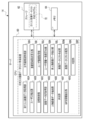
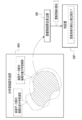
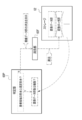
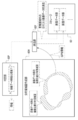
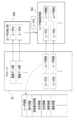
- FIG. 1 It is a block diagram which shows an example of the processing content when the CPU of the server included in the information processing system which concerns on 1st Embodiment operates as an image data list creation unit and image data list classification unit.
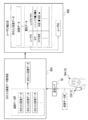
- Is. A conceptual diagram showing an example of a state in which a second user and a dated image data list are associated with each other by executing a dated image data list creation process by a CPU of a server included in the information processing system according to the first embodiment.
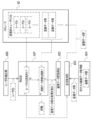
- FIG. 5 is a block diagram showing an example of processing contents when the CPU of the server included in the information processing system according to the second embodiment operates as an image quality specifying unit, a determination unit, an image data adding unit, and a dated image data generating unit. .. It is a flowchart which shows an example of the flow of the dated image data list update processing which concerns on 2nd Embodiment.
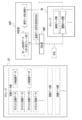
- FIG. 47A It is a block diagram which shows the modification of the image data list creation part. It is a flowchart which shows the modification of the flow of the date assignment processing. It is a continuation of the flowchart shown in FIG. 49A. It is a conceptual diagram which shows an example of a plurality of dated image data lists to which priority is given. It is a flowchart which shows the modification of the flow of the dated image data list creation process. It is a conceptual diagram which shows the transformation example of the attribute data included in the dated image data. It is a modification of the flowchart shown in FIG. 39E.
- CMOS is an abbreviation for "Complementary Metal Oxide Semiconductor”.
- CCD refers to the abbreviation of "Charge Coupled Device”.
- EL refers to the abbreviation for "Electro-Luminescence”.
- UI refers to the abbreviation of "User Interface”.
- USB is an abbreviation for "Universal Serial Bus”.
- GPU refers to the abbreviation of "Graphics Processing Unit”.
- GPS is an abbreviation for "Global Positioning System”.
- RTC is an abbreviation for "Real Time Clock”.
- ID refers to the abbreviation of "Identification”.
- WAN is an abbreviation for "Wide Area Network”.
- LAN is an abbreviation for "Local Area Network”.
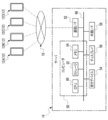
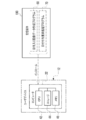
- the information processing system 10 includes a plurality of user devices 12 and a server 14.
- the user device 12 is a terminal device that transmits / receives input information and / or image information by the user 16 to / from the server 14, and is, for example, a smartphone.
- user devices 12A, 12B, 12C and 12D are shown as the plurality of user devices 12.
- user device 12 when it is not necessary to distinguish between the user devices 12A, 12B, 12C and 12D, they are simply referred to as "user device 12".
- the plurality of user devices 12 are connected to the server 14 via the network 18.
- the plurality of user devices 12 and the server 14 are communicably connected to, for example, the network 18.
- the network 18 is configured, for example, at least one of WAN and LAN.
- the plurality of user devices 12 and the network 18, and the server 14 and the network 18 may be in a wireless communication system or a wired communication system, respectively.
- the network 18 includes, for example, a base station.
- the network 18 establishes communication between the plurality of user devices 12 and the server 14, and transmits and receives various information between the plurality of user devices 12 and the server 14.
- the server 14 receives a request from the user device 12 via the network 18 and provides a service according to the request to the requesting user device 12 via the network 18.
- the server 14 is an example of an "information processing device" according to the technique of the present disclosure.
- the CPU 42 controls the entire user device 12.
- the storage 44 stores various parameters and various programs.
- the storage 44 is a non-volatile storage device.
- EEPROM is adopted as an example of the storage 44, but the present invention is not limited to this, and SSD and / or HDD may be used.
- the memory 46 is a volatile storage device.
- the memory 46 is used as a work memory by the CPU 42, and temporarily stores various information.
- DRAM is adopted as an example of the memory 46, but the present invention is not limited to this, and other types of volatile storage devices such as SRAM may be used.
- the image pickup device 24 is a device that generates image data.
- the image pickup apparatus 24 has, for example, a CMOS image sensor, and includes a zoom mechanism, a focus adjustment mechanism, and the like.
- the CMOS image sensor is exemplified as the image sensor included in the photographing device 24, but the present invention is not limited to this, and other types of image sensors such as a CCD image sensor may be used.
- the image pickup apparatus 24 takes an image of a subject according to an instruction from the CPU 42. Then, the image pickup apparatus 24 generates image data indicating the subject by taking an image of the subject.
- the CPU 42 acquires the image data generated by the image pickup apparatus 24, and stores the acquired image data in the storage 44.
- the GPS receiver 30 receives radio waves from a plurality of GPS satellites (not shown) including the GPS satellite 20 in response to an instruction from the CPU 42, and outputs reception result information indicating the reception result to the CPU 42.
- the CPU 42 calculates the above-mentioned GPS information based on the reception result information input from the GPS receiver 30.
- the display 34 displays various information under the control of the CPU 42.
- An example of the display 34 is a liquid crystal display. Not limited to the liquid crystal display, another type of display such as an organic EL display may be adopted as the display 34.
- an out-cell type touch panel display in which the touch panel 32A is superimposed on the surface of the display area of the display 34 is adopted.
- the out-cell type touch panel display is merely an example, and for example, an on-cell type or in-cell type touch panel display can be applied.
- the speaker 38 converts an electric signal input from a specific device (for example, CPU 42) into sound, and outputs the sound obtained by converting the electric signal to the outside of the user device 12.
- a specific device for example, CPU 42
- the external I / F 40 controls the exchange of various information with the device existing outside the user device 12.
- An example of the external I / F40 is a USB interface.
- a user device, a personal computer, a server, a USB memory, a memory card, and / or a printer or the like is connected to the USB interface.
- the CPU 60 controls the entire server 14.
- the storage 62 stores various parameters and various programs.
- the storage 62 is a non-volatile storage device.
- SSD is adopted as an example of the storage 62, but the present invention is not limited to this, and EEPROM and / or HDD may be used.
- the memory 64 is a volatile storage device.
- the memory 64 is used as a work memory by the CPU 60 and temporarily stores various information.
- DRAM is adopted as an example of the memory 64, but the present invention is not limited to this, and other types of volatile storage devices such as SRAM may be used.
- the CPU 60 is an example of a "processor" according to the technology of the present disclosure, and the storage 62 and the memory 64 are an example of a "memory" according to the technology of the present disclosure.
- the communication I / F 52 is communicably connected to the network 18 and controls the exchange of various information between the CPU 60 and the user device 12 via the network 18.
- the reception device 54 receives instructions from the administrator of the server 14. Examples of the reception device 54 include voice input via a remote controller, a touch panel, a hard key and / or a microphone, and the like. The instruction received by the receiving device 54 is acquired by the CPU 60.
- the external I / F 58 manages the exchange of various information with the device existing outside the server 14.
- An example of an external I / F 58 is a USB interface.
- a user device, a personal computer, a server, a USB memory, a memory card, and / or a printer or the like is connected to the USB interface.
- a plurality of user devices 12 upload dated image data to the server 14, and the server 14 manages the uploaded dated image data.
- the dated image data refers to the image data to which a date is given.
- the dated image data is created by, for example, the user device 12.
- the dated image data creation process is realized by the CPU 42 operating as an imaging control unit 42A, an image data acquisition unit 42B, a GPS information calculation unit 42C, an attribute data creation unit 42D, and a dated image data creation unit 42E. Will be done.
- imaging start instruction an instruction to start imaging
- the imaging control unit 42A controls the imaging device 24 to perform imaging.
- the device 24 is made to image the subject.
- the image pickup apparatus 24 generates image data by capturing an image of a subject.
- the image data acquisition unit 42B acquires image data from the image pickup apparatus 24.
- the GPS information calculation unit 42C calculates GPS information based on the reception result information input from the GPS receiver 30.
- the storage 44 stores a user ID that can identify the user 16.
- the attribute data creation unit 42D creates attribute data indicating the attributes of the image data acquired by the image data acquisition unit 42B.
- the attribute data creation timing is the timing at which one frame of imaging is performed by the imaging device 24. That is, the attribute data is created by the attribute data creation unit 42D every time one frame is imaged by the imaging device 24.
- the attribute data creation unit 42D acquires GPS information from the GPS information calculation unit 42C. Further, the attribute data creation unit 42D acquires the user ID from the storage 44. Further, the attribute data creation unit 42D acquires the current time from the clock 26. Then, the attribute data creation unit 42D creates attribute data including the user ID, the date, and the GPS information. GPS information is included in the attribute data as information for specifying the imaging position.
- the attribute data also includes Exif information and the like.
- the date included in the attribute data the current time acquired from the clock 26 by the attribute data creation unit 42D is adopted. Since the attribute data is created at the timing when one frame of imaging is performed by the imaging device 24 as described above, the date included in the attribute data is also referred to as the imaging date (hereinafter, also referred to as “imaging date”). )It turns out that.
- the dated image data creation unit 42E acquires image data from the image data acquisition unit 42B and acquires attribute data from the attribute data creation unit 42D each time one frame is imaged. Then, the dated image data creation unit 42E creates the dated image data by associating the image data and the attribute data in units of one frame.
- the dated image data creation unit 42E stores the dated image data in the storage 44.
- the storage 44 holds a plurality of dated image data (for example, dated image data for a plurality of frames) as an image data group.
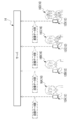
- dated image data is created in each of the plurality of user devices 12 each time imaging is performed, and as shown in FIG. 7 as an example, a plurality of dates are stored in each storage 44 of the plurality of user devices 12.
- the input image data is held as an image data group.
- each of the plurality of users 16 uploads the image data group held in the storage 44 to the server 14 by operating their own user devices 12. In this way, the image data group uploaded to the server 14 is stored and managed in the server 14.
- the user device 12 when the user 16 possesses image data without a date (hereinafter, also referred to as "sammlungss image data"), the user device 12 is used with respect to the server 14. , It can be requested to give a date to the image data without a date.
- the CPU 22 executes the date assignment request processing, so that the server 14 is requested to assign the date to the dateless image data.
- the date assignment request processing program 70 is stored in the storage 44.
- the CPU 42 reads the date assignment request processing program 70 from the storage 44. Then, the CPU 42 operates as the request data creation unit 42F, the request data transmission unit 42G, and the display control unit 42H by executing the date assignment request processing program 70 read from the storage 44 on the memory 46. That is, the date assignment request processing is realized by the CPU 42 operating as the request data creation unit 42F, the request data transmission unit 42G, and the display control unit 42H.
- the request data creation unit 42F creates request data.
- the request data refers to data indicating that the server 14 is requested to give a date to the image data without a date.
- the request data creation unit 42F first acquires the user ID from the storage 44 and receives the user ID from the external device (for example, USB memory or SSD) via the external I / F 40. Get image data without date.
- the request data creation unit 42F creates the request data by associating the acquired user ID and the dateless image data.
- the request data creation unit 42F outputs the created request data to the request data transmission unit 42G.
- the user device 12 assigns a user ID as attribute data included in the dated image data or the dateless image data, but the technique of the present disclosure is not limited to this.
- a user authentication process for identifying a user 16 who uses the user device 12 is performed between the server 14 and the user device 12, and the image uploaded after the authentication and the user ID associated with the authenticated user 16 are assigned. By adding it, dated image data or dateless image data may be generated.
- the user device 12 assigns a device ID that identifies the user device 12 instead of the user ID as attribute data included in the dated image data or the dateless image data, and the server 14 determines the user 16 and the user 16.
- a correspondence list of device IDs corresponding to each may be stored in the storage 62, and the user ID may be specified from the device ID included in the dated image data or the dateless image data based on the correspondence list.
- the request data transmission unit 42G transmits the request data input from the request data creation unit 42F to the server 14 via the communication I / F 28.
- the server 14 receives the request data transmitted from the request data transmission unit 42G and assigns a date to the dateless image data included in the received request data to generate date-assigned image data and make a request. Provided to the original user device 12.
- the display control unit 42H causes the display 34 to display an image (hereinafter, also referred to as a “date-assigned image”) indicated by the date-assigned image data provided by the server 14.
- the dated image data is generated by executing the dated image data list creation process (see FIG. 11) and the date assignment process (see FIG. 34) by the CPU 60 of the server 14.
- the dated image data list creation program 72 is stored in the storage 62.
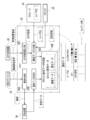
- the CPU 60 reads the dated image data list creation program 72 from the storage 62. Then, the CPU 60 executes the dated image data list creation program 72 read from the storage 62 on the memory 64, so that the dated image data acquisition unit 60A, the user ID extraction unit 60B, the storage control unit 60C, and the image data group Acquisition unit 60D, person image data extraction unit 60E, erasure unit 60F, GPS information extraction unit 60G, distribution area map creation unit 60H, overlapping area ratio calculation unit 60I, user information acquisition unit 60J, user information matching degree calculation unit 60K, non- It operates as a person image data extraction unit 60L, an image data list creation unit 60M, an image data list classification unit 60N, and a determination unit 60P.
- the CPU 60 performs the dated image data acquisition unit 60A, the user ID extraction unit 60B, the storage control unit 60C, the image data group acquisition unit 60D, the person image data extraction unit 60E, and the erasing unit 60F.
- GPS information extraction unit 60G distribution area map creation unit 60H, overlapping area ratio calculation unit 60I, user information acquisition unit 60J, user information matching degree calculation unit 60K, non-personal image data extraction unit 60L, image data list creation unit 60M, It is realized by operating as an image data list classification unit 60N and a determination unit 60P.
- the CPU 60 creates a dated image data list by executing a dated image data list creation process.
- the dated image data list is created for each subject by classifying a plurality of dated image data for each subject indicated by each of the plurality of dated image data.
- the term "subject” as used herein refers to a subject whose mode of change with time can be visually specified.
- the "plurality of dated image data" to be classified is a plurality of dated image data having different dates, and 16 minutes of image data of a plurality of users including a specific user.
- the specific user refers to, for example, a user 16 (for example, the owner of the user device 12) to which the user device 12 that has transmitted the request data to the server 14 is assigned among the plurality of users 16.
- the CPU 60 associates the dated image data list with a specific user by executing the dated image data list creation process.
- the specific user is associated with a dated image data list for a subject that is similar to the subject indicated by the dated image data of the specific user.
- the dated image data acquisition unit 60A receives the image data group by the communication I / F 52. To get. Then, the dated image data acquisition unit 60A acquires the dated image data from the image data group.
- the user ID extraction unit 60B extracts the user ID from the attribute data included in the dated image data acquired by the dated image data acquisition unit 60A.
- the user ID extraction unit 60B extracts the user ID from the attribute data included in the dated image data, but the present invention is not limited to this, and the server 14 includes the user IDs of a plurality of users and the user IDs of the plurality of users 16.
- a list associated with the dated image data associated with each may be stored in the storage 62, and the user ID extraction unit 60B may use predetermined conditions or arbitrary users from the plurality of saved users 16. 16 user IDs may be selected.
- the predetermined condition may be, for example, the timing at which the user 16 uploads the dated image data via the user device 12.
- the registered user list is stored in the storage 62.
- the registered user list is a list showing a plurality of user IDs that can identify a group of users who satisfy the condition that they have already registered to agree to share information including dated image data. That is, the plurality of users 16 specified by the plurality of user IDs indicated by the registered user list are registered user groups that agree to share information including dated image data (hereinafter, "registered user group"). Also called).
- the registered user group is further narrowed down by executing the following dated image data list creation process by the CPU 60.
- the image data group is associated with each of the plurality of users 16, and the registered user group is narrowed down to the users satisfying the condition that the image data groups are similar to each other. Further, the registered user group is narrowed down to users who satisfy the condition that the registered user information is similar. Hereinafter, it will be described in more detail.
- the determination unit 60P refers to the registered user list in the storage 62 and determines whether or not the user ID extracted by the user ID extraction unit 60B is a registered user ID.
- the storage control unit 60C stores the image data group acquired by the dated image data acquisition unit 60A in the storage 62.
- the determination unit 60P determines that the user ID extracted by the user ID extraction unit 60B is not a registered user ID, the determination unit 60P then determines that the number of image data groups stored in the storage 62 is the number of groups. Determine if there are more than one. When the number of image data groups stored in the storage 62 is not plural, the determination unit 60P waits until the next determination timing arrives.
- the determination unit 60P determines that the number of image data groups stored in the storage 62 is a plurality of groups, the determination unit 60P instructs the image data group acquisition unit 60D to acquire the image data group.
- the image data group acquisition unit 60D acquires the image data group from the storage 62 when the determination unit 60P instructs the acquisition of the image data group.
- the person image data extraction unit 60E extracts the person image data indicating the person from the dated image data by executing the image recognition process on the date image data included in the image data group, and the extracted person image data. Is associated with the dated image data of the extraction source. Then, the person image data extraction unit 60E stores the dated image data associated with the person image data in the storage 62 for each image data group, thereby returning the dated image data for each image data group to the storage 62.
- the image recognition process a process of performing image analysis using a cascade classifier is applied.
- image recognition processing such as pattern matching may be performed, and any processing can be performed as long as the subject image data indicating a specific subject can be recognized from the date image data. May be good.
- the determination unit 60P has a number of frames of person image data (hereinafter, also referred to as “same person image data”) for the same person for each image data group stored in the storage 62. Is determined whether or not is equal to or greater than the first predetermined number of frames (for example, 10).
- the determination of whether or not the data is the same person image data is performed based on the image recognition result obtained by executing the image recognition process on the person image data associated with the dated image data. It is said.
- the first default number of frames is a fixed value. However, this is only an example, and the first default number of frames may be a fixed value or a variable value as long as it is a natural number of 2 or more. Examples of the variable value include a value that can be changed according to an instruction received by the receiving device 54, or a value that is changed periodically.
- the determination unit 60P determines that the number of frames of the same person image data is less than the first default number of frames, the determination unit 60P erases the image data group to be determined from the image data group to be created in the image data list. Instruct 60F.
- the determination unit 60P instructs the erasing unit 60F to erase the image data group, the erasing unit 60F deletes the image data group to be determined from the image data group to be created in the image data list in the storage 62.
- the CPU 60 has an erasing unit 60F for erasing the image data group to be determined by the determination unit 60P from the image data group to be created as an image data list, but the present invention is not limited to this.
- the determination unit 60P may have an extraction unit that extracts an image data group as a determination target from the storage 44 as an image data group to be created as an image data list.
- the determination unit 60P determines that the number of frames of the same person image data is equal to or greater than the first predetermined number of frames
- the determination unit 60P is an image data group stored in the storage 62.
- the determination unit 60P waits until the next determination timing arrives.
- the determination unit 60P has a common same person image for each of the image data groups determined that the number of frames of the same person image data is equal to or more than the first predetermined number of frames. It is determined whether or not the number of frames of data is equal to or greater than the second default number of frames (for example, 5).
- the determination unit 60P is an image in which the number of frames of the common same person image data is less than the second default number of frames.
- the erasing unit 60F is instructed to delete the image data list of the data group from the image data group to be created.
- the determination unit 60P instructs the erasing unit 60F to erase the image data group
- the erasing unit 60F creates an image data list of the storage 62 for the image data group in which the number of frames of the common same person image data is less than the second predetermined number of frames. Delete from the image data group.
- the determination unit 60P determines that the number of frames of the common same person image data is equal to or greater than the second default number of frames.
- An instruction to acquire the data group from the storage 62 as an image data group to be created as an image data list is given to the image data group acquisition unit 60D.
- the image data group acquisition unit 60D has an image in which the number of frames of the common same person image data is equal to or greater than the second default number of frames.
- the data group is acquired from the storage 62.
- the GPS information extraction unit 60G extracts GPS information from the attribute data in the dated image data included in the image data group acquired by the image data group acquisition unit 60D.
- the distribution area map creation unit 60H acquires the GPS information extracted by the GPS information extraction unit 60G for each image data group. Then, the distribution area map creation unit 60H creates an image capture position distribution area map of the image data group for each image data group based on the GPS information.
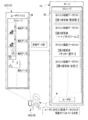
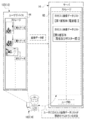
- the imaging position distribution area map is a diagram showing a region in which an imaging position (hereinafter, also referred to as an “imaging position”) is distributed at a position indicated by GPS information. In the example shown in FIG. 8, an imaging position distribution map of two image data groups is shown, but the technique of the present disclosure is not limited to this, and an imaging position distribution area map for the number of image data groups is created. Will be done.
- the overlapping area ratio calculation unit 60I calculates the ratio of the region where the imaging position distribution region map overlaps between the image data groups (hereinafter, also referred to as “overlapping region”).
- the determination unit 60P determines whether or not the ratio of the overlapping region is equal to or higher than the predetermined ratio (for example, 60%).
- the default ratio is a fixed value.
- the default ratio may be a variable value. Examples of the variable value include a value that can be changed according to an instruction received by the receiving device 54, or a value that is changed periodically.
- the hatched area indicates an overlapping area, which is an area having a predetermined ratio or more.
- the determination unit 60P determines that the ratio of the overlapping area is less than the predetermined ratio
- the determination unit 60P instructs the erasing unit 60F to erase the image data group to be determined.
- the determination unit 60P instructs the erasing unit 60F to erase the two image data groups.
- the erasing unit 60F was obtained by capturing the dated image data for which the dated image data list is to be created among a plurality of dated image data within a range determined based on GPS information. Limit to image data. That is, when the erasing unit 60F is instructed by the determination unit 60P to erase the image data group from the image data group to be created, the image data group to be determined is converted to the image data list creation target of the storage 62. By deleting from the image data group of, the dated image data for which the dated image data list is created is restricted.
- the determination unit 60P determines that the ratio of the overlapping area among all the image data groups is equal to or more than the predetermined ratio, whether or not the number of image data groups stored in the storage 62 is a plurality of groups. To judge.
- the determination unit 60P waits until the next determination timing arrives.
- the determination unit 60P determines that the number of image data groups stored in the storage 62 is a plurality of groups
- the erasing unit 60F is outside the overlapping area between the image data groups stored in the storage 62. GPS information is acquired from the distribution area map creation unit 60H. Then, the erasing unit 60F refers to the GPS information acquired from the distribution area map creating unit 60H, and among the plurality of dated image data included in the image data group stored in the storage 62, the GPS outside the overlapping area. Delete the dated image data to which the information is added from the dated image data for which the image data list is created.
- user information is associated with the registered user ID in the storage 62.
- the user information is information about the user 16 specified by the corresponding user ID. Examples of user information include generation specific information, family structure information, address information, gender information, occupation information, hobby information, and the like.
- the generation specific information is information indicating the generation of the user 16. For example, if the user 16 was born in 1975, the information "1970 to 1980s" is used as the generation specific information.
- the family structure information is information indicating the family structure of the user 16. Examples of the family composition information include information indicating married, unmarried, the number of older brothers, the number of younger brothers, the number of older sisters, the number of younger sisters, the age difference of siblings, and / or the age of parents.
- the address information is information indicating the address of the user 16. Examples of the address information include information indicating a country name, a prefecture name, and / or a city, town, and village name.
- the gender information is information indicating the gender of the user 16. Examples of gender information include information indicating men, women, and the like.
- the occupation information is information indicating the occupation of the user 16.
- the occupational information is, for example, information indicating a sales position, a technical position, a teaching position, an unemployed person, and / or a housewife.
- the hobby information is information indicating the hobby of the user 16.
- Hobby information includes, for example, outdoor enthusiasts, indoor enthusiasts, golf, soccer, baseball, fishing, watching movies, reading, and / or internet games.
- the user ID extraction unit 60B extracts the user ID from each of the image data groups stored in the storage 62.
- the user information acquisition unit 60J acquires the user information corresponding to the user ID extracted by the user ID extraction unit 60B, and associates the acquired user information with the corresponding user ID.
- the user information matching degree calculation unit 60K acquires the user information for each user ID from the user information acquisition unit 60J, and the matching degree of the user information between the user IDs (hereinafter, "user information"). (Also called “matching degree”) is calculated.
- the determination unit 60P determines whether or not an image data group whose user information match degree is less than the default match degree (for example, 5%) is stored in the storage 62 with any user ID.
- the default degree of matching may be a variable value. Examples of the variable value include a value that can be changed according to an instruction received by the receiving device 54, or a value that is changed periodically.
- the determination unit 60P waits until the next determination timing arrives.
- the determination unit 60P determines that the image data group whose user information match degree is less than the default match degree.
- the erasing unit 60F is instructed to erase the image data group for which the image data list is to be created. In response to this, the erasing unit 60F erases the image data group whose user information matching degree is less than the default matching degree from the image data group to be created in the image data list of the storage 62.
- the dated image data acquisition unit 60A acquires dated image data from each image data group in the storage 62.
- the non-personal image data extraction unit 60L executes an image recognition process on the dated image data acquired by the dated image data acquisition unit 60A to obtain non-personal image data indicating a non-person from the dated image data. Extract and associate the extracted non-personal image data with the dated image data of the extraction source.
- the non-personal image data extraction unit 60L stores the dated image data associated with the non-personal image data in the storage 62 for each image data group, thereby returning the dated image data for each image data group to the storage 62.
- the non-person refers to an object other than a person whose mode of change with time can be visually specified.
- the mode of change with time for example, the mode of an object symbolizing the times can be mentioned.
- Objects that symbolize the times include, for example, buildings, roads, cityscapes, signboards, posters, food, and the like.
- the image data list creation unit 60M acquires dated image data (hereinafter, also referred to as “dated image data with person image data”) associated with person image data from the storage 62. do. Further, the image data list creation unit 60M acquires dated image data (hereinafter, also referred to as “dated image data with non-personal image data”) associated with non-personal image data from the storage 62.
- the image data list creation unit 60M determines whether or not the person image data is similar between the dated image data with the person image data. Further, the image data list creation unit 60M determines whether or not the non-personal image data is similar between the dated image data with the non-personal image data.
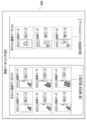
- the image data list creation unit 60M sets the date for each subject indicated by each of all the dated image data stored in the storage 62 as the image data list creation target. By classifying the image data, a dated image data list for each subject is created.
- the dated image data for which the image data list is to be created includes, for example, dated image data associated with each of a plurality of users. In the examples shown in FIGS. 26 to 28, the first to Nth subject image data lists are shown.
- the first subject image data list is a dated image data list composed of a plurality of dated image data in which the first subject is reflected.
- the first subject image data list is, for example, a list formed from dated image data included in a plurality of image data groups A to D associated with the users 16A to 16D, respectively.
- the second subject image data list is a dated image data list composed of a plurality of dated image data in which the second subject is reflected.
- the second subject image data list is, for example, a list formed from a plurality of image data groups A and dated image data included in the image data group C associated with the user 16A and the user 16C, respectively.
- a radio tower is shown as an example of the first subject, and "XX soft serve" is shown as an example of the second subject.
- the radio tower and "XX soft serve" are non-personal.
- the radio tower is an example of the above-mentioned building, and "XX soft serve" is an example of the above-mentioned food.
- the third subject image data list is a dated image data list composed of a plurality of dated image data in which the third subject is reflected.
- the third subject image data list is, for example, a list formed from dated image data included in a plurality of image data groups A to C associated with the users 16A to 16C, respectively.
- the fourth subject image data list is a dated image data list composed of a plurality of dated image data in which the fourth subject is reflected.
- the fourth subject image data list is, for example, a list formed from a plurality of image data groups A and dated image data included in the image data group C associated with the user 16A and the user 16C, respectively.
- a soccer player is shown as an example of the third subject
- a woman is shown as an example of the fourth subject. Soccer players and women are people.
- the fifth subject image data list is shown.
- the fifth subject image data list is a dated image data list composed of a plurality of dated image data in which the fifth subject is reflected.
- the fifth subject image data list is, for example, a list formed from a plurality of image data groups A and dated image data included in the image data group D associated with the user 16A and the user 16D, respectively.
- a signboard and posters are shown as an example of the fifth subject. Signs and posters are non-personal.
- the image data list classification unit 60N classifies the dated image data list created by the image data list creation unit 60M for each user ID, so that each of the plurality of users 16 can be treated.
- the image data list classification unit 60N extracts the user ID from each of the plurality of dated image data included in the dated image data list.
- the image data list classification unit 60N includes the dated image data of the user ID extraction source for the user ID that matches the extracted user ID among the plurality of user IDs stored in the storage 62. Associate a dated image data list.
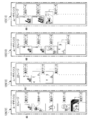
- the dates are associated with each of the plurality of users 16 as shown in FIGS. 30 to 33 as an example.
- An incoming image data list is associated.
- the image data group uploaded from the user device 12A assigned to the user 16A to the server 14 includes dated image data in which a subject similar to the first to fifth subjects is captured. Therefore, the image data list classification unit 60N associates the first to fifth subject image data lists related to the first to fifth subjects with the user 16A.
- the image data list classification unit 60N associates the first subject image data list and the third subject image data list related to the first and third subjects with the user 16B.
- the image data group uploaded from the user device 12C assigned to the user 16C to the server 14 includes dated image data in which a subject similar to the first to fourth subjects is captured. Therefore, the image data list classification unit 60N associates the first to fourth subject image data lists related to the first to fourth subjects with the user 16C.
- the image data list classification unit 60N associates the first subject image data list and the fifth subject image data list related to the first and fifth subjects with the user 16D.
- the date assignment processing program 74 is stored in the storage 62.
- the CPU 60 reads the date assignment processing program 74 from the storage 62. Then, the CPU 60 executes the date assignment processing program 74 read from the storage 62 on the memory 64, so that the user ID extraction unit 60B, the determination unit 60P, the image data list acquisition unit 60Q, the dateless image data extraction unit 60R, It operates as a date derivation unit 60S, a date assignment unit 60T, and an image data transmission unit 60U.
- the CPU 60 performs the user ID extraction unit 60B, the determination unit 60P, the image data list acquisition unit 60Q, the dateless image data extraction unit 60R, the date derivation unit 60S, the date assignment unit 60T, and the image data transmission unit. It is realized by operating as 60U.
- the CPU 60 By executing the date assignment process, the CPU 60 obtains dated image data about a subject similar to the subject indicated by the dateless image data of the specific user from the dated image data list associated with the specific user. get. Further, the CPU 60 executes a date assignment process to derive a date to be assigned to the dateless image data based on the date assigned to the acquired dated image data, and derives the derived date without a date. Add to image data.
- a date assignment process to derive a date to be assigned to the dateless image data based on the date assigned to the acquired dated image data, and derives the derived date without a date. Add to image data.
- the request data transmission unit 42G transmits the request data to the server 14 (FIG. 10). Reference), the request data is received by the communication I / F 52 of the server 14.
- the user ID extraction unit 60B extracts the user ID from the request data received by the communication I / F 52, and outputs the extracted user ID to the image data list acquisition unit 60Q.
- the image data list acquisition unit 60Q acquires a dated image data list corresponding to the user ID input from the user ID extraction unit 60B from the storage 62.
- the dateless image data extraction unit 60R extracts the dateless image data from the request data received by the communication I / F 52, and outputs the extracted dateless image data to the determination unit 60P. ..
- the determination unit 60P determines whether or not the dated image data list acquired by the image data list acquisition unit 60Q has dated image data similar to the dateless image data input from the dateless image data extraction unit 60R. Is determined.
- "similar" means that they match within a predetermined error range.
- the default error may be a fixed value or a variable value.
- Variable values include, for example, a value that can be changed according to an instruction received by the receiving device 54, a value that is changed according to the number of frames of the dated image data included in the dated image data list, and dated image data.
- the determination unit 60P resembles the dateless image data input from the dateless image data extraction unit 60R to the dated image data list acquired by the image data list acquisition unit 60Q. If it is determined that there is no dated image data, the process waits until the next determination timing arrives. On the other hand, the determination unit 60P has dated image data similar to the dateless image data input from the dateless image data extraction unit 60R in the dated image data list acquired by the image data list acquisition unit 60Q. When it is determined, it is determined whether or not the dated image data similar to the attached image data has a plurality of frames.
- the date derivation unit 60S determines the dated image data to be determined, that is, the dated image data. Extract dates from similar dated image data.
- the date derivation unit 60S determines the plurality of dated image data to be determined, that is, no attachment. A date is extracted from each of a plurality of dated image data similar to the image data. Then, the date derivation unit 60S derives the date of the non-date image data based on the plurality of dates extracted from each of the plurality of dated image data.
- the date derived by the date derivation unit 60S may be only the year, month, day, year, month, or year.
- the date derived by the date derivation unit 60S as the date of the dateless image data is, for example, a date based on the average value of a plurality of dates extracted from each of the plurality of dated image data.
- a date based on the average value of a plurality of dates refers to, for example, a date obtained by rounding the average value of a plurality of dates.
- the technique of the present disclosure is not limited to this, and the date of the most frequent value or the median value among the plurality of dates may be used. good.
- the density of the dates is the highest among the periods in which the multiple dates are distributed. It may be the most frequent or median date of the period.
- the date of the dateless image data having the highest degree of similarity to the dateless image data may be derived by the date derivation unit 60S as the date of the dateless image data.
- the date derivation unit 60S outputs the date derived as the date of the image data without a date to the date assignment unit 60T.
- the date assignment unit 60T is a date derivation unit for the dateless image data extracted from the request data by the dateless image data extraction unit 60R, that is, the dateless image data compared with the dated image data by the determination unit 60P.
- the date input from 60S is given.
- a date is assigned to the image data without a date.
- the date-assigned image data is generated by assigning a date to the dateless image data by the date-imparting unit 60T.
- the image data transmission unit 60U transmits the date-assigned image data generated by the date-giving unit 60T to the user device 12A that provides the request data via the communication I / F 52. As a result, the date-assigned image data is provided to the user 16 to which the user device 12A that provides the request data is assigned.
- the flow of the dated image data list creation process shown in FIGS. 39A to 39E is an example of the "information processing method" according to the technique of the present disclosure.
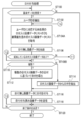
- step ST10 the determination unit 60P determines whether or not the image data group transmitted from the user device 12 has been received by the communication I / F 52. In step ST10, if the image data group transmitted from the user device 12 is not received by the communication I / F 52, the determination is denied, and the dated image data list creation process proceeds to step ST80 shown in FIG. 39E. do. In step ST10, when the image data group transmitted from the user device 12 is received by the communication I / F 52, the determination is affirmed, and the dated image data list creation process proceeds to step ST12.
- step ST12 the dated image data acquisition unit 60A acquires the dated image data from the image data group received by the communication I / F 52, and then the dated image data list creation process shifts to step ST14.
- step ST14 the user ID extraction unit 60B extracts the user ID from the dated image data acquired in step ST12, and then the dated image data list creation process shifts to step ST16.
- step ST16 the determination unit 60P determines whether or not the user ID extracted in step ST14 has been registered. The determination as to whether or not the user ID is registered is performed by determining whether or not the user ID is included in the registered user list in the storage 62. In step ST16, if the user ID extracted in step ST14 is not registered, the determination is denied and the dated image data list creation process proceeds to step ST20. In step ST16, if the user ID extracted in step ST14 has already been registered, the determination is affirmed, and the dated image data list creation process proceeds to step ST18.
- step ST18 the storage control unit 60C stores the image data group that was the acquisition source of the dated image data in step ST12 in the storage 62, and then the dated image data list creation process shifts to step ST20.
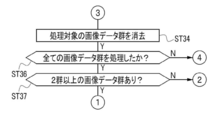
- step ST20 the determination unit 60P determines whether or not two or more image data groups are stored in the storage 62. If two or more image data groups are not stored in the storage 62 in step ST20, the determination is denied and the dated image data list creation process proceeds to step ST10. If two or more image data groups are stored in the storage 62 in step ST20, the determination is affirmed, and the dated image data list creation process proceeds to step ST22.
- step ST22 the image data group acquisition unit 60D acquires one unprocessed image data group from the storage 62.
- one unprocessed image data group refers to an image data group in which the processes of steps ST24 to ST30 have not yet been performed.
- the dated image data list creation process proceeds to step ST24.
- step ST24 the person image data extraction unit 60E extracts the person image data from each of the dated image data included in the image data group acquired in step ST22, and extracts the extracted person image data from the dated image of the extraction source. Associate with data. Then, the person image data extraction unit 60E returns the dated image data to the storage 62 by storing the dated image data associated with the person image data in the storage 62 for each image data group. After the process of step ST24 is executed, the dated image data list creation process proceeds to step ST26.
- step ST26 the determination unit 60P determines whether or not the number of frames of the same person image data is equal to or greater than the first predetermined number of frames for the latest image data group stored in the storage 62 in step ST24. In step ST26, if the number of frames of the same person image data is less than the first predetermined number of frames, the determination is denied, and the dated image data list creation process proceeds to step ST34 shown in FIG. 39B. In step ST26, when the number of frames of the same person image data is equal to or greater than the first predetermined number of frames, the determination is affirmed, and the dated image data list creation process proceeds to step ST28.
- step ST28 the determination unit 60P determines whether or not the image data group that has been positively determined is stored in the storage 62.
- the image data group for which the determination has been affirmed refers to the image data group for which the determination has been affirmed in step ST26.
- the storage 62 does not store the image data group for which the affirmative determination has been made, the determination is denied, and the dated image data list creation process proceeds to step ST80 shown in FIG. 39E. If the affirmative image data group is stored in step ST28, the determination is affirmed, and the dated image data list creation process proceeds to step ST30.
- step ST52 shown in FIG. 39C the determination unit 60P determines whether or not two or more image data groups are stored in the storage 62. If two or more image data groups are not stored in the storage 62 in step ST52, the determination is denied, and the dated image data list creation process proceeds to step ST80 shown in FIG. 39E. In step ST52, when two or more image data groups are stored in the storage 62, the determination is affirmed, and the dated image data list creation process proceeds to step ST54.
- step ST104 the image data list acquisition unit 60Q acquires the dated image data list corresponding to the user ID extracted in step ST102 from the storage 62, and then the date assignment process shifts to step ST106.
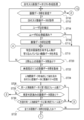
- step ST108 the determination unit 60P determines whether or not the dated image data similar to the dateless image data extracted in step ST106 exists in the dated image data list acquired in step ST104. judge. In step ST108, if there is no dated image data similar to the dateless image data extracted in step ST106 in the dated image data list acquired in step ST104, the determination is denied. , The date assignment process proceeds to step ST120. In step ST108, if the dated image data list acquired in step ST104 contains dated image data similar to the dateless image data extracted in step ST106, the determination is affirmed. , The date assignment process proceeds to step ST110.
- step ST114 the date derivation unit 60S extracts the date from the dated image data similar to the dateless image data extracted in step ST106, and then the date assignment process shifts to step ST116.
- step ST152 the display control unit 42H determines whether or not the date-assigned image data has been received by the communication I / F28. If the date-assigned image data has not been received by the communication I / F 28 in step ST152, the determination is denied and the date-assigned process proceeds to step ST156. When the date-assigned image data is received by the communication I / F 28 in step ST152, the determination is affirmed, and the date-assigned process proceeds to step ST154.
- the CPU 60 acquires dated image data about a subject similar to the subject indicated by the dateless image data provided by the specific user. Then, the CPU 60 derives the date assigned to the dateless image data based on the date assigned to the acquired dated image data.
- the image data group is associated with each of the plurality of users 16, and the plurality of users 16 are user groups satisfying the condition that the image data groups are similar to each other. .. Therefore, according to this configuration, when the date is derived with reference to the dated image data provided to the server 14 from a person who does not satisfy the condition that the image data groups are similar to each other with the user 16. Compared with the above, the processing load required to derive an appropriate date to be given to the dateless image data can be reduced. Further, since only the image data group provided by the user group satisfying the condition that the image data groups are similar to each other is used, it is possible to contribute to the protection of personal information.
- the plurality of users 16 are a group of users who satisfy the condition that the registered user information is similar. Therefore, according to this configuration, as compared with the case where the date is derived by using the dated image data provided to the server 14 from a person whose registered user information is not similar, it is more appropriate to give the dateless image data. It is possible to reduce the processing load required to derive a new date. Further, since only the image data group provided by the user group satisfying the condition that the registered user information is similar is used, it is possible to contribute to the protection of personal information.
- the dated image data for which the dated image data list is to be created is within a range determined based on the GPS information. It is limited to the image data obtained by being imaged. Therefore, according to this configuration, the date is added to the non-date image data as compared with the case where the date is derived by referring to the dated image data obtained by capturing the image outside the range determined based on the GPS information. The processing load required to derive an appropriate date can be reduced.
- the dated image data list is updated by executing the dated image data list update process (see FIG. 42) by the CPU 60 of the server 14.
- the dated image data list update program 76 is stored in the storage 62.
- the CPU 60 reads the dated image data list update program 76 from the storage 62.
- the CPU 60 executes the dated image data list update program 76 read from the storage 62 on the memory 64, so that the determination unit 60P, the date derivation unit 60S, the date assignment unit 60T, the dated image data generation unit 60V, It operates as a similarity calculation unit 60W, an image quality identification unit 60X, and an image data addition unit 60Y.
- the CPU 60 executes the dated image data list update process to add new image data provided as new image data as dated image data to the dated image data list when the first condition is satisfied.
- the first condition refers to a condition that the image quality of the new image data is equal to or higher than the standard image quality.
- the image data included in the dated image data used for deriving the date included in the dated image data is replaced with the dateless image data included in the dated image data.
- the attribute data included in the dated image data used for deriving the date assigned to the dateless image data by the date assigning unit 60T (the date included in the dated image data) (hereinafter, "for dateless image”).
- the date of (also referred to as “attribute data”) is replaced with the date included in the date-assigned image data.
- the data other than the date included in the attribute data for the dateless image includes, for example, the user ID of the provider of the dateless image data and one or more dated image data whose date is derived by the date derivation unit 60S. It is generated based on the attribute data of.
- the similarity calculation unit 60W includes new dated image data generated by the dated image data generation unit 60V and a dated image whose date is derived by the date derivation unit 60S. Calculate the similarity with the data.
- the similarity is, for example, the average value of the similarity between image data and the similarity between attribute data.
- the similarity between image data and the similarity between attribute data may be given different weight values.
- the weight value may be a fixed value or a variable value.
- the variable values include, for example, a value that can be changed according to an instruction received by the reception device 54, the number of frames of dated image data whose date is to be derived by the date derivation unit 60S, and the date derivation unit 60S.
- the dated image data whose date is derived by the date derivation unit 60S is a plurality of frames
- it is included in the dated image data for a plurality of frames whose date is derived by the date derivation unit 60S, for example.
- the degree of similarity between the composite image data obtained by adding and averaging a plurality of image data in pixel units and the image data included in the new dated image data may be used as the degree of similarity between the image data.
- the dated image data whose date is derived by the date derivation unit 60S is a plurality of frames
- the similarity with the image data included in the new dated image data may be used as the similarity between the image data.
- the determination unit 60P determines whether or not the similarity calculated by the similarity calculation unit 60W is out of the predetermined range.
- the default range in this case may be a fixed value or a variable value.
- the variable values include, for example, a value that can be changed according to an instruction received by the reception device 54, the number of frames of dated image data whose date is to be derived by the date derivation unit 60S, and the date derivation unit 60S.
- the determination unit 60P determines that the similarity calculated by the similarity calculation unit 60W is within the predetermined range, the determination unit 60P waits until the next determination timing arrives.
- the determination unit 60P determines that the similarity calculated by the similarity calculation unit 60W is out of the predetermined range, the determination unit 60P instructs the image quality identification unit 60X to specify the image quality of the image data.
- the image quality specifying unit 60X specifies the image quality of the image data included in the new dated image data generated by the dated image data generation unit 60V in response to the instruction from the determination unit 60P.
- the image quality refers to, for example, the resolution, the amount of noise, and the like. The lower the resolution, the lower the image quality, and the larger the amount of noise, the lower the image quality.
- the determination unit 60P determines whether or not the image quality specified by the image quality identification unit 60X is equal to or higher than the reference image quality.
- a fixed value is adopted as the reference image quality.
- the variable values include, for example, a value that can be changed according to an instruction received by the reception device 54, the number of frames of dated image data whose date is to be derived by the date derivation unit 60S, and the date derivation unit 60S.
- the determination unit 60P determines that the image quality specified by the image quality identification unit 60X is less than the standard image quality, the determination unit 60P waits until the next determination timing arrives.
- the determination unit 60P determines that the image quality specified by the image quality identification unit 60X is equal to or higher than the reference image quality, the determination unit 60P instructs the image data addition unit 60Y to add new dated image data to the storage 62.
- step ST202 the dated image data generation unit 60V is based on the dated image data generated by the date assigning unit 60T and the dated image data used for deriving the date included in the dated image data. Then, new dated image data is generated, and then the dated image data list update process proceeds to step ST204.
- step ST204 the similarity calculation unit 60W calculates the similarity between the new dated image data generated in step ST202 and the dated image data whose date is derived by the date derivation unit 60S, and then calculates the similarity.
- the dated image data list update process proceeds to step ST206.
- step ST206 the determination unit 60P determines whether or not the similarity calculated in step ST204 is out of the predetermined range. In step ST206, if the similarity calculated in step ST204 is within the predetermined range, the determination is denied and the dated image data list update process proceeds to step ST214. In step ST206, if the similarity calculated in step ST204 is out of the default range, the determination is affirmed, and the dated image data list update process proceeds to step ST208.
- step ST208 the image quality specifying unit 60X specifies the image quality of the image data included in the new dated image data generated by the dated image data generation unit 60V, and then the dated image data list update process is performed in step ST210. Move to.
- step ST210 the determination unit 60P determines whether or not the image quality specified in step ST208 is equal to or higher than the reference image quality. In step ST210, if the image quality specified in step ST208 is less than the reference image quality, the determination is denied and the dated image data list update process proceeds to step ST214. In step ST210, if the image quality specified in step ST208 is equal to or higher than the reference image quality, the determination is affirmed and the dated image data list update process proceeds to step ST212.
- step ST212 the image data addition unit 60Y adds a new dated image data generated by the dated image data generation unit 60V to a specific dated image data list to add a specific dated image data list.
- the dated image data list update process proceeds to step ST214.
- step ST214 the determination unit 60P determines whether or not the condition for terminating the dated image data list update process (hereinafter, also referred to as “list update process end condition”) is satisfied.
- the list update processing end condition there is a condition that the server 14 is instructed to end the dated image data list update process.
- the instruction to end the dated image data list update process is received, for example, by the reception device 54. If the condition for ending the list update process is not satisfied in step ST214, the determination is denied and the dated image data list update process proceeds to step ST200. If the condition for ending the list update process is satisfied in step ST214, the determination is affirmed and the dated image data list update process ends.
- step ST122 shown in FIG. 47B the determination unit 60P determines whether or not the specific dated image data list has been updated by executing the dated image data list update process. If the specific dated image data list is not updated in step ST122, the determination is denied and the date assignment process proceeds to step ST120 shown in FIG. 47A. When the specific dated image data list is updated in step ST122, the determination is affirmed, and the date assignment process proceeds to step ST124.
- step ST124 the image data list acquisition unit 60Q acquires the dated image data list corresponding to the user ID extracted in step ST102 from the storage 62, and then the date assignment process shifts to step ST108A.
- the server 14 when the image quality of the new dated image data is equal to or higher than the standard image quality, the server 14 adds the new dated image data to the dated image data list.
- the dated image data list is updated. Therefore, according to this configuration, regardless of the image quality of the new dated image data, the dated image data that is not suitable for image recognition processing (as compared with the case where the new dated image data is added to the dated image data list) For example, it is possible to prevent the dated image data list from being added to the dated image data list (date-date image data that cannot be recognized by a person and / or a non-person) by executing the image recognition process.
- the subject indicated by the new dated image data and the subject indicated by the dated image data included in the dated image data list associated with the specific user are displayed. If they are not similar, new dated image data is added to a particular dated image data list. Therefore, according to this configuration, whether or not the subject indicated by the new dated image data is similar to the subject indicated by the dated image data included in the dated image data list associated with the specific user. Regardless of this, it is possible to suppress an increase in the amount of data in the dated image data list as compared with the case where new dated image data is added to a specific dated image data list.
- the server 14 indicates by the dateless image data provided by the specific user from the specific dated image data list on the condition that the specific dated image data list is updated. Dated image data about a subject similar to the subject is acquired. Therefore, according to this configuration, even though the specific dated image data list is updated, it is similar to the subject indicated by the dateless image data provided by the specific user from the specific dated image data list. Compared with the case where the dated image data for the subject is not acquired, it is possible to realize the immediate derivation of an appropriate date to be given to the non-date image data.
- a mode example in which a plurality of dated image data are included in the dated image data list has been described.
- a plurality of image data list creating units 60M are used.
- the feature data indicating the features of the same day image data group to which the same date is given may be included in the dated image data list instead of the same day image data group.
- FIG. 48 as an example of the image data group on the same day, a plurality of dated image data dated May 19, 1985 are shown, but the image data list creation unit 60M is on May 19, 1985.
- the feature data is extracted from the plurality of dated image data dated, and the plurality of dated image data dated May 19, 1985 are replaced with the feature data.
- predetermined data for example, included in each dated image data
- a second example of the feature data includes a person image data and a non-personal image data associated with the dated image data included in the same day image data group.
- predetermined data for example, each dated image
- predetermined data as the minimum data that can identify the outline of the person image data and the non-personal image data associated with the dated image data. Spatial frequency, contrast value, brightness, etc. of the image data included in the data).
- the feature data indicating the features of the same-day image data group includes the dated image data list, so that the dated image data list contains only a plurality of dated image data. It is possible to reduce the amount of data in the dated image data list as compared with the case of being composed of.
- the CPU 60 executes the date assignment process shown in FIGS. 49A and 49B, and when a plurality of dated image data lists are associated with the specific user, the CPU 60 enters a plurality of dates associated with the specific user.
- dated image data for subjects similar to the subject indicated by the dateless image data in order from the dated image data list with the highest priority based on the image data included in each date image data list. To get.
- the CPU 60 executes the date assignment process shown in FIGS. 49A and 49B to display a subject similar to the subject indicated by the dateless image data in the dated image data list associated with the specific user. Similar to the subject indicated by the dateless image data from the image data group associated with at least one user other than the specific user among the plurality of users when the dated image data for is not included. Acquires dated image data about the subject in question.
- a priority is given to a plurality of dated image data lists, and a form example in which the dated image data list with the highest priority is acquired in order, and a dated image related to a user 16 other than a specific user 16 are entered.
- a form example in which dated image data similar to dateless image data is acquired from the image data list will be described in more detail with reference to FIGS. 49A and 49B.
- FIGS. 49A and 49B have a point having step ST104A instead of step ST104, a point having step ST108B instead of step ST108, and a point having further steps ST130 to ST136. Is different.
- FIG. 49A the same step numbers as those in the flowchart shown in FIG. 40 are assigned the same step numbers, and the description thereof will be omitted.
- step ST104A shown in FIG. 49A the image data list acquisition unit 60Q stores the highest priority dated image data list among the unprocessed dated image data lists corresponding to the user IDs extracted in step ST102. Get from.
- the highest priority means the highest priority.
- the unprocessed dated image data list refers to the dated image data list that has not yet been processed in step ST108B.
- step ST108B the determination unit 60P determines whether or not the dated image data similar to the dateless image data extracted in step ST106 exists in the dated image data list acquired in step ST104A. judge.
- step ST108B if the dated image data list acquired in step ST104A contains dated image data similar to the dateless image data extracted in step ST106, the determination is affirmed. , The date assignment process proceeds to step ST110.
- step ST108B if there is no dated image data similar to the dateless image data extracted in step ST106 in the dated image data list acquired in step ST104A, the determination is denied.
- the date assignment process proceeds to step ST130 shown in FIG. 49B.
- step ST130 the determination unit 60P determines whether all of the dated image data lists corresponding to the user IDs extracted in step ST102 have been acquired in step ST104. In step ST130, if all of the dated image data lists corresponding to the user IDs extracted in step ST102 have not been acquired in step ST104, the determination is denied and the date assignment process is performed in step ST104A shown in FIG. 49A. Move to. In step ST130, if all of the dated image data list corresponding to the user ID extracted in step ST102 is acquired in step ST104, the determination is affirmed and the date assignment process proceeds to step ST132.
- step ST132 the image data list acquisition unit 60Q outputs an unprocessed dated image data list corresponding to a user ID other than the user ID extracted in step ST102 (hereinafter, also referred to as “other user ID”) from the storage 62. After that, the process proceeds to step ST134.
- the unprocessed dated image data list refers to a dated image data list that has not yet been used in the processing of step ST134.
- step ST136 it is determined whether or not the number of times the dated image data list is acquired in step ST132 (hereinafter, also referred to as "the number of acquired lists") has reached the upper limit.
- the upper limit may be a fixed value or a variable value.
- Variable values in this case include, for example, a value that can be changed according to an instruction received by the reception device 54, the number of dated image data lists corresponding to other user IDs, and the user 16 who provided the dateless image data. Values that change accordingly and / or values that change on a regular basis can be mentioned.
- step ST136 if the number of acquired lists has not reached the upper limit, the determination is denied and the date assignment process proceeds to step ST132. If the number of acquisition lists has reached the upper limit in step ST136, the determination is affirmed, and the date assignment process proceeds to step ST120 shown in FIG. 49A.
- FIG. 50 shows an example of a plurality of dated image data lists with priorities.
- the sixth to ninth subject image data lists associated with the user IDs related to specific users are shown as a plurality of dated image data lists to which priorities are given.
- the sixth subject image data list is a dated image data list composed of a plurality of dated image data in which the sixth subject is reflected.
- the seventh subject image data list is a dated image data list composed of a plurality of dated image data in which the seventh subject is reflected.
- the eighth subject image data list is a dated image data list composed of a plurality of dated image data in which the eighth subject is reflected.
- the ninth subject image data list is a dated image data list composed of a plurality of dated image data in which the ninth subject is reflected.
- a childhood male is shown as an example of the sixth subject.
- an example of a middle-aged man is shown as an example of the seventh subject.
- an example of an elderly man is shown as an example of the eighth subject.
- an example of a late-stage elderly man is shown as an example of the ninth subject.
- the dated image data list creation unit 60M performs image recognition processing on the person image data associated with the dated image data to perform childhood men, middle-aged men, elderly men, and late-aged men. Classify and create the 6th to 9th subject image data list.
- childhood men, middle-aged men, elderly men, and late-stage elderly men have different physical aspects.
- the physical aspect refers to, for example, the aspect of the head (eg, at least one of the face and hair).
- humans change their face roundness, hair volume, and hair color with aging, and by performing image recognition processing based on these characteristics, childhood men and middle-aged men It is possible to classify men, elderly men, and late-stage elderly men.
- Childhood Men, Middle-aged Men, Elderly Men, and Late-Elderly Men The magnitude of age-related changes in appearance is generally "childhood men> middle-aged men> elderly men> late-stage elderly. "Male aging”. That is, the younger the age, the greater the change in appearance with aging. For example, the younger the age, the more rounded the contour of the face, and the greater the amount of change in the roundness than that of the elderly.
- the date given to the dateless image data can be specified more accurately and quickly than the date can be obtained from the dated image data in which a man of a small age is reflected as the subject. Means. Therefore, in the example shown in FIG. 26, the sixth subject image data list is given the first priority, the seventh subject image data list is given the second priority, and the eighth subject image data list is given the priority. The third place is given, and the fourth place of priority is given to the ninth subject image data list.
- FIG. 26 shows a form example in which a dated image data list is created for each generation of men, but the technique of the present disclosure is not limited to this.
- a dated image data list may be created for each generation of women.
- the generation may be set more finely, or the generation may be set more roughly.
- the technique of the present disclosure is not limited to a form example in which a dated image data list is created for each generation.
- a dated image data list having a different priority for each characteristic of the user 16 is created. You may do so.
- the characteristics of the user 16 include, for example, family structure, address, occupation, hobbies, and the like.
- the dated image data list having a larger number of frames of the dated image data may have a higher priority.
- the dated image data list having a larger number of frames of the dated image data to which different dates are assigned may have a higher priority.
- the date with high priority based on the dated image data included in each date image data list is acquired. Therefore, according to this configuration, the dateless image data is compared with the case where the dated image data is acquired from the dated image data list regardless of the priority based on the dated image data included in each dated image data list. It is possible to accurately and quickly identify the date given to the data.
- dated image data similar to the dateless image data is acquired from the dated image data list related to the user 16 other than the specific user. Will be done. Therefore, according to this configuration, the date appropriate for the dateless image data is more appropriate than the case where the dated image data to be derived from the date is acquired only from the dated image data list related to the specific user. Can be increased.
- a form example in which a dated image data list in which dated image data with a person image and dated image data with a non-personal image are mixed is created.
- dated image data is roughly divided into dated image data with a person image and dated image data with a non-personal image
- the image data list creation unit 60M has only dated image data with a non-personal image. May be obtained and a dated image data list may be created using the acquired dated image data with a non-personal image. According to this configuration, it is possible to prevent the date given to the dated image data with the person image from being given to the dateless image data.
- the person having a specific relationship refers to a friend, a family member, a relative, an employee belonging to a specific organization, or the like.
- a person having a specific relationship may have each of the plurality of users 16 register with the server 14 via the user device 12. Further, the image data group held by the plurality of user devices 12 is subjected to image recognition processing by the CPU 42 and / or 60, so that image data in which a person having a specific relationship is reflected as a subject. Is specified, and the specified image data may be registered in the storage 62 of the server 14.
- the number of frames of the dated image data in which the same person is reflected as a subject in the folder in the user device 12 is a certain number or more (for example, 10 or more), the same person in the folder is reflected as a subject.
- the dated image data may be registered in the server 14 as image data in which a person having a specific relationship is reflected.
- the flowchart shown in FIG. 51 is different from the flowchart shown in FIG. 39A in that step ST19 is provided between step ST18 and step ST20.
- step ST19 is provided between step ST18 and step ST20.
- step ST19 is provided between step ST18 and step ST20.
- step ST19 is provided between step ST18 and step ST20.
- step ST19 is provided between step ST18 and step ST20.
- step ST19 is provided between step ST18 and step ST20.
- step ST19 shown in FIG. 51 the erasing unit 60F erases the dated image data in which a person having a specific relationship is not reflected as a subject from the image data group stored in the storage 62.
- the dated image data for which the dated image data list is created is limited to the image data in which a person having a specific relationship is captured. Therefore, according to this configuration, the dated image data for which the dated image data list is created is not limited to the image data in which a person having a specific relationship is reflected.
- an appropriate date can be quickly derived.
- data including user ID, date, and GPS information is exemplified as attribute data included in the dated image data, but the technique of the present disclosure is not limited to this.
- generation identification information is added to a plurality of dated image data, and the CPU 60 selects the dated image data for which the dated image data list is created among the plurality of dated image data. It may be limited by the generation specified by.
- the generation identification information may be included in the attribute data so that the dated image data list creation process shown in FIG. 53 is executed as an example.
- the flowchart shown in FIG. 53 is different from the flowchart shown in FIG. 39E in that steps ST69A to ST69E are provided between step ST68 and step ST70.
- the same step numbers as those in the flowchart shown in FIG. 39E are assigned the same step numbers, and the description thereof will be omitted.
- step ST69A shown in FIG. 53 the CPU 60 determines whether or not two or more image data groups are stored in the storage 62. If two or more image data groups are not stored in the storage 62 in step ST69A, the determination is denied and the dated image data list creation process proceeds to step ST80 (see FIG. 39E). In step ST69A, when two or more image data groups are stored in the storage 62, the determination is affirmed, and the dated image data list creation process proceeds to step ST69B.
- step ST69B the CPU 60 extracts generation-specific information from all the image data groups stored in the storage 62, and then the dated image data list creation process shifts to step ST69C.
- step ST69C the CPU 60 calculates the generation matching degree between the image data groups using all the generation identification information extracted in step ST69B, and then the dated image data list creation process shifts to step ST69D. ..
- the generation match degree refers to the match degree between generation specific information. For example, the degree of agreement between the generations of 1970 to 1980 is 100%, the degree of agreement between the generations of 1970 to 1980 and the generation of 1975 to 1985 is 50%, and the degree of agreement between 1970 and 1980. The degree of agreement between the generation of the year and the generation of 1930 to 1940 is 0%.
- step ST69D the CPU 60 determines whether or not an image data group having a generation match degree of the default match degree (for example, 50%) or more is stored in the storage 62.
- a fixed value is adopted as the default degree of coincidence.
- the default degree of coincidence used in step ST69D may be a variable value. Examples of the variable value include a value that can be changed according to an instruction received by the receiving device 54, or a value that is changed periodically.
- the dated image data for which the dated image data list is to be created is the generation specified by the generation identification information. Limited by. Therefore, according to this configuration, the possibility that an appropriate date is given to the dateless image data is increased as compared with the case where the dated image data for which the dated image data list is created is not limited by generation. be able to.
- the dated image data creation program 68 and the date assignment request processing program 70 (hereinafter, when it is not necessary to distinguish these programs from each other, these programs are not described separately, the “terminal side” is not attached to the storage 44.
- the technique of the present disclosure is not limited to this.
- the terminal-side program may be stored in the storage medium 100.
- the storage medium 100 is a non-temporary storage medium.
- An example of the storage medium 100 is any portable storage medium such as an SSD or a USB memory.
- the terminal-side program stored in the storage medium 100 is installed in the computer 22.
- the CPU 42 executes the dated image data creation process according to the dated image data creation program 68, and executes the date assignment request process according to the date assignment request processing program 70.
- terminal side process when it is not necessary to separately explain the dated image data creation process and the date assignment request process, it is referred to as "terminal side process".
- terminal-side program is stored in a storage unit such as another computer or server connected to the computer 22 via the communication network (not shown), and the terminal-side program is downloaded in response to the request of the user device 12. , May be installed on computer 22.
- the CPU 42 is a single CPU, but may be a plurality of CPUs. Further, the GPU may be applied instead of the CPU 42 or together with the CPU 42.
- the computer 22 is illustrated, but the technique of the present disclosure is not limited to this, and a device including an ASIC, FPGA, and / or PLD may be applied instead of the computer 22. .. Further, instead of the computer 22, a combination of a hardware configuration and a software configuration may be used.
- the processor includes software, that is, a CPU, which is a general-purpose processor that functions as a hardware resource for executing terminal-side processing by executing a program.
- examples of the processor include a dedicated electric circuit which is a processor having a circuit configuration specially designed for executing a specific process such as FPGA, PLD, or ASIC.
- a memory is built in or connected to each processor, and each processor executes terminal-side processing by using the memory.
- the hardware resource that executes the terminal-side processing may be composed of one of these various processors, or a combination of two or more processors of the same type or different types (for example, a combination of a plurality of FPGAs, or a combination of a plurality of FPGAs). It may be composed of a combination of a CPU and an FPGA). Further, the hardware resource for executing the terminal-side processing may be one processor.
- one processor is configured by a combination of one or more CPUs and software, and this processor functions as a hardware resource for executing terminal-side processing. ..
- a processor that realizes the functions of the entire system including a plurality of hardware resources for executing terminal-side processing with one IC chip is used.
- the terminal-side processing is realized by using one or more of the above-mentioned various processors as a hardware resource.
- the server-side program stored in the storage medium 200 is installed in the computer 50.
- the CPU 60 executes the dated image data list creation process according to the dated image data list creation program 72, executes the date assignment process according to the date assignment processing program 74, and executes the date assignment process according to the dated image data list update program 76. Execute the update process.
- server-side process when it is not necessary to distinguish between the dated image data creation process and the date assignment request process, it is referred to as "server-side process".
- server-side programs it is not necessary to store all of the server-side programs in the storage unit of another computer or server connected to the computer 50, or the storage 62, and a part of the server-side programs may be stored. ..
- the CPU 60 is a single CPU, but may be a plurality of CPUs. Further, the GPU may be applied instead of the CPU 60 or together with the CPU 60.
- the computer 50 is illustrated, but the technique of the present disclosure is not limited to this, and a device including an ASIC, FPGA, and / or PLD may be applied instead of the computer 50. .. Further, instead of the computer 50, a combination of a hardware configuration and a software configuration may be used.
- the processor includes software, that is, a CPU, which is a general-purpose processor that functions as a hardware resource for executing server-side processing by executing a program.
- examples of the processor include a dedicated electric circuit which is a processor having a circuit configuration specially designed for executing a specific process such as FPGA, PLD, or ASIC.
- a memory is built in or connected to each processor, and each processor executes server-side processing by using the memory.
- the hardware resource that performs server-side processing may consist of one of these various processors, or a combination of two or more processors of the same type or dissimilarity (eg, a combination of multiple FPGAs, or a combination of multiple FPGAs). It may be composed of a combination of a CPU and an FPGA). Further, the hardware resource for executing the server-side processing may be one processor.
- one processor is configured by a combination of one or more CPUs and software, and this processor functions as a hardware resource for executing server-side processing. ..
- SoC there is a form in which a processor that realizes the functions of the entire system including a plurality of hardware resources that execute server-side processing with one IC chip is used.
- the server-side processing is realized by using one or more of the above-mentioned various processors as hardware resources.
- a and / or B is synonymous with "at least one of A and B". That is, “A and / or B” means that it may be only A, only B, or a combination of A and B. Further, in the present specification, when three or more matters are connected and expressed by "and / or", the same concept as “A and / or B" is applied.
- the above processor Create a dated image data list by classifying multiple dated image data with dates, Associate the above dated image data list with a specific user, From the dated image data list associated with the specific user, the dated image data for a subject similar to the subject indicated by the dateless image data of the specific user is acquired. Based on the date given to the acquired image data with the date, the date to be given to the image data without the date is derived.
- the plurality of dated image data is image data for a plurality of users including the specific user.
- the dated image data list is created for each subject by classifying the plurality of dated image data for each subject indicated by each of the plurality of dated image data.
- An information processing device in which the dated image data list for a subject similar to the subject indicated by the dated image data of the specific user is associated with the specific user.
- the dated image data list is an information processing device according to Appendix 1 created by classifying the plurality of dated image data for each subject whose mode of change with time can be visually specified.
- the date given to the plurality of dated image data is the imaging date, and is The dated image data list is an information processing device according to Appendix 1 or Appendix 2, which includes a plurality of dated image data having different imaging dates.
- Appendix 4 The information processing device according to any one of Appendix 1 to Appendix 3, which is a group of users satisfying the condition that the plurality of users have already registered to agree to share information including the dated image data.
- An image data group is associated with each of the above-mentioned plurality of users.
- the information processing device according to any one of Supplementary note 1 to Supplementary note 4, wherein the plurality of users are user groups satisfying the condition that the image data groups are similar to each other.
- Appendix 6 The information processing device according to any one of Appendix 1 to Appendix 5, which is a group of users satisfying the condition that the registered user information is similar.
- the dated image data is roughly divided into image data with a person in which a person is reflected as a subject and image data without a person in which only a non-person is reflected as a subject.
- the above processor Acquire only the above-mentioned image data without a person as the above-mentioned dated image data, An information processing device according to any one of Appendix 1 to Appendix 6 that creates the dated image data list using the acquired image data without a person.
- the plurality of dated image data includes image data to which position identification information for specifying an imaging position is added.
- the processor captures the dated image data for which the dated image data list is to be created within a range determined based on the position identification information.
- the information processing apparatus according to any one of Supplementary note 1 to Supplementary note 8, which is limited to the image data obtained in.
- Generation-specific information that can identify the generation of the user is added to the plurality of dated image data.
- the processor limits the dated image data for which the dated image data list is created to be the generation specified by the generation specific information.
- Information processing device according to any one.
- the processor does not include the dated image data for a subject similar to the subject indicated by the dateless image data in the dated image data list associated with the particular user. From the image data group associated with at least one user other than the specific user among the plurality of users, the dated image data for a subject similar to the subject indicated by the dateless image data is obtained.
- An information processing device according to any one of Supplementary Note 1 to Supplementary Note 10 to be acquired.
- the processor provides the first new image data as new image data as the dated image data, and the first new image is provided on condition that the image quality of the first new image data is equal to or higher than the standard image quality.
- An information processing apparatus according to any one of Appendix 1 to Appendix 11 that updates the dated image data list by adding data to the dated image data list.
- Appendix 13 The processor is indicated by the subject indicated by the second new image data newly provided as the dated image data and the dated image data included in the dated image data list associated with the specific user.
- Appendix 1 to Appendix 12 update the dated image data list by adding the second new image data to the dated image data list associated with the specific user when the subject is not similar to the subject.
- Appendix 14 The processor updates the dated image data list associated with the specific user, and from the updated dated image data list associated with the specific user, the date of the specific user. None The information processing device according to Appendix 12 or Appendix 13 that acquires the dated image data for a subject similar to the subject indicated by the image data.
- the processor includes feature data indicating the characteristics of the same day image data group to which the same date is given in the dated image data list instead of the same day image data group.
- An information processing device according to any one of Supplementary Note 1 to Supplementary Note 14.
- the processor When a plurality of the dated image data lists are associated with the specific user, the processor includes each of the dated image data lists among the plurality of dated image data lists associated with the specific user for each dated image data list. Any of Appendix 1 to Appendix 15 for acquiring the dated image data for a subject similar to the subject indicated by the dateless image data in order from the dated image data list having the highest priority based on the image data. Information processing device related to one of them.
- the processor is an information processing device according to any one of Supplementary note 1 to Supplementary note 16, which causes a presenting device to present a derived date.
- the processor is an information processing device according to any one of Supplementary note 1 to Supplementary note 17, which updates the dated image data list associated with the specific user according to an instruction received by a receiving device.
- the processor creates a dated image data list for each subject by classifying the plurality of dated image data for each subject of a person including a physical aspect appearing with aging.
- the information processing device according to any one.
- Appendix 20 The information processing device according to Appendix 19, wherein the physical aspect includes an aspect of the head including at least one of a face and hair.
- Appendix 21 When the plurality of dated image data lists are associated with the specific user, the processor has the number of frames of the dated image data among the plurality of dated image data lists associated with the specific user.
- Appendix 22 The information processing apparatus according to Appendix 21, wherein the number of dated image data is the number of dated image data to which different dates are given.
- An image data group is associated with each of the above-mentioned plurality of users.
- the plurality of users are user groups satisfying the condition that the image data groups are similar to each other.
- the condition that the image data groups are similar to each other includes the condition that a plurality of image data to which the same person is assigned is included in the image data group by default.
- the information processing apparatus according to any one of Appendix 22.
- (Appendix 25) Creating a dated image data list by classifying multiple dated image data with dates, Associate the above dated image data list with a specific user, Obtaining the dated image data for a subject similar to the subject indicated by the dateless image data of the specific user from the dated image data list associated with the specific user, and acquiring the above dated image data. Including deriving the date to be given to the dateless image data based on the above date given to the dated image data.
- the plurality of dated image data is image data for a plurality of users including the specific user.
- the dated image data list is created for each subject by classifying the plurality of dated image data for each subject indicated by each of the plurality of dated image data. An information processing method in which the dated image data list for a subject similar to the subject indicated by the dated image data of the specific user is associated with the specific user.
- Appendix 26 A program that lets a computer perform processing The above process Creating a dated image data list by classifying multiple dated image data with dates, Associate the above dated image data list with a specific user, Obtaining the dated image data for a subject similar to the subject indicated by the dateless image data of the specific user from the dated image data list associated with the specific user, and acquiring the above dated image data. Including deriving the date to be given to the dateless image data based on the above date given to the dated image data.
- the plurality of dated image data is image data for a plurality of users including the specific user.
- the dated image data list is created for each subject by classifying the plurality of dated image data for each subject indicated by each of the plurality of dated image data.
- a program in which the dated image data list for a subject similar to the subject indicated by the dated image data of the specific user is associated with the specific user.
Landscapes
- Engineering & Computer Science (AREA)
- Health & Medical Sciences (AREA)
- Theoretical Computer Science (AREA)
- General Physics & Mathematics (AREA)
- Physics & Mathematics (AREA)
- General Health & Medical Sciences (AREA)
- Computer Vision & Pattern Recognition (AREA)
- Medical Informatics (AREA)
- Multimedia (AREA)
- Business, Economics & Management (AREA)
- Primary Health Care (AREA)
- Public Health (AREA)
- Epidemiology (AREA)
- Evolutionary Computation (AREA)
- Databases & Information Systems (AREA)
- Computing Systems (AREA)
- Artificial Intelligence (AREA)
- Software Systems (AREA)
- Tourism & Hospitality (AREA)
- General Business, Economics & Management (AREA)
- Nuclear Medicine, Radiotherapy & Molecular Imaging (AREA)
- Radiology & Medical Imaging (AREA)
- Biomedical Technology (AREA)
- Marketing (AREA)
- Strategic Management (AREA)
- Human Resources & Organizations (AREA)
- Economics (AREA)
- Information Retrieval, Db Structures And Fs Structures Therefor (AREA)
- Processing Or Creating Images (AREA)
- Image Analysis (AREA)
Priority Applications (5)
| Application Number | Priority Date | Filing Date | Title |
|---|---|---|---|
| JP2022511506A JP7450703B2 (ja) | 2020-03-30 | 2020-10-26 | 情報処理装置、情報処理方法、及びプログラム |
| CN202080098979.4A CN115362468B (zh) | 2020-03-30 | 2020-10-26 | 信息处理装置、信息处理方法及存储介质 |
| US17/933,666 US20230019620A1 (en) | 2020-03-30 | 2022-09-20 | Information processing apparatus, information processing method, and program |
| JP2024033333A JP7665820B2 (ja) | 2020-03-30 | 2024-03-05 | 情報処理装置、情報処理方法、及びプログラム |
| JP2025064566A JP2025106478A (ja) | 2020-03-30 | 2025-04-09 | 情報処理装置、情報処理方法、及びプログラム |
Applications Claiming Priority (2)
| Application Number | Priority Date | Filing Date | Title |
|---|---|---|---|
| JP2020-061596 | 2020-03-30 | ||
| JP2020061596 | 2020-03-30 |
Related Child Applications (1)
| Application Number | Title | Priority Date | Filing Date |
|---|---|---|---|
| US17/933,666 Continuation US20230019620A1 (en) | 2020-03-30 | 2022-09-20 | Information processing apparatus, information processing method, and program |
Publications (1)
| Publication Number | Publication Date |
|---|---|
| WO2021199474A1 true WO2021199474A1 (ja) | 2021-10-07 |
Family
ID=77928907
Family Applications (1)
| Application Number | Title | Priority Date | Filing Date |
|---|---|---|---|
| PCT/JP2020/040103 Ceased WO2021199474A1 (ja) | 2020-03-30 | 2020-10-26 | 情報処理装置、情報処理方法、及びプログラム |
Country Status (4)
| Country | Link |
|---|---|
| US (1) | US20230019620A1 (https=) |
| JP (3) | JP7450703B2 (https=) |
| CN (1) | CN115362468B (https=) |
| WO (1) | WO2021199474A1 (https=) |
Families Citing this family (1)
| Publication number | Priority date | Publication date | Assignee | Title |
|---|---|---|---|---|
| WO2021199524A1 (ja) * | 2020-03-31 | 2021-10-07 | 富士フイルム株式会社 | 画像処理装置、画像処理装置の作動方法、画像処理装置の作動プログラム |
Citations (6)
| Publication number | Priority date | Publication date | Assignee | Title |
|---|---|---|---|---|
| JP2004348620A (ja) * | 2003-05-26 | 2004-12-09 | Fuji Photo Film Co Ltd | プリント画像の撮影時期特定装置及び方法 |
| JP2006252025A (ja) * | 2005-03-09 | 2006-09-21 | Konica Minolta Holdings Inc | 画像管理装置、画像管理方法、および画像管理プログラム |
| JP2011525017A (ja) * | 2008-06-11 | 2011-09-08 | イーストマン コダック カンパニー | ハードコピーに基づく撮影日時の特定 |
| JP2012027868A (ja) * | 2010-07-28 | 2012-02-09 | Hitachi Consumer Electronics Co Ltd | 人物識別方法及び人物識別装置 |
| JP2017059124A (ja) * | 2015-09-18 | 2017-03-23 | 富士フイルム株式会社 | 画像抽出システム,画像抽出方法,画像抽出プログラムおよびそのプログラムを格納した記録媒体 |
| JP2019197452A (ja) * | 2018-05-11 | 2019-11-14 | セイコーエプソン株式会社 | 機械学習装置、撮影時期推定装置、機械学習プログラムおよび写真データの生産方法 |
Family Cites Families (8)
| Publication number | Priority date | Publication date | Assignee | Title |
|---|---|---|---|---|
| JP2001238177A (ja) * | 1999-10-28 | 2001-08-31 | Fuji Photo Film Co Ltd | 画像処理方法および装置 |
| US20040183918A1 (en) * | 2003-03-20 | 2004-09-23 | Eastman Kodak Company | Producing enhanced photographic products from images captured at known picture sites |
| JP2011118540A (ja) | 2009-12-01 | 2011-06-16 | Shizuoka Prefecture | 症例検索装置、方法およびプログラム |
| JP2013020551A (ja) * | 2011-07-13 | 2013-01-31 | Casio Comput Co Ltd | 画像表示装置及び画像表示方法並びにプログラム |
| JP5532180B1 (ja) * | 2013-10-03 | 2014-06-25 | 富士ゼロックス株式会社 | 画像処理装置及びプログラム |
| JP6109778B2 (ja) | 2014-03-27 | 2017-04-05 | 富士フイルム株式会社 | 類似症例検索装置、類似症例検索方法、及び類似症例検索プログラム |
| JP6491591B2 (ja) * | 2015-11-11 | 2019-03-27 | 富士フイルム株式会社 | 表示装置、表示方法、プログラムおよび記録媒体 |
| JP6896608B2 (ja) * | 2017-12-27 | 2021-06-30 | 富士フイルム株式会社 | 情報提示装置、方法およびプログラム |
-
2020
- 2020-10-26 JP JP2022511506A patent/JP7450703B2/ja active Active
- 2020-10-26 CN CN202080098979.4A patent/CN115362468B/zh active Active
- 2020-10-26 WO PCT/JP2020/040103 patent/WO2021199474A1/ja not_active Ceased
-
2022
- 2022-09-20 US US17/933,666 patent/US20230019620A1/en active Pending
-
2024
- 2024-03-05 JP JP2024033333A patent/JP7665820B2/ja active Active
-
2025
- 2025-04-09 JP JP2025064566A patent/JP2025106478A/ja active Pending
Patent Citations (6)
| Publication number | Priority date | Publication date | Assignee | Title |
|---|---|---|---|---|
| JP2004348620A (ja) * | 2003-05-26 | 2004-12-09 | Fuji Photo Film Co Ltd | プリント画像の撮影時期特定装置及び方法 |
| JP2006252025A (ja) * | 2005-03-09 | 2006-09-21 | Konica Minolta Holdings Inc | 画像管理装置、画像管理方法、および画像管理プログラム |
| JP2011525017A (ja) * | 2008-06-11 | 2011-09-08 | イーストマン コダック カンパニー | ハードコピーに基づく撮影日時の特定 |
| JP2012027868A (ja) * | 2010-07-28 | 2012-02-09 | Hitachi Consumer Electronics Co Ltd | 人物識別方法及び人物識別装置 |
| JP2017059124A (ja) * | 2015-09-18 | 2017-03-23 | 富士フイルム株式会社 | 画像抽出システム,画像抽出方法,画像抽出プログラムおよびそのプログラムを格納した記録媒体 |
| JP2019197452A (ja) * | 2018-05-11 | 2019-11-14 | セイコーエプソン株式会社 | 機械学習装置、撮影時期推定装置、機械学習プログラムおよび写真データの生産方法 |
Also Published As
| Publication number | Publication date |
|---|---|
| JP2024069304A (ja) | 2024-05-21 |
| CN115362468B (zh) | 2026-04-14 |
| US20230019620A1 (en) | 2023-01-19 |
| CN115362468A (zh) | 2022-11-18 |
| JP7665820B2 (ja) | 2025-04-21 |
| JP7450703B2 (ja) | 2024-03-15 |
| JP2025106478A (ja) | 2025-07-15 |
| JPWO2021199474A1 (https=) | 2021-10-07 |
Similar Documents
| Publication | Publication Date | Title |
|---|---|---|
| US7991234B2 (en) | Apparatus and method for image-classifying, and recording medium storing computer-readable program for the same | |
| CN103797493B (zh) | 用于自动共享图片的智能相机 | |
| CN102945276B (zh) | 生成和更新基于事件的回放体验 | |
| US9047320B2 (en) | Music recommendation system, information processing device, and information processing method | |
| US10275643B2 (en) | Electronic device, electronic device control method, and computer-readable recording medium having stored thereon electronic device control program | |
| CN104750848B (zh) | 图像文件的处理方法、服务器及图像显示设备 | |
| CN102982337B (zh) | 信息处理设备和方法 | |
| JP2025106478A (ja) | 情報処理装置、情報処理方法、及びプログラム | |
| JP5532180B1 (ja) | 画像処理装置及びプログラム | |
| JP2025061039A (ja) | 情報処理装置、情報処理方法、及びプログラム | |
| US7956905B2 (en) | Titling apparatus, a titling method, and a machine readable medium storing thereon a computer program for titling | |
| US9977793B2 (en) | Information processing system, information processing method, and information processing apparatus | |
| JP7373823B2 (ja) | 情報処理装置、情報システム、情報処理方法、およびプログラム | |
| JPWO2019038878A1 (ja) | 端末装置、プログラム及び方法 | |
| CN107729528A (zh) | 一种建筑物信息获取方法及装置、计算机装置和计算机可读存储介质 | |
| CN105740777B (zh) | 信息处理方法及装置 | |
| JP2016224658A (ja) | 電子アルバム作成装置 | |
| JP4444856B2 (ja) | 表題付与装置、表題付与方法、及びプログラム | |
| CN113553496A (zh) | 信息处理装置、信息处理方法以及非临时性存储介质 | |
| JPWO2021199474A5 (https=) | ||
| JP2016045582A (ja) | プログラム、情報処理装置及び方法 | |
| JP2006238296A (ja) | 表題付与装置、表題付与方法、及びプログラム | |
| JP2014078064A (ja) | 画像表示のための装置、方法及びプログラム | |
| CN106933968A (zh) | 一种关联信息获取方法、终端、服务器和系统 | |
| US9183232B1 (en) | Systems and methods for organizing content using content organization rules and robust content information |
Legal Events
| Date | Code | Title | Description |
|---|---|---|---|
| 121 | Ep: the epo has been informed by wipo that ep was designated in this application |
Ref document number: 20929032 Country of ref document: EP Kind code of ref document: A1 |
|
| ENP | Entry into the national phase |
Ref document number: 2022511506 Country of ref document: JP Kind code of ref document: A |
|
| NENP | Non-entry into the national phase |
Ref country code: DE |
|
| 122 | Ep: pct application non-entry in european phase |
Ref document number: 20929032 Country of ref document: EP Kind code of ref document: A1 |