WO2020255283A1 - 無線移動体、制御システム、制御方法、及び制御プログラム - Google Patents
無線移動体、制御システム、制御方法、及び制御プログラム Download PDFInfo
- Publication number
- WO2020255283A1 WO2020255283A1 PCT/JP2019/024220 JP2019024220W WO2020255283A1 WO 2020255283 A1 WO2020255283 A1 WO 2020255283A1 JP 2019024220 W JP2019024220 W JP 2019024220W WO 2020255283 A1 WO2020255283 A1 WO 2020255283A1
- Authority
- WO
- WIPO (PCT)
- Prior art keywords
- mobile body
- wireless mobile
- control
- unit
- voice channel
- Prior art date
- Legal status (The legal status is an assumption and is not a legal conclusion. Google has not performed a legal analysis and makes no representation as to the accuracy of the status listed.)
- Ceased
Links
Images




Classifications
-
- G—PHYSICS
- G05—CONTROLLING; REGULATING
- G05D—SYSTEMS FOR CONTROLLING OR REGULATING NON-ELECTRIC VARIABLES
- G05D1/00—Control of position, course, altitude or attitude of land, water, air or space vehicles, e.g. using automatic pilots
- G05D1/0011—Control of position, course, altitude or attitude of land, water, air or space vehicles, e.g. using automatic pilots associated with a remote control arrangement
- G05D1/0022—Control of position, course, altitude or attitude of land, water, air or space vehicles, e.g. using automatic pilots associated with a remote control arrangement characterised by the communication link
-
- G—PHYSICS
- G05—CONTROLLING; REGULATING
- G05D—SYSTEMS FOR CONTROLLING OR REGULATING NON-ELECTRIC VARIABLES
- G05D1/00—Control of position, course, altitude or attitude of land, water, air or space vehicles, e.g. using automatic pilots
- G05D1/20—Control system inputs
- G05D1/22—Command input arrangements
- G05D1/221—Remote-control arrangements
- G05D1/226—Communication links with the remote-control arrangements
-
- G—PHYSICS
- G10—MUSICAL INSTRUMENTS; ACOUSTICS
- G10L—SPEECH ANALYSIS TECHNIQUES OR SPEECH SYNTHESIS; SPEECH RECOGNITION; SPEECH OR VOICE PROCESSING TECHNIQUES; SPEECH OR AUDIO CODING OR DECODING
- G10L15/00—Speech recognition
- G10L15/22—Procedures used during a speech recognition process, e.g. man-machine dialogue
-
- H—ELECTRICITY
- H04—ELECTRIC COMMUNICATION TECHNIQUE
- H04M—TELEPHONIC COMMUNICATION
- H04M11/00—Telephonic communication systems specially adapted for combination with other electrical systems
-
- H—ELECTRICITY
- H04—ELECTRIC COMMUNICATION TECHNIQUE
- H04Q—SELECTING
- H04Q9/00—Arrangements in telecontrol or telemetry systems for selectively calling a substation from a main station, in which substation desired apparatus is selected for applying a control signal thereto or for obtaining measured values therefrom
-
- B—PERFORMING OPERATIONS; TRANSPORTING
- B64—AIRCRAFT; AVIATION; COSMONAUTICS
- B64U—UNMANNED AERIAL VEHICLES [UAV]; EQUIPMENT THEREFOR
- B64U2201/00—UAVs characterised by their flight controls
-
- G—PHYSICS
- G10—MUSICAL INSTRUMENTS; ACOUSTICS
- G10L—SPEECH ANALYSIS TECHNIQUES OR SPEECH SYNTHESIS; SPEECH RECOGNITION; SPEECH OR VOICE PROCESSING TECHNIQUES; SPEECH OR AUDIO CODING OR DECODING
- G10L15/00—Speech recognition
- G10L15/22—Procedures used during a speech recognition process, e.g. man-machine dialogue
- G10L2015/223—Execution procedure of a spoken command
-
- H—ELECTRICITY
- H04—ELECTRIC COMMUNICATION TECHNIQUE
- H04W—WIRELESS COMMUNICATION NETWORKS
- H04W4/00—Services specially adapted for wireless communication networks; Facilities therefor
- H04W4/30—Services specially adapted for particular environments, situations or purposes
- H04W4/40—Services specially adapted for particular environments, situations or purposes for vehicles, e.g. vehicle-to-pedestrians [V2P]
Definitions
- the present invention relates to a wireless mobile body, a control system, a control method, and a control program.
- the present invention has been made in view of the above circumstances, and an object of the present invention is to provide a technique capable of reliably controlling the operation of a wireless mobile body.
- the wireless mobile body of one aspect of the present invention includes a response unit that responds to a call via a voice channel of a mobile communication network, and a control unit that controls its own operation based on operation information via the voice channel. ..
- the control system of one aspect of the present invention is a control system including a control device and a wireless mobile body, in which the control device corresponds to a plurality of different control signals and operation information corresponding to the plurality of control signals.
- a storage unit that stores the attached conversion information, a response unit that responds to a call via the voice channel of the mobile communication network, a reception unit that receives a control signal via the voice channel, and a storage unit that reads from the storage unit.
- a conversion unit that converts the received control signal into operation information using the conversion information, a transmission unit that calls the wireless mobile body via the voice channel of the mobile communication network, and the voice channel.
- the wireless mobile body includes a control unit that transmits operation information to the wireless mobile body, and the wireless mobile body has a response unit that responds to a call from the control device via the voice channel of the mobile communication network and the voice channel. It includes a control unit that controls its own operation based on the operation information via the above.
- the control method includes a step in which the wireless mobile body responds to a call via a voice channel of a mobile communication network and operation information via the voice channel. Based on the step of controlling the operation of itself, the step is performed.
- the control method corresponds to a plurality of different control signals and operation information corresponding to the plurality of control signals.
- a step of storing the attached conversion information in the storage unit a step of responding to a call via the voice channel of the mobile communication network, a step of receiving a control signal via the voice channel, and a step of reading from the storage unit.
- the step of converting the received control signal into operation information using the conversion information the step of calling the wireless mobile body via the voice channel of the mobile communication network, and the operation information via the voice channel.
- the step of controlling the operation of itself based on the above is performed.
- One aspect of the present invention is a control program that causes a computer to execute the above control method.
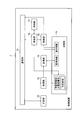
- FIG. 1 is a configuration diagram showing the entire control system according to the first embodiment of the present invention.
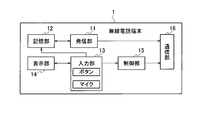
- FIG. 2 is a block diagram showing a configuration of a wireless telephone terminal.
- FIG. 3 is a block diagram showing a configuration of a wireless mobile body.
- FIG. 4 is a diagram showing an example of a data structure of conversion information.
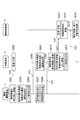
- FIG. 5 is a sequence showing an example of the operation of the control system.
- FIG. 6 is a configuration diagram showing the entire control system according to the second embodiment of the present invention.
- FIG. 7 is a block diagram showing a configuration of the control device.
- FIG. 8 is a block diagram showing a configuration of a wireless mobile body.
- FIG. 9 is a sequence showing an example of the operation of the control system.
- FIG. 10 is a hardware configuration diagram of a computer.
- FIG. 1 is a configuration diagram showing the entire control system 100 of the first embodiment of the present invention.
- the control system 100 includes a radiotelephone terminal 1 that controls the radiotelephone terminal 3 and a radiotelephone terminal 3 that is operated by the radiotelephone terminal 1.
- the wireless telephone terminal 1 makes a call to the wireless mobile body 3 via the wireless base station 5a, the mobile communication network NW, and the wireless base station 5b. By making a call, the wireless telephone terminal 1 connects to the wireless mobile body 3 via the voice channel Vch of the mobile communication network NW. After that, the wireless telephone terminal 1 controls the operation of the wireless mobile body 3 by using the voice channel Vch.
- the voice channel Vch is a circuit-switched channel.
- the mobile communication network NW has a data channel Dch, which is a packet switching channel.
- the audio channel Vch is used.
- the data channel Dch there is a possibility that the operation of the wireless mobile body 3 is delayed due to the delay of signals and data when the line is congested.
- the voice channel Vch since the line is occupied by the mobile communication network NW, there is no delay in the signal and data, and the responsiveness of the operation of the wireless mobile body 3 can be improved.
- FIG. 2 is a block diagram showing the configuration of the wireless telephone terminal 1.
- the wireless telephone terminal 1 includes a transmitting unit 11, a storage unit 12, an input unit 13, a display unit 14, a control unit 15, and a communication unit 16.
- the transmission unit 11 has a function of outputting a transmission signal to the telephone number of the wireless mobile body 3 input to the input unit 13 via the voice channel Vch of the mobile communication network NW. "Outputting a transmission signal" is synonymous with making a call to the wireless mobile body 3 and calling the wireless mobile body 3.
- the storage unit 12 has a function of storing input data such as a telephone number input to the input unit 13.
- the input unit 13 is, for example, a physical button, a touch panel button, a microphone, or the like, and has a function of receiving input data input by the user.
- the "input data" is a telephone number of the wireless mobile body 3 and operation information for operating the wireless mobile body 3 (for example, a data string combining symbols, numbers, and characters, and voice).
- the display unit 14 has a function of displaying input data on the screen.
- the control unit 15 has a function of generating a control signal including operation information and transmitting it to the called wireless mobile body 3 via the voice channel Vch of the mobile communication network NW.
- the "control signal" is, for example, a tone signal including the data string and a voice signal in which the voice is coded and included.
- the communication unit 16 is, for example, an antenna, a communication circuit, or the like, and calls a transmission signal output from the transmission unit 11 and a control signal output from the control unit 15 via the voice channel Vch of the mobile communication network NW. It has a function to output radio waves to the wireless mobile body 3.
- the wireless telephone terminal 1 can be realized by, for example, a mobile phone, a smartphone terminal, or the like.
- the wireless telephone terminal 1 may be capable of communicating by a circuit switching method, and the existing wireless telephone terminal can be used as it is. Further, since the mobile communication network NW is generally connected to the fixed telephone network, the existing fixed telephone terminal can also be used. That is, as for the wireless telephone terminal 1, a general-purpose telephone terminal can be used as it is as a controller regardless of whether it is wireless or wired.
- FIG. 3 is a block diagram showing the configuration of the wireless mobile body 3.
- the wireless mobile body 3 includes a communication unit 31, a response unit 32, a reception unit 33, a conversion unit 34, a storage unit 35, and a control unit 36.
- the communication unit 31 is, for example, an antenna, a communication circuit, or the like, and has a function of receiving a transmission signal and a control signal output from the wireless telephone terminal 1 by radio waves via the voice channel Vch of the mobile communication network NW.
- the response unit 32 has a function of receiving an outgoing signal from the radiotelephone terminal 1 via the voice channel Vch of the mobile communication network NW and answering the call from the radiotelephone terminal 1.
- the receiving unit 33 has a function of receiving a control signal from the wireless telephone terminal 1 via the voice channel Vch of the mobile communication network NW.
- the conversion unit 34 has a function of converting a control signal into operation information by using the conversion information read from the storage unit 35.
- the storage unit 35 has a function of storing conversion information in which a plurality of different control signals and operation information corresponding to each of the plurality of control signals are associated with each other.
- FIG. 4 is a diagram showing an example of a data structure of conversion information.
- the conversion information the contents of control signals (tone signal, audio signal) corresponding to each operation are defined for each operation information for operating the wireless mobile body 3.
- the control unit 36 has a function of activating the wireless mobile body 3 in response to a call from the wireless telephone terminal 1.
- the control unit 36 has a function of controlling the operation of the wireless mobile body 3 based on the operation information converted by the conversion unit 34.
- the wireless mobile body 3 can be realized by, for example, an unmanned aerial vehicle (drone) equipped with a computer.
- the wireless mobile body 3 may be capable of communicating by a circuit-switched method, and may be, for example, a glider, a balloon, an airship, an airplane, a helicopter, an automobile, a ship, a submarine, or the like.
- FIG. 5 is a sequence showing an example of the operation of the control system.
- Step S101 The wireless telephone terminal 1 calls the wireless mobile body 3 via the mobile communication network NW.
- the input unit 13 receives the telephone number of the wireless mobile body 3 input by the user of the wireless telephone terminal 1 with the buttons on the touch panel.
- the transmission unit 11 outputs a transmission signal to the input telephone number of the wireless mobile body 3 via the voice channel Vch of the mobile communication network NW.
- Step S102 the wireless mobile body 3 answers the call from the wireless telephone terminal 1 via the mobile communication network NW.
- the response unit 32 receives a transmission signal from the radiotelephone terminal 1 via the voice channel Vch of the mobile communication network NW, and responds to the call from the radiotelephone terminal 1.
- Step S103 Next, the wireless mobile body 3 activates the wireless mobile body 3.
- the control unit 36 starts the engine of the wireless mobile body 3 and puts it in the standby state in response to the call from the wireless telephone terminal 1.
- Step S104 the wireless telephone terminal 1 receives operation information for the wireless mobile body 3.
- the input unit 13 accepts a data string in which symbols and numbers input by the user of the wireless telephone terminal 1 with buttons on the touch panel are combined.
- the data string to be input is a combination of symbols and numbers corresponding to the operation desired by the user with respect to the wireless mobile body 3.
- the user when raising the wireless mobile body 3, the user inputs "* 1 #". "1" is an ascending operation. "*" Is the control start key. "#” Is a control end key.
- the wireless mobile body 3 is “advanced"
- the user inputs "* 3 #".
- "3" is a forward operation. To “ascend” and “advance” the wireless mobile body 3, enter “* 13 #" which is a combination of "1" and "3".
- Step S105 Next, the radiotelephone terminal 1 generates a control signal.
- the control unit 15 generates a tone signal including the data string received in step S104.
- Step S106 the wireless telephone terminal 1 transmits a control signal to the wireless mobile body 3 via the mobile communication network NW.
- the control unit 15 transmits the tone signal generated in step S105 to the called wireless mobile body 3 via the voice channel Vch of the mobile communication network NW.
- Step S107 the wireless mobile body 3 receives the control signal from the wireless telephone terminal 1 via the mobile communication network NW, and converts the control signal into operation information.
- the conversion unit 34 converts the tone signal from the wireless telephone terminal 1 into operation information by using the conversion information read from the storage unit 35.
- the conversion unit 24 converts the tone signal into "rising" operation information.
- Step S108 the wireless mobile body 3 controls its own operation based on the operation information.
- the control unit 36 controls the operation of the wireless mobile body 3 based on the operation information converted in step S107.
- the control unit 36 increases the rotation speed of all four propellers.
- the wireless telephone terminal 1 and the wireless mobile body 3 repeatedly execute steps S104 to S108 each time the user inputs operation information to the wireless telephone terminal 1 in step S104. Subsequently, a case where the user operates the wireless mobile body 3 by voice will be described.
- the input unit 13 receives the voice input by the user into the microphone (step S104).
- the control unit 15 encodes the received voice and generates a voice signal including the voice signal (step S105).
- the control unit 15 transmits the voice signal to the called wireless mobile body 3 via the voice channel Vch of the mobile communication network NW (step S106).
- the conversion unit 34 converts the voice signal from the radiotelephone terminal 1 into voice data, and uses the conversion information read from the storage unit 35 to convert it into operation information (step S107).
- the control unit 36 controls the operation of the wireless mobile body 3 based on the operation information (step S108).
- the wireless mobile body 3 uses the response unit 32 that responds to a call from the radiotelephone terminal 1 via the voice channel Vch of the mobile communication network NW and the voice channel Vch of the mobile communication network NW. Since the control unit 36 that controls the operation of itself based on the operation information included in the control signal is provided, the wireless mobile body 3 can be controlled by using a general-purpose telephone terminal, so that the operation of the wireless mobile body 3 can be performed. It is possible to provide a technology that can be reliably controlled.
- the wireless telephone terminal 1 since the wireless telephone terminal 1 connects to the wireless mobile body 3 via the voice channel Vch of the mobile communication network NW, a versatile existing telephone terminal can be used as the wireless telephone terminal 1.
- the voice channel Vch the basic operation for the wireless telephone terminal 1 can use the buttons (tone buttons) of the existing telephone terminal, and anyone can operate it. Therefore, for example, even when an expert who is familiar with the operation of the wireless mobile body 3 is absent in the event of a disaster, the wireless mobile body 3 can be operated immediately and the situation of the disaster can be grasped quickly.
- a dedicated controller is not required, and it is possible to avoid uncontrollability of the wireless mobile body 3 due to damage to a complicated control component of the wireless telephone terminal 1.
- the wireless mobile body 3 controls the operation based on a data string in which symbols, numbers, and characters are combined, so that a complicated operation can be realized by arbitrarily combining symbols, numbers, and characters.
- the wireless mobile body 3 since the wireless mobile body 3 controls the operation based on the voice, a complicated operation can be realized and the wireless mobile body 3 can be easily operated.
- FIG. 6 is a configuration diagram showing the entire control system according to the second embodiment of the present invention.
- the control system 100 further includes a control device 7 connected to the mobile communication network NW in the control system 100 of the first embodiment shown in FIG.
- the control device 7 once receives a control signal from the wireless telephone terminal 1 via the voice channel Vch of the mobile communication network NW, converts the control signal into operation information, and transmits the control signal to the wireless mobile body 3. That is, in the second embodiment, the control device 7 indirectly controls the wireless mobile body 3.
- the convenience of the operation of the wireless mobile body 3 is improved, for example, the operation of the wireless mobile body 3 can be reserved in advance.
- the radiotelephone terminal 1 Similar to the radiotelephone terminal 1 of the first embodiment shown in FIG. 2, the radiotelephone terminal 1 communicates with the transmission unit 11, the storage unit 12, the input unit 13, the display unit 14, and the control unit 15. A unit 16 is provided.
- the transmission unit 11 has a function of outputting a transmission signal to the telephone number of the control device 7 input to the input unit 13 via the voice channel Vch of the mobile communication network NW. "Outputting a transmission signal" is synonymous with making a call to the control device 7 and calling the control device 7.
- the storage unit 12 has a function of storing input data such as a telephone number input to the input unit 13.
- the input unit 13 is, for example, a physical button, a touch panel button, a microphone, or the like, and has a function of receiving input data input by the user.
- the "input data" includes the telephone number of the control device 7, the telephone number of the wireless mobile body 3 to be operated, the reserved time for starting the operation of the wireless mobile body 3 to be operated, and the operation of the wireless mobile body 3.
- Operation information for example, a data string combining symbols, numbers, and characters, voice).
- the display unit 14 has a function of displaying input data on the screen.
- the control unit 15 generates a tone signal including the telephone number of the wireless mobile body 3 to be operated (if there is a reserved time, the reserved time is included. Hereinafter referred to as “tone signal for specifying the operation target”). Then, it has a function of transmitting to the called control device 7 via the voice channel Vch of the mobile communication network NW.
- the control unit 15 has a function of generating a control signal including operation information and transmitting it to the called control device 7 via the voice channel Vch of the mobile communication network NW.
- the "control signal” is, for example, a tone signal including the data string and a voice signal including the voice.
- FIG. 7 is a block diagram showing the configuration of the control device 7.
- the control device 7 includes a communication unit 71, a response unit 72, a reception unit 73, a storage unit 74, a conversion unit 75, a transmission unit 76, a time unit 77, and a control unit 78.
- the communication unit 71 is, for example, an antenna, a communication circuit, or the like, and transmits a transmission signal, a tone signal for designating an operation target, and a control signal output from the radiotelephone terminal 1 via the voice channel Vch of the mobile communication network NW. It has a function to receive with.
- the communication unit 71 transmits a transmission signal and a tone signal including operation information (hereinafter, referred to as “tone signal for operation information”) to the wireless mobile body 3 called via the voice channel Vch of the mobile communication network NW. It has a function to output with.
- the response unit 72 has a function of receiving an outgoing signal from the radiotelephone terminal 1 via the voice channel Vch of the mobile communication network NW and answering the call from the radiotelephone terminal 1.
- the receiving unit 73 has a function of receiving a tone signal and a control signal for designating an operation target from the wireless telephone terminal 1 via the voice channel Vch of the mobile communication network NW.
- the receiving unit 73 has a function of storing the tone signal for designating the operation target in the storage unit 74 and outputting the control signal to the conversion unit 75.
- the "tone signal for designating the operation target" includes the telephone number of the wireless mobile body 3 to be operated, and the reserved time when the operation start of the wireless mobile body 3 to be operated is reserved.
- the storage unit 74 has a function of storing the telephone number of the wireless mobile body 3. When there is a reserved time, the storage unit 74 has a function of associating and storing the telephone number of the wireless mobile unit 3 with the reserved time.
- the storage unit 74 has a function of storing conversion information (see FIG. 4) in which a plurality of different control signals and operation information corresponding to each of the plurality of control signals are associated with each other.
- the storage unit 74 has a function of storing the operation information converted by the conversion unit 75.
- the conversion unit 75 has a function of converting a control signal into operation information using the conversion information read from the storage unit 74 and temporarily storing the operation information in the storage unit 74.
- the transmitting unit 76 reads the telephone number of the wireless mobile body 3 to be operated from the storage unit 74, and transmits a transmission signal to the telephone number of the wireless mobile body 3 via the voice channel Vch of the mobile communication network NW. Has a function to output.
- the transmission unit 76 acquires the current time from the time unit 77 and outputs a transmission signal when the current time reaches the reservation time. To be equipped. "Outputting a transmission signal" is synonymous with making a call to the wireless mobile body 3 and calling the wireless mobile body 3.
- the time unit 77 has a function of managing the current time.
- the time unit 77 may acquire the current time from the outside using NTP (Network Time Protocol), or may use a built-in clock.
- NTP Network Time Protocol
- the control unit 78 has a function of reading operation information from the storage unit 74 after the transmission unit 76 outputs a transmission signal and generating a tone signal for operation information including the operation information.
- the control unit 78 has a function of transmitting the tone signal for the operation information to the called wireless mobile body 3 via the voice channel Vch of the mobile communication network NW.
- FIG. 8 is a block diagram showing the configuration of the wireless mobile body 3.
- the wireless mobile body 3 includes a communication unit 31, a response unit 32, a reception unit 33, and a control unit 36.
- the communication unit 31 is, for example, an antenna, a communication circuit, or the like, and has a function of receiving a transmission signal output from the control device 7 and a tone signal for operation information by radio waves via the voice channel Vch of the mobile communication network NW. Be prepared.
- the response unit 32 has a function of receiving a transmission signal from the control device 7 via the voice channel Vch of the mobile communication network NW and responding to a call from the control device 7.
- the receiving unit 33 has a function of receiving a tone signal for operation information from the control device 7 via the voice channel Vch of the mobile communication network NW.
- the control unit 36 has a function of activating the wireless mobile body 3 in response to a call from the control device 7.
- the control unit 36 has a function of acquiring operation information from a tone signal for operation information and controlling the operation of the wireless mobile body 3 based on the operation information.
- FIG. 9 is a sequence showing an example of the operation of the control system.
- Step S201 The wireless telephone terminal 1 calls the control device 7 via the mobile communication network NW.
- the input unit 13 receives the telephone number of the control device 7 input by the user of the wireless telephone terminal 1 with the buttons on the touch panel.
- the transmission unit 11 outputs a transmission signal to the input telephone number of the control device 7 via the voice channel Vch of the mobile communication network NW.
- Step S202 the control device 7 answers the call from the wireless telephone terminal 1 via the mobile communication network NW.
- the response unit 72 receives a transmission signal from the radiotelephone terminal 1 via the voice channel Vch of the mobile communication network NW, and responds to the call from the radiotelephone terminal 1.
- Step S203 the wireless telephone terminal 1 receives the telephone number of the wireless mobile body 3 to be operated.
- the input unit 13 receives the telephone number of the wireless mobile body 3 to be operated and the reserved time for starting the operation of the wireless mobile body 3 input by the user of the wireless telephone terminal 1 with the buttons on the touch panel.
- Step S204 the radiotelephone terminal 1 generates a tone signal for designating an operation target.
- the control unit 15 generates a tone signal including the telephone number of the wireless mobile body 3 to be operated and the reserved time for starting the operation of the wireless mobile body 3.
- Step S205 the wireless telephone terminal 1 transmits a tone signal for designating an operation target to the wireless mobile body 3 via the mobile communication network NW.
- the control unit 15 transmits the tone signal for designating the operation target generated in step S204 to the called control device 7 via the voice channel Vch of the mobile communication network NW.
- Step S206 the control device 7 receives and stores the tone signal for designating the operation target from the wireless telephone terminal 1 via the mobile communication network NW.
- the receiving unit 73 receives the tone signal for designating the operation target from the wireless telephone terminal 1, and the telephone number of the wireless mobile body 3 to be operated, which is included in the tone signal for designating the operation target, and the radio.
- the reserved time for starting the operation of the moving body 3 is stored in the storage unit 74.
- the input unit 13 accepts a data string in which symbols and numbers input by the user of the wireless telephone terminal 1 with buttons on the touch panel are combined.
- the data string to be input is a combination of symbols and numbers corresponding to the operation desired by the user with respect to the wireless mobile body 3.
- Step S208 the radiotelephone terminal 1 generates a control signal.
- the control unit 15 generates a tone signal including the data string received in step S207.
- Step S209 the wireless telephone terminal 1 transmits a control signal to the wireless mobile body 3 via the mobile communication network NW.
- the control unit 15 transmits the tone signal generated in step S208 to the called control device 7 via the voice channel Vch of the mobile communication network NW.
- Step S210 the control device 7 receives the control signal from the radiotelephone terminal 1 via the mobile communication network NW, converts the control signal into operation information, and temporarily stores the control signal.
- the conversion unit 75 uses the conversion information read from the storage unit 74 to convert the tone signal from the wireless telephone terminal 1 into operation information and stores it in the storage unit 74.
- the transmitting unit 76 reads out the telephone number of the wireless mobile body 3 and the reserved time for starting the operation of the wireless mobile body 3 from the storage unit 74, and the current time acquired from the time unit 77 becomes the reserved time.
- a transmission signal is output to the telephone number of the wireless mobile body 3 via the voice channel Vch of the mobile communication network NW.
- Step S212 the wireless mobile body 3 responds to the call from the control device 7 via the mobile communication network NW.
- the response unit 32 receives a transmission signal from the control device 7 via the voice channel Vch of the mobile communication network NW, and responds to the call from the control device 7.
- Step S213 Next, the wireless mobile body 3 activates the wireless mobile body 3.
- the control unit 36 starts the engine of the wireless mobile body 3 and puts it in the standby state in response to the call from the control device 7.
- Step S214 the control device 7 generates a tone signal for operation information.
- the control unit 78 generates a tone signal for operation information including the operation information once stored in the storage unit 74 in step S210.
- Step S215 the control device 7 transmits a tone signal for operation information to the wireless mobile body 3 via the mobile communication network NW.
- the control unit 78 transmits the tone signal for operation information generated in step S214 to the called wireless mobile body 3 via the voice channel Vch of the mobile communication network NW.
- Step S216 the wireless mobile body 3 receives a tone signal for operation information from the control device 7 via the mobile communication network NW, and controls its own operation based on the operation information.
- the control unit 78 acquires the operation information from the tone signal for the operation information, and controls the operation of the wireless mobile body 3 based on the operation information.
- step S211 if there is no reserved time, the control device 7 may call the wireless mobile body 3 immediately after converting the control signal into operation information in step S210.
- step S207 when the user operates the wireless mobile body 3 by voice, the wireless telephone terminal 1 may generate a voice signal including the received voice encoded.
- the control device 7 may convert the voice signal into voice data and convert it into operation information by using the conversion information read from the storage unit 74.
- the wireless mobile body 3 uses the response unit 32 that responds to a call from the control device 7 via the voice channel Vch of the mobile communication network NW and the voice channel Vch of the mobile communication network NW. Since the control unit 36 that controls the operation of the control unit 36 based on the operation information included in the tone signal for the operation information is provided, the wireless mobile body 3 can be controlled by using a general-purpose telephone terminal. It is possible to provide a technology that can reliably control the operation of.
- the control device 7 since the control device 7 operates the wireless mobile body 3 at the timing when the reserved time comes, the wireless mobile body 3 can be reserved.
- the wireless telephone terminal 1, the wireless mobile body 3, and the control device 7 of the present embodiment include, for example, a CPU (Central Processing Unit, processor) 901, a memory 902, and a storage (Hard Disk Drive), as shown in FIG. , Solid State Drive) 903, a communication device 904, an input device 905, and an output device 906, a general-purpose computer system can be used.
- the memory 902 and the storage 903 are storage devices.
- the CPU 901 executes a predetermined program loaded on the memory 902 to realize the functions of the wireless telephone terminal 1, the wireless mobile body 3, and the control device 7.
- the wireless telephone terminal 1, the wireless mobile body 3, and the control device 7 may be mounted on one computer or a plurality of computers, respectively. Further, the wireless telephone terminal 1, the wireless mobile body 3, and the control device 7 may be virtual machines mounted on a computer, respectively.
- the programs for the wireless telephone terminal 1, the wireless mobile body 3, and the control device 7 are computer-readable recording media such as HDD, SSD, USB (Universal Serial Bus) memory, CD (Compact Disc), and DVD (Digital Versatile Disc). It can be stored on a USB stick or delivered via a network.
- Control unit 11 Transmission unit 12: Storage unit 13: Input unit 14: Display unit 15: Control unit 16: Communication unit 3: Wireless mobile unit 31: Communication unit 32: Response unit 33: Reception unit 34: Conversion unit 35: Storage unit 36: Control unit 5a: Radio base station 5b: Radio base station 7: Control device 71: Communication unit 72: Response unit 73: Reception unit 74: Storage unit 75: Conversion unit 76: Transmission unit 77: Time unit 78: Control unit 100: Control system 901: CPU 902: Memory 903: Storage 904: Communication device 905: Input device 906: Output device NW: Mobile communication network Vch: Voice channel
Landscapes
- Engineering & Computer Science (AREA)
- Physics & Mathematics (AREA)
- Aviation & Aerospace Engineering (AREA)
- Radar, Positioning & Navigation (AREA)
- Remote Sensing (AREA)
- General Physics & Mathematics (AREA)
- Automation & Control Theory (AREA)
- Health & Medical Sciences (AREA)
- Computational Linguistics (AREA)
- Audiology, Speech & Language Pathology (AREA)
- Human Computer Interaction (AREA)
- Acoustics & Sound (AREA)
- Multimedia (AREA)
- Computer Networks & Wireless Communication (AREA)
- Signal Processing (AREA)
- Selective Calling Equipment (AREA)
- Mobile Radio Communication Systems (AREA)
Abstract
無線移動体1は、移動通信網の音声チャネルを介した呼び出しに応答する応答部32と、前記音声チャネルを介した操作情報に基づき自体の動作を制御する制御部36と、を備える。
Description
本発明は、無線移動体、制御システム、制御方法、及び制御プログラムに関するものである。
無人航空機の飛行方法が知られている(非特許文献1-4参照)。
"無人航空機(ドローン・ラジコン機等)の飛行ルール"、国土交通省、[online]、[2019年6月10日検索]、<URL: https://www.mlit.go.jp/koku/koku_tk10_000003.html>
"無人航空機(ドローン・ラジコン機等)の安全な飛行のためのガイドライン"、国土交通省、[online]、[2019年6月10日検索]、<URL: https://www.mlit.go.jp/common/001287979.pdf>
"無人航空機(ドローン)の安全管理と基本操作"、国土交通省研修、[online]、[2019年6月10日検索]、<URL: https://www.col.mlit.go.jp/kenshu/H30-083-031.pdf>
一般社団法人日本ドローン協会主催の講習会、資格認定、[online]、[2019年6月10日検索]、<URL: https://www.alldrones.org/>
従来の無人航空機は電波を介して信号を受信するため、電波の届かない範囲では動作しないという課題があった。
本発明は、上記事情に鑑みてなされたものであり、本発明の目的は、無線移動体の動作を確実に制御可能な技術を提供することである。
本発明の一態様の無線移動体は、移動通信網の音声チャネルを介した呼び出しに応答する応答部と、前記音声チャネルを介した操作情報に基づき自体の動作を制御する制御部と、を備える。
本発明の一態様の制御システムは、制御装置と、無線移動体と、を備える制御システムにおいて、前記制御装置は、異なる複数の制御信号と前記複数の制御信号にそれぞれ対応する操作情報とを対応付けた変換情報を記憶しておく記憶部と、移動通信網の音声チャネルを介した呼び出しに応答する応答部と、前記音声チャネルを介した制御信号を受信する受信部と、前記記憶部から読み出した前記変換情報を用いて、受信した前記制御信号を操作情報に変換する変換部と、前記移動通信網の音声チャネルを介して前記無線移動体を呼び出す発信部と、当該音声チャネルを介して前記操作情報を前記無線移動体へ送信する制御部と、を備え、前記無線移動体は、前記移動通信網の音声チャネルを介した前記制御装置からの呼び出しに応答する応答部と、当該音声チャネルを介した前記操作情報に基づき自体の動作を制御する制御部と、を備える。
本発明の一態様の制御方法は、無線移動体で行う制御方法において、前記無線移動体が、移動通信網の音声チャネルを介した呼び出しに応答するステップと、前記音声チャネルを介した操作情報に基づき自体の動作を制御するステップと、を行う。
本発明の一態様の制御方法は、制御装置と、無線移動体と、で行う制御方法において、前記制御装置が、異なる複数の制御信号と前記複数の制御信号にそれぞれ対応する操作情報とを対応付けた変換情報を記憶部に記憶しておくステップと、移動通信網の音声チャネルを介した呼び出しに応答するステップと、前記音声チャネルを介した制御信号を受信するステップと、前記記憶部から読み出した前記変換情報を用いて、受信した前記制御信号を操作情報に変換するステップと、前記移動通信網の音声チャネルを介して無線移動体を呼び出すステップと、当該音声チャネルを介して前記操作情報を前記無線移動体へ送信するステップと、を行い、前記無線移動体が、前記移動通信網の音声チャネルを介した前記制御装置からの呼び出しに応答するステップと、当該音声チャネルを介した前記操作情報に基づき自体の動作を制御するステップと、を行う。
本発明の一態様は、上記制御方法をコンピュータに実行させる制御プログラムである。
本発明によれば、無線移動体の動作を確実に制御可能な技術を提供できる。
以下、図面を参照して、本発明の実施形態を説明する。図面の記載において同一部分には同一符号を付し説明を省略する。
[第1実施形態]
(制御システムの全体構成)
図1は、本発明の第1実施形態の制御システム100の全体を示す構成図である。制御システム100は、無線移動体3を制御する無線電話端末1と、無線電話端末1により操作される無線移動体3と、を備える。無線電話端末1は、無線基地局5a、移動通信網NW、無線基地局5bを介して、無線移動体3に電話をかける。電話をかけることで、無線電話端末1は、移動通信網NWの音声チャネルVchを介して、無線移動体3に接続する。その後、無線電話端末1は、当該音声チャネルVchを利用して、無線移動体3の動作を制御する。
(制御システムの全体構成)
図1は、本発明の第1実施形態の制御システム100の全体を示す構成図である。制御システム100は、無線移動体3を制御する無線電話端末1と、無線電話端末1により操作される無線移動体3と、を備える。無線電話端末1は、無線基地局5a、移動通信網NW、無線基地局5bを介して、無線移動体3に電話をかける。電話をかけることで、無線電話端末1は、移動通信網NWの音声チャネルVchを介して、無線移動体3に接続する。その後、無線電話端末1は、当該音声チャネルVchを利用して、無線移動体3の動作を制御する。
音声チャネルVchとは、回線交換方式のチャネルである。移動通信網NWには、音声チャネルVch以外に、パケット交換方式のチャネルであるデータチャネルDchがある。本発明では、音声チャネルVchを利用する。データチャネルDchの場合、回線の混雑時に信号及びデータの遅延が発生して無線移動体3の動作が遅れる可能性がある。一方、音声チャネルVchの場合、移動通信網NWで回線を占有するため、信号及びデータに遅延がなく、無線移動体3の動作の応答性を向上できる。
(無線電話端末の構成)
図2は、無線電話端末1の構成を示すブロック図である。無線電話端末1は、発信部11と、記憶部12と、入力部13と、表示部14と、制御部15と、通信部16と、を備える。
図2は、無線電話端末1の構成を示すブロック図である。無線電話端末1は、発信部11と、記憶部12と、入力部13と、表示部14と、制御部15と、通信部16と、を備える。
発信部11は、入力部13に入力された無線移動体3の電話番号に対して、移動通信網NWの音声チャネルVchを介して、発信信号を出力する機能を備える。「発信信号を出力する」とは、無線移動体3に電話をかける、無線移動体3を呼び出す、と同義である。
記憶部12は、入力部13に入力された電話番号等の入力データを記憶する機能を備える。
入力部13は、例えば、物理的なボタン、タッチパネルのボタン、マイク等であり、ユーザにより入力された入力データを受け付ける機能を備える。「入力データ」とは、無線移動体3の電話番号、無線移動体3を操作するための操作情報(例えば、記号、数字、文字を組み合わせたデータ列、音声)である。
表示部14は、入力データを画面に表示する機能を備える。
制御部15は、操作情報を含めた制御信号を生成し、移動通信網NWの音声チャネルVchを介して、呼び出した無線移動体3へ送信する機能を備える。「制御信号」とは、例えば、上記データ列を含めたトーン信号、上記音声をコード化して含めた音声信号である。
通信部16は、例えば、アンテナ、通信回路等であり、発信部11から出力された発信信号、制御部15から出力された制御信号を、移動通信網NWの音声チャネルVchを介して、呼び出した無線移動体3へ電波で出力する機能を備える。
上記無線電話端末1は、例えば、携帯電話、スマートフォン端末等で実現可能である。無線電話端末1は、回線交換方式で通信可能であればよく、既存の無線電話端末をそのまま流用可能である。また、一般に移動通信網NWは固定電話網にも接続されているので、既存の固定電話端末も流用可能である。つまり、無線電話端末1については、無線、有線を問わず、汎用の電話端末をコントローラとしてそのまま流用可能である。
(無線移動体の構成)
図3は、無線移動体3の構成を示すブロック図である。無線移動体3は、通信部31と、応答部32と、受信部33と、変換部34と、記憶部35と、制御部36と、を備える。
図3は、無線移動体3の構成を示すブロック図である。無線移動体3は、通信部31と、応答部32と、受信部33と、変換部34と、記憶部35と、制御部36と、を備える。
通信部31は、例えば、アンテナ、通信回路等であり、移動通信網NWの音声チャネルVchを介して、無線電話端末1から出力された発信信号、制御信号を電波で受信する機能を備える。
応答部32は、移動通信網NWの音声チャネルVchを介した無線電話端末1からの発信信号を着信し、無線電話端末1からの呼び出しに応答する機能を備える。
受信部33は、移動通信網NWの音声チャネルVchを介した無線電話端末1からの制御信号を受信する機能を備える。
変換部34は、記憶部35から読み出した変換情報を用いて、制御信号を操作情報に変換する機能を備える。
記憶部35は、異なる複数の制御信号と複数の制御信号にそれぞれ対応する操作情報とを対応付けた変換情報を記憶しておく機能を備える。図4は、変換情報のデータ構成の一例を示す図である。変換情報には、無線移動体3を操作するための操作情報毎に、各操作にそれぞれ対応する制御信号(トーン信号、音声信号)の内容が定義されている。
制御部36は、無線電話端末1からの呼び出しに応じて、無線移動体3を起動する機能を備える。制御部36は、変換部34で変換された操作情報に基づき、無線移動体3の動作を制御する機能を備える。
上記無線移動体3は、例えば、コンピュータを備えた無人航空機(ドローン)で実現可能である。無線移動体3は、回線交換方式で通信可能であればよく、例えば、グライダー、気球、飛行船、飛行機、ヘリコプタ、自動車、船、潜水艦等である。
(制御システムの動作)
図5は、制御システムの動作の一例を示すシーケンスである。
図5は、制御システムの動作の一例を示すシーケンスである。
ステップS101;
無線電話端末1は、移動通信網NWを介して、無線移動体3を呼び出す。例えば、入力部13が、無線電話端末1のユーザがタッチパネルのボタンで入力した無線移動体3の電話番号を受け付ける。その後、発信部11が、入力された無線移動体3の電話番号に対して、移動通信網NWの音声チャネルVchを介して、発信信号を出力する。
無線電話端末1は、移動通信網NWを介して、無線移動体3を呼び出す。例えば、入力部13が、無線電話端末1のユーザがタッチパネルのボタンで入力した無線移動体3の電話番号を受け付ける。その後、発信部11が、入力された無線移動体3の電話番号に対して、移動通信網NWの音声チャネルVchを介して、発信信号を出力する。
ステップS102;
次に、無線移動体3は、移動通信網NWを介して、無線電話端末1からの呼び出しに応答する。例えば、応答部32が、移動通信網NWの音声チャネルVchを介した無線電話端末1からの発信信号を着信し、無線電話端末1からの呼び出しに応答する。
次に、無線移動体3は、移動通信網NWを介して、無線電話端末1からの呼び出しに応答する。例えば、応答部32が、移動通信網NWの音声チャネルVchを介した無線電話端末1からの発信信号を着信し、無線電話端末1からの呼び出しに応答する。
ステップS103;
次に、無線移動体3は、無線移動体3を起動する。例えば、制御部36が、無線電話端末1からの呼び出しに応じて、無線移動体3のエンジンをかけてスタンバイ状態にする。
次に、無線移動体3は、無線移動体3を起動する。例えば、制御部36が、無線電話端末1からの呼び出しに応じて、無線移動体3のエンジンをかけてスタンバイ状態にする。
ステップS104;
次に、無線電話端末1は、無線移動体3に対する操作情報を受け付ける。例えば、入力部13が、無線電話端末1のユーザがタッチパネルのボタンで入力した記号と数字を組み合わせたデータ列を受け付ける。入力するデータ列は、無線移動体3に対してユーザが所望する操作に対応する記号と数字の組み合わせである。例えば、無線移動体3を「上昇」させる場合、ユーザは「*1#」を入力する。「1」は、上昇操作である。「*」は、制御開始キーである。「#」は、制御終了キーである。無線移動体3を「前進」させる場合、ユーザは「*3#」を入力する。「3」は、前進操作である。無線移動体3を「上昇」かつ「前進」させる場合、「1」と「3」を組み合わせた「*13#」を入力する。
次に、無線電話端末1は、無線移動体3に対する操作情報を受け付ける。例えば、入力部13が、無線電話端末1のユーザがタッチパネルのボタンで入力した記号と数字を組み合わせたデータ列を受け付ける。入力するデータ列は、無線移動体3に対してユーザが所望する操作に対応する記号と数字の組み合わせである。例えば、無線移動体3を「上昇」させる場合、ユーザは「*1#」を入力する。「1」は、上昇操作である。「*」は、制御開始キーである。「#」は、制御終了キーである。無線移動体3を「前進」させる場合、ユーザは「*3#」を入力する。「3」は、前進操作である。無線移動体3を「上昇」かつ「前進」させる場合、「1」と「3」を組み合わせた「*13#」を入力する。
ステップS105;
次に、無線電話端末1は、制御信号を生成する。例えば、制御部15が、ステップS104で受け付けたデータ列を含めたトーン信号を生成する。
次に、無線電話端末1は、制御信号を生成する。例えば、制御部15が、ステップS104で受け付けたデータ列を含めたトーン信号を生成する。
ステップS106;
次に、無線電話端末1は、移動通信網NWを介して、制御信号を無線移動体3へ送信する。例えば、制御部15が、ステップS105で生成したトーン信号を、移動通信網NWの音声チャネルVchを介して、呼び出した無線移動体3へ送信する。
次に、無線電話端末1は、移動通信網NWを介して、制御信号を無線移動体3へ送信する。例えば、制御部15が、ステップS105で生成したトーン信号を、移動通信網NWの音声チャネルVchを介して、呼び出した無線移動体3へ送信する。
ステップS107;
次に、無線移動体3は、移動通信網NWを介して、無線電話端末1からの制御信号を受信し、当該制御信号を操作情報に変換する。例えば、変換部34が、記憶部35から読み出した変換情報を用いて、無線電話端末1からのトーン信号を操作情報に変換する。トーン信号が「*1#」の場合、変換部24は当該トーン信号を「上昇」の操作情報に変換する。
次に、無線移動体3は、移動通信網NWを介して、無線電話端末1からの制御信号を受信し、当該制御信号を操作情報に変換する。例えば、変換部34が、記憶部35から読み出した変換情報を用いて、無線電話端末1からのトーン信号を操作情報に変換する。トーン信号が「*1#」の場合、変換部24は当該トーン信号を「上昇」の操作情報に変換する。
ステップS108;
最後に、無線移動体3は、操作情報に基づき自体の動作を制御する。例えば、制御部36が、ステップS107で変換した操作情報に基づき、無線移動体3の動作を制御する。無線移動体3が4つのプロペラを備えたドローンの場合、変換情報が「上昇」であれば、制御部36は、4つ全てのプロペラの回転速度を高める。
最後に、無線移動体3は、操作情報に基づき自体の動作を制御する。例えば、制御部36が、ステップS107で変換した操作情報に基づき、無線移動体3の動作を制御する。無線移動体3が4つのプロペラを備えたドローンの場合、変換情報が「上昇」であれば、制御部36は、4つ全てのプロペラの回転速度を高める。
無線電話端末1及び無線移動体3は、ステップS104でユーザが無線電話端末1に操作情報を入力する毎に、ステップS104~ステップS108を繰り返し実行する。引き続き、ユーザが音声で無線移動体3を操作する場合を説明する。この場合、無線電話端末1において、入力部13が、ユーザがマイクに入力した音声を受け付ける(ステップS104)。制御部15が、受け付けた音声をコード化して含めた音声信号を生成する(ステップS105)。制御部15が、移動通信網NWの音声チャネルVchを介して、呼び出した無線移動体3へ当該音声信号を送信する(ステップS106)。無線移動体3では、変換部34が、無線電話端末1からの音声信号を音声データに変換し、記憶部35から読み出した変換情報を用いて、操作情報に変換する(ステップS107)。制御部36が、当該操作情報に基づき、無線移動体3の動作を制御する(ステップS108)。
(効果)
第1実施形態によれば、無線移動体3は、移動通信網NWの音声チャネルVchを介した無線電話端末1からの呼び出しに応答する応答部32と、移動通信網NWの音声チャネルVchを介した制御信号に含まれる操作情報に基づき自体の動作を制御する制御部36と、を備えるので、汎用の電話端末を用いて無線移動体3を制御可能なことから、無線移動体3の動作を確実に制御可能な技術を提供できる。
第1実施形態によれば、無線移動体3は、移動通信網NWの音声チャネルVchを介した無線電話端末1からの呼び出しに応答する応答部32と、移動通信網NWの音声チャネルVchを介した制御信号に含まれる操作情報に基づき自体の動作を制御する制御部36と、を備えるので、汎用の電話端末を用いて無線移動体3を制御可能なことから、無線移動体3の動作を確実に制御可能な技術を提供できる。
第1実施形態によれば、無線電話端末1が移動通信網NWの音声チャネルVchを介して無線移動体3に接続するので、無線電話端末1として汎用性のある既存の電話端末を利用できる。音声チャネルVchを介することで、無線電話端末1に対する基本操作は、既存の電話端末のボタン(トーンボタン)を利用可能であり、誰でも操作可能である。それ故、例えば災害時に無線移動体3の操作に熟知した熟練者が不在の場合でも、即時に無線移動体3を稼働でき、災害の状況把握を迅速に実施できる。また、汎用性のある既存の電話端末が利用できることで、専用のコントローラを不要とし、無線電話端末1の複雑な制御部品の破損による無線移動体3の制御不能を回避できる。
第1実施形態によれば、無線移動体3は、記号、数字、文字を組み合わせたデータ列に基づき動作を制御するので、記号、数字、文字を任意に組み合わせることで複雑な動作を実現できる。
第1実施形態によれば、無線移動体3は、音声に基づき動作を制御するので、複雑な動作を実現でき、無線移動体3を容易に操作できる。
[第2実施形態]
(制御システムの全体構成)
図6は、本発明の第2実施形態の制御システムの全体を示す構成図である。制御システム100は、図1に示した第1実施形態の制御システム100に、移動通信網NWに接続された制御装置7を更に備える。制御装置7は、移動通信網NWの音声チャネルVchを介して、無線電話端末1からの制御信号を一旦受け取り、当該制御信号を操作情報に変換して無線移動体3へ送信する。即ち、第2実施形態では、制御装置7が間接的に無線移動体3を制御する。これにより、事前に無線移動体3の操作を予約可能となる等、無線移動体3の操作の利便性を向上する。
(制御システムの全体構成)
図6は、本発明の第2実施形態の制御システムの全体を示す構成図である。制御システム100は、図1に示した第1実施形態の制御システム100に、移動通信網NWに接続された制御装置7を更に備える。制御装置7は、移動通信網NWの音声チャネルVchを介して、無線電話端末1からの制御信号を一旦受け取り、当該制御信号を操作情報に変換して無線移動体3へ送信する。即ち、第2実施形態では、制御装置7が間接的に無線移動体3を制御する。これにより、事前に無線移動体3の操作を予約可能となる等、無線移動体3の操作の利便性を向上する。
(無線電話端末の構成)
無線電話端末1は、図2に示した第1実施形態の無線電話端末1と同様に、発信部11と、記憶部12と、入力部13と、表示部14と、制御部15と、通信部16と、を備える。
無線電話端末1は、図2に示した第1実施形態の無線電話端末1と同様に、発信部11と、記憶部12と、入力部13と、表示部14と、制御部15と、通信部16と、を備える。
発信部11は、入力部13に入力された制御装置7の電話番号に対して、移動通信網NWの音声チャネルVchを介して、発信信号を出力する機能を備える。「発信信号を出力する」とは、制御装置7に電話をかける、制御装置7を呼び出す、と同義である。
記憶部12は、入力部13に入力された電話番号等の入力データを記憶する機能を備える。
入力部13は、例えば、物理的なボタン、タッチパネルのボタン、マイク等であり、ユーザにより入力された入力データを受け付ける機能を備える。「入力データ」とは、制御装置7の電話番号、操作対象である無線移動体3の電話番号、操作対象である無線移動体3の操作開始の予約時刻、無線移動体3を操作するための操作情報(例えば、記号、数字、文字を組み合わせたデータ列、音声)である。
表示部14は、入力データを画面に表示する機能を備える。
制御部15は、操作対象である無線移動体3の電話番号を含めたトーン信号(予約時刻がある場合は、予約時刻を含む。以降、「操作対象指定用のトーン信号」という。)を生成し、移動通信網NWの音声チャネルVchを介して、呼び出した制御装置7へ送信する機能を備える。制御部15は、操作情報を含めた制御信号を生成し、移動通信網NWの音声チャネルVchを介して、呼び出した制御装置7へ送信する機能を備える。「制御信号」とは、例えば、上記データ列を含めたトーン信号、上記音声を含めた音声信号である。
(制御装置7の構成)
図7は、制御装置7の構成を示すブロック図である。制御装置7は、通信部71と、応答部72と、受信部73と、記憶部74と、変換部75と、発信部76と、時刻部77と、制御部78と、を備える。
図7は、制御装置7の構成を示すブロック図である。制御装置7は、通信部71と、応答部72と、受信部73と、記憶部74と、変換部75と、発信部76と、時刻部77と、制御部78と、を備える。
通信部71は、例えば、アンテナ、通信回路等であり、移動通信網NWの音声チャネルVchを介して、無線電話端末1から出力された発信信号、操作対象指定用のトーン信号、制御信号を電波で受信する機能を備える。通信部71は、発信信号、操作情報を含むトーン信号(以下、「操作情報用のトーン信号」という。)を、移動通信網NWの音声チャネルVchを介して、呼び出した無線移動体3へ電波で出力する機能を備える。
応答部72は、移動通信網NWの音声チャネルVchを介した無線電話端末1からの発信信号を着信し、無線電話端末1からの呼び出しに応答する機能を備える。
受信部73は、移動通信網NWの音声チャネルVchを介した無線電話端末1からの操作対象指定用のトーン信号、制御信号を受信する機能を備える。受信部73は、当該操作対象指定用のトーン信号を記憶部74に記憶し、当該制御信号を変換部75に出力する機能を備える。「操作対象指定用のトーン信号」には、操作対象である無線移動体3の電話番号、操作対象である無線移動体3の操作開始の予約時刻がある場合には予約時刻が含まれる。
記憶部74は、無線移動体3の電話番号を記憶する機能を備える。記憶部74は、予約時刻がある場合、無線移動体3の電話番号と予約時刻とを関連付けて記憶する機能を備える。記憶部74は、異なる複数の制御信号と複数の制御信号にそれぞれ対応する操作情報とを対応付けた変換情報(図4参照)を記憶しておく機能を備える。記憶部74は、変換部75が変換した操作情報を記憶する機能を備える。
変換部75は、記憶部74から読み出した変換情報を用いて、制御信号を操作情報に変換し、当該操作情報を記憶部74に一旦記憶する機能を備える。
発信部76は、記憶部74から操作対象である無線移動体3の電話番号を読み出して、当該無線移動体3の電話番号に対して、移動通信網NWの音声チャネルVchを介して、発信信号を出力する機能を備える。発信部76は、当該無線移動体3の電話番号に予約時刻が関連付けられている場合、時刻部77から現在時刻を取得し、現在時刻が予約時刻になったタイミングで、発信信号を出力する機能を備える。「発信信号を出力する」とは、無線移動体3に電話をかける、無線移動体3を呼び出す、と同義である。
時刻部77は、現在時刻を管理する機能を備える。例えば、時刻部77は、NTP(Network Time Protocol)を用いて現在時刻を外部から取得してもよいし、内蔵時計でもよい。
制御部78は、発信部76が発信信号を出力した後、記憶部74から操作情報を読み出して、当該操作情報を含めた操作情報用のトーン信号を生成する機能を備える。制御部78は、当該操作情報用のトーン信号を、移動通信網NWの音声チャネルVchを介して、呼び出した無線移動体3へ送信する機能を備える。
(無線移動体の構成)
図8は、無線移動体3の構成を示すブロック図である。無線移動体3は、通信部31と、応答部32と、受信部33と、制御部36と、を備える。
図8は、無線移動体3の構成を示すブロック図である。無線移動体3は、通信部31と、応答部32と、受信部33と、制御部36と、を備える。
通信部31は、例えば、アンテナ、通信回路等であり、移動通信網NWの音声チャネルVchを介して、制御装置7から出力された発信信号、操作情報用のトーン信号を電波で受信する機能を備える。
応答部32は、移動通信網NWの音声チャネルVchを介した制御装置7からの発信信号を着信し、制御装置7からの呼び出しに応答する機能を備える。
受信部33は、移動通信網NWの音声チャネルVchを介した制御装置7からの操作情報用のトーン信号を受信する機能を備える。
制御部36は、制御装置7からの呼び出しに応じて、無線移動体3を起動する機能を備える。制御部36は、操作情報用のトーン信号から操作情報を取得し、当該操作情報に基づき、無線移動体3の動作を制御する機能を備える。
(制御システムの動作)
図9は、制御システムの動作の一例を示すシーケンスである。
図9は、制御システムの動作の一例を示すシーケンスである。
ステップS201;
無線電話端末1は、移動通信網NWを介して、制御装置7を呼び出す。例えば、入力部13が、無線電話端末1のユーザがタッチパネルのボタンで入力した制御装置7の電話番号を受け付ける。その後、発信部11が、入力された制御装置7の電話番号に対して、移動通信網NWの音声チャネルVchを介して、発信信号を出力する。
無線電話端末1は、移動通信網NWを介して、制御装置7を呼び出す。例えば、入力部13が、無線電話端末1のユーザがタッチパネルのボタンで入力した制御装置7の電話番号を受け付ける。その後、発信部11が、入力された制御装置7の電話番号に対して、移動通信網NWの音声チャネルVchを介して、発信信号を出力する。
ステップS202;
次に、制御装置7は、移動通信網NWを介して、無線電話端末1からの呼び出しに応答する。例えば、応答部72が、移動通信網NWの音声チャネルVchを介した無線電話端末1からの発信信号を着信し、無線電話端末1からの呼び出しに応答する。
次に、制御装置7は、移動通信網NWを介して、無線電話端末1からの呼び出しに応答する。例えば、応答部72が、移動通信網NWの音声チャネルVchを介した無線電話端末1からの発信信号を着信し、無線電話端末1からの呼び出しに応答する。
ステップS203;
次に、無線電話端末1は、操作対象の無線移動体3の電話番号を受け付ける。例えば、入力部13が、無線電話端末1のユーザがタッチパネルのボタンで入力した、操作対象である無線移動体3の電話番号、当該無線移動体3の操作開始の予約時刻を受け付ける。
次に、無線電話端末1は、操作対象の無線移動体3の電話番号を受け付ける。例えば、入力部13が、無線電話端末1のユーザがタッチパネルのボタンで入力した、操作対象である無線移動体3の電話番号、当該無線移動体3の操作開始の予約時刻を受け付ける。
ステップS204;
次に、無線電話端末1は、操作対象指定用のトーン信号を生成する。例えば、制御部15が、操作対象である無線移動体3の電話番号、当該無線移動体3の操作開始の予約時刻を含めたトーン信号を生成する。
次に、無線電話端末1は、操作対象指定用のトーン信号を生成する。例えば、制御部15が、操作対象である無線移動体3の電話番号、当該無線移動体3の操作開始の予約時刻を含めたトーン信号を生成する。
ステップS205;
次に、無線電話端末1は、移動通信網NWを介して、操作対象指定用のトーン信号を無線移動体3へ送信する。例えば、制御部15が、ステップS204で生成した操作対象指定用のトーン信号を、移動通信網NWの音声チャネルVchを介して、呼び出した制御装置7へ送信する。
次に、無線電話端末1は、移動通信網NWを介して、操作対象指定用のトーン信号を無線移動体3へ送信する。例えば、制御部15が、ステップS204で生成した操作対象指定用のトーン信号を、移動通信網NWの音声チャネルVchを介して、呼び出した制御装置7へ送信する。
ステップS206;
次に、制御装置7は、移動通信網NWを介して、無線電話端末1からの操作対象指定用のトーン信号を受信して記憶する。例えば、受信部73が、無線電話端末1からの操作対象指定用のトーン信号を受信し、当該操作対象指定用のトーン信号に含まれる、操作対象である無線移動体3の電話番号、当該無線移動体3の操作開始の予約時刻を記憶部74に記憶する。
次に、制御装置7は、移動通信網NWを介して、無線電話端末1からの操作対象指定用のトーン信号を受信して記憶する。例えば、受信部73が、無線電話端末1からの操作対象指定用のトーン信号を受信し、当該操作対象指定用のトーン信号に含まれる、操作対象である無線移動体3の電話番号、当該無線移動体3の操作開始の予約時刻を記憶部74に記憶する。
ステップS207;
次に、無線電話端末1は、無線移動体3に対する操作情報を受け付ける。例えば、入力部13が、無線電話端末1のユーザがタッチパネルのボタンで入力した記号と数字を組み合わせたデータ列を受け付ける。入力するデータ列は、無線移動体3に対してユーザが所望する操作に対応する記号と数字の組み合わせである。
次に、無線電話端末1は、無線移動体3に対する操作情報を受け付ける。例えば、入力部13が、無線電話端末1のユーザがタッチパネルのボタンで入力した記号と数字を組み合わせたデータ列を受け付ける。入力するデータ列は、無線移動体3に対してユーザが所望する操作に対応する記号と数字の組み合わせである。
ステップS208;
次に、無線電話端末1は、制御信号を生成する。例えば、制御部15が、ステップS207で受け付けたデータ列を含めたトーン信号を生成する。
次に、無線電話端末1は、制御信号を生成する。例えば、制御部15が、ステップS207で受け付けたデータ列を含めたトーン信号を生成する。
ステップS209;
次に、無線電話端末1は、移動通信網NWを介して、制御信号を無線移動体3へ送信する。例えば、制御部15が、ステップS208で生成したトーン信号を、移動通信網NWの音声チャネルVchを介して、呼び出した制御装置7へ送信する。
次に、無線電話端末1は、移動通信網NWを介して、制御信号を無線移動体3へ送信する。例えば、制御部15が、ステップS208で生成したトーン信号を、移動通信網NWの音声チャネルVchを介して、呼び出した制御装置7へ送信する。
ステップS210;
次に、制御装置7は、移動通信網NWを介して、無線電話端末1からの制御信号を受信し、当該制御信号を操作情報に変換して一旦記憶する。例えば、変換部75が、記憶部74から読み出した変換情報を用いて、無線電話端末1からのトーン信号を操作情報に変換し、記憶部74に記憶する。
次に、制御装置7は、移動通信網NWを介して、無線電話端末1からの制御信号を受信し、当該制御信号を操作情報に変換して一旦記憶する。例えば、変換部75が、記憶部74から読み出した変換情報を用いて、無線電話端末1からのトーン信号を操作情報に変換し、記憶部74に記憶する。
ステップS211;
次に、制御装置7は、予約時刻になったタイミングで、移動通信網NWを介して、無線移動体3を呼び出す。例えば、発信部76が、記憶部74から無線移動体3の電話番号、当該無線移動体3の操作開始の予約時刻を読み出し、時刻部77から取得した現在時刻が当該予約時刻になったタイミングで、当該無線移動体3の電話番号に対して、移動通信網NWの音声チャネルVchを介して、発信信号を出力する。
次に、制御装置7は、予約時刻になったタイミングで、移動通信網NWを介して、無線移動体3を呼び出す。例えば、発信部76が、記憶部74から無線移動体3の電話番号、当該無線移動体3の操作開始の予約時刻を読み出し、時刻部77から取得した現在時刻が当該予約時刻になったタイミングで、当該無線移動体3の電話番号に対して、移動通信網NWの音声チャネルVchを介して、発信信号を出力する。
ステップS212;
次に、無線移動体3は、移動通信網NWを介して、制御装置7からの呼び出しに応答する。例えば、応答部32が、移動通信網NWの音声チャネルVchを介した制御装置7からの発信信号を着信し、制御装置7からの呼び出しに応答する。
次に、無線移動体3は、移動通信網NWを介して、制御装置7からの呼び出しに応答する。例えば、応答部32が、移動通信網NWの音声チャネルVchを介した制御装置7からの発信信号を着信し、制御装置7からの呼び出しに応答する。
ステップS213;
次に、無線移動体3は、無線移動体3を起動する。例えば、制御部36が、制御装置7からの呼び出しに応じて、無線移動体3のエンジンをかけてスタンバイ状態にする。
次に、無線移動体3は、無線移動体3を起動する。例えば、制御部36が、制御装置7からの呼び出しに応じて、無線移動体3のエンジンをかけてスタンバイ状態にする。
ステップS214;
次に、制御装置7は、操作情報用のトーン信号を生成する。例えば、制御部78が、ステップS210で記憶部74に一旦記憶した操作情報を含めた操作情報用のトーン信号を生成する。
次に、制御装置7は、操作情報用のトーン信号を生成する。例えば、制御部78が、ステップS210で記憶部74に一旦記憶した操作情報を含めた操作情報用のトーン信号を生成する。
ステップS215;
次に、制御装置7は、移動通信網NWを介して、操作情報用のトーン信号を無線移動体3へ送信する。例えば、制御部78が、ステップS214で生成した操作情報用のトーン信号を、移動通信網NWの音声チャネルVchを介して、呼び出した無線移動体3へ送信する。
次に、制御装置7は、移動通信網NWを介して、操作情報用のトーン信号を無線移動体3へ送信する。例えば、制御部78が、ステップS214で生成した操作情報用のトーン信号を、移動通信網NWの音声チャネルVchを介して、呼び出した無線移動体3へ送信する。
ステップS216;
最後に、無線移動体3は、移動通信網NWを介して、制御装置7からの操作情報用のトーン信号を受信し、操作情報に基づき自体の動作を制御する。例えば、制御部78が、操作情報用のトーン信号から操作情報を取得し、当該操作情報に基づき、無線移動体3の動作を制御する。
最後に、無線移動体3は、移動通信網NWを介して、制御装置7からの操作情報用のトーン信号を受信し、操作情報に基づき自体の動作を制御する。例えば、制御部78が、操作情報用のトーン信号から操作情報を取得し、当該操作情報に基づき、無線移動体3の動作を制御する。
(変形例1)
ステップS211において、予約時刻がない場合、制御装置7は、ステップS210で制御信号を操作情報に変換した後、直ちに、無線移動体3を呼び出すようにしてもよい。
ステップS211において、予約時刻がない場合、制御装置7は、ステップS210で制御信号を操作情報に変換した後、直ちに、無線移動体3を呼び出すようにしてもよい。
(変形例2)
ステップS207において、ユーザが音声で無線移動体3を操作する場合、無線電話端末1は、受け付けた音声をコード化して含めた音声信号を生成するようにしてもよい。この場合、制御装置7は、ステップS210において、当該音声信号を音声データに変換し、記憶部74から読み出した変換情報を用いて、操作情報に変換するようにしてもよい。
ステップS207において、ユーザが音声で無線移動体3を操作する場合、無線電話端末1は、受け付けた音声をコード化して含めた音声信号を生成するようにしてもよい。この場合、制御装置7は、ステップS210において、当該音声信号を音声データに変換し、記憶部74から読み出した変換情報を用いて、操作情報に変換するようにしてもよい。
(効果)
第2実施形態によれば、無線移動体3は、移動通信網NWの音声チャネルVchを介した制御装置7からの呼び出しに応答する応答部32と、移動通信網NWの音声チャネルVchを介した操作情報用のトーン信号に含まれる操作情報に基づき自体の動作を制御する制御部36と、を備えるので、汎用の電話端末を用いて無線移動体3を制御可能なことから、無線移動体3の動作を確実に制御可能な技術を提供できる。
第2実施形態によれば、無線移動体3は、移動通信網NWの音声チャネルVchを介した制御装置7からの呼び出しに応答する応答部32と、移動通信網NWの音声チャネルVchを介した操作情報用のトーン信号に含まれる操作情報に基づき自体の動作を制御する制御部36と、を備えるので、汎用の電話端末を用いて無線移動体3を制御可能なことから、無線移動体3の動作を確実に制御可能な技術を提供できる。
第2実施形態によれば、制御装置7は、予約時刻になったタイミングで無線移動体3を操作するので、無線移動体3の予約操作が可能となる。
[各実施形態の共通事項]
本発明は、上記実施形態に限定されるものではなく、上記実施形態の要旨の範囲内で数々の変形が可能である。上記本実施形態の無線電話端末1、無線移動体3、制御装置7には、例えば、図10に示すように、CPU(Central Processing Unit、プロセッサ)901と、メモリ902と、ストレージ(Hard Disk Drive、Solid State Drive)903と、通信装置904と、入力装置905と、出力装置906と、を備える汎用的なコンピュータシステムを用いることができる。メモリ902及びストレージ903は、記憶装置である。当該コンピュータシステムにおいて、CPU901がメモリ902上にロードされた所定のプログラムを実行することにより、無線電話端末1、無線移動体3、制御装置7の各機能が実現される。
本発明は、上記実施形態に限定されるものではなく、上記実施形態の要旨の範囲内で数々の変形が可能である。上記本実施形態の無線電話端末1、無線移動体3、制御装置7には、例えば、図10に示すように、CPU(Central Processing Unit、プロセッサ)901と、メモリ902と、ストレージ(Hard Disk Drive、Solid State Drive)903と、通信装置904と、入力装置905と、出力装置906と、を備える汎用的なコンピュータシステムを用いることができる。メモリ902及びストレージ903は、記憶装置である。当該コンピュータシステムにおいて、CPU901がメモリ902上にロードされた所定のプログラムを実行することにより、無線電話端末1、無線移動体3、制御装置7の各機能が実現される。
無線電話端末1、無線移動体3、制御装置7は、それぞれ、1つのコンピュータで実装されてもよく、複数のコンピュータで実装されてもよい。また、無線電話端末1、無線移動体3、制御装置7は、それぞれ、コンピュータに実装される仮想マシンであってもよい。
無線電話端末1、無線移動体3、制御装置7用のプログラムは、HDD、SSD、USB(Universal Serial Bus)メモリ、CD(Compact Disc)、DVD(Digital Versatile Disc)等のコンピュータ読取り可能な記録媒体に記憶することも、ネットワークを介して配信することもできる。
1 :無線電話端末
11:発信部
12:記憶部
13:入力部
14:表示部
15:制御部
16:通信部
3 :無線移動体
31:通信部
32:応答部
33:受信部
34:変換部
35:記憶部
36:制御部
5a:無線基地局
5b:無線基地局
7 :制御装置
71:通信部
72:応答部
73:受信部
74:記憶部
75:変換部
76:発信部
77:時刻部
78:制御部
100:制御システム
901:CPU
902:メモリ
903:ストレージ
904:通信装置
905:入力装置
906:出力装置
NW:移動通信網
Vch:音声チャネル
11:発信部
12:記憶部
13:入力部
14:表示部
15:制御部
16:通信部
3 :無線移動体
31:通信部
32:応答部
33:受信部
34:変換部
35:記憶部
36:制御部
5a:無線基地局
5b:無線基地局
7 :制御装置
71:通信部
72:応答部
73:受信部
74:記憶部
75:変換部
76:発信部
77:時刻部
78:制御部
100:制御システム
901:CPU
902:メモリ
903:ストレージ
904:通信装置
905:入力装置
906:出力装置
NW:移動通信網
Vch:音声チャネル
Claims (8)
- 移動通信網の音声チャネルを介した呼び出しに応答する応答部と、
前記音声チャネルを介した操作情報に基づき自体の動作を制御する制御部と、
を備える無線移動体。 - 異なる複数の制御信号と前記複数の制御信号にそれぞれ対応する操作情報とを対応付けた変換情報を記憶しておく記憶部と、
前記音声チャネルを介した制御信号を受信する受信部と、
前記記憶部から読み出した前記変換情報を用いて、受信した前記制御信号を操作情報に変換する変換部と、を更に備え、
前記制御部は、
変換した前記操作情報に基づき自体の動作を制御する請求項1に記載の無線移動体。 - 前記制御信号は、
記号と数字のデータ列を含むトーン信号と音声を含む音声信号とのうちいずれか一方又は両方である請求項2に記載の無線移動体。 - 制御装置と、無線移動体と、を備える制御システムにおいて、
前記制御装置は、
異なる複数の制御信号と前記複数の制御信号にそれぞれ対応する操作情報とを対応付けた変換情報を記憶しておく記憶部と、
移動通信網の音声チャネルを介した呼び出しに応答する応答部と、
前記音声チャネルを介した制御信号を受信する受信部と、
前記記憶部から読み出した前記変換情報を用いて、受信した前記制御信号を操作情報に変換する変換部と、
前記移動通信網の音声チャネルを介して前記無線移動体を呼び出す発信部と、
当該音声チャネルを介して前記操作情報を前記無線移動体へ送信する制御部と、を備え、
前記無線移動体は、
前記移動通信網の音声チャネルを介した前記制御装置からの呼び出しに応答する応答部と、
当該音声チャネルを介した前記操作情報に基づき自体の動作を制御する制御部と、
を備える制御システム。 - 前記発信部は、
予約時刻に前記無線移動体を呼び出す請求項4に記載の制御システム。 - 無線移動体で行う制御方法において、
前記無線移動体が、
移動通信網の音声チャネルを介した呼び出しに応答するステップと、
前記音声チャネルを介した操作情報に基づき自体の動作を制御するステップと、
を行う制御方法。 - 制御装置と、無線移動体と、で行う制御方法において、
前記制御装置が、
異なる複数の制御信号と前記複数の制御信号にそれぞれ対応する操作情報とを対応付けた変換情報を記憶部に記憶しておくステップと、
移動通信網の音声チャネルを介した呼び出しに応答するステップと、
前記音声チャネルを介した制御信号を受信するステップと、
前記記憶部から読み出した前記変換情報を用いて、受信した前記制御信号を操作情報に変換するステップと、
前記移動通信網の音声チャネルを介して無線移動体を呼び出すステップと、
当該音声チャネルを介して前記操作情報を前記無線移動体へ送信するステップと、を行い、
前記無線移動体が、
前記移動通信網の音声チャネルを介した前記制御装置からの呼び出しに応答するステップと、
当該音声チャネルを介した前記操作情報に基づき自体の動作を制御するステップと、
を行う制御方法。 - 請求項6又は7に記載の制御方法をコンピュータに実行させる制御プログラム。
Priority Applications (3)
| Application Number | Priority Date | Filing Date | Title |
|---|---|---|---|
| US17/619,317 US12204328B2 (en) | 2019-06-19 | 2019-06-19 | Wireless mobility device, control system, method and program |
| JP2021528524A JPWO2020255283A1 (ja) | 2019-06-19 | 2019-06-19 | |
| PCT/JP2019/024220 WO2020255283A1 (ja) | 2019-06-19 | 2019-06-19 | 無線移動体、制御システム、制御方法、及び制御プログラム |
Applications Claiming Priority (1)
| Application Number | Priority Date | Filing Date | Title |
|---|---|---|---|
| PCT/JP2019/024220 WO2020255283A1 (ja) | 2019-06-19 | 2019-06-19 | 無線移動体、制御システム、制御方法、及び制御プログラム |
Publications (1)
| Publication Number | Publication Date |
|---|---|
| WO2020255283A1 true WO2020255283A1 (ja) | 2020-12-24 |
Family
ID=74040336
Family Applications (1)
| Application Number | Title | Priority Date | Filing Date |
|---|---|---|---|
| PCT/JP2019/024220 Ceased WO2020255283A1 (ja) | 2019-06-19 | 2019-06-19 | 無線移動体、制御システム、制御方法、及び制御プログラム |
Country Status (3)
| Country | Link |
|---|---|
| US (1) | US12204328B2 (ja) |
| JP (1) | JPWO2020255283A1 (ja) |
| WO (1) | WO2020255283A1 (ja) |
Citations (3)
| Publication number | Priority date | Publication date | Assignee | Title |
|---|---|---|---|---|
| JP2003006532A (ja) * | 2001-06-27 | 2003-01-10 | Fujitsu Ltd | 移動ロボットとその獲得画像を用いたサーバ経由のサービス提供方式 |
| JP2004229104A (ja) * | 2003-01-24 | 2004-08-12 | Ntt Learning Systems Kk | 電話機によって機器を遠隔制御するための制御装置及びその制御プログラム |
| JP2005246502A (ja) * | 2004-03-01 | 2005-09-15 | Zmp:Kk | ロボット |
Family Cites Families (1)
| Publication number | Priority date | Publication date | Assignee | Title |
|---|---|---|---|---|
| CN110177330A (zh) * | 2018-07-09 | 2019-08-27 | 深圳瑞科时尚电子有限公司 | 通话处理方法、装置、机器人和存储介质 |
-
2019
- 2019-06-19 US US17/619,317 patent/US12204328B2/en active Active
- 2019-06-19 JP JP2021528524A patent/JPWO2020255283A1/ja active Pending
- 2019-06-19 WO PCT/JP2019/024220 patent/WO2020255283A1/ja not_active Ceased
Patent Citations (3)
| Publication number | Priority date | Publication date | Assignee | Title |
|---|---|---|---|---|
| JP2003006532A (ja) * | 2001-06-27 | 2003-01-10 | Fujitsu Ltd | 移動ロボットとその獲得画像を用いたサーバ経由のサービス提供方式 |
| JP2004229104A (ja) * | 2003-01-24 | 2004-08-12 | Ntt Learning Systems Kk | 電話機によって機器を遠隔制御するための制御装置及びその制御プログラム |
| JP2005246502A (ja) * | 2004-03-01 | 2005-09-15 | Zmp:Kk | ロボット |
Also Published As
| Publication number | Publication date |
|---|---|
| US20220365528A1 (en) | 2022-11-17 |
| JPWO2020255283A1 (ja) | 2020-12-24 |
| US12204328B2 (en) | 2025-01-21 |
Similar Documents
| Publication | Publication Date | Title |
|---|---|---|
| US11611649B2 (en) | Method and system for communication | |
| CN110022197B (zh) | 参考信号的处理方法、网络设备和终端 | |
| US10599785B2 (en) | Smart sound devices and language translation system | |
| US9311911B2 (en) | Method and apparatus for live call text-to-speech | |
| US11978332B2 (en) | Method, system and device for voice prompting, and mobile control terminal | |
| CN107633849B (zh) | 蓝牙设备音量调整方法、设备及计算机可读存储介质 | |
| US12279233B2 (en) | Transmission method and terminal for channel measurement reference signal | |
| KR20230133864A (ko) | 스피치 오디오 스트림 중단들을 처리하는 시스템들및 방법들 | |
| CN108513007A (zh) | 一种控制飞行模式的方法及移动终端 | |
| WO2017113946A1 (zh) | 音频处理装置和方法 | |
| US11800431B2 (en) | Access control method, message broadcasting method, and related devices | |
| JP2019179116A (ja) | 音声理解プログラム、音声理解装置および音声理解方法 | |
| WO2020255283A1 (ja) | 無線移動体、制御システム、制御方法、及び制御プログラム | |
| US10973039B2 (en) | Method for data transmission and terminal | |
| US12197885B1 (en) | Techniques for translating messages into multiple languages among a group of portable electronic devices | |
| EP4344160A1 (en) | Method for creating chat interface, and electronic device | |
| WO2020029760A1 (zh) | 资源配置方法和装置 | |
| KR102510958B1 (ko) | 이동 단말기 및 그 구동 방법, 이동 통신 시스템 | |
| JP7003275B2 (ja) | 通信方法、移動通信端末、ネットワーク側機器及び記憶媒体 | |
| US12192862B2 (en) | Control system, radio telephone device, control method and program | |
| CN110475367B (zh) | 一种传输方法、移动通信终端及网络侧设备 | |
| CN106790985A (zh) | 一种演示文稿操作控制方法和装置 | |
| WO2019242464A1 (zh) | 一种资源指示方法、装置及系统 | |
| KR20100028764A (ko) | 음성 통화 중에 진동 정보를 송수신하는 이동통신 단말기 및 방법 | |
| KR100812489B1 (ko) | 휴대 단말기 및 이에 있어서 저전력 모드 구현 방법 |
Legal Events
| Date | Code | Title | Description |
|---|---|---|---|
| 121 | Ep: the epo has been informed by wipo that ep was designated in this application |
Ref document number: 19934198 Country of ref document: EP Kind code of ref document: A1 |
|
| ENP | Entry into the national phase |
Ref document number: 2021528524 Country of ref document: JP Kind code of ref document: A |
|
| NENP | Non-entry into the national phase |
Ref country code: DE |
|
| 122 | Ep: pct application non-entry in european phase |
Ref document number: 19934198 Country of ref document: EP Kind code of ref document: A1 |