WO2020213568A1 - 重合化ポリペプチドの集合体の製造方法及び重合化ポリペプチドを高分子量化させる方法 - Google Patents
重合化ポリペプチドの集合体の製造方法及び重合化ポリペプチドを高分子量化させる方法 Download PDFInfo
- Publication number
- WO2020213568A1 WO2020213568A1 PCT/JP2020/016297 JP2020016297W WO2020213568A1 WO 2020213568 A1 WO2020213568 A1 WO 2020213568A1 JP 2020016297 W JP2020016297 W JP 2020016297W WO 2020213568 A1 WO2020213568 A1 WO 2020213568A1
- Authority
- WO
- WIPO (PCT)
- Prior art keywords
- polypeptide
- tag
- reaction
- terminal side
- polymerized
- Prior art date
- Legal status (The legal status is an assumption and is not a legal conclusion. Google has not performed a legal analysis and makes no representation as to the accuracy of the status listed.)
- Ceased
Links
Images






Classifications
-
- C—CHEMISTRY; METALLURGY
- C07—ORGANIC CHEMISTRY
- C07K—PEPTIDES
- C07K1/00—General methods for the preparation of peptides, i.e. processes for the organic chemical preparation of peptides or proteins of any length
- C07K1/02—General methods for the preparation of peptides, i.e. processes for the organic chemical preparation of peptides or proteins of any length in solution
-
- C—CHEMISTRY; METALLURGY
- C07—ORGANIC CHEMISTRY
- C07K—PEPTIDES
- C07K2/00—Peptides of undefined number of amino acids; Derivatives thereof
-
- C—CHEMISTRY; METALLURGY
- C12—BIOCHEMISTRY; BEER; SPIRITS; WINE; VINEGAR; MICROBIOLOGY; ENZYMOLOGY; MUTATION OR GENETIC ENGINEERING
- C12P—FERMENTATION OR ENZYME-USING PROCESSES TO SYNTHESISE A DESIRED CHEMICAL COMPOUND OR COMPOSITION OR TO SEPARATE OPTICAL ISOMERS FROM A RACEMIC MIXTURE
- C12P21/00—Preparation of peptides or proteins
- C12P21/02—Preparation of peptides or proteins having a known sequence of two or more amino acids, e.g. glutathione
Definitions
- the present invention relates to a method for producing an aggregate of a polymerized polypeptide and a method for increasing the molecular weight of the polymerized polypeptide.
- the vaccines that have been developed so far as countermeasures against infectious diseases are mainly live attenuated vaccines and inactivated vaccines, but in recent years, the demand for component vaccines based on proteins produced by recombinant technology has been increasing. Component vaccines using recombinant proteins are safer than conventional live attenuated vaccines and inactivated vaccines, and are expected to respond to infectious diseases that conventional vaccines cannot handle, but their low immunogenicity is regarded as a problem. ing.
- One strategy for improving immunogenicity is to increase the molecular weight of the antigen.
- Non-Patent Document 1 As a method for increasing the molecular weight of the antigen, there is a method using a chemical cross-linking agent. For example, as it has been reported that a highly crosslinked protein polymer can be obtained by an HRP enzyme reaction by introducing Y-tag at both ends of N / C of a monomeric protein (Non-Patent Document 1). , It is possible to increase the molecular weight of the antigen by polymerizing using an enzyme as a chemical cross-linking agent.
- An object of the present invention is to provide a method for producing an aggregate of polymerized polypeptides by further increasing the molecular weight of the polypeptide polymerized by an enzymatic reaction.
- the present inventors react a polypeptide having a tag on at least one of the N-terminal side and the C-terminal side with a polymerizing enzyme to prepare a polymerized polypeptide, and then freeze-treat and thaw-treat. By doing so, it was discovered that the polymerized polypeptide can be further increased in molecular weight.
- the present invention includes, for example, the following [1] to [8].
- [1] A step of reacting a polypeptide having a tag on at least one of the N-terminal side and the C-terminal side with a polymerizing enzyme to obtain a reaction solution containing the polymerized polypeptide.
- a method for producing an aggregate of polymerized polypeptides which comprises a step of freezing the reaction solution and a step of thawing the frozen reaction solution.
- a method in which the polymerizing enzyme recognizes the tag.
- [2] The method according to [1], wherein the polypeptide is a polypeptide having tags on the N-terminal side and the C-terminal side.
- [8] A method for increasing the molecular weight of a polymerized polypeptide by freezing and thawing a polymerized polypeptide obtained by polymerizing a polypeptide having a tag on at least one of the N-terminal side and the C-terminal side with a polymerizing enzyme. And A method in which the polymerizing enzyme recognizes the tag.
- a polymerized polypeptide obtained by polymerizing a polypeptide having a tag on at least one of the N-terminal side and the C-terminal side with a polymerization enzyme is easily polymerized by freeze treatment and thawing treatment. Aggregates of polypeptides can be produced.
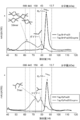
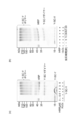
- results of SDS-PAGE when using a polypeptide prepared by the silkworm-baculovirus expression system (a) and the result of SDS-PAGE when using a polypeptide prepared by the yeast Pichia pastoris expression system (b) are shown. Shown. 0 hr is the result of no reaction at room temperature, and 1 hr is the result of reaction at room temperature for 1 hour. The part where polymerization can be confirmed is shown by the dotted line frame. Results of size exclusion chromatography using a polypeptide prepared by the silkworm-baculovirus expression system (top) and results of size exclusion chromatography using a polypeptide prepared by the yeast Pichia pastoris expression system (bottom). ) Is shown in FIG.
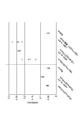
- the results of verifying the Pvs25 antigen-specific antibody titer of Y_BmPvs25_Y (Alum added) obtained by carrying out the HRP enzyme reaction at room temperature for 1 hour by the ELISA method are shown.
- the results of verifying the Pvs25 antigen-specific antibody titer of Y_BmPvs25_Y (Alum added), which was stored frozen after the HRP enzyme reaction was carried out at room temperature for 1 hour, by the ELISA method are shown.
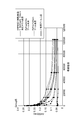
- the results of analysis of freeze-treated and thaw-treated Y_BmPvs25_Y by Dynamic Light Scattering measurement (DLS) are shown.
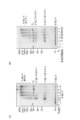
- the results of evaluating the influence of the HRP concentration on the degree of polymerization (a) and the influence of the HRP enzyme reaction treatment time on the degree of polymerization (b) in the polymerization of Y-SC-Y by the HRP enzyme reaction are shown.
- the results of evaluating the influence of the TL concentration on the degree of polymerization (a) and the influence of the TL enzyme reaction treatment time on the degree of polymerization (b) in the polymerization of Y-SC-Y by the TL enzyme reaction are shown.
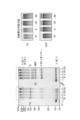
- the results of evaluating the change in molecular weight due to freeze-thaw after polymerizing Y-SC-Y by an HRP or TL enzyme reaction are shown.
- An enlarged view of the dotted line is shown on the right.
- a polypeptide having a tag on at least one of the N-terminal side and the C-terminal side is reacted with a polymerizing enzyme to prepare a reaction solution containing the polymerized polypeptide. It includes a step of obtaining (a step of obtaining a reaction solution containing a polymerized polypeptide), a step of freezing the reaction solution (freezing step), and a step of thawing the frozen reaction solution (thawing step).
- the above-mentioned polymerization enzyme recognizes the above-mentioned tag.
- Step of obtaining a reaction solution containing a polymerized polypeptide When a polypeptide having a tag on at least one of the N-terminal side and the C-terminal side is reacted with a polymerizing enzyme, the polymerizing enzyme recognizes the above tag, and the polymerization reaction of the polypeptide occurs by the enzymatic reaction, and the reaction solution Polymerized polypeptides are produced in it.
- the polymerizing enzyme can be appropriately selected by those skilled in the art according to the type and size of the target polypeptide.
- the polymerizable enzyme include oxidoreductase, transferase and hydrolase.
- the oxidoreductase include phenol oxidase, glucose oxidase, glucose dehydrogenase and ascorbic acid oxidase.
- the transferase include methyl group / carboxyl group transferase, aldehyde group / keto group transferase, acyl group transferase, phosphate group transferase and the like.
- the hydrolase include a carboxylic acid ester hydrolase, a thioester hydrolase, a phosphoric acid monoester hydrolase, a phosphoric acid diester hydrolase, and a sulfate ester hydrolase.
- the above tag is recognized by each polymerizing enzyme because it has a functional group with which each polymerizing enzyme reacts.
- the tag may have a functional group recognized by the polymerizing enzyme, and may directly contain the functional group recognized by the polymerizing enzyme by a linker or the like, and the amino acid residue having the functional group may be used. It may contain a group.
- the polypeptide is preferably a polypeptide having tags on the N-terminal side and the C-terminal side. In this case, the tag on the N-terminal side and the tag on the C-terminal side may be the same or different.
- the combination of the polymerization enzyme and the functional group recognized by the enzyme can be appropriately set based on known information by those skilled in the art.
- the polymerizing enzyme contains a phenol oxidase which is a kind of oxidoreductase
- a tag having a phenol group, a catechol group, a pyrogallol group or the like recognized by the phenol oxidase can be used as the tag. it can.
- the phenol oxidase may be derived from any organism such as an animal, a plant or a microorganism. Examples of the phenol oxidase include peroxidase, laccase, bilirubin oxidase, monophenol monooxygenase and catechol oxidase. The phenol oxidase may be selected from the group consisting of peroxidase, laccase, bilirubin oxidase, monophenol monooxygenase and catechol oxidase, or may be peroxidase or laccase.
- Peroxidase is a hydrogen peroxide (H 2 O 2) enzymes that catalyze a variety of oxidation reactions as active centers of heme or other metal in the presence.
- peroxidase include enzymes of EC1.11.1.7, EC1.11.1.13 and EC1.11.1.14.
- Examples of the peroxidase of EC1.11.1.7 include horseradish-derived peroxidase (HRP).
- HRP horseradish-derived peroxidase
- the peroxidase may be HRP.
- HRP is a Heme-containing enzyme with a molecular weight of about 44 kDa. Hydrogen peroxide (H 2 O 2 ) is required for the enzymatic reaction of HRP, and the radicalization reaction of phenols is carried out.
- Laccase (EC1.10.3.2) is an oxidase that has the ability to oxidize phenols.
- the laccase include those derived from plants, bacteria, fungi and the like, and specifically, for example, laccase derived from Trametes sp, laccase derived from Aspergillus, and Botrytis derived from Aspergillus. Examples include laccase.
- the laccase may be TL.
- TL is a trinuclear copper cluster enzyme with a molecular weight of about 57 kDa. Dissolved oxygen is used in the enzymatic reaction of TL to catalyze the radicalization reaction of phenols.
- Bilirubin oxidase is a type of multi-copper protein, and examples thereof include those derived from plants, bacteria, fungi, and the like. Specific examples of bilirubin oxidase include bilirubin oxidase derived from the genus Penicillium and bilirubin oxidase derived from Myrothecium.
- Monophenol monooxygenase is an oxidase having a function of oxidizing a phenolic compound having one hydroxyl group, and examples thereof include those derived from plants, bacteria, fungi and the like. Specific examples of monophenol monooxygenase include monophenol monooxygenase derived from tea leaves and monophenol monooxygenase derived from chlorella.
- Catechol oxidase is an oxidase having a function of oxidizing phenols having two hydroxyl groups like catechol, and examples thereof include those derived from plants, bacteria, fungi and the like. Specific examples of catechol oxidase include tea-derived catechol oxidase.
- the tag recognized by each polymerizing enzyme may be a peptide tag consisting of one or more amino acid residues.
- the peptide tag comprises at least one amino acid residue having a functional group recognized by the polymerizing enzyme.
- the peptide tag may contain a tyrosine residue or a phenylalanine residue having a phenol group, and may contain a tyrosine residue. It may be there.
- the peptide tag contains tyrosine, it is radicalized and polymerized on the phenolic structure of the side chain of tyrosine by the action of oxidoreductase.
- the length of the peptide tag is not particularly limited as long as it is recognized by the polymerizing enzyme and the polymerization reaction occurs appropriately, but for example, 1 to 20 amino acid residues, 1 to 15 amino acid residues, 1 to 10 It may consist of 1 amino acid residue or 1 to 6 amino acid residues, and may consist of 2 or more, 3 or more, 4 or more or 5 or more amino acid residues. It may consist of 8 or less, 7 or less, 6 or less, or 5 or less amino acid residues.
- the number of amino acid residues having a functional group recognized by the polymerizing enzyme in the peptide tag is not particularly limited, but 1 to 10, 1 to 7, 1 to 5, 1 to 4, 1 to 3, and so on. It may be 1 to 2 or 1.
- the positions of amino acid residues having a functional group recognized by the polymerizing enzyme in the peptide tag are 1 to 10th, 1st to 7th, and 1 to 5 from the N-terminal and C-terminal of the polypeptide having the peptide tag, respectively. It may be the 1st, 1st to 4th, 1st to 3rd, 1st to 2nd, 2nd or 1st (that is, N-terminal or C-terminal amino acid residue).
- Each peptide tag may contain at least one tyrosine residue.
- the peptide tag comprises an amino acid sequence selected from the group consisting of YXXX (SEQ ID NO: 1), XYXX (SEQ ID NO: 2), XXYX (SEQ ID NO: 3) and XXXX (SEQ ID NO: 4). Often, it may consist of an amino acid sequence selected from the above group (X may be an amino acid residue other than a tyrosine residue, or may be a tyrosine residue). When X is other than a tyrosine residue, X is preferably an amino acid having no negative charge other than aspartic acid residue (D) and glutamic acid (E), for example, glycine (G). Good.
- the peptide tags are 1 to 3, 1 to 2 on the N-terminal side and / or C-terminal side of the amino acid sequence of SEQ ID NO: 1 to SEQ ID NO: 4 and the amino acid sequence of SEQ ID NO: 1 to SEQ ID NO: 4. Alternatively, it may be selected from the group consisting of an amino acid sequence to which one amino acid residue is added.
- the peptide tag on the N-terminal side preferably contains a tyrosine residue at a position close to the N-terminal, and the N-terminal is the first, and the N-terminal is the first to the third, the first to the second, the second or the first (that is, the N-terminal).
- the N-terminus) may contain a tyrosine residue.
- the peptide tag on the C-terminal side preferably contains a tyrosine residue at a position close to the C-terminal, with the C-terminal as the first, and the 1st to 3rd, 1st, 2nd, 2nd or 1st (that is, the C-terminal). It is more preferable that the C-terminal) contains a tyrosine residue, and it is particularly preferable that the C-terminal contains a tyrosine residue.
- the N-terminal peptide tag may include an amino acid sequence selected from the group consisting of SEQ ID NO: 7, SEQ ID NO: 11 and SEQ ID NO: 14, and may contain SEQ ID NO: 7, SEQ ID NO: 11 and sequence. It may consist of an amino acid sequence selected from the group consisting of number: 14. Further, the peptide tag on the N-terminal side is 1 to 5, 1 to 3, 1 to 2 or 1 in the portion other than the tyrosine residue of the amino acid sequence of SEQ ID NO: 7, SEQ ID NO: 11 or SEQ ID NO: 14. It may contain a mutation (insertion, deletion, substitution) of an amino acid residue of.
- the polypeptide in the peptide tag on the N-terminal side contains a tyrosine residue at the position closest to the N-terminus.
- the peptide tag on the C-terminal side may contain an amino acid sequence selected from the group consisting of SEQ ID NO: 8, SEQ ID NO: 12 and SEQ ID NO: 15, and may contain SEQ ID NO: 8, SEQ ID NO: 12 and sequence. Number: It may consist of an amino acid sequence selected from the group consisting of 15. Further, the peptide tags on the C-terminal side are 1 to 5, 1 to 3, 1 to 2 or 1 in the portion other than the tyrosine residue of the amino acid sequence of SEQ ID NO: 8, SEQ ID NO: 12 or SEQ ID NO: 15. It may contain a mutation (insertion, deletion, substitution) of an amino acid residue of.
- the polypeptide in the peptide tag on the C-terminal side contains a tyrosine residue at the position closest to the C-terminus.
- the position where the tag on the N-terminal side is inserted is not particularly limited as long as it is on the N-terminal side from the center of the polypeptide, but it is preferably closer to the N-terminal side of the polypeptide, for example, within the 10th position from the N-terminal methionine of the polypeptide.
- Amino acid residues (with methionine as the first) or in between, amino acid residues within the 5th position from the N-terminal methionine or in between, amino acid residues within the 3rd position from the N-terminal methionine or in between, and N-terminal methionine It can be inserted between or between the second amino acid residues or from the N-terminal methionine to the second amino acid residue or between or at the N-terminus.
- the position where the tag on the C-terminal side is inserted is not particularly limited as long as it is on the C-terminal side from the center of the polypeptide, but it is preferably closer to the C-terminal side of the polypeptide, for example, an amino acid within the 10th position from the C-terminal side of the polypeptide.
- the polypeptide to be polymerized may have a tag other than the N-terminal tag and the C-terminal tag added.
- tags include tags for protein purification (for example, His tag, Strept tag, HA tag, Myc tag, etc.).
- the position where the tag for protein purification is added is not particularly limited as long as it does not interfere with the polymerization by the enzyme treatment, but it should be on the C-terminal side of the N-terminal side tag and / or on the N-terminal side of the C-terminal side tag. Is preferable.
- the polypeptide to be polymerized may have a sequence other than the tag on the N-terminal side and the tag on the C-terminal side added.
- sequences include sequences recognized by enzymes for cleaving tags (eg, HRVC protease recognition sequences, thrombin recognition sequences, etc.).
- the position where such a tag is added is not particularly limited as long as it does not interfere with the polymerization by the enzyme treatment, but it is preferably on the C-terminal side of the N-terminal side tag and / or on the N-terminal side of the C-terminal side tag. ..
- the method for producing an aggregate of a polymerized polypeptide in the present embodiment is that the polypeptide is polymerized by the reaction between the tag and the polymerizing enzyme that recognizes the tag. Therefore, the polypeptide to be polymerized is not particularly limited, and may be, for example, a monomer or a multimer such as a dimer or a trimer. According to the production method in the present embodiment, even a monomer can be easily increased in molecular weight.
- Polypeptides to be polymerized include, for example, antigens, antibodies, fragments of antigens or antibodies, enzymes, cytokines and growth factors.
- an antigen is a naturally occurring protein or fragment thereof, an artificial protein (eg, a recombinant protein) or a fragment thereof prepared based on a naturally found protein or a fragment thereof, a synthetic polypeptide, or a fusion protein (eg,). , Chimeric protein), whole virus or virus-like particles.
- an artificial protein eg, a recombinant protein
- a fragment thereof prepared based on a naturally found protein or a fragment thereof a synthetic polypeptide, or a fusion protein (eg,). , Chimeric protein), whole virus or virus-like particles.
- the aggregate of the polymerized polypeptide produced in the present embodiment when the polypeptide is an antigen, induces stable and high immunogenicity as compared with the polymerized polypeptide before the aggregate, and thus is a vaccine. It is also effective in the production of antigens.
- the vaccine antigen is not particularly limited, and various known antigens that can be used can be arbitrarily selected and used. For example, malaria antigens such as vivax malaria transmission blocking vaccine candidate antigens (Pvs25, Pvs28), etc.
- Yellow staphylococcus antigen Eromonas bacterium antigen, Tuberculosis bacterium antigen, Actinovacilus pluroneumonie antigen, Mycoplasma hyoneumonie antigen, Bordetella bronchiceptica antigen, Pasturella murtsida antigen, Mycoplasma hyolinis antigen, Hemophilus paraswiss antigen Salmonella cholera Swiss antigen, Streptococcal antigen, Influenza virus antigen, SARS virus antigen, AIDS virus antigen, Pig epidemic diarrhea virus antigen, Infectious gastroenteritis virus antigen, Pig reproductive respiratory disorder syndrome virus antigen, Japanese encephalitis virus antigen, Examples thereof include porcine parvovirus antigen, porcine circovirus antigen, porcine influenza virus antigen, Oeski disease virus antigen, tripanosoma antigen, pasturella multsida toxin, coxidium antigen and tyrelia antigen.
- the size of the polypeptide to be polymerized is not particularly limited, but is, for example, 5 to 1000 kDa, 10 to 500 kDa, 15 to 200 kDa, 15 to 100 kDa, 15 kDa or more, 20 kDa or more, 80 kDa or less, 50 kDa or less, or 30 kDa or less. Good.
- a polypeptide containing a site that further binds to another tag can be used as the polypeptide to be polymerized.
- a polypeptide further comprising a site that further binds to the other tag can further bind the same or another polypeptide via the tag.
- Examples of such a polypeptide include SpyCatcher (SEQ ID NO: 5). Since SpyCatcher spontaneously forms an isopeptide bond with SpyTag (AHIVMVDAYKPTK, SEQ ID NO: 6), the same or another polypeptide can be bound via SpyTag.
- a site that binds to another tag can be inserted into a polypeptide having tags on the N-terminal side and the C-terminal side, and a polypeptide that further contains a site that binds to another tag can be prepared.
- a polypeptide having a tag on at least one of the N-terminal side and the C-terminal side can be prepared by a conventional method.
- a functional group recognized by a polymerizing enzyme can be imparted by modifying a polypeptide by a chemical modification method or the like.
- a vector for expressing a polypeptide having an amino acid residue having a functional group recognized by a polymerizing enzyme was prepared, and an Escherichia coli expression system, a yeast expression system, and an expression system by insect cells (for example, Kaiko-vaculo) were prepared. It can also be produced by utilizing an expression system using a virus expression system), an expression system using animal cells, a cell-free protein synthesis system, or the like.
- an Escherichia coli expression system a yeast expression system, an insect cell expression system, or an animal cell expression system
- a polypeptide having an amino acid residue having a functional group recognized by a transformant is expressed.
- a vector for this purpose can be prepared, transformed into a host cell, then the transformed host cell is cultured, and the host cell is destroyed to recover the target polypeptide.
- a cell-free protein synthesis system for example, a template such as an energy molecule, an energy regeneration system, salts and DNA or mRNA is added to a cell disruption solution or an extract, and transcription and translation reactions are performed in vitro. Can produce the desired polypeptide.
- Examples of the system that can be used for the cell-free protein synthesis system include the Continuous Flow Cell-Free (CFCF) translation system and the Protein synthesis Using Recombinant Elements (PURE) system.
- CFCF Continuous Flow Cell-Free
- PURE Protein synthesis Using Recombinant Elements
- Reacting a polypeptide having a tag on at least one of the N-terminal side and the C-terminal side with a polymerizing enzyme is a mixture of a polypeptide having a tag on at least one of the N-terminal side and the C-terminal side, a polymerizing enzyme and a solvent.
- the mixture may be prepared and reacted.
- a polypeptide solution prepared by preparing a polypeptide having a tag on at least one of the N-terminal side and the C-terminal side in a solvent and a polymerizable enzyme solution prepared by preparing a polymerizable enzyme in a solvent are mixed to prepare a mixed solution for reaction. It may be to let.
- the solvent may be a buffer solution.
- phosphate buffered physiological saline PBS
- Tris-HCl buffer Tris-HCl buffer
- EDTA ethylenediamine tetraacetic acid
- TE Tris-EDTA buffer
- TBE Tris-acetate-EDTA buffer
- SSC buffer solution phosphate buffer solution, sodium citrate buffer solution, carbon dioxide-dicarbonate buffer solution, sodium borate buffer solution and the like can be mentioned.
- the mixed solution may further contain a substrate and / or a compound for treatment with a polymerizing enzyme or for improving the efficiency of treatment.
- a substrate and / or a compound for treatment with a polymerizing enzyme or for improving the efficiency of treatment include any co-compounds that may be required for enzyme catalytic activity, such as suitable acceptors or coenzymes, stabilizers, activators, preservatives for adjusting to optimal conditions for enzymatic reactions. , Metal ions, buffers, surfactants, flocculants, chelating agents, dispersants and the like.
- peroxidase is used as the polymerization enzyme, hydrogen peroxide may be added because hydrogen peroxide is required for the enzymatic reaction.
- the content of the polypeptide to be reacted with the polymerizing enzyme can be appropriately set by those skilled in the art depending on the type of enzyme, the reaction volume, etc., but based on the total amount of the reaction solution, for example, 1 to 1000 ⁇ M, 5 to 200 ⁇ M, or 10 to 50 ⁇ M. It may be.
- the content of the enzyme used for the enzyme reaction can be appropriately set by those skilled in the art depending on the type of enzyme, the reaction volume, etc., but based on the total amount of the reaction solution, for example, 0.1 to 30 ⁇ M, 0.2 to 20 ⁇ M, or 0. It may be 5 to 10 ⁇ M.
- the reaction temperature and reaction time of the enzyme treatment can also be appropriately set by those skilled in the art depending on the type of enzyme, the reaction volume and the like, and the reaction temperature is, for example, 15 to 50 ° C, 20 to 45 ° C, 25 to 38 ° C or 30 to 37.
- the temperature may be 30 ° C or higher, 35 ° C or higher, 42 ° C or lower, 40 ° C or lower, or 38 ° C or lower.
- the reaction time may be, for example, 5 seconds to 3 days, 20 seconds to 2 days, or 30 seconds to 1 day, and may be 10 seconds or more, 30 seconds or more, 60 seconds or more, 90 seconds or more, or 120 seconds or more. It may be 7 days or less, 5 days or less, 2 days or less, 1 day or less, 12 hours or less, 6 hours or less, or 2 hours or less.
- the reaction between the polypeptide having a tag on at least one of the N-terminal side and the C-terminal side and the polymerizing enzyme is carried out under the optimum conditions. Therefore, it may include adjusting the pH to an appropriate level for the enzymatic reaction of the enzyme in order to improve the efficiency of the treatment with the polymerizing enzyme.
- the optimum pH of the polymerization enzyme to be used can be appropriately selected by those skilled in the art based on known information.
- the pH may be adjusted with a solvent or an additive. For example, it is said that the optimum pH of general peroxidase is about 5.0 to about 8.0, and the optimum pH of laccase is about 4.0 to about 7.0.
- the reaction solution obtained in the step of obtaining the reaction solution containing the above-mentioned polymerized polypeptide is a polymerized polypeptide produced by the enzymatic reaction, a solvent, and in some cases, the residue of the enzyme of the enzymatic reaction or a compound such as hydrogen peroxide. Including the rest. By freezing and thawing the reaction solution, an aggregate of polymerized polypeptides is formed. The aggregate of the polymerized polypeptide has a higher molecular weight as compared with the polymerized polypeptide before freezing.
- the aggregate of polymerized polypeptides includes a plurality of polymerized polypeptides.
- the aggregate of the polymerized polypeptides may include, for example, 2 to 20, 2 to 15, 2 to 10, 2 or more, 3 or more, 4 or more, 5 or more polymerized polypeptides.
- the polymerized polypeptide contained in the aggregate of the polymerized polypeptide may be, for example, 2 mer (dimer) to 96 mer, 3 mer (trimmer) to 64 mer or 3 mer (trimmer) to 32 mer, 2 mer or more, 5 mer or more, 6 mer.
- It may be 9 mer or more and 10 mer or more or 12 mer or more, and may be 150 mer or less, 120 mer or less, 100 mer or less, 80 mer or less or 50 mer or less.
- the mechanism by which an aggregate of the polymerized polypeptide is formed by freezing the reaction solution containing the polymerized polypeptide is unknown, and the formation of the aggregate is due to further polymerization or the polymerized polypeptide. It is not clear whether it is due to self-assembly or aggregation of.
- the size of the aggregate of the polymerized polypeptide is not particularly limited, and for example, 30 to 5000 kDa, 50 to 3000 kDa, 100 to 2500 kDa, 150 to 2200 kDa, 500 to 2000 kDa, 100 kDa or more, 500 kDa or more, 800 kDa or more, 1000 kDa or more, It may be 10000 kDa or less, 7000 kDa or less, or 4000 kDa or less.
- the step of stopping the enzymatic reaction by the polymerizing enzyme may be included, or the step of stopping the reaction may not be included.
- the method for terminating include a method of adding a reaction terminating solution and a method of heat-inactivating at a temperature higher than the optimum temperature of the enzyme.
- the method of freezing the reaction solution is not particularly limited, but for example, it may be frozen by storing it in a freezer for a certain period of time, or by bringing the container containing the reaction solution into contact with liquid nitrogen.
- the freezing treatment may be carried out at ⁇ 200 ° C. to 0 ° C., -100 ° C. to -1 ° C., -80 ° C. to -3 ° C., -80 ° C. to -10 ° C., -80 ° C. to -20 ° C., and 0 ° C. or lower. , -1 ° C or lower, -4 ° C or lower, or -15 ° C or lower.
- the freezing treatment may be carried out for 0.1 seconds to 100 days, 1 second to 7 days, 3 seconds to 3 days, 10 seconds to 2 days or 30 seconds to 1 day, 5 seconds or more, 120 seconds or more, It may be carried out for 5 minutes or more, 1 hour or more or 2 hours or more, or 5 days or less, 2 days or less, 1 day or less, 10 hours or less, 5 hours or less or 3 hours or less.
- the method of thawing the reaction solution after the freezing treatment is not particularly limited. For example, it may be thawed by placing it at room temperature, it may be thawed by placing it at a constant temperature for a certain period of time, or it may be thawed by heating. Good.
- Examples of the method of placing the reaction solution under a constant temperature include a method of allowing the container containing the reaction solution to stand in an incubator set to a constant temperature, and a container containing the reaction solution in a heat block such as a water bath set to a constant temperature. There is a method of placing. Further, when it is melted by heating, for example, it can be carried out by a method of putting a container containing the reaction solution in a high temperature liquid or a method of placing the container containing the reaction solution in a heater such as a heat block.
- the melting treatment may be carried out at 1 to 100 ° C, 2 to 70 ° C, 3 to 60 ° C, 3 to 45 ° C, 3 to 37 ° C, 3 to 15 ° C, 4 ° C to 10 ° C, and 0 ° C or higher and 1 ° C. It may be carried out at 2 ° C. or higher or 4 ° C. or higher, and may be carried out at 90 ° C. or lower, 70 ° C. or lower, 50 ° C. or lower, or 40 ° C. or lower. Further, the freezing treatment may be carried out for 1 minute to 1 day, 1 minute to 12 hours, 1 minute to 6 hours, 2 minutes to 3 hours or 30 minutes to 2 hours, and 2 minutes or more, 5 minutes or more or 1 hour. It may be performed for 3 days or less, 2 days or less, 1 day or less, 3 hours or less, or 1 hour or less.
- the method for producing an aggregate of the polymerized polypeptide of the present embodiment may further include a step of purifying the aggregate of the polymerized polypeptide after the melting step. Purification can be performed by known methods such as ion exchange chromatography, electrophoresis, dialysis, gel filtration, ultrafiltration, affinity chromatography, and high performance liquid chromatography.
- the aggregate of the polymerized polypeptides produced by the above-mentioned method is one in which the polymerized polypeptides are aggregated by some mechanism and further increased in molecular weight.
- the aggregate of the above-mentioned polymerized polypeptide can be administered orally or parenterally as a pharmaceutical composition containing a pharmaceutically acceptable carrier or excipient.
- a pharmaceutical composition containing a pharmaceutically acceptable carrier or excipient.
- the pharmaceutical composition preferably contains an adjuvant.
- the adjuvant include a particle-type adjuvant such as an aluminum salt, a ligand molecule adjuvant such as a TLR ligand molecule, an oil-in-water emulsion (emulsion) -type liposome, and a mixed-type liposome in which two or more types of liposomes are mixed.
- a particle-type adjuvant such as an aluminum salt
- a ligand molecule adjuvant such as a TLR ligand molecule
- an oil-in-water emulsion (emulsion) -type liposome a mixed-type liposome in which two or more types of liposomes are mixed.
- the method for increasing the molecular weight of the polymerized polypeptide of the present embodiment is to freeze-treat a polymerized polypeptide obtained by polymerizing a polypeptide having a tag on at least one of the N-terminal side and the C-terminal side with a polymerizing enzyme. Includes melting treatment.
- the above-mentioned polymerization enzyme recognizes the above-mentioned tag.
- Making the polymer high molecular weight means making the polymerized polypeptide into a higher molecular weight aggregate.
- the polypeptide, polymerizing enzyme, each treatment and the like are as described above.
- a peptide tag (Y-) containing a tyrosine residue that can be selectively recognized by horseradish peroxidase (HRP) at the N-terminal side and C-terminal side of the orchiated surface protein Pvs25 (Vivax malaria propagation-inhibiting vaccine candidate antigen) of Plasmodium vivax tag) (N-terminal side: YGGGGGGGGGS, SEQ ID NO: 7; C-terminal side: GGGGY, SEQ ID NO: 8) was added (Tag-Pvs25 or Y_Pvs25_Y) by a conventional method using a silkworm-vaculovirus expression system. (SEQ ID NO: 9).
- a His tag for purification (HHHHHH, SEQ ID NO: 10) is further added to the N-terminal side of the peptide tag attached to the C-terminal side.
- a peptide tag (Y-tag) (N-terminal side: YRRRRGGGGGS, SEQ ID NO: 11; C-terminal side: GGGY, SEQ ID NO: 12) is added to the N-terminal side and C-terminal of Pvs25 (Tag-).
- Pvs25 or Y_Pvs25_Y was prepared by a conventional method using a yeast Pichia pastoris expression system (SEQ ID NO: 13).
- Tag-Pvs25 prepared by the silkworm-baculovirus expression system is also referred to as Tag-BmPvs25 or Y_BmPvs25_Y
- Tag-Pvs25 prepared by the yeast Pichia pastoris expression system is also referred to as Tag-PpPvs25 or Y_PpPvs25_Y.
- FIG. 1 shows the results of SDS-PAGE when a polypeptide prepared by a silkworm-baculovirus expression system and the result of SDS-PAGE when a polypeptide prepared by a yeast Pichia pastoris expression system was used.
- a protein polymer polymerized by the HRP enzyme reaction can be obtained when a polypeptide prepared by either the silkworm-baculovirus expression system or the yeast Pichia pastoris expression system is used. It was confirmed that
- FIG. 2 shows the results of size exclusion chromatography when a polypeptide prepared by the silkworm-baculovirus expression system was used, and the results of size exclusion chromatography when a polypeptide prepared by the yeast Pichia pastoris expression system was used. .. It was confirmed that a protein polymer polymerized by the HRP enzyme reaction was obtained when the polypeptide prepared by either the silkworm-baculovirus expression system or the yeast Pichia pastoris expression system was used. In particular, when a polypeptide prepared by a silkworm-baculovirus expression system was used, it was shown that a polymerized polypeptide was obtained by polymerization of 32 mer.
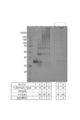
- Tag-Pvs25 was prepared by the silkworm-baculovirus expression system in the same manner as in Example 1. After the Total volume was prepared in 30 ⁇ L, Tag-Pvs25, HRP and H 2 final molar concentration of O 2 is 30 ⁇ M respectively, so as to 1 ⁇ M and 60 [mu] M PBS, the reaction tubes, PBS, Tag-Pvs25, HRP , H 2 It was added in the order of O 2 . After all the additions, the reaction was carried out at room temperature for 1 hour or 2 hours. 10 ⁇ L was mixed with 10 ⁇ L of 2 ⁇ SB to prepare 20 ⁇ L of sample for SDS-PAGE application. Controls were prepared in the same manner as above, except that no reaction was carried out at room temperature.
- Sample 1 is Tag-Pvs25 only
- Sample 2 is a control without reaction time
- Sample 3 is a reaction time of 1 hour
- Sample 4 is a reaction time of 2 hours
- Sample 5 is a sample frozen and thawed after a reaction time of 1 hour
- Sample 6 is A sample frozen and thawed after a reaction time of 2 hours is shown. It was shown that the longer the reaction time, the higher the degree of polymerization of the polypeptide (Samples 2-4). Surprisingly, the samples frozen and thawed after each reaction formed ultrahigh molecular weight bodies located on the upper part of the gel (Samples 5 and 6).
- Tag-Pvs25 was prepared by the silkworm-baculovirus expression system in the same manner as in Example 1 (Y_BmPvs25_Y).
- the sample (Y_BmPvs25_Y HRP reaction 1 hour) and the above-mentioned "Y_BmPvs25_Y HRP reaction 1 hour” were frozen at ⁇ 20 ° C. for 3 days after the reaction, and the thawed sample (Y_BmPvs25_Y HRP reaction 1 hour + freezing) was subjected to gel filtration chromatography. The molecular size was analyzed by.
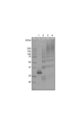
- Tag-Pvs25 was prepared by the silkworm-baculovirus expression system in the same manner as in Example 1 (Y_BmPvs25_Y). After the Total volume was prepared in 30 ⁇ L, Tag-Pvs25, HRP and H 2 final molar concentration of O 2 is 30 ⁇ M respectively, so as to 1 ⁇ M and 60 [mu] M PBS, the reaction tubes, PBS, Tag-Pvs25, HRP , H 2 It was added in the order of O 2 . After all the additions, the reaction was carried out at room temperature for 1 hour. 10 ⁇ L was mixed with 10 ⁇ L of 2 ⁇ SB to prepare 20 ⁇ L of sample for SDS-PAGE application.
- Controls were prepared in the same manner as above, except that no reaction was carried out at room temperature. Further, as a cryopreservation sample, after reacting at room temperature for 1 hour, 10 ⁇ L was mixed with 2 ⁇ SB 10 ⁇ L and cryopreserved at ⁇ 20 ° C. for 1 hour to prepare a sample dissolved at the time of SDS-PAGE application.
- sample 1 shows only Tag-Pvs25
- sample 2 shows a control without HRP reaction time
- sample 3 shows an HRP reaction time of 1 hour
- sample 4 shows a frozen and thawed sample after 1 hour of HRP reaction time. It was shown that the longer the reaction time, the higher the degree of polymerization of the polypeptide (Samples 2-4). The polymerization efficiency by the enzymatic reaction up to 1 hour at room temperature was good, and a band pattern with a higher molecular weight was observed. Surprisingly, the sample frozen for 1 hour after 1 hour of the enzymatic reaction and thawed formed an ultrahigh molecular weight body located on the upper part of the gel (Sample 4).
- Example 5 The immunogenicity of various Pvs25 was confirmed by the ELISA method.
- Samples for mouse immunization were prepared as follows. HRP-treated group all prepared in Tag-Pvs25, HRP, final molarity of H 2 O 2 30 ⁇ M, 1 ⁇ M, so that 60 [mu] M PBS, was allowed to react for 1 hour at room temperature, Alum (aluminum hydroxide gel adjuvant) was added in the same amount and stirred with Voltex for 30 minutes to prepare.
- mice 100 ⁇ L of each sample was subcutaneously administered to mice.
- the tail of the mouse was cut by about 1 mm, and blood was collected (tail vein) using a capillary tube (Micro-Hematocrit Capillary Tubes, Fisher Scientific).
- a capillary tube Micro-Hematocrit Capillary Tubes, Fisher Scientific.
- sacrifice was performed and all blood was collected. Blood was centrifuged at 15,000 rpm for 10 minutes and separated into blood clots and serum. Only the serum portion was collected and the Pvs25 antigen-specific response of the obtained mouse antiserum was evaluated by the ELISA method.
- ELISA method The coat antigen of the ELISA method was prepared as follows.
- Y_PpPvs25_Y immune group Pichia expression Pvs25 coat (250 ng / well)
- Y_BmPvs25_Y immune group Bombyx expression Pvs25 coat (250 ng / well)
- Example 6 Using the serum obtained in Example 5, the Pvs25 antigen-specific antibody titers of various Pvs25 were verified by the ELISA method. As the primary antibody, the ELISA method was performed under the same conditions as in Example 5 except that various immune sera obtained by Week 6 were serially diluted 50 to 102400 times (50 ⁇ l / well).
- the HRP reaction was 1 hour (room temperature) and the frozen "HRP reaction 1 hour (room temperature) YBmP vs 25Y frozen / Alum immune mouse serum" was IFA. It was found that the antibody titer was higher than that of the above, and a high response was shown even at a dilute serum concentration obtained by diluting the serum concentration by about 10,000 times (Fig. 9). From these results, it was confirmed that the immunogenicity of the ultrahigh molecular weight substance produced by the freezing treatment far exceeded the immunogenicity imparted by IFA.
- Example 7 A polymerized polypeptide obtained by polymerizing a polypeptide prepared by a silkworm-baculovirus expression system was analyzed by Dynamic Light Scattering measurement (DLS) of a sample subjected to freeze treatment and thawing treatment. As a result, it was clarified that the size distribution of the polymer peaked at an average of 61.8 nm, forming a polymer having a large molecular size (Fig. 10). In addition, the results of the immune response of individual mice to which these were administered (black circles) showed that as the molecular size of the polymerized polypeptide increased, individual differences in the immunogenicity group tended to decrease. It was. This can be confirmed from the fact that in the results shown in FIG. 9 above, the difference in antibody titers in individual mice tends to be small. Therefore, it was shown that the ultrahigh molecular weight compound prepared by freezing and thawing the polymerized polypeptide can induce a more stable immune response.
- DLS Dynamic Light Scattering measurement
- Example 8 A peptide tag (N-terminal side: YGGGG, SEQ ID NO::) containing a tyrosine residue that can be selectively recognized by HRP and Timer sp-derived lacquerase (TL) at the N-terminal side and C-terminal of the SpyCatcher protein (SEQ ID NO: 9). 14; C-terminal side: GGGGY, SEQ ID NO: 15), HRV3C protease recognition sequence (LEVLFQGP, SEQ ID NO: 16) on the N-terminal side, HisTag sequence for purification (HHHHHH, SEQ ID NO: 10) on the C-terminal side.
- a thrombin sequence (LVPRGS, SEQ ID NO: 17) (Y-SpyCatcher-Y or Y-SC-Y, SEQ ID NO: 18) were prepared by a conventional method using an Escherichia coli protein expression system.
- the band strength of Y-SC-Y confirmed around 15 kDa decreased in the lanes to which HRP and hydrogen peroxide were added (3 to 7 lanes from the left), and the position corresponding to the Y-SC-Y dimer. A new band appeared, and a Y-SC-Y band polymerized on the ladder appeared on the high molecular weight side (Fig. 11, left). As the HRP concentration increased, the band strength on the high molecular weight side became stronger, and it was observed that the degree of polymerization of Y-SC-Y was improved. In the subsequent experiments, the polymerization reaction was carried out with the HRP concentration fixed at 3 ⁇ M.
- the band strength of Y-SC-Y visible near 15 kDa decreases in the lane to which TL is added (3 to 7 lanes from the left), and a new band is added at a position corresponding to the Y-SC-Y dimer.
- a polymerized Y-SC-Y band appeared on the rudder on the high molecular weight side (Fig. 12, left).
- the band strength on the high molecular weight side became stronger, and it was observed that the degree of polymerization of Y-SC-Y was improved.
- the polymerization reaction was carried out with the TL concentration fixed at 3 ⁇ M.
- TL was added at a final concentration of 3 ⁇ M. After the addition, a part of the sample solution was collected at 5 seconds, 10 seconds, 30 seconds, 60 seconds, and 120 seconds, immediately mixed with 4 ⁇ SDS sample buffer (containing mercaptoethanol), and heat-treated at 98 ° C. for 3 minutes. The reaction was stopped by inactivating the TL. After the reaction was stopped, the sample solution was subjected to SDS-PAGE analysis (using a gel having an acrylamide concentration of 10%). As a result, as the reaction time increased, the band strength of the Y-SC-Y polymer increased, indicating that the reaction continued in 120 seconds (Fig. 12, right).
- Example 9 It was evaluated how the molecular weight was changed by polymerizing Y-SC-Y by an HRP or TL enzyme reaction and further performing freeze-thaw.
- HRP (3 ⁇ M) or TL (3 ⁇ M) was mixed with Y-SC-Y (30 ⁇ M), and in the case of HRP, hydrogen peroxide (30 ⁇ M) was further added, and the mixture was reacted at 37 ° C. for 1 hour. Then, a sample stored overnight at 4 ° C (lane labeled 4), a sample frozen overnight at -25 ° C (lane labeled -25), and a sample frozen overnight at -80 ° C (lane labeled -25). Three types (lanes labeled -80) were prepared.
- the frozen sample was allowed to stand at 4 ° C. for 1 hour to thaw. Immediately after the reaction, the mixture was mixed with 4 ⁇ SDS sample buffer and heat-treated at 98 ° C. for 3 minutes to prepare a sample (lane labeled 37) inactivated by HRP and TL. Each sample was analyzed by SDS-PAGE (using a gel with an acrylamide concentration of 12.5%).
- HRP horseradish peroxidase
- a His tag for purification (HHHHHH, SEQ ID NO: 10) is further added to the C-terminal side of the peptide tag attached to the N-terminal side.
- a peptide tag (Y-tag) (GGGGY, SEQ ID NO: 15) added to the C-terminal of pG2pA (pG2pA-Y) was prepared by a conventional method using an Escherichia coli expression system (SEQ ID NO:). : 20).
- a Purification His tag (HHHHHH, SEQ ID NO: 10) is added to the N-terminal side.
- cryopreservation sample after reacting at room temperature for 1 hour, 10 ⁇ L was mixed with 2 ⁇ SB 10 ⁇ L and cryopreserved at ⁇ 20 ° C. for 1 hour to prepare a sample dissolved at the time of SDS-PAGE application.
- cryopreservation sample after reacting at room temperature for 1 hour, 10 ⁇ L was mixed with 2 ⁇ SB 10 ⁇ L and cryopreserved at ⁇ 20 ° C. for 1 hour to prepare a sample dissolved at the time of SDS-PAGE application.
- the results of SDS-PAGE are shown in FIG.
- the gel on the left is the result of condition 1 and the gel on the right is the result of condition 2.
- Lane M is a marker
- lane 1 is a control that did not react at room temperature
- lane 2 is a sample that was reacted at room temperature for 1 hour and polymerized with an enzyme
- lane 3 was reacted at room temperature for 1 hour with an enzyme.
- the results of the samples frozen and stored at ⁇ 20 ° C. for 1 hour after the polymerization reaction are shown.
Landscapes
- Chemical & Material Sciences (AREA)
- Organic Chemistry (AREA)
- Life Sciences & Earth Sciences (AREA)
- Health & Medical Sciences (AREA)
- Molecular Biology (AREA)
- Biochemistry (AREA)
- General Health & Medical Sciences (AREA)
- Genetics & Genomics (AREA)
- Proteomics, Peptides & Aminoacids (AREA)
- Biophysics (AREA)
- Medicinal Chemistry (AREA)
- Engineering & Computer Science (AREA)
- Wood Science & Technology (AREA)
- Zoology (AREA)
- Analytical Chemistry (AREA)
- Biotechnology (AREA)
- Chemical Kinetics & Catalysis (AREA)
- General Chemical & Material Sciences (AREA)
- Microbiology (AREA)
- Bioinformatics & Cheminformatics (AREA)
- General Engineering & Computer Science (AREA)
- Preparation Of Compounds By Using Micro-Organisms (AREA)
Priority Applications (1)
| Application Number | Priority Date | Filing Date | Title |
|---|---|---|---|
| JP2021514938A JPWO2020213568A1 (https=) | 2019-04-18 | 2020-04-13 |
Applications Claiming Priority (2)
| Application Number | Priority Date | Filing Date | Title |
|---|---|---|---|
| JP2019079549 | 2019-04-18 | ||
| JP2019-079549 | 2019-04-18 |
Publications (1)
| Publication Number | Publication Date |
|---|---|
| WO2020213568A1 true WO2020213568A1 (ja) | 2020-10-22 |
Family
ID=72837864
Family Applications (1)
| Application Number | Title | Priority Date | Filing Date |
|---|---|---|---|
| PCT/JP2020/016297 Ceased WO2020213568A1 (ja) | 2019-04-18 | 2020-04-13 | 重合化ポリペプチドの集合体の製造方法及び重合化ポリペプチドを高分子量化させる方法 |
Country Status (2)
| Country | Link |
|---|---|
| JP (1) | JPWO2020213568A1 (https=) |
| WO (1) | WO2020213568A1 (https=) |
Citations (1)
| Publication number | Priority date | Publication date | Assignee | Title |
|---|---|---|---|---|
| JP2009534401A (ja) * | 2006-04-21 | 2009-09-24 | ノバルティス アーゲー | 拮抗剤抗cd40抗体薬学的組成物 |
-
2020
- 2020-04-13 JP JP2021514938A patent/JPWO2020213568A1/ja active Pending
- 2020-04-13 WO PCT/JP2020/016297 patent/WO2020213568A1/ja not_active Ceased
Patent Citations (1)
| Publication number | Priority date | Publication date | Assignee | Title |
|---|---|---|---|---|
| JP2009534401A (ja) * | 2006-04-21 | 2009-09-24 | ノバルティス アーゲー | 拮抗剤抗cd40抗体薬学的組成物 |
Non-Patent Citations (6)
| Title |
|---|
| BRUUN, THEODORA U. J., ANDERSSON ANNE-MARIE C., DRAPER SIMON J., HOWARTH MARK: "Engineering a Rugged Nanoscaffold To Enhance Plug- and-Display Vaccination", ACS NANO, vol. 12, 2018, pages 8855 - 8866, XP055751545, DOI: 10.1021/acsnano.8b02805 * |
| MINAMIHATA, KOSUKE, YAMAGUCHI SOU, NAKAJIMA KEI, NAGAMUNE TERUYUKI: "Tyrosine Coupling Creates a Hyperbranched Multivalent Protein Polymer Using Horseradish Peroxidase via Bipolar Conjugation Points", BIOCONJUGATE CHEMISTRY, vol. 27, no. 5, 2016, pages 1348 - 1359, XP055751537, DOI: 10.1021/acs.bioconjchem.6b00138 * |
| NIIMI, SHINGO: "Determination of the particle size and relative light scattering intensity of aggregates of human IgG and humanized monoclonal antibody product induced by various stress using dynamic light scattering", BULL, NATL. INST . HEALTH SCI., vol. 129, 2011, pages 55 - 60 * |
| PERMANA, DANI, MINAMIHATA KOSUKE, SATO RYO, WAKABAYASHI RIE, GOTO MASAHIRO, KAMIYA NORIHO: "Linear Polymerization of Protein by Sterically Controlled Enzymatic Cross- linking with a Tyrosine-Containing Peptide Loop", ACS OMEGA, vol. 5, no. 10, 6 March 2020 (2020-03-06), pages 5160 - 5169, XP055751550, DOI: 10.1021/acsomega.9b04163 * |
| PERMANA, DANI, MINAMIHATA KOSUKE, TATSUKE TSUNEYUKI, LEE JAE M., KUSAKABE TAKAHIRO, GOTO MASAHIRO, KAMIYA NORIHO: "Polymerization of Horseradish Peroxidase by a Laccase -Catalyzed Tyrosine Coupling Reaction", BIOTECHNOLOGY JOURNAL, vol. 14, no. 6, 15 April 2019 (2019-04-15), pages 1 - 9, XP055751539, DOI: 10.1002/biot.201800531 * |
| ROSENBERG, A. S.: "Effects of Protein Aggregates: An Immunologic Perspective", THE AAPS JOURNAL, vol. 8, no. 3, 2006, XP036197980, DOI: 10.1208/aapsj080359 * |
Also Published As
| Publication number | Publication date |
|---|---|
| JPWO2020213568A1 (https=) | 2020-10-22 |
Similar Documents
| Publication | Publication Date | Title |
|---|---|---|
| CN100513548C (zh) | 将AcmA型蛋白质锚融合体与微生物细胞壁材料进行结合的改良方法 | |
| JP7579298B2 (ja) | 抗マラリアワクチンとしてのバイオ融合タンパク質 | |
| JP3626684B2 (ja) | 抗原 | |
| JP5379698B2 (ja) | アビバクテリウム・パラガリナラム抗体の検出方法およびキット | |
| JP2001522783A (ja) | 経口ワクチンおよび治療剤を全身にデリバリーするための組成物および方法 | |
| US8580274B2 (en) | Drug transporter, and adjuvant and vaccine each utilizing same | |
| CN112125961B (zh) | 牛病毒性腹泻-牛传染性鼻气管炎二联亚单位融合疫苗及其鉴定方法 | |
| CN111996216B (zh) | 腺相关病毒介导的新型冠状病毒抗体诱导物及疫苗组合物 | |
| JP2003522199A (ja) | 神経細胞への治療薬の送達のための構築物 | |
| JP5568017B2 (ja) | 組換え鶏伝染性コリーザワクチン及びその製造方法 | |
| CN106119182A (zh) | 一种K88黏附素蛋白FaeG的可溶性表达重组菌及其发酵培养方法 | |
| WO2020213568A1 (ja) | 重合化ポリペプチドの集合体の製造方法及び重合化ポリペプチドを高分子量化させる方法 | |
| JP2790333B2 (ja) | 外来プロモーターおよび/またはリーダーペプチドを用いたコレラトキシンbサブユニットの組換え発現系 | |
| CN103146773A (zh) | 一种增强大肠杆菌l-苯丙氨酸胞外分泌的方法 | |
| CN113230394A (zh) | 一种用于牛病毒性腹泻的rna疫苗及其构建方法 | |
| CN102811732B (zh) | 免疫原、组合物及其用途和制备方法 | |
| US7851605B2 (en) | Recombinant vaccine for preventing and treating porcine atrophic rhinitis | |
| US9914757B2 (en) | Methionyl tRNA synthetase for biosynthesis of photomethionine-labeled protein and method for preparing photoactive protein G variant using same | |
| CN103820414B (zh) | 变形链球菌重组亚单位基因工程疫苗候选抗原Glu的纯化方法 | |
| Qian et al. | Chemical modification of L-asparaginase with N, O-carboxymethyl chitosan and its effects on plasma half-life and other properties | |
| KR101635672B1 (ko) | A형 간염 바이러스 백신 소재 단백질 3d2 및 백신 조성물 | |
| KR100829380B1 (ko) | 파스튜렐라 멀토시다 균주의 재조합 외막단백질 h를이용한 가금 콜레라 백신 | |
| CN118286406A (zh) | 一种牛多杀性巴氏杆菌肺炎亚单位疫苗及其制备方法和应用 | |
| FR2803303A1 (fr) | Glycoproteine d'enveloppe du vih modifiee chimiquement | |
| CN118852463A (zh) | 一种交联蛋白vaccine-EBA1及其制备方法和应用 |
Legal Events
| Date | Code | Title | Description |
|---|---|---|---|
| 121 | Ep: the epo has been informed by wipo that ep was designated in this application |
Ref document number: 20791728 Country of ref document: EP Kind code of ref document: A1 |
|
| DPE1 | Request for preliminary examination filed after expiration of 19th month from priority date (pct application filed from 20040101) | ||
| ENP | Entry into the national phase |
Ref document number: 2021514938 Country of ref document: JP Kind code of ref document: A |
|
| NENP | Non-entry into the national phase |
Ref country code: DE |
|
| 122 | Ep: pct application non-entry in european phase |
Ref document number: 20791728 Country of ref document: EP Kind code of ref document: A1 |