WO2020179191A1 - ゴミ回収の要否の判定装置、判定方法、プログラム、および記録媒体 - Google Patents
ゴミ回収の要否の判定装置、判定方法、プログラム、および記録媒体 Download PDFInfo
- Publication number
- WO2020179191A1 WO2020179191A1 PCT/JP2019/049733 JP2019049733W WO2020179191A1 WO 2020179191 A1 WO2020179191 A1 WO 2020179191A1 JP 2019049733 W JP2019049733 W JP 2019049733W WO 2020179191 A1 WO2020179191 A1 WO 2020179191A1
- Authority
- WO
- WIPO (PCT)
- Prior art keywords
- information
- garbage collection
- notification
- garbage
- collection
- Prior art date
- Legal status (The legal status is an assumption and is not a legal conclusion. Google has not performed a legal analysis and makes no representation as to the accuracy of the status listed.)
- Ceased
Links
Images



Classifications
-
- G—PHYSICS
- G06—COMPUTING OR CALCULATING; COUNTING
- G06Q—INFORMATION AND COMMUNICATION TECHNOLOGY [ICT] SPECIALLY ADAPTED FOR ADMINISTRATIVE, COMMERCIAL, FINANCIAL, MANAGERIAL OR SUPERVISORY PURPOSES; SYSTEMS OR METHODS SPECIALLY ADAPTED FOR ADMINISTRATIVE, COMMERCIAL, FINANCIAL, MANAGERIAL OR SUPERVISORY PURPOSES, NOT OTHERWISE PROVIDED FOR
- G06Q50/00—Information and communication technology [ICT] specially adapted for implementation of business processes of specific business sectors, e.g. utilities or tourism
- G06Q50/10—Services
- G06Q50/26—Government or public services
Definitions
- the present invention relates to a determination device, a determination method, a program, and a recording medium for determining whether or not to collect dust from a garbage collection site.
- garbage collection For garbage collection, usually, a garbage collection point for collecting garbage is set for each collection vehicle of a collection company, and all the garbage collection points are visited on the decided collection day. However, from the previous collection date to the next collection date, not all garbage collection points have a sufficient amount of garbage that needs to be collected. For this reason, the garbage collection points, which have a low necessity of collection, are also patrolled, and waste of time and fuel for the collection vehicle is generated.
- the IoT trash can is a trash can provided with a sensor for measuring the amount of discarded dust and a transmission/reception function for transmitting the sensing information. Then, the IoT trash can transmits sensing data indicating the amount of trash to the server, and the server manages the trash amount for each IoT trash box in real time (for example, Patent Documents 1, 2, and 3).
- Patent Documents 1, 2, and 3 For example, Patent Documents 1, 2, and 3.
- an object of the present invention is to provide, for example, a new system that does not need to replace all trash cans with IoT trash cans and can easily determine whether or not to collect trash at a trash collection point.
- the dust collection necessity determination device of the present invention is Including a storage unit, a determination unit, and an output unit,
- the storage unit is The garbage collection point information for each garbage collection point is stored,
- the garbage collection point information includes identification information of the garbage collection point, identification information of a notification device for notifying the use of the garbage collection point, notification information acquired from the notification device, and garbage collection history information for the garbage collection point.
- the notification information, identification information of the notification device, and the log information of the notification device is associated
- the garbage collection history information includes a garbage collection date and time
- the determination unit For each of the garbage collection points, based on the garbage collection history information and the notification information, the number of notifications from the notification device after the last garbage collection date and time is extracted, If the number of notifications exceeds the threshold value, it is determined that collection is necessary. If the number of notifications is less than or equal to the threshold value, it is determined that collection is unnecessary, and it is determined that collection is unnecessary.
- the output unit is It is characterized in that the determination result is output.
- the method for determining whether or not to collect garbage according to the present invention is Using the garbage collection point information for each garbage collection point, including the judgment process and output process,
- the garbage collection point information is The identification information of the garbage collection point, the identification information of the notification device for notifying the use of the garbage collection point, the notification information acquired from the notification device, and the garbage collection history information for the garbage collection point are linked.
- the notification information, identification information of the notification device, and the log information of the notification device is associated,
- the garbage collection history information includes a garbage collection date and time,
- the determination step is For each of the garbage collection points, based on the garbage collection history information and the notification information, the number of notifications from the notification device after the last garbage collection date and time is extracted, If the number of notifications exceeds the threshold value, it is determined that collection is necessary. If the number of notifications is less than or equal to the threshold value, it is determined that collection is unnecessary, and it is determined that collection is unnecessary.
- the output step is It is characterized in that the determination result is output.
- a program according to the present invention is characterized by causing a computer to execute the method for determining whether or not to collect waste according to the present invention.
- the recording medium of the present invention is a computer-readable recording medium in which the program of the present invention is recorded.
- the notification information for notifying the use of the garbage collection place installed in the garbage collection place is used, for example, it is not necessary to replace all the trash cans in the garbage collection place with the IoT trash can as described above, Further, even in a garbage collection point where a trash can is not installed, it is possible to determine whether or not trash can be collected.
- FIG. 1 is a block diagram showing an example of the determination device of the first embodiment.
- FIG. 2 is a block diagram showing an example of the hardware configuration of the determination device of the first embodiment.
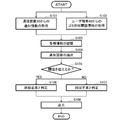
- FIG. 3 is a flowchart showing an example of the procedure of the determination method in the first embodiment.
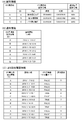
- FIG. 4 is a table of an example of garbage collection point information stored in the storage unit in the first embodiment.
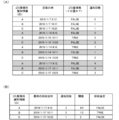
- FIG. 5 is a table showing an outline of calculation of the threshold value in the second embodiment.
- FIG. 6 is a table showing an outline of calculation of the threshold value in the second embodiment.
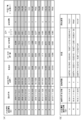
- FIG. 7 is a table showing an outline of calculation of the threshold value in the second embodiment.
- the “user” is a user who uses the present invention, and is, for example, a garbage collection company, a person in charge of collection, or the like.
- a person who disposes of garbage at the garbage collection point will be referred to as a “disposer” for convenience sake.
- the “garbage collection point” is a place where garbage is disposed of, for example, a place where local residents bring in garbage, a place where a trash can is installed, and the like.
- Specific examples of the garbage collection point include a local garbage storage area (garbage collection point), a trash can installed in a public facility, a trash can installed in a store, and the like.
- FIG. 1 is a block diagram showing a configuration of an example of the determination device 10 of the present embodiment.
- the determination device 10 includes a storage unit 11, a determination unit 14, and an output unit 15.
- the determination device 10 may further include, for example, an information acquisition unit 12 and a threshold value setting unit 13 as described later.
- the determination device 10 is also referred to as a determination system, for example.
- the determination device 10 may be, for example, one device including each of the units, or may be a device in which the units are connectable via a communication network.
- the communication line network is not particularly limited, and a known communication line network can be used, and it may be wired or wireless.
- Examples of the communication line network include an Internet line, a telephone line, a LAN (Local Area Network), and a WiFi (Wireless Fidelity).
- the processing of each part may be performed on the cloud.
- FIG. 1B illustrates an example of the relationship between the determination device 10 and the notification device and the terminal.
- the notification device 30 is installed in the garbage collection site (local garbage disposal site) 31, but is not limited to this.
- the notification device 30 can be installed at any place, for example, and as a specific example, it can be installed in a trash can installed in a public facility, a trash can installed in a store, or the like.
- each of the garbage collection points (local garbage dumps) 31 is equipped with a notification device 30 for notifying the use of the garbage collection point 31 by the waste.
- the device 30 can be connected to the determination device 10 via the communication network 20.
- the notification device 30 is a device capable of transmitting to the determination device 10 via the communication network 20 that the disposer has used the garbage collection point 31, that is, the garbage has been disposed of at the garbage collection point 31.
- the notification device 30 is provided with, for example, a button, and when the button is pressed, the information that "the button has been pressed" is used as log information, together with the identification information of the notification device 30, via the communication network 20.
- An example is a device that is output as notification information to the determination device 10). A specific example of the notification device 30 will be described later. In this way, the notification information is output from the notification device 30 of the garbage collection point 31 to the determination device 10 via the communication network 20, and is stored in the storage unit 11 of the determination device 10.
- the determination device 10 can be connected to each terminal 40 of a user (garbage collector) via the communication network 20.
- the determination device 10 transmits the obtained determination result to the terminal 40 of the garbage collector through the communication network 20, for example.
- the determination device 10 receives, for example, the information input by the garbage collector to the terminal 40 via the communication network 20.
- the received information is stored, for example, in the storage unit 11 of the determination device 10 as a part of the garbage collection place information.
- FIG. 2 illustrates a block diagram of the hardware configuration of the determination device 10.
- the determination device 10 includes, for example, a CPU (central processing unit) 101, a memory 102, a bus 103, an input device 104, a display 105, a communication device 106, a storage device 107, and the like.
- the respective units of the determination device 10 are mutually connected via the bus 103 by respective interfaces (I/F).
- the CPU 101 is a processor that controls the entire determination device 10, and is not limited to the CPU and may be another processor. In the determination device 10, the CPU 101 executes, for example, the program of the present invention or other programs, and also reads or writes various information.
- the determination device 10 can be connected to a communication line network by, for example, the communication device 106 connected to the bus 103, and can also be connected to an external device via the communication line network.
- the external device is not particularly limited and is, for example, a terminal, a notification device, a database, a PC (personal computer), or the like, which will be described later.
- the terminal is, for example, a tablet, a smartphone, a mobile phone, or the like
- the notification device is, for example, a sensor, an IoT button, or the like described below.
- the connection method between the determination device 10 and the external device is not particularly limited, and may be, for example, a wired connection or a wireless connection.
- the wired connection may be, for example, a cord connection or a cable connection for using a communication network.
- the wireless connection may be, for example, a connection using a communication network or a connection using wireless communication.
- the communication line network is not particularly limited, and for example, a known communication line network can be used, which is the same as described above.
- the memory 102 includes, for example, a main memory, and the main memory is also referred to as a main storage device.
- the main memory is, for example, a RAM (random access memory).
- the memory 102 further includes, for example, a ROM (read-only memory).
- the storage device 107 is also referred to as a so-called auxiliary storage device with respect to the main memory (main storage device), for example.
- the storage device 107 includes, for example, a storage medium and a drive for reading and writing to the storage medium.
- the storage medium is not particularly limited and may be a built-in type or an external type, for example, HD (hard disk), CD-ROM, CD-R, CD-RW, MO, DVD, flash memory, memory card and the like.
- the drive is not particularly limited.
- the storage device 107 may be, for example, a hard disk drive (HDD) in which a storage medium and a drive are integrated.
- HDD hard disk drive
- the program 108 is stored in the storage device 107, and as described above, when the CPU 101 is executed, the memory 102 reads the operation program 108 from the storage device 107.
- the storage device 107 is, for example, the storage unit 11, and stores garbage collection place information and the like described later.
- the determination device 10 may further include, for example, an input device 104 and a display 105.
- the input device 104 is, for example, a scanner, a touch panel, a keyboard, or the like.
- Examples of the display 105 include an LED display and a liquid crystal display.
- the notification device 30 may be any device that can output to the determination device 10 via the communication line network 20 that the discarder has used the garbage collection point 31, that is, that the garbage has been discarded at the garbage collection point 31.
- Specific examples of the notification device 30 include a sensor, an IOT button, and the like.
- the sensor is not particularly limited, and may be, for example, a sensor that can detect that the waste collector has used the garbage collection point 31.
- the sensor can detect opening/closing of the garbage box installed in the garbage collection point 31. There are various open/close sensors.
- the notification device 30 (opening/closing sensor) is installed on the lid of the trash box or the like installed in the trash collection place 31, and, for example, when the opening of the lid is detected, the opening/closing of the trash box is used as the log information. It is acquired and output to the determination device 10 together with the identification information of the notification device 30.
- the notification device 30 is the IOT button
- the notification device 30 includes, for example, a button, and when the button is pressed, the information that “the button has been pressed” is acquired as the log information, and the notification device 30 It outputs to the determination device 10 together with the identification information. Therefore, the log information can be said to be, for example, information recording the use of the garbage collection point 31.
- the log information may include, for example, information on the date and time when the log information was acquired.
- the notification device 30 may output the notification information to the determination device 10 each time the log information is acquired, or may output the notification information to the determination device 10 at predetermined intervals.
- the notification device 30 has, for example, a storage unit, stores the acquired log information and the acquisition date and time of the log information in association with each other as the log information, and stores the log information at each predetermined interval. It is preferable to output the log information and the acquisition date and time together.
- the storage unit 11 stores garbage collection point information for each of the plurality of garbage collection points 31 (n and n are arbitrary positive integers).
- the garbage collection place information includes the identification information of the garbage collection place 31, the identification information of the notification device 30 for notifying the use of the garbage collection place 31, the notification information acquired from the notification device 30, and the dust for the garbage collection place 31.
- the collection history information is linked.
- the storage unit 11 has, for example, a folder of garbage collection place information for each garbage collection place 31, and the identification information of the garbage collection place 31 and the notification device installed in the garbage collection place 31 in advance in the folder. 30 pieces of identification information are stored.
- the garbage collection place based on the information from the notification device 30 and the information from the terminal 40 of the garbage collector, for example, based on the identification information of the garbage collection place 31 or the identification information of the notification device 30 included in those information, the garbage collection place. It can be accumulated in each 31 folder.
- the identification information of the garbage collection point 31 is, for example, information that can identify the garbage collection point 31, and specific examples thereof include an ID, an address, latitude and longitude.
- the identification information of the notification device 30 is, for example, information that can identify the notification device 30, and specific examples thereof include an ID and identification information of the installed garbage collection site 31.
- the notification information is, for example, associated with the identification information of the notification device 30 and the log information of the notification device 30.
- the notification information is transmitted from the notification device 30 to the determination device 10 via the communication network 20, and the determination device 10 Acquires the notification information by the information acquisition unit 12, and stores the notification information in the storage unit 11. Since the notification information from the notification device 30 includes, for example, the identification information of the notification device 30, the notification information can be classified and stored in the folders of the garbage collection points 31 of the storage unit 11 based on the identification information.
- the determination device 10 may store the acquisition date and time in association with the notification information, and the log information includes the acquisition date and time.
- the date and time when the determination device 10 acquires the notification information may be estimated as the acquisition date and time of the log information, and the date and time may be stored in association with the notification information.
- the garbage collection history information for the garbage collection point 31 is, for example, the garbage collection date and time.
- the collection company inputs the garbage collection history information such as the garbage collection date and time into the terminal 40.
- the dust collection history information is transmitted from the terminal 40 to the determination device 10 via the communication network 20, the determination device 10 acquires the dust collection history information by the information acquisition unit 12, and the storage unit 11 stores the dust collection history information.
- the dust collection history information may further include dust amount information at the time of collection in association with the dust collection date and time.
- the garbage amount information is, for example, information on whether or not the garbage collector has collected a sufficient amount at the time of collection, and may be two-choice information such as “sufficient or insufficient” or the amount.
- the garbage amount information is input to the terminal 40 by the collection company, for example, when the collection company collects the garbage, confirms the garbage accumulated in the garbage collection place 31, and is transmitted to the determination device 10 and stored in the same manner as described above. To be done.
- the garbage amount information may be linked to the identification of the garbage collection point 31 or the notification device 30 and transmitted to the determination device 10, for example.
- the information acquisition unit 12 acquires the notification information from the notification device 30 of the garbage collection point 31 as described above, and the acquired information is stored in, for example, the storage unit 11.
- the determination device 10 may acquire information from the notification device 30 and the terminal 40, for example, via the information acquisition unit 12, but is not limited to this. Information from the notification device 30 and the terminal 40 is accumulated in, for example, a database external to the determination device 10, and the determination device 10 acquires information from the database via the communication network and stores various information in the storage unit 11. Information may be stored.
- the determination unit 14 extracts, for each garbage collection point 31, the number of notifications from the notification device 30 after the last garbage collection date and time based on the garbage collection history information and the notification information, and the number of notifications is If it exceeds the threshold, it is determined that collection is necessary. If the number of notifications is less than or equal to the threshold, it is determined that collection is unnecessary.
- the threshold setting method is not particularly limited. An example of the threshold setting method will be described later.
- the extracted number of notifications may be further stored in the storage unit 11 as the garbage collection history information in association with the collection date and time.
- the output unit 15 outputs the determination result.
- the output unit 15 may, for example, output the determination result to the external device (for example, the user's terminal 40) as described above, or may output the determination result to the display 105 of the determination device 10 for display. Further, the determination result may be further stored in the storage unit 11 as, for example, garbage collection point information.
- the determination method of this embodiment includes a determination step and an output step, and may further optionally include an information acquisition step.
- the determination method of the present embodiment can be carried out using, for example, the determination device 10 shown in FIGS. 1 and 2.
- the determination method of the present embodiment is not limited to the use of the determination device 10.
- the storage unit 11 of the determination device 10 stores garbage collection place information for each garbage collection place 31.
- the storage unit 11 stores the identification information of the garbage collection place 31 and the identification information of the installed notification device 30 in advance in association with each other.
- the notification information from the notification device 30 is acquired (S101)
- the garbage collection history information from the user's terminal 40 is acquired (S102)
- various kinds of information are stored in the storage unit 11.
- each garbage collection point 31 is stored (S103).
- the information acquisition step can be executed by the information acquisition unit 12 of the determination device 10, for example.
- the garbage collection place information is accumulated for each garbage collection place 31.
- the identification information of the garbage collection point 31 and the identification information of the notification device 30 installed therein are linked for each garbage collection point 31, and FIG.
- the notification information (notification date and time) from the notification device 30 and the identification information of the garbage collection point 31 in which it is installed are linked, and the table of FIG.
- the dust amount information is described as “TRUE” when the amount is sufficient and “FALSE” when the amount is not sufficient (insufficient).
- the number of notifications extracted in later-described (S104) is further linked.
- the number of notifications from the notification device 30 after the last garbage collection date and time is extracted based on the garbage collection history information and the notification information (S104). It is determined whether or not the threshold value is exceeded (S105), and when the threshold value is exceeded (YES), it is determined that collection is necessary (S106), and when it is less than or equal to the threshold value (NO), it is determined that collection is unnecessary (S107).
- the steps (S104) to (S107) can be executed by, for example, the determination unit 14 of the determination device 10.
- the output step can be executed by, for example, the output unit 15 of the determination device 10.
- the determination result is output. After confirming the above, it is possible to select and collect only the garbage collection points that need to be collected from the collection points. Therefore, the time required for the user to collect the waste can be shortened, and the fuel of the garbage collection vehicle used for the collection can be saved. Then, based on the determination result, the collection company who collects the dust can further input the amount of dust in the garbage collection site into the terminal 40 and feed back the result to the determination device 40. Then, at the time of the next collection, the feedback information is also used to determine whether or not to collect the dust, so that it is possible to make a more reliable determination.
- the threshold setting is not particularly limited when determining whether or not to collect dust.
- a threshold setting method will be illustrated based on the garbage collection place information illustrated in FIG. The following is an example and does not limit the present invention.
- this embodiment is the same as the determination device and the determination method of the first embodiment unless otherwise specified.
- the determination device of the present embodiment further includes, for example, a threshold value setting unit, and the threshold value setting unit is based on the collection history information and the notification information for each garbage collection point. With respect to the garbage collection date when the amount of garbage is insufficient, the number of notifications after the previous collection date and time is extracted and the average value thereof is set as the threshold value. Further, the determination method of the present embodiment further includes, for example, a threshold value setting step, in which the amount of garbage is not large in the threshold value setting step based on the collection history information and the notification information for each garbage collection point. With respect to the sufficient garbage collection date, the number of notifications after the previous collection date and time is extracted, and the average value thereof is set as the threshold value.
- the dust collection history information includes dust amount information
- this can be used to set a threshold value from the average value of the number of notifications.
- the amount of waste to be discarded differs depending on the environment, and for example, it is assumed that the amount of waste to be discarded at one time also differs. Therefore, by additionally using information on whether or not a sufficient amount of dust has accumulated in actual collection, it becomes possible to more accurately determine the necessity of dust collection.
- the predetermined period is not particularly limited, and for example, information from several months ago, several weeks ago, or several days ago to the latest time is preferable, and specifically, for example, information from 6 months ago, from 3 months ago Information from 1 month ago, etc. are preferable.
- garbage collection is necessary (TRUE), and the number of notifications is the threshold value. If it is as follows, it can be determined that garbage collection is unnecessary (FALSE). According to such a determination, for example, as described above, it becomes possible to more appropriately determine the necessity of collection for each garbage collection site in consideration of the change in the local environment.
- the weighted average value is set to the threshold value by weighting the number of notifications. It is a form. Since the information close to the current time is considered to be in line with the current environment, the weight is set to be larger as it is closer to the latest time and is set smaller as it is farther from the latest time.
- FIG. 7A is a table in which the garbage collection dates and times are listed in chronological order.
- each garbage collection date and time is converted into a numerical value indicating the length of time (numerical column in the table), and the difference indicating the progress is calculated based on the oldest collection date and time (in the table, Columns).
- the change width is calculated so that the numerical value of the oldest collection date and time is zero and the numerical value of the latest collection date and time is 10 (the change width column in the table).
- the range of change from zero to 10 is modified to the range of change from -5 to +5 (change column in the table).
- the weights are calculated from the equation [1/(1+e ⁇ x )] based on the standard sigmoid function using the modified value of the change width. Then, after weighting the number of notifications (column of the number of notifications in the table) in which the amount of dust is insufficient, a weighted average is obtained for each garbage collection point, and this is used as a threshold.
- garbage collection is necessary (TRUE), and the number of notifications is the threshold value. If it is as follows, it can be determined that garbage collection is unnecessary (FALSE). According to such a determination, for example, as described above, it is possible to more appropriately determine the necessity of collection for each garbage collection site in consideration of recent changes in the local environment.
- the program of the present embodiment is a program that can execute the determination method of the present invention on a computer.
- the program of this embodiment may be recorded on, for example, a computer-readable recording medium.
- the recording medium is, for example, a non-transitory computer-readable storage medium.
- the recording medium is not particularly limited, and examples thereof include the storage medium described above.
- the whole or part of the exemplary embodiments and examples described above can be described as, but not limited to, the following supplementary notes.
- (Appendix 1) Including a storage unit, a determination unit, and an output unit,
- the storage unit is
- the garbage collection point information for each garbage collection point is stored
- the garbage collection place information includes identification information of the garbage collection place, identification information of a notification device that notifies the use of the garbage collection place, notification information acquired from the notification device, and garbage collection history information for the garbage collection place.
- the notification information is associated with the identification information of the notification device and the log information of the notification device.
- the garbage collection history information includes a garbage collection date and time
- the determination unit For each of the garbage collection points, based on the garbage collection history information and the notification information, the number of notifications from the notification device after the last garbage collection date and time is extracted, If the number of notifications exceeds a threshold value, it is determined that collection is necessary, If the number of notifications is less than or equal to the threshold value, it is determined that collection is unnecessary,
- the output unit is A dust collection necessity determination device characterized by outputting the determination result. (Appendix 2) Furthermore, including the information acquisition unit, The information acquisition unit, The determination device according to Appendix 1, which acquires notification information from the notification device of the garbage collection point.
- the garbage collection history information is The garbage collection date and time and the garbage amount information at the time of collection are linked.
- the garbage amount information is information on whether or not the amount of garbage was sufficient at the time of collection.
- the threshold setting unit For each garbage collection site, based on the collection history information and the notification information, the number of notifications after the previous collection date and time is extracted for the garbage collection date when the amount of garbage is insufficient, and the average value thereof is calculated.
- the determination device according to appendix 1 or 2, wherein the determination device sets the threshold value.
- the determination device according to appendix 3 uses the collection history information and the notification information from a predetermined time to the latest time.
- the threshold value setting unit weights the number of notifications and sets the weighted average value to the threshold value.
- the determination device according to appendix 3 or 4, wherein the weight is set to be larger as it is closer to the latest time and is set to be smaller as it is farther from the latest time.
- (Appendix 6) 6.
- the determination device according to any one of appendices 1 to 5, wherein the notification information is notification information from an IoT button which is the notification device.
- the garbage collection information is The identification information of the garbage collection point, the identification information of the notification device for notifying the use of the garbage collection point, the notification information acquired from the notification device, and the garbage collection history information for the garbage collection point are associated with each other. Cage, The notification information is associated with the identification information of the notification device and the log information of the notification device.
- the garbage collection history information includes a garbage collection date and time
- the determination step is For each of the garbage collection points, based on the garbage collection history information and the notification information, the number of notifications from the notification device after the last garbage collection date and time is extracted, If the number of notifications exceeds a threshold value, it is determined that collection is necessary, If the number of notifications is less than or equal to the threshold value, it is determined that collection is unnecessary,
- the output step is A method for determining the necessity of collecting garbage, which comprises outputting the determination result. (Appendix 8)
- the information acquisition step is The determination method according to Appendix 7, wherein the notification information from the notification device of the garbage collection point is acquired.
- the garbage collection history information is The garbage collection date and time and the garbage amount information at the time of collection are linked.
- the garbage amount information is information on whether or not the amount of garbage was sufficient at the time of collection.
- the threshold setting step For each garbage collection point, based on the collection history information and the notification information, the number of notifications after the previous collection date and time is extracted for the garbage collection date for which the amount of garbage was insufficient, and the average value thereof is calculated.
- the threshold setting step weights the number of times of notification, sets a weighted average value to the threshold,
- the determination device according to appendix 9 or 10 wherein the weight is set to be larger as it is closer to the latest time and is set to be smaller as it is farther from the latest time.
- (Appendix 12) 12.
- Appendix 13 A program that causes a computer to execute the method of determining whether or not to collect dust according to any one of appendices 7 to 12.
- Appendix 14 A computer-readable recording medium recording the program according to Appendix 13.
- the notification information for notifying the use of the garbage collection place installed in the garbage collection place is used, for example, it is not necessary to replace all the trash cans in the garbage collection place with the IoT trash can as described above, Further, even in a garbage collection point where a trash can is not installed, it is possible to determine whether or not trash can be collected.
- determination device 11 storage unit 12 information acquisition unit 13 threshold value setting unit 14 determination unit 15 output unit
Landscapes
- Business, Economics & Management (AREA)
- Tourism & Hospitality (AREA)
- Marketing (AREA)
- Primary Health Care (AREA)
- Health & Medical Sciences (AREA)
- Economics (AREA)
- General Health & Medical Sciences (AREA)
- Human Resources & Organizations (AREA)
- Development Economics (AREA)
- Educational Administration (AREA)
- Strategic Management (AREA)
- Physics & Mathematics (AREA)
- General Business, Economics & Management (AREA)
- General Physics & Mathematics (AREA)
- Engineering & Computer Science (AREA)
- Theoretical Computer Science (AREA)
- Refuse Collection And Transfer (AREA)
- Management, Administration, Business Operations System, And Electronic Commerce (AREA)
Abstract
ゴミ集積所のゴミ回収要否を容易に判定できる新たなシステムを提供する。 本発明のゴミ回収要否の判定装置(1)は、ゴミ集積所ごとのゴミ集積所情報が記憶される記憶部(11)と、ゴミ集積所ごとに、ゴミ回収履歴情報と通知情報とに基づいて、最終のゴミ回収日時以降における通知装置からの通知回数を抽出し、前記通知回数が閾値を超える場合に回収が必要と判定し、前記通知回数が閾値以下の場合に回収が不要と判定する判定部(14)と、判定結果を出力する出力部(15)とを含むことを特徴とする。ゴミ集積所情報は、ゴミ集積所の識別情報と、ゴミ集積所の使用を通知する通知装置の識別情報と、通知装置から取得した通知情報と、ゴミ集積所に対するゴミ回収履歴情報とが、紐付けられており、通知情報は、通知装置の識別情報とログ情報とが紐づけられており、ゴミ回収履歴情報は、ゴミ回収日時を含む。
Description
本発明は、ゴミ集積所からのゴミ回収の要否の判定装置、判定方法、プログラム、および記録媒体に関する。
ゴミの回収は、通常、回収業者の回収車ごとに、ゴミを回収するゴミ集積所が決められており、決められた回収日に、全てのゴミ集積所を回ってゴミの回収が行われる。しかしながら、前回の回収日から次回の回収日までに、全てのゴミ集積所において、回収が必要となる十分量のゴミが溜まっているとは限らない。このため、回収の必要性が低いゴミ集積所も巡回することとなり、時間や回収車の燃料に無駄が発生している。
そこで、近年、ゴミ集積所に配置された全てのゴミ箱をIoTゴミ箱とする方法が提案されている。前記IoTゴミ箱は、廃棄されたゴミの量を計測するセンサと、そのセンシング情報を送信する送受信機能とが付与されたゴミ箱である。そして、前記IoTゴミ箱から、ゴミの量を示すセンシングデータをサーバに送信し、サーバにおいて、前記IoTゴミ箱ごとにゴミ量をリアルタイムで管理する(例えば、特許文献1、2、3)。しかし、この方法によると、ゴミ集積所に配置されたゴミ箱の全てを、前記IoTゴミ箱に置き換える必要があり、導入コストが極めて高くなる。また、ゴミ集積所によっては、領域が定められているのみであって、必ずしもゴミ箱が設置されていない場合があり、前記IoTゴミ箱を利用できない。
そこで、本発明は、例えば、全てのゴミ箱をIoTゴミ箱に置換する必要がなく、容易に、ゴミ集積所へのゴミの回収の要否を判定できる新たなシステムを提供することを目的とする。
前記目的を達成するために、本発明のゴミ回収要否の判定装置は、
記憶部、判定部、および出力部を含み、
前記記憶部は、
ゴミ集積所ごとのゴミ集積所情報が記憶され、
前記ゴミ集積所情報は、ゴミ集積所の識別情報と、前記ゴミ集積所の使用を通知する通知装置の識別情報と、前記通知装置から取得した通知情報と、前記ゴミ集積所に対するゴミ回収履歴情報とが、紐付けられており、
前記通知情報は、前記通知装置の識別情報と、前記通知装置のログ情報とが紐づけられており、
前記ゴミ回収履歴情報は、ゴミ回収日時を含み、
前記判定部は、
前記ゴミ集積所ごとに、前記ゴミ回収履歴情報と前記通知情報とに基づいて、最終のゴミ回収日時以降における、前記通知装置からの通知回数を抽出し、
前記通知回数が、閾値を超える場合、回収が必要と判定し、
前記通知回数が、閾値以下の場合、回収が不要と判定し、
前記出力部は、
前記判定結果を出力することを特徴とする。
記憶部、判定部、および出力部を含み、
前記記憶部は、
ゴミ集積所ごとのゴミ集積所情報が記憶され、
前記ゴミ集積所情報は、ゴミ集積所の識別情報と、前記ゴミ集積所の使用を通知する通知装置の識別情報と、前記通知装置から取得した通知情報と、前記ゴミ集積所に対するゴミ回収履歴情報とが、紐付けられており、
前記通知情報は、前記通知装置の識別情報と、前記通知装置のログ情報とが紐づけられており、
前記ゴミ回収履歴情報は、ゴミ回収日時を含み、
前記判定部は、
前記ゴミ集積所ごとに、前記ゴミ回収履歴情報と前記通知情報とに基づいて、最終のゴミ回収日時以降における、前記通知装置からの通知回数を抽出し、
前記通知回数が、閾値を超える場合、回収が必要と判定し、
前記通知回数が、閾値以下の場合、回収が不要と判定し、
前記出力部は、
前記判定結果を出力することを特徴とする。
本発明のゴミ回収要否の判定方法は、
ゴミ集積所ごとのゴミ集積所情報を使用し、判定工程、および出力工程を含み、
前記ゴミ集積所情報は、
ゴミ集積所の識別情報と、前記ゴミ集積所の使用を通知する通知装置の識別情報と、前記通知装置から取得した通知情報と、前記ゴミ集積所に対するゴミ回収履歴情報とが、紐付けられており、
前記通知情報は、前記通知装置の識別情報と、前記通知装置のログ情報とが紐づけられており、
前記ゴミ回収履歴情報は、ゴミ回収日時を含み、
前記判定工程は、
前記ゴミ集積所ごとに、前記ゴミ回収履歴情報と前記通知情報とに基づいて、最終のゴミ回収日時以降における、前記通知装置からの通知回数を抽出し、
前記通知回数が、閾値を超える場合、回収が必要と判定し、
前記通知回数が、閾値以下の場合、回収が不要と判定し、
前記出力工程は、
前記判定結果を出力することを特徴とする。
ゴミ集積所ごとのゴミ集積所情報を使用し、判定工程、および出力工程を含み、
前記ゴミ集積所情報は、
ゴミ集積所の識別情報と、前記ゴミ集積所の使用を通知する通知装置の識別情報と、前記通知装置から取得した通知情報と、前記ゴミ集積所に対するゴミ回収履歴情報とが、紐付けられており、
前記通知情報は、前記通知装置の識別情報と、前記通知装置のログ情報とが紐づけられており、
前記ゴミ回収履歴情報は、ゴミ回収日時を含み、
前記判定工程は、
前記ゴミ集積所ごとに、前記ゴミ回収履歴情報と前記通知情報とに基づいて、最終のゴミ回収日時以降における、前記通知装置からの通知回数を抽出し、
前記通知回数が、閾値を超える場合、回収が必要と判定し、
前記通知回数が、閾値以下の場合、回収が不要と判定し、
前記出力工程は、
前記判定結果を出力することを特徴とする。
本発明のプログラムは、前記本発明のゴミ回収要否の判定方法をコンピュータに実行させることを特徴とする。
本発明の記録媒体は、前記本発明のプログラムを記録したコンピュータ読み取り可能な記録媒体である。
本発明によれば、ゴミ集積所に設置したゴミ集積所の使用を通知する通知情報を利用するため、例えば、ゴミ集積所における全てのゴミ箱を前述のようなIoTゴミ箱に置換する必要がなく、また、ゴミ箱が設置されていないゴミ集積所であっても、ゴミ回収の要否を判定することができる。
本発明の実施形態について説明する。なお、本発明は、以下の実施形態には限定されない。なお、以下の各図において、同一部分には、同一符号を付している。また、各実施形態の説明は、特に言及がない限り、互いの説明を援用できる。さらに、各実施形態の構成は、特に言及がない限り、組合せ可能である。
本実施形態において、「ユーザ」とは、本発明を利用するユーザであり、例えば、ゴミの回収業者、回収担当者等である。また、ゴミ集積所にゴミを廃棄する人は、以下、便宜上、「廃棄者」という。本実施形態において、「ゴミ集積所」とは、ゴミが廃棄される場所であり、例えば、地域住民がゴミを持ち込む場所、ゴミ箱が設置された場所等である。前記ゴミ集積所の具体例としては、例えば、地域のゴミ置き場(ゴミ集積所)、公共施設に設置されたゴミ箱、店舗に設置されたゴミ箱等があげられる。
[実施形態1]
図1は、本実施形態の判定装置10の一例の構成を示すブロック図である。図1(A)に示すように、判定装置10は、記憶部11、判定部14、および出力部15を有する。また、判定装置10は、例えば、さらに、後述するように、情報取得部12、および、閾値設定部13を有してもよい。判定装置10は、例えば、判定システムともいう。判定装置10は、例えば、前記各部を含む1つの装置でもよいし、前記各部が、通信回線網を介して接続可能な装置でもよい。
図1は、本実施形態の判定装置10の一例の構成を示すブロック図である。図1(A)に示すように、判定装置10は、記憶部11、判定部14、および出力部15を有する。また、判定装置10は、例えば、さらに、後述するように、情報取得部12、および、閾値設定部13を有してもよい。判定装置10は、例えば、判定システムともいう。判定装置10は、例えば、前記各部を含む1つの装置でもよいし、前記各部が、通信回線網を介して接続可能な装置でもよい。
前記通信回線網は、特に制限されず、公知の通信回線網を使用でき、有線でも無線でもよい。前記通信回線網は、例えば、例えば、インターネット回線、電話回線、LAN(Local Area Network)、WiFi(Wireless Fidelity)等があげられる。判定装置10は、各部の処理がクラウド上で行われてもよい。
つぎに、図1(B)に、判定装置10と、通知装置および端末との関係を例示する。以下の例示において、通知装置30は、ゴミ集積場(地域のゴミ捨て場)31に設置された形態を例示するが、これには限定されない。通知装置30は、例えば、任意の箇所に設置でき、具体例として、公共施設に設置されているゴミ箱、店舗に設置されているゴミ箱等に設置できる。図1(B)に示すように、ゴミ集積所(地域のゴミ捨て場)31には、例えば、それぞれ、廃棄者によるゴミ集積所31の使用を通知する通知装置30が設置されており、通知装置30は、判定装置10と通信回線網20を介して接続可能である。通知装置30は、前記廃棄者が、ゴミ集積所31を使用したこと、すなわちゴミ集積所31にゴミを廃棄したことを、通信回線網20を介して、判定装置10に送信できる装置であればよい。通知装置30は、例えば、ボタンを備え、前記ボタンが押されると、「ボタンが押された」という情報がログ情報として、通知装置30の識別情報とともに、通信回線網20を介して、外部(判定装置10)に通知情報として出力される装置があげられる。通知装置30の具体例は、後述する。このように、ゴミ集積所31の通知装置30から、通信回線網20を介して、判定装置10に前記通知情報が出力され、判定装置10の記憶部11に蓄積される。また、判定装置10は、ユーザ(ゴミ回収者)の各端末40と通信回線網20を介して接続可能である。判定装置10は、例えば、通信回線網20を介して、得られた判定結果をゴミ回収者の端末40に送信する。また、判定装置10は、例えば、通信回線網20を介して、ゴミ回収者が端末40に入力した情報を受信する。受信した情報は、例えば、判定装置10の記憶部11において、ゴミ集積所情報の一部として記憶される。
つぎに、図2に、判定装置10のハードウエア構成のブロック図を例示する。判定装置10は、例えば、CPU(中央処理装置)101、メモリ102、バス103、入力装置104、ディスプレイ105、通信デバイス106、記憶装置107等を有する。判定装置10の各部は、それぞれのインターフェース(I/F)により、バス103を介して、相互に接続されている。
CPU101は、判定装置10の全体の制御を担うプロセッサであり、CPUには限定されず、他のプロセッサでもよい。判定装置10において、CPU101により、例えば、本発明のプログラムやその他のプログラムが実行され、また、各種情報の読み込みや書き込みが行われる。
判定装置10は、例えば、バス103に接続された通信デバイス106により、通信回線網に接続でき、前記通信回線網を介して、外部機器とも接続できる。前記外部機器は、特に制限されず、例えば、後述するような、端末、通知装置、データベース、PC(パーソナルコンピュータ)等である。前記端末は、例えば、タブレット、スマートフォン、携帯電話等であり、前記通知装置は、例えば、後述するセンサ、IoTボタン等である。判定装置10と前記外部機器との接続方式は、特に制限されず、例えば、有線による接続でもよいし、無線による接続でもよい。前記有線による接続は、例えば、コードによる接続でもよいし、通信回線網を利用するためのケーブル等による接続でもよい。前記無線による接続は、例えば、通信回線網を利用した接続でもよいし、無線通信を利用した接続でもよい。前記通信回線網は、特に制限されず、例えば、公知の通信回線網を使用でき、前述と同様である。
メモリ102は、例えば、メインメモリを含み、前記メインメモリは、主記憶装置ともいう。CPU101が処理を行う際には、例えば、後述する補助記憶装置に記憶されている、本発明のプログラム等の種々の動作プログラム108を、メモリ102が読み込み、CPU101は、メモリ102からデータを受け取って、プログラム108を実行する。前記メインメモリは、例えば、RAM(ランダムアクセスメモリ)である。メモリ102は、例えば、さらに、ROM(読み出し専用メモリ)を含む。
記憶装置107は、例えば、前記メインメモリ(主記憶装置)に対して、いわゆる補助記憶装置ともいう。記憶装置107は、例えば、記憶媒体と、前記記憶媒体に読み書きするドライブとを含む。前記記憶媒体は、特に制限されず、例えば、内蔵型でも外付け型でもよく、HD(ハードディスク)、CD-ROM、CD-R、CD-RW、MO、DVD、フラッシュメモリー、メモリーカード等があげられ、前記ドライブは、特に制限されない。記憶装置107は、例えば、記憶媒体とドライブとが一体化されたハードディスクドライブ(HDD)も例示できる。記憶装置107には、例えば、前述のように、プログラム108が格納され、前述のように、CPU101を実行させる際、メモリ102が、記憶装置107から動作プログラム108を読み込む。また、記憶装置107は、例えば、記憶部11であり、後述するゴミ集積所情報等を記憶する。
判定装置10は、例えば、さらに、入力装置104、ディスプレイ105を有してもよい。入力装置104は、例えば、スキャナー、タッチパネル、キーボード等である。ディスプレイ105は、例えば、LEDディスプレイ、液晶ディスプレイ等があげられる。
通知装置30は、廃棄者がゴミ集積所31を使用したこと、すなわち、ゴミ集積所31にゴミを廃棄したことを、通信回線網20を介して判定装置10に出力できる装置であればよい。通知装置30の具体例としては、センサ、IOTボタン等があげられる。前記センサは、特に制限されず、例えば、廃棄者がゴミ集積所31を使用したことを検知可能なセンサであればよく、具体例として、ゴミ集積所31に設置されたゴミ箱の開閉を検知可能な開閉センサがあげられる。この場合、通知装置30(開閉センサ)は、ゴミ集積所31に設置されたゴミ箱の蓋等に設置され、例えば、前記蓋が開いたことを検知すると、前記ゴミ箱の開閉を、前記ログ情報として取得し、通知装置30の識別情報とともに、判定装置10に出力する。通知装置30が前記IOTボタンである場合、通知装置30は、例えば、ボタンを備え、前記ボタンが押されると、「ボタンが押された」という情報を、前記ログ情報として取得し、通知装置30の識別情報とともに判定装置10に出力する。このため、前記ログ情報は、例えば、ゴミ集積所31の使用を記録した情報ということもできる。前記ログ情報は、例えば、前記ログ情報を取得した日時の情報を含んでもよい。通知装置30は、例えば、前記ログ情報の取得毎に、前記通知情報を判定装置10に出力してもよいし、所定の間隔毎に、前記通知情報を判定装置10に出力してもよい。後者の場合、通知装置30は、例えば、記憶部を有し、前記ログ情報として、取得したログ情報と、前記ログ情報の取得日時とを紐づけて記憶し、前記所定の間隔毎に、前記ログ情報と取得日時とをあわせて出力することが好ましい。
判定装置10の各部について、さらに詳細に説明する。
記憶部11は、複数のゴミ集積所31(n、nは任意の正の整数)ごとの、ゴミ集積所情報を記憶する。前記ゴミ集積所情報は、ゴミ集積所31の識別情報と、そのゴミ集積所31の使用を通知する通知装置30の識別情報と、通知装置30から取得した通知情報と、ゴミ集積所31に対するゴミ回収履歴情報とが、紐付けられている。記憶部11は、例えば、ゴミ集積所31ごとに、ゴミ集積所情報のフォルダを有し、前記フォルダに、予め、ゴミ集積所31の識別情報と、そのゴミ集積所31に設置された通知装置30の識別情報とが、記憶されている。そして、通知装置30からの情報、およびゴミ回収者の端末40からの情報を、例えば、それらの情報に含まれるゴミ集積所31の識別情報または通知装置30の識別情報に基づいて、ゴミ集積所31ごとのフォルダに、蓄積していくことができる。
ゴミ集積所31の識別情報は、例えば、ゴミ集積所31を特定できる情報であり、具体例として、ID、住所、緯度経度等があげられる。通知装置30の識別情報は、例えば、通知装置30を特定できる情報であり、具体例として、ID、設置されているゴミ集積所31の識別情報等があげられる。
前記通知情報は、例えば、通知装置30の識別情報と、通知装置30のログ情報とが紐づけられている。ゴミ集積所31が廃棄者によって使用され、通知装置30の前記ボタンが押されると、例えば、通知装置30から、通信回線網20を介して前記通知情報が判定装置10に送信され、判定装置10は、情報取得部12により前記通知情報を取得し、記憶部11において前記通知情報を記憶する。通知装置30からの前記通知情報は、例えば、通知装置30の識別情報を含むため、前記識別情報に基づいて、記憶部11のゴミ集積所31ごとのフォルダに分類して記憶できる。前記通知情報が含むログ情報が、前記ログ情報の取得日時を含む場合、判定装置10は、前記取得日時を、前記通知情報に紐づけて記憶してもよく、前記ログ情報が、前記取得日時を含まない場合、例えば、判定装置10が前記通知情報を取得した日時を、前記ログ情報の取得日時と推定し、前記日時を前記通知情報に紐づけて記憶してもよい。
ゴミ集積所31に対するゴミ回収履歴情報は、例えば、ゴミ回収日時である。前記ゴミ回収日時等のゴミ回収履歴情報は、例えば、回収業者が端末40に入力する。そして、端末40から、通信回線網20を介して前記ゴミ回収履歴情報が判定装置10に送信され、判定装置10は、情報取得部12により前記ゴミ回収履歴情報を取得し、記憶部11において前記ゴミ回収履歴情報を記憶する。また、前記ゴミ回収履歴情報は、例えば、さらに、前記ゴミ回収日時に紐付けて、回収時におけるゴミ量情報を含んでもよい。前記ゴミ量情報は、例えば、ゴミ回収者が回収時において、回収が必要とされる十分量であったか否かの情報であり、「十分、不十分」との二択の情報でもよいし、量を複数段階にわけた情報でもよい。前記ゴミ量情報は、例えば、回収業者が、ゴミの回収時に、ゴミ集積所31に溜まっているゴミを確認して、端末40に入力し、前述と同様にして、判定装置10に送信され記憶される。前記ゴミ量情報は、例えば、ゴミ集積所31または通知装置30の識別に紐づけられて、判定装置10に送信されてもよい。
情報取得部12は、例えば、前述のように、ゴミ集積所31の通知装置30からの通知情報を取得し、取得した情報が、例えば、記憶部11に記憶される。判定装置10は、例えば、情報取得部12を介して、通知装置30および端末40から情報を取得してもよいが、これには制限されない。通知装置30および端末40からの情報は、例えば、判定装置10の外部のデータベースに蓄積され、判定装置10は、前記通信回線網を介して、前記データベースから情報を取得し、記憶部11に各種情報を記憶させてもよい。
判定部14は、ゴミ集積所31ごとに、前記ゴミ回収履歴情報と前記通知情報とに基づいて、最終のゴミ回収日時以降における、通知装置30からの通知回数を抽出し、前記通知回数が、閾値を超える場合、回収が必要と判定し、前記通知回数が、閾値以下の場合、回収が不要と判定する。閾値の設定方法は、特に制限されない。閾値の設定方法の例示は、後述する。
前記抽出した通知回数は、例えば、記憶部11において、前記ゴミ回収履歴情報として、回収日時と紐付けて、さらに記憶してもよい。
出力部15は、前記判定結果を出力する。出力部15は、例えば、前記判定結果を前述のような外部機器(例えば、ユーザの端末40)に出力してもよいし、判定装置10におけるディスプレイ105に出力し、表示させてもよい。また、前記判定結果は、例えば、ゴミ集積所情報として、記憶部11にさらに記憶させてもよい。
つぎに、本実施形態の判定方法について、図3のフローチャートを用いて説明する。本実施形態の判定方法は、判定工程、および出力工程を含み、さらに、任意で、情報取得工程を含んでもよい。本実施形態の判定方法は、例えば、図1および図2に示す判定装置10を用いて実施できる。なお、本実施形態の判定方法は、判定装置10の使用には限定されない。
まず、判定装置10の記憶部11に、ゴミ集積所31ごとのゴミ集積所情報を記憶させる。記憶部11には、前述のように、予め、ゴミ集積所31の識別情報と、設置された通知装置30の識別情報とを紐付けて記憶しておく。そして、前記情報取得工程により、通知装置30からの通知情報を取得し(S101)、また、ユーザの端末40からのゴミ回収履歴情報を取得し(S102)、それらの各種情報を、記憶部11において、ゴミ集積所31ごとに記憶する(S103)。前記情報取得工程は、例えば、判定装置10の情報取得部12により実行できる。
これによって、例えば、図4に示すように、ゴミ集積所31ごとに、前記ゴミ集積所情報が蓄積される。図4(A)の表は、ゴミ集積所31ごとに、ゴミ集積所31の識別情報と、そこに設置されている通知装置30の識別情報とが紐付けされており、図4(B)の表は、通知装置30からの通知情報(通知日時)と、それが設置されているゴミ集積所31の識別情報とが紐付けされており、図4(C)の表は、前記ゴミ回収履歴情報として、ゴミの回収日時と、ゴミ量情報と、そのゴミ集積所31の識別情報とが紐付けされている。図4(C)において、ゴミ量情報は、十分量の場合「TRUE」、十分量ではない(不十分)場合「FALSE」と表記している。また、図4(C)の表には、後述する(S104)で抽出された通知回数が、さらに紐付けされている。
そして、ゴミ集積所31ごとに、前記ゴミ回収履歴情報と前記通知情報とに基づいて、最終のゴミ回収日時以降における、通知装置30からの通知回数を抽出し(S104)、前記通知回数が、閾値を超えるか否かを判断し(S105)、閾値を超える場合(YES)、回収が必要と判定し(S106)、閾値以下の場合(NO)、回収が不要と判定する(S107)。前記(S104)~(S107)の工程は、例えば、判定装置10の判定部14により実行できる。
例えば、ゴミ集積所31の識別情報としてID=Bを選択すると、図4(C)の前記ゴミ回収履歴情報から、最終のゴミ回収日時「2019/1/17 10:11」が選択され、さらに、図4(B)の前記通知情報から、2019/1/17 10:11以降の通知情報の回数が「3回」と抽出される。この3回が、ID=Bのゴミ集積所Bの任意の閾値を超えるか否かで、回収の要否が判断できる。
そして、得られた判定結果を出力して(S108)、終了する(END)。前記出力工程は、例えば、判定装置10の出力部15により実行できる。
本実施形態によれば、複数のゴミ集積所のそれぞれについて、ゴミの回収の要否が判定され、その判定結果が出力されることから、回収業者であるユーザは、例えば、端末40により判定結果を確認し、回収予定のゴミ集積所のうち、回収が必要なゴミ集積所のみを選択して回収を行うことができる。このため、ユーザの回収に要する時間を短縮し、また、回収に使用するゴミ回収車の燃料も節約することができる。そして、前記判定結果に基づいて、ゴミを回収した回収業者は、さらに、ゴミ集積所におけるゴミの量を端末40に入力して、判定装置40に結果をフィードバックできる。そして、次の回収の際には、フィードバックされた情報も利用して、ゴミ回収の要否が判定されるため、さらに、信頼性に優れる判定が可能となる。
[実施形態2]
本発明において、ゴミ回収の要否を判定するにあたって、閾値の設定は、特に制限されない。以下に、図4に例示したゴミ集積所情報に基づいて、閾値の設定方法を例示する。なお、以下は例示であって、本発明を制限するものではない。また、本実施形態は、特に示さない限り、前記実施形態1の判定装置および判定方法と同様である。
本発明において、ゴミ回収の要否を判定するにあたって、閾値の設定は、特に制限されない。以下に、図4に例示したゴミ集積所情報に基づいて、閾値の設定方法を例示する。なお、以下は例示であって、本発明を制限するものではない。また、本実施形態は、特に示さない限り、前記実施形態1の判定装置および判定方法と同様である。
(1)平均値の算出
本実施形態の判定装置は、例えば、さらに、閾値設定部を含み、前記閾値設定部は、前記ゴミ集積所ごとに、前記回収履歴情報と前記通知情報とに基づいて、ゴミ量が不十分であったゴミ回収日について、前の回収日時以降における通知回数を抽出し、それらの平均値を前記閾値に設定する。また、本実施形態の判定方法は、例えば、さらに、閾値設定工程を含み、前記閾値設定工程は、前記ゴミ集積所ごとに、前記回収履歴情報と前記通知情報とに基づいて、ゴミ量が不十分であったゴミ回収日について、前の回収日時以降における通知回数を抽出し、それらの平均値を前記閾値に設定する。
本実施形態の判定装置は、例えば、さらに、閾値設定部を含み、前記閾値設定部は、前記ゴミ集積所ごとに、前記回収履歴情報と前記通知情報とに基づいて、ゴミ量が不十分であったゴミ回収日について、前の回収日時以降における通知回数を抽出し、それらの平均値を前記閾値に設定する。また、本実施形態の判定方法は、例えば、さらに、閾値設定工程を含み、前記閾値設定工程は、前記ゴミ集積所ごとに、前記回収履歴情報と前記通知情報とに基づいて、ゴミ量が不十分であったゴミ回収日について、前の回収日時以降における通知回数を抽出し、それらの平均値を前記閾値に設定する。
本実施形態は、例えば、図4に示すように、前記ゴミ回収履歴情報にゴミ量情報が含まれる場合、これを利用して、通知回数の平均値から、閾値を設定できる。ゴミ集積所は、環境によって、廃棄されるゴミの量は異なっており、例えば、一回あたりに廃棄されるゴミの量にも違いがあることが想定される。そこで、実際の回収において十分量のゴミが溜まっていたか否かの情報を併用することによって、より精度よく、ゴミの回収の要否の判定を行うことが可能になる。
本実施形態では、例えば、まず、図5(A)に示すように、前記ゴミ回収履歴情報に基づいて、ゴミ集積所ごとに、ゴミ量情報が不十分(FALSE)と判断された回収日時における通知回数を抽出する。ゴミ集積所(ID=A)は、FALSEと判断された際の通知回数が5回、5回、4回であるため、閾値はそれらの平均値4.666666667となる。また、ゴミ集積所(ID=B)は、FALSEと判断された際の通知回数が1回、1回、2回であるため、閾値はそれらの平均値1.333333333となる。また、ゴミ集積所(ID=C)は、FALSEと判断された際の通知回数が1回、2回であるため、閾値はそれらの平均値1.5となる。
一方、図4(C)の前記ゴミ回収履歴情報から、最終のゴミ回収日時を選択し、図4(B)の前記通知情報から、最終のゴミ回収日時以降の通知情報の回数を抽出した場合、ID=A、B、Cのゴミ集積所の情報は、それぞれ図5(B)のようになる。そして、ゴミ集積所ごとに、通知回数と閾値とを比較することで、通知回数が閾値よりも大きければ、ゴミ回収が必要(TRUE)、通知回数が閾値以下であれば、ゴミ回収が不要(FALSE)と判定できる。このような判定によれば、例えば、前述のように、ゴミ集積所ごとに、より適した回収要否の判定が可能になる。
(2)期間の限定による平均値の算出
それぞれのゴミ集積所に廃棄されるゴミの量は、ゴミ集積所がある地域の環境によって異なると考えられるが、地域の環境は、例えば、住宅の増加、住民の引っ越し等により、徐々に変化すると解される。このため、閾値の設定において、より古い過去の情報よりも、現在に近い情報を使用することで、ゴミ集積所が設置されている環境の変化に伴った、より信頼度の高い判定が可能になる。そこで、本実施形態は、前記閾値設定部および前記閾値設定工程において、所定時期から最新時期までの前記回収履歴情報と前記通知情報とを使用する形態である。
それぞれのゴミ集積所に廃棄されるゴミの量は、ゴミ集積所がある地域の環境によって異なると考えられるが、地域の環境は、例えば、住宅の増加、住民の引っ越し等により、徐々に変化すると解される。このため、閾値の設定において、より古い過去の情報よりも、現在に近い情報を使用することで、ゴミ集積所が設置されている環境の変化に伴った、より信頼度の高い判定が可能になる。そこで、本実施形態は、前記閾値設定部および前記閾値設定工程において、所定時期から最新時期までの前記回収履歴情報と前記通知情報とを使用する形態である。
前記所定時期は、特に制限されず、例えば、数カ月前、数週間前、または数日前から、最新時期までの情報が好ましく、具体的には、例えば、6カ月前からの情報、3カ月前からの情報、1カ月前からの情報等が好ましい。
本実施形態(2)では、例えば、現時点を2019年1月22日と仮定して、図6(A)に示すように、現時点から溯って14日間の情報、つまり、2019年1月8日以降の情報に基づいて、ゴミ集積所ごとに、ゴミ量情報が不十分(FALSE)と判断された回収日時における通知回数を抽出する。ゴミ集積所(ID=A)は、FALSEと判断された際の通知回数が5回、4回であるため、閾値はそれらの平均値4.5となる。また、ゴミ集積所(ID=B)は、FALSEと判断された際の通知回数が1回、2回であるため、閾値はそれらの平均値1.5となる。また、ゴミ集積所(ID=C)は、FALSEと判断された際の通知回数が2回のみであるため、閾値は2となる。
そして、図6(B)に示すように、ゴミ集積所ごとに、通知回数と閾値とを比較することで、通知回数が閾値よりも大きければ、ゴミ回収が必要(TRUE)、通知回数が閾値以下であれば、ゴミ回収が不要(FALSE)と判定できる。このような判定によれば、例えば、前述のように、ゴミ集積所ごとに、地域の環境の変化を考慮して、より適した回収要否の判定が可能になる。
(3)加重平均の算出
前記(2)と同様の理由から、本実施形態は、前記閾値設定部および前記閾値設定工程において、前記通知回数に重み付けして、加重平均値を前記閾値に設定する形態である。そして、現時点に近い情報は、現在の環境に沿っていると考えられることから、前記重みは、最新時期に近い程、大きく設定し、最新時期から遠い程、小さく設定する。
前記(2)と同様の理由から、本実施形態は、前記閾値設定部および前記閾値設定工程において、前記通知回数に重み付けして、加重平均値を前記閾値に設定する形態である。そして、現時点に近い情報は、現在の環境に沿っていると考えられることから、前記重みは、最新時期に近い程、大きく設定し、最新時期から遠い程、小さく設定する。
前記重みは、例えば、図7(A)に示すようにして設定できる。図7(A)は、ゴミ回収日時が古い順から列挙されている表である。まず、それぞれのゴミ回収日時を、時間の長さを示す数値に変換し(表において数値の列)、一番古い回収日時を基準として、経過程度を示す差分を算出する(表において経過数の列)。つぎに、一番古い回収日時の数値がゼロ、最新の回収日時の数値が10の幅となるように、変化幅を算出する(表において変化幅の列)。さらに、ゼロから10の変化幅を、-5から+5の変化幅に改変する(表において改変の列)。そして、改変した変化幅の数値を用いて、標準シグモイド関数に基づいて、式[1/(1+e-x)]から、それぞれの重みを算出する。そして、ゴミ量が不十分である各通知回数(表において通知回数の列)に重み付けを行った上で、ゴミ集積所ごとに、加重平均を求め、これを閾値とする。
そして、図7(B)に示すように、ゴミ集積所ごとに、通知回数と閾値とを比較することで、通知回数が閾値よりも大きければ、ゴミ回収が必要(TRUE)、通知回数が閾値以下であれば、ゴミ回収が不要(FALSE)と判定できる。このような判定によれば、例えば、前述のように、ゴミ集積所ごとに、地域の環境の最近の変化を考慮し、より適した回収要否の判定が可能になる。
[実施形態3]
本実施形態のプログラムは、前記本発明の判定方法を、コンピュータ上で実行可能なプログラムである。または、本実施形態のプログラムは、例えば、コンピュータ読み取り可能な記録媒体に記録されてもよい。前記記録媒体は、例えば、非一時的なコンピュータ可読記録媒体(non-transitory computer-readable storage medium)である。前記記録媒体としては、特に限定されず、例えば、前述のような記憶媒体等があげられる。
本実施形態のプログラムは、前記本発明の判定方法を、コンピュータ上で実行可能なプログラムである。または、本実施形態のプログラムは、例えば、コンピュータ読み取り可能な記録媒体に記録されてもよい。前記記録媒体は、例えば、非一時的なコンピュータ可読記録媒体(non-transitory computer-readable storage medium)である。前記記録媒体としては、特に限定されず、例えば、前述のような記憶媒体等があげられる。
以上、実施形態を参照して本願発明を説明したが、本願発明は、上記実施形態に限定されるものではない。本願発明の構成や詳細には、本願発明のスコープ内で当業者が理解し得る様々な変更をすることができる。
この出願は、2019年3月6日に出願された日本出願特願2019-040506を基礎とする優先権を主張し、その開示のすべてをここに取り込む。
<付記>
上記の実施形態および実施例の一部または全部は、以下の付記のように記載されうるが、以下には限られない。
(付記1)
記憶部、判定部、および出力部を含み、
前記記憶部は、
ゴミ集積所ごとのゴミ集積所情報が記憶され、
前記ゴミ集積所情報は、ゴミ集積所の識別情報と、前記ゴミ集積所の使用を通知する通知装置の識別情報と、前記通知装置から取得した通知情報と、前記ゴミ集積所に対するゴミ回収履歴情報とが、紐付けられており、
前記通知情報は、前記通知装置の識別情報と、前記通知装置のログ情報とが紐づけられており、
前記ゴミ回収履歴情報は、ゴミ回収日時を含み、
前記判定部は、
前記ゴミ集積所ごとに、前記ゴミ回収履歴情報と前記通知情報とに基づいて、最終のゴミ回収日時以降における、前記通知装置からの通知回数を抽出し、
前記通知回数が、閾値を超える場合、回収が必要と判定し、
前記通知回数が、閾値以下の場合、回収が不要と判定し、
前記出力部は、
前記判定結果を出力する
ことを特徴とするゴミ回収要否の判定装置。
(付記2)
さらに、情報取得部を含み、
前記情報取得部は、
前記ゴミ集積所の通知装置からの通知情報を取得する、付記1記載の判定装置。
(付記3)
前記ゴミ回収履歴情報は、
前記ゴミ回収日時と、回収時におけるゴミ量情報とが、紐づけられており、
前記ゴミ量情報は、回収時においてゴミ量が十分量であったか否かの情報であり、
さらに、閾値設定部を含み、
前記閾値設定部は、
前記ゴミ集積所ごとに、前記回収履歴情報と前記通知情報とに基づいて、ゴミ量が不十分であったゴミ回収日について、前の回収日時以降における通知回数を抽出し、それらの平均値を前記閾値に設定する、付記1または2に記載の判定装置。
(付記4)
前記閾値設定部は、所定時期から最新時期までの前記回収履歴情報と前記通知情報とを使用する、付記3に記載の判定装置。
(付記5)
前記閾値設定部は、前記通知回数に重み付けして、加重平均値を前記閾値に設定し、
前記重みは、最新時期に近い程、大きく設定し、最新時期から遠い程、小さく設定する、付記3または4に記載の判定装置。
(付記6)
前記通知情報が、前記通知装置であるIoTボタンからの通知情報である、付記1から5のいずれかに記載の判定装置。
(付記7)
ゴミ集積所ごとのゴミ集積所情報を使用し、判定工程、および出力工程を含み、
前記ゴミ集積所情報は、
ゴミ集積所の識別情報と、前記ゴミ集積所の使用を通知する通知装置の識別情報と、前記通知装置から取得した通知情報と、前記ゴミ集積所に対するゴミ回収履歴情報とが、紐付けられており、
前記通知情報は、前記通知装置の識別情報と、前記通知装置のログ情報とが紐づけられており、
前記ゴミ回収履歴情報は、ゴミ回収日時を含み、
前記判定工程は、
前記ゴミ集積所ごとに、前記ゴミ回収履歴情報と前記通知情報とに基づいて、最終のゴミ回収日時以降における、前記通知装置からの通知回数を抽出し、
前記通知回数が、閾値を超える場合、回収が必要と判定し、
前記通知回数が、閾値以下の場合、回収が不要と判定し、
前記出力工程は、
前記判定結果を出力する
ことを特徴とするゴミ回収要否の判定方法。
(付記8)
さらに、情報取得工程を含み、
前記情報取得工程は、
前記ゴミ集積所の通知装置からの通知情報を取得する、付記7に記載の判定方法。
(付記9)
前記ゴミ回収履歴情報は、
前記ゴミ回収日時と、回収時におけるゴミ量情報とが、紐づけられており、
前記ゴミ量情報は、回収時においてゴミ量が十分量であったか否かの情報であり、
さらに、閾値設定工程を含み、
前記閾値設定工程は、
前記ゴミ集積所ごとに、前記回収履歴情報と前記通知情報とに基づいて、ゴミ量が不十分であったゴミ回収日について、前の回収日時以降における通知回数を抽出し、それらの平均値を前記閾値に設定する、付記7または8に記載の判定方法。
(付記10)
前記閾値設定工程は、所定時期から最新時期までの前記回収履歴情報と前記通知情報とを使用する、付記9に記載の判定方法。
(付記11)
前記閾値設定工程は、前記通知回数に重み付けして、加重平均値を前記閾値に設定し、
前記重みは、最新時期に近い程、大きく設定し、最新時期から遠い程、小さく設定する、付記9または10に記載の判定装置。
(付記12)
前記通知情報が、前記通知装置であるIoTボタンからの通知情報である、付記7から11のいずれかに記載の判定方法。
(付記13)
付記7から12のいずれかに記載のゴミ回収要否の判定方法をコンピュータに実行させることを特徴とするプログラム。
(付記14)
付記13記載のプログラムを記録したコンピュータ読み取り可能な記録媒体。
上記の実施形態および実施例の一部または全部は、以下の付記のように記載されうるが、以下には限られない。
(付記1)
記憶部、判定部、および出力部を含み、
前記記憶部は、
ゴミ集積所ごとのゴミ集積所情報が記憶され、
前記ゴミ集積所情報は、ゴミ集積所の識別情報と、前記ゴミ集積所の使用を通知する通知装置の識別情報と、前記通知装置から取得した通知情報と、前記ゴミ集積所に対するゴミ回収履歴情報とが、紐付けられており、
前記通知情報は、前記通知装置の識別情報と、前記通知装置のログ情報とが紐づけられており、
前記ゴミ回収履歴情報は、ゴミ回収日時を含み、
前記判定部は、
前記ゴミ集積所ごとに、前記ゴミ回収履歴情報と前記通知情報とに基づいて、最終のゴミ回収日時以降における、前記通知装置からの通知回数を抽出し、
前記通知回数が、閾値を超える場合、回収が必要と判定し、
前記通知回数が、閾値以下の場合、回収が不要と判定し、
前記出力部は、
前記判定結果を出力する
ことを特徴とするゴミ回収要否の判定装置。
(付記2)
さらに、情報取得部を含み、
前記情報取得部は、
前記ゴミ集積所の通知装置からの通知情報を取得する、付記1記載の判定装置。
(付記3)
前記ゴミ回収履歴情報は、
前記ゴミ回収日時と、回収時におけるゴミ量情報とが、紐づけられており、
前記ゴミ量情報は、回収時においてゴミ量が十分量であったか否かの情報であり、
さらに、閾値設定部を含み、
前記閾値設定部は、
前記ゴミ集積所ごとに、前記回収履歴情報と前記通知情報とに基づいて、ゴミ量が不十分であったゴミ回収日について、前の回収日時以降における通知回数を抽出し、それらの平均値を前記閾値に設定する、付記1または2に記載の判定装置。
(付記4)
前記閾値設定部は、所定時期から最新時期までの前記回収履歴情報と前記通知情報とを使用する、付記3に記載の判定装置。
(付記5)
前記閾値設定部は、前記通知回数に重み付けして、加重平均値を前記閾値に設定し、
前記重みは、最新時期に近い程、大きく設定し、最新時期から遠い程、小さく設定する、付記3または4に記載の判定装置。
(付記6)
前記通知情報が、前記通知装置であるIoTボタンからの通知情報である、付記1から5のいずれかに記載の判定装置。
(付記7)
ゴミ集積所ごとのゴミ集積所情報を使用し、判定工程、および出力工程を含み、
前記ゴミ集積所情報は、
ゴミ集積所の識別情報と、前記ゴミ集積所の使用を通知する通知装置の識別情報と、前記通知装置から取得した通知情報と、前記ゴミ集積所に対するゴミ回収履歴情報とが、紐付けられており、
前記通知情報は、前記通知装置の識別情報と、前記通知装置のログ情報とが紐づけられており、
前記ゴミ回収履歴情報は、ゴミ回収日時を含み、
前記判定工程は、
前記ゴミ集積所ごとに、前記ゴミ回収履歴情報と前記通知情報とに基づいて、最終のゴミ回収日時以降における、前記通知装置からの通知回数を抽出し、
前記通知回数が、閾値を超える場合、回収が必要と判定し、
前記通知回数が、閾値以下の場合、回収が不要と判定し、
前記出力工程は、
前記判定結果を出力する
ことを特徴とするゴミ回収要否の判定方法。
(付記8)
さらに、情報取得工程を含み、
前記情報取得工程は、
前記ゴミ集積所の通知装置からの通知情報を取得する、付記7に記載の判定方法。
(付記9)
前記ゴミ回収履歴情報は、
前記ゴミ回収日時と、回収時におけるゴミ量情報とが、紐づけられており、
前記ゴミ量情報は、回収時においてゴミ量が十分量であったか否かの情報であり、
さらに、閾値設定工程を含み、
前記閾値設定工程は、
前記ゴミ集積所ごとに、前記回収履歴情報と前記通知情報とに基づいて、ゴミ量が不十分であったゴミ回収日について、前の回収日時以降における通知回数を抽出し、それらの平均値を前記閾値に設定する、付記7または8に記載の判定方法。
(付記10)
前記閾値設定工程は、所定時期から最新時期までの前記回収履歴情報と前記通知情報とを使用する、付記9に記載の判定方法。
(付記11)
前記閾値設定工程は、前記通知回数に重み付けして、加重平均値を前記閾値に設定し、
前記重みは、最新時期に近い程、大きく設定し、最新時期から遠い程、小さく設定する、付記9または10に記載の判定装置。
(付記12)
前記通知情報が、前記通知装置であるIoTボタンからの通知情報である、付記7から11のいずれかに記載の判定方法。
(付記13)
付記7から12のいずれかに記載のゴミ回収要否の判定方法をコンピュータに実行させることを特徴とするプログラム。
(付記14)
付記13記載のプログラムを記録したコンピュータ読み取り可能な記録媒体。
本発明によれば、ゴミ集積所に設置したゴミ集積所の使用を通知する通知情報を利用するため、例えば、ゴミ集積所における全てのゴミ箱を前述のようなIoTゴミ箱に置換する必要がなく、また、ゴミ箱が設置されていないゴミ集積所であっても、ゴミ回収の要否を判定することができる。
10 判定装置
11 記憶部
12 情報取得部
13 閾値設定部
14 判定部
15 出力部
11 記憶部
12 情報取得部
13 閾値設定部
14 判定部
15 出力部
Claims (14)
- 記憶部、判定部、および出力部を含み、
前記記憶部は、
ゴミ集積所ごとのゴミ集積所情報が記憶され、
前記ゴミ集積所情報は、ゴミ集積所の識別情報と、前記ゴミ集積所の使用を通知する通知装置の識別情報と、前記通知装置から取得した通知情報と、前記ゴミ集積所に対するゴミ回収履歴情報とが、紐付けられており、
前記通知情報は、前記通知装置の識別情報と、前記通知装置のログ情報とが紐づけられており、
前記ゴミ回収履歴情報は、ゴミ回収日時を含み、
前記判定部は、
前記ゴミ集積所ごとに、前記ゴミ回収履歴情報と前記通知情報とに基づいて、最終のゴミ回収日時以降における、前記通知装置からの通知回数を抽出し、
前記通知回数が、閾値を超える場合、回収が必要と判定し、
前記通知回数が、閾値以下の場合、回収が不要と判定し、
前記出力部は、
前記判定結果を出力する
ことを特徴とするゴミ回収要否の判定装置。 - さらに、情報取得部を含み、
前記情報取得部は、
前記ゴミ集積所の通知装置からの通知情報を取得する、請求項1記載の判定装置。 - 前記ゴミ回収履歴情報は、
前記ゴミ回収日時と、回収時におけるゴミ量情報とが、紐づけられており、
前記ゴミ量情報は、回収時においてゴミ量が十分量であったか否かの情報であり、
さらに、閾値設定部を含み、
前記閾値設定部は、
前記ゴミ集積所ごとに、前記回収履歴情報と前記通知情報とに基づいて、ゴミ量が不十分であったゴミ回収日について、前の回収日時以降における通知回数を抽出し、それらの平均値を前記閾値に設定する、請求項1または2に記載の判定装置。 - 前記閾値設定部は、所定時期から最新時期までの前記回収履歴情報と前記通知情報とを使用する、請求項3に記載の判定装置。
- 前記閾値設定部は、前記通知回数に重み付けして、加重平均値を前記閾値に設定し、
前記重みは、最新時期に近い程、大きく設定し、最新時期から遠い程、小さく設定する、請求項3または4に記載の判定装置。 - 前記通知情報が、前記通知装置であるIoTボタンからの通知情報である、請求項1から5のいずれか一項に記載の判定装置。
- ゴミ集積所ごとのゴミ集積所情報を使用し、判定工程、および出力工程を含み、
前記ゴミ集積所情報は、
ゴミ集積所の識別情報と、前記ゴミ集積所の使用を通知する通知装置の識別情報と、前記通知装置から取得した通知情報と、前記ゴミ集積所に対するゴミ回収履歴情報とが、紐付けられており、
前記通知情報は、前記通知装置の識別情報と、前記通知装置のログ情報とが紐づけられており、
前記ゴミ回収履歴情報は、ゴミ回収日時を含み、
前記判定工程は、
前記ゴミ集積所ごとに、前記ゴミ回収履歴情報と前記通知情報とに基づいて、最終のゴミ回収日時以降における、前記通知装置からの通知回数を抽出し、
前記通知回数が、閾値を超える場合、回収が必要と判定し、
前記通知回数が、閾値以下の場合、回収が不要と判定し、
前記出力工程は、
前記判定結果を出力する
ことを特徴とするゴミ回収要否の判定方法。 - さらに、情報取得工程を含み、
前記情報取得工程は、
前記ゴミ集積所の通知装置からの通知情報を取得する、請求項7に記載の判定方法。 - 前記ゴミ回収履歴情報は、
前記ゴミ回収日時と、回収時におけるゴミ量情報とが、紐づけられており、
前記ゴミ量情報は、回収時においてゴミ量が十分量であったか否かの情報であり、
さらに、閾値設定工程を含み、
前記閾値設定工程は、
前記ゴミ集積所ごとに、前記回収履歴情報と前記通知情報とに基づいて、ゴミ量が不十分であったゴミ回収日について、前の回収日時以降における通知回数を抽出し、それらの平均値を前記閾値に設定する、請求項7または8に記載の判定方法。 - 前記閾値設定工程は、所定時期から最新時期までの前記回収履歴情報と前記通知情報とを使用する、請求項9に記載の判定方法。
- 前記閾値設定工程は、前記通知回数に重み付けして、加重平均値を前記閾値に設定し、
前記重みは、最新時期に近い程、大きく設定し、最新時期から遠い程、小さく設定する、請求項9または10に記載の判定装置。 - 前記通知情報が、前記通知装置であるIoTボタンからの通知情報である、請求項7から11のいずれか一項に記載の判定方法。
- 請求項7から12のいずれか一項に記載のゴミ回収要否の判定方法をコンピュータに実行させることを特徴とするプログラム。
- 請求項13記載のプログラムを記録したコンピュータ読み取り可能な記録媒体。
Priority Applications (1)
| Application Number | Priority Date | Filing Date | Title |
|---|---|---|---|
| JP2021503422A JP7156737B2 (ja) | 2019-03-06 | 2019-12-19 | ゴミ回収の要否の判定装置、判定方法、プログラム、および記録媒体 |
Applications Claiming Priority (2)
| Application Number | Priority Date | Filing Date | Title |
|---|---|---|---|
| JP2019-040506 | 2019-03-06 | ||
| JP2019040506 | 2019-03-06 |
Publications (1)
| Publication Number | Publication Date |
|---|---|
| WO2020179191A1 true WO2020179191A1 (ja) | 2020-09-10 |
Family
ID=72338553
Family Applications (1)
| Application Number | Title | Priority Date | Filing Date |
|---|---|---|---|
| PCT/JP2019/049733 Ceased WO2020179191A1 (ja) | 2019-03-06 | 2019-12-19 | ゴミ回収の要否の判定装置、判定方法、プログラム、および記録媒体 |
Country Status (2)
| Country | Link |
|---|---|
| JP (1) | JP7156737B2 (ja) |
| WO (1) | WO2020179191A1 (ja) |
Cited By (2)
| Publication number | Priority date | Publication date | Assignee | Title |
|---|---|---|---|---|
| CN118469261A (zh) * | 2024-07-11 | 2024-08-09 | 浙江虎哥废物管理有限公司 | 一种生活垃圾可回收物清运站点运营管理方法与系统 |
| JP2025517601A (ja) * | 2023-04-18 | 2025-06-10 | エイチアールエム コーポレーション | リサイクルごみ収集システム |
Citations (3)
| Publication number | Priority date | Publication date | Assignee | Title |
|---|---|---|---|---|
| JP2004234275A (ja) * | 2003-01-30 | 2004-08-19 | Dainippon Printing Co Ltd | 巡回システム |
| JP2017030920A (ja) * | 2015-07-31 | 2017-02-09 | 株式会社ノエックス | ごみ収集システム |
| JP2019003429A (ja) * | 2017-06-15 | 2019-01-10 | 株式会社寺岡精工 | 物品回収システム及びプログラム |
-
2019
- 2019-12-19 WO PCT/JP2019/049733 patent/WO2020179191A1/ja not_active Ceased
- 2019-12-19 JP JP2021503422A patent/JP7156737B2/ja active Active
Patent Citations (3)
| Publication number | Priority date | Publication date | Assignee | Title |
|---|---|---|---|---|
| JP2004234275A (ja) * | 2003-01-30 | 2004-08-19 | Dainippon Printing Co Ltd | 巡回システム |
| JP2017030920A (ja) * | 2015-07-31 | 2017-02-09 | 株式会社ノエックス | ごみ収集システム |
| JP2019003429A (ja) * | 2017-06-15 | 2019-01-10 | 株式会社寺岡精工 | 物品回収システム及びプログラム |
Cited By (2)
| Publication number | Priority date | Publication date | Assignee | Title |
|---|---|---|---|---|
| JP2025517601A (ja) * | 2023-04-18 | 2025-06-10 | エイチアールエム コーポレーション | リサイクルごみ収集システム |
| CN118469261A (zh) * | 2024-07-11 | 2024-08-09 | 浙江虎哥废物管理有限公司 | 一种生活垃圾可回收物清运站点运营管理方法与系统 |
Also Published As
| Publication number | Publication date |
|---|---|
| JPWO2020179191A1 (ja) | 2021-11-18 |
| JP7156737B2 (ja) | 2022-10-19 |
Similar Documents
| Publication | Publication Date | Title |
|---|---|---|
| Brazier et al. | Identification, review, and use of health state utilities in cost-effectiveness models: an ISPOR good practices for outcomes research task force report | |
| JP2020123401A (ja) | 資産情報のディスプレイ方法 | |
| Thompson et al. | Rigorous surveillance is necessary for high confidence in end-of-outbreak declarations for Ebola and other infectious diseases | |
| US20140279779A1 (en) | System and method for detecting platform anomalies through neural networks | |
| JP5805169B2 (ja) | 行動パターン分析装置および行動パターン分析方法 | |
| KR101422562B1 (ko) | 지능형 징수 관리 시스템 | |
| US12197462B2 (en) | Focusing unstructured data and generating focused data determinations from an unstructured data set | |
| CN106488493A (zh) | 识别用户的网络热点类型的方法和装置及电子设备 | |
| CN110059939A (zh) | 一种风险检测方法及装置 | |
| CN111260090A (zh) | 一种基于区块链的垃圾分类信用积分构建系统及方法 | |
| KR101959213B1 (ko) | 침해 사고 예측 방법 및 그 장치 | |
| CN108334530B (zh) | 用户行为信息分析方法、设备及存储介质 | |
| WO2020179191A1 (ja) | ゴミ回収の要否の判定装置、判定方法、プログラム、および記録媒体 | |
| JP2010182030A (ja) | 情報管理システム、及び状態収集方法 | |
| Croft et al. | Structuring the unstructured: estimating species-specific absence from multi-species presence data to inform pseudo-absence selection in species distribution models | |
| JP2017021497A (ja) | 負荷実績データ判別装置、負荷予測装置、負荷実績データ判別方法及び負荷予測方法 | |
| CN115689345A (zh) | 基于自然语言的员工绩效评估方法及相关装置 | |
| KR102362808B1 (ko) | 상황별 근로자위험도 측정 방법 | |
| US20140208439A1 (en) | Injustice detecting system, injustice detecting device and injustice detecting method | |
| CN108055341A (zh) | 一种办公用用于移动办公软件的消息推送系统及方法 | |
| JP5045129B2 (ja) | 行動分析装置及びプログラム | |
| CN109948800B (zh) | 风险控制方法及其系统 | |
| JP6714160B2 (ja) | データリニエージ検出装置、データリニエージ検出方法、及びデータリニエージ検出プログラム | |
| JP5771238B2 (ja) | 同行判断装置、同行判断方法、およびプログラム | |
| KR20140117162A (ko) | 웹 스크래핑을 이용한 에너지 사용 정보 관리 방법 및 시스템 |
Legal Events
| Date | Code | Title | Description |
|---|---|---|---|
| 121 | Ep: the epo has been informed by wipo that ep was designated in this application |
Ref document number: 19917947 Country of ref document: EP Kind code of ref document: A1 |
|
| ENP | Entry into the national phase |
Ref document number: 2021503422 Country of ref document: JP Kind code of ref document: A |
|
| NENP | Non-entry into the national phase |
Ref country code: DE |
|
| 122 | Ep: pct application non-entry in european phase |
Ref document number: 19917947 Country of ref document: EP Kind code of ref document: A1 |