WO2020175679A1 - 単離ナノシート及びその製造方法 - Google Patents
単離ナノシート及びその製造方法 Download PDFInfo
- Publication number
- WO2020175679A1 WO2020175679A1 PCT/JP2020/008352 JP2020008352W WO2020175679A1 WO 2020175679 A1 WO2020175679 A1 WO 2020175679A1 JP 2020008352 W JP2020008352 W JP 2020008352W WO 2020175679 A1 WO2020175679 A1 WO 2020175679A1
- Authority
- WO
- WIPO (PCT)
- Prior art keywords
- group
- nanosheet
- isolated
- molecule
- linear molecule
- Prior art date
- Legal status (The legal status is an assumption and is not a legal conclusion. Google has not performed a legal analysis and makes no representation as to the accuracy of the status listed.)
- Ceased
Links
Classifications
-
- C—CHEMISTRY; METALLURGY
- C08—ORGANIC MACROMOLECULAR COMPOUNDS; THEIR PREPARATION OR CHEMICAL WORKING-UP; COMPOSITIONS BASED THEREON
- C08G—MACROMOLECULAR COMPOUNDS OBTAINED OTHERWISE THAN BY REACTIONS ONLY INVOLVING UNSATURATED CARBON-TO-CARBON BONDS
- C08G65/00—Macromolecular compounds obtained by reactions forming an ether link in the main chain of the macromolecule
- C08G65/02—Macromolecular compounds obtained by reactions forming an ether link in the main chain of the macromolecule from cyclic ethers by opening of the heterocyclic ring
- C08G65/32—Polymers modified by chemical after-treatment
-
- C—CHEMISTRY; METALLURGY
- C08—ORGANIC MACROMOLECULAR COMPOUNDS; THEIR PREPARATION OR CHEMICAL WORKING-UP; COMPOSITIONS BASED THEREON
- C08J—WORKING-UP; GENERAL PROCESSES OF COMPOUNDING; AFTER-TREATMENT NOT COVERED BY SUBCLASSES C08B, C08C, C08F, C08G or C08H
- C08J5/00—Manufacture of articles or shaped materials containing macromolecular substances
- C08J5/18—Manufacture of films or sheets
Definitions
- the present invention relates to an isolated nanosheet having a plurality of pseudopolyrotaxanes and/or polyrotaxanes and a method for producing the same.
- nanosheets having a thickness of 100 n or less have been applied and developed for drugs, catalysts, optical materials, electrodes, biomaterials, and the like. Titanium oxide, boron nitride, carbon nitride, graphene, etc. have been conventionally used as materials (for example, see Non-Patent Documents 1 to 5), but these inorganic materials are easily contaminated with impurities and difficult to purify. is there. In addition, there are problems with biosafety and compatibility, making it difficult to apply to drugs and biomaterials.
- Non-patent literature [0005]
- Non-patent document 1 ⁇ 113 door 9, Sunami 6 ⁇ 81. 2017, 7 (9 , 2017, 117 (9), 6225-6331.
- Non-Patent Document 3 Same as X ⁇ 6 ⁇ 31., 2017, 13 (5).
- an object of the present invention is to provide an isolated nanosheet which is excellent in biosafety and compatibility, can be applied to drugs and biomaterials, and has a relatively simple synthetic process and film forming process. It is in.
- An additional object of the present invention is to provide, in addition to the above objects, an isolated nanosheet in which the sheets do not irregularly adhere to an object and the sheets do not aggregate.
- Yet another object of the present invention is to provide a material having the isolated nanosheet.
- Another object of the present invention is to provide a method for producing the above-mentioned isolated nanosheet.
- an isolated nanosheet having a plurality of pseudopolyrotaxanes and/or polyrotaxanes in which the opening of the first cyclic molecule is clathrate-like clathrated by a linear molecule
- An isolated nanosheet is provided, in which the linear molecule has a first linear molecule having a non-ionizing group that does not ionize under the conditions for producing the nanosheet, at both ends thereof or in the vicinity of the both ends.
- a method for producing an isolated nanochain which comprises a plurality of pseudopolyrotaxanes in which the opening of the first cyclic molecule is clathrate-included by a linear molecule And 3) conditions for making nanosheets at or near both ends. ⁇ 2020/175679 3 (:171? 2020/008352
- a step of preparing a linear molecule having a first linear molecule having a non-ionizing group that does not ionize below; a step; a step of preparing a first cyclic molecule; and ⁇ ) the linear molecule and the above The step of mixing the first cyclic molecule with water or an aqueous solution; and the above method for obtaining the isolated nanosheet is provided.
- a plurality of pseudopolyrotaxanes and/or polyrotaxanes in which the opening of the first cyclic molecule is included in a skewered shape by a linear molecule are included.
- a method for producing an isolated nanosheet comprising: 3') preparing a linear molecule; ⁇ ) preparing a first cyclic molecule; ⁇ ') the linear molecule and the first cyclic molecule To obtain a pseudopolyrotaxane by mixing with and in water or an aqueous solution; ⁇ 1) At least both ends of at least _ part of the linear molecule are ionized preferably in water or an aqueous solution under the condition of nanosheath production.
- the present invention provides a nanosheet that has excellent biosafety and compatibility, can be applied to drugs and biomaterials, and has a relatively simple synthesis process and film forming process, and reduced cost. Can be provided.
- the present invention can provide a material having the above-mentioned isolated nanosheet.
- the present invention can provide a method for producing the above-mentioned isolated nanosheet.
- FIG. 1 Pseudopolyrotaxane 3 1 is formed from polymer 1 1 and cyclic molecule 2 1, and a plurality of the pseudopolyrotaxane 3 1 are aggregated to form isolated nanoseed 4 1 of the present invention. It is a figure which shows that typically.
- FIG. 2 is a view schematically showing that the isolated nanosheet is formed in a state in which the first linear molecule of the pseudo-polyrotaxane or polyrotaxane that constitutes the isolated nanosheet is folded in a II shape.
- the first linear molecule of the pseudo-polyrotaxane or polyrotaxane forming the isolated nanosheet has four branched chains, and each of the four branched chains includes a cyclic molecule and the four branched chains are included.
- FIG. 4 is a diagram schematically showing the presence of a “cyclic molecule-free region” in each chain of.
- FIG. 4 is a view schematically showing the first cyclic molecule, and shows that the distance indicated by 0 is “the thickness of the first cyclic molecule in the central axis direction”.
- FIG. 5 is a diagram showing the results of small-angle X-ray scattering measurement of the isolated nanosheet X 1 of Example 1.
- FIG. 6 is a view showing the results of small-angle X-ray scattering measurement of the isolated nanosheet X 2 of Example 2.
- FIG. 7 is a diagram showing the results of small-angle X-ray scattering measurement of the isolated nanosheet X 3 of Example 3.
- FIG. 8 is a diagram showing the results of structural analysis by small-angle X-ray scattering measurement of the solution prepared in Comparative Example 1.
- FIG. 9 shows the results of small-angle X-ray scattering measurement of the isolated nanosheet X 4 of Example 4.
- FIG. 10 is a view showing a scanning electron microscope image of the isolated nanosheet X 4 of Example 4.
- FIG. 11 A scanning electron microscope image of Example 5 in which the isolated nanosheet X 1 is observed to be adsorbed on a silicon substrate.
- FIG. 12 is a view showing a scanning electron microscope image of the multilayer nanosheet X 9 of Example 9. ⁇ 2020/175 679 5 (:171? 2020/008352
- FIG. 13 is a diagram showing the results of small-angle X-ray scattering measurement of the multi-layer nanosheet X 9 of Example 9.
- FIG. 14 is a diagram showing the results of small-angle X-ray scattering measurement of the solution prepared in Comparative Example 6.
- FIG. 15 is a view showing a scanning electron microscope image of block-shaped particles observed in the solution prepared in Comparative Example 6.
- FIG. 16 is a diagram showing the results of small-angle X-ray scattering measurement of the solution prepared in Comparative Example 7.
- FIG. 17 is a view showing a scanning electron microscope image of block-shaped particles observed in the solution prepared in Comparative Example 7.
- FIG. 18 is a diagram showing the results of small-angle X-ray scattering measurement of the solution prepared in Comparative Example 8.
- FIG. 19 is a view showing a scanning electron microscope image of block-shaped particles observed in the solution prepared in Comparative Example 8.
- FIG. 20 is a view showing a scanning electron microscope image of the nanosheet X I 0 of Example 10.
- FIG. 21 is a view showing a scanning electron microscope image of the nanosheet X 11 of Example 11
- FIG. 22 is a view showing a scanning electron microscope image of the nanosheet X I 2 of Example 12.
- FIG. 24 Absorbance of the nanosheets of Example 14.
- the present application provides isolated nanosheets.
- the opening of the first cyclic molecule is formed by a linear molecule. ⁇ 2020/175679 6 ⁇ (: 171-1? 2020/008352
- isolated of “isolated nanosheet” means capable of existing alone without being assembled in a solution.
- the “isolated nanosheet” is a single nanosheet composed of a plurality of pseudopolyrotaxanes and/or polyrotaxanes in which the opening of the first cyclic molecule is clathrate-like encased by a linear molecule, that is, a single nanosheet.
- the nanosheet may be composed of a plurality of layers, or the nanosheet may be composed of a plurality of layers. The formation of isolated nanosheets can be confirmed by small-angle X-ray scattering measurement, phase-contrast optical microscope observation, atomic force microscope observation, and scanning electron microscope observation.
- the term “nano” in “isolated nanosheet” means an isolated nanosheet or less, specifically, ⁇ . Preferred It means 5 to 200! When the isolated nanosheet is composed of a plurality of layers, the thickness of the monolayer nanosheet constituting the layer is 100 0! or less, specifically 0. 5 to 10 0 1 ⁇ 111, preferably 3 to 5! 0 means 0, more preferably 5 to 20 n.
- the thickness direction of the monolayer nanosheet is preferably the longitudinal direction of the pseudopolyrotaxane and/or polyrotaxane, in other words, the longitudinal direction of the linear molecule.
- the longitudinal direction of the pseudo-polyrotaxane and/or polyrotaxane and the longitudinal direction of the linear molecule are preferably in the thickness direction of the isolated nano-layer consisting of the monolayer of the present application.
- the longitudinal direction of the linear molecule is basically the thickness direction of the isolated nanosheet composed of the monolayer of the present invention.
- single layer of the isolated nanosheet means small-angle X-ray scattering measurement. ⁇ 2020/175 679 7 ⁇ (:171? 2020 /008352
- the term “pseudopolyrotaxane” is defined in comparison with “polyrotaxane". While having a group (blocking group) that does not separate (blocking group), “pseudopolyrotaxane” is defined as different in that it does not have such a group (blocking group) ..
- the term “pseudopolyrotaxane” means that either one of the ends of the linear molecule has a group having the above-mentioned blocking action (blocking group), or both ends of the linear molecule have the above blocking action. Means a group having no (blocking group) having.
- the linear molecule of pseudo-polyrotaxane and/or polyrotaxane forming the isolated nanosheet of the present application is preferably non-ionizable in water or an aqueous solution at the both ends or in the vicinity of the both ends under the conditions for producing the nanosheet. It has a first linear molecule having an ionizing group.
- the neighborhood of a chain polymer is usually a range of 1 to 10 monomer units, more preferably 1 to 5 monomer units from the end of the chain polymer, excluding the end of the chain polymer. Refers to.
- the linear molecule of the pseudo-polyrotaxane and/or polyrotaxane constituting the isolated nanosheet have a first linear molecule, for example, consists essentially of the first linear molecule only? , Or the first linear molecule only.
- the linear molecule is composed of only the first linear molecule means that the linear chain molecule of the pseudopolyrotaxane and/or the polyrotaxane that constitutes the isolated nanoparticle is the first linear molecule. It means that there is no molecule other than the molecule.
- the linear molecule essentially consists of the first linear molecule means that the first linear molecule of the pseudo-polyrotaxane and/or polyrotaxane constituting the isolated nanosheet is the first linear molecule. It is meant that there are other than linear molecules, but their presence does not adversely affect the formation of isolated nanosheets.
- non-ionizing group refers to a group that does not ionize, preferably in water or an aqueous solution, under the conditions for producing nanosheets. ⁇ 2020/175 679 8 ⁇ (:171? 2020 /008352
- the non-ionizing group is not particularly limited as long as it satisfies the above definition.
- the non-ionizing group may be an isopropyl group, a 360-butyl group, -Butyl group, neopentyl group, isopentyl group, 360-pentyl group, 3-pentyl group, 6" topentyl group, cyclopentyl group, pentene group, hexyl group, hexene group, heptyl group, heptene group, octyl group, octene group Group, nonyl group, nonene group, decyl group, decene group, undecyl group, undecene group, dodecyl group, dodecene group, tridecyl group, tridecene group, tetradecyl group, tetradecene group, pentadecyl group, pentadecene group, pen
- the non-ionizing group is preferably at least one selected from the group consisting of non-ionized hydroxyl group, heptafluorobutyroyl group, perfluorobenzoyl group and isovaleryl group, and more preferably It is preferably at least one selected from the group consisting of a perfluorobenzoyl group and an isovaleryl group.
- non-ionized in “non-ionized hydroxyl group”, “non-ionized amino group”, and “non-ionized carboxylic acid group” means that, as described above, it is preferable under nanosheet preparation conditions.
- water or aqueous solution in water or aqueous solution ⁇ 2020/175 679 9 (:171? 2020/008352
- the first linear molecule constituting the pseudo-polyrotaxane and/or polyrotaxane forming the isolated nanosheet of the present application has a first cyclic molecule in which the first cyclic molecule does not exist from both ends to the inside. It is preferable to have a region (hereinafter, may be simply referred to as “cyclic molecule-free region”). That is, the first region is inside from one end of the first linear molecule, and the second region is inside from the other end of the first linear molecule.
- the lengths of the first and second regions are independently 0.5 to 100 nm, preferably More preferably It should be
- the lengths of the first and second regions can be obtained as follows.
- the "monolayer" thickness of isolated nanosheets can be determined by small-angle X-ray scattering or atomic force microscopy (thickness 1:).
- the extended chain length (!-) of the first linear molecule can be determined by measuring the molecular weight by gel permeation chromatography or nuclear magnetic resonance.
- the isolated nanosheet formed has the shape shown in Figure 1.
- Fig. 1 shows that a pseudo-polyrotaxane 3 1 is formed from a polymer 1 1 and a cyclic molecule 2 1, and a cyclic molecule 2 1 included in the pseudo-polyrotaxane 3 1 is included in an adjacent pseudo-polyrotaxane 3 1.
- FIG. 1 shows that a pseudo-polyrotaxane 3 1 is formed from a polymer 1 1 and a cyclic molecule 2 1, and a cyclic molecule 2 1 included in the pseudo-polyrotaxane 3 1 is included in an adjacent pseudo-polyrotaxane 3 1.
- FIG. 3 is a view schematically showing that the isolated nanosheet 4 1 of the present invention is formed by aggregating a plurality of pseudopolyrotaxanes 3 1 adjacent to the cyclic molecule 2 1 to be formed.
- the isolated nanosheet 41 has a first region 5 1 and a second region 5 2 in which the cyclic molecule 21 is not present.
- the approximate thickness (I') of the isolated nanosheet can be determined from the fully extended chain length (!_,) of the linear molecule and the inclusion rate of the cyclic molecule.
- the thickness of the nanosheet 1; is about 1/2 of the approximate thickness 1:', it is considered that the isolated nanosheet is formed in the state as shown in Fig. 2 instead of the state shown in Fig. 1.
- the cyclic molecule 2 2 is included in the first linear molecule 12 to form the pseudo-polyrotaxane or polyrotaxane 3 2, but the pseudo-polyrotaxane or the polyrotaxane forming the isolated nanochain is formed.
- Polyrotaxane 3 2 is a schematic diagram showing that the isolated nanosheet 4 2 is formed in a state in which the first linear molecule 12 is folded in a II shape (however, FIG. 2 is for illustration purposes). , An excerpt from a part of the isolated nanosheet 42). Note that, also in FIG. 2, the isolated nanosheet 42 has a first region 5 3 and a second region 5 4 in which the cyclic molecule 21 is not present.
- the thickness I of the isolated nanosheet is about 1/2 of the approximate thickness I'
- the length of the first region ( ⁇ ,) and the length of the second region ( I 2 ) can be calculated as in the formula below. That is, since the area where the cyclic molecule is included is twice as thick as 1; therefore, the average value of the length of the first region ( ⁇ ,) and the length of the second region (I 2 ). Is
- a state in which a cyclic molecule is included in each chain of a first linear molecule having four branched chains to form a pseudo-polyrotaxane or polyrotaxane is a pseudo-polyrotaxane or polyrotaxane. It is considered that the isolated nanosheets are formed by adjoining.
- a cyclic molecule 23 is included in each of the four branched chains of the first linear molecule 13 having four branched chains to form a pseudopolyrotaxane or polyrotaxane (hereinafter, abbreviated as “pseudopolyrotaxane etc.”). In some cases) 3 3 is formed.
- Figure 3 shows the pseudopolyrotaki ⁇ 2020/175 679 1 1 ⁇ (:171? 2020 /008352
- FIG. 3 shows a part of the isolated nanosheet in excerpt), and also in the isolated nanosheet 43. It is schematically shown to have a first region 55 and a second region 56 where the cyclic molecule 23 does not exist.
- the length of the first region ( ) And the length of the second region ( 2 ) can be calculated by the following equation.
- the extended chain length (1_ 2 ) of each chain of a linear molecule with a branched chain can be determined by measuring the molecular weight by gel permeation chromatography, nuclear magnetic resonance, static light scattering, etc. it can. If a ring molecule is included in each of the chains, there is a possibility that the region of L 2 X n is included in the ring molecule, of which only 1 times the thickness 1 is included. .. Therefore, the average value of the length of the first area ( ⁇ ,) and the length of the second area ( ⁇ 2 ) is
- the extended chain length (!_) of the first linear molecule can be determined from the weight average or number average molecular weight of the linear molecule used. It can also be determined from the obtained isolated nanosheet.
- the cyclic molecule was removed from the pseudopolyrotaxane or polyrotaxane state of the obtained isolated nanosheet, and the It can be obtained by obtaining the above linear molecule, and then determining the weight average or number average molecular weight of the obtained first linear molecule.
- the non-ionizing group is preferably "having""at both ends or in the vicinity of both ends" of the first straight-chain molecule, for example, as described below in "at least two sites". They may be bound to each other or may be bound indirectly via a spacer. ⁇ 2020/175 679 12 ⁇ (:171? 2020 /008352
- “comprising a plurality of "pseudopolyrotaxanes and/or polyrotaxanes”” means that when “comprising only a plurality of pseudopolyrotaxanes", “polyrotaxane” is “a plurality of”. “Comprising” means having at least one “pseudopolyrotaxane” and at least one “polyrotaxane”, and the sum of “pseudopolyrotaxane” and “polyrotaxane” is “more than one”. Consists of.
- the first linear molecule may have at least two moieties.
- the linear molecule and the first cyclic molecule are not particularly limited as long as the opening of the first cyclic molecule is a molecule that can be included in a skewered shape by the linear molecule.
- the first linear molecule with at least two moieties may have at least three positions.
- the first linear molecule having at least three moieties is particularly referred to as the second linear molecule.
- the linear molecule may consist essentially of, for example, a second linear molecule having at least 3 moieties, and for example, the linear molecule may be a second linear molecule having at least 3 moieties. It may consist of only one.
- the first linear molecule having at least two moieties may be a block copolymer having at least two blocks.
- the second linear molecule having at least 3 moieties may be a block copolymer having at least 3 blocks.
- each block of the "block copolymer” is preferably composed of only one repeating unit, but may have a first spacer group between one repeating unit and the next repeating unit. Good.
- a second spacer group which may be the same as or different from the first spacer group, may be provided between adjacent blocks of the “block copolymer”.
- first and/or second spacer group examples include, for example, a linear or branched alkyl group having 1 to 20 carbon atoms, such as a methylene group, an ethylene group, a propylene group, a butylene group, or a pentylene group. (Partially substituted with aromatic ring such as phenyl group ⁇ 2020/175 679 13 ⁇ (:171? 2020 /008352
- C1-C20 linear or branched ethers examples include, but are not limited to, groups.
- the first cyclic molecule may be included in one site of the at least two sites of the first linear molecule having at least two sites. Whether the first linear molecule having at least two moieties has a second linear molecule having at least three moieties, or consists essentially of the second linear molecule. , Or the second linear molecule alone, the first cyclic molecule is included in one of the at least three sites of the second linear molecule. Good. When the linear molecule and/or the first and/or second linear molecule is a block copolymer, the first cyclic molecule may be included in a certain “block”. ..
- a site in which the first cyclic molecule is included in the linear molecule for example, one of at least two sites of the first linear molecule, and at least the second linear molecule.
- One of the three sites, the “block” with the block copolymer should have a chain length longer than the thickness of the first cyclic molecule.
- the thickness of the first cyclic molecule is the thickness of the first cyclic molecule in the central axis direction.
- the “thickness of the first cyclic molecule in the central axis direction” will be described with reference to the drawings.
- FIG. 4 is a diagram schematically showing the first cyclic molecule. In Fig.
- the distance indicated by the mouth is the "thickness of the first cyclic molecule in the direction of the central axis".
- the site where the first cyclic molecule is included in the linear molecule for example, one of at least two sites of the first linear molecule, or at least three sites of the second linear molecule.
- One of the moieties and/or a “block” having a block copolymer has a chain length of 2 times or more, preferably 5 times or more, the thickness in the direction of the central axis of the first cyclic molecule. It is preferably 14 times.
- the linear molecule is, as described above, a linear molecule capable of adopting a form in which the opening of the first cyclic molecule is included in a skewered shape by the linear molecule. It is not particularly limited. ⁇ 2020/175 679 14 ⁇ (:171? 2020 /008352
- a skeleton of a linear molecule for example, as a skeleton forming at least two or at least three positions, polyvinyl alcohol, polyvinylpyrrolidone, poly(meth)acrylic acid, cellulosic resin (carboxymethylcellulose, hydroxye) Tyl cellulose, hydroxypropyl cellulose, etc.), polyacrylic amide, polyethylene oxide, polyethylene glycol, polypropylene glycol, polyvinyl acetal resin, polyvinyl methyl ether, polyamine, polyethyleneimine, casein, Gelatin, starch, etc.
- Polystyrene resin such as polymerized resin, polymethylmethacrylate or (meth)acrylic acid ester copolymer, acrylic resin such as acrylonitrile-methylacryl-polyurethane copolymer resin, polycarbonate resin, polyurethane resin, vinyl chloride-vinyl acetate copolymer Polymerized resins, polyvinyl butyral resins, etc.; and their derivatives or modified products, polyisobutylene, polytetrahydrofuran, polyaniline, acrylonitrile-butadiene-styrene copolymer (Hachimi 3 resin), polyamides such as nylon, polyimid , Polyisoprene, polybutadienes such as polybutadiene, polysiloxanes such as polydimethylsiloxane, polysulfones, polyimines, polyacetic anhydride, polyurines, polysulfides, polyphosphazenes, polyketones , Polyphenylene
- the linear molecule in the isolated nanosheet may be one kind or two or more kinds.
- the weight average molecular weight of the linear molecule itself is 500 to 500,000, preferably 1 000 to 20000, and more preferably 6000 to 1 6000. Is good.
- the weight average molecular weight of the linear molecule can be measured by gel permeation chromatography (GPC). GPC measurement conditions depend on the type of linear molecule, but it is advisable to properly select the type of eluent and column, temperature, standard substance, and flow rate.
- the linear molecule is preferably a water-soluble linear molecule.
- the water-soluble linear molecule is not particularly limited as long as it has a property of being water-soluble, for example, capable of dissolving 1 g in 1 L of water.
- a skeleton of the water-soluble linear molecule for example, as a skeleton forming at least two or at least three sites, polyethylene glycol, polypropylene glycol, polyvinyl alcohol, polyethyleneimine, polyacrylic acid, polymethacrylic acid, polyacrylic Examples thereof include, but are not limited to, copolymers containing water-soluble cellulose derivatives such as amide, pullulan, and hydroxypropyl cellulose, polyvinylpyrrolidone, polypeptides, and polyethylene glycol.
- the water-soluble linear molecule is at least one selected from the group consisting of the above-mentioned polymer species, preferably a copolymer containing polyethylene glycol, polypropylene glycol, polyvinyl alcohol, polyethyleneimine, and polyethylene glycol. At least one selected from the group consisting of polymers, and more preferably at least one selected from the group consisting of polyethylene glycol and polypropylene glycol.
- the molecular weight (number average molecular weight or weight average molecular weight) of the water-soluble linear molecule is not particularly limited, but is preferably 500 to 500,000, preferably 1000 to 50000, and more preferably 2000 to 20000.
- the first cyclic molecule is a molecule that can take a form in which the opening of the first cyclic molecule is clathrated by a linear molecule in a skewered shape, and is described above. ⁇ 2020/175679 16 ⁇ (: 171-1? 2020/008352
- a “block” The molecule is not particularly limited as long as it is a molecule that can take the form of inclusion in.
- Cyclodextrin (hereinafter, in the present specification, “cyclodextrin” may be simply represented as " ⁇ ")
- Examples thereof include, but are not limited to, /3-cyclodextrin, arcyclodextrin, crown ether, pillar arene, calixarene, cyclophane, cucurbituril, and derivatives thereof.
- Derivatives include methylated cyclodextrin, methylated/3-cyclodextrin, methylated/cyclodextrin, hydroxypropylated cyclodextrin, hydroxypropylated/3-cyclodextrin, and hydroxypropylated ⁇ -cyclodextrin.
- the first cyclic molecule in the isolated nanosheet may be one type or two or more types.
- the inclusion rate refers to the proportion of cyclic molecules contained in the pseudopolyrotaxane and/or polyrotaxane.
- the defined inclusion rate means an inclusion rate that is arithmetically defined from the linear molecule and the first cyclic molecule used for the pseudopolyrotaxane and/or polyrotaxane, and specifically, the above-mentioned linear chain It is defined by the length of the molecule and the thickness of the first cyclic molecule described above.
- the proportion of cyclic molecules contained in the obtained pseudopolyrotaxane and/or polyrotaxane, that is, the inclusion rate, can be determined by measuring the small-angle X-ray scattering (3,8,3) of the obtained nanosheet dispersion.
- the one-dimensional profile of 38 ⁇ 3 of the obtained pseudo-polyrotaxane and/or polyrotaxane dispersion was calculated by fitting using a formula assuming a sheet-like structure, and the sheet thickness and chain molecule It can be determined by the ratio of trans extension chain length of
- the inclusion rate of the pseudopolyrotaxane and/or polyrotaxane can be determined.
- the inclusion rate of the pseudopolyrotaxane and/or polyrotaxane is 1 to 100%, preferably 5 to 100%, and more preferably 10 to 10 when the defined inclusion rate is 100%. It is preferably 100%, most preferably 20 to 100%.
- the linear molecule is a copolymer having a structure represented by: a moiety consisting of ⁇ , a moiety consisting of ⁇ , and a moiety consisting of: It may be the case of ⁇ ⁇ cyclodextrin, preferably / 3 -cyclodextrin.
- the linear molecule is a polymer consisting only of the moiety represented by: and the non-ionizing group is a carboxylic acid group or an amino group, and the first cyclic molecule is cyclodextrin. Is good.
- the isolated nanosheet of the present application comprises a plurality of pseudo-polyrotaxanes and/or polyrotaxanes.
- a second cyclic molecule which may be the same as or different from the first cyclic molecule, a first substance which can be included in the opening of the second cyclic molecule, A second substance, which is different from the first substance and cannot be in the inclusion state with the second cyclic molecule, the “specific” pseudopolyrotaxane and/or polyrotaxane of the present invention ⁇ 2020/175 679 18 ⁇ (:171? 2020 /008352
- Pseudopolyrotaxanes and/or polyrotaxanes other than taxanes can be mentioned, but not limited to these.
- These components other than the "pseudopolyrotaxane and/or polyrotaxane" may be contained in the isolated nanosheet as a single layer and/or in the isolated nanosheet as a plurality of layers. When it is contained in the isolated nanosheet as a plurality of layers, it may be contained in each single-layer isolated nanosheet forming the plurality of layers or between the plurality of layers.
- Examples of the second cyclic molecule include, but are not limited to, those mentioned as the first cyclic molecule.
- the first substance depends on the application field and application field of the isolated nanosheet of the present invention, and includes, for example, hydrocortisone, phenytoin, naproxen, adenine arabinoside, adenosine, ibuprofen, hydrochlorothiazide, acetylsalicylic acid, methyl salicylate, Examples thereof include, but are not limited to, adamantane, azobenzene, anthracene, pyrene, polyphenylene vinylene, polyaniline, oral damamine, and Nile red.
- the second substance can be selected depending on the application field and application field of the isolated nanosheet of the present invention, and examples thereof include polystyrene, polyvinyl pyridine, polypyridine, polyphenylene, polyacrylic amide, polyacrylic.
- Polymer materials that do not form inclusion complexes with cyclic molecules such as acids, polymethacrylic acid, polyvinyl alcohol, polyamides, polyesters, polyimides, polybenzoxazoles, polyvinyl chlorides, polypropylenes, polysilanes, and polysiloxanes; , Biomolecules and proteins such as proteins and polypeptides; inorganic nanomaterials such as silica nanoparticles, titanium oxide nanoparticles and silicon nanoparticles; fullerenes, force carbon nanotubes, graphene, graphite, force carbon quantum dots, etc.
- the material is not limited to gold nanoparticles, berovskite quantum dots, 0363/n3 quantum dots, iron oxide nanoparticles, and other metal nanomaterials.
- the isolated nanosheet of the present invention includes cyclodextrin and polyethylene glycol. ⁇ 2020/175 679 19 ⁇ (:171? 2020/008352
- the isolated nanosheets of the present invention include, for example, materials for drug delivery (eg, vehicles for drug delivery), bioimaging, surface modifiers, adhesives, wound adhesion inhibitors, hair care materials, coating materials, mouthwash It can be used as any oral care material, supplement base material, aggregation control material for cells and algae, oxygen barrier material, moisturizer, UV protection material, odor control material, etc., but is not limited thereto.
- the present invention also provides a material having the above-mentioned isolated nanosheet.
- materials depend on the application field and application field of the isolated nanosheet of the present invention, for example, structural materials, artificial biosubstitute materials, packaging materials, rubber materials, hair care materials, coating materials, paints, mouthwashes.
- Oral care materials such as youth, adhesives, base materials for supplements, high-performance beverages, aggregation control materials, oxygen barrier materials, humectants, UV protection materials, odor control materials, etc. Not limited to.
- the present invention provides a method and a method for producing the above-mentioned isolated nanosheet.
- the manufacturing method is
- first linear molecule “non-ionizing group”, and “first cyclic molecule” are as described above. ⁇ 2020/175 679 20 boxes (:171? 2020 /008352
- first linear molecule may be “having at least two positions”, or the “second linear molecule having at least three sites” may be used. As described above.
- Step 3) is a step of preparing a linear molecule having a first linear molecule having a non-ionizing group that does not ionize, preferably in water or an aqueous solution, at the both ends or in the vicinity thereof under conditions for producing a nanosheet.
- the linear molecule may be commercially available or may be prepared. Note that, as described above, "having at least two sites” and “linear molecule” may be used. In the case of preparing a "linear molecule" having "at least two sites”, it can be obtained by the method described in the following References 1 to 4, etc. Reference 1: H ⁇ 11
- the "first linear molecule having a non-ionizing group that does not ionize in water or an aqueous solution under the conditions for producing nanosheets at or near both ends thereof" is the above-mentioned "linear molecule”.
- a commercially available product may be purchased or prepared.
- a conventionally known method can be used, and for example, 01 ⁇ /1c/1 ⁇ /11 ⁇ /1 (4-(4, 6-dimethyloxy-1, 3,5-triazin-2-yl)-4-methyl morpholinium chloride), 000 -Dicyclohexyl carbodiimide
- the step step is a step of preparing the first cyclic molecule.
- This step may be a commercially available cyclic molecule, or may be prepared.
- literature 5: 1 ⁇ 3, 8 ((3 ⁇ 4. 6 ⁇ 31., It can be obtained by the method described in 1998, 98 (5), 1977-1996 and the like.
- step 3) may be provided before the step ⁇ ).
- step 3) does not have to be provided after step 3), and step 3) and step 3) can be performed separately.
- Step ⁇ ) is a step of mixing the linear molecule and the first cyclic molecule in water or an aqueous solution.
- water or aqueous solution used in the step ⁇ ) include, but are not limited to, pure water, alcoholic water solution, acid aqueous solution, alkaline aqueous solution, buffer solution, culture solution, and plasma.
- the above-described manufacturing method may include steps other than the above steps 3) to 0).
- the isolated nanosheet provided after step 3), which is provided before step 3), is provided with “at least two sites” and “linear molecule” is prepared.
- Purification step, step 3) The inclusion of the cyclic molecule and the first substance, which may be provided before, and the synthesis of pseudopolyrotaxane or polyrotaxane. ⁇ 2020/175 679 22 ⁇ (:171? 2020 /008352
- Examples include, but are not limited to:
- the production method of the present invention provides the second cyclic molecule, first substance and second substance.
- the method may include the step of introducing the substance of 1. into the isolated nanosheet.
- the method further comprises: after the step ⁇ ), 9) a step of modifying a part of the pseudo-polyrotaxane of the obtained isolated nanosheet.
- the modification step may be a step of introducing the first substituent into the first linear molecule, for example, at the end of the first linear molecule.
- the first substituent is a non-ionizing group and/or an ionizing group even if it is a blocking group having a function of blocking so that the first cyclic molecule is not eliminated. It may be a group having an action or a group having another action.
- the first substituent may have any combination of those functions, and may have all the functions.
- an adamantane group for example, as a group having a blocking action and having a non-ionizing group action, an adamantane group, a neopentyl group, an isopentyl group, a 360-pentyl group, a 3-pentyl group, a 6 "topentyl group, Cyclopentyl group, pentene group, hexyl group, hexene group, heptyl group, heptene group, octyl group, octene group, nonyl group, nonene group, decyl group, decene group, undecyl group, undecene group, dodecyl group, dodecene group, tridecyl group Group, tridecene group, tetradecyl group, tetradecene group, pentadecyl group, pentadecene group, hexadecyl group,
- Examples of the group having an action of an ionizing group include folic acid, piotin, fluorescein,
- the obtained isolated sheet and folic acid are treated with a condensing agent, for example, 1:1/1/1/1/1/1/1 (4-(4,6-dimethoxy- 1, 3, 5-triazin-2-yl)-4-methylmorpholinium chloride), 0 0 0 -Dicyclohexyl carbodiimide), o 0 0 (1-(3-dimethylaminopropyl)-3-ethylcarbodiimide), 30 9 (benzotriazol-1-yloxy-trisdimethylaminophosphonium salt), 9 y BOP ( (Benzotriazol-1-yloxy)liprolidinophosphonium hexafluorophosphate), (0-(7-azabenzotriazol-1-yl)- , 1 ⁇ 1'-tetramethyluronium hexafluorophosphate) can be used for the reaction.
- a condensing agent for example, 1:1/1/1/1/1/1/1 (4-(4,6-dime
- the modification step may be a step of introducing a second substituent into the first cyclic molecule as long as the isolated nanosheet can be obtained.
- the second substituent is 10 groups, X group,
- the above is a linear or branched alkyl group having 1 to 12 carbon atoms, a linear or branched alkyl group having 2 to 12 carbon atoms containing at least one ether group, or 3 to A cyclic alkyl group having 12 carbon atoms, a cyclic alkyl ether group having 2 to 12 carbon atoms, and a cyclic alkyl thioether group having 2 to 12 carbon atoms,
- 1 is a group in which one hydrogen is removed from a linear or branched alkyl group having 1 to 12 carbon atoms, or a linear or branched alkyl group having 2 to 12 carbon atoms containing at least one ether group.
- a group in which one hydrogen is removed from a chain alkyl group a group in which one hydrogen is removed from a cyclic alkyl group with 3 to 12 carbon atoms, and a hydrogen atom from one cyclic alkyl ether group with 2 to 12 carbon atoms
- X is 0 to 1 or 1, Or 3 1 to 1,
- the above 2 is a linear or branched alkyl group having 1 to 12 carbon atoms, or a linear or branched alkyl group having 2 to 12 carbon atoms containing at least one ether group. ⁇ 2020/175 679 24 (:171? 2020/008352
- a linear or branched alkyl group having 2 to 12 carbon atoms, a cyclic alkyl group having 3 to 12 carbon atoms, a cyclic alkyl ether group having 2 to 12 carbon atoms, or a cyclic alkylthio group having 2 to 12 carbon atoms Ether groups may be mentioned, but not limited to.
- the isolated nanosheet having a plurality of pseudopolyrotaxanes and/or polyrotaxanes of the present application can be obtained by the following production method.
- the said isolated nanosheet can be obtained.
- step 3' the "linear molecule" described in the above step 3) can be used.
- Process step The process is the same as the above-mentioned "process step)".
- Step ⁇ ′) is a step of mixing the linear molecule and the first cyclic molecule in water or an aqueous solution similarly to the above step ⁇ ), and is a step of obtaining a pseudopolyrotaxane thereby.
- step ⁇ as water or an aqueous solution, there is no particular limitation as long as it is a solvent in which at least one of the first cyclic molecule and the linear molecule is dissolved.
- water or aqueous solution used in the step ⁇ ) include, but are not limited to, pure water, alcoholic water solution, acid aqueous solution, alkaline aqueous solution, buffer solution, culture solution, and plasma.
- a non-ionizing group that does not ionize in water or an aqueous solution is preferably introduced into both ends of at least a part of the linear molecule under the conditions for preparing a nanosheet, and It is a process of making a molecule.
- the method described in the above step 3 can be mentioned, but the method is not limited thereto.
- Step 6) is a step of introducing a so-called blocking group, and is a step of introducing at least a part of the pseudopolyrotaxane into polyrotaxane by introducing the blocking group.
- a conventionally known method can be used, and examples thereof include the steps described in “3( ⁇ 61 3) N3 1 992, 356, 325-327.
- the blocking group a blocking group that can be used in a conventionally known polyrotaxane can be mentioned.
- the present invention can also adopt the following configurations.
- the first linear molecule has first and second regions in which the first cyclic molecule does not exist inside from both ends of the first linear molecule.
- the length of the first and second regions is ⁇ . It is preferably 1 to 7, more preferably 1 to 500!.
- the isolated nanosheet is a pseudopolyrotaxane and/or polyrotaxane in which the opening of the first cyclic molecule is included in a skewered shape by a linear molecule.
- the linear molecule essentially consists of the first linear molecule.
- the non-ionizing group is an isopropyl group, a 360-butyl group, -Butyl group, hexyl group, neopentyl group, isopentyl group, 360-pentyl group, 3-pentyl group, tert-pentyl group, cyclopentyl group, pentene group, hexyl group, hexene group, heptyl group, heptene group , Octyl group, octene group, nonyl group, nonene group, decyl group, decene group, undecyl group, undecene group, dodecyl group, dodecene group, tridecyl group, tridecene group, tetradecyl group, tetradecene group, pentadecyl group, pentadecyl group, pentadecene
- Tetracocene group triacontyl group, triacontene group and their isomers, 4-isopropylbenzenesulfonyl group, 1-octanesulfonyl group, 4-biphenylsulfonyl group, 4464-butylbenzenesulfonyl group, 2-mesitylenesulfonyl group, methane Sulfonyl group, 2-nitrobenzenesulfonyl group, 4-nitrobenzenesulfonyl group, pentafluorobenzenesulfonyl group, 2,4,6-triisopropylbenzenesulfonyl group, -toluenesulfonyl group, non-ionized hydroxyl group, heptafluoro It is preferably at least one selected from the group consisting of a butyroyl group, a bivaloyl group, a perfluorobenzoyl group, a non-i
- the non-ionizing group is preferably at least one selected from the group consisting of a non-ionized hydroxyl group, a heptafluorobutyroyl group, a perfluorobenzoyl group and an isovaleryl group, more preferably a perfluorobenzoyl group and It is at least one selected from the group consisting of isovaleryl groups.
- the first linear molecule is a block copolymer including two blocks that are at least two sites.
- the first linear molecule is a block copolymer including three blocks that are at least three sites.
- the first cyclic molecule is at least
- At least two sites, or at least three sites each have at least two blocks, or are derived from a block copolymer having at least three blocks.
- At least three blocks are composed of a part consisting of polyethylene glycol (M), and polypropylene glycol ( ⁇ 2020/175 679 28 ⁇ (: 171-1? 2020/008352
- ⁇ is formed from the part consisting of.
- the isolated nanosheet further includes a second cyclic molecule which is not included by the linear molecule.
- the second cyclic molecule includes the first substance in the opening thereof.
- the isolated nanosheet has a plurality of pseudopolyrotaxanes and/or polyrotaxanes in which the openings of the first cyclic molecule are clathrate-enclosed by a linear molecule.
- a plurality of layers of the nanosheet, and the second substance is further provided between the plurality of layers of the nanosheets.
- the first and second cyclic molecules are Cyclodextrin, -Selected from the group consisting of cyclodextrins, arccyclodextrins, crown ethers, pillar allenes, calixarenes, cyclophanes, cucurbitourils, and their derivatives.
- Derivatives include methylated cyclodextrin, methylated/3-cyclodextrin, methylated/cyclodextrin, hydroxypropylated ⁇ -cyclodextrin, hydroxypropylated/3-cyclodextrin, hydroxypropylated ⁇ _ cyclodextrin. Selected from the group consisting of.
- the linear molecule is a cobolimer having a structure represented by: a site consisting of ⁇ and a site consisting of ⁇ Good to have.
- the first cyclic molecule is / 3 -cyclodextrin.
- the linear molecule has a structure consisting of a part consisting of, and a part consisting of Is preferably a triblock copolymer consisting of Further, the first cyclic molecule is /3-cyclodextrin. ⁇ 2020/175 679 29 ⁇ (:171? 2020 /008352
- the thickness of the isolated nanosheet monolayer is 100 n or less, specifically, 0.5 to 100 n. It is preferably 3 to 50 n, more preferably 5 to 20 n.
- the thickness of the monolayer nanosheet constituting the layer is 100 n or less, specifically 0.5 to 100 n, preferably 3 to 50 n, more preferably Is 5 to 20 1 ⁇ 0 1.
- a material for drug delivery comprising the isolated nanosheet according to any one of the above ⁇ 1> to ⁇ 19>, bioimaging, surface modifier, adhesive, wound site adhesion preventive agent, hair care material, coating material, Oral care materials such as mouthwash, supplement base materials, aggregation control materials such as cells and algae, oxygen barrier materials, moisturizers, UV protection materials, or odor control materials.
- a coagulation control material such as, an oxygen barrier material, a moisturizer, an ultraviolet protection material, or an odor prevention material.
- the above materials are structural materials, artificial biosubstitute materials, packaging materials, rubber materials, hair care materials, coating materials, paints, oral care materials such as mouthwash, adhesives, supplement bases, highly functional beverages,
- the material according to ⁇ 22> which is a coagulation control material, an oxygen barrier material, a moisturizer, an ultraviolet protection material, or an odor prevention material.
- a method for producing an isolated nanosheet comprising a plurality of pseudopolyrotaxanes in which the opening of the first cyclic molecule is clathrate-like encased by a linear molecule, ⁇ 2020/175 679 30 ⁇ (:171? 2020 /008352
- ⁇ 0081> ⁇ 26> A method for producing an isolated nanosheet comprising a plurality of pseudo-polyrotaxanes and/or polyrotaxanes in which the openings of the first cyclic molecule are clathrate-included by a linear molecule.
- the method further includes 9) a step of modifying a part of the pseudo-polyrotaxane and/or polyrotaxane of the obtained isolated nanosheet.
- And/or polyrotaxane has first and second regions in which the first cyclic molecule is not present, from both ends of the first linear molecule, and more preferably from the first and second regions.
- the isolated nanosheet is a pseudopolyrotaxane in which the opening of the first cyclic molecule is clathrate-enclosed by a linear molecule. It may consist of a single layer of nanosheets having a plurality of layers, or may have a plurality of layers of the above-mentioned nanosheets.
- the linear molecule essentially consists of the first linear molecule.
- the non-ionizing group is an isopropyl group, 360-butyl group, 61 ⁇ -butyl group, neopentyl group, isopentyl group, 360-pentyl group.
- the non-ionizable group is preferably at least one selected from the group consisting of non-ionized hydroxyl group, heptafluorobutyroyl group, perfluorobenzoyl group and isovaleryl group, more preferably perfluorobenzoyl group and It is at least one selected from the group consisting of isovaleryl groups.
- the substance is further mixed in the step ⁇ ) or the step iii) so that the opening of the first cyclic molecule is linear.
- the substance is contained in a single layer of a nanosheet having a plurality of pseudo-polyrotaxanes and/or polyrotaxanes which are included in a skewered shape by molecules, or a plurality of layers having a plurality of the above-mentioned nanoshields. The substance is contained between the layers.
- the isolated nanosheet further includes a second cyclic molecule that is not included by the linear molecule.
- the second cyclic molecule has the substance clathrating the opening thereof.
- the step of modifying comprises introducing the first substituent at the terminal of the first linear molecule. It is a process to do.
- the modifying step is a step of introducing a second substituent into the first cyclic molecule.
- Example 1 Weight average With droxypolyethylene glycol Preparation of isolated nanosheet X 1 using cyclodextrin
- O g was dissolved in 16.6 mL of water.
- the a, co_bis-hydroxypolyethylene glycol had a hydroxyl group which was a non-ionizing group at the terminal.
- These aqueous solutions were mixed and stirred at room temperature for 1 week to obtain the target isolated nanosheet X 1.
- the formation of isolated nanosheets was confirmed by small-angle X-ray scattering measurement, phase-contrast optical microscope observation, atomic force microscope observation, and scanning electron microscope observation.
- the measurement conditions are as follows.
- a Nikon ECL IPS ETS s 2 R was used for the phase contrast microscope.
- the digital camera DS-F i 3 was used as the camera. The measurement was performed at room temperature.
- BrukkerNanomultimemod e8 was used for atomic force microscopy.
- a n t i mo n y d o p e d s i l i e o n c a n t i l e v e r t i p s (B r u k e r R hi S PA — d 00) was used.
- the resonance frequency was 300 kHz and the spring constant was 40 Nm.
- the measurement mode was tapping mode, and all measurements were performed at room temperature.
- J EOL J SM-7800 F was used for scanning electron microscope observation.
- the acceleration voltage was 1. O k e V, and the measurement was performed at room temperature under vacuum. In the following examples and comparative examples, experiments were conducted under the same conditions.
- Fig. 5 shows the results of small-angle X-ray scattering measurement of the isolated nanosheet X10.
- the form factor of the sheet structure was confirmed, and it was confirmed that it was an isolated nanosheet.
- the inclusion rate of the isolated nanosheet X 1 was 91%. Small-angle X-ray scattering measurements revealed that the isolated nanosheet consisted of a single layer and had a thickness of 14.6 nm. ⁇ 2020/175 679 34 ⁇ (:171? 2020 /008352
- Example 2 Weight average molecular weight £ ⁇ — with bis-hydroxypolyethylene glycol Preparation of isolated nanosheet 2 using cyclodextrin]
- the formation of the isolated nanosheet was confirmed by small-angle X-ray scattering measurement, phase-contrast optical microscope observation, atomic force microscope observation, and scanning electron microscope observation, as in Example 1.
- Figure 6 shows the results of small-angle X-ray scattering measurement of isolated nanosheet X 2.
- the form factor of the sheet structure was confirmed, and it was confirmed that it was an isolated nanosheet.
- the inclusion rate of the isolated nanosheet 2 was 91%.
- the isolated nanosheet consists of a single layer and its thickness is 29.0 n. It was found from small angle X-ray scattering measurement (thickness I).
- the weight average molecular weight £0—Bis-hydroxypolyethylene glycol 1.9 was dissolved in water 16.66.01_.
- the ⁇ , £0-bis-hydroxy polyethylene glycol had a hydroxyl group which was a non-ionizing group at the terminal.
- the formation of the isolated nanosheet was confirmed by small-angle X-ray scattering measurement, phase-contrast optical microscope observation, atomic force microscope observation, and scanning electron microscope observation, as in Example 1.
- Fig. 7 shows the results of small-angle X-ray scattering measurement of the isolated nanosheet X3.
- the form factor of the sheet structure was confirmed, and it was confirmed that it was an isolated nanosheet.
- the inclusion rate of the isolated nanosheet X 3 was 87%.
- the isolated nanosheet consists of a single layer and its thickness is 2 1 n. It was found from small-angle X-ray scattering measurement (thickness 1).
- the extended chain length (1_) of the linear molecule was determined to be 48 by gel permeation chromatography. The inclusion rate is 87%, while the thickness (1:) of the isolated nanosheet is 2 1 Since it is too short, it is considered that the linear molecule is folded once to form a II-shape, forming an isolated nanosheet, as shown in Fig. 2. In this case, as described above, by applying the equation, the average value of the lengths of the first and second regions is 1. Was calculated.
- Example 4 Weight average molecular weight 10 0 3 4-branched hydroxyl-terminated polyethylene glycol Preparation of Isolated Nanosheet X 4 Using Cyclodextrin] First, Cyclodextrin 4.04 9 was dissolved in water 16.6 1_, then weight average molecular weight 10 0 3 4-branched hydroxyl-terminated polyethylene glycol
- Example 1 1.09 was dissolved in 16.6 mL of water.
- the 4-branched hydroxyl group-terminated polyethylene glycol had a hydroxyl group, which is a non-ionizing group, at the terminal.
- the target isolated nanosheet X 4 was obtained. The formation of the isolated nanosheet was confirmed by small-angle X-ray scattering measurement, phase-contrast optical microscope observation, atomic force microscope observation, and scanning electron microscope observation, as in Example 1.
- FIG. 9 the form factor of the sheet structure was confirmed, and it was confirmed to be an isolated nanosheet.
- Figure 10 shows an image taken by scanning electron microscopy. From Fig. 10, isolated nanosheets were confirmed.
- the inclusion rate of the isolated nanosheet 4 was 45%.
- the isolated nanosheet consists of a single layer and has a thickness of 9 It was found from small-angle X-ray scattering measurement (thickness 1).
- Example 5 Isolated nanosheet X prepared using a linear molecule having a hydroxyl group
- Weight average molecular weight prepared according to Example 1 ⁇ )-Isolated nano-silicon X 1 aqueous solution of bis-hydroxypolyethylene glycol and cyclodextrin was immersed for 3 seconds in a silicon substrate having hydroxyl groups on the surface, ⁇ 2020/175 679 37 ⁇ (: 171-1? 2020/008352
- the isolated nanosheet X I has a hydroxyl group which is a non-ionizing group, but the hydroxyl group acts as an adhesive group to the surface of the silicon substrate.
- Example 6 Polyethylene glycol -Bis-heptafluorobutyrate (weight average molecular weight 2000) Preparation of isolated nanosheet X 6 using cyclodextrin]
- the average length of the 1st and 2nd regions was 0.6 n.
- Example 7 Polyethylene glycol- -Bis-heptafluorobutyrate (weight average molecular weight 6000) Preparation of isolated nanosheet X 7 using cyclodextrin]
- Cyclodextrin 4.049 was dissolved in water 16.61_ and then the polyethylene glycol obtained in Synthesis Example 2 — Bis-heptafluorobutyrate (non-ionizing/adhesive functional group end, weight average molecular weight 600 0) 1. 09 to water 1 6.
- the desired isolated nanosheet X 7 was obtained by mixing these aqueous solutions and stirring at room temperature for 1 week.
- the inclusion rate of the isolated nanosheet X7 was 85%. Small-angle X-ray scattering measurements revealed that the isolated nanosheet consisted of a single layer and had a thickness of 2 1 n (thickness 1).
- the extended chain length (1_) of the linear molecule was determined by gel permeation chromatography to be 49.2 n. Was required.
- the inclusion rate is 85%, while the thickness () of the isolated nanosheet is 2 1 n. Since it is too short, it is considered that the linear molecule is folded once and folded into a II-shape to form an isolated nanosheet, as shown in Fig. 2. In this case, as described above, by applying the equation, the average values of the lengths of the first and second regions are 1. Was calculated.
- Example 8 Polyethylene glycol £ ⁇ -Bisou Vivarate (weight average molecular weight 2000) Preparation of isolated nanosheet X 8 using cyclodextrin]
- the formation of the isolated nanosheet was confirmed by small-angle X-ray scattering measurement, phase-contrast optical microscope observation, atomic force microscope observation, and scanning electron microscope observation, as in Example 1.
- the inclusion rate of the isolated nanosheet X 8 was 54%.
- the isolated nanosheet consists of a single layer and has a thickness of 9 It was found from small-angle X-ray scattering measurement (thickness 1).
- the extended chain length (1_) of the linear molecule was determined by gel permeation chromatography to be 16.6 n. Was required. As described above, by applying Equation 8, the average lengths of the first and second regions are 3. It was calculated.
- Cyclodextrin 4.049 was dissolved in water 16.6 1_, then polyethylene glycol (X, £0-bis-probionate (weight average molecular weight 2000) 1.09 obtained in Comparative Synthesis Example 1 was added to water. It was dissolved in 16.601__ These aqueous solutions were mixed and stirred at room temperature for 1 week, but no isolated nano-size was obtained.
- Methacrylate (weight average molecular weight 2000) 1.09 was dissolved in water 16.6 !_. These aqueous solutions were mixed and stirred at room temperature for 1 week, but no isolated nanosize was obtained.
- Example 9 means that the number of repeating units of triblock cobolimer used was “76” in Example 6, whereas it was “2” in Comparative Example 6. ⁇ 2020/175 679 44 ⁇ (:171? 2020 /008352
- an aqueous 3/3-cyclodextrin solution (dissolving 0.45 9 in water 2 51_) was prepared, and triblock cobolimer 0.019 was added thereto, and the mixture was stirred at room temperature for one week.
- the target nanosheet was not obtained.
- Example 9 differs from Example 9 in that the number of repeating units of the triblock cobolimer used is “76” in Example 6, whereas in Comparative Example 7 it is “5”. An attempt was made to prepare a nanosheet in the same manner as in Example 9.
- an aqueous 3/3-cyclodextrin solution (dissolving 0.45 9 in water 2 51_) was prepared, and triblock cobolimer 0.019 was added thereto, and the mixture was stirred at room temperature for one week.
- the target nanosheet was hardly obtained.
- the structural analysis of the solution charged with triblock cobolimer ⁇ 0.19 was carried out by small-angle X-ray scattering measurement, only a few fringes based on the sheet structure were observed (Fig. 16).
- scanning electron microscopy was performed, a large number of block-shaped particles were observed, confirming that the nanosheet structure was scarcely formed (Fig. 17).
- Example 9 differs from Example 9 in that the number of repeating units of the triblock cobolimer used is “76” in Example 6, whereas it is “14” in Comparative Example 8 only. An attempt was made to prepare a nanosheet in the same manner as in Example 9.
- the target nanosheet was hardly obtained.
- Example 10 «, £ ⁇ -bis-hydroxypolyethylene glycol ⁇ I ⁇ ⁇ 1 ⁇ —polypropylene glycol ⁇ ⁇ ⁇ 1 ⁇ —polyethylene glycol (I li “ ⁇ ⁇ I ⁇ (registered trademark) 68 ;Mimi ⁇ 76 ⁇ 29 Mami ⁇ 76 ,
- the inclusion rate of the isolated nanosheet X I 1 was 26%. Small-angle X-ray scattering measurements revealed that the isolated nanosheet consisted of a single layer and had a thickness of 3 1 n (thickness 1).
- the extended chain length (1_) of the linear molecule was determined by gel permeation chromatography to be 1 17.3
- Example 12 Preparation of nanosheet X 1 2 using ⁇ , ⁇ )-bis-hydroxypolyethylene glycol with a weight average molecular weight of 201 ⁇ 03 and ⁇ ⁇ -cyclodextrin]
- the ⁇ , £ ⁇ -bis-hydroxy polyethylene glycol had a hydroxyl group which was a non-ionizing group at the terminal.
- ⁇ 140 ⁇ 56 and ⁇ ⁇ 140 1.09 were added to the previously prepared cyclodextrin aqueous solution, and the mixture was stirred at room temperature for 1 week to obtain the intended nanosphere X 1 2.
- the preparation of the sheet-shaped nanostructure is as follows.
- Oxygen permeability coefficient is the value of normal nitrile rubber film
- Oxygen coefficient measuring device and measuring conditions are as follows:
- the sheet-shaped nanostructure was prepared by the same method as in Example 13. Sample/
- the 11-cut function of the dispersed water of /3_ ⁇ ⁇ / ⁇ ⁇ 75 to ⁇ 30 30 ⁇ 75 was evaluated using an ultraviolet-visible spectrophotometer (1) 3 150, Shimadzu Corporation.
- the wavelength of the incident light was set to 2501 ⁇ 01 to 8001 ⁇ 01, and the absorbance was measured.
- Figure 24 shows the measurement results. II eight (3 1 5 400 nm) and II V M. (290 from 320 n m) low transmittance in the wavelength region of the visible wavelength region (400 n From this, it was found that light was transmitted at 700 n ⁇ .
Landscapes
- Chemical & Material Sciences (AREA)
- Engineering & Computer Science (AREA)
- Manufacturing & Machinery (AREA)
- Health & Medical Sciences (AREA)
- Chemical Kinetics & Catalysis (AREA)
- Medicinal Chemistry (AREA)
- Polymers & Plastics (AREA)
- Organic Chemistry (AREA)
- Materials Engineering (AREA)
- General Chemical & Material Sciences (AREA)
- Polyethers (AREA)
- Medicinal Preparation (AREA)
Abstract
第1の環状分子の開口部が直鎖状分子によって串刺し状に包接されてなる擬ポリロタキサン及び/又はポリロタキサンを複数有して成る単離ナノシートは、直鎖状分子は、その両端又は該両端の近傍にナノシート作成条件下で電離しない非電離基を有する第1の直鎖状分子を有する。
Description
\¥0 2020/175679 1 卩(:17 2020 /008352 明 細 書
発明の名称 : 単離ナノシート及びその製造方法
技術分野
[0001 ] 本発明は、 擬ポリロタキサン及び/又はポリロタキサンを複数有する単離 ナノシート及びその製造方法に関する。
背景技術
[0002] 厚みが 1 0 0 n 以下であるナノシートは、 近年、 薬剤、 触媒、 光学材料 、 電極、 生体材料などへの応用開発が進んでいる。 材料としては酸化チタン 、 窒化ボロン、 窒化炭素、 グラフエンなどが従来用いられてきた (例えば、 非特許文献 1〜 5を参照のこと) が、 これら無機材料は不純物が混入しやす く精製が困難である。 また、 生体安全性や適合性に問題があり、 薬剤や生体 材料への応用は困難であった。
[0003] 生体適合性を有する有機分子を用いてナノシートを合成する方法もいくつ か提案されている。 例えば、 ポリ乳酸 ( !-八) やポリジメチルシロキサン ( などを用いて形成される高分子ナノシートを挙げることができ る。 これらの高分子ナノシートは、 高分子溶液を準備し、 該溶液を基板上に スピンコートし、 得られたシートを基板から剥離させ、 さらに得られた剥離 シートを粉砕することにより得られている (例えば非特許文献 6を参照のこ と) 。 上記の有機分子を用いるナノシートは、 薬剤や生体材料への応用が期 待できるが、 合成プロセスやフィルム成形プロセスが煩雑である。 また、 製 造に莫大なコストがかかることが問題となっている。
[0004] ナノシートは、 ナノ状態として安定に存在することが困難であり、 シート が対象物に不規則に付着するか又はシート同士が凝集するという問題や、 そ れらを防ぐための表面の改質 ·修飾が困難という問題がある。 これらの問題 の解決も望まれている。
先行技術文献
非特許文献
[0005] 非特許文献 1 : å113门9,
 Sunami 6† 81.
 2017, 7 (9
 , 2017, 117 (9), 6225-6331. 非特許文献 3 :じ X· 6† 31.,
 2017, 13 (5).
非特許文献 4 : 1<〇叩, X.
 81. , Chem Soc Rev 2017,46 (8), 2127-2157. 非特許文献 5 :丫8叩,
 1 6† 81., Nanoscale 2015, 7 (34), 14217 -14231. 非特許文献 6 :
 丫· 6† 81., Adv Mater 2013, 25 (4), 545-551. 発明の概要
発明が解決しようとする課題
[0006] そこで、 本発明の目的は、 生体安全性や適合性に優れ、 薬剤や生体材料へ の応用も可能であり、 合成プロセスやフィルム成形プロセスが比較的簡便な 単離ナノシートを提供することにある。
また、 本発明の追加の目的は、 上記目的に加えて、 シートが対象物に不規 則に付着せず、 かつシート同士が凝集しない単離ナノシートを提供すること にある。
[0007] さらに、 本発明の別の目的は、 上記単離ナノシートを有する材料を提供す ることにある。
また、 本発明の別の目的は、 上記単離ナノシートの製造方法を提供するこ とにある。
課題を解決するための手段
[0008] 本発明の一態様によれば、 第 1の環状分子の開口部が直鎖状分子によって 串刺し状に包接されてなる擬ポリロタキサン及び/又はポリロタキサンを複 数有して成る単離ナノシートであって、 前記直鎖状分子は、 その両端又は該 両端の近傍にナノシート作成条件下で電離しない非電離基を有する第 1の直 鎖状分子を有する、 単離ナノシートが提供される。
本発明の別の態様によれば、 第 1の環状分子の開口部が直鎖状分子によっ て串刺し状に包接されてなる擬ポリロタキサンを複数有して成る単離ナノシ —卜の製造方法であって、 3) 両端又は該両端の近傍にナノシート作成条件
〇 2020/175679 3 卩(:171? 2020 /008352
下では電離しない非電離基を有する第 1の直鎖状分子を有する直鎖状分子を 準備する工程; 匕) 第 1の環状分子を準備する工程;及び〇) 前記直鎖状分 子と前記第 1の環状分子とを水又は水溶液中で混合させる工程; を有するこ とにより、 前記単離ナノシートを得る、 上記方法が提供される。
[0009] 本発明のまた別の態様によれば、 第 1の環状分子の開口部が直鎖状分子に よって串刺し状に包接されてなる擬ポリロタキサン及び/又はポリロタキサ ンを複数有して成る単離ナノシートの製造方法であって、 3’ ) 直鎖状分子 を準備する工程; 匕) 第 1の環状分子を準備する工程; 〇’ ) 前記直鎖状分 子と前記第 1の環状分子とを水又は水溶液中で混合させて、 擬ポリロタキサ ンを得る工程; ¢1) 前記直鎖状分子の少なくとも _部の両末端に、 ナノシー 卜作成条件下では、 好ましくは水又は水溶液中では電離しない非電離基を導 入し、 第 1の直鎖状分子とする工程; ㊀) 前記擬ポリロタキサンの直鎖状分 子及び/又は前記第 1の直鎖状分子の少なくとも一部の両末端に、 封鎖基を 導入する工程; チ) 得られた擬ポリロタキサン及び/又はポリロタキサンを 水又は水溶液中で混合させる工程; を有することにより、 前記単離ナノシー 卜を得る、 上記方法が提供される。
発明の効果
[0010] 本発明により、 生体安全性や適合性に優れ、 薬剤や生体材料への応用も可 能であり、 合成プロセスやフィルム成形プロセスが比較的簡便であり、 コス 卜が低減されたナノシートを提供することができる。
また、 本発明により、 上記効果に加えて、 シートが対象物に不規則に付着 せず、 かつシート同士が凝集しない単離ナノシートを提供することができる
[001 1 ] さらに、 本発明により、 上記単離ナノシートを有する材料を提供すること ができる。
また、 本発明により、 上記単離ナノシートの製造方法を提供することがで きる。
図面の簡単な説明
〇 2020/175679 4 卩(:171? 2020 /008352
[0012] [図 1]ポリマー 1 1 と環状分子 2 1 とから、 擬ポリロタキサン 3 1が形成され 、 該擬ポリロタキサン 3 1が複数凝集することにより本発明の単離ナノシー 卜 4 1が形成されることを模式的に示す図である。
[図 2]単離ナノシートを構成する擬ポリロタキサン又はポリロタキサンの第 1 の直鎖状分子が II字状に折りたたんだ状態で単離ナノシートが形成されてい ることを模式的に示す図である。
[図 3]単離ナノシートを構成する擬ポリロタキサン又はポリロタキサンの第 1 の直鎖状分子が 4分岐鎖を有し、 該 4分岐鎖の各鎖に環状分子が包接され且 つ該 4分岐鎖の各鎖に 「環状分子フリーの領域」 が存在することを模式的に 示す図である。
[図 4]第 1の環状分子を模式的に示す図であり、 0で示す距離が、 「第 1の環 状分子の中心軸方向の厚さ」 であることを示す図である。
[図 5]実施例 1の単離ナノシート X 1の小角 X線散乱測定の結果を示す図であ る。
[図 6]実施例 2の単離ナノシート X 2の小角 X線散乱測定の結果を示す図であ る。
[図 7]実施例 3の単離ナノシート X 3の小角 X線散乱測定の結果を示す図であ る。
[図 8]比較例 1で調製した溶液の小角 X線散乱測定による構造解析結果を示す 図である。
[図 9]実施例 4の単離ナノシート X 4の小角 X線散乱測定の結果を示す図であ る。
[図 10]実施例 4の単離ナノシート X 4の走査型電子顕微鏡像を示す図である
[図 1 1]単離ナノシート X 1がシリコン基板に吸着している様子が観察される 実施例 5の走査型電子顕微鏡像を示す図である。
[図 12]実施例 9の複数層ナノシート X 9の走査型電子顕微鏡像を示す図であ る。
〇 2020/175679 5 卩(:171? 2020 /008352
[図 13]実施例 9の複数層ナノシート X 9の小角 X線散乱測定の結果を示す図 である。
[図 14]比較例 6で調製された溶液の小角 X線散乱測定の結果を示す図である
[図 15]比較例 6で調製された溶液中に観測されるブロック状の粒子の走査型 電子顕微鏡像を す図である。
[図 16]比較例 7で調製された溶液の小角 X線散乱測定の結果を示す図である
[図 17]比較例 7で調製された溶液中に観測されるブロック状の粒子の走査型 電子顕微鏡像を す図である。
[図 18]比較例 8で調製された溶液の小角 X線散乱測定の結果を示す図である
[図 19]比較例 8で調製された溶液中に観測されるブロック状の粒子の走査型 電子顕微鏡像を す図である。
[図 20]実施例 1 0のナノシート X I 0の走査型電子顕微鏡像を示す図である
[図 21]実施例 1 1のナノシート X 1 1の走査型電子顕微鏡像を示す図である
[図 22]実施例 1 2のナノシート X I 2の走査型電子顕微鏡像を示す図である
[図 23] (八) 多孔膜、 (巳) 〇 「 6 - /3 -〇〇/巳〇75 ?〇30巳〇75 (5 1_ ) 及び (〇)
 の 3巳1\/1像
[図 24]実施例 1 4のナノシートの吸光度。
発明を実施するための形態
[0013] 以下、 本願に記載する発明を詳細に説明する。
本願は、 単離ナノシートを提供する。
本発明の単離ナノシートは、 第 1の環状分子の開口部が直鎖状分子によつ
〇 2020/175679 6 卩(:171? 2020 /008352
て串刺し状に包接されてなる擬ポリロタキサン及び/又はポリロタキサンを 複数有して成る。
本願において、 「単離ナノシート」 の 「単離」 とは、 溶液中で集合せずに 単独に存在することが可能であることを意味する。 なお、 「単離ナノシート 」 は、 第 1の環状分子の開口部が直鎖状分子によって串刺し状に包接されて なる擬ポリロタキサン及び/又はポリロタキサンを複数有して成るナノシー 卜が単独、 即ち単層から成ってもいても、 該ナノシートが複数層から成って いてもよい。 なお、 単離ナノシート形成の確認は、 小角 X線散乱測定、 位相 差光学顕微鏡観察、 原子間力顕微鏡観察、 走査型電子顕微鏡観察により行う ことができる。 特に、 小角 X線散乱測定により、 形状因子によりシート状で あること、 具体的には形状因子がシート構造に特徴的なフリンジを示し、 底 角側に凝集による散乱強度の増大が見られなかったときに単離ナノシートで ある、 と確認することができる (例えば、 X線 光 ·中性子散乱の原理と応 用 (< 3化学専門書) を参照のこと) 。
[0014] また、 本願において、 「単離ナノシート」 の 「ナノ」 とは、 単離ナノシー 以下、 具体的には〇.
 好まし
好まし
 しくは 5〜 2 0 〇!であることをいう。 なお、 単離ナノシートが複層からなる場合には構成する単層のナノシートの厚さが 1 0 0 〇!以下、 具体的には〇. 5〜 1 0 0 1^ 111、 好ましくは 3〜 5 0门〇1 、 より好ましくは 5〜 2 0 n であることをいう。
本願の単離ナノシートにおいて、 単層からなるナノシートの厚さ方向は、 擬ポリロタキサン及び/又はポリロタキサンの長手方向、 換言すると、 直鎖 状分子の長手方向であるのがよい。 擬ポリロタキサン及び/又はポリロタキ サンの長手方向、 直鎖状分子の長手方向が、 本願の単層からなる単離ナノシ —卜の厚さ方向であるのがよい。 なお、 後述する図 2及び図 3などに示す特 殊な場合もあるが、 この場合も、 基本的には直鎖状分子の長手方向が、 本願 の単層からなる単離ナノシートの厚さ方向とすることができる。
なお、 本願において、 単離ナノシートの 「単層」 とは、 小角 X線散乱測定
〇 2020/175679 7 卩(:171? 2020 /008352
、 走査型電子顕微鏡像などにより、 一つの層からなることが観測されること を意味する。
[0015] また、 本願において、 「擬ポリロタキサン」 とは、 「ポリロタキサン」 と 比較して規定すると、 「ポリロタキサン」 が直鎖状分子の両末端に、 包接さ れる環状分子が包接状態から脱離しない作用 (封鎖作用) を有する基 (封鎖 基) を有する一方、 「擬ポリロタキサン」 はそのような 「封鎖作用を有する 基 (封鎖基) 」 を有していない点で異なる、 と規定される。 要するに、 本明 細書において、 「擬ポリロタキサン」 とは、 直鎖状分子の一方の末端だけに 上記封鎖作用を有する基 (封鎖基) を有するか、 又は直鎖状分子の両末端に 上記封鎖作用を有する基 (封鎖基) を有さないものを意味する。
[0016] 本願の単離ナノシートを形成する擬ポリロタキサン及び/又はポリロタキ サンの直鎖状分子は、 その両端又は該両端の近傍にナノシート作成条件下で は、 好ましくは水又は水溶液中では電離しない非電離基を有する第 1の直鎖 状分子を有する。 なお、 鎖状ポリマーの近傍とは、 通常、 鎖状ポリマーの末 端を除き、 鎖状ポリマーの末端から 1〜 1 0個のモノマー単位、 より好まし くは 1〜 5個のモノマー単位の範囲を指す。
[0017] 単離ナノシートを構成する擬ポリロタキサン及び/又はポリロタキサンの 直鎖状分子は、 第 1の直鎖状分子を有するか、 例えば、 第 1の直鎖状分子の みから本質的になるか、 又は第 1の直鎖状分子のみからになるのがよい。 な お、 「直鎖状分子が、 第 1の直鎖状分子のみからなる」 とは、 単離ナノシー 卜を構成する擬ポリロタキサン及び/又はポリロタキサンの直鎖状分子とし て、 第 1の直鎖状分子以外が存在しないことを意味する。 また、 「直鎖状分 子が、 第 1の直鎖状分子のみから本質的になる」 とは、 単離ナノシートを構 成する擬ポリロタキサン及び/又はポリロタキサンの直鎖状分子として、 第 1の直鎖状分子以外も存在するが、 その存在によって単離ナノシートの形成 には悪影響を及ぼさない程度に存在することを意味する。
[0018] 本願において、 「非電離基」 とは、 ナノシート作成条件下では、 好ましく は水又は水溶液中では水又は水溶液中では電離しない基をいう。
〇 2020/175679 8 卩(:171? 2020 /008352
非電離基は、 上記定義を満たしていれば特に限定されないが、 例えば、 非 電離基が、 イソプロピル基、 360 -ブチル基、
 -ブチル基、 ネオペンチル基 、 イソペンチル基、 360 -ぺンチル基、 3 -ペンチル基、 6「トペンチル基、 シク ロペンチル基、 ペンテン基、 ヘキシル基、 ヘキセン基、 ヘプチル基、 ヘプテ ン基、 オクチル基、 オクテン基、 ノニル基、 ノネン基、 デシル基、 デセン基 、 ウンデシル基、 ウンデセン基、 ドデシル基、 ドデセン基、 トリデシル基、 トリデセン基、 テトラデシル基、 テトラデセン基、 ペンタデシル基、 ペンタ デセン基、 へキサデシル基、 へキサデセン基、 ヘプタデシル基、 ヘプタデセ ン基、 オクタデシル基、 オクタデセン基、 ノナデシル基、 ノナデセン基、 エ イコシル基、 エイコセン基、 ヘンイコシル基、 ヘンイコセン基、 テトラコシ ル基、 テトラコセン基、 トリアコンチル基、 トリアコンテン基とそれらの異 性体、 4 -イソプロピルベンゼンスルホニル基、 1 -オクタンスルホニル基、 4- ビフエニルスルホニル基、 4464 -ブチルベンゼンスルホニル基、 2 -メシチレ ンスルホニル基、 メタンスルホニル基、 2 -ニトロベンゼンスルホニル基、 4- ニトロベンゼンスルホニル基、 ペンタフルオロベンゼンスルホニル基、 2, 4, 6 -トリイソプロピルベンゼンスルホニル基、 -トルエンスルホニル基、 電離し ていない水酸基、 ヘプタフルオロブチロイル基、 ビバロイル基、 パーフルオ ロベンゾイル基、 電離していないアミノ基
 、 電離していないカル ボン酸基 (一〇〇〇1~1)、 及びイソバレリル基からなる群から選ばれる少なく とも 1種であるのがよい。
[0019] また、 非電離基は、 電離していない水酸基、 ヘプタフルオロブチロイル基 、 パーフルオロべンゾイル基及びイソバレリル基からなる群から選ばれる少 なくとも 1種であるのが好ましく、 より好ましくはパーフルオロベンゾイル 基及びイソバレリル基からなる群から選ばれる少なくとも 1種であるのがよ い。
なお、 「電離していない水酸基」 、 「電離していないアミノ基」 、 「電離 していないカルボン酸基」 の 「電離していない」 とは、 上述したとおり、 ナ ノシート作成条件下では、 好ましくは水又は水溶液中では水又は水溶液中で
〇 2020/175679 9 卩(:171? 2020 /008352
は電離していないことを意味する。
[0020] 本願の単離ナノシートを形成する擬ポリロタキサン及び/又はポリロタキ サンを構成する第 1の直鎖状分子は、 その両端から内側に、 第 1の環状分子 が存在しない第 1及び第 2の領域 (以下、 単に 「環状分子フリーの領域」 と 記載する場合がある) を有するのがよい。 即ち、 第 1の領域は、 第 1の直鎖 状分子の一端から内側に存在し、 第 2の領域は、 第 1の直鎖状分子の他端か ら内側に存在する。
また、 第 1及び第 2の領域の長さは、 各々独立に、 〇. 5〜 1 0 0 n m、 好ましくは
 より好ましくは
 であるのがよい。
完全な理論に基づくものではないが、 上記長さの 「環状分子フリーの領域 」 を有することが、 単離ナノシートの形成に有利に働くものと考えられる。
[0021 ] ここで、 第 1及び第 2の領域の長さは、 次のように求めることができる。
単離ナノシートの 「単層」 の厚さは、 小角 X線散乱または原子間力顕微鏡 により求めることができる (厚さ 1:) 。 また、 第 1の直鎖状分子の伸びきり 鎖長 (!-) はゲル浸透クロマトグラフィーや核磁気共鳴などから分子量を測 定することで求めることができる。 形成される単離ナノシートは図 1のよう な形状を有する。 ここで、 図 1は、 ポリマー 1 1 と環状分子 2 1 とから、 擬 ポリロタキサン 3 1が形成され、 擬ポリロタキサン 3 1 に包接される環状分 子 2 1が隣接する擬ポリロタキサン 3 1 に包接される環状分子 2 1 と隣接し 擬ポリロタキサン 3 1が複数凝集することにより本発明の単離ナノシート 4 1が形成されることを模式的に示す図である。 なお、 単離ナノシート 4 1は 、 環状分子 2 1が存在しない第 1の領域 5 1及び第 2の領域 5 2を有する。
[0022] したがって、 図 1で示す形状と得られた単離ナノシートの 「単層」 の厚さ (1) 及び伸びきり鎖長 (1_ ,) とから、 第 1の領域の長さ ( I ,) と第 2の領 域の長さ (丨 2) との和 (丨 , + 丨 2) は!- - と求められ、 第 1の領域の長さ ( I ,) と第 2の領域の長さ (丨 2) とが同じ長さであるとして、 第 1の領域の長 さ (丨 ,) と第 2の領域の長さ ( I 2) の平均値は、
I 1 = I 2= (I -厂 1:) / 2 (なお、 以降、 「式八」 という)
〇 2020/175679 10 卩(:171? 2020 /008352
として求めることができる。
[0023] なお、 直鎖状分子の伸びきり鎖長 (!_ ,) と環状分子の包接率とから単離ナ ノシートのおおよその厚さ (I’ ) を求めることができるが、 単離ナノシー 卜の厚さ 1;がおおよその厚さ 1:’ の 1 / 2程度である場合、 図 1で示す状態 ではなく、 図 2のような状態で単離ナノシートが形成されているものと考え られる。 ここで、 図 2は、 第 1の直鎖状分子 1 2に環状分子 2 2が包接され て擬ポリロタキサン又はポリロタキサン 3 2を形成しているが、 単離ナノシ —卜を構成する擬ポリロタキサン又はポリロタキサン 3 2は第 1の直鎖状分 子 1 2が II字状に折りたたんだ状態で単離ナノシート 4 2が形成されている ことを示す模式図である (ただし、 図 2は、 説明のため、 単離ナノシート 4 2の一部を抜粋して表している) 。 なお、 図 2においても、 単離ナノシート 4 2は、 環状分子 2 1が存在しない第 1の領域 5 3及び第 2の領域 5 4を有 する。
[0024] したがって、 単離ナノシートの厚さ Iがおおよその厚さ I’ の 1 / 2程度 である場合には、 第 1の領域の長さ (丨 ,) 及び第 2の領域の長さ ( I 2) は下 記式巳のように求めることができる。 即ち、 環状分子が包接されている箇所 は、 厚さ 1;の 2倍であるため、 第 1の領域の長さ (丨 ,) と第 2の領域の長さ ( I 2) の平均値は、
I , = I 2= (1_「2〇 / 4 (式巳)
として求めることができる。
[0025] さらに、 単離ナノシートを構成する直鎖状分子が 4分岐鎖を有する場合、
4分岐鎖を有する第 1の直鎖状分子の各々の鎖に環状分子が包接されて擬ポ リロタキサン又はポリロタキサンが形成される状態、 即ち図 3で示す状態、 の、 擬ポリロタキサン又はポリロタキサンが互いに隣接することにより単離 ナノシートが形成されているものと考えられる。 図 3は、 4分岐鎖を有する 第 1の直鎖状分子 1 3の 4分岐鎖各々に、 環状分子 2 3が包接されて擬ポリ ロタキサン又はポリロタキサン (以下、 「擬ポリロタキサン等」 と略記する 場合がる) 3 3が形成されていることを示す。 また、 図 3は、 擬ポリロタキ
〇 2020/175679 1 1 卩(:171? 2020 /008352
サン等 3 3 3に包接される環状分子 2 3 3が隣接する擬ポリロタキサン等 3 3匕に包接される環状分子 2 3匕と隣接し擬ポリロタキサン等 3 3 3及び 3 3匕が凝集することにより本発明の単離ナノシート 4 3が形成されること ( ただし、 図 3は、 説明のため、 単離ナノシートの一部を抜粋して表している ) 、 及び、 単離ナノシート 4 3においても環状分子 2 3が存在しない第 1の 領域 5 5及び第 2の領域 5 6を有すること、 を模式的に示す。
[0026] したがって、 n分岐鎖 (nは 3以上の整数である) を有する第 1の直鎖状 分子を用いて単離ナノシートが形成されている場合、 第 1の領域の長さ (丨 , ) 及び第 2の領域の長さ (丨 2) は下記式〇のように求めることができる。 即 ち、 〇分岐鎖を有する直鎖状分子の各鎖の伸びきり鎖長 (1_ 2) をゲル浸透ク ロマトグラフィーや核磁気共鳴、 静的光散乱などから分子量を測定すること で求めることができる。 门個の鎖それぞれに環状分子が包接されているとし 、 L 2 X nの領域が環状分子に包接される可能性があり、 そのうち、 厚さ 1の 门倍だけが包接されている。 よって、 第 1の領域の長さ (丨 ,) と第 2の領域 の長さ (丨 2) の平均値は、
I 1 = I 2=
 / 2 |^ = (1_ 2- 1:) / 2 (式〇)
として求めることができる。 なお、 式〇は式八と同じであり、 n分岐鎖を有 する場合であっても式八を用いることができることがわかる。
[0027] ここで、 第 1の直鎖状分子の伸びきり鎖長 (!_) は、 用いる直鎖状分子の 重量平均または数平均分子量から求めることができる。 また、 得られた単離 ナノシートからも求めることができる。 得られた単離ナノシートから第 1の 直鎖状分子の伸びきり鎖長 (!-) を求めるためには、 得られた単離ナノシー 卜の擬ポリロタキサン又はポリロタキサン状態から環状分子を外し、 第 1の 直鎖状分子を得、 その後、 得られた第 1の直鎖状分子の重量平均または数平 均分子量を求めることにより得ることができる。
[0028] 非電離基は、 上述したように、 第 1の直鎖状分子の 「両端又は該両端の近 傍に」 「有する」 のがよく、 例えば、 後述の 「少なくとも 2つの部位」 と直 接結合されていてもスぺーサを介して間接的に結合されていてもよい。
〇 2020/175679 12 卩(:171? 2020 /008352
本発明の単離ナノシートが、 「擬ポリロタキサン及び/又はポリロタキサ ン」 を 「複数有して成る」 とは、 「擬ポリロタキサン」 のみを 「複数有して 成る」 場合、 「ポリロタキサン」 のみを 「複数有して成る」 場合、 少なくと も 1種の 「擬ポリロタキサン」 と少なくとも 1種の 「ポリロタキサン」 を有 してなり、 「擬ポリロタキサン」 と 「ポリロタキサン」 との合計が 「複数」 「有して成る」 場合を意味する。
[0029] 第 1の直鎖状分子は、 少なくとも 2つの部位を備えてもよい。
本願において、 直鎖状分子及び第 1の環状分子は、 第 1の環状分子の開口 部が直鎖状分子によって串刺し状に包接する形態を採ることができる分子で あれば、 特に限定されない。
少なくとも 2つの部位を備える第 1の直鎖状分子は、 少なくとも 3つの部 位を有してもよい。 以下、 少なくとも 3つの部位を備える第 1の直鎖状分子 を特に第 2の直鎖状分子と称する。 直鎖状分子は、 例えば少なくとも 3つの 部位を有する第 2の直鎖状分子から本質的になってもよく、 また例えば直鎖 状分子は、 少なくとも 3つの部位を有する第 2の直鎖状分子のみからなって もよい。
[0030] 少なくとも 2つの部位を有する第 1の直鎖状分子は、 少なくとも 2つのブ ロックを備えるブロックコポリマーであるのがよい。
また、 少なくとも 3つの部位を有する第 2の直鎖状分子は、 少なくとも 3 つのブロックを備えるブロックコポリマーであるのがよい。
[0031 ] なお、 「ブロックコポリマー」 の各ブロックは、 1つの繰り返し単位のみ からなるのが好ましいが、 ある繰り返し単位と次の繰り返し単位との間に第 1のスぺーサ基を有してもよい。
また、 「ブロックコポリマー」 の隣接するブロック間に、 第 1のスぺーサ 基と同じであっても異なってもよい第 2のスぺーサ基を有してもよい。
[0032] 第 1及び/又は第 2のスぺーサ基として、 例えば、 炭素数 1〜 2 0の直鎖 又は分岐鎖のアルキル基、 例えばメチレン基、 エチレン基、 プロピレン基、 プチレン基、 ペンチレン基 (一部、 フエニル基などの芳香族環で置換されて
〇 2020/175679 13 卩(:171? 2020 /008352
もよい) ; 炭素数 1〜 2 0の直鎖又は分岐鎖のエーテル類; 炭素数 1〜 2 0 の直鎖又は分岐鎖のエステル類;炭素数 6〜 2 4の芳香族基、 例えばフエニ ル基などを挙げることができるが、 これらに限定されない。
[0033] 第 1の環状分子は、 少なくとも 2つの部位を備える第 1の直鎖状分子の、 該少なくとも 2つの部位のうちの 1つの部位に包接されてもよい。 なお、 少 なくとも 2つの部位を備える第 1の直鎖状分子が、 少なくとも 3つの部位を 有する第 2の直鎖状分子を有するか、 該第 2の直鎖状分子から本質的になる か、 又は該第 2の直鎖状分子のみからなる場合、 第 1の環状分子は、 第 2の 直鎖状分子の、 該少なくとも 3つの部位のうちの 1つの部位に包接されてな ってもよい。 なお、 直鎖状分子、 及び/又は、 第 1及び/又は第 2の直鎖状 分子がブロックコポリマーである場合、 第 1の環状分子は、 ある 「ブロック 」 に包接されてなってもよい。
[0034] 第 1の環状分子が直鎖状分子に包接される部位、 例えば第 1の直鎖状分子 の少なくとも 2つの部位のうちの 1つの部位、 第 2の直鎖状分子の少なくと も 3つの部位のうちの 1つの部位、 ブロックコポリマーのある 「ブロック」 は、 その鎖長が、 第 1の環状分子の厚さよりも長いのがよい。 ここで、 第 1 の環状分子の厚さとは、 より正確には、 第 1の環状分子の中心軸方向の厚さ である。 ここで、 「第 1の環状分子の中心軸方向の厚さ」 について、 図を用 いて説明する。 図 4は、 第 1の環状分子を模式的に示す図である。 図 4にお いて、 口で示す距離が、 「第 1の環状分子の中心軸方向の厚さ」 である。 第 1の環状分子が直鎖状分子に包接される部位、 例えば第 1の直鎖状分子 の少なくとも 2つの部位のうちの 1つの部位、 第 2の直鎖状分子の少なくと も 3つの部位のうちの 1つの部位、 及び/又は、 ブロックコポリマーのある 「ブロック」 は、 その鎖長が、 第 1の環状分子の中心軸方向の厚さの 2倍以 上、 好ましくは 5倍、 より好ましくは 1 4倍であるのがよい。
[0035] 本願において、 直鎖状分子は、 上述したとおり、 第 1の環状分子の開口部 が直鎖状分子によって串刺し状に包接する形態を採ることができる直鎖状の 分子であれば、 特に限定されない。
〇 2020/175679 14 卩(:171? 2020 /008352
[0036] 直鎖状分子の骨格として、 例えば少なくとも 2つ又は少なくとも 3つの部 位を形成する骨格として、 ポリビニルアルコール、 ポリビニルピロリ ドン、 ポリ (メタ) アクリル酸、 セルロース系樹脂 (カルボキシメチルセルロース 、 ヒドロキシェチルセルロース、 ヒドロキシプロピルセルロース等) 、 ポリ アクリルアミ ド、 ポリェチレンオキサイ ド、 ポリェチレングリコール、 ポリ プロピレングリコール、 ポリビニルアセタール系樹脂、 ポリビニルメチルェ —テル、 ポリアミン、 ポリェチレンイミン、 カゼイン、 ゼラチン、 でんぷん 等及び/またはこれらの共重合体、 ポリェチレン、 ポリプロピレン、 および その他オレフィン系単量体との共重合樹脂などのポリオレフィン系樹脂、 ポ リェステル樹脂、 ポリ塩化ビニル樹脂、 ポリスチレンやアクリロニトリルー スチレン共重合樹脂等のポリスチレン系樹脂、 ポリメチルメタクリレートや (メタ) アクリル酸ェステル共重合体、 アクリロニトリルーメチルアクリレ —卜共重合樹脂などのアクリル系樹脂、 ポリカーボネート樹脂、 ポリウレタ ン樹脂、 塩化ビニルー酢酸ビニル共重合樹脂、 ポリビニルプチラール樹脂等 ;及びこれらの誘導体又は変性体、 ポリイソプチレン、 ポリテトラヒドロフ ラン、 ポリアニリン、 アクリロニトリルーブタジェンースチレン共重合体 ( 八巳 3樹脂) 、 ナイロンなどのポリアミ ド類、 ポリイミ ド類、 ポリイソプレ ン、 ポリブタジェンなどのポリジェン類、 ポリジメチルシロキサンなどのポ リシロキサン類、 ポリスルホン類、 ポリイミン類、 ポリ無水酢酸類、 ポリ尿 素類、 ポリスルフィ ド類、 ポリフォスファゼン類、 ポリケトン類、 ポリフェ ニレン類、 ポリハロオレフィン類、 並びにこれらの誘導体からなる群から選 ばれるのがよい。 例えばポリェチレングリコール、 ポリイソプレン、 ポリイ ソプチレン、 ポリブタジェン、 ポリプロピレングリコール、 ポリテトラヒド ロフラン、 ポリジメチルシロキサン、 ポリェチレン、 ポリプロピレン、 ポリ ビニルアルコール及びポリビニルメチルェーテルからなる群から選ばれるの がよい。 特にポリェチレングリコール、 ポリプロピレングリコールであるの がよい。 単離ナノシート中の直鎖状分子は、 1種類であってもよいし、 2種 類以上であってもよい。
[0037] 直鎖状分子は、 例えば少なくとも 2つ又は少なくとも 3つの部位を有する 場合、 直鎖状分子自体の重量平均分子量が 500〜 500000、 好ましく は 1 000〜 20000、 より好ましくは 6000〜 1 6000であるのが よい。 なお、 直鎖状分子の重量平均分子量は、 ゲル浸透クロマトグラフィー (Gel Permeation Chromatography、 G PC) で測定することができる。 G P Cの測定条件は、 直鎖状分子の種類にも依るが、 溶離液やカラムの種類、 温 度、 標準物質、 流速を適切に選択するのがよい。
[0038] また、 直鎖状分子は、 水溶性直鎖状分子であるのが好ましい。 水溶性直鎖 状分子は、 水溶性、 例えば水 1 Lに 1 g溶解することが可能という特性を有 するのであれば、 特に限定されない。
[0039] 水溶性直鎖状分子の骨格として、 例えば少なくとも 2つ又は少なくとも 3 つの部位を形成する骨格として、 ポリエチレングリコール、 ポリプロピレン グリコール、 ポリビニルアルコール、 ポリエチレンイミン、 ポリアクリル酸 、 ポリメタクリル酸、 ポリアクリルアミ ド、 プルラン、 ヒドロキシプロピル セルロース等の水溶性セルロース誘導体、 ポリビニルピロリ ドン、 ポリぺプ チド、 及びポリエチレングリコールを含む共重合体を挙げることができるが 、 これに限定されない。
[0040] 即ち、 水溶性直鎖状分子は、 上記に挙げたポリマー種からなる群から選ば れる少なくとも 1種、 好ましくはポリエチレングリコール、 ポリプロピレン グリコール、 ポリビニルアルコール、 ポリエチレンイミン、 及びポリエチレ ングリコールを含む共重合体からなる群から選ばれる少なくとも 1種、 より 好ましくはポリエチレングリコール及びポリプロピレングリコールからなる 群から選ばれる少なくとも 1種であるのがよい。
水溶性直鎖状分子の分子量 (数平均分子量又は重量平均分子量) は、 特に 限定されないが、 500〜 500000、 好ましくは 1 000〜 50000 、 より好ましくは 2000〜 20000であるのがよい。
[0041] 本願において、 第 1の環状分子は、 第 1の環状分子の開口部が直鎖状分子 によって串刺し状に包接する形態を採ることができる分子であり、 上述した
〇 2020/175679 16 卩(:171? 2020 /008352
ように、 例えば第 1の直鎖状分子の少なくとも 2つの部位のうちの 1つの部 位、 第 2の直鎖状分子の少なくとも 3つの部位のうちの 1つの部位、 ブロッ クコポリマーのある 「ブロック」 に包接する形態を採ることができる分子で あれば、 特に限定されない。
[0042] 第 1の環状分子として、 例えば、
 シクロデキストリン (以降、 本明細 書において、 「シクロデキストリン」 を単に 「〇〇」 と表す場合がある) 、
/3 -シクロデキストリン、 アーシクロデキストリン、 クラウンエーテル、 ピ ラーアレン、 カリックスアレン、 シクロファン、 ククルビッ トウリル、 およ びこれらの誘導体などを挙げることができるがこれらに限定されない。 なお 、 誘導体として、 メチル化 シクロデキストリン、 メチル化/ 3—シクロデ キストリン、 メチル化· シクロデキストリン、 ヒドロキシプロピル化 シクロデキストリン、 ヒドロキシプロピル化/ 3 -シクロデキストリン、 ヒド ロキシプロピル化· ^ -シクロデキストリンなどを挙げることができるがこれ らに限定されない。 単離ナノシート中の第 1の環状分子は、 1種類であって もよいし、 2種類以上であってもよい。
[0043] «包接率》
本願において、 包接率とは、 擬ポリロタキサン及び/又はポリロタキサン に含まれる環状分子の割合をいう。
また、 規定包接率とは、 擬ポリロタキサン及び/又はポリロタキサンに用 いた直鎖状分子及び第 1の環状分子から算術的に規定される包接率をいい、 具体的には上述の直鎖状分子の長さと上述の第 1の環状分子の厚みから規定 される。
[0044] 具体的に規定包接率を説明する。
直鎖状分子として、 ポリエチレングリコールを用い、 環状分子として 〇口を用いる場合を考慮する。
ポリエチレングリコールの繰り返し単位 2つ分が《 -〇 0の厚さと同じで あることが分子モデル計算から知られている。 したがって、
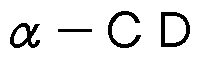 のモル と繰り返し単位の数との比が 1 : 2のときを規定包接率 1 0 0 %とする。
〇 2020/175679 17 卩(:171? 2020 /008352
のモル と繰り返し単位の数との比が 1 : 2のときを規定包接率 1 0 0 %とする。
〇 2020/175679 17 卩(:171? 2020 /008352
[0045] 得られる擬ポリロタキサン及び/又はポリロタキサンに含まれる環状分子 の割合、 即ち包接率は、 得られたナノシート分散液の小角 X線散乱 (3八乂 3) 測定により求めることができる。
具体的には、 得られる擬ポリロタキサン及び/又はポリロタキサンの分散 液の 3八 X 3の一次元プロファイルを、 シート状構造を仮定した式を用いた フィッティングにより求めたシートの厚さ、 および鎖状分子のトランス伸び 切り鎖長の比により求めることができる。
[0046] このようにすることにより、 擬ポリロタキサン及び/又はポリロタキサン の包接率を求めることができる。
本願において、 擬ポリロタキサン及び/又はポリロタキサンの包接率は、 規定包接率を 1 0 0 %とするとき、 1〜 1 0 0 %、 好ましくは 5〜 1 0 0 % 、 より好ましくは 1 0〜 1 0 0 %、 最も好ましくは 2 0〜 1 0 0 %であるの がよい。
[0047] 本願において、 直鎖状分子が、 巳◦からなる部位一 ◦からなる部位 — 巳◦からなる部位:で表される構成を有するコポリマーであり、 第 1の 環状分子が —シクロデキストリン又は· ^ _シクロデキストリン、 好ましく は/ 3 -シクロデキストリンである場合であってもよい。
さらに、 本願において、 直鎖状分子が、 巳◦からなる部位:で表される 構成のみからなるポリマーであり、 非電離基がカルボン酸基又はアミノ基、 第 1の環状分子が シクロデキストリンであるのがよい。
[0048] 本願の単離ナノシートは、 擬ポリロタキサン及び/又はポリロタキサンを 複数有して成るが、 単離ナノシートとしての構成を維持できる限り、 上述の 「擬ポリロタキサン及び/又はポリロタキサン」 以外の成分を有してもよい
[0049] そのような成分として、 第 1の環状分子と同じであっても異なってもよい 第 2の環状分子、 第 2の環状分子の開口部に包接することができる第 1の物 質、 第 1の物質とは異なる、 第 2の環状分子とは包接状態とはなることがで きない第 2の物質、 本発明の 「特定」 の擬ポリロタキサン及び/又はポリロ
〇 2020/175679 18 卩(:171? 2020 /008352
タキサン以外の擬ポリロタキサン及び/又はポリロタキサンを挙げることが できるがこれらに限定されない。
[0050] これらの 「擬ポリロタキサン及び/又はポリロタキサン」 以外の成分は、 単層としての単離ナノシート中に、 及び/又は複数層としての単離ナノシー 卜中に、 有してもよい。 なお、 複数層としての単離ナノシート中に有する場 合、 複数層を形成する各単層の単離ナノシート中に有しても、 複数層の層間 に有してもよい。
[0051 ] 第 2の環状分子として、 例えば第 1の環状分子として挙げたものを挙げる ことができるがこれらに限定されない。
[0052] 第 1の物質は、 本発明の単離ナノシートの適用分野、 応用分野に依存し、 例えば、 ヒドロコルチゾン、 フェニトイン、 ナプロキセン、 アデニンアラビ ノシド、 アデノシン、 イブプロフェン、 ヒドロクロロチアジド、 アセチルサ リチル酸、 サリチル酸メチル、 アダマンタン、 アゾベンゼン、 アントラセン 、 ピレン、 ポリフェニレンビニレン、 ポリアニリン、 口ーダミン、 ナイルレ ッ ドなどを挙げることができるがこれらに限定されない。
[0053] 第 2の物質は、 本発明の単離ナノシートの適用分野、 応用分野に依存して 選択することができ、 例えば、 ポリスチレン、 ポリビニルピリジン、 ポリピ リジン、 ポリフェニレン、 ポリアクリルアミ ド、 ポリアクリル酸、 ポリメタ クリル酸、 ポリビニルアルコール、 ポリアミ ド、 ポリエステル、 ポリイミ ド 、 ポリべンゾオキサゾール、 ポリ塩化ビニル、 ポリプロピレン、 ポリシラン 、 ポリシロキサン類など環状分子と包接錯体を形成しない高分子材料; 口 八、 タンパク質、 ポリベプチドなどの生体高分子および生体分子;シリカナ ノ粒子、 酸化チタンナノ粒子、 シリコンナノ粒子などの無機ナノ材料; フラ —レン、 力ーボンナノチューブ、 グラフェン、 グラファイ ト、 力ーボン量子 ドッ トなどの力ーボン材料;金ナノ粒子、 ベロブスカイ ト量子ドッ ト、 〇 3 6 3 / n 3量子ドッ ト、 酸化鉄ナノ粒子などの金属ナノ材料;などを挙 げることができるがこれらに限定されない。
[0054] また、 本発明の単離ナノシートは、 シクロデキストリンやポリエチレング
〇 2020/175679 19 卩(:171? 2020 /008352
リコールなど生体安全性や生体適合性の高い分子から構成できるため、 生体 内で利用するのに適している。
本発明の単離ナノシートは、 例えば、 ドラッグデリバリ用材料 (例えば、 ドラッグデリバリのビヒクル) 、 生体イメージング、 表面改質剤、 接着剤、 創傷部位癒着防止剤、 ヘアケア材、 コーティング材料、 マウスウォッシユな どの口腔ケア材料、 サプリメント用基剤、 細胞や藻類などの凝集制御材料、 酸素バリア性材料、 保湿剤、 紫外線防御性材料、 臭気防止材料等として用い ることができるが、 これらに限定されない。
[0055] また、 本発明は、 上述の単離ナノシートを有する材料も提供する。 そのよ うな材料は、 本発明の単離ナノシートの適用分野、 応用分野に依存し、 例え ば、 構造材料、 人工生体代替材料、 パッケージ材料、 ゴム材料、 ヘアケア材 料、 コーティング材料、 塗料、 マウスウォッシユなどの口腔ケア材料、 接着 剤、 サプリメント用基剤、 高機能飲料、 凝集制御材料、 酸素バリア性材料、 保湿剤、 紫外線防御性材料、 臭気防止材料などを挙げることができるが、 こ れらに限定されない。
[0056] 本発明は、 上述の単離ナノシートの製造方法丨及び丨 丨 を提供する。
<製造方法丨>
本願において、 該製造方法丨 は、
a) 両端又はその近傍にナノシート作成条件下では、 好ましくは水又は水 溶液中では電離しない非電離基を有する第 1の直鎖状分子を有する直鎖状分 子を準備する工程;
匕) 第 1の環状分子を準備する工程;及び
〇) 前記直鎖状分子と前記第 1の環状分子とを水又は水溶液中で混合させ る工程;
を有することにより、 第 1の環状分子の開口部が直鎖状分子によって串刺し 状に包接されてなる擬ポリロタキサンを複数有して成る単離ナノシートを得 ることができる。
なお、 「第 1の直鎖状分子」 、 「非電離基」 、 「第 1の環状分子」 は上述
〇 2020/175679 20 卩(:171? 2020 /008352
したとおりである。 例えば、 「第 1の直鎖状分子」 は 「少なくとも 2つの部 位を備える」 こととしてもよく、 「少なくとも 3つの部位を備える第 2の直 鎖状分子」 などを用いてもよいことは、 上述したとおりである。
[0057] <工程 3) >
工程 3) は、 両端又はその近傍にナノシート作成条件下では、 好ましくは 水又は水溶液中では電離しない非電離基を有する第 1の直鎖状分子を有する 直鎖状分子を準備する工程である。
ここで、 直鎖状分子は、 市販のものを購入しても、 調製してもよい。 なお 、 上述したとおり、 「少なくとも 2つの部位を備える」 「直鎖状分子」 を用 いてもよい。 「少なくとも 2つの部位を備える」 「直鎖状分子」 を調製する 場合、 以下の文献 1〜 4などに記載されている方法により得ることができる 文献 1 : H丨 11|11 6「, 1 八·
 81.
81.
 1996,29 (22), 6994-7
002.
6† 3し,
 1991,27 (9), 901-905.
丄 6† 81.
 2007,40 (3), 518-525.
 1.
1.
 2009,45 (3), 899-910.
[0058] また、 「両端又はその近傍にナノシート作成条件下では、 好ましくは水又 は水溶液中では電離しない非電離基を有する第 1の直鎖状分子」 は、 上述の 「直鎖状分子」 と同様に、 市販のものを購入しても、 調製してもよい。
調製する場合、 上述の 「直鎖状分子」 の両端又はその近傍に、 非電離基を 導入する工程を設けるのがよい。
[0059] 非電離基を導入する工程として、 従来公知の手法を用いることができ、 例 えば 01\/1丁/1\/11\/1 (4-(4, 6 -ジメ トキシ -1,3, 5 -トリアジン- 2 -イル)- 4 -メチル モルホリニウムクロリ ド) 、 000
 -ジシクロヘキシルカルボジイミ ド
) 、 º 00 (1-(3 -ジメチルアミノプロピル)- 3 -エチルカルボジイミ ド) 、 巳 09 (ベンゾトリアゾール- 1 -イルオキシ-トリスジメチルアミノホスホニウ ム塩) 、 9 y BO P ((ベンゾトリアゾール- 1 -イルオキシ)トリピロリジノホ
〇 2020/175679 21 卩(:171? 2020 /008352
スホニウムヘキサフルオロホスファート) 、
 (0-(7 -アザベンゾトリ アゾール- 1 -イル)-
 , 1\1' -テトラメチルウロニウムヘキサフルオロホス ファート) などの縮合剤を用いたエステル化、 アミ ド化などの縮合反応、 求 核置換反応、 付加反応を挙げることができるがこれに限定されない。
[0060] <工程匕) >
工程匕) は、 第 1の環状分子を準備する工程である。
この工程は、 市販の環状分子を購入しても、 調製してもよい。 誘導体を調 製する場合、 例えば、 文献 5 : 1^3门, 八. (¾. 6† 31. ,
 1998, 98 (5) , 1977-1996などに記載されている方法により得ることができる。
なお、 工程匕) は、 工程〇) よりも前に設ければよい。 即ち、 工程匕) は 、 工程 3) の後に設ける必要はなく、 工程 3) と匕) とは別途に行うことが できる。
[0061 ] <工程〇) >
工程〇) は、 直鎖状分子と第 1の環状分子とを水又は水溶液中で混合させ る工程である。
水又は水溶液として、 第 1の環状分子、 直鎖状分子の少なくともどちらか 一方が溶解する溶媒であれば、 特に限定されない。
工程〇) で用いる水又は水溶液として、 具体的には、 純水、 アルコール水 溶液、 酸水溶液、 アルカリ水溶液、 緩衝液、 培養液、 血漿などを挙げること ができるが、 これらに限定されない。
上記工程 8) 〜〇) を有することにより、 上述の単離ナノシートを得るこ とができる。
[0062] なお、 上述の製造方法において、 上記工程 3) 〜〇) 以外の工程を有して もよい。
例えば、 上記工程 3) 〜〇) 以外の工程として、 工程 3) 前に設ける、 上述 した 「少なくとも 2つの部位を備える」 「直鎖状分子」 の調製工程、 工程 ) 後の設ける単離ナノシートの精製工程、 工程 3) 前に設けてもよい環状分 子と第 1の物質との包接や擬ポリロタキサンまたはポリロタキサンの合成を
〇 2020/175679 22 卩(:171? 2020 /008352
挙げることができるが、 これらに限定されない。
また、 単離ナノシートが、 上述の、 第 2の環状分子、 第 1の物質、 第 2の 物質を有する場合、 本発明の製造方法は、 該第 2の環状分子、 第 1の物質、 第 2の物質を単離ナノシートへ導入するための工程を有してもよい。
[0063] さらに、 〇) 工程後に、 9) 得られた単離ナノシートの一部の擬ポリロタ キサンを修飾する工程; をさらに有するのがよい。
該修飾工程は、 第 1の直鎖状分子に、 例えば第 1の直鎖状分子の末端に、 第 1の置換基を導入する工程であってもよい。 なお、 第 1の置換基は、 単離 ナノシートが得られる限り、 第 1の環状分子が脱離しないように封鎖する作 用を有する封鎖基であっても、 非電離基及び/又は電離基の作用を有する基 であっても、 その他の作用を有する基であってもよい。 第 1の置換基は、 そ れらの作用のいかなる組合せを有していてもよく、 全ての作用を奏するもの であつてもよい。
[0064] 例えば、 封鎖する作用を有し、 且つ非電離基の作用を有する基として、 ァ ダマンタン基、 ネオペンチル基、 イソペンチル基、 360 -ぺンチル基、 3 -ペン チル基、 6「トペンチル基、 シクロペンチル基、 ペンテン基、 ヘキシル基、 へ キセン基、 ヘプチル基、 ヘプテン基、 オクチル基、 オクテン基、 ノニル基、 ノネン基、 デシル基、 デセン基、 ウンデシル基、 ウンデセン基、 ドデシル基 、 ドデセン基、 トリデシル基、 トリデセン基、 テトラデシル基、 テトラデセ ン基、 ペンタデシル基、 ペンタデセン基、 へキサデシル基、 へキサデセン基 、 ヘプタデシル基、 ヘプタデセン基、 オクタデシル基、 オクタデセン基、 ノ ナデシル基、 ノナデセン基、 エイコシル基、 エイコセン基、 ヘンイコシル基 、 ヘンイコセン基、 テトラコシル基、 テトラコセン基、 トリアコンチル基、 トリアコンテン基とそれらの異性体を挙げることができるがこれらに限定さ れない。
[0065] 電離基の作用を有する基として、 葉酸、 ピオチン、 フルオレセイン、

0 , 0 3などのオリゴペプチド、 リツキシマブ、 べバシズマブ、 トシ リズマブ、 インフリキシマブなどのモノクローナル抗体由来の基を導入して
〇 2020/175679 23 卩(:171? 2020 /008352
もよい。 例えば葉酸由来の基を導入する場合、 得られた単離シート及び葉酸 を、 縮合剤、 例えば口1\/1丁/1\/1 1\/1 (4-(4, 6 -ジメ トキシ -1 , 3, 5 -トリアジン- 2- イル)- 4 -メチルモルホリニウムクロリ ド) 、 0 0 0
 -ジシクロヘキシル カルボジイミ ド) 、 º 0 0 (1 -(3 -ジメチルアミノプロピル)- 3 -エチルカルボ ジイミ ド) 、 3 0 9 (ベンゾトリアゾール- 1 -イルオキシ-トリスジメチルア ミノホスホニウム塩) 、 9 y B O P ((ベンゾトリアゾール- 1 -イルオキシ)卜 リピロリジノホスホニウムヘキサフルオロホスファート) 、
 (0-(7 - アザベンゾトリアゾール- 1 -イル)-
 , 1\1' -テトラメチルウロニウムヘキ サフルオロホスファート) の存在下で反応させることにより、 行うことがで きる。
[0066] 該修飾工程は、 単離ナノシートが得られる限り、 第 1 の環状分子に第 2の 置換基を導入する工程であつてもよい。
なお、 第 2の置換基は、 一〇 基、
 X基、
X基、


_ 5基からなる群から選ばれる非イオン性基で置換され、
前記 は炭素数 1〜 1 2の直鎖状又は分岐鎖状のアルキル基、 少なくとも 1個のエーテル基を含む炭素数 2〜 1 2の直鎖状又は分岐鎖状のアルキル基 、 炭素数 3〜 1 2の環状アルキル基、 炭素数 2〜 1 2の環状アルキルエーテ ル基、 炭素数 2〜 1 2の環状アルキルチオエーテル基であり、
前記 1は炭素数 1〜 1 2の直鎖状又は分岐鎖状のアルキル基から水素が 1つ除かれた基、 少なくとも 1個のエーテル基を含む炭素数 2〜 1 2の直鎖 状又は分岐鎖状のアルキル基から水素が 1つ除かれた基、 炭素数 3〜 1 2の 環状アルキル基から水素が 1つ除かれた基、 炭素数 2〜 1 2の環状アルキル エーテル基から水素が 1つ除かれた基、 又は炭素数 2〜 1 2の環状アルキル チオエーテル基から水素が 1つ除かれた基であり、 Xは〇1~1、
 又は 3 1~1であり、
前記 2は炭素数 1〜 1 2の直鎖状又は分岐鎖状のアルキル基、 少なくと も 1個のエーテル基を含む炭素数 2〜 1 2の直鎖状又は分岐鎖状のアルキル
〇 2020/175679 24 卩(:171? 2020 /008352
基、 炭素数 3〜 1 2の環状アルキル基、 炭素数 2〜 1 2の環状アルキルエー テル基、 又は炭素数 2〜 1 2の環状アルキルチオエーテル基であり、 前記 3は炭素数 1〜 1 2の直鎖状又は分岐鎖状のアルキル基、 少なくと も 1個のエーテル基を含む炭素数 2〜 1 2の直鎖状又は分岐鎖状のアルキル 基、 炭素数 3〜 1 2の環状アルキル基、 炭素数 2〜 1 2の環状アルキルエー テル基、 又は炭素数 2〜 1 2の環状アルキルチオエーテル基であり、 前記 4は炭素数 1〜 1 2の直鎖状又は分岐鎖状のアルキル基、 少なくと も 1個のエーテル基を含む炭素数 2〜 1 2の直鎖状又は分岐鎖状のアルキル 基、 炭素数 3〜 1 2の環状アルキル基、 炭素数 2〜 1 2の環状アルキルエー テル基、 又は炭素数 2〜 1 2の環状アルキルチオエーテル基であり、 前記 5は炭素数 1〜 1 2の直鎖状又は分岐鎖状のアルキル基、 少なくと も 1個のエーテル基を含む炭素数 2〜 1 2の直鎖状又は分岐鎖状のアルキル 基、 炭素数 3〜 1 2の環状アルキル基、 炭素数 2〜 1 2の環状アルキルエー テル基、 又は炭素数 2〜 1 2の環状アルキルチオエーテル基を挙げることが できるがこれらに限定されない。
[0067] <製造方法 I I >
本願の、 擬ポリロタキサン及び/又はポリロタキサンを複数有して成る単 離ナノシートは、 次の製造方法により得ることができる。
即ち、
3’ ) 直鎖状分子を準備する工程;
匕) 第 1の環状分子を準備する工程;
〇, ) 前記直鎖状分子と前記第 1の環状分子とを水又は水溶液中で混合さ せて、 擬ポリロタキサンを得る工程;
¢0 前記直鎖状分子の少なくとも一部の両末端に、 ナノシート作成条件下 では、 好ましくは水又は水溶液中では電離しない非電離基を導入し、 第 1の 直鎖状分子とする工程;
6) 前記擬ポリロタキサンの直鎖状分子及び/又は前記第 1の直鎖状分子 の少なくとも一部の両末端に、 封鎖基を導入する工程;
〇 2020/175679 25 卩(:171? 2020 /008352
干) 得られた擬ポリロタキサン及び/又はポリロタキサンを水又は水溶液 中で混合させる工程;
有することにより、 上記単離ナノシートを得ることができる。
[0068] ここで、 工程 3’ ) は、 上記工程 3) で述べた 「直鎖状分子」 を用いるこ とができる。
工程匕) 工程は、 上述の 「工程匕) 」 と同じである。
工程〇’ ) は、 上記工程〇) と同様に、 直鎖状分子と第 1の環状分子とを 水又は水溶液中で混合させる工程であり、 且つそれにより擬ポリロタキサン を得る工程である。
水又は水溶液として、 工程〇) で述べたとおり、 第 1の環状分子、 直鎖状 分子の少なくともどちらか—方が溶解する溶媒であれば、 特に限定されない
工程〇) で用いる水又は水溶液として、 具体的には、 純水、 アルコール水 溶液、 酸水溶液、 アルカリ水溶液、 緩衝液、 培養液、 血漿などを挙げること ができるが、 これらに限定されない。
[0069] 工程 ¢0 は、 直鎖状分子の少なくとも一部の両末端に、 ナノシート作成条 件下では、 好ましくは水又は水溶液中では電離しない非電離基を導入し、 第 1の直鎖状分子とする工程である。
非電離基を導入する方法として、 上記工程 3) で述べた方法を挙げること ができるが、 それに限定されない。
[0070] 工程 6) は、 いわゆる封鎖基を導入する工程であり、 封鎖基を導入するこ とにより、 擬ポリロタキサンの少なくとも一部をポリロタキサンとする工程 である。
該工程は、 従来公知の手法を用いることができ、 例えば 「3(^ 61 3し N3 1 992, 356, 325-327に記載される工程を挙げることができる。
また、 封鎖基についても、 従来公知のポリロタキサンに用いることができ る封鎖基を挙げることができる。 例えば I 01^(^ 61 3し 」 ?〇 [ ^.
 八:
八:
?〇 ^. 6111, 2000, 38, 4839-4849に記載される封鎖基を挙げることができ
\¥0 2020/175679 26 卩(:17 2020 /008352
る。
[0071 ] また、 本発明は以下の構成を採用することもできる。
< 1> 第 1の環状分子の開口部が直鎖状分子によって串刺し状に包接さ れてなる擬ポリロタキサン及び/又はポリロタキサンを複数有して成る単離 ナノシートであって、
前記直鎖状分子は、 その両端又は該両端の近傍にナノシート作成条件下で は、 好ましくは水又は水溶液中では電離しない非電離基を有する第 1の直鎖 状分子を有する、 単離ナノシート。
<2> 上記< 1>において、 第 1の直鎖状分子が、 第 1の直鎖状分子の 両端から内側に、 前記第 1の環状分子が存在しない第 1及び第 2の領域を有 し、 該第 1及び第 2の領域の長さが〇.
 好ましくは 1〜 7 より好ましくは 1〜 5 0 〇!であるのがよい。
[0072] <3> 上記< 1>又は<2>において、 単離ナノシートが、 第 1の環状 分子の開口部が直鎖状分子によって串刺し状に包接されてなる擬ポリロタキ サン及び/又はポリロタキサンを複数有して成るナノシートの単層から成る か、 又は前記ナノシートを複数層有して成る。
<4> 上記< 1>〜<3>のいずれにおいて、 直鎖状分子は、 第 1の直 鎖状分子のみから本質的になる。
[0073] <5> 上記< 1>〜<4>のいずれかにおいて、 非電離基が、 イソプロ ピル基、 360 -ブチル基、
 -ブチル基、 ヘキシル基、 ネオペンチル基、 イソ ペンチル基、 360 -ぺンチル基、 3 -ペンチル基、 te r t-ペンチル基、 シクロペン チル基、 ペンテン基、 ヘキシル基、 ヘキセン基、 ヘプチル基、 ヘプテン基、 オクチル基、 オクテン基、 ノニル基、 ノネン基、 デシル基、 デセン基、 ウン デシル基、 ウンデセン基、 ドデシル基、 ドデセン基、 トリデシル基、 トリデ セン基、 テトラデシル基、 テトラデセン基、 ペンタデシル基、 ペンタデセン 基、 へキサデシル基、 へキサデセン基、 ヘプタデシル基、 ヘプタデセン基、 オクタデシル基、 オクタデセン基、 ノナデシル基、 ノナデセン基、 エイコシ ル基、 エイコセン基、 ヘンイコシル基、 ヘンイコセン基、 テトラコシル基、
〇 2020/175679 27 卩(:171? 2020 /008352
-ブチル基、 ヘキシル基、 ネオペンチル基、 イソ ペンチル基、 360 -ぺンチル基、 3 -ペンチル基、 te r t-ペンチル基、 シクロペン チル基、 ペンテン基、 ヘキシル基、 ヘキセン基、 ヘプチル基、 ヘプテン基、 オクチル基、 オクテン基、 ノニル基、 ノネン基、 デシル基、 デセン基、 ウン デシル基、 ウンデセン基、 ドデシル基、 ドデセン基、 トリデシル基、 トリデ セン基、 テトラデシル基、 テトラデセン基、 ペンタデシル基、 ペンタデセン 基、 へキサデシル基、 へキサデセン基、 ヘプタデシル基、 ヘプタデセン基、 オクタデシル基、 オクタデセン基、 ノナデシル基、 ノナデセン基、 エイコシ ル基、 エイコセン基、 ヘンイコシル基、 ヘンイコセン基、 テトラコシル基、
〇 2020/175679 27 卩(:171? 2020 /008352
テトラコセン基、 トリアコンチル基、 トリアコンテン基とそれらの異性体、 4 -イソプロピルベンゼンスルホニル基、 1 -オクタンスルホニル基、 4 -ビフエニ ルスルホニル基、 4464 -ブチルベンゼンスルホニル基、 2 -メシチレンスルホ ニル基、 メタンスルホニル基、 2 -ニトロベンゼンスルホニル基、 4 -ニトロべ ンゼンスルホニル基、 ペンタフルオロベンゼンスルホニル基、 2, 4, 6 -トリイ ソプロピルベンゼンスルホニル基、 -トルエンスルホニル基、 電離していな い水酸基、 ヘプタフルオロブチロイル基、 ビバロイル基、 パーフルオロベン ゾイル基、 電離していないアミノ基、 電離していないカルボン酸基及びイソ バレリル基からなる群から選ばれる少なくとも 1種であるのがよい。 また、 非電離基は、 電離していない水酸基、 ヘプタフルオロブチロイル基、 パーフ ルオロベンゾイル基及びイソバレリル基からなる群から選ばれる少なくとも 1種であるのが好ましく、 より好ましくはパーフルオロベンゾイル基及びイ ソバレリル基からなる群から選ばれる少なくとも 1種である。
[0074] <6> 上記< 1>〜< 5>のいずれかにおいて、 第 1の直鎖状分子は、 少なくとも 2つの部位である 2つのブロックを備えるブロックコポリマーで ある。
<7> 上記< 1>〜<5>のいずれかにおいて、 第 1の直鎖状分子は、 少なくとも 3つの部位である 3つのブロックを備えるブロックコポリマーで ある。
[0075] <8> 上記<6>又は<7>において、 第 1の環状分子が、 少なくとも
2つの部位のうちの 1つの部位、 又は前記少なくとも 3つの部位のうちの 1 つの部位に包接されてなるの。
<9> 上記<6>〜<8>のいずれかにおいて、 少なくとも 2つの部位 、 又は少なくとも 3つの部位が、 それぞれ少なくとも 2つのブロックを備え るか、 又は少なくとも 3つのブロックを備えるブロックコポリマー由来であ る。
[0076] < 1 0> 上記<9>において、 少なくとも 3つのブロックが、 ポリエチ レングリコール ( 巳〇) からなる部位、 及びポリプロピレングリコール (
〇 2020/175679 28 卩(:171? 2020 /008352
〇) からなる部位から形成される。
< 1 1 > 上記 <1 >~<1 0>のいずれかにおいて、 単離ナノシートは 、 直鎖状分子による包接を受けない第 2の環状分子をさらに有する。
<1 2> 上記 <1 1 >において、 第 2の環状分子は、 その開口部に第 1 の物質を包接してなる。
[0077] < 1 3> 上記 < 1 >~< 1 2>のいずれかにおいて、 単離ナノシートは
、 第 2の環状分子により包接されない第 2の物質をさらに有する。
<1 4> 上記 <1 3>において、 単離ナノシートが、 第 1の環状分子の 開口部が直鎖状分子によって串刺し状に包接されてなる擬ポリロタキサン及 び/又はポリロタキサンを複数有して成るナノシートを複数層有して成り、 該複数層のナノシート間に、 前記第 2の物質をさらに有する。
[0078] < 1 5> 上記 < 1 >〜< 1 4>のいずれかにおいて、 第 1及び第 2の環 状分子が、
 シクロデキストリン、
 -シクロデキストリン、 アーシクロ デキストリン、 クラウンエーテル、 ピラーアレン、 カリックスアレン、 シク ロファン、 ククルビッ トウリル、 およびこれらの誘導体からなる群から選ば れる。
なお、 誘導体として、 メチル化 シクロデキストリン、 メチル化/ 3—シ クロデキストリン、 メチル化· シクロデキストリン、 ヒドロキシプロピル 化《 -シクロデキストリン、 ヒドロキシプロピル化 /3 -シクロデキストリン 、 ヒドロキシプロピル化· ^ _シクロデキストリンからなる群から選ばれる。
< 1 6> 上記 < 1 >〜< 1 5>のいずれかにおいて、 直鎖状分子が、 巳◦からなる部位一 ◦からなる部位一 巳◦からなる部位:で表される 構成を有するコボリマーであるのがよい。 また、 第 1の環状分子が/ 3 -シク ロデキストリンである。
[0079] <1 7> 上記 < 1 >〜< 1 5>のいずれかにおいて、 直鎖状分子が、 巳◦からなる部位一 ◦からなる部位一 巳◦からなる部位:で表される 構成のみからなるトリブロックコポリマーであるのがよい。 また、 第 1の環 状分子が/ 3—シクロデキストリンである。
〇 2020/175679 29 卩(:171? 2020 /008352
<1 8> 上記 <1 >~<1 7 >のいずれかにおいて、 単離ナノシートの 単層の厚さが 1 00 n 以下、 具体的には〇. 5〜 1 00 n
 好ましくは 3〜 50 n 、 より好ましくは 5〜 20 n であるのがよい。 なお、 単離ナ ノシートが複層からなる場合には構成する単層のナノシートの厚さが 1 00 n 以下、 具体的には〇. 5〜 1 00 n 、 好ましくは 3〜 50 n 、 より 好ましくは 5〜 2〇 1^〇1である。
[0080] < 1 9> 上記 < 1 >〜< 1 8 >のいずれかの単離ナノシートが接着性を 示す。
<20> 上記 <1 >~<1 9>のいずれかの単離ナノシートからなるド ラッグデリバリ用材料、 生体イメージング、 表面改質剤、 接着剤、 創傷部位 癒着防止剤、 ヘアケア材、 コーティング材料、 マウスウォッシユなどの口腔 ケア材料、 サプリメント用基剤、 細胞や藻類などの凝集制御材料、 酸素バリ ア性材料、 保湿剤、 紫外線防御性材料、 又は臭気防止材料。
<2 1 > ドラッグデリバリ用材料、 生体イメージング、 表面改質剤、 接 着剤、 創傷部位癒着防止剤、 ヘアケア材、 コーティング材料、 マウスウォッ シユなどの口腔ケア材料、 サプリメント用基剤、 細胞や藻類などの凝集制御 材料、 酸素バリア性材料、 保湿剤、 紫外線防御性材料、 又は臭気防止材料に おける上記 <1 >~<1 9 >のいずれかの単離ナノシートの使用。
<22> 上記 <1 >〜<1 9 >のいずれかの単離ナノシートを有する材 料。
<23> 前記材料が、 構造材料、 人工生体代替材料、 パッケージ材料、 ゴム材料、 ヘアケア材料、 コーティング材料、 塗料、 マウスウォッシユなど の口腔ケア材料、 接着剤、 サプリメント用基剤、 高機能飲料、 凝集制御材料 、 酸素バリア性材料、 保湿剤、 紫外線防御性材料、 又は臭気防止材料である <22>に記載の材料。
<24> 第 1の環状分子の開口部が直鎖状分子によって串刺し状に包接 されてなる擬ポリロタキサンを複数有して成る単離ナノシートの製造方法で あって、
〇 2020/175679 30 卩(:171? 2020 /008352
а) 両端又は該両端の近傍にナノシート作成条件下では、 好ましくは水又 は水溶液中では電離しない非電離基を有する第 1の直鎖状分子を有する直鎖 状分子を準備する工程;
匕) 第 1の環状分子を準備する工程;及び
〇) 前記直鎖状分子と前記第 1の環状分子とを水又は水溶液中で混合させ る工程;
を有することにより、 前記単離ナノシートを得る、 上記方法。
< 2 5 > 上記 < 2 4 >において、 〇) 工程後に、 9) 得られた単離ナノ シートの一部の擬ポリロタキサンを修飾する工程; をさらに有する。
[0081 ] < 2 6 > 第 1の環状分子の開口部が直鎖状分子によって串刺し状に包接 されてなる擬ポリロタキサン及び/又はポリロタキサンを複数有して成る単 離ナノシートの製造方法であって、
3’ ) 直鎖状分子を準備する工程;
匕) 第 1の環状分子を準備する工程;
〇, ) 前記直鎖状分子と前記第 1の環状分子とを水又は水溶液中で混合さ せて、 擬ポリロタキサンを得る工程;
¢0 前記直鎖状分子の少なくとも一部の両末端に、 ナノシート作成条件下 では、 好ましくは水又は水溶液中では電離しない非電離基を導入し、 第 1の 直鎖状分子とする工程;
б) 前記擬ポリロタキサンの直鎖状分子及び/又は前記第 1の直鎖状分子 の少なくとも一部の両末端に、 封鎖基を導入する工程;
干) 得られた擬ポリロタキサン及び/又はポリロタキサンを水又は水溶液 中で混合させる工程;
を有することにより、 前記単離ナノシートを得る、 上記方法。
[0082] < 2 7 > 上記 < 2 6 >において、 チ) 工程後に、 9) 得られた単離ナノ シートの一部の擬ポリロタキサン及び/又はポリロタキサンを修飾する工程 ; をさらに有する。
< 2 8 > 上記 < 2 4 >~< 2 7 >のいずれかにおいて、 擬ポリロタキサ
〇 2020/175679 31 卩(:171? 2020 /008352
ン及び/又はポリロタキサンは、 第 1の直鎖状分子の両端から内側に、 第 1 の環状分子が存在しない第 1及び第 2の領域を有し、 該第 1及び第 2の領域 より好ましくは 1

< 2 9 > 上記 < 2 4 >~< 2 8 >のいずれかにおいて、 単離ナノシート が、 第 1の環状分子の開口部が直鎖状分子によって串刺し状に包接されてな る擬ポリロタキサンを複数有して成るナノシートの単層から成るか、 又は前 記ナノシートを複数層有して成る。
[0083] < 3 0 > 上記 < 2 4 >~< 2 9 >のいずれかにおいて、 直鎖状分子は、 第 1の直鎖状分子のみから本質的になる。
< 3 1 > 上記 < 2 4 >〜< 3 0 >のいずれかにおいて、 非電離基が、 イ ソプロピル基、 360 -ブチル基、 61^ -ブチル基、 ネオペンチル基、 イソペンチ ル基、 360 -ぺンチル基、 3 -ペンチル基、 te r t-ペンチル基、 シクロペンチル基 、 ペンテン基、 ヘキシル基、 ヘキセン基、 ヘプチル基、 ヘプテン基、 オクチ ル基、 オクテン基、 ノニル基、 ノネン基、 デシル基、 デセン基、 ウンデシル 基、 ウンデセン基、 ドデシル基、 ドデセン基、 トリデシル基、 トリデセン基 、 テトラデシル基、 テトラデセン基、 ペンタデシル基、 ペンタデセン基、 へ キサデシル基、 へキサデセン基、 ヘプタデシル基、 ヘプタデセン基、 オクタ デシル基、 オクタデセン基、 ノナデシル基、 ノナデセン基、 エイコシル基、 エイコセン基、 ヘンイコシル基、 ヘンイコセン基、 テトラコシル基、 テトラ コセン基、 トリアコンチル基、 トリアコンテン基とそれらの異性体、 4 -イソ プロピルベンゼンスルホニル基、 1 -オクタンスルホニル基、 4 -ビフエニルス ルホニル基、 4464 -ブチルベンゼンスルホニル基、 2 -メシチレンスルホニル 基、 メタンスルホニル基、 2 -ニトロベンゼンスルホニル基、 4 -ニトロべンゼ ンスルホニル基、 ペンタフルオロベンゼンスルホニル基、 2, 4, 6 -トリイソプ ロピルベンゼンスルホニル基、
 トルエンスルホニル基、 電離していない水 酸基、 ヘプタフルオロブチロイル基、 ビバロイル基、 パーフルオロべンゾイ ル基、 電離していないアミノ基、 電離していないカルボン酸基及びイソバレ
〇 2020/175679 32 卩(:171? 2020 /008352
トルエンスルホニル基、 電離していない水 酸基、 ヘプタフルオロブチロイル基、 ビバロイル基、 パーフルオロべンゾイ ル基、 電離していないアミノ基、 電離していないカルボン酸基及びイソバレ
〇 2020/175679 32 卩(:171? 2020 /008352
リル基からなる群から選ばれる少なくとも 1種であるのがよい。 また、 非電 離基は、 電離していない水酸基、 ヘプタフルオロブチロイル基、 パーフルオ ロベンゾイル基及びイソバレリル基からなる群から選ばれる少なくとも 1種 であるのが好ましく、 より好ましくはパーフルオロベンゾイル基及びイソバ レリル基からなる群から選ばれる少なくとも 1種である。
[0084] <3 2> 上記<2 4>〜<3 1>のいずれかの〇) 工程又はチ) 工程に おいて、 物質をさらに混合し、 第 1の環状分子の開口部が直鎖状分子によっ て串刺し状に包接されてなる擬ポリロタキサン及び/又はポリロタキサンを 複数有して成るナノシートの単層中に該物質が含まれるか、 又は前記ナノシ —卜を複数層有して成る複数層間に該物質が含まれる。
<3 3> 上記<2 4>~< 3 2>のいずれかにおいて、 単離ナノシート が、 直鎖状分子による包接を受けない第 2の環状分子をさらに有する。
<3 4> 上記<3 2>又は<3 3>において、 第 2の環状分子は、 その 開口部に前記物質を包接してなる。
[0085] <3 5> 上記<2 5>及び<2 7>〜<3 4>のいずれかにおいて、 修 飾する工程が、 第 1の直鎖状分子の末端に第 1の置換基を導入する工程であ る。
<3 6> 上記<2 5>及び<2 7>〜< 3 5>において、 修飾する工程 が、 第 1の環状分子に第 2の置換基を導入する工程である。
実施例
[0086] 以下、 実施例に基づいて、 本発明をさらに詳細に説明するが、 本発明は本 実施例に限定されるものではない。
[実施例 1 :重量平均分
 ドロキシポリエチ レングリコールと
 シクロデキストリンを用いた単離ナノシート X 1の調 製]
まず、
 シクロデキストリン 4 . 0 4 9を水 1 6 . 6 1_に溶解させた
次に、 重量平均分子量
 £0—ビスーヒドロキシポリエチレン
グリコール 1. O gを水 1 6. 6mLに溶解させた。 なお、 該 a, co_ビス -ヒドロキシポリエチレングリコールは、 非電離基である水酸基を末端に有 した。 これらの水溶液を混合し、 室温にて一週間撹拌することにより目的の 単離ナノシート X 1 を得た。
£0—ビスーヒドロキシポリエチレン
グリコール 1. O gを水 1 6. 6mLに溶解させた。 なお、 該 a, co_ビス -ヒドロキシポリエチレングリコールは、 非電離基である水酸基を末端に有 した。 これらの水溶液を混合し、 室温にて一週間撹拌することにより目的の 単離ナノシート X 1 を得た。
単離ナノシート形成の確認は、 小角 X線散乱測定、 位相差光学顕微鏡観察 、 原子間力顕微鏡観察、 走査型電子顕微鏡観察により行った。 測定条件は次 のとおりである。
[0087] 小角 X線散乱測定は、 R i g a k u NANO P I Xを用いた。 ディテク 夕一には H y p i x— 3000を用いた。 測定に用いた X線の波長は 0. 1 54 n mであった。 カメラ長のキヤリブレーシヨンには、 ベヘン酸銀の回折 ピークを利用してキヤリブレーシヨンを行った。 測定はすべて室温で行った
[0088] 位相差顕微鏡には、 N i k o n ECL I PS E T s 2 Rを用いた。 力 メラには N i k〇 n顕微鏡デジタルカメラ DS-F i 3を用いた。 測定は室 温で行った。
原子間力顕微鏡観察には B r u k e r N a n o Mu l t i mo d e 8を用いた。 測定用の針として A n t i mo n y d o p e d s i l i e o n c a n t i l e v e r t i p s (B r u k e r R ヒ S PA— d 00) を用いた。 共振周波数は 300 k H z、 ばね定数は 40 Nm であ った。 測定モードはタツピングモードで、 すべて室温で測定を行った。 走査型電子顕微鏡観察には、 J EOL J SM- 7800 Fを用いた。 加 速電圧は 1. O k e Vで、 室温、 真空下で測定を行った。 以下の実施例、 比 較例では、 すべて同様な条件で実験を行った。
[0089] 図 5に、 単離ナノシート X 1 0の小角 X線散乱測定の結果を示す。 図 5に おいて、 シート構造の形状因子が確認され、 単離ナノシートであることが確 認できた。
単離ナノシート X 1の包接率は 9 1 %であった。 単離ナノシートは、 単層 からなりその厚さは 1 4. 6 n mであることが小角 X線散乱測定からわかっ
〇 2020/175679 34 卩(:171? 2020 /008352
た (厚さ 1) 。 直鎖状分子の伸びきり鎖長 (1-) がゲル浸透クロマトグラフ ィーから 1 6 〇!であることが求められた。 上記式八 : I ,= I 2= ( I - _ 1:) /2から、 第 1及び第 2の領域の長さの平均値は〇. 7 n であった。
[0090] [実施例 2 :重量平均分子量
 £〇—ビスーヒドロキシポリエチ レングリコールと
 シクロデキストリンを用いた単離ナノシート乂2の調 製]
まず、
 シクロデキストリン 4. 049を水 1 6. 6 1_に溶解させた 次に、 重量平均分子量
 〇)—ビスーヒドロキシポリエチレン グリコール 1. 〇 を水 1 6. 6〇11_に溶解させた。 なお、 該《, £〇 -ビス -ヒドロキシポリエチレングリコールは、 非電離基である水酸基を末端に有 した。 これらの水溶液を混合し、 室温にて一週間撹拌することにより目的の 単離ナノシート X 2を得た。
[0091] 単離ナノシート形成の確認は、 実施例 1 と同様に、 小角 X線散乱測定、 位 相差光学顕微鏡観察、 原子間力顕微鏡観察、 走査型電子顕微鏡観察により行 った。
図 6に、 単離ナノシート X 2の小角 X線散乱測定の結果を示す。 図 6にお いて、 シート構造の形状因子が確認され、 単離ナノシートであることが確認 できた。
単離ナノシート乂2の包接率は 9 1 %であった。 単離ナノシートは、 単層 からなりその厚さは 29. 0 n
 であることが小角 X線散乱測定からわかっ た (厚さ I) 。 軸分子の伸びきり鎖長 (1_) がゲル浸透クロマトグラフィー から 32 〇!であることが求められた。 上記式八 : I ,= I 2=
 /2 から、 第 1及び第 2の領域の長さの平均値は 1. 5 n mであった。
[0092] [実施例 3 :重量平均分子量
 〇)—ビスーヒドロキシポリエチ レングリコールと
 シクロデキストリンを用いた単離ナノシート乂3の調 製]
まず、
 シクロデキストリン 4. 049を水 1 6. 6 1_に溶解させた
〇 2020/175679 35 卩(:171? 2020 /008352
シクロデキストリン 4. 049を水 1 6. 6 1_に溶解させた
〇 2020/175679 35 卩(:171? 2020 /008352
次に、 重量平均分子量
 £0—ビスーヒドロキシポリエチレン グリコール 1 . 〇 9を水 1 6 . 6〇1 1_に溶解させた。 なお、 該《, £0 -ビス -ヒドロキシポリエチレングリコールは、 非電離基である水酸基を末端に有 した。 これらの水溶液を混合し、 室温にて一週間撹拌することにより目的の 単離ナノシート X 3を得た。
単離ナノシート形成の確認は、 実施例 1 と同様に、 小角 X線散乱測定、 位 相差光学顕微鏡観察、 原子間力顕微鏡観察、 走査型電子顕微鏡観察により行 った。
[0093] 図 7に、 単離ナノシート X 3の小角 X線散乱測定の結果を示す。 図 7にお いて、 シート構造の形状因子が確認され、 単離ナノシートであることが確認 できた。
単離ナノシート X 3の包接率は 8 7 %であった。 単離ナノシートは、 単層 からなりその厚さは 2 1 n
 であることが小角 X線散乱測定からわかった ( 厚さ 1) 。 直鎖状分子の伸びきり鎖長 (1_) がゲル浸透クロマトグラフィー から 4 8门 であることが求められた。 包接率が 8 7 %であるのに対し、 単 離ナノシートの厚さ (1:) が 2 1
 と短すぎることから、 図 2に示すよう に、 直鎖状分子が一回折れたたまれて II字状となり単離ナノシートが形成さ れていると考えられる。 この場合、 上述したとおり、 式巳を適用することに より、 第 1及び第 2の領域の長さの平均値はそれぞれ 1 .
 と計算され た。
[0094] [比較例 1 :重量平均分子量
 ドロキシポリエ チレングリコールと シクロデキストリンを用いた包接錯体の作製] まず、
 シクロデキストリン 4 . 0 4 9を水 1 6 . 6 1_に溶解させた 次に、 重量平均分子量
 〇)—ビスーヒドロキシポリエチレ ングリコール 1 . 0 9を水 1 6 .
 これらの水溶液を混 合し、 室温にて一週間撹拌したが単離ナノシートは得られなかった。
〇 2020/175679 36 卩(:171? 2020 /008352
これらの水溶液を混 合し、 室温にて一週間撹拌したが単離ナノシートは得られなかった。
〇 2020/175679 36 卩(:171? 2020 /008352
小角 X線散乱測定により調製した溶液の構造解析を行ったところ、 図 8に 示すとおり、 単離シート構造に基づくフリンジが観察されなかった。
[0095] [実施例 4 :重量平均分子量 1 0
 0 3の 4分岐水酸基末端ポリエチレング リコールと
 シクロデキストリンを用いた単離ナノシート X 4の調製] まず、
 シクロデキストリン 4 . 0 4 9を水 1 6 . 6 1_に溶解させた 次に、 重量平均分子量 1 0
 0 3の 4分岐水酸基末端ポリエチレングリコ
—ル 1 . 0 9を水 1 6 . 6 m Lに溶解させた。 なお、 4分岐水酸基末端ポリ エチレングリコールは、 非電離基である水酸基を末端に有した。 これらの水 溶液を混合し、 室温にて一週間撹拌したところ目的の単離ナノシート X 4が 得られた。 単離ナノシート形成の確認は、 実施例 1 と同様に、 小角 X線散乱 測定、 位相差光学顕微鏡観察、 原子間力顕微鏡観察、 走査型電子顕微鏡観察 により行った。
[0096] 図 9において、 シート構造の形状因子が確認され、 単離ナノシートである ことが確認できた。 また、 図 1 0に、 走査型電子顕微鏡観察による画像を示 す。 図 1 0から、 単離ナノシートが確認できた。
単離ナノシート乂4の包接率は 4 5 %であった。 単離ナノシートは、 単層 からなりその厚さは 9
 であることが小角 X線散乱測定からわかった (厚 さ 1) 。 また、 4分岐した鎖それぞれの伸びきり鎖長 (1_) がゲル浸透クロ マトグラフィーから 2 0
 であることが求められた。 本実施例では 分岐 鎖を有する直鎖状分子を用いていることから、 上述の式〇 (式八と同じであ る) を適用することにより、 第 1及び第 2の領域の長さの平均値は、 (2 0 1^ 111— 9门 111) / 2 = 5 . 5门〇!と計算された
[0097] [実施例 5 :水酸基を有する直鎖状分子を用いて作製した単離ナノシート X
5の固体表面吸着実験]
実施例 1 により調製した重量平均分子量
 〇)—ビスーヒドロ キシポリエチレングリコールと シクロデキストリンを用いた単離ナノシ —卜 X 1の水分散液に表面に水酸基を有するシリコン基板を 3秒浸潰し、 引
〇 2020/175679 37 卩(:171? 2020 /008352
〇)—ビスーヒドロ キシポリエチレングリコールと シクロデキストリンを用いた単離ナノシ —卜 X 1の水分散液に表面に水酸基を有するシリコン基板を 3秒浸潰し、 引
〇 2020/175679 37 卩(:171? 2020 /008352
き上げた後の基板表面の走査型電子顕微鏡観察を行ったところ、 図 1 1 に示 すとおり、 シリコン基板にナノシートが吸着している様子が観察された。 この観察から、 単離ナノシート X Iは、 非電離基である水酸基を有するが 該水酸基がシリコン基板表面に対して接着性基として作用することが確認で きた。
[0098] [合成例 1 :ポリエチレングリコールー
 -ビスーヘプタフルオロブチ レート (重量平均分子量 2000) の合成]
—ビスーヒドロキシポリエチレングリコール (分子量 2000) 1 9を塩化メチレン 1 9 1_に溶解させ、 トリエチルアミン〇. 959 (1 2
 ヘプタフルオロブチルクロリ ド (1. 5〇11_, 1 01111110 1) を投入した。 その後、 室温にて 7時間撹拌した。 イオン交換水 50 1_を投 入し反応を停止させ、 塩化メチレンを用いて抽出を行った。 塩化メチレンを 減圧下留去した後、 エタノール 250 1_から再結晶を行うことで、 99% 以上の収率で、 非電離基であるヘプタフルオロブチロイル基を末端に有した 目的物、 ポリエチレングリコールー
 —ビスーヘプタフルオロブチレー 卜 (重量平均分子量 2000) を得た。
[0099] [実施例 6 :ポリエチレングリコールー
 -ビスーヘプタフルオロブチ レート (重量平均分子量 2000)
 シクロデキストリンを用いた単離 ナノシート X 6の調製]
まず、
 シクロデキストリン 4. 049を水 1 6. 6 1_に溶解させた 次に、 合成例 1で得られたポリエチレングリコールー £0—ビスーヘプ タフルオロブチレート (非電離 ·接着性官能基末端、 重量平均分子量 200 0) 1. 09を水 1 6.
 これらの水溶液を混合し、 室 温にて一週間撹拌することにより目的の単離ナノシート X 6を得た。
[0100] 単離ナノシート形成の確認は、 実施例 1 と同様に、 小角 X線散乱測定、 位 相差光学顕微鏡観察、 原子間力顕微鏡観察、 走査型電子顕微鏡観察により行 つた。
〇 2020/175679 38 卩(:171? 2020 /008352
単離ナノシート X 6の包接率は 93%であった。 単離ナノシートは、 単層 からなりその厚さは 1 6 n であることが小角 X線散乱測定からわかった ( 厚さ 1) 。 直鎖状分子の伸びきり鎖長 (1_) がゲル浸透クロマトグラフィー から 1 7. 2 01であることが求められた。 上記式八 : I ,= I 2= ( I -— 1:)
/2から、 第 1及び第 2の領域の長さの平均値は〇. 6 n であった。
[0101] [合成例 2 :ポリエチレングリコールー
 -ビスーヘプタフルオロブチ レ—卜 (重量平均分子量 6000) の合成]
—ビスーヒドロキシポリエチレングリコール (分子量 6000) 0 . 49を塩化メチ
 トリエチルアミン〇. 389 ( 4.
 ヘプタフルオロブチルクロリ ド (〇. 4〇11_, 2.
 〇 I) を投入した。 その後、 室温にて 7時間撹拌した。 イオン交換水 50 1_を投入し反応を停止させ、 塩化メチレンを用いて抽出を行った。 塩化メ チレンを減圧下留去した後、 エタノール 250 1_から再結晶を行うことで 、 99%以上の収率で、 非電離基であるヘプタフルオロブチロイル基を末端 に有した目的物、 ポリエチレングリコールー
 —ビスーヘプタフルオロ プチレート (重量平均分子量 6000) を得た。
[0102] [実施例 7 :ポリエチレングリコールー
 -ビスーヘプタフルオロブチ レート (重量平均分子量 6000)
 シクロデキストリンを用いた単離 ナノシート X 7の調製]
まず、
 シクロデキストリン 4. 049を水 1 6. 6 1_に溶解させた 次に、 合成例 2で得られたポリエチレングリコールー
 —ビスーヘプ タフルオロブチレート (非電離 ·接着性官能基末端、 重量平均分子量 600 0) 1. 09を水 1 6.
 これらの水溶液を混合し、 室 温にて一週間撹拌することにより目的の単離ナノシート X 7を得た。
単離ナノシート形成の確認は、 実施例 1 と同様に、 小角 X線散乱測定、 位 相差光学顕微鏡観察、 原子間力顕微鏡観察、 走査型電子顕微鏡観察により行 つた。
〇 2020/175679 39 卩(:171? 2020 /008352
[0103] 単離ナノシート X 7の包接率は 85%であった。 単離ナノシートは、 単層 からなりその厚さは 2 1 n であることが小角 X線散乱測定からわかった ( 厚さ 1) 。 直鎖状分子の伸びきり鎖長 (1_) がゲル浸透クロマトグラフィー から 49. 2 n
 であることが求められた。 包接率が 85%であるのに対し 、 単離ナノシートの厚さ ( ) が 2 1 n
 と短すぎることから、 図 2に示す ように、 直鎖状分子が一回折れたたまれて II字状となり単離ナノシートが形 成されていると考えられる。 この場合、 上述したとおり、 式巳を適用するこ とにより、 第 1及び第 2の領域の長さの平均値はそれぞれ 1.
 と計算 された。
[0104] [合成例 3 :ポリエチレングリコールー
 £〇 -ビスービバレート (重量平 均分子量 2000) の合成]
—ビスーヒドロキシポリエチレングリコール (分子量 2000) 1 9を塩化メチレン 1 9 1_に溶解させ、 トリエチルアミン〇. 959 (1 2
〇1111〇 1) 、 ピバロイルクロリ ド (1. 2〇11_, 1 0011110 1) を投入した
。 その後、 室温にて 7時間撹拌した。 イオン交換水 50 1_を投入し反応を 停止させ、 塩化メチレンを用いて抽出を行った。 塩化メチレンを減圧下留去 した後、 エタノール 250 1_から再結晶を行うことで、 99%以上の収率 で、 非電離基であるビバロイル基を末端に有した目的物、 ポリエチレングリ コールー
 £〇—ビスーピバレート (重量平均分子量 2000) を得た。
[0105] [実施例 8 :ポリエチレングリコールー
 £〇 -ビスービバレート (重量平 均分子量 2000) と
 シクロデキストリンを用いた単離ナノシート X 8 の調製]
まず、
 シクロデキストリン 4. 049を水 1 6. 6 1_に溶解させた 次に、 合成例 3で得られたポリエチレングリコールー 〇) -ビスービバ レート (非電離 ·接着性官能基末端、 重量平均分子量 2000) 1. 09を 水 1 6. 6 1_に溶解させた。 これらの水溶液を混合し、 室温にて一週間撹 拌することにより目的の単離ナノシート X 8を得た。
〇 2020/175679 40 卩(:171? 2020 /008352
シクロデキストリン 4. 049を水 1 6. 6 1_に溶解させた 次に、 合成例 3で得られたポリエチレングリコールー 〇) -ビスービバ レート (非電離 ·接着性官能基末端、 重量平均分子量 2000) 1. 09を 水 1 6. 6 1_に溶解させた。 これらの水溶液を混合し、 室温にて一週間撹 拌することにより目的の単離ナノシート X 8を得た。
〇 2020/175679 40 卩(:171? 2020 /008352
[0106] 単離ナノシート形成の確認は、 実施例 1 と同様に、 小角 X線散乱測定、 位 相差光学顕微鏡観察、 原子間力顕微鏡観察、 走査型電子顕微鏡観察により行 った。
単離ナノシート X 8の包接率は 54%であった。 単離ナノシートは、 単層 からなりその厚さは 9
 であることが小角 X線散乱測定からわかった (厚 さ 1) 。 直鎖状分子の伸びきり鎖長 (1_) がゲル浸透クロマトグラフィーか ら 1 6. 6 n
 であることが求められた。 上述したとおり、 式八を適用する ことにより、 第 1及び第 2の領域の長さの平均値はそれぞれ 3.
 算された。
算された。
[0107] [比較合成例 1 :ポリエチレングリコールー<¾, £〇—ビスープロピオネート (重量平均分子量 2000) の合成]
—ビスーヒドロキシポリエチレングリコール (分子量 2000) 1 9を塩化メチレン 1 9 1_に溶解させ、 トリエチルアミン〇. 959 (1 2
〇 I) 、 プロピオニルクロリ ド (〇. 93〇11_, 1 0011110 1) を投入 した。 その後、 室温にて 7時間撹拌した。 イオン交換水 50 1_を投入し反 応を停止させ、 塩化メチレンを用いて抽出を行った。 塩化メチレンを減圧下 留去した後、 エタノール 250 1_から再結晶を行うことで、 99%以上の 収率で目的物を得た。
[0108] [比較例 2 :ポリエチレングリコールー
 -ビスープロビオネート (重 量平均分子量 2000) と
 シクロデキストリンを用いた包接錯体の作製 ]
まず、
 シクロデキストリン 4. 049を水 1 6. 6 1_に溶解させた 次に、 比較合成例 1で得られたポリエチレングリコール (X, £0 -ビスー プロビオネート (重量平均分子量 2000) 1. 09を水 1 6. 6〇11_に溶 解させた。 これらの水溶液を混合し、 室温にて一週間撹拌したが単離ナノシ _卜は得られなかった。
小角 X線散乱測定により調製した溶液の構造解析を行ったところ、 単離シ
〇 2020/175679 41 卩(:171? 2020 /008352
-卜構造に基づくフリンジが観察されなかった。
[0109] [比較合成例 2 :ポリエチレングリコールー « , £〇 -ビスー n -ブチレート (重量平均分子量 2000) の合成]
£〇—ビスーヒドロキシポリエチレングリコール (分子量 2000) 1 9を塩化メチレン 1 9 1_に溶解させ、 トリエチルアミン〇. 959 (1 2
 —ブチルクロリ ド (1. 1 〇11_, 1 01111110 1) を投入した 。 その後、 室温にて 7時間撹拌した。 イオン交換水 50 1_を投入し反応を 停止させ、 塩化メチレンを用いて抽出を行った。 塩化メチレンを減圧下留去 した後、 エタノール 250 1_から再結晶を行うことで、 99%以上の収率 で目的物を得た。
[0110] [比較例 3 :ポリエチレングリコールー
 £0 -ビスー n -ブチレート (重 量平均分子量 2000) と
 シクロデキストリンを用いた包接錯体の作製 ]
まず、
 シクロデキストリン 4. 049を水 1 6. 6 1_に溶解させた
〇
次に、 比較合成例 2で得られたポリエチレングリコールー
 £〇 -ビスー 门 _ブチレート (重量平均分子量 2000) 1. 09を水 1 6. 6 !_に溶 解させた。 これらの水溶液を混合し、 室温にて一週間撹拌したが単離ナノシ _卜は得られなかった。
小角 X線散乱測定により調製した溶液の構造解析を行ったところ、 単離シ -卜構造に基づくフリンジが観察されなかった。
[0111] [比較合成例 3 :ポリエチレングリコールー £0—ビスー n—バレリレー 卜 (非電離 ·接着性官能基末端、 重量平均分子量 2000) の合成]
〇)—ビスーヒドロキシポリエチレングリコール (分子量 2000) 1 9を塩化メチレン 1 9 1_に溶解させ、 トリエチルアミン〇. 959 (1 2
1111110 1) 、 门ーバレリルクロリ ド (1. 2 mL 1 0011110 1) を投入し た。 その後、 室温にて 7時間撹拌した。 イオン交換水 50 1_を投入し反応 を停止させ、 塩化メチレンを用いて抽出を行った。 塩化メチレンを減圧下留
\¥02020/175679 42 卩(:17 2020 /008352
去した後、 エタノール 250 1_から再結晶を行うことで、 99%以上の収 率で目的物を得た。
[0112] [比較例 4 :ポリエチレングリコールー
 £〇 -ビスー n -バレリレート ( 重量平均分子量 2000)
 シクロデキストリンを用いた包接錯体の作 製]
まず、
 シクロデキストリン 4. 049を水 1 6. 6 1_に溶解させた 次に、 比較合成例 3で得られたポリエチレングリコールー
 〇) -ビスー 门ーバレリレート (重量平均分子量 2000) 1. 09を水 1 6. 6 1_に 溶解させた。 これらの水溶液を混合し、 室温にて一週間撹拌したが単離ナノ シートは得られなかった。
小角 X線散乱測定により調製した溶液の構造解析を行ったところ、 単離シ -卜構造に基づくフリンジが観察されなかった。
[0113] [比較合成例 4 :ポリエチレングリコールー 〇)—ビスーメタクリレート (重量平均分子量 2000) の合成]
〇)—ビスーヒドロキシポリエチレングリコール (分子量 2000) 1 9を塩化メチレン 1 9 1_に溶解させ、 トリエチルアミン〇. 959 (1 2
1111110 1) 、 メタクリロイルクロリ ド (1.
 1 01111110 1) を投入 した。 その後、 室温にて 7時間撹拌した。 イオン交換水 50 1_を投入し反 応を停止させ、 塩化メチレンを用いて抽出を行った。 塩化メチレンを減圧下 留去した後、 エタノール 250 1_から再結晶を行うことで、 99%以上の 収率で目的物を得た。
[0114] [比較例 5 :ポリエチレングリコールー
 〇) -ビスーメタクリレート (重 シクロデキストリンを用いた包接錯体の作製
 リン 4. 049を水 1 6. 6 1_に溶解させた 次に、 比較合成例 4で得られたポリエチレングリコールー 〇) -ビスー
〇 2020/175679 43 卩(:171? 2020 /008352
リン 4. 049を水 1 6. 6 1_に溶解させた 次に、 比較合成例 4で得られたポリエチレングリコールー 〇) -ビスー
〇 2020/175679 43 卩(:171? 2020 /008352
メタクリレート (重量平均分子量 2000) 1. 09を水 1 6. 6 !_に溶 解させた。 これらの水溶液を混合し、 室温にて一週間撹拌したが単離ナノシ _卜は得られなかった。
小角 X線散乱測定により調製した溶液の構造解析を行ったところ、 単離シ -卜構造に基づくフリンジが観察されなかった。
[0115] [実施例 9 :
 -ビスーヒドロキシポリエチレングリコールー匕 丨 〇〇
 _ポリエチレングリコール ( I リ 「〇门 I 〇 (登録商標) 68 ; 巳〇76 〇29?巳〇76, 1\/1„=8 4009/〇1〇 丨) と/ 3—シクロデキストリンを用いた複数層ナノシート X 9の調製]
まず、 /3 -シクロデキストリン〇. 459を水 25 1_に溶解させた。
[0116] 次に、 トリブロックコボリマーである?巳〇76? ?〇29 巳〇76 〇. 1 9を 先に調製した /3—シクロデキストリン水溶液に投入し、 室温にて一週間撹拌 することにより目的の複数層ナノシート X 9を得た。
単離ナノシート形成の確認は、 走査型電子顕微鏡観察 (図 1 2) 及び小角 X線散乱測定 (図 1 3) により行った。
走査型電子顕微鏡観察 (図 1 2) により、 ナノシートが複数層からなるこ とを実像から確認した。 さらに、 小角 X線散乱測定 (図 1 3) においても、 ナノシートの積層構造に基づく構造因子が確認され、 ナノシートが複数層か らなることを確認できた。 また、 ピーク位置の解析により、 複数層ナノシー 卜間の間隔は
 であることを確認した。
[0117] [比較例 6 :
 £〇 -ビスーヒドロキシポリエチレングリコールー匕 丨 〇〇
1< _ポリプロピレングリコールー匕 丨 〇〇 1< _ポリエチレングリコール ( I リ 「〇门 I 〇 (登録商標) 1_ 6 1 ; 9 º02990299 º 02,

009/〇1〇 丨) と/ 3—シクロデキストリンを用いたナノシート調製の試み
]
実施例 9とは、 用いたトリブロックコボリマーの 巳〇の繰り返し単位が 、 実施例 6では 「76」 であるのに対して、 本比較例 6では 「 2」 である点
〇 2020/175679 44 卩(:171? 2020 /008352
が異なるだけで、 実施例 9と同様に、 ナノシートの作製を試みた。
即ち、 /3—シクロデキストリン水溶液 (〇. 4 5 9を水 2 5 1_に溶解) を用意し、 それにトリブロックコボリマー〇. 1 9を投入し、 室温にて一週 間撹拌した。
しかしながら、 目的のナノシートは得られなかった。
小角 X線散乱測定により、 トリブロックコボリマー〇. 1 9を投入した溶 液の構造解析を行ったところ、 シート構造に基づくフリンジや複数層シート 構造に基づく構造因子は観察されなかった (図 1 4) 。 走査型電子顕微鏡観 察を行ったところ、 厚く、 大きなブロック状の粒子が観測され、 ナノシート 構造が形成されていないことを確認した (図 1 5) 。
[01 18] [比較例 7 :
 -ビスーヒドロキシポリエチレングリコールー匕 丨 〇〇
 _ポリエチレングリコール (

]
実施例 9とは、 用いたトリブロックコボリマーの 巳〇の繰り返し単位が 、 実施例 6では 「7 6」 であるのに対して、 本比較例 7では 「 5」 である点 が異なるだけで、 実施例 9と同様に、 ナノシートの作製を試みた。
即ち、 /3—シクロデキストリン水溶液 (〇. 4 5 9を水 2 5 1_に溶解) を用意し、 それにトリブロックコボリマー〇. 1 9を投入し、 室温にて一週 間撹拌した。
しかしながら、 目的のナノシートはほとんど得られなかった。 小角 X線散乱測定により、 トリブロックコボリマー〇. 1 9を投入した溶 液の構造解析を行ったところ、 シート構造に基づくフリンジがわずかに観察 されただけであった (図 1 6) 。 走査型電子顕微鏡観察を行ったところ、 ブ ロック状の粒子が数多く観測され、 ナノシート構造がほとんど形成されてい ないことを確認した (図 1 7) 。
[01 19] [比較例 8 :
 -ビスーヒドロキシポリエチレングリコールー匕 丨 〇〇
〇 2020/175679 45 卩(:171? 2020 /008352
-ビスーヒドロキシポリエチレングリコールー匕 丨 〇〇
〇 2020/175679 45 卩(:171? 2020 /008352
1< _ポリプロピレングリコールー匕 丨 〇〇 1< _ポリエチレングリコール ( I リ 「〇门 1 〇 (登録商標) 1_ 64 ; 巳〇14 〇29 巳〇14,

9009/〇1〇 丨) と/ 3—シクロデキストリンを用いたナノシート調製の試 み]
実施例 9とは、 用いたトリブロックコボリマーの 巳〇の繰り返し単位が 、 実施例 6では 「76」 であるのに対して、 本比較例 8では 「1 4」 である 点が異なるだけで、 実施例 9と同様に、 ナノシートの作製を試みた。
即ち、 /3—シクロデキストリン水溶液 (〇. 459を水 25 !_に溶解) を用意し、 それにトリブロックコボリマー〇. 1 9を投入し、 室温にて一週 間撹拌した。
しかしながら、 目的のナノシートはほとんど得られなかった。
小角 X線散乱測定により、 トリブロックコボリマー〇. 1 9を投入した溶 液の構造解析を行ったところ、 シート構造に基づくフリンジがわずかに観察 されただけであった (図 1 8) 。 走査型電子顕微鏡観察を行ったところ、 ブ ロック状の粒子が数多く観測され、 ナノシート構造がほとんど形成されてい ないことを確認した (図 1 9) 。
[0120] [実施例 1 0 : «, £〇 -ビスーヒドロキシポリエチレングリコールー匕 I 〇 〇 1<—ポリプロピレングリコールー匕 丨 〇〇 1<—ポリエチレングリコール ( I リ 「〇门 I 〇 (登録商標) 68 ; 巳〇76 〇 29 巳〇76,

84009/〇1〇 丨) と· シクロデキストリンを用いたナノシート X I 0 の調製]
まず、
 シクロデキストリン 4. 049を水 33. 2 1_に溶解させた 次に、 巳〇76 〇29?巳〇76 1. 09を先に調製した· シクロデキス トリン水溶液に投入し、 室温にて一週間撹拌したところ、 目的のナノシート X 1 0が得られた。
走査型電子顕微鏡観察により、 ナノシートが形成されたことを実像から確 認した (図 20) 。
〇 2020/175679 46 卩(:171? 2020 /008352
[0121] [実施例 1 1
 ドロキシポリエチレングリコール-

リプロピレングリコール- 1)1〇〇 ポリエチレングリコール ( 丨 リ r o n 丨 〇 (登録商標) 1 08 ; 巳〇 〇 巳〇,物
 9 / 〇 丨 と· —シクロデキストリンを用いたナノシート X I 1の調製] まず、
 シクロデキストリン 4. 049を水 33. 2 1_に溶解させた 次に、 巳〇140 〇56?巳〇140 1. 09を先に調製した· シクロデキ ストリン水溶液に投入し、 室温にて一週間撹拌したところ、 目的のナノシー 卜 X 1 1が得られた。
走査型電子顕微鏡観察により、 ナノシートが形成されたことを実像から確 認した (図 2 1) 。
単離ナノシート X I 1の包接率は 26%であった。 単離ナノシートは、 単 層からなりその厚さは 3 1 n であることが小角 X線散乱測定からわかった (厚さ 1) 。 直鎖状分子の伸びきり鎖長 (1_) がゲル浸透クロマトグラフィ —から 1 1 7. 3 |-|〇1であることが求められた。 上述したとおり、 式八を適 用することにより、 第 1及び第 2の領域の長さの平均値はそれぞれ 43. 2 门 01と計算された。
[0122] [実施例 1 2 :重量平均分子量 201< 03の《 , 〇)—ビスーヒドロキシポリ エチレングリコールと· ^ -シクロデキストリンを用いたナノシート X 1 2の 調製]
まず、
 シクロデキストリン 4. 049を水 33. 2 1_に溶解させた
。 該《, £〇 -ビスーヒドロキシポリエチレングリコールは、 非電離基である 水酸基を末端に有した。
次に、 巳〇140 〇56?巳〇140 1. 09を先に調製した· シクロデキ ストリン水溶液に投入し、 室温にて一週間撹拌したところ、 目的のナノシー 卜 X 1 2を得た。
走査型電子顕微鏡観察により、 ナノシートが形成されたことを実像から確 認した (図 22) 。
〇 2020/175679 47 卩(:171? 2020 /008352
[0123] 「実施例 1 3 :ナノシートによるコーティングのガスバリア機能 1
/3-00は富士フイルム和光純薬株式会社から購入した。 巳〇75 〇30巳〇75 (下付き文字はユニッ ト数)
 り購入した。
シート状ナノ構造体の調製は次の通りである。

± 1 °〇で脱イオン水 ( !!は約 7) 1 1_に溶解させた。 º 075903@º075
 混合溶液をボルテックス で 1分間撹拌した。 次に溶液をシエーカーの上に置き、 熟成させた。 一週間 で沈殿物と液層が分離し、 複合体形成がほぼ完了した。 試料を/ 3_〇0/巳 〇 75 〇 30巳〇 75と名付ける。
-111
 0 /巳〇75?〇30巳〇75を張り付けた。 その後室温で自然乾燥させた。 これらの試 料を 〇 「 6— /3—〇〇/巳〇75?〇30巳〇75 (5 |111_) および 〇 「 &—(3— 〇〇/º〇159〇30º〇15 (20 1_) と名付ける。
多孔膜、 〇 「㊀一 /3—〇〇/巳〇75?〇30巳〇75 (5〇11_)

-13-〇〇/º〇759〇30º〇15 (20 1_) の 3巳 IV!像をそれぞれ図 23 (八 ) 、 23 (巳) 、 23 (〇) に示す。 多孔膜に多数の空孔があいていること を、 〇 「㊀一 /3—〇〇/巳〇75?〇30巳〇75 (5〇11_) では/ 3—〇口/巳〇 75 ?〇30巳〇75が空孔を通過せず膜にとどまっている様子を確認できた。 〇 「 &-^-00/º075903,º075 (20mL) では、 空孔が完全に覆われてい る様子を確認することができた。
〇 「 & -13-00/º075903@º075 (20 1_) において空孔が完全に 覆われている様子を確認できたため、 次に、 これを用いて酸素透過性を評価 するための試料を作成した。 作成法は次の通りである。 二トリルゴムの 2 1 %の濃度で有機溶媒に溶解し、 これに 〇

〇75 ( 20 1_) を浸した。 その後、 試料を取り出して室温で自然乾燥するこ とで、 〇 「 6-/3 -〇〇/巳〇75 〇30巳〇75 ( 20 1_) を担持したニトリ ルゴムフイルムを作成した。
〇 2020/175679 48 卩(:171? 2020 /008352
〇 「 6 _/3 -〇〇/巳〇75 〇30巳〇75 ( 20011_) を担持した二トリルゴ ムフィルムの酸素透過性を測定したところ、 酸素透過係数は 18.6
 1^/0112
 であった。 酸素透過係数が、 通常の二トリルゴムフィルムの値 (

酸素係数の測定装置と測定条件は以下の通りである :
測定装置:
 (登録商標) クーロメ トリック酸素透過率測定装置 (0X4(^ N (登録商標) 2/22!_)
検出器: 自己加湿型クーロメ トリックスセンサー
対応規格:
 «7126-2 (プラスチックーフィルム及びシートーガス透過度試 験方法 第 2部:等圧法)
(150 15105-2) 、
 03985 1927 1307
測定温度: 23〇0
相対湿度: 0%
有効膜面積

[0124] 「実施例 1 4 ナノシートの 11 カッ ト機能 1
/3-00は富士フイルム和光純薬株式会社から購入した。 巳〇75 〇30巳〇75 (下付き文字はユニッ ト数)
 り購入した。
シート状ナノ構造体は実施例 1 3と同じ手法で調製した。 試料を/

/巳〇75 〇 30巳〇75と名付ける。
/3_〇〇/巳〇75?〇30巳〇75の分散水の11 カッ ト機能を、 紫外可視分光光 度計 (1) 3 1 50、 株式会社島津製作所) を用いて評価した。 入射光の波 長は 2501^ 01から 8001^ 01とし、 吸光度を測定した。
測定結果を図 24に示す。 II 八 (3 1 5から400 n m) および II V巳 (290から320 n m) の波長領域において透過率が低く、 可視波長領域 (400 n
 から 700 n〇〇 において光が透過していることが分かった。
Claims
[請求項 1 ] 第 1の環状分子の開口部が直鎖状分子によって串刺し状に包接され てなる擬ポリロタキサン及び/又はポリロタキサンを複数有して成る 単離ナノシートであって、
前記直鎖状分子は、 その両端又は該両端の近傍にナノシート作成条 件下で電離しない非電離基を有する第 1の直鎖状分子を有する、 単離 ナノシート。
[請求項 2] 前記第 1の直鎖状分子が、 前記第 1の直鎖状分子の両端から内側に
、 前記第 1の環状分子が存在しない第 1及び第 2の領域を有し、 該第 1及び第 2の領域の長さが〇.
 る請求項 1記載の 単離ナノシート。
[請求項 3] 前記単離ナノシートが、 第 1の環状分子の開口部が直鎖状分子によ って串刺し状に包接されてなる擬ポリロタキサン及び/又はポリロタ キサンを複数有して成るナノシートの単層から成るか、 又は前記ナノ シートを複数層有して成る請求項 1又は 2記載の単離ナノシート。
[請求項 4] 前記直鎖状分子は、 前記第 1の直鎖状分子のみから本質的になる請 求項 1〜 3のいずれか一項記載の単離ナノシート。
[請求項 5] 前記非電離基が、 イソプロピル基、 360 -ブチル基、 6「1;-ブチル基
、 ネオペンチル基、 イソペンチル基、 360 -ぺンチル基、 3 -ペンチル基 、 士6「トペンチル基、 シクロペンチル基、 ペンテン基、 ヘキシル基、 ヘキセン基、 ヘプチル基、 ヘプテン基、 オクチル基、 オクテン基、 ノ ニル基、 ノネン基、 デシル基、 デセン基、 ウンデシル基、 ウンデセン 基、 ドデシル基、 ドデセン基、 トリデシル基、 トリデセン基、 テトラ デシル基、 テトラデセン基、 ペンタデシル基、 ペンタデセン基、 ヘキ サデシル基、 へキサデセン基、 ヘプタデシル基、 ヘプタデセン基、 才 クタデシル基、 オクタデセン基、 ノナデシル基、 ノナデセン基、 エイ コシル基、 エイコセン基、 ヘンイコシル基、 ヘンイコセン基、 テトラ コシル基、 テトラコセン基、 トリアコンチル基、 トリアコンテン基と
〇 2020/175679 50 卩(:171? 2020 /008352
それらの異性体、 4 -イソプロピルベンゼンスルホニル基、 1 -オクタン スルホニル基、 4 -ビフエニルスルホニル基、 4464 -ブチルベンゼン スルホニル基、 2 -メシチレンスルホニル基、 メタンスルホニル基、 2- ニトロベンゼンスルホニル基、 4 -ニトロベンゼンスルホニル基、 ペン タフルオロベンゼンスルホニル基、 2, 4, 6-トリイソプロピルベンゼン スルホニル基、
 トルエンスルホニル基、 電離していない水酸基、 へ プタフルオロブチロイル基、 ビバロイル基、 パーフルオロベンゾイル 基、 電離していないアミノ基、 電離していないカルボン酸基及びイソ バレリル基からなる群から選ばれる少なくとも 1種である請求項 1〜 4のいずれか一項記載の単離ナノシート。
[請求項 6] 単離ナノシートは、 直鎖状分子による包接を受けない第 2の環状分 子をさらに有する請求項 1〜 5のいずれか一項記載の単離ナノシート
[請求項 7] 第 2の環状分子は、 その開口部に第 1の物質を包接してなる請求項
6記載の単離ナノシート。
[請求項 8] 単離ナノシートは、 第 2の環状分子により包接されない第 2の物質 をさらに有する請求項 1〜 7のいずれか一項記載の単離ナノシート。
[請求項 9] 単離ナノシートが、 第 1の環状分子の開口部が直鎖状分子によって 串刺し状に包接されてなる擬ポリロタキサン及び/又はポリロタキサ ンを複数有して成るナノシートを複数層有して成り、 該複数層のナノ シート間に、 前記第 2の物質をさらに有する請求項 8記載の単離ナノ シート。
[請求項 10] 第 1及び第 2の環状分子が、
 シクロデキストリン、
 —シクロ デキストリン、 アーシクロデキストリン、 クラウンエーテル、 ピラー アレン、 カリックスアレン、 シクロファン、 ククルビッ トウリル、 お よびこれらの誘導体からなる群から選ばれる請求項 1〜 9のいずれか _項記載の単離ナノシート。
[請求項 1 1 ] 単離ナノシートの単離ナノシートの単層の厚さが 1 0 0门 01以下で
〇 2020/175679 51 卩(:171? 2020 /008352
ある請求項 1〜 1 〇のいずれか一項記載の単離ナノシート。
[請求項 12] 請求項 1〜 1 1のいずれか一項記載の単離ナノシートであって、 接 着性を示す単離ナノシート。
[請求項 13] 請求項 1〜 1 2のいずれか一項記載の単離ナノシートを有する材料
〇
[請求項 14] 第 1の環状分子の開口部が直鎖状分子によって串刺し状に包接され てなる擬ポリロタキサンを複数有して成る単離ナノシートの製造方法 であって、
a) 両端又は該両端の近傍にナノシート作成条件下では電離しない 非電離基を有する第 1の直鎖状分子を有する直鎖状分子を準備するエ 程;
匕) 第 1の環状分子を準備する工程;及び
〇) 前記直鎖状分子と前記第 1の環状分子とを水又は水溶液中で混 合させる工程;
を有することにより、 前記単離ナノシートを得る、 上記方法。
[請求項 15] 前記〇) 工程後に、 9) 得られた単離ナノシートの _部の擬ポリロ タキサンを修飾する工程; をさらに有する請求項 1 4記載の方法。
[請求項 16] 第 1の環状分子の開口部が直鎖状分子によって串刺し状に包接され てなる擬ポリロタキサン及び/又はポリロタキサンを複数有して成る 単離ナノシートの製造方法であって、
3’ ) 直鎖状分子を準備する工程;
匕) 第 1の環状分子を準備する工程;
〇, ) 前記直鎖状分子と前記第 1の環状分子とを水又は水溶液中で 混合させて、 擬ポリロタキサンを得る工程;
¢1) 前記直鎖状分子の少なくとも _部の両末端に、 ナノシート作成 条件下では、 好ましくは水又は水溶液中では電離しない非電離基を導 入し、 第 1の直鎖状分子とする工程;
ø) 前記擬ポリロタキサンの直鎖状分子及び/又は前記第 1の直鎖
〇 2020/175679 52 卩(:171? 2020 /008352
状分子の少なくとも一部の両末端に、 封鎖基を導入する工程;
干) 得られた擬ポリロタキサン及び/又はポリロタキサンを水又は 水溶液中で混合させる工程;
を有することにより、 前記単離ナノシートを得る、 上記方法。
[請求項 17] 前記〇 工程後に、 9) 得られた単離ナノシートの一部の擬ポリロ タキサン及び/又はポリロタキサンを修飾する工程; をさらに有する 請求項 1 6記載の方法。
[請求項 18] 擬ポリロタキサン及び/又はポリロタキサンは、 第 1の直鎖状分子 の両端から内側に、 第 1の環状分子が存在しない第 1及び第 2の領域 を有し、 該第 1及び第 2の領域の長さが〇. 5〜 1 0 0 n mである請 求項 1 4〜 1 7のいずれか一項記載の方法。
[請求項 19] 単離ナノシートが、 第 1の環状分子の開口部が直鎖状分子によって 串刺し状に包接されてなる擬ポリロタキサンを複数有して成るナノシ -卜の単層から成るか、 又は前記ナノシートを複数層有して成る請求 項 1 4〜 1 8のいずれか一項記載の方法。
[請求項 20] 直鎖状分子は、 第 1の直鎖状分子のみから本質的になる請求項 1 4 〜 1 9のいずれか一項記載の方法。
[請求項 21 ] 非電離基が、 イソプロピル基、 360 -ブチル基、
 ブチル基、 ネ オペンチル基、 イソペンチル基、 360 -ぺンチル基、 3 -ペンチル基、 士6 「トペンチル基、 シクロペンチル基、 ペンテン基、 ヘキシル基、 ヘキ セン基、 ヘプチル基、 ヘプテン基、 オクチル基、 オクテン基、 ノニル 基、 ノネン基、 デシル基、 デセン基、 ウンデシル基、 ウンデセン基、 ドデシル基、 ドデセン基、 トリデシル基、 トリデセン基、 テトラデシ ル基、 テトラデセン基、 ペンタデシル基、 ペンタデセン基、 へキサデ シル基、 へキサデセン基、 ヘプタデシル基、 ヘプタデセン基、 オクタ デシル基、 オクタデセン基、 ノナデシル基、 ノナデセン基、 エイコシ ル基、 エイコセン基、 ヘンイコシル基、 ヘンイコセン基、 テトラコシ ル基、 テトラコセン基、 トリアコンチル基、 トリアコンテン基とそれ
〇 2020/175679 53 卩(:171? 2020 /008352
ブチル基、 ネ オペンチル基、 イソペンチル基、 360 -ぺンチル基、 3 -ペンチル基、 士6 「トペンチル基、 シクロペンチル基、 ペンテン基、 ヘキシル基、 ヘキ セン基、 ヘプチル基、 ヘプテン基、 オクチル基、 オクテン基、 ノニル 基、 ノネン基、 デシル基、 デセン基、 ウンデシル基、 ウンデセン基、 ドデシル基、 ドデセン基、 トリデシル基、 トリデセン基、 テトラデシ ル基、 テトラデセン基、 ペンタデシル基、 ペンタデセン基、 へキサデ シル基、 へキサデセン基、 ヘプタデシル基、 ヘプタデセン基、 オクタ デシル基、 オクタデセン基、 ノナデシル基、 ノナデセン基、 エイコシ ル基、 エイコセン基、 ヘンイコシル基、 ヘンイコセン基、 テトラコシ ル基、 テトラコセン基、 トリアコンチル基、 トリアコンテン基とそれ
〇 2020/175679 53 卩(:171? 2020 /008352
らの異性体、 4 -イソプロピルベンゼンスルホニル基、 1 -オクタンスル ホニル基、 4 -ビフエニルスルホニル基、 4464 -ブチルベンゼンスル ホニル基、 2 -メシチレンスルホニル基、 メタンスルホニル基、 2 -二卜 ロベンゼンスルホニル基、 4 -ニトロベンゼンスルホニル基、 ペンタフ ルオロベンゼンスルホニル基、 2, 4, 6-トリイソプロピルベンゼンスル ホニル基、 -トルエンスルホニル基、 電離していない水酸基、 ヘプタ フルオロブチロイル基、 ビバロイル基、 パーフルオロベンゾイル基、 電離していないアミノ基、 電離していないカルボン酸基及びイソバレ リル基からなる群から選ばれる少なくとも 1種である請求項 1 4〜 2 0のいずれか一項記載の方法。
[請求項 22] 前記〇) 工程又は前記チ) 工程において、 物質をさらに混合し、 第
1の環状分子の開口部が直鎖状分子によって串刺し状に包接されてな る擬ポリロタキサン及び/又はポリロタキサンを複数有して成るナノ シートの単層中に該物質が含まれるか、 又は前記ナノシートを複数層 有して成る複数層間に該物質が含まれる請求項 1 4〜 2 1のいずれか _項記載の方法。
[請求項 23] 前記単離ナノシートが、 直鎖状分子による包接を受けない第 2の環 状分子をさらに有する請求項 1 4〜 2 1のいずれか一項記載の方法。
[請求項 24] 第 2の環状分子は、 その開口部に前記物質を包接してなる請求項 2
3記載の方法。
[請求項 25] 修飾する工程が、 第 1の直鎖状分子の末端に第 1の置換基を導入す る工程である請求項 1 5及び 1 7〜 2 4のいずれか一項記載の方法。
[請求項 26] 修飾する工程が、 第 1の環状分子に第 2の置換基を導入する工程で ある請求項 1 5及び 1 7〜 2 5のいずれか一項記載の方法。
Priority Applications (1)
| Application Number | Priority Date | Filing Date | Title |
|---|---|---|---|
| JP2021502649A JP7122043B2 (ja) | 2019-02-28 | 2020-02-28 | 単離ナノシート及びその製造方法 |
Applications Claiming Priority (2)
| Application Number | Priority Date | Filing Date | Title |
|---|---|---|---|
| JP2019-035751 | 2019-02-28 | ||
| JP2019035751 | 2019-02-28 |
Publications (1)
| Publication Number | Publication Date |
|---|---|
| WO2020175679A1 true WO2020175679A1 (ja) | 2020-09-03 |
Family
ID=72239753
Family Applications (1)
| Application Number | Title | Priority Date | Filing Date |
|---|---|---|---|
| PCT/JP2020/008352 Ceased WO2020175679A1 (ja) | 2019-02-28 | 2020-02-28 | 単離ナノシート及びその製造方法 |
Country Status (2)
| Country | Link |
|---|---|
| JP (1) | JP7122043B2 (ja) |
| WO (1) | WO2020175679A1 (ja) |
Cited By (1)
| Publication number | Priority date | Publication date | Assignee | Title |
|---|---|---|---|---|
| CN120022763A (zh) * | 2025-02-21 | 2025-05-23 | 四川耐氏环保科技有限公司 | 一种长效反渗透ro膜滤材及其制备方法 |
Citations (3)
| Publication number | Priority date | Publication date | Assignee | Title |
|---|---|---|---|---|
| JP2009292727A (ja) * | 2006-09-21 | 2009-12-17 | Advanced Softmaterials Inc | パック用シート |
| JP2017222809A (ja) * | 2016-06-17 | 2017-12-21 | 国立大学法人 熊本大学 | 機能性超分子化合物 |
| WO2020013215A1 (ja) * | 2018-07-11 | 2020-01-16 | 国立大学法人 東京大学 | 単離ナノシート及びその製造方法 |
-
2020
- 2020-02-28 WO PCT/JP2020/008352 patent/WO2020175679A1/ja not_active Ceased
- 2020-02-28 JP JP2021502649A patent/JP7122043B2/ja active Active
Patent Citations (3)
| Publication number | Priority date | Publication date | Assignee | Title |
|---|---|---|---|---|
| JP2009292727A (ja) * | 2006-09-21 | 2009-12-17 | Advanced Softmaterials Inc | パック用シート |
| JP2017222809A (ja) * | 2016-06-17 | 2017-12-21 | 国立大学法人 熊本大学 | 機能性超分子化合物 |
| WO2020013215A1 (ja) * | 2018-07-11 | 2020-01-16 | 国立大学法人 東京大学 | 単離ナノシート及びその製造方法 |
Non-Patent Citations (2)
| Title |
|---|
| MAEDA, RINA ET AL.: "Preprints of the 40th conference of Japanese Society for Biomaterials", JAPANESE SOCIETY FOR BIOMATERIALS, 2018, pages 253 * |
| UENUMA, SHUNTARO AND MAEDA RINA, YOKOYAMA HIDEAKI, ITO KOHZO: "Formation of Isolated Pseudo-Polyrotaxane Nanosheet Consisting of a-Cyclodextrin and Poly(ethylene glycol)", MACROMOLECULES, vol. 52, no. 10, 14 May 2019 (2019-05-14), pages 3881 - 3887, XP055736740, DOI: 10.1021/acs.macromol.9b00491 * |
Cited By (1)
| Publication number | Priority date | Publication date | Assignee | Title |
|---|---|---|---|---|
| CN120022763A (zh) * | 2025-02-21 | 2025-05-23 | 四川耐氏环保科技有限公司 | 一种长效反渗透ro膜滤材及其制备方法 |
Also Published As
| Publication number | Publication date |
|---|---|
| JPWO2020175679A1 (ja) | 2021-11-18 |
| JP7122043B2 (ja) | 2022-08-19 |
Similar Documents
| Publication | Publication Date | Title |
|---|---|---|
| Rammak et al. | Mechanical and barrier properties of starch blend films enhanced with kaolin for application in food packaging | |
| Guo et al. | Photoluminescent hybrids of cellulose nanocrystals and carbon quantum dots as cytocompatible probes for in vitro bioimaging | |
| Sajomsang et al. | Water-soluble β-cyclodextrin grafted with chitosan and its inclusion complex as a mucoadhesive eugenol carrier | |
| Majoinen et al. | Polyelectrolyte brushes grafted from cellulose nanocrystals using Cu-mediated surface-initiated controlled radical polymerization | |
| Wang et al. | Biopolymer chitosan/montmorillonite nanocomposites: preparation and characterization | |
| Pereva et al. | Efficiency of “cyclodextrin-ibuprofen” inclusion complex formation | |
| Zhang et al. | Thermoresponsive copolymer poly (N-vinylcaprolactam) grafted cellulose nanocrystals: synthesis, structure, and properties | |
| Khalid et al. | Hydroxypropyl‐β‐cyclodextrin hybrid nanogels as nano‐drug delivery carriers to enhance the solubility of dexibuprofen: Characterization, in vitro release, and acute oral toxicity studies | |
| Puskás et al. | Aspects of determining the molecular weight of cyclodextrin polymers and oligomers by static light scattering | |
| JPWO2020013215A1 (ja) | 単離ナノシート及びその製造方法 | |
| Anbinder et al. | Chitosan-graft-poly (n-butyl acrylate) copolymer: Synthesis and characterization of a natural/synthetic hybrid material | |
| Rakhmatullina et al. | Solid-supported block copolymer membranes through interfacial adsorption of charged block copolymer vesicles | |
| Chen et al. | An infrared spectroscopic based method to measure membrane permeance in liposomes | |
| Belbekhouche et al. | Cationic poly (cyclodextrin)/alginate nanocapsules: From design to application as efficient delivery vehicle of 4-hydroxy tamoxifen to podocyte in vitro | |
| JP2021130814A (ja) | ポリマー−環状分子構造体及びその製造方法 | |
| Huo et al. | Multicompartment nanoparticles bearing hydrophilic/hydrophobic subdomains by self-assembly of star polymers in aqueous solution | |
| Calcagno et al. | Biostability enhancement of oil core—polysaccharide multilayer shell via photoinitiator free thiol-ene ‘click’reaction | |
| Rajendiran et al. | Azo dye/cyclodextrin: New findings of identical nanorods through 2: 2 inclusion complexes | |
| Sharma et al. | Supramolecular gels from sugar-linked triazole amphiphiles for drug entrapment and release for topical application | |
| Dellacasa et al. | Fabrication and characterization of novel multilayered structures by stereocomplexion of poly (D-lactic acid)/poly (L-lactic acid) and self-assembly of polyelectrolytes | |
| Pasanphan et al. | Radiation-induced graft copolymerization of poly (ethylene glycol) monomethacrylate onto deoxycholate-chitosan nanoparticles as a drug carrier | |
| JP7122043B2 (ja) | 単離ナノシート及びその製造方法 | |
| US20190262275A1 (en) | Multi-dimensional structures from peptoid oligomers and methods of making | |
| Xiao et al. | Preparation of fluorescent nanoparticles based on broken-rice starch for live-cell imaging | |
| Quinn et al. | PEO-PPO-PEO surfactant exfoliated graphene cyclodextrin drug carriers for photoresponsive release |
Legal Events
| Date | Code | Title | Description |
|---|---|---|---|
| 121 | Ep: the epo has been informed by wipo that ep was designated in this application |
Ref document number: 20762215 Country of ref document: EP Kind code of ref document: A1 |
|
| ENP | Entry into the national phase |
Ref document number: 2021502649 Country of ref document: JP Kind code of ref document: A |
|
| NENP | Non-entry into the national phase |
Ref country code: DE |
|
| 122 | Ep: pct application non-entry in european phase |
Ref document number: 20762215 Country of ref document: EP Kind code of ref document: A1 |