WO2020141590A1 - 品質推定システム、品質推定方法、及びプログラム - Google Patents
品質推定システム、品質推定方法、及びプログラム Download PDFInfo
- Publication number
- WO2020141590A1 WO2020141590A1 PCT/JP2019/050379 JP2019050379W WO2020141590A1 WO 2020141590 A1 WO2020141590 A1 WO 2020141590A1 JP 2019050379 W JP2019050379 W JP 2019050379W WO 2020141590 A1 WO2020141590 A1 WO 2020141590A1
- Authority
- WO
- WIPO (PCT)
- Prior art keywords
- information
- quality information
- estimation
- coefficient
- quality
- Prior art date
- Legal status (The legal status is an assumption and is not a legal conclusion. Google has not performed a legal analysis and makes no representation as to the accuracy of the status listed.)
- Ceased
Links
Images





Classifications
-
- H—ELECTRICITY
- H04—ELECTRIC COMMUNICATION TECHNIQUE
- H04W—WIRELESS COMMUNICATION NETWORKS
- H04W16/00—Network planning, e.g. coverage or traffic planning tools; Network deployment, e.g. resource partitioning or cells structures
- H04W16/22—Traffic simulation tools or models
-
- H—ELECTRICITY
- H04—ELECTRIC COMMUNICATION TECHNIQUE
- H04B—TRANSMISSION
- H04B17/00—Monitoring; Testing
- H04B17/30—Monitoring; Testing of propagation channels
- H04B17/309—Measuring or estimating channel quality parameters
-
- H—ELECTRICITY
- H04—ELECTRIC COMMUNICATION TECHNIQUE
- H04W—WIRELESS COMMUNICATION NETWORKS
- H04W24/00—Supervisory, monitoring or testing arrangements
- H04W24/08—Testing, supervising or monitoring using real traffic
-
- H—ELECTRICITY
- H04—ELECTRIC COMMUNICATION TECHNIQUE
- H04W—WIRELESS COMMUNICATION NETWORKS
- H04W64/00—Locating users or terminals or network equipment for network management purposes, e.g. mobility management
Definitions
- the present invention relates to a technique of collecting quality information in a wireless network and estimating a DL throughput from the collected quality information.
- a radio reception quality parameter (RSRP, RSRQ, SINR) measured by a measuring instrument is used as an input parameter to obtain a DL throughput.
- RSRP, RSRQ, SINR radio reception quality parameter
- Non-Patent Document 1 As conventional techniques for collecting quality information and estimating DL throughput from the collected quality information, there are a technique disclosed in Non-Patent Document 1 and a technique disclosed in Non-Patent Document 2.
- the throughput is estimated by using the radio reception quality parameters (RSRP, RSRQ, SINR) collected by the measuring device as input values, so crowdsourcing (collection of contributions of unspecified number of users as terminal information is collected. ) Is not a model that assumes.
- Non-Patent Document 1 the DL throughput is estimated using the radio reception quality parameters (RSRP, RSRQ, RSSNR) and RTT measured at the user terminal, but the model characteristics of the terminal that particularly affect the quality Do not consider. Further, the conventional technology disclosed in Non-Patent Document 2 is a model in which carriers are limited.
- each model supports technology for bundling multiple frequencies during reception (carrier aggregation: CA), difference in modulation method (64QAM, 256QAM, etc.), and number of simultaneous transmitting/receiving antennas (2x2MIMO, 4x4MIMO, etc.). Due to the difference in transmission method, even in the same wireless reception environment or network environment, the data transmission rate differs depending on the model. Therefore, it is important to consider the terminal characteristics when performing DL throughput estimation. However, in the conventional technology, sufficient accuracy cannot be obtained because the terminal characteristics are not taken into consideration.
- the present invention has been made in view of the above points, and an object of the present invention is to provide a technique that enables highly accurate DL throughput calculation in a mobile network based on quality information collected by crowdsourcing.
- a quality estimation system for estimating DL throughput in a user terminal connected to a wireless network, From a plurality of user terminals, at least terminal information, wireless reception quality information, and an acquisition means for acquiring network quality information, Coefficient deriving means for deriving a coefficient in an estimation formula in which DL throughput is an objective variable and at least radio reception quality information and network quality information are explanatory variables, based on the information acquired by the acquisition means; An estimation means for estimating DL throughput corresponding to the measurement data from the measurement data by using the estimation formula to which the coefficient is applied is provided.
- a technology that enables highly accurate DL throughput calculation in a mobile network based on quality information collected by crowdsourcing is provided.
- FIG. 3 is a configuration diagram of a user terminal 100.
- FIG. FIG. 7 is a diagram showing an example of information acquired by the user terminal 100.
- FIG. 3 is a diagram showing configurations of a user terminal 100 and a base station 200.
- 6 is a diagram showing an example of information acquired by the base station 200.
- FIG. It is a figure which shows the structure of the user terminal 100, the base station 200, the quality information collection apparatus 310, and the quality management apparatus 320. It is a figure which shows the example of the hardware constitutions of an apparatus. It is a figure for demonstrating the information stored in terminal specification DB313.
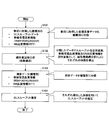
- 9 is a flowchart showing a DL throughput estimation processing example 1.
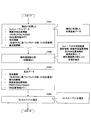
- 9 is a flowchart showing a DL throughput estimation processing example 1.
- 9 is a flowchart showing DL throughput estimation processing example 2. It is a figure for demonstrating the process of a quality visualization part. It is a figure for demonstrating the process of the quality deterioration determination part.
- LTE is mentioned as the communication method, but this is an example, and the present invention can be applied to 3G and 5G.
- quality information collecting apparatus 310 collects various quality information from a large number of user terminals 100 connected to a mobile network by crowdsourcing, and a large number of base stations 200. Collect base station information from. Then, the DL throughput is estimated from the collected information.
- the information is collected all over Japan, but this is an example, and the present invention is not limited to this.
- the target may be a foreign country, the whole world, or a part of Japan.
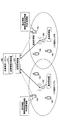
- FIG. 2 is a diagram showing the overall configuration of the system.
- an LTE providing area A and an LTE providing area B are shown as an example.
- the quality estimation system 300 including the above-described quality information collection device 310 and the quality management device 320 is provided.
- the quality estimation system 300 may be provided in the core network of the mobile network, or may be provided in a network outside the mobile network (eg, the Internet). Further, a certain base station may have the function of the quality estimation system 300, and a certain user terminal may have the function of the quality estimation system 300.
- the quality information collecting device 310 collects terminal information, wireless reception quality information, NW quality information from the user terminal 100 existing in each LTE providing area, and also collects base station information from the base station 200.
- the quality management device 320 estimates the DL throughput in the user terminal 100 based on the collected information.
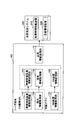
- FIG. 3 is a configuration diagram of the user terminal 100.
- the user terminal 100 includes a wireless reception quality information acquisition unit 110, a terminal information acquisition unit 120, a NW quality information acquisition unit 130, a wireless reception quality information storage unit 140, a terminal information storage unit 150, and NW quality information. It has a storage unit 160 and a quality information transmission unit 170.
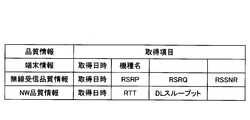
- FIG. 4 shows each quality information and acquisition items.
- the wireless reception quality information acquisition unit 110 illustrated in FIG. 3 acquires RSRP (Reference Signal Received Power), RSRQ (Reference Signal Received Quality), RSSNR (Reference Signal Signal to Noise Ratio), and the like as wireless reception quality information.
- the acquired wireless reception quality information is stored in the wireless reception quality information storage unit 140 with the acquisition date and time (acquired date and time) added.
- the wireless reception quality information acquisition unit 110 may acquire and store the wireless reception quality information at predetermined time intervals, or when a predetermined trigger (eg, when the wireless reception quality changes by a certain threshold or more) is detected.
- a predetermined trigger eg, when the wireless reception quality changes by a certain threshold or more
- the wireless reception quality information may be acquired and stored, or the wireless reception quality information may be acquired and stored at a trigger other than these.
- the terminal information acquisition unit 120 acquires terminal information such as the model name of the user terminal 100, adds the acquisition date and time, and stores it in the terminal information storage unit 150.
- the wireless reception quality information acquisition unit 110 and the terminal information acquisition unit 120 are shown to be the functions of the OS standard API of the user terminal 100, but using the OS standard API is an example. Is.
- the NW quality information acquisition unit 130 performs ping measurement at arbitrary time intervals, acquires a round trip delay time (RTT), and stores the acquired RTT in the NW quality information storage unit 160 together with the acquisition date and time.
- the ping destination is, for example, a device (server, router, etc.) provided on the network.
- the NW quality information acquisition unit 130 also periodically performs DL throughput measurement, and stores the measurement result in the NW quality information storage unit 160 together with the acquisition date and time.
- the quality information transmitting unit 170 transmits the information stored in each storage unit to the quality information collecting device 310.
- the NW quality information acquisition unit 130, the wireless reception quality information storage unit 140, the terminal information storage unit 150, and the NW quality information storage unit 160 are realized by a special application installed in the user terminal 100 in advance. It is a functional part. However, this is only an example.
- FIG. 5 shows the configuration of the base station 200 in addition to the configuration of the user terminal 100 (each storage unit is omitted).
- FIG. 5 also shows the flow of information between the user terminal 100/base station 200 and the quality estimation system 300.
- FIG. 6 shows acquisition items of base station information.
- the base station 200 includes a base station information acquisition unit 210 and a quality information transmission unit 220.
- the base station information acquisition unit 210 acquires, as the base station information, the transmission method (CA, QAM, MIMO, etc.) supported by the base station 200 side, and its own position information (latitude, longitude, etc.) as the base station information.
- the quality information transmitting unit 220 transmits the base station information with the acquisition date and time added to the quality information collecting device 310.
- the terminal information acquired by the user terminal 100, the wireless reception quality information, the NW quality information, and the base station information acquired by the base station 200 are received periodically or when requested by the quality management device 320. Sent to 310.
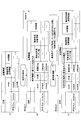
- FIG. 7 shows the configurations of the quality information collection device 310 and the quality management device 320 in addition to the configurations of the user terminal 100 and the base station 200.
- the quality information collecting device 310 includes a quality information receiving/accumulating unit 311, a quality information generating unit 312, and a terminal specification DB 313.
- the quality management device 320 also includes an estimation unit 321, a quality visualization unit 322, and a deterioration determination unit 323. The operation of each functional unit of the quality information collection device 310 and the quality management device 320 will be described later.
- the quality information collection device 310 and the quality management device 320 are provided and these constitute the quality estimation system 300 has been described as an example, but such a classification is an example.
- the quality information collection device 310 and the quality management device 320 may be realized by one device.
- the device may also be referred to as a quality estimation system.
- Each device (user terminal 100, base station 200, quality information collection device 310, quality management device 320, quality estimation system) in the present embodiment describes, for example, in a computer the processing content described in the present embodiment. It can be realized by executing a program.
- the “computer” may be a virtual machine provided by a cloud service. When using a virtual machine, the "hardware" described here is virtual hardware.
- the device can be realized by using a hardware resource such as a CPU and a memory built into the computer to execute a program corresponding to the process executed by the device.
- the above program can be recorded in a computer-readable recording medium (portable memory or the like), and can be stored or distributed. It is also possible to provide the above program through a network such as the Internet or electronic mail.
- FIG. 8 is a diagram showing a hardware configuration example of the computer according to the present embodiment.
- the computer in FIG. 8 includes a drive device 1000, an auxiliary storage device 1002, a memory device 1003, a CPU 1004, an interface device 1005, a display device 1006, an input device 1007, and the like, which are connected to each other by a bus B.
- the program that realizes the processing in the computer is provided by a recording medium 1001 such as a CD-ROM or a memory card.
- a recording medium 1001 such as a CD-ROM or a memory card.
- the program is installed in the auxiliary storage device 1002 from the recording medium 1001 via the drive device 1000.
- the program does not necessarily have to be installed from the recording medium 1001 and may be downloaded from another computer via a network.
- the auxiliary storage device 1002 stores the installed program and also stores necessary files and data.
- the memory device 1003 reads out and stores the program from the auxiliary storage device 1002 when a program activation instruction is given.
- the CPU 1004 realizes the function of the device according to the program stored in the memory device 1003.
- the interface device 1005 is used as an interface for connecting to a network.
- the display device 1006 displays a GUI (Graphical User Interface) or the like according to a program.
- the input device 1007 includes a keyboard and a mouse, buttons, a touch panel, or the like, and is used to input various operation instructions.
- the quality information receiving/accumulating unit 311 of the quality information collecting apparatus 310 shown in FIG. 7 includes various information (terminal information, wireless reception quality information, NW quality information, base station) transmitted from each user terminal 100 and each base station 200. Information, etc.) is received and stored.
- the quality information generation unit 312 links all or part of the terminal information, wireless reception quality information, NW quality information, base station information, and acquisition date and time, and generates a file having the linked information.
- the generated file is input to the terminal specification DB 313.
- the terminal specification DB 313 has a storage function for storing information and a function for classifying information.
- FIG. 9 shows an example of processing executed by the terminal specification DB 313.
- the terminal specification DB 313 first classifies the input information according to the model. In the example of FIG. 9, the information is classified into Model_A information and Model_B information.
- the terminal specification DB 313 adds the transmission method (CA, QAM, MIMO, etc.) associated with the model to the data for each model.
- the transmission method (CA, QAM, MIMO, etc.) associated with the model to the data for each model.
- information on the transmission method (the number of CCs, the modulation method, the number of simultaneous transmitting/receiving antennas) is added.
- the information on the transmission method (CA, QAM, MIMO, etc.) associated with the model may be stored in advance in the terminal specification DB 313, acquired from an external server, or the like, or the user terminal 100. It may be included in the terminal information transmitted from.
- the quality information collecting device 310 has acquired the information about the transmission method as the base station information of the base station 200 that communicates with the user terminal 100, the information about the transmission method of the user terminal 100 and the base station Of the information about the transmission method of the station 200, the one with lower performance is selected and added.
- the terminal specification DB 313 indicates that the number of CCs of the user terminal 100 is information. 2 is added as.
- the location information is added as the base station information associated with the terminal information, as shown in FIG. 9(c).
- the information to be added is not limited to the above-mentioned information, and information such as the maximum reception speed may be added, for example.
- y is an objective variable and is DL throughput in this embodiment.
- the method of estimating the model is not limited to linear multiple regression analysis.
- Arbitrary machine learning techniques such as support vector machines, neural nets, decision trees, and random forests can be applied.
- the processing of the estimation unit 321 includes a pattern 1 for deriving each coefficient after classifying for each model or each transmission method, and terminal information (parameter value based on the transmission method: CC compatible number, etc.) (+ base station information). There are two patterns of pattern 2 in which is added as an explanatory variable to derive the coefficient.
- the estimation unit 321 may execute either pattern 1 or pattern 2 or both. It should be noted that, as described above, "(+base station information)" means that, of the information of the transmission method of the base station and the information of the transmission method of the user terminal, the one with lower performance is used or the position of the base station is used. It is intended to use information.
- RSRP, RSRQ, RSSNR radio reception quality information
- RTT NW quality information
- the data read from the terminal specification DB is classified based on the model or the transmission method, and the DL throughput, the radio reception quality information (RSRP, RSRQ, RSSNR) and the NW quality information (RTT) are classified for each classification. ) Is used to obtain the coefficient of each quality information by linear multiple regression analysis.
- FIG. 10 is a flowchart showing a processing example for each model.
- data acquired in advance data read from the terminal specification DB 313 in the present embodiment
- DL throughput, wireless reception quality information RSRP, RSRQ, RSSNR
- NW wireless reception quality information
- RTT Quality information
- the model is Model_A
- plural pieces of data of “DL throughput, radio reception quality information (RSRP, RSRQ, RSSNR) and NW quality information (RTT)” of Model_A are acquired.
- the “DL throughput, radio reception quality information (RSRP, RSRQ, RSSNR) and NW quality information (RTT)” of one Model_A is, for example, data acquired at a certain acquisition date and time from a user terminal 100 with Model_A. Such data is acquired for each model.
- the estimation unit 321 derives the coefficient by performing a linear multiple regression analysis using the data for each model classified in S101. For example, focusing on Model_A as a model, each coefficient is derived by linear multiple regression analysis using the data of the Model_A, using the DL throughput as an objective variable, the radio reception quality information, and the NW quality information as explanatory variables.
- S103 and S104 are processes for estimating DL throughput from measurement data (DL throughput is not included).
- the measurement data is also acquired from the terminal specification DB 313.
- the measurement data is not limited to that acquired from the terminal specification DB 313.
- the estimation unit 321 acquires the measurement data from the terminal specification DB 313 and classifies the measurement data according to the model. For example, assume that “radio reception quality information (RSRP, RSRQ, RSSNR), NW quality information (RTT)” is obtained as the measurement data of Model_A.
- RSRP radio reception quality information
- RSRQ radio reception quality information
- RSSNR RSSNR
- RTT NW quality information
- the measurement data “Radio reception quality information (RSRP, RSRQ, RSSNR) for Model_A, DL throughput corresponding to “NW quality information (RTT)” can be calculated.
- Fig. 11 shows the processing when classified by transmission method. Compared with FIG. 10, the classification is changed from model to transmission system, and the processing content is the same as in the case of FIG.
- the estimation unit 321 uses the DL throughput as a target variable, terminal information (parameter value based on transmission method: CC correspondence number, etc.) (+ base station information), radio reception quality information (RSRP, RSRQ, RSSNR), and The DL throughput is calculated using a function having the NW quality information (RTT) as an explanatory variable. More specifically, first, DL throughput and terminal information (parameter values based on the transmission method) (+base station information), which is data (data read from the terminal specification DB) acquired in advance, and wireless reception quality information ( Using RSRP, RSRQ, RSSNR) and NW quality information (RTT), a coefficient of each quality information is obtained by linear multiple regression analysis.
- the parameter value based on the transmission method which is the terminal information, includes, for example, the number of CCs (such as the maximum number of frequency bands that can be used simultaneously in carrier aggregation (CA)) and the difference in the modulation method (QAM: for one transmission unit).
- the location information of the base station information For example, when estimating the DL throughput of the LTE service area A as shown in FIG. 2, the base station information of the LTE service area A and the DL throughput, the terminal information, and the wireless information acquired from the user terminal 100 under its control (in the sector). Data of the reception quality information and the NW information, the coefficient is derived, and the terminal information, the wireless reception quality information, and the NW information acquired from the user terminal 100 in the LTE providing area A by the estimation formula to which the coefficient is applied Estimate DL throughput from
- -It is also possible to specify the time zone by using the date and time associated with each quality information.
- a coefficient is derived using data of DL throughput, terminal information, wireless reception quality information, and NW information acquired at a specific date and time, and is obtained from the user terminal 100 at the date and time by an estimation formula to which the coefficient is applied.
- the DL throughput can be estimated from the data of the terminal information, the wireless reception quality information, and the NW information.
- FIG. 12 is a flowchart showing a processing example of pattern 2.
- step S301 the estimation unit 321 determines, from the terminal specification DB 313, a plurality of “DL throughput, radio reception quality information (RSRP, RSRQ, RSSNR), NW quality information (RTT), terminal information (transmission method-based parameter value: CC correspondence). Data) (+ base station information)”.
- a plurality of “DL throughput, radio reception quality information (RSRP, RSRQ, RSSNR) associated with the location information of the base station_A is used.
- RSRP, RSRQ, RSSNR radio reception quality information
- NW quality information (RTT) terminal information (parameter value based on transmission method: CC correspondence number, etc.) (+ base station information)” is acquired.
- RTT radio reception quality information
- terminal information parameter value based on transmission method: CC correspondence number, etc.
- the estimation unit 321 derives a coefficient by performing a linear multiple regression analysis using the data acquired in S301.
- the DL throughput is the target variable, the terminal information, Using the wireless reception quality information and the NW quality information as explanatory variables, respective coefficients are derived by linear multiple regression analysis.
- S303 and S304 are processes for estimating the DL throughput from the measurement data (DL throughput is not included).
- the measurement data is also acquired from the terminal specification DB 313.
- the measurement data is not limited to that acquired from the terminal specification DB 313.
- the estimation unit 321 acquires measurement data from the terminal specification DB 313. For example, in the case of using the position information of the base station, if it is assumed that the DL throughput in the area of the base station_A is to be estimated, as measurement data, “terminal information, radio reception quality associated with the position information of the base station_A is obtained. Information (RSRP, RSRQ, RSSNR), NW quality information (RTT)" is obtained.
- the measurement data “ DL throughput corresponding to “terminal information, radio reception quality information (RSRP, RSRQ, RSSNR), NW quality information (RTT)” can be calculated.
- the quality visualization unit 322 visualizes the DL throughput that is the estimation result calculated by the estimation unit 321.
- the quality visualization unit 322 is obtained from the position of the user terminal 100 that is the source of the measurement data (or the position of the base station 200 that accommodates the user terminal 100) and the measurement data.
- a screen (quality area map) is created by mapping the user experience quality (QoE: Quality of experience) calculated based on the DL throughput on a map, and the screen is provided to the terminal of the NW operator.
- QoE Quality of experience
- the NW administrator of the NW operator can visually recognize whether the QoE is deteriorated for each area.
- a method for estimating QoE from parameters such as DL throughput for example, a QoE estimation method described in a reference document (“QoE-centric operation for optimizing user experience quality”, NTT Technical Journal, 2015.7) is used. Can be used.
- the quality deterioration determination unit 323 holds the DL throughput (or QoE estimated from the DL throughput) when quality deterioration has not occurred in the storage unit as data when quality is not deteriorated (good quality). As shown on the left side of FIG. 14, the data when the quality is good is held as the data of the map created by the quality visualization unit 322.
- the quality deterioration determination unit 323 determines whether or not the quality of the determination target has deteriorated based on the difference obtained by subtracting the value of the quality of the determination target from the value of the quality when the quality is good. For example, if the difference is greater than or equal to the threshold value, it is determined that the deterioration has occurred.
- the quality deteriorates, it can be displayed as a deteriorated area as shown on the right side of FIG. 14, for example.
- quality estimation system 300 has radio reception quality information (RSRP, RSRQ, RSSNR) and NW quality information (round-trip delay time (RTT)) collected by crowdsourcing in a mobile network. ) And terminal information and base station information as input parameters, the DL throughput can be estimated with high accuracy.
- RSRP radio reception quality information
- RSRQ radio reception quality information
- RSSNR radio reception quality information
- NW quality information round-trip delay time (RTT)
- the network operator can always understand the quality state and detect the quality deterioration (early detection).
- a quality estimation system for estimating DL throughput in a user terminal connected to a wireless network, From a plurality of user terminals, at least terminal information, wireless reception quality information, and an acquisition means for acquiring network quality information, Coefficient deriving means for deriving a coefficient in an estimation formula in which DL throughput is an objective variable and at least radio reception quality information and network quality information are explanatory variables, based on the information acquired by the acquisition means; An estimation unit that estimates the DL throughput corresponding to the measurement data from the measurement data using the estimation formula to which the coefficient is applied.
- the quality information collection device 310 is an example of an acquisition unit.
- the quality control device 320 is an example of the coefficient deriving unit and the estimating unit.
- the acquisition means classifies the wireless reception quality information and the network quality information according to the model and the transmission method based on the terminal information,
- the coefficient deriving unit derives a coefficient in the estimation formula using the radio reception quality information and the network quality information for each classification,
- the quality estimation system according to Item 1 wherein the estimation unit calculates DL throughput using the estimation formula in which a coefficient corresponding to a classification is applied to measurement data corresponding to a classification.
- the acquisition unit acquires terminal information, wireless reception quality information, and network quality information from a plurality of user terminals, and acquires position information from a plurality of base stations,
- the coefficient deriving means derives a coefficient in an estimation formula using terminal information, radio reception quality information, and network quality information for each position information of the base station,
- the estimation unit calculates the DL throughput using the estimation formula in which the coefficient corresponding to the position information is applied to the measurement data corresponding to the position information of a certain base station. Quality estimation system.
- a quality estimation method executed by a quality estimation system for estimating DL throughput in a user terminal connected to a wireless network comprising: From a plurality of user terminals, at least an acquisition step of acquiring terminal information, radio reception quality information, and network quality information, A coefficient derivation step of deriving a coefficient in an estimation formula in which the DL throughput is an objective variable and at least the radio reception quality information and the network quality information are explanatory variables, based on the information acquired in the acquisition step; An estimation step of estimating DL throughput corresponding to the measurement data from the measurement data using the estimation formula to which the coefficient is applied.
- (Section 7) A program for causing a computer to function as each unit of the quality estimation system according to any one of items 1 to 5.
Landscapes
- Engineering & Computer Science (AREA)
- Computer Networks & Wireless Communication (AREA)
- Signal Processing (AREA)
- Quality & Reliability (AREA)
- Physics & Mathematics (AREA)
- Electromagnetism (AREA)
- Mobile Radio Communication Systems (AREA)
Abstract
無線ネットワークに接続されるユーザ端末におけるDLスループットを推定する品質推定システムにおいて、複数のユーザ端末から、少なくとも、端末情報、無線受信品質情報、及びネットワーク品質情報を取得する取得手段と、前記取得手段により取得された情報に基づいて、DLスループットを目的変数とし、少なくとも、無線受信品質情報及びネットワーク品質情報を説明変数とした推定式における係数を導出する係数導出手段と、前記係数を適用した前記推定式を用いて、測定データから、当該測定データに対応するDLスループットを推定する推定手段とを備える。
Description
本発明は、無線ネットワークにおいて、品質情報を収集し、収集した品質情報からDLスループットを推定する技術に関するものである。
品質情報を収集し、収集した品質情報からDL(DownLink)スループットを推定する従来技術として、例えば、測定器で測定した無線受信品質パラメータ(RSRP、RSRQ、SINR)を入力パラメータとして利用し、DLスループットを推定する技術がある。
また、品質情報を収集し、収集した品質情報からDLスループットを推定する従来技術として、非特許文献1に開示された技術や、非特許文献2に開示された技術もある。
201803信総大:無線パラメータおよびRTTを用いたスループット推定モデルの提案、吉村、B-11-12
Modelling Download Throughput of LTE Networks, Joe Cainey, Brendan Gill, Samuel Johnston, James Robinson, Sam Westwood, 39th Annual IEEE Conference on Local Computer Networks Workshops
上述した最初の従来技術では、測定器で収集した無線受信品質パラメータ(RSRP、RSRQ、SINR)を入力値としてスループットを推定するので、クラウドソーシング(不特定多数のユーザの寄与を募り端末情報として収集)を想定したモデルになっていない。
非特許文献1に開示された従来技術では、ユーザ端末で測定した無線受信品質パラメータ(RSRP、RSRQ、RSSNR)及びRTTを使用してDLスループットを推定するが、特に品質に影響する端末の機種特性を考慮していない。また、非特許文献2に開示された従来技術ではキャリアを限定したモデルになっている。
また、受信時に複数の周波数を束ねる技術(キャリアアグリゲーション:CA)や変調方式の違い(64QAM、256QAM等)、同時送受信アンテナ数(2×2MIMO、4×4MIMO等)の各機種が対応している伝送方式の違いから、同じ無線受信環境やネットワーク環境であっても、機種によってデータ伝送速度が異なってくる。よって、DLスループット推定を行う上で端末特性を考慮することは重要である。しかし、従来技術では、端末特性の考慮はされていないため、十分な精度が得られなかった。
本発明は上記の点に鑑みてなされたものであり、モバイルネットワークにおいて、クラウドソーシングで収集した品質情報に基づいて、高精度にDLスループットを算出することを可能とする技術を提供することを目的とする。
開示の技術によれば、無線ネットワークに接続されるユーザ端末におけるDLスループットを推定する品質推定システムであって、
複数のユーザ端末から、少なくとも、端末情報、無線受信品質情報、及びネットワーク品質情報を取得する取得手段と、
前記取得手段により取得された情報に基づいて、DLスループットを目的変数とし、少なくとも、無線受信品質情報及びネットワーク品質情報を説明変数とした推定式における係数を導出する係数導出手段と、
前記係数を適用した前記推定式を用いて、測定データから、当該測定データに対応するDLスループットを推定する推定手段と
を備える品質推定システムが提供される。
複数のユーザ端末から、少なくとも、端末情報、無線受信品質情報、及びネットワーク品質情報を取得する取得手段と、
前記取得手段により取得された情報に基づいて、DLスループットを目的変数とし、少なくとも、無線受信品質情報及びネットワーク品質情報を説明変数とした推定式における係数を導出する係数導出手段と、
前記係数を適用した前記推定式を用いて、測定データから、当該測定データに対応するDLスループットを推定する推定手段と
を備える品質推定システムが提供される。
開示の技術によれば、モバイルネットワークにおいて、クラウドソーシングで収集した品質情報に基づいて、高精度にDLスループットを算出することを可能とする技術が提供される。
以下、図面を参照して本発明の実施の形態を説明する。以下で説明する実施の形態は一例に過ぎず、本発明が適用される実施の形態は、以下の実施の形態に限られるわけではない。
例えば、以下の説明では、通信方式としてLTEを挙げているが、これは例であり、3Gや5Gにおいても本発明を適用することが可能である。
(システムの全体構成)
本実施の形態では、図1に示すように、品質情報収集装置310が、クラウドソーシングにより、モバイルネットワークに接続される多数のユーザ端末100から各種の品質情報を収集するとともに、多数の基地局200から基地局情報を収集する。そして、これら収集された情報からDLスループットが推定される。図1に示す例では、日本全国を対象として情報収集を行うことが示されているが、これは例であり、これに限られるわけではない。例えば、外国を対象としてもよいし、全世界を対象としてもよいし、日本の一部の地域を対象としてもよい。
本実施の形態では、図1に示すように、品質情報収集装置310が、クラウドソーシングにより、モバイルネットワークに接続される多数のユーザ端末100から各種の品質情報を収集するとともに、多数の基地局200から基地局情報を収集する。そして、これら収集された情報からDLスループットが推定される。図1に示す例では、日本全国を対象として情報収集を行うことが示されているが、これは例であり、これに限られるわけではない。例えば、外国を対象としてもよいし、全世界を対象としてもよいし、日本の一部の地域を対象としてもよい。
図2は、システムの全体構成を示す図である。図2では例として、LTE提供エリアAとLTE提供エリアBが示されている。図2に示すように、前述した品質情報収集装置310と、品質管理装置320とを有する品質推定システム300が備えられる。
品質推定システム300は、モバイルネットワークのコアネットワークに備えられてもよいし、モバイルネットワークの外部のネットワーク(例:インターネット)に備えられてもよい。また、ある基地局が品質推定システム300の機能を有することとしてもよいし、あるユーザ端末が品質推定システム300の機能を有することとしてもよい。
品質情報収集装置310が、各LTE提供エリアに存在するユーザ端末100から、端末情報、無線受信品質情報、NW品質情報を収集するとともに、基地局200から基地局情報を収集する。品質管理装置320が、収集した情報に基づいてユーザ端末100におけるDLスループットを推定する。
(ユーザ端末100及び基地局200の構成、及び動作概要)
図3は、ユーザ端末100の構成図である。図3に示すように、ユーザ端末100は、無線受信品質情報取得部110、端末情報取得部120、NW品質情報取得部130、無線受信品質情報記憶部140、端末情報記憶部150、NW品質情報記憶部160、及び品質情報送信部170を有する。図4は、各品質情報と、取得項目を示している。
図3は、ユーザ端末100の構成図である。図3に示すように、ユーザ端末100は、無線受信品質情報取得部110、端末情報取得部120、NW品質情報取得部130、無線受信品質情報記憶部140、端末情報記憶部150、NW品質情報記憶部160、及び品質情報送信部170を有する。図4は、各品質情報と、取得項目を示している。
図3に示す無線受信品質情報取得部110は、RSRP(Reference Signal Received Power)、RSRQ(Reference Signal Received Quality)、RSSNR(Reference Signal Signal to Noise Ratio)等を無線受信品質情報として取得する。取得した無線受信品質情報は取得日時(取得した日と時刻)を付加して無線受信品質情報記憶部140に格納される。
無線受信品質情報取得部110は、予め定めた時間間隔で無線受信品質情報を取得及び記憶してもよいし、所定のトリガ(例:無線受信品質がある閾値以上変化した場合)を検知した場合に、無線受信品質情報を取得及び記憶してもよいし、これら以外の契機で無線受信品質情報を取得及び記憶してもよい。
端末情報取得部120は、ユーザ端末100の機種名等の端末情報を取得し、取得日時を付加して端末情報記憶部150に格納する。
図3に示す例では、無線受信品質情報取得部110と端末情報取得部120は、ユーザ端末100のOS標準APIの機能であることが示されているが、OS標準APIを使用することは一例である。
NW品質情報取得部130は、任意の時間間隔でping計測を行い、往復遅延時間(RTT)を取得し、取得したRTTを取得日時とともにNW品質情報記憶部160に格納する。なお、pingの宛先は、例えば、ネットワーク上に備えた装置(サーバ、ルータ等)である。また、NW品質情報取得部130は、定期的にDLスループット測定も実施し、測定結果を取得日時とともにNW品質情報記憶部160に格納する。
品質情報送信部170は、各記憶部に格納された情報を品質情報収集装置310に送信する。
図3に示す例では、NW品質情報取得部130、無線受信品質情報記憶部140、端末情報記憶部150、NW品質情報記憶部160は、ユーザ端末100に事前にインストールした特製アプリケーションにより実現される機能部である。ただし、これは一例に過ぎない。
図5は、ユーザ端末100の構成(各記憶部は省略)に加えて、基地局200の構成を示す。また、図5は、ユーザ端末100/基地局200と品質推定システム300との間の情報の流れも示している。図6は、基地局情報の取得項目を示す。
図5に示すように、基地局200は、基地局情報取得部210、及び品質情報送信部220を有する。基地局情報取得部210は、基地局情報として、基地局200側が対応する伝送方式(CA、QAM、MIMO等)、及び自身の位置情報(緯度経度等)を基地局情報として取得する。品質情報送信部220は、取得日時が付加された基地局情報を品質情報収集装置310に送信する。
ユーザ端末100が取得した端末情報と無線受信品質情報とNW品質情報、及び基地局200が取得した基地局情報は周期的に、又は、品質管理装置320から要求があった場合に品質情報収集装置310へ送信される。
(品質情報収集装置310及び品質管理装置320の構成)
図7は、ユーザ端末100及び基地局200の構成に加えて、品質情報収集装置310及び品質管理装置320の構成を示している。
図7は、ユーザ端末100及び基地局200の構成に加えて、品質情報収集装置310及び品質管理装置320の構成を示している。
図7に示すように、品質情報収集装置310は、品質情報受信・蓄積部311、品質情報生成部312、及び端末仕様DB313を有する。また、品質管理装置320は、推定部321、品質可視化部322、及び劣化判定部323を有する。品質情報収集装置310及び品質管理装置320の各機能部の動作については後述する。
なお、本実施の形態では、品質情報収集装置310と品質管理装置320が備えられ、これらが品質推定システム300を構成する場合を例にとって説明しているが、このような区分は一例である。例えば、品質情報収集装置310と品質管理装置320が1つの装置で実現されてもよい。品質情報収集装置310と品質管理装置320が1つの装置で実現される場合の当該装置についても品質推定システムと称してよい。
(ハードウェア構成例)
本実施の形態における各装置(ユーザ端末100、基地局200、品質情報収集装置310、品質管理装置320、品質推定システム)は、例えば、コンピュータに、本実施の形態で説明する処理内容を記述したプログラムを実行させることにより実現可能である。なお、この「コンピュータ」は、クラウドサービスにより提供される仮想マシンであってもよい。仮想マシンを使用する場合、ここで説明する「ハードウェア」とは仮想的なハードウェアである。
本実施の形態における各装置(ユーザ端末100、基地局200、品質情報収集装置310、品質管理装置320、品質推定システム)は、例えば、コンピュータに、本実施の形態で説明する処理内容を記述したプログラムを実行させることにより実現可能である。なお、この「コンピュータ」は、クラウドサービスにより提供される仮想マシンであってもよい。仮想マシンを使用する場合、ここで説明する「ハードウェア」とは仮想的なハードウェアである。
当該装置は、コンピュータに内蔵されるCPUやメモリ等のハードウェア資源を用いて、当該装置で実施される処理に対応するプログラムを実行することによって実現することが可能である。上記プログラムは、コンピュータが読み取り可能な記録媒体(可搬メモリ等)に記録して、保存したり、配布したりすることが可能である。また、上記プログラムをインターネットや電子メール等、ネットワークを通して提供することも可能である。
図8は、本実施の形態における上記コンピュータのハードウェア構成例を示す図である。図8のコンピュータは、それぞれバスBで相互に接続されているドライブ装置1000、補助記憶装置1002、メモリ装置1003、CPU1004、インタフェース装置1005、表示装置1006、及び入力装置1007等を有する。
当該コンピュータでの処理を実現するプログラムは、例えば、CD-ROM又はメモリカード等の記録媒体1001によって提供される。プログラムを記憶した記録媒体1001がドライブ装置1000にセットされると、プログラムが記録媒体1001からドライブ装置1000を介して補助記憶装置1002にインストールされる。但し、プログラムのインストールは必ずしも記録媒体1001より行う必要はなく、ネットワークを介して他のコンピュータよりダウンロードするようにしてもよい。補助記憶装置1002は、インストールされたプログラムを格納すると共に、必要なファイルやデータ等を格納する。
メモリ装置1003は、プログラムの起動指示があった場合に、補助記憶装置1002からプログラムを読み出して格納する。CPU1004は、メモリ装置1003に格納されたプログラムに従って、当該装置に係る機能を実現する。インタフェース装置1005は、ネットワークに接続するためのインタフェースとして用いられる。表示装置1006はプログラムによるGUI(Graphical User Interface)等を表示する。入力装置1007はキーボード及びマウス、ボタン、又はタッチパネル等で構成され、様々な操作指示を入力させるために用いられる。
(品質情報収集装置310の各機能部の動作)
図7に示す品質情報収集装置310の品質情報受信・蓄積部311は、各ユーザ端末100及び各基地局200から送信された各種の情報(端末情報、無線受信品質情報、NW品質情報、基地局情報等)を受信し、蓄積する。
図7に示す品質情報収集装置310の品質情報受信・蓄積部311は、各ユーザ端末100及び各基地局200から送信された各種の情報(端末情報、無線受信品質情報、NW品質情報、基地局情報等)を受信し、蓄積する。
品質情報生成部312は、端末情報、無線受信品質情報、NW品質情報、基地局情報、及び取得日時のうちの全部又は一部を紐付け、紐付けた情報を有するファイルを生成する。生成したファイルは、端末仕様DB313に入力される。
端末仕様DB313は、情報を格納する蓄積機能ととともに、情報の分類等を行う機能を有する。
図9は、端末仕様DB313が実行する処理の例を示している。端末仕様DB313は、入力された情報に対し、まず機種(model)による分類を実行する。図9の例では、Model_Aの情報と、Model_Bの情報に分類されている。
その後、端末仕様DB313は、機種毎のデータに対し、当該機種に紐付いた伝送方式(CA、QAM、MIMO等)を付加する。図9の例では、(b)に示すように、当該伝送方式(CC数、変調方式、同時送受信アンテナ数)の情報が付加されている。なお、機種に紐付いた伝送方式(CA、QAM、MIMO等)の情報については、端末仕様DB313内に予め保存されていてもよいし、外部のサーバ等から取得してもよいし、ユーザ端末100から送信される端末情報に含まれることとしてもよい。
また、品質情報収集装置310が、ユーザ端末100と通信を行う基地局200の基地局情報として伝送方式に関する情報を取得している場合には、当該ユーザ端末100の伝送方式に関する情報と、当該基地局200の伝送方式に関する情報とのうち、性能の低い方を選択し、付加する。一例として、ユーザ端末100がサポートするCC数が2、このユーザ端末100と通信する基地局200がサポートするCC数が4であるとすると、端末仕様DB313は、当該ユーザ端末100のCC数の情報として2を付加する。
また、基地局情報として基地局の位置情報がある場合、図9(c)に示すように、端末情報に紐付く基地局情報として、当該位置情報が付加される。
なお、付加する情報は上述した情報に限らず、例えば、受信最大速度等の情報も加えても構わない。
(品質管理装置320の各機能部の動作)
<推定部321>
推定部321は、端末仕様DB313から取得する情報を用いて、一例として線形重回帰分析の推定式(y=b0x0+b1x1+....+bp-1xp-1+bp)の係数bi(i=0~p)を導出するとともに、導出した係数(モデルと呼んでもよい)を適用した線形重回帰分析の推定式を用いてDLスループットを推定する。上記の式において、yが目的変数であり本実施の形態ではDLスループットである。xi(i=0~p-1)は説明変数であり、無線受信品質情報、NW品質情報等である。
<推定部321>
推定部321は、端末仕様DB313から取得する情報を用いて、一例として線形重回帰分析の推定式(y=b0x0+b1x1+....+bp-1xp-1+bp)の係数bi(i=0~p)を導出するとともに、導出した係数(モデルと呼んでもよい)を適用した線形重回帰分析の推定式を用いてDLスループットを推定する。上記の式において、yが目的変数であり本実施の形態ではDLスループットである。xi(i=0~p-1)は説明変数であり、無線受信品質情報、NW品質情報等である。
なお、モデルを推定する手法は、線形重回帰分析に限られない。サポートベクタマシン、ニューラルネット、決定木、ランダムフォレスト等、任意の機械学習の手法を適用することができる。
以下、推定部321の処理をより詳細に説明する。
推定部321の処理には、機種毎や伝送方式毎に分類してからそれぞれの係数を導出するパタン1と、端末情報(伝送方式に基づくパラメータ値:CC対応数等)(+基地局情報)を説明変数として加えて係数を導出するパタン2の2パタンがある。推定部321は、パタン1とパタン2のうちのいずれかを実行してもよいし、両方を実行してもよい。なお、上記の"(+基地局情報)"は、前述したように、基地局の伝送方式の情報とユーザ端末の伝送方式の情報のうち、性能の低い方を用いることや、基地局の位置情報を用いること等を意図している。
以下、各パタンにおける処理内容を説明する。
(1)パタン1
パタン1において、推定部321は、DLスループットを目的変数とし、無線受信品質情報(RSRP、RSRQ、RSSNR)及びNW品質情報(RTT)を説明変数とした関数を用いて、DLスループットを算出する。
パタン1において、推定部321は、DLスループットを目的変数とし、無線受信品質情報(RSRP、RSRQ、RSSNR)及びNW品質情報(RTT)を説明変数とした関数を用いて、DLスループットを算出する。
より具体的には、まず、端末仕様DBから読み出したデータを、機種もしくは伝送方式に基づき分類し、分類毎に、DLスループットと無線受信品質情報(RSRP、RSRQ、RSSNR)及びNW品質情報(RTT)を用いて、線形重回帰分析により各品質情報の係数を求める。
そして、DLスループット算出時には、対象とする機種もしくは伝送方式に基づき、係数を選定する。
図10は、機種別の処理例を示すフローチャートである。S101において、事前に取得したデータ(本実施の形態では、端末仕様DB313から読み出したデータ)を機種別に分類し、機種毎に、「DLスループット、無線受信品質情報(RSRP、RSRQ、RSSNR)、NW品質情報(RTT)」のデータを取得する。例えば、機種がModel_Aである場合、Model_Aの「DLスループット、無線受信品質情報(RSRP、RSRQ、RSSNR)及びNW品質情報(RTT)」のデータを複数取得する。1つのModel_Aの「DLスループット、無線受信品質情報(RSRP、RSRQ、RSSNR)及びNW品質情報(RTT)」は、例えば、Model_Aのあるユーザ端末100からある取得日時において取得されたデータである。このようなデータが機種毎に取得される。
S102において、推定部321は、S101で分類した機種毎のデータを用いて線形重回帰分析を行うことにより係数を導出する。例えば、機種としてModel_Aに着目すると、当該Model_Aのデータを用いて、DLスループットを目的変数、無線受信品質情報及びNW品質情報を説明変数として、線形重回帰分析によりそれぞれの係数を導出する。
S103、S104は、測定データ(DLスループットを含まない)から、DLスループットを推定するための処理である。当該測定データも、端末仕様DB313から取得されるものである。ただし、測定データは、端末仕様DB313から取得されるものに限られない。
S103において、推定部321は、端末仕様DB313から測定データを取得し、測定データを機種別に分類する。例えば、Model_Aの測定データとして「無線受信品質情報(RSRP、RSRQ、RSSNR)、NW品質情報(RTT)」が得られたとする。
この場合、S104において、Model_Aに対して得られた係数を適用した線形重回帰分析の推定式を計算することにより、Model_Aについての、当該測定データ「無線受信品質情報(RSRP、RSRQ、RSSNR)、NW品質情報(RTT)」に対応するDLスループットを算出することができる。
図11は、伝送方式別に分類した場合の処理を示す。図10と比べて、分類が機種から伝送方式になるだけで、処理内容は図10の場合と同様である。
(2)パタン2
パタン2において、推定部321は、DLスループットを目的変数とし、端末情報(伝送方式に基づくパラメータ値:CC対応数等)(+基地局情報)、無線受信品質情報(RSRP、RSRQ、RSSNR)及びNW品質情報(RTT)を説明変数とした関数を用いて、DLスループットを算出する.
より具体的には、まず、事前に取得したデータ(端末仕様DBから読み出したデータ)である、DLスループットと端末情報(伝送方式に基づくパラメータ値)(+基地局情報)、無線受信品質情報(RSRP、RSRQ、RSSNR)及びNW品質情報(RTT)とを用いて、線形重回帰分析により各品質情報の係数を求める。そして、DLスループット算出時には、当該係数を適用した推定式により、算出を行う。なお、端末情報である伝送方式に基づくパラメータ値は、例えば、CC対応数(キャリアアグリゲーション(CA)において同時に利用可能な周波数帯域の最大数など)、変調方式の違い(QAM:1伝送単位に対して載せることが可能な最大ビット数(16QAM=4,64QAM=6,256QAM=8など))、同時送受信アンテナ数(送信アンテナ数、受信アンテナ数のうち最小の値など)、などである。
パタン2において、推定部321は、DLスループットを目的変数とし、端末情報(伝送方式に基づくパラメータ値:CC対応数等)(+基地局情報)、無線受信品質情報(RSRP、RSRQ、RSSNR)及びNW品質情報(RTT)を説明変数とした関数を用いて、DLスループットを算出する.
より具体的には、まず、事前に取得したデータ(端末仕様DBから読み出したデータ)である、DLスループットと端末情報(伝送方式に基づくパラメータ値)(+基地局情報)、無線受信品質情報(RSRP、RSRQ、RSSNR)及びNW品質情報(RTT)とを用いて、線形重回帰分析により各品質情報の係数を求める。そして、DLスループット算出時には、当該係数を適用した推定式により、算出を行う。なお、端末情報である伝送方式に基づくパラメータ値は、例えば、CC対応数(キャリアアグリゲーション(CA)において同時に利用可能な周波数帯域の最大数など)、変調方式の違い(QAM:1伝送単位に対して載せることが可能な最大ビット数(16QAM=4,64QAM=6,256QAM=8など))、同時送受信アンテナ数(送信アンテナ数、受信アンテナ数のうち最小の値など)、などである。
推定において、エリアを限定したい場合には、基地局情報の位置情報を利用することができる。例えば、図2のようにLTE提供エリアAのDLスループットを推定する場合、LTE提供エリアAの基地局情報と、その配下(セクタ内)にいるユーザ端末100から取得したDLスループット、端末情報、無線受信品質情報、NW情報のデータを利用して係数を導出し、当該係数を適用した推定式により、LTE提供エリアAにいるユーザ端末100から取得した端末情報、無線受信品質情報、NW情報のデータからDLスループットを推定する。
また、各品質情報に紐づいた日時を利用することで、時間帯を指定することも可能である。例えば、ある特定の日時に取得したDLスループット、端末情報、無線受信品質情報、NW情報のデータを利用して係数を導出し、当該係数を適用した推定式により、当該日時にユーザ端末100から取得した端末情報、無線受信品質情報、NW情報のデータからDLスループットを推定することができる。
図12は、パタン2の処理例を示すフローチャートである。
S301において、推定部321は、端末仕様DB313から、複数の「DLスループット、無線受信品質情報(RSRP、RSRQ、RSSNR)、NW品質情報(RTT)、端末情報(伝送方式に基づくパラメータ値:CC対応数等)(+基地局情報)」のデータを取得する。
基地局の位置情報を使用する場合においては、例えば、基地局が基地局_Aである場合、基地局_Aの位置情報に紐付いた複数の「DLスループット、無線受信品質情報(RSRP、RSRQ、RSSNR)、NW品質情報(RTT)、端末情報(伝送方式に基づくパラメータ値:CC対応数等)(+基地局情報)」のセットが取得される。他の基地局についても同様である。
S302において、推定部321は、S301で取得したデータを用いて線形重回帰分析を行うことにより係数を導出する。
基地局の位置情報を使用する場合においては、例えば、基地局として基地局_Aに着目すると、当該基地局_Aの位置情報に紐付けられたデータを用いて、DLスループットを目的変数、端末情報、無線受信品質情報及びNW品質情報を説明変数として、線形重回帰分析によりそれぞれの係数を導出する。
S303、S304は、測定データ(DLスループットを含まない)から、DLスループットを推定するための処理である。当該測定データも、端末仕様DB313から取得されるものである。ただし、測定データは、端末仕様DB313から取得されるものに限られない。
S303において、推定部321は、端末仕様DB313から測定データを取得する。例えば、基地局の位置情報を使用する場合において、基地局_AのエリアにおけるDLスループットを推定したい場合を想定した場合、測定データとして、基地局_Aの位置情報に紐付いた「端末情報、無線受信品質情報(RSRP、RSRQ、RSSNR)、NW品質情報(RTT)」が得られたとする。
この場合、S304において、基地局_Aの位置情報に紐付いたデータを用いて得られた係数を適用した線形重回帰分析の式を計算することにより、基地局_Aの位置についての、当該測定データ「端末情報、無線受信品質情報(RSRP、RSRQ、RSSNR)、NW品質情報(RTT)」に対応するDLスループットを算出することができる。
(品質可視化部322の動作)
品質可視化部322は、推定部321により算出された推定結果であるDLスループットを可視化する。
品質可視化部322は、推定部321により算出された推定結果であるDLスループットを可視化する。
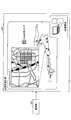
例えば、図13に示すように、品質可視化部322は、測定データの発信元のユーザ端末100の位置(ユーザ端末100を収容する基地局200の位置でもよい)と、その測定データから得られたDLスループットに基づき算出されたユーザ体感品質(QoE:Quality of experience)とを地図上にマッピングした画面(品質エリアマップ)を作成し、当該画面をNW事業者の端末に提供する。これにより、NW事業者におけるNW管理者は、エリア毎にQoEが劣化しているかどうかを目視で把握することができる。なお、DLスループットなどのパラメータからQoEを推定する方法として、例えば、参考文献("ユーザ体感品質を最適化するQoE-centricオペレーション"、NTT技術ジャーナル、2015.7)に記載されたQoE推定方法を用いることができる。
(品質劣化判定部323の動作)
品質劣化判定部323は、品質劣化が発生していない時のDLスループット(あるいはDLスループットから推定されたQoE)を品質非劣化(品質良好)時のデータとして記憶手段に保持している。図14の左側に示すように、当該品質良好時のデータは、品質可視化部322が作成したマップのデータとして保持される。
品質劣化判定部323は、品質劣化が発生していない時のDLスループット(あるいはDLスループットから推定されたQoE)を品質非劣化(品質良好)時のデータとして記憶手段に保持している。図14の左側に示すように、当該品質良好時のデータは、品質可視化部322が作成したマップのデータとして保持される。
そして、品質劣化判定部323は、品質良好時の品質の値から、判断対象の品質の値を引いて得られる差分に基づき、当該判断対象の品質が劣化したかどうかを判断する。例えば、差分が閾値以上であれば劣化したと判断する。品質が劣化した場合には、例えば、図14の右側に示すように、劣化エリアとして表示することができる。
(実施の形態の効果等)
以上、説明したように、本実施の形態では、品質推定システム300が、モバイルネットワークにおいて、クラウドソーシングで収集した無線受信品質情報(RSRP、RSRQ、RSSNR)とNW品質情報(往復遅延時間(RTT))と、端末情報、基地局情報を入力パラメータとし、高精度にDLスループットを推定することができる。
以上、説明したように、本実施の形態では、品質推定システム300が、モバイルネットワークにおいて、クラウドソーシングで収集した無線受信品質情報(RSRP、RSRQ、RSSNR)とNW品質情報(往復遅延時間(RTT))と、端末情報、基地局情報を入力パラメータとし、高精度にDLスループットを推定することができる。
上記のように、高精度にDLスループットを推定することができるので、ネットワーク事業者において、常時、品質の状態を把握できるとともに、品質劣化の検知(早期発見)が可能となる。
(実施の形態のまとめ)
以上、説明したとおり、本明細書には、少なくとも下記の事項が開示されている。
以上、説明したとおり、本明細書には、少なくとも下記の事項が開示されている。
(第1項)
無線ネットワークに接続されるユーザ端末におけるDLスループットを推定する品質推定システムであって、
複数のユーザ端末から、少なくとも、端末情報、無線受信品質情報、及びネットワーク品質情報を取得する取得手段と、
前記取得手段により取得された情報に基づいて、DLスループットを目的変数とし、少なくとも、無線受信品質情報及びネットワーク品質情報を説明変数とした推定式における係数を導出する係数導出手段と、
前記係数を適用した前記推定式を用いて、測定データから、当該測定データに対応するDLスループットを推定する推定手段と
を備える品質推定システム。
無線ネットワークに接続されるユーザ端末におけるDLスループットを推定する品質推定システムであって、
複数のユーザ端末から、少なくとも、端末情報、無線受信品質情報、及びネットワーク品質情報を取得する取得手段と、
前記取得手段により取得された情報に基づいて、DLスループットを目的変数とし、少なくとも、無線受信品質情報及びネットワーク品質情報を説明変数とした推定式における係数を導出する係数導出手段と、
前記係数を適用した前記推定式を用いて、測定データから、当該測定データに対応するDLスループットを推定する推定手段と
を備える品質推定システム。
品質情報収集装置310は、取得手段の例である。また、品質管理装置320は、係数導出手段及び推定手段の例である。
(第2項)
前記取得手段は、端末情報に基づいて、無線受信品質情報及びネットワーク品質情報を機種別及び伝送方式別に分類し、
前記係数導出手段は、分類毎に、無線受信品質情報及びネットワーク品質情報を用いて推定式における係数を導出し、
前記推定手段は、ある分類に対応する測定データに対し、当該分類に対応する係数を適用した前記推定式を用いてDLスループットを算出する
第1項に記載の品質推定システム。
(第3項)
前記係数導出手段は、端末情報、無線受信品質情報、及びネットワーク品質情報を用いて推定式における係数を導出する
第1項に記載の品質推定システム。
(第4項)
前記係数導出手段は、前記端末情報における伝送方式の情報として、基地局における伝送方式の情報とユーザ端末における伝送方式の情報のうち、性能の低い方の情報を用いる
第3項に記載の品質推定システム。
(第5項)
前記取得手段は、複数のユーザ端末から、端末情報、無線受信品質情報、及びネットワーク品質情報を取得し、複数の基地局から位置情報を取得し、
前記係数導出手段は、基地局の位置情報毎に、端末情報、無線受信品質情報、及びネットワーク品質情報を用いて推定式における係数を導出し、
前記推定手段は、ある基地局の位置情報に対応する測定データに対し、当該位置情報に対応する係数を適用した前記推定式を用いて、DLスループットを算出する
第3項又は第4項に記載の品質推定システム。
(第6項)
無線ネットワークに接続されるユーザ端末におけるDLスループットを推定する品質推定システムが実行する品質推定方法であって、
複数のユーザ端末から、少なくとも、端末情報、無線受信品質情報、及びネットワーク品質情報を取得する取得ステップと、
前記取得ステップにより取得された情報に基づいて、DLスループットを目的変数とし、少なくとも、無線受信品質情報及びネットワーク品質情報を説明変数とした推定式における係数を導出する係数導出ステップと、
前記係数を適用した前記推定式を用いて、測定データから、当該測定データに対応するDLスループットを推定する推定ステップと
を備える品質推定方法。
(第7項)
コンピュータを、第1項ないし第5項のうちいずれか1項に記載の品質推定システムの各手段として機能させるためのプログラム。
(第2項)
前記取得手段は、端末情報に基づいて、無線受信品質情報及びネットワーク品質情報を機種別及び伝送方式別に分類し、
前記係数導出手段は、分類毎に、無線受信品質情報及びネットワーク品質情報を用いて推定式における係数を導出し、
前記推定手段は、ある分類に対応する測定データに対し、当該分類に対応する係数を適用した前記推定式を用いてDLスループットを算出する
第1項に記載の品質推定システム。
(第3項)
前記係数導出手段は、端末情報、無線受信品質情報、及びネットワーク品質情報を用いて推定式における係数を導出する
第1項に記載の品質推定システム。
(第4項)
前記係数導出手段は、前記端末情報における伝送方式の情報として、基地局における伝送方式の情報とユーザ端末における伝送方式の情報のうち、性能の低い方の情報を用いる
第3項に記載の品質推定システム。
(第5項)
前記取得手段は、複数のユーザ端末から、端末情報、無線受信品質情報、及びネットワーク品質情報を取得し、複数の基地局から位置情報を取得し、
前記係数導出手段は、基地局の位置情報毎に、端末情報、無線受信品質情報、及びネットワーク品質情報を用いて推定式における係数を導出し、
前記推定手段は、ある基地局の位置情報に対応する測定データに対し、当該位置情報に対応する係数を適用した前記推定式を用いて、DLスループットを算出する
第3項又は第4項に記載の品質推定システム。
(第6項)
無線ネットワークに接続されるユーザ端末におけるDLスループットを推定する品質推定システムが実行する品質推定方法であって、
複数のユーザ端末から、少なくとも、端末情報、無線受信品質情報、及びネットワーク品質情報を取得する取得ステップと、
前記取得ステップにより取得された情報に基づいて、DLスループットを目的変数とし、少なくとも、無線受信品質情報及びネットワーク品質情報を説明変数とした推定式における係数を導出する係数導出ステップと、
前記係数を適用した前記推定式を用いて、測定データから、当該測定データに対応するDLスループットを推定する推定ステップと
を備える品質推定方法。
(第7項)
コンピュータを、第1項ないし第5項のうちいずれか1項に記載の品質推定システムの各手段として機能させるためのプログラム。
以上、本実施の形態について説明したが、本発明はかかる特定の実施形態に限定されるものではなく、特許請求の範囲に記載された本発明の要旨の範囲内において、種々の変形・変更が可能である。
100 ユーザ端末
110 無線受信品質情報取得部
120 端末情報取得部
130 NW品質情報取得部
140 無線受信品質情報記憶部
150 端末情報記憶部
160 NW品質情報記憶部
170 品質情報送信部
200 基地局
210 基地局情報取得部
220 品質情報送信部
310 品質情報収集装置
311 品質情報受信・蓄積部
312 品質情報生成部
313 端末仕様DB
320 品質管理装置
321 推定部
322 品質可視化部
323 劣化判定部
300 品質推定システム
1000 ドライブ装置
1001 記録媒体
1002 補助記憶装置
1003 メモリ装置
1004 CPU
1005 インターフェース装置
1006 表示装置
1007 入力装置
110 無線受信品質情報取得部
120 端末情報取得部
130 NW品質情報取得部
140 無線受信品質情報記憶部
150 端末情報記憶部
160 NW品質情報記憶部
170 品質情報送信部
200 基地局
210 基地局情報取得部
220 品質情報送信部
310 品質情報収集装置
311 品質情報受信・蓄積部
312 品質情報生成部
313 端末仕様DB
320 品質管理装置
321 推定部
322 品質可視化部
323 劣化判定部
300 品質推定システム
1000 ドライブ装置
1001 記録媒体
1002 補助記憶装置
1003 メモリ装置
1004 CPU
1005 インターフェース装置
1006 表示装置
1007 入力装置
Claims (7)
- 無線ネットワークに接続されるユーザ端末におけるDLスループットを推定する品質推定システムであって、
複数のユーザ端末から、少なくとも、端末情報、無線受信品質情報、及びネットワーク品質情報を取得する取得手段と、
前記取得手段により取得された情報に基づいて、DLスループットを目的変数とし、少なくとも、無線受信品質情報及びネットワーク品質情報を説明変数とした推定式における係数を導出する係数導出手段と、
前記係数を適用した前記推定式を用いて、測定データから、当該測定データに対応するDLスループットを推定する推定手段と
を備える品質推定システム。 - 前記取得手段は、端末情報に基づいて、無線受信品質情報及びネットワーク品質情報を機種別及び伝送方式別に分類し、
前記係数導出手段は、分類毎に、無線受信品質情報及びネットワーク品質情報を用いて推定式における係数を導出し、
前記推定手段は、ある分類に対応する測定データに対し、当該分類に対応する係数を適用した前記推定式を用いてDLスループットを算出する
請求項1に記載の品質推定システム。 - 前記係数導出手段は、端末情報、無線受信品質情報、及びネットワーク品質情報を用いて推定式における係数を導出する
請求項1に記載の品質推定システム。 - 前記係数導出手段は、前記端末情報における伝送方式の情報として、基地局における伝送方式の情報とユーザ端末における伝送方式の情報のうち、性能の低い方の情報を用いる
請求項3に記載の品質推定システム。 - 前記取得手段は、複数のユーザ端末から、端末情報、無線受信品質情報、及びネットワーク品質情報を取得し、複数の基地局から位置情報を取得し、
前記係数導出手段は、基地局の位置情報毎に、端末情報、無線受信品質情報、及びネットワーク品質情報を用いて推定式における係数を導出し、
前記推定手段は、ある基地局の位置情報に対応する測定データに対し、当該位置情報に対応する係数を適用した前記推定式を用いて、DLスループットを算出する
請求項3又は4に記載の品質推定システム。 - 無線ネットワークに接続されるユーザ端末におけるDLスループットを推定する品質推定システムが実行する品質推定方法であって、
複数のユーザ端末から、少なくとも、端末情報、無線受信品質情報、及びネットワーク品質情報を取得する取得ステップと、
前記取得ステップにより取得された情報に基づいて、DLスループットを目的変数とし、少なくとも、無線受信品質情報及びネットワーク品質情報を説明変数とした推定式における係数を導出する係数導出ステップと、
前記係数を適用した前記推定式を用いて、測定データから、当該測定データに対応するDLスループットを推定する推定ステップと
を備える品質推定方法。 - コンピュータを、請求項1ないし5のうちいずれか1項に記載の品質推定システムの各手段として機能させるためのプログラム。
Priority Applications (1)
| Application Number | Priority Date | Filing Date | Title |
|---|---|---|---|
| US17/419,399 US11864011B2 (en) | 2019-01-04 | 2019-12-23 | Quality estimation system, quality estimation method and program |
Applications Claiming Priority (2)
| Application Number | Priority Date | Filing Date | Title |
|---|---|---|---|
| JP2019-000295 | 2019-01-04 | ||
| JP2019000295A JP7131394B2 (ja) | 2019-01-04 | 2019-01-04 | 品質推定システム、品質推定方法、及びプログラム |
Publications (1)
| Publication Number | Publication Date |
|---|---|
| WO2020141590A1 true WO2020141590A1 (ja) | 2020-07-09 |
Family
ID=71406491
Family Applications (1)
| Application Number | Title | Priority Date | Filing Date |
|---|---|---|---|
| PCT/JP2019/050379 Ceased WO2020141590A1 (ja) | 2019-01-04 | 2019-12-23 | 品質推定システム、品質推定方法、及びプログラム |
Country Status (3)
| Country | Link |
|---|---|
| US (1) | US11864011B2 (ja) |
| JP (1) | JP7131394B2 (ja) |
| WO (1) | WO2020141590A1 (ja) |
Citations (1)
| Publication number | Priority date | Publication date | Assignee | Title |
|---|---|---|---|---|
| JP2015126407A (ja) * | 2013-12-26 | 2015-07-06 | 日本電気株式会社 | 無線ネットワーク評価装置とシステム及び方法並びにプログラム |
Family Cites Families (10)
| Publication number | Priority date | Publication date | Assignee | Title |
|---|---|---|---|---|
| JP4636282B2 (ja) * | 2005-01-12 | 2011-02-23 | 日本電気株式会社 | ユーザスループット地理的分布推定システムおよびユーザスループット地理的分布推定方法 |
| JPWO2014087671A1 (ja) * | 2012-12-06 | 2017-01-05 | 日本電気株式会社 | 通信ネットワークにおける無線通信端末およびネットワーク通信負荷推定方法 |
| EP2987285B1 (en) * | 2013-04-17 | 2018-02-21 | Telefonaktiebolaget LM Ericsson (publ) | A method and apparatus for optimising telecommuncation services |
| US10111135B2 (en) * | 2013-08-09 | 2018-10-23 | Nokia Solutions And Networks Oy | Offloading traffic of a user equipment communication session from a cellular communication network to a wireless local area network (WLAN) |
| US10412182B2 (en) * | 2014-12-18 | 2019-09-10 | Nippon Telegraph And Telephone Corporation | Communication speed estimation apparatus, communication speed estimation method, and program |
| JP6494471B2 (ja) * | 2015-08-25 | 2019-04-03 | 株式会社日立製作所 | ネットワークシステム、通信品質の判定方法、及び分析装置 |
| FR3052627A1 (fr) * | 2016-06-10 | 2017-12-15 | Orange | Procede de selection d'une interface de communication |
| CN110313205B (zh) * | 2017-02-10 | 2021-12-21 | 华为技术有限公司 | 一种通信方法及设备 |
| CN110913422B (zh) * | 2018-09-18 | 2022-05-17 | 华为技术有限公司 | 用于小区测量的方法和装置 |
| JP2021022889A (ja) * | 2019-07-30 | 2021-02-18 | ソニー株式会社 | ネットワークスライス制御サーバ、サービスサーバ、および、それらの制御方法 |
-
2019
- 2019-01-04 JP JP2019000295A patent/JP7131394B2/ja active Active
- 2019-12-23 WO PCT/JP2019/050379 patent/WO2020141590A1/ja not_active Ceased
- 2019-12-23 US US17/419,399 patent/US11864011B2/en active Active
Patent Citations (1)
| Publication number | Priority date | Publication date | Assignee | Title |
|---|---|---|---|---|
| JP2015126407A (ja) * | 2013-12-26 | 2015-07-06 | 日本電気株式会社 | 無線ネットワーク評価装置とシステム及び方法並びにプログラム |
Non-Patent Citations (2)
| Title |
|---|
| YOSHIMURA, NORIKO; IKEGAMI, DAISUKE; NOJIRI, HIDEKI; TAKAHASI, AKIRA: "A Study on Throughput Estimation Using Wireless Quality Parameters", LECTURE PROCEEDINGS 2 OF THE 2016 COMMUNICATION SOCIETY CONFERENCE OF IEICE, vol. 2, 20 September 2016 (2016-09-20), pages 265, XP009522325, ISSN: 1349-144X * |
| YOSHIMURA, NORIKO; KIKUCHI, SHIGEMI; EGI, NORITSUGU; OKAMOTO, JUN: "A Study of Throughput Estimation Model for CA Compatible Models", LECTURE PROCEEDINGS 2 OF THE 2018 COMMUNICATION SOCIETY CONFERENCE OF IEICE, 11 September 2018 (2018-09-11), JP, pages 196, XP009522324 * |
Also Published As
| Publication number | Publication date |
|---|---|
| US20220070703A1 (en) | 2022-03-03 |
| US11864011B2 (en) | 2024-01-02 |
| JP2020109911A (ja) | 2020-07-16 |
| JP7131394B2 (ja) | 2022-09-06 |
Similar Documents
| Publication | Publication Date | Title |
|---|---|---|
| US11696161B2 (en) | System and method for distributed network performance management | |
| US12004045B2 (en) | Determining location based on dynamic path loss exponent (PLE) and intercept (Int) estimation | |
| US10075356B2 (en) | Hierarchical anomaly localization and prioritization | |
| US8406804B2 (en) | Communication terminal device, communication system and method of selecting base station thereof | |
| US10361923B2 (en) | Method and device for discovering network topology | |
| CN109392005A (zh) | 一种信号强度测量的方法、相关装置以及系统 | |
| US9507747B2 (en) | Data driven composite location system using modeling and inference methods | |
| US20210184940A1 (en) | Prediction of a performance indicator | |
| US12438800B2 (en) | Cloud native observability migration and assessment | |
| US20160127926A1 (en) | Reverse coverage heat map | |
| JP7131394B2 (ja) | 品質推定システム、品質推定方法、及びプログラム | |
| JP5970544B2 (ja) | Lteシステムにおけるセルのユーザスループットの確定方法及び装置 | |
| US11395151B2 (en) | Analyzing a communication network device, based on coverage analyses associated with decommissioning the communication network device, to determine next actions for 5G rollout | |
| US20210344574A1 (en) | Analyzing a communication network device, based on capacity analyses associated with decommissioning the communication network device, to determine next actions | |
| US20250168676A1 (en) | Systems and methods for deriving baseline radio frequency measurements of coverage areas | |
| US20150195214A1 (en) | Verification method, verification device, and recording medium | |
| JP2007036839A (ja) | パケット交換網における品質劣化切り分け装置および切り分けシステム、ならびに切り分け方法 | |
| Salık et al. | Non-WiFi interference detection and throughput estimation at the WiFi edge for 2.4 and 5 GHz bands with machine learning | |
| Zhang et al. | An empirical study of mobile network behavior and application performance in the wild | |
| US20250013560A1 (en) | Optimzing synthetic tests across cloud, enterprise, and user agents | |
| US20250175414A1 (en) | Network observability solution for detecting routing anomalies | |
| US20250279945A1 (en) | Supplementation of active probing with infrastructure telemetry data | |
| JP2025075449A (ja) | 測定管理装置、測定管理システム及び測定管理方法 | |
| WO2026042097A1 (en) | System and method for evaluating performance of a communication network | |
| WO2024049334A1 (en) | Method and system for energy efficient service placement in an edge cloud |
Legal Events
| Date | Code | Title | Description |
|---|---|---|---|
| 121 | Ep: the epo has been informed by wipo that ep was designated in this application |
Ref document number: 19906902 Country of ref document: EP Kind code of ref document: A1 |
|
| NENP | Non-entry into the national phase |
Ref country code: DE |
|
| 122 | Ep: pct application non-entry in european phase |
Ref document number: 19906902 Country of ref document: EP Kind code of ref document: A1 |