WO2020044441A1 - コンピュータシステム、農産物管理方法及びプログラム - Google Patents
コンピュータシステム、農産物管理方法及びプログラム Download PDFInfo
- Publication number
- WO2020044441A1 WO2020044441A1 PCT/JP2018/031785 JP2018031785W WO2020044441A1 WO 2020044441 A1 WO2020044441 A1 WO 2020044441A1 JP 2018031785 W JP2018031785 W JP 2018031785W WO 2020044441 A1 WO2020044441 A1 WO 2020044441A1
- Authority
- WO
- WIPO (PCT)
- Prior art keywords
- hash value
- unique data
- crop
- data
- combining
- Prior art date
- Legal status (The legal status is an assumption and is not a legal conclusion. Google has not performed a legal analysis and makes no representation as to the accuracy of the status listed.)
- Ceased
Links
Images


Classifications
-
- G—PHYSICS
- G06—COMPUTING OR CALCULATING; COUNTING
- G06Q—INFORMATION AND COMMUNICATION TECHNOLOGY [ICT] SPECIALLY ADAPTED FOR ADMINISTRATIVE, COMMERCIAL, FINANCIAL, MANAGERIAL OR SUPERVISORY PURPOSES; SYSTEMS OR METHODS SPECIALLY ADAPTED FOR ADMINISTRATIVE, COMMERCIAL, FINANCIAL, MANAGERIAL OR SUPERVISORY PURPOSES, NOT OTHERWISE PROVIDED FOR
- G06Q10/00—Administration; Management
- G06Q10/08—Logistics, e.g. warehousing, loading or distribution; Inventory or stock management
-
- G—PHYSICS
- G06—COMPUTING OR CALCULATING; COUNTING
- G06Q—INFORMATION AND COMMUNICATION TECHNOLOGY [ICT] SPECIALLY ADAPTED FOR ADMINISTRATIVE, COMMERCIAL, FINANCIAL, MANAGERIAL OR SUPERVISORY PURPOSES; SYSTEMS OR METHODS SPECIALLY ADAPTED FOR ADMINISTRATIVE, COMMERCIAL, FINANCIAL, MANAGERIAL OR SUPERVISORY PURPOSES, NOT OTHERWISE PROVIDED FOR
- G06Q50/00—Information and communication technology [ICT] specially adapted for implementation of business processes of specific business sectors, e.g. utilities or tourism
- G06Q50/02—Agriculture; Fishing; Forestry; Mining
Definitions
- the present invention relates to a computer system for managing the history of agricultural products, an agricultural product management method, and a program.
- the distribution route can be established using multiple databases. It is disclosed that information for identification is managed in a distributed manner (see Patent Document 1).
- Patent Literature 1 when the history is unknown in a part of the process, or when the content of the history is falsified, there is a possibility that the reliability of specifying the distribution channel may be reduced.
- the present invention has an object to provide a computer system, an agricultural product management method, and a program that can easily improve the reliability of specifying a manufacturing and distribution channel.
- the present invention provides the following solutions.
- the present invention is a recording means for recording the unique data of each process for the crop to be distributed from producer to consumer, Acquisition means for acquiring DNA data for individually identifying crops, Calculating means for combining the DNA data and unique data of a first process to calculate a first hash value; With The calculating means calculates a second hash value by combining the first hash value and unique data of a second process, Further, when the number of the processes is three or more, the calculating unit may calculate the (n + 1) th hash value by combining the nth hash value and the unique data of the (n + 1) th process.
- the present invention provides a computer system which repeats the process for all processes until it calculates the hash value of the last process.
- unique data of each process for a crop to be distributed from a producer to a consumer is recorded, DNA data for individually identifying the crop is obtained, and the DNA data and the first process are obtained.
- a computer system for calculating a hash value of the process is repeated in all processes until the crop is distributed.
- the present invention is in the category of computer systems.
- other categories such as methods and programs exhibit the same functions and effects according to the categories.
- FIG. 1 is a diagram illustrating an outline of the agricultural product management system 1.
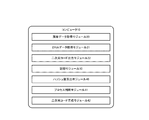
- FIG. 2 is an overall configuration diagram of the agricultural product management system 1.
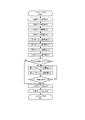
- FIG. 3 is a flowchart showing the agricultural product management process executed by the computer 10.
- FIG. 4 is a diagram schematically showing each process of the crop.
- FIG. 1 is a diagram for explaining an outline of an agricultural product management system 1 according to a preferred embodiment of the present invention.
- the agricultural product management system 1 is a computer system that includes a computer 10 and executes agricultural product management.
- the agricultural product management system 1 may include, in addition to the computer 10, a terminal owned by a producer, manager, or purchaser of the agricultural product, or another device or terminal such as an external computer.
- the computer 10 is connected to other devices and terminals (not shown) via a public line network or the like so as to be able to perform data communication, and executes necessary data transmission and reception.
- the computer 10 records, as an agricultural product, unique data of each process in the agricultural product.
- the computer 10 records the unique data of each process from when the producer produces the crop to when the consumer purchases it.
- Processes for crops include field processes, crop processes, sorting processes, delivery processes, and store processes.
- the unique data in the field process is information on producers, production sites, soil, weather, types and amounts of fertilizers, types and amounts of spraying chemicals, and the like.
- the unique data in the crop process is information on the type of crop, growth record, date and time of harvest, harvest status, harvester, and the like.
- the unique data in the sorting process is information on the size, quality, shipping date, shipping location, shipping destination, etc. of the crop.
- the unique data in the delivery process is information on a control temperature (normal temperature, refrigerated or frozen), delivery means (air transport, land transport, sea transport, etc.), a delivery route, and the like.
- the unique data in the store process is information on the arrival date, storage method, processing method (cooking method, etc.), and the like.
- the computer 10 obtains DNA (deoxyribonucleic acid) data for individually identifying the crops.
- the computer 10 obtains a part of the base sequence in the DNS of each individual crop, and obtains a part of the obtained base sequence as DNA data.
- the computer 10 combines the obtained DNA data with the unique data of the first process to calculate a first hash value.
- the computer 10 combines the acquired DNA data with the unique data of the field process that has grown the crop having the DNA data, and calculates a first hash value.
- the computer 10 combines the calculated first hash value with the unique data of the second process to calculate a second hash value.
- the computer 10 combines the calculated first hash value with the unique data of the crop process that has grown this crop, and calculates a second hash value.
- the computer 10 combines the hash value calculated based on the process before the current process with the unique data of the current process for three or more processes to calculate the hash value.
- the computer 10 combines the calculated second hash value with the unique data of the third process (sorting process) to calculate a third hash value.
- the computer 10 combines the calculated third hash value with the unique data of the fourth process (delivery process) to calculate a fourth hash value.
- the computer 10 combines the calculated fourth hash value with the unique data of the fifth process (store process) to calculate a fifth hash value.
- the computer 10 sequentially calculates hash values for all three or more existing processes, and calculates the hash value of the last process.
- the computer 10 combines the unique data of the (n + 1) th process with the (n + 1) th hash value for the process having three or more processes, and calculates the (n + 1) th hash value.
- the value of n is 2 or more. This is because, when the value of n is 1, as described above, the first hash value combining the DNA data of the crop and the unique data of the first process is calculated.
- the computer 10 records the unique data of each process for distributing the crop from the producer to the consumer (step S01).
- the computer 10 records, as unique data of each process, unique data in each of a field process, a crop process, a sorting process, a delivery process, and a store process.
- the computer 10 uses unique data input by a producer terminal owned by the producer, unique data measured by various sensors installed on the farmland, unique data stored by an external computer, and a delivery terminal owned by the delivery company.
- the input unique data and the unique data input by the store terminal owned by the store manager are acquired according to each process, and the acquired unique data is recorded.
- the computer 10 acquires this unique data at the start, midway, or end of each process, or at any combination of multiple timings.
- the computer 10 stores each process and the unique data in association with each other.
- the computer 10 acquires the DNA data of the crop (Step S02).
- the computer 10 acquires the DNA base sequence from the chromosome of each crop.
- the computer 10 acquires a part of the base sequence having a sequence unique to each crop.
- the computer 10 acquires a part of the base sequence having the unique sequence as DNA data of the crop.
- the computer 10 acquires DNA data at any timing before the start of cultivation, during cultivation, at the time of harvest, or at the time of shipping.
- the computer 10 calculates a hash value obtained by combining the acquired DNA data and the unique data of the first process as a first hash value (Step S03). As a first process, the computer 10 calculates a hash value obtained by combining the unique data of the field process with the DNA data as a first hash value. The computer 10 calculates the first hash value at the time of completion of the first process, at the time of starting or completing a subsequent process, or at any timing before the completion of the final process.
- the computer 10 calculates a hash value obtained by combining the calculated first hash value and the unique data of the second process as a second hash value (Step S04).
- the computer 10 calculates, as the second hash value, a hash value obtained by combining the unique data of the crop process as the second process with the first hash value.
- the computer 10 calculates the second hash value at an arbitrary timing after the calculation of the first hash value and before the completion of the final process.
- the computer 10 repeats the same process as the process of calculating the second hash value for the processes having three or more processes, and calculates the hash value of each process (Step S05).
- the computer 10 combines the unique data of the (n + 1) th process with the nth hash value, and calculates the (n + 1) th hash value.
- the computer 10 repeats this process in a necessary process until the crop is distributed, and calculates each hash value up to the hash value in the last process.
- the computer 10 combines the unique data of the third process (sorting process) with the second hash value to calculate a third hash value.
- the computer 10 combines the unique data of the fourth process (delivery process) with the third hash value to calculate a fourth hash value.
- the computer 10 combines the unique data of the fifth process (store process) with the fourth hash value to calculate a fifth hash value.
- the consumer picks up the crop, the consumer reads the two-dimensional code or the like to which the hash value (fifth hash value) in the last process is added, so that the consumer can manufacture and distribute the crop. It becomes easy to grasp the process.
- the consumer conducts DNA appraisal of this crop and compares the DNA data as the appraisal result with the DNA data contained in the hash value in the last process. Is an agricultural product of this DNA data, and it is easy to confirm that it has been sold through a manufacturing and distribution process having this hash value.
- FIG. 2 is a diagram showing a system configuration of the agricultural product management system 1 according to a preferred embodiment of the present invention.
- the agricultural product management system 1 is a computer system that includes a computer 10 and executes agricultural product management.
- the computer 10 is connected to a producer terminal (not shown), various sensors, an external computer, a distributor terminal, and a store terminal via a public line network or the like so that data communication is possible.
- the computer 10 includes a CPU (Central Processing Unit), a RAM (Random Access Memory), a ROM (Read Only Memory) and the like as a control unit, and a device for enabling communication with other terminals and devices as a communication unit.
- a Wi-Fi (Wireless-Fidelity) compliant device or the like compliant with IEEE 802.11 is provided.
- the computer 10 includes, as a recording unit, a data storage unit such as a hard disk, a semiconductor memory, a recording medium, and a memory card.
- the computer 10 includes, as a processing unit, various devices that execute various processes.
- control unit reads a predetermined program, and realizes the unique data acquisition module 20, the DNA data acquisition module 21, and the two-dimensional code output module 22 in cooperation with the communication unit. Further, in the computer 10, the control unit reads a predetermined program, thereby realizing the recording module 30 in cooperation with the recording unit. Also, in the computer 10, the control unit reads a predetermined program, and realizes the hash value calculation module 40, the process determination module 41, and the two-dimensional code generation module 42 in cooperation with the processing unit.
- FIG. 3 is a diagram illustrating a flowchart of the agricultural product management process executed by the computer 10. The processing executed by each module described above will be described together with this processing.
- the unique data acquisition module 20 acquires unique data in a process for distributing a crop from a producer to a consumer (step S10).
- the unique data acquisition module 20 performs the first process (field process), the second process (crop process), the third process (sorting process), the fourth process (delivery process), and the fifth process.
- first process field process
- second process crop process
- third process sorting process
- fourth process delivery process
- fifth process the fifth process.
- unique data is acquired.
- the unique data in the field process is information on producers, production sites, soil components, weather (precipitation, sunshine, temperature, humidity, etc.), types and amounts of fertilizers, types and amounts of spraying chemicals, and the like.
- the unique data in the crop process is information on the type of crop, growth record, date and time of harvest, harvest status, harvester, and the like.
- the unique data in the sorting process is information on the size, quality, shipping date, shipping location, shipping destination, etc. of the crop.
- the unique data in the delivery process is information on a control temperature (normal temperature, refrigeration or freezing) at the time of delivery, delivery means (air transport, land transport, sea transport, etc.), a delivery route, and the like.
- the unique data in the store process is information on the arrival date, storage method, processing method (cooking method, etc.), and the like.
- the unique data acquisition module 20 acquires unique data from a producer terminal, various sensors, an external computer, a delivery terminal, a store terminal, and the like.
- the unique data acquisition module 20 is, for example, information input or recorded by a producer terminal, information detected by various sensors, information recorded by an external computer, information input or recorded by a deliverer terminal, input or recorded by a store terminal, Acquire the recorded information as unique data.
- the unique data acquisition module 20 acquires the unique data at an arbitrary timing from the start to the end of each process or at an arbitrary timing from the end of the last process.
- the timing at which the unique data acquisition module 20 acquires the unique data can be changed as appropriate.
- the recording module 30 records the acquired unique data for each process (step S11).
- the recording module 30 stores the identifiers of the individual crops (information that can uniquely identify the crops such as numbers and symbols) and the identifiers of the processes (the names of the processes and the numbers and symbols assigned to the processes). Etc.) and the acquired unique data are recorded in association with each other.
- the recording module 30 may include a crop 100 as a crop identifier, a field process as a process identifier, and a producer, a production site, a soil component, weather, a type and amount of a fertilizer, a type of a spraying agent, and the like as unique data. The amount is recorded in association with the amount.
- the recording module 30 records the crop 100, the crop process, the type of the crop, the growth record, the harvest date and time, the harvest status, and the harvester in association with each other. Similarly, the recording module 30 associates and records the agricultural products 100, the sorting process, and the unique data of the sorting process, and associates the agricultural products 100, the delivery process, and the unique data of the delivery process with each other. Then, the agricultural product 100, the store process, and the unique data of the store process are recorded in association with each other. The recording module 30 performs this processing for all the crops to be grown.
- the DNA data acquisition module 21 acquires the DNA data of the crop (step S12).
- the DNA data acquisition module 21 acquires DNA data of each crop.
- the DNA data is obtained by extracting a base sequence of DNA from the chromosome of each crop and extracting a part of the base sequence having a sequence unique to each crop among the extracted base sequences. Since the method of analyzing the base sequence of DNA may be a general method, the details are omitted.
- the DNA data obtaining module 21 obtains the DNA data of the crop by obtaining the analysis result.
- the DNA data acquisition module 21 acquires DNA data of all cultivated crops.
- the DNA data acquisition module 21 acquires the DNA data of the crop at an arbitrary timing during the cultivation, at the time of harvest, or at the time of shipping before the cultivation of the crop is started.
- the recording module 30 records the obtained DNA data (Step S13).
- the recording module 30 records the acquired DNA data in association with the identifier of the crop from which the DNA data has been extracted.
- the recording module 30 records the crop 100 and the DNA data of the crop 100 in association with each other.
- the recording module 30 similarly records individual crops and DNA data for all the crops to be grown.
- the hash value calculation module 40 calculates a hash value obtained by combining the acquired DNA data and the unique data of the first process as a first hash value (step S14).
- the hash value calculation module 40 calculates a hash value using a predetermined hash function (SHA-1, SHA-2, etc.).
- the hash value calculation module 40 calculates, as a first hash value, a hash value obtained by combining the identifier of the crop, the acquired DNA data of the crop, and the unique data of the field process of the crop.
- the hash value calculation module 40 calculates the first hash value at least at any timing after the time when the field process is completed and before the time when the final process is completed. That is, the hash value calculation module 40 calculates the first hash value at an arbitrary timing after the completion of the field process and before the completion of the store process.
- the recording module 30 records the calculated first hash value (step S15).
- the first hash value recorded by the recording module 30 includes the identifier of the crop, the DNA data of the crop, and the unique data in the first process. That is, the first hash value includes the identifier of the crop, the DNA data of the crop, and the unique data in the field process.
- the hash value calculation module 40 calculates a hash value obtained by combining the calculated first hash value and the unique data of the second process as a second hash value (step S16). In step S16, the hash value calculation module 40 calculates a hash value using a predetermined hash function.
- the hash value calculation module 40 calculates a hash value obtained by combining the first hash value and the unique data of the second process associated with the identifier of the crop for which the first hash value has been calculated, into a second hash value Is calculated as
- the hash value calculation module 40 calculates, as a second hash value, a hash value obtained by combining the first hash value and the unique data of the crop process associated with the identifier of the crop for which the first hash value has been calculated. I do.
- the hash value calculation module 40 calculates the second hash value at any time after the first hash value is calculated, at any time after the crop process is completed, and before the store process is completed. I do.
- the recording module 30 records the calculated second hash value (Step S17).
- the second hash value recorded by the recording module 30 includes the identifier of the crop, the DNA data of the crop, the unique data in the first process, and the unique data in the second process. That is, it includes the identifier of the crop, the DNA data of the crop, the unique data in the field process, and the unique data in the crop process.
- the process determination module 41 determines whether the calculation of the hash values for all the processes of the crop has been completed (step S18). In step S18, the process determination module 41 determines whether or not the process of the crop has been completed based on whether or not the calculation of the hash value based on the preset number of processes has been performed. For example, when the preset number of processes is “5”, the process determination module 41 determines whether the number of hash values calculated so far is five. That is, the process determination module 41 performs this processing by determining whether the hash value calculation module 40 has calculated the fifth hash value.
- the process determination module 41 may determine whether or not the calculation of the hash values for all the processes of the crop is completed, not limited to the above-described process, but may be performed by another method. For example, the process determination module 41 may determine based on whether or not a predetermined number of hash values have been calculated.
- step S18 when the process determining module 41 determines that the process is completed (YES in step S18), the two-dimensional code generation module 42 performs a process in step S22 described later.
- step S18 when the process determination module 41 determines that the process is not completed (step S18 NO), the hash value calculation module 40 determines the calculated n-th hash value and the unique data of the (n + 1) -th process. Is calculated as the (n + 1) th hash value (step S19).
- step S19 the hash value calculation module 40 calculates a hash value using a predetermined hash function. At this time, the value of n is 2 or more.
- the value of n can be expressed as Pm-1 when the maximum number of processes is Pm. That is, the value obtained by subtracting 1 from the maximum number of processes becomes the value of n.
- the hash value calculation module 40 converts the hash value obtained by combining the n-th hash value and the unique data of the (n + 1) -th process associated with the identifier of the crop for which the n-th hash value was calculated into the (n + 1) -th hash value Is calculated as
- n is four.
- the hash value calculating module 40 converts the hash value obtained by combining the second hash value and the unique data of the third process associated with the identifier of the crop whose second hash value has been calculated into the third hash value Is calculated as That is, the hash value calculation module 40 converts the hash value obtained by combining the second hash value and the unique data of the sorting process associated with the identifier of the crop whose second hash value has been calculated into the third hash value. Is calculated as The hash value calculation module 40 calculates the third hash value at any time after the second hash value is calculated, at any time after the sorting process is completed, and before the store process is completed. I do.
- the hash value calculating module 40 converts the hash value obtained by combining the third hash value and the unique data of the fourth process associated with the identifier of the crop whose third hash value has been calculated into the fourth hash value Is calculated as That is, the hash value calculating module 40 converts the hash value obtained by combining the third hash value and the unique data of the delivery process associated with the identifier of the crop whose third hash value has been calculated into the fourth hash value Is calculated as The hash value calculation module 40 calculates the fourth hash value at any time after the time when the third hash value is calculated, at any time after the time when the delivery process is completed, and before the time when the store process is completed. I do.
- the hash value calculation module 40 calculates a hash value obtained by combining the fourth hash value and the unique data of the fifth process associated with the identifier of the crop whose fourth hash value has been calculated, as a fifth hash value. Is calculated as That is, the hash value calculation module 40 converts the hash value obtained by combining the fourth hash value and the unique data of the store process associated with the identifier of the crop whose fourth hash value has been calculated into the fifth hash value. Is calculated as The hash value calculation module 40 calculates the fifth hash value at an arbitrary timing at least after the fourth hash value is calculated and before the store process is completed.
- the recording module 30 records the calculated (n + 1) th hash value (step S20).
- the (n + 1) th hash value recorded by the recording module 30 includes the crop identifier, the DNA data of the crop, and the unique data up to the (n + 1) th process.
- the recording module 30 records the calculated third hash value.
- the third hash value recorded by the recording module 30 includes a crop identifier, crop DNA data, unique data in the first process, unique data in the second process, and unique data in the third process. ing. That is, it includes the identifier of the crop, the DNA data of the crop, the unique data in the field process, the unique data in the crop process, and the unique data in the sorting process.
- the recording module 30 records the calculated fourth hash value.
- the fourth hash value recorded by the recording module 30 includes the crop identifier, the crop DNA data, the unique data in the first process, the unique data in the second process, the unique data in the third process, and the fourth data. Data specific to the process. That is, it includes the identifier of the crop, the DNA data of the crop, the unique data in the field process, the unique data in the crop process, and the unique data in the sorting process and the delivery process.
- the recording module 30 records the calculated fifth hash value.
- the fifth hash value recorded by the recording module 30 includes a crop identifier, crop DNA data, unique data in the first process, unique data in the second process, unique data in the third process, and fourth data.
- the unique data in the fifth process includes the identifier of the crop, the DNA data of the crop, the unique data in the field process, the unique data in the crop process, the unique data in the sorting process, the delivery process, and the store process.
- step S21 determines whether calculation of hash values for all processes of the crop has been completed.
- the processing in step S21 is the same as the processing in step S18 described above, and thus the details are omitted.
- step S21 when the process determination module 41 determines that the process is not completed (NO in step S21), the hash value calculation module 40 and the recording module 30 execute the processes in steps S19 and S20 again.
- step S21 when the process determination module 41 determines that the process has been completed (step S21 YES), the two-dimensional code generation module 42 generates a two-dimensional code based on the hash value in the last process (step S21). S22).
- step S22 the two-dimensional code generation module 42 determines the two-dimensional code based on the recorded second hash value (in the case of step S17SYES) or the (n + 1) th hash value (in the case of step S20 YES). Generate code.
- the two-dimensional code generation module 42 generates a two-dimensional code based on the fifth hash value.
- the two-dimensional code output module 22 outputs the generated two-dimensional code (Step S23).
- the two-dimensional code output module 22 outputs the generated two-dimensional code via a printing device (not shown) or the like.
- the consumer picks up the crop, the consumer reads the two-dimensional code or the like to which the hash value (fifth hash value) in the last process is added, so that the consumer can manufacture and distribute the crop. It becomes easy to grasp the process.
- the consumer conducts DNA appraisal of this crop and compares the DNA data as the appraisal result with the DNA data contained in the hash value in the last process. Is an agricultural product of this DNA data, and it is easy to confirm that it has been sold through a manufacturing and distribution process having this hash value.
- the above is agricultural product management processing.
- FIG. 4 is a diagram schematically showing each process of the crop.
- the unique data acquisition module 20 acquires the unique data in each process by the processing in step S10 described above. That is, the unique data acquisition module 20 acquires the unique data 110 in the field process P1. Further, the unique data acquisition module 20 acquires the unique data 120 in the crop process P2. Further, the unique data acquisition module 20 acquires the unique data 130 in the sorting process P3. The unique data acquisition module 20 acquires the unique data 140 in the delivery process P4. Further, the unique data acquisition module 20 acquires the unique data 150 in the store process P5.
- the recording module 30 records the crop 100, the field process P1, and the unique data 110 in association with each other by the processing in step S11 described above. Similarly, the recording module 30 records the crop 100, the crop process P2, and the unique data 120 in association with each other, and records the crop 100, the sorting process P3, and the unique data 130 in association with each other, and records the crop 100. , The delivery process P4, and the unique data 140 are recorded in association with each other, and the crop 100, the store process P5, and the unique data 150 are recorded in association with each other.
- the DNA data acquisition module 21 acquires the DNA data 200 of the crop 100 by the processing in step S12 described above.
- the recording module 30 records the crop 100 and the acquired DNA data 200 in association with each other by the processing in step S13 described above.
- the hash value calculation module 40 calculates the first hash value obtained by combining the crop 100, the DNA data 200, and the unique data 110 of the field process P1 by the processing in step S14 described above.
- the recording module 30 records the first hash value calculated by the processing in step S15 described above.
- the hash value calculation module 40 calculates a second hash value obtained by combining the first hash value and the unique data 120 of the crop process P2 by the processing in step S16 described above.
- the recording module 30 records the second hash value calculated by the processing in step S17 described above.
- the hash value calculation module 40 determines the third hash value obtained by combining the second hash value and the unique data 130 of the sorting process P3 by the process of step S19 described above. Calculate the value.
- the recording module 30 records the third hash value calculated by the processing in step S20 described above.
- the hash value calculation module 40 calculates the fourth hash value obtained by combining the third hash value and the unique data 140 of the delivery process P4 by the processing in step S19 described above.
- the recording module 30 records the fourth hash value calculated by the processing in step S20 described above.
- the hash value calculation module 40 calculates the fifth hash value obtained by combining the fourth hash value and the unique data 150 of the store process P5 by the processing in step S19 described above.
- the recording module 30 records the fifth hash value calculated by the processing in step S20 described above.
- the computer 10 calculates the fifth hash value which is the hash value in the final process.
- the means and functions described above are implemented when a computer (including a CPU, an information processing device, and various terminals) reads and executes a predetermined program.
- the program is provided, for example, in the form of being provided from a computer via a network (SaaS: Software as a Service).
- the program is provided in a form recorded on a computer-readable recording medium such as a flexible disk, a CD (eg, a CD-ROM), and a DVD (eg, a DVD-ROM, a DVD-RAM).
- the computer reads the program from the recording medium, transfers the program to an internal recording device or an external recording device, records the program, and executes the program.
- the program may be recorded in a recording device (recording medium) such as a magnetic disk, an optical disk, or a magneto-optical disk in advance, and may be provided from the recording device to a computer via a communication line.
Landscapes
- Business, Economics & Management (AREA)
- Engineering & Computer Science (AREA)
- Economics (AREA)
- Theoretical Computer Science (AREA)
- Marketing (AREA)
- General Physics & Mathematics (AREA)
- General Business, Economics & Management (AREA)
- Physics & Mathematics (AREA)
- Tourism & Hospitality (AREA)
- Strategic Management (AREA)
- Human Resources & Organizations (AREA)
- General Health & Medical Sciences (AREA)
- Primary Health Care (AREA)
- Marine Sciences & Fisheries (AREA)
- Agronomy & Crop Science (AREA)
- Health & Medical Sciences (AREA)
- Animal Husbandry (AREA)
- Mining & Mineral Resources (AREA)
- Life Sciences & Earth Sciences (AREA)
- Development Economics (AREA)
- Entrepreneurship & Innovation (AREA)
- Operations Research (AREA)
- Quality & Reliability (AREA)
- Management, Administration, Business Operations System, And Electronic Commerce (AREA)
Abstract
【課題】本発明は、製造及び流通経路の特定に対する信頼性を向上させることが容易なコンピュータシステム、農産物管理方法及びプログラムを提供することを目的とする。 【解決手段】コンピュータシステムは、農作物が生産者から消費者まで流通するための各プロセスの固有データを記録し、農作物を個々に識別するためのDNAデータを取得し、前記DNAデータと第1のプロセスの固有データを結合して、第1のハッシュ値を算出し、前記第1のハッシュ値と、第2のプロセスの固有データを結合して、第2のハッシュ値を算出し、さらに、前記プロセスが3プロセス以上である場合、第nのハッシュ値と第n+1のプロセスの固有データを結合して、第n+1のハッシュ値を算出する工程を、前記農作物が流通するまでの全てのプロセスで繰り返し、最後のプロセスのハッシュ値を算出する。
Description
本発明は、農産物の履歴を管理するコンピュータシステム、農産物管理方法及びプログラムに関する。
近年、農産物の流通経路を追跡可能にするトレーサビリティという技術が知られている。このような技術において、農産物に二次元コード等の識別情報を付与し、購入者がこの識別情報を読み取ることにより、流通経路に関する情報を提供することが行われている。
このようなトレーサビリティに関する技術として、購入者が手に取る以前のプロセスの履歴を識別する情報と、このプロセスの前後のプロセスの情報を識別する情報とを関連付けることにより、複数のデータベースで流通経路を特定するための情報を分散管理することが開示されている(特許文献1参照)。
しかしながら、特許文献1の構成では、プロセスの一部において履歴が不明であった場合又は履歴の内容が改ざんされてしまった場合、流通経路の特定に関しての信頼性が低下してしまうおそれがあった。
本発明は、製造及び流通経路の特定に対する信頼性を向上させることが容易なコンピュータシステム、農産物管理方法及びプログラムを提供することを目的とする。
本発明では、以下のような解決手段を提供する。
本発明は、農作物が生産者から消費者まで流通するための各プロセスの固有データを記録する記録手段と、
農作物を個々に識別するためのDNAデータを取得する取得手段と、
前記DNAデータと第1のプロセスの固有データを結合して、第1のハッシュ値を算出する算出手段と、
を備え、
前記算出手段は、前記第1のハッシュ値と、第2のプロセスの固有データを結合して、第2のハッシュ値を算出し、
さらに、前記プロセスが3プロセス以上である場合、前記算出手段は、第nのハッシュ値と第n+1のプロセスの固有データを結合して、第n+1のハッシュ値を算出する工程を、前記農作物が流通するまでの全てのプロセスで繰り返し、最後のプロセスのハッシュ値を算出するコンピュータシステムを提供する。
農作物を個々に識別するためのDNAデータを取得する取得手段と、
前記DNAデータと第1のプロセスの固有データを結合して、第1のハッシュ値を算出する算出手段と、
を備え、
前記算出手段は、前記第1のハッシュ値と、第2のプロセスの固有データを結合して、第2のハッシュ値を算出し、
さらに、前記プロセスが3プロセス以上である場合、前記算出手段は、第nのハッシュ値と第n+1のプロセスの固有データを結合して、第n+1のハッシュ値を算出する工程を、前記農作物が流通するまでの全てのプロセスで繰り返し、最後のプロセスのハッシュ値を算出するコンピュータシステムを提供する。
本発明によれば、農作物が生産者から消費者まで流通するための各プロセスの固有データを記録し、農作物を個々に識別するためのDNAデータを取得し、前記DNAデータと第1のプロセスの固有データを結合して、第1のハッシュ値を算出し、前記第1のハッシュ値と、第2のプロセスの固有データを結合して、第2のハッシュ値を算出し、さらに、前記プロセスが3プロセス以上である場合、第nのハッシュ値と第n+1のプロセスの固有データを結合して、第n+1のハッシュ値を算出する工程を、前記農作物が流通するまでの全てのプロセスで繰り返し、最後のプロセスのハッシュ値を算出するコンピュータシステムを提供する。
本発明は、コンピュータシステムのカテゴリであるが、方法及びプログラム等の他のカテゴリにおいても、そのカテゴリに応じた同様の作用・効果を発揮する。
本発明によれば、製造及び流通経路の特定に対する信頼性を向上させることが容易なコンピュータシステム、農産物管理方法及びプログラムを提供することが可能となる。
以下、本発明を実施するための最良の形態について図を参照しながら説明する。なお、これはあくまでも一例であって、本発明の技術的範囲はこれらに限られるものではない。
[農産物管理システム1の概要]
本発明の好適な実施形態の概要について、図1に基づいて説明する。図1は、本発明の好適な実施形態である農産物管理システム1の概要を説明するための図である。農産物管理システム1は、コンピュータ10から構成され、農産物管理を実行するためのコンピュータシステムである。
本発明の好適な実施形態の概要について、図1に基づいて説明する。図1は、本発明の好適な実施形態である農産物管理システム1の概要を説明するための図である。農産物管理システム1は、コンピュータ10から構成され、農産物管理を実行するためのコンピュータシステムである。
なお、農産物管理システム1は、コンピュータ10に加え、農産物の生産者や管理者や購入者が所持する端末や、外部コンピュータ等の他の装置や端末が含まれていてもよい。
コンピュータ10は、図示していない他の装置や端末と公衆回線網等を介してデータ通信可能に接続されており、必要なデータの送受信を実行する。
コンピュータ10は、農産物として、農作物における各プロセスの固有データを記録する。コンピュータ10は、生産者が農作物を生産してから、消費者が購入するまでの各プロセスの固有データを記録する。農作物におけるプロセスとは、畑プロセス、作物プロセス、仕分けプロセス、配送プロセス、店舗プロセスが挙げられる。畑プロセスにおける固有データは、生産者、生産地、土壌、天候、肥料の種類及び量、散布薬剤の種類及び量等に関する情報である。作物プロセスにおける固有データは、農作物の種別、成長記録、収穫日時、収穫状況、収穫者等に関する情報である。仕分けプロセスにおける固有データは、農作物のサイズ、品質、出荷日、出荷地、出荷先等に関する情報である。配送プロセスにおける固有データは、管理温度(常温、冷蔵又は冷凍)、配送手段(空送、陸送、海送等)、配送経路等に関する情報である。店舗プロセスにおける固有データは、入荷日、保存方法、加工方法(調理方法等)等に関する情報である。
コンピュータ10は、農作物を個々に識別するためのDNA(deoxyribonucleic acid)データを取得する。コンピュータ10は、個別の農作物のDNSにおける塩基配列の一部を取得し、この取得した塩基配列の一部を、DNAデータとして取得する。
コンピュータ10は、取得したDNAデータと、第1のプロセスの固有データとを結合し、第1のハッシュ値を算出する。コンピュータ10は、取得したDNAデータと、このDNAデータを有する農作物を育成した畑プロセスの固有データとを結合し、第1のハッシュ値を算出する。
コンピュータ10は、次に、算出した第1のハッシュ値と、第2のプロセスの固有データとを結合し、第2のハッシュ値を算出する。コンピュータ10は、算出した第1のハッシュ値と、この農作物を育成した作物プロセスの固有データとを結合し、第2のハッシュ値を算出する。
コンピュータ10は、プロセスが3以上のものに対して、現在のプロセスの前のプロセスに基づいて算出したハッシュ値と、現在のプロセスの固有データとを結合し、ハッシュ値を算出する。コンピュータ10は、算出した第2のハッシュ値と、第3のプロセス(仕分けプロセス)の固有データとを結合し、第3のハッシュ値を算出する。次いで、コンピュータ10は、算出した第3のハッシュ値と、第4のプロセス(配送プロセス)の固有データとを結合し、第4のハッシュ値を算出する。最後に、コンピュータ10は、算出した第4のハッシュ値と、第5のプロセス(店舗プロセス)の固有データとを結合し、第5のハッシュ値を算出する。コンピュータ10は、3以上存在する全てのプロセスに対して、其々のハッシュ値を順次算出していき、最後のプロセスのハッシュ値を算出する。すなわち、コンピュータ10は、プロセスが3以上のものに対して、第nのハッシュ値に、第n+1のプロセスの固有データを結合し、第n+1のハッシュ値を算出する。このとき、nの値は2以上である。これはnの値が1である場合、上述した通り、農作物のDNAデータと第1のプロセスの固有データとを結合した第1のハッシュ値を算出するためである。
農産物管理システム1が実行する処理の概要について説明する。
はじめに、コンピュータ10は、農作物が生産者から消費者まで流通するための各プロセスの固有データを記録する(ステップS01)。コンピュータ10は、各プロセスの固有データとして、畑プロセス、作物プロセス、仕分けプロセス、配送プロセス、店舗プロセスの其々における固有データを記録する。
コンピュータ10は、生産者が所持する生産者端末により入力された固有データ、農地に設置された各種センサ類が計測した固有データ、外部コンピュータが記憶する固有データ、配送者が所持する配送者端末により入力された固有データ、店舗管理者が所持する店舗端末により入力された固有データを各プロセスに応じて取得し、取得した固有データを記録する。コンピュータ10は、この固有データを、各プロセスの開始時、途中又は終了時の何れか又は複数の組み合わせのタイミングで取得する。コンピュータ10は、各プロセスと固有データとを対応付けて記憶する。
コンピュータ10は、農作物のDNAデータを取得する(ステップS02)。コンピュータ10は、個別の農作物の染色体からDNAの塩基配列を取得する。コンピュータ10は、個々の農作物に特有の配列をした塩基配列の一部を取得する。コンピュータ10は、この特有の配列をした塩基配列の一部を、この農作物のDNAデータとして取得する。コンピュータ10は、栽培開始前、栽培途中、収穫時又は出荷時の何れかの任意のタイミングにおいて、DNAデータを取得する。
コンピュータ10は、取得したDNAデータと、第1のプロセスの固有データを結合したハッシュ値を、第1のハッシュ値として算出する(ステップS03)。コンピュータ10は、このDNAデータに、第1のプロセスとして、畑プロセスの固有データを結合したハッシュ値を、第1のハッシュ値として算出する。コンピュータ10は、この第1のハッシュ値を、第1のプロセスの完了時や、それ以降のプロセスの開始時又は完了時や、最終的なプロセスの完了以前の何れかのタイミングで算出する。
コンピュータ10は、算出した第1のハッシュ値と、第2のプロセスの固有データを結合したハッシュ値を、第2のハッシュ値として算出する(ステップS04)。コンピュータ10は、第1のハッシュ値に、第2のプロセスとして、作物プロセスの固有データを結合したハッシュ値を、第2のハッシュ値として算出する。コンピュータ10は、この第2のハッシュ値を、第1のハッシュ値を算出して以降かつ最終的なプロセスの完了以前の任意のタイミングで算出する。
コンピュータ10は、プロセスが3以上のものに対して、第2のハッシュ値を算出する処理と同様の処理を繰り返し、各プロセスにおけるハッシュ値を算出する(ステップS05)。コンピュータ10は、第nのハッシュ値に、第n+1のプロセスの固有データを結合し、第n+1のハッシュ値を算出する。コンピュータ10は、この処理を、農作物が流通するまでの必要なプロセスで繰り返し、最後のプロセスにおけるハッシュ値までの各ハッシュ値を算出する。コンピュータ10は、第2のハッシュ値に、第3のプロセス(仕分けプロセス)の固有データを結合し、第3のハッシュ値を算出する。コンピュータ10は、第3のハッシュ値に、第4のプロセス(配送プロセス)の固有データを結合し、第4のハッシュ値を算出する。コンピュータ10は、第4のハッシュ値に、第5のプロセス(店舗プロセス)の固有データを結合し、第5のハッシュ値を算出する。
このようにして算出した最後のハッシュ値に基づいて、作物の固有性とトレーサビリティとが保証されることになる。例えば、消費者がこの農作物を手に取った場合、最後のプロセスにおけるハッシュ値(第5のハッシュ値)が付与された二次元コード等を読み取ることにより、消費者は、この農作物の製造及び流通工程を把握することが容易となる。加えて、消費者は、この農作物をDNA鑑定し、鑑定結果であるDNAデータと、この最後のプロセスにおけるハッシュ値に含まれるDNAデータとを比較することにより、DNAデータが一致する場合、この農作物が、このDNAデータの農作物であり、このハッシュ値を持つ製造及び流通工程を経て販売されたことを確認することが容易となる。
以上が、農産物管理システム1の概要である。
[農産物管理システム1のシステム構成]
図2に基づいて、本発明の好適な実施形態である農産物管理システム1のシステム構成について説明する。図2は、本発明の好適な実施形態である農産物管理システム1のシステム構成を示す図である。図2において、農産物管理システム1は、コンピュータ10から構成され、農産物管理を実行するコンピュータシステムである。コンピュータ10は、図示していない生産者端末、各種センサ、外部コンピュータ、配送者端末、店舗端末と、公衆回線網等を介して、データ通信可能に接続されている。
図2に基づいて、本発明の好適な実施形態である農産物管理システム1のシステム構成について説明する。図2は、本発明の好適な実施形態である農産物管理システム1のシステム構成を示す図である。図2において、農産物管理システム1は、コンピュータ10から構成され、農産物管理を実行するコンピュータシステムである。コンピュータ10は、図示していない生産者端末、各種センサ、外部コンピュータ、配送者端末、店舗端末と、公衆回線網等を介して、データ通信可能に接続されている。
コンピュータ10は、制御部として、CPU(Central Processing Unit)、RAM(Random Access Memory)、ROM(Read Only Memory)等を備え、通信部として、その他の端末や機器と通信可能にするためのデバイス、例えば、IEEE802.11に準拠したWi―Fi(Wireless―Fidelity)対応デバイス等を備える。また、コンピュータ10は、記録部として、ハードディスクや半導体メモリ、記録媒体、メモリカード等によるデータのストレージ部を備える。また、コンピュータ10は、処理部として、各種処理を実行する各種デバイス等を備える。
コンピュータ10において、制御部が所定のプログラムを読み込むことにより、通信部と協働して、固有データ取得モジュール20、DNAデータ取得モジュール21、二次元コード出力モジュール22を実現する。また、コンピュータ10において、制御部が所定のプログラムを読み込むことにより、記録部と協働して、記録モジュール30を実現する。また、コンピュータ10において、制御部が所定のプログラムを読み込むことにより、処理部と協働して、ハッシュ値算出モジュール40、プロセス判断モジュール41、二次元コード生成モジュール42を実現する。
[農産物管理処理]
図3に基づいて、農産物管理システム1が実行する農産物管理処理について説明する。図3は、コンピュータ10が実行する農産物管理処理のフローチャートを示す図である。上述した各モジュールが実行する処理について、本処理に併せて説明する。
図3に基づいて、農産物管理システム1が実行する農産物管理処理について説明する。図3は、コンピュータ10が実行する農産物管理処理のフローチャートを示す図である。上述した各モジュールが実行する処理について、本処理に併せて説明する。
固有データ取得モジュール20は、農作物が生産者から消費者まで流通するためのプロセスにおける固有データを取得する(ステップS10)。ステップS10において、固有データ取得モジュール20は、第1のプロセス(畑プロセス)、第2のプロセス(作物プロセス)、第3のプロセス(仕分けプロセス)、第4のプロセス(配送プロセス)、第5のプロセス(店舗プロセス)の5つのプロセスの其々において、固有データを取得する。
各プロセスにおける固有データについて説明する。畑プロセスにおける固有データは、生産者、生産地、土壌の成分、天候(降水量、日照量、気温、湿度等)、肥料の種類及び量、散布薬剤の種類及び量等に関する情報である。作物プロセスにおける固有データは、農作物の種別、成長記録、収穫日時、収穫状況、収穫者等に関する情報である。仕分けプロセスにおける固有データは、農作物のサイズ、品質、出荷日、出荷地、出荷先等に関する情報である。配送プロセスにおける固有データは、配送時の管理温度(常温、冷蔵又は冷凍)、配送手段(空送、陸送、海送等)、配送経路等に関する情報である。店舗プロセスにおける固有データは、入荷日、保存方法、加工方法(調理方法等)等に関する情報である。
固有データ取得モジュール20は、固有データを、生産者端末、各種センサ、外部コンピュータ、配送者端末、店舗端末等から取得する。固有データ取得モジュール20は、例えば、生産者端末により入力又は記録された情報、各種センサが検知した情報、外部コンピュータが記録する情報、配送者端末により入力又は記録された情報、店舗端末により入力又は記録された情報を固有データとして取得する。
固有データ取得モジュール20は、この固有データを、各プロセスの開始時から終了時の任意のタイミング又は最後のプロセスの終了時までの任意のタイミングで取得する。固有データ取得モジュール20が固有データを取得するタイミングは適宜変更可能である。
記録モジュール30は、この取得した各プロセスにおける固有データを記録する(ステップS11)。ステップS11において、記録モジュール30は、個々の農作物の識別子(数字や記号等の農作物を一意に特定可能な情報)と、各プロセスの識別子(プロセスの名称や各プロセスに対して付与した数字や記号等の情報)と、取得した固有データとを対応付けて記録する。例えば、記録モジュール30は、農作物の識別子として農作物100と、プロセスの識別子として畑プロセスと、固有データとして、生産者、生産地、土壌の成分、天候、肥料の種類及び量、散布薬剤の種類及び量とを対応付けて記録する。また、同様に、記録モジュール30は、農作物100と、作物プロセスと、農作物の種別、成長記録、収穫日時、収穫状況、収穫者とを対応付けて記録する。また、同様に、記録モジュール30は、農作物100と、仕分けプロセスと、この仕分けプロセスの固有データとを対応付けて記録し、農作物100と、配送プロセスと、この配送プロセスの固有データとを対応付けて記録し、農作物100と、店舗プロセスと、この店舗プロセスの固有データとを対応付けて記録する。記録モジュール30は、栽培する全ての農作物に対して、この処理を実行する。
DNAデータ取得モジュール21は、農作物のDNAデータを取得する(ステップS12)。ステップS12において、DNAデータ取得モジュール21は、個々の農作物のDNAデータを取得する。このDNAデータは、個々の農作物の染色体からDNAの塩基配列を抽出し、この抽出した塩基配列のうち、個々の農作物に特有の配列をした塩基配列の一部を抽出したものである。DNAの塩基配列の解析方法は、一般的なものでよいため、詳細は省略する。DNAデータ取得モジュール21は、この解析結果を取得することにより、農作物のDNAデータを取得する。DNAデータ取得モジュール21は、栽培する全ての農作物のDNAデータを取得する。
DNAデータ取得モジュール21は、この農作物の栽培開始よりも以前、栽培中、収穫時又は出荷時の任意のタイミングで、この農作物のDNAデータを取得する。
記録モジュール30は、取得したDNAデータを記録する(ステップS13)。ステップS13において、記録モジュール30は、取得したDNAデータと、このDNAデータを抽出した農作物の識別子とを対応付けて記録する。記録モジュール30は、農作物100と、この農作物100のDNAデータとを対応付けて記録する。記録モジュール30は、栽培する全ての農作物に対して同様に、個々の農作物とDNAデータとを対応付けて記録する。
ハッシュ値算出モジュール40は、取得したDNAデータと、第1のプロセスの固有データとを結合したハッシュ値を、第1のハッシュ値として算出する(ステップS14)。ステップS14において、ハッシュ値算出モジュール40は、所定のハッシュ関数(SHA-1、SHA-2等)を用いて、ハッシュ値を算出する。ハッシュ値算出モジュール40は、この農作物の識別子と、取得したこの農作物のDNAデータと、この農作物の畑プロセスの固有データとを結合したハッシュ値を、第1のハッシュ値として算出する。ハッシュ値算出モジュール40は、少なくとも、畑プロセスが完了した時点以降かつ最終的なプロセスが完了するよりも以前の任意のタイミングでこの第1のハッシュ値を算出する。すなわち、ハッシュ値算出モジュール40は、畑プロセスが完了した時点以降かつ店舗プロセスが完了するよりも以前の任意のタイミングでこの第1のハッシュ値を算出する。
記録モジュール30は、この算出した第1のハッシュ値を記録する(ステップS15)。ステップS15において、記録モジュール30が記録するこの第1のハッシュ値には、上述した通り、農作物の識別子、農作物のDNAデータ及び第1のプロセスにおける固有データが含まれている。すなわち、第1のハッシュ値には、農作物の識別子、農作物のDNAデータ及び畑プロセスにおける固有データが含まれている。
ハッシュ値算出モジュール40は、算出した第1のハッシュ値と、第2のプロセスの固有データとを結合したハッシュ値を、第2のハッシュ値として算出する(ステップS16)。ステップS16において、ハッシュ値算出モジュール40は、所定のハッシュ関数を用いて、ハッシュ値を算出する。ハッシュ値算出モジュール40は、第1のハッシュ値と、第1のハッシュ値を算出した農作物の識別子に対応付けられた第2のプロセスの固有データとを結合したハッシュ値を、第2のハッシュ値として算出する。ハッシュ値算出モジュール40は、第1のハッシュ値と、第1のハッシュ値を算出した農作物の識別子に対応付けられた作物プロセスの固有データとを結合したハッシュ値を、第2のハッシュ値として算出する。ハッシュ値算出モジュール40は、少なくとも、第1のハッシュ値を算出した時点以降で、作物プロセスが完了した時点以降かつ店舗プロセスが完了するよりも以前の任意のタイミングでこの第2のハッシュ値を算出する。
記録モジュール30は、この算出した第2のハッシュ値を記録する(ステップS17)。ステップS17において、記録モジュール30が記録するこの第2のハッシュ値には、農作物の識別子、農作物のDNAデータ、第1のプロセスにおける固有データ及び第2のプロセスにおける固有データが含まれている。すなわち、農作物の識別子、農作物のDNAデータ、畑プロセスにおける固有データ及び作物プロセスにおける固有データが含まれている。
プロセス判断モジュール41は、農作物の全てのプロセスに対するハッシュ値の算出が完了したか否かを判断する(ステップS18)。ステップS18において、プロセス判断モジュール41は、予め設定されたプロセス数に基づいたハッシュ値の算出が行われたか否かに基づいて、農作物のプロセスが完了したか否かを判断する。例えば、予め設定されたプロセス数が「5」である場合、プロセス判断モジュール41は、現在までに算出したハッシュ値の数が5であるか否かを判断する。すなわち、プロセス判断モジュール41は、ハッシュ値算出モジュール40が第5のハッシュ値を算出したか否かを判断することにより、この処理を実行する。
なお、プロセス判断モジュール41は、農作物の全てのプロセスに対するハッシュ値の算出が完了したか否かの判断を上述したものに限らず他の方法により実行してもよい。例えば、プロセス判断モジュール41は、予め設定された個数のハッシュ値を算出したか否かに基づいて判断してもよい。
ステップS18において、プロセス判断モジュール41は、完了したと判断した場合(ステップS18 YES)、二次元コード生成モジュール42は、後述するステップS22の処理を実行する。
一方、ステップS18において、プロセス判断モジュール41は、完了していないと判断した場合(ステップS18 NO)、ハッシュ値算出モジュール40は、算出した第nのハッシュ値と、第n+1のプロセスの固有データとを結合したハッシュ値を第n+1のハッシュ値として算出する(ステップS19)。ステップS19において、ハッシュ値算出モジュール40は、所定のハッシュ関数を用いて、ハッシュ値を算出する。このとき、nの値は2以上である。また、このnの値は、プロセスの最大数をPmとした場合、Pm-1として表現可能である。すなわち、プロセスの最大数から1を減算したものが、nの値となる。ハッシュ値算出モジュール40は、第nのハッシュ値と、第nのハッシュ値を算出した農作物の識別子に対応付けられた第n+1のプロセスの固有データとを結合したハッシュ値を、第n+1のハッシュ値として算出する。
本実施形態では、第5のプロセスまでプロセスが存在することから、nの値が4の場合となる。
この第n+1のハッシュ値の算出について説明する。
ハッシュ値算出モジュール40は、第2のハッシュ値と、第2のハッシュ値を算出した農作物の識別子に対応付けられた第3のプロセスの固有データとを結合したハッシュ値を、第3のハッシュ値として算出する。すなわち、ハッシュ値算出モジュール40は、第2のハッシュ値と、第2のハッシュ値を算出した農作物の識別子に対応付けられた仕分けプロセスの固有データとを結合したハッシュ値を、第3のハッシュ値として算出する。ハッシュ値算出モジュール40は、少なくとも、第2のハッシュ値を算出した時点以降で、仕分けプロセスが完了した時点以降かつ店舗プロセスが完了するよりも以前の任意のタイミングでこの第3のハッシュ値を算出する。
ハッシュ値算出モジュール40は、第3のハッシュ値と、第3のハッシュ値を算出した農作物の識別子に対応付けられた第4のプロセスの固有データとを結合したハッシュ値を、第4のハッシュ値として算出する。すなわち、ハッシュ値算出モジュール40は、第3のハッシュ値と、第3のハッシュ値を算出した農作物の識別子に対応付けられた配送プロセスの固有データとを結合したハッシュ値を、第4のハッシュ値として算出する。ハッシュ値算出モジュール40は、少なくとも、第3のハッシュ値を算出した時点以降で、配送プロセスが完了した時点以降かつ店舗プロセスが完了するよりも以前の任意のタイミングでこの第4のハッシュ値を算出する。
ハッシュ値算出モジュール40は、第4のハッシュ値と、第4のハッシュ値を算出した農作物の識別子に対応付けられた第5のプロセスの固有データとを結合したハッシュ値を、第5のハッシュ値として算出する。すなわち、ハッシュ値算出モジュール40は、第4のハッシュ値と、第4のハッシュ値を算出した農作物の識別子に対応付けられた店舗プロセスの固有データとを結合したハッシュ値を、第5のハッシュ値として算出する。ハッシュ値算出モジュール40は、少なくとも、第4のハッシュ値を算出した時点以降で、店舗プロセスが完了するよりも以前の任意のタイミングでこの第5のハッシュ値を算出する。
記録モジュール30は、この算出した第n+1のハッシュ値を記録する(ステップS20)。ステップS20において、記録モジュール30が記録する第n+1のハッシュ値には、農作物の識別子、農作物のDNAデータ及び第n+1のプロセスまでの固有データが含まれている。
この第n+1のハッシュ値の記録について説明する。
記録モジュール30は、この算出した第3のハッシュ値を記録する。記録モジュール30が記録するこの第3のハッシュ値には、農作物の識別子、農作物のDNAデータ、第1のプロセスにおける固有データ、第2のプロセスにおける固有データ及び第3のプロセスにおける固有データが含まれている。すなわち、農作物の識別子、農作物のDNAデータ、畑プロセスにおける固有データ、作物プロセスにおける固有データ及び仕分けプロセスにおける固有データが含まれている。
記録モジュール30は、この算出した第4のハッシュ値を記録する。記録モジュール30が記録するこの第4のハッシュ値には、農作物の識別子、農作物のDNAデータ、第1のプロセスにおける固有データ、第2のプロセスにおける固有データ、第3のプロセスにおける固有データ及び第4のプロセスにおける固有データが含まれている。すなわち、農作物の識別子、農作物のDNAデータ、畑プロセスにおける固有データ、作物プロセスにおける固有データ、仕分けプロセス及び配送プロセスにおける固有データが含まれている。
記録モジュール30は、この算出した第5のハッシュ値を記録する。記録モジュール30が記録するこの第5のハッシュ値には、農作物の識別子、農作物のDNAデータ、第1のプロセスにおける固有データ、第2のプロセスにおける固有データ、第3のプロセスにおける固有データ、第4のプロセスにおける固有データ及び第5のプロセスにおける固有データが含まれている。すなわち、農作物の識別子、農作物のDNAデータ、畑プロセスにおける固有データ、作物プロセスにおける固有データ、仕分けプロセス、配送プロセス及び店舗プロセスにおける固有データが含まれている。
このように、上述したステップS19及び20の処理では、第2のハッシュ値を算出した処理と同様の処理を行い、以降のプロセスに対するハッシュ値を順次算出する。
プロセス判断モジュール41は、農作物の全てのプロセスに対するハッシュ値の算出が完了したか否かを判断する(ステップS21)。ステップS21の処理は、上述したステップS18の処理と同様であるため、詳細は省略する。
ステップS21において、プロセス判断モジュール41は、完了していないと判断した場合(ステップS21 NO)、ハッシュ値算出モジュール40及び記録モジュール30は、再度ステップS19及び20の処理を実行する。
一方、ステップS21において、プロセス判断モジュール41は、完了したと判断した場合(ステップS21 YES)、二次元コード生成モジュール42は、最後のプロセスにおけるハッシュ値に基づいて、二次元コードを生成する(ステップS22)。ステップS22において、二次元コード生成モジュール42は、記録した上述した第2のハッシュ値(上述したステップS17 YESの場合)又は第n+1のハッシュ値(上述したステップS20 YESの場合)に基づいた二次元コードを生成する。本実施形態では、二次元コード生成モジュール42は、第5のハッシュ値に基づいて、二次元コードを生成する。
二次元コード出力モジュール22は、生成した二次元コードを出力する(ステップS23)。ステップS23において、二次元コード出力モジュール22は、生成した二次元コードを、図示していない印刷装置等を介して出力する。
なお、ハッシュ値を二次元コードとして生成及び出力する処理については、その他のものを生成及び出力してよい。これらの処理は、消費者が容易に農作物の製造・流通工程を把握するためのものである。
このようにして算出した最後のハッシュ値に基づいて、作物の固有性とトレーサビリティとが保証されることになる。例えば、消費者がこの農作物を手に取った場合、最後のプロセスにおけるハッシュ値(第5のハッシュ値)が付与された二次元コード等を読み取ることにより、消費者は、この農作物の製造及び流通工程を把握することが容易となる。加えて、消費者は、この農作物をDNA鑑定し、鑑定結果であるDNAデータと、この最後のプロセスにおけるハッシュ値に含まれるDNAデータとを比較することにより、DNAデータが一致する場合、この農作物が、このDNAデータの農作物であり、このハッシュ値を持つ製造及び流通工程を経て販売されたことを確認することが容易となる。
以上が、農産物管理処理である。
図4に基づいて、上述した農産物管理処理におけるハッシュ値の算出について具体的な流れを説明する。図4は、農作物の各プロセスを模式的に示した図である。図4において、畑プロセスP1、作物プロセスP2、仕分けプロセスP3、配送プロセスP4、店舗プロセスP5の5個のプロセスが存在する。
固有データ取得モジュール20は、上述したステップS10の処理により、各プロセスにおける固有データを取得する。すなわち、固有データ取得モジュール20は、畑プロセスP1における固有データ110を取得する。また、固有データ取得モジュール20は、作物プロセスP2における固有データ120を取得する。また、固有データ取得モジュール20は、仕分けプロセスP3における固有データ130を取得する。また、固有データ取得モジュール20は、配送プロセスP4における固有データ140を取得する。また、固有データ取得モジュール20は、店舗プロセスP5における固有データ150を取得する。
記録モジュール30は、上述したステップS11の処理により、農作物100と、畑プロセスP1と、固有データ110とを対応付けて記録する。同様に、記録モジュール30は、農作物100と、作物プロセスP2と、固有データ120とを対応付けて記録し、農作物100と、仕分けプロセスP3と、固有データ130とを対応付けて記録し、農作物100と、配送プロセスP4と、固有データ140とを対応付けて記録し、農作物100と、店舗プロセスP5と、固有データ150とを対応付けて記録する。
DNAデータ取得モジュール21は、上述したステップS12の処理により、この農作物100のDNAデータ200を取得する。記録モジュール30は、上述したステップS13の処理により、この農作物100と取得したDNAデータ200とを対応付けて記録する。
ハッシュ値算出モジュール40は、上述したステップS14の処理により、農作物100と、DNAデータ200と、畑プロセスP1の固有データ110とを結合した第1のハッシュ値を算出する。記録モジュール30は、上述したステップS15の処理により、算出した第1のハッシュ値を記録する。
ハッシュ値算出モジュール40は、上述したステップS16の処理により、第1のハッシュ値と、作物プロセスP2の固有データ120とを結合した第2のハッシュ値を算出する。記録モジュール30は、上述したステップS17の処理により、算出した第2のハッシュ値を記録する。
農作物のプロセスは、「5」であることから、ハッシュ値算出モジュール40は、上述したステップS19の処理により、第2のハッシュ値と、仕分けプロセスP3の固有データ130とを結合した第3のハッシュ値を算出する。記録モジュール30は、上述したステップS20の処理により、算出した第3のハッシュ値を記録する。ハッシュ値算出モジュール40は、上述したステップS19の処理により、第3のハッシュ値と、配送プロセスP4の固有データ140とを結合した第4のハッシュ値を算出する。記録モジュール30は、上述したステップS20の処理により、算出した第4のハッシュ値を記録する。ハッシュ値算出モジュール40は、上述したステップS19の処理により、第4のハッシュ値と、店舗プロセスP5の固有データ150とを結合した第5のハッシュ値を算出する。記録モジュール30は、上述したステップS20の処理により、算出した第5のハッシュ値を記録する。
このようにして、コンピュータ10は、最終的なプロセスにおけるハッシュ値である第5のハッシュ値を算出する。
上述した手段、機能は、コンピュータ(CPU、情報処理装置、各種端末を含む)が、所定のプログラムを読み込んで、実行することによって実現される。プログラムは、例えば、コンピュータからネットワーク経由で提供される(SaaS:ソフトウェア・アズ・ア・サービス)形態で提供される。また、プログラムは、例えば、フレキシブルディスク、CD(CD-ROMなど)、DVD(DVD-ROM、DVD-RAMなど)等のコンピュータ読取可能な記録媒体に記録された形態で提供される。この場合、コンピュータはその記録媒体からプログラムを読み取って内部記録装置又は外部記録装置に転送し記録して実行する。また、そのプログラムを、例えば、磁気ディスク、光ディスク、光磁気ディスク等の記録装置(記録媒体)に予め記録しておき、その記録装置から通信回線を介してコンピュータに提供するようにしてもよい。
以上、本発明の実施形態について説明したが、本発明は上述したこれらの実施形態に限るものではない。また、本発明の実施形態に記載された効果は、本発明から生じる最も好適な効果を列挙したに過ぎず、本発明による効果は、本発明の実施形態に記載されたものに限定されるものではない。
1 農産物管理システム、10 コンピュータ
Claims (3)
- 農作物が生産者から消費者まで流通するための各プロセスの固有データを記録する記録手段と、
農作物を個々に識別するためのDNAデータを取得する取得手段と、
前記DNAデータと第1のプロセスの固有データを結合して、第1のハッシュ値を算出する算出手段と、
を備え、
前記算出手段は、前記第1のハッシュ値と、第2のプロセスの固有データを結合して、第2のハッシュ値を算出し、
さらに、前記プロセスが3プロセス以上である場合、前記算出手段は、第nのハッシュ値と第n+1のプロセスの固有データを結合して、第n+1のハッシュ値を算出する工程を、前記農作物が流通するまでの全てのプロセスで繰り返し、最後のプロセスのハッシュ値を算出するコンピュータシステム。 - コンピュータシステムが実行する農産物管理方法であって、
農作物が生産者から消費者まで流通するための各プロセスの固有データを記録する記録ステップと、
農作物を個々に識別するためのDNAデータを取得する取得ステップと、
前記DNAデータと第1のプロセスの固有データを結合して、第1のハッシュ値を算出する算出ステップと、
を備え、
前記算出ステップは、前記第1のハッシュ値と、第2のプロセスの固有データを結合して、第2のハッシュ値を算出し、
さらに、前記プロセスが3プロセス以上である場合、前記算出ステップは、第nのハッシュ値と第n+1のプロセスの固有データを結合して、第n+1のハッシュ値を算出する工程を、前記農作物が流通するまでの全てのプロセスで繰り返し、最後のプロセスのハッシュ値を算出する、
ことを特徴とする農産物管理方法。 - コンピュータシステムに、
農作物が生産者から消費者まで流通するための各プロセスの固有データを記録する記録ステップ、
農作物を個々に識別するためのDNAデータを取得する取得ステップ、
前記DNAデータと第1のプロセスの固有データを結合して、第1のハッシュ値を算出する算出ステップ、
を実行させ、
前記算出ステップは、前記第1のハッシュ値と、第2のプロセスの固有データを結合して、第2のハッシュ値を算出し、
さらに、前記プロセスが3プロセス以上である場合、前記算出ステップは、第nのハッシュ値と第n+1のプロセスの固有データを結合して、第n+1のハッシュ値を算出する工程を、前記農作物が流通するまでの全てのプロセスで繰り返し、最後のプロセスのハッシュ値を算出する、
ためのコンピュータ読み取り可能なプログラム。
Priority Applications (2)
| Application Number | Priority Date | Filing Date | Title |
|---|---|---|---|
| PCT/JP2018/031785 WO2020044441A1 (ja) | 2018-08-28 | 2018-08-28 | コンピュータシステム、農産物管理方法及びプログラム |
| JP2020539905A JP6901211B2 (ja) | 2018-08-28 | 2018-08-28 | コンピュータシステム、農産物管理方法及びプログラム |
Applications Claiming Priority (1)
| Application Number | Priority Date | Filing Date | Title |
|---|---|---|---|
| PCT/JP2018/031785 WO2020044441A1 (ja) | 2018-08-28 | 2018-08-28 | コンピュータシステム、農産物管理方法及びプログラム |
Publications (1)
| Publication Number | Publication Date |
|---|---|
| WO2020044441A1 true WO2020044441A1 (ja) | 2020-03-05 |
Family
ID=69644870
Family Applications (1)
| Application Number | Title | Priority Date | Filing Date |
|---|---|---|---|
| PCT/JP2018/031785 Ceased WO2020044441A1 (ja) | 2018-08-28 | 2018-08-28 | コンピュータシステム、農産物管理方法及びプログラム |
Country Status (2)
| Country | Link |
|---|---|
| JP (1) | JP6901211B2 (ja) |
| WO (1) | WO2020044441A1 (ja) |
Citations (6)
| Publication number | Priority date | Publication date | Assignee | Title |
|---|---|---|---|---|
| JP2001023297A (ja) * | 1999-07-02 | 2001-01-26 | Sharp Corp | コンテンツ流通管理装置およびプログラム記録媒体 |
| WO2001099063A1 (en) * | 2000-06-21 | 2001-12-27 | James Leigh Zorab | Remote authentication system |
| JP2004094689A (ja) * | 2002-08-30 | 2004-03-25 | Nippon Telegr & Teleph Corp <Ntt> | 商品製造年月日保証システム |
| JP2005222259A (ja) * | 2004-02-04 | 2005-08-18 | National Agriculture & Bio-Oriented Research Organization | データベースシステム |
| JP2014074952A (ja) * | 2012-10-02 | 2014-04-24 | Toshiba Corp | 電子データのトレーサビリティ管理装置、方法及びプログラム |
| JP2018063541A (ja) * | 2016-10-12 | 2018-04-19 | 国立大学法人東京工業大学 | 管理装置、管理システム、管理方法およびコンピュータプログラム |
Family Cites Families (4)
| Publication number | Priority date | Publication date | Assignee | Title |
|---|---|---|---|---|
| JP2005251079A (ja) * | 2004-03-08 | 2005-09-15 | Ntt Docomo Inc | 2次元コードを利用した生産品トレースシステム |
| KR20130041521A (ko) * | 2011-10-17 | 2013-04-25 | 노윤근 | 상품 이력 관리 시스템 |
| KR20130138593A (ko) * | 2012-06-11 | 2013-12-19 | 대한민국(농촌진흥청장) | 돈육의 이력 확인장치 및 그 방법 |
| CN105260894A (zh) * | 2015-09-18 | 2016-01-20 | 北京东方海岸物联网科技有限责任公司 | 农业物联网农产品质量安全溯源的方法及其物联网系统 |
-
2018
- 2018-08-28 WO PCT/JP2018/031785 patent/WO2020044441A1/ja not_active Ceased
- 2018-08-28 JP JP2020539905A patent/JP6901211B2/ja active Active
Patent Citations (6)
| Publication number | Priority date | Publication date | Assignee | Title |
|---|---|---|---|---|
| JP2001023297A (ja) * | 1999-07-02 | 2001-01-26 | Sharp Corp | コンテンツ流通管理装置およびプログラム記録媒体 |
| WO2001099063A1 (en) * | 2000-06-21 | 2001-12-27 | James Leigh Zorab | Remote authentication system |
| JP2004094689A (ja) * | 2002-08-30 | 2004-03-25 | Nippon Telegr & Teleph Corp <Ntt> | 商品製造年月日保証システム |
| JP2005222259A (ja) * | 2004-02-04 | 2005-08-18 | National Agriculture & Bio-Oriented Research Organization | データベースシステム |
| JP2014074952A (ja) * | 2012-10-02 | 2014-04-24 | Toshiba Corp | 電子データのトレーサビリティ管理装置、方法及びプログラム |
| JP2018063541A (ja) * | 2016-10-12 | 2018-04-19 | 国立大学法人東京工業大学 | 管理装置、管理システム、管理方法およびコンピュータプログラム |
Also Published As
| Publication number | Publication date |
|---|---|
| JPWO2020044441A1 (ja) | 2021-06-03 |
| JP6901211B2 (ja) | 2021-07-14 |
Similar Documents
| Publication | Publication Date | Title |
|---|---|---|
| US20200184489A1 (en) | Methods, systems and apparatus to track a provenance of goods | |
| US11232526B2 (en) | Centralized governance regulatory compliance (C-GRC) system | |
| Cooper et al. | Breeding drought-tolerant maize hybrids for the US corn-belt: discovery to product | |
| CN109146130A (zh) | 农产品定制化种植与全程溯源平台及方法 | |
| CN111383078A (zh) | 一种消费端信息追溯跨境电商平台 | |
| CN112882447A (zh) | 基于自动生产线的生产工艺控制方法、装置和计算设备 | |
| US20160171407A1 (en) | Method and system for classifying plant disease through crowdsourcing using a mobile communication device | |
| CN110689395A (zh) | 用于推送信息的方法和装置 | |
| WO2018158821A1 (ja) | 収穫情報提案システム、方法及びプログラム | |
| WO2020044441A1 (ja) | コンピュータシステム、農産物管理方法及びプログラム | |
| CN117078208A (zh) | 一种智慧环保监管平台的项目管理系统 | |
| CN119477143B (zh) | 一种物流追踪效率分析方法和系统 | |
| CN114666375A (zh) | 一种基于北斗卫星的智慧农业物联网方法、系统及云平台 | |
| US20210333252A1 (en) | Information providing method, information providing system, scent imparting apparatus, scent detecting apparatus, and information management apparatus | |
| CN114760077B (zh) | 基于区块链的异常数据检测方法、装置、存储介质及网关 | |
| US20200043024A1 (en) | Fast calculations of total unduplicated reach and frequency statistics | |
| CN108965329B (zh) | 区块链系统的共识机制实现方法、介质、装置及系统 | |
| CN113987039B (zh) | 一种数字化农业云平台 | |
| CN110046855A (zh) | 一种物流追踪查询方法 | |
| KR101839802B1 (ko) | Gps기반 경작지 종합관리 방법 | |
| Rahman et al. | Agricultural-based Food Visibility and Traceability System using Blockchain Technologies | |
| CN112698726A (zh) | 虚拟植物种植方法和设备 | |
| KR20220101553A (ko) | 푸드플랜에 활용하기 위한 기획 생산 시스템 및 기획 생산 방법 | |
| KR20220060721A (ko) | 블록체인 기반의 농작물 관리를 위한 클라우드 서버의 동작 방법 및 이를 수행하는 클라우드 서버 | |
| CN114819576B (zh) | 一种售卖商品无人车的运营状态检测方法、装置和无人车 |
Legal Events
| Date | Code | Title | Description |
|---|---|---|---|
| 121 | Ep: the epo has been informed by wipo that ep was designated in this application |
Ref document number: 18932280 Country of ref document: EP Kind code of ref document: A1 |
|
| ENP | Entry into the national phase |
Ref document number: 2020539905 Country of ref document: JP Kind code of ref document: A |
|
| NENP | Non-entry into the national phase |
Ref country code: DE |
|
| 122 | Ep: pct application non-entry in european phase |
Ref document number: 18932280 Country of ref document: EP Kind code of ref document: A1 |