WO2019039192A1 - 画像再生装置、情報処理装置、画像再生方法および画像データのデータ構造 - Google Patents
画像再生装置、情報処理装置、画像再生方法および画像データのデータ構造 Download PDFInfo
- Publication number
- WO2019039192A1 WO2019039192A1 PCT/JP2018/028369 JP2018028369W WO2019039192A1 WO 2019039192 A1 WO2019039192 A1 WO 2019039192A1 JP 2018028369 W JP2018028369 W JP 2018028369W WO 2019039192 A1 WO2019039192 A1 WO 2019039192A1
- Authority
- WO
- WIPO (PCT)
- Prior art keywords
- image
- data
- information
- image data
- metadata
- Prior art date
- Legal status (The legal status is an assumption and is not a legal conclusion. Google has not performed a legal analysis and makes no representation as to the accuracy of the status listed.)
- Ceased
Links
Images







Classifications
-
- G—PHYSICS
- G06—COMPUTING OR CALCULATING; COUNTING
- G06F—ELECTRIC DIGITAL DATA PROCESSING
- G06F21/00—Security arrangements for protecting computers, components thereof, programs or data against unauthorised activity
- G06F21/60—Protecting data
- G06F21/62—Protecting access to data via a platform, e.g. using keys or access control rules
- G06F21/6209—Protecting access to data via a platform, e.g. using keys or access control rules to a single file or object, e.g. in a secure envelope, encrypted and accessed using a key, or with access control rules appended to the object itself
-
- G—PHYSICS
- G06—COMPUTING OR CALCULATING; COUNTING
- G06T—IMAGE DATA PROCESSING OR GENERATION, IN GENERAL
- G06T11/00—Two-dimensional [2D] image generation
-
- G—PHYSICS
- G06—COMPUTING OR CALCULATING; COUNTING
- G06F—ELECTRIC DIGITAL DATA PROCESSING
- G06F21/00—Security arrangements for protecting computers, components thereof, programs or data against unauthorised activity
- G06F21/60—Protecting data
- G06F21/602—Providing cryptographic facilities or services
-
- G—PHYSICS
- G06—COMPUTING OR CALCULATING; COUNTING
- G06T—IMAGE DATA PROCESSING OR GENERATION, IN GENERAL
- G06T11/00—Two-dimensional [2D] image generation
- G06T11/60—Creating or editing images; Combining images with text
- G06T11/65—Creating or editing images; Combining images with text on geographic maps
-
- G—PHYSICS
- G06—COMPUTING OR CALCULATING; COUNTING
- G06T—IMAGE DATA PROCESSING OR GENERATION, IN GENERAL
- G06T13/00—Animation
- G06T13/80—Two-dimensional [2D] animation, e.g. using sprites
-
- G—PHYSICS
- G11—INFORMATION STORAGE
- G11B—INFORMATION STORAGE BASED ON RELATIVE MOVEMENT BETWEEN RECORD CARRIER AND TRANSDUCER
- G11B27/00—Editing; Indexing; Addressing; Timing or synchronising; Monitoring; Measuring tape travel
- G11B27/02—Editing, e.g. varying the order of information signals recorded on, or reproduced from, record carriers
- G11B27/031—Electronic editing of digitised analogue information signals, e.g. audio or video signals
-
- G—PHYSICS
- G11—INFORMATION STORAGE
- G11B—INFORMATION STORAGE BASED ON RELATIVE MOVEMENT BETWEEN RECORD CARRIER AND TRANSDUCER
- G11B27/00—Editing; Indexing; Addressing; Timing or synchronising; Monitoring; Measuring tape travel
- G11B27/10—Indexing; Addressing; Timing or synchronising; Measuring tape travel
- G11B27/19—Indexing; Addressing; Timing or synchronising; Measuring tape travel by using information detectable on the record carrier
- G11B27/28—Indexing; Addressing; Timing or synchronising; Measuring tape travel by using information detectable on the record carrier by using information signals recorded by the same method as the main recording
- G11B27/32—Indexing; Addressing; Timing or synchronising; Measuring tape travel by using information detectable on the record carrier by using information signals recorded by the same method as the main recording on separate auxiliary tracks of the same or an auxiliary record carrier
-
- H—ELECTRICITY
- H04—ELECTRIC COMMUNICATION TECHNIQUE
- H04N—PICTORIAL COMMUNICATION, e.g. TELEVISION
- H04N5/00—Details of television systems
- H04N5/76—Television signal recording
-
- H—ELECTRICITY
- H04—ELECTRIC COMMUNICATION TECHNIQUE
- H04N—PICTORIAL COMMUNICATION, e.g. TELEVISION
- H04N5/00—Details of television systems
- H04N5/76—Television signal recording
- H04N5/91—Television signal processing therefor
-
- H—ELECTRICITY
- H04—ELECTRIC COMMUNICATION TECHNIQUE
- H04N—PICTORIAL COMMUNICATION, e.g. TELEVISION
- H04N5/00—Details of television systems
- H04N5/76—Television signal recording
- H04N5/91—Television signal processing therefor
- H04N5/93—Regeneration of the television signal or of selected parts thereof
-
- G—PHYSICS
- G06—COMPUTING OR CALCULATING; COUNTING
- G06T—IMAGE DATA PROCESSING OR GENERATION, IN GENERAL
- G06T2210/00—Indexing scheme for image generation or computer graphics
- G06T2210/22—Cropping
-
- H—ELECTRICITY
- H04—ELECTRIC COMMUNICATION TECHNIQUE
- H04L—TRANSMISSION OF DIGITAL INFORMATION, e.g. TELEGRAPHIC COMMUNICATION
- H04L9/00—Cryptographic mechanisms or cryptographic arrangements for secret or secure communications; Network security protocols
- H04L9/30—Public key, i.e. encryption algorithm being computationally infeasible to invert or user's encryption keys not requiring secrecy
Definitions
- the present invention relates to an image reproduction apparatus, an information processing apparatus, an image reproduction method, and a data structure of image data.
- Patent Document 1 and Patent Document 2 In recent years, with the spread of various information devices, it has become possible to easily reproduce images. In addition, it has become possible to reproduce an image or a pictorial image edited at the timing preferred by the user, and various techniques involved in the reproduction have been proposed (for example, Patent Document 1 and Patent Document 2). Patent Document 3 and Patent Document 4).
- the tip of the photo slide show with music no matter what length of music is designated as BGM based on the reproduction time detailed information described in the metadata of the image data. It is possible to provide a slide show in which the end is adjusted to the music (paragraph 0169 of Patent Document 3).
- Patent Document 4 can display media content in which comments from a plurality of users are combined (paragraphs 0027 to 0030 of Patent Document 4, summary).
- the slide show has a problem in that it requires a separate device or software (encoder) for encoding the continuous images into video in order to display a plurality of images continuously, which increases the cost.
- an apparatus or software capable of reading out data for managing the timing of displaying a plurality of images continuously is additionally required, which causes a problem of cost increase.
- the present invention provides an image reproduction apparatus, an information processing apparatus, an image reproduction method, and a data structure of image data capable of easily performing display according to reproduction elapsed time.
- the purpose is
- an image reproducing apparatus includes an image reproducing unit for reproducing an image from image data including data obtained by encoding an image and metadata relating to the data, the metadata being According to the trimming information, the image reproducing unit trims and sequentially displays a predetermined area based on the area information according to the elapsed time from the start of the reproduction of the image according to the trimming information. It is characterized by
- the image to be encoded and reproduced is preferably an image of a score.
- an information processing apparatus is characterized by including any one of the above-described image reproduction apparatus and an image data generation unit for generating image data for the image reproduction apparatus to reproduce an image.
- the image reproduction method of the present invention is an image reproduction method for reproducing an image from image data
- the image data is a combination of area information indicating a predetermined range of the image and time information indicating timing to be displayed.
- the data structure of the image data according to the present invention includes meta data including at least trimming data including data obtained by encoding an image, area information of an image to be reproduced, and time information indicating timing of reproducing the image. And data structure of image data.
- an image reproduction device an information processing device, an image reproduction method, and a data structure of image data capable of easily performing display according to the reproduction elapsed time.
- FIG. 6 is a diagram showing an example of processing when the original image is a landscape picture and the metadata includes object information such as position information of a building or the like in the picture. It is a figure which shows the process example in case an original image is a landscape photography and metadata contain object information, such as positional information on a building etc. in the photography.
- FIG. 1 is a diagram showing an outline of generation processing of image data storing metadata.
- the information processing apparatus 1 of the present embodiment is, for example, an apparatus such as a notebook computer or a desktop computer.
- the information processing apparatus 1 generates metadata, and functions as an image data generating apparatus that generates image data storing the generated metadata, and an image capable of reproducing an image from the image data storing the metadata It has a function as a playback device. Therefore, in the information processing apparatus 1, a program for functioning as an image data generation apparatus and a program for functioning as an image reproduction apparatus are installed in advance. However, the information processing apparatus 1 may have only the function as the image data generation apparatus or any one of the functions of the image reproduction apparatus.
- the information processing apparatus 1 inputs original image data captured by a camera or original image data created by image processing (including so-called artwork that is data created by image processing software), and Input playback control data of image data.
- the reproduction control data is, for example, data consisting of trimming information in which time information and area information are combined.
- the area information is information for specifying an area in the original image data, and is, for example, information including upper left coordinates, width, and height, or information including upper left coordinates and lower right coordinates.
- the time information is information indicating an elapsed time (elapsed time) from the start of reproduction of the original image data.
- the information processing apparatus 1 performs a predetermined encoding process on the input original image data, and generates metadata from the input reproduction control data, and has the encoded data and the generated metadata. Generate image data.
- FIG. 2 is a view showing an example of the format of image data.
- the image data P includes SOI (Start of Image), APP1 (Application marker segment 1),... APP11 (Application marker segment 11), original image data, and EOI (End of Image). It consists of areas.
- the image data P of the present embodiment is defined, for example, by a box file format of JPEG XT Part 3 which is an extension function of the conventional JPEG (Joint Photographic Experts Group) standard, and an extensible box-based which can be freely described File format is specified.
- the SOI is a marker at the top of the JPEG file and representing the start point of the JPEG file. By reading this SOI, the JPEG file is identified.
- APP1 stores attached information (Exif: Exchangeable image file format) for the image.
- the APP 11 stores metadata defined by the box file format of JPEG XT Part 3 described in JSON (JavaScript Object Notation). More specifically, in APP 11, the length of the application marker segment and a plurality of box data are stored, and in each box data, the box length (Box Length), box type (Box Type), metadata Stores the type (Metadata type), schema ID (Schema ID), and metadata.
- the metadata type is MIME
- the schema ID is APP / JSON
- the metadata is JSON is stored in the box data of JUMBF (0).
- the box data of JUMBF (1) data having a metadata type of Vender, a schema ID of Vender / XXX, and metadata of XXX data is stored.
- compressed image coded data in JPEG format is stored.
- EOI is a marker that represents the end of the JPEG file.
- FIG. 3 is a diagram showing an example of trimming the score according to the playback elapsed time.
- image encoded data consisting of a score of 12 bars is stored.
- the metadata M1 described in JSON is stored in the area of the APP 11 of the image data P1.
- the first line is "" clip “: [”, the second line is “ ⁇ ”, the third line is “" time “: 0,", the fourth line is “"”:10,” 5th line “" top “: 60,” 6th line “" width “: 400,” 7th line “" height “: 100, 8th line
- the eyes “ ⁇ ,” line 9 “ ⁇ ”, line 10 "” time “: 16,", line 11 “" left “: 10, line 12”” top “: 160”, “13””line”:”400", line 14 "" height ": 100”, line 15 “ ⁇ ,”, line n " ] Is described.
- ““ Clip ” is information instructing to use the trimming function (clip function).
- the information described after “" time indicates time information
- the information described after" “left” “,” “top”, and “” width indicates area information. That is, trimming information in which time information and area information for trimming a predetermined position of an image are trimmed by the trimming function is described in the metadata M1, and the information processing apparatus 1 uses the metadata (trimming information). ) By reading out M1, it is possible to trim and sequentially display a predetermined area based on the area information linked to the time information according to the elapsed time from the start of reproduction of the image data P1.
- the height from the position of the left 10 pixels and the upper 60 pixels from the display start time to the first 16 seconds is An area 100 pixels wide and 400 pixels wide is trimmed.
- the area P2 of the first four bars is trimmed and displayed as indicated by the end of the arrow A1.
- an area 100 pixels high and 400 pixels wide is trimmed from the position of 10 pixels on the left and 160 pixels on from the left until 16 seconds after the display start time until 32 seconds.
- the area P3 of the next four bars is trimmed and displayed.
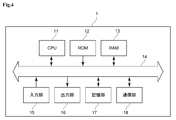
- FIG. 4 is a block diagram showing an example of the hardware configuration of the information processing apparatus 1.
- the information processing apparatus 1 includes a central processing unit (CPU) 11, a read only memory (ROM) 12, a random access memory (RAM) 13, a bus 14, an input unit 15, an output unit 16, a storage unit 17, and a communication unit 18.
- CPU central processing unit
- ROM read only memory
- RAM random access memory
- bus 14 an input unit 15, an output unit 16, a storage unit 17, and a communication unit 18.
- the CPU 11, the ROM 12 and the RAM 13 are mutually connected by a bus 14.
- An input unit 15, an output unit 16, a storage unit 17, and a communication unit 18 are also connected to the bus 14.
- the input unit 15 includes an input device such as a keyboard and a mouse, and supplies various information to the CPU 11 via the bus 14.
- the output unit 16 is composed of an output device such as a display or a speaker, and displays an image or reproduces an audio according to an instruction of the CPU 11.
- the storage unit 17 is configured of a hard disk, a non-volatile memory, and the like.
- the storage unit 17 stores various data such as image data in which metadata is stored, in addition to the program executed by the CPU 11.
- the communication unit 18 is configured by a network interface or the like, and communicates with an external device (not shown) via wireless or wired communication.
- FIG. 5 shows an example of the functional block configuration of the information processing apparatus 1 for carrying out the first image reproduction processing example as an information processing apparatus 1A.
- the information processing apparatus 1A includes an image data generating apparatus 30 that generates metadata and generates image data storing the generated metadata, and an image reproducing apparatus 40 that reproduces an image based on the metadata. .
- the image data generation device 30 includes an image encoding unit 31, a metadata generation unit 32, an image data generation unit 33, and a recording control unit 34.
- the image encoding unit 31 inputs original image data captured by a camera or original image data created by image processing, and encodes the input original image data in JPEG XT format.
- the obtained image coded data is supplied to the image data generation unit 33.
- the metadata generation unit 32 inputs reproduction control data composed of trimming information in which time information and area information are combined, and generates metadata defined by a box file format of JPEG XT Part 3 that can be described in JSON.
- the generated metadata is supplied to the image data generation unit 33.
- the image data generation unit 33 generates image data (FIG. 2) in which the image coded data supplied from the image coding unit 31 and the metadata supplied from the metadata generation unit 32 are stored. The generated image data is supplied to the recording control unit 34.
- the recording control unit 34 supplies the image encoded data and the image data having the metadata supplied from the image data generation unit 33 to the storage unit 17 and controls the recording there.
- the image reproduction device 40 includes an analysis unit 41, an image decoding unit 42, an image storage unit 43, an image trimming unit 44, and an output control unit 45.
- the analysis unit 41 acquires image data from the storage unit 17 based on an instruction from the input unit 15, analyzes the metadata stored in the acquired image data, and stores the JPEG XT stored in the image data.
- the encoded image data in the format is supplied to the image decoding unit 42.
- the analysis unit 41 starts an internal timer (not shown), and among the plurality of trimming information in which time information of the internal timer and time information described in the analyzed metadata and area information are combined, the internal timer performs time measurement.
- the image trimming unit 44 is controlled based on trimming information having time information that matches the time.
- the analyzing unit 41 sequentially trims an image of a predetermined area among the images represented by the image data stored in the image storage unit 43 at a predetermined timing.
- the image trimming unit 44 is controlled so as to
- the image decoding unit 42 decodes the image coding data in the JPEG XT format supplied from the analysis unit 41.
- the obtained image decoded data is supplied to the image storage unit 43 and temporarily stored there.
- the image trimming unit 44 trims an image in a predetermined area at a predetermined timing among the image decoding data stored in the image storage unit 43 based on the control of the analysis unit 41, and decodes the image corresponding to the trimmed image. Supply data to the output control unit 45.
- the output control unit 45 outputs (displays) the decoded data of the image of the predetermined area supplied from the image trimming unit 44 to the display.
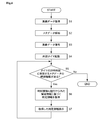
- step S ⁇ b> 1 the analysis unit 41 acquires image data from the storage unit 17 based on an instruction from the input unit 15.
- step S 2 the analysis unit 41 analyzes the metadata stored in the image data, and supplies the image decoding unit 42 with the image coding data in JPEG XT format stored in the read image data.
- step S3 the image decoding unit 42 decodes the image encoded data supplied from the analysis unit 41 to obtain image decoded data.
- the image decoding data is supplied to the image storage unit 43 and temporarily stored therein.
- step S4 the analysis unit 41 activates an internal timer.
- step S5 the analysis unit 41 determines whether or not there is trimming information having time information that matches the timekeeping time of the internal timer among the plurality of trimming information described in the analyzed timer and the measured time of the internal timer. Determine
- step S5 when the analysis unit 41 determines that there is trimming information having time information that matches the clocking time of the internal timer (step S5: YES), trimming information having time information that matches the clocking time of the internal timer
- the image trimming unit 44 is controlled based on
- step S6 the image trimming unit 44 generates an image of a predetermined area based on the area information linked to the time information among the image decoded data stored in the image storage unit 43 under the control of the analysis unit 41.
- the image decoding data corresponding to the above is taken out and supplied to the output control unit 45.
- step S7 the output control unit 45 outputs the image decoding data corresponding to the image of the predetermined area supplied from the image trimming unit 44 to the display. Thereafter, the process returns to step S5, and the above-described process is repeated until it is determined that there is no trimming information having time information that matches the time measured by the internal timer.
- step S5 When it is determined in step S5 that there is no trimming information having time information that matches the time measured by the internal timer (step S5: NO), the image trimming display process shown in FIG. 6 ends.
- generation of image data having metadata including at least data obtained by encoding an image and trimming information in which time information and area information are combined is generated.
- the display timing that matches the time information described in the metadata is reached, it is possible to trim and display only a predetermined area of the image based on the area information linked to the time information. Since the display timing and management data can be included in the image data, data management becomes simple. Also, the image area to be displayed and the reproduction timing of the image area need only be edited in the information in the metadata, and can be easily changed since it is not necessary to use a specific device or software. The display according to the reproduction elapsed time can be easily performed.
- the information processing apparatus 1A may further include an audio data reproduction unit, and may store the audio data in the storage unit 17 in association with the image data.
- the information processing apparatus 1A can reproduce audio data associated with the image data.
- audio data of a violin performance which serves as a guide for the musical score.
- audio data of a violin performance can also be reproduced simultaneously. Thereby, the user can enjoy the double performance with the violin performance only by performing the piano performance.
- the information processing apparatus 1A may further describe animation information in metadata including at least trimming information in which time information and area information are combined.
- the information processing apparatus 1A can simultaneously display an image based on animation information associated with the image data. For example, when displaying a predetermined area of musical score data of a piano, it is possible to superimpose and display an image of a guiding function of the piano performance of the musical score (an animation which tells the location of the keyboard to be played next). This allows the user to practice piano playing according to the guide function.
- FIG. 7 is a diagram showing an example in which the lyric data is displayed in telop in accordance with the reproduction elapsed time of the audio data.
- image encoded data consisting of artwork is stored in the original image data of the image data P11.
- metadata M11 described in JSON is stored in an area of the APP 11 of the image data P11.
- “" Lyrics "" is information instructing to use the lyric display function.
- the information described after "" time indicates time information, and the information described after" “text” indicates text data. That is, in the metadata M11, telop information in which time information and text data for displaying lyrics are described by the lyrics display function is described, and the information processing apparatus 1 is an image data in which the metadata M11 is stored.
- the image data P11 embedded in the audio data is acquired, and the metadata (telop information) M11 stored in the acquired image data P11 is read out.
- FIG. 8 shows an example of the functional block configuration of the information processing apparatus 1 for carrying out the second example of image reproduction processing as an information processing apparatus 1B.
- the information processing apparatus 1B generates metadata, generates image data storing the generated metadata, generates a sound data in which the generated image data is embedded, and generates a sound from the sound data.
- An audiovisual player (Audiovisual Player) 60 that reproduces an image from image data based on metadata while reproducing.
- the data generation device 50 includes an image encoding unit 51, a metadata generation unit 52, a data generation unit 53, and a recording control unit 54.
- the image coding unit 51 inputs original image data captured by a camera or original image data created by image processing, and performs image encoding on the input original image data in JPEG XT format.
- the encoded data is supplied to the data generation unit 53.
- the metadata generation unit 52 inputs reproduction control data consisting of telop information in which time information and text data are combined, and generates metadata defined by a box file format of JPEG XT Part 3 that can be described in JSON.
- the generated metadata is supplied to the data generation unit 53.
- the data generation unit 53 generates image data (FIG. 2) storing the encoded data supplied from the image coding unit 51 and the metadata supplied from the metadata generation unit 52.
- the data generation unit 53 inputs audio data from the outside, embeds the image data in which the metadata is stored in the input audio data, and supplies it to the recording control unit 54.
- the recording control unit 54 supplies, to the storage unit 17, the audio data in which the image data having the encoded image data and the metadata is embedded and which is supplied from the data generation unit 53, and controls the recording there.
- the audio and video reproduction apparatus 60 includes an analysis unit 61, an image decoding unit 62, a text drawing unit 63, and an output control unit 64.
- the analysis unit 61 acquires audio data from the storage unit 17 based on an instruction from the input unit 15, supplies the acquired audio data to the output control unit 64, and the image data embedded in the acquired audio data Is acquired, and the metadata stored in the acquired image data is analyzed.
- the image encoded data in the JPEG XT format stored in the image data is supplied to the image decoding unit 62 by analysis.
- the analysis unit 61 activates an internal timer (not shown), and the internal timer among the plurality of telop information that is a combination of time information described in the analyzed metadata, time information described in the analyzed metadata, and text data.
- the text drawing unit 63 is controlled based on the telop information having time information that matches the clocked time of. That is, the analysis unit 61 controls the text drawing unit 63 so that the text data is sequentially imaged at predetermined timing based on the plurality of telop information described in the metadata.
- the image decoding unit 62 decodes the encoded image data of JPEG XT format supplied from the analysis unit 61.
- the decoded image data is supplied to the output control unit 64.
- the text drawing unit 63 converts the text data supplied from the analysis unit 61 into image data at a predetermined timing based on the control of the analysis unit 61, and supplies the image data to the output control unit 64.
- the output control unit 64 outputs a voice based on the voice data supplied from the analysis unit 61 to a speaker for reproduction, and causes the image data supplied from the image decoding unit 62 to be image data supplied from the text drawing unit 63. Are output (displayed) on the display.
- step S11 the analysis unit 61 acquires voice data from the storage unit 17 based on an instruction from the input unit 15.
- step S12 the analysis unit 61 analyzes metadata of the image data embedded in the audio data.
- the acquired audio data is supplied to the output control unit 64, and the encoded image data of JPEG XT format stored in the analyzed metadata is supplied to the image decoding unit 52.
- step S 13 the image decoding unit 62 decodes the image coding data in the JPEG XT format supplied from the analysis unit 61 to generate image decoding data, and supplies the image decoding data to the output control unit 64.
- step S14 the output control unit 64 outputs the sound based on the sound data to the speaker for reproduction.
- step S15 the analysis unit 61 activates an internal timer.
- step S16 the analysis unit 61 determines whether or not there is telop information having time information that matches the timekeeping time of the internal timer among the plurality of telop information described in the analyzed metadata and the timekeeping time of the internal timer. Determine
- step S16 when the analyzing unit 61 determines that there is telop information having time information that matches the clocking time of the internal timer (step S16: YES), telop information having time information that matches the clocking time of the internal timer
- the text drawing unit 63 is controlled based on
- step S17 the text drawing unit 63 converts the text data linked to the time information into image data based on the control of the analysis unit 61, and supplies the image data to the output control unit 64.
- step S18 the output control unit 64 superimposes the text image data supplied from the text drawing unit 63 on the image data supplied from the image decoding unit 62, and outputs the superimposed image. Thereafter, the process returns to step S16, and the above-described process is repeated until it is determined that there is no telop information having time information that matches the time measured by the internal timer.
- step S16 When it is determined in step S16 that there is no telop information having time information that matches the time measured by the internal timer (step S16: NO), the telop display process shown in FIG. 9 is ended.
- information processing apparatus 1B further includes text color information, font information, information indicating the presence or absence of shading, and background color information. And the like may be described. With such a configuration, the information processing apparatus 1B can display a telop that can be enjoyed visually even from a monotonous telop when displaying a telop.
- FIG. 10 is a diagram illustrating an example of image data in which tampering detection data is described in metadata.
- image encoded data in which a photograph is an original image is stored.
- metadata M21 described in JSON is stored.
- the hash value A is a value obtained by executing a script using Seed data as an argument.
- Seed data is data (parameters) embedded in advance in a predetermined area of the image data P21.
- the hash value B is a value obtained by executing a script with the program string of the script as an argument.
- the script is a hash function (program) for calculating a hash value. That is, data for detecting tampering is described in the metadata M21, and the information processing apparatus 1 reads the metadata (falsification detection data) M21 and executes a script to obtain image data P21. It is possible to detect tampering.
- FIG. 11 shows a functional block configuration example of the information processing device 1 for carrying out the third image reproduction processing example as an information processing device 1C.
- the information processing apparatus 1C generates metadata, generates an image data generation apparatus 30 that generates image data storing the generated metadata, and detects whether the image data storing the metadata has been tampered with or not.
- the image data tampering detection apparatus 70 reproduces image data when the image data is not tampered with.
- the metadata generation unit 32 inputs reproduction control data including a hash value A, a hash value B, and a script for detecting tampering, and specifies metadata defined by a box file format of JPEG XT Part 3 that can be described in JSON. Generate The generated metadata is supplied to the image data generation unit 33.
- the image data tampering detection device 70 includes an analysis unit 71, a comparison unit 72, a tampering detection unit 73, an image decoding unit 74, and an output control unit 75.
- the analysis unit 71 acquires image data from the storage unit 17 based on an instruction from the input unit 15, analyzes metadata stored in the acquired image data, and detects tampering detection data described in the metadata ( The hash value A, the hash value B, and the script are supplied to the comparison unit 72, and the encoded data of the JPEG XT image format stored in the image data is supplied to the image decoding unit 74.
- the analysis unit 71 reads the Seed data embedded in the image data by a predetermined method, and also supplies the same to the comparison unit 72.
- the comparing unit 72 calculates the hash value A ′ based on the script and the Seed data included in the tampering detection data supplied from the analyzing unit 71, and is described in the calculated hash value A ′ and metadata (tampering detection data) And the hash value A. Further, the comparison unit 72 calculates the hash value B ′ based on the program character string of the script included in the tampering detection data, and the calculated hash value B ′ and the hash value B described in the metadata (tampering detection data) Compare The comparison result is supplied to the tampering detection unit 73.
- the falsification detection unit 73 detects whether the image data is falsified or not based on the two comparison results of the comparison unit 72, and the image data is not falsified (both the hash value A and the hash value B are correct). If it is determined that the image data is tampered (if either or both of the hash value A and the hash value B is incorrect) is detected, the image is decoded. The decryption process of the decryption unit 74 is prohibited.
- the image decoding unit 74 decodes the image coding data in the JPEG XT format supplied from the analysis unit 71 when the execution of the decoding process is instructed based on the control of the tampering detection unit 73, and performs image decoding.
- the data is supplied to the output control unit 75 as data.
- the image decoding unit 74 does not decode the JPEG XT image encoded data supplied from the analysis unit 71, but the output control unit Supply to 75.
- the output control unit 75 outputs (displays) the data supplied from the image decoding unit 74 to a display.
- step S ⁇ b> 21 the analysis unit 71 acquires image data from the storage unit 17 based on an instruction from the input unit 15.
- step S22 the analysis unit 71 analyzes the metadata stored in the image data, and supplies the tampering detection data (hash value A, hash value B, and script) described in the metadata to the comparison unit 72.
- the encoded image data in the JPEG XT format stored in the read out image data is supplied to the image decoding unit 74.
- the analysis unit 71 reads Seed data embedded in the image data by a predetermined method, and supplies the Seed data to the comparison unit 72.
- step S23 the comparison unit 72 executes a script described in metadata (falsification detection data) using the Seed data supplied from the analysis unit 71 as an argument, and calculates a hash value A ′.
- step S24 the comparison unit 72 compares the hash value A described in the metadata (tamper detection data) with the calculated hash value A '.
- step S25 the comparison unit 72 executes the script with the program character string of the script described in the metadata (tamper detection data) as an argument, and calculates the hash value B '.
- step S26 the comparison unit 72 compares the hash value B described in the metadata (tamper detection data) with the calculated hash value B '. The comparison results of step S24 and step S26 are supplied to the tampering detection unit 73.
- step S27 the falsification detection unit 73 determines whether or not the image data has been falsified from the two comparison results, and if any one or both comparison results are different, it is determined that the image data is falsified.
- Step S27: YES the decoding process of the image decoding unit 74 is prohibited in step S28. Accordingly, the image decoding unit 74 supplies the image control data in the JPEG XT format supplied from the analysis unit 71 to the output control unit 75 without decoding.
- the output control unit 75 outputs (displays) the data supplied from the image decoding unit 74 to a display.
- step S27 if the two comparison results are identical to each other, the tampering detection unit 73 determines that the image data is not tampered (step S27: NO), and in step S29, the decryption processing of the image decryption unit 74 Run
- the image decoding unit 74 decodes the image coding data in the JPEG XT format supplied from the analysis unit 71, and supplies the decoded data as image decoding data to the output control unit 75.
- the output control unit 75 outputs (displays) the image decoded data supplied from the image decoding unit 74 to a display.
- the Seed data is assumed to be embedded in a predetermined area of the image data P21 in advance.
- the present invention is not limited to this. You may make it store.
- step S25 the hash value B 'calculated in step S25 is obtained by executing the script using the program character string of the script as an argument
- the script is executed using the program character string of the script and the Seed data as arguments. May be obtained by
- the information processing apparatuses 1A, 1B, and 1C may generate image data having image encoded data and metadata including a character string such as a location name to be selectively displayed according to position information on a map or a setting language.
- the information processing apparatuses 1A, 1B, and 1C set the language set in the information processing apparatuses 1A, 1B, and 1C among the metadata stored in the image data. It is possible to acquire a string attached, and to display the acquired string superimposed on a predetermined position.
- FIG. 13 is a diagram showing an example of use of image data having metadata including a character string such as a place name to be selectively displayed according to a position on a map and a set language, in addition to image coded data.
- image encoded data in which an original image of a Japanese map is encoded is stored in the original image data.
- metadata M31 described in JSON is stored in an area of the APP 11 of the image data P31.
- Point “” is information instructing to use a function for pointing to a specific position on the screen.
- the information described after “" Sapporo "", “" Tokyo “", “” Naha “”, “” x “”, “” y “” is the coordinate information of each place name (position) on the map It shows.
- the information described after "" name “indicates the language, and the information described after” “en-US” "indicates the name of the place to be displayed when the language is set.
- the information described after "JP” indicates a place name (character string) to be displayed when the language is set.
- place name information including a combination of coordinate information for displaying a place name in a predetermined language, a set language and a place name is described by a function indicating a specific position on the screen, and the information processing apparatus 1A , 1B, and 1C, by displaying the metadata (place name information) when displaying the image data, the place name corresponding to the predetermined language set in the terminal may be superimposed and displayed at the predetermined position. it can.
- the place names (Sapporo, Tokyo, Naha) following the "" en-US "of the metadata M31 are read out.
- the information processing apparatuses 1A, 1B, and 1C superimpose a geographical name in English on a predetermined position on the Japanese map display P33 as indicated by the end of the arrow A32.
- this image is generated by generating image encoded data and metadata including a character string such as a location name to be selectively displayed according to position information on a map and a setting language.
- the place name linked to the language set in the information processing devices 1A, 1B, 1C may be superimposed and displayed at a predetermined position based on the place name information described in the metadata. it can.
- the information processing apparatuses 1A, 1B, and 1C may generate image data including encoded image data and metadata including a character string such as an address of a shooting location of the image and a facility name. As a result, when displaying an image, the information processing apparatuses 1A, 1B, and 1C can acquire the character string of the metadata stored in the image data, and superimpose the acquired character string on the image. The information processing apparatuses 1A, 1B, and 1C can also perform image search using a character string of metadata stored in image data as a search key.
- FIG. 14 is a diagram showing a usage example of image data having metadata including a character string such as an address of a photographing place of an image and a facility name in addition to image coded data.
- a picture taken in Okinawa is encoded and stored as image encoded data.
- metadata M41 described in JSON is stored in an area of the APP 11 of the image data P41.
- the first line is ““ location ”: ⁇ ”
- the second line is ““ address ”:“ Shuri Kinjocho 1-chome 2 Naha, Okinawa Prefecture ”
- the third line is“ ⁇ Is described.
- ““ Location ” is information instructing to use a function that can specify the current location and cooperate with the service.
- the information described after "" address "indicates the address of the shooting location. That is, information indicating the address of the shooting location is described in the metadata M41, and the information processing apparatuses 1A, 1B, and 1C describe the metadata by reading out the metadata when displaying the image. Information indicating the address of the photographed place can be superimposed and displayed.
- the information processing apparatuses 1A, 1B, and 1C connect the image data P41 storing such metadata M41 to a database (DB) connected via a network (not shown) as indicated by the point of arrow A42. ) Can be supplied and managed there. Accordingly, when the information processing apparatuses 1A, 1B, and 1C perform image search using "Okinawa" as a search key, image data including "Okinawa" in the metadata M41 among a plurality of image data managed by the database 101 You can search for Then, as indicated by the end of the arrow A43, the information processing apparatuses 1A, 1B, and 1C can display the image list P43 including thumbnail images of a plurality of searched image data.
- the image when the image is displayed by generating the image data including the image encoded data and the metadata including the character string such as the address of the shooting location and the facility name, the image is displayed It is possible to superimpose the address of the shooting location stored in the data and the facility name.
- the generated image data when a search key is designated, it is possible to easily search for image data in which metadata including the search key is stored.
- the information processing apparatuses 1A, 1B, and 1C may generate image data having metadata including text data indicating the content of the image coded data in addition to the image coded data.
- the information processing apparatuses 1A, 1B, and 1C acquire text data of metadata stored in the image data, and the acquired text data is voiced by the text-to-speech function Can be converted and played back.
- FIG. 15 is a diagram showing an example of use of image data having metadata including text data indicating contents of the image coded data in addition to the image coded data.
- Tts "" is information instructing to use a text-to-speech function called a tts (text-to speech) system.
- the information described after "" lang “” indicates the language specified when using the text-to-speech function.
- the information described after "" text "indicates text data read out when using the tts system. That is, text data for reading out in Japanese by the text-to-speech function is described in the metadata M51, and the information processing apparatuses 1A, 1B, and 1C read this metadata when displaying the image data. The voice based on the text data described in the metadata can be reproduced.
- the image is displayed based on the image data by generating the image data including the encoded image data and the metadata including the text data indicating the content of the encoded image data.
- the image data is displayed based on the image data by generating the image data including the encoded image data and the metadata including the text data indicating the content of the encoded image data.
- sound based on text data stored in the image data can be reproduced.
- the information processing apparatuses 1A, 1B, and 1C may generate image data including image coded data encrypted by a public key and metadata storing the public key. Thus, when displaying the image, the information processing apparatuses 1A, 1B, and 1C acquire the public key of the metadata stored in the image data, and only when the image code has the secret key linked to the acquired public key, the image code Can be decoded and displayed.
- FIG. 16 is a diagram showing an example of use of image data including image encoded data encrypted by a public key and metadata storing the public key.
- image encoded data encrypted with a public key is stored in the original image data of the image data P61.
- the metadata M61 described in JSON is stored in the area of the APP 11 of the image data P61.
- a thumbnail image P61a as it is in plain text is also stored in the area of APP1 (Exif) of the image data P61.
- the first line is ““ encrypt ”: ⁇ ”
- the second line is ““ OID ”:“ 1.2.840.10045.2.1 ””
- the third line is “public_key”: “ 04FC 2 E 8 B 81 DD ... ”” and “ ⁇ ” are described in the fourth line.
- ““ Encrypt ”” is information instructing to use the encryption function.
- the information described after “" OID “" indicates information identifying an object, and the information described after "" public_key “” indicates a public key. That is, the public key used for the encryption of the image encoded data is described in the metadata M61, and the information processing apparatuses 1A, 1B, and 1C read this metadata when displaying the image.
- the image encoded data in the image data P61 can be decoded and displayed only when there is a secret key linked to the public key described in the metadata.
- the information processing apparatuses 1A, 1B, and 1C do not have the secret key 111 linked to the public key read from the metadata M61, the information processing apparatuses 1A, 1B, and 1C can decode the image encoded data in the image data P61. Then, as indicated by the tip of the arrow A62, the data P63 as it is encrypted is displayed.
- the fourth modification when the image is displayed by generating the image data having the image encoded data encrypted by the public key and the metadata storing the public key, Only in the case of having a secret key linked to the public key of the metadata stored in the data, the encrypted image encoded data can be decoded and displayed.
- the information processing apparatuses 1A, 1B, and 1C are image data having encoded image data, metadata including object (facility etc.) information identified based on the shooting position and direction of the original image, and the angle of view and map information. May be generated. Accordingly, the information processing apparatuses 1A, 1B, and 1C can perform image search using object information of metadata stored in image data as a search key.
- FIG. 17 and FIG. 18 are diagrams showing an example of use of image data having image coded data, metadata including object information identified based on shooting position and direction of the original image, angle of view and map information. is there.
- an image of the Tokyo Tower taken at latitude 35.65851 and longitude 139.745433 is encoded and stored as image encoded data. ing.
- APP1 (Exif) of the image data P71 Exif information of latitude 35.6591, longitude 139.741969, and azimuth N 90 ° is stored.
- APP1 (Exif) of the image data P72 Exif information of latitude 35.65851, longitude 139.745433, and azimuth N 315 ° is stored.
- the operation unit 112 of the information processing apparatus 1A, 1B, 1C inputs the image data P71, refers to the Map database 111 connected via the network (not shown), and relates to Exif information stored in the image data P71. Object information to be acquired.
- the calculation unit 112 generates metadata M71 described in JSON based on the object information acquired from the Map database 111, as indicated by the tip of the arrow A71.
- the operation unit 113 of the information processing apparatuses 1A, 1B, and 1C receives the image data P72, refers to the Map database 111 connected via a network (not shown), and relates to Exif information stored in the image data P72. Object information to be acquired.
- the calculation unit 113 generates the metadata M72 described in JSON based on the object information acquired from the Map database 111 as indicated by the tip of the arrow A72.
- the information processing apparatuses 1A, 1B, and 1C store the generated metadata M71 in the area of the APP 11 of the image data P71, and store the generated metadata M72 in the area of the APP 11 of the image data P72.
- the information processing apparatuses 1A, 1B, and 1C are configured such that the image data P71 in which the metadata M71 is stored, and the image data P72 in which the metadata M72 is stored, as indicated by the arrow A81 in FIG. Can be supplied to and managed by the object database 121 connected thereto.
- the information processing apparatuses 1A, 1B, and 1C perform image search using "Tokyo Tower” as a search key, "Tokyo Tower” is selected as metadata M71, M72 from among a plurality of image data managed by the database 121.
- the image data P71 and P72 including the image data can be searched.
- the information processing apparatuses 1A, 1B, and 1C can display an image list P81 including thumbnail images of a plurality of searched image data, as indicated by the end of the arrow A82.
- image data having metadata including object data identified based on encoded data, shooting position and direction of image data, and angle of view and map information is generated.
- the metadata described in the first image reproduction processing example describes time information and area information
- the metadata described in the second image reproduction processing example describes time information and text data
- the metadata described in the third image reproduction processing example describes tampering detection data
- time information, area information, metadata describing tamper detection data, time information, text data, metadata describing tamper detection data, time information, area information, text information, and tamper detection data are described It is also possible to generate metadata. With such a configuration, only when the image data is detected not to be tampered with is detected according to the tampering detection data described in the metadata, the predetermined area of the image data is trimmed and displayed at a predetermined display timing. It is possible to display the image data in telop display at a predetermined timing, or to display only a predetermined area of the image data in a trimmed display at a predetermined timing and to display a telop display on the image data.
- object information, shooting position information, and the like are described in the metadata, but the present invention is not limited to this.
- the face of Mr. Yamada is located at x-coordinate 300 and y-coordinate 200 in image data. It is also possible to describe information indicating that Mr. Suzuki's face is in the x-coordinate 500 and the y-coordinate 300. With such a configuration, it is possible to extract Mr. Yamada's image from among a plurality of image data and to search for Mr. Yamada's face (position) in the extracted image.
- image data detected by performing predetermined image recognition processing on image data captured by a drive recorder, a security camera or the like, data such as date and time, location, status, etc. may be described in metadata. With such a configuration, it is possible to extract an image in a dangerous situation by image analysis from among a plurality of image data.
- the image data generation device 30, the image reproduction device 40, the audio image data generation device 50, the audio image reproduction device 60 and the image data tampering detection device 70 are provided in the same information processing device 1A, 1B, 1C. However, it is also possible to provide those functions as separate devices.
- the series of processes described above can be performed by hardware or software.
- various functions are executed by installing a computer in which a program configuring the software is incorporated in dedicated hardware or various programs. Can be installed, for example, on a general-purpose personal computer from the program storage medium.
- the program executed by the computer may be a program that performs processing in chronological order according to the order described in this specification, in parallel, or when necessary, such as when a call is made. It may be a program to be processed.
- 1, 1A, 1B, 1C information processing apparatus
- 16 output unit
- 17 storage unit
- 30 image data generation apparatus
Landscapes
- Engineering & Computer Science (AREA)
- Theoretical Computer Science (AREA)
- Physics & Mathematics (AREA)
- General Physics & Mathematics (AREA)
- Multimedia (AREA)
- Signal Processing (AREA)
- Computer Hardware Design (AREA)
- Software Systems (AREA)
- General Engineering & Computer Science (AREA)
- Computer Security & Cryptography (AREA)
- Health & Medical Sciences (AREA)
- General Health & Medical Sciences (AREA)
- Bioethics (AREA)
- Television Signal Processing For Recording (AREA)
- Signal Processing For Digital Recording And Reproducing (AREA)
- Processing Or Creating Images (AREA)
- Two-Way Televisions, Distribution Of Moving Picture Or The Like (AREA)
Abstract
再生経過時刻に応じた表示を容易に行うことができる画像再生装置、情報処理装置、画像デ再生方法および画像データのデータ構造を提供する。 画像を符号化したデータとそのデータに関するデータであるメタデータとを有する画像データから画像を再生する画像画像再生部を備え、メタデータは、領域情報と時刻情報とを組みとするトリミング情報を少なくとも含み、画像再生部は、トリミング情報に従って、画像データに基づく画像の再生開始からの経過時刻に応じた領域情報に基づく所定領域を表示させる。
Description
本発明は、画像再生装置、情報処理装置、画像再生方法および画像データのデータ構造に関する。
近年、様々な情報機器の普及により、画像を手軽に再生することができるようになってきた。また、ユーザ好みのタイミングで画像を再生したり編集した画象を再生することができるようにもなってきており、再生に伴う様々な技術が提案されている(たとえば特許文献1、特許文献2、特許文献3、特許文献4)。
特許文献1に開示される画像表示装置では、スライドショー表示が行われている際に表示不可能な画像があった場合、表示不可能な画像の代わりにエラーメッセージを表示することによって、本来表示されるべき画像が表示されなかったという事実をユーザに提示することができる(特許文献1の段落0062~0065)。
特許文献2に開示されるスライドショー作成装置では、スライドショーにおける画像の表示タイミングと表示タイミング毎の表示に適した画像の選択条件とをプレイリスト・テンプレートに規定することによって、創作性の高いスライドショーを手軽にかつ安価に自動作成することができる(特許文献2の段落0038)。
特許文献3に開示される情報処理装置では、画像データのメタデータに記載された再生時間詳細情報に基づいて、どのような長さの曲がBGMとして指定されても、音楽付き写真スライドショーの先端および終端を音楽に合わせて調整したスライドショーを提供することができる(特許文献3の段落0169)。
特許文献4に開示される装置では、複数のユーザからのコメントが結合されたメディアコンテンツを表示することができる(特許文献4の段落0027~0030、要約)。
スライドショーは、複数の画像を連続して表示させるために、連続された画像を映像にエンコードするための装置やソフトウエア(エンコーダ)が別途必要となり、コストがかかるという課題がある。
また、エンコード以外に、複数の画像を連続して表示するタイミングを管理する方法もあるが、このような方法の場合であっても、画像とは別に、複数の画像を連続して表示するタイミングを管理するデータを作成する必要があるため、スライドショーコンテンツの作成が煩雑となってしまうという課題がある。
さらに、複数の画像を連続して表示するタイミングを管理するデータを読み出すことが可能な装置またはソフトウエアが別途必要となり、コストがかかる課題がある。
本発明は、上述した問題の少なくとも1つを解決するため、再生経過時刻に応じた表示を容易に行うことができる画像再生装置、情報処理装置、画像再生方法および画像データのデータ構造を提供することを目的とする。
上記課題を解決するために、本発明の画像再生装置は、画像を符号化したデータとそのデータに関するデータであるメタデータとを含む画像データから画像を再生する画像再生部を備え、メタデータは、領域情報と時刻情報とを組みとするトリミング情報を少なくとも含み、画像再生部は、トリミング情報に従って、画像の再生開始からの経過時刻に応じた領域情報に基づく所定領域をトリミングして順次表示することを特徴とする。
上述した画像再生装置において、符号化および再生の対象となる画像は、楽譜の画像であることが好ましい。
本発明の他の側面は、情報処理装置に関するものである。すなわち、本発明の情報処理装置は、上述したいずれかの画像再生装置と、画像再生装置が画像を再生するための画像データを生成する画像データ生成部を有することを特徴とする。
また、本発明の他の側面は、画像再生装置による画像再生方法に関するものである。すなわち、本発明の画像再生方法は、画像データから画像を再生する画像再生方法であって、画像データは、画像の所定の範囲を示す領域情報と表示させるタイミングを示す時刻情報とを組みとするトリミング情報を少なくとも含んだメタデータを含み、画像データのメタデータを分析してトリミング情報を取得するステップと、取得したトリミング情報に従って、画像データに基づく画像の再生開始からの経過時刻に応じた領域情報に基づく所定領域をトリミングして順次表示する画像再生ステップとを有することを特徴とする。
また、本発明の他の側面は、画像データのデータ構造に関するものである。すなわち、本発明の画像データのデータ構造は、画像を符号化したデータと、再生しようとする画像の領域情報とその画像を再生するタイミングを示す時刻情報とを組みとするトリミング情報を少なくとも含むメタデータと、を有する画像データのデータ構造である。
本発明によれば、再生経過時刻に応じた表示を容易に行うことができる画像再生装置、情報処理装置、画像再生方法および画像データのデータ構造を提供することができる。
以下、本発明に係る画像再生装置、情報処理装置、画像再生方法および画像データのデータ構造の実施の形態について、図1~図18を参照しながら説明する。なお、本発明に係る画像再生装置、情報処理装置、画像再生方法および画像データのデータ構造は、ここで例示する実施の形態に限定されるものではない。説明は以下の順序で行う。
1.メタデータを格納した画像データの生成処理の概要
2.第一の画像再生処理例
3.第二の画像再生処理例
4.第三の画像再生処理例
5.変形例
1.メタデータを格納した画像データの生成処理の概要
2.第一の画像再生処理例
3.第二の画像再生処理例
4.第三の画像再生処理例
5.変形例
<<メタデータを格納した画像データの生成処理の概要>>
図1は、メタデータを格納した画像データの生成処理の概要について示す図である。本実施の形態の情報処理装置1は、たとえば、ノートパソコンやデスクトップパソコン等の装置である。情報処理装置1は、メタデータを生成し、生成したメタデータを格納した画像データを生成する画像データ生成装置としての機能と、メタデータが格納された画像データから画像を再生することができる画像再生装置としての機能を有している。そのため、情報処理装置1には、画像データ生成装置として機能させるためのプログラムや、画像再生装置として機能させるためのプログラムが予めインストールされている。しかしながら、情報処理装置1は、画像データ生成装置としての機能または画像再生装置のいずれかの機能のみを有しているものであってもよい。
図1は、メタデータを格納した画像データの生成処理の概要について示す図である。本実施の形態の情報処理装置1は、たとえば、ノートパソコンやデスクトップパソコン等の装置である。情報処理装置1は、メタデータを生成し、生成したメタデータを格納した画像データを生成する画像データ生成装置としての機能と、メタデータが格納された画像データから画像を再生することができる画像再生装置としての機能を有している。そのため、情報処理装置1には、画像データ生成装置として機能させるためのプログラムや、画像再生装置として機能させるためのプログラムが予めインストールされている。しかしながら、情報処理装置1は、画像データ生成装置としての機能または画像再生装置のいずれかの機能のみを有しているものであってもよい。
情報処理装置1は、カメラにより撮像された原画像データ、あるいは、画像処理により作成された原画像データ(画像処理ソフトにより作成されたデータである、いわゆるアートワークも含む)を入力するとともに、原画像データの再生制御データを入力する。再生制御データは、たとえば、時刻情報と領域情報とを組みとするトリミング情報からなるデータである。領域情報は、原画像データ内のある領域を指定するための情報であって、たとえば、左上の座標、幅、高さからなる情報、あるいは、左上の座標、右下の座標からなる情報である。時刻情報は、原画像データの再生開始からの経過時刻(経過時間)を示す情報である。
情報処理装置1は、入力された原画像データに対して所定の符号化処理を施すとともに、入力された再生制御データからメタデータを生成し、符号化されたデータと生成されたメタデータを有する画像データを生成する。
図2は、画像データのフォーマット例を示す図である。図2に示すように、画像データPは、SOI(Start of Image)、APP1(Application marker segment 1)、・・・APP11(Application marker segment 11)、原画像データ、およびEOI(End of Image)の領域からなる。本実施の形態の画像データPは、たとえば、従来のJPEG(Joint Photographic Experts Group)規格の拡張機能である、JPEG XT Part3のボックスファイルフォーマットにより規定されており、自由記述できる拡張可能なボックスベースのファイル形式が指定される。
SOIは、JPEGファイルの先頭にあり、JPEGファイルの起点を表すマーカである。このSOIが読み取られることで、JPEGファイルの判別が行われる。
APP1には、画像に対する付属情報(Exif:Exchangeable image file format)が格納される。
APP11には、JSON(JavaScript Object Notation)で記述されるJPEG XT Part3のボックスファイルフォーマットにより規定されるメタデータが格納される。さらに具体的に説明すると、APP11には、アプリケーションマーカセグメントの長さおよび複数のボックスデータが格納され、各ボックスデータには、ボックスの長さ(Box Length)、ボックスタイプ(Box Type)、メタデータタイプ(Metadata type)、スキーマID(Schema ID)、メタデータが格納される。図2の例では、JUMBF(0)のボックスデータには、メタデータタイプがMIME、スキーマIDがAPP/JSON、メタデータがJSONからなるデータが格納される。JUMBF(1)のボックスデータには、メタデータタイプがVender、スキーマIDがVender/XXX、メタデータがXXXデータからなるデータが格納される。
原画像データとしては、JPEG形式の圧縮画像符号化データが格納される。
EOIは、JPEGファイルの終わりを表すマーカである。
図2に示したように、画像データPのAPP11のボックスファイルデータ内に、JSONで記述できるメタデータを格納することにより、そこに指定されたデータを読み取ることで、画像の再生を管理することができる。
<<第一の画像再生処理例(楽譜を用いた例)>>
図3は、楽譜を再生経過時間に合わせてトリミング表示する例を示す図である。図3に示すように、画像データP1の原画像データには、12小節の楽譜からなる画像符号化データが格納されている。画像データP1のAPP11の領域には、JSONで記述されたメタデータM1が格納されている。メタデータM1には、第1行目に「"clip”:[」、第2行目に「{」、第3行目に「"time”:0,」、第4行目に「"left”:10,」、第5行目に「"top”:60,」、第6行目に「"width”:400,」、第7行目に「"height”:100」、第8行目に「},」第9行目に「{」、第10行目に「"time”:16,」、第11行目に「"left”:10,」、第12行目に「"top”:160,」、第13行目に「"width”:400,」、第14行目に「"height”:100」、第15行目に「},」、第n行目に「]」が記述されている。
図3は、楽譜を再生経過時間に合わせてトリミング表示する例を示す図である。図3に示すように、画像データP1の原画像データには、12小節の楽譜からなる画像符号化データが格納されている。画像データP1のAPP11の領域には、JSONで記述されたメタデータM1が格納されている。メタデータM1には、第1行目に「"clip”:[」、第2行目に「{」、第3行目に「"time”:0,」、第4行目に「"left”:10,」、第5行目に「"top”:60,」、第6行目に「"width”:400,」、第7行目に「"height”:100」、第8行目に「},」第9行目に「{」、第10行目に「"time”:16,」、第11行目に「"left”:10,」、第12行目に「"top”:160,」、第13行目に「"width”:400,」、第14行目に「"height”:100」、第15行目に「},」、第n行目に「]」が記述されている。
「"clip”」は、トリミング機能(クリップ機能)を用いることを指示する情報である。「"time”」の後に記述される情報は、時刻情報を示し、「"left”」、「"top”」、「"width”」の後に記述される情報は、領域情報を示している。つまり、メタデータM1には、トリミング機能によって画像の所定位置をトリミングするための時刻情報と領域情報とを組みとするトリミング情報が記述されており、情報処理装置1は、このメタデータ(トリミング情報)M1を読み出すことで、画像データP1の再生開始からの経過時刻に応じて、時刻情報に紐付けられた領域情報に基づく所定領域をトリミングして順次表示させることができる。
図3の例では、このようなメタデータM1が格納された画像データP1を表示させる際、表示開始時刻から最初の16秒までの間は、左10ピクセル、上60ピクセルの位置から、高さ100ピクセル、幅400ピクセルの領域がトリミングされる。これにより、矢印A1の先に示されるように、最初の4小節の領域P2がトリミング表示される。
続いて、表示開始時刻から16秒が経過してから32秒までの間は、左10ピクセル、上160ピクセルの位置から、高さ100ピクセル、幅400ピクセルの領域がトリミングされる。これにより、矢印A2の先に示されるように、次の4小節の領域P3がトリミング表示される。
以上のような画像データを経過時間に合わせてトリミング表示する動作の詳細についてはフローチャートを参照して後述する。
<情報処理装置の構成例>
図4は、情報処理装置1のハードウェア構成例を示すブロック図である。情報処理装置1は、CPU(Central Processing Unit)11、ROM(Read Only Memory)12、RAM(Random Accedd Memory)13、バス14、入力部15、出力部16、記憶部17、および通信部18を有する。
図4は、情報処理装置1のハードウェア構成例を示すブロック図である。情報処理装置1は、CPU(Central Processing Unit)11、ROM(Read Only Memory)12、RAM(Random Accedd Memory)13、バス14、入力部15、出力部16、記憶部17、および通信部18を有する。
CPU11、ROM12、RAM13は、バス14により相互に接続される。バス14には、入力部15、出力部16、記憶部17、および通信部18も接続される。
入力部15は、キーボードやマウス等の入力デバイスからなり、各種情報をバス14を介してCPU11に供給する。出力部16は、ディスプレイやスピーカ等の出力デバイスからなり、CPU11の指示に従って画像を表示したり、音声を再生したりする。記憶部17は、ハードディスクや不揮発性のメモリなどにより構成される。記憶部17は、CPU11が実行するプログラムの他に、メタデータが格納された画像データなどの各種データを記憶する。通信部18は、ネットワークインタフェースなどにより構成され、無線や有線による通信を介して、図示せぬ外部機器と通信を行う。
図5は、第一の画像再生処理例を実施するための情報処理装置1の機能ブロック構成例を情報処理装置1Aとして示す。この情報処理装置1Aは、メタデータを生成し、生成したメタデータを格納した画像データを生成する画像データ生成装置30、および、メタデータに基づいて画像を再生する画像再生装置40から構成される。
画像データ生成装置30は、画像符号化部31、メタデータ生成部32、画像データ生成部33、および記録制御部34から構成される。
画像符号化部31は、カメラにより撮像された原画像データ、あるいは、画像処理により作成された原画像データを入力し、入力された原画像データをJPEG XT形式で符号化する。得られた画像符号化データは、画像データ生成部33に供給される。
メタデータ生成部32は、時刻情報と領域情報とを組みとするトリミング情報からなる再生制御データを入力し、JSON で記述できるJPEG XT Part3のボックスファイルフォーマットにより規定されるメタデータを生成する。生成されたメタデータは、画像データ生成部33に供給される。
画像データ生成部33は、画像符号化部31から供給された画像符号化データと、メタデータ生成部32から供給されたメタデータとを格納した画像データ(図2)を生成する。生成された画像データは、記録制御部34に供給される。
記録制御部34は、画像データ生成部33から供給された画像符号化データとメタデータを有する画像データを記憶部17に供給し、そこへの記録を制御する。
画像再生装置40は、解析部41、画像復号部42、画像記憶部43、画像トリミング部44、および出力制御部45から構成される。
解析部41は、入力部15からの指示に基づいて、記憶部17から画像データを取得し、取得した画像データに格納されているメタデータを解析するとともに、画像データに格納されているJPEG XT形式の画像符号化データを画像復号部42に供給する。解析部41は、図示せぬ内部タイマを起動し、内部タイマの計時時刻と、解析したメタデータに記述された時刻情報と領域情報とを組みとする複数のトリミング情報のうち、内部タイマの計時時刻に合致する時刻情報を有するトリミング情報に基づいて、画像トリミング部44を制御する。つまり、解析部41は、メタデータに記述された複数のトリミング情報に基づいて、画像記憶部43に記憶されている画像データで示される画像のうち所定領域の画像を、所定のタイミングで順次トリミングさせるように、画像トリミング部44を制御する。
画像復号部42は、解析部41から供給されたJPEG XT形式の画像符号化データを復号する。得られた画像復号化データは、画像記憶部43に供給され、そこに一時記憶される。
画像トリミング部44は、解析部41の制御に基づいて、画像記憶部43に記憶されている画像復号化データのうち、所定のタイミングで、所定領域の画像をトリミングし、トリミング画像に相当する復号化データを出力制御部45に供給する。
出力制御部45は、画像トリミング部44から供給された所定領域の画像の復号化データをディスプレイに出力(表示)する。
<第一の画像再生処理例における情報処理装置の動作>
図6のフローチャートを参照して、情報処理装置1Aの画像トリミング表示処理について説明する。
図6のフローチャートを参照して、情報処理装置1Aの画像トリミング表示処理について説明する。
ステップS1において、解析部41は、入力部15からの指示に基づいて、記憶部17から画像データを取得する。ステップS2において、解析部41は、画像データに格納されているメタデータを解析するとともに、読み出した画像データに格納されているJPEG XT形式の画像符号化データを画像復号部42に供給する。
ステップS3において、画像復号部42は、解析部41から供給された画像符号化データを復号し、画像復号化データを得る。この画像復号化データは、画像記憶部43に供給され、そこに一時記憶される。
ステップS4において、解析部41は、内部タイマを起動する。ステップS5において、解析部41は、内部タイマの計時時刻と、解析したメタデータに記述された複数のトリミング情報のうち、内部タイマの計時時刻に合致する時刻情報を有するトリミング情報があるか否かを判定する。
ステップS5において、解析部41は、内部タイマの計時時刻に合致する時刻情報を有するトリミング情報があると判定した場合(ステップS5:YES)、内部タイマの計時時刻に合致する時刻情報を有するトリミング情報に基づいて、画像トリミング部44を制御する。
ステップS6において、画像トリミング部44は、解析部41の制御に基づいて、画像記憶部43に記憶されている画像復号化データのうち、時刻情報に紐付けられた領域情報に基づく所定領域の画像に相当する画像復号化データを取り出し、出力制御部45に供給する。
ステップS7において、出力制御部45は、画像トリミング部44から供給された所定領域の画像に相当する画像復号化データをディスプレイに出力する。その後、処理はステップS5に戻り、内部タイマの計時時刻に合致する時刻情報を有するトリミング情報がないと判定されるまで、上述した処理を繰り返す。
そして、ステップS5において、内部タイマの計時時刻に合致する時刻情報を有するトリミング情報がないと判定された場合(ステップS5:NO)、図6に示す画像トリミング表示処理を終了する。
以上のように、図5に示す情報処理装置1Aによれば、画像を符号化したデータと、時刻情報と領域情報とを組みとするトリミング情報を少なくとも含むメタデータを有する画像データを生成することにより、メタデータに記述された時刻情報に合致する表示タイミングになった際、その時刻情報に紐付けられた領域情報に基づいて、画像の所定領域のみをトリミングして順次表示させることができる。画像データに表示タイミングおよび管理データを内包することができるため、データ管理が単純となる。また、表示させたい画像領域や、その画像領域の再生タイミングについて、メタデータ内の情報を編集するだけでよく、特定の装置やソフトウエアを用いなくてもよいため容易に変更することができると共に、再生経過時刻に応じた表示を容易に行わせることができる。
また、情報処理装置1Aは、音声データ再生部をさらに備えるようにし、画像データに関連付けて音声データを記憶部17に記憶させるようにしてもよい。このような構成によって、情報処理装置1Aは、画像データを表示する際、画像データに関連付けられた音声データを再生することができる。たとえば、ピアノの楽譜データを表示させる際、その楽譜のガイドとなるピアノ演奏の音声データも同時に再生させることができる。これにより、ユーザは、ガイド演奏に従ってピアノ演奏を練習することができる。またたとえば、ピアノの楽譜データを表示させる際、その楽譜に基づくバイオリン演奏の音声データも同時に再生させることができる。これにより、ユーザは、ピアノ演奏するだけで、バイオリン演奏との二重奏を楽しむことができる。
また以上において、情報処理装置1Aは、時刻情報と領域情報とを組みとするトリミング情報を少なくとも含むメタデータに、さらに、アニメーション情報を記述するようにしてもよい。このような構成によって、情報処理装置1Aは、画像データを表示する際、画像データに関連付けられたアニメーション情報に基づく画像も同時に表示させることができる。たとえば、ピアノの楽譜データの所定領域を表示させる際、その楽譜のピアノ演奏のガイド機能(次に弾く鍵盤の場所を教えてくれるアニメーション)の画像を重畳表示させることができる。これにより、ユーザは、ガイド機能に従ってピアノ演奏を練習することができる。
<<第二の画像再生処理例(歌詞データを用いた例)>>
図7は、歌詞データを音声データの再生経過時間に合わせてテロップ表示する例を示す図である。図7に示すように、画像データP11の原画像データには、アートワークからなる画像符号化データが格納されている。画像データP11のAPP11の領域には、JSONで記述されたメタデータM11が格納されている。メタデータM11には、第1行目に「"lyrics”:[」、第2行目に「{」、第3行目に「"time”:58」、第4行目に「"text”: "ああ金沢はー”」、第5行目に「},」第6行目に「{」、第7行目に「"time”:65」、第8行目に「"text”: "今日も雪だったー”」、第9行目に「},」、第n行目に「]」が記述されている。
図7は、歌詞データを音声データの再生経過時間に合わせてテロップ表示する例を示す図である。図7に示すように、画像データP11の原画像データには、アートワークからなる画像符号化データが格納されている。画像データP11のAPP11の領域には、JSONで記述されたメタデータM11が格納されている。メタデータM11には、第1行目に「"lyrics”:[」、第2行目に「{」、第3行目に「"time”:58」、第4行目に「"text”: "ああ金沢はー”」、第5行目に「},」第6行目に「{」、第7行目に「"time”:65」、第8行目に「"text”: "今日も雪だったー”」、第9行目に「},」、第n行目に「]」が記述されている。
「"lyrics”」は、歌詞表示機能を用いることを指示する情報である。「"time”」の後に記述される情報は、時刻情報を示し、「"text”」の後に記述される情報は、テキストデータを示している。つまり、メタデータM11には、歌詞表示機能によって歌詞表示するための時刻情報とテキストデータとを組みとするテロップ情報が記述されており、情報処理装置1は、メタデータM11が格納された画像データP11を埋め込んだ音声データを生成することで、音声データを再生する際、音声データに埋め込まれた画像データP11を取得し、取得した画像データP11に格納されたメタデータ(テロップ情報)M11を読み出すことで、音声データの再生開始からの経過時刻に応じて、時刻情報に紐付けられたテキストデータに基づくテロップを順次表示させることができる。
図7の例では、このようなメタデータM11が格納された画像データP11が埋め込まれた音声データを再生させる際、再生開始時刻から58秒が経過して65秒までの間は、「ああ金沢はー」が読み出される。これにより、矢印A11の先に示されるように、画像P12に重畳して「ああ金沢はー」のテキストがテロップ表示される。
続いて、再生開始時刻から65秒が経過してから次の時刻情報までの間は、「今日も雪だったー」が読み出される。これにより、矢印A12の先に示されるように、画像P13に重畳して「今日も雪だったー」のテキストがテロップ表示される。
以上のような音声データの再生経過時間に合わせてテロップ表示する動作の詳細についてはフローチャートを参照して後述する。
<第二の画像再生処理例を実行する情報処理装置の機能構成例>
以上の第二の画像再生処理例を実施する情報処理装置のハードウェア構成としては、図4に示したものを用いることができ、その説明は省略する。図8は、第二の画像再生処理例を実施するための情報処理装置1の機能ブロック構成例を、情報処理装置1Bとして示す。この情報処理装置1Bは、メタデータを生成し、生成したメタデータを格納した画像データを生成し、生成した画像データを埋め込んだ音声データを生成するデータ生成装置50、および、音声データから音声を再生するとともにメタデータに基づいて画像データから画像を再生する音声画像再生装置(Audiovisual Player)60から構成される。
以上の第二の画像再生処理例を実施する情報処理装置のハードウェア構成としては、図4に示したものを用いることができ、その説明は省略する。図8は、第二の画像再生処理例を実施するための情報処理装置1の機能ブロック構成例を、情報処理装置1Bとして示す。この情報処理装置1Bは、メタデータを生成し、生成したメタデータを格納した画像データを生成し、生成した画像データを埋め込んだ音声データを生成するデータ生成装置50、および、音声データから音声を再生するとともにメタデータに基づいて画像データから画像を再生する音声画像再生装置(Audiovisual Player)60から構成される。
データ生成装置50は、画像符号化部51、メタデータ生成部52、データ生成部53、および記録制御部54から構成される。
画像符号化部51は、カメラにより撮像された原画像データ、あるいは、画像処理により作成された原画像データを入力し、入力された原画像データに対して、JPEG XT形式で画像符号化する。符号化されたデータは、データ生成部53に供給される。
メタデータ生成部52は、時刻情報とテキストデータとを組みとするテロップ情報からなる再生制御データを入力し、JSON で記述できるJPEG XT Part3のボックスファイルフォーマットにより規定されるメタデータを生成する。生成されたメタデータは、データ生成部53に供給される。
データ生成部53は、画像符号化部51から供給された符号化されたデータと、メタデータ生成部52から供給されたメタデータとを格納した画像データ(図2)を生成する。データ生成部53は、外部から音声データを入力し、入力した音声データに、メタデータが格納された画像データを埋め込み、それを記録制御部54に供給する。
記録制御部54は、データ生成部53から供給された、画像符号化データとメタデータを有する画像データが埋め込まれた音声データを記憶部17に供給し、そこへの記録を制御する。
音声画像再生装置60は、解析部61、画像復号部62、テキスト描画部63、および出力制御部64から構成される。
解析部61は、入力部15からの指示に基づいて、記憶部17から音声データを取得し、取得した音声データを出力制御部64に供給するとともに、取得した音声データに埋め込まれている画像データを取得し、取得した画像データに格納されているメタデータを解析する。解析によって、画像データに格納されているJPEG XT形式の画像符号化データが画像復号部62に供給される。
また、解析部61は、図示せぬ内部タイマを起動し、内部タイマの計時時刻と、解析したメタデータに記述された時刻情報とテキストデータとを組みとする複数のテロップ情報のうち、内部タイマの計時時刻に合致する時刻情報を有するテロップ情報に基づいて、テキスト描画部63を制御する。つまり、解析部61は、メタデータに記述された複数のテロップ情報に基づいて、所定のタイミングでテキストデータを順次画像化させるように、テキスト描画部63を制御する。
画像復号部62は、解析部61から供給されたJPEG XT形式の画像符号化データを復号する。復号された画像データは、出力制御部64に供給される。
テキスト描画部63は、解析部61の制御に基づいて、所定のタイミングで、解析部61から供給されたテキストデータを画像データ化して出力制御部64に供給する。
出力制御部64は、解析部61から供給された音声データに基づく音声をスピーカに出力して再生させるとともに、画像復号部62から供給された画像データに、テキスト描画部63から供給された画像データを重畳して、ディスプレイに出力(表示)する。
<第二の画像再生処理例における情報処理装置の動作>
図9のフローチャートを参照して、情報処理装置1Bのテロップ表示処理について説明する。
図9のフローチャートを参照して、情報処理装置1Bのテロップ表示処理について説明する。
ステップS11において、解析部61は、入力部15からの指示に基づいて、記憶部17から音声データを取得する。ステップS12において、解析部61は、音声データに埋め込まれている画像データのメタデータを解析する。取得した音声データは、出力制御部64に供給され、解析されたメタデータに格納されているJPEG XT形式の画像符号化データは、画像復号部52に供給される。
ステップS13において、画像復号部62は、解析部61から供給されたJPEG XT形式の画像符号化データを復号して画像復号化データを生成し、出力制御部64に供給する。ステップS14において、出力制御部64は、音声データに基づく音声をスピーカに出力して再生させる。
ステップS15において、解析部61は、内部タイマを起動する。ステップS16において、解析部61は、内部タイマの計時時刻と、解析したメタデータに記述された複数のテロップ情報のうち、内部タイマの計時時刻に合致する時刻情報を有するテロップ情報があるか否かを判定する。
ステップS16において、解析部61は、内部タイマの計時時刻に合致する時刻情報を有するテロップ情報があると判定した場合(ステップS16:YES)、内部タイマの計時時刻に合致する時刻情報を有するテロップ情報に基づいて、テキスト描画部63を制御する。
ステップS17において、テキスト描画部63は、解析部61の制御に基づいて、時刻情報に紐付けられたテキストデータを画像データ化し、出力制御部64に供給する。
ステップS18において、出力制御部64は、画像復号部62から供給された画像データに、テキスト描画部63から供給されたテキスト画像データを重畳して、ディスプレイ出力する。その後、処理はステップS16に戻り、内部タイマの計時時刻に合致する時刻情報を有するテロップ情報がないと判定されるまで、上述した処理を繰り返す。
そして、ステップS16において、内部タイマの計時時刻に合致する時刻情報を有するテロップ情報がないと判定された場合(ステップS16:NO)、図9に示すテロップ表示処理を終了する。
以上のように、符号化されたデータと、時刻情報とテキストデータとを組みとするテロップ情報を少なくとも含むメタデータを有する画像データを埋め込んだ音声データを生成することにより、音声データを再生する際、音声データに埋め込まれた画像データのメタデータに記述された時刻情報に合致する表示タイミングになった際、その時刻情報に紐付けられたテキストデータを画像データ化し、得られたテキスト画像データを画像データに重畳してテロップ表示させることができるので、音声データの再生経過時刻に応じた画像の表示を容易に行うことができる。また、たとえば、上述した画像データ、音声データ、テキストデータを一つの音楽ファイルとして管理することが可能となるため、データの取扱いが容易となる。また、テロップ情報をテキストデータで格納しているため、テロップ時刻情報の編集も容易となる。
また以上において、情報処理装置1Bは、時刻情報とテキストデータとを組とするテロップ情報を少なくとも含むメタデータに、さらに、テキストの色情報、フォント情報、陰影の有無を示す情報、および背景色情報などを記述するようにしてもよい。このような構成によって、情報処理装置1Bは、テロップ表示をする際、単調なテロップから視覚的にも楽しめるテロップを表示させることができる。
<<第三の画像再生処理例(改ざん検出データを用いた例)>>
図10は、メタデータに改ざん検出データが記述された画像データの例を示す図である。図10に示すように、画像データP21の原画像データには、写真を原画像とする画像符号化データが格納されている。画像データP21のAPP11の領域には、JSONで記述されたメタデータM21が格納されている。メタデータM21には、ハッシュ値A、ハッシュ値B、およびスクリプトが記述されている。ハッシュ値Aは、Seedデータを引数としてスクリプトを実行することで得られる値である。Seedデータは、画像データP21の所定領域に予め埋め込まれているデータ(パラメータ)である。ハッシュ値Bは、スクリプトのプログラム文字列を引数としてスクリプトを実行することで得られる値である。スクリプトは、ハッシュ値を算出するためのハッシュ関数(プログラム)である。つまり、メタデータM21には、改ざんを検出するためのデータが記述されており、情報処理装置1は、このメタデータ(改ざん検出データ)M21を読み出してスクリプトを実行することで、画像データP21の改ざんを検出することができる。
図10は、メタデータに改ざん検出データが記述された画像データの例を示す図である。図10に示すように、画像データP21の原画像データには、写真を原画像とする画像符号化データが格納されている。画像データP21のAPP11の領域には、JSONで記述されたメタデータM21が格納されている。メタデータM21には、ハッシュ値A、ハッシュ値B、およびスクリプトが記述されている。ハッシュ値Aは、Seedデータを引数としてスクリプトを実行することで得られる値である。Seedデータは、画像データP21の所定領域に予め埋め込まれているデータ(パラメータ)である。ハッシュ値Bは、スクリプトのプログラム文字列を引数としてスクリプトを実行することで得られる値である。スクリプトは、ハッシュ値を算出するためのハッシュ関数(プログラム)である。つまり、メタデータM21には、改ざんを検出するためのデータが記述されており、情報処理装置1は、このメタデータ(改ざん検出データ)M21を読み出してスクリプトを実行することで、画像データP21の改ざんを検出することができる。
以上のような改ざん検出データを読み出して実行する動作の詳細についてはフローチャートを参照して後述する。
<第三の画像再生処理例を実行する情報処理装置の機能構成例>
第三の画像再生処理例を実施する情報処理装置のハードウェア構成としては、図4に示したものを用いることができ、その説明は省略する。図11は、第三の画像再生処理例を実施するための情報処理装置1の機能ブロック構成例を、情報処理装置1Cとして示す。図11に示す構成のうち、図5の構成と同じ構成については同じ符号を付してあり、重複する説明は適宜省略する。情報処理装置1Cは、メタデータを生成し、生成したメタデータを格納した画像データを生成する画像データ生成装置30、および、メタデータが格納された画像データが改ざんされているか否かを検出し、改ざんされていない場合に画像データを再生する画像データ改ざん検出装置70から構成される。
第三の画像再生処理例を実施する情報処理装置のハードウェア構成としては、図4に示したものを用いることができ、その説明は省略する。図11は、第三の画像再生処理例を実施するための情報処理装置1の機能ブロック構成例を、情報処理装置1Cとして示す。図11に示す構成のうち、図5の構成と同じ構成については同じ符号を付してあり、重複する説明は適宜省略する。情報処理装置1Cは、メタデータを生成し、生成したメタデータを格納した画像データを生成する画像データ生成装置30、および、メタデータが格納された画像データが改ざんされているか否かを検出し、改ざんされていない場合に画像データを再生する画像データ改ざん検出装置70から構成される。
メタデータ生成部32は、改ざんを検出するためのハッシュ値A、ハッシュ値B、およびスクリプトからなる再生制御データを入力し、JSONで記述できるJPEG XT Part3のボックスファイルフォーマットにより規定されるメタデータを生成する。生成されたメタデータは、画像データ生成部33に供給される。
画像データ改ざん検出装置70は、解析部71、比較部72、改ざん検出部73、画像復号部74、および出力制御部75から構成される。
解析部71は、入力部15からの指示に基づいて、記憶部17から画像データを取得し、取得した画像データに格納されているメタデータを解析し、メタデータに記述された改ざん検出データ(ハッシュ値A、ハッシュ値B、スクリプト)を比較部72に供給するとともに、画像データに格納されているJPEG XT画像形式の符号化データを画像復号部74に供給する。解析部71は、画像データに埋め込まれているSeedデータを所定の方法で読み出し、それも比較部72に供給する。
比較部72は、解析部71から供給された改ざん検出データに含まれるスクリプトとSeedデータに基づいてハッシュ値A´を算出し、算出したハッシュ値A´とメタデータ(改ざん検出データ)に記述されたハッシュ値Aとを比較する。また比較部72は、改ざん検出データに含まれるスクリプトのプログラム文字列に基づいてハッシュ値B´を算出し、算出したハッシュ値B´とメタデータ(改ざん検出データ)に記述されたハッシュ値Bとを比較する。比較結果は、改ざん検出部73に供給される。
改ざん検出部73は、比較部72の2つの比較結果に基づいて、画像データが改ざんされているか否かを検出し、画像データが改ざんされていない(ハッシュ値Aおよびハッシュ値Bともに正しい)と判断した場合には画像復号部74の復号処理を実行させ、画像データが改ざんされている(ハッシュ値Aおよびハッシュ値Bのいずれか一方または両方が正しくない)ことを検出した場合には、画像復号部74の復号処理を禁止させる。
画像復号部74は、改ざん検出部73の制御に基づいて、復号処理の実行が指示された場合には、解析部71から供給されたJPEG XT形式の画像符号化データを復号し、画像復号化データとして出力制御部75に供給する。画像復号部74は、改ざん検出部73の制御に基づいて、復号処理が禁止された場合には、解析部71から供給されたJPEG XT形式の画像符号化データを復号せずに、出力制御部75に供給する。
出力制御部75は、画像復号部74から供給されたデータをディスプレイに出力(表示)する。
<第三の画像再生処理例における情報処理装置の動作>
図12のフローチャートを参照して、以上のような構成を有する第三の画像再生処理例における情報処理装置1Cの改ざん検出処理について説明する。
図12のフローチャートを参照して、以上のような構成を有する第三の画像再生処理例における情報処理装置1Cの改ざん検出処理について説明する。
ステップS21において、解析部71は、入力部15からの指示に基づいて、記憶部17から画像データを取得する。ステップS22において、解析部71は、画像データに格納されているメタデータを解析し、メタデータに記述された改ざん検出データ(ハッシュ値A、ハッシュ値B、およびスクリプト)を比較部72に供給するとともに、読み出した画像データに格納されているJPEG XT形式の画像符号化データを画像復号部74に供給する。また解析部71は、画像データに埋め込まれたSeedデータを所定の方法で読み出し、比較部72に供給する。
ステップS23において、比較部72は、解析部71から供給されたSeedデータを引数としてメタデータ(改ざん検出データ)に記述されたスクリプトを実行し、ハッシュ値A´を算出する。ステップS24において、比較部72は、メタデータ(改ざん検出データ)に記述されたハッシュ値Aと算出したハッシュ値A´とを比較する。
ステップS25において、比較部72は、メタデータ(改ざん検出データ)に記述されたスクリプトのプログラム文字列を引数としてスクリプトを実行し、ハッシュ値B´を算出する。ステップS26において、比較部72は、メタデータ(改ざん検出データ)に記述されたハッシュ値Bと算出したハッシュ値B´とを比較する。ステップS24およびステップS26による比較結果は、改ざん検出部73に供給される。
ステップS27において、改ざん検出部73は、2つの比較結果から画像データが改ざんされているか否かを判定し、いずれか1つまたは両方の比較結果が異なる場合、画像データは改ざんされていると判定し(ステップS27:YES)、ステップS28において、画像復号部74の復号処理を禁止させる。これにより、画像復号部74は、解析部71から供給されたJPEG XT形式の画像符号化データを復号せずに、出力制御部75に供給する。出力制御部75は、画像復号部74から供給されたデータをディスプレイに出力(表示)する。
ステップS27において、改ざん検出部73は、2つの比較結果がいずれも同一である場合、画像データは改ざんされていないと判定し(ステップS27:NO)、ステップS29において、画像復号部74の復号処理を実行させる。画像復号部74は、解析部71から供給されたJPEG XT形式の画像符号化データを復号し、画像復号化データとして出力制御部75に供給する。出力制御部75は、画像復号部74から供給された画像復号化データをディスプレイに出力(表示)する。
以上のように、符号化されたデータと、改ざん検出データとを少なくとも含むメタデータを有する画像データを生成することにより、メタデータに記述された改ざん検出データを読み出してスクリプトを実行することで、画像データが改ざんされているか否かを容易に検出することができる。そして、画像データが改ざんされていると判定された場合には、復号処理を禁止させることができる。これにより、従来のハッシュ値を用いた改ざん検知方法と比較すると、ハッシュ値を算出するためのスクリプトが画像データと共に送られてくるため、改ざんの検知自体が容易に行うことができるようになる上に、改ざんを試みようとする場合には、画像データ毎にハッシュ値算出方法を変えることができるので、一意に改ざんをすることは困難であるため、改ざん手法の確立ができなくなる。また、自分以外のデータ提供者が生成した画像データについても容易に改ざんの検証をすることができるようになる。
以上においては、Seedデータは、画像データP21の所定領域に予め埋め込まれているものとしたが、これに限らず、データを扱う規格等で統一するようにしてもよいし、あるいは、メタデータに格納させるようにしてもよい。
また、ステップS25において算出されるハッシュ値B´は、スクリプトのプログラム文字列を引数としてスクリプトを実行することで得られるものとしたが、スクリプトのプログラム文字列とSeedデータを引数としてスクリプトを実行することで得られるものであってもよい。
<<変形例>>
<変形例1>
情報処理装置1A,1B,1Cは、画像符号化データと、地図上の位置情報や設定言語に従って選択表示する地名などの文字列を含むメタデータを有する画像データを生成するようにしてもよい。これにより、情報処理装置1A,1B,1Cは、画像データに基づいて画像を表示する際、その画像データに格納されたメタデータのうち、情報処理装置1A,1B,1Cで設定された言語に紐付けられた文字列を取得し、取得した文字列を所定位置に重畳表示させることができる。
<変形例1>
情報処理装置1A,1B,1Cは、画像符号化データと、地図上の位置情報や設定言語に従って選択表示する地名などの文字列を含むメタデータを有する画像データを生成するようにしてもよい。これにより、情報処理装置1A,1B,1Cは、画像データに基づいて画像を表示する際、その画像データに格納されたメタデータのうち、情報処理装置1A,1B,1Cで設定された言語に紐付けられた文字列を取得し、取得した文字列を所定位置に重畳表示させることができる。
図13は、画像符号化データに加え、地図上の位置や設定言語に従って選択表示する地名などの文字列を含むメタデータを有する画像データの利用例を示す図である。
図13に示すように、画像データP31には、その原画像データに、日本地図の原画像が符号化された画像符号化データが格納されている。画像データP31のAPP11の領域には、JSONで記述されたメタデータM31が格納されている。メタデータM31には、第1行目に「"point”:{」、第2行目に「"Sapporo”:{」、第3行目に「"x”:560,」、第4行目に「"y”:80,」、第5行目に「"name”:{」、第6行目に「"en-US”: "Sapporo”,」、第7行目に「"ja-JP”: "札幌”」、第8行目に「}」、第9行目に「},」第10行目に「"Tokyo”:{」、第11行目に「"x”:600,」、第12行目に「"y”:600,」、第13行目に「"name”:{」、第14行目に「"en-US”: "Tokyo”,」、第15行目に「"ja-JP”: "東京”」、第16行目に「}」、第17行目に「},」第18行目に「"Naha”:{」、第19行目に「"x”:200,」、第20行目に「"y”:1100,」、第21行目に「"name”:{」、第22行目に「"en-US”: "Naha”,」、第23行目に「"ja-JP”: "那覇”」、第24行目に「}」、第25行目に「},」、第26行目に「}」が記述されている。
「"point”」は、画面上の特定の位置を指し示す機能を用いることを指示する情報である。「"Sapporo”」、「"Tokyo”」、「"Naha”」の「"x”」、「"y”」の後に記述される情報は、地図上におけるそれぞれの地名(位置)の座標情報を示している。「"name”」の後に記述される情報は、言語を示し、「" en-US”」の後に記述される情報は、その言語が設定された際に表示させる地名を示し、「"ja-JP”」の後に記述される情報は、その言語が設定された際に表示させる地名(文字列)を示している。つまり、メタデータM31には、画面上の特定の位置を指し示す機能によって所定言語で地名表示するための座標情報と設定言語と地名とを組みとする地名情報が記述されており、情報処理装置1A,1B,1Cは、画像データを表示する際に、このメタデータ(地名情報)を読み出すことで、端末に設定されている所定の言語に応じた地名を、所定の位置に重畳表示させることができる。
図13の例では、このようなメタデータM31が格納された画像データP31に基づいて画像を表示させる際、情報処理装置1A,1B,1Cの言語が日本語に設定されている場合には、メタデータM31の「"ja-JP”」の後に続く地名の日本語表記(札幌、東京、那覇)が読み出される。これにより、情報処理装置1A,1B,1Cは、矢印A31の先に示されるように、日本地図表示P32上において、所定の位置に、日本語で地名を重畳表示させる。また、情報処理装置1A,1B,1Cの言語が英語に設定されている場合には、メタデータM31の「" en-US”」の後に続く地名(Sapporo,Tokyo,Naha)が読み出される。これにより、情報処理装置1A,1B,1Cは、矢印A32の先に示されるように、日本地図表示P33上において、所定の位置に、英語で地名を重畳表示させる。
このように、変形例1によれば、画像符号化データと、地図上の位置情報や設定言語に従って選択表示させる地名などの文字列を含むメタデータを有する画像データを生成することにより、この画像データに基づいて画像を表示させる際、メタデータに記述された地名情報に基づいて、情報処理装置1A,1B,1Cに設定された言語に紐付けられた地名を所定位置に重畳表示させることができる。
<変形例2>
情報処理装置1A,1B,1Cは、画像符号化データと、その画像の撮影場所の住所や施設名などの文字列を含むメタデータを有する画像データを生成するようにしてもよい。これにより、情報処理装置1A,1B,1Cは、画像を表示する際、画像データに格納されたメタデータの文字列を取得し、取得した文字列を画像に重畳表示させることができる。また情報処理装置1A,1B,1Cは、画像データに格納されたメタデータの文字列を検索キーとして画像検索したりすることもできる。
情報処理装置1A,1B,1Cは、画像符号化データと、その画像の撮影場所の住所や施設名などの文字列を含むメタデータを有する画像データを生成するようにしてもよい。これにより、情報処理装置1A,1B,1Cは、画像を表示する際、画像データに格納されたメタデータの文字列を取得し、取得した文字列を画像に重畳表示させることができる。また情報処理装置1A,1B,1Cは、画像データに格納されたメタデータの文字列を検索キーとして画像検索したりすることもできる。
図14は、画像符号化データに加え、画像の撮影場所の住所や施設名などの文字列を含むメタデータを有する画像データの利用例を示す図である。
図14に示すように、画像データP41の原画像データには、沖縄で撮像された写真が、符号化されて画像符号化データとして格納されている。画像データP41のAPP11の領域には、JSONで記述されたメタデータM41が格納されている。メタデータM41には、第1行目に「"location”:{」、第2行目に「"address”: "沖縄県那覇市首里金城町1丁目2”」、第3行目に「}」が記述されている。
「"location”」は、現在位置を特定してサービスと連携させることができる機能を用いることを指示する情報である。「"address”」の後に記述される情報は、撮影場所の住所を示している。つまり、メタデータM41には、撮影場所の住所を示す情報が記述されており、情報処理装置1A,1B,1Cは、画像を表示する際に、このメタデータを読み出すことで、メタデータに記述された撮影場所の住所を示す情報を重畳表示させることができる。
図14の例では、このようなメタデータM41が格納された画像データP41に基づいて画像を表示させる際、メタデータM41の「"address”」の後に続く文字列(沖縄県那覇市首里金城町1丁目2)が読み出される。これにより、情報処理装置1A,1B,1Cは、矢印A41の先に示されるように、画像表示P42上に、撮影場所である住所を重畳表示させる。
また、情報処理装置1A,1B,1Cは、このようなメタデータM41が格納された画像データP41を、矢印A42の先に示されるように、図示せぬネットワークを介して接続されたデータベース(DB)101に供給し、そこで管理させることもできる。これにより、情報処理装置1A,1B,1Cは、「沖縄」を検索キーとして画像検索すると、データベース101で管理されている複数の画像データの中から、メタデータM41に「沖縄」を含む画像データを検索することができる。そして、情報処理装置1A,1B,1Cは、矢印A43の先に示されるように、検索された複数の画像データのサムネイル画像からなる画像リストP43を表示させることができる。
このように、変形例2によれば、画像符号化データと、撮影場所の住所や施設名などの文字列を含むメタデータとを有する画像データを生成することで、画像を表示させる際、画像データに格納された撮影場所の住所や施設名などを重畳表示させることができる。また、生成された画像データをデータベースで管理させるようにすることで、検索キーを指定すると、検索キーを含むメタデータが格納された画像データを容易に検索することもできる。
<変形例3>
情報処理装置1A,1B,1Cは、画像符号化データに加え、この画像符号化データの内容を示すテキストデータを含むメタデータを有する画像データを生成するようにしてもよい。これにより、情報処理装置1A,1B,1Cは、画像データに基づいて画像を表示する際、その画像データに格納されたメタデータのテキストデータを取得し、取得したテキストデータをテキスト読み上げ機能によって音声に変換し、変換した音声を再生させることができる。
情報処理装置1A,1B,1Cは、画像符号化データに加え、この画像符号化データの内容を示すテキストデータを含むメタデータを有する画像データを生成するようにしてもよい。これにより、情報処理装置1A,1B,1Cは、画像データに基づいて画像を表示する際、その画像データに格納されたメタデータのテキストデータを取得し、取得したテキストデータをテキスト読み上げ機能によって音声に変換し、変換した音声を再生させることができる。
図15は、画像符号化データに加え、画像符号化データの内容を示すテキストデータを含むメタデータを有する画像データの利用例を示す図である。
図15に示すように、画像データP51の原画像データには、カーナビゲーションシステムで表示されるナビゲーション画像のデータが、画像符号化データとして格納されている。画像データP51のAPP11の領域には、JSONで記述されたメタデータM51が格納されている。メタデータM51には、第1行目に「"tts”:{」、第2行目に「"lang”: "ja-JP”,」、第3、第4行目に「"text”: "徳島本町方面、渋滞中。徳島本町まで約20分かかります。”」、第5行目に「}」が記述されている。
「"tts”」は、tts(text-to speech)システムと呼ばれるテキスト読み上げ機能を用いることを指示する情報である。「"lang”」の後に記述される情報は、テキスト読み上げ機能を用いる際に指定される言語を示している。「"text”」 の後に記述される情報は、ttsシステムを用いる際に読み上げられるテキストデータを示している。つまり、メタデータM51には、テキスト読み上げ機能によって日本語で読み上げるためのテキストデータが記述されており、情報処理装置1A,1B,1Cは、画像データを表示する際に、このメタデータを読み出すことで、メタデータに記述されたテキストデータに基づく音声を再生させることができる。
図15の例では、このようなメタデータM51が格納された画像データP51に基づいて画像を表示させる際、メタデータM51の「"text”」 の後に続くテキストデータ(徳島本町方面、渋滞中。徳島本町まで約20分かかります。)が読み出される。これにより、情報処理装置1A,1B,1Cは、矢印A51の先に示されるように、画像P52を表示させるとともに、テキスト読み上げ機能を用いて、吹き出しS51に示すようなテキストに基づく音声を再生させる(読み上げる)。
このように、変形例3によれば、画像符号化データと、画像符号化データの内容を示すテキストデータを含むメタデータとを有する画像データを生成することで、画像データに基づき画像を表示させる際、画像データに格納されたテキストデータに基づく音声を再生させることができる。
<変形例4>
情報処理装置1A,1B,1Cは、公開鍵により暗号化された画像符号化データと、その公開鍵を格納したメタデータとを有する画像データを生成するようにしてもよい。これにより、情報処理装置1A,1B,1Cは、画像を表示する際、画像データに格納されたメタデータの公開鍵を取得し、取得した公開鍵にリンクする秘密鍵を有する場合のみ、画像符号化データを復号して表示させることができる。
情報処理装置1A,1B,1Cは、公開鍵により暗号化された画像符号化データと、その公開鍵を格納したメタデータとを有する画像データを生成するようにしてもよい。これにより、情報処理装置1A,1B,1Cは、画像を表示する際、画像データに格納されたメタデータの公開鍵を取得し、取得した公開鍵にリンクする秘密鍵を有する場合のみ、画像符号化データを復号して表示させることができる。
図16は、公開鍵により暗号化された画像符号化データと、その公開鍵を格納したメタデータとを有する画像データの利用例を示す図である。
図16に示すように、画像データP61の原画像データには、公開鍵で暗号化された画像符号化データが格納されている。画像データP61のAPP11の領域には、JSONで記述されたメタデータM61が格納されている。また画像データP61のAPP1(Exif)の領域には、平文のままのサムネイル画像P61aも格納されている。メタデータM61には、第1行目に「"encrypt”:{」、第2行目に「"OID”: "1.2.840.10045.2.1”,」、第3行目に「"public_key”: "04FC2E8B81DD...”」、第4行目に「}」が記述されている。
「" encrypt”」は、暗号化機能を用いることを指示する情報である。「"OID”」の後に記述される情報は、オブジェクトを識別する情報を示し、「" public_key”」 の後に記述される情報は、公開鍵を示している。つまり、メタデータM61には、画像符号化データの暗号化に用いられた公開鍵が記述されており、情報処理装置1A,1B,1Cは、画像を表示する際に、このメタデータを読み出すことで、メタデータに記述された公開鍵にリンクする秘密鍵を有する場合のみ、画像データP61内の画像符号化データを復号して表示させることができる。
図16の例では、このようなメタデータM61が格納された画像データP61に基づき画像を表示させる際、メタデータM61の「" public_key”」の後に続く公開鍵(04FC2E8B81DD...)が読み出される。これにより、情報処理装置1A,1B,1Cは、読み出した公開鍵にリンクする秘密鍵111を有する場合、その秘密鍵111を用いて画像データP61内の画像符号化データを復号(解読)し、矢印A61の先に示されるように、画像P62を表示させる。
また、情報処理装置1A,1B,1Cは、メタデータM61から読み出した公開鍵にリンクする秘密鍵111を有していない場合には、画像データP61内の画像符号化データを復号することができず、矢印A62の先に示されるように、暗号化されたままのデータP63を表示させる。
このように、変形例4によれば、公開鍵により暗号化された画像符号化データと、その公開鍵を格納したメタデータとを有する画像データを生成することで、画像を表示させる際、画像データに格納されたメタデータの公開鍵にリンクする秘密鍵を有する場合のみ、暗号化された画像符号化データを復号して表示させることができる。
<変形例5>
情報処理装置1A,1B,1Cは、画像符号化データと、原画像の撮影位置、方向、および画角と地図情報に基づいて識別したオブジェクト(施設等)情報を含むメタデータとを有する画像データを生成するようにしてもよい。これにより、情報処理装置1A,1B,1Cは、画像データに格納されたメタデータのオブジェクト情報を検索キーとして画像検索したりすることができる。
情報処理装置1A,1B,1Cは、画像符号化データと、原画像の撮影位置、方向、および画角と地図情報に基づいて識別したオブジェクト(施設等)情報を含むメタデータとを有する画像データを生成するようにしてもよい。これにより、情報処理装置1A,1B,1Cは、画像データに格納されたメタデータのオブジェクト情報を検索キーとして画像検索したりすることができる。
図17および図18は、画像符号化データと、原画像の撮影位置、方向、および画角と地図情報に基づいて識別したオブジェクト情報を含むメタデータとを有する画像データの利用例を示す図である。
図17に示すように、画像データP71および画像データP72の原画像データにはそれぞれ、緯度35.65851、経度139.745433の位置にある東京タワーを撮影した画像が、符号化されて画像符号化データとして格納されている。画像データP71のAPP1(Exif)の領域には、緯度35.6591、経度139.741969、方位N90°のExif情報が格納されている。画像データP72のAPP1(Exif)の領域には、緯度35.65851、経度139.745433、方位N315°のExif情報が格納されている。
情報処理装置1A,1B,1Cの演算部112は、画像データP71を入力し、図示せぬネットワークを介して接続されたMapデータベース111を参照し、画像データP71に格納されているExif情報に関連するオブジェクト情報を取得する。演算部112は、Mapデータベース111から取得したオブジェクト情報に基づいて、矢印A71の先に示されように、JSONで記述したメタデータM71を生成する。
情報処理装置1A,1B,1Cの演算部113は、画像データP72を入力し、図示せぬネットワークを介して接続されたMapデータベース111を参照し、画像データP72に格納されているExif情報に関連するオブジェクト情報を取得する。演算部113は、Mapデータベース111から取得したオブジェクト情報に基づいて、矢印A72の先に示されるように、JSONで記述したメタデータM72を生成する。
メタデータM71、M72には、第1行目に「"objects”:[」、第2行目に「{」、第3行目に「"name”: "東京タワー”,」、第n-1行目に「}」、第n行目に「]」が記述されている。「"objects”」の後に記述される情報は、オブジェクト情報を示している。つまり、メタデータM71、M72には、撮影位置に関連するオブジェクト情報が記述されている。
情報処理装置1A,1B,1Cは、生成したメタデータM71を画像データP71のAPP11の領域に格納し、生成したメタデータM72を画像データP72のAPP11の領域に格納する。
情報処理装置1A,1B,1Cは、メタデータM71が格納された画像データP71、メタデータM72が格納された画像データP72を、図18の矢印A81の先に示されるように、図示せぬネットワークを介して接続されたオブジェクトデータベース121に供給し、そこで管理させることができる。これにより、情報処理装置1A,1B,1Cは、「東京タワー」を検索キーとして画像検索すると、データベース121で管理されている複数の画像データの中から、メタデータM71、M72に「東京タワー」を含む画像データP71、P72を検索することができる。そして、情報処理装置1A,1B,1Cは、矢印A82の先に示されるように、検索された複数の画像データのサムネイル画像からなる画像リストP81を表示させることができる。
このように、変形例5によれば、符号化されたデータと、画像データの撮影位置、方向、および画角と地図情報に基づいて識別したオブジェクト情報を含むメタデータを有する画像データを生成し、生成された画像データをデータベースで管理することで、検索キーを指定すると、検索キーを含むメタデータが格納された画像データを容易に検索することができる。
以上、本発明の実施の形態について説明したが、本発明は、上述した実施の形態に限定されるものではなく、本発明の要旨を逸脱しない範囲において種々の変更が可能である。たとえば、第一の画像再生処理例で説明したメタデータは、時刻情報及び領域情報を記述するものであり、第二の画像再生処理例で説明したメタデータは、時刻情報およびテキストデータを記述するものであり、第三の画像再生処理例で説明したメタデータは、改ざん検出データを記述するものであるが、たとえば、時刻情報、領域情報、およびテキスト情報を記述したメタデータを生成することも可能である。このような構成によって、メタデータに記述された時刻情報に合致する表示タイミングになった際、その時刻情報に紐付けられた領域情報に基づいて、画像データの所定領域のみをトリミングして表示させ、さらに、その時刻情報に紐付けられたテキストデータを画像化し、画像化したテキスト画像を画像データに重畳してテロップ表示させることができる。
また、時刻情報、領域情報、および改ざん検出データを記述したメタデータ、時刻情報、テキストデータ、および改ざん検出データを記述したメタデータ、時刻情報、領域情報、テキスト情報、および改ざん検出データを記述したメタデータを生成することも可能である。このような構成によって、メタデータに記述された改ざん検出データに従って、画像データが改ざんされていないことが検出された場合にのみ、所定の表示タイミングで、画像データの所定領域みをトリミングして表示させたり、所定のタイミングで画像データにテロップ表示させたり、あるいは、所定のタイミングで画像データの所定領域のみをトリミング表示し、かつ画像データにテロップ表示させたりすることができる。
変形例では、メタデータに、オブジェクト情報や撮影位置情報等を記述するようにしたが、これに限らず、たとえば、画像データ中に、山田さんの顔がx座標300、y座標200の位置にあり、鈴木さんの顔がx座標500、y座標300にあることを示す情報を記述するようにしてもよい。このような構成によって、複数ある画像データの中から、山田さんの画像を抽出し、かつ抽出した画像中の山田さんの顔(位置)を探すことが可能になる。
また、ドライブレコーダやセキュリティカメラ等で撮像した画像データに対して、所定の画像認識処理を施して検知した画像情報、日時、場所、状況等のデータをメタデータに記述するようにしてもよい。このような構成によって、複数ある画像データの中から、画像解析により危険な状況にある画像を抽出することが可能になる。
以上においては、画像データ生成装置30、画像再生装置40、音声画像データ生成装置50、音声画像再生装置60および画像データ改ざん検出装置70は、同一の情報処理装置1A,1B,1C内に設けられるものとしたが、それらの機能を別々の装置として設けることも可能である。
また、上述した一連の処理は、ハードウェアにより実行することもできるし、ソフトウエアにより実行することもできる。一連の処理をソフトウエアにより実行する場合には、そのソフトウエアを構成するプログラムが、専用のハードウェアに組み込まれているコンピュータ、または、各種のプログラムをインストールすることで、各種の機能を実行することが可能な、たとえば汎用のパーソナルコンピュータなどに、プログラム記録媒体からインストールされる。
なお、コンピュータが実行するプログラムは、本明細書で説明する順序に沿って時系列に処理が行われるプログラムであっても良いし、並列に、あるいは呼び出しが行われたとき等の必要なタイミングで処理が行われるプログラムであっても良い。
1, 1A,1B,1C…情報処理装置、16…出力部、17…記憶部、30…画像データ生成装置、31…画像符号化部、32…メタデータ生成部、33…画像データ生成部、34…記録制御部、40…画像再生装置、41…解析部、42…画像復号部、43…画像記憶部、44…画像トリミング部、45…出力制御部、50…音声画像データ生成装置、51…画像符号化部、52…メタデータ生成部、53…データ生成部、54…記録制御部、60…音声画像再生装置、61…解析部、62…画像復号部、63…テキスト描画部、64…出力制御部、70…画像データ改ざん検出装置、71…解析部、72…比較部、73…改ざん検出部、74…画像復号部、75…出力制御部
Claims (7)
- 画像を符号化したデータとそのデータに関するデータであるメタデータとを有する画像データから画像を再生する画像再生部を備え、
前記メタデータは、領域情報と時刻情報とを組みとするトリミング情報を少なくとも含み、
前記画像再生部は、前記トリミング情報に従って、前記画像データに基づく画像の再生開始からの経過時刻に応じた前記領域情報に基づく所定領域をトリミングして順次表示する
ことを特徴とする画像再生装置。 - 前記画像データには音声データが関連付けられており、
前記画像データに基づく画像の再生開始からの経過時刻に応じた音声を前記音声データに基づき再生する音声再生部をさらに備える
ことを特徴とする請求項1に記載の画像再生装置。 - 前記トリミング情報は、アニメーション情報をさらに含み、
前記画像再生部は、前記トリミング情報に従って、前記経過時刻に応じた前記アニメーション情報に基づくアニメーションを画像に重畳して表示する
ことを特徴とする請求項1または2に記載の画像再生装置。 - 前記画像を符号化したデータは、楽譜に関するデータである、
ことを特徴とする請求項1から3のいずれか1項に記載の画像データ再生装置。 - 請求項1から3のうちいずれか一項に記載した画像再生装置と、
この画像再生装置が再生するための画像データを生成する画像データ生成部と
を備えた情報処理装置。 - 画像データに基づき画像を再生する画像再生方法であって、
前記画像データは、前記画像データにより再生される画像の所定の範囲を示す領域情報と、表示させるタイミングを示す時刻情報と、を組みとするトリミング情報を少なくとも含んだメタデータを有し、
前記画像データのメタデータを分析して前記トリミング情報を取得するステップと、
取得した前記トリミング情報に従って、前記画像データに基づく画像の再生開始からの経過時刻に応じた前記領域情報に基づく所定領域をトリミングして順次表示する画像データ再生ステップと
を有することを特徴とする画像再生方法。 - 画像を符号化したデータと、
前記画像の領域情報と前記領域情報の画像を再生するタイミングを示す時刻情報とを組みとするトリミング情報を少なくとも含むメタデータと、
を有することを特徴とする画像データのデータ構造。
Priority Applications (1)
| Application Number | Priority Date | Filing Date | Title |
|---|---|---|---|
| US16/742,935 US20200151917A1 (en) | 2017-08-23 | 2020-01-15 | Image reproduction device, information processing device, image reproduction method, and data structure of image data |
Applications Claiming Priority (2)
| Application Number | Priority Date | Filing Date | Title |
|---|---|---|---|
| JP2017160604A JP6791063B2 (ja) | 2017-08-23 | 2017-08-23 | 画像データ再生装置、情報処理装置、画像データ再生方法および画像データのデータ構造 |
| JP2017-160604 | 2017-08-23 |
Related Child Applications (1)
| Application Number | Title | Priority Date | Filing Date |
|---|---|---|---|
| US16/742,935 Continuation US20200151917A1 (en) | 2017-08-23 | 2020-01-15 | Image reproduction device, information processing device, image reproduction method, and data structure of image data |
Publications (1)
| Publication Number | Publication Date |
|---|---|
| WO2019039192A1 true WO2019039192A1 (ja) | 2019-02-28 |
Family
ID=65438775
Family Applications (1)
| Application Number | Title | Priority Date | Filing Date |
|---|---|---|---|
| PCT/JP2018/028369 Ceased WO2019039192A1 (ja) | 2017-08-23 | 2018-07-30 | 画像再生装置、情報処理装置、画像再生方法および画像データのデータ構造 |
Country Status (3)
| Country | Link |
|---|---|
| US (1) | US20200151917A1 (ja) |
| JP (1) | JP6791063B2 (ja) |
| WO (1) | WO2019039192A1 (ja) |
Families Citing this family (2)
| Publication number | Priority date | Publication date | Assignee | Title |
|---|---|---|---|---|
| CN112437342B (zh) * | 2020-05-14 | 2022-09-23 | 上海哔哩哔哩科技有限公司 | 一种视频编辑的方法及设备 |
| EP4598006A4 (en) * | 2022-09-29 | 2025-12-17 | Fujifilm Corp | METHOD FOR CREATING AN IMAGE FILE, IMAGE FILE, IMAGE FILE CREATION DEVICE AND PROGRAM |
Citations (2)
| Publication number | Priority date | Publication date | Assignee | Title |
|---|---|---|---|---|
| JPH04326398A (ja) * | 1991-04-26 | 1992-11-16 | Casio Comput Co Ltd | 自動演奏装置 |
| JP2011015280A (ja) * | 2009-07-03 | 2011-01-20 | Canon Inc | 画像編集装置、プログラム及び画像再生装置 |
-
2017
- 2017-08-23 JP JP2017160604A patent/JP6791063B2/ja active Active
-
2018
- 2018-07-30 WO PCT/JP2018/028369 patent/WO2019039192A1/ja not_active Ceased
-
2020
- 2020-01-15 US US16/742,935 patent/US20200151917A1/en not_active Abandoned
Patent Citations (2)
| Publication number | Priority date | Publication date | Assignee | Title |
|---|---|---|---|---|
| JPH04326398A (ja) * | 1991-04-26 | 1992-11-16 | Casio Comput Co Ltd | 自動演奏装置 |
| JP2011015280A (ja) * | 2009-07-03 | 2011-01-20 | Canon Inc | 画像編集装置、プログラム及び画像再生装置 |
Also Published As
| Publication number | Publication date |
|---|---|
| US20200151917A1 (en) | 2020-05-14 |
| JP2019041190A (ja) | 2019-03-14 |
| JP6791063B2 (ja) | 2020-11-25 |
Similar Documents
| Publication | Publication Date | Title |
|---|---|---|
| WO2019039196A1 (ja) | 画像データ改ざん検出装置、画像データ改ざん検出方法、および画像データのデータ構造 | |
| JP6745381B2 (ja) | シーンメタ情報生成装置およびシーンメタ情報生成方法 | |
| CN101212648B (zh) | 用于同步内容的数据流与元数据的方法和设备 | |
| CN102244788B (zh) | 信息处理方法、信息处理装置和丢失恢复信息生成装置 | |
| KR102340196B1 (ko) | 동영상 처리 장치 및 방법 | |
| CN102867526A (zh) | 用于分布式音频文件编辑的门户网站 | |
| JP2011030224A (ja) | マルチメディア字幕表示システム及びマルチメディア字幕表示方法 | |
| CN118784942B (zh) | 视频生成方法、电子设备、存储介质及产品 | |
| JP5910379B2 (ja) | 情報処理装置、情報処理方法、表示制御装置および表示制御方法 | |
| JP4070742B2 (ja) | オーディオファイルとテキストを同期化させる同期信号の埋込/検出方法及び装置 | |
| WO2019039192A1 (ja) | 画像再生装置、情報処理装置、画像再生方法および画像データのデータ構造 | |
| WO2019039194A1 (ja) | 音声画像再生装置、音声画像再生方法、および画像データのデータ構造 | |
| US20240404548A1 (en) | Method, apparatus, device and storage medium for video recording | |
| US20130073934A1 (en) | Image display apparatus, image display method, and computer readable medium | |
| JP5371574B2 (ja) | 背景映像中の顔画像を避けるように歌詞字幕を表示するカラオケ装置 | |
| CN102577413B (zh) | 用于向视频内容添加语音内容的方法及实现该方法的设备 | |
| JP2009283020A (ja) | 記録装置、再生装置、及びプログラム | |
| JP7447737B2 (ja) | 音楽再生装置及び音楽再生プログラム | |
| KR20140137219A (ko) | 멀티미디어 파일에서 원하는 부분만 쉽고 빠르게 정확히 추출하거나 저장하여 s,e,u-컨텐츠를 만드는 장치 및 그 방법 또는 요점 추출 저장 | |
| KR101934393B1 (ko) | 전자문서의 이미지 자동변환을 통한 강의영상 컨텐츠 제작시스템 | |
| CN112151048B (zh) | 音视图数据生成以及处理的方法 | |
| WO2019043871A1 (ja) | 表示タイミング決定装置、表示タイミング決定方法、及びプログラム | |
| KR20170060331A (ko) | 음표 표시 방법 및 장치 | |
| KR100577558B1 (ko) | 오디오 컨텐츠와 텍스트를 동기화시키는 동기신호삽입/검출 방법 및 장치 | |
| CN111556372A (zh) | 为视音频节目实时添加字幕的方法和装置 |
Legal Events
| Date | Code | Title | Description |
|---|---|---|---|
| 121 | Ep: the epo has been informed by wipo that ep was designated in this application |
Ref document number: 18848234 Country of ref document: EP Kind code of ref document: A1 |
|
| NENP | Non-entry into the national phase |
Ref country code: DE |
|
| 122 | Ep: pct application non-entry in european phase |
Ref document number: 18848234 Country of ref document: EP Kind code of ref document: A1 |