WO2019012893A1 - 送信装置および送信方法 - Google Patents
送信装置および送信方法 Download PDFInfo
- Publication number
- WO2019012893A1 WO2019012893A1 PCT/JP2018/022401 JP2018022401W WO2019012893A1 WO 2019012893 A1 WO2019012893 A1 WO 2019012893A1 JP 2018022401 W JP2018022401 W JP 2018022401W WO 2019012893 A1 WO2019012893 A1 WO 2019012893A1
- Authority
- WO
- WIPO (PCT)
- Prior art keywords
- period
- transmission
- button
- depression
- unit
- Prior art date
- Legal status (The legal status is an assumption and is not a legal conclusion. Google has not performed a legal analysis and makes no representation as to the accuracy of the status listed.)
- Ceased
Links
Images

Classifications
-
- H—ELECTRICITY
- H04—ELECTRIC COMMUNICATION TECHNIQUE
- H04B—TRANSMISSION
- H04B1/00—Details of transmission systems, not covered by a single one of groups H04B3/00 - H04B13/00; Details of transmission systems not characterised by the medium used for transmission
- H04B1/02—Transmitters
- H04B1/04—Circuits
Definitions
- the present invention relates to communication technology, and more particularly to a transmission apparatus and transmission method for transmitting a signal.
- the transmission / reception switching of the wireless transceiver corresponding to PTT is performed by the on / off operation of the PTT switch.
- PTT Push-To-Talk
- the period during which the PTT switch is pressed is in the transmission state, and when the PTT switch is released, it operates to return to the reception state.
- a function to lock the state in which the PTT switch is pressed is required.
- the transmission state is maintained when the operation pattern of the PTT switch is a pattern in which the PTT switch is turned on continuously for a predetermined set time or more and then turned on again within a predetermined elapsed time (for example, a patent) Reference 1).
- the present invention has been made in view of such circumstances, and an object thereof is to provide a technique for maintaining a transmission state by a simple operation.
- a transmission device includes a detection unit that detects depression of a button, and a transmission unit that transmits a signal during a period in which the detection unit detects depression of the button. Prepare. In the detection unit, when detection of button depression within the first period, non-detection of button depression within the second period, and detection of button depression within the third period continue in the detection unit, the detection unit Keep sending the signal even if the depression is not detected.
- Another aspect of this embodiment is a transmission method.
- the method comprises the steps of: detecting a button press; transmitting a signal over a period of detecting a button press; detecting a button press within a first period; and pressing a button within a second period. And (c) continuing to transmit the signal even if the button depression is not detected if the detection of the button depression within the third period is continued.
- the transmission state can be maintained by a simple operation.
- An embodiment of the present invention relates to a transmitter for transmitting an audio signal when a PTT button which is a PTT switch is depressed.
- the transmitter is included in, for example, a business wireless system.
- the transmitting apparatus compatible with PTT it is required to maintain the transmitting state by a simple operation.
- the transmitting apparatus according to the present embodiment shifts to the hold state of the PTT by continuing to press the PTT button again shortly after pressing the PTT button for a short time, and continues the transmission state.
- the short press of the PTT button is within 300 ms
- the period from the first short press of the PTT button to the acceptance of the reshort press of the PTT button is within 200 ms.
- transmission is started when the first PTT button is short-pressed, and transmission is not interrupted during the above operation pattern, and transmission is terminated if the PTT button is not re-shortened for more than 200 ms. Be done.
- FIG. 1 shows the configuration of the transmission apparatus 100.
- the transmission apparatus 100 includes a PTT button 10, a detection unit 12, a control unit 14, a microphone 16, an audio processing unit 18, a transmission unit 20, and a notification unit 22.
- PTT button 10 a PTT button 10
- detection unit 12 a detection unit 12
- control unit 14 a microphone 16
- audio processing unit 18 a transmission unit 20
- notification unit 22 a notification unit 22.
- the PTT button 10 is depressed when transmitting an audio signal. On the other hand, the PTT button 10 can not be depressed if it does not transmit an audio signal.
- the detection unit 12 is connected to the PTT button 10. When the PTT button 10 is depressed, the detection unit 12 detects the depression of the button. On the other hand, when the PTT button 10 is not depressed, the detection unit 12 does not detect the depression of the button.
- the control unit 14 controls the operation of the transmission unit 20 and the notification unit 22 based on the detection result of the detection unit 12. The operations of the transmission unit 20 and the notification unit 22 controlled by the control unit 14 will be described later.
- the microphone 16 receives the sound emitted by the user.
- the microphone 16 converts voice into an electrical signal, and outputs voice of the electrical signal (hereinafter also referred to as “voice”) to the voice processing unit 18.
- the voice processing unit 18 receives voice from the microphone 16.
- the audio processing unit 18 performs processing such as encoding on the audio.
- the voice processing unit 18 outputs the voice (hereinafter also referred to as “voice”) on which the processing has been performed to the transmission unit 20.
- the transmission unit 20 receives the voice from the voice processing unit 18.
- the transmitter 20 generates an audio signal so as to include audio.
- the transmission unit 20 performs transmission processing on the generated audio signal according to the control from the control unit 14.
- control in the control unit 14 will be described.
- the control unit 14 controls the transmission unit 20 to continue transmitting the audio signal during a period in which the detection unit 12 detects that the button is pressed.
- the control unit 14 controls the transmission unit 20 to stop transmission of the audio signal in a period in which the detection unit 12 does not detect depression of the button.
- the transmitting unit 20 continues transmitting the audio signal from the audio processing unit 18 during a period in which the detection unit 12 detects that the button is pressed.
- the transmission unit 20 stops transmission of the audio signal in a period in which the detection unit 12 does not detect pressing of the button.
- the notification unit 22 is, for example, a light emitting diode (LED).
- the notification unit 22 lights in red when the control unit 14 controls the transmission unit 20 to continue transmitting an audio signal.
- the notification unit 22 turns off when the control unit 14 controls the transmission unit 20 to stop transmission of the audio signal. That is, the notification unit 22 notifies the user of the transmission state by lighting up.
- the notification unit 22 may be an LCD (Liquid Crystal Display).
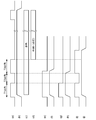
- FIGS. 2A to 2J will be used to explain the operation in the transmission holding mode.
- 2 (a) to 2 (j) show operation timings in the transmission apparatus 100.
- FIG. FIG. 2A shows operation timings of the PTT button 10, the detection unit 12, and the control unit 14.
- the PTT button 10 is depressed within the period T1, not depressed within the period T2, and depressed within the period T3. After that, the PTT button 10 can not be depressed.
- the period T1 is set to 300 ms
- the period T2 is set to 200 ms
- the period T3 is set to 300 ms. These periods are not limited to this.
- the detection unit 12 detects the depression of the PTT button 10 within the period T1, and subsequently, the non-detection of the depression of the PTT button 10 within the period T2 continues, and then, the depression of the PTT button 10 within the period T3 is continued To detect. Thereafter, the detection unit 12 continues non-detection of the depression of the PTT button 10. Although the timing at which the PTT button 10 is depressed and the timing at which the detection unit 12 detects the depression of the PTT button 10 are deviated in practice, the deviation is ignored here for the sake of clarity.
- control unit 14 When the control unit 14 detects that the PTT button 10 is pressed within the period T1, does not detect pressing the PTT button 10 within the period T2, and detects that the PTT button 10 is pressed within the period T3 in the detection unit 12 continuously. , Switching from the normal transmission mode to the transmission holding mode. In the case of the transmission holding mode, the control unit 14 controls the transmission unit 20 to continue the transmission of the audio signal even when the detection unit 12 does not detect the depression of the PTT button 10. If the control unit 14 detects that the PTT button 10 has been pressed within the period T1 in the detection unit 12, it is determined that pressing of the PTT button 10 is not detected even if switching to the transmission holding mode is not performed. The transmission unit 20 is controlled to continue the transmission of the audio signal within the period T2.
- FIG. 2B shows the operation timing of the transmission unit 20.
- the detection unit 12 detects that the PTT button 10 is pressed within the period T1
- the transmission unit 20 starts transmission of an audio signal according to the control from the control unit 14. Subsequently, even if the depression of the PTT button 10 is not detected, the transmission unit 20 continues the transmission of the audio signal within the period T2. Furthermore, in the transmission holding mode, the transmission unit 20 continues transmission of the audio signal by control of continuation of transmission by the control unit 14.
- FIG. 2C shows the operation timing of the LED of the notification unit 22.
- the LED of the notification unit 22 lights in red during the period in which the transmission unit 20 is transmitting the audio signal, and is turned off in the other periods.
- FIG. 2D shows the operation timing of the notification unit 22 in the LCD.
- the LCD of the notification unit 22 lights the characters “-Hold-” for the period in which the transmission holding mode is selected in the control unit 14.
- the display on the LCD is not limited to this.
- the PTT button 10 is not depressed in the transmission holding mode. Thereafter, the PTT button 10 is depressed, followed by non-depression, and the depression ends.
- the detection unit 12 detects the end of pressing of the PTT button 10.
- the control unit 14 controls the transmission unit 20 to stop transmission of the audio signal. This corresponds to returning the transmission holding mode to the normal transmission mode.
- FIG. 2B in the transmission holding mode, when the detection unit 12 detects the end of pressing of the PTT button 10, the transmission unit 20 stops transmission of the audio signal.
- the LED of the notification unit 22 is turned off.
- FIG. 2D when the transmission holding mode is returned to the normal transmission mode, the LCD of the notification unit 22 ends the display.
- FIG. 2 (e)-(j) illustrate the case where the normal transmission mode is not switched to the transmission holding mode.
- (A) first case, (B) second case, and (C) third case will be described in this order.
- FIG. 2E shows the operation timing of the PTT button 10, the detection unit 12, and the control unit 14.
- the PTT button 10 is depressed for a period longer than the period T1.
- the detection unit 12 detects the depression of the PTT button 10 for a period longer than the period T1.
- the control unit 14 maintains the normal transmission mode when the detection unit 12 detects that the PTT button 10 is depressed for a period longer than the period T1.
- FIG. 2F shows the operation timing of the transmission unit 20. Since the normal transmission mode is maintained in the control unit 14, when the detection unit 12 detects that the PTT button 10 has been pressed for a period longer than the period T1, the transmission unit 20 does not detect that the PTT button 10 is pressed When it becomes, the transmission of the audio signal is stopped.
- FIG. 2G shows operation timings of the PTT button 10, the detection unit 12, and the control unit 14.
- the PTT button 10 is depressed within the period T1, and is not depressed for a period longer than the period T2.
- the detection unit 12 continues to detect that the PTT button 10 has not been pressed for a period longer than the period T2.
- the control unit 14 maintains the normal transmission mode because the non-detection of the PTT button 10 being pressed continues for a period longer than the period T2. Do.
- Control unit 20 controls the audio signal to the audio signal.
- FIG. 2H shows the operation timing of the transmission unit 20.
- the transmission unit 20 transmits an audio signal within the period T1.
- the transmission unit 20 transmits an audio signal only in the period T2 when the detection unit 12 continues to detect that the PTT button 10 is not pressed down for a period longer than the period T2. That is, when the detection unit 12 detects no depression of the PTT button 10 for a period longer than the period T2 after the detection unit 12 detects the depression of the PTT button 10 within the period T1, the transmission unit 20 detects the PTT button 10 in the detection unit 12.
- the transmission of the audio signal is stopped after the period T2 has elapsed since the detection of the depression of the switch.
- FIG. 2I shows operation timings of the PTT button 10, the detection unit 12, and the control unit 14.
- the PTT button 10 is depressed within the period T1, not depressed within the period T2, and depressed for a period longer than the period T3.
- the detection unit 12 detects that the PTT button 10 has been pressed within the period T1, followed by non-detection of pressing the PTT button 10 within the period T2, and further detects that the PTT button 10 has been pressed for a period longer than the period T3. It is made continuously.
- the control unit 14 detects that the PTT button 10 is depressed within the period T1, does not detect depression of the PTT button 10 within the period T2, and detects that the PTT button 10 is depressed for a period longer than the period T3 in the detection unit 12 continuously. If so, the normal transmission mode is maintained. In this case, the control unit 14 detects the depression of the PTT button 10 within the period T1 and the non-detection of the depression of the PTT button 10 within the period T2 according to the depression pattern for switching to the transmission holding mode. The transmission unit 20 is controlled to continue the transmission of the audio signal within the range.
- FIG. 2 (j) shows the operation timing of the transmission unit 20.
- the control unit 14 maintains the normal transmission mode. Therefore, in the detection unit 12, the transmission unit 20 detects that the PTT button 10 is pressed within the period T1, does not detect that the PTT button 10 is pressed within the period T2, and detects that the PTT button 10 is pressed for a period longer than the period T3. Sends a voice signal. Thereafter, if the detection unit 12 does not detect that the PTT button 10 is pressed, the transmission unit 20 stops the transmission of the audio signal.
- this configuration can be realized with the CPU, memory, or other LSI of any computer, and with software, it can be realized by a program loaded into the memory, etc.
- These functional blocks can be realized in various forms only by hardware and by a combination of hardware and software.
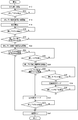
- FIG. 3 is a flowchart showing a transmission procedure by the transmission device 100.
- the transmission device 100 is in the standby state (S10). If the detection unit 12 does not detect the depression (N at S12), the process waits. When the detection unit 12 detects a depression (Y in S12), the detection unit 12 starts measurement of a depression detection period (S14). The transmitter 20 starts transmission of the audio signal (S16). If the detection unit 12 does not detect depression (N in S18), the process waits. If the detection unit 12 does not detect depression (Y at S18) and the depression detection period is not within 300 ms (N at S20), the process is terminated.
- the detection unit 12 starts measurement of the depression non-detection period (S22).
- the transmission unit 20 ends the transmission of the audio signal (S42).
- the process returns to step S24. If the detection unit 12 detects a depression (Y in S26), the detection unit 12 starts measurement of a depression detection period (S28). When the depression detection period passes 300 ms (Y in S30), the control unit 14 determines the normal transmission mode (S38). If the detection unit 12 does not detect depression (N in S40), the process waits. If the detection unit 12 does not detect depression (Y at S40), the transmission unit 20 ends the transmission of the audio signal (S42).
- the process returns to step S30. If the detection unit 12 does not detect depression (Y at S32), the control unit 14 determines the transmission holding mode (S34). If the detection unit 12 does not detect the end of the depression (N at S36), the process waits. When the detection unit 12 detects the end of the depression (Y in S36), the control unit 14 determines the normal transmission mode (S38). If the detection unit 12 does not detect depression (N in S40), the process waits. If the detection unit 12 does not detect depression (Y at S40), the transmission unit 20 ends the transmission of the audio signal (S42).
- the voice signal when detection of depression within period T1, detection of depression within period T2 is not detected, and detection of depression within period T3 continue, the voice signal continues to be transmitted even if depression is not detected. Therefore, the transmission state can be maintained by a simple operation.
- the key operation time is short and the simpler double pressing is used as the operation pattern, it is not necessary to check the transmitting device for the lock completion.
- the transmission time of the unnecessary signal until lock completion can be shortened.
- the voice signal since the voice signal is transmitted in the normal transmission mode, it deviates from the operation pattern, so locking can be avoided unless another operation pattern operation is performed.
- the lock since the lock is avoided unless the operation pattern is operated again, it is possible to prevent the occurrence of an unintended lock even when making a call after a normal call.
- the transmission holding mode can be ended.
- the switching to the transmission holding mode can be avoided.
- the normal transmission mode is maintained when the depression within the period T1 is not detected after the depression within the period T1 is detected, the switching to the transmission holding mode can be avoided.
- the normal transmission mode is maintained when the depression for a period longer than period T3 is detected following the detection of the depression within period T1 and the non-detection of the depression within period T2, switching to the transmission holding mode is avoided. it can.
- a business wireless system is used as a communication system including the transmitting device 100.
- a wireless communication system such as a mobile phone other than the business wireless system may be used. According to this modification, the degree of freedom of the system can be improved.
- 10 PTT button 12 detection units, 14 control units, 16 microphones, 18 audio processing units, 20 transmission units, 22 notification units, 100 transmission devices.
- the transmission state can be maintained by a simple operation.
Landscapes
- Engineering & Computer Science (AREA)
- Computer Networks & Wireless Communication (AREA)
- Signal Processing (AREA)
- Transmitters (AREA)
- Telephone Function (AREA)
Abstract
検出部12は、PTTボタン10の押し下げを検出する。送信部20は、検出部12がPTTボタン10の押し下げを検出している期間にわたって信号を送信する。送信部20は、検出部12において第1期間以内のPTTボタン10の押し下げの検出、第2期間以内のPTTボタン10の押し下げの非検出、第3期間以内のPTTボタン10の押し下げの検出が連続した場合、検出部12においてPTTボタン10の押し下げを非検出であっても信号を送信し続ける。
Description
本発明は、通信技術に関し、特に信号を送信する送信装置および送信方法に関する。
PTT(Push-To-Talk)に対応した無線送受信機の送受信切替は、PTTスイッチのオン・オフ操作によって行われる。一般的に、PTTスイッチを押している期間が送信状態であり、PTTスイッチを放すと受信状態に戻るように動作する。長時間にわたって、送信状態を維持継続するためには、PTTスイッチを押し続ける必要があった。ユーザの利便性を向上するために、PTTスイッチを押した状態をロックする機能が求められる。例えば、PTTスイッチの操作パターンが、PTTスイッチが所定の設定時間以上継続してオンされた後に所定の経過時間以内に再度オンされるパターンである場合に、送信状態が維持される(例えば、特許文献1参照)。
PTTスイッチを押した状態をロックするまでのキー操作時間が長い場合、ロックが完了したか否かを無線送受信機を見て確認する必要がある。また、ロックをせずに通話をした後に、続けて次の通話を行おうとした場合に、意図せずにロックがなされてしまうことがある。
本発明はこうした状況に鑑みてなされたものであり、その目的は、簡易な操作で送信状態を維持する技術を提供することである。
上記課題を解決するために、本実施形態のある態様の送信装置は、ボタンの押し下げを検出する検出部と、検出部がボタンの押し下げを検出している期間にわたって信号を送信する送信部とを備える。送信部は、検出部において第1期間以内のボタンの押し下げの検出、第2期間以内のボタンの押し下げの非検出、第3期間以内のボタンの押し下げの検出が連続した場合、検出部においてボタンの押し下げを非検出であっても信号を送信し続ける。
本実施形態の別の態様は、送信方法である。この方法は、ボタンの押し下げを検出するステップと、ボタンの押し下げを検出している期間にわたって信号を送信するステップと、第1期間以内のボタンの押し下げの検出、第2期間以内のボタンの押し下げの非検出、第3期間以内のボタンの押し下げの検出が連続した場合、ボタンの押し下げを非検出であっても信号を送信し続けるステップと、を備える。
なお、以上の構成要素の任意の組合せ、本実施形態の表現を方法、装置、システム、記録媒体、コンピュータプログラムなどの間で変換したものもまた、本実施形態の態様として有効である。
本実施形態によれば、簡易な操作で送信状態を維持できる。
本発明を具体的に説明する前に、まず概要を述べる。本発明の実施例は、PTTスイッチであるPTTボタンが押し下げられた場合に音声信号を送信する送信装置に関する。この送信装置は、例えば、業務用無線システムに含まれる。前述のごとく、PTTに対応した送信装置において、簡易な操作で送信状態を維持することが求められる。本実施例に係る送信装置は、PTTボタンを短押しした後に、PTTボタンを再度短押しすることによって、PTTのホールド状態に移行し、送信状態を継続する。
ここで、例えば、PTTボタンの短押しは300ms以内であり、最初のPTTボタンの短押しからPTTボタンの再短押しを受けつける期間は200ms以内であるとする。さらに、最初のPTTボタンの短押しの時点から送信が開始され、上記の操作パターン中、送信が途切れないようにするとともに、PTTボタンの再短押しが200ms期間より長くなされない場合は送信が終了される。
図1は、送信装置100の構成を示す。送信装置100は、PTTボタン10、検出部12、制御部14、マイク16、音声処理部18、送信部20、通知部22を含む。以下では、(1)通常送信モードでの処理を説明した後に、(2)送信保持モードでの処理を説明する。
(1)通常送信モード
PTTボタン10は、音声信号を送信する場合に押し下げられる。一方、PTTボタン10は、音声信号を送信しない場合に押し下げられない。検出部12は、PTTボタン10に接続される。PTTボタン10が押し下げられた場合に、検出部12は、ボタンの押し下げを検出する。一方、PTTボタン10が押し下げられない場合に、検出部12は、ボタンの押し下げを検出しない。制御部14は、検出部12における検出結果をもとに、送信部20と通知部22の動作を制御する。制御部14によって制御される送信部20と通知部22の動作については後述する。
PTTボタン10は、音声信号を送信する場合に押し下げられる。一方、PTTボタン10は、音声信号を送信しない場合に押し下げられない。検出部12は、PTTボタン10に接続される。PTTボタン10が押し下げられた場合に、検出部12は、ボタンの押し下げを検出する。一方、PTTボタン10が押し下げられない場合に、検出部12は、ボタンの押し下げを検出しない。制御部14は、検出部12における検出結果をもとに、送信部20と通知部22の動作を制御する。制御部14によって制御される送信部20と通知部22の動作については後述する。
マイク16は、ユーザによって発せられる音声を受けつける。マイク16は、音声を電気信号に変換し、電気信号の音声(以下、これもまた「音声」という)を音声処理部18に出力する。音声処理部18は、マイク16から音声を受けつける。音声処理部18は、音声に対して符号化等の処理を実行する。音声処理部18は、処理を実行した音声(以下、これもまた「音声」という)を送信部20に出力する。
送信部20は、音声処理部18からの音声を受けつける。送信部20は、音声を含めるように音声信号を生成する。送信部20は、生成した音声信号に対して、制御部14からの制御に応じて送信処理を実行する。ここでは、制御部14における制御を説明する。制御部14は、検出部12がボタンの押し下げを検出している期間にわたって、音声信号を送信し続けるように送信部20を制御する。一方、制御部14は、検出部12がボタンの押し下げを検出していない期間において、音声信号の送信を停止するように送信部20を制御する。その結果、送信部20は、検出部12がボタンの押し下げを検出している期間にわたって、音声処理部18からの音声信号を送信し続ける。送信部20は、検出部12がボタンの押し下げを検出していない期間において、音声信号の送信を停止する。
通知部22は、例えば、LED(Light Emitting Diode)である。通知部22は、制御部14によって送信部20が音声信号を送信し続けるように制御されている場合、赤色に点灯する。一方、通知部22は、制御部14によって送信部20が音声信号の送信を停止するように制御されている場合、消灯する。つまり、通知部22は、点灯することによって送信状態をユーザに通知する。なお、通知部22は、LCD(Liquid Crystal Display)であってもよい。
(2)送信保持モード
ここでは、送信保持モードでの動作を説明するために、図2(a)-(j)を使用する。図2(a)-(j)は、送信装置100における動作タイミングを示す。図2(a)は、PTTボタン10、検出部12、制御部14における動作タイミングを示す。PTTボタン10には、期間T1以内の押し下げ、期間T2以内の非押し下げ、期間T3以内の押し下げがなされる。その後、PTTボタン10は押し下げられない。例えば、期間T1は300msに設定され、期間T2は200msに設定され、期間T3は300msに設定される。これらの期間はこれに限定されない。
ここでは、送信保持モードでの動作を説明するために、図2(a)-(j)を使用する。図2(a)-(j)は、送信装置100における動作タイミングを示す。図2(a)は、PTTボタン10、検出部12、制御部14における動作タイミングを示す。PTTボタン10には、期間T1以内の押し下げ、期間T2以内の非押し下げ、期間T3以内の押し下げがなされる。その後、PTTボタン10は押し下げられない。例えば、期間T1は300msに設定され、期間T2は200msに設定され、期間T3は300msに設定される。これらの期間はこれに限定されない。
検出部12は、期間T1以内のPTTボタン10の押し下げを検出し、その後、期間T2以内のPTTボタン10の押し下げの非検出が続き、さらに続いて、期間T3以内のPTTボタン10の押し下げを連続して検出する。その後、検出部12は、PTTボタン10の押し下げの非検出が続く。なお、実際には、PTTボタン10が押し下げられるタイミングと、検出部12がPTTボタン10の押し下げを検出するタイミングはずれているが、ここでは、説明を明瞭にするために、そのずれを無視する。
制御部14は、検出部12において、期間T1以内のPTTボタン10の押し下げの検出、期間T2以内のPTTボタン10の押し下げの非検出、期間T3以内のPTTボタン10の押し下げの検出が連続した場合、通常送信モードから送信保持モードへの切替を実行する。送信保持モードの場合、制御部14は、検出部12においてPTTボタン10の押し下げを非検出であっても音声信号の送信を継続するように送信部20を制御する。なお、制御部14は、検出部12において期間T1以内のPTTボタン10の押し下げを検出した場合、送信保持モードへの切替がなされていなくても、PTTボタン10の押し下げが非検出であると、期間T2以内において音声信号の送信を継続するように送信部20を制御する。
図2(b)は、送信部20における動作タイミングを示す。送信部20は、検出部12において期間T1以内のPTTボタン10の押し下げを検出した場合、制御部14からの制御に応じて音声信号の送信を開始する。これに続いて、PTTボタン10の押し下げが非検出であっても、送信部20は、期間T2以内において音声信号の送信を継続する。さらに、送信保持モードになると、制御部14による送信の継続の制御によって、送信部20は音声信号の送信を継続する。
図2(c)は、通知部22のLEDにおける動作タイミングを示す。図2(b)と比較すると明らかなように、通知部22のLEDは、送信部20が音声信号を送信している期間にわたって赤色に点灯し、それ以外の期間において消灯する。図2(d)は、通知部22のLCDにおける動作タイミングを示す。通知部22のLCDは、制御部14において送信保持モードが選択されている期間にわたって、「-Hold-」の文字を点灯させる。なお、LCDにおける表示はこれに限定されない。
次に、送信保持モードに切りかえられた後の動作を説明する。図2(a)に示すように送信保持モードにおいてPTTボタン10は押し下げられない。その後、PTTボタン10が押し下げられ、続いて非押し下げがなされるとともに、押し下げが終了する。検出部12は、PTTボタン10の押し下げの終了を検出する。制御部14は、送信保持モードである場合に、検出部12においてPTTボタン10の押し下げの終了が検出されると、音声信号の送信を停止するように送信部20を制御する。これは、送信保持モードを通常送信モードに戻すことに相当する。図2(b)に示すように、送信保持モードにおいて、検出部12がPTTボタン10の押し下げの終了を検出すると、送信部20は音声信号の送信を停止する。図2(c)に示すように、送信部20が音声信号の送信を停止すると、通知部22のLEDは消灯する。図2(d)に示すように、送信保持モードが通常送信モードに戻されると、通知部22のLCDは表示を終了する。
図2(e)-(j)は、通常送信モードから送信保持モードへの切替がなされない場合を説明する。ここでは、(A)第1ケース、(B)第2ケース、(C)第3ケースの順に説明する。
(A)第1ケース
図2(e)は、PTTボタン10、検出部12、制御部14における動作タイミングを示す。PTTボタン10は、期間T1よりも長い期間にわたって押し下げられる。検出部12は、期間T1よりも長い期間にわたるPTTボタン10の押し下げを検出する。制御部14は、期間T1よりも長い期間にわたるPTTボタン10の押し下げが検出部12において検出されると、通常送信モードを維持する。図2(f)は、送信部20における動作タイミングを示す。制御部14において通常送信モードが維持されるので、送信部20は、検出部12が期間T1より長い期間にわたるPTTボタン10の押し下げを検出した場合、検出部12においてPTTボタン10の押し下げが非検出になると、音声信号の送信を停止する。
図2(e)は、PTTボタン10、検出部12、制御部14における動作タイミングを示す。PTTボタン10は、期間T1よりも長い期間にわたって押し下げられる。検出部12は、期間T1よりも長い期間にわたるPTTボタン10の押し下げを検出する。制御部14は、期間T1よりも長い期間にわたるPTTボタン10の押し下げが検出部12において検出されると、通常送信モードを維持する。図2(f)は、送信部20における動作タイミングを示す。制御部14において通常送信モードが維持されるので、送信部20は、検出部12が期間T1より長い期間にわたるPTTボタン10の押し下げを検出した場合、検出部12においてPTTボタン10の押し下げが非検出になると、音声信号の送信を停止する。
(B)第2ケース
図2(g)は、PTTボタン10、検出部12、制御部14における動作タイミングを示す。PTTボタン10は、期間T1以内の押し下げ、期間T2よりも長い期間にわたる非押し下げがなされる。検出部12は、期間T1以内のPTTボタン10の押し下げを検出してから期間T2より長い期間にわたってPTTボタン10の押し下げの非検出が続く。制御部14は、検出部12において、期間T1以内のPTTボタン10の押し下げの検出がなされても、期間T2よりも長い期間にわたってPTTボタン10の押し下げの非検出が続くので、通常送信モードを維持する。しかしながら、前述のごとく、制御部14は、期間T1以内のPTTボタン10の押し下げの検出後、PTTボタン10の押し下げが非検出であると、期間T2以内において音声信号の送信を継続するように送信部20を制御する。
図2(g)は、PTTボタン10、検出部12、制御部14における動作タイミングを示す。PTTボタン10は、期間T1以内の押し下げ、期間T2よりも長い期間にわたる非押し下げがなされる。検出部12は、期間T1以内のPTTボタン10の押し下げを検出してから期間T2より長い期間にわたってPTTボタン10の押し下げの非検出が続く。制御部14は、検出部12において、期間T1以内のPTTボタン10の押し下げの検出がなされても、期間T2よりも長い期間にわたってPTTボタン10の押し下げの非検出が続くので、通常送信モードを維持する。しかしながら、前述のごとく、制御部14は、期間T1以内のPTTボタン10の押し下げの検出後、PTTボタン10の押し下げが非検出であると、期間T2以内において音声信号の送信を継続するように送信部20を制御する。
図2(h)は、送信部20における動作タイミングを示す。送信部20は、検出部12が期間T1以内のPTTボタン10の押し下げを検出した場合、期間T1以内において音声信号を送信する。また、送信部20は、検出部12が期間T2よりも長い期間にわたってPTTボタン10の押し下げの非検出が続く場合、期間T2だけにおいて音声信号を送信する。つまり、送信部20は、検出部12が期間T1以内のPTTボタン10の押し下げを検出してから期間T2より長い期間にわたるPTTボタン10の押し下げを非検出である場合、検出部12においてPTTボタン10の押し下げが検出となってから期間T2経過した後に音声信号の送信を停止する。
(C)第3ケース
図2(i)は、PTTボタン10、検出部12、制御部14における動作タイミングを示す。PTTボタン10には、期間T1以内の押し下げ、期間T2以内の非押し下げ、期間T3より長い期間の押し下げがなされる。検出部12は、期間T1以内のPTTボタン10の押し下げの検出、それに続いて、期間T2以内のPTTボタン10の押し下げの非検出、さらに、期間T3より長い期間のPTTボタン10の押し下げの検出が連続してなされる。
図2(i)は、PTTボタン10、検出部12、制御部14における動作タイミングを示す。PTTボタン10には、期間T1以内の押し下げ、期間T2以内の非押し下げ、期間T3より長い期間の押し下げがなされる。検出部12は、期間T1以内のPTTボタン10の押し下げの検出、それに続いて、期間T2以内のPTTボタン10の押し下げの非検出、さらに、期間T3より長い期間のPTTボタン10の押し下げの検出が連続してなされる。
制御部14は、検出部12において、期間T1以内のPTTボタン10の押し下げの検出、期間T2以内のPTTボタン10の押し下げの非検出、期間T3より長い期間のPTTボタン10の押し下げの検出が連続した場合、通常送信モードを維持する。この場合、期間T1以内のPTTボタン10の押し下げの検出、期間T2以内のPTTボタン10の押し下げの非検出までは、送信保持モードに切りかえるための押し下げパターンに一致するので、制御部14は期間T2以内において音声信号の送信を継続するように送信部20を制御する。
図2(j)は、送信部20における動作タイミングを示す。送信部20は、制御部14において通常送信モードが維持される。そのため、送信部20は、検出部12において、期間T1以内のPTTボタン10の押し下げの検出、期間T2以内のPTTボタン10の押し下げの非検出、期間T3より長い期間のPTTボタン10の押し下げの検出が連続した場合、音声信号を送信する。その後、検出部12においてPTTボタン10の押し下げが検出されなければ、送信部20は音声信号の送信を停止する。
この構成は、ハードウエア的には、任意のコンピュータのCPU、メモリ、その他のLSIで実現でき、ソフトウエア的にはメモリにロードされたプログラムなどによって実現されるが、ここではそれらの連携によって実現される機能ブロックを描いている。したがって、これらの機能ブロックがハードウエアのみ、ハードウエアとソフトウエアの組合せによっていろいろな形で実現できることは、当業者には理解されるところである。
以上の構成による送信装置100の動作を説明する。図3は、送信装置100による送信手順を示すフローチャートである。送信装置100は待ち受け状態になっている(S10)。検出部12が押し下げを検出しなければ(S12のN)、待機する。検出部12が押し下げを検出すれば(S12のY)、検出部12は押し下げ検出期間の計測を開始する(S14)。送信部20は音声信号の送信を開始する(S16)。検出部12が押し下げを非検出でなければ(S18のN)、待機する。検出部12が押し下げを検出せず(S18のY)、押し下げ検出期間が300ms以内でなければ(S20のN)、処理は終了される。押し下げ検出期間が300ms以内であれば(S20のY)、検出部12は押し下げ非検出期間の計測を開始する(S22)。押し下げ非検出期間が200msを経過すれば(S24のY)、送信部20は音声信号の送信を終了する(S42)。
押し下げ非検出期間が200msを経過せず(S24のN)、検出部12が押し下げを検出しなければ(S26のN)、ステップ24に戻る。検出部12が押し下げを検出すれば(S26のY)、検出部12は押し下げ検出期間の計測を開始する(S28)。押し下げ検出期間が300msを経過すれば(S30のY)、制御部14は、通常送信モードを決定する(S38)。検出部12が押し下げを非検出でなければ(S40のN)、待機する。検出部12が押し下げを非検出であれば(S40のY)、送信部20は音声信号の送信を終了する(S42)。
押し下げ検出期間が300msを経過せず(S30のN)、検出部12が押し下げを非検出でなければ(S32のN)、ステップ30に戻る。検出部12が押し下げを非検出であれば(S32のY)、制御部14は、送信保持モードを決定する(S34)。検出部12が押し下げ終了を検出しなければ(S36のN)、待機する。検出部12が押し下げ終了を検出すれば(S36のY)、制御部14は、通常送信モードを決定する(S38)。検出部12が押し下げを非検出でなければ(S40のN)、待機する。検出部12が押し下げを非検出であれば(S40のY)、送信部20は音声信号の送信を終了する(S42)。
本実施例によれば、期間T1以内の押し下げの検出、期間T2以内の押し下げの非検出、期間T3以内の押し下げの検出が連続した場合、押し下げを非検出であっても音声信号を送信し続けるので、簡易な操作で送信状態を維持できる。また、キー操作時間が短く、かつよりシンプルな2回押しを操作パターンにするので、ロック完了のために送信装置を確認することを不要にできる。また、ロック完了までの不要な信号の送信時間を短縮できる。また、通常送信モードで音声信号を送信した場合に操作パターンから外れるので、改めて操作パターンの操作を行わない限りロックを回避できる。また、改めて操作パターンの操作を行わない限りロックが回避されるので、通常の通話の後に、続けて通話を行う際も意図しないロックが発生することを回避できる。
また、押し下げを非検出であっても音声信号を送信し続けている場合に、押し下げの終了を検出すると、音声信号の送信を停止するので、送信保持モードを終了できる。また、期間T1より長い期間にわたる押し下げを検出した場合に通常送信モードを維持するので、送信保持モードへの切替を回避できる。また、期間T1以内の押し下げを検出してから期間T2より長い期間にわたる押し下げを非検出である場合に通常送信モードを維持するので、送信保持モードへの切替を回避できる。また、期間T1以内の押し下げの検出と期間T2以内の押し下げの非検出に続いて期間T3より長い期間にわたる押し下げが検出された場合に通常送信モードを維持するので、送信保持モードへの切替を回避できる。
以上、本発明を実施例をもとに説明した。この実施例は例示であり、それらの各構成要素や各処理プロセスの組合せにいろいろな変形例が可能なこと、またそうした変形例も本発明の範囲にあることは当業者に理解されるところである。
本実施例によれば、送信装置100が含まれる通信システムとして、業務用無線システムが使用されている。しかしながらこれに限らず例えば、業務用無線システム以外の携帯電話等の無線通信システムが使用されてもよい。本変形例によれば、システムの自由度を向上できる。
10 PTTボタン、 12 検出部、 14 制御部、 16 マイク、 18 音声処理部、 20 送信部、 22 通知部、 100 送信装置。
本実施形態によれば、簡易な操作で送信状態を維持できる。
Claims (4)
- ボタンの押し下げを検出する検出部と、
前記検出部が前記ボタンの押し下げを検出している期間にわたって信号を送信する送信部とを備え、
前記送信部は、前記検出部において第1期間以内の前記ボタンの押し下げの検出、第2期間以内の前記ボタンの押し下げの非検出、第3期間以内の前記ボタンの押し下げの検出が連続した場合、前記検出部において前記ボタンの押し下げを非検出であっても信号を送信し続けることを特徴とする送信装置。 - 前記送信部は、前記検出部において前記ボタンの押し下げを非検出であっても信号を送信し続けている場合に、前記検出部が前記ボタンの押し下げの検出に続いて、前記ボタンの押し下げが非検出であると、信号の送信を停止することを特徴とする請求項1に記載の送信装置。
- 前記送信部は、前記検出部が第1期間以内の前記ボタンの押し下げを検出してから第2期間より長い期間にわたる前記ボタンの押し下げを非検出である場合、あるいは前記検出部において第1期間以内の前記ボタンの押し下げの検出と第2期間以内の前記ボタンの押し下げの非検出に続いて第3期間より長い期間にわたる前記ボタンの押し下げが検出された場合、前記検出部において前記ボタンの押し下げが非検出であると、信号の送信を停止することを特徴とする請求項1に記載の送信装置。
- ボタンの押し下げを検出するステップと、
前記ボタンの押し下げを検出している期間にわたって信号を送信するステップと、
第1期間以内の前記ボタンの押し下げの検出、第2期間以内の前記ボタンの押し下げの非検出、第3期間以内の前記ボタンの押し下げの検出が連続した場合、前記ボタンの押し下げを非検出であっても信号を送信し続けるステップと、
を備えることを特徴とする送信方法。
Applications Claiming Priority (2)
| Application Number | Priority Date | Filing Date | Title |
|---|---|---|---|
| JP2017-138266 | 2017-07-14 | ||
| JP2017138266A JP2019022056A (ja) | 2017-07-14 | 2017-07-14 | 送信装置および送信方法 |
Publications (1)
| Publication Number | Publication Date |
|---|---|
| WO2019012893A1 true WO2019012893A1 (ja) | 2019-01-17 |
Family
ID=65001221
Family Applications (1)
| Application Number | Title | Priority Date | Filing Date |
|---|---|---|---|
| PCT/JP2018/022401 Ceased WO2019012893A1 (ja) | 2017-07-14 | 2018-06-12 | 送信装置および送信方法 |
Country Status (2)
| Country | Link |
|---|---|
| JP (1) | JP2019022056A (ja) |
| WO (1) | WO2019012893A1 (ja) |
Families Citing this family (1)
| Publication number | Priority date | Publication date | Assignee | Title |
|---|---|---|---|---|
| WO2020153212A1 (ja) | 2019-01-23 | 2020-07-30 | 株式会社Nttドコモ | ユーザ端末及び無線通信方法 |
Citations (3)
| Publication number | Priority date | Publication date | Assignee | Title |
|---|---|---|---|---|
| JPH05175878A (ja) * | 1991-12-24 | 1993-07-13 | Iwatsu Electric Co Ltd | プレストーク通話制御装置 |
| JPH11136140A (ja) * | 1997-10-31 | 1999-05-21 | Icom Inc | 送信制御装置 |
| US20070065357A1 (en) * | 2005-09-19 | 2007-03-22 | Mediatek Inc. | Cellular phone with push to talk over cellular (POC) service |
-
2017
- 2017-07-14 JP JP2017138266A patent/JP2019022056A/ja active Pending
-
2018
- 2018-06-12 WO PCT/JP2018/022401 patent/WO2019012893A1/ja not_active Ceased
Patent Citations (3)
| Publication number | Priority date | Publication date | Assignee | Title |
|---|---|---|---|---|
| JPH05175878A (ja) * | 1991-12-24 | 1993-07-13 | Iwatsu Electric Co Ltd | プレストーク通話制御装置 |
| JPH11136140A (ja) * | 1997-10-31 | 1999-05-21 | Icom Inc | 送信制御装置 |
| US20070065357A1 (en) * | 2005-09-19 | 2007-03-22 | Mediatek Inc. | Cellular phone with push to talk over cellular (POC) service |
Also Published As
| Publication number | Publication date |
|---|---|
| JP2019022056A (ja) | 2019-02-07 |
Similar Documents
| Publication | Publication Date | Title |
|---|---|---|
| US7231225B2 (en) | Push-to-talk handling in a dual processor environment | |
| US7953400B2 (en) | Automatic pairing method for Bluetooth®-enabled mobile terminal | |
| US20140256260A1 (en) | Wireless Device Pairing | |
| KR100652645B1 (ko) | 푸시 투 토크형 이동 통신 단말기의 음성 검출 및 인식을이용한 발언권 관리 장치와 방법 | |
| US20160360470A1 (en) | Wireless network host in silent mode | |
| EP1232493A1 (en) | Wireless voice-activated remote control device | |
| WO2019012893A1 (ja) | 送信装置および送信方法 | |
| KR102096669B1 (ko) | 비상통신수단이 구비된 무전기 | |
| US7711861B2 (en) | Synchronized indicator light for secure connections | |
| US20170105242A1 (en) | Communication apparatus, communication method, and non-transitory computer-readable storage medium | |
| US20050090228A1 (en) | Apparatus and method for mitigation of session unavailability | |
| US7885615B2 (en) | Push-to-talk handling in a dual processor environment | |
| JP7000745B2 (ja) | 端末装置および通信方法 | |
| JP6911737B2 (ja) | 端末装置および通信方法 | |
| KR101952034B1 (ko) | PTT(Push To Talk) 감지 기능을 구비한 무전기 | |
| JP3115163U (ja) | 無線機用音声送受信装置 | |
| WO2017141684A1 (ja) | 無線端末装置、通信システム、通信方法 | |
| JP4011504B2 (ja) | 通信装置 | |
| JP3102733B2 (ja) | 無線通信方式 | |
| KR101113861B1 (ko) | 통화중 울림현상을 줄이는 푸쉬-투-토크 단말 및 통신 방법 | |
| JPS58218238A (ja) | 音声認識回路付送受信装置 | |
| JP4220256B2 (ja) | 無線通信機 | |
| JPH11154916A (ja) | 赤外線信号送受信システム及び赤外線信号送受信方法 | |
| WO2016095565A1 (zh) | 终端的搜索方法及装置 | |
| JP5770043B2 (ja) | 無線通信システム及び無線通信システムの移動局 |
Legal Events
| Date | Code | Title | Description |
|---|---|---|---|
| 121 | Ep: the epo has been informed by wipo that ep was designated in this application |
Ref document number: 18832465 Country of ref document: EP Kind code of ref document: A1 |
|
| NENP | Non-entry into the national phase |
Ref country code: DE |
|
| 122 | Ep: pct application non-entry in european phase |
Ref document number: 18832465 Country of ref document: EP Kind code of ref document: A1 |