WO2018077157A1 - Polymorphic forms of sodium benzoate and uses thereof - Google Patents
Polymorphic forms of sodium benzoate and uses thereof Download PDFInfo
- Publication number
- WO2018077157A1 WO2018077157A1 PCT/CN2017/107436 CN2017107436W WO2018077157A1 WO 2018077157 A1 WO2018077157 A1 WO 2018077157A1 CN 2017107436 W CN2017107436 W CN 2017107436W WO 2018077157 A1 WO2018077157 A1 WO 2018077157A1
- Authority
- WO
- WIPO (PCT)
- Prior art keywords
- sodium benzoate
- polymorphic form
- disorder
- disorders
- sodium
- Prior art date
- Legal status (The legal status is an assumption and is not a legal conclusion. Google has not performed a legal analysis and makes no representation as to the accuracy of the status listed.)
- Ceased
Links
- 0 *CCC(CC(CC(*)*C(CC(*)C*(CC(*)**(*)C**C*)N=O)O)O)O Chemical compound *CCC(CC(CC(*)*C(CC(*)C*(CC(*)**(*)C**C*)N=O)O)O)O 0.000 description 4
Images






Classifications
-
- C—CHEMISTRY; METALLURGY
- C07—ORGANIC CHEMISTRY
- C07C—ACYCLIC OR CARBOCYCLIC COMPOUNDS
- C07C63/00—Compounds having carboxyl groups bound to a carbon atoms of six-membered aromatic rings
- C07C63/04—Monocyclic monocarboxylic acids
- C07C63/06—Benzoic acid
- C07C63/08—Salts thereof
-
- A—HUMAN NECESSITIES
- A23—FOODS OR FOODSTUFFS; TREATMENT THEREOF, NOT COVERED BY OTHER CLASSES
- A23L—FOODS, FOODSTUFFS OR NON-ALCOHOLIC BEVERAGES, NOT OTHERWISE PROVIDED FOR; PREPARATION OR TREATMENT THEREOF
- A23L33/00—Modifying nutritive qualities of foods; Dietetic products; Preparation or treatment thereof
- A23L33/10—Modifying nutritive qualities of foods; Dietetic products; Preparation or treatment thereof using additives
- A23L33/16—Inorganic salts, minerals or trace elements
-
- A—HUMAN NECESSITIES
- A61—MEDICAL OR VETERINARY SCIENCE; HYGIENE
- A61K—PREPARATIONS FOR MEDICAL, DENTAL OR TOILETRY PURPOSES
- A61K31/00—Medicinal preparations containing organic active ingredients
- A61K31/185—Acids; Anhydrides, halides or salts thereof, e.g. sulfur acids, imidic, hydrazonic or hydroximic acids
- A61K31/19—Carboxylic acids, e.g. valproic acid
- A61K31/192—Carboxylic acids, e.g. valproic acid having aromatic groups, e.g. sulindac, 2-aryl-propionic acids, ethacrynic acid
-
- A—HUMAN NECESSITIES
- A61—MEDICAL OR VETERINARY SCIENCE; HYGIENE
- A61K—PREPARATIONS FOR MEDICAL, DENTAL OR TOILETRY PURPOSES
- A61K31/00—Medicinal preparations containing organic active ingredients
- A61K31/185—Acids; Anhydrides, halides or salts thereof, e.g. sulfur acids, imidic, hydrazonic or hydroximic acids
- A61K31/19—Carboxylic acids, e.g. valproic acid
- A61K31/195—Carboxylic acids, e.g. valproic acid having an amino group
- A61K31/197—Carboxylic acids, e.g. valproic acid having an amino group the amino and the carboxyl groups being attached to the same acyclic carbon chain, e.g. gamma-aminobutyric acid [GABA], beta-alanine, epsilon-aminocaproic acid or pantothenic acid
- A61K31/198—Alpha-amino acids, e.g. alanine or edetic acid [EDTA]
-
- A—HUMAN NECESSITIES
- A61—MEDICAL OR VETERINARY SCIENCE; HYGIENE
- A61K—PREPARATIONS FOR MEDICAL, DENTAL OR TOILETRY PURPOSES
- A61K31/00—Medicinal preparations containing organic active ingredients
- A61K31/33—Heterocyclic compounds
- A61K31/395—Heterocyclic compounds having nitrogen as a ring hetero atom, e.g. guanethidine or rifamycins
- A61K31/435—Heterocyclic compounds having nitrogen as a ring hetero atom, e.g. guanethidine or rifamycins having six-membered rings with one nitrogen as the only ring hetero atom
- A61K31/44—Non condensed pyridines; Hydrogenated derivatives thereof
- A61K31/445—Non condensed piperidines, e.g. piperocaine
-
- A—HUMAN NECESSITIES
- A61—MEDICAL OR VETERINARY SCIENCE; HYGIENE
- A61K—PREPARATIONS FOR MEDICAL, DENTAL OR TOILETRY PURPOSES
- A61K31/00—Medicinal preparations containing organic active ingredients
- A61K31/33—Heterocyclic compounds
- A61K31/395—Heterocyclic compounds having nitrogen as a ring hetero atom, e.g. guanethidine or rifamycins
- A61K31/55—Heterocyclic compounds having nitrogen as a ring hetero atom, e.g. guanethidine or rifamycins having seven-membered rings, e.g. azelastine, pentylenetetrazole
- A61K31/551—Heterocyclic compounds having nitrogen as a ring hetero atom, e.g. guanethidine or rifamycins having seven-membered rings, e.g. azelastine, pentylenetetrazole having two nitrogen atoms, e.g. dilazep
- A61K31/5513—1,4-Benzodiazepines, e.g. diazepam or clozapine
-
- A—HUMAN NECESSITIES
- A61—MEDICAL OR VETERINARY SCIENCE; HYGIENE
- A61K—PREPARATIONS FOR MEDICAL, DENTAL OR TOILETRY PURPOSES
- A61K31/00—Medicinal preparations containing organic active ingredients
- A61K31/70—Carbohydrates; Sugars; Derivatives thereof
- A61K31/7024—Esters of saccharides
-
- A—HUMAN NECESSITIES
- A61—MEDICAL OR VETERINARY SCIENCE; HYGIENE
- A61K—PREPARATIONS FOR MEDICAL, DENTAL OR TOILETRY PURPOSES
- A61K45/00—Medicinal preparations containing active ingredients not provided for in groups A61K31/00 - A61K41/00
- A61K45/06—Mixtures of active ingredients without chemical characterisation, e.g. antiphlogistics and cardiaca
-
- A—HUMAN NECESSITIES
- A61—MEDICAL OR VETERINARY SCIENCE; HYGIENE
- A61P—SPECIFIC THERAPEUTIC ACTIVITY OF CHEMICAL COMPOUNDS OR MEDICINAL PREPARATIONS
- A61P1/00—Drugs for disorders of the alimentary tract or the digestive system
-
- A—HUMAN NECESSITIES
- A61—MEDICAL OR VETERINARY SCIENCE; HYGIENE
- A61P—SPECIFIC THERAPEUTIC ACTIVITY OF CHEMICAL COMPOUNDS OR MEDICINAL PREPARATIONS
- A61P25/00—Drugs for disorders of the nervous system
-
- A—HUMAN NECESSITIES
- A61—MEDICAL OR VETERINARY SCIENCE; HYGIENE
- A61P—SPECIFIC THERAPEUTIC ACTIVITY OF CHEMICAL COMPOUNDS OR MEDICINAL PREPARATIONS
- A61P25/00—Drugs for disorders of the nervous system
- A61P25/14—Drugs for disorders of the nervous system for treating abnormal movements, e.g. chorea, dyskinesia
- A61P25/16—Anti-Parkinson drugs
-
- A—HUMAN NECESSITIES
- A61—MEDICAL OR VETERINARY SCIENCE; HYGIENE
- A61P—SPECIFIC THERAPEUTIC ACTIVITY OF CHEMICAL COMPOUNDS OR MEDICINAL PREPARATIONS
- A61P25/00—Drugs for disorders of the nervous system
- A61P25/18—Antipsychotics, i.e. neuroleptics; Drugs for mania or schizophrenia
-
- A—HUMAN NECESSITIES
- A61—MEDICAL OR VETERINARY SCIENCE; HYGIENE
- A61P—SPECIFIC THERAPEUTIC ACTIVITY OF CHEMICAL COMPOUNDS OR MEDICINAL PREPARATIONS
- A61P25/00—Drugs for disorders of the nervous system
- A61P25/22—Anxiolytics
-
- A—HUMAN NECESSITIES
- A61—MEDICAL OR VETERINARY SCIENCE; HYGIENE
- A61P—SPECIFIC THERAPEUTIC ACTIVITY OF CHEMICAL COMPOUNDS OR MEDICINAL PREPARATIONS
- A61P25/00—Drugs for disorders of the nervous system
- A61P25/24—Antidepressants
-
- A—HUMAN NECESSITIES
- A61—MEDICAL OR VETERINARY SCIENCE; HYGIENE
- A61P—SPECIFIC THERAPEUTIC ACTIVITY OF CHEMICAL COMPOUNDS OR MEDICINAL PREPARATIONS
- A61P25/00—Drugs for disorders of the nervous system
- A61P25/26—Psychostimulants, e.g. nicotine, cocaine
-
- A—HUMAN NECESSITIES
- A61—MEDICAL OR VETERINARY SCIENCE; HYGIENE
- A61P—SPECIFIC THERAPEUTIC ACTIVITY OF CHEMICAL COMPOUNDS OR MEDICINAL PREPARATIONS
- A61P25/00—Drugs for disorders of the nervous system
- A61P25/28—Drugs for disorders of the nervous system for treating neurodegenerative disorders of the central nervous system, e.g. nootropic agents, cognition enhancers, drugs for treating Alzheimer's disease or other forms of dementia
-
- A—HUMAN NECESSITIES
- A61—MEDICAL OR VETERINARY SCIENCE; HYGIENE
- A61P—SPECIFIC THERAPEUTIC ACTIVITY OF CHEMICAL COMPOUNDS OR MEDICINAL PREPARATIONS
- A61P29/00—Non-central analgesic, antipyretic or antiinflammatory agents, e.g. antirheumatic agents; Non-steroidal antiinflammatory drugs [NSAID]
- A61P29/02—Non-central analgesic, antipyretic or antiinflammatory agents, e.g. antirheumatic agents; Non-steroidal antiinflammatory drugs [NSAID] without antiinflammatory effect
-
- A—HUMAN NECESSITIES
- A61—MEDICAL OR VETERINARY SCIENCE; HYGIENE
- A61P—SPECIFIC THERAPEUTIC ACTIVITY OF CHEMICAL COMPOUNDS OR MEDICINAL PREPARATIONS
- A61P43/00—Drugs for specific purposes, not provided for in groups A61P1/00-A61P41/00
-
- C—CHEMISTRY; METALLURGY
- C07—ORGANIC CHEMISTRY
- C07C—ACYCLIC OR CARBOCYCLIC COMPOUNDS
- C07C51/00—Preparation of carboxylic acids or their salts, halides or anhydrides
- C07C51/41—Preparation of salts of carboxylic acids
-
- C—CHEMISTRY; METALLURGY
- C07—ORGANIC CHEMISTRY
- C07C—ACYCLIC OR CARBOCYCLIC COMPOUNDS
- C07C51/00—Preparation of carboxylic acids or their salts, halides or anhydrides
- C07C51/42—Separation; Purification; Stabilisation; Use of additives
- C07C51/43—Separation; Purification; Stabilisation; Use of additives by change of the physical state, e.g. crystallisation
-
- A—HUMAN NECESSITIES
- A23—FOODS OR FOODSTUFFS; TREATMENT THEREOF, NOT COVERED BY OTHER CLASSES
- A23V—INDEXING SCHEME RELATING TO FOODS, FOODSTUFFS OR NON-ALCOHOLIC BEVERAGES AND LACTIC OR PROPIONIC ACID BACTERIA USED IN FOODSTUFFS OR FOOD PREPARATION
- A23V2002/00—Food compositions, function of food ingredients or processes for food or foodstuffs
-
- A—HUMAN NECESSITIES
- A61—MEDICAL OR VETERINARY SCIENCE; HYGIENE
- A61K—PREPARATIONS FOR MEDICAL, DENTAL OR TOILETRY PURPOSES
- A61K2300/00—Mixtures or combinations of active ingredients, wherein at least one active ingredient is fully defined in groups A61K31/00 - A61K41/00
-
- A—HUMAN NECESSITIES
- A61—MEDICAL OR VETERINARY SCIENCE; HYGIENE
- A61K—PREPARATIONS FOR MEDICAL, DENTAL OR TOILETRY PURPOSES
- A61K9/00—Medicinal preparations characterised by special physical form
- A61K9/20—Pills, tablets, discs, rods
- A61K9/28—Dragees; Coated pills or tablets, e.g. with film or compression coating
-
- C—CHEMISTRY; METALLURGY
- C07—ORGANIC CHEMISTRY
- C07B—GENERAL METHODS OF ORGANIC CHEMISTRY; APPARATUS THEREFOR
- C07B2200/00—Indexing scheme relating to specific properties of organic compounds
- C07B2200/13—Crystalline forms, e.g. polymorphs
Definitions
- the central nervous system includes the brain and spinal cord.
- the CNS is vulnerable to various disorders, which may be caused by various factors, including genetic, trauma, infections, degeneration, structural defects and/or damages, tumors, blood flow disruption, and autoimmune disorders. Symptoms of a CNS disorder would depend on the area of the nervous system that is involved and the cause of the disorder.
- novel polymorphic forms of sodium benzoate comprising such, methods of making such, and uses of the polymorphic forms of sodium benzoate for treating and/or reducing the risk for a neuropsychiatric disorder (e.g., schizophrenia, psychotic disorders, pain, or Alzheimer’s disease) .
- a pharmaceutical composition comprising a sodium benzoate compound and clozapine; and a method for preventing, treating and/or reducing the risk of a neuropsychiatric disorder by administering such pharmaceutical compositions.
- the present disclosure provides a polymorphic form of sodium benzoate which has an X-ray powder diffraction pattern comprising characteristic peaks at a reflection angle 2 ⁇ of approximately 5.9, 30.2, and 31.2 degrees.
- the X-ray powder diffraction pattern of the polymorphic form of sodium benzoate may further comprise characteristic peaks at a reflection angle 2 ⁇ of approximately 3.6, 7.2, 7.5, 14.9, 15.9, 16.6, 17.6, 18.8, 20.4, 22.9, 23.7, 25.1, 25.8, 26.6, 28.1, 29.1, 29.4, 29.7, 31.5, 32.9, 34.2, and 35.7degrees.
- the X-ray powder diffraction pattern of the polymorphic form of sodium benzoate may further comprise characteristic peaks at a reflection angle 2 ⁇ of approximately 3.7, 6.8, 7.5, 11.3, 11.6, 17.6, 22.7, 23.5, 26.2, 27.6, 28.3, 29.3, 32.2, 32.9, 34.0, and 35.7 degrees.
- the X-ray powder diffraction pattern of the polymorphic form of sodium benzoate may further comprise characteristic peaks at a reflection angle 2 ⁇ of approximately 3.7, 6.3, 6.8, 7.5, 11.7, 17.7, 23.6, 24.5, 26.5, 27.0, 27.7, 28.4, 29.0, 31.0, 32.3, 34.2, and 35.9degrees.
- the X-ray powder diffraction pattern of the polymorphic form of sodium benzoate may further comprise characteristic peaks at a reflection angle 2 ⁇ of approximately 4.3, 7.1, 8.6, 10.1, 10.7, 12.9, 13.8, 14.4, 17.2, 17.7, 18.5, 21.5, 22.0, 22.6, 23.7, 25.1, 25.9, 26.2, 26.9, 27.9, 28.2, 28.8, 29.1, 29.7, 33.2, 34.9, 35.8, 36.1, and 39.3 degrees.
- the present disclosure provides a polymorphic form of sodium benzoate which has an X-ray powder diffraction pattern comprising characteristic peaks at a reflection angle 2 ⁇ of approximately 3.7, 5.9, and 26.6 degrees.
- a X-ray powder diffraction pattern of the polymorphic form of sodium benzoate may further comprise characteristic peaks at a reflection angle 2 ⁇ of approximately 5.5, 6.7, 7.4, 12.5, 14.7, 16.5, 17.7, 22.0, 23.6, 24.6, 25.8, 27.6, 28.4, 30.2, 31.1, 32.3, 34.3, and 35.9 degrees.
- the X-ray powder diffraction pattern of the polymorphic form of sodium benzoate may further comprise characteristic peaks at a reflection angle 2 ⁇ of approximately 6.6, 7.4, 9.4, 11.2, 12.5, 22.8, 25.1, 26.3, 28.2, 29.5, 30.2, 31.1, 31.2, 33.0, and 34.0 degrees.
- compositions e.g., a pharmaceutical composition, a nutraceutical composition, a health food, or a medical food
- compositions including (i) an effective amount of one or more of the polymorphic forms of sodium benzoate described herein, and (ii) a carrier, excipient, diluent, binder, additive, filler, lubricant, or a mixture thereof.
- An effective amount described herein may be a therapeutically effective amount or prophylactically effective amount.
- the present disclosure provides methods for treating and/or reducing the risk for a neuropsychiatric disorder (e.g., schizophrenia, psychotic disorders, depression, pain, Alzheimer’s disease, or dementia) , the method comprising administering to a subject in need of the treatment an effective amount of any of the compositions described herein.
- a neuropsychiatric disorder e.g., schizophrenia, psychotic disorders, depression, pain, Alzheimer’s disease, or dementia
- a target neuropsychiatric disorder can include, but is not limited to, schizophrenia, psychotic disorders, Alzheimer’s disease, dementia, frontotemporal dementia, mild cognitive impairment, benign forgetfulness, closed head injury, autistic spectrum disorder, Asperger’s disorder, attention deficit hyperactivity disorders, obsessive compulsive disorder, tic disorders, childhood learning disorders, premenstrual syndrome, depression, suicidal ideation, suicidal behavior, bipolar disorder, anxiety disorders, post-traumatic stress disorder, chronic pain, eating disorders, addiction disorders, personality disorders, Parkinson’s disorder, Huntington’s disorder, multiple sclerosis, or amyotrophic lateral sclerosis.
- the subject being treated can be a mammal (e.g., human or non-human mammal) .
- the subject can be a human patient having or suspected of having a target disease as described herein.
- kits comprising a container in which a polymorphic form of sodium benzoate, or composition thereof, as described herein, is placed.
- the kits described herein may include a single dose or multiple doses of the polymorph or composition.
- the kits may be useful in a method of the disclosure.
- the kit further includes instructions for using the polymorph or composition.
- the present disclosure provides polymorphic forms of sodium benzoate and compositions described herein for use in treating and/or reducing the risk for a neuropsychiatric disorder as described herein.
- the present disclosure also provides uses of one or more of the polymorphic form of sodium benzoate for manufacturing a medicament for use in treating a target neuropsychiatric disorder as described herein.
- the present disclosure also provides methods for preparing the novel polymorphic forms of sodium benzoate described herein.
- a method for preparing a polymorphic form of sodium benzoate comprising: (i) dissolving an excess amount of sodium benzoate in a single or mixed solvent to form a saturated solution at ambient pressure and temperature, (ii) filtrating the saturated solution to remove insoluble components; (iii) evaporating the saturated solution obtained in (ii) to form a polymorphic form of sodium benzoate at ambient or reduced pressure and at an elevated temperature of approximately 40-110°C; and (vi) collecting the polymorphic form of sodium benzoate formed in (iii) .
- a method for preparing a polymorphic form of sodium benzoate comprising: (i) dissolving sodium benzoate in a single or mixed solvent at a temperature ranging from about 50-110°C to form a solution; (ii) cooling the solution to ambient temperature while stirring; (iii) placing the cooled solution at ambient temperature to allow formation of a polymorphic form of sodium benzoate; and (iv) collecting the polymorphic form of sodium benzoate formed in (iii) .
- a method for preparing a polymorphic form of sodium benzoate comprising: (i) placing sodium benzoate at a relative humidity (RH) greater than about 90%for about1 to 10 days, during which a polymorphic form of sodium benzoate forms; and (ii) collecting the polymorphic form of sodium benzoate formed in (i) .
- RH relative humidity
- one or more polymorphic forms of sodium benzoate described herein can be prepared by a method comprising: (i) preparing a slurry of sodium benzoate in a single or mixed solvent; (ii) stirring the slurry for 6 hours to 10 days, during which a polymorphic form of sodium benzoate forms; and (iii) collecting the polymorphic form of sodium benzoate formed in (ii) .
- such a method may comprise: (i) dissolving sodium benzoate in a single or mixed solvent to form a solution; (ii) mixing an anti-solvent with the solution obtained in (i) to form a slurry, wherein the volume ratio between the anti-solvent and the solution in (i) is about 4: 1 to 15: 1; (iii) stirring the slurry at ambient pressure and temperature for about 2-10 days, , during which a polymorphic form of sodium benzoate forms; and (iv) collecting the polymorphic form of sodium benzoate formed in (iii) .
- the preparation method may comprise: (i) preparing a slurry of any suitable polymorphic form of sodium benzoate as described herein in a single or mixed solvent in the presence of about 2-10%of water; (ii) stirring the slurry at ambient pressure and temperature for about 2 to10 days, during which a polymorphic form of sodium benzoate forms; and (iii) collecting the polymorphic form of sodium benzoate formed in (iii) .
- the present disclosure provides a pharmaceutical composition
- a pharmaceutical composition comprising 50 to 1000 mg of a sodium benzoate compound and 25 to 300 mg of clozapine in a solid dosage form, e.g., tablet, dragee, capsule, pill, powder, or granule.
- the solid dosage form may further comprise a film coating.
- the aforementioned sodium benzoate compound can be in amorphous form, in polymorphic forms, or both.
- the sodium benzoate compound comprises any of the polymorphic forms of sodium benzoate described herein (e.g., polymorph #4) .
- compositions described herein may further comprise a pharmaceutically acceptable excipient, which may be boric acid, sodium alginate, sodium citrate, sodium hyaluronate, chitosan, magnesium stearate, sodium stearyl fumarate, colloidal silicon dioxide, talc, sodium starch glycolate, croscarmellose, crospovidone, tannic acid, or a combination thereof.
- the pharmaceutical composition may comprise 50 to 1000 mg of sodium benzoate, 25-300 mg of clozapine, 50-500 mg of sodium alginate, 50-400 mg of sodium citrate, 5-100 mg of magnesium stearate, and 80-200 mg of sodium starch glycolate.
- the present disclosure provides a method for treating and/or reducing the risk for a neuropsychiatric disorder, which comprises administering to a subject in need of the treatment an effective amount of any of the pharmaceutical compositions described herein.
- Target neuropsychiatric disorders include, but are not limited to, schizophrenia, psychotic disorders, Alzheimer’s disease, dementia, frontotemporal dementia, mild cognitive impairment, benign forgetfulness, closed head injury, autistic spectrum disorder, Asperger’s disorder, attention deficit hyperactivity disorders, obsessive compulsive disorder, tic disorders, childhood learning disorders, premenstrual syndrome, depression, suicidal ideation and/or behaviors, bipolar disorder, anxiety disorders, post-traumatic stress disorder, chronic pain, eating disorders, addiction disorders, personality disorders, Parkinson’s disorder, Huntington’s disorder, multiple sclerosis, or amyotrophic lateral sclerosis.
- the subject can be a human patient having, suspected of having, or at risk for the neuropsychiatric disorder.
- the pharmaceutical composition may be administered to the subject by a systemic route, e.g., enteral administration or parenteral administration.
- the subject is administered the pharmaceutical composition at a frequency of four times a day to one time two months.
- the subject is treated concurrently with, prior to, or subsequent to one or more additional therapeutic agents for treating and/or reducing the risk for the neuropsychiatric disorder.
- compositions described herein for use in treating a neuropsychiatric disorder, and uses of such for manufacturing a medicament for treating the target disease.
- clozapine refers to the compound with the IAPUC name of 3-chloro-6- (4-methylpiperazin-1-yl) -5H-benzo [b] [1, 4] benzodiazepine.
- commercially available sodium benzoate refers to sodium benzoate available from commercial source, which may be in amorphous form, may comprise a known single polymorphic form, or may comprise a mixture of amorphous and/or one or more polymorphic forms.
- pharmaceutically acceptable salt refers to those salts which are, within the scope of sound medical judgment, suitable for use in contact with the tissues of humans and lower animals without undue toxicity, irritation, allergic response, and the like, and are commensurate with a reasonable benefit/risk ratio.
- Pharmaceutically acceptable salts are well known in the art. For example, Berge et al., describe pharmaceutically acceptable salts in detail in J. Pharmaceutical Sciences, 1977, 66, 1–19, incorporated herein by reference.
- Pharmaceutically acceptable salts of the compounds described herein include those derived from suitable inorganic and organic acids and bases.
- suitable inorganic and organic acids and bases include those derived from suitable inorganic and organic acids and bases.
- pharmaceutically acceptable, nontoxic acid addition salts are salts of an amino group formed with inorganic acids such as hydrochloric acid, hydrobromic acid, phosphoric acid, sulfuric acid, and perchloric acid or with organic acids such as acetic acid, oxalic acid, maleic acid, tartaric acid, citric acid, succinic acid, or malonic acid or by using other methods known in the art such as ion exchange.
- salts include adipate, alginate, ascorbate, aspartate, benzenesulfonate, benzoate, bisulfate, borate, butyrate, camphorate, camphorsulfonate, citrate, cyclopentanepropionate, digluconate, dodecylsulfate, ethanesulfonate, formate, fumarate, glucoheptonate, glycerophosphate, gluconate, hemisulfate, heptanoate, hexanoate, hydroiodide, 2–hydroxy–ethanesulfonate, lactobionate, lactate, laurate, lauryl sulfate, malate, maleate, malonate, methanesulfonate, 2–naphthalenesulfonate, nicotinate, nitrate, oleate, oxalate, palmitate, pamoate, pect
- Salts derived from appropriate bases include alkali metal, alkaline earth metal, ammonium and N + (C 1–4 alkyl) 4 - salts.
- Representative alkali or alkaline earth metal salts include sodium, lithium, potassium, calcium, magnesium, and the like.
- Further pharmaceutically acceptable salts include, when appropriate, nontoxic ammonium, quaternary ammonium, and amine cations formed using counterions such as halide, hydroxide, carboxylate, sulfate, phosphate, nitrate, lower alkyl sulfonate, and aryl sulfonate.
- solvate refers to forms of the compound that are associated with a solvent, usually by a solvolysis reaction. This physical association may include hydrogen bonding.
- solvents include water, methanol, ethanol, acetic acid, dimethyl sulfoxide (DMSO) , tetrahydrofuran (THF) , diethyl ether, and the like.
- DMSO dimethyl sulfoxide
- THF tetrahydrofuran
- diethyl ether diethyl ether, and the like.
- the compounds described herein may be prepared, e.g., in crystalline form, and may be solvated.
- Suitable solvates include pharmaceutically acceptable solvates and further include both stoichiometric solvates and non-stoichiometric solvates.
- the solvate will be capable of isolation, for example, when one or more solvent molecules are incorporated in the crystal lattice of a crystalline solid.
- “Solvate” encompasses both solution-phase and isolatable solvates.
- Representative solvates include hydrates, ethanolates, and methanolates.
- crystalline refers to a solid form substantially exhibiting three-dimensional order.
- a crystalline form of a solid is a solid form that is substantially not amorphous.
- the X-ray powder diffraction (XRPD) pattern of a crystalline form includes one or more sharply defined peaks.
- amorphous refers to a form of a solid ( “solid form” ) , the form substantially lacking three-dimensional order.
- an amorphous form of a solid is a solid form that is substantially not crystalline.
- the X-ray powder diffraction (XRPD) pattern of an amorphous form includes a wide scattering band with a peak at 2 ⁇ of, e.g., between 20 and 70°, inclusive, using CuK ⁇ radiation.
- the XRPD pattern of an amorphous form further includes one or more peaks attributed to crystalline structures.
- the maximum intensity of any one of the one or more peaks attributed to crystalline structures observed at a 2 ⁇ of between 20 and 70°, inclusive is not more than 300-fold, not more than 100-fold, not more than 30-fold, not more than 10-fold, or not more than 3-fold of the maximum intensity of the wide scattering band.
- the XRPD pattern of an amorphous form includes no peaks attributed to crystalline structures.
- polymorph or “polymorphic form” refers to a crystalline form of a compound (or a salt, hydrate, or solvate thereof) . All polymorphic forms have the same elemental composition. Different crystalline forms usually have different X-ray diffraction patterns, infrared spectra, melting points, density, hardness, crystal shape, optical and electrical properties, stability, and solubility. Recrystallization solvent, rate of crystallization, storage temperature, and other factors may cause one crystal form to dominate. Various polymorphic forms of a compound can be prepared by crystallization under different conditions.
- inhibitor refers to the ability of a polymorphic form to reduce, slow, halt or prevent activity of a particular biological process in a cell relative to vehicle.
- the polymorphic form When a polymorphic form, pharmaceutical composition, method, use, or kit is referred to as “selectively, ” “specifically, ” or “competitively” binding a first protein, the polymorphic form binds the first protein with a higher binding affinity (e.g., not less than about 2-fold, not less than about 5-fold, not less than about 10-fold, not less than about 30-fold, not less than about 100-fold, not less than about 1,000-fold, or not less than about 10,000-fold) than binding a second protein or that is different from the first protein.
- a higher binding affinity e.g., not less than about 2-fold, not less than about 5-fold, not less than about 10-fold, not less than about 30-fold, not less than about 100-fold, not less than about 1,000-fold, or not less than about 10,000-fold
- a polymorphic form When a polymorphic form is referred to as “selectively, ” “specifically, ” or “competitively” modulating (e.g., increasing or inhibiting) the activity of a first protein, the polymorphic form modulates the activity of the first protein to a greater extent (e.g., not less than about 2-fold, not less than about 5-fold, not less than about 10-fold, not less than about 30-fold, not less than about 100-fold, not less than about 1,000-fold, or not less than about 10,000-fold) than the activity of at least one protein that is different from the first protein.
- a greater extent e.g., not less than about 2-fold, not less than about 5-fold, not less than about 10-fold, not less than about 30-fold, not less than about 100-fold, not less than about 1,000-fold, or not less than about 10,000-fold
- abnormal activity refers to activity deviating from normal activity.
- increased activity refers to activity higher than normal activity.
- composition and “formulation” are used interchangeably.
- solvent and “anti-solvent” refer to either conventional or non-conventional solvents including but not limited to water, acetone, acetonitrile, butanol, dioxane, ethanol, ethyl acetate, isobutanol, isopropanol, methanol, methyl ethyl ketone, methyl-1-butanol, methyl t-butyl ether, tetrahydrofuran, and toluene.
- solvent refers to a substance (e.g., a liquid) added to dissolve a solute (another substance (e.g., a solid) ) , to form a solution.
- anti-solvent refers to a solvent in which a solute is less soluble.
- a “subject” to which administration is contemplated refers to a human (i.e., male or female of any age group, e.g., pediatric subject (e.g., infant, child, or adolescent) or adult subject (e.g., young adult, middle–aged adult, or senior adult) ) or non–human animal.
- a “patient” refers to a human subject in need of treatment of a disease.
- the subject can be a human patient having, suspected of having, or at risk for a target disease as described herein.
- administer refers to implanting, absorbing, ingesting, injecting, inhaling, or otherwise introducing a polymorphic form of sodium benzoate described herein, or a composition thereof, in or on a subject.
- treatment refers to reversing, alleviating, delaying the onset of, or inhibiting the progress of a disease described herein.
- treatment may be administered after one or more signs or symptoms of the disease have developed or have been observed.
- treatment may be administered in the absence of signs or symptoms of the disease.
- treatment may be administered to a susceptible subject prior to the onset of symptoms (e.g., in light of a history of symptoms and/or in light of exposure to a pathogen) to delay or prevent disease occurrence. Treatment may also be continued after symptoms have resolved, for example, to delay or prevent recurrence.
- condition ” “disease, ” and “disorder” are used interchangeably.
- an “effective amount” of any of the active ingredients described herein refers to an amount sufficient to elicit the desired biological response, i.e., treating the condition.
- the effective amount of any of the active ingredients described herein may vary depending on such factors as the desired biological endpoint, the pharmacokinetics of the polymorphic form, the condition being treated, the mode of administration, and the age and health of the subject.
- an effective amount is a therapeutically effective amount.
- an effective amount is a prophylactically effective amount.
- an effective amount is the amount of any of the active ingredients described herein in a single dose.
- an effective amount is the combined amounts of the active ingredients described herein in multiple doses.
- a “therapeutically effective amount” of any of the active ingredients described herein is an amount sufficient to provide a therapeutic benefit in the treatment of a condition or to delay or minimize one or more symptoms associated with the condition.
- a therapeutically effective amount of any of the active ingredients means an amount of therapeutic agent, alone or in combination with other therapies, which provides a therapeutic benefit in the treatment of the condition.
- the term “therapeutically effective amount” can encompass an amount that improves overall therapy, reduces or avoids symptoms, signs, or causes of the condition, and/or enhances the therapeutic efficacy of another therapeutic agent.
- a “prophylactically effective amount” of any of the active ingredients described herein is an amount sufficient to prevent a condition, or one or more symptoms associated with the condition or prevent its recurrence.
- a prophylactically effective amount of any of the active ingredients means an amount of a therapeutic agent, alone or in combination with other agents, which provides a prophylactic benefit in the prevention of the condition.
- the term “prophylactically effective amount” can encompass an amount that improves overall prophylaxis or enhances the prophylactic efficacy of another prophylactic agent.
- Neurodegenerative diseases refer to a type of neurological disease marked by the loss of nerve cells, including, but not limited to, Alzheimer’s disease, Parkinson’s disease, frontotemporal dementia, multiple sclerosis, amyotrophic lateral sclerosis, tauopathies (including frontotemporal dementia) , multiple system atrophy, and Huntington’s disease.
- neurological diseases include, but are not limited to, headache, stupor and coma, dementia, seizure, sleep disorders, trauma, infections, neoplasms, neuro-ophthalmopathy, movement disorders, demyelinating diseases, spinal cord disorders, and disorders of peripheral nerves, muscle and neuromuscular junctions.
- Addiction and mental illness include, but are not limited to, bipolar disorder, depression and schizophrenia, are also included in the definition of CNS diseases.
- neurological diseases include acquired epileptiform aphasia; acute disseminated encephalomyelitis; adrenoleukodystrophy; agenesis of the corpus callosum; agnosia; Aicardi syndrome; Alexander disease; Alpers’ disease; alternating hemiplegia; Alzheimer’s disease; amyotrophic lateral sclerosis; anencephaly; Angelman syndrome; angiomatosis; anoxia; aphasia; apraxia; arachnoid cysts; arachnoiditis; Arnold-Chiari malformation; arteriovenous malformation; Asperger syndrome; ataxia telangiectasia; attention deficit hyperactivity disorder; autism; autonomic dysfunction; back pain; Batten disease; Behcet’s disease; Bell’s palsy; benign essential blepharospasm; benign focal amyotrophy; benign intracranial hypertension; Binswanger’s disease; blepharospasm; Bloch S
- psychiatric disorder refers to mental disorders and includes diseases and disorders listed in the Diagnostic and Statistical Manual of Mental Disorders -Fourth Edition and Fifth Edition (DSM-IV, DSM-V) , published by the American Psychiatric Association, Washington D. C. (1994, 2013) .
- Psychiatric disorders include, but are not limited to, anxiety disorders (e.g., acute stress disorder, agoraphobia, generalized anxiety disorder, obsessive-compulsive disorder, panic disorder, posttraumatic stress disorder, separation anxiety disorder, social phobia, and specific phobia) , childhood disorders, (e.g., attention-deficit/hyperactivity disorder, conduct disorder, and oppositional defiant disorder) , eating disorders (e.g., anorexia nervosa and bulimia nervosa) , mood disorders (e.g., depression, bipolar disorder I and II, cyclothymic disorder, dysthymic disorder, and major depressive disorder) , personality disorders (e.g., antisocial personality disorder, avoidant personality disorder, borderline personality disorder, dependent personality disorder, histrionic personality disorder, narcissistic personality disorder, obsessive-compulsive personality disorder, paranoid personality disorder, schizoid personality disorder, and schizotypal personality disorder) ,
- the term "personality disorders” refers tomental disorders characterized by enduring maladaptive patterns of behavior, cognition, and inner experience, exhibited across many contexts and deviating markedly from those accepted by the individual's culture. These patterns develop early, are inflexible, and are associated with significant distress or disability.
- the personality disorders can include, but not limited to, paranoid, schizoid, schizotypal, antisocial, borderline, histrionic, narcissistic, avoidant, dependent, and obsessive-compulsive personality disorder.
- neuropsychiatric disorder including either neurological diseases or psychiatric disorders or central nervous system disorders (CNS disorders)
- CNS disorders central nervous system disorders
- the main characteristics of neuropsychiatric symptoms include occurrence of the various psychiatric symptoms, cognitive impairment, neurological symptoms or the possibility of early cerebral development symptoms.
- health food or “health food product” refers to any kind of liquid and solid/semi-solid materials that are used for nourishing humans and animals, for improving basic behavioral functioning, hyperactivity, mood, anxiety, depression, sensory perception, sensorimotor gating, pain threshold, memory and/or cognitive functioning, body weight, or for facilitating treatment of any of the target diseases noted herein.
- pharmaceutical composition refers to compositions containing components from food sources and conferring extra health benefits in addition to the basic nutritional value found in foods.
- the term “medical food product” refers to a food product formulated to be consumed or administered enterally, including a food product that is usually used under the supervision of a physician for the specific dietary management of a target disease, such as those described herein.
- a “medical food product” composition may refer to a composition that is specially formulated and processed (as opposed to a naturally occurring foodstuff used in a natural state) for a patient in need of the treatment (e.g., human patients who suffer from illness or who requires use of the product as a major active agent for alleviating a disease or condition via specific dietary management) .
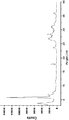
- Figure 1 shows the X-ray powder diffraction (XRPD) of polymorphic form #1 of sodium benzoate from Example 1, with peaks (°) of: 3.6, 5.9, 7.2, 7.5, 14.9, 15.9, 16.6, 17.6, 18.8, 20.4, 22.9, 23.7, 25.1, 25.8, 26.6, 28.1, 29.1, 29.4, 29.7, 30.2, 31.2, 31.5, 32.9, 34.2, and 35.7.
- XRPD X-ray powder diffraction
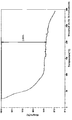
- FIG. 1 shows the Thermogravimetric Analysis (TGA) of polymorphic form #1of sodium benzoate from Example 1.
- Figure 3 shows the profile determined by the differential scanning calorimeter method (DSC) , of polymorphic form #1 of sodium benzoate from Example 1.
- Figure 4 shows the X-ray powder diffraction (XRPD) of polymorphic form #2 of sodium benzoate from Example 2, with peaks (°) of: 3.7, 5.9, 6.8, 7.5, 11.3, 11.6, 17.6, 22.7, 23.5, 26.2, 27.6, 28.3, 29.3; 30.2, 31.2, 32.2, 32.9, 34.0, and 35.7.
- XRPD X-ray powder diffraction
- FIG. 5 shows the Thermogravimetric Analysis (TGA) of polymorphic form #2 of sodium benzoate from Example 2.
- Figure 6 shows the profile determined by the differential scanning calorimeter method (DSC) , of polymorphic form #2 of sodium benzoate from Example 2.
- Figure 7 shows the X-ray powder diffraction (XRPD) of polymorphic form #3 of sodium benzoate from Example 3, with peaks (°) of: 3.7, 5.9, 6.3, 6.8, 7.5, 11.7, 17.7, 23.6, 24.5, 26.5, 27.0, 27.7, 28.4, 29.0, 30.2; 31.0, 31.2, 32.3, 34.2, and 35.9.
- XRPD X-ray powder diffraction
- FIG 8 shows the Thermogravimetric Analysis (TGA) of polymorphic form #3 of sodium benzoate from Example 3.
- Figure 9 shows the profile determined by the differential scanning calorimeter method (DSC) , of polymorphic form #3 of sodium benzoate from Example 3.
- Figure 10 shows the X-ray powder diffraction (XRPD) of polymorphic form #4 of sodium benzoate from Example 4, with peaks (°) of: 4.3, 5.9, 7.1, 8.6, 10.1, 10.7, 12.9, 13.8, 14.4, 17.2, 17.7, 18.5, 21.5, 22.0, 22.6, 23.7, 25.1, 25.9, 26.2, 26.9, 27.9, 28.2, 28.8, 29.1, 29.7, 30.2, 31.2, 33.2, 34.9, 35.8, 36.1, and 39.3.
- XRPD X-ray powder diffraction
- FIG 11 shows the Thermogravimetric Analysis (TGA) of polymorphic form #4 of sodium benzoate from Example 4.
- Figure 12 shows the profile determined by the differential scanning calorimeter method (DSC) , of polymorphic form #4 of sodium benzoate from Example 4.
- DSC differential scanning calorimeter method
- Figure 13 shows the X-ray powder diffraction (XRPD) of polymorphic form #5 of sodium benzoate from Example 5, with peaks (°) of: 3.7, 5.5, 5.9, 6.7, 7.4, 12.5, 14.7, 16.5, 17.7, 22.0, 23.6, 24.6, 25.8, 26.6, 27.6, 28.4, 30.2, 31.1, 32.3, 34.3, and 35.9.
- XRPD X-ray powder diffraction
- FIG 14 shows the Thermogravimetric Analysis (TGA) of polymorphic form #5 of sodium benzoate from Example 5.
- Figure 15 shows the melting point, as determined by the differential scanning calorimeter method (DSC) , of polymorphic form #5 of sodium benzoate from Example 5.
- DSC differential scanning calorimeter method
- Figure 16 shows the X-ray powder diffraction (XRPD) of polymorphic form #6 of sodium benzoate from Example 6, with peaks (°) of: 3.7, 5.9, 6.6, 7.4, 9.4, 11.2, 12.5, 22.8, 25.1, 26.3, 28.2, 29.5, 30.2, 31.1, 31.2, 33.0, and 34.0.
- XRPD X-ray powder diffraction
- FIG 17 shows the Thermogravimetric Analysis (TGA) of polymorphic form #6 of sodium benzoate from Example 6.
- Figure 18 shows the melting point, as determined by the differential scanning calorimeter method (DSC) , of polymorphic form #6 of sodium benzoate from Example 6.
- Figure 19 shows the X-ray powder diffraction (XRPD) of sodium benzoate (NaBen) from Merck, Formosa Laboratories, and new polymorphic form #4 under high humidity conditions of over 90%relative humidity for 5 days.
- the XRPD of the sodium benzoate from Merck and Formosa Laboratories show changes in XRPD under these high humidity conditions, but the XRPD of polymorphic form #4 of sodium benzoate from Example 7 does not show such changes in XRPD.
- Figure 20 shows the changes of X-ray powder diffraction (XRPD) of sodium benzoate (NaBen) from Merck combined with clozapine (300 mg) under high humidity conditions (of over 90%relative humidity) for 5 days.
- XRPD X-ray powder diffraction
- Figure 21 shows no change of the X-ray powder diffraction (XRPD) of new polymorphic form #4 combined with clozapine (300 mg) under high humidity conditions (of over 90%relative humidity) for 5 days.
- XRPD X-ray powder diffraction
- Figure 22 shows the X-ray powder diffraction (XRPD) of new polymorphic form #4, sodium benzoate (NaBen) from Merck, and sodium benzoate (NaBen) from Sigma Aldrich.
- XRPD X-ray powder diffraction
- Figure 23 shows the changes of X-ray powder diffraction (XRPD) of sodium benzoate (NaBen) from Merck combined with clozapine (100 mg) under high humidity conditions (>90%RH, room temperature) for 8 days.
- XRPD X-ray powder diffraction
- Figure 24 shows no change of the X-ray powder diffraction (XRPD) of polymorphic form #4 of sodium benzoate combined with clozapine (100 mg) under high humidity conditions (>90%RH, room temperature) for 8 days.
- XRPD X-ray powder diffraction
- the present disclosure provides novel polymorphic forms of sodium benzoate.
- the polymorphic forms are more stable than the amorphous and the known polymorphic forms and are useful in treating and/or reducing the risk for various diseases and disorders, including neuropsychiatric disorders, in a subject.
- a pharmaceutical composition comprises an effective amount of a sodium benzoate compound and an effective amount of clozapine.
- the crystalline sodium benzoate of the invention i.e. the polymorphic form of sodium benzoate
- the excipients comprised in the pharmaceutical composition described herein improve the stability of the combination of the sodium benzoate compound and clozapine.
- the pharmaceutical composition described herein is useful in preventing, treating and/or reducing the risk for various diseases and disorders, including neuropsychiatric disorders, in a subject.
- One aspect of the present disclosure relates to the polymorphic forms of sodium benzoate as described herein. These polymorphic forms are useful in treating and/or reducing the risk for neuropsychiatric disorders in a subject.
- the polymorphic form of sodium benzoate has a X-ray powder diffraction pattern comprising characteristic peaks at a reflection angle 2 ⁇ of approximately 5.9, 30.2, and 31.2 degrees.
- the polymorphic form of sodium benzoate has a X-ray powder diffraction pattern at a reflection angle 2 ⁇ further comprising characteristic peaks at approximately 3.6, 7.2, 7.5, 14.9, 15.9, 16.6, 17.6, 18.8, 20.4, 22.9, 23.7, 25.1, 25.8, 26.6, 28.1, 29.1, 29.4, 29.7, 31.5, 32.9, 34.2, and 35.7degrees.
- the polymorphic form has a X-ray powder diffraction pattern substantially as depicted in Figure1. In some embodiments, the polymorphic form has a TGA pattern substantially as depicted in Figure2. In some embodiments, the polymorphic form has a DSC pattern substantially as depicted in Figure3. In some embodiments, the polymorphic form has an X-ray powder diffraction pattern substantially as depicted in Figure 1, a TGA pattern substantially as depicted in Figure 2, and a DSC pattern substantially as depicted in Figure 3.
- the polymorphic form of sodium benzoate has a X-ray powder diffraction pattern at a reflection angle 2 ⁇ further comprising characteristic peaks at approximately 3.7, 6.8, 7.5, 11.3, 11.6, 17.6, 22.7, 23.5, 26.2, 27.6, 28.3, 29.3, 32.2, 32.9, 34.0, and 35.7 degrees.
- the polymorphic form has anX-ray powder diffraction pattern substantially as depicted in Figure4.
- the polymorphic form has a TGA pattern substantially as depicted in Figure5.
- the polymorphic form has a DSC pattern substantially as depicted in Figure6.
- the polymorphic form has anX-ray powder diffraction pattern substantially as depicted in Figure4, a TGA pattern substantially as depicted in Figure5, and a DSC pattern substantially as depicted in Figure6.
- the polymorphic form of sodium benzoate has a X-ray powder diffraction pattern at a reflection angle 2 ⁇ further comprising characteristic peaks at approximately 3.7, 6.3, 6.8, 7.5, 11.7, 17.7, 23.6, 24.5, 26.5, 27.0, 27.7, 28.4, 29.0, 30.2, 31.0, 31.2, 32.3, 34.2, and 35.9degrees.
- the polymorphic form has anX-ray powder diffraction pattern substantially as depicted in Figure7.
- the polymorphic form has a TGA pattern substantially as depicted in Figure8.
- the polymorphic form has a DSC pattern substantially as depicted in Figure9.
- the polymorphic form has anX-ray powder diffraction pattern substantially as depicted in Figure7, a TGA pattern substantially as depicted in Figure8, and a DSC pattern substantially as depicted in Figure9.
- the polymorphic form of sodium benzoate has a X-ray powder diffraction pattern at a reflection angle 2 ⁇ further comprising characteristic peaks at approximately 4.3, 7.1, 8.6, 10.1, 10.7, 12.9, 13.8, 14.4, 17.2, 17.7, 18.5, 21.5, 22.0, 22.6, 23.7, 25.1, 25.9, 26.2, 26.9, 27.9, 28.2, 28.8, 29.1, 29.7, 33.2, 34.9, 35.8, 36.1, and 39.3degrees.
- the polymorphic form has anX-ray powder diffraction pattern substantially as depicted in Figure10.
- the polymorphic form has a TGA pattern substantially as depicted in Figure11.
- the polymorphic form has a DSC pattern substantially as depicted in Figure12. In some embodiments, the polymorphic form has a X-ray powder diffraction pattern substantially as depicted in Figure10, a TGA pattern substantially as depicted in Figure11, and a DSC pattern substantially as depicted in Figure12.
- the polymorphic form of sodium benzoate which has an X-ray diffraction pattern comprising characteristic peaks at a reflection angle 2 ⁇ of approximately 3.7, 5.9, and 26.6 degrees.
- the polymorphic form of sodium benzoate has anX-ray powder diffraction pattern at a reflection angle 2 ⁇ further comprising characteristic peaks at approximately 5.5, 6.7, 7.4, 12.5, 14.7, 16.5, 17.7, 22.0, 23.6, 24.6, 25.8, 27.6, 28.4, 30.2, 31.1, 32.3, 34.3, and 35.9 degrees.
- the polymorphic form has anX-ray powder diffraction pattern substantially as depicted in Figure13.
- the polymorphic form has a TGA pattern substantially as depicted in Figure14. In some embodiments, the polymorphic form has a DSC pattern substantially as depicted in Figure15. In some embodiments, the polymorphic form has anX-ray powder diffraction pattern substantially as depicted in Figure13, a TGA pattern substantially as depicted in Figure14, and a DSC pattern substantially as depicted in Figure15.
- the polymorphic form of sodium benzoate has anX-ray powder diffraction pattern at a reflection angle 2 ⁇ further comprising characteristic peaks at approximately 6.6, 7.4, 9.4, 11.2, 12.5, 22.8, 25.1, 26.3, 28.2, 29.5, 30.2, 31.1, 31.2, 33.0, and 34.0 degrees.
- the polymorphic form has a X-ray powder diffraction pattern substantially as depicted in Figure 16.
- the polymorphic form has a TGA pattern substantially as depicted in Figure 17.
- the polymorphic form has a DSC pattern substantially as depicted in Figure 18.
- the polymorphic form has anX-ray powder diffraction pattern substantially as depicted in Figure16, a TGA pattern substantially as depicted in Figure17, and a DSC pattern substantially as depicted in Figure18.
- any of the polymorphic forms of sodium benzoate described herein has a chemical purity of about 95%, 97%, 98%, 99%, 99.5%, 99.9%or higher, which can be determined by a conventional method, for example, HPLC or 1 H Nuclear Magnetic Resonance ( 1 H-NMR) spectroscopy.
- the polymorphic form of sodium benzoate described herein contains less than 10%, preferably less than 5%, preferably less than 1%, preferably less than 0.5%, and most preferably less than 0.1%of sodium benzoate in other polymorphic or amorphous forms (as measured by XRPD or DSC) .
- the present disclosure provides a pharmaceutical composition comprising an effective amount of a sodium benzoate compound and an effective amount of clozapine.
- the pharmaceutical composition comprises 50 to 1000 mg of sodium benzoate compound (e.g., 100 to 800 mg, 200 to 600 mg, or 300 to 500 mg) and 25 to 300 mg of clozapine (e.g., 50 to 250 mg, 100 to 200 mg, or 150-300 mg) .
- the pharmaceutical composition comprises 500 mg of sodium benzoate compound and 200 to 300 mg of clozapine.
- the sodium benzoate compound (e.g., sodium benzoate) can be in amorphous form, or in one or more polymorphic forms. In some examples, the sodium benzoate can be mixture of amorphous form and one or more polymorphic forms. In one example, the sodium benzoate compound can be a commercially available sodium benzoate, which may include amorphous and a variety of polymorphic forms of sodium benzoate (e.g. purchased from Merck, Formosa, Sigma Aldrich, and the like) , and the purified polymorphic form of sodium benzoate of the invention. In some embodiments, the sodium benzoate compound comprises a polymorphic form of sodium benzoate as described herein.
- compositions comprising a polymorphic form of sodium benzoate described herein, and a carrier, excipient, diluent, binder, additive, filler, and lubricant, or a mixture thereof.
- the composition comprises a polymorphic form of sodium benzoate described herein and a pharmaceutically acceptable carrier.
- the composition comprises a polymorphic form of sodium benzoate described herein and a pharmaceutically acceptable excipient.
- the composition comprises a polymorphic form of sodium benzoate described herein and a pharmaceutically acceptable diluent.
- the composition comprises a polymorphic form of sodium benzoate described herein and a pharmaceutically acceptable binder.
- the composition comprises a polymorphic form of sodium benzoate described herein and a pharmaceutically acceptable additive. In certain embodiments, the composition comprises a polymorphic form of sodium benzoate described herein and a pharmaceutically acceptable filler. In certain embodiments, the composition comprises a polymorphic form of sodium benzoate described herein and a pharmaceutically acceptable lubricant.
- the pharmaceutical composition described herein further comprises one or more pharmaceutically acceptable excipients.
- the pharmaceutical composition comprises 50 to 1000 mg of sodium benzoate compound, 25 to 300 mg of clozapine, and one or more pharmaceutically acceptable excipients.
- the pharmaceutical composition comprises 500 mg of sodium benzoate compound, 200 to 300 mg of clozapine, and one or more pharmaceutically acceptable excipients.
- the ratio of the sodium benzoate compound to clozapine is about 1: 10 to about 1000: 1, about 1: 10 to about 900: 1, about 1: 10 to about 800: 1, about 1: 10 to about 600: 1, about 1: 10 to about 500: 1, about 1: 10 to about 400: 1, about 1: 10 to about 200: 1, about 1: 10 to about 100: 1, about 1: 10 to about 75: 1, about 1: 10 to about 50: 1, about 1: 10 to about 25: 1, about 1: 10 to about 10: 1, about 1: 10 to about 5: 1, about 1: 10 to about 1: 2, about 1: 10 to about 1: 5, or about 1: 10 to about 1: 8 by weight.
- the ratio of the sodium benzoate compound to clozapine is about 20: 1, about 5: 1, about 2.5: 1, or about1.67: 1by weight.
- the sodium benzoate compound described herein is provided in an effective amount in the pharmaceutical composition.
- clozapine is provided in an effective amount in the pharmaceutical composition.
- the effective amount is a therapeutically effective amount (e.g., amount effective for treating and/or reducing the risk for a neuropsychiatric disorder in a subject in need thereof) .
- the effective amount is a prophylactically effective amount (e.g., amount effective for preventing a neuropsychiatric disorder in a subject in need thereof) .
- the pharmaceutical composition disclosed herein comprises 50 to 1000 mg of sodium benzoate (e.g., 100 to 800 mg, 200 to 600 mg, or 300 to 500 mg) , 25-300 mg of clozapine (e.g., 50 to 200 mg, 100 to 150 mg, or 150 to 300 mg) , 50-500 mg of sodium alginate (e.g., 100 to 400 mg, 200 to 300 mg, or 250 to 400 mg) , 50-400 mg of sodium citrate (e.g., 100-300 mg, 150-250 mg, or 200-300 mg) , 5-100 mg of magnesium stearate (e.g., 10-80 mg, 25-70 mg, 40-60 mg, or 50-100 mg) , and 80-200 mg of sodium starch glycolate (e.g., 100-150 mg) .
- sodium benzoate e.g., 100 to 800 mg, 200 to 600 mg, or 300 to 500 mg
- 25-300 mg of clozapine e.g., 50 to 200 mg, 100 to 150 mg,
- the pharmaceutical composition disclosed herein comprises 125 to 500 mg of sodium benzoate, 25-300 mg of clozapine, 50-500 mg of sodium alginate, 50-400 mg of sodium citrate, 5-100 mg of magnesium stearate, and 80-200 mg of sodium starch glycolate.
- the pharmaceutical composition disclosed herein comprises 50 to 1000 mg of sodium benzoate, 25-300 mg of clozapine, 50-200 mg of sodium alginate, 50-400 mg of sodium citrate, 5-100 mg of magnesium stearate, and 80-200 mg of sodium starch glycolate. In certain embodiments, the pharmaceutical composition disclosed herein comprises 125 to 500 mg of sodium benzoate, 25-300 mg of clozapine, 50-200 mg of sodium alginate, 50- 400 mg of sodium citrate, 5-100 mg of magnesium stearate, and 80-200 mg of sodium starch glycolate.
- the pharmaceutical composition disclosed herein comprises 50 to 1000 mg of sodium benzoate, 25-300 mg of clozapine, 50-70 mg of sodium alginate, 50-70 mg of sodium citrate, 5-15 mg of magnesium stearate, and 80-100 mg of sodium starch glycolate. In certain embodiments, the pharmaceutical composition disclosed herein comprises 125 to 500 mg of sodium benzoate, 25-300 mg of clozapine, 50-70 mg of sodium alginate, 50-70 mg of sodium citrate, 5-15 mg of magnesium stearate, and 80-100 mg of sodium starch glycolate.
- the composition further comprises a neuropharmaceutical.
- the neuropharmaceutical is selected from the group consisting of butyrophenone, phenothiazine, fluphenazine, perphenazine, prochlorperazine, thioridazine, trifluoperazine, mesoridazine, promazine, triflupromazine, levomepromazine, promethazine, thioxanthene, chlorprothixene, flupenthixol, thiothixene, zuclopenthixol, clozapine, olanzapine, risperidone, quetiapine, ziprasidone, amisulpride, asenapine, paliperidone, aripiprazole, cariprazine, brexpiprazole, lamotrigine, tetrabenazine, cannabidiol, LY2140023, droperido
- the ratio of the polymorphic form of sodium benzoate to the neuropharmaceutical is about 1: 10 to about 1000: 1, about 1: 10 to about 900: 1, about 1: 10 to about 800: 1, about 1: 10 to about 600: 1, about 1: 10 to about 500: 1, about 1: 10 to about 400: 1, about 1: 10 to about 200: 1, about 1: 10 to about 100: 1, about 1: 10 to about 75: 1, about 1: 10 to about 50: 1, about 1: 10 to about 25: 1, about 1: 10 to about 10: 1, about 1: 10 to about 5: 1, about 1: 10 to about 1: 2, about 1: 10 to about 1: 5, or about 1: 10 to about 1: 8 by weight.
- the composition is a pharmaceutical composition. In certain embodiments, the composition is a nutraceutical composition. In certain embodiments, the composition is a health food. In some embodiments, the compositions described herein can be a health food or health food product, which can be any kinds of liquid and solid/semi-solid materials that are used for nourishing humans and animals, for improving basic behavioral functioning, hyperactivity, mood, anxiety, depression, perception, sensorimotor gating, pain threshold, memory and/or cognitive functioning, or for facilitating treatment of any of the target diseases noted herein (e.g., a neuropsychiatric disorder, including those described herein) .
- a neuropsychiatric disorder including those described herein
- the health food product may be a food product (e.g., tea-based beverages, juice, soft drinks, coffee, milk, jelly, cookies, cereals, chocolates, snack bars, herbal extracts, dairy products (e.g., ice cream, and yogurt) ) , a food/dietary supplement, or a nutraceutical formulation.
- a food product e.g., tea-based beverages, juice, soft drinks, coffee, milk, jelly, cookies, cereals, chocolates, snack bars, herbal extracts, dairy products (e.g., ice cream, and yogurt)
- a food/dietary supplement e.g., a nutraceutical formulation.
- the health food product described herein may comprise one or more edible carriers, which confer one or more of the benefits to the product as described herein.
- edible carriers include starch, cyclodextrin, maltodextrin, methylcellulose, carbonmethoxy cellulose, xanthan gum, and aqueous solutions thereof.
- Other examples include solvents, dispersion media, coatings, surfactants, antioxidants, preservatives (e.g., antibacterial agents, antifungal agents) , isotonic agents, absorption delaying agents, stabilizers, gels, binders, excipients, disintegration agents, lubricants, sweetening agents, flavoring agents, dyes, such like materials and combinations thereof, as would be known to one of ordinary skill in the art.
- the health food products described herein may further include neuroprotective foods, such as fish oil, flax seed oil, and/or benzoate.
- the health food product is a nutraceutical composition, which refers to compositions containing components from food sources and conferring extra health benefits in addition to the basic nutritional value found in foods.
- a nutraceutical composition as described herein comprises the polymorphic form described herein (e.g., the sodium benzoate compound and polymorphic form as described herein) and additional ingredients and supplements that promote good health and/or enhance stability and bioactivity of the polymorphic forms.
- nutraceutical compositions may be fast or/and short-term or may help achieve long-term health objectives as those described herein, e.g., improving basic behavioral functioning, hyperactivity, mood, anxiety, depression, perception, sensorimotor gating, pain threshold, memory and/or cognitive functioning in, e.g., human subjects who have or are at risk for a neuropsychiatric disorder.
- the nutraceutical compositions may be contained in an edible material, for example, as a dietary supplement or a pharmaceutical formulation. As a dietary supplement, additional nutrients, such as vitamins, minerals or amino acids may be included.
- the composition can also be a drink or a food product, e.g., tea, soft drink, juice, milk, coffee, cookie, cereal, chocolate, and snack bar.
- the composition can be sweetened by adding a sweetener such as sorbitol, maltitol, hydrogenated glucose syrup and hydrogenated starch hydrolyzate, high fructose corn syrup, cane sugar, beet sugar, pectin, or sucralose.
- a sweetener such as sorbitol, maltitol, hydrogenated glucose syrup and hydrogenated starch hydrolyzate, high fructose corn syrup, cane sugar, beet sugar, pectin, or sucralose.
- the nutraceutical composition disclosed herein can be in the form of a solution.
- the nutraceutical formulation can be provided in a medium, such as a buffer, a solvent, a diluent, an inert carrier, an oil, or a creme.
- the formulation is present in an aqueous solution that optionally contains a non-aqueous co-solvent, such as an alcohol.
- the nutraceutical composition can also be in the form of powder, paste, jelly, capsule, or tablet. Lactose and corn starch are commonly used as diluents for capsules and as carriers for tablets. Lubricating agents, such as magnesium stearate, are typically added to form tablets.
- the health food products may be formulated for a suitable administration route, for example, oral administration.
- the composition can take the form of, for example, tablets or capsules, prepared by conventional means with acceptable excipients such as binding agents (for example, pregelatinised maize starch, polyvinylpyrrolidone or hydroxypropyl methylcellulose) ; fillers (for example, lactose, microcrystalline cellulose or calcium hydrogen phosphate) ; lubricants (for example, magnesium stearate, talc or silica) ; disintegrants (for example, potato starch or sodium starch glycolate) ; or wetting agents (for example, sodium lauryl sulphate) .
- binding agents for example, pregelatinised maize starch, polyvinylpyrrolidone or hydroxypropyl methylcellulose
- fillers for example, lactose, microcrystalline cellulose or calcium hydrogen phosphate
- lubricants for example, magnesium stearate, talc or silica
- the health food product can be in a liquid form and the one or more edible carriers can be a solvent or dispersion medium comprising but not limited to, ethanol, polyol (e.g., glycerol, propylene glycol, liquid polyethylene glycol) , lipids (e.g., triglycerides, vegetable oils, liposomes) or combinations thereof.
- the proper fluidity can be maintained, for example, by the use of a coating, such as lecithin; by the maintenance of the required particle size by dispersion in carriers such as, for example liquid polyol or lipids; by the use of surfactants such as, for example hydroxypropylcellulose; or combinations thereof.
- an isotonic agent such as, for example, sugars, sodium chloride or combinations thereof.
- Liquid preparations for oral administration can take the form of, for example, solutions, syrups or suspensions, or they can be presented as a dry product for constitution with water or other suitable vehicle before use.
- the liquid preparations can be formulated for administration with fruit juice.
- Such liquid preparations can be prepared by conventional means with pharmaceutically acceptable additives such as suspending agents (for example, sorbitol syrup, cellulose derivatives or hydrogenated edible fats) ; emulsifying agents (for example, lecithin or acacia) ; non-aqueous vehicles (for example, almond oil, oily esters, ethyl alcohol or fractionated vegetable oils) ; and preservatives (for example, methyl or propyl-p-hydroxybenzoates, benzoate or sorbate) .
- suspending agents for example, sorbitol syrup, cellulose derivatives or hydrogenated edible fats
- emulsifying agents for example, lecithin or acacia
- non-aqueous vehicles for example, almond oil, oily esters, ethyl alcohol or fractionated vegetable oils
- preservatives for example, methyl or propyl-p-hydroxybenzoates, benzoate or sorbate
- the composition is a medical food.
- a medical food product is a food product formulated to be consumed or administered enterally. Such a food product is usually used under the supervision of a physician for the specific dietary management of a target disease, such as those described herein.
- a medical food composition is specially formulated and processed (as opposed to a naturally occurring foodstuff used in a natural state) for a patient in need of the treatment (e.g., human patients who suffer from illness or who requires use of the product as a major active agent for alleviating a disease or condition via specific dietary management) .
- a medical food composition described herein is not one of those that would be simply recommended by a physician as part of an overall diet to manage the symptoms or reduce the risk of a disease or condition.
- any of the medical food compositions described herein comprising a polymorphic form of sodium benzoate and at least one carrier (e.g., those described herein)
- the at least one carrier which can be either naturally-occurring or synthetic (non-naturally occurring) , would confer one or more benefits to the sodium benzoate and co-former in the composition, for example, stability, bioavailability, and/or bioactivity. Any of the carriers described herein may be used for making the medical food composition.
- the medical food composition may further comprise one or more additional ingredients selected from the group including, but not limited to natural flavors, artificial flavors, major trace and ultra-trace minerals, minerals, vitamins, oats, nuts, spices, milk, egg, salt, flour, lecithin, xanthan gum and/or sweetening agents.
- the medical food composition may be placed in a suitable container, which may further comprise at least an additional therapeutic agent such as those described herein.
- the polymorph described herein is provided in an effective amount in the pharmaceutical composition.
- the effective amount is a therapeutically effective amount (e.g., amount effective for treating and/or reducing the risk for a neuropsychiatric disorder in a subject in need thereof) .
- the neuropsychiatric disorder is a neurological disorder, e.g., Alzheimer’s disease.
- the effective amount is a prophylactically effective amount (e.g., amount effective for preventing a neuropsychiatric disorder in a subject in need thereof) .
- compositions described herein can be prepared by any method known in the art of pharmacology.
- preparatory methods include bringing the polymorphic form of sodium benzoate described herein (i.e., the “active ingredient” ) into association with a carrier or excipient, and/or one or more other accessory ingredients, and then, if necessary and/or desirable, shaping, and/or packaging the product into a desired single-or multi-dose unit.
- compositions can be prepared, packaged, and/or sold in bulk, as a single unit dose, and/or as a plurality of single unit doses.
- a “unit dose” is a discrete amount of the pharmaceutical composition comprising a predetermined amount of the active ingredient.
- the amount of the active ingredient is generally equal to the dosage of the active ingredient which would be administered to a subject and/or a convenient fraction of such a dosage, such as one-half or one-third of such a dosage.
- Relative amounts of the active ingredient, the pharmaceutically acceptable excipient, and/or any additional ingredients in a pharmaceutical composition described herein will vary, depending upon the identity, size, and/or condition of the subject treated and further depending upon the route by which the composition is to be administered.
- the composition may comprise between 0.1%and 100% (w/w) active ingredient.
- compositions used in the manufacture of provided pharmaceutical compositions include inert diluents, dispersing and/or granulating agents, surface active agents and/or emulsifiers, disintegrating agents, binding agents, preservatives, buffering agents, lubricating agents, and/or oils. Excipients such as cocoa butter and suppository waxes, coloring agents, coating agents, sweetening, flavoring, and perfuming agents may also be present in the composition.
- Liquid dosage forms for oral and parenteral administration include pharmaceutically acceptable emulsions, microemulsions, solutions, suspensions, syrups and elixirs.
- the liquid dosage forms may comprise inert diluents commonly used in the art such as, for example, water or other solvents, solubilizing agents and emulsifiers such as ethyl alcohol, isopropyl alcohol, ethyl carbonate, ethyl acetate, benzyl alcohol, benzyl benzoate, propylene glycol, 1, 3-butylene glycol, dimethylformamide, oils (e.g., cottonseed, groundnut, corn, germ, olive, castor, and sesame oils) , glycerol, tetrahydrofurfuryl alcohol, polyethylene glycols and fatty acid esters of sorbitan, and mixtures thereof.
- inert diluents commonly used in the art such as, for example, water or other solvents,
- the oral compositions can include adjuvants such as wetting agents, emulsifying and suspending agents, sweetening, flavoring, and perfuming agents.
- adjuvants such as wetting agents, emulsifying and suspending agents, sweetening, flavoring, and perfuming agents.
- the conjugates described herein are mixed with solubilizing agents such as alcohols, oils, modified oils, glycols, polysorbates, cyclodextrins, polymers, and mixtures thereof.
- sterile injectable aqueous or oleaginous suspensions can be formulated according to the known art using suitable dispersing or wetting agents and suspending agents.
- the sterile injectable preparation can be a sterile injectable solution, suspension, or emulsion in a nontoxic parenterally acceptable diluent or solvent, for example, as a solution in 1, 3-butanediol.
- acceptable vehicles and solvents that can be employed are water, Ringer’s solution, U.S.P., and isotonic sodium chloride solution.
- sterile, fixed oils are conventionally employed as a solvent or suspending medium.
- any bland fixed oil can be employed including synthetic mono-or di-glycerides.
- fatty acids such as oleic acid are used in the preparation of injectables.
- the injectable formulations can be sterilized, for example, by filtration through a bacterial-retaining filter, or by incorporating sterilizing agents in the form of sterile solid compositions which can be dissolved or dispersed in sterile water or other sterile injectable medium prior to use.
- Solid dosage forms for oral administration include capsules, tablets, pills, powders, and granules.
- the active ingredient is mixed with at least one inert, pharmaceutically acceptable excipient or carrier such as sodium citrate or dicalcium phosphate and/or (a) fillers or extenders such as starches, lactose, sucrose, glucose, mannitol, and silicic acid, (b) binders such as, for example, carboxymethylcellulose, alginates, gelatin, polyvinylpyrrolidinone, sucrose, and acacia, (c) humectants such as glycerol, (d) disintegrating agents such as agar, calcium carbonate, potato or tapioca starch, alginic acid, certain silicates, sodium starch glycolate (SSG) , croscarmellose, crospovidone, and sodium carbonate, (e) solution retarding agents such as paraffin, (f) absorption accelerators such as quaternary ammonium compounds
- the dosage form may include a buffering agent such as sodium citrate, and chitosan.
- a buffering agent such as sodium citrate, and chitosan.
- the pharmaceutically acceptable excipient described herein can be single species or a mixture of multiple species of tannic acid, or a pharmaceutically acceptable salt thereof.
- Solid compositions of a similar type can be employed as fillers in soft and hard-filled gelatin capsules using such excipients as lactose or milk sugar as well as high molecular weight polyethylene glycols and the like.
- the solid dosage forms of tablets, dragees, capsules, pills, and granules can be prepared with coatings and shells such as enteric coatings and other coatings well known in the art of pharmacology. They may optionally comprise opacifying agents and can be of a composition that they release the active ingredient (s) only, or preferentially, in a certain part of the digestive tract, optionally, in a delayed manner.
- encapsulating compositions which can be used include polymeric substances and waxes.
- Solid compositions of a similar type can be employed as fillers in soft and hard-filled gelatin capsules using such excipients as lactose or milk sugar as well as high molecular weight polyethylene glycols and the like.
- the active ingredient can be in a micro-encapsulated form with one or more excipients as noted above.
- the solid dosage forms of tablets, dragees, capsules, pills, and granules can be prepared with coatings and shells such as enteric coatings, release controlling coatings, and other coatings well known in the pharmaceutical formulating art.
- the active ingredient can be admixed with at least one inert diluent such as sucrose, lactose, or starch.
- Such dosage forms may comprise, as is normal practice, additional substances other than inert diluents, e.g., tableting lubricants and other tableting aids such a magnesium stearate and microcrystalline cellulose.
- the dosage forms may comprise buffering agents. They may optionally comprise opacifying agents and can be of a composition that they release the active ingredient (s) only, or preferentially, in a certain part of the digestive tract, optionally, in a delayed manner.
- encapsulating agents which can be used include, but are not limited to, polymeric substances and waxes.
- compositions are mainly directed to pharmaceutical compositions which are suitable for administration to humans, such compositions are generally suitable for administration to animals of all sorts. Modification of pharmaceutical compositions suitable for administration to humans in order to render the compositions suitable for administration to various animals is well understood, and the ordinarily skilled veterinary pharmacologist can design and/or perform such modification with ordinary experimentation.
- the polymorphic forms provided herein are typically formulated in dosage unit form for ease of administration and uniformity of dosage. It will be understood, however, that the total daily usage of the compositions described herein will be decided by a physician within the scope of sound medical judgment.
- the specific therapeutically effective dose level for any particular subject or organism will depend upon a variety of factors including the disease being treated and the severity of the disorder; the activity of the specific active ingredient employed; the specific composition employed; the age, body weight, general health, sex, and diet of the subject; the time of administration, route of administration, and rate of excretion of the specific active ingredient employed; the duration of the treatment; drugs used in combination or coincidental with the specific active ingredient employed; and like factors well known in the medical arts.
- kits e.g., pharmaceutical packs
- the kits provided may comprise a pharmaceutical composition or polymorphic form of sodium benzoate described herein and a container (e.g., a vial, ampule, bottle, syringe, and/or dispenser package, or other suitable container) .
- a container e.g., a vial, ampule, bottle, syringe, and/or dispenser package, or other suitable container
- provided kits may optionally further include a second container comprising a pharmaceutical excipient for dilution or suspension of a pharmaceutical composition or polymorphic form of sodium benzoate described herein.
- the pharmaceutical composition or polymorphic form of sodium benzoate described herein provided in the first container and the second container are combined to form one unit dosage form.
- a kit described herein includes a first container comprising a polymorphic form or composition described herein. In certain embodiments, a kit described herein is useful in treating and/or reducing the risk for a neuropsychiatric disorder in a subject in need thereof.
- kits described herein further includes instructions for using the polymorphic form or composition included in the kit.
- a kit described herein may also include information as required by a regulatory agency such as the U.S. Food and Drug Administration (FDA) .
- the information included in the kits is prescribing information.
- the kits and instructions provide for treating and/or reducing the risk for a neuropsychiatric disorder in a subject in need thereof.
- a kit described herein may include one or more additional pharmaceutical agents described herein as a separate composition.
- Crystallization was carried out by evaporation in a saturated solution. Excess amount of sodium benzoate was dissolved in a solvent. The solution was filtered and the filtrate was evaporated to dryness to afford a new polymorphic form of sodium benzoate.
- the synthesis of a polymorphic form of sodium benzoate includes a first step of dissolving an excess amount of sodium benzoate in a single or mixed suitable solvent to form a saturated solution at ambient pressure and temperature.
- the saturated solution may then be filtrated using a filter having a pore size ranging from 5 to 100 ⁇ m to remove insoluble components.
- the solution thus obtained can be evaporated for a suitable period of time under suitable conditions to allow for formation of a polymorphic form of sodium benzoate (e.g., polymorphic form No. 1 as described in Example 1 below) .
- the solution is evaporated at ambient or reduced pressure and/or at an elevated temperature, e.g., approximately 40-110°C.
- the elevated temperature can range from approximately 40-90°C, approximately 40-80°C, approximately 40-70°C, or approximately 40-60°C.
- the polymorphic form of sodium benzoate formed from the evaporated solution can then be collected.
- Suitable solvents for use in the synthesis methods described herein include, but are not limited to, polar protic solvents (e.g., methanol, ethanol, isopropanol, water) , polar aprotic solvents (e.g., acetonitrile, ethyl acetate) , or a mixture thereof.
- the solvent is methanol, ethanol, isopropanol, acetonitrile, ethyl acetate, water, or mixtures thereof.
- General Method 2 Crystallization via Cooling in Saturation Solution.
- the synthesis of a polymorphic form of sodium benzoate includes a first step of dissolving sodium benzoate in a single or mixed suitable solvent at a temperature ranging from about 50-110°C to form a solution.
- suitable solvents for use in the synthesis methods described herein include, but are not limited to, polar protic solvents (e.g., methanol, ethanol, isopropanol, water) , polar aprotic solvents (e.g., acetonitrile, ethyl acetate) , or a mixture thereof.
- the solvent is methanol, ethanol, isopropanol, acetonitrile, ethyl acetate, , water, or mixtures thereof.
- the synthesis of a polymorphic form of sodium benzoate includes a first step of dissolving sodium benzoate in a single or mixed solvent at a temperature of 50-110 °C, 50-100 °C, 50-90 °C, 50-80 °C, 50-70 °C, or 60-70 °C to form a solution.
- the synthesis of a polymorphic form of sodium benzoate includes a first step of dissolving sodium benzoate in a single or mixed solvent at a temperature of 50°C, 60 °C, 70 °C, 80 °C, 90 °C, 100 °C, or 110 °C to form a solution.
- the heated solution of dissolved sodium benzoate is then cooled to ambient temperature (e.g., about 20 to 25 °C) while stirring.
- the cooled solution is then placed at ambient temperature to allow formation of a polymorphic form of sodium benzoate.
- the polymorphic form of sodium benzoate formed by placement at ambient temperature in the third step is collected.
- the polymorphic form of sodium benzoate formed by placement at ambient temperature is collected by filtration using a filter having a pore size ranging from 5 to 100 ⁇ m.
- Sodium benzoate was stored in conditions with greater than 90%RH (relative humidity) to afford a new polymorphic form of sodium benzoate.
- the synthesis of a polymorphic form of sodium benzoate includes a first step of placing sodium benzoate at a relative humidity (RH) greater than about 90%for about 1 to 10 days, during which a polymorphic form of sodium benzoate forms.
- the first step includes placing sodium benzoate at a RH of about 90%, about 91%, about 92%, about 93%, about 94%, about 95%, about 96%, about 97%, about 98%, about 99%, or about 100%.
- the first step includes placing sodium benzoate at a relative humidity (RH) greater than about 90%for about 1 to 10 days, about 1 to 9 days, about 1 to 8 days, about 1 to 7 days, about 1 to 6 days, about 1 to 5 days, about 1 to 4 days, about 1 to 3 days, or about 1 to 2 days.
- RH relative humidity
- the slurry solution of sodium benzoate in a solvent was mixed for a certain period of time to afford a new polymorphic form of sodium benzoate.
- the synthesis of a polymorphic form of sodium benzoate includes a first step of preparing a slurry of a first polymorphic form of sodium benzoate in a single or mixed solvent.
- Suitable solvents for use in the synthesis methods described herein include, but are not limited to, polar protic solvents (e.g., methanol, ethanol, isopropanol, butanol, isobutanol, methyl-1-butanol, or water) , polar aprotic solvents (e.g., acetonitrile, ethyl acetate, dioxane, methyl ethyl ketone, methyl t-butyl ether, toluene, or tetrahydrofuran) , or a mixture thereof.
- polar protic solvents e.g., methanol, ethanol, isopropanol, butanol, isobutanol, methyl-1-butano
- the solvent is methanol, ethanol, isopropanol, butanol, acetonitrile, ethyl acetate, methyl ethyl ketone, tetrahydrofunan, water, or mixtures thereof.
- the synthesis of a polymorphic form of sodium benzoate includes a second step of stirring the slurry for 6 hours to 10 days, 6 hours to 9 days, 6 hours to 8 days, 6 hours to 7 days, 6 hours to 6 days, 6 hours to 5 days, 6 hours to 4 days, 6 hours to 3 days, 6 hours to 2 days, 6 hours to 1 day, 6 hours to 20hours, 6 hours to 15 hours, 6 hours to 10 hours, or6 hours to 8 hours, during which a polymorphic form of sodium benzoate forms.
- the slurry in the second step, is stirred for6 hours, 7 hours, 8 hours, 9hours, 10 hours, 12 hours, 14 hours, 15 hours, 18 hours, 20 hours, 22 hours, 1 day, 2days, 3 days, 4 days, 5 days, 6 days, 7 days, 8 days, or 9 days.
- the synthesis of a polymorphic form of sodium benzoate includes a third step of collecting the polymorphic form of sodium benzoate formed in the second step.
- the polymorphic form of sodium benzoate may be collected by filtration using a filter having a pore size ranging from 5 to 100 ⁇ m.
- the synthesis of a polymorphic form of sodium benzoate includes a first step of dissolving sodium benzoate in a single or mixed solvent to form a solution.
- Suitable solvents for use in the synthesis methods described herein include, but are not limited to, polar protic solvents (e.g., methanol, ethanol, isopropanol, water) , polar aprotic solvents (e.g., acetonitrile, ethyl acetate) , or a mixture thereof.
- the solvent is methanol, ethanol, isopropanol, acetonitrile, ethyl acetate, water, or mixtures thereof.
- the solution of dissolved sodium benzoate may then be mixed with an anti-solvent to form a slurry, wherein the volume ratio between the anti-solvent and the solution in the first step is about 4: 1 to 15: 1.
- Suitable solvents for use in the synthesis methods described herein include, but are not limited to, polar protic solvents (e.g., methanol, ethanol, isopropanol, butanol, water) , polar aprotic solvents (e.g., acetonitrile, acetone, ethyl acetate, tetrahydrofuran, methyl ethyl ketone) , nonpolar solvents (toluene, tetrahydrofuran, methyl t-butyl ether) , or a mixture thereof.
- polar protic solvents e.g., methanol, ethanol, isopropanol, butanol, water
- polar aprotic solvents e
- the anti-solvent is acetone, acetonitrile, butanol, dimethylformamide, dimethyl sulfoxide, dioxane, ethyl acetate, isobutanol, isopropanol, methyl ethyl ketone, methyl-1-butanol, methyl t-butyl ether, tetrahydrofuran, toluene, or mixtures thereof.
- the volume ratio between the anti-solvent and the solution in the first step is about 4: 1 to 15: 1, about 4: 1 to 13: 1, about 4: 1 to 11: 1, about 4: 1 to 9: 1, about 4: 1 to 7: 1, or about 4: 1 to 5: 1.
- the volume ratio between the anti-solvent and the solution in the first step is about 4: 1, about 5: 1, about 6: 1, about 7: 1, about 8: 1, about 9: 1, or about 10: 1.
- the slurry may be then stirred at ambient pressure and temperature for about 2-10 days, during which a polymorphic form of sodium benzoate forms.
- the slurry is stirred at ambient pressure and temperature for about 2-8 days, about 2-7 days, about 2-6 days, about 2-5 days, about 2-4 days, or about 2-3 days.
- the slurry is stirred at ambient pressure and temperature for about 2 days, about 3 days, about 4 days, about 5 days, about 6 days, about 7 days, about 8 days, about 9 days, or about 10 days.
- the polymorphic form of sodium benzoate formed in the third step by stirring the slurry of sodium benzoate solution is then collected.
- the polymorphic form of sodium benzoate is collected by filtration using a filter having a pore size ranging from 5 to 100 ⁇ m.
- the synthesis of a polymorphic form of sodium benzoate includes a first step of preparing a slurry of the polymorphic form of sodium benzoate in a single or mixed solvent in the presence of about 2-10%of water by volume.
- Suitable solvents for use in the synthesis methods described herein include, but are not limited to, polar protic solvents (e.g., methanol, ethanol, isopropanol, or butanol) , polar aprotic solvents (e.g., acetonitrile, ethyl acetate, dioxane, methyl ethyl ketone, methyl t-butyl ether, toluene, or tetrahydrofuran) , or a mixture thereof.
- polar protic solvents e.g., methanol, ethanol, isopropanol, or butanol
- polar aprotic solvents e.g., acetonitrile
- the solvent is methanol, ethanol, isopropanol, acetonitrile, ethyl acetate, or mixtures thereof.
- the first step comprises preparing a slurry of the polymorphic form of sodium benzoate in the presence of less than about 10%, less than about 9%, less than about 8%, less than about 7%, less than about 6%, less than about 5%, less than about 4%, less than about 3%, or less than about 2%, of water by volume.
- the synthesis of a polymorphic form of sodium benzoate includes a second step of stirring the slurry at ambient pressure and temperature for about 2 to10 days, during which a polymorphic form of sodium benzoate forms.
- the second step comprises stirring the slurry at ambient pressure and temperature for about 2 to10 days, about 2-8 days, about 2-7 days, about 2-6 days, about 2-5 days, about 2-4 days, or about 2-3 days. In certain embodiments, the second step comprises stirring the slurry at ambient pressure and temperature for about 2 days, about 3 days, about 4 days, about 5 days, about 6 days, about 7 days, about 8 days, about 9 days, or about 10 days.
- the synthesis of a polymorphic form of sodium benzoate includes a third step of collecting the polymorphic form of sodium benzoate formed by stirring the slurry of sodium benzoate. In certain embodiments, the polymorphic form of sodium benzoate is collected by filtration using a filter having a pore size ranging from 5 to 100 ⁇ m.
- the present disclosure provides methods of treating and/or reducing the risk for a neuropsychiatric disorder, in a subject in need thereof, the methods comprising administering to the subject an effective amount (e.g., therapeutically effective amount) of a polymorph, or any of the compositions described herein (e.g., comprising a polymorph of sodium benzoate or a combination of sodium benzoate and clozapine) .
- an effective amount e.g., therapeutically effective amount
- a polymorph e.g., therapeutically effective amount
- any of the compositions described herein e.g., comprising a polymorph of sodium benzoate or a combination of sodium benzoate and clozapine
- Another aspect of the present disclosure relates to methods of preventing a neuropsychiatric disorder in a subject in need thereof, the methods comprising administering to the subject an effective amount (e.g., prophylactically effective amount) of a polymorph, or composition thereof, described herein.
- an effective amount e.g., prophylactically effective amount
- the neuropsychiatric disorder is schizophrenia.
- the neuropsychiatric disorder is a psychotic disorder.
- the neuropsychiatric disorder is Alzheimer’s disease.
- the neuropsychiatric disorder is dementia including frontotemporal dementia.
- the neuropsychiatric disorder is mild cognitive impairment.
- the neuropsychiatric disorder is benign forgetfulness.
- the neuropsychiatric disorder is closed head injury.
- the neuropsychiatric disorder is autistic spectrum disorder including Asperger’s disorder.
- the neuropsychiatric disorder is an attention deficit hyperactivity disorder. In certain embodiments, the neuropsychiatric disorder is obsessive compulsive disorder. In certain embodiments, the neuropsychiatric disorder is a tic disorder. In certain embodiments, the neuropsychiatric disorder is a childhood learning disorder. In certain embodiments, the neuropsychiatric disorder is premenstrual syndrome. In certain embodiments, the neuropsychiatric disorder is depression, including dysthymia and bereavement. In certain embodiments, the neuropsychiatric disorder is bipolar disorder including bipolar I and II disorders. In certain embodiments, the neuropsychiatric disorder is an anxiety disorder including panic and phobic disorders.
- the neuropsychiatric disorder is post-traumatic stress disorder. In certain embodiments, the neuropsychiatric disorder is chronic pain. In certain embodiments, the neuropsychiatric disorder is an eating disorder including bulimia and anorexia. In certain embodiments, the neuropsychiatric disorder is an addiction disorder including substance dependence or abuse. In certain embodiments, the neuropsychiatric disorder is a personality disorder. In certain embodiments, the neuropsychiatric disorder is Parkinson’s disorder. In certain embodiments, the neuropsychiatric disorder is Huntington’s disorder. In certain embodiments, the neuropsychiatric disorder is multiple sclerosis. In certain embodiments, the neuropsychiatric disorder is amyotrophic lateral sclerosis.
- the method described herein further includes administering to the subject an additional pharmaceutical agent. In certain embodiments, the method described herein further includes contacting the biological sample with an additional pharmaceutical agent. In certain embodiments, the method described herein further includes contacting the tissue with an additional pharmaceutical agent. In certain embodiments, the method described herein further includes contacting the cell with an additional pharmaceutical agent.
- the polymorphic forms and compositions provided herein can be administered by any route, including enteral (e.g., oral) , parenteral, intravenous, intramuscular, intra-arterial, intramedullary, intrathecal, subcutaneous, intraventricular, transdermal, interdermal, subcutaneous, intradermal, rectal, intravaginal, intraperitoneal, topical (as by powders, ointments, creams, and/or drops) .
- enteral e.g., oral
- parenteral intravenous
- intramuscular intra-arterial
- intramedullary intrathecal
- subcutaneous, intraventricular transdermal
- interdermal interdermal
- subcutaneous intradermal
- rectal intravaginal
- intraperitoneal topical (as by powders, ointments, creams, and/or drops)
- topical as by powders, ointments, creams, and/or drops
- Specifically contemplated routes are oral administration, intra
- the most appropriate route of administration will depend upon a variety of factors including the nature of the agent (e.g., its stability in the environment of the gastrointestinal tract) , and/or the condition of the subject (e.g., whether the subject is able to tolerate oral administration) .
- any two doses of the multiple doses include different or substantially the same amounts of a polymorphic form of sodium benzoate described herein.
- the frequency of administering the multiple doses to the subject or applying the multiple doses to the tissue or cell is three doses a day, two doses a day, one dose a day, one dose every other day, one dose every third day, one dose every week, one dose every other week, one dose monthly or one dose every other month.
- the frequency of administering the multiple doses to the subject or applying the multiple doses to the tissue or cell is one dose per day. In certain embodiments, the frequency of administering the multiple doses to the subject or applying the multiple doses to the tissue or cell is two doses per day.
- the duration between the first dose and last dose of the multiple doses is one day, two days, four days, one week, two weeks, three weeks, one month, two months, three months, four months, six months, nine months, one year, two years, three years, four years, five years, seven years, ten years, fifteen years, twenty years, or the lifetime of the subject, biological sample, tissue, or cell.
- the duration between the first dose and last dose of the multiple doses is three months, six months, or one year.
- the duration between the first dose and last dose of the multiple doses is the lifetime of the subject, biological sample, tissue, or cell.
- a dose (e.g., a single dose, or any dose of multiple doses) described herein includes independently between 1 mg and 3 mg, between 3 mg and 10 mg, between 10 mg and 30 mg, between 30 mg and 100 mg, between 100 mg and 300 mg, between 300 mg and 1,000 mg, or between 1 g and 10 g, inclusive, of a polymorphic form of sodium benzoate described herein.
- a dose described herein includes independently between 3 mg and 10 mg, inclusive, of a polymorphic form of sodium benzoate described herein.
- a dose described herein includes independently between 10 mg and 30 mg, inclusive, of a polymorphic form of sodium benzoate described herein.
- a dose described herein includes independently between 30 mg and 100 mg, inclusive, of a polymorphic form of sodium benzoate described herein. In certain embodiments, a dose described herein includes independently between 100 mg and 300 mg, inclusive, of a polymorphic form as described herein. In certain embodiments, a dose described herein includes independently between 300 mg and 1000 mg, inclusive, of a polymorphic form of sodium benzoate described herein.
- Dose ranges as described herein provide guidance for the administration of provided pharmaceutical compositions to an adult.
- the amount to be administered to, for example, a child or an adolescent can be determined by a medical practitioner or person skilled in the art and can be lower or the same as that administered to an adult.
- a polymorphic form or composition, as described herein, can be administered in combination with one or more additional pharmaceutical agents (e.g., therapeutically and/or prophylactically active agents) useful in treating and/or reducing the risk for a neuropsychiatric disorder.
- additional pharmaceutical agents e.g., therapeutically and/or prophylactically active agents
- the polymorphic forms or compositions can be administered in combination with additional pharmaceutical agents that improve their activity (e.g., activity (e.g., potency and/or efficacy) in treating and/or reducing the risk for a neuropsychiatric disorder in a subject in need thereof) , improve bioavailability, improve safety, reduce drug resistance, reduce and/or modify metabolism, inhibit excretion, and/or modify distribution in a subject, biological sample, tissue, or cell.
- activity e.g., potency and/or efficacy
- a pharmaceutical composition described herein including a polymorphic form of sodium benzoate described herein and an additional pharmaceutical agent shows a synergistic effect that is absent in a pharmaceutical composition including one of the polymorph and the additional pharmaceutical agent, but not both.
- the polymorph or composition can be administered concurrently with, prior to, or subsequent to one or more additional pharmaceutical agents, which may be useful as, e.g., combination therapies in treating and/or reducing the risk for a neuropsychiatric disorder in a subject.
- Pharmaceutical agents include therapeutically active agents.
- Pharmaceutical agents also include prophylactically active agents.
- Pharmaceutical agents include small organic molecules such as drug compounds or polymorphic forms thereof (e.g., compounds approved for human or veterinary use by the U.S.
- the additional pharmaceutical agent is a pharmaceutical agent useful in treating and/or reducing the risk for a neuropsychiatric disorder in a subject.
- the additional pharmaceutical agent is a pharmaceutical agent approved by a regulatory agency (e.g., the US FDA, EMA, China FDA) for treating and/or reducing the risk for a neuropsychiatric disorder in a subject.
- the additional pharmaceutical agent is a neuropharmaceutical selected from the group consisting of cariprazine, brexpiprazole, iloperidone, pimavanserin, luradisone, butyrophenone, phenothiazine, fluphenazine, perphenazine, prochlorperazine, thioridazine, trifluoperazine, mesoridazine, promazine, triflupromazine, levomepromazine, promethazine, thioxanthene, chlorprothixene, flupenthixol, thiothixene, zuclopenthixol, clozapine, olanzapine, risperidone, quet
- Each additional pharmaceutical agent may be administered at a dose and/or on a time schedule determined for that pharmaceutical agent.
- the additional pharmaceutical agents may also be administered together with each other and/or with the polymorph or composition described herein in a single dose or administered separately in different doses.
- the particular combination to employ in a regimen will take into account compatibility of the polymorph described herein with the additional pharmaceutical agent (s) and/or the desired therapeutic and/or prophylactic effect to be achieved.
- the additional pharmaceutical agent (s) in combination be utilized at levels that do not exceed the levels at which they are utilized individually. In some embodiments, the levels utilized in combination will be lower than those utilized individually.
- the additional pharmaceutical agent is an agent for treating and/or reducing the risk for a neuropsychiatric disorder.
- the polymorphic forms of sodium benzoate described herein or pharmaceutical compositions can be administered in combination with a therapy for treating and/or reducing the risk for a neuropsychiatric disorder.
- sodium benzoate 199.93 mg was placed in a flask and 4 mL of methanol was added to dissolve the sodium benzoate.
- commercially available sodium benzoate was purchased from Merck, Formosa Laboratories Inc., or Sigma Aldrich, and solvents were purchased from vendors such as Acros, Merck, and Sigma Aldrich.
- the solution thus formed was kept stirring for 10 min and then filtered to remove any insoluble ingredients.
- the filtrate was evaporated by rotary evaporation to form solid sodium benzoate in a polymorphic form.
- the solid obtained was analyzed by XRPD, TGA, and DSC as described below.
- TGA Thermogravimetric Analysis
- Total weight loss was obtained on a TA Instrument TGA Model Q500.
- the sample was heated in an opened aluminum pan at the heating rate of 10°C/min up to the final temperature.
- Thermal analysis was performed using a TA Instrument DSC Model Q200. The sample was heated in an aluminum pan at the heating rate of 10°C/min with 50 mL/min nitrogen purge up to the final temperature.
- the solid samples were determined by X-ray powder diffractometer (Bruker D8 advance) equipped with LynxEye detector. The instrument parameters were listed below. Scan: 3° (2 ⁇ ) to 40° (2 ⁇ ) ; Increment: 0.02° (2 ⁇ ) ; Scan speed: 0.1 ⁇ 0.3 sec/step; Voltage: 40 KV; Current: 40 mA; Rotation: On; Sample hold: Zero-background sample holder.
- polymorphic form #4 was the most thermodynamically stable.
- Example 9 Stability test of polymorphic form #4 under high humidity condition
- Example 10 Stability test of polymorphic form #4 combined with clozapine under high humidity conditions
- New polymorphic form #4 sodium benzoate from Merck, and sodium benzoate from Sigma Aldrich were analyzed and compared by XRPD. The results, as shown in Figure 22, indicated that the XRPD patterns of these two commercial sodium benzoate samples from Merck and Sigma Aldrich much overlapped with each other. New polymorphic form #4 was found to be the most thermodynamically stable polymorphic form of sodium benzoate, compared to the less thermodynamically stable polymorphic form from the commercially available sodium benzoate (Merck, Formosa Laboratories, and Sigma Aldrich) .
- Example 13 Stability Tests of Commercially Available Sodium Benzoate and Polymorphic Form #4 of Sodium Benzoate
- sodium alginate Comparing with boric acid, sodium alginate has a better effect in stabilizing the combination of sodium benzoate (purchased from Merck) and clozapine (see Table 1) .
- the 11° peak which indicates the deterioration of the combination of sodium benzoate (purchased from Merck) and clozapine, does not appear until day 30 when high dose of chitosan (60 mg) or sodium citrate (60 mg) further added in the composition (see Table 2) .
- Table 1 Stability test results under high humidity condition (>90%RH, room temperature) of sodium benzoate and clozapine mixed with different excipients
- the active ingredients e.g. any of the sodium benzoate compounds and clozapine
- excipients were milled and sieved by a 40-mesh screen separately.
- the milled and sieved powders were mixed in a mortar. 75%ethanol, which was used as a binder solution, was added slowly into the mortar to perform wet granulation.
- the obtained wet mass was screened by a 20-mesh screen for coarse screening. Then the moist granules were dried at 50°C for 3 hours.
- the dried granules were further sieved twice: (1) by a 40-mesh screen, and the granules larger than 40-mesh were kept; and (2) by a 20-mesh screen, and the granules passed the screen were kept. After sieving with the 40-and 20-mesh screens, the granules having sizes between 20 and 40 meshes were obtained. The resulted granules were then blended with magnesium stearate as a lubricant for approximately 3 minutes, and the blend was compressed by ZP01 Single punch tablet press (Taizhou Liming Pharmaceutical Machinery Co., Ltd. ) into tablets. The obtained tablets were weighted, and their hardness, friability, disintegration time and dissolution release time were tested.
- the obtained tablets were subjected to a hardness test, and the power (kg) needed for breaking the tested tablet was recorded.
- the harness of tablets was controlled between 5 to 10 kg.
- the dissolution test was performed based on the USP method for dissolution of clozapine. Six tablets were added into the dissolution medium (acetate buffer, pH 4.0) and subjected to the dissolution test. The volume of the dissolution medium was 500 mL and the rotation speed was of 100 rpm. The test was determined as failed if these tablets were not dissolved within 30 minutes. The dissolution time (minutes) of these tablets was recorded.
- the dissolution medium acetate buffer, pH 4.0
- Tablet formulations comprising the combination of clozapine and commercially available sodium benzoate (purchased from Merck) or the polymorphic form #4 sodium benzoate obtained from Example 4, as shown in Tables 4 and 5, were then examined. The results showed that the tablets comprising the polymorphic form #4 of sodium benzoate of the invention had shorter disintegration time and dissolution release time, which were benefit for preparation of immediate release dosage form of drugs.
- Table 4 Tablet formulations comprising commercially available sodium benzoate and clozapine
- Table 5 Tablet formulations comprising the polymorphic form #4 of sodium benzoate of the invention a
- articles such as “a, ” “an, ” and “the” may mean one or more than one unless indicated to the contrary or otherwise evident from the context. Claims or descriptions that include “or” between one or more members of a group are considered satisfied if one, more than one, or all of the group members are present in, employed in, or otherwise relevant to a given product or process unless indicated to the contrary or otherwise evident from the context.
- the invention includes embodiments in which exactly one member of the group is present in, employed in, or otherwise relevant to a given product or process.
- the invention includes embodiments in which more than one, or all of the group members are present in, employed in, or otherwise relevant to a given product or process.
- the invention encompasses all variations, combinations, and permutations in which one or more limitations, elements, clauses, and descriptive terms from one or more of the listed claims is introduced into another claim.
- any claim that is dependent on another claim can be modified to include one or more limitations found in any other claim that is dependent on the same base claim.
- elements are presented as lists, e.g., in Markush group format, each subgroup of the elements is also disclosed, and any element (s) can be removed from the group. It should be understood that, in general, where the invention, or aspects of the invention, is/are referred to as comprising particular elements and/or features, certain embodiments of the invention or aspects of the invention consist, or consist essentially of, such elements and/or features.
Landscapes
- Health & Medical Sciences (AREA)
- Chemical & Material Sciences (AREA)
- Life Sciences & Earth Sciences (AREA)
- Organic Chemistry (AREA)
- Veterinary Medicine (AREA)
- Public Health (AREA)
- General Health & Medical Sciences (AREA)
- Medicinal Chemistry (AREA)
- Animal Behavior & Ethology (AREA)
- Pharmacology & Pharmacy (AREA)
- Engineering & Computer Science (AREA)
- Bioinformatics & Cheminformatics (AREA)
- Nuclear Medicine, Radiotherapy & Molecular Imaging (AREA)
- General Chemical & Material Sciences (AREA)
- Chemical Kinetics & Catalysis (AREA)
- Epidemiology (AREA)
- Biomedical Technology (AREA)
- Neurology (AREA)
- Neurosurgery (AREA)
- Psychiatry (AREA)
- Oil, Petroleum & Natural Gas (AREA)
- Inorganic Chemistry (AREA)
- Nutrition Science (AREA)
- Polymers & Plastics (AREA)
- Food Science & Technology (AREA)
- Mycology (AREA)
- Crystallography & Structural Chemistry (AREA)
- Psychology (AREA)
- Pain & Pain Management (AREA)
- Molecular Biology (AREA)
- Rheumatology (AREA)
- Hospice & Palliative Care (AREA)
- Pharmaceuticals Containing Other Organic And Inorganic Compounds (AREA)
- Acyclic And Carbocyclic Compounds In Medicinal Compositions (AREA)
- Organic Low-Molecular-Weight Compounds And Preparation Thereof (AREA)
- Medicines That Contain Protein Lipid Enzymes And Other Medicines (AREA)
- Medicinal Preparation (AREA)
- Coloring Foods And Improving Nutritive Qualities (AREA)
Priority Applications (10)
| Application Number | Priority Date | Filing Date | Title |
|---|---|---|---|
| MX2019004734A MX2019004734A (es) | 2016-10-24 | 2017-10-24 | Formas polimorficas de benzoato de sodio y usos de las mismas. |
| CN201780072982.7A CN110167909B (zh) | 2016-10-24 | 2017-10-24 | 苯甲酸钠之多晶型物及其用途 |
| RU2019113765A RU2782627C2 (ru) | 2016-10-24 | 2017-10-24 | Полиморфные формы бензоата натрия и их применения |
| EP17865685.6A EP3529229B1 (en) | 2016-10-24 | 2017-10-24 | Polymorphic forms of sodium benzoate and uses thereof |
| CA3041389A CA3041389A1 (en) | 2016-10-24 | 2017-10-24 | Polymorphic forms of sodium benzoate and uses thereof |
| KR1020197014543A KR102511444B1 (ko) | 2016-10-24 | 2017-10-24 | 벤조산나트륨의 다형체 형태 및 그의 용도 |
| JP2019521650A JP7141124B2 (ja) | 2016-10-24 | 2017-10-24 | 安息香酸ナトリウムの多形体およびその利用 |
| IL266210A IL266210B (en) | 2016-10-24 | 2019-04-23 | Polymorphic forms of sodium benzoate and their uses |
| US16/393,762 US11369579B2 (en) | 2016-10-24 | 2019-04-24 | Polymorphic forms of sodium benzoate and uses thereof |
| IL292244A IL292244A (en) | 2016-10-24 | 2022-04-13 | Polymorphic forms of sodium benzoate and their uses |
Applications Claiming Priority (4)
| Application Number | Priority Date | Filing Date | Title |
|---|---|---|---|
| US201662412160P | 2016-10-24 | 2016-10-24 | |
| US62/412,160 | 2016-10-24 | ||
| US15/452,137 US10336679B2 (en) | 2016-10-24 | 2017-03-07 | Polymorphic forms of sodium benzoate and uses thereof |
| US15/452,137 | 2017-03-07 |
Related Parent Applications (1)
| Application Number | Title | Priority Date | Filing Date |
|---|---|---|---|
| US15/452,137 Continuation-In-Part US10336679B2 (en) | 2016-10-24 | 2017-03-07 | Polymorphic forms of sodium benzoate and uses thereof |
Related Child Applications (1)
| Application Number | Title | Priority Date | Filing Date |
|---|---|---|---|
| US16/393,762 Continuation-In-Part US11369579B2 (en) | 2016-10-24 | 2019-04-24 | Polymorphic forms of sodium benzoate and uses thereof |
Publications (1)
| Publication Number | Publication Date |
|---|---|
| WO2018077157A1 true WO2018077157A1 (en) | 2018-05-03 |
Family
ID=61970963
Family Applications (1)
| Application Number | Title | Priority Date | Filing Date |
|---|---|---|---|
| PCT/CN2017/107436 Ceased WO2018077157A1 (en) | 2016-10-24 | 2017-10-24 | Polymorphic forms of sodium benzoate and uses thereof |
Country Status (10)
| Country | Link |
|---|---|
| US (1) | US10336679B2 (cg-RX-API-DMAC7.html) |
| EP (1) | EP3529229B1 (cg-RX-API-DMAC7.html) |
| JP (1) | JP7141124B2 (cg-RX-API-DMAC7.html) |
| KR (1) | KR102511444B1 (cg-RX-API-DMAC7.html) |
| CN (1) | CN110167909B (cg-RX-API-DMAC7.html) |
| CA (1) | CA3041389A1 (cg-RX-API-DMAC7.html) |
| IL (2) | IL266210B (cg-RX-API-DMAC7.html) |
| MX (1) | MX2019004734A (cg-RX-API-DMAC7.html) |
| TW (5) | TWI784662B (cg-RX-API-DMAC7.html) |
| WO (1) | WO2018077157A1 (cg-RX-API-DMAC7.html) |
Cited By (5)
| Publication number | Priority date | Publication date | Assignee | Title |
|---|---|---|---|---|
| WO2019103597A1 (en) * | 2017-11-22 | 2019-05-31 | Excelsior Pharmatech Labs | Benzoic acid or a salt and derivative thereof for use in preventing or treating depression |
| US10800738B2 (en) | 2017-12-05 | 2020-10-13 | Sunovion Pharmaceuticals Inc. | Crystal forms and production methods thereof |
| US10874639B2 (en) | 2017-12-05 | 2020-12-29 | Sunovion Pharmaceuticals Inc. | Nonracemic mixtures and uses thereof |
| US11160758B2 (en) | 2019-06-04 | 2021-11-02 | Sunovion Pharmaceuticals Inc. | Modified release formulations and uses thereof |
| EP3796939A4 (en) * | 2018-05-22 | 2022-03-23 | Duke University | COMPOSITIONS AND METHODS FOR THE TREATMENT OF NEURODEGENERATIVE DISEASES WITH RIFAXIMIN |
Families Citing this family (7)
| Publication number | Priority date | Publication date | Assignee | Title |
|---|---|---|---|---|
| WO2017215593A1 (en) | 2016-06-13 | 2017-12-21 | Syneurx International (Taiwan) Corp. | Co-crystals of sodium benzoate and uses thereof |
| US10098861B1 (en) | 2017-10-24 | 2018-10-16 | Syneurx International (Taiwan) Corp. | Pharmaceutical composition comprising sodium benzoate compound and clozapine, and uses thereof |
| MX2020010284A (es) | 2018-03-30 | 2021-02-18 | India Globalization Capital Inc | Método y composición para el tratamiento de los trastornos del snc. |
| US20210393621A1 (en) | 2018-10-26 | 2021-12-23 | The Research Foundation For The State University Of New York | Combination serotonin specific reuptake inhibitor and serotonin 1a receptor partial agonist for reducing l-dopa-induced dyskinesia |
| US20220304962A1 (en) * | 2019-04-24 | 2022-09-29 | Syneurx International (Taiwan) Corp. | Polymorphic forms of sodium benzoate and uses thereof |
| WO2021245697A1 (en) | 2020-06-01 | 2021-12-09 | Celagenex Research (India) Pvt. Ltd. | Novel synergistic medicinal compositions for treating dysfunctional d-serine signaling |
| US20260041657A1 (en) * | 2024-08-09 | 2026-02-12 | Hsien-Yuan Lane | Benzoate for use in preventing or treating cognitive dysfunction |
Citations (2)
| Publication number | Priority date | Publication date | Assignee | Title |
|---|---|---|---|---|
| WO2010085452A1 (en) * | 2009-01-20 | 2010-07-29 | Los Angeles Biomedical Research Institute At Harbor - Ucla Medical Center | Sorbic and benzoic acid and derivatives thereof enhance the activity of a neuropharmaceutical |
| US20160008476A1 (en) * | 2007-10-31 | 2016-01-14 | Sk Biopharmaceuticals Co., Ltd. | Stabilized pediatric suspension of carisbamate |
Family Cites Families (35)
| Publication number | Priority date | Publication date | Assignee | Title |
|---|---|---|---|---|
| US3498989A (en) | 1969-04-16 | 1970-03-03 | American Home Prod | Certain 8-substituted-2-alkyl-3-benzoyl esters of ecgonine and derivatives thereof |
| US3870715A (en) | 1972-03-09 | 1975-03-11 | Nikolaus R Hansl | Substituted amino ethyl meta benzoic acid esters |
| US4041174A (en) | 1974-08-16 | 1977-08-09 | Rom-Amer Pharmaceuticals, Ltd. | Method of treating depression |
| US6150354A (en) | 1987-01-15 | 2000-11-21 | Bonnie Davis | Compounds for the treatment of Alzheimer's disease |
| GB8819494D0 (en) | 1988-08-16 | 1988-09-21 | Ucb Sa | Use of 2-amino-4-morpholino-6-propyl-1 3 5-triazines for preparation of psychotropic medicaments |
| US6746678B1 (en) | 1991-02-22 | 2004-06-08 | Howard K. Shapiro | Method of treating neurological diseases and etiologically related symptomology using carbonyl trapping agents in combination with medicaments |
| US5198217A (en) * | 1991-09-24 | 1993-03-30 | Choice Pharmaceuticals | Topical demulcent for viral and inflammatory diseases of the skin |
| FR2700117B1 (fr) | 1993-01-07 | 1995-02-03 | Rhone Poulenc Rorer Sa | Application d'anticonvulsivants dans le traitement de la maladie de Parkinson et des syndromes parkinsoniens. |
| DE4340273A1 (de) | 1993-11-26 | 1995-06-01 | Karla Dr Lehmann | Arzneimittel zur Prophylaxe des Morbus Alzheimer und zur Verhütung des Fortschreitens dieser Erkrankung |
| US5453425A (en) | 1994-07-11 | 1995-09-26 | Janssen Pharmaceutica N.V. | Risperidone oral formulation |
| ZA977967B (en) * | 1996-09-23 | 1999-03-04 | Lilly Co Eli | Combination therapy for treatment of psychoses |
| US6255089B1 (en) * | 1997-02-27 | 2001-07-03 | Albany Medical College | Constitutively activated serotonin receptors |
| IN191496B (cg-RX-API-DMAC7.html) | 1999-07-30 | 2003-12-06 | Ranbaxy Lab Ltd | |
| US6362226B2 (en) * | 1999-12-08 | 2002-03-26 | Vanderbilt University | Modulation of in vivo glutamine and glycine levels in the treatment of autism |
| US20030185754A1 (en) | 2001-01-16 | 2003-10-02 | Genset, S.A. | Treatment of CNS disorders using D-amino acid oxidase and D-aspartate oxidase antagonists |
| CA2433866A1 (en) | 2001-01-16 | 2002-08-29 | Genset S.A. | Treatment of cns disorders using d-amino acid oxidase and d-aspartate oxidase antagonists |
| GB2383042A (en) | 2001-10-18 | 2003-06-18 | Cipla Ltd | Amorphous alendronate sodium |
| US7053122B2 (en) | 2002-08-09 | 2006-05-30 | Pfizer Inc | Therapeutic use of aryl amino acid derivatives |
| US7273889B2 (en) | 2002-09-25 | 2007-09-25 | Innovative Drug Delivery Systems, Inc. | NMDA receptor antagonist formulation with reduced neurotoxicity |
| CN100339070C (zh) | 2002-10-24 | 2007-09-26 | 莫茨药物股份两合公司 | 包含1-氨基环己烷衍生物类和乙酰胆碱酯酶抑制剂类的药物组合物 |
| WO2004065348A1 (en) | 2003-01-23 | 2004-08-05 | Pfizer Products Inc. | Pharmaceutically acceptable salts of sertraline and pharmaceutical compositions thereof |
| JP2006526635A (ja) | 2003-06-02 | 2006-11-24 | サマリタン,ファーマスーティカルス,インク. | 血清中コルチゾール量を調節する方法および組成物 |
| ZA200605384B (en) | 2003-12-29 | 2007-10-31 | Sepracor Inc | Benzo[D]isoxazol-3-OL DAAO inhibitors |
| ATE504588T1 (de) | 2004-01-27 | 2011-04-15 | Synthon Bv | Stabile salze von olanzapin |
| BRPI0509592A (pt) | 2004-05-06 | 2007-09-25 | Cydex Inc | formulações de sabor mascarado, contendo sertralina e ciclodextrina de éter de sulfoalquila |
| WO2006096439A2 (en) | 2005-03-04 | 2006-09-14 | Boehringer Ingelheim International Gmbh | Pharmaceutical compositions for the treatment and/or prevention of schizophrenia and related diseases |
| WO2006129160A2 (en) | 2005-06-01 | 2006-12-07 | Aurobindo Pharma Limited | Stable aqueous oral solution of risperidone |
| US20110045065A1 (en) | 2005-07-11 | 2011-02-24 | Ashok Vasantray Vyas | Substance having antioxidant, geroprotective and anti-ischemic activity and method for the preparation thereof |
| US7811604B1 (en) | 2005-11-14 | 2010-10-12 | Barr Laboratories, Inc. | Non-effervescent, orally disintegrating solid pharmaceutical dosage forms comprising clozapine and methods of making and using the same |
| GB0603181D0 (en) | 2006-02-17 | 2006-03-29 | Merck Sharp & Dohme | Treatment of neurodegenerative and psychiatric diseases |
| US20080045512A1 (en) | 2006-08-09 | 2008-02-21 | Pfizer Inc. | Benzoate salt of 4-(5-methyl-oxazolo[4,5-b]-pyridin-2-yl)-1,4-diazabicyclo[3.2.2]nonane |
| WO2008034087A2 (en) | 2006-09-15 | 2008-03-20 | Xenoport, Inc. | Treating schizophrenia with combinations of levodopa and an antipsychotic agent |
| DE212014000063U1 (de) * | 2014-03-24 | 2015-10-12 | China Medical University | Verwendung von Benzoesäuresalz bei der Herstellung einer Zusammensetzung zur Prävention oder Behandlung von Demenz oder leichter kognitiver Beeinträchtigung |
| US10064833B2 (en) | 2016-08-04 | 2018-09-04 | Syneurx International (Taiwan) Corp. | Compositions containing benzoate compound and tannic acid for treating central nervous system disorders |
| US10098861B1 (en) * | 2017-10-24 | 2018-10-16 | Syneurx International (Taiwan) Corp. | Pharmaceutical composition comprising sodium benzoate compound and clozapine, and uses thereof |
-
2017
- 2017-03-07 US US15/452,137 patent/US10336679B2/en active Active
- 2017-10-24 EP EP17865685.6A patent/EP3529229B1/en active Active
- 2017-10-24 KR KR1020197014543A patent/KR102511444B1/ko active Active
- 2017-10-24 TW TW110129733A patent/TWI784662B/zh active
- 2017-10-24 CA CA3041389A patent/CA3041389A1/en not_active Abandoned
- 2017-10-24 CN CN201780072982.7A patent/CN110167909B/zh active Active
- 2017-10-24 JP JP2019521650A patent/JP7141124B2/ja active Active
- 2017-10-24 TW TW110129735A patent/TWI781723B/zh not_active IP Right Cessation
- 2017-10-24 TW TW110129734A patent/TWI784663B/zh active
- 2017-10-24 WO PCT/CN2017/107436 patent/WO2018077157A1/en not_active Ceased
- 2017-10-24 TW TW106136543A patent/TWI739938B/zh active
- 2017-10-24 MX MX2019004734A patent/MX2019004734A/es unknown
- 2017-10-24 TW TW110129732A patent/TWI803935B/zh active
-
2019
- 2019-04-23 IL IL266210A patent/IL266210B/en unknown
-
2022
- 2022-04-13 IL IL292244A patent/IL292244A/en unknown
Patent Citations (2)
| Publication number | Priority date | Publication date | Assignee | Title |
|---|---|---|---|---|
| US20160008476A1 (en) * | 2007-10-31 | 2016-01-14 | Sk Biopharmaceuticals Co., Ltd. | Stabilized pediatric suspension of carisbamate |
| WO2010085452A1 (en) * | 2009-01-20 | 2010-07-29 | Los Angeles Biomedical Research Institute At Harbor - Ucla Medical Center | Sorbic and benzoic acid and derivatives thereof enhance the activity of a neuropharmaceutical |
Non-Patent Citations (9)
| Title |
|---|
| "Diagnostic and Statistical Manual of Mental Disorders", 1994, AMERICAN PSYCHIATRIC ASSOCIATION |
| BERGE ET AL., J. PHARMACEUTICAL SCIENCES, vol. 66, 1977, pages 1 - 19 |
| CARRUTHERS: "Some Modern Methods of Organic Synthesis", 1987, UNIVERSITY PRESS |
| FANG LIANG ET AL.: "Passage, PHARMACEUTICS", PHARMACEUTICS, 31 March 2016 (2016-03-31), pages 49 - 50, XP009519726 * |
| LAROCK: "Comprehensive Organic Transformations", 1989, VCH PUBLISHERS, INC |
| LIN,YUBIN ET AL.: "Synthesis and Purification of Sodium Benzoate", SHANDONG SCIENCE, vol. 4, no. 1, 31 March 1991 (1991-03-31), pages 68 - 70, XP009514520, ISSN: 1002-4026 * |
| See also references of EP3529229A4 |
| SMITHMARCH: "March's Advanced Organic Chemistry", 2001, JOHN WILEY & SONS, INC. |
| THOMAS SORRELL: "Handbook of Chemistry and Physics", 1999, UNIVERSITY SCIENCE BOOKS |
Cited By (13)
| Publication number | Priority date | Publication date | Assignee | Title |
|---|---|---|---|---|
| AU2018371628B2 (en) * | 2017-11-22 | 2021-08-12 | Excelsior Pharmatech Labs | Benzoic acid or a salt and derivative thereof for use in preventing or treating depression |
| US11826326B2 (en) | 2017-11-22 | 2023-11-28 | Excelsior Pharmatech Labs | Benzoic acid or a salt and derivative thereof for use in preventing or treating depression |
| WO2019103597A1 (en) * | 2017-11-22 | 2019-05-31 | Excelsior Pharmatech Labs | Benzoic acid or a salt and derivative thereof for use in preventing or treating depression |
| US11370753B2 (en) | 2017-12-05 | 2022-06-28 | Sunovion Pharmaceuticals Inc. | Crystal forms and production methods thereof |
| US10874639B2 (en) | 2017-12-05 | 2020-12-29 | Sunovion Pharmaceuticals Inc. | Nonracemic mixtures and uses thereof |
| US11517558B2 (en) | 2017-12-05 | 2022-12-06 | Sunovion Pharmaceuticals Inc. | Nonracemic mixtures and uses thereof |
| US11767293B2 (en) | 2017-12-05 | 2023-09-26 | Sunovion Pharmaceuticals Inc. | Crystal forms and production methods thereof |
| US10800738B2 (en) | 2017-12-05 | 2020-10-13 | Sunovion Pharmaceuticals Inc. | Crystal forms and production methods thereof |
| US12161623B2 (en) | 2017-12-05 | 2024-12-10 | Sunovion Pharmaceuticals Inc. | Nonracemic mixtures and uses thereof |
| EP3796939A4 (en) * | 2018-05-22 | 2022-03-23 | Duke University | COMPOSITIONS AND METHODS FOR THE TREATMENT OF NEURODEGENERATIVE DISEASES WITH RIFAXIMIN |
| US11160758B2 (en) | 2019-06-04 | 2021-11-02 | Sunovion Pharmaceuticals Inc. | Modified release formulations and uses thereof |
| US11654113B2 (en) | 2019-06-04 | 2023-05-23 | Sunovion Pharmaceuticals Inc. | Modified release formulations and uses thereof |
| US12161758B2 (en) | 2019-06-04 | 2024-12-10 | Sunovion Pharmaceuticals Inc. | Modified release formulations and uses thereof |
Also Published As
| Publication number | Publication date |
|---|---|
| CA3041389A1 (en) | 2018-05-03 |
| MX2019004734A (es) | 2019-09-26 |
| TWI803935B (zh) | 2023-06-01 |
| KR20190077003A (ko) | 2019-07-02 |
| JP2019532968A (ja) | 2019-11-14 |
| TWI784662B (zh) | 2022-11-21 |
| KR102511444B1 (ko) | 2023-03-16 |
| CN110167909B (zh) | 2023-09-19 |
| RU2019113765A3 (cg-RX-API-DMAC7.html) | 2021-06-25 |
| RU2019113765A (ru) | 2020-11-24 |
| JP7141124B2 (ja) | 2022-09-22 |
| TW202144317A (zh) | 2021-12-01 |
| TW202144316A (zh) | 2021-12-01 |
| TW202146369A (zh) | 2021-12-16 |
| TWI781723B (zh) | 2022-10-21 |
| TW201829365A (zh) | 2018-08-16 |
| EP3529229A1 (en) | 2019-08-28 |
| TWI739938B (zh) | 2021-09-21 |
| IL266210A (en) | 2019-06-30 |
| TWI784663B (zh) | 2022-11-21 |
| EP3529229B1 (en) | 2024-04-17 |
| TW202144315A (zh) | 2021-12-01 |
| IL292244A (en) | 2022-06-01 |
| US20180346400A9 (en) | 2018-12-06 |
| US10336679B2 (en) | 2019-07-02 |
| CN110167909A (zh) | 2019-08-23 |
| IL266210B (en) | 2022-06-01 |
| US20180111891A1 (en) | 2018-04-26 |
| EP3529229A4 (en) | 2020-09-30 |
Similar Documents
| Publication | Publication Date | Title |
|---|---|---|
| EP3529229B1 (en) | Polymorphic forms of sodium benzoate and uses thereof | |
| TWI784198B (zh) | 環絲胺酸化合物之鹽類及其應用 | |
| US11369579B2 (en) | Polymorphic forms of sodium benzoate and uses thereof | |
| US11291654B2 (en) | Formulations of cycloserine compounds and applications thereof | |
| US10098861B1 (en) | Pharmaceutical composition comprising sodium benzoate compound and clozapine, and uses thereof | |
| WO2018145553A1 (en) | Co-crystals of substituted glycine compounds and uses thereof | |
| WO2017215593A1 (en) | Co-crystals of sodium benzoate and uses thereof | |
| US20220304962A1 (en) | Polymorphic forms of sodium benzoate and uses thereof | |
| WO2022056190A2 (en) | Deuterated paraxanthine and uses thereof | |
| RU2782627C2 (ru) | Полиморфные формы бензоата натрия и их применения | |
| IL263486A (en) | Co-crystals of lithium benzoate and their uses | |
| CN119836428A (zh) | 新型苯磷硫胺胆碱盐 | |
| HK40017282A (en) | Co-crystals of substituted glycine compounds and uses thereof | |
| HK40017282B (en) | Co-crystals of substituted glycine compounds and uses thereof |
Legal Events
| Date | Code | Title | Description |
|---|---|---|---|
| 121 | Ep: the epo has been informed by wipo that ep was designated in this application |
Ref document number: 17865685 Country of ref document: EP Kind code of ref document: A1 |
|
| ENP | Entry into the national phase |
Ref document number: 3041389 Country of ref document: CA Ref document number: 2019521650 Country of ref document: JP Kind code of ref document: A |
|
| NENP | Non-entry into the national phase |
Ref country code: DE |
|
| ENP | Entry into the national phase |
Ref document number: 20197014543 Country of ref document: KR Kind code of ref document: A |
|
| WWE | Wipo information: entry into national phase |
Ref document number: 2017865685 Country of ref document: EP |