WO2017122368A1 - 酸素発生型光合成を行う生物の増殖促進方法 - Google Patents
酸素発生型光合成を行う生物の増殖促進方法 Download PDFInfo
- Publication number
- WO2017122368A1 WO2017122368A1 PCT/JP2016/058004 JP2016058004W WO2017122368A1 WO 2017122368 A1 WO2017122368 A1 WO 2017122368A1 JP 2016058004 W JP2016058004 W JP 2016058004W WO 2017122368 A1 WO2017122368 A1 WO 2017122368A1
- Authority
- WO
- WIPO (PCT)
- Prior art keywords
- medium
- growth
- culture
- oxygen
- organism
- Prior art date
- Legal status (The legal status is an assumption and is not a legal conclusion. Google has not performed a legal analysis and makes no representation as to the accuracy of the status listed.)
- Ceased
Links
Images


Classifications
-
- C—CHEMISTRY; METALLURGY
- C12—BIOCHEMISTRY; BEER; SPIRITS; WINE; VINEGAR; MICROBIOLOGY; ENZYMOLOGY; MUTATION OR GENETIC ENGINEERING
- C12N—MICROORGANISMS OR ENZYMES; COMPOSITIONS THEREOF; PROPAGATING, PRESERVING, OR MAINTAINING MICROORGANISMS; MUTATION OR GENETIC ENGINEERING; CULTURE MEDIA
- C12N1/00—Microorganisms; Compositions thereof; Processes of propagating, maintaining or preserving microorganisms or compositions thereof; Processes of preparing or isolating a composition containing a microorganism; Culture media therefor
- C12N1/12—Unicellular algae; Culture media therefor
Definitions
- the present invention relates to a method for promoting the growth of an organism that performs oxygen-generating photosynthesis.
- An organism that performs oxygen-generating photosynthesis excluding moss, fern, and seed plants is called an algae, and it has a microscopic size (micron unit).
- Algae are called microalgae, and about 100,000 species live in diverse environments. In recent years, microalgae have a high ability to fix carbon dioxide by photosynthesis, a high ability to produce useful substances (eg, lipids) as raw materials for foods, pharmaceuticals, and biofuels, and can be harvested throughout the year. For these reasons, it is attracting attention as a biomass resource.
- the production amount of useful substances by microalgae is proportional to the product of the content of useful substances contained in each microalgae and the number of individuals of microalgae.
- the growth rate of microalgae is slow under natural conditions and the production efficiency of useful substances is low.
- increasing the efficiency of mass culture of microalgae that is, improving the economic efficiency of the culture process has become a major issue.
- Reijiro Nogami, Minato Wakisaka “Promotion of Spirulina Growth by Addition of Alginate Oligomer”, 17th Annual Meeting of the Marine Biotechnology Society, May 30, 2015, p. 109 Reijiro Nogami, Minato Wakisaka, “Promoting Euglena Growth by Addition of Alginate Oligomers”, Abstracts of the 16th Annual Meeting of the Marine Biotechnology Society, May 31, 2014, p. 61 Reijiro Nogami, Minato Wakisaka, CHE MAAIL Che Mohd Hakiman “Promoting Botryococcus Growth by Addition of Alginate Oligomers”, Proceedings of Annual Conference of Ecological Engineering Society 2014, p. 83-84
- the growth rate of microalgae needs to be improved at least 2 to 3 times the current growth rate.
- the methods described in 1 to 3 have not yet improved the growth of microalgae. For this reason, when culture conditions that can maintain a high growth rate of microalgae and can be stably cultured have been found, an inexpensive and safe effect that further promotes the growth rate of microalgae (impact on the environment is affected). There is a need for new chemical substances that are easy to use.
- the present invention has been made in view of such circumstances, and an object of the present invention is to provide a method for promoting the growth of a living body that performs oxygen-generating photosynthesis that can be achieved by an inexpensive, safe and simple technique.
- chlorophyll chlorophyll responsible for oxygen-generating photosynthesis has a tetrapyrrole ring structure in which four five-membered ring structures (pyrrole ring structures) of the molecular formula C 4 H 5 N are bonded with one carbon atom in between. Since it is a compound having one chlorin ring, it is hypothesized that if microalgae are cultured in a medium containing a pyrrole compound as a raw material for chlorophyll chlorophyll, photosynthesis is promoted to promote microalgae growth.
- a pyrrole compound containing a tetrapyrrole compound obtained by bioproduction by Escherichia coli described in WO2009 / 069806 to a microalgae culture medium
- the promotion of microalgae growth is inexpensive.
- the inventors have found that this can be achieved by a safe and simple technique and have completed the present invention. That is, in the method for promoting the growth of a living organism that performs oxygen-generating photosynthesis according to the present invention, a culture promoter containing a pyrrole compound is added to a medium in which a living organism that performs oxygen-generating photosynthesis grows, and the medium is propagated. This is done by maintaining the conditions.
- the pyrrole compound contained in the culture promoter is safe because it is part of the structure of the chlorolin ring of chlorophyll chlorophyll. In other words, since it is a substance that exists in nature, there is no impact on the environment. Then, the culture promoter is simply added to the culture medium of the organism that performs oxygen-generating photosynthesis, and the culture medium to which the culture promoter is added is kept under the growth conditions of the organism that performs oxygen-generated photosynthesis. Growth of organisms that perform developmental photosynthesis can be performed. As a result, it is possible to carry out mass growth of organisms that perform oxygen-generating photosynthesis by an inexpensive, safe and simple method.
- the method for promoting the growth of an organism that performs oxygen-generating photosynthesis includes, for example, a pyrrole compound obtained by bioproduction using Escherichia coli in which the gene ypjD (b2611) cannot be expressed due to a mutation. It adds to the culture medium which micro algae which is an example of the organism which performs photosynthesis grows, and a culture medium is hold
- the culture promoter can be produced at a low cost.
- the microalgae (an example of algae) cultured by the method of the present invention preferably perform oxygen-generating photosynthesis and contain chlorophyll as a main photosynthesis pigment.
- prokaryotic cyanobacteria and eukaryotics examples include gray plants, green plants, crypto algae, unequal hairy plants, hapto algae, dinoflagellates, euglena algae, chloralcion algae, chromella algae and the like.
- the growth conditions for microalgae may be general growth conditions that have been conventionally recommended for each microalgae (conditions that allow stable growth while maintaining a high growth rate).
- E. coli is cultured in an oligotrophic medium.
- Escherichia coli is precultured in an appropriate medium other than the oligotrophic medium, for example, a medium such as LB medium (after culturing at a temperature of 15 to 40 ° C. for 6 to 24 hours), and the obtained preculture is obtained. It is preferable to inoculate an oligotrophic medium and perform main culture (culture at a temperature of 20 ° C. to 40 ° C. for 12 hours to 96 hours).
- the culture conditions for E. coli may be general conditions for E. coli.
- a poor nutrient medium e.g., deionized water in 1 liter
- An aqueous solution in which 3.6 g of glucose and 100 mg of MgSO 4 are dissolved can be used.
- pyrrole compounds (cultured products) such as tetrapyrrole compounds and tetrapyrrole compound precursors are discharged out of the cells from the E. coli, and the discharged pyrrole compounds are mixed in the poor nutrient medium. For this reason, the oligotrophic medium after the cultivation of E. coli is centrifuged to precipitate the suspension (aggregates of E. coli cells), and the resulting supernatant is filtered through a filter (pore size 0.22 ⁇ m). A culture promoter containing a pyrrole compound from which E. coli has been removed can be obtained.
- concentration of the pyrrole compound in a culture promotion agent can be adjusted to arbitrary values by adjusting the moisture content in a culture promotion agent.
- the content of the pyrrole compound in the medium (more specifically, the content of the nitrogen compound containing the pyrrole compound) in the medium when the culture promoter is added to the medium (for example, adjusted to 16 to 560 mg / liter). ) Can be done easily.
- Euglena (NIES-48 strain) was cultured. For cultivation, add Euglena with a constant weight to 10 ml of medium injected into a 30 ml screw cap test tube, leave the screw cap test tube in an incubator, and adjust the temperature to 22 to 26 ° C. while ventilating air. The test was carried out for 35 days under a light / dark cycle condition in which the illuminance was 6000 to 6500 Lux using a white fluorescent lamp, and the lighting time and extinguishing time of the white fluorescent lamp were 12 hours each. The screw cap test tube was shaken every other day.
- Medium is A1 (10 ml of AF-6 medium), A2 (mixture of 9 ml of AF-6 medium and 1 ml of culture accelerator), A3 (mixture of 5 ml of AF-6 medium and 5 ml of culture accelerator), And A4 (10 ml of culture accelerator).
- the composition per liter of AF-6 medium is 140 mg NaNO 3 , 22 mg NH 4 NO 3 , 30 mg MgSO 4 .7H 2 O, 10 mg KH 2 PO 4 , 5 mg K 2 HPO 4 , CaCl 2 2H 2 O 10 mg, Fe-citrate 2 mg, Citric acid 2 mg, Biotin 2 ⁇ g, Thiamine HCl 2 ⁇ g, Vitamin B 6 10 ⁇ g, Vitamin B 12 1 ⁇ g, Na 2 EDTA ⁇ 2H 2 O 5 mg, FeCl 6 0.98 mg 6H 2 O, 180 ⁇ g MnCl 2 .4H 2 O, 52 ⁇ g ZnCl 2 , 20 ⁇ g CoCl 2 .6H 2 O, 12.5 ⁇ g Na 2 MoO 4 .2H 2 O, 1 liter Distilled Water is there.
- the content of the nitrogen compound including the pyrrole compound in the culture promoter is 560 mg / liter, which includes pyrrole compound having a porphyr
- FIG. 1 shows the dry weight of Euglena contained in each 5 ml cell suspension collected from A1 to A4.
- FIG. 1 shows that there is an optimum value for the dilution rate of the culture promoter contained in the medium that increases the growth rate of Euglena (content of nitrogen compound including pyrrole compound). It is not preferable to add an excessive amount of the nitrogen compound containing, which leads to an increase in the cost of the culture promoter.
- Botryococcus (NIES-2199 strain) was cultured. For cultivation, a certain weight of Botryococcus was added to 10 ml of medium injected into a 30 ml screw cap test tube, the screw cap test tube was allowed to stand in an incubator chamber, and the temperature was adjusted to 22 to 26 while ventilating air. The test was carried out for 65 days under the conditions of a light and dark cycle using a white fluorescent lamp at a temperature of 6000 to 6500 Lux with a white fluorescent lamp lighting time and a lighting off time of 12 hours each. The screw cap test tube was shaken every other day.
- B1 (BG11 medium is 10 ml), B3 (5 ml of BG11 medium and 5 ml culture accelerator), and B4 (10 ml culture accelerator).
- the composition per liter of BG11 medium is 1500 mg NaNO 3 , 40 mg KH 2 PO 4 .3H 2 O, 75 mg MgSO 4 .7H 2 O, 36 mg CaCl 2 .2H 2 O, and 6 mg Ferric ammonium citrate.
- the content of the nitrogen compound including the pyrrole compound in the culture promoter is 560 mg / liter, which includes pyrrole compound having a porphyrin ring structure of 16 mg / liter.
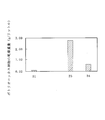
- FIG. 2 shows the dry weight of Botryococcus contained in 5 ml of cell suspension collected from B1, B3, and B4.
- FIG. 2 shows that the mediums B3 and B4 to which the culture promoter is added have a large growth rate compared to the growth rate in the case of growing on B1 (BG11 medium only). It was 23 times in the medium (B3) diluted twice, and 5 times in the medium (B4) containing only the culture accelerator.
- FIG. 2 also shows that there is an optimum value for the dilution ratio of the culture promoter that increases the growth rate of Botryococcus (content of nitrogen compound including pyrrole compound). Adding an excessive amount of the compound is not preferable because it leads to an increase in the cost of the culture promoter.
- Spirulina (NIES-39 strain) was cultured. For cultivation, add a certain weight of spirulina to 10 ml of medium injected into a 30 ml screw cap test tube, leave the screw cap test tube in an incubator, and adjust the temperature to 22 to 26 ° C. while ventilating air. Using a white fluorescent lamp, the illuminance was 6000 to 6500 Lux, and the white fluorescent lamp was turned on and off for 12 hours. The screw cap test tube was shaken every other day.
- Medium is S1 (10 ml of SOT medium), S2 (mixture of 9 ml of SOT medium and 1 ml of culture promoter), S3 (mixture of 5 ml of SOT medium and 5 ml of culture promoter), and S4 (culture promoter) 10 milliliters).
- the composition per liter of the SOT medium is NaHCO 3 16800 mg, K 2 HPO 3 500 mg, NaNO 3 2500 mg, K 2 SO 4 1000 mg, NaCl 1000 mg, MgSO 4 .7H 2 O 200 mg, CaCl 2 2H 2 O 40 mg, FeSO 4 ⁇ 7H 2 O 10 mg, Na 2 EDTA ⁇ 2H 2 O 80 mg, H 3 BO 3 2.86 mg, MnSO 4 ⁇ 5H 2 O 2.5 mg, ZnSO 4 ⁇ 7H 2 O is 0.22 mg, CuSO 4 .5H 2 O is 80 ⁇ g, Na 2 MoO 4 .2H 2 O is 20 ⁇ g, and Distilled Water is 1 liter.
- the content of the nitrogen compound including the pyrrole compound in the culture promoter is 560 mg / liter, which includes pyrrole compound having a porphyrin ring structure of 16 mg / liter.
- FIG. 3 shows the dry weight of Spirulina contained in each 5 ml cell suspension collected from S1 to S4.
- the culture accelerator containing a pyrrole compound was prepared using an extract from an E. coli medium (Method A), but was prepared by adjusting the amount of water using a medium from which E. coli had been removed. (Method B).
- the method B can simplify the treatment and can be cultured at low cost, but the method A increases the content of the pyrrole compound.
- microalgae have been described as examples of organisms that perform oxygen-generating photosynthesis. However, any organism that can be cultured in a medium and that performs oxygen-generating photosynthesis (algae that can survive in water are more preferable). It can be applied to the present invention.
- the pyrrole compound contained in the culture promoter added to the medium is part of the chlorolin ring structure of chlorophyll chlorophyll and exists in nature. Because it is a substance, there is no impact on the environment. And the organism which performs oxygen generation type photosynthesis can be propagated by a simple method. As a result, it is possible to perform mass growth of organisms that perform oxygen-generating photosynthesis at a low cost and in a safe and simple manner without adversely affecting the natural world.
Landscapes
- Engineering & Computer Science (AREA)
- Life Sciences & Earth Sciences (AREA)
- Health & Medical Sciences (AREA)
- Biotechnology (AREA)
- Chemical & Material Sciences (AREA)
- Bioinformatics & Cheminformatics (AREA)
- Zoology (AREA)
- Organic Chemistry (AREA)
- Wood Science & Technology (AREA)
- Genetics & Genomics (AREA)
- Botany (AREA)
- Biomedical Technology (AREA)
- Virology (AREA)
- Microbiology (AREA)
- Tropical Medicine & Parasitology (AREA)
- Cell Biology (AREA)
- Biochemistry (AREA)
- General Engineering & Computer Science (AREA)
- General Health & Medical Sciences (AREA)
- Medicinal Chemistry (AREA)
- Micro-Organisms Or Cultivation Processes Thereof (AREA)
Abstract
ピロール化合物を含む培養促進剤を、酸素発生型光合成を行う生物が生育する培地に添加し、培地を生物の増殖条件に保持する。ここで、ピロール化合物はテトラピロール化合物を含むことが好ましく、酸素発生型光合成を行う生物として藻類を用いることができる。これによって、安価、安全かつ簡便な手法により達成することが可能な酸素発生型光合成を行う生物の増殖促進方法を提供する。
Description
本発明は、酸素発生型光合成を行う生物の増殖促進方法に関する。
酸素発生型光合成を行う生物から、コケ植物、シダ植物、及び種子植物を除いたもの(従って、水中に存在する酸素発生型光合成を行う生物)を藻類といい、その中で顕微鏡サイズ(ミクロン単位の大きさ)の藻類は微細藻類と呼ばれ、約10万種が多様な環境中に生息している。近年、微細藻類は、光合成による二酸化炭素固定能力が高いこと、食品、医薬品、更にバイオ燃料等の原料となる有用物質(例えば、脂質)の生産能力が高いこと、通年での収穫が可能であること等の理由から、バイオマス資源として注目されている。
ここで、微細藻類による有用物質の生産量は、個々の微細藻類に含まれる有用物質の含有量と微細藻類の個体数との積に比例する。しかしながら、自然条件下では微細藻類の増殖速度は遅く、有用物質の生産効率も低いという問題がある。このため、微細藻類による有用物質生産の実用化(商業ベースで利用)に向けては、微細藻類による有用物質の生産効率向上と微細藻類の増殖速度向上(大量培養)を人工的に図る必要があり、特に微細藻類の大量培養の効率化(即ち、培養工程の経済性改善)が大きな課題となっている。
微細藻類の大量培養による有用物質生産の実用化に向けては、微細藻類のスクリーニングや微細藻類の遺伝子組換え等の様々な取り組みが国内外において報告されている。しかしながら、スクリーニングにより増殖速度の大きな微細藻類の有望種を選抜するには長い時間と多くの費用を要するという問題がある。一方、遺伝子組換え株を屋外で培養する場合は種々の制約が伴うと共に、遺伝子組換え株が培養地外に飛散した際の環境に及ぼす影響には不明な点が多いという問題がある。
そこで、有用物質の生産効率が高いと期待されている微細藻類を用いて、その培地に増殖を促進する化学物質を添加して微細藻類を大量培養して、有用物質生産の実用化を図ることが提案されている(例えば、非特許文献1~3参照)。
そこで、有用物質の生産効率が高いと期待されている微細藻類を用いて、その培地に増殖を促進する化学物質を添加して微細藻類を大量培養して、有用物質生産の実用化を図ることが提案されている(例えば、非特許文献1~3参照)。
野上礼次郎、脇坂港、「アルギン酸オリゴマーの添加によるスピルリナの増殖促進」、第17回マリンバイオテクノロジー学会大会講演要旨集、2015年5月30日、p.109
野上礼次郎、脇坂港、「アルギン酸オリゴマーの添加によるユーグレナの増殖促進」、第16回マリンバイオテクノロジー学会大会講演要旨集、2014年5月31日、p.61
野上礼次郎、脇坂港、CHE MAAIL Che Mohd Hakiman「アルギン酸オリゴマーの添加によるボトリオコッカスの増殖促進」、2014年生態工学会年次大会発表論文集、p.83-84
微細藻類の大量培養により有用物質生産の実用化を図るには、微細藻類の増殖率を、現状の増殖率に対して少なくとも2~3倍に向上させる必要があるとされており、非特許文献1~3に記載された方法では、微細藻類の増殖を更に向上させるには至っていない。このため、微細藻類の増殖速度を高位に維持し安定して培養できる培養条件が見出された際に、微細藻類の増殖速度を更に促進する作用を示す安価で安全(環境に及ぶす影響がなく)、かつ使用方法が簡便となる新たな化学物質が求められている。
本発明はかかる事情に鑑みてなされたもので、安価、安全かつ簡便な手法により達成することが可能な酸素発生型光合成を行う生物の増殖促進方法を提供することを目的とする。
本発明者らは、酸素発生型光合成を担う葉緑素クロロフィルは、分子式C4H5Nの五員環構造(ピロール環構造)4個が炭素原子を1個ずつ挟んで結合したテトラピロール環構造の一つであるクロリン環を有する化合物であるため、葉緑素クロロフィルの原料となるピロール化合物を含む培地で微細藻類を培養すれば、光合成が促進されることによって微細藻類の増殖も促進されるとの仮設に基づき種々研究を重ねた結果、WO2009/069806号公報に記載の大腸菌によるバイオ生産で得られたテトラピロール化合物を含むピロール化合物を微細藻類の培地に加えることにより、微細藻類の増殖の促進を安価、安全かつ簡便な手法により達成できることを見出し、本発明を完成するに至った。
即ち、本発明に係る酸素発生型光合成を行う生物の増殖促進方法は、ピロール化合物を含む培養促進剤を、酸素発生型光合成を行う生物が生育する培地に添加し、該培地を前記生物の増殖条件に保持することにより行っている。
即ち、本発明に係る酸素発生型光合成を行う生物の増殖促進方法は、ピロール化合物を含む培養促進剤を、酸素発生型光合成を行う生物が生育する培地に添加し、該培地を前記生物の増殖条件に保持することにより行っている。
本発明に係る酸素発生型光合成を行う生物の増殖促進方法においては、培養促進剤に含まれるピロール化合物は、葉緑素クロロフィルのクロリン環の構造の一部であるため安全である。即ち、自然界に存在している物質であるため、環境に与える影響はない。
そして、培養促進剤を酸素発生型光合成を行う生物の培地に添加し、培養促進剤が添加された培地を酸素発生型光合成を行う生物の増殖条件下に保持するだけなので、簡便な手法により酸素発生型光合成を行う生物の増殖を行うことができる。その結果、酸素発生型光合成を行う生物の大量増殖を、安価、安全かつ簡便な方法で行うことが可能になる。
そして、培養促進剤を酸素発生型光合成を行う生物の培地に添加し、培養促進剤が添加された培地を酸素発生型光合成を行う生物の増殖条件下に保持するだけなので、簡便な手法により酸素発生型光合成を行う生物の増殖を行うことができる。その結果、酸素発生型光合成を行う生物の大量増殖を、安価、安全かつ簡便な方法で行うことが可能になる。
本発明の一実施例に係る酸素発生型光合成を行う生物の増殖促進方法は、例えば、遺伝子ypjD(b2611)が変異により発現できなくなった大腸菌によるバイオ生産で得られたピロール化合物を、酸素発生型光合成を行う生物の一例である微細藻類が生育する培地に添加し、培地を微細藻類の増殖条件に保持する。
なお、大腸菌によるバイオ生産ではピロール化合物が安価かつ大量に得られるので、培養促進剤を安価に製造することが可能になる。
なお、大腸菌によるバイオ生産ではピロール化合物が安価かつ大量に得られるので、培養促進剤を安価に製造することが可能になる。
本発明の方法で培養される微細藻類(藻類の一例)は、酸素発生型光合成を行い、主要な光合成色素としてクロロフィルを含有するものが好ましく、例えば、原核生物であるラン藻類、真核生物のスーパーグループにおける灰色植物、緑色植物、クリプト藻類、不等毛植物、ハプト藻類、渦鞭毛藻類、ユーグレナ藻類、クロララクニオン藻類、クロメラ藻類等が挙げられる。
また、微細藻類の増殖条件とは、微細藻類毎に従来から推奨されている一般的な増殖条件(増殖速度を高位に維持し安定して培養できる条件)であればよい。
また、微細藻類の増殖条件とは、微細藻類毎に従来から推奨されている一般的な増殖条件(増殖速度を高位に維持し安定して培養できる条件)であればよい。
大腸菌は貧栄養培地中で培養する。このとき、大腸菌を貧栄養培地以外の適当な培地、例えば、LB培地等の培地中で前培養し(15~40℃の温度で6~24時間培養した後)、得られた前培養物を貧栄養培地に接種して本培養(20℃~40℃の温度で12時間~96時間かけて培養)することが好ましい。大腸菌の培養条件は、大腸菌に対する一般的な条件であればよい。
なお、貧栄養培地として、例えば、脱イオン水1リットル中に、KH2PO4を9g、K2HPO4を21g、(NH4)2SO4を2g、クエン酸二水和物を1g、グルコースを3.6g、及びMgSO4を100mg溶解させた水溶液を使用することができる。
なお、貧栄養培地として、例えば、脱イオン水1リットル中に、KH2PO4を9g、K2HPO4を21g、(NH4)2SO4を2g、クエン酸二水和物を1g、グルコースを3.6g、及びMgSO4を100mg溶解させた水溶液を使用することができる。
大腸菌の培養中に、大腸菌からはテトラピロール化合物、テトラピロール化合物前駆体等のピロール化合物(培養物)が菌体外に排出され、排出されたピロール化合物は貧栄養培地中に混入する。このため、大腸菌の培養が終了した貧栄養培地を遠心分離機にかけて懸濁物(大腸菌細胞の凝集体)を沈殿させ、得られた上澄液をフィルター(ポアサイズ0.22μm)で濾過することにより、大腸菌が除去された状態のピロール化合物を含む培養促進剤を得ることができる。
なお、培養促進剤中の水分量を調整することにより、培養促進剤中のピロール化合物の濃度を任意の値に調整することができる。これにより、培地に培養促進剤を添加した際における培地中のピロール化合物の含有量(より詳細には、ピロール化合物を含む窒素化合物の含有量)の調整(例えば、16~560ミリグラム/リットルに調整)が容易にできる。
なお、培養促進剤中の水分量を調整することにより、培養促進剤中のピロール化合物の濃度を任意の値に調整することができる。これにより、培地に培養促進剤を添加した際における培地中のピロール化合物の含有量(より詳細には、ピロール化合物を含む窒素化合物の含有量)の調整(例えば、16~560ミリグラム/リットルに調整)が容易にできる。
以下に、微細藻類として、ユーグレナ、ボトリオコッカス、スピルリナを用いた実験例について説明する。
(実験例1)
ユーグレナ(NIES-48株)の培養を行った。培養は、30ミリリットルのスクリューキャップ試験管内に注入した10ミリリットルの培地に一定重量のユーグレナを加え、スクリューキャップ試験管をインキュベーター庫内に静置し、空気を通気しながら温度を22~26℃、白色蛍光灯を用いて照度を6000~6500Lux、白色蛍光灯の点灯時間と消灯時間をそれぞれ12時間とする明暗サイクルの条件下で、35日間行った。なお、スクリューキャップ試験管は、1日おきに振盪させた。
(実験例1)
ユーグレナ(NIES-48株)の培養を行った。培養は、30ミリリットルのスクリューキャップ試験管内に注入した10ミリリットルの培地に一定重量のユーグレナを加え、スクリューキャップ試験管をインキュベーター庫内に静置し、空気を通気しながら温度を22~26℃、白色蛍光灯を用いて照度を6000~6500Lux、白色蛍光灯の点灯時間と消灯時間をそれぞれ12時間とする明暗サイクルの条件下で、35日間行った。なお、スクリューキャップ試験管は、1日おきに振盪させた。
培地は、A1(AF-6培地が10ミリリットル)、A2(AF-6培地9ミリリットルと培養促進剤1ミリリットルの混合物)、A3(AF-6培地5ミリリットルと培養促進剤5ミリリットルの混合物)、及びA4(培養促進剤10ミリリットル)の4種類である。なお、AF-6培地1リットル当たりの組成は、NaNO3が140mg、NH4NO3が22mg、MgSO4・7H2Oが30mg、KH2PO4が10mg、K2HPO4が5mg、CaCl2・2H2Oが10mg、Fe-citrateが2mg、Citric acidが2mg、Biotinが2μg、Thiamine HClが2μg、VitaminB6が10μg、VitaminB12が1μg、Na2EDTA・2H2Oが5mg、FeCl6・6H2Oが0.98mg、MnCl2・4H2Oが180μg、ZnCl2が52μg、CoCl2・6H2Oが20μg、Na2MoO4・2H2Oが12.5μg、Distilled Waterが1リットルである。また、培養促進剤中のピロール化合物を含む窒素化合物の含有量は560mg/リットルであり、その中にはポルフィリン環構造を持つピロール化合物16mg/リットルも含まれる。
培養が終了したA1~A4からそれぞれ5ミリリットルの細胞懸濁液をスウィネスフィルターホルダーに挿入したφ25のGF/Cフィルターを用いて濾過し、濾過後にGF/Cフィルターから取り出した使用済み濾紙をシャーレ内に入れて、105℃の乾燥庫で5時間乾燥させた。乾燥後、使用済み濾紙を収容したシャーレをデシケータ内に移して冷却し、冷却後に使用済み濾紙を収容したシャーレの重量を測定した。そして、使用済み濾紙を収容したシャーレの重量から、予め求めておいた濾紙乾燥重量とシャーレ乾燥重量を差し引くことにより、5ミリリットルの細胞懸濁液中に存在していたユーグレナの乾燥重量を算出した。図1に、A1~A4より採取した5ミリリットルの細胞懸濁液中にそれぞれ含まれていたユーグレナの乾燥重量を示す。
図1に示すように、A1(AF-6培地のみ)で増殖させる場合の増殖速度に対して、培養促進剤を添加したすべての培地A2~A4では大きな増殖速度を示すことが確認でき、培養促進剤を10倍希釈した培地(A2)では2倍、培養促進剤を2倍希釈した培地(A3)では7.7倍、培養促進剤のみの培地(A4)では6.7倍となった。
また、図1は、ユーグレナの増殖速度を増大させる培地中に含まれる培養促進剤の希釈率(ピロール化合物を含む窒素化合物の含有量)には最適値が存在することを示しており、ピロール化合物を含む窒素化合物を過剰に添加することは、培養促進剤のコスト増加につながり好ましくない。
また、図1は、ユーグレナの増殖速度を増大させる培地中に含まれる培養促進剤の希釈率(ピロール化合物を含む窒素化合物の含有量)には最適値が存在することを示しており、ピロール化合物を含む窒素化合物を過剰に添加することは、培養促進剤のコスト増加につながり好ましくない。
(実験例2)
ボトリオコッカス(NIES-2199株)の培養を行った。培養は、30ミリリットルのスクリューキャップ試験管内に注入した10ミリリットルの培地に一定重量のボトリオコッカスを加え、スクリューキャップ試験管をインキュベーター庫内に静置し、空気を通気しながら温度を22~26℃、白色蛍光灯を用いて照度を6000~6500Lux、白色蛍光灯の点灯時間と消灯時間をそれぞれ12時間とする明暗サイクルの条件下で、65日間行った。なお、スクリューキャップ試験管は、1日おきに振盪させた。
ボトリオコッカス(NIES-2199株)の培養を行った。培養は、30ミリリットルのスクリューキャップ試験管内に注入した10ミリリットルの培地に一定重量のボトリオコッカスを加え、スクリューキャップ試験管をインキュベーター庫内に静置し、空気を通気しながら温度を22~26℃、白色蛍光灯を用いて照度を6000~6500Lux、白色蛍光灯の点灯時間と消灯時間をそれぞれ12時間とする明暗サイクルの条件下で、65日間行った。なお、スクリューキャップ試験管は、1日おきに振盪させた。
培地は、B1(BG11培地が10ミリリットル)、B3(BG11培5ミリリットルと培養促進剤5ミリリットルの混合物)、及びB4(培養促進剤10ミリリットル)の3種類である。なお、BG11培地1リットル当たりの組成は、NaNO3が1500mg、KH2PO4・3H2Oが40mg、MgSO4・7H2Oが75mg、CaCl2・2H2Oが36mg、Ferric ammonium citrateが6mg、Citric acidが6mg、Na2EDTA-Mgが1mg、Na2CO3が20mg、H3BO3が2.86mg、MnCl2・4H2Oが1.81mg、ZnSO4・7H2Oが0.222mg、Na2MoO4・2H2Oが0.39mg、CuSO4・5H2Oが79μg、Co(NO3)2・6H2Oが49μg、Distilled Waterが1リットルである。また、培養促進剤中のピロール化合物を含む窒素化合物の含有量は560mg/リットルであり、その中にはポルフィリン環構造を持つピロール化合物16mg/リットルも含まれる。
培養が終了したB1、B3、B4からそれぞれ5ミリリットルの細胞懸濁液をスウィネスフィルターホルダーに挿入したφ25のGF/Cフィルターを用いて濾過し、実験例1と同様の方法で、5ミリリットルの細胞懸濁液中に存在していたボトリオコッカスの乾燥重量を算出した。図2に、B1、B3、B4より採取した5ミリリットルの細胞懸濁液中にそれぞれ含まれていたボトリオコッカスの乾燥重量を示す。
図2に示すように、B1(BG11培地のみ)で増殖させる場合の増殖速度に対して、培養促進剤を添加した培地B3、B4では大きな増殖速度を示すことが確認でき、培養促進剤を2倍希釈した培地(B3)では23倍、培養促進剤のみの培地(B4)では5倍となった。
また、図2は、ボトリオコッカスの増殖速度を増大させる培養促進剤の希釈率(ピロール化合物を含む窒素化合物の含有量)には最適値が存在することを示しており、ピロール化合物を含む窒素化合物を過剰に添加することは、培養促進剤のコスト増加につながり好ましくない。
また、図2は、ボトリオコッカスの増殖速度を増大させる培養促進剤の希釈率(ピロール化合物を含む窒素化合物の含有量)には最適値が存在することを示しており、ピロール化合物を含む窒素化合物を過剰に添加することは、培養促進剤のコスト増加につながり好ましくない。
(実験例3)
スピルリナ(NIES-39株)の培養を行った。培養は、30ミリリットルのスクリューキャップ試験管内に注入した10ミリリットルの培地に一定重量のスピルリナを加え、スクリューキャップ試験管をインキュベーター庫内に静置し、空気を通気しながら温度を22~26℃、白色蛍光灯を用いて照度を6000~6500Lux、白色蛍光灯の点灯時間と消灯時間をそれぞれ12時間とする明暗サイクルの条件下で行った。なお、スクリューキャップ試験管は、1日おきに振盪させた。
スピルリナ(NIES-39株)の培養を行った。培養は、30ミリリットルのスクリューキャップ試験管内に注入した10ミリリットルの培地に一定重量のスピルリナを加え、スクリューキャップ試験管をインキュベーター庫内に静置し、空気を通気しながら温度を22~26℃、白色蛍光灯を用いて照度を6000~6500Lux、白色蛍光灯の点灯時間と消灯時間をそれぞれ12時間とする明暗サイクルの条件下で行った。なお、スクリューキャップ試験管は、1日おきに振盪させた。
培地は、S1(SOT培地が10ミリリットル)、S2(SOT培地9ミリリットルと培養促進剤1ミリリットルの混合物)、S3(SOT培地5ミリリットルと培養促進剤5ミリリットルの混合物)、及びS4(培養促進剤10ミリリットル)の4種類である。なお、SOT培地1リットル当たりの組成は、NaHCO3が16800mg、K2HPO3が500mg、NaNO3が2500mg、K2SO4が1000mg、NaClが1000mg、MgSO4・7H2Oが200mg、CaCl2・2H2Oが40mg、FeSO4・7H2Oが10mg、Na2EDTA・2H2Oが80mg、H3BO3が2.86mg、MnSO4・5H2Oが2.5mg、ZnSO4・7H2Oが0.22mg、CuSO4・5H2Oが80μg、Na2MoO4・2H2Oが20μg、Distilled Waterが1リットルである。また、培養促進剤中のピロール化合物を含む窒素化合物の含有量は560mg/リットルであり、その中にはポルフィリン環構造を持つピロール化合物16mg/リットルも含まれる。
培養を開始してから14日経過したS1~S4からそれぞれ5ミリリットルの細胞懸濁液をスウィネスフィルターホルダーに挿入したφ25のGF/Cフィルターを用いて濾過し、実験例1と同様の方法で、5ミリリットルの細胞懸濁液中に存在していたスピルリナの乾燥重量を算出した。図3に、S1~S4より採取した5ミリリットルの細胞懸濁液中にそれぞれ含まれていたスピルリナの乾燥重量を示す。
図3に示すように、S1(SOT培地のみ)で増殖させる場合の増殖速度に対して、
培養促進剤を10倍希釈した培地(S2)では1.04倍、培養促進剤を2倍希釈した培地(S3)では1.7倍となったが、培養促進剤のみの培地(S4)では増殖が見られず、個体数の減少が生じた。
このことから、ピロール化合物を培地に加えてスピルリナの増殖速度を増大させる場合、培養促進剤の希釈率(ピロール化合物を含む窒素化合物の含有量)の最適値はかなり狭い範囲に存在することが分かった。
培養促進剤を10倍希釈した培地(S2)では1.04倍、培養促進剤を2倍希釈した培地(S3)では1.7倍となったが、培養促進剤のみの培地(S4)では増殖が見られず、個体数の減少が生じた。
このことから、ピロール化合物を培地に加えてスピルリナの増殖速度を増大させる場合、培養促進剤の希釈率(ピロール化合物を含む窒素化合物の含有量)の最適値はかなり狭い範囲に存在することが分かった。
以上、本発明を、実施例を参照して説明してきたが、本発明は何ら上記した実施例に記載した構成に限定されるものではなく、請求の範囲に記載されている事項の範囲内で考えられるその他の実施例や変形例も含むものである。
例えば、本実施例では、ピロール化合物を含む培養促進剤は、大腸菌の培地からの抽出物を用いて作製した(A法)が、大腸菌を除去した培地を用い、水分量を調整することにより作製する(B法)こともできる。B法は処理の簡略化が可能で安価に培養できるが、A法はピロール化合物の含有率が高くなる。
なお、本発明において、酸素発生型光合成を行う生物として微細藻類を例に挙げて説明したが、培地で培養でき酸素発生型光合成を行う生物(水中で生存可能な藻類がより好ましい)であれば、本発明に適用できる。
例えば、本実施例では、ピロール化合物を含む培養促進剤は、大腸菌の培地からの抽出物を用いて作製した(A法)が、大腸菌を除去した培地を用い、水分量を調整することにより作製する(B法)こともできる。B法は処理の簡略化が可能で安価に培養できるが、A法はピロール化合物の含有率が高くなる。
なお、本発明において、酸素発生型光合成を行う生物として微細藻類を例に挙げて説明したが、培地で培養でき酸素発生型光合成を行う生物(水中で生存可能な藻類がより好ましい)であれば、本発明に適用できる。
本発明に係る酸素発生型光合成を行う生物の増殖促進方法において、培地に添加する培養促進剤に含まれるピロール化合物は、葉緑素クロロフィルのクロリン環の構造の一部であり、自然界に存在している物質であるため、環境に与える影響はない。
そして、簡便な手法により酸素発生型光合成を行う生物の増殖を行うことができる。その結果、酸素発生型光合成を行う生物の大量増殖を、安価、かつ自然界に悪影響を与えることなく、安全かつ簡便な方法で行うことが可能になる。
そして、簡便な手法により酸素発生型光合成を行う生物の増殖を行うことができる。その結果、酸素発生型光合成を行う生物の大量増殖を、安価、かつ自然界に悪影響を与えることなく、安全かつ簡便な方法で行うことが可能になる。
Claims (4)
- ピロール化合物を含む培養促進剤を、酸素発生型光合成を行う生物が生育する培地に添加し、該培地を前記生物の増殖条件に保持することを特徴とする酸素発生型光合成を行う生物の増殖促進方法。
- 請求項1記載の酸素発生型光合成を行う生物の増殖促進方法において、前記ピロール化合物はテトラピロール化合物を含むことを特徴とする酸素発生型光合成を行う生物の増殖促進方法。
- 請求項1又は2記載の酸素発生型光合成を行う生物の増殖促進方法において、前記生物は藻類であることを特徴とする酸素発生型光合成を行う生物の増殖促進方法。
- 請求項3記載の酸素発生型光合成を行う生物の増殖促進方法において、前記培地に含まれる前記ピロール化合物を含む窒素化合物の濃度を16~560ミリグラム/リットルに調整することを特徴とする酸素発生型光合成を行う生物の増殖促進方法。
Applications Claiming Priority (2)
| Application Number | Priority Date | Filing Date | Title |
|---|---|---|---|
| JP2016006440A JP2019050731A (ja) | 2016-01-15 | 2016-01-15 | 酸素発生型光合成を行う生物の増殖促進方法 |
| JP2016-006440 | 2016-01-15 |
Publications (1)
| Publication Number | Publication Date |
|---|---|
| WO2017122368A1 true WO2017122368A1 (ja) | 2017-07-20 |
Family
ID=59311173
Family Applications (1)
| Application Number | Title | Priority Date | Filing Date |
|---|---|---|---|
| PCT/JP2016/058004 Ceased WO2017122368A1 (ja) | 2016-01-15 | 2016-03-14 | 酸素発生型光合成を行う生物の増殖促進方法 |
Country Status (2)
| Country | Link |
|---|---|
| JP (1) | JP2019050731A (ja) |
| WO (1) | WO2017122368A1 (ja) |
Citations (5)
| Publication number | Priority date | Publication date | Assignee | Title |
|---|---|---|---|---|
| JPH0556777A (ja) * | 1991-08-29 | 1993-03-09 | Shiro Nagai | ビタミンb▲12▼要求性株の培養方法およびこれにより得られたビタミンb▲12▼要求性株 |
| JP2004509625A (ja) * | 2000-09-20 | 2004-04-02 | ビーエーエスエフ アクチェンゲゼルシャフト | コリネバクテリウムのゲノムの改変方法 |
| WO2009069806A1 (ja) * | 2007-11-30 | 2009-06-04 | Fukutome, Hirofumi | テトラピロール化合物の製造方法およびテトラピロール化合物 |
| WO2010092997A1 (ja) * | 2009-02-11 | 2010-08-19 | 国立大学法人三重大学 | β1,3-グルカンの製造方法 |
| JP2014108101A (ja) * | 2012-12-04 | 2014-06-12 | Univ Of Tsukuba | 透析排水を培地として使用する藻類の培養方法 |
-
2016
- 2016-01-15 JP JP2016006440A patent/JP2019050731A/ja active Pending
- 2016-03-14 WO PCT/JP2016/058004 patent/WO2017122368A1/ja not_active Ceased
Patent Citations (5)
| Publication number | Priority date | Publication date | Assignee | Title |
|---|---|---|---|---|
| JPH0556777A (ja) * | 1991-08-29 | 1993-03-09 | Shiro Nagai | ビタミンb▲12▼要求性株の培養方法およびこれにより得られたビタミンb▲12▼要求性株 |
| JP2004509625A (ja) * | 2000-09-20 | 2004-04-02 | ビーエーエスエフ アクチェンゲゼルシャフト | コリネバクテリウムのゲノムの改変方法 |
| WO2009069806A1 (ja) * | 2007-11-30 | 2009-06-04 | Fukutome, Hirofumi | テトラピロール化合物の製造方法およびテトラピロール化合物 |
| WO2010092997A1 (ja) * | 2009-02-11 | 2010-08-19 | 国立大学法人三重大学 | β1,3-グルカンの製造方法 |
| JP2014108101A (ja) * | 2012-12-04 | 2014-06-12 | Univ Of Tsukuba | 透析排水を培地として使用する藻類の培養方法 |
Non-Patent Citations (1)
| Title |
|---|
| CROFT, M. T. ET AL.: "Algae acquire vitamin B12 through a symbiotic relationship with bacteria", NATURE, vol. 438, 3 November 2005 (2005-11-03), pages 90 - 93, XP055599510, ISSN: 0028-0836, DOI: 10.1038/nature04056 90 * |
Also Published As
| Publication number | Publication date |
|---|---|
| JP2019050731A (ja) | 2019-04-04 |
Similar Documents
| Publication | Publication Date | Title |
|---|---|---|
| Moheimani et al. | Limits to productivity of the alga Pleurochrysis carterae (Haptophyta) grown in outdoor raceway ponds | |
| JPWO2020071444A1 (ja) | 淡水産微細藻類の培養方法 | |
| RU2416634C1 (ru) | Штамм бактерий halobacterium salinarum - продуцент бактериородопсина | |
| CN106754382A (zh) | 一株诱变湛江等鞭金藻及其培养方法 | |
| Sivakumar et al. | Influence of carbon-dioxide on the growth of Spirulina sp.(MCRC-A0003) isolated from Muttukadu backwaters, South India | |
| CN104946536B (zh) | 等鞭金藻的培养方法 | |
| US20120264195P1 (en) | High bio-productivity chlamydomonas strain DG8-108 | |
| CN101864470B (zh) | 提高发菜细胞深层发酵生产胞外多糖产量的方法 | |
| JP6359314B2 (ja) | 紅藻シアニジウム目のための脂質生産用培地組成物および脂質生産方法 | |
| Putri et al. | Effect of distinct nitrate concentrations on pigment content of mixed culture of Chlorella vulgaris and Dunaliella sp | |
| KR101658040B1 (ko) | 나노버블수를 이용한 미세조류의 배양 방법 | |
| WO2017122368A1 (ja) | 酸素発生型光合成を行う生物の増殖促進方法 | |
| CN102965364A (zh) | 应用于处理水中氨氮和溶解性有机物的生物微胶囊制备方法 | |
| CN103881922B (zh) | 一种利用微生物絮凝剂收获微藻的方法 | |
| CN102492625B (zh) | 一种微藻复合培养液及其制备方法和应用 | |
| KR101798486B1 (ko) | Lb 배지를 포함하는 미세조류 배양용 배지 조성물 | |
| TW202122570A (zh) | 新型純頂螺旋藻菌株 | |
| Nehul | Influence of various culture media on growth and production of carotenoids in a cyanobacterium Lyngbya bipunctata Lemm | |
| JP6585392B2 (ja) | 微細藻類用培地 | |
| KR101795174B1 (ko) | 재조합 대장균으로 제조된 δ-aminolevulinic acid를 이용한 해조류의 대량 배양방법 | |
| KR20250066401A (ko) | 베타카로틴 생산 능력을 갖는 두날리엘라 살리나 미세조류 및 이를 이용한 베타카로틴 생산방법 | |
| WO2025041844A1 (ja) | 単細胞藻類、単細胞藻類の高密度培養方法、及び単細胞藻類の作出方法 | |
| RU2541446C1 (ru) | Способ культивирования одноклеточной зеленой микроводоросли dunaliella salina для получения биомассы | |
| JP2015146785A (ja) | 脂肪酸含有率の高い微細藻類の培養方法 | |
| CN106834127B (zh) | 一种规模化高效培养聚球藻7002的方法 |
Legal Events
| Date | Code | Title | Description |
|---|---|---|---|
| 121 | Ep: the epo has been informed by wipo that ep was designated in this application |
Ref document number: 16884971 Country of ref document: EP Kind code of ref document: A1 |
|
| NENP | Non-entry into the national phase |
Ref country code: DE |
|
| 122 | Ep: pct application non-entry in european phase |
Ref document number: 16884971 Country of ref document: EP Kind code of ref document: A1 |
|
| NENP | Non-entry into the national phase |
Ref country code: JP |