WO2017110751A1 - テルペン合成酵素をコードするポリヌクレオチド、植物の芳香性の改変方法及びテルペン合成能が高い植物体の選別方法 - Google Patents
テルペン合成酵素をコードするポリヌクレオチド、植物の芳香性の改変方法及びテルペン合成能が高い植物体の選別方法 Download PDFInfo
- Publication number
- WO2017110751A1 WO2017110751A1 PCT/JP2016/087816 JP2016087816W WO2017110751A1 WO 2017110751 A1 WO2017110751 A1 WO 2017110751A1 JP 2016087816 W JP2016087816 W JP 2016087816W WO 2017110751 A1 WO2017110751 A1 WO 2017110751A1
- Authority
- WO
- WIPO (PCT)
- Prior art keywords
- terpene
- polynucleotide
- plant
- protein
- present
- Prior art date
- Legal status (The legal status is an assumption and is not a legal conclusion. Google has not performed a legal analysis and makes no representation as to the accuracy of the status listed.)
- Ceased
Links
Images




Classifications
-
- C—CHEMISTRY; METALLURGY
- C12—BIOCHEMISTRY; BEER; SPIRITS; WINE; VINEGAR; MICROBIOLOGY; ENZYMOLOGY; MUTATION OR GENETIC ENGINEERING
- C12N—MICROORGANISMS OR ENZYMES; COMPOSITIONS THEREOF; PROPAGATING, PRESERVING, OR MAINTAINING MICROORGANISMS; MUTATION OR GENETIC ENGINEERING; CULTURE MEDIA
- C12N5/00—Undifferentiated human, animal or plant cells, e.g. cell lines; Tissues; Cultivation or maintenance thereof; Culture media therefor
- C12N5/10—Cells modified by introduction of foreign genetic material
-
- C—CHEMISTRY; METALLURGY
- C12—BIOCHEMISTRY; BEER; SPIRITS; WINE; VINEGAR; MICROBIOLOGY; ENZYMOLOGY; MUTATION OR GENETIC ENGINEERING
- C12N—MICROORGANISMS OR ENZYMES; COMPOSITIONS THEREOF; PROPAGATING, PRESERVING, OR MAINTAINING MICROORGANISMS; MUTATION OR GENETIC ENGINEERING; CULTURE MEDIA
- C12N15/00—Mutation or genetic engineering; DNA or RNA concerning genetic engineering, vectors, e.g. plasmids, or their isolation, preparation or purification; Use of hosts therefor
- C12N15/09—Recombinant DNA-technology
-
- C—CHEMISTRY; METALLURGY
- C12—BIOCHEMISTRY; BEER; SPIRITS; WINE; VINEGAR; MICROBIOLOGY; ENZYMOLOGY; MUTATION OR GENETIC ENGINEERING
- C12N—MICROORGANISMS OR ENZYMES; COMPOSITIONS THEREOF; PROPAGATING, PRESERVING, OR MAINTAINING MICROORGANISMS; MUTATION OR GENETIC ENGINEERING; CULTURE MEDIA
- C12N9/00—Enzymes; Proenzymes; Compositions thereof; Processes for preparing, activating, inhibiting, separating or purifying enzymes
- C12N9/14—Hydrolases (3)
-
- C—CHEMISTRY; METALLURGY
- C12—BIOCHEMISTRY; BEER; SPIRITS; WINE; VINEGAR; MICROBIOLOGY; ENZYMOLOGY; MUTATION OR GENETIC ENGINEERING
- C12P—FERMENTATION OR ENZYME-USING PROCESSES TO SYNTHESISE A DESIRED CHEMICAL COMPOUND OR COMPOSITION OR TO SEPARATE OPTICAL ISOMERS FROM A RACEMIC MIXTURE
- C12P5/00—Preparation of hydrocarbons or halogenated hydrocarbons
-
- C—CHEMISTRY; METALLURGY
- C12—BIOCHEMISTRY; BEER; SPIRITS; WINE; VINEGAR; MICROBIOLOGY; ENZYMOLOGY; MUTATION OR GENETIC ENGINEERING
- C12P—FERMENTATION OR ENZYME-USING PROCESSES TO SYNTHESISE A DESIRED CHEMICAL COMPOUND OR COMPOSITION OR TO SEPARATE OPTICAL ISOMERS FROM A RACEMIC MIXTURE
- C12P5/00—Preparation of hydrocarbons or halogenated hydrocarbons
- C12P5/02—Preparation of hydrocarbons or halogenated hydrocarbons acyclic
-
- C—CHEMISTRY; METALLURGY
- C12—BIOCHEMISTRY; BEER; SPIRITS; WINE; VINEGAR; MICROBIOLOGY; ENZYMOLOGY; MUTATION OR GENETIC ENGINEERING
- C12P—FERMENTATION OR ENZYME-USING PROCESSES TO SYNTHESISE A DESIRED CHEMICAL COMPOUND OR COMPOSITION OR TO SEPARATE OPTICAL ISOMERS FROM A RACEMIC MIXTURE
- C12P7/00—Preparation of oxygen-containing organic compounds
- C12P7/02—Preparation of oxygen-containing organic compounds containing a hydroxy group
-
- C—CHEMISTRY; METALLURGY
- C12—BIOCHEMISTRY; BEER; SPIRITS; WINE; VINEGAR; MICROBIOLOGY; ENZYMOLOGY; MUTATION OR GENETIC ENGINEERING
- C12P—FERMENTATION OR ENZYME-USING PROCESSES TO SYNTHESISE A DESIRED CHEMICAL COMPOUND OR COMPOSITION OR TO SEPARATE OPTICAL ISOMERS FROM A RACEMIC MIXTURE
- C12P7/00—Preparation of oxygen-containing organic compounds
- C12P7/02—Preparation of oxygen-containing organic compounds containing a hydroxy group
- C12P7/04—Preparation of oxygen-containing organic compounds containing a hydroxy group acyclic
Definitions
- the present invention relates to a polynucleotide encoding a protein having terpene synthesis activity, and further uses such as a transformant, a method for modifying the fragrance of a non-human host such as a plant, and a method for selecting a plant. About.
- a terpene is a hydrocarbon composed of isoprene as a basic unit. Depending on the classification, a derivative having a functional group is called a terpenoid. Terpenes are synthesized in vivo in plants, insects, fungi and the like. In particular, plants contain abundant terpenes as the main component of essential oils.
- Substrates for terpene biosynthesis are C10 geranyl diphosphate (GPP), C15 farnesyl diphosphate (FPP), C20 geranylgeranyl diphosphate (GGPP), etc. Are converted to monoterpenes, sesquiterpenes, and diterpenes, respectively.
- GPP geranyl diphosphate
- FPP farnesyl diphosphate
- GGPP geranylgeranyl diphosphate
- the hop (Humulus lupulus) of the genus Asaaceae is a perennial plant with a vine and a heterogeneous strain, and the female flower ( ⁇ ⁇ ) is the main ingredient related to the flavor of beer.
- Lupurin a type of glandular hair formed on hop female flowers, synthesizes a wide variety of secondary metabolites, thereby imparting aroma and bitterness to beer.
- Hop fragrance components are mainly monoterpenes and sesquiterpenes, which are volatile low-molecular compounds, and their amounts and composition ratios are determined by the biosynthetic enzyme gene and the activity of the terpene synthase encoded by the gene. . That is, it is considered that the hop aroma differs depending on the enzyme characteristics (genetic factors) of the terpene synthase itself in hops and the environmental conditions (environmental factors) that activate the terpene synthase.
- Non-Patent Document 1 examples of enzymes that synthesize terpene fragrance components of hops include linalool and nerolidol synthase (Hl_LIS / NES) (Patent Document 1), myrcene synthase (Hl_MTS2) and caryophyllene / humulene synthase (Hl_STS1). (Non-Patent Document 1) and the enzymes that biosynthesize other terpene fragrance components are still unclear.
- Terpene synthases regardless of species, are a multienzyme gene family that can be found on the order of tens of orders in the plant genome (Non-patent Document 2), but the products differ greatly depending on the difference of several amino acids (Non-patent Documents 3 and 4). . For this reason, it is generally not easy to estimate the enzyme activity from amino acid sequence information.
- An object of this invention is to provide the polynucleotide which codes terpene synthase, and its use.
- the present inventors have identified a novel terpene synthase gene (gene encoding terpene synthase) in hops.
- the protein encoded by the gene can synthesize monoterpenes linalool, geraniol, limonene, ⁇ -terpineol, myrcene, and ⁇ -osimene from geranyl diphosphate, and farnesyl
- trans- ⁇ -farnesene, a sesquiterpene can be synthesized using diphosphate as a substrate.
- the inventors have found that by using the above genes, it is possible to modify the fragrance of plants, evaluate characteristics of plants such as hops, select breeding, and so forth, and have completed the present invention.
- the polynucleotide of the present invention is at least one polynucleotide selected from the group consisting of the following (a) to (g).
- (b) consisting of a base sequence in which one or several bases are deleted, substituted and / or added in the base sequence of SEQ ID NO: 1, and terpene synthesis Polynucleotide encoding a protein having activity
- c Polynucleotide encoding a protein consisting of a base sequence having 90% or more identity to the base sequence of SEQ ID NO: 1 and having a terpene synthesis activity
- (d ) A polynucleotide that hybridizes under stringent conditions to a polynucleotide comprising a base sequence complementary to the polynucleotide comprising the base sequence of SEQ ID NO: 1 and encodes a protein having terpene synthesis activity
- the terpene synthesis activity preferably includes monoterpene synthesis activity, and more preferably monoterpene synthesis activity and sesquiterpene synthesis activity.
- the terpene synthase gene of the present invention is characterized by comprising the polynucleotide of the present invention.
- the expression vector of the present invention includes the polynucleotide of the present invention.
- the transformant of the present invention is a non-human host into which the polynucleotide of the present invention or the expression vector of the present invention has been introduced.
- the non-human host is preferably a plant or a part thereof.
- the said plant body or its part is a hop plant body or its part.
- the offspring, vegetative propagation body, organ, tissue or cell of the transformant of the present invention is characterized by having the same properties as the transformant of the present invention.
- the method for modifying the aromaticity of a non-human host of the present invention is characterized by including the step of introducing the polynucleotide of the present invention or the expression vector of the present invention into a non-human host.
- the non-human host is preferably a plant or a part thereof.
- the said plant body or its part is a hop plant body or its part.
- the method for modifying the fragrance of the non-human host of the present invention preferably further comprises a step of growing the non-human host into which the polynucleotide or the expression vector has been introduced.
- the protein of the present invention is at least one protein selected from the group consisting of the following (A) to (C).
- A Protein comprising the amino acid sequence of SEQ ID NO: 2
- B In the amino acid sequence of SEQ ID NO: 2, consisting of an amino acid sequence in which one or several amino acids are deleted, substituted and / or added, and terpene synthesis activity
- C a protein having a terpene synthesis activity consisting of an amino acid sequence having 90% or more identity to the amino acid sequence of SEQ ID NO: 2 in the protein of the present invention, It preferably contains terpene synthesis activity, more preferably monoterpene synthesis activity and sesquiterpene synthesis activity.
- the method for producing a protein having terpene synthesis activity of the present invention includes a protein synthesis step of synthesizing a protein having terpene synthesis activity encoded by the polynucleotide by expressing the polynucleotide of the present invention. .
- the method for producing a terpene of the present invention includes a terpene synthesis step of synthesizing a terpene by using the protein of the present invention and terpene synthesis activity of the protein.
- the method for producing a terpene of the present invention includes a step of culturing the transformant of the present invention.
- the method for selecting a plant body having high terpene synthesis ability according to the present invention is characterized in that a plant body having high terpene synthesis ability is selected using a polynucleotide comprising the nucleotide sequence of SEQ ID NO: 1.
- the method for selecting plants having high terpene synthesis ability of the present invention is as follows. (1) A step of extracting a polynucleotide which is DNA or RNA from a plant body or a part thereof, (2) a step of synthesizing cDNA by reverse transcription when the polynucleotide is RNA; (3) Amplifying a DNA fragment containing at least a part of the base sequence of SEQ ID NO: 1 from the DNA obtained in the step (1) or (2), (4) The presence of mutations and / or polymorphisms in the DNA fragment amplified in the step (3) is determined by comparing the base sequence of the DNA fragment with the base sequence of SEQ ID NO: 1, thereby Detecting a mutation and / or polymorphism in the synthase gene; (5) About the plant body in which the mutation and / or polymorphism is detected in the step (4), the expression level of the terpene synthase gene or the terpene synthesizing activity of the terpene synthas
- the plant body is preferably a hop plant body.
- the method of the present invention detects the presence of a terpene synthase gene mutation and / or polymorphism in hops, and selects a plant having a higher terpene synthesis ability than the existing variety by the mutation and / or polymorphism. This is a suitable method.
- the method for selecting a plant body having high terpene synthesis ability of the present invention includes a step of measuring the expression level of the polynucleotide of the present invention in a plant, and selecting a plant body having high terpene synthesis capacity using the expression level as an index. It is characterized by that.
- the plant is preferably a hop.
- a polynucleotide encoding a terpene synthase is provided.
- terpene synthase can be expressed by genetic engineering techniques.
- a terpene synthase can be expressed in the resulting transformant, thereby enabling synthesis of a terpene as an aroma component. It becomes. Therefore, according to the present invention, for example, the aromaticity of a plant can be modified.
- terpenes can be produced by the transformant in which the polynucleotide of the present invention is introduced into the host cell, the development of a food material having a novel aroma, the function of producing a secondary metabolite is modified. Breeding etc. can be performed. Furthermore, by using the polynucleotide of the present invention, it is possible to detect the presence of a mutation and / or polymorphism in a terpene synthase gene in plants such as hops.
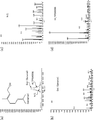
- FIG. 1 shows the results of confirming expression of the recombinant protein H1_TPS40096 ((a): SDS-PAGE, (b): Western blot analysis).
- FIG. 2 is a GC / MS analysis chart of a reaction product of linalool preparation and negative control (hereinafter also referred to as NC) or recombinant protein H1_TPS40096 and GPP ((a): GC chart, (b).
- NC linalool preparation and negative control
- recombinant protein H1_TPS40096 and GPP ((a): GC chart, (b).
- FIG. 1 shows the results of confirming expression of the recombinant protein H1_TPS40096 ((a): SDS-PAGE, (b): Western blot analysis).
- FIG. 2 is a GC / MS analysis chart of a reaction
- FIG. 3 is a GC / MS analysis chart of a geraniol preparation and a reaction product of NC or recombinant protein H1_TPS40096 and GPP ((a): GC chart, (b) to (d): (a). MS of each peak of RT20.627 shown in FIG.
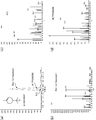
- FIG. 4 is a GC / MS analysis chart of the ⁇ -terpineol preparation and the reaction product of NC or recombinant protein H1_TPS40096 and GPP ((a): GC chart, (b) to (d): ( MS of each peak near RT18.013 shown in a).
- FIG. 4 is a GC / MS analysis chart of the ⁇ -terpineol preparation and the reaction product of NC or recombinant protein H1_TPS40096 and GPP ((a): GC chart, (b) to (d): ( MS of each peak near RT18.013 shown in a).
- FIG. 3 is a GC
- FIG. 5 is a GC / MS analysis chart of a reaction product of limonene preparation and NC or recombinant protein H1_TPS40096 and GPP ((a): GC chart, (b) to (d): (a) MS of each peak of RT8.205 shown in FIG.
- FIG. 6 is a GC / MS analysis chart of a myrcene sample and a reaction product of NC or recombinant protein H1_TPS40096 and GPP ((a): GC chart, (b) to (d): (a). MS of each peak of RT7.404 shown in FIG. FIG.
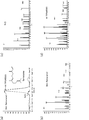
- FIG. 7 is a GC / MS analysis chart of the reaction product of ⁇ -cymene preparation and NC or recombinant protein H1_TPS40096 and GPP ((a): GC chart, (b) to (d): ( MS of each peak of RT8.658 shown in a).
- FIG. 8 is a GC / MS analysis chart of a trans- ⁇ -farnesene sample and a reaction product of NC or recombinant protein H1_TPS40096 and FPP ((a): GC chart, (b) to (d)) : MS of each peak of RT16.666 shown in (a)).
- the polynucleotide of the present invention is at least one polynucleotide selected from the group consisting of the following (a) to (g).
- (b) consisting of a base sequence in which one or several bases are deleted, substituted and / or added in the base sequence of SEQ ID NO: 1, and terpene synthesis
- c Polynucleotide encoding a protein consisting of a base sequence having 90% or more identity to the base sequence of SEQ ID NO: 1 and having a terpene synthesis activity
- (d ) A polynucleotide that hybridizes under stringent conditions to a polynucleotide comprising a base sequence complementary to the polynucleotide comprising the base sequence of SEQ ID NO: 1 and encodes a protein having terpene synthesis activity
- the polynucleotide means DNA or RNA.
- the polynucleotide of the present invention encodes a protein having terpene synthesis activity. Therefore, the polynucleotide of the present invention can also be expressed as a terpene synthase gene.
- a terpene synthase gene comprising the polynucleotide of the present invention is also encompassed by the present invention.
- the protein encoded by the polynucleotide of the present invention is the protein of the present invention described later and has terpene synthesizing activity, and can also be represented as a terpene synthase.
- the terpene synthesis activity is an activity that catalyzes the production of terpene from a substrate.
- Examples of the terpene synthesis activity include monoterpene synthesis activity and sesquiterpene synthesis activity.
- the monoterpene synthesis activity is an activity of synthesizing a monoterpene using geranyl diphosphate (GPP) as a substrate.
- Monoterpenes include linalool, geraniol, limonene, ⁇ -terpineol, myrcene, and ⁇ -osimene.
- monoterpene synthesis activity monoterpene synthesis activity for synthesizing one or more of these monoterpenes is preferable.
- the monoterpene synthesis activity is preferably the synthesis activity of linalool, geraniol, limonene, ⁇ -terpineol, myrcene and ⁇ -osimene.
- the sesquiterpene synthesis activity is an activity of synthesizing a sesquiterpene using farnesyl diphosphate (FPP) as a substrate. Sesquiterpenes include trans- ⁇ -farnesene.
- the terpene synthesis activity in the present invention may be either monoterpene synthesis activity or sesquiterpene synthesis activity, or both.
- the terpene synthesis activity preferably includes monoterpene synthesis activity, and more preferably monoterpene synthesis activity and sesquiterpene synthesis activity.
- the polynucleotide (a) comprising the nucleotide sequence of SEQ ID NO: 1 is preferably a polynucleotide comprising the nucleotide sequence of SEQ ID NO: 1.
- “1 or several” may be within a range in which the protein encoded by the polynucleotide of (b) has terpene synthesis activity.
- the “base sequence in which one or several bases are deleted, substituted and / or added in the base sequence of SEQ ID NO: 1” in the above (b) for example, in the base sequence of SEQ ID NO: 1, preferably 1 to 50, 1 to 30, 1 to 20, or 1 to 10, more preferably 1 to 9, further preferably 1 to 5, particularly preferably 1 to 3, most preferably 1 or 2 Examples include base sequences in which bases are deleted, substituted and / or added. Addition includes, for example, the meaning of insertion into a sequence.
- nucleotide sequence of the polynucleotide of the present invention that one or several bases are deleted, substituted and / or added means that one or more nucleotides in any one or more nucleotide sequences in the same sequence. This means that there are deletions, substitutions and / or additions of bases, and two or more of deletions, substitutions and additions may occur simultaneously.
- the identity may be, for example, within a range in which the protein encoded by the polynucleotide in (c) has terpene synthesis activity.
- the identity is 90% or more, preferably 92% or more, more preferably 95% or more, 96% or more, or 97% or more, further preferably 98% or more, and particularly preferably 99% or more.
- a polynucleotide that hybridizes under stringent conditions to a polynucleotide consisting of a base sequence complementary to the polynucleotide consisting of the base sequence of SEQ ID NO: 1 refers to SEQ ID NO: 1.
- Hybridization methods include, for example, “Sambrook & Russell, Molecular Cloning: A Laboratory Manual Manual Vol. 3, Cold Spring Harbor, Laboratory Press I 2001 and Ausubel, Current Protocols in Molecular Biology, John Wiley 1997 and Sons 1987. Etc. can be used.
- the “stringent conditions” may be, for example, any of low stringent conditions, medium stringent conditions, and high stringent conditions. High stringency conditions are preferable. “Low stringent conditions” are, for example, conditions of 5 ⁇ SSC, 5 ⁇ Denhardt's solution, 0.5% SDS, 50% formamide, and 32 ° C. “Medium stringent conditions” are, for example, 5 ⁇ SSC, 5 ⁇ Denhardt's solution, 0.5% SDS, 50% formamide, 42 ° C. or 5 ⁇ SSC, 1% SDS, 50 mM Tris-HCl (pH 7.5) , 50% formamide, 42 ° C.
- “High stringent conditions” are, for example, 5 ⁇ SSC, 5 ⁇ Denhardt's solution, 0.5% SDS, 50% formamide, 50 ° C. or 0.2 ⁇ SSC, 0.1% SDS, 65 ° C. is there. Under these conditions, it can be expected that a polynucleotide having high identity can be efficiently obtained as the temperature is increased.
- factors affecting stringency include multiple factors such as temperature, salt concentration, probe concentration and length, ionic strength, time, etc., and those skilled in the art can select these factors as appropriate. It is possible to achieve similar stringency.
- the “stringent conditions” for example, the conditions described in Sambrook & Russell, Molecular Cloning: A Laboratory Manual Vol. 3, Cold Spring Harbor, Laboratory Press 2001 can be adopted.
- a polynucleotide that hybridizes under stringent conditions to a polynucleotide consisting of a base sequence complementary to the polynucleotide consisting of the base sequence of SEQ ID NO: 1 is the base of SEQ ID NO: 1. It is preferable that the polynucleotide has a sequence identity of 90% or more. More preferably, it has 92% or more, 95% or more, 96% or more, or 97% or more, more preferably 98% or more, and particularly preferably 99% or more identity with the base sequence of SEQ ID NO: 1.
- the polynucleotide (e) is a polynucleotide encoding a protein consisting of the amino acid sequence of SEQ ID NO: 2.
- the base sequence of the polynucleotide (e) can be designed, for example, by replacing it with the corresponding codon based on the amino acid sequence of SEQ ID NO: 2.
- Examples of the base sequence of the polynucleotide encoding the protein consisting of the amino acid sequence of SEQ ID NO: 2 include the base sequence of SEQ ID NO: 1 in the above (a).
- the “one or several” related to amino acids may be within a range in which the protein encoded by the polynucleotide of (f) has terpene synthesis activity, for example.
- a protein consisting of an amino acid sequence in which one or several amino acids are deleted, substituted and / or added in the amino acid sequence of SEQ ID NO: 2 and having terpene synthesis activity In the amino acid sequence of 2, for example, 1 to 50, preferably 1 to 30, 1 to 20, or 1 to 10, more preferably 1 to 9, further preferably 1 to 5, particularly preferably 1
- a protein having an amino acid sequence in which ⁇ 3, most preferably 1 or 2 amino acid residues are deleted, substituted and / or added, and having a terpene synthesis activity is exemplified.
- a protein for example, 90% or more, preferably 92% or more, more preferably 95% or more, 96% or more, or 97% or more, further preferably 98%, with respect to the amino acid sequence of SEQ ID NO: 2.
- the protein etc. which consist of an amino acid sequence which has 99% identity especially preferably, and have terpene synthesis activity are mentioned.
- one or several amino acids are deleted, substituted and / or added when one or more amino acids are missing at any position in one or more amino acid sequences in the same sequence. It means that there is a loss, substitution and / or addition, and two or more of deletion, substitution and addition may occur simultaneously.
- identity also referred to as sequence identity
- sequence identity with respect to the amino acid sequence is, for example, within a range in which the protein encoded by the polynucleotide of (g) has the above terpene synthesis activity. Good.
- the identity is 90% or more, preferably 92% or more, more preferably 95% or more, 96% or more, or 97% or more, still more preferably 98% or more, and particularly preferably 99% or more.
- the polynucleotides (a) to (g) are preferably DNA.
- amino acid sequences and base sequences can be calculated from default parameters using analysis software such as BLAST and FASTA, for example.
- the polynucleotide of the present invention can be obtained, for example, by a known genetic engineering technique or synthetic technique.
- the polynucleotide containing the base sequence of SEQ ID NO: 1 can be obtained from, for example, hops (Humulus lupulus) by a known genetic engineering technique.
- the protein encoded by the polynucleotide of the present invention may have, for example, only terpene synthesis activity, or may have other catalytic functions.
- the polynucleotide of the present invention may be, for example, a polynucleotide comprising a base sequence complementary to the polynucleotides (a) to (g) above.
- the polynucleotide of the present invention may be, for example, a single strand or a double strand. In the latter case, for example, it is preferable that the sense strand includes any of the polynucleotides (a) to (g) above and the antisense strand includes a polynucleotide having a base sequence complementary to the polynucleotide. .
- the use of the polynucleotide of the present invention is not particularly limited.
- production of a protein having terpene synthesis activity encoded by the polynucleotide of the present invention for example, production of a protein having terpene synthesis activity encoded by the polynucleotide of the present invention, production of an expression vector expressing a protein having terpene synthesis activity, and terpene synthesis activity
- the method for using the polynucleotide of the present invention is not particularly limited, but it is preferably introduced into a host, for example.
- a host for example, production of a protein having terpene synthesis activity, production of a transformant expressing a protein having terpene synthesis activity, expression of a protein having terpene synthesis activity, and terpene It is possible to produce a transformant that synthesizes.
- the host is not particularly limited, and includes a plant body or a part thereof, a microorganism, an animal cell, an insect cell, or a cultured cell thereof, and can be appropriately selected depending on the intended use of the polynucleotide of the present invention.
- the polynucleotide of the present invention is preferably introduced into a host while being inserted into an appropriate expression vector.
- the polynucleotide is preferably introduced into the host by the expression vector of the present invention as described below.
- the expression vector of the present invention contains the polynucleotide of the present invention.
- the expression vector of the present invention can be easily introduced into a host.
- the expression of the polynucleotide of the present invention in the host can be easily controlled.
- the use etc. of the expression vector of this invention are not specifically limited, It is the same as that of the polynucleotide of this invention mentioned above.
- the expression vector of the present invention may contain the polynucleotide so that, for example, the terpene synthesis activity encoded by the polynucleotide of the present invention can be expressed in the introduced host.
- the host is not particularly limited, and may be appropriately selected depending on the intended use of the expression vector.
- the expression vector of the present invention can be prepared, for example, by inserting the polynucleotide of the present invention into a backbone vector (hereinafter also referred to as “basic vector”).
- the type of the vector is not particularly limited, and may be appropriately selected according to, for example, the type of host to be introduced.
- a binary vector is preferable, and examples thereof include pBI121, pPZP202, pBINPLUS, and pBIN19.
- examples of the vector include pET vector (Merck), pCold vector (Takara Bio Inc.), PQE vector (QIAGEN) and the like.
- examples of the vector include pYE22m, and commercially available yeast expression vectors such as pYES (Invitrogen) and pESC (Stratagene) can also be used. .
- the expression vector of the present invention preferably has a regulatory sequence that regulates, for example, the expression of the above-mentioned polynucleotide and the protein encoded by the polynucleotide and having the terpene synthesis activity.
- regulatory sequences include promoters, terminators, enhancers, polyadenylation signal sequences, origin of replication sequences (ori), and the like.
- conventional promoters for example, trc promoter, tac promoter, lac promoter, etc.
- yeast promoter include glyceraldehyde 3-phosphate dehydrogenase.
- Examples of the promoter for filamentous fungi include amylase and trpC.
- Examples of promoters for expressing a target gene in plant cells include cauliflower mosaic virus 35S RNA promoter, rd29A gene promoter, rbcS promoter, and enhancer sequences of the above cauliflower mosaic virus 35S RNA promoter.
- the mac-1 promoter added to the 5 'side of the mannopine synthase promoter sequence.
- Examples of animal cell host promoters include viral promoters (eg, SV40 early promoter, SV40 late promoter, etc.).
- the arrangement of regulatory sequences is not particularly limited.
- the regulatory sequence may be arranged based on a known method, as long as it is functionally regulated, for example, the expression of the polynucleotide of the present invention and the expression of the protein having terpene synthesis activity encoded by the regulatory sequence. .
- the regulatory sequence may be appropriately selected depending on the type of host to be introduced.
- a sequence provided in advance in the basic vector may be used, a regulatory sequence may be further inserted into the basic vector, or the regulatory sequence provided in the basic vector may be replaced with another regulatory sequence. May be.
- the expression vector of the present invention may further have one or more selectable marker coding sequences, for example.
- selectable markers include drug resistance markers, fluorescent protein markers, enzyme markers, cell surface receptor markers, and the like.
- the method for introducing the expression vector of the present invention into the host is not particularly limited, and can be performed by a known method.
- the introduction method can be appropriately determined according to, for example, the type of host, the type of expression vector, and the like.
- the transformant of the present invention is a non-human host into which the polynucleotide of the present invention or the expression vector of the present invention has been introduced.
- introduction of the polynucleotide of the present invention includes the meaning of “introduction of the expression vector of the present invention” unless otherwise specified.
- the transformant of the present invention is not particularly limited as long as it is a non-human host into which the polynucleotide of the present invention is introduced so that it can be expressed.
- “Polynucleotide is expressible” includes the meaning that the protein encoded by the polynucleotide can be expressed.
- Examples of the host include plant bodies or parts thereof, microorganisms, animal cells, insect cells, and cultured cells thereof. What is necessary is just to select a non-human host suitably according to the use etc. of a transformant. Among them, it is preferable to use a plant body or a part thereof or a microorganism as a host.
- the non-human host is preferably a plant or a part thereof.
- the kind of plant body and the kind of part of the plant body are not particularly limited.
- the host plant When the non-human host is a plant or a part thereof, examples of the host plant include Cannabaceae Humulus plants (for example, hop (Humulus lupulus), etc.), Rosaceae plants (for example, strawberries, Ume, sakura, rose, blueberry, blackberry, bilberry, cassis, raspberry, etc.), licorice family plant (carnation, gypsophila etc.), asteraceae plant (chrysanthemum, gerbera, sunflower, daisy etc.), orchidaceae plant (eg orchid) , Primaceae plants (cyclamen, etc.), gentian plants (eustoma, gentian, etc.), iridaceae plants (freesia, iris, gladiolus, etc.), scorpionaceae plants (antirrhinum majus, torenia, etc.) , Tulips, etc.), convolvulaceae plants (morning glory, maple convol
- plant body means a plant individual showing the whole plant
- part of the plant body is a part of the plant individual, and examples thereof include organs, tissues, cells, etc. Good.
- organ include petals, corolla, flowers, spikelets, glandular hairs, leaves, seeds, fruits, stems, roots, and baskets.
- stem include bulbs such as bulbs, tubers, corms, rhizomes, liners, and the like.
- roots include tuberous roots and transverse roots.
- the tissue is, for example, a part of the organ (for example, epidermis, phloem, soft tissue, xylem, vascular bundle, fence-like tissue, sea surface-like tissue, etc.).
- the plant body part may be, for example, one kind of organ, tissue and / or cell, or two or more kinds of organ, tissue and / or cell.
- the plant cells may be cultured cells, and mean any of various forms of cells (for example, suspension cultured cells), protoplasts, and callus.
- the non-human host is not particularly limited.
- microorganisms include prokaryotes and eukaryotes.
- Prokaryotes include, for example, Escherichia genus such as Escherichia coli; Bacillus genus Bacillus subtilis; Pseudomonas putida Pseudomonas genus; Examples include bacteria of the genus Rhizobium.
- eukaryotes include yeasts such as Saccharomyces cerevisiae and Schizosaccharomyces pombe.
- animal cells include COS cells and CHO cells, and examples of insect cells include Sf9 and Sf21.
- the method for introducing the polynucleotide or expression vector into the host is not particularly limited, and a known transformation method can be used.
- the introduction method include Agrobacterium method, introduction method using gene gun such as particle gun, calcium phosphate method, polyethylene glycol method, lipofection method using liposome, electroporation method, ultrasonic nucleic acid introduction method, DEAE-dextran method , Direct injection method using micro glass tube, hydrodynamic method, cationic liposome method, CRISPR-Cas method (for example, Woo et al., Nature Biotechnology 33, 1162-1164 (2015)), using introduction aid Methods and the like.
- the liposome include lipofectamine and cationic liposome.
- the introduction aid include atelocollagen, nanoparticles, and polymers.
- the introduction method may be appropriately selected according to the type of host. For example, when the host is a plant or a part thereof, the Agrobacterium method is preferable.
- the polynucleotide may be introduced into, for example, either the plant or a part thereof, preferably a plant part, more preferably a tissue or a part thereof.
- a cell more preferably a cell.
- the tissue include a section cut out from a plant body, and specifically, a section such as a leaf, a stem, and a root.
- the cells include cells collected from a plant or tissue thereof, cultured cells of the cells, protoplasts, and callus.
- the transformant obtained by introducing the polynucleotide or expression vector of the present invention may be further grown, for example.
- the “transformant” includes, for example, the meaning of a growth body in which these are grown. That is, the transformant of the present invention may be, for example, a growth body obtained by introducing the polynucleotide or expression vector of the present invention into a non-human host and further growing it. For example, when a transformant is obtained by introducing the polynucleotide of the present invention into a non-human host, the resulting non-human host that is the transformant is grown and further regenerated into a tissue, organ or individual. May be.
- the cultured cells, tissues, organs or individuals thus obtained are included in the transformant in the present invention.
- the transformant is preferably regenerated into a tissue, organ or plant individual.
- a method for growing a transformant, a method for regenerating a plant from transformed cells, and the like are not particularly limited, and can be performed by methods known to those skilled in the art according to the type of plant cell.
- PCR Southern hybridization
- Northern hybridization or the like.
- DNA is prepared from the transformant, PCR is performed by designing a DNA-specific primer.
- the amplification product obtained by PCR is subjected to agarose gel electrophoresis, polyacrylamide gel electrophoresis, capillary electrophoresis, etc., stained with ethidium bromide, SYBR Green solution, etc., and the amplification product is detected as a single band. Can confirm the transformation.
- PCR can be performed using a primer previously labeled with a fluorescent dye or the like to detect an amplification product.
- a method of binding the amplification product to a solid phase such as a microplate and confirming the amplification product by fluorescence or enzymatic reaction can also be employed.
- a protein having terpene synthesis activity is preferably expressed by the introduced polynucleotide of the present invention.
- a protein having terpene synthesis activity may be expressed by further introducing the introduced polynucleotide of the present invention.
- the transformant can be further propagated.
- the transformant of the present invention can be used as a propagation material.
- the propagation material is not particularly limited, and may be the whole transformant or a part thereof, for example.
- examples of propagation material include seeds, fruits, shoots, stems such as tubers, roots such as tuberous roots, strains, callus, protoplasts, and the like.
- the plant body can be mass-produced from these propagation materials.
- the method for breeding the transformant of the present invention is not particularly limited, and a known method can be employed.
- the breeding method may be, for example, sexual reproduction or asexual reproduction, preferably asexual reproduction.
- the reproduction by the asexual reproduction includes, for example, vegetative propagation (vegetative propagation) and is also called vegetative reproduction.
- the method of vegetative propagation is not particularly limited.
- cutting, propagation by cutting, regeneration from an organ to a plant individual, growth by callus, and the like can be mentioned.
- the organ for example, the leaves, stems, roots and the like as described above can be used.
- the vegetative propagation material of the present invention preferably has the same properties as the transformant of the present invention.
- the vegetative propagation body of the present invention is not particularly limited as in the case of the transformant, and examples thereof include a plant body or a part thereof.
- the transformant when sexually reproduced, for example, seeds and offspring such as a grown body grown from the seed are obtained.
- the offspring of the transformant preferably has the same properties as the transformant.
- the progeny of the transformant of the present invention may be, for example, a plant or a part thereof, for example, similarly to the transformant.
- the progeny, vegetative propagation, organ, tissue or cell of the transformant having the same properties as the transformant of the present invention are also encompassed in the present invention.
- the transformant of the present invention may be further processed.
- the type of transformant to be processed is not particularly limited.
- the processing method is not particularly limited.
- examples thereof include flowers, spikelets, leaves, branches and the like.
- the processed product of the transformant is not particularly limited.
- Such processed products may be processed products of transformant progeny, vegetative propagation bodies, organs, tissues or cells, for example.
- the transformant of the present invention can express a protein having terpene synthesis activity by expressing the polynucleotide of the present invention. Therefore, the transformant of the present invention can be used for production of a protein having terpene synthesis activity.
- the protein having terpene synthesis activity produced by the transformant can be used for terpene synthesis.
- terpene can be synthesized by adding a terpene-synthesizing protein recovered from a transformant to a reaction solution containing a substrate, and expression of a protein having terpene-synthesizing activity in a transformant. And terpene synthesis by the protein can also be performed.
- the transformant can be changed from non-aromatic to aromatic, enhanced in fragrance, modified fragrance, and the like.
- Such a transformant can also be referred to as, for example, an aromatic modification transformant.
- the site where the terpene is synthesized is not particularly limited.
- examples of the synthesized site include petals, corolla, flowers, spikelets, leaves, stems, roots, and the like.
- the transformant of the present invention preferably has a higher terpene content than its wild type.
- the extract of the transformant of the present invention contains terpene at a high concentration.
- the transformant of the present invention is obtained by crushing the transformant of the present invention using glass beads, a homogenizer, a sonicator, etc., centrifuging the crushed material, and collecting the supernatant. Can do.
- the obtained extract can be further purified to obtain a terpene.
- the transformant and the extract of the transformant of the present invention can be used, for example, for the production of foods, fragrances, cosmetics, pharmaceuticals, industrial raw materials (for example, soap).
- the method for modifying the fragrance of the non-human host of the present invention includes the step of introducing the polynucleotide or expression vector of the present invention into the non-human host.
- the above-described transformant of the present invention can be obtained.
- the transformant of the present invention can synthesize terpenes by expressing a protein having terpene synthesis activity. Therefore, according to the modification method of the present invention, for example, the amount of terpene produced in a non-human host can be changed as compared with that before introduction of the polynucleotide, and the fragrance can be modified.
- the fragrance of the non-human host can be changed from non-aromatic to fragrance, or the fragrance derived from the terpene can be enhanced as compared with the case where it has not been introduced.
- the transformant obtained by the modification method of the present invention can also be referred to as an aromatic modification transformant.
- the modification of fragrance may be any of modification from non-fragrance to fragrance, enhancement of fragrance, modification of fragrance, and the like.
- the non-human host is not particularly limited and includes the above-mentioned ones, but a plant or a part thereof is preferable.
- the plant subject to the modification of aromaticity is not particularly limited, and the plant used in the production of the transformant described above can be used.
- the non-human host is preferably a plant body or a part thereof of a Asperaceae plant, and more preferably a hop plant body or a part thereof.
- the transformant obtained by introducing the polynucleotide or expression vector of the present invention can also be referred to as an aromatic modified plant.
- the polynucleotide of the present invention may be introduced into any of plants and parts thereof, preferably the plant part, more preferably tissues and cells, like the above-described transformant of the present invention. More preferably, it is a cell.
- the method for introducing the polynucleotide of the present invention is not particularly limited, and the above-described introduction method can be used, and may be appropriately selected depending on the host.
- the transformant is preferably regenerated into a tissue, organ or plant individual.
- the modification method of the present invention preferably further comprises a step of growing the non-human host into which the polynucleotide has been introduced, that is, the transformant of the present invention after the introduction step.
- the transformant obtained in the introduction step is the organ, tissue or cell
- the organ is preferably regenerated into an individual, the tissue into an organ or individual, and the cell into a tissue, organ or individual.
- the growth conditions are not particularly limited, and can be appropriately set according to the type of transformant.
- the transformant is, for example, a plant part, specifically, an organ, tissue or cell, in this growth process, the organ is a plant individual, the tissue is an organ or plant individual, and the cell is a tissue, organ or cell. It is preferable to regenerate the plant individual.
- a protein having terpene synthesis activity is preferably expressed based on the introduced polynucleotide of the present invention.
- a protein having terpene synthesis activity may be expressed by the introduced polynucleotide of the present invention.
- the site for modifying the aromaticity is not particularly limited.
- the transformant is a plant or a part thereof, for example, the whole plant may be used, or petals, corolla, flowers, spikelets, glandular hairs, leaves, stems, roots, and the like may be used.
- an fragrance-modified non-human host By modifying the fragrance of the non-human host by the fragrance modification method, an fragrance-modified non-human host can be produced.
- a method for producing a fragrance-modified non-human host including the step of modifying the fragrance of a non-human host by the fragrance modification method is also encompassed in the present invention.
- the production method of the present invention is characterized by carrying out the above aromatic modification method, and the other steps and conditions are not particularly limited.
- the aromatic modification method and preferred embodiments thereof are as described above.
- the present invention also provides a method for suppressing the expression of a terpene synthase gene.
- the terpene synthase gene include the polynucleotide of the present invention described above, preferably a polynucleotide comprising the base sequence of SEQ ID NO: 1, and more preferably a polynucleotide comprising the base sequence of SEQ ID NO: 1.
- Suppressing the expression of the terpene synthase gene refers to reducing or eliminating the amount of RNA as the transcription product of the polynucleotide, the protein as the translation product, and the terpene synthesis activity of the protein. .
- the method of the present invention can be applied to, for example, the above-described plant body or a part thereof. In particular, it is preferably used for suppressing the expression of a terpene synthase gene in a plant body or a part thereof.
- the amount of terpene contained in the plant body or a part thereof can be reduced.
- Such a method is also encompassed by the present invention.
- the plant body in which the amount of terpenes obtained by such a method decreased, or its part is also included by this invention.
- the plant or part thereof is preferably a hop plant or part thereof.
- the method for suppressing the expression of the terpene synthase gene is not particularly limited.
- RNA interference method RNAi
- CRISPR-Cas method for example, Woo et al., Nature Biotechnology 33, 1162-1164 (2015)
- Various methods can be used.
- the sequence of the polynucleotide of the present invention can be modified by directly using it as a site for introducing a mutation.
- the expression level of the polynucleotide can be reduced by modifying the sequence of an expression regulatory region or the like that regulates the expression of the polynucleotide of the present invention.
- the expression of the terpene synthase gene can be suppressed, and various monoterpenes (for example, linalool) in a plant body or a part thereof can be suppressed. , Geraniol, limonene, ⁇ -terpineol, myrcene, ⁇ -oscymene, etc.).
- the amount of sesquiterpene eg, trans- ⁇ -farnesene
- the amount of various terpenes contained in the plant body or the part thereof and the composition of the terpene are modified as compared with the case where the expression is not suppressed. Can do. Therefore, the fragrance of the plant body or a part thereof can be modified (for example, the fragrance can be reduced).
- the protein of the present invention is at least one protein selected from the group consisting of the following (A) to (C).
- the protein of the present invention is a protein having terpene synthesis activity and can also be referred to as terpene synthase.
- the terpene synthesis activity is as described above, preferably including monoterpene synthesis activity, and more preferably monoterpene synthesis activity and sesquiterpene synthesis activity. That is, the protein of the present invention is preferably a protein having monoterpene synthesis activity, more preferably a protein having monoterpene synthesis activity and sesquiterpene synthesis activity.
- the monoterpene synthesis activity is preferably at least one monoterpene synthesis activity selected from the group consisting of linalool, geraniol, limonene, ⁇ -terpineol, myrcene and ⁇ -oximene, more preferably linalool, geraniol, limonene. , ⁇ -terpineol, myrcene and ⁇ -osimene.
- the sesquiterpene synthesis activity is preferably trans- ⁇ -farnesene synthesis activity.
- the protein of the present invention may have only terpene synthesis activity, or may have other catalytic functions.
- the “protein having a terpene synthesis activity consisting of an amino acid sequence in which one or several amino acids are deleted, substituted and / or added in the amino acid sequence of SEQ ID NO: 2” in the above (B) and preferred embodiments thereof are as follows: , As described above.
- identity may be, for example, within a range in which the protein comprising the amino acid sequence of (C) has terpene synthesis activity.
- the identity is 90% or more, preferably 92% or more, more preferably 95% or more, 96% or more, or 97% or more, still more preferably 98% or more, and particularly preferably 99% or more.
- the protein having terpene synthesis activity of the present invention can be used for the synthesis of terpenes that can be used as raw materials for industrial products such as foods, alcoholic beverages, cosmetics and perfumes.
- the method for producing a protein of the present invention is a method for producing a protein having terpene synthesis activity.
- the production method of the present invention includes a protein synthesis step of synthesizing a protein having terpene synthesis activity encoded by the polynucleotide by expressing the polynucleotide of the present invention.
- the production method of the present invention is characterized by synthesizing the protein having the terpene synthesis activity of the present invention by expressing the polynucleotide of the present invention, and other methods and conditions are not limited at all.
- a known method can be employed for the expression of the polynucleotide of the present invention.
- a host or a cell-free protein synthesis system may be used.
- Examples of the protein synthesis step include a step of expressing the polynucleotide in a non-human host by culturing the non-human host using a non-human host into which the polynucleotide has been introduced.
- the non-human host is the same as described above, and is preferably a microorganism, an animal cell, an insect cell, or a cultured cell thereof.
- the method for introduction into a non-human host is not particularly limited, and the method described above can be used.
- the polynucleotide is preferably introduced into a non-human host by the expression vector of the present invention.
- the culture method is not particularly limited and can be appropriately set according to the type of non-human host.
- the protein synthesis step may be a step of expressing the polynucleotide in a cell-free protein synthesis system.
- the expression vector of the present invention may be used for the expression of the polynucleotide.
- the cell-free protein synthesis system can be performed by a known method using, for example, a cell extract, a buffer containing various components, and an expression vector into which the polynucleotide of the present invention has been introduced. Can also be used.
- the production method of the present invention may further include, for example, a step of purifying the protein having the terpene synthesis activity.
- a method for purifying a protein having terpene synthesis activity is not particularly limited, and can be performed, for example, by salting out or various column chromatography.
- the method for producing a terpene of the present invention includes a terpene synthesis step of using the protein having the terpene synthesis activity of the present invention to synthesize a terpene by the terpene synthesis activity of the protein.
- the protein having the terpene synthesis activity of the present invention may be used, and other steps and conditions are not limited at all.
- the terpene can be synthesized, for example, by adding the protein having the terpene synthesis activity of the present invention to a reaction system containing a substrate (eg, GPP, FPP).
- a substrate eg, GPP, FPP.
- the polynucleotide of the present invention can be introduced into a non-human host, the above protein can be expressed in the non-human host (the transformant of the present invention), and terpene synthesis can be performed using the expressed protein.
- Examples of the terpene obtained by the production method of the present invention include monoterpenes such as linalool, geraniol, limonene, ⁇ -terpineol, ⁇ -osimene, and myrcene; sesquiterpenes such as trans- ⁇ -farnesene and the like. 1 type of terpenes may be sufficient and 2 or more types may be sufficient as it.
- the terpene preferably includes a monoterpene, more preferably a monoterpene and a sesquiterpene.
- the obtained terpene can be used as a raw material for industrial products such as foods, alcoholic beverages, cosmetics and perfumes.
- the protein having terpene synthesis activity for example, a previously produced protein having terpene synthesis activity may be used, or it may be synthesized by expression of the polynucleotide of the present invention.
- the protein having terpene synthesis activity can be obtained, for example, by the method for producing a protein having terpene synthesis activity of the present invention.
- the protein having terpene synthesis activity may be, for example, a non-purified protein, but a purified protein is preferred.
- the production method of the present invention includes, for example, a protein synthesis step of synthesizing a protein having terpene synthesis activity. It is preferable to use a protein having a terpene synthesis activity.
- the protein synthesis step is not particularly limited, and examples thereof include a step of synthesizing a protein by the method for producing a protein having terpene synthesis activity of the present invention.
- the polynucleotide of the present invention is expressed in the non-human host by culturing the non-human host, It is preferable to synthesize a protein having terpene synthesis activity encoded by the polynucleotide.
- a protein having terpene synthesis activity synthesized in a non-human host can be isolated and used in the terpene synthesis step.
- the protein synthesis step and the terpene synthesis step may be performed in the non-human host.
- the protein synthesis step is a step of synthesizing a protein having terpene synthesis activity in the non-human host, and the terpene synthesis step is performed by using the terpene synthesis activity of the synthesized protein in the non-human host. It may be a process of synthesis.
- the protein synthesis step and the terpene synthesis step can be performed, and the terpene can be synthesized.
- a method for producing a terpene including the step of culturing the transformant of the present invention is also encompassed by the present invention.
- the method for selecting plants having high terpene synthesis ability of the present invention uses the polynucleotide comprising the nucleotide sequence of SEQ ID NO: 1 to select plants having high terpene synthesis ability. .
- a polynucleotide comprising the nucleotide sequence of SEQ ID NO: 1 which is a terpene synthase gene By using a polynucleotide comprising the nucleotide sequence of SEQ ID NO: 1 which is a terpene synthase gene, a plant having altered terpene synthesis ability can be detected or selected.
- the plant body in which the ability of terpene synthesis is changed is preferably a plant body in which the ability of terpene synthesis is changed with respect to an existing variety.
- a plant whose terpene synthesizing ability has changed with respect to an existing variety is a plant whose expression level of terpene synthase gene described below or terpene synthase activity has changed with respect to an existing variety.
- the amount of terpene synthesized is increased or decreased.
- a plant having a higher terpene synthesis ability has a higher amount of terpene synthesized and usually has enhanced fragrance derived from terpene.
- the plant body with high terpene synthesis ability with respect to the existing variety is a plant body with high (enhanced) aromaticity with respect to the existing variety.
- the plant body with low terpene synthesis ability with respect to the existing varieties is a plant body in which the aromaticity is suppressed (reduced) with respect to the existing varieties. Therefore, by selecting a plant body whose terpene synthesis ability is changed, a plant body having a high fragrance or a suppressed fragrance can be selected.
- the plant body is preferably a hop plant body.
- the selection method of the present invention is suitable as a method for selecting plants having high terpene synthesis ability in hops.
- a plant having a high terpene synthesis ability may be selected by using a polynucleotide comprising the nucleotide sequence of SEQ ID NO: 1, and the method for using the polynucleotide is not particularly limited.
- a step of detecting a mutation and / or polymorphism of a terpene synthase gene in a plant using a polynucleotide containing the nucleotide sequence of SEQ ID NO: 1 may be performed, and a step of measuring the expression level of the polynucleotide You may go.
- a method including the following steps (1) to (6) can be mentioned.
- a plant having a low terpene synthesis ability can be selected using a polynucleotide comprising the nucleotide sequence of SEQ ID NO: 1.
- Such a method for selecting plants having low terpene synthesis ability is also one aspect of the present invention.
- the method for selecting a plant having high terpene synthesis ability of the present invention comprises the following steps (1) to (6).
- a step of extracting a polynucleotide which is DNA or RNA from a plant body or a part thereof (2) A step of reverse transcription to synthesize cDNA when the polynucleotide is RNA (3) (1) or ( Amplifying a DNA fragment containing at least a part of the nucleotide sequence of SEQ ID NO: 1 from the DNA obtained in step 2) (4) Mutations and / or multiples in the DNA fragment amplified in steps (3) (5) (4) detecting the mutation and / or polymorphism of the terpene synthase gene by determining the presence of the type by comparing the base sequence of the DNA fragment with the base sequence of SEQ ID NO: 1.
- the expression level of the terpene synthase gene or the terpene synthesis activity of the terpene synthase encoded by the gene is measured.
- the step of comparing the existing varieties (6) the expression level or a terpene terpene synthesis activity of synthase is higher in comparison with the existing breed plants of the gene the process determines that the terpene synthesis capacity is higher plants
- a polymorphism such as a single nucleotide polymorphism (SNP), or a gene expression mutation in the plant is detected.
- SNP single nucleotide polymorphism
- a method for detecting the presence of a mutation and / or polymorphism of a terpene synthase gene in a plant comprising the steps (1) to (4) is also one aspect of the present invention.
- the mutation may be any of chemical treatment, ultraviolet (UV) irradiation, and spontaneous mutation.
- the plant body may be any of a wild-type plant body, a mutated plant body, a plant body obtained by cross selection, and the like.
- the type of plant is not particularly limited, but is preferably a plant belonging to the genus Asaaceae, and more preferably a hop. That is, the plant body or a part thereof in the present invention is preferably a plant belonging to the genus Asaaceae, more preferably a hop plant body or a part thereof.
- the sorting method of the present invention is particularly preferably applied to materials obtained from hops.
- the selection method of the present invention includes a step (1) of extracting a polynucleotide, which is genomic DNA or RNA, from a test plant, and a step (2) of synthesizing cDNA by reverse transcription when the polynucleotide is RNA.
- the method for extracting DNA or RNA from the plant body or its part in step (1) is not particularly limited, and may be performed by a known method, for example, a commercially available kit (for example, DNeasy (registered trademark), RNeasy (registered trademark)). (Both from Qiagen) etc.) or the like may be used to extract DNA or RNA.
- a commercially available kit for example, DNeasy (registered trademark), RNeasy (registered trademark)). (Both from Qiagen) etc.) or the like may be used to extract DNA or RNA.
- the site of the plant body from which DNA or RNA is extracted is not particularly limited. For example, in the case of hops, it is preferable to extract DNA or RNA from spikelets (female flowers), glandular hair, leaves, and the like.
- the synthesis of cDNA in the step (2) may be performed by a known method, for example, using a commercially available kit (for example, Superscript (registered trademark) First Strand System (Invitrogen)).
- a known DNA amplification technique may be used.
- techniques such as PCR and LAMP can be used. These represent a group of techniques based on the use of polymerases to achieve specific DNA sequence amplification (ie, increasing copy number) by a continuous polymerase reaction.
- a primer complementary to the DNA sequence to be amplified is usually designed and the primer is prepared by DNA synthesis.
- a primer capable of amplifying a DNA fragment containing the nucleotide sequence of SEQ ID NO: 1 or a part thereof may be prepared and used.
- DNA amplification methods and primer design and synthesis are well known in the art, and those skilled in the art can easily perform them based on the teachings provided herein.
- step (4) the presence of mutations and / or polymorphisms in the amplified DNA fragment is determined by comparing the base sequence of the DNA fragment with the base sequence of SEQ ID NO: 1. Since the polynucleotide having the nucleotide sequence of SEQ ID NO: 1 encodes a terpene synthase, by examining the difference between the nucleotide sequence of the above DNA fragment and the nucleotide sequence of SEQ ID NO: 1, mutation of the terpene synthase gene and / or The existence of a type can be determined.
- the method for determining the presence of mutation and / or polymorphism in the DNA fragment by comparing the base sequence of the DNA fragment with the base sequence of SEQ ID NO: 1 is not particularly limited.
- the method for determining the presence of a mutation and / or polymorphism in the terpene synthase gene it is possible to determine the presence of a mutation and / or polymorphism in the terpene synthase gene. it can.
- a method of detecting using a homologous gene between a mutant gene and a normal gene such as TILLING method (Till et al.
- step (5) the expression level of the terpene synthase gene or the terpene synthase activity of the terpene synthase encoded by the gene is measured for the plant body (test plant body) in which the mutation and / or polymorphism is detected. Compare with existing varieties. Using the expression level of the terpene synthase gene as an index, the expression ability of the gene can be evaluated.
- a plant body in which the expression level of the terpene synthase gene is higher (large) is a plant body in which the gene expression is enhanced and usually has a higher terpene synthesis ability than the plant body to be compared.
- the expression level of the terpene synthase gene can be measured by a known method, for example, by measuring the amount of mRNA expressed from the gene. Specifically, the amount of mRNA expressed from the DNA fragment (DNA fragment containing at least a part of the base sequence of SEQ ID NO: 1) amplified in step (3) may be measured for the test plant. Also for existing varieties of plants, the amount of mRNA expressed from a DNA fragment containing at least a part of the base sequence of SEQ ID NO: 1 is measured. By comparing the amount of mRNA in the test plant with the amount of mRNA in the plant of the existing variety, the difference in the expression level of the terpene synthase gene relative to the existing variety can be determined.
- the presence of a mutation and / or polymorphism of a terpene synthase gene in a plant is detected, and gene expression is enhanced or suppressed by the presence of the mutation and / or polymorphism. Can be confirmed.
- the method for measuring the amount of mRNA is not particularly limited.
- RNA extracted from a plant or a part thereof or cDNA obtained by reverse transcription of the RNA for example, cDNA obtained in the above step (2)
- the primer or probe prepared based on the base sequence of SEQ ID NO: 1 may be used for quantification by, for example, quantitative PCR such as real-time quantitative PCR, hybridization, or the like.
- the hybridization method include Northern hybridization method, DNA microarray method, DNA chip analysis method, in situ hybridization method, Southern hybridization method and the like.
- quantification by the real-time quantitative PCR method may be performed on the cDNA using a primer prepared based on the nucleotide sequence of SEQ ID NO: 1.
- the difference in the amount of mRNA can be determined by comparing the amount of cDNA in the test plant with the amount of cDNA obtained in the plant of the existing variety.
- the difference in the amount of mRNA can be determined by comparing with the amount of cDNA obtained from existing varieties of hops (e.g., varieties such as Saarts, Nuggets, and Shinshu early birth).
- RNA or cDNA When quantifying by the hybridization method, for example, by hybridizing the above RNA or cDNA under stringent conditions using a polynucleotide comprising a base sequence complementary to the base sequence of SEQ ID NO: 1 or a part thereof as a probe.
- the polynucleotide of interest can be detected and quantified.
- the stringent conditions are as described above, and preferably are highly stringent conditions.
- the method for measuring the terpene synthesis activity of the terpene synthase is not particularly limited.
- the terpene synthesizing activity of the terpene synthase can be measured by analyzing the terpene content of the plant or its part.
- part which analyzes a terpene content should just be selected suitably according to the kind etc. of a plant, and is not specifically limited.
- spikelets female flowers
- Plants with higher terpene content have higher terpene synthase gene expression levels and / or higher terpene synthase terpene synthesis activity, so terpene synthesis than the comparative plant It is a plant with high ability.
- the analysis method of the terpene content of the plant body or its part is not particularly limited, and may be performed by a known terpene quantitative method.
- the content of monoterpenes eg linalool, geraniol, limonene, ⁇ -terpineol, ⁇ -osimene, myrcene
- sesquiterpenes eg trans- ⁇ -farnesene
- the terpene synthase may be extracted or purified from the plant body or a part thereof, and the terpene synthesis activity may be measured. By comparing the terpene content and the like thus measured with existing varieties, the difference in terpene synthesis activity of terpene synthase with respect to the existing varieties can be determined.
- step (5) the expression level of the terpene synthase gene and the terpene synthesizing activity of the terpene synthase encoded by the gene may be measured and compared with existing varieties.
- a method for confirming whether terpene synthase gene expression in the test plant body is enhanced by measuring the expression level of the terpene synthase gene and comparing it with an existing variety.
- a plant body in which the expression level of the terpene synthase gene or the terpene synthesizing activity of the terpene synthase is higher than that of existing varieties is determined as a plant body having a high terpene synthesis ability and selected.
- the selection method of the present invention is preferably applied to a Asperaceae plant, particularly hops, and is preferably used as a method for selecting plants having high terpene synthesis ability in hops.
- the existing varieties are existing varieties included in the species of the test plant, and are preferably plants of the same genus in taxonomy.
- Existing varieties refer to all varieties that exist when a test plant is obtained, and include varieties created by artificial manipulation such as wild type, mating, and genetic manipulation. However, even wild species that appear in the natural state are not included in existing varieties if they are not already in industrial use. For example, when the plant is a hop, examples of existing varieties include saads, nuggets, and early Shinshu.
- Plants with high terpene synthesizing ability selected in the present invention do not need to have high terpene synthase gene expression levels or terpene synthase synthesizing activity of terpene synthase encoded by the above genes for all existing varieties. If the expression level of the gene or the terpene synthesis activity of the enzyme is high for a specific existing variety, the plant can be selected as a plant having high terpene synthesis ability.
- the present invention it is possible to select a plant whose terpene synthesis ability is changed with respect to an existing variety.
- the plant in which the terpene synthesizing ability is changed is a plant in which the expression level of the terpene synthase gene or the activity of the terpene synthase is changed with respect to an existing variety.
- the terpene synthesizing ability of such existing varieties is different from that of monoterpenes (for example, linalool, geraniol, limonene, ⁇ -terpineol, ⁇ -osimene, myrcene).
- Plants with increased or decreased levels of synthesis of more than species) and / or sesquiterpenes eg, trans- ⁇ -farnesene.
- a plant having a higher terpene synthesis ability than an existing variety can be said to be a plant having an increased amount of monoterpene and / or sesquiterpene synthesized relative to an existing variety.
- a monoterpene for example, linalool
- a monoterpene is selected from the existing varieties by selecting a plant body in which the expression level of the terpene synthase gene or the terpene synthase encoded by the gene is higher than that of the existing varieties.
- Geraniol, limonene, ⁇ -terpineol, ⁇ -cymene, myrcene) or / and plants with increased synthesis of sesquiterpenes (eg, trans- ⁇ -farnesene) Can do.
- a plant whose terpene synthesis ability is changed in a natural state can be selected, and can be established as a new variety.
- the comparison target may be an existing variety subjected to mutagenesis treatment, or otherwise. Other existing varieties may be used.
- the mutation and / or polymorphism of a terpene synthase gene in a plant can be identified at the base level by the selection method of the present invention, a plant having a mutation or polymorphism in the terpene synthase gene is selected. Can do.
- the present invention also includes a plant having a mutation and / or polymorphism of the terpene synthase gene thus obtained.
- the expression ability of the terpene synthase gene or the terpene Plants in which the activity of the synthase is changed relative to existing varieties can be selected.
- a plant in which the expression ability of the terpene synthase gene or the activity of the terpene synthase encoded by the gene is changed is the expression ability of the gene or the activity of the terpene synthase by mutation such as artificial or natural mutation. It refers to a modified plant, a plant whose gene expression ability or terpene synthase activity differs depending on the polymorphism.
- mutation by the mutation or polymorphism of the activity of terpene synthase in a certain plant is a modification
- Existing varieties are as described above, and all varieties that exist when plants with modified terpene synthase activity are obtained. Varieties created by human manipulation such as wild type, mating, and genetic manipulation. including.
- activity modification it is not necessary that the activity is changed for all existing varieties, and if the activity is modified for a specific existing variety, it is changed to “plant with modified terpene synthase activity”. included.
- the plant in which the activity of the terpene synthase is modified includes a plant in which the activity is modified by mutation in a natural state without being subjected to artificial manipulation.
- a plant in which the activity of terpene synthase is modified with respect to an existing variety means that the expression ability of a gene encoding a terpene synthase is enhanced with respect to the existing variety (the expression ability is higher than that of the existing variety).
- the present invention also includes a plant in which the expression ability of such a terpene synthase gene or the activity of the terpene synthase encoded by the gene is modified with respect to an existing variety.
- the mutation and / or polymorphism in the terpene synthase gene and the expression control region of the gene for example, a regulatory sequence such as a promoter
- the expression level of the gene are changed to existing varieties.
- by comparing and identifying it is possible to select and establish varieties whose terpene synthesizing ability has changed from existing varieties.
- mutation and / or polymorphism in the polynucleotide of the present invention mutation and / or polymorphism in the terpene synthase of the present invention (for example, a protein comprising the amino acid sequence of SEQ ID NO: 2) in plants. Can be detected.
- the terpene synthesizing ability is determined by comparing and identifying the mutation in the terpene synthase of the present invention in the plant and / or the change in the activity based on the polymorphism with respect to the existing variety. It is possible to select and establish varieties that are changing with respect to.
- the present invention also includes a step of measuring the expression level of the polynucleotide of the present invention in a plant, and using the expression level as an indicator, a method for selecting a plant body having a high terpene synthesis ability is also provided.
- the polynucleotide of the present invention is at least one polynucleotide selected from the group consisting of the above (a) to (g), preferably a polynucleotide comprising the base sequence of SEQ ID NO: 1, more preferably A polynucleotide comprising the base sequence of SEQ ID NO: 1.
- the expression level of the polynucleotide having the nucleotide sequence of SEQ ID NO: 1 is preferably used as an index.
- the method for measuring the expression level of the polynucleotide of the present invention is not particularly limited, and RNA is extracted from the plant body or a part thereof by the method described above, and the polynucleotide of the present invention (preferably the polynucleotide of the base sequence of SEQ ID NO: 1). MRNA may be quantified.
- the site of the test plant from which RNA is extracted is not particularly limited. For example, when a hop plant having high terpene synthesis ability is selected, hop spikelets (female flowers), leaves, and the like are preferable.
- the method for selecting a plant of the present invention is applied to a plant belonging to the genus Asperaceae (particularly preferably, hops).
- the selection method of the present invention is suitable as a method for selecting plants having high terpene synthesis ability in hops.
- the plant may be any of a wild-type plant body, a mutated plant body, a plant body obtained by cross selection, and the like.
- the expression level of the polynucleotide is compared among a plurality of plant bodies, and the plant body having a high expression level is selected as a plant body having high terpene synthesis ability.
- the plurality of plants to be compared are preferably plants of the same species or genus in taxonomy.
- the plant body having a high terpene synthesis ability is preferably a plant body having a high terpene synthesis ability with respect to an existing variety included in the plant species.
- the expression level of the polynucleotide is compared between a certain plant body (test plant body) and a plant body of an existing variety, and a plant body having a higher expression level than that of the existing variety is selected. In contrast, plants having high terpene synthesis ability can be selected. In addition, for example, by comparing the expression level of the polynucleotide between the test plant body and a plant body of an existing variety, and selecting a plant body having a lower expression level than the existing variety, Plants with low terpene synthesis ability can be selected.
- the existing varieties are existing varieties of the plant seed as described above, and include all varieties that exist when the test plant body is obtained.
- the existing varieties to be compared are preferably plants of the same genus as the test plant body.
- examples of existing varieties include saads, nuggets, and early Shinshu.
- the plant having a high terpene synthesis ability selected in the present invention is the same for all existing varieties.
- the expression level of the polynucleotide need not be large. If the expression level of the polynucleotide is large with respect to a specific existing variety, it can be selected as a plant having high terpene synthesis ability.
- a plant whose terpene synthesis ability is changed with respect to an existing variety For example, by selecting a plant having a higher expression level of the polynucleotide than the existing variety, monoterpenes (for example, linalool, geraniol, limonene, ⁇ -terpineol, ⁇ -osimene, myrcene) and / or Plants with an increased amount of sesquiterpene (eg, trans- ⁇ -farnesene) can be selected.
- monoterpenes for example, linalool, geraniol, limonene, ⁇ -terpineol, ⁇ -osimene, myrcene
- sesquiterpene eg, trans- ⁇ -farnesene
- the screening method of the present invention may further include a step of analyzing the terpene content of the plant body or a part thereof. In this case, it is preferable to compare the terpene content among a plurality of plants.
- the analysis of the terpene content may be performed by a known terpene quantitative method.
- Breeding plants with high terpene synthesizing ability for example, by performing breeding methods such as cross breeding and back breeding by conventional methods using plants selected by the method for selecting plants with high terpene synthesizing ability of the present invention It becomes possible to do.
- a method for breeding a plant having a high terpene synthesis ability using the method for selecting a plant having a high terpene synthesis ability of the present invention is also included in the present invention.
- Hl_TPS40096 encoded by the gene consisting of the nucleotide sequence of SEQ ID NO: 1 obtained from hop cDNA
- the protein is expressed in E. coli. I let you.
- the amino acid sequence of the protein (H1_TPS40096) encoded by the gene consisting of the base sequence of SEQ ID NO: 1 is shown in SEQ ID NO: 2.
- DNA consisting of the base sequence of SEQ ID NO: 1 was amplified by PCR using a primer set (SEQ ID NO: 3, 4) to which the following restriction enzyme sites were added.
- the underlined base sequence in the primer is a restriction enzyme recognition sequence added to the primer.
- the PCR reaction was performed using KOD Plus-NEO-polymerase (Toyobo Co., Ltd.) using 1 ⁇ L of cDNA derived from hop female flowers and leaves (variety: Shinshu early and Satz varieties) using the primer set of SEQ ID NOs: 3 and 4.
- the PCR reaction was carried out at 94 ° C. for 3 minutes, followed by a total of 35 cycles of 94 ° C. for 15 seconds, 55 ° C. for 30 seconds, and 72 ° C. for 1 minute.
- the obtained PCR product was electrophoresed on a 0.8% agarose gel and stained with ethidium bromide. As a result, an amplified band having a size of about 1.6 kb estimated from the cDNA length was obtained.
- This PCR product is transferred to the NdeI and BamHI sites of the Escherichia coli expression vector pET15b (Novagen) using the NdeI and BamHI restriction enzyme sites added to the primers.
- GeneArt registered trademark
- Seamless Cloning and Assembly Enzyme Mix Thermo Fisher
- Example 2 Enzyme expression and purification
- the Escherichia coli BL21 (DE3) strain was transformed according to a conventional method using the Escherichia coli expression vector of Hl_TPS40096 obtained above.
- the obtained transformant was shaken and cultured overnight at 37 ° C. in 4 mL of LB medium (10 g / L typtone pepton, 5 g / L yeast extract, 1 g / L NaCl) containing 50 ⁇ g / mL ampicillin. .
- 2 mL of the culture solution that reached the stationary phase was inoculated into 98 mL of the medium having the same composition, and cultured with shaking at 25 ° C. for 20 hours using Overnight Express Autoinduction System 1 (Novagen).
- the cultured transformants are collected by centrifugation (5,000 ⁇ g, 10 min), and Buffer S [20 M HEPES buffer (pH 7.5), 20 mM imidazole, 14 mM ⁇ -mercaptoethanol] 1 mL / g cell was added and suspended. Subsequently, ultrasonic crushing (15 ⁇ sec ⁇ 8 times) was performed, and centrifugation (15,000 ⁇ g, 15 ⁇ min) was performed. The obtained supernatant was recovered as a crude enzyme solution. The crude enzyme solution was loaded on His SpinTrap (registered trademark) (GE ⁇ Healthcare) equilibrated with Buffer S and centrifuged (70 ⁇ g, 30 sec).
- His SpinTrap registered trademark
- Buffer S centrifuged
- the protein bound to the column was eluted stepwise with 5 mL each of Buffer S containing 100 mM, 200 mM, and 500 mM imidazole. Each elution fraction was substituted with 20 mM HEPES buffer (pH 7.5) and 14 mM ⁇ -mercaptoethanol using Microcon® YM-30 (Amicon) (dialysis magnification 1000 times).
- FIG. 1 shows the results of confirming the expression of the recombinant protein H1_TPS40096 ((a): SDS-PAGE, (b): Western blot analysis).
- the arrows in FIG. 1 (a) and (b) indicate the eluted HisTag fusion H1_TPS40096 protein.
- M is a molecular weight marker
- NC is a negative control group
- EZ is a fraction containing HisTag fusion H1_TPS40096 protein.
- Standard enzyme reaction conditions for activity measurement are as follows. 150 ⁇ L of purified recombinant protein H1_TPS40096 was added to a solution (substrate solution) of 50 mM Tris-HCl buffer (pH 7.5), 10 mM MgCl 2 , 5 mM DTT, 20 ⁇ M GPP or FPP, and prepared to 200 ⁇ L with distilled water. This was used as a reaction solution.
- the purified recombinant protein Hl_TPS40096 is a solution containing the recombinant protein obtained by substituting the 200 mM imidazole elution fraction obtained in Example 2 with a buffer as described above.
- an eluate derived from the above empty vector was added to the substrate solution instead of the recombinant protein H1_TPS40096. Furthermore, 200 ⁇ L of a 1: 1 mixed solution (organic solvent layer) of diethyl ether and pentane was layered on this reaction solution, and reacted at 30 ° C. for 2 hours. After the reaction, 200 ⁇ L of diethyl ether was further layered, and then the organic solvent layer was transferred to another 300 ⁇ L vial, and a small amount of sodium sulfate was added, followed by dehydration for 2 hours. After dehydration, 100 ⁇ L of the organic solvent layer was transferred to a GC vial containing a glass insert and analyzed by gas chromatography mass spectrometry (GC / MS) under the following conditions.
- GC / MS gas chromatography mass spectrometry
- GC condition column DB-WAXETR (60 m (Length), 0.320 mm (Diam.), 0.25 ⁇ m (Film)) Oven program: Hold at 70 ° C. for 1 minute, then heat up to 240 ° C. at 6 ° C./minute, then hold for 5 minutes.
- Injection volume 0.2 ⁇ L
- Injection method split split ratio: 15: 1
- Carrier gas He Linear velocity: 30.442 cm / sec
- reaction solution of GPP and recombinant protein H1_TPS40096 at least 6 types of products were confirmed (FIGS. 2 to 7).
- the reaction products of the recombinant protein H1_TPS40096 and GPP are shown as peaks at positions of retention times (RT: minutes) of 7.404, 8.205, 8.658, 14.852, 18.012, 20.627, respectively. was detected. From the comparison of the retention time and MS spectrum of the reaction product of the recombinant protein H1_TPS40096 and the monoterpene sample, these products were identified as myrcene, limonene, ⁇ -cymene, linalool, ⁇ -terpineol and geraniol, respectively.
- FIGS. 2 to 8 show GC / MS analysis charts of each terpene sample, the reaction product of the recombinant protein H1_TPS40096, and the reaction product of the negative control.
- FIG. 2 is a GC / MS analysis chart of a linalool sample and a reaction product of negative control (NC) or recombinant protein H1_TPS40096 and GPP. More specifically, FIG. 2 (a) is a GC chart of a linalool sample, a reaction product of NC and GPP, and a reaction product (linalool) of a recombinant protein H1_TPS40096 and GPP.
- (D) is a mass spectrum (MS) of each peak of RT14.852 shown in (a) ((b): linalool sample, (c): reaction product by NC, (d): recombinant protein Reaction product according to H1_TPS40096).
- FIG. 3 is a GC / MS analysis chart of a geraniol preparation and a reaction product of NC or recombinant protein H1_TPS40096 and GPP. More specifically, FIG. 3 (a) is a GC chart of a geraniol preparation, a reaction product of NC and GPP, and a reaction product (geraniol) of recombinant protein H1_TPS40096 and GPP. (D) is a mass spectrum of each peak of RT20.627 shown in (a) ((b): geraniol sample, (c): reaction product by NC, (d): reaction by recombinant protein Hl_TPS40096 Product).
- FIG. 4 is a GC / MS analysis chart of an ⁇ -terpineol preparation and a reaction product of NC or recombinant protein H1_TPS40096 and GPP. More specifically, FIG. 4 (a) is a GC chart of an ⁇ -terpineol preparation, a reaction product of NC and GPP, and a reaction product of recombinant protein H1_TPS40096 and GPP ( ⁇ -terpineol).
- (B) to (d) are mass spectra of each peak near RT 18.013 shown in (a) ((b): ⁇ -terpineol standard (RT 18.013), (c): Reaction produced by NC Product (RT18.118), (d): reaction product of recombinant protein H1_TPS40096 (RT18.012)).
- FIG. 5 is a GC / MS analysis chart of the limonene preparation and the reaction product of NC or recombinant protein H1_TPS40096 and GPP. More specifically, FIG. 5 (a) is a GC chart of the limonene preparation, the reaction product of NC and GPP, and the reaction product (limonene) of the recombinant protein H1_TPS40096 and GPP. (D) is a mass spectrum of each peak of RT8.205 shown in (a) ((b): Limonene preparation, (c): Reaction product by NC, (d): Reaction by recombinant protein H1_TPS40096 Product).
- FIG. 6 is a GC / MS analysis chart of a myrcene sample and a reaction product of NC or recombinant protein H1_TPS40096 and GPP. More specifically, FIG. 6A is a GC chart of a myrcene sample, a reaction product of NC and GPP, and a reaction product (myrcene) of recombinant protein H1_TPS40096 and GPP, and (b) to (D) is a mass spectrum of each peak of RT7.404 shown in (a) ((b): myrcene sample, (c): reaction product by NC, (d): reaction by recombinant protein H1_TPS40096 Product).
- FIG. 7 is a GC / MS analysis chart of the ⁇ -cymene preparation and the reaction product of NC or recombinant protein H1_TPS40096 and GPP. More specifically, (a) of FIG. 7 is a GC chart of a ⁇ -cymene sample, a reaction product of NC and GPP, and a reaction product of recombinant protein H1_TPS40096 and GPP ( ⁇ -cymene). (B) to (d) are mass spectra of each peak of RT8.658 shown in (a) ((b): ⁇ -cymene sample, (c): reaction product by NC, (d): Reaction product with recombinant protein H1_TPS40096).
- FIG. 8 is a GC / MS analysis chart of a trans- ⁇ -farnesene sample and a reaction product of NC or recombinant protein H1_TPS40096 and FPP. More specifically, FIG. 8 (a) shows the trans- ⁇ -farnesene sample, the reaction product of NC and FPP, and the GC of the reaction product of recombinant protein H1_TPS40096 and FPP (trans- ⁇ -farnesene). (B) to (d) are mass spectra of each peak of RT16.666 shown in (a) ((b): trans- ⁇ -farnesene sample, (c): reaction production by NC (D): reaction product of recombinant protein H1_TPS40096).
- Example 4 In the same manner as in Example 1, PCR was carried out using the primer sets of SEQ ID NOs: 3 and 4 using cDNA derived from hop female flowers and leaves (variety: early life of Shinshu and Satz variety) as a template. A difference in the expression level of the terpene synthase gene having the nucleotide sequence of SEQ ID NO: 1 between these varieties could be detected from the difference in the amount of the amplified fragments.
- H1_TPS40096 is a novel hop-derived terpene synthase having an activity of generating trans- ⁇ -farnesene of a plurality of monoterpenes and sesquiterpenes.
- the gene encoding this enzyme (SEQ ID NO: 1) was the most similar to the hop sesquiterpene synthase Hl_STS2 among the known hopterpene synthase genes (75% sequence at the DNA level and 65% sequence at the amino acid level). identity).
- Hl_STS1 and Hl_STS2 which are hop sesquiterpene synthases, do not use GPP as a substrate, but have an activity of specifically generating sesquiterpenes using FPP as a substrate (Non-patent Document 1).
- Hl_TPS40096 has a plurality of monoterpene synthesizing activities using GPP as a substrate, and it is extremely difficult to infer this unique activity from the sequence, and the activity found this time can be said to be a novel terpene synthesizing activity.
- the present invention provides a gene encoding a novel hop-derived terpene synthase that produces various monoterpenes.
- a novel hop-derived terpene synthase gene of the present invention By using the expression or activity of the terpene synthase gene of the present invention in a plant as an index, it is possible to evaluate the terpene synthesizing ability of plants such as hops, or to select plants having altered terpene synthesizing ability. it can.
- various monoterpenes can be produced, for example, in vitro or by introducing the terpene synthase gene of the present invention into a host cell. Furthermore, the gene function can be reduced by modifying the expression or sequence of the terpene synthase gene of the present invention in a plant body or a part thereof, and the amount of various monoterpenes in the plant can be decreased. Therefore, according to the present invention, various monoterpene amounts and compositions thereof contained in plants and the like can be modified. Thereby, development of a food material having a new aroma, molecular breeding for producing secondary metabolites, and the like can be performed.
Landscapes
- Chemical & Material Sciences (AREA)
- Life Sciences & Earth Sciences (AREA)
- Organic Chemistry (AREA)
- Engineering & Computer Science (AREA)
- Health & Medical Sciences (AREA)
- Wood Science & Technology (AREA)
- Zoology (AREA)
- Genetics & Genomics (AREA)
- Bioinformatics & Cheminformatics (AREA)
- Biotechnology (AREA)
- General Engineering & Computer Science (AREA)
- Biochemistry (AREA)
- Microbiology (AREA)
- General Health & Medical Sciences (AREA)
- Biomedical Technology (AREA)
- General Chemical & Material Sciences (AREA)
- Chemical Kinetics & Catalysis (AREA)
- Cell Biology (AREA)
- Molecular Biology (AREA)
- Medicinal Chemistry (AREA)
- Physics & Mathematics (AREA)
- Biophysics (AREA)
- Plant Pathology (AREA)
- Micro-Organisms Or Cultivation Processes Thereof (AREA)
- Enzymes And Modification Thereof (AREA)
- Breeding Of Plants And Reproduction By Means Of Culturing (AREA)
- Preparation Of Compounds By Using Micro-Organisms (AREA)
Abstract
本発明は、下記(a)~(g)からなる群から選択される少なくとも一つのポリヌクレオチドに関する。 (a)配列番号1の塩基配列を含むポリヌクレオチド (b)配列番号1の塩基配列において、1もしくは数個の塩基が欠失、置換及び/又は付加された塩基配列からなり、かつ、テルペン合成活性を有するタンパク質をコードするポリヌクレオチド (c)配列番号1の塩基配列に対して、90%以上の同一性を有する塩基配列からなり、かつ、テルペン合成活性を有するタンパク質をコードするポリヌクレオチド (d)配列番号1の塩基配列からなるポリヌクレオチドに相補的な塩基配列からなるポリヌクレオチドに対して、ストリンジェントな条件下でハイブリダイズし、かつ、テルペン合成活性を有するタンパク質をコードするポリヌクレオチド (e)配列番号2のアミノ酸配列からなるタンパク質をコードするポリヌクレオチド (f)配列番号2のアミノ酸配列において、1もしくは数個のアミノ酸が欠失、置換及び/又は付加されたアミノ酸配列からなり、かつ、テルペン合成活性を有するタンパク質をコードするポリヌクレオチド (g)配列番号2のアミノ酸配列に対して、90%以上の同一性を有するアミノ酸配列からなり、かつ、テルペン合成活性を有するタンパク質をコードするポリヌクレオチド
Description
本発明は、テルペン合成活性を有するタンパク質をコードするポリヌクレオチドに関し、さらに、これを用いた形質転換体、植物体等の非ヒト宿主の芳香性の改変方法、植物体を選別する方法等の用途に関する。
テルペンとは、イソプレンを基本単位として構成される炭化水素であり、分類によっては、官能基をもつ誘導体はテルペノイドと呼ばれる。テルペンは、植物、昆虫、菌類等の生体内で合成される。特に植物中には精油の主成分としてテルペンが豊富に含まれている。
テルペン生合成の基質となるのは、C10のゲラニル二リン酸(GPP)、C15のファルネシル二リン酸(FPP)、C20のゲラニルゲラニル二リン酸(GGPP)等であり、テルペン合成酵素の触媒反応により、それぞれモノテルペン、セスキテルペン、ジテルペンへと変換される。
アサ科カラハナソウ属のホップ(Humulus lupulus)は蔓性の雌雄異株の多年生植物であり、その雌花(毬花)はビールの香味に関わる主原料である。ホップの雌花に形成される腺毛の一種のルプリンでは多種多様な二次代謝物質が合成され、それによってビールに香りと苦みが付与される。ホップの香り成分は主に揮発性の低分子化合物であるモノテルペンやセスキテルペンであり、それらの量や組成比は生合成酵素遺伝子や該遺伝子にコードされるテルペン合成酵素の活性によって決定される。すなわちホップの香りは、ホップ中のテルペン合成酵素そのものの酵素特性(遺伝的要因)と、テルペン合成酵素を活性化させる環境条件(環境要因)によって異なると考えられる。
ホップのテルペン系香気成分を合成する酵素としてはリナロール・ネロリドール合成酵素(Hl_LIS/NES)(特許文献1)、ミルセン合成酵素(Hl_MTS2)やカリオフィレン・フムレン合成酵素(Hl_STS1)が報告されているが(非特許文献1)、それら以外のテルペン系香気成分を生合成する酵素については、未だ不明である。種を問わずテルペン合成酵素は植物ゲノム内に数十のオーダーで見つかる多重酵素遺伝子ファミリーであるが(非特許文献2)、数アミノ酸の違いによって大きく生成物が異なる(非特許文献3及び4)。このため、一般にアミノ酸の配列情報からその酵素活性を推測することは容易ではない。
Wang. G. et al (2008) Plant Physiol.148, 1254-1266.
Chen, F. et al (2011) Plant J. 66, 212-229.
Srividya, N. et al (2015) Proc. Natl. Acad. Sci. USA 112, 3332-3337.
O’Maille, P. E. et al (2008) Nat. Chem. Biol. 4, 617-623.
本発明は、テルペン合成酵素をコードするポリヌクレオチド及びその用途を提供することを目的とする。
本発明者らは、上記課題を解決するために鋭意研究した結果、ホップにおいて新規なテルペン合成酵素遺伝子(テルペン合成酵素をコードする遺伝子)を同定した。この遺伝子を大腸菌において発現させることにより、該遺伝子にコードされるタンパク質は、ゲラニル二リン酸からモノテルペンであるリナロール、ゲラニオール、リモネン、α-テルピネオール、ミルセン及びβ-オシメンを合成できること、さらに、ファルネシル二リン酸を基質として、セスキテルペンであるトランス-β-ファルネッセンを合成できることを見出した。また、上記遺伝子を用いることにより、植物の芳香性の改変、ホップ等の植物の特性評価、育種選抜等が可能であることを見出し、本発明を完成させるに至った。
即ち、本発明のポリヌクレオチドは、下記(a)~(g)からなる群から選択される少なくとも一つのポリヌクレオチドであることを特徴とする。
(a)配列番号1の塩基配列を含むポリヌクレオチド
(b)配列番号1の塩基配列において、1もしくは数個の塩基が欠失、置換及び/又は付加された塩基配列からなり、かつ、テルペン合成活性を有するタンパク質をコードするポリヌクレオチド
(c)配列番号1の塩基配列に対して、90%以上の同一性を有する塩基配列からなり、かつ、テルペン合成活性を有するタンパク質をコードするポリヌクレオチド
(d)配列番号1の塩基配列からなるポリヌクレオチドに相補的な塩基配列からなるポリヌクレオチドに対して、ストリンジェントな条件下でハイブリダイズし、かつ、テルペン合成活性を有するタンパク質をコードするポリヌクレオチド
(e)配列番号2のアミノ酸配列からなるタンパク質をコードするポリヌクレオチド
(f)配列番号2のアミノ酸配列において、1もしくは数個のアミノ酸が欠失、置換及び/又は付加されたアミノ酸配列からなり、かつ、テルペン合成活性を有するタンパク質をコードするポリヌクレオチド
(g)配列番号2のアミノ酸配列に対して、90%以上の同一性を有するアミノ酸配列からなり、かつ、テルペン合成活性を有するタンパク質をコードするポリヌクレオチド
(a)配列番号1の塩基配列を含むポリヌクレオチド
(b)配列番号1の塩基配列において、1もしくは数個の塩基が欠失、置換及び/又は付加された塩基配列からなり、かつ、テルペン合成活性を有するタンパク質をコードするポリヌクレオチド
(c)配列番号1の塩基配列に対して、90%以上の同一性を有する塩基配列からなり、かつ、テルペン合成活性を有するタンパク質をコードするポリヌクレオチド
(d)配列番号1の塩基配列からなるポリヌクレオチドに相補的な塩基配列からなるポリヌクレオチドに対して、ストリンジェントな条件下でハイブリダイズし、かつ、テルペン合成活性を有するタンパク質をコードするポリヌクレオチド
(e)配列番号2のアミノ酸配列からなるタンパク質をコードするポリヌクレオチド
(f)配列番号2のアミノ酸配列において、1もしくは数個のアミノ酸が欠失、置換及び/又は付加されたアミノ酸配列からなり、かつ、テルペン合成活性を有するタンパク質をコードするポリヌクレオチド
(g)配列番号2のアミノ酸配列に対して、90%以上の同一性を有するアミノ酸配列からなり、かつ、テルペン合成活性を有するタンパク質をコードするポリヌクレオチド
本発明の一実施態様においては、上記テルペン合成活性は、モノテルペン合成活性を含むことが好ましく、モノテルペン合成活性及びセスキテルペン合成活性であることがより好ましい。
本発明のテルペン合成酵素遺伝子は、本発明のポリヌクレオチドからなることを特徴とする。
本発明の発現ベクターは、本発明のポリヌクレオチドを含むことを特徴とする。
本発明の発現ベクターは、本発明のポリヌクレオチドを含むことを特徴とする。
本発明の形質転換体は、本発明のポリヌクレオチド又は本発明の発現ベクターが導入された非ヒト宿主であることを特徴とする。
上記非ヒト宿主は、植物体又はその部分であることが好ましい。また、上記植物体又はその部分が、ホップの植物体又はその部分であることが好ましい。
本発明の形質転換体の子孫、栄養繁殖体、器官、組織又は細胞は、本発明の形質転換体と同一の性質を有することを特徴とする。
上記非ヒト宿主は、植物体又はその部分であることが好ましい。また、上記植物体又はその部分が、ホップの植物体又はその部分であることが好ましい。
本発明の形質転換体の子孫、栄養繁殖体、器官、組織又は細胞は、本発明の形質転換体と同一の性質を有することを特徴とする。
本発明の非ヒト宿主の芳香性の改変方法は、非ヒト宿主に、本発明のポリヌクレオチド又は本発明の発現ベクターを導入する工程を含むことを特徴とする。
本発明の非ヒト宿主の芳香性の改変方法においては、上記非ヒト宿主が、植物体又はその部分であることが好ましい。また、上記植物体又はその部分は、ホップの植物体又はその部分であることが好ましい。
本発明の非ヒト宿主の芳香性の改変方法は、さらに、上記ポリヌクレオチド又は上記発現ベクターが導入された上記非ヒト宿主を、生育させる工程を含むことが好ましい。
本発明の非ヒト宿主の芳香性の改変方法においては、上記非ヒト宿主が、植物体又はその部分であることが好ましい。また、上記植物体又はその部分は、ホップの植物体又はその部分であることが好ましい。
本発明の非ヒト宿主の芳香性の改変方法は、さらに、上記ポリヌクレオチド又は上記発現ベクターが導入された上記非ヒト宿主を、生育させる工程を含むことが好ましい。
本発明のタンパク質は、下記(A)~(C)からなる群から選択される少なくとも一つのタンパク質であることを特徴とする。
(A)配列番号2のアミノ酸配列からなるタンパク質
(B)配列番号2のアミノ酸配列において、1もしくは数個のアミノ酸が欠失、置換及び/又は付加されたアミノ酸配列からなり、かつ、テルペン合成活性を有するタンパク質
(C)配列番号2のアミノ酸配列に対して、90%以上の同一性を有するアミノ酸配列からなり、かつ、テルペン合成活性を有するタンパク質
本発明のタンパク質において、上記テルペン合成活性は、モノテルペン合成活性を含むことが好ましく、モノテルペン合成活性及びセスキテルペン合成活性であることがより好ましい。
(A)配列番号2のアミノ酸配列からなるタンパク質
(B)配列番号2のアミノ酸配列において、1もしくは数個のアミノ酸が欠失、置換及び/又は付加されたアミノ酸配列からなり、かつ、テルペン合成活性を有するタンパク質
(C)配列番号2のアミノ酸配列に対して、90%以上の同一性を有するアミノ酸配列からなり、かつ、テルペン合成活性を有するタンパク質
本発明のタンパク質において、上記テルペン合成活性は、モノテルペン合成活性を含むことが好ましく、モノテルペン合成活性及びセスキテルペン合成活性であることがより好ましい。
本発明のテルペン合成活性を有するタンパク質の製造方法は、本発明のポリヌクレオチドを発現させることにより、上記ポリヌクレオチドがコードするテルペン合成活性を有するタンパク質を合成するタンパク質合成工程を含むことを特徴とする。
本発明のテルペンの製造方法は、本発明のタンパク質を使用し、上記タンパク質のテルペン合成活性により、テルペンを合成するテルペン合成工程を含むことを特徴とする。
本発明のテルペンの製造方法は、本発明の形質転換体を培養する工程を含むことを特徴とする。
本発明のテルペンの製造方法は、本発明の形質転換体を培養する工程を含むことを特徴とする。
本発明のテルペン合成能が高い植物体を選別する方法は、配列番号1の塩基配列を含むポリヌクレオチドを用いてテルペン合成能が高い植物体を選別することを特徴とする。
本発明のテルペン合成能が高い植物体を選別する方法は、
(1)植物体又はその部分からDNA又はRNAであるポリヌクレオチドを抽出する工程、
(2)上記ポリヌクレオチドがRNAである場合に、逆転写してcDNAを合成する工程、
(3)上記(1)又は(2)の工程で得られたDNAから配列番号1の塩基配列の少なくとも一部を含有するDNA断片を増幅する工程、
(4)(3)の工程で増幅したDNA断片中の突然変異及び/又は多型の存在を、上記DNA断片の塩基配列と配列番号1の塩基配列とを比較して決定することにより、テルペン合成酵素遺伝子の突然変異及び/又は多型を検出する工程、
(5)(4)の工程で上記突然変異及び/又は多型が検出された植物体について、上記テルペン合成酵素遺伝子の発現量又は上記遺伝子がコードするテルペン合成酵素のテルペン合成活性を測定し、既存品種と比較する工程、及び、
(6)上記遺伝子の発現量又はテルペン合成酵素のテルペン合成活性が既存品種と比較して高い植物体を、テルペン合成能が高い植物体と判定する工程、
を含むことを特徴とする。
本発明の方法においては、上記植物体が、ホップの植物体であることが好ましい。本発明の方法は、ホップにおけるテルペン合成酵素遺伝子の突然変異及び/又は多型の存在を検出し、該突然変異及び/又は多型により既存品種と比較してテルペン合成能が高い植物体を選別する方法として好適である。
(1)植物体又はその部分からDNA又はRNAであるポリヌクレオチドを抽出する工程、
(2)上記ポリヌクレオチドがRNAである場合に、逆転写してcDNAを合成する工程、
(3)上記(1)又は(2)の工程で得られたDNAから配列番号1の塩基配列の少なくとも一部を含有するDNA断片を増幅する工程、
(4)(3)の工程で増幅したDNA断片中の突然変異及び/又は多型の存在を、上記DNA断片の塩基配列と配列番号1の塩基配列とを比較して決定することにより、テルペン合成酵素遺伝子の突然変異及び/又は多型を検出する工程、
(5)(4)の工程で上記突然変異及び/又は多型が検出された植物体について、上記テルペン合成酵素遺伝子の発現量又は上記遺伝子がコードするテルペン合成酵素のテルペン合成活性を測定し、既存品種と比較する工程、及び、
(6)上記遺伝子の発現量又はテルペン合成酵素のテルペン合成活性が既存品種と比較して高い植物体を、テルペン合成能が高い植物体と判定する工程、
を含むことを特徴とする。
本発明の方法においては、上記植物体が、ホップの植物体であることが好ましい。本発明の方法は、ホップにおけるテルペン合成酵素遺伝子の突然変異及び/又は多型の存在を検出し、該突然変異及び/又は多型により既存品種と比較してテルペン合成能が高い植物体を選別する方法として好適である。
本発明のテルペン合成能が高い植物体を選別する方法は、植物における本発明のポリヌクレオチドの発現量を測定する工程を含み、上記発現量を指標として、テルペン合成能が高い植物体を選別することを特徴とする。
上記テルペン合成能が高い植物体を選別する方法においては、上記ポリヌクレオチドの発現量を複数の植物体間で比較して、上記発現量が多い植物体を選別することが好ましい。
本発明の植物体を選別する方法においては、上記植物が、ホップであることが好ましい。
上記テルペン合成能が高い植物体を選別する方法においては、上記ポリヌクレオチドの発現量を複数の植物体間で比較して、上記発現量が多い植物体を選別することが好ましい。
本発明の植物体を選別する方法においては、上記植物が、ホップであることが好ましい。
本発明によれば、テルペン合成酵素をコードするポリヌクレオチドが提供される。本発明のポリヌクレオチドを用いることにより、遺伝子工学的手法によりテルペン合成酵素を発現させることができる。本発明のポリヌクレオチドを例えば植物、微生物等の宿主に導入して形質転換することにより、得られる形質転換体においてテルペン合成酵素を発現させることができ、これによって香気成分であるテルペンの合成が可能となる。このため本発明によれば、例えば、植物の芳香性を改変することができる。また、宿主細胞に本発明のポリヌクレオチドを導入した形質転換体により、多種のテルペンを生産することができるため、新規香気を有する食品素材の開発、二次代謝産物生産機能が改変された植物の育種等を行うことができる。さらに、本発明のポリヌクレオチドを用いることにより、ホップ等の植物におけるテルペン合成酵素遺伝子の突然変異及び/又は多型の存在を検出することができる。また、植物における本発明のポリヌクレオチドの発現や活性等を指標とすることにより、ホップ等の植物のテルペン合成能を評価したり、テルペン合成能が改変された植物体を選別したりすることができる。
<ポリヌクレオチド>
本発明のポリヌクレオチドは、下記(a)~(g)からなる群から選択される少なくとも一つのポリヌクレオチドである。
(a)配列番号1の塩基配列を含むポリヌクレオチド
(b)配列番号1の塩基配列において、1もしくは数個の塩基が欠失、置換及び/又は付加された塩基配列からなり、かつ、テルペン合成活性を有するタンパク質をコードするポリヌクレオチド
(c)配列番号1の塩基配列に対して、90%以上の同一性を有する塩基配列からなり、かつ、テルペン合成活性を有するタンパク質をコードするポリヌクレオチド
(d)配列番号1の塩基配列からなるポリヌクレオチドに相補的な塩基配列からなるポリヌクレオチドに対して、ストリンジェントな条件下でハイブリダイズし、かつ、テルペン合成活性を有するタンパク質をコードするポリヌクレオチド
(e)配列番号2のアミノ酸配列からなるタンパク質をコードするポリヌクレオチド
(f)配列番号2のアミノ酸配列において、1もしくは数個のアミノ酸が欠失、置換及び/又は付加されたアミノ酸配列からなり、かつ、テルペン合成活性を有するタンパク質をコードするポリヌクレオチド
(g)配列番号2のアミノ酸配列に対して、90%以上の同一性を有するアミノ酸配列からなり、かつ、テルペン合成活性を有するタンパク質をコードするポリヌクレオチド
本発明のポリヌクレオチドは、下記(a)~(g)からなる群から選択される少なくとも一つのポリヌクレオチドである。
(a)配列番号1の塩基配列を含むポリヌクレオチド
(b)配列番号1の塩基配列において、1もしくは数個の塩基が欠失、置換及び/又は付加された塩基配列からなり、かつ、テルペン合成活性を有するタンパク質をコードするポリヌクレオチド
(c)配列番号1の塩基配列に対して、90%以上の同一性を有する塩基配列からなり、かつ、テルペン合成活性を有するタンパク質をコードするポリヌクレオチド
(d)配列番号1の塩基配列からなるポリヌクレオチドに相補的な塩基配列からなるポリヌクレオチドに対して、ストリンジェントな条件下でハイブリダイズし、かつ、テルペン合成活性を有するタンパク質をコードするポリヌクレオチド
(e)配列番号2のアミノ酸配列からなるタンパク質をコードするポリヌクレオチド
(f)配列番号2のアミノ酸配列において、1もしくは数個のアミノ酸が欠失、置換及び/又は付加されたアミノ酸配列からなり、かつ、テルペン合成活性を有するタンパク質をコードするポリヌクレオチド
(g)配列番号2のアミノ酸配列に対して、90%以上の同一性を有するアミノ酸配列からなり、かつ、テルペン合成活性を有するタンパク質をコードするポリヌクレオチド
本明細書中、ポリヌクレオチドとは、DNA又はRNAを意味する。
本発明のポリヌクレオチドは、テルペン合成活性を有するタンパク質をコードする。このため本発明のポリヌクレオチドは、テルペン合成酵素遺伝子と表わすこともできる。本発明のポリヌクレオチドからなるテルペン合成酵素遺伝子も、本発明に包含される。本発明のポリヌクレオチドによりコードされるタンパク質は、後述する本発明のタンパク質であり、テルペン合成活性を有することから、テルペン合成酵素と表わすこともできる。
テルペン合成活性は、基質からのテルペンの生成を触媒する活性である。テルペン合成活性として、モノテルペン合成活性、セスキテルペン合成活性が挙げられる。モノテルペン合成活性は、ゲラニル二リン酸(GPP)を基質とし、モノテルペンを合成する活性である。モノテルペンとして、リナロール、ゲラニオール、リモネン、α-テルピネオール、ミルセン、β-オシメンが挙げられる。モノテルペン合成活性として、これらの1種又は2種以上のモノテルペンを合成するモノテルペン合成活性が好ましい。モノテルペン合成活性は、好ましくは、リナロール、ゲラニオール、リモネン、α-テルピネオール、ミルセン及びβ-オシメンの合成活性である。セスキテルペン合成活性は、ファルネシル二リン酸(FPP)を基質とし、セスキテルペンを合成する活性である。セスキテルペンとしては、トランス-β-ファルネッセンが挙げられる。
本発明におけるテルペン合成活性は、モノテルペン合成活性及びセスキテルペン合成活性のいずれでもよく、両方でもよい。テルペン合成活性は、好ましくは、モノテルペン合成活性を含み、より好ましくは、モノテルペン合成活性及びセスキテルペン合成活性である。
上記(a)配列番号1の塩基配列を含むポリヌクレオチドは、好ましくは配列番号1の塩基配列からなるポリヌクレオチドである。
上記(b)において、「1もしくは数個」は、例えば、上記(b)のポリヌクレオチドにコードされるタンパク質が、テルペン合成活性を有する範囲であればよい。上記(b)における「配列番号1の塩基配列において、1もしくは数個の塩基が欠失、置換及び/又は付加された塩基配列」として、例えば、配列番号1の塩基配列において、好ましくは1~50個、1~30個、1~20個又は1~10個、より好ましくは1~9個、さらに好ましくは1~5個、特に好ましくは1~3個、最も好ましくは1又は2個の塩基が欠失、置換及び/又は付加された塩基配列が挙げられる。付加は、例えば、配列内への挿入の意味も含む。本発明のポリヌクレオチドの塩基配列において、1もしくは数個の塩基が欠失、置換及び/又は付加されたとは、同一配列中の任意かつ1もしくは複数の塩基配列中の位置において、1もしくは複数個の塩基の欠失、置換及び/又は付加があることを意味し、欠失、置換及び付加のうち2種以上が同時に生じていてもよい。
上記(c)において、同一性(配列同一性とも称される)は、例えば、上記(c)のポリヌクレオチドにコードされるタンパク質が、テルペン合成活性を有する範囲であればよい。同一性は、90%以上であり、好ましくは92%以上、より好ましくは95%以上、96%以上又は97%以上、さらに好ましくは98%以上、特に好ましくは99%以上である。
上記(d)において、「配列番号1の塩基配列からなるポリヌクレオチドに相補的な塩基配列からなるポリヌクレオチドに対して、ストリンジェントな条件下でハイブリダイズするポリヌクレオチド」とは、配列番号1に示す塩基配列と相補的な塩基配列からなるポリヌクレオチドの一部又は全部をプローブとして、コロニーハイブリダイゼーション法、プラークハイブリダイゼーション法又はサザンハイブリダイゼーション法等を用いることにより得られるポリヌクレオチドをいう。ハイブリダイゼーションの方法としては、例えば、“Sambrook & Russell, Molecular Cloning: A Laboratory Manual Vol. 3, Cold Spring Harbor, Laboratory Press 2001”及び“Ausubel, Current Protocols in Molecular Biology, John Wiley & Sons 1987-1997”等に記載されている方法を利用することができる。
本明細書中、「ストリンジェントな条件」は、例えば、低ストリンジェントな条件、中ストリンジェントな条件及び高ストリンジェントな条件のいずれでもよい。好ましくは、高ストリンジェントな条件である。
「低ストリンジェントな条件」は、例えば、5×SSC、5×デンハルト溶液、0.5%SDS、50%ホルムアミド、32℃の条件である。「中ストリンジェントな条件」は、例えば、5×SSC、5×デンハルト溶液、0.5%SDS、50%ホルムアミド、42℃又は5×SSC、1% SDS、50mM Tris-HCl(pH7.5)、50%ホルムアミド、42℃の条件である。「高ストリンジェントな条件」は、例えば、5×SSC、5×デンハルト溶液、0.5%SDS、50%ホルムアミド、50℃又は0.2×SSC、0.1% SDS、65℃の条件である。これらの条件において、温度を上げるほど高い同一性を有するポリヌクレオチドが効率的に得られることが期待できる。ただし、ストリンジェンシーに影響する要素としては、温度、塩濃度、プローブの濃度及び長さ、イオン強度、時間等の複数の要素が考えられ、当業者であれば、これらの要素を適宜選択することで同様のストリンジェンシーを実現することが可能である。
「ストリンジェントな条件」は、例えば、前述したSambrook & Russell, Molecular Cloning: A Laboratory Manual Vol. 3, Cold Spring Harbor, Laboratory Press 2001等に記載の条件を採用することもできる。
「低ストリンジェントな条件」は、例えば、5×SSC、5×デンハルト溶液、0.5%SDS、50%ホルムアミド、32℃の条件である。「中ストリンジェントな条件」は、例えば、5×SSC、5×デンハルト溶液、0.5%SDS、50%ホルムアミド、42℃又は5×SSC、1% SDS、50mM Tris-HCl(pH7.5)、50%ホルムアミド、42℃の条件である。「高ストリンジェントな条件」は、例えば、5×SSC、5×デンハルト溶液、0.5%SDS、50%ホルムアミド、50℃又は0.2×SSC、0.1% SDS、65℃の条件である。これらの条件において、温度を上げるほど高い同一性を有するポリヌクレオチドが効率的に得られることが期待できる。ただし、ストリンジェンシーに影響する要素としては、温度、塩濃度、プローブの濃度及び長さ、イオン強度、時間等の複数の要素が考えられ、当業者であれば、これらの要素を適宜選択することで同様のストリンジェンシーを実現することが可能である。
「ストリンジェントな条件」は、例えば、前述したSambrook & Russell, Molecular Cloning: A Laboratory Manual Vol. 3, Cold Spring Harbor, Laboratory Press 2001等に記載の条件を採用することもできる。
また、本発明においては、配列番号1の塩基配列からなるポリヌクレオチドに相補的な塩基配列からなるポリヌクレオチドに対して、ストリンジェントな条件下でハイブリダイズするポリヌクレオチドとしては、配列番号1の塩基配列からなるポリヌクレオチドと90%以上の同一性を有するものであることが好ましい。より好ましくは、配列番号1の塩基配列と92%以上、95%以上、96%以上又は97%以上、さらに好ましくは98%以上、特に好ましくは99%以上の同一性を有するものである。
上記(e)のポリヌクレオチドは、配列番号2のアミノ酸配列からなるタンパク質をコードするポリヌクレオチドである。上記(e)のポリヌクレオチドの塩基配列は、例えば、配列番号2のアミノ酸配列に基づいて、対応するコドンに置き換えることで設計可能である。配列番号2のアミノ酸配列からなるタンパク質をコードするポリヌクレオチドの塩基配列として、例えば、上記(a)における配列番号1の塩基配列が挙げられる。
上記(f)において、アミノ酸に関する「1もしくは数個」は、例えば、上記(f)のポリヌクレオチドによってコードされるタンパク質が、テルペン合成活性を有する範囲であればよい。本明細書中、「配列番号2のアミノ酸配列において、1もしくは数個のアミノ酸が欠失、置換及び/又は付加されたアミノ酸配列からなり、かつ、テルペン合成活性を有するタンパク質」としては、配列番号2のアミノ酸配列において、例えば、1~50個、好ましくは1~30個、1~20個又は1~10個、より好ましくは1~9個、さらに好ましくは1~5個、特に好ましくは1~3個、最も好ましくは1又は2個のアミノ酸残基が、欠失、置換及び/又は付加されたアミノ酸配列からなるタンパク質であって、かつ、テルペン合成活性を有するタンパク質が挙げられる。
また、このようなタンパク質としては、配列番号2のアミノ酸配列に対して、例えば90%以上、好ましくは92%以上、より好ましくは95%以上、96%以上又は97%以上、さらに好ましくは98%以上、特に好ましくは99%の同一性を有するアミノ酸配列からなり、かつ、テルペン合成活性を有するタンパク質等が挙げられる。
また、このようなタンパク質としては、配列番号2のアミノ酸配列に対して、例えば90%以上、好ましくは92%以上、より好ましくは95%以上、96%以上又は97%以上、さらに好ましくは98%以上、特に好ましくは99%の同一性を有するアミノ酸配列からなり、かつ、テルペン合成活性を有するタンパク質等が挙げられる。
タンパク質のアミノ酸配列において、1もしくは数個のアミノ酸が欠失、置換及び/又は付加されたとは、同一配列中の任意かつ1もしくは複数のアミノ酸配列中の位置において、1もしくは複数個のアミノ酸の欠失、置換及び/又は付加があることを意味し、欠失、置換及び付加のうち2種以上が同時に生じていてもよい。
上記(g)において、アミノ酸配列に関する「同一性」(配列同一性とも称される)は、例えば、上記(g)のポリヌクレオチドによってコードされるタンパク質が、上記テルペン合成活性を有する範囲であればよい。
上記同一性は、90%以上であり、好ましくは92%以上、より好ましくは95%以上、96%以上又は97%以上、さらに好ましくは98%以上、特に好ましくは99%以上である。
上記(a)~(g)のポリヌクレオチドは、好ましくはDNAである。
上記同一性は、90%以上であり、好ましくは92%以上、より好ましくは95%以上、96%以上又は97%以上、さらに好ましくは98%以上、特に好ましくは99%以上である。
上記(a)~(g)のポリヌクレオチドは、好ましくはDNAである。
なお、アミノ酸配列や塩基配列の同一性は、例えば、BLAST、FASTA等の解析ソフトウェアを用いて、デフォルトのパラメータにより算出することができる。
本発明のポリヌクレオチドは、例えば、公知の遺伝子工学的手法又は合成手法によって取得することができる。配列番号1の塩基配列を含むポリヌクレオチドは、例えば、ホップ(Humulus lupulus)から公知の遺伝子工学的手法により得ることができる。
本発明のポリヌクレオチドがコードするタンパク質は、例えば、テルペン合成活性のみを有してもよいし、さらに、その他の触媒機能を有してもよい。
本発明のポリヌクレオチドは、例えば、上記(a)~(g)のポリヌクレオチドに相補的な塩基配列からなるポリヌクレオチドでもよい。本発明のポリヌクレオチドは、例えば、一本鎖でもよいし、二本鎖でもよい。後者の場合、例えば、センス鎖として、上記(a)~(g)のいずれかのポリヌクレオチドと、アンチセンス鎖として、上記ポリヌクレオチドに相補的な塩基配列からなるポリヌクレオチドとを含むことが好ましい。
本発明のポリヌクレオチドの用途は、特に限定されない。本発明のポリヌクレオチドを使用することにより、例えば、本発明のポリヌクレオチドにコードされるテルペン合成活性を有するタンパク質の製造、テルペン合成活性を有するタンパク質を発現する発現ベクターの製造、テルペン合成活性を有するタンパク質を発現する形質転換体の製造、テルペン合成活性を有するタンパク質によるテルペンの合成、非ヒト宿主(以下、宿主ともいう)の芳香性の改変、植物におけるテルペン合成酵素遺伝子の突然変異及び/又は多型の検出、テルペン合成能が高い植物体の選別等を行うことができる。
本発明のポリヌクレオチドの使用方法は特に限定されないが、例えば、宿主に導入することが好ましい。宿主に本発明のポリヌクレオチドを導入することで、例えば、テルペン合成活性を有するタンパク質の製造、テルペン合成活性を有するタンパク質を発現する形質転換体の製造、テルペン合成活性を有するタンパク質を発現してテルペンを合成する形質転換体の製造等が可能である。上記宿主は特に限定されず、植物体又はその部分、微生物、動物細胞、昆虫細胞、又は、これらの培養細胞等が挙げられ、本発明のポリヌクレオチドの使用目的に応じて、適宜選択できる。
本発明のポリヌクレオチドは、好ましくは、適切な発現ベクターに挿入された状態で宿主に導入される。例えば、後述するような本発明の発現ベクターにより、ポリヌクレオチドを上記宿主に導入することが好ましい。
本発明のポリヌクレオチドは、好ましくは、適切な発現ベクターに挿入された状態で宿主に導入される。例えば、後述するような本発明の発現ベクターにより、ポリヌクレオチドを上記宿主に導入することが好ましい。
<発現ベクター>
本発明の発現ベクターは、本発明のポリヌクレオチドを含む。本発明の発現ベクターを用いると、例えば、本発明のポリヌクレオチドを容易に宿主へ導入することができる。また、宿主における本発明のポリヌクレオチドの発現を、容易に制御することができる。本発明の発現ベクターの用途等は特に限定されず、上述した本発明のポリヌクレオチドと同様である。
本発明の発現ベクターは、本発明のポリヌクレオチドを含む。本発明の発現ベクターを用いると、例えば、本発明のポリヌクレオチドを容易に宿主へ導入することができる。また、宿主における本発明のポリヌクレオチドの発現を、容易に制御することができる。本発明の発現ベクターの用途等は特に限定されず、上述した本発明のポリヌクレオチドと同様である。
本発明の発現ベクターは、例えば、導入される宿主において、本発明のポリヌクレオチドがコードするテルペン合成活性を有するタンパク質を発現可能なように、該ポリヌクレオチドを含んでいればよく、その他の構成は特に限定されない。上記宿主は特に限定されず、発現ベクターの使用目的に応じて、適宜選択すればよい。
本発明の発現ベクターは、例えば、骨格となるベクター(以下、「基本ベクター」ともいう)に、本発明のポリヌクレオチドを挿入することにより作製することができる。上記ベクターの種類は特に限定されず、例えば、導入する宿主の種類に応じて、適宜選択すればよい。上記ベクターは、アグロバクテリウム法を用いて形質転換を行う場合、例えば、バイナリーベクターが好ましく、例えば、pBI121、pPZP202、pBINPLUS及びpBIN19等が挙げられる。大腸菌等の細菌に形質転換を行う場合、ベクターとして、例えば、pETベクター(Merck社)、pColdベクター(タカラバイオ株式会社)、PQEベクター(QIAGEN社)等が挙げられる。酵母等の真核生物に形質転換を行う場合、ベクターとして、例えば、pYE22m等が挙げられ、また、pYES(Invitrogen社)、pESC(Stratagene社)等の市販の酵母発現用ベクターを用いることもできる。
本発明の発現ベクターは、例えば、上記ポリヌクレオチドの発現及び該ポリヌクレオチドがコードするテルペン合成活性を有するタンパク質の発現を調節する、調節配列を有することが好ましい。調節配列としては、例えば、プロモーター、ターミネーター、エンハンサー、ポリアデニル化シグナル配列、複製起点配列(ori)等が挙げられる。例えば、細菌用発現ベクターのプロモーターとしては、慣用的なプロモーター(例えば、trcプロモーター、tacプロモーター、lacプロモーター等)を使用することができ、酵母用プロモーターとしては、例えば、グリセルアルデヒド3リン酸デヒドロゲナーゼプロモーター、PH05プロモーター等が挙げられ、糸状菌用プロモーターとしては、例えば、アミラーゼ、trpC等が挙げられる。また、植物細胞内で目的遺伝子を発現させるためのプロモーターの例としては、カリフラワーモザイクウィルスの35S RNAプロモーター、rd29A遺伝子プロモーター、rbcSプロモーター、上記カリフラワーモザイクウィルスの35S RNAプロモーターのエンハンサー配列をアグロバクテリウム由来のマンノピン合成酵素プロモーター配列の5’側に付加したmac-1プロモーター等が挙げられる。動物細胞宿主用プロモーターとしては、ウイルス性プロモーター(例えば、SV40初期プロモーター、SV40後期プロモーター等)が挙げられる。
本発明の発現ベクターにおいて、調節配列の配置は特に限定されない。上記調節配列は、例えば、本発明のポリヌクレオチドの発現及びこれがコードするテルペン合成活性を有するタンパク質の発現を、機能的に調節できるように配置されていればよく、公知の方法に基づいて配置できる。また、調節配列は、導入されるべき宿主の種類に応じて適宜選択すればよい。調節配列は、例えば、基本ベクターが予め備える配列を利用してもよいし、基本ベクターに、さらに、調節配列を挿入してもよいし、基本ベクターが備える調節配列を、他の調節配列に置き換えてもよい。
本発明の発現ベクターは、例えば、さらに、選択マーカーのコード配列を1又は2以上有してもよい。選択マーカーとしては、例えば、薬剤耐性マーカー、蛍光タンパク質マーカー、酵素マーカー、細胞表面レセプターマーカー等が挙げられる。
本発明の発現ベクターを宿主に導入する方法は特に限定されず、公知の方法により行うことができる。上記導入方法は、例えば、宿主の種類、発現ベクターの種類等に応じて、適宜決定できる。
<形質転換体等>
本発明の形質転換体は、本発明のポリヌクレオチド又は本発明の発現ベクターが導入された非ヒト宿主である。以下、「本発明のポリヌクレオチドの導入」は、特に示さない限り、「本発明の発現ベクターの導入」の意味も含む。
本発明の形質転換体は、本発明のポリヌクレオチド又は本発明の発現ベクターが導入された非ヒト宿主である。以下、「本発明のポリヌクレオチドの導入」は、特に示さない限り、「本発明の発現ベクターの導入」の意味も含む。
本発明の形質転換体は、本発明のポリヌクレオチドが発現可能に導入された非ヒト宿主であればよく、その他の構成は特に限定されない。「ポリヌクレオチドが発現可能」は、上記ポリヌクレオチドがコードするタンパク質が発現可能であるとの意味を含む。
上記宿主として、例えば、植物体又はその部分、微生物、動物細胞、昆虫細胞、これらの培養細胞等が挙げられる。非ヒト宿主は、形質転換体の用途等に応じて適宜選択すればよい。中でも、植物体又はその部分、微生物を宿主とすることが好ましい。
上記宿主として、例えば、植物体又はその部分、微生物、動物細胞、昆虫細胞、これらの培養細胞等が挙げられる。非ヒト宿主は、形質転換体の用途等に応じて適宜選択すればよい。中でも、植物体又はその部分、微生物を宿主とすることが好ましい。
例えば、後述するように非ヒト宿主の芳香性を改変する場合等であれば、非ヒト宿主は植物体又はその部分が好ましい。植物体の種類及び上記植物体の部分の種類は、特に限定されない。
非ヒト宿主が植物体又はその部分である場合、宿主植物としては、例えば、アサ科(Cannabaceae)カラハナソウ属(Humulus)植物(例えば、ホップ(Humulus lupulus)等)、バラ科植物(例えば、イチゴ、ウメ、サクラ、バラ、ブルーベリー、ブラックベリー、ビルベリー、カシス、ラズベリー等)、ナデシコ科植物(カーネーション、カスミソウ等)、キク科植物(キク、ガーベラ、ヒマワリ、デイジー等)、ラン科植物(ラン等)、サクラソウ科植物(シクラメン等)、リンドウ科植物(トルコギキョウ、リンドウ等)、アヤメ科植物(フリージア、アヤメ、グラジオラス等)、ゴマノハグサ科植物(キンギョソウ、トレニア等)ベンケイソウ(カランコエ)、ユリ科植物(ユリ、チューリップ等)、ヒルガオ科植物(アサガオ、モミジヒルガオ、ヨルガオ、サツマイモ、ルコウソウ、エボルブルス等)、アジサイ科植物(アジサイ、ウツギ等)、ウリ科植物(ユウガオ等)、フロウソウ科植物(ペラルゴニウム、ゼラニウム等)、モクセイ科植物(レンギョウ等)、ブドウ科植物(例えば、ブドウ等)、ツバキ科植物(チャ、ツバキ、チャノキ等)、イネ科植物(例えば、イネ、オオムギ、コムギ、エンバク、ライムギ、トウモロコシ、アワ、ヒエ、コウリャン、サトウキビ、タケ、カラスムギ、シコクビエ、モロコシ、マコモ、ハトムギ、牧草等)、クワ科植物(クワ、ホップ、コウゾ、ゴムノキ、アサ等)、アカネ科植物(コーヒーノキ、クチナシ等)、ブナ科植物(ナラ、ブナ、カシワ等)、ゴマ科植物(ゴマ等)、ミカン科植物(例えば、ダイダイ、ユズ、ウンシュウミカン、サンショウ)、アブラナ科植物(赤キャベツ、ハボタン、ダイコン、シロナズナ、アブラナ、キャベツ、ブロッコリー、カリフラワー等)、シソ科(サルビア、シソ、ラベンダー、タツナミソウ等)、ナス科植物(例えば、ナス、トマト、トウガラシ、ジャガイモ、タバコ、チョウセンアサガオ、ホオズキ、ペチュニア、カリブラコア、ニーレンベルギア等)、マメ科植物(例えば、ダイズ、アズキ、ラッカセイ、インゲンマメ、ソラマメ、ミヤコグサ等)が挙げられる。植物の好ましい例としては、ホップが挙げられる。中でも、本発明における非ヒト宿主としては、アサ科カラハナソウ属植物(好ましくはホップ)の植物体又はその部分がより好ましい。
本発明において、「植物体」は、植物全体を示す植物個体を意味し、「植物体の部分」は、上記植物個体の部分であり、例えば、器官、組織又は細胞等が挙げられ、いずれでもよい。上記器官として、例えば、花弁、花冠、花、毬花、腺毛、葉、種子、果実、茎、根、むかご等が挙げられる。茎として、例えば、球根等の鱗茎、塊茎、球茎、根茎、ライナー等が挙げられる。根として、例えば、塊根、横走根等が挙げられる。上記組織は、例えば、上記器官の部分(例えば、表皮、師部、柔組織、木部、維管束、柵状組織、海面状組織等)である。植物体の部分は、例えば、一種類の器官、組織及び/又は細胞でもよいし、二種類以上の器官、組織及び/又は細胞でもよい。植物の細胞は、培養細胞であってもよく、種々の形態の細胞(例えば、懸濁培養細胞)、プロトプラスト、カルス等のいずれをも意味する。
また、本発明のポリヌクレオチドによって、例えば、テルペン合成活性を有するタンパク質を製造する場合、非ヒト宿主は特に限定されない。例えば、微生物、動物細胞、昆虫細胞、又はこれらの培養細胞等が好ましい。微生物としては、例えば、原核生物及び真核生物等が挙げられる。原核生物としては、例えば、大腸菌(Escherichia coli)等のエッシェリヒア属;バシラス・ズブチリス(Bacillus subtilis)等のバシラス属;シュードモナス・プチダ(Pseudomonas putida)等のシュードモナス属;リゾビウム・メリロティ(Rhizobium meliloti)等のリゾビウム属等の細菌が挙げられる。真核生物としては、例えば、サッカロミセス・セレビシエ(Saccharomyces cerevisiae)、シゾサッカロミセス・ポンベ(Schizosaccharomyces pombe)等の酵母等が挙げられる。動物細胞としては、例えば、COS細胞、CHO細胞等が挙げられ、昆虫細胞としては、例えば、Sf9、Sf21等が挙げられる。
上記ポリヌクレオチド又は発現ベクターを宿主に導入する方法は特に限定されず、公知の形質転換方法を使用することができる。導入方法としては、例えば、アグロバクテリウム法、パーティクルガン等の遺伝子銃による導入法、リン酸カルシウム法、ポリエチレングリコール法、リポソームを用いるリポフェクション法、エレクトロポレーション法、超音波核酸導入法、DEAE-デキストラン法、微小ガラス管等を用いた直接注入法、ハイドロダイナミック法、カチオニックリポソーム法、CRISPR-Cas法(例えば、Woo et al., Nature Biotechnology 33, 1162-1164 (2015))、導入補助剤を用いる方法等が挙げられる。リポソームとしては、例えば、リポフェクタミン及びカチオニックリポソーム等が挙げられる。導入補助剤としては、例えば、アテロコラーゲン、ナノ粒子及びポリマー等が挙げられる。導入方法は、宿主の種類等に応じて適宜選択すればよい。例えば、宿主が植物体又はその部分の場合には、アグロバクテリウム法が好ましい。
上記宿主が、植物体又はその部分の場合、上記ポリヌクレオチドの導入は、例えば、植物体及びその部分のいずれに行ってもよく、好ましくは、植物体の部分であり、より好ましくは、組織又は細胞であり、さらに好ましくは細胞である。上記組織は、例えば、植物体から切り出した切片等が挙げられ、具体的には、葉、茎、根等の切片である。細胞としては、例えば、植物体又はその組織から採取した細胞、該細胞の培養細胞、プロトプラスト、カルス等が挙げられる。
本発明のポリヌクレオチド又は発現ベクターを導入して得られる形質転換体は、例えば、さらに、生育させてもよい。本発明において、「形質転換体」は、例えば、さらに、これらを生育させた生育体の意味も含む。つまり本発明の形質転換体は、例えば、非ヒト宿主に本発明のポリヌクレオチド又は発現ベクターを導入した後、さらに生育させて得られた生育体でもよい。例えば、本発明のポリヌクレオチドを、非ヒト宿主に導入して形質転換体を得た場合、得られた形質転換体である非ヒト宿主を生育させて、さらに、組織、器官又は個体に再生させてもよい。このようにして得られた、培養細胞、組織、器官又は個体は、本発明において、形質転換体に含まれる。非ヒト宿主が、植物体又はその部分の場合、上記形質転換体は、さらに、組織、器官又は植物個体に再生させることが好ましい。形質転換体の生育方法、形質転換細胞から植物体の再生方法等は特に限定されず植物細胞の種類等に応じて当業者に公知の方法で行うことが可能である。
本発明のポリヌクレオチドが宿主に導入されたか否かの確認は、PCR法、サザンハイブリダイゼーション法、ノーザンハイブリダイゼーション法等によって行うことができる。例えば、形質転換体からDNAを調製し、DNA特異的プライマーを設計してPCRを行う。PCRにより得られた増幅産物についてアガロースゲル電気泳動、ポリアクリルアミドゲル電気泳動又はキャピラリー電気泳動等を行い、臭化エチジウム、SYBR Green液等によって染色し、そして増幅産物を1本のバンドとして検出することによって、形質転換されたことを確認することができる。また、予め蛍光色素等によって標識したプライマーを用いてPCRを行い、増幅産物を検出することもできる。さらに、マイクロプレート等の固相に増幅産物を結合させ、蛍光又は酵素反応等によって増幅産物を確認する方法も採用することができる。
本発明の形質転換体では、導入された本発明のポリヌクレオチドによりテルペン合成活性を有するタンパク質が発現されていることが好ましい。また、本発明の形質転換体においては、例えば、さらに生育させることで、導入された本発明のポリヌクレオチドによりテルペン合成活性を有するタンパク質が発現されてもよい。
本発明のポリヌクレオチドがゲノム内に組み込まれた形質転換体が一旦取得されれば、該形質転換体は、さらに繁殖させることができる。この際、本発明の形質転換体は、繁殖材料として使用できる。繁殖材料は特に限定されず、例えば、形質転換体の全体でもよいし、部分でもよい。形質転換体が、植物体又はその部分の場合、繁殖材料として、例えば、種子、果実、シュート、塊茎等の茎、塊根等の根、株、カルス、プロトプラスト等が挙げられる。これらの繁殖材料から、当該植物体を量産することができる。
本発明の形質転換体の繁殖方法は特に限定されず、公知の方法が採用できる。繁殖方法は、例えば、有性生殖及び無性生殖のいずれでもよく、好ましくは無性生殖である。上記無性生殖による繁殖は、例えば、栄養繁殖(vegetative propagation)が挙げられ、栄養生殖(vegetative reproduction)ともいう。栄養繁殖の方法は特に限定されず、植物体又はその部分の場合、例えば、挿し芽、挿し木による繁殖、器官からの植物個体への再分化、カルスによる増殖等が挙げられる。器官として、例えば、上述したような葉、茎、根等が利用できる。
上記形質転換体を栄養繁殖することにより得られる繁殖体を、以下、本発明の栄養繁殖体という。本発明の栄養繁殖体は、本発明の形質転換体と同一の性質を有することが好ましい。本発明の栄養繁殖体は、上記形質転換体と同様に、特に限定されず、例えば、植物体又はその部分が挙げられる。
また、形質転換体を有性生殖した場合、例えば、種子、これから生育した生育体等の子孫が得られる。上記形質転換体の子孫は、該形質転換体と同一の性質を有することが好ましい。本発明の形質転換体の子孫は、例えば、上記形質転換体と同様に、例えば、植物体又はその部分のいずれでもよい。
本発明の形質転換体と同一の性質を有する、上記形質転換体の子孫、栄養繁殖体、器官、組織又は細胞も、本発明に包含される。
本発明の形質転換体と同一の性質を有する、上記形質転換体の子孫、栄養繁殖体、器官、組織又は細胞も、本発明に包含される。
本発明の形質転換体は、さらに加工してもよい。加工する形質転換体の種類は、特に限定されない。加工方法も特に限定されない。例えば、形質転換体が植物体又はその部分である場合、花、毬花、葉、枝等が挙げられる。形質転換体の加工品は特に限定されず、例えば、花、毬花、葉、枝等を乾燥させた乾燥品、押し花、ドライフラワー、プリザーブドフラワー、樹脂密封品、該形質転換体又はその加工品を使用した入浴剤、芳香剤等が挙げられる。また、このような加工品は、例えば、形質転換体の子孫、栄養繁殖体、器官、組織又は細胞の加工品でもよい。
本発明の形質転換体は、前述のように、本発明のポリヌクレオチドの発現によって、テルペン合成活性を有するタンパク質を発現可能である。このため本発明の形質転換体は、テルペン合成活性を有するタンパク質の製造に使用できる。上記形質転換体により製造されたテルペン合成活性を有するタンパク質は、テルペン合成に使用できる。また、例えば、形質転換体から回収したテルペン合成活性を有するタンパク質を、基質を含む反応液に添加して、テルペンを合成することもできるし、形質転換体において、テルペン合成活性を有するタンパク質の発現及び該タンパク質によるテルペン合成を行うこともできる。形質転換体内でテルペン合成を行うことによって、例えば、形質転換体について、非芳香性から芳香性への改変、芳香性の増強、香りの改変等が可能となる。また、このような形質転換体は、例えば、芳香性改変形質転換体ということもできる。
本発明の形質転換体において、上記テルペンが合成される部位は特に限定されない。形質転換体が、植物体又はその部分の場合、上記合成される部位は、例えば、花弁、花冠、花、毬花、葉、茎、根等が挙げられる。
本発明の形質転換体は、その野生型と比較してテルペン含量が高いことが好ましい。例えば、本発明の形質転換体の抽出物にはテルペンが高濃度で含まれる。例えば、本発明の形質転換体をガラスビーズ、ホモジナイザー、ソニケーター等を用いて破砕し、該破砕物を遠心処理し、その上澄みを回収することにより、本発明の形質転換体の抽出物を得ることができる。得られた抽出物をさらに精製して、テルペンを得ることもできる。本発明の形質転換体や形質転換体の抽出物は、例えば、食品、香料、化粧品、医薬品、工業原料(例えば、石鹸等)の製造等に使用することができる。
<非ヒト宿主の芳香性の改変方法及び芳香性改変非ヒト宿主の製造方法>
本発明の非ヒト宿主の芳香性の改変方法は、非ヒト宿主に、本発明のポリヌクレオチド又は発現ベクターを導入する工程を含む。
本発明の非ヒト宿主の芳香性の改変方法は、非ヒト宿主に、本発明のポリヌクレオチド又は発現ベクターを導入する工程を含む。
上記非ヒト宿主に本発明のポリヌクレオチド又は発現ベクターを導入することで、上述した本発明の形質転換体が得られる。本発明の形質転換体は、上述のように、テルペン合成活性を有するタンパク質が発現することによって、テルペンを合成できる。このため、本発明の改変方法によれば、例えば、非ヒト宿主におけるテルペンの生産量を、ポリヌクレオチド導入前と比較して変化させることができ、その芳香性を改変することができる。具体的には、例えば、非ヒト宿主の芳香性を、未導入の場合と比較して、非芳香性から芳香性に改変したり、テルペンに由来する芳香性を増強したりすることができる。また、導入前の非ヒト宿主が本来有する芳香化合物とは異なる芳香化合物としてテルペンを合成し、異なる芳香性に改変したり、テルペンのさらなる合成によって、異なる芳香性に改変したりすることが可能である。従って本発明の改変方法により得られる形質転換体は、芳香性改変形質転換体ということもできる。本発明において、芳香性の改変は、例えば、非芳香性から芳香性への改変、芳香性の増強、香りの改変等のいずれでもよい。
芳香性を改変する場合、上記非ヒト宿主は特に限定されず、前述のものが挙げられるが、植物体又はその部分が好ましい。芳香性の改変の対象となる植物は特に限定されず、上述した形質転換体の製造において使用される植物を使用することができる。中でも、非ヒト宿主は、アサ科カラハナソウ属植物の植物体又はその部分であることが好ましく、ホップの植物体又はその部分であることがより好ましい。上記非ヒト宿主が、植物体又はその部分の場合、本発明のポリヌクレオチド又は発現ベクターを導入して得られる形質転換体は、芳香性改変植物体ということもできる。本発明のポリヌクレオチドは、上述した本発明の形質転換体と同様に、植物体及びその部分のいずれに導入してもよく、好ましくは、植物体の部分であり、より好ましくは、組織及び細胞であり、さらに好ましくは、細胞である。本発明のポリヌクレオチドを導入する方法は特に限定されず、上述した導入方法を使用することができ、宿主に応じて適宜選択すればよい。非ヒト宿主が、植物体又はその部分の場合、形質転換体は、さらに、組織、器官又は植物個体に再生することが好ましい。
本発明の改変方法は、上記導入工程の後、さらに、上記ポリヌクレオチドが導入された上記非ヒト宿主、すなわち、本発明の形質転換体を生育させる工程を有することが好ましい。上記導入工程で得られる形質転換体が上記器官、組織又は細胞の場合、この生育工程において、器官は個体に、組織は器官又は個体に、細胞は組織、器官又は個体に、再生することが好ましい。上記生育の条件は特に限定されず、形質転換体の種類に応じて適宜設定できる。形質転換体が、例えば、植物体の部分、具体的には、器官、組織又は細胞の場合、この生育工程において、器官は植物個体に、組織は器官又は植物個体に、細胞は組織、器官又は植物個体に、再生することが好ましい。
上記形質転換体においては、導入された本発明のポリヌクレオチドに基づいて、テルペン合成活性を有するタンパク質が発現されていることが好ましい。また、形質転換体は、例えば、生育工程において生育させることで、導入された本発明のポリヌクレオチドによってテルペン合成活性を有するタンパク質が発現されてもよい。
上記芳香性を改変する部位は、特に限定されない。形質転換体が植物体又はその部分の場合、例えば、植物体全体でもよいし、花弁、花冠、花、毬花、腺毛、葉、茎、根等でもよい。
上記芳香性の改変方法により、非ヒト宿主の芳香性を改変することにより、芳香性改変非ヒト宿主を製造することができる。上記芳香性の改変方法により、非ヒト宿主の芳香性を改変する工程を含む芳香性改変非ヒト宿主の製造方法も、本発明に包含される。本発明の製造方法は、上記芳香性の改変方法を実施することが特徴であり、その他の工程及び条件は、特に限定されない。芳香性の改変方法及びその好ましい態様は、上述したとおりである。
<テルペン合成酵素遺伝子の発現抑制方法>
本発明は、テルペン合成酵素遺伝子の発現を抑制する方法も提供する。テルペン合成酵素遺伝子としては、上述した本発明のポリヌクレオチドが挙げられ、好ましくは配列番号1の塩基配列を含むポリヌクレオチドであり、より好ましくは配列番号1の塩基配列からなるポリヌクレオチドである。テルペン合成酵素遺伝子の発現を抑制するとは、上記ポリヌクレオチドの転写産物としてのRNA、翻訳産物としてのタンパク質、該タンパク質のテルペン合成活性のいずれかの量を低下させるか、又は、消失させることをいう。本発明の方法は、例えば、上述した植物体又はその部分に適用することができる。特に、植物体又はその部分においてテルペン合成酵素遺伝子の発現を抑制するために好適に使用される。
本発明は、テルペン合成酵素遺伝子の発現を抑制する方法も提供する。テルペン合成酵素遺伝子としては、上述した本発明のポリヌクレオチドが挙げられ、好ましくは配列番号1の塩基配列を含むポリヌクレオチドであり、より好ましくは配列番号1の塩基配列からなるポリヌクレオチドである。テルペン合成酵素遺伝子の発現を抑制するとは、上記ポリヌクレオチドの転写産物としてのRNA、翻訳産物としてのタンパク質、該タンパク質のテルペン合成活性のいずれかの量を低下させるか、又は、消失させることをいう。本発明の方法は、例えば、上述した植物体又はその部分に適用することができる。特に、植物体又はその部分においてテルペン合成酵素遺伝子の発現を抑制するために好適に使用される。
例えば、植物体又はその部分においてテルペン合成酵素遺伝子の発現を抑制することにより、該植物体又はその部分に含まれるテルペン量を減少させることができる。このような方法も、本発明に包含される。また、このような方法により得られるテルペン量が減少した植物体又はその部分も、本発明に包含される。
植物体又はその部分は、好ましくはホップの植物体又はその部分である。
植物体又はその部分は、好ましくはホップの植物体又はその部分である。
テルペン合成酵素遺伝子の発現を抑制する方法は特に限定されず、例えば、RNA干渉法(RNAi)、CRISPR-Cas法(例えば、Woo et al., Nature Biotechnology 33, 1162-1164 (2015))等の様々な方法を用いることができる。これらの方法において、本発明のポリヌクレオチドの配列を直接変異の導入部位として利用して配列を改変することができる。また、例えば、本発明のポリヌクレオチドの発現を調節する発現調節領域等の配列を改変することにより、該ポリヌクレオチドの発現量を低減させることもできる。このような方法によりテルペン合成酵素をコードするポリヌクレオチドの発現又は配列を改変することで、テルペン合成酵素遺伝子の発現を抑制することができ、植物体又はその部分における多種のモノテルペン(例えば、リナロール、ゲラニオール、リモネン、α-テルピネオール、ミルセン、β-オシメン等)量を減少させることができる。また、セスキテルペン(例えば、トランス-β-ファルネッセン)量を減少させることができる。このため植物体又はその部分においてテルペン合成酵素遺伝子の発現を抑制すると、該発現を抑制しない場合と比較して、該植物体又はその部分に含まれる多種のテルペン量及びテルペンの組成を改変することができる。従って、植物体又はその部分の芳香性を改変(例えば、芳香性を低減)することもできる。
<テルペン合成活性を有するタンパク質>
本発明のタンパク質は、下記(A)~(C)からなる群から選択される少なくとも一つのタンパク質である。
(A)配列番号2のアミノ酸配列からなるタンパク質
(B)配列番号2のアミノ酸配列において、1もしくは数個のアミノ酸が欠失、置換及び/又は付加されたアミノ酸配列からなり、かつ、テルペン合成活性を有するタンパク質
(C)配列番号2のアミノ酸配列に対して、90%以上の同一性を有するアミノ酸配列からなり、かつ、テルペン合成活性を有するタンパク質
本発明のタンパク質は、下記(A)~(C)からなる群から選択される少なくとも一つのタンパク質である。
(A)配列番号2のアミノ酸配列からなるタンパク質
(B)配列番号2のアミノ酸配列において、1もしくは数個のアミノ酸が欠失、置換及び/又は付加されたアミノ酸配列からなり、かつ、テルペン合成活性を有するタンパク質
(C)配列番号2のアミノ酸配列に対して、90%以上の同一性を有するアミノ酸配列からなり、かつ、テルペン合成活性を有するタンパク質
本発明のタンパク質は、テルペン合成活性を有するタンパク質であり、テルペン合成酵素ということもできる。テルペン合成活性は、上述した通りであり、モノテルペン合成活性を含むことが好ましく、モノテルペン合成活性及びセスキテルペン合成活性であることがより好ましい。つまり本発明のタンパク質は、好ましくはモノテルペン合成活性を有するタンパク質であり、より好ましくはモノテルペン合成活性及びセスキテルペン合成活性を有するタンパク質である。モノテルペン合成活性は、好ましくはリナロール、ゲラニオール、リモネン、α-テルピネオール、ミルセン及びβ-オシメンからなる群より選択される少なくとも1種のモノテルペン合成活性であり、より好ましくは、リナロール、ゲラニオール、リモネン、α-テルピネオール、ミルセン及びβ-オシメンの合成活性である。セスキテルペン合成活性は、好ましくはトランス-β-ファルネッセン合成活性である。
本発明のタンパク質は、テルペン合成活性のみを有してもよいし、さらに、その他の触媒機能を有してもよい。
本発明のタンパク質は、テルペン合成活性のみを有してもよいし、さらに、その他の触媒機能を有してもよい。
上記(B)の「配列番号2のアミノ酸配列において、1もしくは数個のアミノ酸が欠失、置換及び/又は付加されたアミノ酸配列からなり、かつ、テルペン合成活性を有するタンパク質」及びその好ましい態様は、上述したとおりである。
上記(C)において、「同一性」(配列同一性とも称される)は、例えば、(C)のアミノ酸配列からなるタンパク質が、テルペン合成活性を有する範囲であればよい。上記同一性は、90%以上であり、好ましくは92%以上、より好ましくは95%以上、96%以上又は97%以上、さらに好ましくは98%以上、特に好ましくは99%以上である。
本発明のテルペン合成活性を有するタンパク質は、例えば、食品、酒類、化粧品及び香水等の工業製品等の原料として使用できるテルペンの合成に使用することができる。
<テルペン合成活性を有するタンパク質の製造方法>
本発明のタンパク質の製造方法は、テルペン合成活性を有するタンパク質の製造方法である。本発明の製造方法は、本発明のポリヌクレオチドを発現させることにより、該ポリヌクレオチドがコードするテルペン合成活性を有するタンパク質を合成するタンパク質合成工程を含む。
本発明のタンパク質の製造方法は、テルペン合成活性を有するタンパク質の製造方法である。本発明の製造方法は、本発明のポリヌクレオチドを発現させることにより、該ポリヌクレオチドがコードするテルペン合成活性を有するタンパク質を合成するタンパク質合成工程を含む。
本発明の製造方法は、本発明のポリヌクレオチドを発現させて、本発明のテルペン合成活性を有するタンパク質を合成することが特徴であり、その他の方法及び条件は、何ら限定されない。本発明の製造方法において、本発明のポリヌクレオチドの発現は、公知の方法が採用でき、例えば、宿主を使用してもよいし、無細胞タンパク質合成系を使用してもよい。
上記タンパク質合成工程として、例えば、上記ポリヌクレオチドが導入された非ヒト宿主を使用し、非ヒト宿主の培養により、非ヒト宿主において上記ポリヌクレオチドを発現させる工程が挙げられる。上記非ヒト宿主は、上述したものと同様であり、好ましくは、微生物、動物細胞、昆虫細胞、又は、これらの培養細胞等である。非ヒト宿主への導入方法は特に限定されず、上述した方法を使用することができる。上記ポリヌクレオチドは、本発明の発現ベクターにより非ヒト宿主に導入されることが好ましい。上記培養の方法は、特に限定されず、非ヒト宿主の種類に応じて適宜設定できる。
また、タンパク質合成工程は、上述したように、無細胞タンパク質合成系において上記ポリヌクレオチドを発現させる工程でもよい。この場合、上記ポリヌクレオチドの発現には、本発明の発現ベクターを使用してもよい。無細胞タンパク質合成系は、例えば、細胞抽出液と、各種成分を含むバッファーと、本発明のポリヌクレオチドが導入された発現ベクターとを用いて、公知の方法により行うことができ、市販の試薬キットを使用することもできる。
本発明の製造方法は、例えば、さらに、上記テルペン合成活性を有するタンパク質を精製する工程を含んでもよい。テルペン合成活性を有するタンパク質の精製方法は特に限定されず、例えば、塩析、各種カラムクロマトグラフィー等により行うことができる。
<テルペンの製造方法>
本発明のテルペンの製造方法は、本発明のテルペン合成活性を有するタンパク質を使用し、上記タンパク質のテルペン合成活性により、テルペンを合成するテルペン合成工程を含む。
本発明のテルペンの製造方法は、本発明のテルペン合成活性を有するタンパク質を使用し、上記タンパク質のテルペン合成活性により、テルペンを合成するテルペン合成工程を含む。
本発明の製造方法においては、本発明のテルペン合成活性を有するタンパク質を使用すればよく、その他の工程及び条件は、何ら限定されない。テルペンの合成は、例えば、本発明のテルペン合成活性を有するタンパク質を、基質(例えば、GPP、FPP)を含む反応系に添加して行うことができる。また、非ヒト宿主に本発明のポリヌクレオチドを導入し、該非ヒト宿主(本発明の形質転換体)において、上記タンパク質を発現させ、発現したタンパク質によるテルペン合成を行うこともできる。
本発明の製造方法により得られるテルペンとして、リナロール、ゲラニオール、リモネン、α-テルピネオール、β-オシメン、ミルセン等のモノテルペン;トランス-β-ファルネッセン等のセスキテルペン等が挙げられる。テルペンは1種であってもよく、2種以上であってもよい。テルペンは、モノテルペンを含むことが好ましく、モノテルペン及びセセスキテルペンがより好ましい。得られたテルペンは、例えば、食品、酒類、化粧品及び香水等の工業製品等の原料として使用できる。
本発明の製造方法において、テルペン合成活性を有するタンパク質は、例えば、予め製造したテルペン合成活性を有するタンパク質を使用してもよいし、本発明のポリヌクレオチドの発現により合成してもよい。
前者の場合、テルペン合成活性を有するタンパク質は、例えば、本発明のテルペン合成活性を有するタンパク質の製造方法により得ることができる。テルペン合成活性を有するタンパク質は、例えば、非精製タンパク質でもよいが、精製タンパク質が好ましい。
本発明のポリヌクレオチドの発現によりテルペン合成活性を有するタンパク質を合成する場合、本発明の製造方法は、例えば、テルペン合成活性を有するタンパク質を合成するタンパク質合成工程を含み、上記テルペン合成工程において、合成したテルペン合成活性を有するタンパク質を使用することが好ましい。上記タンパク質合成工程は特に限定されず、例えば、本発明のテルペン合成活性を有するタンパク質の製造方法によりタンパク質を合成する工程が挙げられる。例えば、上記タンパク質合成工程において、本発明のポリヌクレオチドが導入された非ヒト宿主(本発明の形質転換体)を使用し、該非ヒト宿主の培養により、非ヒト宿主において上記ポリヌクレオチドを発現させ、上記ポリヌクレオチドがコードするテルペン合成活性を有するタンパク質を合成することが好ましい。この際、非ヒト宿主において合成したテルペン合成活性を有するタンパク質を単離して、テルペン合成工程に使用することもできる。また、例えば、上記非ヒト宿主において、上記タンパク質合成工程と上記テルペン合成工程とを行ってもよい。つまり、上記タンパク質合成工程が、上記非ヒト宿主において、テルペン合成活性を有するタンパク質を合成する工程であり、テルペン合成工程が、上記非ヒト宿主において、該合成したタンパク質のテルペン合成活性により、テルペンを合成する工程でもよい。このように、本発明の形質転換体を培養することにより、上記タンパク質合成工程及びテルペン合成工程を行うことができ、テルペンを合成することができる。本発明の形質転換体を培養する工程を含むテルペンの製造方法も、本発明に包含される。
<テルペン合成能が変化している植物体の選別等>
本発明のテルペン合成能が高い植物体を選別する方法(以下、本発明の選別方法ともいう)は、配列番号1の塩基配列を含むポリヌクレオチドを用いてテルペン合成能が高い植物体を選別する。
テルペン合成酵素遺伝子である配列番号1の塩基配列を含むポリヌクレオチドを用いることにより、テルペン合成能が変化している植物体を検出したり、選別したりすることができる。テルペン合成能が変化している植物体は、好ましくは既存品種に対してテルペン合成能が変化している植物体である。既存品種に対してテルペン合成能が変化している植物体は、後述するテルペン合成酵素遺伝子の発現量又はテルペン合成酵素の活性が既存品種に対して変化している植物体であり、既存品種に対してテルペンの合成量が増大又は低下している植物体ともいえる。例えばテルペン合成能がより高い植物体は、テルペンの合成量がより多く、通常、テルペンに由来する芳香性が増強されている。このため、既存品種に対してテルペン合成能が高い植物体は、既存品種に対して芳香性が高い(増強された)植物体であるといえる。また、既存品種に対してテルペン合成能が低い植物体は、既存品種に対して芳香性が抑えられた(低減した)植物体であるといえる。従ってテルペン合成能が変化している植物体を選別することにより、芳香性が高い又は芳香性が抑えらえた植物体を選別することができる。植物体は、好ましくはホップの植物体である。
本発明の選別方法は、ホップにおけるテルペン合成能が高い植物体を選別する方法として好適である。
本発明のテルペン合成能が高い植物体を選別する方法(以下、本発明の選別方法ともいう)は、配列番号1の塩基配列を含むポリヌクレオチドを用いてテルペン合成能が高い植物体を選別する。
テルペン合成酵素遺伝子である配列番号1の塩基配列を含むポリヌクレオチドを用いることにより、テルペン合成能が変化している植物体を検出したり、選別したりすることができる。テルペン合成能が変化している植物体は、好ましくは既存品種に対してテルペン合成能が変化している植物体である。既存品種に対してテルペン合成能が変化している植物体は、後述するテルペン合成酵素遺伝子の発現量又はテルペン合成酵素の活性が既存品種に対して変化している植物体であり、既存品種に対してテルペンの合成量が増大又は低下している植物体ともいえる。例えばテルペン合成能がより高い植物体は、テルペンの合成量がより多く、通常、テルペンに由来する芳香性が増強されている。このため、既存品種に対してテルペン合成能が高い植物体は、既存品種に対して芳香性が高い(増強された)植物体であるといえる。また、既存品種に対してテルペン合成能が低い植物体は、既存品種に対して芳香性が抑えられた(低減した)植物体であるといえる。従ってテルペン合成能が変化している植物体を選別することにより、芳香性が高い又は芳香性が抑えらえた植物体を選別することができる。植物体は、好ましくはホップの植物体である。
本発明の選別方法は、ホップにおけるテルペン合成能が高い植物体を選別する方法として好適である。
本発明の方法においては、配列番号1の塩基配列を含むポリヌクレオチドを用いることにより、テルペン合成能が高い植物を選別すればよく、該ポリヌクレオチドの使用方法等は特に限定されない。例えば、配列番号1の塩基配列を含むポリヌクレオチドを用いて植物におけるテルペン合成酵素遺伝子の突然変異及び/又は多型を検出する工程を行ってもよく、該ポリヌクレオチドの発現量を測定する工程を行ってもよい。本発明の選別方法の好ましい態様の一例として、例えば、後記する(1)~(6)の工程を含む方法が挙げられる。
また、配列番号1の塩基配列を含むポリヌクレオチドを用いてテルペン合成能が低い植物体を選別することもできる。このようなテルペン合成能が低い植物体の選別方法も、本発明の1つである。
一実施態様において、本発明のテルペン合成能が高い植物体を選別する方法は、以下の(1)~(6)の工程を含む。
(1)植物体又はその部分からDNA又はRNAであるポリヌクレオチドを抽出する工程
(2)上記ポリヌクレオチドがRNAである場合に、逆転写してcDNAを合成する工程
(3)上記(1)又は(2)の工程で得られたDNAから配列番号1の塩基配列の少なくとも一部を含有するDNA断片を増幅する工程
(4)(3)の工程で増幅したDNA断片中の突然変異及び/又は多型の存在を、上記DNA断片の塩基配列と配列番号1の塩基配列とを比較して決定することにより、テルペン合成酵素遺伝子の突然変異及び/又は多型を検出する工程
(5)(4)の工程で上記突然変異及び/又は多型が検出された植物体について、上記テルペン合成酵素遺伝子の発現量又は上記遺伝子がコードするテルペン合成酵素のテルペン合成活性を測定し、既存品種と比較する工程
(6)上記遺伝子の発現量又はテルペン合成酵素のテルペン合成活性が既存品種と比較して高い植物体を、テルペン合成能が高い植物体と判定する工程
(1)植物体又はその部分からDNA又はRNAであるポリヌクレオチドを抽出する工程
(2)上記ポリヌクレオチドがRNAである場合に、逆転写してcDNAを合成する工程
(3)上記(1)又は(2)の工程で得られたDNAから配列番号1の塩基配列の少なくとも一部を含有するDNA断片を増幅する工程
(4)(3)の工程で増幅したDNA断片中の突然変異及び/又は多型の存在を、上記DNA断片の塩基配列と配列番号1の塩基配列とを比較して決定することにより、テルペン合成酵素遺伝子の突然変異及び/又は多型を検出する工程
(5)(4)の工程で上記突然変異及び/又は多型が検出された植物体について、上記テルペン合成酵素遺伝子の発現量又は上記遺伝子がコードするテルペン合成酵素のテルペン合成活性を測定し、既存品種と比較する工程
(6)上記遺伝子の発現量又はテルペン合成酵素のテルペン合成活性が既存品種と比較して高い植物体を、テルペン合成能が高い植物体と判定する工程
上記選別方法においては、上記(1)~(4)の工程を行うことにより、植物におけるテルペン合成酵素遺伝子の突然変異、一塩基多型(SNP)等の多型、遺伝子発現変異の存在を検出することができる。上記(1)~(4)の工程を含む、植物におけるテルペン合成酵素遺伝子の突然変異及び/又は多型の存在を検出する方法も、本発明の1つである。変異は、化学処理によるもの、紫外線(UV)照射によるもの、自然突然変異によるもの、のいずれであってもよい。
植物体は、野生型植物体、変異した植物体、交配選抜で得られた植物体等のいずれであってもよい。植物の種類は特に限定されないが、好ましくはアサ科カラハナソウ属植物であり、より好ましくはホップである。すなわち本発明における植物体又はその部分は、好ましくはアサ科カラハナソウ属植物、より好ましくはホップの植物体又はその部分である。本発明の選別方法は、ホップから得られた材料について特に好適に適用される。
本発明の選別方法には、ゲノムDNAやRNAであるポリヌクレオチドを被検植物から抽出する工程(1)、ポリヌクレオチドがRNAである場合には逆転写しcDNAを合成する工程(2)、得られたDNAから配列番号1の塩基配列の少なくとも一部を含有するDNA断片を増幅する工程(3)、このDNA断片中の突然変異及び/又は多型の存在を決定し、テルペン合成酵素遺伝子の突然変異及び/又は多型を検出する工程(4)、該突然変異及び/又は多型が検出された植物体について、テルペン合成酵素遺伝子の発現量又は上記遺伝子がコードするテルペン合成酵素のテルペン合成活性を測定し、既存品種と比較する工程(5)、及び、該遺伝子の発現量又はテルペン合成酵素のテルペン合成活性が既存品種と比較して高い(多い)植物体を、テルペン合成能が高い植物体と判定する工程(6)が含まれる。
工程(1)においてDNA又はRNAを植物体又はその部分から抽出する方法は特に限定されず、公知の方法により行えばよく、例えば、市販のキット(例えばDNeasy(登録商標)、RNeasy(登録商標)(いずれもキアゲン社)等)等を使用してDNAやRNAを抽出すればよい。DNA又はRNAを抽出する植物体の部位は特に限定されない。例えば、ホップの場合であれば、毬花(雌花)、腺毛、葉等からDNA又はRNAを抽出することが好ましい。
工程(2)におけるcDNAの合成も公知の方法により行えばよく、例えば、市販キット(例えばスーパースクリプト(登録商標)ファーストストランド システム(インビトロジェン社)等)を使用して行うことができる。工程(3)におけるDNA断片を増幅する方法としては、公知のDNA増幅技術を使用すればよく、例えば、PCR法、LAMP法等の技術を用いることができる。これらは継続的なポリメラーゼ反応により特異的なDNA配列の増幅(つまり、コピー数を増やすこと)を達成するためにポリメラーゼを使用することを基にした、一群の技術を意味する。DNAの増幅を行うためには、通常、増幅しようとするDNAの配列に相補的なプライマーを設計し、そのプライマーをDNA合成により作製する。本発明においては、配列番号1の塩基配列又はその一部を含有するDNA断片を増幅できるプライマーを作製し、使用すればよい。DNA増幅方法、プライマーの設計や合成は、当技術分野で周知であり、当業者であれば本明細書中で与えられる教示等に基づき、容易に行うことができる。
工程(4)においては、上記で増幅したDNA断片中の突然変異及び/又は多型の存在を、上記DNA断片の塩基配列と配列番号1の塩基配列とを比較して決定する。配列番号1の塩基配列のポリヌクレオチドはテルペン合成酵素をコードするため、上記DNA断片の塩基配列と配列番号1の塩基配列との違いを調べることにより、テルペン合成酵素遺伝子の突然変異及び/又は多型の存在を決定することができる。
工程(4)において、DNA断片の塩基配列と配列番号1の塩基配列とを比較することによりDNA断片中の突然変異及び/又は多型の存在を決定する方法は特に限定されない。例えば、増幅したDNA断片の塩基配列を決定し、得られた塩基配列を配列番号1の塩基配列と比較することにより、テルペン合成酵素遺伝子の突然変異及び/又は多型の存在を決定することができる。また、ミスマッチペアの片側を切断する酵素を用いて突然変異を検出するTILLING法(Till et al. 2003 Genome Res 13:524-530)等の変異遺伝子と正常遺伝子の相同性を利用し検出する方法も用いることができる。該技術により得られた配列データを配列番号1の塩基配列と比較することで、テルペン合成酵素遺伝子の突然変異及び/又は多型の存在を決定することができる。
工程(4)において、DNA断片の塩基配列と配列番号1の塩基配列とを比較することによりDNA断片中の突然変異及び/又は多型の存在を決定する方法は特に限定されない。例えば、増幅したDNA断片の塩基配列を決定し、得られた塩基配列を配列番号1の塩基配列と比較することにより、テルペン合成酵素遺伝子の突然変異及び/又は多型の存在を決定することができる。また、ミスマッチペアの片側を切断する酵素を用いて突然変異を検出するTILLING法(Till et al. 2003 Genome Res 13:524-530)等の変異遺伝子と正常遺伝子の相同性を利用し検出する方法も用いることができる。該技術により得られた配列データを配列番号1の塩基配列と比較することで、テルペン合成酵素遺伝子の突然変異及び/又は多型の存在を決定することができる。
工程(5)においては、突然変異及び/又は多型が検出された植物体(被検植物体)について、テルペン合成酵素遺伝子の発現量又は上記遺伝子がコードするテルペン合成酵素のテルペン合成活性を測定し、既存品種と比較する。テルペン合成酵素遺伝子の発現量を指標として、該遺伝子の発現能を評価することができる。テルペン合成酵素遺伝子の発現量がより高い(多い)植物体は、該遺伝子発現が増強されており、通常、比較対象の植物体よりもテルペン合成能が高い植物体である。
テルペン合成酵素遺伝子の発現量の測定は、公知の方法で行うことができ、例えば、該遺伝子から発現されるmRNA量を測定することによって行うことができる。具体的には、被検植物体について、工程(3)で増幅したDNA断片(配列番号1の塩基配列の少なくとも一部を含有するDNA断片)から発現されるmRNA量を測定すればよい。
既存品種の植物体についても、配列番号1の塩基配列の少なくとも一部を含有するDNA断片から発現されるmRNA量を測定する。
被検植物体における上記mRNA量を既存品種の植物体における上記mRNA量と比較することにより、既存品種に対するテルペン合成酵素遺伝子の発現量の差を決定することができる。
本発明の方法によれば、植物におけるテルペン合成酵素遺伝子の突然変異及び/又は多型の存在を検出し、該突然変異及び/又は多型の存在により遺伝子発現が増強又は抑制されていることを確認することができる。
既存品種の植物体についても、配列番号1の塩基配列の少なくとも一部を含有するDNA断片から発現されるmRNA量を測定する。
被検植物体における上記mRNA量を既存品種の植物体における上記mRNA量と比較することにより、既存品種に対するテルペン合成酵素遺伝子の発現量の差を決定することができる。
本発明の方法によれば、植物におけるテルペン合成酵素遺伝子の突然変異及び/又は多型の存在を検出し、該突然変異及び/又は多型の存在により遺伝子発現が増強又は抑制されていることを確認することができる。
mRNA量を測定する方法は特に限定されず、例えば、植物体又はその部分から抽出されたRNA又は該RNAを逆転写して得られるcDNA(例えば、上記の工程(2)で得られるcDNA)に対し、配列番号1の塩基配列に基づいて作製したプライマー又はプローブを利用して、例えば、リアルタイム定量PCR法等の定量的PCR、ハイブリダイゼーション法等により定量すればよい。ハイブリダイゼーション法としては、例えば、ノーザンハイブリダイゼーション法、DNAマイクロアレイ法、DNAチップ解析法、in situハイブリダイゼーション法、サザンハイブリダイゼーション法等が挙げられる。
例えば、リアルタイム定量PCR法による定量は、上記cDNAに対し、配列番号1の塩基配列に基づいて作製したプライマーを利用して行えばよい。
その後、被検植物体における上記cDNA量と、既存品種の植物体で得られたcDNAの量とを比較することでmRNA量の差を決定することができる。例えばホップであれば、ホップの既存品種(例えば、ザーツ、ナゲット、信州早生等の品種)等から得られたcDNAの量と比較することで、mRNA量の差を決定することができる。
その後、被検植物体における上記cDNA量と、既存品種の植物体で得られたcDNAの量とを比較することでmRNA量の差を決定することができる。例えばホップであれば、ホップの既存品種(例えば、ザーツ、ナゲット、信州早生等の品種)等から得られたcDNAの量と比較することで、mRNA量の差を決定することができる。
ハイブリダイゼーション法により定量する場合、例えば、配列番号1の塩基配列と相補的な塩基配列からなるポリヌクレオチド又はその一部をプローブとして、上記RNA又はcDNAをストリンジェントな条件下でハイブリダイズさせることにより目的のポリヌクレオチドを検出及び定量することができる。ストリンジェントな条件は、上述したとおりであり、好ましくは高ストリンジェントな条件である。
上記テルペン合成酵素のテルペン合成活性の測定方法は特に限定されない。例えば、植物体又はその部分のテルペン含量を分析することにより、テルペン合成酵素のテルペン合成活性を測定することができる。テルペン含量を分析する部位は、植物の種類等に応じて適宜選択すればよく、特に限定されない。例えばホップであれば、毬花(雌花)、腺毛、葉等のテルペン含量を測定することが好ましい。テルペン含量がより多い植物体は、テルペン合成酵素遺伝子の発現量がより高い、又は、テルペン合成酵素のテルペン合成活性がより高い、あるいは、その両方であるため、比較対象の植物体よりもテルペン合成能が高い植物体である。
植物体又はその部分のテルペン含量の分析方法は特に限定されず、公知のテルペンの定量方法により行えばよい。好ましくは、モノテルペン(例えばリナロール、ゲラニオール、リモネン、α-テルピネオール、β-オシメン、ミルセン)及び/又はセスキテルペン(例えば、トランス-β-ファルネッセン)の含量を定量する。これらの1種又は2種以上のテルペンを定量すればよい。
また、植物体又はその部分から該テルペン合成酵素を抽出又は精製し、テルペン合成活性を測定してもよい。このように測定したテルペン含量等を既存品種と比較することにより、既存品種に対するテルペン合成酵素のテルペン合成活性の差を決定することができる。
植物体又はその部分のテルペン含量の分析方法は特に限定されず、公知のテルペンの定量方法により行えばよい。好ましくは、モノテルペン(例えばリナロール、ゲラニオール、リモネン、α-テルピネオール、β-オシメン、ミルセン)及び/又はセスキテルペン(例えば、トランス-β-ファルネッセン)の含量を定量する。これらの1種又は2種以上のテルペンを定量すればよい。
また、植物体又はその部分から該テルペン合成酵素を抽出又は精製し、テルペン合成活性を測定してもよい。このように測定したテルペン含量等を既存品種と比較することにより、既存品種に対するテルペン合成酵素のテルペン合成活性の差を決定することができる。
工程(5)では、テルペン合成酵素遺伝子の発現量及び上記遺伝子がコードするテルペン合成酵素のテルペン合成活性を測定し、既存品種と比較してもよい。工程(5)の一実施態様として、例えば、テルペン合成酵素遺伝子の発現量を測定し、既存品種と比較することにより、被検植物体におけるテルペン合成酵素遺伝子発現が増強されているかを確認する方法がある。あるいは、別の一実施態様として、被検植物体におけるテルペン合成酵素のテルペン合成活性を測定し、既存品種と比較する方法が挙げられる。さらに別の実施態様として、被検植物体において発現しているテルペン合成酵素量を測定し、既存品種と比較する方法がある。これらの方法は、単独で行ってもよく、また併用することもできる。
本発明においては、上記のテルペン合成酵素遺伝子の発現量又はテルペン合成酵素のテルペン合成活性が既存品種と比較して高い植物体を、テルペン合成能が高い植物体と判定し、選別する。本発明の選別方法は、アサ科カラハナソウ属植物、中でも特にホップに好適に適用され、ホップにおけるテルペン合成能が高い植物体を選別する方法として好適に使用される。
既存品種は、被検植物の種に含まれる既存品種であり、分類学上同一の属の植物であることが好ましい。既存品種は、被検植物体が得られたときに存在するすべての品種をいい、野生型、交配、遺伝子操作等の人為的操作により作出された品種が含まれる。但し、自然状態で出現した野生種であっても、すでに産業上利用されている品種でない場合には、既存品種には含めない。例えば、植物がホップの場合、既存品種として、ザーツ、ナゲット、信州早生等が挙げられる。本発明で選別されるテルペン合成能が高い植物体は、すべての既存品種に対してテルペン合成酵素遺伝子の発現量又は上記遺伝子がコードするテルペン合成酵素のテルペン合成活性が高い必要はない。特定の既存品種に対して上記遺伝子の発現量又は上記酵素のテルペン合成活性が高ければ、テルペン合成能が高い植物体として選別することができる。
本発明によれば、既存品種に対してテルペン合成能が変化している植物を選別することができる。テルペン合成能が変化している植物とは、上記テルペン合成酵素遺伝子の発現量又はテルペン合成酵素の活性が既存品種に対して変化している植物である。また、このような既存品種に対してテルペン合成能が変化している植物は、既存品種に対してモノテルペン(例えばリナロール、ゲラニオール、リモネン、α-テルピネオール、β-オシメン、ミルセンの1種又は2種以上)及び/又はセスキテルペン(例えば、トランス-β-ファルネッセン)の合成量が、増大又は低下している植物である。既存品種に対してテルペン合成能が高い植物体は、既存品種に対して上記モノテルペン及び/又はセスキテルペンの合成量が増大している植物体ともいえる。
本発明においては、上記テルペン合成酵素遺伝子の発現量又は該遺伝子がコードするテルペン合成酵素のテルペン合成活性が既存品種よりも高い植物体を選別することによって、既存品種に対してモノテルペン(例えばリナロール、ゲラニオール、リモネン、α-テルピネオール、β-オシメン、ミルセンの1種又は2種以上)及び/又はセスキテルペン(例えば、トランス-β-ファルネッセン)の合成量が増大している植物体を選別することができる。
本発明の方法により、自然状態でテルペン合成能が変化している植物を選別することができ、新たな品種として確立することもできる。また、ある既存品種に変異誘発処理を行い、上記テルペン合成酵素遺伝子に突然変異及び/又は多型を有する植物を得た場合、比較対象は変異誘発処理を行った既存品種でもよいし、それ以外の他の既存品種でもよい。また、自然界からの選別又は変異誘発処理により作出された、上記テルペン合成酵素遺伝子に突然変異及び/又は多型を有する植物を交配することにより、該テルペン合成酵素遺伝子の変異が固定されテルペン合成能が改変された植物を新品種として得ることもできる。
本発明の選別方法により、植物におけるテルペン合成酵素遺伝子の突然変異及び/又は多型を塩基レベルで同定することができるため、テルペン合成酵素遺伝子に突然変異や多型を有する植物体を選別することができる。本発明は、このようにして得られたテルペン合成酵素遺伝子の突然変異及び/又は多型を有する植物体も包含する。
また、植物におけるテルペン合成酵素遺伝子の突然変異及び/又は多型、並びに、テルペン合成酵素遺伝子の発現量又はテルペン合成酵素の活性を既存品種と比較することによって、テルペン合成酵素遺伝子の発現能又はテルペン合成酵素の活性が既存品種に対して変化している植物を選別することができる。テルペン合成酵素遺伝子の発現能又は該遺伝子がコードするテルペン合成酵素の活性が変化している植物とは、人為的又は自然突然変異等の突然変異により該遺伝子の発現能又はテルペン合成酵素の活性が改変された植物、多型により遺伝子の発現能又はテルペン合成酵素の活性が異なっている植物を指す。
また、ある植物におけるテルペン合成酵素の活性の突然変異又は多型による改変は、その植物の種に含まれる既存品種に対する改変である。既存品種は上述したとおりであり、テルペン合成酵素の活性が改変された植物が得られたときに存在するすべての品種をいい、野生型、交配、遺伝子操作等の人為的操作により作出された品種を含む。また、活性の改変において、すべての既存品種に対して活性が変化している必要はなく、特定の既存品種に対して改変されていれば、「テルペン合成酵素の活性が改変された植物」に含まれる。テルペン合成酵素の活性が改変された植物は、人為的操作を受けず自然状態で突然変異により活性が改変された植物も含む。ここで、テルペン合成酵素の活性が既存品種に対して改変された植物とは、既存品種に対してテルペン合成酵素をコードする遺伝子の発現能が増強した(該発現能が既存品種に対して高い)植物及び低下した(該発現能が既存品種に対して低い)植物を含み、さらに、テルペン合成酵素の活性が既存品種に対して上昇した(該活性が既存品種に対して高い)植物及び低下した(該活性が既存品種に対して低い)植物を含む。
本発明は、このようなテルペン合成酵素遺伝子の発現能又は該遺伝子にコードされるテルペン合成酵素の活性が既存品種に対して改変された植物体も包含する。
本発明は、このようなテルペン合成酵素遺伝子の発現能又は該遺伝子にコードされるテルペン合成酵素の活性が既存品種に対して改変された植物体も包含する。
例えば、一実施態様において、本発明のポリヌクレオチドにおける突然変異及び/又は多型並びにその発現量を指標として、個体及び品種間におけるテルペン合成酵素遺伝子の発現量、テルペン合成酵素の存在量、及び/又はテルペン合成酵素の活性の差違を検出することができる。
また例えば、一実施形態においては、植物について、テルペン合成酵素遺伝子及び該遺伝子の発現調節領域(例えば、プロモーター等の調節配列)における突然変異及び/又は多型並びに該遺伝子の発現量を既存品種に対して比較、同定することによって、テルペン合成能が既存品種に対して変化している品種を選別、確立することができる。
また、本発明のポリヌクレオチドにおける突然変異及び/又は多型を検出することにより、植物における本発明のテルペン合成酵素(例えば、配列番号2のアミノ酸配列からなるタンパク質)における突然変異及び/又は多型を検出することができる。
本発明の別の実施態様において、植物における本発明のテルペン合成酵素における突然変異及び/又は多型に基づく活性の変化等を既存品種に対して比較、同定することによって、テルペン合成能が既存品種に対して変化している品種を選別、確立することができる。
本発明の別の実施態様において、植物における本発明のテルペン合成酵素における突然変異及び/又は多型に基づく活性の変化等を既存品種に対して比較、同定することによって、テルペン合成能が既存品種に対して変化している品種を選別、確立することができる。
本発明は、植物における本発明のポリヌクレオチドの発現量を測定する工程を含み、該発現量を指標として、テルペン合成能が高い植物体を選別するテルペン合成能が高い植物体を選別する方法も包含する。
本発明のポリヌクレオチドは、上述した(a)~(g)からなる群から選択される少なくとも一つのポリヌクレオチドであり、好ましくは、配列番号1の塩基配列を含むポリヌクレオチドであり、より好ましくは配列番号1の塩基配列からなるポリヌクレオチドである。本発明においては、配列番号1の塩基配列のポリヌクレオチドの発現量を指標とすることが好ましい。本発明のポリヌクレオチドの発現量の測定方法は特に限定されず、上述した方法により植物体又はその部分からRNAを抽出し、本発明のポリヌクレオチド(好ましくは配列番号1の塩基配列のポリヌクレオチド)のmRNAを定量すればよい。RNAを抽出する被検植物の部位は特に限定されないが、例えば、テルペン合成能が高いホップの植物体を選別する場合には、ホップの毬花(雌花)、葉等が好ましい。
本発明のポリヌクレオチドは、上述した(a)~(g)からなる群から選択される少なくとも一つのポリヌクレオチドであり、好ましくは、配列番号1の塩基配列を含むポリヌクレオチドであり、より好ましくは配列番号1の塩基配列からなるポリヌクレオチドである。本発明においては、配列番号1の塩基配列のポリヌクレオチドの発現量を指標とすることが好ましい。本発明のポリヌクレオチドの発現量の測定方法は特に限定されず、上述した方法により植物体又はその部分からRNAを抽出し、本発明のポリヌクレオチド(好ましくは配列番号1の塩基配列のポリヌクレオチド)のmRNAを定量すればよい。RNAを抽出する被検植物の部位は特に限定されないが、例えば、テルペン合成能が高いホップの植物体を選別する場合には、ホップの毬花(雌花)、葉等が好ましい。
植物は特に限定されないが、特に好ましい実施形態において、本発明の植物体の選別方法は、アサ科カラハナソウ属植物(特に好ましくは、ホップ)に適用される。本発明の選別方法は、ホップにおけるテルペン合成能が高い植物体を選別する方法として好適である。植物は、野生型植物体、変異した植物体、交配選抜で得られた植物体等のいずれであってもよい。
本発明の選別方法においては、上記ポリヌクレオチドの発現量を複数の植物体間で比較して、上記発現量が多い植物体をテルペン合成能が高い植物体として選別することが好ましい。比較する複数の植物体は、分類学上同一の種又は属の植物体であることが好ましい。
テルペン合成能が高い植物体は、好ましくは、その植物の種に含まれる既存品種に対してテルペン合成能が高い植物体である。例えば、ある植物体(被検植物体)と既存品種の植物体との間で上記ポリヌクレオチドの発現量を比較し、既存品種よりも該発現量が多い植物体を選別することにより、既存品種に対してテルペン合成能が高い植物体を選別することができる。
また、例えば、被検植物体と既存品種の植物体との間で上記ポリヌクレオチドの発現量を比較し、既存品種よりも該発現量が少ない植物体を選別することにより、既存品種に対してテルペン合成能が低い植物体を選別することができる。
テルペン合成能が高い植物体は、好ましくは、その植物の種に含まれる既存品種に対してテルペン合成能が高い植物体である。例えば、ある植物体(被検植物体)と既存品種の植物体との間で上記ポリヌクレオチドの発現量を比較し、既存品種よりも該発現量が多い植物体を選別することにより、既存品種に対してテルペン合成能が高い植物体を選別することができる。
また、例えば、被検植物体と既存品種の植物体との間で上記ポリヌクレオチドの発現量を比較し、既存品種よりも該発現量が少ない植物体を選別することにより、既存品種に対してテルペン合成能が低い植物体を選別することができる。
既存品種は、上述したようにその植物の種の既存品種であり、被検植物体が得られたときに存在するすべての品種を含む。比較する既存品種は、被検植物体と分類学上同一の属の植物であることが好ましい。例えば、植物がホップの場合、既存品種として、ザーツ、ナゲット、信州早生等が挙げられる。
また、被検植物体と既存品種の植物体との間で上記ポリヌクレオチドの発現量を比較する場合、本発明で選別されるテルペン合成能が高い植物体は、すべての既存品種に対して該ポリヌクレオチドの発現量が多い必要はない。特定の既存品種に対して該ポリヌクレオチドの発現量が多ければ、テルペン合成能が高い植物体として選別することができる。
また、被検植物体と既存品種の植物体との間で上記ポリヌクレオチドの発現量を比較する場合、本発明で選別されるテルペン合成能が高い植物体は、すべての既存品種に対して該ポリヌクレオチドの発現量が多い必要はない。特定の既存品種に対して該ポリヌクレオチドの発現量が多ければ、テルペン合成能が高い植物体として選別することができる。
本発明によっても、既存品種に対してテルペン合成能が変化している植物を選別することができる。例えば上記ポリヌクレオチドの発現量が既存品種に対して多い植物体を選別することによって、既存品種に対してモノテルペン(例えばリナロール、ゲラニオール、リモネン、α-テルピネオール、β-オシメン、ミルセン)及び/又はセスキテルペン(例えば、トランス-β-ファルネッセン)の合成量が増大している植物体を選別することができる。
本発明の選別方法はさらに、植物体又はその部分のテルペン含量を分析する工程を含んでもよい。この場合には、テルペン含量を複数の植物体間で比較することが好ましい。テルペン含量の分析は、公知のテルペンの定量方法により行えばよい。
本発明のテルペン合成能が高い植物の選別方法により選別した植物体を利用して、例えば従来の方法により交雑育種、戻し育種等の育種方法を行うことにより、テルペン合成能が高い植物体を育種することが可能となる。本発明のテルペン合成能が高い植物の選別方法を利用するテルペン合成能が高い植物の育種方法も、本発明に包含される。
以下、本発明をより具体的に説明する実施例を示す。なお、本発明はこれらの実施例のみに限定されるものではない。
本実施例において用いる分子生物学的手法は、特に詳述しない限り、Molecular Cloning: A Laboratory Manual Vol. 3, Cold Spring Harbor, Laboratory Press 2001に記載の方法に従った。
<実施例1>
発現ベクターの構築
ホップのcDNAから得た、配列番号1の塩基配列からなる遺伝子にコードされるタンパク質(以下、Hl_TPS40096ともいう)の生化学的な機能を明らかにするため、該タンパク質を大腸菌において発現させた。配列番号1の塩基配列からなる遺伝子にコードされるタンパク質(Hl_TPS40096)のアミノ酸配列を、配列番号2に示す。
まず、下記の制限酵素サイトを付加したプライマーセット(配列番号3、4)を用いて、配列番号1の塩基配列からなるDNAをPCR法によって増幅した。なお、プライマー中の下線を付した塩基配列は、プライマーに付加した制限酵素認識配列である。
発現ベクターの構築
ホップのcDNAから得た、配列番号1の塩基配列からなる遺伝子にコードされるタンパク質(以下、Hl_TPS40096ともいう)の生化学的な機能を明らかにするため、該タンパク質を大腸菌において発現させた。配列番号1の塩基配列からなる遺伝子にコードされるタンパク質(Hl_TPS40096)のアミノ酸配列を、配列番号2に示す。
まず、下記の制限酵素サイトを付加したプライマーセット(配列番号3、4)を用いて、配列番号1の塩基配列からなるDNAをPCR法によって増幅した。なお、プライマー中の下線を付した塩基配列は、プライマーに付加した制限酵素認識配列である。
CACC-NdeI- Hl_TPS40096-Fw:
5’- TGCCGCGCGGCAGCCATATGTCAGATCATCAGGTCTCA -3’(配列番号3)
BamHI- Hl_TPS40096-Rv:
5’- GTTAGCAGCCGGATCCTTATAATGGGATTGGATTTATAAGC -3’(配列番号4)
5’- TGCCGCGCGGCAGCCATATGTCAGATCATCAGGTCTCA -3’(配列番号3)
BamHI- Hl_TPS40096-Rv:
5’- GTTAGCAGCCGGATCCTTATAATGGGATTGGATTTATAAGC -3’(配列番号4)
PCR反応は、ホップ雌花及び葉(品種:信州早生及びザーツ品種)由来cDNA 1μLを鋳型に配列番号3及び4のプライマーセットを用いてKOD Plus NEO polymerase(東洋紡(株))を用いて行った。PCR反応は、94℃で3分間反応させた後、94℃で15秒、55℃で30秒、72℃で1分間の反応を計35サイクルとした。得られたPCR産物について、0.8%アガロースゲルによる電気泳動を行い、エチジウムブロマイド染色した結果、cDNA長から推定される約1.6kbのサイズに増幅バンドが得られた。
このPCR産物を、プライマーに付加したNdeI及びBamHIの制限酵素部位を利用して大腸菌発現ベクターpET15b(Novagen社)のNdeI及びBamHIサイトへGeneArt(登録商標) Seamless Cloning and Assembly Enzyme Mix(Thermo Fisher社)により組み込み、本遺伝子の大腸菌発現用ベクター(大腸菌発現用プラスミド)を得た。本ベクターNdeIサイト上流にあるHisタグとHl_TPS40096のオープンリーディングフレームが合っており、Hl_TPS40096とHisタグの融合したキメラタンパク質が発現するよう設計した。得られた発現ベクターについて、DNA Sequencer model 3100(Applied Biosystems社)を用い、合成オリゴヌクレオチドプライマーによるプライマーウォーキング法によって挿入断片内にPCRによる変異が無いことを確認した。
<実施例2>
酵素発現及び精製
上記で得られたHl_TPS40096の大腸菌発現用ベクターを用い定法に従って大腸菌BL21(DE3)株を形質転換した。得られた形質転換体を、50μg/mLのアンピシリンを含むLB培地(10 g/L typtone pepton,5 g/L yeast extract,1 g/L NaCl)4mLにて、37℃で一晩振盪培養した。静止期に達した培養液2mLを同組成の培地98mLに接種し、Overnight Express Autoinduction System 1(Novagen社)を用いて25℃で20時間振盪培養した。
酵素発現及び精製
上記で得られたHl_TPS40096の大腸菌発現用ベクターを用い定法に従って大腸菌BL21(DE3)株を形質転換した。得られた形質転換体を、50μg/mLのアンピシリンを含むLB培地(10 g/L typtone pepton,5 g/L yeast extract,1 g/L NaCl)4mLにて、37℃で一晩振盪培養した。静止期に達した培養液2mLを同組成の培地98mLに接種し、Overnight Express Autoinduction System 1(Novagen社)を用いて25℃で20時間振盪培養した。
以下のすべての操作は4℃で行った。培養した形質転換体を遠心分離(5,000×g,10 min)にて集菌し、Buffer S[20 mM HEPESバッファー(pH 7.5),20 mM imidazol, 14 mM β-メルカプトエタノール]1 mL/g cellを添加して、懸濁した。続いて、超音波破砕(15 sec×8回)を行い、遠心分離(15,000×g,15 min)を行った。得られた上清を粗酵素液として回収した。粗酵素液をBuffer Sにて平衡化したHis SpinTrap(登録商標)(GE Healthcare社)に負荷し、遠心(70×g,30 sec)した。Bufferで洗浄後、100mM、200mM及び500 mMのimidazoleを含むBuffer S 各5mLにて、カラムに結合したタンパク質を段階的に溶出した。各溶出画分をMicrocon YM-30(Amicon社)を用いて20mM HEPESバッファー(pH7.5)、14mM β-メルカプトエタノールにバッファー置換した(透析倍率1000倍)。
また、空のpET15ベクターを用いた以外は上記と同様の方法で形質転換した大腸菌BL21(DE3)株について、上記と同様の方法で細胞の破砕及び細胞破砕液の精製を行い、ネガティブコントロールの各溶出画分(ネガティブコントロール区)を得た。
SDS-PAGE分離後のCBB染色の結果、200 mM imidazole溶出画分においてHisTag融合Hl_TPS40096タンパク質の推定分子量約65kDa付近にネガティブコントロール区(空のpET15ベクター)には検出されないタンパク質のバンドを確認した(図1の(a))。さらに抗HisTag-抗体を用いたWestern blotting解析により、HisTag融合Hl_TPS40096タンパク質(以下、組換えタンパク質Hl_TPS40096ともいう)を免疫学的に確認できたため、この画分を酵素反応に用いた。
図1に、組換えタンパク質Hl_TPS40096の発現を確認した結果を示す((a):SDS-PAGE、(b):ウエスタンブロット解析)。図1の(a)及び(b)中の矢印は溶出したHisTag融合Hl_TPS40096タンパク質を示す。図1中、Mは分子量マーカー、NCはネガティブコントロール区、EZはHisTag融合Hl_TPS40096タンパク質を含む画分である。
図1に、組換えタンパク質Hl_TPS40096の発現を確認した結果を示す((a):SDS-PAGE、(b):ウエスタンブロット解析)。図1の(a)及び(b)中の矢印は溶出したHisTag融合Hl_TPS40096タンパク質を示す。図1中、Mは分子量マーカー、NCはネガティブコントロール区、EZはHisTag融合Hl_TPS40096タンパク質を含む画分である。
<実施例3>
活性測定
標準的な酵素反応条件は以下の通りである。終濃度50mM Tris-HClバッファー(pH7.5)、10mM MgCl2、5 mM DTT、20μM GPP又はFPPの溶液(基質溶液)に、精製した組換えタンパク質Hl_TPS40096 150μLを加え、蒸留水で200μLに調製したものを反応溶液とした。なお、上記の精製した組換えタンパク質Hl_TPS40096とは、実施例2で得た、200 mM imidazole溶出画分を、上述したようにバッファー置換した、該組換えタンパク質を含む溶液である。ネガティブコントロールには、組換えタンパク質Hl_TPS40096の代わりに、上記空ベクター由来の溶出液を基質溶液に添加したものを使用した。この反応溶液の上にさらに200μLのジエチルエーテルとペンタンの1:1混合溶液(有機溶媒層)を重層させ、30℃、2時間反応させた。反応後、200μLのジエチルエーテルをさらに重層した後、有機溶媒層を300μL別バイアルに移し、少量の硫酸ナトリウムを加え、2時間脱水を行った。脱水を行った後、有機溶媒層100μLを、ガラスインサート入りのGCバイアルに移し、下記条件にてガスクロマトグラフィー質量分析法(GC/MS)により解析を行った。
活性測定
標準的な酵素反応条件は以下の通りである。終濃度50mM Tris-HClバッファー(pH7.5)、10mM MgCl2、5 mM DTT、20μM GPP又はFPPの溶液(基質溶液)に、精製した組換えタンパク質Hl_TPS40096 150μLを加え、蒸留水で200μLに調製したものを反応溶液とした。なお、上記の精製した組換えタンパク質Hl_TPS40096とは、実施例2で得た、200 mM imidazole溶出画分を、上述したようにバッファー置換した、該組換えタンパク質を含む溶液である。ネガティブコントロールには、組換えタンパク質Hl_TPS40096の代わりに、上記空ベクター由来の溶出液を基質溶液に添加したものを使用した。この反応溶液の上にさらに200μLのジエチルエーテルとペンタンの1:1混合溶液(有機溶媒層)を重層させ、30℃、2時間反応させた。反応後、200μLのジエチルエーテルをさらに重層した後、有機溶媒層を300μL別バイアルに移し、少量の硫酸ナトリウムを加え、2時間脱水を行った。脱水を行った後、有機溶媒層100μLを、ガラスインサート入りのGCバイアルに移し、下記条件にてガスクロマトグラフィー質量分析法(GC/MS)により解析を行った。
GC条件
カラム:DB-WAXETR(60m(Length)、0.320mm(Diam.)、0.25μm(Film))
オーブンプログラム:70℃で1分保持の後、6℃/分にて240℃まで昇温、そののち5分保持。
注入量:0.2μL
注入方法:スプリット
スプリット比:15:1
キャリアガス:He
線速度:30.442cm/秒
カラム:DB-WAXETR(60m(Length)、0.320mm(Diam.)、0.25μm(Film))
オーブンプログラム:70℃で1分保持の後、6℃/分にて240℃まで昇温、そののち5分保持。
注入量:0.2μL
注入方法:スプリット
スプリット比:15:1
キャリアガス:He
線速度:30.442cm/秒
MS条件
EI (-70eV)
Scan mode:(m/z 35-350)
SIM mode:(m/z 69, 93, 95)
EI (-70eV)
Scan mode:(m/z 35-350)
SIM mode:(m/z 69, 93, 95)
GPPと組換えタンパク質Hl_TPS40096との反応液中には生成物が少なくとも6種確認された(図2~7)。組換えタンパク質Hl_TPS40096とGPPとの反応生成物は、それぞれ、保持時間(RT:分)7.404、8.205、8.658、14.852、18.012、20.627の位置のピークとして検出された。
組換えタンパク質Hl_TPS40096の反応生成物とモノテルペン標品の保持時間及びMSスペクトルの比較から、これらの生成物は、それぞれミルセン、リモネン、β-オシメン、リナロール、α-テルピネオール、ゲラニオールと同定された。さらにFPPと組換えタンパク質Hl_TPS40096との反応液中においても新たな生成物(RT16.666)が認められ(図8)、同様の方法によりトランス-β-ファルネッセンと同定された。これらの生成物ピークはネガティブコントロール(空ベクター区)では認められなかったため、組換えタンパク質Hl_TPS40096によって生成したことが確認できた。図2~8に、各テルペン標品、組換えタンパク質Hl_TPS40096の反応生成物及びネガティブコントロールの反応生成物のGC/MS分析チャートを示す。
組換えタンパク質Hl_TPS40096の反応生成物とモノテルペン標品の保持時間及びMSスペクトルの比較から、これらの生成物は、それぞれミルセン、リモネン、β-オシメン、リナロール、α-テルピネオール、ゲラニオールと同定された。さらにFPPと組換えタンパク質Hl_TPS40096との反応液中においても新たな生成物(RT16.666)が認められ(図8)、同様の方法によりトランス-β-ファルネッセンと同定された。これらの生成物ピークはネガティブコントロール(空ベクター区)では認められなかったため、組換えタンパク質Hl_TPS40096によって生成したことが確認できた。図2~8に、各テルペン標品、組換えタンパク質Hl_TPS40096の反応生成物及びネガティブコントロールの反応生成物のGC/MS分析チャートを示す。
図2~8中、Std.は各標品であり、N.C.はネガティブコントロールの反応生成物であり、Hl_TPS40096は組換えタンパク質Hl_TPS40096の反応生成物である。
図2は、リナロール標品、及び、ネガティブコントロール(NC)又は組換えタンパク質Hl_TPS40096とGPPとの反応生成物のGC/MS分析チャートである。より詳細には、図2の(a)は、リナロール標品、NCとGPPとの反応生成物及び組換えタンパク質Hl_TPS40096とGPPとの反応生成物(リナロール)のGCチャートであり、(b)~(d)は、(a)に示すRT14.852の各ピークのマススペクトル(MS)である((b):リナロール標品、(c):NCによる反応生成物、(d):組換えタンパク質Hl_TPS40096による反応生成物)。
図2は、リナロール標品、及び、ネガティブコントロール(NC)又は組換えタンパク質Hl_TPS40096とGPPとの反応生成物のGC/MS分析チャートである。より詳細には、図2の(a)は、リナロール標品、NCとGPPとの反応生成物及び組換えタンパク質Hl_TPS40096とGPPとの反応生成物(リナロール)のGCチャートであり、(b)~(d)は、(a)に示すRT14.852の各ピークのマススペクトル(MS)である((b):リナロール標品、(c):NCによる反応生成物、(d):組換えタンパク質Hl_TPS40096による反応生成物)。
図3は、ゲラニオール標品、及び、NC又は組換えタンパク質Hl_TPS40096とGPPとの反応生成物のGC/MS分析チャートである。より詳細には、図3の(a)は、ゲラニオール標品、NCとGPPとの反応生成物及び組換えタンパク質Hl_TPS40096とGPPとの反応生成物(ゲラニオール)のGCチャートであり、(b)~(d)は、(a)に示すRT20.627の各ピークのマススペクトルである((b):ゲラニオール標品、(c):NCによる反応生成物、(d):組換えタンパク質Hl_TPS40096による反応生成物)。
図4は、α-テルピネオール標品、及び、NC又は組換えタンパク質Hl_TPS40096とGPPとの反応生成物のGC/MS分析チャートである。より詳細には、図4の(a)は、α-テルピネオール標品、NCとGPPとの反応生成物及び組換えタンパク質Hl_TPS40096とGPPとの反応生成物(α-テルピネオール)のGCチャートであり、(b)~(d)は、(a)に示すRT18.013付近の各ピークのマススペクトルである((b):α-テルピネオール標品(RT18.013)、(c):NCによる反応生成物(RT18.118)、(d):組換えタンパク質Hl_TPS40096による反応生成物(RT18.012))。
図5は、リモネン標品、及び、NC又は組換えタンパク質Hl_TPS40096とGPPとの反応生成物のGC/MS分析チャートである。より詳細には、図5の(a)は、リモネン標品、NCとGPPとの反応生成物及び組換えタンパク質Hl_TPS40096とGPPとの反応生成物(リモネン)のGCチャートであり、(b)~(d)は、(a)に示すRT8.205の各ピークのマススペクトルである((b):リモネン標品、(c):NCによる反応生成物、(d):組換えタンパク質Hl_TPS40096による反応生成物)。
図6は、ミルセン標品、及び、NC又は組換えタンパク質Hl_TPS40096とGPPとの反応生成物のGC/MS分析チャートである。より詳細には、図6の(a)は、ミルセン標品、NCとGPPとの反応生成物及び組換えタンパク質Hl_TPS40096とGPPとの反応生成物(ミルセン)のGCチャートであり、(b)~(d)は、(a)に示すRT7.404の各ピークのマススペクトルである((b):ミルセン標品、(c):NCによる反応生成物、(d):組換えタンパク質Hl_TPS40096による反応生成物)。
図7は、β-オシメン標品、及び、NC又は組換えタンパク質Hl_TPS40096とGPPとの反応生成物のGC/MS分析チャートである。より詳細には、図7の(a)は、β-オシメン標品、NCとGPPとの反応生成物及び組換えタンパク質Hl_TPS40096とGPPとの反応生成物(β-オシメン)のGCチャートであり、(b)~(d)は、(a)に示すRT8.658の各ピークのマススペクトルである((b):β-オシメン標品、(c):NCによる反応生成物、(d):組換えタンパク質Hl_TPS40096による反応生成物)。
図8は、トランス-β-ファルネッセン標品、及び、NC又は組換えタンパク質Hl_TPS40096とFPPとの反応生成物のGC/MS分析チャートである。より詳細には、図8の(a)は、トランス-β-ファルネッセン標品、NCとFPPとの反応生成物及び組換えタンパク質Hl_TPS40096とFPPとの反応生成物(トランス-β-ファルネッセン)のGCチャートであり、(b)~(d)は、(a)に示すRT16.666の各ピークのマススペクトルである((b):トランス-β-ファルネッセン標品、(c):NCによる反応生成物、(d):組換えタンパク質Hl_TPS40096による反応生成物)。
<実施例4>
実施例1と同様にして、ホップ雌花及び葉(品種:信州早生及びザーツ品種)由来cDNAを鋳型に、配列番号3及び4のプライマーセットを用いてPCRを行った。増幅された断片量の差から、これらの品種間における配列番号1の塩基配列を有するテルペン合成酵素遺伝子の発現量の相違を検出することができた。
実施例1と同様にして、ホップ雌花及び葉(品種:信州早生及びザーツ品種)由来cDNAを鋳型に、配列番号3及び4のプライマーセットを用いてPCRを行った。増幅された断片量の差から、これらの品種間における配列番号1の塩基配列を有するテルペン合成酵素遺伝子の発現量の相違を検出することができた。
以上のように、Hl_TPS40096は複数のモノテルペン及びセスキテルペンのトランス-β-ファルネッセンを生成する活性を有する新規なホップ由来テルペン合成酵素であることが明らかとなった。本酵素をコードする遺伝子(配列番号1)は既知のホップテルペン合成酵素遺伝子の中ではホップのセスキテルペン合成酵素であるHl_STS2と最も似ていた(DNAレベルで75%、アミノ酸レベルで65%の配列同一性)。しかしながらホップのセスキテルペン合成酵素であるHl_STS1やHl_STS2はGPPを基質とはせず、FPPを基質としてセスキテルペン類を特異的に生成する活性を有しているのに対して(非特許文献1)、Hl_TPS40096はGPPを基質として複数のモノテルペン合成活性を有しており、配列からこのユニークな活性を推察することは極めて困難であり、今回見出された活性は新規なテルペン合成活性と言える。
本発明により多種のモノテルペンを生産する新規なホップ由来テルペン合成酵素をコードする遺伝子が提供される。植物における本発明のテルペン合成酵素遺伝子の発現や活性等を指標とすることにより、ホップ等の植物のテルペン合成能を評価したり、テルペン合成能が改変された植物体を選別したりすることができる。また、このテルペン合成酵素遺伝子の発現や活性を指標としてホップ等の植物の香気を改変する栽培技術や加工技術を開発することが可能となる。また本発明によれば、例えばin vitroにおいて、又は、宿主細胞に本発明のテルペン合成酵素遺伝子を導入することにより、多種のモノテルペンを生産させることができる。さらに、植物体又はその部分等において本発明のテルペン合成酵素遺伝子の発現又は配列を改変することで該遺伝子機能を低減させ、該植物における多種のモノテルペン量を減少させることもできる。このため本発明によれば、植物等に含まれる多種のモノテルペン量やその組成を改変することができる。これにより、新規香気を有する食品素材の開発や二次代謝産物を生産する分子育種等を行うこともできる。
Claims (25)
- 下記(a)~(g)からなる群から選択される少なくとも一つのポリヌクレオチド。
(a)配列番号1の塩基配列を含むポリヌクレオチド
(b)配列番号1の塩基配列において、1もしくは数個の塩基が欠失、置換及び/又は付加された塩基配列からなり、かつ、テルペン合成活性を有するタンパク質をコードするポリヌクレオチド
(c)配列番号1の塩基配列に対して、90%以上の同一性を有する塩基配列からなり、かつ、テルペン合成活性を有するタンパク質をコードするポリヌクレオチド
(d)配列番号1の塩基配列からなるポリヌクレオチドに相補的な塩基配列からなるポリヌクレオチドに対して、ストリンジェントな条件下でハイブリダイズし、かつ、テルペン合成活性を有するタンパク質をコードするポリヌクレオチド
(e)配列番号2のアミノ酸配列からなるタンパク質をコードするポリヌクレオチド
(f)配列番号2のアミノ酸配列において、1もしくは数個のアミノ酸が欠失、置換及び/又は付加されたアミノ酸配列からなり、かつ、テルペン合成活性を有するタンパク質をコードするポリヌクレオチド
(g)配列番号2のアミノ酸配列に対して、90%以上の同一性を有するアミノ酸配列からなり、かつ、テルペン合成活性を有するタンパク質をコードするポリヌクレオチド - 前記テルペン合成活性が、モノテルペン合成活性を含む請求項1に記載のポリヌクレオチド。
- 前記テルペン合成活性が、モノテルペン合成活性及びセスキテルペン合成活性である請求項1又は2に記載のポリヌクレオチド。
- 請求項1~3のいずれかに記載のポリヌクレオチドからなることを特徴とするテルペン合成酵素遺伝子。
- 請求項1~3のいずれかに記載のポリヌクレオチドを含むことを特徴とする発現ベクター。
- 請求項1~3のいずれかに記載のポリヌクレオチド又は請求項5に記載の発現ベクターが導入された非ヒト宿主であることを特徴とする形質転換体。
- 前記非ヒト宿主が、植物体又はその部分である、請求項6に記載の形質転換体。
- 前記植物体又はその部分が、ホップの植物体又はその部分である、請求項7に記載の形質転換体。
- 請求項6~8のいずれかに記載の形質転換体と同一の性質を有することを特徴とする前記形質転換体の子孫、栄養繁殖体、器官、組織又は細胞。
- 非ヒト宿主に、請求項1~3のいずれかに記載のポリヌクレオチド又は請求項5に記載の発現ベクターを導入する工程を含むことを特徴とする非ヒト宿主の芳香性の改変方法。
- 前記非ヒト宿主が、植物体又はその部分である、請求項10に記載の改変方法。
- 前記植物体又はその部分が、ホップの植物体又はその部分である、請求項11に記載の改変方法。
- さらに、前記ポリヌクレオチド又は前記発現ベクターが導入された前記非ヒト宿主を、生育させる工程を含む、請求項10~12のいずれかに記載の改変方法。
- 下記(A)~(C)からなる群から選択される少なくとも一つのタンパク質。
(A)配列番号2のアミノ酸配列からなるタンパク質
(B)配列番号2のアミノ酸配列において、1もしくは数個のアミノ酸が欠失、置換及び/又は付加されたアミノ酸配列からなり、かつ、テルペン合成活性を有するタンパク質
(C)配列番号2のアミノ酸配列に対して、90%以上の同一性を有するアミノ酸配列からなり、かつ、テルペン合成活性を有するタンパク質 - 前記テルペン合成活性が、モノテルペン合成活性を含む請求項14に記載のタンパク質。
- 前記テルペン合成活性が、モノテルペン合成活性及びセスキテルペン合成活性である請求項14又は15に記載のタンパク質。
- 請求項1~3のいずれかに記載のポリヌクレオチドを発現させることにより、前記ポリヌクレオチドがコードするテルペン合成活性を有するタンパク質を合成するタンパク質合成工程を含むことを特徴とする、テルペン合成活性を有するタンパク質の製造方法。
- 請求項14~16のいずれかに記載のタンパク質を使用し、前記タンパク質のテルペン合成活性により、テルペンを合成するテルペン合成工程を含むことを特徴とするテルペンの製造方法。
- 請求項6~8のいずれかに記載の形質転換体を培養する工程を含むことを特徴とするテルペンの製造方法。
- 配列番号1の塩基配列を含むポリヌクレオチドを用いてテルペン合成能が高い植物体を選別することを特徴とするテルペン合成能が高い植物体を選別する方法。
- (1)植物体又はその部分からDNA又はRNAであるポリヌクレオチドを抽出する工程、
(2)前記ポリヌクレオチドがRNAである場合に、逆転写してcDNAを合成する工程、
(3)前記(1)又は(2)の工程で得られたDNAから配列番号1の塩基配列の少なくとも一部を含有するDNA断片を増幅する工程、
(4)(3)の工程で増幅したDNA断片中の突然変異及び/又は多型の存在を、前記DNA断片の塩基配列と配列番号1の塩基配列とを比較して決定することにより、テルペン合成酵素遺伝子の突然変異及び/又は多型を検出する工程、
(5)(4)の工程で前記突然変異及び/又は多型が検出された植物体について、前記テルペン合成酵素遺伝子の発現量又は前記遺伝子がコードするテルペン合成酵素のテルペン合成活性を測定し、既存品種と比較する工程、及び、
(6)前記遺伝子の発現量又はテルペン合成酵素のテルペン合成活性が既存品種と比較して高い植物体を、テルペン合成能が高い植物体と判定する工程、
を含むことを特徴とするテルペン合成能が高い植物体を選別する方法。 - 前記植物体が、ホップの植物体である請求項20又は21に記載の植物体を選別する方法。
- 植物における請求項1~3のいずれかに記載のポリヌクレオチドの発現量を測定する工程を含み、前記発現量を指標として、テルペン合成能が高い植物体を選別することを特徴とするテルペン合成能が高い植物体を選別する方法。
- 前記ポリヌクレオチドの発現量を複数の植物体間で比較して、前記発現量が多い植物体を選別する請求項23に記載の植物体を選別する方法。
- 前記植物が、ホップである請求項23又は24に記載の植物体を選別する方法。
Priority Applications (1)
| Application Number | Priority Date | Filing Date | Title |
|---|---|---|---|
| JP2017558124A JP6899334B2 (ja) | 2015-12-25 | 2016-12-19 | テルペン合成酵素をコードするポリヌクレオチド、植物の芳香性の改変方法及びテルペン合成能が高い植物体の選別方法 |
Applications Claiming Priority (2)
| Application Number | Priority Date | Filing Date | Title |
|---|---|---|---|
| JP2015-254543 | 2015-12-25 | ||
| JP2015254543 | 2015-12-25 |
Publications (1)
| Publication Number | Publication Date |
|---|---|
| WO2017110751A1 true WO2017110751A1 (ja) | 2017-06-29 |
Family
ID=59090375
Family Applications (1)
| Application Number | Title | Priority Date | Filing Date |
|---|---|---|---|
| PCT/JP2016/087816 Ceased WO2017110751A1 (ja) | 2015-12-25 | 2016-12-19 | テルペン合成酵素をコードするポリヌクレオチド、植物の芳香性の改変方法及びテルペン合成能が高い植物体の選別方法 |
Country Status (2)
| Country | Link |
|---|---|
| JP (1) | JP6899334B2 (ja) |
| WO (1) | WO2017110751A1 (ja) |
Citations (1)
| Publication number | Priority date | Publication date | Assignee | Title |
|---|---|---|---|---|
| WO2011078338A1 (ja) * | 2009-12-25 | 2011-06-30 | キリンホールディングス株式会社 | 新規のテルペン類合成酵素活性を有するタンパク質とそれをコードする遺伝子 |
-
2016
- 2016-12-19 WO PCT/JP2016/087816 patent/WO2017110751A1/ja not_active Ceased
- 2016-12-19 JP JP2017558124A patent/JP6899334B2/ja not_active Expired - Fee Related
Patent Citations (1)
| Publication number | Priority date | Publication date | Assignee | Title |
|---|---|---|---|---|
| WO2011078338A1 (ja) * | 2009-12-25 | 2011-06-30 | キリンホールディングス株式会社 | 新規のテルペン類合成酵素活性を有するタンパク質とそれをコードする遺伝子 |
Non-Patent Citations (3)
| Title |
|---|
| IRMISCH SANDRA ET AL.: "Terpene synthases and their contribution to herbivore-induced volatile emission in western balsam polar (Populus trichocarpa", BMC PLANT BIOLOGY, vol. 14, 2014, pages e270, XP021200207 * |
| NATSUME SATOSHI ET AL.: "The Draft Genome of Hop (Humulus lupulus), an Essence for Brewing", PLANT CELL PHYSIOL., vol. 56, no. 3, 2015, pages 428 - 441, XP055397504 * |
| WANG GUODONG ET AL.: "Terpene Biosynthesis in Glandular Trichomes of Hop", PLANT PHYSIOLOGY, vol. 148, 2008, pages 1254 - 1266, XP055397499 * |
Also Published As
| Publication number | Publication date |
|---|---|
| JP6899334B2 (ja) | 2021-07-07 |
| JPWO2017110751A1 (ja) | 2018-10-11 |
Similar Documents
| Publication | Publication Date | Title |
|---|---|---|
| Huang et al. | A peroxisomal heterodimeric enzyme is involved in benzaldehyde synthesis in plants | |
| RU2676730C2 (ru) | Способы и вещества для основанного на рекомбинации получения соединений шафрана | |
| AU763068B2 (en) | Nucleic acids encoding (taxus) geranylgeranyl diphosphate synthase, and methods of use | |
| Muchlinski et al. | Diversity and function of terpene synthases in the production of carrot aroma and flavor compounds | |
| KR101878899B1 (ko) | 테르펜 생합성의 강화를 위한 1-데옥시-d-크실룰로스 5-포스페이트 신타아제 대립유전자 | |
| US20180208948A1 (en) | Drimenol synthases i | |
| JP5956252B2 (ja) | リナロール合成酵素をコードするポリヌクレオチドおよびその用途 | |
| Zhong et al. | Identification and functional analysis of terpene synthases revealing the secrets of aroma formation in Chrysanthemum aromaticum | |
| CN112680483B (zh) | 山鸡椒醇脱氢酶LcADH31在制备柠檬醛或以其为活性物质的产品中的应用 | |
| CN116555300B (zh) | 一种姜荷花萜类合成酶基因CaTPS2及其应用 | |
| CN113801871B (zh) | SiLCYE调控玉米黄质等谷子类胡萝卜素合成代谢的功能及应用 | |
| ES2949068T3 (es) | Sesquiterpeno sintasas para la producción de drimenol y mezclas de los mismos | |
| CN107849586B (zh) | 芳香化合物的生产 | |
| ES2861444T3 (es) | Drimenol sintasas III | |
| CA2946813A1 (en) | Drimenol synthases ii | |
| WO2011078338A1 (ja) | 新規のテルペン類合成酵素活性を有するタンパク質とそれをコードする遺伝子 | |
| AU2004269197A1 (en) | Citrus sesquiterpene synthase, methods of production and uses thereof | |
| JP6899334B2 (ja) | テルペン合成酵素をコードするポリヌクレオチド、植物の芳香性の改変方法及びテルペン合成能が高い植物体の選別方法 | |
| CN104093837B (zh) | 来自啤酒花的单萜糖基转移酶及其利用方法 | |
| CN109477120A (zh) | 香根草 | |
| JP5753052B2 (ja) | テルピネオール合成酵素をコードするポリヌクレオチドおよびその用途 | |
| CN114524868B (zh) | 甘薯叶片发育及类黄酮强化相关蛋白IbBBX29及其编码基因与应用 | |
| RU2546877C2 (ru) | Фарнезен-синтаза | |
| Teh et al. | Molecular Cloning, Sequencing, and Characterization of a Putative Acetyl‐CoA‐C‐acetyltransferase cDNA from a Highly Fragrant Orchid Hybrid Vanda Mimi Palmer | |
| JP2017055703A (ja) | ショウブノール合成酵素、ポリペプチド、遺伝子、並びに、組換え細胞 |
Legal Events
| Date | Code | Title | Description |
|---|---|---|---|
| 121 | Ep: the epo has been informed by wipo that ep was designated in this application |
Ref document number: 16878640 Country of ref document: EP Kind code of ref document: A1 |
|
| ENP | Entry into the national phase |
Ref document number: 2017558124 Country of ref document: JP Kind code of ref document: A |
|
| NENP | Non-entry into the national phase |
Ref country code: DE |
|
| 122 | Ep: pct application non-entry in european phase |
Ref document number: 16878640 Country of ref document: EP Kind code of ref document: A1 |